2025 IMPACT REPORT
We are devoted, curious, passionate people leading the charge to end turtle extinctions worldwide.
Our Mission
To protect and restore wild populations of turtles through science-based conservation, global leadership, and local stewardship.
Our Vision
A planet where turtles thrive in the wild, and are respected and protected by all humans.
Our Values
We
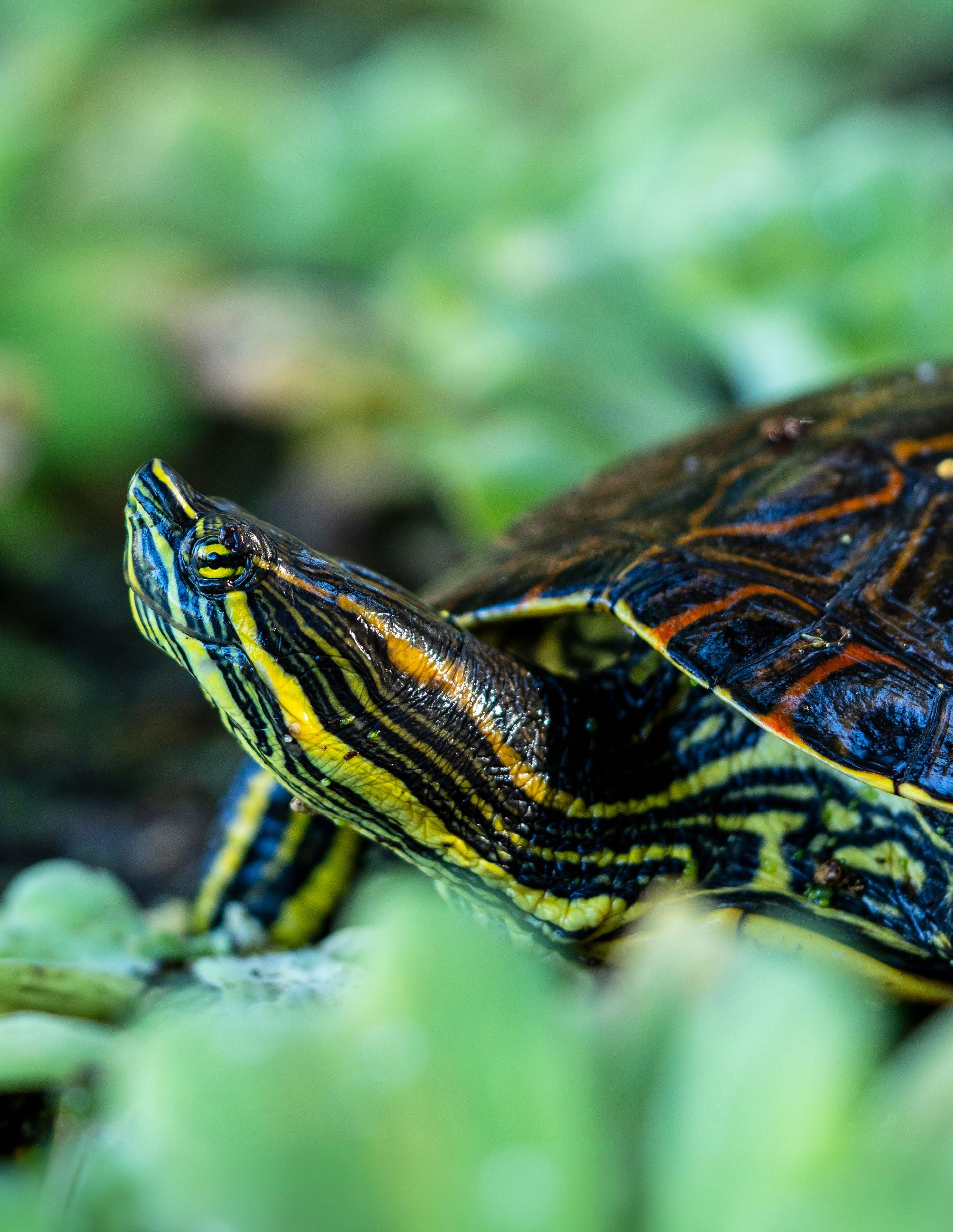
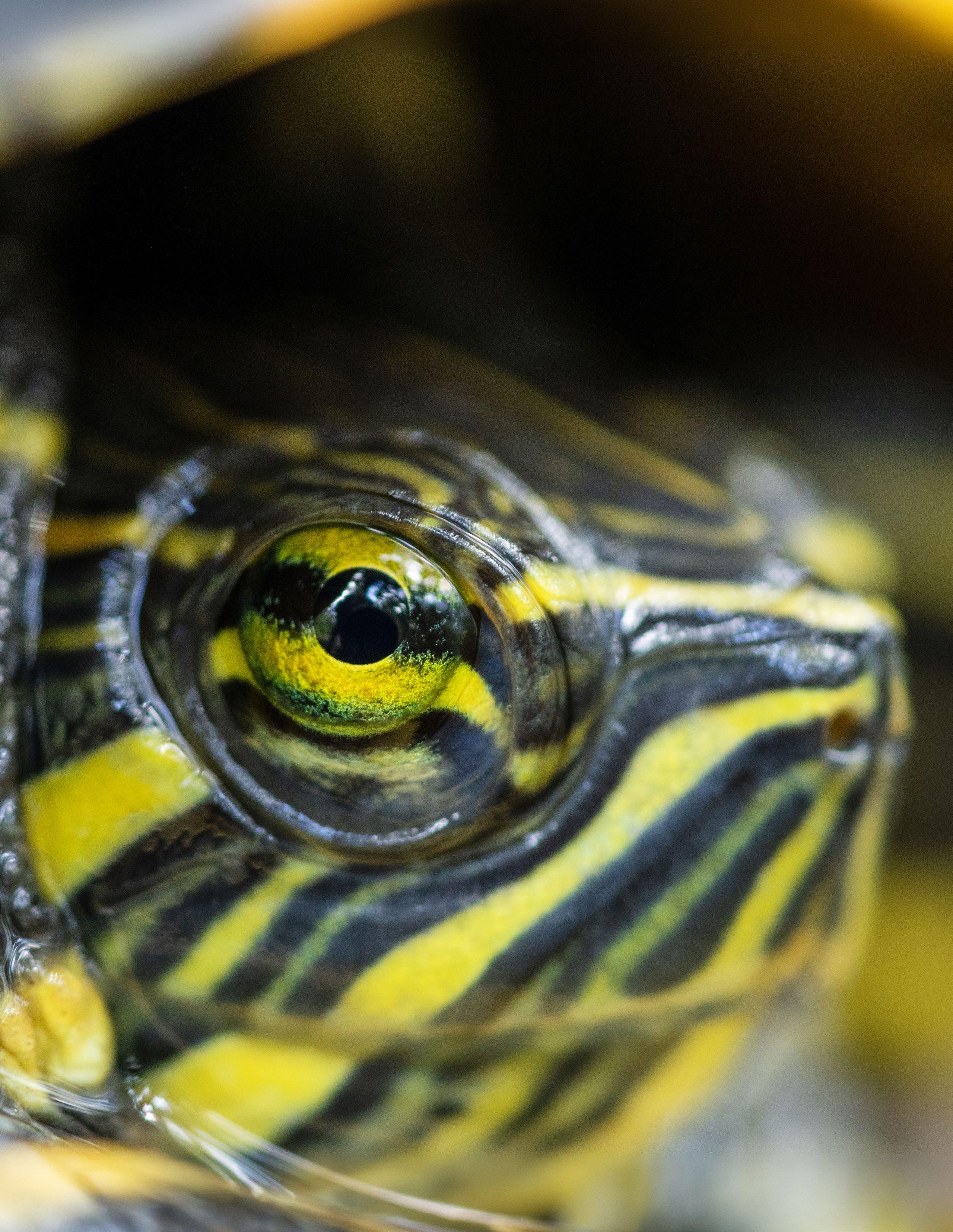
Eastern Central American Slider (Trachemys venusta). Photo by Carlos Mauricio Delgado Martínez
Dear Friends and Supporters of Turtle Survival Alliance,
On January 16, 2025, I received a message from our Madagascar Country Director that immediately captured the urgency of modern conservation:
“I am writing to inform you of the crisis situation at Lavavolo Tortoise Center.”
Within hours, catastrophic flooding engulfed the Lavavolo community and our facility, home to thousands of critically endangered Radiated (Astrochelys radiata) and Spider (Pyxis arachnoides) tortoises. Many members of the local community saw their homes swept away and their possessions destroyed. Despite their own losses and the fact that many could not swim, they waded through neckdeep floodwaters to help save tortoises.
Answering our call for emergency relief, colleagues, partners, and supporters from around the world mobilized immediately, helping us stabilize and care for more than 11,000 tortoises and ultimately beginning the work of rebuilding the center.
Moments like this remind us that conservation today requires both urgency and resilience. In 2025, Turtle Survival Alliance (TSA) faced multiple challenges, including unexpected funding disruptions that threatened programs in several countries. Yet thanks to our partners and supporters, we not only sustained our work—we expanded it.
Today, TSA’s conservation programs impact over 160 turtle species and subspecies across more than 30 countries. Through this growing network, TSA continues to serve as a central hub for global turtle
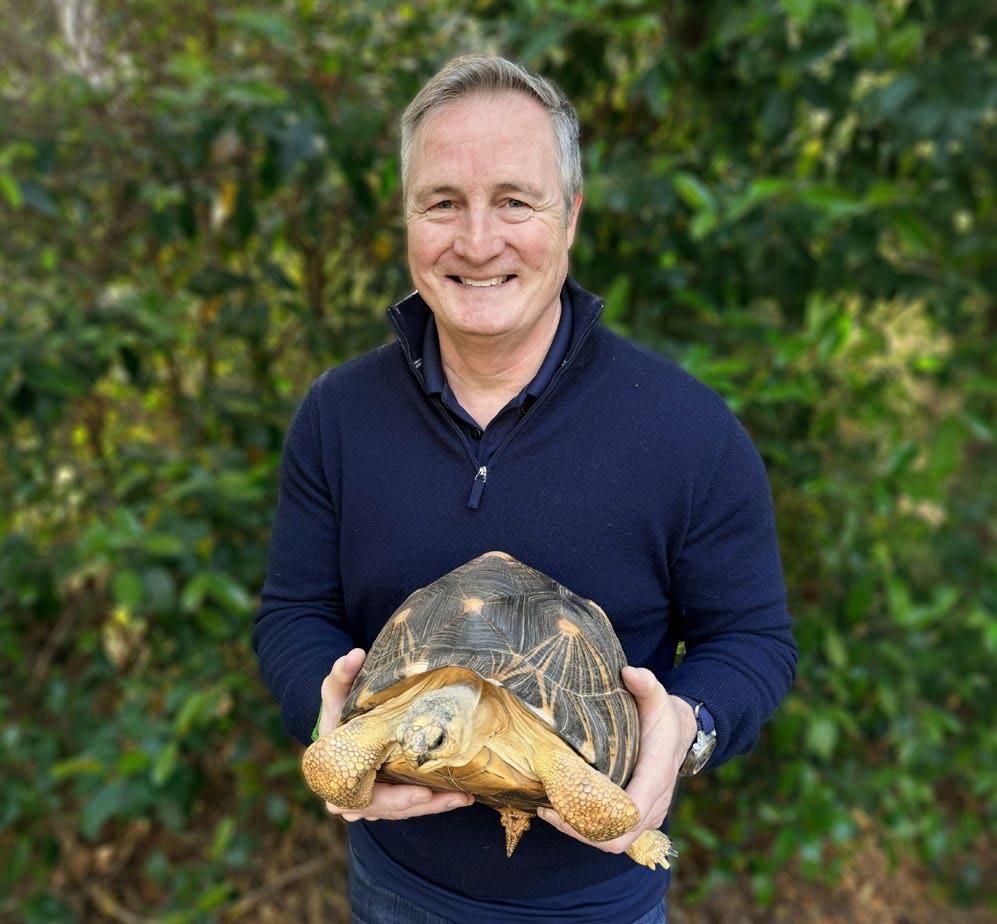
Turtle Survival Alliance President & CEO Marc Dupuis-Desormeaux holds a Radiated Tortoise (Astrochelys radiata).
conservation—connecting science, field action, and community stewardship to safeguard the world’s most threatened turtles.
This year also demonstrated the growing importance of rapid-response conservation. When more than 2,000 trafficked turtles were seized in Mexico, including the critically endangered Vallarta Mud Turtle (Kinosternon vogti), TSA joined forces with Zoológico Guadalajara and international partners to stabilize the animals and incorporate them into the zoo’s assurance colony, helping safeguard one of the world’s rarest turtles.
Across the pages that follow, you will see many examples of this collaborative approach in action, from the rewilding of endangered Red-footed Tortoises (Chelonoidis carbonarius) in Colombia to community-led conservation initiatives in Madagascar that are creating new sustainable livelihoods.
We are also proud to share that Natalia Gallego-García, TSA’s Director of Conservation Genetics, has been named co-chair of the IUCN SSC Tortoise and Freshwater Turtle Specialist Group, strengthening TSA’s leadership role within the global turtle conservation community.
That spirit of collaboration was further reflected at the 2025 TSA/TFTSG joint Annual Symposium on the Conservation and Biology of Tortoises and Freshwater Turtles, held in Chattanooga, Tennessee. The event brought together conservationists from around the world to share knowledge and strengthen partnerships. We are grateful to the Tennessee Aquarium for hosting this important global convening.
Looking ahead, the future of turtle conservation will depend on stronger international collaboration, innovative science such as genomics and conservation breeding, and deeper partnerships with the communities who share their landscapes with these species.
In a world where environmental challenges are becoming more complex and unpredictable, partnerships matter more than ever. We exist because of a global community of supporters who believe extinction is not inevitable—and who are committed to protecting turtles in the wild.
In conservation,

Marc Dupuis-Desormeaux President & CEO
About the cover: Carlos Mauricio Delgado Martínez, a PhD student, captured this close-up of an Eastern Central American Slider (Trachemys venusta) in the Calakmul region of the Yucatán Peninsula, Mexico.
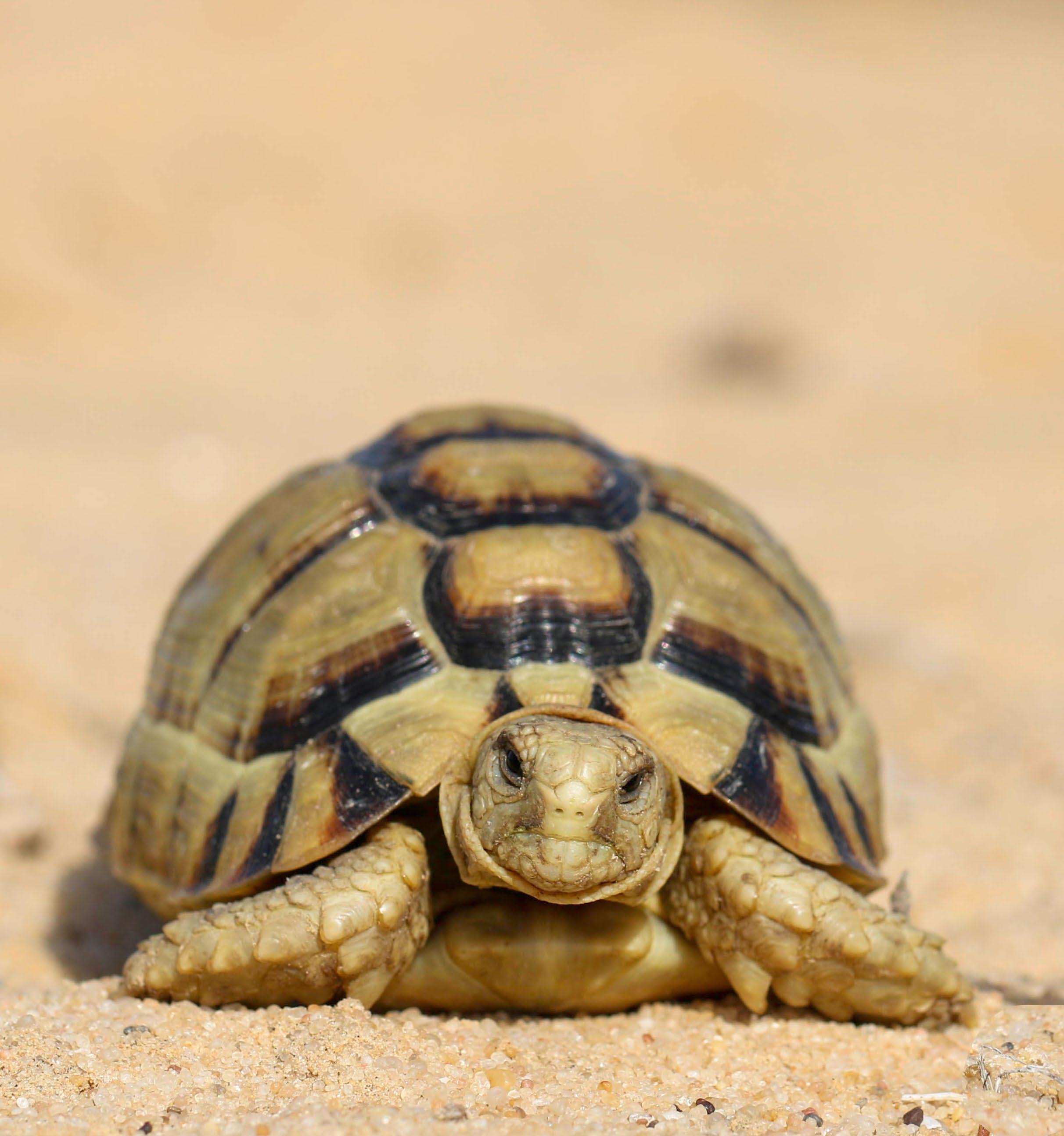
Egyptian Tortoise (Testudo kleinmanni).
Photo by Basem Rabia
Turtle Survival Alliance: By the Numbers
The data presented reflects January 1, 2025 to December 31, 2025.
160+
Species and subspecies worked with 30+
Countries with Turtle Survival Alliance presence 7,100+
Hatchlings produced 7,300+
Turtles released into the wild 13,300+
Volunteers & community members engaged
260+
Education and outreach offerings held 35+
Scientific manuscripts produced 80+
National and international presentations given 500+
Students collaborated on conservation research projects 300+
Attendees to the 23rd Annual Symposium on the Conservation and Biology of Tortoises and Freshwater Turtles
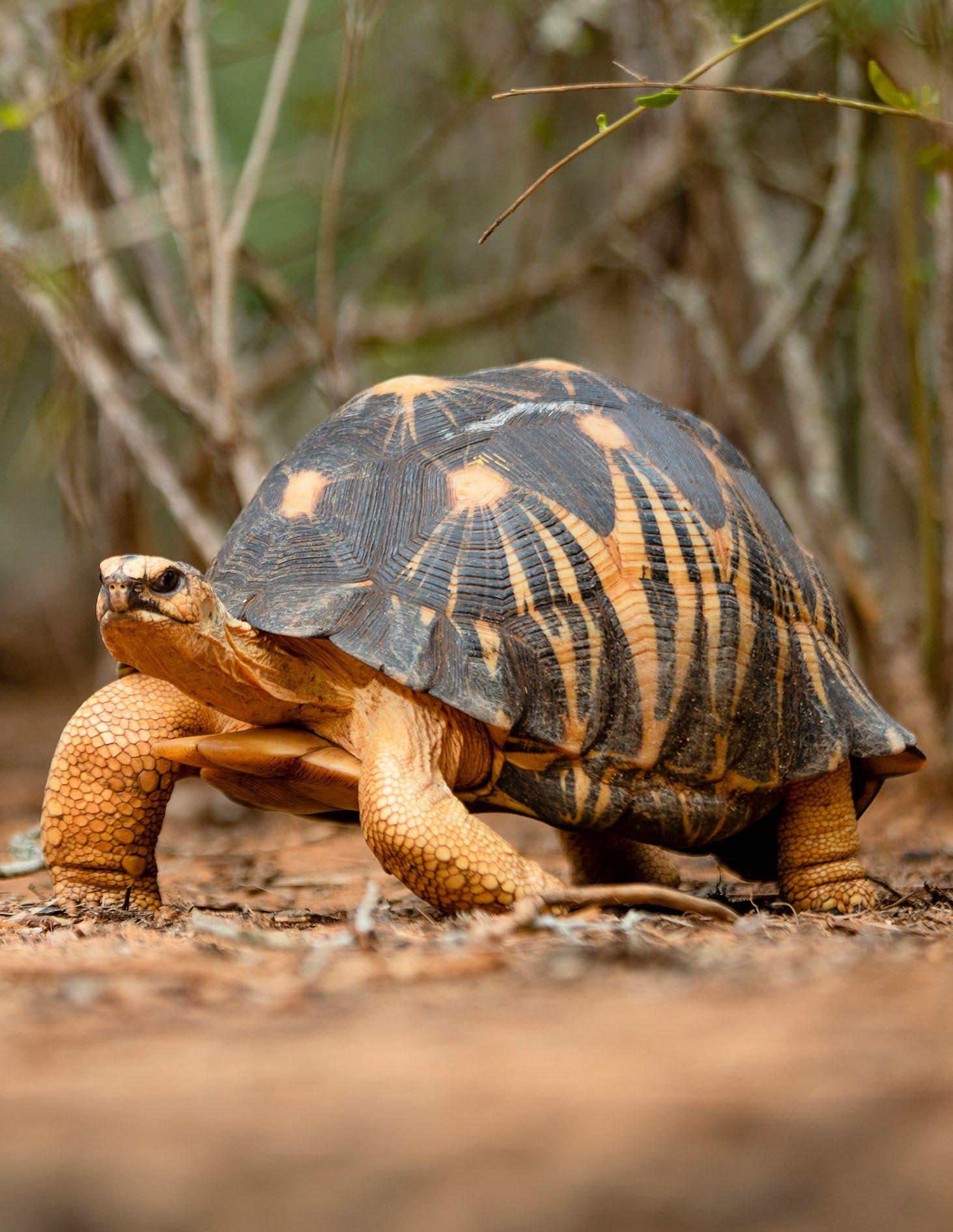
Radiated Tortoise (Astrochelys radiata).
Photo by Andry Fandresena
Current Project Locations
• Argentina
• Australia
• Bangladesh
• Belize
• Bolivia
• Brazil
• Burkina Faso
• Cambodia
• Canada
• Colombia
• Costa Rica
• Egypt
• El Salvador
• Guatemala
• India
• Indonesia
• Kenya
• Madagascar
• Malawi
• Malaysia
• Mexico
• Myanmar
• Paraguay
• Peru
• South Africa
• South Sudan
• Sudan
• Uganda
• Thailand
• Togo
• United States
• Vietnam
Target Project Locations
• Benin
• China
• Côte d'Ivoire
• Ghana
• Japan
• Liberia
• Mali
• Nicaragua
• Niger
• Nigeria
• Panama
• Tanzania
• Venezuela
• Zambia
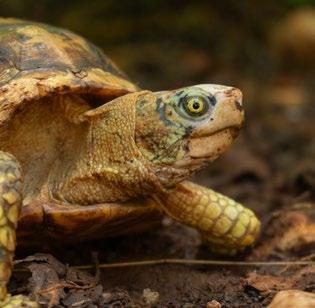
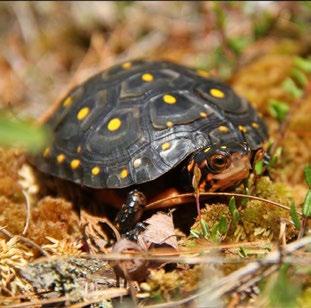
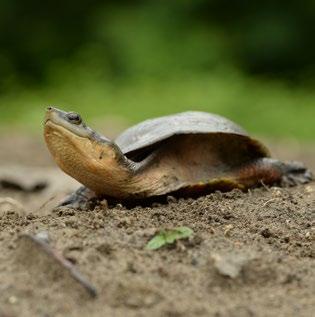
MEXICO AND CENTRAL AMERICA
Yucatán Box Turtle (Terrapene yucatana), Mexico
SOUTH AMERICA
Dahl’s Toad-headed Turtle (Mesoclemmys dahli), Colombia
UNITED STATES OF AMERICA AND CANADA Spotted Turtle (Clemmys guttata), United States
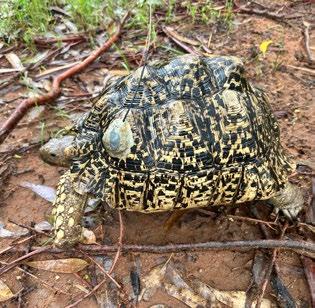
AFRICA Leopard Tortoise (Stigmochelys pardalis), South Africa
ASIA AND AUSTRALIA
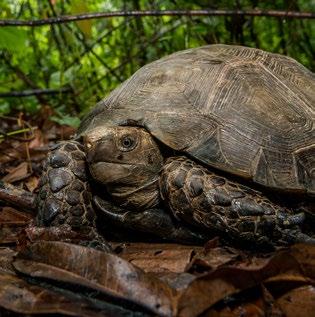
Asian Giant Tortoise (Manouria emys phayrei), Bangladesh
Photo credits: United States & Canada: Michael Jones; Mexico & Central America: Carlos Mauricio Delgado Martínez; South America: Mauricio “El Pato” Salcedo; Asia and Australia: Scott Trageser; Africa: Rochelle Marais
The United States of America and Canada
Population Monitoring, Captive Breeding, & Education and Outreach
In 2025, TSA Volunteer Science and U.S. Field Projects continued research on 23 freshwater turtle species and subspecies across five states, while laying the groundwork for future studies in Canada. Volunteers and field teams conducted population monitoring and habitat assessments, providing critical baseline population data and guiding species recovery. These efforts strengthened long-term research and conservation, supported local partnerships, and advanced the protection of freshwater turtles in the U.S. and Canada, ranging in conservation status from Least Concern to Critically Endangered on the IUCN Red List.
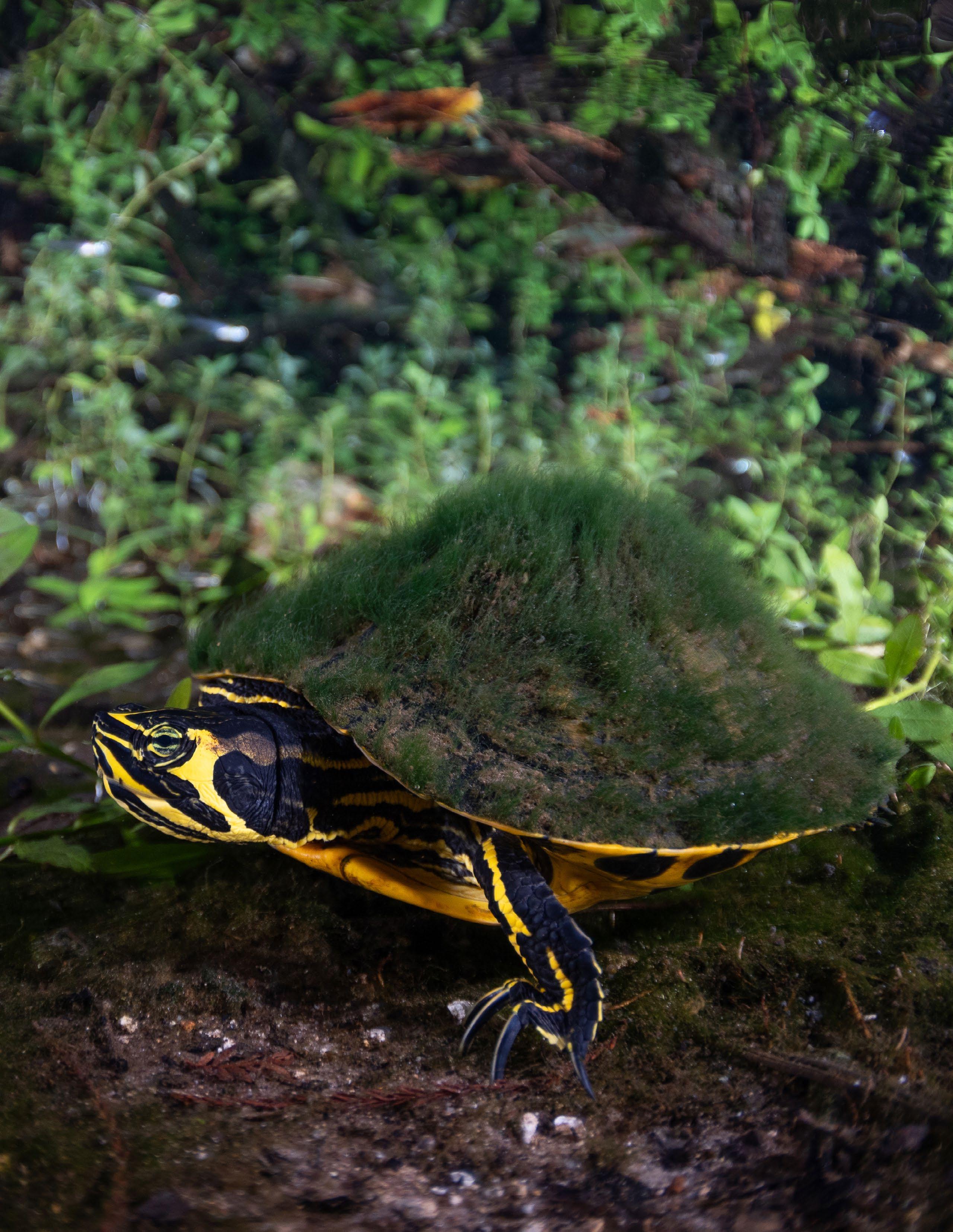
Yellow-bellied Slider (Trachemys scripta scripta).
Photo by Bill Hawthorne
Located in Cross, South Carolina, USA, the Turtle Survival Center (TSC) was founded to support our vision of Zero Turtle Extinctions® worldwide. 2025 was a successful year—both for the turtles hatched and the growth of our team. We continue developing our facilities to effectively support and manage populations of 27 endangered and critically endangered species.
Conservation, Chelonian Care, & Education
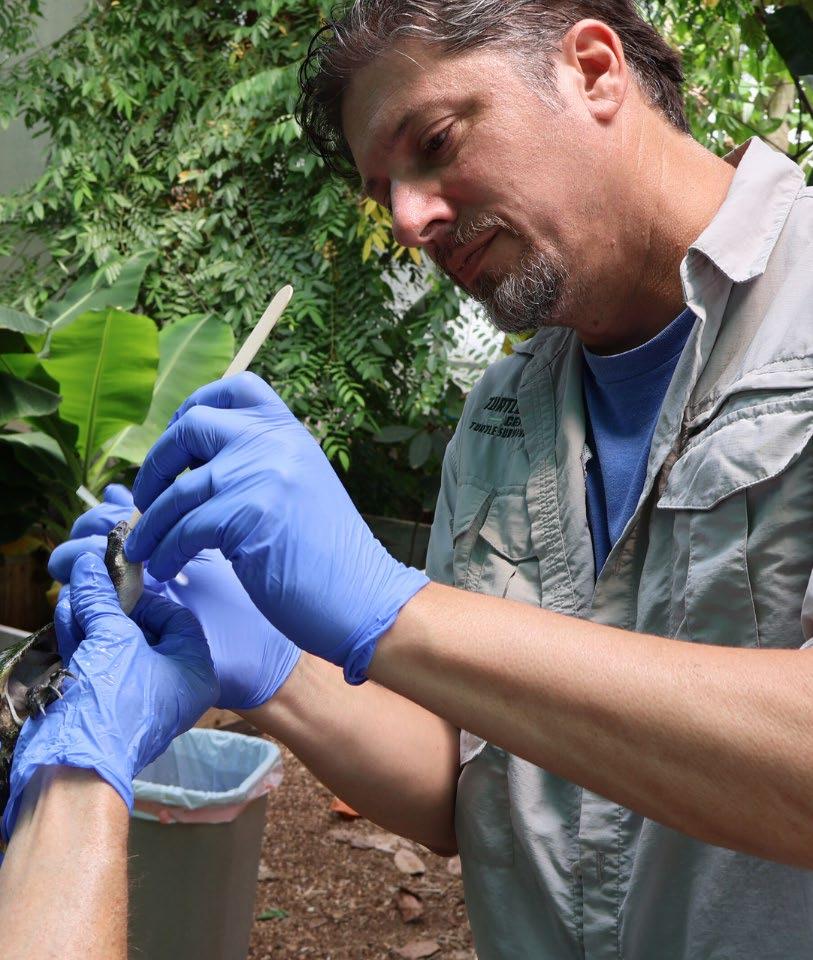
The success of the TSC relies on a dedicated and skilled team. This year, we expanded our staff by adding two new Chelonian Keeper positions and welcoming Veterinarian Dr. Shane Boylan to provide expert care for more than 850 resident turtles.
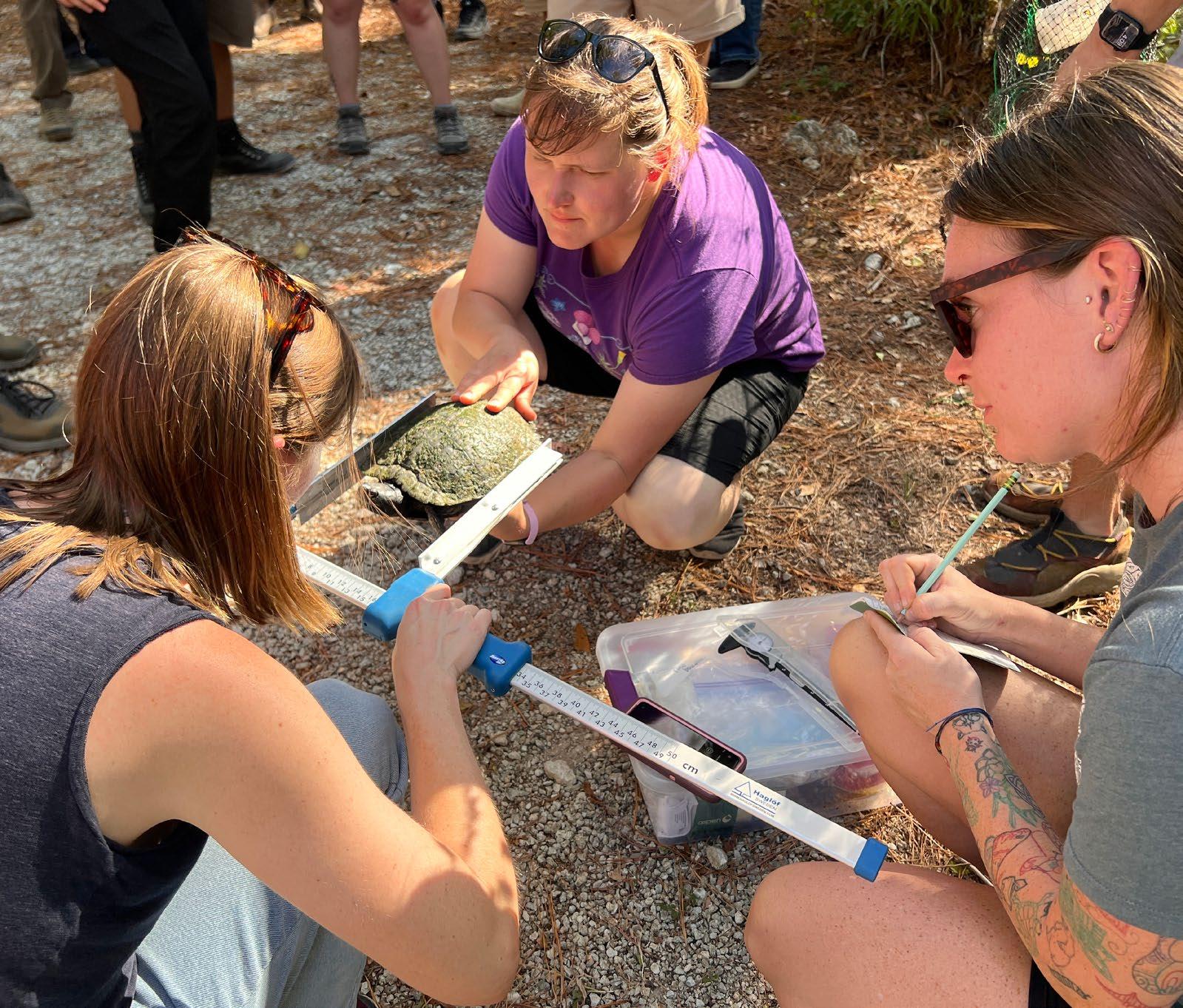
Continuing our commitment to education, we hosted our third annual Chelonian Biology, Conservation, and Management Course, sponsored by the Association of Zoos & Aquariums Chelonian Advisory Group. Participants learned best practices
for chelonian care and husbandry through hands-on field labs with expert biologists and professors, featuring activities such as telemetry demonstrations, breeding encounters, and a necropsy.
Our staff also engage the local community through workshops at schools and libraries, tours of the TSC for visiting groups, as well as participating in scientific research with other NGOs and the South Carolina Department of Natural Resources. These efforts ensure that the TSC remains not only a sanctuary for turtles but also a center for learning, conservation, and inspiration for all who visit.
Association of Zoos and Aquariums Accreditation
Our facility continues to achieve the highest industry standards. This year, the TSC passed its second accreditation since 2018 as a related facility of the Association of Zoos & Aquariums. We take great pride in our dedicated staff and excellence in chelonian care.
Left to right: Dr. Shane Boylan works in the Greenhouse Complex. Photo by Vanessa Ambas; Participants from the Chelonian Biology, Conservation, and Management Course learn how to measure turtles for data collection in the field. Photo by Liz Kimbrough for Mongabay; A hatchling Beale’s Eyed Turtle (Sacalia bealei). Photo by Elena Duran
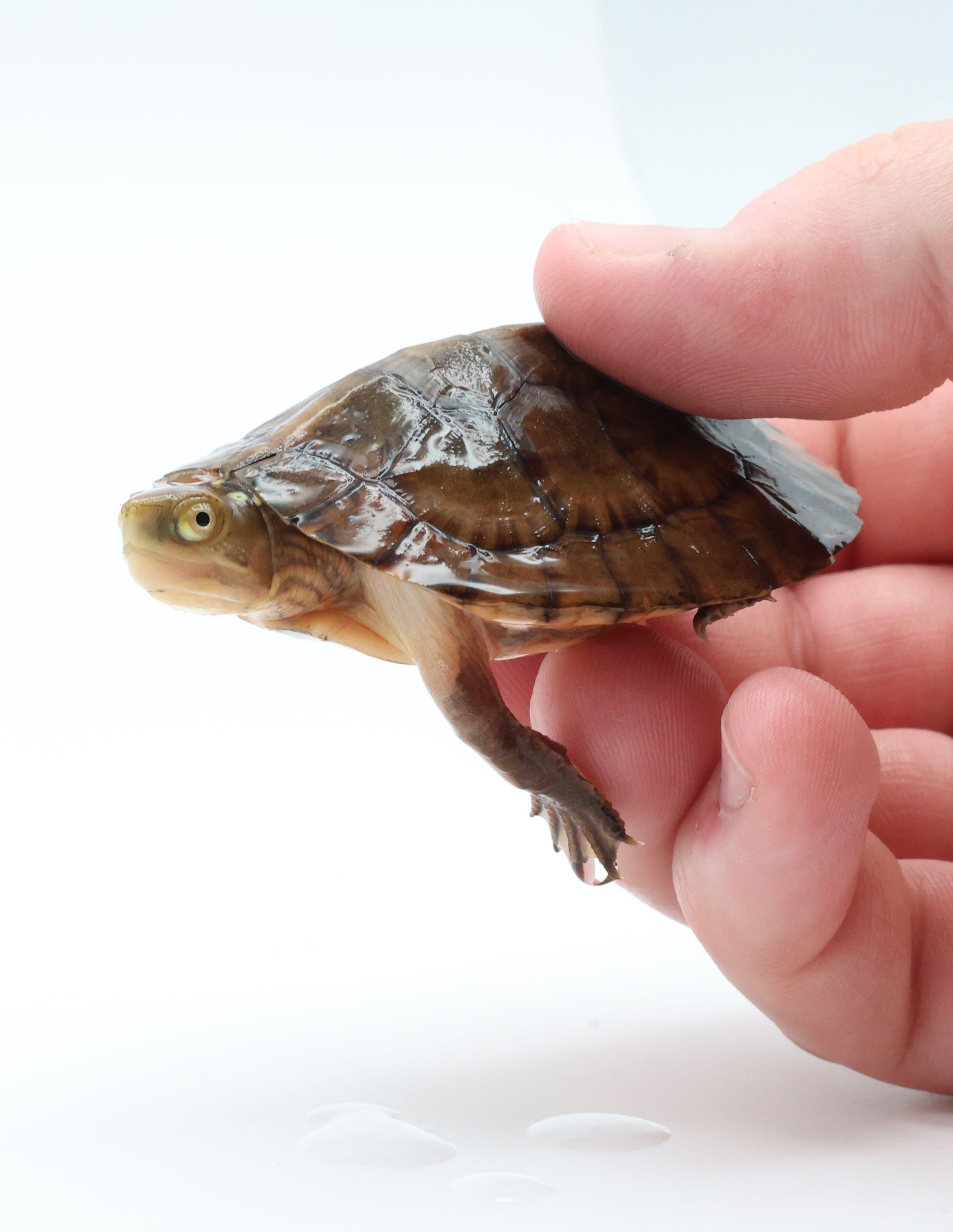
SPECIES SPOTLIGHT: Beale's Eyed Turtle (Sacalia bealei)
The Beale’s Eyed Turtle inhabits clear mountain streams under dense forest canopy, relying on specialized microhabitats. Endemic to China, wild populations have declined due to collection for trade and habitat destruction. In 2025, the TSC produced eight hatchlings, bringing the total to 36 since 2014—an important contribution for a dwindling species that typically produces only one nest per year containing one to three eggs.
Volunteer Science
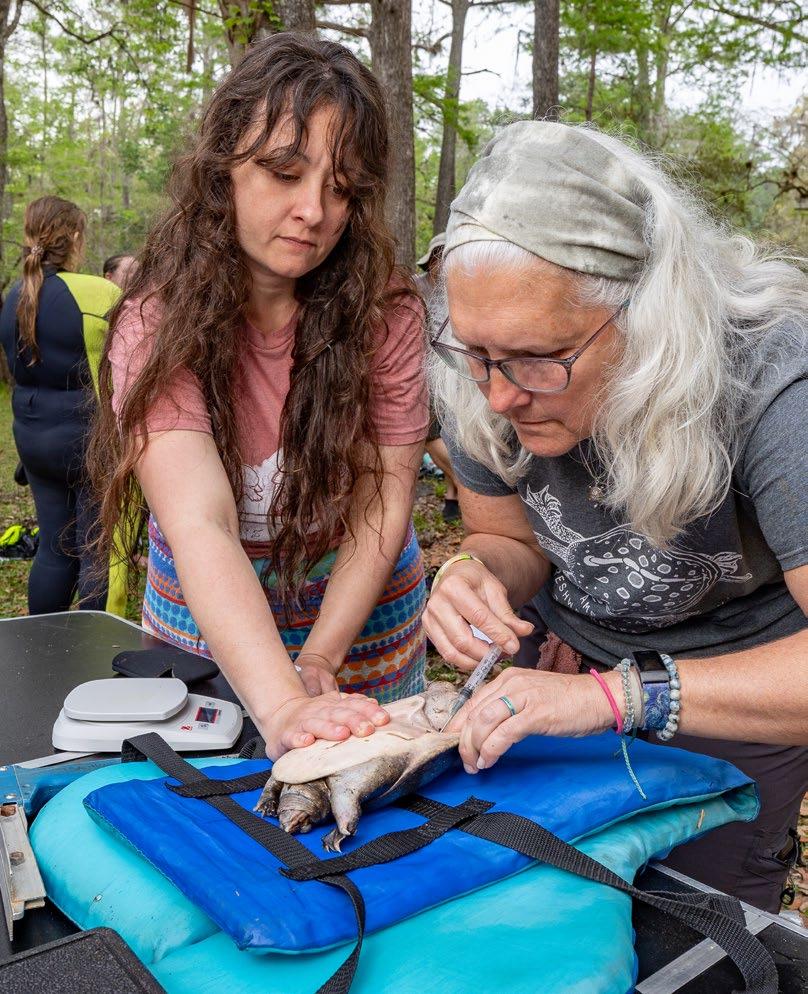
The TSA Volunteer Science program engaged well over 200 volunteers, including more than 75 students, in conservation research on 18 freshwater turtle species across ten study sites in Florida, South Carolina, Texas, and Washington. Projects included monitoring species assemblages in freshwater spring systems and Diamondback Terrapin (Malaclemys terrapin) populations and nesting in coastal brackish estuaries, providing critical data to guide longterm research and conservation. Read more on our website:
insert a PIT tag into a Florida Softshell Turtle (Apalone ferox) in
by Bill Hawthorne; The TSA Volunteer Science program and U.S. Field Projects engaged over 300 volunteers and scientists, including 80 students, researching 23 freshwater turtle species across 17 study sites nationwide (see map below).
Turtle Survival Alliance Canada
We are excited to share that TSA Canada (TSAC) launched in 2025 to help secure a future for some of the world’s most threatened turtles. Through ecosystem conservation and restoration, TSAC works to safeguard turtles and their habitats for the benefit of both wildlife and people. Learn more at turtlesurvival.ca.
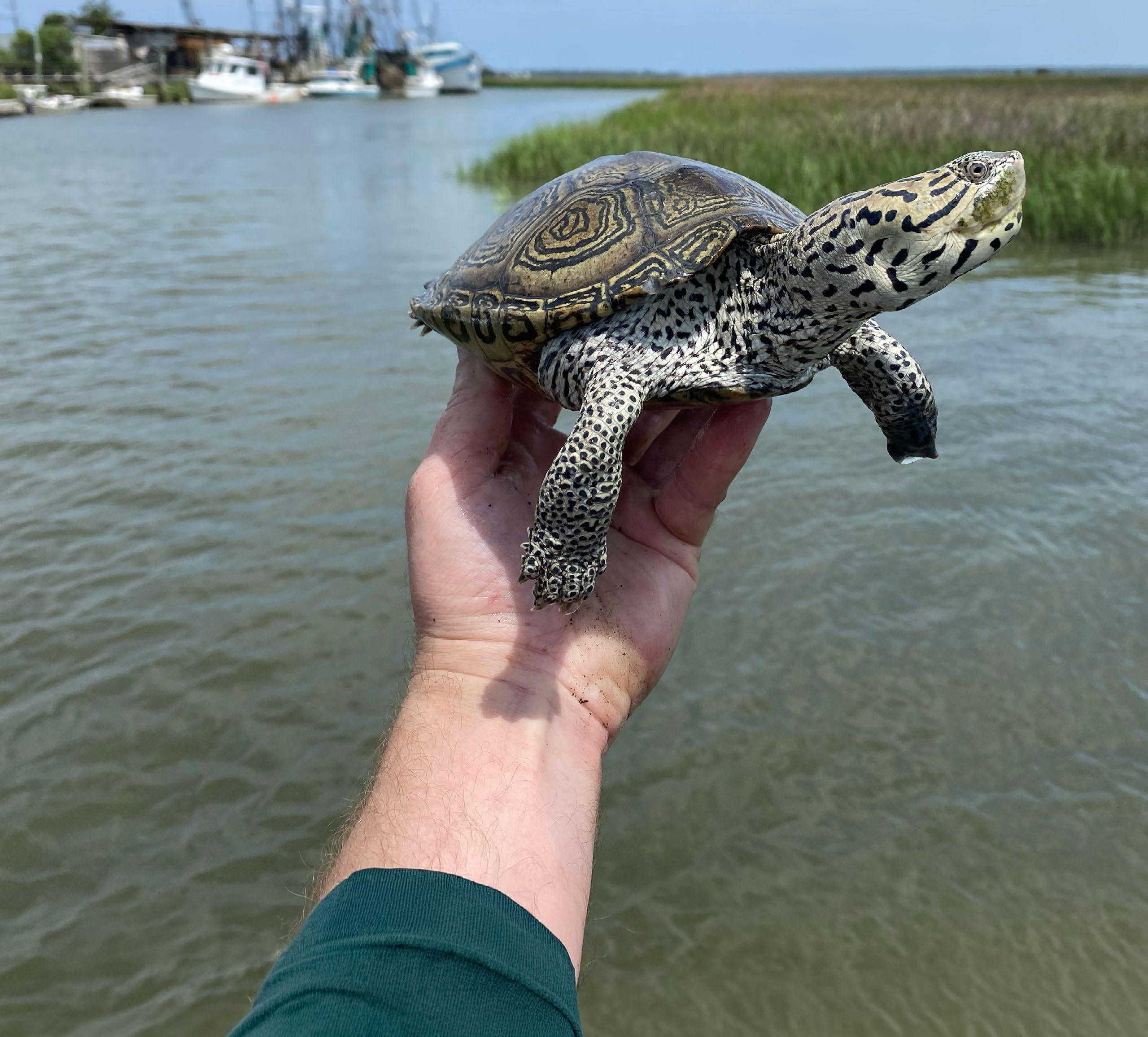
Top to bottom: Carolina Diamondback Terrapin (Malaclemys terrapin centrata).
Photo by Jordan Gray; TSA Volunteer Science members
Florida.
Photo
Conservation Genetics
The Atlas of Turtle Genomes for Conservation
Turtles and tortoises are among the world’s most threatened vertebrates, and illegal trafficking continues to accelerate their decline. This year, we launched the Atlas of Turtle Genomes for Conservation (ATGC) with the University of California, Los Angeles to address this problem. ATGC is a nationwide initiative designed to help return confiscated turtles to the wild safely. By generating detailed genetic maps across species’ native ranges, ATGC can pinpoint the geographic origin
of trafficked turtles. This genomic “roadmap” guides scientifically informed repatriation and reveals poaching hotspots, helping law enforcement and conservation agencies focus efforts where they are needed most while supporting the recovery of wild turtle populations.
Reference Genomes for Conservation
A reference genome is a complete map of an organism’s DNA that scientists use to assemble and interpret genetic data from other individuals of the same species. Many turtle species still lack these resources, making their development an important step for conservation. TSA’s Conservation Genetics
Program and multiple partners are working to complete genomes for more than 40 species. Publicly available reference genomes allow researchers worldwide to detect inbreeding, measure genetic diversity, identify unique lineages, and study how turtles adapt to their environments. By providing a shared genetic resource, TSA aims to expand global capacity for conservation genetics and support more effective, science-based recovery efforts. Visit our Genomics webpage for more information on these efforts:
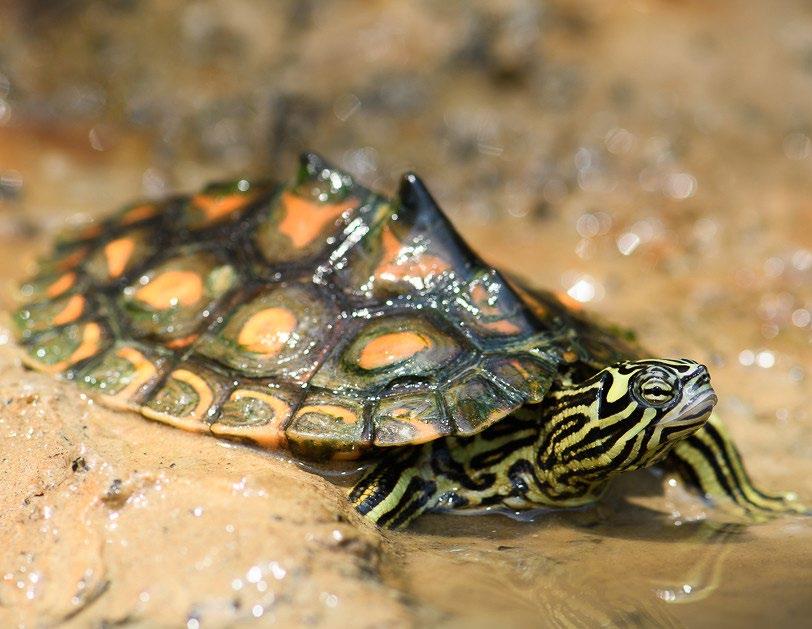
The Yellow-blotched Map Turtle (Graptemys flavimaculata) is one of over 40 species included in the Reference Genomes for Conservation project.
Photo by Jason Folt
Mexico and Central America
Surveys, Genetics, & Community Engagement
Mexico and Central America are global biodiversity hotspots crucial for turtle diversity, and are facing rapid, unchecked development and knowledge gaps for many species, including unknown distributions and population trends. TSA is addressing this by conducting preliminary surveys across all countries to establish presence/absence, verify historic ranges, assess relative abundance and threats, and collect vital genetic samples to evaluate taxonomic units—all critical steps for effective conservation.
MEXICO
BELIZE
GUATEMALA
COSTA RICA
EL SALVADOR
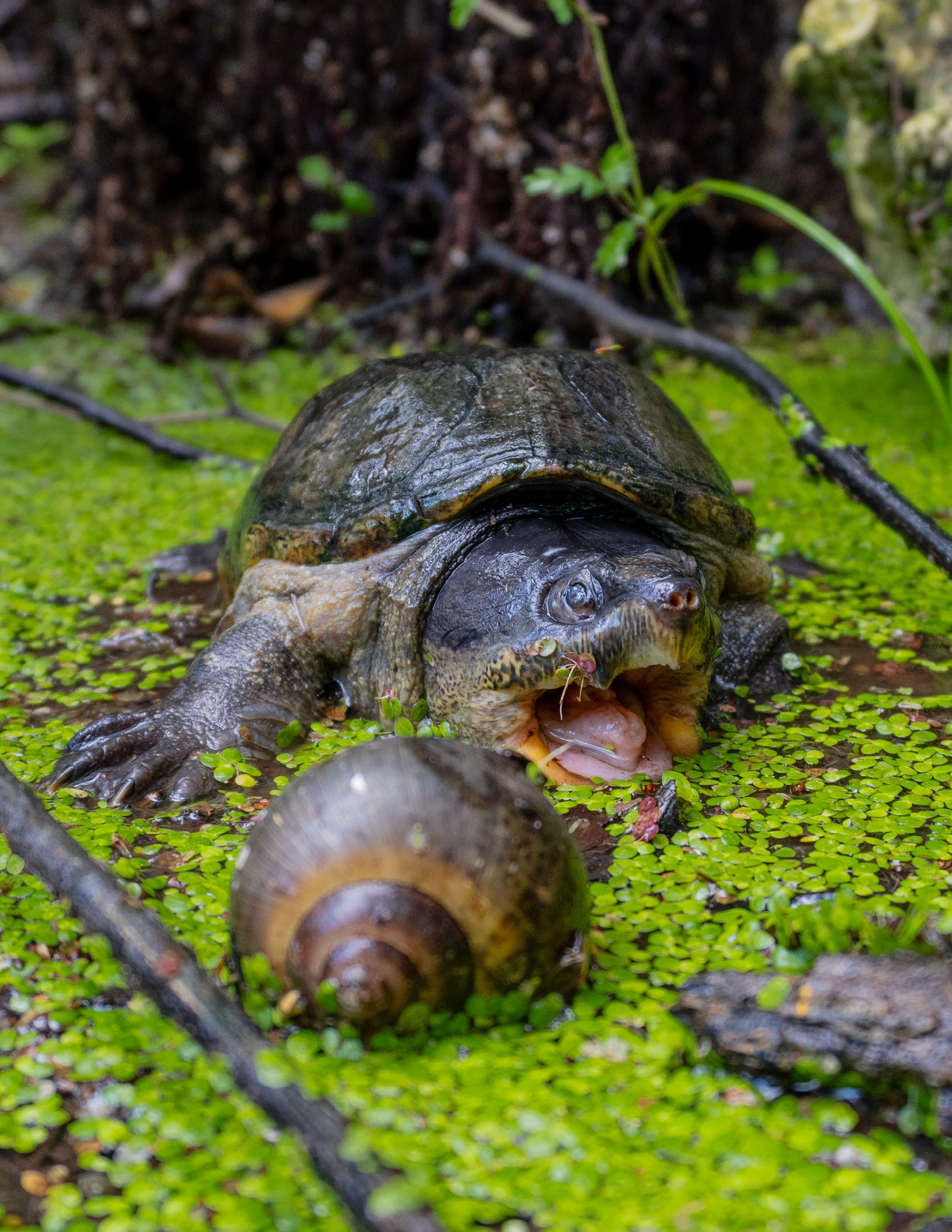
Narrow-bridged Musk Turtle (Claudius angustatus). Photo by Carlos Mauricio Delgado Martínez
Mexico
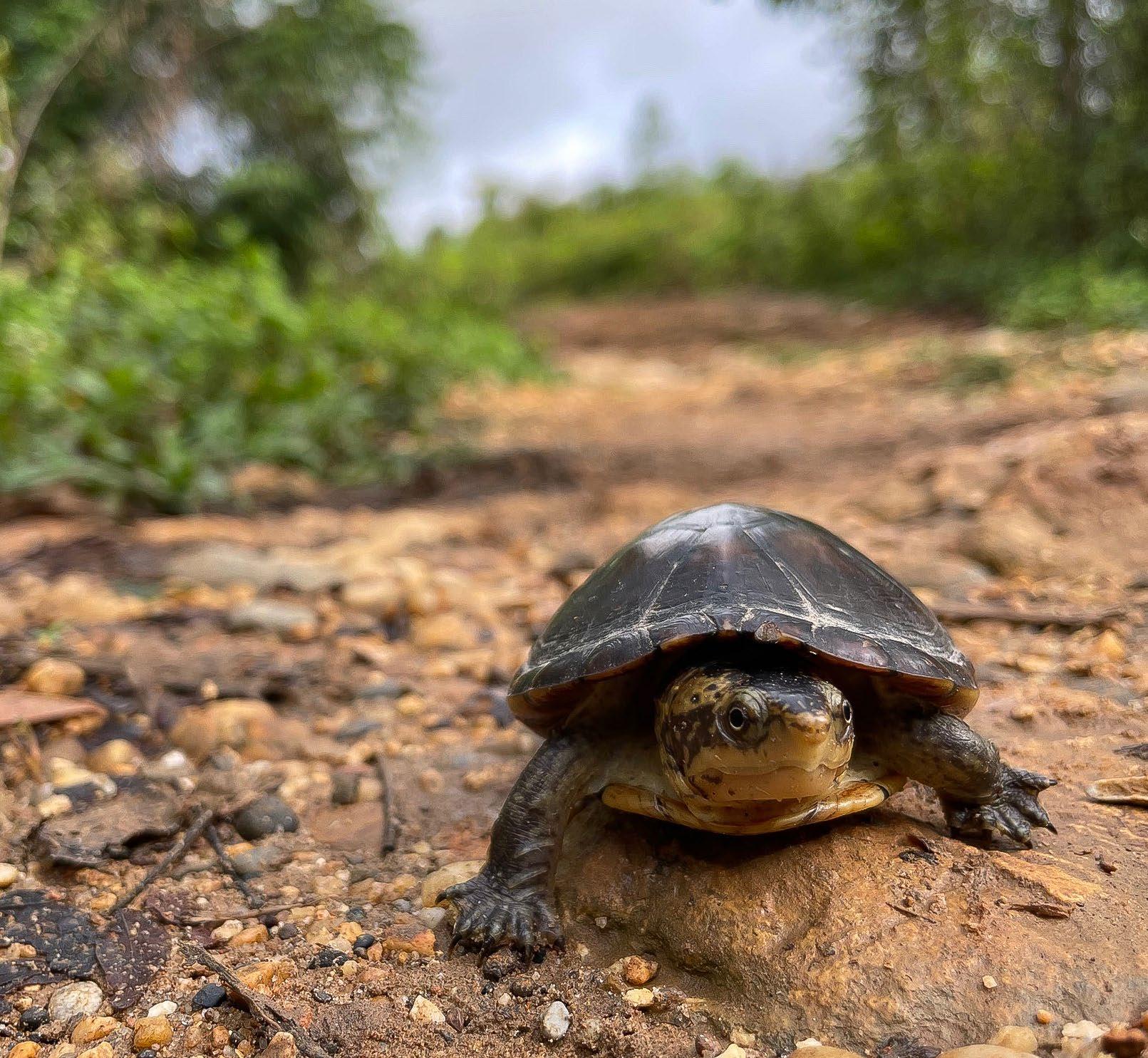
In Chiapas, Mexico, we partner with PhD student Eduardo Reyes Grajales to generate critical ecological and demographic data, assess conservation status, and establish community-based monitoring programs for many turtle species, including the Central American River Turtle (Dermatemys mawii). Working alongside local communities, Eduardo is making important contributions to chelonian conservation in the region. His remarkable field effort in 2025 resulted in the documentation of over 425 individual turtles and more than 55 interviews with community members. This immense undertaking provided valuable data on turtle populations in Chiapas, as well as critical accounts from local people on historic populations and recent declines.
CONSERVATION PARTNER: Estudiantes Conservando la Naturaleza
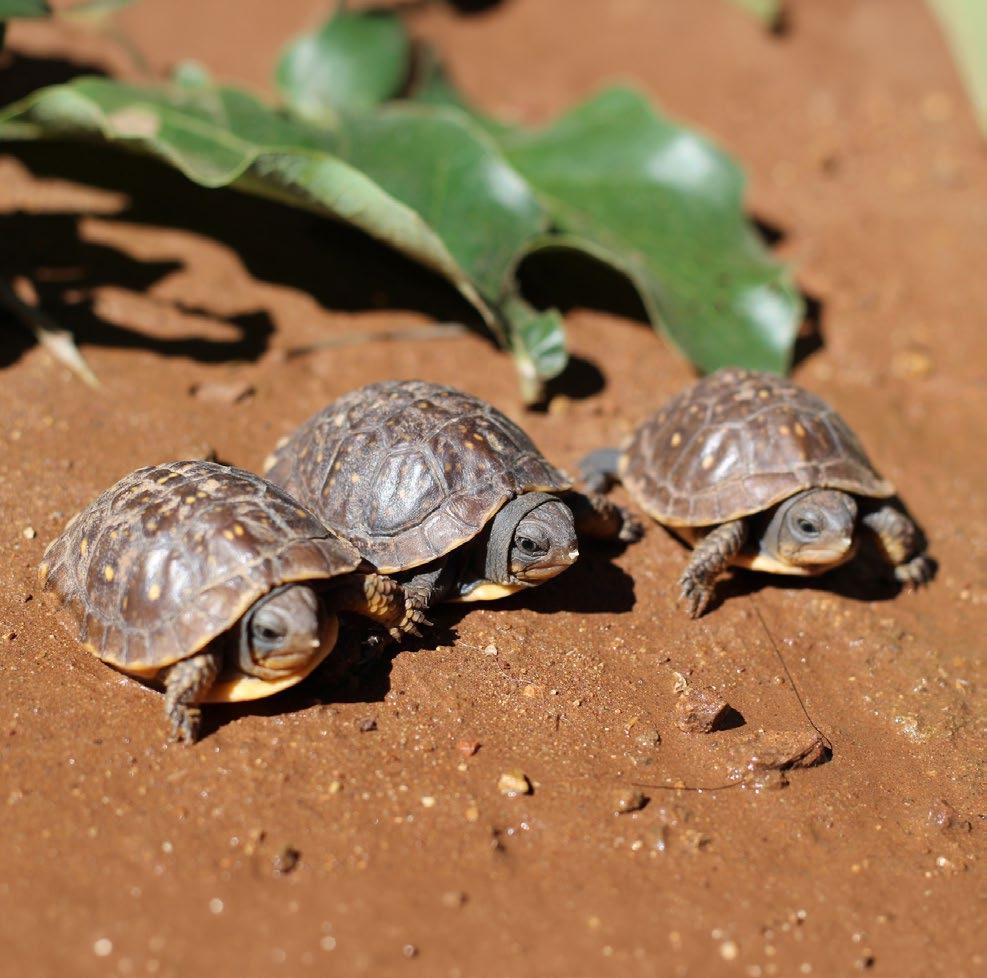
This was an exciting year for TSA and our partner Estudiantes Conservando la Naturaleza (ECN). In Sonora, we documented wild hatchling Spotted Box Turtles (Terrapene nelsoni), marking a momentous first for the species. In Jalisco, we made significant progress to save the Vallarta Mud Turtle (Kinosternon vogti). We countered habitat destruction by constructing a protective barrier around a critical site. Recognizing that habitat protection must be paired with enforcement, we formalized efforts with local authorities to strengthen antipoaching efforts and patrols. This work is essential to ensuring the survival of this critically endangered species in a rapidly changing landscape.
In 2025, we expanded our Mexican turtle conservation efforts to the Calakmul region in the state of Campeche. There, TSA partners with ECN and local PhD student Carlos Mauricio Delgado Martínez. His work focuses on two priorities: determining population sizes for seven local turtle species and developing a road-mortality mitigation plan in collaboration with nearby communities.
Guatemala
In partnership with the Philadelphia Zoo and local researchers, we’ve launched an exciting multiinstitutional project to study the population ecology, health, and distribution of mud and musk turtles in Guatemala. By conducting surveys, collecting health samples, and performing genetic testing, we are using data-driven methods to guide our conservation strategy for these understudied turtle species.
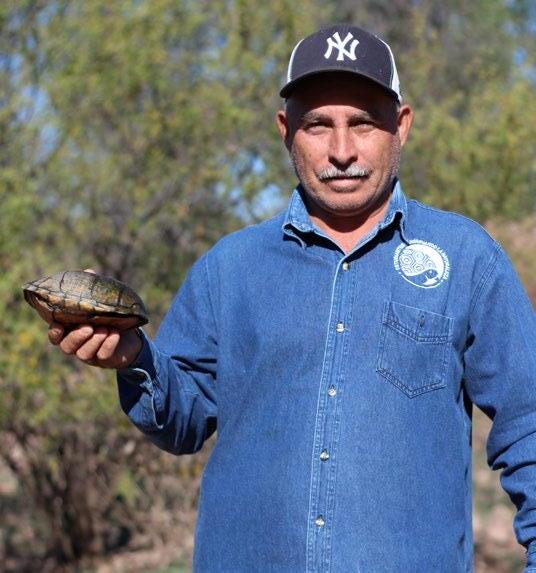
Félix García Caballero
Estudiantes Conservando la Naturaleza
“The work we do matters because through the constant monitoring of turtles, we can anticipate risks, understand what they need to survive, and act in time to ensure their conservation.” - Félix García Caballero
Conservation Genetics
Genomics of Central American Turtles
TSA and partners across the region have begun unraveling the taxonomic puzzles of Central America’s understudied turtles. Read the story in our 2024/2025 Turtle Survival magazine for the details:
Clockwise from top left: Central American River Turtle (Dermatemys mawii). Photo by Eduardo Reyes Grajales; Spotted Box Turtle (Terrapene nelsoni) hatchlings. Photo by Taggert Butterfield; White-lipped Mud Turtle (Kinosternon leucostomum).
Photo by Chris Bednarski
South America
Population Monitoring, Genetics, & Reintroduction
Across South America, TSA is evaluating the taxonomic status of Red-footed Tortoises (Chelonoidis carbonarius) and Chaco Tortoises (Chelonoidis chilensis), conducting comprehensive range-wide and countrywide surveys for priority species, monitoring populations across the continent, and initiating critical reintroduction programs. A priority country for TSA efforts is Colombia, where we partner with Wildlife Conservation Society Colombia (WCS) to protect and monitor the Dahl’s Toad-headed Turtle (Mesoclemmys dahli) and Magdalena River Turtle (Podocnemis lewyana) through surveys, community engagement, nest protection, and more.
ARGENTINA
BRAZIL
COLOMBIA
BOLIVIA
PARAGUAY
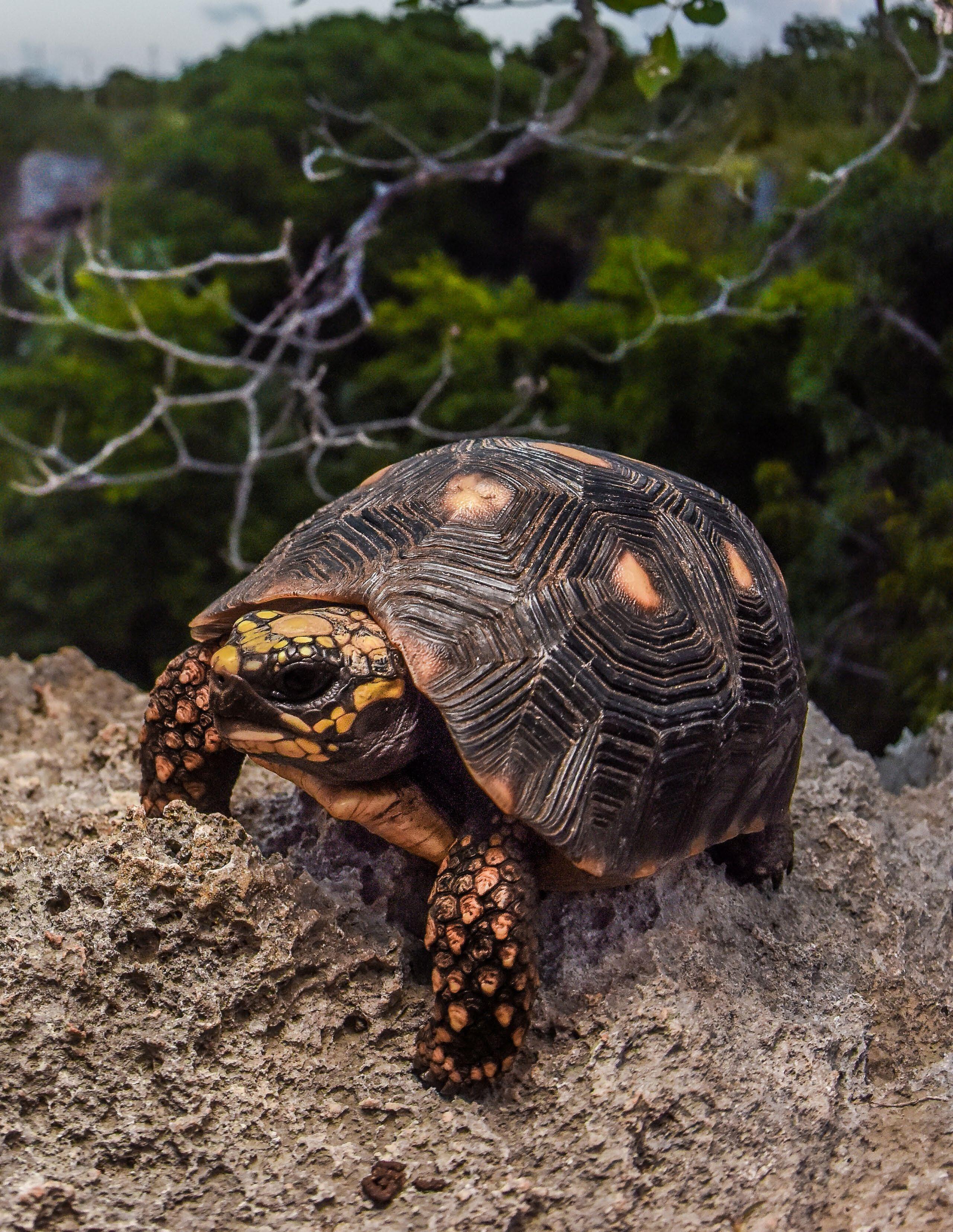
Red-footed Tortoise (Chelonoidis carbonarius).
Photo by Scott Trageser
Colombia
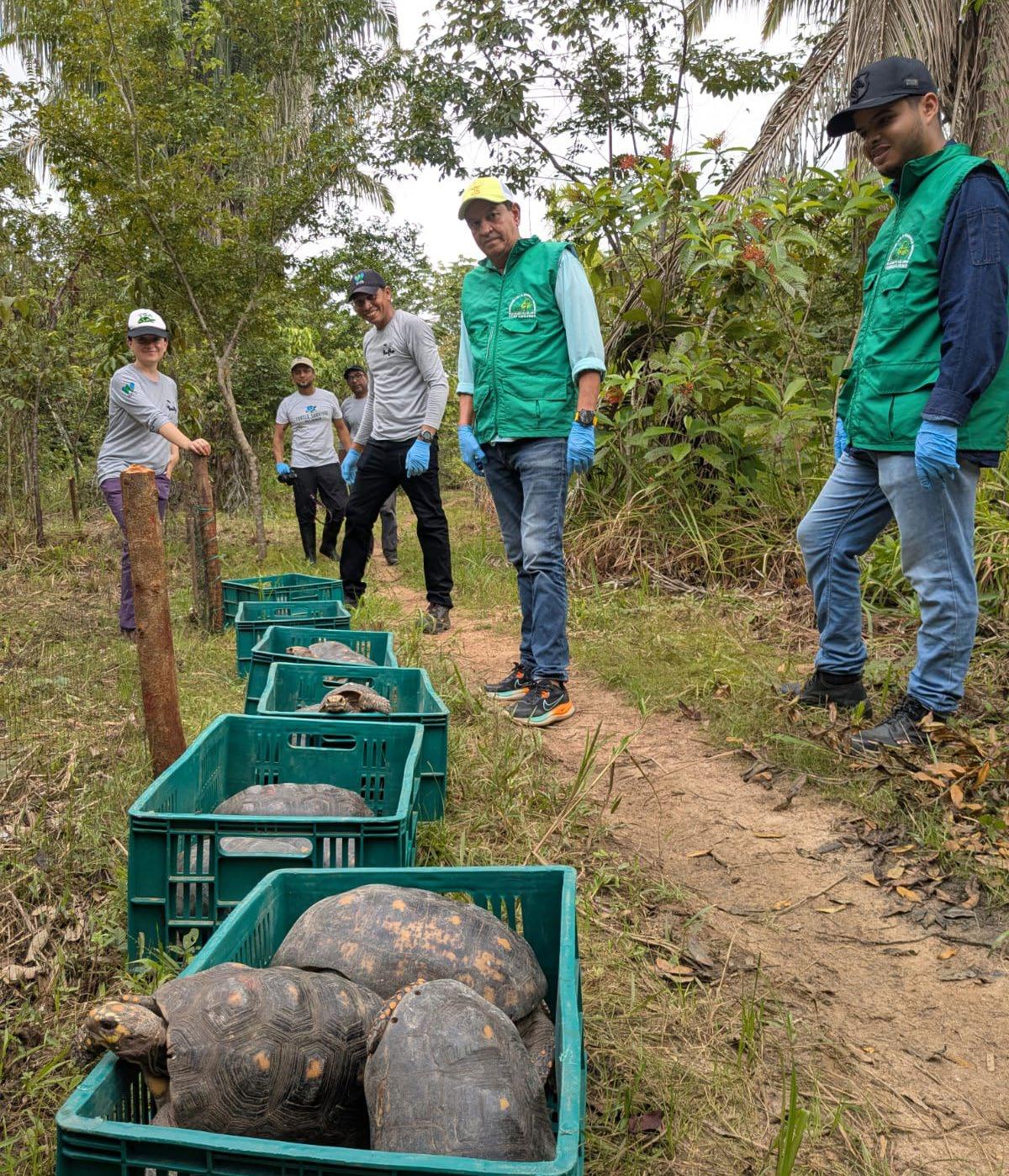
CORPOMOJANA, with support from TSA and Wildlife Conservation Society Colombia, reintroduced 20 confiscated Red-footed Tortoises (Chelonoidis carbonarius), an Endangered (in press) species, into La Carranchina Natural Reserve. The 544-acre (220 ha) reserve was designated a Key Biodiversity Area in 2024. Representing the first scientifically guided repatriation of the species in the country, the program followed soft-release protocols, with each tortoise assessed for health, genetics, and post-release behavior. This release also marks the first step in developing a national reintroduction plan for the species.
This page, top to bottom: Red-footed Tortoises (Chelonoidis carbonarius).
Photos courtesy of Wildlife Conservation Society Colombia
Marjorie Pinzon
Lead Turtle Researcher, WCS Colombia
“I feel grateful to lead the team advancing the conservation of turtles in my country. Protecting these species demands strong collaboration and ongoing innovation to effectively meet conservation challenges.”
- Marjorie Pinzon
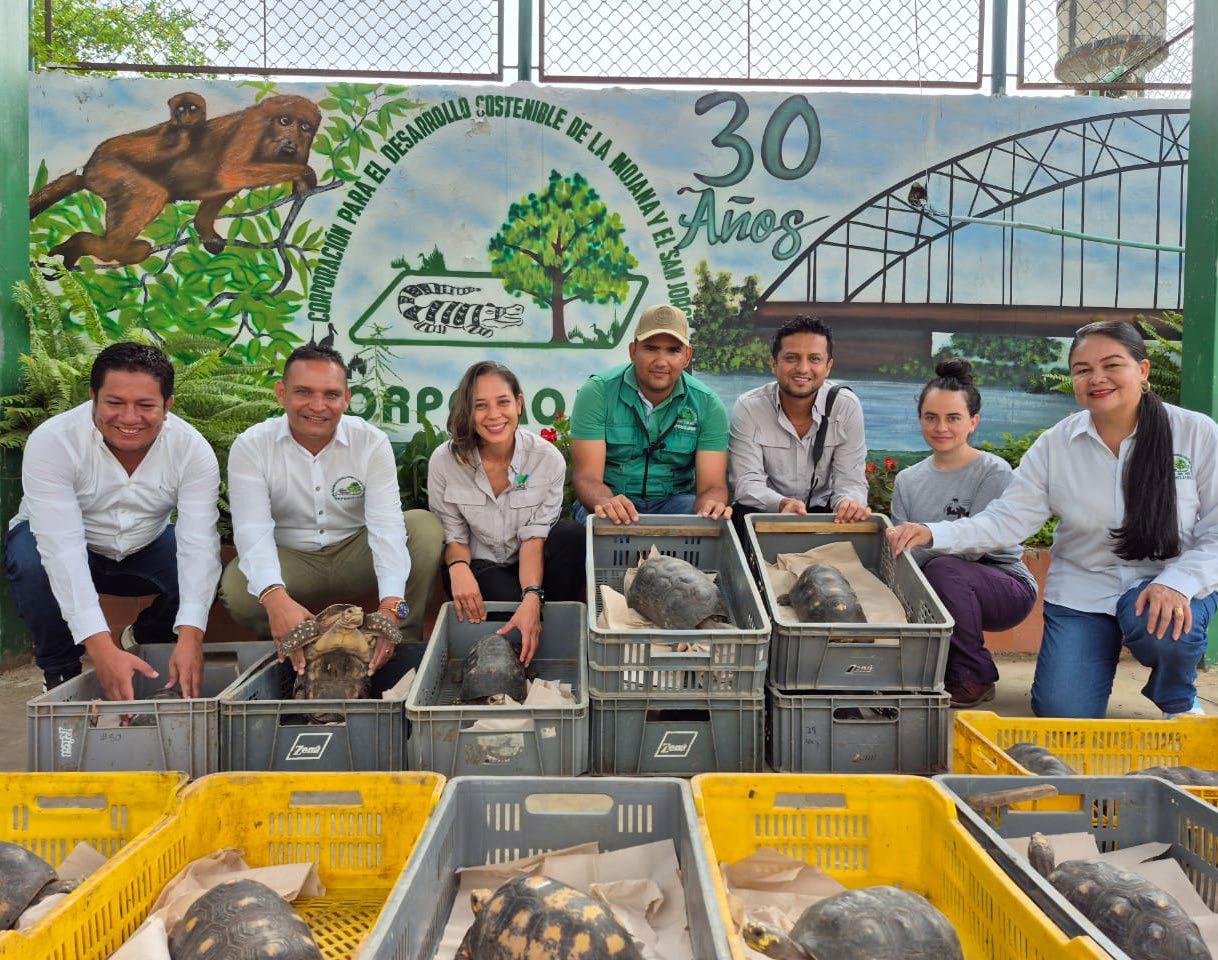
Photo by Scott Trageser
Conservation Genetics
Untangling Chaco Tortoise Taxonomy
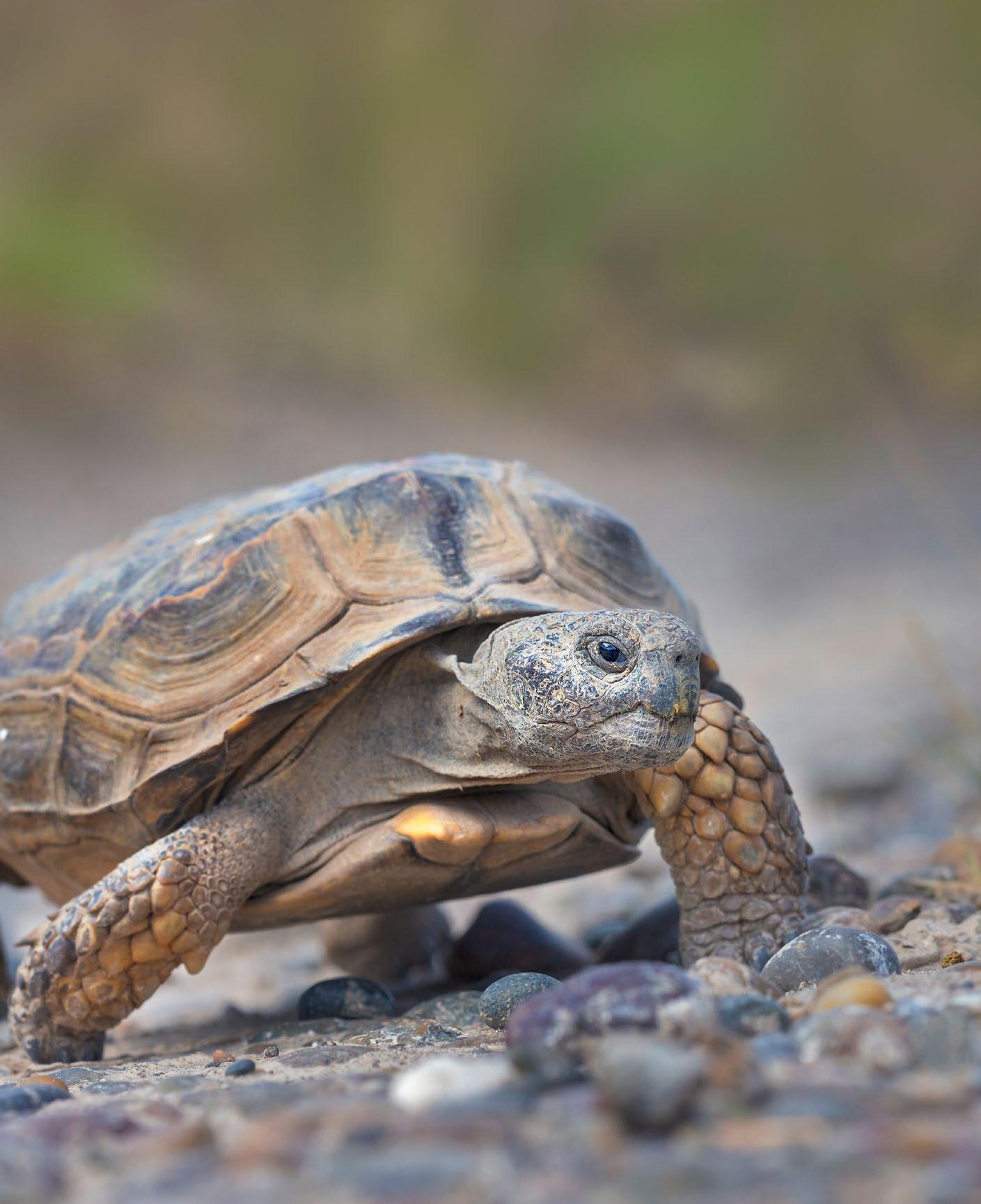
The Chaco Tortoise (Chelonoidis chilensis) inhabits Argentina, Paraguay, and Bolivia across the Monte and Dry Chaco, which vary in climate and habitat. Populations may be genetically distinct even if they look similar. Scientists have debated whether the species is one species or several, and mitochondrial DNA hints at two groups, but it cannot fully resolve species boundaries. This project, led by TSA and partners from all three countries, uses whole-genome sequencing across the tortoise’s full range to identify lineages, link them to habitat differences, and detect local adaptation. Understanding these patterns is vital for conservation, guiding management, and ensuring confiscated tortoises are returned to their correct region.
Hidden Diversity in the Red-footed Tortoise
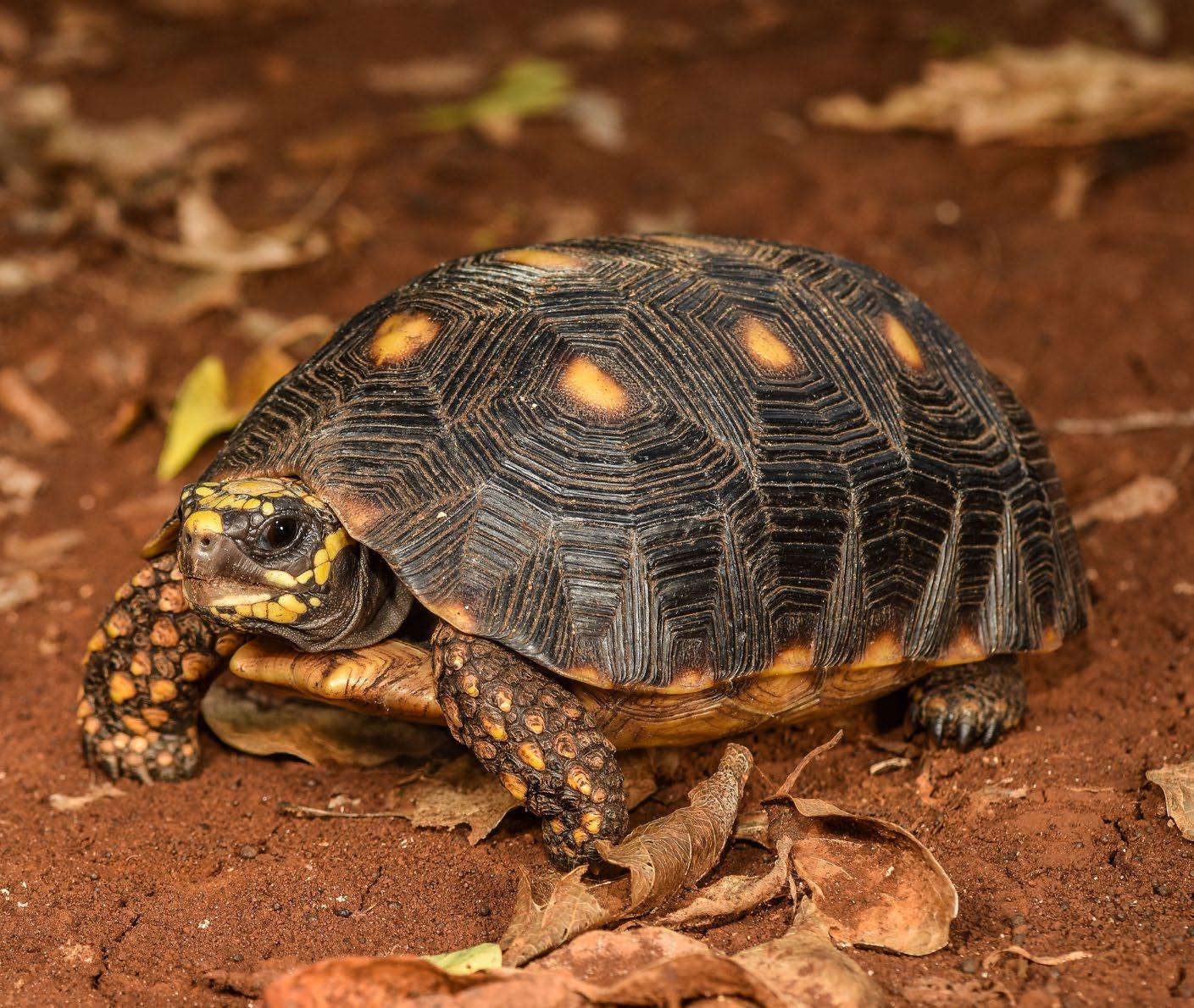
The Red-footed Tortoise (Chelonoidis carbonarius) ranges across 11+ countries in diverse habitats, from flooded savannas to arid forests. Despite this, it has long been treated as a single taxon. Individuals vary in color, shape, and size, and early genetic evidence suggests that multiple divergent lineages exist. This project, led by TSA and multiple partners, provides the most comprehensive genetic assessment to date, combining whole-genome resequencing across major ecoregions. The goal is to identify distinct lineages, clarify evolutionary history, and define conservation units. This information guides strategies to protect populations facing habitat loss, hunting, and the pet trade, and ensures conservation reflects the species’ true biological diversity.
This page, top to bottom: Chaco Tortoise (Chelonoidis chilensis).
Photo by Darío Podestá; Red-footed Tortoise (Chelonoidis carbonarius).
Asia & Australia
Conservation Breeding, Surveys, & Community Engagement
The intense exploitation of turtles in Asian markets has driven population declines across the continent. Three-quarters of Asia’s turtles are threatened, and half are endangered, though these numbers may be higher as many species remain understudied. TSA and its partners are working to fill taxonomic knowledge gaps, address poaching, maintain assurance colonies of critically endangered species, reintroduce headstarted turtles and tortoises into protected areas, and other conservation actions.
In Australia, as a follow-up to national planning meetings, we are collaborating with researchers to address missing population data for the Pig-nosed Turtle (Carettochelys insculpta) and fill critical knowledge gaps for other lesserunderstood species.
CAMBODIA
AUSTRALIA
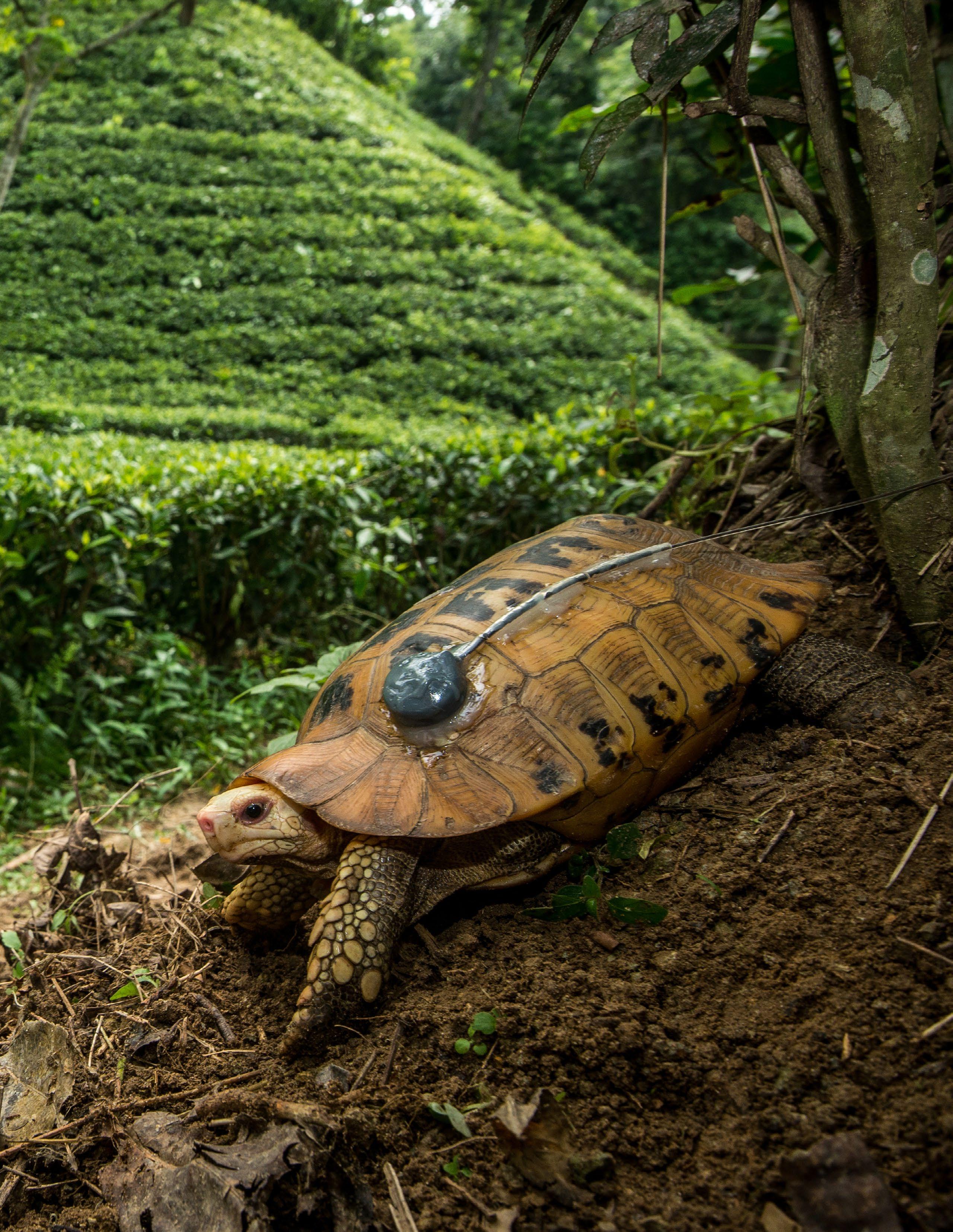
Elongated Tortoise (Indotestudo elongata).
Photo by Scott Trageser
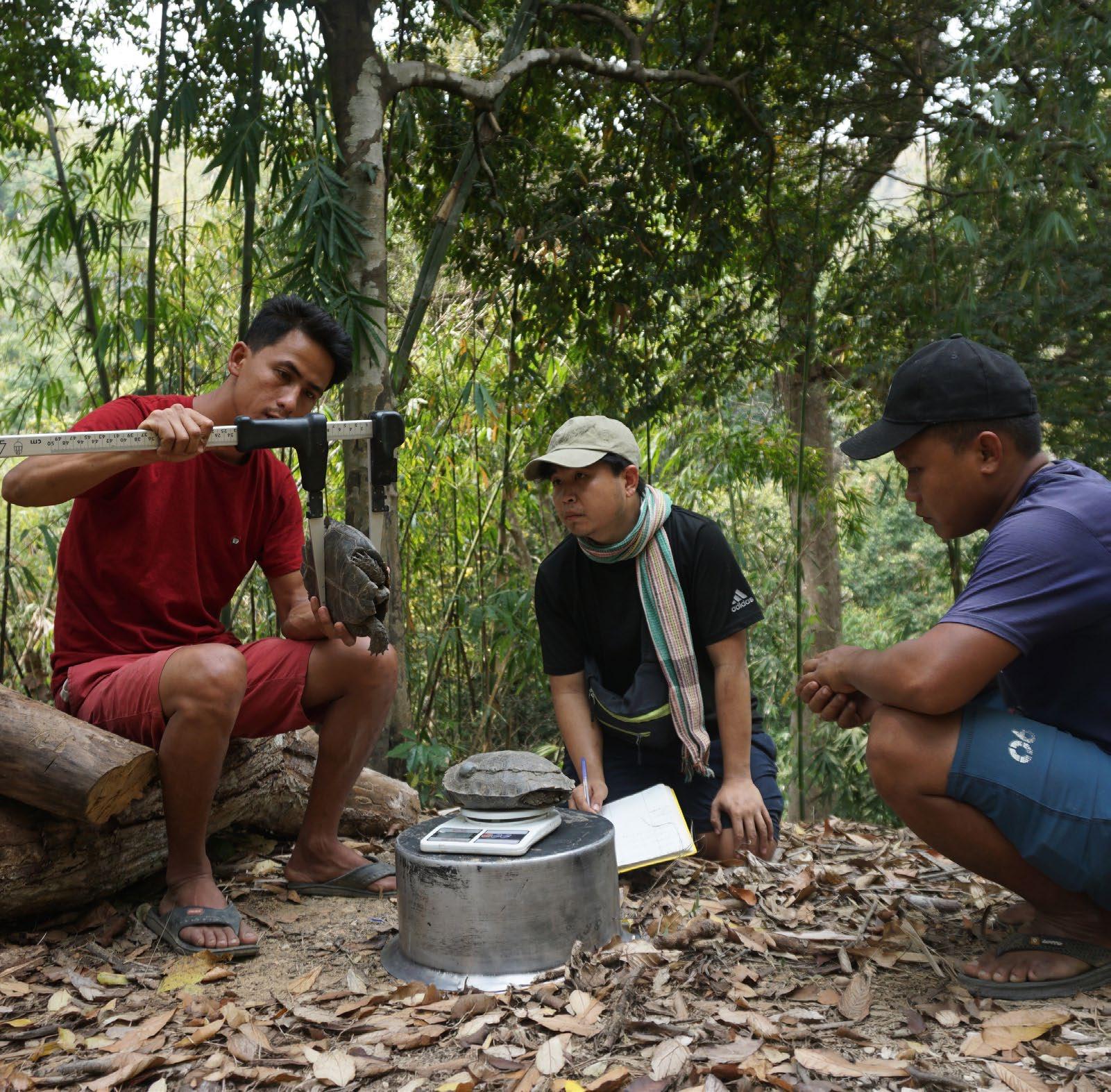
Bangladesh
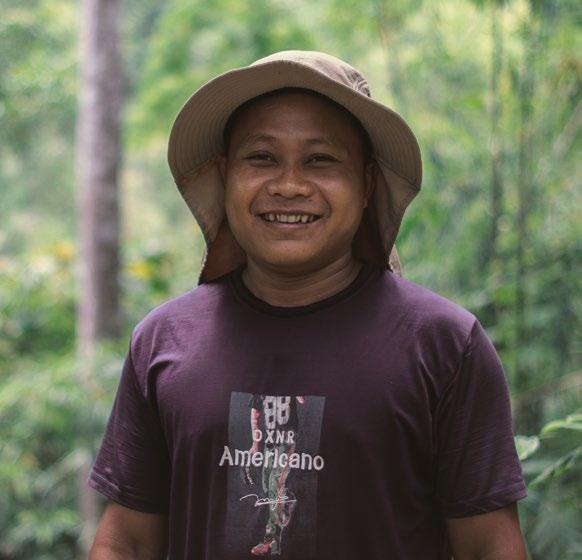
Menrua Mro
Senior Field Assistant, Creative Conservation Alliance
“I initially supported the team by translating with local villagers. Coming from a community where these species were once hunted, I now feel proud to see my people protecting them.” - Menrua Mro
Indigenous Mro parabiologists trained by TSA’s partner Creative Conservation Alliance (CCA) led the tracking of captive-bred Elongated (Indotestudo elongata) and Asian Giant (Manouria emys phayrei) tortoises released in 2024, demonstrating the vital role of local communities in conservation. All released tortoises are adjusting to the wild. To support these communities, we introduced a livestock vaccination program in Sangu-Matamuhuri Reserve Forest. At the Tortoise Conservation Center and the Shrine of Bayazid Bostami, conservation breeding continued in stride, producing over 50 hatchlings, and, in collaboration with local authorities, CCA supported the release of 250 confiscated Indian Roof Turtles (Pangshura tecta) to their natural habitat.
Left to right: Parabiologists work with Asian Giant Tortoises (Manouria emys phayrei) in the field in Bangladesh.
Photo courtesy of Creative Conservation Alliance; Asian Narrowheaded Softshell Turtle (Chitra chitra).
Photo by Doug Hendrie
Cambodia
The Angkor Center for Conservation of Biodiversity (ACCB) and TSA achieved significant conservation breeding success in Cambodia in 2025. Twenty-four critically endangered Yellow-headed Temple Turtles (Heosemys annandalii) hatchlings emerged, a 60% improvement over the previous year. Southern River Terrapin (Batagur affinis) reproduction reached a record, with 12 hatchlings plus three juveniles unknowingly hatched in 2024. Nine Southern River Terrapin hatchlings from 2024 were sent to Koh Kong Reptile Conservation Center for headstarting and eventual release. Additionally, 156 Elongated Tortoises (Indotestudo elongata) were produced, our second largest annual total, and post-release monitoring of 2023 translocations continues to provide valuable reintroduction data.
For years, alongside partners Wildlife Conservation Society Cambodia and Mandai Nature, we have supported local protectors guarding nests of the Asian Giant Softshell Turtle (Pelochelys cantorii) along the Mekong River. Read the full story in our 2024/2025 edition of Turtle Survival magazine:
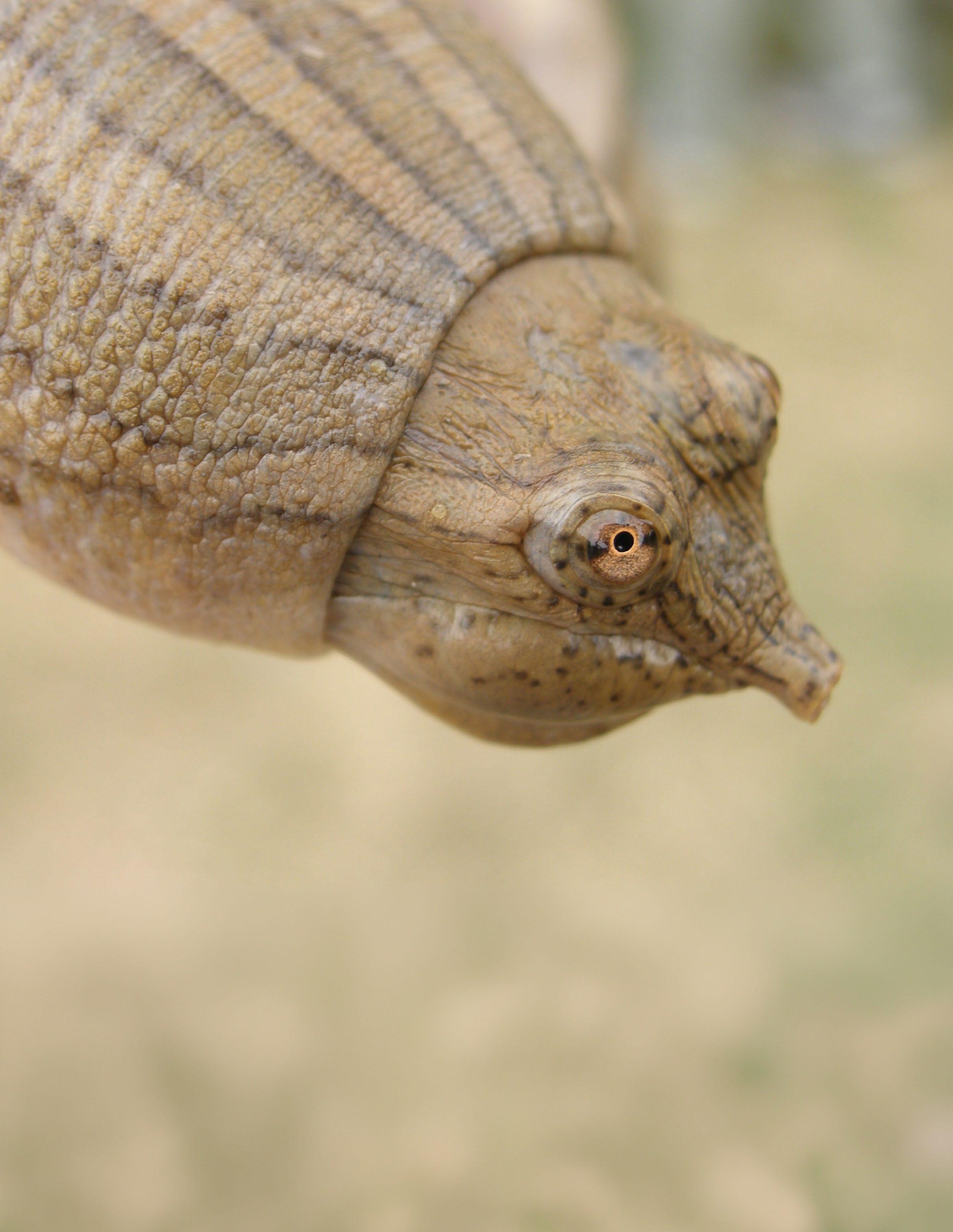
Thailand
In 2025, with lead organizations Turtle Sanctuary Conservation Center (TSCC; France) and Institute for Development Ecology, Conservation and Cooperation (IDECC; Italy), we initiated surveys with local partners for the critically endangered Asian Narrow-headed Softshell Turtle (Chitra chitra). The
world’s largest freshwater turtle is poorly known regarding its ecology and population status, with the last known scientific record over 20 years ago. Transects and interviews with local fishermen resulted in the documentation of 28 records, providing critical data on remaining populations.
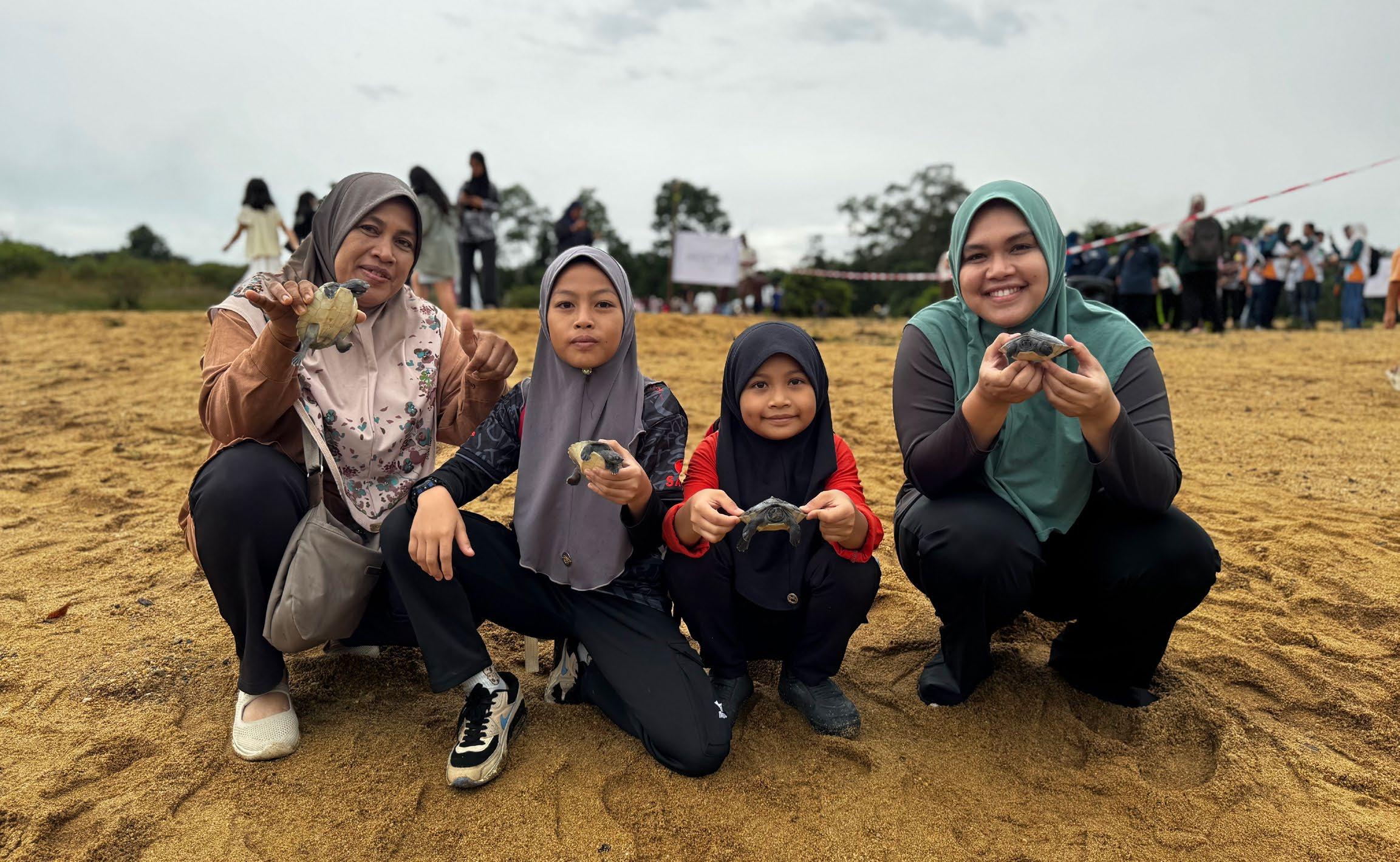
Malaysia
CONSERVATION PARTNER:
Turtle Conservation Society of Malaysia
The Turtle Conservation Society (TCS), a key TSA partner, achieved major conservation milestones for the critically endangered Southern River Terrapin (Batagur affinis) in Malaysia. TCS protected over 1,800 eggs from human consumption, 300 more than the previous year, resulting in the successful hatching of more than 1,300 turtles. This effort resulted in their largest release of Southern River Terrapins, a critical achievement for a species with fewer than 1,000 adults remaining in the wild.
CONSERVATION PARTNER: PULIHARA
We launched a partnership with the marine conservation organization PULIHARA in 2025 to survey nesting sites in Terengganu, Malaysia, shared by Green Sea Turtles (Chelonia mydas) and critically endangered Painted Terrapins (Batagur borneoensis), integrating freshwater and marine turtle conservation. Nightly beach patrols monitored nesting females and safeguarded eggs, while authorized collectors transported eggs to a safe hatchery. These efforts resulted in the protection of eight Painted Terrapin nests and the identification of 10 unique adults.
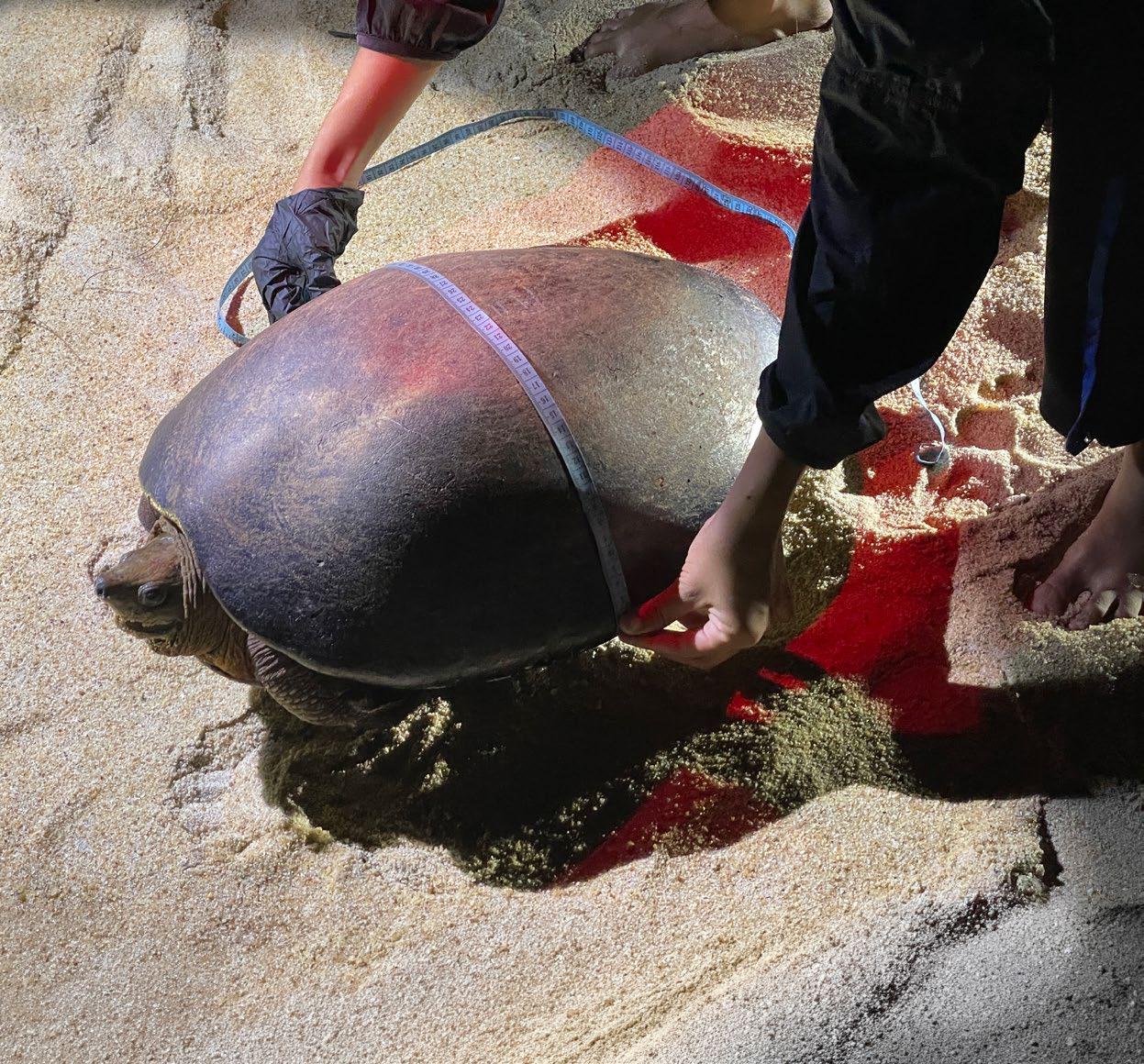
Top to bottom: Community members releasing Southern River Terrapin hatchlings (Batagur affinis) in Malaysia. Photo courtesy of Turtle Conservation Society of Malaysia; A Painted Terrapin (Batagur borneoensis) being measured in the field. Photo courtesy of PULIHARA
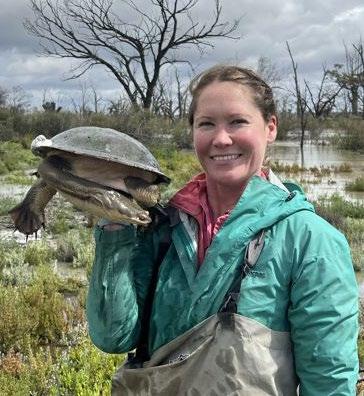
Deb Bower
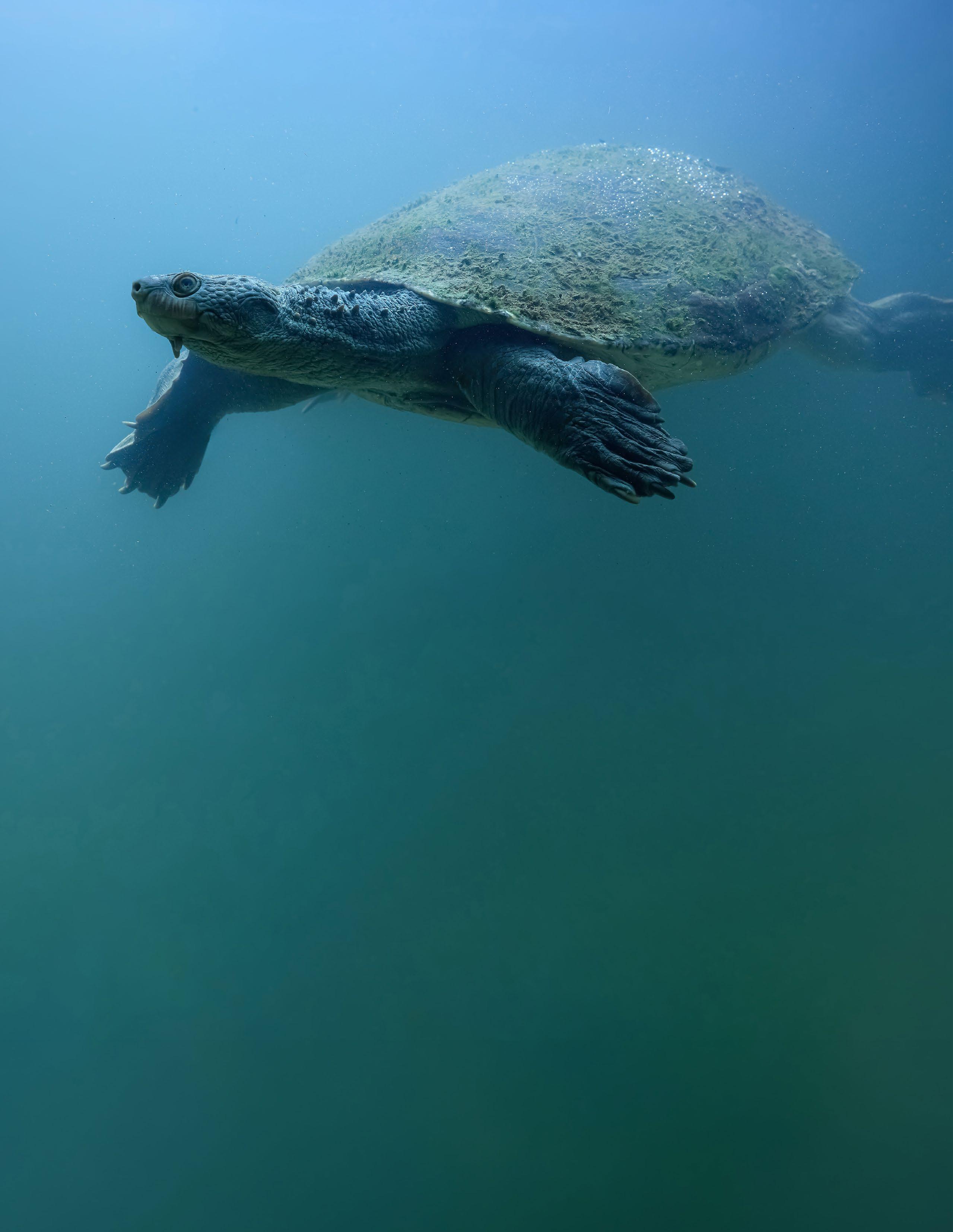
Our work expanded to Australia in 2025 with multiple partners supporting many native species in need. In partnership with the Burnett Mary Regional Group for Natural Resource Management (BMRG), we established a new conservation initiative to support the Mary River Turtle (Elusor macrurus) and the White-throated Snapping Turtle (Elseya albagula). This work will include genomic research for species recovery strategies, community-based habitat restoration, national turtle conservation workshop facilitation, and integration of traditional ecological knowledge.
We also began supporting Dr. Sean Doody of the University of South Florida to resample Pig-nosed Turtles (Carettochelys insculpta) microchipped during his PhD research in the late 1990s. Now more than 25 years after their first capture, these long-lived individuals reveal remarkably slow growth over decades. Recaptures from this study provide critical insights into their life history, guiding conservation strategies and informing government status assessments to help ensure the species’ survival. Australia
University of New England (Australia); Pig-nosed Turtle Project
“Long-term research is the foundation of effective conservation. By studying Pignosed Turtles across years and generations, we can uncover the ecological patterns needed to protect them and their rivers.”
- Deb Bower
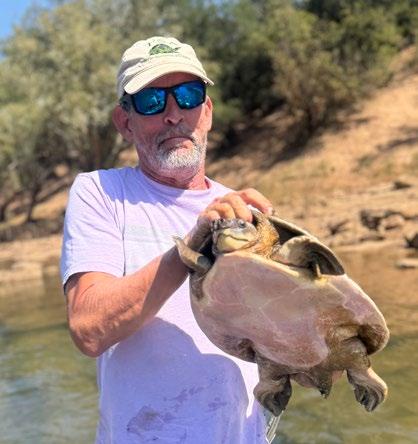
Sean Doody
University of South Florida, St. Petersburg; Pig-nosed Turtle Project
“Pig-nosed Turtles are being heavily poached in New Guinea, focusing the attention on Australian populations as the stronghold for the species' conservation."
- Sean Doody
Mary River Turtle (Elusor macrurus).
Photo by Sam Thies / Human Terrain
Africa
Reintroduction, Surveys, & Community Engagement
Across Africa, TSA implements species-focused conservation projects for highly threatened turtles and tortoises. Our work spans field surveys, direct interventions, habitat protection, and community engagement with local partners and stakeholders. Initiatives such as the Great Tortoise Transect, which crosses six countries in West Africa, exemplify this approach. The primary goals of our efforts across the continent are to assess species’ status, restore wild populations, and safeguard the habitats essential to their long-term survival.
SOUTH SUDAN
MADAGASCAR
SOUTH AFRICA KENYA
MALAWI
UGANDA
BURKINA FASO
TOGO
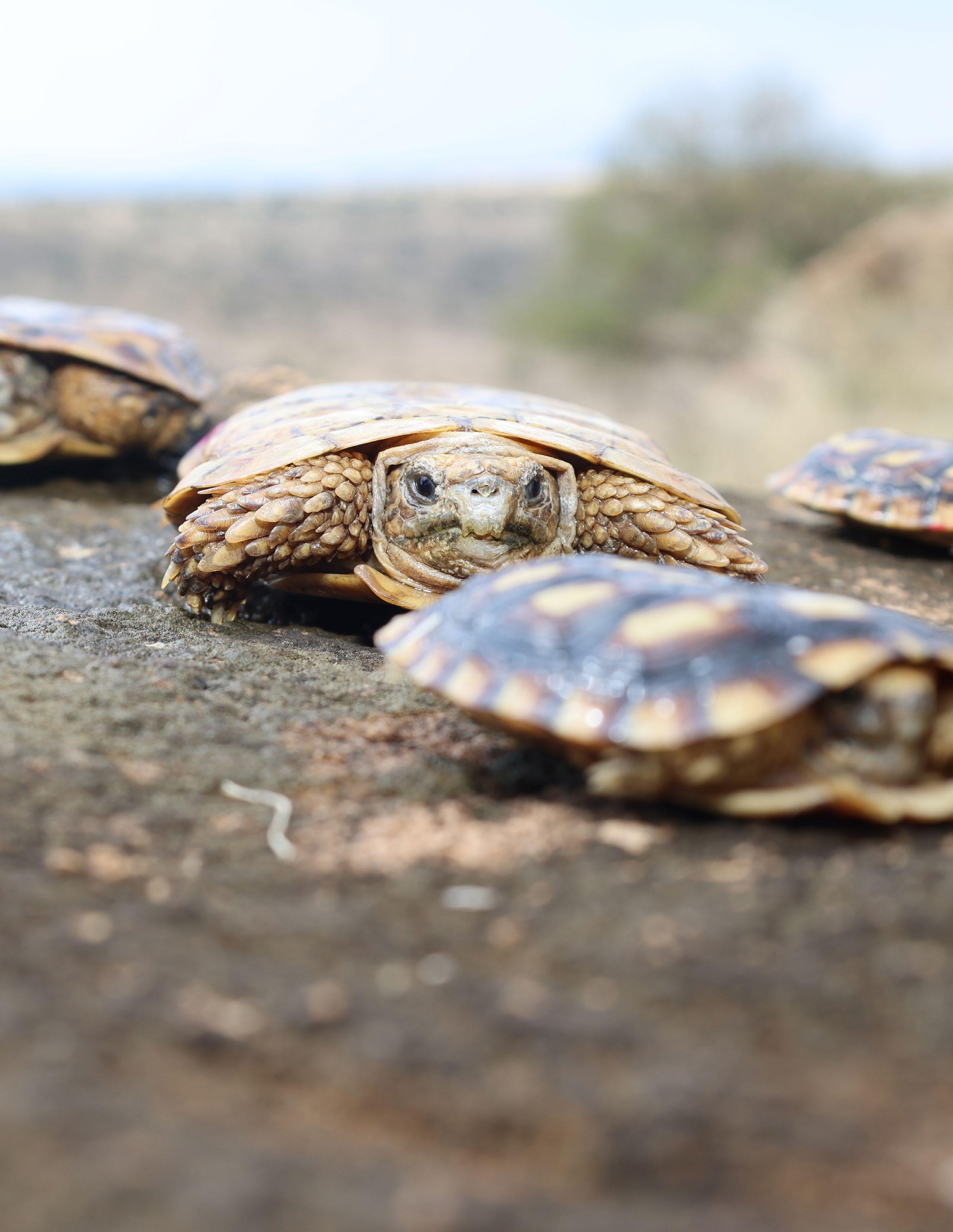
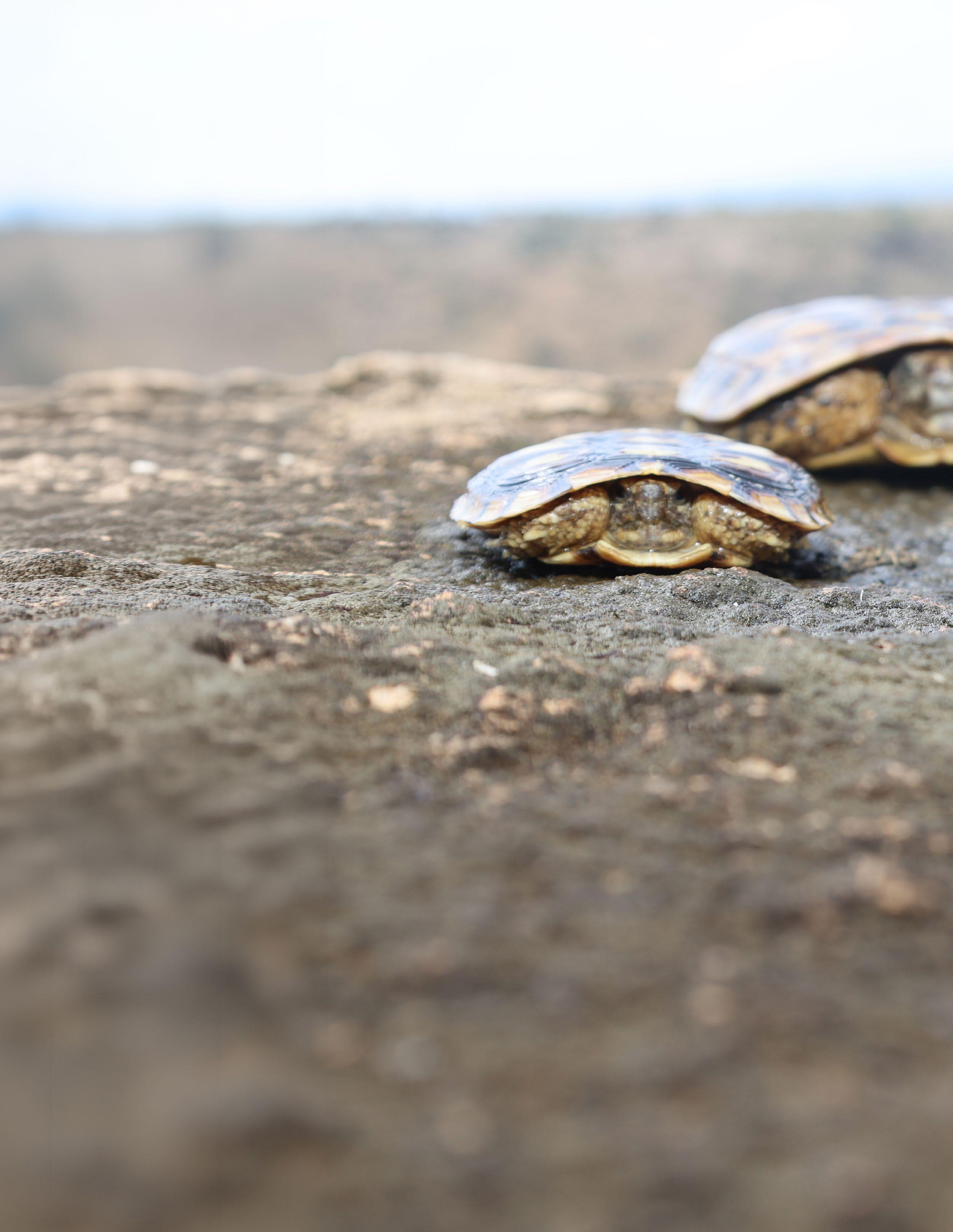
Pancake Tortoises (Malacochersus tornieri).
Photo courtesy of Lewa Wildlife Conservancy
Madagascar
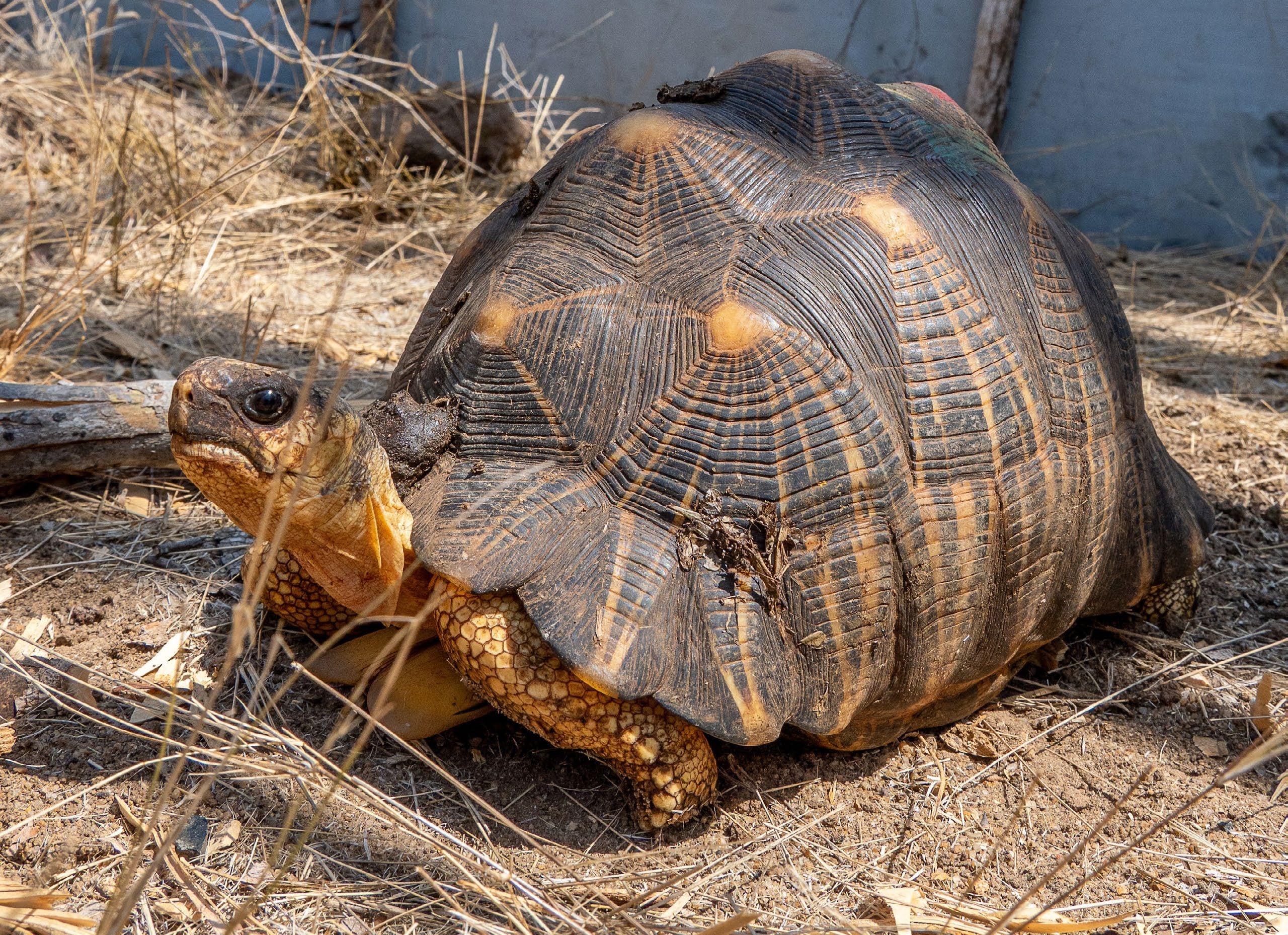
For over 15 years, TSA has worked to protect the tortoises of Madagascar, and 2025 was no exception. This year, we reintroduced 5,000 Radiated Tortoises (Astrochelys radiata) into community-protected areas. We also signed or renewed conservation agreements with five community associations, forged new partnerships with local and international stakeholders, launched five eco-friendly livelihood programs for supporting communities, and rescued more than 3,000 tortoises from the illegal wildlife trade. Alongside these successes, we
faced and overcame enormous challenges. From January to March, our Lavavolo Tortoise Center (LTC) was hit by unprecedented flooding as a result of three consecutive tropical cyclones. Read the full recovery story in our 2024/2025 edition of Turtle Survival magazine:
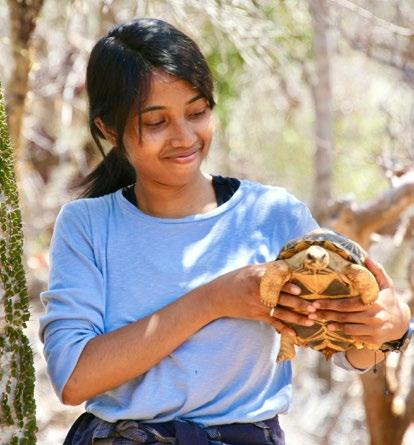
Mitia
Andrianantenaina Veterinary Assistant, TSA Madagascar
“Being a wildlife veterinarian in Madagascar means standing where conservation becomes real, caring for individuals whose survival carries the future of entire species.” - Mitia Andrianantenaina
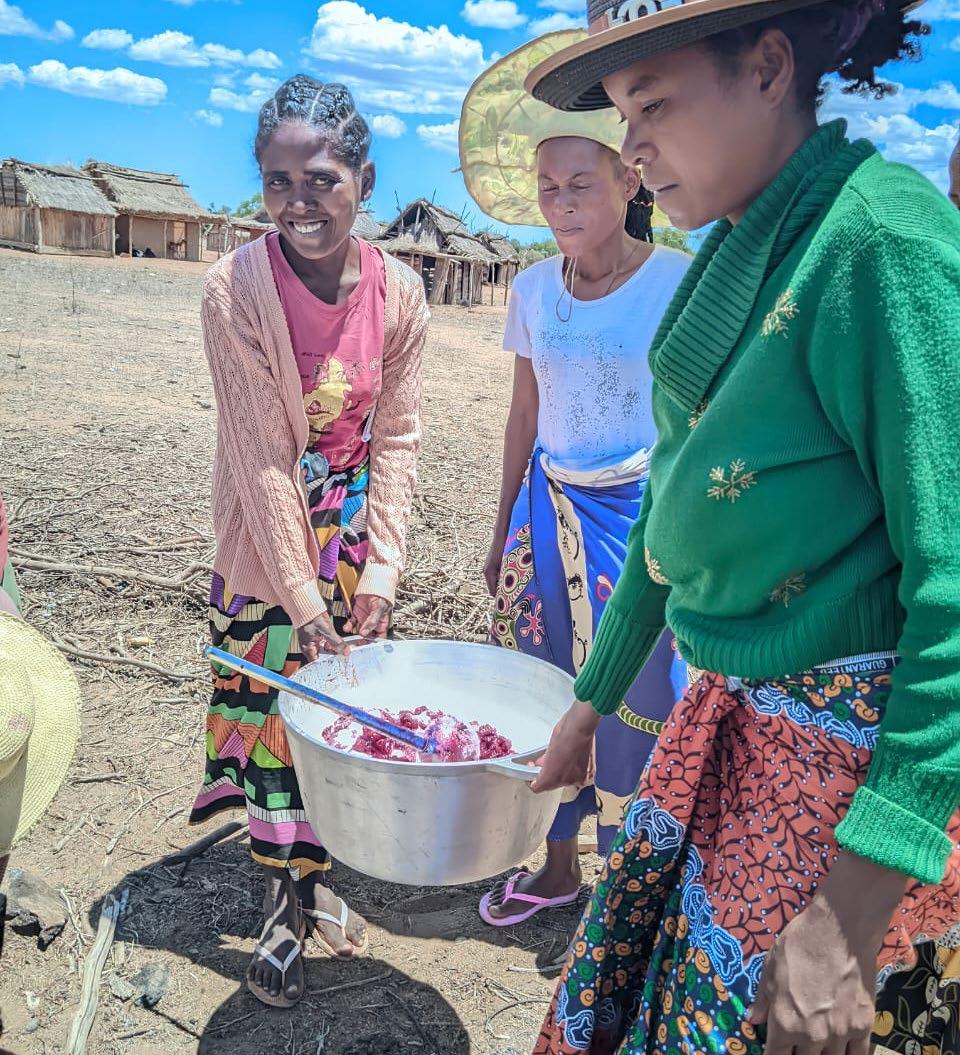
COMMUNITY ENGAGEMENT: Supporting Alternative Livelihoods
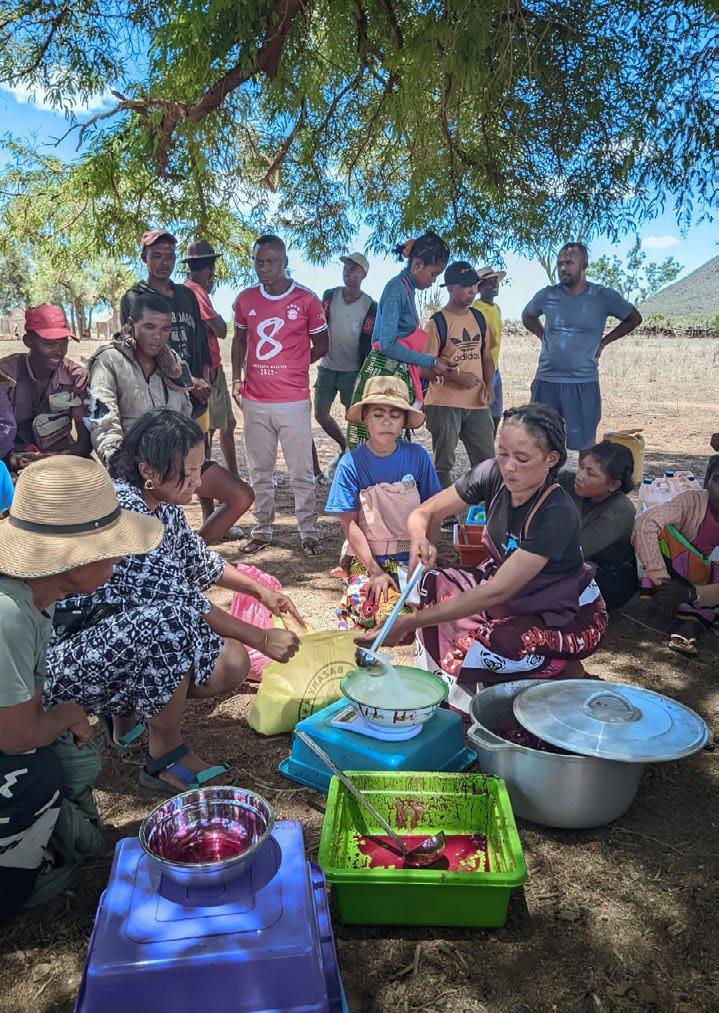
Our greatest impact comes from partnering with communities, creating benefits for both local people and the tortoises we are sworn to protect. Nowhere is this collaborative success more apparent than in Madagascar. This year, we piloted five alternative livelihood programs: black soldier
fly farming, biochar, soap making, jam making, and beekeeping to support communities committed to tortoise conservation. Together, these programs have already begun generating revenue, directly rewarding families for protecting these endangered animals.
Tahina Rasolofoherisoa
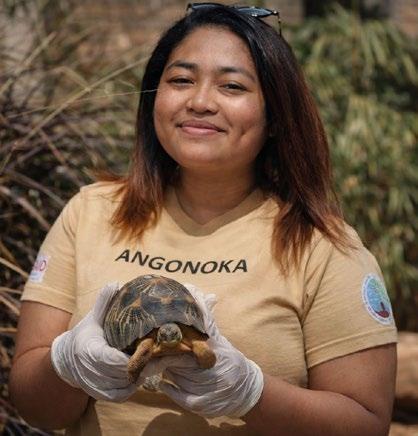
Project Manager, TSA Madagascar
“Eight-year-old me could never have imagined that today I’d be protecting endangered tortoises with a passionate and multidisciplinary team, inspiring communities to act, and I’m deeply grateful for this journey.”
- Tahina Rasolofoherisoa
Conservation Genetics
Uncovering Lineages in the Spider Tortoise
TSA’s Conservation Genetics Program leads a project analyzing the three subspecies of the critically endangered Spider Tortoise (Pyxis arachnoides) of Madagascar. Using whole-genome sequencing, the project provides the most detailed look at whether these groups are true subspecies, distinct species, or just local populations.
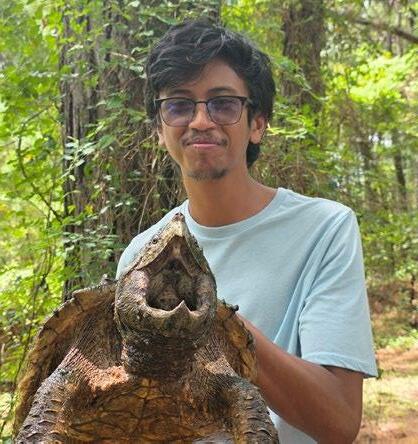
Rindra Navalona Rakotobe
Veterinary Assistant, TSA Madagascar
“Don’t worry, the tortoises are safe in my hands. I will protect them and ensure their safe return to the wild where they belong.”
- Rindra Navalona Rakotobe
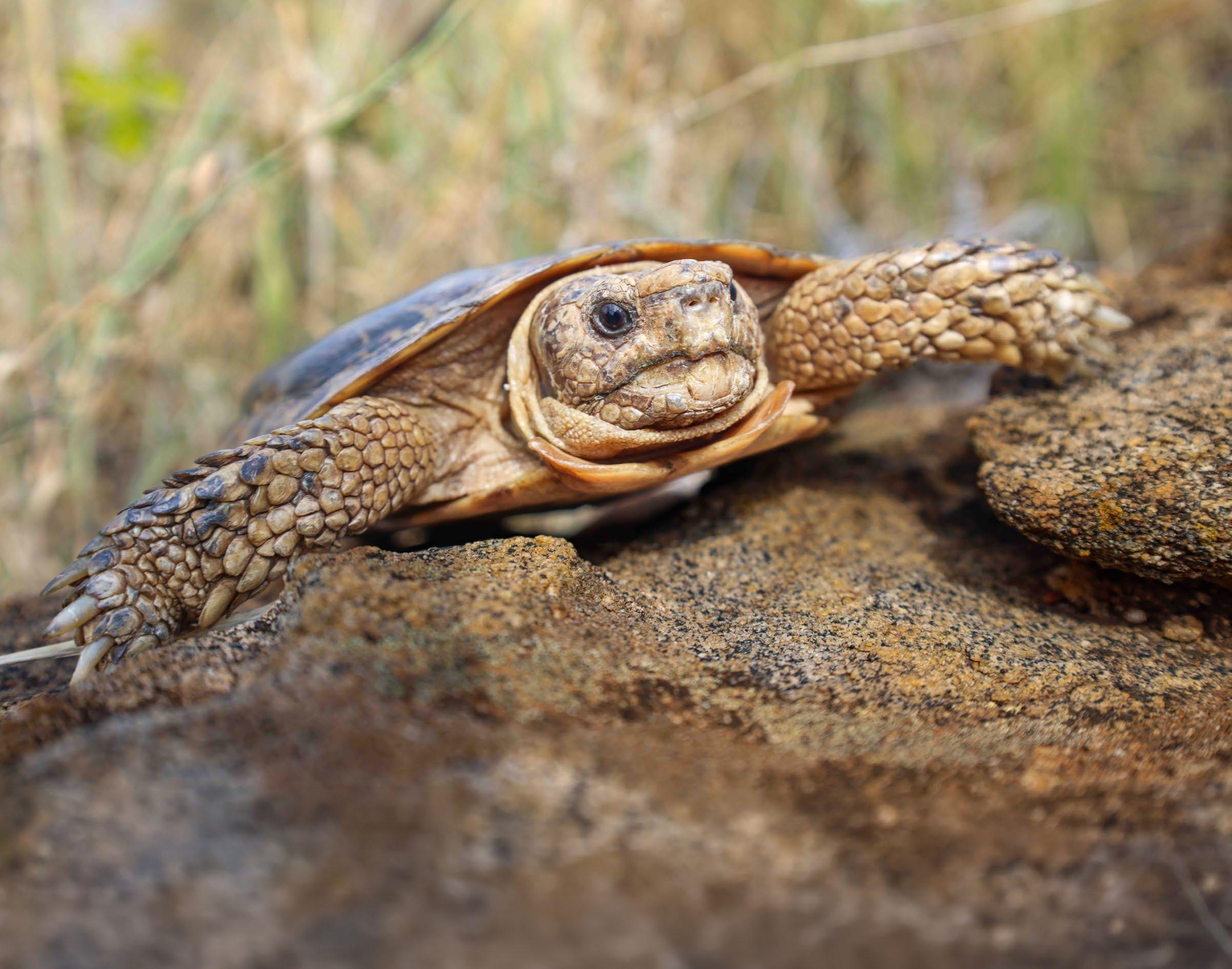
Left to right: Radiated Tortoise (Astrochelys radiata). Photo by Brett Bartek; Community members making soap & other products to sell (2). Photos courtesy of TSA Madagascar
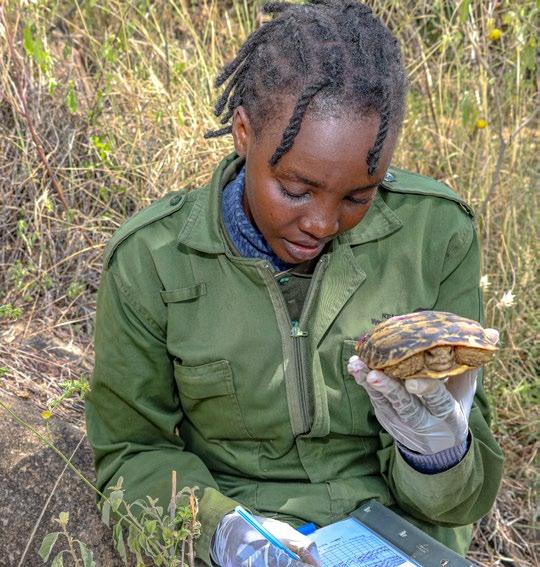
“Protecting the Pancake Tortoise starts with empowering communities. Through awareness and partnership, we are strengthening local stewardship to secure the future of this unique and highly threatened species.”
- Mercy Kinya
Kenya
Four years after targeted surveys began for the critically endangered Pancake Tortoise (Malacochersus tornieri), TSA and partners launched the National Recovery and Conservation Action Plan in Kenya (2025–2035). The plan currently engages 13 community conservancies and targets five counties, demonstrating what communities and scientists can
achieve to protect the species. Read the guest feature in our 2024/2025 edition of Turtle Survival magazine for details on this effort:
Mercy Kinya
Lewa Wildlife Conservancy
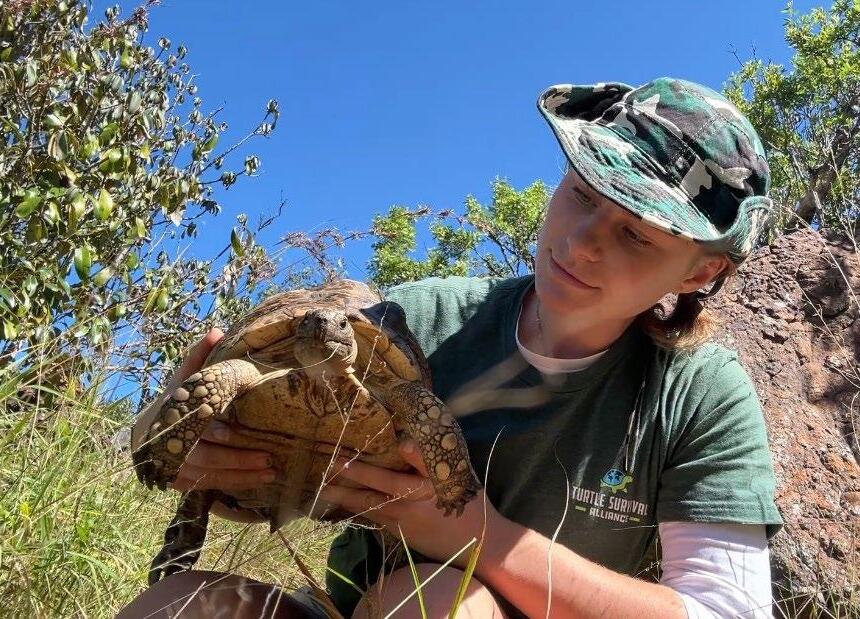
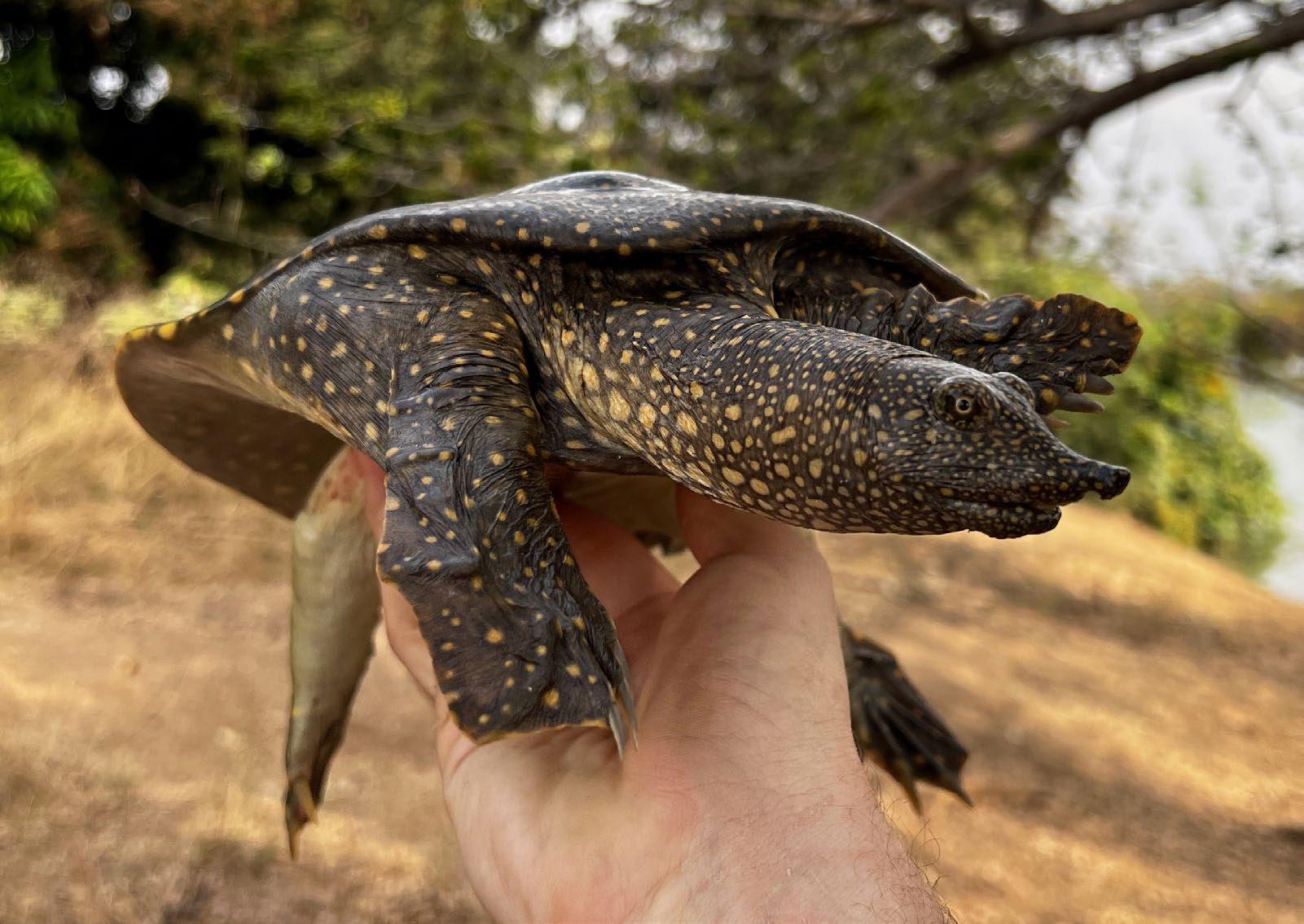
Clockwise from top left: Pancake Tortoise (Malacochersus tornieri). Photo courtesy of Lewa Wildlife Conservancy; Rochelle Marais with a Leopard Tortoise (Stigmochelys pardalis).
Photo courtesy of Rochelle Marais; African Softshell Turtle (Trionyx triunguis). Photo by Pearson McGovern
Burkina Faso & Togo
We support PhD student Emmanuel Amétépé Hounmavo in assessing turtle and tortoise populations across the critical transition zone between the Sudanian savanna and Guinean forest–savanna mosaic in Burkina Faso and Togo. Using terrestrial and aquatic surveys,
market visits, and community interviews, he has documented eight species, including two previously undocumented in Togo. Emmanuel’s findings provide essential data to guide future conservation planning in this ecologically important region.
South Africa
We focused on both regional and local conservation initiatives this year. Regionally, we partnered with multiple stakeholders to conduct a comprehensive review of research and conservation priorities for all southern African turtle and tortoise species. Locally, north of Johannesburg, we launched a pilot project to study the life history of Leopard Tortoises (Stigmochelys pardalis) and Lobatse Hinge-back Tortoises (Kinixys lobatsiana), while simultaneously initiating population supplementation in a protected area where tortoises had been effectively extirpated.
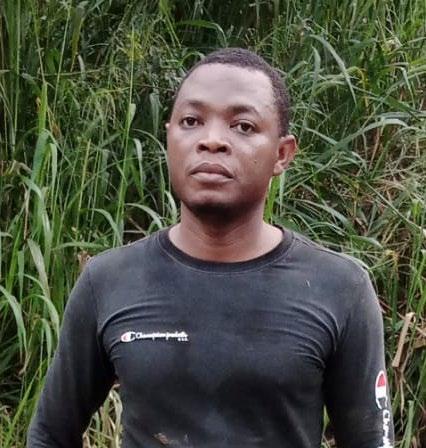
Emmanuel Amétépé Hounmavo
PhD Student, University of Lomé
“Conservation of turtles in Togo is essential to preserve biodiversity and to strengthen the engagement of local communities in protecting these threatened species.” - Emmanuel Amétépé Hounmavo
Field Conservation Partners
Our progress this year was made possible through the dedicated efforts of our partners, whose local expertise turned our shared vision into a measurable reality.
ARGENTINA
Consejo Nacional de Investigaciones Científicas y Técnicas (CONICET)
Instituto de Investigaciones en Biodiversidad y Medioambiente (INIBIOMA)
AUSTRALIA
Burnett Mary Regional Group for Natural Resource Management
Heinrich Ecological Services
University of New England
University of South Florida, St. Petersburg
BANGLADESH
Bangladesh Forest Department
Creative Conservation Alliance
BELIZE
Belize Foundation for Research & Environmental Education
Savanna Field Station
SWCA Environmental Consultants
Wildlife Conservation Society Belize
BOLIVIA
Red para la Conservación de Tortugas de Bolivia
Wildlife Conservation Society Bolivia
BRAZIL
O Centro de Referência em Educação Ambiental e Desenvolvimento
Sustentável (CREADS)
Pontifícia Universidade Católica do Rio Grande do Sul
Universidade Federal do Amazonas
Universidade Federal de Mato Grosso
Universidade Federal do Tocantins
BURKINA FASO
Agbo-Zegue NGO
Institute for Development, Ecology, Conservation and Cooperation University of Lomé
CAMBODIA
Angkor Center for Conservation of Biodiversity
Wildlife Conservation Society Cambodia
CANADA
York University
Ontario Turtle Conservation Center
COLOMBIA
Wildlife Conservation Society Colombia
COSTA RICA
CRWild
Turtle Love
Organization for Tropical Studies
EGYPT
Zaranik Protected Area
EL SALVADOR
Elizabeth Monserrath Coto Hernandez
Pearson McGovern
Vladlen Ernesto Henriquez Cisneros
GERMANY
Museum of Zoology, Senckenberg Natural History Collections Dresden
GUATEMALA
Gladys Porter Zoo
Philadelphia Zoo
Universidad del Valle de Guatemala
Universidad de San Carlos de Guatemala
INDIA
Wildlife Trust of India
INDONESIA
Satucita Foundation
KENYA
Kenya Wildlife Service
Lewa Wildlife Conservancy
National Museums of Kenya
MADAGASCAR
Alliance Voahary Gasy
Association Voron-kodohodo & Radio Hodohodo
Bureau Indépendant Anti-Corruption
Cantonnement des Eaux et Forêts, Région Atsimo Andrefana
Centre National de Formation, d'Etudes et de Recherche en Environnement et Forestier
Commune Rurale Itampolo
Communes Nikoly & Marovato
Coopérative Rene Miray Hevetse
Coopérative TSARAJORO
Direction Régionale de l'Agriculture et de l'Elevage Région Androy
Direction Régionale de l'Agriculture et de l'Elevage Région Atsimo-Andrefana
Direction Régionale de l'Education Nationale Région Androy
Direction Régionale de l'Education Nationale Région Atsimo-Andrefana
Direction Régionale de l'Environnement et du Développement
Durable Androy
Direction Régionale de l'Environnement et du Développement
Durable Atsimo-Andrefana
Direction Unité de Lutte Contre la Corruption/Ministère de l'Environnement et du Développement Durable
Ecole Supérieure des Sciences Agronomiques, Université d'Antananarivo
Ecole des Sciences et de Médecine Véterinaire (Veterinary School), Université d'Antananarivo
Eden Botanical Garden
EOKY Club
Fokontany Itampolo
Fokontany Besakoa & Tamonto Sud
Gendarmerie Nationale
Graine de vie
Institut Supérieur Polytechnique de Madagascar
Kinaleo Mada
Madagascar AGRO PRODUCTS and CONSULTS SARL
Madagascar Biodiversity Center
Madagascar National Parks
Mahaliana Lab
Mention Zoologie et Biologie Animale, Université d'Antananarivo
Ministère de l'Environnement et du Développement Durable
Projet PROGRES
Ravinala Airports
Region Atsimo-Andrefana
Région Androy
Reserve Berenty
SOS Tortues/Mangily
Vision Madagascar
VOI Ambatosarotra
VOI MAHAZOARIVO
VOI Malaintsatroka
VOI MILAMINTSOA
Women Rise Wildlife Research
MALAWI
Institute for Development, Ecology, Conservation and Cooperation
Wildlife and Environmental Society of Malawi
Lake Malawi National Park
Biological Sciences Department, Malawi University of Science and Technology
MALAYSIA
PULIHARA
Turtle Conservation Society of Malaysia
MEXICO
Eduardo Reyes Grajales
Estudiantes Conservando la Naturaleza, A.C.
Zoológico Guadalajara
MYANMAR
Myanmar Biodiversity Fund
PARAGUAY
Guyra Paraguay
Universidad Nacional de Asunción
PERU
Instituto de Investigaciones de la Amazonía Peruana
SOUTH AFRICA
Endangered Wildlife Trust
Entabeni Game Reserve
North-West University
SOUTH SUDAN
Institute for Development, Ecology, Conservation and Cooperation
University of Juba
SUDAN
Institute for Development, Ecology, Conservation and Cooperation
UGANDA
Institute for Development, Ecology, Conservation and Cooperation
NICE Planet
Nature Uganda
THAILAND
Inland Fisheries Research and Development Institute, Kanchanaburi Province
Institute for Development, Ecology, Conservation and Cooperation
Turtle Sanctuary Conservation Center (France)
TOGO
Institute for Development, Ecology, Conservation and Cooperation University of Lomé
UNITED STATES
AZA SAFE: American Turtle program
EcolSciences, Inc.
Eric Munscher
Flagler College
Florida Department of Environmental Protection
Florida Fish and Wildlife Conservation Commission
Florida State Parks
Friends of Talbot Islands State Parks
Gary Standard
Jacksonville University
Jacksonville Zoo and Botanical Garden
Joe Pignatelli
Kern-Ralph Co-lab, University of Oregon
Laura Newgard
New Jersey Department of Environmental Protection – Fish & Wildlife
Seattle Parks and Recreation
Sethuraman Lab, San Diego State University
Shaffer Lab, University of California, Los Angeles
Shannon Letcher
SWCA Environmental Consultants
Tabitha Hootman
The University of the South (Sewanee)
United States Geological Survey
United States Army Corps of Engineers
Washington Department of Fish & Wildlife
VIETNAM
Institute for Development, Ecology, Conservation and Cooperation
Turtle Sanctuary Conservation Center (France)
Vietnam National University of Forestry (VNUF)
Thank You to Our Donors!
We acknowledge the following individuals and organizations who have donated to support TSA between January 1, 2025 and December 31, 2025.
$100,000+
Alan and Patricia Koval Foundation
Anonymous (2)
Columbus Zoo and Aquarium
Global Environment Facility
Wildlife Conservation Society Canada
William H. Donner Foundation
$50,000-$99,999
Critical Ecosystem Partnership Fund
Dennler Family
Marc Dupuis-Desormeaux and Susan Rimmer
Samuel Freeman Charitable Trust
The Mohamed bin Zayed Species Conservation Fund
The Arthur L. and Elaine V. Johnson Foundation
$25,000-$49,999
Aktionsgemeinschaft Artenschutz (AGA) e.V.
Anonymous
Happy Hollow Park & Zoo
International Fund for Animal Welfare, Inc.
Sandra J. Moss
Tortuga Foundation
$10,000-$24,999
Anna B. Milburn Charitable Trust
British Chelonia Group
Cheyenne Mountain Zoo
Cleveland Metroparks Zoo
Dallas Zoo
David and Jean Hutchison
Detroit Zoo
Disney's Animal Kingdom
Ed Neil
Felburn Foundation
Fonseca Species Conservation Fund
Hempel Foundation
Houston Zoo
John Iverson
Merck Animal Health
Meredith Keen
Mike Penko
Milwaukee County Zoo
Nashville Zoo at Grassmere
Riverbanks Zoo & Garden
San Diego Zoo Wildlife Alliance
The Cynthia and George Mitchell Foundation
The Daniel & Nicole Voss Charitable Fund
Turtle Back Zoo (Zoological Society of New Jersey, Inc.)
Turtle Conservation Fund
Virginia Zoo in Norfolk
William and Jeanne Dennler
Zoo Atlanta
Zoo Knoxville
Zoofari Parks (Virginia Safari Park, Gulf Breeze Zoo, Alabama Safari Park, Texas Zoofari Park)
$5,000-$9,999
Benjamin Samann
Birmingham Zoo
Cedarhurst Foundation
Christian Fischer
Cincinnati Zoo and Botanical Garden
Coastal Wildlife Club, Inc.
Colleen Diles
Fort Wayne Children's Zoo
Fort Worth Zoo
Gail Gazda
Iguanaland
John Ball Zoo
Justin Congdon & Nancy Dickson Research Fund (Turtle Ecology Fund)
Little Ray's Reptile Centre
Little Rock Zoo
Martin Schur
Maryland Zoo
Michael Kilham
Oklahoma City Zoo & Botanical Garden
Patricia & Stuart Salenger Foundation
Peter Warny
Re:wild
Roger Schat
Sedgwick County Zoo
South Bow
Toronto Zoo
Whit Gibbons
Whitney Green
William Parker
William and Kathleen Holmstrom
$1,000-$4,999
Aaron Dodson
Allison Alberts
Anders Rhodin
Andrew Sabin Family Foundation
Angela and Andrew Walde
Animal Survival International
Anthony Magliero
Aquazoo Löbbecke Museum
Australasian Society of Zoo Keeping
AZA Chelonian Taxon Advisory Group
Baltimore Community Foundation
Belize Foundation for Research & Environmental Education (BFREE)
Betsy Greenlee
Bob Davey
Bold City Brewery
Bradley R. Tuminello
Brett Stearns
Brevard Zoo
Brodsky Charitable Foundation Trust
Brookfield Zoo Chicago (Chicago Zoological Society)
Bruce Weber
Bruce Weissgold
Cameron Park Zoological & Botanical Society
Carol Wilen
Carrie Hernandez
Catoctin Wildlife Preserve
Celeste Muller
Charleston Cotton Exchange
Columbus AAZK Chapter
Crystal Woodward
Curt L. Fuhrmann
Dallas World Aquarium
Daniel Pearson
Danielle and Will Ahrens Charitable Fund
David Crews and Andrea Gore Charitable Fund
Deborah Behler
Detroit AAZK Chapter
Diane Yoshimi
Dickerson Park Zoo
Douglas Trainor
Drayton Manor Resort Limited
Elizabeth "Lee" Manigault
Elizabeth C. Bonner Foundation
Ellen Anderson
Erin and Matt Patterson
Frank Slavens
Friends of The Rosamond Gifford Zoo
Fundacja Zoo Wrocław – DODO
Gary Larson
George Heinrich
Georgia Sea Turtle Center
Greenville Zoo
Haus des Meeres Aqua Terra Zoo
Holohil Systems Ltd.
Howells Family Fund
Janis Gerrits
Jeff Mace
Jeffery Ettling
Jeffrey Bruninga
Jena McLaughlin
Johannes Els
Josh Dale and Ilana Miller
Judy Schuerholz
Justin Congdon
Ken Dodd
Kristin Berry
Lehigh Valley Zoo
Linda Stein
Lisa Kole
Luther King Capital Management
Magnetic Hill Zoo
Margery "Spike" Gram
Mary Ting
Michael Hasselbring
Michael Stepniewski
Mike Hess Brewing
Milwaukee AAZK Chapter
Moody Gardens, Inc.
Nancy Karraker
Neil Bruyere
North Carolina Zoological Society
Parken Zoo
Patricia Koval
Paul Gerard III and Jacqueline Gerard
Paul Licht
Peter Paul van Dijk
Phoenix Zoo (Arizona Center for Nature Conservation)
Plzeň Zoo
R. Regis Opferman
Rhonda Ruffino
Rob Reiley
Robert and Denise Krause
Robin de Bled
Robin Elliott
Rolling Hills Zoo
Ryan Filler
Saginaw Children's Zoo
Saint Louis AAZK Chapter
Santa Fe College Teaching Zoo
Sonotronics
Southern Packaging, Inc.
Stahl Exotic Animal Veterinary Services
Susanne and Harold Wahlquist
SWCA Environmental Consultants
Sy Montgomery
Tatyana Elefante
Tennessee Aquarium
The Arne Lillehamer Foundation
The Garcia Family Charitable Fund
The Quixotic Fund
The Walden-Pound Charitable Fund
Tom Motlow
Turtle Conservancy
Virginia Aquarium & Marine Science Center
Woodland Park Zoo
Zoo Tampa at Lowry Park
IN KIND*
Alexandra Garcia
Animex International
Belize Foundation for Research & Environmental Education (BFREE)
Bradley Trevor Greive
Chattanooga Zoo
Erin and Matt Patterson
Georgia Sea Turtle Center
Mazuri Exotic Animal Nutrition
Merck Animal Health
Mississippi Aquarium
Oatland Island Wildlife Center
Patricia Koval
SWCA Environmental Consultants
Tennessee Aquarium
TracksData Solutions
LEGACY CIRCLE MEMBERS
Christine Nassikas
Frank Slavens
Gregory Family Charitable Fund
John Carr
Lori Romein
Marc Dupuis-Desormeaux and Susan Rimmer
Patricia Koval
Rick Hudson
Robert Krause
Sheila and John Iverson
Susanne and Harold Wahlquist
*Value of $1,000 or more
Zoo and Aquarium Partners
Zoos and aquariums that have contributed a cumulative total of $20,000 or more over the past three years are recognized with their organizational logo. All other supporting institutions that have contributed $5,000+ cumulatively (including in-kind) over the last three years are gratefully acknowledged by name in alphabetical order.

Aquazoo Löbbecke Museum
Birmingham Zoo
Cameron Park Zoological & Botanical Society
Columbus AAZK Chapter
Disney's Animal Kingdom
Fort Wayne Children's Zoo
Fort Worth Zoo
Fundacja Zoo Wrocław – DODO
Houston Zoo
Iguanaland











John Ball Zoo
Little Ray’s Nature Centre
Little Rock Zoo
Maryland Zoo
Milwaukee County Zoo
Mississippi Aquarium
Oklahoma City Zoo & Botanical Garden
Phoenix Zoo (Arizona Center for Nature Conservation)
Saginaw Children's Zoo
Santa Fe College Teaching Zoo
Sedgwick County Zoo
Tennessee Aquarium
Topeka Zoo & Conservation Center
Toronto Zoo
Turtle Back Zoo (Zoological Society of New Jersey, Inc.)
Virginia Aquarium & Marine Science Center
Wildlife Conservation Society/Bronx Zoo
Wildlife World Zoo & Aquarium
Detroit Zoological Society
We're grateful to the Detroit Zoological Society for its leadership support. Their generous contribution helped strengthen TSA’s global conservation programs and provided critical emergency relief for more than 2,000 turtles confiscated last fall and placed in the care of Zoológico Guadalajara. This timely effort helped ensure these animals received the immediate care and stabilization they needed.
ZOO PARTNER SPOTLIGHT
Supporter Spotlights
RAPID-RESPONSE HERO SPOTLIGHT
Critical Ecosystem Partnership Fund (CEPF)
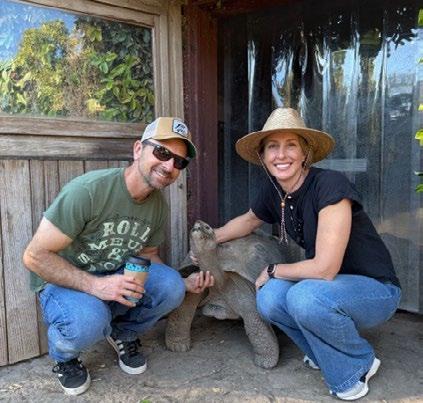
SAMUEL FREEMAN CHARITABLE TRUST

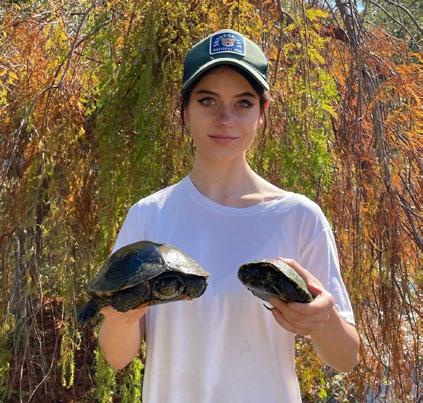
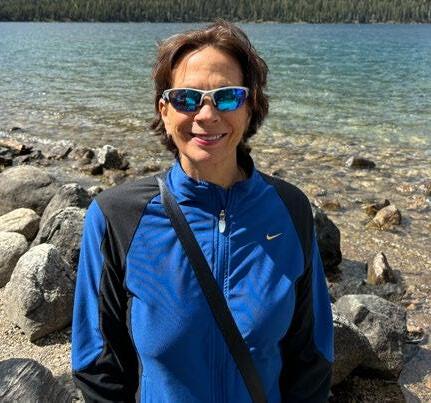
When more than 2,000 turtles were confiscated in Mexico, including the critically endangered Vallarta Mud Turtle (Kinosternon vogti), the Critical Ecosystem Partnership Fund stepped forward with rapid-response funding. Their support helped stabilize the animals and strengthen emergency conservation actions in partnership with Zoológico Guadalajara and regional experts. CEPF’s swift commitment demonstrates how timely investment can protect species on the brink and support urgent conservation action when it matters most. CEPF is a joint initiative of l’Agence Française de Développement, Conservation International, the European Union, the Global Environment Facility, the Government of Canada, the Government of Japan, Fondation Hans Wilsdorf, and the World Bank.
DONOR SPOTLIGHT
Nicole and Daniel Voss
“Radiated Tortoises are a living treasure. Supporting TSA’s efforts in Madagascar is deeply meaningful to us. These remarkable animals deserve a future in the wild and we are grateful to contribute to the dedicated team working tirelessly to protect them. Conservation is a shared responsibility, and we are honored to play a part in safeguarding this extraordinary species.” - Dan & Nicole Voss
FOUNDATION SPOTLIGHT
Samuel Freeman Charitable Trust
TSA is grateful to the Samuel Freeman Charitable Trust for its leadership support of expanded veterinary services at the Turtle Survival Center in South Carolina. Their grant increases on-site care from veterinarian Dr. Shane Boylan, strengthening diagnostics, treatment, and preventative care for critically endangered turtles. This vital support helps ensure the health and success of TSA’s assurance colonies, safeguarding species whose survival increasingly depends on expert care and husbandry.
NEW DONOR SPOTLIGHT
Happy Hollow Park & Zoo
We welcome Happy Hollow Park & Zoo as a new partner in turtle conservation. Their generous $25,000 grant supports TSA’s Madagascar program and advances our Confiscation to Reintroduction strategy, an ambitious effort to return 20,000 critically endangered Radiated Tortoises (Astrochelys radiata) to their native habitat. This support helps restore wild populations while strengthening conservation capacity in Madagascar, giving an iconic tortoise species a renewed chance for recovery.
VOLUNTEER SPOTLIGHT
Elodie Cutler
Elodie, a dedicated high school student, volunteers at the Turtle Survival Center, supporting our veterinary team with health assessments, check-ups, and resident care. Her compassion and commitment make a daily difference. “Months of swabbing, sampling, and catching turtles with the most amazingly talented people at the Turtle Survival Center have made me both a better biologist and person!”
LEGACY CIRCLE MEMBER SPOTLIGHT Christine Nassikas
“I have always been a lover of reptiles, especially all kinds of turtles. I grew up in Louisiana as a little girl and would spot snapping turtles and softshell turtles in the canals. This started my early connection and lifelong love of turtles. I rescued and still have two box turtles that I have had for 25 years. Becoming a Legacy Member of TSA has reassured me that my turtles and all others around the world will always be protected. Including TSA in my estate plans is my way of standing up for the species I have loved my whole life.”
Event Partners
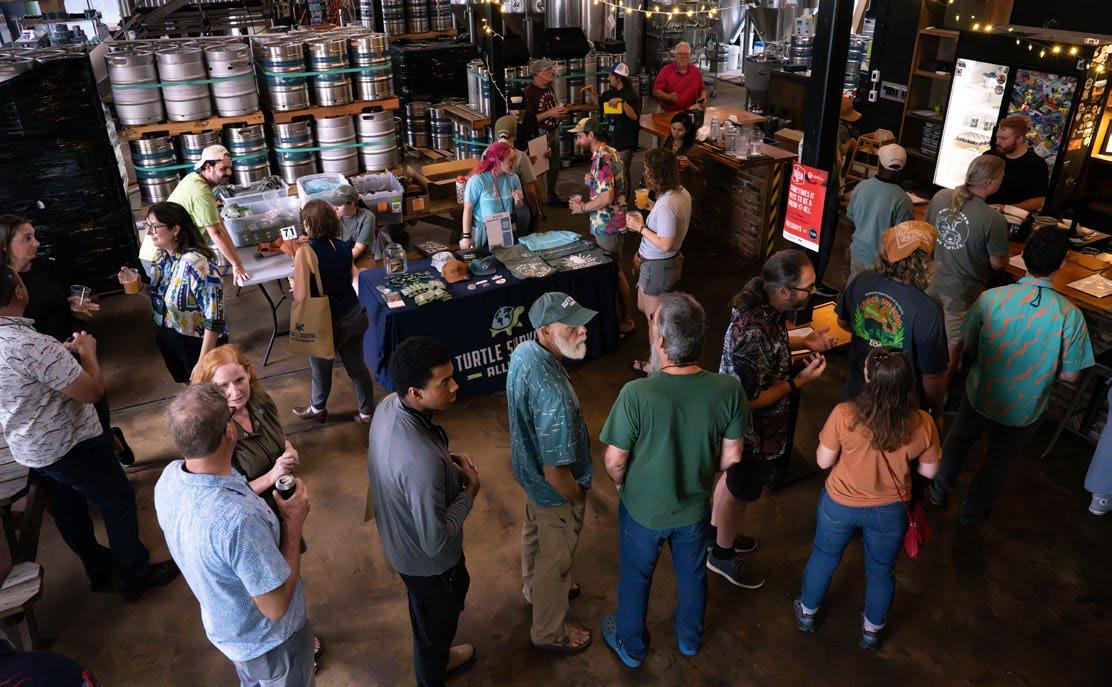
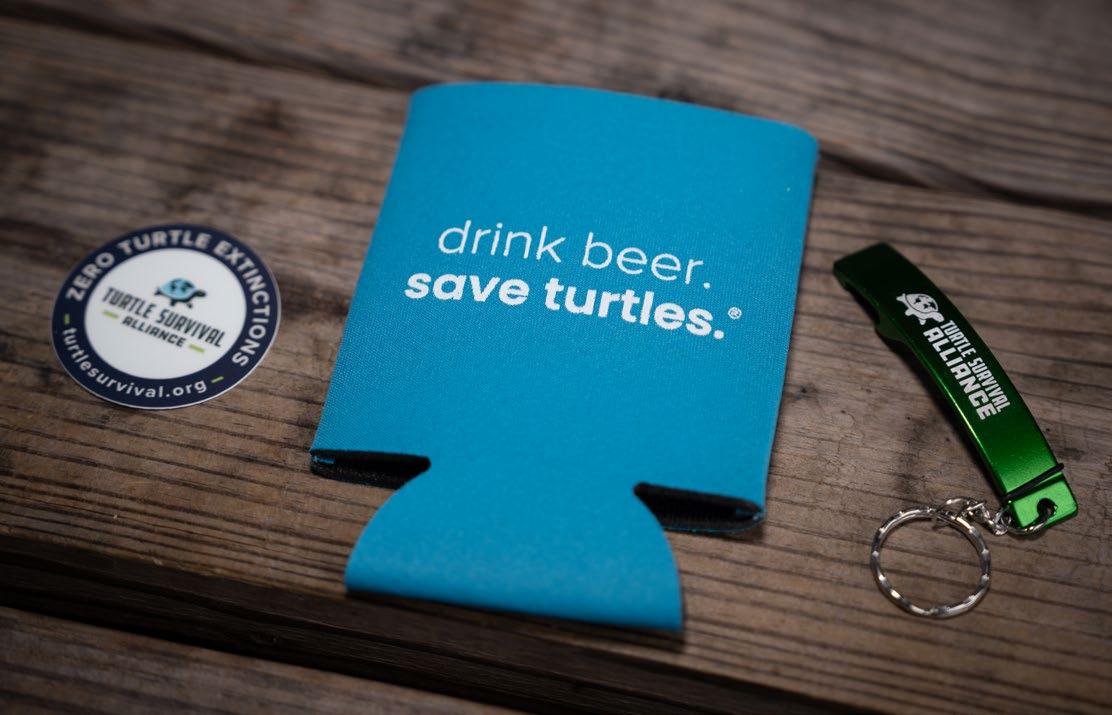
TSA proudly acknowledges the following businesses, organizations, and groups that hosted and supported Drink Beer. Save Turtles.® events in 2025.
1 Million Turtles
Alpha Brewing Company
Blank Park Zoo
Bold City Brewery
Brew Mountains Brewery
Burnish Beer Co.
Charleston Beer Works
Chesapeake AAZK Chapter
Columbus AAZK Chapter
Columbus Zoo and Aquarium
Programs Department
Confluence Brewing
First Magnitude Brewing
Flyway Brewing
Hay Camp Brewing Co.
Hill City Tap House
Holy City Brewing
Jacksonville AAZK Chapter
Little Rock AAZK Chapter
LO-Fi Brewing
Lowcountry Land Trust
Mike Hess Brewing
Milwaukee AAZK Chapter
Naked River Brewing
Nocterra Brewing
Perspective Brewing
Puget Sound AAZK Chapter
St. Louis AAZK Chapter
The Whale: A Craft Beer Collective
Two Blokes Brewing
Drink Beer. Save Turtles.®
Drink Beer. Save Turtles.® (DBST) is a volunteer-driven fundraising initiative that brings together people who care about turtles. Supporters host pint nights, special beer releases, taproom events, and community gatherings that raise funds and awareness for TSA’s global conservation programs. Through educational outreach, live turtle and tortoise ambassadors, and grassroots fundraising, DBST connects communities with turtle conservation and helps build a global network of supporters working toward a future where turtles thrive in the wild.
Want to become a Drink Beer. Save Turtles.® Conservation Partner in 2026? Contact us at dbst@turtlesurvival.org for more information and check out our website for more information:
Photos by Samantha Stephens
Financial Summary
Revenue: $7,299,663
2025 Expenses: $5,794,592
January 1, 2025 - December 31, 2025
Each year, a portion of TSA’s board-designated Stewardship Fund is allocated to support strategic priorities and cover staff costs, ensuring that a majority of personnel expenses are supported by sustainable, long-term revenue. In 2025, $886,950 was allocated to support core operations, including staff and key organizational priorities.
*In June 2025, TSA received a $6 million multi-year grant from an anonymous foundation. TSA received an initial payment of $2 million in 2025, with the remaining $4 million to be paid in equal installments in 2026 and 2027. Because the pledge was unrestricted, accounting rules require that TSA record the full amount of the grant in the year it was received.
The anonymous foundation grant is the main driver of the change in net assets.
The financial figures presented are subject to final audit. Please scan the QR code to access the official audited financial statements once they are published.
Join the Movement to Save Turtles
Turtles and tortoises have survived for more than 200 million years, yet today they are among the most threatened groups of vertebrates on Earth. More than half of the 359 turtle species face extinction due to habitat loss, illegal wildlife trade, climate change, and more.
TSA is working around the world to change that.
From rescuing thousands of confiscated tortoises in Madagascar, to protecting turtles in Central America and Asia, our teams and partners are working tirelessly in more than 30 countries to ensure turtles thrive in the wild.
Rescue and care for animals confiscated from illegal trade
Support conservation breeding programs for species on the brink of extinction
Advance science and genetics that guide species recovery and protects them in the wild
Return wild turtles to the habitats where they belong
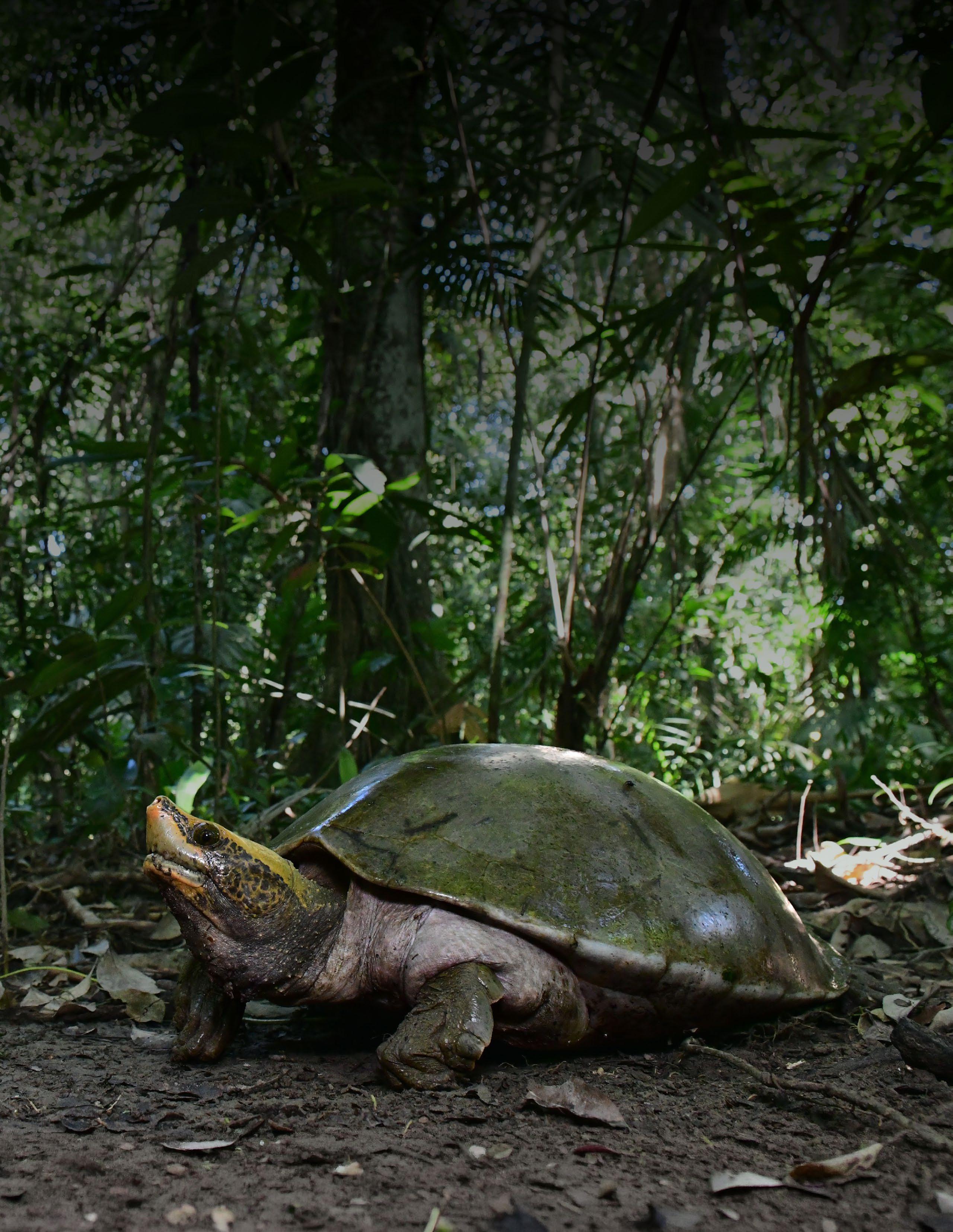
Central American River Turtle (Dermatemys mawii). Photo by Eduardo Reyes Grajales