

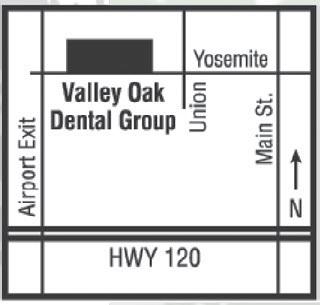
VALLEY OAK DENTAL GROUP






Dr.
Dr.
Dr.
Dr.
Dr.
Dr.
Dr. Mohammad ElFarra
Valley Oak Dental Group is a
group practice committed to
Our Pediatric Department provides a comfortable, caring atmosphere for your children.
We provide the latest General Dentistry procedures in a state-of-the-art dental suite.
Our Oral Surgery Department provides general anesthesia and I.V. sedation in a safe, professional environment.





Seeing the Possibilities: Living with Low Vision
Millions of Americans are living with low vision, a visual impairment that can turn everyday moments – recognizing a friend's face across the street, reading a recipe or checking a text message – into unexpected challenges.
Low vision isn’t a natural part of getting older, though the conditions that cause it do become more common with age.
Whether low vision is affecting you or a loved one, Low Vision Awareness Month is a perfect time to have your eyes examined for signs of eye diseases and to take steps to make daily life easier if you are experiencing low vision.
Consider this information from the National Eye Institute to make the most of your vision and improve your quality of life.
UNDERSTANDING LOW VISION
You may have low vision if you can’t see well enough to read, drive, recognize faces, distinguish colors or see screens clearly.
Many different eye conditions can cause low vision, but the most common causes are age-related macular degeneration, cataracts, glaucoma and diabetic retinopathy, a condition that can cause vision loss in people with diabetes.
The most common types of low vision are:
Central vision loss (not being able to see things in the center of your vision)
Peripheral vision loss (not being able to see things out of the corners of your eyes)
Night blindness (not being able to see in low light)
Blurry or hazy vision

DIAGNOSING LOW VISION
Your doctor can check for low vision as part of a simple, painless comprehensive dilated eye exam. He or she will ask you to read letters that are up close and far away and will check whether you can see things in the center and at the edges of your vision.
Then eye drops are used to widen your pupils and check for other eye problems – including conditions that could cause low vision.
Low vision is usually permanent, but glasses, medicine or surgery may help with daily activities or slow progression.
LIVING WITH LOW VISION
If you have low vision, you aren’t
alone. There are steps you can take to make life easier.
For minor vision loss, simple adjustments like using brighter lights, wearing anti-glare sunglasses and using magnifiers can help. Changing the settings on your phone and computer to increase contrast, make text larger or have the device read out loud may also help.
If your vision loss is getting in the way of everyday activities, ask your eye doctor about vision rehabilitation. These services can give you skills and resources to help manage your daily life and keep your independence. Examples include:
Employment and job training
Environmental modifications, like improving lighting and contrast
Assistive devices and technologies, like magnifiers, filters and screen readers
Adaptive strategies for daily living and independent living skills training
Emotional support, like counseling or support groups
Transportation and household services
Finding the right vision rehabilitation services and support may take time, but working closely with your eye doctor or care team is an important first step. Discuss your needs and goals for living with your visual impairment so they can help identify the best services for you.
For additional resources and information on vision rehabilitation, visit nei. nih.gov/VisionRehab.
Photo courtesy of Shutterstock
Awareness is Key: 3 Steps to Help Recognize Stroke Signs and Risks for Better Outcomes
A stroke can happen to anyone at any age.
In fact, every 40 seconds someone in the United States has a stroke, with approximately 800,000 people experiencing a stroke annually, according to the American Heart Association, making it a leading cause of death and serious, long-term disability.
A stroke happens when normal blood flow in the brain is interrupted. When parts of the brain don’t get the oxygen-rich blood they need, those cells die.
However, many strokes may be prevented, treated and overcome by understanding the risk factors and taking steps toward managing them.
“When a stroke happens, every minute matters,” said Dr. Adrian Jaquin-Valdivia, a stroke neurologist at HCA Healthcare and American Stroke Association volunteer expert. “The faster someone gets treatment, the better the chance of saving brain function. On average, nearly 2 million brain cells die every minute a stroke goes untreated. Early treatment improves survival rates and reduces disability.”
Take control of your brain health with this information from the American Stroke Association.
KNOW THE WARNING SIGNS
Because strokes do not discriminate, knowing the signs is key. To help you recognize common warning signs and symptoms of stroke and take action in moments that matter, remember this simple acronym: B.E. F.A.S.T.
B: Balance loss – sudden difficulty
with walking, dizziness or loss of balance or coordination.
E: Eye (or vision) changes – sudden vision loss or trouble seeing in one or both eyes.
F: Face drooping – one side of the face droops or feels numb; a smile may look uneven.
A: Arm weakness – one arm feels weak or numb or drifts downward when raised.
S: Speech difficulty – a telltale sign of a stroke is slurred speech or trouble speaking.
T: Time to call 911 – If someone is having any of these symptoms, even if the symptoms go away, call emergency services immediately to jumpstart care. Be sure to check the time so you'll know when the first symptoms started.
Explore the signs by playing the interactive, web-based B.E. F.A.S.T. Experience to see what stroke symptoms may look, feel and sound like.
TAKE STEPS TO PROTECT YOUR HEALTH
Approximately 80% of strokes are preventable, according to the American Stroke Association. Everyday choices – such as eating well, moving more, not smoking and keeping up with routine health screenings, along with managing risk factors with the support of a health

care professional – can help lower stroke risk.
MANAGE RISK FACTORS
High blood pressure is the leading risk factor for stroke, according to the 2025 American Heart Association/ACC Guideline for the Management of High Blood Pressure in Adults. Controlling blood pressure through regular checkups, at-home monitoring, following your treatment plan and maintaining a healthy lifestyle can significantly reduce your risk of stroke and support overall brain health. Additionally, having a stroke or mini stroke, known as a Transient Ischemic Attack (TIA), increases the chances of having a second one. That’s why identifying what caused your stroke and reducing

your personal risk factors can help protect your health and reduce the risk of another stroke.
To learn more about stroke risk factors and better understand the warning signs, visit Stroke.org/StrokeMonth, where you can also access stroke support services and subscribe to the Stroke Connection enewsletter for the latest resources.


Photo courtesy of Shutterstock
4 Endodontist-Approved Tips to Help Save Your Natural Teeth
Nothing looks, feels or functions quite like your natural teeth. They’re designed to last a lifetime and, when properly cared for, they often do. Even in the event of an infection or disease that requires additional care, most Americans agree their natural teeth are worth protecting.
In fact, a survey commissioned by the American Association of Endodontists found 61% of Americans would prefer a treatment that saves their natural tooth and about 78% would do almost anything to avoid losing one.
Despite this strong preference, many people delay or avoid dental care altogether. Financial concerns frequently disrupt dental care, with 60% of survey respondents admitting they’ve put off going to the dentist even when they suspected something was wrong. However, postponing care can turn a manageable problem into a more serious one. When facing dental problems, like severe tooth pain or infection, some may consider removing the tooth as a quick fix. Extraction isn’t always the best solution, though, and can have lasting consequences on both oral health and confidence.
“When possible, you should always consider treatments to save your teeth,” said Dr. Craig Noblett, president, American Association of Endodontists. “You may think, ‘why not have a tooth pulled, especially if no one can see it,’ but you will know your tooth is missing and it will negatively impact your quality of life. Missing teeth can cause other teeth to shift, affecting your ability to properly chew and ruin your smile.”
Another option exists: root canal treatment. While survey data reveals 39% of people are equally concerned about the procedure and losing a natural tooth, 33% worry more about the procedure itself. However, advancements in technology and anesthesia have made root canals – dental procedures to remove inflamed or infected pulp inside the tooth then clean, fill and seal it – are more
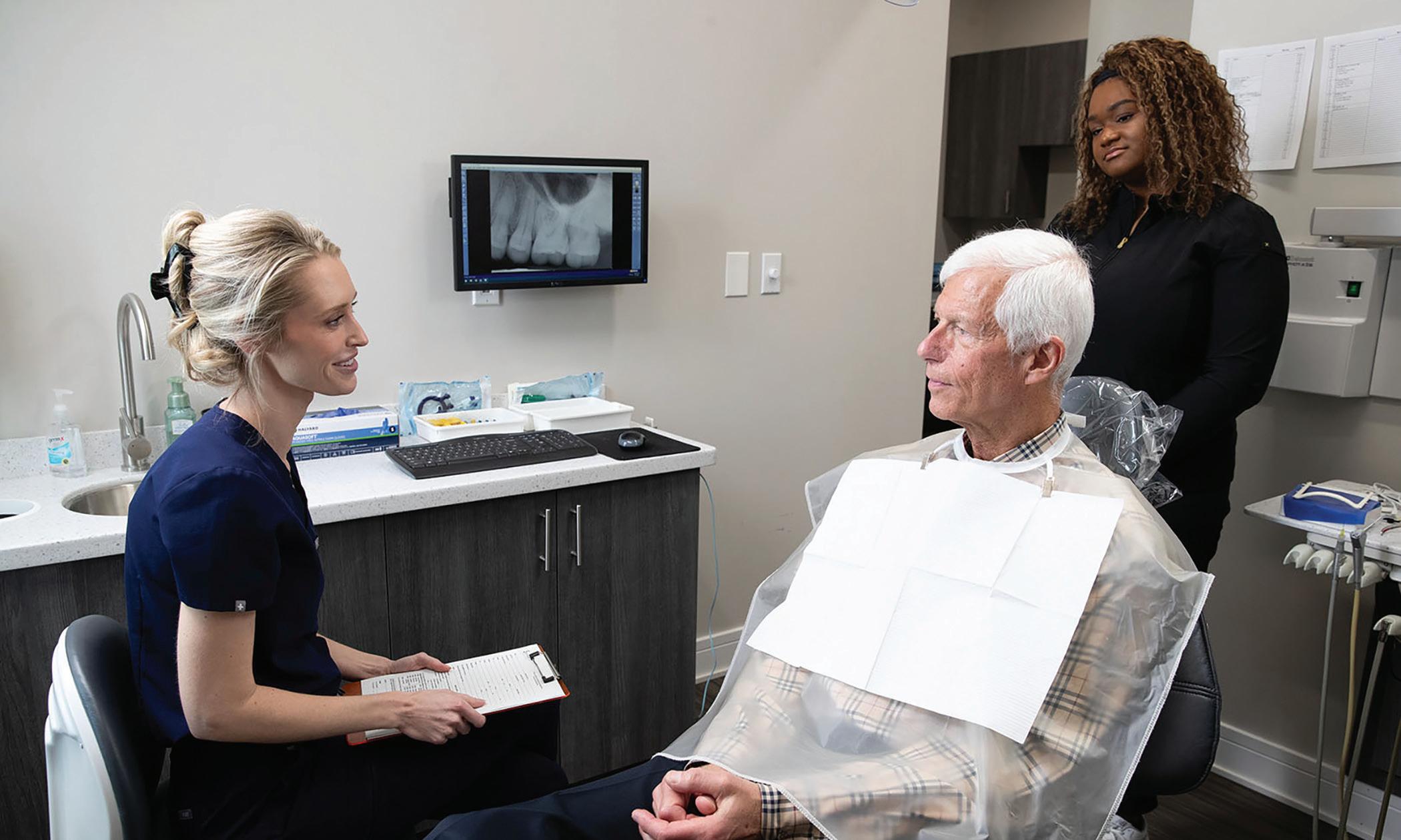
comfortable than their reputation suggests, similar to getting a routine filling.
To help maintain your smile for the long-term, consider these tips from Noblett to protect your natural teeth and avoid unnecessary tooth loss:
1. Act immediately when you experience symptoms of swelling or pain. Pain, swelling or sensitivity shouldn’t be ignored. Acting fast is especially critical in urgent situations. For example, fewer than half of Americans (46%) are aware that a knocked-out tooth can often be saved if treated quickly by a dental specialist. Most endodontists can accommodate emergency cases, even on weekends, ensuring you’ll be seen quickly.
2. Choose root canal treatment in-
stead of extraction when possible. No denture, bridge or implant will look, feel and function as well as a natural tooth. In many cases, extraction is more painful than the infection itself and replacing an extracted tooth with an artificial one requires additional dental visits that can quickly add up. On the other hand, a root canal completed by an endodontist is virtually painless and typically requires less follow up. In fact, patients who experience root canals are six times more likely to describe it as painless compared to those who have a tooth extracted.
3. Ask questions about your treatment options. If your dentist recommends tooth extraction, ask whether a root canal is an alternative. A study published in the “Journal of Translational Medicine” suggests that success-
fully treating tooth infection and inflammation through root canal therapy may support broader health benefits, including improvements in markers related to blood sugar and cholesterol, reducing both the risk of diabetes and heart disease.
4. Look for a specialist if needed. If you’re told root canal is not an option, ask why and request a second opinion. Since endodontists can offer solutions dentists cannot, asking for a referral to a local specialist may allow for more advanced care. You can also use the American Association of Endodontists’ Find an Endodontist search tool to find a practice near you.
Learn more about how endodontists can help protect your natural teeth for a lifetime by visiting aae.org/patients.
Effective Ways to Support Veterans Year-Round
For the approximately 18 million veterans in the United States – roughly 6% of U.S. adults ages 18 and older, according to the U.S. Census Bureau – the return to civilian life can present challenges.
Because many veterans need assistance as a result of their military service, consider these impactful and meaningful ways to support veterans and ensure their sacrifices are honored and needs are met.
ENGAGE IN COMMUNITY OUTREACH PROGRAMS
By participating in community events, you can help bridge the gap between veterans and civilians, fostering a sense of understanding and appreciation. Events such as parades, public ceremonies and educational forums can be organized to highlight the contributions of veterans. Additionally, volunteer opportunities within your community can also provide support to veterans, such as helping with home repairs, providing transportation to medical appointments or simply spending time with veterans who may feel isolated.
PROVIDE EMPLOYMENT AND CAREER SUPPORT
Gaining employment is an issue for many veterans transitioning back to civilian life. To help ease the transition, community members can support veterans by offering resume writing workshops, interview coaching and career fairs specifically targeted at veterans. Employers can also actively seek and hire veterans to leverage their unique skills and experiences. Veteran-friendly hiring practices and mentorship programs can also be beneficial toward ensuring veterans find the financial sta-
bility and purpose they need to thrive.
CONTRIBUTE TO VETERANFOCUSED CHARITIES
Donating to veteran-focused charities can help provide essential services such as housing, health care and educational assistance. In addition to monetary donations, consider volunteering your time or skills. Many charities need volunteers to help with various tasks, from organizing events to providing administrative support.
ADVOCATE FOR VETERAN HEALTH CARE INITIATIVES
Many veterans require specialized medical care due to their service. Advocating for better health care policies and initiatives can help ensure they receive quality care. This includes supporting legislation that improves access to medical and mental health services for veterans. You can also work with local health care providers to develop programs specifically designed for veterans.
PROMOTE MENTAL HEALTH AWARENESS AND RESOURCES
Mental health is a critical aspect of overall well-being, and many veterans face unique mental health challenges, including post-traumatic stress disorder and depression. Promoting mental health awareness and providing resources can help veterans cope with these issues. This includes organizing mental health awareness campaigns, providing information on available resources and reducing the stigma associated with seeking help.
Find more ideas for supporting veterans in your community at eLivingtoday.com.



Photo courtesy of Shutterstock
Walk More to Stress Less: Get Moving to Improve Well-Being
More than 10 years ago, a mere five words frightened desk jockeys everywhere: “sitting is the new smoking.” Still, many people across the U.S. are walking less than they used to. Long days spent sitting can take a toll over time, negatively impacting bodies and minds.
Research from the American Heart Association shows 1 in 4 adults in the United States sits for longer than 8 hours each day, leading to an increased risk of cardiovascular disease, obesity, Type 2 diabetes, certain cancers and premature death.
Feeling stretched by the demands of everyday life is common. However, simply adding just 20 minutes of daily physical activity may reduce the risk of disease and improve mental health, according to research published in “JAMA Internal Medicine.” Additionally, being physically active reaps many benefits down the road. It keeps your mind sharp as you age; studies show higher levels of fitness are linked to better attention, learning, working memory and problem solving. It also slashes risk of depression and boosts an all-around sense of joy.
Research continues to show physical activity, like walking, reduces stress, boosts mood and promotes overall wellbeing. This year, in honor of National Walking Day – created by the American Heart Association more than 10 years ago to encourage more movement throughout the day and help people live longer, healthier lives, one step at a time – consider these ideas to get your body moving to help lower stress, improve sleep, lift your mood and support both mental and physical health.
STEP INTO THE GREAT OUTDOORS
Slipping on a pair of comfortable walking shoes and heading outside is a simple way to get more movement in your life.

Walking outside has the added benefits of helping reduce stress, improving mood and boosting cardiovascular health. Sunshine also provides a boost of vitamin D and immune support.
MAKE IT FUN
Think of movement as something you give yourself, by moving more your way. When you choose activities you enjoy, it becomes easier to make them part of your day. If you can’t find 20 minutes for a walk outside, even short bursts of movement can help. Walking in place at a brisk pace, walking up and down the stairs in your home, finding a quick dance workout online or even seated
exercises and stretch breaks throughout the day can help you feel more refreshed and ready to take on everyday tasks, like cooking and running errands.
WALK WITH A FURRY FRIEND
Pets can be a great motivator to get moving. Plus, taking your furry friend for a stroll can support heart health, lower stress and boost overall happiness. In fact. a study published in the “Journal of Physical Activity and Health” shows dog owners are 34% more likely to reach their fitness goals and get the recommended amount of physical activity than those who don’t have a dog. Walking with your pet can also lead to more social connec-
tion, such as meeting neighbors or other pet owners.
POUND THE PAVEMENT WITH A PAL
Walking solo can be good for introspection, but bringing a friend, family member or coworker can make the time pass more quickly and add connection to your routine. Explore a greenway, waterfront or indoor mall for a fresh way to get some steps. If a loved one isn’t available to join you, make a phone call while you walk or take a meeting or conference call outdoors if your work allows it. Every step counts. Visit Heart.org/ movemore for more tips to get moving.
Photo courtesy of Shutterstock
5 Tips for New Pet Owners
Welcoming a new pet is exciting, but preparation is needed to provide a loving home and enjoy the unconditional love.
Prepare your furry friend for a new home with these essential tips for first-time pet owners.
Choose the Right Pet for Your Lifestyle
Consider your living situation, work schedule and personal preferences. Research different breeds to find the one that matches your activity level, living space and family dynamics. Also consider any allergies or sensitivities you or your family may have as some pets may trigger allergies or asthma symptoms.
SET UP YOUR HOME
Before bringing your new pet home, create a safe and comfortable environment. Start by pet-proofing your home, removing any hazardous substances and securing loose wires or cords. Make sure to store cleaning supplies, medications and toxic plants out of reach. Provide a designated space that includes a cozy bed or
crate, food and water bowls and toys.
CREATE A ROUTINE
Establish a consistent schedule for feeding, exercise and bathroom breaks. Determine the appropriate amount and frequency of meals for your pet’s age, size and breed. Spend quality time with your pet daily, providing attention, affection and mental stimulation.
BUDGET FOR YOUR PET’S NEEDS
Owning a pet comes with financial responsibilities. Consider the costs of food, grooming, veterinary care, vaccinations and preventive medications. Additionally, factor in the cost of toys, bedding, litter and other supplies.
FIND A RELIABLE VETERINARIAN
Regular check-ups and open communication with a local veterinarian can help detect any potential health

issues early and ensure your pet receives the best possible care. Ask friends, family or neighbors with pets for provider recommendations and read reviews. Visit potential veterinarians’ offices to meet the staffs, tour the facilities and ask any questions you may have. Find more tips for welcoming a furry friend into your home at eLivingtoday.com.



Photo courtesy of Unsplash
Your Medicare Roadmap: What to Know Before You Turn 65
Sixty-five is more than a number. It’s a milestone. A moment to reflect on where you’ve been and look forward with confidence to what comes next. For millions of Americans, turning 65 also means unlocking one of the most valuable benefits you’ve earned: Medicare.
The best is still ahead, and it starts with knowing your options. The official source for Medicare information, Medicare.gov, is here to help with clear, trusted information.
The path to Medicare is not the same for everyone. Some people get Medicare automatically and others have to sign up. It depends on whether you are already getting Social Security. Either way, you’ll want to choose how you get your Medicare coverage.
Get information for your path at Medicare.gov, where you can find out when and how to enroll and explore your coverage options.
UNDERSTANDING YOUR MEDICARE COVERAGE OPTIONS
When you first sign up for Medicare, you choose how to get your coverage. There are two main options: Original Medicare and Medicare Advantage.
Original Medicare is health coverage provided directly by the federal government. It has two parts:
Part A (Hospital Insurance) covers inpatient hospital stays, skilled nursing facility care, hospice care and home health care. Most people pay no premium for Part A.
Part B (Medical Insurance) covers doctor visits, outpatient care, preventive services (like screenings, vaccines and annual wellness visits) and durable medical equipment like wheelchairs and walkers. The standard Part B premium is $202.90 per month and is typically deducted from your Social Security check.
With Original Medicare, you can visit any doctor or hospital in the U.S. that accepts Medicare. You can also add optional coverage to help manage costs:
Medigap (Supplemental Insurance) helps pay your share of Medicare costs.
Part D (Prescription Drug Coverage) helps pay for medications.
Medicare Advantage is an alternative to Original Medicare that provides Part A and Part B and is offered by private insurers approved by Medicare. You still pay the Part B premium. Some plans charge an additional premium – though many carry a $0 plan premium and

may even help cover part of your Part B cost. Most plans include in Part D drug coverage along with extra benefits like dental, vision and hearing. Keep in mind most plans require you to use doctors within the plan’s network.
5 STEPS TO ENROLL WITH CONFIDENCE
1. Use official sources. Go to Medicare.gov or call 1-800-MEDICARE for step-by-step, personalized guidance on coverage and enrollment.
2. Start early. You don’t have to wait until your birthday. Explore your options now so you’re ready when your enrollment window opens.
3. Know your enrollment path. Your path depends on your circumstances – some people are automatically enrolled and some are not. There are unique steps for people who are still working.
4. Avoid late enrollment penalties. Missing your enrollment window can result in a permanent premium penalty for both Part B and Part D. Signing up on time protects your wallet for years to come.
5. Compare plans and save. At Medicare.gov, you can compare plan costs side-by-side, based on the specific drugs you take. A quick comparison could save you money each year. You can also confirm your current doctors are in-network before you choose a plan.
Turning 65 is a milestone worth celebrating and it’s the perfect time to focus on what matters most: your health and well-being. That includes eating well, exercising and making sure you have health insurance that fits your needs. There’s no one-size-fits-all plan. What’s important is finding an option that works for you and your health and financial needs.
Start your journey at Medicare.gov – your roadmap to a healthier and confident future.
Information provided by the U.S. Department of Health and Human Services