BIG














BIG
A family run business since 1948 and located in California’s Central Valley, our philosophy is to give our customers the fnest quality products by controlling every aspect of production, from the Orchard to the Marketplace - from the ground up. We specialize in gourmet California almond products for every occasion including weddings, birthdays, anniversaries, corporate gifts, welcome bags, VIP gifts and so much more.


PUBLISHER/OWNER
Hank Vander Veen
MANAGING
Sabra Staford
WRITERS
Kristina Hacker
Jonamar Jacinto
Sabra Staford
CREATIVE DIRECTOR
Harold L. George
ADVERTISING
Beth Flanagan
Melody Wann
Charles Webber
DIGITAL FULFILLMENT COORDINATOR
Rich Matheson

One of the things we love most about the 209 is how endlessly it invites exploration. No matter the month, no matter the weather, there is always a road to follow, a small town to discover, a landscape that shifs just enough to make you see it with fresh eyes. Tis issue of Destinations 209 celebrates that spirit — the joy of wandering, the beauty of our region’s hidden gems, and the stories that make each community feel both familiar and brand new.
We begin in Santa Nella, where Hotel Mission de Oro rises from the valley like a golden landmark from another era. What started as one man’s dream has become a destination that blends history, art, and hospitality in a way that feels both grand and deeply personal. It’s a reminder that some of the most remarkable places are built with heart.
From there, we head into the Sierra, where Arnold stands at the edge of the moun tains like a gateway to adventure. Whether you’re walking beneath giant sequoias, exploring the Arnold Rim Trail, or grabbing a burger afer a day outdoors, this com munity captures everything we love about mountain life: beauty, simplicity, and room to breathe.
Te Delta ofers a diferent kind of escape — one shaped by tides, levee roads, and the slow rhythm of river life. In this issue, we drif through marinas, sloughs, and small towns that feel suspended in time. Te Delta reminds us that paradise can be as close as a bend in the river.
Closer to home, Hilmar shines with its blend of heritage, favor, and small‑town warmth. From Portuguese pastries to grilled cheese masterpieces, from the Dairy & Farm Festival to the brand‑new Book Nook, Hilmar proves that the heart of a com munity is found in its people — and in the traditions they carry forward.
And fnally, we travel up Highway 108 to Twain Harte, a storybook mountain town where nostalgia and nature meet beneath the pines. Whether you’re putting through the miniature golf course, sipping cofee at Te Sugar Shack, or listening to music in the park, Twain Harte ofers the kind of getaway that stays with you long afer you’ve headed back down the hill.
SCAN this to advertise in Destination 209 or call Manteca • (209) 249-3500 • Newman • (209) 243-8170 Oakdale • (209) 847-3021 • Turlock • (209) 634-9141
Magazine is published 6 times a year


Across all fve stories, one theme stands out: the 209 is full of places that surprise you, welcome you, and remind you why this region is so special. Our hope is that this issue inspires you to explore somewhere new — or to rediscover a place you thought you already knew.
Tank you for joining us on the journey. Tere’s always more to see, more to taste, and more to experience in the 209. And we’re honored to help you fnd it.
Hank Vander Veen Publisher/Owner hvanderveen@209magazine.com









By JONAMAR JACINTO
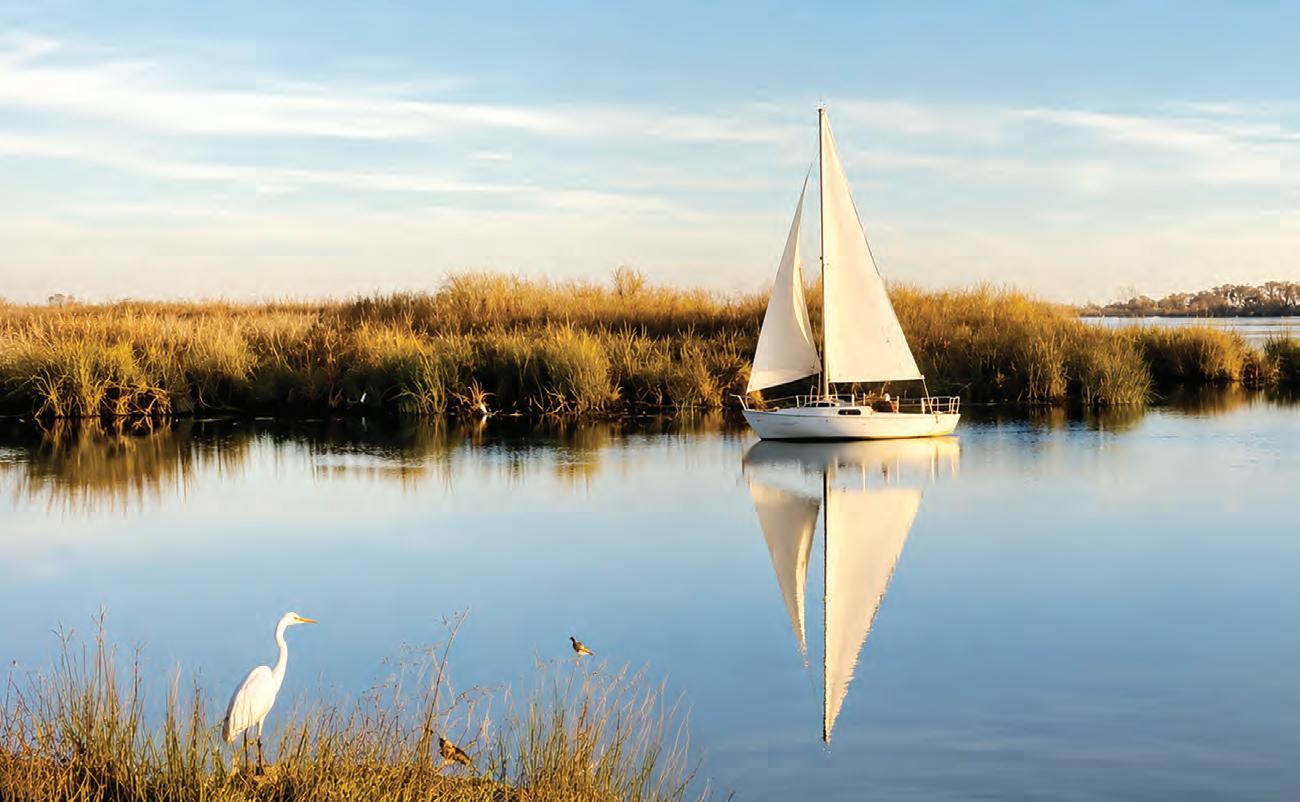
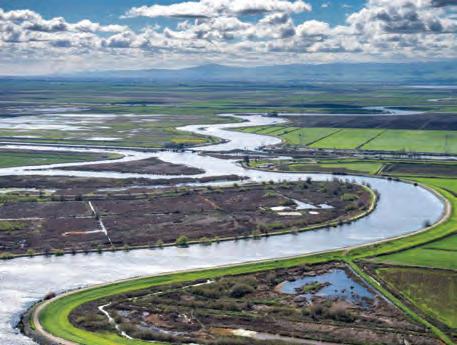
The frst thing you notice is the light. It hits the water in a way that feels almost deliberate, as if the Delta has been waiting all morning to show of. Te levee road rises, the river appears, and suddenly you’re in a diferent world—one shaped by tides, tules, and the slow, steady pulse of the San Joaquin.
For people in the 209, the Delta is close enough for a spontaneous afternoon escape yet vast enough to feel like a true getaway. It’s a place where you can lose track of time, drifting between marinas, small towns, and quiet sloughs, discovering something new in every season. Summer may bring the biggest crowds, but the Delta never really sleeps. Winter fog settles like a soft blanket over the water. Spring brings wildflowers and migrating birds. Fall paints the orchards
gold. And through it all, the river keeps moving, carrying with it the stories of everyone who comes to its edge. Windmill Cove is often the first stop for travelers heading west from Stockton. The road bends, the windmill comes into view, and the resort unfolds along the riverbank— RV sites, docks, a sandy beach, and the familiar hum of boat engines. Under new ownership, Windmill Cove has found fresh energy while keeping its laidback charm. In summer, music drifts across the water as bands take the stage on weekends, but even in the quieter months, the place has a pull. Locals stop in for lunch at The Kitchen, boaters fuel up before heading into the channels, and daytrippers settle into the sand with a cold drink, watching the river do what it does best: slow everything down.
Just a short walk away, Tiki

Lagoon leans into its island spirit. The remodeled bar and grill glows with warm light in the evenings, and the scent of tacos and grilled pineapple drifts across the docks. On Tiki Tuesdays, the laughter is loud, the drinks are cold, and the Delta feels like it has borrowed a bit of the tropics. The general store stays busy yearround, supplying boaters with ice, snacks, sunscreen, and the kind of lastminute items that always seem to be forgotten at home. Even in winter, when the crowds thin and the air turns crisp, the lagoon has a cozy, tuckedaway feel—like a secret you’re happy to keep.
Turner Cut sits just beyond it, quieter and more rugged, the kind of place anglers talk about in reverent tones. The slough stretches out like a promise, and the fishing is as good as the stories say.
Striped bass, catfish, bluegill, largemouth bass— there’s always something biting, especially when the weather cools and the river settles. Turner Cut’s 20 acres hold a general store, storage facilities, and a sense of calm that makes it easy to forget the rest of the world exists. It’s a place where mornings start early, coffee in hand, mist rising off the water, and the only sound is the soft splash of a line hitting the river.
Closer to Interstate 5, Village West Marina & Resort feels like a small waterfront town of its own. Boats line the slips in neat rows, their masts and canopies creating a skyline of sorts. The bungalows—
Sunset, Riverside, Delta, and Waterfront—sit along the edge of the marina, each with its own deck overlooking the water. Inside, they feel like modern cabins, stocked with everything needed for a weekend retreat. Guests grill on the deck, watch the sun dip behind the levee, and wander to dinner without ever needing to start the car. Garlic Brothers buzzes with energy, Bob’s at the Marina serves comfort food with a view, and Sunset Sweets tempts everyone who walks by with ice cream and pastries. Even in the offseason, the marina hums with life: fishermen heading out at dawn, dog walkers strolling the paths, and travelers checking into the RV park for a quiet waterfront stay. Farther north, where Highway 12 crosses the river, Tower Park Marina rises from the shoreline like a gateway to another chapter of the Delta. Boaters come for the easy access to the water, but families come for Jellystone Park, where kids race between mini golf, water slides, and planned activities that keep the place lively long after summer ends. Cabins glow with warm light in the evenings, RVs line the paths, and the scent of campfires drifts through the trees. The Waterfront Grille sits nearby, offering a place to unwind with a meal and watch the river roll by. But the Delta is more than its resorts. It’s the small towns that cling to the riverbanks—Locke with its wooden boardwalks
“The Delta is close enough for a spontaneous afternoon escape yet vast enough to feel like a true getaway.”
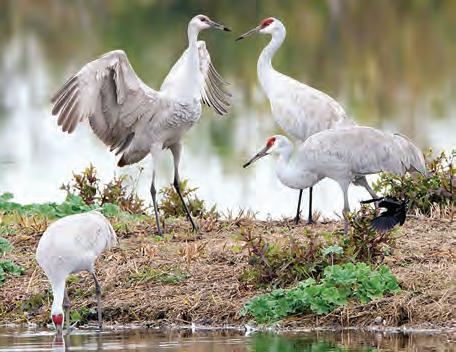
and centuryold storefronts, Walnut Grove with its historic charm, Isleton with its festivals and fishing spots. It’s the wildlife that fills the skies: sandhill cranes returning each winter, herons stalking the shallows, hawks circling above the fields. It’s the levee roads that stretch for miles, perfect for cycling, photography, or simply getting lost in the scenery. It’s the farm stands, the orchards, the vineyards, and the quiet moments when the river reflects the sky so perfectly it’s hard to tell where one ends and the other begins.
The Delta is a place of contrasts— bustling marinas and silent backwaters, lively restaurants and

empty trails, summer crowds and winter solitude. It’s a place that invites you to choose your own pace, whether that means dancing barefoot in the sand at Windmill Cove, paddling through a narrow slough at sunrise, or sitting on a bungalow deck watching the lights shimmer across the marina.
For those in the 209, it’s a reminder that paradise doesn’t always require a long drive or a plane ticket. Sometimes it’s just a turn off the levee road, where the water waits, the air shifts, and the Delta opens its arms in every season.

The Arizona offers unrivaled comfort for Kids and Adults

Vintage Faire Mall, Modesto 209-577-0517












By SABRA STAFFORD
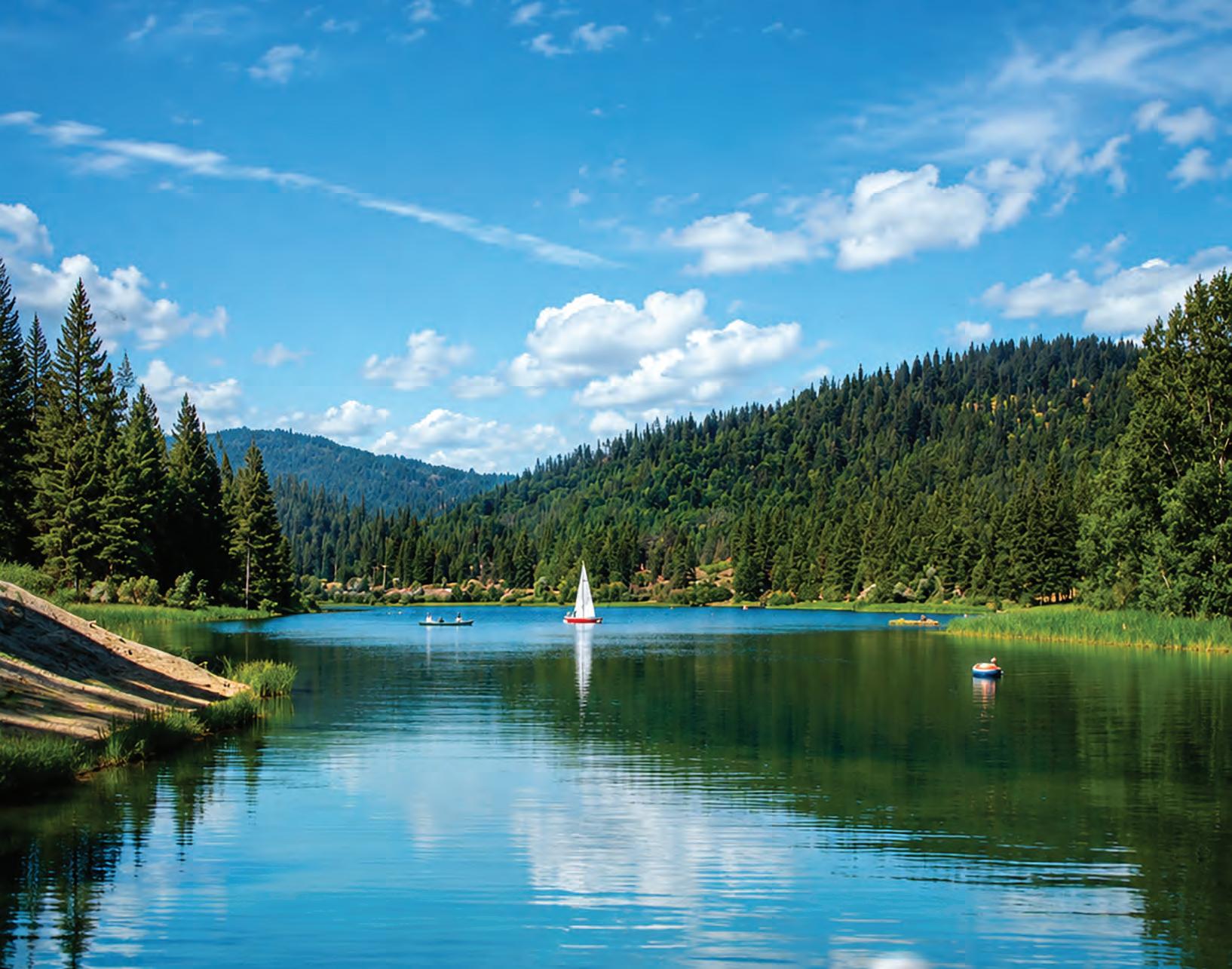
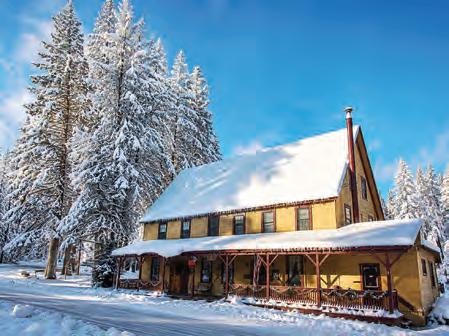
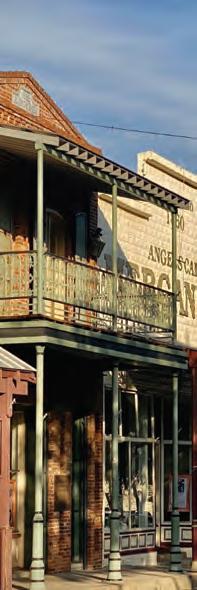
erched at the snow line along Highway 4, Arnold is a mountain town that feels like the gateway to everything the Sierra Nevada does best. Sur‑ rounded by thick forests, granite outcroppings, and crisp alpine air, the community is a year‑round haven for outdoor lovers. Hiking, biking, fshing, of‑roading, golf, and winter sports all radiate from this stretch of the Ebbetts Pass corridor, making Arnold a natural basecamp for families, adventurers, and anyone who simply wants to breathe a little deeper.
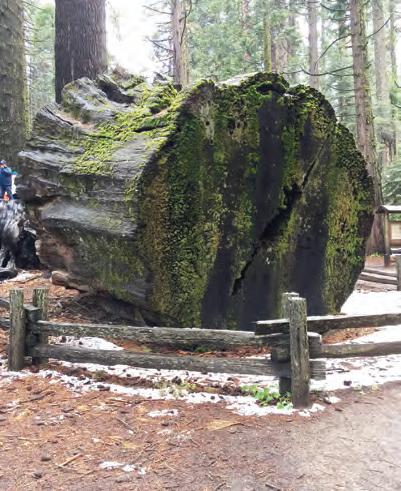
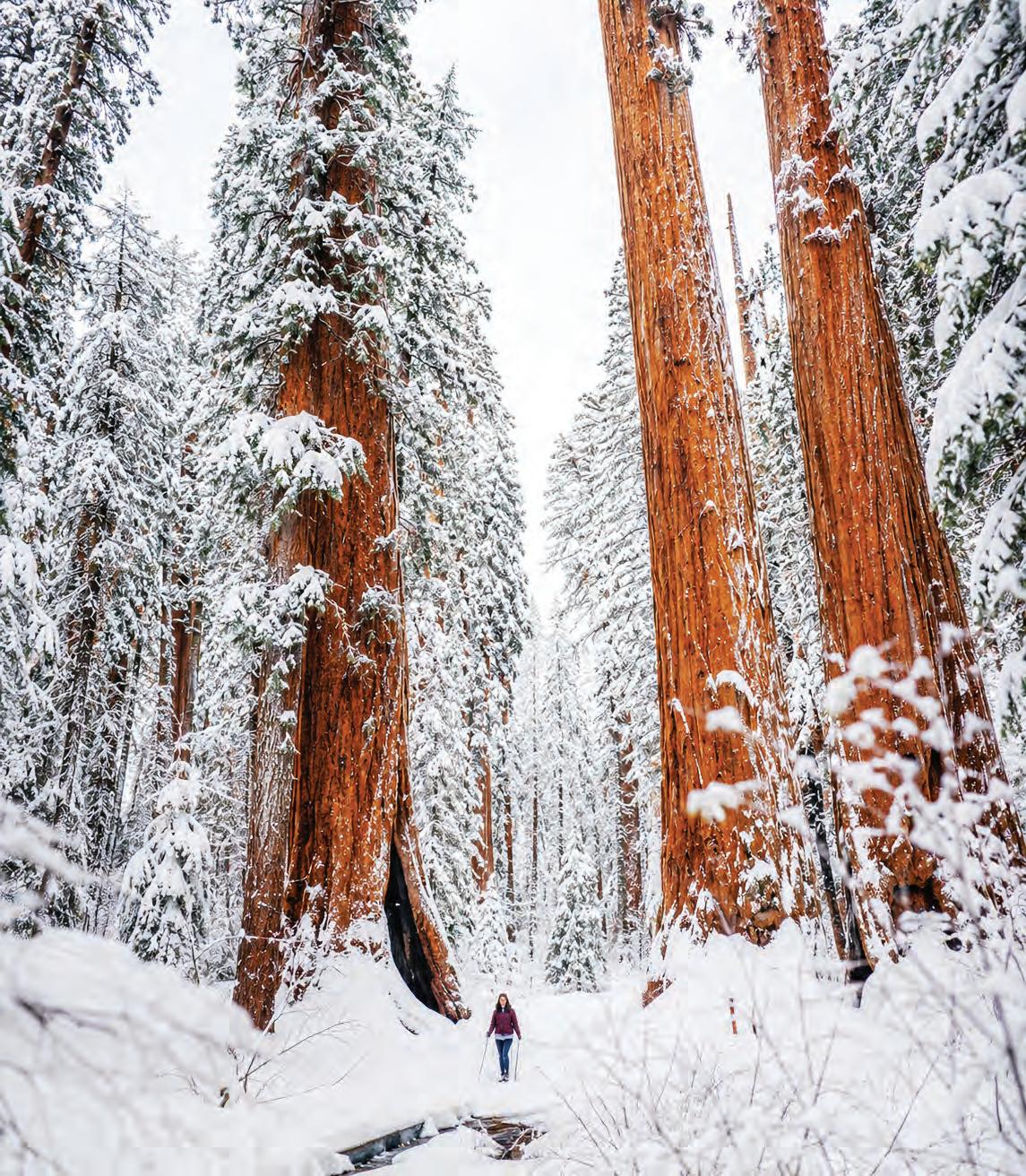
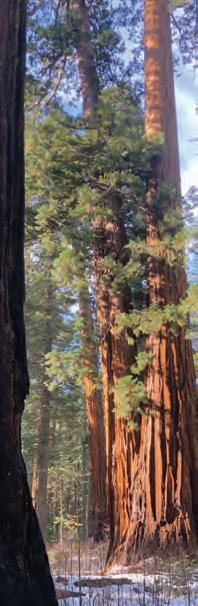
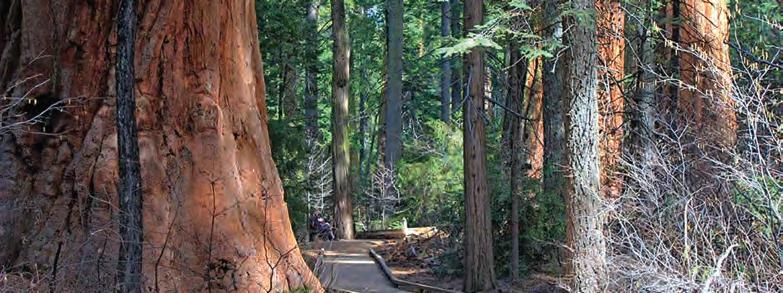
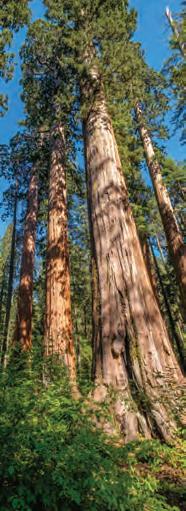
Arnold’s biggest claim to fame sits just a few miles from downtown: Calaveras Big Trees State Park, the
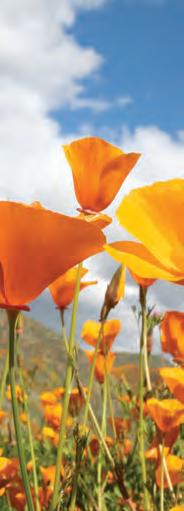
place where giant sequoias were frst discovered in the Sierra Nevada. Te park’s North Grove ofers an easy, nearly level loop among towering trees that seem to hold up the sky, while the South Grove—open spring through fall—delivers a more rugged, wilder‑ ness‑style experience. Seasonal changes here are spectacular: snowy winters, fery fall colors, and spring wildfow‑ ers that carpet the forest foor. Wildlife sightings are common, and on rare occasions, even black bears make an appearance. With camping, lodging, guided tours, and ranger programs, Big
Trees is both a natural wonder and a welcoming outdoor classroom. Arnold’s connection to the moun‑ tains runs deep, and nowhere is that more evident than along the Ebbetts
“Every mile is a postcard— rugged clifs, alpine lakes, and sweeping vistas.”
Pass National Scenic Byway, which begins here and winds its way over the Sierra crest. Every mile is a postcard— rugged clifs, alpine lakes, and sweeping vistas that motorcyclists, road‑trippers,
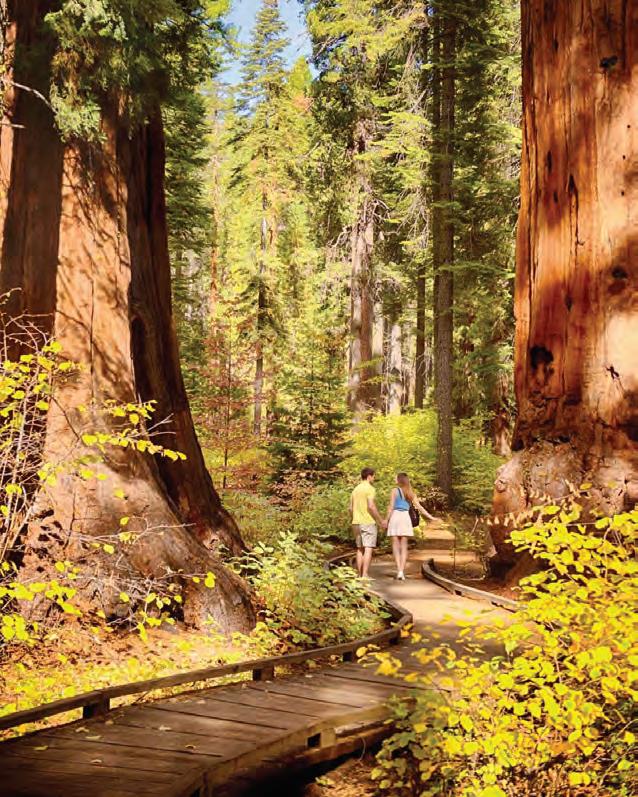
and photographers treasure. Just as beloved is the Arnold Rim Trail, a 17‑mile network built entirely by community volunteers. Te trail dips into shady canyons, climbs to rocky overlooks with views stretch‑ ing toward the Central Valley, and meanders through old‑growth for‑ est. Designed for hikers, bikers, and equestrians, it’s a testament to the town’s passion for preserving and sharing its outdoor spaces.
For families, White Pines Lake is a perfect day‑use gem. With sandy beaches, picnic tables, a disc golf course, a playground, and calm water ideal for kayaking, paddle‑boarding, fshing, or swim‑ ming, it’s the kind of place where an afernoon easily becomes a full day. At one end of the lake sits the Sierra Nevada Logging Museum, which brings the region’s logging history
“Every mile is a postcard— rugged clifs, alpine lakes, and sweeping vistas.”
to life through creative exhibits and restored equipment—including a Shay locomotive. Te museum also serves as one of the trailheads for the Arnold Rim Trail, making it a natural starting point for both learning and exploring.
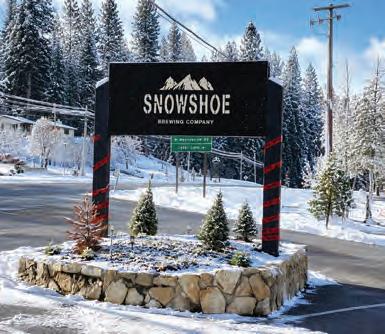
Arnold’s dining scene refects its blend of rustic charm and mountain hospitality. Giant Burger, a Highway 4 staple since 1968, continues to satisfy vacation‑ ers with made‑to‑order burgers, sandwiches, fsh and chips, shakes, and sof‑serve cones perfect for hot summer days. Just down the road, Snowshoe Brewing Com‑ pany has been a family favorite for decades, ofering award‑winning microbrews, hearty comfort food, arcade games for restless kids, and a welcoming atmosphere that stays open even during winter power
outages thanks to its generator. Beer lovers can sample everything from Apricot Wheat Ale to Lodgepole IPA, while non‑beer drinkers will fnd plenty of other options.
For a more intimate meal, Sarafna’s Ital ian Kitchen delivers house‑made ravioli, risotto, fresh‑fsh dishes, and salads dressed with locally sourced ingredients. Set among mature conifers and oaks, the restaurant’s cozy atmosphere and friendly staf make it a favorite for both locals and visitors—so much so that reservations are strongly recommended. A few miles up the byway in Dorrington, the Lube Room Saloon ofers a rustic, dog‑friendly stop for burgers, beers, and occasional live music, with a fenced backyard overlooking a high‑country meadow that’s especially inviting on warm summer evenings.
Arnold also shines when it comes to com munity events. Each Memorial Day weekend, the Spring Peddler’s Faire brings more than 60 booths of original art, crafs, antiques, and col‑
lectibles to the pines, along with local brews, home‑ made foods, and the kind of mountain‑town browsing that turns up unexpected treasures. On Labor Day weekend, the Sierra Nevada Logging Jamboree takes over the grounds of the Logging Museum with ama teur and professional com‑ petitions in axe throwing, log bucking, hotsaws, and more. Kids rush the stage to collect slices of freshly cut logs—later branded by the U.S. Forest Service—creat‑ ing one‑of‑a‑kind souvenirs that feel like pieces of Sierra history.
Winter transforms Arnold into a snow‑sports hub thanks to its prox‑ imity to Bear Valley Mountain, a favorite for skiing, snowboarding, and family‑friendly winter fun. With charming vacation rentals and lodging avail‑ able year‑round, the town becomes a cozy retreat afer a day on the slopes or in the snow.
Arnold is a place where the seasons matter, where the scent of pine and the crunch of trail gravel under‑ foot are part of daily life, and where the mountains feel close enough to touch. Whether you’re wander‑ ing beneath giant sequoias, paddling across a quiet lake, sampling local brews, or cheering on loggers at the jamboree, this stretch of the Sierra invites you to slow down, explore, and savor the beauty that surrounds it.







































































By KRISTINA HACKER

f you’ve ever cruised down Highway 165 you’ve passed right by one of Merced County’s most quietly capti‑ vating communities. Hilmar may be best known as the home of Hilmar Cheese Company, but that’s only the frst layer of a place with deep roots, rich traditions and a personality all its own. Spend even an afernoon here and you begin to understand why this small town inspires such ferce loyalty from the people who call it home.
Hilmar’s story begins in 1901, when Scandinavian settlers arrived in search of irrigated farmland and found fertile ground for melons, almonds, walnuts, hay and corn. Tey built a commu‑ nity from the soil up, guided by the same values that still shape the town today: hard work, hospitality and a deep connection to the land. One of those early pioneers, Nels O. Hult‑ berg, named the community afer his son Hilmar — a simple gesture that would anchor more than a century of small‑town identity. Even now, the town nods to its Swedish begin‑ nings with beloved traditions like the Swedish pancake breakfasts at Hilmar Covenant Church, where generations gather over warm plates and familiar conversation.
But Hilmar has grown into some‑ thing even more distinctive. Over the decades, the town became home to
“Hilmar doesn’t need to shout to be noticed. It simply waits for you to slow down long enough to see what’s been here all along.”
one of the largest Portuguese‑Ameri‑ can populations in the country, a cul‑ tural shif that has shaped everything from its bakeries to its festivals to the cadence of everyday life. Walk through town on a Saturday morning and you’ll hear Portuguese spoken as ofen as English, smell the sweet warmth of traditional pastries drifing from the bakery and see families greeting one another like old friends — even if they met only last week.
Agriculture remains the heartbeat of the community, and nowhere is that more evident than at the Hilmar Dairy & Farm Festival each June. Te event feels like a love letter to the town’s rural heritage. Locals gather for trac‑ tor parades, car shows, craf booths and freworks, cheering on the Little Milkman and Milkmaid winners as
if they were hometown royalty. Kids dart between booths with ice cream in hand, grandparents settle into lawn chairs to watch the parade roll by, and the whole town seems to glow with a sense of shared pride. Come Decem‑ ber, the tractors return — this time decked out in hundreds of twinkling lights for a Christmas parade that feels like a postcard come to life. It’s the kind of small‑town magic that makes you forget, even briefy, how busy the world has become.
So the next time you fnd yourself cruising through Hilmar, consider slowing down. Better yet, stop and explore. Te town rewards curiosity with favors, stories and experiences you won’t fnd anywhere else.
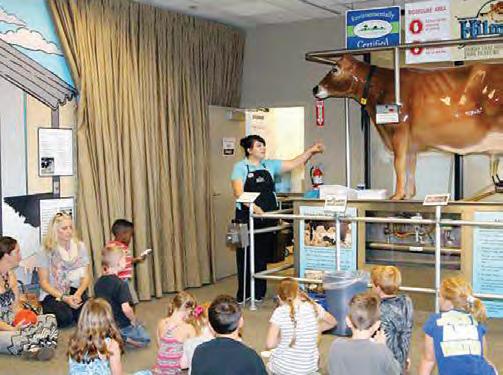
A natural frst stop is the Hilmar Cheese Company Visitors Center, a landmark built on the vision of 12 dairy families who banded together in 1984 to create new opportunities for local farmers. Teir products now reach more than 50 countries, but the Visitors Center keeps things grounded in the joy of learning how cheese is made — and tasting it, of course.
Guests can join an ice‑cream‑making activity, take a tour or test their wits in AgXscape, a family‑friendly escape‑style challenge themed around dairy farm life. And no visit is com‑ plete without a grilled cheese from the café. Whether you’re drawn to the Zesty Tomato with sundried tomato pesto or Te Wave with grilled pine‑
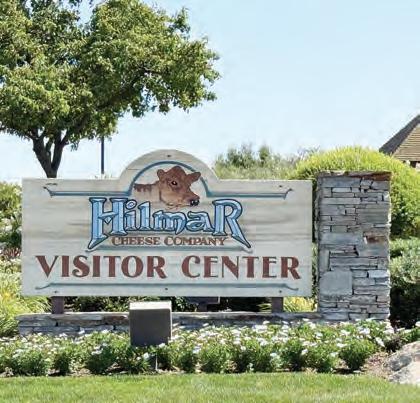
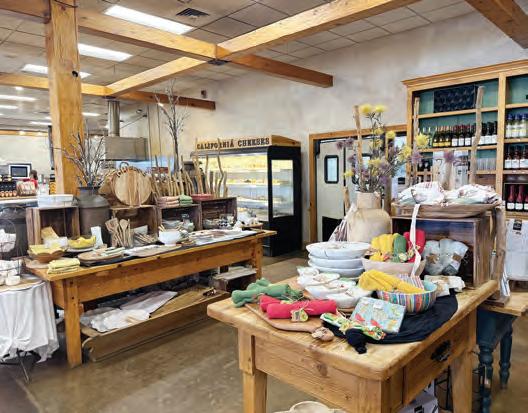
apple and barbecue sauce, these sand‑ wiches are the kind you remember long afer you’ve lef town. It’s comfort food with a local twist — hearty, inventive and unmistakably Hilmar.
Just down the road, the Hilmar Portu‑ guese Bakery draws visitors from across the region for its pastel de nata — warm, faky, custard‑flled perfection dusted with cinnamon and powdered sugar. Te bakery’s hours are limited, and regulars know to order ahead, especially if they’re stocking up on breads or pastries for fam ily gatherings. Inside, the cases are flled with golden loaves and delicate pastries that speak to generations of tradition. It’s the kind of place where the line forms early, the staf knows your name and the smell alone is worth the drive.
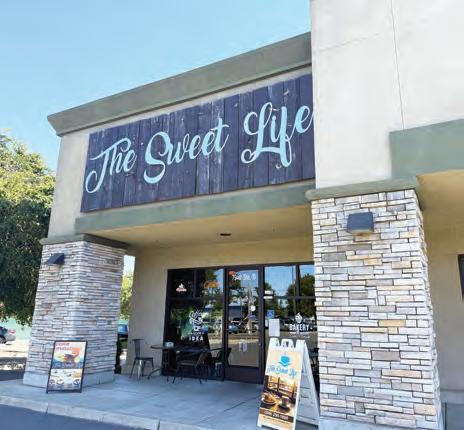
If your sweet tooth still isn’t satisfed, Te Sweet Life ofers cupcakes, cookies, croissants and a full cofee menu from early morning through the afernoon. Located across from Hilmar High School,
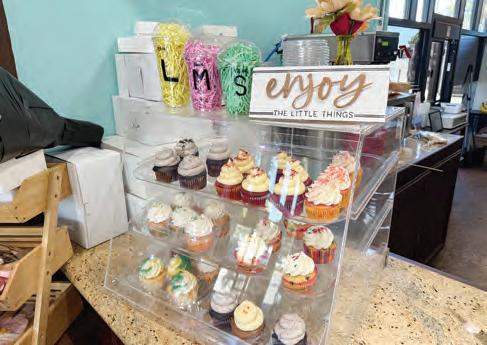

the shop has become a community hub, even ofering $1 pastries for students. It’s the kind of place where the barista remembers your order, where families stop in afer school events and where the drive‑thru keeps things easy on busy days. Te display case is always full, the cofee is strong and the atmosphere feels like a warm welcome.
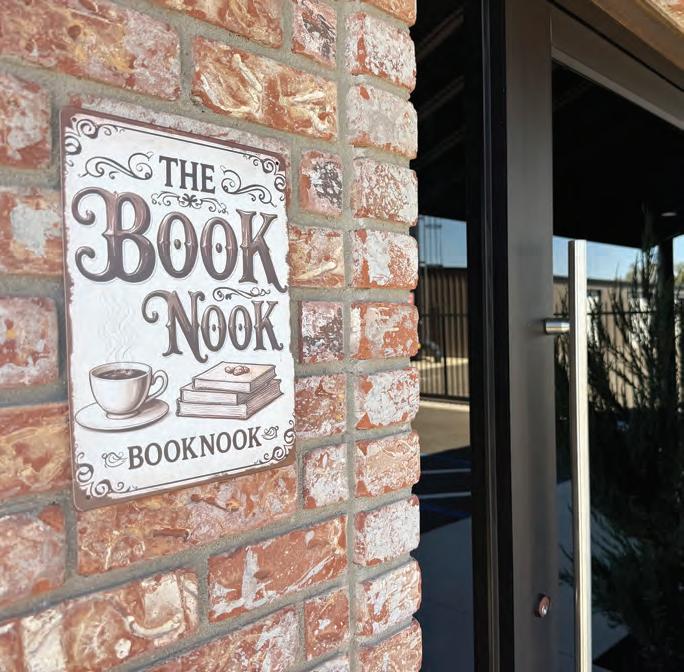
Hilmar’s newest treasure is tucked inside the ofce building of Te Vault Storage facility — a ftting location for a true hidden gem. Te Book Nook, a cozy new and used bookstore, opened in May and has already become a haven for readers. Its shelves hold everything from popular fction to local authors, including Marisa Silva Rocha’s illustrated children’s book Avó Silva’s Dairy House, a celebration of heritage and family that feels right
“Hilmar may be small, but it’s layered with history, favor and heart.”
at home in Hilmar. Te shop is still growing, but its warm atmosphere and community‑minded spirit make it a must‑visit. It’s the kind of place where you can lose track of time, wandering from shelf to shelf, discovering stories you didn’t know you needed.
Hilmar may be small, but it’s lay‑ ered with history, favor and heart. It’s the kind of place that invites you to linger — to grab a grilled cheese, browse a bookshelf, savor a pastry
and soak in the charm of a community that has quietly thrived for more than a century. Spend a little time here and you begin to understand the town’s quiet confdence. Hilmar doesn’t need to shout to be noticed. It simply waits for you to slow down long enough to see what’s been here all along.






By SABRA STAFFORD
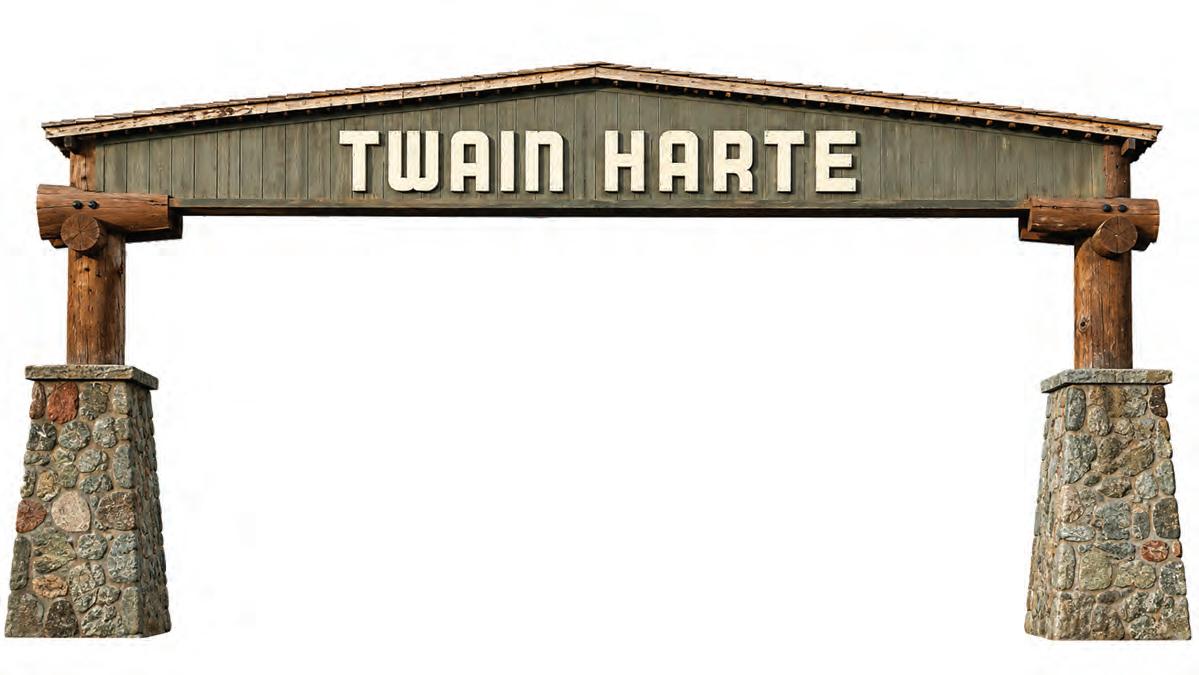
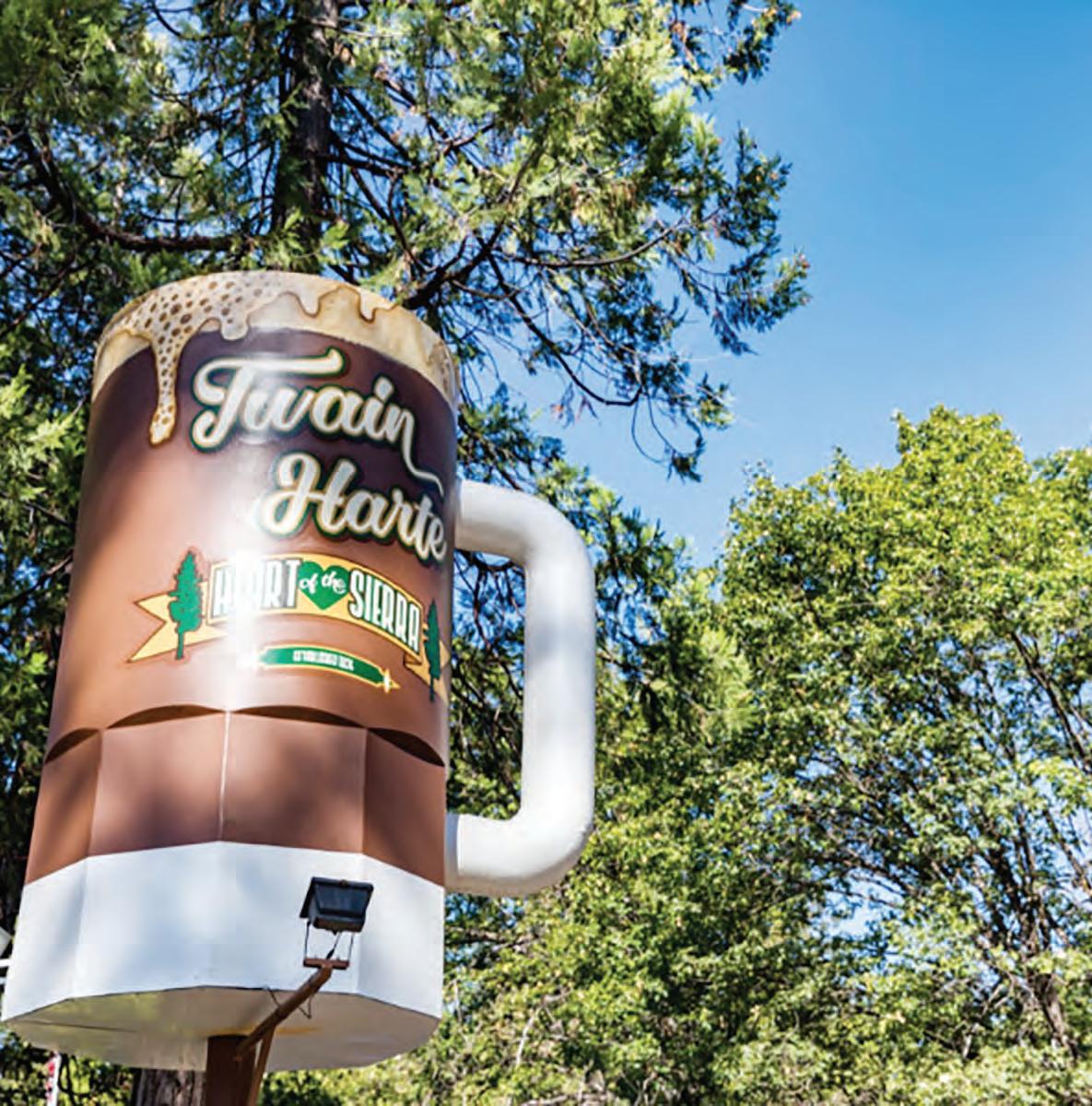
Tucked beneath towering pines along Highway 108, Twain Harte feels like the kind of mountain town you stumble upon once and return to for the rest of your life. Named for literary icons Mark Twain and Bret Harte, the community blends nostalgia with natural beauty, ofering a peaceful retreat surrounded by forest, fresh air, and endless ways to unwind. Visitors ofen begin by wandering the compact downtown, where one‑of‑a‑kind shops line the streets and the pace naturally slows. Harte of the Kitchen is a favorite for unique cooking goods, while Te Walk‑In Closet ofers outfts perfect for remembering your trip. As you stroll, keep your eyes open—Twain Harte is an ofcial Audubon Bird Town, and spotting the painted and real birds throughout town has become a beloved pastime. Download the colorful bird list from Visit Tuolumne and see how many species you can check of as you explore.
No matter the season, The Sugar Shack is a must‑stop for house‑made pastries, a full espresso bar, and hearty breakfast and lunch options.

Families have long made a tradi‑ tion of stopping at the Twain Harte Miniature Golf Course, an 18‑hole gem that has been challenging players for 70 years. Generations have putted their way through its whimsical obstacles, and newcom‑ ers quickly understand why it’s a rite of passage. Just a short walk away, Eproson Park ofers a shady escape with its Streamside Trail, bocce courts, playground, and community garden. It’s the perfect place to spread out a picnic, let the kids roam, or sim‑ ply enjoy the quiet of the woods. In summer, the park becomes the town’s gathering place during Concerts in the Pines, held Saturday evenings from June through September, where locals and visitors settle in under the stars for live music.
the snow melts, Dodge Ridge shifs to summer mode with disc golf and scenic hiking trails.
No matter the season, Te Sugar Shack is a must‑stop for house‑made pastries, a full espresso bar, and hearty breakfast and lunch options. Open daily from 6 a.m. to 2 p.m., it’s a warm, bustling hub where locals gather and travelers fuel up before a day of exploring.
You can spend the morning bird‑spotting, the afternoon paddling across a mountain lake, and the evening listening to music beneath the pines.
For those crav‑ ing adventure, Pinecrest Lake is only a 20‑minute drive up the highway. Te alpine water is a magnet for boating, fshing, kayaking, and lakeside lounging. Pinecrest Lake Resort rents everything from fshing boats to kayaks, making it easy to spend a full day on the water. Horseback riders can head to Aspen Mead‑ ows Pack Station for guided rides through the forest during the warmer months.
Winter brings its own kind of magic. Families fock to Le‑ land High Sierra Snow Play, a lif‑assisted tubing park with 15 acres of groomed hills perfect for high‑speed fun. Nearby Dodge Ridge Mountain Resort ofers ski‑ ing and snowboarding in a friendly, family‑focused atmosphere. When
One of the town’s most endur‑ ing landmarks is the Eproson House, a former family home that has become a cornerstone of Twain Harte’s dining scene. Ray and Ella Eproson moved to the area in 1930, running the Twain Harte Grocery—where Ray also served as postmaster and fre chief—before building their new home on Twain Harte Drive dur‑ ing World War II. Completed in 1947, the fve‑room house once held the Post Ofce in what is now the bar, with the family’s bedrooms occupying the spaces that today serve as the restaurant’s dining rooms. Afer the Eprosons’ passing, the Wartons purchased the prop‑ erty in 1973 and transformed it into Te Eproson House, a gathering place that quickly became the social heart of town. Subsequent owners expanded and refned the space, but its legacy as a warm, welcoming hub has remained. Today, the Epro‑ son House Restaurant continues to honor that history, inviting guests to dine in a place that still feels like the community’s living room.
Another standout in Twain Harte’s dining scene is Te Branch, a fne‑dining restaurant rooted in



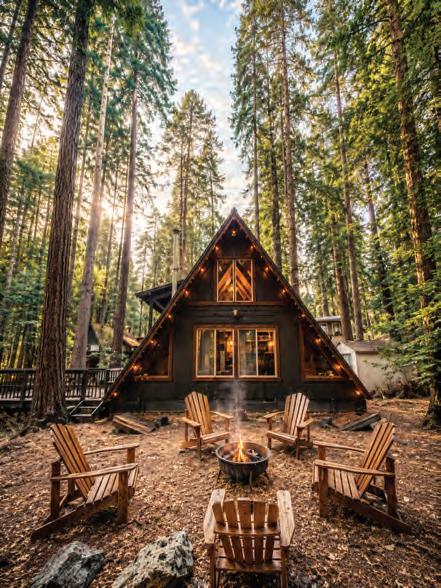
family history and Sierra nostalgia. Its story begins with Angel Garcia, a WWII veteran who stormed the beaches of Normandy and later built an A‑frame cabin in Twain Harte in 1970, creating a haven for fam‑ ily memories of snowy Dodge Ridge winters and summer swims. Today, his grandson, Chef Matt Garcia, car‑ ries that legacy forward. A Le Cordon Bleu–trained chef with more than two decades of experience in San Francis‑ co kitchens—including time alongside Michelin‑starred chefs and recogni‑ tion as a 7x7 Magazine “30 Under 30” Rising Star—Matt has returned to the mountains with his family. At Te Branch, he showcases bright, sea‑ sonal favors through refned dinners, tapas nights, and beautifully crafed preorder desserts, bringing big‑city culinary skill to the quiet charm of Twain Harte.
Summer also brings two major festivals that fll the town with energy. Te Sierra Bigfoot Music Festival is in July, with three days of live music, art vendors, kids’ activities, morn‑ ing yoga, a full food court, and the popular Bigfoot Symposium. Also in July, the Twain Harte Summer Festival takes over Joaquin Gully Road with artisan vendors, handcrafed goods, food, children’s activities, reptiles and amphibians, gymnastics demos, and live music from local favorites. Both events capture the spirit of Twain Harte—creative, welcoming, and full of small‑town charm.
What makes Twain Harte special is how efortlessly it blends relaxation with adventure. You can spend the morning bird‑spotting, the afernoon paddling across a mountain lake, and the evening listening to music beneath the pines. Whether you’re seeking a quiet retreat, a family getaway, or a basecamp for Sierra exploration, this storybook mountain town ofers a getaway that lingers long afer you’ve headed back down the hill.
By SABRA STAFFORD
We hope you are as comfortable and relaxed as you are in your own home
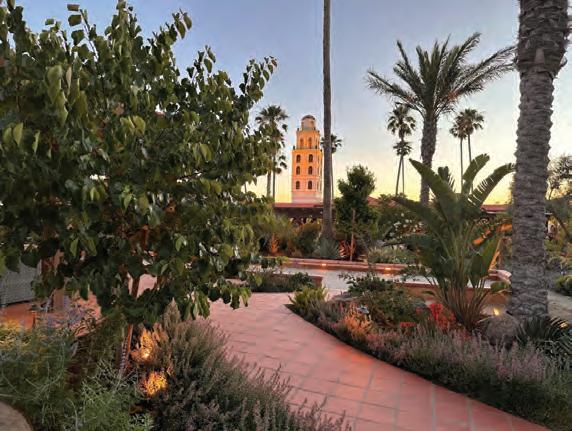
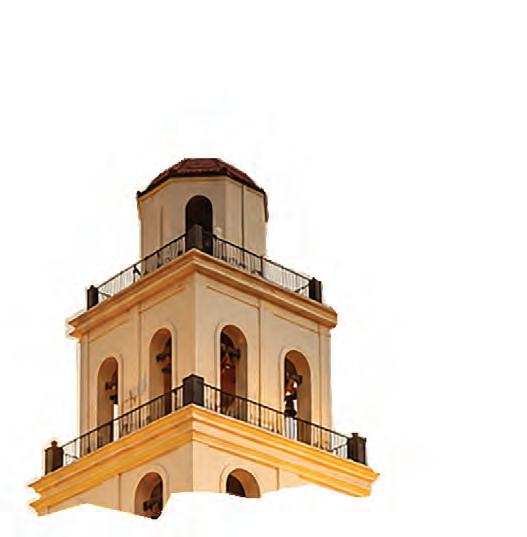
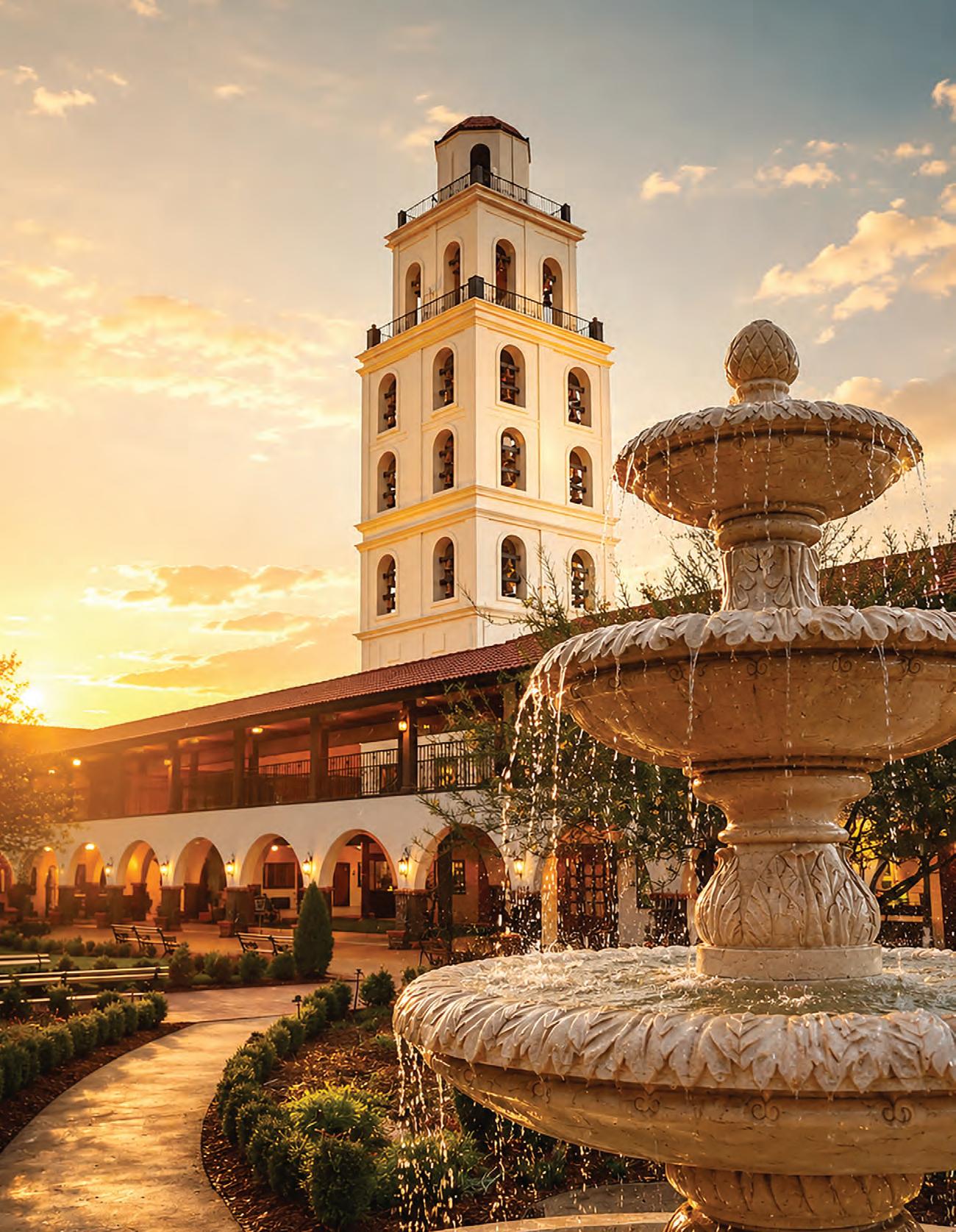
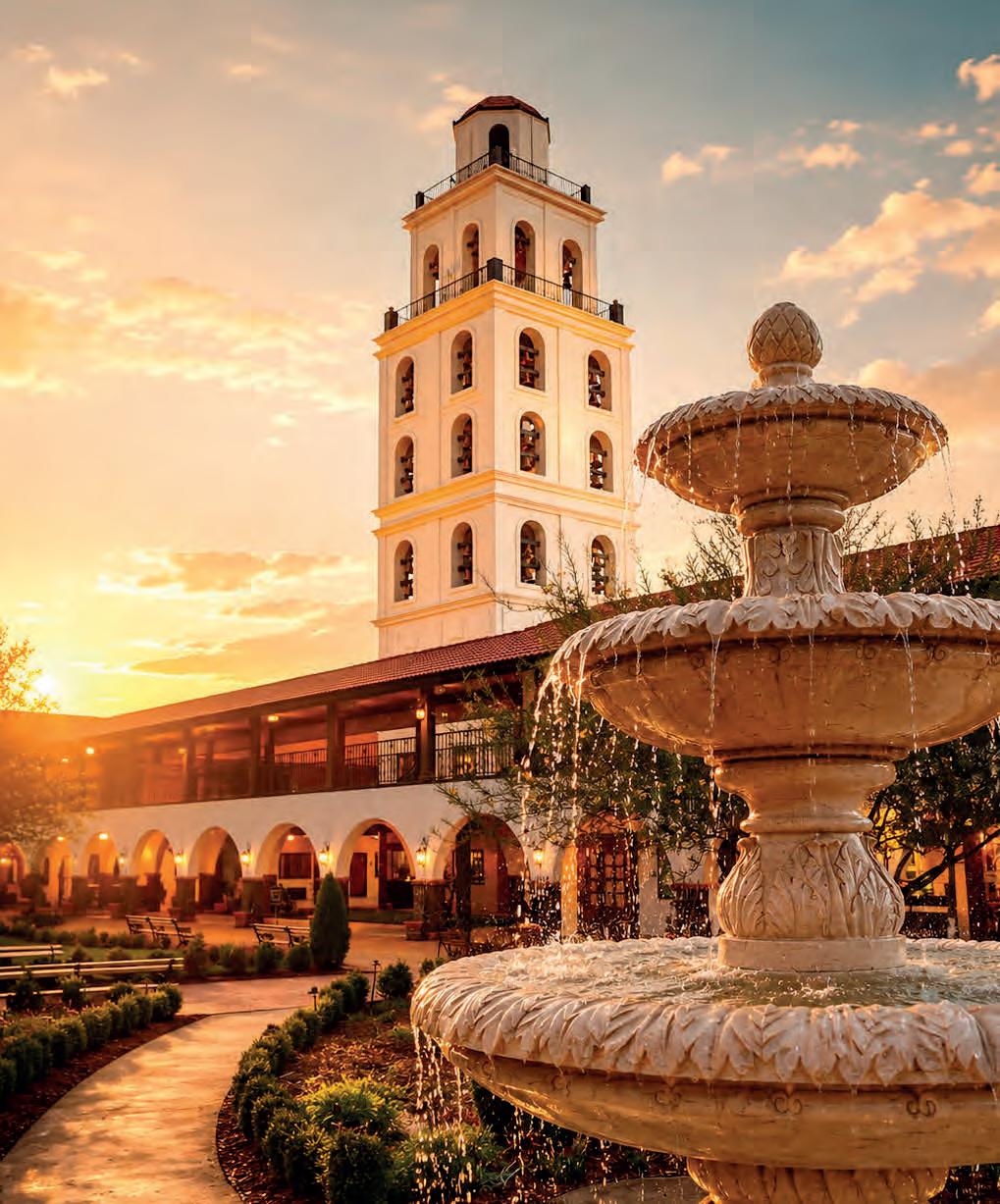
Rising from the fat, sun‑warmed landscape of Santa Nella like a vi‑ sion from another century, Hotel Mission de Oro is the kind of place that makes travelers slow down, stare, and wonder how such an architectural jewel ended up tucked along Highway 33 and Interstate 5. Its golden tower, arched colonnades, and terracotta roofines evoke the romance of California’s early missions—yet the story behind this landmark is far more personal, and far more modern, than most visitors realize. Hotel Mission de Oro began not as a hotel, but as a dream. In 1974, founder Jesus Monroy set out to recreate the mission from his father’s hometown of
Tepoztlán in Morelos, Mexico. His vision was ambitious—27 missions, each 400 miles apart, stretching from Alaska to Argentina, forming a new “Kings High‑ way” along Interstate 5.
Only one was built, but what a treasure it became.
Today, after meticulous restoration, the hotel stands as a blend of historic mis‑ sion charm and modern luxury, honor‑ ing Monroy’s original inspiration while embracing the comforts today’s travelers expect.
The hotel’s newly refreshed guest rooms echo the mission aesthetic with Span‑ ish‑inspired tilework, adobe‑style walls, and handcrafted details, while offering the conveniences that make a stay ef‑
fortless: complimentary Wi‑Fi, in‑room coffee and tea, microwaves, mini‑fridges, and more. Ground‑floor rooms open onto private patios—ideal for enjoying the valley breeze with a morning coffee or evening glass of wine.
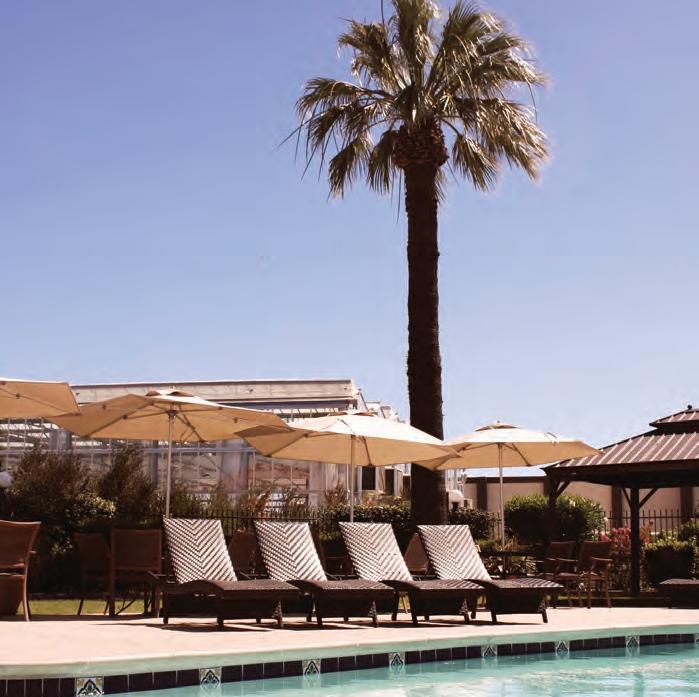
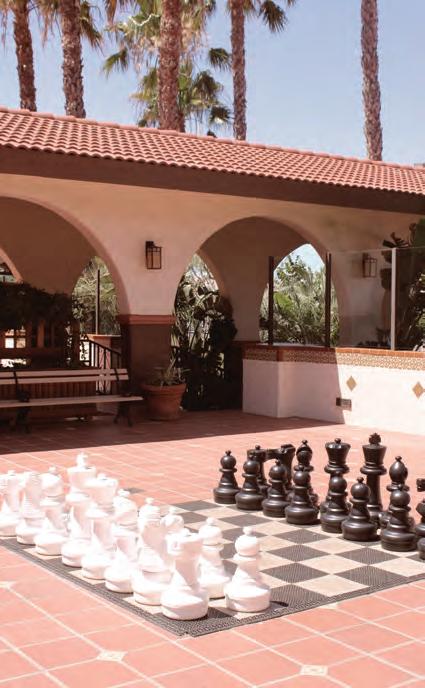
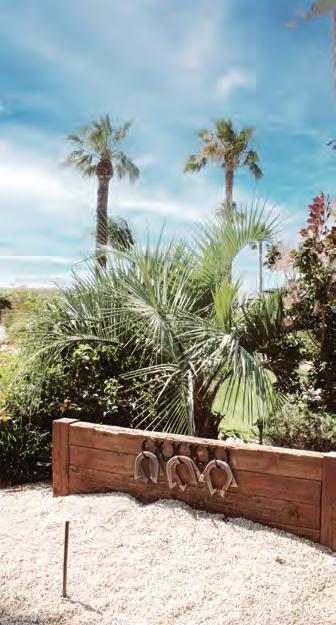
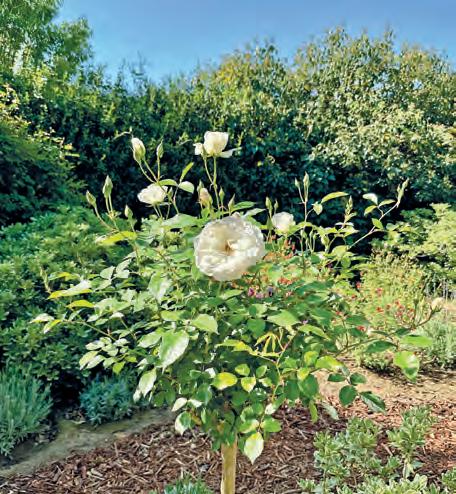
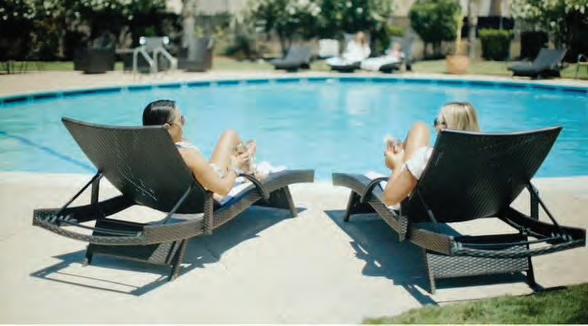
Guests traveling with pets will find thoughtful touches too, including cozy dog beds in designated rooms. Outside, the property unfolds like a small village: vineyards, olive orchards, fire pits, bocce courts, tennis, basketball, cornhole, pool tables, shuffleboard, and quiet corners perfect for lingering. The oversized pool and hot tub anchor the courtyard, while the 24‑hour sauna and fitness center make wellness easy at any hour. One the weekend a tiki bar opens, giving guests a chance to escape to a tropical oasis.
“We hope you are as comfortable and relaxed as you are in your own home,” the owner says, “but with the added experience of our mission flavor, veg‑ etation and grounds, pool, spa, fitness center, wine museum and artifacts, and extensive art collection.”
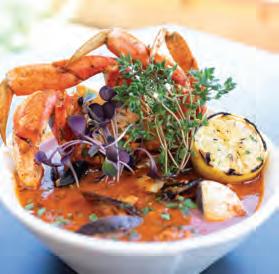
Since opening in 2017, The Kitchen at The Mission has become a regional dining favorite—fine dining in a relaxed, family‑friendly setting. The chefs lean into the bounty of the Central Valley, curating menus around locally grown ingredients and weekly featured entrées that keep regulars returning.
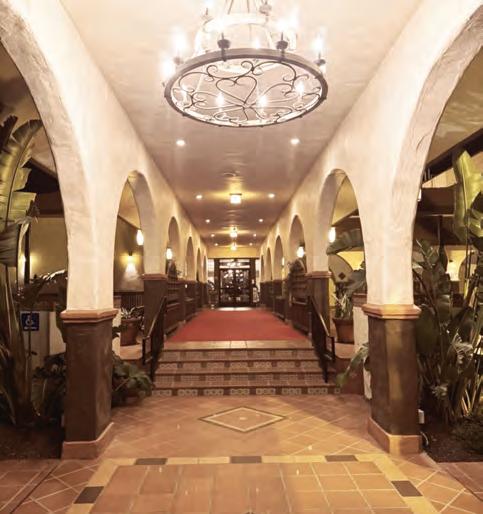
Next door, the Mis‑ sion Lounge offers craft cocktails, an extensive wine list, and a warm, con‑ vivial atmosphere.

Weekends bring karaoke nights, live music, Sunday brunch, and movie nights, turning the hotel into a lively community hub.
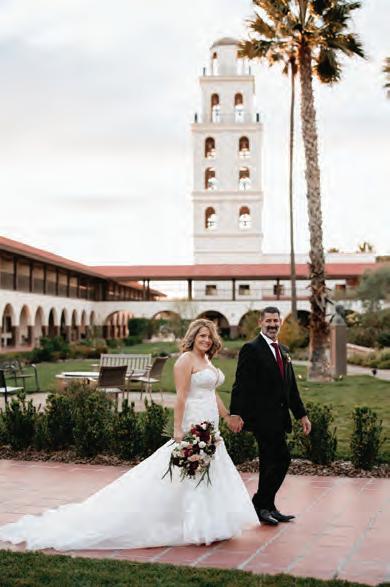
Private dining options make it a standout choice for celebrations, meetings, and milestone moments. Hotel Mission de Oro offers a seamless, full‑service wedding experience, pairing its dedicated event team with a setting that feels both intimate and grand. The property’s beautifully landscaped grounds create picture‑perfect backdrops, while its renowned kitchen crafts locally sourced menus designed to keep guests celebrating late into the night. Couples can relax in classically styled rooms before and after the big day, and choose from more than 17,000 square feet of newly renovated event space — including the elegant Ponce De Leon and Coronado rooms — each customizable for weddings, retreats, banquets or corporate gatherings. With its blend of Old World charm and modern amenities, the hotel specializes in transforming a couple’s vi‑ sion into a celebration that feels effortless and unforgettable.
One of the hotel’s most unexpected delights is its expansive fine art collection,
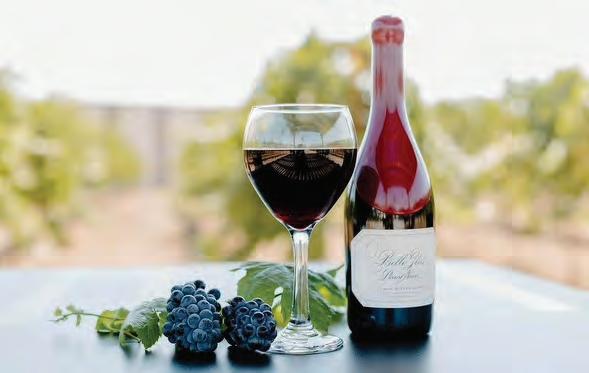
much of it celebrating the agrarian history of the San Joaquin Valley and the legacy of California’s mis‑ sions. The on‑site California Wine Museum explores the missionaries’ role in bringing grapevines to the state, while a breathtaking replica of Michelangelo’s Pietà offers a moment of quiet awe.
“The art brings context and inter‑ est to the resort flavor of the hotel,” the owner explains. “It reflects the history and life of California mis‑ sions and the bounty of the valley.”
Though the hotel feels like an oasis, it sits at the crossroads of some of the region’s most compel‑ ling landscapes and landmarks. It also has a bank of Tesla charging stations.
Outdoor enthusiasts will find: Pacheco State Park, with 28 miles of trails, sweeping views, and abundant wildlife
San Luis Reservoir State Recre‑ ation Area, ideal for boating, fish‑ ing, and hiking

San Luis National Wildlife Refuge, a haven for birdwatchers and photographers
Golfers can tee off at nearby San Juan Oaks Golf Club or Eagle Ridge Golf Club, both offering championship‑level play.
Just five miles away, the San Joaquin Valley National Cemetery and the California Kore‑ an War Veterans Memorial provide solemn, beautifully maintained spaces for reflection.
History buffs can also explore Henry Miller Plaza, honoring the cattle baron who helped shape the agricultural identity of the valley.
Whether you come for a weekend escape, a celebratory gathering, or a restorative stopover on a long journey, Hotel Mission de Oro offers something rare: a place where California history, Mexican heritage, and modern hospitality meet in perfect harmony. Stroll the gardens. Sip wine among the vines. Watch the sun set behind the mission tower. And discover why so many travelers describe this place as an unexpected oasis—one that feels both timeless and entirely new.
Hotel Mission de Oro 13070 South Hwy 33, Santa Nella, CA +1 209‑826‑4444
A treasure of old California hospitality, lov‑ ingly reimagined for today’s traveler.








•


Your Oasis Awaits!
Hotel Mission de Oro has transformed into a breathtaking oasis, offering an elegant retreat in a secluded sanctuary. Capturing the essence of Spanish Architecture, this missionstyle hotel is perfectly situated in the heart of California. The ultimate destination for travelers, locals, meetings, and celebrations
209-826-4444
162 luxury guest rooms
Restaurant and lounge
Outdoor pool and spa
24 hr fitness center and cedarwood sauna
Over 10 meeting & special event rooms
California wine museum
Hydroponic green house
Bocce ball, cornhole, horseshoes, & firepits
Tennis court & basketball court
Sunday brunch & live music