26 No. 05 | Dec - Jan, 2026

26 No. 05 | Dec - Jan, 2026

































































For The Pulp & Paper Sector

PULP MILL
• Digester Cooking Additives
• Odor Control for Digester & Recovery
• Pulp Washing Defoamers
• Bleaching Enzymes
• Scale Control Agents
• Pitch Control Agents
• Refining Enzymes
WET END CHEMICALS
• Dry Strength Resin
• Wet Strength Resin
• Biocides
COATING FOR PACKAGING BOARD
• Modified Calcium Carbonate
• Co-Binders
• Lubricants
• CMC
• PVA
• AZC
• Dispersants
DEFOAMING AGENTS
• Pulp Washing Defoamers
• Machine Defoamers
• E. T. P. Defoamers
RETENTION & DRAINAGE AID
• Cationic Flocculant
• Anionic Flocculant
• Fixative/CoaguIant
• Micropolymer
• Bentonite
• Silica
WATER TREATMENT Fibre Recovery
• Coagulants
• Flocculants
• De- Colourants
SIZING AGENTS
• AKD Emulsion
• ASA
• Cationic Rosin
• Fortified Resin
• Surface Sizing (Anionic & Cationic)

BIOCIDES | ODOUR CONTROL
• Chlorine Dioxide Program
• Oxidizing Biocides
• Non Oxidizing for Size press
• Sodium Hypochlorite
TISSUE MAKING ADDITIVES
• Yankee Coating
• Wet Strength Resin
• Yankee Release
• Dry Strength Resin
• Tissue Softener
• PEO
ENZYMES
• Starch Modification Enzymes
• De-inking Enzymes
• Bleaching Enzymes
• Refining Enzymes
• Drainage Enzymes
BARRIER COATINGS
• PFAS Free OGR for Online & Offline Application
• C6 Fluoro based OGR for Size Press and Tableware Application


Dec-Jan, 2026



on Strategy in a Difficult Phase
26. West Coast Paper Mills Acquires Servalakshmi Paper Mill; Targets Capacity Expansion...
32. Seshasayee Paper and Boards

Aims to Set up India’s First Greenfield Packaging Board...
38. NR Agarwal Industries Drives Next Phase of Growth
Prioritizing Sustainability While Enhancing Operational Efficiency
Unveils ‘KOPIO’ Copier Paper Brand; Charts Major Growth Strategy


Invests in Enhancing Quality, Unlocks New GSM Range of Papers
64. Sripathi Paper and Boards
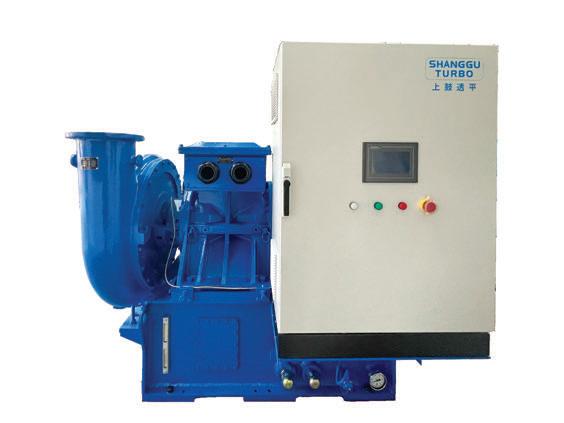
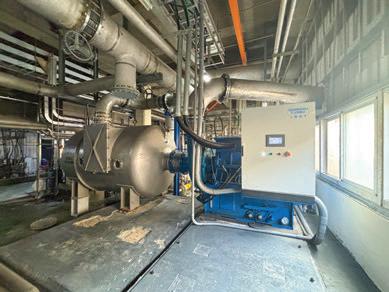
Drives Green Transformation with Maglev Pumps and NRSW Boiler



Introduces 9 GSM Tissue Paper; Plans to Set Up New Tissue...
Strengthens Its Tissue Paper, Packaging and Specialty Paper Segments...

Unveils New Variants of ‘Bharat ki Tissue’ & Emphasizes...


Strengthen its Presence in Tissue Paper and Specialty Paper Segments on Global Tissue Trends, Premiumisation and Growth...
Linking Sustainability, Machinery...


94. Parason Follows Philosophy of Simplicity...
97. Bellmer Strengthens India Focus with Rebuild...
99. Kadant Lamort Strengthens Investment in...
101. Arvind RubWeb Controls Blends Experience and...
103. Bluecraft Agro Improves Paper Manufacturing With...
117. Sustainable Growth of Paper, Paper Packaging, Tissue and Allied Industries in the Changing Global Scenario

Tissues’ Conscious Transition To Semi-Virgin Tissue Paper
105. Balaji Chem Advocates SelfSustaining Paper...
108. Anmol Polymers Innovates Advance Barrier Coatings...
111. Adler Paper’s Success Strategy: ‘One Container a Day’
113. Shitla Papers Targets 100% Growth, Aims to Double...
115. Indo Global Expands International Footprint, Targeting...

Trident Group Announces INR 2,000 Crore Expansion Plan in Punjab
Valmet to Acquire Severn Group Worth USD 480 Million to Strengthen Its Process...



Indian Paper
With imports, input costs, and pricing pressure weighing on margins, Indian paper companies are tightening operations, improving fibre and chemistry control, and focusing on defined growth segments. Through a series of interactions during Paperex 2025, Paper Mart captures how mills and suppliers are responding across the value chain.
Paperex 2025 arrived at a moment when the Indian paper industry is operating under tighter conditions. Imports and weak price realisation are weighing on margins. At the same time, raw material price volatility, energy cost pressures, and taxation anomalies are increasing operating costs and complexity. Conversations during the show repeatedly veered towards the realities of tighter market conditions. This echoed Paper Mart’s Top Paper Companies 2025 survey in the previous issue, which noted that FY 2024–25 saw stable operational performance but weakened financial outcomes.
Yet, during these conversations with paper manufacturers, technology suppliers, chemical companies, and traders, one point was consistent: the industry is not pulling back. Instead, companies are adjusting operations, inputs, and market focus to current conditions. Rather than chasing indiscriminate capacity growth, companies are now sharpening
efficiency and rethinking product mix. They are localising supply chains and investing selectively in segments that promise resilience.
The Industry Under Pressure: A Macro Picture
There is unanimity across the value chain that the current stress facing the Indian paper industry is not a shortterm disruption. Imports from China, Indonesia, Vietnam, and other regions have altered pricing dynamics in a way that has fundamentally compressed margins for domestic manufacturers.
As Saurabh Bangur, Chairman and Managing Director, West Coast Paper Mills Ltd., puts it plainly, “Over the last year, imports, GST anomalies and raw material challenges have put severe pressure on margins. With pressure on topline, midline and bottomline, profitability has been impacted.”
Several mill leaders point out that this pressure is compounded by taxation asymmetries and free trade agreements that allow imported paper to enter India at prices that do not
reflect local cost structures. GSTrelated issues, particularly zero-rated imports versus tax reversals for domestic producers, have further tilted the playing field.
At the same time, raw material volatility continues to exert pressure. Whether it is wood for integrated mills or waste paper for recycledfiber producers, procurement costs have risen sharply over the past two years. Even where availability is manageable, price stability is not.
According to N. Gopalaratnam, Chairman, Seshasayee Paper and Boards Ltd., the challenge is clearly dual in nature, “Paper industry in India has been battling dual challenges: firstly, significant drop in sales realisation for domestically manufactured paper due to cheaper duty-free imports from China, Indonesia and other SAARC and SE Asian economies. Secondly, significant increase in the cost of wood which is key raw material for all integrated pulp and paper manufacturers.”
At the operating-mill level, the impact of these forces is being felt directly in pricing discipline and market behaviour. Even where demand exists, price recovery has remained elusive due to the steady inflow of imported material.
As Ruchica, Director, Ruchira Papers Limited candidly observed, “There has been a significant amount of ‘dumping’ in the market… This trend has made paper pricing extremely challenging for Indian paper manufacturers, who have been unable to realize their fair share due to the large volumes of imported paper in the country.”
Beyond India’s borders, global supply-demand imbalances are amplifying the situation. Excess capacity created during the COVIDera expansion has not been fully absorbed, intensifying competition
in commodity grades and pushing exporters to chase volume aggressively in price-sensitive markets like India.
From a trader’s perspective, Saksham Jain, Executive Director, Indo Global Commercials, explains the underlying driver, “The biggest challenge we are facing is the oversupply and excessive capacity in the global market for most commodity grades. This is creating unhealthy competition among suppliers.”
Together, these forces have made it clear that the current pressure on the Indian paper industry is structural rather than cyclical. Policy support may offer partial relief, but industry leaders increasingly acknowledge that long-term resilience will depend less on external correction and more on internal recalibration through efficiency and disciplined growth.
However, despite these constraints, the prevailing sentiment across the industry is not defensive. Many industry leaders openly acknowledge that policy intervention alone will not restore balance. The response, instead, is inward-looking: improve cost competitiveness and enhance operational efficiency. Reducing reliance on commodity grades will also be important.
This change in mindset is most visible at the manufacturing level, where mills are choosing discipline over panic, and optimisation over indiscriminate growth. Rather than chasing volume in a depressed pricing environment, they are tightening processes and extracting more value from existing assets.
At the large integrated end of the industry, the emphasis is firmly on operational stability and margin protection. As Saurabh Bangur explains, “Given the current industry scenario, we are focusing
on stabilising and improving operational efficiency. Our plant has been running at 98 to 100 percent capacity for many years.”
This focus on efficiency is not limited to integrated writing and printing producers. In packaging and board segments as well, scale is now being backed by a sharper understanding of operational discipline. According to R. N. Agarwal, Chairman and Managing Director, NR Agarwal Industries Ltd., “Efficiency will play a critical role going forward. With increasing competition, operational efficiency has become a necessity without which the margins will simply not sustain.”
Having already demonstrated the ability to operate at very large machine scales, the industry, he suggests, has crossed a manufacturing threshold. As Agarwal notes, “Earlier, producing 1,000 TPD paper was considered extremely challenging, not just from a manufacturing standpoint, but also in terms of finishing, logistics, and servicing. However, having successfully achieved and managed this scale, we are now confident that the industry must therefore embrace larger capacities and bold ambitions.”
However, these ambitions are increasingly being executed through technology-led optimisation rather than sheer capacity addition through new capital investments. At Kuantum Papers, this philosophy is being translated into systematic upgrades across machines, supported by automation, advanced process control, and predictive analytics. As Jagdeep Hira, CEO (Operations), Kuantum Papers Ltd., explains, “Efficiency is a continual improvement process that every manufacturer must commit to in order to excel. With higher productivity, efficiencies naturally improve, and this pursuit goes beyond mere productivity expansion;





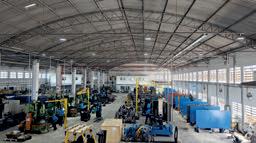
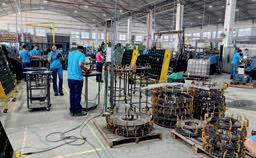
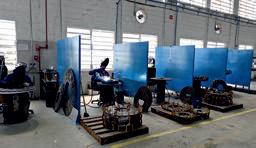
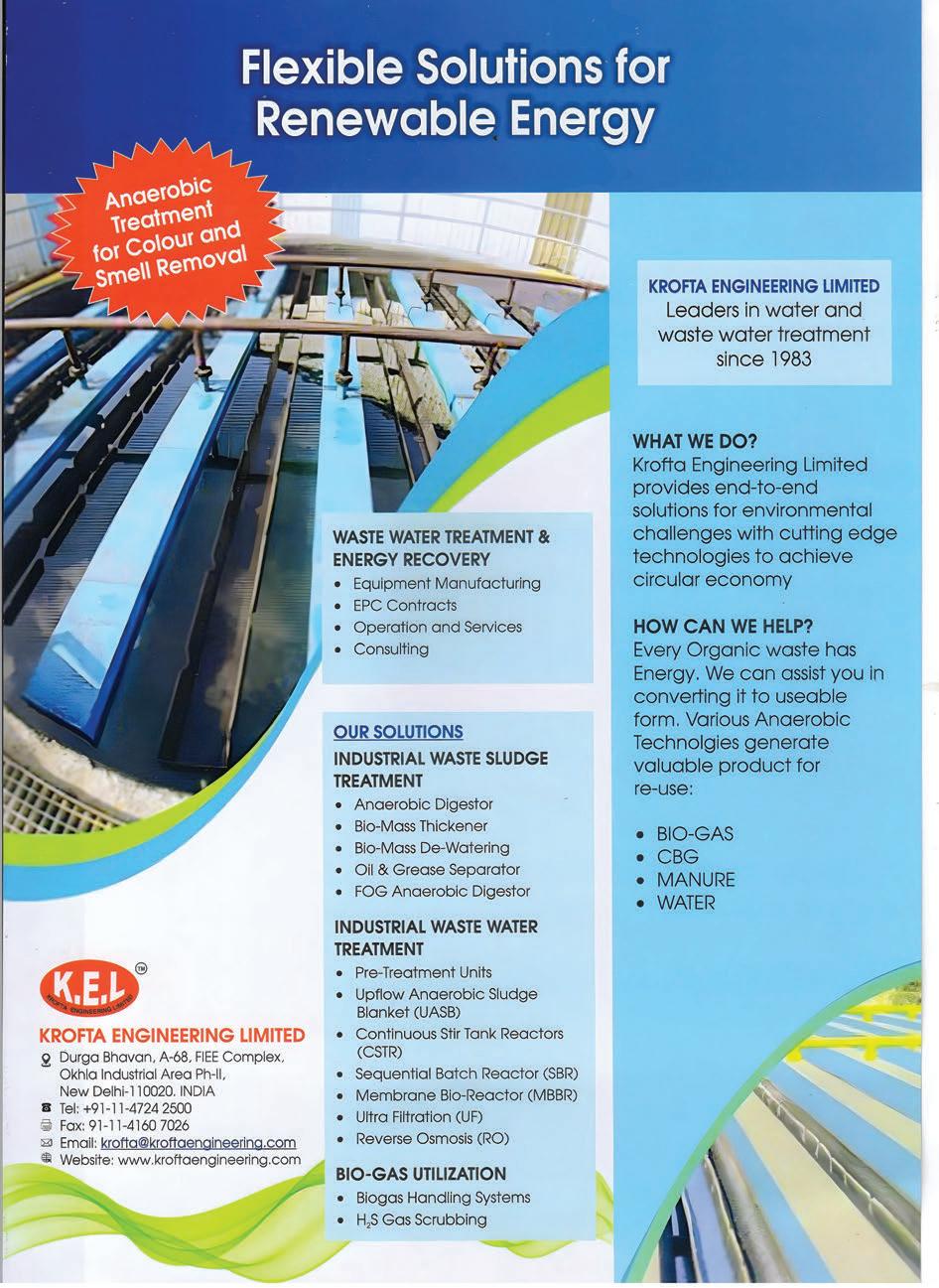
We are a company that started almost two decades ago with a vision to provide practical and long lasting solutions to the burgeoning paper industry in India by creating a fusion of chemistry applications and local industry environment and requirements.
Internal Sizing & Surface Sizing
Retention and Drainage
Dry Strength Resin
Paper Machine Deformer and DE-AERATION
Surface Additives
Felt Cleaning and Conditioning Program
Microbiological & Deposit Control Program
Wet Strength Resin
Stickies Control program
Deinking chemicals
Enzymes
Starch(Native, Modified cationic/oxidized)
Coating thickener
Coating lubricant
Dispersants
Antisclants
Flocculants
Coagulants
Pulp mill Cooking-aid
Pulp mill Wash-aid
Odor control

it is equally about elevating quality.”
Here, automation is not about replacing manpower, but about reducing variability and stabilising outputs in an increasingly unforgiving market environment. As Hira succinctly puts it, “When your inputs are controlled, your outputs remain consistent.”
This renewed emphasis on manufacturing discipline is also affecting capital expenditure decisions across the sector. Rather than pursuing greenfield projects with long gestation periods, mills are prioritising rebuilds, retrofits, and targeted upgrades that offer faster payback and lower execution risk.
From a technology supplier’s vantage point, this shift is unmistakable. As Johannes Kaiser, Director – Capital Sales, Bellmer, observes, “In India, projects are largely focused on rebuilds, especially for writing and printing paper machines.”
Mid-sized manufacturers are following a similar path. Ruchira Papers, for instance, has completed a significant modernisation programme aimed at improving press dryness, machine speed, and product quality without chasing incremental volumes in a weak pricing environment. As Ruchica Garg Kumar states, “We have
been able to address this challenge by focusing on delivering high-quality products. This helps us to perform well and maintain a strong position in the market.”
Even among recycled-board producers, the manufacturing response is increasingly about differentiation through process capability rather than scale alone. As Venkataramanan Ramaswamy of Sripathi Paper and Boards notes, “It’s very important for players to innovate and differentiate themselves. So we have identified a few things that we can do differently and transition into the larger movement of sustainable packaging.”
Taken together, these perspectives underline a clear departure from the earlier industry behaviour. Instead of expanding capacity ahead of demand, mills are ensuring that existing assets o`perate closer to their optimal potential. Process optimisation through automation and rebuilds is no longer optional upgrades; they are strategic tools being deployed to withstand prolonged market pressure. In that sense, the response underway is neither loud nor dramatic, but it is deliberate, and it is structural.
If manufacturing discipline is one
pillar of the industry’s recalibration, materials control is the other, and in many ways, the more complex one. Across Paperex 2025 interviews, it became evident that the material challenge facing the Indian paper industry today is not merely about availability, but about consistency. Whether mills are dependent on wood, agro-residue, or recycled fiber, variability in furnish quality is now a structural issue, amplified by ZLD norms and tightening environmental standards. Rising expectations from end-users also add up to this.
As fiber quality deteriorates, particularly in recycled grades, mills are being forced to rethink how chemistry and process technologies are deployed on the machine floor. Odour, microbial load, starch loss, and unstable wet-end chemistry are no longer isolated technical irritants; they directly affect saleability and customer confidence.
Odour control has emerged as one of the most visible symptoms of this shift. In recycled paper mills operating under ZLD regimes, odour is no longer a secondary concern but a decisive factor in customer acceptance. As Arvind Kumar Sharma, Director, Anmol Polymers points out, “Odour has emerged as a critical challenge for recycled paper mills in India, particularly due to the increasing adoption of ZLD systems.”
The implication is significant. Odour control cannot be addressed through standalone additives alone; it requires a coordinated approach that accounts for water circuits, microbial behaviour, and downstream interactions. This is why chemical suppliers are increasingly positioning themselves as system partners rather than product vendors, helping mills stabilise processes rather than merely treating symptoms.
A similar shift is visible in how starch and retention chemistry are being approached. Balaji Chem Solutions has focused attention on what it sees as a chronic inefficiency in papermaking, losing unretained starch into process water, where it becomes a driver of microbial growth and instability. To address this, the company has moved toward in-mill chemical manufacturing. As Navneet Singh Kaushal, Director, Balaji Chem Solutions states, “We are installing in-house chemical production facilities at the premises of paper manufacturers.”
The logic is straightforward: fresher chemistry and tighter formulation control. Reduced dependency on external supply chains is also part of this logic. In high-recycle systems, such control translates directly into better runnability and lower biological load.
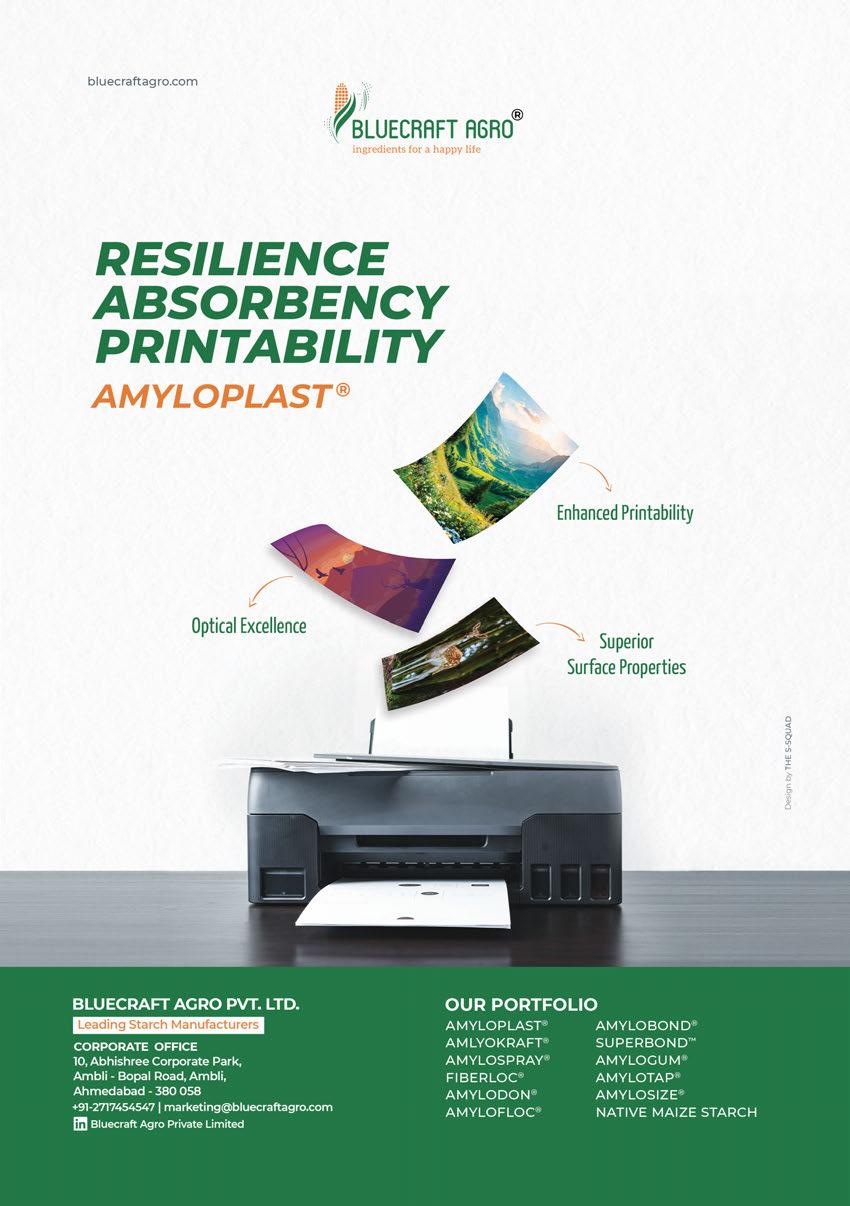
Bluecraft Agro reflects the same thinking from a starch-specialist perspective. Rather than offering standardised products, its approach is built around “customised starch solutions” to suit individual machine speeds, furnish mixes, and end-use requirements, recognising that variability at the input stage increasingly determines outcomes on the reel.
For technology suppliers, the materials challenge is inseparable from fibre recovery and loss prevention. Kadant’s focus on stock preparation and reject handling, along with fibre recovery systems,
speaks to a broader industry imperative: extracting maximum usable value from every tonne of raw material. As Amit Deep Singh, Director – Sales and Marketing, Kadant India Pvt. Ltd., explains, “Kadant leverages its wide portfolio by delivering targeted technologies that significantly improve efficiency and sustainability within key stages of the papermaking process.”
Such interventions are no longer viewed as optional upgrades. In an environment of volatile wastepaper and pulp prices, reducing fibre loss upstream has become one of the most effective ways to protect margins downstream.
Energy and water, too, have quietly moved into the materials conversation: not as sustainability narratives, but as process inputs that must be stabilised. Several mills are now deploying energy- and waterrelated technologies specifically to insulate production from volatility.
At Bindals Papers, for instance, investments in waste-to-energy and power circularity are being used to stabilise energy availability and cost, rather than framed as standalone green initiatives. Similarly, at Sripathi Paper and Boards, technologies such as maglev vacuum pumps and advanced water treatment are being adopted to reduce energy consumption and improve process reliability in recycled-board manufacturing.
These mill-level examples underscore a larger point: enabling technologies only matter when they are absorbed into daily operations. Chemicals, starch, fibre recovery systems, and energy technologies are no longer peripheral inputs; they now sit at the core of operational control.
If the macro environment explains why the industry is under pressure,
and control over consistency explains how mills are responding internally, this market lens reveals where growth is still credible, and where it is not.
Across interviews at Paperex 2025, there was broad agreement on one point, not all paper markets are equal anymore. While overall demand continues to grow in India, it is increasingly segmented between price-sensitive commodity grades and application-driven value-added products. This divergence is shaping investment decisions across the industry.
Packaging: Packaging remains the single largest demand driver for the Indian paper industry, supported by e-commerce, FMCG consumption, organised retail, and gradual substitution away from plastic. However, the segment is no longer viewed as an automatic margin generator.
Several producers acknowledged that while volumes have grown, pricing has remained under pressure due to capacity additions, both domestic and overseas. The post–single-use plastic ban expansion wave has created pockets of overcapacity, particularly in certain board and cupstock grades.
As Saurabh Bangur, observed while discussing board markets, “Cup stock is currently going through a very challenging phase. Following the plastic ban announced a couple of years ago, many players expanded capacity, but that growth did not materialise as expected.”
This has prompted a more nuanced approach to packaging, with mills increasingly focusing on barrier properties, food-contact compliance, odour control, and application-specific grades rather than undifferentiated kraft or board volumes.
Specialty Papers: Specialty papers have emerged as one of the few

segments where pricing power can still be defended, provided technical credibility exists. Décor papers, coated grades, OGR, C1S/C2S, and barrier papers were repeatedly cited as focus areas, but with an important caveat: entry barriers are high.
As one producer noted, specialty papers are capital-intensive not only in machinery, but also in process know-how and consistency. This is why capacity additions in this segment are cautious and often preceded by pilot trials and customer validation.
At Sillverton Industries, the strategy is explicitly tied to occupying niches with limited domestic supply. As Akshay Jain, Managing Director, Sillverton Industries, explains, “We are developing products such as C1S, C2S, CCK (Clay Coated Kraft), SCK (Super Calendered Kraft), and OGR (Oil & Grease Resistant) paper grades that are produced by very few manufacturers and have limited production levels.”
Here, the market opportunity is not volume-led expansion, but import substitution and applicationdriven demand, particularly in food packaging and high-end converting.
Tissue Paper: Among all segments discussed at Paperex 2025, tissue paper stood out as the most consistently cited growth opportunity. Hygiene awareness, urbanisation, hospitality recovery,
and extremely low per-capita consumption continue to underpin demand growth.
Importantly, several players emphasised that the Indian tissue market is still evolving, especially for virgin tissue, creating room for both domestic absorption and exports. This dual-market approach is shaping investment strategies.
As Saurabh Bangur noted while discussing the group’s entry into tissue through Andhra Paper, “This will be virgin tissue paper, and the Indian market for virgin tissue is still not fully mature. We do not expect to sell the entire quantity domestically.”
Specialist producers echoed this view, highlighting that differentiation in GSM, softness, and runnability, rather than sheer scale, will determine success in this segment.
Exports: Exports remain an important balancing lever, particularly for mills operating at high utilisation levels. However, global oversupply, freight volatility, and aggressive pricing from Southeast Asian producers have made export markets more competitive than in previous cycles.
Traders pointed out that while commodity grades face intense competition, specialty and application-specific papers still find acceptance internationally, though
with longer qualification cycles and stricter consistency requirements. This reality is prompting mills to treat exports not as opportunistic volume outlets, but as strategic extensions of differentiated product portfolios.
Growth in the Indian paper industry is no longer broad-based, but is conditional. It is selective and segmented too. Packaging offers scale but demands differentiation. Specialty papers offer margins but require discipline. Tissue offers growth but demands quality. Exports offer balance but penalise inconsistency.
As the senior industry leader N. Gopalaratnam summarised the broader outlook, “Domestic demand is projected to grow steadily, especially in packaging, tissue, and specialty grades.” In this environment, success is less about being present in every segment, and more about choosing the right markets and serving them well.
Taken together, the insights from Paperex 2025 point to an industry focused on operating discipline rather than expansion for its own sake. Under tighter market conditions, Indian paper companies are prioritising efficiency, material control, and selective market participation: choices that will shape performance and resilience in the period ahead.
Sillverton Industries marks a major production milestone, commissioning PM-05. Nov 28, 2025
Sillverton Industries Ltd. has successfully commissioned its new Paper Machine PM-05, which has now produced its first jumbo roll. With PM-05 officially live, the company expands its manufacturing capacity and strengthens its position in the paper production sector.

West Coast Paper Mills Limited and subsidiary Andhra Paper Limited together address key writing, printing and board markets, while expanding into the tissue paper market. Paper Mart speaks with Mr. Saurabh Bangur, Vice Chairman, West Coast Paper Mills Limited and Managing Director, Andhra Paper Limited on navigating a tough market cycle, investment thinking, and the group’s entry into the tissue paper sector. He also reflects on sustainability and growth priorities at subsidiary Andhra Paper Limited.
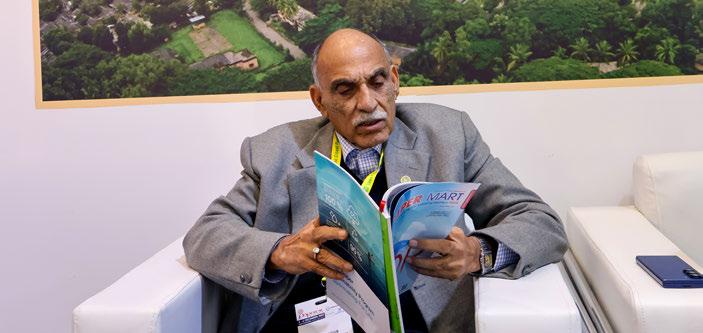
As no major capacity addition is coming up in paper mills currently, we expect good potential for growth in time to come. Hopefully raw material prices should soften in time to come hence industry should have healthy bottomline. As the economic environment improves, we expect significant investment in the years to come at group level in both at WCPM & APL.
Shree Kumar Bangur Chairman and Managing Director, West Coast Paper Mills Limited & Chairman, Andhra Paper Limited
Paper Mart: Given the current industry conditions, what are the immediate priorities at West Coast Paper Mills, and how are you approaching future capacity planning?
Saurabh Bangur: On West Coast Paper Mills (WCPM), given the
current industry scenario, we are totally focusing on improving operational efficiency. Our plant has been running at 98 to 100% capacity for many years with a healthy bottom line.
We are developing plans for a new
If all plans move ahead as envisaged, total investments in APL would be around INR 1,800 crore, covering efficiency improvements, modernisation and tissue paper, which will add new volumes.
paper machine at our unit in Dandeli. However, given the current industry conditions, it is too premature to move forward with any concrete plan. We are preparing everything on paper today, so that when the environment is conducive, we can take it forward.
The new machine we are evaluating is for specialty paper. At this stage, it is too early to share details on volume or investment. We are firming up plans with suppliers, and when the timing is right, we shall share the details. That is where things stand for West Coast Paper at present.
PM: You mentioned evaluating a new paper machine for specialty grades. What is the thinking behind this, and where do these plans stand today?
SB: WCPM is currently operating at a rated capacity of 3,20,000 MT per annum, which is effectively 100% utilisation. We are already operating at this level, so any new additions would be incremental capacity. Once the technical details are frozen, I will be able to share exact figures. Until then, it would not be appropriate to speak about volumes or investments. Our presence in specialty grades of paper is negligible compared to
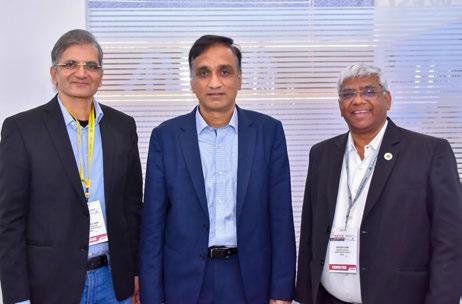
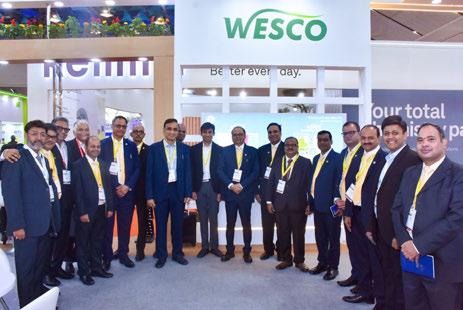
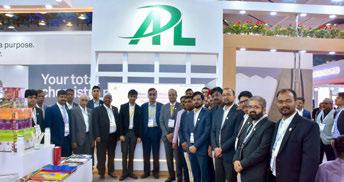
Mr. Saurabh Bangur, Vice Chairman, West Coast Paper Mills Limited and Managing Director, Andhra Paper Limited (Centre) with Mr. Rajendra Jain, Executive Director, WCPM (Left) & Mr. Mukesh Jain, Executive Director, APL (Right)
other variants. Looking at the growth in this segment, we have decided to invest in specialty segment.
PM: Turning to Andhra Paper Limited, could you outline the investments made since the takeover and the areas these investments are focused on?
SB: As far as Andhra Paper Limited (APL) is concerned, since our takeover, we have invested more than INR 1,200 crore. Around INR 800 crore has gone into process efficiencies, the full benefits of which are yet to be realised. We have invested around INR 250 crore in a new tissue paper machine, which is scheduled for commissioning around April 2026.
We have also finalised a modernisation plan for our PM3 with an investment of around INR 150–175 crore, and we are working on modernisation plan for another existing machine, involving an investment of about INR 175 crore.
If all these plans move ahead as envisaged, total investments in APL would be around INR 1,800 crore, covering efficiency improvements, modernisation and tissue paper, which will add new volumes.
There are discussions at the plant level on a new project as well, but that is too premature to talk about at this stage.
PM: Tissue Paper is a new segment for both West Coast Paper and Andhra Paper. What prompted the group to enter tissue, and how do you assess the opportunity?
SB: At the group level, tissue paper is a completely new segment for us. Neither WCPM nor APL has been present in tissue paper so far. It is a growing market with good potential.
After conducting market surveys, we found most of the paper verticals to be overcrowded and highly
Copier and maplitho remain strong segments for us. With an estimated domestic writing paper demand of around 5 million MT and growth of around 3%, there is good long-term potential.
The new machine we are evaluating is for specialty paper. At this stage, it is too premature to share details on volume or investment.
competitive. Tissue paper, on the other hand, has limited players. With changing lifestyles and awareness of improved hygiene level everywhere we see good growth prospects going forward; which is why we decided to enter this segment. The demand for tissue is just 400,000 MT per annum with a size of country like India which we feel will increase substantially in the years to come.
We have ordered a brand-new machine, and we are confident about the quality of the product. It will be a state-of-the-art installation.
PM: And how do you see the balance between domestic sales and exports for tissue paper?
SB: This will be virgin tissue paper, and the Indian market for virgin tissue is still not fully mature. We do not expect to sell the entire quantity domestically. Our target is a 50:50 split between domestic sales and exports, which will also help in balancing pricing.
PM: Farm forestry appears to be a key pillar of your sustainability strategy. How are you strengthening raw material security through farm forestry at Andhra Paper and West Coast?
SB: On sustainability, our clear focus is on the farm forestry route. With
We have invested around INR 250 crore in a new tissue paper machine, which is scheduled for commissioning around April 2026.
raw material prices rising sharply over the last one to two years, which has impacted profitability across the industry, we have significantly scaled up our farm forestry initiatives.
This year at APL, we will be planting around 93 million saplings, a mix of clones and seeds. Next year, we plan a similar scale but with a higher proportion of clonal plantations. Our objective is that 75 to 80 percent of our raw material requirement should come from farm forestry within a 150-kilometre radius. We are working very seriously and diligently on this.
At West Coast Paper, progress on farm forestry has been slower because acceptance among farmers in that region has been limited. However, this year at WCPM, we will be planting around 20 million saplings. Andhra Paper shall become fully self-sufficient in raw materials in the next 2-3 years’ time, while West Coast Paper will take a little more time.
PM: From an energy perspective, how are your mills positioned in terms of captive power generation and renewable energy usage?
SB: We are fully self-sufficient in power through captive generation. Around 59 percent of our energy comes from renewable sources. We have recovery boilers where the lignin generated is used as fuel. The balance energy requirement is met through coal-fired boilers to ensure energy security.
PM: Across West Coast Paper Mills and Andhra Paper Limited, which product segments are currently most important, and how do you view demand trends
in different product areas?
SB: Across APL and WCPM together, our main focus is on white paper, which includes maplitho, copier, and cup stock, which is part of the board segment.
Cup stock is currently going through a very challenging phase. Following the plastic ban announced a couple of years ago, many players expanded capacity, but that growth did not materialise as expected. While demand exists, pricing remains under pressure, and the segment will take time to normalise.
Copier and Maplitho remain strong segments for us (>50% of our volume comes from these varieties). With an estimated domestic writing paper demand of around 5 million MT and growth of around 3%, there is good long-term potential. No major new capacities are coming up, apart from debottlenecking by existing organised players. Incremental demand is likely to be met through imports.
Overall, we see a relatively stable outlook, with copier paper expected to grow at a better pace, driven by urbanisation and growth in education & population. The impact of digitisation remains uncertain, but the overall trend appears stable to positive.
PM: You have been vocal about industry perception and policy challenges. What are your key concerns regarding imports, taxation and how the paper industry is viewed?
SB: At various forums, we have consistently conveyed to the government that the paper industry is wrongly perceived as a green











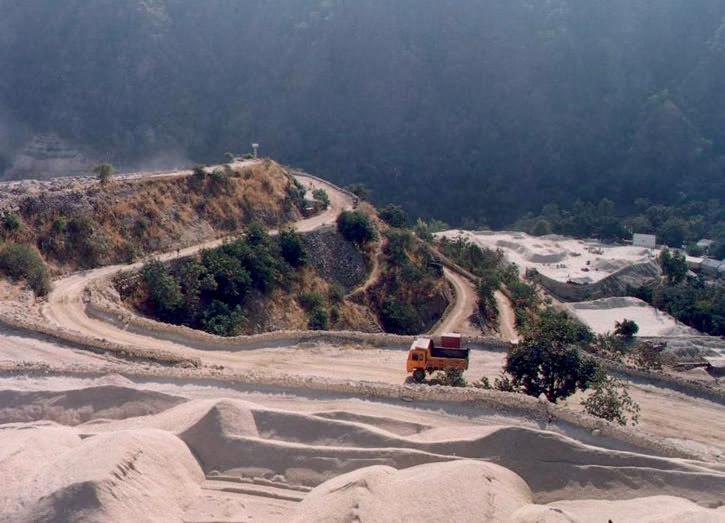






destroyer and a polluting sector. This is a misnomer.
While paper is made from wood, the industry survives only because whatever is harvested is replanted. If forests were being destroyed by the paper industry, India’s green cover would have declined over time. Instead, green cover has increased even as the industry has grown.
On pollution, the industry operates under strict discharge norms set by central and state pollution control boards. All organised players adhere to these norms, which have become increasingly stringent over time. Some discharge is inherent to the process, but compliance is strict and monitored.
The industry’s contribution to education, literacy, employment and overall economic growth is significant, but this is often
not adequately recognised. We believe the sector deserves greater acknowledgment rather than being viewed negatively.
Imports continue to be a challenge. We are actively engaging with the government, and our concerns have been heard. While immediate corrective action may not be taken due to pressures in other sectors, we are confident that these issues will be addressed over time.
GST-related changes have added to the pressure, but we remain hopeful that with time, corrective measures will be put in place.
PM: Finally, despite the current pressures on margins, how do you see the medium-term outlook for the Indian paper industry?
SB: The organised paper industry consists largely of listed companies

WCPM is currently operating at a rated capacity of 3,20,000 MT per annum, which is effectively 100% utilisation. We are already operating at this level, so any new additions would be incremental capacity.
with strong compliance and governance standards. However, over the last year, imports from FTA countries, GST anomalies and raw material challenges have put severe pressure on margins.
With pressure on top line and middle line, the bottom line which is profitability has been impacted. For the industry to remain sustainable, healthy margins are essential. The overall literacy level in India is at around 80%. The industry has to play an active role to increase the overall literacy level of the nation as well adhere/cope with any changing lifestyle patterns of the consumers.
This pressure phase, we hope, is short-lived. The paper industry supports a large ecosystem of farmers, workers and allied industries. If the industry becomes financially healthy, the entire value chain benefits. We remain optimistic that better times lie ahead and that the industry will prosper again.



In an exclusive interaction with Paper Mart, Mr. N. Gopalaratnam, Chairman, Seshasayee Paper and Boards Limited, shared that the company is implementing Mill Development Plan IV (MDP-IV) in two phases to expand pulp (wood and bagasse) and paper capacity at its Erode unit by 20%. The company has also acquired Servalakshmi Paper Mill and is reviving it with an estimated capacity of around 75,000 TPA, which will take the total capacity to about 3,30,000 TPA, up from the current 2,55,000 TPA. In addition, Seshasayee Paper and Boards has partnered with a Spanish company to set up and commission nearly 62 MW of hybrid solar and wind power capacity, strengthening its sustainability and renewable energy adoption.
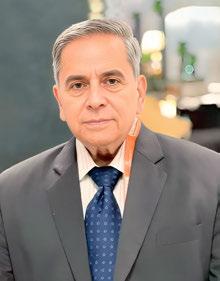
Mr. N. Gopalaratnam, Chairman, Seshasayee Paper and Boards Limited
Paper Mart: Please tell us about your participation here at Paperex 2025.
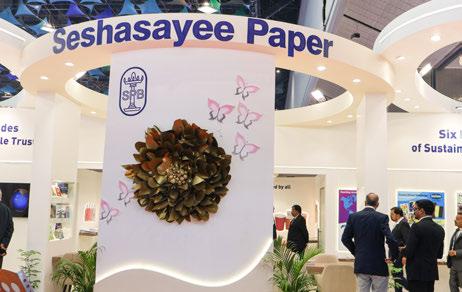
N Gopalaratnam: Paperex is a biennial, internationally renowned exhibition and conference focused on the pulp, paper, packaging, and allied industries. It serves as the world’s largest business platform uniting all segments of the paper value chain, from raw materials and manufacturing technologies to finished products and sustainability innovations.
Paperex 2025, the 17th International Exhibition & Conference on Pulp, Paper, Packaging and Allied Industries was held from 3 to 6 December 2025 at Yashobhoomi, the India International Convention and Expo Centre (IICC) in Dwarka, New Delhi, India. Yashobhoomi is a world-class convention and exhibition venue located in Dwarka, New Delhi, and is one of India’s largest and most modern facilities for large-scale trade shows and international events. Yashobhoomi
is probably the most spacious and well appointed space for such large tradeshows and the location received appreciation from all visitors.
Paperex 2025 was a grand event with more than 30,000 footfalls and representation from more than 30 countries, with participation from paper manufacturers, manufacturers of capital equipment, manufacturers of control systems, etc for the pulp and paper industry. Paperex 2025 hosted thousands of industry professionals, exhibitors, and international delegates for discussions on sustainability, innovation, technology, and business opportunities across the global paper and allied sectors.
PM: The company has recently approved INR 405-crore investment at its Erode to enhance pulp and paper capacity by 20 percent. How far have you reached in your goal and how will it accelerate the growth of the company?


NG: The proposed investmentProject Mill Development Plan – IV i.e., MDP-IV, is planned in 2 phases to augment pulp capacity (wood & bagasse) and increase paper capacity by 20% in our Erode Unit. In particular, a 20% expansion of pulp and paper capacity at its Erode plant has been cleared via environmental clearance (EC) from MoEF&CC in August 2025 for Phase-I. The company is awaiting the CTE (Consent to Establish) from TNPCB (Tamil Nadu Pollution Control Board), for commencing the project work. The company expects the project to be completed in the next 18 months.
PM: The company has installed India’s first wet electrostatic precipitator. Can you tell us about this new technology and how it will help in reducing carbon footprint or emissions? What do you think can be the future of this technology in India?
NG: Seshasayee Paper and Boards (SPB) is the first paper mill in India to install wet electrostatic precipitators (Wet ESP) to reduce particle emissions. Wet ESP is an advanced air-pollution control device used to remove very fine particulate matter (PM), acid mists and sticky condensable pollutants from exhaust gases—especially where conventional ESPs or scrubbers are not effective.
Wet ESP is a high-efficiency electrostatic dust and mist collector that continuously washes away fine, sticky particles from wet flue gas streams, making it ideal for modern paper mills and recovery boilers. This technology has a good future in India considering the tighter
environmental regulations being imposed on the industry.
PM: What are the other developments happening in your mill?
NG: SPB has acquired the Servalakshmi Paper Mill which is currently non-operational and expects to refurbish or revive at ~75,000 TPA capacity. With this, the aggregate capacity could rise materially to ~330,000 TPA, given the existing ~255,000 TPA base.
SPB has a relatively healthy capital structure and liquidity buffers. Our balance sheet position gives us flexibility to invest and absorb cyclical shocks. Capital-intensive industries like paper need strong balance sheets to invest in upgrades, absorb raw material cost fluctuations, and maintain continuous operations. Our relatively prudent leverage gives it optionality.
PM: SPBL has achieved record operating output of 103% capacity at its Erode mill. What were the challenges involved
in achieving this milestone and how do you overcome it?
NG: Our Erode & Tirunelveli Units operated at 103% and 85% of the capacity respectively in FY 2024-25, with total production from both units amounting to 246,431 tonnes (170,426 tonnes in Erode unit; 76,005 tonnes in Tirunelveli unit) in-spite of difficult challenging market conditions. The company could operate its Erode unit at over 100% capacities in-spite of availability issues in wood affecting pulp and paper production and adverse product mix or basis weight mix due to poor market conditions.
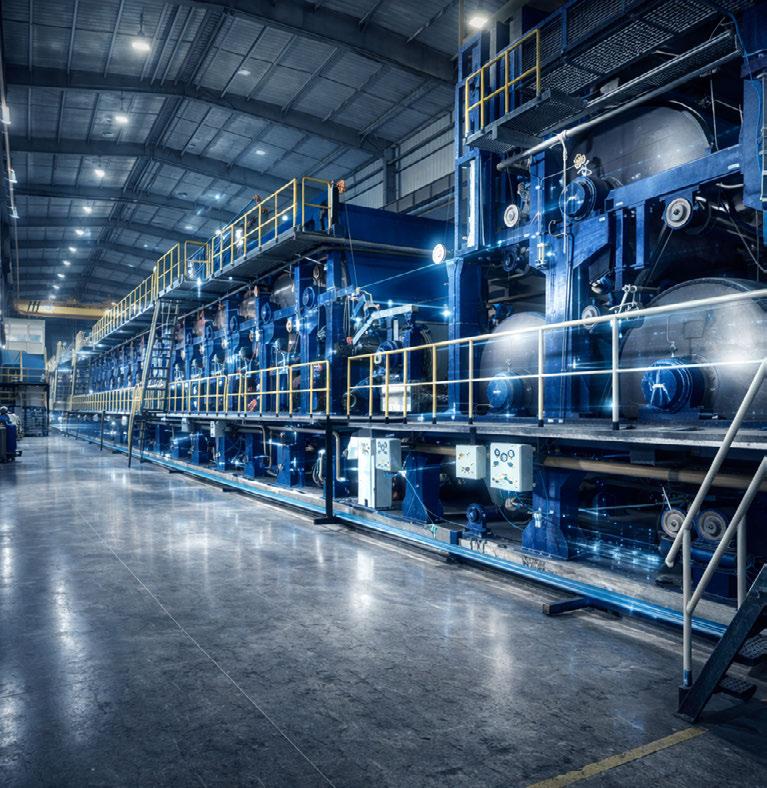
The key strength of our Erode unit is the wide range of products that we can manufacture right from colour grades, colour & white copier, white coated and uncoated varieties in creamwove and Maplitho segments, to surface sized papers, MF kraft, food grade papers, board varieties for wedding cards and packaging boards conversion, etc. The Erode unit operates five paper machines, giving us flexibility to manufacture and sell a wide range of products,

SPB has a relatively healthy capital structure and liquidity buffers. Our balance sheet position gives us flexibility to invest and absorb cyclical shocks.
even in smaller lots. This is the key USP of the Erode unit, enabling the unit to achieve higher capacity utilisations.
Our company is not limited to commodity grades, we produce printing & writing paper, chromo / coated paper, colored varieties, white & colored MG boards, multilayer packaging, etc. Moreover, our brand presence in key regional markets gives more immediacy and responsiveness versus distant mills. In paper & board, logistics, delivery time, responsiveness, and local service matter a lot. We can leverage lower freight cost and delivery time in our core geography as a competitive advantage versus mills located far away.
PM: Please give us insights on how Indian mills can achieve 100% capacity utilization and resource optimisation ?
NG: Maintaining full capacity in a downturn is challenging but absolutely achievable when demandside uncertainties are offset by product mix agility, operational excellence, cost leadership, and market diversification.
Product mix optimisation is the most critical factor influencing profitable utilisation. Companies should also parallelly look at strengthening sales and market coverage, cost leadership to stay competitive even in a weak market, inventory management and
smart warehousing, building export resilience, improving customer value proposition, strengthening channel confidence during downturn, investing in newer application and value added products, etc.
PM: Can you tell us about your export footprint?
NG: Approximately 20% of production is exported to around 35 countries, giving exposure to global demand and benchmarks. We hold the status of ‘Golden Export House’ in recognition of its export performance. This breadth lets SPB hedge cyclicality in any one segment (e.g. printing & writing vs packaging) and capture higher-margin opportunities. Our export presence also helps us understand global quality expectations and adopt them in domestic operations.
PM: How do you see the current challenges in the paper industry with regards to paper imports and raw material price surge?
How do you plan to overcome it?
NG: Paper industry in India has been battling dual challenges: Firstly, significant drop in sales realisation for domestically manufactured paper due to cheaper duty free imports from China, Indonesia and other SAARC and SE Asian economies.
Secondly, significant increase in the cost of wood which is key raw material for all integrated pulp and paper manufacturers. These two
challenges have fundamentally altered the margin perceptions of the Indian paper industry and has made further investments financially not justifiable.
Further the latest GST changes is adversely affecting the domestic paper mills by making tax elements (like IGST) nil for imported paper. This has further aggravated the problems faced by the Indian paper mills. The paper industry is continuously seeking support from the Government to overcome the challenge.
On the mill side, the only ways to overcome this problem is to continuously invest in improving the cost competitiveness and long term sustainability of the paper mills, enhance product offerings, continuously support our channel partners and customers, and ensure export market focus.
PM: How does your mill ensure sustainability or ESG integration into its operations?
NG: SPB continues to emphasize sustainability or ESG integration with ‘high share of renewable energy use’, and ‘wood-positive operations.’ By distributing seedlings, and planting contracts such as ‘agrofarm or contract forestry’, working to augment wood sourcing from nearby states and integration of ESG goals into growth strategy, (i.e. future expansions will need to
hybrid-solar and
meet environmental, social, and governance ambitions).
Our company has also recently collaborated with a Spanish company for setting up and commissioning of about 62 MW of hybrid-solar and wind power facilities, for exclusive use by SPB. This facility, to be housed as a separate SPV, will have equity participation from our company under Group Captive Model and this facility will have 9 MW of wind power facilities and 52.8 MW of solar PV facilities.
This strategic tie-up to foster energy from renewable sources, along with the company’s proposed investment in Erode in project MDP-IV and in bio-fuel based boilers in Tirunelveli unit, can ensure that more than 65%
PM: How do you foresee the future of the paper industry, and what are your future plans for the next 5-10 years?
NG: Domestic demand is projected to grow steadily, especially in packaging, tissue, and specialty grades: Packaging paper and paperboard demand is expanding rapidly due to e-commerce, FMCG, and ban on single-use plastics, helping these segments grow faster than traditional writing & printing grades. The writing & printing paper segment should also continue to grow moderately, supported by education and office sectors. Tissue and specialty papers are among the fastest-growing product segments driven by rising consumer income and hygiene awareness.
India’s per-capita paper use (~16
retail grow. Industry reports estimate the market will expand at a healthy CAGR through the decade, with some forecasts showing significant value growth by 2033.
Our company is betting heavily on scaling up pulp self-sufficiency, augmenting renewable power generation and reactivating idle capacity to boost our scale and reduce dependence on purchased pulp or external costlier power.
These moves aim to consolidate scale, expand capacity, and reduce fixed-cost per unit, improving margin resilience. Scale matters in paper and board for cost absorption, R&D,and capital turnover. Strategic acquisitions that can be integrated for economies of scale, and shared
In an exclusive interaction with Paper Mart, Mr. R.N. Agarwal, Chairman & Managing Director of NR Agarwal Industries Limited, shared that its recently commissioned largest single-location paperboard machine has achieved a finished production of 1,005 TPD-on a day surpassing its designed capacity of 900 TPD.
Paper Mart: The company has recently set up the largest singlelocation paperboard machine. Please tell us the idea behind it and how it will accelerate the growth of the company?
R.N. Agarwal: Initiated in 2024, our multilayer board plant has now achieved full capacity utilization. Originally, we conceptualized the project as a 500 TPD duplex board manufacturing facility, with plans to produce valueadded grades such as folding box boards. During the project’s planning phase, we reassessed the market landscape and noted that two to three projects in India were already operating
at similar capacities. To gain a competitive edge, both in terms of economies of scale and product quality, we decided to scale up the project. Accordingly, the capacity was upgraded from 500 TPD to 900 TPD with only a nominal increase in investment. This allowed us to strengthen our focus on packaging products.
At the time, there was skepticism within the industry about our ability to achieve the ambitious target of 900 TPD. However, more than a year after commissioning, the results have exceeded expectations. We have achieved machine production up to 1,075 TPD. As a result, the project
has not only achieved but surpassed its designed capacity, reaching 100% capacity utilization. We are already witnessing significant benefits from economies of scale, while simultaneously delivering the high-quality standards which we targeted.
PM: Can you please shed light on the capabilities of the new project.
RA: We are embarking on a new Multilayer Board Project. We acquired the paper machine from China. It is a EuropeanOEM machine, being run by a Japanese company in China. It is a second-hand machine, around 10 years old, making it relatively new
and technologically robust by industry standards. In its earlier operation in China, the machine produced approximately 1,000 TPD. Based on its past performance, we were confident of 1,000 TPD production in India. We are also evaluating the possibility of scaling the machine capacity up to 1,500 TPD through selective modifications. This assessment is currently underway, and we expect clarity about this decision within the next two months.
If this scale-up is successfully achieved, the project would become India’s first greenfield packaging board plant
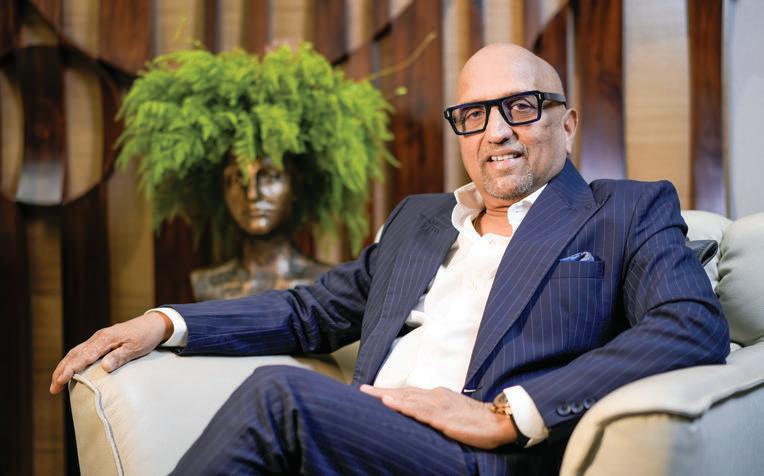
Mr. R.N. Agarwal, Chairman & Managing Director, NR Agarwal Industries Limited
to commence operations with an annual capacity of approximately 0.5 million tonnes. This would mark a significant milestone for our company, and for the Indian packaging paper industry.
PM: How do you stand apart from your competitors in the duplex board category ?
RA: Today, we are at par with, or better than most of our competitors in the industry. We are not only manufacturing greyback and whiteback boards, but have successfully developed and produced value-added grades, including folding box boards. In this segment, our product quality stands on par with leading Indian
players such as ITC, JK Paper, Emami Paper Mills, Century Pulp and Paper, and Tamil Nadu Newsprint and Papers Limited. We believe that we have successfully achieved all the objectives and are building on this strong foundation.
PM: When do you plan to commission this new greenfield project?
RA: We are targeting that this new project will be commissioned around December 2028. This will be a greenfield project, with the land more or less finalized in Gujarat. The project will be entirely based on recycled fiber, utilizing waste paper as the primary raw
material. We also plan to evaluate the possibility of backward integration in a later phase, which could include the addition of a mechanical pulp mill as part of the second stage of development.
PM: How do you overcome raw material volatility and price surge for your current project which is also a current challenge in the paper industry?
RA: Our current project is entirely based on recycled fiber. For the production of value-added grades such as folding box boards, we do require imported pulp. While sourcing itself is not a concern, the pulp prices
fluctuation is a concern for the entire industry.
Compared to our competitors with integrated pulp facilities, price volatility can create temporary cost disadvantages when prices of the raw material rise. However, this is a market reality that we are well prepared to manage. We have to adapt to the market conditions and face the competition. To mitigate price fluctuations, we typically procure pulp six months in advance, which shields us against short-term volatility or price fluctuation within a reasonable time frame, and maintain cost stability.

As far as our core products are concerned, such as greyback and whiteback boards, production is fully based on recycled fiber. Approximately 50% of the fiber is imported, while the remaining 50% is sourced domestically. Indian waste paper sourcing is highly regional and localized, and we are reasonably assured of its consistent availability. In fact, with improving collection systems, we expect domestic recovery rates to grow further, and therefore do not foresee any long-term supply constraints.
From an import standpoint, our procurement is well aligned with our production levels. At peak capacity, we produce approximately 45,000TPM, comprising around 10,000 tonnes of writing and printing paper and 35,000 tonnes of board grades. Of the board production, roughly 7,000 TPM is value-added board. To support this, we procure around 40,000 tonnes of waste paper monthly, along with a portion of imported pulp.
Overall, we do not anticipate much challenges in fiber sourcing, either in terms of availability or scale. While price and currency fluctuations exist, particularly US dollar fluctuations, our four decades of experience in the paper industry give us the confidence and capability to manage these fluctuations effectively.
PM: What are the key markets that you serve









in the packaging board segment?
RA: We cater to leading players in the packaging industry and prominent printers across India. Our products serve major multinational and large consumer brands operating in sectors such as pharmaceuticals, cigarettes, liquor, and other segments. Our products cater to some of the most wellrecognized brands in the country, including Colgate, Hindustan Unilever, and Nestlé. This reflects our market presence across multiple segments and regions within India.
In addition to our strong domestic presence, we also have an established export footprint. Approximately 25% of our total production is exported to markets in the Middle East and Europe, with smaller volumes supplied to countries such as Bangladesh, Sri Lanka, and African markets. We have a balanced domestic and international presence across diverse market segments.
PM: How do you see the demand for packaging grade in India?
RA: With the success of our current project, we are highly confident that demand for packaging grades will continue to rise in the future. As one of the leading players in this segment, particularly in the western India market, we see strong potential for sustained market expansion over the next three years. The demand will definitely increase and to meet this rising demand, we want to plan ahead of time, concep-
tualizing our next project.
PM: What is your vision for the future?
RA: My first and foremost vision is to take the company to a production level of 1 million TPA. With the commissioning of our new project, we are currently at around 0.5 million tonnes, and I am confident that within the next three years we will be able to achieve the 1 million-tonne milestone.
As of today, there is no single paper mill in India producing 1 million tonnes annually. ITC is very close to this benchmark, and with its acquisition of Century Pulp & Paper Mills, it is expected to cross that threshold. Our objective is to be among the top three companies in India to achieve 1 million tonnes of annual production. That is our first major goal.
Beyond scale, our focus is to be positioned in the top segment of packaging paper manufacturing by producing a full range of packaging grades, with a strong emphasis on value-added products. By consistently adding value to our product and bringing diversification to the segment, we aim to strengthen margins, improve EBITDA, and ultimately deliver maximum returns to our shareholders.
PM: What is your outlook on establishing cutting centers and finishing infrastructure?
RA: Our current setup supports this vision well. We are strategically located
in the central part of the western region, efficiently serving Gujarat and Maharashtra. While we do not operate multiple cutting centers, we have a large, integrated finishing house of approximately 200,000 square feet. Equipped with 10 cutters and significant inventory-holding capacity, we stock most standard sizes in advance. This allows Gujarat and Maharashtra to function almost like cutting centers, enabling deliveries within 48 hours in many cases.
For other parts of India, we do not currently see the need for additional cutting centers. While such facilities add to cost, customer satisfaction and delivery timelines remain critical. At present, we are successfully meeting customer requirements without additional cutting centers.
We have a well planned strong finishing infrastructure too. Our proximity to ports gives us a significant logistical advantage—both for exports and for the import of raw materials— further strengthening our competitiveness in domestic and international markets.
PM: How do you foresee the future of the paper industry?
RA: I strongly believe that the time has come for the Indian paper industry to think big. Earlier, producing 1,000 TPD paper was considered extremely challenging—not just from a manufacturing standpoint, but also in
terms of finishing, logistics, and servicing due to a small customer base that often requires low quantities of paper and paper products with urgent delivery timelines. However, having successfully achieved and managed this scale, we are now confident that the industry must therefore embrace larger capacities and bold ambitions.
Efficiency will play a critical role going forward. With increasing competition, operational efficiency has become a necessity without which the margins will simply not sustain. So, thinking big, operating efficiently, and remaining dynamic to take strong and timely decisions is the need of the hour.
PM: What are your expectations from the Government for the bright future of the Indian paper industry?
RA: Dumping of imported paper to be stopped and GST on note books to be made from 0 to 5% to stop imports as input reversal itself is 10%.

In an exclusive interaction with Paper Mart, Mr. Akshay Jain, Managing Director, Sillverton Industries Limited, shared his vision of strengthening India’s reputation in global paper markets while positioning Sillverton as one of India’s leading paper companies. The company is focusing on specialty grades such as C1S, C2S, CCK (Clay Coated Kraft), SCK (Super Calendered Kraft), and OGR (Oil & Grease Resistant) papers segments and with the upcoming PM5, Sillverton Industries aims to enter the next phase of growth, reinforcing its presence in both domestic and international markets.
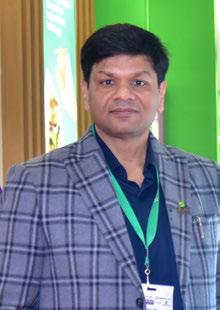
Paper Mart: Please tell us about your participation here at Paperex 2025.
Akshay Jain: We have been participating in Paperex for many years, and our primary objective has always been creating a network rather than sales of our products. Our focus is on building meaningful relationships with industry professionals who visit the exhibition from across the world. We are sincerely thankful to the organizers for creating such a valuable platform. While the participation does not impact us directly, the face value we create here serves us in the long term. Platforms like Paperex give us the opportunity to showcase our complete capabilities: our product basket, technical expertise, infrastructure strength, financial stability, and the scale of orders we can execute.
PM: Congratulations on your upcoming PM5. Can you please tell us how it will help in the growth of the company?
AJ: PM5 will play a crucial role in driving our company’s next phase of growth. Even though the machine is yet to be commissioned, the aware-
ness and the industry buzz around PM5 through word-of-mouth and sustained publicity, is generating interest and confidence among customers. We are confident that PM5 will enable us to deliver one of the best products in the Indian paper industry, strengthening our market presence and long-term growth globally.
PM: The company has recently come up with an IPO. How does it accelerate your growth?
AJ: Whenever a company goes for an IPO, the objective is not just capital raising, but to strengthen the organization financially, enhance transparency, and add more people to management. Our decision to enter the capital market is driven by this very philosophy. While we have already achieved a significant level of growth, moving beyond this point requires market support. An IPO will help us introduce higher standards of professionalism in our system, clarity, and transparency, enabling sustainable growth in the next phase of the company’s journey.
PM: What is your vision for Sillverton Industries?
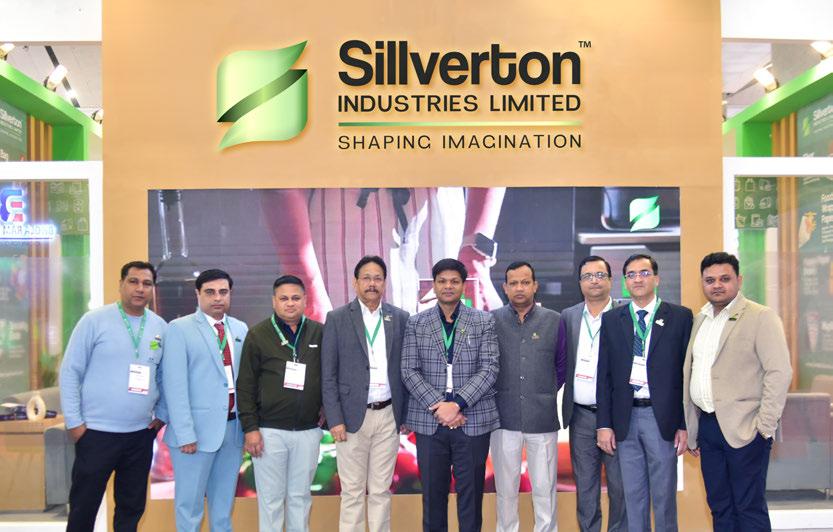
AJ: My vision for Sillverton Industries is simple yet ambitious. The world is a vast place with many large producers, but wherever we operate, people should recognize us. We must occupy a dignified space in the industry. My first goal is to make Sillverton Industries one of India’s best paper companies. Another important goal is to strengthen India’s reputation in global exports. Early in my career, when I traveled to Europe or any other countries, Indian paper was considered inferior which was deeply hurting. I resolve to change this perception. So, whenever we export, it is not just as a Sillverton’s
product, but as an Indian product that meets the highest global standards. Compromising on quality is not an option. I do not worry about the cost involved in exports; my priority is that the products carrying India’s name must never fall short in quality. This is my motto and my personal mission—to take Sillverton Industries to greater heights while contributing positively to India’s standing in the global paper industry. I consistently strive to realize this vision.
PM: What role does technology or mill upgradation play in realizing your vision of globally
competitive Made-in-India products?
AJ: Earlier, India’s access to advanced paper-making technology was limited. Today, however, the landscape has changed with new technology coming up, and international equipment manufacturers entering the Indian market. While these technologies are expensive and challenging to adopt, given the current scenario in the paper industry and increasing price pressures, we are finding practical ways to bridge the gap. In recent times, due to the economic slowdown in Europe, several highquality machines have become
Whenever traders come up with a different mindset and counter prices that may not be fair, the young professionals should pause, and evaluate the situation, verifying facts, and then making informed decisions. This discipline is extremely important, otherwise we will pull the prices down the entire industry.
An IPO will help us introduce higher standards of professionalism in our system, clarity, and transparency, enabling sustainable growth in the next phase of the company’s journey.
available, allowing us to bring better technology into India at viable costs. I am confident that in the coming years, with increased access to advanced technology and strong manufacturing expertise, India will emerge as a global leader in the paper industry.
PM: How do you see the packaging paper market in India, its latest trends and opportunities for the paper industry?
AJ: Packaging is something nobody can avoid in daily life. Whatever we buy is packaged in some form— either in plastic or paper. However, when sustainability comes into focus, paper takes precedence over plastic. Today, technology has advanced to a point where we can produce paper that can also withstand weather conditions. With population growth and rising spending levels, packaging demand is increasing, and currently we are seeing growth of around 10–12 percent, although there are some challenges to it as well.
With more mills coming into the market, the overcapacity is putting pressure on paper prices.
This limits the industry’s ability to invest in large-scale, and advanced technologies. However, that is a separate issue. Packaging standards are also evolving. PostCOVID, especially with the rise of e-commerce, expectations around packaging quality have increased significantly. The definition of packaging is changing every day.
Today, customers are talking about odor-free paper. At Sillverton, we are able to offer absolutely odourfree paper, along with high-strength paper and standard corrugation grades on a regular basis. With our new machine PM 5, we are also planning to manufacture specialty packaging grades for pouch and food packaging. Overall, we are very optimistic and ready to serve the upcoming demands of the packaging industry.
PM: What are the current challenges you face in the paper industry?
AJ: The biggest challenge we are currently facing is the threat from imports. Companies based outside India, particularly Vietnam and China, are selling pulp at higher prices while exporting finished paper at very low prices. Those companies have access to resources at very low costs. They own forests, and are sitting on coal mines, resulting in lower production cost compared to India. Our government is indirectly supporting such imports through free trade agreements. We are continuously engaging with the government, requesting that these agreements be reconsidered and appropriate import duties be imposed to protect domestic manufacturers. If the
objective is truly to strengthen Indian industry, then unchecked imports must be controlled. This is the need of the hour. If we do not act now, it may become too late for the Indian paper manufacturers.
PM: How do you foresee the future of the paper industry?
AJ: The future is always bright. The paper industry, by nature, is a capital-intensive industry with high entry barriers, especially in segments like specialty papers and writing & printing papers. These barriers are not just financial, but also related to knowledge, experience, and technology.
One of the major challenges we face today is the lack of skilled manpower and innovation in the field, because as an industry, we are unable to offer competitive compensation. All these capabilities can be factored in only when we get a reasonable price of paper.
Despite these challenges, the industry and our company Sillverton Industries is growing. We are working differently from others by focusing on maximizing resource utilization, and using the most cost-effective raw materials, while delivering high-quality paper. We are developing products such as C1S, C2S, CCK (Clay Coated Kraft), SCK (Super Calendered Kraft), and OGR (Oil & Grease Resistant) paper grades that are produced by very few manufacturers and have limited production levels.
So, all in all, I am very optimistic for Sillverton Industries. Once PM5 establishes itself in the market, we will
We are working differently from others by focusing on maximizing resource utilization, and using the most cost-effective raw materials, while delivering high-quality paper. We are developing products such as C1S, C2S, CCK (Clay Coated Kraft), SCK (Super Calendered Kraft), and OGR (Oil & Grease Resistant) paper grades that are produced by very few manufacturers and have limited production levels.
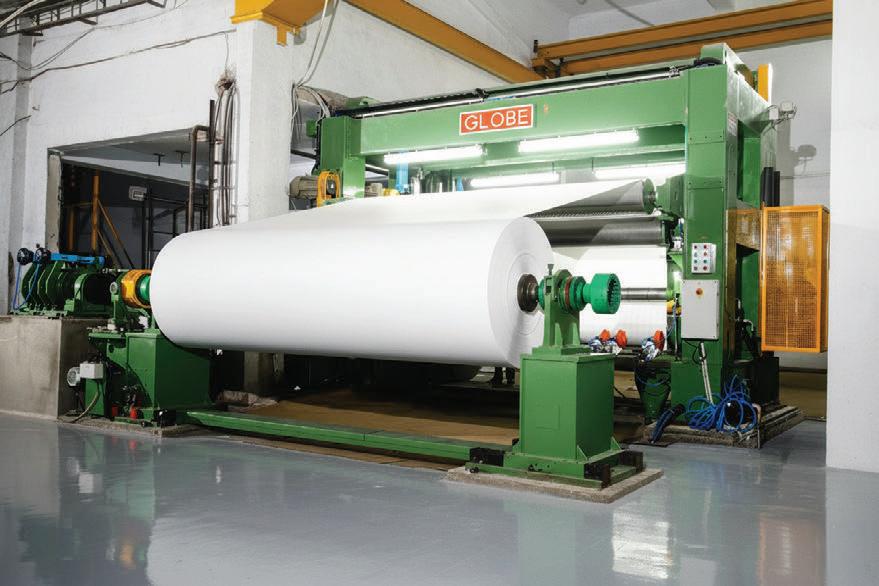





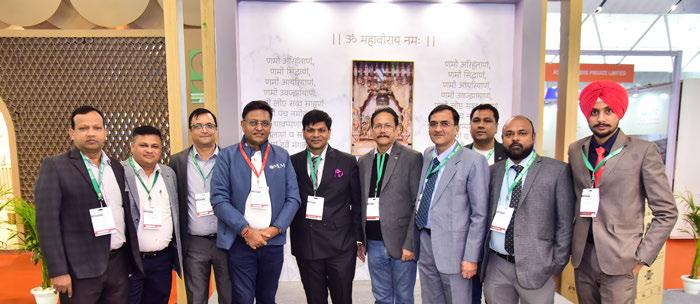
evaluate our next venture. It could be tissue paper, folding box board, or another emerging segment, depending upon the market dynamics. With the dedication of the entire Sillverton team, and the support of our well-wishers, I am extremely positive about the future.
PM: What is one guidance or insight that you would like to
share with the industry peers?
AJ: This is a challenging time for the industry. What I strongly feel and consistently guide my younger colleagues in sales is that we should not sell in panic. Paper can only be manufactured by paper mills; no other industry can replace us. So, when traders come up with a different mindset and counter prices that may not be fair, the young professionals should pause, and
evaluate the situation, verifying facts, and then making informed decisions. This discipline is extremely important, otherwise we will pull the prices down the entire industry. This is my advice to young professionals in the industry. At the same time, I remain open to guidance and suggestions from my seniors, as continuous learning is essential to improve both decision-making and overall performance.
We are confident that PM5 will enable us to deliver one of the best products in the Indian paper industry, strengthening our market presence and long-term growth.
Ballarpur Industries Limited has commenced commercial operations at the company’s Shree Gopal Unit in Yamuna Nagar.
Nov 29, 2025
Ballarpur Industries Limited has commenced commercial operations at the company’s Shree Gopal Unit in Yamuna Nagar. The company reopened its manufacturing plant on August 16, 2025 in a grand event undertaken under the leadership of Chairman Shri Hardik B. Patel and Director Shri Parashiva Murthy, signalling a renewed phase of productivity and growth for the company. The company has also received consent from the Haryana State Pollution Control Board to operate its manufacturing unit at Yamuna Nagar.
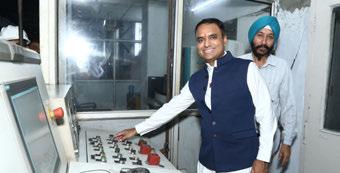

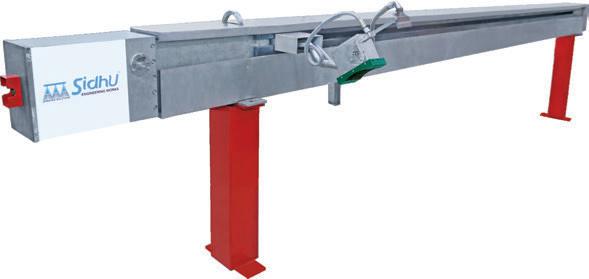
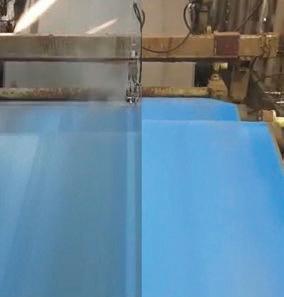


Bindals Papers is steadily enhancing its operational efficiency and strengthening sustainability. In an exclusive interview with Paper Mart, Mr. Ankur Bindal, CEO of Bindals Papers Pvt. Ltd., revealed that the company has recently commissioned a 72-tonne anaerobic digester, and is also setting up a 100-tonne waste-to-energy boiler, scheduled to be operational by July 2026. Additionally, the company plans to install a new turbine aimed at reducing steam consumption, thereby focusing on cost efficiency and resource optimization.
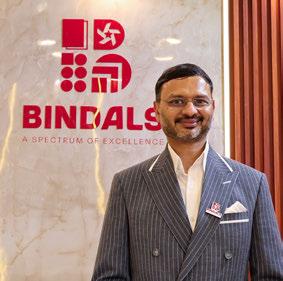
Paper Mart: Please tell us about your participation here at Paperex 2025?
Ankur Bindal: This is the 17th edition of the Paperex and we are participating in it for the ninth time. I am especially delighted this year because the event truly offers a world-class place and experience. Earlier, we often travelled to Europe, Sweden, China, for exhibitions, believing that such infrastructure would be difficult to find in India. But today, I feel that we are on par with any developed nation. The footfall has always been strong, given that Paperex is the largest exhibition for the paper industry, and even on the very first day, the response has been prominent. We look forward to even greater participation over the next two days.
PM: Your company operates one of India’s largest biomethanation plants. How are you integrating sustainability into your operations, and what future initiatives are planned for energy and water conservation?
AB: We have recently commissioned an anaerobic digester with a capacity
of 72 tonnes. This is currently the largest digester in the paper industry. We are channeling all our backwater into this system, which generates nearly 20,000 cubic meters of biogas. This gas is then used in our lime kiln, making us completely self-sustainable.
Earlier, we attempted lime kiln recycling, but the process was not viable due to the dependence on coal. Now, with biogas generated from waste, we have eliminated the use of furnace oil and coal in this operation. This shift has significantly reduced our production costs and made the entire process far more sustainable.
In addition, we are setting up a waste-to-energy boiler, which is currently under commissioning and scheduled to commence operation by July 2026. This will be India’s largest RDF-based energy boiler, with a capacity of around 100 tonnes. Once operational, it will further strengthen our energy independence and sustainability efforts.







A key focus has been on lowering our steam and power consumption. We are installing a new turbine that is expected to reduce our steam usage by nearly 12–13 percent. Through these initiatives, we are continuously enhancing the efficiency and environmental responsibility of our operations.
PM: The Indian paper industry is often described as inherently sustainable. How do you see sustainability reflected in raw material sourcing and the recyclability of products?
AB: The Indian paper industry has always been inherently sustainable because all our raw materials are renewable. Nearly 95 percent of the wood is forest-free and is sourced from farmland. In addition, we rely heavily on agricultural residues such as bagasse and wheat straw, as well as recycled waste paper. We are not using any raw materials that are nonsustainable.
All the products we manufacture, whether packaging board, graphic paper, or writing and printing grades, are fully recyclable. Unlike plastics, which often end up as an environmental hazard or menace, paper naturally returns to the value chain. From raw material sourcing to product end-of-life, our operations remain sustainable at every stage. The Indian paper industry stands as one of the most sustainable manufacturing sectors in the country.
PM: What are the current challenges in the paper industry with regards to paper imports
and raw material price surge?
How do you plan to overcome it?
AB: One of the major challenges we are currently facing is the surge in paper imports from China, Indonesia, and several other countries. These imports are essentially being dumped into the Indian market, which creates competitive pressures. To counter this challenge, we see two possible approaches. The first is policy intervention to curb unfair imports. The second is internal optimisation of our operations, adopting advanced technologies, and reducing our cost of production so we can remain competitive against imported products.
We believe that the government should implement measures such as anti-dumping duties or a Minimum Import Price (MIP) to support domestic players. Industry associations and leaders are already in discussions with the government to push for these corrective actions.
Another pressing issue is GST. The rate was increased from 12% to 18%. While the rate itself may not pose a problem, downstream industries such as the corrugated box sector are unable to fully avail input tax credit (ITC). As a result, their costs have risen, and their working capital requirements have increased, ultimately pressurizing the mills.
We also face complications due to the 0% GST on notebook paper. Since we pay 0% GST on this product, mills are required to reverse the ITC, which adds INR 6 to INR 10 per kg to the cost of production. However, imported paper does
not face this reversal requirement, putting domestic manufacturers at a disadvantage. These taxation and import-related issues collectively pose significant challenges for the Indian paper industry.
We are already in discussions with the government to bring the GST rate down from the current 18% to 5% as paper is not a luxury item but a basic necessity, and therefore should fall under a 5% tax bracket. While we continue to advocate for this, if the rate is not revised, the only way forward for us is to reduce our production costs and operate more efficiently. Ultimately, we will have to cut-down our cost and work with tighter margins to remain competitive.
PM: How do you see the future of the paper industry?
AB: The future of the paper industry is very bright, especially in the packaging segment. The growth is extremely strong, whether it is graphic paper, duplex board, or emerging categories like barrier-coated papers, which are poised to become major substitutes for plastics in the coming years. Even writing & printing, and copier paper continue to grow in India. While the growth rate may not be as rapid as packaging paper, it is still positive, and from a consumption standpoint, we see no cause for concern.
However, the industry is highly capital-intensive, and the interest burden on investments is substantial. This is one of the key reasons growth and expansion often appear constrained, despite strong market demand.
We are setting up a waste-to-energy boiler, which is currently under commissioning and scheduled to commence operation by July 2026. This will be India’s largest RDF-based energy boiler, with a capacity of around 100 tonnes. Once operational, it will further strengthen our energy independence and sustainability efforts.

Kuantum Papers recently launched its new copier paper brand ‘KOPIO’ at Paperex, available in 65, 70, and 75 GSM. In an exclusive interaction with Paper Mart, Mr. Jagdeep Hira, CEO of Operations, Kuantum Papers Limited, shared insights into the new product as well as the company’s broader expansion strategy, which includes increasing the production capacity by 50% i.e to 675 TPD and expanding its portfolio of specialty paper products. The company aims to strengthen its market presence by diversifying into new product categories such as coated papers and barrier papers and is also evaluating the tissue paper segment, given its fast-paced growth in India. Together, these strategic initiatives reinforce Kuantum Papers’ commitment to operational excellence and value-led growth, creating a strong foundation for sustained profitability.
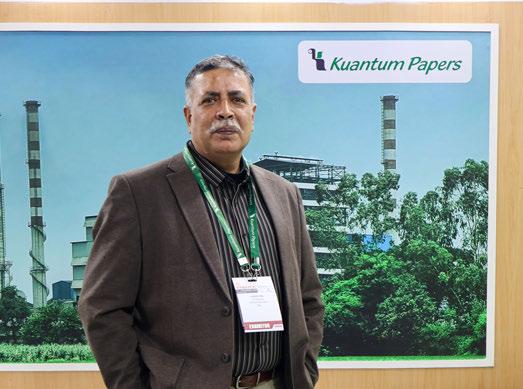
Paper Mart: Please tell us about your participation here at Paperex 2025.
Jagdeep Hira: Participation at Paperex has always been significant for Kuantum Papers. It has been an excellent platform to collaborate with our stakeholders, connect with new partners and suppliers and gain valuable insights from industry stalwarts and peers. Our association with Paperex goes back to its very inception in 1993 and this 17th edition was particularly special as we launched our new copier paper, Kuantum Kopio, along with the unveiling of the vibrant new packaging of our K-One and Konquer copier paper range. Paperex 2025 has reinforced our belief that we are a strong & dominant player in the Indian Paper Industry.
PM: Can you tell us about this new product that you have launched in Paperex?
JH: Our newly launched copier paper, KOPIO, is available in 65, 70 and 75 GSM and represents one of the finest paper qualities. It comes with
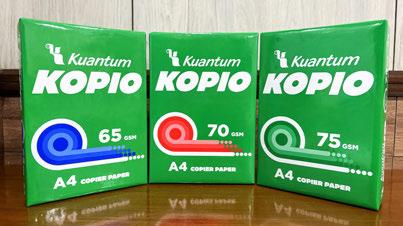
excellent brightness, great print clarity and smooth double-sided printing, with reliable performance across both laser and inkjet printers. Most importantly, Kopio brings together performance and responsible manufacturing, aligning with the evolving expectations of the customers.
PM: With this new product launch, are there any capacity expansion plans in the pipeline?
JH: Mr. Pavan Khaitan, our Vice Chairman & MD, balances his exceptional vision with a pragmatic approach towards execution. We are executing a major expansion project at the plant level for production infrastructure along with the enhancement of utilities and strengthening the circular economy in paper manufacturing, backed by AI and data-driven technologies. We have already upgraded PM 4, our largest machine during mid FY 25-26 leading to higher production and efficiency and I am proud to share that another machine has just been upgraded and commissioned today to produce high-quality specialty papers. By June 2026, all four of our paper machines will stand modified with the latest technology to produce approximately 675 TPD.
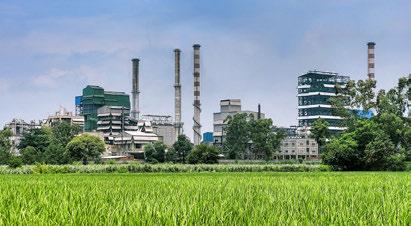
This expansion also includes the installation of a Displacement Digester System (DDS) to improve pulping efficiency, fiber yield and process stability and the addition of a new coating plant to expand our presence in premium specialty and packaging grades.
PM: How do you think that the ongoing expansion plans will improve the efficiency of the operations?
JH: At present, the paper industry is experiencing an all-time low, and unless we enhance efficiencies and strengthen our bottom line, longterm success will remain elusive. Efficiency is a continual improvement process that every manufacturer must commit to in order to excel. With higher productivity, efficiencies naturally improve, and this pursuit goes beyond mere productivity expansion—it is equally about elevating quality.
For Kuantum, our approach has always been customer-centric. When the customer is satisfied, business follows naturally. We consistently work backward from the customer’s perspective, understanding their requirements, their expectations,
and their product needs and this approach guides how we serve them.
PM: The company has also invested in advanced process control systems. How is the company ensuring overall process optimization in the mill with this new technological advancement?
JH:When your inputs are controlled, your outputs remain consistent. Our strategy has been to tighten input control, minimize variability, and ensure that the team is not engaged in managing the operation, but rather they are skilled in ensuring that the automation is managing the operations.
Through Project Nirmaan, our digital transformation initiative, we have established a strong technology foundation by integrating closedloop automation, Advanced Process Control (APC) systems and predictive analytics. They provide a comprehensive, real-time view of plant operations and are deployed across critical units, including the boiler, pulp and paper sections.
The aim and philosophy is to get on to 100% manual-free intervention in
Our approach has always been customer-centric. We consistently work backward from the customer’s perspective, understanding their requirements, their expectations, and their product needs and this approach guides how we serve them.

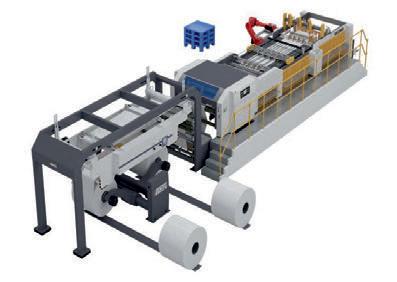



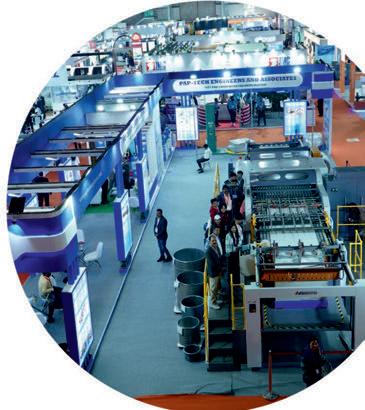


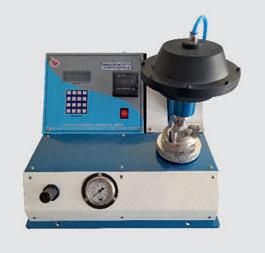


The aim and philosophy is to get on to 100% manual-free intervention in process control through improved automation at each stage, resulting in AI-enabled decision making and higher efficiency.
process control through improved automation at each stage, resulting in AI-enabled decision making and higher efficiency. The APC framework has reduced variability, optimised chemical usage and strengthened operational reliability, paving the way for a smarter, data-driven and future-ready manufacturing ecosystem at Kuantum.
PM: What is your vision and goals for Kuantum Papers in the coming year and how do you plan to achieve those goals?
JH: This is actually my second tenure with Kuantum Papers and in many ways, it feels like a homecoming. Working with Kuantum and for Kuantum has always been close to my heart.
Our vision for the coming year is to consistently deliver superior quality, strengthen the company’s competitive edge and achieve industry-leading performance. We are targeting an increase in EBITDA beyond 20%, and this will be driven by strong collaboration across teams and disciplined execution. This is the reason we have made strategic investments in advanced machinery, instrumentation, automation and AI-led systems along with upskilling and training our workforce. These initiatives are designed to improve efficiency, reduce variability and enhance product quality across operations.
PM: Raw material shortage is a prime challenge in the paper
industry. What is the company’s strategy to overcome this obstacle?
JH: The foremost thing for any industry is to have secured raw material. We need a steady supply of raw material so as to operate smoothly, and for business to remain on the track. For us at Kuantum, this begins with our Social Farm Forestry Programme. Within just one year, our clonal plantation initiative has expanded multifold with active participation from farmers across and beyond our region. By promoting direct farmer procurement, we are building stronger relationships, ensuring fair value for farmers and creating a transparent, reliable supply chain.
Our second key raw material is wheat straw. Being located in Punjab, one of India’s highest producers of wheat straw, availability is not a challenge. The focus, therefore, is on efficient sourcing, responsible utilization and long-term security. To address seasonality, we are strengthening our storage infrastructure, enabling us to stock wheat straw well in advance and ensure uninterrupted operations throughout the year. This is being done in collaboration with stakeholders to create an environmentally conscious organisation, helping prevent stubble burning and creating value from agricultural residue.
PM: Paper imports nowadays are greatly impacting the domestic
players. What are your views on it and how can we overcome it?
JH: If we look deeper, it’s clear that no one can fully control this trend. Paper imports are rising year-onyear, and they will likely continue to do so. Instead of focusing solely on the impact of these increasing imports, the real priority should be strengthening our own business operations: improving efficiencies, reducing production costs, and enhancing quality.
Competition is always good for growth. It provides the push we all need to improve continuously, and Kuantum embraces that. But rising imports are certainly a concern that the entire industry must collectively overcome
PM: As you said, there needs to be a balance between quality and cost of production. How difficult or complicated is it to maintain it? What is your outlook on it?
JH: When we talk about the cost of production versus quality, the real conversation should be about quality versus profit. If your costs increase because you are enhancing customer satisfaction, you will be rewarded—if not immediately, then certainly in the long run. A happy and satisfied customer ultimately brings sustained value to the company.
That being said, we strongly believe that when processes are optimised and decisions are data-
Looking ahead, in the next 5-10 years, we see ourselves emerging as a stronger, more diversified and future-ready organization.
led, variability is reduced and quality improves organically without any disproportionate cost increase, resulting in improved profitability.
PM: How do you foresee the future of the paper industry and what are your future plans in the next 5-10 years?
JH: If you look at the overall paper industry, some segments may decline while others grow, but the overall demand outlook is extremely promising. When you compare India’s production volumes from five years ago to today, the growth is evident, and it will continue upward. Across the industry, many players are announcing new projects and expansion plans, which directly indicates strong consumption patterns in the market.
Segments like packaging are showing strong CAGR growth of
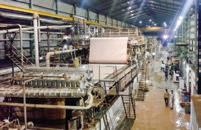

around 5.6% through 2030 and with the increasing push against singleuse plastics, specialty products are gaining momentum. Tissue Paper is another fast-growing category due to focus on personal hygiene and growing consumer consciousness. The modus operandi may shift depending on global and local circumstances, but one thing is certain: demand for paper, especially in India, is steadily growing.
For our company, production is expected to grow by 20–25% in the near future, and by 50% by mid of FY 2026-27.We are also expanding into new product categories such as coated papers, barrier papers and a new range of tissue products. Looking ahead, in the next 5-10 years, we see ourselves emerging as a stronger, more diversified and future-ready organization. Through strategic capacity expansion, entry
We are targeting an increase in EBITDA beyond 20%, and this will be driven by strong collaboration across teams and disciplined execution.
into high-value product categories and a sharp focus on sustainability, we are positioning ourselves to lead the next phase of growth in India’s paper industry.
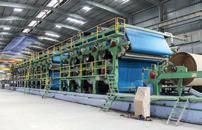


Ruchira Papers has recently embarked on an approx. INR 100 crore Modernization Programme to boost operational efficiency. Additionally, the company is introducing a new GSM range of paper in their product folio to meet the growing demand from its existing customers.
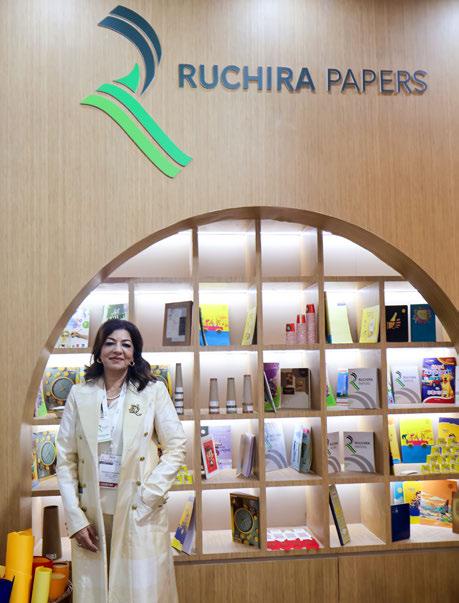
Paper Mart: Please tell us about your participation here at Paperex 2025.
Ruchica: We have been participating in Paperex for the last 15 years, and have seen it grow year after year. Alongside that, our own business has also grown steadily. Today, we view Paperex primarily as a meeting point for our longstanding dealers and industry peers rather than a platform to attract new customers or seek fresh orders.
We have reached a stage where our markets are well established. So, our focus here is not on generating business but on reconnecting with the industry peers—our dealers, fellow paper mills, and even competitors. It’s always a pleasure to meet and interact with the entire fraternity under one roof.
PM: With the approx. INR 100 crore modernization programme now in place, what is your growth strategy for the company?
RU: The approx. INR 100 crore Modernization Programme that we have just completed is now moving into the production phase, as we speak. The shoe-press machine is going into operation and the various modifications have been implemented that will lead to a substantial improvement in product

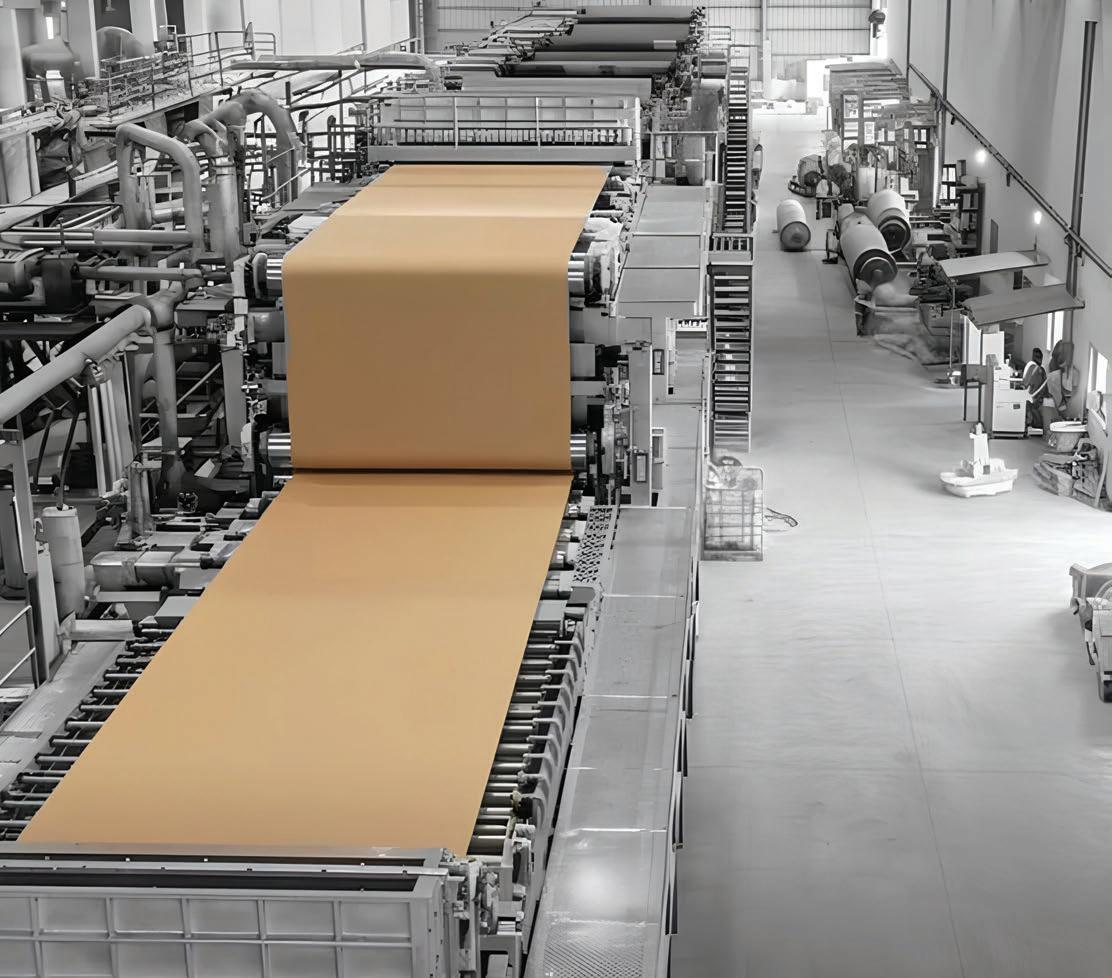

quality. We might also introduce a few new products. However, we would prefer to discuss the details once everything is fully stabilized.
The additional volume will largely be absorbed by our existing dealer network, as there is already strong demand for these products.
PM: What is the latest development or innovations happening in your company?
RU: Bleached kraft paper is one of our key products and is widely used for carry bags. Earlier, we had limited GSM ranges for this segment. However, with the recent upgrades, we will now be able to produce higher GSM grades, which we plan to actively supply to our customers.
PM: Are there any new markets that you are targeting with this new GSM bleached kraft paper?
RU: The new GSM range in bleached kraft paper will primarily cater to our existing customer base. There has been long-standing demand for these GSM grades, and the additional production will be absorbed by the same customers rather than being directed toward new markets. This Modernization Programme allows us to serve our customers better by meeting their requirements more effectively and strengthening our position in the market.
PM: What are the latest sustainability innovations or technology upgrades happening in your company?
RU: Ruchira Papers initiated a major PM-3 (Writing and Printing Unit) modification in their Modernization Programme, replacing the headbox and top former, extending wire length, and installing a Bellmer shoe press to enhance press dryness and machine speed, utilising existing boilers and turbines.
PM: What role does your R&D team play to bring new
innovations to table?
RU: Research and development is the core strength of our mill. We have a highly capable R&D team that is constantly exploring new possibilities and innovations. Whenever a customer or dealer brings us an idea or a new development from anywhere in the world, we take it straight to our R&D team, and their response is always, “Let’s try it and develop a lab sample.” They never say no, even though our machines may have certain limitations. To sum up, I would like to say that there may be limits to our machineries, but there is certainly no limits to our thinking and innovations.
PM: What are the current challenges in the paper industry with regards to paper imports and raw material price surge? How do you plan to overcome it?
RU: There has been a significant amount of “dumping” in the market. However, when I speak to traders, they often describe it as the “availability” of products in India rather than dumping.
This trend has made paper pricing extremely challenging for Indian paper manufacturers, who have been unable to realize their fair share due to the large volumes of imported paper in the country. This situation has persisted despite certain government measures, such as BIS implementation, since these regulations apply only to specific boards and product categories. In writing & printing grades too, prices have not been able to move upward. This is not due to a lack of market demand as the requirement clearly exists, but because dealers and converters are constantly looking for opportunistic deals from stock lots. As a result, purchasing decisions are often delayed, and prices have remained stagnant throughout the year.
We have been able to address this challenge by focusing on delivering
high-quality products. This helps us to perform well and maintain a strong position in the market. The converters face a degree of uncertainty when buying imported or stock lot materials, as availability can vary from month to month. In contrast, we ensure a regular supply of products with consistent quality, which builds confidence among our customers. This reliability is the reason that they continue to buy from us, even at a slightly premium price.
PM: How do you foresee the future of the paper industry?
RU: The future for the paper industry remains very promising. When we compare global paper consumption with that of India, it is clear that we are still at a very nascent stage. As a result, there is significant growth potential ahead. While the writing and printing segment continues to grow steadily, the most substantial growth is expected in the food packaging paper segment, especially as the industry moves away from plastic and increasingly toward paper-based solutions. Consumption of food packaging and disposable paper products is increasing rapidly in India, creating strong opportunities in the packaging segment.
Additionally, there is considerable innovation taking place in paper packaging—for example, insulated paper-based tea cartons that keep beverages warm while remaining fully recyclable. These kinds of developments highlight the evolving role of paper and its strong demands in various industries.
Innovation is happening across the value chain—at the mill level as well as among consumers. Today’s younger consumers, in particular, want to identify with sustainable packaging and are strongly opposed to the use of plastic in any form. This change in consumer behavior is redefining packaging choices and pushing the industry toward sustainable paper-based solutions.

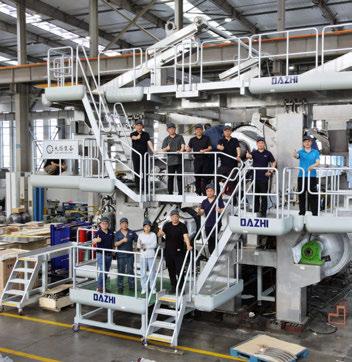
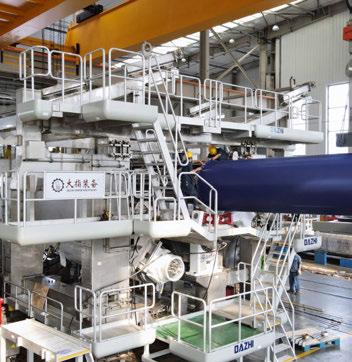
Our latest 3rd Generation Shoe Press—designed to deliver higher efficiency, enhanced dewatering performance, and unmatched reliability—is now ready to be shipped to APP Indonesia’s Tjiwi Kimia PM3.
In addition, we’re proud to announce a repeat order from APP for a full PM6 rebuild, once again featuring our trusted Integra®-Shoe Press. This order reflects APP’s strong confidence in Dazhi’s innovative technology and expert execution.”
In an exclusive interaction with Paper Mart, Mr. Venkataramanan Ramaswamy, Nominee Board Member and Mr. N. Rama Mohan Murali, Senior Vice President – Operations, Sripathi Paper and Boards, shared insights into the company’s latest sustainability-driven innovations. The company has developed a 25-acre Miyawaki forest, with over 150,000 trees planted, and has partnered with the Tamil Nadu government to set up a sewage treatment plant in Sivakasi. To further reduce its environmental footprint, Sripathi Paper and Boards is installing maglev vacuum pump technology, which is expected to lower energy consumption by nearly 40%.
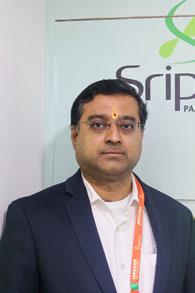
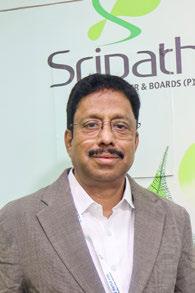
Paper Mart: Please tell us about your participation here at Paperex 2025.
Venkataramanan Ramaswamy: Paperex 2025 has been an interesting event for us. It’s been extremely busy for the last two days. Even today, I can see the stall is very full. A lot of inquiries on sustainable packaging are coming from our customers. We are building very interesting connections with respect to new and sustainable raw material sources procurement. So I would say overall it’s been ‘Paisa Vasool’. I think it’s been an excellent time for us here.
PM: Can you tell us about the latest plans in technology, product development and capacity expansion that are in the pipeline?
N. Rama Mohan Murali: As of now, we are doing some marginal enhancements. The quantum enhancements will probably come in 202728. We have recently developed several new products under the ‘Nano Green’ series. These are 100% recycled boards that deliver performance equivalent to virgin boards. We will also come up with a new range of barrier coating paper, and are working with some bio coating as well.
We also have capacity enhancements plans. We are currently producing 800 TPD as of now and plan to almost double this production capacity in the future. We are already in discussion with the major companies like Valmet to increase our capacity.
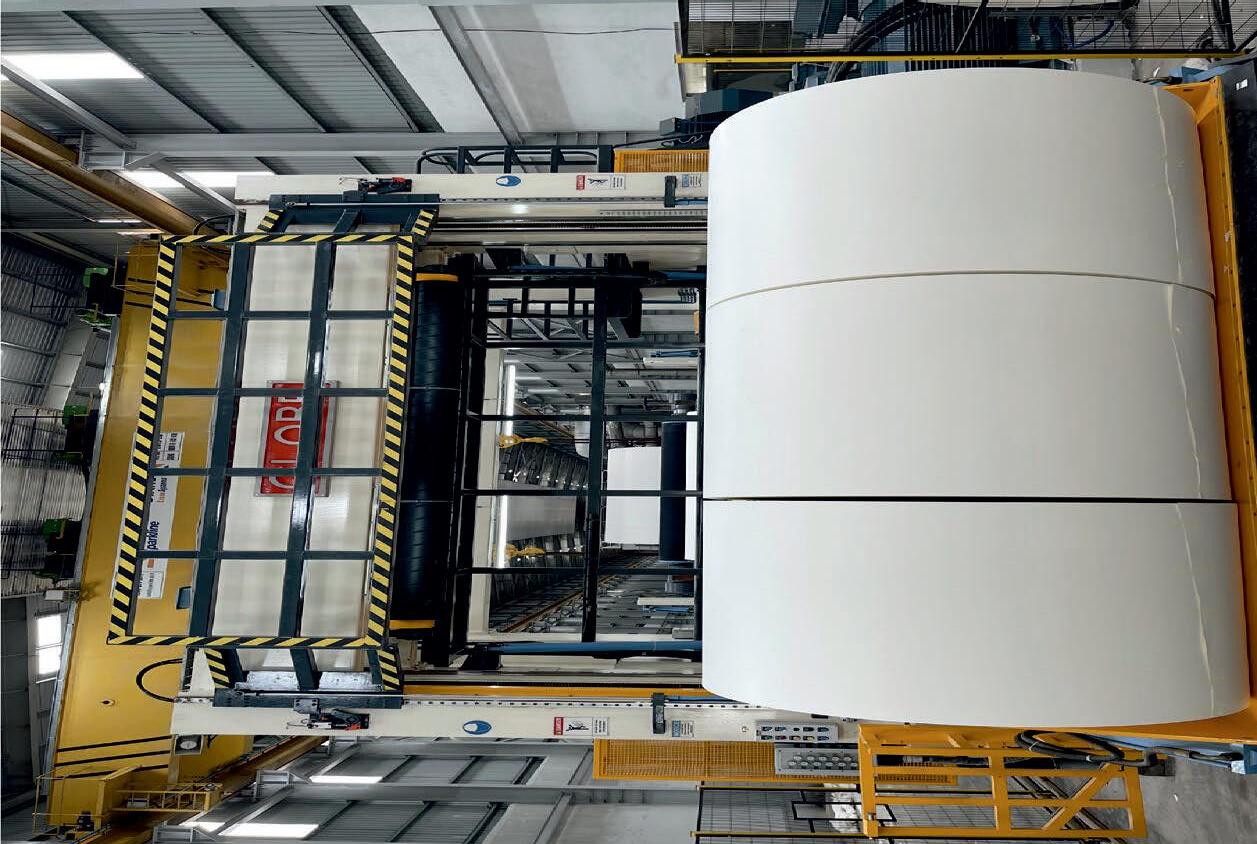
We are the first mill in South India to implement a Non-Recyclable Solid Waste boiler, where non-recyclable solid waste will be used as fuel instead of coal. In addition, we are setting up a 10-megawatt captive power plant to support our operations.
We also have mill upgradation planned in Sivakasi, near Coimbatore. We are also installing a maglev vacuum pump in our mill which is a new technology in India, although it is available in Indonesia, China and the US. A maglev vacuum pump uses magnetic levitation for its rotor, eliminating friction and oil, resulting in clean, high-efficiency, low-vibration, and low-maintenance operation for creating vacuums in industrial processes like papermaking. This will reduce our energy consumption by 40%.
PM: What are the recent developments and sustainable innovations happening in your company?
VR: As an organization, we are moving towards sustainability with differentiating factors in the recycle space. Recently, we have completed our first milestone, which is a 25-acres Miyamaki forest where we have planted more than 150,000 trees. This is the first phase of our ongoing milestone. So while we are planting these trees for harvesting as pulp, we are primarily doing this as an environment sustainability initiative.
We are also involved as an organization in cleaning manmade lakes, which have now become sewage lakes and we are restoring them back to being rain-fed lakes. About 130 acres of this exercise is completed with our implementation partner, Sivakasi Green Forum. And it’s been an excellent journey so far. We are also working on differentiating our water consumption. We are in a dry belt with twin monsoon benefits,
but we don’t have a flowing river. So, therefore, this lake cleaning becomes very important.
Rainwater harvesting is also very important for us. We have partnered with IIT School of Sustainability and are implementing the first phase of 70-acres of rainwater harvesting as we speak.
We are working with various innovative technologies including one from Abu Dhabi, wherein we are adopting a desalination technology approach for cleaning our process water. If we do this, we will be able to enhance our water utilization and reduce our dependency on fresh water phenomenally. So today, we recirculate our water and a lot of chemicals are being added. With the desalination approach, we will utilize waste steam by treating and recycling the processed water for reuse within operations. So, we will be reducing the dependency on fresh water phenomenally.
Another initiative where we have partnered with the Tamil Nadu government is to put up a sewage treatment plant for the nearby population of quarter million people. That sewage treated water is planned to be used in our processes. That is another differentiation.
PM: Could you outline the sustainability certifications and recognitions the company has received for its sustainable initiatives? Are there any certifications underway?
RMM: We are focusing on quality and certifications for the existing capacity. We are working with BRC to certify some of our lines to be
food grade compliant and therefore emerging as a pioneer in recycled food grade boards. We are also GRS certified, reflecting our commitment to sustainable practices in recyclable board manufacturing. Achieving GRS certification required strict adherence to comprehensive sustainability protocols. In addition, we are currently in the process of obtaining CII Green Co certification. The certification process is already underway, and we are confident of achieving CII Green Co Platinum status within the next three to four months.
PM: There are current challenges in the paper industry with regards to paper imports and raw material price surge. How do you plan to overcome it?
VR: We are working on some partnerships at the backward integration level wherein we will enter into long term contracts for raw materials and therefore smoothen some of the volatility on the pricing side. That’s the first step that we are working on.
We are planning some local substitution of imports which will take another 5-10 years. We are currently sowing the seeds for this purpose. We are also working on some long-term partnerships at the backward integration level for raw materials and therefore smoothen some of the volatility on the pricing side. It would not be appropriate to talk about it now but once this initiative comes to fruition, then we can talk more about it. For now, we are entering into long term arrangements for the next 5-7 years.
Beyond that, we are reducing de-


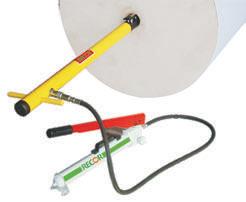

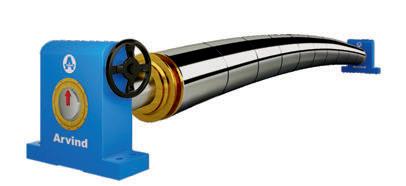


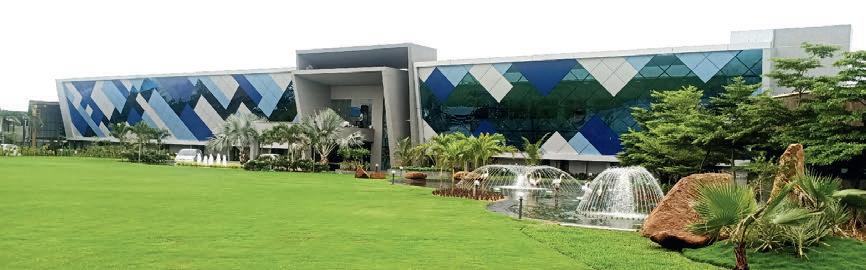

pendency on imports to less than 30 percent and developing alternative sources of raw material locally for which we have started working.
PM: Are there any initiatives to reduce reliance on nonrenewable resources or energy conservation?
RMM: We are the first mill in South India to implement a Non-Recyclable Solid Waste boiler, where non-recyclable solid waste will be used as fuel
instead of coal. In addition, we are setting up a 10-megawatt captive power plant to support our operations.
These initiatives will wean off of the consumption of fossil fuels and transition our dependence on renewable and regenerable sources. A lot of work is going into that domain that will be implemented by FY 2027-28 that is our goal.
PM: How do you foresee the
future of the paper industry ? VR: I think we are at the lowest point in the last 30-40 years. Being an optimist, I believe that the industry will improve moving forward. But having said that, it’s very important for players to innovate and differentiate themselves. So we have identified a few things that we can do differently and transition into the larger movement of sustainable packaging. So, this is one way to differentiate and add to the value chain.
We are working with various innovative technologies including one from Abu Dhabi, wherein we are adopting a desalination technology approach for cleaning our process water. If we do this, we will be able to enhance our water utilization and reduce our dependency on fresh water phenomenally.
Mr. Pawan Agarwal has been re-elected as the President of the Indian Paper Manufacturers Association (IPMA), and Mr. Pavan Khaitan has been elected as the new Vice President of IPMA at the 26th Annual General Meeting.
Dec 09, 2025
Mr. Pawan Agarwal, Managing Director, Naini Papers Ltd. has been re-elected as the President of Indian Paper Manufacturers Association (IPMA) at the 26th Annual General Meeting of the national apex body of the paper sector in India. Mr. Pavan Khaitan, Vice Chairman & Managing Director, Kuantum Papers Ltd. is the new Vice President of IPMA.
Mr. Pawan Agarwal started his career as a business technocrat by putting up Naini Papers Limited at Kashipur, Uttarakhand in the year 1995. The company is a leading manufacturer of writing & printing and industrial grades of paper. Mr Pawan Agarwal has also served as President of Indian Pulp & Paper Technical Association (IPPTA) for a period of 2 years from 2017 to 2019.
Mr. Pavan Khaitan took over the reins of Punjab based Kuantum Papers, one of the leading agro and wood-based paper manufacturers in India, in 1997. He has played a pivotal role in nurturing the company’s growth and creating successful collaborations with MNCs. He also holds the position of President of IPPTA.
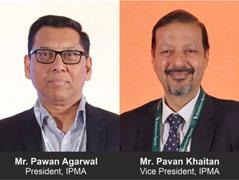
Mr. Pawan Agarwal, President, IPMA
Mr. Pavan Khaitan, Vice President, IPMA
As a national industry body, Indian Paper Manufacturers Association (IPMA) represents the resurgent and organised face of the INR 1,00,000 crore paper industry in India. The
industry provides direct employment to 5,00,000 persons and indirectly to around 1.5 million. IPMA membership comprises large integrated pulp & paper mills from the private and public sector with a product mix of all varieties of paper (writing, printing, packaging, paperboard, specialty and newsprint) located in all regions of the country using conventional fibre such as wood & bamboo and also unconventional raw materials like recycled fibre/recovered paper, agro residue, viz. bagasse and wheat straw.
Starkraft is a European paper manufacturer and part of the Heinzel Group, supplying specialty papers with a strong focus on sustainability. Paper Mart interviews
Mr. Maximilian Ortner, Business Unit Director, Starkraft, on the commissioning of a new paper machine, its evolving MG–MF paper portfolio, and opportunities in flexible packaging as markets transition towards forest-based materials. The discussion also covers sustainability, regulatory and consumer drivers, India’s strategic importance, and Starkraft’s approach to long-term partnerships.
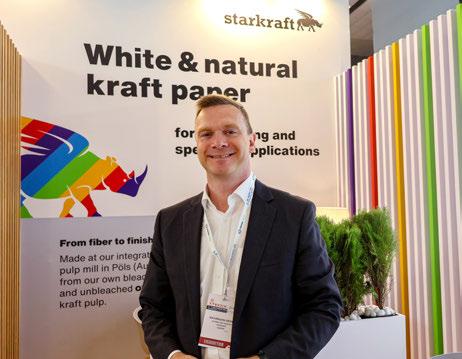
Paper Mart: To start with, what’s new at Starkraft?
Maximilian Ortner: We are operating in a very dynamic environment compared to last year. What is new for Starkraft is that we have successfully introduced our new paper machine, PM6, to the market. Historically, we operated with two machines, and in May 2024 we launched PM6.
Since then, we have acquired new customers and are pleased with how the machine is performing. We have established good partnerships and are serving these customers. We have a loyal customer base, and this is what we are looking for. It has been a challenging year, but overall we have done okay and have done a good job bringing new products into the market.
PM: How has PM6 expanded your product mix, particularly in terms of MG and MF paper grades and grammage range?
MO: Traditionally, we have been manufacturing MG paper. With PM6, we are also addressing MF paper. However, our paper sits somewhere between MG and MF and is closer to MG, which we see as a key advantage.



PM6 paper is not a standard MF grade. It has properties closer to MG, positioning it slightly higher than standard MF. We produce papers in natural, meaning unbleached, as well as in white-bleached grades. In terms of grammage, we cover a range from 20 to 100 GSM, and in some cases even higher.
PM: Flexible packaging and the shift from fossil-based to forest-based materials featured strongly in your remarks. How do you see this transition playing out, especially in the Indian market?
MO: Flexible packaging is one of the growing segments. As an industry, we are transitioning from fossilbased materials to forest-based materials. This is a global trend, and we see it clearly in India as well.
There is a lot of innovation happening in India, with new partners bringing ideas on how to add value. Our focus is on supplying base paper to partners who add value and then deliver to the final customer. This is Starkraft’s strategy.
We see more opportunities and partnerships emerging in India. Compared to the last show, there has been a visible increase in activity related to value addition, bio-based materials and bio-based coatings. This reflects the speed and innovation of the Indian market.
What is also interesting is that products developed in India do not remain limited to the domestic market. These coatings and materials are also supplied to large global brand owners, who are learning from India. The speed of the market is strong.
PM: From a cost and performance standpoint, how close are paper-based alternatives today to competing with conventional materials?
MO: We are reaching a point where performance and price are at a level
where paper-based solutions make sense. This has improved significantly over the past few years, and our partners are getting there. Finished products can now be competitive.
At the same time, there will always be applications where plastic-based packaging remains relevant. It is unrealistic to assume that all plastic packaging will be replaced. There is space for both materials, and this needs to be respected.
However, many applications are transitioning, and the end consumer is driving this change. Consumers prefer paper-based packaging when given a choice. This aligns with the broader trend, and more global brands are moving in this direction where it is economically feasible.
PM: How do regulation, sustainability requirements and consumer preferences together influence the pace of this transition?
MO: There are increasing regulatory requirements that the industry must navigate, and pressure is rising. Regulations will play a supportive role, but ultimately, the consumer will drive the industry.
Consumers are demanding more sustainable products that are not fossil-based. This trend is already visible and is unstoppable. Regulations will support this movement, but the consumer is clearly in the driver’s seat.
PM: Could you outline Starkraft’s market share, installed capacity and how trends such as downgauging are influencing your grade mix?
MO: We do not disclose market share. Our total installed capacity is 330,000 tonnes. When we look at average basis weights today, there is a clear trend towards downgauging, with lower grammages becoming more common.
Our installed capacity covers grades from 20 to 100 GSM, in both unbleached and white-bleached papers.
PM: India seems central to your long-term outlook. How important is the Indian market in Starkraft’s strategy, and what kind of partnerships are you looking to build here?
MO: India is a very dynamic market and is performing strongly in terms of GDP growth. It is clearly a market where one has to be present.
We are focused on building longterm partnerships. Starkraft is part of the Heinzel Group, a family-owned business, and we operate with that philosophy. We value relationships and are here for the long term.
Our focus is on service, quality and delivery, with sustainability as an additional core pillar. We are not interested in short-term, transactional business. We have found partners who fit well with us, and we expect to build on this foundation. We believe 2026 will be more successful than 2025.
PM: How is sustainability embedded within your organisation?
MO: Sebastian Heinzel, CEO of the Heinzel Group, has placed sustainability at the core of the business. Every business decision is evaluated through a sustainability lens. Our philosophy is that green is the new default.
Every CapEx project undergoes a sustainability vetting process. Starkraft operates as an integrated paper mill, with a strong footprint in terms of energy use. Around 98 percent of our energy is non-fossilbased, which is a very high standard.
We are investing further in new technologies to eliminate fossil fuels entirely over the coming years. Our pulp mill is directly integrated with
the paper machine, allowing pulp to be transferred in liquid form, which improves efficiency.
PM: How does energy set-up support your sustainability goals?
MO: Most of the energy we use is generated within the pulp mill itself. Power and steam are produced from the pulp
manufacturing process, which is inherent to our integrated set-up.
PM: Finally, how does Starkraft plan to support the evolving needs of Indian customers, particularly where specialised solutions or additional R&D may be required?
MO: We are ready to support India’s growth. During the show
(Paperex 2025), we had several discussions, and most customer requirements can be met with our existing portfolio.
In some cases, customers require specialised solutions, and this may involve additional R&D. We are prepared to do that. We do not claim to cover every application, but where a customer needs a specific solution, we are willing to develop it together.
JMC Paper Tech is launching MillMind™, a breakthrough AI-powered Intelligent Mill Management System designed to redefine the future of mill operations, maintenance, training, and decision-making.
Dec 02, 2025
AtPaperex 2025, JMC Paper Tech is officially launching MillMind™, a breakthrough AI-powered Intelligent Mill Management System designed to redefine the future of mill operations, maintenance, training, and decision-making.
This launch marks a significant milestone for JMC Paper Tech and the global pulp and paper community.
As the industry moves toward rapid digital transformation, MillMind™ stands as a first-of-its-kind platform—merging JMC Paper Tech’s decades of engineering expertise with advanced artificial intelligence to deliver unprecedented operational intelligence and efficiency.
Millmind™ brings to the industry:
Centralized Knowledge Hub: A unified digital repository for mill manuals, SOPs, troubleshooting guides, production logs, safety protocols, and best practices—accessible\ instantly across the organization.
AI-Driven Operational Intelligence: MillMind™ interprets data, identifies issues, recommends solutions, and supports faster decision-making, significantly reducing downtime and improving machine stability.
Advanced Training and Skill Development: Operators, engineers, and technicians benefit from structured AI-based learning modules, guided troubleshooting, and simulation-supported training to strengthen technical capability.
Production Optimization and Predictive Insights: The system enables consistency, improved quality, reduced waste, and higher throughput through predictive analytics and continuous learning.
A Foundation for Digital Transformation: MillMind™ supports mills in evolving from traditional operation models to smart, data-driven, Industry 4.0-aligned manufacturing ecosystems.
Dr. Rajni Patel,Chairman & Managing Director, JMC Paper Tech Pvt. Ltd., said, “Today’s launch of MillMind™ marks the beginning of a new technological chapter for our industry. For more than two decades, JMC has been committed to innovation, engineering excellence, and customer-centric solutions. MillMind™ reflects that commitment and our belief that every mill—large or small—should have access to world-class operational intelligence. This platform is designed for the operators, engineers, supervisors, and mill owners who drive this industry forward every day. With MillMind™, we are solving today’s challenges while preparing mills for a data-driven, intelligent, and sustainable future.”
The launch of MillMind™ represents JMC Paper Tech’s vision to lead the next era of smart manufacturing and intelligent mill management worldwide.
Come experience the official launch of MillMind™ -- live at Paperex 2025 on 3rd December at Hall 2 – Stall No. 17.
In an exclusive interaction with Paper Mart, Mr. Kiran Barad, Director of Gayatrishakti Tissue, shared that Gayatrishakti has recently introduced a 9 GSM tissue paper grade and this product highlights the company’s technical expertise and the advanced manufacturing capabilities, as very few manufacturers worldwide have been able to produce this grade. He further added that the company is planning to install a new tissue paper machine at its existing facility in Vapi, Gujarat, as part of its upcoming expansion.
Paper Mart: Please tell us about your experience here at Paperex 2025.
Kiran Barad: It’s my first time being at Paperex and the experience has been great so far. We are considering setting up a stall next year, but for now, our focus is on exploring the event, understanding the opportunities, and getting a clearer idea of how we can participate going forward.
PM: What are the recent developments happening in your company?
KB: We started our mill in November 2024 and have recently completed our one year anniversary. We purchased a 30,000 TPA tissue paper machine from Toscotec, enabling us to manufacture the full spectrum of tissue paper grades- including facial, napkin, toilet, towel, and related categories. Our product range spans from 11 GSM to 40 GSM, catering to diverse application requirements.
We have recently introduced a 9 GSM tissue paper, which is a record in itself. Only one company in Japan, I think, has created this product. We’re the second ones to introduce 9 GSM tissue paper, which reflects our
We are planning to add a second tissue machine with a similar capacity of 30,000 TPA in the near future. The new machine will be integrated into our existing facility in Vapi, Gujarat. We have already engaged with leading tissue machine suppliers and have finalized the model we intend to proceed with.
technical competence and advanced capabilities of our machine line.
PM: How do you see the hygiene and sanitation demands evolving in India and how it has increased the demand for your product?
KB: The demand for hygiene and sanitation products has been consistently rising, and we foresee substantial capacity addition across the sector in the coming period. Consumption patterns are increasing rapidly, not only in metropolitan markets but also across Tier 2 and Tier 3 cities and towns. These emerging markets are becoming key demand drivers, and we are accordingly strengthening our supply network to cater to these regions. This demographic shift is proving to be a significant inflection point for the tissue paper industry.
At present, recycled tissue paper holds a dominant position, despite the absence of a standardized quality framework governing its production. However, with growing consumer awareness for hygiene and safety products, particularly in personaluse categories, there is a clear and accelerating shift toward virgin fibrebased tissue paper.
For instance, when people want to use tissue paper on their face, they are increasingly preferring virgin tissue paper over recycled variants, strengthening the demand for high-
quality virgin tissue paper that is expected to continue growing in the coming years.
PM: How do you plan to overcome the raw material shortage in the virgin tissue paper segment?
KB: When it comes to virgin pulp, the main challenge is buying at the right price. The pulp market fluctuates a lot, so it’s important to understand what drives these ups and downs. We need to stay aware of the factors that push prices higher or lower, and time our purchases accordingly.
Building inventory at the right time helps us manage market volatility. When prices rise, maintaining adequate stock levels allows us to continue operations smoothly and protect our margins. And when prices drop, we take the opportunity to replenish our inventory.
This approach requires a solid understanding of market trends and global pulp price developments. So we make sure to stay updated and informed at all times.
PM: Are there any investment or market expansion plans in the pipeline?
KB: We are planning to add a second tissue paper machine with a similar capacity- 30,000 TPA in the near future. The new machine will be integrated into our existing facility in Vapi, Gujarat. We have already
engaged with leading tissue paper machine suppliers and have finalized the model we intend to proceed with. At this stage, it’s only a matter of timing for the order placement, which will be aligned with market conditions.
Our strategy behind expanding within the Vapi facility is straightforward: consolidating operations at a single site ensuring better control, streamlined logistics, and operational efficiency. From a supplier standpoint, having both machines in the same location significantly simplifies support, maintenance, manpower planning, and overall resource utilization.
PM: How do you see the future of the tissue paper industry?
KB: The paper industry is certainly navigating a few challenges at the moment. However, within the broader sector, the tissue paper segment remains comparatively stable due to consistently rising demand. In categories such as writing and printing paper, the demand has shown signs of saturation. In contrast, tissue paper demands continue to grow, driven by increasing hygiene awareness and broader market penetration. This sustained demand-supply trajectory gives the tissue paper segment greater scope compared to other paper categories.
Consumption patterns for tissue paper are increasing rapidly, not only in metropolitan markets but also across Tier 2 and Tier 3 cities and towns. These emerging markets are becoming key demand drivers, and we are accordingly strengthening our supply network to cater to these regions.
In an exclusive interaction with Paper Mart, Mr. Suneel Kulkarni, Managing Director, Pulp, Paper and Board, India and Subcontinent, APRIL Group and Mr. Wanyan Shaohua, Paper Business Head, Vice President, Commercial, APRIL Group discuss how the company is catering to niche segments in the Indian market, with a strong focus on tissue paper, sustainable packaging and speciality paper segment, including thermal paper and kraft paper, to meet evolving market demand. Looking ahead, APRIL Group aims to further grow in the tissue paper segment, guided by its QPC philosophy—ensuring cost-effectiveness, quality, and operational efficiency across all its product segments, ultimately delivering ‘value’ to its customers.
Mr.
Paper Mart: APRIL Group acquired a controlling stake in Origami. What drove this strategic decision to formally enter India’s tissue paper market?
Suneel Kulkarni: The tissue paper segment in India is growing, but it is still at a relatively nascent stage of development. At the time, Origami was the only company that made strategic sense for us. While we have a very strong upstream presence through our own plantations, we were looking to strengthen our downstream capabilities with a brand that had pan-India reach. Origami not only stood out as a well-established player with nationwide presence in the tissue segment, but there was a strong alignment between Origami’s DNA and our own values and way of working, which ultimately led to the acquisition.
PM: What are the latest developments happening at APRIL Group?
SK: This year, we have significantly expanded our portfolio with a strong focus on sustainable packaging
We operate on a core philosophy we call QPC-Quality, Productivity, and Cost, serving customers in over 100 countries.
solutions. We have introduced a new grade that is specifically designed for the cups, plates, and disposable applications, offering a greener alternative to plastic. In addition, we have developed specialty paper grades, including thermal paper and kraft paper. With a growing shift from plastic to paper-based packaging, these products are well aligned with evolving market preferences and sustainability goals.
PM: How do you see the packaging segment evolving over the years? How do you plan to meet these demands?
SK: Packaging is currently an oversupplied market segment, and we anticipate its consolidation in the coming years. Over the next five years, we expect significant churn, with inefficient players gradually exiting the industry. In anticipation of this, we have focused on investing in stateof-the-art, high-capacity machines that deliver consistently high-quality packaging products. Our objective is to build capacity with efficiency, enabling us to offer comprehensive value to our customers, providing ‘the right product, of right quality, at the right price’.
PM: What are your current capacities for the paper and paperboard segment?
Wanyan Shaohua: We have a total production capacity of approximately 3 million TPA, for each paper and paperboard, across the group. We manufacture both fine
paper and packaging grades, with operations spread across multiple countries. Our primary production bases are in China and Indonesia, which is the backbone of our global manufacturing footprint.
PM: The paper industry is highly competitive. What are your key differentiators that help you stay ahead of competition and sustain growth?
SK: We operate on a core philosophy ‘QPC’— that is—Quality, Productivity, and Cost. Cost competitiveness comes from our operational efficiency and scale, but that alone is not enough. We need to ensure quality and efficiency (productivity) that translates into value for our customers or buyers. Our products deliver superior quality and enable better productivity during manufacturing and converting processes, resulting in long-standing relationships with our customers that span many years. They keep coming back to us and today, we serve customers in over 100 countries, which reflects the level of trust, consistency, and commitment we bring to the market.
PM: What are the challenges and the opportunities that you see in the paper industry?
WS: From a global perspective, one of the key challenges is on the demand side. In many markets, particularly in Europe and the US, demand for writing and printing paper is declining. While India continues to
see growth, the industry is globally required to rationalise capacity yearon- year to align with weakening demand in these mature markets.
The second major challenge is increasing competition for land. Paper, paperboard, tissue paper , and several other paper grades require plantation which has intensified pressure on land availability. In countries such as Brazil where land is used for multiple purposes such as soybean cultivation, cattle farming or rearing, and other agricultural activities, land costs have risen sharply over the past few years, posing a challenge for the entire industry.
On the opportunity side, the demand for the hygiene related products like tissue paper, are witnessing a rising demand, not just in India but globally, driven by growing health and hygiene awareness. Similarly, high-end and specialty packaging grades are witnessing robust growth. However, the success of these segments depends on offering the right product having the right quality to meet evolving customer demands.
Sustainability is another long-term opportunity that is emerging in the paper industry in general. This is not something that needs to be forced on consumers. The next generation naturally prefers greener, recyclable solutions. Products derived from papers are biodegradable and return to the natural environment far more easily and efficiently than
We aim to complement the domestic industry, and are not here to distort pricing or impact the profitability of local mills.
We have a total production capacity of approximately 3 million TPA, each of paper and paperboard, across the group. We manufacture both fine paper and packaging grades, with operations spread across multiple countries.
plastics, which makes paper-based alternatives increasingly attractive.
Finally, integration will be a key differentiator going forward. Companies with a strong upstream presence, including access to plantations and pulp, will be better positioned to manage costs and ensure supply security. In contrast, non-integrated players that depend on external sourcing of wood or pulp may face increasing challenges over the long term.
PM: What is your long-term strategy for the Indian market and how do you plan to meet the growing demands in the paper and paperboard segments?
SK: From an Indian perspective, our approach is rational and balanced. We are not here to dump products in the Indian market or disrupt the local ecosystem. India already has a vast number of producers delivering good-quality paper products, and we respect that. Our intention is to play a niche, gap-filling role, serving customers as a quality-focused partner. We aim to complement the domestic industry, and are not here to distort pricing or impact the profitability of local mills.
WS: More broadly, as the economy grows and the per capita incomes rise, the demand for paper, tissue paper, and paperboard products, that are closely linked to everyday life, will continue to increase. Based on our experience in other markets for the past two decades, we have concluded that economic development naturally leads to an upgrade in consumption, with customers seeking higher-quality products.
Our objective is to lead this shift by delivering quality products and services to our customers. While some players may attempt to gain short-term benefits by cutting costs and downgrading quality, we do not see that as a sustainable strategy. To build a strong, long-term business and brand, the focus must remain on delivering better products and service, and that is the path we intend to follow.
PM: Sustainability is nowadays a very critical aspect for every industry. How do you ensure sustainability in papermaking?
WS: As mentioned earlier, our entire plant model is sustainable. We develop plantations in Indonesia and Brazil, which are then converted into pulp and subsequently into paper and paperboard. This integrated approach ensures that sustainability is embedded across the entire value chain.
In addition, all plantation development strictly adheres to international standards. Our group follows a ‘one-to-one’ policy, under which, for every hectare of plantation developed, we protect one hectare of natural forest, in a manner best suited to the ecosystem. As a result, in Indonesia alone, out of approximately one million hectares under our management, nearly half is dedicated to plantations, while the remaining half is preserved as protected conservation land.
PM: How do you leverage your captive energy to meet the energy requirement of your mill? Are you investing in renewable energy as well?
SK: Our manufacturing complex is
highly integrated, encompassing pulp, paper, and paperboard production. A significant portion of our energy requirement is met internally through our pulp operations. During the pulp production process, organic by-products derived from wood are combusted in a recovery boiler to produce energy. Today, the pulp line is capable of generating up to 150% of the energy required for its own operations, creating surplus power. In several of our global operations, including our pulp mill in Brazil, this excess electricity is supplied/ sold to the grid.
The paper and paperboard mills consume the electricity and steam generated by the pulp line. Although this significantly reduces dependence on external energy sources, it does not fully cover total demand. Approximately 30% of our energy requirement is still met through conventional boilers.
In addition, we have invested in renewable energy, with 26 MW of installed solar power capacity at the mill. We plan to nearly double this capacity to around 50 MW by the end of next year, further strengthening our transition toward cleaner and more sustainable energy sources.
PM: What is your Vision for 2030?
WS: Our 2030 roadmap is fundamentally centred on sustainability. It is closely aligned with the United Nations’ framework for social and progressive development, which spans multiple focus areas. From this framework, we have identified and adopted the elements that are most relevant to our industry.
Integration will be a key differentiator going forward. Companies with a strong upstream presence, including access to plantations and pulp, will be better positioned to manage costs and ensure supply security.
We formally launched our 2030 Sustainability Goals in 2020, during the COVID period. We were probably one of the few and the earliest Asian companies in our sector to do so. These goals are structured around four key pillars- environment, social development and inclusive progress, climate change, and recyclability.
Each pillar is supported by clearly defined KPIs that are embedded into our annual operational and
management targets. Progress of these KPIs is independently audited every year by KPMG, ensuring transparency and accountability. Our latest audited progress report for 2025 is publicly available on our website.
This framework serves as a longterm guide, allowing us to not just define and track our sustainability goals that are relevant for business, and are reviewed year after year, but also reflects our social commitment; for instance, the number of female employees representation in the leadership and factory roles in markets promoting gender parity. However, such goals are quite comprehensive and not easy to apprehend, especially in countries like India and Indonesia.
Sustainability also goes beyond climate change, it also encompasses social responsibility and recyclability. For instance, 99.8% of the chemicals used in our manufacturing facilities
are recyclable, and sustainable, reinforcing our commitment to responsible production. Overall, our sustainability agenda is deeply integrated into how we operate our business.
PM: What are your future plans?
SK: We will continue to expand into the tissue paper segment which is one of the key areas. This is where we see strong growth potential and will continue to invest, in contrast to writing and printing paper and paperboard that are currently facing overcapacity across the industry.
The focus is not just on adding capacity, but also on the manner of production. We will focus on our ‘QPC’ philosophy, delivering the right quality products at a more competitive cost. This will aid us to serve our customers better and remain competitive even in an oversupplied/overburdened market.
Billerud is strengthening its premium containerboard segment through a targeted investment at its Gruvön mill in Sweden. A new headbox installation on the paper machine will elevate the company’s flagship product, Billerud Flute®, improving fiber orientation, sheet uniformity and enabling higher strength properties to the product.
Dec 09, 2025
Billerud is strengthening its leadership in the premium Containerboard segment through a targeted investment at its Gruvön mill in Sweden. A new headbox installation on the paper machine will elevate the company’s flagship product, Billerud Flute®, to new levels of strength, quality consistency, and performance.
The upgrade will improve fiber orientation, sheet uniformity and enable higher strength properties – all key benefits for converters and brand owners in demanding logistics and climate conditions.
“Billerud Flute is already recognized for its world-class performance and reliability. This investment ensures we continue
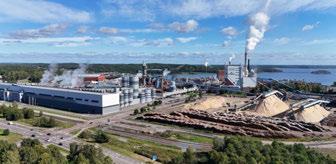
to lead the industry in fresh fiber fluting, delivering measurable performance and sustainability improvements for our customers,” says Mr. Johan Wallin, Acting VP Business area Paperboard at Billerud. The rebuild is planned for April 2026. The launch of the next level Billerud Flute is scheduled for the second half of 2026.
Orient Paper Industries Limited highlighted its strong focus on innovation, capacity enhancement, and sustainable growth across key paper segments. In an exclusive conversation with Paper Mart, Mr. Saikat Basu, Chief Marketing & Sales Officer, Orient Paper Industries Limited, outlined the company’s latest product launches, declared the introduction of color tissues- black and red variants, ultra-soft facial and toilet tissues, manufactured in India for the first time. The company also showcased its expanded copier paper capacity, enabled by a new Linomatic sheeter, and its growing presence in plastic substitution products such as cup stock and carry bags, reinforcing OPIL’s long-term vision of becoming a specialty paper-focused company.
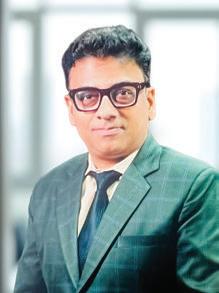
Marketing & Sales Officer, Orient
Paper Mart: Tell us about your participation at Paperex 2025. What are you showcasing?
Saikat Basu: At Paperex 2025, OPIL is primarily focusing on new product launches, especially in tissue and plastic substitution segments. For the first time in India, we have launched color tissues, including black and red variants. Along with this, we are introducing ultra-soft facial and ultra-soft toilet tissue, which are significantly softer than conventional tissues available in the Indian market. Until now, such ultra-soft variants were largely imported; this is the first time they are being manufactured in India. We are positioning this entire range as “Bharat ki Tissue.” This emphasizes both innovation and indigenous manufacturing.
PM: Are there other product highlights beyond tissue?
SB: Yes. Another major focus is copier paper. About six to seven months ago, we relaunched the copier brand with new packaging and commissioned a new Linomatic
sheeter, which offers precision sheeting. As a result, our copier capacity has doubled from around 1,000 tonnes per month to nearly 2,000 tonnes per month. This capacity expansion and improved product quality are our key highlights at Paperex.
PM: You also mentioned plastic substitution products. Could you elaborate?
SB: Certainly. We are increasingly focusing on plastic substitution products, an area where OPIL earlier had limited presence. Products such as cup stock and carry bags are now a strategic focus area for us, driven by sustainability and regulatory trends.
PM: Have these developments required significant investments?
SB: Investments have happened in multiple areas in our manufacturing line for modernization and debottlenecking. A part of it has been towards the Linomatic sheeter for copier capacity expansion. Another portion has
We commissioned a new Linomatic sheeter also, which offers precision sheeting. As a result, our copier capacity has doubled.
We are increasingly focusing on plastic substitution products, an area where OPIL earlier had limited presence.
been invested in modernization of two tissue machines, enabling us to manufacture ultra-soft tissues and color variants. While I cannot disclose exact numbers, some projects are already completed, and others are partially commissioned and progressing toward completion.
PM: What are the key challenges facing the tissue industry today?
SB: The Indian tissue market is
growing at around 12–13%, which is encouraging. However, challenges include imports impacting coastal areas share and rapid capacity additions by competitors. For a brief period post capacity by two new manufacturers, multiple suppliers started competing for the same customer base, creating price disruption. But given the growth potential in this segment, the market can comfortably absorb this capacity over a brief period of time.
PM: Where do you see the biggest opportunities going forward?
SB: Opportunities in tissue are significant, as India’s per capita tissue consumption is still far below the global average. Writing and printing paper, on the other hand, is growing only at
1–2% and is largely plateaued. Within writing & printing, growth is stronger in segments like copier paper (around 5%) and plastic substitution products (8–9%), which are helping to offset slower growth in traditional grades.
PM: What are OPIL’s long-term plans?
SB: Our long-term vision is to become a specialty paper-focused company. OPIL was the first company in India to introduce virgin tissue in the 1990s, and we intend to consolidate and expand further in tissue. At the same time, we aim to shift more of our writing and printing capacity toward plastic substitution and sustainable products, while continuing to expand copier paper capacity and branding.
For the first time in India, we have launched color tissues, including black and red variants. Along with this, we are introducing ultra-soft facial and ultra-soft toilet tissues.
N R Agarwal moves closer to setting up a new multilayer board plant after initiating phased land purchase in Gujarat. Dec 22, 2025
NR Agarwal Industries Limited has taken a key step toward establishing its new Multilayer Board Plant (Unit VI) by commencing land acquisition at Dahej, Gujarat. The company plans to acquire around 145 acres of land for the project, with the acquisition to be carried out in multiple tranches.
As part of this process, the first tranche of sale deeds was successfully executed on December 19, 2025.
Jani Sales is setting up a 28,000 TPA virgin tissue paper machine at Sarigam, Gujarat, primarily catering to the HoReCa sector and the broader supply chain, which is expected to be operational by 2026. In an exclusive interaction with Paper Mart, Directors Abizer Jani and Abilfazal Jani shared that the company aims to strengthen its presence in both tissue and specialty paper segments, creating new opportunities in the paper industry.
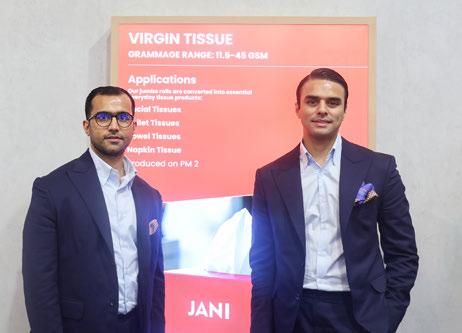
Paper Mart: Please tell us about your participation here at Paperex?
Abizer Jani: Paperex has always been an excellent platform to participate in as it is a largescale event held every two years, bringing together significant and knowledgeable industry professionals. The exhibition showcases new technologies, machinery, products, and emerging manufacturers, consistently providing a valuable experience. We always look forward to participating in Paperex. It remains an important platform for networking and socializing.
PM: The company plans to install a new virgin tissue line in 2026. Can you tell us about its location, manufacturing capacity, and which market segments and geographies (domestic or international) this new line will serve?
Abilfazal Jani: Jani is setting up another virgin tissue paper machine at Sarigam, Vapi, with a capacity of 80 tonnes per day, which translates to approximately 28,000 tonnes annually. This new machine is intended to serve virgin tissue
customers in both the Indian and export markets, with an expected 50:50 distribution between the two. It will primarily cater to the HoReCa segment and the broader supply chain.
PM: How do you see the growing hygiene and sanitation trend in India?
Abizer Jani: There has been a significant rise in awareness around hygiene and sanitation in India, especially after COVID-19. Before the pandemic, many people were not very comfortable using tissues. However, post-COVID, consumers have become more safety-conscious and health-aware, leading to greater use of single-use facial tissues, kitchen towels, and pocket tissues instead of handkerchiefs. This shift in behavior reflects a broader understanding of hygiene practices and the risks of bacteria and virus transmission when reusable napkins or cloths are used, particularly in clinical settings. This change in daily habits—especially after COVID-19—has led to consistent growth in tissue paper consumption across households, workplaces, and healthcare environments, thereby driving steady demand for the tissue paper segment.
PM: How do you see the market demands for speciality papers, especially in the packaging segment? What makes you stand apart from your competitors?
Abilfazal Jani: The demand for specialty papers is growing. With the rise of delivery companies and e-commerce businesses, consumption has increased, adding more value to our operations. We also appreciate the government’s ban on single-use plastic products, which has further encouraged the use of our paper-based solutions. As a result, we are seeing strong and sustained demand.
At the same time, we recognize that
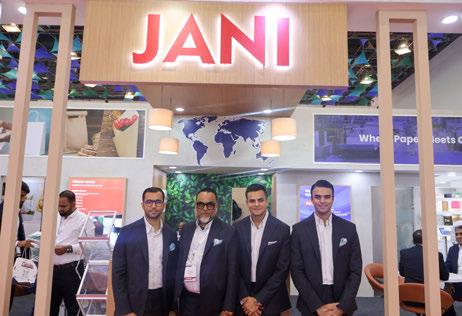
increasing competition presents certain challenges. Our focus remains on maintaining high quality, and consistency. This commitment continues to provide us with a competitive edge and added value in the market.
PM: What are the current challenges in the paper industry with regards to raw material import and price surge? How do you plan to overcome it?
Abilfazal Jani: Raw material procurement has always been a challenge for the Indian market. India is a net importer of waste paper, as the domestic collection does not fully meet industry standards. While prices surged over the past few years, the market is now gradually stabilizing.
India has become one of the largest importers of raw material. Raw material pricing remains volatile and is influenced by several factors, including higher self-consumption in export countries like the United States and Europe, as well as competition from markets such as Indonesia and Vietnam. Given this situation, India continues to buy consistently. I would advise mills to follow a regular procurement cycle rather than waiting for the lowest
The paper industry continues to grow, although there have been periods of fluctuation in demand. Overall, the growth trend remains positive, and we see many promising opportunities ahead.
possible price, as it is better to plan inventory strategically than to delay purchases in anticipation of bottommarket pricing.
PM: How do you foresee the future of the paper industry? What are your future plans in the next 5-10 years?
Abizer Jani: The paper industry continues to grow, although there have been periods of fluctuation in demand. Overall, the growth trend remains positive, and we see many promising opportunities ahead. At the moment, our focus is on the recently announced PM3, which will strengthen our position in the tissue paper segment. That remains our immediate priority, and any further expansion plans will be considered after this project is fully underway.
In an exclusive interview with Paper Mart, Mr. Abdullah Al Khateeb, Managing Director, Crown Paper Mill and Ittihad Paper Mill, talks about evolving global tissue demand, emerging growth markets and the company’s strategic expansion plans. He shares insights on premiumisation trends, category-wise growth drivers, recent capacity additions and technology upgrades shaping its competitiveness. The discussion also explores sustainability initiatives, supply-chain resilience and brand positioning amid rising private-label competition. As Crown Paper Mill expands across high-growth regions, Mr. Khateeb outlines the company’s long-term roadmap and vision for building a future-ready, globally competitive tissue mill by 2030.
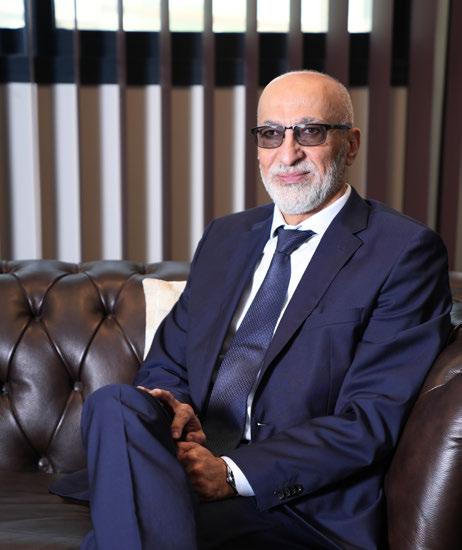
Paper Mart: As you look at global markets today, where do you see the strongest momentum for hygiene-tissue demand, and what shifts or behaviours are signalling the next wave of growth?
Abdullah Al Khateeb: We see the strongest momentum in the Middle East and Africa, driven by rapid urbanization and a heightened post-pandemic focus on hygiene. The shift toward “premiumization” in household products indicates that consumers are increasingly prioritizing superior softness and thickness (high bulk) over basic functional grades.
PM: Across your product portfolio, which tissue categories, such as bath, facial, towel, napkins, or AfH, are emerging as your core growth drivers, and what’s influencing that shift within your key markets?
AAK: Facial tissues and highabsorbency towel/maxi rolls are our primary growth drivers, fueled by the expansion of the hospitality and premium retail sectors. Our ability to switch seamlessly to high-grammage
We lead through water circularity, utilizing a highly optimized Closed-Loop Water System and an advanced Effluent Treatment Plant (ETP) to minimize freshwater intake.
products allows us to capture the growing Away-from-Home (AfH) market where durability is essential.
PM: Over the past few years, which capacity additions or strategic investments have most meaningfully reshaped your tissue-making footprint or competitiveness?
AAK: The strategic utilization of our tissue machines has maximized our operational agility, allowing us to serve global markets with consistent quality. However, our most transformative move is the upcoming launch of our new facility in Saudi Arabia, which significantly extends our regional footprint.
PM: When you look back at your recent technological upgrades, which interventions stand out as the ones that truly moved the needle on cost, quality, or sustainability, and why?
AAK: Our integration of Valmet technology and advanced DCS/ QCS automation has “moved the needle” by ensuring every jumbo roll meets exact softness and tensile
specifications. These upgrades have optimized our cost-to-quality ratio, making our premium rolls highly competitive for global converters.
PM: Sustainability expectations are rising worldwide. How is your mill translating these pressures on fibre sourcing, carbon reduction, and water circularity into concrete operational choices?
AAK: We lead through water circularity, utilizing a highly optimized Closed-Loop Water System and an advanced Effluent Treatment Plant (ETP) to minimize freshwater intake. Our operational choices prioritize efficient resource management, ensuring we stay significantly below global averages for water consumption
PM: Volatile energy markets and supply-chain disruptions continue to affect the industry. What approach has helped your organisation stay resilient, especially with regard to pulp, chemicals, and logistics?
AAK: Resilience is maintained

through strategic stock management of pulp and chemicals, alongside a flexible logistics network that adapts to supply-chain shifts. By optimizing our internal processes, we mitigate energy volatility, ensuring a stable and reliable supply for our international partners.
PM: With private-label tissue gaining ground globally, how do you position your products, particularly in premium and AfH segments, to maintain differentiation and brand strength?
AAK: CPM maintains brand strength by offering “converter-ready” jumbo rolls that exceed the quality of
We see the strongest momentum in the Middle East and Africa, driven by rapid urbanization and a heightened post-pandemic focus on hygiene.
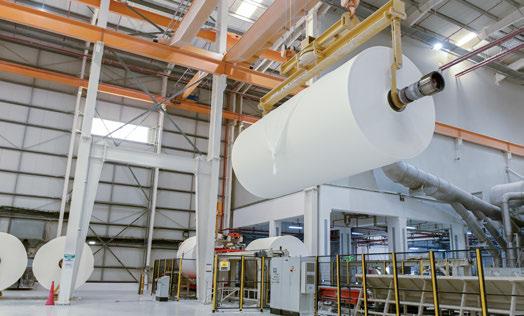
standard private labels, particularly in Handfeel and wet strength. We differentiate ourselves through technical precision, providing premium brands with the consistency they need to sustain consumer trust.
PM: As you expand your presence in high-growth regions across Asia, the Middle East,
Africa, and Latin America, what strategic considerations shape your long-term roadmap?
AAK: Our roadmap is defined by localized production and technical innovation, as evidenced by our new machine launch in Saudi Arabia. We focus on placing advanced design technology directly within highgrowth corridors to ensure faster
Our most transformative move is the upcoming launch of our new facility in Saudi Arabia, which significantly extends our regional footprint.
delivery and a lower carbon footprint across the region.
PM: Looking ahead to 2030, what capabilities or characteristics do you believe will define a truly future-ready, globally competitive tissue mill?
AAK: A future-ready mill must balance high-speed technical agility with a near-zero environmental impact through advanced water and energy circularity. By 2030, global competitiveness will be defined by the integration of AI-driven quality control and the ability to produce ultra-premium grades sustainably.
ITC secures Competition Commission approval for acquisition of Aditya Birla Real Estate’s pulp and paper business on slump sale basis.
Dec 17, 2025
ITC Limited has received approval from the Competition Commission of India (CCI) for its proposed acquisition of the pulp and paper business of Aditya Birla Real Estate Limited, operated under the brand Century Pulp & Paper.
The approval was granted through a letter dated December 16, 2025, and disclosed by ITC in an exchange filing under Regulation 30 of SEBI Listing Regulations.
The acquisition will be executed as a going concern on a slump sale basis, in line with the terms earlier communicated to stock exchanges on March 31, 2025. With CCI clearance, a

key regulatory condition for completing the transaction has been fulfilled.
In an exclusive interview with Paper Mart, Mr. Abhishek Agarwal, Executive Director & CEO of Kempt Tissues Pvt. Ltd., shares insights on India’s evolving tissue paper market, highlighting rising hygiene awareness, strong AfH and HoReCa demand, capacity utilisation, sustainability initiatives, and competitive pressures from imports. He discusses the company’s production strategy, shift toward semi-virgin tissue, technology investments, and long-term outlook for the domestic tissue paper industry.

Mr. Abhishek Agarwal, Executive Director & CEO of Kempt Tissues Pvt. Ltd.
Paper Mart: How do you assess current tissue-consumption trends in India, and which segments, among retail, HoReCa, and AfH, are driving demand growth?
Abhishek Agarwal: At Kempt Tissues Pvt. Ltd., we see India’s tissue consumption steadily rising, driven by growing hygiene awareness, urbanisation and lifestyle changes. Tissue products are increasingly becoming everyday essentials rather than discretionary items, with percapita usage gradually improving across the country.
Among the segments, retail remains the foundation of demand, supported by household adoption of toilet rolls, kitchen towels and facial tissues, aided by modern trade and e-commerce penetration. However, the strongest growth momentum is coming from the AfH segment, particularly HoReCa, as hotels, restaurants and cafés place greater emphasis on hygiene standards and customer experience. Institutional and commercial spaces such as offices, healthcare and public facilities are also contributing significantly through bulk tissue consumption.
PM: What is your mill’s installed tissue-production capacity, and what has been your actual output over the last year? What factors influence the gap between capacity and utilisation?
AA: Our mill currently has an installed tissue-production capacity of 18,000 metric tonnes per annum, reflecting our strategic investment in modern, scalable manufacturing lines designed to meet both current demand and future growth.
Over the past year, our actual output reached approximately 15,300 metric tonnes, which translates to a utilisation rate of roughly 85%.
The main factors influencing the gap between installed capacity and utilisation include: seasonal demand fluctuations, product mix dynamics, maintenance & upgrades and supply-chain variability.
PM: What recent capacity additions, technology upgrades, or automation initiatives have you undertaken to enhance production efficiency and quality?
AA: Over the past two years, we have focused on targeted capacity
expansion, technology upgrades and automation to enhance efficiency and quality. Investments in highperformance equipment for advanced process controls and automated quality inspection have strengthened consistency and reduced downtime. In parallel, we are installing a 4 MW captive solar power project to improve energy efficiency and sustainability, reinforcing our commitment to responsible growth while supporting long-term cost and operational stability.
PM: How are global pulp price fluctuations and currency volatility shaping your rawmaterial procurement strategy and cost structure?
AA: Global pulp price fluctuations and currency volatility are key external factors influencing our raw-material procurement strategy and overall cost structure. As an integrated tissue manufacturer, we depend on pulp and import recovered fiber as a primary input, and swings in its global prices. To manage this effectively, we pursue a multi-pronged procurement approach:
Diversified Sourcing: We maintain relationships with multiple international and domestic suppliers to mitigate the risk of dependence on a single source. This flexibility allows us to optimise supply against price movements and logistical constraints.
Cost Pass-Through and Value Engineering: In phases of sustained cost pressure, we work closely with our sales and product teams to balance pricing adjustments with value engineering, optimising product specifications without
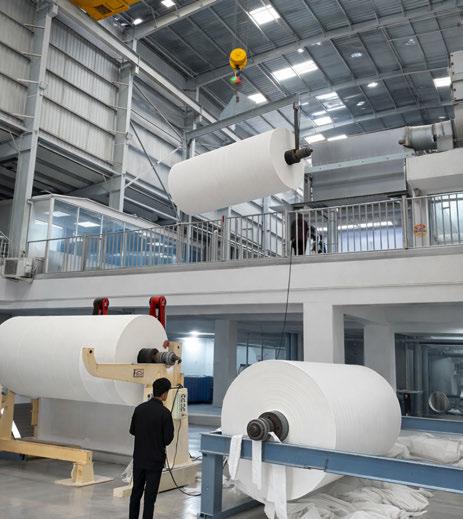
compromising quality, while maintaining competitiveness.
Inventory and Working Capital Optimisation: We adjust inventory levels strategically to balance carrying costs with supply security, particularly when market indicators suggest rising pulp prices or unfavourable currency trends.
PM: What steps has your mill taken to improve water efficiency, energy performance, and overall environmental sustainability in tissue production?
AA: We have strengthened water
conservation and reuse systems, enabling higher recycling of process water and reducing overall freshwater intake. On the energy front, regular audits, energy-efficient drives and process optimisation initiatives have helped lower specific energy consumption. In addition, we are in the process of installing a 4 MW captive solar power project, which will significantly reduce our dependence on grid power and lower our carbon footprint.
From a raw-material sustainability perspective, we are increasingly focusing on semi-virgin tissue production, thereby reducing
The strongest growth momentum is coming from the AfH segment, particularly HoReCa, as hotels, restaurants and cafés place greater emphasis on hygiene standards and customer experience.
Indian mills are focusing on differentiation through quality, service, and specialised tissue grades, as well as investing in technology and sustainability to strengthen their value proposition.
reliance on fully virgin pulp. Currently, 50–60% of our furnish comprises imported recovered fiber, which helps conserve forest resources while maintaining consistent product quality through controlled sourcing and processing.
PM: How do imported tissue products from China, Indonesia, and GCC markets influence domestic pricing, competition, and positioning for Indian mills?
AA: In recent years, imports of paper and tissue grades into India have risen significantly, with shipments from China and ASEAN countries growing sharply due in part to preferential tariff treatment under free-trade agreements. This has made certain imported products price-competitive compared to locally produced grades, increasing competitive pressure on domestic mills.
Because producers in China and Southeast Asia benefit from larger scale, cost-efficient production and duty concessions under trade agreements like AITIGA and APTA, imported tissue and paper products often reach Indian markets at lower landed costs. This dynamic can compress pricing in segments where imports are prevalent, challenging domestic pricing power and contributing to under-utilisation of local capacity.
At the same time, Indian mills are focusing on differentiation through quality, service, and specialised tissue grades, as well as investing in technology and sustainability to strengthen their value proposition. While imports add competitive intensity, they have also prompted domestic producers to innovate and improve cost efficiencies.
PM: The Indian market still has a significant presence of lowquality, cheaper, and largely unorganised tissue products. How is this affecting your brand positioning, pricing power, and investments in higher-quality grades?
AA: This is one of the key reasons we have consciously moved towards producing semi-virgin tissue paper rather than relying solely on 100% virgin pulp. By integrating 50–60% high-quality imported recovered fiber into our furnish, we are able to make our raw-material sourcing more sustainable, resilient and cost-competitive, while significantly reducing our dependence on virgin pulp.
Importantly, this approach does not compromise product performance. Through careful fiber selection, advanced processing and strict quality controls, we are able to achieve softness, strength and absorbency levels that are very close to those of virgin tissue. At the same time, it allows us to offer a more competitively priced product in a market that is highly price-sensitive, while aligning with growing customer and regulatory expectations around sustainability.
PM: Are you seeing a clear shift among Indian consumers toward premium, softer, and more structured tissue grades, and how are you adapting your product mix accordingly?
AA: We are definitely witnessing a clear shift in Indian consumer preferences toward premium, softer and more structured tissue grades. As awareness of hygiene and comfort continues to grow, especially in urban and semi-urban markets, consumers
are increasingly willing to trade up from basic, low-cost options to products that deliver better feel, strength and overall performance. This trend is evident both in organised retail and in Away-FromHome (AfH) demand, where endusers value consistency and quality.
Our portfolio now places stronger emphasis on premium and valueadded grades, including softer multi-ply toilet tissues, structured facial tissues and enhanced napkin formats. We are also focusing on product differentiation through features like improved embossing, controlled softness profiles and packaging innovations that appeal to quality-conscious shoppers.
PM: What is your long-term outlook for India’s tissue industry by 2030, and what policy interventions or industry reforms would strengthen domestic competitiveness and quality standards?
AA: We are optimistic about India’s tissue industry through 2030, driven by rising hygiene awareness, growing organised retail, and increasing Away-From-Home (AfH) demand in hospitality, healthcare, and corporate sectors. To strengthen domestic competitiveness and quality, supportive measures could includestandardised quality benchmarks to differentiate organised players from low-quality unorganised products. Incentives for sustainability and energy-efficient investments, including renewable energy and recycled fiber use. Technology and skill upgradation support to modernise mills and improve efficiency and balanced import regulations to ensure a level playing field with duty-favoured foreign suppliers.
Elof Hansson is a global trading house with over a century of experience, connecting buyers and sellers across pulp, paper, stocklots, building materials, machinery and related industrial segments. Paper Mart interviews Mr. Mikael Forslund, CEO, Elof Hansson Group, & Mr. Per Lundström, Vice President- Machinery Division, Elof Hansson India Pvt. Ltd., on the company’s evolving role in recycling-led materials, machinery solutions and sustainable business models.
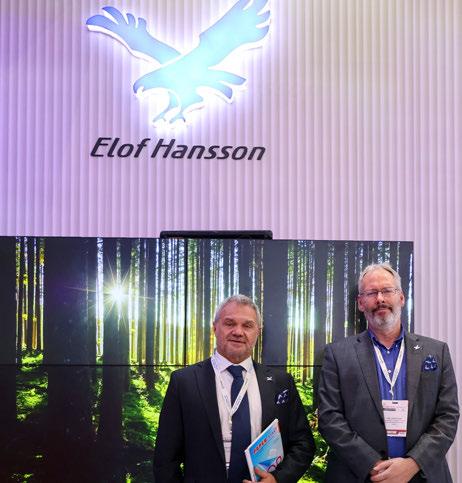
Mr. Mikael Forslund, CEO, Elof Hansson Group, & Mr. Per Lundström, Vice President- Machinery Division, Elof Hansson India Pvt. Ltd.
Paper Mart: Tell us what’s new at Elof Hansson.
Mikael Forslund: What is new for us is that, besides paper, board and pulp, we are also developing our machinery side. We are pioneering new areas within the industry. One area developed first was the water side, where we use machinery and technology to clean water. Later, this was extended to air as well. That is something new.
Even if the pulp and paper industry is growing, we still need to do something with recycled material. We have started building two big plants in the United States, one in California and one in Iowa, where we use recycled cartons such as milk boxes and used packaging.
These cartons include plastic, which is needed to glue them together. We do not need to add anything extra into the process, and we do not need to clean them separately, because the process works under very high pressure and high temperature. Everything is cleaned by itself, and the cartons are converted into a rigid panel material. This product can replace gypsum. We have already made a deal with one of the biggest suppliers in the United States for roofing materials, where this becomes one part of the roofing material. It can also be used for ceilings indoors, roofs, door blades and similar applications. This is something that is selling now.
We have contracts in Europe and are investigating the possibility of doing this in India. That will come in due course.
Another area we are looking at is what we call paper shell. These are sheets made from cellulose fibre, including hemicellulose. This is done under extremely high pressure, a couple of hundred bars. You can form it into many shapes, including roofing blades, electronics components, and composites for cars.
Car manufacturers are interested because you can integrate small instruments into the material, and when you remove it from the car, you can recycle it again and make something new. The same applies to roofing material. When you remove it, you can recycle it again. That is circular business.
There is a huge market in India for both the machinery and the resulting end products. We can help build the plant and also take an off-take agreement to sell the end products.
PM: You spoke at length about using recycled cartons to develop a panel material that can substitute gypsum in certain applications. Could you explain how this material is produced and where it is being used today?
MF: The advantage of this is that we do not need a big process around it. For gypsum, you need large ovens and burning. This is more friendly to nature because nothing needs to be burned. When it comes to material parameters, it is more or less the same, but it has slightly better strength regarding water. It does not absorb water as easily.
In Europe and the United States, there are regulations where raw material suppliers, such as liquid packaging producers, need to prove that they are taking care of recycled material. We are one part of that system. We can report how much recycled raw material has been used, helping them meet compliance requirements.
This is already established in Europe
and the US, and we have just started the process in India. With this product, you can also do different shapes and finishes. You can add paper layers, change aesthetics, and adapt it for different applications.
PM: Sustainability and circularity seem central to these developments. From your long experience, how do you see the pulp and paper industry evolving in terms of using side streams and creating new value?
MF: I have been in the industry since 1983. Today, it is clearly a sustainable industry. We now extract side streams from pulp mill processes and make other products. For example, lignin, which binds fibres together, is taken out and used in other applications.
The car industry is interested in lignin for pressed components and substitutes. Soap is another reusable stream. As a trading house, we help connect different mills and raw material suppliers. Sometimes we do not have the final solution, but we have the right contacts to connect suppliers and customers.
PM: You briefly mentioned AI and digital tools during your speech in the inaugural session. How is Elof Hansson beginning to use AI in its operations and decision-making?
MF: We are working on AI to find systems and platforms to identify where materials can be purchased and sold and how to connect them. We are at an early stage, but we strongly believe in it. We also use AI internally while analysing and reviewing different contracts. We explore process improvements to find the best solutions.
PM: As several speakers in the inaugural session noted, the industry is going through a challenging phase where coming out of tough times calls for greater innovation and efficiency. From your
perspective, how does Elof Hansson support the industry at this point?
MF: We help suppliers enter new markets. In India, we work with both customers and suppliers. Because we are present globally, we can connect Indian suppliers with markets they did not have access to earlier.
Per Lundström: We also work closely with the machinery group, helping machinery manufacturers find new solutions. The focus is on running the machines smoother, improving how the machines operate, and supporting solutions that reduce environmental impact. Through this, we help make the machinery more sustainable, not only for today, but also for the future.
PM: As a global trading house with a strong presence in India, how would you describe Elof Hansson’s core role today?
MF: We buy products in our own name and sell them in our own name. We are transparent about the source of the product. Trust is central to our system. We handle compliance reporting, which is important for banks and insurance companies. We manage freight and shipping door to door through our global logistics group. We also offer financial solutions, including longterm credit to customers.
PM: At last, what message would you like to share with the Indian pulp and paper industry?
MF: Cooperation is the key. No one has all the answers. Innovation comes from cooperation between innovators, suppliers and customers.
There are many young people entering the industry with new ideas. They will do business differently. We need to listen to them and give them the means to develop ideas. India has strong universities with smart ideas. These need support to reach the market. Cooperation between different groups is the key to innovation.
Bringing decades of global pulp and paper industry experience across the US, Europe, and Canada, in an exclusive interview with Paper Mart, Mr. Arvind Singhal, CEO and Director of Parason Machinery, shares a clear-eyed view of an industry shaped by cycles, disruption, and resilience. In this wide-ranging conversation, he outlines Parason’s philosophy of simplicity, transparency, and practical value creation for customers. He emphasizes on how sustainability, AI, and practical innovation will define both the company’s growth and the industry’s future. He reflects on the evolution of paper demand from writing & printing to packaging paper and tissue paper over time.
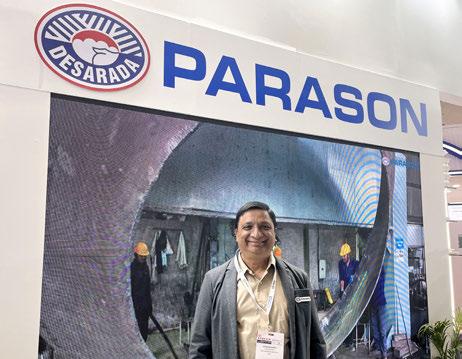
Paper Mart: Please introduce yourself, your role at Parason, and how has the journey been so far?
Arvind Singhal: I joined Parason Machinery in February 2025, so it has been about ten months now. Before this, I spent most of my professional career working in the US and Europe with global pulp and paper companies. Coming back to work with an Indian company has been a very positive experience. I see strong talent, capable machines, and the right infrastructure here. Parason Machinery has everything needed to grow into a major global player, and it is exciting to be part of that journey.
PM: As CEO and Director of Parason Machinery, what is your vision for the company?
AS: Our vision is very simple–simplicity itself. Over the years, the pulp and paper machinery industry has become overly complicated. Large suppliers often use excessive technical language, which creates confusion for customers. When customers are confused, they struggle to understand what they truly need.
Packaging remains the largest segment globally and will continue to dominate. Tissue Paper is also growing rapidly, particularly in India, where per capita consumption still has significant room to increase.
At Parason, we want to eliminate that confusion. When customers ask questions, they should receive straight, clear answers without unnecessary jargon. Simplicity and transparency are deeply rooted in Indian culture, and I believe this approach will win in the long run.
PM: What are you displaying at Paperex 2025, and how has your experience been so far?
AS: This is my first time attending Paperex personally, although Parason has been exhibiting here for many years. I am genuinely impressed. I have attended exhibitions worldwide, and Paperex is one of the best-organized events I have seen. The venue, layout, and convenience are excellent. What stands out most is that many visitors here are actual decision-makers. You get to speak directly with people who influence purchasing and strategy, understand their expectations immediately, and have meaningful conversations—all in one place.
PM: How does Parason support paper mills in improving efficiency and sustainability across their pulp and paper processes?
AS: Sustainability is something we actively practice, not just talk about. Internally, Parason has made significant investments toward green energy and sustainability goals. For example, more than 50% of the energy used in our foundry comes from solar power, which is very rare in the global paper machinery industry. This allows us to speak credibly with customers about sustainability. Beyond that, we focus on energy solutions, continuous audits, and process optimization. We have strong technical teams who regularly evaluate processes to
identify efficiency improvements and energy-saving opportunities.
PM: Are there any new developments or innovations that Parason is working on to better serve the paper industry?
AS: Yes, we are working on several innovations that we believe will significantly impact the way certain processes are handled in the industry. At this stage, many of these developments are proprietary, so I would prefer not to go into specific details. What I can say is that these innovations are aligned with our core philosophy of simplicity, transparency, and practical value for customers. We are very excited about what is coming.
PM: You have witnessed multiple cycles in the pulp and paper industry over the decades. How has the industry evolved in your view?
AS: I have been associated with the paper industry since the early 1980s. When I was studying at the University of Roorkee, we were shown how closely paper consumption correlated with GDP growth. The conclusion was simple: as economies grow, paper consumption grows. That connection between economic development and paper demand has remained true over the decades.
However, I have also lived through major disruptions. In the late 1990s, the rise of the internet drastically impacted printing and publishing grades. Businesses that once seemed permanent declined rapidly. The newspaper industry followed a similar path, and for a long period—from the late 1990s to the early 2010s—it appeared as though the paper industry
was shrinking globally. I recall working in Muskegon, Michigan, producing high-quality paper for brochures and commercial printing, and then witnessing the impact of AOL and the internet in 1998, which cut demand for printed materials in half almost overnight. Later, while working in Canada with the newspaper industry, I saw the decline continue as digital platforms replaced traditional advertising and news, and paper schools had almost no enrollment—Western Michigan University had only three students in the entire paper program at one point.
Yet, the industry demonstrated resilience. From around 2010 to 2020, the global demand for paper surged, driven largely by packaging and e-commerce. There was simply not enough paper being produced to meet demand, highlighting how critical the industry is for commerce and logistics. Then came COVID-19, which temporarily disrupted supply chains and production, but demand rebounded quickly.
Throughout these decades, I have seen cycles of decline and growth, influenced by technological shifts, consumer behavior, and global events. For example, energy prices, raw material availability, and logistics costs have impacted India differently than other countries, while Europe has faced challenges due to high electricity costs from geopolitical issues like the Ukraine war. These cyclical changes show that while short-term disruptions happen, the long-term trajectory of the paper industry remains upward.
Today, certain segments are booming: tissue, specialty papers like décor and laminate papers, and packaging paper driven by e-commerce and rising middle-class
demand. The industry continues to evolve with technology, AI, and automation, but the core principle remains: paper adapts, survives, and continues to be essential in both industrial and consumer contexts.
PM: What are some of the major trends and challenges we are seeing in the industry today?
AS: Currently, the industry is experiencing some level of overcapacity, which has slowed investments in certain regions, including India. India also faces challenges such as high raw material costs, inefficient logistics, and high electricity prices compared to countries like the US. These factors impact competitiveness. At the same time, Europe is facing its own challenges due to high energy costs driven by geopolitical factors. However, these cycles are temporary, and the industry has always recovered from similar situations in the past.
PM: Which paper segments do you see growing strongly in the coming years?
AS: Packaging remains the largest segment globally and will continue to dominate. Tissue paper is also growing rapidly, particularly in India, where per capita consumption still has significant room to increase. Specialty papers—especially décor and laminate base papers—are another strong growth area, driven by rising incomes, better housing, and lifestyle changes.
PM: How is Parason integrating AI and automation into its processes and customer solutions?
AS: AI is a powerful tool for us, especially in creating transparency for customers. Traditionally, suppliers often rely on “black box” models where customers are expected to trust outputs without understanding the logic behind
them. We want to change that. Our goal is to give customers tools where they can input variables themselves, compare scenarios, and arrive at conclusions independently. AI helps us develop these tools faster and more effectively. As a relatively agile organization, we can move quickly and adapt to customer needs.
PM: What is your overall outlook for the future of the paper industry and Parason Machinery?
AS: Nobody can predict the future with certainty, but based on decades of experience, I am confident that the paper industry will continue to evolve and remain essential. Cycles will come and go, but paper will not disappear. At Parason, with our focus on simplicity, transparency, sustainability, and technology, I believe our future is very strong.
IPMA delegation met Union Minister of State for Commerce & Industry, Mr. Jitin Prasada, highlighting the key challenges faced by the Indian paper industry. Nov 18, 2025
Mr. Pawan Agarwal, President, and Mr. Rohit Pandit, Secretary General, IPMA, recently met Hon’ble Union Minister of State for Commerce & Industry, Mr. Jitin Prasada, and apprised him of the key challenges and concerns being faced by India’s Paper Industry. IPMA has been expressing its concern over the continued rise in paper & paperboard imports, which in FY25 alone saw a 33 percent jump in volume from China. It has been urging the government to implement stricter quality control measures, review trade agreements that lead to duty-free or low-duty access for paper imports, undertake trade remedial measures, and ensure a level playing field for the Indian paper industry.
With a growing footprint in the Indian paper industry, Bellmer continues to deepen its engagement through rebuild-focused projects, local manufacturing, and advanced process technologies. At Paperex 2025, the company marked its first participation with an independent booth, showcasing both paper and separation technologies supported by experts from Germany, Finland, and India. In an exclusive interview with Paper Mart, Mr. Johannes Kaiser, Director of Capital Sales, Bellmer, discusses the company’s core strength in paper machine rebuilds, key Indian projects such as the PM4 rebuild at Kuantum Papers, expansion of locally manufactured filmsizers, and how Bellmer is addressing industry challenges around energy efficiency, automation, and AI-driven performance optimization.

Mr. Johannes Kaiser, Director, Capital Sales, Bellmer
Paper Mart: Please introduce yourself, your role in the company, and how has the experience in India been so far?
Johannes Kaiser: My name is Johannes Kaiser. I work with Bellmer in Germany and am responsible for sales of our equipment, mainly shoe presses and calendars, but also other components. I have been traveling to India for the last 15 years and have visited many customers and projects. We have been quite successful in India, first with Gepcon and now with Bellmer.
PM: What are you displaying at Paperex 2025, and how has your experience been so far?
JK: This is the first time Bellmer is participating at Paperex with its own booth. In earlier editions, we exhibited together with our agent JK. This year, we have experts from Germany, Finland, and India representing different departments of Bellmer. We are showcasing both paper technology and separation technology, and we are proud to present a stronger and more direct market presence. The experience so
far has been very positive, especially as it reflects our growing customer base and project activity.
PM: What is Bellmer’s core focus in the Indian market?
JK: Our core competence in India are rebuild projects. This includes rebuilds of wire sections with headboxes and top formers, press section rebuilds with shoe presses, and increasingly, locally made filmsizers, particularly for writing and printing paper machines.
PM: Can you share details of recent or ongoing projects in India?
JK: One of our most important projects this year has been the rebuild of PM4 at Kuantum Papers Ltd. This was a comprehensive rebuild that included a new shoe press, a complete press section, drying section, rebuilt filmsizer, and calendar. The goal was to improve productivity, reduce breaks, and increase dryness and overall efficiency. All Bellmer subsidiaries were involved, with a significant part of the work carried out by our local Bellmer India team.
We are also strengthening our manufacturing presence in India. Until now, we were producing calendars locally, and since last year, we have started producing filmsizers in India as well.
We are also strengthening our manufacturing presence in India. Until now, we were producing calendars locally, and since last year, we have started producing filmsizers in India as well. One locally manufactured filmsizer was supplied to Kuantum Papers Ltd., another will be installed at Satia Industries Ltd., and additional units are planned for Kuantum Papers on other machines. We also have around four more projects scheduled to start in the coming months in India.
PM: How does Bellmer’s project approach differ globally compared to India?
JK: In India, projects are largely focused on rebuilds, especially for writing and printing paper machines. Globally, Bellmer is increasingly moving toward complete line supplies, where we deliver entire machines from headbox to winder. This applies to both European and Asian markets and represents a broader scope compared to partial rebuild projects.
PM: What does the acquisition of Cellwood Machinery AB mean for Bellmer?
JK: We are very happy with the acquisition of Cellwood Machinery AB. It opens up much more potential in terms of markets and customers. Cellwood has excellent products, and both teams are now working on strengthening cooperation. In India, this also
involves combining the presence of two agents or units, and this integration process is currently ongoing.
PM: What are the major trends and challenges you see in the paper industry today?
JK: The main challenges are related to operating costs. Customers are consistently asking how to reduce energy consumption, lower operating costs, reduce the number of operators on the machine floor, and integrate AI into their processes. These areas are the main focus of our current technology development.
PM: How is Bellmer addressing automation and AI in paper machines?
JK: Today, Bellmer already supplies not only hardware and machinery
but also automation and control systems, whether through our own PLC solutions or integration with customer DCS systems. Going forward, we plan to complement this with our own AI-based data analytics software. This will help customers save energy, improve performance, and achieve more optimal machine runnability.
This is the first time Bellmer is participating at Paperex with its own booth. In earlier editions, we exhibited together with our agent JK.
Customers are consistently asking how to reduce energy consumption, lower operating costs, reduce the number of operators on the machine floor, and integrate AI into their processes.
At Paperex 2025, France based Kadant Lamort, along with its sister companies Kadant Johnson and Kadant UK, reaffirmed its long-standing engagement with the Indian pulp and paper industry, dating back to the 1990s. In an interaction with Paper Mart, Mr. Amit Deep Singh, Director - Sales and Marketing, Kadant India Pvt. Ltd., shared how Kadant’s integrated portfolio– spanning fiber processing, approach flow systems, fluid handling, and doctoring solutions– is helping mills improve resource efficiency, sustainability, and operating performance. He also highlighted Kadant’s recent collaboration with Venkatalakshmi Paper Boards Pvt. Ltd., showcasing real-world value creation through advanced deinking and fiber recovery technologies. Mr. Singh noted that Kadant continues to invest in future-ready solutions, including AI-enabled monitoring and a customer service portal planned for launch in 2026 in India.
Mr. Amit Deep Singh, Director - Sales and Marketing, Kadant India Pvt. Ltd.
Paper Mart: Please tell us about your participation at Paperex 2025. How has it been so far?
Amit Deep Singh: Kadant Lamort, together with our sister companies Kadant Johnson and Kadant UK, has been participating in Paperex since the 1990s, and it continues to be an important platform for us. This event allows us to reconnect with peers, customers, mill owners, and industry experts while showcasing our latest technologies in stock preparation, approach flow systems, fluid handling and process optimization.
Paperex 2025 has been a great opportunity to engage in meaningful discussions, understand emerging needs, and strengthen relationships across the pulp and paper community. Our team also presented in the open seminar on our latest reject handling solutions.
PM: How does Kadant leverage its wide portfolio, from fiberprocessing and fluid-handling to reject-upcycling systems, to help paper mills improve resource
efficiency and sustainability?
AS: Kadant leverages its wide portfolio by delivering targeted technologies that significantly improve efficiency and sustainability within key stages of the papermaking process. Kadant Lamort’s fiber-processing and approach systems help mills enhance furnish quality and fiber recovery while minimizing energy and water use.
Kadant Johnson’s fluid-handling solutions optimize steam and condensate management to boost thermal efficiency and machine performance. Kadant UK further strengthens this offering with advanced doctor blades and doctoring systems designed to improve sheet cleanliness, machine runnability, and maintenance efficiency.
Combined with our reject-upcycling technologies that recover valuable fibers and reduce waste sent to landfill, Kadant provides mills with practical, high-impact tools to lower operating costs and operate more sustainably.
PM: How is Kadant leveraging its collaboration with Venkatalakshmi Paper Boards, which happened earlier this year?
AS: Our collaboration with Venkatalakshmi Paper Boards earlier this year allowed us to demonstrate how Kadant Lamort’s fiber processing technologies can create measurable value under real mill conditions. Following a visit to our Technology Centre, and successful raw material viability trials at our pilot plant, Venkatlakshmi Paper boards signed two loop deinking line for writing and printing grades. The line has Kadant MAK C cell, Screen one , Radiclone cleaners, Kneader and Poseidon clarifier.
Venkatalakshmi Paper and Boards Pvt. Ltd. (VLPB) is a forward-thinking company with a strong, supportive, and highly engaged management team. Known for its commitment to sustainability and innovation, VLPB produces newsprint, writing and printing papers, MG posters, and MG kraft grades using 100% recycled fiber. Their modern manufacturing practices, focus on eco-friendly production, and dedication to consistent quality make them a trusted name in the industry. This progressive mindset and openness to adopting new technologies made our collaboration especially meaningful, allowing us to work together to improve resource efficiency and support their vision for responsible, sustainable paper production.
PM: What are some of the major trends and challenges we are seeing today in the industry?
AS: India’s paper industry is
undergoing its most significant change in decades. This moment presents both challenge and opportunity and will ultimately define which mills emerge as globally competitive. The mills that succeed will be those that act quickly to modernize and align with shifting global demands.
As a trusted technology leader, Kadant is committed to supporting the industry through this pivotal time. It is our responsibility to make advanced technology more accessible and costeffective. Kadant India has made a significant investment in localized manufacturing of capital equipment and service capabilities. Our upgraded workshop now features state-of-the-art equipment for rotor repair and rebuild services.
Kadant’s Upcycling Division and our Technology Centre are delivering next-generation reject handling and fiber processing solutions. The Technology Centre serves as a hub for applied research and industrial testing. Backed by more than 117 years of experience, it advances sustainable practices in fiber recovery, water management, and reject handling.
Many of today’s fiber processing innovations come from our lab and we continue to innovate with energy efficient solutions, microfibrillated cellulose (MFC BioFiber) and molded products. But we’re not just a supplier of solutions. We walk alongside our customers as partners. At our Technology Centre, we conduct recyclability testing and hands-on development to help mills meet their sustainability and performance goals. Together, we
shape practical, forward-thinking answers to today’s most pressing challenges because your success is our shared purpose.
PM: What are some unique AIintegrated processes/practices that you see in the industry, or plan to implement in the company.
AS: AI is starting to play a meaningful role in the pulp and paper industry, and we see several promising areas where it can enhance performance, efficiency, and decision-making. Across the industry, mills are adopting AI-driven monitoring systems for predictive maintenance, energy optimization, and process control. These tools help identify anomalies early, reduce downtime, and ensure equipment operates at peak efficiency. AI is also being used to analyze fiber quality, optimize furnish mixes, and improve consistency in production.
For Kadant, AI offers exciting opportunities to further enhance the value of our technologies. Kadant views AI as a powerful enabler for smarter and more efficient operations. Our corporate office has formed a dedicated team focused on integrating AI into internal processes, helping us streamline workflows and strengthen data-driven decisionmaking. As this capability grows, it will gradually be reflected in our product offerings as well, through smarter diagnostics, improved system optimization, and enhanced support for our customers. In 2026, we will launch a customer service portal developed in India to help mills monitor equipment health and reduce downtime through timely issue resolution. Our collaboration with Venkatalakshmi Paper Boards earlier this year allowed us to demonstrate how Kadant Lamort’s fiber processing technologies can create measurable value under real mill conditions.
With over four decades of experience serving the paper industry, Arvind Rub-Web Controls Ltd, continues to play a key role in supplying specialized rollers and expander solutions to paper mills worldwide. At Paperex 2025, the company marked its 15th participation, showcasing its extensive portfolio of rubber, Teflon, and Metal expanders along with advanced roller solutions. In an exclusive interview with Paper Mart, Mr. Mukesh Kachhia, General Manager-Marketing, Arvind Rub-Web Controls Ltd., shares insights into high-speed Bowed roller developments, ongoing material innovations, evolving industry challenges, and the gradual adoption of AI and automation to enhance operational efficiency and support the future growth of the paper sector.
Paper Mart: Please tell us about your participation at Paperex 2025. How has it been so far? Mukesh Kachhia: Paperex 2025 marks our 15th participation at the exhibition, a journey that began in 1995 when we first exhibited at Pragati Maidan. Since then, we have been continuously associated with Paperex and have seen the exhibition grow stronger and more impactful with every edition. This year’s venue has been well received, and the overall response has been very encouraging. We have seen strong footfall and meaningful interactions with industry stakeholders. At this edition, we are showcasing our unique range of rubber expanders, Teflon expanders, metal expanders, and specialized rollers for the paper industry. With nearly 44 years of experience, we take pride in being pioneers in Bowed Rollers segment.
PM: With paper mills increasingly shifting to higherspeed machines and demanding better nip performance, what advancements in Bowed roller is Arvind Rubber introducing
One of the key challenges today is the growing import of paper, which puts pressure on domestic manufacturers. To remain competitive, mills must focus on improving paper quality and increasing machine speeds. At the same time, there is a growing emphasis on exporting paper products to international markets
to enhance durability, resist chemical wear, and maintain consistent paper quality?
MK: As paper mills move towards higher machine speeds, durability and consistent nip performance have become critical. Our rubber and metal spreader rollers are designed to perform reliably in demanding environments involving chemicals, starch, and water. We have successfully supplied these rollers to some of the largest paper mills globally, including major Indonesian groups such as Sinar Mas (Asia Pulp & Paper - APP) and APRIL Group. To meet higher speed requirements, we have developed special-grade bearings in collaboration with European bearings suppliers, enabling smooth operation at speeds of 1,000 to 1,500 meters per minute. With Indian paper machines now reaching similar speeds, our bowed rollers are fully capable of supporting these high-speed operations while maintaining quality and performance.
PM: Given your four decades of experience supplying bowed rollers and related components to paper mills, what new innovations or materialupgrades is Arvind Rubber bringing?
MK: Innovation has been a continuous process for us over the last four decades. We regularly introduce im-
provements in rubber formulations, composite materials, and product designs to meet evolving industry needs. Every year and every decade has seen us develop and supply new solutions to the paper industry. Currently, we are preparing to enter a new phase with advanced composite materials, which are planned to be introduced around April 2026. Backed by guidance from overseas consultants and our own long-standing industry experience, these new developments are aimed at delivering higher performance, longer life, and better value to paper mills.
PM: How do you envision the future of the paper industry? What are some of the major trends and challenges we are seeing today in the industry?
MK: While paper manufacturing is not our core business, our close association with paper mills allows us to understand the industry’s challenges and direction. One of the key challenges today is the growing import of paper, which puts pressure on domestic manufacturers. To remain competitive, mills must focus on improving paper quality and increasing machine speeds. At the same time, there is a growing emphasis on exporting paper products to international markets. Enhancing quality, efficiency, and productivity will be crucial for mills to sustain growth and compete
effectively in both domestic and global markets.
PM: What are some unique AIintegrated processes or practices that you see in the industry, or plan to implement in the company?
MK: AI and automation are increasingly influencing manufacturing processes across industries. At Arvind Rub-Webs Control, our younger leadership team is actively exploring AI-based solutions, particularly in areas such as marketing, planning, and process optimization. Since much of our work involves customized and tailor-made solutions, fullscale AI integration into products is currently limited. However, we have already implemented AI partially in certain operational areas and plan to expand its use gradually to improve efficiency, responsiveness, and decision-making within the organization.
Our rubber and Teflon spreader rollers are designed to perform reliably in demanding environments involving chemicals, starch, and water.
Bluecraft Agro is a paper grade starch manufacturer that produces over 15 types of modified starches and starch derivatives for the pulp and paper industry. In an exclusive interaction with Paper Mart, Mr. Siddharth Chowdhary, Executive Director, Bluecraft Agro Private Limited, shares how the company develops tailor-made starch solutions aligned to specific paper machine parameters, composition, and paper grades. Backed by over three decades of experience in strong scale, deep technical expertise, and an innovation-driven approach, Bluecraft Agro enables paper manufacturers to enhance product quality, improve operational efficiency, and strengthen long-term competitiveness.
Mr. Siddharth Chowdhary, Executive Director, Bluecraft Agro Private Limited
Paper Mart: Please tell us about your participation here at Paperex 2025.
Siddharth Chowdhary: Paperex has always been an important platform for us to engage with the pulp and paper industry. Our participation at Paperex 2025 reflects our long-standing commitment to this segment. This year, we are focusing on purposeful interactions around performance enhancement, sustainability, and customized starch solutions that address evolving requirements. It is also an opportunity for us to share how our scale, technical expertise, and innovation-led approach can support paper manufacturers in improving quality, efficiency, and long-term competitiveness.
PM: Can you tell us about your product portfolio catering to the pulp and paper industry and its USPs? Are there any new innovations in the pipeline?
SC: We offer one of the most comprehensive portfolios of over 15 types of modified starches for the pulp and paper industry and are the largest producer of paper grade
starches in India. Our range includes cationic starches, surface sizing starches, oxidized starches, coating binders, and bonding starches, catering to both wet-end and dryend applications.
Our key differentiation lies in customization. No two paper mills operate under identical conditions, and we therefore develop tailormade starch solutions aligned to specific machine parameters, composition, and paper grades. Backed by over three decades of experience and a strong in-house R&D capability, we continue to innovate, with several new and improved products under development that focus on higher efficiency, improved runnability, and reduced overall consumption.
PM: How does your starch solutions and coating help in fibre bonding and enhance machine operations and durability in the long-run?
SC: Starch plays a vital role in fibre bonding and overall sheet integrity. Our modified starch solutions are designed to strengthen inter-fibre
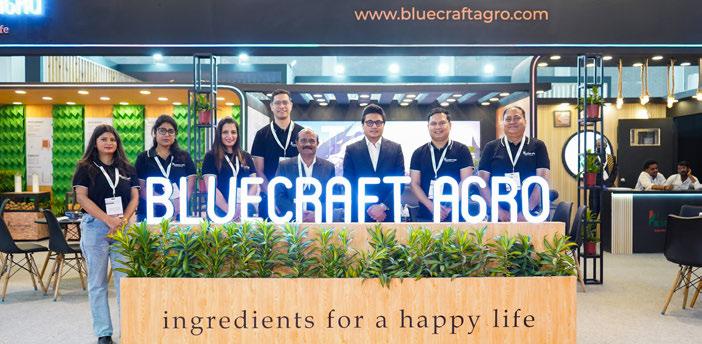
bonding, resulting in improved strength properties such as stiffness, burst, and tensile strength.
From an operational perspective, our products help improve drainage, retention, and formation, which contributes to smoother and more stable machine operations. In surface sizing and coating applications, our starches enhance surface strength, printability, and reduce linting and dusting. Over time, these improvements lead to better machine efficiency, consistent output quality, and reduced operational stress on equipment.
PM: How do your products ensure high performance, sustainability, and costeffectiveness across diverse applications?
SC: Our approach is to deliver performance while maintaining a strong focus on sustainability and cost efficiency. Starch is inherently bio-based and renewable, which aligns well with the industry’s sustainability objectives.
Through application-specific design and precise modification, we enable paper mills to achieve desired performance at optimised dosages. Improved fibre utilisation, lower chem-
ical dependency, reduced rejections, and enhanced machine runnability collectively contribute to cost savings while also improving the environmental footprint of operations.
PM: What challenges do you encounter while serving the pulp and paper industry and what are your plans/suggestions to overcome it?
SC: One of the primary challenges we are addressing is to help mills balance increasing cost pressures with rising expectations around quality and sustainability. Additionally, variability in raw materials and machine configurations requires highly adaptive solutions.
We address these challenges through close technical collaboration, continuous on-site support, and ongoing product development. By working closely with customers and offering customised solutions backed by strong technical service, we help mills remain resilient and competitive in a changing market environment.
PM: How do you foresee the future of the paper industry ?
SC: I see a positive and evolving future for the paper industry, particularly in packaging, specialty
papers, and sustainable applications. As industries and consumers increasingly shift towards recyclable and biodegradable materials, paper will continue to play a critical role.
While some segments may undergo consolidation, companies that focus on innovation, operational efficiency, and sustainability will lead the next phase of growth. We are confident that advanced starch solutions will remain a key enabler in supporting this transition and driving long-term value creation.
We help mills balance increasing cost pressures with rising expectations around quality and sustainability through close technical collaboration, continuous on-site support, and ongoing product development. By offering customised solutions backed by strong technical service, we help mills remain resilient and competitive in a changing market environment.
Balaji Chem is steering the paper industry toward a pragmatic, self-sustaining business model. In an exclusive interaction with Paper Mart, Mr. Navneet Singh Kaushal, Director of Balaji Chem Solutions, shared that the company is installing in-house chemical production facilities at paper manufacturers’ premises to make the paper manufacturers self-sustainable. He further revealed that Balaji Chem is introducing a new starch colloidal retention technology to effectively control starch circulation within the paper-making process.

Paper Mart: Please tell us about your participation here at Paperex 2025.
Navneet Singh Kaushal: Driven by the strong and encouraging response from our clients in Paperex 2022 and 2023, we are participating again this year, to meet industry leaders, technology partners, technical experts, professionals, and investors that come together to create meaningful business opportunities, new ventures, and the introduction of advanced technologies.
We are participating with a clear vision: promoting a self-sustaining paper industry model. We have already implemented this model successfully in one of the paper mills, demonstrating its potential and impact, and plans to expand this model in multifolds. We believe paper manufacturers should build their own chemical plants using modern technologies which will enable higher profitability, better quality control, and the ability to create tailor-made products, driving
the industry’s transformation toward a self-sustaining model. We are proud to be part of this collective growth journey and are committed to contributing to the advancement of the paper industry.
PM: What are your latest innovations in speciality chemicals and additives catering the pulp and paper industry? Who are your key clients in the paper industry?
NSK: The major new solution that we are introducing to the Indian paper industry is our BANILOC technology. This is a cutting-edge, globally proven technology that has not yet been adopted in the Indian paper industry.
We are focusing on this innovation because it enables mills to control starch circulation within their system and create ‘wealth out of waste’. Today, most paper mills use starch, but a significant portion of it continues to circulate without being retained. This not only results in material wastage but also
affects product quality and several operational parameters.
Mills outside India have already implemented technologies to control this issue, but within India, there is still a significant gap. We are coming up with this new technology that can help control this parameter and unlock substantial benefits for the mills. Our key clients include Satia Industries, Shreyans Industries, Khanna Papers, star paper mill, BILT along with many other Indian and overseas companies.
PM: How do your specialty chemicals help address the specific challenges (such as fiber degradation and odour) faced by the paper industry and improve the overall papermaking processes?
NSK: One of the key advantages of the BANILOC Technology followed by an odor control program that has ability to address the root cause of odour issues in paper mills. Odour primarily arises from microbial activity, and the main food source for these organisms in the papermaking process is starch.
When mills lose control over starch circulation, they unintentionally feed these organisms, leading to a host of problems which ultimately increases the operational costs. If we can retain and control this colloidal starch, we can significantly reduce these issues.
Today, everyone in the industry talks about retention and drainage packages, but beyond that, there has been no major technological advancement. This is where our
innovation comes in. We are introducing a new concept— colloidal retention. With the new technology, we can control the dissolved chemicals present in the paper-making system, including the colloidal starch that currently escapes conventional retention systems. With this technology, we can help mills overcome multiple challenges—whether related to odour, economic challenges, drainage, or retention. This is the critical gap we are addressing with our specialty chemical solution, and it is the main area where we aim to bring transformation to the paper industry.
PM: What is the current status of the specialty chemical market, especially in the paper industry ? How do you foresee its future? NSK: The market today is showing an interesting trend. It is expanding, and at the same time contracting. In terms of specialty raw material, we are buying a significant portion of it from countries like China, Korea, Thailand, and Malaysia. India currently lacks sufficient domestic production of many key chemicals. However, this scenario is beginning to change as the country is moving toward manufacturing several of these essential raw materials indigenously. Until recently, specialty chemicals were primarily controlled by multinational European companies. Now, this technology is gradually becoming accessible to Indian mills. We are working to bring these technologies directly to the paper mills so they can benefit from them and eventually produce many of their specialty chemicals on-site.
We are installing in-house chemical production facilities at the premises of paper manufacturers. We have already established the first such plant at Satia Industries, and have 3-4 additional projects planned for 2026-27.
Once mills gain this capability, their economic performance will improve significantly. Stronger economics will lead to better profitability, and with a self-sustaining model, Indian mills will be in a strong position to compete globally.
It is time for the entire industry to support the idea of producing chemicals within India. More production facilities should be established here, and for this Indian companies must invest in the right technologies to manufacture these chemicals domestically. By embracing the ‘Make-inIndia’ initiative, we can strengthen our industry, reduce dependency on imports, and drive sustainable, longterm growth for the Indian paper sector.
PM: How do you plan to transition from import dependence for raw materials to building strong indigenous manufacturing capabilities in the specialty chemicals sector?
NSK: When we import raw materials from countries such as Korea and China, our objective is not merely to purchase the product but to adopt
We are buying a significant portion of raw materials, especially those used for specialty chemicals, from countries like China, Korea, Thailand, and Malaysia. India currently lacks sufficient domestic production of many key chemicals. However, this scenario is beginning to change. India is now moving toward manufacturing several of these essential raw materials, which will be a major advantage for the domestic industry.
Indian companies must invest in the right technologies to manufacture these chemicals domestically. By embracing the Make in India initiative, we can strengthen our industry, reduce dependency on imports, and drive sustainable, long-term growth for the Indian paper sector.
their technology and manufacturing processes so that India can fully benefit from the associated value creation and economic gains. Our focus is on building strong domestic capabilities rather than fostering long-term dependency on foreign suppliers. We have already initiated this effort, and by 2030, we aim to scale it significantly across the industry.
PM: How do you ensure a onestop solution for paper mills in the speciality chemical segment?
NSK: There was a long value chain in specialty chemicals, starting from raw material sourcing to manufacturing,
distribution, and finally delivery of products to the paper mill. Our objective is to shorten this chain and supply products directly to the Indian paper industry.
One way of achieving this is that we are installing in-house chemical production facilities at the premises of paper manufacturers. We have already established the first such plant at Satia Industries, and we have 3-4 additional projects planned for 2026-27.
Additionally, earlier mills depended on foreign suppliers for automated chemical manufacturing systems,
which significantly increased costs. We have now integrated automation into our own in-house installation model. Our goal is to develop a one-stop solution for the paper industry, combining automation, in-house chemical production, and raw material support under a single platform.
This approach drastically reduces the time required to address mill challenges. What previously took months or even a year to resolve can now be addressed within weeks, enabling faster decision-making, quicker optimisation, and better operational control for the mills.
Micro Fab Industries has signed up for a 200 TPD core board project (higher plybond) for the UAE. The new machine PM-3 in UAQ, one of the seven emirates in the United Arab Emirates.
Dec 31, 2025
Micro Fab Industries has signed up for a 200 TPD core board project (higher plybond) for the UAE. The new machine PM-3 in UAQ, one of the seven emirates in the United Arab Emirates. It is designed with global standards and future-ready engineering, focusing on reliability, speed, and consistent quality.
‘’This project is not just about capacity—it’s about trust, experience, and long-term thinking,’’posted Kunal Rana, MD at Micro Fab Industries on his social media handle. He added , ‘’2026 will see the launch of several new, strong paper machine lines across global markets. More innovation. Better technology. Stronger partnerships.’’
Micro Fab Industries (MFI) has strong hands-on experience in

core board paper machine projects across multiple capacities, successfully delivered for mills such as: Kalyani Paper (300 TPD), Vatsalya Paper (400 TPD), Sachin Paper (150 TPD), Devesh Paper (100 TPD), Akshat Paper (200 TPD), and Kochar Paper (200 TPD).
Anmol Polymers is focusing on advanced barrier coating solutions. In an exclusive interaction with Paper Mart, Mr. Arvind Kumar Sharma, Director, Anmol Polymers Pvt. Ltd., emphasized the company’s push toward PFOA/PFOS-free and PFAS-free barrier coating solutions for food-contact packaging and the pulp moulding segment. The company is developing biocides and odour-control solutions that effectively reduce VFA levels, producing smell-free paper. Going forward, Anmol Polymers aims to expand its portfolio with fluorinefree barrier coatings, dry and wet strength resins, and advanced surface sizing agents, reinforcing its commitment to high-performance paper solutions.
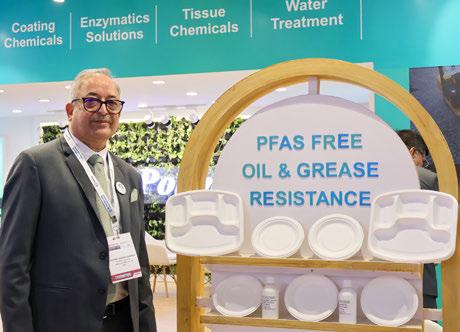
Paper Mart: Please tell us about your participation here at Paperex 2025.
Arvind Kumar Sharma: Our participation at Paperex, the world’s largest exhibition for the pulp and paper industry, proved to be highly impactful and encouraging. The exhibition provided an excellent platform to engage with a wide spectrum of industry stakeholders, including paper manufacturers, converters, exporters, and technology partners, both from India and overseas. We had meaningful interactions with a large number of export-oriented customers, indicating strong potential for expanding our international footprint. The interactions reinforced our product relevance and highlighted clear opportunities for business growth, product positioning, and deeper customer collaboration in both domestic and export markets.
PM: What are your latest innovations in speciality chemicals and additives catering
Anmol Polymers offers a wide range of digester cooking additives designed to improve pulp yield while simultaneously reducing bleaching chemical consumption in pulp mills.
the pulp and paper industry?
Who are your key clients in the paper industry?
AKS: There has been a focused emphasis on barrier coatings – PFOA/PFOS free products & PFAS free barrier coatings which resonated well with customers seeking functional performance improvements and sustainable alternatives to Single Use Plastics (SUL) for the food contact packaging & pulp molding industry.
Additionally, we observed strong interest in biocides and odour control solutions, highlighting the growing importance of hygiene, process stability, and product quality in paper manufacturing. Our odour control solutions are specifically designed for the recycled test liner and fluting segment. Odour has emerged as a critical challenge for recycled paper mills in India, particularly due to the increasing adoption of ZLD systems. Our solutions are backed by proven case studies demonstrating effective VFA reduction and significant smell control across multiple paper mills in India.
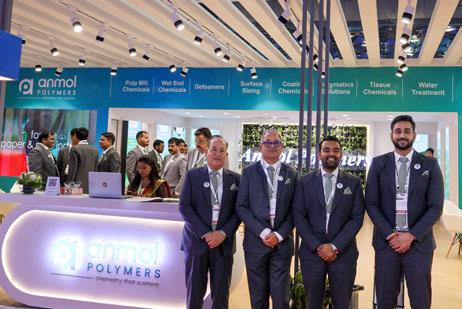
PM: How do your specialty chemicals help address the specific challenges (such as fiber degradation and odor) faced by the paper industry?
AKS: Considering the current challenges faced by the industry, particularly fiber degradation and foul odour issues, we are offering highly effective dry and wet strength aids that enable mills to produce superior-quality paper despite the inferior raw materials available in the market. In many cases, mills have even been able to replace imported fiber with locally sourced waste paper by using our dry strength technologies.
Today, Anmol Polymers is recognized as one of the leading brands in addressing odour-related challenges faced by recycled paper mills operating under Zero Liquid Discharge (ZLD) systems. Our IN-SITU ClO₂ Generation System Program, along with our range of oxidizing and non-oxidizing biocides, has helped numerous mills across
India significantly reduce VFA levels and successfully produce smellfree paper, thereby enhancing both product quality and working environments.
PM: How do your products help in pulp efficiency and improve stock preparation processes in the paper and tissue segments?
AKS: Anmol Polymers offers a wide range of digester cooking additives designed to improve pulp yield while simultaneously reducing bleaching chemical consumption in pulp mills. In cases where mills face challenges in repulping raw materials containing wet-strength resins—particularly in the tissue segment—we have successfully supported them in significantly reducing slushing time and improving operational efficiency.
Our retention aid and drainage programs have also played a key role in optimizing wet-end chemistry. By enhancing fines and filler retention and improving drainage, we help
Our retention aid and drainage programs have also played a key role in optimizing wet-end chemistry. By enhancing fines and filler retention and improving drainage, we help mills maintain a cleaner wet-end system while contributing to a reduction in TDS levels, ultimately supporting better runnability and product quality.
mills maintain a cleaner wet-end system while contributing to a reduction in TDS levels, ultimately supporting better runnability and product quality.
PM: The company is working on the Total Chemical Management (TCM) program for specialty chemicals. Please elaborate on how this program will help in catering the pulp and paper industry with its end-to-end solutions?
AKS: We offer a comprehensive Total Chemical Management (TCM) Program for specialty chemicals, aimed at optimizing chemical consumption while enhancing the overall production efficiency of paper machines. As part of this program, our technical team conducts a detailed system audit, studying factors such as charge demand, deposition challenges, and biological conditions. Based on these insights, we help mills optimize chemical dosages, improve retention and drainage, reduce sizing chemical consumption, and maintain required strength parameters.
Additionally, our solutions support a cleaner wet-end system and significantly help in minimizing stickies-related issues, ensuring smoother operations and better paper quality. Our Total Chemical Management solutions are designed to optimize chemical usage across pulp, sizing, and machine operations making it a complete, worry-free end to end package for all kinds of mill operations.
PM: What is the current status of the specialty chemical market, especially in the paper industry ? How do you foresee its future?
AKS: Considering the highly competitive market environment and the challenges currently faced by the paper industry, specialty chemicals play a crucial role in enhancing efficiency and enabling mills to produce higher-value specialty grades, helping them move beyond commodity paper. By developing differentiated properties and unique performance characteristics, paper mills can target niche segments, command better pricing, and improve overall productivity—even with the deteriorating quality of available waste paper.
Specialty chemicals such as strength additives and stickies control programs hold significant potential in this context. While many mills in India are still cautious about increasing the usage of Dry Strength Resins (DSRs), global practices typically involve using 1–3% DSR to produce high-quality paper from lower-grade fiber sources.
The future of specialty chemicals in the Indian paper industry is undoubtedly promising. Manufacturers will need to continuously innovate and upgrade their technologies to successfully address the challenges posed by declining fiber quality and evolving market needs.
PM: What are your future plans in the next 5-10 years? Are there
We offer a comprehensive Total Chemical Management (TCM) Program for specialty chemicals. With this program, we help mills optimize chemical dosages, improve retention and drainage, reduce sizing chemical consumption, and maintain required strength parameters.
any new product developments in the pipeline?
AKS: Looking ahead, our future strategy will focus on advancing fluorine-free barrier coatings, developing higher-performance dry and wet strength resins, and introducing improved surface sizing agents. A key part of our approach is to gradually shift the application of specialty chemicals from the wet end to surface sizing. This not only helps maintain a cleaner wet-end system but also supports better fiber recycling efficiency, improved paper quality, and enhanced odour control.
In alignment with the growing needs of the e-commerce and packaging industries, our innovations aim to support mills in producing stronger, sustainable, and smell-free paper, while meeting evolving market expectations for performance and environmental responsibility.
Anmol Polymers is addressing odour-related challenges faced by recycled paper mills operating under Zero Liquid Discharge (ZLD) systems. Our IN-SITU ClO₂2 Generation System Program, along with our range of oxidizing and non-oxidizing biocides, has helped numerous mills across India significantly reduce VFA levels and successfully produce smell-free paper, thereby enhancing both product quality and working environments.
Adler Paper LLP, one stop shop for recovered paper and stocklots requirements is helping paper mills sustain their sales and profits by providing 80 grades of waste paper. Constantly recycling, reusing and shrinking carbon footprints worldwide, the company has shown resilience by overcoming market challenges, geopolitical uncertainties, and evolving customer needs with innovations. In a recent interaction with Paper Mart, Mr. Hrishikesh Vora, CEO, Adler Paper LLP, shared insights on Adler Paper’s diversification, including plans to enter pulp trading, representing an overseas supplier in India, and plans to incorporate AI in their ‘Trace & Track’ software.
Paper Mart: What are your main objectives for participating in Paperex?
Hrishikesh Vora: We have been participating in Paperex since 2009, but we don’t exhibit for business anymore. For us, it is about building relationships. In an industry where you often go years without meeting people face-to-face, our participation here is to express that we are performing well in the industry, and we are here for the long term.
PM: As the fourth-generation CEO, what is your long-term vision to carry Adler Paper LLP’s legacy forward?
HV: The paper industry has been going through a tough time, with the past two years proving particularly challenging. Despite these challenges, we are actively diversifying our business. We have plans to get into pulp trading. We are in discussions to represent an overseas supplier in India. We are also planning to get into specialised finished paper, for example, foodgrade papers and tissue papers.
PM: How has the Adler ‘Trace and Track’ platform contributed to operational efficiency and
What keeps Adler Paper ahead is that we’re doing our trade with a lot of countries, including the UK, Spain, Portugal, Greece, Italy, Holland, Belgium, Ireland, the USA, South Africa and all of the Middle East. Our philosophy is simple: to trade with as many countries as possible so that our supply chain never dries up.
customer satisfaction?
HV: Adler ‘Trace and Track’ has contributed significantly. Through the software, our customers get weekly reports and can track their shipments. We’re now looking to overhaul that entire platform. We would like to incorporate AI to automate and enhance the software, making it more user-friendly. The new update will let the customer get status updates on a real-time basis. We are looking forward to launching the updated software soon. It will take time because we want to get it right and avoid half-hearted measures.
PM: What are your views on the use of AI in the paper industry?
HV: Artificial intelligence is reshaping industry practices at an unprecedented pace. In my opinion, if you are not incorporating AI into your business, you are limiting your ability to unlock the growth potential of your business. We need to integrate AI in some format while using it reasonably. At Adler, we are not looking to replace anyone in the office with AI. We are looking at AI to help them with their job that they are doing. We want to integrate in such a way that it just functions seamlessly without people even noticing that there is AI involved.
PM: What domestic and international collaborative strategies does Adler Paper adopt to ensure consistent quality and a reliable supply for its clients, especially in fluctuating market conditions?
HV: The trend is changing. Indentors like us buy from a lot of trading houses. The profit margins are eroding now. What we’re noticing is that
more and more packaging companies or waste paper depots want to export directly to India to have better control over their quality. We’re working with a lot of such companies now that want to come directly to India and sell their material, which they collect, they bail and then ship into containers for India.
PM: What, according to you, are the major issues affecting the supply chain?
HV: Geopolitically, things are not very good. Geopolitical issues have affected almost all the supply chains. What keeps Adler Paper ahead is that we’re doing our trade with a lot of countries, including the UK, Spain, Portugal, Greece, Italy, Holland, Belgium, Ireland, the USA, South Africa and all of the Middle East. If something doesn’t work, we always have a fallback plan, or we always have another country that is there for us. Our philosophy is simple: to trade with as many countries as possible so that our supply chain never dries up.
PM: How do you foresee the future of the Indian paper industry? What are the challenges for the industry regarding waste paper procurement?
HV: It’s been one of the toughest years, I believe. The year 2008 was nothing compared to this year. People expected 2025 this year to be better than 2024, but it’s not. It has been worse. There is a possibility that this slump might continue in 2026, but we cannot predict anything. I would like to comment that India is the future. With a high population, the growth story is ours.
Even with all the difficulties, the industry will stabilise.
PM: What is your vision for Adler Paper for the next 2-3 years?
HV: We are focusing on giving the paper mills the widest possible varieties of waste paper- helping them to sustain their sales and profits. We trade about 80 different grades of waste paper that are unheard of. We’re here for the small orders as well as the bulk orders. Our internal mantra is, “one container a day is a good day.” That’s our new tagline.
My vision is to grow old in this industry. I got into this industry when I was 18; now I have been a part of this industry for about 22 years. I hope that the industry sustains, and I believe it will. The vision is that this is the right industry to be in. We just have to wait it out. Once that happens, we have a long road ahead.
My one suggestion to everybody who is reading this article would be to keep talking. Talk to people, share your views. People out there are sharing the same experiences as you and having the same problems as you. Talking will always help you find a solution to the problems.
I would like to comment that India is the future. With a high population, the growth story is ours. Even with all the difficulties, the industry will stabilise.
After having primarily focused on the corrugation industry over the years, Shitla Papers has diversified into the carry bag, food packaging and specialty paper segments, offering 68 paper varieties to its customers, and is further expanding into emerging segments such as cooling pads and flexible packaging. In an exclusive interview with Paper Mart, Mr. Ayush Mittal, Managing Director of Shitla Papers, shared that Shitla Papers is targeting enhanced international footprint and a 100% growth rate by doubling its sales volumes in the next two years.
Paper Mart: Please tell us about your participation here at Paperex 2025.
Ayush Mittal: It has been wonderful participating here at Paperex. We’ve received an excellent response, with buyers joining us from across the globe, particularly from the Gulf countries, the Middle East, and Europe. Meeting them has been a truly enriching experience. We are also looking forward to welcoming more buyers over the next two days. Overall, it has been a very positive and rewarding experience.
PM: Please tell us about your market footprint in the Indian and international domain.
AM: We have been in this industry for the past 40 years. In India, we are covering the northern and western regions, having a strong presence in the packaging grades. We are now expanding into food packaging and specialty paper segments as well. On the exports front, we are already serving around 22 countries, and over the next two years, plan to expand into more than 10 additional countries.
This industry has limitless potential
with sky as its limit. As long as we maintain high-quality paper that meets market standards, we can export anywhere. We are continuously developing our products and exporting them to different countries, to meet growing demand and to expand our reach.
PM: How do you see the packaging industry evolving in India over the years?
AM: The packaging industry is rapidly evolving, moving away from plastics. There is a growing demand for paper, particularly recycled paper. While there are some shortterm challenges due to geopolitical issues, the long-term demands in the packaging segment remain positive. I anticipate 2026 will be a strong year for the industry, with substantial growth opportunities.
PM: What are the latest developments happening in your company? How has the company evolved in terms of product segments and industry focus?
AM: When I joined the business, our focus was primarily on the corrugation industry. Over the years, we have strategically diversified and expanded into multiple segments. Today, we are actively involved in the carry bag segment, food packaging, and specialty paper grades, and the cupstock segment. Beyond that, we are venturing into emerging areas such as cooling pad industries and flexible packaging solutions. Essentially, we are establishing a presence in nearly every sector that relies on paper, ensuring that our products cater to a wide spectrum of industrial needs.
With this diversification and the continuous development of high-quality products, we are confident in our growth trajectory and are targeting to double our sales volumes within the next two years. This expansion reflects not only the increasing demand for paper-based solutions
but also our commitment to meeting evolving market requirements.
PM: What are the current challenges that you are facing in the paper industry and how do you overcome them?
AM: One of the longstanding challenges for the Indian paper industry has been the perception that Indian paper is not of high quality, which often makes customers reluctant to pay a fair price. This mindset limits India’s true capabilities in producing premium, high-quality paper. In reality, Indian manufacturers can produce paper that meets, and in some cases exceeds, international standards.
At our company, we have focused on developing paper grades that not only meet international standards but are also competitively priced, offering real value to our customers. Our approach is to combine quality with affordability, ensuring that buyers can trust Indian paper for both performance and cost-effectiveness.
Moreover, we are actively working to expand into segments that traditionally relied on imported papers. By doing so, we aim to replace imports with high-quality Indian alternatives, demonstrating that Indian paper’s competitiveness on a global scale. This expansion is not just about increasing market share, but building confidence in the Indian paper industry and showcasing its ability to deliver world-class products consistently.
PM: How are raw material shortages, rising input costs, and increasing imports impacting the Indian paper industry? What initiatives must be taken to overcome these obstacles?
AM: This is a very broad and complex issue, especially when it comes to raw material pricing. If we look at different segments, such as pulp, the prices fluctuate
At our company, we have focused on developing paper grades that not only meet international standards but are also competitively priced, offering real value to the customers.
frequently, sometimes going up, or coming down. In the case of recycled wastepapers, the availability of premium-quality recycled fiber is gradually declining as paper demand increases. Since fibers weaken every time they are recycled, maintaining consistent paper quality becomes increasingly challenging. India remains heavily dependent on imported raw materials, while domestic fiber availability continues to decrease. This imbalance pushes prices upward. At present, there is no immediate or easy solution to this problem. However, mills must actively work on finding solutions as this is a serious concern for the Indian paper industry.
In light of this critical challenge, government intervention has also become essential. The government must support the industry through export incentives or protective measures. Initiatives such as the recent Minimum Import Price (MIP) on coated boards is a step in the positive direction, but similar actions are needed for other imported paper categories as well, which are disrupting the Indian market. If India is to compete globally and fully utilize its domestic capacity, such policy support is essential for the time to come. A collaborative approach between the government and industry is necessary for strengthening the Indian paper sector and ensuring long-term competitiveness in the future.
Indo Global Commercials is a trading house dealing in grades of pulp and paper, including newsprint, writing and printing paper, packaging paper and boards, and waste-paper. In an interview with Paper Mart, Mr. Saksham Jain, Executive Director at Indo Global, stated that the company is currently in a global expansion phase, and is increasing its sales teams in the Middle East, Africa and Far-East. The company is selling paper to over 50 countries across six continents and plans to develop a global team to increase its market share in the coming decade.

Paper Mart: Can you please tell us about your experience here at Paperex 2025?
Saksham Jain: It’s a pleasure to be here at Paperex for the third time. We have been exhibiting since the post COVID edition, and it has consistently been a great experience. Paperex is the perfect platform to connect with Indian paper manufacturers, paper merchants, convertors and fellow industry participants. As exhibitors, it has always been valuable for us, offering exposure to not only the Indian market but also international participants, providing an excellent opportunity to showcase our products and highlight the value we bring to our partners and the industry at large.
PM: What are the challenges that you face while exporting your products to the international market?
SJ: The biggest challenge we are facing is the oversupply and excessive capacity in the global market for most commodity grades. During the COVID boom, many new paper mills were established and capacities went up globally; but the demand growth has not been enough to consume these additional capacities. This is creating unhealthy competition among suppliers, and in my opinion the biggest challenge
we face in entering already saturated markets. The situation is especially aggravated in the case of commodity grades like graphic papers, duplex boards and kraft/corrugation papers.
However, we still see a potential in value-added specialty grades as India improves its manufacturing capabilities to deliver better quality products which are accepted in international markets, such as MG papers, barrier-coated products and papers for flexible packaging. However the consumers are taking longer to accept and adjust to the changing regulatory and environmental needs to scale these products to desirable volumes – if you compare them to non fiber-based packaging.
PM: What is your strategy to help paper manufacturers in selling these speciality grade products?
SJ: Our ability to help manufacturers lies in our strength to find a niche market for these products. Our sales teams are always looking for innovative solutions to drive acceptance of fiber-based raw materials in packaging applications. However, this demands patience and the manufacturer’s longterm mindset. Customers are actively preferring mill sources with a service mindset and not
Indo Global is selling to over 50 countries with the help of our sales team and partner network globally. While India is our biggest market, we have established a large presence in Africa and the Middle East. We also export some volumes to Europe, Latin America and Australasia.
spot-market approach driven by pricing arbitrages in the short-term. Frequent market visits along with the mill’s technical sales team strongly supports and adds value to the overall product offering.
PM: How do you view the current obstacles in the Indian paper industry in terms of paper imports and raw material price surge?
SJ: As I talked earlier about supply overcapacity, this is not only been affecting Indian paper mills, but also large mills in China, South-East Asia and even Europe, driving down mill operating rates. India is a growing and big market, and most global paper mills are being aggressive in their pricing strategies to achieve volumes from the Indian market to increase their operating rates. Together with low-cost products from Asia and stocklots from the West, these aggressive strategies are creating an obstacle for domestic production. More recently, the US tariffs on India have reduced Indian exports dampening demand for certain grades, further putting a pressure on pricing.
Earlier this year, India implemented the Minimum Import Price (MIP) on imports of multi-layer virgin boards, which has helped the mills in India to improve the prices and operating rates to some extent, which was much needed. Moreover, the addition of new capacities post
COVID has reached a flat curve (globally) which is a positive sign for a more stabilized market in 2026 if demand keeps growing consistently.
PM: Can you tell us about your market footprint?
SJ: Indo Global is selling to over 50 countries with the help of our sales team and partner network globally. While India is our biggest market, we have established a large presence in Africa and the Middle East. We also export some volumes to Europe, Latin America and Australasia.
PM: What are the recent developments happening in your company?
SJ: The most important development for us has been our market entry in the wood pulp trade. Building on our existing relationships with Indian paper manufacturers where we supply waste-paper to them and export their finished paper, we have now also started supplying virgin wood pulp – whether it is hardwood, softwood, BCTMP or unbleached pulp. Another development has been towards increasing the strength of our team and are currently in a global expansion phase. Since 2023, we have established local sales teams in Egypt, Morocco, West Africa, Dubai and Singapore. Our vision is to keep this momentum going by continuing to build our global team so we can be closer to our customers and service them with
the highest standards.
PM: How do you foresee the future of the paper industry?
SJ: Paper industry has demonstrated strong demand growth indicators especially coming in from the packaging sector, which will continue as more economies introduce laws and awareness on circular economy and sustainable solutions. The substitution of raw material to paper grades is evident and is supported by paper mills in the form of new product innovation – such as cupstocks, barrier boards, low grammage kraft, moulded fiber, barrier coatings – the list can go on.
Moreover the pace of decline in the graphic paper sector has also stabilized, as the effects of digitalization have started to peak. Global education levels continue to increase with many countries still preferring penand-paper education at the primary and secondary levels. As long as the supply can be regulated to match the true demand, paper manufacturers have a bright future ahead.
At Indo Global, we too as a company were 100% focused on newsprint for 25 years, however we adapted to the changing market requirements and improved our product portfolio. Product diversification, market diversification and global expansion have helped us in meeting our growth expectations.
At Indo Global, we too as a company were 100% focused on newsprint for 25 years, however we adapted to the changing market requirements and improved our product portfolio. Product diversification, market diversification and global expansion have helped us in meeting our growth expectations.
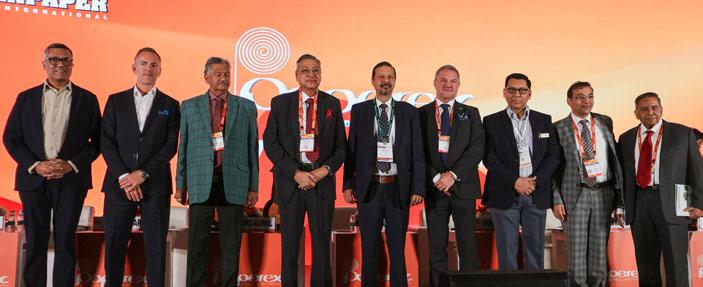
Paperex 2025, the 17th edition of India’s flagship pulp and paper exhibition, was held from December 3 to December 6, 2025, at Yashobhoomi (IICC), Dwarka. Organised by Informa Markets in India in collaboration with the Indian Agro & Recycled Paper Mills Association (IARPMA), the event was themed “Sustainable Growth of Paper, Paper Packaging, Tissue and Allied Industries in the Changing Global Scenario.” The inaugural ceremony featured a virtual address by Mr. Shripad Yesso Naik, Union Minister of State for Power and for New & Renewable Energy, Government of India. The inaugural session was led by Chief Guest Mr. Pavan Khaitan, Vice Chairman & Managing Director, Kuantum Papers Limited and President, Indian Pulp & Paper Technical Association (IPPTA). Other prominent speakers included- Mr. Pawan Agarwal, President, Indian Paper Manufacturers Association (IPMA) and Managing Director, Naini Papers Limited; Mr. Pramod Agarwal, President (IARPMA) and Chairman, Rama Paper Mills Limited; Mr. Anil Kumar, Vice Chairman, Paperex 2025 Technical Committee, Sr. Adviser, Indian Agro & Recycled Paper Mills Association (IARPMA); Mr. Rahul Khanna, President, Indian Newsprint Manufacturers Association (INMA) and Managing Director, Khanna Paper Mills; Mr. Mikael Forslund, President & CEO, Elof Hansson Group, Sweden; Mr. N. Gopalaratnam, Chairman, Seshasayee Paper and Boards Limited; Mr. Peter Hall, President, Informa Markets in India and Mr. Yogesh Mudras, Managing Director, Informa Markets India Private Limited, and Mr. B.P. Thapliyal, Honorary Secretary (IARPMA) highlighting a strong collective focus on sustainability, innovation and global competitiveness.
Mr. Shripad Yesso Naik, Minister of State for New & Renewable Energy
In his video message, Mr. Naik appreciated the industry for exhibitions like Paperex, and praised its resilience amid financial uncertainty. He highlighted the sector’s progress in quality, innovation, energy efficiency and environmental responsibility, supported by standards from the Bureau of Indian Standards.
He noted that India’s paper production is expected to rise from 24 million tonnes to 32 million tonnes, contributing to rural employment and economic development. Stressing responsibility alongside growth, he emphasised energy efficiency, carbon neutrality and sustainability as critical priorities aligned with India’s 2047 development vision.

Mr. Pavan Khaitan, Vice Chairman & Managing Director, Kuantum Papers Limited and President, Indian Pulp & Paper Technical Association (IPPTA)
Calling Paperex 2025 “the world’s largest paper show,” Mr. Pavan Khaitan said the industry is at a defining moment of reinvention rather than decline, with paper one of humanity’s oldest circular materials, assuming a renewed central role in sustainable growth. He explained that three global forces are reshaping paper consumption: decarbonisation and circularity as brands and nations redesign supply chains around low-carbon, renewable materials; the rapid expansion of e-commerce and omnichannel retail, driving demand for packaging board, corrugated boxes and speciality grades; and the post-
pandemic surge in hygiene, health and urban lifestyles, making tissue and absorbent products among the fastest-growing segments globally.
Highlighting India’s opportunity, Mr. Khaitan pointed to low per-capita paper consumption and strong macroeconomic momentum, noting that India is on track to become a four-trillion-dollar economy, with robust GDP growth supporting longterm demand. He said Indian mills are showing remarkable agility by modernising operations, integrating backward, improving fibre efficiency, and investing in energy optimisation.
He also addressed the evolving dynamics of writing and printing papers, observing that while office printing may decline, India’s education sector continues to provide a strong buffer, alongside opportunities in premium and speciality grades. Stressing the role of technology, Mr. Khaitan said the future will reward mills that innovate boldly through fibre diversification, water and energy optimisation, advanced barrier coatings and sustainable alternatives to plastics. “India is moving from being a participant to a shaper of the global paper economy,” he said, urging the industry to lead in sustainable packaging, circularity and technology-led growth.

Mr. Pawan Agarwal, President, Indian Paper Manufacturers Association(IPMA) and Man-
aging Director, Naini Papers Limited
Offering a nuanced perspective, Mr. Pawan Agarwal reframed industry cycles as comfortable times and tough times. Drawing from experience, he emphasised resilience
and preparation. “When the going gets tough, the tough get going,” he remarked.
He urged mills to focus on innovation, efficiency and bottomline performance during challenging periods. Highlighting the industry’s sustainability credentials, he noted that both raw materials and finished products are renewable, recyclable and biodegradable. He called for greater engagement with markets to replace plastic with paperbased alternatives and expressed confidence that current challenges would ease within the next year.
He stressed that the industry cannot control geopolitical or global disruptions but can strengthen its own fundamentals. “We cannot change the geopolitical situation… but we can look at our own house,” Mr. Agarwal said, urging mills to use tough times to become leaner and more agile. Emphasising innovation, he added, “Need is the mother of all inventions,” calling on manufacturers to re-engineer products, improve processes and focus on bottomline performance to sustain growth through the current cycle.

Mr. Pramod Agarwal, President, Indian Agro & Recycled Paper Mills Association (IARPMA) and Chairman, Rama Paper Mills Ltd
Mr. Pramod Agarwal underlined the broader purpose of Paperex, describing it as more than a trade exhibition. “Paperex is more than an exhibition or conference. It is a platform where the entire pulp and paper fraternity comes together to exchange ideas, promote collaboration, and work collectively towards innovation and sustainability,” he said.
He highlighted the resilience of the Indian paper industry amid volatility and rising costs, attributing its strength to innovation, circular economy practices and continuous improvement in environmental performance. Emphasising the role of indigenous technologies, he noted that platforms like Paperex support the vision of Make in India and Make for the World, while thanking delegates, exhibitors and partners for their commitment to industry growth.

Mr. Anil Kumar, Vice Chairman, Paperex 2025 Technical Committee
Sr. Adviser, Indian Agro & Recycled Paper Mills Association (IARPMA) and Former Executive Director & CEO, Shreyans Industries Limited
Mr. Anil Kumar reflected on the exponential growth of the exhibition, noting that exhibitor numbers have risen from under 100 in earlier years to more than 700 today. He paid tribute to the late Mr. K S Kasi Vishwanath, former chairman of the technical conference, acknowledging his leadership and contribution to the industry.
He outlined the theme of the technical conference- “Sustainable Growth of Paper, Packaging, Tissue and Allied Industries in the Changing Global Scenario”, and stressed that sustainability must be economic, social and environmental.
Over the next three days, 30 technical papers across six sessions would cover topics ranging from alternative fibres and market dynamics to green chemicals, packaging innovation and engineering advancements, with strong international participation.

Mr. Rahul Khanna, President, Indian Newspaper Manufacturers Association and Managing (INMA) and Director, Khanna Paper Mills
Mr. Rahul Khanna addressed the increasing unpredictability facing the industry. “The new global scenario is volatility,” he said, noting that the industry now experiences more extremes than balance. He highlighted challenges such as overseas dumping and price pressures, calling them the new normal.
Despite this, he expressed optimism about technological progress and the growing participation of younger professionals. He stressed that adopting the best available technologies and working collectively would be key to navigating the changing global scenario.

Mr. Mikael Forslund, President & CEO, Elof Hansson Group
In a reflective keynote, Mr. Mikael
Forslund shared his long-standing connection with India and drew a powerful analogy between the brittleness of a single sheet of paper and the resilience of the industry and the country. “Paper has been at the heart of progress and peace,” he said.
He spoke about the responsibility that comes with industry growth, especially in the face of climate change and resource constraints. Highlighting innovations from global companies working on
fibre-based alternatives to plastic, he stressed that “partnership is the new currency.” Collaboration, transparency and trust across the value chain, he said, are essential to turning sustainability from possibility into predictability.
Mr. Mikael Forslund further emphasised the sector’s societal relevance, noting that “paper, packaging and tissue products may not always capture the imagination, yet their significance cannot be overstated.” He cautioned that rapid, unmanaged growth could burden forests, water and energy systems, adding that “brittleness does not equate to weakness,” but calls for responsibility. True resilience, he said, lies in renewal, “the ability to transform challenges into opportunities” through innovation, trust and collaboration across the global value chain.
Mr. N. Gopalaratnam, Chairman, Seshasayee Paper and Boards Limited
Mr. N. Gopalaratnam, Chairman of Seshasayee Paper and Boards Limited, was felicitated at Paperex 2025 for his remarkable journey spanning over five decades in the paper industry. Reflecting on India’s progress, he said, “Our plantation programs today meet nearly 90 percent of the industry’s raw material requirements. This itself is a major achievement for a developing economy like ours.”
Emphasizing the sector’s sustainability legacy, he added, “We practiced circularity long before it became a fashionable term. Recycling, responsible sourcing, and resource efficiency have always been integral to our operations.” Addressing current challenges, he remarked, “Yes, raw material costs and market volatility remain concerns, but I have immense faith in India’s scientific and technological capabilities to overcome these hurdles.”
Sharing his optimism about the future, he stated, “Our per capita paper consumption is still low, and that gives us tremendous growth potential. As literacy, education, and digital inclusion expand, demand will naturally rise.”
Concluding his thoughts, he said, “The Indian paper industry has shown resilience time and again. With innovation and sustainability at the core, I am confident our best years are still ahead.”

Mr. Peter Hall, President, Informa Markets in India
Mr. Peter Hall marked a milestone moment, noting that this was the first edition of Paperex under Informa Markets following the acquisition of Hyve India. Calling it “a very proud moment for all of us at Informa,” he expressed satisfaction at the strong global participation.
He observed that while sustainability expectations are rising and technology is reshaping manufacturing, India stands out as one of the most promising growth engines for the coming decade. This edition of Paperex, he noted, featured over 700 brands from 27 countries, showcasing innovation across pulp, paper, tissue and packaging.

Mr. Yogesh Mudras, Managing Director, Informa Markets India Private Limited Tracing the evolution of Paperex over three decades, Mr. Yogesh Mudras
recalled its modest beginnings as a small conference with around 40 exhibitors. Today, he said, it has grown into “one of the largest shows in the world in the paper industry.”
He highlighted the scale of Paperex 2025, with over 700 exhibitors from more than 25 countries and an expected footfall of over 33,000 visitors. Stressing India’s growth potential, he noted that per capita paper consumption remains around 15 kg compared to the global average of 50–60 kg, while the industry is growing at about 13.4 percent CAGR and is expected to reach nearly USD 36 billion.
Mr. Mudras emphasised sustainability as the defining theme for the future, pointing out the industry’s inherent circularity with
60–70 percent recycling rates.

Mr. B.P. Thapliyal, Honorary Secretary (IARPMA), concluded the ceremony by expressing heartfelt gratitude to all dignitaries, award recipients, sponsors, and industry partners for their presence and continued support. He thanked IARPMA, and Paperex for their collaboration in celebrating industry excellence. He reaffirmed IARPMA’s commitment to fostering knowledge-sharing and honoring leaders who shape the sector’s future.
The Indian Agro and Recycled Paper Mills Association (IARPMA), in association with Paperex, jointly presented the IARPMA Excellence Awards.
1. Shri N. Gopala Ratnam, Chairman, Seshasayee Paper and Boards Limited- IARPMA Achievement Award for outstanding contribution to making the Indian paper industry globally competitive.
2. Late Shri K S Viswanathan, Former MD & CEO, Seshasayee Paper and Boards Limited- IARPMA Lifetime Achievement Award (posthumously) for his pioneering leadership and sustainable practices in the pulp and paper industry.
3. Bindals Paper Mills Ltd., Muzaffarnagar – IARPMA Excellence Award –Best Paper Mill
4. Haber Elixir Technologies Pvt. Ltd. – IARPMA Excellence Award –Innovation for application of AI and machine learning in chemical dosing and optimization.
5. SU-Tantra Equipments Pvt. Ltd. – IARPMA Excellence Award – Technology for advancements in indigenous paper machinery manufacturing.
6. Ms. Renu Pandit (Amit Paper Consultants & Engineers) – IARPMA Rising Star Award for pioneering contributions and consistency in the paper industry.
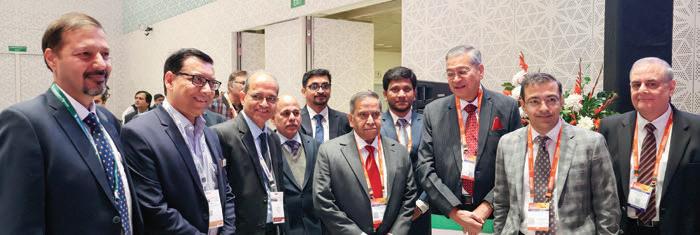

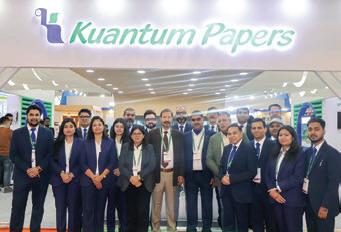

The deal includes the acquisition of land, manufacturing facilities, warehouses, and corn silos that provide integrated storage infrastructure supporting the corn wet milling operations, subject to the terms and conditions of the APA and the obtaining of customary approvals.
Jan 19, 2026
Riddhi Siddhi Gluco Biols Ltd. (RSGBL) has signed an Asset Purchase Agreement (APA) to acquire the assets of Cargill India Pvt. Ltd.’s (CIPL) Starch & Sweeteners business in Davangere, Karnataka. The deal includes the acquisition of land, manufacturing facilities, warehouses, and corn silos that provide integrated storage infrastructure supporting the corn wet milling operations, subject to the terms and conditions of the APA and obtaining of customary approvals.
Operational since 2016, the 52-acre facility boasts 300,000 MT annual processing capacity, and manufactures maltodextrin, liquid glucose, and co-products like corn germ, corn gluten, and corn fiber.
Commenting on the APA, Mr. Siddharth Chowdhary, Executive Director, RSGBL, said: “We are pleased to have signed the APA to acquire Cargill India’s Davangere corn wet milling assets, including land, warehouses, and corn silos. This acquisition aligns perfectly with RSGBL’s long- term growth vision, expanding our footprint in food and pharmaceutical segments to better meet unmet customer demand. The facility’s strategic Karnataka location bolsters our competitive service to domestic and export markets. Additionally, our intent to operate the facility using renewable energy sources reflects our long-term commitment to clean energy and sustainable
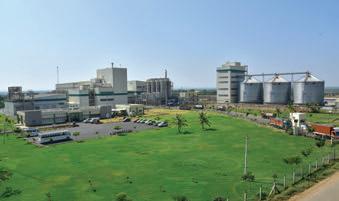
manufacturing.” With over three decades in starch and starch derivatives, this move cements RSGBL’s leadership in India’s starch industry through enhanced footprint and innovation.
Speaking on the transaction, Dheeraj Talreja - Vice President & Managing Director, Food South Asia, Cargill India Pvt Ltd said, “We wish RSGBL success and are confident that this asset will support their growth as they expand their presence in the starch industry”.
In India, Cargill has been operating since 1987 and currently has pan-India presence with businesses spanning refined oils, food ingredients, industrial specialties, grain and oilseeds, cotton, animal nutrition, and trade & capital markets.
Trident Group has announced an INR 2,000-crore expansion plan in Punjab. The company will invest INR 1,500 crore in Barnala to scale up terry towel production and modernize paper manufacturing facilities. Additionally, INR 500 crore will be allocated in Mohali to establish a corporate office and a capacity-building center.
Nov 20, 2025
Trident Group has announced an INR 2,000-crore expansion plan in Punjab. Shri. Rajinder Gupta, Chairman and Promoter of Trident Group, has outlined an expansion strategy reinforcing its commitment to driving industrial growth, employment generation, and sustainable development in the region.
The announcement was shared during a press briefing led by Punjab’s Industry and Commerce Minister, Shri Sanjeev Arora.
Under its expansion plan, Trident Group will invest INR 1,500 crore in Barnala to scale up Terry Towel production and modernize paper manufacturing facilities. Additionally, INR 500

crore will be allocated in Mohali to establish a state-of-the-art corporate office and a capacity-building center.
This strategic initiative will strengthen the group’s presence across diverse sectors and is expected to generate 2,000 employment opportunities, with a focus on engaging semiskilled rural women and advancing women’s empowerment.
The acquisition covers all three Severn divisions: Severn Glocon, ValvTechnologies, and LB Bentley, with the transaction valued at USD 480 million on a cash and debt-free basis. The acquisition is estimated to be completed during the second quarter of 2026.
Dec 22, 2025
Valmet has entered into an agreement to acquire Severn Group (Severn), a well-established industrial valve company, from Bluewater, a UK-based private equity firm. The company serves process industries globally and has over a 60-year track record of delivering specialized flow control solutions across the most demanding applications.
The acquisition covers all three Severn divisions: Severn Glocon, ValvTechnologies, and LB Bentley. The acquisition strengthens Valmet’s Process Performance Solutions segment and position as a leading provider of mission-critical valve and valve automation solutions and services.
Valmet’s Flow Control business, known for brands such as Neles™, Jamesbury™, Neles™ Easyflow™, Valvcon™, Stonel™ and Flowrox™, delivers process performance across its strategic core industries, including refining and chemicals, renewable energy and gases as well as mining and metals. In 2024, net sales of Valmet’s Flow Control business were EUR 791 million.
Commenting on this acquisition Mr. Thomas Hinnerskov, President and CEO of Valmet, said, “This acquisition marks

a significant step in the execution of Valmet’s ‘lead the way’ strategy, strengthening our process performance solutions segment and expanding our flow control business. Severn’s strong capabilities and proven track record in severe service for demanding applications make it an excellent strategic fit for Valmet. This acquisition strengthens our commitment to deliver lasting customer value over the life cycle. We are proud to welcome Severn’s skilled and dedicated employees to Valmet.”
“Valmet’s existing valve technologies and the competencies of the Severn businesses complement each other well, creating a stronger foundation for ensuring process reliability
throughout the lifecycle to both Valmet and Severn customers. This combination unlocks strong synergy potential through complementary offerings, expanded market reach, and increased service penetration within Severn’s installed base by leveraging Valmet’s global network and capabilities,” added Mr. Simo Sääskilahti, EVP, Flow Control business area at Valmet.
“We are proud to welcome Valmet as our new owner and look forward to building on the strong foundation laid over recent years. Thanks to Bluewater’s visionary leadership. Joining Valmet positions us to accelerate our growth, expand into new markets, and deliver even greater value to customers worldwide. We are excited about this next phase of Severn’s
journey,” says Mr. Perttu Louhiluoto, CEO of Severn.
The transaction is valued at USD 480 million on a cash and debt-free basis (approximately EUR 410 million calculated at prevailing exchange rates) paid in cash upon completion. Valmet has entered into a committed financing arrangement with Danske Bank A/S and OP Corporate Bank to secure the funding. At the end of Q3 2025, Valmet’s gearing was 38%. With this acquisition, the planned financing is estimated to increase Valmet’s gearing by approx. 15 percentage points. The company’s 2030 financial target for gearing is below 50%. The acquisition is estimated to be completed during the second quarter of 2026, subject to customary closing conditions.
Parason has successfully installed a Parason Foam Breaker at Tamil Nadu Newsprint and Papers Limited (TNPL), offering better pulp quality, reliable and effective foam control, improved process stability, reduced defoamer consumption, better control over soda loss, low-maintenance, and robust operation.
Dec 31, 2025
Parason has successfully installed a Parason Foam Breaker at Tamil Nadu Newsprint and Papers Limited (TNPL). The system operates smoothly and reliably, delivering consistent foam control under actual process conditions.
The key benefits of this foam breaker is better pulp quality, reliable and effective foam control, improved process stability, reduced defoamer consumption, better control over soda loss, low-maintenance, and robust operation.
The new machine is trusted by leading paper mills, delivering simple, reliable engineering solutions that create real value on the mill floor, says the company in its social media post.
Jasmira Engineers has commissioned an indigenously built film press for Sunmarc, marking a key milestone in its engineering and manufacturing capabilities.
Dec 11, 2025
Jasmira Engineers Pvt. Ltd. announced the successful commissioning of an indigenously developed film press for Sunmarc’s writing and printing paper machine. The milestone highlights the company’s growing expertise in advanced paper mill equipment and underscores Sunmarc’s confidence in homegrown engineering solutions.
The company expressed gratitude to the Sunmarc team for their support and collaboration throughout the project.
Jasmira Engineers stated that the achievement reinforces its commitment to innovation and delivering reliable indigenous technologies to the paper manufacturing sector.
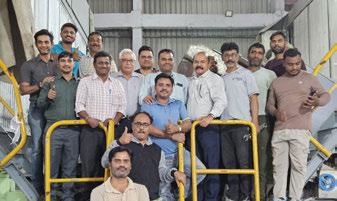
This investment aims at upgrading machinery and infrastructure to boost efficiency and introduce new paper and tissue grades.
Nov 26, 2025
Orient Paper in its second quarter of fiscal year FY 2526 is committed to mill modernisation and product development. The company has demonstrated a significant commitment to future growth by ramping up capital workin-progress by nearly INR 40 crore. This investment aims at upgrading machinery and infrastructure to boost efficiency and introduce new paper and tissue grades, solidifying its market positioning, increasing operational efficiency, and diversifying its product portfolio.
Aryan Paper Mills successfully manufactures a 40 BF recycled liner, achieving excellent strength and consistent performance across multiple markets.
Jan 12, 2026
Aryan Paper Mills’ PM2 has produced a 40 BF, 100% recycled liner with high SCT, low Cobb, and strong tear resistance. The product demonstrated smooth runnability and consistent quality for both domestic and export applications. This milestone was achieved through an advanced PM2 setup, including stock preparation from Kadant Lamort, headboxes and key equipment from Valmet, and a shoe press from Bellmer, ensuring superior strength and operational efficiency.
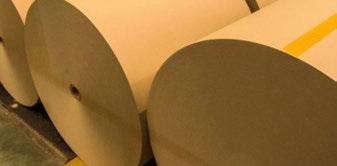
DS Smith has announced the latest advancements in its new paper machine (PM3) at Lucca Paper Mill. The investment is strategically designed to meet the rising demand for high-performance packaging papers while enhancing energy efficiency and reducing CO₂ emissions.
Dec 10, 2025
This new upgrade marks a pivotal step in the company’s ongoing commitment to innovation, sustainability, and long- term growth.
The investment in PM3 is strategically designed to meet the rising demand for high-performance packaging papers while enhancing energy efficiency and reducing CO₂ emissions. The company has made a critical partnership with Valmet through a three-year maintenance agreement, designed to

support PM3’s startup and bolster the development of our local maintenance teams.
Commenting on the new upgrade, Mr. Alessandro Romagnolo, Head
of Project PM3 at DS Smith said, ‘‘From the meticulous planning and logistics to the seamless execution and implementation, this journey has been powered by the passion and commitment of our people. We extend our heartfelt gratitude to everyone involved in bringing these milestones to life.’’
The Joint Venture will bring together Sappi’s European Graphic Paper business with UPM’s Communication Papers business in Europe, the UK and the US. The parties intend to sign definitive agreements during the first half of calendar year 2026 and expect to close the proposed transaction by the end of calendar year 2026. Sappi and UPM will sell their respective businesses and assets to the newly formed Joint Venture with a combined enterprise value of EUR 1,420 million, excluding the value of the expected synergy benefits.
Dec 08, 2025
Sappi Limited and UPM-Kymmene Corporation have announced the signing of a non-binding letter of intent to form a non-listed, independent 50/50 joint venture for graphic paper.
This Joint Venture will bring together Sappi’s European graphic paper business with UPM’s communication papers business in Europe, the UK and the US. The transaction will be subject to the fulfilment of a number of regulatory and other conditions, including shareholder approval. The parties intend to sign definitive agreements during the first half of calendar year 2026 and expect to close the proposed transaction by the end of calendar year 2026, once all conditions precedent are fulfilled.
By strategically reallocating production volumes to the most efficient paper machines, the Joint Venture will achieve more sustainable capacity utilisation and stronger operational performance, while continuing to serve customers with a broad portfolio of European graphic paper products.
The operational synergies created through the Joint Venture (which are anticipated to be at least EUR 100 million per annum once the transaction is implemented) provide a pathway to realise greater value from the combined asset base, delivering enhanced profitability and stronger cash-flow generation compared to what the independent operations could achieve on their own, to the benefit of all stakeholders including shareholders.
By optimising capacity utilisation, enhancing operational efficiencies and continuing to invest in decarbonisation, the Joint Venture can reduce its overall climate impact, helping to advance the EU’s Clean Industrial Deal objectives.
The proposed transaction will be structured to enable the parties to respectively contribute the assets to the newly formed Joint Venture with Sappi and UPM as founding shareholders and each holding 50% of the issued shares.

Sappi will contribute the following assets: Gratkorn Mill (Austria); Ehingen Mill (Germany), Maastricht Mill (The Netherlands), and Kirkniemi Mill (Finland); as well as Sappi Europe’s wood supply Joint Ventures. UPM will contribute their Communication Papers business assets which are located at the following UPM mills: Augsburg (Germany), Schongau (Germany), Nordland paper lines 1 and 4 (Germany), Rauma including UPM RaumaCell (Finland), Kymi (Finland), Jämsänkoski paper line 6 (Finland), Caledonian (United Kingdom), and Blandin (United States of America).
Commenting on their decision, Sappi’s Limited CEO Mr. Steve Binnie and UPM President and CEO Mr.Massimo Reynaudo said: “The proposed joint venture represents a decisive response to the structural changes in the European graphic paper industry, offering a path to strengthen its resilience and provide longterm commitment and supply security to customers.”
The launch of this proposed joint venture takes place against a backdrop of sustained structural decline in demand within the graphic paper market, alongside overcapacity and low utilisation rates of assets. This significant erosion has been caused by a number of factors including a structural shift toward digital media, declining print advertising revenues, falling newspaper and magazine circulations, and the rapid adoption of electronic media and workflows.
Mr. Marco Eikelenboom, CEO of Sappi Europe commented: “To remain competitive and sustainable in the long term, consolidation is needed. Consolidation will contribute to a more robust and resilient European graphic paper industry, safeguarding security of domestic supply for the printing sector.”
Sappi and UPM will sell their respective businesses and assets to the newly formed Joint Venture with a combined enterprise value of EUR 1,420 million excluding the value of the expected synergy benefits. At closing the Joint Venture will raise debt to fund the purchase prices payable to Sappi and UPM, respectively. The Joint Venture’s dividend policy will be to distribute all excess cash to its shareholders.
During the transition phase, both Sappi and UPM will provide relevant operational and administrative support to the Joint Venture to ensure it can operate optimally.
Scan Machineries completed successful FAT(factory test acceptance) for CELFIMEX, marking a major step toward enhanced productivity at its Mexico facility.
Jan 12, 2026
Scan Machineries hosted Mr. Ivan Guevara, Operations Manager of CELFIMEX, for the Factory Acceptance Test of their latest project. CELFIMEX selected Scan’s Stellar Series high-speed winder and pope reeler to support future growth. The equipment is designed to improve machine runnability and deliver high-performance winding capacity at their Mexican plant. This collaboration reinforces Scan Machineries’ commitment to quality and customer success.
The visit provided its members a deep insight into sustainable manufacturing processes, modern paper and compostable packaging technologies, environmental engineering practices, and how responsible industry operations support global sustainability.
Dec 15, 2025
CAPEXIL, the premier Export Promotion Council has been a strong voice of the Indian business community for decades, consistently advocating for exporters and providing essential export assistance to its members engaged in chemical and allied product sectors.
As part of its continuous efforts, CAPEXIL organised an industrial visit to Pakka Limited on Oct 4, 2025 for its paper panel members. A delegation of 20+ leading exporters from across India participated. The visit was held under the leadership of Mr. R. K. Mittal, Chairperson, CAPEXIL, and Mr. Pradeep Gupta, Panel Chairman – Paper, Paperboard & Products and Northern Chairman of CAPEXIL.
During their visit, the delegates observed the collection, cleaning, and processing of Pakka’s agro-waste for compostable packaging products. Officials explained how the material is transformed into pulp using eco-friendly, chemical-efficient methods. The team also visited the pulp preparation and refining section, learning about pulp quality and compostability. The processes of screening, washing, refining, and chemical treatment were demonstrated. The members also witnessed advanced, automated paper-forming systems and a molded fiber packaging unit.
Mr. K. Senthvil, Managing Director, Sattur Sri Venkateshwara Duplex Boards Pvt. Ltd., commended the warm hospitality extended by Pakka Limited and described the visit as one of the best visits he had experienced.
The visit provided members with deep insights into sustainable manufacturing processes, knowledge on modern paper and compostable packaging technologies, exposure to environmental engineering practices, and an understanding of how responsible industry operations support global sustainability. The session enhanced the panel’s understanding of emerging opportunities in eco-friendly packaging solutions. The Council looks forward to more such collaborations in the future.
JMC Paper Tech is launching the VR Experience Zone, an immersive virtual reality platform that transports visitors directly into a fully functioning, state-of-the-art paper mill.
Dec 02, 2025
JMC Paper Tech Pvt. Ltd. is proud to introduce a groundbreaking advancement in how the global pulp and paper industry experiences engineering, machinery, and mill design. At Paperex 2025, we are launching the JMC Paper Tech VR Experience Zone—an immersive virtual reality platform that transports visitors directly into a fully functioning, stateof-the-art paper mill.
This first-of-its-kind initiative allows attendees to explore a complete paper plant environment, experience machinery at scale, and understand complex engineering layouts in a highly interactive and intuitive way—right from the exhibition floor.
With experience in VR, walk through a complete paper mill. Take a 360° virtual tour of a full-scale JMC Paper Tech paper machine, including Wire section, Press section, Dryer section, Size press, Calender, and Coating Section The immersive environment makes you feel as though you are physically inside a real operating mill.
The VR platform can be utilized as an advanced training tool for mill teams, enabling users to understand machine operations, practice safety protocols, learn maintenance procedures, and visualize troubleshooting scenarios. This is a major step toward the future of operator training and knowledge transfer in the paper industry.
For new projects, expansions, or modernizations, VR allows you to visualize the complete mill before construction,

validate layouts and engineering configurations, optimize workflow and space usage, reduce project risks through early planning accuracy. It provides a clear, tangible view of project execution long before ground-breaking begins.
The VR zone reflects JMC Paper Tech’s commitment to technological advancement, digitalization, and enhanced customer experience. It enables investors, mill owners, engineers, and international visitors to thoroughly understand JMC Paper Tech’s engineering and design capabilities, end-to-end project execution expertise, machinery innovation and system integration, and global manufacturing and quality standards
VR bridges the gap between concept and reality, giving stakeholders complete confidence in decision-making and project planning.
We invite customers, partners, mill owners, engineers, and industry professionals to witness this breakthrough innovation firsthand at Hall 2, Stall No.: N17 from 3rd to 6th December. Step inside the future of papermaking with JMC Paper Tech. We look forward to welcoming you to an immersive experience that redefines how mills are imagined, designed, and built.
Egypt based Greenliner announces the successful startup of PM 1 at the 10th of Ramadan City mill, a state-of-the-art containerboard machine equipped with the most advanced papermaking technology and the country’s largest production capacity.
Dec 01, 2025
Egypt based Greenliner announces the successful startup of PM 1 at the 10th of Ramadan City mill, a state-of-the-art containerboard machine equipped with most advanced papermaking technology and the country’s largest production capacity.
‘’With PM 1 running, we are reshaping the Egyptian containerboard sector with world-class capacity, consistent strength, and technology aligned with global benchmarks,’’ states the company in its social media post.
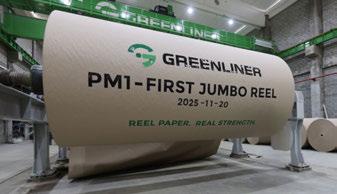
German paper manufacturer Feldmuehle has announced that it is permanently ending its paper production at the paper mill in Uetersen, citing difficult market conditions and bureaucratic hurdles.
Dec 9, 2025
German paper manufacturer Feldmuehle has announced that it is permanently ending its paper production at the Uetersen paper mill. The company cited market conditions and the regional government for this decision. The mill has filed for insolvency this year and has since been in the process of restructuring.
In a December 9 letter, Feldmuehle stated, ‘’We were confident that we would achieve a turnaround. Unfortunately, due to unplanned market events, the inconclusive discussion on industrial electricity prices and bureaucratic hurdles, we have come to the conclusion that we will no longer be able to continue production at our site in Uetersen in a sufficiently competitive manner in the long term — it is not economical-

ly viable to maintain operations. We have therefore ceased paper production and will be finishing, selling and shipping the paper produced in the coming weeks.’’
The statement added, ‘’We would like to take this opportunity to thank all our employees who have supported us over the years, despite many personal sacrifices. They fought to the end and always believed that we could maintain our position in the market in the long term. We would also like to thank our business partners for their decades of trust and excellent cooperation.’’
The new machine will produce around 210,000 tonnes of high-performance kraft paper per year, delivering a broad range of high-strength and high-porosity grades for construction, industrial and e-commerce applications, further advancing Mondi’s commitment to offering customers packaging and paper solutions that are sustainable by design.
Nov 25, 2025
Mondi has welcomed international customers and partners to celebrate the inauguration of its state-of-the-art paper machine at its Štětí mill in the Czech Republic.
The new machine was successfully installed in December 2024 and meets the growing customer demand for paper-based flexible packaging, driven by e-commerce and an increasing focus on sustainability. It will produce around 210,000 tonnes of high-performance kraft paper per year, delivering a broad range of high-strength and high-porosity grades for construction, industrial and e-commerce applications, further advancing Mondi’s commitment to offering customers packaging and paper solutions that are sustainable by design.
The new paper machine forms part of a EUR 400 million investment in the mill enhancing Mondi’s ability to provide customers with a reliable supply of kraft paper and to support their transition to renewable and recyclable paper-based solutions. It also enables Mondi to optimize production across its wider kraft paper portfolio offering customers a full range of high-quality speciality kraft papers, including
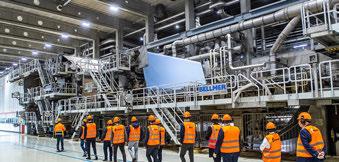
functional barrier grades.
The inauguration event celebrated Mondi’s commitment to long-term partnerships, circularity and sustainable growth. More than 130 customers and partners joined the celebration to see the new paper machine in operation.
Commenting on the development, Mr. Andrew King, Mondi Group CEO, said, ‘‘This is more than a paper machine, it is a symbol of what we can achieve when innovation, sustainability and teamwork come together. It enables us to continue delivering great service to our customers and the high-quality packaging materials they want to help them achieve their sustainability goals.’’
Toscotec announced the successful start-up of the PM5 tissue line at Saudi Paper Group’s facility. This turnkey project follows the supply of a complete AHEAD 2.2S line in 2022.
Dec 17, 2025
Toscotec announced the successful start-up of the PM5 tissue line at Saudi Paper Group’s facility. This turnkey project follows the supply of a complete AHEAD 2.2S line in 2022.
The new line will cater to produce mainly facial tissue, but also towel, napkin, and toilet paper. The AHEAD 2.2L tissue machine has a sheet trim width of 5,600 mm, a maximum speed of 2,200 m/min, and an annual production capacity of over 60,000 tons. Designed for superior performance and energy efficiency, the tissue machine is equipped with TT NextPress innovative design shoe press, a state-of-the-art design TT SYD Steel Yankee Dryer, and high efficiency TT Hood.
Toscotec’s scope of supply also includes two OPTIMA2600L slitter rewinders engineered to preserve bulk and softness while ensuring optimal winding performance, the stock preparation plant provided with two separate lines, plant electrification and controls including Toscotec’s TT Brain DCS.
A tailor-made package with detailed mill engineering, erection, training, commissioning, and start-up assistance completes Toscotec’s turnkey supply.
Stefano Raffaelli, Project Manager at Toscotec, said, “It is a great pleasure to work alongside Saudi Paper Group as an established partner in the successful delivery of this project. The strong trust and collaboration between our companies
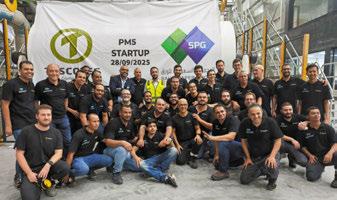
were key to its success. For Toscotec, this event is particularly important as it helps to further consolidate our presence in the Saudi Arabian market. The expertise and commitment of the colleagues and partners involved in the erection and commissioning resulted in a truly high-quality job.”
Mohamed Darwish, Group Operations Director of Saudi Paper said, “The PM5 project represents a major leap forward for Saudi Paper Group, and we are proud to partner with Toscotec on a truly state-of-the-art tissue mill design. This machine brings together the latest advancements in energy efficiency, process automation, operational reliability, safety, and product quality. PM5 is not just a new production line –it is a modern benchmark for future tissue mills, combining smart design, optimized water and fiber management, and world-class technology to support our long-term strategy of sustainable, high-performance manufacturing.”
White Birch Paper has announced the permanent closure of F.F. Soucy paper mill in Quebec, as per media report
Dec 31, 2025
White Birch Paper has announced the permanent closure of F.F. Soucy paper mill in Quebec, as per media report.
The company ceased operations in the July-end 2025 and were supposed to return for work in November 2025. The mill earlier has a capacity of 265,000 metric tonnes per year in newsprint and specialty papers.
According to the media, the company has filed for bankruptcy. However, there is no official confirmation on this matter.