
the
New Endeavors in the New Academic Year
WELCOME TO THE LATEST ITERATION OF THIS NEWSLETTER. Many exciting ventures underway at The Murphy Institute, and I’m thrilled to share just a few with you.
With the approval of the Board, we proceeded with applying for degree program status to begin in fall 2022 for the first-ever M.A. in Political Economy with Data Analytics. I am overjoyed to report that approval was granted in January. To that end, we conducted a national search and found our new director, Dr. C. Justin Cook. Dr. Cook was chair of the Economics department at the University of California at Merced. He is an accomplished scholar and an outstanding teacher. In addition to all of that, Dr. Cook has ties to the area since he received his doctorate from LSU in 2012. We actively recruited our first cohort of students for the fall of 2022, and I’m happy to report that the inaugural cohort will be taking classes by the time you read this newsletter. Our wonderful students will


THE MURPHY INSTITUTE
Core Faculty
Gary Hoover, Executive Director, Department of Economics
Bruce Brower, Department of Philosophy
Kevin Callison, School of Public Health
C. Justin Cook, Department of Economics, Director of the M.A. in Political Economy
Alison Denham, Department of Philosophy
Adam Feibelman, Tulane Law School
Douglas N. Harris, Department of Economics
Ann M. Lipton, Tulane Law School
Douglas R. Nelson, Department of Economics
David O’Brien, Department of Philosophy
Mary K. Olson, Department of Economics
Jonathan M. Riley, Department of Philosophy
Steven Sheffrin, Director Emeritus, Department of Economics
Richard F. Teichgraeber III, Department of History
Patrick Testa, Department of Economics
Martyn P. Thompson, Department of Political Science Staff
Paul Watson, Program Manager
John Louis Howard, Associate Director
Margaret M. Keenan, Assistant Director, Center for Ethics and Public Affairs
Kathleen C. Weaver, Assistant Director, Center for Public Policy Research
THE CENTER FOR PUBLIC POLICY RESEARCH
Douglas Harris, Department of Economics, Education Research Alliance
Mary K. Olson, Department of Economics, Health Policy
THE CENTER ON LAW AND THE ECONOMY
Adam Feibelman, Tulane Law School, (Director)
Ann Lipton, Tulane Law School
Khrista McCarden, Tulane Law School
NEW ENDEAVORS continued from page 1
be better equipped to not only explain the “what” of our ever-changing, complex world but also “how” and “where” it is taking place. The process has just begun, so check back with me regularly to see things blossom.
I also wanted to increase the number of academic partners whom The Murphy Institute works with. There will always be the stalwarts of Economics, Philosophy, and Law. However, there is room for a greater diversity around ways of thinking and approaches to moving discussions to help people in the world we live in. To that end, The Murphy Institute has partnered with Dr. Lee Hamm, the dean of the Tulane School of Medicine, and Dr. Thomas LaVeist of the Tulane School of Tropical Medicine and Public Health to put on a joint conference between the three units, tentatively titled “The Political Economy of the Primary Care Physician Shortage in America.”
The Murphy Institute entered into partnership with the Law School on a joint faculty hire for a scholar working at the intersections of law, political economy, and race. This exciting endeavor for the two units would strengthen the work already being done. We will be starting that search again in fall 2022 with the hopes of hiring a candidate for spring 2023 or fall 2023.
In addition, for the first time ever, The Murphy Institute will have a scholar from the Tulane University School of Professional Advancement teaching in our undergraduate program. I am so happy to announce that Dr. Sukari Ivester will be teaching Comparative & International Political Economy in our Political Economy program.
Finally, Dr. Oguzhan Dincer, who is the founding director of the Institute for Corruption Studies at Illinois State University, contacted me about a symposium on the political economy of public corruption to be held in early to mid-2023. I am very excited about this partnership and the call for papers, which is already drawing attention to The Murphy Institute from scholars across the globe.

So as you can see, the reach of The Murphy Institute is growing on campus, across the country, and around the world.
Exciting days, indeed!
Gary "Hoov" Hoover, Executive Director August 2022
MAXIMIZING LEADERSHIP AND SERVICE:
POLITICAL ECONOMY MAJORS MEET THE CHALLENGE AND LEAD THE WAY FORWARD
Our students are well known for their academic accomplishments and their intellectual capacity for handling the challenges of a rigorous, multidisciplinary major. They are truly impressive in that regard. But equally as impressive is their achievement in leadership and public service, and their commitment to bettering the lives of people in the Tulane and New Orleans community. Our students demonstrate that academic achievement and public service are not mutually exclusive, but in fact mutually supporting activities. These are their stories of leadership, service, and commitment to the public good.
BRENDAN CHASE – Charles H. Murphy Prize, Murphy Institute Public Service Award
After working two years as a volunteer ambulance crew member for NOEMS (New Orleans Emergency Medical Service), Brendan spent his junior and senior years as a full-time EMT. He worked more than 2,500 hours responding to 911 calls in New Orleans and received a service commendation for his work during the Covid-19 crisis, when ambulance crews were hit by disease and attrition. Brendan was featured on the television series Nightwatch, an A&E series featuring New Orleans first responders. He was promoted to a volunteer coordinator position with NOEMS and is now the direct supervisor for 160 volunteers while maintaining his normal ambulance shifts.
LILYON CONROY – Tulane 34 Award, Charles H. Murphy Prize, Murphy Institute Public Service Award, Phi Beta Kappa, Leadership Medallion
Lilyon’s research and academic work has extended beyond the Tulane campus. She was chosen as a Global Scholars Fellow by the Global Livingston Institute in Kampala, Uganda. That collaboration led to the publication of an internal research paper, “Integrating Biodiversity Conservation and the Security-Development Nexus in Sub-Saharan Africa,” for the School for International Training in Geneva, Switzerland.
Lilyon also has research interests at home in Louisiana as evidenced by her Mellon Fellowship in Community Engaged Research, where she traveled to various cities throughout Louisiana collecting emissions data as well as oral histories from local community members to increase the body of knowledge on the issue of environmental injustice across the state. She also served the Tulane undergraduate academic community in a leadership capacity as the Assistant Director of Operations for the undergraduate publication The Tulane Journal of Policy and Political Economy
Lilyon also served as the Partnerships Associate for Tulane’s Center for Public Service. In this position, she provided hundreds of local NGOs with technical support and managed their partnership with Tulane. This work allowed her to build a network of local NGOs with whom she partnered during her two years as the Community Service Chair of Tulane’s pre-law fraternity, Phi Alpha Delta. As the Community Service Chair for her fraternity, she provided their
continued on next page

THE CENTER FOR ETHICS AND PUBLIC AFFAIRS
Faculty Committee
David O'Brien, Department of Philosophy (Interim Director of CEPA)
Bruce Brower, Department of Philosophy
Ronna Burger, Department of Philosophy
Alison Denham, Department of Philosophy
Jonathan Riley, Department of Philosophy
Oliver Sensen, Department of Philosophy
Richard F. Teichgraeber III, Department of History
Martyn P. Thompson, Department of Political Science
Chad M. Van Schoelandt, Department of Philosophy
Richard Velkley, Department of Philosophy
THE EXCHANGE
Tana Coman, Graphic Designer
Zack Smith, Photographer
Paula Burch-Celentano, Contributing Photographer
Kathleen C. Weaver, Editor and Graphic Designer
Margaret M. Keenan, Contributing Writer
John Louis Howard, Contributing Writer Jenny Meadows, Copy Editor
Send editorial correspondence to The Murphy Institute, 108 Tilton Hall, Tulane University, New Orleans, La., 70118 Telephone: (504) 865-5317 Facsimile: (504) 862-9755
Send questions and comments pertaining to The Murphy Institute’s Political Economy Undergraduate Program to jhoward2@tulane.edu; for those pertaining to the Center for Ethics and Public Affairs, contact mkeenan@tulane.edu; for those pertaining to the Center for Public Policy Research or the Center on Law and the Economy, contact kweaver1@tulane.edu.
MAXIMIZING LEADERSHIP AND SERVICE: POLITICAL ECONOMY MAJORS MEET THE CHALLENGE AND LEAD THE WAY FORWARD
250 active members with dozens of volunteer opportunities to ensure that their members could engage with the greater New Orleans community both on and off campus.
TATIANA POGGI – Tulane 34 Award, Charles H. Murphy Prize, Senior Honors Scholar, Phi Beta Kappa
Tatiana served as founding member and executive director of the Wave Center for Policy and Enterprise, a student think-tank involving undergraduates from many different departments and programs across the Tulane campus. She also served as treasurer for the Tulane Organization for Global Affairs, and as a board member for the Asian American Student Union.
Among her many community and public service experiences, her work in the areas of multilingualism and issues in effective communication stand out the most. She works at the Chattanooga School of Language as an outreach specialist, and has volunteered as a language tutor with the Catholic Charities Family Literacy Program, congruent with her outreach work with the Tulane Catholic Student Leadership team. She is fluent in English, French, Spanish, and Mandarin Chinese.
WESTLEY STURHAN – Tulane 34 Award, Murphy Institute Public Service Award, Leadership Medallion
Westley was recognized as a campus leader on both the uptown and downtown campuses, and the School of Public Health honored him with the Outstanding Undergraduate Public Health Student Leadership Award. He was a co-founder of The Tulane Journal of Policy and Political Economy. He served as president of the Tulane chapter of Habitat for Humanity for two years and led one of the most active campus-community partnerships at Tulane. He also served as the president of the Tulane chapter of Engineers Without Borders.
MAX WEBER – Charles H. Murphy Prize, Murphy Institute Public Service Award, William Wallace Peery Society, Phi Beta Kappa, Leadership Medallion
Max is the Founding Editor-in-Chief of The Tulane Journal of Policy and Political Economy. This is a project he has poured himself into, and the results are remarkable. His experience with the journal also led him to create and host “The
Symposium: A National Conference on Foreign Affairs,” with participation from a wide range of academics and government officials from around the globe.
From the public service standpoint, Max has been heavily
“The Murphy Institute fosters an environment of excellence, encouraging personal growth in an atmosphere of academic and moral integrity, and I am truly grateful to have had the pleasure of studying here these past four years.”
—Lilyon Conroy, Class of 2022
involved in two campaigns and an exploratory committee in his home state of Washington. He served as Communications Director for the Carrie Hesch campaign for state representative in Washington’s 26th District, and as Deputy Campaign Manager for Tarra Simmons in her quest for the 23rd District seat. Simmons became the first formerly incarcerated person to be elected to a state seat in the history of the state. Max was also Media Strategy Director for the Matthew Tirman Congressional Exploratory Committee.
Max has been involved in a number of Tulane student organizations. He was the Public Relations Director for Tulane’s chapter of the National Political Science Honor Society. He also served as the Education Director for Tulane Students Demand Action, focusing on gun violence and firearm legislation, as well as working as a Project Coordinator for the Martin Luther King, Jr. Day of Service.
THE JUDITH KELLEHER SCHAFER SUMMER INTERNSHIP GRANT PROGRAM
Funds from the Judith Kelleher Schafer Summer Internship Grant Program were used to endow one fellowship in the amount of $3,000 for summer 2022. The student who received the funds this year is SAHIL INAGANTI ’23 , from Allentown, Pennsylvania.
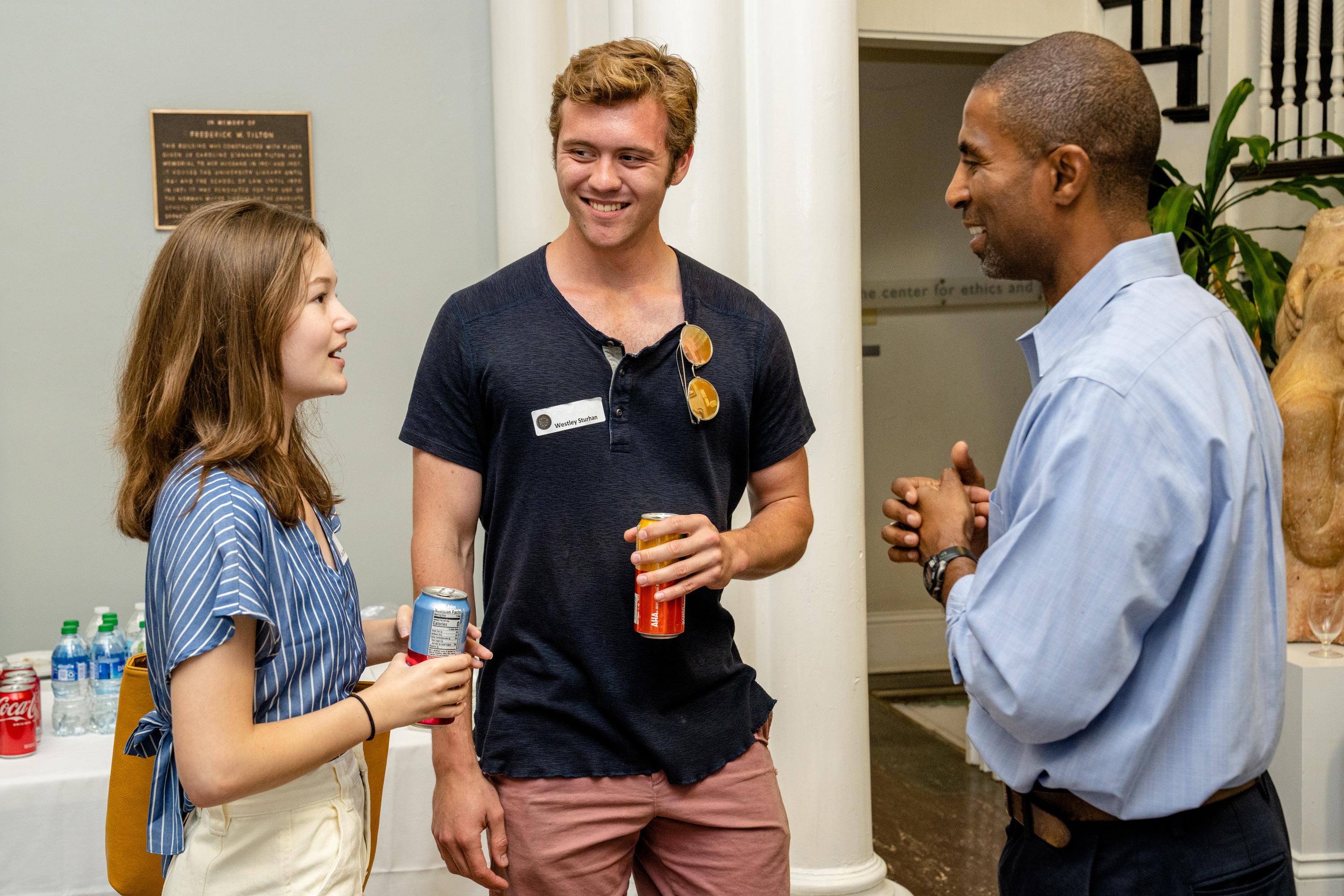
Graduating seniors Lilyon Conroy and Westley Sturhan talk with Executive Director Gary Hoover at the senior reception.
[ UNDERGRADUATE POLITICAL ECONOMY
52 NEWCOMB-TULANE COLLEGE SENIORS were awarded B.A. degrees in Political Economy in May 2022. Several received high academic honors, with two students graduating summa cum laude and nine students graduating magna cum laude. The summa cum laude graduates are LILYON CONROY and MAX WEBER. The magna cum laude graduates are BRENDAN CHASE, JULIA HARTMANTESKE, GABRIELLA INGENITO, BENJAMIN LINK, CHANG LIU, TATIANA POGGI, JACKSON RICE, CAROLINE RICHTER, and GABRIELLA SANNA.
Other members of the class of 2022 include STONE AGREN, NATHAN ALVAREZ, ZOE ARIYAMA, COLIN BAKER, ISOBEL BAKER, NOA BANGHART, JAMES CAWLEY, SPENCER CHISM, JONATHAN D’ARI, NATHANIEL DEMELIS, RYDER DESENBERG, WILLIAM DUNFORD, MIRA FECHTER, LAUREN FLOWERS, JARED FREIFELD, JACK GALLE, NATHAN GODWIN, BOBBY HANSEN, HUDSON HOHMAN, FLIP KIRIKIAN, ELANA KLEIN, ALLYSON KRAUTHEIM, WILLIAM KRUPKIN, AARON MCNABNEY, WESLEY MIHM, REMI MOLAISON, JOHN NUTTLI, OLIVIA O’BRIEN, ANNA OLSON, COLETTE PULEO, WILLIAM ROSKIN, FRANK SALDANA, GABRIELLA SANNA, BETSY SHERMAN, TESS STROH, WESTLEY STURHAN, REID TINGLEY, LIAM WEIL, ROMY WHITESELL, AMANDA WHITMAN, and JOHN T. WILSON. Two students, SAMUEL HINERFELD and BENJAMIN LEVY, graduated in fall 2021.
The Charles H. Murphy Prize in Political Economy was awarded to BRENDAN CHASE, LILYON CONROY, TATIANA POGGI, and MAX WEBER. The Murphy Institute Public Service Award was presented to BRENDAN CHASE, LILYON CONROY, WESTLEY STURHAN, and MAX WEBER. Three students completed an Honors Thesis: NATHAN ALVAREZ, TATIANA POGGI, and ROMY WHITESELL. The Senior Honors Scholar in Political Economy was TATIANA POGGI.

NATHAN ALVAREZ was a dual-degree double major in Business and an Altman Scholar. His honors thesis was “Josef Pieper’s Conception of Justice as a Virtue,” written under the direction of Prof. David O’Brien of The Murphy Institute and the Department of Philosophy. He was awarded a Leadership Medallion and was a development intern at Tulane Catholic. He will work as a Donor Relations Associate with Catholic Charities in Washington, D.C.
ZOE ARIYAMA was a double major in Art History and was the Senior Honors Scholar in Art History. She was also presented with the Zora Neale Hurston Award for Student Scholarship in African Diaspora Studies, for her contributions to the Amistad African Letters Project under the direction of Prof. Elizabeth McMahon of the Department of History. Zoe completed internships with the Middle American Research Institute and at Christie’s Auction House. She will be working in New Orleans and interning with a Japanese American archive project while developing her art historical writing portfolio before applying to graduate school.
COLIN BAKER was a Strategy, Leadership, and Analytics minor. He interned with Lift Up Enterprises in Chicago, Illinois. He will be moving to New York City and working as a consulting analyst at Huron Consulting Group, specializing in technology implementation for higher education.
ISOBEL BAKER was a double minor in Philosophy and Spanish. She completed internships with Ball Metal Pack in Broomfield, Colorado, Kinross Gold in Toronto, Ontario, Canada, and she was a research intern with the Center for Peace Diplomacy in New Orleans, Louisiana. She was accepted to the CIEE Teach Abroad program in Madrid, Spain, and will be a teaching assistant in an elementary school.
ECONOMY PROGRAM ’ 22 ]
JAMES CAWLEY was a double minor in English and Spanish. He was the president of Sigma Chi fraternity. He will be moving to Los Angeles to pursue a career in financial advising at Equitable Advisors.
BRENDAN CHASE was a dual-degree double major in Public Health. He won the Charles H. Murphy Prize and The Murphy Institute Public Service Award. He was awarded a Leadership Medallion and was chosen as the undergraduate student speaker for the School of Public Health and Tropical Medicine commencement ceremony. Brendan was captain of the Tulane Men’s Rowing team, and a DJ for radio station WTUL. He is an EMT for New Orleans EMS.
SPENCER CHISM was a double major in English. He is a contributing writer for GoodSport Media and Sports Illustrated. He will attend Tulane Law School and pursue a dual degree with a J.D. and an M.P.H. through Tulane School of Public Health and Tropical Medicine.
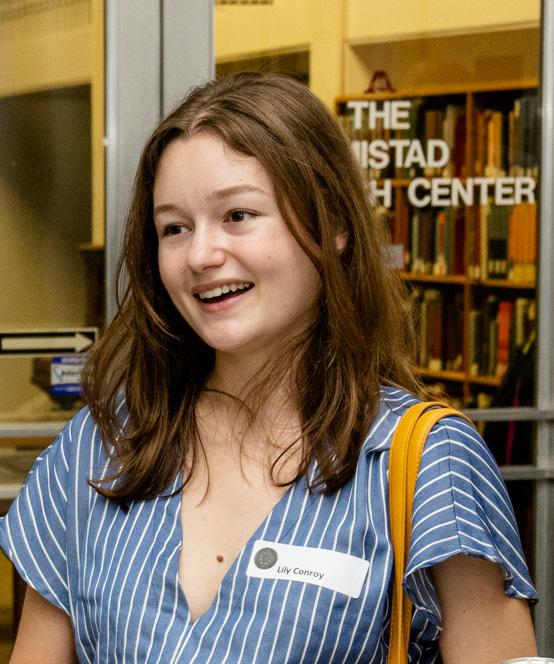
LILYON CONROY was a double major in International Development with a minor in Public Health. She won the Charles H. Murphy Prize and The Murphy Institute Public Service Award. She won a Tulane 34 Award and an Oak Wreath Award, and was inducted into Phi Beta Kappa. She won the Gifford Darling Riess Award, the Eamon Kelly Prize, and a Leadership Medallion. She was awarded a Mellon Fellowship in Community Engaged Research and a Global Scholars Fellowship with the Global Livingston Institute. Among numerous and varied internships and service activities, she volunteered at Green Light NOLA, Glass Half Full NOLA, Edible Schoolyard, Second Harvest, and UNITY of Greater Nola. She was Assistant Director of Operations for the Tulane Journal of Policy and Political Economy. Lilyon intends to spend next year working in a residential youth village in Rwanda as part of a research project working with Tulane University faculty. For the following year, she will
attend the London School of Economics in pursuit of a M.Sc. in Health and International Development.
JONATHAN D’ARI was a double major in History with a minor in Strategy, Leadership, and Analytics. He was a marketing intern at Mission Data and a research intern at the Tulane Institute for Water Resources Law and Policy. He will be an associate at Abernathy MacGregor, a strategic communications consulting firm.
NATHANIEL DEMELIS was a double major in English and a minor in Philosophy. He interned with the Independence Institute. He will attend Boston College Law School.
WILLIAM DUNFORD was a dual-degree double major in Business and an Altman Scholar. He was a Green Wave Ambassador and a member of Mortar Board Honor Society. He was the founder and president of the Tulane chapter of Lead for America. He completed internships with Titan Grove, Raymond James, and AlphaSights . He will work in Accenture’s federal services division as a Strategy & Consulting Analyst in Washington, D.C.
LAUREN FLOWERS was a Newcomb Scholar. Her senior project was “The Transformation of Louison Cheval: A Free Woman of Color’s Proprietary Evolution in Colonial and Antebellum Louisiana.” She will be a high school teacher in Palestine.
JARED FREIFELD was a double major in Communication with a minor in Chinese. He will be a Fulbright English Teaching Assistant in Taiwan.
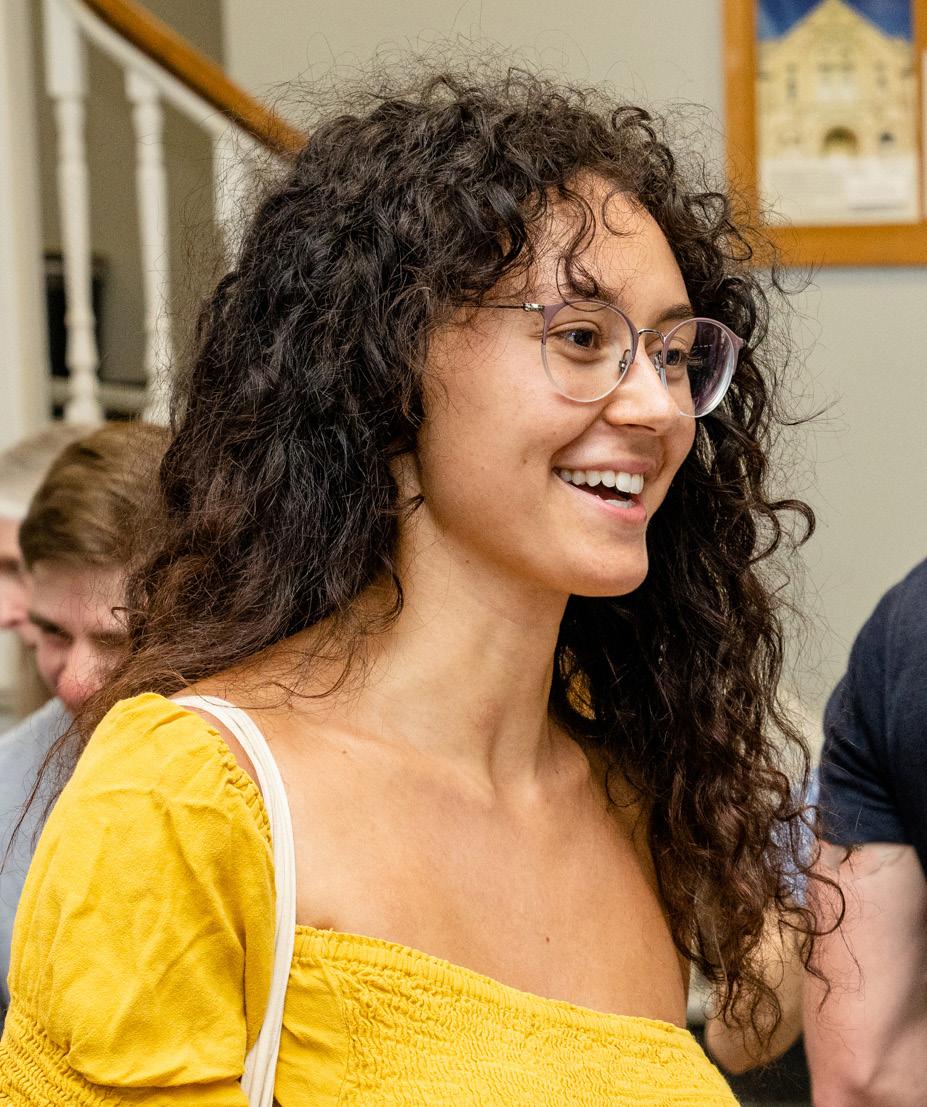
BOBBY HANSEN was a double major and received a B.S. in Economics. He completed internships with the Pelican Institute for Public Policy, Star Dental Partners, and Ben+Burka commercial real estate. He will be an associate management consultant at Sendero in Dallas, Texas.
continued on next page
[ UNDERGRADUATE POLITICAL
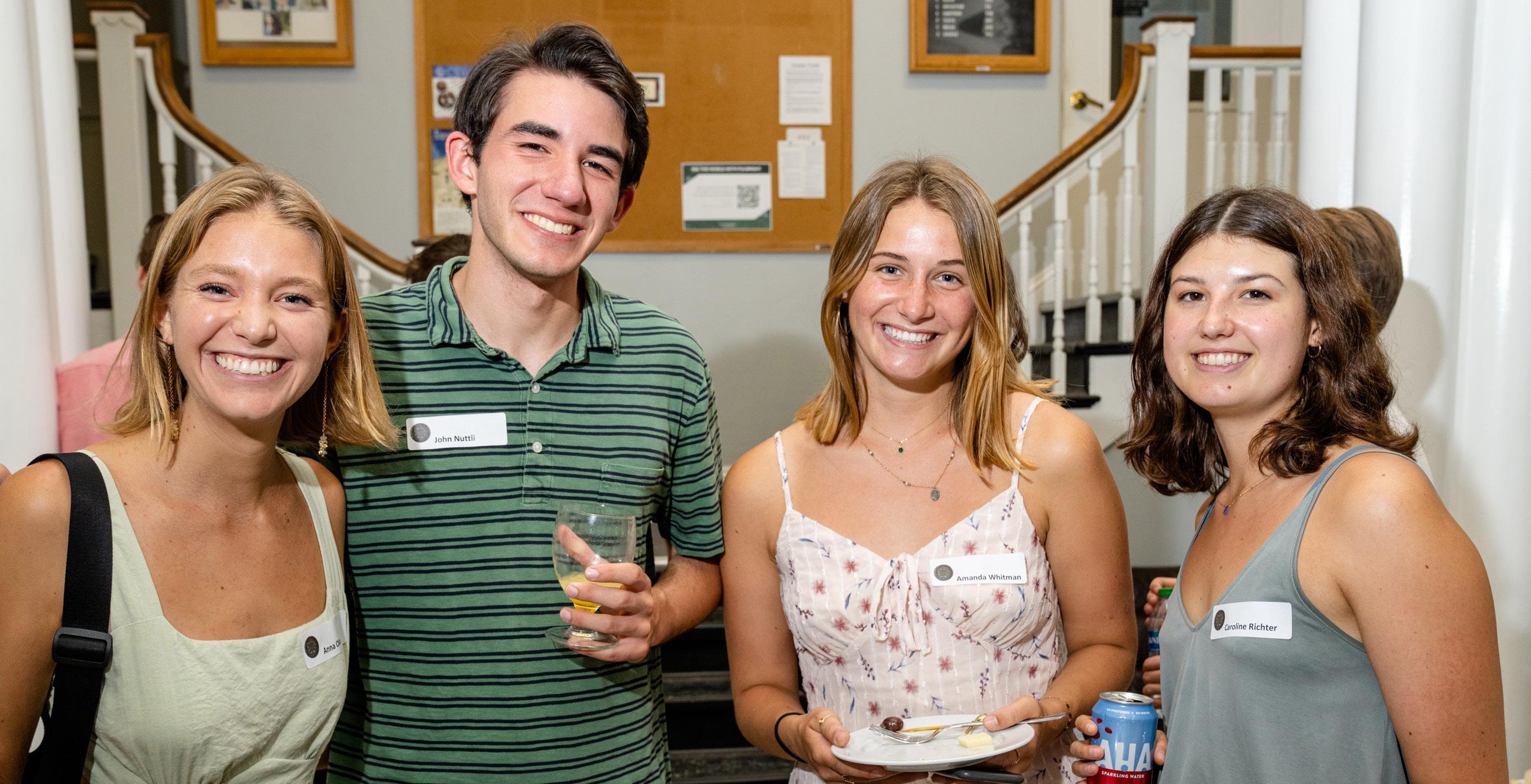
GABRIELLA INGENITO was a minor in Spanish. She was inducted into Phi Beta Kappa. She will work as a Capital Markets Project Assistant at Sidley Austin in their Manhattan office in New York City.
WILLIAM KRUPKIN was a double minor in Spanish and Strategy, Leadership, and Analytics. He was the Director of Diversity, Equity, and Inclusion Initiatives for Tulane Interfraternity Council and a research associate intern at the Enterprise Engagement Alliance in Hawthorne, New York. He will work as a Public Sector Advisory Associate at Grant Thornton in Arlington, Virginia.
CHANG LIU was a dual-degree double major in Neuroscience and a minor in Psychology. She received an Oak Wreath award and worked for New Orleans EMS. She was vice president of Tulane United for Autism and president of One Tulane. After a gap year she plans to attend medical school.
JOHN NUTTLI was a member of Tulane Green Club and the liturgy chair for the Center for Catholic Life, as well as a student intern in the Office of the President of Tulane. He is in the process of applying to the Society of Jesus (the Jesuits) with the plan to eventually become a priest of the Catholic Church.
TATIANA POGGI was a dual-degree double major in Business and an Altman Scholar. She won a Tulane 34 Award, the Charles H. Murphy Prize, and was the Senior Honors Scholar in Political Economy. Her honors thesis was “Trends in Nearshoring and Regionalization: U.S. Supply Chain Shifts in Mexico and China.” She was inducted into Phi Beta Kappa. She received a Dean’s Service Award from the Business School. She interned at the Freeman Career Management Center, Ascend Leadership, and at the New York Commercial Service of the United States Department of Commerce. She won a Fulbright Scholarship and will join the Binational Business Program in Mexico City.
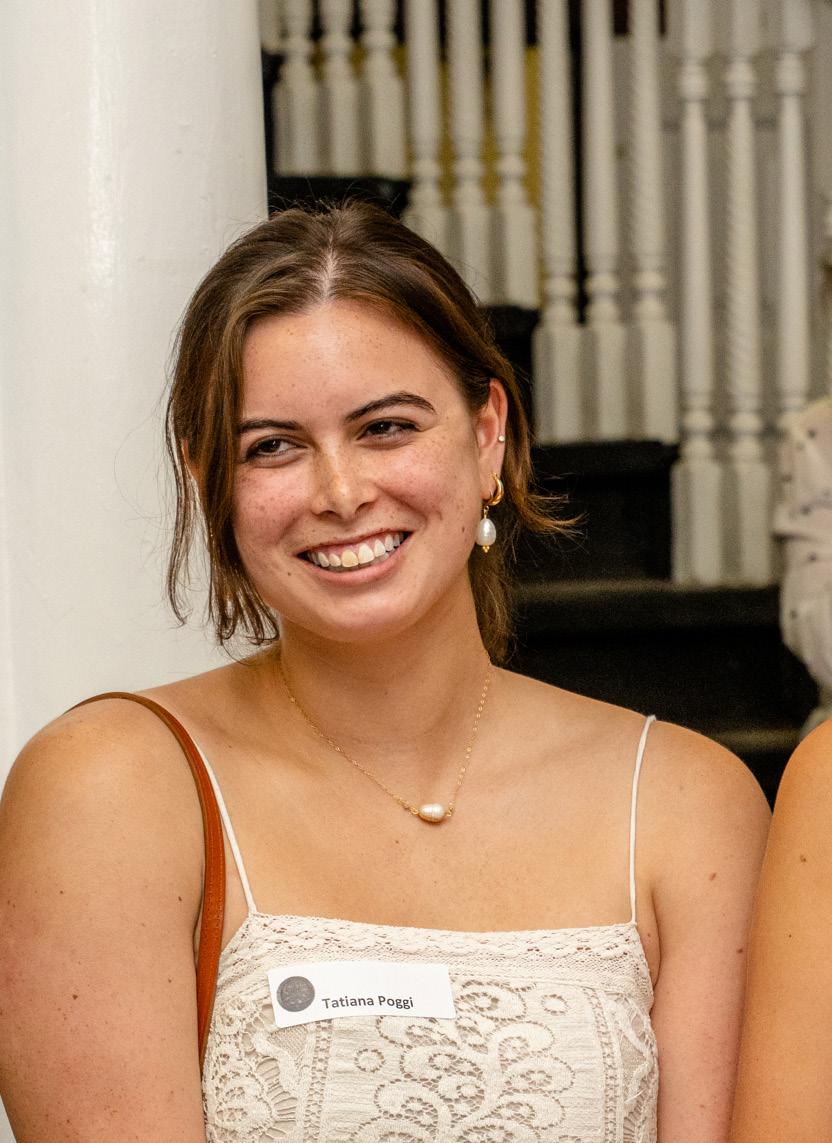
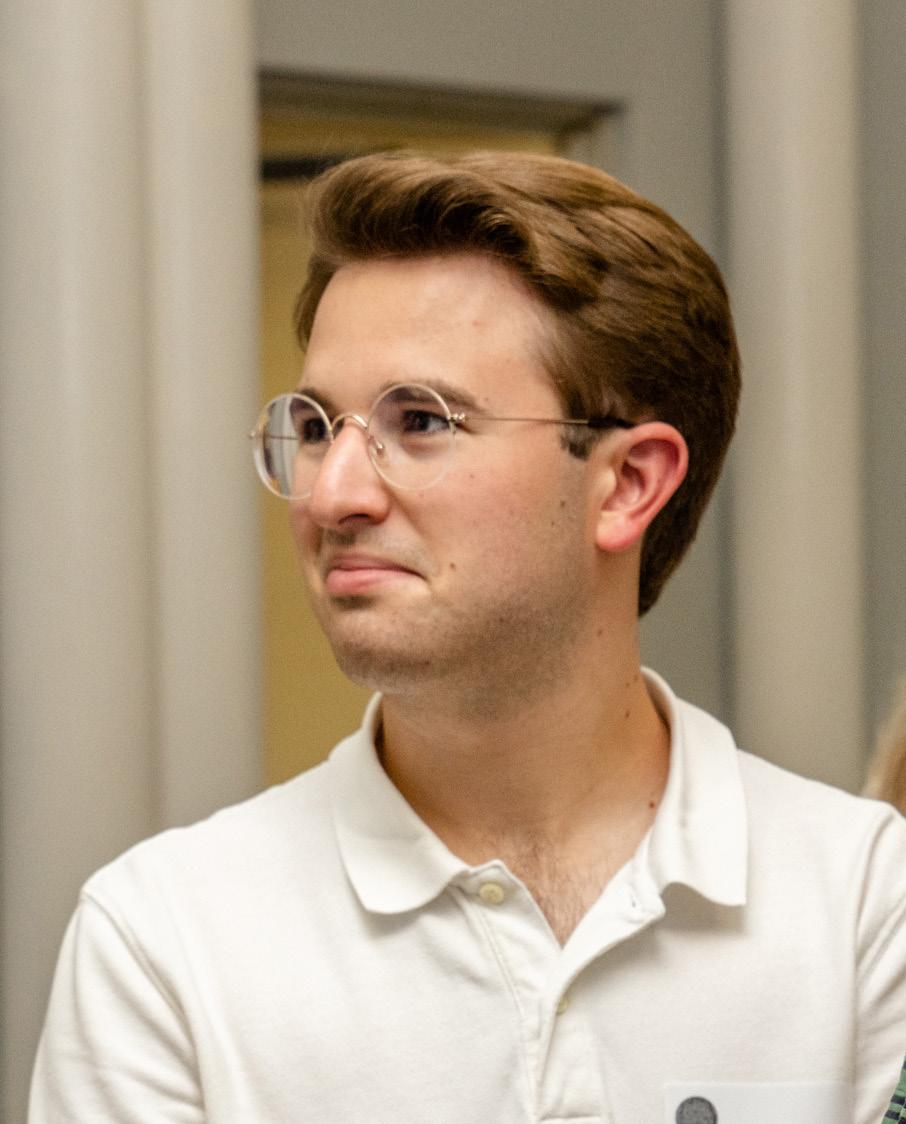
Anna Olson, John Nuttli, Amanda Whitman, and Caroline Richter
ECONOMY PROGRAM ’ 22 ]
CAROLINE RICHTER was a dual-degree double major in Business and an Altman Scholar. She was a member of Mortar Board Honor Society. She interned at the Global Livingston Institute: Global Scholars Fellowship Program, the Rwanda Ministry of Economics and Financial Planning, and as a product strategy intern at PIMCO. She will work for PIMCO, an asset management firm, as a product strategy analyst in Newport Beach, California.
BETSY SHERMAN was a dual-degree double major in Business. She interned at Claitor Chabert, a political consulting firm in Baton Rouge, Louisiana. She will attend New York University School of Law.
WESTLEY STURHAN was a dual-degree triple major in Public Health and Economics. He won a Tulane 34 Award, the Charles H. Murphy Prize, The Murphy Institute Public Service Award, the Outstanding Undergraduate Public Health Student Leadership Award, and a Leadership Medallion. He interned with Frier Levitt in Pine Brook, New Jersey, and Tower Travel in Split, Croatia. He was a co-founder of The Tulane Journal of Policy and Political Economy . He served as president of the Tulane chapter of Habitat for Humanity and also served as the president of the Tulane chapter of Engineers Without Borders. He will attend the London School of Economics to study Health and International Development with a specialty in Applied Development Economics.
MAX WEBER F was a triple major in International Relations and Russian. He was a member of the William Wallace Peery Society and was inducted into Phi Beta Kappa. He won the Charles H. Murphy Prize, The Murphy Institute Public Service Award, and the Russian Book Prize for Achievement in Russian Language. He won the Pi Sigma Alpha Award from the Department of Political Science, and a Leadership Medallion. He is the Founding-Editor-in-Chief of The Tulane Journal of Policy and Political Economy . He will be the Deputy Campaign Manager for the Syrita Steib for United States Senate campaign. He will attend law school in the future.
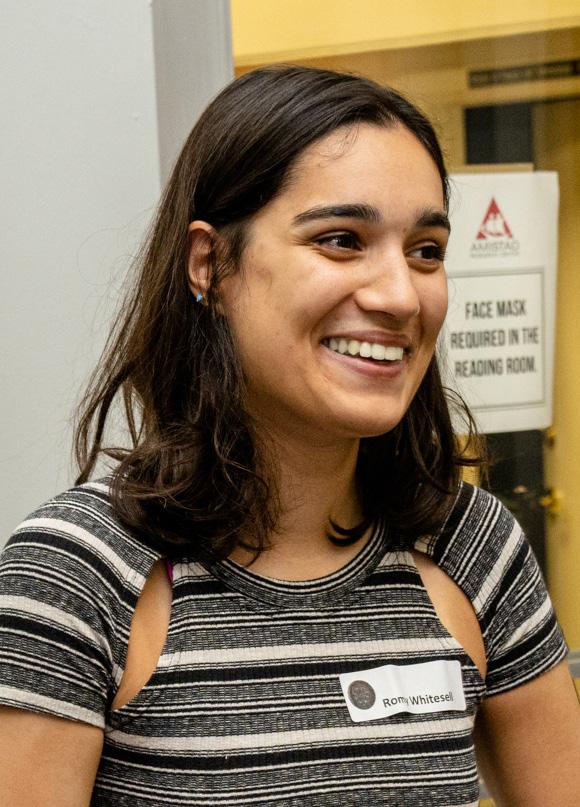
H ROMY WHITESELL was a double major in Middle Eastern and North African Studies and a minor in Arabic. She completed an honors thesis. She was awarded a Critical Language Scholarship to continue studying Arabic. She will attend graduate school.
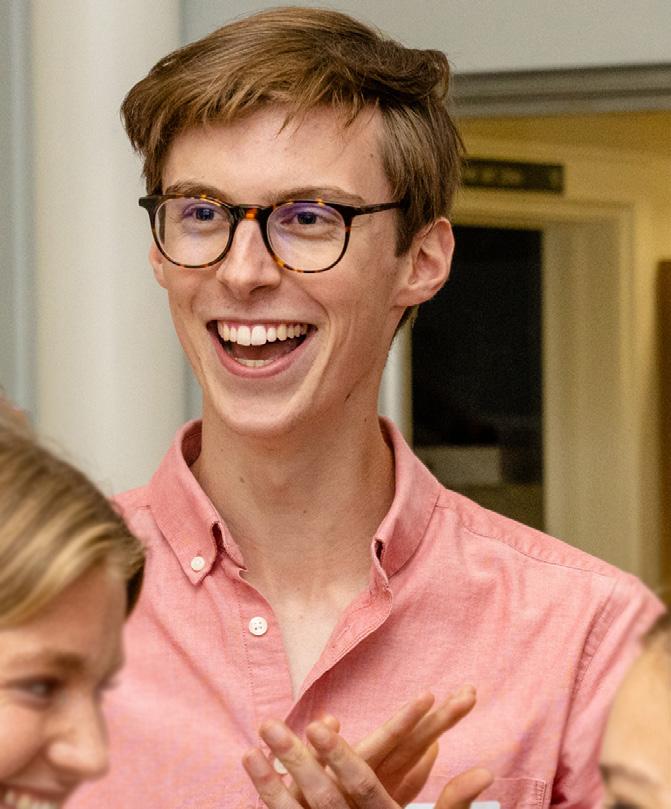
AMANDA WHITMAN was a dual-degree double major in Business and an Altman Scholar. She was a Green Wave Ambassador and won a Leadership Medallion. She will be a Fulbright Teaching Assistant in Brazil.
THE MURPHY INSTITUTE INAUGURATES MASTER’S PROGRAM
As mentioned in the Director's letter, The Murphy Institute is delighted to announce that Fall 2022 marks the beginning of the Master of Arts program in Political Economy with an emphasis on Data Analytics. Sharing a motivating ethos with the undergraduate program, it aims to provide students with a rigorous and multidisciplinary education around political economy themes as well as the quantitative skills to apply that knowledge in further academic work, government, and industry. The program's unique data analytics focus will empower students to harness the tools necessary to evaluate the impact of policy and to analyze broad questions of political economy. We have welcomed three exceptional students into the first cohort and will admit up to five incoming students for the 2023-24 academic year.
ALUMNI SPOTLIGHT
Maximizing Service
IN THE SECOND INSTALLMENT OF OUR SERIES designed to showcase the achievements of our most distinguished alumni, we focus on leadership and those alumni who have maximized their service to their various communities. These outstanding individuals are living proof that life-long education is not about accumulating credentials but about an authentic commitment to serve others in an informed way. We asked five of our alumni to share their stories, and here are their accounts in their own words.
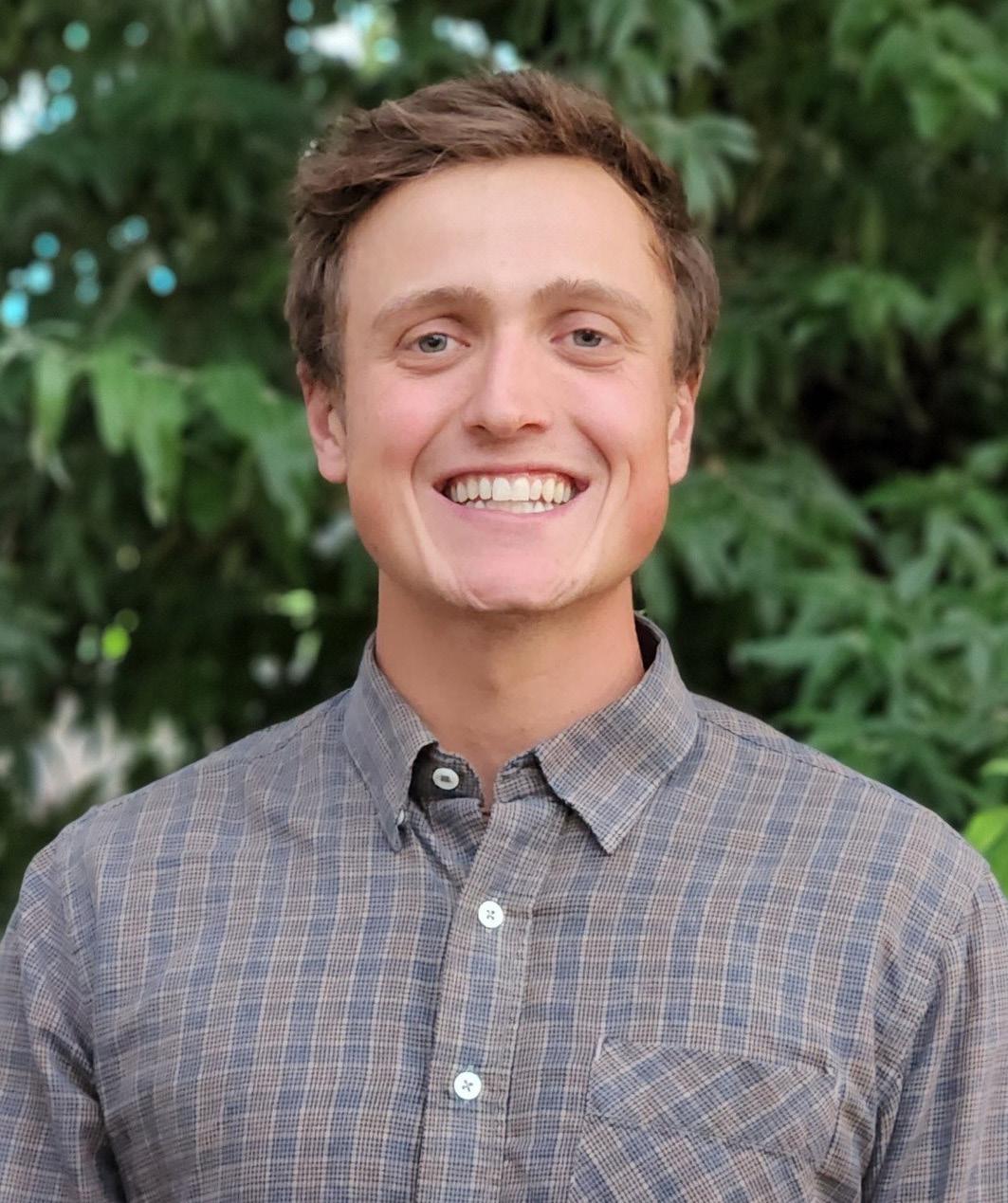
SETH ARMENTROUT, BA ’19, Program Director at Rio Grande Farm Park
I currently serve as Co-Program Director of a 40-acre community farm in Alamosa, Colorado along the upper Rio Grande. The Rio Grande Farm Park provides access to land and water in an alpine desert for more than 30 farmers, volunteer and educational programs for the local community, and a public park with trail access.
I consider myself trained in political economy, and I am thankful for that training every day. My college degree might not have taught me how to balance a budget or manage a construction project, but it did teach me how to approach challenges eagerly and creatively.
Sometimes my work requires a shovel and muck boots, but most of the time I must address complex challenges—many of them landbased—by navigating human institutions. As with most public service, I must build trust with others. Like most leadership positions, I must thoughtfully consider moral dilemmas, economic tradeoffs, historical context, and political realities.
There is one complex challenge for much of the world, and for our farm, that perhaps best exemplifies how political economy prepared me for a
career in public service: water. Each of the past two years, a significant amount of crops on our farm have been left to wither due to water shortage.
New Orleans has long faced the question of how society can manage living with so much water. Here in an agricultural alpine desert, the question is how we might live without it. Should we continue to grow food here? Many in the region have stopped, so why shouldn’t we?
Historical context can help inform this philosophical and practical question. Many of the farmers I work with come from places in the world where climate change has already displaced subsistence farmers. Our “community garden” is not a small plot for tomato hobbyists; it’s a source of nutritious food for thousands of people and a place to preserve distinct cultural practices.
It’s also a way of supporting people who want to farm but do not have access to arable land or water. Economically, small-scale organic farming here is no silver bullet for a region fighting its way out of poverty. However, it does provide crucial supplementary income to people who have this unique skillset.
Most farmers in our organization continue to arrive at a hopeful conclusion: yes, continuing to farm is worth it.
We continue to ask essential questions in order to maximize benefits to farmers and the community. How can we acquire additional water? How much do we need? And how
continued on next page
can we wisely use the water we have?
While these questions require quantitative analysis, the more interesting questions always for me are political ones. We must understand the political institutions—local, state, and federal—that regulate our water use on the farm. This knowledge then must be spread effectively to people who may not have the ability to read an English-language newspaper or attend specialized classes on weekdays.
Then, we must all decide how to share water among 30 growers in just ways, which, done democratically, can be a long and chaotic way to arrive at the best—though perhaps imperfect—outcome.
We are still working toward better solutions for water on the farm, and this is just one of many challenges we face every day. Some trace of compassion, kindness, and exuberance all contribute to success in my daily tasks. With the right mindset, skills like accounting and volunteer management can always be improved.
But no personal quality or skill can match the deep reservoir that is the interdisciplinary tradition of political economy. I can contextualize public service in existing systems. I can solve problems in more thorough, creative ways. I can identify key stakeholders to bring to the table, even and especially when they have been historically excluded from the conversation. And I can ask better questions to arrive at better solutions.
And, thanks to the strong bonds I made with peers and professors, I know the value of relationships and the deep need to embrace insights when they come. Sometimes, the
problems grow quiet, and we admire migratory birds on their journey. We race twigs down the irrigation ditch. We laugh at our inability to communicate across the many languages spoken on the farm. The insights come and go, and the work of liberation evolves in endlessly fascinating ways.
But when the problems return, I rely on my training in political economy to fulfill my role and help these people with whom I’ve forged strong bonds navigate the challenges facing the world and, most immediately, our little yet impactful community farm.
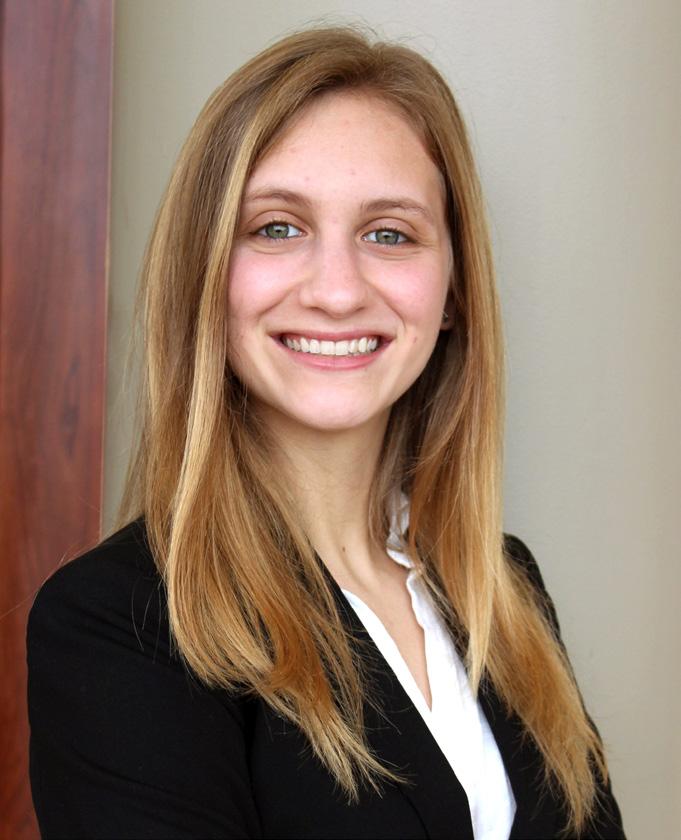
LAUREN ELLIS, BA ’18, MPH, Environmental Health Research Analyst at Environmental Defense Fund
As far back as I can remember, I’ve enjoyed asking questions that do not have easy answers. Growing up, I often found myself starting debates about political, economic, and social issues with my friends and family. I was fascinated by the “whats,” the “hows,” and the “whys” of the world around me.
Early on in my first semester at Tulane, my desire to examine the complexities of political, economic, and social issues led me to the steps of Tilton Hall, home of The Murphy Institute. After learning about the program from Dr. John Howard and reading this very newsletter, The Exchange , it didn’t take long for me to declare myself a political economy major.
My passion for health and fitness also led me to a minor in public health. At the time, I was studying to get a certification in personal training and wanted to help people improve their health and well-being through fitness. Following my
introductory public health classes, I quickly realized that health is more than working out and eating healthfully; rather, it is the result of the very political, economic, and social systems that I studied in Tilton Hall. I became intrigued by the intersection of political economy and public health.
During my junior year, I learned about southeastern Louisiana’s Industrial Corridor, or “Cancer Alley.” Cancer Alley is a stretch of land located along the Mississippi River from New Orleans to Baton Rouge scattered with more than a hundred petrochemical facilities. People who live, work, and play near these facilities experience disproportionately high exposure to toxic chemicals through industrial pollution of the air, water, and soil. As a consequence, they are more likely to develop chronic diseases, including but not limited to cancer.
The story of Cancer Alley is one of environmental racism. Industrial plants have been (and continue to be) placed in low-income, historically black communities as a result of economic practices and government policies embedded with racial discrimination. To make matters worse, the experience of
ALUMNI SPOTLIGHT: MAXIMIZING SERVICE
continued from previous page
racial, social, and economic hardship combined with exposure to toxic chemicals compounds into what is known as “cumulative impact,” further contributing to disease.
The more I learned about Cancer Alley, the more I wanted to know. Three of my classmates were also interested in learning more, so we decided to engage in a multi-disciplinary independent research project during our senior year. We sought to examine the benefits, costs, and injustices associated with petrochemical production in southeastern Louisiana, with a focus on Cancer Alley. What made the project unique was that each of us came from a different academic background – political economy, public health, environmental science, and anthropology – to share diverse perspectives in addressing a complex problem.
A highlight from my undergraduate research experience was the day that Wilma Subra, a local environmental scientist and social justice advocate, invited my research group on a road trip through Cancer Alley. Using infrared camera technology, we watched as hydrocarbons escaped from “leak-proof” storage tanks at petrochemical sites along the Mississippi River. It was quite literally eye-opening.
I saw Ms. Subra’s impact up close and personal at a community advocacy group meeting at a local church in St. John the Baptist Parish. At the start of the meeting, she passed out booklets containing maps and numbers, and clearly began to explain the impact of local air monitoring results on the health and safety of the community. Community
members listened, asked questions, and voiced their concerns about inaction from decision-makers. The conversation was rich and the passion ran deep. Here, I learned the power of education, organizing, and activism in making systems-level change.
My experience in Cancer Alley stuck with me. As graduation neared, I knew I wanted to continue to study the problem and ultimately do my part to make things better, but I was not entirely sure how to do that. Despite my fantastic undergraduate education, I felt I lacked the public health expertise to effectively develop and implement policies that would improve population health outcomes. So I decided a Master of Public Health (MPH) program in the nation’s capital was the next step for me.
From August 2019 to May 2021, I studied Environmental Health Science and Policy—a subfield of public health focused on understanding and mitigating the health impacts of environmental exposures such as pollution—at the George Washington University’s Milken Institute School of Public Health in Washington, D.C. It was here that I took classes in public health sciences such as epidemiology, biostatistics, and risk assessment, and discovered a new love for science and data. I also learned the ins and outs of the environmental health policymaking process and the different avenues available to influence that process.
Shortly after earning my MPH, I started work as an Environmental Health Research Analyst at the Environmental Defense Fund (EDF), a non-profit environmental organization that leverages science,
law, economics, and partnerships to protect people and the environment. It could not be a more perfect fit given my interests in political economy and environmental health.
At EDF, I work in chemical policy and regulation, where I spend most of my time advocating for health protective implementation of the Toxic Substances Control Act (TSCA), as amended by the Frank R. Lautenberg Chemical Safety Act in 2016.
TSCA is the nation’s primary chemical safety law which directs the U.S. Environmental Protection Agency (EPA) to assess and manage the risks from chemicals in commerce. Believe it or not, most of the tens of thousands of chemicals that were or are in commerce have never been assessed for their environmental and health impacts. On top of those chemicals that already exist, EPA receives hundreds of new chemical applications every year, which also must be assessed for safety, often with little or no information. In the face of limited information, regulators are often forced to make decisions under significant uncertainty, which can lead to unintended consequences.
My job as a public health advocate is to promote policies that reduce people’s exposure to toxic chemicals in an effort to improve population health outcomes and disparities, like the abnormally high cancer rates in Cancer Alley. In my day-to-day, I write public comments to EPA that advocate for health-protective chemical regulations, letters to lawmakers that call for oversight from Capitol Hill, and blogs to the public that aim to educate and empower individuals.
continued on next page
There is an unexpected but clear connection between my training in political economy and my work to promote safer chemical policies. For instance, the problem of environmental pollution exemplifies the tragedy of the commons. Similarly, the debate between advocates and industry regarding chemical safety regulations stems from centuries-old philosophical disagreements regarding the role of the state in the economy.
I am thankful for my undergraduate foundation in political economy, which taught me to embrace a multi-disciplinary lens, to appreciate the interconnectedness of our systems, and to question the status quo. I can confidently say that these teachings helped make me the effective advocate that I am today.
KIRSTEN LEE HILL, BA ’ 10, MS.ED, PHD , Independent Consultant
In August of my high school senior year, amid college applications, Hurricane Katrina hit. Having grown up in a family that valued volunteering and giving back to our community, once I learned about Tulane’s new public service graduation requirement, I knew that was the place I needed to be. I was excited to do more than traditional university coursework and looked forward to playing a small part in rebuilding New Orleans.
By my sophomore year, I had tried on many majors and notably taken many philosophy classes. I learned about Political Economy through the seminar class taken for my Center for Public Service Fellowship with Dr. John Howard. I was drawn to the major because it takes an interdisciplinary approach to thinking about how the world works and how to make it better
— I also felt that The Murphy Institute shared my values around service to others.
It was while working in public schools in New Orleans as part of my service-learning that I first observed who got to be in the room to make policy decisions — people with money and power. It didn’t sit well with me. There wasn’t space for community voices to be heard, and this power imbalance, along with what I was learning in class about policy and politics, inspired me to pursue my PhD in hopes of creating more inclusive spaces for research and decision-making.
I began my doctoral career as somewhat of a rebel. My time was equally divided between my coursework, research assignments, volunteering in local schools, and protesting corporate education reform. (The latter two got me into some administrative trouble.)
Because I didn’t fit the typical “PhD” mold, my experience was anything but ordinary. I got to work with the Vice Dean’s office on designing innovative education programs around the world, I traveled to India (twice) to explore a rural education program, helped build the firstever researcher-practitioner partnership between the University of Pennsylvania’s Graduate School of Education and the School District of Philadelphia, and led the development of Philly’s citywide surveys to measure alternative indicators of success in schools.
What I loved about these experiences is that they put people first. They used research as a tool for innovation, and they made it actionable in the present moment. Of course, during these non-traditional PhD adventures, I also engaged in those tried-and-true best practices,
like working on a randomized control trial and learning statistics. A lot of statistics.
Post-graduation, I chose an alternative and less traveled path. I didn’t go into academia, and I didn’t start working for one of the big research institutes. Instead, I started a boutique consulting firm committed to making research accessible and meaningful to people with ideas to improve their communities. I’m now six years into my entrepreneurial journey. I’ve raised a few million dollars for innovative ideas, coached more than 150 innovators on measurement and evaluation, and partnered with global leaders like Sir Richard Branson’s Virgin Unite and The Bill & Melinda Gates Foundation.

When I think about my work and what’s next, a few questions still play on a loop: Who is making decisions? Who has access to research? Who has the power to decide what it means?
Research is a superpower. It allows us to better understand the world and make informed decisions. It has the power to raise funds, to garner credibility for worthy causes, and to drive policy decisions.
ALUMNI SPOTLIGHT:
POLITICAL ECONOMY, MEDICINE, AND THE PANDEMIC
continued from previous page
Many believe that research is something that only universities or big firms can do or that you need a lot of people (data points), money, time, or a randomized control trial (the “gold standard”) to do well. I disagree. I believe in right-size research. I believe that you can work on a small scale, in a short amount of time, with measures you create with your community and still achieve good research. Not only can we do this — we should.
Those leading positive changes for the communities they represent should hold the power to define and measure success on their own terms. It shouldn’t be defined for them by a funder or a university or some peer-reviewed article from the 1980s. When I work with start-ups, non-profits, solopreneurs, government agencies, and others in the social good space, that’s the focus: creatively leveraging my traditional expertise so that it can amplify good work.
Now, research also has the potential to be misused and manipulated, which is where you come in. It is essential that we all become critical consumers of information.
When you come across headlines or viral videos proclaiming “research finds” or “study shows,” and the like — don’t take it as fact; pause and interrogate. What we need is a nutrition label for facts. It’ll say: Here's who we talked to. Here’s where they’re from and some important details about their background. These are the questions we asked. This was when we collected the information and our motivation behind doing so.
If we want to make the best decisions possible for society, we need good information. This means we need good research and responsible, contextual reporting. Good research demands clear questions, intentional plans, ethics to ensure people are protected, and transparency to ensure we understand how and why information is getting used (and that it makes sense given the context).
Research can be a tool for good in the world, and it’s a resource everyone should have access to and understand. Research shouldn’t be just a stat or statement; it should be a conversation. For me, that’s my next frontier: open-sourcing research in service of good causes — working to ensure research is customizable, accessible to everyone, reported in meaningful and transparent ways, and leveraged for good.
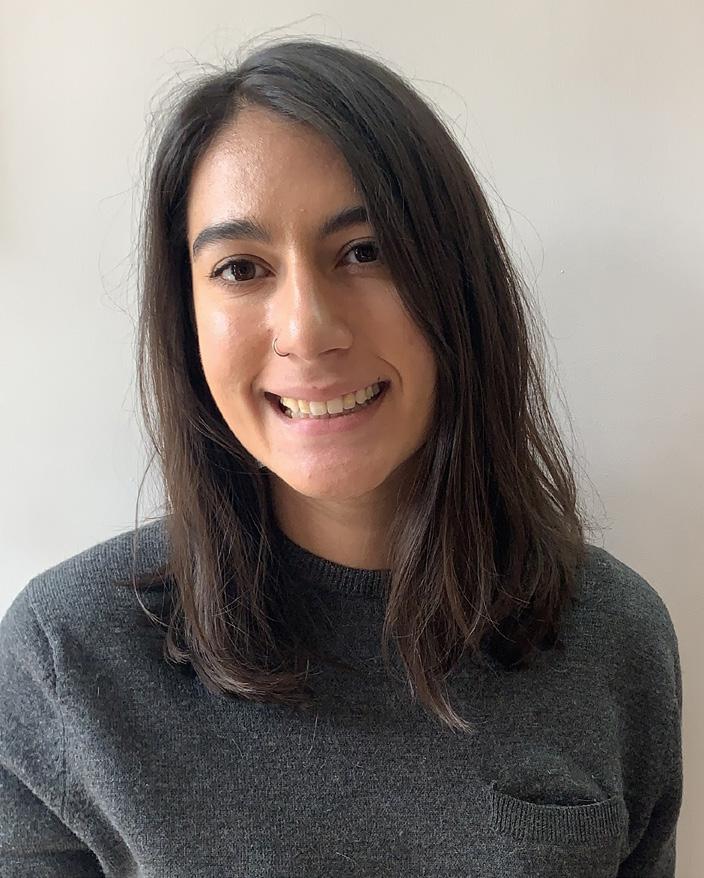
MAYA WELCH, BA ’17, Manager of Program Monitoring & Strategy, Healing Fields Foundation. I work as an Impact Specialist for Healing Fields Foundation, an NGO that seeds women as health agents of change in India’s rural villages. I think about how we scale, evolve, measure, and communicate our impact.
Most of my colleagues come from a health background, so I leave the technicalities of medical determinants of health to their expertise. Where my political economy background serves as a strength is in addressing the social determinants of health. Poverty and lack of agency are cross-cutting challenges, and education in the systems that drive
them has allowed me to think strategically about designing solutions that can work at scale.
I structured my activities in and outside of the classroom while at Tulane around environmental justice. It was in this space that I learned how to center the solutions and voices of those most deeply impacted by a problem. I am from Louisiana, but I am not a member of the frontline communities that bear the brunt of industrial development activities in the state. I am a woman, but I do not face the extreme marginalization and lack of resources that those in rural Indian villages experience. I am not directly impacted, but I can support and uplift those who are. The construction of the Bayou Bridge Pipeline (the final leg of the pipeline that initiated the Standing Rock protests) was underway while I was completing my studies. I was active in community organizing and protest activities. At the same time,
continued on next page
we were learning about the political and economic patterns behind Louisiana’s Cancer Alley and other environmental justice tragedies in my classes. Through internships with the Tulane Environmental Law Clinic and the Gulf Restoration Network (now Healthy Gulf), I experienced engaging in these battles through institutions. In both public health and environmental justice, change requires resources and tools that may not be abundant in the affected communities but can be catalyzed by organizations. This is where I see scope for hard work on the part of allies and institutions.
I came to Hyderabad, India for a year-long internship at the organization where I currently work through a serendipitous and somewhat random combination of contacts and events. After that year, I took a position at The Energy and Resources Institute in New Delhi to return to what I saw as my “real passion”: environmental work. We worked on solar energy projects in rural India, but there was limited prioritization of community-led solutions. When Healing Fields called at the beginning of the Covid-19 pandemic, needing all hands on deck to address the unfolding public health and humanitarian crisis, I answered. An unpreceded global health crisis was an extremely difficult time to have unprecedented personal responsibility for leading interventions. I was underqualified and overwhelmed.
I discovered that in addressing deep global challenges, emotion and commitment are as crucial as any skills and qualifications. Traditional academia and institutions ask us to be highly skilled and rigorous in the application of objectivity, logic, and
evidence towards a goal. I frequently fall short. I find a deeper understanding when approaching analysis through an emotional lens. I was lucky to have professors in my political economy courses and professional mentors who validated and celebrated that approach. Now I work building health ecosystems through empowered women in some of the poorest and most secluded villages of India. This goal feels both totally impossible and completely necessary. The knifeedge of can’t and must is a difficult place to balance. Objective and logical analysis would leave me stuck in the impossible, unable to make a difference. Deep emotional understanding of the work opens up the stamina and creativity necessary to find new paths. Joy, anger, grief, and love build the communities and solutions that can move us into the future.
LAURA WHITE, BA ’ 12, MA, MBA , Independent Consultant
My studies in Political Economy at Tulane allowed me to explore my interest in education. Upon graduation, I worked at a social entrepreneurship organisation called Ashoka, creating a program honoring schools that prioritized empathy and building other social-emotional skills in children. My initial work experience complemented my learning from Tulane with practical experience advocating for system change. Inspired by the principals and teachers I worked with, I obtained my master’s in early childhood special education from George Washington University and became a D.C. public school teacher at one of the schools I worked with at Ashoka.
I loved being a teacher, particularly building relationships with students and parents, watching my students learn, and contributing to a vibrant school community. I developed an appreciation for the importance of supporting families, which I had the opportunity to pursue further when I received an early childhood social entrepreneurship-focused scholarship to obtain my MBA at Oxford’s Saïd Business School. Since graduating from Oxford, I have worked for and consulted with nonprofits and social ventures focused on supporting families in their children’s early years. I also serve as a trustee for a social enterprise that runs a preschool, and I volunteer in the classroom every week.
HONORS, AWARDS, AND PUBLICATIONS
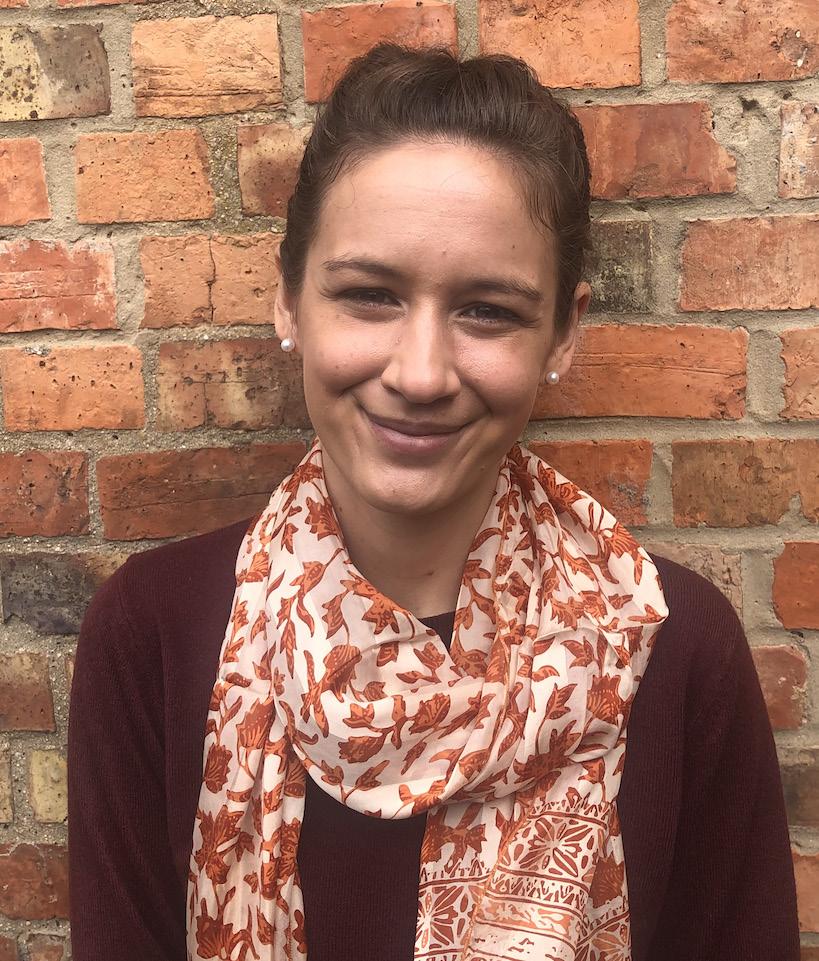
PATRICK BUTTON , Associate Professor of Economics, is co-author of “Does Ageist Language in Job Ads Predict Age Discrimination in Hiring?” (with Ian Burn, Luis Munguia Corella, and David Neumark), published in Journal of Labor Economics 40(3), and “Do Stronger Employment Discrimination
Protections Decrease Reliance on Social Security Disability Insurance? Evidence from the Social Security Reforms” (with Mashfiqur Khan and Mary Penn), published in Journal of the Economics of Ageing 22 (June). They have also been selected as Executive Director of the Data Hub, Tulane’s new center for data literacy.
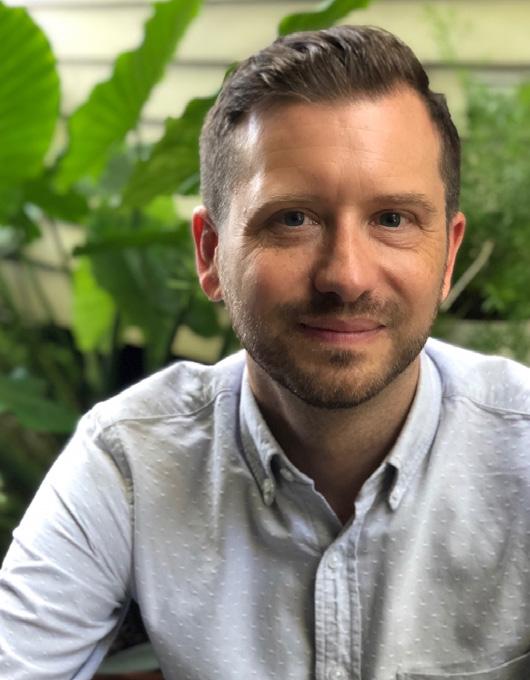
KEVIN CALLISON , Assistant Professor of Health Policy and Management, is co-author of “Associations between Individual Demographic Characteristics and Involuntary Health Care Delays as a Result of COVID-19” (with Jason Ward) published in Health Affairs 40(5), and “Medicaid Expansion and Medical Debt: Evidence from Louisiana, 20142019” (with Brigham Walker), in American Journal of Public Health 111 .
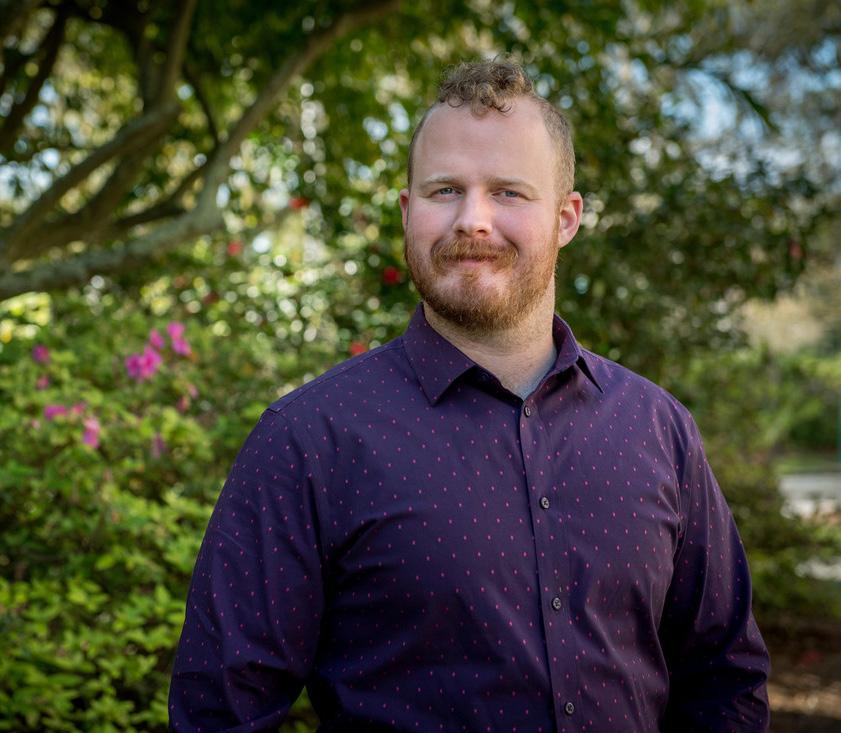
ELLIOTT ISAAC , Assistant Professor of Economics, is author of “Suddenly Married: Joint Taxation and the Labor Supply of SameSex Married Couples After U.S. v. Windsor ,” forthcoming in Journal of Human Resources (2022) and co-author of “Same-Sex Marriage Recognition and Taxes: New Evidence about the Impact of Household Taxation” in Review of Economics and Statistics (with Leora Friedberg, forthcoming 2022).
Jointly with Pat Testa, he won the 2022 Lawrence M. v. D. Schloss Prize for Excellence in Economics.
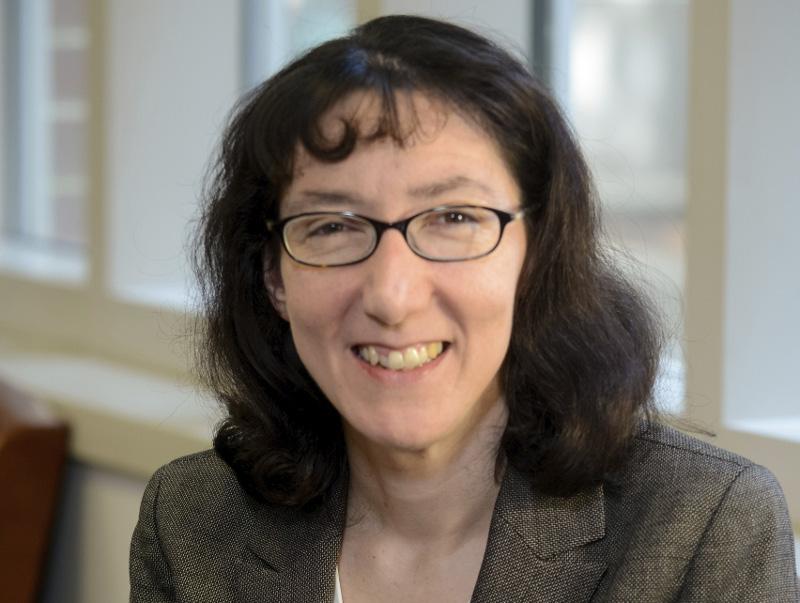
ANN LIPTON , Michael M. Fleishman Associate Professor in Business Law and Entrepreneurship and Associate Dean for Faculty Research, is author of “The Three Faces of Control,” Business Lawyer 77(3), and “Capital Discrimination,” in Houston Law Review 59(4).
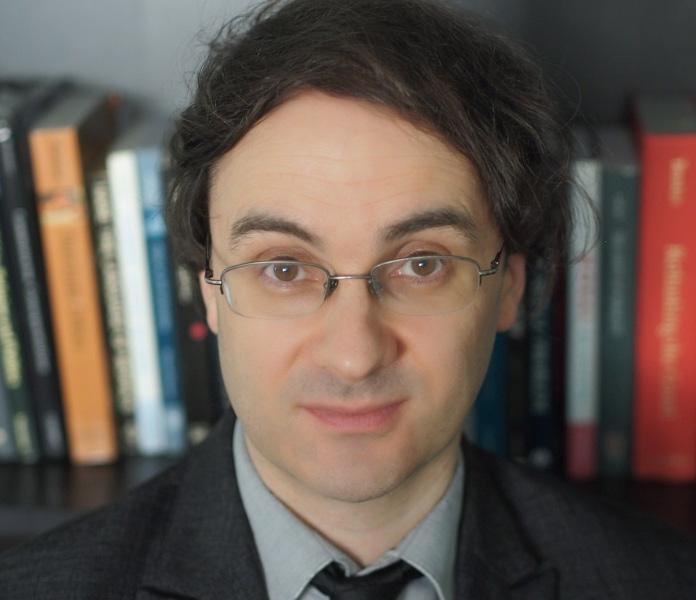
DAVID O’BRIEN, Assistant Professor of Philosophy, is author of “Children, Equality, and Partiality,” forthcoming in Journal of Ethics and Social Philosophy , and “Egalitarian Machine Learning” (with Clinton Castro and Ben Schwan), forthcoming in Res Publica. He was also awarded a Fellow-in-Residence
position for the academic year 2022-23 at the Edmond & Lily Safra Center for Ethics at Harvard University.

PATRICK TESTA,
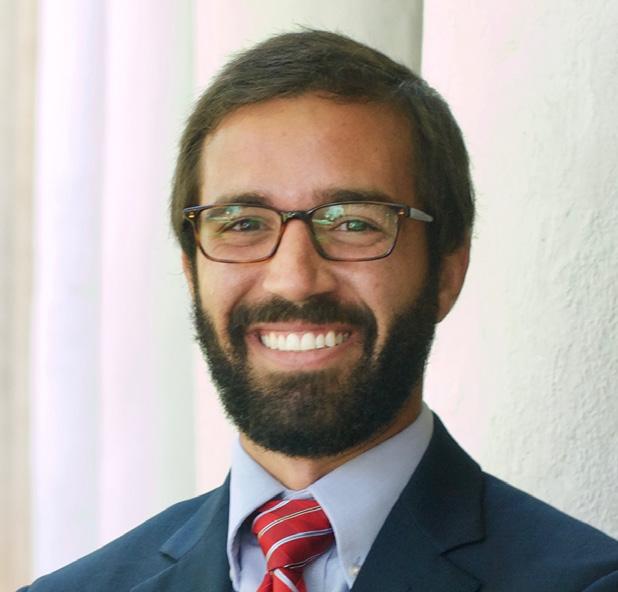
Assistant Professor of Economics, is co-author of “Sundown Towns and Racial Exclusion: The Southern White Diaspora and the ‘Great Retreat’” (with Samuel Bazzi, Andreas Ferrara, Martin Fiszbein, and Thomas Pearson), American Economic Association: Papers and Proceedings 2022(112). He won the Kurzius Family Early Career Professorship, 202223, and, jointly with Elliott Isaac, the 2022 Lawrence M. v. D. Schloss Prize for Excellence in Economics.
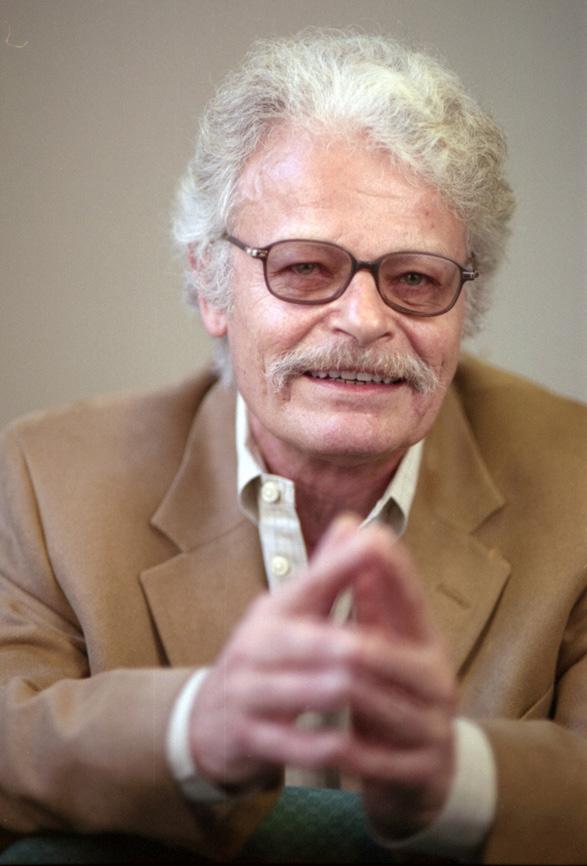
MARTYN THOMPSON , Professor of Political Science, is the author of Michael Oakeshott and the Cambridge School on the History of Political Thought (2019), which was selected as one of BookAuthority’s 16 best new political philosophy books to read in 2022.
next steps
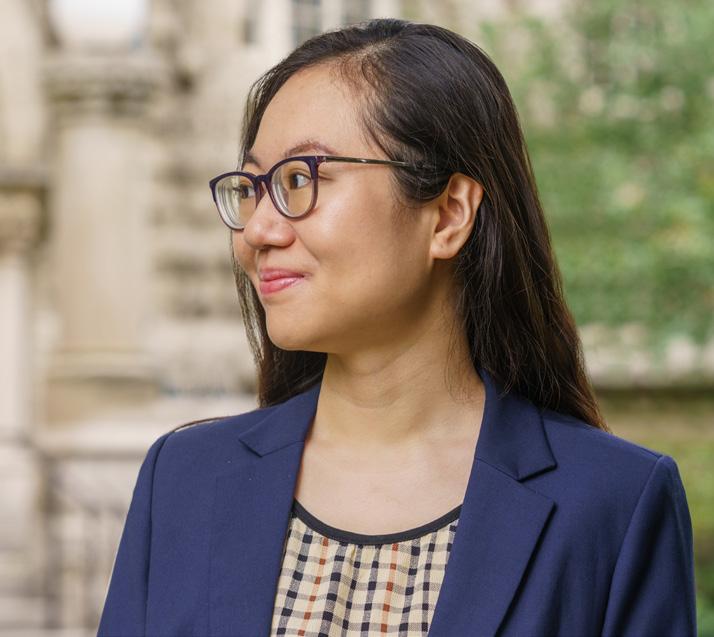

Congratulations to Lan Nguyen (left) and Haibin Jiang, who have completed their two-year appointments as Postdoctoral Fellows in the Center for Public Policy Research.
Lan, who has focused on the economics of education during her time with The Murphy Institute, is now on the faculty at Fulbright University Vietnam.
Haibin, whose interests are in labor economics, public economics, and education, is now a researcher at City Connects of Boston College.
the center on law and the economy

TULANE CORPORATE AND SECURITIES LAW ROUNDTABLE
The annual Corporate and Securities Law Roundtable, organized by
Murphy Affiliate Ann Lipton, was held at Tulane Law School on Saturday, March 19th. As always, Lipton assembled several of the country's leading corporate law scholars for a series of panels and lively discussion.
INFORMATION AND ASYMMETRY
Discussant: J. W. Verret, Associate Professor of Law, George Mason University Scalia Law School
Raiders, Activists, and the Risk of Mistargeting
Zohar Goshen, Jerome L. Greene Professor of Transactional Law, Columbia Law School
Contractual Innovation in Master Limited Partnerships
Christine Hurt, Bromberg Centennial Chair in Corporate, Partnership, and Securities Law, SMU Dedman School of Law
TWO MASTERS?
Discussant: Vice Chancellor Lori Will, Delaware Chancery
Stakeholder Engagement
Brett McDonnell, Dorsey & Whitney Chair in Law, University of Minnesota Law School
Citizen Corp
Simone Sepe, Chester H. Smith Professor and Professor of Law and Finance, University of Arizona
Political Risk Management
Omari Scott Simmons, Howard L. Oleck Professor of Business Law and Director of Business Law Program, Wake Forest University
EVERYTHING IS SECURITIES FRAUD
Discussant: Ann Lipton, Michael M. Fleishman Associate Professor in Business Law and Entrepreneurship and Associate Dean for Faculty Research, Tulane University Law School
Liability for Non-Disclosure in Equity Financing
Albert Choi, Paul G. Kauper Professor of Law, University of Michigan Law
To What Extent Should Post-Modern Corporate Disclosure
Trigger Fraud-on-the-Market Liability?
Kevin Haeberle, Professor of Law and Fellow in the Center for the Study of Law and Markets, William and Mary Law School
Expert Valuations in Securities Class Actions after Goldman Sachs: Some Reliable Methodologies for Assessing "Mismatch"
Frank Partnoy, Adrian A. Kragen Professor of Law, UC Berkeley School of Law
THE PRICE WE PAY
Discussant: Brett McDonnell, University of Minnesota
Who Owns the (Climate) Future?
Madison Condon, Associate Professor of Law, Boston University
Startup Biases
Jennifer Fan, Associate Dean for Research and Faculty Development, Director of the Entrepreneurial Law Clinic, and Associate Professor of Law, University of Washington
Markets for Black Pain: Law and Marginalization as a Commodity
Cary Martin Shelby, Professor of Law, Washington and Lee
EXPANDING THE CONTRACT
Discussant: Cary Martin Shelby, Washington and Lee School of Law
Purpose Proposals
Jill Fisch, Saul A. Fox Distinguished Professor of Business Law and Co-Director of the Institute for Law and Economics, University of Pennsylvania Carey Law School
Inside Out: New Challenges to the Internal Affairs Doctrine
Ann Lipton, Tulane Law
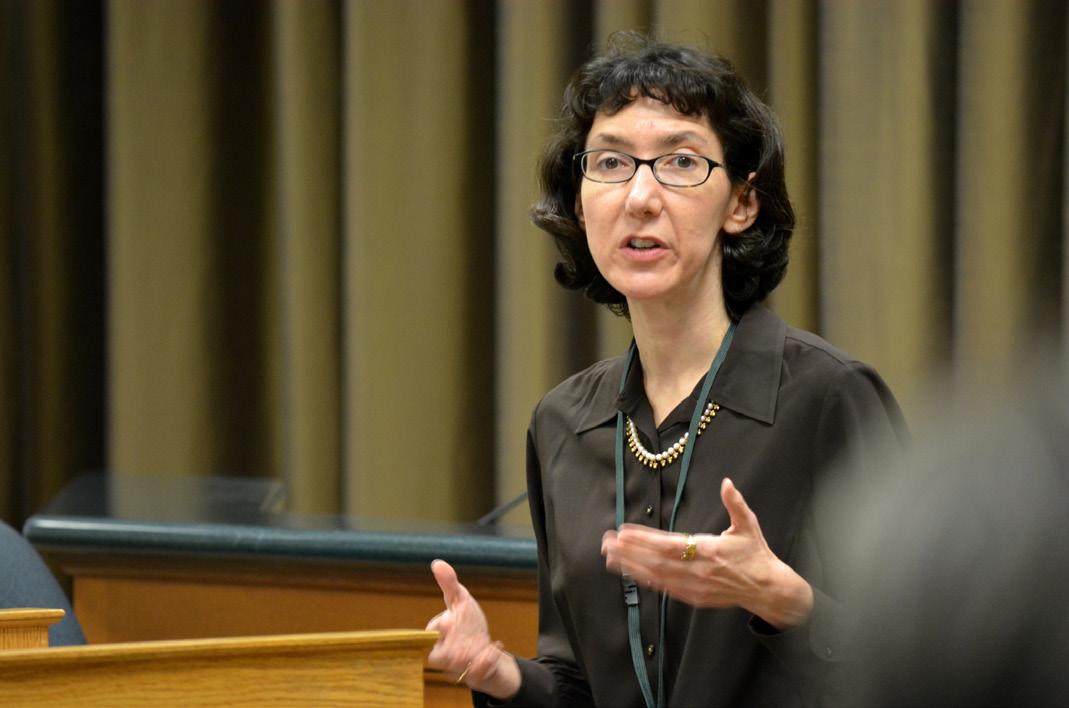
Albert Choi, Professor of Law, University of Michigan
Roundtable Convener Ann Lipton, Michael M. Fleishman Associate Professor of Law

workshop on law and the economy
In this workshop from the Center on Law and the Economy, visiting scholars present works in progress on regulation of economic activity. Center Director Adam Feibelman convenes the workshops with the input of Executive Director Emeritus Steven Sheffrin, the current VAP in Law (Alveena Shah in the 2021-2022 academic year), and other Law faculty.
MIRYA HOLMAN
Associate Professor of Political Science, Tulane University Using the Emergency in Emergency Orders: Federalism & Municipal Policy Action during the COVID-19 Crisis (with Emily Farris and Miranda Sullivan)
MAXINE EICHNER
Graham Kenan Distinguished Professor of Law, UNC Law
The Free-Market Family: How the Market Crushed the American Dream
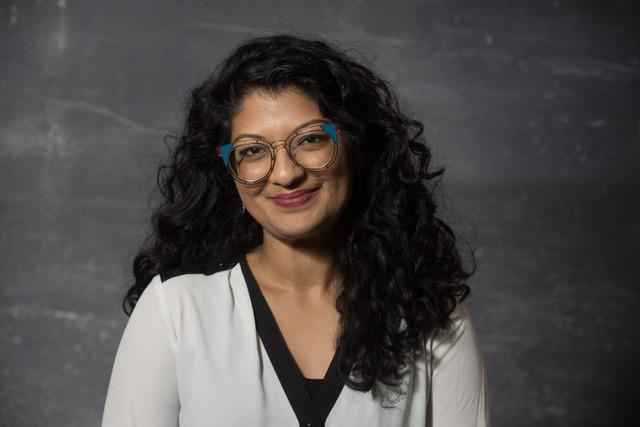
co-organized by
ALVEENA SHAH
CARLISS CHATMAN
Associate Professor of Law, Washington and Lee Law
Teaching Slavery in Commercial Law
CHRISTOPHER ROBERTSON
Associate Dean and Professor of Law, Boston University Law
The Jury Trial Reinvented (with Michael Shammas, Tulane)
MEGAN STEVENSON
Associate Professor of Law and Associate Professor of Economics, UVA Cause, Effect, and the Structure of the Social World
ROBERT WESTLEY
LOCHEF Professor of Legal Ethics & Professional Responsibility, Tulane Law
What Every Law Student Needs to Know about Reparations
HADAR AVIRAM
Professor of Law, UC Hastings Law
Fester: Carceral Permeability and the California COVID-19 Correctional Disaster
ALVEENA SHAH
Visiting Assistant Professor of Law, Tulane Law Differential Immunities
ASLI B Â LI
Professor of Law, UCLA Law From Revolution to Devolution? Dilemmas of Decentralization in the Middle East
MITU GULATI
Perre Bowen Professor of Law and John V. Ray Research Professor, UVA Law
Environmental Protection and Sovereign Debt Restructuring
PETROS MAVROIDIS
Edwin B. Parker Professor of Foreign & Comparative Law, Columbia Law School Trade to Develop to Develop to Trade: Developing Countries in the World Trading System
PATRICK EGAN
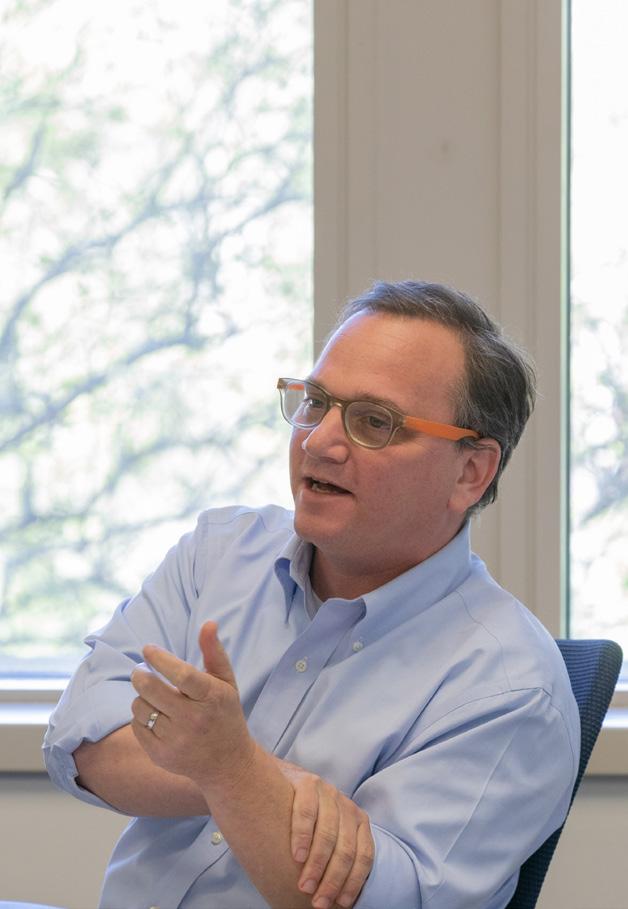
Associate Professor of Political Science, Tulane University Who Demands Protection when Exchange Rates Move? A FirmLevel Perspective on Trade Politics
MARYAM JAMSHIDI
Associate Professor of Law, University of Florida Levin College of Law
The Private Enforcement of National Security
co-organized by
ADAM FEIBELMAN
the center for public policy research

TULANE-LSU APPLIED MICROECONOMICS CONFERENCE
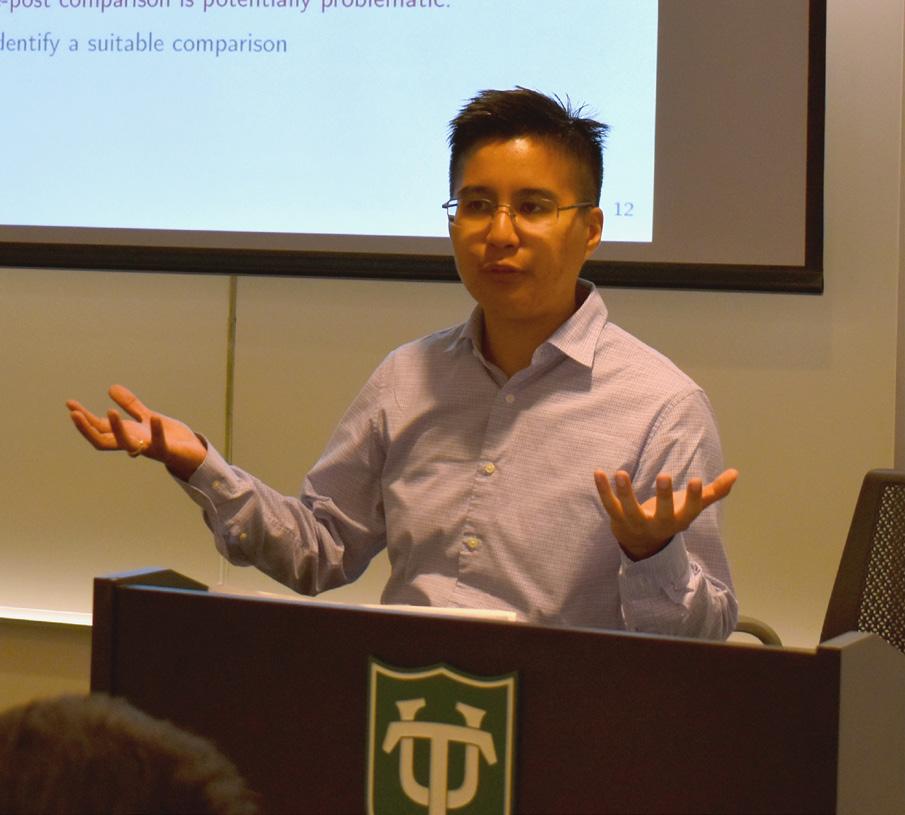
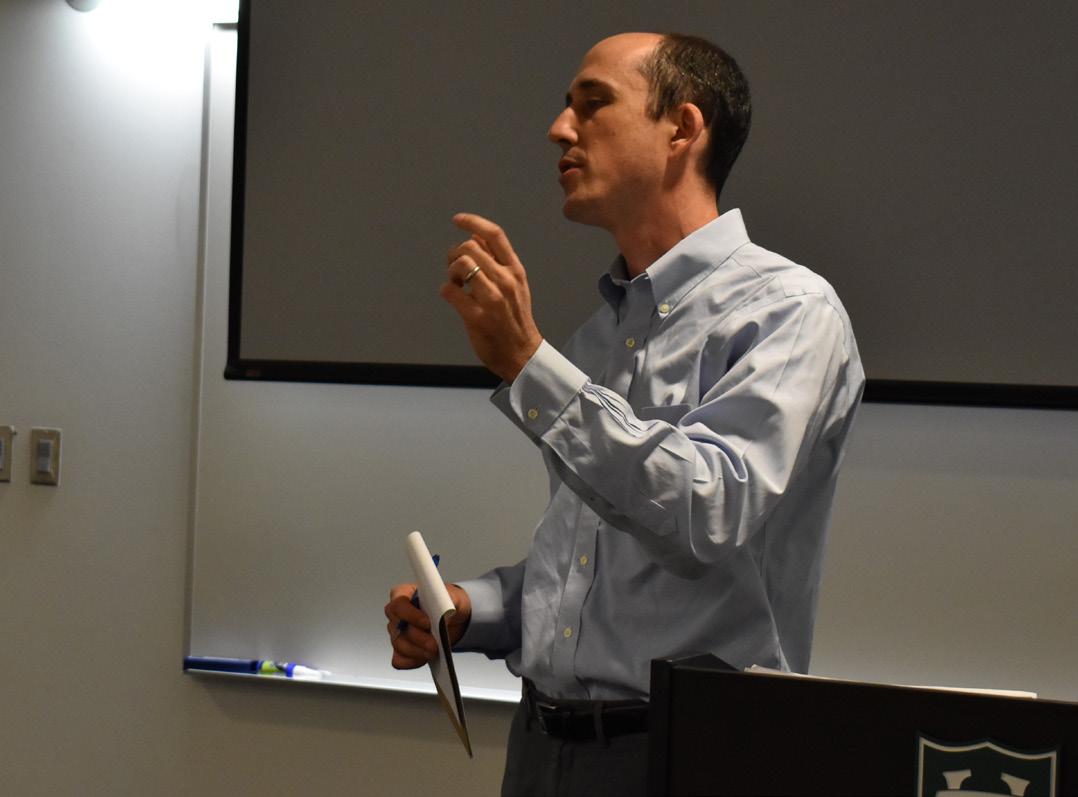
Associate Professor and Director of Health Policy Mary Olson organized a lively day of inter-university presentations from economics faculty at Tulane and LSU. The group assembled at the LBC on Tulane's uptown campus the week after the spring semester ended in May 2022. The presenters along with the titles of their papers are listed below.
WEI LONG, Associate Professor of Economics, Tulane
Silence Breaking: The Role of Sexism in Sexual Crime Reporting in the Me Too Era
ABIGAIL PERALTA, Assistant Professor of Economics, LSU
The Impact of Election Fraud on Government Performance
EMILY COOK, Assistant Professor of Economics, Tulane
The Effect of College Vaccine Mandates on Local Covid-19 and Economic Outcomes (co-authored with Riley Acton, Wenjia Cao, Scott Imberman, and Michael Lovenheim)
PHILIP MARX, Assistant Professor of Economics, LSU
Regulating Police with Unknown Bias (co-authored with Roland G. Fryer, Jr.)
ELLIOTT ISAAC, Assistant Professor of Economics, Tulane Tax-Based Marriage Incentives in the Affordable Care Act (co-authored with Haibin Jiang)
DANIEL KENISTON, Associate Professor of Economics, LSU
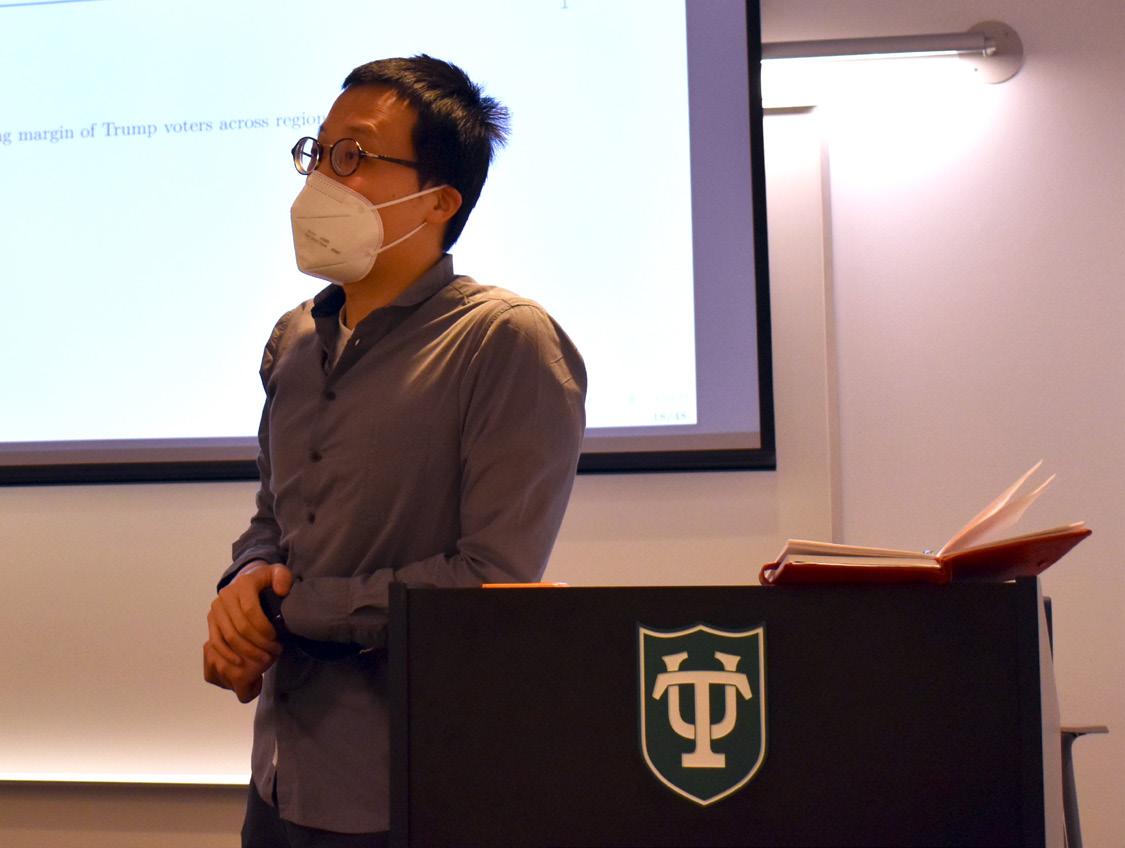
The Long-Run Impact of Historical Land Demarcation: Evidence from Louisiana's Cadastral Systems (co-authored with Ed Seyler)
WEI LONG
ABIGAIL PERALTA
DANIEL KENISTON

working groups
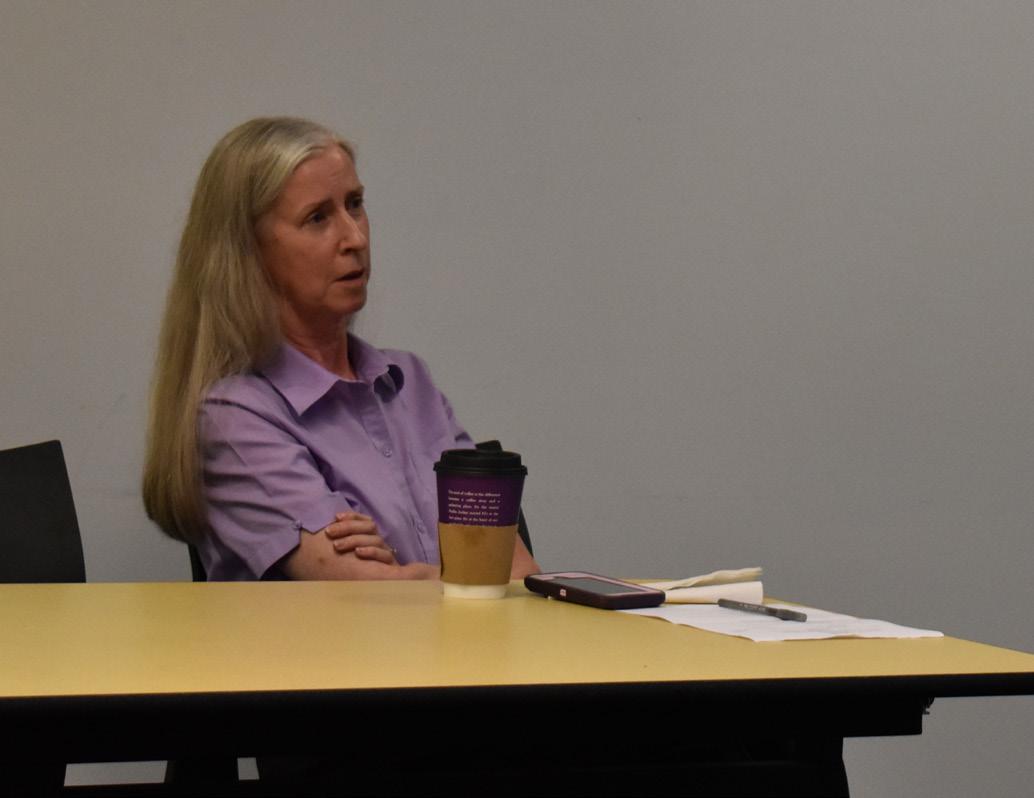
The Murphy Institute Working Groups on Health Policy and on Public Policy bring together faculty from numerous disciplines across Tulane’s campuses to establish a network of professionals and produce interdisciplinary research that addresses critical policy issues. These working groups provide scholars with the opportunity to present new work to an incisive yet friendly audience, whether virtually or in person.
HEALTH POLICY WORKING GROUP
JIN XING
Ph.D. candidate in Economics
Title: The Effect of Medicaid Expansion on Drug Overdose Mortality
AUGUSTINE DENTEH
Assistant Professor of Economics Who Increases Emergency Department Use? New Insights from the Oregon Health Insurance Experiment
BRIGHAM WALKER
Assistant Professor of Health Policy and Management Foreign Physicians: Patient Preferences and Physician Availability

PUBLIC POLICY WORKING GROUP
JAVIERA SELMAN
Postdoctoral Fellow, Economics and The Murphy Institute To Move or Not to Move to Opportunity: Experimental Evidence from an Online Counseling Program to Rental Voucher Recipients in Chile
MARY OLSON leads the Health Policy working group
NOWAR 2022


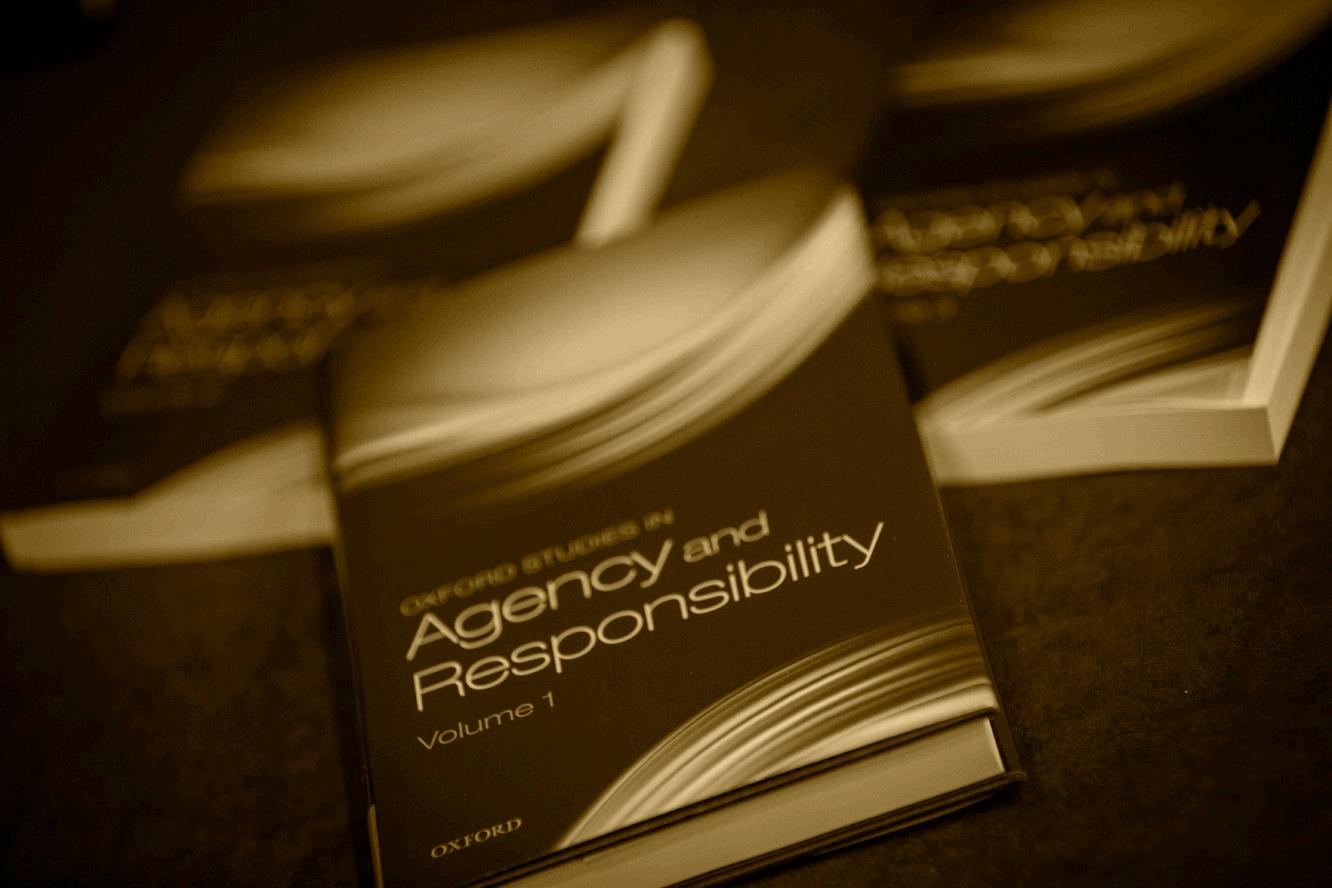
David Shoemaker founded the New Orleans Workshop on Agency and Responsibility (NOWAR) in 2011 when he held a professorship at The Murphy Institute. Now a professor at Cornell University, he continues to organize the workshop. Shoemaker writes, “I am tremendously grateful to The Murphy Institute and CEPA for once again supporting the event, which was, by all accounts, a tremendous success. The work presented was cutting-edge and often extremely sophisticated, and it provided just what the event was designed for—namely, a forum for the very best new interdisciplinary research in the subfield.” Oxford University Press will publish the best of these papers in the associated volume, Oxford Studies in Agency & Responsibility, Volume 8, in 2023. The 2022 workshop, NOWAR 6, marked the tenth anniversary of the workshop.
JUAN PABLO BERMÚDEZ, Universidad de Colombia , SAMANTHA BERTHELETTE, University of California, San Diego, GABRIELA FERNANDEZ, Duke University , ALFONSO ANAYA, University of Warsaw, and DIEGO RODRIGUEZ, ICESI University
Positive and Negative Self-Control
POLARIS KOI, University of Turku
Willpower as a Metaphor
SARA PURINTON, University of Pennsylvania
Uncertain Abilities, Diachronic Agency, and Future Selves
JUSTIN D’ARMS, Ohio State University, and DANIEL JACOBSON, University of Colorado, Boulder
Emotional Motivation and Evaluative Judgment
ELINOR MASON, University of California, Santa Barbara
False Consciousness and Fragile Agency: Towards a New Response
SARA BERNSTEIN, University of Notre Dame
Resisting Social Categories
ROBERT WALLACE, California Polytechnic State University, San Luis Obispo Compatibilism as Non-Ideal Theory
EMILY BINGEMAN, Universidad de los Andes
The Risks of Praise
SEBASTI Á N FIGUEROA RUBIO, Universidad Autónoma de Madrid
Negligence, Agency, and Ascription of Responsibility
SAM MURRAY, Duke University
Negligence and the Metaethics of Moral Responsibility
CHESHIRE CALHOUN, Arizona State University
Keynote Address: On Having the Status “Responsible Person”

the center for ethics and public affairs

seminars & lectures
Each year, the Center for Ethics and Public Affairs invites distinguished academics to present their current work at the Center for Ethics Speaker Series. Since 2001, the Center for Ethics has hosted more than 200 guest speakers.
FABIENNE PETER
Professor of Philosophy, University of Warwick and CEPA Faculty Fellow, The Murphy Institute Political Deference
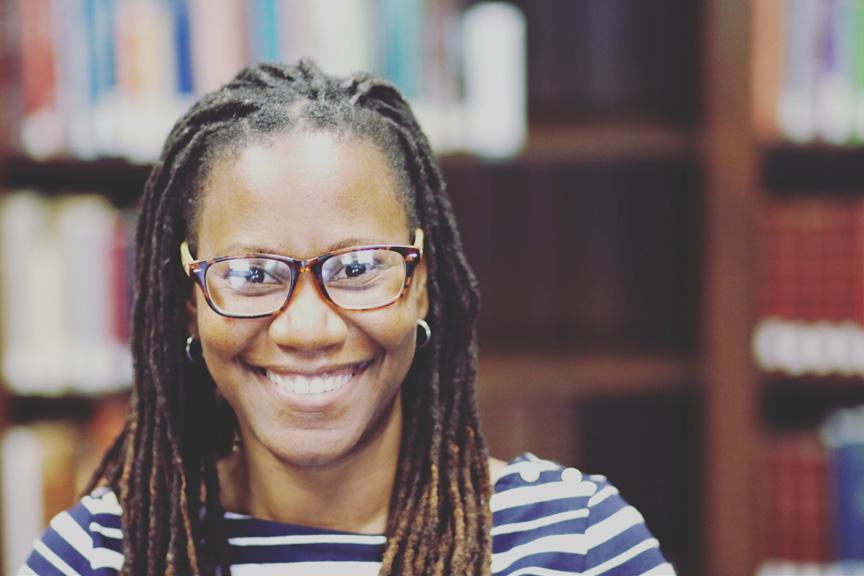
MYISHA CHERRY
Assistant Professor of Philosophy, the University of California, Riverside
Rage Renegades: A Special Message to “Allies”
MICHAEL HANNON
Associate Professor of Philosophy, University of Nottingham and CEPA Faculty Fellow, The Murphy Institute
Are Knowledgeable Voters Better Voters?
S.M. LOVE
Assistant Professor of Philosophy, Georgia State University and CEPA Faculty Fellow, The Murphy Institute
The Right to Freedom
ROBIN HAHNEL
Professor Emeritus of Economics, American University Economic Justice
JESSICA FLANIGAN
Associate Professor of Leadership Studies and PPE, University of Richmond First Rescue
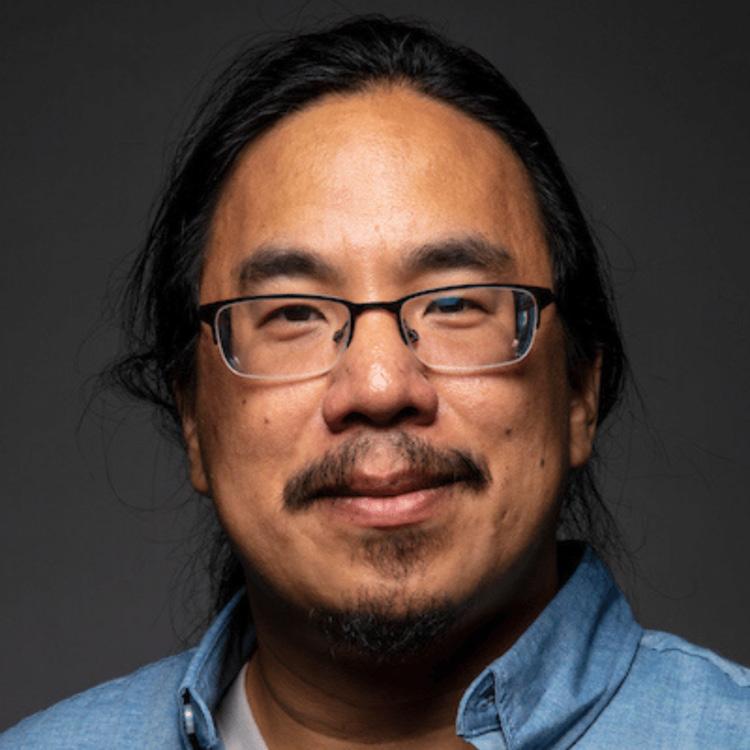
C. THI NGUYEN
Associate Professor of Philosophy, University of Utah
Value Capture
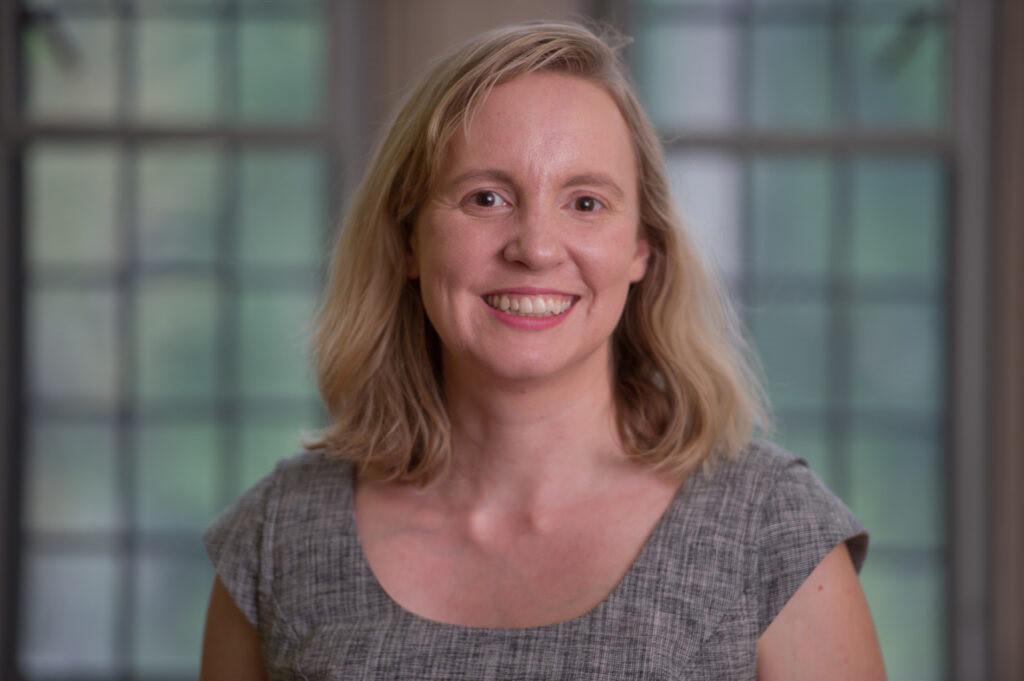
JESSICA FLANIGAN
C. THI NGUYEN
MYISHA CHERRY
the center for ethics and public affairs

2021–2022 faculty fellow profiles
THE FACULTY FELLOWS PROGRAM lies at the heart of the Center for Ethics and Public Affairs. Each year, the Center for Ethics invites faculty from around the world who work in the fields of ethics and public affairs to enter the Center’s annual faculty fellowship competition. Selected scholars spend an academic year at the Center, working on their own research projects, participating in the Center’s events, and fostering academic connections with Tulane faculty and graduate students.
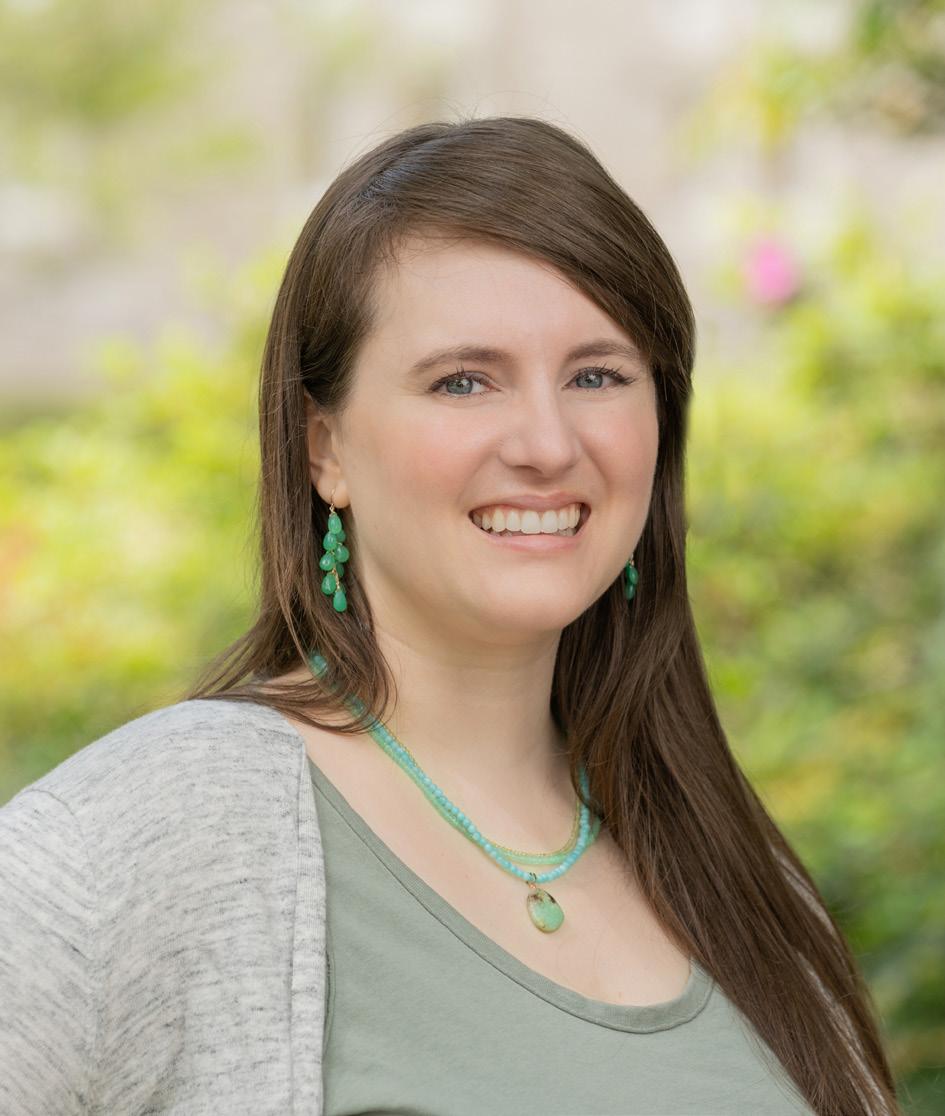
The CEPA fellowship aims to offer visiting academics a forum for discussing new ideas with other top scholars as well as the opportunity for focused work on their own research. Suzanne M. Love, Assistant Professor of Philosophy at Georgia State University, spent a productive year as a faculty fellow. She writes, “Being a Fellow at The Murphy Institute gave me the time I needed to work on my book, Freedom from the Market .” Love, both a legal theorist and a social and political philosopher, argues in her forthcoming book that respecting citizens’ right to freedom entails more than a non-intrusive state. True freedom, she argues, requires both securing access to basic resources and limiting inequalities—something that capitalism has failed to provide. This is consistent with Kant’s theory of right while also attempting to specify what the hindrances to freedom are in the 21st century’s global economic system. Time for solo work is key, but dialogue with other philosophers is also invaluable. Professor Love remarks, “Having the chance to share my thoughts on my work with the Tulane community was a wonderful and very helpful opportunity. Hearing from the other scholars who came to speak about their own work was incredibly intellectually stimulating and was a real joy.”
SUZANNE M. LOVE

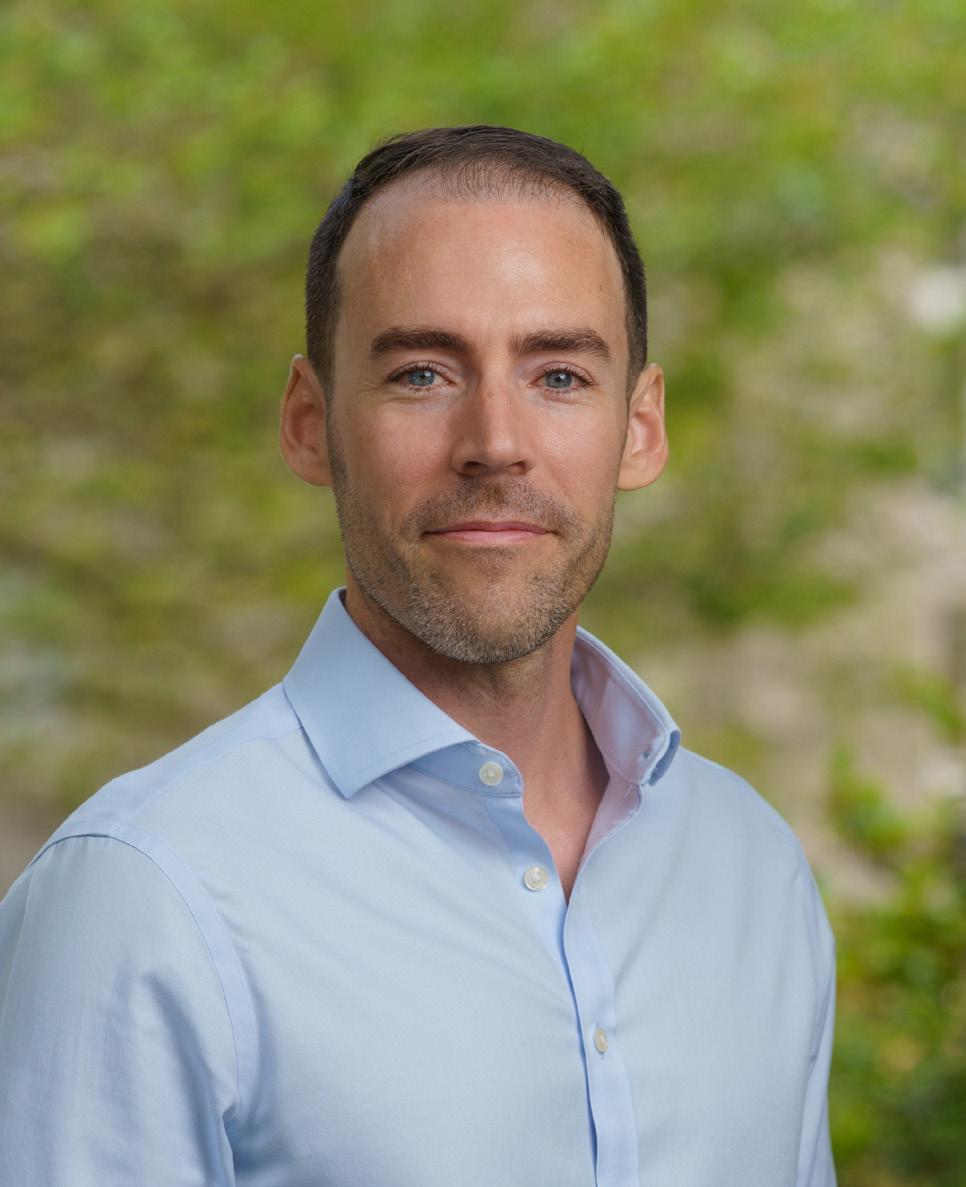
Happily, our faculty fellows often find inspiration in their environment while at The Murphy Institute. Michael Hannon, Associate Professor of Philosophy at the University of Nottingham, writes that the fellowship was “invaluable.” Hannon is spending 2022-23 as an Edmond J. Safra Fellow-in-Residence at Harvard on the heels of a highly productive year as a Murphy CEPA faculty fellow. While here, he published four journal articles, two book reviews, and made significant progress on a book manuscript about dysfunctional public discourse. He tells us the following: “Tulane, and New Orleans more generally, were lovely places to conduct research and focus on writing. I found the graduate students at Tulane to be incredibly bright, welcoming, interesting, and fun. The Murphy seminars were one of the highlights of my visit to Tulane, with renowned speakers giving talks on cutting-edge topics in political philosophy, ethics, and economics. I learned a lot from each seminar and wish there were even more meetings. Also, the Center's Director, David O'Brien, as well as the Assistant Director, Meg Keenan, were incredibly warm, welcoming, and helpful throughout the whole fellowship period. Overall, I made new friendships, expanded my professional network, and was far more productive than I expected. I also fell in love with the city of New Orleans and would like to visit whenever possible!”
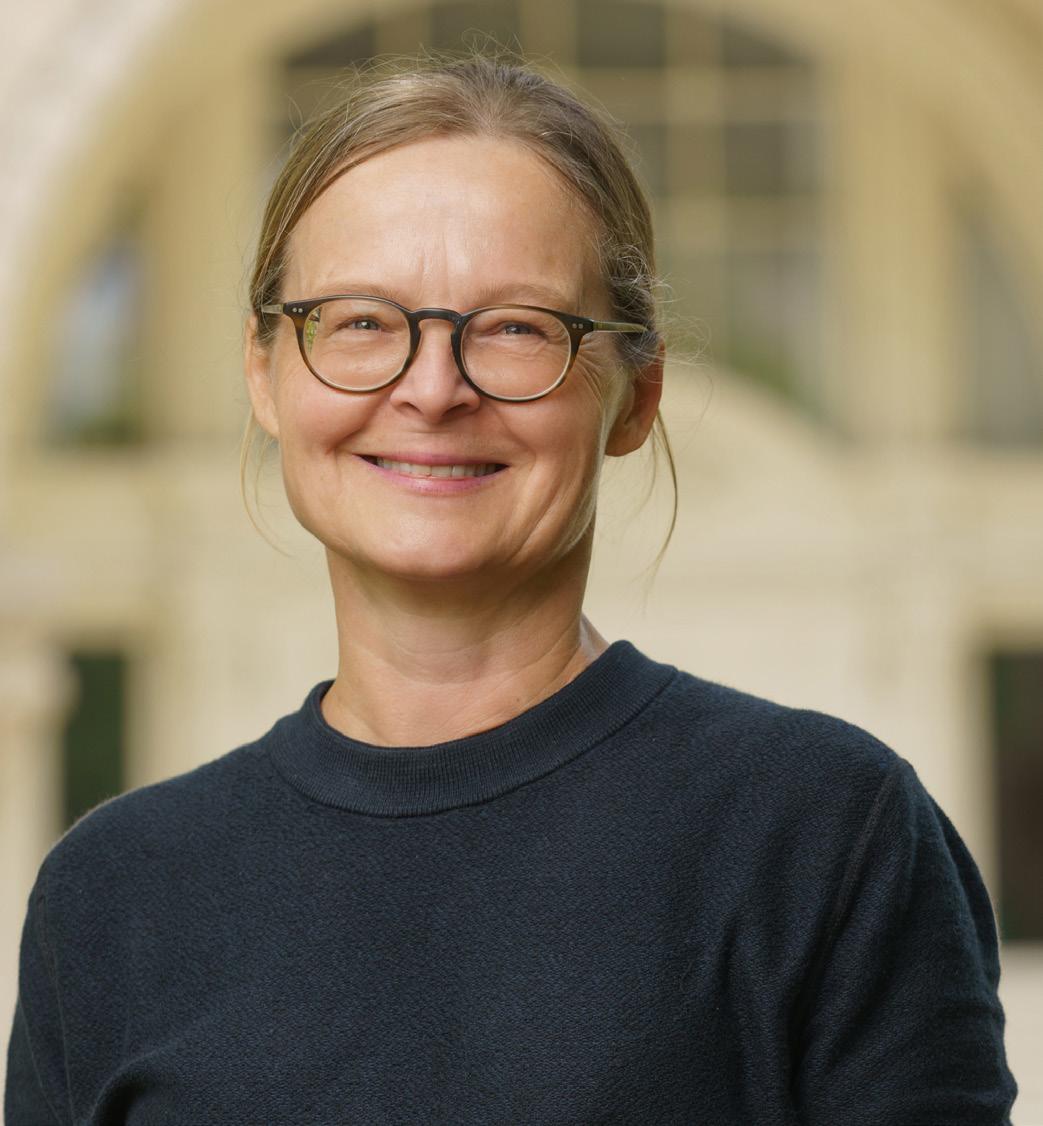
Fabienne Peter, Professor of Philosophy at the University of Warwick, concurs in finding the fellowship to be what she hoped for in the 2021-22 academic year. “There aren’t many fellowships like this in Philosophy, and the setup at The Murphy Institute is ideal. Meg Keenan offered us fellows wonderful support, the Tulane campus is beautiful and convenient, and the seminar series that David O’Brien organized was of the highest standard. I also enjoyed spending time with the other fellows. It's not surprising that the Murphy fellowships have an excellent reputation in the Philosophy community! The fellowship allowed me to finish a book manuscript on political legitimacy. I was also able to make headway into a new major project on moral action. Both these projects required the sort of headspace that is hard to find in our normal busy academic lives. On a personal level, both my partner and I very much enjoyed being in New Orleans, and I was happy to be able to spend time in the U.S. again. In short, it's been a fantastic year!” In addition to publishing a journal article in Mind during her fellowship, Peter contributed a chapter to each of two 2021 volumes of which Hannon was an editor—an example of how the fellowship can lead to fruitful collaboration that advances the field.
FABIENNE PETER
MICHAEL HANNON