Structural Engineering
Structures With Us
Our Structural Engineers strive to deliver efficient, elegant, and functional solutions to all our clients.
As award-winning consulting engineers, our clients have placed more than 60 years of trust in our Structural Engineering services, which are utilised globally to improve sustainability, economy, speed of construction and the longevity of our structures.
We offer the benefits of scale through our integrated services, reducing the need to add expensive subconsultant and subcontractor packages. Our client’s goals are our primary focus, and our design approach is customised for every project based on type, scale, location, and complexity.
We believe the value and experience that TTW can bring to a project can significantly improve the outcomes for the project from a design, development, construction, and operational perspective. Our in-depth knowledge of design standards, behaviour of materials, and sophisticated computational design and analysis, ensures the delivery of innovative project design solutions.
Our Structural Engineering team works closely with you to understand the technical needs of your project and our approach is always holistic, collaborative, and hands on.
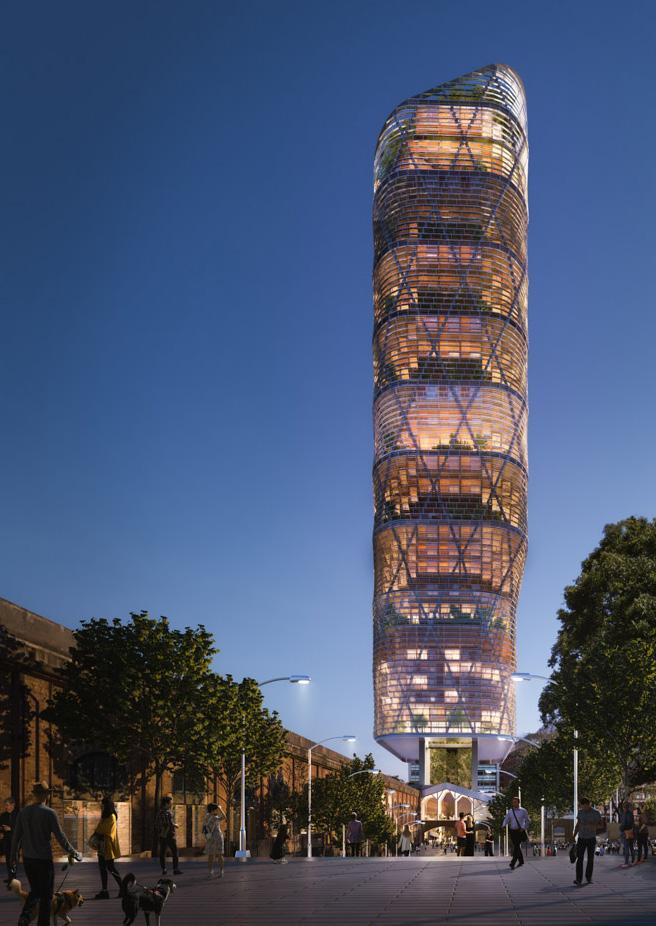
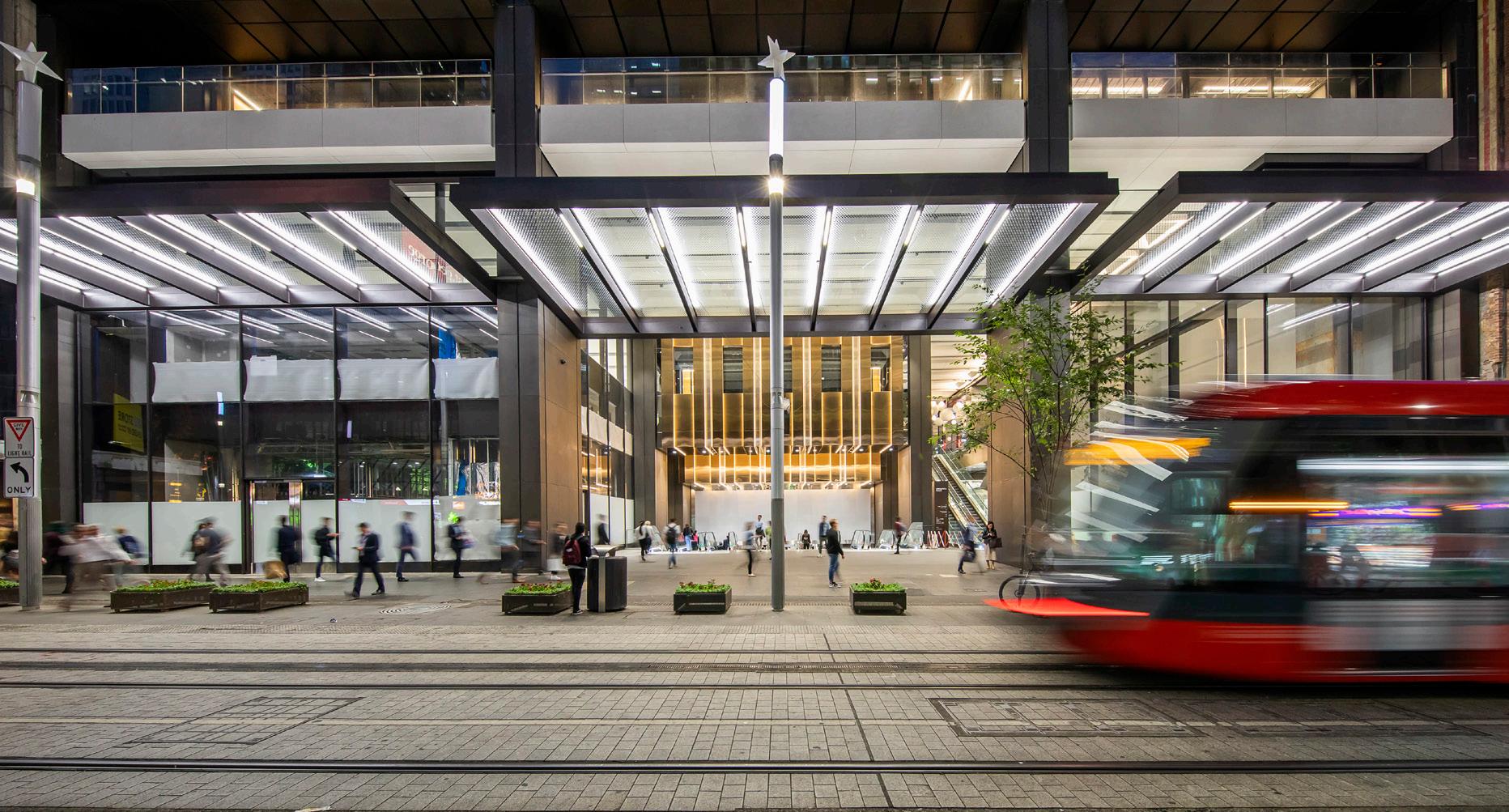
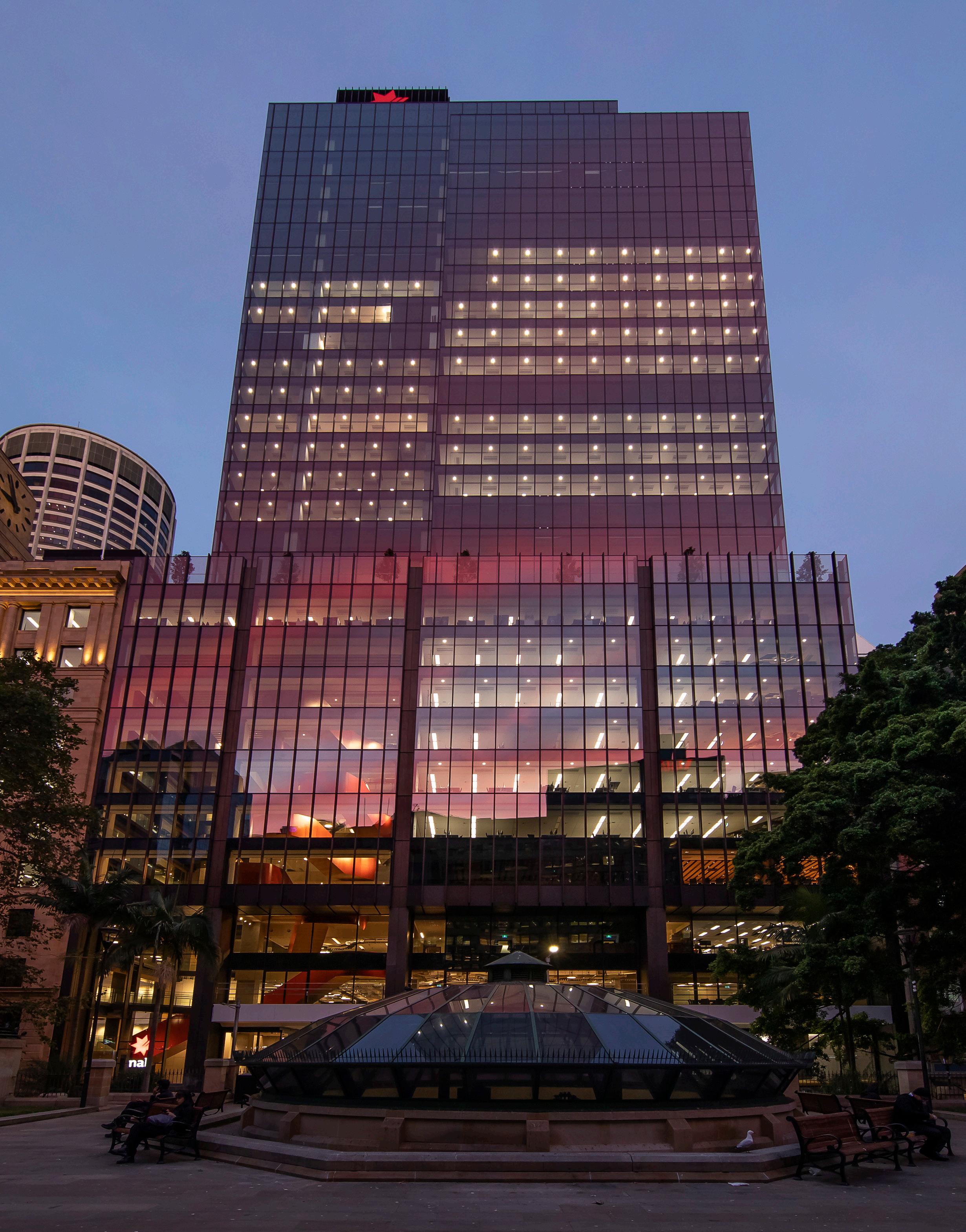
Transformational urban regeneration and multi-award-winning project \ Brookfield Place was one of the most complex projects of its kind.
Our Approach
Our clients continue to trust us for their projects with an ever-increasing range of complexities and needs.
Consultation, Collaboration, Integration and Innovation
We take a collaborative, tailored and multi-disciplinary approach to projects to improve the performance on all aspects of the structure of your project. It allows us to blend all our capabilities and skillsets in an innovative environment, with the goal of delivering the best outcomes for our clients.
In order to achieve integrated solutions on our projects, our approach to project management is based on four principles; consultation, collaboration, integration and innovation.
By involving our in-house specialties early in the project lifecycle, we can mitigate design impacts and apply their knowledge to create innovative solutions.
With more than 300 technically skilled staff across Sydney, Melbourne, Canberra, Brisbane, Singapore and Jakarta offices, TTW has the resource base to guarantee you certainty of delivery across the lifecycle of the project.
Our Structural Engineering team can provide expertise across the following services:
High Rise and Long Span Structures
Structural Dynamics and Occupant Perception
Advanced Structural Simulation
Building Materials Selection & Carbon Analysis
Wind and Seismic Engineering
Shallow Tunneling and Deep Basement Design
Adaptive Reuse and Asset Redevelopment
Performance Based Solutions
Design for Manufacture and Assembly
Temporary Structures
Forensic Engineering
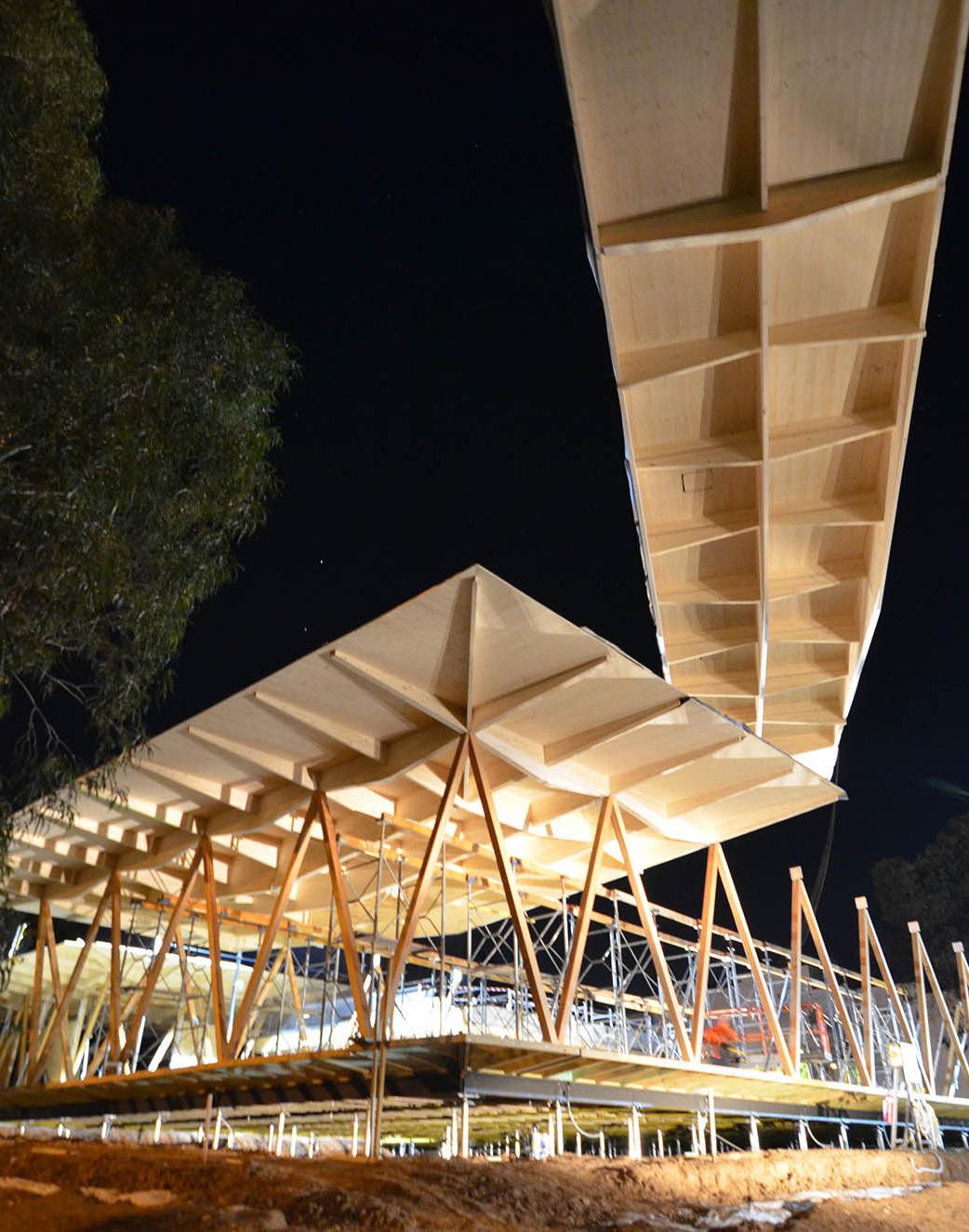
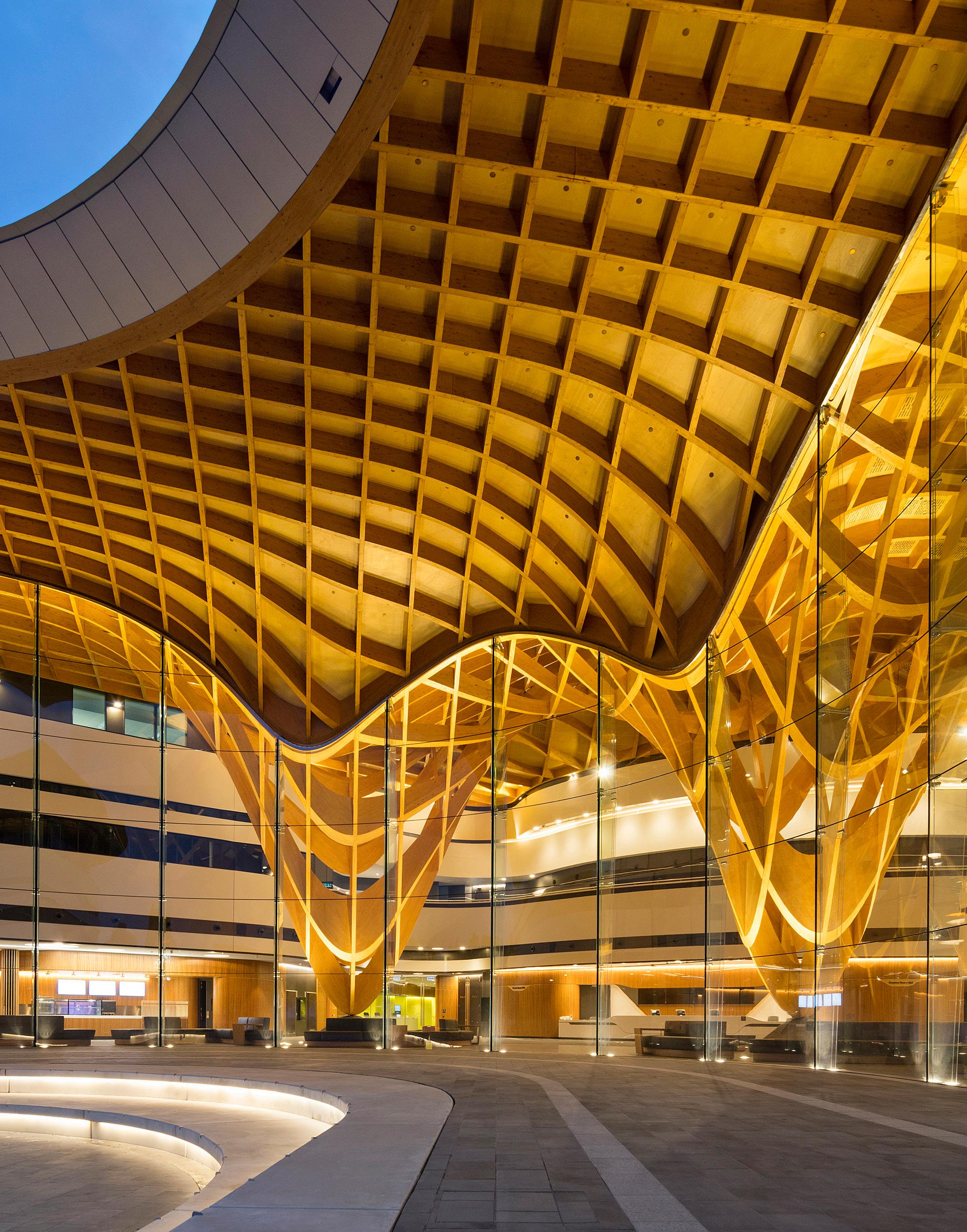
Multi-award-winning complex timber gridshell \ Bunjil Place involved intricate design challenges and delivery to demanding timeframes.
Applied Science and Engineering
Our specialist Applied Science and Engineering team uses the most advanced analytical tools available to solve complex engineering problems.
In more complicated building typologies, once traditional principles of rationalised structural design have been exhausted, there is often a need to leverage more advanced analytical techniques.
We can leverage the expertise of our Applied Science and Engineering team working alongside our Structural Engineering team to develop, optimise and evaluate complex engineering solutions.
This service offers additional benefits to your project, including:
Design efficiency
All potential load paths in a structure can be shared and mobilised with fewer assumptions being made. This can lead to savings in materials and complexity.
Designs reviews
Added confidence in the design of your structure through verification using an alternative means.
Design validation
If a structure, or part of a structure, is called into question by conventional design methods, especially if it has already been built.
Forensic engineering
If an adverse event has occurred, its likely root cause can be investigated.
Some scenarios where our work can be applied include:
Advanced structural analysis and design of concrete and masonry
Seismic assessment, design and retrofit
Heritage/historical masonry structures
Vibration and structural dynamics analysis, monitoring and testing
Ground-structure interaction, movement and damage assessment
Thermal and fire analysis of concrete structures
Concrete durability and corrosion
Stability of structures
Fatigue analysis and design
Staged construction analysis
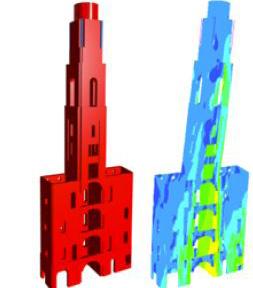
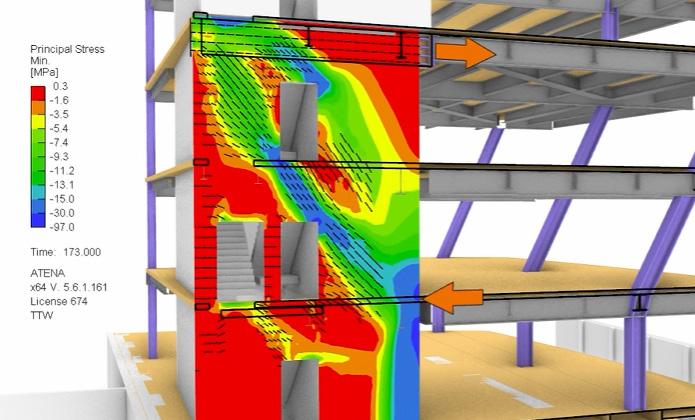
Shear Capacity \ In-plane shear capacity of reinforced concrete shear walls with openings carrying horizontal transfer forces from raking columns, including concrete strut loads paths, reinforcement stress and full collapse load capacity.
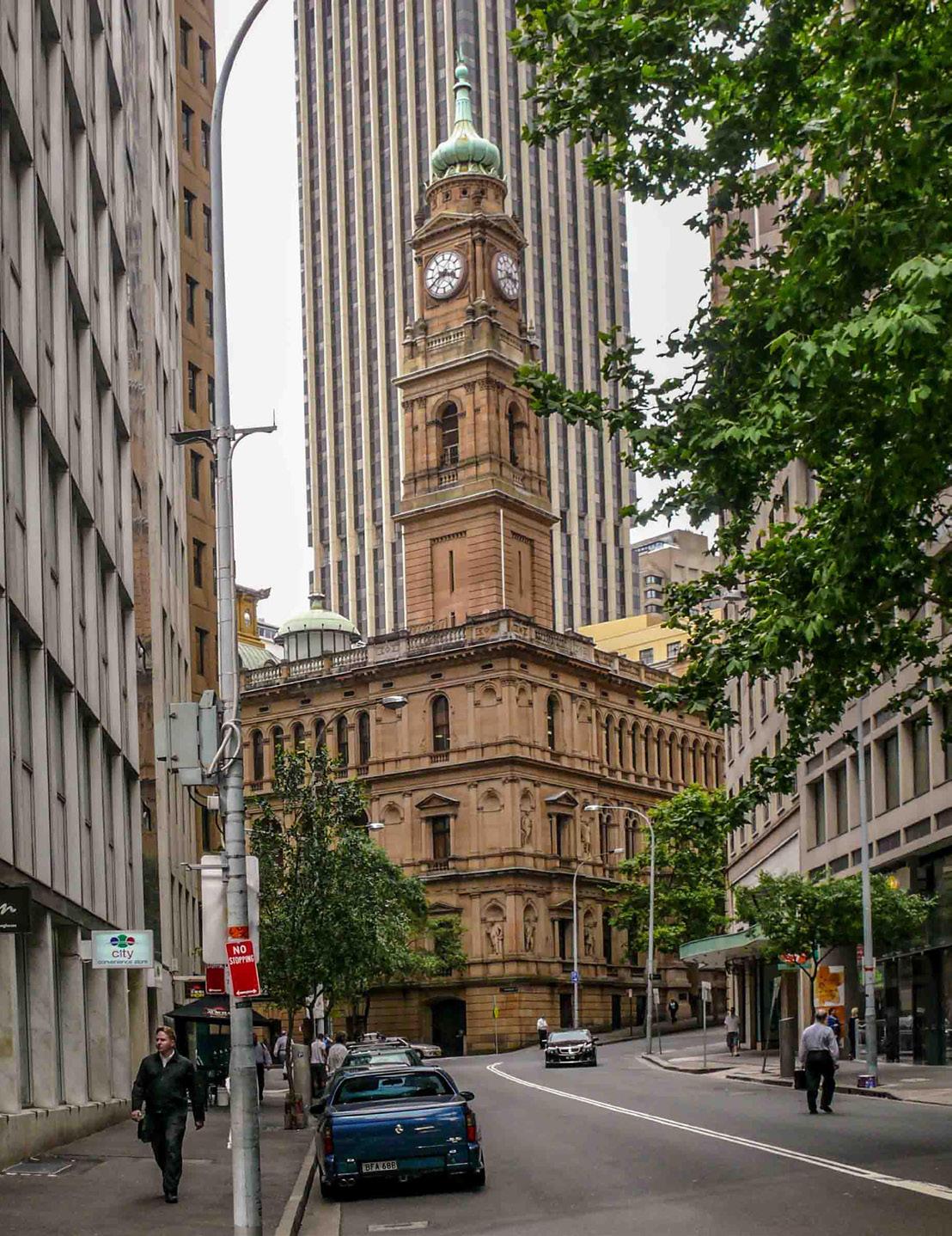
Seismic analysis of Department of Lands Building and clocktower.
Digital Engineering
Digital Engineering enables us to explore design possibilities and develop innovative solutions to your project in a cost-effective virtual setting.
Our engineers are industry leaders in integrating technology into design solutions and work closely with clients, architects, and contractors to make their most ambitious designs a reality.
Working alongside our project teams, our Digital Engineering team identifies opportunities where technology can be applied to provide clients with improved project efficiencies.
By integrating digital solutions from the beginning of a project, we are able to actively integrate innovation, allowing engineers to push the boundaries of design, materials and applications in a risk-free environment.
As a result of our overarching integrated approach across all our core disciplines, our clients can benefit from our digital expertise and access the optimal outcomes it offers.
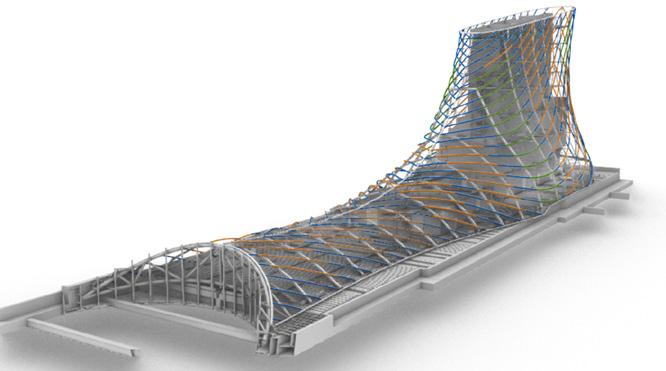
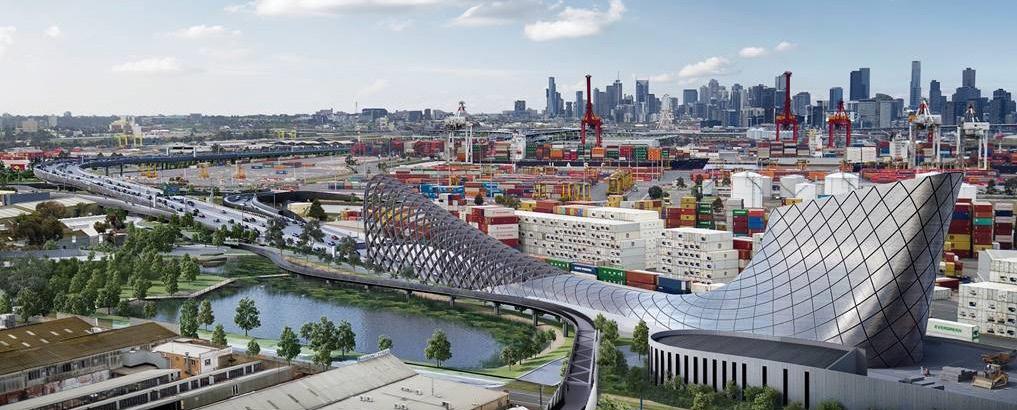
West Gate Tunnel Project \ A landmark timber gridshell and aluminium clad steel diagrid vent structures over freeway tunnel portal visualised by our Digital Engineering team.
TTW Planning Tool
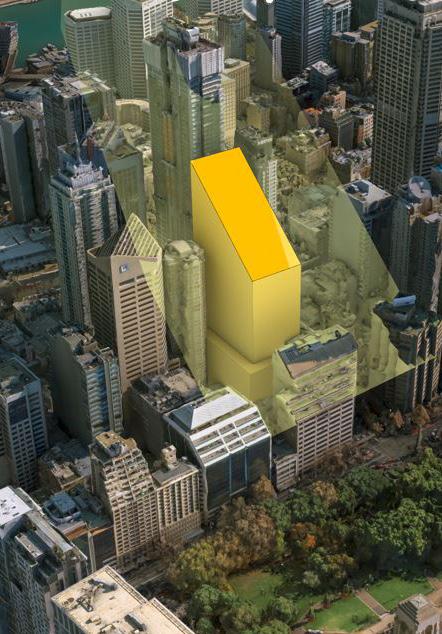
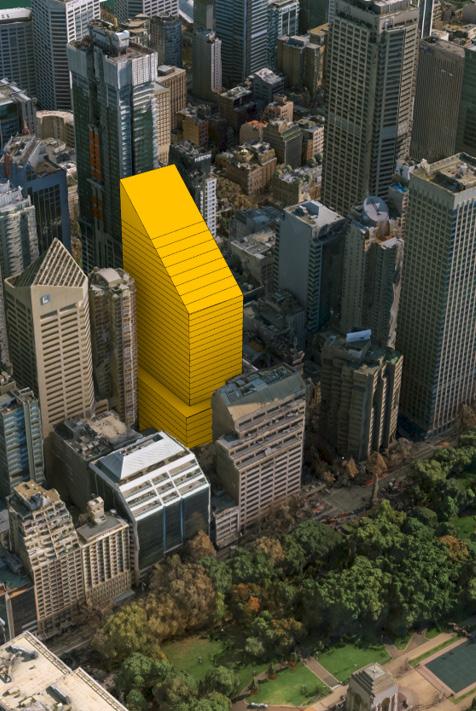
The TTW Planning Tool identifies sites, or an amalgamation of sites, with high commercial viability. The tool uses large amounts of data and applies local development controls to generate potential building envelopes. This functionality is used to identify multiple site configurations that benefit from changes in planning controls or that fulfill parameters relevant to your project goals.
Once a building envelope is selected, our tool can generate the initial layout of commercial buildings for feasibility studies. This layout is coupled to our core optimiser, which sizes walls and other structural elements while aiming to maximise the building’s NLA and structural efficiency. Finally, an automated report is created detailing the findings of the study to help guide project decisions.
View the video on our TTW Planning Tool by clicking here.
Sustainability
We know the importance of sustainable design and the need to provide support and industry leadership, so we are embedding sustainability in all business decisions.
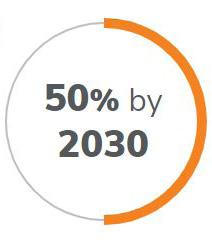
With a global push towards decarbonisation, the increased requirements from Government legislation, organisational goals and environmental initiatives will require a significant reduction in the embodied carbon in the built form. This creates an opportunity for designers to innovate and provide data-driven solutions to the global problem.
Without an industry standard to measure embodied carbon, TTW sees this as an opportunity to make a positive environmental impact by advising clients with strategies to reach their carbon reduction goals across the lifecycle of a project.
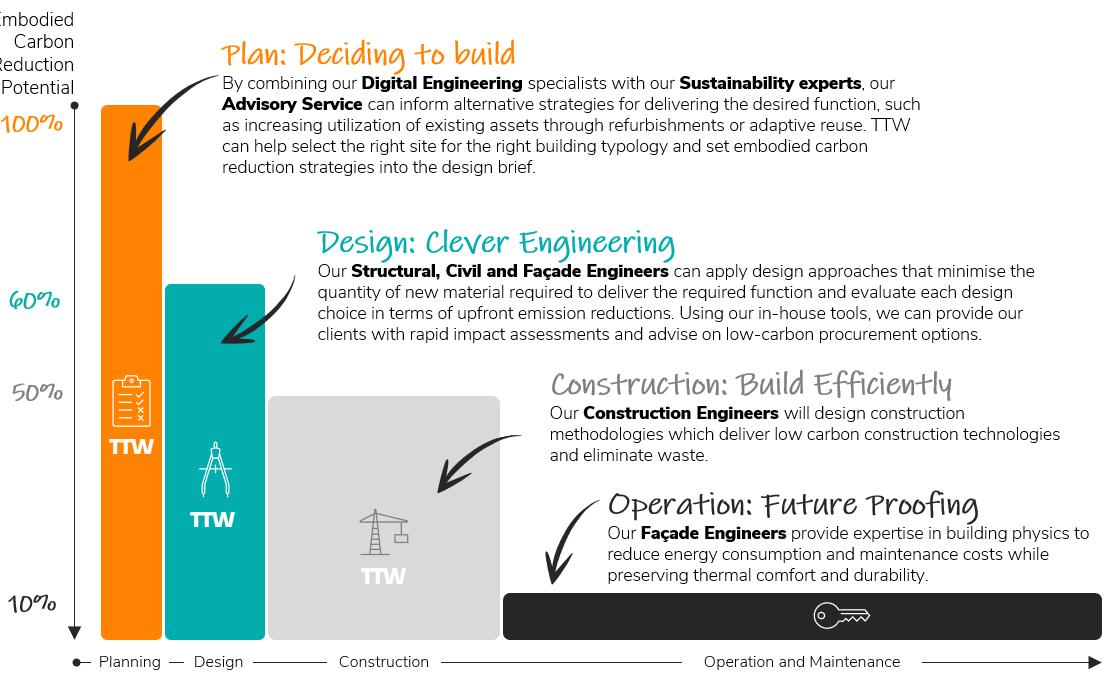
How our embodied carbon expertise benefits you throughout the project lifecycle.
We can rapidly visualise construction related emissions throughout the lifecycle of your project and proactively address your carbon reduction challenges.
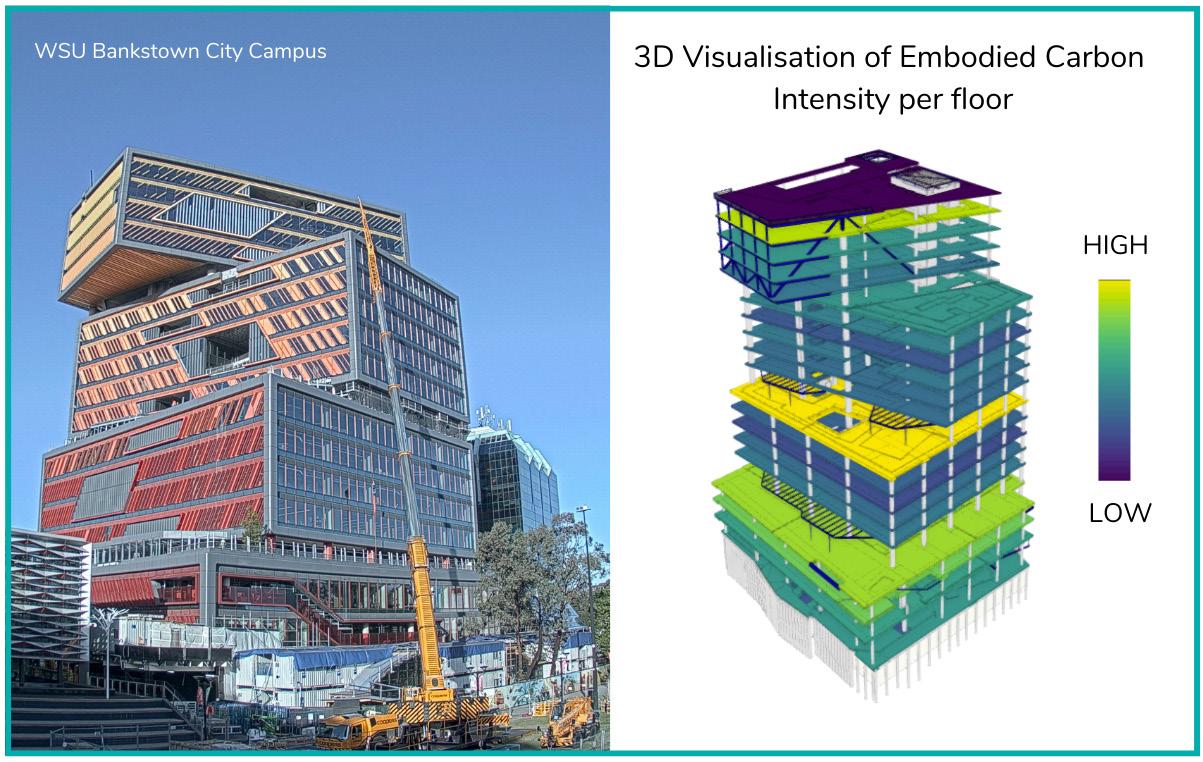
Our Sustainability and Digital Engineering teams have developed an in-house Embodied Carbon Calculator that allows our engineers to calculate, compare, benchmark and visualise the embodied carbon emissions on your project.
Our calculator takes BIM data to visualise A1-A3 embodied carbon data so our engineers can customise material properties, such as concrete strengths and reinforcement rates, along with the specification of different products. Design teams can then utilise our data and visualisations to collaborate with all stakeholders and consultants and identify at inception phase, cost-effective strategies for reducing embodied carbon emissions.
Iconic Skyline Buildings
CASE STUDY
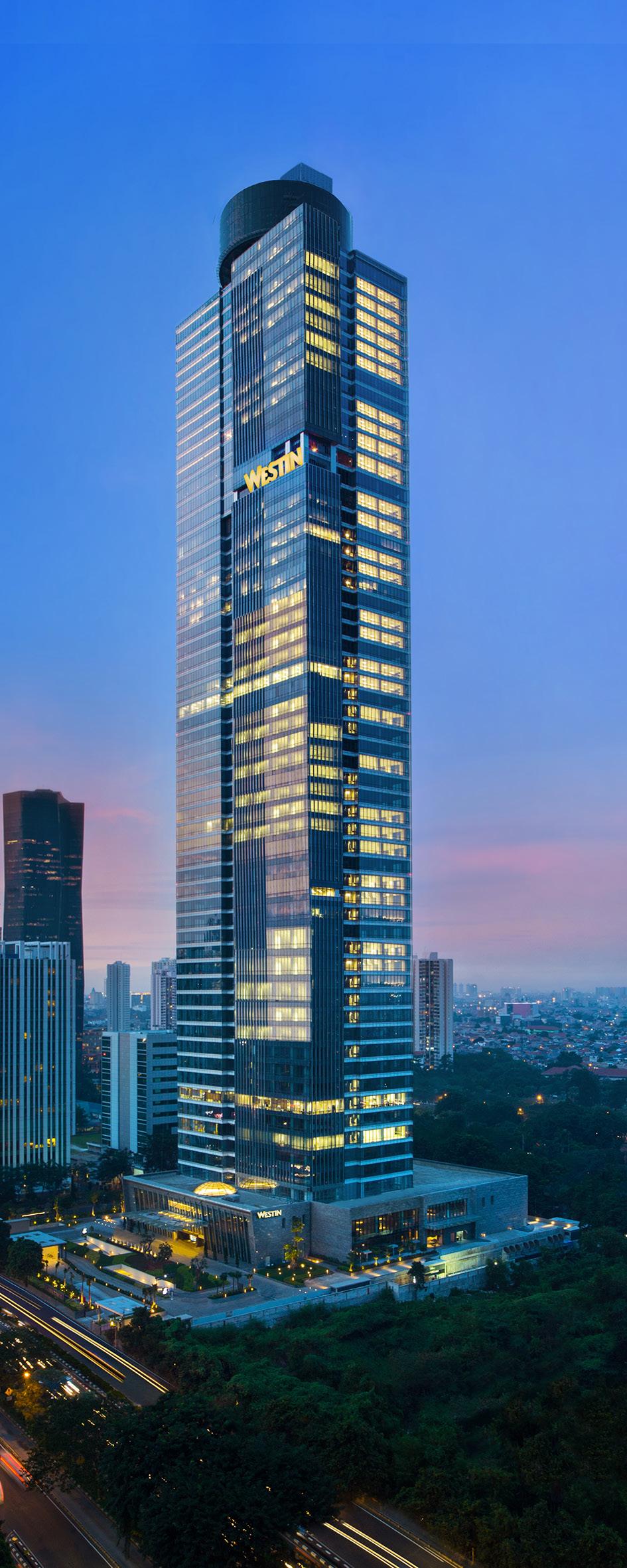
Gama Tower, Jakarta, Indonesia
Gama Tower is an icon of the Jakarta skyline in Indonesia’s capital city. Standing at over 285.5 metres with 64 above-ground stories, Gama Tower is unmissable and presently the tallest building in Jakarta and Indonesia. It was pronounced the 14th tallest in the world in 2016.
Our expertise was applied to:
Providing the building’s design with a pile-less raft foundation and innovative solutions to meet wind tunnel demands and other concerns associated with high-rise construction, such as differential column shortening.
The design of the external stormwater system of the building, including soak well and soak pond, in accordance with the authority requirement.
Designs of the pavement, external hardscape and retaining walls in accordance with the landscape design.
Our Façade Engineering team worked on the structural, thermal and waterproofing design of glazed aluminum skylight with customised frame and glass for large wind loads.
With decades of experience delivering innovative tall buildings, our intelligent solutions reduce risk and save you time and money.
CASE STUDY
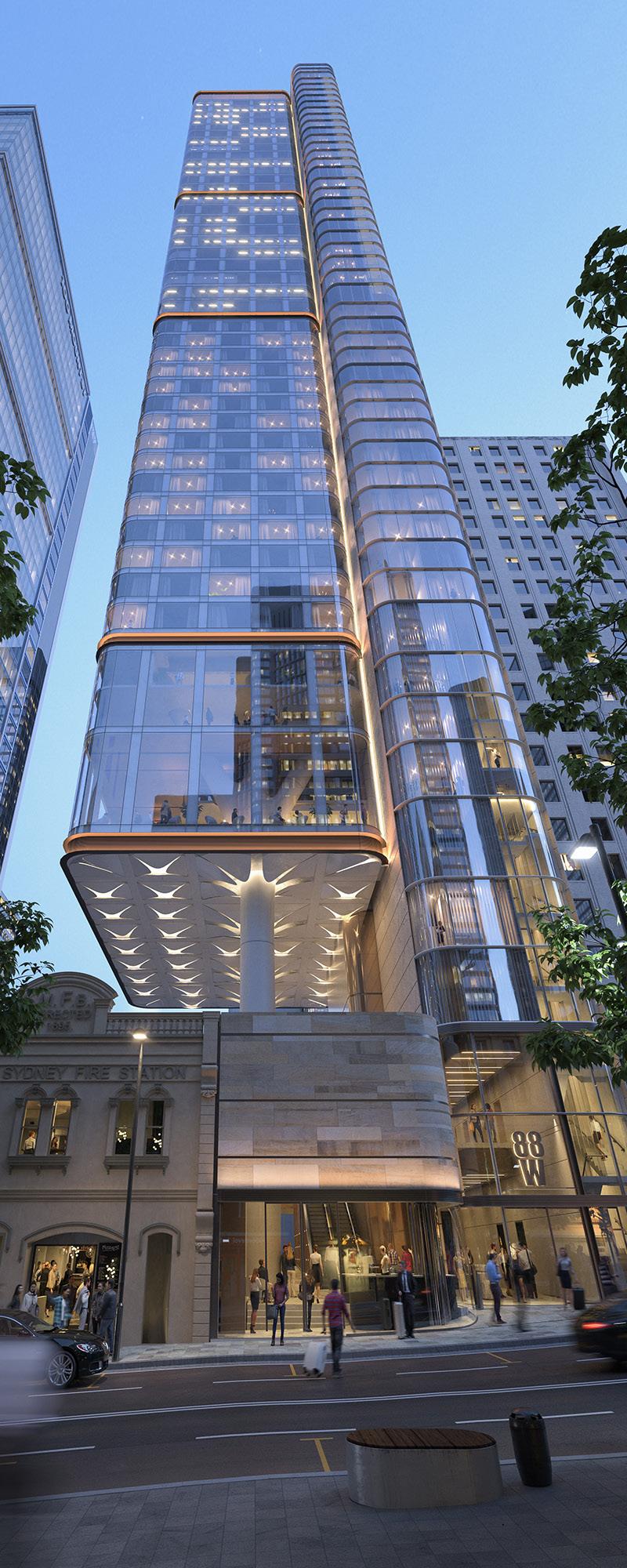
88 Walker Street, North Sydney, NSW
A stunning hotel and skyscraper above the heritage Firehouse Hotel. The 50-storey, mixed-use office and hotel development will offer a 252 room, 4-star international hotel as well as 12,000 sqm of commercial space.
88 Walker is a unique building, occupying air space above a neighboring property. The 10 metre long cantilever transferring 45 storeys over the heritage-listed Firehouse Hotel led to a substantial composite steel and post tensioned concrete transfer structure being developed at the base.
The unique loading required complex analysis of creep and shrinkage to control the ‘lean’ on the tower and complex analysis of building dynamics for wind loading.
Our team investigated and developed new flood modeling to determine impacts of a large upstream catchment on the project and the impact on adjacent properties and public domain areas.
Through the design of the diversion of a 1,500 mm diameter brick stormwater pipe through the basement and temporary diversions during construction, we ensured no adverse impacts on adjacent properties and traffic flow. Our work included temporary diversions during construction and details for connection to the exiting brick pipes at the connections to existing.
Advanced Infrastructure
We deliver transport system solutions that are smart, sustainable and considered for generations to come.
CASE STUDY
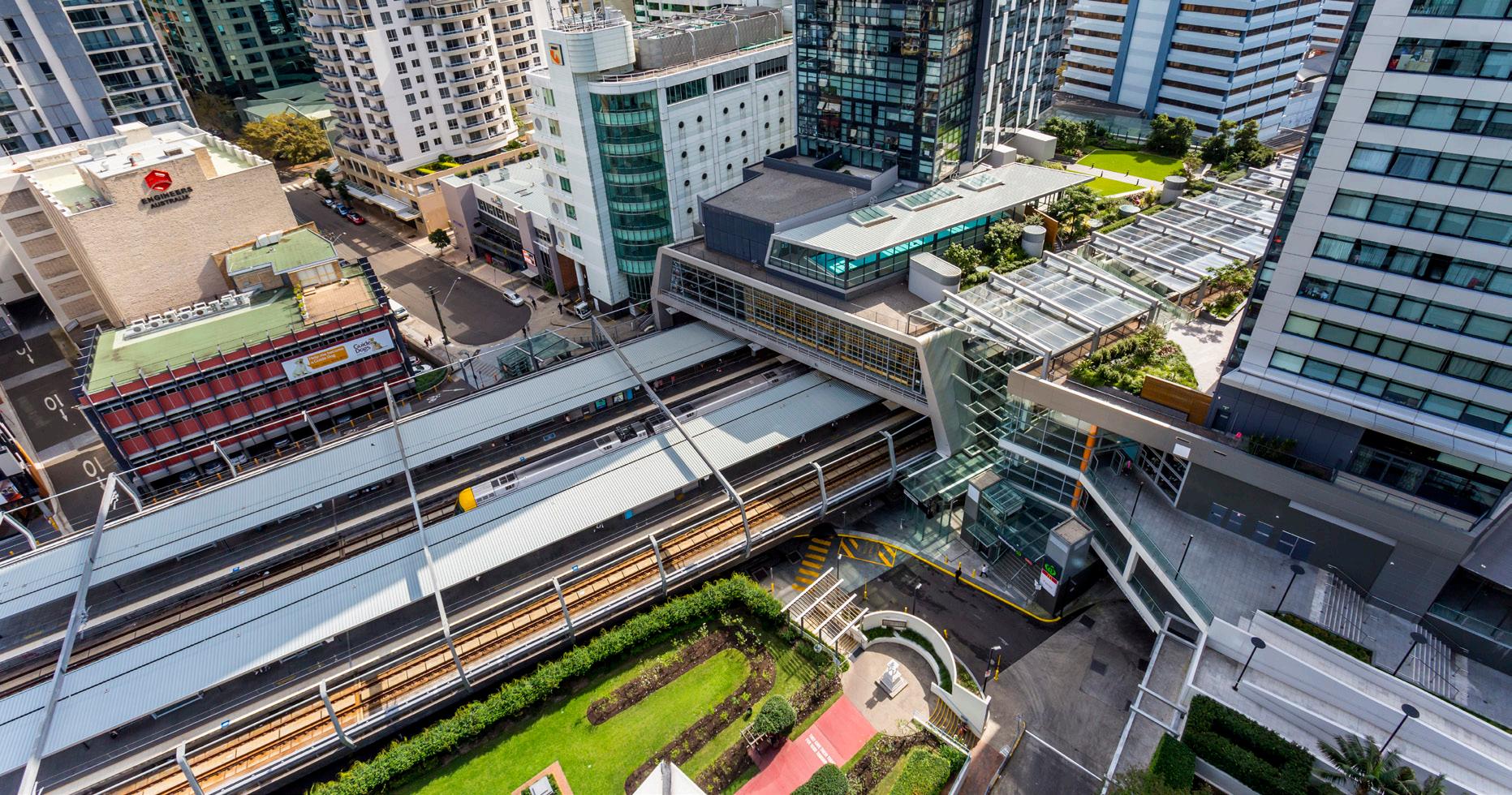
Chatswood Transport Interchange, NSW
The Chatswood Transport Interchange (CTI) is an award-winning, mixed-use, transit-oriented development project underpinned by an urban design strategy that establishes new streets and reinstates connections that were once served by the previous station and railway line. The largest project of its kind in the state, it demonstrates how transportation infrastructure project schemes can be integrated into the structure of the city to enhance the activity and quality of urban spaces.
The Structural Engineering team developed and analysed complex staging to maintain the operation of two live rail tracks while constructing adjacent and below for the new rail station.
The 350 metre long station building was broken up into three zones defined by permanent movement joints. A top-down construction methodology allowed the new tracks to become operational early prior to excavation under.
As a result, the station design incorporated basements, track level, concourse, retail podium and enabling works for the oversite development towers ‘Chatswood Metro’, which were also engineered by our team for a separate developer.
CASE STUDY
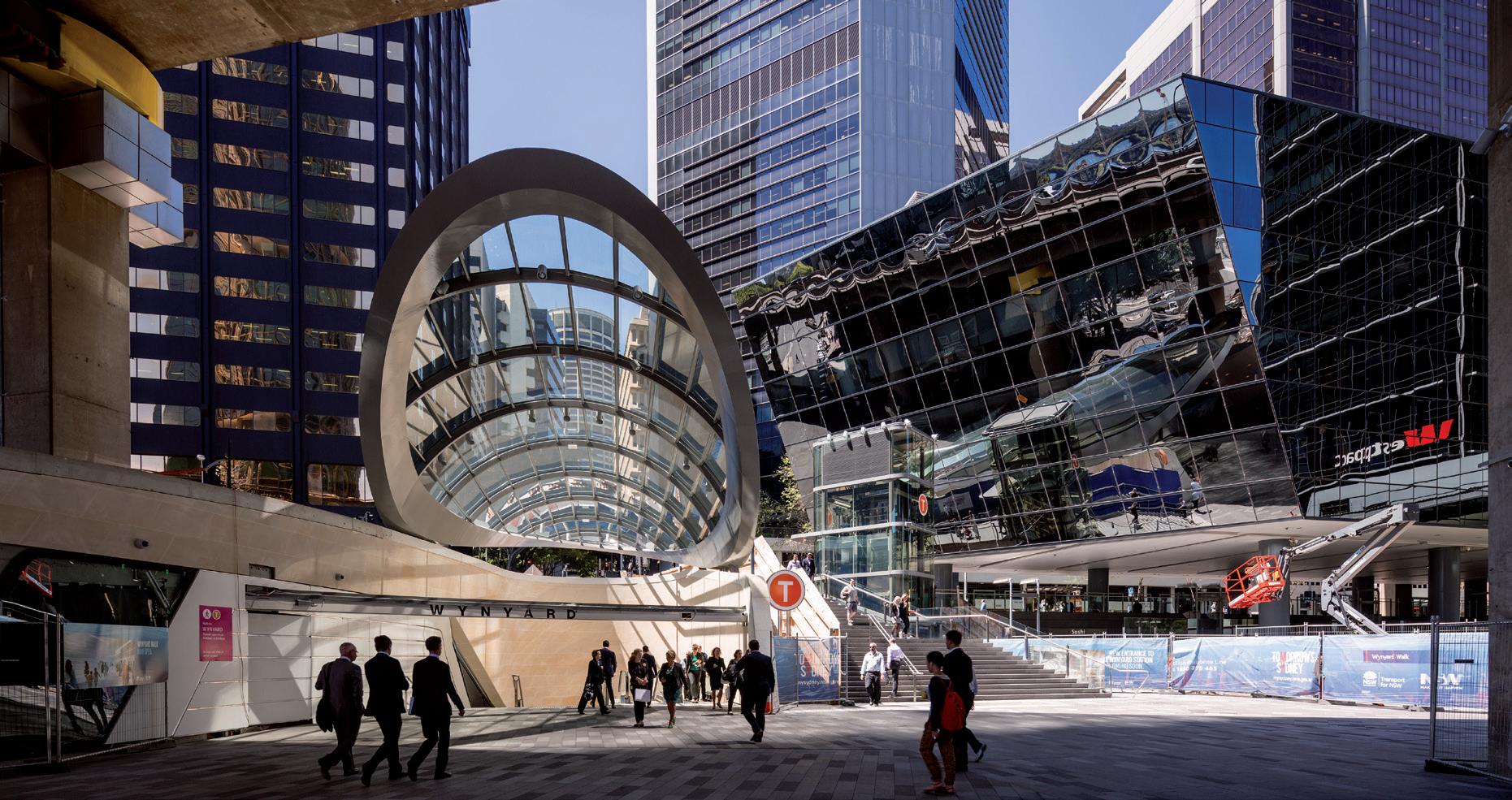
Wynyard Walk, Sydney, NSW
Wynyard Walk is a major transport infrastructure designed to provide pedestrians with a safe and efficient method of movement between Wynyard Train Station and the expanding areas of the Barangaroo waterfront precinct and Sydney CBD western corridor. Wynyard Walk consists of a new civic entry building for Wynyard Station, a 180 metre pedestrian tunnel (110 metre of driven tunnel plus 70 metre cut and cover), a western tunnel portal, plaza and a bridge spanning Sussex Street.
The engineering design was a result of the collaboration between PSM (geotechnical and tunneling experts) and TTW (experts in building structures) working in close consultation with CPB Contractors, Transport for NSW, Woods Bagot, NDY and other stakeholders to deliver optimal outcomes for this extremely complex design and construct project. Located just beneath the surface of Sydney’s CBD, the project’s challenges encompassed design and construction within a major city hub, surrounded by critical services, heritage elements, all in a live site environment.
Highly-constrained environments were inherent throughout the project - particularly for the Wynyard Station Connection and Wynyard Walk Pedestrian Tunnel components, which pass directly under heritage-listed Railway House, commercial high-rise One Margaret Street, and adjacent to the busy Wynyard Station. Creative engineering solutions, in conjunction with advanced construction methods, were employed to navigate this complex web of heritage elements and contemporary services. Through this approach, we have demonstrated that outstanding D&C outcomes can be achieved on a complex site by challenging the design through collaboration across disciplines. Moreover, we were able to demonstrate our ability to improve on the precedence set by the reference design and offer the client time and value savings through an integrated approach between Structures, Geotechnical, and Construction Engineering.
Integrated Developments
Be it bespoke design for new mixed-use complexes, high-rise towers or commercial facilities our design philosophy seeks to deliver projects efficiently and to the high quality we’re renowned for.
CASE STUDY
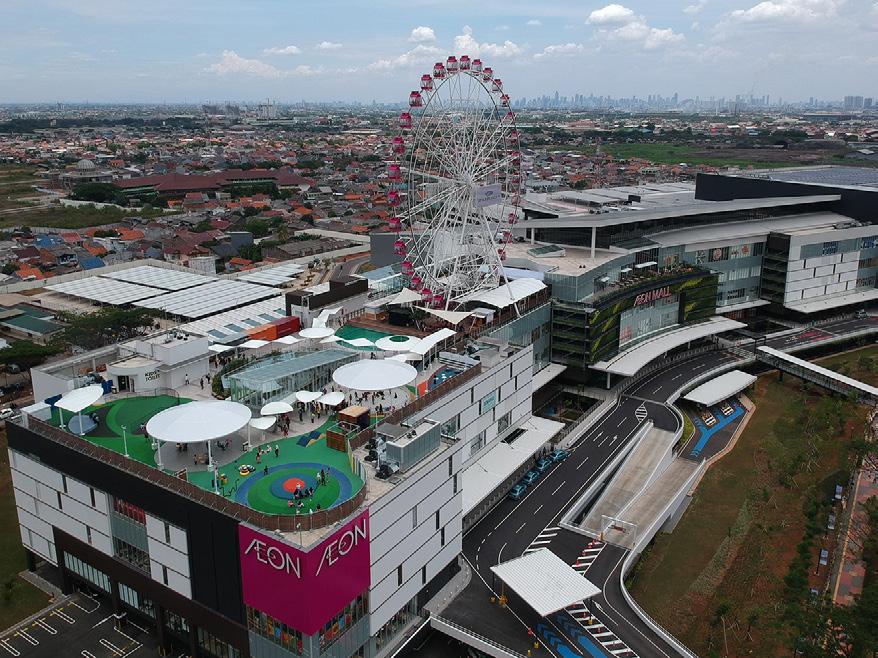
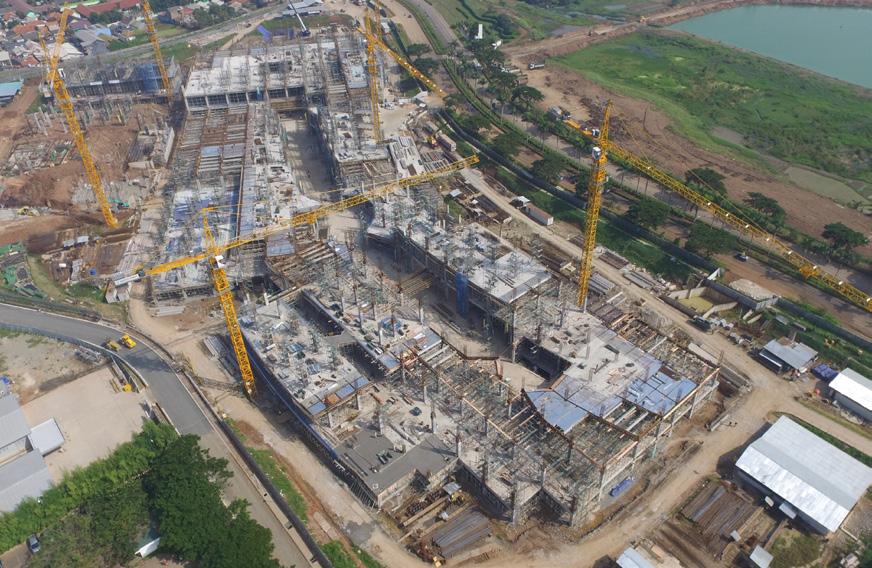
Aeon Mall, Jakarta Garden City, Indonesia
Targeted to be the largest entertainment mall in Indonesia, the new Aeon Mall in Jakarta Garden City has a retail floor area of 135,000 sqm and includes the highest ferris wheel in the country (70 metres above ground). The ferris wheel itself required specialised Structural Engineering solutions to ensure its delivery and safety on site.
The complex comprises three floors plus a basement and is constructed with reinforced concrete and precast special moment frame seismic structure. Long span bridges cross the atriums and the roof structure supports a 50 metre diameter ferris wheel.
This exciting addition to Jakarta’s retail sector also provides the community with a nine-screen cinema, food court, game centre, theme park, and ice-skating rink.
CASE STUDY
Brookfield Place, Sydney, NSW
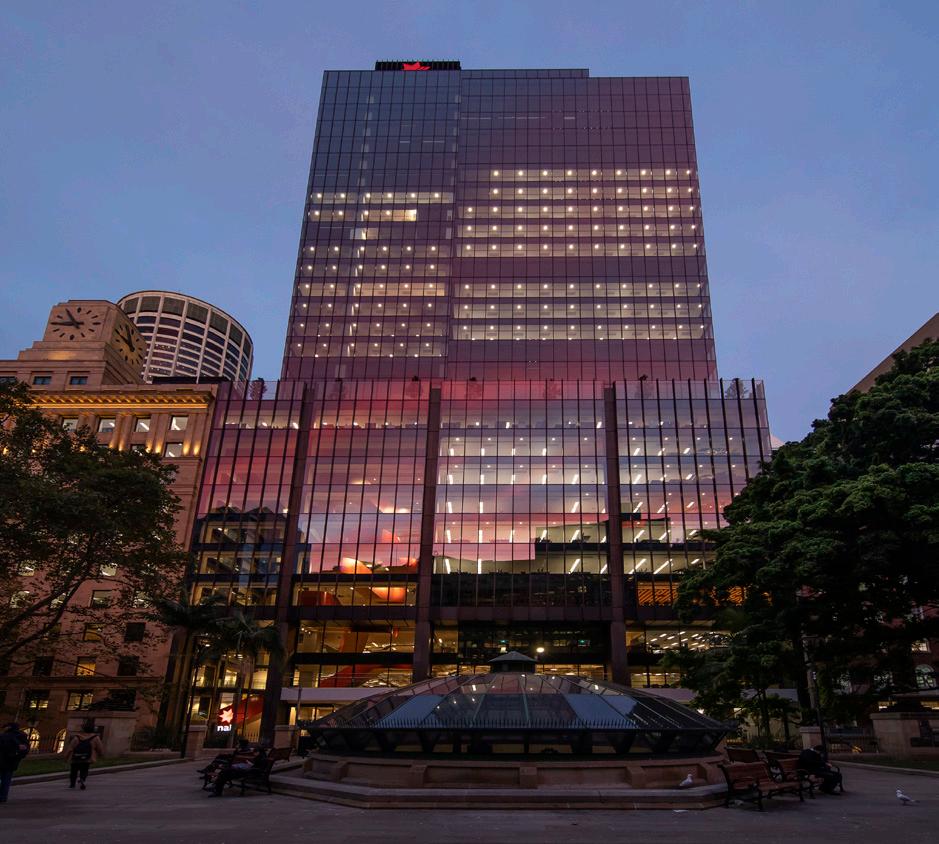
Brookfield Place Sydney (formerly known as Wynyard Place) is a transformational urban regeneration project in the heart of Sydney. The development works occurred directly above the Wynyard Station Transit hall and across a city block with a total of three buildings being incorporated into the development:
The Tower: a full demolition and rebuild of a new 27-storey tower;
Shell House: restoration of the heritage-listed building; and
Beneficial House: restoration of the heritage-listed building.
The centerpiece of the development is a 27-level, 60,000 sqm PCA Premium Grade commercial tower (10 Carrington) offering world-class facilities in workplace design.
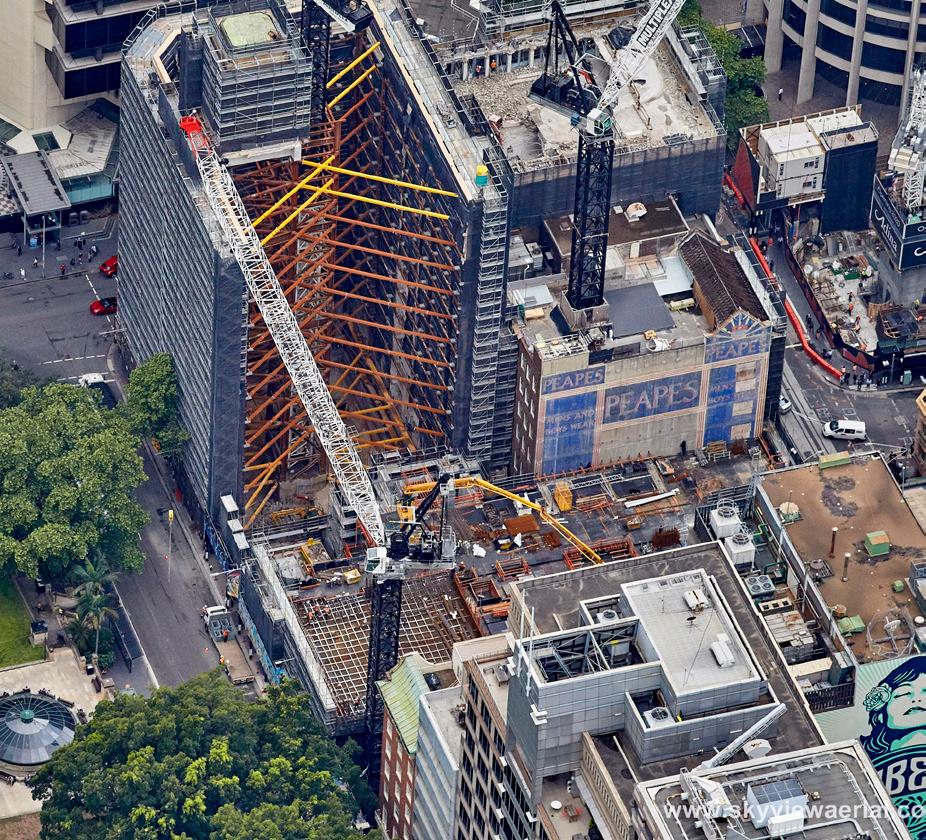
The development also includes the retention and restoration of Shell House and 285 George Street, creating 9,400 sqm of boutique office space. Also included is 7,000 sqm of high-end retail, a revitalised Wynyard Lane and a major upgrade to Wynyard Station’s George Street entrance connecting to a grand transit hall and public concourse.
TTW partnered with an international design team to deliver an outstanding outcome for Brookfield and their investors. Collaboration in developing the design into a buildable, economic solution whilst maintaining the architectural intent of the design was a key to the success of the project.
Enduring Cultural Structures
We draw on creativity and technology to design and deliver some of the most meaningful arts and cultural destinations.
CASE STUDY
ANZAC Memorial Centenary Project, Sydney, NSW
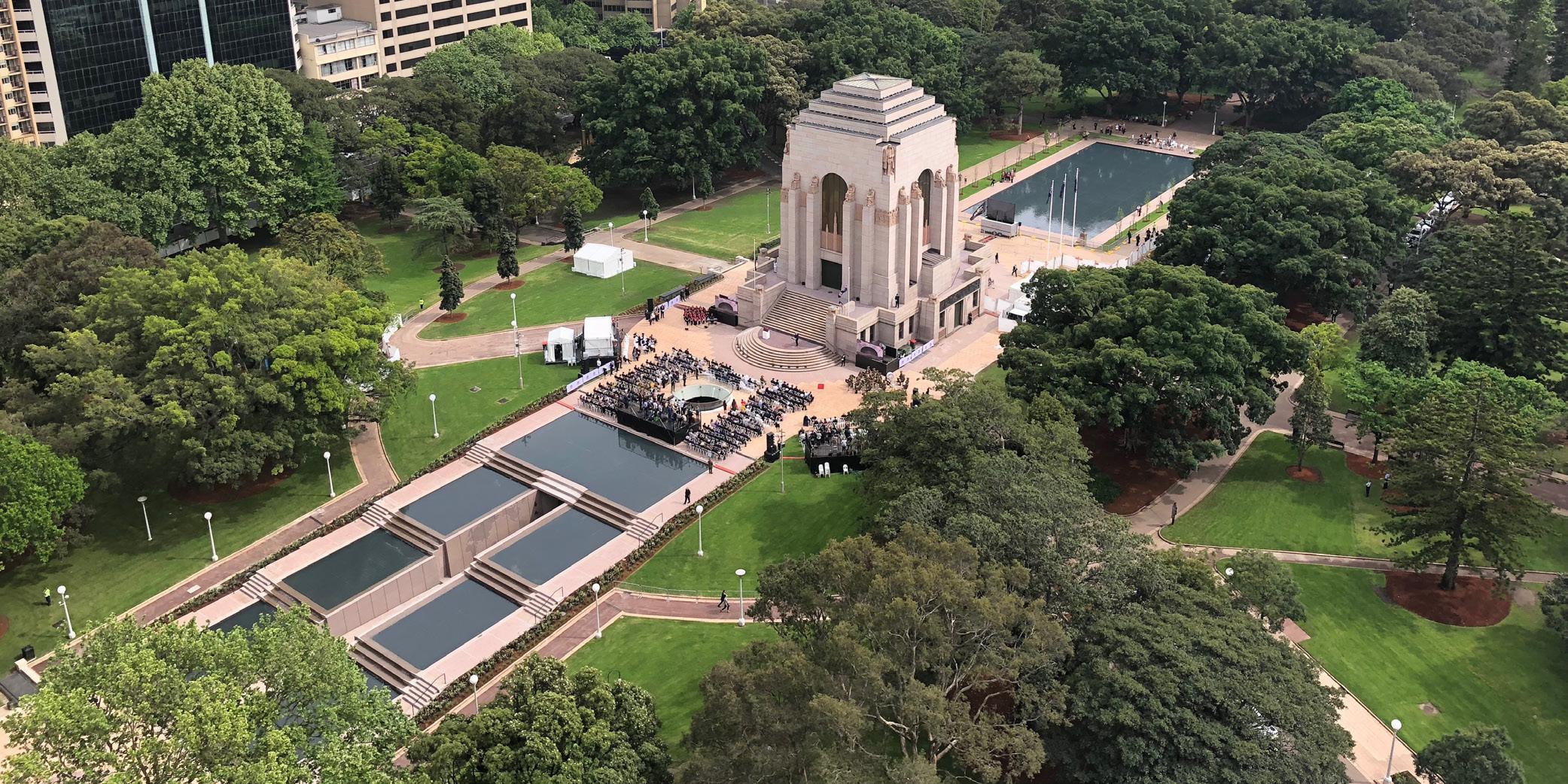
The Anzac War Memorial is an award-winning, landmark building located at the southern end of Hyde Park, Sydney.
As part of the NSW Centenary of Anzac, the redevelopment intent was to construct new education and interpretation facilities, including a water cascade that completes the original 1930’s vision for the Memorial.
The new underground facilities include education and exhibition areas organised around a new central chamber, the Hall of Service, visually connected to the Memorial through an open oculus. A new staircase, flanked by inclined lifts, connects the new underground spaces with the existing ground floor.
The structure is the column free space in the new Central Chamber Hall of Service, with a visual connection to the Memorial through the
oculus. The structure within the Hall of Service features dramatic precast cantilevers towards the central oculus, leaving the space free of columns.
Our team developed a hybrid precast and in situ post-tensioned system to minimise the weight of the precast plank for transportation and erection.
Each precast panel was constructed with a built-in pre-camber to ensure no noticeable differential deflection between precast panels. Custom 8.5 metres precast planks infill the central section of the Hall of Service soffit between the cantilevering T-beams.
TTW developed innovative solutions, including construction staging sequence and advanced monitoring methods to reduce potential impacts caused by displacement and vibration.
Award-winning landmark \ The ANZAC Memorial Centenary Project realises the original 1934 vision of architect, Charles Bruce Dellit.
CASE STUDY
National Gallery of Victoria (NGV)
Contemporary, Melbourne, VIC
The new NGV Contemporary building is set to be the centerpiece of the Southbank arts and culture precinct revamp. Situated amongst 18,000 sqm of new public gardens that will connect St Kilda Road to Melbourne’s riverfront, with retail and hospitality offerings, the 13,000 sqm gallery will also feature education spaces, labs for art conservation and a rooftop terrace and restaurant.
This landmark development will require significant planning and co-ordination with the design team to ensure minimal impact to the day-to-day operations of the Arts Centre and NGV throughout project delivery.
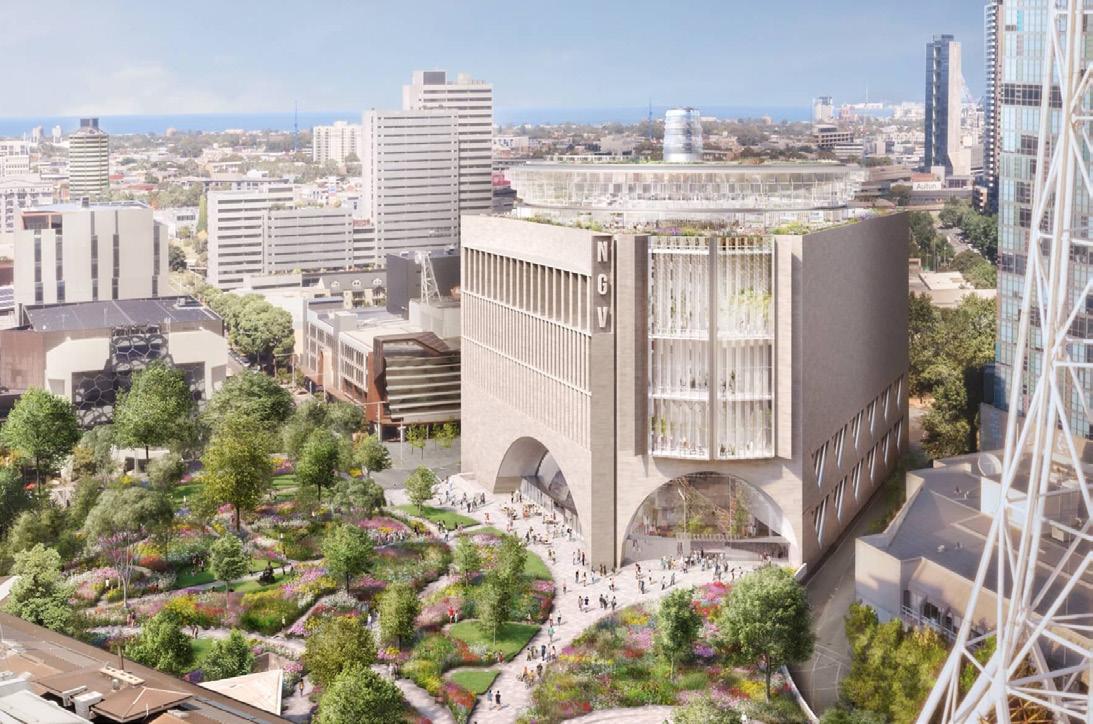
Cultural centrepiece \ The NGV Southbank development will become a landmark precinct for arts and culture in Australia. Image: Angelo Candalepas and Associates
Community Wellbeing
CASE STUDY
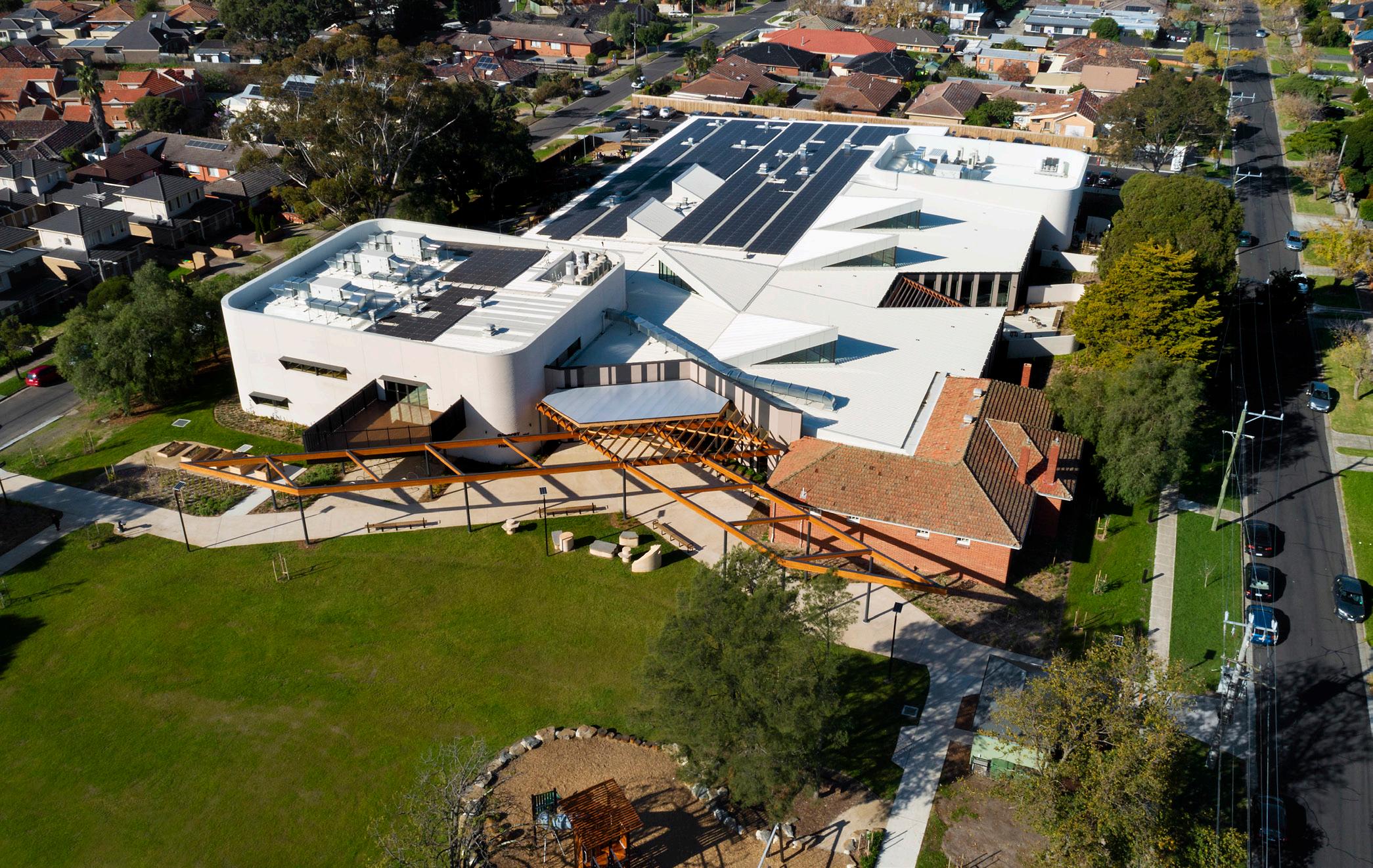
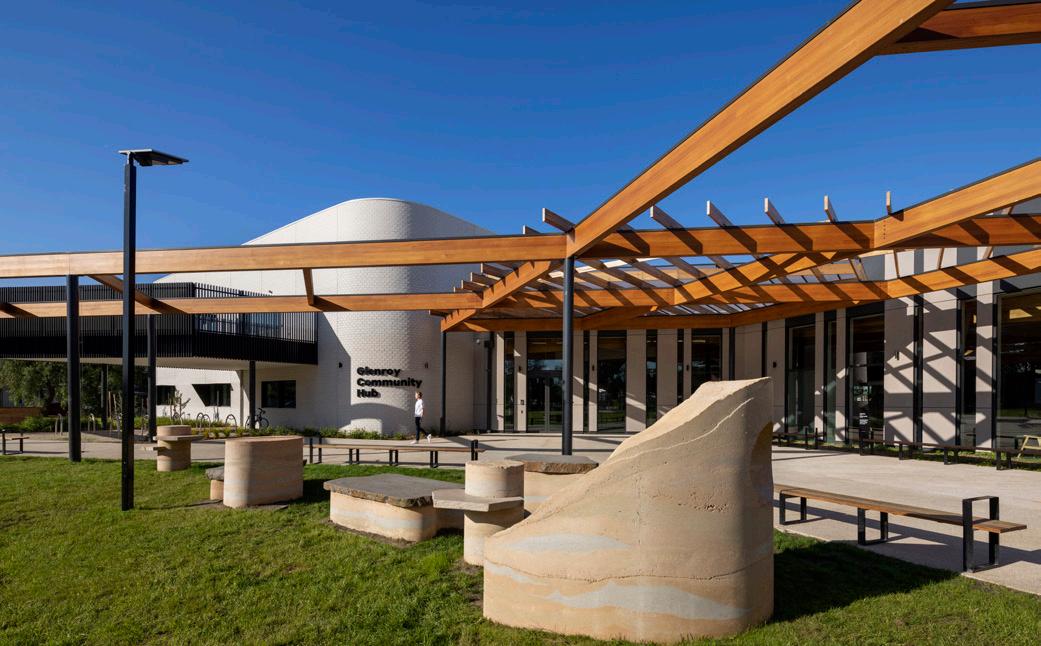
Glenroy Community Hub, Glenroy, VIC
Located at the former Glenroy Primary School site, the Glenroy Community Hub will become an inspiring new home for the Glenroy Library and the Glenroy Memorial Kindergarten, providing maternal child health, community health, neighborhood learning and childcare services.
The City of Moreland has set out to create an exemplar building, reflecting the sustainability ambitions of the council and their constituents. The development has achieved Passivhaus certification, the largest Passivhaus certified community building in Australia, and is targeting Living Building Challenge certification - both of which are recognised as some of the most stringent and difficult sustainable design standards in the world.
The building form breaks the usual box-like mould of Passivhaus buildings and introduces deep overhanging eaves, external balconies, and complex masonry details which required careful detailing to eliminate thermal bridging of structural elements. TTW leveraged our in-house façade and specialist Passivhaus experience to complement our Structural Engineering team in developing a range of bespoke thermal break details to meet these challenges.
The architecturally expressive building, with balconies and roof overhangs, results in having a structure that penetrates the building’s thermal envelope. To avoid the reduction of efficiency that this causes, TTW has specified structural thermal breaks. They act similar to a bolted moment connection but with the benefit of an insulating plate placed between the two sections of the beam to allow for moments to be carried through but not the weather.
Glenroy Community Hub consists of unique building shapes and extrusions beyond the primary building façade line, which complicate thermal bridge detailing.
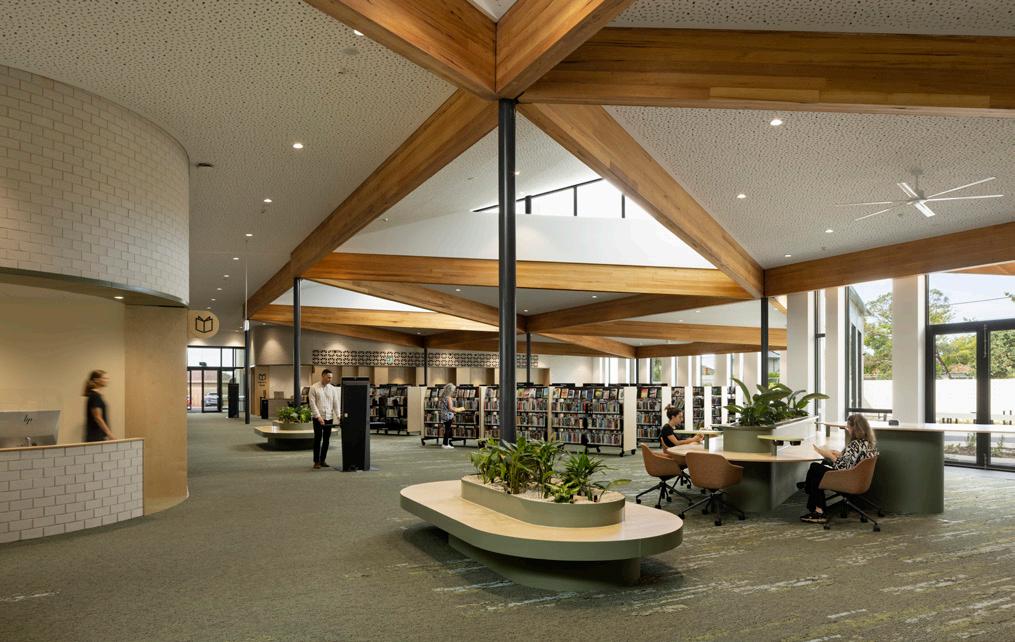
TTW contributed to the Living Building Challenge Beauty Petal performance category, which celebrates designs that uplift the human spirit, by providing considered detailing of the exposed timber roof structure within the library, inspired by reciprocal patterns found in nature.
Additionally, the stormwater management system was designed to meet or exceed best practice environmental guidelines, which required creative solutions to manage pre-existing site risks associated with overland flow paths and flooding.
With the ever-increasing threat of climate change, our teams embed sustainability into the design of all aspects of buildings, infrastructure and precincts.
State-of-the-art Health and Research
CASE STUDY
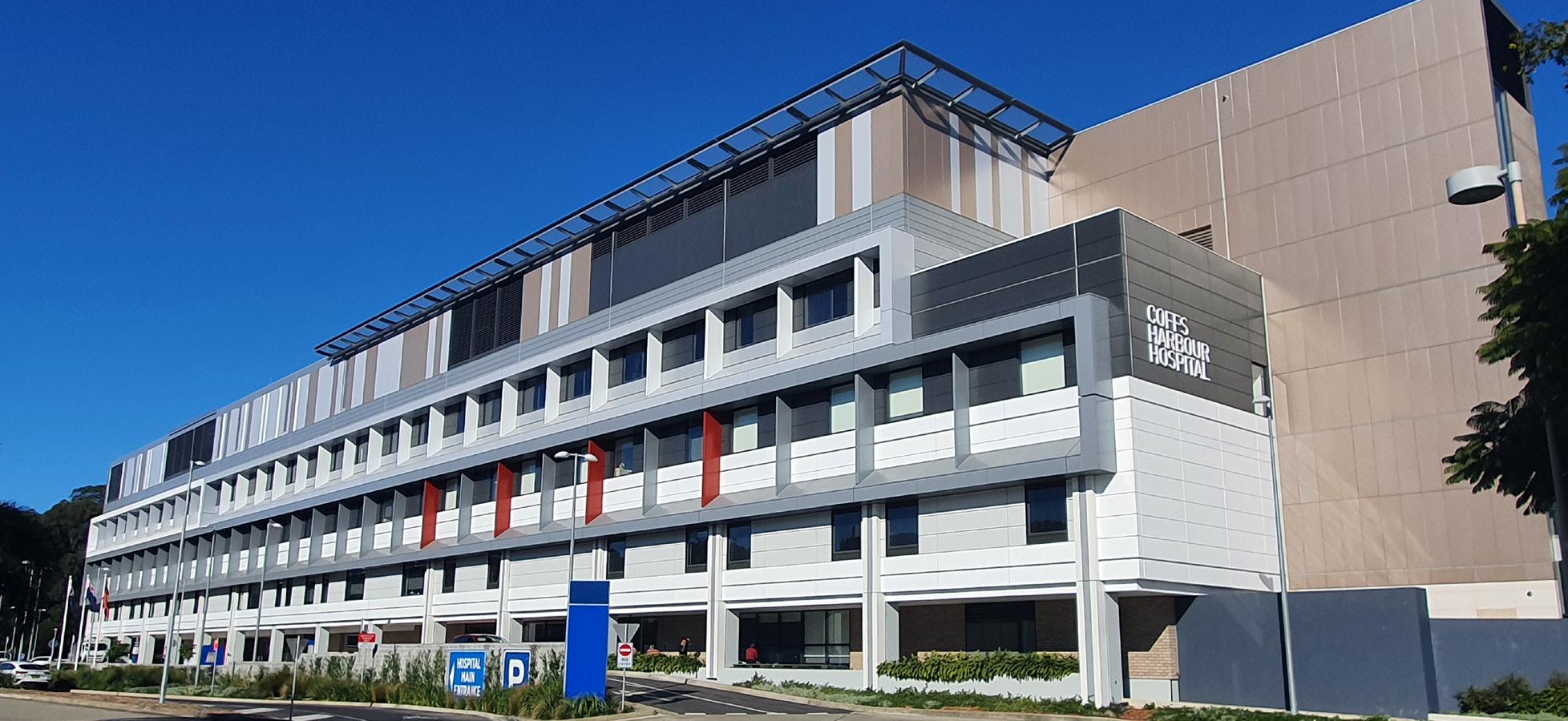
Coffs Harbour Hospital Expansion, Coffs Harbour, NSW
The expansion of the Coffs Harbour Health Campus will help meet the demand of a growing population in the NSW Mid North Coast area. The expanded facilities will complement the existing assets and services located on the Coffs Harbour Health Campus site. The expansion includes:
New five-storey clinical services building with a rooftop helicopter landing site, Intensive Care Unit and surgical, maternity and paediatric inpatient units;
New connections to the existing hospital building at ground and first floor levels;
Refurbishment of parts of the existing hospital building; and
Associated external works.
Due to the repetitive nature of the precast construction, TTW was engaged to transform the conventional concrete building into a fully precast structure supplied locally from CPB’s precast manufacturing facility.
Utilising our Digital Engineering expertise, every precast element was precisely modelled and transferred from engineering analysis all the way through to shop drawings produced in-house containing 3D reinforcement. This streamlined design workflow allowed manufacturing to commerce early work with confidence.
CASE STUDY
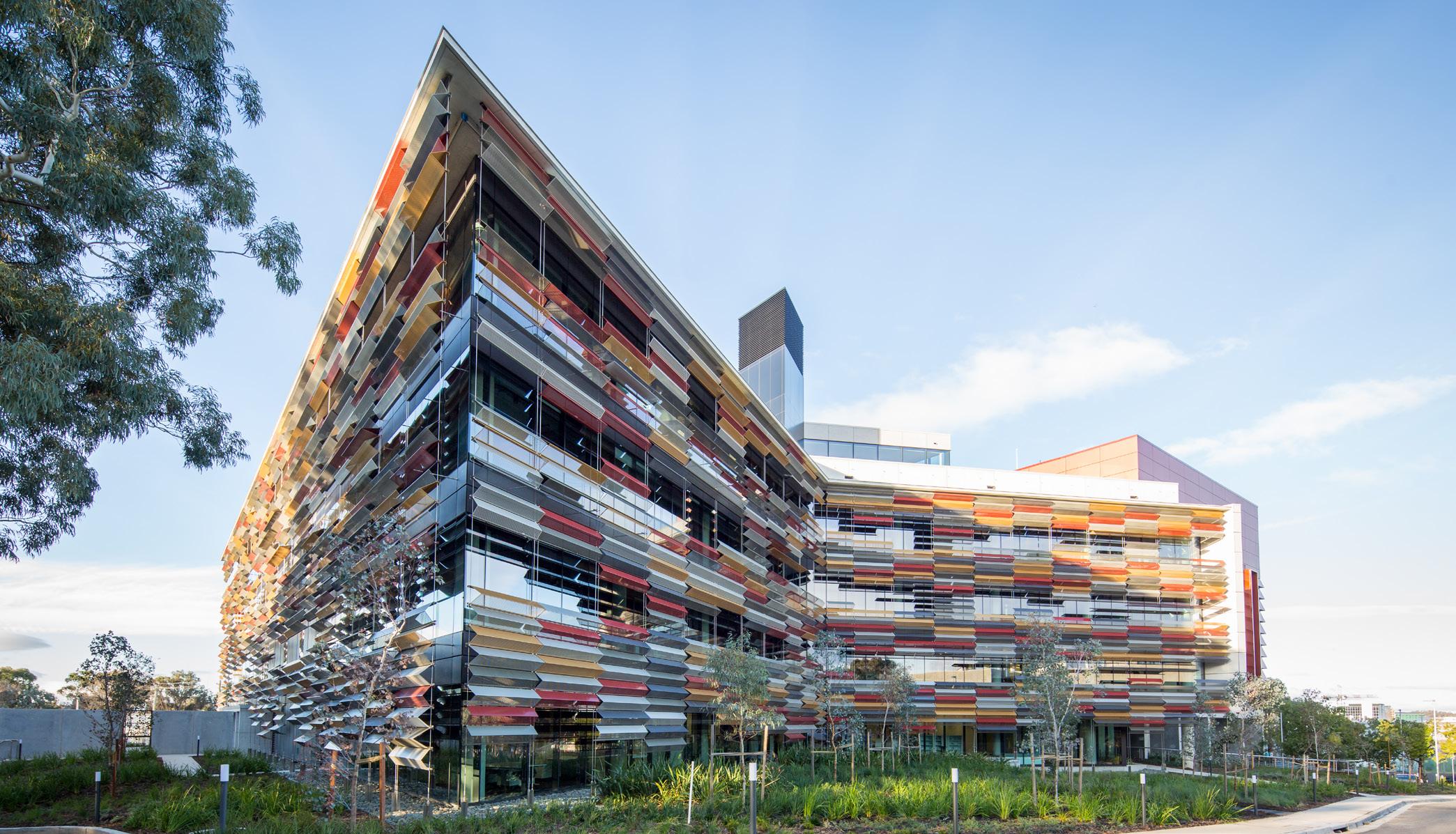
CSIRO Black Mountain - Synergy Building, ACT
This facility is part of the ACT Site Consolidation for CSIRO, being located at the Black Mountain Science & Innovation Park. The project delivers 15,000 sqm of world-class research and support facilities with purpose-built laboratories.
The new structure is essentially two buildings in one, with a carefully hidden junction. The modern office space links to the laboratory building through steel and glass bridges at each of the four levels.
The building walls, stairs and atrium ramps were designed as precast to eliminate complex temporary works and streamline the construction program.
Additionally, the three-storey chimneys on the roof were prefabricated and lifted into place.
Our honest and personal approach when partnering with leading healthcare consultants has led us to design some of Australia’s largest hospitals and research centres.
Award-winning Education Facilities
CASE STUDY
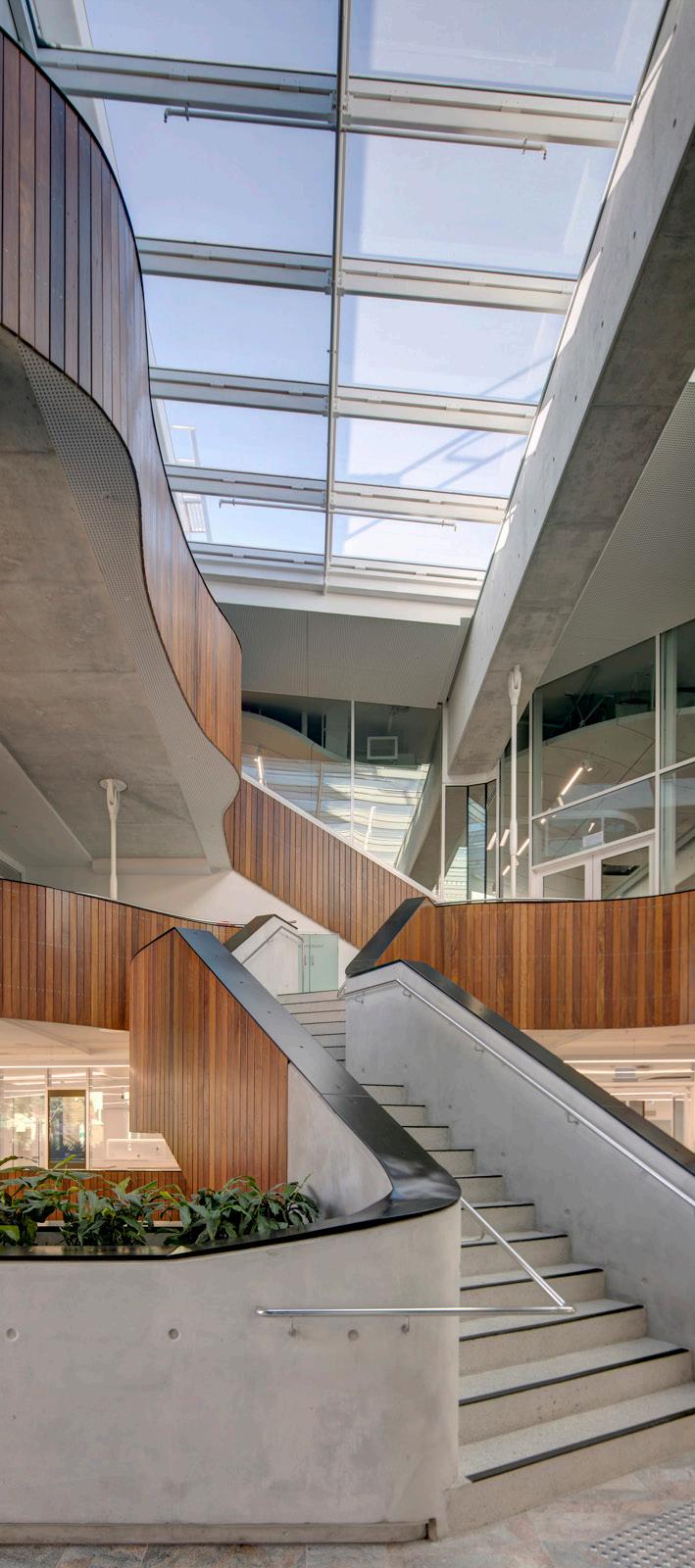
Wenona STEM Centre and Sporting Facility, North Sydney, NSW
This major development for Wenona School was designed as a new multi-level structure that seamlessly ties into the existing school complex. The innovative ‘universitystyle’ building incorporates science, technology, engineering, and mathematics (STEM) learning areas; laboratories and food technology kitchens; flexible study areas; and a sports science hub. One of the project’s main features is a basement aquatic centre with a 25 metre main pool and a 15 metre learn-to-swim pool.
The development includes many other structural features such as large glass skylights allowing natural light into the basement pool areas below; a cantilevered concrete scissor stair; and extensive shoring and underpinning works to prevent the undermining of the surrounding buildings. Despite the design complexities, the school remained operational throughout construction.
TTW engineers developed an innovative solution to incorporate the long spans over the pools and to allow the new floors to match the surrounding linked building levels without the requirement for ramps or steps. This resulted in suspending the intermediate floors from steel hangers attached to long-span roof beams above to minimise the structural floor thicknesses. These roof beams were then supported on columns which transferred their loads out over the pool by sculptured concrete portal frames.
CASE STUDY
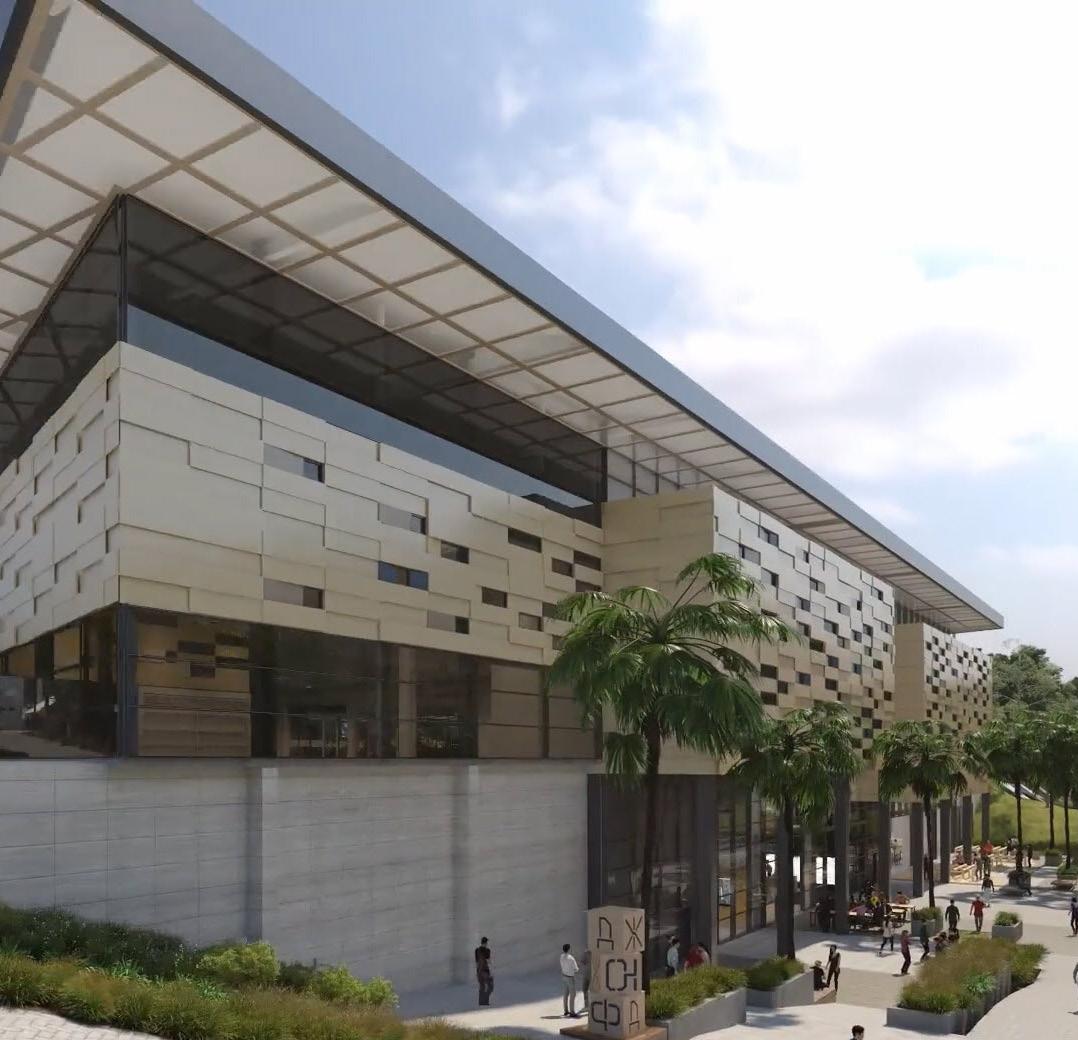
TAFE Hub, Meadowbank, NSW
TAFE NSW Meadowbank is being transformed into a technology-focused campus and will sit alongside a new primary and secondary school to form the Meadowbank Education and Employment Precinct.
These new facilities will provide unique industry innovation and collaboration spaces which aim to equip the next generation of workers with advanced cross-disciplinary and digital skills that support the state’s emerging labour market needs.
As part of the upgrades to campus access, TTW also designed a large atrium through the centre of the building which serves to connect See Street to the East and the main campus to the West. High-level interconnecting pedestrian bridges further aid connectivity by linking across the atrium.
In terms of challenges, this project required extensive mechanical, electrical, and plumbing services to be integrated into the project and the slabs. BIM 360 was used to create a digital twin of the facility, which could be used for clash detection of services and capturing of end users’ requirements. This resulted in no significant changes to the design during the construction phase and improved life-cycle management of the facility for the end user.
TTW used advanced analysis methods to reduce construction costs. An example of this was the omission of tension piles and ground anchors under the cores which resulted in significant cost savings to the project.
Our Structural Engineering team works with new and existing structures to provide solutions that allow your education facility to safely remain operational during construction.
Sports and Recreation
We welcome ongoing opportunities to provide our experience and knowledge to support the wider community in the sports and recreation sector.
CASE STUDY
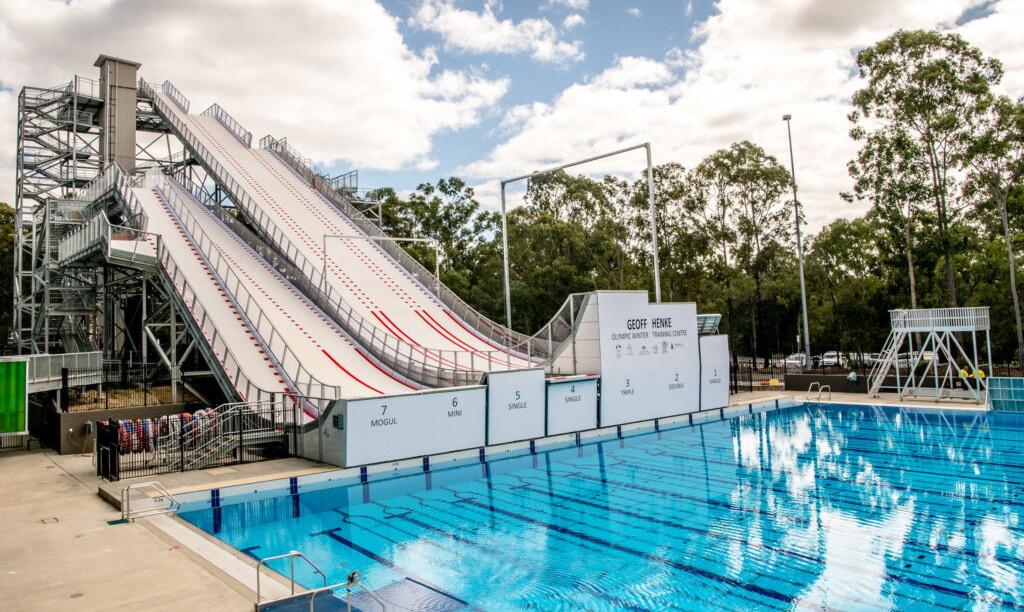
Geoff Henke Olympic Winter Training Centre, Sleeman Sports Complex, Brisbane, QLD
The Geoff Henke Olympic Winter Training Centre is a world-class facility available all year round for emerging and elite Winter Olympic athletes. The freestanding steel structure consists of seven ski jump profiles for the various aerial disciplines ranging from moguls to slopestyle.
TTW engineered a custom folded, cold-form steel deck profile to suit the ramp geometry and minimise defections while also providing adequate fixing areas for the ski surface consisting of HDPE and SkiTrax. A bespoke
polycarbonate impact barrier with an integrated bump rail runs the length of the ramps, designed to absorb the lateral impact load of a skier travelling at 70 km/h.
The 34-metre high freestanding steel structure created several challenges in designing for the high wind loads in the Queensland area. The impermeable ramp surface creates a large sail-like structure, and several complex node connections were required to provide an adequately braced steel structure and minimise lateral deflections.
CASE STUDY
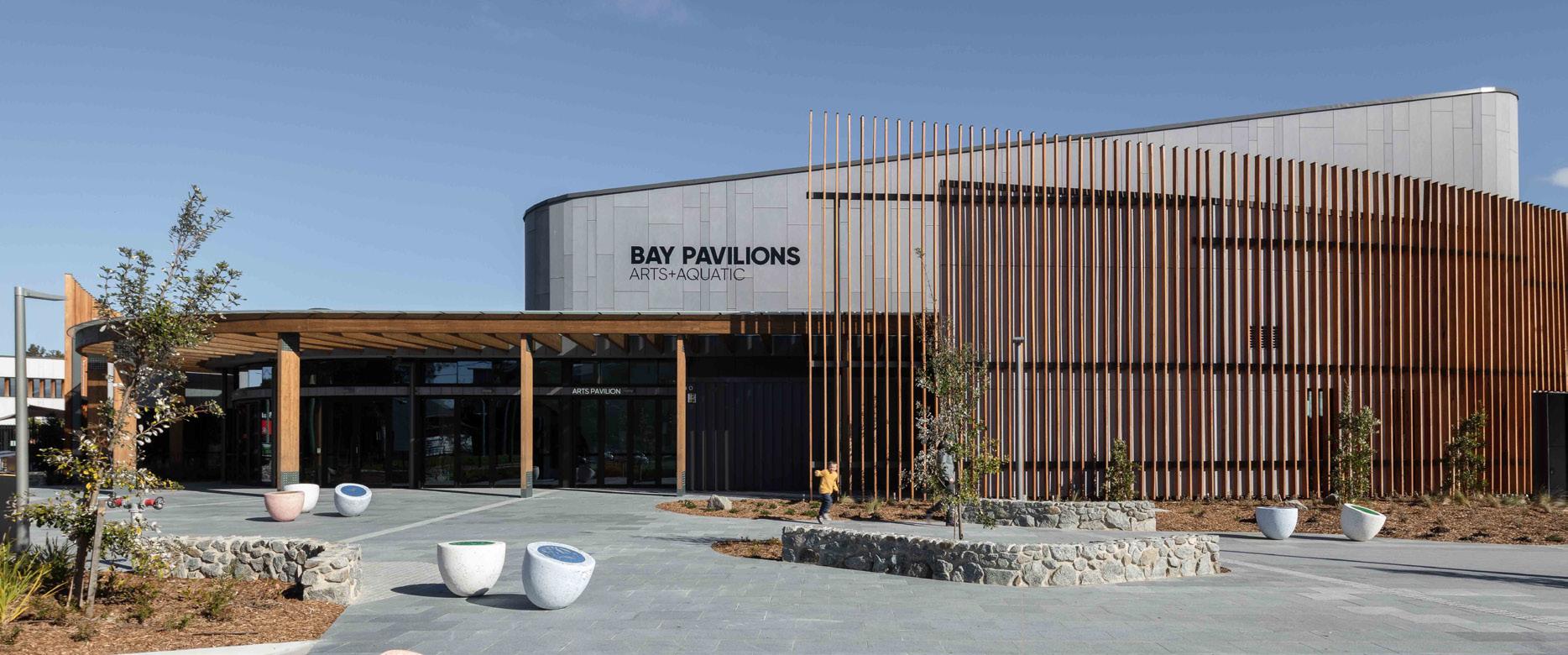
Bay Pavilions - Arts & Aquatic, Batemans Bay, NSW
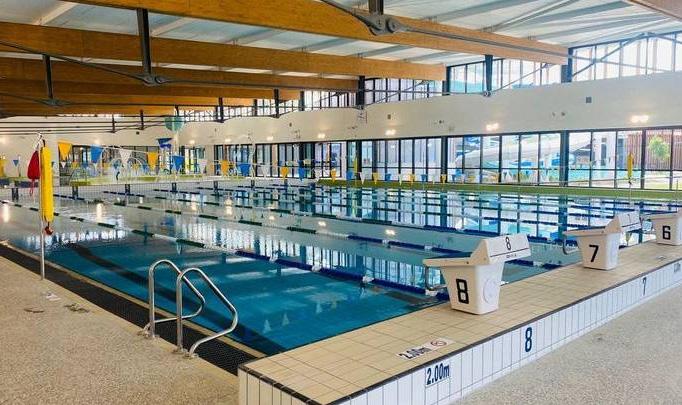
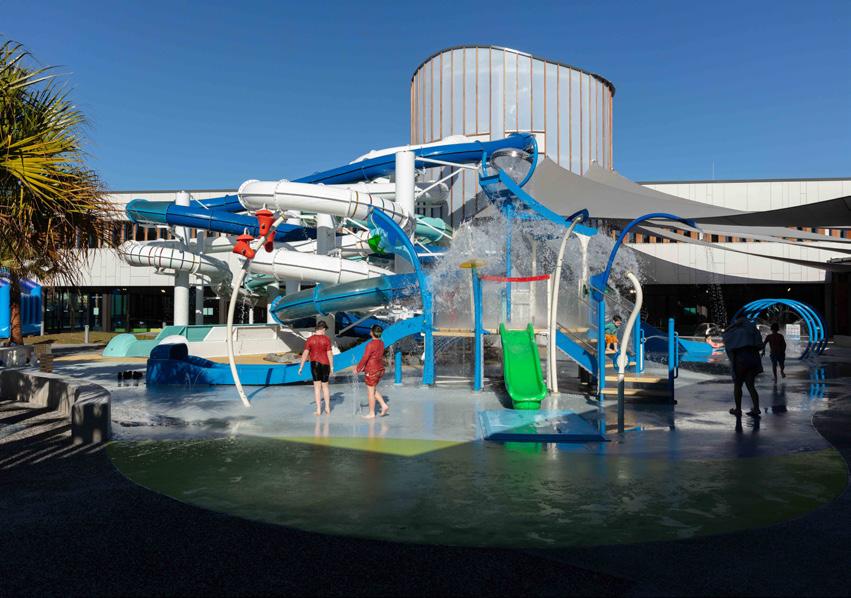
The Bay Pavilions incorporates indoor heated aquatic facilities including a 10-lane, 25-metre pool, hydrotherapy pool, leisure pool splashpad and water slide, health and fitness facility and performance and community art spaces. The building also features visitor centre facilities including exhibition area, café/bar and gallery.
A highlight of the building is the innovative use of timber through the entry foyers and over the aquatic areas. The long spanning hybrid timber bow-string truss spanning the main pool hall is a defining feature of the building. Our Construction Engineering team worked on the design and lifting strategy for the primary bow-string trusses, which were up to 33 metre long and weighed up to 7 tonne.
The civil design included flood engineering of the site and extensive water quality design due to the position of the site directly adjacent to the sensitive wetlands of McLeods Creek. The sensitive nature of the site has required TTW to have considerable interaction and liaison with the NSW Department of Primary Industries and the NSW EPA.
The façade of the new leisure centre comprises Equitone rainscreen cladding, glazed aluminum window walls, operable multi-fold doors, glazed awnings and feature vertical timber batten screening and translucent polycarbonate paneling to the outdoor water slide.
Smart Logistics Facilities and Data Centres
CASE STUDY
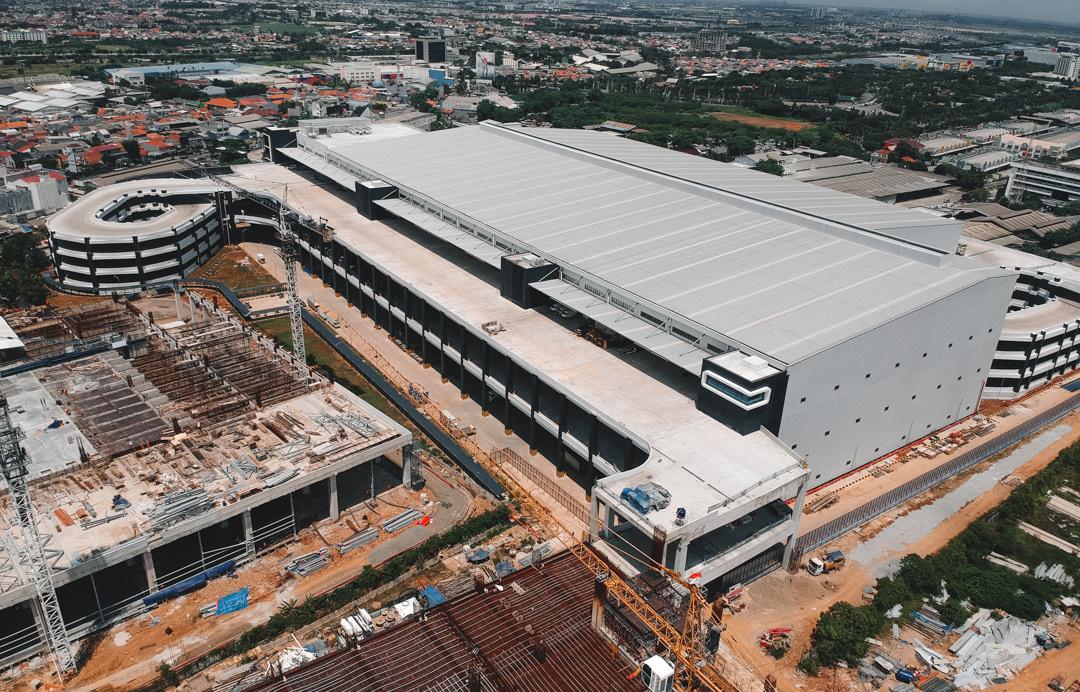
Logos Metrolink Distribution Centre, Bekasi, Indonesia
The LOGOS Metrolink Logistics Hub is strategically located in the eastern fringe of Jakarta with unparalleled access to the airports, shipping port and the CBD of Jakarta.
This unique development delivers a large-scale modern logistics warehouse facility that caters to a variety of size requirements. With over 200,000 sqm of logistics floor and access ramps/driveways over three storeys, our scope included Structural Engineering
for the steel roof structures, stormwater and pavement design, stormwater retention, and flood studies and traffic management controls for a key tenant.
The warehouse floors required post tensioned flat slab structures to achieve maximum clear height for the racking. Reinforced concrete special moment frames at the perimeter were also introduced for earthquake-resistance.
TTW is an active partner in delivering complex and efficient design of large scale industrial facilities.
CASE STUDY
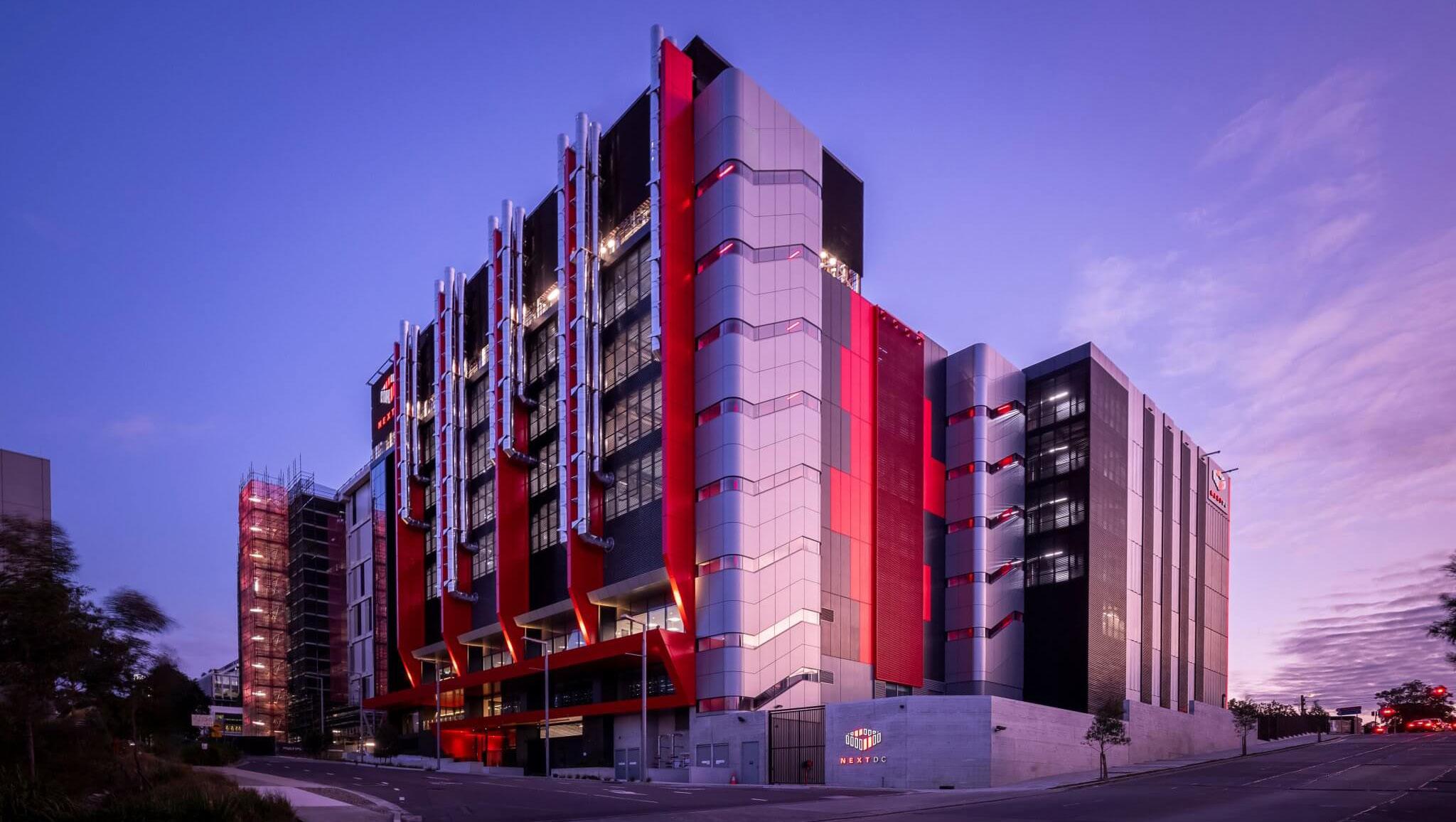
NextDC S3, Artarmon, NSW
This NextDC data centre is an eight-level facility, accommodating 16 data halls. One of the first multi-level data centres in Sydney, the building was designed to reach the maximum height limit without affecting transmissions from the neighboring ABC transmission tower.
Located less than 10 km from Sydney’s CBD, this urban data centre, with it’s façade-mounted service risers, gives a sense of the building’s purpose and also led to the Uptime Tier IV certification - the international standard for data centre performance.
S3 will deliver more than 20,000 m2 of IT space to organisations, as well as highly secure, native access to the leading public and private cloud platforms. The facility is expected to reach up to 80MW when fully developed.
The structure is predominantly a ‘hybrid’ scheme using a combination of reinforced and post-tensioned concrete and structural steel for lateral support due to its higher load capacities in dealing with heavy plant and equipment. TTW worked through design options with the builder to deliver an economical and practical design which allowed for construction staging, while maintaining NextDC’s objectives.
Preservation Specialists
Our Heritage Engineers are highly skilled in protective care conservation and adaptive re-use of heritage buildings and structures.
We provide strategic advice to ensure the right balance between conservation of heritage materials, the integrity of the structure and functionality, whilst employing the latest technology and considering modern design needs. We work with high performance materials to increase longevity and lower maintenance costs.
We are specialists in:
Historical materials
Construction methods
Engineering conservation
Reuse and adaptation of existing structures
Structural and façade diagnostics and repair
CASE STUDY
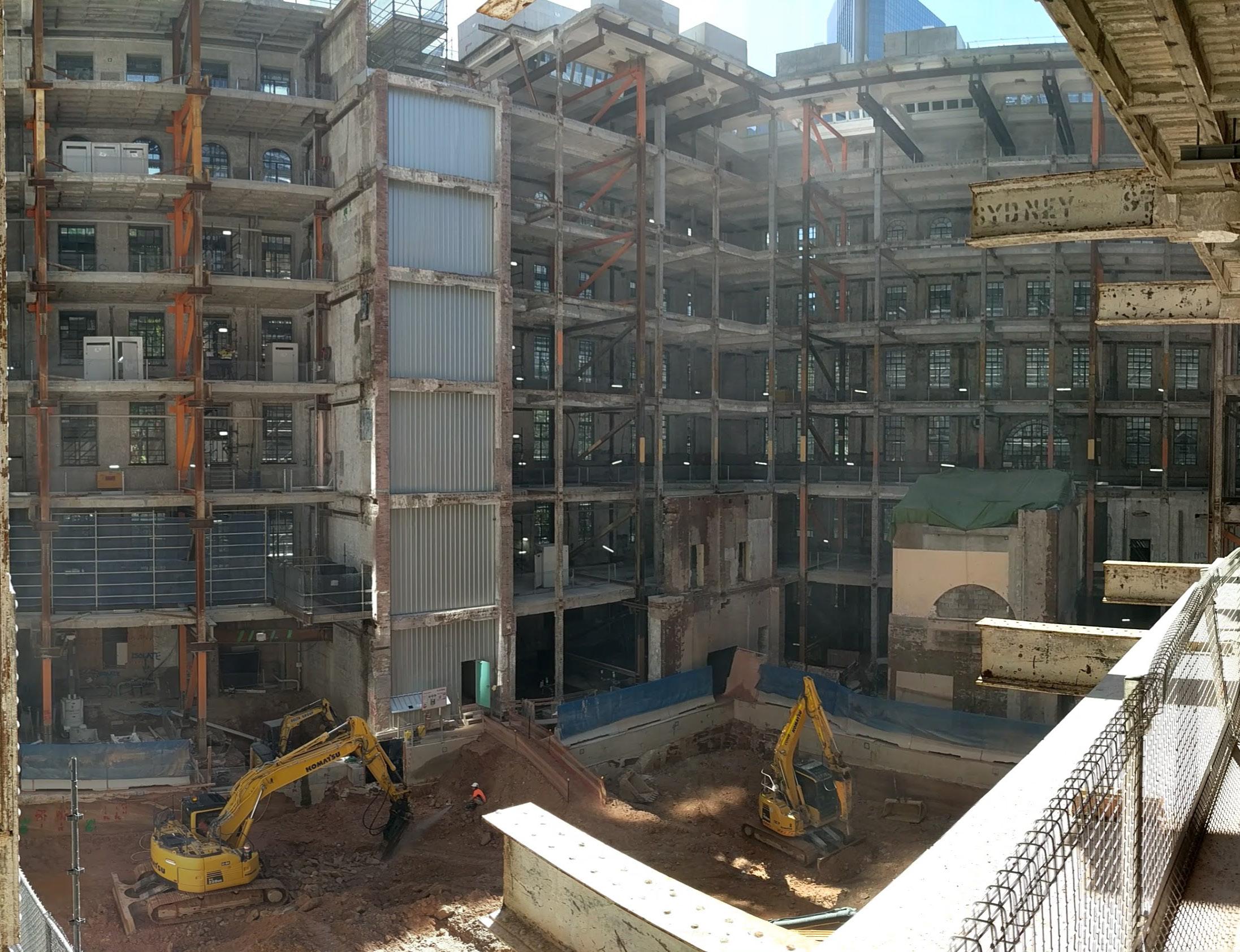
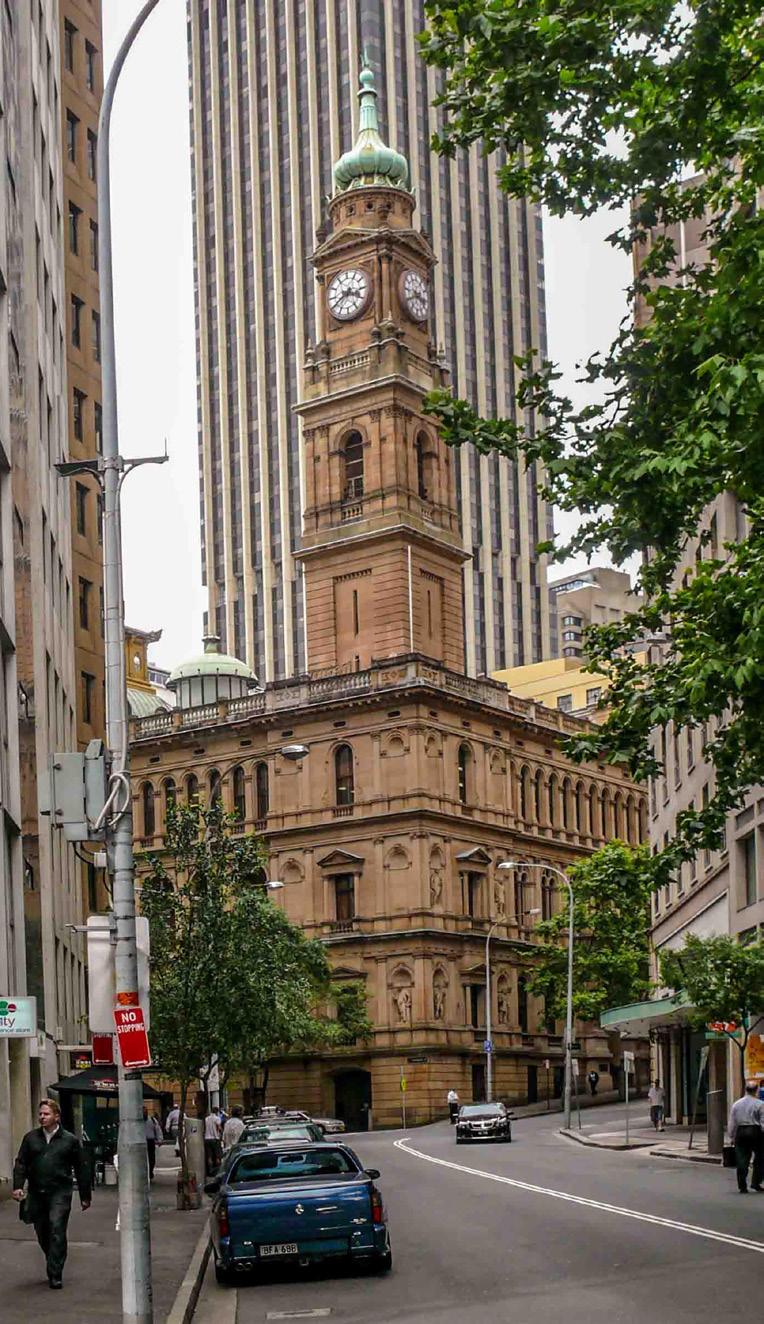
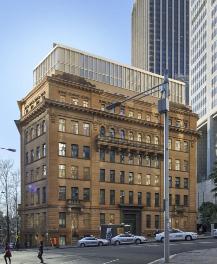
The Sandstone Precinct, Circular Quay, Sydney, NSW
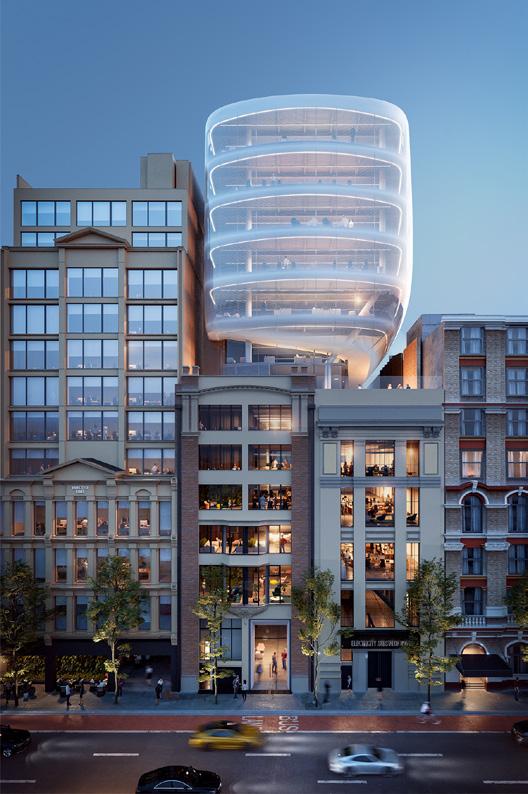
TTW’s expertise in Structural, Heritage and Façade Engineering has been critical for the developers of this exciting new luxury hotel, which involves the adaptation of two prominent, government owned sandstone buildings in Sydney’s ‘Sandstone Precinct’ on Bridge Street: the Lands and Education Department Buildings.
Constructed between c1876-1892 and c1912-1930 respectively, both buildings are listed on the State Heritage Register. The project involves extensive renovations to deliver a 6-Star luxury hotel.
Our engineering teams collaborated to provide full documentation for the conservation of external building fabric, including sandstone, trachyte and brick masonry, lead, slate and copper roofs, stucco-work, clinker concrete, seismic strengthening, cast iron, steel and timber windows, and glazed pavement lights.
The Education building will see the existing rooftop additions replaced by a 4-storey extension with curved glass corners and will be home to luxury spa and wellness facilities. The Department of Lands building will feature retail, hospitality, social and club spaces, co-working spaces, ballroom and roof terraces.
Image credit: Make Architects
Effective Security and Defence Design
TTW understands that Defence solutions need to be efficient and effective, while at the same time ensuring the Department’s goals for innovation and sustainable design are met.
Our Structural Engineering team offers significant experience with Structural and Façade blast resistant structures on both new buildings or the hardening of existing.
Equipped with our sophisticated analysis tools and techniques, we can provide the most practical solutions in the shortest of time frames to your project needs.
TTW is registered on both the Department of Foreign Affairs and Trade security advisory panel and the ‘Operating Procedure Outline Structural Engineering panel for the provision of Structural Engineering services in the areas of design, assessment of existing structures, and construction phase services, particularly the design of blast resistant structures.
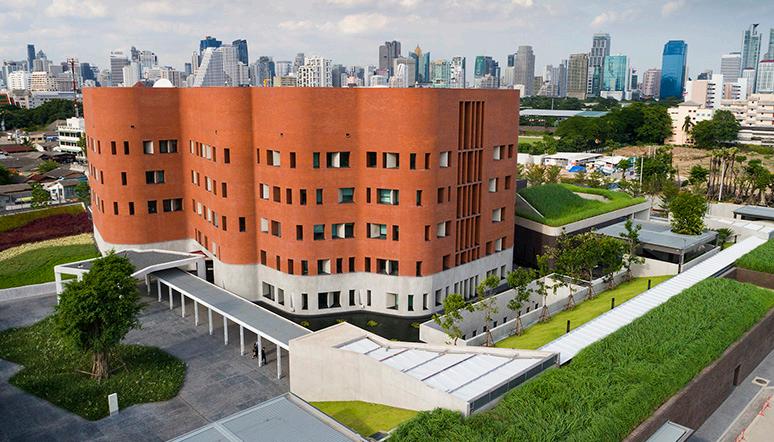
Award-winning design \ The Australian Embassy, Bangkok delivers safety and security abroad.
CASE STUDY
Australian Embassy, Bangkok, Thailand
The award-winning new Australian Embassy building in Bangkok provides a 5-level Chancery, Head of Mission (HOM) residence and services building. The design is inspired by the Australian landscape and seeks to blend materials and architectural characteristics from both countries.
Driven by stringent physical security requirements, a distinctive feature of the project was the use of Air3D blast modelling, conducted in-house, which contributed to the design of blast-resistant façade, walls, doors and windows.
CASE STUDY
Kapooka – Enhanced Land Force Stage 1, Wagga Wagga, NSW
Works consisted of 11 stages spread across the 2 km base at Blamey Barracks. The key features of the award-winning project included: a new mess facility with the capacity to seat 1,200 people per sitting; a new ECHO Company precinct with a 360-bed accommodation; parade grounds and armories; a RAP and dental building including treatment ward, resuscitation and triage, four surgeries and X-Ray facilities; a gymnasium precinct including a new 30-metre indoor pool; and an electronic shooting range.
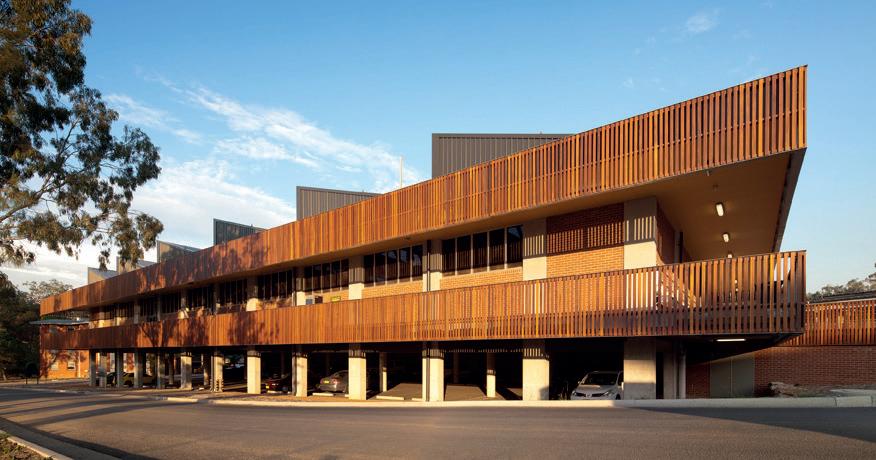
Defence design \ Works at the Blamey Barracks support the defence forces strategy to increase capabilities.
Timber Structures
CASE STUDY
Wildlife Retreat at Taronga Zoo, Mosman, NSW
Targeting to be one of Australia’s first 5-Star Greenstar rated hotels, the Wildlife Retreat at Taronga Zoo features a new native Australian wildlife sanctuary showcasing Australia’s unique biodiversity.
Designed to integrate with the surrounding landscape, the Retreat consists of 62 elegantly designed rooms housed within five environmentally sensitive and sustainability designed lodges, together with the guest lodge, entry pavilion, and a separate restaurant building that links to the existing Taronga Function Centre. The lodges vary between two and four storeys and utilise load-bearing CLT (Cross Laminated Timber) walls and floor panels, and framing is integrated with structural steel and in-situ concrete elements.
The central guest lodge, the focal point of the Retreat, was also designed with a composite glulam timber and structural steel framed roof clad with zinc sheeting.
The guest lodge glulam trusses form a composite structure in compression spanning between curved steel trusses, with the whole roof supported on small steel columns. The steelwork in this system is clad internally and externally in blackbutt hardwood vertical strip boarding. In contrast, the exterior timber cladding was made out of solid blackbutt vertical strip boards with a bushfire rating of BAL 29.
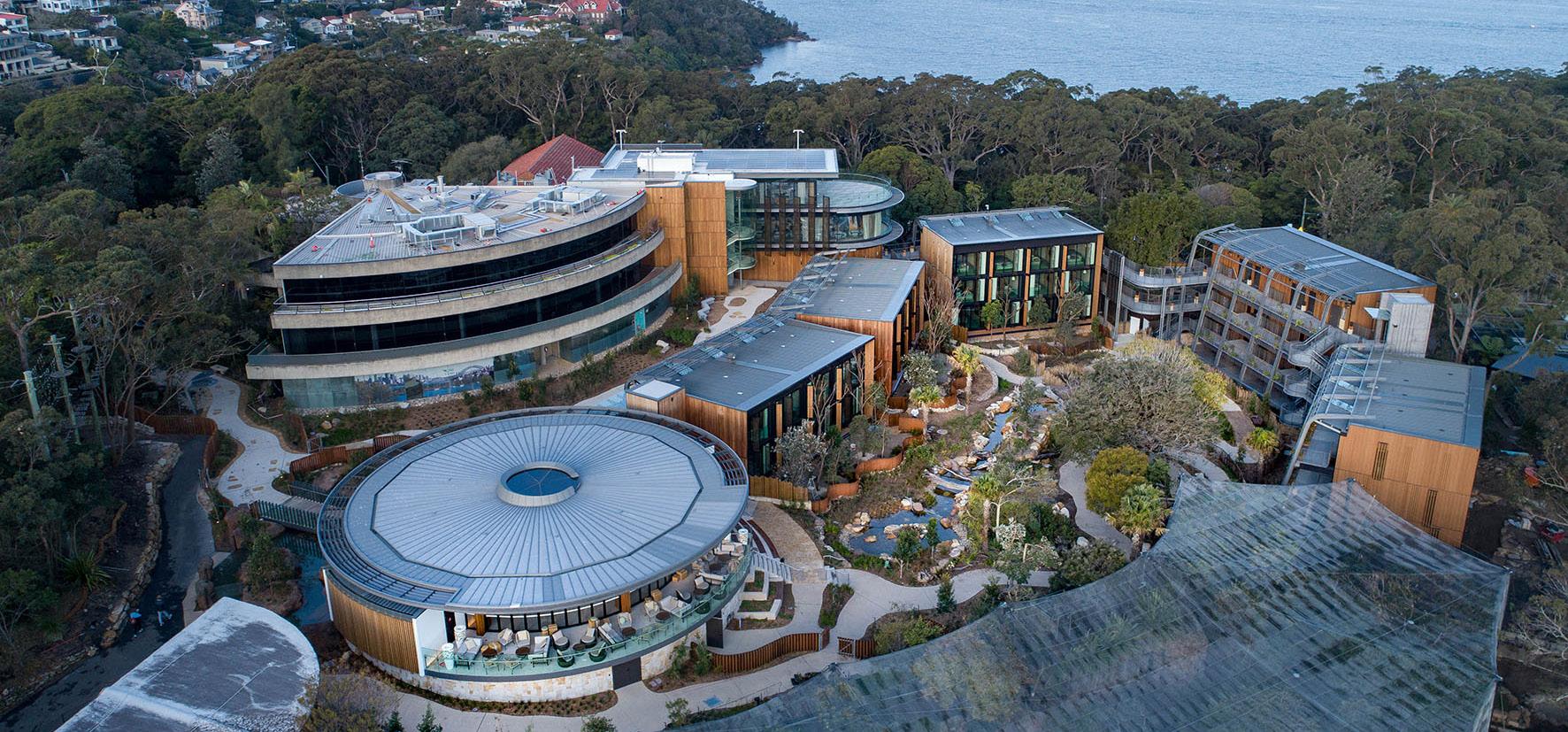
Our Timber and Digital Engineering teams work together to provide our clients with design freedom, as we tackle the challenging projects and make them a reality.
CASE STUDY
La Trobe University Student Accommodation, Bundoora, VIC
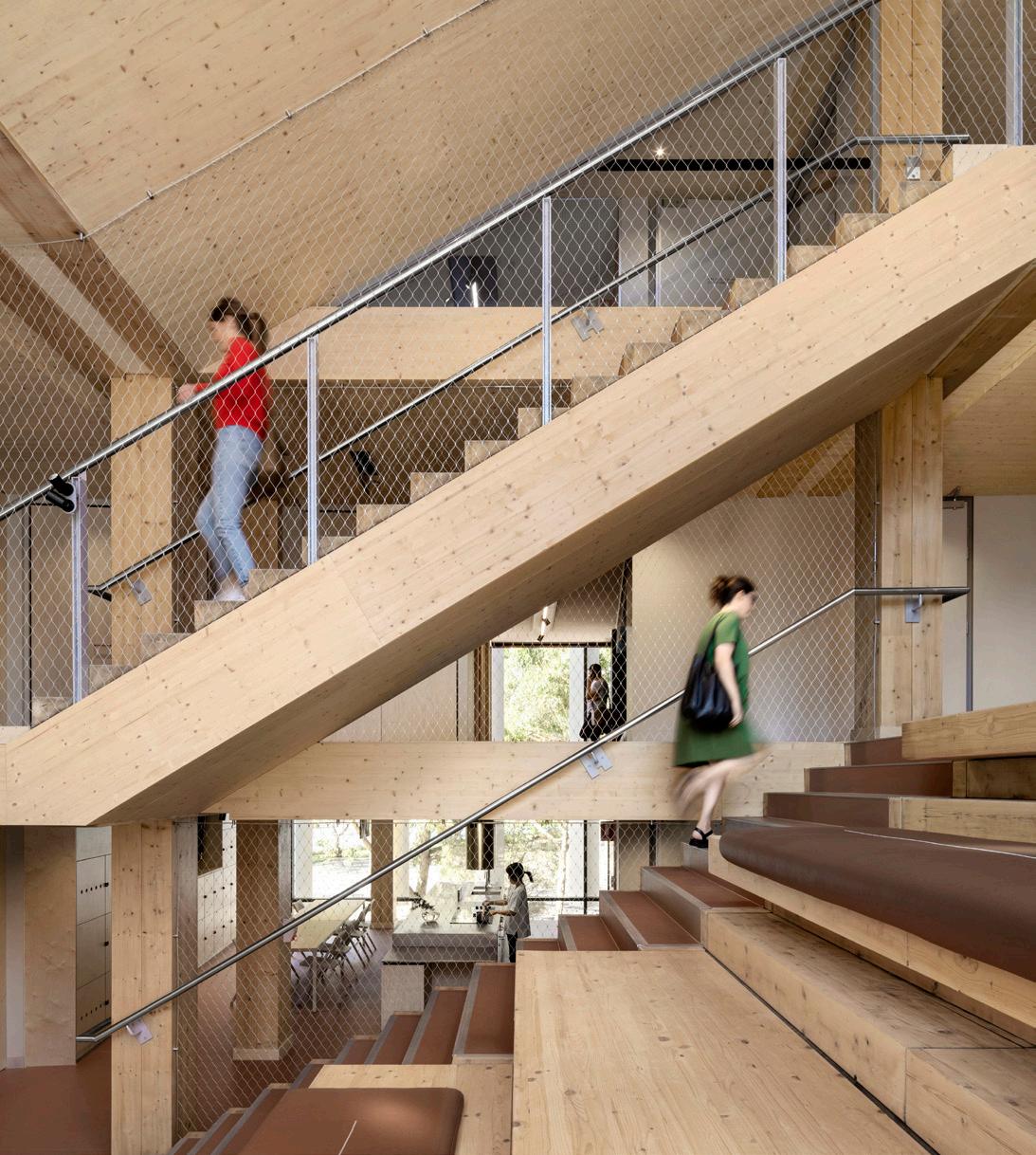
The new student accommodation is the first to be built on campus since the 1970s and forms part of La Trobe University’s ambitious plan to transform its Bundoora campus. Utilising 3,500 cubic meters of Cross Laminated and Glulam timber, this project provides over 600 new beds and student amenities to support all kinds of experiences.
Leveraging our significant timber expertise and in-house bespoke design tools, TTW delivered all key structural packages, including CLT and Glulam and concrete substructure packages, in less than two months from appointment to meet the fast-tracked procurement and construction program.
This included having our team attend design workshops in Europe with the timber supplier to fast track the design coordination and shop drawing process - a demonstration of our commitment of service to our clients.
Our innovative structural solutions resulted in significant material and programmatic savings and reduction of embodied carbon in the building by up to half, without compromising the architectural design intent. As a result, the project was awarded 5-Star Green Design and As-Built ratings.
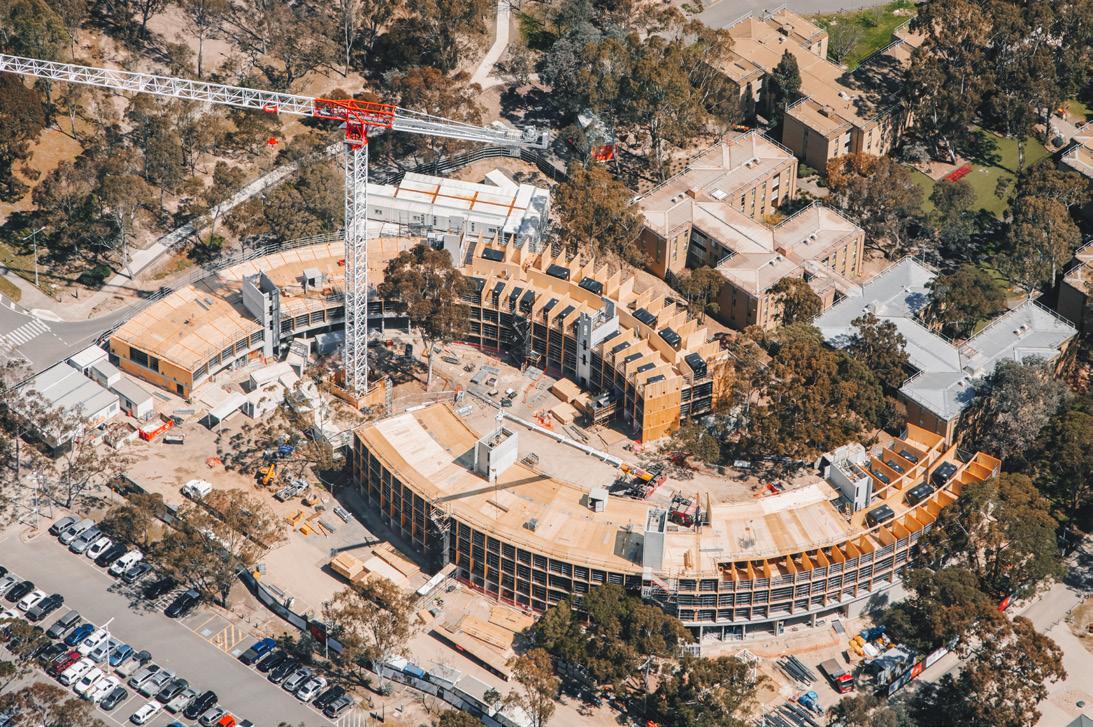
Design for Manufacture and Assembly
CASE STUDY
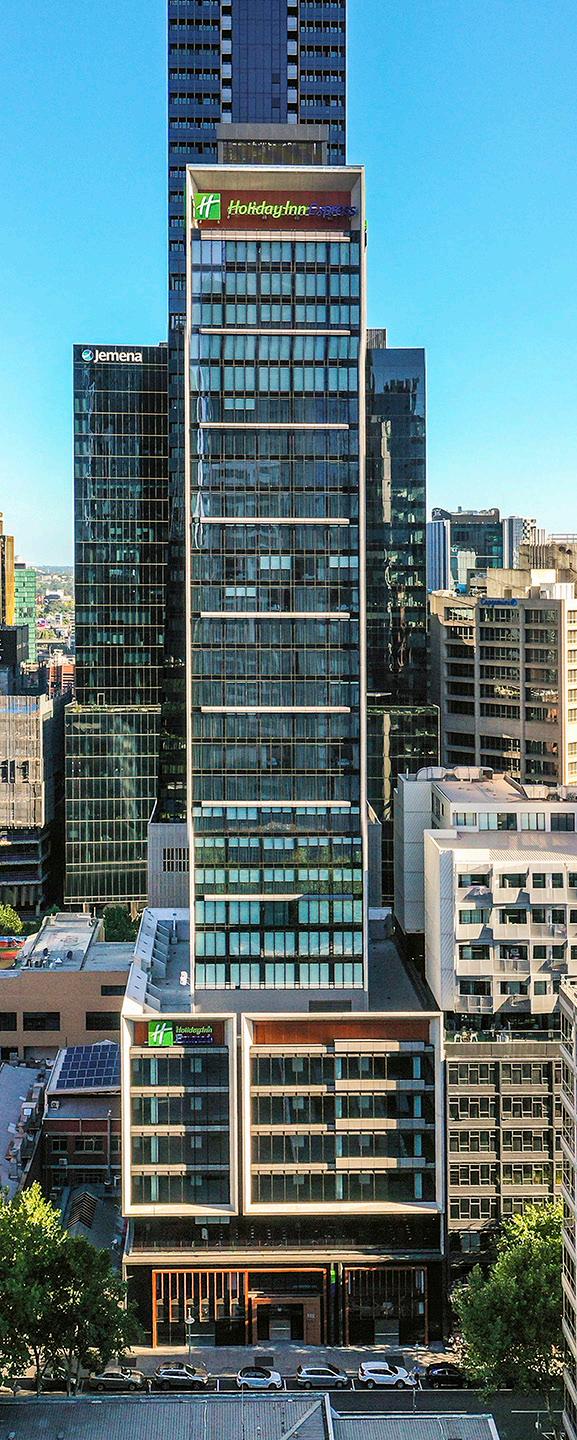
Holiday Inn Express, Little Collins Street, Melbourne, VIC
Situated less than a block from Melbourne’s biggest transport hub, this 33-level building offers 300 hotel rooms, 4,200 sqm of commercial office space, ground floor retail and four basement levels of parking.
Working in collaboration with Hickory, TTW developed an innovative modular core inspired by the methodology used in segmental precast box girder construction. Large scale volumetric precast concrete modules were manufactured off-site, trucked in as oversized transport and lifted into place. This system provides a core with similar stiffness and strength to a traditional in-situ core without the use of a jumpform. The precast modular core was developed to work with Hickory’s HBS modular construction system resulting in a structural system for floors, walls, and columns that is predominately manufactured off site.
While the first eight office floors were created using traditional post-tensioned in-situ slabs, the remaining hotel floors were created using precast concrete planks. These were delivered to site with façade panels and services already attached allowing them to be rapidly installed on site before being fastened together using post tensioned cables thereby creating a high quality floor plate in a fraction of the time required for a traditional concrete build.
Working collaboratively with project teams to design sustainable and intelligent manufacturing system, TTW can deliver significantly compressed construction timelines for your project.
CASE STUDY
The Incubator, Macquarie University, Macquarie Park, NSW
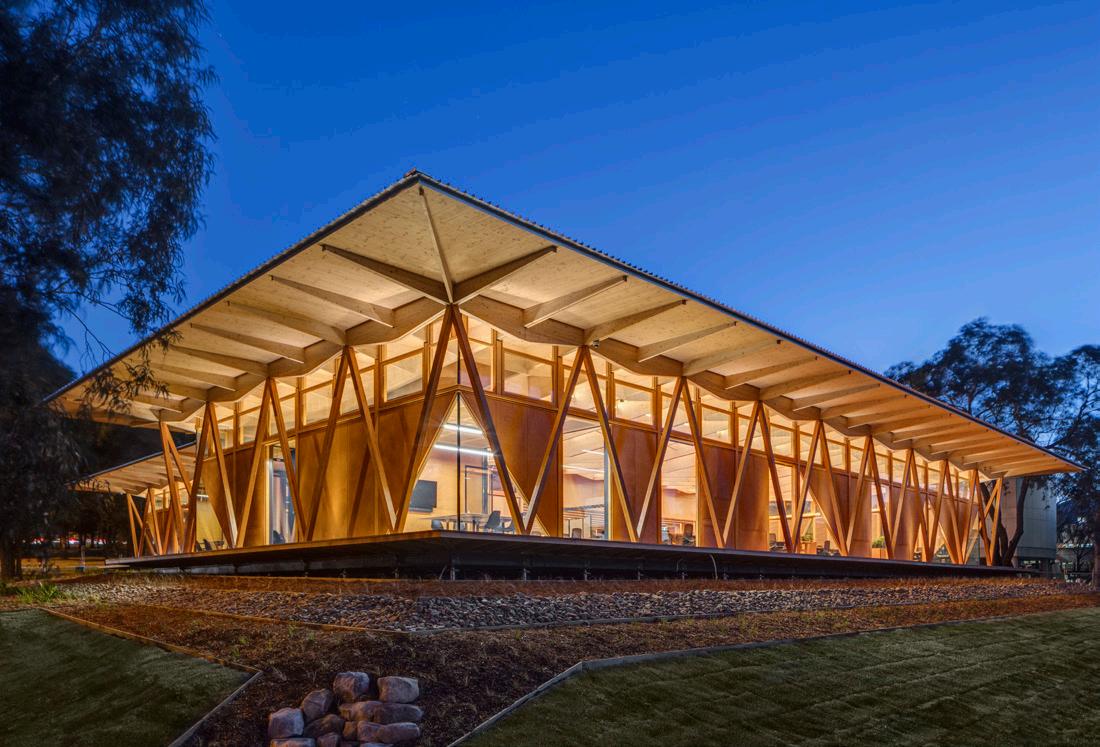
The Incubator at Macquarie University is an inspiring new space for students, researchers, staff, entrepreneurs and start-ups. The singlestorey building is purpose-built and designed using modular construction techniques, allowing it to be disassembled and relocated at the end of five years. It consists of two pavilions linked by a corridor, incorporating multipurpose spaces and meeting rooms.
The total roof length is 20 metres with slender tapering glulam roof beams spanning the learning space, and cantilevering a further 3 metres over the perimeter veranda. The beams are supported by V columns of Victorian Ash. The roof timbers, shipped from Austria, had to fit in 12 metre long containers, which presented challenges to achieve the many junctions required between glulam beams. TTW engineers determined the optimal solution which involved internal flitch plates with steel dowels.
Our Timber Engineering team found solutions to deliver the architectural intent on; continuity of multiple timber members crossing each other; hidden connections whilst maintaining member continuity; large spans; large cantilevers; and slender members. Our solutions achieve the specified geometry, whilst splitting the structure into modular units for efficient transport.