Over 60 years ago our founding partner, Dick Taylor said “Our work is only as good as the minds behind it”. Dick was known as a true gentleman and brilliant engineering mind, he maintained lasting relationships because our clients understood his passion for outstanding architecture.
Throughout the decades, our consulting engineers have contributed ongoing awardwinning designs to the built environment because we believe in his service philosophy; a personal approach to client relationships, developing the expertise of our team, tackling the tough jobs and leading with advanced technology.
Website: ttw.com.au/heritage
Instagram: @ttwengineers
LinkedIn: Taylor Thomson Whitting (TTW)
SYDNEY MELBOURNE CANBERRA JAKARTA n n n
Heritage with TTW
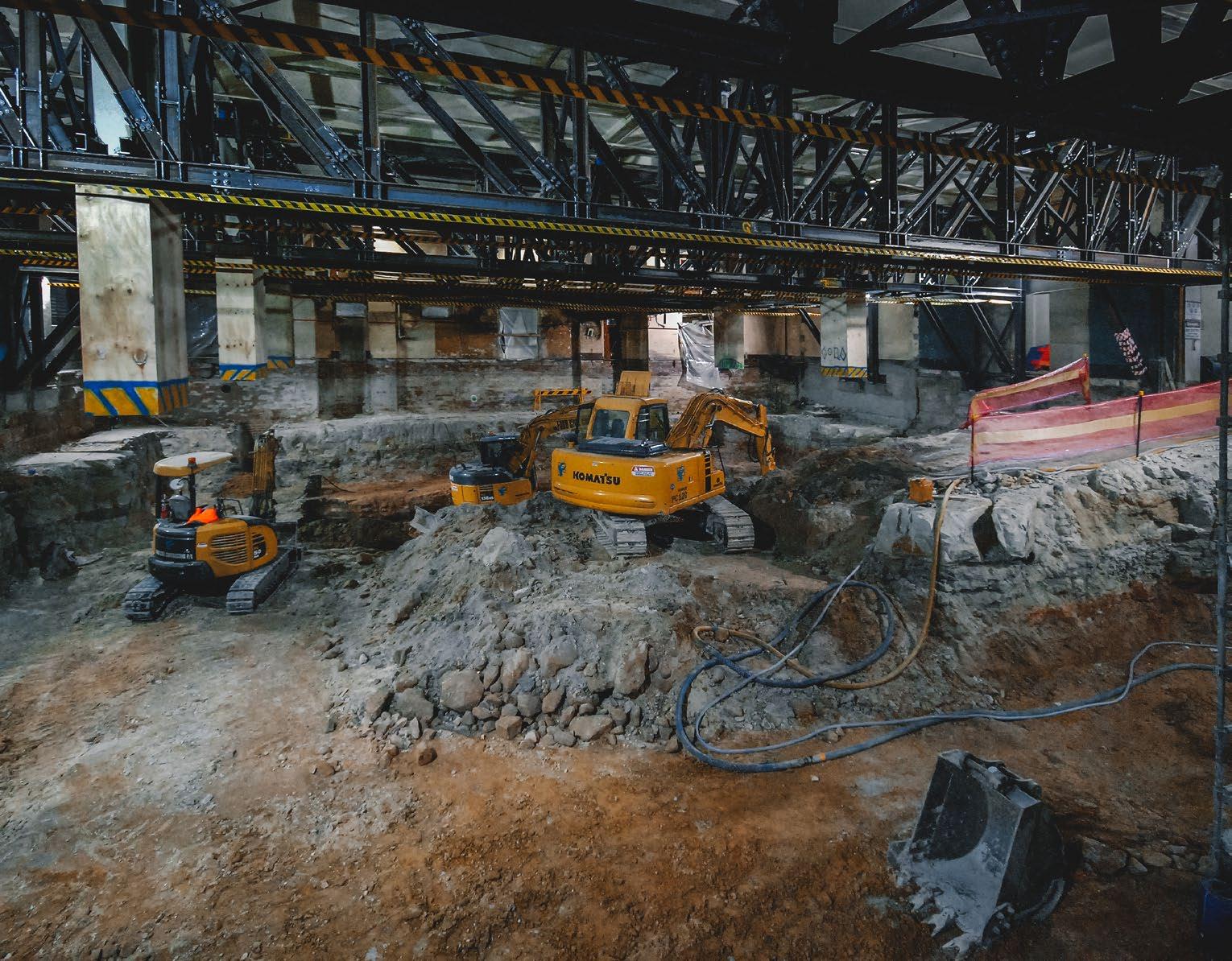
6,000 cubic metres of sandstone rock removed from underneath the Sydney Town Hall building.
The TTW Heritage team recognise the importance of preserving the past for future communities and is committed to protecting the integrity of heritage structures.
Our Heritage Engineers provide strategic advice to ensure the right balance between CONSERVATION of heritage materials, structure and functionality. They employ the latest technology and work with high performance materials to increase LONGEVITY and lower maintenance costs.
Window frames assessment: steel, cast iron, bronze and timber
Façade retention, remediation and repairs
Glazing upgrades of heritage windows to satisfy acoustic or ESD Requirements or full window replacement and replication
STRUCTURES
Diagnostic engineering
Structural strengthening
Seismic strengthening
Adaptive reuse
Alterations and additions to heritage structures
Protection
We are skilled in the protective care, conservation and adaptive re-use of heritage buildings and structures. Working closely with owners, architects, heritage consultants and builders, we develop structural and façade solutions that enable the continued use and appreciation of places of cultural significance.”
Paul Connett, Technical Director
WATERPROOFING
Rising and falling damp
Flashings and cappings
Gutters and downpipes
Roof membranes
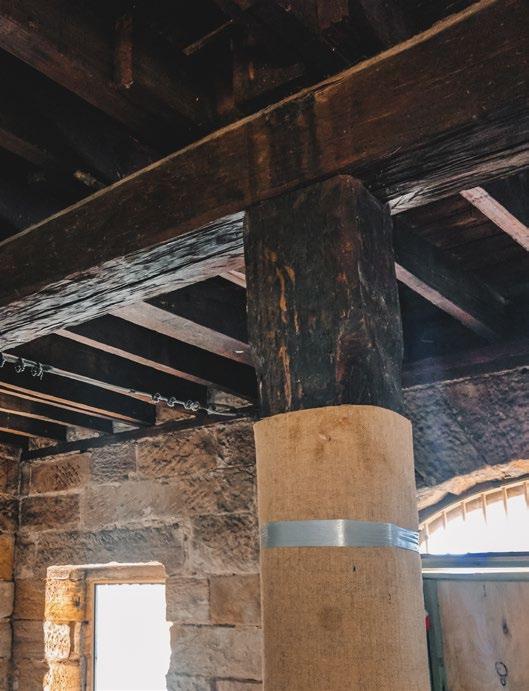
Campbell’s Stores
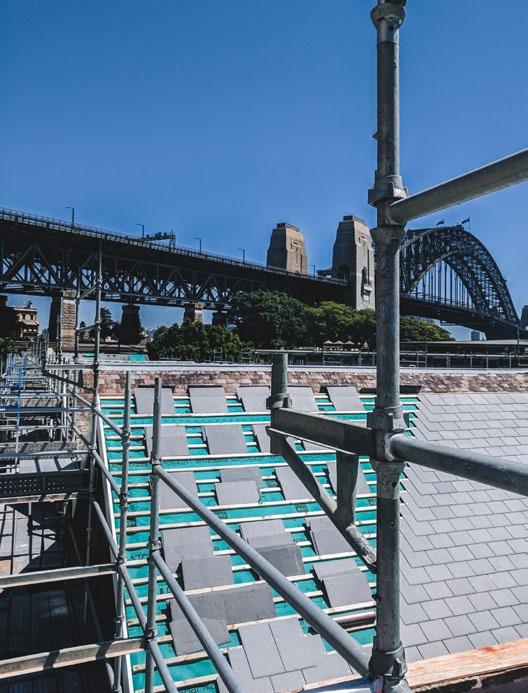
Campbell’s Stores
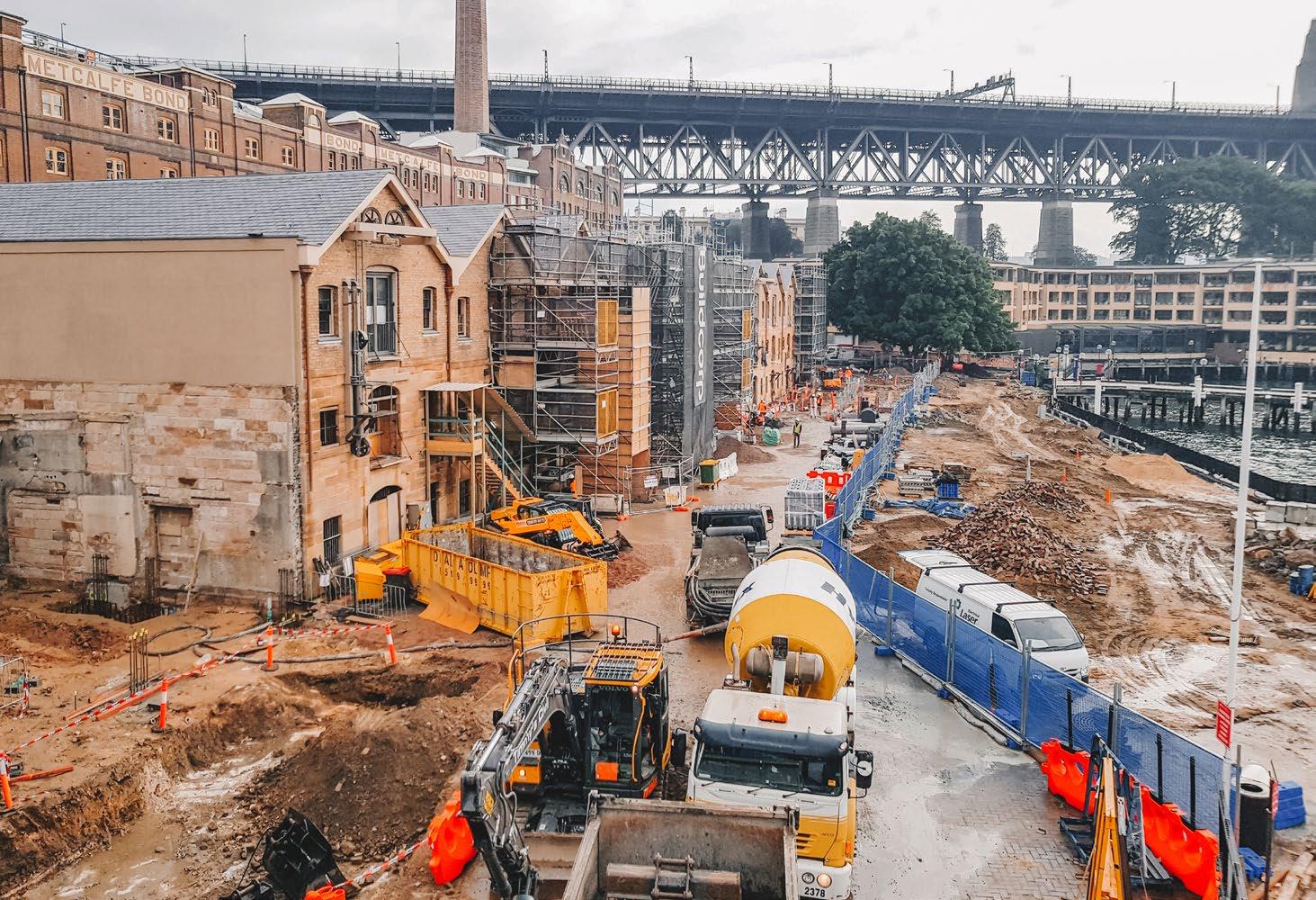
Campbell’s Stores
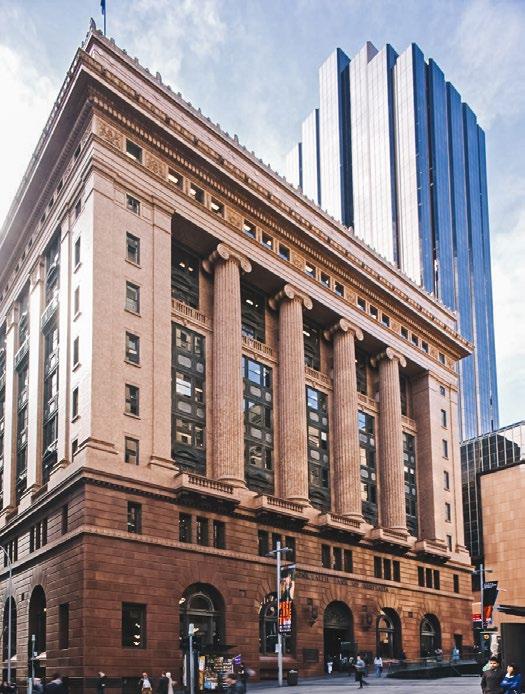
50 Martin Place
Heritage Restoration Works
The refurbishment of this prominent heritage structure encountered complex challenges demanding expert heritage engineering.
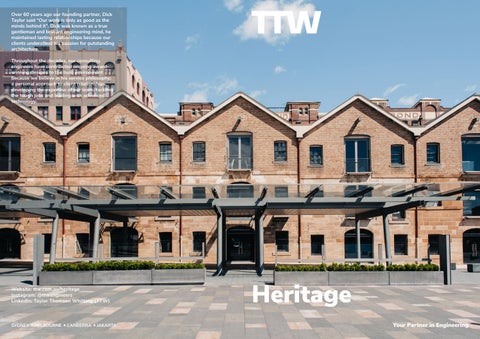
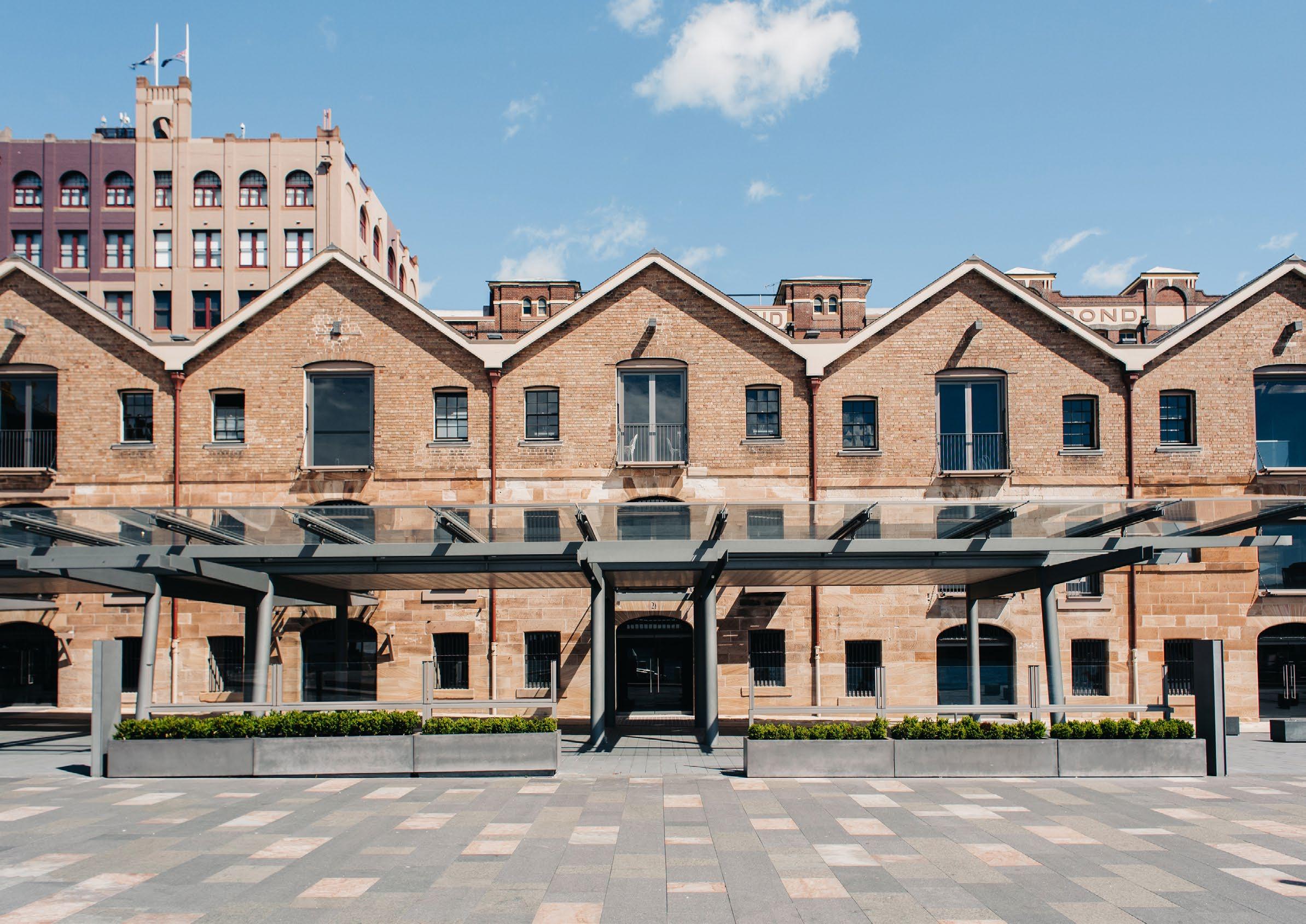
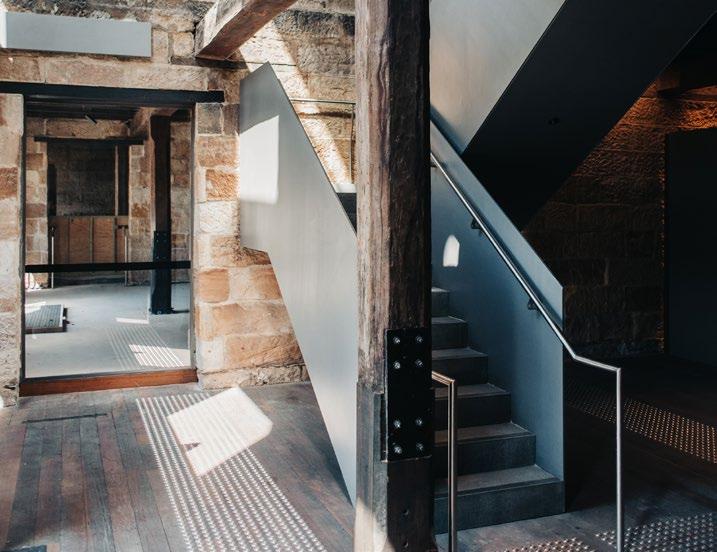
Our primary focus was the overriding requirement for conservation of CAMPBELL’S STORES, an existing State Heritage Register listed building. This involved input and design considerations from many stakeholders, design and heritage professionals and builders. Collaboration and constant communication were key to the success of this project.
The existing structure comprised 11 bays of HISTORICAL CONSTRUCTION, components and conditions. The site’s transformation includes a new dining precinct on the promenade side, with architectural precast concrete, steel and glass awning. An additional ‘Bay 12’ at the northern end features a new masonry structure, with similar smaller awning.
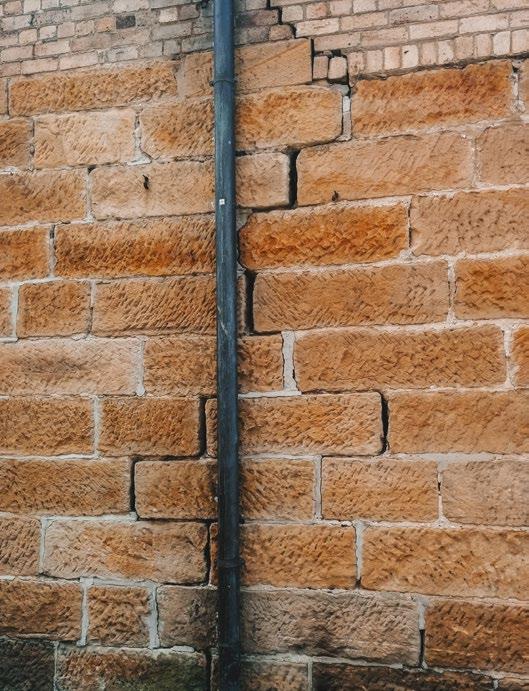
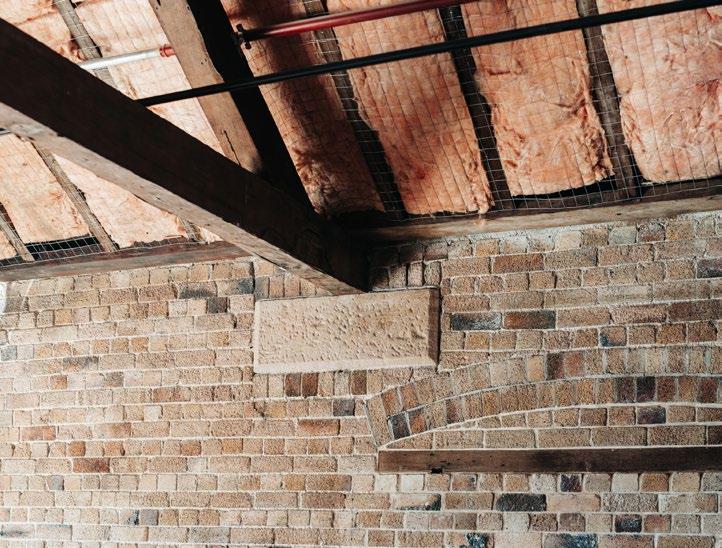
Bulk excavation works were limited to minimise risks to the structure. Demolition and strip-out works were tightly monitored. Issues uncovered included cracked sandstone footings, damaged timber columns, decay due to water ingress and rising damp. New materials sourced replicated the existing construction in type, quality and fabric.
TTW heritage specialists overcame engineering challenges: heritage restoration works to SANDSTONE and TIMBER structures, tidal water issues and archaeological finds. Remains of an 1830s warehouse were discovered, which altered the design to accommodate a new public viewing area.
Transformation of prominent heritage site with complex design requirements and archaeological significance.
Services: Heritage, Construction Engineering, Structural, Civil, Façade
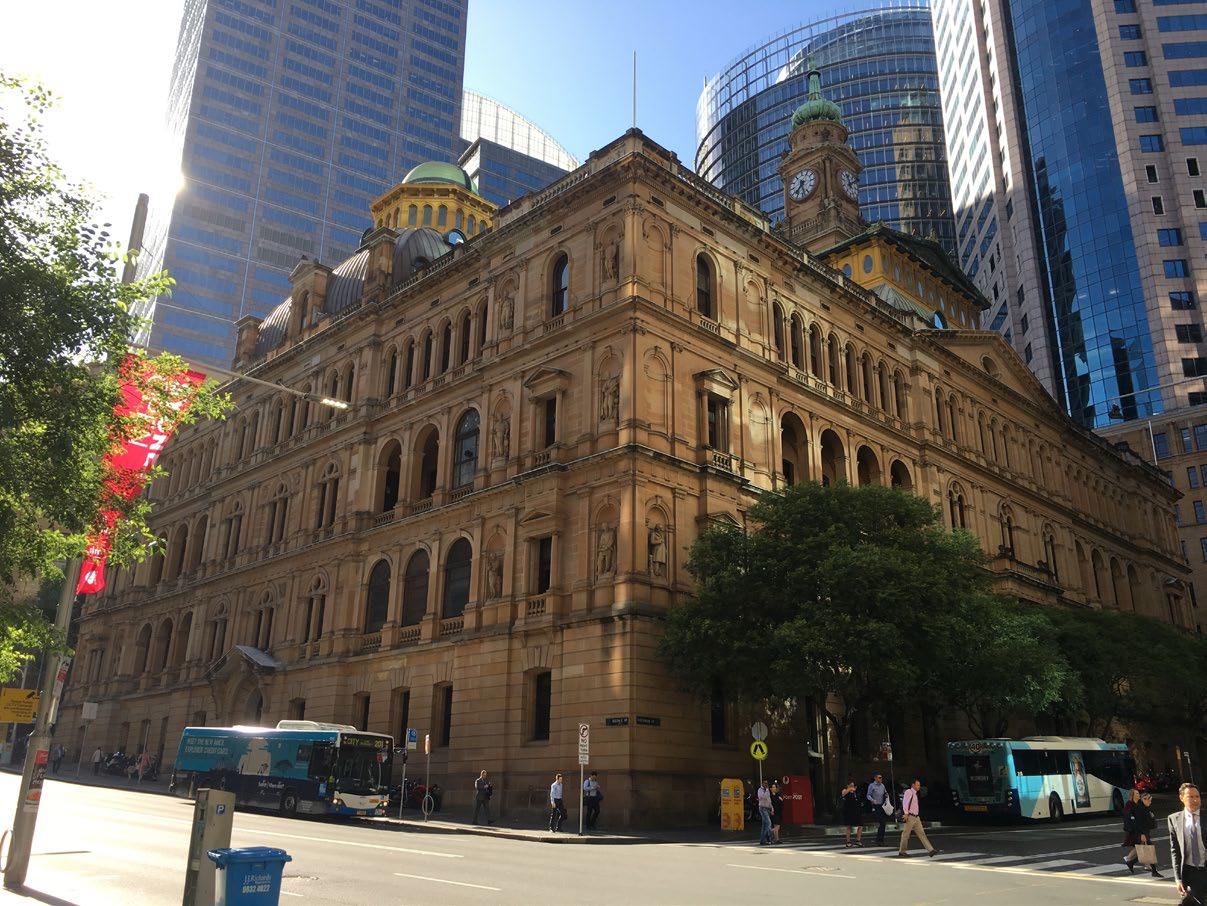
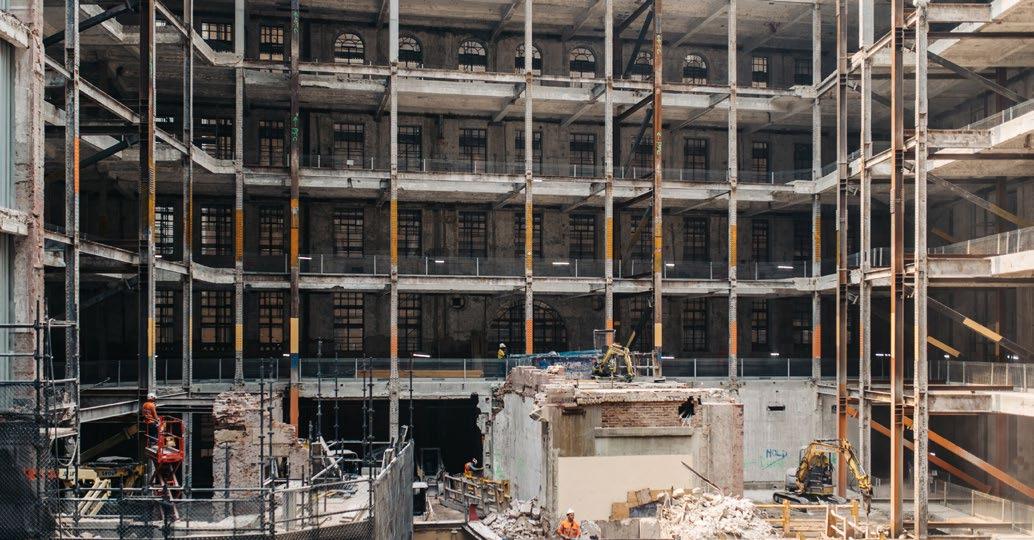
The SANDSTONE PRECINCT encompasses two prominent, Government owned sandstone buildings in Sydney’s CBD; the Lands and Education Department Buildings. Constructed between c1876-1892 and c1912-1930 respectively, both buildings are listed on the State Heritage Register. The project involves extensive renovations to deliver a 6-Star luxury hotel.
The complexity necessitates critical input from TTW’s heritage engineering specialists, contributing their in-depth knowledge and understanding of historical construction and MATERIALS CONSERVATION
Adaptation of the Education Department Building involves the addition of four levels above the existing seven storeys, and the excavation of three levels of basement.
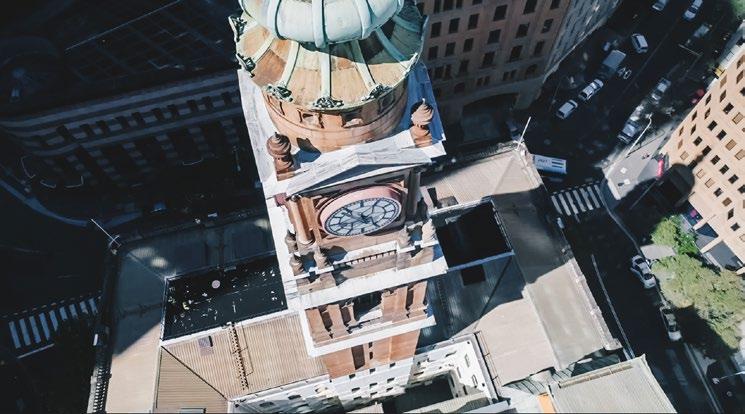
The Lands Building features four main levels with clock tower and roof dome above. A new tunnel links both buildings below street level.
Our Heritage and Façade teams collaborated on providing FULL DOCUMENTATION for conservation of external building fabric, including sandstone, trachyte and brick masonry, lead, slate and copper roofs, stuccowork, clinker concrete, seismic strengthening, cast iron, steel and timber windows, and glazed pavement lights.
Preserving the past for the future.
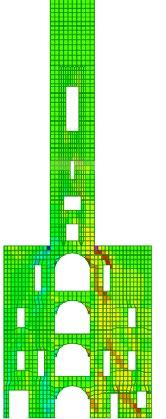
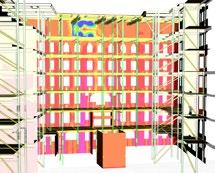
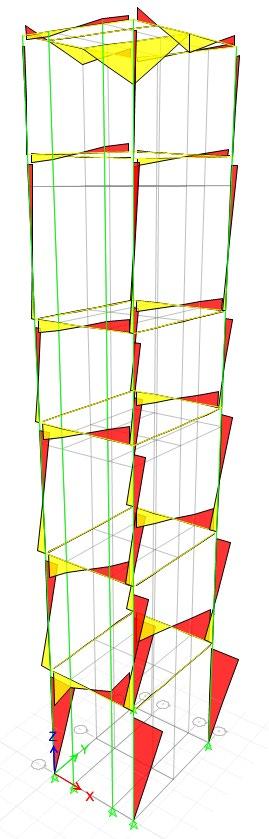
FINITE ELEMENT ANALYSIS of Lands clock tower for seismic assessment.
Innovative Freestanding Lift
Engineering a lift into a UNESCO World Heritage-listed building.
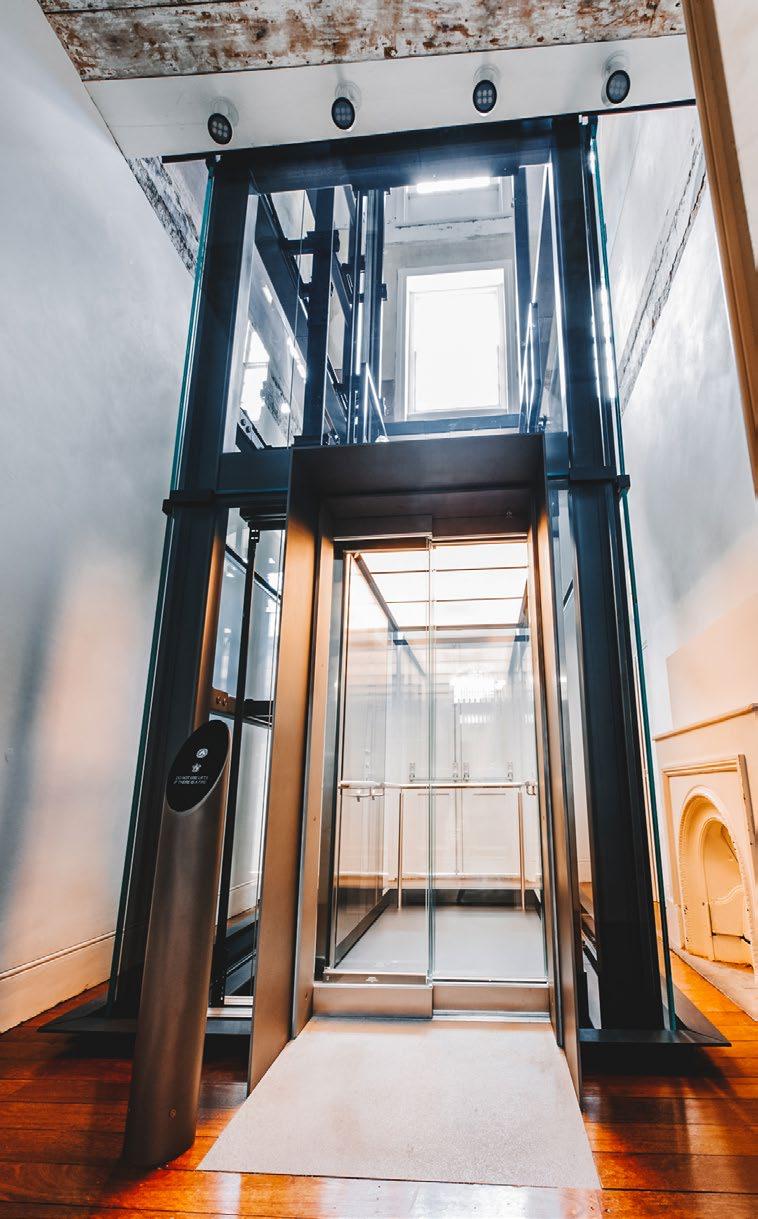
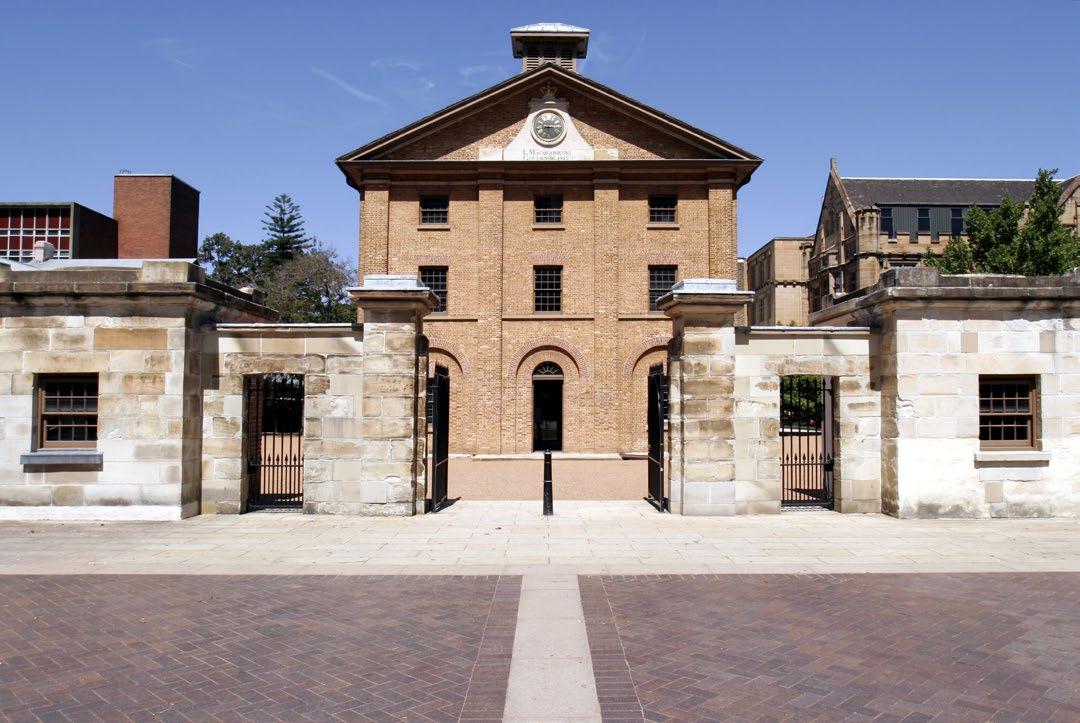
The UNESCO World Heritage- Listed HYDE PARK BARRACKS underwent a major $18 million revamp. TTW heritage team was engaged to engineer the installation of a new glazed lift structure, providing equal access to all three levels of the museum, previously accessible by stairs only.
Given the constraints of the World Heritage-listed building, Sydney Living Museums and JPW Architects required the lift shaft to be as minimal and as transparent as possible, causing the least visual impact on the building. Carrying out a high level of structural detailing, TTW Heritage experts engineered an innovative freestanding lift shaft with no structural connection to existing floors or walls. The lift shaft has a Vierendeel open frame structure and uses the weight of the glass and machinery installed to it as mass damping to HELP CONTROL DEFECTIONS AND VIBRATION
The need to install a 13.5m high steel lift shaft presented some challenges such as height and weight: 6.3 tonnes of structural steel. The structure had to be installed through a door opening that measured just 1.1m wide by 2.4m high and was erected inside the building using a block and tackle. Then followed the installation of the 3.4 tonnes of frameless glass panels, using the shaft and block and tackle to lift the glass, with the largest panel measuring 2.6m by 2.3m and weighing 720kg. Installation tolerances were very fine. Close collaboration with the Contractor and the Architect was crucial.
Measures were put in place to PROTECT the 200-yearold World Heritage-Listed building. No welding was allowed on-site and a trial assembly was carried out at the workshop, to ensure that everything would fit together correctly before the steelwork was brought to site.
Client: Sydney Living Museums Architect: JPW Builder: Gartner Rose Value: $18M
Sector: Government & Public, Art & Culture Services: Heritage, Structural, Façade
Our Experience
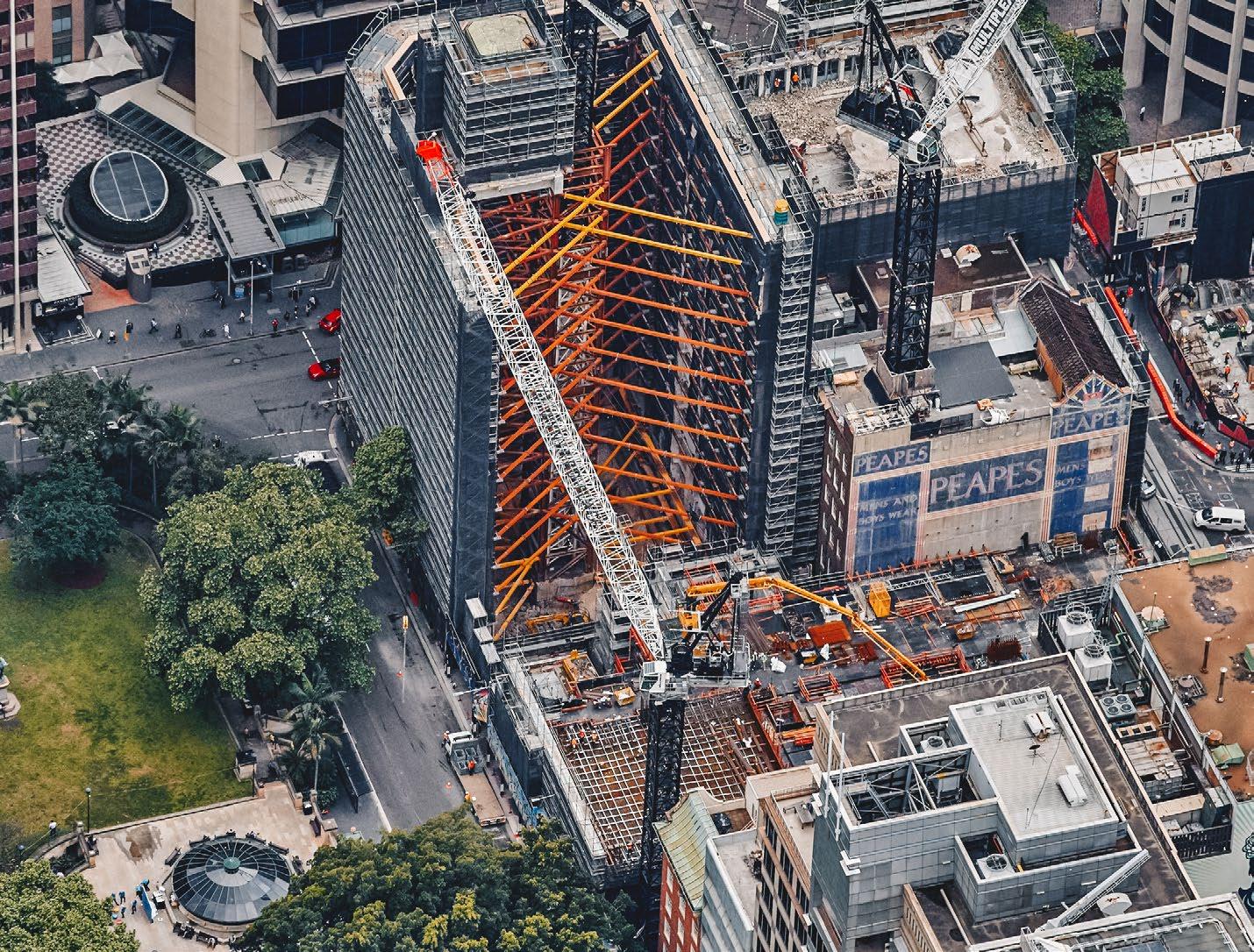
Winner of the Australian Engineering Excellence Award, Shell House was one of the most complex façade retention projects in the world.
An outstanding example for the preservation and reinvention of a treasured artefact for contemporary life in our city.
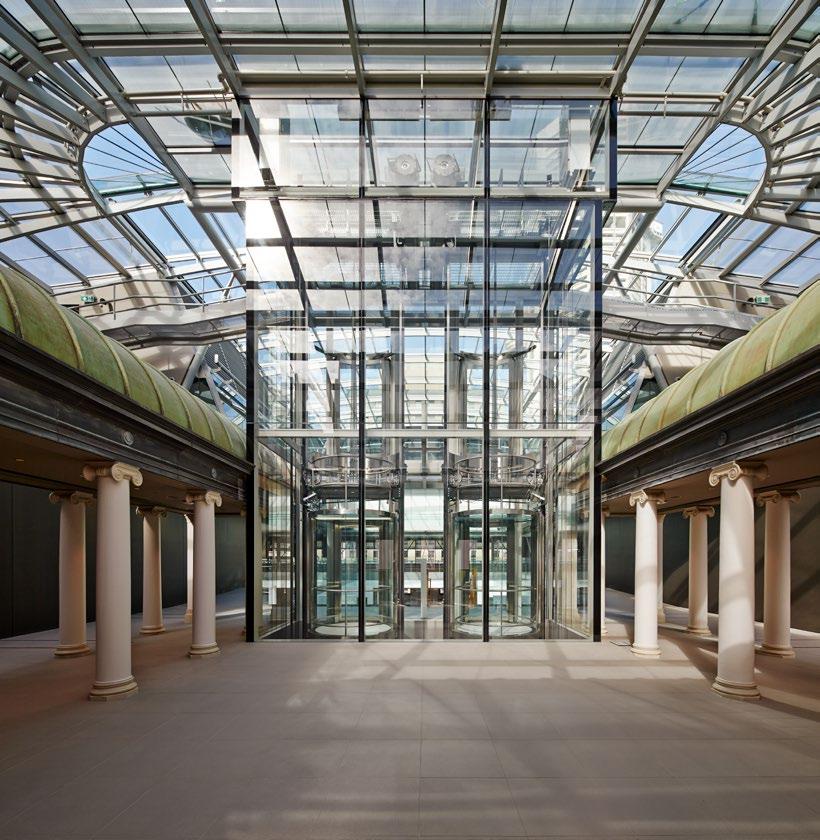
50 Martin Place: Internal fit-out, refurbishment and VERTICAL EXTENSION (glass dome) for Macquarie Bank.
Our Experience
An unprecedented redevelopment of Sydney CBD’s oldest public building and historic coining factory.
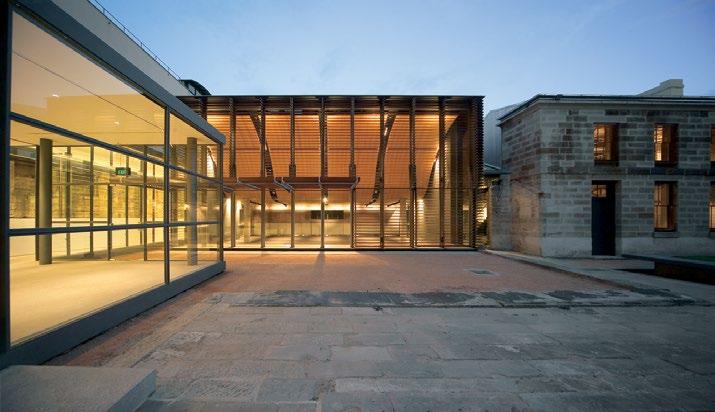
Top: The Mint is listed on the State Heritage Register and Register of the National Estate. Significant refurbishment and new building addition - 2004.
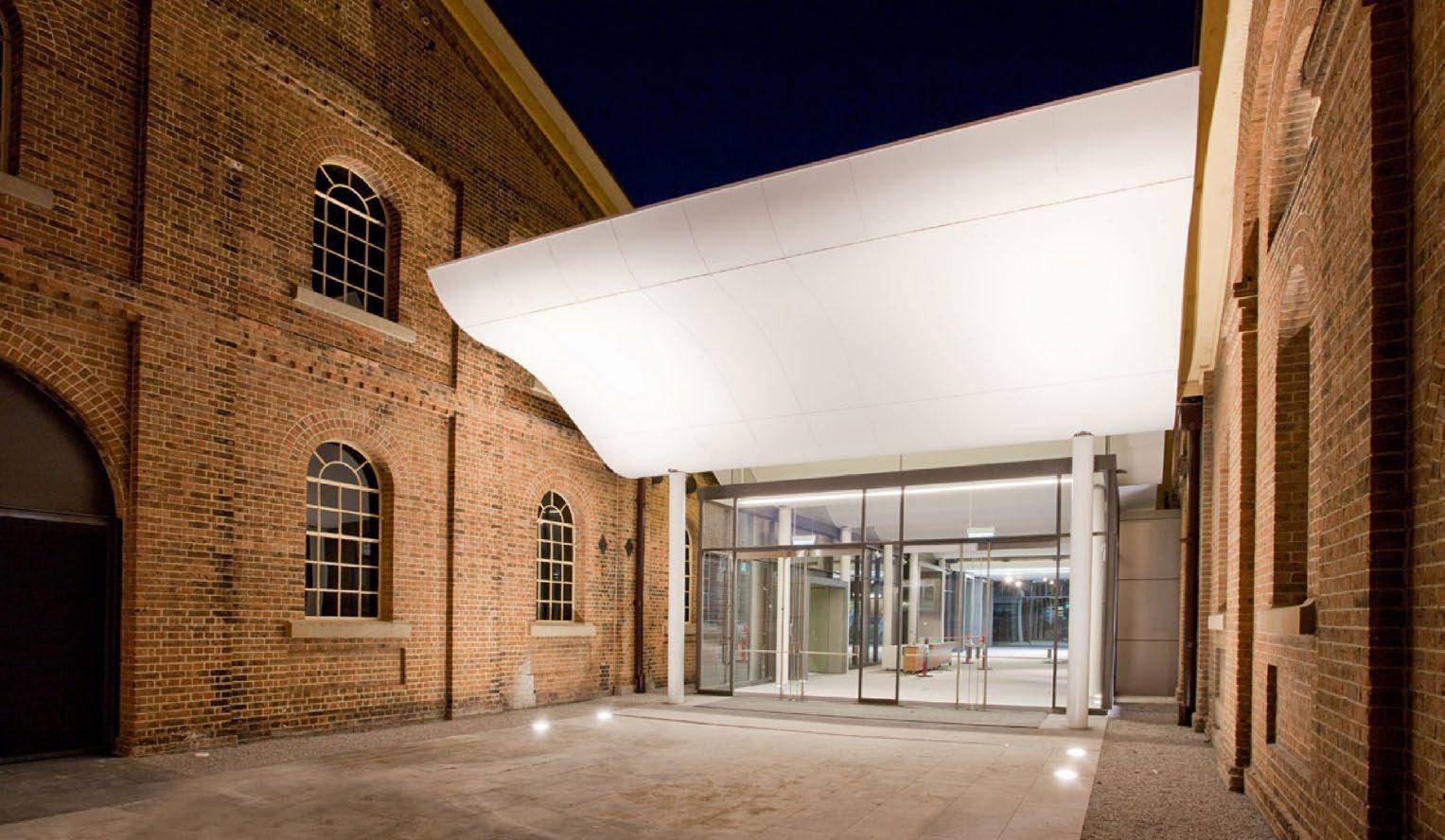
Left: Newcastle Museum involved the refurbishment and addition to heritage buildings including earthquake strengthening, new concrete mezzanine, new glazing, new structure connecting all three existing buildings - 2011.
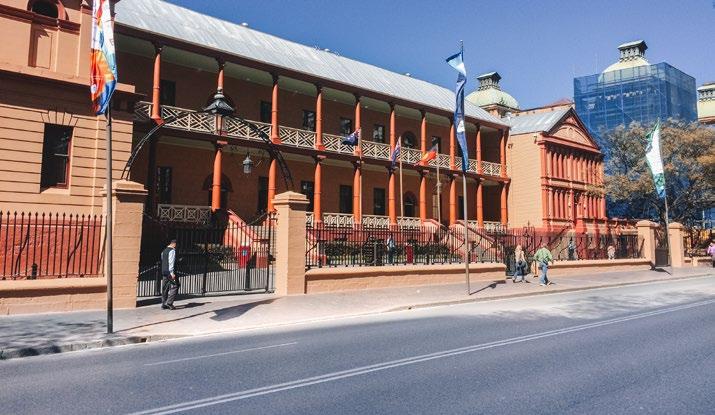
Right: Design of the 1970’s extension to NSW Parliament House. Ongoing engineering services since have included a full CONDITION REPORT for all buildings , including c1811 former Rum Hospital building.
Our Experience
Heritage Listed Federation Building.
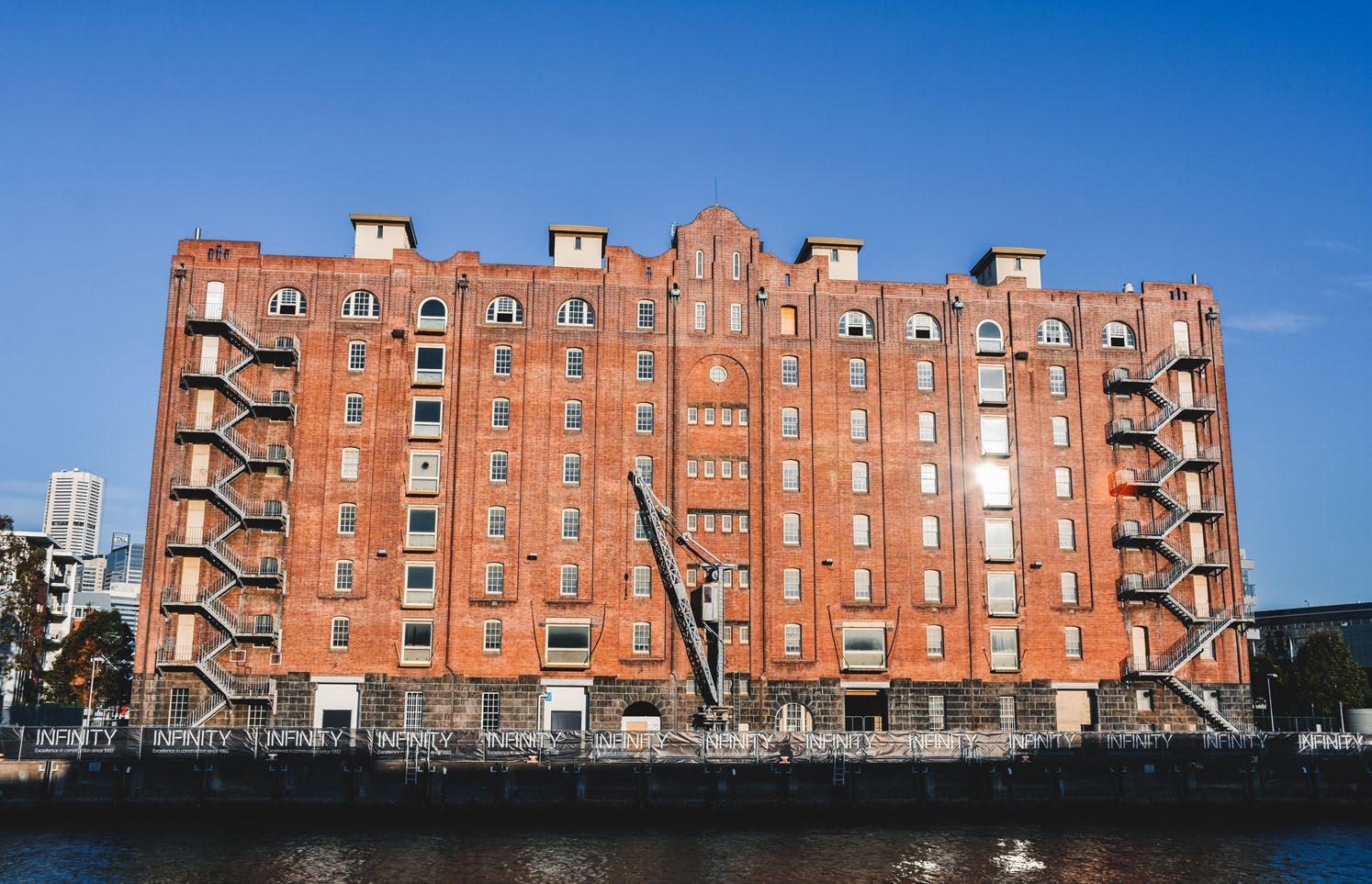
The REVY: Converted into a 44 luxury apartments with the addition of: two external reinforce concrete lift cores, strengthened floors, external walls, rooftop parapets with structural steel support frames. The below water level basement required a fully tanked basement slab with tension piles socketed into rock to resist the hydrostatic uplift loads.
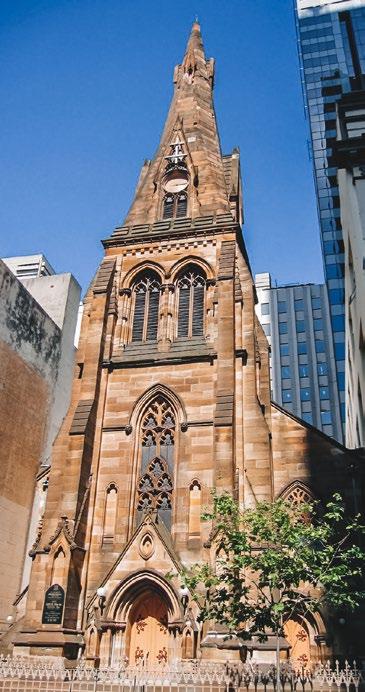
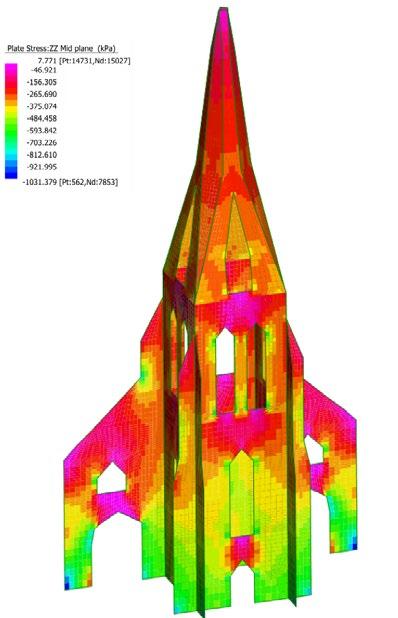
Left: SEISMIC ANALYSIS of 1858 heritage sandstone bell tower and spire of ST GEORGE CHUR CH
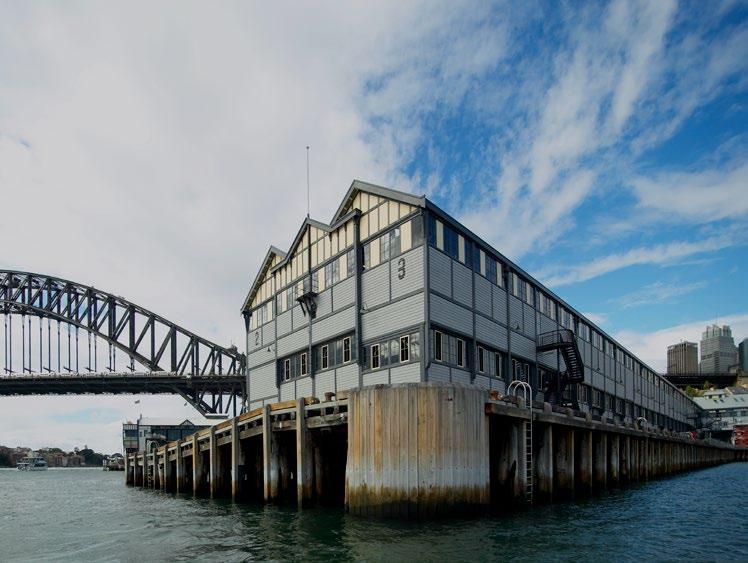
Top: Walsh Bay Piers 2 & 3 involved the RESTORATION and repair - above and below water - and conversion of 1912 - 1921 State Heritage Listed two storey, hardwood framed wharf and store-sheds to residential apartments.