Façade Engineering
Façade with Us
Translating the architectural design intent, representing your vision and values, and responding to the building’s functions and surroundings are the first steps from architectural expression to a realised façade.
But there is more to façades than just a pretty face. It’s the building’s skin - or envelope - that keeps the building and its user warm, cool, dry and safe while retaining natural light and connectivity.
Our Façade team incorporate all of these competing elements while ensuring the design is structurally sound - they excel in:
Structural performance
Sustainability and thermal performance
Physical security and safety
Façade development and testing
Complex geometries
Optimisation and rationalisation
Preservation and heritage
Façade detailing
Weatherproofing
Condensation analysis
Material sciences
Durability
Cost and value engineering
Acoustic performance
Combustibility and fire performance
The façade is the most visible part of a building and serves as an invitation to discover the rest of its architectural and engineering ingenuity.
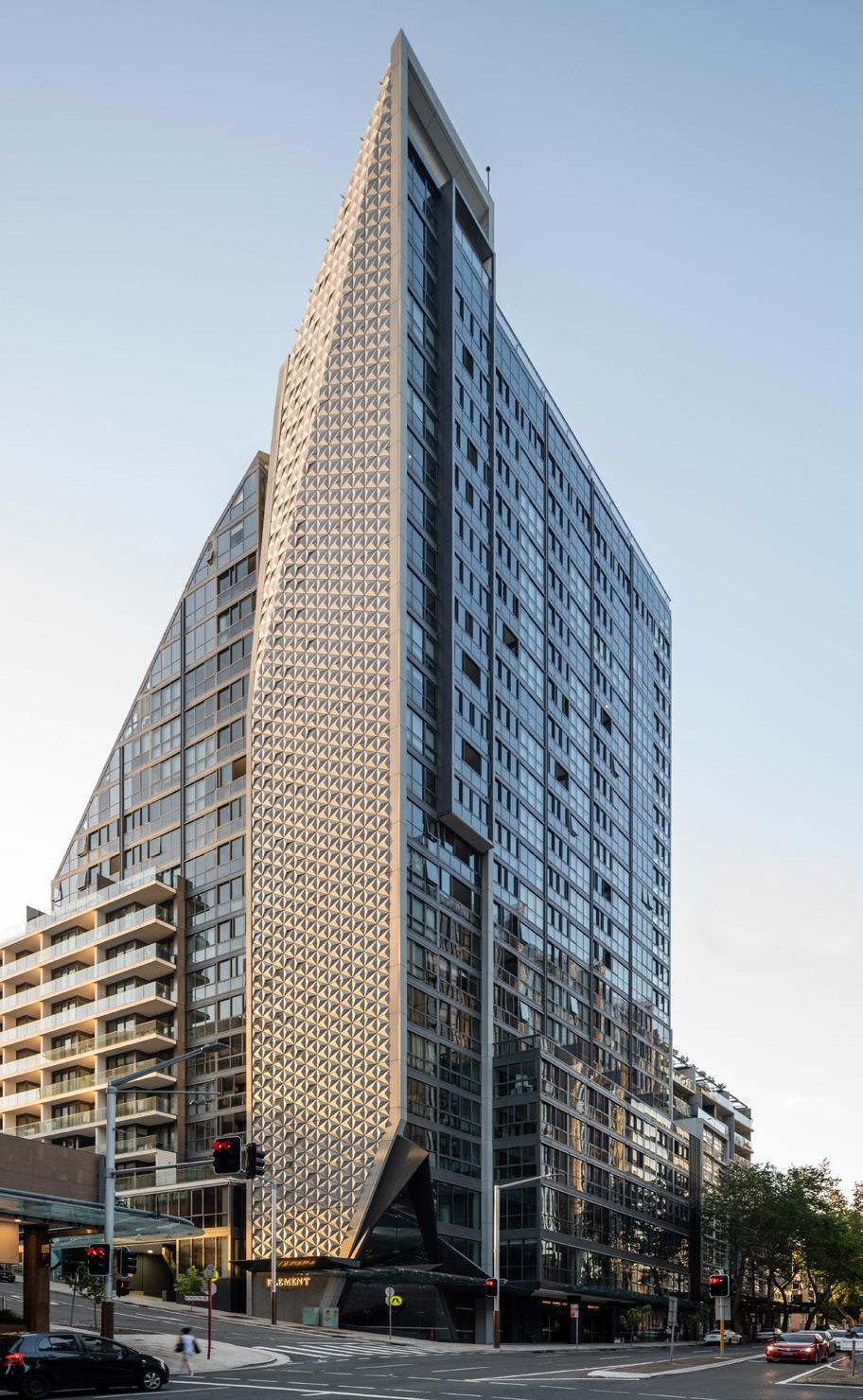
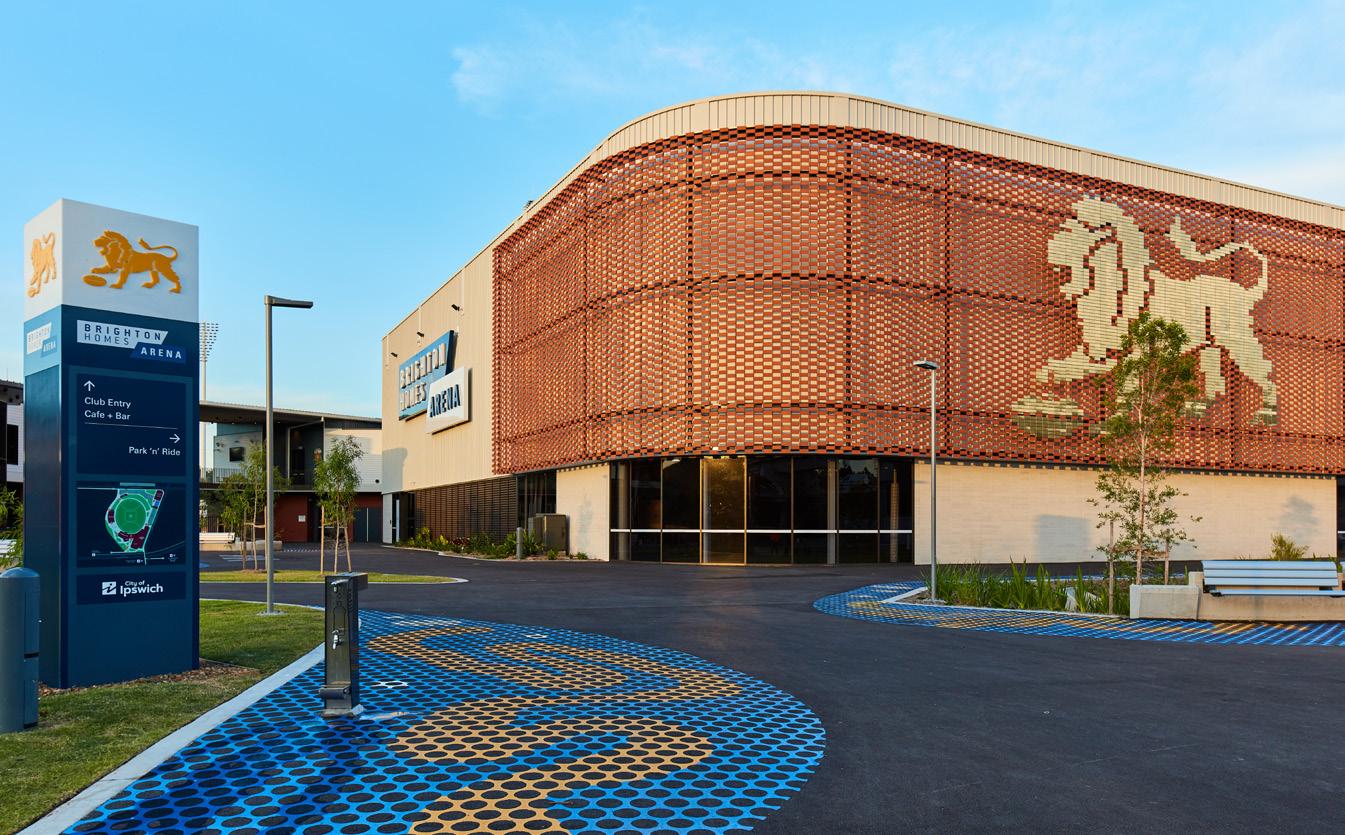
Delivering success \ We delivered bespoke and innovative solutions for the Brisbane Lions, Brighton Homes Arena (above). The unique crystalline façade of Polaris, North Sydney introduces maximum sunlight (left).
Our Approach
Our Façade Engineers welcome the challenge of combining visionary and sustainable design with efficient, elegant and functional solutions.
We work with investors, developers, owners, architects and contractors in all stages of design and construction and are proud to have extensive experience across all building types.
Through our highly collaborative approach, we develop a comprehensive understanding of project requirements ensuring the integrity of our designs.
Our clients come to us as a trusted partner with a long history of successfully completing projects across all sectors, including healthcare, arts and culture, education, and industrial as well as high-rise residential and commercial, and low-rise public buildings.
By combining creativity, experience and innovation with modern engineering techniques and materials, we can develop solutions that achieve aesthetics, practicality and sustainability goals.
Through our understanding of local markets and suppliers we can provide feasible solutions within the project’s and client’s budget and aspirations.
We deliver improved project efficiencies, cost reductions and risk-mitigation, while allowing the architectural vision to come to life.
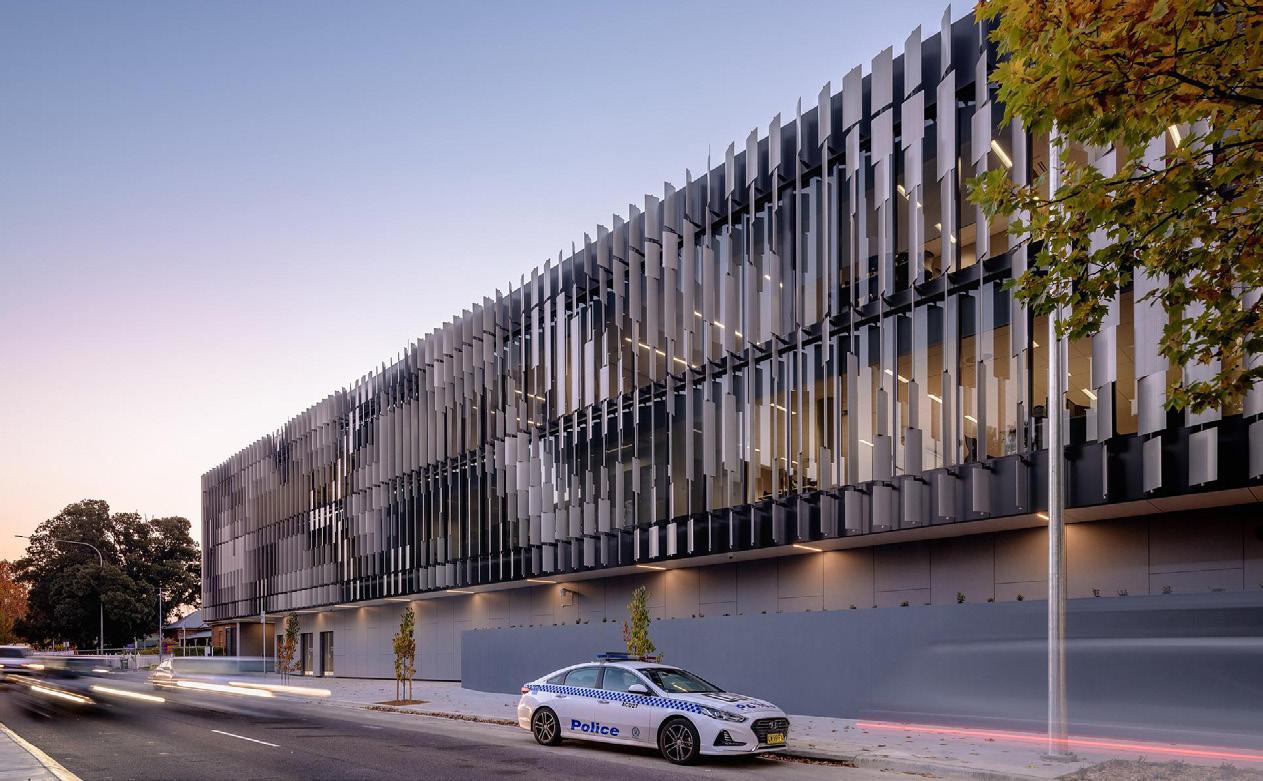
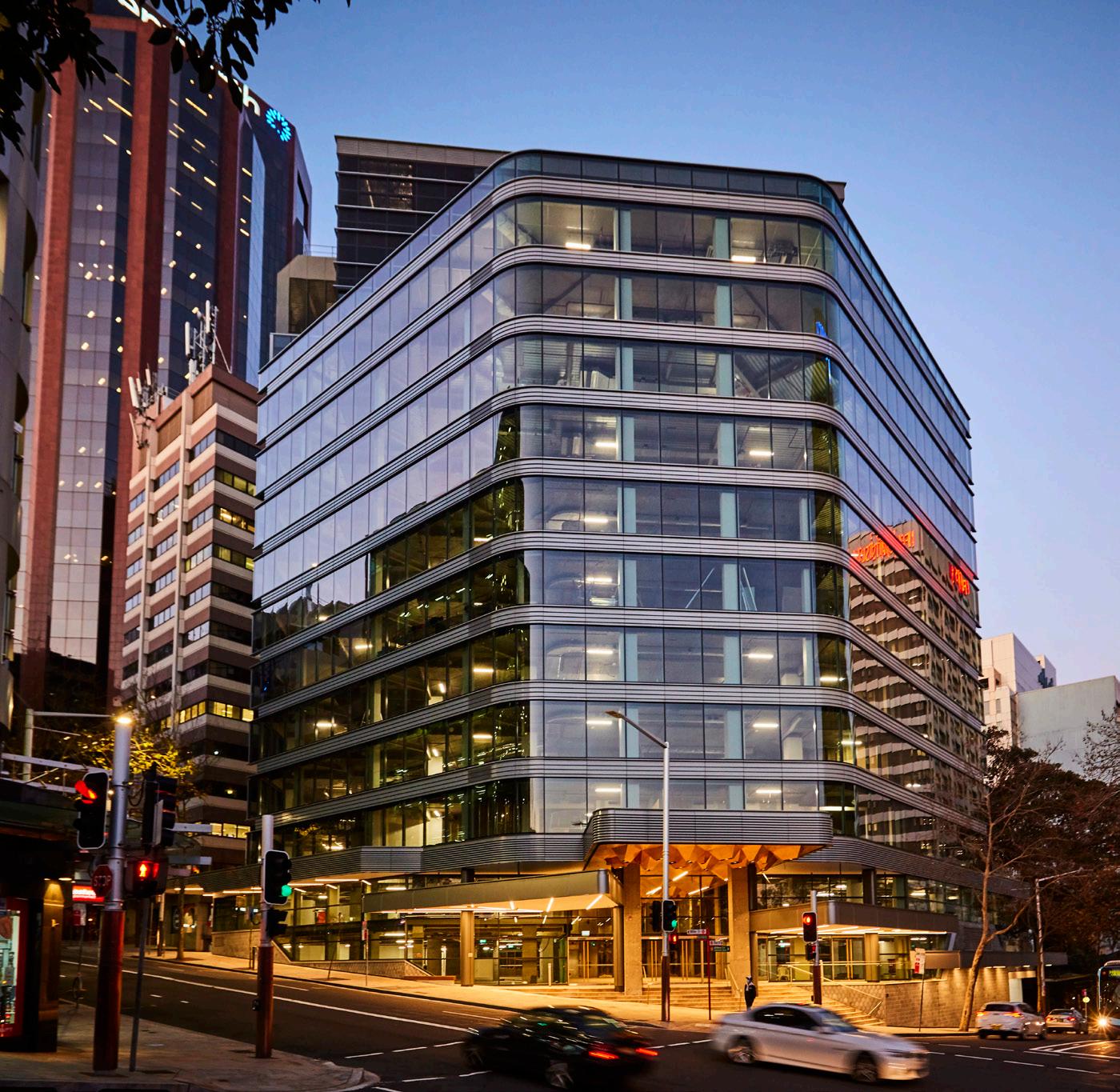
Form and function \ Queanbeyan Police Station façade features organically patterned louvers (above). 73 Miller Street, North Sydney floor-to-floor glazing enhances views of Sydney Harbour (right).
Sustainability
Tackling climate change is about innovation and that is what we do at TTW. We are on a journey, embedding sustainability practices across all aspects of our business.
As a leading engineering consultancy, we embrace the responsibility to deliver sustainable projects to the community. We achieve this by taking a proactive approach towards sustainable design, which allows us to contribute to a holistic green vision for the construction industry. We do this in the following ways:
Materials
Our knowledge and skills in building physics, material science and systems helps optimise performance in a variety of climates, maximise the procurement opportunities available for your project and futureproof design.
Embodied Carbon
Advanced engineering tools, designed in-house, assess and reduce carbon footprint in your façades.
Energy Consumption / Operational Costs
We believe a good façade should minimise the operational energy of a building, whilst ensuring the thermal comfort of its occupants. Our collaborative approach with project teams ensures the façade design meets, or exceeds, all performance requirements and sustainability goals, without compromising on aesthetics or budget.
Durability
Durability is the core criterion in the façade system selection and material specification process to minimise maintenance costs and future occupancy disruptions. This extends beyond structural integrity to include other critical functions such as weatherproofing and moisture management.
Atlassian HQ, Sydney, NSW
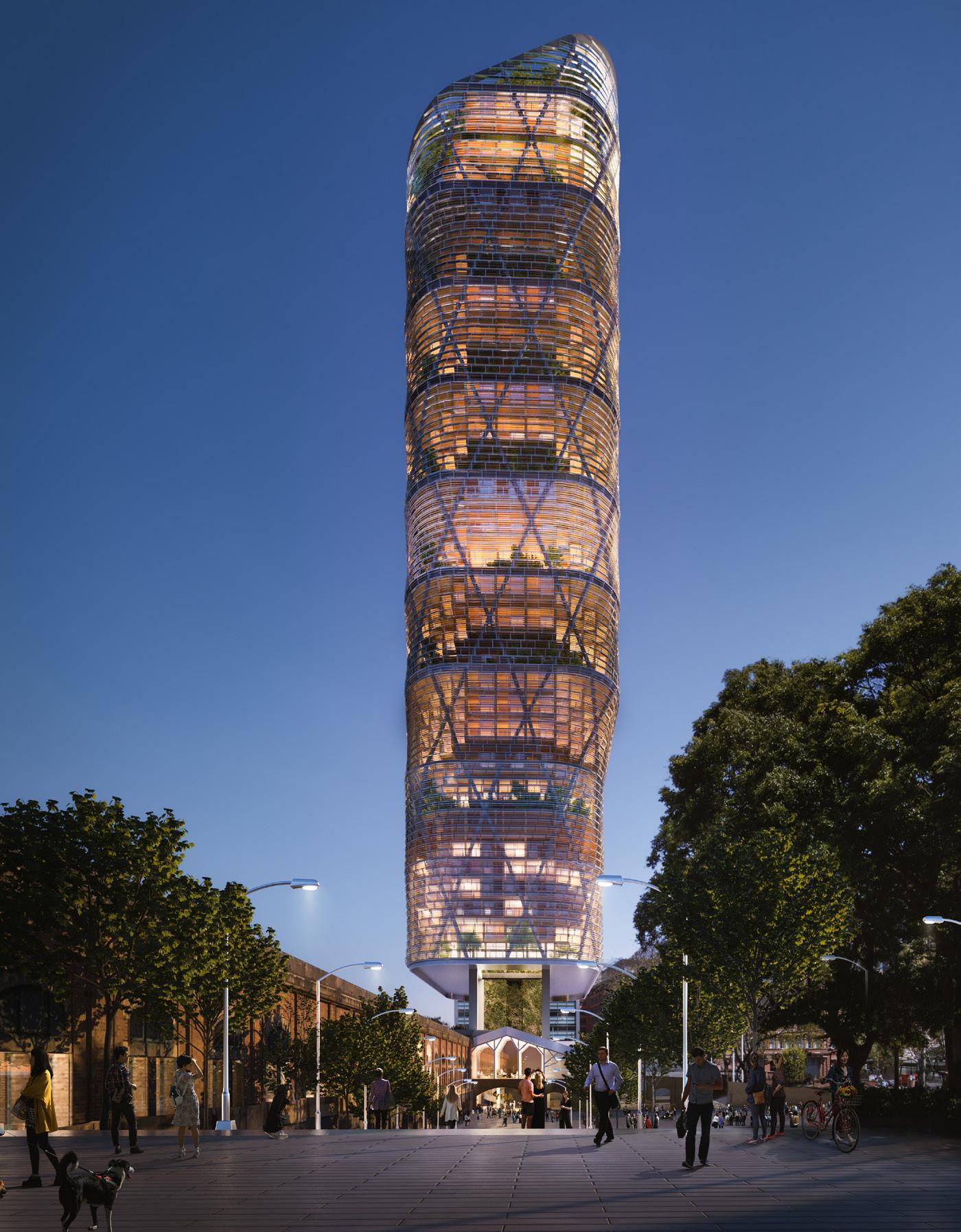
Located in Sydney’s new Innovation and Technology Precinct, Atlassian Sydney Headquarters will be a 40-storey building standing at approx. 180 metres tall and will include a youth hostel occupying the lower levels. To be completed by 2025 and attracting 25,000 workers, the new 40,000sqm world-first commercial tower is a groundbreaking global first.
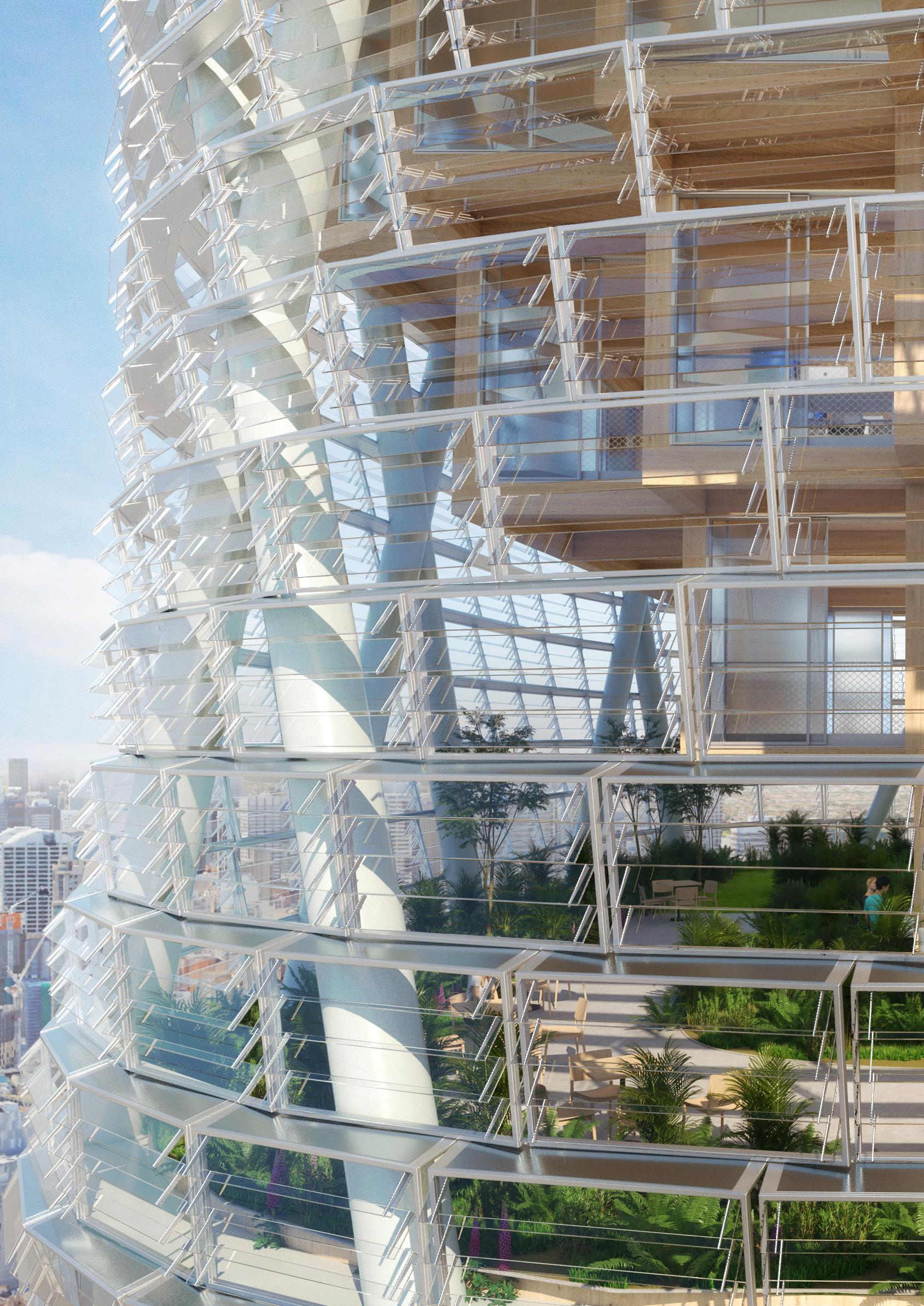
The tower is truly unique, with a bespoke inclined curtain wall façade, solar panels in the vertical façades to generate green power on site, and a timber hybrid structure.
The project also has ambitious targets for sustainability, aiming for 50% less embodied carbon in construction compared to a conventional building, 50% less energy consumption than a new conventionally operated building, and operating on 100% renewable energy from day one.
Advanced engineering tools were used to assess the complex geometry and movement in the building to come to a truly holistic solution between the concrete, steel, timber and façade elements. This assessment also ensured the durability of the building’s façade.
Pushing Material Boundaries
Australian National University, Research School of Physics and Engineering, Acton, ACT
The new ANU Research School of Physics and Engineering combines administrative, research and teaching spaces, a 250 seat auditorium, boardroom and seminar areas, and critical laboratory spaces including stable labs, specialist equipment rooms, clean rooms, and electron microscope rooms. The building also incorporates seismic restraints and vibration protection technology to maintain the integrity of the building and the critical research labs.
The purpose-built facility supports world-leading research into physics, including stable labs of high vibration and acoustic and EMF isolation.
The coordination and fine-tuning of multiple façade types and materials with the rest of the highly functional and architecturally complex spaces was the main challenge from a design perspective.
Our Façade Engineers incorporated unique features in this project, including:
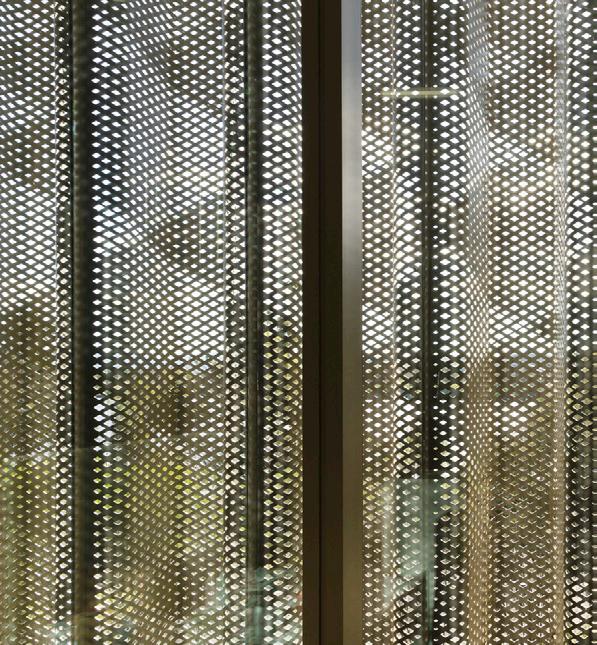
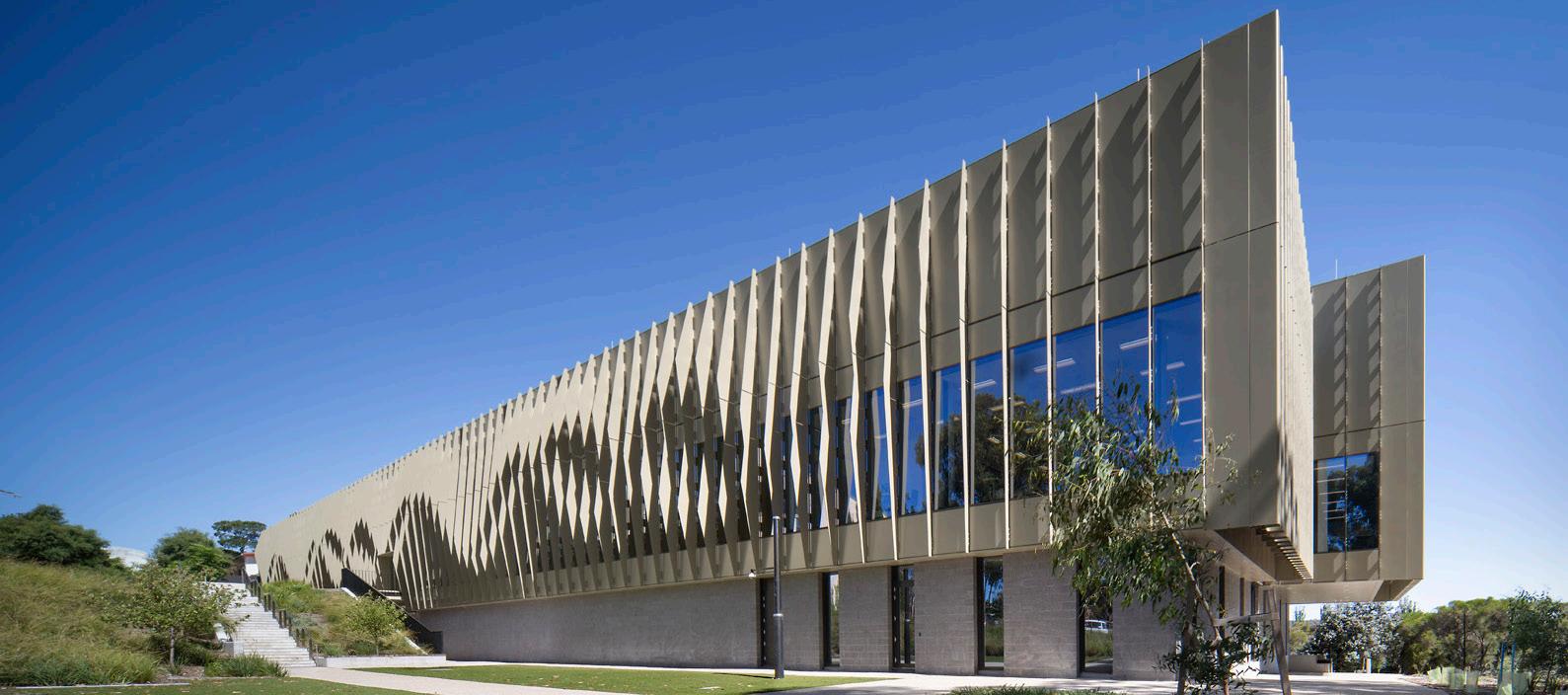
3D wave-shaped perforated aluminium screens
Slim and tall individually unique double skin aluminium fin, integrated with the curtain walls
High performance unitised curtain walls with insulated glass panels
12m high single span façades
Thermally broken window walls
Internal timber façades
Frameless tension cable façades
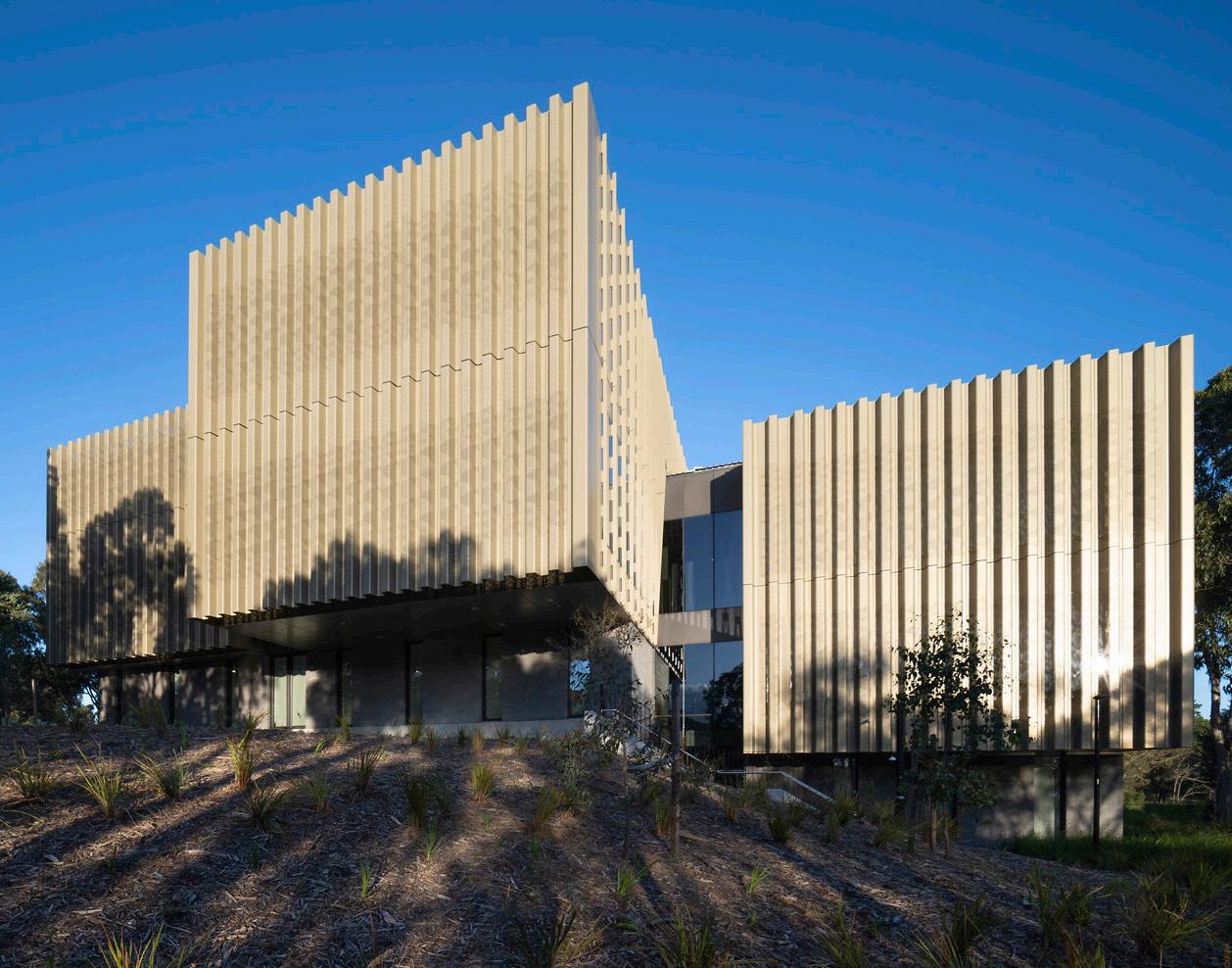
Our in-depth understanding of materials, and expertise in structural analysis, expanded the material and geometry possibilities at ANU RSPE.
Photography: John Gollings
Energy and Comfort
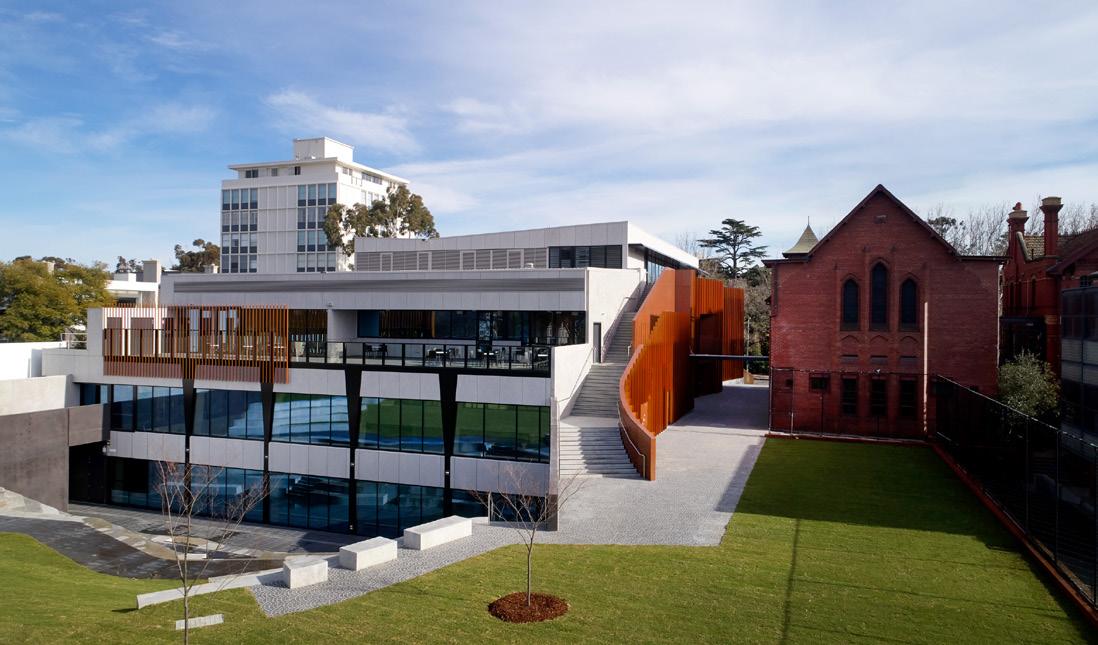
Artemis Centre, Melbourne Girls Grammar School, South Yarra, VIC
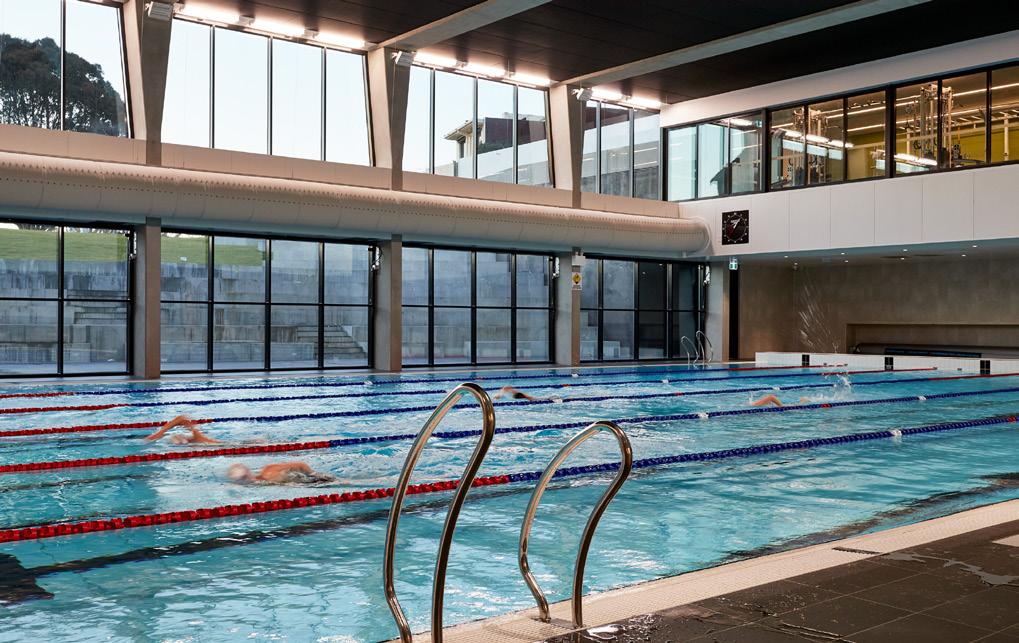
The Artemis Project provides a health and wellbeing centre for students of one of Melbourne’s pre-eminent schools. The new facility includes an indoor pool, indoor multipurpose courts, gymnasium, breakout spaces and extensive landscaping. The complex design implies particular engineering challenges, such as the application of different structural materials (precast, steel, insitu and timber) chosen for the architectural grandeur.
The longspan steelwork and post-tensioned beams require extensive vibration analysis prepared by our in-house 3D modelling system. The constrained site with limited access, complex shoring conditions and the integration of a high-quality pool into the basement also required lateral thinking and analysis.
Collaboration between architect, contractors and client was key to ensure the design intent
was satisfied and aligned with time, budget and sustainability requirements.
The façade was developed to meet the architect’s vision, while maintaining thermal compliance in the cooler Melbourne climate. It comprises window walls, full-height glass façade and CFC cladding.
TTW developed the bespoke thermally broken, load bearing, full-height, hourglass-shaped mullions supporting the undulating main feature glass façade adjacent to the Royal Botanic Gardens. The hourglass-shaped profiles continue across the clad façade as a series of floating fins supported by steel framing. Condensation management of the custom gas strut supported vertical folding doors in the pool hall required careful consideration.
Once opened, the Artemis Centre was shortlisted as a finalist in the School – Completed Buildings category at the World Architecture Festival Awards.
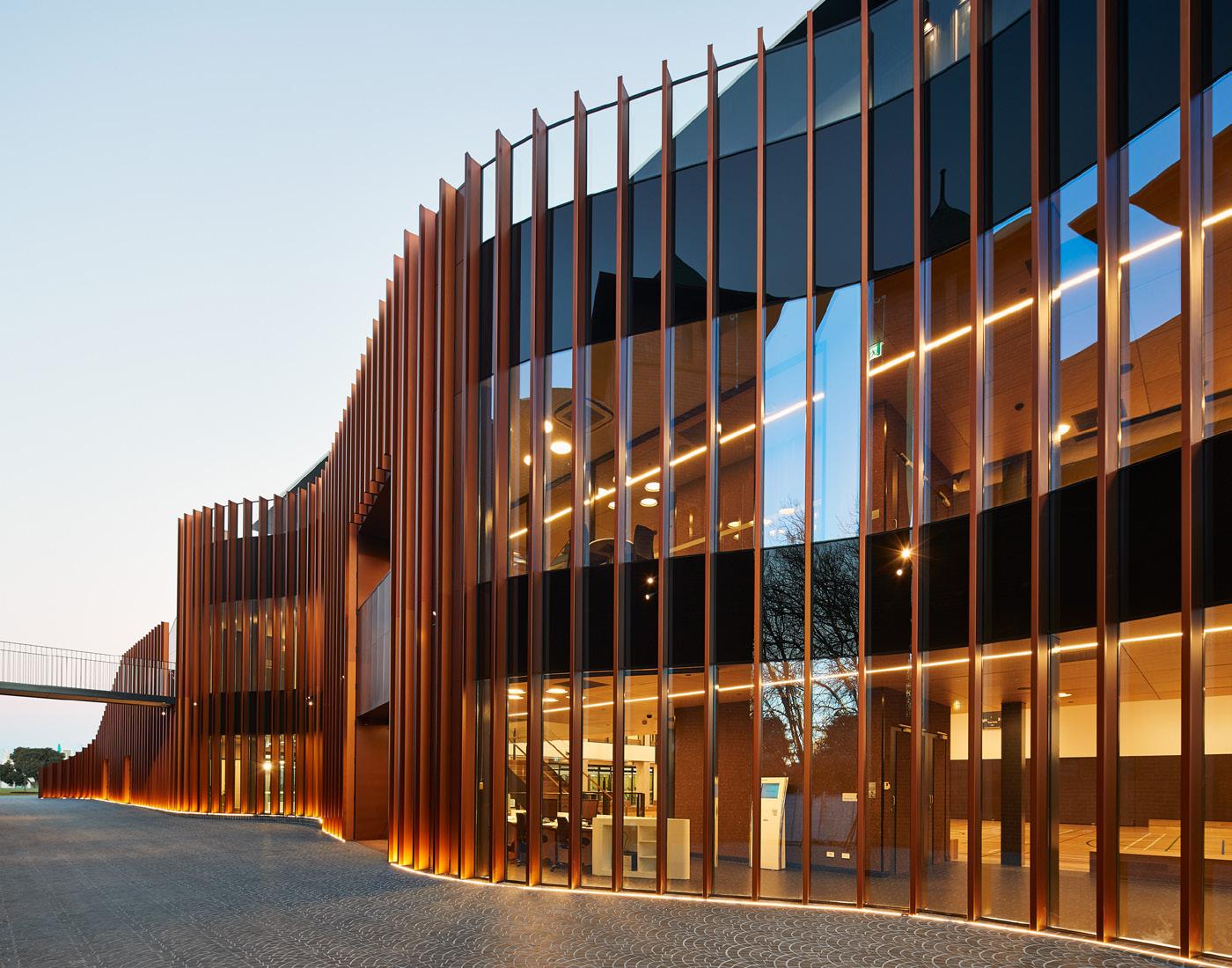
We developed a solution that met the architect’s vision whilst reducing energy consumption and increasing occupant comfort.
Physical Security
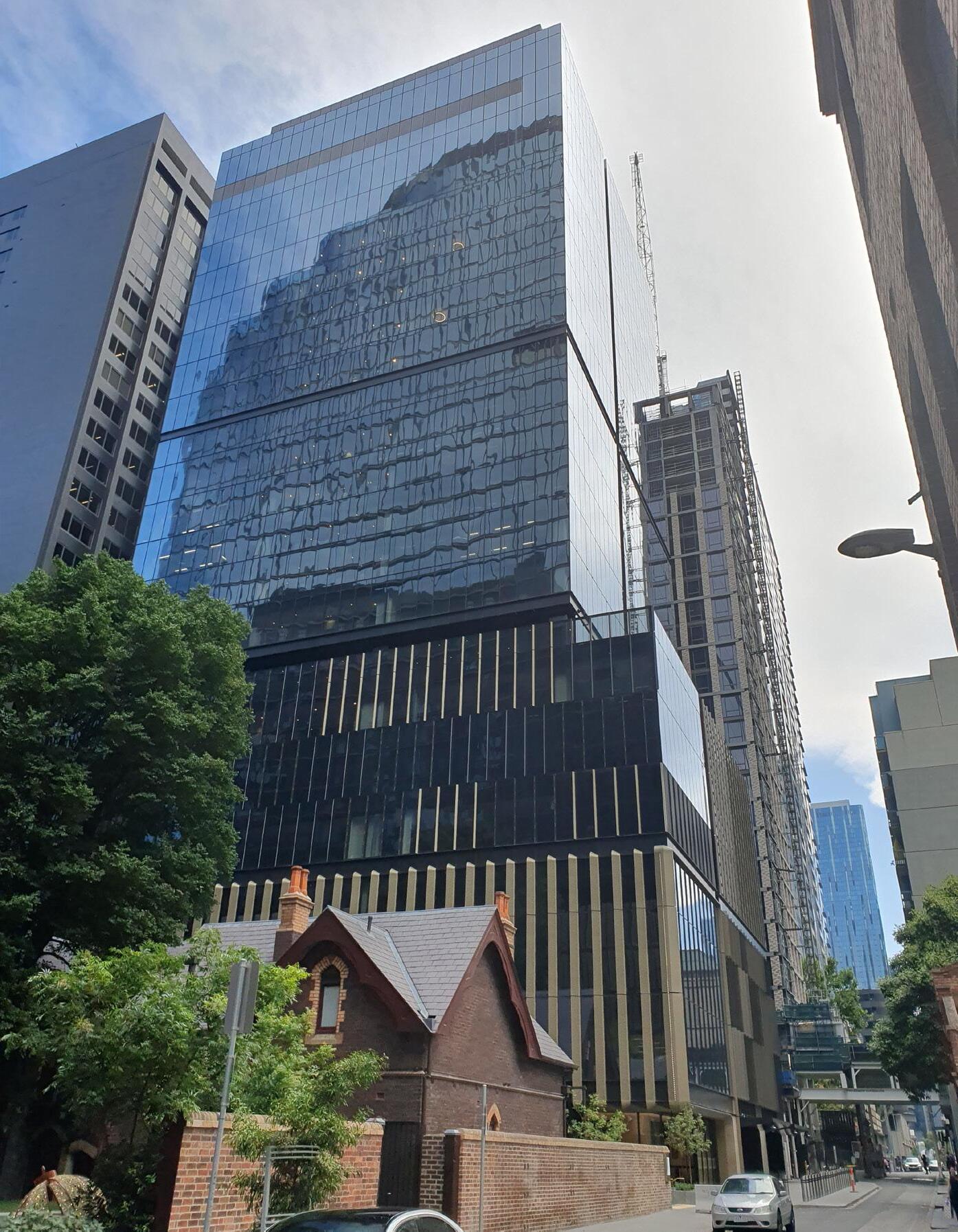
140 Lonsdale Street, Melbourne, VIC
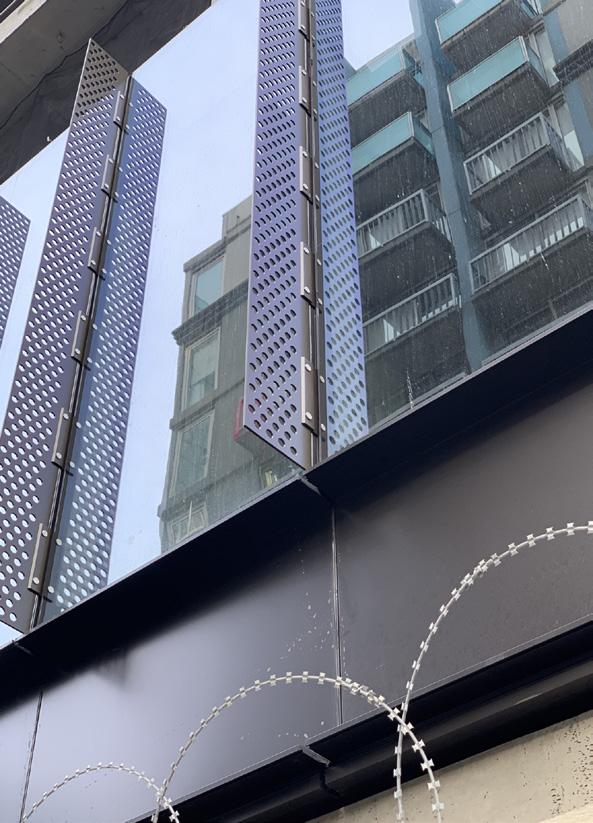
Forming part of the Wesley Place precinct, 140 Lonsdale Street is an innovative urban workplace in the heart of Melbourne. The works for this 22-floor commercial tower involved the design and certification of the curtain wall with integrated sunshades and louvres. The tower consists of a unitised curtain wall façade designed to resist blast and intruder events.
A unique challenge of this design was the requirement for the curtain wall façade to resist blast loads across the full height of the tower. This led to a bespoke curtain wall profile design with interlocking elements for the relevant loads, while keeping the tolerance to take structural movements.
Dynamic, time-dependent analysis of the curtain wall was undertaken to meet the client’s required level of protection under blast events, while providing advice for the design, material selection, and installation of this unique system.
TTW is registered on the DFAT Operational Security Branch (OSB) security advisors panel. At 140 Londsdale Street we were able to provide a bespoke curtain wall solution to keep the facility secure and mitigate the impact of blast across the full height of the building.
Development and Testing
Maitland Hospital, Maitland, NSW
Located on a greenfield site in Metford, the new Maitland Hospital boasts state-of-the-art clinical and emergency services for the 339-bed hospital, spanning seven floors. The 50,000sqm space delivers a range of services including emergency, paediatric, maternity, chemotherapy, and contemporary operating suites.
The façade design for this project was incredibly unique in utilising traditional materials in a nontraditional way. The façade system involved using bricks to imitate perforated steel by hanging them in the air using cables in a membrane cable structure.
As the system design came from Europe and had not been used or tested in Australia, our team undertook rounds of testing and development to modify the design to meet Australian standards and verify the structural performance of the materials. While the material properties were traditionally familiar, our Façade team was vital to the development as normal structural analysis could not be applied.
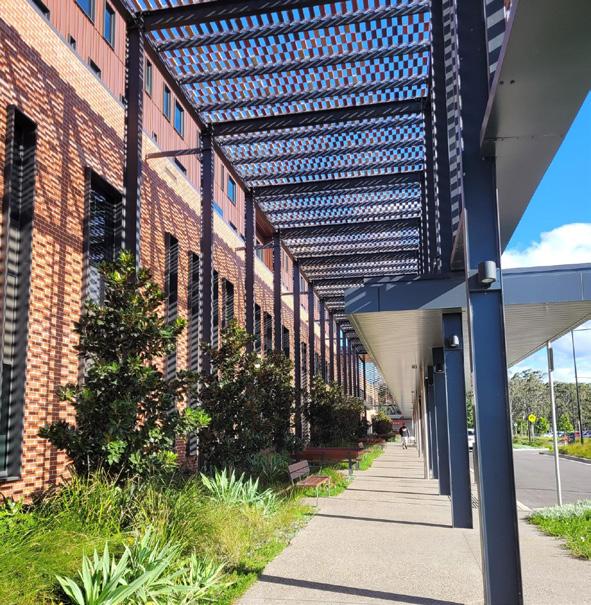
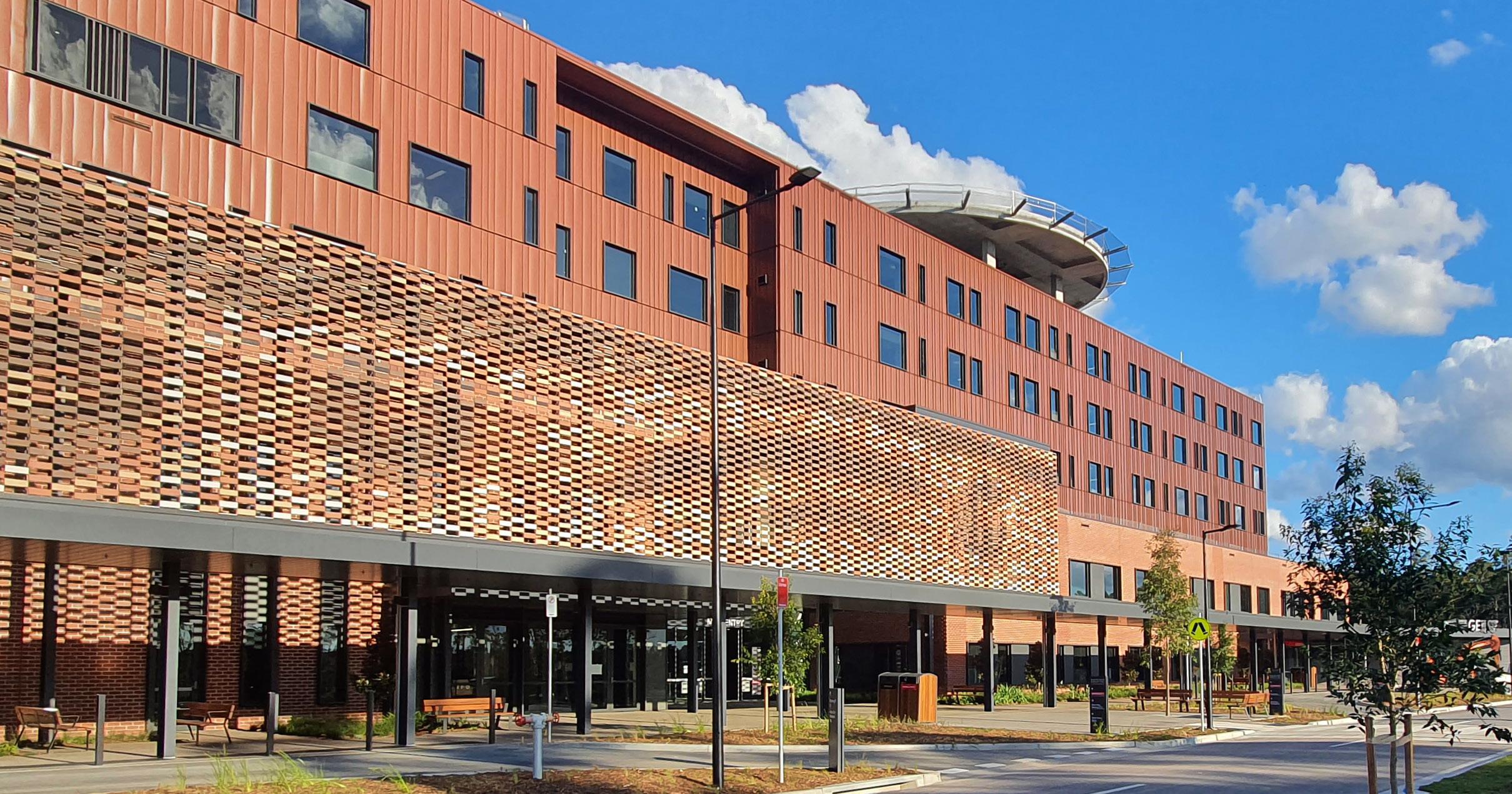
Our use of innovative technologies, enabled us to verify the structural performance of an Australian-first façade system and deliver a unique outcome for our client.
Complex Geometry
Working collaboratively with suppliers, we delivered a complex and bespoke façade that communicates the building’s purpose and define how it sits in the landscape.
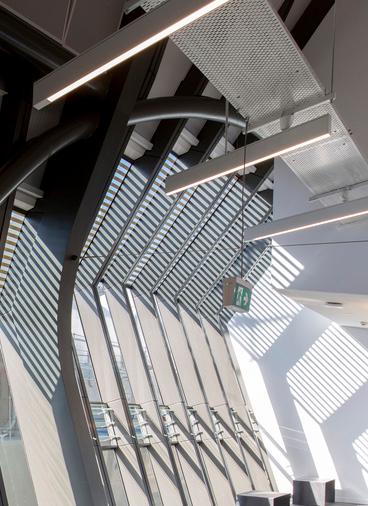
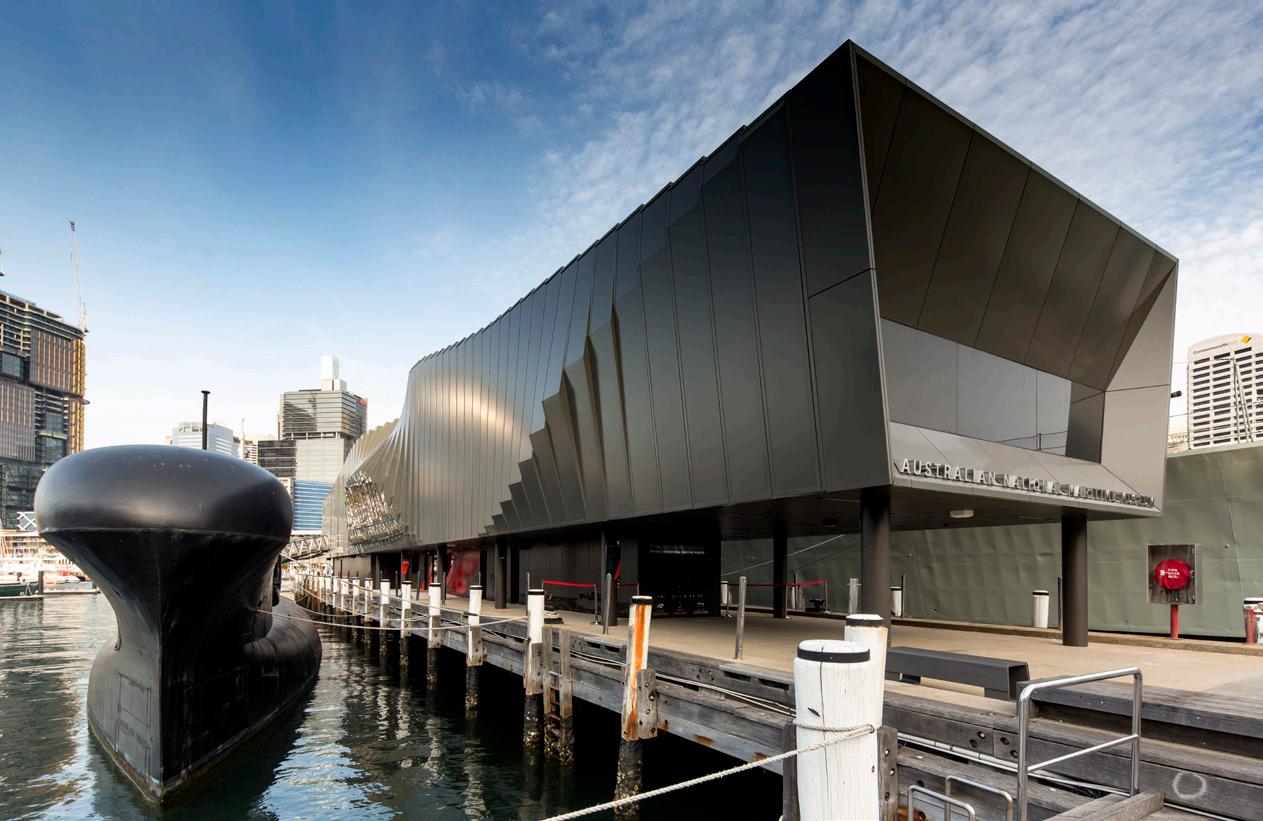
Australian National Maritime Museum Warship Pavilion, Sydney, NSW
This is a structure that truly reflects our team’s ability to translate an architect’s artistic vision into reality.
The Warship Pavilion involved collaboration and engineering innovation to deliver a striking, functional and eye-catching addition to the venue.
The architecture was inspired by the boat building of Darling Harbour, and the building itself resembles a naval vessel immersed in water. As it sits between the Museum’s submarine and ship, its aim is to complement the maritime experience and provide a unique offering for visitors.
Our team of specialist Façade Engineers were able to reflect this concept in its façade, using only metal and glass to create the complex wave-like design, which can also be seen internally. We completed 3D movement analysis prior to construction, to predict and account for the global and local movements and completed panel rationalisation analysis to limit the number of unique construction elements.
We worked with suppliers to optimise the specifications of the material to create a waterproof and durable system to ensure the materials used withstood the external environment from corrosive salt water and high rainfall.
Our work on this project reflects our team’s ability to actualise complex geometric façades while accounting for the influences of a project’s location and the use of materials.
Optimisation and Realisation
Western Sydney Airport, Badgerys Creek, NSW
The new Western Sydney Airport is set to become a world-class international airport, servicing up to 10 million passengers a year.
This 31,000sqm feature ceiling covers the full extent of the main terminal, piers and external covered areas.
Particuarly challenging was the design of the stunning ceiling, consisting of one-directional curved extruded battens suspended off the roof structure in a staggered set-out, creating a three-dimensional ‘wave-like’ pattern.
We worked closely with contractors and suppliers to optimise material usage, enable a practical installation method, and develop and certify the feature ceiling.
Our Façade team were able to meet our clients goals by undertaking the following:
Blast design and physical security
Complex geometries
Façade structural certification
Thermal analysis and condensation risk assessments
Waterproofing performance solutions durability and material studies
Design, documenting and certification of internal façades and screens, balustrades, pre-cast and other external façades, roof and ceiling elements as well as border security, passenger and baggage handling areas
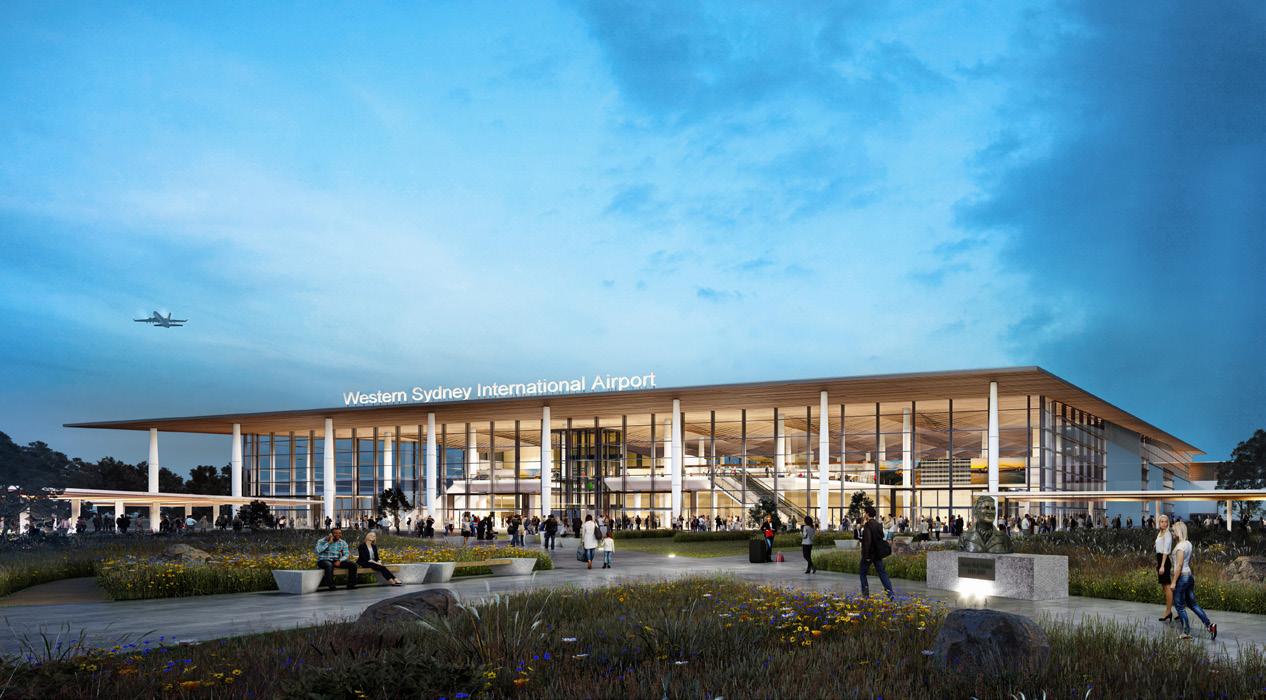
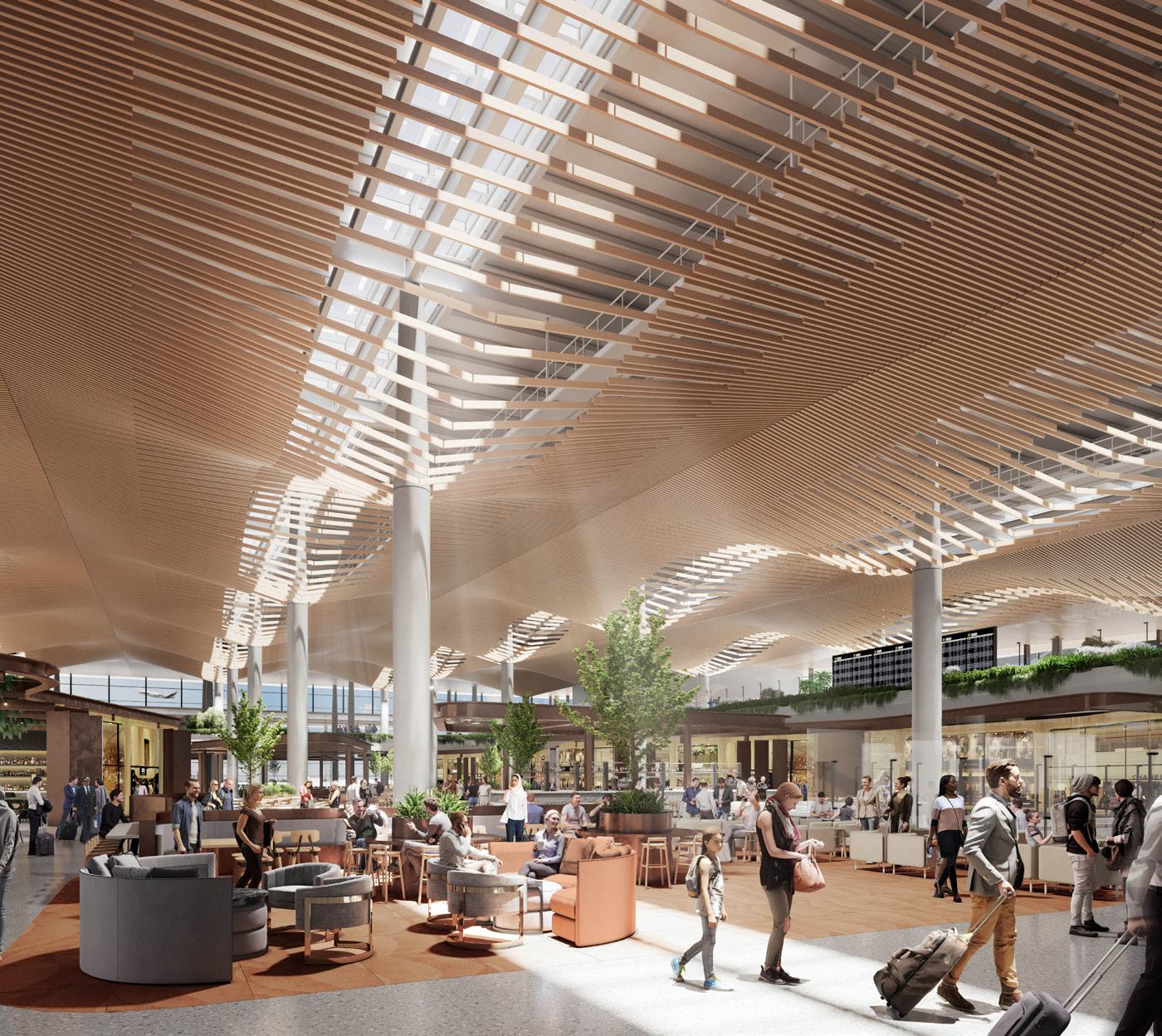
The vast size of the airport and the many unique façade elements throughout the airport’s terminal and piers, provided an opportunity to showcase our expertise.
Preservation and Integration
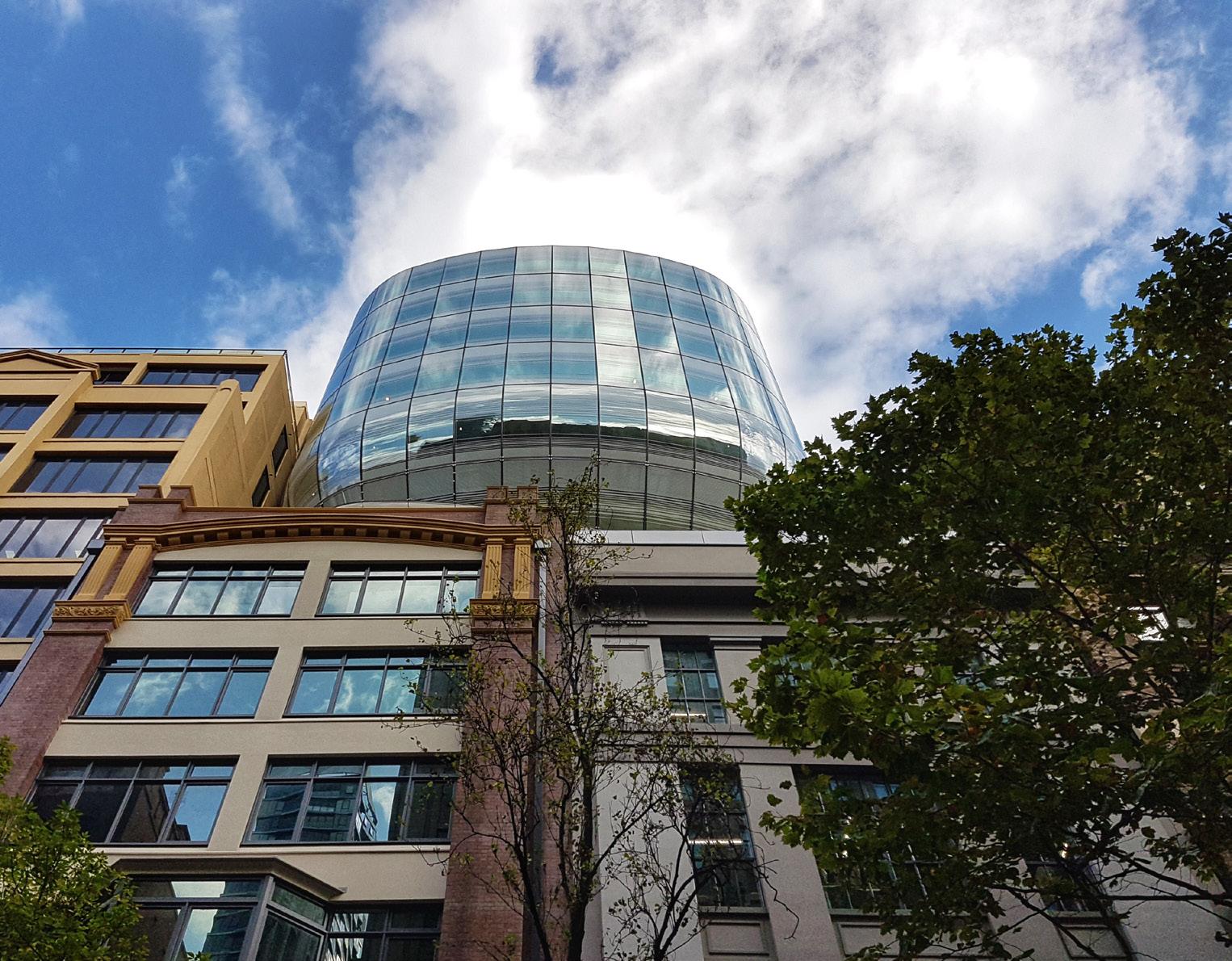
We are proud to have in-house heritage and remedial specialists who not only ensure the preservation of historic buildings, but deliver the seamless integration of new and old.
Substation No. 164, 183-185 Clarence Street, Sydney, NSW
Substation No. 164 is a fitting tribute to its past as an electricity substation and its future as an innovative commercial and cultural space. The new building is supported with a cantilever anchored in the old building.
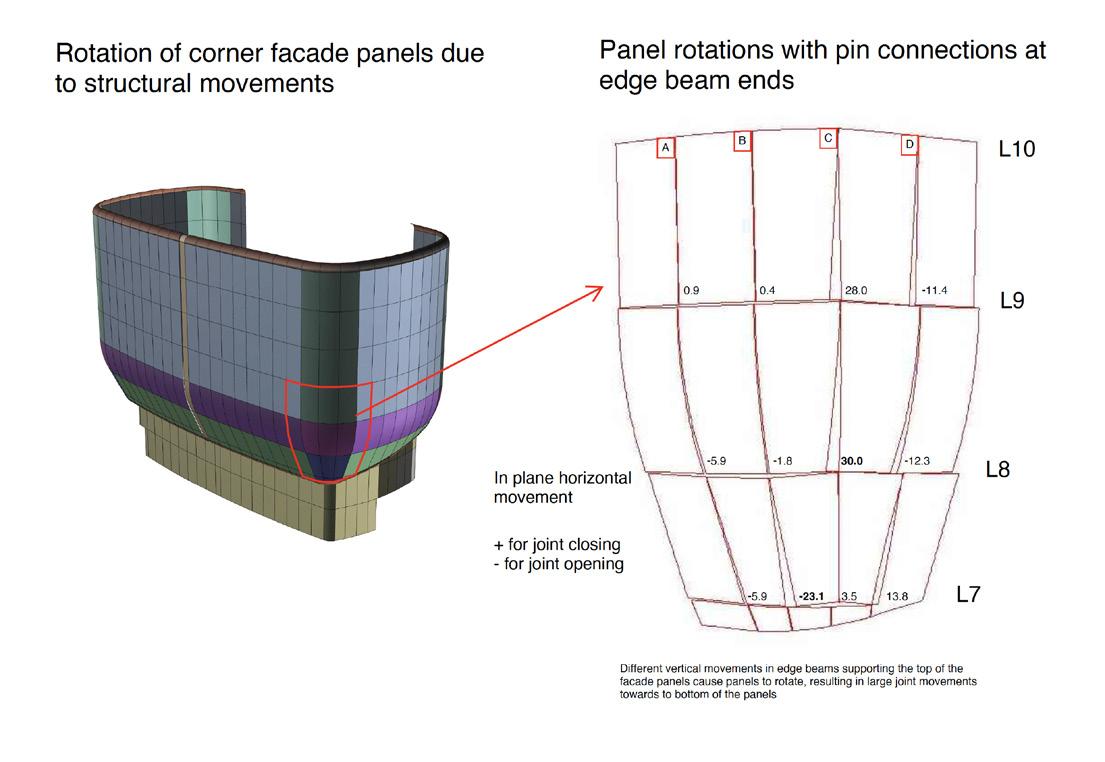
This multi award winning structure was built above two heritage buildings and required complex geometry of the façade, and the structures abnormal movement, which proved challenging.
To assess the impact of these abnormalities, our specialist team conducted 3D movement analysis to assess which panels would be most affected by the movement.
The render shows the panel’s rotation as a result of the structure’s movements. Our engineers were able to resolve the façade paneling design to resolve this movement without visual, structural or waterproofing compromise.
Our work included:
Heritage steel and timber windows
Heritage brick/rendered brick
Cast in steel façades
Heritage façade features
Heritage glass features (pavement lights)
Concrete repair
Custom-designed, utilised, curved aluminium curtain walls with double curved glass
High Rise Solutions
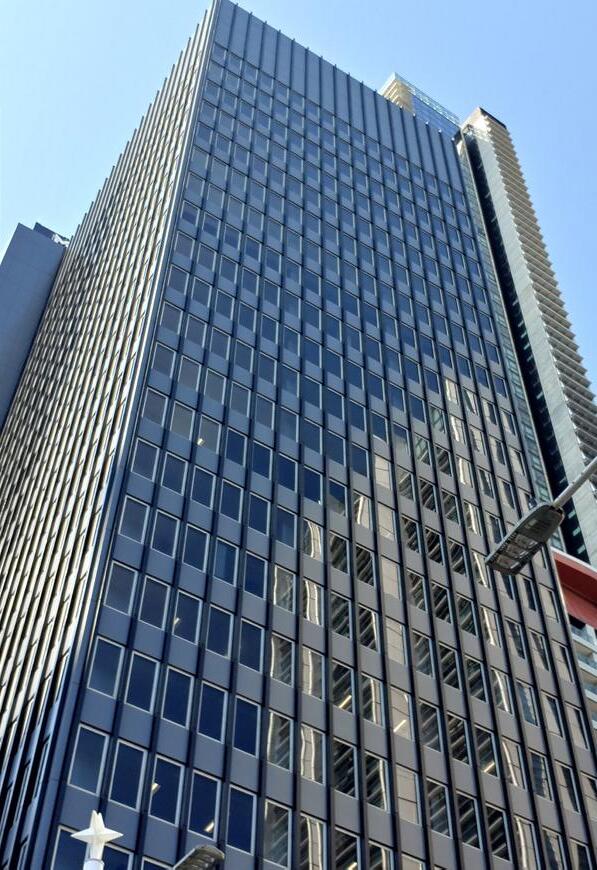
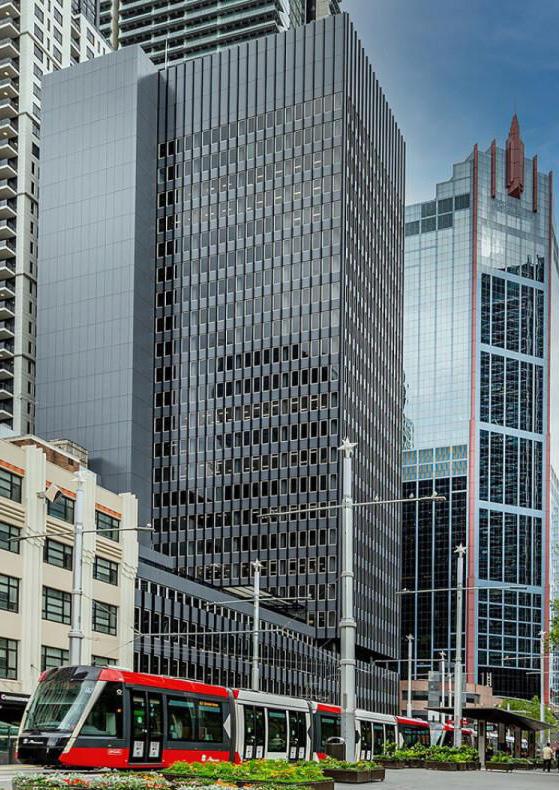
570 George Street was completed in less that nine months which was a remarkable achievement considering the size and complexity of the building, located in the heart of Sydney’s CBD.
570 George Street, Sydney, NSW
The Façade Engineering services provided by TTW for the 570 George Street building in Sydney’s CBD involved a comprehensive replacement of all aluminium composite façade cladding, which was upgraded to solid aluminium cladding. This upgrade was necessary to ensure compliance with building regulations and safety standards.
TTW played a crucial role in the design and development of the façade compliance upgrades, providing expertise in engineering design, construction techniques, and materials selection to ensure the façade met compliance requirements.
The project was completed in la reduced timeframe and met Australian regulations and safety standards. In addition to the façade compliance upgrades, TTW also provided engineering design services for the general refurbishment of the building’s façade. This included the upgrade of windows, the ground floor shop front window wall, and the feature stone cladding on the ground floor.
Sports and Recreation
ICTE Blacktown, Sydney, NSW
Blacktown City Council’s International Centre for Training Excellence (ICTE) will be home to world class medical and rehabilitation services as well as facilities for further research and education purposes. This development is comprised of two individual buildings: the ICTE includes indoor aquatics, multiple gyms, an indoor running track, sports science laboratory, lecture theatre, medical consultation rooms, dedicated rehabilitation spaces, function rooms, commercial kitchen, and café.
The second building in this project provides temporary academy accommodation for up to 100 local and international guests.
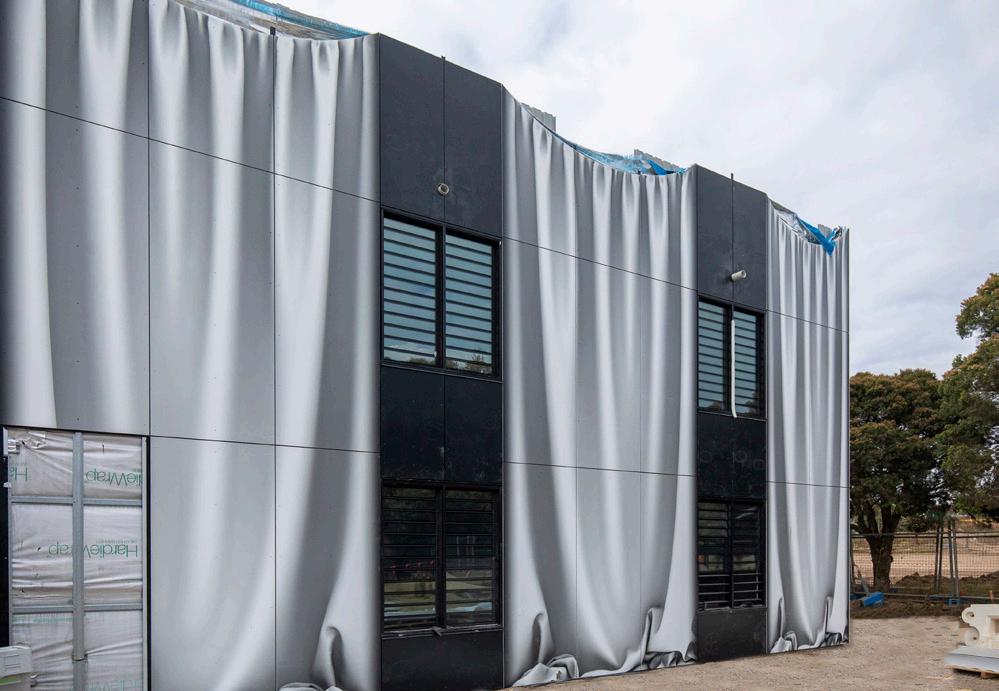
The ICTE’s complex three-dimensional façade required a collaborative design approach integrating bespoke and adaptable structural supports for the deep GRC façade panels. Each panel, with a striking three-dimensional sinusoidal curved face, was positioned across the entirety of the curving using an approach that provided ways to future-proof the building’s sustainability and energy efficiency.
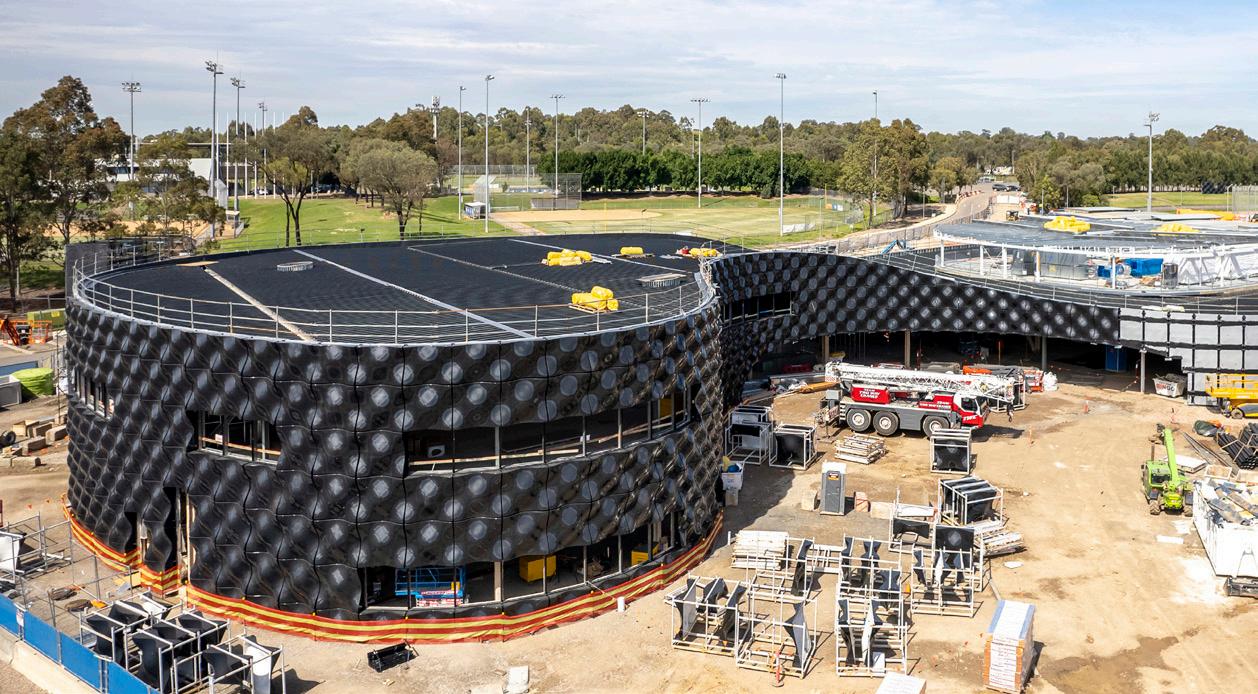
We welcome ongoing opportunities to provide engineering excellence to deliver iconic sports and recreational facilities using complex materials and geometries.
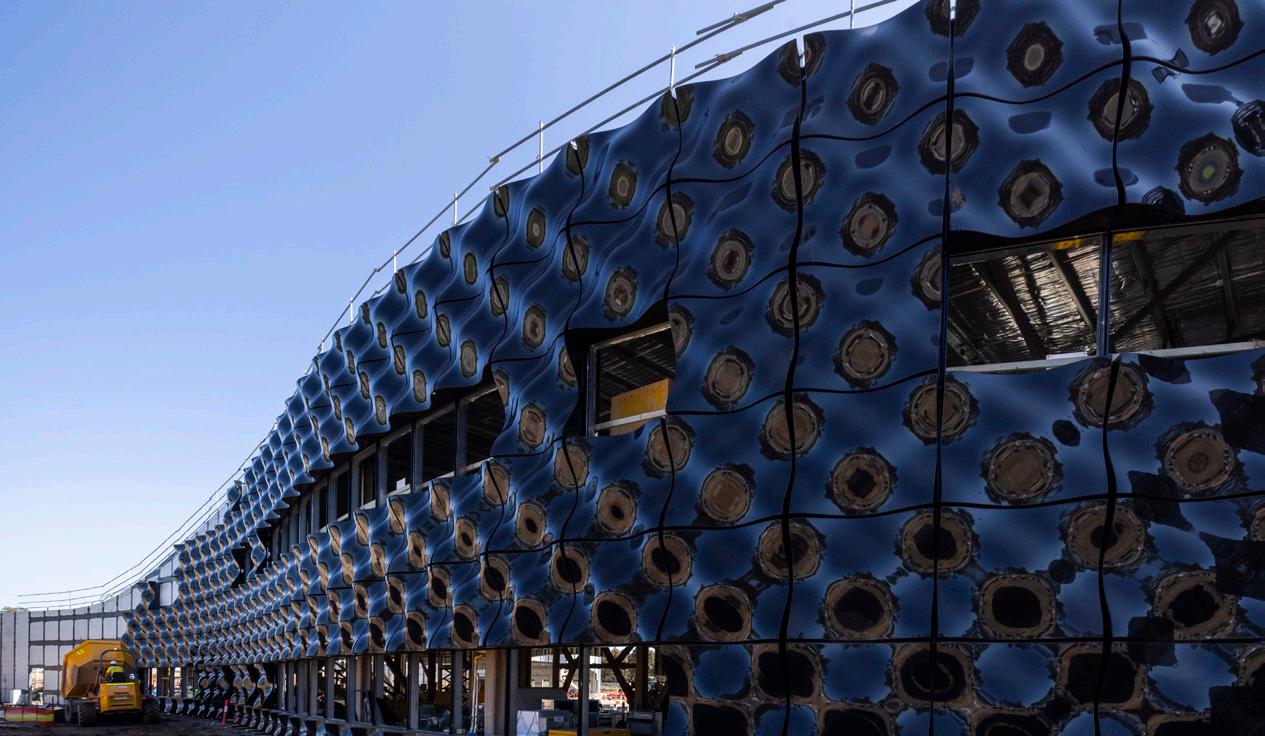
Photography: Aran Anderson and Buildcorp
Transport and Infrastructure
Westgate Tunnel, Melbourne, VIC
The core challenge of the North and South vent structures of the Westgate Tunnel Project was optimising the materiality and installation, while staying true to the architect’s 3D curved geometry and panelisation vision.
Our team researched and designed multiple alternatives including ETFE and aluminium. We used advanced parametric modelling to optimise material and spans depending on the panel-specific size, wind loads and location on the building.
We also optimised for available production sizes and extrusions lengths, to limit production wastage and lower overall costs, while standardising extrusions, connections and details for ease of installation.
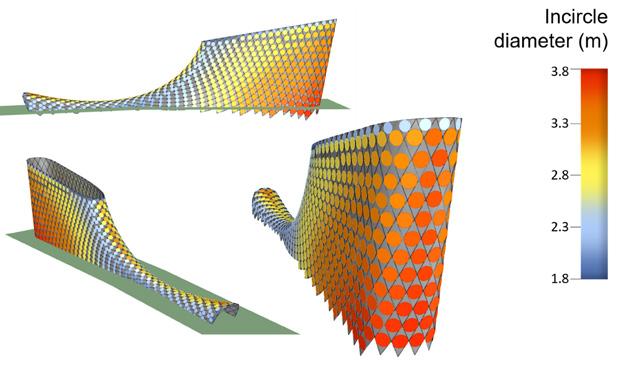
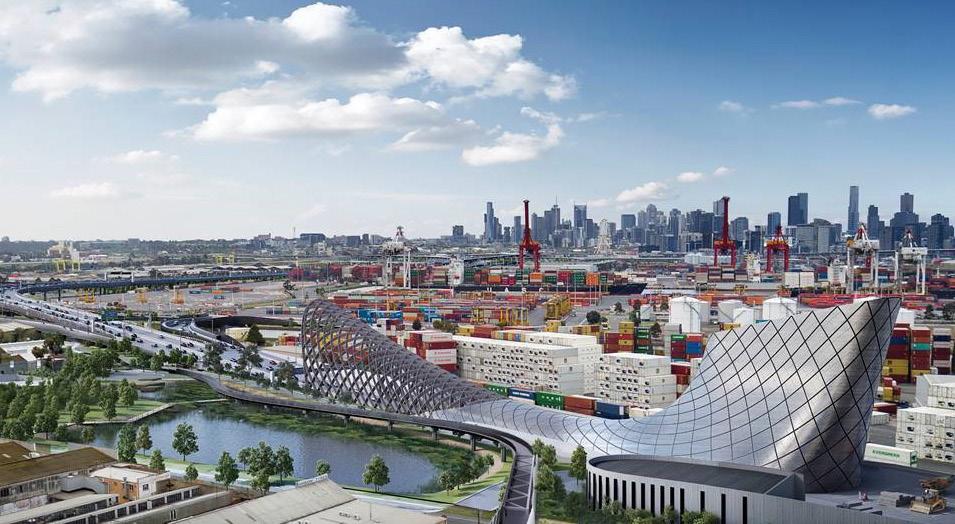
Our technical expertise is being utilised on strategic projects across road, rail and aviation, including the $10B Westgate tunnel.