Digital with Us
Our engineers are industry leaders in integrating technology into design solutions and work closely with clients, architects, and contractors to make ambitious designs a reality.
Working alongside our engineers, our digital team identifies opportunities where creative technology can be applied to provide clients with improved project efficiencies, cost reductions, risk-mitigations and delivery outcomes.
By integrating digital solutions from the beginning of a project, we are able to actively promote innovation by allowing engineers to push the boundaries of design, materials and applications in a risk-free environment.
Because of our overarching integrated approach across our core disciplines, all our clients can benefit from our digital expertise and access the positive outcomes they provide.
The built environment sector is undergoing a significant digital transformation; one that is making us rethink the way we work. At the same time new materials, fabrication techniques and building technologies are pushing architects, engineers and contractors to explore their design boundaries.
Our digital team applies our expertise to find solutions to well defined problems with a focus on reducing repetitive tasks. They optimise problems, work across large scale projects, and deliver deployable solutions covering:
Workflow Interoperability
Optimisation
Software Development
Complex Geometry
Design for Manufacturing and Assembly
Product Development
Planning and Land Acquisition
Carbon and Sustainability Accounting
Algorithm Design
Our Digital team explore possibilities and develop innovative solutions in a cost-effective virtual environment.
Parametric Engineering
Atlassian HQ, Sydney, NSW
Atlassian Sydney Headquarters will be a 40-storey building approximately 180 metres tall. To be completed by 2025, the 40,000m2 commercial tower of timber, with a glass and steel facade, includes a mix of outdoor and indoor spaces, will be a groundbreaking global first.
TTW overcame many challenges, such as significant overturning moments due to gravity. This was avoided by repositioning the core, eliminating the need for ground anchors and pulling out significant concrete volume.
Our Digital and Facade teams collaborated to understand if the façade design would accommodate the building’s motion. Undertaking a detailed analysis model of the whole building through parametric approaches, we determined that the joint design allowed sufficient movement to accommodate the building’s motion.
We also designed a tool that automatically calculated floor pre-sets from our analysis models, which also estimated steel and concrete content, ensuring there were efficiencies of materials and reduced costs to the client
Working closely with our Structural Engineering team to design the building exoskeleton, we created a workflow that read our analysis models and ran design checks against Australian codes. This workflow reduced the time taken to process larges amounts of data, while at the same time meeting Australian design and safety standards. Any changes made during the design process could be accommodated efficiently through the workflows ensuring the project program was unhindered. The angles of the exoskeleton, coupled with the posttensioned cables coming off the floors were complex and required the skill of our team to design and model the node connections.
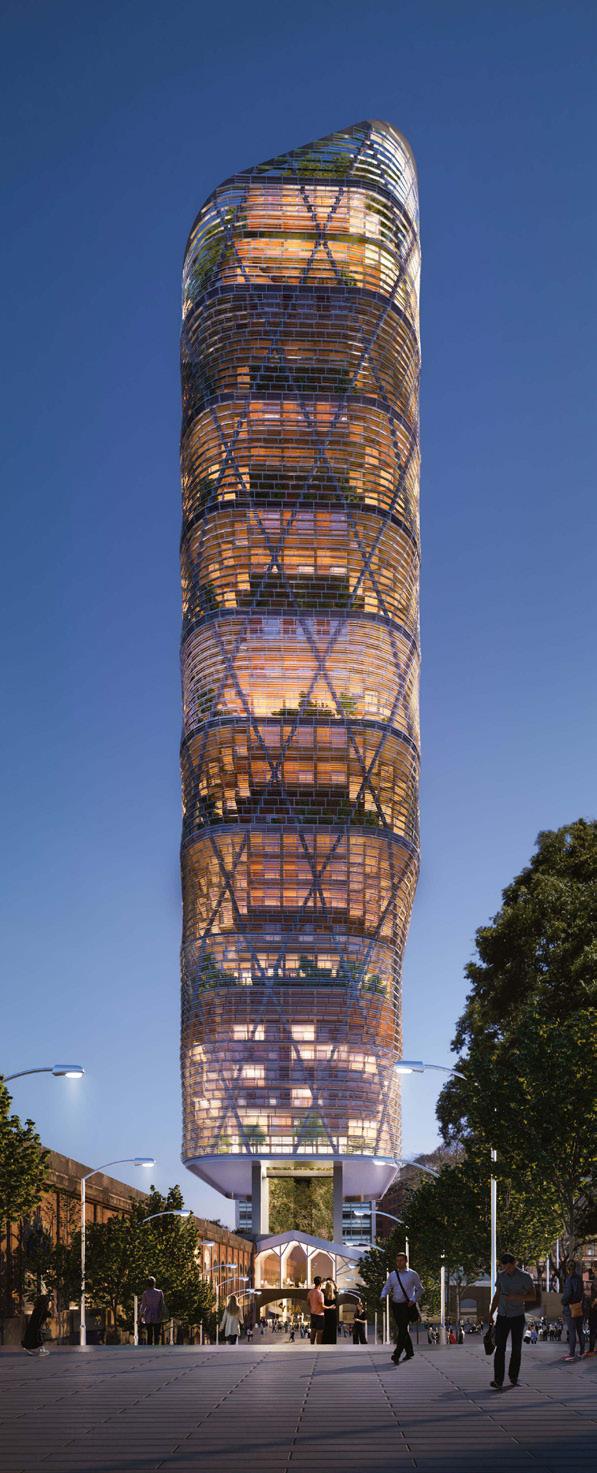

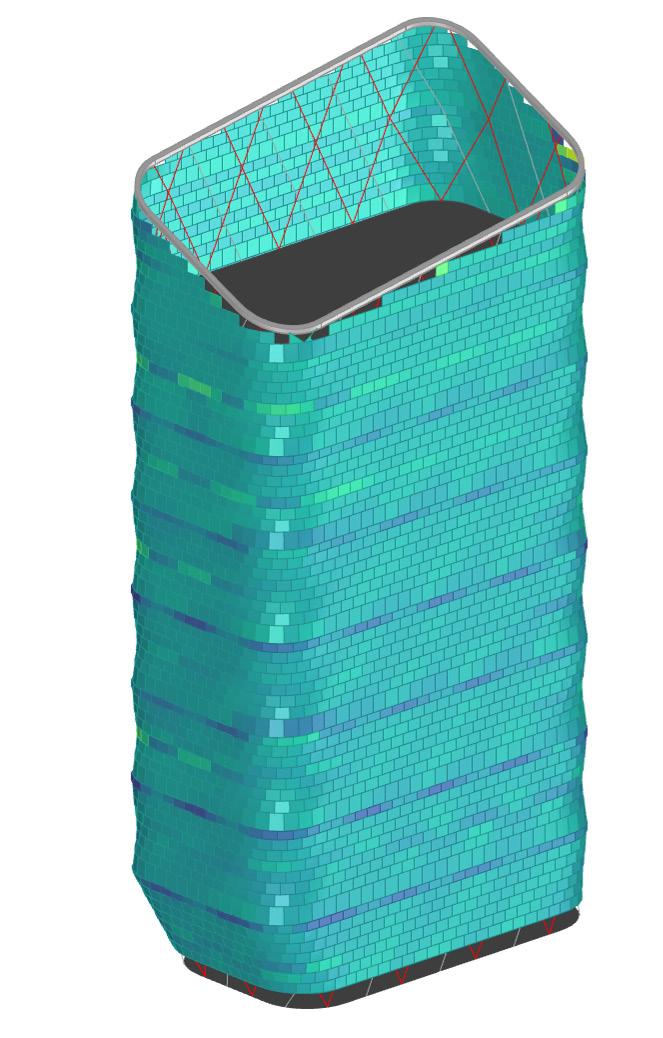
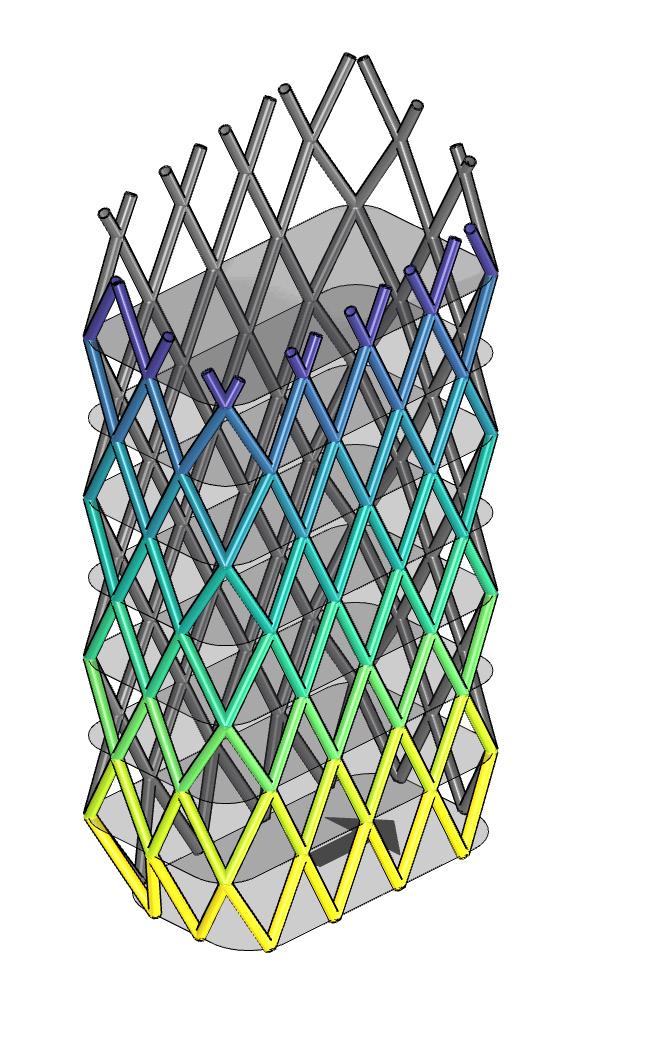
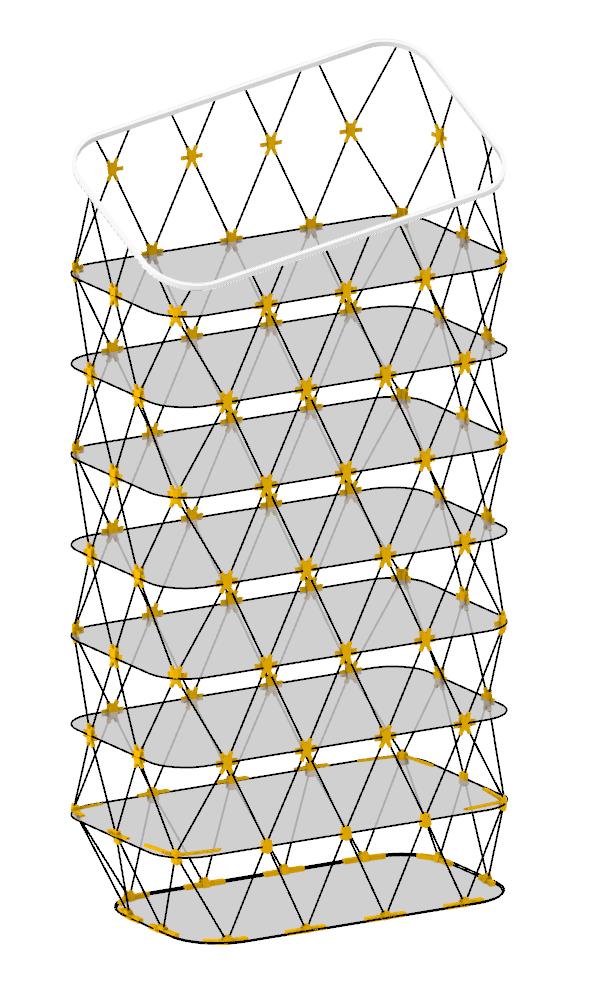
Driving Innovation \ At Atlassian HQ, our digital team integrated a myriad of disciplines - from facade motion analysis to steel design, optimisation, and structural node detailing and modelling, illustrating the power of interdisciplinary collaboration in engineering.
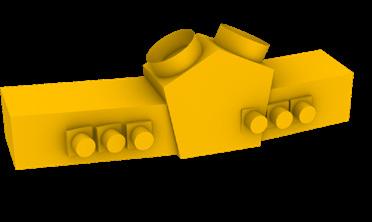
Automating our engineering workflows allows us to explore solutions and provide a high level of structural input at all stages of design, thus realising design intent and facilitating fabrication.
Parametric Engineering
Substation No. 164, 183-185 Clarence Street, Sydney, NSW
Substation No. 164 is a fitting tribute to its past as an electricity substation and its future as an innovative commercial and cultural space. The building addition is supported with a cantilever anchored in the old structure. This project underscores our firm’s dedication to innovative engineering solutions.
This multi-award-winning edifice was constructed above two heritage buildings. This necessitated a careful understanding of the façade’s complex geometry and the structure’s irregular movement.
We employed advanced digital methods to rationalise, model and analyse the intricate architectural forms Our team employed parametric workflows and structural analysis to simulate
the façade’s behaviour under the influence of the structure’s motion. The simulation results then informed our design decisions, ensuring the building maintained its visual appeal, structural integrity, and waterproofing capabilities.
This project showcases how computational approaches can effectively coordinate a wide range of engineering tasks, from working with heritage materials such as steel and timber windows, brick, and steel façades, to concrete repair and the creation of custom, curved aluminium curtain walls with double curved glass.
It is a triumphant example of how digital approaches can be harnessed to tackle complex engineering challenges while honouring a structure’s history.
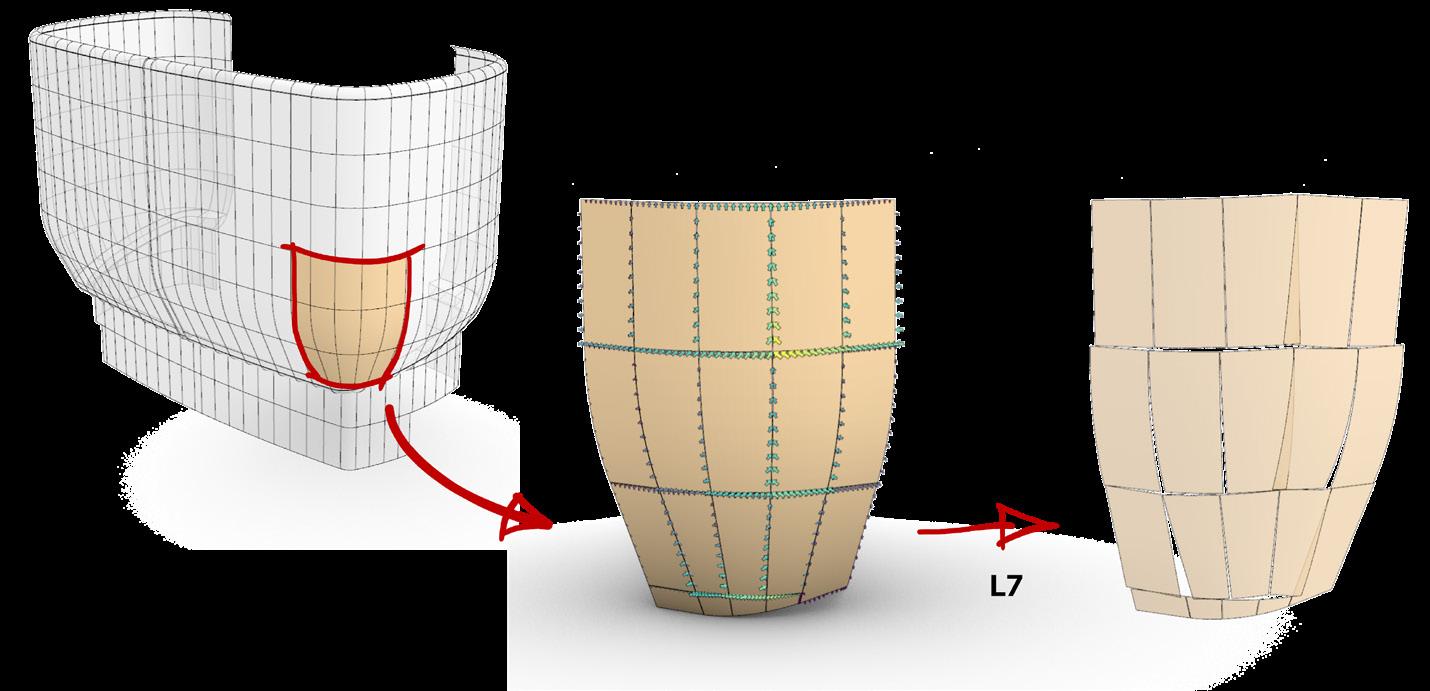
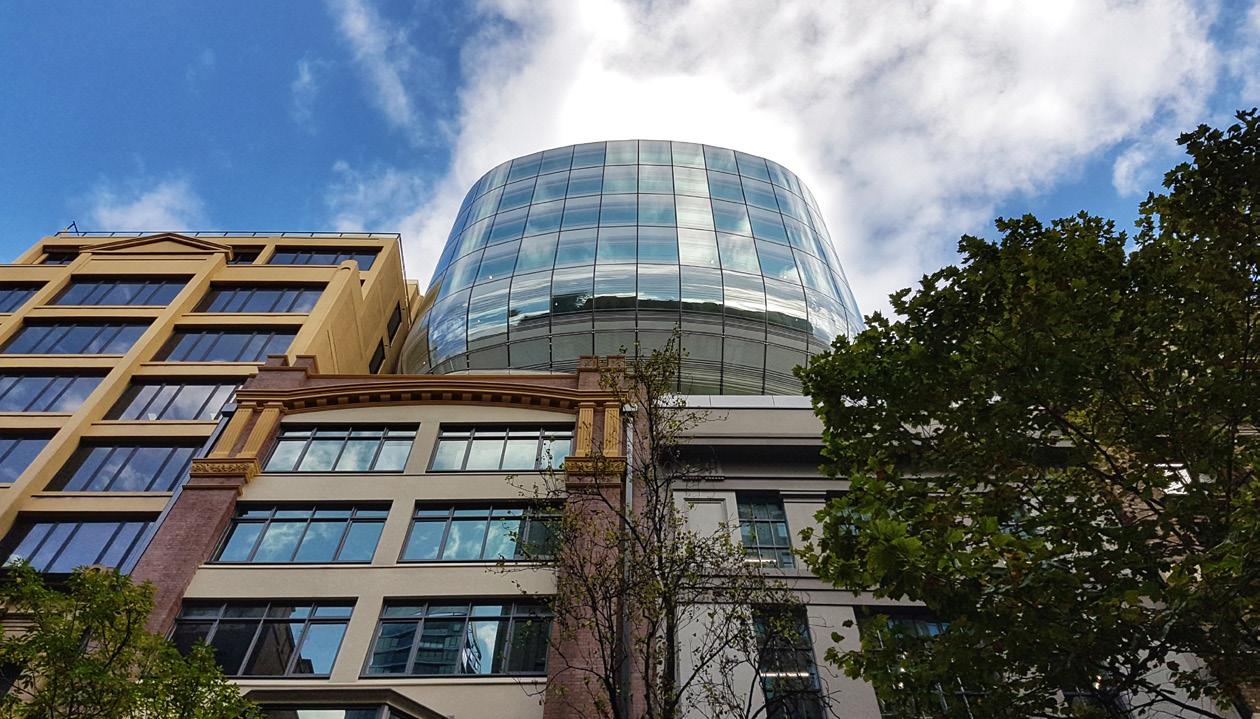
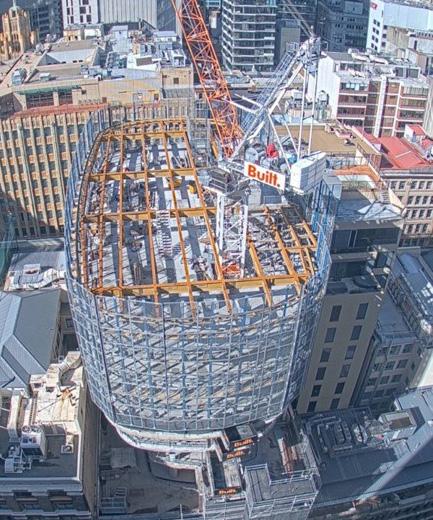
Leveraging parametric workflows, we deliver unique solutions for every project. Our innovative methodologies ensure rapid engineering and robust adaptability, tailored to each project’s unique objectives.
Complex Geometry
Westgate Tunnel Portal, Melbourne, VIC
The West Gate Tunnel Project (WGTP) is a testament to the power of integrating architectural geometry and structural engineering. The project marries cultural symbolism with architectural splendour, with the captivating timber and aluminium structures at the tunnel entrances and exits reflecting Melbourne’s Aboriginal heritage
TTW was engaged to optimise the complex geometrical designs, bridging the gap between aesthetics and constructability. The strength of our multidisciplinary approach was evident as we provided engineering support for temporary, enabling, and permanent works, solving geometric challenges through engineering and advanced digital tools.
Executed through our geometry optimisation processes, the standout benefits to the client include
a tangible reduction in costs and seamless project execution. By using state-of-the-art computational design techniques, the team simplified the geometry of the tunnel portals, making the cladding and its fabrication more manageable.
Our Digital and Structural Engineering teams worked in unison to handle the geometric complexities, ensuring swift and accurate responses to design modifications This strategy helped to minimise risks, expedite engineering design turnarounds, and maintain high-quality deliverables
This method, alongside structural optimisation, resulted in a lightweight and sustainable design without compromising the architectural vision. The unique blend of tradition and technology exemplifies TTW’s commitment to delivering extraordinary, costeffective solutions to their clients.
Our engineers have developed tools that extend the capability of traditional modeling by further leveraging algorithms in the generation of geometry, analysis and design.
Complex Geometry
White Bay Cruise Terminal, Sydney, NSW
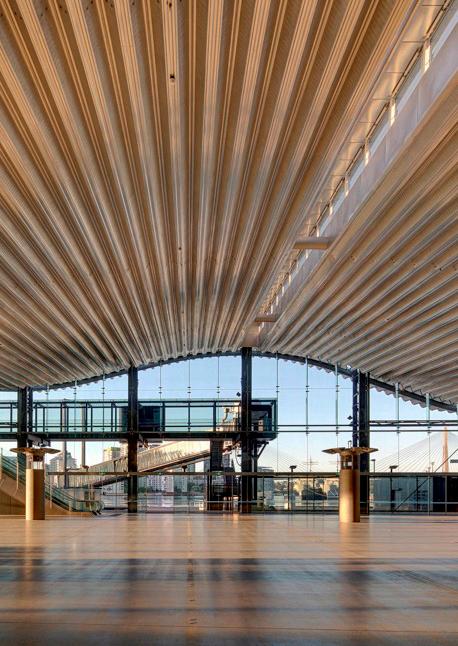
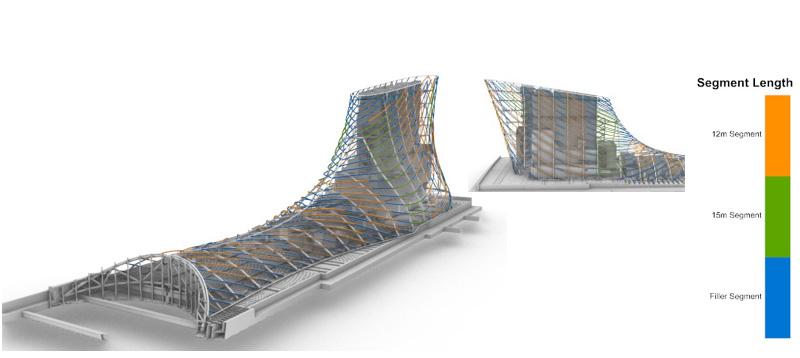
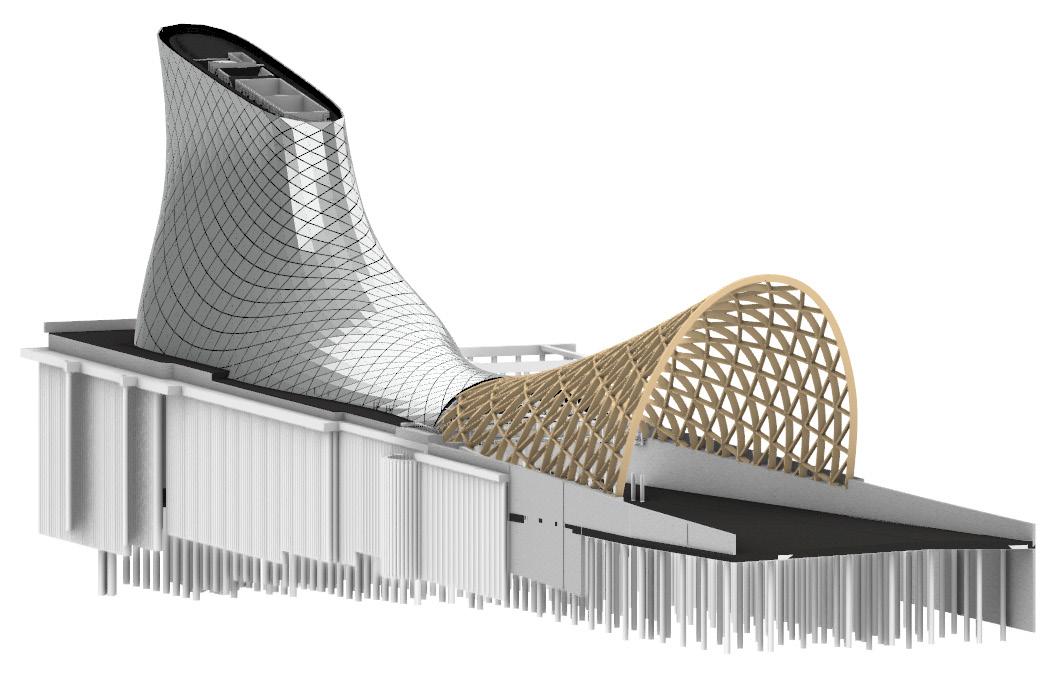
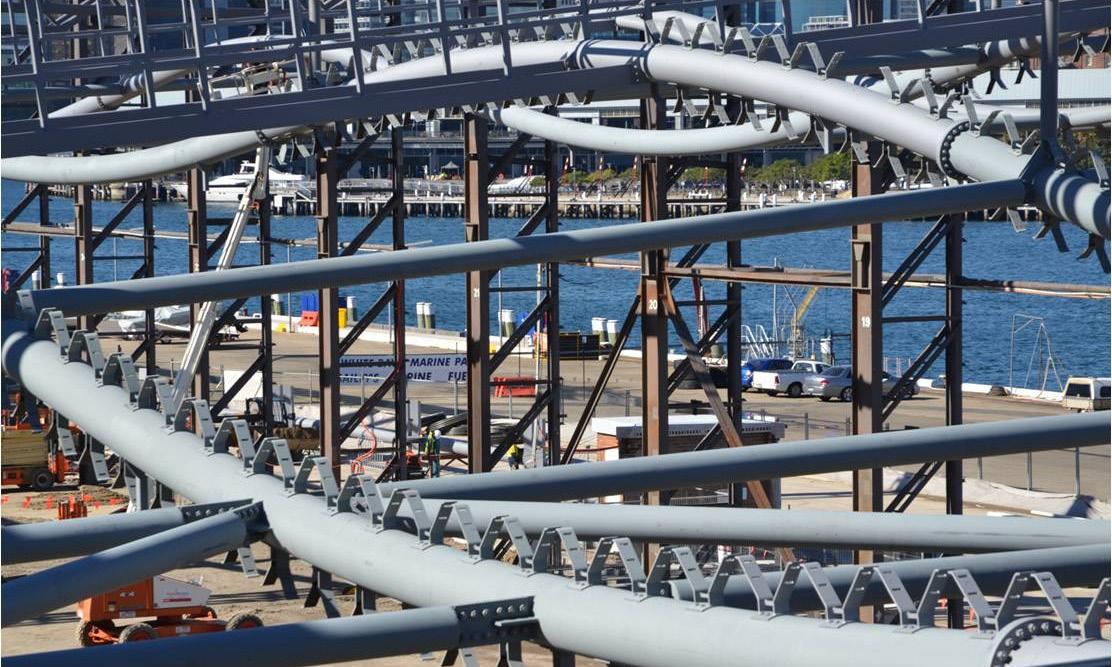
The White Bay Cruise Terminal, a cruise facility located in Sydney Harbour, serves Australia’s flourishing leisure cruise industry. The structure’s unique roof canopy, integrated with the historical gantry crane structure, reflects the site’s past as the first international containerized shipping service port. The roof’s undulating design contrasts the existing angular steel structure with modern materials and innovative design.
TTW played an instrumental role in the project, particularly in refining the roof’s complex geometry. We transformed the architect’s original freeform roof design into a simplified configuration. This process streamlined fabrication, reduced costs, and avoided potential construction challenges. By rationalising the roof geometry, TTW successfully reduced the number of roofing cleat types by 10-fold without compromising visual impact.
The project significantly benefited our client by repurposing 290 tonnes of existing steel gantry and only required 280 tonnes of new steelwork to complete the 4600m² building, aligning with the client’s sustainability and heritage objectives. Moreover, our parametric workflows optimised the freeform steel roof design, ensuring minimal steel tonnage. TTW’s paramount role in managing the complex geometry set-out facilitated the timely and economic delivery of a highly innovative architectural solution
Our application of the parametric model ensured effective communication between the structural engineer, architect, and builder. This model allowed for precision in shop drawings and fabrication, minimised defects, and maintained accurate tolerances, resulting in a project devoid of erection issues, delivered on time and within budget.
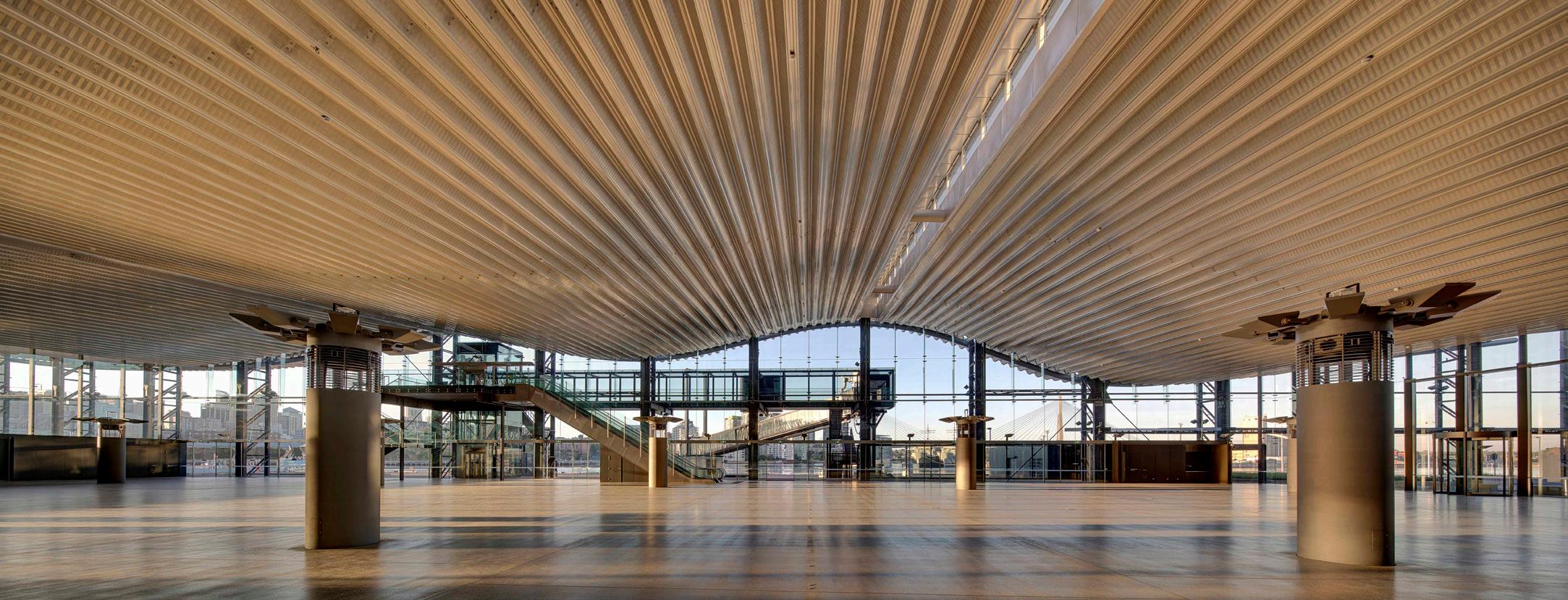
We provide solutions to complex geometry problems that improve buildability and reduce costs while sustaining architectural intent.
Software Innovation
Our team is at the forefront of digital transformation, specialising in software solutions for construction, engineering, and property development.
Client Portals
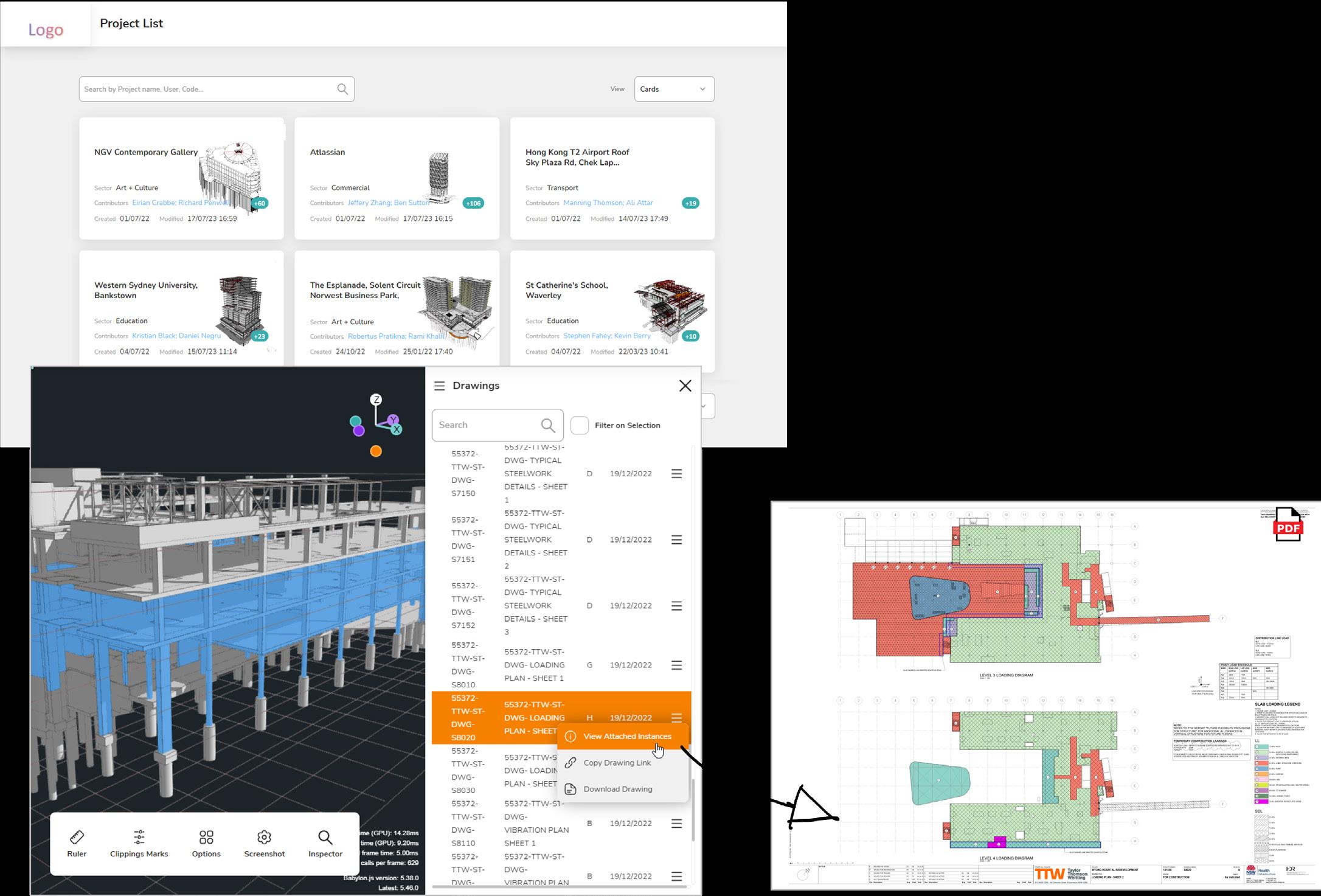
Designed with our clients’ needs in mind, our Portals are your key to comprehensive project data and digital asset management. They are more than just static libraries. They transform BIM models and other digital assets into interactive visual file systems, enabling users to navigate effortlessly through drawings, manuals, reports, and other documents. This comprehensive tool offers unique perspectives on your property assets and engineering projects.
The Portals also offer a window into the engineering project lifecycle, showcasing the progress and evolution of projects in real-time. By preserving historical context and maintaining up-to-date information, it facilitates insightful, data-driven decision-making.
Furthermore, you can integrate our framework with our Urban Planning tool to create a dynamic platform that not only manages assets, but also helps identify untapped value and potential for development. This synergy gives users data-driven insight into strategic planning and property investment.
Software Innovation
TTW Hub
The TTW Hub is our proprietary cloud and data management platform, designed specifically for engineers, drafters, and clients. It is our one-stop solution for engineering data, quality assurance, and sustainability. It seamlessly integrates users into the ecosystem of engineering and Building Information Modelling (BIM) tools, fostering connectivity and collaboration.
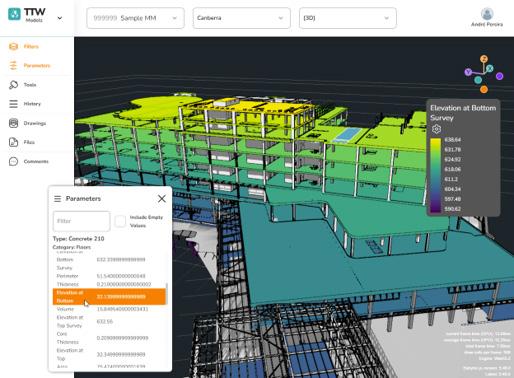
The robust features of the TTW Hub simplify complex tasks Users can scrutinise BIM and analytical models from a unique perspective, transforming conventional 3D models into intuitive, colour coded maps for straightforward comprehension and analysis.
Our platform intelligently manages data, empowering the user to comprehensively grasp the lifecycle of a project. It preserves all historical context and evolution of your projects, providing critical insights. The reporting feature highlights changes and updates, facilitating informed decision-making
Emphasizing quality assurance, the TTW Hub facilitates design reviews, checklists, and the archiving of engineering records This commitment to quality fosters the maintenance and delivery of the highest standards of excellence in every project.
Sustainability is another critical focus area. The TTW Hub is home to our unique carbon tool, helping align your projects with sustainability targets and our 2030 mission of reducing embodied carbon by 50%.
With the TTW Hub, we are redefining your approach to engineering tasks. We equip users with the means to manage and visualise data efficiently, intuitively, and adaptively.
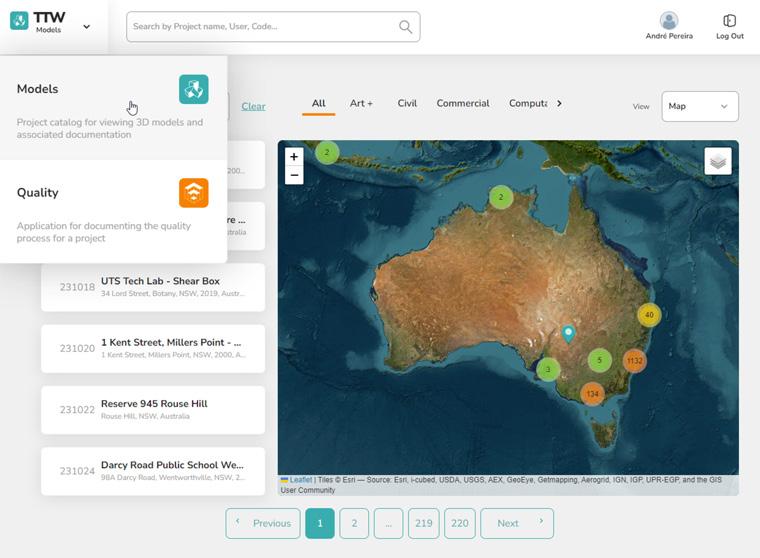
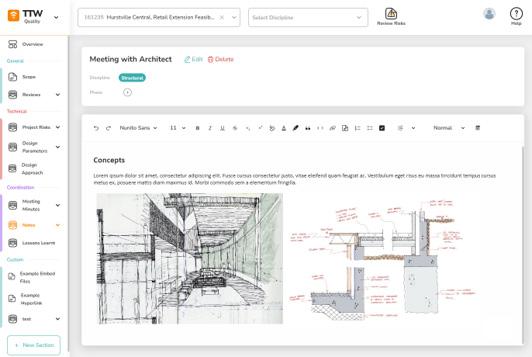
We have developed a one-stop solution for engineering data, quality assurance and sustainability to manage and visualise data efficiently, intuitively and adaptively.
Better BIM Solutions
Unleashing the full potential of Building Information Modelling (BIM) is crucial in today’s construction industry.
TTW’s advanced BIM solutions tackle complex issues, offering Smart Revit families and scheduling automations that assure accurate quantities for scheduling and BOQ We comply with BIM execution plans and ensure compliance with Omniclass / Uniclass, guaranteeing your BIM model aligns with the highest industry standards.
Our Revit tools enhance productivity and smart detailing, helping to deliver precise annotation, streamlining your project workflows, and enhancing communication within your teams. Further, we leverage QA tools, including our BIM Model Checker, Drafting checklists, and our Drawing Checker, promoting standards in documentation and enhancing overall BIM quality. Our dashboards and reports provide a clear picture of your project’s status in real-time, empowering decision-making processes.
Clash detection and buildability analysis, encompassing 3D steel connections, are integral parts of our services, leading to efficient project delivery and substantial cost savings. With our BIM solutions, your model becomes multi-purpose, providing valuable insights for various project phases, from design to maintenance.
Interoperability and data management are at the heart of our BIM solutions. We ensure seamless integration of your BIM models with other systems, promoting collaborative work environments and facilitating easy access to vital project data.
The BIM solutions we offer are not just technical assistance; they are strategic advantages enhancing project efficiency, reducing errors, ensuring compliance, and ultimately driving successful outcomes
Experience a new level of control and certainty in your construction projects with our comprehensive BIM software solutions.
Our in-depth expertise in creating and managing information for the built environment ensures efficient ways of working and optimal outcomes for our clients.
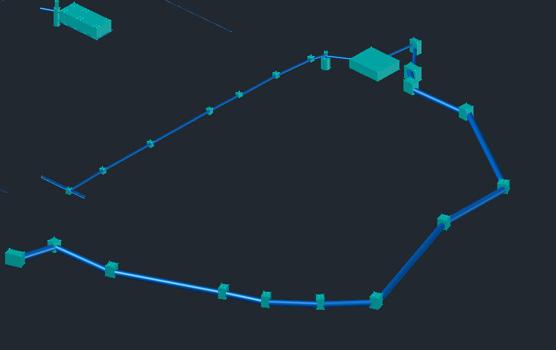
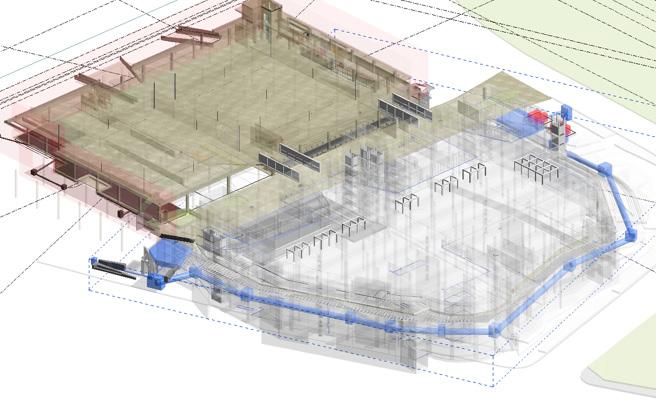
Integration of BIM and Civil Engineering Software \ The figure above displays a Civil 3D native model linked with a Structural Revit model, while ensuring that accurate realworld coordinates are considered.
Better BIM Workflows
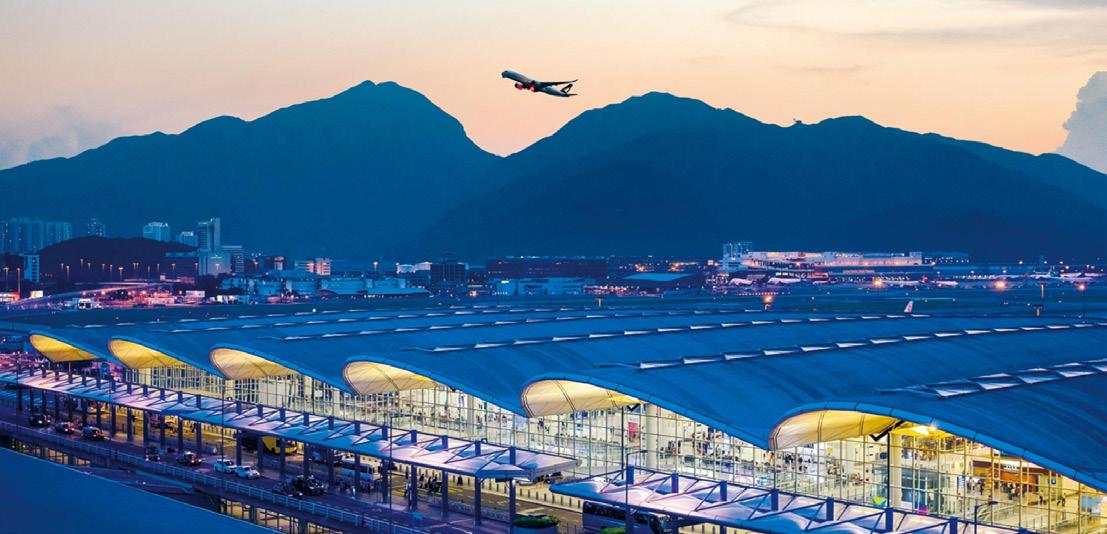
Hong Kong Airport, Hong Kong
The Terminal 2 expansion is part of the ThreeRunway System project at Hong Kong International Airport, allowing the air terminal to handle an additional 30 million passengers a year.
TTW has been engaged to design the roof cladding in the Terminal 2 Expansion Works. The roof comprises a variety of materials, such as aluminium, glass, hotrolled and cold-formed light gauge steel.
The size, scale and complexity of the roof structure meant traditional methods would have taken a large team and extensive time to detail to the level required by the client. Our Digital team created automated detailed BIM models to LOD400 in 3D of the roof complex geometry, from structural members, structural connection and structural detailing - down to the plate and bolt sizes. The level and detail of the automation provided accurate insights into how and what will be constructed, and every connection and its best method of installation.
By implementing ‘smart families’ in the model and working closely with the fabricator and contractor, the automated system meant we could accommodate changes quickly without compromising the structural integrity or quality of the model. It also meant the quantity of steel, and associated costs, could be easily calculated and enabled integration of both off-site and modular solutions as a core element of the new facilities, contained in an elegant and complex geometry.
Our team also used parametric engineering workflows to rationalise the roof and optimise material usage, as well as the development of a new structural design for typhoon wind loads, containing modular cassettes, cleats, brackets, bolts, gutters and mounting stools welded to a main frame.
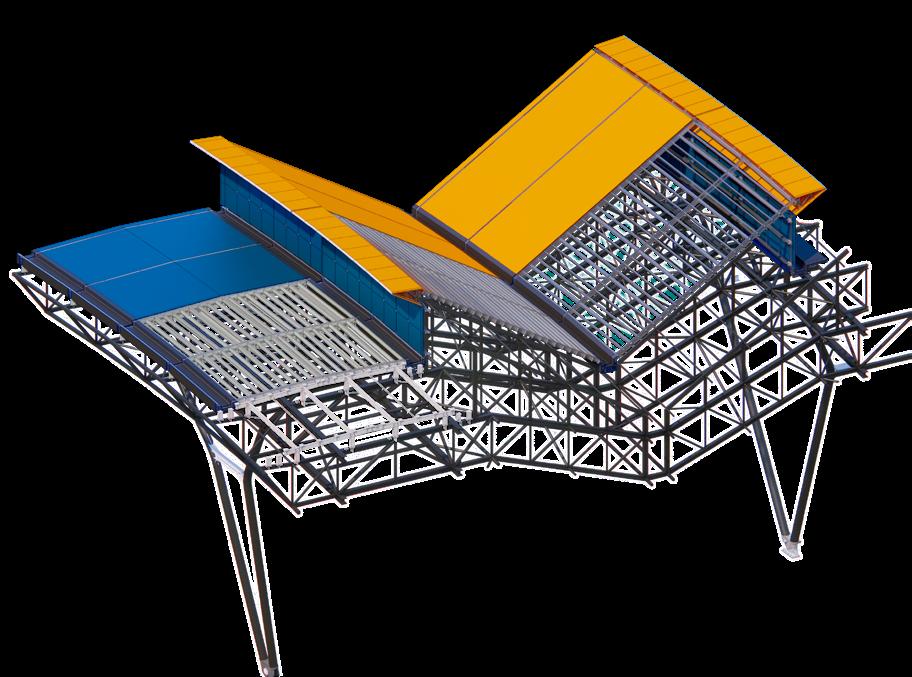
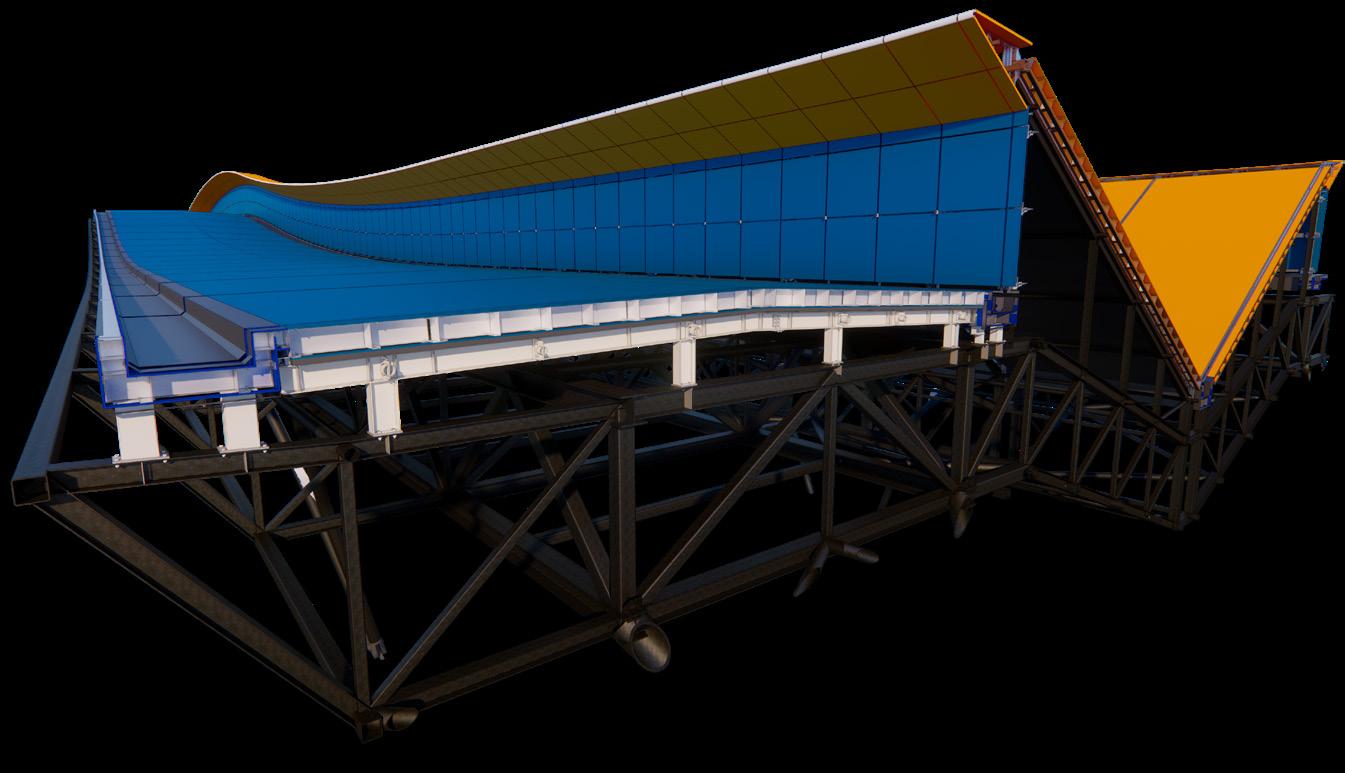
We develop workflows of data from CAD to analysis to documentation, adding accuracy to the process of exchanging information and saving time.
Smart Planning Solutions
Planning Tool
Because collaborating with our design partners and clients is one of the most exciting parts of our work, we have found a new way to enhance our services for your future projects.
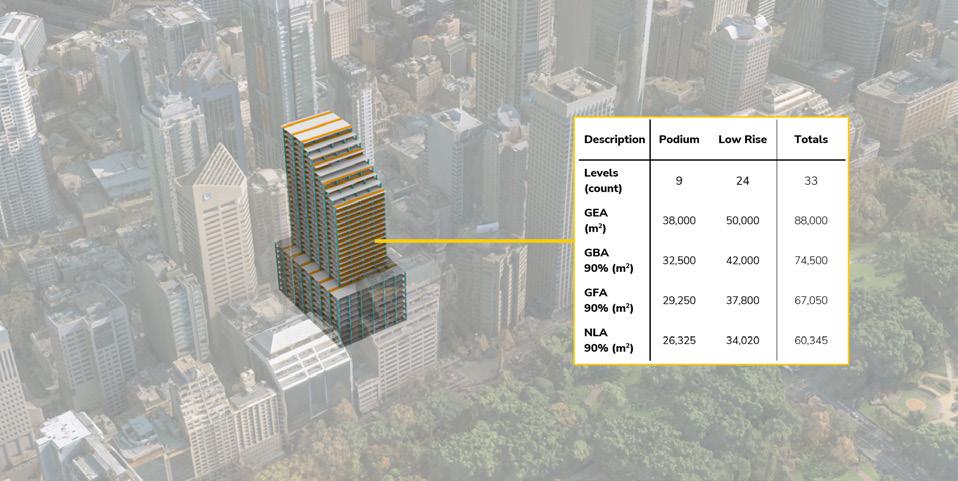
Our Digital team have developed a new data-driven planning framework capable of generating city building massing and structural layouts in realtime, for rapid evaluation of development options at a precinct scale
In other words, we have generated an algorithm to automatically apply the geometric rules outlined in the planning controls for both City of Sydney and City of Melbourne and compiled these into a flexible digital model to account for overshadowing, tower and podium heights, setbacks and more
Coupled with our in-house engineering tools, our planning engine can calculate feasibilities from a single lot to a multi-site amalgamation in real-time.
How the Planning Tool works
Our Planning Platform identifies sites, or amalgamation of sites, with high commercial viability and works by:
Using large amounts of data and applying local development controls to generate potential building envelopes.
Using this functionality, it identifies multiple site configurations that benefit from changes in planning controls, or that fulfill parameters relevant to the client.
Once a building envelope is selected, the platform can generating initial layouts of commercial buildings for feasibility studies.
This layout is coupled with our core optimiser, which sizes walls and other structural elements to maximise the building’s NLA and structural efficiency.
Finally, an automated report is created, detailing the findings of the study.
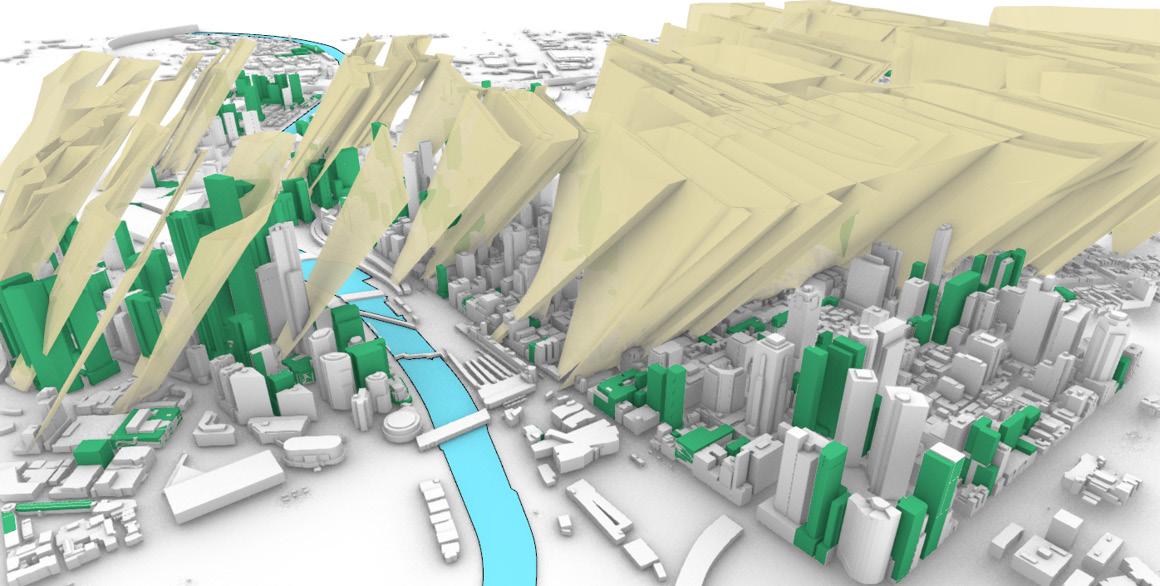
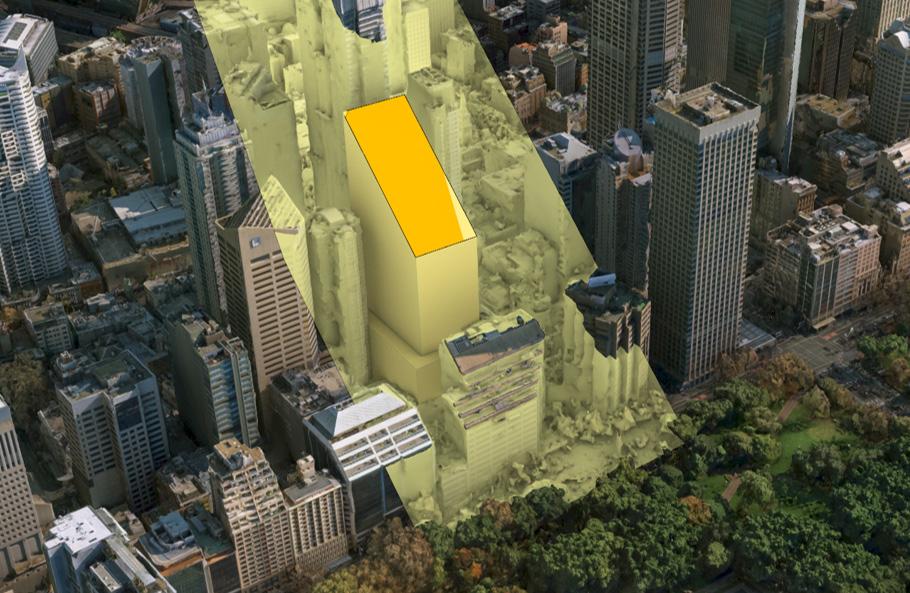
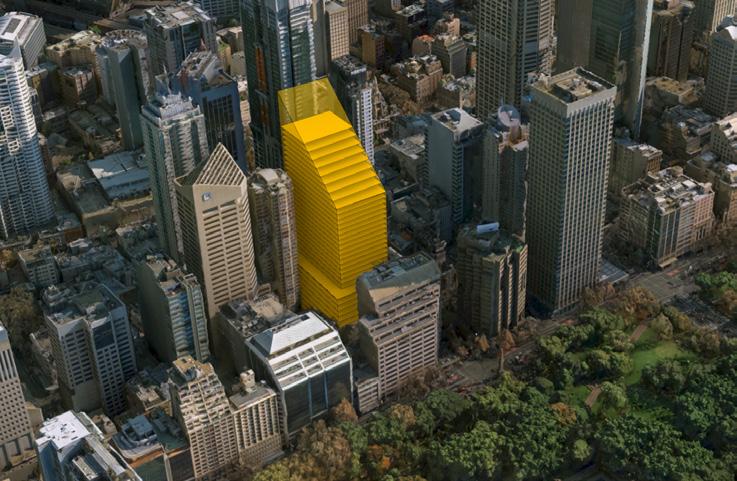
Our Urban Planning Tool generates rapid lot massing, yield estimates and 3D structural concepts, taking into account specific planning controls.
Sustainability
Reducing Embodied Carbon
With a global push towards decarbonisation, the increased requirements from Government legislation, organisational goals and environmental initiatives will require a significant reduction in the embodied carbon in the built form. This creates an opportunity for designers to innovate and provide data-driven solutions to the global problem.
By measuring embodied carbon TTW can identify opportunities to make a positive environmental impact and advise you on strategies to reach your carbon reduction goals across the lifecycle of a project.
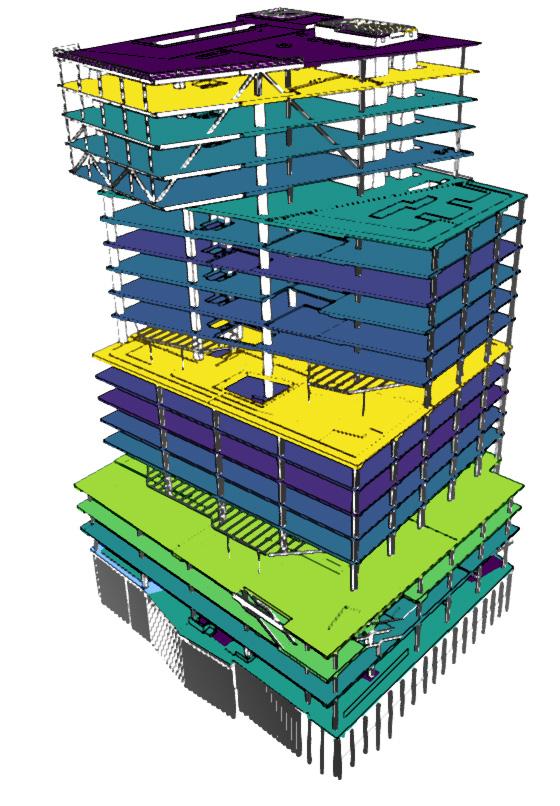
We collaborated with our Sustainability team to develop our in-house Embodied Carbon tool. Our tool allows our engineers to calculate, compare, benchmark and visualise the embodied carbon emissions in your project.
Our calculator takes BIM data to visualise embodied carbon data from the production of structural materials so our engineers can customise material properties, such as concrete strengths and reinforcement rates, along with the specification of different products. Design teams can then utilise our data and visualisations to collaborate with all stakeholders and consultants and identify costeffective strategies for reducing embodied carbon emissions from inception through to construction.

Tackling climate change is about innovation and that is what we do at TTW. We are on a journey, embedding sustainability practices across all aspects of our business.
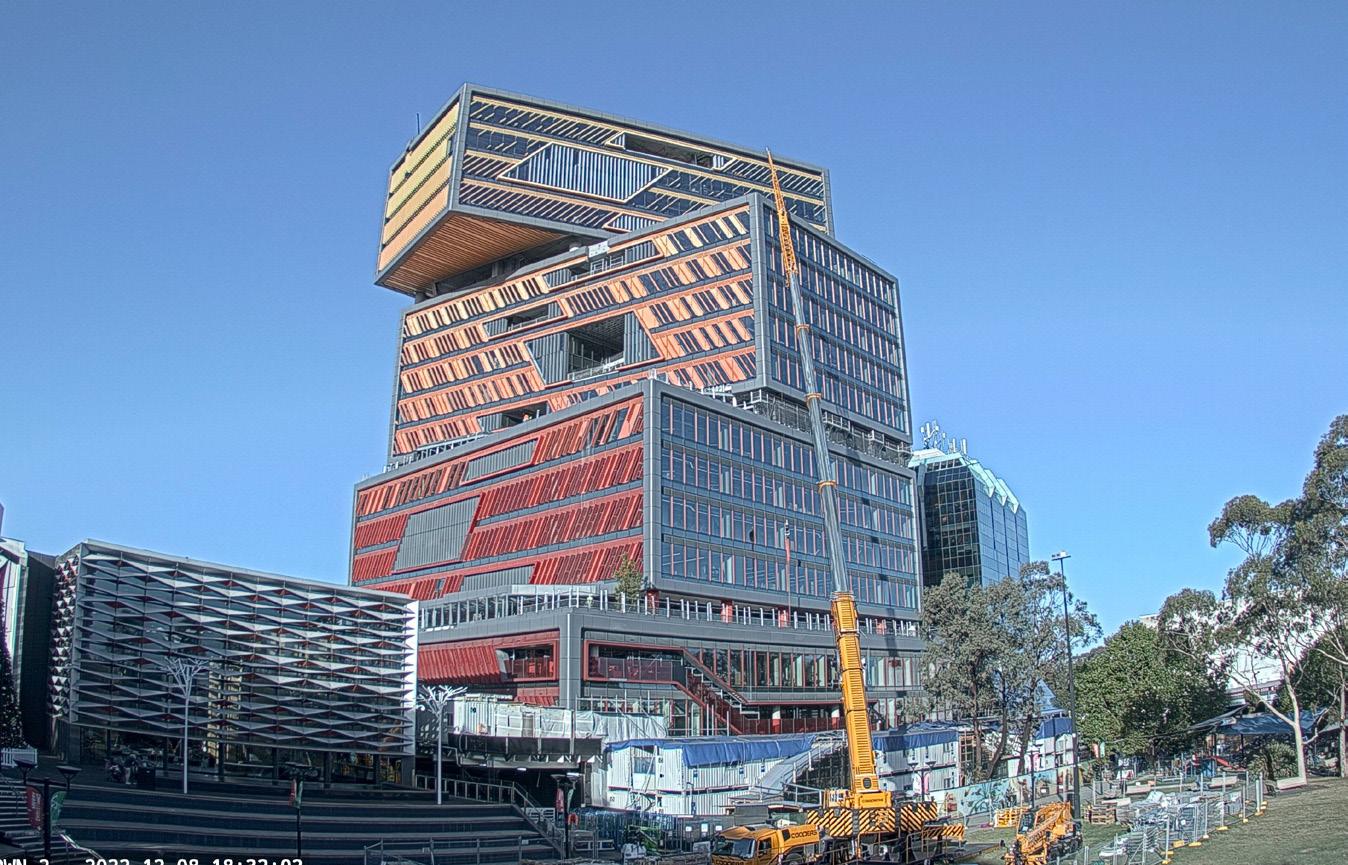
Measuring success \ 3D visualisation of embodied carbon intensity per floor (left). Western Sydney University Bankstown Campus (above).
Embodied Carbon +
Design Technology Tools
Structural Design Tool
Our in-house design tool is for the automated structural design of reinforced concrete members, including columns, walls, header beams, and footings in accordance with Australian standards (AS 3600 and AS 1170). It can act as a standalone structural engineering design tool, or a post-processor for available structural analysis software packages. It currently supports ETABS, which is extensively used in Australia and overseas for the analysis of building structures.
The tool has an interactive graphical user interface (GUI), which supports the following functionalities:
3D visualisation of the structure including key input/output parameters.
2D/3D visualisation of the desired elements, including reinforcement and detailing.
Automated optimal design or checking the adequacy of a prescribed design scenario.
Setting global/local design parameters, including load combinations and ductility level.
Tabulated summary of any desired selection of elements and their design input/output, including bill of materials.
Technical design reports in a short summary or a fully detailed version for project documentation.
Traffic Tool
Our Digital team has developed route analysis software for our internal Traffic Engineering department. This software allows us to undertake detailed analysis of travel routes, to and from a site, in order to inform future planning and future transport conditions. In particular, we have applied this analysis extensively on school projects, both new and existing, to assess the transport characteristics and requirements of a defined local enrollment area. Prior to development of the tool, detailed analysis of travel routes and location data points across a catchment would be highly time consuming and manual work, and may result in more generic strategies rather than site-specific solutions.
Using the tool, we can:
Develop targeted transport strategies to suit individual sites, with better confidence and supporting data.
Test options quickly to analyse the impact of new connections in the transport network, or changes to a school’s intake area.
Visualise the gaps and issues in a local transport network, allowing us to consider and develop ways to fix the problem.
Prepare and publish simple graphics to illustrate complex data, for use in planning approvals and consultation with external authorities.
Our design tools communicate with TTW Hub, our central core for the management, control, and visualization of building information modelling (BIM) data.
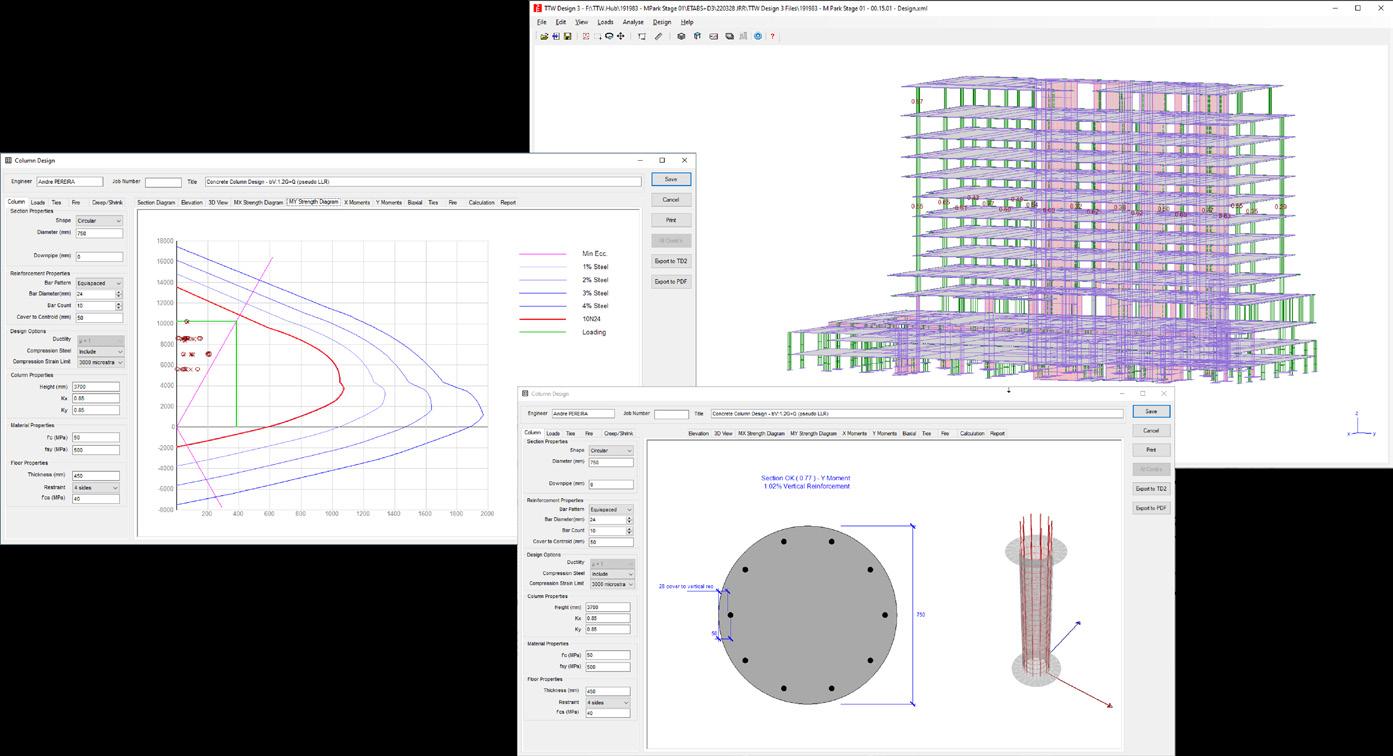
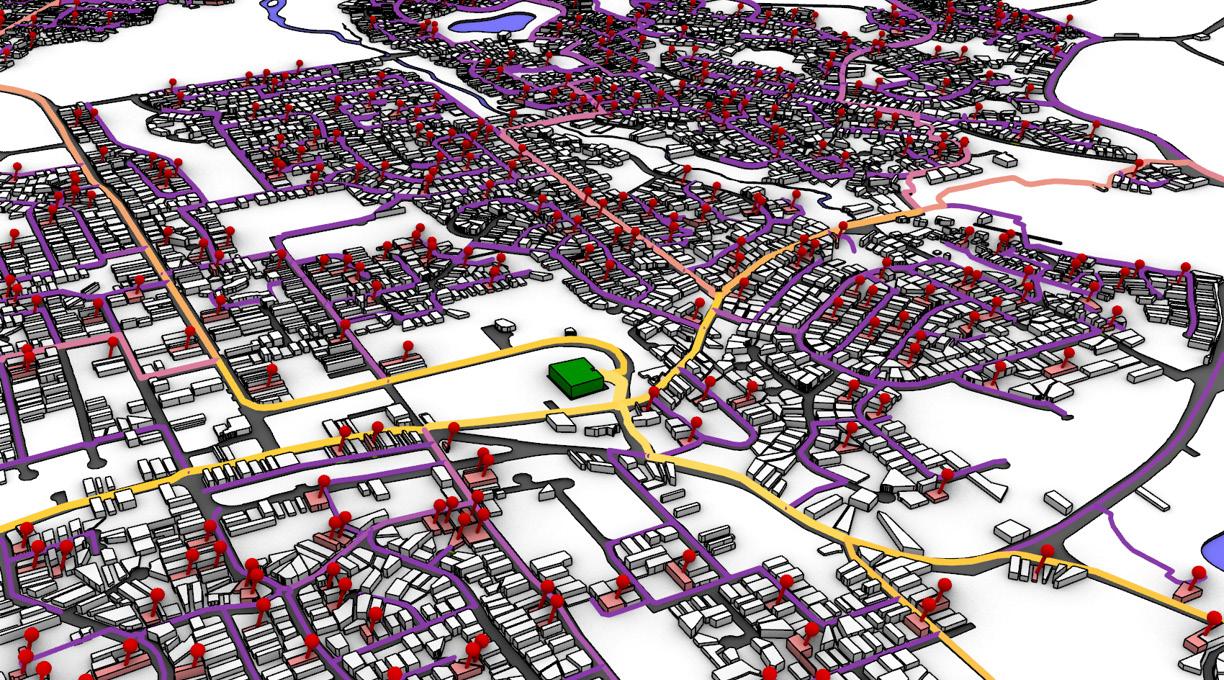
Integration excellence \ Our suite of structural design tools integrate seamlessly with leading structural analysis tools (Top). Detailed travel route analysis processed through our parametric software (Bottom).