






Rabbi Eliyahu Segal Publisher, CEO

Rabbi Eliyahu Segal Publisher, CEO
Craig's Pantry
South Florida
954-648-6359.
JCS Food Bank
South Florida
305-947-8093
Shifra & Puah
South Florida
310-866-8261
Postpartum assistance.
Baby Equipment Gemach
Miami/Hollywood
Mrs. Rinat Zelenko: 718-419-0215
Baby Gemach North Miami Beach 917-359-5818
Orit Sabo.
Boca Children's & Ladies Coat
Gemach
Boca Raton
Adina Moses: 718-854-2327
Bris Gemach
South Florida
Dina: 718-854-2327
Bris Outfits Gemach
South Florida
917-412-0713
Also collecting pillow donations.
Brit Gemach
North Miami Beach
305-409-2536
Pack N Play Gemach
Miami Beach
Avrumy: 631-575-4177
The Bris Box
Hollywood/Boca 917-902-5537
All bris supplies at no cost.
Bais Avel
Bais Avel Meals
South Florida
347-324-4039
Meals for families in Shiva.
Chesed Shel Emes
South Florida
305-359-5700
Burial, transport, Shiva equipment.
Clothing
Bais Yaakov Uniform Gemachs
South Florida
Esther: 786-422-2602
Coat Gemach
North Miami Beach
305-761-1648
Goodman Jewish Family Services
South Florida
954-909-0810
Uniform Gemachs
South Florida
Esta. 786-390-2767
Counseling/Advice
Free Private Counseling
South Florida
845-721-7062
Breast cancer support (MSW).
Ruth & Norman Rales JFS
Boca Raton
jaclynt@ralesjfs.org
Infertility support for couples.
Seniors Support
South Florida
347-324-4039
For seniors needing to talk.
Food
Challah Gemach
South Florida
347-324-4039
Free Challah for familie in need.
Healing Hearts Bikur Cholim
South Florida
R. Yochanan Klein: 305-450-8287
Hollywood Medical Supplies
Hollywood Eldad: 954-478-7490
MB Medical Supplies
Miami Beach
Rabbi Stern: 305-318-2366
The Cupboard (JFS)
Broward
954-530-7555
Broward residents; appointment only.
Tomchei Shabbos
Miami
Rabbi Mendy Cheruty:
305-219-3353
South Florida
786-202-3344
Yetiv Lev Food Assistance
South Florida
786-202-3344
Meals for new mothers and sick.
Household
Air Mattress Gemach
North Miami Beach
561-271-3518
Free Mezuzahs
Online/Global myzuzah.org
Mezuzah Gemach
South Florida
R. Yochanan Klein
305-450-8287
Medical
Bikur Cholim
Medical supplies.
Hollywood: 954-478-7490
North Miami Beach: 305-690-8949
Palm Beach: bikurcholimspbc.org
Chesed Houses
Miami
305-450-8287
Near Jackson Memorial.
Costume Gemach (NMB)
North Miami Beach
773-983-9704
Costume Gemach (Risa)
South Florida
305-308-2174
Queen Esty's Purim Gemach
Boca Raton
848-525-2958
Appointment only
NMB Medical Supplies North Miami Beach
Barry: 305-479-7745
Miscellaneous
Everything Virtual Gemach
Online
Orit Sabo: 917-359-5818
Jewish Library Gemach
South Florida Tamar: 305-721-5880
Pack N Play Gemach
Miami Beach Avrumy: 631-575-4177
Tzitzis Gemach
Boca/Global Eliezer Cohn: 913-832-8032
Money/Loans
Free Loan Gemach
South Florida
Rina: 347-628-0394
Hebrew Free Loan Association
South Florida
305-933-1187
Loan Gemach North Miami Beach 305-332-3572
The Helping Hands Lending
South Florida
Aharon Greenberg: 305-534-7050
Purim Costumes
Boca Raton Costume Gemach
Boca Raton
Dafna: 917-831-6654
Yad David Tablecloth Gemach
North Miami Beach
Alli Jeger: 917-972-7695
Support Groups
Chizuk South Florida
South Florida
917-673-6123
Infertility support.
Shalom Task Force
South Florida
Services
Notary Gemach
South Florida
Shoshana: 305-775-9354
Shaimos Gemach
South Florida Avi: 347-531-6057
Sheital
Sheital Sheital Gemach (Kallahs Only)
South Florida
305-490-5471|Requires approval.
Sheital Gemach (NMB) North Miami Beach
972-836-2432|Accepting donations.
Simcha
Costume Jewelry Gemach
South Florida
Sarah Tabakin: 917-620-5874
Gemach S'machot
South Florida
Paola Leonoff: 786-281-1133
Hollywood Simcha Gemach
Hollywood
954-609-1864
Decor & centerpieces.
Tablecloth Gemach
Boca Raton
Michal: 917-804-6924
Tablecloth Gemach (NMB)
North Miami Beach
347-848-5638
888-883-2323 |Domestic abuse.
Sharsheret
South Florida
954-416-0087| Cancer support.
Yacholet-Ikann
Hollywood
786-992-5036
Mental health assistance.
Wedding
Achnasos Kallah Gemach
South Florida
Marci: 786-877-2887
Bridal Gemach
Hollywood Visit: jeanettelevinebridalgemach
Chasde Chashie L'Kallah
South Florida
347-620-4145
Beds & dinette sets.
Jeanette Levine Bridal
Hollywood/NMB
954-588-7600 | Kallah dresses.
Leeba Gabriella Wedding
Boca Raton
Michal: 917-804-6924
Wedding Shtick Gemach
South Florida
305-781-8357|Props and decor.
Yad L'Kallah South FL
South Florida
347-371-1932
By Miami Beach Mayor Steven Meiner
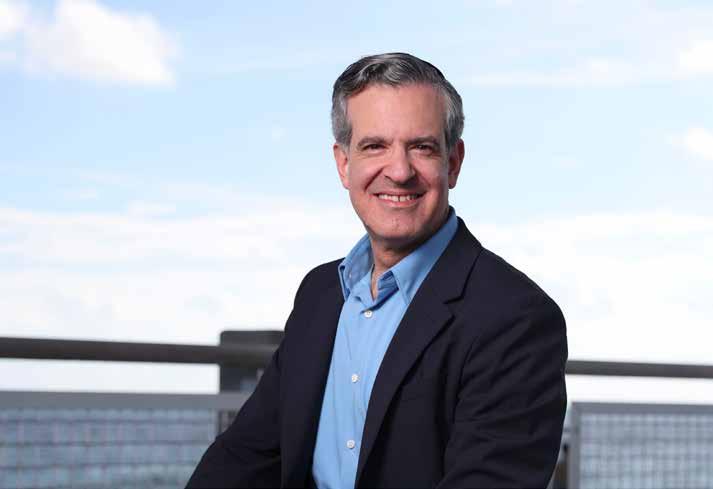
This Passover, the symbol and meaning of freedom feel closer to home. Israel is at war, and Jewish people everywhere are facing levels of antisemitism that were once unthinkable. But as always, our Jewish communities stand strong. As Mayor, keeping Miami Beach safe for our residents, our families, visitors and the Jewish community is my number one priority. From day one, I have made law and order issue number one, and that focus is producing real results.
Since being elected mayor, we have reduced major crimes by 20% and are holding repeat criminal offenders accountable. Through a combination of services and enforcement, our homeless count is at historic lows and 60% lower than just three years ago. Our Police Department is fully staffed for the first time in decades as morale is higher than ever! That accomplishment has made a noticeable difference. Officers are present across our neighborhoods and main corridors. Our increased police visibility has helped prevent crime and brought a feeling of safety to the public. Our technological advances such as drones and Real Time Intelligence Center help prevent and solve crime.
Before I became Mayor, spring break in South Beach was defined
legislation significantly increasing the mandatory jail time for hate crimes.
At the same time, Miami Beach continues to move forward economically. We are seeing strong, sustained growth. Most recently, we recorded the highest total resort tax collections ever for the month of January. Our hospitality industry is performing at a high level, with overall growth up 10.2 percent compared to January of last year.
We are also focused on attracting the right investment to Miami Beach. Growth must be intentional. We are positioning the city as a destination for fitness, wellness, and a potential Blue Zone. Capital is not only investing here, asset management companies are reacting here. Company headquarters and base of operations are increasingly choosing Miami Beach. Capital investment here strengthens the entire community and supports small businesses.
vibrant, safe city and it takes constant vigilance to maintain and improve our slice of paradise. It requires leadership and vision.
As you gather with family and friends this Passover, I pray to Hashem (G-d) for a meaningful holiday filled with reflection, and for peace throughout the world, in Israel and for the Jewish people.
by violence and chaos. Through strategic planning and strong enforcement, we restored order. Residents feel the difference. Businesses see the difference. Families are returning. Miami Beach is safer than ever.
For our Jewish community, safety also means protection from rising antisemitism. Miami Beach is home to a large thriving Jewish community, and I take that responsibility seriously.
When anti-Israel demonstrations grew unruly, I passed legislation to ensure that reasonable time, place and manner restrictions were enforced by our Police. Free speech is respected. But we will not allow any resident - including our Jewish residents - to be harassed, intimated or targeted. Not while I am Mayor of Miami Beach. I also passed
Food and beverage collections increased 12.7 percent year over year. Room rental collections rose 9 percent. This marks four consecutive months of growth compared to the two years prior. Hotel occupancy remains strong, as Miami Beach in January was the number one city in the nation for hotel average daily room rate, revenue per available room, and occupancy. Visitors are returning, and they are choosing Miami Beach with confidence. The message is clear—Miami Beach is back!
We are also investing in the fundamentals. Infrastructure improvements are underway, including roads, drainage, and our public parks. We are focused on maintaining and enhancing the quality of life that defines this city.
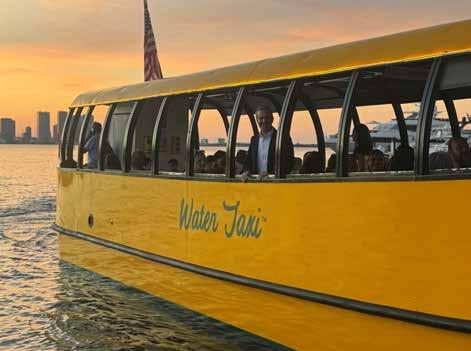
Mobility is part of that effort. The launch of the free Miami Beach Water Taxi, an initiative I brought, connecting us to Miami is one example. It offers a way to reduce traffic and make better use of our waterways. We are already looking at expanding locations, hours of operation, and service South to North throughout Miami Beach. Every day, more than 1,000 people take the water taxi back and forth from Maurice Gibb Park to the Brickell area.
Miami Beach is a one-of-a-kind destination. We are a beautiful,
From botanical gardens to sunset piers and wide-open parks, the Beach has more for your kids than you think
Ask most people what comes to mind when they hear "Miami Beach," and they'll tell you fancy hotels, crowded beaches, and Ocean Drive. What they probably won't mention? The koi pond. The splash cannon. The 450-foot pier where cruise ships glide past close enough to wave at. The sprawling park where your kids can climb, run a track, and beg for just five more minutes, all for free.
Miami Beach has always been a world-class destination. But for frum families who live here or visit during school breaks and Yom Tov, the question isn't whether there's something to do, it's knowing where to go. The answer, it turns out, is hiding in plain sight. Here's your guide to the best family-friendly parks, playgrounds, and outdoor spots Miami Beach has to offer.
If you only visit one park in Miami Beach with your kids, make it Flamingo Park. Spread across 36 acres in the heart of South Beach, this place is a full day's outing all on its own, and it won't cost you a thing to get in.
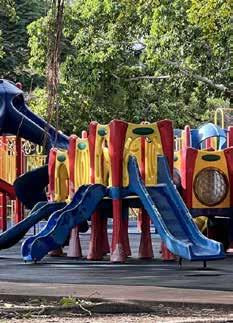
The tot lot playground was designed in partnership with GameTime to support every stage of childhood development. There's a toddler area, a Fit Kid elementary climbing zone with a freestanding rock wall, spring riders, swings, and even an original choo-choo train from the 1950s that never seems to lose its charm. The whole playground is beautifully landscaped and shaded, which matters a lot on a South Florida afternoon.
Beyond the playground, Flamingo Park has something for every age and every energy level. There are 17 tennis courts, basketball courts, handball and racquetball courts, a soccer field, a football field and eight-lane running track, a softball stadium, and a bark park for the family dog. Kids can run, climb, shoot hoops, kick a ball around, or just roll in the grass while the parents finally sit down for five minutes. The park also hosts birthday party rentals throughout the year. It's the kind of place locals have been bringing their families for generations, and the energy there reflects that.
Flamingo Park is located at 1200 Michigan Avenue, Miami Beach. General hours: Monday–Sunday, 6:15 AM–9:00 PM.
THANK YOU FOR TRUSTING US WITH ALL YOUR IMPACT WINDOW AND DOOR SOLUTIONS.
WE ARE PROUD TO PROVIDE QUALITY, SAFETY, AND BEAUTIFUL DESIGN FOR YOUR HOME OR BUSINESS.
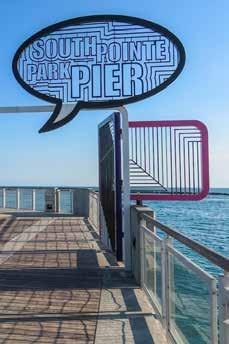
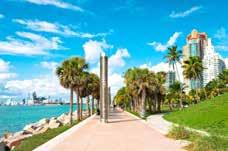
At the very southern tip of Miami Beach sits one of the most beautiful (and most underrated) family spots in all of South Florida. South Pointe Park covers 17 sweeping acres of green lawns, winding paths, and panoramic ocean views, and it has quickly become a beloved destination for families who want something more than just a day at the beach.
The park also features a scenic promenade with views of Fisher Island across the water, a dog park, shaded benches, and picnic areas. It's a spot that manages to feel both serene and exciting at the same time, and the sunset views from the pier are, simply put, stunning.
South Pointe Park is located at 1 Washington Avenue, Miami Beach. Open sunrise to 10:00 PM.
For the little ones, the playground here features slides, climbing structures, and a motion-activated splash zone with water cannons, the kind of thing that keeps toddlers occupied for far longer than you'd expect. Wide, stroller-friendly walking paths wind through the park, making it easy to explore even with a baby in tow. But the real magic of South Pointe is the 450foot pier, where families can fish, watch kayakers, and get an almost unbelievably close look at massive cruise ships as they glide through the channel. Kids (and plenty of adults) go absolutely wide-eyed the first time a giant vessel passes just yards away.
Not every family outing needs to involve running and climbing — and for those moments when you want something a little more peaceful, a little more wonderfilled, the Miami Beach Botanical Garden is a hidden gem that never disappoints.
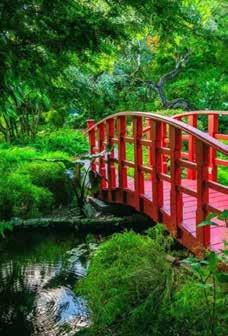
Tucked right in the heart of the city near the Convention Center, this free three-acre tropical sanctuary feels like stepping into another world. Winding pathways lead through more than 100 species of palms, orchid-laden trees, a Japanese garden with water lilies and a red wooden bridge, a native plant garden, and a serene koi pond where kids can crouch down and watch the fish glide underneath the
surface. Butterflies drift through the air, turtles sun themselves near the water, and lizards dart across the stones — it's a nature discovery walk hiding in plain sight on Miami Beach.
The garden's layout is strollerfriendly and easy to navigate, making it equally enjoyable for toddlers and older children. There's a Great Lawn in the center that's perfect for a family picnic, and the Collins Canal Promenade adds another lovely stretch to explore.
A free self-guided audio tour is available via QR code at the entrance, which turns the whole visit into an educational adventure — the kind kids actually enjoy. The garden also runs regular family

programming throughout the year, including hands-on nature workshops and sensory activity days led by local artists and scientists.
Best of all? Admission is completely free, and the garden is open Tuesday through Sunday, 9 AM to 5 PM.
Miami Beach Botanical Garden is located at 2000 Convention Center Drive, Miami Beach.
Not every family outing needs to be a "destination." Sometimes the best thing you can do is lace up your shoes, grab a stroller, and just start walking. The Miami Beach Boardwalk stretches 7.5 miles from South Pointe all the way through Mid-Beach and North Beach, and it is one of the most genuinely enjoyable free activities on the island.
The path is stroller-friendly, lined with shops and cafés, and runs alongside the ocean the whole way. Kids can bike, scooter, and run ahead while parents soak in the sea breeze and the view. Stop where you want, turn around when you want, grab something to eat when someone gets hungry, which, with kids, is always sooner than expected. The boardwalk also connects all of the parks listed above, so it's easy to build a longer day around it.
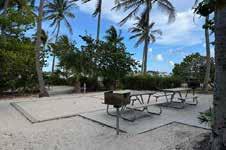
For families who just want some sand, some shade, and some room to breathe, North Beach Oceanside Park delivers exactly that. With white-sand beaches, walking paths, amenities, and a calmer, less crowded atmosphere than South Beach, it's become a favorite among Miami Beach residents with young children. The vibe is relaxed, the
water is beautiful, and there's space — real space — for kids to run and play and just be kids.
Miami Beach has something for every kind of family, at every stage of childhood. Whether you're chasing toddlers around a splash pad, watching your older kids race ahead on the boardwalk, or standing on a pier while a cruise ship passes close enough to feel the wake, the
magic is there. You just have to show up.
Chag sameach to all our families enjoying the sunshine and simcha that is life on the beach. These spots are here for you, free, beautiful, and right in your backyard.
Editor's note: Hours and fees for aquatic facilities at Flamingo Park are subject to change, confirm current schedules at miamibeachfl.gov before visiting. All outdoor park areas listed are free of charge. Parking fees vary by location.
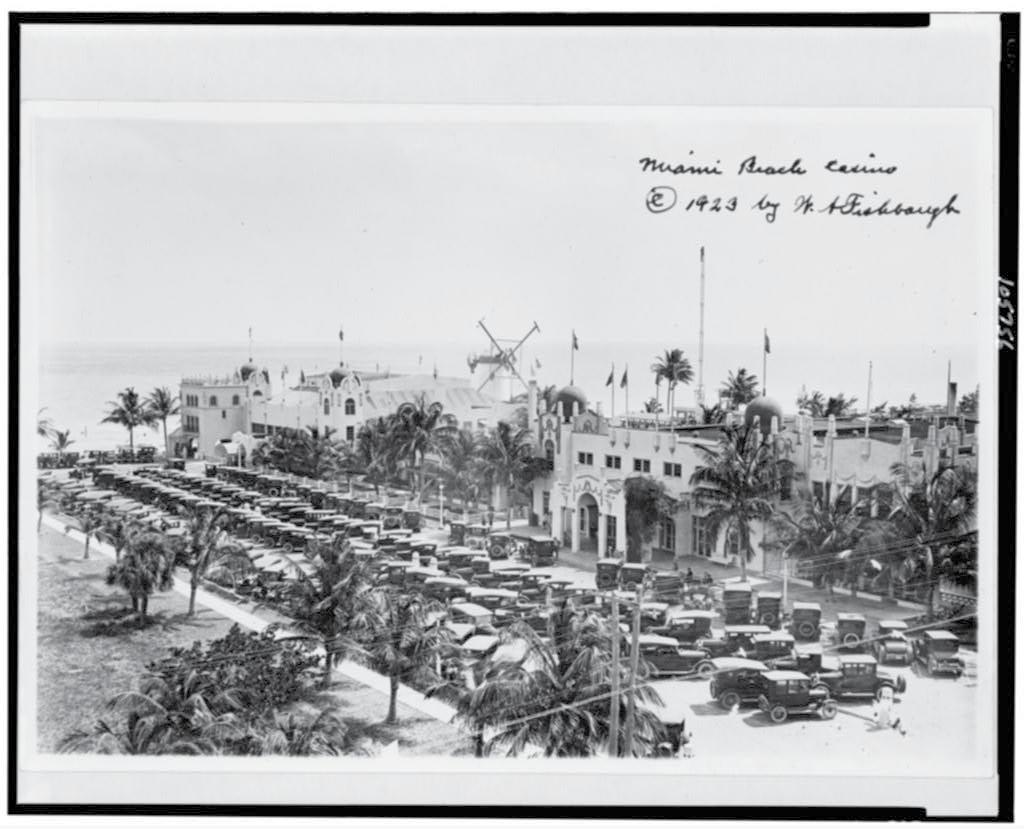
How a wild mangrove covered barrier island became an iconic city where the Jewish community has been at the heart of it all.
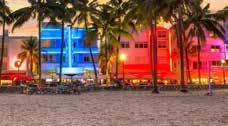
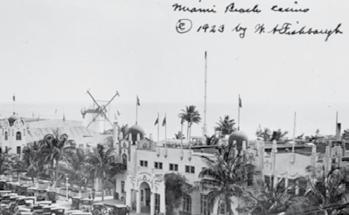
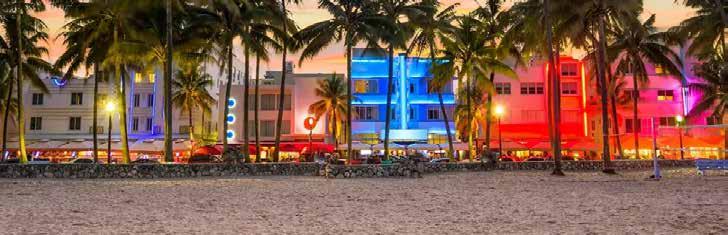
Walk along Ocean Drive and it is easy to forget this was once a tangle of mangroves and mosquito thick swampland. Miami Beach did not simply happen. It was dreamed and built by visionaries and immigrants, many of whom were our people.
This is the story of how a barrier island became a legend.
Long before Art Deco hotels, the barrier island east of Biscayne Bay was little more than a wild sandbar.
The island first belonged to the Tequesta and later the Seminole tribes. When Spain ceded Florida to the United States in the nineteenth century, wars slowed settlement for decades.
In 1870, Henry Lum purchased most of the island for twenty five cents an acre. He eventually sold to John S. Collins, who unsuccessfully tried to grow coconuts and avocados on the land.
By 1909, Collins pivoted to real estate development and found a partner with matching ambition.
The Men Who Built It
Carl G. Fisher had already made a fortune in the automotive world. When he looked across Biscayne Bay, he saw a future others could not imagine.
Fisher loaned Collins the money to complete a bridge connecting the island to the mainland. The Collins Bridge, completed in 1913, changed everything.
Simultaneously, John and James Lummus partnered with Fisher to establish the Ocean Beach Realty Company. They shared a vision to transform this swampy sandbar into a resort destination.
Fisher dredged the bay to elevate the island. Much of what we consider natural Miami Beach was actually built by human hands.
In 1915, the Town of Miami Beach was incorporated. Within two years, it became a city.
The Roaring Twenties: Millionaires and Mediterranean Revival
The nineteen twenties saw a land speculation craze. Fisher promoted the city with genius marketing to attract Northern interest.
Grand hotels rose along the shore. Mediterranean Revival architecture defined the aesthetic of the era.
In 1926, a ferocious hurricane destroyed much of the city, shattering the real estate bubble. The Great Depression followed shortly after.
Yet, something remarkable was taking shape in South Beach.
Deco: Pastels and Porthole
Small hotels built for the middle class featured geometric ornamentation and porthole windows. Between 1930 and 1942, hundreds of these buildings rose, creating the world largest collection of Art Deco architecture.
Architects adapted the style to the tropical climate. The effect was both glamorous and approachable.
Much of this development was led by the Jewish community.
Jews were central to the city story. The first settled around 1913, initially confined south of Fifth Street.
By the 1930s, Jewish residents pushed past restrictions. By the mid 1940s, an estimated 30,000 Jews called the city home.
World War II brought half a million cadets to the city. Many returned later as residents, alongside Holocaust survivors.
By the 1950s, South Beach was a shtetl by the sea where Yiddish was common and synagogues were on every block.
Survivors of the unimaginable davened and laughed in the Florida sunshine. It was a rich world rebuilt from ash.
Woman With a Vision: Saving South Beach
By the mid 1970s, Art Deco buildings were considered run down. Developers wanted to replace them with high rises.
Barbara Baer Capitman saw a treasure instead of a slum. In 1976, she co founded the Miami Design
Preservation League.
She lobbied and stood in front of bulldozers. In 1979, the district was listed on the National Register of Historic Places.
Over 800 buildings were protected. Barbara Capitman Way stands as a testament to her vision.
The Renaissance: Fashion and a City Reborn
The 1980s brought new energy. South Beach was reborn as SoBe. While the transformation was successful, many elderly Jewish residents were priced out.
The original Beth Jacob synagogue now houses the Jewish Museum of Florida, preserving the history of that era.
The Holocaust Memorial In 1984, survivors built a memorial to the six million Jews murdered by the Nazis. It stands at Meridian Avenue.
Architect Kenneth Treister designed a powerful bronze arm reaching toward the sky. It is a place of memory and survival.
Miami Beach Today: Still Becoming
Today, the city remains a vibrant icon. The Jewish community is diverse, with thriving neighborhoods in Surfside and Bal Harbour.
Miami Beach is a city of reinvention. It was shaped by people who knew how to build, mourn, and rebuild.
From mangroves to global icon, Miami Beach is still becoming.
By Avi Ciment
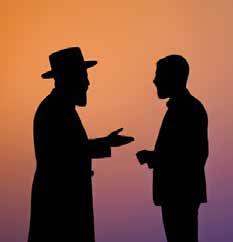
As someone who has waited on customers for close to 30 years now, I have had the unique opportunity of meeting people from all walks of life. This past summer, I forged a relationship with a successful chassid who was very jovial and open.
At a certain point, he started asking me questions about the Modern Orthodox community, but I could tell he was holding back – as I was – for fear of crossing the line. We finally agreed to ask each other any question we wanted about our respective communities, no matter how offensive, as long as the other one agreed not to be insulted. We sealed our pact with the now famous Covid elbow tap, and the games began.
I went first. I asked him why it wasn’t unheard of to hear about chassidim getting caught in financial scams or even with another woman. He responded that the number of chassidim who commit these sins is way smaller than one would think, but since they stand out – the incongruity of a chassid sinning is greater than a non-chassid sinning –the numbers seem much greater.
I had to agree. Truthfully speaking, I remember going to a march with hundreds of thousands of Jews in Washington, DC, year ago.
Naturally, though, the news stations only chose to interview the one Neturai Karta nutjob protesting at the march, giving the impression that all chassidim hold anti-Israel beliefs, which isn’t true.
And then he hit me with the second part of his answer, explaining that the few chassidim who commit these sins do so in hiding because they know it’s wrong and are ashamed of their behavior. Never do they claim their actions are permissible, even if they might justify them in their own minds.
As I was satisfied with his answers, he then said, “May I now ask you my question, Avi?” Bracing myself, I said, “Go for it.”
He smiled and said, “Avi, I noticed many young Modern Orthodox teenagers this winter break at the Fontainebleau Hotel who were dressed completely inappropriately, sitting on each other’s laps, touching and holding hands. I even saw a few teenagers unabashedly texting on Shabbos.
“I’m completely confused. After all, it’s one thing to do something wrong and be ashamed and try to hide it, as we sometimes do. But with many modern orthodox Jews, it’s as if all these laws in the Torah that they’re violating don’t even exist given that they do these aveiros publicly without any guilt or shame whatsoever.”
Ouch! Talk about a full-body slam. I wanted to come back with my signature Muhammad Ali combination punch, but this guy had me cornered. And no matter how frustrated I was, I knew he was right. I thought back to when I was
in high school and how I was never embarrassed to hold a girl’s hand; I assumed it wasn’t a big deal. I said to him that many Modern Orthodox Jews don’t know the seriousness of what they’re doing and therefore don’t hide it.
But using his logic, I realized that I was just as guilty as this generation of teenagers who disregard certain commandments because they don’t appreciate their value. And it occurred to me that while it’s very easy to see someone else’s shortcomings, have I examined my own?
All sins are wrong, but a person who hides his sin at least knows he’s doing something wrong. But what about a person who doesn’t even hide it? And if you don’t think you’re doing something wrong, how can you ever change yourself?
The Yerushalmi says the one sin for which G-d can never forgive a man is not learning Torah. At first glance, this statement seems strange. After all, aren’t there more unforgivable sins than not studying Torah? Yet, the rabbis understood that as long as a person learns Torah, there’s always a chance he can change. When a person shuts the door to Torah, though, all bets are off. He will never change.
True Modern Orthodoxy is defined as a synthesis between Torah and the secular world, and there are many communities and families that do it proudly. Many of us sometimes pick and choose what we deem important.
Before the chassid and I departed, we agreed everyone would benefit by treating all laws with equal respect. We could have both made excuses and defended our respective communities, but, instead, we each rolled up our sleeves, took the high road, and grew from the encounter.



1. During World War II, Miami Beach's Hotels Were Taken Over by the U.S. Army.
In 1942, the Army Air Forces leased almost all 332 hotels on Miami Beach and turned them into military barracks! Thousands of soldiers trained on the beach, marched down Collins Avenue, and used golf courses as drill grounds.
2. Jews Were Once Only Allowed to Live South of 5th Street.
In the early days of Miami Beach, Jewish residents were banned from living north of 5th Street. Because of this, the city's first synagogue, Beth Jacob, was built in South Beach in 1929, right where the Jewish Museum of Florida stands today.
3. Orthodox Jews Had to Take a Boat to Daven.
Before Beth Jacob was built, Orthodox Jews on Miami Beach who couldn't travel on Shabbos had no shul. To attend services on weekdays, they had to ferry across Biscayne Bay all the way to a shul in Miami. That's how much they wanted to daven!

10. The Holocaust Memorial's Giant Arm Took Four Years to Build, and Was Cast in Mexico.
The famous 42-foot bronze arm at the Holocaust Memorial, covered in smaller figures reaching skyward, was sculpted by Kenneth Treister and cast in a foundry in Mexico City. It was then transported in five giant pieces on a convoy of trucks all the way to Miami Beach.
9. The Jewish Museum of Florida Has Over 100,000 Items.
Located in the original Beth Jacob synagogue building in South Beach, the Jewish Museum of Florida houses more than 100,000 items documenting 250+ years of Jewish life in Florida. It is the only museum of its kind in the entire state.
8. Miami Beach Is Actually an Island.
Most people don't realize it, but Miami Beach is not part of the mainland at all! It sits on a barrier island separated from Miami by Biscayne Bay. The causeways connecting it to the mainland were only built in the 1910s and 1920s.
1933–1945 Meridian Avenue. Those numbers were chosen on purpose — they are exactly the years of the Nazi regime. The memorial was built by Holocaust survivors who lived right here in Miami Beach.
5. Miami Beach Once Had 20,000 Holocaust Survivors.
At its peak, the Miami Beach area was home to an estimated 20,000 Holocaust survivors, one of the largest concentrations anywhere in the world outside of Israel. Many of them helped build the Jewish community we have today.
7. Many of Miami Beach's Famous Art Deco Buildings Were Designed and Built by Jews.
The colorful pastel buildings that make Miami Beach so recognizable around the world were largely designed, built, and owned by Jewish architects and developers in the 1930s and 40s. Including the iconic Fontainebleau Hotel, designed by RussianJewish immigrant Morris Lapidus.
6. Miami Beach Has Had 16 Jewish Mayors.
Since 1943, when Mitchell Wolfson became the first Jewish mayor of Miami Beach, the city has elected Jewish mayors sixteen times! Jews have been part of shaping this city from the very beginning.
1. The Torah never calls me by my Babylonian name — the name Jews use today came back from exile. In the Torah, I am called by a Hebrew agricultural name meaning "the month of spring." All the other months in the Torah are referred to only by number. What is my Torah name, and what do we call me today?
2. I happen seven times in every nineteen years. Without me, Pesach would eventually fall in the winter. What am I, and what is the name of the nineteen-year cycle I belong to?

Answers:
3. I am a day that is neither fully Yom Tov nor fully a weekday. Melacha is permitted on me — but many have the custom not to do it. I fall in both Pesach and Sukkos. What am I, and what is the halachic term for the prohibition some observe?
4. The Torah commands us to count me — but never tells us why. I connect two holidays that seem very different from each other. I am counted both in days and in weeks simultaneously. What am I, and what is the special mitzvah of counting me called?
5. I am the one day of the year when the Yom Kippur Katan is never observed. I am also the one month that has no fast days at all. Which month am I, and why? 6. I am observed on the same calendar date every year — but my story happened over two days. The second day is the one most people know. The first day is almost forgotten. What am I, and what happened on the first day?
7. I am a Rosh Chodesh unlike any other. I last two days instead of one — but not because the month before me was short. I am the Rosh Chodesh of the month in which we say the most Selichos. Which Rosh Chodesh am I, and why do I last two days?
8. I am a Yom Tov that the Torah calls by a completely different name than what most Jews call me today. The Torah never uses my popular name — not even once. What am I, and what does the Torah actually call me?
9. I am the only fast day in the entire year that is NEVER postponed — not even for Shabbos. Every other fast moves to Sunday when it falls on Shabbos. Not me. The Torah calls me "Shabbas Shabbason" — the Shabbos of Shabbosos — which is why I override it. Which fast am I, and which fast is unique in moving to Thursday instead of Sunday when it conflicts?
Mizbeiach altar concluded for the year.)
dance in the vineyards so young men could choose a wife. It also marks the day the generation of the Midbar finished being niftar, and when the cutting of wood for the
10. Tu B'Av — the 15th of Av, six days after Tisha B'Av on the 9th of Av. The Mishnah in Ta'anis (4:8) records that unmarried girls would go out in borrowed white garments and
9. Yom Kippur — it is observed on Shabbos itself and never postponed, because the Torah calls it Shabbas Shabbason. The fast that moves to Thursday rather than Sunday is Ta'anis Esther — because the day after Shabbos would be Purim itself, making a Sunday fast impossible.)
8. Shavuos — the Torah never calls it Shavuos HaTorah or Chag Matan Torah. The Torah calls it Chag HaShavuos, Yom HaBikkurim, and Atzeres. The connection to Matan Torah is from the Oral Tradition, not the written Torah.)
7. Rosh Chodesh Elul — it is two days because the month of Av has 30 days, making its Rosh Chodesh two days. Elul is the month of Selichos and teshuvah leading up to Rosh Hashanah.)
Ta'anis Esther — the fast commemorating Esther's fast before approaching the king.)
6. Purim — the 14th of Adar is the day most Jews celebrate. But the Jews of Shushan fought for two days and celebrated on the 15th, which is why walled cities observe Shushan Purim. The first day, the 13th of Adar, is
5. Nissan — the entire month of Nissan is considered so joyous, commemorating the Exodus, that no fasting or eulogies are permitted. Yom Kippur Katan, observed on the eve of Rosh Chodesh, is skipped entirely in Nissan.)
X days, which is Y weeks and Z days of the Omer.")
4. The Omer — Sefiras HaOmer. We count 49 days between Pesach and Shavuos. The Torah in Vayikra commands the counting but gives no explicit reason. The mitzvah is to count each day and each week: "Today is
3. Chol HaMoed — the intermediate days of Pesach and Sukkos. The custom to refrain from melacha is based on the concept of "uvda d'chol," mundane weekday activity, which many poskim say is prohibited or restricted on Chol HaMoed.)
2. The leap month — Adar Sheni, the second Adar. It is added seven times in the nineteen-year Machzor HaGadol cycle to keep the lunar calendar aligned with the solar seasons.)
later books of Tanach such as Esther and Nechemiah, but in the Torah itself, only the agricultural name Aviv is used.)
1. The Torah calls the first month "Chodesh HaAviv" — the Month of Spring (Shemos 13:4, Devarim 16:1). After the Babylonian exile, the Jewish people adopted the Babylonian name "Nissan." The name Nissan does appear in
Answers:
10. I come just six days after the saddest day of the Jewish year — and I am its joyful counterpart. The Mishnah says there were never happier days in Israel than me and Yom Kippur. On my day, unmarried girls once danced in the vineyards of Yerushalayim. What date am I, what is the sad day I follow, and what was the joyful event the Mishnah refers to?
Unscramble the following words related to Boca!
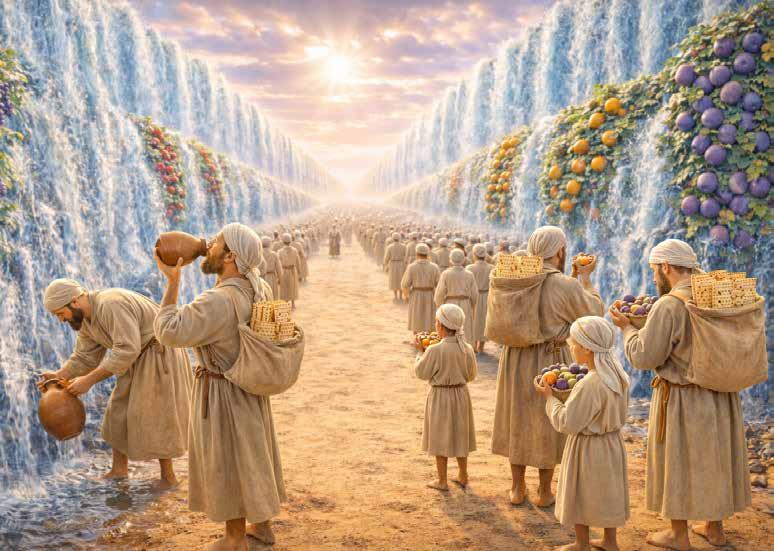
Chazal teach that the walls of the Yam Suf provided fruit and fountains for those walking through.
Even when the path ahead was difficult, the journey itself was filled with support. At United Refuah HealthShare, we believe medical challenges should be approached the same way.
Yes — members can share up to $1,000,000 per incident. But just as important is what happens along the way:
A case manager who advocates for you. Guidance through difficult medical decisions. Help negotiating fair prices with hospitals. Freedom to seek care anywhere in the world.
Because no one should have to cross the sea alone.