



Rabbi Eliyahu Segal Publisher, CEO

Rabbi Eliyahu Segal Publisher, CEO
Craig's Pantry
South Florida
954-648-6359.
JCS Food Bank
South Florida
305-947-8093
Shifra & Puah
South Florida
310-866-8261
Postpartum assistance.
Baby Equipment Gemach
Miami/Hollywood
Mrs. Rinat Zelenko: 718-419-0215
Baby Gemach North Miami Beach 917-359-5818
Orit Sabo.
Boca Children's & Ladies Coat
Gemach
Boca Raton
Adina Moses: 718-854-2327
Bris Gemach
South Florida
Dina: 718-854-2327
Bris Outfits Gemach
South Florida
917-412-0713
Also collecting pillow donations.
Brit Gemach
North Miami Beach
305-409-2536
Pack N Play Gemach
Miami Beach
Avrumy: 631-575-4177
The Bris Box
Hollywood/Boca 917-902-5537
All bris supplies at no cost.
Bais Avel
Bais Avel Meals
South Florida
347-324-4039
Meals for families in Shiva.
Chesed Shel Emes
South Florida
305-359-5700
Burial, transport, Shiva equipment.
Clothing
Bais Yaakov Uniform Gemachs
South Florida
Esther: 786-422-2602
Coat Gemach
North Miami Beach
305-761-1648
Goodman Jewish Family Services
South Florida
954-909-0810
Uniform Gemachs
South Florida
Esta. 786-390-2767
Counseling/Advice
Free Private Counseling
South Florida
845-721-7062
Breast cancer support (MSW).
Ruth & Norman Rales JFS
Boca Raton
jaclynt@ralesjfs.org
Infertility support for couples.
Seniors Support
South Florida
347-324-4039
For seniors needing to talk.
Food
Challah Gemach
South Florida
347-324-4039
Free Challah for familie in need.
Healing Hearts Bikur Cholim
South Florida
R. Yochanan Klein: 305-450-8287
Hollywood Medical Supplies
Hollywood Eldad: 954-478-7490
MB Medical Supplies
Miami Beach
Rabbi Stern: 305-318-2366
The Cupboard (JFS)
Broward
954-530-7555
Broward residents; appointment only.
Tomchei Shabbos
Miami
Rabbi Mendy Cheruty:
305-219-3353
South Florida
786-202-3344
Yetiv Lev Food Assistance
South Florida
786-202-3344
Meals for new mothers and sick.
Household
Air Mattress Gemach
North Miami Beach
561-271-3518
Free Mezuzahs
Online/Global myzuzah.org
Mezuzah Gemach
South Florida
R. Yochanan Klein
305-450-8287
Medical
Bikur Cholim
Medical supplies.
Hollywood: 954-478-7490
North Miami Beach: 305-690-8949
Palm Beach: bikurcholimspbc.org
Chesed Houses
Miami
305-450-8287
Near Jackson Memorial.
Costume Gemach (NMB)
North Miami Beach
773-983-9704
Costume Gemach (Risa)
South Florida
305-308-2174
Queen Esty's Purim Gemach
Boca Raton
848-525-2958
Appointment only
NMB Medical Supplies North Miami Beach
Barry: 305-479-7745
Miscellaneous
Everything Virtual Gemach
Online
Orit Sabo: 917-359-5818
Jewish Library Gemach
South Florida Tamar: 305-721-5880
Pack N Play Gemach
Miami Beach Avrumy: 631-575-4177
Tzitzis Gemach
Boca/Global Eliezer Cohn: 913-832-8032
Money/Loans
Free Loan Gemach
South Florida
Rina: 347-628-0394
Hebrew Free Loan Association
South Florida
305-933-1187
Loan Gemach North Miami Beach 305-332-3572
The Helping Hands Lending
South Florida
Aharon Greenberg: 305-534-7050
Purim Costumes
Boca Raton Costume Gemach
Boca Raton
Dafna: 917-831-6654
Yad David Tablecloth Gemach
North Miami Beach
Alli Jeger: 917-972-7695
Support Groups
Chizuk South Florida
South Florida
917-673-6123
Infertility support.
Shalom Task Force
South Florida
Services
Notary Gemach
South Florida
Shoshana: 305-775-9354
Shaimos Gemach
South Florida Avi: 347-531-6057
Sheital
Sheital Sheital Gemach (Kallahs Only)
South Florida
305-490-5471|Requires approval.
Sheital Gemach (NMB) North Miami Beach
972-836-2432|Accepting donations.
Simcha
Costume Jewelry Gemach
South Florida
Sarah Tabakin: 917-620-5874
Gemach S'machot
South Florida
Paola Leonoff: 786-281-1133
Hollywood Simcha Gemach
Hollywood
954-609-1864
Decor & centerpieces.
Tablecloth Gemach
Boca Raton
Michal: 917-804-6924
Tablecloth Gemach (NMB)
North Miami Beach
347-848-5638
888-883-2323 |Domestic abuse.
Sharsheret
South Florida
954-416-0087| Cancer support.
Yacholet-Ikann
Hollywood
786-992-5036
Mental health assistance.
Wedding
Achnasos Kallah Gemach
South Florida
Marci: 786-877-2887
Bridal Gemach
Hollywood Visit: jeanettelevinebridalgemach
Chasde Chashie L'Kallah
South Florida
347-620-4145
Beds & dinette sets.
Jeanette Levine Bridal
Hollywood/NMB
954-588-7600 | Kallah dresses.
Leeba Gabriella Wedding
Boca Raton
Michal: 917-804-6924
Wedding Shtick Gemach
South Florida
305-781-8357|Props and decor.
Yad L'Kallah South FL
South Florida
347-371-1932
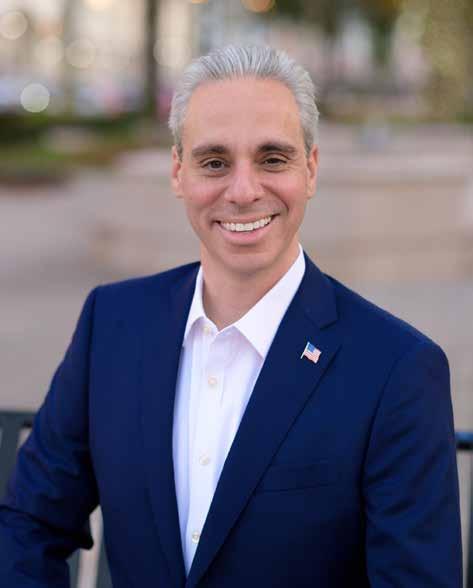
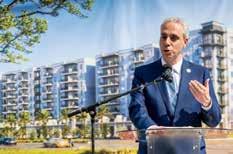
Scott Singer has served the residents of Boca Raton for 12 years. First as a city council member and then eight years as mayor. Now he's setting his sights on Congress, bringing with him a record he believes is a blueprint for America. We sat down with Singer to talk about his tenure, his platform, and why he believes this moment demands national leadership.
thousands of high-paying jobs. Property values are high, crime is down, taxes are low — this is a blueprint for what's successful in America.
Q: What did the city look like before you came in?
Boca Raton was, is, and will always be a beautiful, thriving city. But I'm glad we were able to add a lot of vibrancy — new cultural institutions, thousands of high-paying jobs, and more than a dozen publicly traded corporate headquarters. We now have more than half the corporate headquarters of all of Boca Raton. That will have dividends for today's generation and our children.
Q: What led you to run for Congress? Why now?
Q: Let's start with your time in Boca Raton. How would you describe what you've accomplished over the past 12 years?
It's been an honor to serve the residents of Boca. We've invested heavily in public safety and decreased crime by another 25%, which was already at 40-year lows. We've maintained the lowest property tax rate of any full-service city in Florida and voted seven straight times to lower it. I'm proud to have pursued a Brightline station for our downtown, which has fueled new corporate relocations and
rejecting AIPAC money. It's a dangerous thing when support for Israel becomes disqualifying within one of our major parties. And unfortunately, we're seeing this more and more in the Democratic Party.
Q: You have a specific proposal around foreign funding for schools. Can you walk us through it?
If an educational institution, K through 12, or higher ed takes any foreign dollars, they don't get federal dollars. They'll have to make a choice about who's funding them. It's purely voluntary, and it will give parents and students an understanding of who's bankrolling their school. I think it may also
help reduce some of the terrible things we've seen on campuses since October 7th.
Q: What does representation look like to you? How will residents feel your presence in Washington?
I've prided myself on being incredibly accessible. I started the first regular monthly newsletter to residents that any Boca mayor had ever done. I held consistent town hall series. The job of a public servant is to serve the people, and you do that by being accessible and accountable. I plan to continue that in Congress. As long as I have the opportunity to serve, that's what motivates me.
Q: Any final thoughts for readers in South Florida?
I'm a South Florida native. Born in Ivey Beach, raised in Fort Lauderdale, proud to call Boca Raton home. We've seen what South Florida has become; a haven for people who want to thrive. The more we take the burdens of government off people's shoulders and lower taxes, the more places like South Florida stand out as the special places they are. I'm running to make sure that continues.
Scott Singer is the current mayor of Boca Raton and a Republican candidate for Congress in Florida's 22nd District.
I love public service, but we're at a critical point in our country. Do we want to backslide — a porous border, high inflation, a stagnant economy, or do we want to continue on the track that President Trump has set? I'm inspired to go fight in Congress for an America First agenda that will ensure a strong economy, lower taxes, and support for our allies, including our most important ally in the Middle East, Israel.
Q: As a Jewish American, Israel is clearly important to you. What do you make of where the two parties stand today?
I've been a lifelong Republican because I felt that party has always stood stronger on issues that matter to Jewish families; entrepreneurship, individual liberty, and support for Israel. It's staggering to me that in Illinois, a member of Congress withdrew an endorsement because a candidate wouldn't commit to
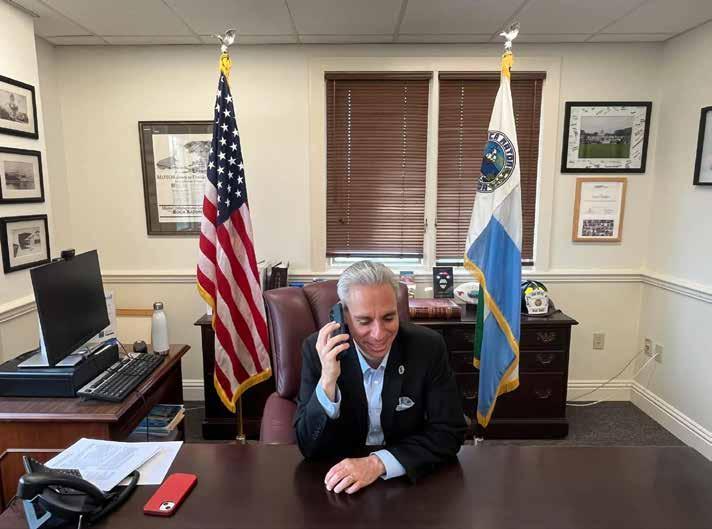
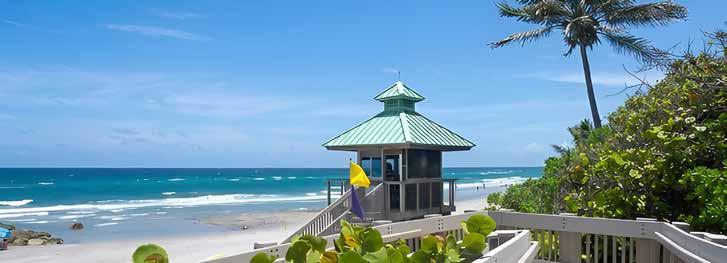
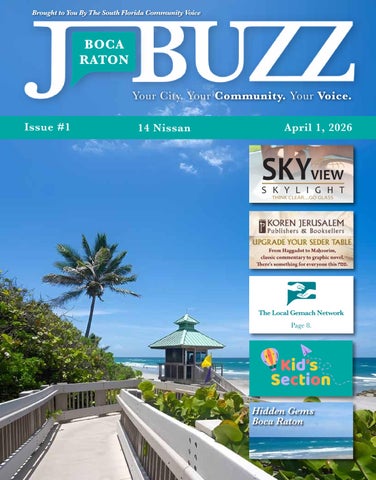
From splash pads to sea turtles, here's your guide to the parks, trails, and hidden gems that make our backyard worth exploring.
You've lived in Boca Raton for years. You know the restaurants, you know the shuls, you know where to find a good rugelach. But do you actually know your parks?
This city; our city, sits on one of the most naturally spectacular stretches of South Florida coastline, and tucked between the shopping plazas
and the palm-lined boulevards are green spaces, nature preserves, and outdoor attractions that would make any family proud to call this home. Whether you're looking for a Chol HaMoed outing, an afternoon with the kinderlach, or simply a peaceful walk to clear your head after a long week, Boca delivers. Here's where to go.
If there is one place in all of Boca that captures the wonder of South Florida's natural world, it is Gumbo Limbo. Sitting on twenty acres of protected barrier island along A1A, right across from the beach at Red Reef Park, this coastal sanctuary is free to enter, endlessly engaging, and unlike anywhere else in Palm Beach County.
Walk the boardwalk through a rare tropical hardwood hammock canopy, then climb Jacob's Outlook, a forty-foot observation tower with an ADA-accessible switchback ramp, for sweeping views over Boca's barrier island and the glittering Intracoastal below. The butterfly garden draws dozens of wild species year-round, and the outdoor marine aquariums
hold native fish, rays, and, the star attraction — resident sea turtles. The Sea Turtle Rehabilitation Facility, operated in partnership with Florida Atlantic University's Department of Biological Sciences, rescues, heals, and releases injured sea turtles back into the wild. If you're lucky, your visit may coincide with a turtle release. For children (and adults), it is the kind of moment you simply do not forget. Admission is free, though donations are warmly encouraged. There is limited on-site parking; the Red Reef West lot is available just south. Note that pets are not permitted on the property. Hours and updates can be found at myboca.us.
2. 5.
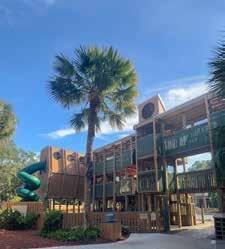
3.
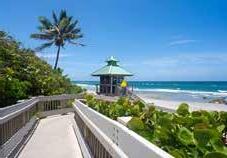
4.
At 132 sprawling acres in west Boca, Sugar Sand Park is the definition of a full-day destination. Families with children of all ages will find something here, and then some.
The centerpiece is the multi-level Science Playground, a three-story interactive structure with climbing walls, slides, and sensory stations, alongside a beloved vintage-style carousel that has become something of a Boca landmark in its own right. For rainy-day contingencies, the Children's Science Explorium offers hands-on exhibits for ages five through twelve, and the Willow
Theatre hosts live family-friendly performances throughout the year.
Outside, two nature trails, the Sand Pine and Slash Pine loops — wind through a slice of authentic Florida wilderness that feels worlds away from the surrounding suburbs.
Sugar Sand also hosts annual community events including the Arts Spark Kids Fest and a beloved Holiday Fun-tacular that draws families from across the area. It is, in the best possible sense, a park for everyone.
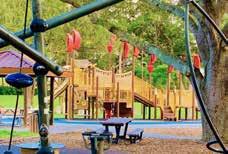
6.
Not all beaches are created equal. Red Reef Park, a 67-acre oceanfront gem along A1A, offers something Boca's other beach parks simply cannot match: an offshore reef system that turns a swim into a snorkeling adventure.
Just steps from the shore, colorful parrotfish, sea turtles, and schools of tropical fish weave through the living coral. Snorkelers of all skill levels find
something mesmerizing here, and those who prefer to keep their feet dry will enjoy the scenic boardwalk, picnic pavilions, and walking trails through native Florida vegetation. Red Reef also consistently ranks among the finest spots in the city for sunset, bring a camera and a folding chair.
Non-resident parking fees apply. Arrive early on weekends; this one fills up fast.
Spanish River Park is a Boca favorite for good reason. Spanning the strip between A1A and the Intracoastal Waterway, this park gives visitors the best of both worlds — direct beach access on one side and shaded picnic pavilions, fishing spots, and kayak launches on the other.
The walking trails here are particularly lovely, winding through
native Florida vegetation with the occasional glimpse of manatees gliding through the waterway below. The park's large, shaded pavilions are ideal for family gatherings or a long Shabbos afternoon stroll after a nearby Yom Tov meal. It is consistently peaceful, never as crowded as you might expect given how beautiful it is.
If your children have spent the last forty-five minutes sitting in shul and need to burn some serious energy, Patch Reef Park is your destination. The crown jewel here is Pirates Cove Playground — a nautically themed, multi-level play structure with slides, climbing structures, and an adjacent splash pad that will keep younger children occupied for hours.
Beyond the playground, the park offers tennis courts, basketball courts, baseball diamonds, soccer fields, a fitness trail, and ample shaded pavilion space for picnics. Organized birthday parties are a staple of Patch Reef on any given Sunday morning, and for good reason: it is thoughtfully designed, beautifully maintained, and genuinely fun.
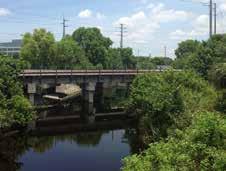
7.
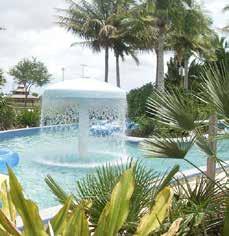
This one is a true local secret.
Tucked along the El Rio Canal near Lake Wyman, Rutherford Park offers kayak and paddleboard rentals that launch you directly into one of Boca's most magical natural corridors — a lazy, shaded waterway that winds behind neighborhoods, beneath banyan branches, and eventually feeds into the Intracoastal.
In the winter months, manatees frequently roll through the shallows here. Mullet leap from the water. Great blue herons stand sentinel on the banks. It is, in a word, extraordinary — and because it requires a little effort to find, it tends to stay pleasantly uncrowded. The park itself also features a walking track, exercise stations, and picnic areas along the waterfront.
When the Florida heat peaks and the kinderlach are bouncing off the walls, there is one answer: Coconut Cove Waterpark, tucked inside the massive Burt Aaronson South County Regional Park in western Boca.
This is not a flashy theme park with two-hour lines and a mortgagesized admission fee. It is something better; an affordable, well-run, genuinely fun community waterpark that delivers exactly what a South Florida family needs on a sweltering afternoon. The centerpiece is a
nearly 1,000-foot lazy river ride, perfect for floating the stress of the week away. Two four-story water slides provide the thrills, while a dedicated children's interactive water playground keeps the little ones happily splashing for hours. There is also a recreational pool, on-site lockers, restrooms, and a concession stand stocked with snacks and cold drinks.
The park is operated by Palm Beach County and priced accordingly — a fraction of what you would pay at a commercial waterpark,
and the atmosphere is clean, supervised, and family-oriented throughout. Private rooms are available for birthday parties and group events. Coconut Cove is open seasonally, with summer hours running Monday through Saturday starting June 1st, and weekend-only hours in the spring. Check coconutcove-waterpark. com for the current schedule before heading out.
From the sea turtles at Gumbo Limbo to the splash pads of Patch Reef, from a kayak gliding through a winter canal to a Friday afternoon sunset over the reef — Boca Raton is a city that rewards those who look just a little beyond the familiar. The outdoor riches here are genuinely remarkable, and the best part? Most of them are free, or close to it.
So pack the kids, pack a snack, and go explore. The city you thought you knew has a few more wonders left to show you.
Editor's Note:
Please verify current hours, parking fees, and seasonal closures directly with each park before visiting, as these details are subject to change. Gumbo Limbo Nature Center: myboca.us. South County Regional Park/Coconut Cove Waterpark admission fees should be confirmed with Palm Beach County Parks and Recreation.

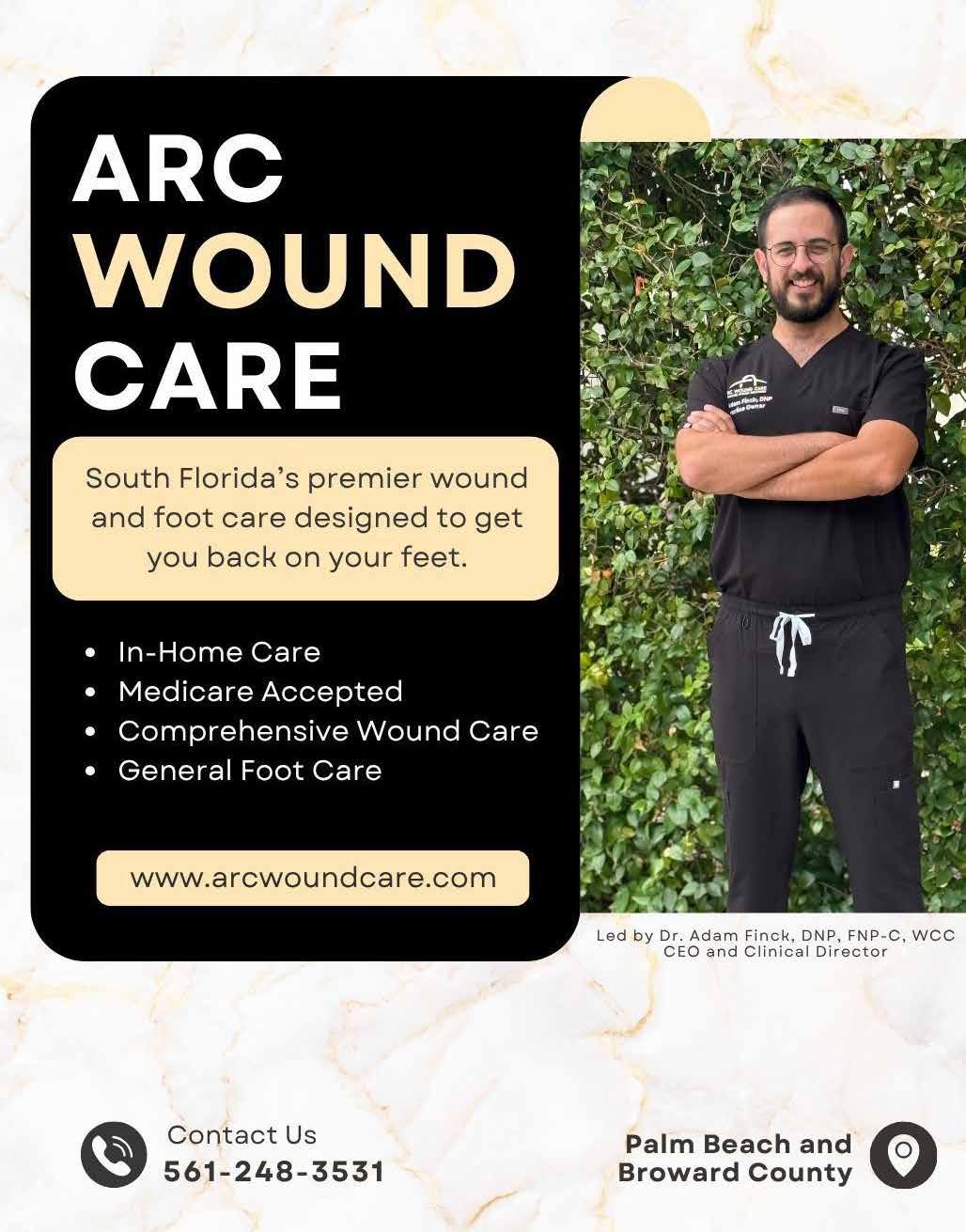
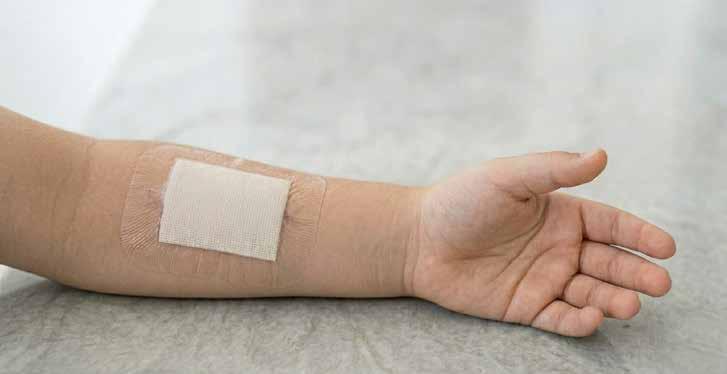
A kitchen knife slips, a child wipes out on the sidewalk, or a door catches a finger, and suddenly the question comes up: Does this need stitches? Most people don’t deal with cuts every day, so the decision can feel unclear. Add in advice from Google, family members, and that one friend who “had something similar once,” and it gets even more confusing. The truth is that not all wounds are treated the same way. Understanding a few key facts can help you avoid infection, reduce scarring, and make the right decision quickly when it matters most.
Myth: Stitches are only for cosmetic reasons
Fact: Stitches are mainly used to reduce infection and help wounds heal properly. When a wound is left open, bacteria can enter more easily and healing can become delayed or complicated. Closing the skin creates a protective barrier and allows the body to repair itself more efficiently. Cosmetic outcome is important, especially on the face or hands, but proper healing and infection prevention are the primary goals.
Myth: If it stops bleeding, it does not need stitches
Fact: Bleeding is not a reliable way to judge how serious a cut is. Some wounds can stop bleeding quickly but still be deep or involve important structures underneath the skin.
A cut on the finger, for example, can go through a tendon and still appear controlled on the surface,
yet it may require surgical repair. On the other hand, some patients, especially those with vascular disease or poor circulation, may have very little bleeding even with more serious injuries, particularly on the legs. What matters more is the depth of the wound, the location, and whether deeper tissue may be involved.
Myth: Every scalp cut needs staples
Fact: Staples are commonly used for scalp cuts because they are fast and effective, but they are not automatic. Stitches or even glue can be used depending on the situation. There is no one-size-fits-all approach. Some wounds only need basic care and a dressing, while others require deeper, layered closure. The provider
guided by the provider evaluating the wound.
Myth: You can wait a day or two to decide
Fact: Wounds have a limited window for safe closure, often called the “golden window.” In many cases, this is around 6 hours, although it varies depending on the location. Some people still rely on a 24-hour rule, but this is outdated and can actually increase the risk of infection as bacteria enter the wound over time. It can be tempting to wait and see how things look later, but delays reduce the number of safe closure options and increase the risk of complications. The safest approach is to have the wound evaluated as soon as possible.
Myth: Older adults should always get stitches for skin tears
Fact: In older adults, the skin is thinner and more fragile, and stitches can sometimes cause additional damage. Many skin tears heal better with careful dressing and
support rather than sutures. Even so, these wounds should always be evaluated the same day. Patients on blood thinners are at higher risk for bleeding and complications. Head lacerations in older adults also deserve special attention, as even small cuts after a fall can be associated with deeper injury. Conditions like diabetes or poor circulation can further delay healing and increase the risk of infection, so early evaluation is important.
Myth: You can clean and close a wound yourself at home.
Fact: Cleaning a wound at home is an important first step. Closing it yourself is where problems can start. Trying to seal a wound without proper evaluation can trap bacteria inside and increase the risk of infection. There are over-the counter products that act like medical glue, but using them without understanding the wound can lead to poor healing if the edges are not properly aligned. Closure requires assessment of depth, cleanliness, and
tissue involvement. What appears simple on the surface often requires a more careful approach.
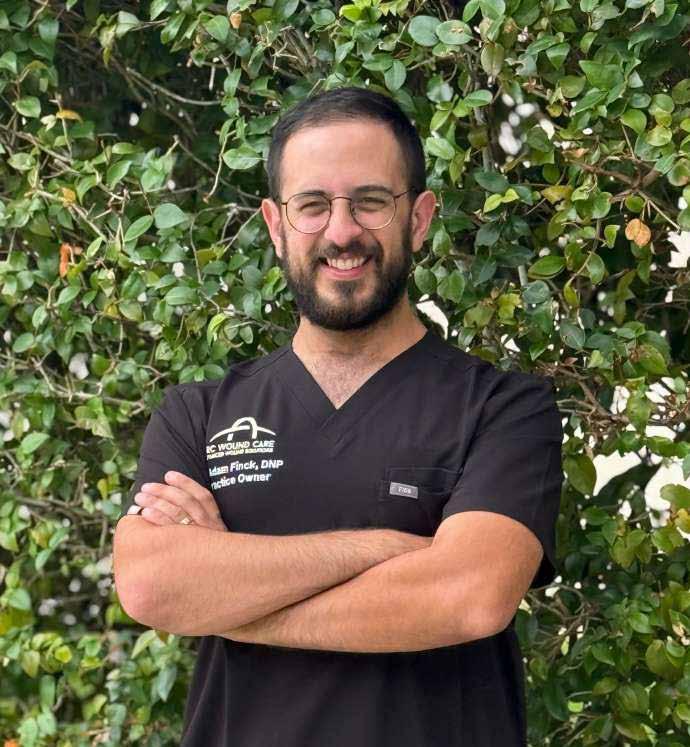
At Arc Wound Care, we treat both simple injuries and complex wounds every day. I’m Adam Finck, a board-certified family nurse practitioner and wound care specialist with years of experience treating patients of all ages, from pediatric to geriatric wounds and injuries. From fresh cuts to wounds that have not healed for weeks or months, the right early decision often makes the biggest difference in how a wound heals. If you are not sure whether a cut needs stitches, the safest step is to ask an expert as soon as possible. Timing matters. Whether it is a weekday, Shabbos, or Yom Tov, getting guidance early can help prevent infection and reduce scarring.
Call: (561) 248-3531
Visit: https://arcwoundcare.com/
evaluating the wound makes this decision based on a full assessment, even if the injury appears straightforward at first glance.
Myth: All facial cuts need a plastic surgeon
Fact: Many facial cuts can be safely repaired by general providers, who routinely treat lacerations in urgent and outpatient settings. Plastic surgeons perform these repairs every day and bring a high level of specialization, which can be helpful in more complex or cosmetically sensitive cases. Areas such as the nose, ears, hands, or highly visible parts of the face may benefit from specialist involvement in certain situations. The decision depends on the specific injury and is best
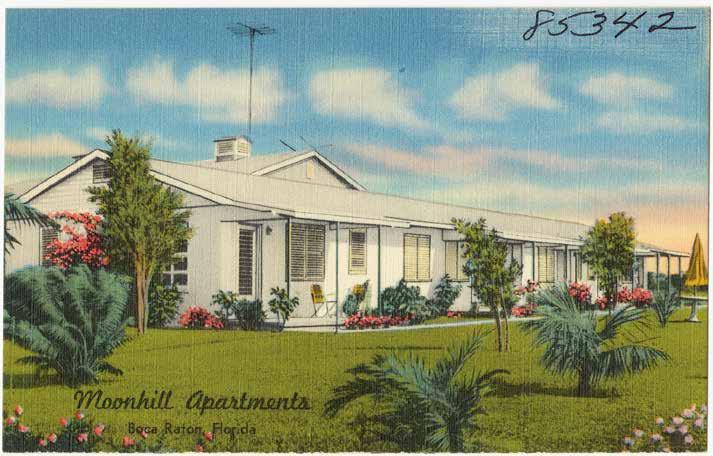
Before there were kosher restaurants on Glades Road, before there were a dozen Orthodox shuls stretching from the Intracoastal to west of the Turnpike, before Boca Raton became the kind of place where you can hear Yiddish at the grocery store and daven with a minyan at the beach — there was nothing here but sawgrass, sand, and the occasional pineapple farm.
How a scrubby South Florida backwater became one of the most vibrant Jewish communities in America. built something extraordinary, and transformed a wilderness into a home. For the Jewish community in particular, it is a story of perseverance, of doors that were once closed being thrown wide open, and of a kehillah that grew from a single family in 1931 to one of the most thriving Torah communities in the United States today. It is, when you step back and look at it all, nothing short of hashgachah pratit.
The story of Boca Raton is, in many ways, the story of America itself: waves of dreamers who arrived,
The name "Boca Raton" is older than the city itself. Spanish explorers, navigating Florida's treacherous coastline centuries ago, marked a rocky inlet on their charts as boca de ratones — "mouth of jagged rocks." Over time, that cartographic notation migrated northward on the maps until it settled, somewhat imprecisely, over a stretch of Palm Beach County coastline where the Everglades meets the Atlantic.
For most of the nineteenth century, the area that would become Boca Raton was empty. The first known settler, Captain Thomas Moore Rickards, arrived around 1895 when Henry Flagler's Florida East Coast Railway pushed south, tying the wilderness of south Palm Beach County to the rest of civilization by a thread of steel. By 1903, barely eighteen people lived in the scattered farm community. They grew vegetables and pineapples. They endured hurricanes. They waited.
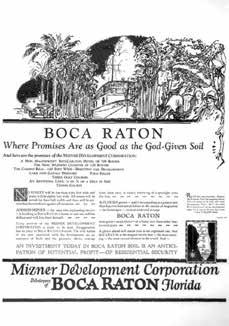
The great explosion came in the 1920s, when Florida's legendary land boom turned the entire peninsula into a speculator's paradise. Into this frenzy strode Addison Mizner — architect, socialite, raconteur, and the man who would essentially invent the city we call Boca Raton. Having spent years transforming Palm Beach from a Cape Cod fishing village into a Mediterranean wonderland of arches, loggias, and red-tiled roofs, Mizner set his sights south. In May 1925, he announced plans for what he called "the first tailor-made city in all the world" — a resort community of incomparable luxury, designed from scratch for America's wealthiest families.
Mizner's investor list read like a society column: Vanderbilts, duPonts, Elizabeth Arden, Jesse Livermore. And, notably, composer Irving Berlin — one of the first prominent Jewish figures connected to Boca Raton's story, even before a single Jewish family had put down roots here. The Mizner Development Corporation sold $14 million in lots on its first day. Within six months, the company had cleared $26 million in cash down payments. The tiny farm town of 100 souls ballooned overnight to
more than 2,000 people. What Mizner left behind before the land boom collapsed — the Cloister Inn, the grand sweep of Camino Real, the Mediterranean Revival architecture that still gives Boca its distinctive look — became the DNA of the city. When the bubble burst in 1926 and Mizner went bankrupt, his vision remained embedded in the streets and buildings of Boca Raton like a blueprint for future greatness.
Into this recovering, slowly rebuilding town came the first Jewish residents. Harry and Florence Brown — she was born Florence Boguslavsky, her family originally from Russia — arrived from St. Louis in 1931. They were pioneers in the fullest sense. Boca Raton at that time was still a sleepy, somewhat struggling community of fewer than 500 people. There was no Jewish infrastructure, no shul, no kosher anything. There was barely a downtown.
Harry's sister Nettie and her husband Max Hutkin followed in 1936. Max Hutkin would become one of the most consequential figures in early Boca Jewish life — a founder of Temple Beth El, the city's first synagogue, and a civic dynamo who threw himself into every organization and committee Boca had to offer. Deeply embedded in the city's civic fabric, he became known informally as "Mr. Boca Raton" before his passing at 92 in 1987, having watched his adopted hometown transform beyond anything he could have imagined when he first arrived as a young man in the Depression era.
The early years were not easy. Restrictive and antisemitic real
estate covenants — the same kind that kept Jews out of neighborhoods across America — kept the Jewish community artificially small. Certain subdivisions simply would not sell to Jewish families. It is a painful chapter, but one that must be acknowledged honestly: the paradise we inhabit today was not always open to us.
But those doors did not stay closed forever. After World War II, as the moral bankruptcy of such restrictions became undeniable, the covenants began to fall. By the early 1960s, Jews were moving into neighborhoods like Camino Gardens and Royal Palm that had previously barred them. The community began to breathe.
What happened next was breathtaking in its speed and scale. The 1960s, 1970s, and 1980s brought wave after wave of Jewish families — first the retirees, then the Vintage Boca Raton real estate advertisement, Mizner Development Corp., c. 1925.

young professionals, then the young families with children in tow.
The retirees came first, drawn by Florida's sunshine and the development of affordable condominium communities like Century Village in West Boca. Many came from the Northeast — from New York, New Jersey, Pennsylvania — entire social circles transplanting themselves wholesale to South Florida. There is a famous phenomenon in this era: large numbers of retirees from a single neighborhood in the Bronx or Brooklyn would end up in the same Boca condo building, recreating their old social worlds in the Florida sunshine.
The opening of Interstate 95 through Boca Raton in the 1970s was a turning point. It suddenly made Boca accessible — a reasonable drive from Miami and Fort Lauderdale, and a manageable commute for professionals working in those cities. Jews from Broward County and Miami-Dade began looking north. What they found in Boca was space, beauty, good schools, and real estate prices that, by Northeast standards, seemed almost comically affordable.
By 1979, the Jewish population of Boca Raton, Highland Beach, and Delray Beach had surged to an estimated 37,000. The South Palm Beach County Jewish Federation incorporated as a separate entity that year, its first independent fundraising campaign raising more than $900,000. A community had been born.
Building the Kehillah: Shuls, Schools, and the Birth of Orthodox Boca
Through all of this growth, the Orthodox community was building quietly and steadily — and then, in
the 1980s, it began to build loudly.
The Boca Raton Synagogue — known universally as BRS — traces its founding to a single Shabbos in May 1983, when three couples with a shared dream gathered and asked themselves: why shouldn't Boca Raton have an Orthodox shul?
On December 2, 1983 — Shabbat Parshat Miketz, the Chanukah season — BRS held its first service. There were 21 member families.
The Sefer Torah they used was borrowed from Temple Beth El, the Reform congregation, in a gesture of remarkable Jewish solidarity that says something beautiful about the Boca community's character from the very beginning.
The groundbreaking for an actual building — the first Orthodox synagogue in Boca Raton — took place on March 31, 1985. From those early days, the shul grew steadily: from 450 families under one generation of leadership, to more than 800 families and over 1,000 children under Rabbi Efrem Goldberg, who joined as a member
of the Boca Raton Community Kollel in 1999 and became senior rabbi in 2005. Today, BRS holds the distinction of being the largest Orthodox synagogue in the entire Southeastern United States — a fact that would have seemed fantastical to those 21 families who borrowed a Sefer Torah and davened together on a Friday night forty years ago.
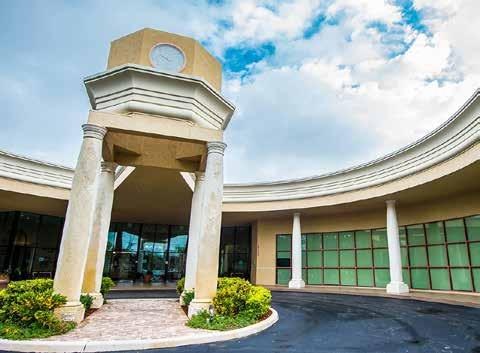
BRS was not alone for long. The Orthodox community expanded in every direction. The Boca Jewish Center, under Rabbi Yaakov Gibber, established itself as another anchor of the central Boca community. Chabad of Boca Raton, founded in 1989, erected its permanent building in 1999 and has since reached thousands of Jews across the spectrum of observance. Chabad of East Boca, West Boca, and Central Boca have each built vibrant communities of their own. Young Israel, Torah Ohr, BRS West, East Boca Kehilla — the list of shuls keeps growing, each one a testament to a community that cannot stop expanding.
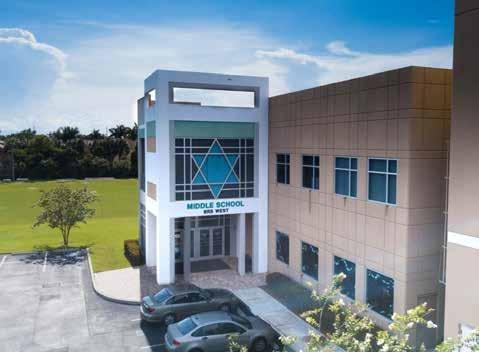
The eruv went up. The mikvaot were built. The Jewish day schools multiplied — from roughly four a decade ago to more than a dozen today, overflowing with children. The kosher restaurants came: pizza shops, falafel stands, sushi, steakhouses, bakeries. On any given Friday afternoon, Glades Road becomes a parade of families walking to shul, strollers and all, in a scene more reminiscent of Boro Park or Teaneck than of anything the pineapple farmers of 1903 could have foreseen.
Irving Berlin and the Thread of Jewish History
There is something poetic about the fact that Irving Berlin — born Israel Beilin in a Russian shtetl, the son of a cantor, a man who wrote "God Bless America" and embodied the great American Jewish immigrant story — was among the first investors in Boca Raton's development in 1925. He never lived here. His investment was financial, not residential. But his name appears on that early list of dreamers who saw something in this raw coastal wilderness and decided it was worth building.
A century later, the descendants of immigrants like Berlin — Jews who came from Russia, from Poland, from Hungary, from Germany, from Cuba, from Venezuela, from Israel — have made Boca Raton their home in a way that is profound and permanent. They have built shuls and schools, mikvaot and JCCs, kosher establishments and chesed organizations. They have raised children here, buried parents here, and sent grandchildren to day schools here. Florida Atlantic University, built on the site of the old World War II Army Air Field, now has a Jewish Studies program, a Holocaust museum under
construction, and an administration actively working to make it the most welcoming university for Jewish students in America.
The numbers, even after all this history, remain staggering.
With an estimated 70 percent of its roughly 100,000 residents identifying as Jewish, Boca Raton has one of the highest Jewish population percentages of any city in the United States — rivaling communities in New York, New Jersey, and Maryland. There are now more than 16 synagogues serving the city. The Orthodox community alone comprises thousands of families spread across more than a dozen shuls.
Since the COVID-19 pandemic, the pace of growth has accelerated further. Families from the Northeast — from the Five Towns, from Teaneck, from Lakewood, from Monsey — have arrived in Boca in
unprecedented numbers, drawn by the same combination of sunshine, community, and quality of life that has always attracted Jews to this corner of Palm Beach County. The day schools are full. New minyanim are forming. The eruv keeps expanding.
Those values — chesed, achdut, Torah, the fierce determination to create something lasting for the next generation — are what turned a borrowed Sefer Torah and 21 families into the largest Orthodox congregation in the Southeast. They are what turned Harry and Florence Brown's modest arrival in 1931 into a community of tens of thousands. They are what turned a scrubby pineapple farm on the Atlantic coast into something Addison Mizner, in his most extravagant flights of imagination, never could have dreamed: a Jewish city. He called it the Dream City of the Western World. He had no idea how right he would be.
1. "Boca Raton" Doesn't Mean What You Think.
Most people assume it means "Rat's Mouth" — but it actually comes from an old Spanish sailors' term for a rocky inlet where sharp stones would scrape ships' cables, like tiny mouse teeth. It was also originally the name for a location near Miami, and mapmakers accidentally moved it north!
2. The First Jewish Family Arrived in 1931.
Harry and Florence Brown moved to Boca Raton all the way from St. Louis, Missouri — and they were the very first Jewish residents in the city. Florence later opened a popular diner called Brown's on Federal Highway. From one family to nearly half the city in under 100 years!

3. Boca Has the Second-Largest Holocaust Survivor Community in the U.S.
Right here in Boca Raton lives the second-largest community of Holocaust survivors in the entire United States — second only to New York City. Our community carries an incredible and important history.
10. Boca Raton Has a Park for Every Mood.
The city manages 49 parks — earning it the nickname "A City Within a Park." From beaches to nature trails to waterparks, Boca kids are pretty lucky to call this place home!
9. You Can't Build a Basement in Boca.
Because Boca Raton sits so close to sea level, the water table underground is extremely high. That means it's impossible to build a basement anywhere in the city — the water would just flood right in!
8. The Highest Point in All of Boca is Only 24 Feet High.
Florida is famously flat — and Boca is no exception! The highest natural point in the entire city is just 24 feet above sea level, located at a guard booth in the Camino Gardens neighborhood. That's shorter than most buildings!
In 1981, engineers working at an IBM facility in Boca Raton invented the world's first personal computer — the IBM PC. Every laptop and desktop computer you use today traces its roots back to Boca!
5. Jews Were Once Not Allowed to Buy Homes Here.
Hard to believe, but in the 1940s and 50s, many Boca Raton neighborhoods had rules that banned Jewish families from buying homes. By the 1970s, those barriers came down — and the Jewish community exploded, growing from just 1,000 Jews in 1970 to 37,000 by 1979.
7. There Are Over 20 Synagogues in Boca Raton.
For a city of about 100,000 people, Boca has more than 20 shuls — Orthodox, Conservative, Reform, and Chabad. It is one of the most concentrated Jewish communities anywhere in the United States, with close to half the city identifying as Jewish.
6. Boca Raton Synagogue Started With Just 21 Families.
In December 1983 — on Chanukah! — three couples got together and founded what would become BRS. The very first Shabbos davening was held at the South County Jewish Day School with just 21 member families. Today it is one of the largest Orthodox shuls in America.
1. I wrote the Mishneh Torah, but my most famous philosophical work wasn't even written in Hebrew. I also wrote a letter that saved an entire Jewish community from apostasy. Who am I, and what community did that letter save?
Do you know your Torah giants?
2. My sefer became the law for all Jews, but only after someone else added to it. Without those additions, half of world Jewry couldn't use my book. Who am I, who added to my work, and what is his addition called?
3. I asked a Roman general for almost nothing, and that small request saved the Jewish people. The Talmud later questions whether I should have been bolder. Who am I, and what did I ask for?
4. My teacher said I traveled from afar specifically to receive his Torah. I spent my life writing down teachings my teacher believed could never be fully captured in words. Who am I, who was my teacher, and what is my most important sefer?
5. I once attempted to travel to Eretz Yisrael but turned back, and never explained why. I wrote commentaries on the Zohar, Shulchan Aruch, and even a book of grammar. No single subject in all of Torah was beyond my reach. Who am I, and what do we call my commentary on the Shulchan Aruch?
6. My real name is almost never used. I never wrote a single sefer, yet entire libraries exist about my teachings. A famous opponent once sent spies to discredit me but they came back as followers. Who am I, and what is my real name?
7. I am called simply "Rebbi", no last name needed. My maidservant is cited in the Talmud as a Torah scholar in her own right. Who am I?
8. My father-in-law once called me a donkey. I was niftar saying the Shem, and my neshamah left on the word "Echad." The angels cried out. What did they say?

9. I am known by the title of my most famous sefer. Almost nobody uses my real name. I ran a small grocery store while writing works that would change how every Jew speaks. What is my real name, and what was the grocery store's unlikely connection to my Torah legacy?
10. I ruled on questions no posek had ever faced before — organ donation, machine matzah, and more. People said: if I permitted it, you could rely on it completely. What yeshiva did I lead, and what is my most famous collection of responsa called?
His commentary on the Shulchan Aruch is known as the Biur HaGra. 6. The Baal Shem Tov — his real name was Rabbi Yisrael ben Eliezer, founder of Chassidus. 7. Rabbi Yehudah HaNasi — compiler of the Mishnah. 8. Rabbi Akiva. The angels cried "Is this Torah and this its reward?" Hashem replied: "Their portion is in the World to Come." 9. The Chofetz Chaim — Rabbi Yisrael Meir Kagan. He ran a grocery store in Radin and was scrupulously honest in every transaction, using it as a live demonstration of the laws of proper speech and ethical business conduct he was writing about. 10. Rav Moshe Feinstein — he led Mesivtha Tifereth Jerusalem on the Lower East Side. His responsa are collected in Igros Moshe.
ANSWERS: 1. The Rambam — Rabbi Moshe ben Maimon. The Moreh Nevuchim was written in Judeo-Arabic. His Iggeres Teiman saved the Jews of Yemen. 2. Rabbi Yosef Karo — author of the Shulchan Aruch. Rabbi Moshe Isserles (the Rema) added the Mapa, incorporating Ashkenazic rulings. 3. Rabban Yochanan ben Zakkai — he asked for "Yavneh and its sages." The Gemara in Gittin debates whether he should have asked to save Jerusalem itself) 4. Rabbi Chaim Vital — student of the Arizal. His Etz Chaim is the foundational text of Lurianic Kabbalah. 5. The Vilna Gaon — the Gra. He mysteriously abandoned his journey to Eretz Yisrael midway.
Can you unscramble them all?
Unscramble the following words related to Boca! 1.


Chazal teach that the walls of the Yam Suf provided fruit and fountains for those walking through.
Even when the path ahead was difficult, the journey itself was filled with support.
At United Refuah HealthShare, we believe medical challenges should be approached the same way.
Yes — members can share up to $1,000,000 per incident. But just as important is what happens along the way:
A case manager who advocates for you. Guidance through difficult medical decisions. Help negotiating fair prices with hospitals. Freedom to seek care anywhere in the world.
Because no one should have to cross the sea alone.