
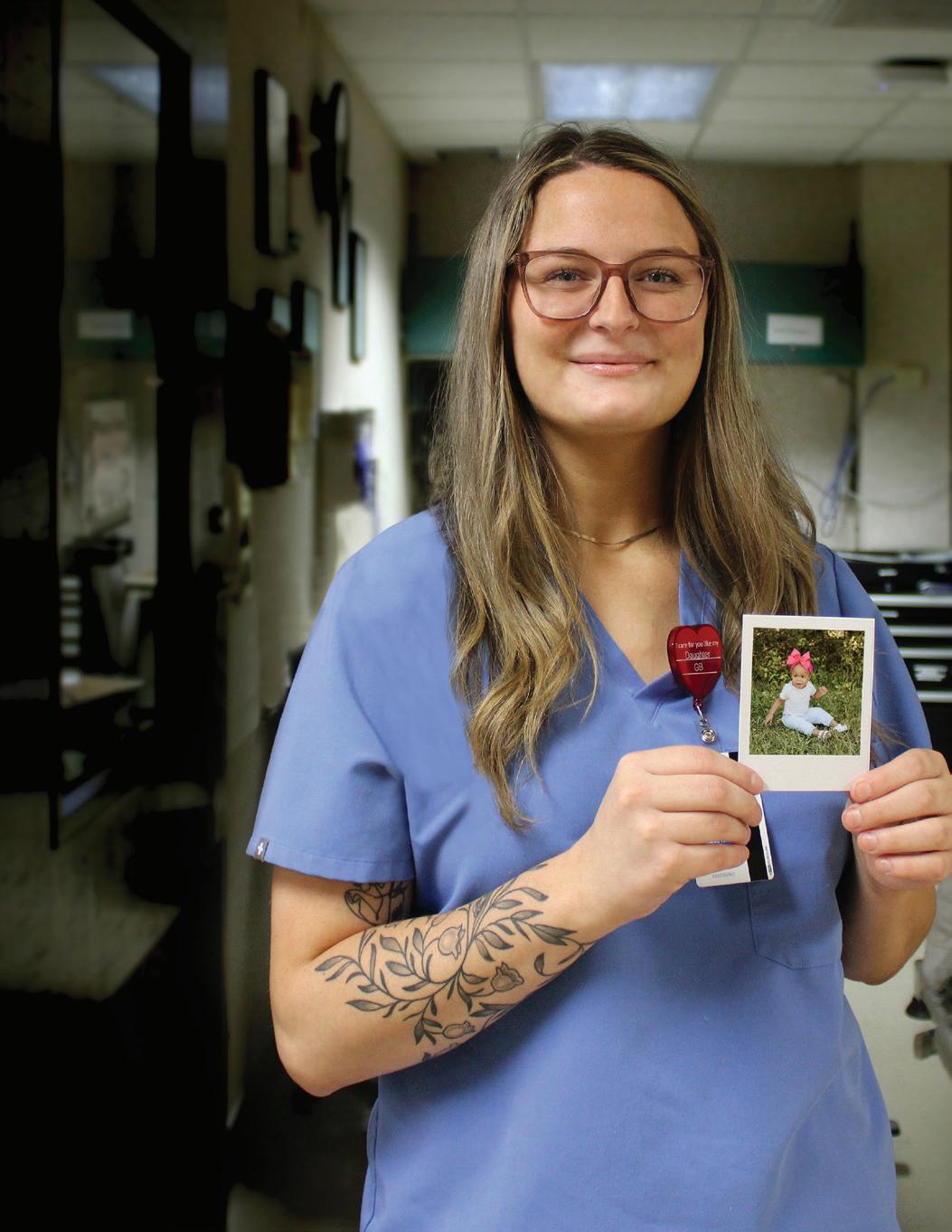
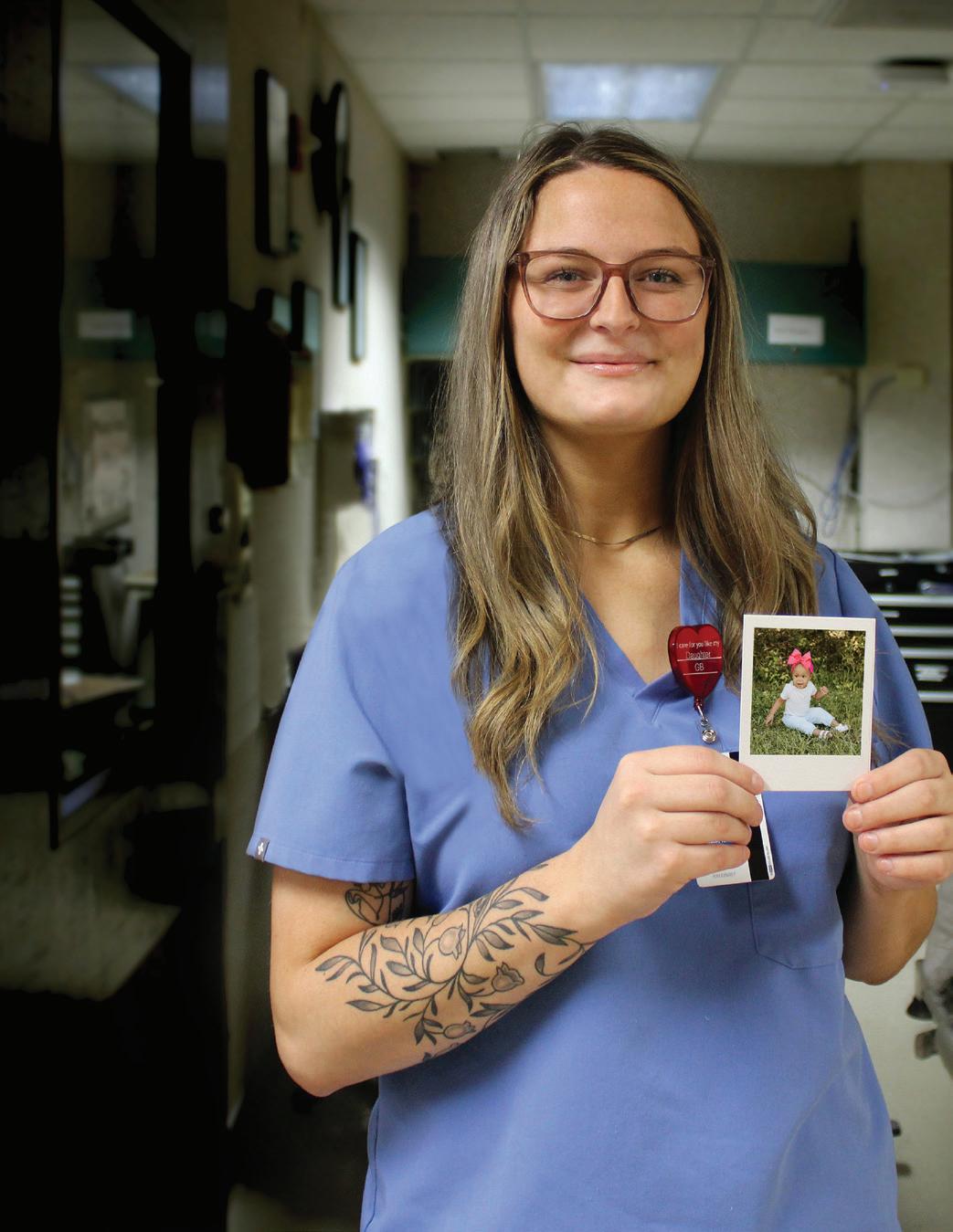
We treat every patient like family. Our heart badges symbolize our commitment to providing expert care with uncommon compassion. We understand that every patient is someone’s parent, friend, or loved one, and we care for them with that in mind. Every day, AdventHealth ER nurse, Taylor, wears her commitment to caring for patients like she would her daughter, with love and expertise.
We’re here to deliver personalized, lifesaving care when every minute counts.

Linda List’s career was spent in the food industry, often surrounded by chocolate and candy. Retirement and the Tryon Daily Bulletin have provided the opportunity for her to share her writing. Growing up in New York on the Canadian border, she lived most of her adult life at the foot of the Rockies in Golden, Colo. And is now enjoying life in Landrum the foot of the Smokies.
Kirk Gollwitzer is a freelance writer, musician, photographer, videographer, and real estate broker specializing in buying and selling homes and horse properties. A former key figure and co-founder of the Tryon International Film Festival, he has done several documentaries and has written two novels.

Storme Smith is a writer who lives in the Foothills of North Carolina. He is the co-founder and publisher of Buno Books, and has a passion for the arts. He also enjoys writing about the history, sports and unique people and places of our area.
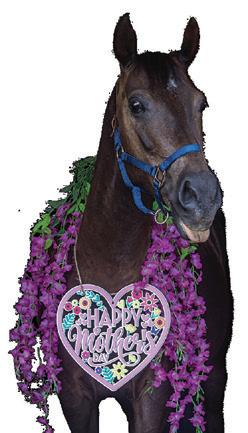
Pebbles is the “spokespony” for HERD, or Helping Equines Regain Dignity, a local nonprofit that saves equines from dire conditions and in many cases slaughter. She dictates her monthly columns about her adventures, and what a rescue organization does, to Heather Freeman. Pebbles and Heather can be reached through HerdRescue.org
Jeff Allison Publisher
By Storme Smith
There’s nothing quite like May in the Foothills. Spring is in full swing, blossoms are in full bloom, and the weather is perfect for getting outdoors and exploring what the best of what our area has to offer.
In this issue of Life in Our Foothills, we’re shining the spotlight on local people and places that make our area a very special place to live and to visit.
We begin by visiting a staple of the community in Landrum, The Hare & Hound. In more ways than one, this local favorite is part of the fabric of the Foothills. We also speak with Bernard Edwards, a master woodcarver, as he shares the inspiration and history behind his one-of-akind creations.
The Saluda Depot Museum is also featured in this edition, highlighting a local institution that kicked off its Spring Grand Opening on April 11 with a celebration that blended history, innovation, and community spirit. And of course, we hear from our resident “spokespony,” Pebbles!
You’ll find all of this and more in this month’s edition of Life in Our Foothills. As always, I encourage you to share your thoughts, story ideas, and local highlights with me at jeff.allison@tryondailybulletin. com.
Thanks for reading!
Jeff Allison Editor
Publisher & General Manager
Jeff Allison
Graphic Design
Alex Sokoluk
Marketing
Stacey Cullen
Distribution
Jamie Lewis
Austin Heffner
Administration
Jennifer Sattler




Life in Our Foothills is published monthly by Tryon Newsmedia LLC. Life in Our Foothills is a registered trademark. All contents herein are the sole property of Tryon Newsmedia LLC. No part of this periodical may be reproduced without written permission from the publisher. Please address all correspondence (including, but not limited to, letters, story ideas and requests to reprint materials) to Manager, Life in Our Foothills, 16. N. Trade St., Tryon, NC 28782, or email to jeff.allison@ tryondailybulletin.com. Life in Our Foothills is available free of charge at locations throughout Polk County and Upstate South Carolina, and online at www.tryondailybulletin.com. Subscriptions are available for $30 per year by calling 828-859-9151. To advertise, call 828-859-9151.


Stubborn Mule Color Analysis with GVL Color Queen
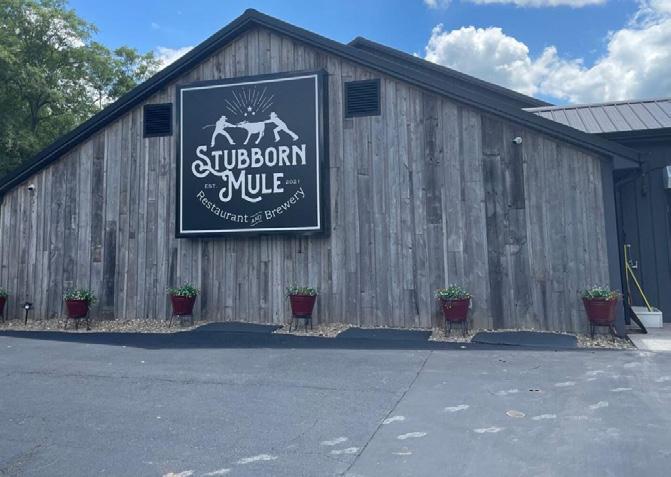
Stubborn Mule Restaurant & Brewery 501 N. Howard St., Landrum
Foothills Memory Café
May 1, 2 to 3 p.m. Landrum Library
111 E. Asbury Dr., Landrum
Champions for Wildlife Opening Reception
May 2, 2 to 4 p.m. TFAC
34 Melrose Ave, Tryon
FENCE Intro to Birding Presentation and Walk
May 2, 4 to 6 p.m. FENCE
3831 Hunting Country Rd., Tryon


MAY 3, 3 P.M.
Community Chorus Concert
Polk County High School
Guiding Reins 5th Annual Derby Day Event
May 2, 4 p.m.
Brights Creek Equestrian Center
2222 Palmer Rd., Mill Spring
Harmon Field Flea Market Fundraiser
May 9, 8 a.m. to 1 p.m.
Harmon Field
TFAC at the Movies: A
River Runs Through It
May 12, 7 p.m.
Tryon Theatre
45 S. Trade St.
Conserving Carolina
Speaker Series: Environmentally Friendly Landscape
May 12, 2 to 3:30 p.m.
Saluda Library
44 W. Main St., Saluda
MAY 30, 10 A.M. TO 3 P.M.
Dark Corner Classic Car Show N. Trade St., Landrum

MAY 16, 10 A.M. - 4 P.M.
Saluda Arts Festival Saluda
Tryon Historic Preservation Commission, Jack Thomson, Preservation NC
May 15, 5:30 p.m.
Tryon Depot 22 Depot St.
Tryon Arts & Crafts School
Indoor Open House Mixer and Demonstration
May 15, 6 to 9 p.m.
TACS
373 Harmon Field Rd.
TDDA Fourth Friday Community Helpers
May 22, 5 to 7 p.m.
Tryon
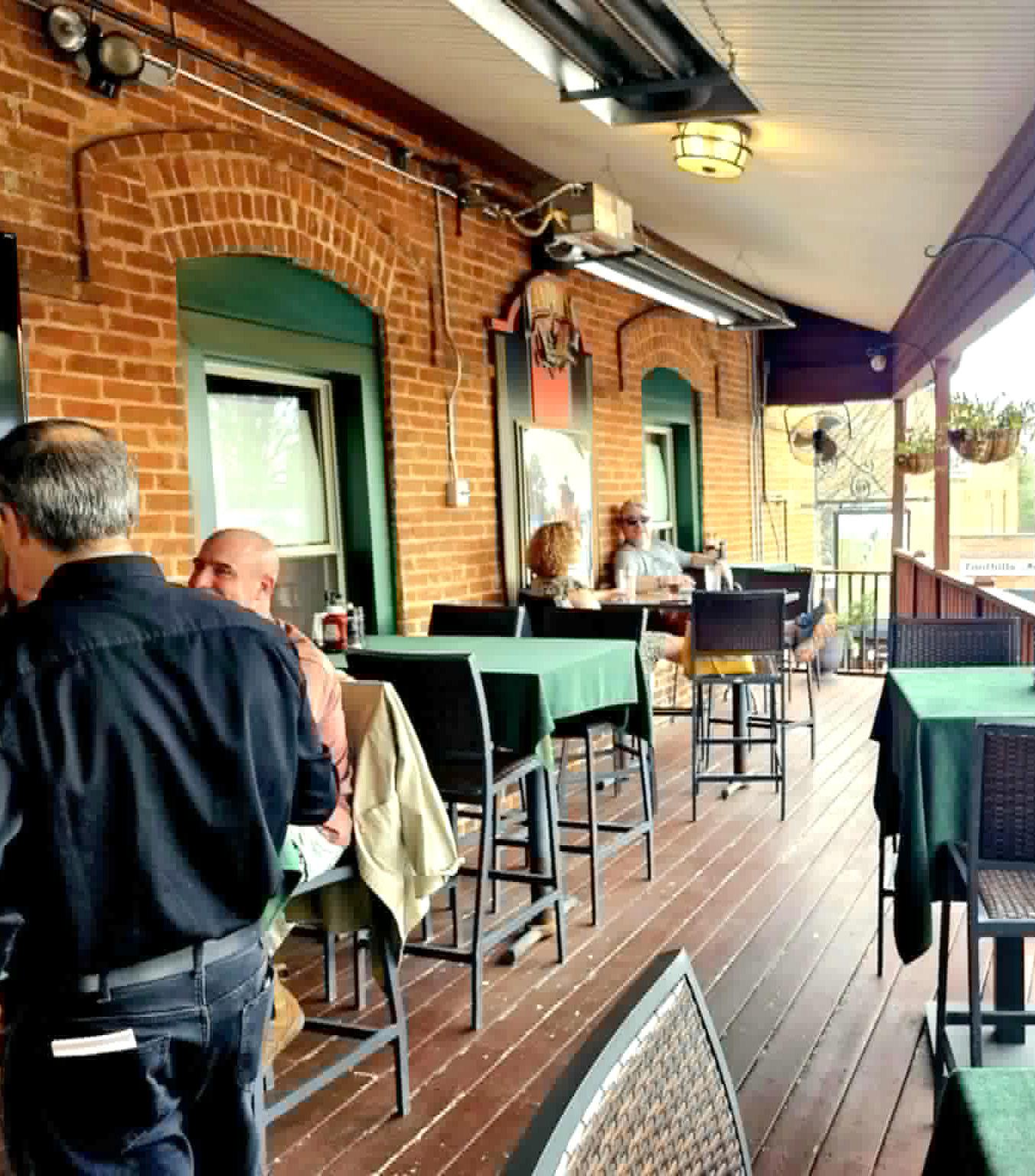
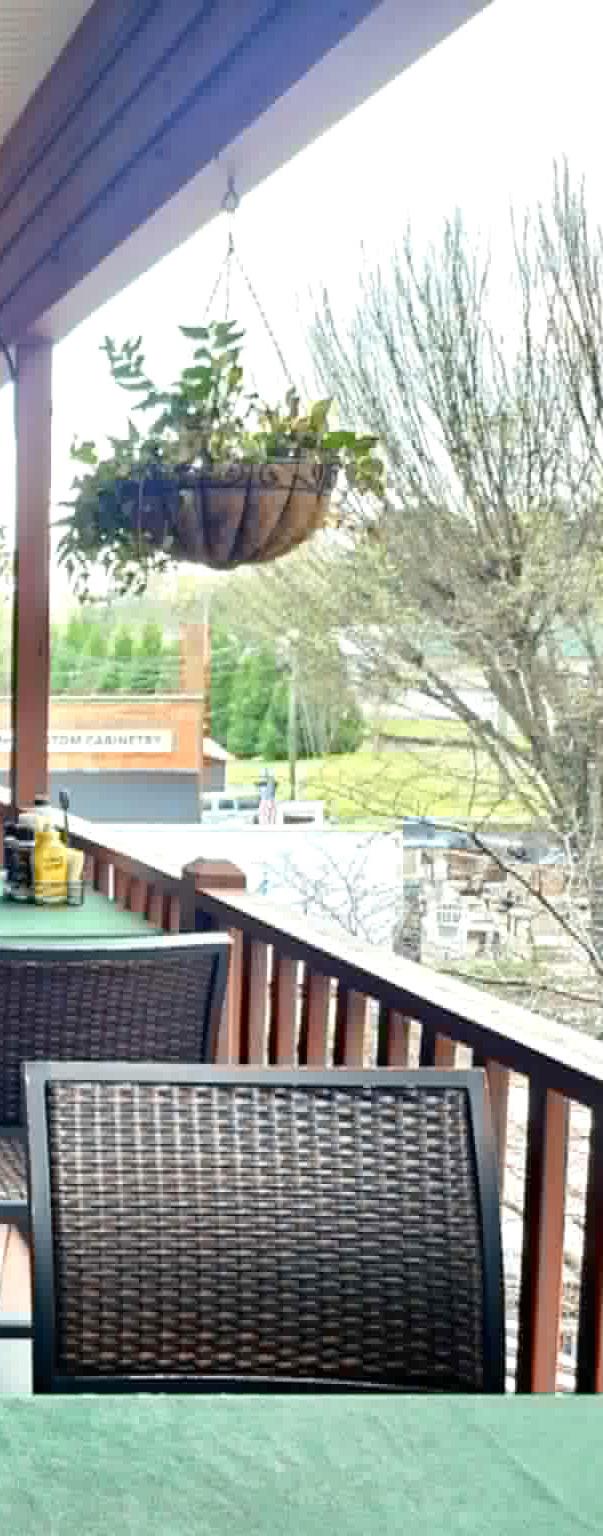
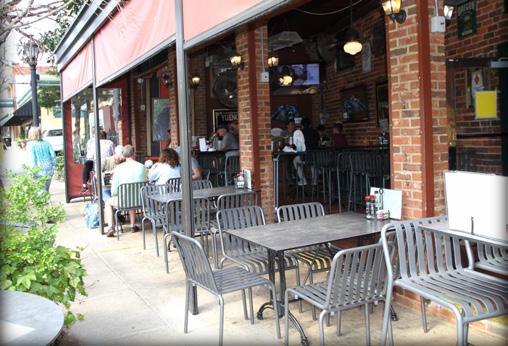
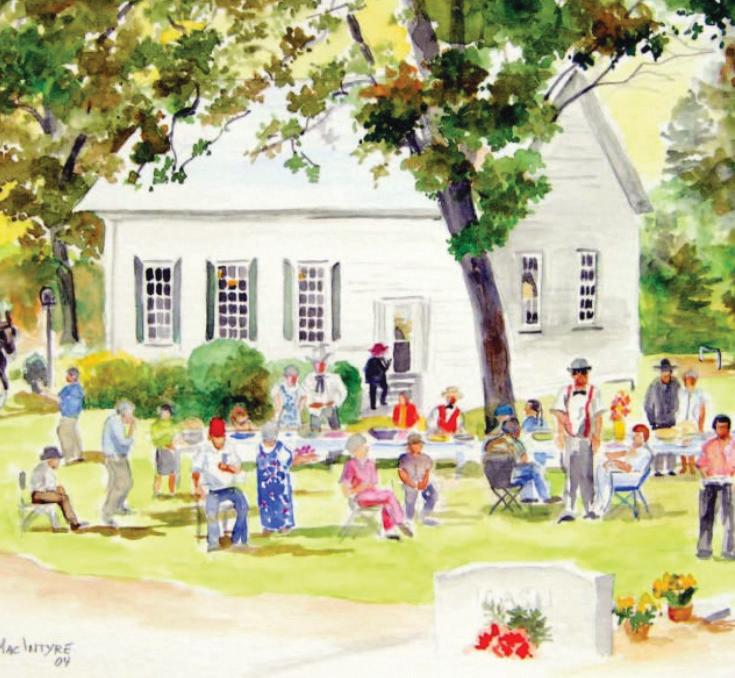
Outdoor seating at the Hare & Hound offers a relaxed vantage point over Landrum’s main street, where the movement of people, weather and daily life becomes part of the dining experience.
Story and photos by
Kirk Gollwitzer
This is not an interview. It is not a feature about ownership, even though Patty Otto has done an exceptional job and is a credit to the community. This is simply my view of a place I have known for a long time—a place that, over the years, has revealed itself in layers that I did not fully appreciate at first.
The Hare & Hound sits in Landrum, South Carolina, just down the road from Tryon, and the name itself feels right for this area. It carries an equestrian tone, a quiet nod to the hunting country that surrounds it, something that fits without trying too hard. It belongs here in the same way the rolling pastures, the fences, and the rhythm of horse trailers on back roads belong here. It simply reflects where it is.
The first time I walked into the Hare & Hound was close to 20 years ago. I had just met my beloved partner, Lydia, and we went there for lunch with another couple. At the time, I was not paying attention to the restaurant. I was paying attention to her and the people we were with. Only later did I realize where I had been. It is interesting how that works. A place can be right in front of you, and you do not see it until years later, when your life begins to intersect with it in a different way. Over time, that changed.
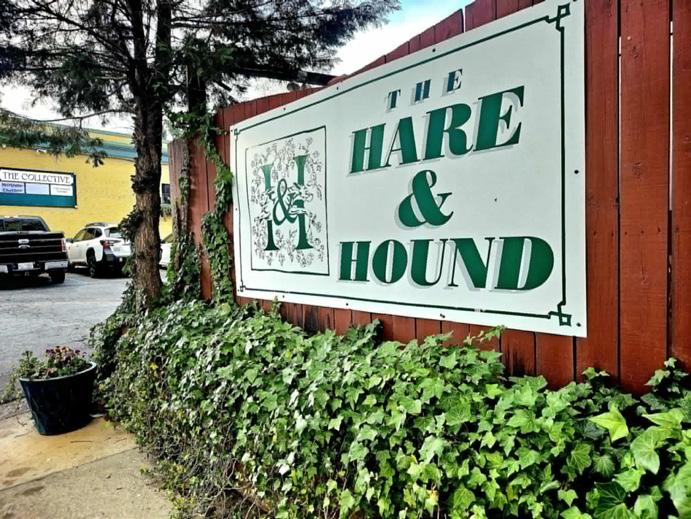
The Hare & Hound sign reflects the restaurant’s understated equestrian identity, a natural fit within the character and history of the surrounding foothills community.





Earth and Soul Adventures is a private membership community for those who refuse to settle for half lived lives. Through transformational adventure travel, immersive wilderness experiences, hiking, coaching, and holistic wellness, we guide individuals from stuck to fully alive physically, emotionally, and spiritually. This isn’t a travel company. It’s a catalyst for people ready to reclaim their vitality, who know they are meant to live a bigger life, and adventure with others who believe living boldly is non-negotiable.



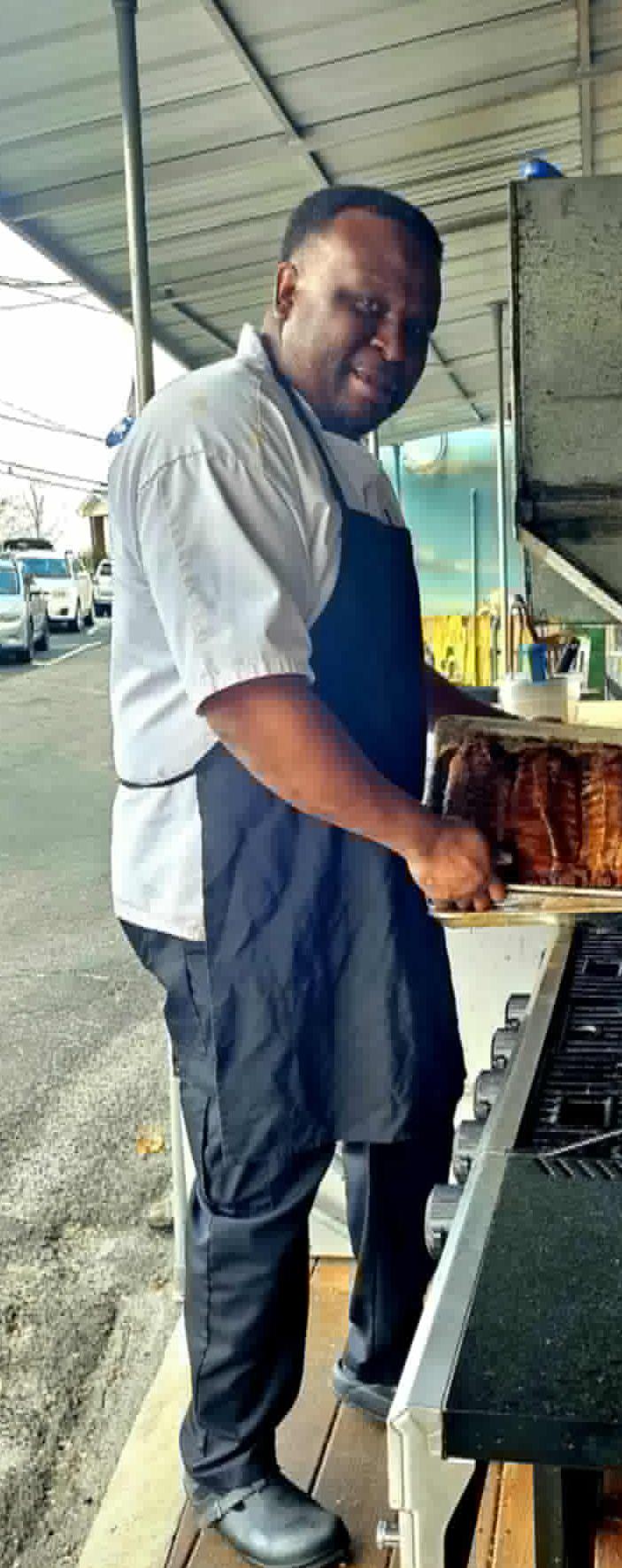
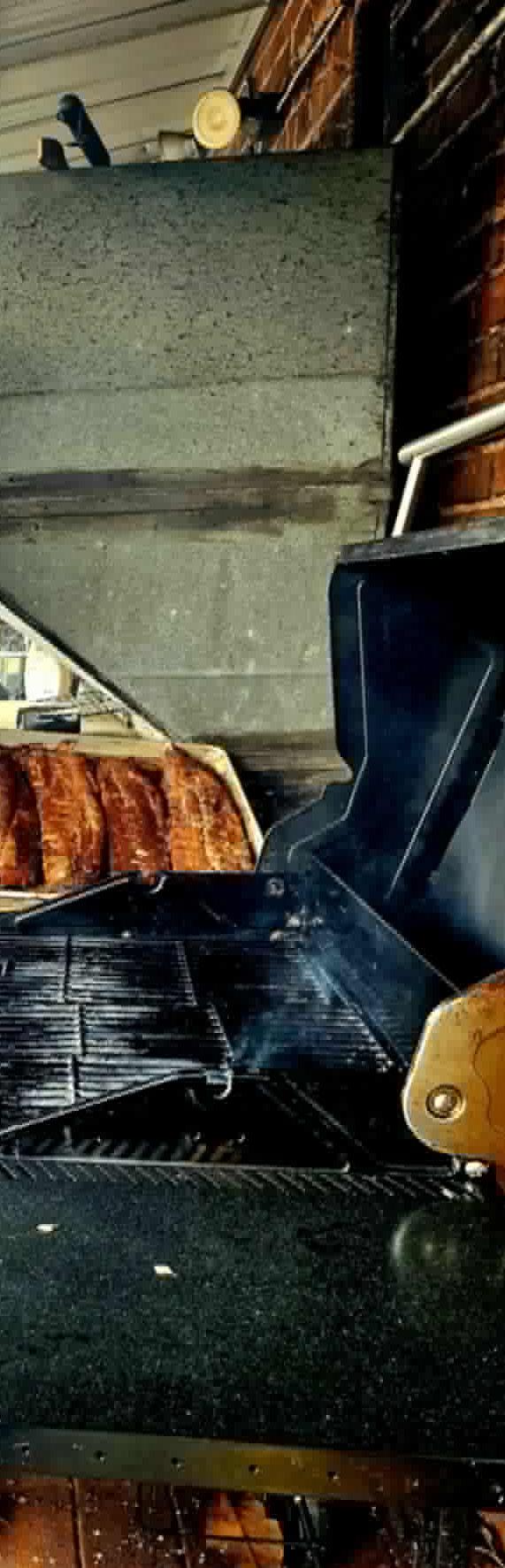
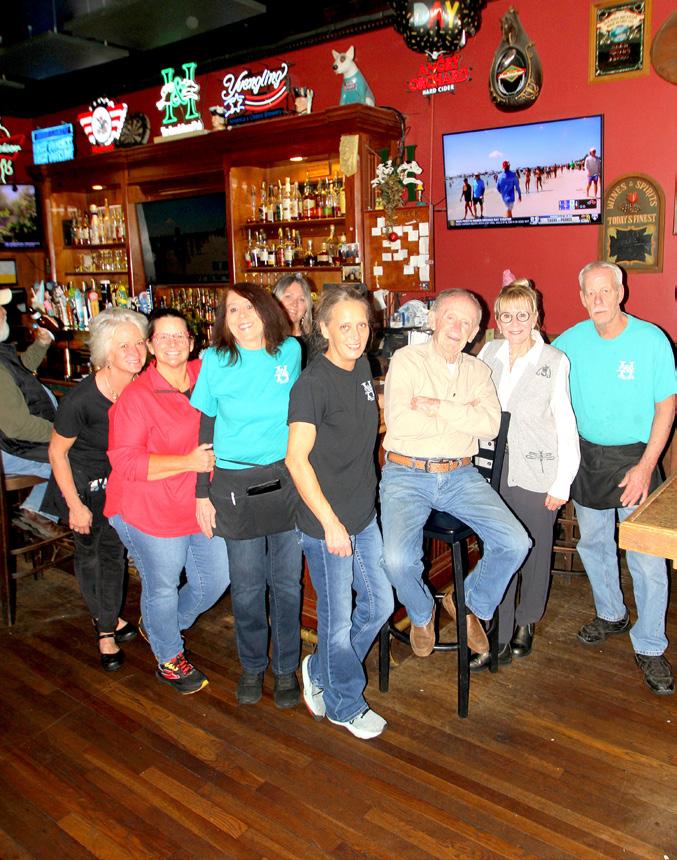
One of the most striking things about the Hare & Hound is the people. The same people I knew 20 years ago are still there today. That is not common. In this business, people come and go. Restaurants are often transitional places for employees, a step along the way to something else. That is not the case here. People stay. They build a life around it. They invest themselves in it in a way that you can feel the moment you walk in.
There was a chef I knew years ago who moved over from another restaurant in town. I remember when he made that change. He is still there. He loves it. That tells you something about the place, about the stability, about the environment that has been created over time.
When you walk in, there is a small detail that says everything about the Hare & Hound before you even sit down. You do not wait to be taken care of; you are part of it from the start. There is a popcorn popper, and you can walk right up, grab a basket, and help yourself. It is simple, almost understated, but it changes the experience. You are no longer in that in-between space of waiting for service. If I ever owned a restaurant, I would do the same thing.
The menu is extensive, but not in a way that overwhelms you. It is simply broad enough that people can find what they are looking for. Most of the time, I order the same few things. That is just human nature. But the variety is there, and there is thought behind it. There are daily specials, seasonal adjustments, and a sense that someone is paying attention to what people want without chasing trends.
My father loved their Reuben sandwich. That is something I did not fully appreciate until later. Before he passed, I brought Reubens from the Hare & Hound to him and my mother for their 70th wedding anniversary. We sat together in his room and had lunch. One of the last good days. It is a small detail, but it stays with me. It connects the place to something personal, something lasting. It is no longer just a restaurant. It is part of a memory.
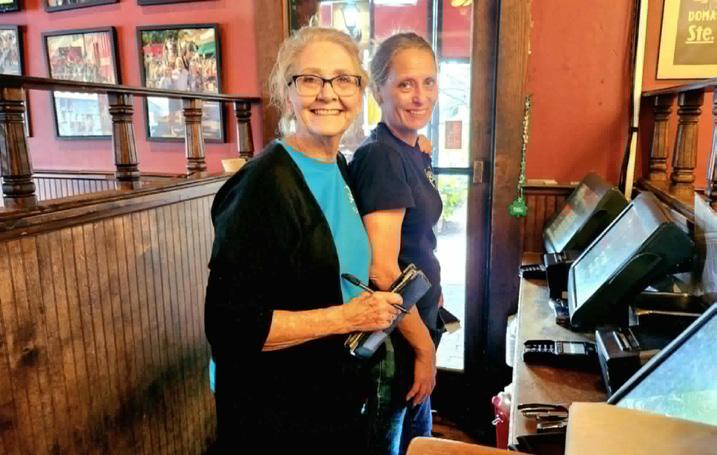
The food is very good. The salads are strong, and for me personally, the availability of gluten-free options makes it accessible in a way that is not always easy to find. But the food, while important, is not the whole story. It is not even the main story.
The Hare & Hound has a rhythm. When you drive down the main street in Landrum, you will see people outside. Names being put in. People waiting. There is movement. There is energy. And it does not deter you. In many places, a crowd outside a restaurant can signal inconvenience, a long wait, something to avoid. Here, it does the opposite. It draws you in.
Because you know something else. You know that even though it is busy, you are likely going to find your way in. There are always options. A couple of tables near the bar. A seat at the bar itself. Booths tucked away that offer a sense of privacy. An upstairs area that opens depending on the day and the demand. Outdoor seating when the weather cooperates. It is a place designed, whether intentionally or through years of refinement, to absorb people without overwhelming them.
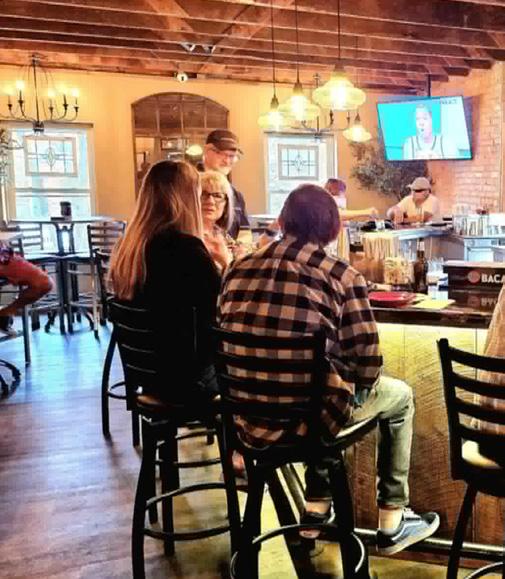

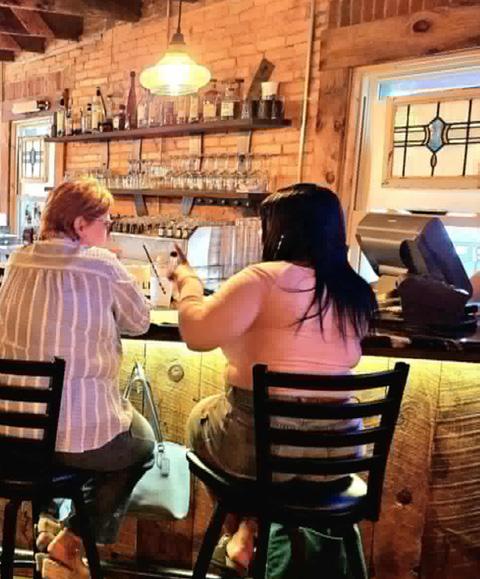
Inside, the room works in a way that is hard to describe but easy to feel. Even at capacity, it remains visually comfortable. The windows play a big role in that, as there is a constant connection to the outside. You can sit at a table or at the bar and watch the world move. The sun cuts through the street at different angles depending on the time of day. You are inside, but you are not closed off.
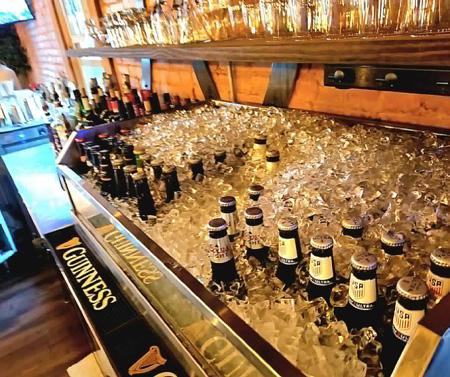











At the same time, there is a strong sense of privacy. The booths are deep, almost like small contained spaces, giving each table its own world. You are not sitting on top of the next group. Conversations remain your own. You can lean in, talk, look out the window, and feel separate while still being part of the larger room. That balance is not easy to achieve.
The bar has its own identity. There is a regular crowd, and over time, they know your name. I walk in, and there are handshakes, sometimes a hug. Conversations about guitars, about music, about whatever is happening in life at that moment. These are not passing interactions but relationships built over the years.
That kind of familiarity cannot be manufactured. It can only develop over time in a place that people trust enough to return to again and again. The Hare & Hound has something that is difficult to define but unmistakable when you encounter it. It has a soul.
It is also, without question, one of the busiest and most consistently occupied restaurants in this area. And that matters more than people might think. This is not a major metropolitan area where restaurants are stacked on every corner. Around here, places come and go. Some never quite find their footing. Some close quietly. Others try and do not last.
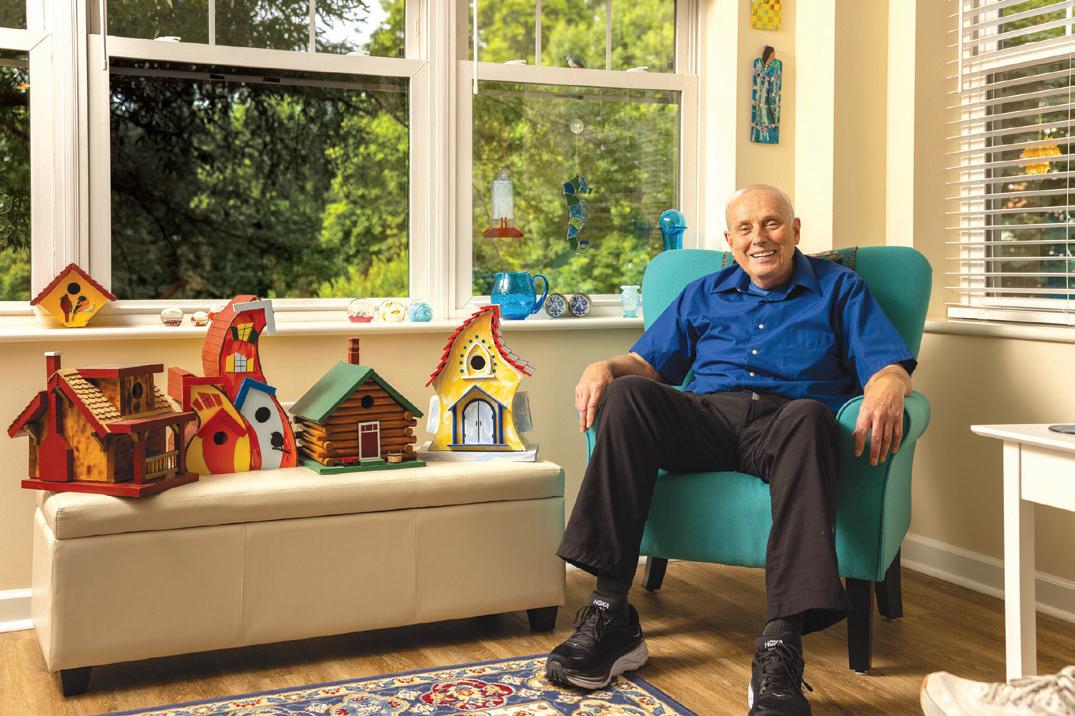

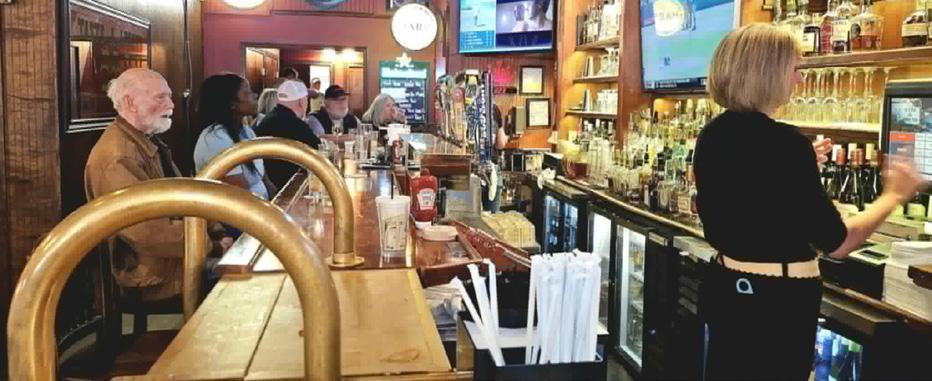
The Hare & Hound has endured. Part of that endurance comes down to something very simple, something that is often overlooked. They are open.
They are consistently open and reliable in a way people can count on. About the only day that I am aware that they close is Christmas Day. That alone says something. In a time when many businesses adjust their hours based on perceived demand and close on certain days because others are closed, the Hare
& Hound takes a different approach.
That reality became even more apparent during the aftermath of Hurricane Helene. When the storm came through, much of the area shut down. Power was lost. Businesses closed. Roads were uncertain. It was one of those moments where normal life pauses, and people are left trying to figure out what is still functioning.

The Hare & Hound was open. They were running on generators, doing what they had to do to keep going, to keep serving, to keep providing a place for people to gather. In a time when most places were dark, they were lit. In a time when options were limited, they were available. I remember thinking very clearly at that moment, thank God the Hare & Hound is open. And I also remember thinking something else. If the Hare & Hound is closed, we are probably in trouble. It became, in that moment, something like the canary in the coal mine. As long as that place is operating, there is still a sense
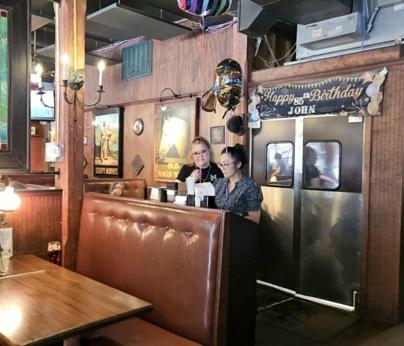
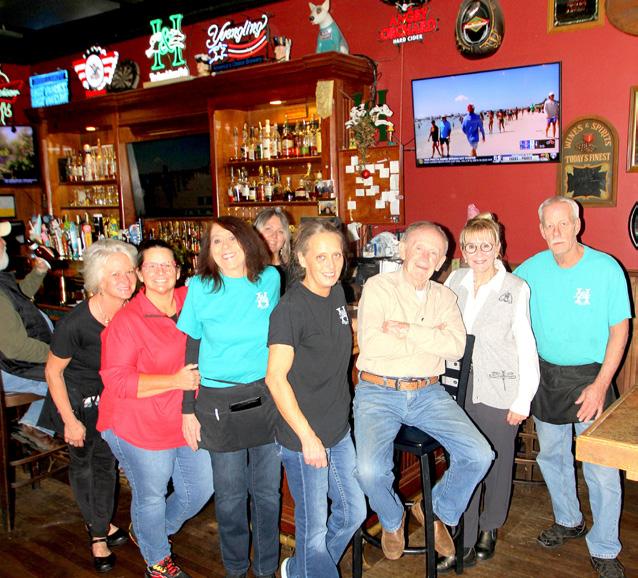
Staff members move with quiet efficiency through a well-worn dining room, where long-standing routines and relationships set the restaurant’s pace.
of normalcy, still a place to go, still a connection point for the community.
And then there is Patty. You will often see her there, standing near the kitchen, watching the flow, making sure things are running the way they should. She is present in a way that is not performative. She is not removed. She is part of it. And yet, at the same time, she will step out, talk to people, say hello, check in, without any sense of hierarchy or distance. There is no need to announce who she is. It shows in the way the place operates.
At the end of the day, this is a real business. It supports people and creates livelihoods. You get the sense that the staff does well, that the systems in place are intentional, that the goal is not just to exist, but to succeed. It has established itself in a way that goes beyond food, beyond service, beyond even atmosphere. It is the people, the consistency, the availability, the location, the charm, the design of the space, the equestrian undertone, the connection to the street, the way it handles volume without losing comfort, and the way it shows up every single day.
All of those things come together into something that is difficult to replicate. It is, in every sense of the word, a part of the fabric of this community. More than that, it is a place people count on, and that may be the most important thing of all.

By Storme Smith
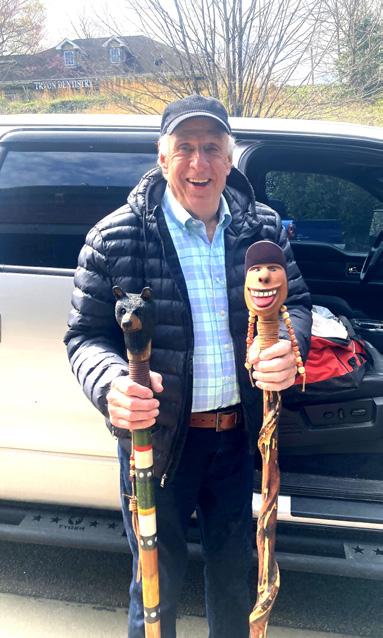
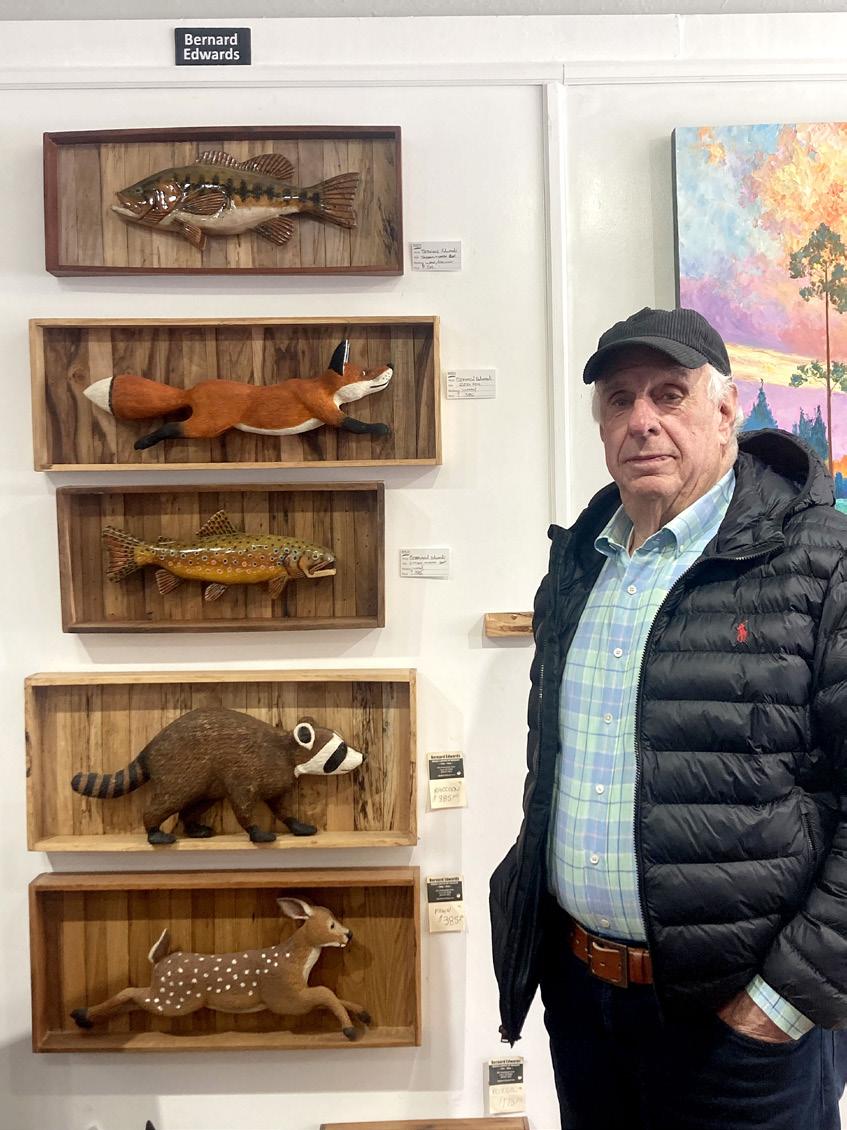
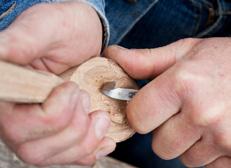
In the Foothills, where art is interwoven into everyday life, Bernard Edwards has carved out a place of his own through craftsmanship, character, and a deep connection to the natural world. His work reflects both the landscape around him and the personality he brings to each piece, making his carvings instantly recognizable to those familiar with the area. Over time, his creations have become a steady presence in local galleries and homes across the Foothills.
Edwards did not set out to become an artist, but his path into carving grew naturally from a childhood spent outdoors. Born and raised in Inman, South Carolina, he spent much of his early life fishing along the Pacolet River,
where he developed a lasting appreciation for wildlife. Those early experiences shaped not only what he would later create, but also how he would see the world, with a close attention to detail and movement in animals that carries through his work today.
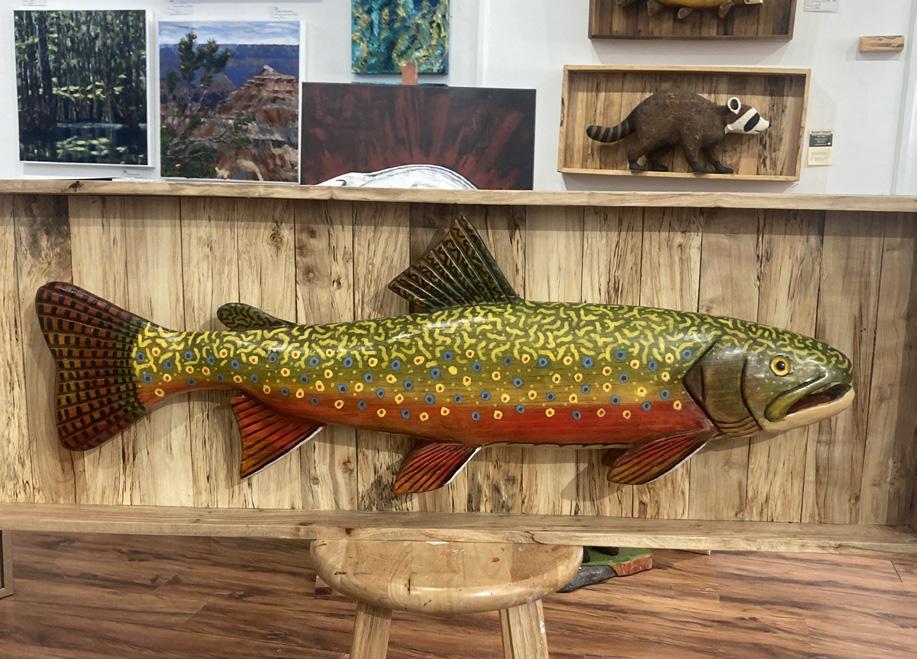
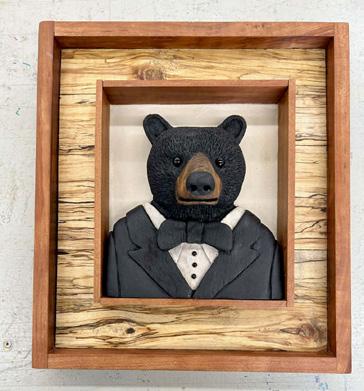
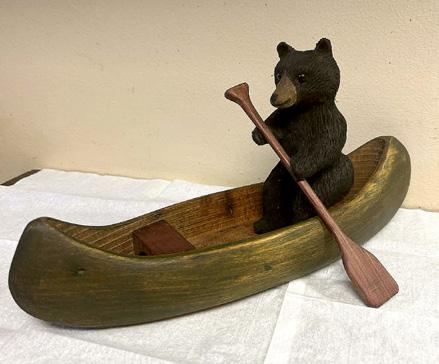
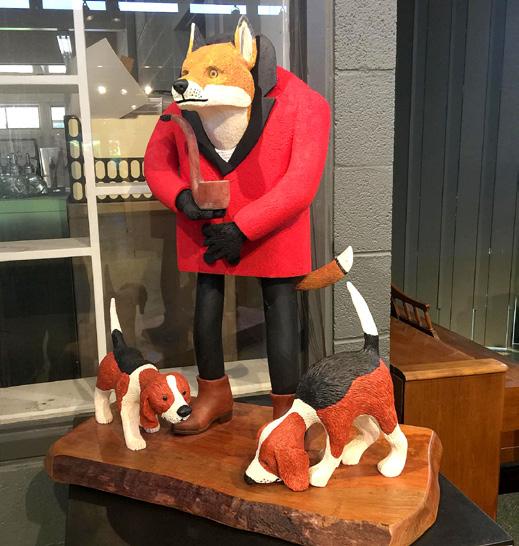
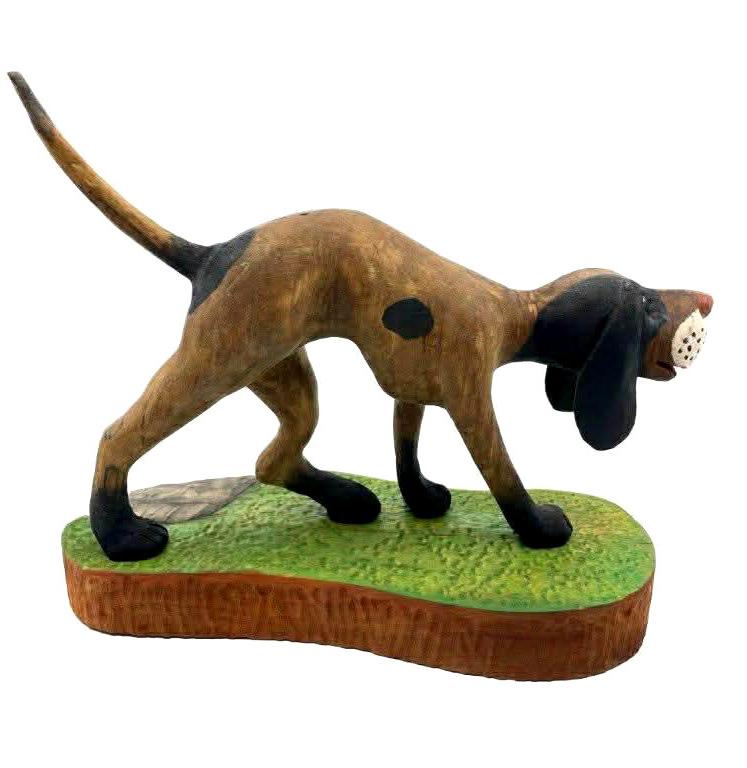
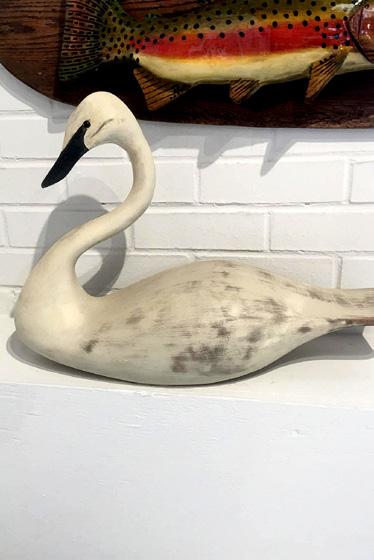
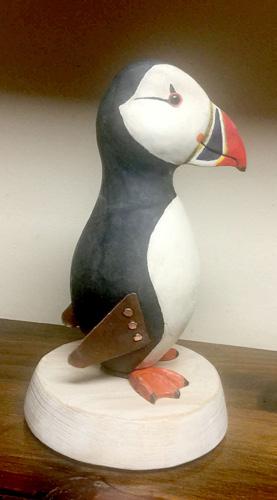
Edwards is known for his handcrafted wooden carvings of animals, particularly bears, fish, and hound dogs. A self-taught artist, Edwards traces the beginning of his carving career to duck hunting trips to Canada, where he first encountered handcarved wooden decoys. While staying at a hunting lodge, he noticed shelves lined with older decoys that stood in stark contrast to the plastic ones he and his friends used.
“I saw those old wooden decoys and thought, ‘I believe I could make those,’” Edwards said.
When he returned home, Edwards immersed himself in learning the craft, reading books, and experimenting in his own well-equipped workshop. What began as a simple idea quickly turned into a long-term pursuit that would shape his daily life.
“I started making decoys, I did that for years, probably ten or twelve years. I just loved doing it,” he said.
Although his father worked as a builder and Edwards had some exposure to woodworking, he said traditional carpentry never quite suited him. Straight lines and perfect measurements proved frustrating, while carving offered a more creative and flexible approach. Through carving, he found a way to combine hands-on work with artistic expression, gradually developing his own style.
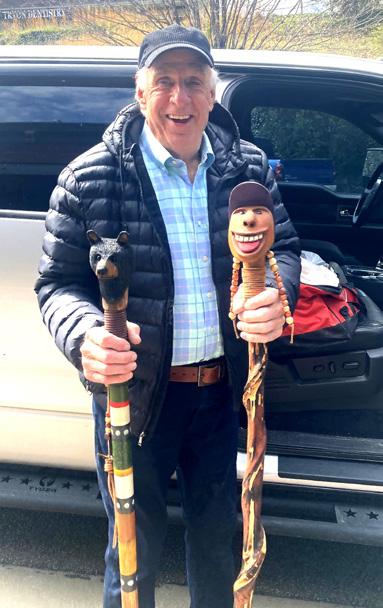
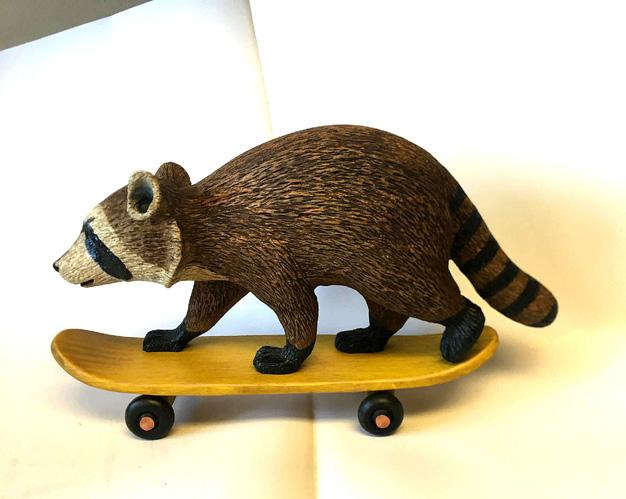
After years focused on decoys, Edwards began expanding into other subjects, including fish, woodland animals, and, eventually, commissions for pets. Bears and hound dogs became particular specialties, with dog carvings especially popular as commissioned pieces.
A defining feature of Edwards’ work is his attention to texture, particularly in how he creates the look of fur. Rather than relying solely on carving marks, he developed a technique that builds up detail, giving his pieces a more lifelike quality.
“I can do a small animal in a couple of hours, but I’ll spend four or five hours just putting that texture on,” he said. This level of detail has become one of the hallmarks of his work and a reason many collectors seek it out.
Edwards has also played a role in the local arts community through Tryon Arts and Crafts School, where he has both exhibited and taught. He has led carving workshops focused on decoys, bears, and hound dogs, and has participated in youth programs designed to introduce children to woodworking. “I enjoy showing people how to do it. That’s part of it, too,” he said.




Tour Highlights

Featured North American Tour
Canadian Maritimes: Nova Scotia, New Brunswick, Prince Edward Island and Maine
July 25 - August 10 (ride), July 27 - August 7 (fly), 2026
$6,195 /double • $7,395 /single - airfare included Journey through the captivating Canadian Maritimes where dramatic coastlines, historic harbors, and charming fishing villages meet the endless blue of the Atlantic. Set out on an unforgettable adventure through the wild beauty and proud maritime heritage of Maine and Atlantic Canada. From Maine’s lighthouse-dotted coast to the crimson cliffs of Prince Edward Island and the misty highlands of Nova Scotia, each day reveals landscapes shaped by sea and story. Wander through working harbors and historic villages, feel the ocean spray along dramatic shorelines, and taste the region’s legendary seafood fresh from the boats. Along the way, you’ll experience the warmth of Maritime culture—where music, tradition, and natural beauty come together in perfect harmony. This is the North Atlantic at its finest: scenic, spirited, and full of life.
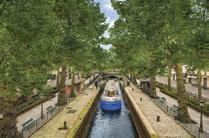
Day 4, October 23 - Dijon - Petit-Ouges: Join us on an excursion along the Grands Crus wine route, which passes through the most prestigious of the Burgundy vineyards, including a wine-tasting session. We’ll return to our barge and cruise to Petit-Ouges, discovering the lush landscape of the Saône Valley. Upon arrival in Petit-Ouges, discover the “Path of the Three Wash Houses.”
• Local home pick-up service and luggage handling
• All meals, attractions, guides, and activities
• Acadia National Park, Boothbay Harbor, and the Maine Maritime Museum
• Two nights within Roosevelt Campobello International Park
• Witness the Bay of Fundy’s tides and Hopewell Rocks Provincial Park
• Prince Edward Island at the elegant Holman Grand Hotel
• Baddeck at the Inverary Resort, with a guided tour of the Cabot Trail
• Halifax at the Prince George Hotel, including a day trip to Peggy’s Cove
Day 1, October 20: Cruise-only guests fly to Paris.
Day 2, October 21: Hotel pre-night in Paris. Connect with Paris pre-cruise guests.
Day 3, October 22: Travel by high-speed train from Paris to Dijon. Embark barge around 6pm. Settle into cabins, then we’ll introduce the crew at a welcome cocktail before dinner.
WHY CRUISE WITH US?
No Extra Fees, Just Extra Perks: Booking through us doesn’t mean you’ll pay more. In fact, you’ll pay the same price as booking directly with the cruise line, but with added perks. On many cruises, we will even pick you up at your home in western North Carolina and drive you to the airport at no extra cost. We partner with all major cruise lines to offer everything from grand cruise ships to intimate vessels.




New York! New York!
May 13-18/ride, May 14-17/fly, 2026
Day 5, October 24
Petit-Ouges - Saint-John-de-Losne: The whole day will be spent cruising towards Saint-Jean-de-Losne. Take the time to sit back and admire the scenery as we cruise. We’ll arrive in Saint-Jean-de-Losne late in the afternoon.
Day 6, October 25
Saint-John-de-Losne - Dole: Join us on a visit of Saint-Jean-de-Losne, the capital of canal barging in France, which lies at the heart of the French waterways and canal system in southern Burgundy. The afternoon will be spent cruising towards Dole.
Day 7, October 26 Dole - Ranchot: Enjoy a unique tour, following the “trail of the Chat Perché”. This trail refers to the famous tales of a Perched Cat, written by Marcel Aymé who lived in Dole (a beautiful hillside) as a child. We’ll then cruise towards Ranchot. You may use the bicycles to ride on the bike path following our route.
Day 8, October 27
Ranchot - Besancon: In the morning, we will cruise. In the afternoon, we’ll set out by coach to Arcet-Senans for a tour of the Saline Royale. Listed as a UNESCO World Heritage Site, this royal factory, built between 1775 and 1779 in the shape of a semi-circle, was where salt workers traditionally lived and worked. Tonight is our special gala evening.
Day 9, October 28
Besancon: Enjoy one last buffet breakfast on board before disembarking at 9am. Transfer from Besancon to Geneva airport for our flights home.

Travel in style from our office in Hendersonville on one of our custom, deluxe coaches featuring a complimentary happy hour. With a professional Tour Manager handling every meal and ticket, all you have to do is relax and enjoy the ride.
The best of New York City with a stay at the Crowne Plaza Midtown, featuring Broadway shows, sightseeing, and world-class dining in the heart of the city. More Info
North Carolina’s Outer Banks
May 15-21, 2026
Tour our North Carolina coast in comfort aboard an our luxury coach, enjoying panoramic views from the dunes of Corolla to the waters of Beaufort. More Info
Soul of the Southern Appalachians
May 26-29, 2026
Explore North Georgia and WNC, featuring scenic excursions and a stay at the Brasstown Valley Lodge. More Info
Spoleto Festival USA: 50th Season
May 28-31 2026
The Spoleto Festival transforms Charleston into a vibrant stage, offering an experience that pairs five outstanding performances with a taste of history. More Info




Royal Cities of Canada and Quebec’s Château Frontenac
June 17-29/ride, June 18-28/fly, 2026
From Niagara Falls to Québec, journey to a land that blends British refinement, French joie de vivre, and natural beauty. More Info
Napa Valley and Sonoma Wine Country
August 23-27, 2026
After flying to the Bay Area, our custom Globe Treks coach will transport you through vineyard-laced valleys to the Fairmont Sonoma Mission Inn & Spa. More Info
Canadian Rockies and The Rocky Mountaineer
August 27 - September 5, 2026
Embark on one of the world’s most breathtaking rail adventures, a luxurious passage from the Pacific coast to the soaring peaks of the Canadian Rockies. More Info
Classic Trains of the Southwest, Canyon Spirit by Rocky Mountaineer and the Balloon Fiesta
Oct 4-20/ride, Oct 7-17/fly, 2026
This journey blends two of the American West’s most unforgettable experiences. More Info
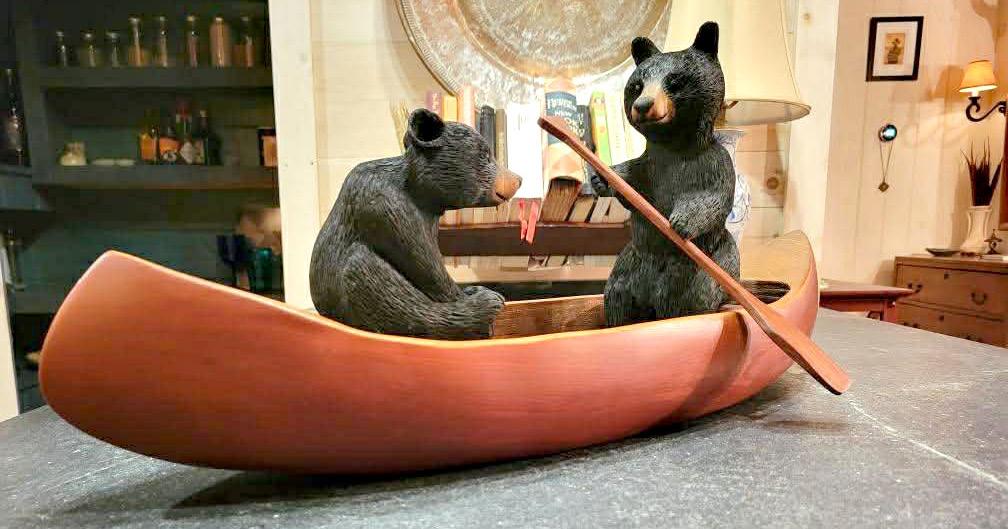
His carvings can be found in local galleries, including 80Six Gallery in Tryon, where his work continues to attract attention from visitors and collectors. He has also shown work through the Rutherford County Visual Arts Guild, expanding his audience throughout the region. These spaces have helped introduce his work to a wider public while keeping it rooted in the local arts scene.


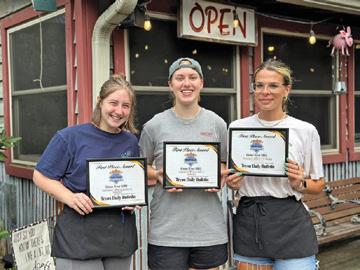
Here’s to serving the Foothills with pride − today and every day!
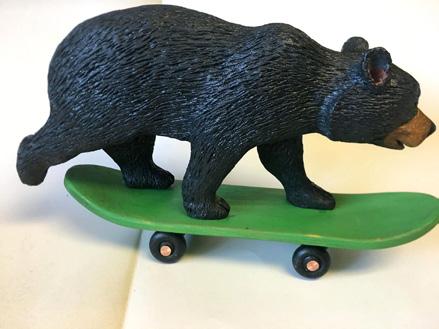
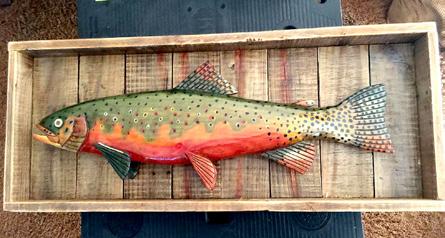
Bernard said his experience with galleries helped build steady demand for his carvings over time, sometimes in ways he did not expect. In one early show, he entered several pieces and quickly saw strong interest from buyers, an experience that marked a turning point in how he viewed his work. “Everything I’d carry over, it would sell,” he said. That response encouraged him to continue refining his craft and exploring new subjects.
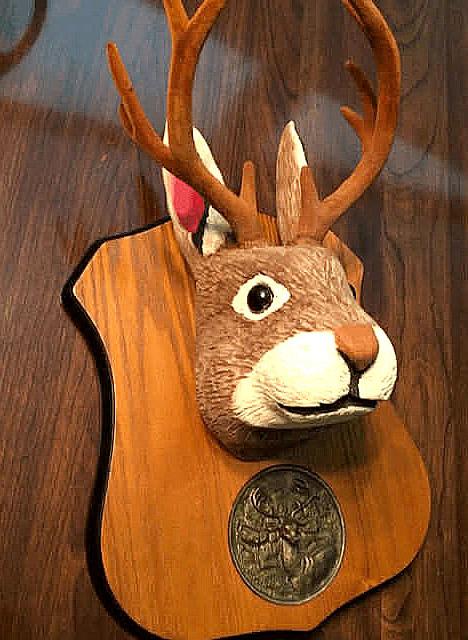
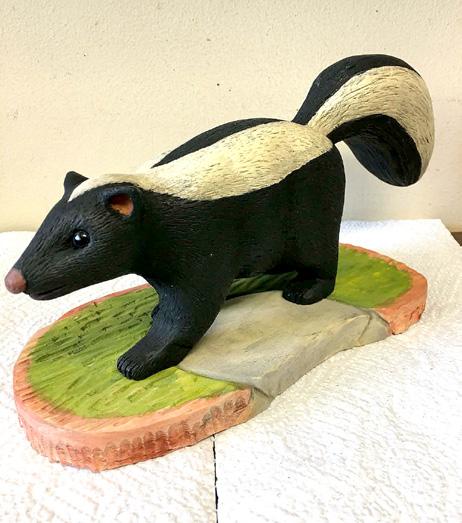




Today, Edwards often works on multiple commissions at once, particularly for customers seeking custom dog carvings. Despite this demand, he has maintained a relatively low-key approach to promoting his work, relying on word of mouth and local connections. “I don’t advertise or anything. People just find me,” he said. What ultimately defines Edwards’ work is its connection to place and experience. His carvings reflect the animals and environment of the Carolina foothills, shaped by years of observation and time spent outdoors. Each piece carries a sense of familiarity, whether it reminds someone of a fishing trip, a hunting dog, or a moment in the woods.
Bernard Edwards’ journey into art may not have followed a traditional path, but it is grounded in persistence, curiosity, and a deep appreciation for the natural world. Through decades of practice, he has created a body of work that blends craftsmanship, humor, and storytelling into something uniquely his own. His carvings stand as a reminder that meaningful art often begins with simple inspiration and grows through dedication into something lasting.


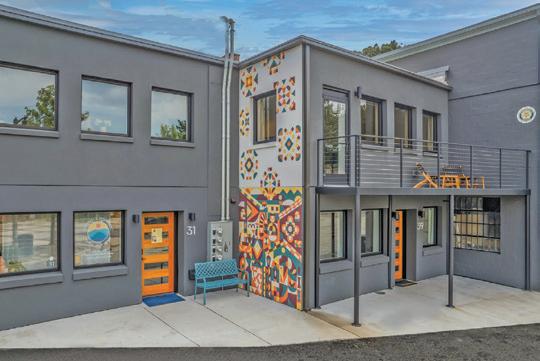

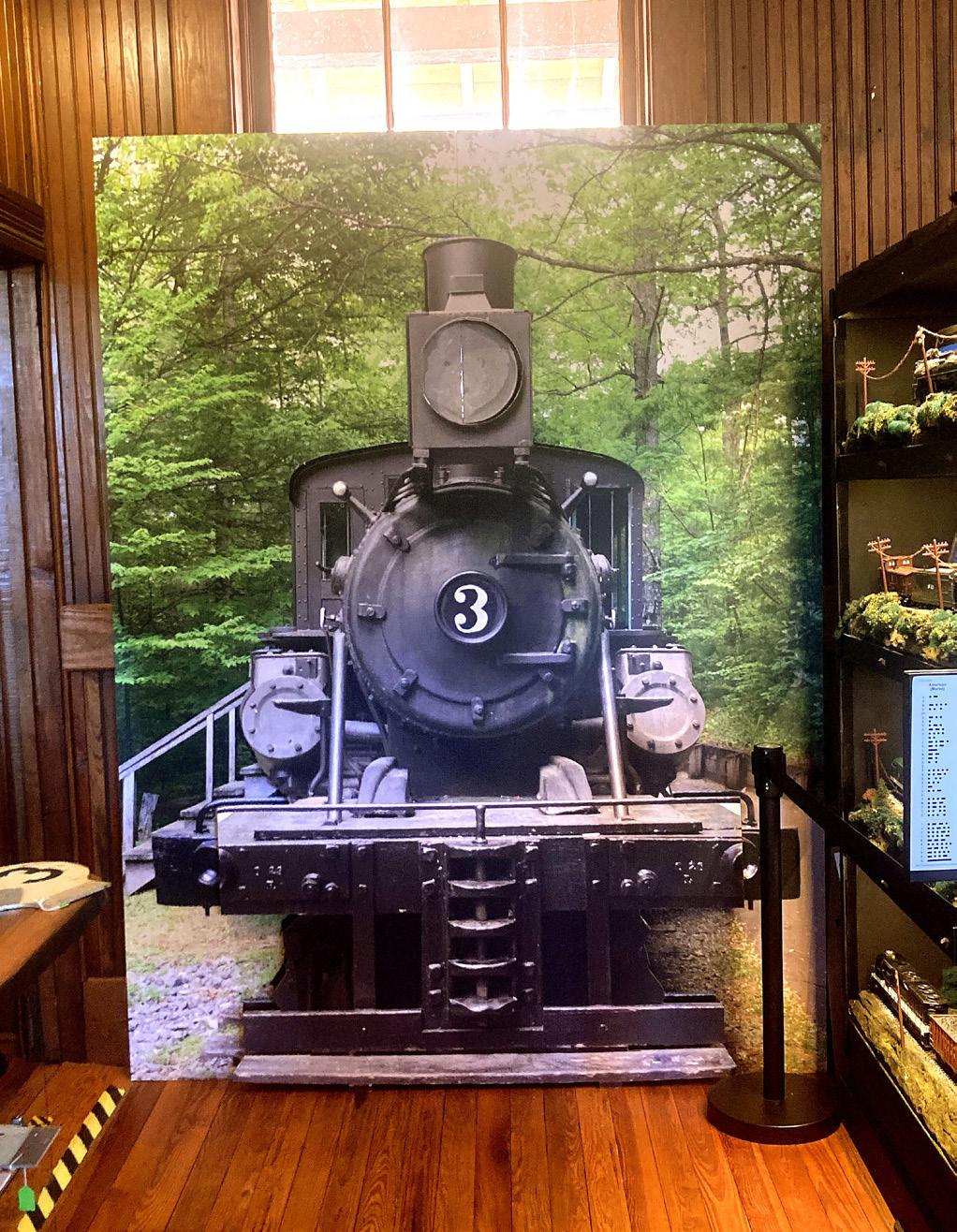
Saluda Depot Museum Unveils New Technology, Mascot
Story by Storme Smith
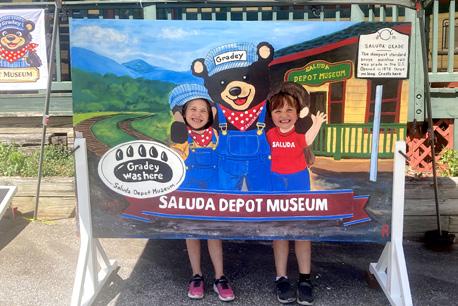
The Saluda Depot Museum kicked off its Spring Grand Opening on April 11 with a celebration that blended history, innovation, and community spirit. The event introduced visitors to the museum’s new mascot, Gradey the Bear, and delighted younger guests with a special surprise; each of the first 10 children through the door received a gift bag.
The museum, located across from the historic Saluda Grade train tracks, has long served as a steward of one of the most significant railroad stories in the country. Known as the steepest mainline standard-gauge railroad in the United States, the grade helped shape the town of Saluda and remains a defining part of its identity.
For board chair Mike Reeves, that connection is deeply personal.
“I’ve lived here most of my life. My family has roots here,” Reeves said. “The railroad isn’t just history, it’s part of who we are.”


QDigestive disorders like IBS (Irritable Bowel Syndrome), SIBO (Small Intestinal Bacterial Overgrowth), and Ulcerative Colitis can significantly impact daily life by causing bloating, abdominal pain, constipation, diarrhea, urgency, fatigue, and food sensitivities.
These conditions often involve stress, inflammation, immune imbalance, and disrupted gut motility- all of which acupuncture can help to regulate. Here’s how:
1. Calms the Gut–Brain Stress Loop
The digestive system and nervous system are deeply connected. Stress, anxiety, and even lack of sleep can trigger flares and aggravate inflammatory bowel conditions. Acupuncture has a deeply calming effect on the nervous system, shifting the body from a constant state of “fight-or-flight” into a “rest-and-repair” mode, allowing inflammation to subside.
For many patients, reducing stress reactivity alone creates noticeable digestive relief.
2. Reduces Abdominal Pain and Cramping
Digestive conditions often involve increased sensitivity in the intestines. Even normal gas or digestion can feel painful.
Research shows acupuncture can: Increase natural painrelieving chemicals (endorphins), reduce overactive gut pain signaling, and relax smooth muscle spasms in the digestive tract
3. Helps Regulate Bowel Movements
Whether symptoms lean toward constipation, diarrhea, or alternating patterns, acupuncture can help regulate gut motility—the speed and coordination of digestion. Acupuncture strengthens muscles in the digestive tract, improving peristalsis and influencing nerve pathways to reduce urgency. Acupuncture also stimulates the release of neurotransmitters and hormones that regulate gut motility and keep things moving.
Patients report improved rhythm and predictability after a series of treatments.

4. Supports Immune and Inflammatory Balance
Conditions like ulcerative colitis involve immune system overactivation and intestinal inflammation. Acupuncture promotes the release of anti-inflammatory substances in the body brought on by increased circulation.
These anti-inflammatory substances modulate inflammatory markers, help regulate immune signaling, and support gut barrier integrity.
5. Treats the Whole Person—Not Just the Gut
Acupuncture works system-wide. By supporting sleep, calming anxiety, and improving energy levels, it helps create an internal environment where the digestive system can function more effectively.
When acupuncture is used alongside nutrition and lifestyle support, it can be a powerful tool for symptom management and improving quality of life.

Founded in 2015, the nonprofit museum has quickly become a cornerstone of local heritage. Operating as a 501(c)(3), it offers free admission to all visitors and relies on memberships, fundraising, and grants to sustain its operations and continue expanding its offerings.
But while the museum’s mission is rooted in preservation, its recent updates signal a strong push toward the future.
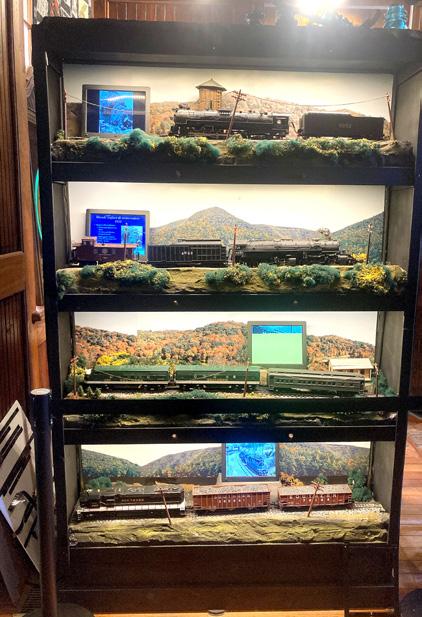
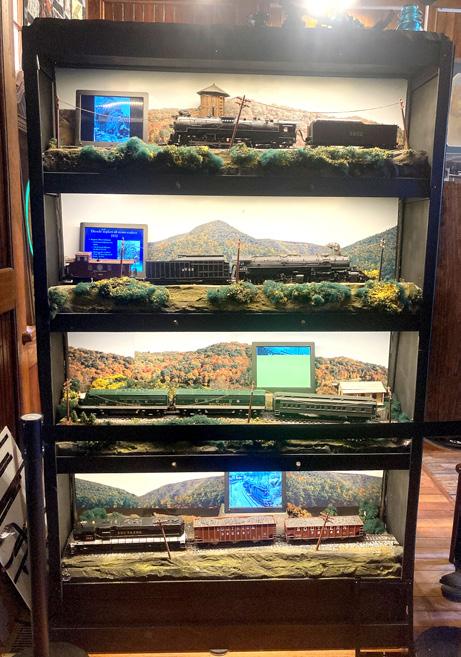
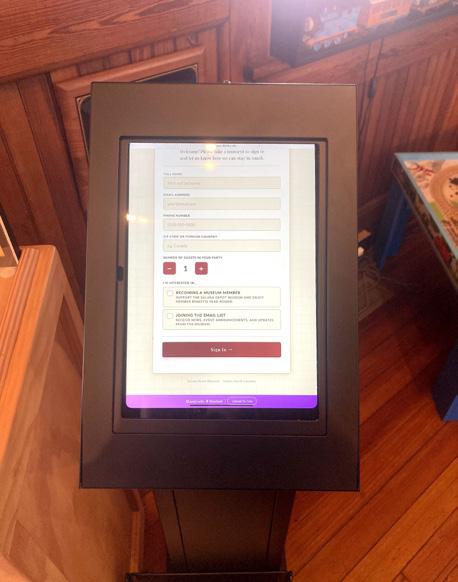
One of the most significant additions to the museum is a series of newly installed digital kiosks that transform how visitors interact with the collection. Developed by volunteer and retired engineer John Pezzano, a member of the Apple Valley Railroad Club, the kiosks allow guests to explore artifacts in ways that go far beyond traditional displays.
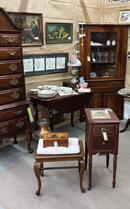
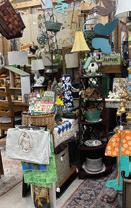
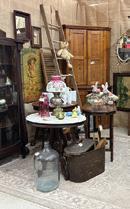
With over 500 rented spaces, the Tryon Antique Mall & Marketplace makes the perfect shopping experience. We are a one stop shop for all!

We offer vintage, antique, and primitive items, and much more!
Some of the retailers available in the mall include Wet-It, Danica Designs, RADA, Umgee, Smoky Mountain Roasters, and Skinny Syrups, along with many more!
Each section of the museum now features its own dedicated screen, where visitors can tap through detailed information, view historical photographs, and zoom in on artifacts that might otherwise be difficult to examine closely. The system is built on a flexible database, meaning new items can be added easily as the collection grows.
For Reeves, the goal was never to replace the artifacts—but to enhance them.
“We’re trying to integrate new technology without overshadowing what we have,” he said. “The history comes first. The technology just helps tell the story better.”
The kiosks also serve an important role behind the scenes. For volunteers, many of whom come in without formal expertise in railroad history, the system provides an accessible way to learn and share information with visitors. It ensures that the museum remains both educational and approachable, no matter who is staffing the floor.
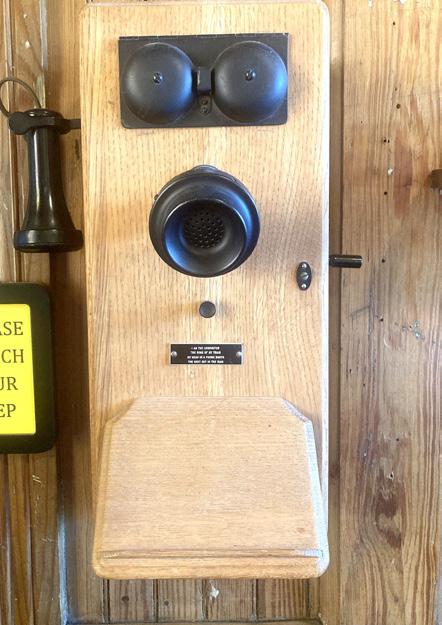
While the kiosks have modernized the museum experience, another feature has become a favorite among younger visitors, a simulated telegraph station.
Set up with authentic-style equipment, the interactive display allows children to try their hand at sending Morse code messages. For many, it’s their first exposure to a communication method that once played a critical role in railroad operations.


The appeal is immediate. Kids gather around the station, tapping out signals, learning patterns, and discovering how messages were once transmitted across long distances.
“It’s something they can actually do,” Reeves said. “They’re not just looking—they’re participating.”
That hands-on experience reflects a broader shift in how the museum approaches education. Rather than simply presenting information, the goal is to create moments of discovery, especially for younger generations who may not have a direct connection to the railroad era.
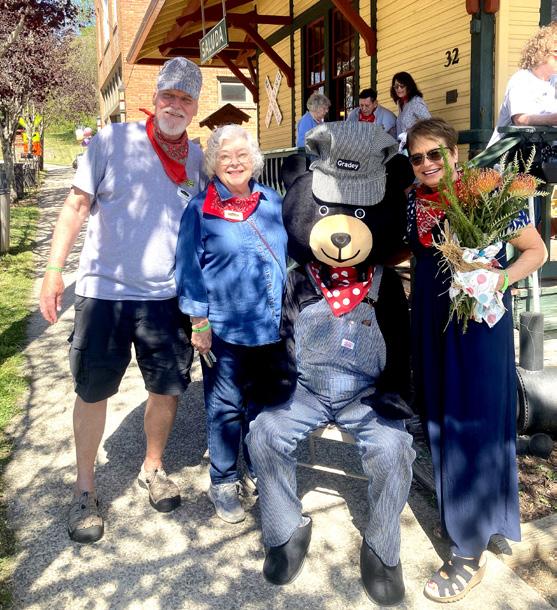
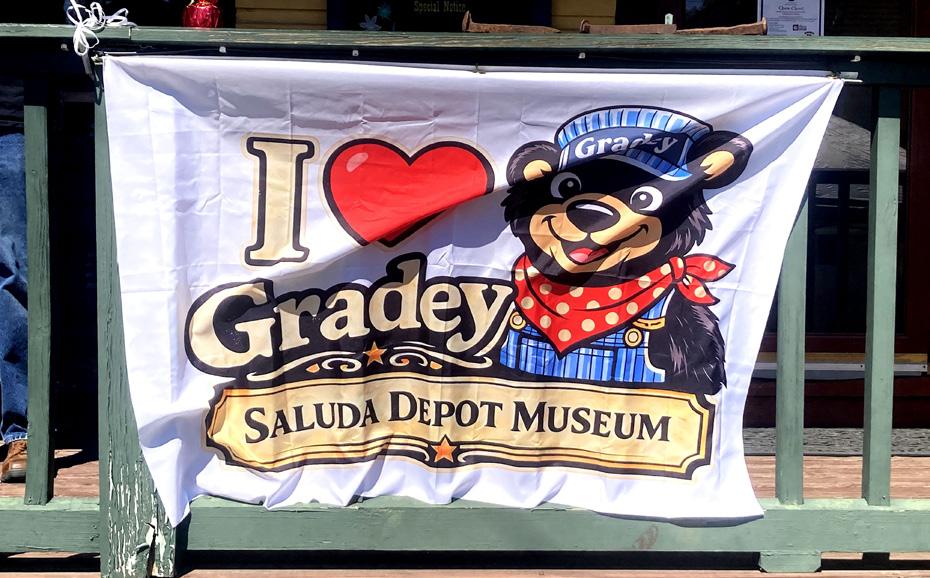
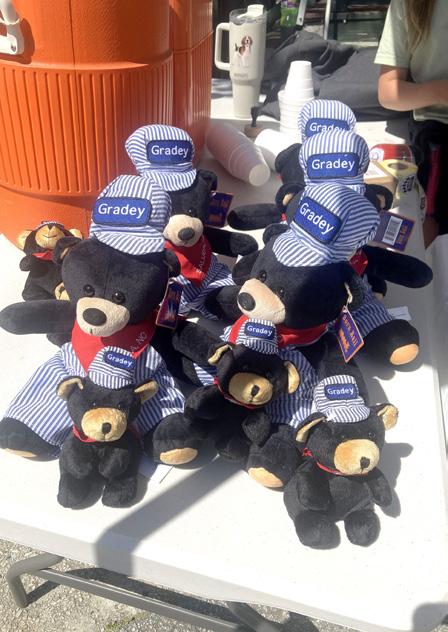
Perhaps the most visible symbol of the museum’s new direction is its newly introduced mascot, Gradey the Bear.
Designed by Sandy Jackson, who brought her creative background to the project, the character was developed with input and encouragement from her daughter, Erin Wolfgong. The idea originated as part of a mascot concept effort, with Jackson researching animals that best represent the region before settling on a bear—a fitting symbol of the surrounding mountains.
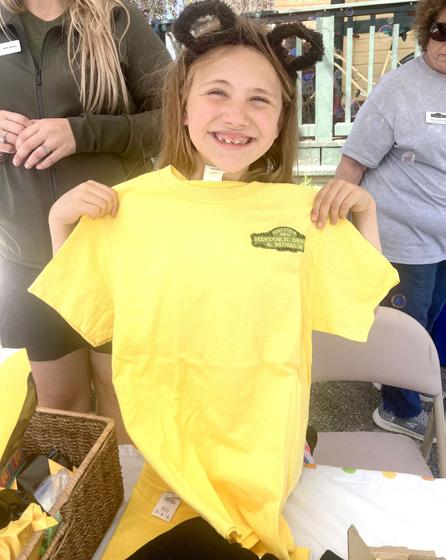
Gradey now appears throughout the museum, from stuffed animals to stickers and T-shirts, and is expected to make regular appearances at events.
The introduction of the mascot is more than a branding effort—it’s part of a larger strategy to make the museum more inviting and memorable, particularly for families.
“It gives kids something to connect with,” one volunteer noted during the opening. “They remember Grady, and that brings them back.”
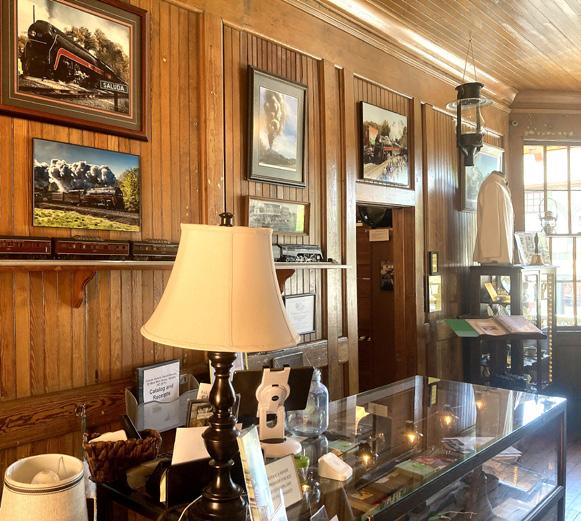
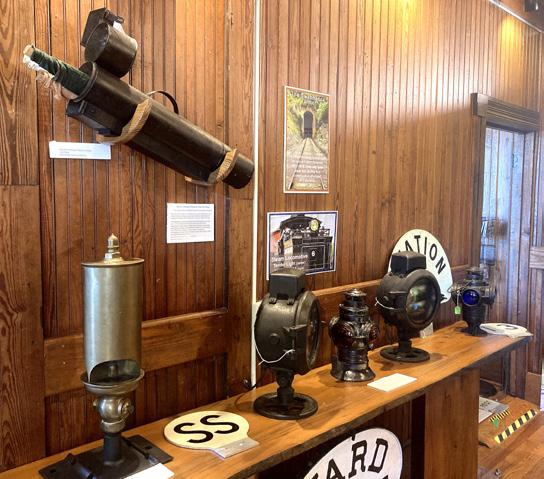
Despite these modern additions, the heart of the Saluda Depot Museum remains its rich collection of artifacts and stories. Housed within a depot building dating back to the 1880s and listed on the National Register of Historic Places, the museum itself is a piece of history.
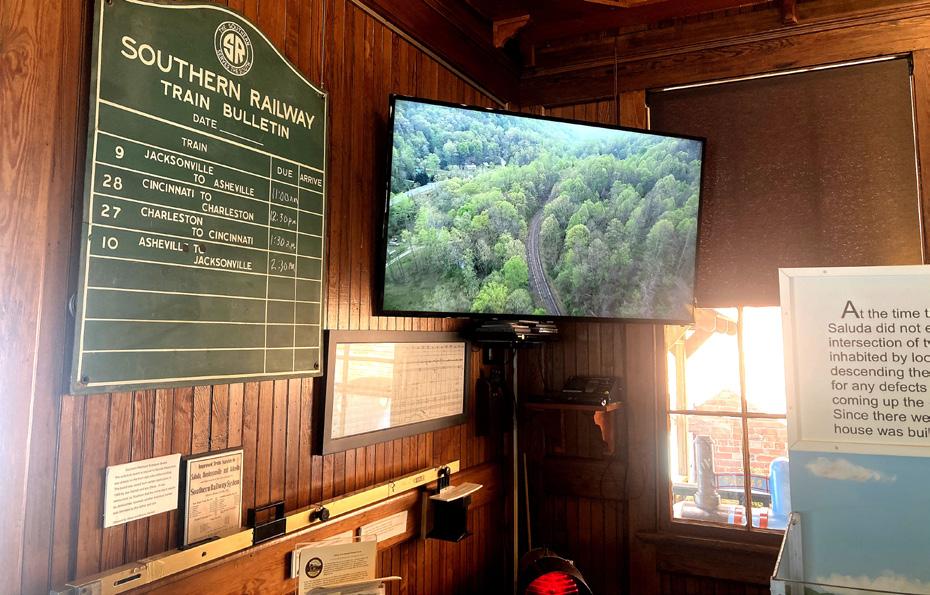
Inside, visitors will find original train boards, signage, and equipment, alongside rare items like historic catalogs and a headlight from a train associated with President Franklin D. Roosevelt’s travels through the region.
Many of these items have been donated by community members, including collections from local historian Matt Bumgarner, widely regarded as an authority on the Saluda Grade.









And the collection continues to grow.

Visitors often arrive with stories, artifacts, or family connections tied to the railroad. In one memorable instance, a man recognized his father in a historical book on display—an encounter that led to additional materials being shared with the museum.
“It’s not just about trains,” Reeves said. “It’s about people and their memories.”
Beyond its exhibits, the museum has expanded its role as a gathering place. Programs like Train Tales, community dinners, and special events invite residents and visitors alike to engage with Saluda’s history in meaningful ways.
The museum has also introduced a unique offering that blends history with hospitality through its popular “Choo Choo Dinners,” designed to give visitors a fuller experience of Saluda beyond the depot walls. These group outings pair a guided tour of the museum with a coordinated lunch at one of several local restaurants, creating a seamless way for guests to explore both the town’s railroad heritage and its dining scene.
Participating restaurants rotate throughout the week and include favorites such as The Purple Onion, Saluda Mexican Grill, and Green River BBQ, each providing a curated menu for guests.
The program is geared toward groups of ten or more and requires advance notice, making it especially appealing for clubs, tour groups, and community organizations. For a single price, attendees receive a meal complete with drink and dessert, along with the added value of a shared historical experience. The initiative not only enhances the visitor experience but also strengthens partnerships with local businesses, reinforcing the museum’s role as both a cultural and economic contributor to the Saluda community.
The organization has also reached a significant milestone in recent years by paying off its mortgage, securing full ownership of the building, an achievement that underscores both its growth and the community’s support.
For Reeves and the museum’s volunteers, the mission remains clear: preserve the history of the Saluda Grade while ensuring it remains relevant for future generations.
“We don’t want to make it something it’s not,” he said. “We just want to keep it alive.”
And thanks to a blend of tradition, technology, and a friendly bear named Gradey, that history is not only being preserved—it’s being reimagined.
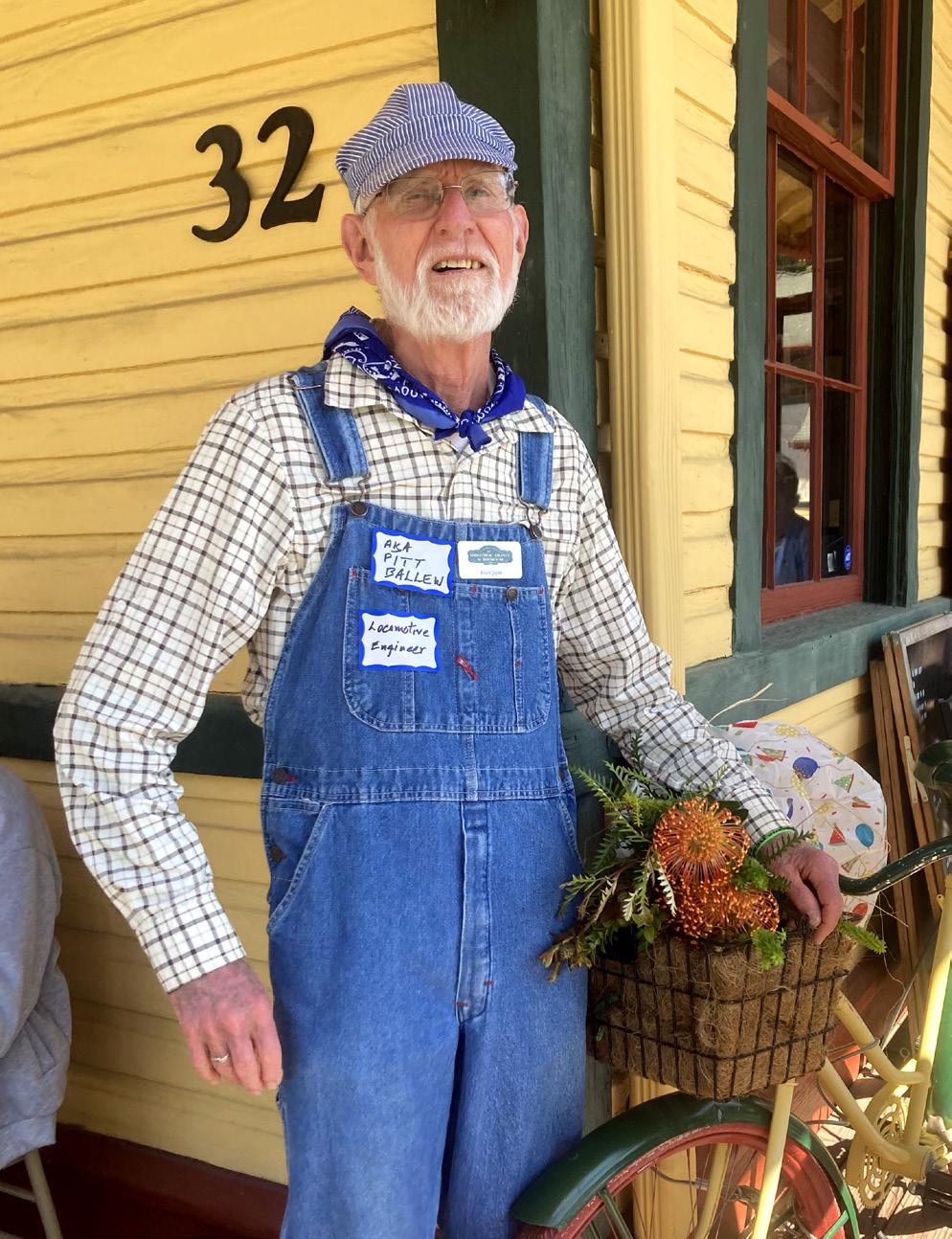
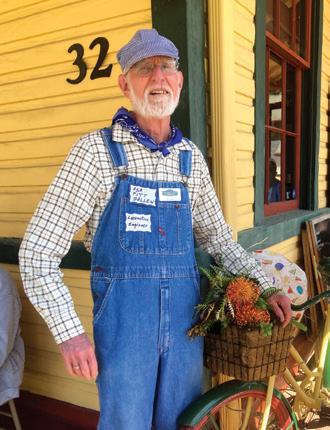
The Saluda Depot Museum, located at 32 W. Main St., is free to visit and open Thursday through Saturday from 12 to 4 p.m. Learn more at www.saludadepotmuseum.org.


By Pebbles
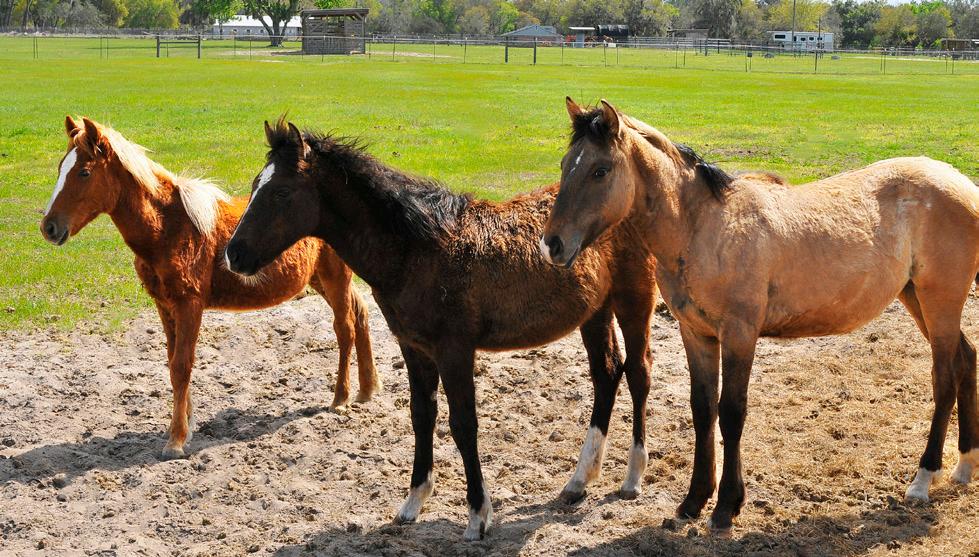
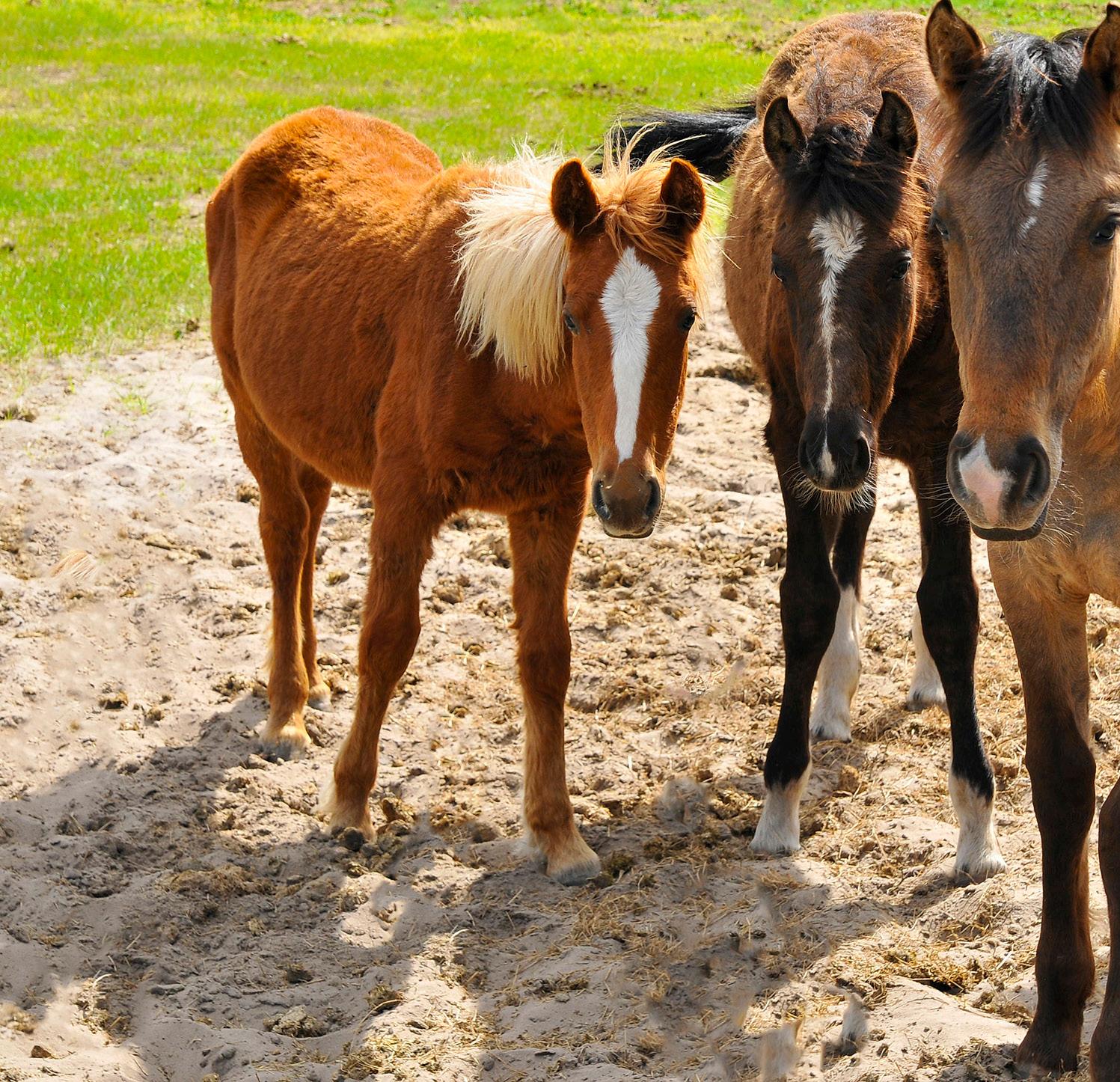
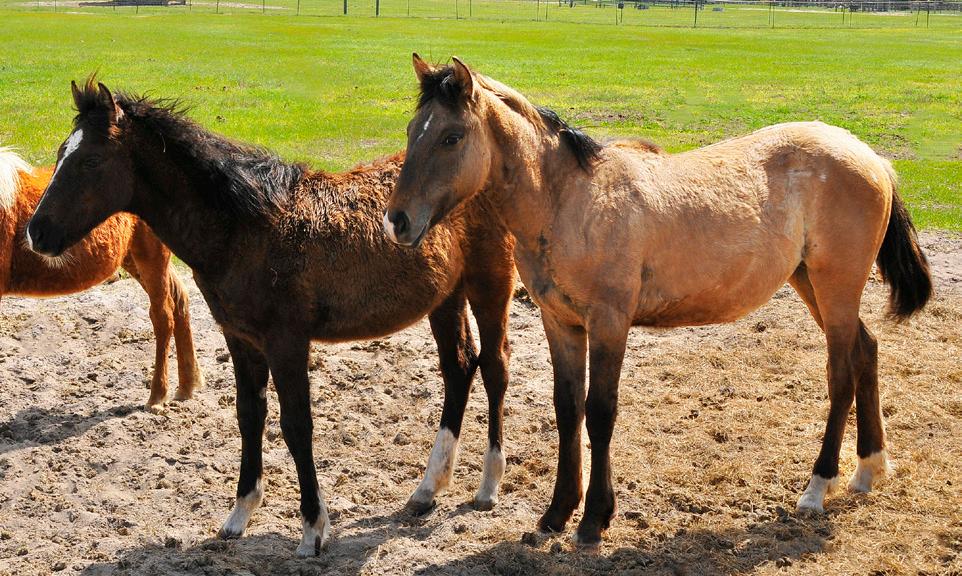
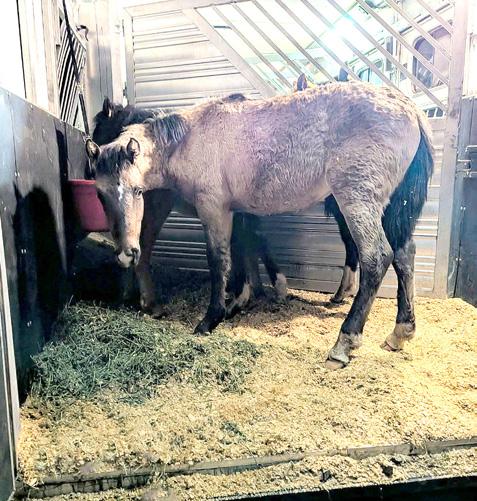
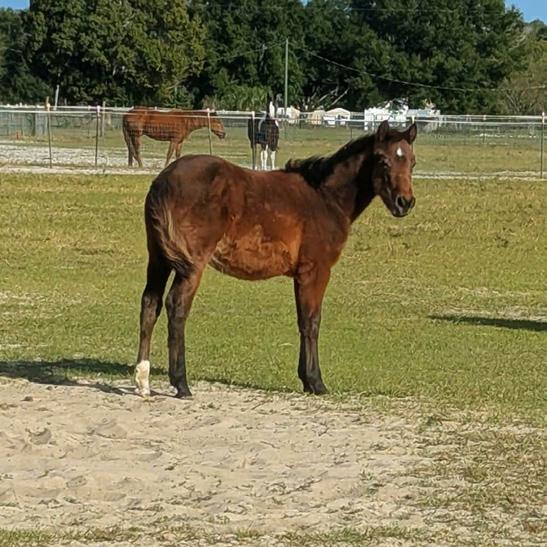
Twelve slender legs move in perfect unison. If I did not know better, I would think these legs belonged to one creature. Yet there are three foals, glued together in fear. They take synchronized cautious steps. This is likely an instinctual maneuver to make them appear larger to predators. These poor babies have no adult horse leader to follow. Their mothers were taken from them quickly, while they were nursing. The auctioneer said, “Sold.” The mares, bagged up with
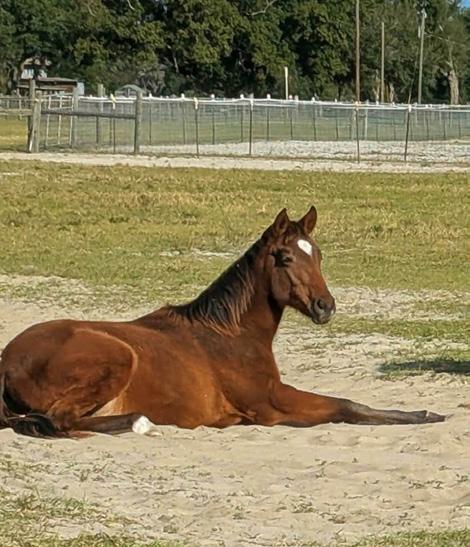
milk, were loaded onto a trailer bound for a slaughterhouse in Mexico. The foals instantly became orphans. Their ages range from three to possibly five months. If they were six months old, they could have been sent on the crowded livestock truck with their mothers. The lifeline for these foals was forever changed. Fragile foals are too delicate to be shipped legally across the USA border to the meat trade. This is where our rescue, HERD, stepped in to help these innocent lives. The foals are unhandled. They are likely from reservation land where horses are bred to form large herds. They live as free spirits and forage
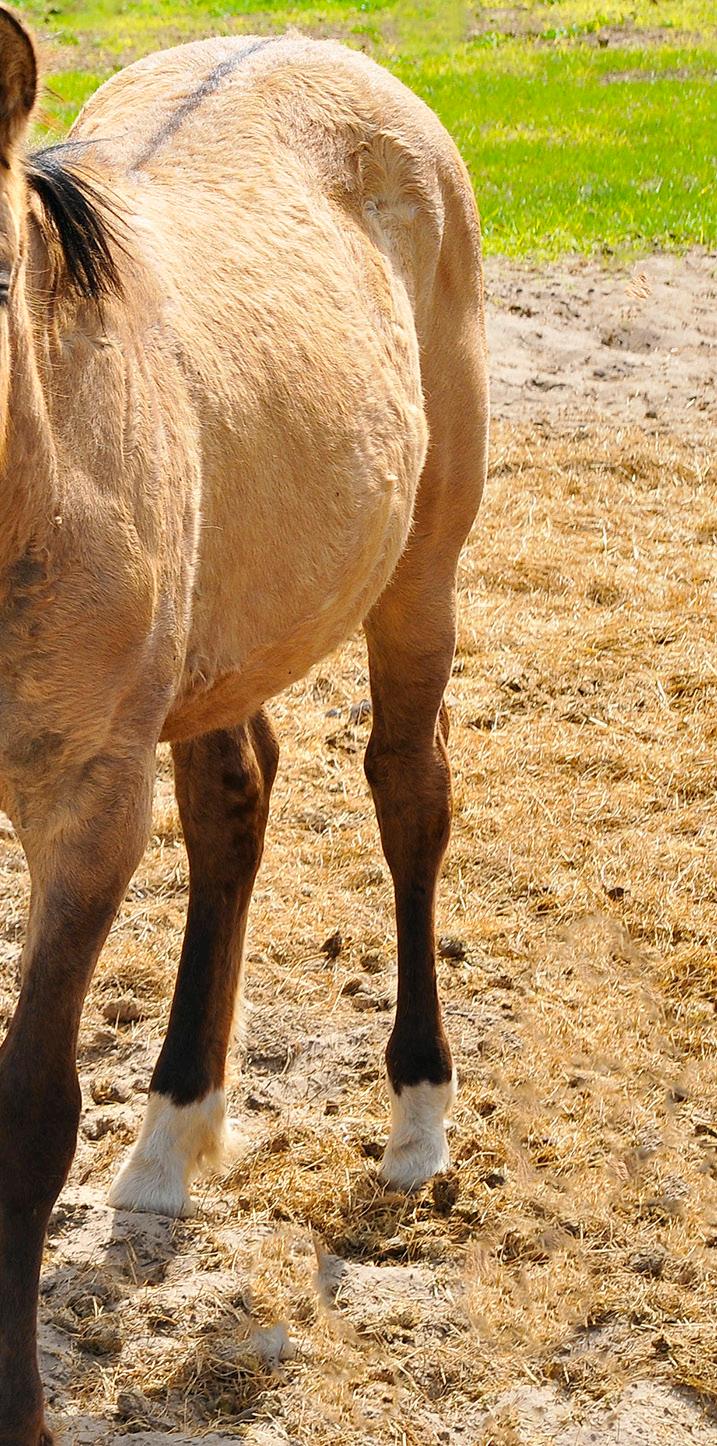
on native grasses most of the year. When my mistress, Heather Freeman, inquired, the livestock seller would not confirm where they came from to his auction. Heather was told by a credible source that they indeed are wild horses from a reservation. The decision had been made to cull the herd because of the brutally cold winter weather. As we all experienced firsthand, winter 2026 was harsh and devastating. Hay is expensive, and lashing winds with bone-chilling cold influence these decisions.
Proudly serving the community we call home


In total, 30 foals were in trouble. We were able to save three that came to our ranch, and two that are in private quarantine for HERD. The plan is to have them delivered to Kathleen Foster in Rutherfordton when they are a bit more handled. We named the three foals living here with us, Indie, Zen, and Charm. The two foals in North Carolina are Whisper and Hollister.
When Indie, Zen, and Charm were delivered at 11:30 p.m., we all watched with relief that they had arrived safely. It was anticipated that they would hop off the trailer and run joyously into their big pasture. Hay and fresh water awaited them. That is what 95 percent of the horses do on arrival. They celebrate their freedom and nice accommodations. Instead, these three huddled together, shaking. Their eyes were wide with fear of what was happening next. The trailer had stopped moving. They refused to jump off, even with the doors
held wide open. It took over 25 minutes of coaxing before Heather and the hauler could gently convince them to leap off into the night and find their footing on solid ground.
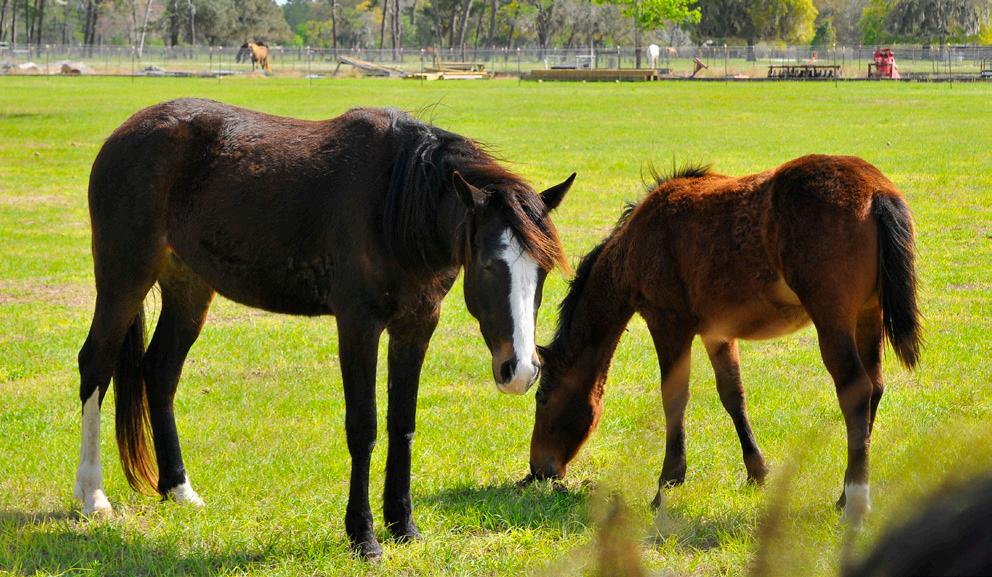
The next morning, we got a clearer perspective of the feral foals. They were inseparable and so quiet. These babies can see other horses. They have young neighbors. Two orphan foals, Pilgrim and Plymouth, are housed with a two-year-old filly, Malabar, at a safe quarantine distance from them. Yet not a single whinny has been heard. The new arrivals have three acres to explore. However, they walk in unison following an invisible perimeter approximately 60 feet wide and 300 feet long. This is roughly one-third of their pasture. Mostly, they stay close to their hay source and water tank in their shelter. They have started to sleep along the fence line closest to the others. Because they are in quarantine, we cannot introduce an adult mare with them yet. We must wait 30 days.

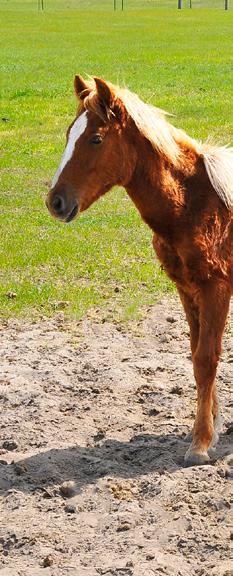








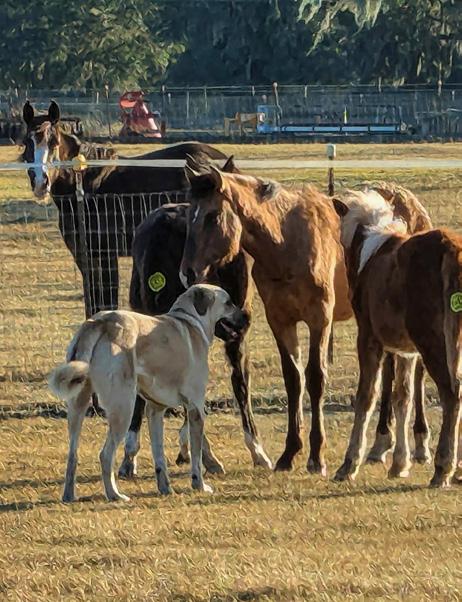
To Heather’s dismay, Charm, Indie, and Zen will not eat any nutritious grain, unlike Pilgrim, Plymouth, and Malabar, who devour theirs twice a day. The feral group will only consume hay. We provide them with an ample assortment of local grass hay and green orchard grass blended with alfalfa. Timber, our Anatolian Shepherd, is the only company they welcome. He is especially curious about tiny Charm.
I believe the difference in food preference is due to their limited exposure. Four-month-old filly, Pilgrim, and the five-month-old colt, Plymouth, were saved earlier, at Thanksgiving. They spent eight weeks in a private quarantine before arriving here. The two were kept in a small, covered pen and offered foal food with their hay. Their bond grew deep instantly as they only had each other for comfort. These two had domesticated mothers. Pilgrim is a stocky, petite quarter horse type, and leggy Plymouth is all thoroughbred. Like the reservation foals, their mothers were sold separately, leaving them alone at a kill lot. At this point, we can rub on them and will soon start halter training. In contrast, the three newcomers see people as dangerous predators.




Yesterday evening, as Heather was out dropping dinner hay, a trailer pulled in across the lane. Three young steers were forced onto a livestock trailer via a cattle shoot. Just like the wild mares who left their foals behind, they had no choice; they were flagged in, and the door closed. The mother cows surrounded the trailer, hollering in frantic distress, calling out to their offspring. They pressed their heads against the trailer exterior, trying to reach their babies. Next, the young steers were driven to a pasture well out of sight from their mothers, but still on the neighboring ranch. Their weaning was to begin. All night long, we heard their moans of despair, “Mother, where are you?” Needless to say, it was hard for me to get my beauty sleep with all the distressed mooing.
Today, I was able to converse with Indie at a safe quarantine distance. She is the largest and the leader of the trio of foals. Here’s what she had to say: “I was not abandoned. My mother fed and protected me. She called out in panic as they forced her onto the trailer. She is gone but not forgotten. We are orphans, and we move as one united energy. Through us, our mothers’ ancient lineages will continue.”








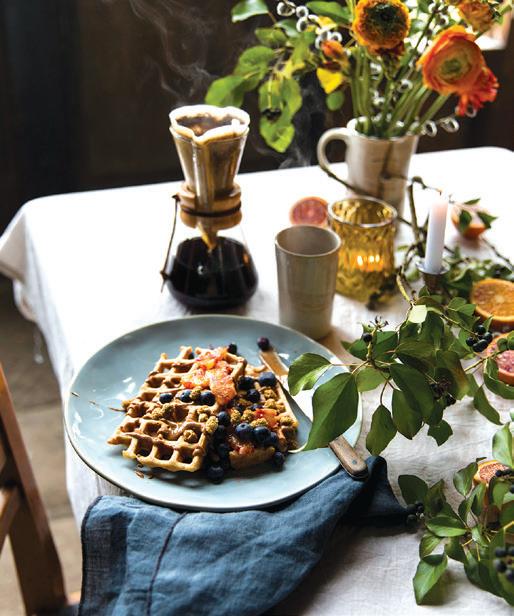
any of the most delicious dishes are a byproduct of their creators’ willingness to try something new. Soy is a popular choice among people looking to consume plant-based protein. Soy can be incorporated into various recipes, and soy milk is one way to do just that. Those who want to prepare a delicious dish with soy instead of more traditional recipes can create a host of beloved foods, including waffles, a breakfast table staple that few can resist. This recipe for “Vegan Soy Milk Waffles With Blueberries” from Lines+Angles may be less traditional, but the result is a delicious plate of irresistible waffles.
Makes 4 servings
• 2 cups whole wheat self-raising flour
• 2 teaspoons baking powder
• 4 tablespoons brown sugar
• 1/2 teaspoon ground cinnamon
• 1/2 teaspoon vanilla extract
• 1 pinch salt
• 1 1/2 cups soy milk
• 5 1/2 tablespoons vegetable oil, plus extra for greasing
To serve:
• 2 blood oranges
• 4 tablespoons almond butter
• 1 handful blueberries
• 1 1/2 ounces dried mulberries
Mix the flour and baking powder in a bowl. Mix in the sugar, cinnamon, vanilla, salt, soy milk, and oil and mix until smooth. Heat a waffle iron and brush with oil. Cook the batter in batches to make 8 waffles. To serve, peel the oranges, removing the white pith and cut into slices. Place the waffles on plates, drizzle with the almond butter and garnish with oranges, blueberries,





Trying new foods is one of the joys of cooking. When people expand their culinary horizons and embrace opportunities to taste new dishes, their mealtime options are endless.
For those looking to experiment with Asian cuisine, this recipe for “Green Fish Curry With Rice” from Lines+Angles is sure to please.
Green Fish Curry With Rice Makes 4 servings
For the curry:
• 2 tablespoons coriander seeds
• 1 tablespoon cumin seeds
• 1 pinch freshly grated nutmeg
• 6 cloves garlic, chopped
• 5 shallots, chopped
• 1 large bunch coriander, chopped, plus extra for garnishing
• 8 green chilies, seeded and chopped
• 4 1/2 ounces galangal, chopped
• 2 stalks lemongrass, outer leaves removed, inner stalks chopped
• 4 kaffir lime leaves, chopped
• 2 tablespoons Thai shrimp paste
• 1 lime, juiced
• 2 tablespoons sunflower oil
• 2 cups vegetable stock
• 4 thick, skinless, boneless cod fillets, approximately 7 ounces each
• Salt
• Freshly ground black pepper
For the rice:
• 1 tablespoon sunflower oil
• 1 cup basmati rice, rinsed in several changes of water, then drained
• 3 cups water
• 1/2 teaspoon salt
• 1 large carrot, peeled and finely diced
• 4 1/2 ounces green beans, chopped

For the curry: Toast the coriander and cumin seeds in a dry frying pan over a medium heat until aromatic. Tip into a spice grinder and blitz until fine and powdery. Tip into a blender or food processor. Add the nutmeg, garlic, shallots, coriander, chillies, galangal, lemongrass, kaffir lime leaves, shrimp paste, and lime juice. Blend on high to make a smooth paste. Heat the oil in a large saucepan set over a medium heat. Add the paste and fry for 4–5 minutes until it starts to darken, stirring frequently.
Whisk in the stock and bring to a simmer. Place the cod in the sauce, cover with a lid, and cook over a low heat for 10 to 15 minutes until the fish is firm, opaque, and starting to flake. Season the
curry with salt and pepper to taste. Cover and set aside until needed.
For the rice: Heat the oil in a heavybased saucepan set over a medium heat. Stir in the rice and fry for 2 minutes, stirring occasionally. Stir in the water and salt. Bring to a boil, then cover with a lid and cook over a low heat for 20 minutes until the rice has absorbed the water and is tender.
When the rice is ready, scatter the carrot and green beans on top and cover with a lid. Set aside for 10 minutes. Fluff up the rice with a fork, mixing in the vegetables at the same time.
Reheat the curry over a medium heat. Ladle into bowls and serve with the rice on the side and some chopped coriander on top.
Bill the painter for all your painting needs! Also do drywall repair and wood repair! 32 years experience. Like Bill the Pinter on Facebook 828-899-2647
Home for Sale Oneof-a-kind sanctuary situated on 21 secluded acres with pond. 5,200 suare foot gated estate.
$1,850,000 Lane Robbat 828.817.4663
Specializing in small repairs, Water Heaters, Well Pumps. Serving Polk County for 34 Years Licensed and Insured NC & SC 828817-1327
DIXON AC & HEATING • Your HVAC Service & Repair Expert • Serving the Tryon area for 30+ years. Call (828)8630555
Epperson’s Tree Service • Complete Tree Service
•Dangerous removals
•View Cutting
•Lot Clearing •Tree Trimming •Crane Removals Serving NC for 25yrs Fully Insured ISA Certified Arborist (828)606-4980
GOCO Contracting
Trusted.Reliable. Local. residential upgrades, repairs and restorations. Serving Western NC and Upsate SC.
Based out of Tryon NC Call GOCO- The Contractor You Can Trust. 828-899-7290
GOOD BY STUMPS
Stump Removal Quantity Discounts on 50+ Stumps! As low as $10 each! Call for pricing. Fully insured. Free Quotes! Call Ron at 828-447-8775
HANDYMAN
SERVICES SPECIALIZING IN DECKS, PAINTING, CARPENTRY, AND HOME
MAINTENANCE. “1 CALL DOES IT ALL.” CALL CHRIS AT (828)388-2503
HOME IMPROVEMENT PAINTING FLOORING AND MORE!
CALL TODAY 828999-0302 Serving Columbus, Tryon, and Hendersonville
Lake Pointe
Landing, A Century Park Community Lake Pointe Landing is not just a great place to live, but a great place to work as well! We are currently looking for nursing staff including CNAs, RNs and LPNs, offering competitive pay and benefits. Visit www.centurypa. com today to explore available positions and apply online! Or stop by out facility to fill out a paper application.
LAWSON PAINTING
Residential Painting
•Interior & Exterior
•Ceiling Texturing
•Light Carpentry Free Estimates Please Call: 864-494-3397
Manuel Flores
Construction •Stucco
•Block •Brick •Tile
•Concrete •Stone Work 864-361-1794
Nice Guys Yard
Clean Up Serving Foothill Mountain Area: Tree Trimming, Brush Pile Burning, Hauling, Shrubbery, Weed-eating, Weed and Brush Spraying, Garage/Shed/ Barn Clean Out.
Competitive Prices Hourly or By the Job! Call The Nice Guys Today! Ask for Charles 864-2858486
Philco’s Pressure Washing Get all the Mold, Mildew, & Oxidation off your house! •Clean Vinyl Siding •Driveways
•Sidewalks •Stain & Seal Decks & More!
Liability & Workers
Comp 31 years
Experience Call To Clean Today! Phil Tolleson 864-5991978 or 864-3048463
POLK COUNTY SCHOOLS Visit https://polkschools. org/personnel/ to apply Or Call:828894-1001
$10 Off Fall
Preventative Maintenance (Reg $75) Rutherford Heating and Air 828287-2240
ALL types of plumbing repairs
• Installations • Emergency plumbing issues • Driveway repairs | Call David Cothran 864-2668267
STEPS TO HOPE
Thrift Barn • Landrum, SC • FT Donation Assistant FT






Donation Assistant/ Driver Duties include but not limited to: •Greet donors, accept donations, provide tax receipts •Sort/ separate donations •Unload truck after pickups •High School diploma/equivalent •Ability to stand for long periods & lift heavy items •Backup Driver must have valid driver’s license PTO, Healthcare Benefits included. Send resume to retail@stepstohope. org










Elevate your financial journey with sound planning strategies crafted just for you. From retirement dreams to investment goals, we're here to guide you toward a sound and prosperous future. Your financial journey begins with Ashworth Financial Group.


Mike Ashworth, CFP
Katheryn Gordon, Financial Advisor
Bryson Shook, Financial Advisor