Hot Topics Japan
A Discussion-Based Integrated Skills Series
Sampler


LEVEL B1 B2
STUDENT BOOK Pages Unit 6 Units Book 15
Hot Topics Japan Second Edition is a discussion-based integrated skills series that explores contemporary issues and trends shaping Japanese society. Through engaging readings, listening activities, discussion tasks, and writing activities, students develop the language and critical-thinking skills needed to discuss real-world topics with confidence.
✓ Integrated reading, listening, discussion, and writing activities
✓ High-frequency vocabulary and useful expressions
✓ Critical-thinking and discussion tasks throughout each unit

✓ Flexible activities suitable for a variety of classroom contexts
• Fully updated Reading and Listening passages throughout both books
• Five brand-new units in each book
NEW UNITS
Book 1
• Reviews and Reputations
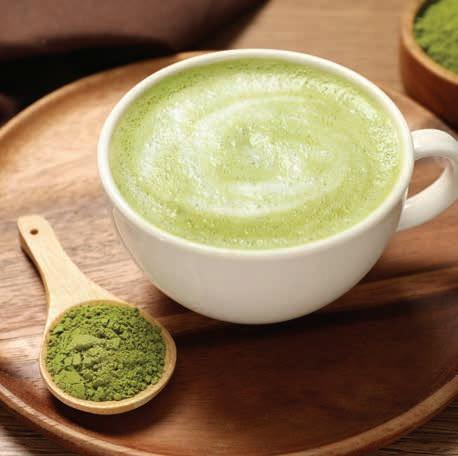
• Wellness in a Cup
• Technology and Trust
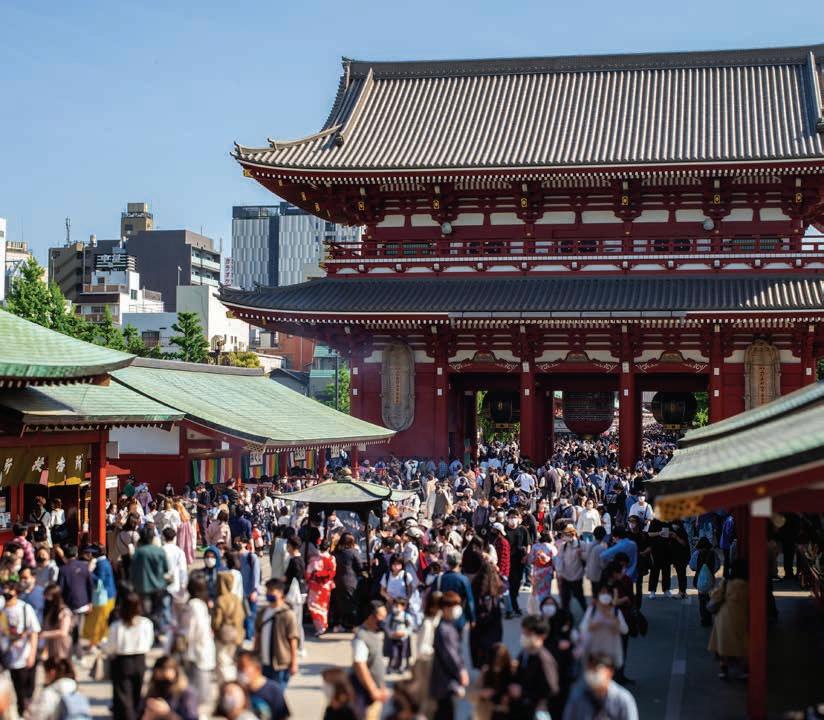
• Travel and Tourism
• Culture and Personality
Book 2
• Shared Lives
• Gender and Society
• Reconnecting with Nature
• Skills for the Future
• Screen Time
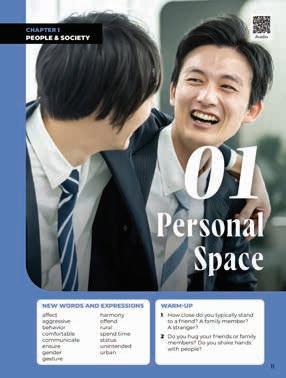

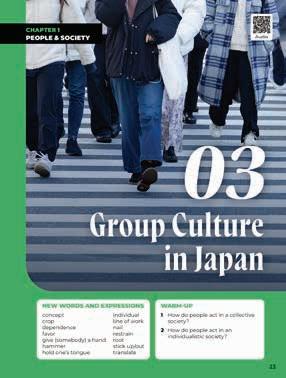


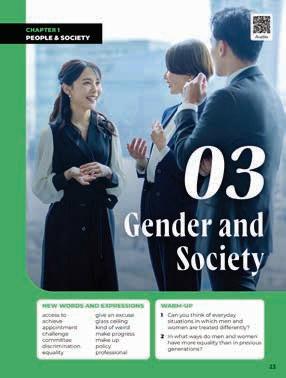

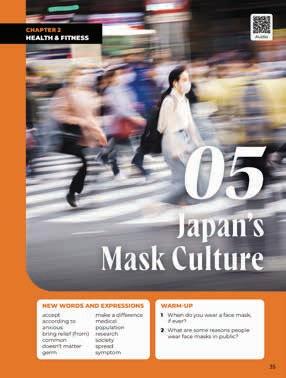

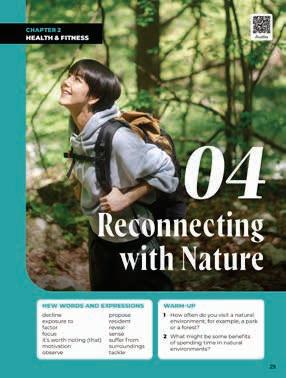

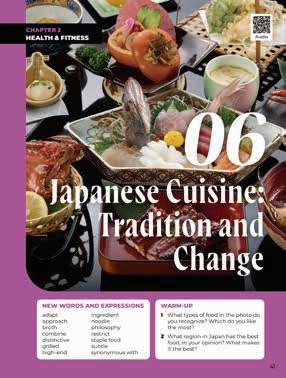
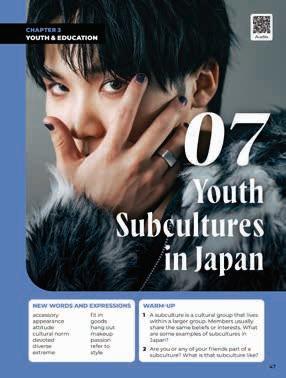
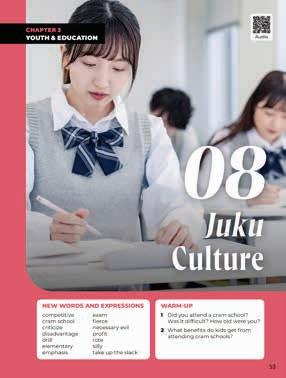


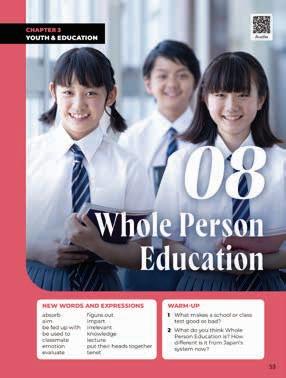





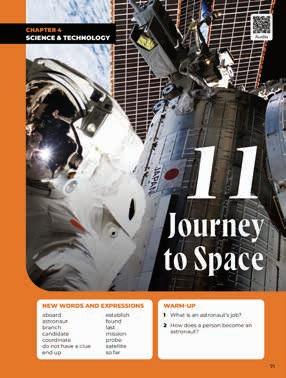


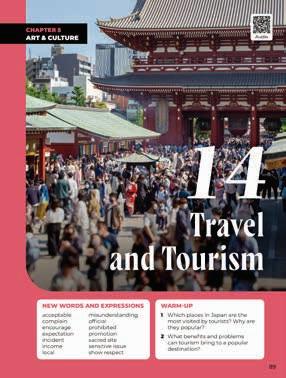
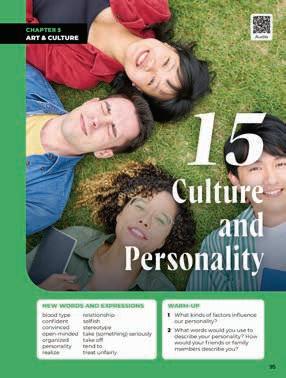



Hot Topics Japan Second Edition is a two-book series specifically developed for the intermediate to upper-intermediate English language learner. The series is intended to support a discussion-style classroom and contains some of the most current issues of interest to young Japanese learners. Within each unit, reading and listening passages have been designed to both engage and inform learners. Learners will also be offered multiple opportunities for discussion related to the content of the unit. The graded passages allow students to comfortably progress to more challenging ones as they move from book one to book two. Exercises in the Hot Topics Japan Second Edition series support the development of learners’ reading, listening, writing, and discussion skills.
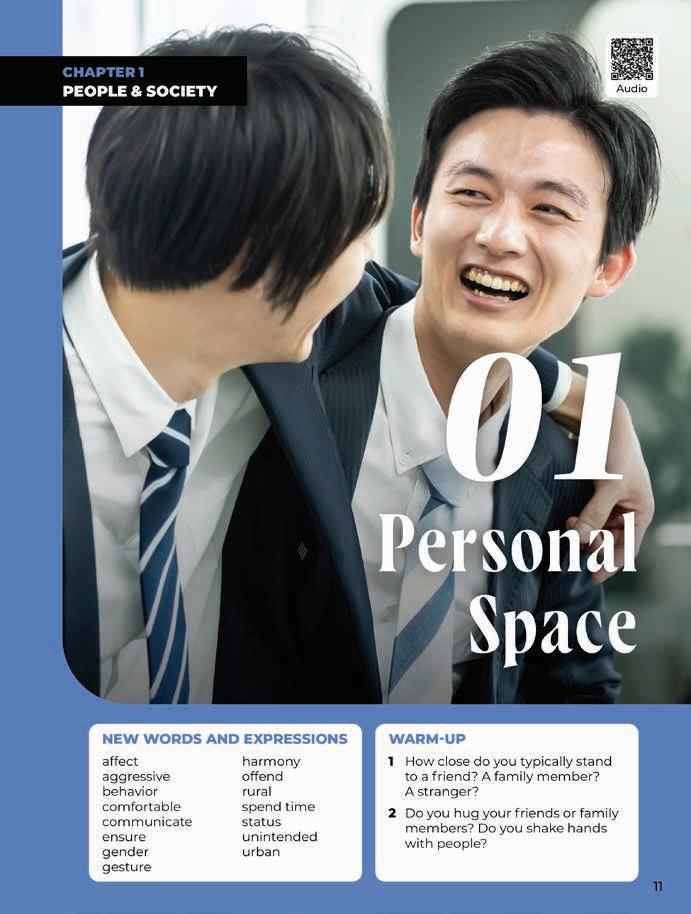
Reading and listening passages for Hot Topics Japan Second Edition were developed around a high-frequency vocabulary list while introducing a limited number of mid-range vocabulary items in each unit. A limited number of common expressions have also been included in each unit. All of these target vocabulary words and expressions are presented in a list for reference and study on the first page of the unit.
Two discussion questions are presented on the title page of the unit. These questions target learners’ background knowledge and experience related to the topic. After thinking about the questions together in small groups or as a class, learners will be prepared to move into the main part of the unit.
A short paragraph presents background information related to the content of the unit. The information and vocabulary presented in the paragraph facilitate comprehension of the listening and reading material in the unit.
Two activities focus learners on the target vocabulary of the unit. The Vocabulary Preview activity in all units first presents learners with the meaning of a vocabulary item. Learners then look for the matching item among a list of choices. The Vocabulary Practice activity requires learners to use target words in some way, either pairing items with synonyms or filling in blanks within given sentences.
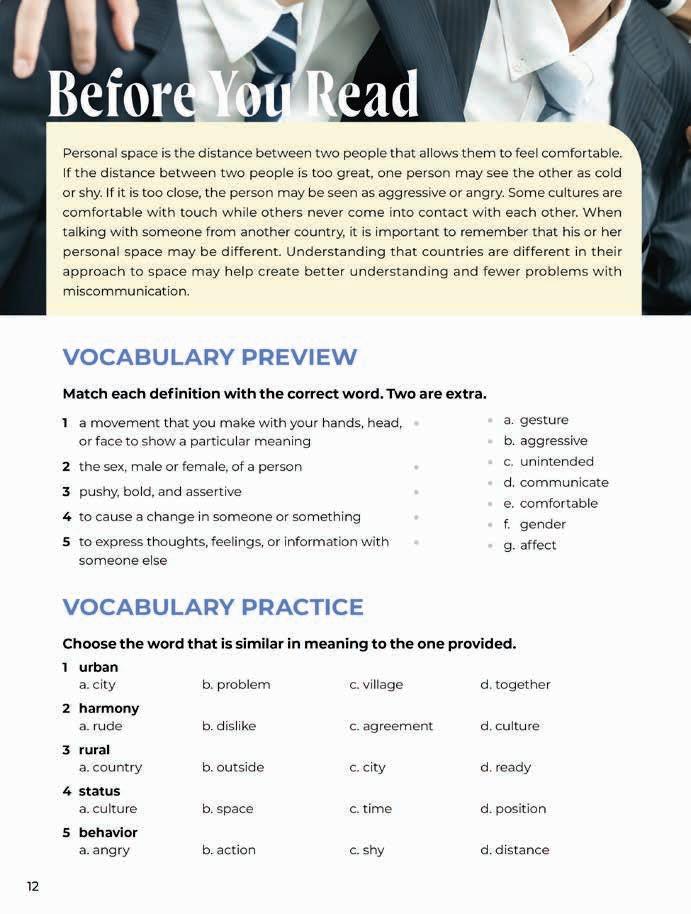
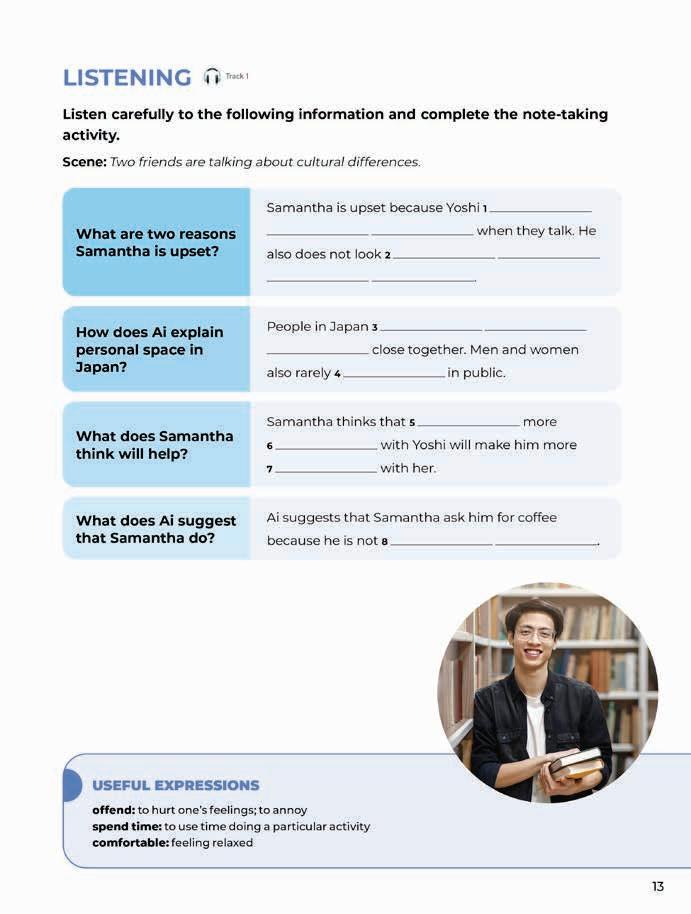
Learners move from Vocabulary Practice to a content-focused Listening activity. The listening passage may either be presented as a conversation or as a short talk. A note-taking guide supports learners in organizing and recording the information heard in the activity.
After Listening, learners will read a short article related to the unit topic. The information presented in the article builds on the content found in the Listening activity. All reading passages in the Hot Topics Japan Second Edition series are written to specific readability and vocabulary ranges. These ranges aim to develop reading skills while keeping the informative content of the passages accessible to learners.
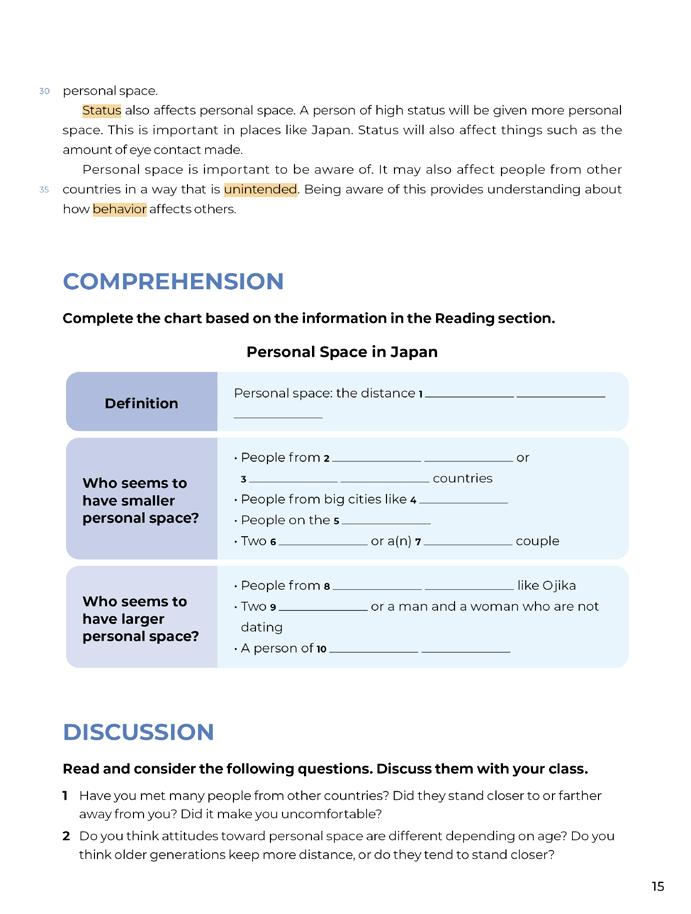
The Comprehension activity in each unit checks learners’ understanding of the Reading section. The graphic organizer presented on this page helps learners consolidate their learning and look at the content from a new angle.
Two open-ended discussion questions follow the Comprehension activity. These questions target learners’ personal experiences and opinions related to the content presented in the unit.
Writing is the final activity in the unit, and it varies in form from unit to unit. The writing may focus on having learners record their personal experiences or opinions, write a creative short piece to share with the class, or interview others and then record what they learn through the interviews. This activity provides closure to the unit through personal or class-based reflection on the unit topic.
& Society
&
1 Personal Space
2 Reviews and Reputations
3 Group Culture in Japan
4 Healthy vs. Unhealthy Snacks
5 Japan’s Mask Culture
6 Wellness in a Cup
7 Youth Subcultures in Japan
8 Juku Culture
9 Studying Abroad
Technology and Trust
affect, aggressive, behavior, comfortable, communicate, ensure, gender, gesture, harmony, offend, rural, spend time, status, unintended, urban
based on, benefit, cope with, give (something) a try, go viral, in the mood for, influence, issue, remove, reputation, run out, score, service, starving
concept, crop, dependence, favor, give (somebody) a hand, hammer, hold one’s tongue, individual, line of work, nail, restrain, root, stick up/out, translate
bottom line, chemical, concentration, convince, flavor, in the long run, memorize, nutrient, obesity, processed, rule of thumb, spoil, vitamin, You are what you eat.
accept, according to, anxious, bring relief (from), common, doesn’t matter, germ, make a difference, medical, population, research, society, spread, symptom
apologize, balanced, boom and bust, claim, demand, increase, keep up with, product, quality, replace, supply, take a look (at), take place, trend
accessory, appearance, attitude, cultural norm, devoted, diverse, extreme, fit in, goods, hang out, makeup, passion, refer to, style
competitive, cram school, criticize, disadvantage, drill, elementary, emphasis, exam, fierce, necessary evil, profit, rote, silly, take up the slack
come up with, economy, exchange, familiar, find out, give (something) a shot, give up, government, graduate, opportunity, randomly, select, semester, support, turn (somebody) down
biased, cause for concern, come across, content, disaster, election, evaluate, free speech, grab attention, likely, media, realistic, survey, warning
announcement, commute, device, elderly, etiquette, function, give (somebody) a piece of one’s mind, interfere (with), mode, portable, privacy, taboo, text, widespread
artificial, assist, be around for, body language, facial, great leap, grip, humanoid, interact, mechanical, No way!, puppet, terrain, trunk, workforce
account for, by far, category, comic, fantasy, get hooked on, mature, publisher, related to, romance, suit the taste of, teenage, violence, weigh a ton
acceptable, complain, encourage, expectation, incident, income, local, misunderstanding, official, prohibited, promotion, sacred site, sensitive issue, show respect
blood type, confident, convinced, open-minded, organized, personality, realize, relationship, selfish, stereotype, take (something) seriously, take off, tend to, treat unfairly
A conversation about cultural differences How Close Is Too Close?
A conversation about deciding where to eat
A lecture about a Japanese saying
How Reviews Shape Our Choices
The Three Roots of Collectivism
An interview with a nutrition expert You Are What You Eat!
A conversation about a news report Why Wear a Mask?
Further Discussion: Personal space
Review: Restaurant or café
Story: A person who represents Japanese culture
Interview: Eating habits
Debate: Wearing medical masks in public
A podcast about green tea Superfood Trends: Health or Hype? Further Discussion: Superfoods
A guide’s explanation of a walking tour
Changing Views of Otaku Culture
A conversation about cram schools Juku: Lost Childhood or Future Success?
An explanation of a study abroad program
A seminar about evaluating online information
A conversation about a morning commute
A conversation about a TV show on robots
A conversation about different kinds of manga
A conversation between a tourist and a temple ticket clerk
Debate: Japanese subcultures
Debate: Cram schools
Saying “No Thanks” to Study Abroad Essay: Studying abroad
Finding the Truth Online
Courtesy in the Digital Age
Rise of the Machines
Markets for Manga
Report: Evaluation of a news article
Interview: Smartphone etiquette
Story: A robot you would build
Essay: An influential manga or anime
The Pros and Cons of Tourism Essay: Advice for an overseas visitor to Japan
A podcast about a personality test Is Personality in Our Blood?
Report: Online personality test
authentic, broadcast, confidential, connection, constantly, curated, express oneself, in contrast, ordinary, permission, pressure, shift, staged, stuff like that
alarm, convicted, criminal, intellectual, offense, on the books, pay attention, prosecutor, register, rifle, stab, sword, tempting, white-collar crime
access to, achieve, appointment, challenge, committee, discrimination, equality, give an excuse, glass ceiling, kind of weird, make progress, make up, policy, professional
decline, exposure to, factor, focus, it’s worth noting (that), motivation, observe, propose, resident, reveal, sense, suffer from, surroundings, tackle
bad press, engage in, exhausted, fatigue, greet, in spite of, lawsuit, look down on, nap, phenomenon, proactive, promotion, slump, spontaneous
adapt, approach, broth, combine, distinctive, grilled, high-end, ingredient, noodle, philosophy, restrict, staple food, subtle, synonymous with
bamboo, competition, facility, injury, make sense, manual, martial art, ministry, myth, sign up, skyrocket, straw, turn (somebody) into, wrestling
8 Whole Person Education
absorb, aim, be fed up with, be used to, classmate, emotion, evaluate, figure out, impart, irrelevant, knowledge, lecture, put their heads together, tenet 9 Skills for the Future
addiction, break down, come to mind, conclude, conventional, distraction, evidence, inclusive, raise awareness, resilience, show empathy, simulation, soft skills, unique
acknowledge, apparently, apply to, by the way, citizen, get in the way (of), guideline, limit, measure, penalty, prevent, private life, recommend, report
Journey to Space
Modern Money
Taboo Tattoos
aboard, astronaut, branch, candidate, coordinate, don’t have a clue, end up, establish, found, last, mission, probe, satellite, so far
adjust to, change the game, commission, consumer, downside, expense, fraud, innovation, invest, involve, it depends (on), payment, reliability, transaction
accessible, associated with, audition, consecutive, dominance, exceed, flexible, identify as, in one’s honor, obsession, producer, release, sensation, tie-in
be up to, blackmail, elaborate, gang, Give me a break., insert, loan-sharking, mafia, outlaw, resort, taboo, tattoo, terminate, word of mouth
alien, animated, be second to none, (a) big chunk, boulder, cater to (somebody), foundation, multiple, occasion, portfolio, prop, put up, stock up on, update
An interview about online sharing
A conversation about crime in Japan
A conversation about a lunch order
A podcast about forest bathing
The Pressure to Be Real
How Safe Are You?
Toward Gender Equality in Japan
Tackling Japan’s Nature Deficit
A conversation about work Can You Die from Working Too Much?
An explanation about traditional Japanese cuisine
A conversation about junior high PE classes
A lecture about Whole Person Education
Japan’s Evolving Cuisine
Bringing Martial Arts into Junior High Schools
It’s Time to Think for Yourself
A presentation about future-ready skills Can Gaming Teach Life Skills?
A conversation about internet usage
A conversation about astronauts
An interview about payment methods
A podcast about oshikatsu
A conversation about tattoos in Japanese culture
An advertisement for a new cosplay service
Should We Limit Smartphone Use?
Japan’s Space Program
Japan’s Road to a Cashless Society
How AKB48 Changed Japanese Music
The Changing Image of Tattoos
Cosplay Costumes and Beyond
Interview: Sharing content online
Further Discussion: Crime rate
Essay: Gender roles in Japanese society
Further Discussion: How to connect people with nature
Story: A day in the life of a businessperson
Essay: Favorite seasonal food
Essay: Teaching a sport or activity to junior high students
Debate: Whole Person Education
Report: A soft-skills game
Debate: Official guidelines on internet use
Debate: Investment in space travel
Interview: Different forms of money
Interview: Oshikatsu
Further Discussion: Tattoos
Essay: Cosplay
Second Edition
CHAPTER 1
PEOPLE & SOCIETY

NEW WORDS AND EXPRESSIONS based on benefit cope with give (something) a try go viral in the mood for influence issue remove reputation run out score service starving
1 What do you use online reviews for? Do you ever post your own reviews?
2 When you want to eat out, how do you usually decide where to go?

Until the start of the 21st century, restaurant reputations depended largely on word-ofmouth recommendations from customers and reviews in newspapers or restaurant guides. The world’s most famous restaurant guide, the Michelin Guide, introduced its three-star rating system in the 1930s. About seventy years later, the first online review sites began to appear. These were soon followed by popular dining apps like Tabelog. By 2025, about 70% of people in Japan said they looked at online reviews when deciding where to eat.
Match each definition with the correct word (or phrase). Two are extra.
1 a number used to show how good or bad something is •
2 to take something away
3 to change or affect something or someone
4 an important topic or problem
5 the act of helping or working for someone
Fill in the blanks. Use the words (or phrases) from the box.
• a. influence
• b. issue
• c. remove
• d. run out
• e. service
• f. score
• g. starving
based on benefit cope with go viral reputation
1 The kitchen staff has to a lot of pressure when the restaurant is very busy.
2 Some photos and memes and are seen by millions of people online.
3 The TV anime Food Wars!: Shokugeki no Soma is a manga by Yuto Tsukuda.
4 Stores that have a very good often attract a lot of customers.
5 Regular exercise and a balanced diet will your health.
Listen carefully to the following information and complete the note-taking activity.
Scene: Two friends are discussing where they would like to eat.
Situation
Decision The friends are 1 at home / at a hotel The friends will try 12 Restaurant 1 / Restaurant 2
Options
USEFUL EXPRESSIONS
• Opened last month • 10% 6 • 11 prices • Food looks great
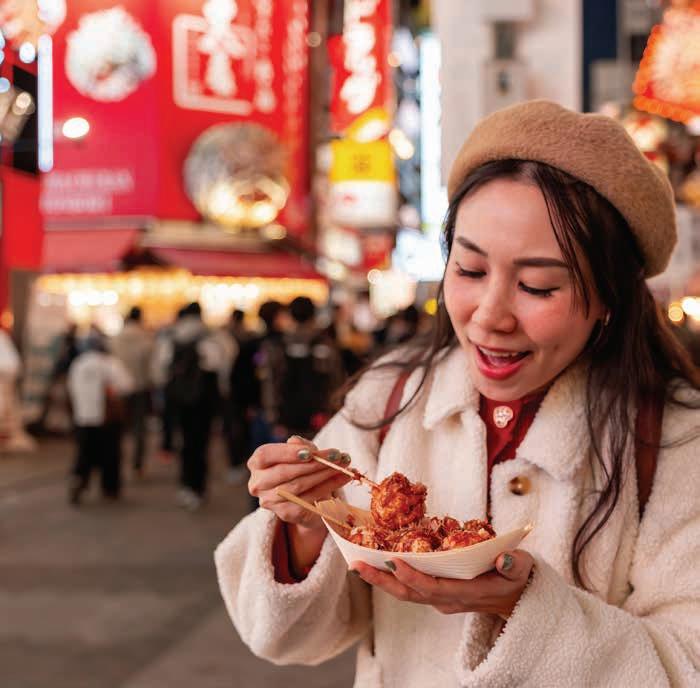
starving: very hungry in the mood for: wanting something at a particular moment give (something) a try: to attempt or test something, especially something new
Imagine you are choosing where to eat out with friends. You find a sushi restaurant online. The location is convenient, the food pictures look great, and the reviews seem positive. But then you notice the rating: 3.4 out of 5. Do you give it a try?
Online reviews often influence where we decide to eat. They give us useful information quickly: price, service , and food quality. Positive reviews can also benefit restaurants, especially new businesses trying to attract customers.
However, there are some issues with online reviews. People have different ideas about what a score means. This can be influenced by culture. Tourists visiting Japan are often surprised by the number of low user ratings on local apps like Tabelog. On this site, more than 95% of reviews are 3.5 or lower, and five-star ratings are rare. In contrast, foreign visitors are more likely to give good restaurants a much higher score.

You might think that restaurants would always want a high review score. But online fame can create its own problems. A small restaurant that goes viral may not cope with the extra demand. Wait times might become longer, and food may run out fast. As a result, the restaurant could lose its reputation and even its customers.
Negative reviews can be even more serious. Even a single bad review can harm a restaurant. In 2023, an izakaya in Aomori received about 40 one-star reviews in just one hour. Its score fell from 4.6 to 2.4. The posts were found to be fake, so the website removed them. However, the negative reviews had still hurt the restaurant’s reputation.
Online reviews are very influential, so we should use them carefully. Is a restaurant’s rating based on many reviews or only a few? Does a reviewer give any reason for their high or low rating? And before posting our own comments, it’s good to ask: Is what I’m saying fair? Our words may influence others more than we think.
Complete the chart based on the information in the Reading section.
• You can get useful information about a restaurant, e.g., price, 1 , and quality of food.
• 2 reviews help restaurants attract more
3 .
• 4 don’t always mean the same thing to everyone. They can be affected by 5 .
• If a small restaurant goes 6 , it can be a problem. Extra demand may mean longer 7 or food running out.
• A restaurant’s 8 can be hurt by bad or fake reviews.
When using online reviews, ask:
• 9 reviews is the rating based on?
• Are there any 10 given for a high or low score?
Read and consider the following questions. Discuss them with your class.
1 Imagine you and your classmates are choosing a place to go for a class dinner. How important would the following factors be? Work with a partner and rank them 1 to 8 (1 = most important, 8 = least important). Then share your ideas with the class.
price location taste food’s appearance
service menu variety atmosphere restaurant’s cleanliness
2 How might culture affect the way people think about online scores? Why do you think foreign visitors might be surprised by ratings on Japanese apps like Tabelog?
Write a review of a restaurant or café. Think of somewhere you know or use one of the restaurants in the Listening section. Use the questions below as a guide and add details when appropriate. Be prepared to read your review to the class. The class will decide which place to try.
• Is the location convenient?
• How is the service? Is it fast and friendly?
• Are the prices reasonable?
• How is the quality of the food? Does it taste and look good?
• What is the atmosphere like, e.g., is it quiet or lively?
• Are there a variety of options on the menu?
• Is it easy to get a table?
• What overall rating would you give it out of five?
Review
Rating: / 5
CHAPTER 2
HEALTH & FITNESS
NEW WORDS AND EXPRESSIONS decline exposure to factor focus it’s worth noting (that) motivation observe propose resident reveal sense suffer from surroundings tackle
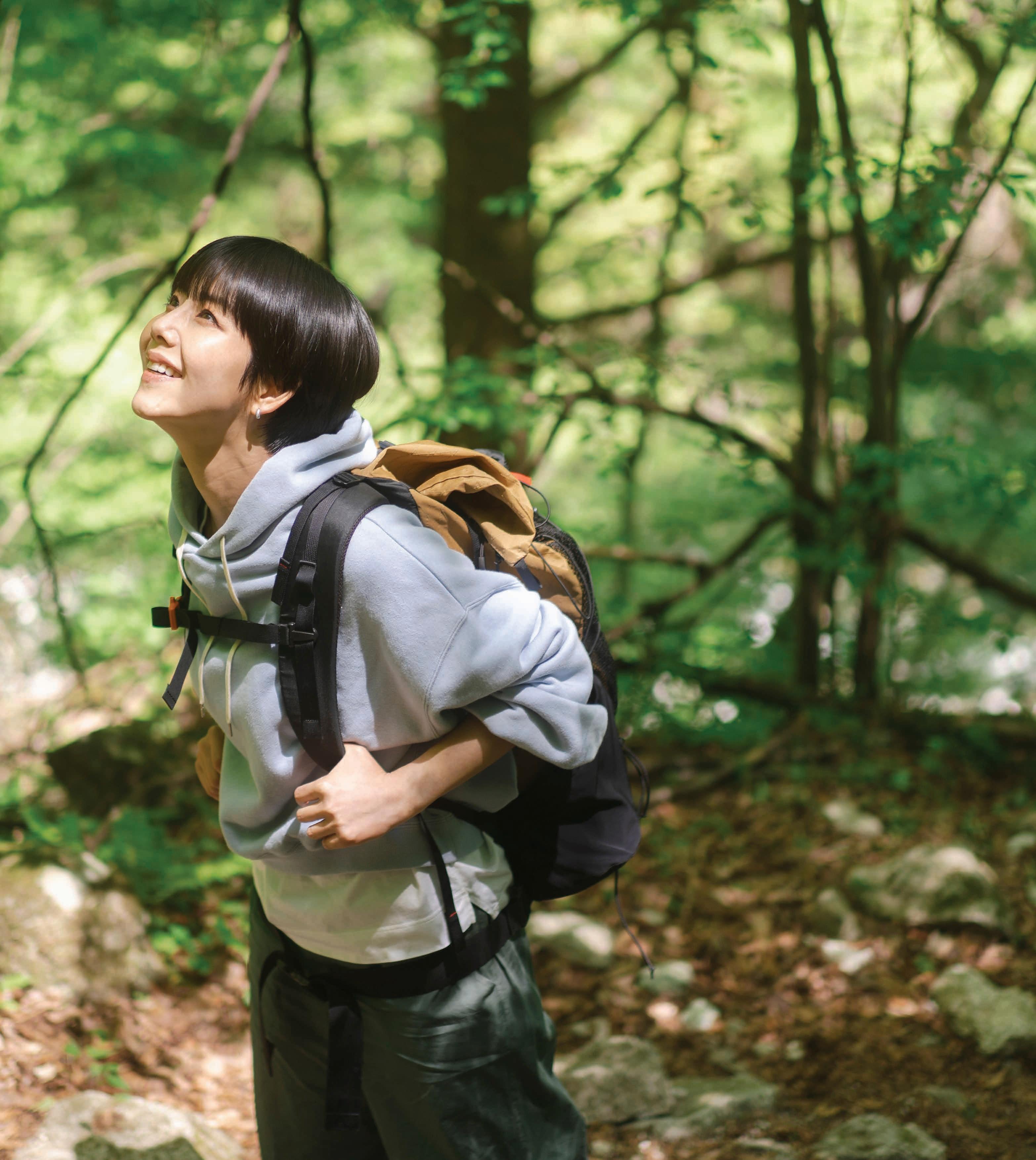
1 How often do you visit a natural environment, for example, a park or a forest?
2 What might be some benefits of spending time in natural environments?
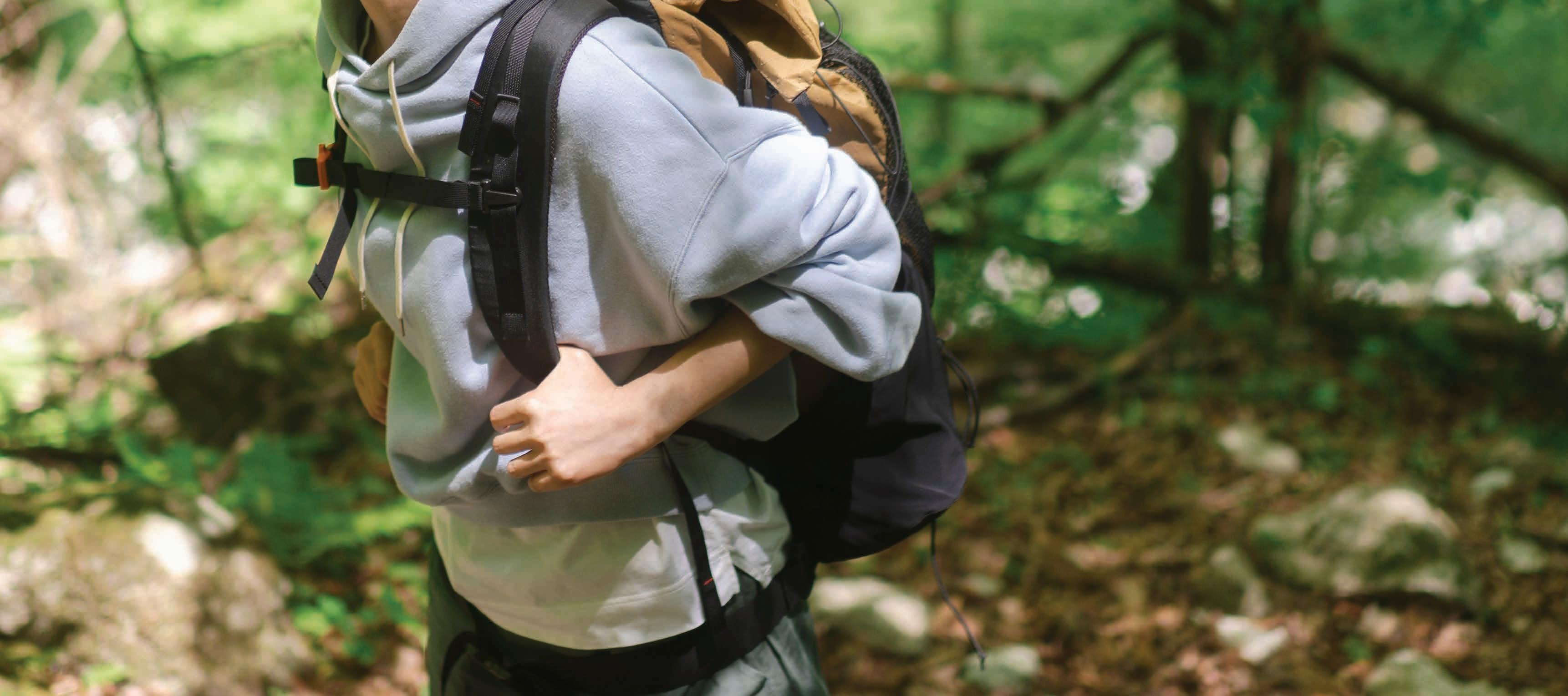
Surveys suggest that more than 70% of children in Japan no longer play outside regularly, preferring instead to spend time indoors. Even in rural areas, where it is easier to access natural environments, fewer and fewer children spend time in nature. This is partly due to concerns shared by parents and local officials over children’s safety, particularly regarding uncontrolled play in unsupervised areas. Studies have also reported a declining interest in wildlife among many young Japanese. Together, these trends are causing alarm over a “nature deficit” affecting Japan’s young people.
Match each definition with the correct word (or phrase). Two are extra.
1 to make something known to somebody
2 an influence on a result
3 to become weaker or lower
4 the need or desire to achieve a goal
5 to watch carefully
Fill in the blanks. Use the words from the box.
• a. decline
• b. exposure to
• c. factor
• d. motivation
• e. observe
• f. sense
• g. reveal
focus propose residents surroundings tackle
1 The environment committee plans to a new plan for wetland protection.
2 At the lakeside, I looked around and photographed the beautiful .
3 The main of my essay this week was the impact of deforestation.
4 The government introduced a new policy to air pollution.
5 It’s important for urban to be able to cycle safely around the city.
Listen carefully to the following information and complete the note-taking activity.
Scene: Two podcasters are discussing the science and benefits of forest bathing.
What is shinrin-yoku?
What was one of the first studies?
What did his research show?
What does forest bathing involve?
Shinrin-yoku, or “forest bathing,” refers to the practice of spending time in forests, which can have many 1
The term was first used in the 1980s, but the first major research took place in the early 2 .
Prof. Li took a group of business workers on a three-day forest-bathing trip in 3 .
Chemicals released in forests can have a positive effect on our immune system and our 4 levels.
It’s about using all our 5 to appreciate nature and noticing 6 like the 7 of a river or the shape of leaves.
Most of the research has been quite 8 so far. Also, it’s difficult to identify the exact 9 of the benefits.

sense: one of the abilities used to experience the world, such as sight or taste it’s worth noting (that): it’s important to mention or point out (that)
Japanese people have long had a close relationship with nature. The country’s native religion, Shinto, involves reverence for sacred spirits, or kami, in forests and other natural environments. Today, just over two-thirds of Japanese land is covered by trees, compared to about one-third of the United States. Nevertheless, there are growing concerns that Japan’s connection with nature is being lost. More and more people are living in cities, including over 92% of the population in Japan. As a result, many people, and especially the young, are said to be suffering from a “nature-deficit disorder.”
The term “nature deficit” was first used by author Richard Louv in his book Last Child in the Woods. Louv argued that in many developed countries, people are spending less time in natural surroundings. This is partly due to a lack of opportunity. Urban residents in Japan, for example, may live kilometers from the nearest forested area. Another factor, Louv argues, is loss of motivation, which is driven by the rise of digital technology. As children turn to digital media, the time they spend playing outdoors continues to decline.
For researchers like Louv, this is a concern for several reasons. First, direct experience of nature, they argue, is essential for a child’s healthy development. Exposure to nature can help children improve their focus and attention. Research suggests that young people with ADHD, for instance, can focus better after spending time in green spaces. Natural “unstructured play,” such as climbing trees and running on rough ground, also helps improve agility. Being in a natural environment can also help reduce stress and blood pressure. In one study, researchers observed people at an outdoor program at Akasawa Forest in Nagano. The study revealed that a fifteen-minute forest walk reduced the blood pressure of people with hypertension. In Japan, two main approaches have been used to tackle the nature deficit. One is to bring people to nature; the other is to bring nature to people. Examples of the first approach include programs such as the Tokyo Satoyama Project. These give young urban residents the opportunity to experience life in traditional rural environments. The volunteer-led programs encourage people to help with forestry and harvesting.

Not everyone in a city, however, has the time or motivation to take part in rural programs. So, another approach is to bring nature into Japanese cities. One way is to create “pocket
forests” in cities. The idea was proposed by ecologist Akira Miyawaki and first developed in the 1970s. He argued that unused or derelict urban areas could be turned into small woods. Trees are planted close together, with up to five trees per square meter. The trees compete for sunlight and grow faster than in a traditional forest. There are now hundreds of Miyawaki “pocket forests” across Japan, and the method has spread internationally from Brazil to Scotland. Pocket forests are just one way that Japan is helping reconnect people with nature, both at home and abroad.
Complete the chart based on the information in the Reading section.
1. What is “nature deficit”?
• This term was first used in a book by author 1
• People don’t spend enough time in 2 .
2. What causes it?
• Lack of opportunity: 3 live far from forests.
• Loss of 4 : The rise of digital media makes children spend less time 5 .
3. Why is it an issue?
• Focus and attention improve after spending time in green spaces.
• Agility improves with 6 , such as climbing trees.
• One study revealed a drop in 7 among people with hypertension after walking for 8 minutes in a forest.
4. What can be done?
• Bring people to nature: Tokyo Satoyama Project
- Programs led by 9 encourage urban residents to help with 10 .
• 11 to people: Miyawaki “pocket forests”
- The idea of turning unused urban areas into small forests has spread from Japan to places such as 12
Read and consider the following questions. Discuss them with your class.
1 Which approach is more realistic: bringing people to nature or nature to people? What might be the pros and cons of each approach?
2 How do you think parents would feel about the kind of natural “unstructured play” mentioned in the passage? What are some issues or concerns they might have?
In groups, discuss one of the topics below. One student in your group should take notes. After the discussion, another student from your group will present the group’s most interesting points to the class.
Imagine you have been asked to create an app that will make young people more interested in being outdoors. What kind of app would you create, and how would it work? How would you market it?
Think of an urban neighborhood you know that would benefit from having a pocket forest. Where would you create the forest and why? How would you encourage people to visit it?
Imagine you are a council member in a forested rural area. You want to create a local program that attracts young urban residents to experience forestry as a career. What would your program include, what would you call it, and how would you promote it?
Compass Digital-TG
Don’t get stressed by class preparation!
You’ll be ready with the Compass Digital-TG.

Curriculum and Resources
Looking for a class curriculum? We offer well-designed programs and resources for your class!
Join our webinars to get up-todate teaching methods and tips. Webinar and Teaching Tips

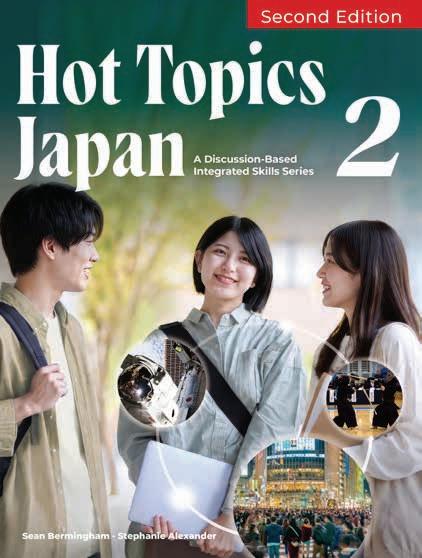
Hot Topics Japan Second Edition is a two-book discussionbased integrated skills series designed for intermediate to upper-intermediate English learners. Through engaging reading, listening, discussion, and writing activities, students explore contemporary issues shaping Japanese society while developing the language and critical-thinking skills needed to discuss real-world topics with confidence.

What’s New in the Second Edition
• Fully updated Reading and Listening passages throughout both books
• Five brand-new units in each book
Key Features
• Integrated reading, listening, discussion, and writing activities
• High-frequency vocabulary and useful expressions
• Critical-thinking and discussion tasks throughout each unit
• Flexible activities suitable for a variety of classroom contexts