Trisha A. Kawa Urban Planning + Design

Green Divide
Los Angeles County, United States
Solar Rise Bangkok, Thailand
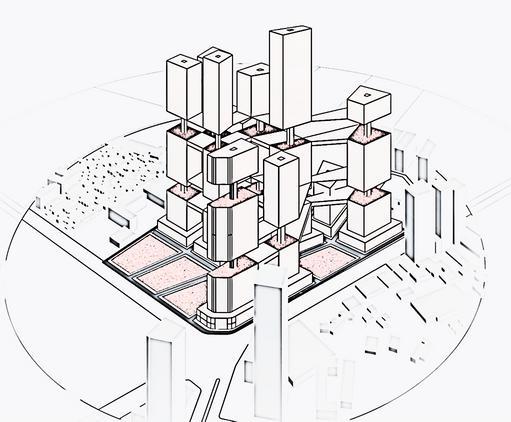
A study exploring iterative design strategies to achieve an optimized urban form in Bangkok, Thailand.
Group project, Fall 2024
Key Design Strategies:
Vertical density with efficient land use.
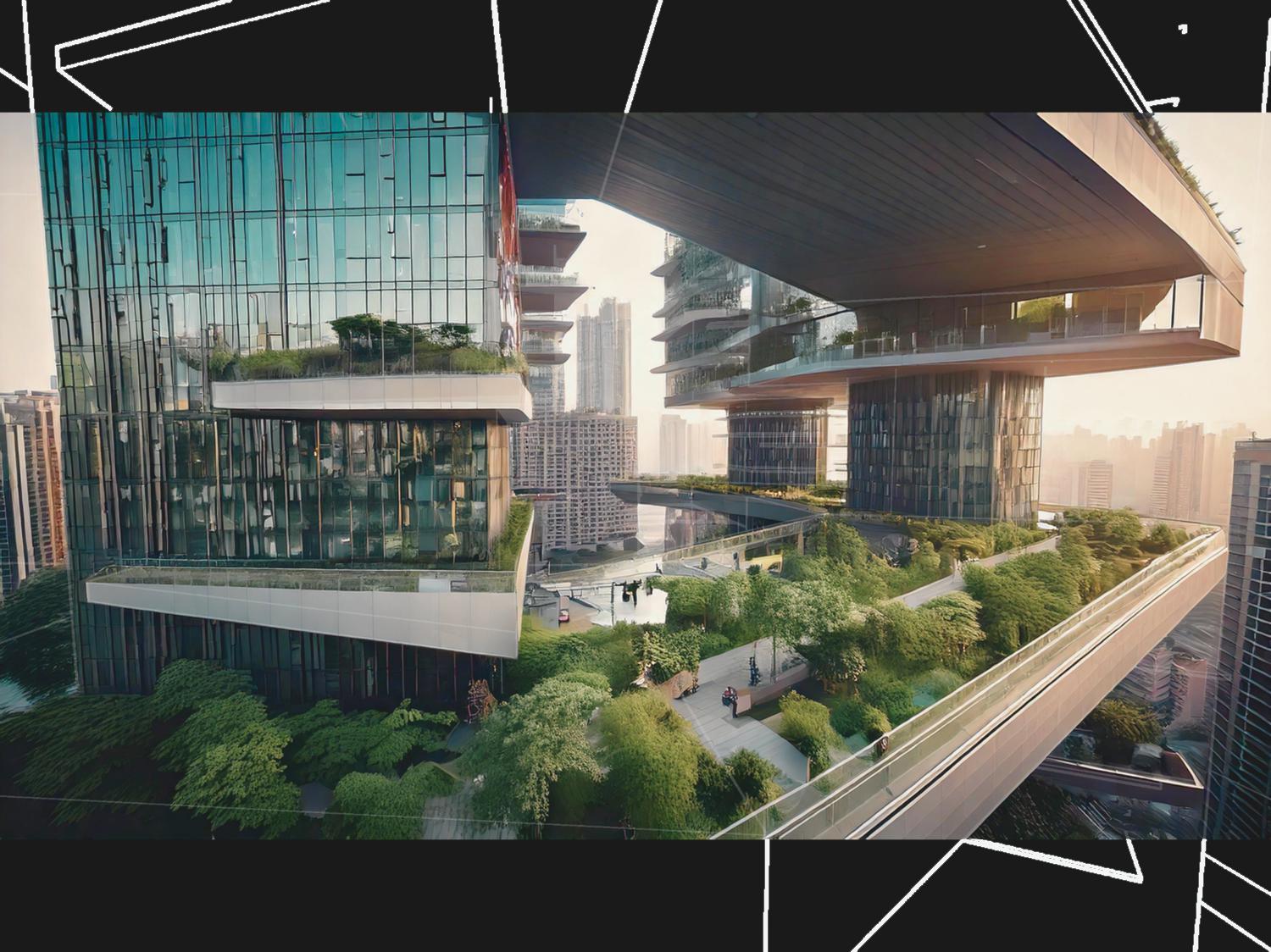
Integrated green spaces through sky gardens and rooftop parks
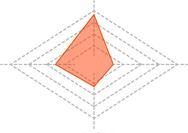
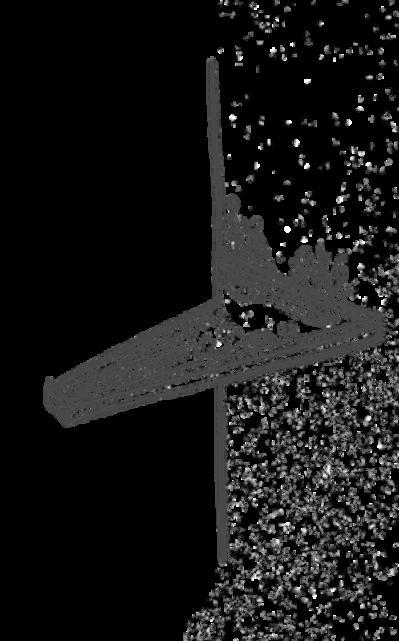
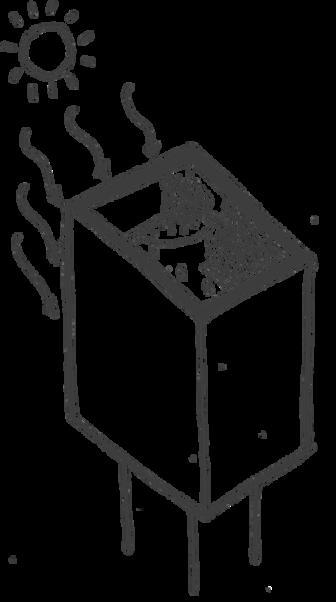
Strategic solar optimization with high-exposure panel placement
Enhanced livability via accessibility, view corridors, and sustainable forms.
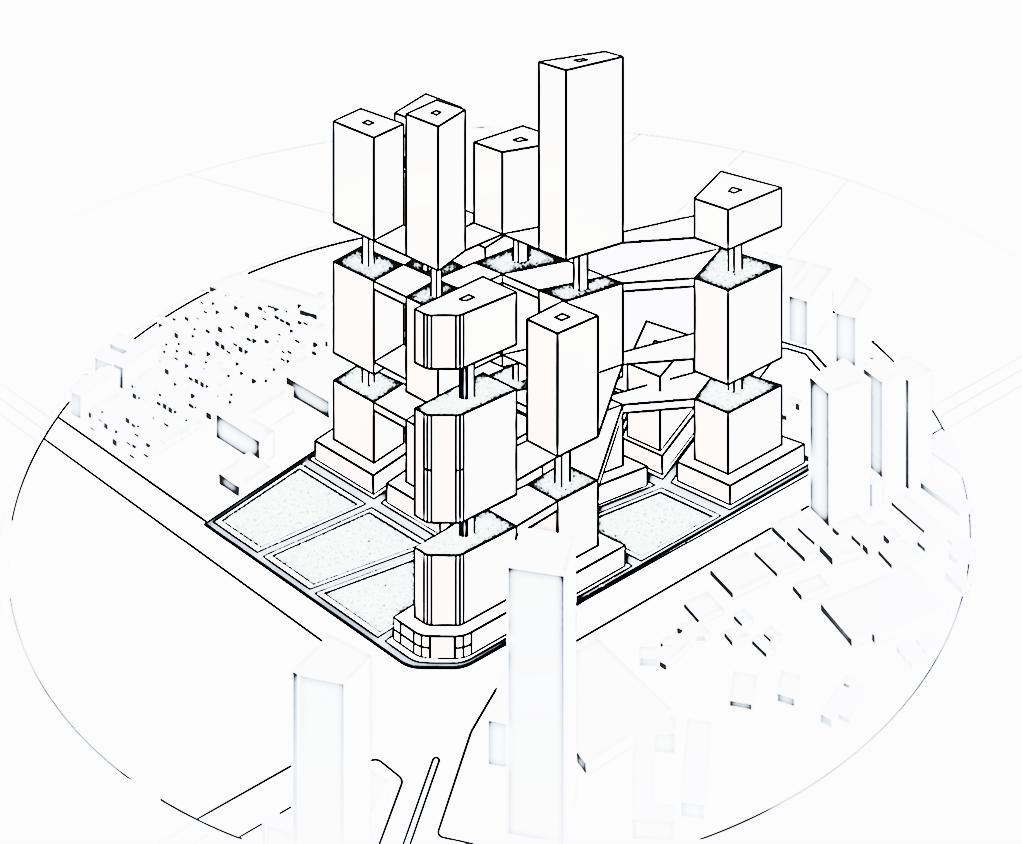
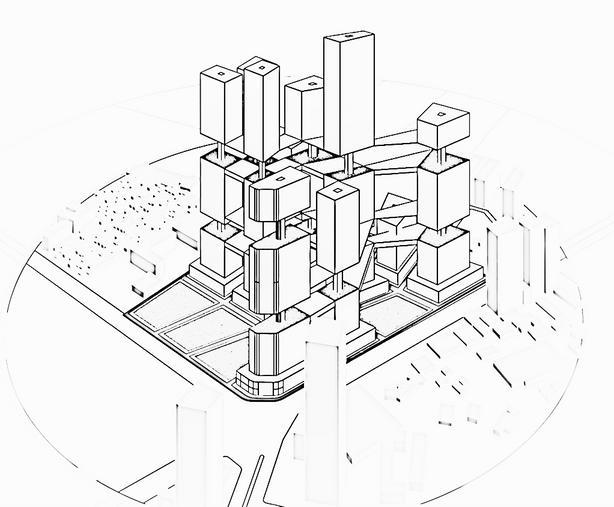
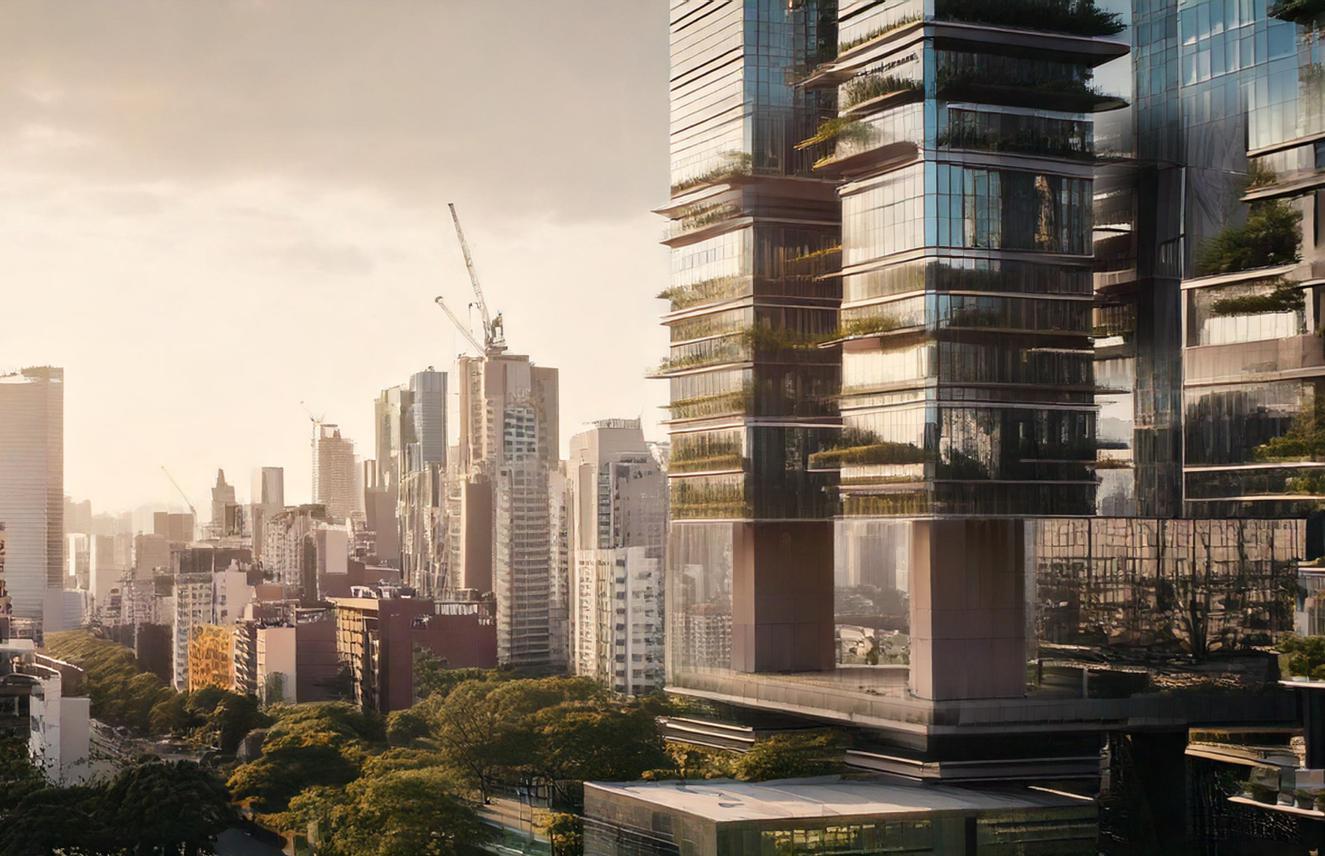
Solar Rise is a sustainable urban development proposal that explores computational design strategies to balance high-density development with environmental sustainability and enhanced urban livability. Through an iterative process using Wallacei, multiple design variations were generated and analyzed based on floor area ratio (FAR), green area ratio (GAR), solar gain, and view accessibility to determine the most optimized urban form.

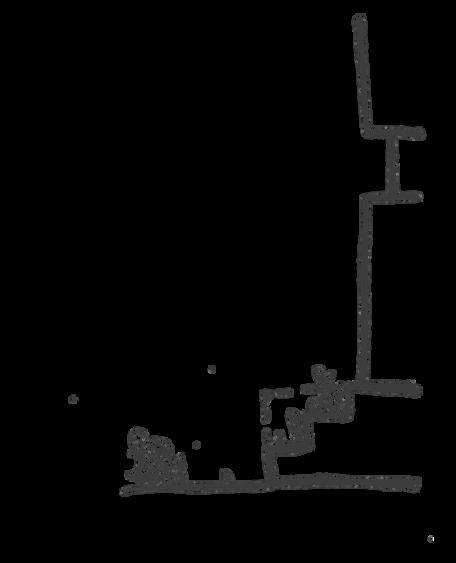
The final design integrates stepped-back podiums, sky bridges, cantilevered extrusions, and rooftop gardens to maximize solar energy capture, improve access to green spaces, and enhance passive cooling. By leveraging parametric tools and data-driven optimization, Solar Rise envisions a future urban landscape that is efficient, adaptable, and sustainable.
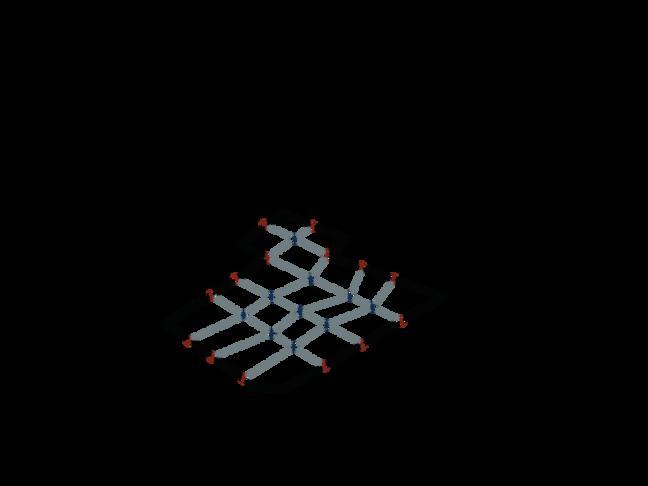
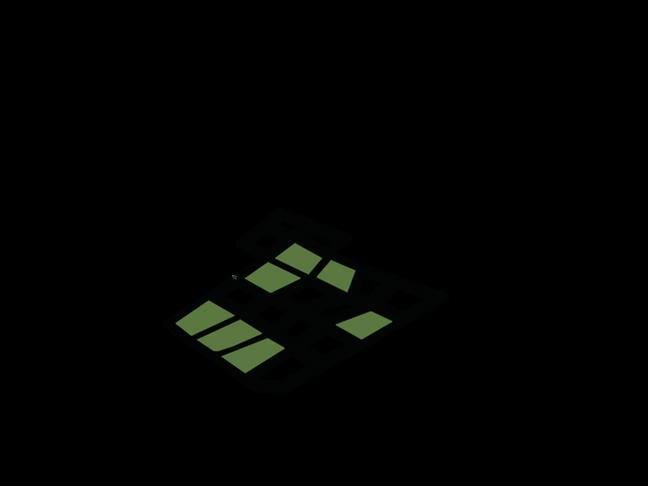
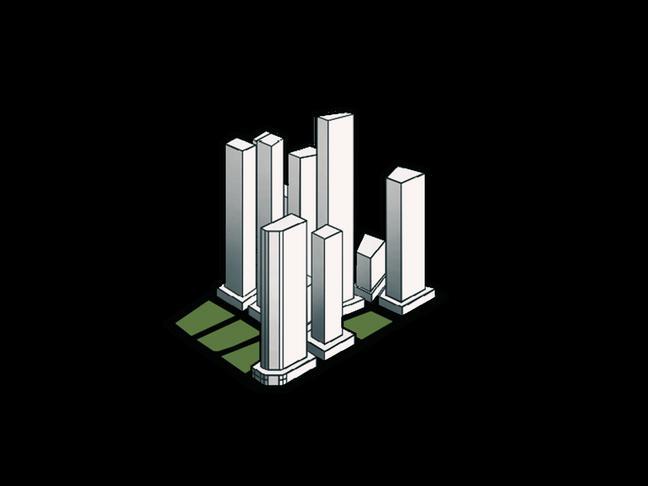
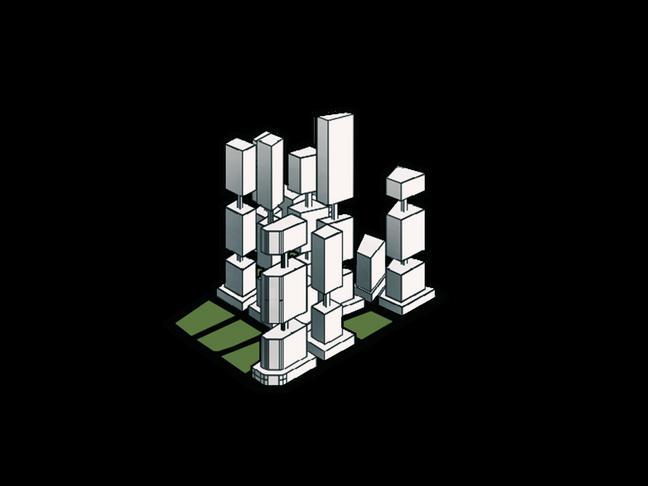
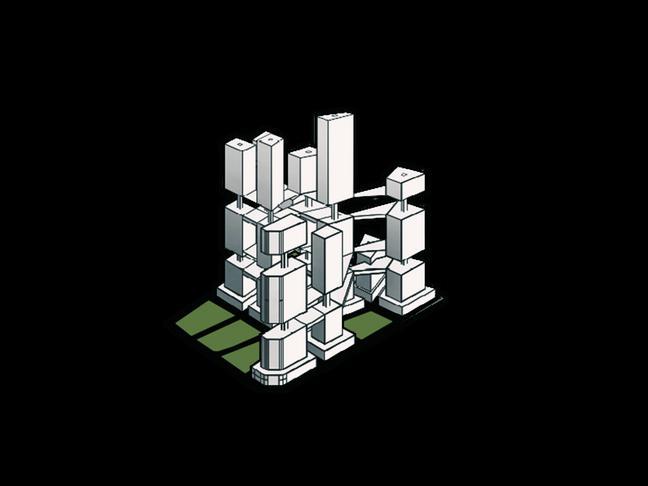
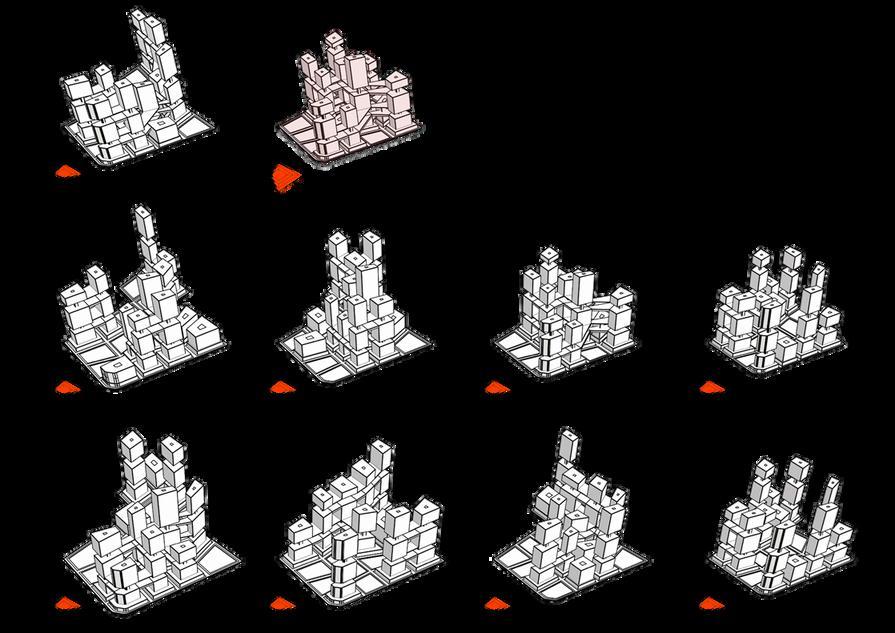
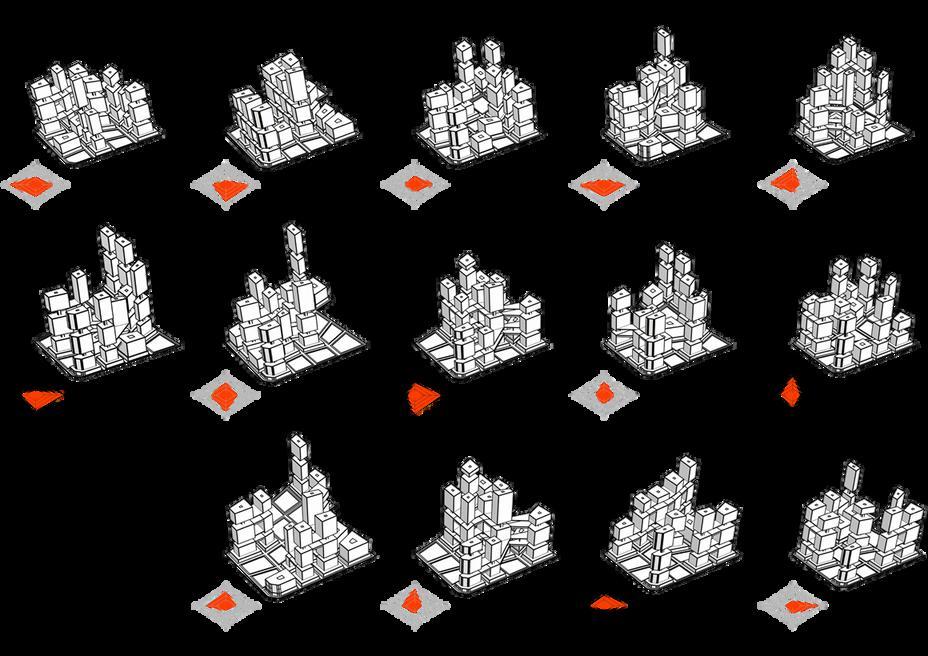
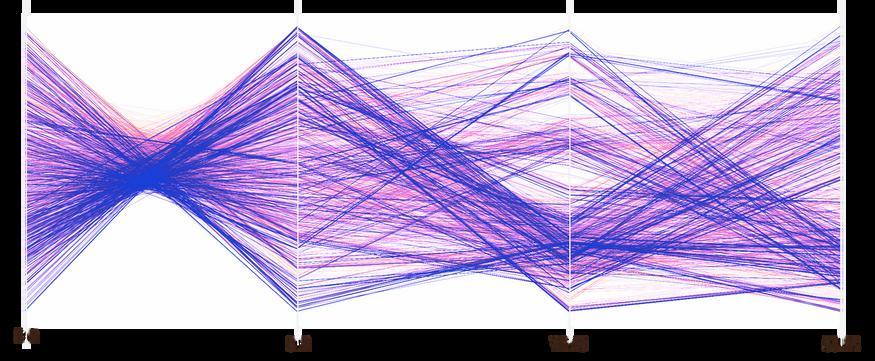
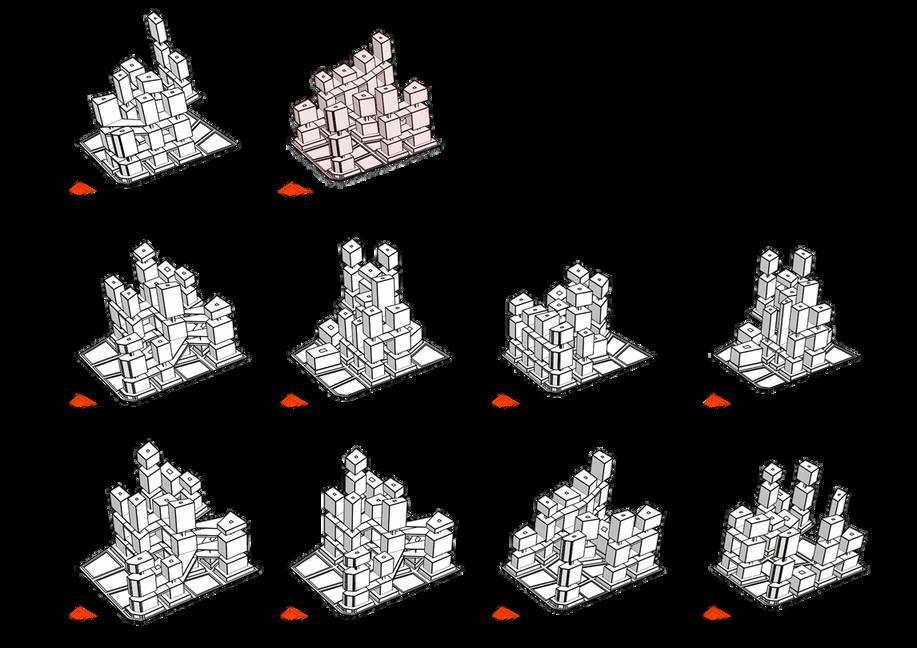
FAR: 10
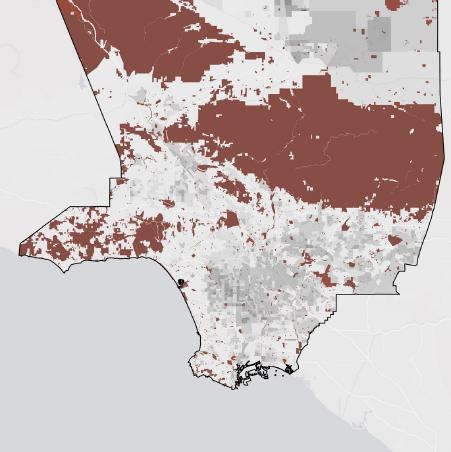
Addressing green space inequity in Los Angeles County, United States through targeted interventions and urban design strategies.
Individual project, Spring 2025
ArcGIS, Felt Maps
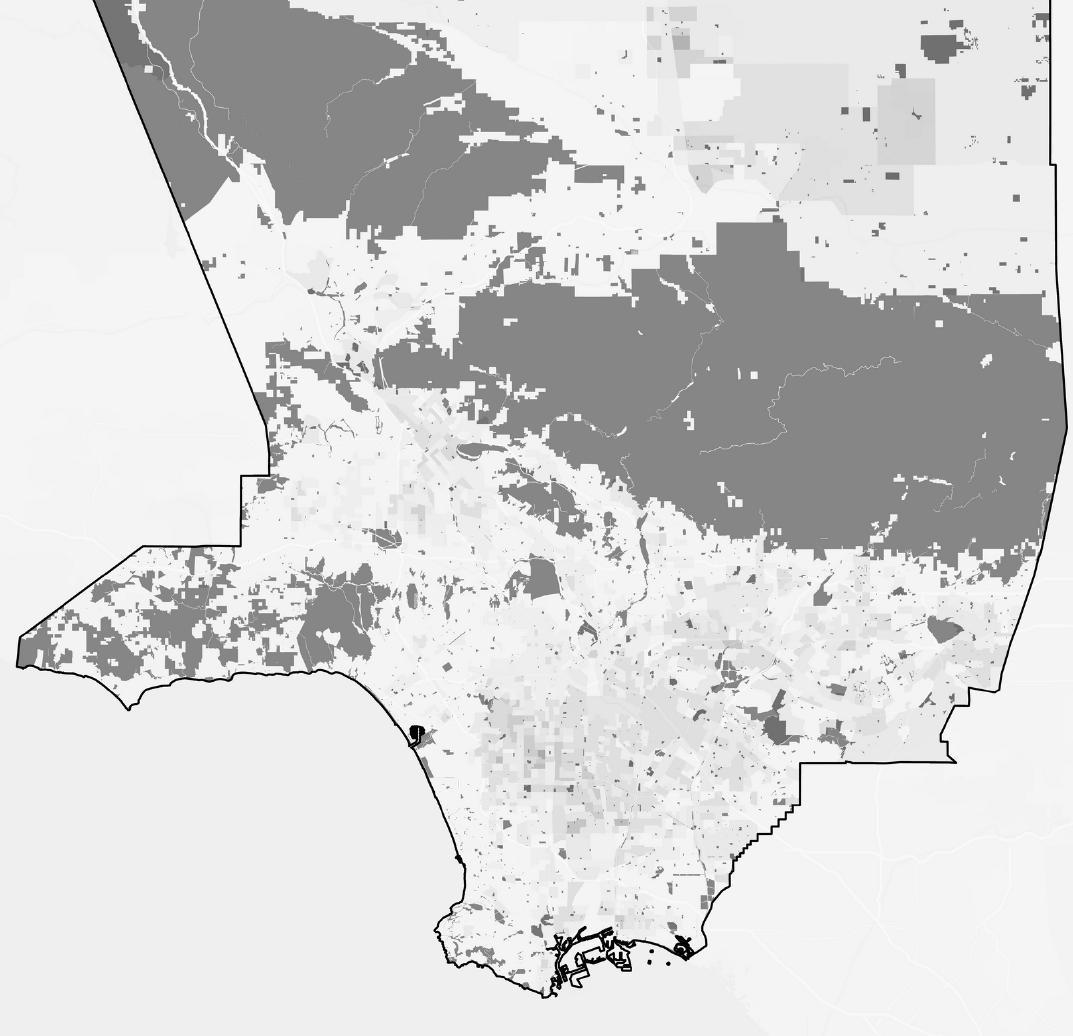
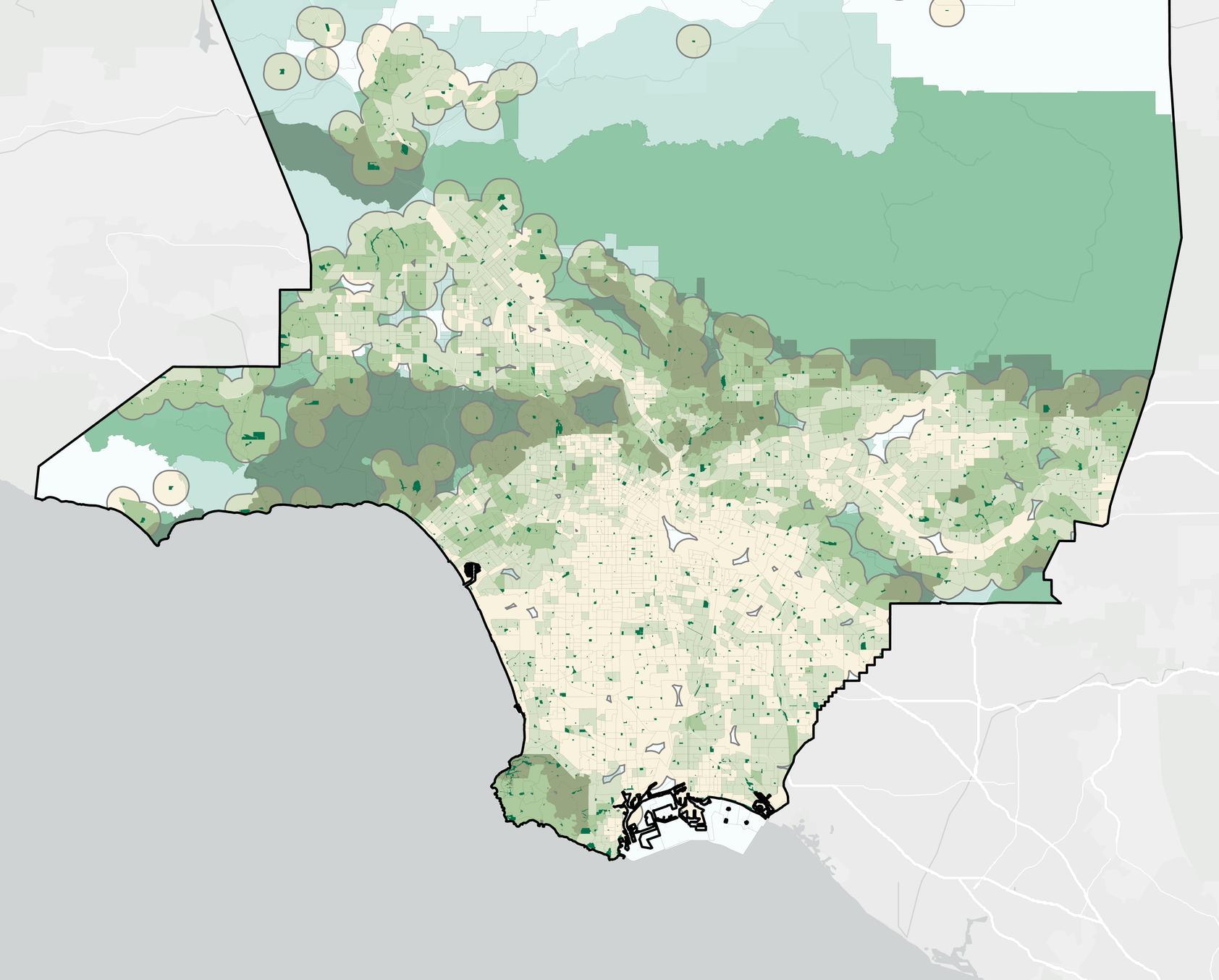
Los Angeles faces a stark imbalance in green space distribution, with marginalized communities experiencing limited access to parks and urban greenery. Unequal Greens is an urban design research and proposal that identifies and addresses these disparities through spatial analysis, community-driven solutions, and sustainable interventions. By utilizing GIS mapping, the project highlights priority zones where green infrastructure is most needed. The proposal explores transforming schoolyards into shared public spaces, integrating eco-friendly materials such as permeable pavements and myceliumbased structures to create resilient, inclusive environments.

7. Climate Change & Future Risks
Increased risks of extreme weather, flood ng, and air pollution disproportionately impact already vulnerable areas, exacerbating social inequal ties and making future adaptat on more difficult
It integrates eco-friendly materials such as permeable pavements and mycelium-based structures to create resilient, inclusive environments. Additionally, the study advocates for policy changes that ensure equitable green space development, improving air quality, reducing heat island effects, and fostering biodiversity Through a data-driven and community-centric approach, Unequal Greens envisions a more just and sustainable urban landscape, where access to nature is a fundamental right rather than a privilege.
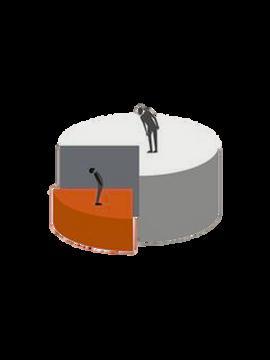
6. Policy & Funding Gaps
Green init atives favored wealthier areas, neglecting vulnerable communities
5. Health & Air Quality Issues
Poor air quality and extreme heat led to higher asthma and heat-related illnesses

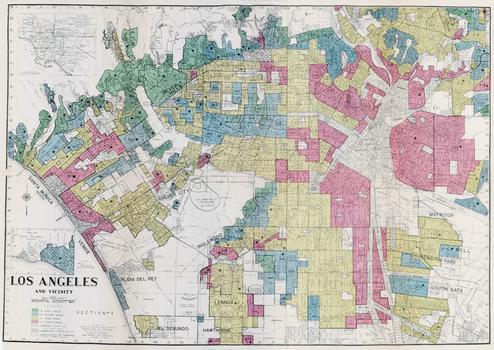
1. Redlining & Displacement
Historical zoning and highway expansion restricted
m nority communities, limiting green space access


4.
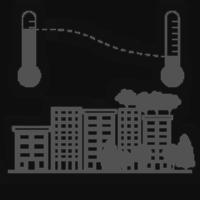
Lack of trees ncreases temperatures, worsening climate resil ence


Neighborhoods of color in Los Angeles have Only
less park space per person than white neighborhoods.
of residents live within a 10-minute walk to a park.
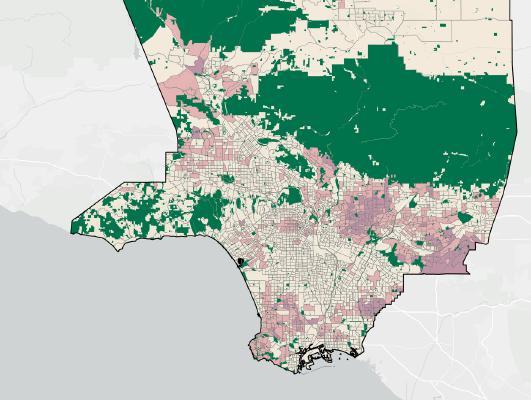
LosAngelesResidents
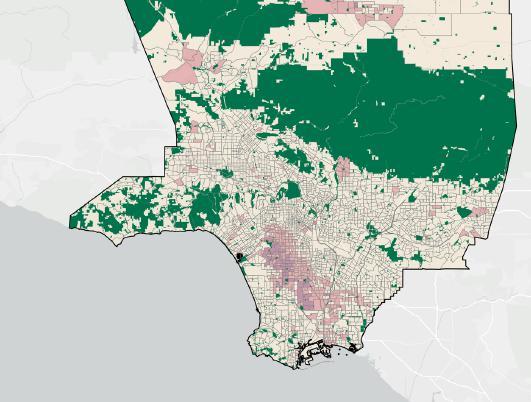
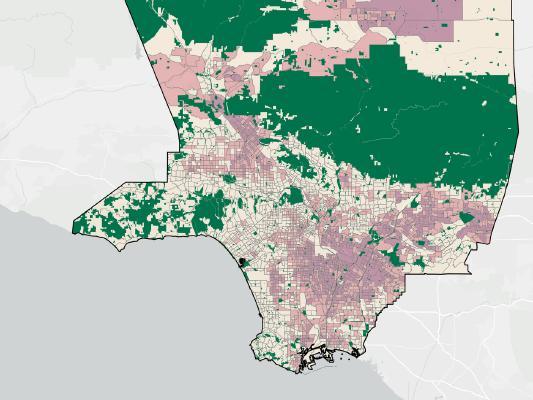
Residents in park-poor neighborhoods of Los Angeles live, on average, 5 3 years less than those in areas with abundant green space. The highest life expectancies (84+ years) are found in West LA, where green space is abundant, while South LA, with limited parks, has life expectancies as low as 75
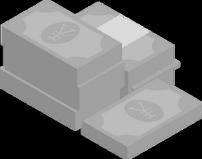
When park space per person n high-income areas is 100%, it drops to 70% for average-income and just 27% for low-income neighborhoods, highlighting green space disparities in Los Angeles. Neighborhoods with low green space coverage see higher rates of renter displacement, with gentrification increasing in areas where new parks are introduced without affordability protections.
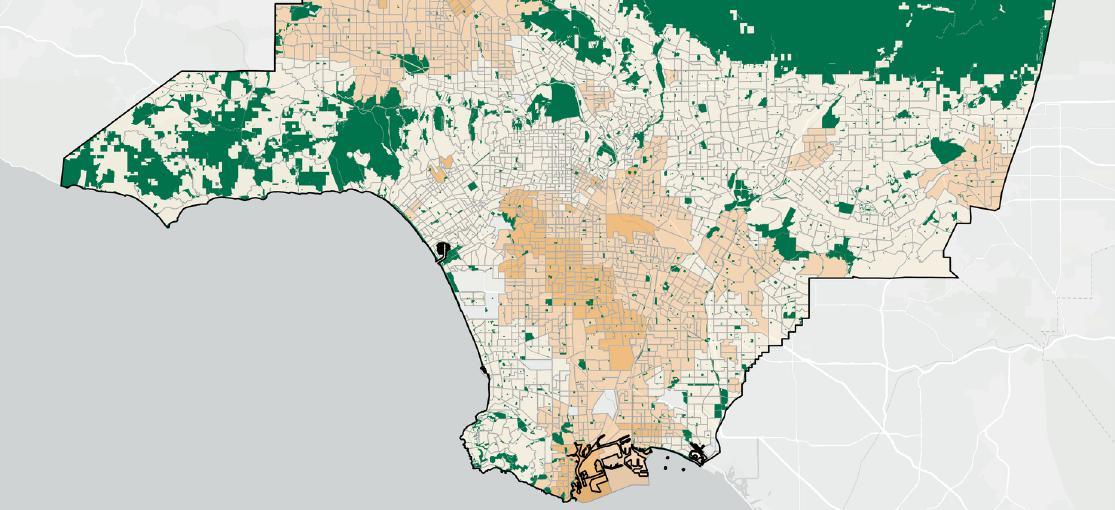
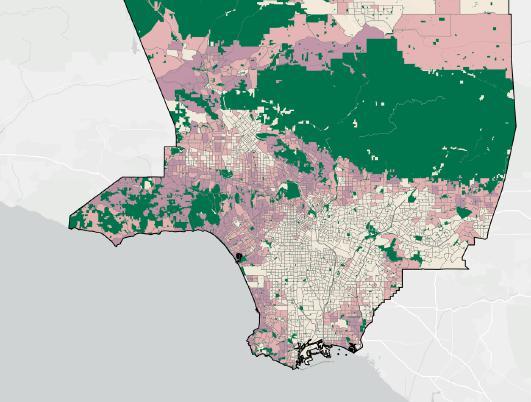
Communities in South LA and East LA face the highest UHI impact, with 40% more direct heat exposure compared to greener West LA areas.
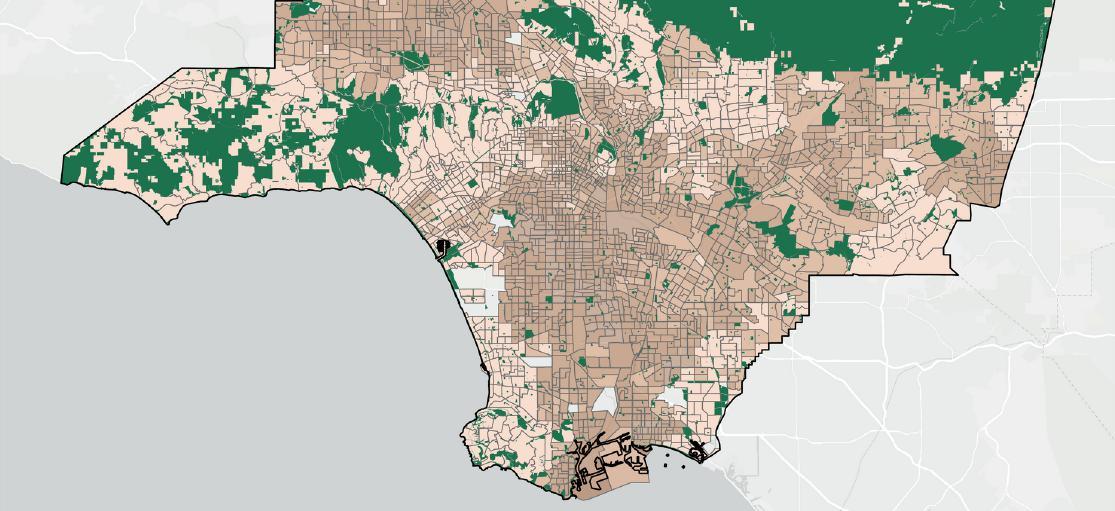
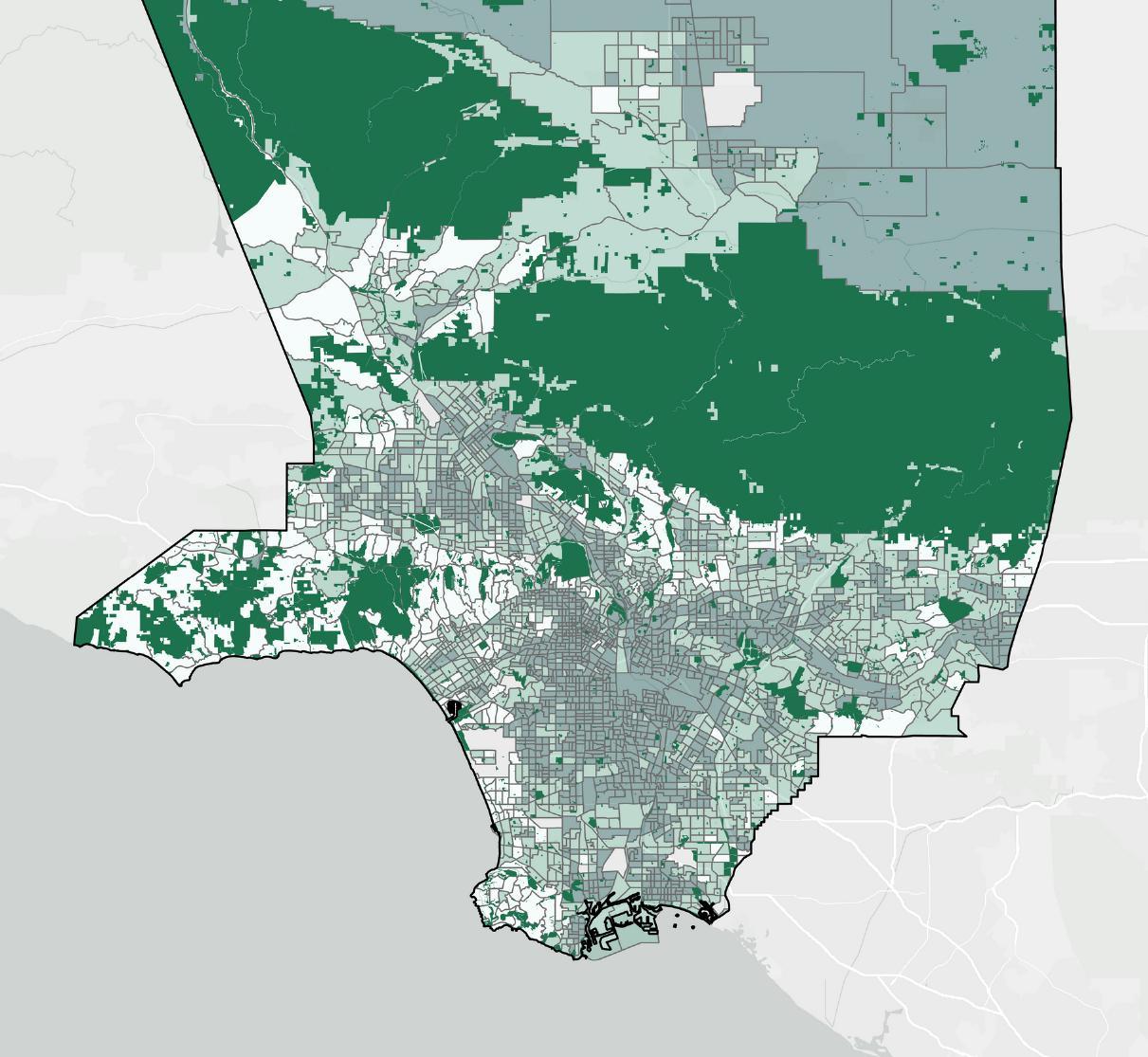
Neighborhoods with less than 20% tree coverage have significantly h gher levels of airborne pollutants, exacerbat ng asthma symptoms.
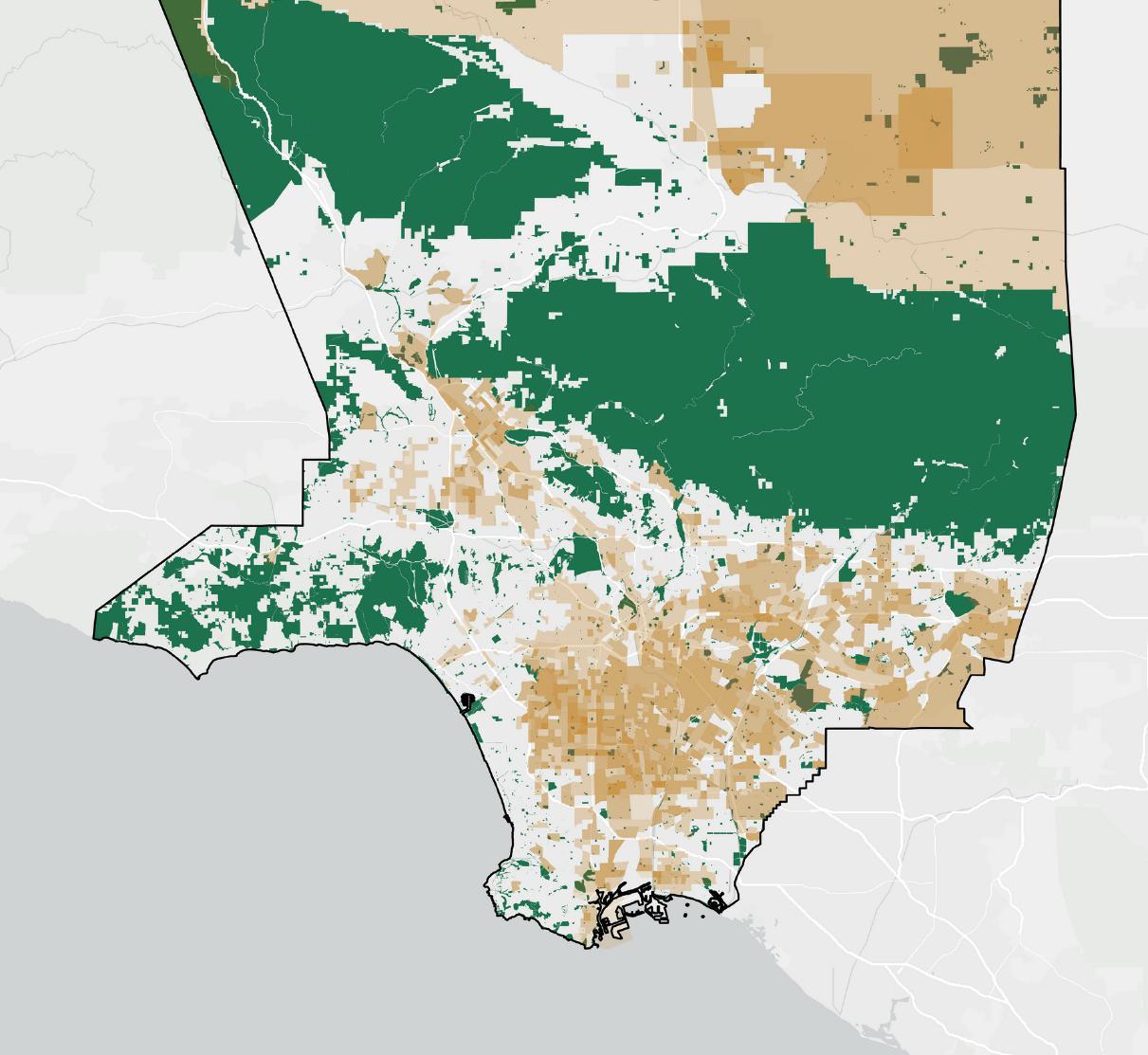
zones n Los Angeles where low income, commun ties of color, high urban heat, and asthma emergencies overlap, highlighting urgent need for targeted green infrastructure intervention.
School grounds have the potential to serve as climate-resilient, health-conscious, and community-driven green spaces. By opening schoolyards dur ng non-school hours, these spaces can function as public parks, enhancing access to green infrastructure n underserved areas. Th s approach maximizes land use, fosters social connections, and provides safe, engaging environments that promote environmental sustainability and community well-being.
Stormwater Management Air Quality Improvement Urban Heat Reduction Biodiversity Promotion

Permeable Pavement Mycelium based Structures Cork Flooring & Play Surfaces Bamboo & Reclaimed Timber
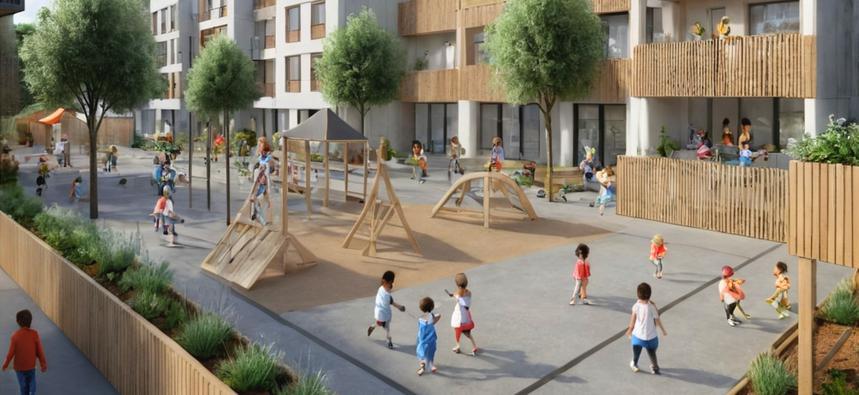
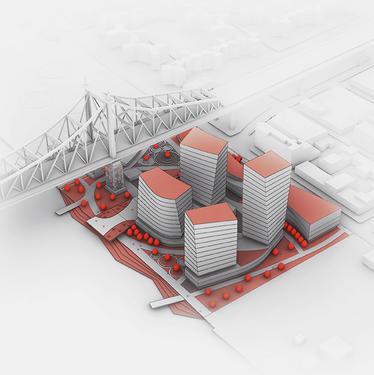
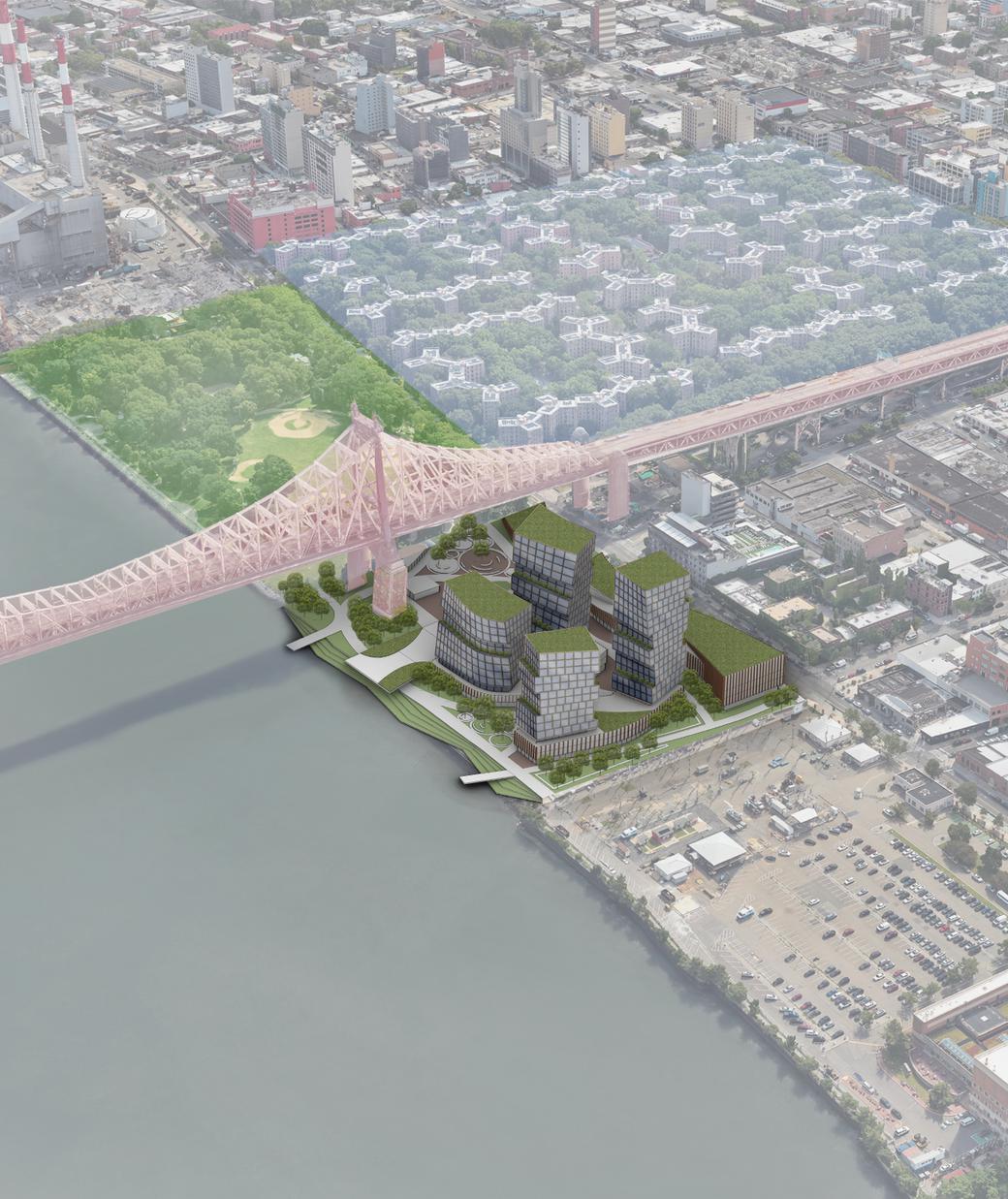
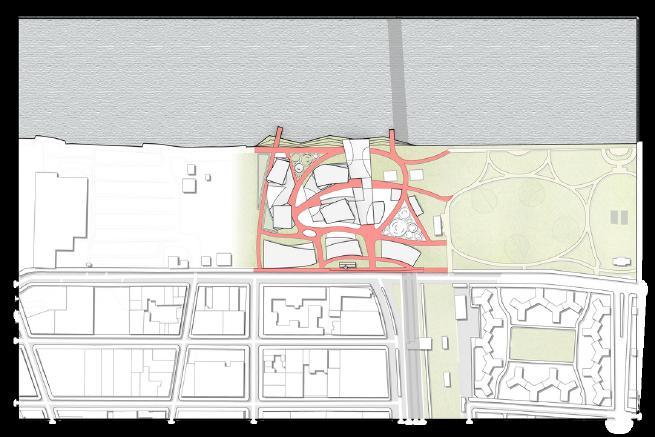
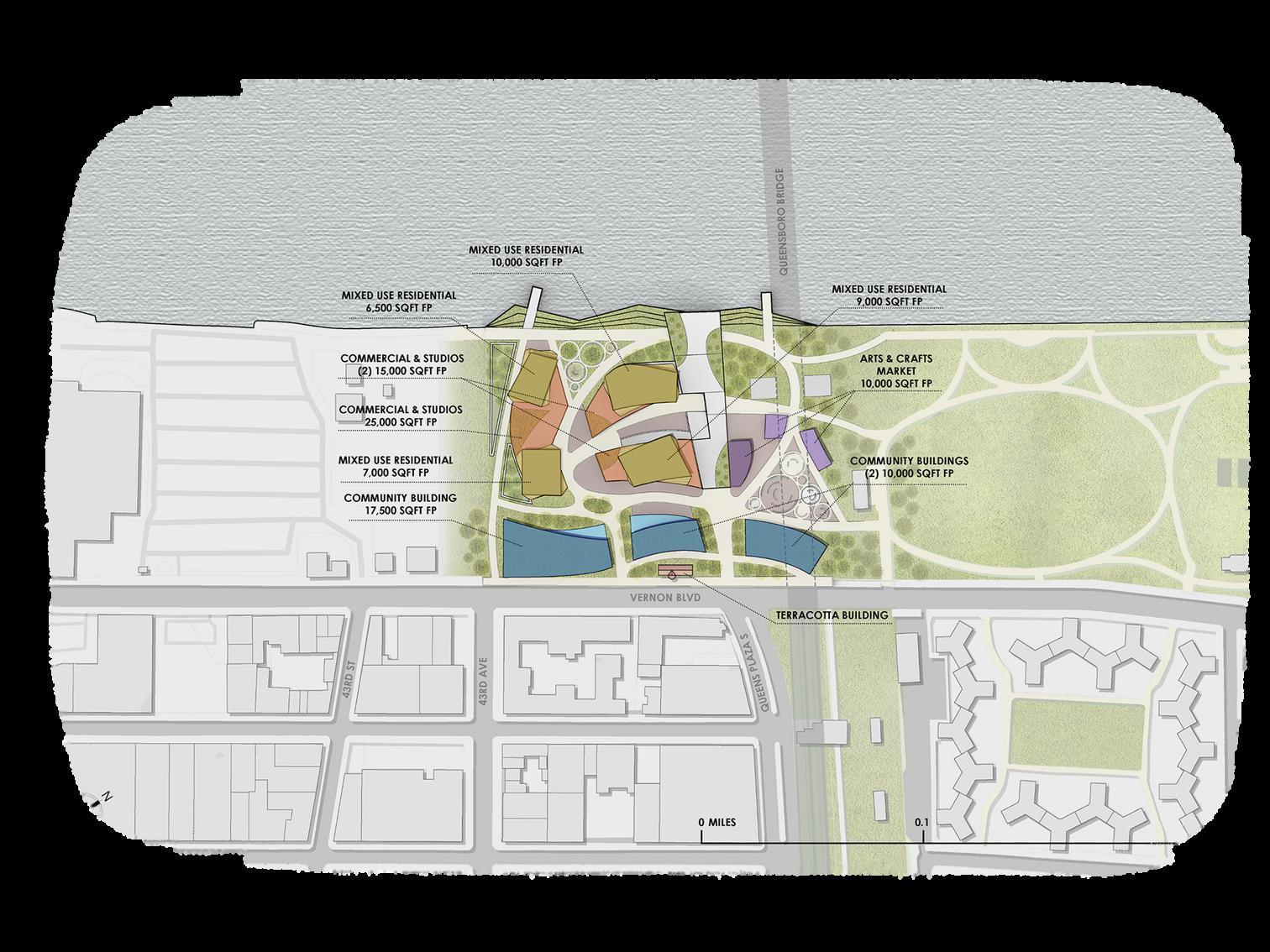
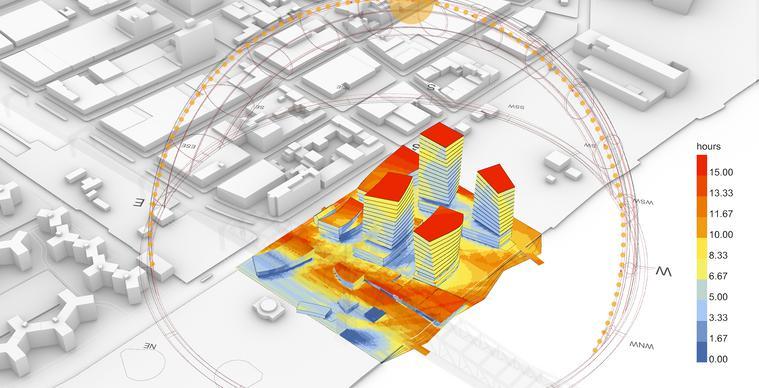
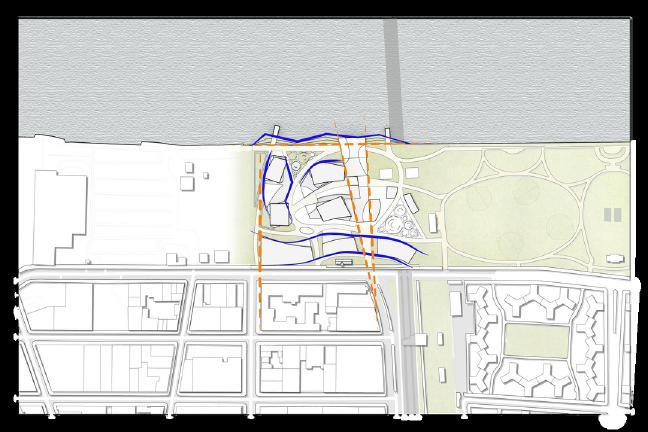
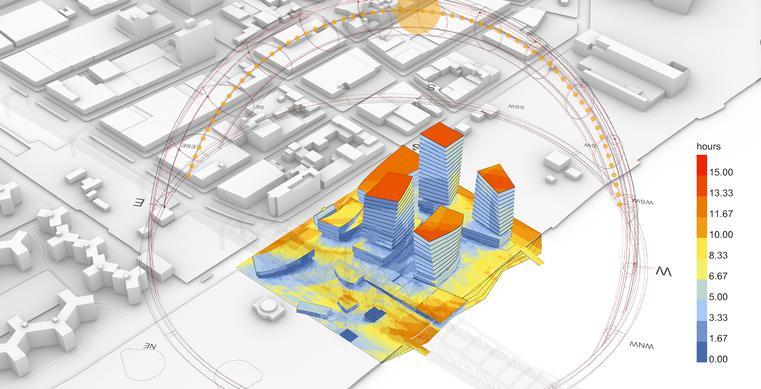
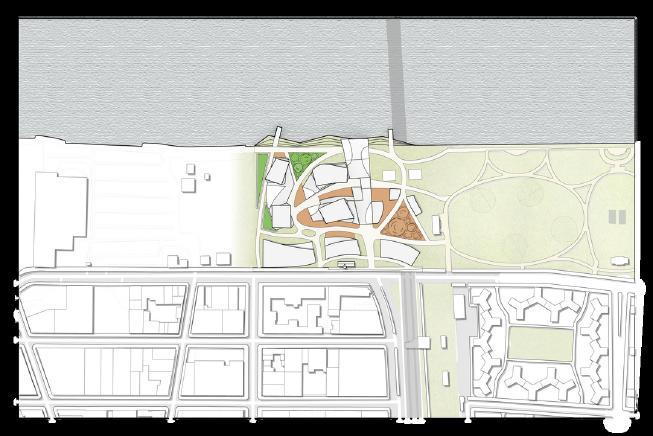
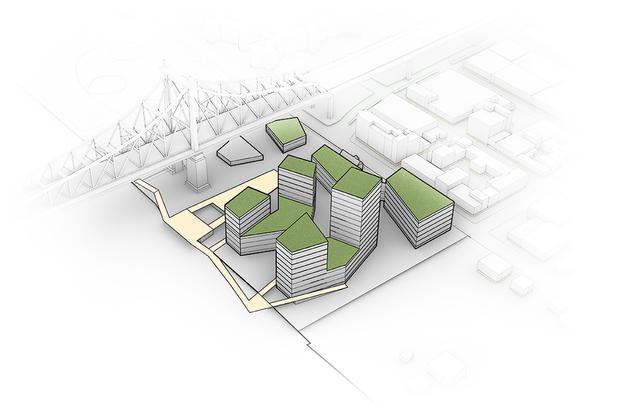
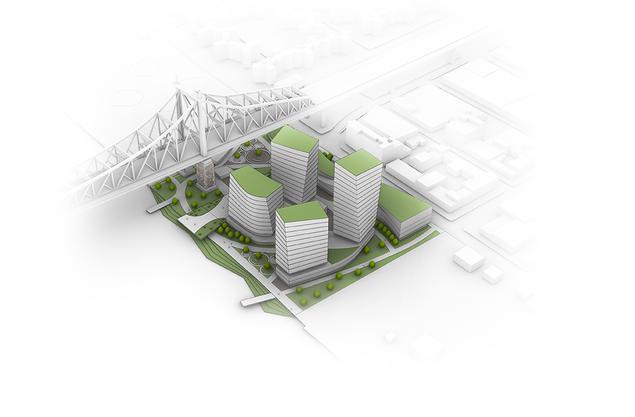
Transforming underutilized land beneath the Queensboro Bridge into a dynamic arts and cultural hub in Long Island City, Queens, United States.
Group project, Fall 2023
Rhino, Grasshopper, ArcGIS
Key Design Strategies:
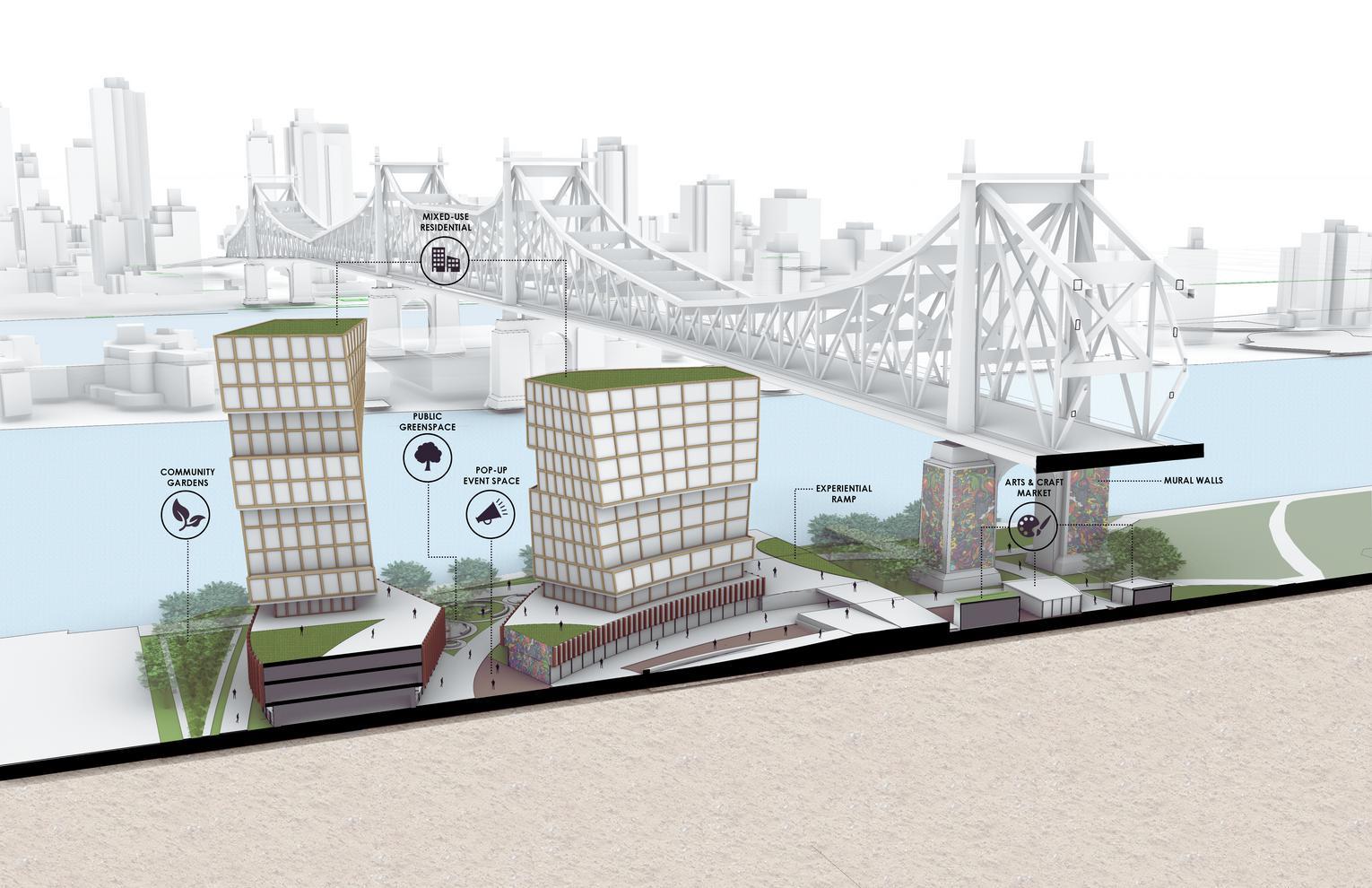
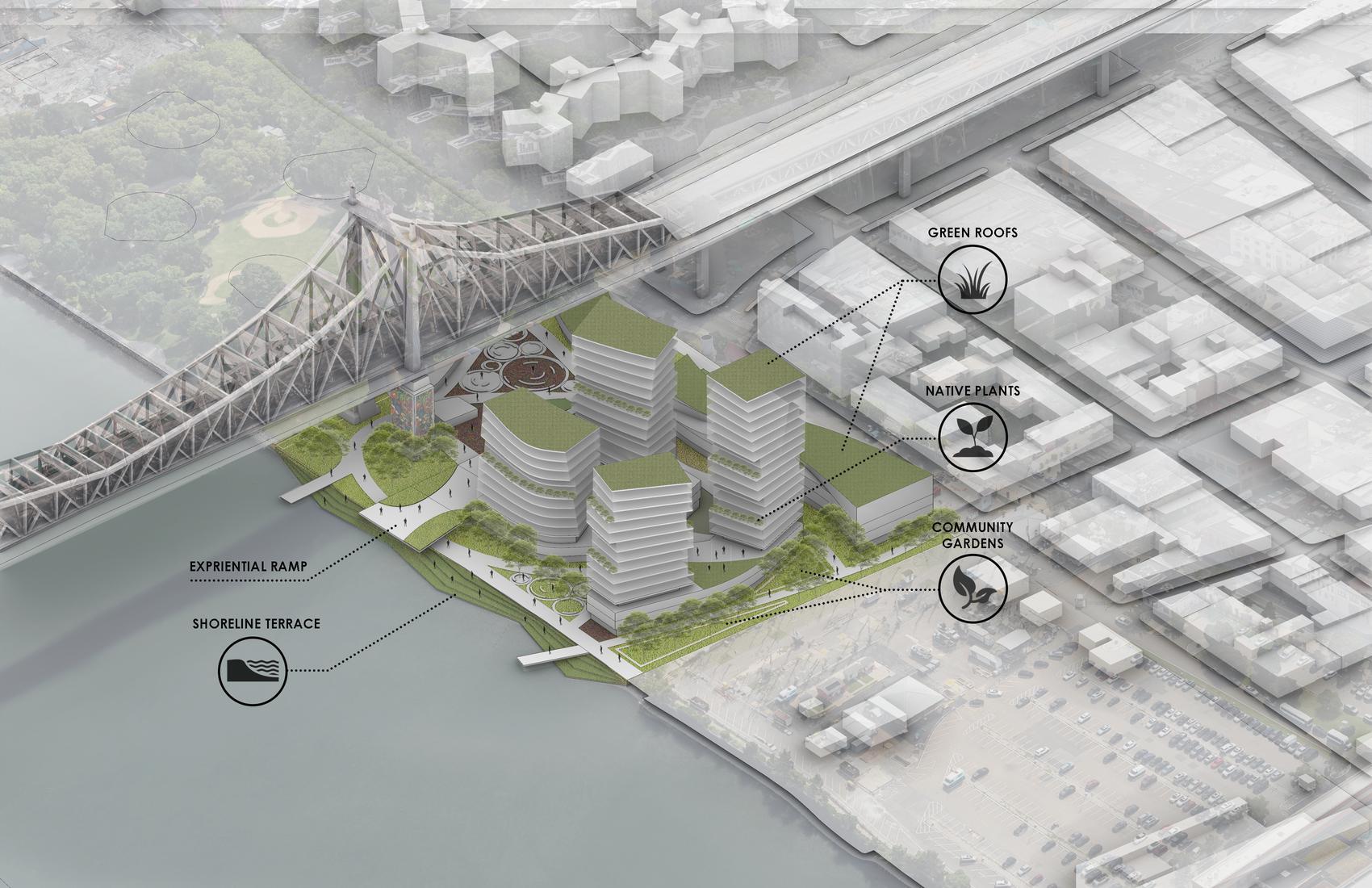
Creating a livable community through residential spaces that support diverse urban living.
Supporting small businesses through commercial spaces.
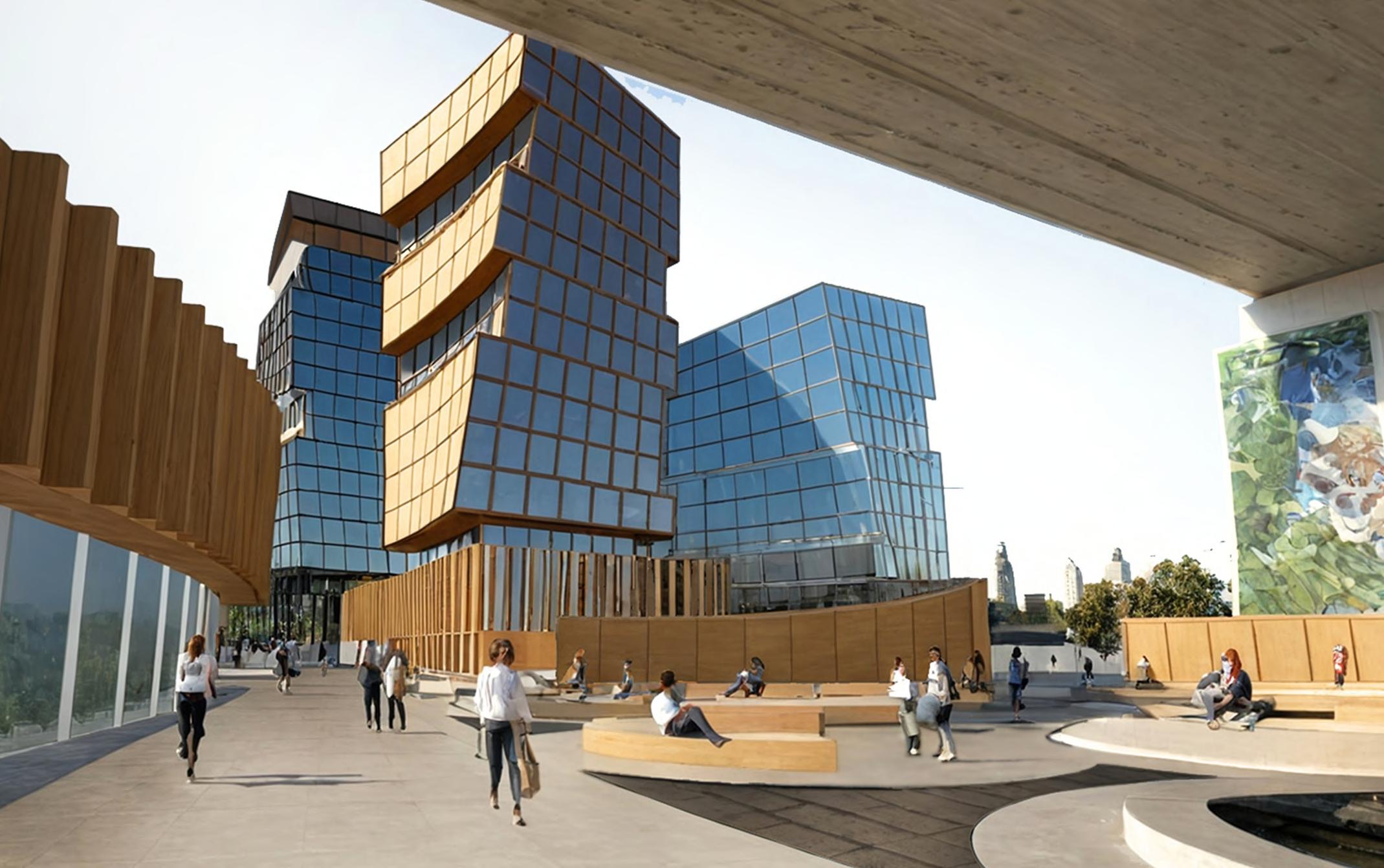
Emphasizing public plazas and green spaces to encourage social interaction and urban connectivity.
Providing artist studios and galleries to promote cultural expression and creative engagement
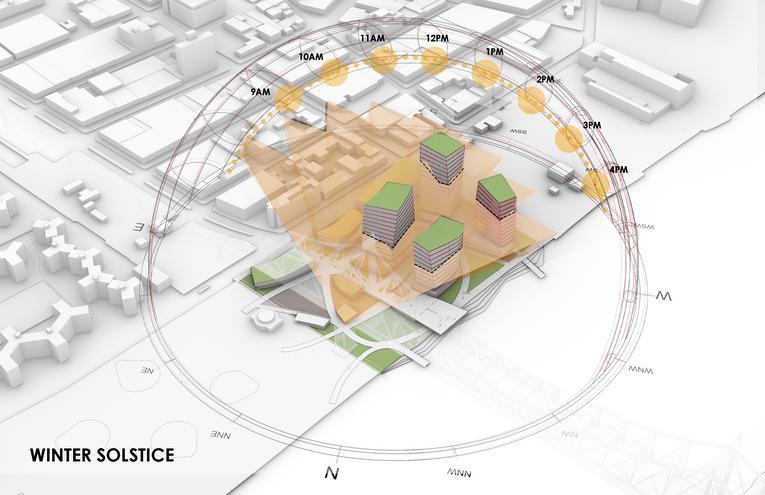
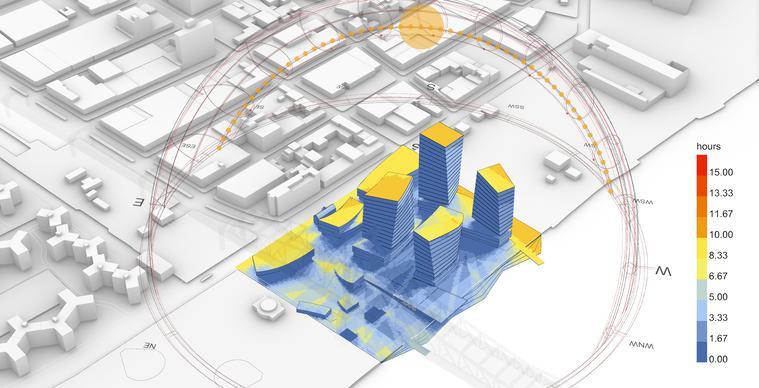
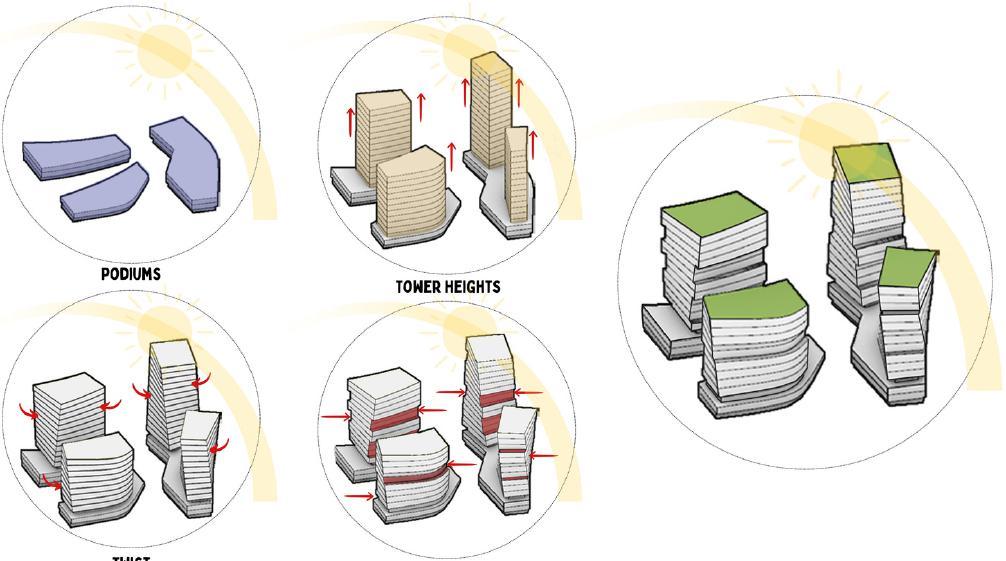
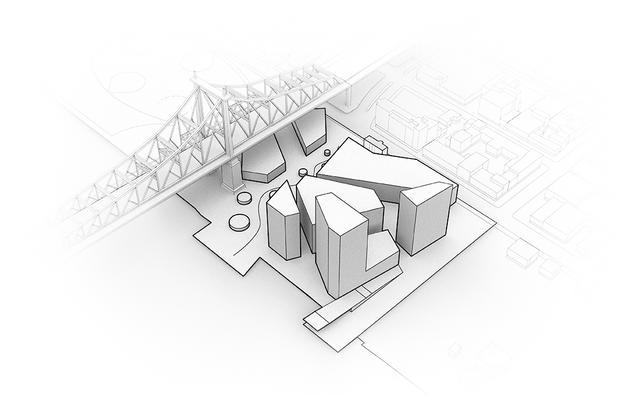
The Bridgeside Arts and Cultural Community is a proposal aimed at transforming Long Island City into a vibrant hub for arts, culture, and community engagement. By integrating residential, commercial, and public spaces, the project seeks to foster a dynamic and livable environment that supports artists, small businesses, and local residents.
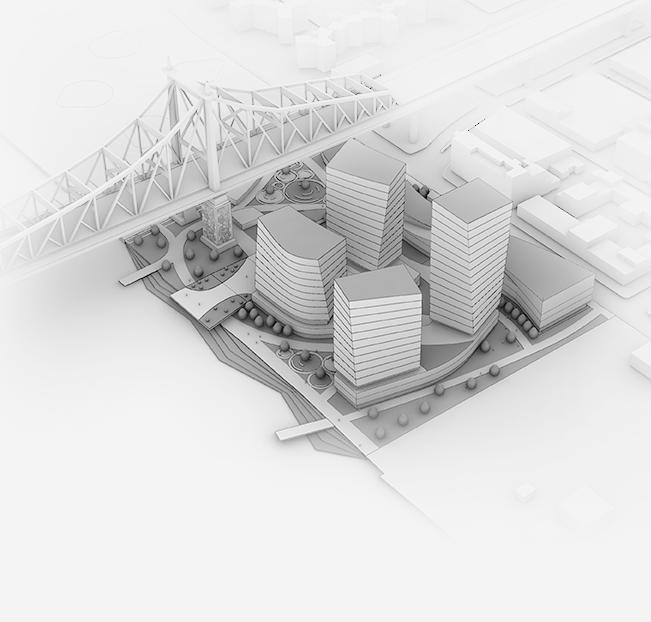
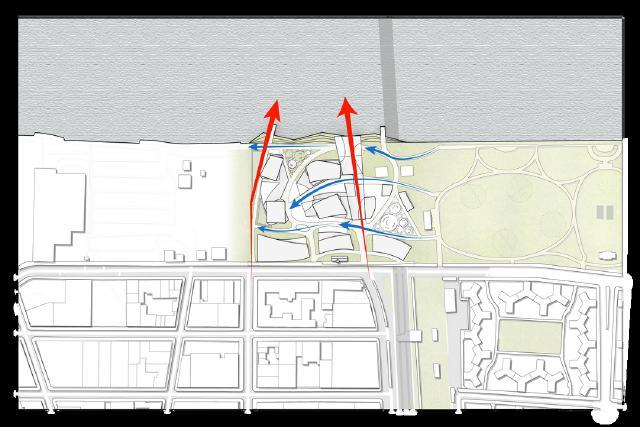
Key objectives include activating the space beneath the Queensboro Bridge, enhancing connectivity, and maximizing green and public plazas. Through innovative urban design, the proposal reimagines the underutilized site as an inclusive and sustainable cultural destination.
RESPONSE
A research-driven study exploring vacant lot utilization in Philadelphia, United States to develop affordable, modular housing solutions for urban infill and the missing-middle housing market.
Revit, Sefaira, AutoCAD,
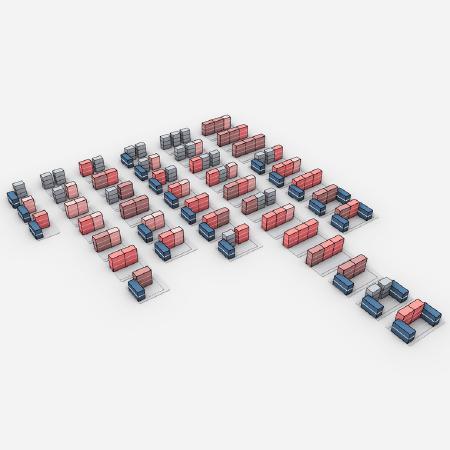
This research explores vacant lot utilization in Philadelphia, aiming to transform underutilized urban spaces into modular, affordable housing solutions. Using GIS mapping, the study identifies vacant parcels and classifies them based on size, zoning, and development potential. The research then develops prefabricated housing typologies, integrating passive solar strategies and CLT mass timber construction to create energyefficient, adaptable housing.
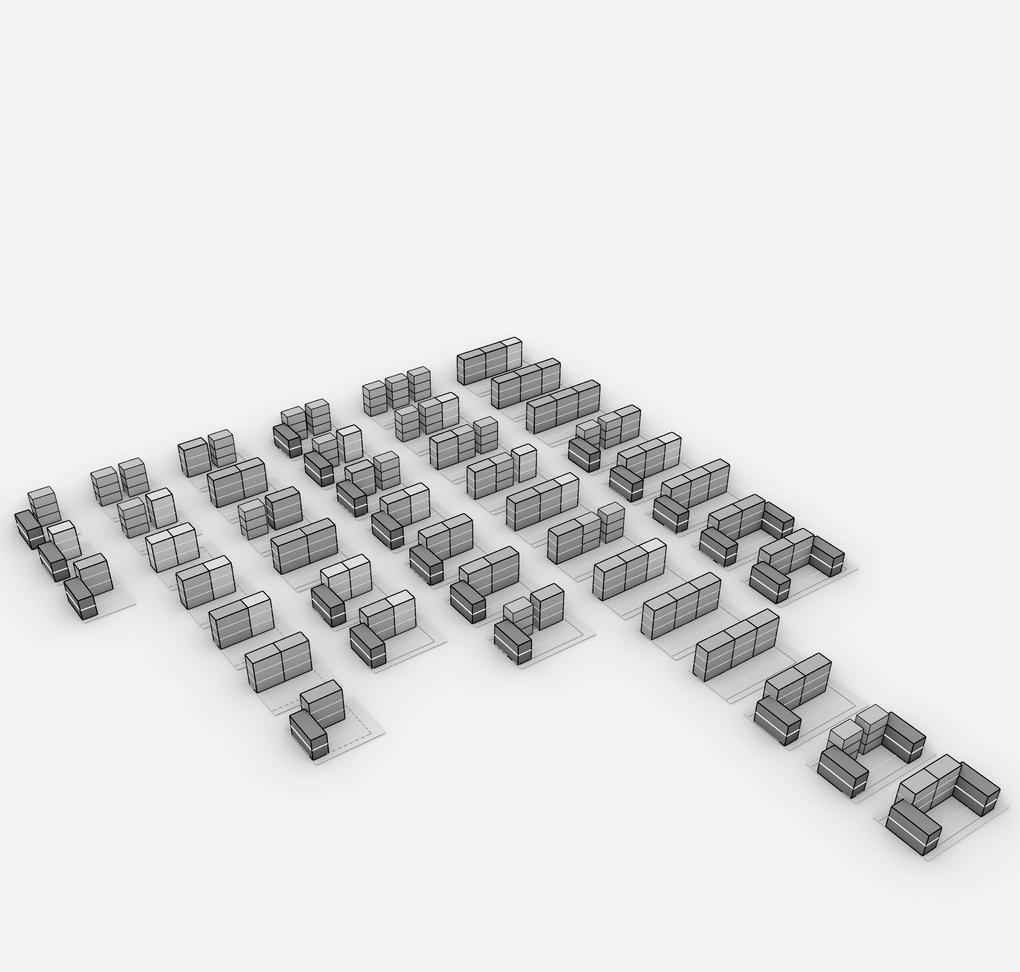
By matching housing typologies to available lots, this proposal offers a scalable, costeffective model for increasing urban density while maintaining livability The findings contribute to ongoing discussions on affordable housing and sustainable urban development, demonstrating how small-scale interventions can collectively reshape the urban fabric.
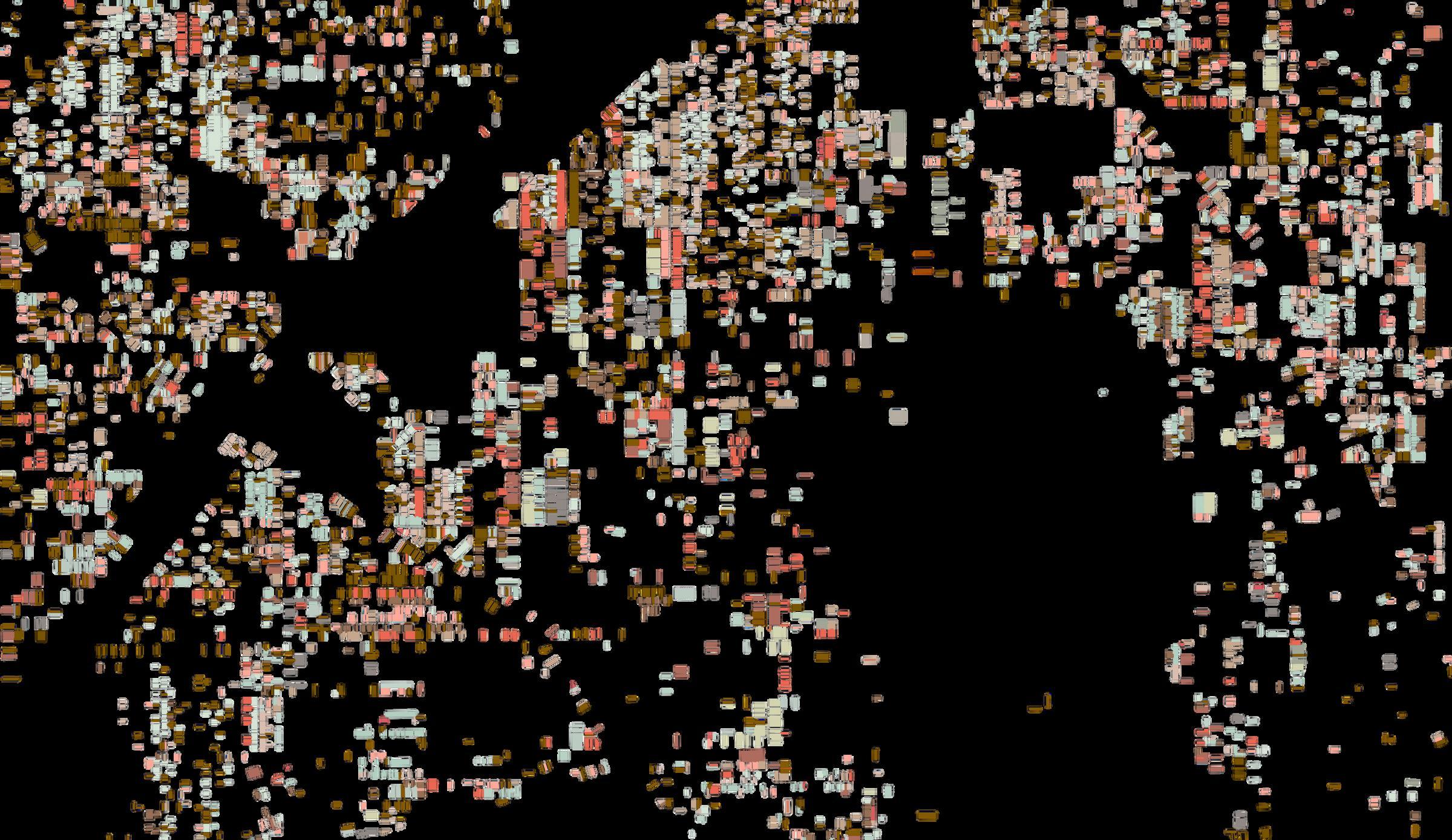
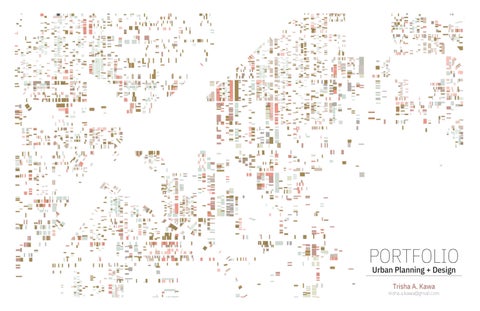
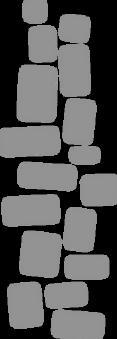
About the Image: Each rectangle represents a vacant residential lot (approx 900) or row house and each color correlates to the dimensional depth of the lot to reveal how many housing units can fit per site
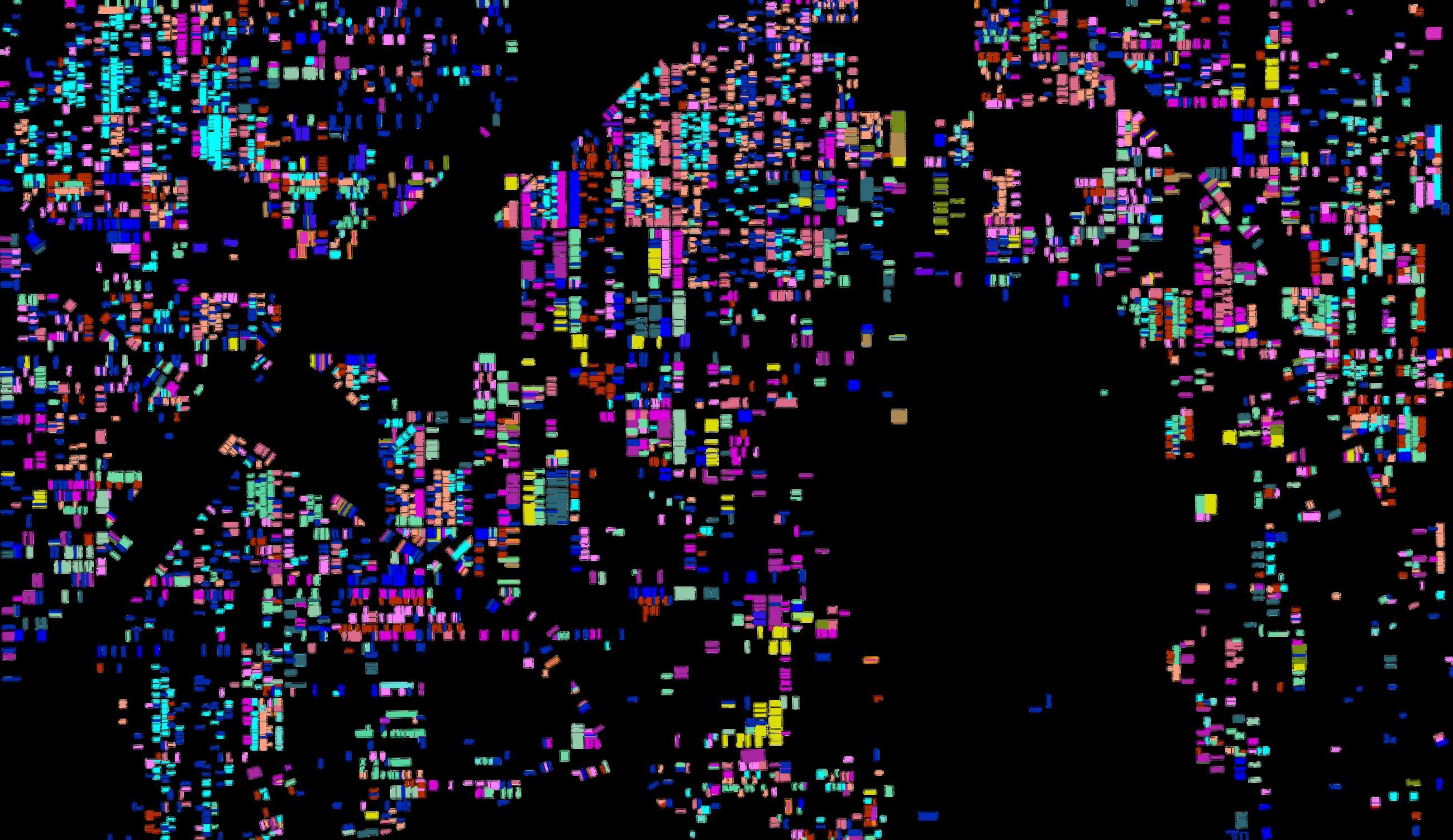
Data Collection
Used GIS tools to map vacant parcels across Philadelphia. Site Identification
Identified underut lized land using city plann ng records and aerial magery. Lot Categorization
Classified parcels based on dimensions, zon ng regulations, and development potent al. Typology Matching
Aligned vacant lot sizes with appropriate housing typologies to maximize dens ty and livability. Design Integration
Developed modular housing solutions to fit within urban constra nts while enhancing community spaces



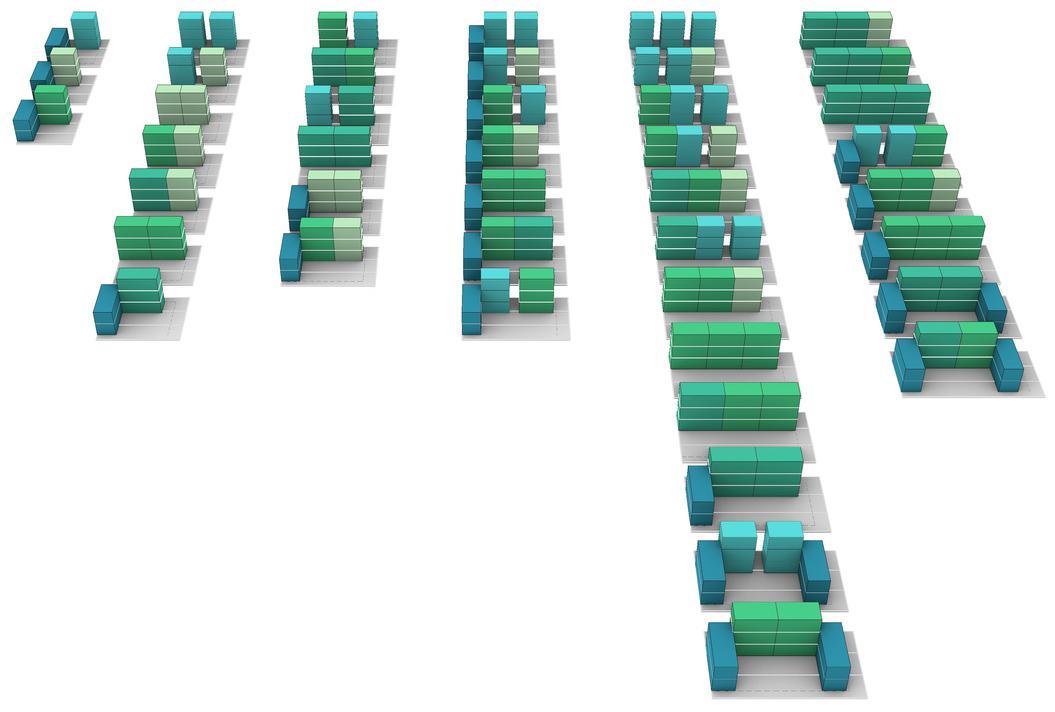
Segregation of potent al res dential unit sizes according to available vacant plots.

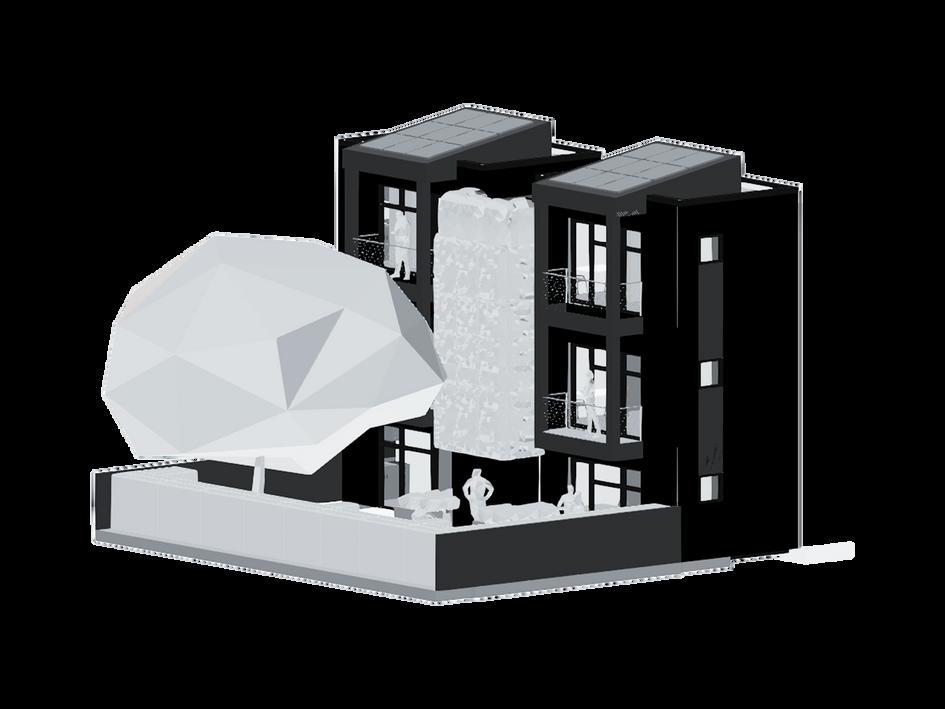
A research-driven housing model integrating passive solar design, modular prefabrication, and CLT mass timber construction to enhance energy efficiency, affordability, and adaptability. Scalable for diverse urban and suburban sites, it offers a sustainable and cost-effective solution for the missing-middle housing market
www.linkedin.com/in/trishakawa