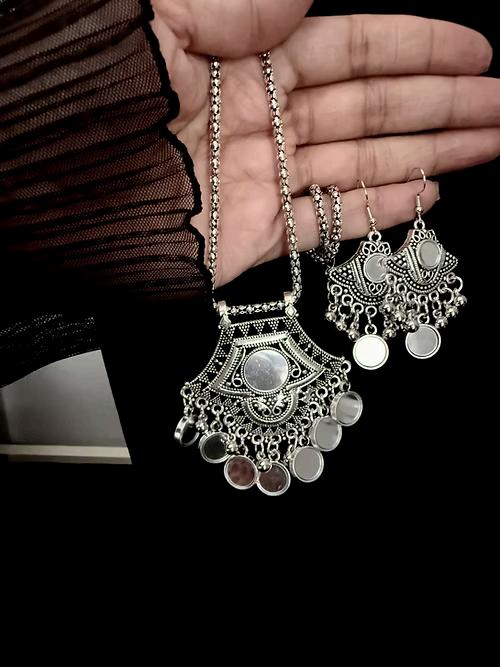
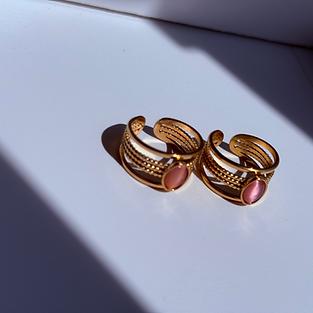
The Timeless Elegance of Indian Jewellery Sets A Perfect Blend of Tradition and Modernity
The Timeless Elegance of Indian Jewellery Sets: A Perfect Blend of Tradition and Modernity
Jewellery has always been more than just decoration; it is an expression of culture, tradition, and individuality. When we talk about the Indian subcontinent, one of the most enduring and fascinating adornments is the Indian jewellery sets. They represent a legacy that spans centuries, combining craftsmanship, artistry, and cultural symbolism. From grand weddings to festive gatherings, these sets remain a central part of Indian fashion and tradition.
The Cultural Significance of Indian Jewellery Sets
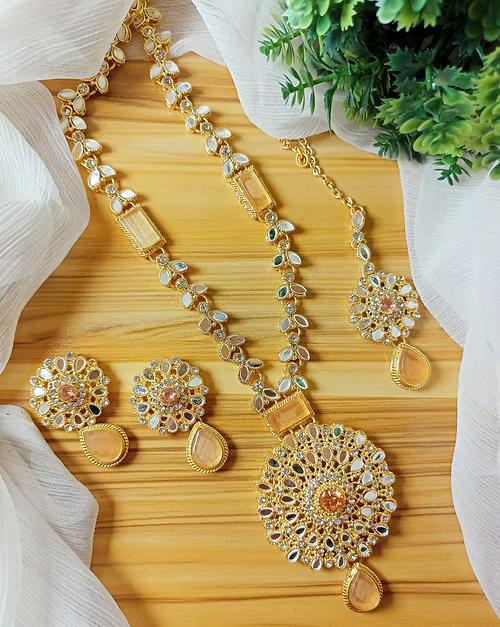
The history of jewellery in India dates back thousands of years, with archaeological evidence showing that people adorned themselves with beads, gold, and stones long before modern civilization. Over time, jewellery became an integral part of rituals, social status, and identity Indian jewellery sets usually include a necklace, earrings, bangles, maang tikka, and sometimes rings or anklets. They are not just ornaments; they often carry blessings and symbolic meanings. For example, gold represents purity and prosperity, while gemstones are believed to bring luck and energy.
In Indian weddings, jewellery plays a vital role. Brides are adorned in elaborate sets, passed down through generations or gifted by families as a token of love and heritage. These jewellery sets not only enhance the bride’s beauty but also signify wealth, blessings, and tradition.
Craftsmanship and Styles
What makes Indian jewellery sets so unique is the incredible variety of styles across dierent regions. Each state in India has its own jewellery-making traditions:
Temple jewellery from South India, often crafted in gold and adorned with motifs of deities.
Meenakari jewellery from Rajasthan, featuring enamel work in bright colors
Polki jewellery, made with uncut diamonds, known for its antique and raw beauty.
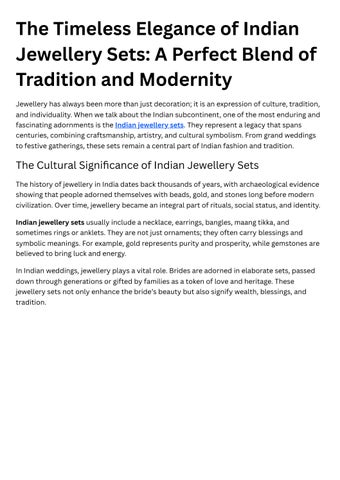
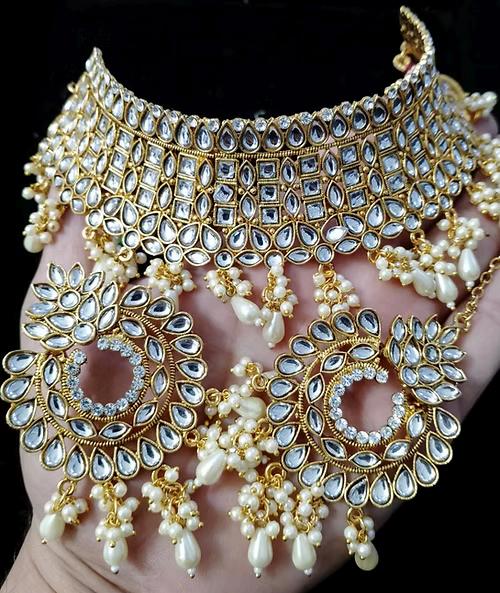
Kundan jewellery, one of the most luxurious, blending stones and glass with intricate detailing.
Artisans spend weeks or months creating a single set, often working with precision to embed stones, carve motifs, and ensure every detail reflects beauty and durability.
Modern Adaptations
Today, Indian jewellery sets are not confined to traditional events. Many modern brides and fashion enthusiasts wear them with Indo-Western outfits, giving a contemporary twist to heritage. Lightweight designs are also in demand, making it possible for women to wear them at parties, festivals, or even formal gatherings without feeling over-accessorized.
Designers are now experimenting with blending traditional motifs with modern aesthetics, creating sets that look timeless yet fashionable. These contemporary adaptations ensure that Indian jewellery remains relevant in global fashion.
Styling Tips for Indian Jewellery Sets
Pair elaborate sets with simple outfits to let the jewellery shine. For heavily embroidered outfits, opt for lighter jewellery to avoid a cluttered look Mix traditional and modern—wear a heavy necklace with minimal earrings, or vice versa. Don’t forget comfort, especially for long events like weddings.
The Regal Charm of Indian Kundan Jewellery
Among the many forms of Indian ornaments, one style that has stood the test of time and continues to enchant women across generations is Indian Kundan jewellery. Known for its regal appearance, intricate detailing, and artistic finesse, Kundan jewellery remains one of the most sought-after choices for weddings, festivals, and royal celebrations.
Origins of Kundan Jewellery
Kundan jewellery traces its roots back to Rajasthan and Gujarat, with the Mughal period giving it prominence. The term “Kundan” refers to pure, refined gold used as the base to embed uncut stones and glass. Artisans developed the craft to perfection, creating pieces that shimmer with royal grandeur
In ancient courts, queens and princesses adorned themselves in elaborate Kundan sets. Even today, the designs have retained their royal essence, making them a favorite for brides who wish to look timeless and elegant
Features of Kundan Jewellery
Uncut Stones: Kundan involves using uncut glass and gemstones, giving it a raw yet sparkling beauty.
Gold Foil Work: The stones are embedded using gold foil, creating intricate detailing. Versatility: Kundan pieces range from necklaces and chokers to earrings, bangles, and maang tikkas.
The detailed artistry mak undan necklace can take weeks to complete, with artisans car flect elegance.
Why Brides Choose Indian Kundan Jewellery
For brides, Kundan jewellery represents both tradition and glamour. The designs often include motifs like flowers, birds, or geometric shapes, making them versatile enough to complement sarees, lehengas, and gowns. The layered necklaces paired with matching earrings and headpieces create a regal bridal look
Another reason Kundan remains popular is its ability to blend with both heavy embroidered outfits and modern minimalistic attire. Unlike diamond jewellery, Kundan oers warmth and richness, making it more suitable for traditional occasions.
Styling Ideas with Kundan Jewellery
Wear a heavy Kundan necklace with simple studs for a balanced look. Pair a choker with layered necklaces for a dramatic bridal eect
Combine Kundan earrings with a Western gown for a fusion style. Keep makeup subtle to let the jewellery shine
Final Thoughts
Indian Kundan jewellery is not just an accessory—it is a statement of royalty, tradition, and timeless beauty. Perfect for weddings and special events, Kundan pieces add a majestic aura to the wearer. Investing in such jewellery ensures you carry a piece of Indian heritage that never goes out of style.