We acknowledge Traditional Owners of Country throughout Australia and recognise their continuing connection to lands, waters and communities. We acknowledge the Traditional Custodians of the Land on which our College is situated, the Wiradjuri people, and pay our respect to their Elders past and present.
It has been a privilege to serve as Chair of Trinity over several years On behalf of Council, I thank our families, staff and students for the commitment you bring to our school. Your partnership and contribution continue to shape Trinity in meaningful and lasting ways
Trinity remains a relatively young school, yet one that has grown in confidence, capability and ambition That this growth is occurring in a regional context is significant Regional education matters. It matters that families have access to high-quality education close to home, and that students can pursue opportunity without feeling compelled to leave their community to find it
Each time a family enrols, a staff member joins, or a supporter invests in the College, they strengthen Trinity’s role in regional education The achievements reflected throughout this year are the result of shared responsibility and steady leadership across our community
In 2025, AngliSchools marked its 40th anniversary, celebrating four decades of Anglican education in Australia Trinity benefits greatly from being part of this system of schools The professional support, strategic oversight and capital investment provided by AngliSchools continue to position our College for long-term sustainability and growth.
Education is both demanding and purposeful work. Our staff approach it with professionalism and care, seeking not only to teach well but to broaden perspectives and encourage thoughtful engagement with the world. Council extends its sincere thanks to every member of staff for their daily contribution to the life of the College
The strength of Trinity is also reflected in the quality of its leadership Council thanks our Principal, Dr Adrian Johnson, for his strategic direction and consistent focus on opportunity for students We also acknowledge Mrs Sharon Finlay, Business Manager, whose diligence and expertise underpin the College’s financial stability and future planning I extend my gratitude to my fellow Council members: Deputy Chair Peter Campbell, Treasurer Marcus Davis, Susan Bazzana, Franzl Shannon and Father Peter McLeod Miller, for their commitment to sound governance and to Trinity’s strategic direction I also thank Mr Tony Sheumack, who will assume the role of Chair in the new year
When our family returned to Australia and joined Trinity in 2011, we could not have anticipated the impact the College would have on our lives It has been an honour to serve this community I remain deeply appreciative of the role Trinity plays in the lives of its students and families, and I will continue to support its future with confidence.
Mrs Fiona Elgin Chair – College Council

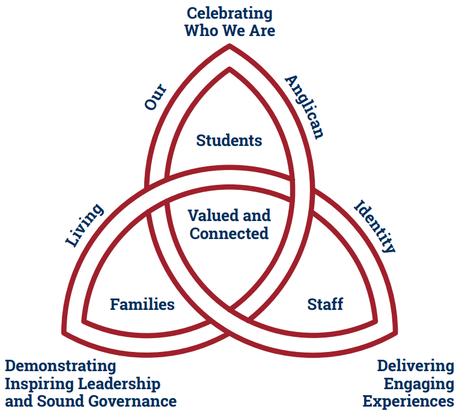
Our Purpose
We are committed to living our Anglican Identity, fostering a community grounded in faith, compassion and service
Through inspiring leadership and sound governance, we provide a foundation for excellence, ensuring a future-focused learning environment
We strive to deliver engaging experiences that ignite curiosity, challenge minds, and nurture a love of learning.
Our school values our people and community, recognising that every student, staff member and family, contributes to our shared success.
We celebrate who we are, embracing our unique traditions, achievements and aspirations, to create a vibrant and inclusive school culture.
Our Motto
Omnia possibilia apud Deum
All things are possible with God.
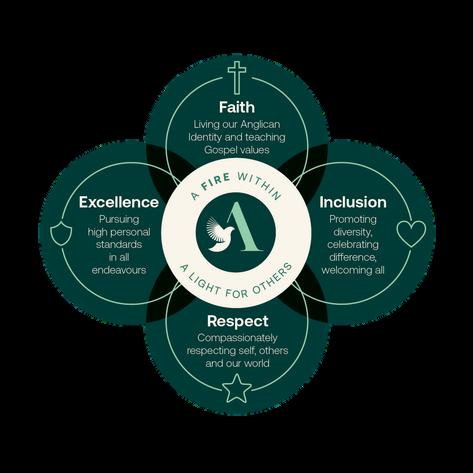
Faith – Living our Anglican Identity and teaching Gospel values
Inclusion – Promoting diversity, celebrating difference, welcoming all
Respect – Compassionately respecting self, others and our world
Excellence – Pursuing high personal standards in all endeavours


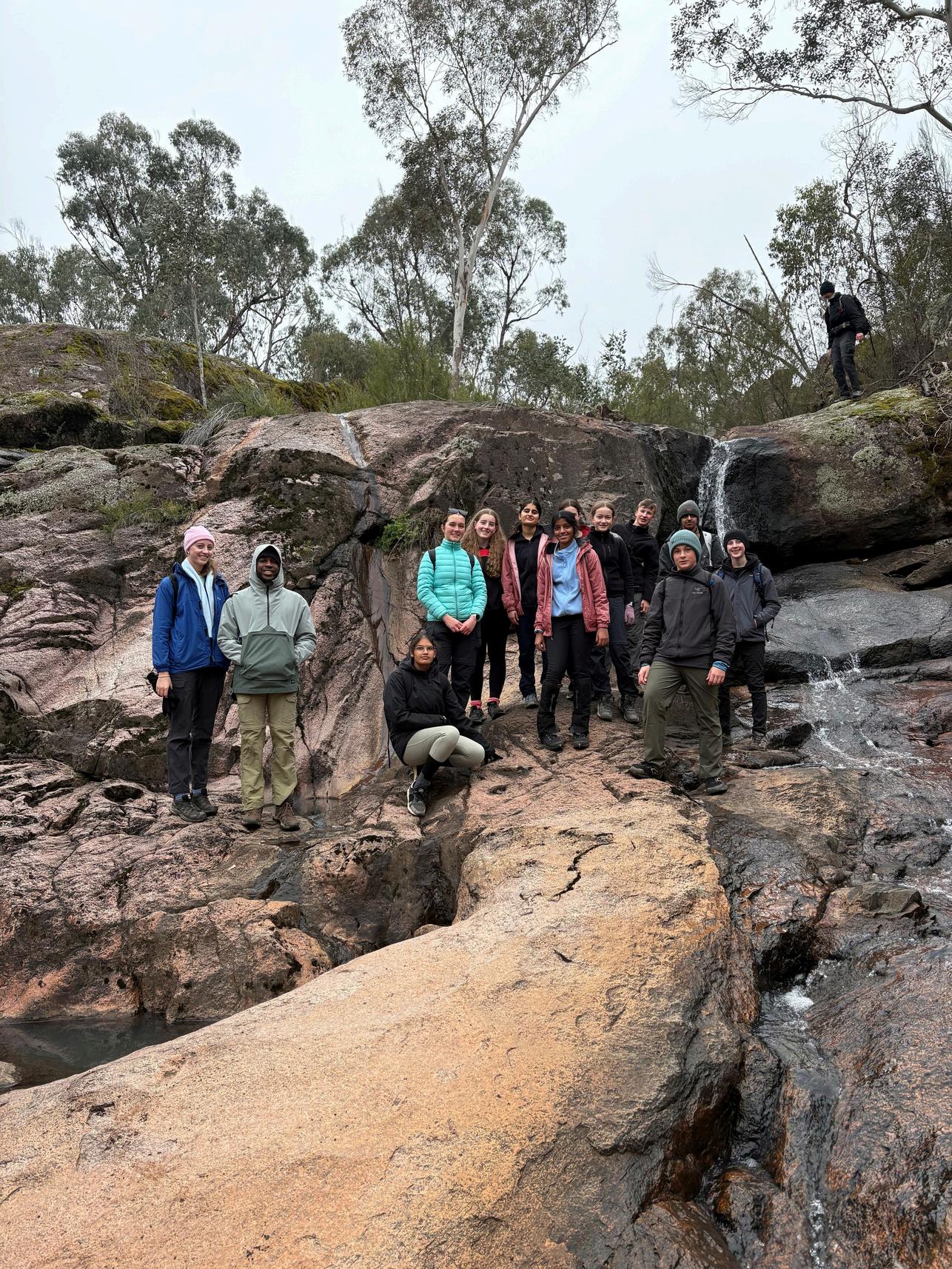
Our Co-Curricular Program is an int students with meaningful opportun personal, social, and academic grow and Sustainability, and Service and Environment and Sustainability The Environment and Sustainability sustainable practices Through coll proactive environmental stewards c generation of young leaders who w
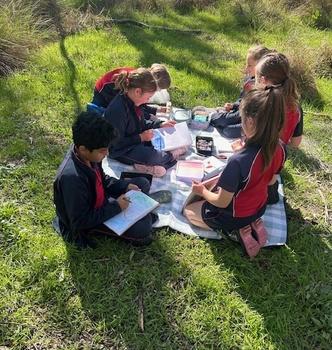
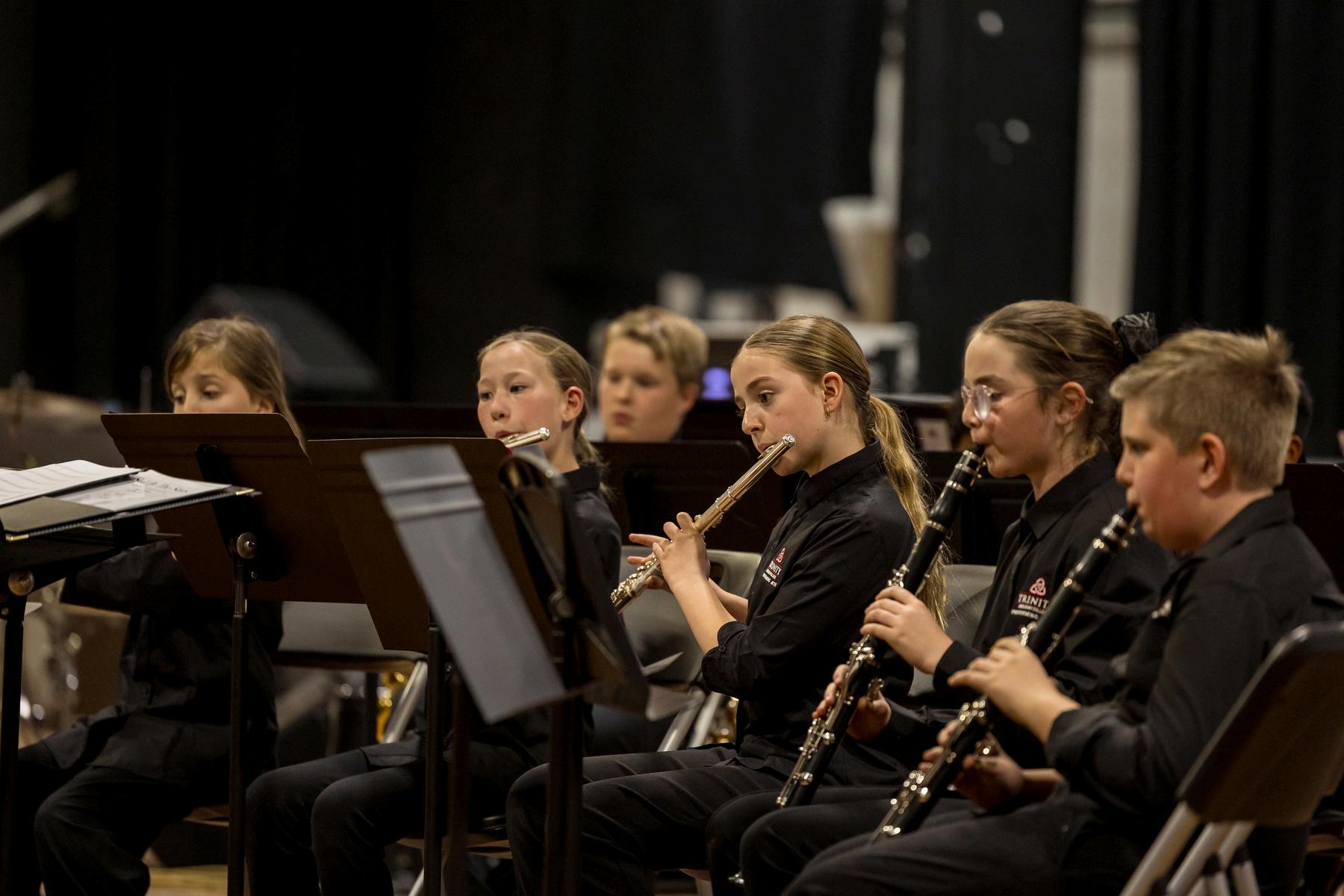
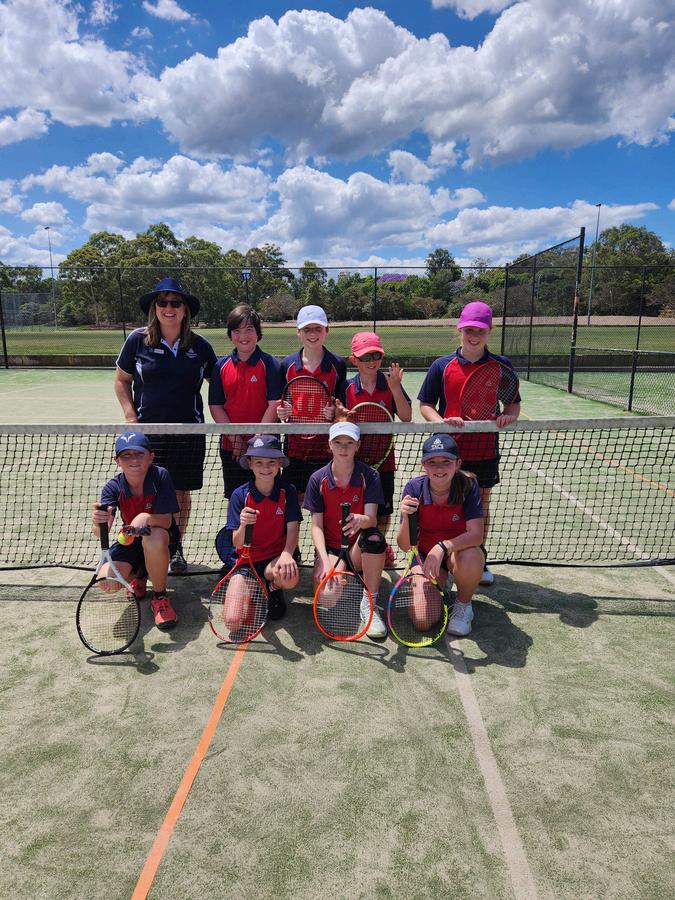
The Performing Arts program provides a dynamic and inclusive environment where creativity and artistic expression flourish. Students are encouraged to explore diverse performance disciplines, collaborate with peers, and pursue n, the program enriches both the amwork, resilience, and personal growth Through a wide range of sporting opportunities, students develop confidence, sportsmanship, and a commitment to health and wellbeing. The program supports students in striving for their personal best, both on and off the field
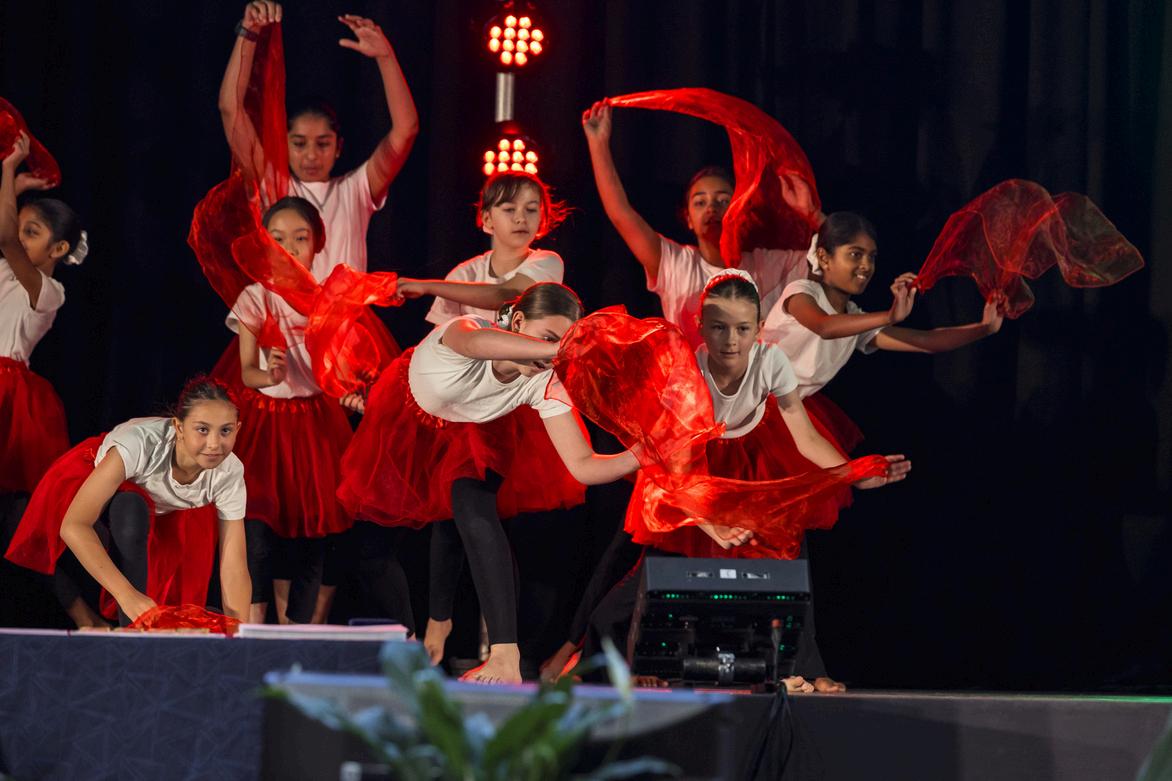

The Enrichment and Creativity program inspires students to explore their passions, extend their learning, and engage i i bl l i h h fl ibl d i l i l i i d b ild ili i i

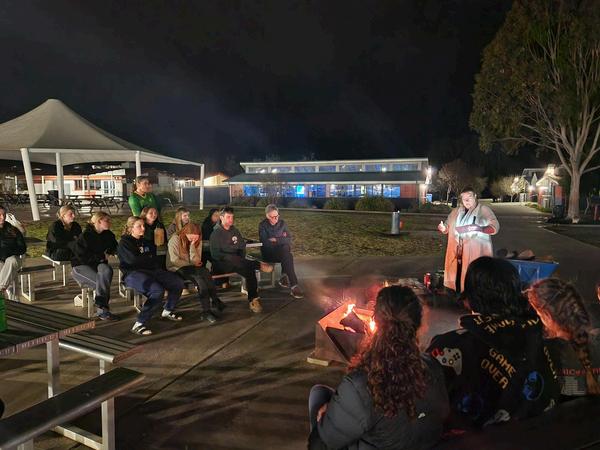
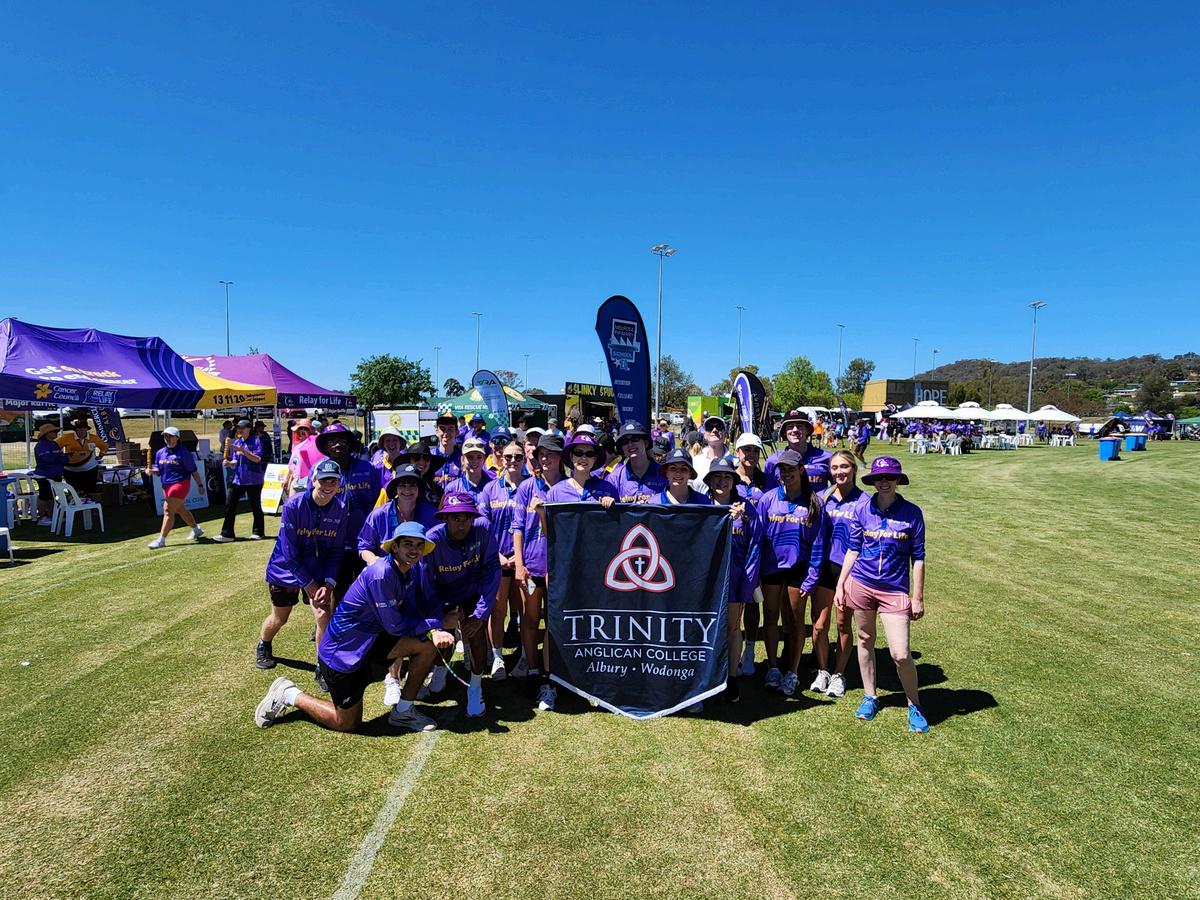

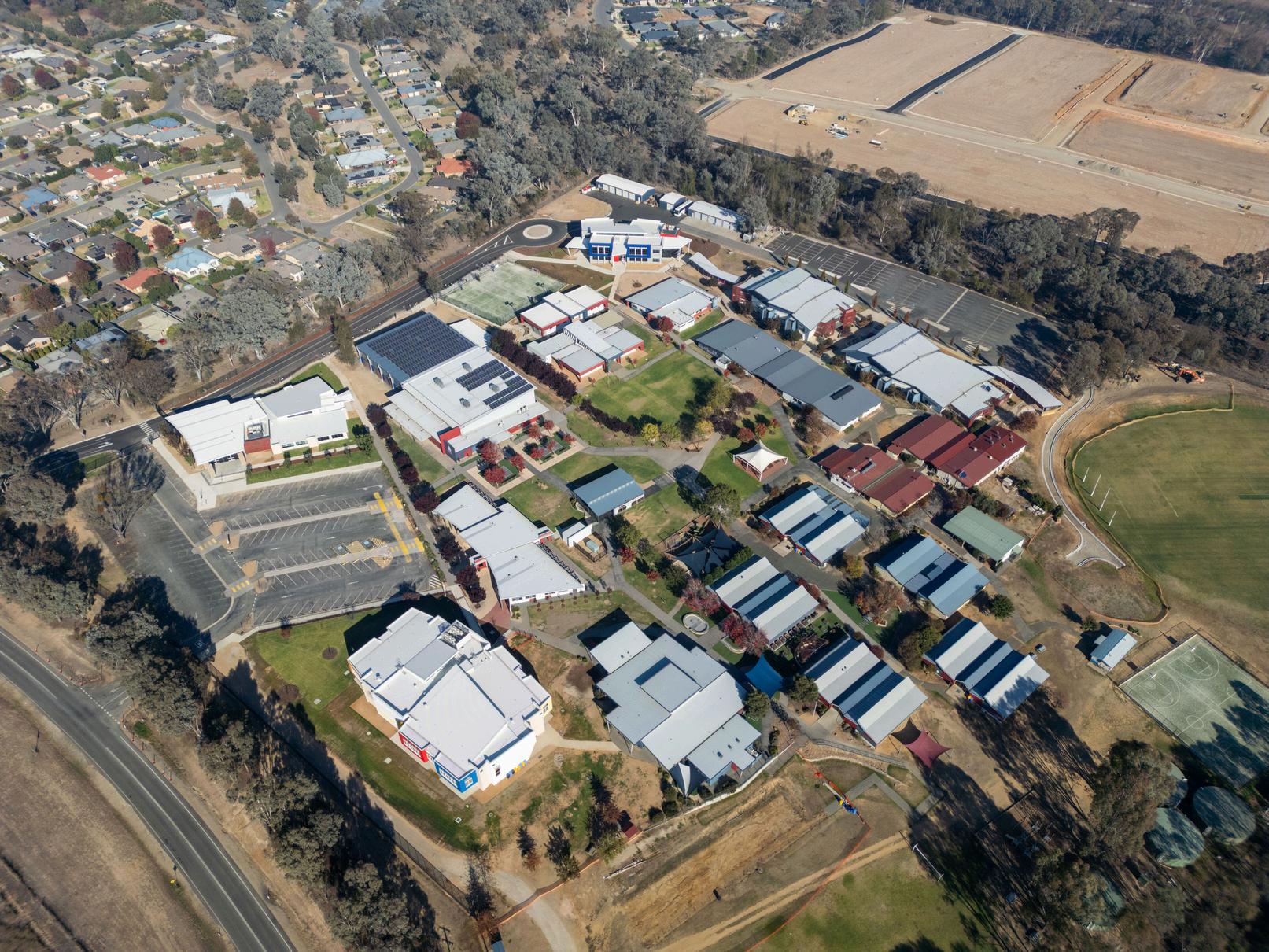
Trinity Anglican College is part of the vibrant Albury region on the NSW/Victoria border and reflects the dynamic and culturally diverse community it serves As a respected independent co-educational school for students from K–12, Trinity is one of 16 AngliSchools across Australia
At Trinity, we proudly embrace our Anglican identity, fostering a community where hope, love, and respect are at the heart of everyday life Our curriculum values spiritual and moral education, grounded in Christian principles that shape students’ character, relationships, attitudes, and commitment to service We focus on the holistic development of each child, supporting their spiritual growth alongside academic achievement and personal wellbeing
Known for our welcoming and inclusive learning environment, Trinity encourages students to pursue wisdom and courage in all they do We are committed to delivering a high-quality education through a strong curriculum and a wide range of cocurricular opportunities, equipping students with the skills and confidence to thrive beyond school
Our dedicated team of highly skilled staff strengthens teaching and learning through innovative programs and purposeful strategies, supported by a caring and responsive pastoral care framework With a positive outlook for the future, we empower our students to take ownership of their learning and actively shape the path ahead
The total enrolment was 1441 students at the August 2025 census. Year group distributions are in the table below:
The majority of our students live within geographically accessible suburbs near the College, with most coming from Thurgoona/Wirlinga (44.3%), Albury (15.8%), Lavington (14.2%), Tabletop (5%), Wodonga (8.5%), surrounding NSW regions (8 5%), and surrounding Victorian regions (3 7%)

Male and female enrolments are relatively balanced, with our student population made up of 52% female and 48% male. Approximately 2% of our students identify as Aboriginal, Torres Strait Islander, or both. Trinity is also proud of its cultural diversity, with 19% of students coming from a language background other than English (LOTE), enriching the life of the College and strengthening our inclusive community
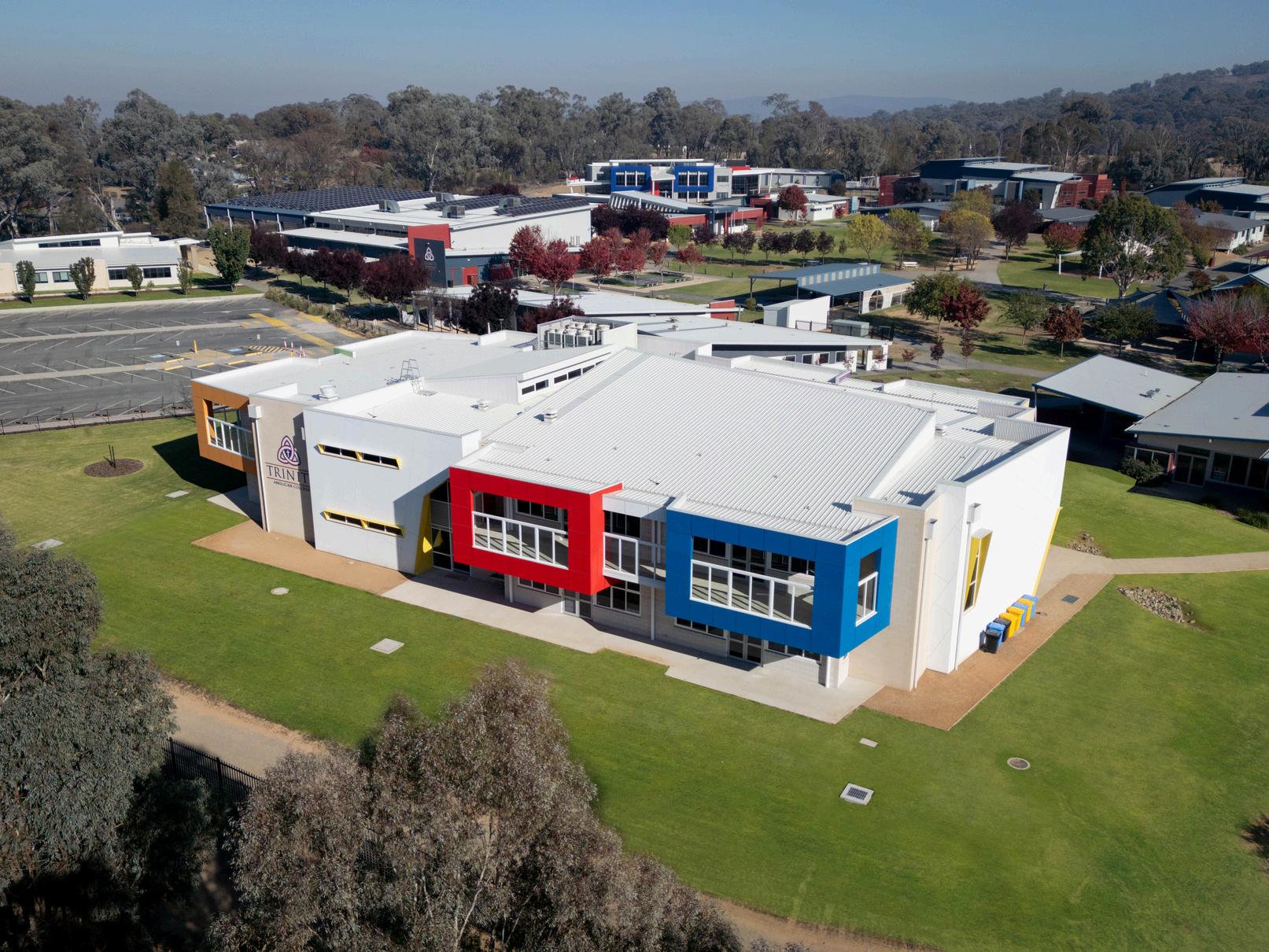
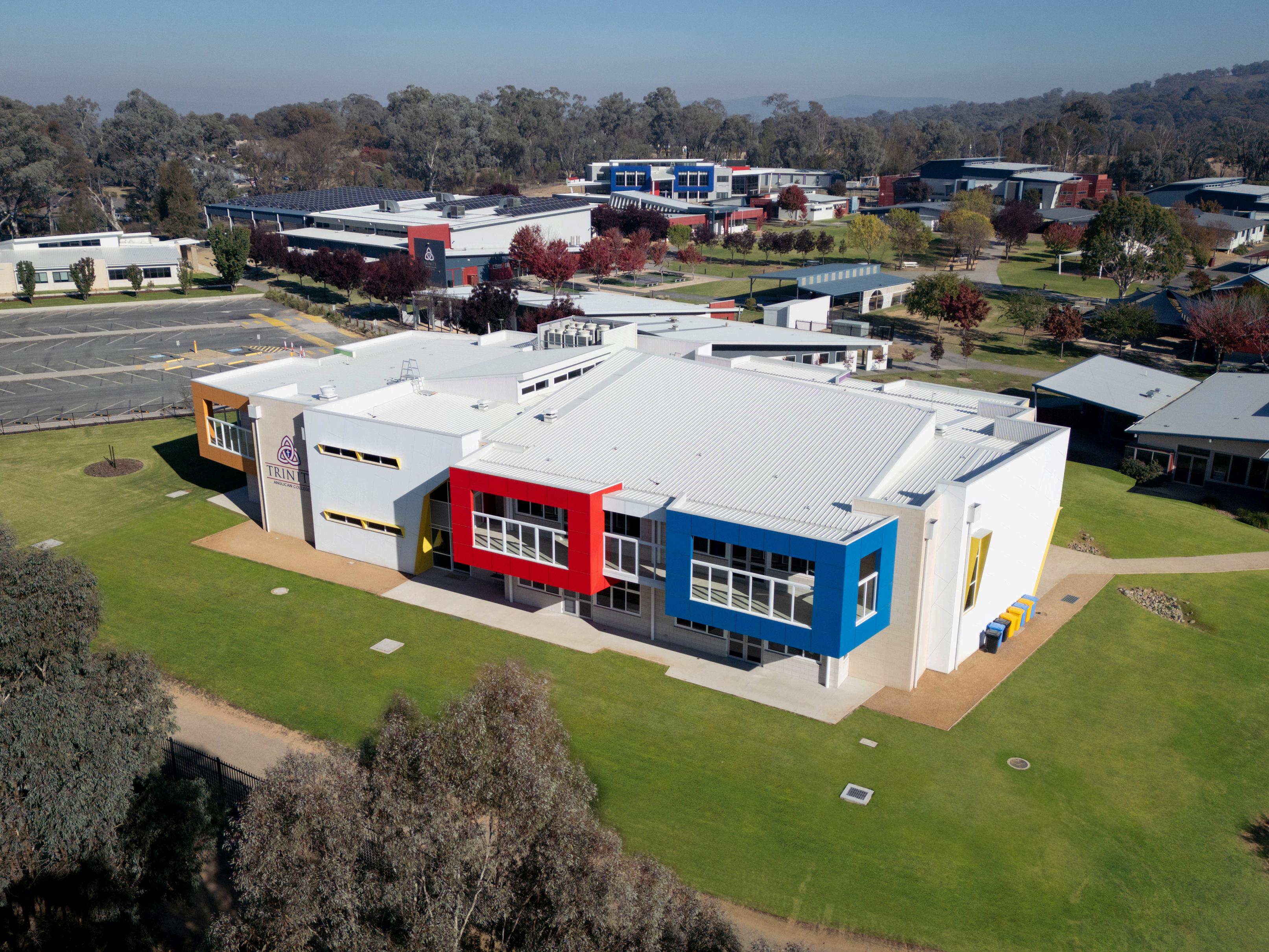
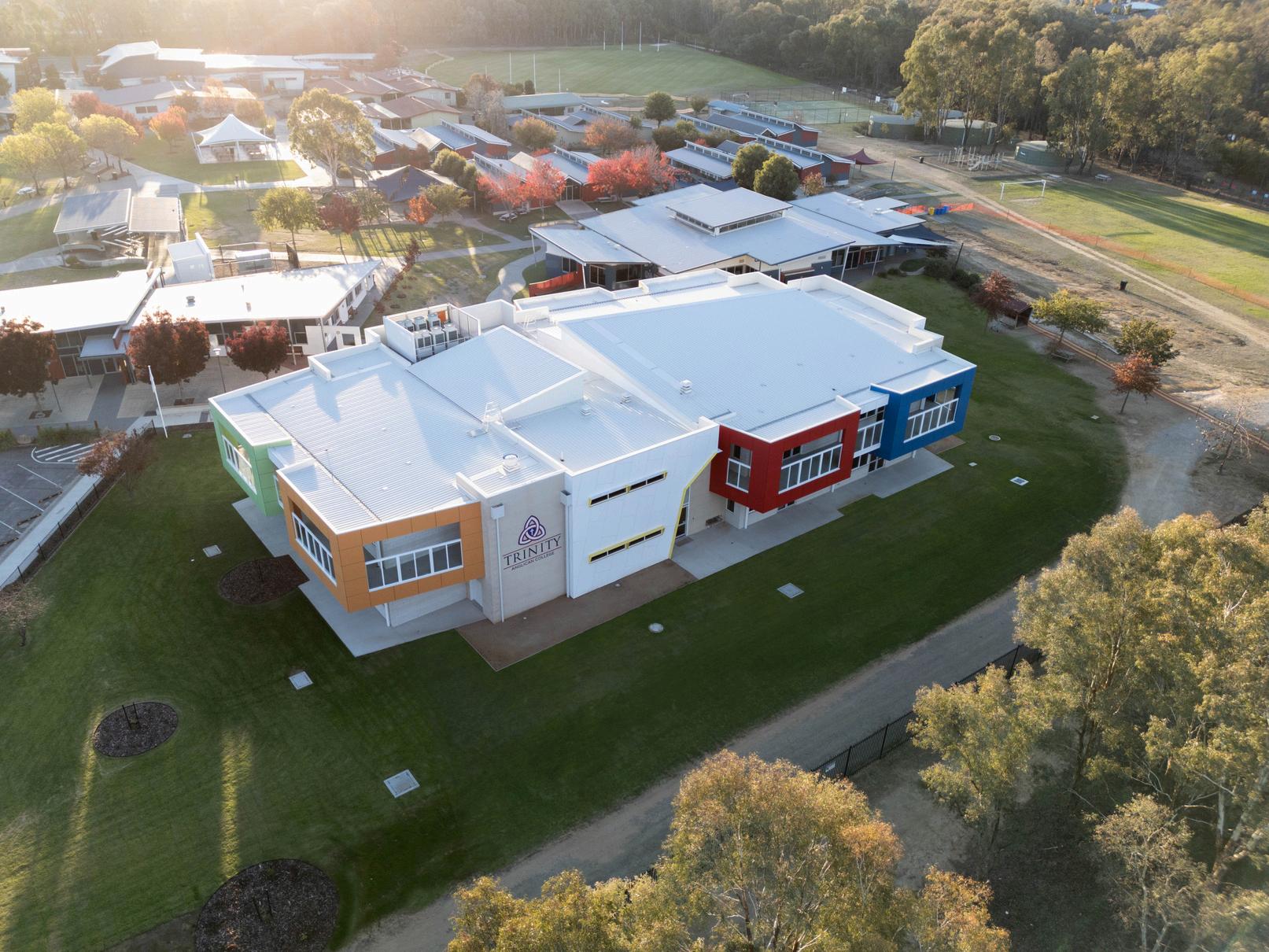
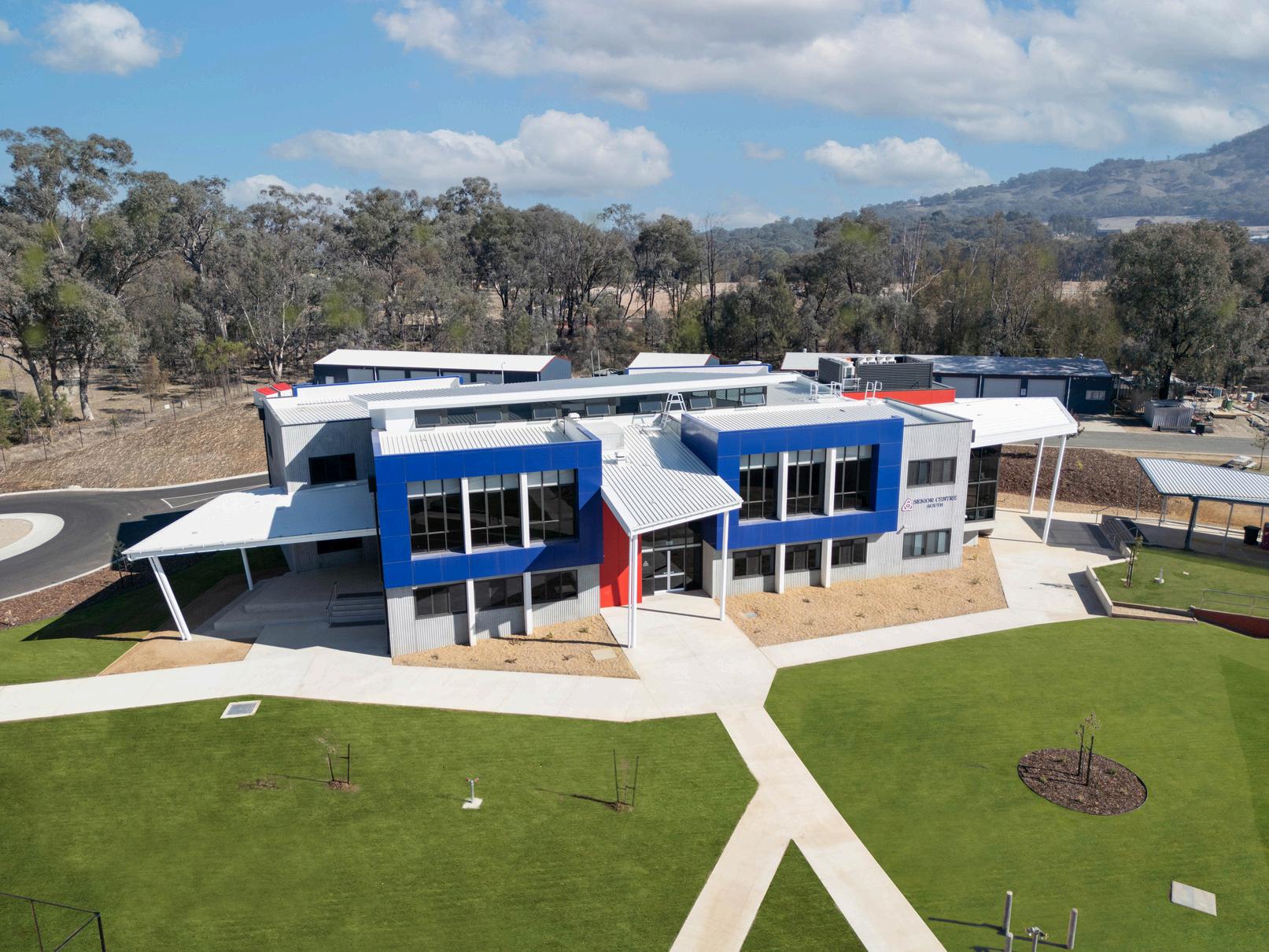
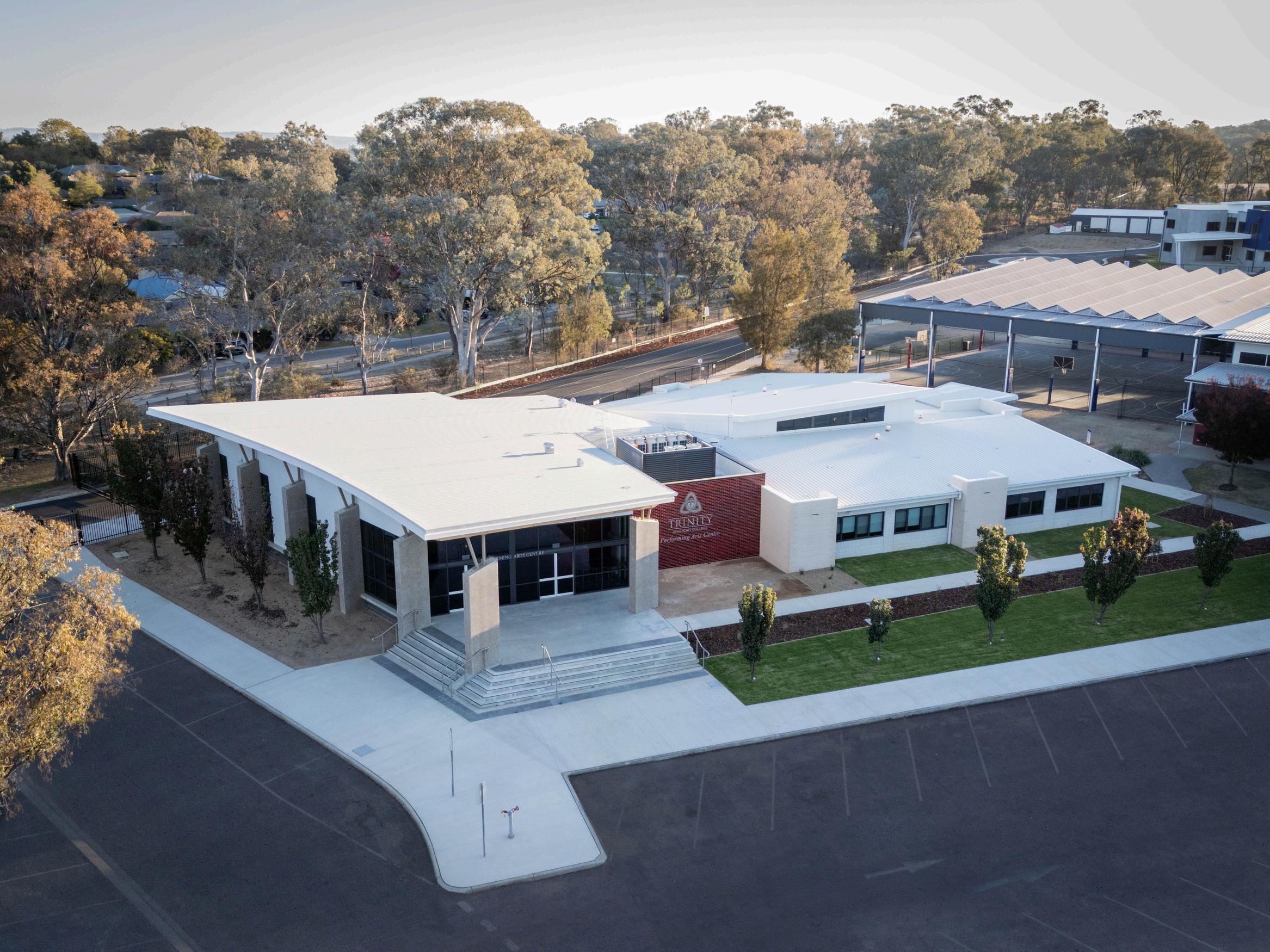
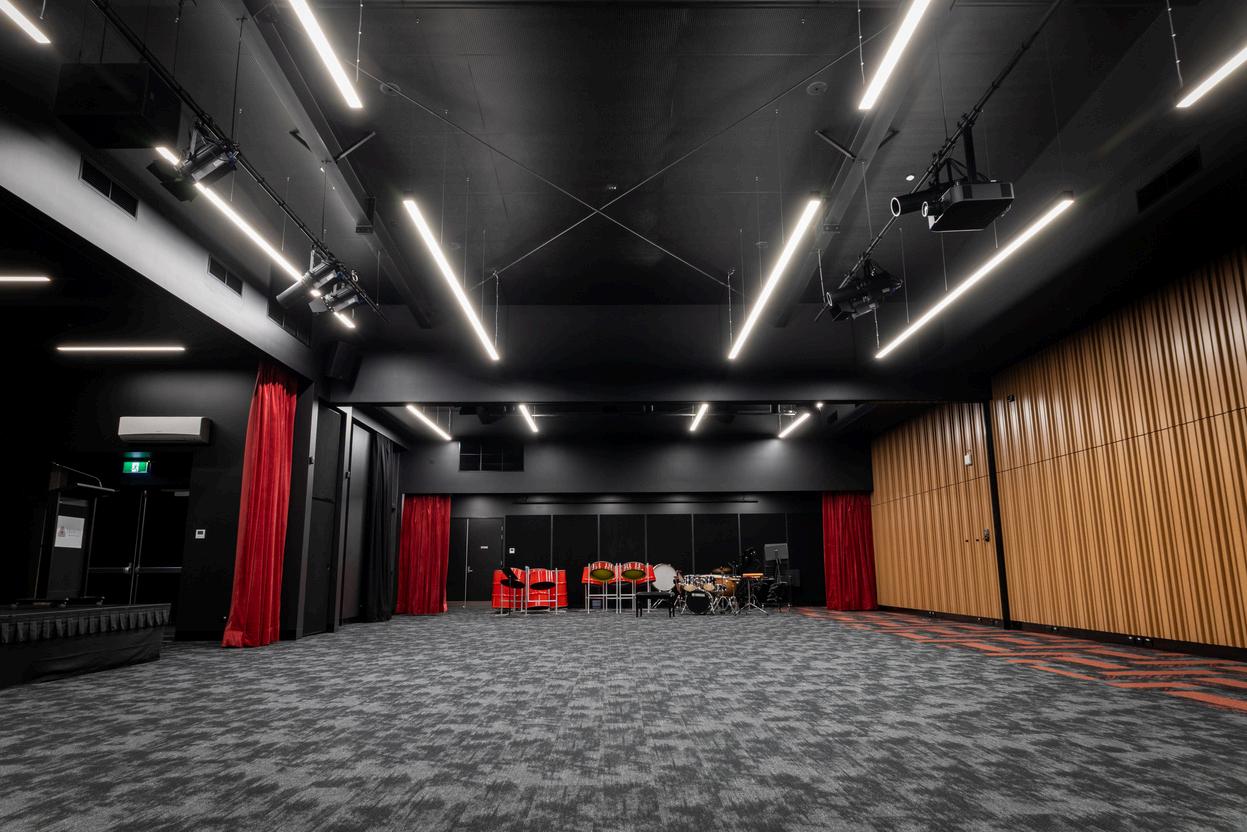
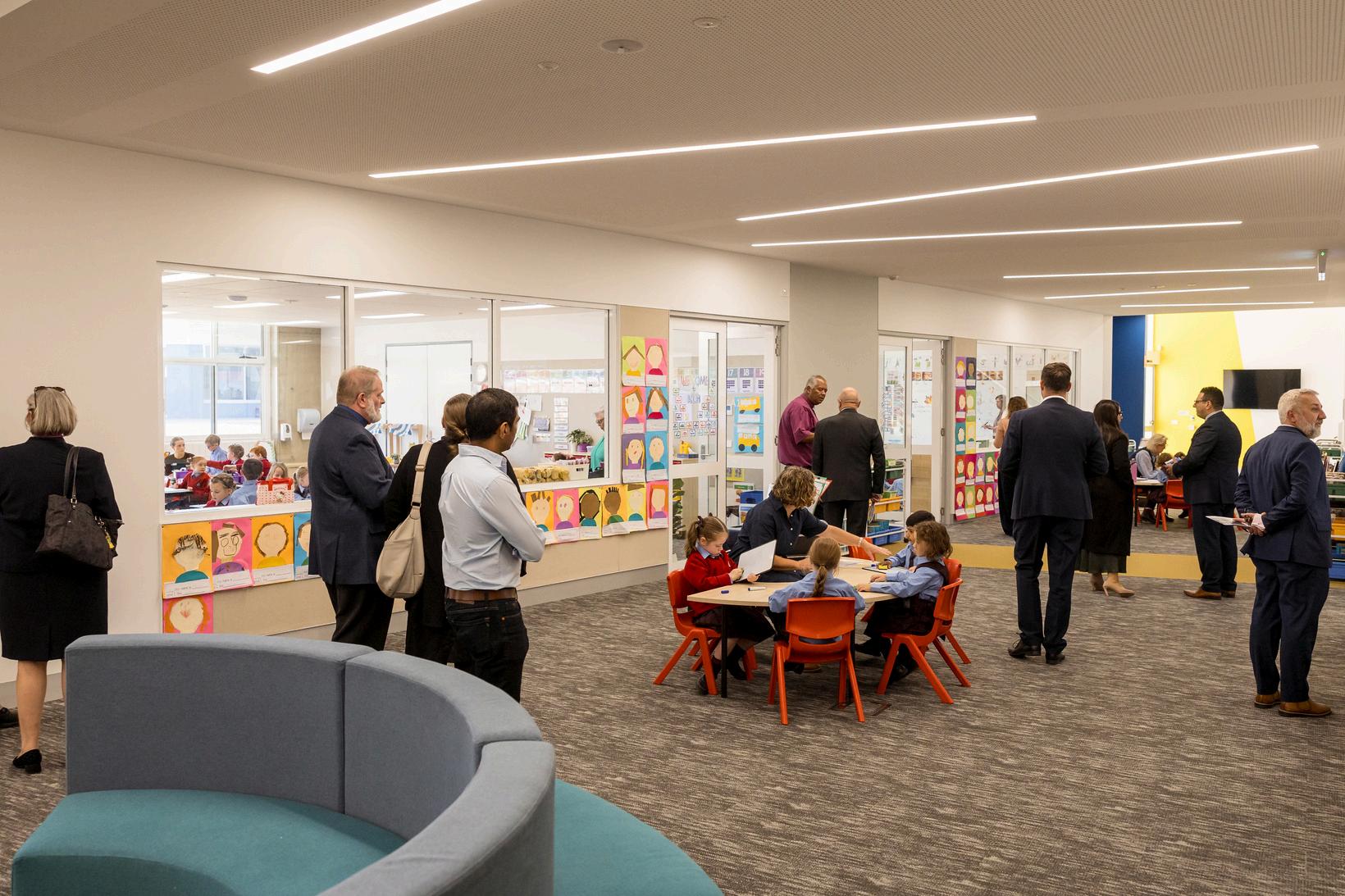
On Friday 9 May 2025, Trinity Anglican College celebrated a significant milestone with the official opening of three major new buildings as part of the Trinity Towards Tomorrow development. This transformative project represents a substantial investment in the future of education at Trinity, delivering 28 state-of-the-art learning spaces across three architecturally designed facilities
The development includes:
Two multi-level contemporary learning buildings
Junior School building featuring 12 classrooms and associated learning spaces
·Senior School building featuring 12 classrooms and associated learning spaces
A purpose-built Performing Arts Centre with four specialist classrooms, rehearsal rooms, and a dedicated performance space
Redeveloped bus drop-off and pick-up zones with seven new bus bays
Upgraded sporting facilities
Expanded on-site parking
These new facilities have been thoughtfully designed to support innovative teaching, collaborative learning, and a vibrant school experience Together, they set a new benchmark for educational excellence at Trinity and reflect the College’s commitment to preparing students for the future
NAPLAN
The National Assessment Program – Literacy and Numeracy (NAPLAN) is an annual assessment for all students in Years 3, 5, 7 and 9.
Note – Proficiency Standards
Exceeding: the students’ results exceed expectations at the time of testing
Strong: the student’s result meets challenge by reasonable expectations at the time of testing
Developing: the students’ result indicates they are working towards expectations at the time of testing
Needs support: the students’ results indicate they are not achieving the learning outcomes expected at the time of testing. They are likely to need additional support to progress satisfactorily.
NAPLAN Results: Year 3 Students Proficiency Standard

NAPLAN Results: Year 5 Students Proficiency Standard
In 2025, Year 3 students demonstrated consistent performance, with a strong concentration in the middle bands The proportion of students achieving ‘Strong’ exceeded state averages across all domains, with the most significant difference evident in Writing (82% compared to the state’s 69%) Similarly, Year 5 students performed above state averages, with a higher percentage achieving ‘Exceeding’ or ‘Strong’ in Reading, Writing, Grammar and Punctuation, and Numeracy.
NAPLAN Results: Year 7 Students Proficiency Standard

NAPLAN Results: Year 9 Students Proficiency Standard
In 2025, Year 7 students showed consistent achievement, with a notable concentration in the middle bands The proportion of students attaining ‘Strong’ was higher than the state average across all domains, with the greatest difference observed in Writing (61% compared to 49% statewide) Likewise, Year 9 students outperformed state averages, with a greater percentage achieving ‘Exceeding’ or ‘Strong’ across all domains.

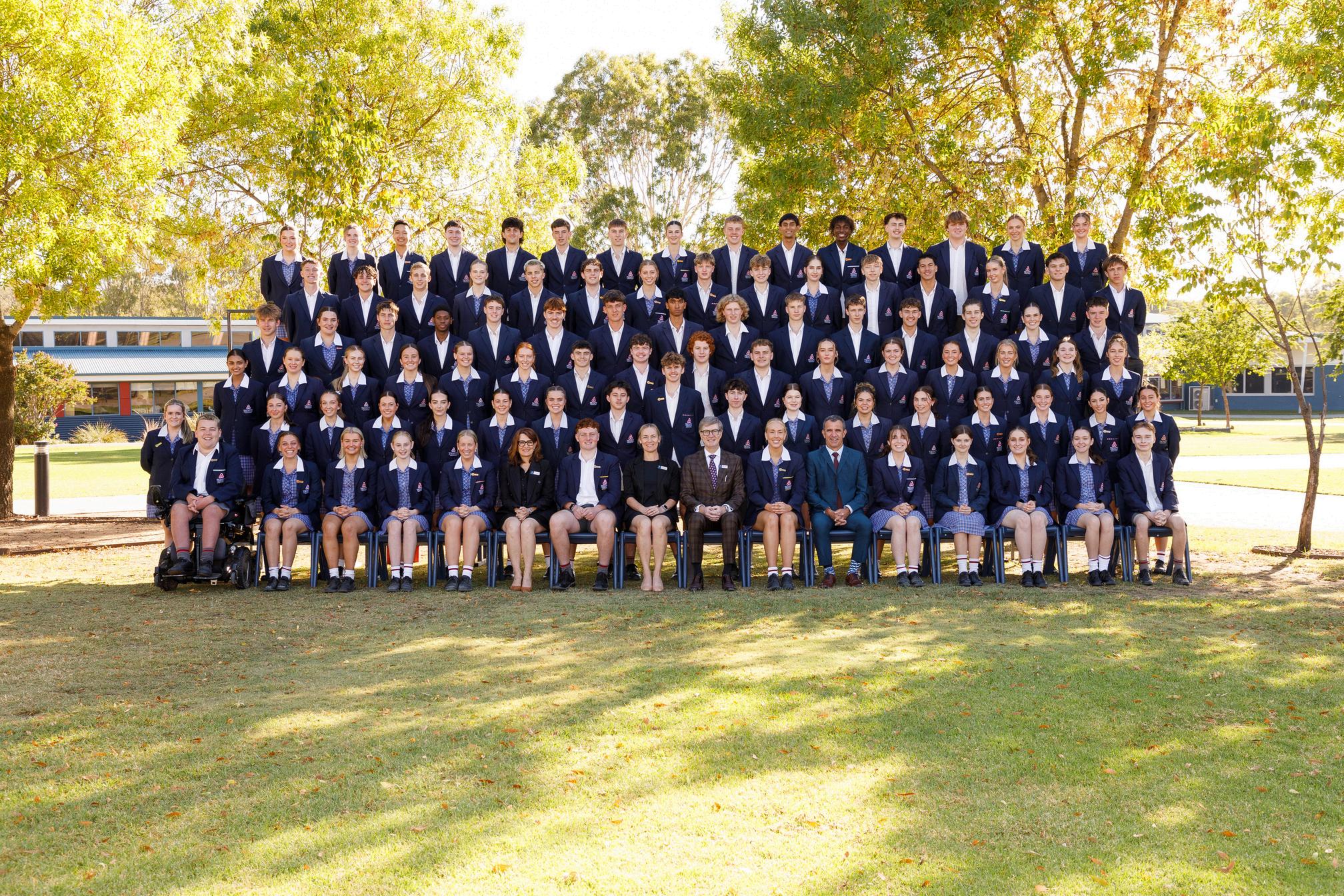
During 2025, 114 Year 10 Students were eligible to receive RoSA. From the Year 11 cohort, 103 students were eligible to receive RoSA These students engaged in 6 courses across all Key Learning Areas Ninety-six students progressed to the 2025 HSC Course, with the five students deciding to pursue alternate pathways such as apprenticeship or employment, or relocation
Trinity saw 100% of Year 12 students sit their HSC examinations, studying across 27 different courses Impressively, 93% of students graduated with an ATAR, while the remaining 7% pursued pathways that did not require an ATAR, demonstrating the school’s commitment to supporting diverse post-school aspirations
The highest ATAR achieved in 2025 was 95 7
6% of our students achieved an ATAR over 90
31% of our students achieved an ATAR over 80
53% of our students achieved an ATAR over 70
The average ATAR across the entire cohort was 69 1%
14% of students were recognised on the Distinguished Achievers List (Band 6 or E4) across 10 courses including: Music 1
Legal Studies
Construction 2 Examination
Business Studies
Mathematics Standard 2
Personal Development, Health and Physical Education
Society and Culture
Design and Technology
Biology
Physics
During 2025, 91 students completed Year 12 and graduated from Trinity The following list outlines the post-school destinations of these students:
University: 36 students
Gap Year: 51 students
Joined the workforce (inc Traineeship/Apprenticeships): 4 students


Trinity Anglican College recognises the importance of welcoming and valuing individuals from a wide range of backgrounds, including race, age, ethnicity, gender, and perspectives This commitment is reflected in the way we acknowledge, respect, and celebrate diversity across all personal, professional, and community interactions
The College believes a diverse workforce brings a richness of experience, insight, and ideas, strengthening our learning environment and supporting a culture of understanding, belonging, and inclusivity for all
All teachers employed in 2025 met the standards set by the New South Wales Education Standards Authority (NESA). This requirement applied to all teaching staff, including ongoing employees, staff on short-term contracts, and Casual Replacement Teachers (CRT)
Meeting NESA standards ensures that teaching staff at the College possess the appropriate qualifications, professional knowledge, and skills required to deliver high-quality learning for students By maintaining these standards, we reinforce our commitment to a professional teaching workforce that aligns with the expectations of the education regulatory body
In 2025, the College’s average student attendance rate was 90.51%. When considered by cohort, the Junior School recorded an attendance rate of 91 76%, while the Senior School attendance rate was 89 26% Trinity monitors and manages student attendance through our student administration system, SEQTA Attendance is marked at the start of each day in the Junior School and at the beginning of every lesson in the Senior School For any unexplained absences, parents are notified promptly via the SEQTA SMS system Ongoing unexplained absences are followed up by the College Leadership Team, while significant attendance concerns are managed directly by the Principal
The College’s retention rate in 2025 remained positive In January 2025, the College commenced the year with 1430 students enrolled and concluded in December 2025 with 1441 students, representing a net increase of 11 students Students leave the College for a range of reasons across both the Junior and Senior School; however, family relocation continues to be the most common reason for withdrawals
Trinity Anglican College has a number of policies and procedures relating to student welfare and well-being that are publicly available on the College website:
Anti-Bullying Policy
Child Protection Policy (NSW)
Communications Protocol Parents/Carers and Staff
Dispute and Complaint Resolution Policy
Enrolment and Attendance Policy
Mandatory Reporting of Children at Risk of Significant Harm Policy and Procedure (NSW)
Parent Code of Conduct Policy and Procedure
Privacy Policy and Procedures
Staff Code of Conduct
Student Code of Conduct
Student Discipline Policy
Student Rights and Responsibilities
Reporting of Allegations of Reportable Conduct Policy and Procedure (NSW)
Whistleblowing Policy and Procedures

In 2025, the College undertook comprehensive satisfaction surveys of parents, students (Years 6–12) and staff, as part of our commitment to continuous improvement and transparent reporting
Parent feedback was exceptionally strong, with all key areas rated in the “High” or “Very High” bands and an overall average of 77%, firmly within the “High” range Compared with 2023, seven of twelve categories improved Facilities and Resources achieved a “Very High” rating, while the Sports Program, Communications, Management and Leadership, Community Engagement, Reputation and Affinity (Loyalty) were all rated “High”. Overall satisfaction, along with the Academic and Performing Arts Programs, were rated “Very High”, and Pastoral Care and Student Wellbeing remained in the “High” band These results reflect strong confidence in the College’s direction and delivery
Student feedback also demonstrated positive momentum, with an overall rating of 70% (“High”) and improvements in eight of eleven categories compared with 2023 Overall satisfaction, Facilities and Resources and Reputation were rated “High” Academic and Performing Arts Programs remained in the “High” band.
Staff survey data indicated overall School Aspects at 75% (“High”), just one percent below the MMG benchmark, and Staff Aspects at 70% (“High”) Improvements were recorded across seven of sixteen categories, including Sports Program, Facilities and Resources, Academic Program and Climate and Culture The Expectations Met rating increased to 85%, signalling sustained staff confidence and engagement.