The voice of the trenchless community

Vortex’s global growth in delivering trenchless rehabilitation products, technologies and services



PUBLISHER
Paul Harwood pharwood@westrade.co.uk
EDITOR
Austen Lees editorial@trenchless-works.com
MANAGING EDITOR
Leigh Abbott labbott@westrade.co.uk
SALES DIRECTOR
Trevor Dorrell tdorrell@westrade.co.uk
DESIGN & PRODUCTION
Julie Harris julie@julieharriscreative.co.uk
CHINESE AGENT
Lexi Di lexi.di@bestexpo.cn
COPYRIGHT
Trenchless Works is published 12 times a year by Westrade Group Ltd I Carotino House| Bury Lane I Rickmansworth I WD3 1ED I UK
Contributions: Contributions are invited and articles should be emailed to editorial@ trenchless-works.com. No responsibility can be taken for drawings, photographs or written contributions during delivery, transmission or when with the magazine. In the absence of an agreement, the copyright of all contributions, regardless of format, belongs to the publisher. The publishers accept no responsibility in respect of advertisements appearing in the magazine and the opinions expressed in editorial material or otherwise do not necessarily represent the views of the publishers. The publishers accept no responsibility for actions taken on the basis of any information contained within this magazine. The publishers cannot accept liability for any loss arising from the late appearance or non-publication of any advertisement for any reason whatsoever. ISSN 2049-3401
Subscribe for free:
www.trenchless-works.com
Austen Lees
As we move through the first quarter of 2026, one thing is becoming increasingly clear, the trenchless industry is evolving not just in technology, but in how it connects, collaborates and operates as a global community.
This issue reflects that shift. From large-scale rehabilitation strategies to advancing HDD competence and the continued rise of UV and LED curing systems, the sector is pushing forward with greater efficiency, precision and ambition. Our cover feature with Dave Fletcher of Vortex captures this perfectly, highlighting both business growth and the wider trajectory of trenchless as a critical enabler of sustainable infrastructure delivery.
Alongside these developments, the importance of knowledge sharing and collaboration remains central. The success of the No-Dig Roadshow in Dublin is a clear example of the industry coming together to exchange ideas, showcase innovation and strengthen relationships, with London next in the series.
It is within this context that we are proud to introduce Trenchless Connect.
Launched this month, Trenchless Connect represents a significant step forward in how the industry engages year-round. Designed as a dedicated platform for the trenchless sector, it brings together suppliers, contractors, engineers and asset owners in one central space, making it easier to discover solutions, share expertise and build meaningful connections beyond traditional channels.
As the industry continues to grow in scale and complexity, the need for a more connected ecosystem has never been greater. Trenchless Connect is built to support that evolution, complementing the role of the magazine, events and digital media in creating a fully integrated platform for the sector.
As always, Trenchless Works remains committed to being the voice of the trenchless community, championing innovation, sharing insight and supporting the people and businesses driving the industry forward.
Thank you for being part of it.
Austen
ARTICLE
Editor’s Welcome
INDUSTRY INSIGHT
Thinking Big – Vortex’s global growth in delivering trenchless rehabilitation products, technologies and services
NEWS
Trenchless Works launches Trenchless Connect
S1E Ltd announces partnership with Hermes Technologie for manhole rehabilitation
BRAWOLINER® liner system passes WRc infiltration test in UK
Southern Water deploys Tbm for £100m Southampton link main pipeline
MICROTUNNELLING
Hinkley Point C Prepares TBM Launch For 620m Fish Return Tunnel
TUNNELLING
Terratec TBMs complete major water transmission tunnel in Bangkok
PIPELINE REHABILITATION
RSM expands electric cutting range with Gecko E Systems for trenchless rehabilitation
GeeDee plant expands CIPP capabilities with second Bluelight lining system
The rise of LED and UV lining systems in trenchless rehabilitation
RELINE Alphaliner PN sets new benchmark in pressure pipe rehabilitation performance
HDD
Upskilling HDD crews for complex drilling projects
TRACTO advances zero-emission drilling with electric GRUNDODRILL JCS130E
ASSET MANAGEMENT
Thames Water trials hydrant-entry pipe inspection using PIPA Hydrocam system
FOCUS ON TRENCHLESS TRAINING
Finding and filling the gaps | Part 2
EVENTS
No-Dig Roadshow Dublin highlights major trenchless infrastructure projects Trenchless Asia 2026 builds momentum with strong industry backing
UKSTT SOCIETY NEWS
Message from the Chair
Awards 2026 now open for entries – Showcase your success
Membership buzz update
Successful No-Dig Roadshow Brings together industry leaders in Dublin ISTT
ISTT supports Trenchless Asia 2026 in landmark first for Thailand
ISTT webinar to explore condition assessment of large-diameter Sewers
Early bird registration now open for International No-Dig Auckland 2026
NASTT
North American Society for Trenchless Technology appoints new Executive Director















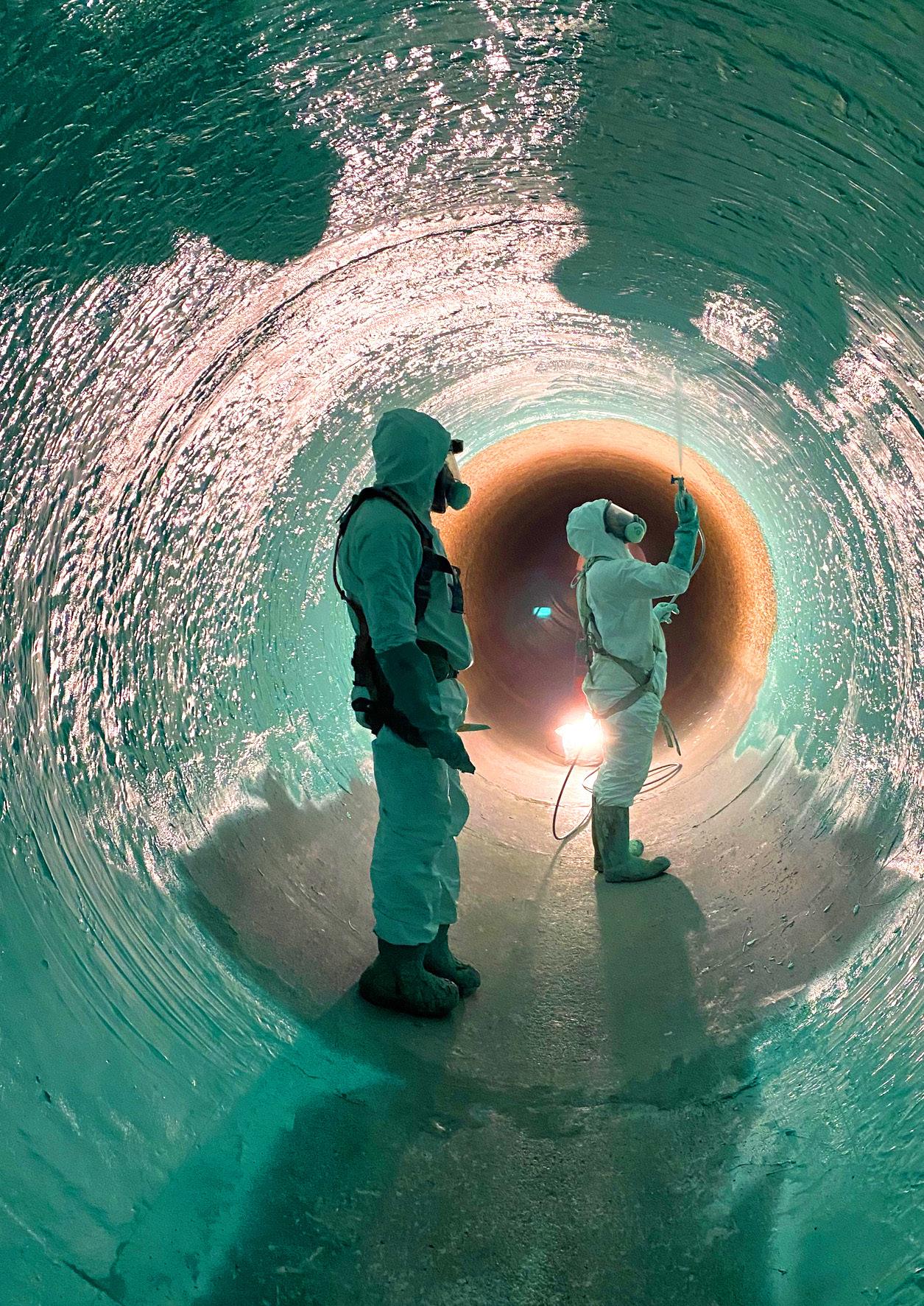
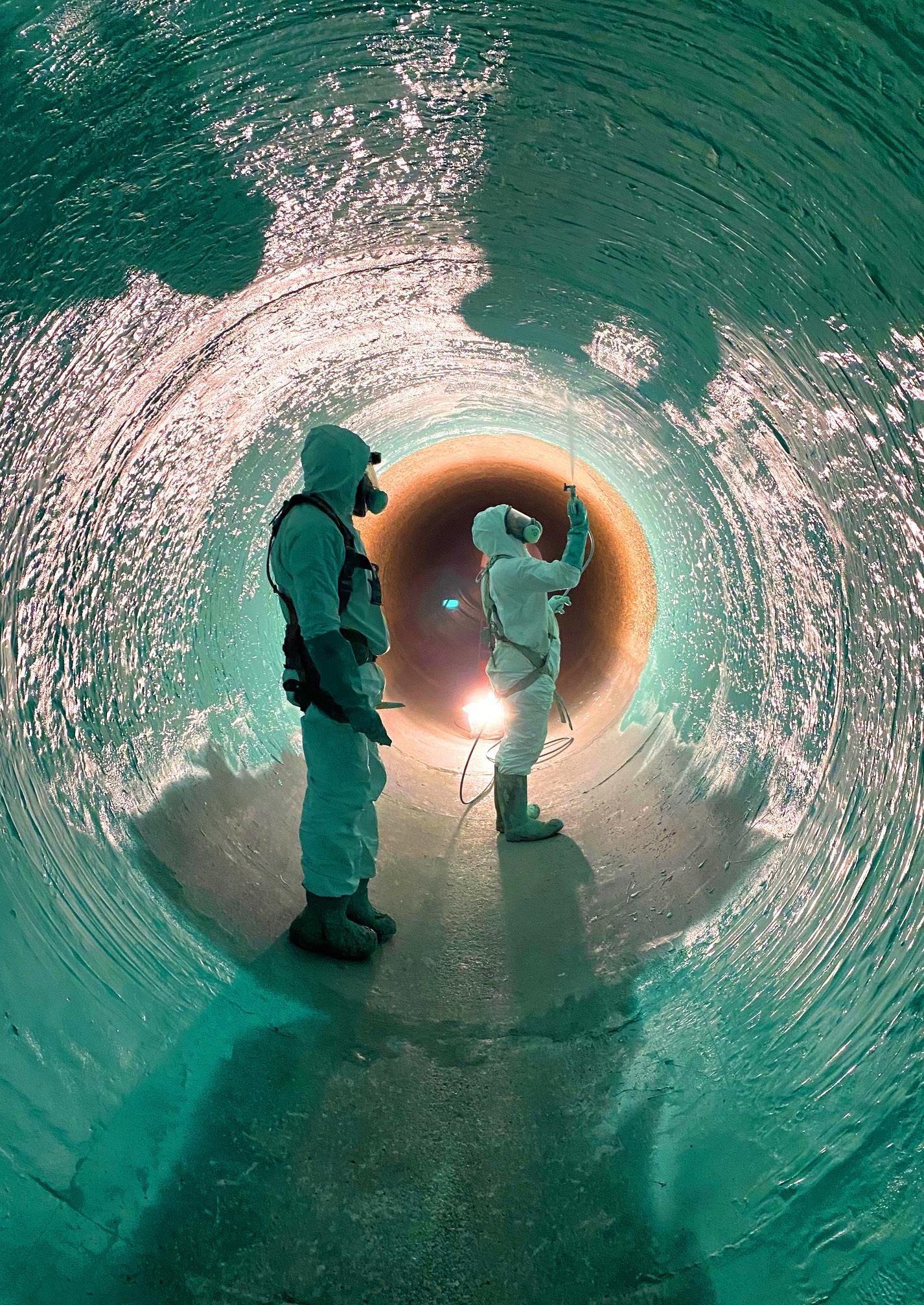
Vortex’s global growth in delivering trenchless rehabilitation products, technologies and services
Few companies have expanded as rapidly in the trenchless infrastructure rehabilitation sector as Vortex Companies. The global business now employs more than 1,500 people across 45 locations worldwide and offers a portfolio of more than 75 products and systems.
Dave Fletcher, Senior Vice President, who has spent more than 30 years in the trenchless industry, is responsible for strategic growth in the UK and Ireland, with a focus on the full suite of Vortex product offerings. Speaking with Trenchless Works editor Austen Lees, Fletcher says the company’s philosophy is rooted in a simple principle.
“At Vortex, everything begins with thinking big. That means looking beyond individual products or isolated repairs and focusing on how we can help utilities and contractors solve infrastructure challenges in smarter, more sustainable and more effective ways. Our growth has come from understanding that customers increasingly need complete solutions, products, technologies and services that work together to deliver long-term performance.”
A market driven by infrastructure pressure
Demand for trenchless rehabilitation technologies continue to grow globally, driven by ageing assets, environmental pressures and increasing regulatory scrutiny. Fletcher says North America has historically been one of the most dynamic and high-growth markets, largely because of strong regulatory enforcement around sewer infiltration and inflow.
“A major driver has been the long-term pressure applied by the Clean Water Act and the Environmental Protection Agency, which has pushed utilities to take infiltration and inflow seriously for many years. That kind of regulatory framework creates urgency, but it also creates opportunity for innovation, because utilities have to find solutions that are effective, practical and scalable.” That regulatory pressure has driven significant investment in rehabilitation technologies designed to seal and stabilise ageing networks.
“At Vortex, everything begins with thinking big. That means looking beyond individual products or isolated repairs and focusing on how we can help utilities and contractors solve infrastructure challenges in smarter, more sustainable and more effective ways.
Dave
Fletcher, Senior Vice President Vortex

“We have seen this same behavior in the UK with reoccurring AMP activity with similar resolve,” Fletcher says. “Public concern, media scrutiny and the environmental consequences of storm overflows are all increasing pressure on water companies to address the underlying causes of network failure rather than simply managing the symptoms. That is where trenchless rehabilitation has a major role to play.”
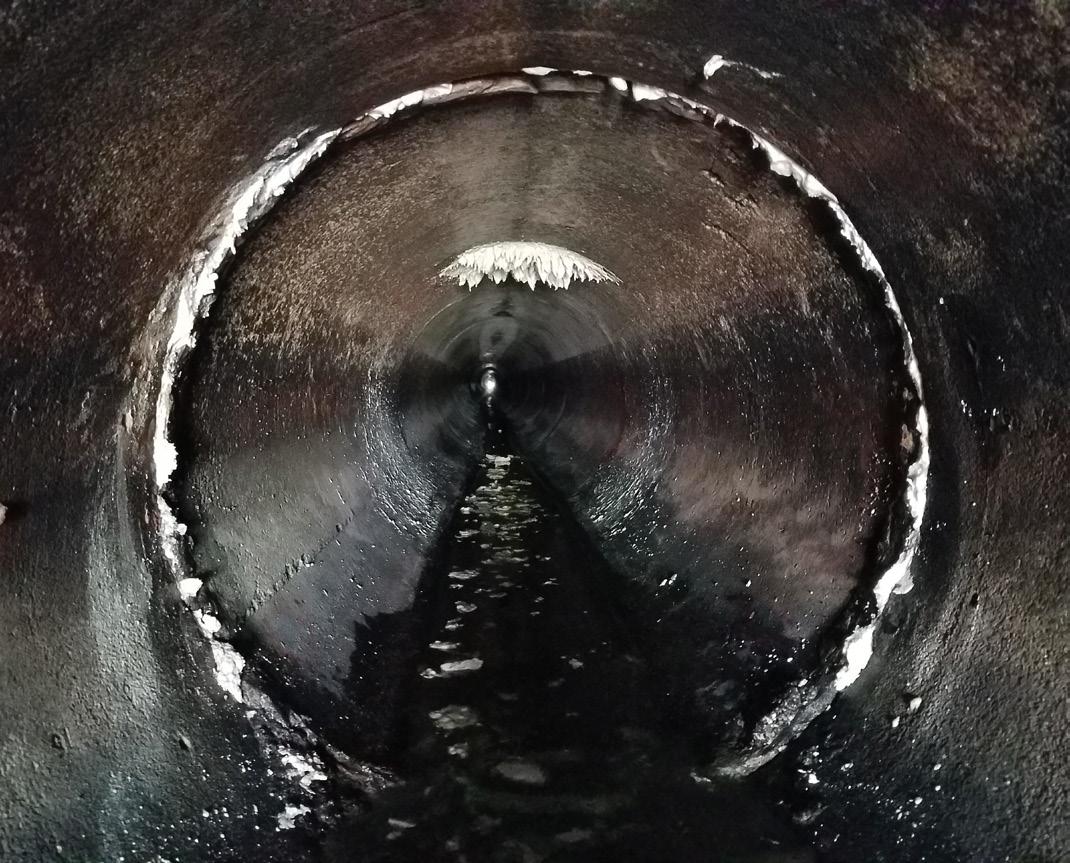
One of the biggest issues facing wastewater networks is groundwater infiltration entering systems through cracks, damaged connections and deteriorating manholes.
“When groundwater enters the system, it creates a chain reaction of problems. It overloads treatment works, drives up operational costs, reduces overall efficiency and, in many cases, contributes directly to storm overflows. It’s not just an engineering issue, it’s an environmental and financial issue as well.”
However, he emphasises that solving infiltration requires a whole-system approach. “You can line pipes all day long, but if you don’t deal with lateral connections, joints and manholes, the water will simply find another path into the network. Real rehabilitation means sealing the system as a whole. The most successful asset owners are the ones who recognise that you need a joined-up strategy, not a piecemeal fix.”
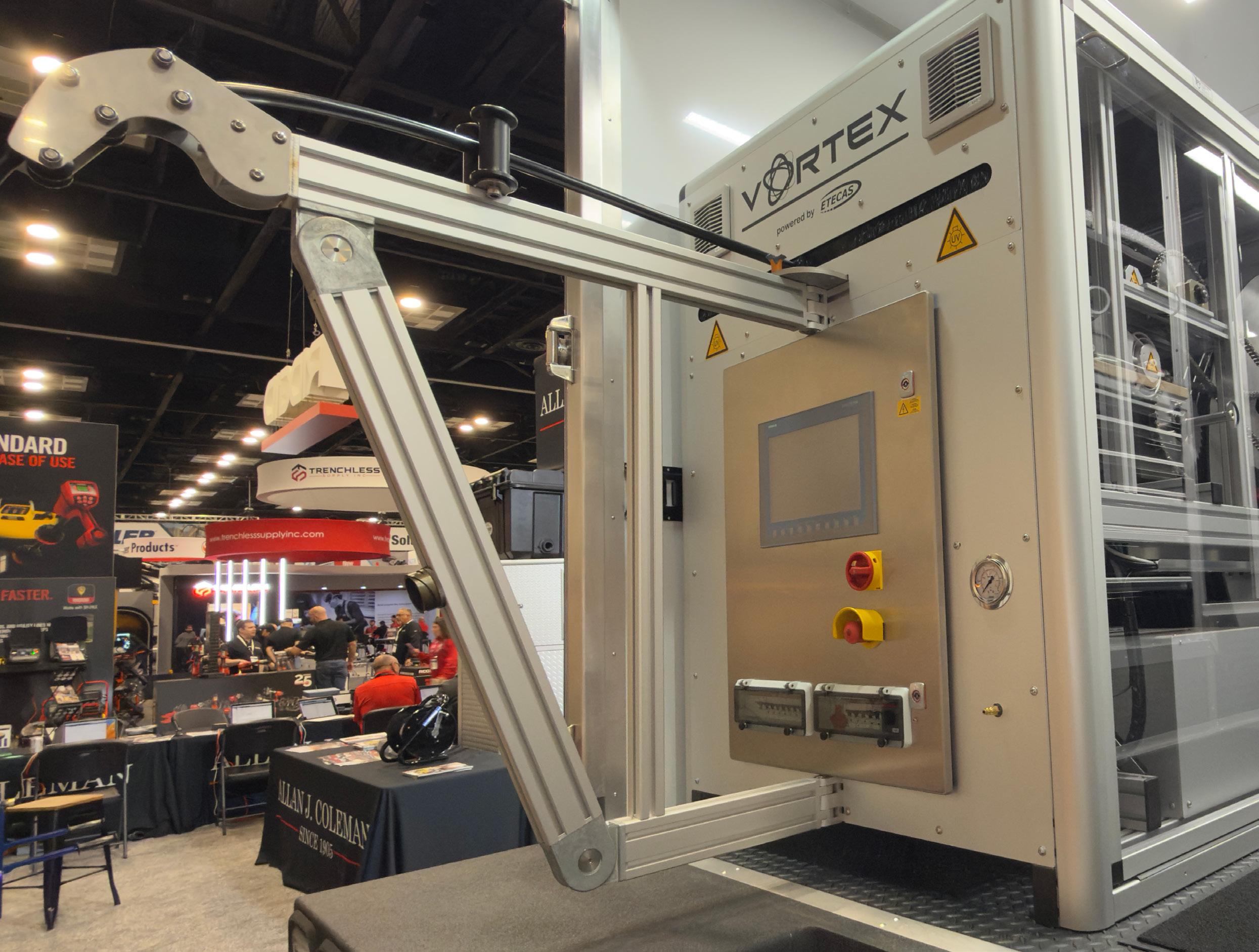
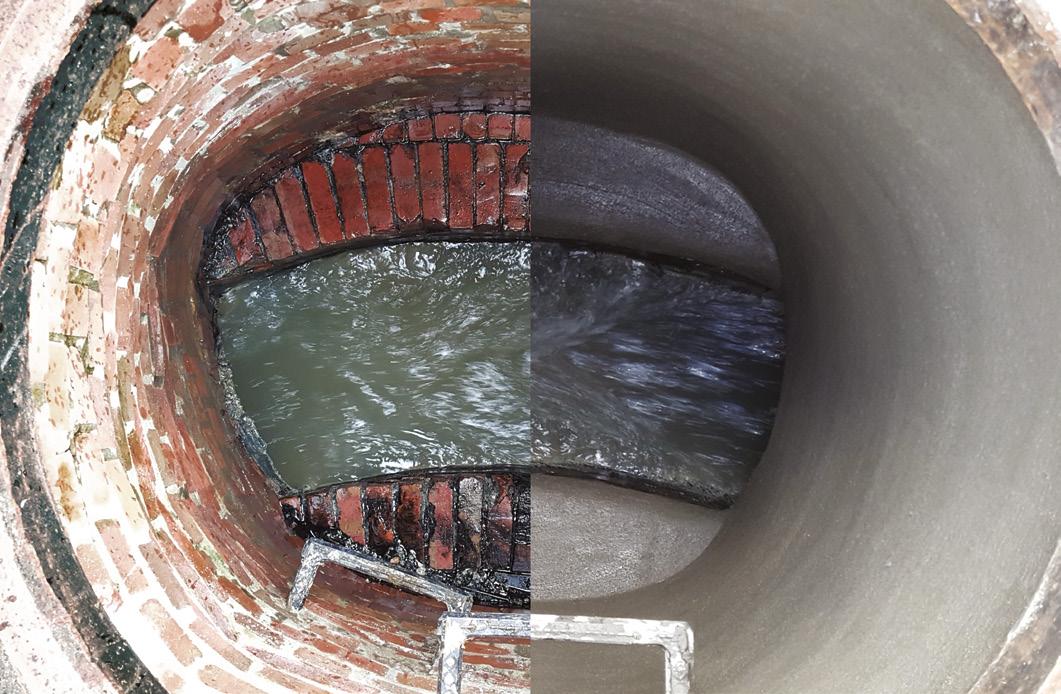
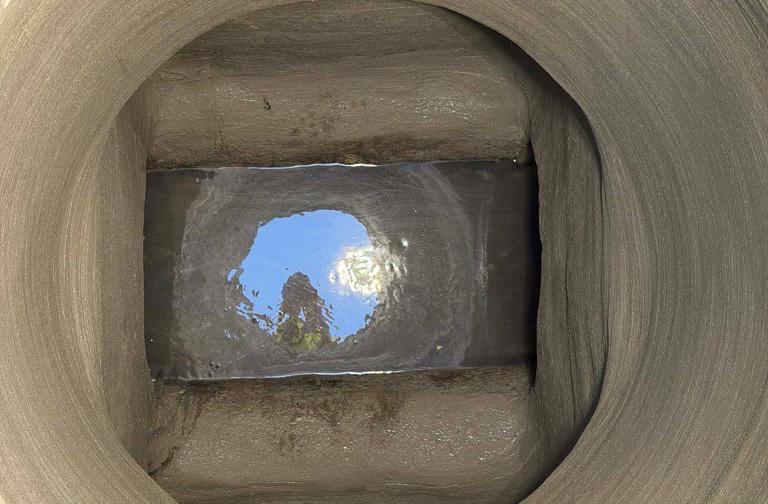
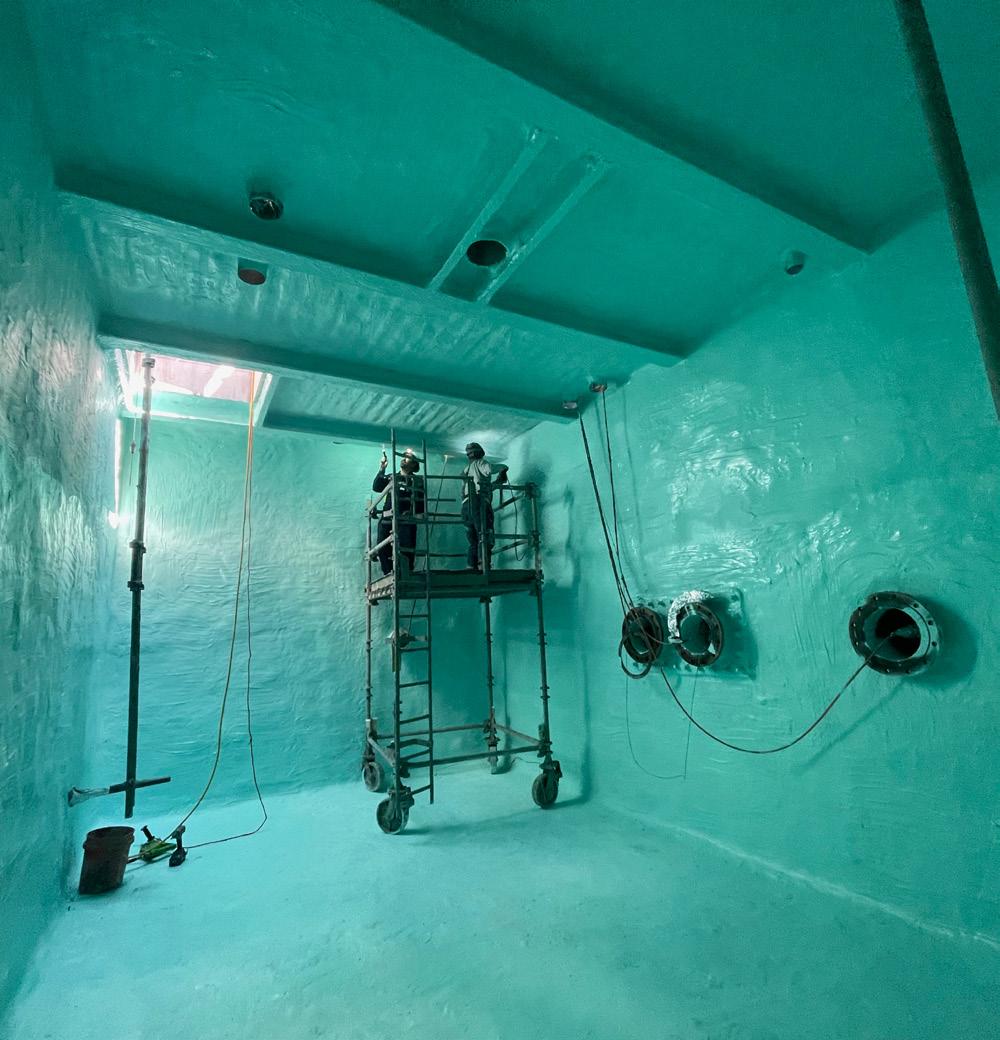
Within the rehabilitation market, Vortex is seeing particularly strong demand for its coatings and geopolymer technologies. Products such as GeoKrete® geopolymer mortar, WRC Approved, is designed to restore structural integrity while providing strong corrosion resistance in challenging environments.
“These materials are opening up opportunities to rehabilitate structures that, in the past, would have been extremely difficult or uneconomical to repair,” Fletcher says. “What makes geopolymer technologies so important is that they can deliver both structural renewal and durability in aggressive environments, while also supporting a more sustainable approach to infrastructure rehabilitation.”
GeoKrete can be applied using spin-cast or spray techniques and incorporate natural and high-performance materials, making them suitable for a wide range of infrastructure assets.
Alongside its flagship geopolymer, the company is also seeing growing demand for its corrosion resistant Quadex epoxies, such as Structure Guard® and Maverick grout systems designed to address infiltration and sealing challenges. All of these products are formulated in-house and undergo extensive third-party testing to meet industry standards.
“Groundwater infiltration is a massive issue globally, and it doesn’t matter whether you are looking at mature markets or emerging ones, utilities everywhere are facing the same fundamental challenge of protecting assets and controlling flows,” Fletcher says. “Having the right materials to seal, stabilise and extend the life of infrastructure is absolutely critical.”
One of the factors Fletcher believes differentiates Vortex from many other suppliers is its combination of product manufacturing and services.
While the company’s products division has expanded significantly through disciplined organic
“Our founder and CEO Mike Vellano talks a lot about growing the industry together, and that is a philosophy we strongly believe in. If we can help expand the market, raise standards and increase confidence in trenchless solutions, then the whole sector benefits.
Dave Fletcher, Senior Vice President Vortex
growth and acquisitions, including the purchase of Applied Felts, rebranded as United Felts for North and South American operations, its service businesses continue to play a key role in product development and market adoption.
By operating service companies in the UK and Europe, Vortex can test and refine new solutions in real-world environments and bring proven technologies to market more quickly.
“Service businesses help new technologies gain traction,” Fletcher explains. “They are on site, they understand operational realities and they often have well-established relationships with utilities and asset owners. In many cases, they are the ones introducing new ideas into the network and demonstrating that those ideas can deliver in practice.”
“At the moment, there is so much work across the sector that it’s not really a point of tension,” Fletcher says when asked whether the dual role ever creates challenges with contractors who are also customers.
“Our founder and CEO Mike Vellano talks a lot about growing the industry together, and that is a philosophy we strongly believe in. If we can help expand the market, raise standards and increase confidence in trenchless solutions, then the whole sector benefits.”
Despite the strong outlook for trenchless rehabilitation, Fletcher says one of the biggest barriers to growth across the sector is the availability of skilled workers.
“The biggest challenge across the industry is people,” he says. “Most trenchless companies could grow much faster if they had access to more skilled individuals. Demand is there, the technology is there and the opportunities are there, but finding and developing the right talent remains one of the sector’s biggest constraints.”
Part of the challenge lies in how the sector is perceived. “From the outside, it may not always look like the most exciting industry,” Fletcher admits. “But the reality is very different. This is a technically advanced, fast-evolving sector where innovation is happening all the time. We’re not just talking about traditional rehabilitation methods anymore, we’re talking about robotics, advanced materials, sensors, software and data-led decision-making.”
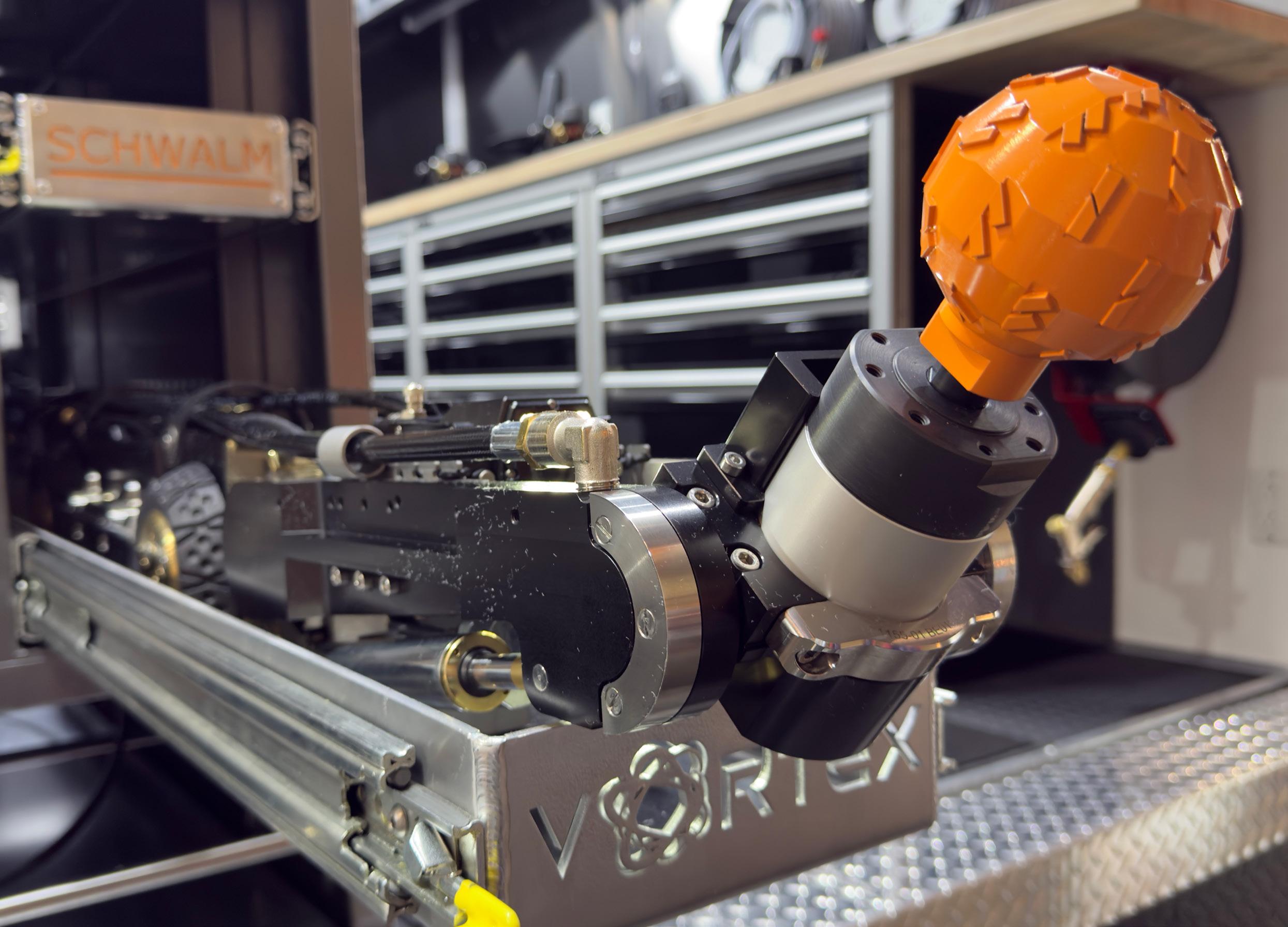
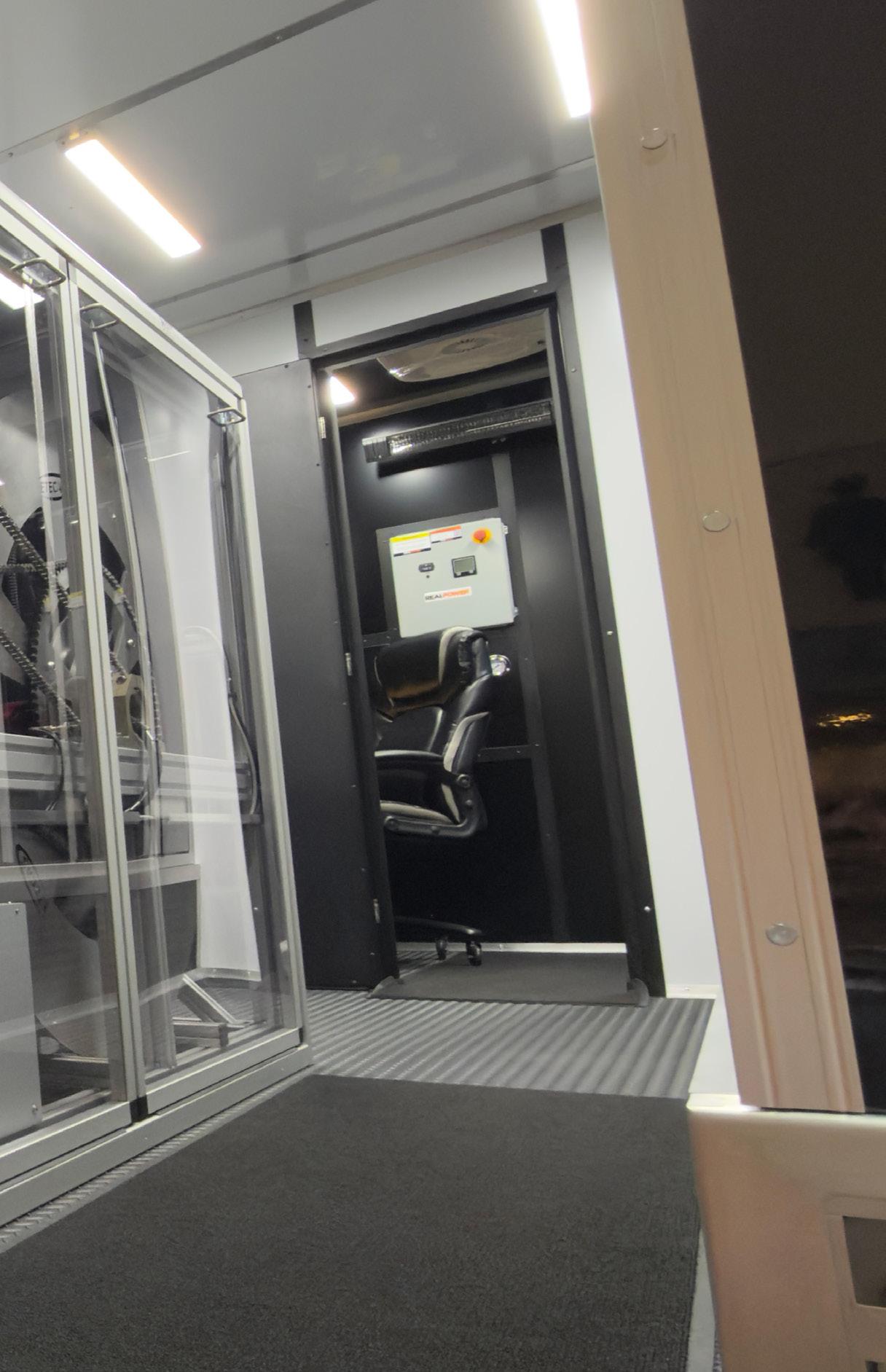
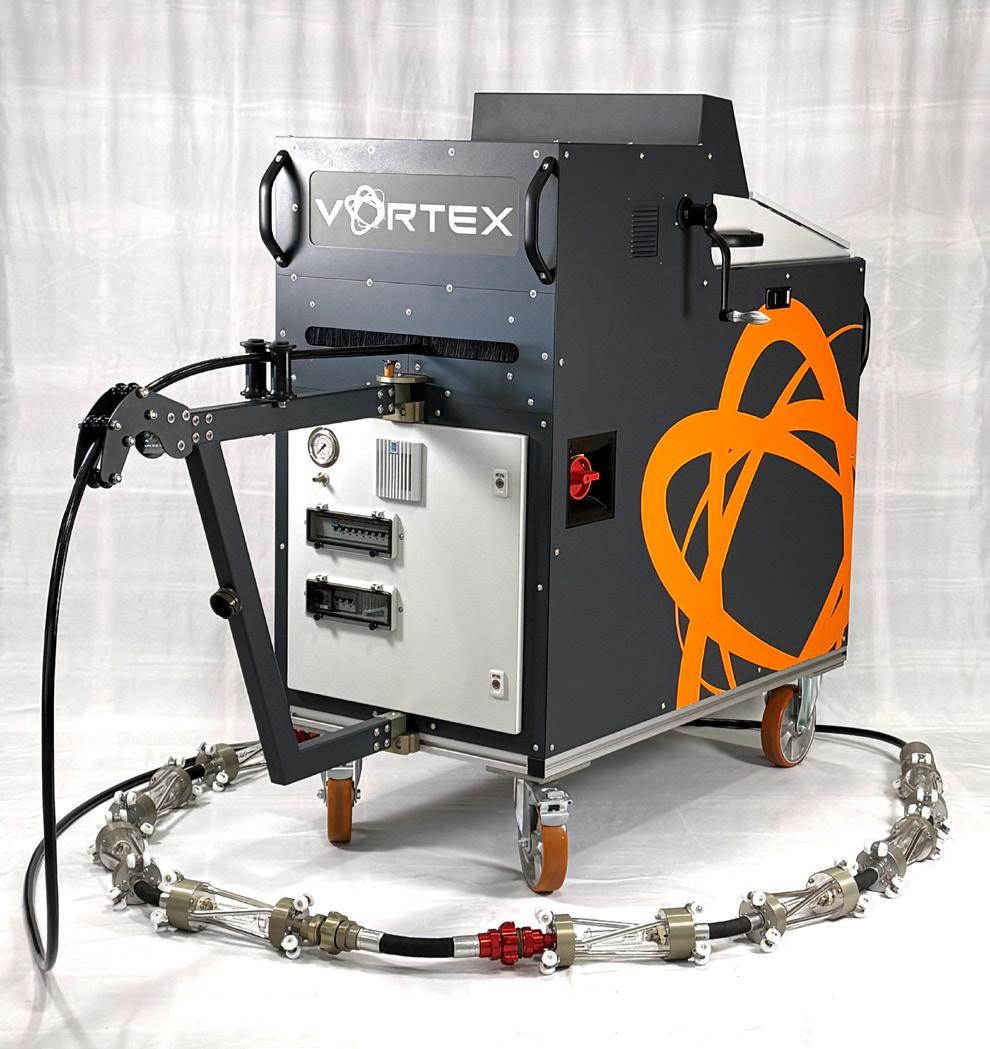
Alongside rehabilitation materials, Vortex has expanded its portfolio to include sewer robotic systems, UV curing technologies and lining systems.
“It’s no longer just about fixing pipes,” Fletcher says. “The future of this industry is about combining physical rehabilitation with digital intelligence, using better data, smarter inspection and more advanced tools to help utilities manage assets more proactively and more efficiently.”
Improving awareness of those opportunities will be key to attracting younger professionals. “We need to do a better job of showing people that this is a modern, high-growth industry where they can work with advanced technology, solve real-world problems and build a meaningful long-term career. There is enormous opportunity here for the next generation.”
Looking ahead, Fletcher believes one of the most exciting growth opportunities for Vortex is in the potable water sector. Through its Vortex Water business, the company has been investing in both product innovation and installation methodology to
help meet the next major challenge in trenchless pipe rehabilitation: the renewal of clean water infrastructure.
“We see potable water as a major opportunity for the future,” Fletcher says. “Vortex has been investing in the right technologies, the right products and the right installation approaches so that we are ready to support utilities as adoption continues to grow.”
That momentum is already becoming more visible in other markets around the world, where they are increasingly embracing trenchless rehabilitation solutions for potable water networks. Fletcher says this reflects growing confidence in proven technologies and the benefits they can deliver, including reduced disruption, extended asset life and improved network performance. “That is encouraging because it shows what is possible when utilities have a clear pathway to evaluate and implement innovative rehabilitation solutions.”
In the UK, Fletcher believes the opportunity is equally significant, and that the industry is moving in a positive direction. While adoption has progressed more gradually, he says there is every reason to be optimistic about the future as awareness grows and the sector continues to explore new ways to modernise critical infrastructure.
“ Growth only has real value if you can maintain high standards, continue to deliver proven and repeatable solutions to customers.
“The UK has a tremendous opportunity ahead,” Fletcher says. “There is a growing recognition of the role trenchless rehabilitation can play in helping utilities renew assets more efficiently and sustainably, and we are excited about the potential for that market to follow suit in the near future.”
For Vortex, the focus is not only on supplying materials, but on bringing forward complete solutions backed by technical expertise, installation know-how and experience from other established markets.
“This is about more than technology alone,” he says. “It is about having the right methodology, the right delivery model and the right long-term vision to help utilities adopt these solutions with confidence.”
“Sometimes the biggest opportunity is not inventing something entirely new,” he says. “It is applying proven technologies in new areas where they can make a real difference. In many cases, the solutions already exist, and the opportunity now is to bring them into wider use.” For Vortex, that makes potable water one of the most important frontiers for the business and for the trenchless industry more broadly.
As Vortex continues to expand globally, Fletcher says the company will maintain its focus on driving innovation in the trenchless infrastructure rehabilitation sector. “Our focus is on R&D, quality, and execution,” Fletcher says. “Growth only has real value if you can maintain high standards, continue to deliver proven and repeatable solutions to customers”, concluded Fletcher.
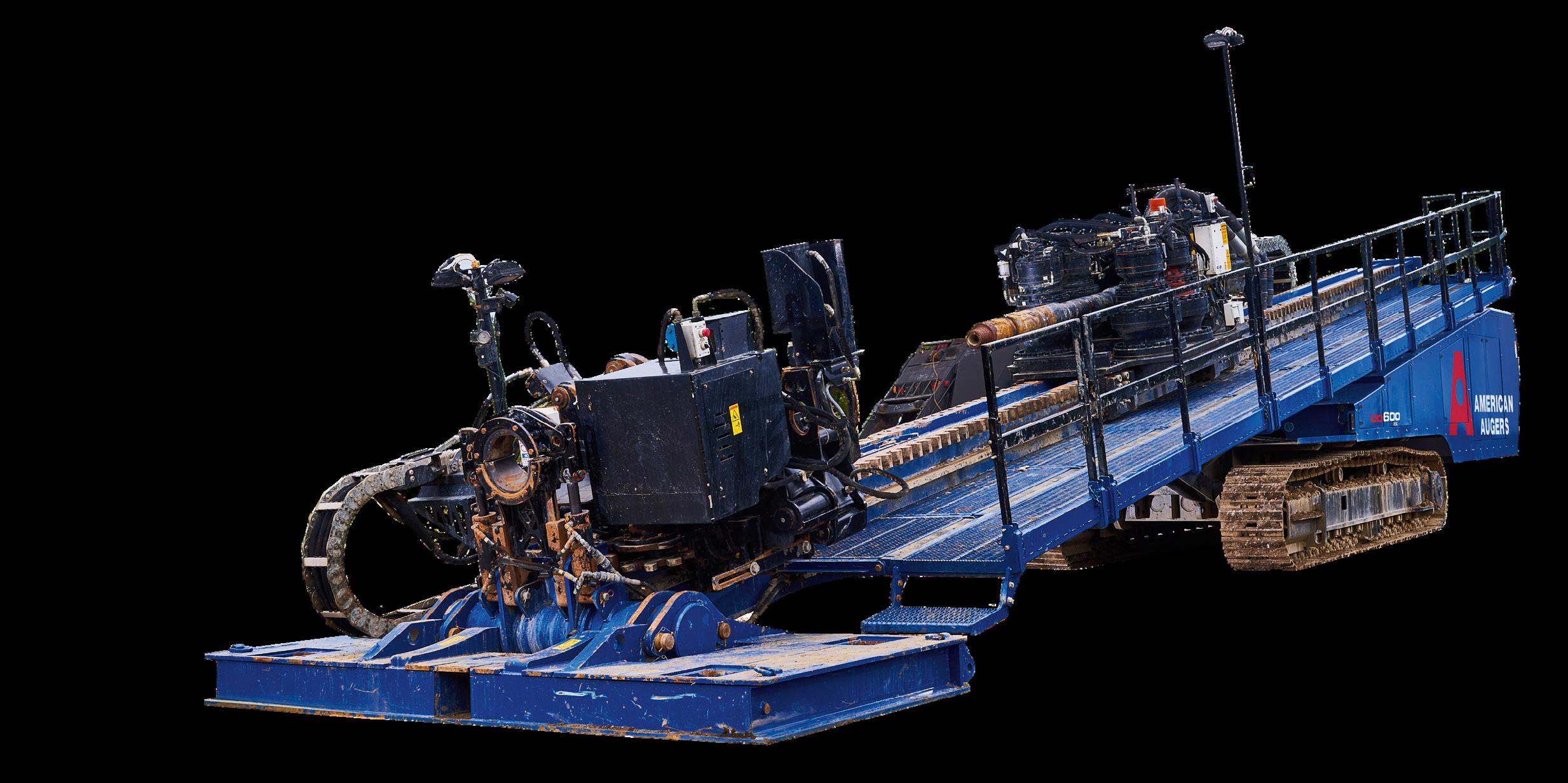
No DEF required.
180º visibility in cabin.
100,000 ft·lb of torque.
Faster setup.
New open-top wrench design.
Hydraulic catwalk.
Up to 130 rpm rotary speeds.
Climate-controlled cabin.
Designed for easy transport.

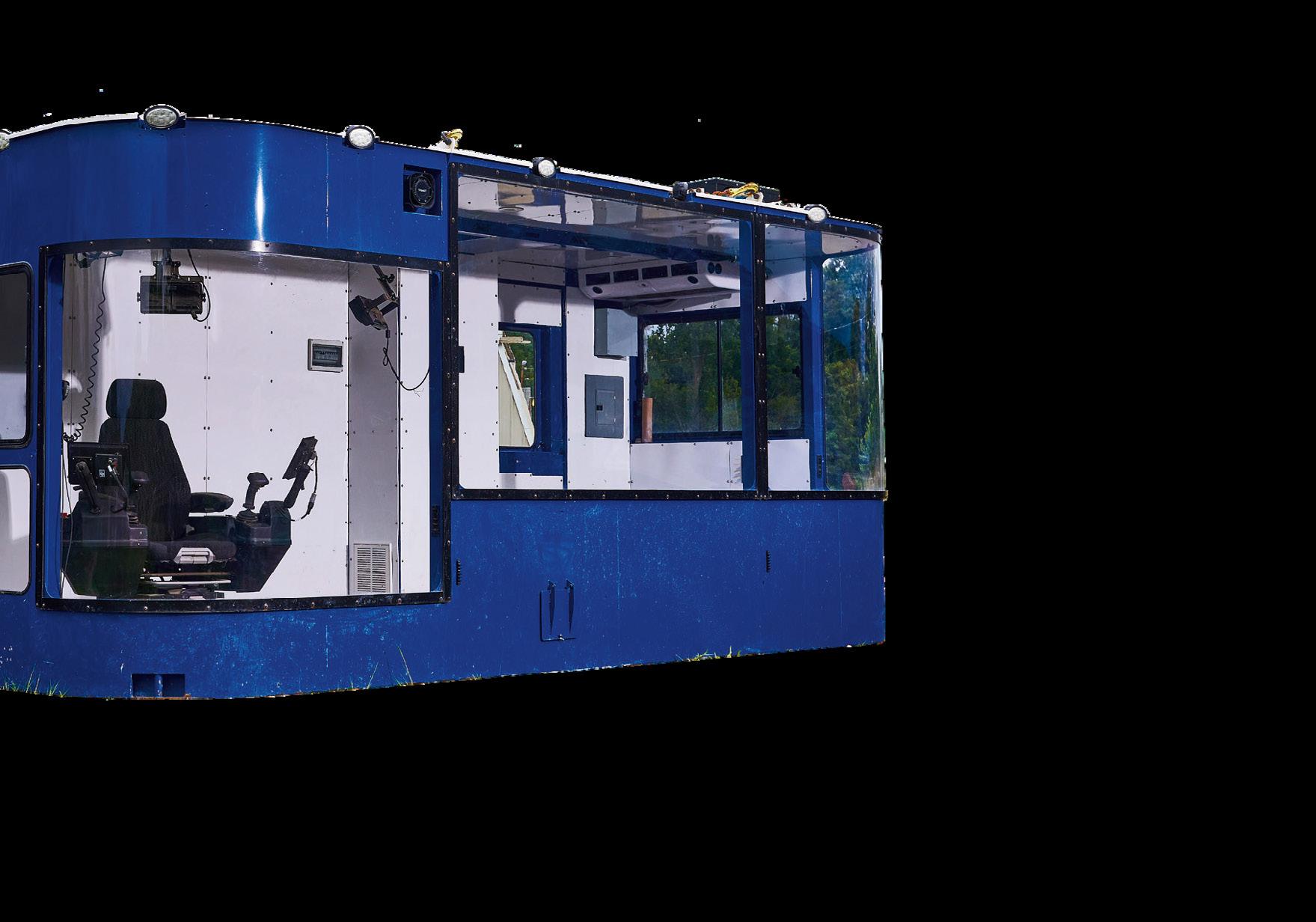
When we built the DD600, we built it based on direct customer feedback. The reason?
So you could have it all.
www.ditchwitch.co.uk
info@ditchwitch.co.uk 01792 895906




Trenchless Works, the leading media and events platform for the global trenchless technology sector, has officially launched Trenchless Connect, a new digital environment designed to strengthen industry visibility, support knowledge exchange, and enable more meaningful connections across the trenchless sector.
Developed in response to the need for a more structured and accessible industry presence, Trenchless Connect brings together company profiles, industry news, and technical insight within a single, integrated environment, creating a central destination for engagement across the sector.
A structured environment for industry presence
Trenchless Connect enables companies to establish a clear and credible presence through structured profiles, allowing asset owners, contractors and buyers to easily identify relevant expertise, technologies, and solutions.
Alongside company visibility, the platform integrates industry news and technical content, enabling organisations to share project updates, innovations, and insight directly with a highly targeted trenchless audience, reinforcing both reach and relevance.
Connecting the industry through content and context
Designed to reflect how the trenchless sector operates in practice, Trenchless Connect links technologies, expertise, and real-world application through a combination of editorial and company-led content.
By bringing these elements together, the environment supports more informed decision-making, encourages knowledge sharing, and strengthens connections across the supply chain, all within a trusted industry framework.
Built on industry knowledge and experience
Trenchless Connect is developed and managed by the team behind Trenchless Works and Westrade Group, organisers of No-Dig events worldwide and longstanding contributors to the trenchless sector.
This foundation ensures the platform is closely aligned with industry needs, maintaining the editorial integrity, technical focus, and global reach associated with the Trenchless Works brand.

“Trenchless Connect is about creating a more connected industry environment, one where companies can be seen, insights can be shared, and the sector can engage more effectively year-round. It builds on everything Trenchless Works represents, while opening up new opportunities for visibility and collaboration across the market.”
Paul Harwood, Managing Director, Westrade Group & Publisher, Trenchless Works
Trenchless Connect is now live and accessible to industry professionals worldwide, marking the next phase in the evolution of Trenchless Works as a connected, year-round industry resource.
“Trenchless Connect is about creating a more connected industry environment, one where companies can be seen, insights can be shared, and the sector can engage more effectively year-round. It builds on everything Trenchless Works represents, while opening up new opportunities for visibility and collaboration across the market.
Paul Harwood, Managing Director, Westrade Group & Publisher, Trenchless Works
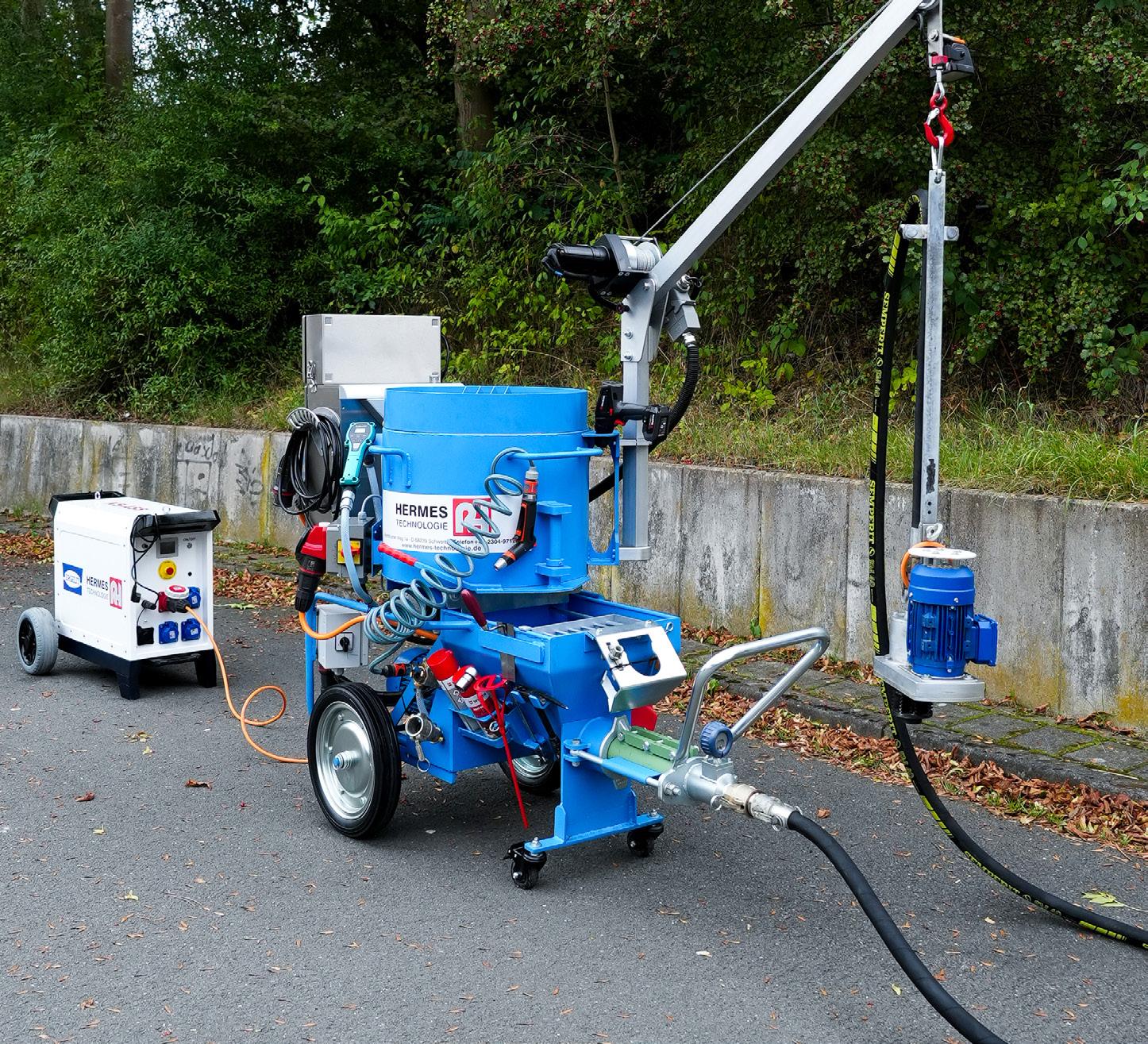
S1E Ltd has announced a new strategic partnership with Hermes Technologie Ltd to bring the innovative M Coating System to the UK drainage industry.
The collaboration marks an important step for S1E Ltd as it expands its portfolio of trenchless rehabilitation and infrastructure repair solutions, enabling contractors to deliver high-performance manhole and chamber rehabilitation with a proven coating technology.
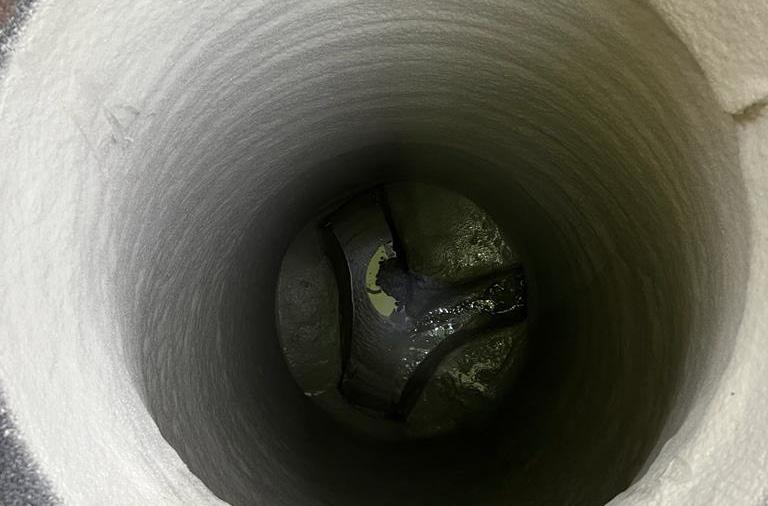
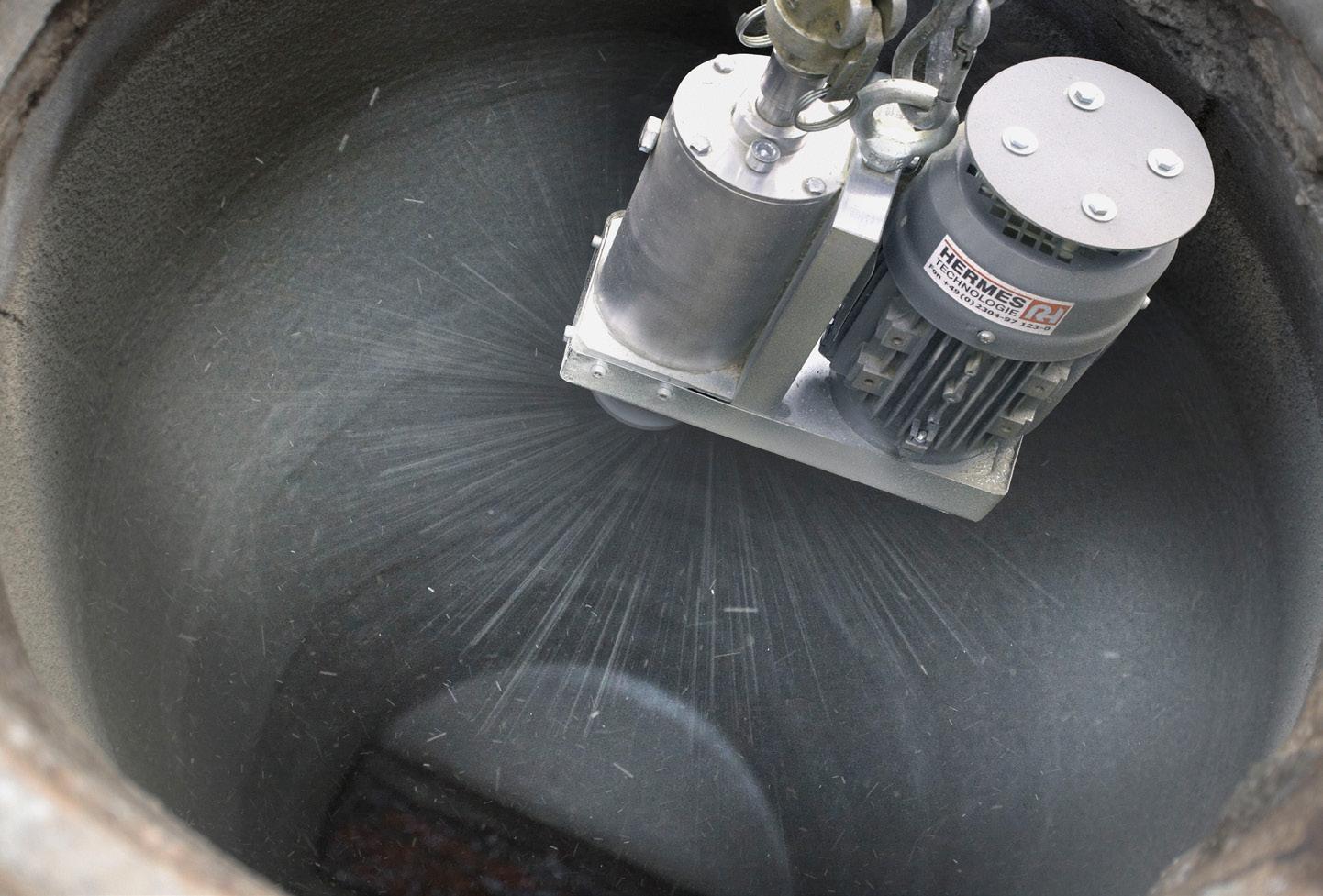
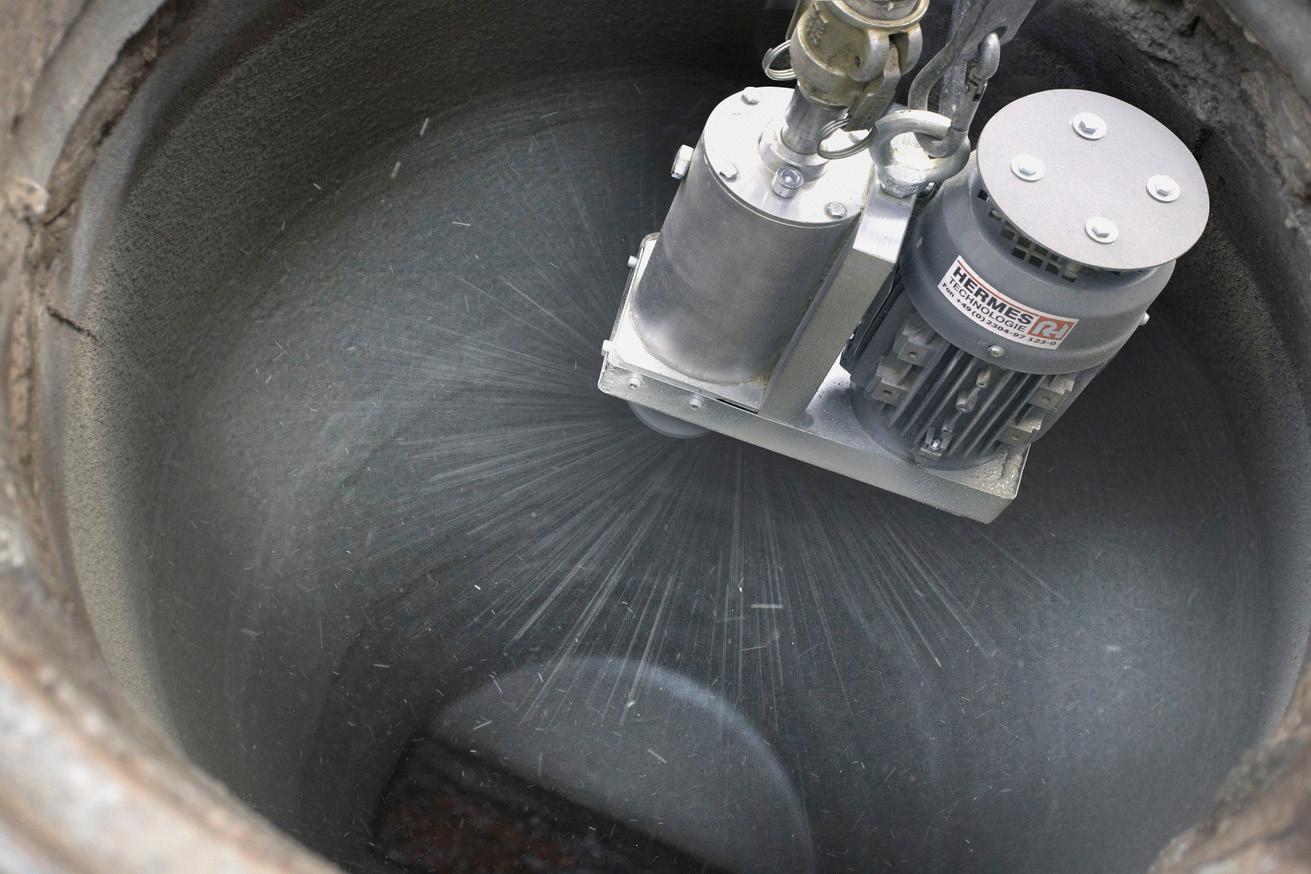
Developed by Hermes Technologie, the M-Coating System is designed specifically for the rehabilitation and protection of manholes, shafts, and underground structures, offering a durable solution for restoring deteriorated assets and extending their operational life.
Across ageing drainage networks in the UK, many manholes and chambers suffer from corrosion, structural degradation, infiltration, and chemical attack. The M-Coating System provides a robust coating solution that restores and protects these structures while minimising disruption.
The system has been engineered to deliver:
• Strong adhesion to concrete and masonry substrates
• High resistance to corrosion and aggressive sewer environments
• Long-term structural protection for manholes and chambers
• Efficient application suitable for drainage contractors
By providing a durable protective layer, the system helps prevent infiltration and further structural deterioration, supporting long-term asset management for drainage networks.
Strengthening S1E’s trenchless technology portfolio
The partnership with Hermes Technologie Ltd forms part of S1E Ltd’s ongoing commitment to supplying innovative technologies for drainage, sewer, and trenchless rehabilitation projects.
By adding the M-Coating System to its product offering, S1E will provide UK contractors with a dedicated solution for manhole refurbishment and underground structure protection, complementing existing solutions used in pipeline rehabilitation.
Commenting on the new partnership, Terry Ingleby, Director from S1E Ltd said: “We’re incredibly excited to be partnering with Hermes to introduce the M-Coating System to the UK market. Manhole rehabilitation is a critical part of maintaining drainage infrastructure, and this system offers contractors a high-performance solution that
“ We are delighted to collaborate with S1E as our partner in the UK. Their strong reputation within the drainage and trenchless rehabilitation sector makes them an ideal partner to introduce the M-Coating System to contractors across the region.
Altug Özkan, International Sales Manager from Hermes Technologie Ltd
combines durability with efficient application. At S1E, we’re always looking for innovative technologies that help our customers deliver reliable results, and this partnership represents another important step forward in expanding our trenchless rehabilitation offering.”
Altug Özkan, International Sales Manager from Hermes Technologie Ltd added: “We are delighted to collaborate with S1E as our partner in the UK. Their strong reputation within the drainage and trenchless rehabilitation sector makes them an ideal partner to introduce the M-Coating System to contractors across the region.
Together, we look forward to supporting the industry with advanced solutions for sustainable manhole rehabilitation.”
With ageing infrastructure placing increasing demands on asset owners and contractors, solutions that extend the life of existing assets while reducing disruption are becoming increasingly important.
Through this new partnership, S1E Ltd and Hermes Technologie aim to deliver innovative, reliable, and practical solutions for manhole rehabilitation, helping contractors maintain and protect underground infrastructure more effectively.

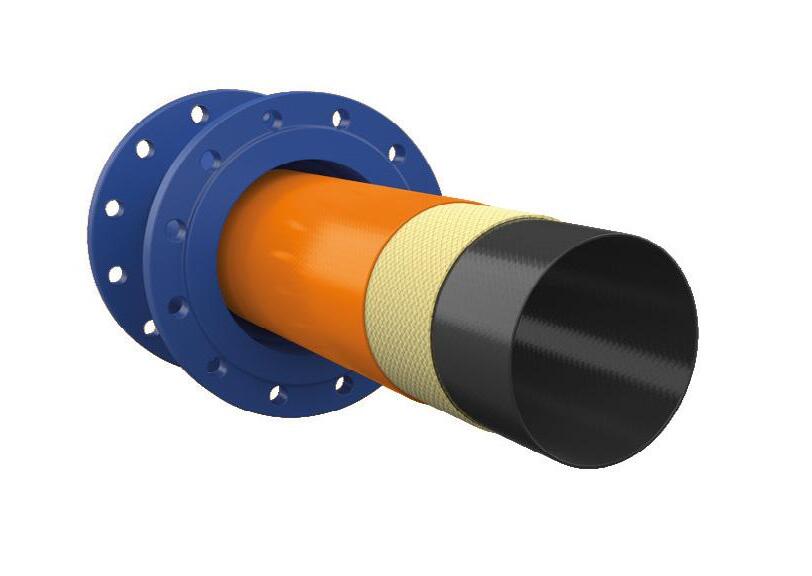

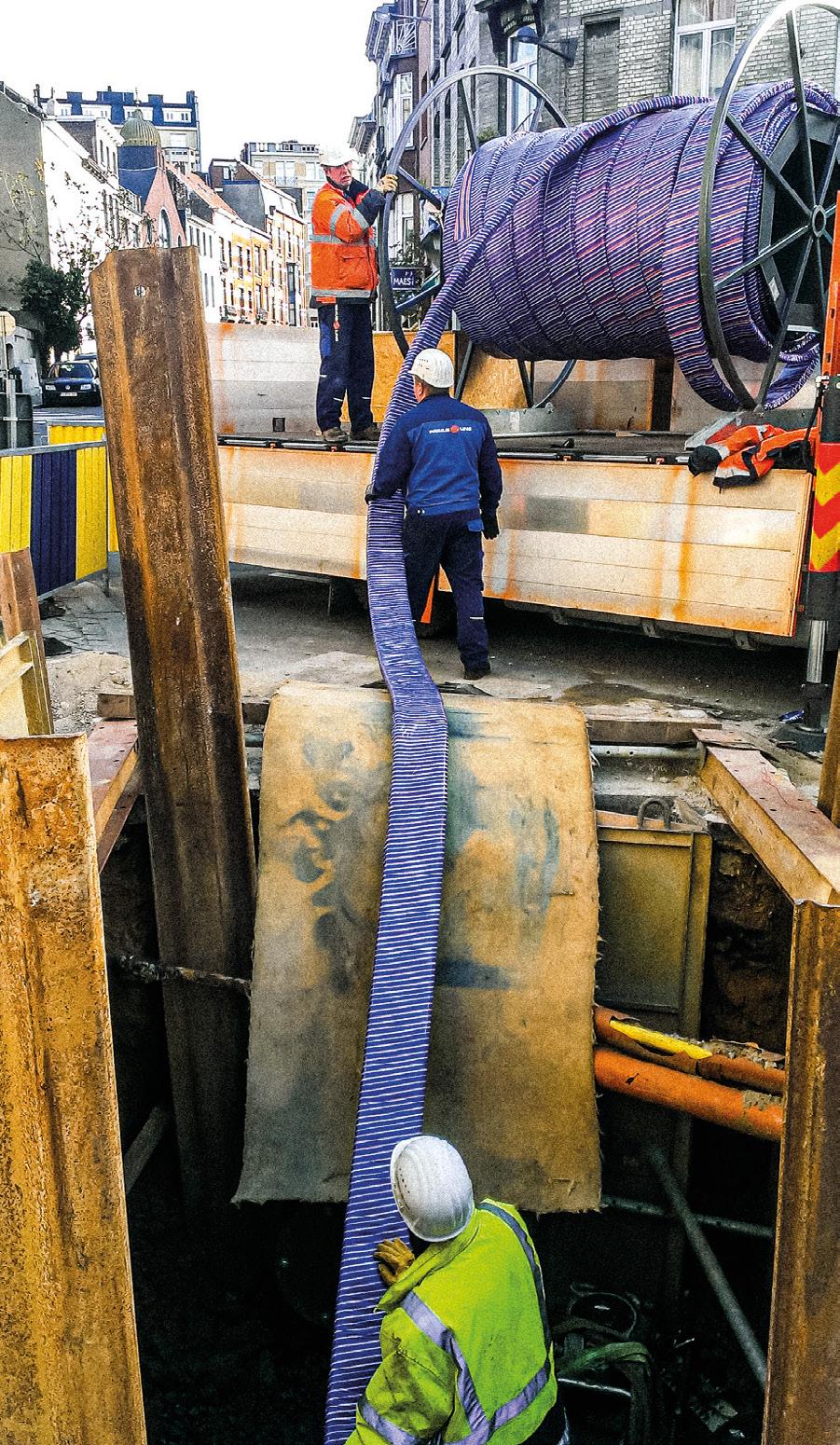




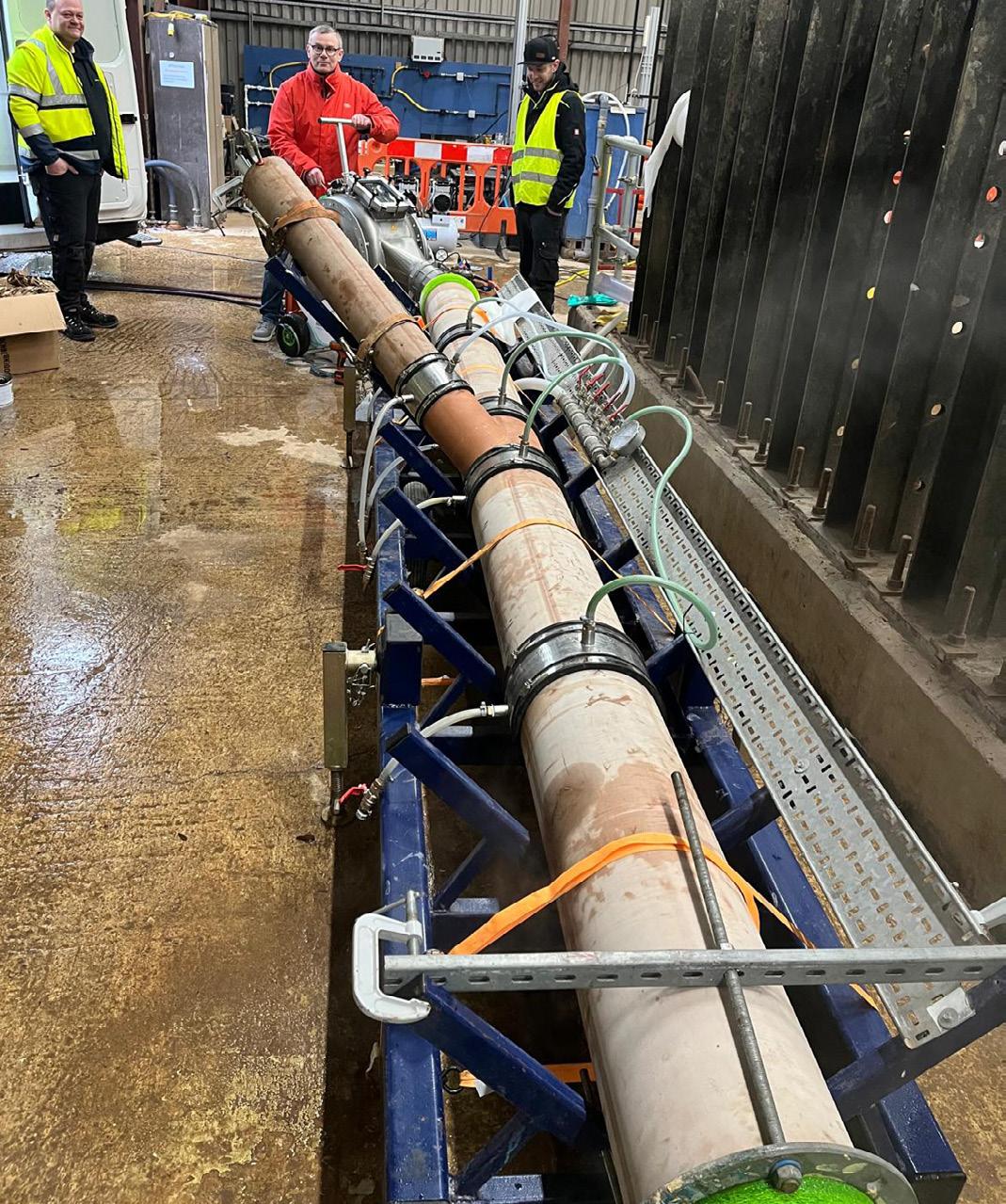
The BRAWOLINER® CIPP lining system from BRAWO Systems GmbH has successfully passed infiltration testing at the Water Research Centre in Swindon, demonstrating the liner’s resistance to groundwater pressure under controlled conditions.
The independent test confirmed the system’s performance in accordance with CP655 classifications 1 and 2, the current UK standard for evaluating infiltration resistance in cured-in-place pipe (CIPP) liners. Earlier testing of the liner was conducted in 2006 under the previous CP308 designation.
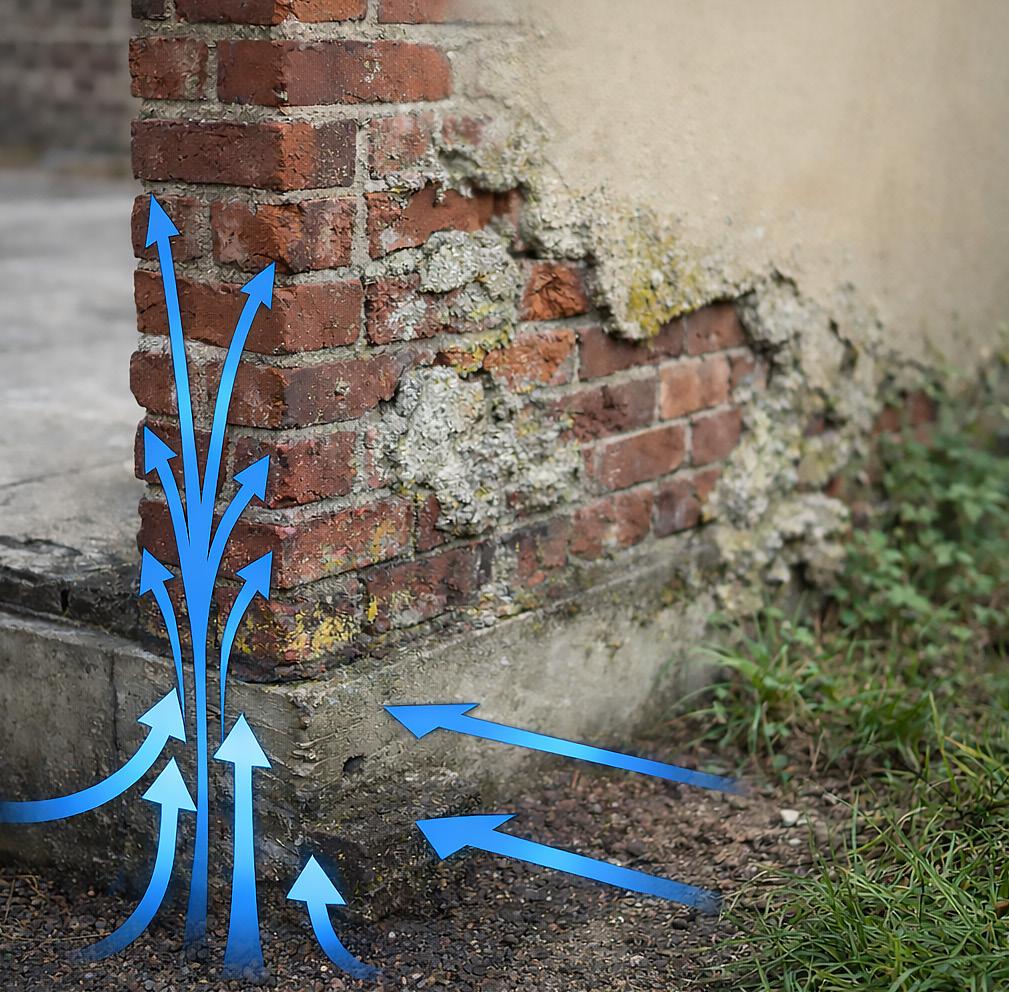
During the trial, the liner was subjected to simulated high groundwater pressure to evaluate its ability to prevent water ingress between the host pipe and the installed liner.
Leakproof performance under groundwater pressure
The test involved applying external water pressure equivalent to a five-metre water column (0.5 bar) for a period of 30 minutes.
According to WRc test observations, the installed liner remained completely leakproof during the pressure test. No infiltration was recorded between the host pipe wall and the outer surface of the liner, and the liner-resin composite matrix also remained watertight. The system was installed and cured under conditions including flowing water, with the test confirming that these conditions did not affect the liner’s installation, curing process or final water resistance.
No additional sealing measures required
The test was conducted without the use of additional sealing components, such as end sleeves or sealing tapes. Results showed that the liner system achieved a watertight seal against the host pipe without supplementary sealing technologies, potentially reducing installation complexity and on-site preparation requirements.
Long-term pipeline rehabilitation performance
The infiltration test also supports the liner system’s long-term objective in sewer rehabilitation: preventing both wastewater exfiltration into surrounding soil and groundwater infiltration into sewer networks. In addition to testing the liner-host pipe interface, the assessment confirmed that water resistance could
still be achieved even with an open incoming lateral connection and without additional sealing technology.
The certification under CP655 therefore verifies that a watertight connection between the liner and host pipe can be achieved under the tested conditions.
CIPP technologies such as BRAWOLINER® are widely used for trenchless pipeline rehabilitation, enabling operators to restore damaged sewer pipes with minimal excavation and disruption to surface infrastructure.
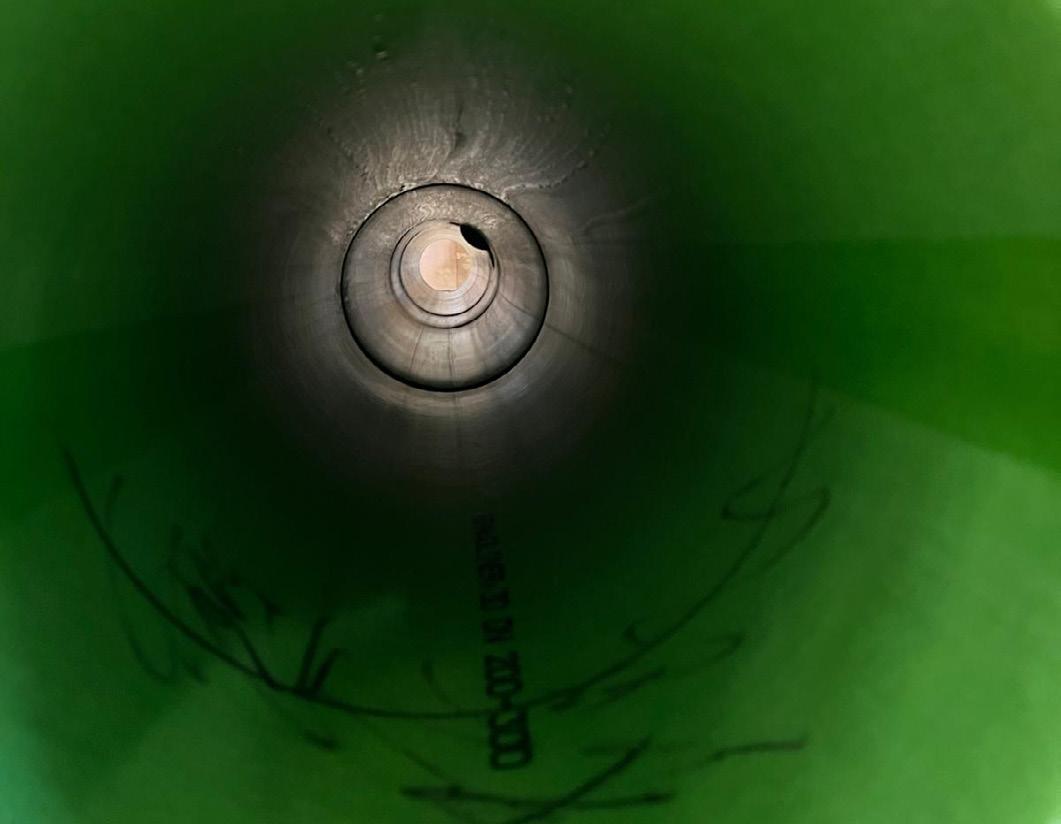
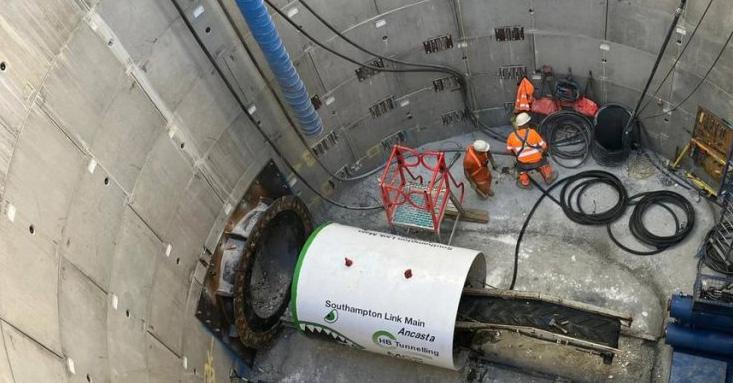
Atunnel boring machine (TBM) is excavating sections of tunnel for a major drinking water pipeline project in Hampshire, as Southern Water advances construction of its £100 million Southampton Link Main scheme.
The 19 km pipeline project will strengthen the region’s water supply network by linking key water infrastructure between Otterbourne, Yew Hill reservoir near Winchester, and Rownhams water supply works on the outskirts of Southampton.
TBM installing pipeline beneath key infrastructure
Sections of the pipeline are being installed using trenchless tunnelling methods to avoid disruption to major infrastructure and environmentally sensitive areas.
A manually operated TBM named “Ancasta” is excavating 1.5 m diameter tunnels at depths starting at around 14 m below ground.
The machine weighs approximately 6.5 tonnes, measures 2.7 m in length, and began tunnelling operations in September 2025, with works expected to continue until May 2026. Although large portions of the pipeline are being installed using conventional open-cut construction, trenchless methods are being used where crossings beneath roads, railways and ecological sites are required.
Water network resilience project
According to Southern Water, the Southampton Link Main project is part of a wider infrastructure investment programme aimed at strengthening long-term water
supply resilience across the region. Ben Ring, Director of Major Projects at Southern Water, said: “The Southampton Link Main project has been underway since the middle of 2025 and there are many exciting aspects to major projects such as these. This is part of a wider set of projects designed to improve the resilience of our water network for our customers in Hampshire.”
The project is also expected to support environmental protection by reducing pressure on nearby rivers including the River Test and River Itchen.
Major UK water infrastructure partnership
Southern Water is delivering the scheme in partnership with MGjv, a joint venture between Galliford Try and M Group Water, alongside specialist tunnelling contractor HB Tunnelling. The full project is expected to take more than three years to complete.
TBM named by local schoolchildren
Following tunnelling tradition, the TBM has been given a female name for good luck. The name Ancasta was selected from suggestions submitted by local schoolchildren and references a pagan goddess associated with the River Itchen in Hampshire.


NO-DIG ROADSHOW LONDON 2026
12 May 2026
Novotel London West
www.nodigroadshows.co.uk
TRENCHLESS ASIA 2026
10 -11 June 2026
Queen Sirikit National Convention Centre Bangkok, Thailand
www.trenchlessasia.com
NO-DIG ROADSHOW GLASGOW 2026
Date to be confirmed
The Glasgow Westerwood Hotel www.nodigroadshows.co.uk
NO-DIG LIVE 2026
29 September – 1 October 2026
NAEC Stoneleigh Park, Warwickshire www.nodiglive.co.uk
2 - 3 December 2026
Riyadh Marriott Hotel, Riyadh Kingdom of Saudi Arabia www.trenchlessmiddleeast.com
MALAYSIA | SOUTH AFRICA | VIETNAM
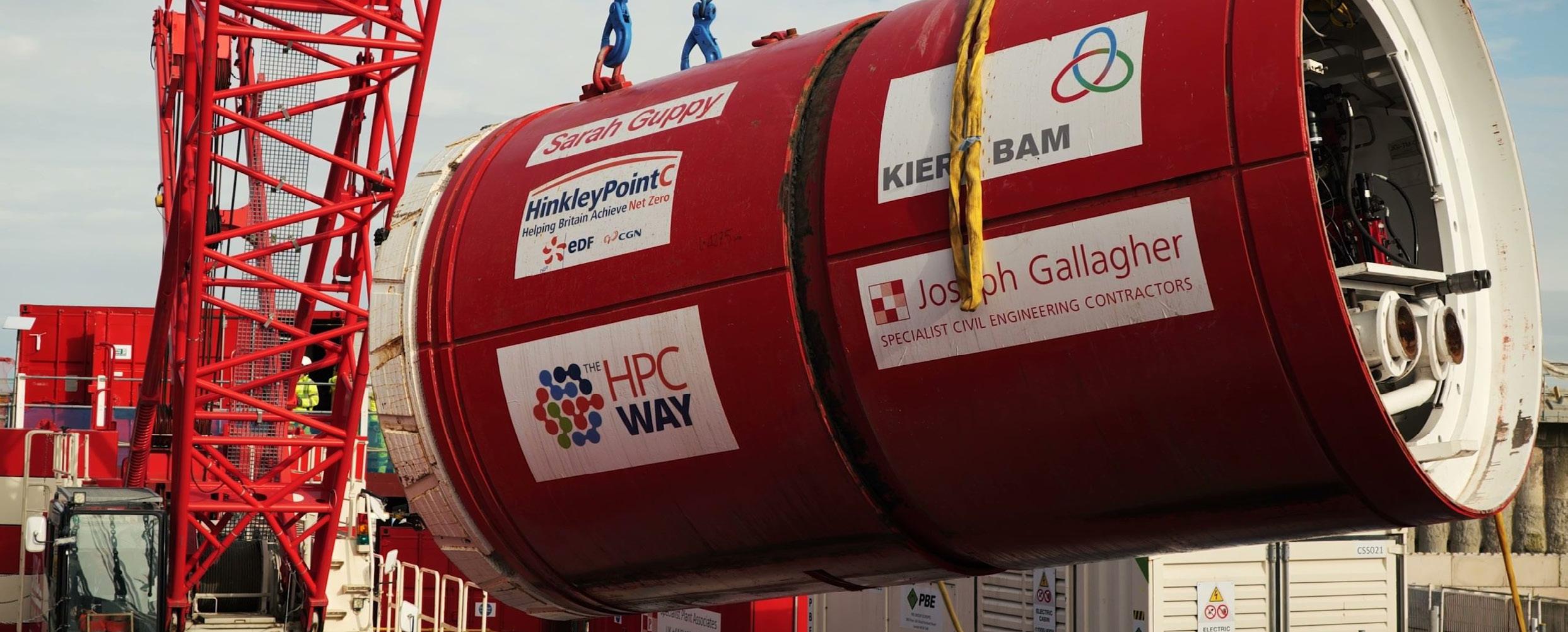
Engineers working on the Hinkley Point C nuclear power station in Somerset are preparing to excavate a 620-metre fish return tunnel, part of a major programme designed to minimise impacts on marine life in the Severn Estuary.
The works will use a small-diameter tunnel boring machine, allowing the tunnel to be constructed without surface excavation across the sensitive estuary environment.
A tunnel boring machine (TBM), named “Sarah Guppy” by local schoolchildren in honour of the 19th-century British inventor and engineer, will be used to construct the tunnel. The drive will create a tunnel measuring approximately 1.8m in diameter, designed to return fish safely to the estuary after passing through the power station’s cooling system. The tunnelling works are being delivered by the Kier BAM joint venture, with specialist support from Joseph Gallagher.
The fish return tunnel forms part of a three-part environmental protection system integrated into the design of the new nuclear facility.
Alongside the return tunnel, the system includes:
• Low-velocity cooling water intake heads, designed to slow the speed of water entering the cooling tunnels
• An acoustic fish deterrent system, intended to prevent fish from approaching intake structures
Together, the systems are designed to significantly reduce the risk of fish being drawn into the plant’s cooling infrastructure. According to project developer EDF, the combined fish-protection measures will cost more than £700 million and will deliver one of the most comprehensive marine protection systems installed at any power station globally.
The acoustic deterrent technology has been developed by Devon-based fisheries conservation specialist Fishtek Marine and tested in collaboration with Swansea University. The system uses ultrasonic signals to discourage certain fish species from approaching the cooling water intake. Researchers involved in sea trials reported the technology to be highly effective at redirecting fish away from sensitive areas.
Because the system is compact, it can be deployed and maintained without the need for divers, representing a significant operational improvement compared with earlier concepts that would have required hundreds of underwater loudspeakers.
Integrated protection system
The three elements of the protection system are designed to operate together.
Cooling water intake heads aligned with the tidal flow of the Severn Estuary will reduce water velocity at the intake point, allowing fish to swim clear even when they approach close to the structures.
Fish that do enter the system will encounter drum screens positioned ahead of the cooling-water pumps, which intercept them and guide them into the return tunnel before being safely released back into the estuary.
The Severn Estuary supports a range of migratory fish species and is recognised as one of the most dynamic tidal environments in the UK, meaning environmental protections are a key element of the project’s design. EDF states that incorporating a bespoke fish-protection system at this scale is a first for a nuclear power station on the estuary and will significantly reduce ecological risks associated with cooling water abstraction.
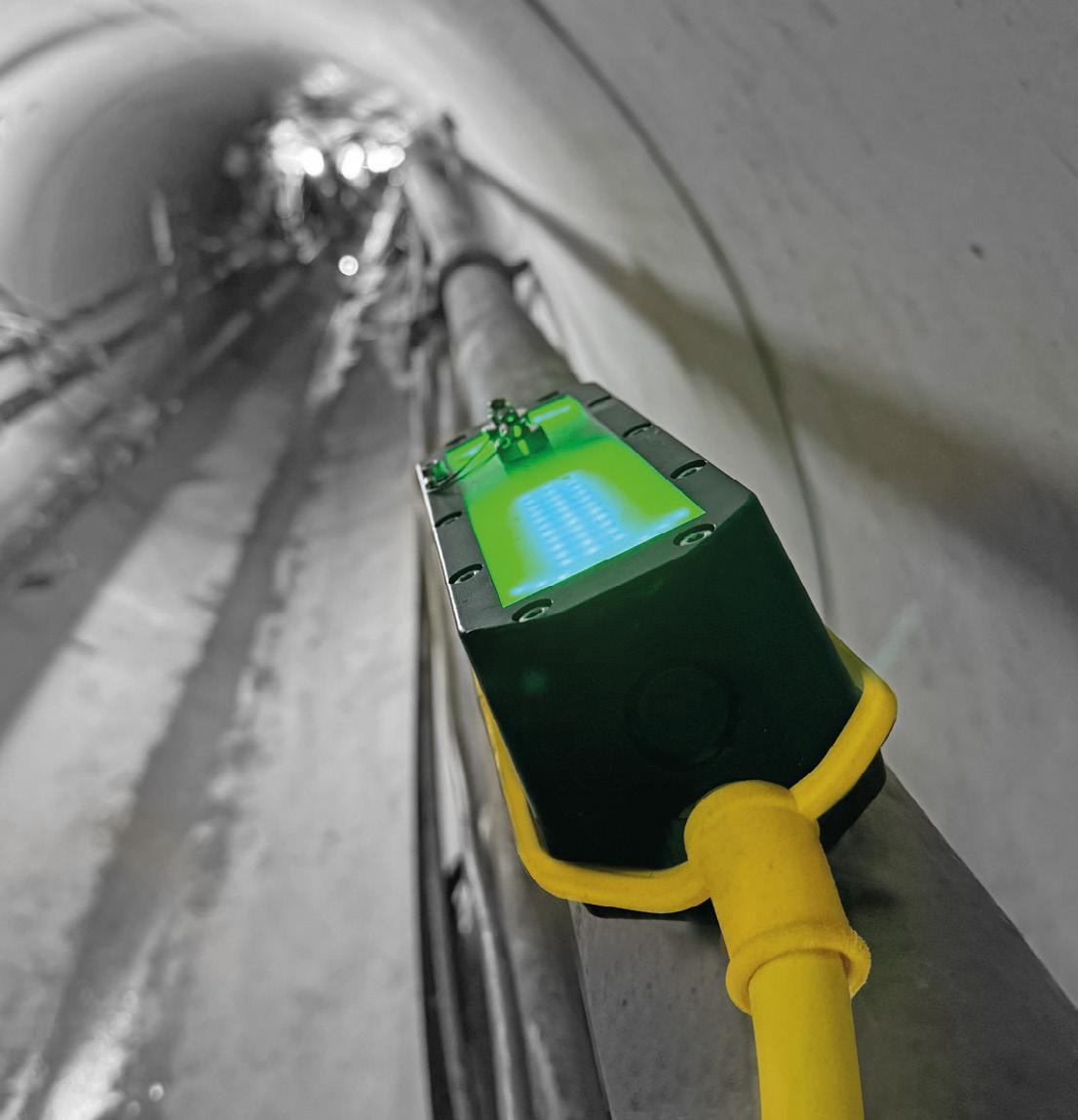
Connected from the start. TunnelHub enables smooth data flow and effortless installation: Wi-Fi ready, self-configuring, no delays.
Fast to install. Focused on safety. Made for microtunnelling. ... and much
www.vmt.global

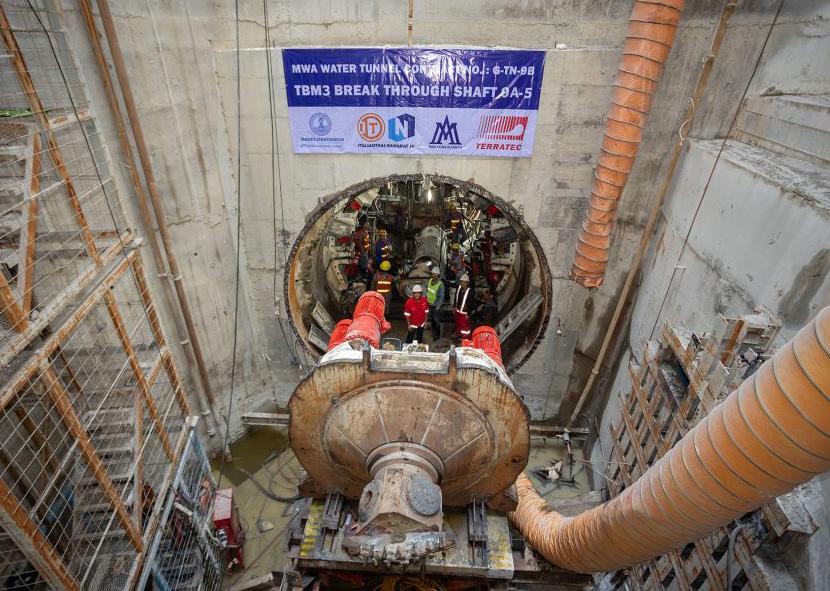
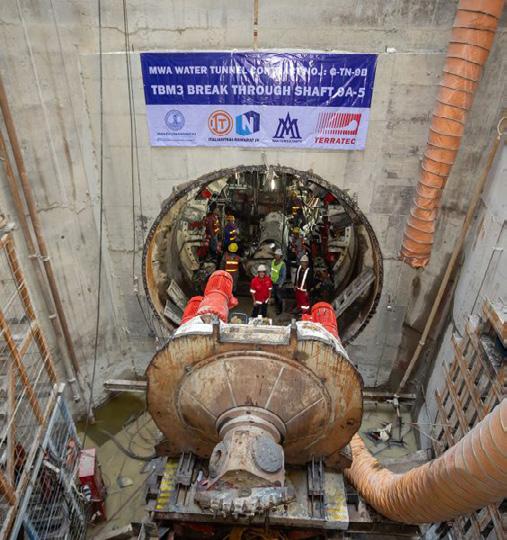
Two Earth Pressure Balance (EPB) tunnel boring machines supplied by Terratec have completed excavation works on a major water transmission tunnel beneath Bangkok as part of the city’s 9th Water Supply Improvement Project. The machines were deployed on Contract G-TN-9B of the scheme, which forms part of a wider programme aimed at expanding Bangkok’s water supply infrastructure.
Launched from Shaft 9B-1, the two TBMs completed drives of 2,250m and 3,120m respectively, breaking through at Shafts 9A-5 and 9B-3. Together with a third EPB TBM previously operating on the contract, the machines contributed to the successful excavation of the 9.1km water transmission tunnel.
The tunnel alignment runs beneath densely developed areas of Bangkok, passing under major road corridors and incorporating several horizontal curves designed to avoid existing bridge foundations and other surface infrastructure. Excavation took place at depths ranging between approximately 27m and 34m below ground level through silty and clayey sand formations typical of the Bangkok basin. These ground conditions required careful management of face pressure and ground stability throughout the drives.
Despite the restricted conditions associated with urban shaft launches and limited working space, tunnelling progress remained consistent. Average advance rates of 10 to 12 rings per day were recorded, while a peak monthly production of 429.7m was achieved during the excavation phase. Across the two drives, more than 4,500 segmental lining rings were installed and close to 90,000m³ of material excavated.
With excavation works now complete, installation of the steel liner within the tunnel is underway and is expected to be finalised within the coming months.
Once operational, the new transmission tunnel will support expanded capacity at the Mahasawat water treatment plant and strengthen the long-term resilience of Bangkok’s water supply network. Terratec has maintained a presence in Thailand for more than a decade, with the company supplying multiple machines to projects across the country, including tunnelling works for Bangkok’s Metropolitan Rapid Transit (MRT) network.
This project reflects the continued growth of underground infrastructure across the region ahead of Trenchless Asia 2026.

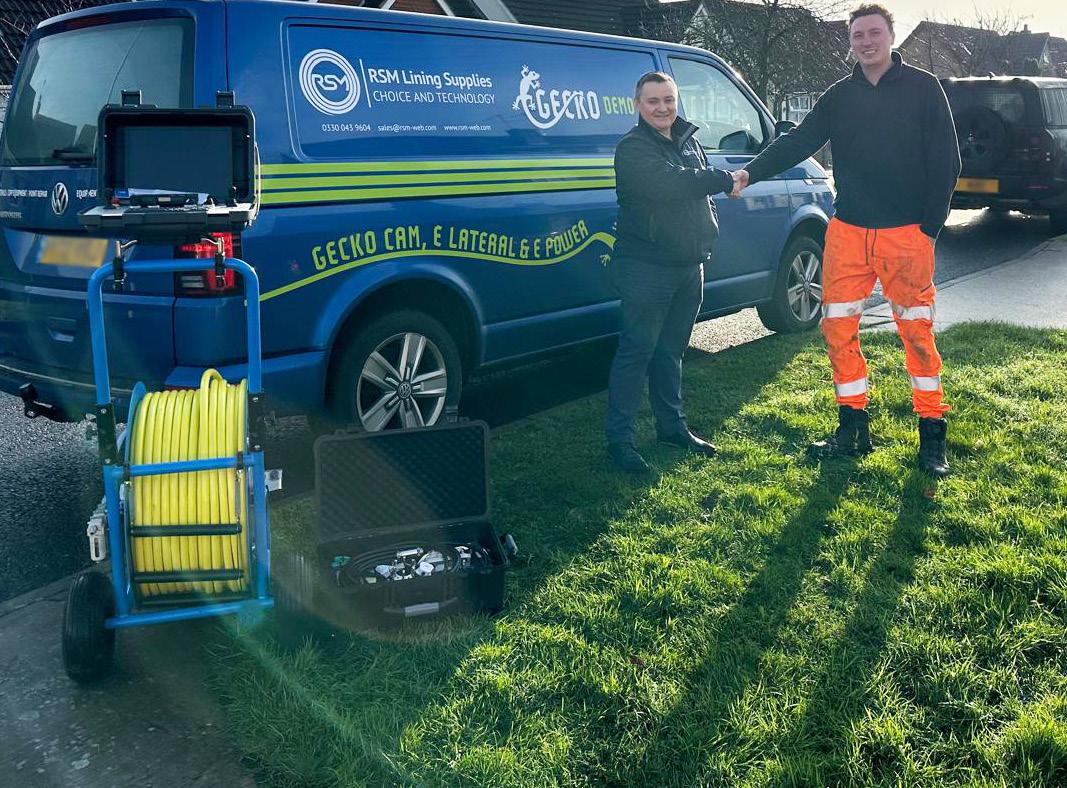
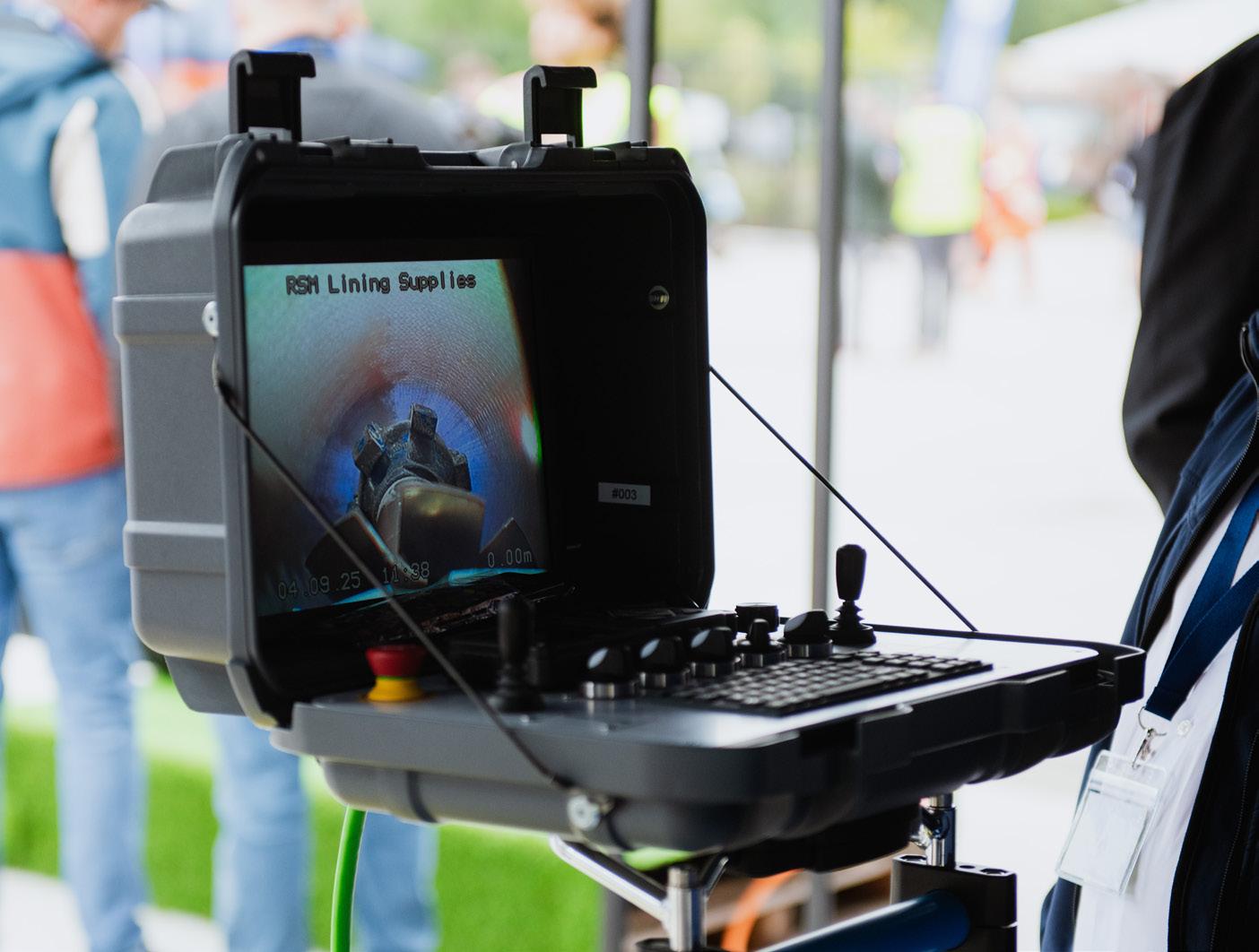
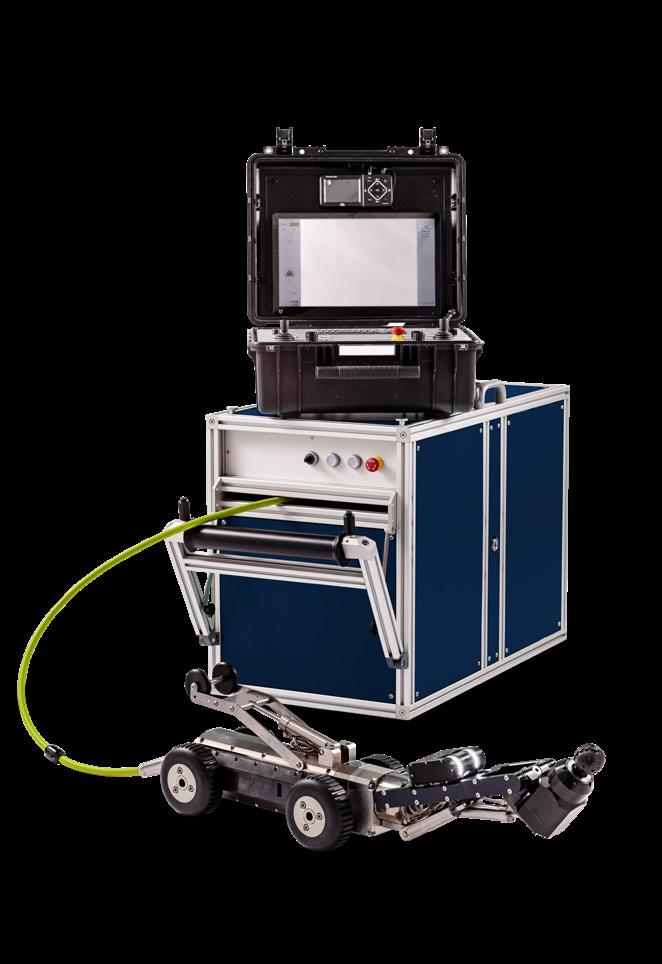
RSM continues to expand its portfolio with an innovative range of electric Gecko Cutters, now gaining traction across the UK trenchless market.
In 2025, RSM Lining Supplies Global Ltd launched two additions to its Gecko equipment range: the Gecko E Lateral and Gecko E Power Cutters. To address evolving market requirements, RSM identified an opportunity to expand its portfolio and collaborated closely with the manufacturer to develop two systems tailored specifically for the UK and Australian trenchless rehabilitation markets.
Both systems were engineered to meet the increasing demand for electrically powered, compact, and highly manoeuvrable cutters capable of delivering precision performance in confined environments. The E Power and E Lateral are powered by electricity (110V/230V), reducing reliance on diesel generators and lowering site emissions and noise levels. Full battery-operated versions of the systems are also available, meaning no limitations when it comes to restricted access sites.

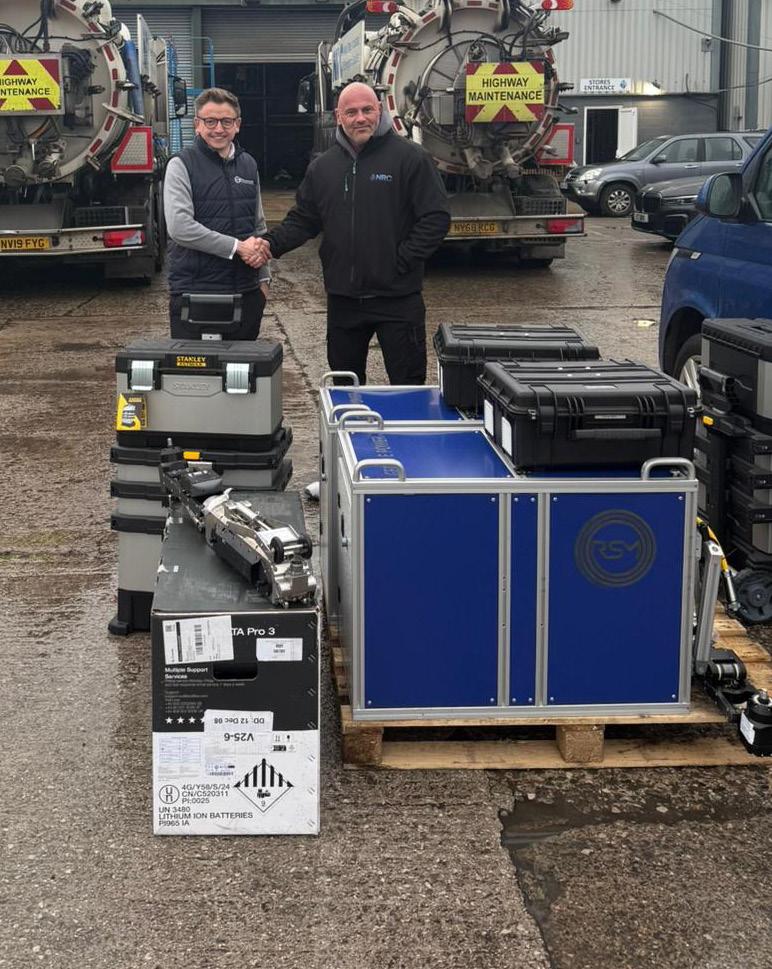
Phil Steele, Sales Director, remarked: “With strong early adoption across the UK market, we’ve already sold eight Gecko E Lateral Systems and two Gecko E Powers since bringing the units to market in summer 2025. We expect increasing uptake across the market
“With strong early adoption across the UK market, we’ve already sold eight Gecko E Lateral Systems and two Gecko E Powers since bringing the units to market in summer 2025. We expect increasing uptake across the market as the industry continues to adopt the new technology and reap the benefits of fast, smooth, electric cutting.
Phil Steele, Sales Director, RSM Lining Supplies Global Ltd
as the industry continues to adopt the new technology and reap the benefits of fast, smooth, electric cutting. Both systems offer high levels of precision, portability, and ease of use, supported by features such as 360° continuous cutter head rotation and integrated CCTV monitoring. We believe the Gecko Cutters represent a revolutionary advancement for the trenchless sector and can’t wait to see more contractors invest.”
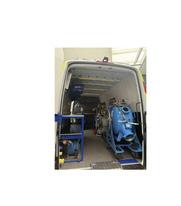
To support industry adoption and provide contractors with hands-on opportunities, RSM has recently introduced the Gecko Demo Van, fully equipped with
both cutting systems. Its experienced technical team is travelling across the UK to demonstrate the capabilities of the Gecko E range. The company is offering complimentary on-site demonstrations for contractors and industry professionals to experience the systems in operation.
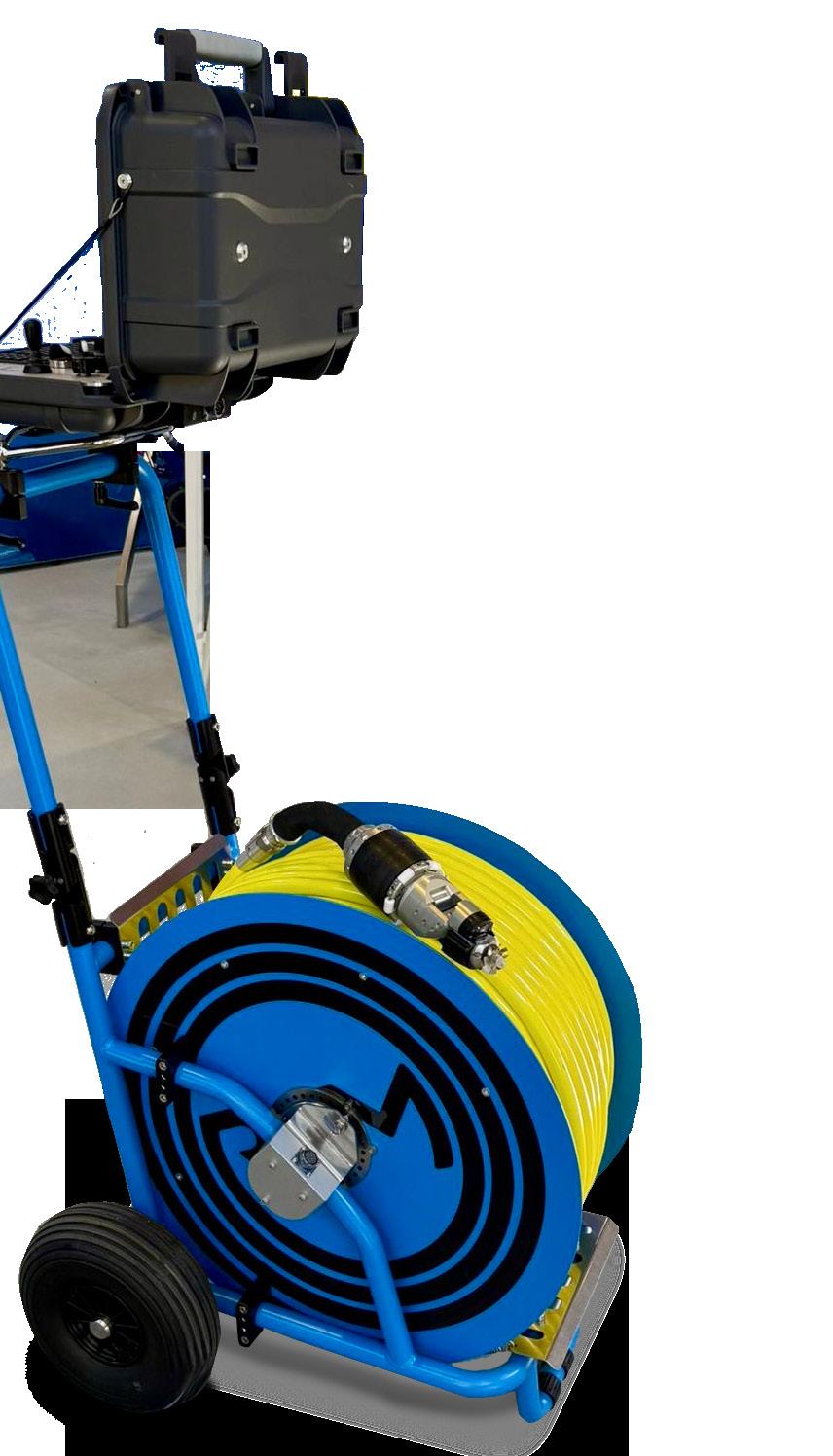
The Gecko E Lateral Cutter is engineered for precision and flexibility, expertly removing obstructions and reopening lateral connections in pipes ranging from 75mm to 225mm, with cutting head variants covering 70-150mm and 100-225mm applications.
Designed to navigate bends up to 90°, with integrated front and rear cameras and LED lighting to support precise reinstatement operations, the system is available with 25m, 50m or 70m cable options to suit your individual requirements. This compact, low-emission unit is built for efficiency and portability – ideal for sites with limited access.
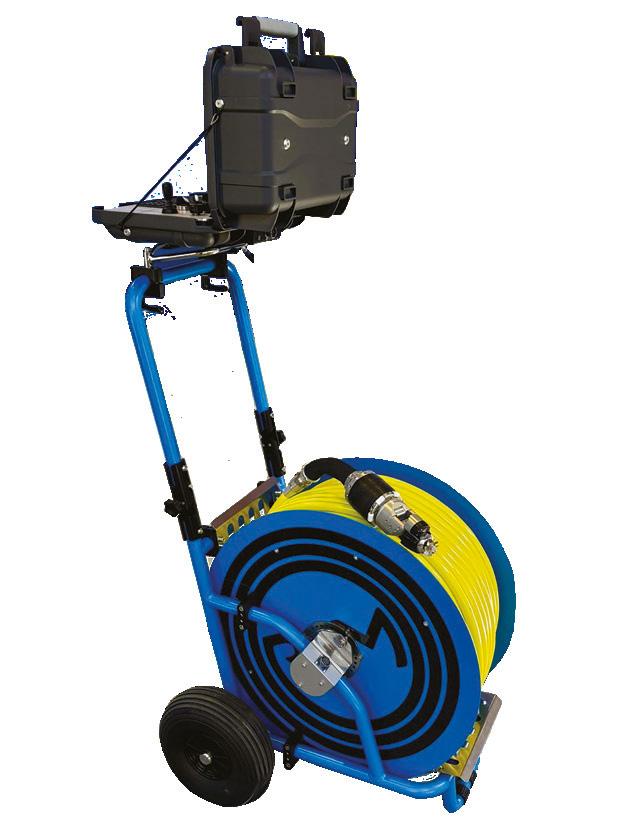
The Gecko E Power is a cutting robot designed for ultimate versatility and precision in pipe rehabilitation. With emission-free, ultra-quiet electric operation, the E Power is engineered for use in pipe diameters ranging from 150mm to 600mm, with a powerful brushless 48V motor. Its compact footprint makes it ideal for navigating restricted access sites.
Lightweight and portable, with a robot weight of approximately 36kg and a compact reel designed for rapid deployment, the Gecko E Power is built for convenience on the job site.
To support customers throughout the lifecycle of the equipment, RSM offers a comprehensive UK-based service and maintenance programme. Their dedicated team offers everything from routine servicing to emergency repairs, with a wide selection of spare parts held in stock to help meet tight deadlines and minimise downtime for customers.
The Gecko E Lateral and E Power enhance RSM’s portfolio and establish a new benchmark for electric cutting technology within the trenchless sector, combining emission-free operation, ultraquiet performance and advanced robotic control capabilities. The systems enable contractors to work smarter, safer, and more efficiently in even the most complex pipe rehabilitation scenarios.
GeeDee Plant has expanded its trenchless rehabilitation capabilities with the addition of a second Bluelight lining system, further strengthening its ability to deliver CIPP solutions across the UK.
The Hartlepool-based company now operates both a fully portable Bluelight system and a newly commissioned vehicle-mounted solution, enabling greater flexibility across both on-road and off-road environments. The systems are capable of installing liners across pipe sizes ranging from DN70 to DN600, supporting both felt inversion liners and glass pull-inplace products.
Increased capacity and flexibility
GeeDee Plant operates nationwide within the drainage and industrial services sectors, supported by a fleet of high-specification combination suction and jetting units, high-volume tankers, grab wagons, and road sweepers.
Having first invested in Bluelight technology in January 2021, the company has since developed strong expertise in CIPP installation, delivering projects for a wide range of clients. Initially focused on private sector work, GeeDee has more recently expanded into projects for UK water authorities, driving increased demand and prompting further investment.
The newly acquired vehicle-mounted system has been designed to maximise operational efficiency and self-sufficiency in the field. The unit includes:
• PTO-driven compressor
• 8kVA generator
• Bespoke workbenches and integrated storage
• LED internal lighting
• 20m retractable ¾” hose reel
• Rear loading ramp
• Full-width lightbar
The system is capable of installing liners in lengths exceeding 100 metres, significantly improving productivity while maintaining high quality standards across installations.
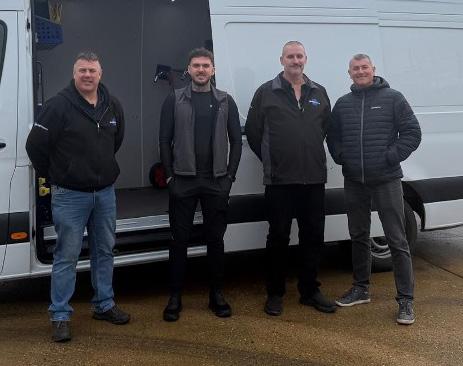
The investment includes a complete package of inversion and curing equipment, alongside the bespoke lining vehicle. This enables GeeDee’s crews to operate independently on sites nationwide, carrying all required tools, materials, and equipment onboard.
The vehicle has been engineered with secure storage and bespoke lashing systems, ensuring safe transport of equipment, while the high-output compressor and generator allow installations to be completed without the need for additional support equipment.
Additional efficiencies are achieved through the inclusion of dual curing baskets, enabling multiple installations to be completed more effectively, reducing both operational downtime and carbon impact, while also minimising operator fatigue.
GeeDee Plant and Bluelight Lining Ltd have worked closely since the company’s initial investment in 2021. The latest expansion reflects a shared commitment to quality, performance, and production efficiency within the CIPP market.
Bluelight Lining Ltd commented that it looks forward to continuing its support of GeeDee Plant as the company further develops its trenchless capabilities.

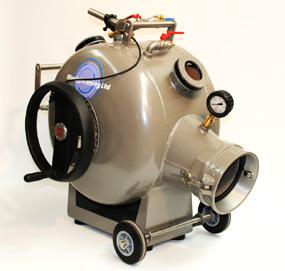
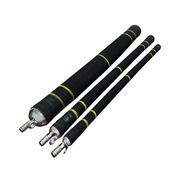
Bluelight Lining’s LED light curing CIPP lining system is engineered to deliver reliable results, first time, every tim With all equipment and liners sourced from one place, everything works seamlessly together, reducing downtim minimising errors, and keeping projects on schedule.
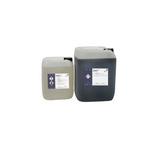
Trusted across Europe, and being the leading LED light cure lining system in the UK, Bluelight Lining is the go-to solution for efficient, high quality lateral and mainline pipe rehabilitation up to 600mm.
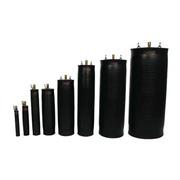
ehicle uilds Inflatable Bungs

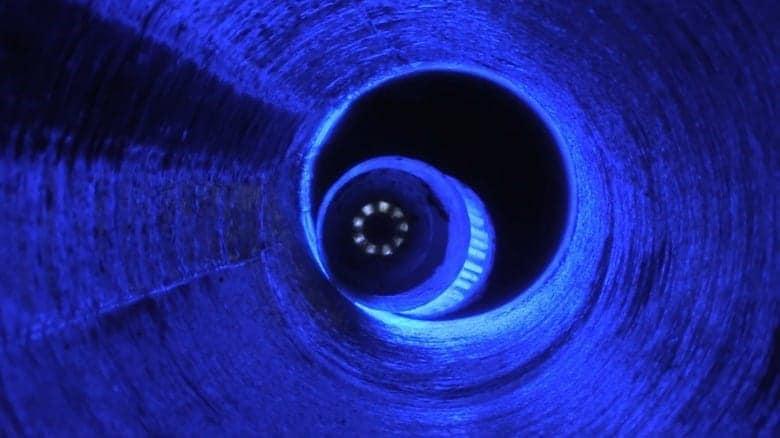
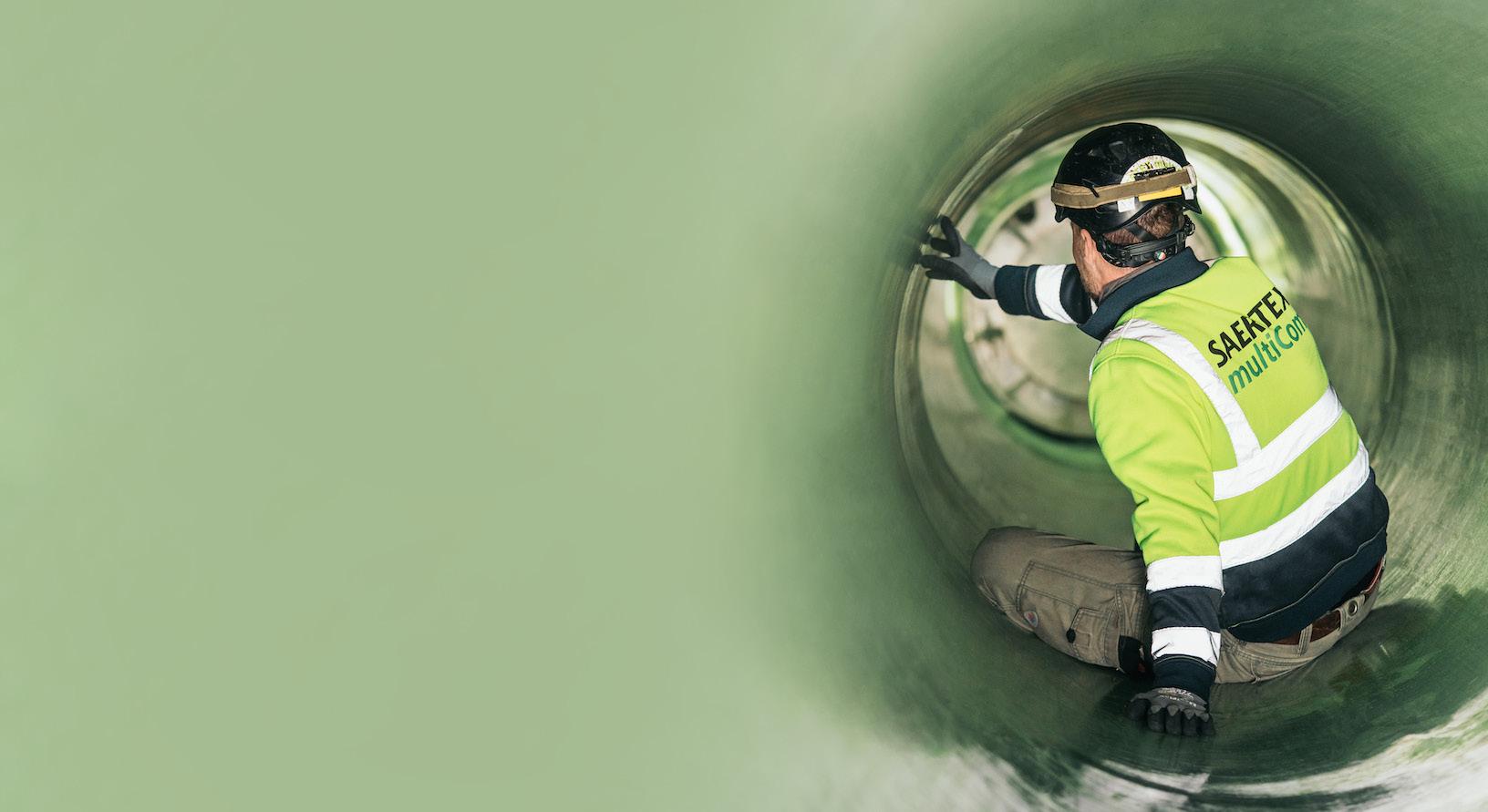
As water authorities and contractors face increasing pressure to deliver faster, safer and more sustainable infrastructure rehabilitation, LED and UV-cured lining technologies are reshaping the trenchless landscape.
Driven by tighter compliance standards, growing environmental scrutiny and the need to minimise disruption, the shift from traditional curing methods to advanced light-curing systems marks a significant evolution for the drainage and wastewater sector.
At the forefront of introducing these technologies to the UK and Irish markets is S1E Ltd, a specialist supplier focused on delivering high-performance trenchless systems supported by technical expertise and industry collaboration.
Ambient and hot-water cured systems have long played a central role in trenchless rehabilitation. However, these approaches can involve longer curing times, higher energy demands and more complex site logistics.
LED and UV technologies offer a more controlled and efficient alternative. By enabling rapid curing with lower energy input, they allow contractors to complete installations more quickly while maintaining consistent and verifiable results.
This level of control is particularly valuable in complex or sensitive environments, including commercial sites, public infrastructure and locations where access and disruption must be carefully managed.
As the UK reseller of the BRAWO® Magnavity SX LED lining system, S1E Ltd has seen how LED curing is supporting more efficient rehabilitation of internal drainage and building pipework.
The system has been developed to cure the BRAWOLINER® range of flexible textile liners, which are designed to navigate the challenges of building drainage systems. These often include multiple bends, varying pipe diameters and restricted access points.
The lightweight and modular design of the equipment allows it to be deployed in confined environments such as basements, service ducts and internal drainage networks. At the same time, the flexibility of the liner enables it to negotiate bends of up to 90 degrees, reducing the need for invasive access or excavation.
Real-time monitoring of curing parameters provides an additional layer of quality control, supporting compliance requirements and helping ensure installation consistency.
The benefits of LED curing are particularly evident in live environments where downtime must be minimised.
In one recent project at a busy UK caravan park, ageing drainage infrastructure required rehabilitation without disrupting residents or site operations. The use of LED lining technology enabled works to be completed within narrow time windows, avoiding prolonged closures and reducing the need for excavation.
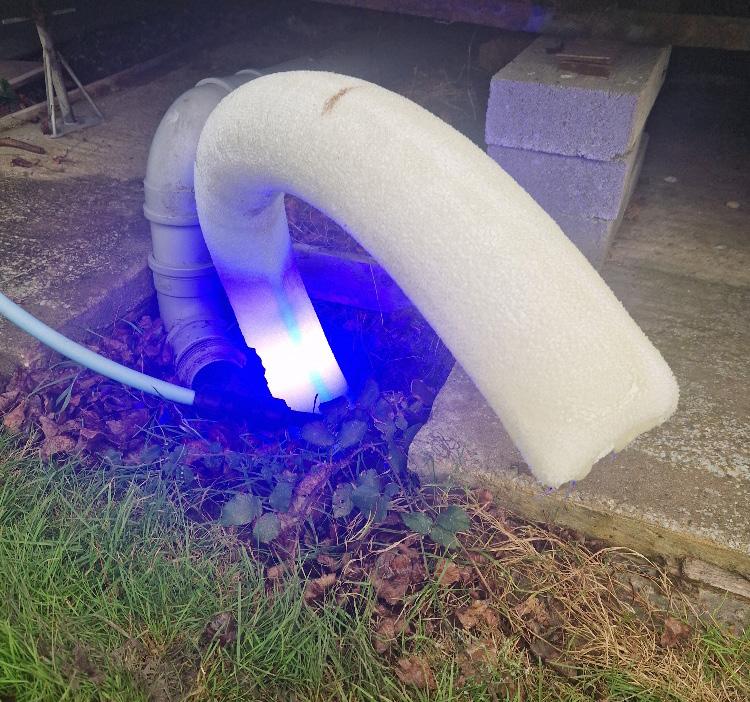
In another time-sensitive commercial repair, the controlled curing process and reduced set-up time allowed the contractor to reinstate the line quickly, minimising disruption while maintaining installation quality.
These examples highlight the importance of predictability and efficiency when working in operational environments.
Alongside developments in building drainage, S1E Ltd has strengthened its offering for larger-scale pipeline rehabilitation through a partnership with SAERTEX multiCom.
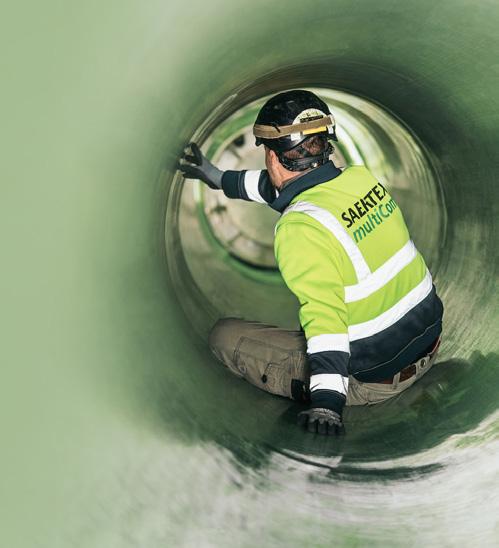
The SAERTEX-LINER® MULTI system is designed for the structural rehabilitation of gravity sewers and industrial pipelines. As a UV-cured, glass fibre-reinforced liner, it offers high mechanical performance suitable for demanding applications and larger diameter assets.
The system has received approval from the Water Research Centre (WRc), a recognised benchmark within the UK water sector. This provides assurance to asset owners and contractors that installed systems meet stringent performance and durability standards.
Recent projects have demonstrated the effectiveness of UV-cured glass-fibre liners in addressing deteriorating pipeline infrastructure.
In one UK installation, the SAERTEX-LINER® system was used to rehabilitate sections of pipeline requiring structural renewal. The liner provided the necessary strength characteristics while maintaining efficient installation processes.
Such applications highlight the role of engineered composite liners in larger-diameter and structurally demanding environments, where long-term reliability and certification are critical.
Beyond performance and efficiency, LED and UV-cured lining technologies align closely with wider sustainability objectives across the water and wastewater industry.
Trenchless rehabilitation already reduces excavation, vehicle movements and reinstatement materials. When combined with energy-efficient curing methods, the overall environmental impact is further reduced.
The adoption of light-curing systems reflects a broader shift towards improved monitoring, greater consistency and more efficient working practices across the sector.
As the market continues to evolve, LED and UV lining systems are moving beyond being an alternative solution.
For many contractors, they are becoming a practical, reliable and sustainable approach to trenchless rehabilitation, offering a combination of speed, control and performance that aligns with the demands of modern infrastructure delivery.
By supporting access to advanced systems for both building drainage and structural sewer applications, S1E Ltd is helping contractors adapt to changing industry requirements and deliver rehabilitation projects with greater confidence and efficiency.
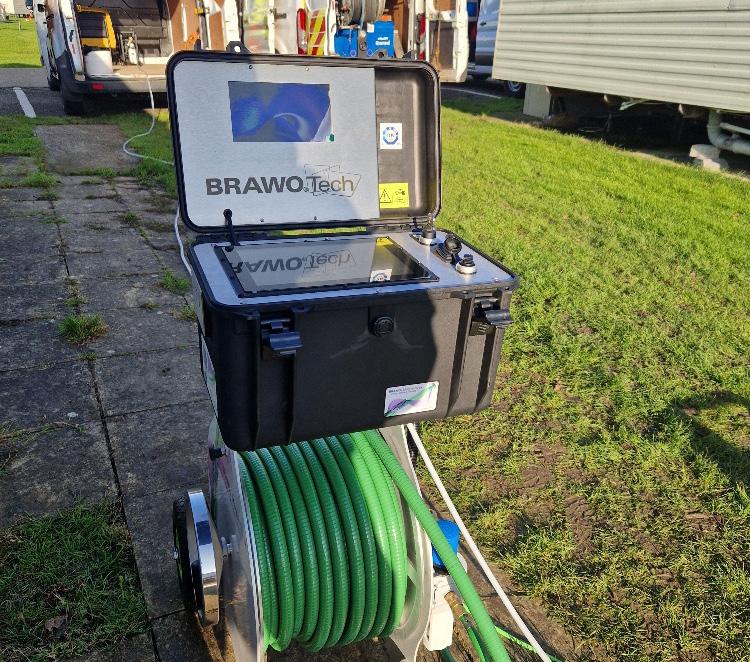
There is no room for compromise when it comes to pressure pipe rehabilitation. Security of supply, planning certainty, and long-term asset protection all depend on proven performance. The Alphaliner PN, developed by RELINE, has demonstrated exceptional resilience through an extensive programme of long-term and load testing – setting a new benchmark for the industry.
From the earliest stages of development, the Alphaliner PN was subjected to rigorous testing under demanding conditions. More than 150 test liners and approximately 500 internal burst tests were conducted to refine both material performance and manufacturing processes.
In parallel, independent long-term testing was carried out by Applus+ IMA in accordance with DIN EN 1447 / ISO 7509 standards. Test specimens covered a range of wall thicknesses and diameters, including DN 300 and DN 600, ensuring robust and reliable data for real-world applications.
These results provide a solid foundation for accurate design calculations, supporting long-term operational safety and confidence for asset owners and engineers.
Industry standards require at least one test specimen to withstand 10,000 hours of hydrostatic pressure testing without failure. The Alphaliner PN not only met this requirement, it exceeded it.
One test ran for 10,815 hours with no signs of structural failure. According to Dr. Rainer Wendel, Head of Research & Development at RELINE: “The 10,000-hour benchmark allows reliable conclusions to be drawn for a service life of 50 years and we still have a safety margin.”
Following the endurance phase, pressure was increased until failure occurred. Even after this extended loading period, the liner retained 87% of its
original strength, underlining its durability and longterm performance capability.
Test results confirm that the Alphaliner PN is suitable for operating pressures of up to PN 25. Importantly, even large diameters such as DN 800 can be rehabilitated to PN 16, offering a cost-effective alternative to full pipe replacement.
The testing programme also enabled precise definition of reduction and safety factors, ensuring reliable structural design for a wide range of applications.
“The 10,000-hour benchmark allows reliable conclusions to be drawn for a service life of 50 years and we still have a safety margin
Dr. Rainer Wendel, Head of Research & Development at RELINE
The successful completion of these tests positions the Alphaliner PN as a forward-looking solution for pressure pipeline rehabilitation. Dr. Wendel adds: “Our goal is not only to meet current standards, but to exceed them. These results mark the beginning of further innovation, as we continue to push technical boundaries while delivering long-term security for our customers.”
For operators, engineers, and contractors, the Alphaliner PN provides confidence that today’s rehabilitation solutions will continue to perform reliably in the decades ahead.

Contact us for tailored advice! THE SAFE CHOICE FOR DOMESTIC AND INDUSTRIAL PRESSURE PIPE REHABILITATION
Tel.: +49 6349 93934-0 info@relineeurope.com www.relineeurope.com RelineEurope GmbH Große Ahlmühle 31 76865 Rohrbach | Germany
Rely on a sustainable, economical and environmentally friendly solution for the rehabilitation of your pressurised pipelines. The Alphaliner PN offers outstanding efficiency and resistance for pipes made of concrete, steel, cast iron and many other materials, while protecting both people and the environment.
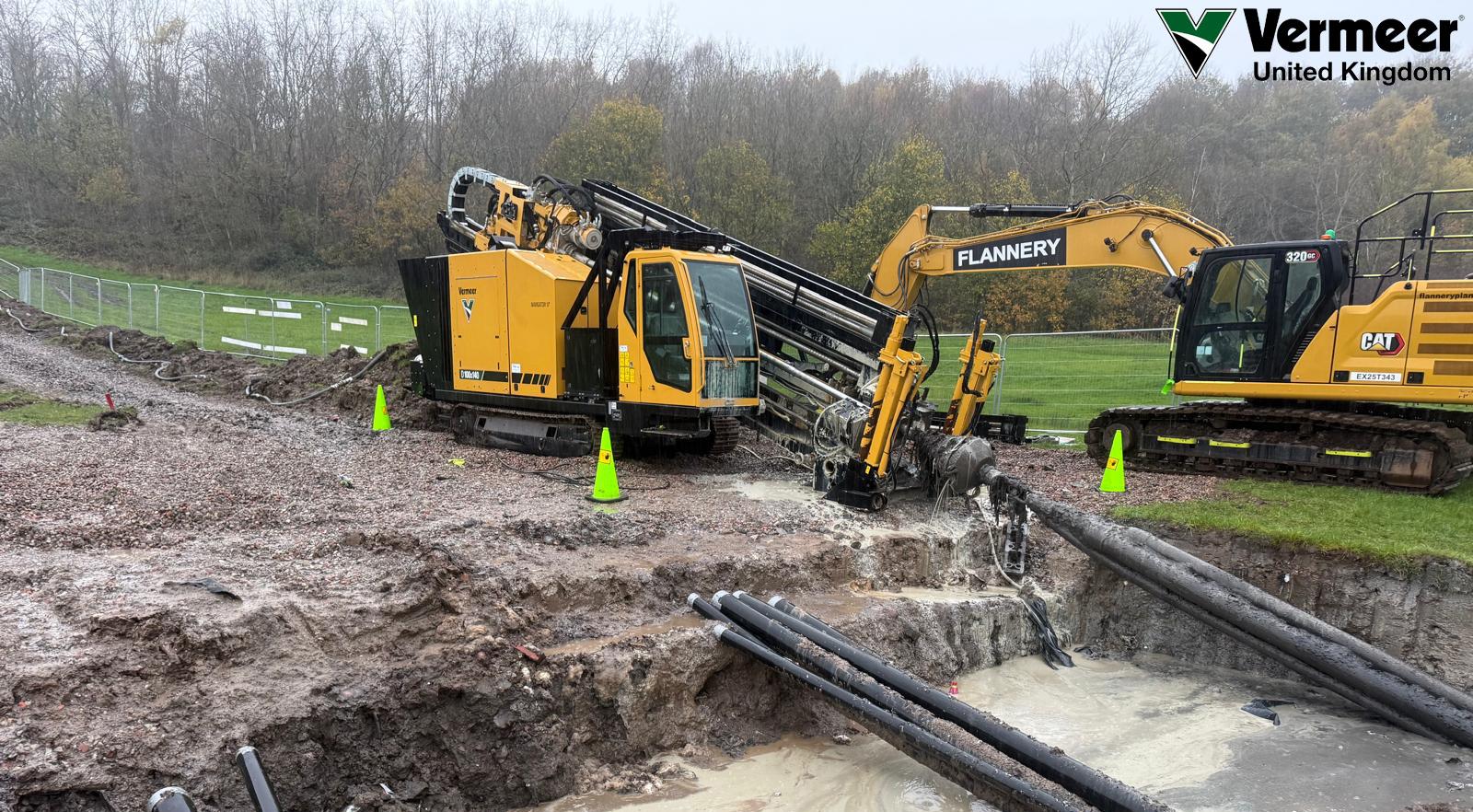
As horizontal directional drilling (HDD) installations become longer, deeper and technically more demanding, developing skilled and adaptable crews is increasingly important for maintaining performance and safety on site.
Training programmes that focus on planning, guidance systems, drilling fluid management and operational communication can help contractors prepare teams for more complex HDD work.
Strengthening bore planning competency
Complex HDD installations require a clear understanding of bore path design, ground conditions and potential project risks. Crews should be trained to interpret utility surveys, review geotechnical data and understand the engineering principles that influence bore profile design. When site personnel understand the reasoning behind the planned alignment, they are better equipped to maintain accuracy and respond effectively to changing ground conditions.
Advancing steering and guidance expertise
As HDD installations increase in length and depth, maintaining steering accuracy becomes increasingly important. Operators should be familiar with the use of walk-over, magnetic and gyro-based guidance systems, and understand the limitations associated with each method. Confidence in interpreting real-time tracking data allows operators to make controlled adjustments that maintain line and grade while reducing the risk of deviation.
Drilling fluid performance plays a critical role in maintaining bore stability on complex installations. Training should include fluid selection, viscosity management, annular pressure awareness and the early identification of potential loss-of-return conditions. A structured approach to drilling fluid management supports stable bores, reduces environmental risk and improves overall installation efficiency.
As project complexity increases, so too does the need for clear communication between crew members.
Effective coordination between the drill operator, locator and support personnel helps maintain situational awareness and ensures that adjustments can be made safely and efficiently. Structured briefings, cross-functional training and consistent operational procedures can help strengthen on-site communication.
HDD technologies and regulatory requirements continue to evolve, making ongoing training essential. Manufacturer-led training programmes, refresher courses and on-site technical mentoring can help crews stay aligned with current industry practices and equipment capabilities. For contractors undertaking increasingly complex HDD installations, investment in workforce development is as important as investment in equipment.
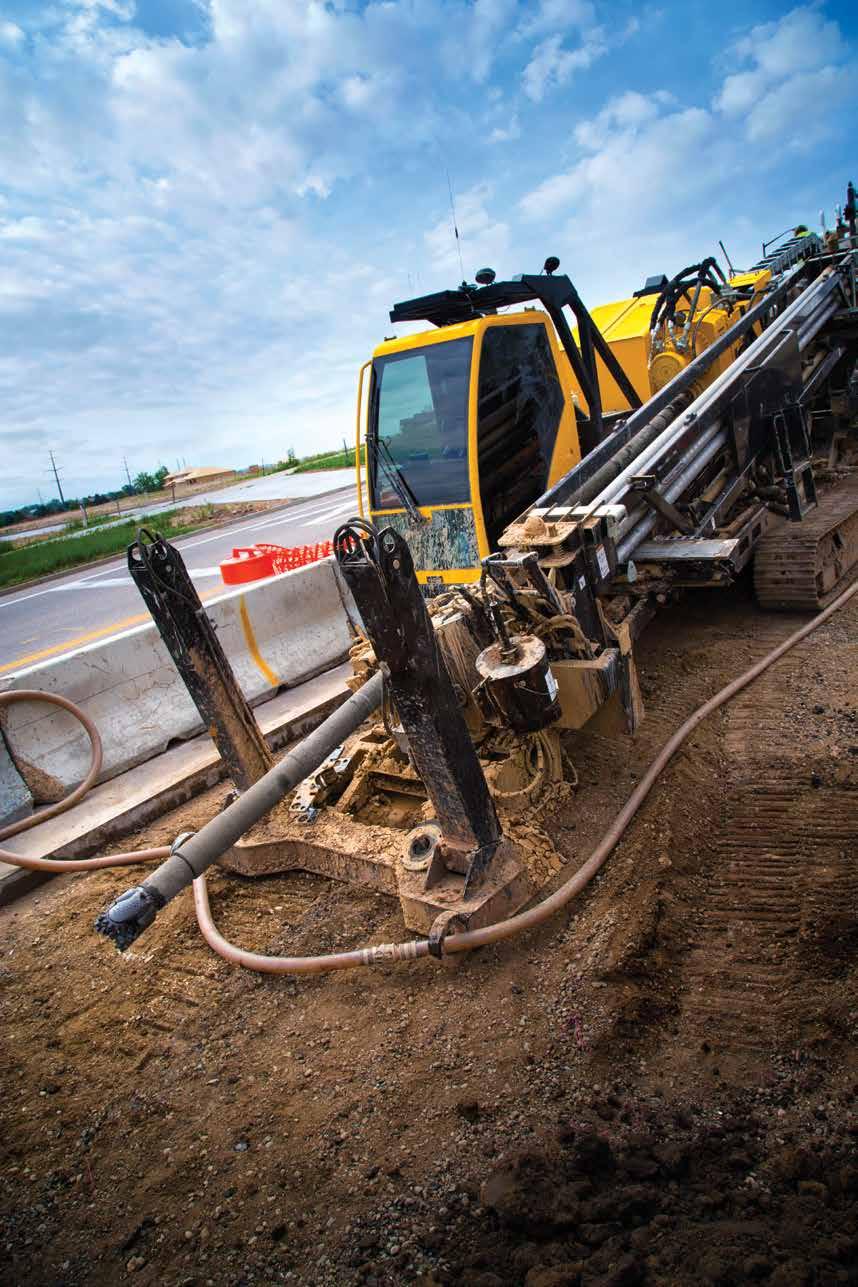
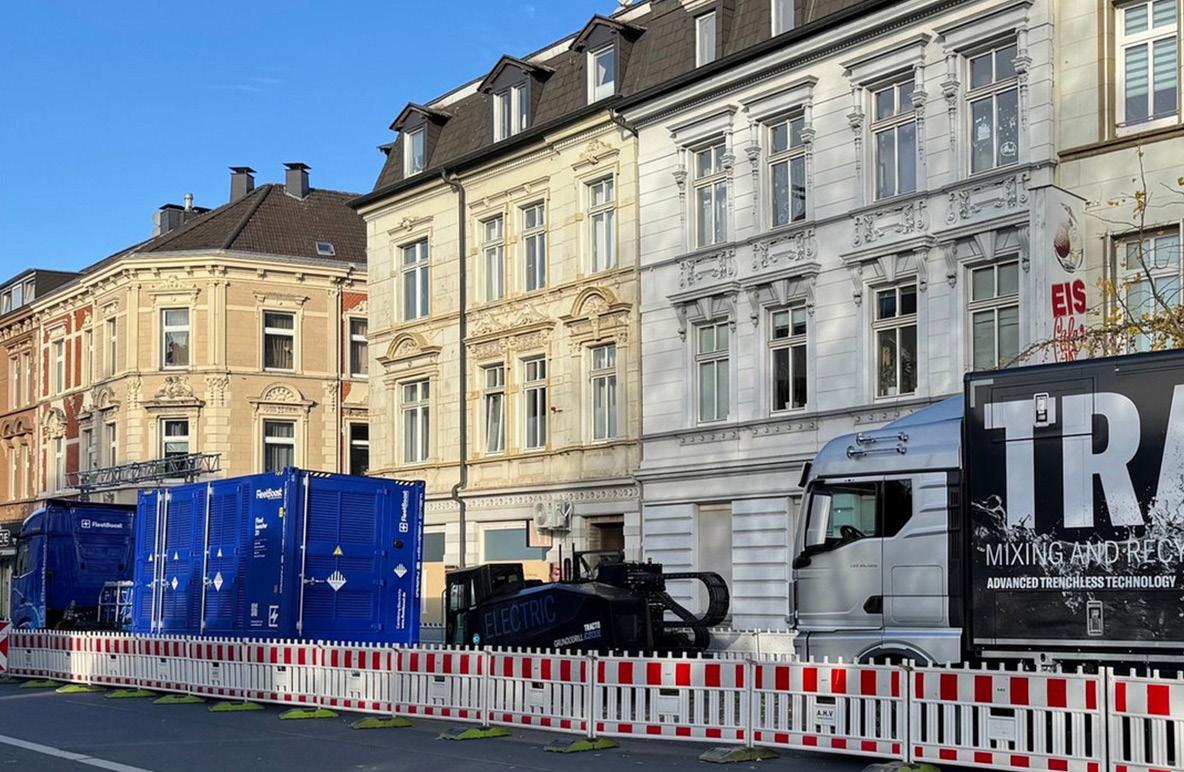
The launch of TRACTO’s first fully electric HDD rig marks a major step toward emission-free trenchless construction
Electric construction equipment is playing an increasingly important role across the infrastructure sector, offering reduced emissions, lower noise levels and improved operational efficiency. As part of its long-term sustainability strategy, TRACTO is advancing electrification across its product portfolio, continuously adapting to technological developments and expanding its range of electric machines and components.
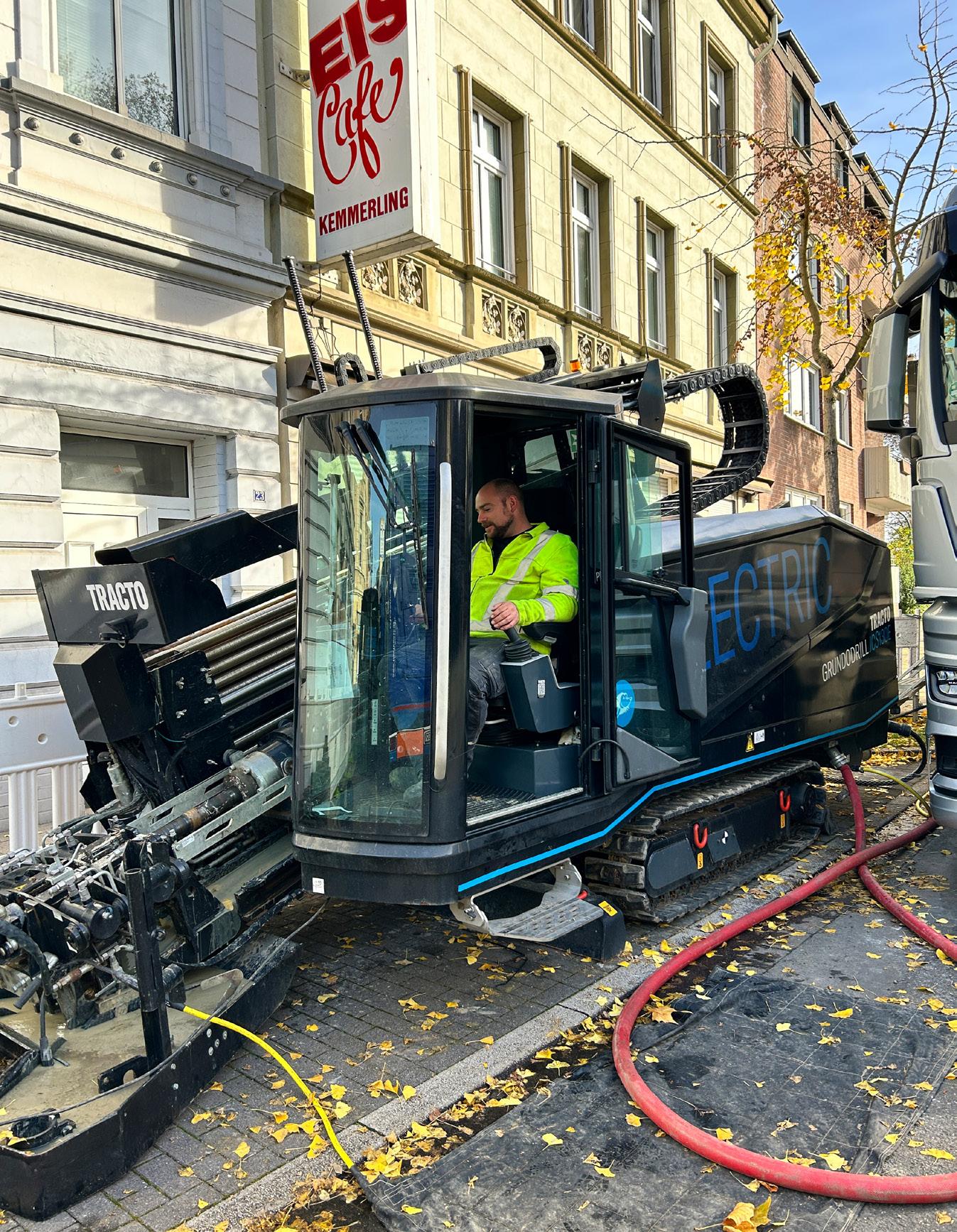
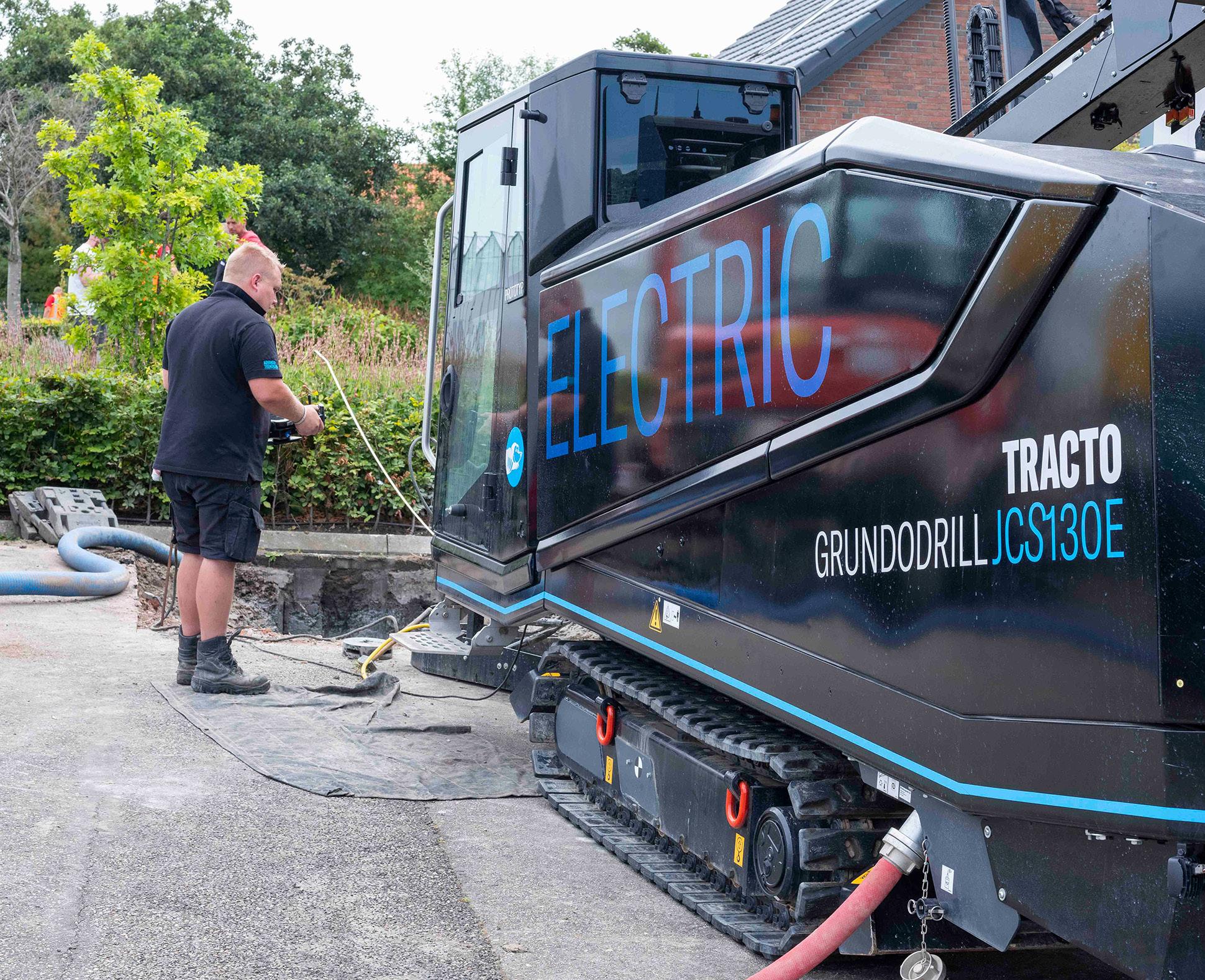
A key milestone in this journey is the introduction of the GRUNDODRILL JCS130E, the company’s first fully electric horizontal directional drilling (HDD) rig.
Modern diesel-powered GRUNDODRILL rigs already represent significant progress in emissions reduction. Equipped with advanced Stage V engines, they deliver substantial decreases in particulate matter and nitrogen oxides through integrated aftertreatment systems combining diesel particulate filters and catalytic converters. The result is nearzero local emissions, improved fuel efficiency and quieter operation, supporting more sustainable and comfortable working conditions on site.
While cleaner combustion technologies have improved environmental performance, TRACTO’s ambition goes further. The GRUNDODRILL JCS130E has been developed to operate entirely without local exhaust emissions, producing no diesel soot and no nitrogen oxides during operation.
In addition to environmental benefits, the electric system offers significantly higher efficiency compared to conventional combustion engines, along with reduced maintenance requirements.
“The electric system is far more efficient than the combustion engine system and requires less maintenance. We are the first to be able to offer this in the compact size of the JCS130E,” Lukas Werthmann, Development Engineer, TRACTO.
Despite its electric design, the rig delivers strong performance, with 130 kN of thrust force, 78 kW of continuous power, and up to 156 kW at peak load, demonstrating that electrification does not require compromise.
Engineering challenges and evolving technology
Developed over a three-year period, the JCS130E was first presented as a prototype at bauma 2022, forming part of TRACTO’s ‘Road to Zero Emissions’ initiative.
Integrating an electric drive system into a machine traditionally built around a diesel powertrain presented several engineering challenges. One key consideration was spatial design, as batteries, motors and inverters needed to be efficiently integrated within the existing machine architecture.
A second challenge lies in the rapid pace of development in electrical components. Unlike diesel systems, which have matured over decades, technologies such as batteries and power electronics continue to evolve quickly. This requires flexibility in design and ongoing optimisation to ensure performance, availability and future compatibility.
“
The electric system is far more efficient than the combustion engine system and requires less maintenance. We are the first to be able to offer this in the compact size of the JCS130E
Lukas Werthmann, Development Engineer, TRACTO
Beyond the machine itself, TRACTO’s engineers identified that fully electric construction requires supporting infrastructure that is still developing in many regions.
Construction sites may not yet be equipped with sufficient grid capacity or charging facilities, meaning projects often require additional planning, grid approvals or the use of temporary solutions such as mobile battery containers.
“The demand for green construction sites is growing, particularly in European countries.
Lea Freise, Product Manager, TRACTO
However, progress is already visible in regions such as Scandinavia, where electric construction sites are becoming more established and can operate with near plug-and-play simplicity. These examples demonstrate the potential for widespread adoption as infrastructure continues to evolve.
Despite these challenges, the GRUNDODRILL JCS130E has already demonstrated its capabilities in real-world applications across Europe.
One notable project took place in Essen, Germany, where TRACTO deployed the rig on the country’s first emission-free construction site as part of a fibre optic network expansion for GasLINE. Powered by a battery container, the system operated for approximately two weeks.
Feedback from stakeholders and local residents was overwhelmingly positive, particularly due to the reduced noise and absence of exhaust emissions.
The project highlighted not only the technical feasibility of electric trenchless construction, but also its wider benefits for communities and the environment.
“With our E-Drill, we want to respond to customer needs and meet their requirements. The demand for green construction sites is growing, particularly in European countries,” Lea Freise, Product Manager, TRACTO.
The GRUNDODRILL JCS130E forms part of TRACTO’s New Generation series and represents a significant step forward in the transition toward sustainable trenchless solutions. Alongside the drilling rig, TRACTO also offers the fully electrified ACS130E All Condition System, further supporting emission-free operations.
As demand for low-impact infrastructure delivery continues to grow, electric HDD technology is set to play an increasingly important role in shaping the future of trenchless construction.

The ability to inspect pressurised water pipelines without excavation or shutdown has long presented a challenge for utilities. A recent trial within the Thames Water network highlights how hydrant-entry inspection technologies are beginning to address this gap.
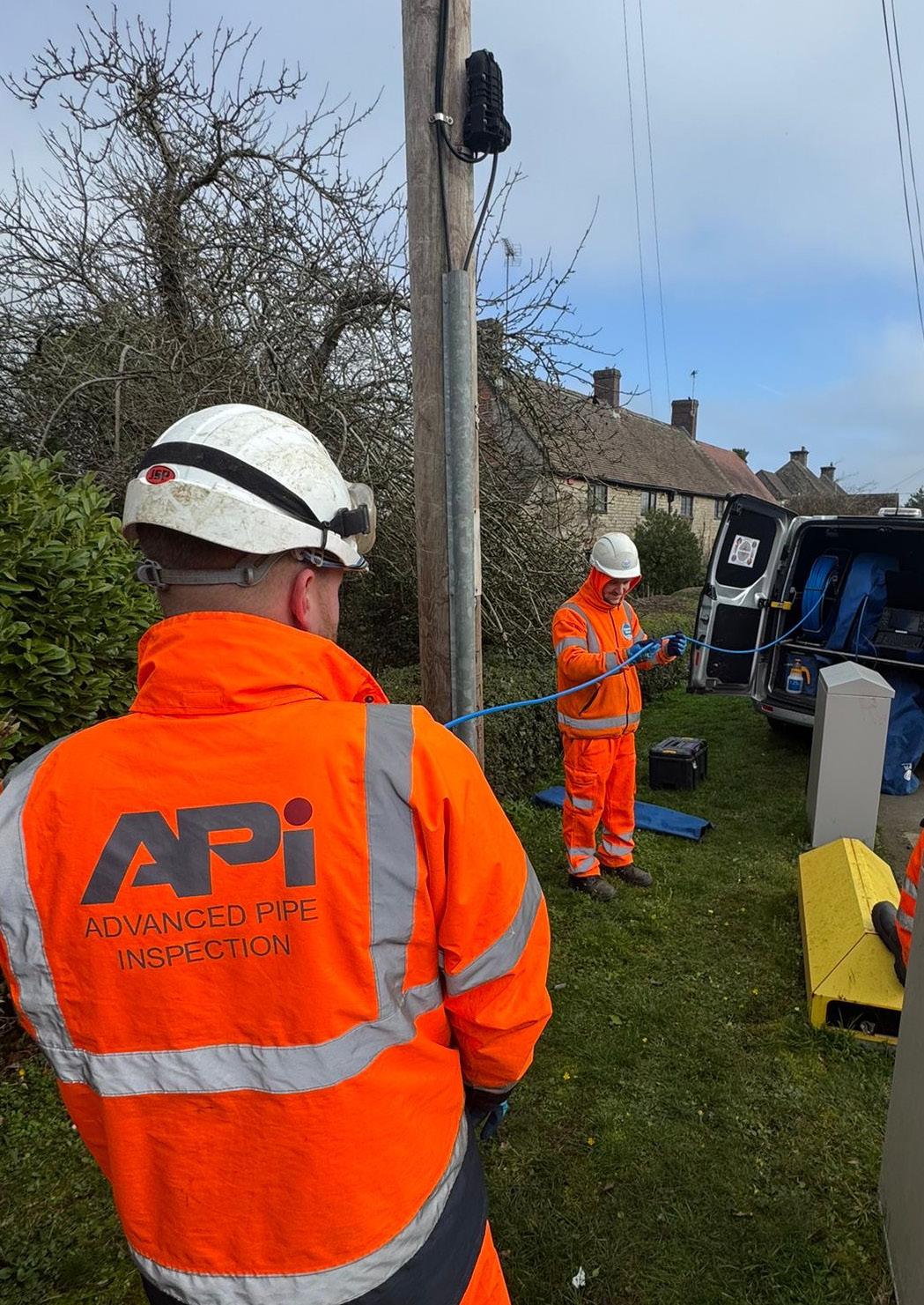
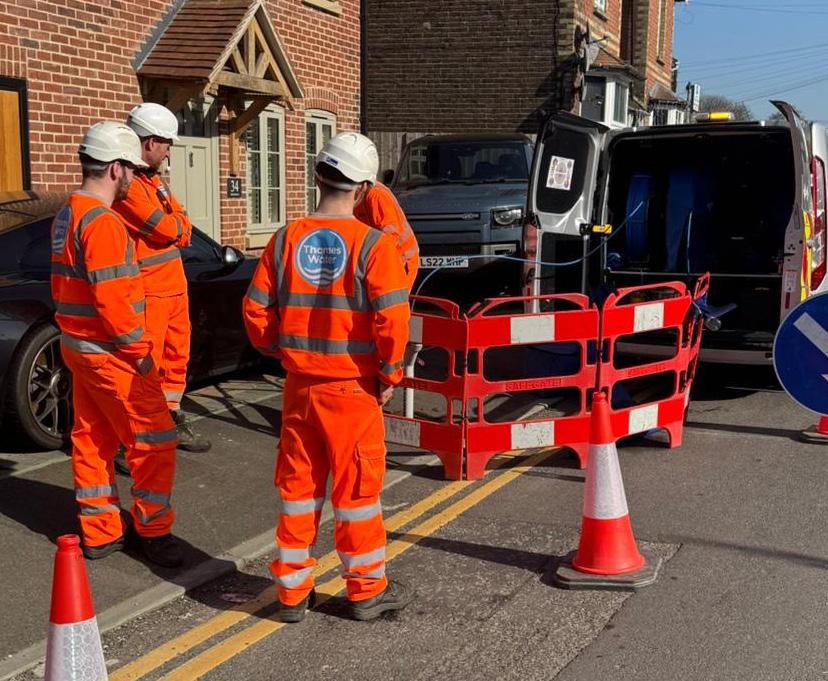
Delivered by API in collaboration with PN Daly, the pilot project utilised the Hydrocam™ system developed by PIPA to assess live potable water mains under operational conditions.
A key limitation in traditional pipeline inspection is the requirement for network shutdowns or invasive access points. Hydrant-entry systems overcome this by enabling direct access via existing fittings.
The Hydrocam™ system is designed to enter pipelines through standard fire hydrants and operate under pressure without interrupting service. This removes the need for excavation and allows utilities to assess buried infrastructure in situ. During the five-day trial, multiple pipelines of varying sizes and materials were inspected, including assets more than 80 years old.
The system integrates high-definition internal imaging with acoustic sensing capabilities. An ultra-responsive hydrophone enables accurate leak detection, while the camera provides detailed visual insight into pipe condition, including lining performance and structural integrity.
Designed for use within potable water networks, the system operates within a chlorinated housing, ensuring compliance with water quality requirements while maintaining safe inspection conditions.
The trial delivered a range of practical outcomes across the inspected network. Multiple leaks were identified and marked at ground level, while several hydrants were found to be faulty or non-operational. The system also enabled identification of pipe condition issues and lining failures.
In one case, a suspected leak identified using correlator equipment was confirmed to be a non-leak following inspection, demonstrating the value of direct internal assessment in validating field data.
All findings were compiled into detailed reports to support ongoing asset management and future intervention planning.
Hydrant-entry inspection technologies are increasingly supporting a shift towards proactive, data-led management of water infrastructure. By enabling detailed condition assessment without service disruption, utilities can better prioritise maintenance, rehabilitation and replacement programmes.
The technology can be used to investigate water quality issues, identify illegal connections and assess network performance, while also providing valuable data ahead of cleaning, lining or renewal works.
The flexibility of hydrant-entry systems allows deployment across a wide range of network configurations. Systems can be introduced via hydrants, valves and other pressure fittings, and can be adapted to travel through pipelines using different methods depending on site conditions.
Further developments are focusing on extending inspection range for trunk mains, enabling utilities to assess larger sections of network infrastructure in a single deployment.
As water networks continue to age and regulatory pressure increases, the need for accurate, non-invasive inspection is becoming more critical.
Hydrant-entry inspection represents a shift towards targeted, evidence-based intervention, allowing utilities to better understand asset condition while maintaining service continuity. For the trenchless sector, this reinforces the growing importance of inspection technologies as a key part of the rehabilitation and asset management lifecycle.

Frank Reilly Director JBP’s Trenchless, Training Programme
Last month I looked at why skills audits matter. Trenchless technologies and methods continuing to change quickly across the sector and expectations of performance keep rising. Relying on assumptions about workforce capability is no longer enough. The question for organisations is not whether to audit skills, it is how to do it effectively.
Done properly, a well-designed audit becomes one of the most practical tools, to strengthen operational performance. So, let’s take a closer look at the anatomy of an audit.
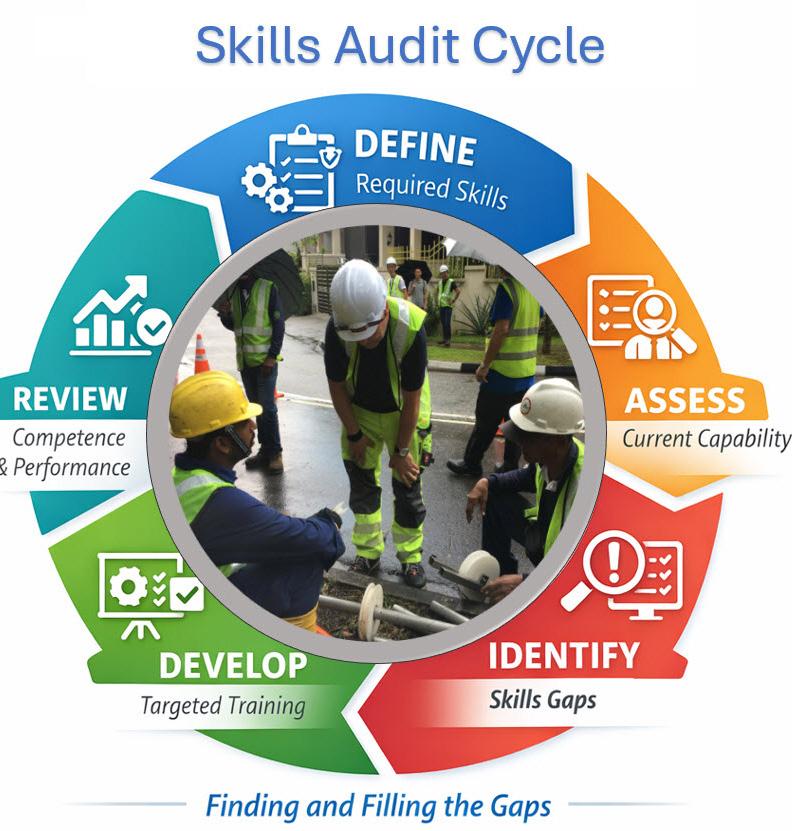
The starting point of any audit is simple: define what capability actually looks like.
In the water and wastewater infrastructure sectors this typically spans areas such as inspection and coding, rehabilitation technologies, equipment operation, project supervision, and health and safety compliance. But broad categories are not enough. Each area needs to be broken down into specific competencies.
Take CCTV inspection as an example. Competence does not sit in a single skill but in several: equipment setup,
defect recognition, coding accuracy, reporting quality, and data interpretation. By separating capability into defined components, organisations begin to see where genuine expertise exists, and where it does not.
Once competencies are defined, the next step is to map them across the workforce. This is where the audit often reveals some uncomfortable truths.
In many companies, certain skills are concentrated in just one or two individuals. In others, training may have been completed years ago with little follow-up or reassessment. Some teams may appear well trained on paper but lack practical field experience.
An audit’s purpose is not to criticise individuals. It is to understand the organisation’s technical resilience. If a key technician leaves tomorrow, can the company still deliver the same level of service?
Meaningful audits rely on evidence. Certificates, training records, project experience, and practical assessments all contribute to the picture.
At the same time, the process often uncovers something valuable: informal expertise. Many experienced technicians possess deep operational knowledge that may never have been formally recognised or documented. A good audit captures that knowledge and integrates it into the organisation’s competence framework and highlights where certificates alone are not enough to guarantee real operational confidence.
Identifying gaps is only the first step. The real benefit of an audit comes when organisations translate the results into targeted development, building focused training pathways that address specific capability gaps. Training budgets become strategic investments rather than routine expenditure. This shift is critical.
Ultimately, a skills audit provides something many organisations lack: visibility.
Trenchless technologies will continue to evolve, water and wastewater infrastructure challenges will continue to increase, and performance expectations will continue to rise. Those organisations that understand their capabilities, and act on that knowledge, will be the ones best prepared for what comes next.
Next month: Finding and filling the gaps (Part 3) - From Audit to Action
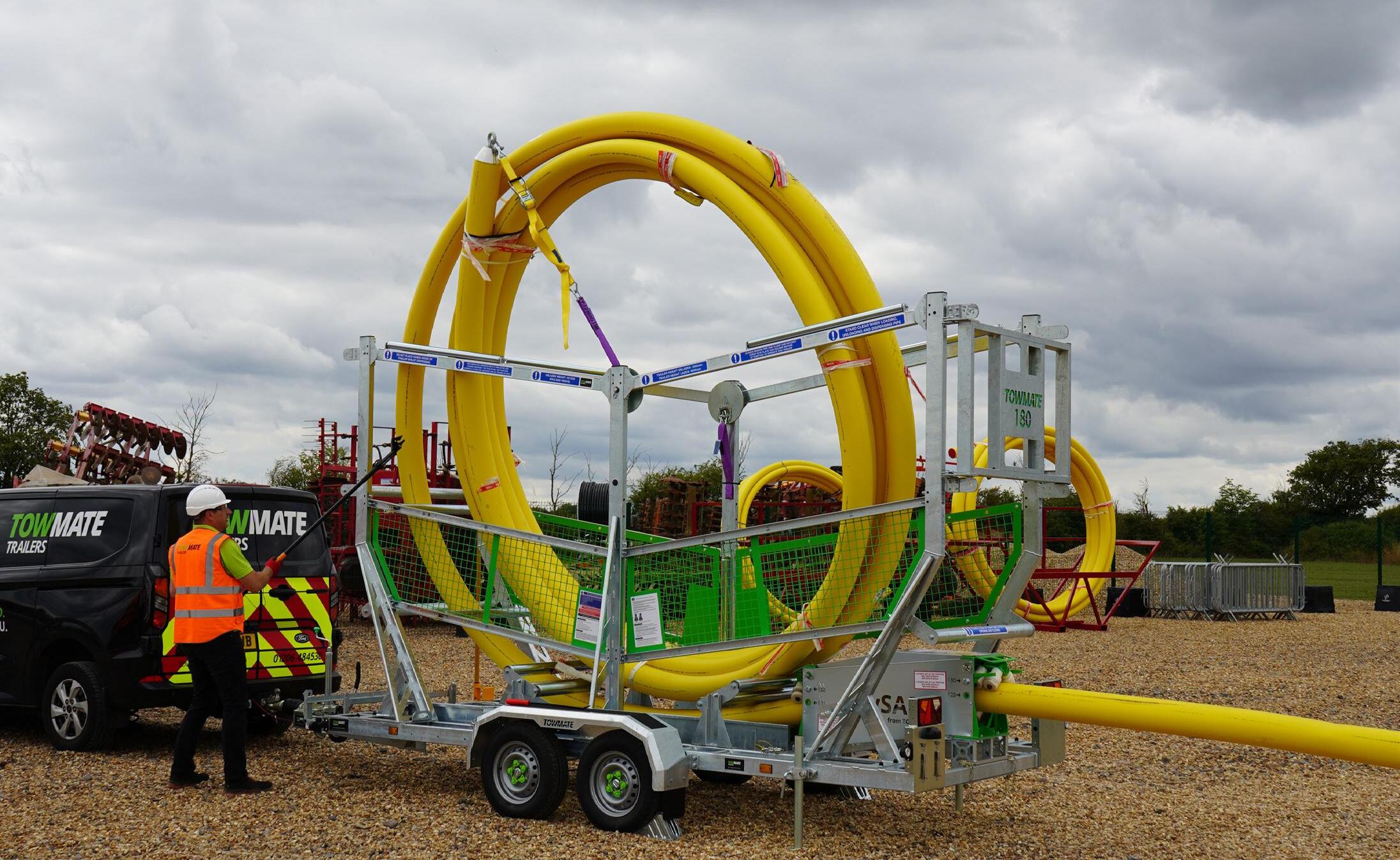




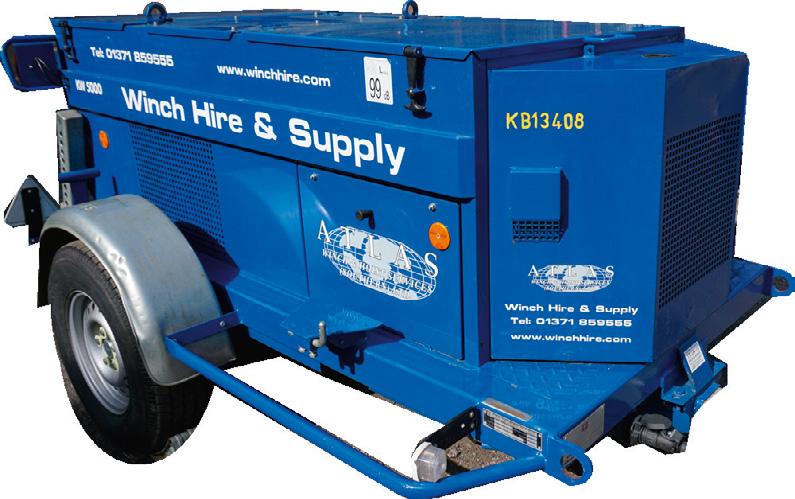
Add Atlas to your project and save time, money, and effort. We stock an extensive range of cable and pipe pulling winches suitable for all trenchless operations.
Add Atlas Winch and Hoist Services to your project. Give us a call today to discuss your requirements.
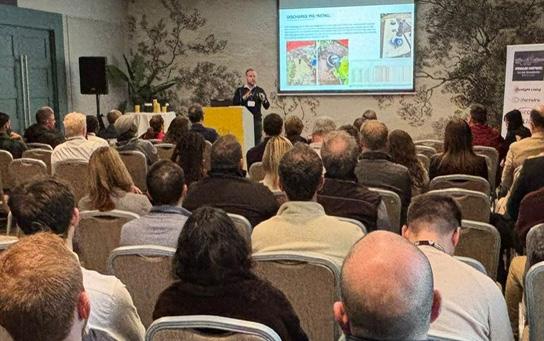
Ahigh-quality conference programme and busy exhibition floor made the latest No-Dig Roadshow in Dublin a standout industry event, with major project updates from Uisce Éireann and Northern Ireland Water showcasing the growing role of trenchless technology in delivering critical water and wastewater infrastructure.
The latest No-Dig Roadshow, organised by Westrade and supported by the UK Society for Trenchless Technology (UKSTT), proved a major success when it arrived at the Castleknock Hotel in Dublin, bringing together contractors, engineers, water utilities and technology providers for a day dedicated to the latest developments in trenchless technology.
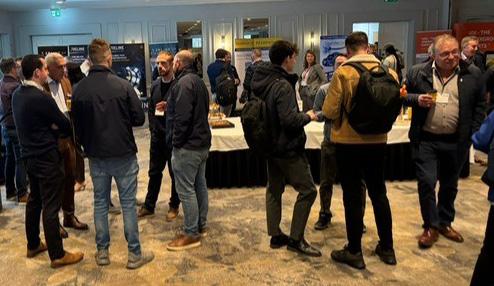
With a strong turnout of industry professionals, the event combined a high-quality technical conference with a vibrant exhibition floor, providing delegates with valuable insights into major water and wastewater infrastructure projects currently being delivered across Ireland and Northern Ireland.
A key highlight of the conference programme was a comprehensive update on the Greater Dublin Drainage (GDD) Project, presented by representatives from Uisce Éireann. Dermot Bruton, Programme Manager, Strategic
Projects, and Jonathon Edgeworth, Programme Manager, Strategic Projects, provided delegates with an in-depth overview of the project, outlining programme timelines, anticipated pipeline requirements, indicative ground conditions along the proposed route and the scope of the various work packages.
Delegates also heard that the project has now received full approval to progress to the construction phase, marking a significant milestone for the strategic scheme. Pre-construction works are currently out to tender, while the main construction package is moving through a prequalification process that will identify four contractors to bid for the works later this year.
The speakers highlighted the scale and importance of the project, which will provide long-term wastewater capacity for the Greater Dublin area. With significant pipeline infrastructure required across complex ground conditions and sensitive urban environments, trenchless construction methods are expected to play a key role in delivering elements of the scheme while minimising disruption.
Another standout presentation came from Northern Ireland Water, which provided an insightful case study on the Meadow Lane Portadown Wastewater Pumping Station (WWPS) project.
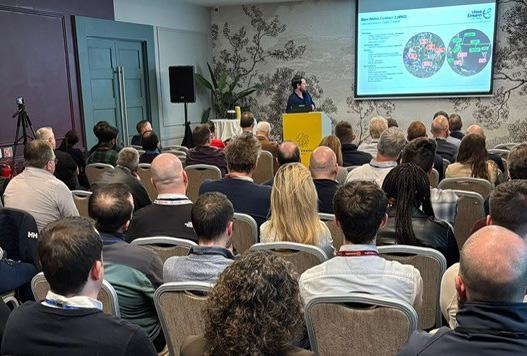
Presented by John Griffin, Head of Wastewater Capital Delivery (Infrastructure) at Northern Ireland Water, alongside Conor Ward of BSG Civil Engineering, the session examined the successful trenchless installation of a 1500mm diameter tank sewer as part of the scheme.
The speakers highlighted how early contractor involvement played a crucial role in the success of the project, allowing the delivery team to collaborate on the most effective construction methodology from the outset. The use of a tunnel boring machine (TBM) enabled the sewer installation to be completed with minimal surface disruption, significantly reducing the impact of the works on the surrounding area during construction.
Beyond the engineering achievement, the project is delivering important long-term benefits for the local community. The new infrastructure will help improve environmental performance by reducing the risk of flooding while increasing wastewater network capacity to support future development and economic growth in the Portadown area.
Strong industry participation
Complementing the conference was a vibrant exhibition hall featuring many of the No-Dig Roadshow series Premium Partners: Bluelight Linings, Channeline,
“The Dublin No-Dig Roadshow was a fantastic event and the feedback from across the industry has been overwhelmingly positive. The quality of the conference programme was exceptional and we’re very grateful to the UKSTT, and Shauna Herron, for their support in helping to develop such a strong technical programme. I’d also like to thank our sponsors Reinert-Ritz, Reline, and Vortex Infrastructure Products whose backing makes events like this possible and enables us to keep them free to attend for the industry
Paul Harwood, Managing Director,Westrade Group Ltd Owner and Publisher, Trenchless Works
Picote, Reline, RSM, S1E, Tracto and Vermeer who were showcasing their latest products, technologies and services.
The exhibition floor remained consistently busy throughout the day, with exhibitors reporting strong engagement from delegates eager to discuss new solutions, share project experience and explore opportunities across the sector.
Following the success of the Dublin event, attention now turns to the No-Dig Roadshow London, which will take place at the Novotel London West on Tuesday 12 May.
Held in association with the UK Society for Trenchless Technology and supported by Thames Water, alongside premium partners and sponsors, the event will mark the first dedicated trenchless technology event to take place in London in recent years.
The London roadshow will once again bring together leading experts from across the sector, offering delegates the opportunity to hear updates on major regional water and wastewater infrastructure projects while exploring the latest trenchless technologies shaping the future of underground construction.

As demand for sustainable underground infrastructure continues to accelerate across region, Trenchless Asia continues to serve as a key forum for the trenchless sector.
This year’s event comes at a time of significant growth across Thailand’s underground utilities market. The country’s water and wastewater market is forecast to grow at between 7% and 10% annually, driven by rapid urbanisation, industrial expansion and increasing environmental pressures. Yet infrastructure gaps remain substantial, only around a quarter of wastewater is currently treated to safe standards, while demand continues to rise, with close to 10 million cubic metres generated each day. Major investment programmes, including multi-billion-dollar upgrades to Bangkok’s water infrastructure, are accelerating the need for efficient, low-disruption installation and rehabilitation methods, placing trenchless technology at the centre of future development.
Returning to Bangkok, the exhibition and conference is already attracting strong support from across the global supply chain. Notably, Goodeng and Herrenknecht have both confirmed their participation as Platinum Sponsors, underlining both the scale of opportunity in Asian markets and the event’s role as a platform for technology exchange and business development.
Institutional backing is also highly evident, with the Thailand Convention and Exhibition Bureau (TCEB) officially supporting the event. This endorsement reflects the strategic importance of trenchless technology within Thailand’s wider infrastructure ambitions, particularly as the country continues to invest in utility expansion and urban development.
The 2026 edition will take place at the Queen Sirikit National Convention Center (QSNCC), a world-class venue in the heart of Bangkok, providing an appropriate setting for an event that continues to grow in both scale and influence. The exhibition floor will once again feature the popular German Pavilion, bringing together
a broad cross-section of manufacturers and service providers. The pavilion remains a focal point for visitors seeking proven technologies and engineering expertise from one of the industry’s most established markets.
Support from key technology providers and industry organisations further reinforces the event’s position. Digital Control Incorporated (DCI) continues its longstanding involvement, while international associations including ISTT, MATT, GATT and UKSTT are contributing to the event’s global reach and technical credibility.
“Previous Trenchless Asia events have been very well received by our member societies worldwide,” said Trevor Gosatti, Executive Director of ISTT. “The event plays an important role in bringing the international trenchless community together, and we are pleased to support and promote it as it continues to grow.”
Taking place on Wednesday 10 and Thursday 11 June 2026, Trenchless Asia 2026 provides a timely opportunity for contractors, asset owners, engineers and suppliers to engage with the latest developments, share knowledge and explore emerging market opportunities across one of the world’s fastest-growing infrastructure regions. With strong international participation, high-level industry support and a rapidly expanding regional market, the event is expected to deliver both technical insight and tangible business opportunities.
Industry professionals involved in underground construction and utility management are encouraged to attend and take part in the discussions shaping the future of trenchless technology across Asia.
“As infrastructure demand increases, the importance of trenchless solutions in delivering sustainable, low-disruption projects continues to grow,” said Paul Harwood, Managing Director of Westrade. “Trenchless Asia provides a vital forum for knowledge exchange and industry collaboration, and is a must-attend event for those involved in underground utility delivery and maintenance.”



Graham Howard, Chair, UKSTT
It’s hard to believe that we are already approaching the end of the first quarter of the year. Our third National Conference has just taken place, delivering another successful and well-attended event. My thanks go to all speakers, and in particular to Iain Naismith and Tim Sargent for their invaluable work in developing such a strong and engaging programme.
I was also pleased to attend United Utilities’ recent supplier engagement day, where their forward planning and investment outlook were particularly encouraging. With increased spend anticipated across AMP9 and AMP10, and over 100 additional companies already onboarded to support delivery, there is clear momentum in the market. Trenchless technology continues to play a central role in helping achieve compliance, health and safety, and net zero targets.
We are also working alongside British Water to address ongoing innovation challenges linked to DWI Regulation 31. A dedicated meeting is scheduled shortly, followed by an opportunity to engage directly with government representatives at the upcoming Spring Reception.
The first No-Dig Roadshow of the year in Dublin proved to be a great success, with strong feedback from both exhibitors and delegates. We now look ahead to the London Roadshow on 12 May, where we are pleased to continue supporting Westrade.
The UKSTT has a full programme of activity planned throughout 2026, focused on knowledge sharing, sector engagement, and promoting best practice across the industry. Full details of upcoming events can be found here:
https://www.ukstt.org.uk/upcoming-events-2/
Looking ahead, preparations are well underway for what will be the largest ever No-Dig Live 2026, taking place from 29 September to 1 October at Stoneleigh Park. This flagship event, organised by Westrade, will feature live demonstrations, a comprehensive conference programme, and the UKSTT Gala Dinner and Awards Ceremony on 30 September.
The Council continues to grow, with new members supporting an increasingly active programme of events, collaboration, and industry engagement for the public benefit.
Finally, my thanks go to all our patrons and members, as well as Lynn, Linda, Tammy, and our dedicated Council members for their continued hard work and commitment.
Wishing you all a relaxing and (hopefully) dry Easter break.
Graham
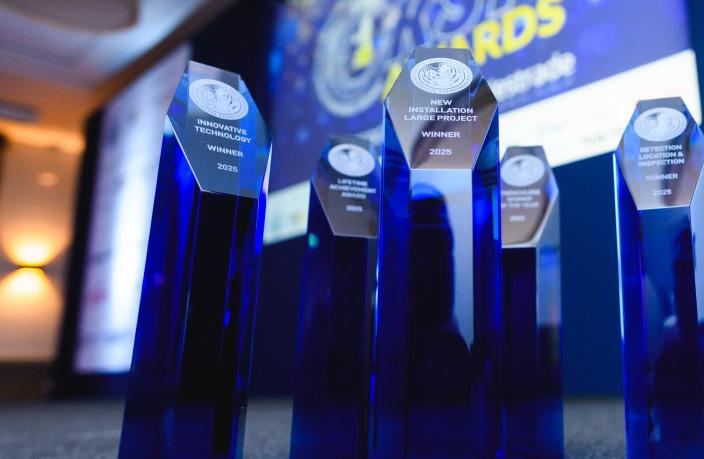
The UK Society for Trenchless Technology (UKSTT) has officially opened entries for the UKSTT Awards 2026, inviting organisations and professionals across the sector to gain recognition for excellence, innovation and impact.
With a submission deadline of Friday 3 July 2026, the awards celebrate outstanding achievements across trenchless technology, from major infrastructure projects to emerging talent shaping the future of the industry.
Categories recognising industry excellence
The 2026 programme features eight categories reflecting the full scope of trenchless innovation and delivery. Rehabilitation awards will be presented in both large projects above £500,000 and smaller schemes between £100,000 and £500,000, recognising successful pipeline rehabilitation across all utility types using trenchless techniques.
New Installation is also split into large and small project categories, celebrating companies that have delivered high-quality trenchless installations of cables, ducts and pipelines.
The Small Scheme category, for projects under £100,000, highlights technically or professionally excellent work that demonstrates innovation, environmental responsibility and best practice in street works.
Detection, Location and Inspection focuses on projects that showcase advanced, low-impact techniques for assessing underground assets. The Innovative Technology category recognises new and applied technologies, materials and systems that are advancing trenchless methods within the UK market.
The Young Professional Award, presented by the UKSTT Chair, honours an outstanding individual under the age of 30 who can demonstrate strong technical understanding, contribution to the industry and a clear vision for its future. The winner will receive a £250 Amazon voucher and commemorative shield.
All submissions are assessed using a structured 50-point framework, ensuring a consistent and transparent judging process. Entries are evaluated on project management, including delivery on time and within budget, as well as community impact, with a focus on stakeholder engagement and minimising disruption. Judges also assess legislative compliance through health and safety standards, alongside sustainability through environmental performance and carbon reduction.

“ The
awards celebrate outstanding achievements across trenchless technology, from major infrastructure projects to emerging talent shaping the future of the industry.

Innovation remains a key factor, with particular emphasis on how effectively each project addresses real-world challenges through creative and practical solutions.
Entries must be submitted by Friday 3 July 2026, with finalists announced on 26 August 2026. Winners will be revealed at the UKSTT Gala Dinner and Awards Ceremony on 30 September 2026 at NAEC Stoneleigh Park in Warwickshire.
All winners will automatically be entered into the 2027 International Society for Trenchless Technology (ISTT) Awards, offering additional exposure on a global stage.
Recognition at the UKSTT Awards can significantly elevate an organisation’s profile, demonstrating leadership in technical delivery, environmental responsibility and innovation. Shortlisted and winning entries help set new benchmarks for the industry while
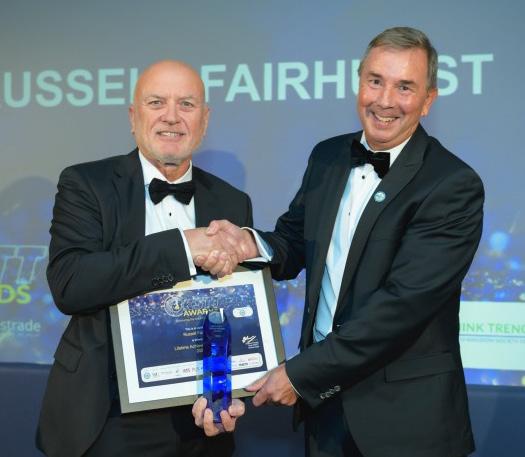
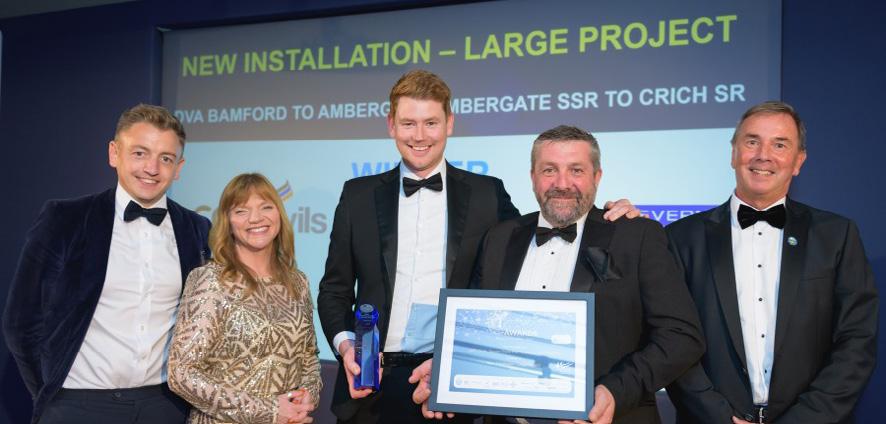
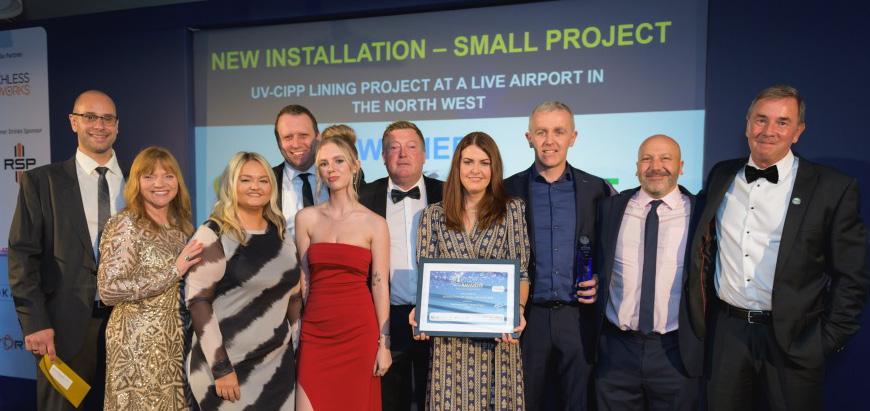
strengthening credibility with clients, partners and stakeholders.
The UKSTT Awards 2026 represent a key milestone in the trenchless calendar. With entries now open, organisations are encouraged to prepare and submit their applications ahead of the 3 July deadline.
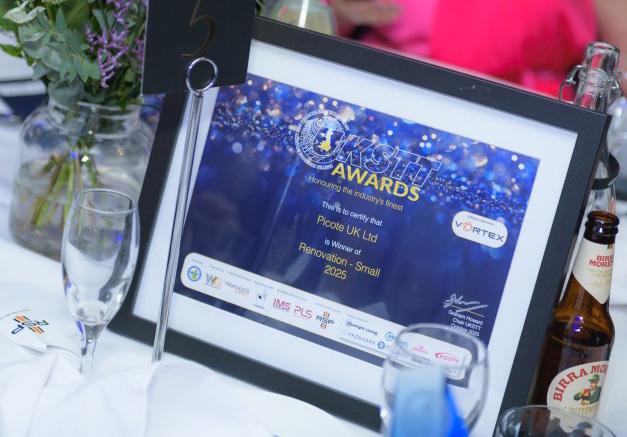
By Tim Sargent

We are delighted to give you an update on the recruitment of new members since the start of the year, this has been one of our best starts to any year to date with 5 including the following companies, Bethell Construction, F M Conway, HY-RAM Engineering Co Ltd, Pro Lining Solutions and Saertex.
We continue to make progress to being able to make our society resilient through having a diverse membership. This must remain one of our key strategic goals for us at UKSTT, creating value across a broad range of companies and individuals withing them.
With respect to our Patrons members which includes major network asset owners such as Thames Water, Scottish Water, Cadent and Scotia Gas Networks, this remains a unique aspect of our membership community and therefore we are continuing to look for new ways to engage and bring them closer to us.
One idea being considered is how we might improve alignment between council members and the Patrons themselves, to develop deeper existing relationships. We want to encourage Patrons’ participation with UKSTT across multiple events and through multiple contacts. We will be reviewing this potential approach at the next council meeting in April.
Areas of focus should be for Patrons to engage and be active participants in events such as our MasterClasses, No- Dig Roadshows and this year No Dig Live 2026. We would encourage all of you, as existing company members, to foster your Patron relationships with networks and likewise encourage them to attend and support our events and those of Westrade, our event partner.
Recent examples of Patron engagement have included as at our conference in March, Wessex Water speaking, through their Engineering Director, Eddie Rant, and also having a large contingent of attendees from Severn Trent Water’s capital delivery team. Separate to this, Iain Nailsmith and I will be supporting United Utilities at their Innovation Day which we are helping deliver, focused exclusively on trenchless technology at the end of March.
With regards to our academic partners, Birmingham & Sheffield, although very engaged, they are still not formally signed up under this new membership category, we will all be seeking to get them on board shortly!
We have for some time being developing a new category for the large drainage franchises such as Metro Rod and are exploring with these groups how best this could be achieved.
A new associate membership will be launched soon, to attract more third-party stakeholders, such as councils, designers and environmental bodies, we’ll keep you updated on progress. Also given the great success of our New to Trenchless webinars and events, we will explore whether a category for this type of membership might be of value.
As always, our door is open, and do reach out to me, and all of us at UKSTT, your society, if you have thoughts and ideas to support membership engagement and participation, it’s your society, so make the most of what it can offer you and your companies through active membership.

In early May Jo Parker, former council member and UKSTT Trenchless Woman of the Year will be attempting to trek the Inca trail. This is a 26 mile path crossing the High Andes starting at 2,200m high at Cisco and at time reaching over 4000m high. The trek will take 4 days and she will be camping. Over that time there will be no electricity and no communications.
Jo is not and never has been an avid walker – or any sort of walker at all. With flat feet, scoliosis (a spinal curve) and dodgy hips, walking, especially uphill, is painful. A series of respiratory diseases including Bronchitis, Covid and Whooping Cough in 2024 leaves her wondering how she’ll cope with the altitude. However, the views will be wonderful and a lifelong desire to visit the end point of Machu Pichu, she hopes, will keep her going. Her training mostly consists of

walking into the centre of town to do the shopping and walking back with a full rucksack!
When she asked the organisers what’s the age of the oldest person to do the trek, they thought they were reassuring her when they said that ‘quite a few had done it in their 60s’. She will be 72!
She is doing it in memory of a good friend, Matt Hake, who succumbed to cancer just before Christmas. He spent his last days in Keech Hospice and she’s collecting money for them.
If anyone does want to support her efforts, they can donate via her Just Giving page https://www.justgiving.com/page/jo-parker-5
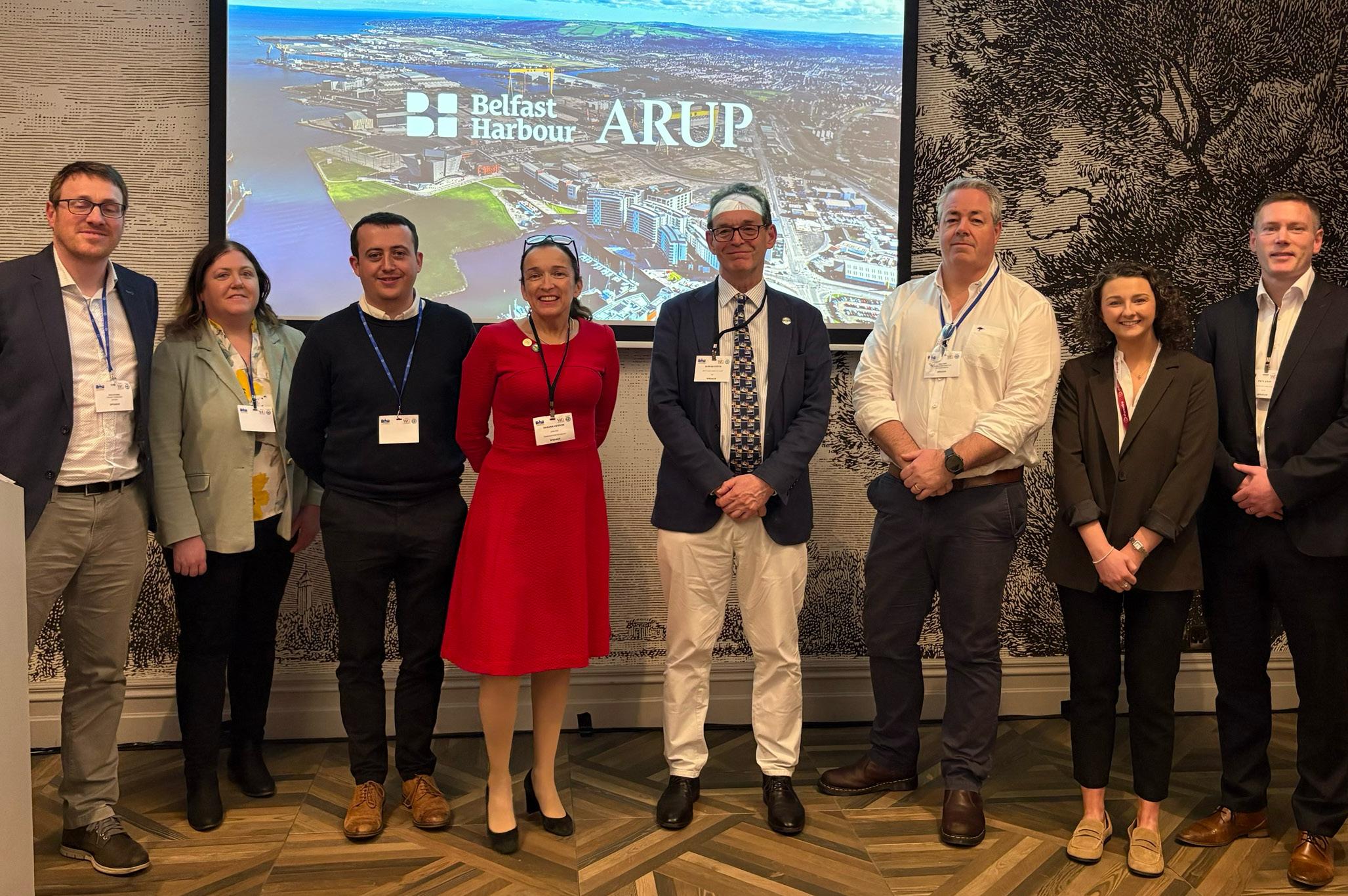
The No-Dig Roadshow concluded successfully at the Castleknock Hotel in Dublin on Thursday, 12th March, bringing together leading water industry professionals, engineers, and technology specialists for a comprehensive programme of presentations and networking opportunities.
The event showcased trenchless technology solutions and fostered collaboration between key industry stakeholders, including Uisce Éireann, Northern Ireland Water, and engineering consultancies. The roadshow featured an exceptional line-up of speakers from Uisce Éireann, Northern Ireland Water, BSG Civil Engineering, Ciaran Reilly & Associates Consulting Engineers, Arup, Jacobs, Environmental Techniques, and McAdam Design.
The programme, compiled by Environmental Techniques in collaboration with Uisce Éireann, delivered valuable insights into the latest developments in no-dig technology applications across the water sector. A dedicated exhibition area provided attendees with hands-on demonstrations of available technologies, featuring presentations from event sponsors Reinert-Ritz, Reline, and Vortex.
“The Dublin roadshow exemplified the collaborative spirit driving innovation in our industry,” said Graham Howard, UKSTT Chair. “The exceptional support from Uisce Éireann and the programme developed by
Environmental Techniques created an invaluable platform for knowledge exchange and professional development.”
The event’s impact extended beyond the main conference day. On 11th March, Environmental Techniques arranged an exclusive presentation and site visit to the Balscadden Tower Critical WW Assets (GDA), providing attendees with an insight into real-world applications of trenchless technology in critical water infrastructure projects.
The NODIG Roadshow series represents a vital initiative in advancing trenchless technology adoption across the underground utility industry. These events bring together utilities, contractors, consultants, and technology providers to share best practices, explore innovative solutions, and address industry challenges through collaborative dialogue.
Westrade Group organised the event, with the conference programme developed by UKSTT (United Kingdom Society for Trenchless Technology).
Building on this success, the next No-Dig Roadshow is scheduled for Tuesday, 12th May 2026, at the Novotel London West, located at 1 Shortlands, Hammersmith, London, W6 8DR. The London event will be supported by Thames Water, continuing the series’ commitment to advancing trenchless technology across the UK and Ireland.
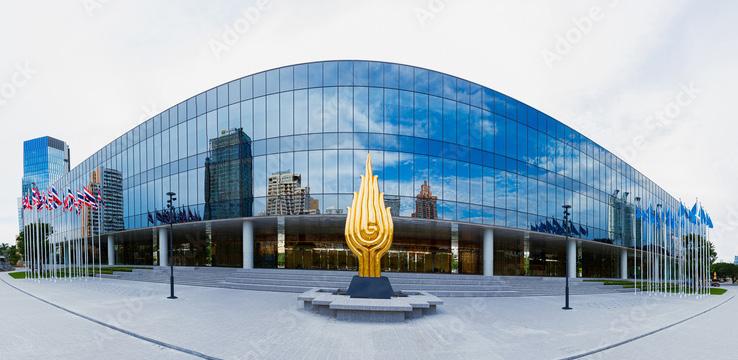
The International Society for Trenchless Technology (ISTT) has confirmed its official support for Trenchless Asia 2026, organised by Westrade Group, marking a significant milestone as the event heads to Bangkok for the first time.
The 2026 edition will be the first occasion Trenchless Asia is hosted in Thailand, reflecting the growing importance of Southeast Asia in the development of underground infrastructure and trenchless technologies.
As the global voice of the trenchless industry, ISTT will work closely with Westrade Group to support the event, strengthening its position as a leading platform for knowledge exchange, innovation and collaboration across the region.
ISTT’s involvement reinforces its commitment to expanding trenchless technology adoption in rapidly developing markets. By supporting Trenchless Asia 2026, the organisation aims to encourage knowledge sharing, promote best practice and facilitate stronger connections between international experts and regional stakeholders.
The move to Bangkok represents a strategic step in supporting sustainable, low-disruption infrastructure solutions in urban environments, where demand for efficient underground construction continues to rise.
Aligned with its recently announced Five-Year Strategic Plan, ISTT is focused on expanding its global network through the development of new affiliated societies.
Trenchless Asia 2026 is expected to play a key role in this ambition, with the potential to act as a catalyst for the formation of a new ISTT Affiliated Society in Thailand. The event is set to bring together industry professionals, policymakers and contractors, helping to build momentum within the local trenchless community and further integrate the region into the global network.
ISTT and Westrade Group are working in partnership to deliver a world-class exhibition and conference that will support the continued advancement of trenchless technology.
Industry professionals, contractors, asset owners and technology providers from across the globe are invited to attend what promises to be a landmark event for the region.
Trenchless Asia 2026 will take place on 10–11 June 2026 at the Queen Sirikit National Convention Center (QSNCC) in Bangkok, Thailand.
The event is organised by Westrade Group Ltd, with official support from the International Society for Trenchless Technology (ISTT).
For more information, visit: www.trenchlessasia.com
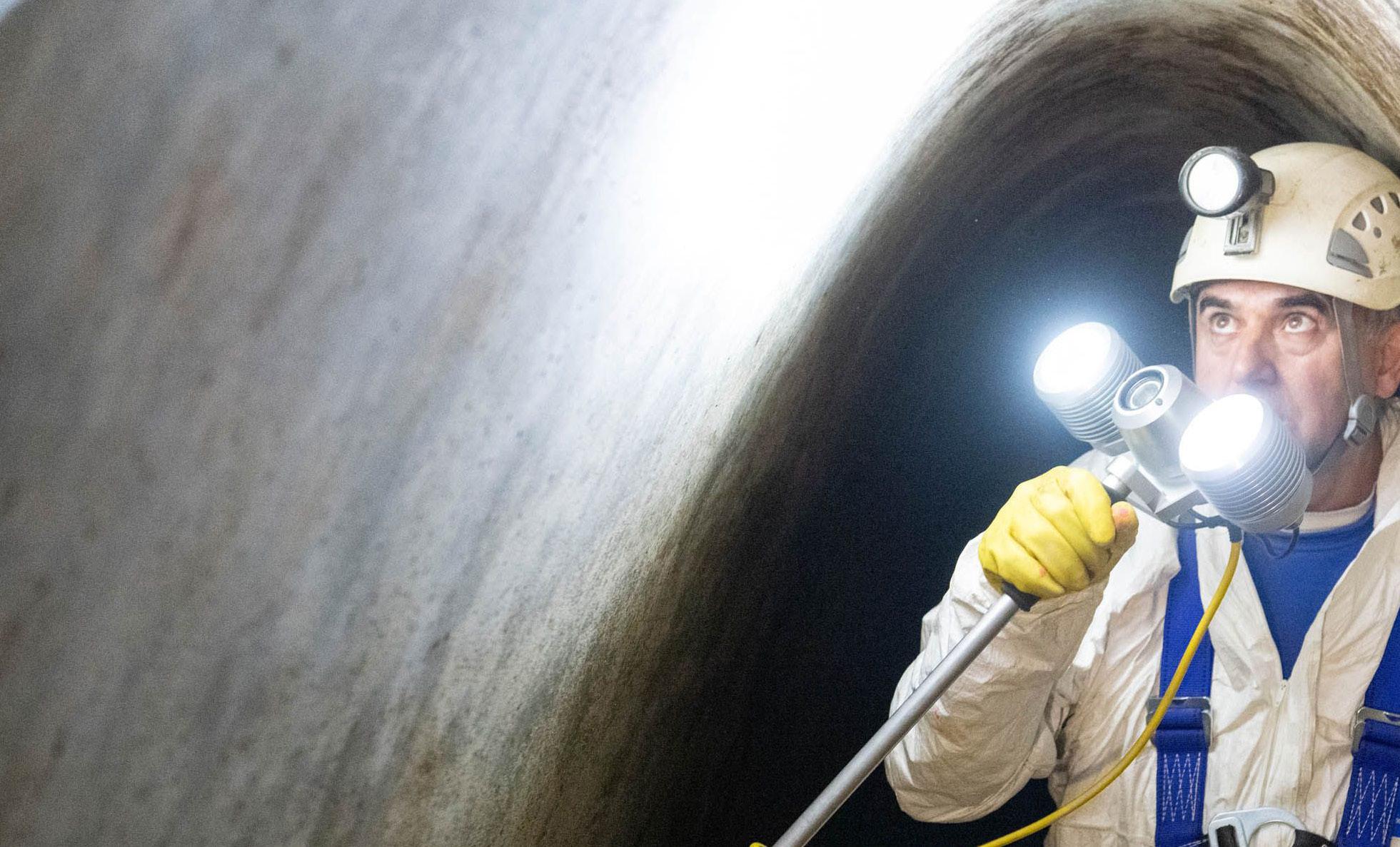
The International Society for Trenchless Technology (ISTT) will host an upcoming educational webinar on 21 May 2026, focusing on advanced approaches to condition assessment for large-diameter sewers and wastewater structures.
Open to both members and non-members, the session will provide valuable technical insight for engineers, asset owners and infrastructure professionals. Recordings will be available exclusively to ISTT members.
Engineering-based approach to structural evaluation
Titled “Engineering-Based Condition Assessment of Large-Diameter Sewers and Wastewater Structures for Structural Capacity Evaluation”, the webinar will be delivered by Dr.-Ing. Robert Stein of Stein & Partner GmbH, Germany.
The session will examine how the assessment of large-diameter sewer systems differs significantly from standard pipeline inspection. Unlike factorymanufactured pipes, these structures are often bespoke civil engineering assets, constructed decades ago with limited documentation and variable materials.
As a result, traditional inspection techniques alone are often insufficient to determine structural integrity. The webinar will present a more advanced, engineering-
led methodology that integrates inspection data with structural analysis to deliver a more accurate understanding of asset condition.
From inspection data to actionable insight
The approach outlined in the webinar demonstrates how extended condition data can be combined with engineering modelling to reconstruct structural behaviour and evaluate remaining load-bearing capacity.
This enables infrastructure owners to make more informed decisions, supporting targeted and cost-effective rehabilitation strategies while reducing the risk of both over-design and structural failure.
The session will also highlight how condition assessment can move beyond visual inspection to become a key tool in long-term asset management and sustainability planning.
The webinar will take place on 21 May 2026 at 14:00 GMT (16:00 CET / 10:00 EST).
Registration is now open via the ISTT website: https://istt.com/announcements/webinar_20260521
Attendance is open to all, with on-demand access available to ISTT members following the event.
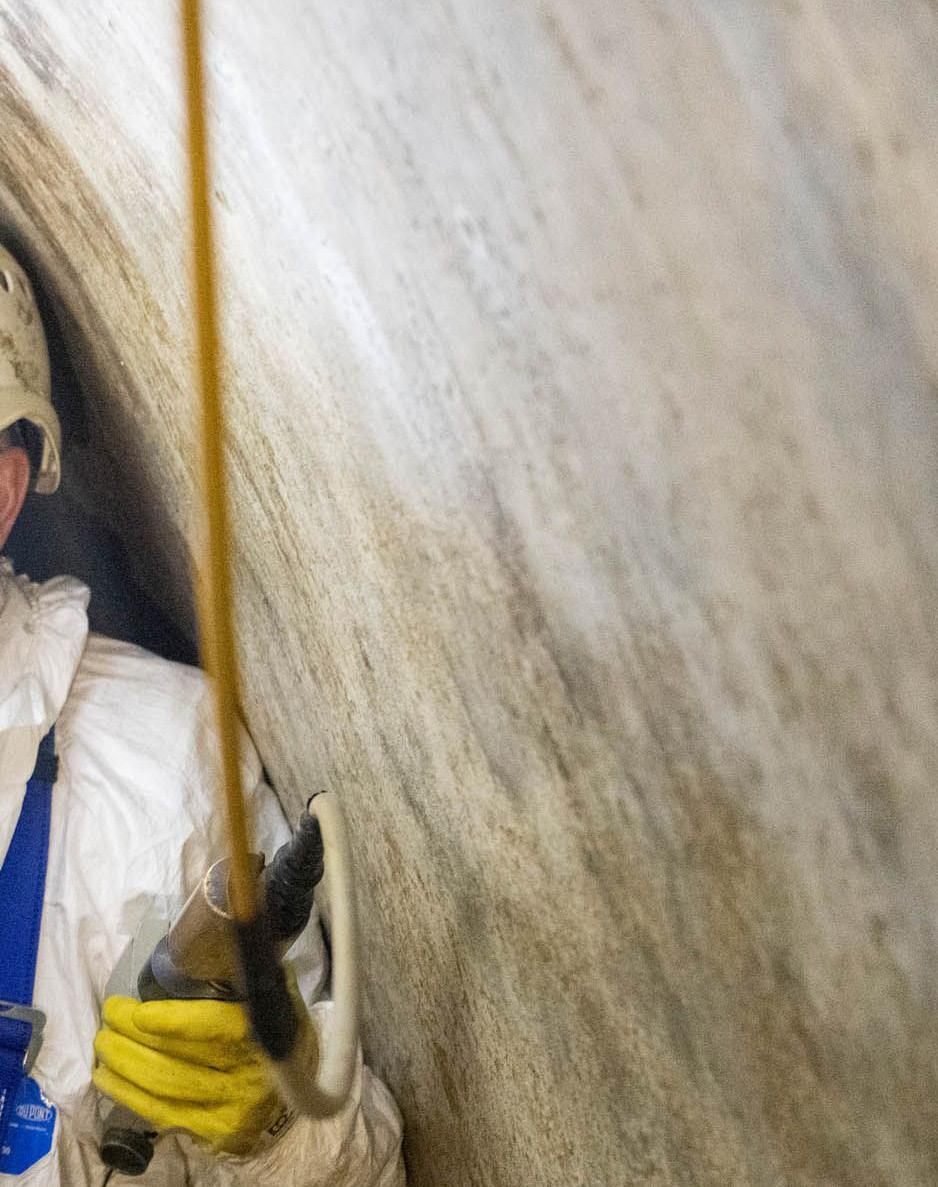

Dr.-Ing. Robert Stein is Managing Associate of
He has extensive experience in major utility tunnelling projects, including the 52 km Emscher Kanal wastewater system in Germany, where he was responsible for approval processes, planning, supervision and quality control.
Dr. Stein has also contributed to international projects such as the Nord Stream pipeline, leading feasibility work on trenchless connections in environmentally sensitive areas. Since 1995, he has authored more than 100 technical publications, reports and expert studies, and is widely recognised for his contributions to trenchless engineering and asset management.
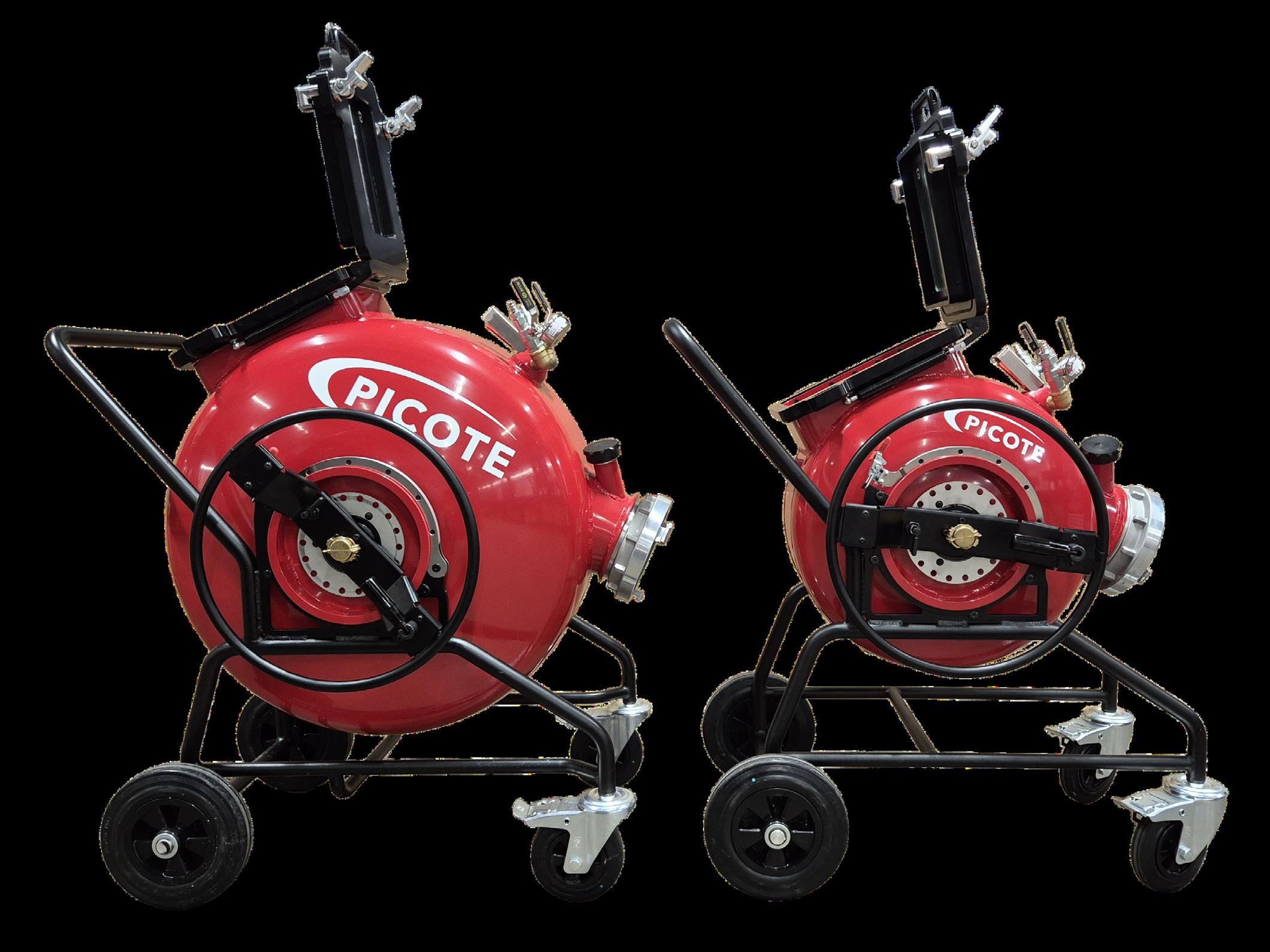



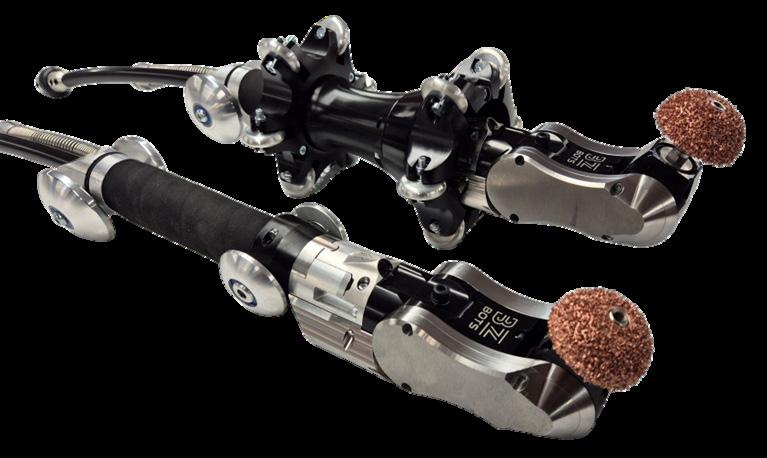
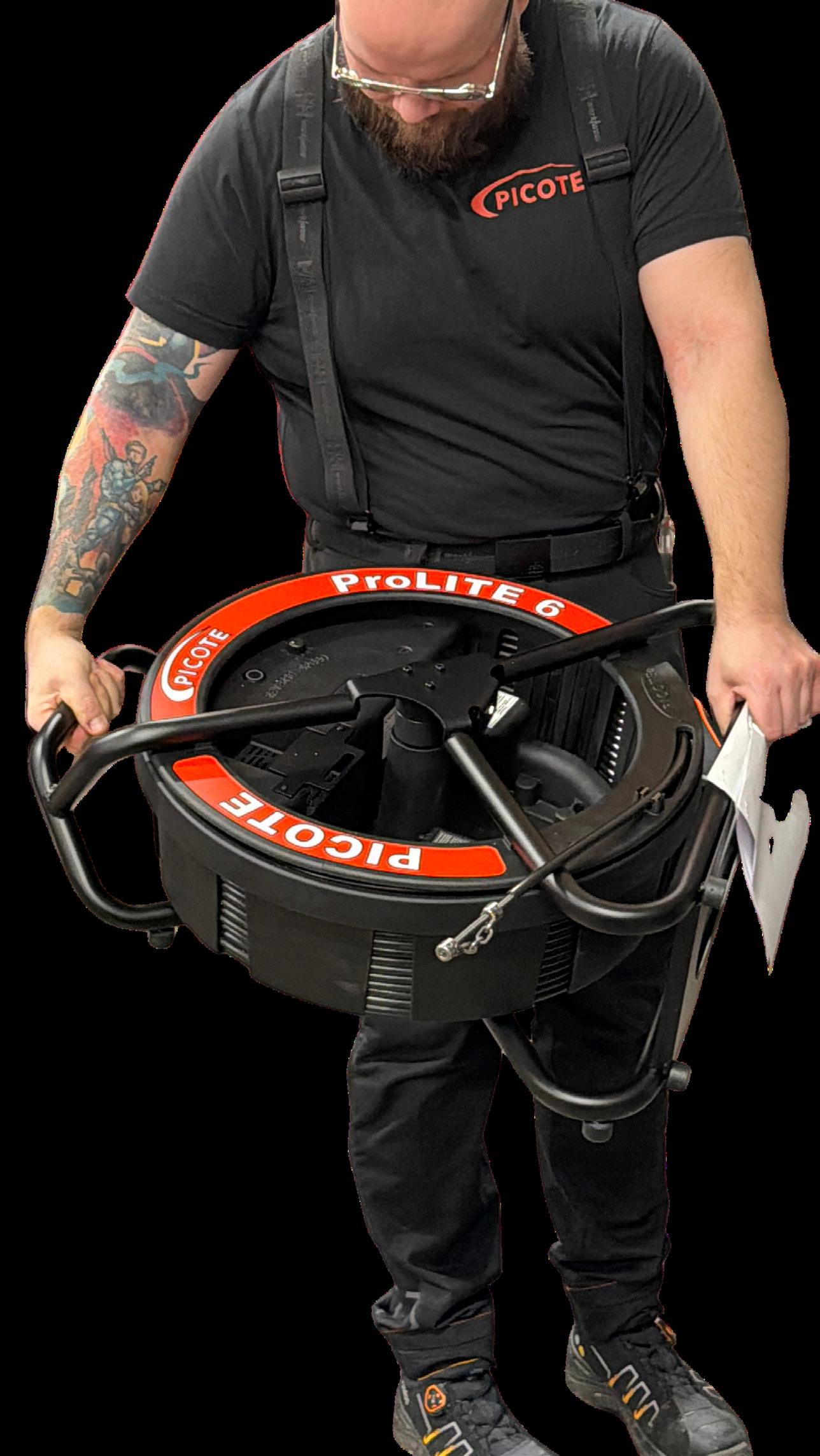



Early Bird registration is now open for International No-Dig Auckland 2026, inviting the global trenchless community to New Zealand this October for one of the sector’s leading international events.
Taking place at the New Zealand International Convention Centre (NZICC), the event will bring together industry leaders, contractors, engineers and asset owners to explore the latest innovations in underground infrastructure, alongside a world-class conference and exhibition programme.
Secure early bird rates before 31 may
Delegates can take advantage of Early Bird pricing by registering before 31 May 2026, with fees available in both New Zealand Dollars (NZD) and Australian Dollars (AUD).
The Full Conference Pass is priced at $1,590 NZD (or $1,367.40 AUD) and includes access to all conference sessions, the exhibition and three key networking events.
One-day passes are available for either Wednesday or Thursday at $1,000 NZD (or $860 AUD), each including access to a dedicated evening networking function.
A free Trade Show Pass is also available, providing access to the exhibition floor only.
Member rates are shown, with additional options including non-member pricing and training course add-ons available via the registration site.
Networking at the heart of the event
International No-Dig Auckland will feature a strong programme of social and networking events designed
to connect delegates across the global trenchless community. The Welcome Reception will take place on the evening of Tuesday 27 October at the NZICC, offering the first opportunity to connect with fellow attendees.
This will be followed by a dedicated Networking Event on Wednesday 28 October at Auckland Town Hall, before the event concludes with the Awards Gala Dinner on Thursday 29 October at the Aotea Centre. These events are included within the Full Conference Pass, with selected access available to one-day delegates depending on attendance day.
International No-Dig Auckland will run from 28–29 October 2026, with pre-event networking beginning on 27 October.
The event will be hosted at the New Zealand International Convention Centre (NZICC) in central Auckland.
For full details and registration, visit: www.no-dignz.com
With strong international participation expected, International No-Dig Auckland 2026 offers a unique opportunity to engage with the latest technologies, share knowledge and build valuable industry connections.
Early registration is recommended to secure the best rates ahead of the 31 May deadline.

Following a comprehensive and independent search process, the North American Society for Trenchless Technology (NASTT) is excited to announce the appointment of Kim Hanson as its next Executive Director.
Kim has served on the NASTT Board of Directors for more than three years, including as Secretary, and was recognized as NASTT’s 2024 Volunteer of the Year. She has also contributed to both the Technical Program Committee and Planning Committee over multiple years. Her long-standing volunteer service not only reflects a strong understanding of NASTT’s mission, culture, and strategic priorities, but also demonstrates her dedication and enthusiasm for its members and those they serve.
“Kim’s dedication and leadership within NASTT make her exceptionally well-positioned to guide the organization forward. She brings continuity, institutional knowledge, and a clear vision for the future,” said Board Chair Greg Tippett.
Kim will begin her role as Executive Director on March 23, 2026, stepping into the position ahead of NASTT’s No-Dig Show in Palm Springs, CA.
Recognizing NASTT’s significant growth, the Board has implemented an updated leadership structure intended to strengthen both the organization’s internal
operations and its engagement within the trenchless technology industry. Under this structure, the Executive Director will focus on strategic leadership and industry engagement.
To support this structure, Jessie Clevenger has been promoted to Vice President of Operations and Conferences, overseeing NASTT’s operational functions and conference programs. In this role, Jessie will lead day-to-day organizational operations and event execution while working closely with the Executive Director.
The leadership change, along with Kim’s formal introduction as the new Executive Director, will be presented during NASTT’s Annual General Meeting (AGM) on Sunday, March 29. For questions, please contact NASTT at info@nastt.org.
The North American Society for Trenchless Technology (NASTT) is a not-for-profit professional organization dedicated to advancing the science and practice of trenchless technology. Founded in 1990, NASTT provides education, training, and industry events for infrastructure professionals across the United States, Canada, and Mexico, including the annual No-Dig Show and No-Dig North conferences. Learn more at nastt.org.

China Hong Kong Society for Trenchless Technology (CHKSTT)
Tsimshatsui Post Office 91499 Kowloon
Hong Kong
Austrian Association for Trenchless Technology (AATT)
c/o TU Wien Resselgasse 5, 1040 Wien, Austria
Phone: +43 664 5184084
Email: office@grabenlos.at Web: www.grabenlos.at

Brazilian Association for Trenchless Technology (ABRATT)
Alameda Santos, 1773 – Jardim Paulista Sao Paulo 01419-002 Brazil
Phone: +55 11 983893450
Email: hrosas@abratt.org.br Web: www.abratt.org.br
Australasian Society for Trenchless Technology (ASTT)
PO Box 2242, MALAGA LPO, WA, 6944
Phone: +61 419 918 449
Email: secretary@astt.com.au Web: www.astt.com.au
Bulgarian Association for Trenchless Technology (BATT)
Kaprinka Lake Village Kazanlak 6100, Bulgaria
Phone: +359 2 4901381
Email: info@batt-bg.org Web: www.batt-bg.org
Phone: +852 9201 1952
Email: chkstt@gmail.com Web: www.chkstt.org

China Society of Geology – Trenchless Technology Committee (CSTT)
Xicheng District Room 151, 26 Baiwanzhuang Street, Xicheng District, Beijing 100037
China (PR)
Phone: +86 10 6899 2605
Email: yan64843889@126.com Web: www.cstt.org
Finnish Society for Trenchless Technology (FISTT)

Chinese Taipei Society for Trenchless Technology (CTSTT)
3F, No 92, Roosevelt Rd., Sec. 4, Zhongzheng Dist, Taipei City, 100 Taiwan
Phone: +886 2 2362 0939
Email: zoradcrc@gmail.com Web: www.ctstt.org.tw/en_index.asp

Czech Society for Trenchless Technology (CzSTT)
Bezova 1658/1 ,147 14 Praha 4 Czech Republic
Phone: +420 244 062 722
Email: office@czstt.cz Web: www.czstt.cz
Danish Society for Trenchless Technology
– NoDig Infra (DKSTT)
Odinsvej 29 Silkeborg Denmark
Phone: +45 50894489
Email: tina@juul-consult.dk
Web: www.nodiginfra.dk/nodig-infra/ startside
c/o Sari Pietilä, Haapasuonkankaantie 10 90830 Haukipudas, Finland
Phone: +358 504132484
Email: info@fistt.net Web: www.fistt.net

French Society for Trenchless Technology (FSTT)
4 rue des Beaumonts, F-94120 Fontenay Sous Bo, France
Phone: +33 1 53 99 90 20
Email: contact@fstt.org Web: www.fstt.org
German Society for Trenchless Technology (GSTT)
Kurfürstenstr. 129 (Building: German construction association) Berlin, Germany
Phone: +49 30 81 45 59 84
Email: beyer@gstt.de Web: www.gstt.de
Italian Association of Trenchless Technology (IATT)
Via Ruggero Fiore, 41 Rome Italy
Phone: +39 06 39721997
Email: iatt@iatt.info Web: www.iatt.it

Iberian Society for Trenchless Technology (IBSTT)
C/ Josefa Valcarcel, 8 – 3a PTLA 28027, Madrid, Spain
Phone: +34 913 202 884
Email: ibstt@ibstt.org Web: www.ibstt.org

Japan Society for Trenchless Technology (JSTT)
3rd Floor, Reed-C Bldg., 2-11-18, Tomioka, Koto-ku, Tokyo 135-0047 Japan
Phone: +81 3 5639 9970
Email: office@jstt.jp
Web: www.jstt.jp

Latin American Society for Trenchless Technology (LAMSTT)
Medellín Highway (Calle 80) KM3.5 via BogotáSiberia south side, Bogotá Terrestrial Cargo Terminal, Office C-12, Cota – Cundinamarca, Colombia
Phone: +57 1 8764675
Email: cistt.arlex.toro@lamstt.org Web: www.lamstt.org

Malaysia Association for Trenchless Technologies (MATT)
No 44, Jalan Dungun, Damansara Heights, Kuala Lumpur 50490 Malaysia
Email: trenchless@matt.org.my Web: www.matt.org.my

Polish Foundation for Trenchless Technology (PFTT)
Ul. Warkocz 14, 25 - 253 Kielce, Poland
Phone: +48 41 34 24 450
Email: parkaa@tu.kielce.pl Web: www.pftt.pl
Trenchless Romania Club
Roma Street, No. 16, Ap.2, District 1 Bucharest Romania
Phone: + 40724 550 830
Email: maria.nae@trenchlessromania.ro Web: www.trenchlessromaniaclub.ro
North American Society for Trenchless Technology (NASTT)
22722 29th Drive SE, STE 100, Bothell, WA 98021
Phone: +1 888 993 9935
Email: info@nastt.org Web: www.nastt.org
The Russian Society Trenchless Technology Association (RSTT) Severny proezd 12, Balashikha Moscow region, Russian Federation
Phone: +7 (495) 521 78 82
Email: gnb.06@mail.ru Web: www.s-gnb.ru

Southern African Society for Trenchless Technology (SASTT)
1053 Hyde Avenue, Eldoraigne ext 1, Centurion Gauteng, South Africa
Phone: +27 (0) 82 551 7458
Email: director@sastt.org.za Web: www.sastt.org.za

Singapore Society for Trenchless Technology (SgSTT)
84 Toh Guan Road East, Singapore Water Exchange , +(65) 97124054, Singapore Phone: +(65) 97124054
Email: admin@sgstt.org Web: www.sgstt.org/
Netherlands Society for Trenchless Technology (NSTT)
Postbus 79, 3769 ZH Soesterberg, Netherlands
Phone: +31 346 723450
Email: info@nstt.nl Web: www.nstt.nl
Scandinavian Society for Trenchless Technology (SSTT)
Gezelius väg 12, 134 31 Gustavsberg Sweden
Phone: +46(0) 70 438 01 54
Email: Kontakt@sstt.se Web: www.sstt.se
Turkish Society for Infrastructure and Trenchless Technology (TSITT)
Gayrettepe Mah. Huzur Sok. No:1A Besiktas
34349 Istanbul, Turkey
Phone: +90 212 603 11 01
Email: info@akated.com Web: www.akated.com

Ukraine Association for Modern Trenchless Technology (UAMTT)
83A Srednyaya Str., Odessa 65005 Ukraine
Phone: +380 50 3953280
Email: trenchless.as@novatec.ua Web: www.no-dig.odessa.ua
United Kingdom Society for Trenchless Technology (UKSTT)
Camden House, Warwick Road, Kenilworth, Warwickshire, CV8 1TH, UK
Phone: +44 (0)192 651 3773
Email: admin@ukstt.org.uk Web: www.ukstt.org.uk
12 May No-Dig Roadshow London 2026
Novotel London West www.nodigroadshows.co.uk
June 10-11 Trenchless Asia 2026
Queen Sirikit National Convention Centre Bangkok, Thailand www.trenchlessasia.com
September 29 - October 1 No-Dig Live 2026
NAEC Stoneleigh Park, Warwickshire www.nodiglive.co.uk
November 4-5 No-Dig Turkiye 2026 Conference and Exhibition
WOW Convention Center, Istanbul
Email: info@akated.com www.nodigturkey.com
2 - 3 December 2026 Trenchless Middle East 2026
Riyadh Marriott Hotel, Riyadh Kingdom of Saudi Arabia www.trenchlessmiddleeast.com
If you have an event, course or meeting scheduled and would like to add it to this listing please forward details to: editorial@trenchless-works.com
Figures from 2025 Event
1262 NATIONAL PARTICIPANTS
33
264
72


The MOST POPULAR Trenchless Event in the intersection of EUROPE, ASIA and MIDDLE EAST
“This year, we allocated more than 1 Trillion Liras (33 Billion USD) from the central government budget to heal the earthquake wounds and build more resilient cities in the Türkiye Century.”
Cevdet Yılmaz, Deputy President
of Türkiye, 05 February 2024