
nutshell NEWS IN A

A MESSAGE FROM THE PRESIDENT AND EXECUTIVE DIRECTOR
Appreciating the TreesSC Board
The TreesSC Board is a key part of our mission to share reliable, science-based information with both tree professionals and the public. Board members plan workshops, conferences, and manage newsletters, ensuring our programs meet the needs of our audience and stay relevant to current issues.
Beyond creating educational materials, the Board is instrumental in building important partnerships. They work with universities, local governments, extension agents, and other nonprofits, which broadens the scope of our outreach and strengthens the tree care network throughout South Carolina.
Board members also lead by example. They regularly speak at community events, help mentor new professionals in the field, and participate in tree planting activities around the state. Through these efforts, they encourage stewardship and support a culture of caring for South Carolina’s trees.
As we look ahead, we know there are challenges, such as climate change and ongoing development, that affect our state’s forests. However, the Board’s dedication and teamwork help us tackle these issues and find new opportunities to make a positive impact. Their involvement is a reminder that progress comes from working together toward a common goal.
We encourage everyone to thank a TreesSC Board member for their service or consider getting involved with TreesSC as a volunteer. By working together, we can protect and enhance South Carolina’s trees for future generations.
Thank you,
Amanda Flake, President
Sarah Morris, Executive Director
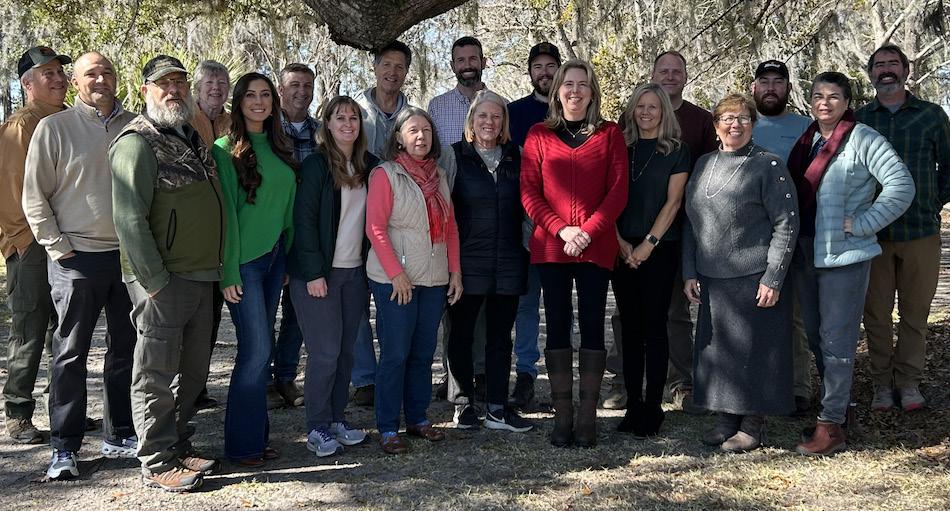
2025 TreesSC Board and SC Forest Service staff.
Calendar of Events
South Carolina Arborist Workshop Fall 2025 SCAW
September 10, 2025, in Columbia
We are delighted to invite you to join us for the Fall South Carolina Arborist Workshop, an engaging and informative gathering designed for professionals and enthusiasts eager to deepen their knowledge of arboriculture. This event will feature hands-on demonstrations, expert-led sessions, and valuable networking opportunities with fellow arborists from across the region.
Whether you are looking to expand your skills or stay up-to-date with the latest industry practices, the workshop promises to be both educational and inspiring. We look forward to welcoming you and cultivating a thriving community dedicated to the care and preservation of our cherished trees.
Find the agenda and mail-in registration form on page 11.


TreesSC Pre-Conference Tour From Canopy to Core: Exploring Trees, Trials, and Technology
November 5, 2025, in Spartanburg
Join us for an immersive pre-conference tour that brings Strategic Connections to life ... literally! Explore premier arboretums, cutting-edge magnolia trials, and hands-on demonstrations of tree decay testing technology. This full-day experience blends science, scenery, and CEU opportunities as we visit the Spartanburg Community College Arboretum, Milliken Research Facility, and Wofford College. From walking tours under the canopy to hands-on demonstrations and expert-led discussions, this is your chance to connect with nature, knowledge, and fellow professionals before the main event kicks off.
Registration and agenda coming soon. Space is limited, so watch our website and email notifications to secure your spot for this enriching and inspiring opportunity!
TreesSC Annual Conference Educational Sessions
November 6-7, 2025, in Spartanburg
Make plans to join us in downtown Spartanburg, SC, for the 2025 TreesSC Annual Conference, where Strategic Connections come to life for professionals shaping the future of our urban forests. This year’s program is designed for urban tree care professionals and enthusiasts who are driving innovation and stewardship in their communities. Dive into timely topics like biochar applications, tree resilience, vegetation management technology, and collaborative planning strategies. With expert-led sessions, dynamic breakout discussions, networking opportunities, and valuable CEUs, this conference will equip you with the insights and relationships to elevate your work.
Don’t miss it. Full agenda and registration available soon!
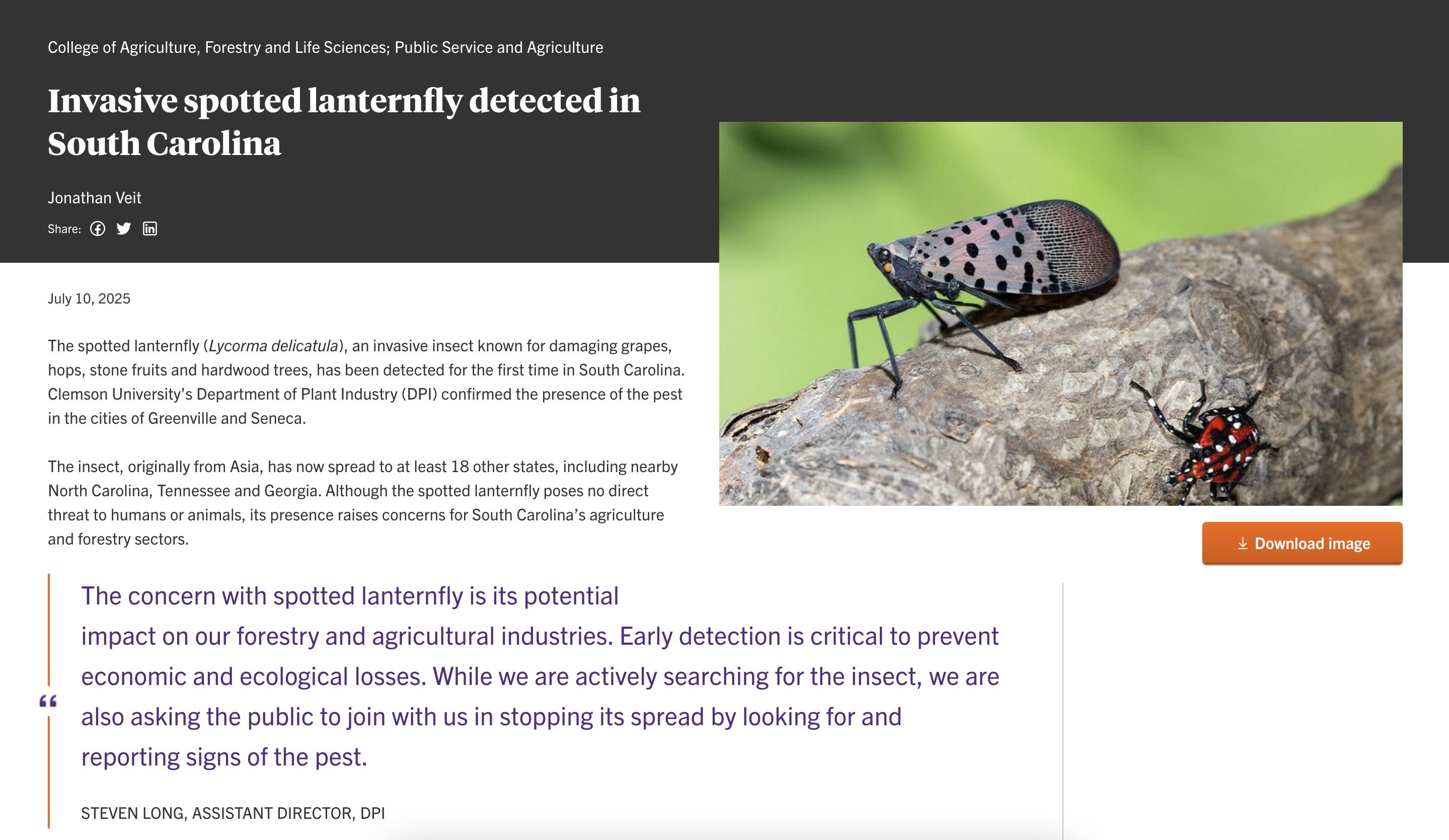

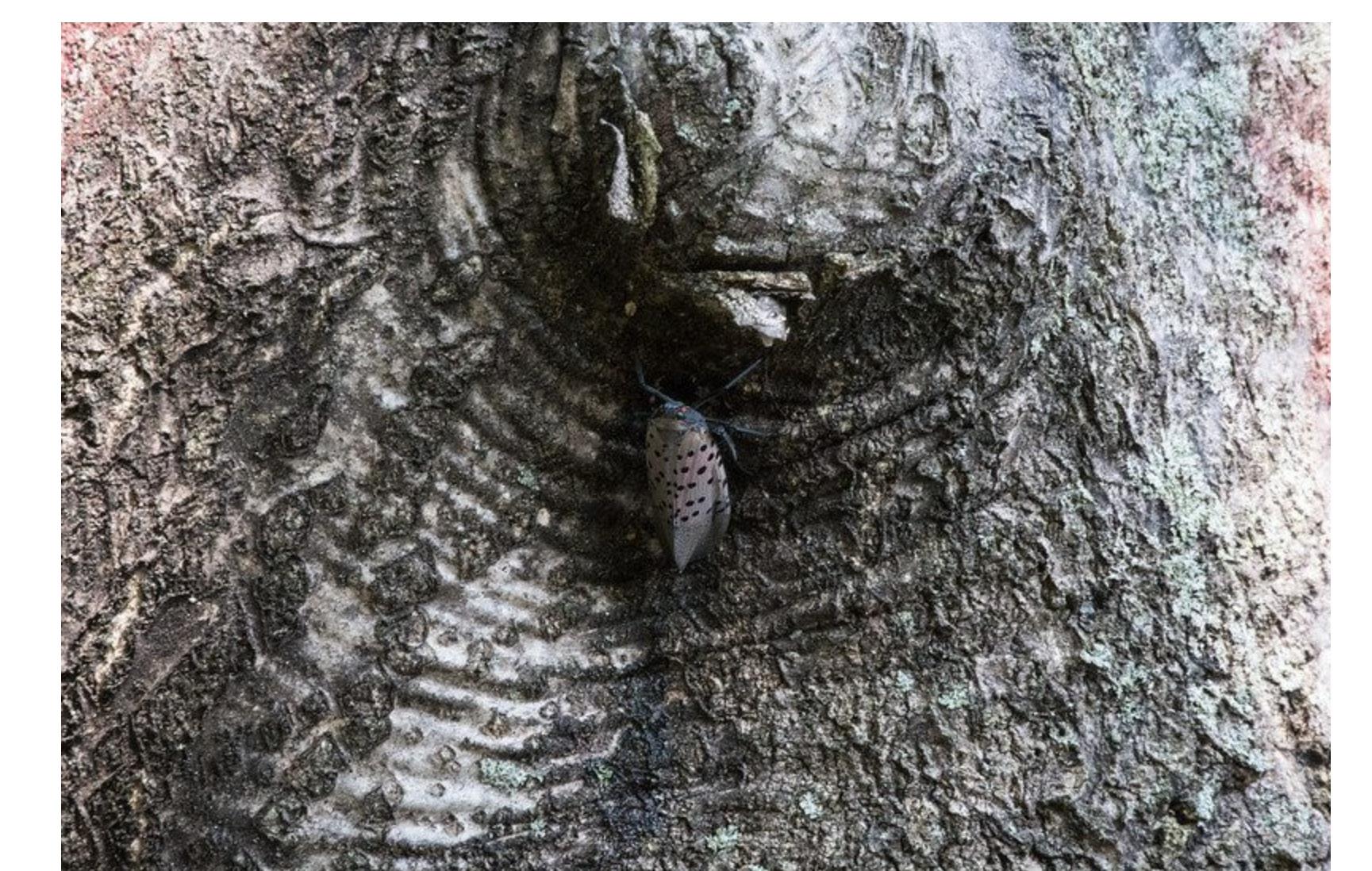
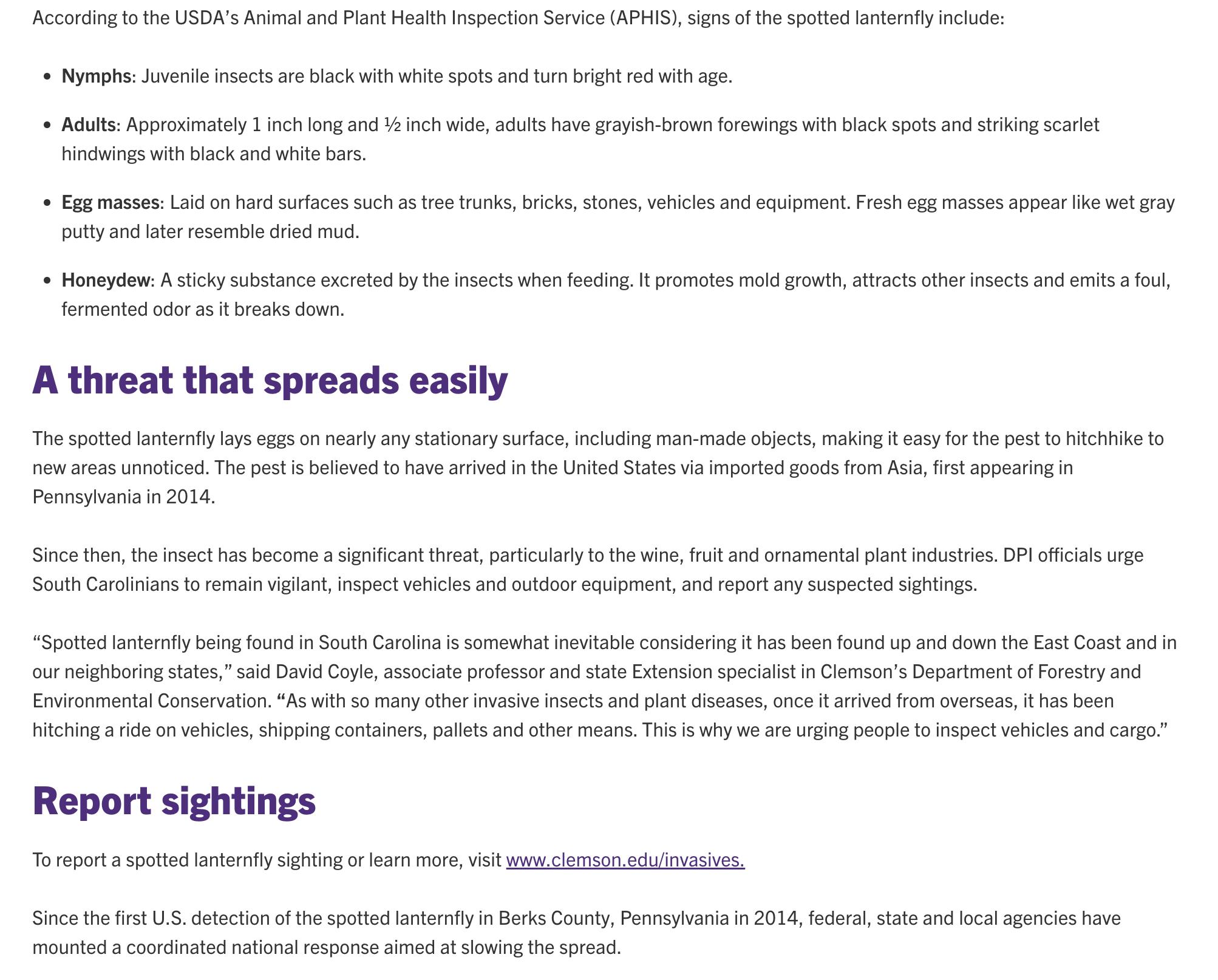
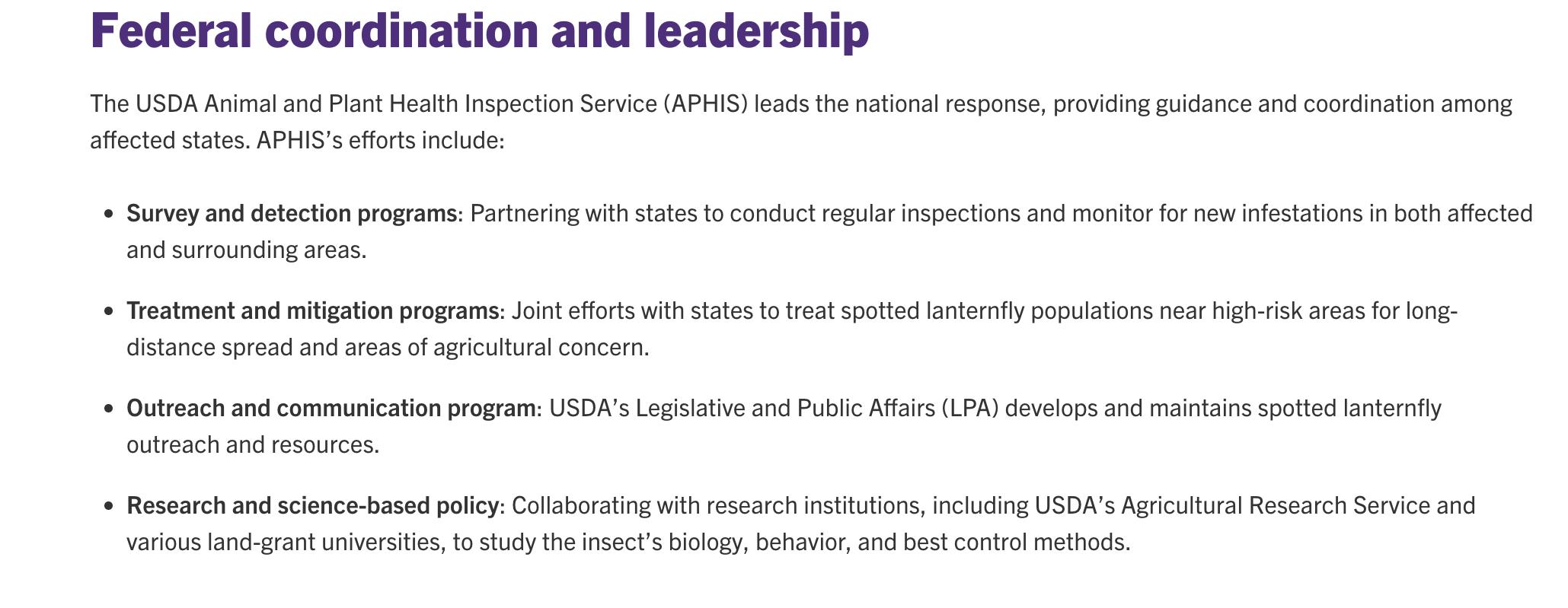
The pest damages plants as it sucks sap from branches, stems and tree trunks. The repeated feedings leave the tree bark with dark scars. Spotted lanternfly also excretes a sticky fluid.
Want to discuss? Get in touch and we will connect you with the author or another expert.
Ensuring the safety of those who labor outdoors is especially important during periods of extreme heat. Construction workers, landscapers, agricultural laborers, delivery personnel, and others who perform outdoor tasks face serious risks when temperatures soar.
Prolonged exposure to high heat can lead to discomfort and severe health hazards such as heat exhaustion, heat stroke, dehydration, and even fatalities. This article provides a comprehensive guide on how employers and workers can stay safe, maintain productivity, and support well-being while working in tremendous heat.
HOW TO PROTECT WORKERS AND ENSURE PRODUCTIVITY
Best Practices for Outdoor Work in Extreme Heat
Understanding the risks of outdoor work in heat
Outdoor work in tremendous heat forces the body to work harder to cool itself. The main risks include:
n Heat Exhaustion. Characterized by heavy sweating, weakness, dizziness, nausea, and headaches. If left untreated, it can progress to heat stroke.
n Heat Stroke. A life-threatening condition in which the body’s temperature regulation fails. Symptoms include confusion, hot and dry skin, rapid heartbeat, and loss of consciousness.
n Dehydration. Occurs when fluid loss exceeds fluid intake, leading to reduced physical and mental performance.
n Sunburn. Excessive sun exposure damages the skin, increasing the risk of skin cancers and accelerating aging.
n Heat Cramps. Painful muscle contractions, most often in the legs or abdomen, due to electrolyte imbalance from excessive sweating.
Preparation before heading outdoors
Preparation is key to reducing the risks associated with outdoor work in heat. Both employers and employees should be proactive.
1. Acclimatization. Gradually increasing workloads and exposure time over 1–2 weeks allows the body to adapt to heat, significantly reducing the risk of heat-related illnesses. New workers or those returning after a break should have lighter schedules initially.
2. Hydration Planning. Drink plenty of water throughout the day, not just when thirsty. One cup (8 ounces) of water every 15–20 minutes is recommended. Avoid alcohol, caffeinated drinks, and sugary sodas, which can dehydrate the body.
3. Work Scheduling. Plan strenuous or heavy activities for the cooler parts of the day—early morning or late afternoon. If possible, shift work hours to avoid midday when the sun is at its peak.
4. Appropriate Clothing and Gear. Wear loose-fitting, lightweight, and lightcolored clothing. Wide-brimmed hats, UV-blocking sunglasses, and sunscreen with an SPF of at least 30 are essential. Personal protective equipment (PPE) should be heat-appropriate without sacrificing safety.
5. Training and Education. Employers must provide training on recognizing heat-related illnesses, first aid, and emergency procedures. Workers should know how to identify symptoms in themselves and others.

On-the-job safety practices
1. Rest Breaks and Shade. Regular rest breaks in shaded or air-conditioned areas help the body recover. The frequency and length of breaks should increase with rising temperatures and humidity.
2. Monitoring Weather Conditions. Check local weather forecasts and heat advisories. Use devices to monitor heat index (a combination of temperature and humidity) at the worksite. Adjust work schedules as necessary.
3. Buddy System. Encourage workers to look out for each other. The buddy system helps spot symptoms of heat-related illnesses early, ensuring quick intervention.
4. Hydration Stations. Provide easy access to cool drinking water or electrolyte drinks. Encourage small, frequent sips rather than large, infrequent amounts.
5. Sun Protection. Reapply sunscreen at least every two hours and after sweating heavily. Use portable umbrellas, tents, or tarps to create additional shaded areas.
6. Adjusting Work Pace. Allow slower work pace during periods of extreme heat. Productivity may temporarily decrease, but safety and health are paramount.

Recognizing and responding to heat-related illnesses
1. Early warning signs workers and supervisors must know:
n Heavy sweating
n Weakness or fatigue
n Muscle cramps
n Dizziness or confusion
n Nausea or vomiting
n Rapid pulse
2. First Aid Steps
n Move them to a cool, shaded, or air-conditioned area immediately.
n Encourage them to sip cool water.
n Remove unnecessary clothing and apply cool, wet cloths to their skin.
n If symptoms worsen or do not improve rapidly, call emergency services at once.
Worker rights and self-advocacy
Workers must be empowered to:
n Report unsafe conditions without fear of retaliation.
n Request additional breaks or adjustments during high heat.
n Speak up if they or their coworkers show symptoms of heat-related illnesses.
Heat stroke is a medical emergency. Call for help if confusion, unconsciousness, or high body temperature occurs.
Employer responsibilities
Employers are legally and ethically obligated to provide a safe work environment.
Key responsibilities include:
n Establishing and enforcing a heat illness prevention program.
n Providing training, rest breaks, and access to shade and water.
n Monitoring workers for symptoms of heat stress.
n Accommodating vulnerable workers, such as those with existing health conditions.
n Reviewing and updating safety protocols regularly.
Employers should provide extra support and flexibility for these groups.
Innovations and technology for heat safety
n Advancements are helping manage workplace heat risks:
n Wearable sensors that track core body temperature and hydration levels
n Mobile apps for heat index alerts and real-time safety notifications
n Smart PPE, such as cooling vests and ventilated hard hats
Special considerations for vulnerable groups
Some workers are at greater risk during extreme heat:
n Older adults
n Pregnant workers
n Individuals with chronic illnesses (e.g., heart disease, diabetes)
n New or unacclimated workers
Conclusion
Outdoor work in tremendous heat is both a challenge and a responsibility. By fostering a culture of safety, proactive preparation, and mutual awareness, employers and workers can reduce risks and ensure the well-being of all. Prioritizing heat safety is not only good practice, it is a vital necessity for the future of outdoor labor.
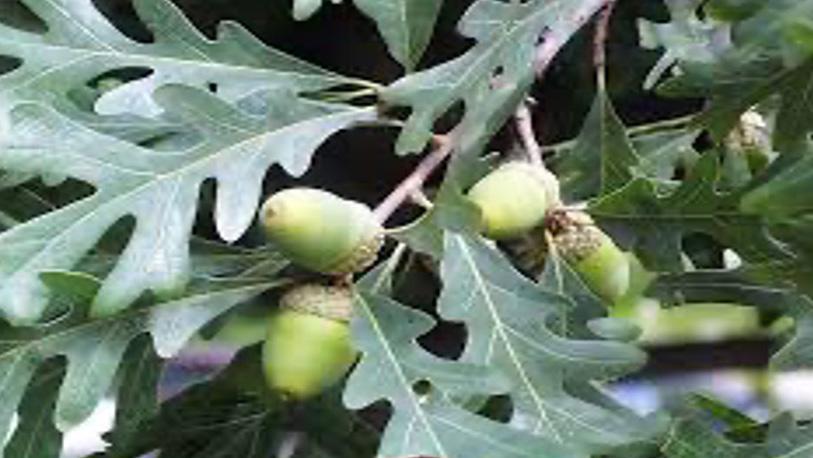
The white oak, known scientifically as Quercus alba, stands as one of North America’s most iconic and enduring tree species. Revered for its stately presence, longevity, and ecological significance, the white oak has shaped landscapes, cultures, and natural habitats for centuries. Its grandeur can be witnessed in forests, parks, and even city streets, where its broad canopy provides shade and shelter for countless organisms.
AN IN-DEPTH EXPLORATION OF QUERCUS ALBA
The majestic White Oak, nature’s stalwart sentinel
Botanical description
The white oak is a deciduous tree, recognized for its impressive stature. Mature specimens can reach heights of 80 to 100 feet, with trunks that often span three to four feet in diameter. In exceptional cases, ancient white oaks—some believed to be over 600 years old—tower even higher, their thick, ridged bark and massive limbs testifying to their age and resilience.
The leaves of the white oak are distinctive, typically measuring between five and nine inches long, with a rounded, lobed shape and a soft, pale underside that gives the tree its common name. In spring and summer, the leaves are a vibrant green, turning to a stunning palette of red, burgundy, and purple in autumn. The bark is light gray to white and becomes deeply fissured as the tree ages, offering further visual distinction from its cousins.
Natural range and habitat
Quercus alba is native to eastern and central North America, spanning from southern Quebec and eastern Minnesota all the way down to northern Florida and eastern Texas. The species thrives in a wide range of habitats, including rich upland forests, well-drained lowlands, and even rocky hillsides. White oaks prefer deep, moist, slightly acidic soils but are remarkably adaptable, contributing to their widespread presence across the continent.
Ecological importance
White oaks play a pivotal role in their ecosystems. As a keystone species, they provide food and shelter for a diverse array of wildlife. Their acorns, larger and sweeter than those of most other oaks, are a critical food source for mammals such as deer, squirrels, chipmunks, and black bears, as well as numerous birds including blue jays, wild turkeys, and woodpeckers.
The tree’s expansive canopy offers shade and nesting sites, while its fallen leaves enrich the soil, fostering a vibrant understory community. White oaks also serve as hosts for hundreds of species of caterpillars and insects, which in turn support populations of birds and other wildlife.
Growth and lifespan
One of the most remarkable features of the white oak is its longevity. Individual trees can live for several centuries; some specimens are estimated to be over 600 years old. Growth is slow and steady, with seedlings requiring patience and protection until they can establish themselves. White oaks tend to develop deep taproots early in life, allowing them to withstand drought and wind, and to draw nutrients from deep within the soil.
The tree’s growth habit is characterized by a straight trunk and broad, spreading limbs that create a rounded crown. This structure not only contributes to the tree’s aesthetic appeal but also allows it to capture sunlight efficiently and resist storm damage.
Historical and cultural significance
The white oak has long been intertwined with human history. Indigenous peoples of North America relied on the tree for food, using its acorns in various culinary preparations after leaching away the tannins. The wood was prized for its strength and durability, finding use in the construction of canoes, shelters, and tools.
European settlers quickly recognized the value of white oak timber, which became the backbone of the burgeoning shipbuilding industry in the 18th and 19th centuries. Its tightgrained, rot-resistant wood was the material of choice for the hulls of ships, most famously for the USS Constitution—“Old Ironsides”—which still floats today as a testament to the wood’s resilience and quality.
Throughout American history, the white oak has symbolized endurance, strength, and steadfastness. It has been featured in state symbols, literature, and art, and continues to inspire admiration from nature lovers and arborists alike.
Uses in Modern Times
Despite the decline of wooden shipbuilding, white oak continues to be an invaluable resource. Its wood is highly sought after for furniture, flooring, cabinetry, and barrel-making (cooperage). White oak barrels are essential for aging fine wines and bourbons, as the wood’s unique chemical composition imparts distinct flavors and aromas to the spirits.
The wood’s strength, workability, and resistance to moisture and decay make it a favorite among woodworkers and carpenters. Additionally, white oak is used in exterior applications, such as fence posts and decking, where its durability ensures long-lasting performance.
Beyond its timber, the white oak is increasingly valued for urban forestry and landscape design. Its broad canopy, tolerance for various soils, and resistance to pollution make it an ideal choice for shade trees in parks, campuses, and streetscapes.
Conservation and Challenges
While the white oak remains widespread, it faces mounting challenges. Habitat loss due to urban development, changes in land use, and competition from faster-growing species threaten new generations of white oak. Climate change, with its patterns of extreme weather and shifting precipitation, adds further stress.
How to Identify a White Oak
Identifying a white oak can be a rewarding challenge for nature enthusiasts. Look for the following distinguishing features:
• Leaves: Deeply lobed with rounded tips, typically 5-9 inches long; soft, pale underside.
• Bark: Light gray to whitish, with long, irregular ridges; older bark becomes scaly and deeply furrowed.
• Acorns: Large, with a warty cap covering about a quarter of the nut; acorn matures in one season.
• Form: Mature trees have a broad, rounded crown with massive, horizontally spreading branches.
Famous White Oaks
Several individual white oaks have achieved fame for their size, age, or historical significance. The Wye Oak of Maryland, for instance, stood for over 460 years and was the nation’s largest white oak until it succumbed to a storm in 2002. Other notable specimens are celebrated in parks and arboretums across the United States, serving as living landmarks and sources of local pride.
White Oak in Folklore and Symbolism
Throughout history, the white oak has symbolized wisdom, endurance, and protection. Many cultures have revered oaks as sacred, associating them with gods of thunder and strength. In North America, white oaks are often linked with longevity and steadfastness, making them popular choices for memorial plantings and community celebrations.
The Future of the White Oak
Looking ahead, the fate of the white oak hinges on our collective stewardship. As both climate and landscapes change, conservation efforts will be essential to preserve the genetic diversity and ecological contributions of this remarkable species. Planting white oaks, protecting their habitats, and appreciating their role in our ecosystems are small but significant steps we can all take.
Conclusion
The white oak is more than just a tree, it is a living testament to the beauty, strength, and interconnectedness of the natural world. From the deep forests of the Appalachians to the quiet corners of suburban parks, white oaks stand as silent witnesses to history and change. By understanding, respecting, and conserving these giants, we honor not only the past, but also ensure a greener, richer legacy for the future.
Dog ticks and deer ticks may be small, but their bite can lead to serious health issues in humans. Understanding their dangers and knowing how to protect yourself is vital for anyone spending time outdoors.
ESSENTIAL FACTS FOR PREVENTING TICK-BORNE ILLNESS
The dangers of dog ticks, deer, & Lone Star ticks
Health risks from dog ticks and deer ticks
n Dog ticks (like the American dog tick) can transmit:
n Rocky Mountain Spotted Fever (RMSF): Causes fever, headache, rash, and, if untreated, can become life-threatening.
n Tularemia: Leads to fever, skin ulcers, and swollen lymph nodes.
n Tick paralysis: In rare cases, a toxin can cause temporary muscle weakness or paralysis.
Deer ticks (also known as blacklegged ticks) can carry:
n Lyme disease: Often begins with a bull’s-eye rash, fever, and fatigue. If not treated, it can cause chronic joint pain and neurological issues.
n Anaplasmosis and babesiosis: Both lead to flu-like symptoms and, in severe cases, more serious complications.
n Powassan virus: Rare but potentially fatal, causing brain swelling and neurological problems.
Lone Star ticks:
Another tick species to watch out for is the lone star tick, easily recognized by the distinctive white spot on the back of adult females. Though often found in the southeastern and eastern United States, their range has expanded in recent years, putting more outdoor enthusiasts at risk.
Lone star ticks are known transmitters of several diseases:
n Southern tick-associated rash illness (STARI): This illness presents with a rash similar to Lyme disease, along with symptoms like fatigue and muscle aches. Unlike Lyme, STARI is not known to cause long-term complications, but it can still be uncomfortable and distressing.
n Ehrlichiosis: Symptoms include fever, chills, headache, muscle aches, and sometimes a rash, and in severe cases can become serious if not treated promptly with antibiotics.
n Alpha-gal syndrome: In some cases, bites from lone star ticks can trigger an allergy to red meat and other products made from mammals. Reactions can range from hives and stomach upset to, rarely, life-threatening anaphylaxis.
Because lone star ticks are aggressive biters and will actively seek out hosts, it is especially important to take preventive measures in areas where these ticks are present.
How to protect yourself
n Wear long sleeves and pants; tuck pants into socks.
n Use insect repellent with 20–30% DEET on skin and clothing.
n Stay on clear trails and avoid tall grass or dense brush.
n Check your body carefully after being outdoors, especially underarms, behind knees, and scalp.
If bitten by a tick
n Remove the tick promptly with fine-tipped tweezers. Place tweezers as close to the head as possible and pull straight out without twisting.
n Clean the area with soap and water.
n Watch for symptoms like fever, rash, or joint pain for several weeks.
n Seek medical help if symptoms appear or if you cannot remove the tick completely.
Conclusion
Dog ticks and deer ticks can transmit dangerous diseases to humans, but with simple precautions and quick action after a bite, most risks can be minimized. Stay vigilant to protect your health during outdoor activities.
Preparation for the Next Natural Disaster Starts Now
Wednesday, September 10, 2025 | 8:30 am - 4:20 pm
River Center at Saluda Shoals Park, 5605 Bush River Road, Columbia, SC
CEUs: 1.5 core hrs SC pesticide applicator recertification, 5.25 certified arborist, 0.75 BCMA science, 5.25 TW climber specialist, 5.25 utility specialist, 5.25 TW aerial lift specialist, 5.25 municipal specialist, and 4.5 BCMA Mgmt. 5.0 SAF CFEs. State-mandated planning & zoning credits available.
8:30 Registration 9:00 Welcome
9:05-9:55 Trees Species and Storm Resilience, Jimmy Walters, Urban Forest Advisors, LLC
9:55-10:45 New Battery Power Equipment Use in the Tree Care Industry, Will Parker, Stihl
10:45-11:00 Break
11:00-11:50 Impact of Fire Damage and Prevention on Trees in South Carolina, Drake Carroll, South Carolina Forestry Commission
11:50-12:40 Blowin’ In the Wind: Storm Impacts on Tree Health and Pest Susceptibility, Dr. David Coyle, Clemson Extension Service
12:40-1:50 Lunch (included)
1:50-2:40 Tree Replacement Following Natural Disasters, Laurie Reid, City of Charlotte
2:40-3:30 Insect and Disease Control Methods for Storm Damaged Vegetation, Patrick Anderson, Rainbow Ecoscience
3:30-4:20 Prescribed Fire as an Urban Forest Management Tool, Bennet Tucker, Hitchcock Woods
4:20 Closing REGISTER ONLINE or mail the form below.
There is a fee of $85 for this event ($92.55 online), which includes breaks, lunch, applicable materials, and CEUs. Please make your check payable to: Trees SC. Mail to: Trees SC, PO Box 155, Blacksburg, SC 29702.
Registration deadline is September 2, 2025, and is limited to first 150 participants. For more information, email info@treessc.org
TreesSC HERITAGE TREE OF THE YEAR & GOLDEN ACORN AWARD
Request for nominations
Celebrating our arboreal heritage
The TreesSC Heritage Tree of the Year Award and the esteemed Golden Acorn Award honor outstanding trees and individuals who have made significant contributions to the preservation and celebration of South Carolina’s natural heritage. Whether you wish to highlight a majestic tree with historical significance or nominate a dedicated champion of environmental stewardship, your submissions will help shine a light on the legacy and stories rooted in our communities.
Please note that the nomination period will close on July 31, 2025.
We encourage you to thoughtfully consider the unique trees or individuals in your area who embody the spirit of these awards and to submit your nominations before the deadline. Let us come together to honor the living landmarks and passionate advocates that make South Carolina’s landscapes extraordinary.
Find nomination forms as well as past award winners on our website.


News in a Nutshell is a quarterly publication by
PO Box 155 Blacksburg, SC 29702
Email: info@treessc.org www.TreesSC.org