nutshell NEWS IN A


by Clark Beavins
There are well over a hundred species of pines worldwide, and wherever in the world people live, work, and play, pines deserve consideration in local landscapes. They are well-suited to their native ecosystems and should be considered more than just a timber species.
When Hurricane Hugo came through Rock Hill in September 1989, it destroyed thousands of trees of all kinds, thoroughly traumatizing homeowners and businesses. In the months-long grind to remove mountains of woody debris and replant trees to replace the canopy cover that was destroyed in the storm, one thing I observed that stuck with me was how little regard most folks have for the genus Pinus. It was common for homeowners who could afford to pay for it to have all the pine trees removed from their property. Some contractors may have encouraged this clearcutting, possibly benefitting from hauling and selling logs to local buyers. Pine, after all, is a primary timber species and forestry is one of South Carolina’s most economically important industries.
In my experience, the prevailing attitude of SC homeowners has usually discounted pines as landscape specimens (Summerville, where pines are protected, is a notable exception). In other words, clearcutting every pine on their property didn’t require a huge leap for the folks who could afford it. Pines shed needles and cones, which many folks somehow find more annoying than deciduous trees that shed leaves, flower parts, and seed structures. Squirrels also forage small shoots and green cones at certain times of year, which does cause a mess – especially on turf or other landscaped or hardscaped areas underneath pine trees. Also, in hurricane-force winds, a lot of large pine trees in Rock Hill snapped off instead of uprooting, as most deciduous trees did.
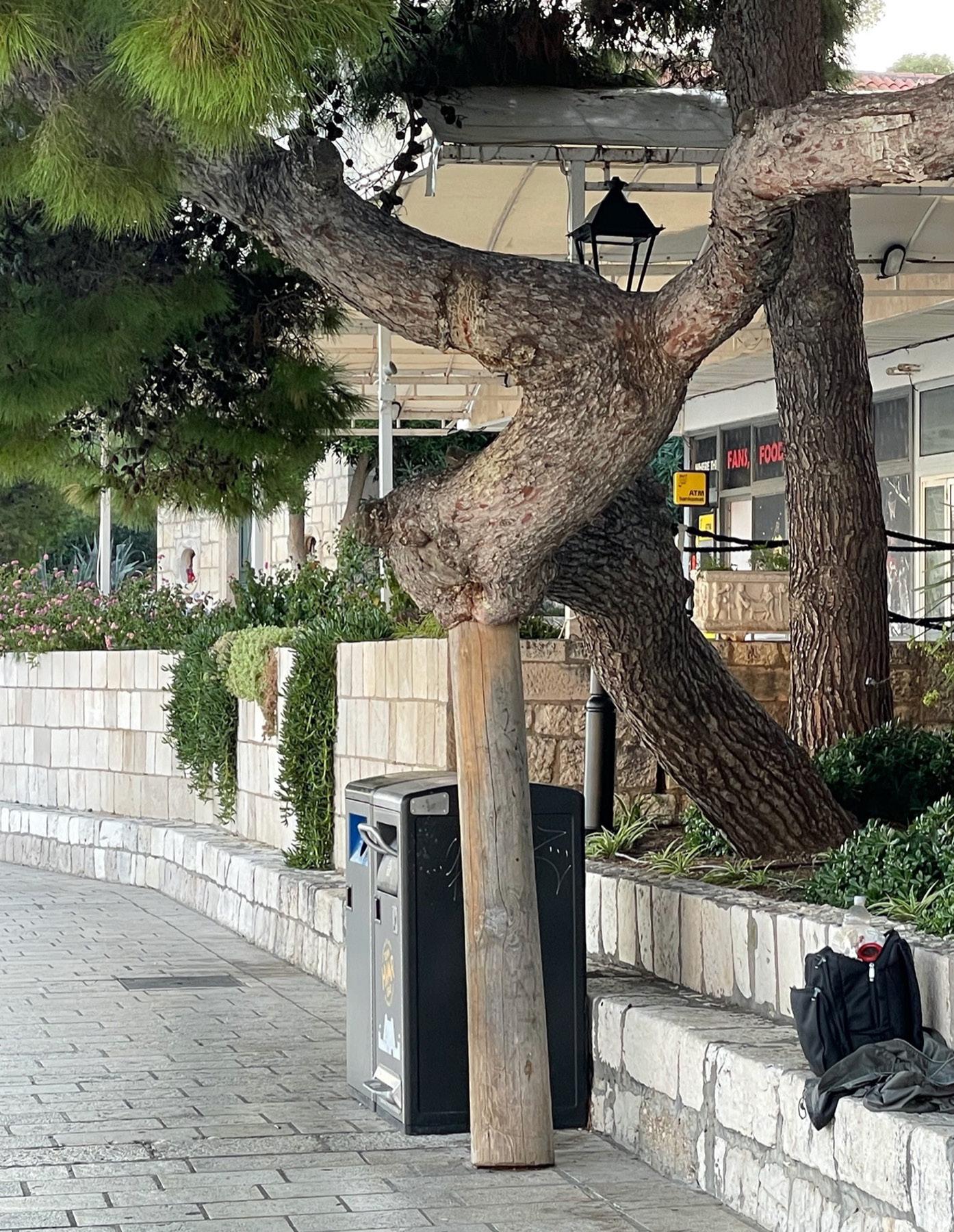
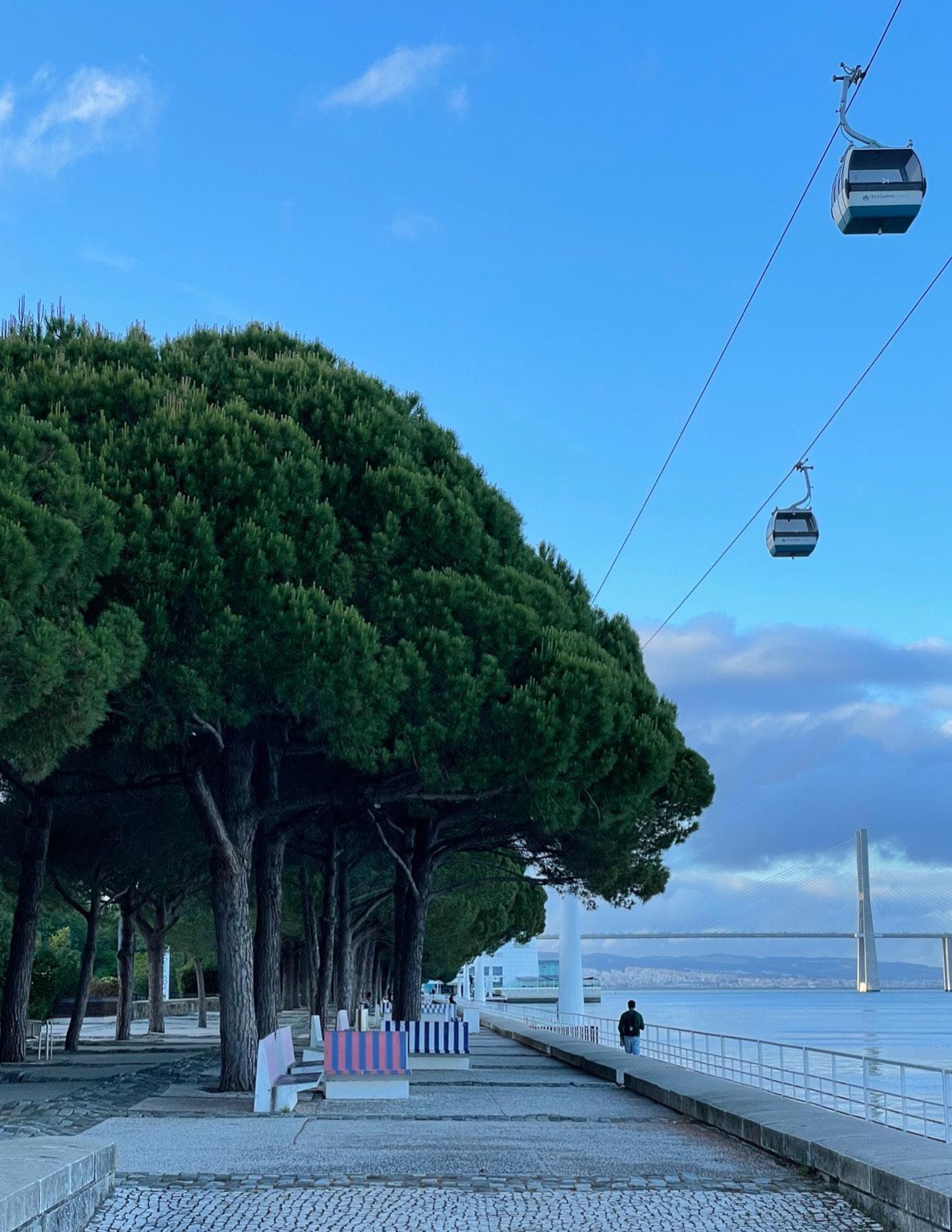
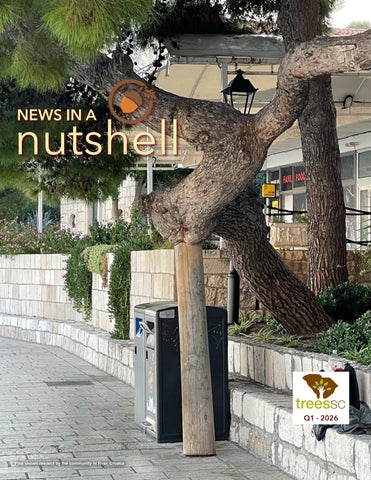
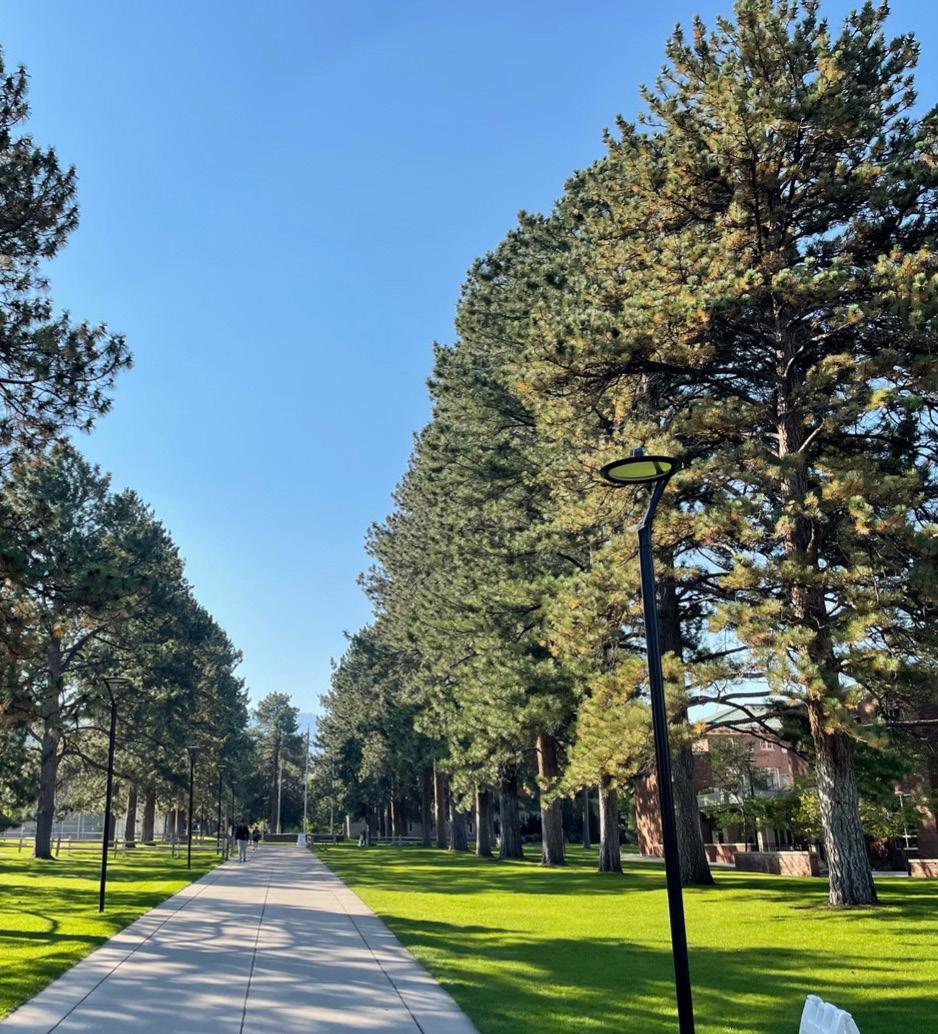
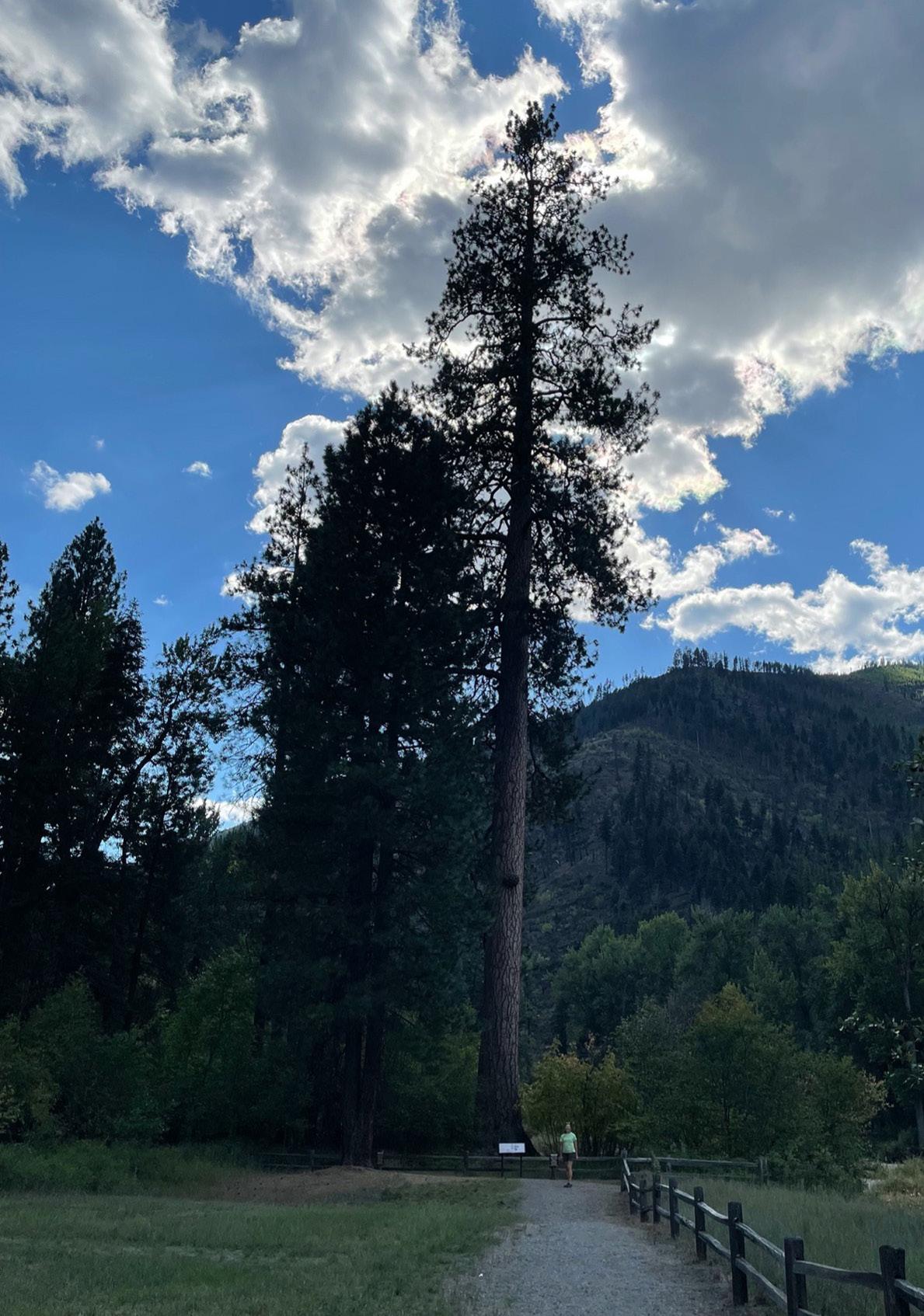
But large, open-grown pines can be quite beautiful–one at the Bartlett Tree Research Labs in Charlotte comes to mind, as do the magnificent specimens at Augusta National every spring during The Masters–and they provide similar ecological benefits as other native tree species. With careful consideration and siting, pines are worth planting in our native landscapes, whether natural or engineered. In the years since I retired, I’ve had the good fortune to be able to travel to various U.S. states and to other countries, and it is apparent to me that pines are respected in other places. The best way I can think of to convey this is through a few photographs I’ve taken, so let me include some for your consideration.

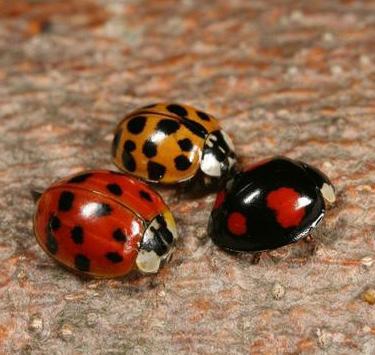
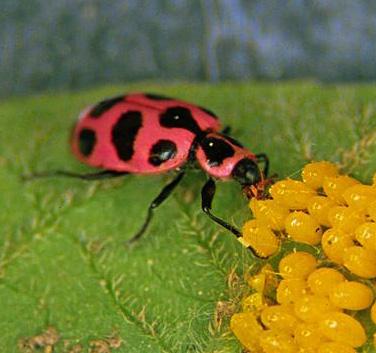
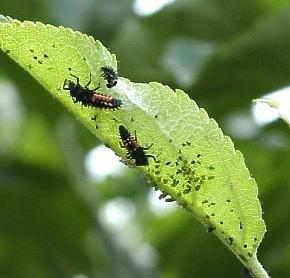
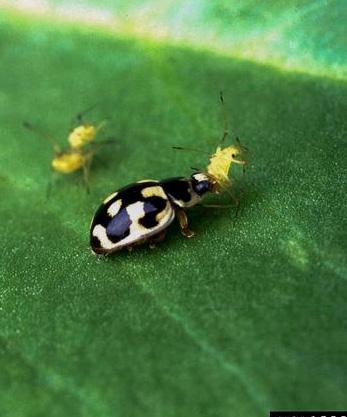
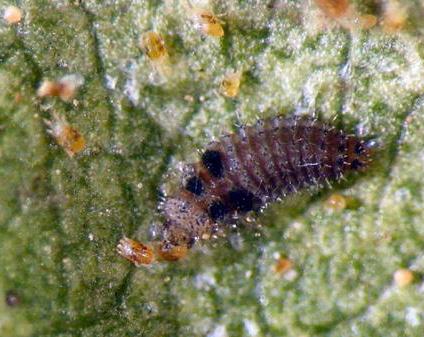
There are more than 400 different species of lady beetles (family Coccinellidae) in North America, and many of them serve as predators of aphids, lepidopteran eggs, and other soft-bodied insects in apple orchards. The sevenspotted lady beetle (Coccinella septempunctata, originally native to Europe) and convergent lady beetle (Hippodamia convergens, native to North America) are two of the more common in the Southeast. Regardless of species, most adults are brightly colored (orange or red), exhibit a variety of spot patterns (or have no spots), and are approximately 1/4 inch (6.5mm) in diameter. Larvae are often described as looking like miniature alligators, and they are typically blue-black with orange markings. Eggs are yellow to orange, shaped like spindles, and usually laid in clusters.
The multicolored Asian lady beetle (Harmonia axyridis) is a distinct species originally from eastern Asia, with a wide range of color shades and spot patterns, although some have no spots. A feature that is fairly reliable in differentiating it from other species is a black “W”-shaped pattern on the pronotum (above the head). This lady beetle was deliberately imported to North America in the late 1970s to serve as a beneficial predator, but these initial releases did not appear to become established. Today’s populations are more likely to be the result of accidental introductions by cargo freighters in the New Orleans area in the late 1980s. Regardless, the species is well established in the United States and has displaced native species in many areas. It is a very effective biological control agent for many crops, but has achieved notoriety as a nuisance pest by overwintering in large numbers in homes and other structures. Although it may be seen feeding on apple occasionally, it attacks only fruit that has already been injured by other means.
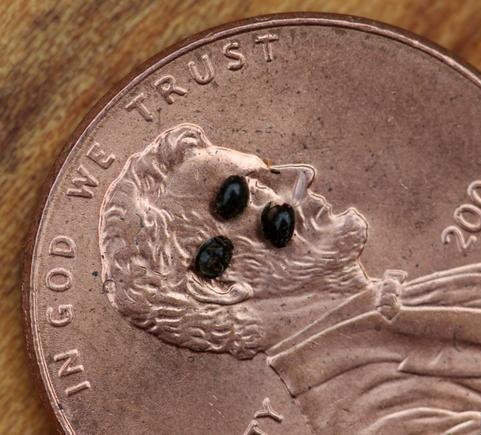
In addition, Stethorus punctum (the “spider mite destroyer” or “black lady beetle”) is a species native to North America that serves as an important and common predator of mites in apple orchards. Adults are similar in shape to “regular” lady beetles, but are much smaller with a diameter of approximately 1/16 inch (1.5mm). They are solid black and shiny, with a sparse covering of fine white hairs. Pupae are black and shaped like teardrops. Young S. punctum larvae are dark gray but become redder as they mature. Eggs are white, 1/64-inch (0.5mm) long, oval-shaped, and are usually laid on the undersides of leaves.
Lady beetles have different overwintering strategies, depending on the species. Some go into diapause as adults, others overwinter as larvae, and some migrate to warmer regions. In spring, females lay clusters of eggs near prey, which provides food for both the adults and hatching larvae. Most species pass through 4 larval instars before attaching themselves to leaves or apples and pupating. After approximately 5 to 8 days, adults will emerge, and empty pupal cases often remain behind.
Multicolored Asian lady beetle females overwinter in protected areas (cracks in cliffs, logs, structures, etc.) and become active in spring. Once eggs are laid, development to adulthood can take over a month in cool conditions. During this time, each larva consumes approximately 300 aphids. Adults may live 2 to 3 years in favorable conditions.
Stethorus punctum overwinter as adults in dead leaves and other organic matter either in the orchard or nearby. The spring emergence begins around the tight cluster stage and peaks from pink to bloom. Adults will lay eggs from May to mid-August, though they may remain active until late October. Larvae usually hatch within 5 days, feeding on mites for a little less than 2 weeks before entering a pupal stage for about 5 days. There are usually 2 to 3 overlapping generations per year.
Species of the larger lady beetles feed on green apple and spirea aphids, certain other soft-bodied insects, and the eggs of moths and butterflies. Adults and early-instar larvae are not particularly heavy feeders, but late-instar larvae can be voracious, and by the end of its life, a single lady beetle will have consumed as many as 5,000 aphids.
Being considerably smaller, Stethorus punctum consumes only mites; in North Carolina apple orchards, it is a significant predator of European red mites, with larvae destroying up to 75 mites per day and adults even more. Generally, a population of 2 to 5 mites per leaf must be present for S. punctum to remain in an orchard.
AUTHORS
Jim Walgenbach
Extension Entomology Specialist (Fruits/Vegetables) Entomology
Stephen Schoof
Agricultural Research Specialist Entomology
Introduction
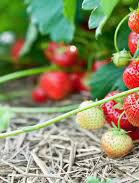
Strawberries are among the most beloved fruits worldwide, known for their bright red color, sweet flavor, and versatility in culinary creations. But beyond their appeal as a fruit, strawberries hold a unique and valuable place in the design and function of food forests—multi-layered, self-sustaining edible ecosystems modeled after natural forests. This fact sheet explores the botany, nutrition, cultivation, and ecological roles of strawberries, with a focus on their integration into food forests.
Botanical Overview
n Scientific Name: Fragaria × ananassa (garden strawberry), with wild species such as Fragaria vesca (woodland strawberry)
n Family: Rosaceae (rose family)
n Growth Habit: Low-growing perennial herbaceous plant
n Origin: Cultivated strawberries are hybrids, first developed in Europe in the 18th century from species native to the Americas and Europe
Physical Characteristics
n Leaves: Typically trifoliate, bright green, serrated edges
n Flowers: White or occasionally pink, five petals, blooming in spring
n Fruit: Aggregate accessory fruit, with seeds (achenes) on the outside; typically bright red, juicy, and aromatic
n Runners: Strawberries spread by sending out stolons (runners) that root and form new plants, enabling them to cover ground efficiently
Nutritional Profile
Strawberries are not just delicious; they are packed with nutrients. A typical serving (about 100g) provides:
n Calories: 32 kcal
n Vitamin C: 59 mg (about 98% of daily recommended intake)
n Folate, manganese, potassium, fiber
n Antioxidants: Rich in anthocyanins, ellagic acid, and other phytonutrients
n Low in sugar and carbohydrates, fat-free
General Uses of Strawberries
n Eaten fresh, in salads, desserts, jams, jellies, and preserves
n Used in smoothies, syrups, and drinks
n Decorative garnishes in pastries and cakes
n Processed into dried snacks or candies
n Leaves can be used to make mild herbal teas
Strawberries in Food Forests
Food forests, also known as forest gardens, are designed with multiple layers of edible plants, from canopy trees to groundcovers. Strawberries are particularly well-suited to food forests for several reasons:
Ecological Functions
n Groundcover Layer: Strawberries form a dense mat, suppressing weeds and reducing soil erosion.
n Living Mulch: Their foliage shades the soil, preserving moisture and supporting beneficial soil life.
n Biodiversity Support: Strawberry flowers attract pollinators such as bees and hoverflies, and their fruit feeds birds, insects, and small mammals.
n Companion Planting: Strawberries grow well with fruit trees, berries, and perennials like asparagus, chives, and borage, promoting a resilient ecosystem.
n Soil Health: Their shallow roots help break up compacted soil and improve structure.
Design Principles for Strawberry Integration
n Placement: Plant strawberries in the herbaceous or groundcover layer, beneath shrubs and trees that provide dappled sunlight.
n Spacing: Allow space for runners to establish new plants, creating a living mat over time.
n Guilds: Include strawberries in plant guilds—a group of mutually beneficial species. For example,
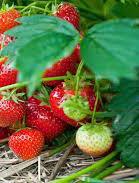
plant strawberries with apple trees (tree), chives (herb), and comfrey (dynamic accumulator).
n Edge Plantings: Use strawberries at the edges of beds and pathways for easy harvesting and ground coverage.
Permaculture and Sustainability Benefits
n Low Maintenance: Once established, strawberry patches require minimal care.
n Perennial Productivity: Plants can live and bear fruit for several years, reducing the need for frequent replanting.
n Water Efficiency: Dense strawberry mats help retain soil moisture, lessening irrigation needs.
n Pest Management: Dense groundcovers can deter some pests while attracting beneficial insects.
n Sunlight: Prefers full sun but tolerates partial shade, especially in hotter climates.
n Soil: Well-drained, slightly acidic to neutral soil (pH 5.5–7); add compost or leaf mold for fertility.
n Water: Keep soil consistently moist but not waterlogged.
n Propagation: Easily spread by runners; can also be grown from seed or division.
n Care: Mulch with straw (true to their name!) to keep fruit clean and discourage weeds.
n Winter: Mulch protects roots in cold climates. Many varieties are hardy perennials.
n June-bearing: Produce one large crop in late spring/ early summer. Good for bulk harvests and preserves.
n Everbearing: Yield two or three harvests through the growing season. Suitable for continuous snacks in a forest garden.
n Day-neutral: Fruit consistently as long as conditions are right. Provide ongoing food and groundcover benefits.
n Wild strawberries: Fragaria vesca is ideal for naturalistic plantings and thrives in semi-shade.
n Pests: Birds, slugs, and certain insects may feed on strawberries. Use netting, companion plants, or create habitat for natural predators.
n Disease: Watch for fungal issues in damp conditions; ensure good airflow and avoid overhead watering.
n Invasiveness: Some varieties can spread aggressively. Contain with edging or limit runners as needed.
n Pick fruit when fully red and aromatic, typically in the morning when cool.
n Eat fresh, dry for later use, or incorporate into jams and desserts from the food forest bounty.
n Encourage children and visitors to harvest directly for an interactive food forest experience.
n Strawberries are not technically berries—they are accessory fruits.
n Each strawberry contains about 200 seeds on its surface.
n Native Americans ate wild strawberries long before European contact and used them in cornmeal bread recipes.
n Strawberry leaves, when dried, can be brewed as a mild medicinal tea for digestion.
Strawberries are much more than a garden treat: they are a key ally in building lush, productive, and resilient food forests. Their roles as groundcovers, pollinator magnets, and nutrient-rich edibles make them indispensable in sustainable landscapes. By understanding their growth patterns, ecological relationships, and culinary possibilities, both novice and expert food foresters can enjoy the sweet rewards of this remarkable plant for years to come.
Introduction
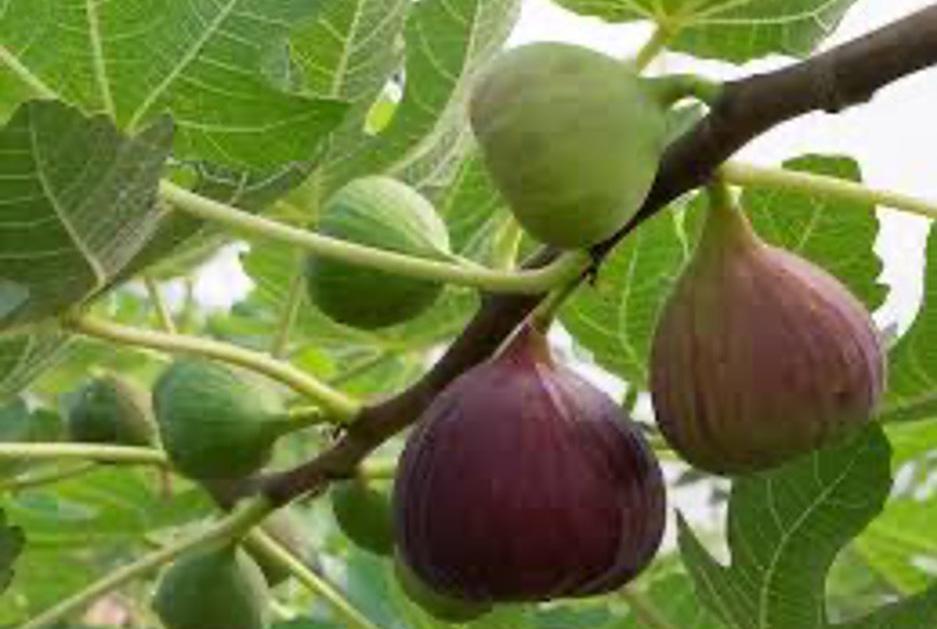
Fig trees (Ficus carica) are a treasured addition to home landscapes in South Carolina, valued for their resilience, lush foliage, and delectable fruit. Their adaptability also makes them a cornerstone species in food forests, contributing to sustainable and diverse edible landscapes.
Taxonomy & Classification
n Kingdom: Plantae
n Order: Rosales
n Family: Moraceae
n Genus: Ficus
n Species: Ficus carica
Origin & Distribution
Native to the Middle East and Western Asia, fig trees have spread globally and are well-adapted to South Carolina’s warm, humid climate. Their drought tolerance and ability to thrive in various soils make them a favorite for food forest plantings throughout the state.
Physical Description
n Height & Structure: Typically reaches 10–30 feet, forms a broad, spreading canopy, and thrives as an understory or edge species in food forests.
n Leaves: Large, deeply lobed, and provide excellent shade —helpful for moderating the microclimate in food forests.
n Bark: Smooth, grayish, marked by leaf scars.
n Fruit: The edible fig is a syconium, varying in color from deep purple to green, depending on the variety.
The varieties listed below are well-suited for both traditional gardens and food forest systems in South Carolina:
n ‘Brown Turkey’: Cold-hardy, produces abundant crops, and can serve as a reliable mid-canopy producer in food forests.
n ‘Celeste’: Noted for its cold hardiness and productivity, its “Sugar Fig” fruits are favored by both people and wildlife.
n ‘LSU Purple’: Developed for the Southeast, offers several crops per year and is valued for its disease resistance and adaptability in food forests.
n ‘Alma’: Produces sweet amber-colored fruit, tolerant of humidity and disease—ideal for food forest guilds.
n ‘Magnolia’ (‘Brunswick’): Large, yellow-brown fruits, robust growth—makes a good companion to other food forest trees and shrubs.
n Layering: Figs function best as small tree or large shrub layers in a food forest, occupying the sub-canopy or edge, where they receive ample light.
n Companion Plants: Excellent companions include comfrey (dynamic accumulator), herbs like mint and lemon balm (weed suppression and pollinator attraction), and nitrogen-fixers such as clover or vetch.
n Wildlife Value: Figs produce abundant fruit that attracts birds, pollinators, and beneficial insects, promoting biodiversity within the food forest ecosystem.
n Microclimate Benefits: Their broad leaves provide shade and leaf litter, improving soil quality and helping to retain moisture for surrounding plants.
n Low Maintenance: Figs’ natural resistance to many pests and diseases makes them well-suited for organic, low-input food forest systems.
Climate
Figs thrive in South Carolina’s climate, fitting seamlessly into food forest ecosystems that mimic natural woodland edges.
Soil
Prefer well-drained soils (pH 6.0–7.5). In food forests, figs benefit from rich organic matter and mulching with companion plants.
Sunlight
Require at least 6–8 hours of sunlight daily, best grown on the southern or eastern edge of food forests for maximum exposure.
Watering
Young trees need consistent moisture; once established, figs are drought-tolerant—an advantage in water-wise food forests.
Fertilization
Minimal fertilization is needed, especially when grown in healthy, mulched food forest soils enriched by companion plants.
Propagation
Figs are easily propagated from cuttings, making them accessible for expanding or sharing within permaculture and food forest communities. Layering and division are also effective, and encourage a resilient, interconnected landscape.
Recommended varieties are self-pollinating and productive without the need for fig wasps. Their fruiting season provides a reliable harvest for people and wildlife from midsummer through fall.
Harvest & Storage
Pick figs when ripe—soft, slightly drooping, and richly colored. In food forests, harvest timing is important as wildlife also enjoys figs. Figs are best eaten fresh but can be dried or preserved for later use.
n Pests: In South Carolina food forests, birds and ants are the primary fig foragers. Netting or companion planting with repellent herbs can help protect fruit.
n Diseases: Figs are generally resilient; practicing companion planting and maintaining healthy, biodiverse soil further minimizes disease problems.
n Nutritious fruit eaten fresh, dried, or in preserves.
n Leaves used for culinary wrapping and in traditional remedies.
n Beneficial component in sustainable food forest systems, supporting soil health and biodiversity.
n Plant figs in sunny, well-drained locations at the edge of food forests.
n Mulch thickly with organic material or companion plants to conserve moisture and build soil health.
n Interplant with beneficial guild species for pest control and mutual support.
n Prune lightly to maintain size and encourage fruit-bearing wood.
n Monitor for wildlife activity and share the bounty with birds and pollinators, or use physical barriers if needed.
Fig trees offer beauty, fruit, and ecological benefits—making them an exceptional choice for South Carolina gardens and food forests alike. Their multifaceted role enhances productivity, resilience, and enjoyment in sustainable landscapes.
The American Goldfinch (Spinus tristis), a vibrant member of the finch family (Fringillidae), is a familiar sight across the diverse landscapes of South Carolina.
Recognizable by its striking yellow plumage in males during the breeding season and its undulating flight pattern, this passerine species occupies open woodlands, meadows, suburban gardens, and riparian corridors throughout the state.
The goldfinch is a granivorous bird, meaning that its diet is composed primarily of seeds, with a marked preference for plants producing small, accessible seeds.
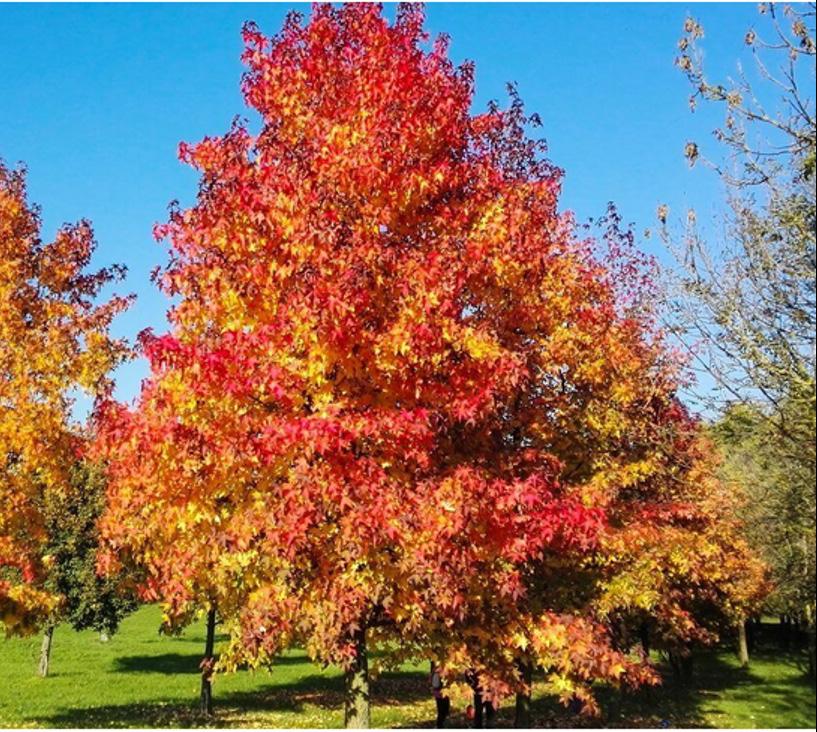
One of the most significant native food sources for goldfinches in South Carolina is the Sweet Gum tree (Liquidambar styraciflua). This deciduous hardwood, abundant in the Southeast, produces spiky, spherical fruits known as “gumballs” or syncarpous seed pods. These pods contain numerous small seeds, which become available to avian foragers in late fall and persist through winter, offering a critical resource during times when other seed sources are scarce.
Goldfinches exploit the Sweet Gum seed pods by clinging acrobatically to the branches and meticulously extracting the tiny seeds using their conical bills, which are adapted for husking and dehusking small seeds. The seeds of Liquidambar styraciflua are rich in carbohydrates and essential fatty acids, providing the metabolic energy required for thermoregulation during colder months. This feeding behavior is an example of niche specialization, as goldfinches are among the few bird species adept at accessing these seeds.
In addition to Sweet Gum, goldfinches in South Carolina may utilize seeds from native composites such as thistles (Cirsium spp.), sunflowers (Helianthus spp.), and asters (Symphyotrichum spp.), but the temporal abundance and accessibility of Sweet Gum seeds render them especially important from late autumn through early spring. The synchronicity between the seed dispersal of Liquidambar styraciflua and the dietary needs of goldfinches highlights a dynamic ecological relationship.
By feeding on Sweet Gum seeds, goldfinches also contribute to seed dispersal and the regulation of local plant populations, illustrating their ecological importance within South Carolina’s forested and urban ecosystems. Observing goldfinches foraging on Sweet Gum trees provides a window into the interconnectedness of regional flora and fauna, and underscores the value of preserving native plant species to support avian biodiversity.
March 26, 2026 8:30am to 4pm Irmo Municipal Building
8:30 Registration
9:00 Welcome
9:05-9:55 Native Pests of Trees
Dr. David Coyle, Clemson Extension Service
9:55-10:45 Best Practices for Fertilizing Urban Trees and Shrubs
Dr. Robert Polomski, Clemson University
10:45-11:00 Break
11:00-11:50 Managing the Spotted Lanternfly
Andrew Allen, Rainbow Ecoscience
11:50-1:00 Lunch (included)
1:00-1:50 Invasive Pests of Trees
Dr. David Coyle, Clemson Extension Service
1:50-2:40 Common Mistakes that Kill Trees
Jimmy Walters, Urban Forest Advisors, LLC
2:40-3:30 Choosing Hopeful Tree Species for the Future
Dan Whitehead, HortSource
3:30 Closing
Lunch is included. Registration is limited to 100 participants and will sell out!