nutshell NEWS IN A


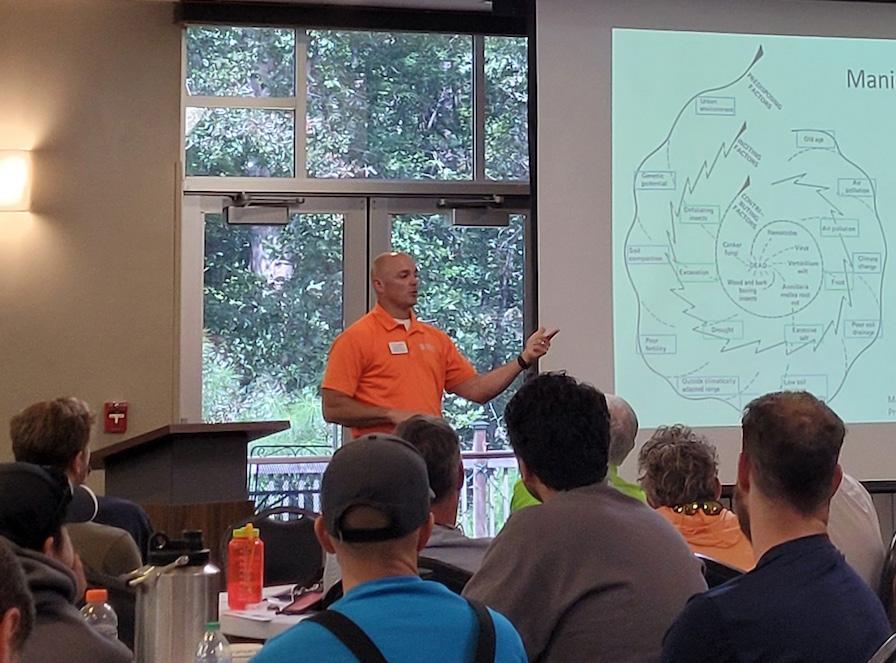
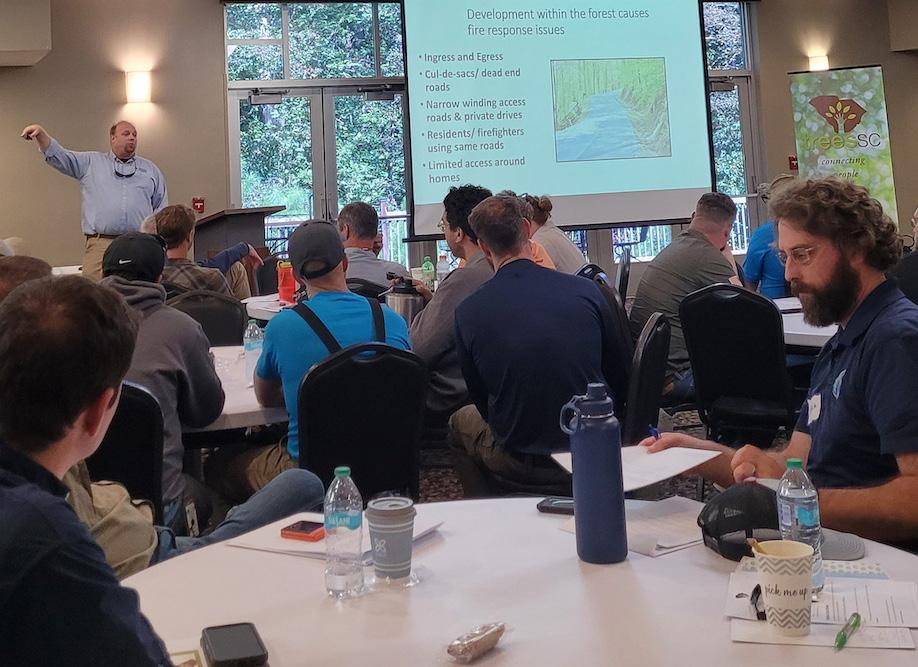


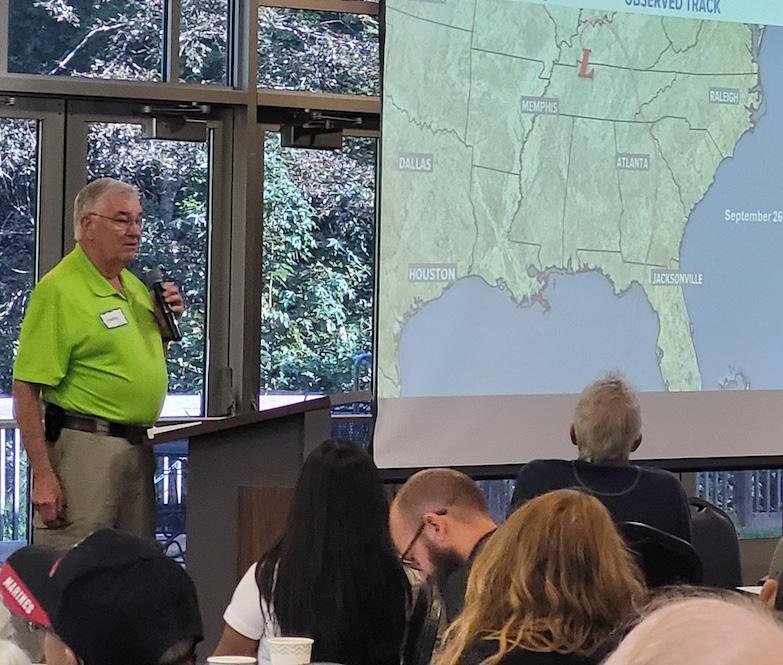
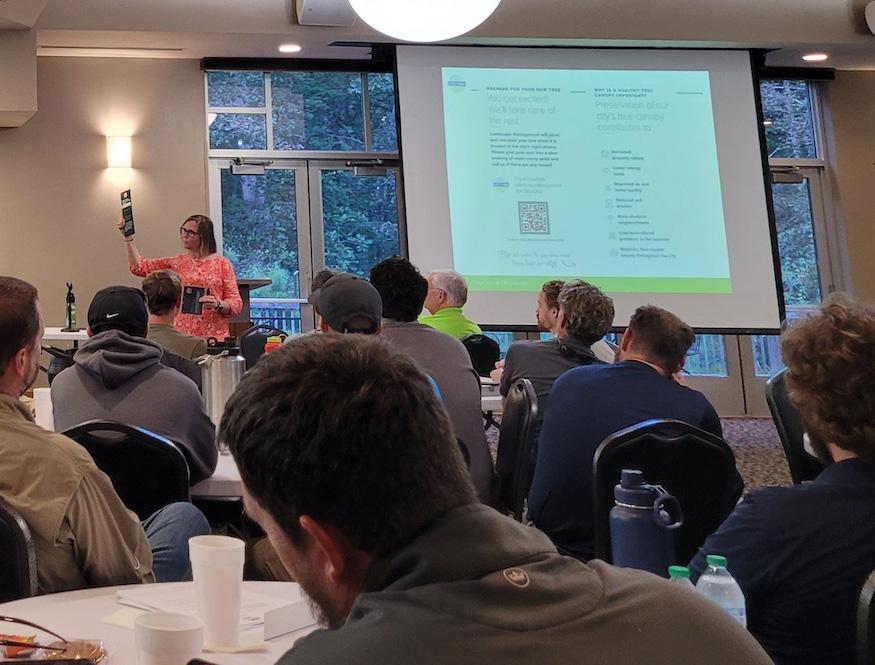
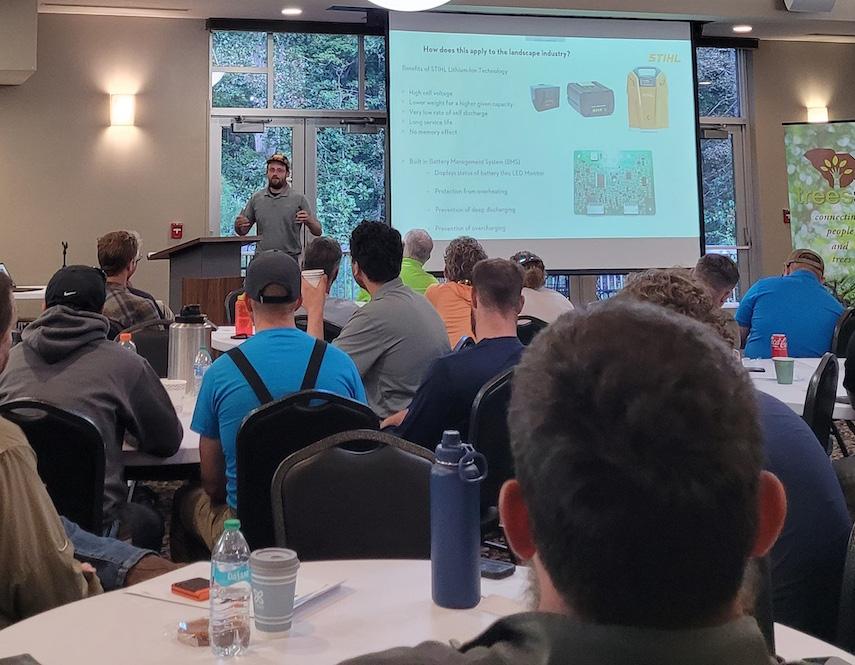
On September 10, arborists and tree care professionals from across the state gathered at the River Center in Saluda Shoals Park in Columbia for the annual TreesSC South Carolina Arborist Workshop (SCAW). This year’s event marked a significant milestone: 140 attendees gathered, making this the highest turnout in the workshop’s history. The enthusiastic participation reflected the growing commitment to advancing tree care and community resilience in the wake of recent devastating storms that have struck our region.
The workshop featured seven outstanding speakers, each bringing their expertise to the forefront. These professionals shared valuable insights and practical strategies for restoring and caring for trees impacted by severe weather events. Their presentations covered a wide range of topics, from recovery techniques to long-term tree health and maintenance practices. We extend our heartfelt gratitude to all our speakers for their dedication and willingness to share their knowledge, helping us rebuild and strengthen our urban forests.
What truly sets the TreesSC events apart is the spirit of collaboration and connection. The workshop provided a vibrant setting for attendees to network, exchange ideas, and foster partnerships that support the work of arborists statewide. These connections are vital, not only for professional growth but also for building a stronger, more unified approach to caring for South Carolina’s trees and landscapes. Thank you to everyone who attended and contributed to making this year’s event the most successful yet!


TreesSC Pre-Conference Tour
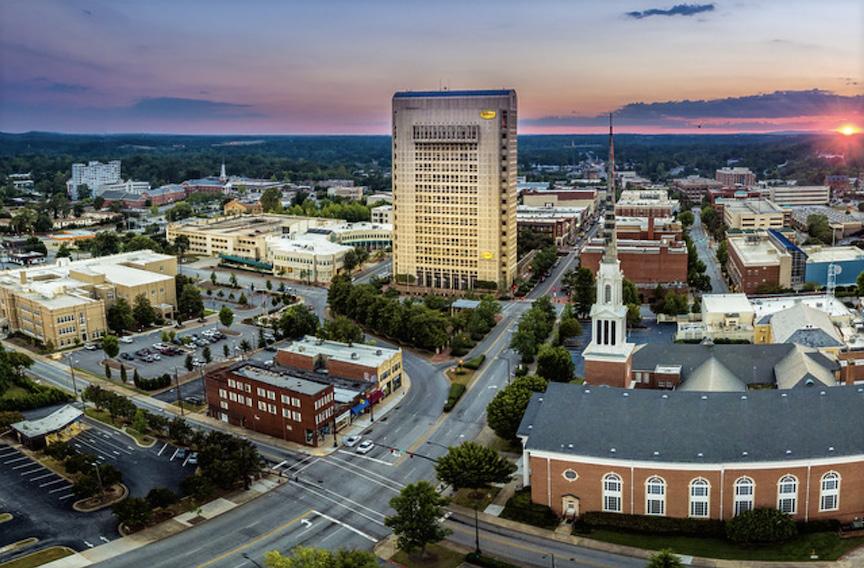
November 5, 2025, in Spartanburg
Join us for an immersive pre-conference tour that brings Strategic Connections to life ... literally! Explore premier arboretums, cutting-edge magnolia trials, and hands-on demonstrations of tree decay testing technology. This full-day experience blends science, scenery, and CEU opportunities as we visit the Spartanburg Community College Arboretum, Milliken Research Facility, and Wofford College. From walking tours under the canopy to hands-on demonstrations and expert-led discussions, this is your chance to connect with nature, knowledge, and fellow professionals before the main event kicks off.
CEUs FOR Pre-Conference Tour/Workshop: 4.5 ISA, 4.5 SAF
Space is limited, so watch our website and email notifications to secure your spot for this enriching and inspiring opportunity!
November 6-7, 2025, in Spartanburg
Make plans to join us in downtown Spartanburg, SC, for the 2025 TreesSC Annual Conference, where Strategic Connections come to life for professionals shaping the future of our urban forests. This year’s program is designed for urban tree care professionals and enthusiasts who are driving innovation and stewardship in their communities. Dive into timely topics like biochar applications, tree resilience, vegetation management technology, and collaborative planning strategies. With expert-led sessions, dynamic breakout discussions, networking opportunities, and valuable CEUs, this conference will equip you with the insights and relationships to elevate your work.
CEUs For Conference: 10.5 ISA, 8.0 SAF
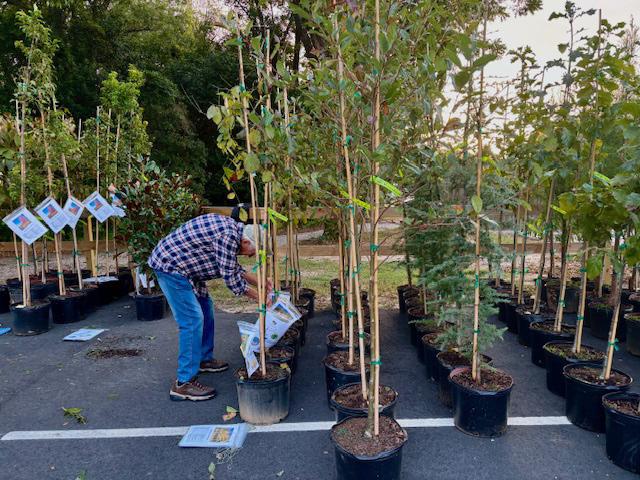
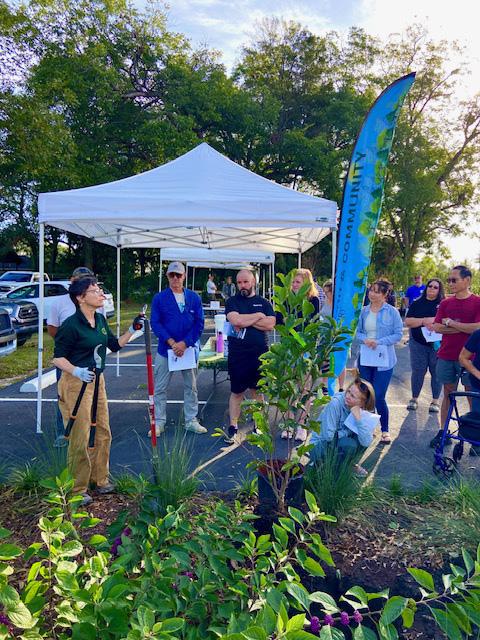
On October 4, 2025, Florence welcomed over a hundred attendees to a “Treemendous” TreesSC Canopy Session, hosted at a local community center. The event brought together tree enthusiasts, arboriculture professionals, and residents from across the region, united in their interest to learn about and support healthy urban tree canopies.
The session featured a series of interactive workshops led by experienced arborists and landscape professionals. Participants explored topics such as proper tree planting, proper pruning, and effective strategies for maintaining tree health. Hands-on demonstrations provided attendees with practical guidance, while children and families participated in educational activities designed to inspire the next generation of environmental stewards.
A diverse lineup of presenters contributed their expertise during the event, including representatives from Duke Energy, the South Carolina Forestry Commission, Bartlett Tree Experts, a retired NC State Extension agent, the City of Florence, and TreesSC. Their collective knowledge enriched the discussions and provided attendees with valuable insights into the challenges and benefits of urban forestry.
The session concluded with a tree giveaway, sponsored by Duke Energy’s “Power Plant” program. The day reinforced Trees SC’s mission to enhance urban greenery and environmental impact. Attendees departed with new trees, educational materials, and a renewed commitment to supporting tree conservation efforts. The positive community spirit and informative content reflect Florence’s dedication to a greener and healthier future.
As autumn approaches, arborists across North America encounter a familiar adversary: the yellowjacket wasp. While these insects are present throughout the warmer months, their aggressive behavior becomes especially pronounced in the fall. Understanding the biological and ecological reasons for this shift is crucial for arborists, who are at increased risk of stings during their seasonal work with trees and landscapes.

Yellowjackets (Vespula spp. and Dolichovespula spp.) are social wasps that build nests underground or in cavities. Their colonies begin in the spring with a single fertilized queen who lays eggs and tends to the first brood. By summer, the population swells, sometimes reaching thousands of workers. In late summer and early fall, the colony’s priorities change: new queens and males are produced for mating, and the once-cooperative community begins to break down.
Several factors contribute to the increased aggression of yellowjackets during the fall:
Resource Scarcity. As the season advances, natural food sources such as insects and nectar diminish. Yellowjackets turn to alternative sources, including human food and sugary drinks, increasing their interaction with people.
Colony Decline. As the queen stops laying eggs, worker wasps become more desperate and disorganized. Their role in the colony diminishes, leading to erratic and aggressive foraging behavior.
Defensive Instincts. With the production of new queens and males, yellowjackets become more protective of their nests. Any perceived threat, including arborists working in trees or near ground nests, is met with a heightened defensive response.
Arborists are particularly vulnerable to yellowjacket aggression in the fall due to the nature of their work. Disturbing nests hidden in tree cavities, rotting wood, or underground can provoke mass attacks. Multiple stings are common, and for some individuals, may result in severe allergic reactions (anaphylaxis) requiring immediate medical attention.
Vigilant Inspection. Before starting work, visually inspect the area for yellowjacket activity. Look for wasps entering and exiting a single location, which often indicates a nest.
Protective Clothing. Wear long sleeves, gloves, and face protection to minimize exposed skin.
Awareness of Weather. Yellowjackets are more active on warm, sunny days. Plan high-risk tasks for cooler times if possible.
First Aid Preparedness. Carry a first aid kit with antihistamines and epinephrine auto-injectors if you or coworkers are known to have allergies.
The aggressive behavior of yellowjackets in the fall is driven by biological changes within the colony and environmental factors. Arborists must remain alert, practice preventive measures, and be prepared to respond to stings. By understanding yellowjacket behavior and taking appropriate safety precautions, arborists can minimize risks and continue their essential work in the landscape as the seasons change.
SCIENCE-BASED SOLUTIONS FOR URBAN AND BACKYARD SPACES
Applying Ecological Principles to Cultivate Abundance Close to Home

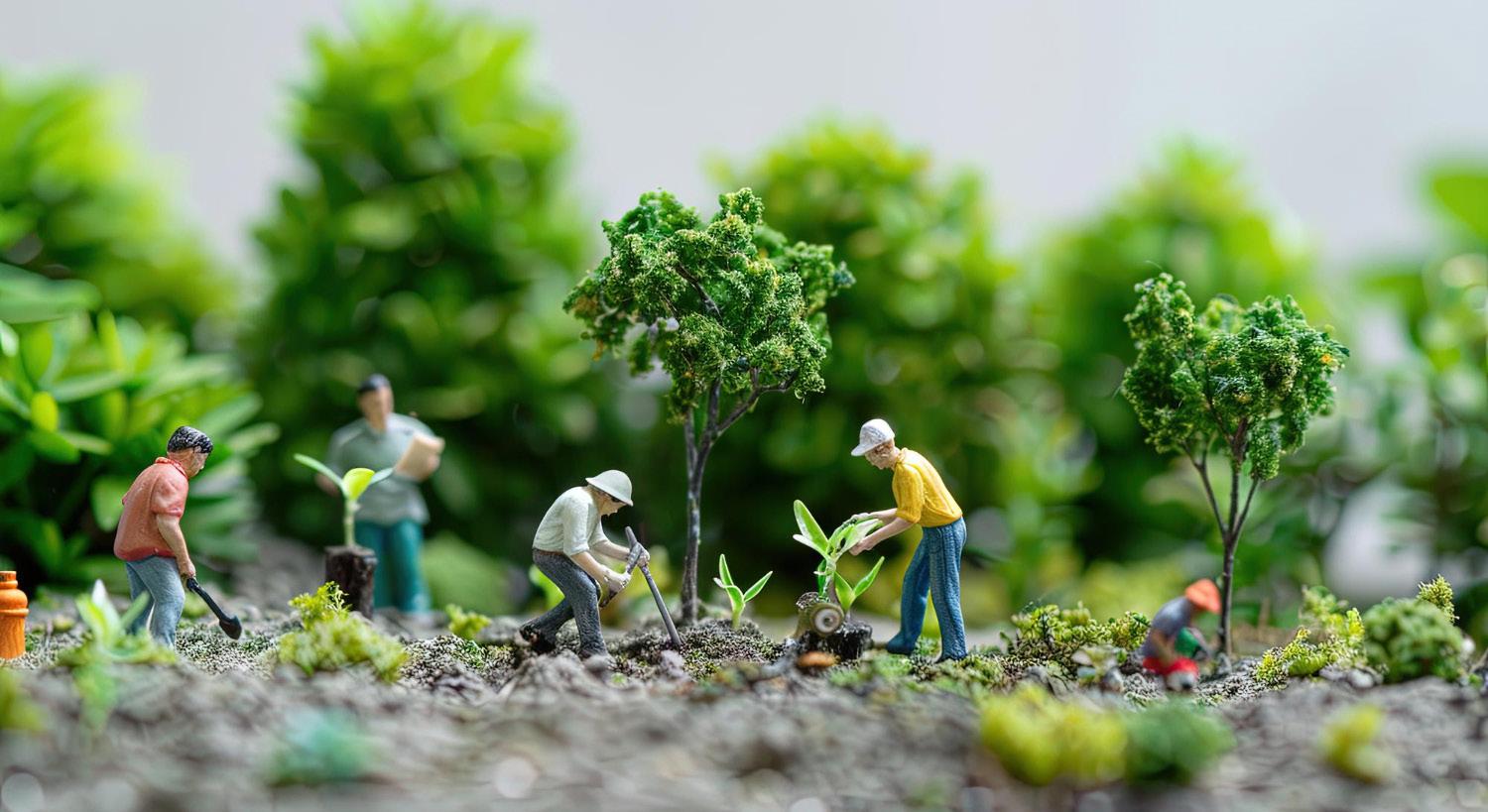
Imagine transforming your backyard or community green space into a highly productive ecosystem modeled after a natural forest. The concept of a “food forest”—rooted in agroecology and permaculture design—utilizes the science of plant interactions, soil health, and biodiversity to create resilient, self-sustaining sources of food.
A food forest, or forest garden, is a multilayered system that draws from the ecological structure of a woodland. This design incorporates seven recognized layers: canopy (tall fruit and nut trees), sub-canopy (dwarf fruit trees), shrubs (berries), herbaceous plants (culinary and medicinal herbs), ground cover (clover, strawberries), root crops (garlic, onions), and vertical climbers (grapes, beans). Each layer fulfills specific ecological functions—photosynthesis, nutrient cycling, water retention, and habitat creation—leading to increased productivity and stability compared to monoculture gardens.
Enhanced Biodiversity. By mimicking natural succession, food forests encourage a wide variety of plant and animal species, supporting beneficial insects, birds, and soil organisms. High biodiversity increases ecosystem resilience against pests and diseases.
Improved Soil Health. Perennial plants and organic mulches build organic matter, foster mycorrhizal fungi symbiosis, and reduce erosion, leading to richer, more stable soils over time.
Carbon Sequestration. Perennial woody species and continuous ground cover absorb atmospheric carbon dioxide, mitigating climate change through natural carbon storage.
Resource Efficiency. Polyculture systems optimize sunlight, water, and nutrient use. Plant diversity reduces the need for synthetic fertilizers, pesticides, and extensive irrigation, lowering environmental impact.
Community Food Security. Local food forests increase food access and nutritional diversity, especially in urban or underserved areas.
Site Assessment. Evaluate sunlight, soil pH, drainage, and existing vegetation. Soil testing can determine nutrient content and microbial activity, guiding species selection and amendments.
Design Planning. Map layers vertically and horizontally, prioritizing plant guilds—groups of species that support each other through nutrient exchange (e.g., nitrogenfixing legumes) and pest deterrence (aromatic herbs).
Species Selection. Choose climate-adapted, perennial, and native species to promote ecosystem compatibility, productivity, and resilience.
Succession Management. Plan for ecological succession by introducing pioneer species first, followed by slower-growing canopy trees and understory species to establish a dynamic balance.
Ongoing Observation. Monitor ecosystem development, record plant health, and track beneficial species. Apply adaptive management by adjusting plant composition and care based on observed interactions and outcomes.
Scientific studies show that food forests can restore degraded soils, increase pollinator populations, and sequester significant amounts of carbon per hectare. These systems exemplify regenerative agriculture, leveraging research in soil microbiology, plant physiology, and landscape ecology to foster both productivity and sustainability.
Whether you’re revitalizing your backyard or catalyzing a neighborhood project, building a food forest is a practical application of ecological science that delivers environmental, nutritional, and social benefits. Why not apply these principles and start designing your own food forest this season.
KEY INFORMATION AND QUICK REFERENCE
Key Information and Quick Reference
Key Information and Quick Reference
Attribute
Attribute
Common Name
Common Name
Scientific Name
Scientific Name
Plant Type
Plant Type
Details
Details
Jane Magnolia
Jane Magnolia
Magnolia × 'Jane'
Magnolia × 'Jane'
Deciduous Shrub or Small Tree
Deciduous Shrub or Small Tree
Mature Height 10-15 feet
Mature Height 10-15 feet
Mature Spread
8-12 feet
Mature Spread 8-12 feet
Growth Rate
Growth Rate
Bloom Time
Bloom Time
Flower Color
Flower Color
Sun Requirements
Sun Requirements
Soil Preference
Moderate
Moderate
Mid to Late Spring
Mid to Late Spring
Pink to Purple, White Inside
Pink to Purple, White Inside
Full Sun to Partial Shade
Full Sun to Partial Shade
Well-Drained, Slightly Acidic
Soil Preference Moist, Well-Drained, Slightly Acidic
USDA Hardiness Zones 4–8
USDA Hardiness Zones 4–8
Landscape Uses Ornamental, Hedge, Specimen Plant
Landscape Uses
Maintenance Low to Moderate
Maintenance
Pests/Diseases
Pests/Diseases
Ornamental, Hedge, Specimen Plant
Low to Moderate
Generally Pest-Free, Watch for Scale and Leaf Spot
Generally Pest-Free, Watch for Scale and Leaf Spot
Overview
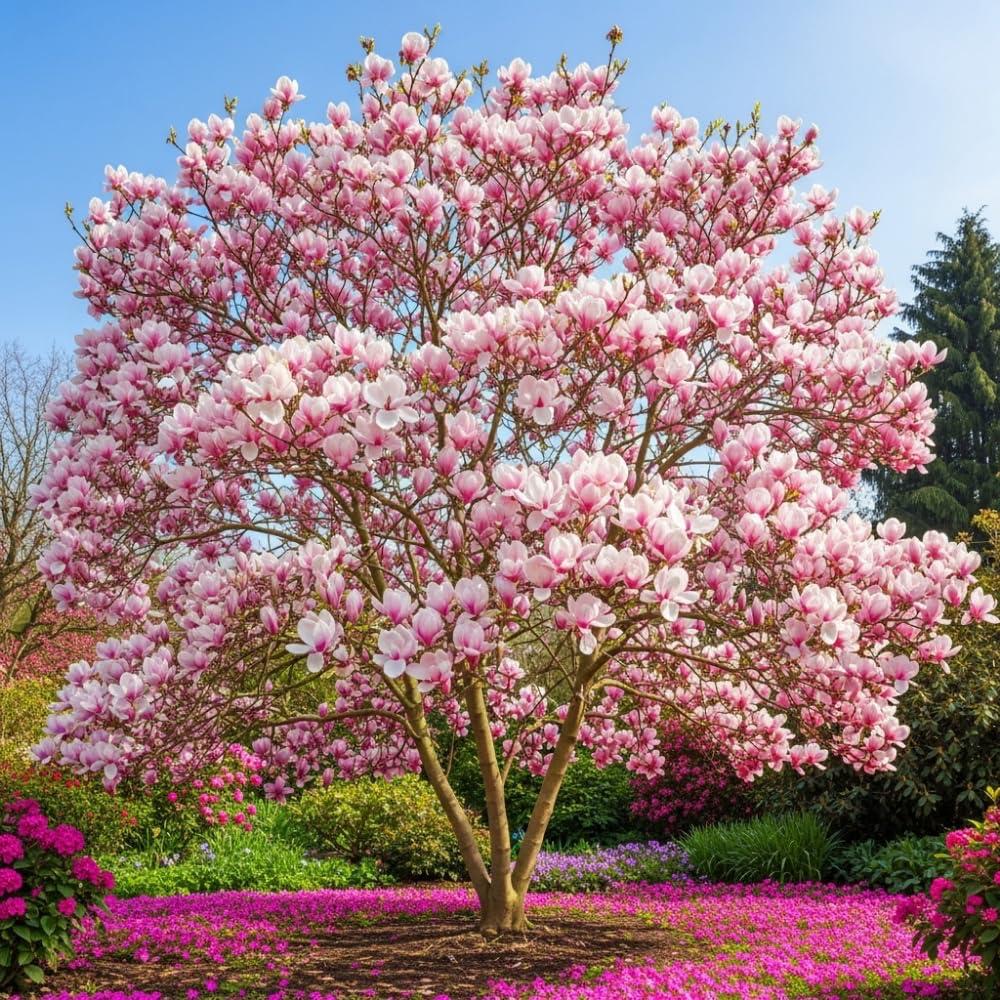
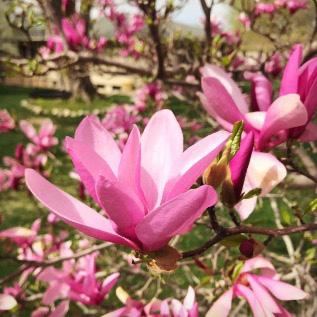
The Jane Magnolia is a popular hybrid magnolia variety known for its stunning, tulip-shaped blooms that appear in mid to late spring. With its compact size and vibrant flowers, it makes a beautiful addition to gardens and landscapes, especially in regions with cold winters.
Description
Jane Magnolia is a deciduous shrub or small tree, usually reaching heights of 10–15 feet and spreading up to 12 feet. Its flowers are a striking pink to purple on the outside with white interiors, blooming before or as the leaves emerge. The plant is a member of the “Little Girl” series of hybrid magnolias, developed for improved cold hardiness and delayed blooming to avoid late frost damage.
Growing Conditions
Sunlight: Prefers full sun to partial shade.
Soil: Thrives in moist, well-drained, slightly acidic soil.
Water: Regular watering is required, especially during dry spells, but avoid waterlogged conditions.
Hardiness: Suitable for USDA zones 4–8.
Care and Maintenance
Jane Magnolia is relatively low-maintenance. Prune only to shape and remove dead or damaged wood after flowering. Mulching helps retain soil moisture and protect roots. Fertilize in early spring with a balanced, slow-release fertilizer.
Landscape Uses
• Ornamental specimen in gardens and yards
• Flowering hedge or screen
• Accent plant near patios or entryways
Pests and Diseases
Jane Magnolia is generally pest-free but may occasionally be affected by scale insects or leaf spot diseases. Good air circulation and proper care help minimize issues.
Notable Features
• Late spring blooms help avoid frost damage
• Compact size is suitable for small landscapes
• Vivid, showy flowers attract pollinators
reprinted from the Charleston City Paper
The national Old-Growth Forest Network on Tuesday designated the future Angel Oak Preserve on Johns Island as a community forest, placing the land among a select group of publicly accessible places with ecological and cultural significance.
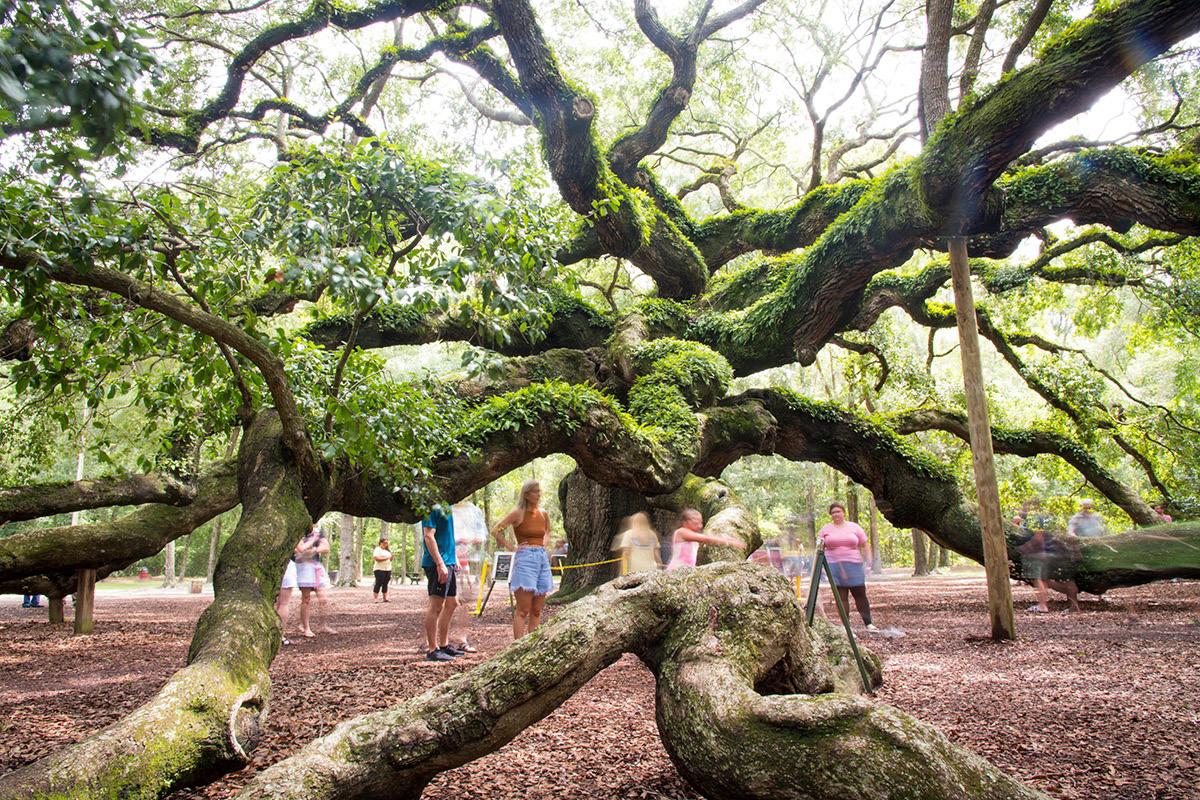
The honor distinguishes the Angel Oak, a Lowcountry treasure said to be the largest live oak tree east of the Mississippi River, and its surrounding forest as local treasures and landscapes of national importance worthy of permanent protection, reverence and celebration. The sprawling tree, with a circumference of more than 25 feet, is thought to be 500 years old, but may be older.
“This recognition affirms what so many in Charleston have long known: The Angel Oak is more than just a protected landscape; it is a promise to future generations,” Samantha Siegel, Angel Oak Preserve director at Lowcountry Land Trust, said in a press release. “Being recognized by the Old-Growth Forest Network affirms our commitment to letting this forest thrive, protected forever, as a place of natural wonder, community connection and historical remembrance.”
The 44-acre preserve has a design that features boardwalk trails, a nature play area for kids and educational information about the historic tree and the native people who have long held it sacred. Fundraising efforts are still underway for the estimated $13.5 million project spearheaded by the Lowcountry Land Trust.
“The plans for the Angel Oak Preserve perfectly embody what the Old-Growth Forest Network recognizes and honors through our Community Forest designation,” Sarah Adloo, executive director at Old-Growth Forest Network said in a press release, “a place that is protected, cared for and shared through the investment of its community, offering an opportunity for people to be immersed in a beautiful forest whether they come from near or far.
“Without this kind of dedicated effort, forests like those surrounding the Angel Oak are far too easily lost when they are thought of as blank space on a map rather than part of the ecological and cultural fabric of the surrounding communities.”
The future Angel Oak Preserve is the first to receive the community forest designation in South Carolina. Two other South Carolina sites, St. Phillips Island and Congaree National Park, are areas recognized by the Old-Growth Forest Network under its flagship designation for protected, publicly accessible old-growth forests.
While not yet considered an old-growth forest, the future Preserve holds the potential to regenerate into one over time and become an enduring model of conservation, stewardship and community care, officials said. —Skyler Baldwin
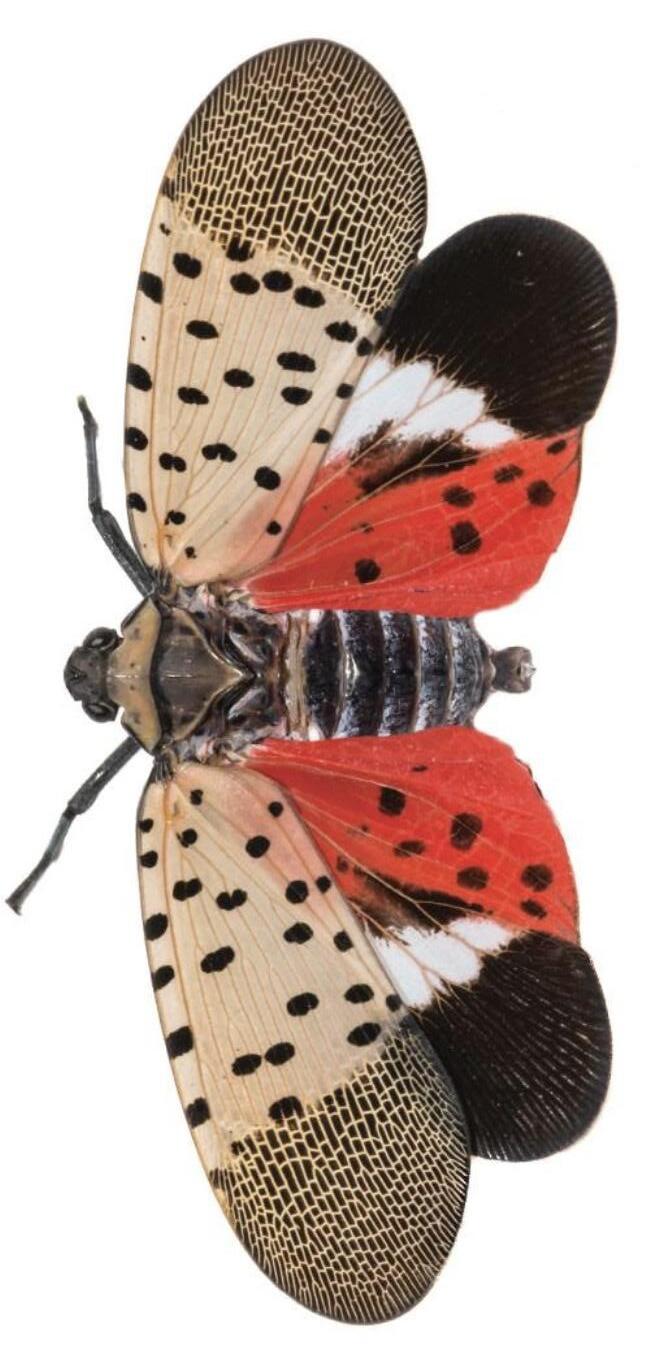
The spotted lanternfly (Lycorma delicatula) is an invasive insect species originally wwnative to Asia. Since its initial detection in the United States in Pennsylvania in 2014, the pest has expanded its range, raising concerns in many states, including South Carolina. The insect is known for its destructive effects on agriculture, forestry, and residential landscapes, primarily targeting trees such as the tree-ofheaven, grapevines, and other important crops.
As of October 2025, South Carolina has reported multiple sightings of the spotted lanternfly, particularly in areas bordering North Carolina and Georgia. Most confirmed populations have been found in the northern counties, including Greenville, Spartanburg, and York. State agricultural officials are actively monitoring the spread and have launched several public awareness campaigns to encourage reporting of sightings
These insects commonly lay their eggs on flat surfaces, including train cars, which has helped spread them to new areas. In South Carolina, sightings have been documented near railroad tracks, with confirmed cases in Greenville, Senica, Florence, and Greenwood. They also produce honeydew which grows sooty mold and attracts secondary pests (hornets, wasps).
The spotted lanternfly poses significant risks to South Carolina’s agriculture, especially vineyards, orchards, and hardwood trees. The pest feeds on plant sap, weakening hosts and making them more susceptible to disease and environmental stress. Grape growers are particularly concerned, as lanternfly infestations can reduce yield and quality. Additionally, the insect’s presence threatens the state’s forestry industry and may impact ornamental plants in urban and suburban environments.
The South Carolina Department of Agriculture, in collaboration with Clemson University Extension and the USDA, has initiated monitoring, containment, and eradication programs. These include:
n Ongoing surveys to detect and map infestations.
n Deployment of sticky bands and tree traps in high-risk areas.
n Public education campaigns to identify and report lanternfly sightings.
n Encouraging removal of tree-of-heaven, a preferred host species, where feasible.
n Research into safe chemical and biological control methods.
Residents are urged to inspect outdoor items before moving them, especially vehicles, firewood, and landscaping materials, which can unintentionally spread the pest. Report sightings to local extension offices or the Department of Agriculture.
While South Carolina has not yet experienced the widespread economic losses seen in other states, vigilance and early intervention remain critical. Continued collaboration between state agencies, researchers, and the public will help manage and limit the spotted lanternfly’s impact. Updates will be provided as new information becomes available and as management strategies evolve.
n South Carolina Department of Agriculture
n Clemson University Extension
n USDA APHIS - Spotted Lanternfly
States that have been affected by the spotted lanternfly for a longer period, such as Pennsylvania, New Jersey, and Virginia, have reported significant economic losses. For example, Pennsylvania alone has estimated annual losses of up to $50 million to its agricultural and forestry industries due to reduced crop yields, increased management costs, and quarantines. The cumulative impact across heavily infested states is projected to exceed hundreds of millions of dollars when factoring in damage to vineyards, orchards, timber, and associated industries.