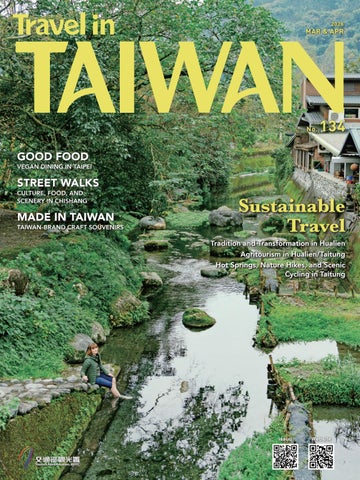
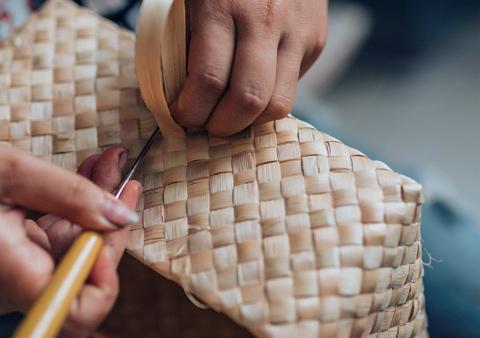
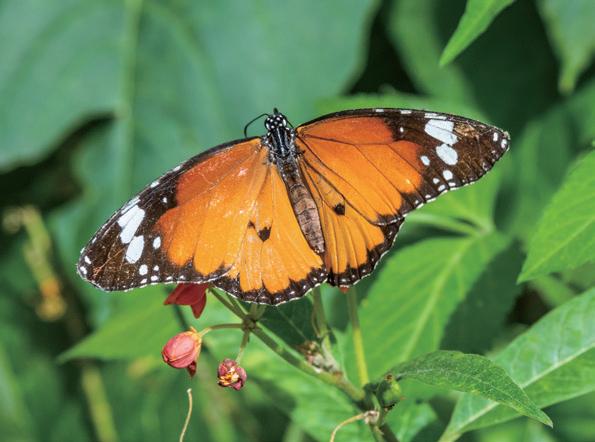
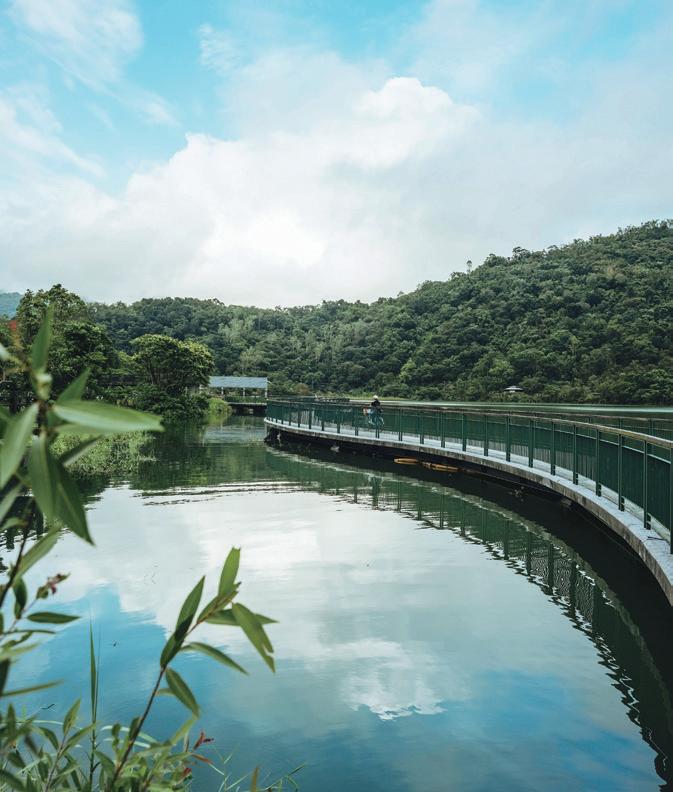
Tradition and Transformation in Hualien Agritourism in Hualien/Taitung
Hot Springs, Nature Hikes, and Scenic Cycling in Taitung
TAIWAN EVERYTHING
EVERYTHING YOU NEED TO KNOW ABOUT TRAVELING IN TAIWAN!
Find Travel in Taiwan articles published in earlier issues, complemented with colorful images, Google maps, and links to our social media sites, including Youtube, Facebook, and Instagram, and informative sites of other bloggers in Taiwan.
PUBLISHER'S NOTE
Dear Traveler,
What sort of fun-learning adventures can Taiwan provide if you travel here? The better question is – what kind of travel experiences can this compact land of remarkable cultural and landscape variation NOT deliver? Each issue, we present a representative lineup of travel options for you to choose from. This issue, our themes journey from pristine East Coast sustainable travel to trendsetting vegan restaurants to Taiwan-brand recycled-material gift products to the Gen Z convenience-store DIY cocktail fad. Intrigued? Read on!
This issue’s featured destination is the pretty as a shanshui painting East Coast region – think Garden of Eden and untouched Hawaii. The focus is on sustainable travel. Our main article takes you into the Hualien County section of the East Rift Valley, to such diverse attractions as the Hualien Tourism Sugar Factory, Guangfu Bikeway, Matai’an Wetland Ecological Park, and Akay Play Life immersive indigenous-culture experience. Next, it’s Taitung County to the south, where you get acquainted with the Vakangan Hot Spring Park, Jhihben National Forest Recreation Area, and 20km Taitung MountainOcean Cycle Path.
In the last of our feature-article triad, the subject is HualienTaitung agritourism, with time spent at the historic Liao Kuai Tobacco Building and at Good Time Fruit orchards. You’ll remain in the east for our regular Street Walks
exploration, meandering in and around Chishang town, famed for its rice-paddy production, delicious railway lunchboxes, and idyllic-scenery Around the Town Bicycle Path.
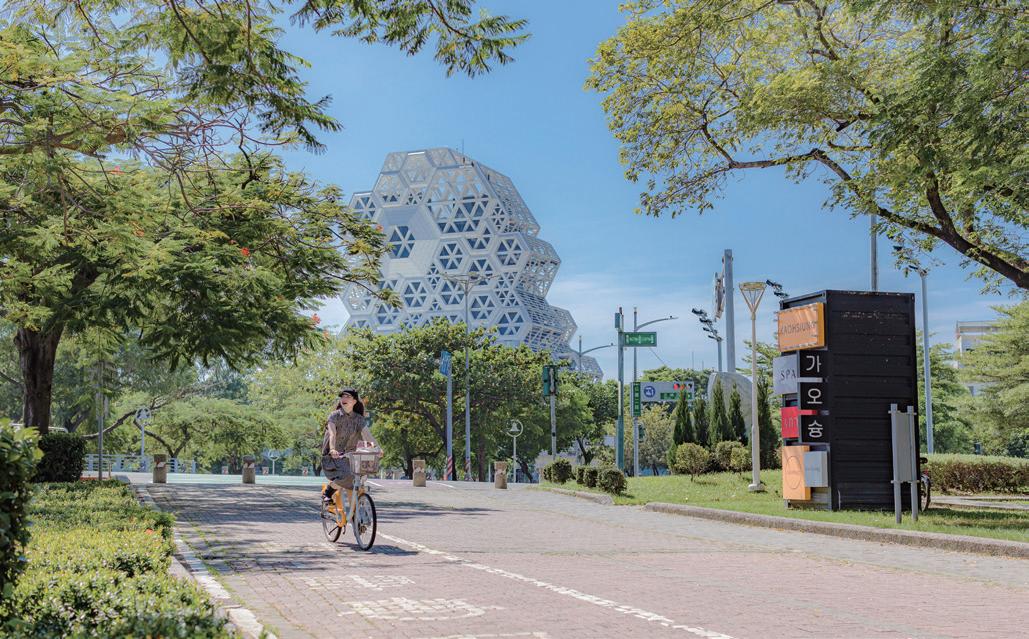
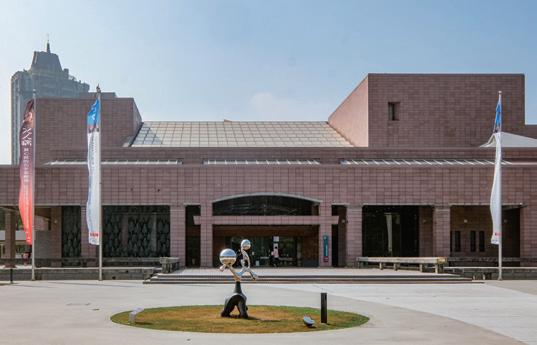
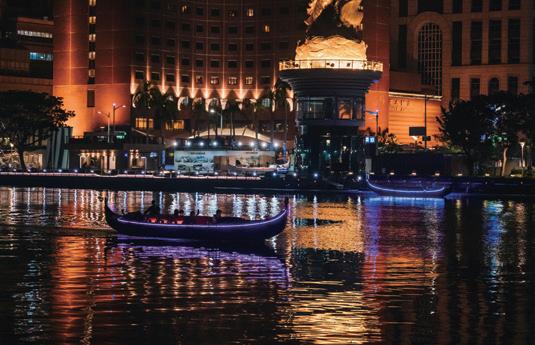
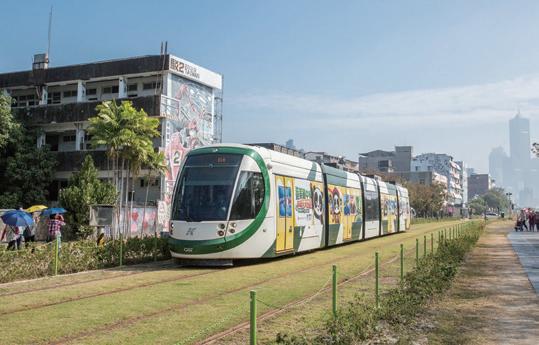
Now, off to other regions. In Good Food, learn about Taipei’s burgeoning “no meat, no limits” plant-forward dining scene, checking out three of the city’s best restaurant options. And in Taiwan Pass , explore Taiwan’s great deep-south port city, Kaohsiung, using the myriad-benefit Kaohsiung FunPASS, which includes deals for such thrills as a Love River gondola cruise and Kaohsiung Harbor Self-Driving Car experience.
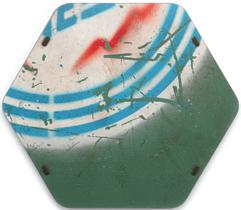
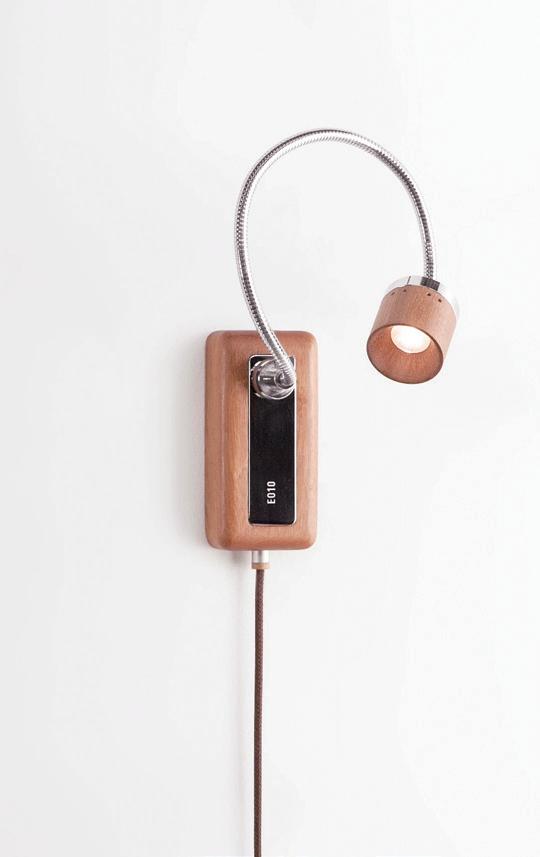
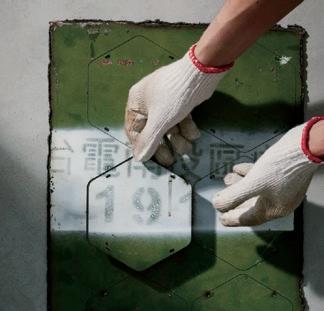
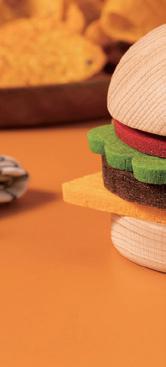
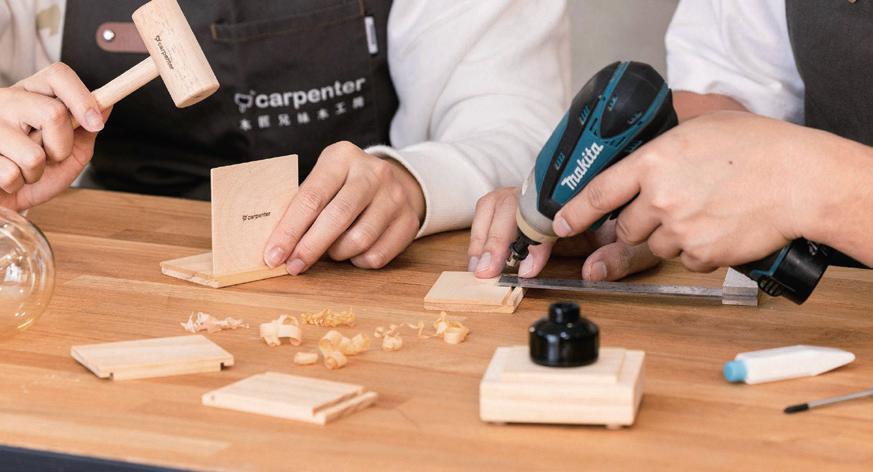
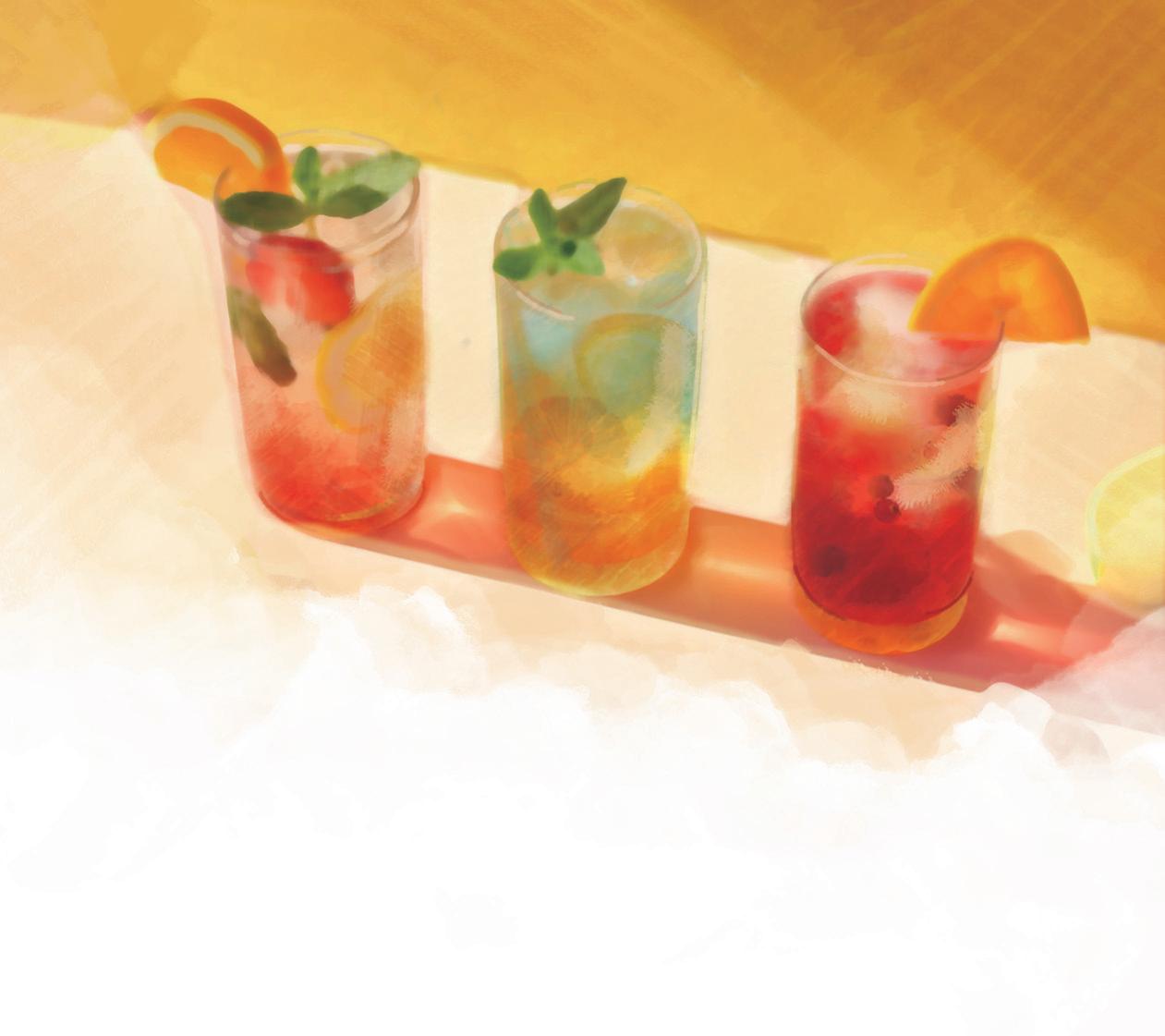
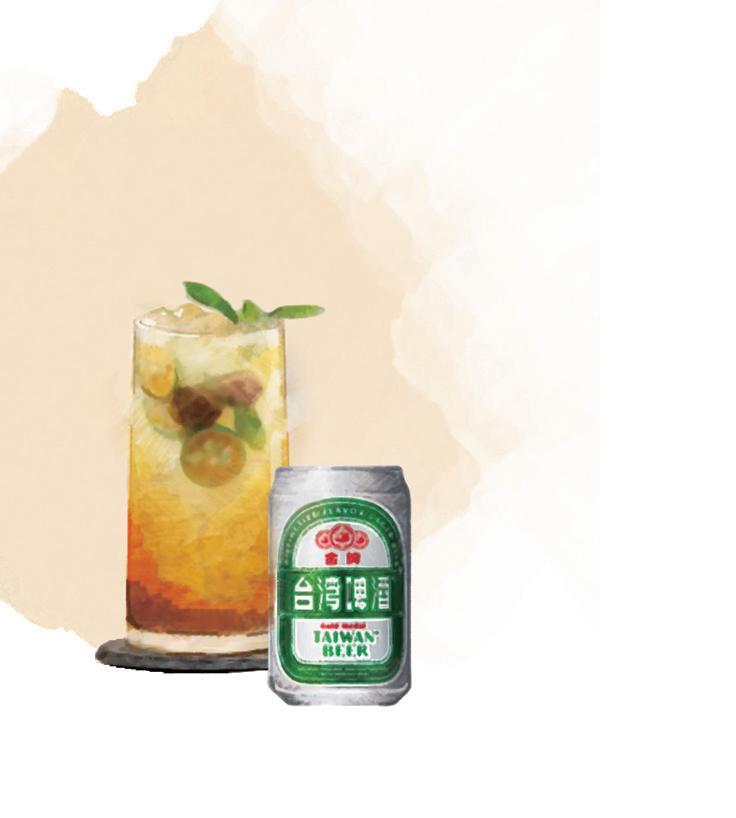
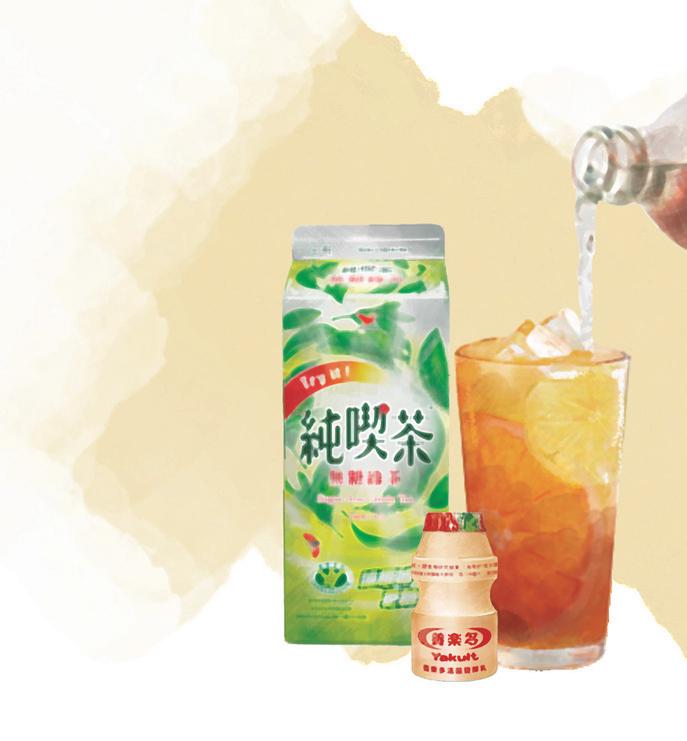
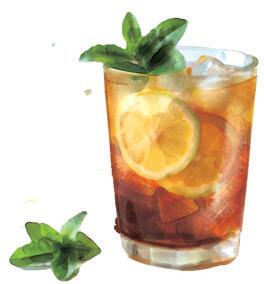
Browse Taiwan-exclusive gifts and souvenirs in Made in Taiwan , with two award-winning brands showcasing craftworks made from retired power-generation components and premium recycled woods, respectively; the latter workshop also offers tours and DIY sessions. And in Little Things, it’s time for some most unusual liquid refreshments –see how novelty-loving Gen Z transforms local convenience stores into cocktail bars, seeking to out-invent each other with DIY cocktails made solely with in-store ingredients.
Happy Taiwan travels!
TAIWAN TOURISM ADMINISTRATION
PUBLISHER
Taiwan Tourism Administration
EDITING CONSULTANT
T. C. Chou
PUBLISHING ORGANIZATION
Taiwan Tourism Administration, Ministry of Transportation and Communications
CONTACT
International Division, Taiwan Tourism Administration
Add: 9F, 290 Zhongxiao E. Rd., Sec. 4, Taipei City, 10694, Taiwan
1F, No. 5, Aly. 20, Ln. 265, Sec. 4, Xinyi Rd., Taipei City 10681, Taiwan
Tel: 886-2-2325-2323 Fax: 886-2-2701-5531
E-MAIL
editor@v-media.com.tw
GENERAL MANAGER
David Hu
台灣觀光雙月刊
Travel in Taiwan
The official bimonthly English magazine of the Taiwan Tourism Administration (Advertisement) MARCH/APRIL, 2026
Tourism Administration, MOTC
First published Jan./Feb. 2004
ISSN: 18177964 GPN: 2009305475
Price: NT$50
中華郵政台北雜字第1286號執照登記為雜誌交寄 Copyright @ 2026 Tourism Administration. All rights reserved. Reproduction in any form without written permission is prohibited.
MAGAZINE IS SOLD AT:
1. Wu-Nan Culture Plaza, No. 6, Zhongshan Rd., Central Dist., Taichung City 40043 886-4-2226-0330 http://www.wunanbooks.com.tw/
2. National Bookstore, 1F., No. 209, Songjiang Rd., Zhongshan Dist., Taipei City 10485 886-2-2518-0207 http://www.govbooks.com.tw/
EDITOR IN CHIEF
Johannes Twellmann
ENGLISH EDITOR
Rick Charette
DIRECTOR OF PLANNING & EDITING DEPT
Joe Lee
MANAGING EDITOR
Anna Li
EDITORS
Masako Takada, Lynn Chang
CONTRIBUTORS
Ami Barnes, Rick Charette, Simon Foster
PHOTOGRAPHERS
Chen Cheng-kuo, Ray Chang
DESIGNERS
Ian Tsai , Hsieh Yun-jhen
ADMINISTRATIVE DEPT
Lily Wan, Hui-chun Tsai, Xiou Mieng Jiang
Travel in Taiwan No.134 MARCH/APRIL, 2026
ONLINE
Read Travel in Taiwan online at www.travelintaiwan.net. Find back issues (PDF version) on the publication platform issuu at issuu.com/travelintaiwan
WHERE YOU CAN PICK UP A COPY OF TRAVEL IN TAIWAN
ABROAD
Offices of the Taiwan Tourism Administration in Beijing, Shanghai, Hong Kong, Singapore, Bangkok, Ho Chi Minh City, Kuala Lumpur, Seoul, San Francisco, New York, Los Angeles, Frankfurt, and London. Overseas Offices of the Ministry of Economic Affairs; Overseas Offices of the Central News Agency; EVA Air, and other selected international airlines; selected travel agencies in Asia, North America, and Europe; and other organizations.
IN TAIWAN
Tourism Administration Visitor Center; Tourism Administration; Taiwan Visitors Association; foreign representative offices in Taiwan; Tourism Administration service counters at Taiwan
Taoyuan Int’l Airport and Kaohsiung Int’l Airport; major tourist hotels; Taipei World Trade Center; VIP lounges of international airlines; major tourist spots in Taipei; visitor centers of cities and counties around Taiwan; offices of national scenic area administrations; public libraries
This magazine is printed on FSC® COC certified paper. Any product with the FSC® logo on it comes from a forest that has been responsibly maintained and harvested in a sustainable manner.
This magazine was printed with soy ink. Soy ink is said to be more environmentally friendly than petroleum-based ink and to make it easier to recycle paper.
Website issuu (PDF)
Matai’an Wetland Ecological Park (photo by Chen Cheng-Kuo)
What's Fun About Yangmingshan National Park?
SUSTAINABLE TRAVEL | HUALIEN
HUALIEN RISING
Charting a Slow Course Through Local Tradition and Transformation
SLOW AND SUSTAINABLE
Hot Springs, Nature Hikes, and Scenic Cycling in Taitung
PUTTING THE CULTURE INTO AGRICULTURE
East Taiwan’s Gift to Fruity Foodies and the Culinary Culture Curious
STREET WALKS | TAITUNG
FIELDS AND FLAVORS
Culture, Food, and Scenery in Chishang Township
GOOD FOOD | VEGAN RESTAURANTS
NO MEAT, NO LIMITS Inside Taipei’s Flourishing Plant-Forward Dining Scene
MADE IN TAIWAN
UNIQUE TAIWAN-BRAND CRAFT SOUVENIRS
Aesthetic Designer Curios
LITTLE THINGS
CONVENIENCE STORE COCKTAILS
A Recent Trend Among Young Folks
TAIWAN PASS FUN IN KAOHSIUNG!
Enhance Your Visit with the City’s FunPASS
TRANSIT TRAVEL
KAOHSIUNG IN A HURRY
Must-Dos on Brief Visits to the City
Springtime Joy
AROUND TAIWAN 1 May
Hakka Tung Blossom Festival
臺灣桐花祭
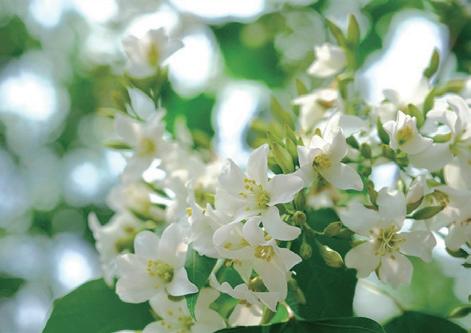
Known as “May Snow” in Taiwan, tung tree blossoms give wooded hills – especially in the island’s northwest – a distinct white color each year. When the trees shed their blooms, the fallen petals create a white carpet on the ground, delighting hikers. Tung trees are deeply intertwined with Hakka culture in Taiwan, having historically served as a vital cash crop for oil and wood that provided economic stability for Hakka communities in hilly regions. Now growing wild in abundance, their blossoms have become a powerful cultural symbol celebrated through the annual Hakka Tung Blossom Festival, which promotes tourism and preserves Hakka identity. tung.romantichakka.com
PINGTUNG COUNTY
2 Apr 1–20
Dapeng Bay Marine Festival
大鵬灣帆船生活節
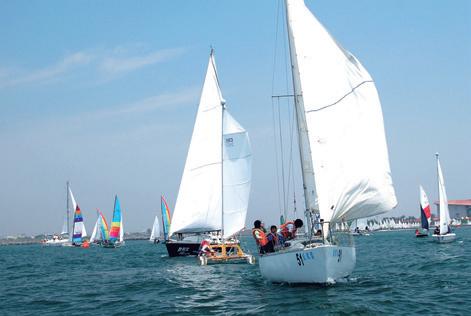
Dapeng Bay, located in southwest Taiwan’s Pingtung County, is the island’s largest lagoon. A military seaplane base during the Japanese colonial era (1895-1945), it is now a popular destination for tourists seeking water activities such as windsurfing and yachting. Held at Marina Bay Pier, the Dapeng Bay Marine Festival is Taiwan’s largest sailing event, featuring competitions in yachting, sailboating, and kayaking. A variety of hands-on water-recreation/ water-activity experiences are available, and the festival also offers a great opportunity to experience Pingtung’s local culture and culinary specialties. www.dbnsa.gov.tw
TAOYUAN CITY
3 April
Longgang Rice Noodle Festival
桃園龍岡米干節
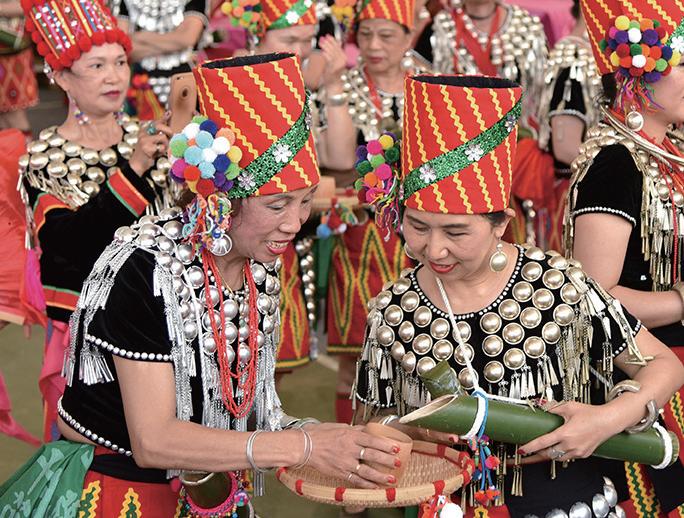
Looking for authentic Yunnanese, Burmese, and Thai cuisine in Taiwan? Look no further than Longgang in Taoyuan City. This unique neighborhood is home to veterans of the Nationalist army and their descendants who came from the “Golden Triangle” region of Southeast Asia to Taiwan in the 1950s-early 1960s and settled in Taoyuan. The festival celebrates the culture and cuisine of minority communities from that region, including the Dai people (many of the soldiers married individuals from the local peoples). A must-try dish is migan – broad, flat rice noodles typically served in broth or stir-fried. During the festival, visitors can learn how to make migan, try on traditional ethnic costumes, and enjoy lively performances of traditional music and dance. travel.tycg.gov.tw/en
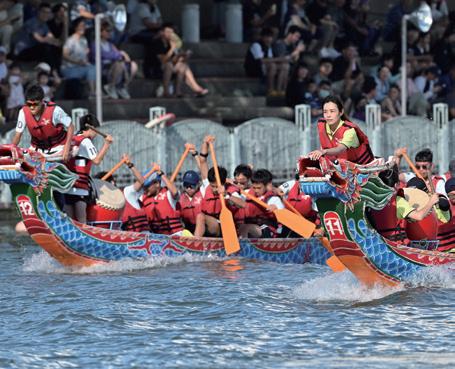
Every year, the town of Lukang in central Taiwan’s Changhua County is one of the best places on the island to celebrate the Dragon Boat Festival. The Lukang event features thrilling dragon-boat races on the Fulu River, where teams paddle in synchronized rhythm to the beat of drums. Unlike similar races held elsewhere in Taiwan, the contests continue well into the evening, creating a distinctive atmosphere. Beyond the competition, visitors can enjoy cultural performances, sample traditional zongzi (glutinous-rice dumplings), participate in folk activities, and explore Lukang’s well-preserved temples and historic streets.
tourism.chcg.gov.tw
TAIPEI CITY 4 March 13-June 21
Zhuzihu Calla Lily & Hydrangea Festival
竹子湖海芋季及繡球花季
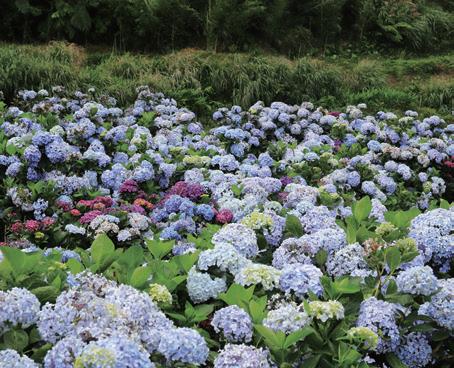
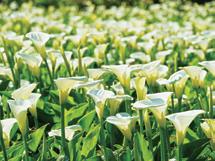
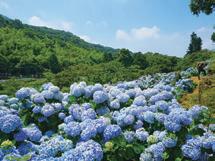
This festival has been held since 2002 to celebrate Beitou District’s distinctive flower industry. Nestled in the mountains of Yangmingshan National Park at approximately 650 meters elevation, Zhuzihu is a rural settlement cradled between the towering peaks of Mt. Datun and Mt. Qixing. The cool and humid climate there creates ideal conditions for cultivating calla lilies and hydrangeas; about 90% of Taiwan’s calla lilies are produced here. During the calla lily season (mid-March to late April) and the hydrangea season (midMay to mid-June), visitors can wander through picturesque flower fields, enjoy hands-on picking experiences, savor fresh locally grown vegetables, and join guided farm tours. www.flowersfestival.taipei
KAOHSIUNG CITY 4 March-April
Neimen Song Jiang Battle Ritual
高雄內門宋江陣
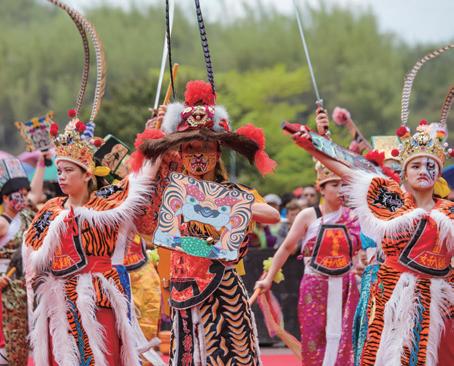
The Neimen Song Jiang Battle Ritual is a spectacular martial-arts festival held annually in Kaohsiung City’s rural Neimen District. This distinctive event showcases the Song Jiang Battle Array, a traditional folk performance that blends martial arts, acrobatics, and religious ritual dating back to the Qing Dynasty. Originally practiced as village self-defense, these choreographed battle formations feature participants wielding weapons like staffs, swords, and shields while performing intricate movements. The festival draws dozens of troupes from across Taiwan, who compete and perform before temples in Neimen to honor the deities within. The vibrant celebration preserves centuries-old traditions while highlighting Taiwan’s rich folk culture and community heritage. www.facebook.com/kaohsiungwhoha
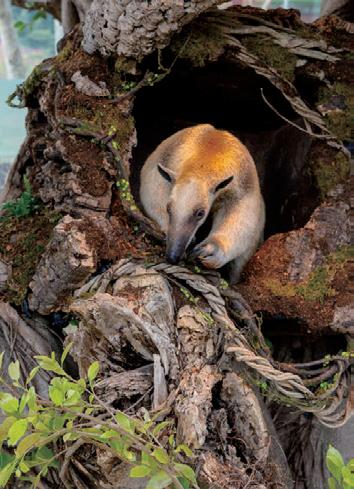
Mostly known for its raucously colorful annual Songjiang Battle Array event, Kaohsiung City’s rural Neimen District this January added another good reason for outsiders to visit, a zoo named Yessen Animal School. Run as a public-private partnership, the 11.5ha site is an attraction that combines life education, animal conservation, local culture, and tourism. Among the animal species calling the small zoo their home are foxes, anteaters, capybaras, and meerkats. yessen.com.tw
From architectural marvels to enhanced digital services, Taiwan's tourism landscape is rapidly evolving, giving travelers new reasons to visit.
Tourist Shuttle Service on Xiao Liuqiu
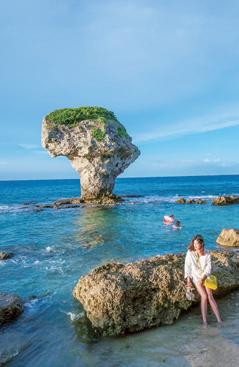
Since the beginning of this year, the tiny island of Xiao Liuqiu off the coast of Pingtung County in southwest Taiwan can be explored by taking the Liuqiu Express (Bus No. 601), part of the Taiwan Tourist Shuttle Network. Starting from Baisha Tourist Harbor, where tourists arrive by ferry from the fishing-harbor town of Donggang on Taiwan’s mainland coast, the bus travels counter-clockwise around the island. The route (about 11km long) includes 19 stops, covering the island’s main attractions, including the iconic Vase Rock (near the visitor center), Wild Boar Ditch, Geban Bay, and Houshi Beach. A one-day hop-on/hop-off pass is available for NT$100. www.taiwantrip.com.tw
This year, several high-profile infrastructure and tourist attraction projects will be completed, improving transportation and offering visitors new destinations for upcoming Taiwan trips:
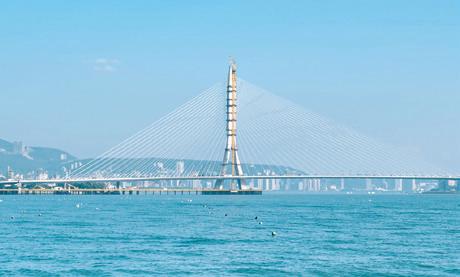
Danjiang Bridge, New Taipei City – This 920m architectural landmark, designed by Zaha Hadid Architects, is the world’s longest single-tower asymmetric cable-stayed bridge. It spans the Tamsui River near its mouth, linking the port town of Tamsui and the district of Bali. The bridge includes lanes for motor vehicles, light rail, cyclists, and pedestrians.
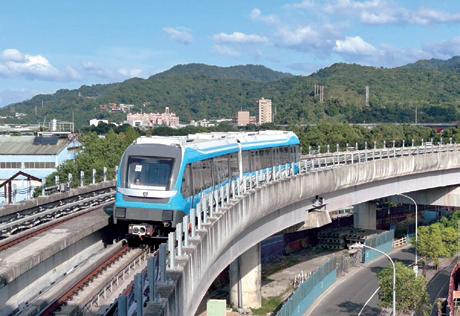
Sanying MRT Line, New Taipei City – Scheduled to begin full operations by mid-2026, this 14.2km line connects the districts of Tucheng, Sanxia, and Yingge. Linking to the Taipei Metro’s Blue Line, it will make visiting attractions such as Sanxia Old Street, the Yingge Ceramics Museum, and the New Taipei City Art Museum from central Taipei more convenient.
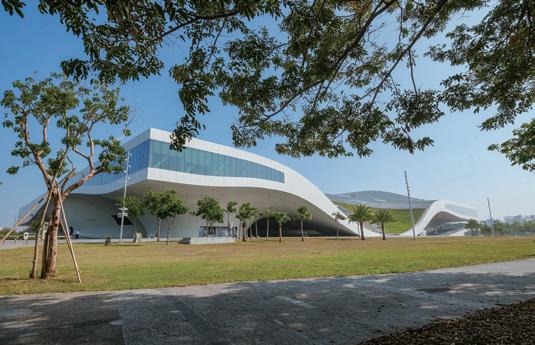
Kaohsiung Oceanarium, Kaohsiung City – Located at the intersection of Bo’ai 2 nd and Dashun 1st roads, this is southern Taiwan’s first “urban-style” aquarium. Part of a major new department store and hotel complex, and similar in concept to the Xpark in Taoyuan City, the oceanarium is expected to become a major tourist draw.
Songling Star, Nantou County – This 50m-tall observation tower in Mingjian Township features a unique double-helix glass walkway inspired by the guardian snake of nearby Shoutian Temple. It offers 360-degree views over the southern Bagua Mountain Range and the coastal plains of Changhua and Yunlin counties.
Digital Tourism Hub in Every 7-Eleven
Earlier this year, the Taiwan Tourism Administration teamed up with President Chain Store Corporation to provide visitors with helpful tourism information at all 7-Eleven convenience stores (7,200 island-wide) through the stores’ ibon kiosks. Tourists can access a digital hub offering real-time, multilingual AI travel assistance and integrated data from various national agencies. This partnership also enhances the “Taiwan the Lucky Land” campaign, allowing international travelers to redeem and use NT$5,000 vouchers directly in-store. This digital transformation effectively turns every 24-hour 7-Eleven into a mini-visitor center.
New Film Set Park in Miaoli
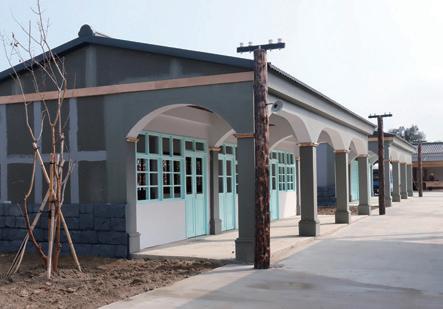
Opened at the end of January, the “Variety Cinema Cultural and Creative Park” in Houlong Township, Miaoli County, is expected to give this less-visited part of Taiwan a boost. Built in a previously idle recreation area close to the coast, it’s the island’s first comprehensive park combining film and TV production facilities, cultural-creative experiences, and camping. The park features immersive film sets from Taiwan’s 1950s-60s era, traditional threesided courtyard houses, and Japanese-style tatami rooms that serve as both working production locations and visitor attractions. bit.ly/miaoli-film-set-park
This is one of Taiwan’s most prominent performing arts festivals, each year presenting an ambitious mix of international and local productions. Held at the National Theater and Concert Hall in Taipei, the festival unfolds over several weeks each spring, presenting cuttingedge contemporary performances. This year’s lineup includes Sir Bryn Terfel, the acclaimed Welsh bass-baritone; Mariza, Portugal’s leading contemporary Fado singer; Christopher Rüping of Deutsches Theater Berlin, who is known for creating productions that are both outlandish and sensitive; and the Hofesh Shechter Company, the internationally renowned ensemble led by IsraeliBritish choreographer Hofesh Shechter. npac-ntch.org
Exhibition 2
MEGAPORT FESTIVAL
大港開唱
March 21-22
The Pier-2 Art Center [Kaohsiung City]
Founded in 2006 by the Taiwan Rock Alliance, this is southern Taiwan’s premier music festival, featuring multiple unique stages, including a giant outdoor pier stage, warehouse venues, a rooftop stage, and even a stage on a cruise ship. The festival showcases both top Taiwanese artists (such as Infernal Chaos and Sandwich Fail this year) and international acts (including Aina the End and Kessoku Band from Japan), blending rock music with family-friendly activities, food trucks, and markets. Set against Kaohsiung’s harbor, Megaport has become one of Taiwan’s most anticipated annual music events, celebrating diverse musical genres with an emphasis on sustainability and community. megaportfest.com
Exhibition 3
INTO ETERNITY:
GIACOMETTI, MIRÓ, CALDER 《步入永恆:賈科梅蒂、米羅、考爾德》
Until April 20
Fubon Art Museum [Taipei City]
This exhibition brings together twentieth-century icons Alberto Giacometti, Joan Miró, and Alexander Calder, presenting forty-seven postwar works from Fondation Maeght, France’s first independent art foundation. Arriving in Paris in the 1920s, these artists helped revolutionize sculpture through avant-garde and Surrealist approaches. The exhibition traces their distinct postwar developments: Giacometti’s elongated figures distilling the human condition, Miró’s playful transformations of everyday forms, and Calder’s kinetic investigations of movement and scale. Together, they reshaped ideas of space and form. Most of the works are being shown in Taiwan for the first time, offering a rare opportunity to see how these masters pushed the boundaries of modern art and expanded our ways of seeing. www.fubonartmuseum.org
Music
FACTORY INTERNATIONAL X HUANG RUO: CITY OF FLOATING SOUNDS
曼徹斯特國際工房 ╳ 黃若《浮聲之城》
March 28-29
National Taichung Theater [Taichung City]
City of Floating Sounds is an immersive, city-scale concert that reimagines how classical music is experienced. Created by composer Huang Ruo, the project blends Eastern and Western musical traditions and unfolds in two parts. First, audiences embark on an “urban sound journey,” choosing one of six Taichung City routes and listening via a mobile app as orchestral music intertwines with ambient city sounds. Each listener hears a unique musical strand, which later converges into a collective whole. The experience culminates at the National Taichung Theater, where a live orchestral performance invites audience members to move freely among the musicians. The boundaries between listener, performer, and city are dissolved. www.npac-ntt.org
TAIWAN MUSIC FESTIVAL
台灣祭
April 3-5
Dawan Recreation Area, Kenting [Pingtung County]
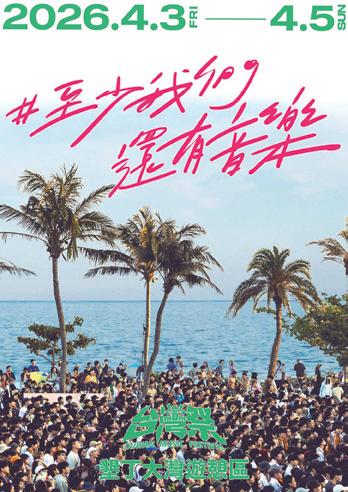
Another major music festival in southern Taiwan, this free-admission outdoor jamboree has been held annually since 2021 at Kenting’s Dawan Recreation Area. Taking place over the Tomb Sweeping Festival long weekend – now widely regarded as an unofficial music-festival holiday in Taiwan –the event features around 30 performances, mostly by Taiwanese acts, spanning rock, punk, metal, hip-hop, and indie. This year’s lineup will include punk rock veterans 88 Balaz, hip-hop duo High Loc & Henry, and Japanese rock band Su-Xing-Cyu. www.instagram.com/taiwanmusicfest
Exhibition 6
LEGACY FROM THE SOUTH: HAN, PAO-TEH
美感.建築.博物館:漢寶德的南方系譜
Until May 3
Tainan Art Museum [Tainan City]
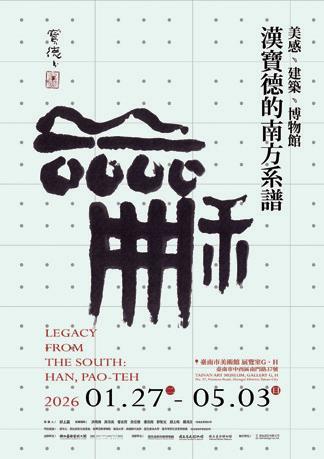
This exhibition explores the profound influence of the “South” on Han Pao-Teh, a foundational figure of postwar Taiwanese architecture. Beyond geography, the exhibition defines the South as a counter-mainstream spirit of reform and innovation. Spanning five themes – architecture, museums, preservation, calligraphy, and aesthetics – the showcase features models, drawings, and artifacts that illustrate Han’s “Mahayana Concept of Architecture.” His vision prioritized public experience and art education as essential for cultivating discerning citizens rather than just artists. By integrating works from Tainan National University of the Arts, the exhibition honors Han’s mission to harmonize cultural policy with everyday life.
www.tnam.museum
What’s Fun About Yangmingshan National Park?
Well, Since You Asked….
Moderate-sized Taiwan is a giant in terms of terrain and habitat variation, proudly showcased in its myriad national parks, running from the summit of East Asia’s highest peak (Mt. Jade) down to brilliantly painted coral life under the Pacific waves. All are made easily accessible for the international traveler by the first-rate, budget-friendly local transportation web. Let’s now get to know Yangmingshan National Park, on Taipei’s northern doorstep.
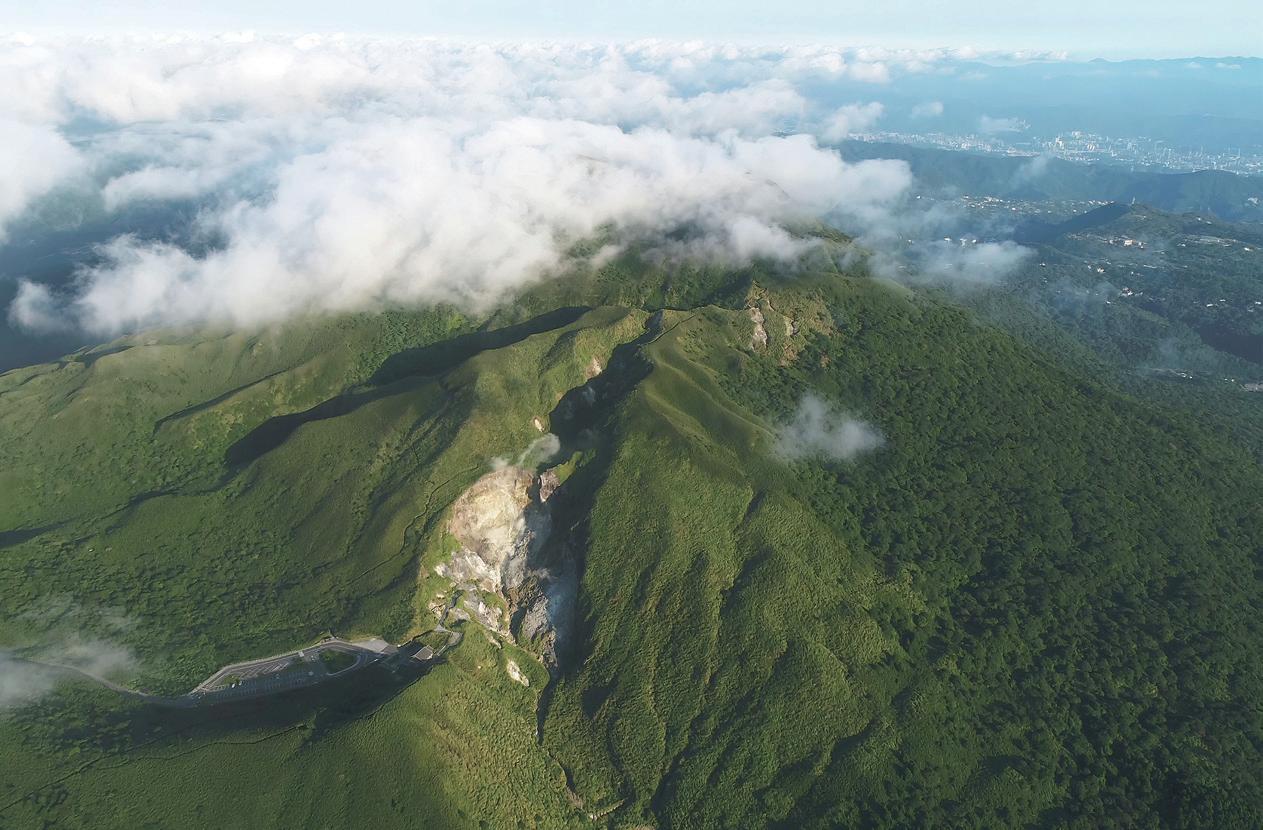
Yangmingshan National Park (www.ymsnp.gov.tw) is, literally, Taipei’s crown jewel. It crowns the mighty Yangmingshan massif, and looks down into the Taipei Basin and city center from the city’s north side. This is one of the world’s most accessible national parks, just 40 minutes or so from central Taipei (with regular bus service), a rare example of dramatic nature right next to a major city’s core. The park’s higher reaches are commonly 5~10°C cooler than downtown, making it a popular summer escape. About 113 square kilometers in size, its height range soars from just 56 to 1,120 meters.
This is the only national park in Taiwan where you can see ongoing geothermal phenomena. The massif is a big volcanic cluster – but don’t worry, this leviathan has long been slumbering. What you get is the tourist-friendly surface evidence: fumaroles, sulfur pits, and hot/cold-spring pools (yes, there are facilities where you can enjoy a good soak). Xiaoyoukeng is the star geothermal showpiece, a moonscape place where soil temperatures can exceed 90°C just under the surface – the warning signs you see aren’t just for show.
Hot Tip: The big headquarters visitor center is the perfect gateway for your visit. Near the main bus terminal and Yangming Park, the park’s primary venue for cherry-blossom viewing (see box at article’s end), enjoy the varied educational exhibits, including animations and miniature landscapes.
TEXT RICK CHARETTE PHOTOS VISION, NATIONAL PARK SERVICE (M.O.I.)
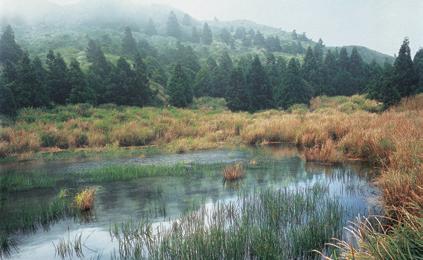
Menghuan Pond
Erziping
NATIONAL PARKS Yangmingshan
History and Mission
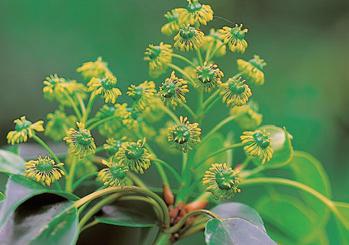
Established in 1985 as Taiwan’s third national park, YNP’s unique mission is to foster coexistence between nature conservation and Taipei urban life, focusing on education, eco-friendly farming, and sustainable recreation. This includes protecting its geothermal features, diverse flora and fauna, and cultural sites such as historical rice terraces. The terrain is home to over 1,200 vascular plant species, with two notable species being the Bird-Lime Tree and the Hairy Japanese Maple. Noteworthy photogenic animal celebs include the Crested Serpent Eagle and Taiwan Blue Magpie.
History Fun Fact: Yangmingshan’s original name was Caoshan (Grass Mountain). The sulfur fumes, volcanic soil, and sometimes strong winds prevent large trees from growing in many areas. The dominant grass is long silvergrass, which famously billows in the breezes.
Hiking Trails
This park is a hiker’s paradise, interlaced with well-maintained trails of diverse difficulty delivering up widely differing scenery thrills. The big-vista park views are found atop two famed Yangmingshan peaks, taking in both city and ocean:
Mt. Qixing is, at 1,120 meters, the highest point in the Taipei area. Conquer the mountain via a trail of moderate difficulty that stretches from Xiaoyoukeng to the mountain’s multiple peaks and down the other side to Lengshuikeng. Mt. Datun is 1,092 meters high; the ascent to its West Peak is more challenging, but it rewards you with premier Taipei sunsets and night views.
The glory of Taipei-region hiking, the 92km Taipei Grand Trail, brings you through different park sections. Check it out here: taipeigrandtrail.gov.taipei
Other Popular Tourist Areas
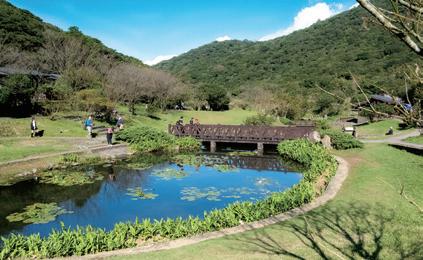
Three other very popular visitor attractions are Erziping, Qingtiangang, and Zhuzihu. Erziping is a recreation area known for its easy, barrier-free 1.8km paved trail, leading from its visitor center through forest to an open grassland with ponds. Qingtiangang is an expansive grassland that sits atop an ancient lava-flow terrace, renowned for its grazing water buffalo. Zhuzihu is a basin encircled by mountains on three sides. Once a natural barrier lake, it gradually became a depression after erosion opened an outlet that allowed the water to drain away. Formerly known for cultivating Taiwan’s native Penglai rice, the area is now home to flower farms focused on tourism. Each year, Zhuzihu hosts the Calla Lily & Hydrangea Festival.
Spooky Fun Fact: During the Japanese colonial period (1895~1945), the Japanese built many hot-spring facilities; remains today dot the landscape, inspiring ghost tales, and not a few in-the-know local drivers will refuse to linger near them at night, especially in foggy weather.
Yangmingshan Festivals and Special Seasons
The Yangmingshan Flower Festival (Feb-March) features glorious displays of cherry blossoms and azaleas.
The best time to spot butterflies on Yangmingshan is mid-summer (peak in June), and a foremost lepidopteranspotting locale is the trail leading to Menghuan Pond; 1ha in size, the pond is a protected wetland of national importance, but can be viewed from a waterside observation deck.
During the silvergrass season (Oct-Dec, peak in November), mountainsides become intoxicating breezeswaying “seas” of Miscanthus sinensis ; the plumes are predominantly golden-white, with reddish hues in areas heavy with volcanic soil.
ENGLISH AND CHINESE
Caoshan | 草山
Erziping | 二子坪
Lengshuikeng | 冷水坑
Menghuan Pond | 夢幻湖
Mt. Datun | 大屯山
Mt. Qixing | 七星山
Qingtiangang | 擎天崗
Taipei Grand Trail | 臺北大縱走
Xiaoyoukeng | 小油坑
Yangming Park | 陽明公園
Yangmingshan Flower Festival | 陽明山花季
Yangmingshan National Park | 陽明山國家公園
Zhuzihu | 竹子湖
Silvergrass along trail up Mt. Qixing
Crested Serpent Eagle
Flowers of the wheel tree
Calla lily
Hydrangeas
Charting a Slow Course Through Local Tradition and Transformation
Wedged between the parallel peaks of the Coastal Mountain Range and the Central Mountain Range lies the East Rift Valley. It’s a place of exterior drama and inner peace, and — with its gentle bikeways, abundant nature, and community-oriented initiatives — it’s also the ideal playground for a spot of slow, low-carbon exploration.
Hualien County has a lot going for it. A three-hour train ride away from Taipei, here the mountains are taller, the air is clearer, the rice sweeter, the quiet quieter, nature closer, prices lower, and the pace of life commensurately more relaxed. Sure, the county has had a rough couple of years. First, there was the 2024 Hualien earthquake, then last year’s flooding in Guangfu Township. But this is Taiwan’s east coast; typhoons and seismic activity are par for the course – as much a part of life’s fabric as the sunrises that daily chase morning mists from the rice paddies. Things happen, the world keeps turning, and the hardy people of Hualien have more important things to be getting on with – welcoming new visitors, for starters.
TEXT AMI BARNES PHOTOS CHEN CHENG-KUO
Jiang Jun Fu 1936 complex in Hualien City
Guangfu Township
This journey begins in Guangfu Township. An agricultural township in central Hualien County, where roughly half the population claims indigenous Amis ancestry, Guangfu rarely garners much attention. However, on September 23, 2025, the township’s namesake town shot to infamy when torrential rain during Super Typhoon Ragasa sent 15.4 million cubic meters of water racing down the Matai’an Creek. News footage showed the surge effortlessly taking out a four-lane bridge, and for weeks afterwards, social media was inundated with photos of streets and residences caked in viscous mud the color of ash.
When Travel in Taiwan visited three months later, much still had to be done, but progress was being made. Traffic flowed over a new (albeit temporary) bridge, the town church’s 2025 Christmas trees had been fashioned from donated shovels and rain boots, and in areas that escaped the flooding, life had resumed remarkably quickly.
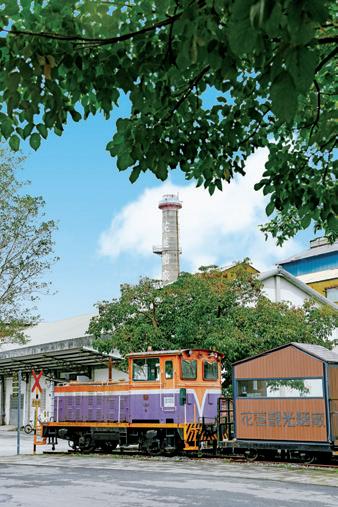
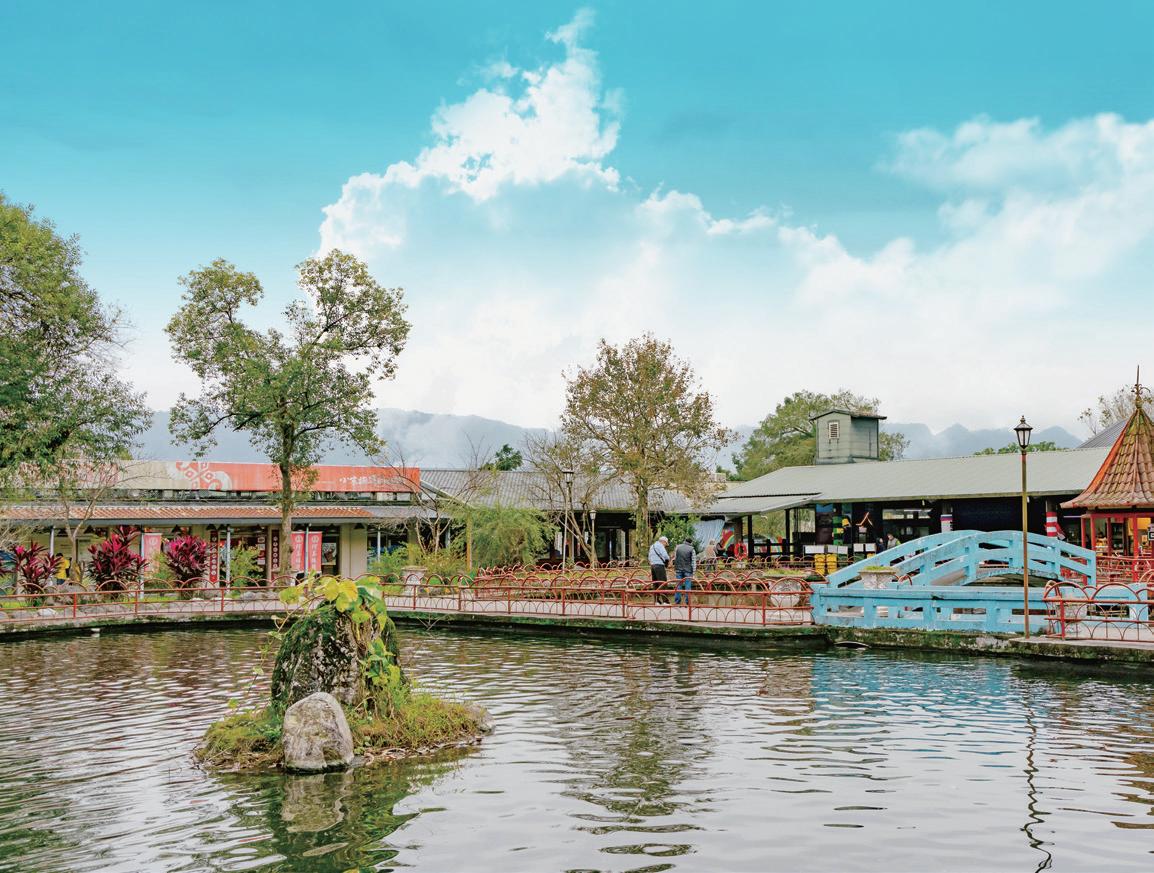
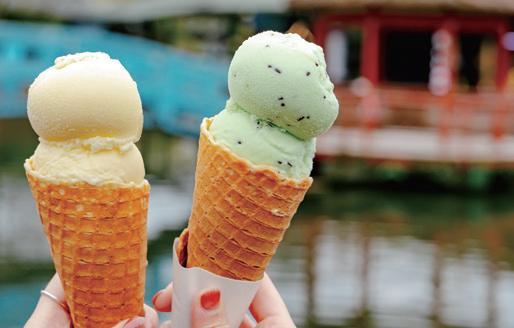
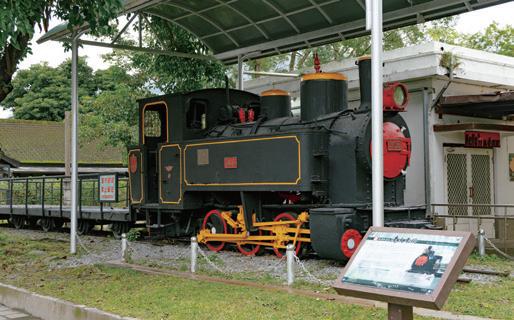
Among those places spared from damage was the decommissioned Guangfu Sugar Factory, now officially named Hualien Tourism Sugar Factory. Since the facility ceased production in 2002, the Taiwan Sugar Corporation has maintained ownership of the site, turning it into a mixed-purpose attraction. Relics from the factory’s former glory years are dotted amongst the snack vendors and old buildings, and a museum pays homage to this bygone era with artefacts and first-person accounts from individuals who worked here. However, based on this writer’s (nonscientifically verified) observations, none of these is Guangfu Sugar Factory’s biggest attraction. That distinction goes to the ice-cream
Hualien Tourism Sugar Factory
Vanilla- and mint-flavored ice cream
Old sugar railway locomotive on display
stall. Simple and old-fashioned in both styling and service, the stall is one of those places that manages to cultivate an air of nostalgia by dint of just never changing. Ingredients used are local, and flavors tend towards the traditional (adzuki bean, taro, peanut), with occasional oddities (wasabi, roselle) also on offer.
One group of visitors specifically catered to at the Hualien Tourism Sugar Factory is cyclists. For those attempting to pedal around the whole of Taiwan’s main island, this site is an excellent pitstop. In addition to offering refreshments and basic-repair facilities, affordable accommodation is available in the form of restored Japanese-style workers’ bungalows.
You don’t have to be a committed bikepacker to enjoy Guangfu on two wheels – bikes (and e-bikes) can be rented on the sugar factory grounds for short one-day adventures. If you have a few hours to spare, the 15.9-kilometer Guangfu Bikeway is a pleasant, flattish loop through farmland and villages on mixeduse back lanes.
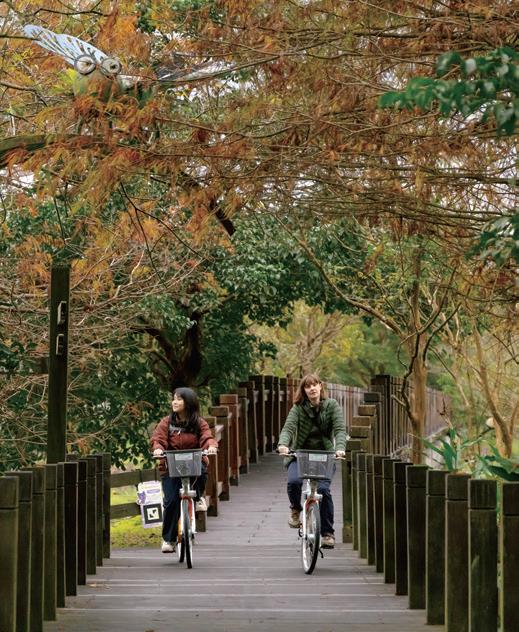
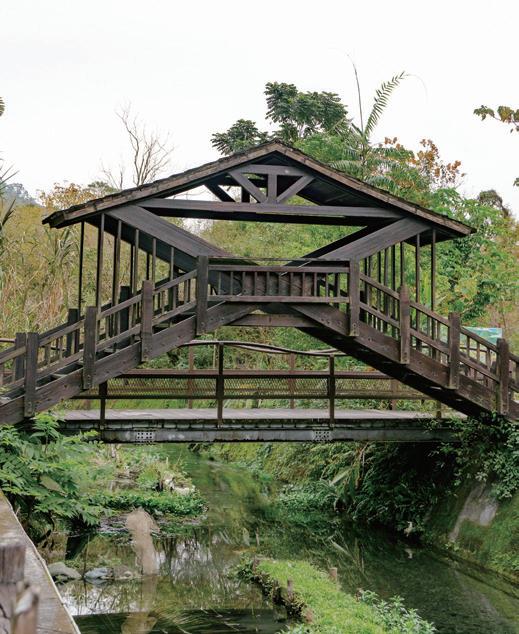
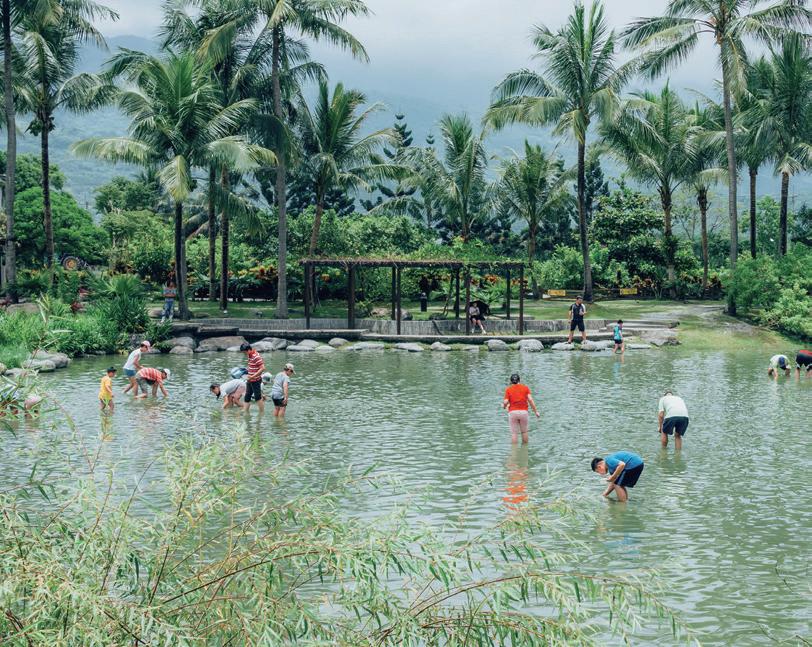
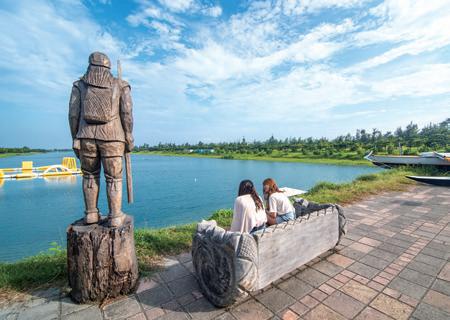
Bikers can also easily reach Matai’an Wetland Ecological Park, which is a brief and easy 1-kilometer jaunt away from the sugar factory. Fudeng Creek’s pristine waters flow lazily through the park, supporting a rich ecosystem of plants and wildlife. Near one entrance, pools delineated by raised stone banks and filled with layered branches demonstrate the Amis’ palakaw fishing method, a self-sustaining technique used for generations, while deeper into the park, boardwalks invite you to stroll around larger pools. In winter, bald cypresses in the shallows add a dash of burnt ochre to the greenery. Springtime visitors might spot fireflies dancing through the reeds at dusk, then from May through August, pink water lilies blanket the surface of the waters. And if you find yourself feeling peckish, the lanes around the wetland park are home to several small establishments serving up stone soup, an Amis dish cooked by immersing hot stones directly into the cooking pot.
No. 19, Tangchang St., Guangfu Township, Hualien County ( 花蓮縣光復鄉糖廠街 19 號 ) www.taisugar.com.tw/resting/hualian
MATAI'AN WETLAND ECOLOGICAL PARK | 馬太鞍溼地生態園區 0975-350-520
No. 55, Daquan St., Daquan Village, Guangfu Township, Hualien County ( 花蓮縣光復鄉大全村大全街 55 號 ) www.facebook.com/fataan.wetland
Biking in Matai'an Wetland Ecological Park
Pedestrian bridges in the park
Wanrong Township
Neighboring Guangfu on three sides is mountainous Wanrong Township, the majestic peaks of the Central Mountain Range visible beyond its east-side foothills. Its majority-indigenous population (mostly members of the Truku, Bunun, and Atayal groups) is concentrated in eight settlements. It’s on the edge of one foothills community north of Guangfu town – Ciyakang Village – that the facility used by Akay Play Life, a group that offers immersive indigenous experiences, can be found.
In the Truku tongue, akay was originally an interjection uttered in pain or exasperation. “Like when someone steps on your foot,” explained our guide, Bakun Ruiy. At first glance, this seems a strange name for a business, but as tends to happen in living languages, meanings shift, and in the mouths of today’s young, akay is an expression of awe or admiration, making it a perfectly apt moniker for a youthowned venture celebrating Truku culture in all its lived complexity.
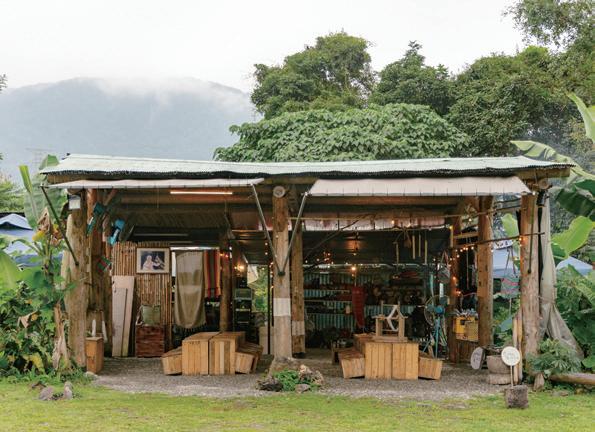
We had signed up for a half-day weaving and fabric-dyeing experience, arriving at the small, mostly outdoor venue on a morning when the fog hung low and our breath was rendered visible by the cold. (Other offerings include river-tracing adventures that allow you to immerse yourself in the landscape, foraging and culinary experiences, which technically do the inverse, and storytelling sessions paired with hands-on archaeological excursions – the only activity of its kind in Taiwan.)
Waiting for Ruiy to get set up, we gravitated to the facility’s chicken coop, where plump, healthylooking chooks with glossy feathers and curious eyes were vocalizing their deep desire for more food scraps, pronto. “Let yourselves in,” Ruiy shouted from over in the firepit, “just don’t let them escape!” And as they swarmed, pecking at my shins, it was immediately clear that Akay Play Life provides the kind of place where curiosity is encouraged and exploration invited, the kind of place that you’ll leave with dirt under your fingernails and a body-memory understanding in your blood.
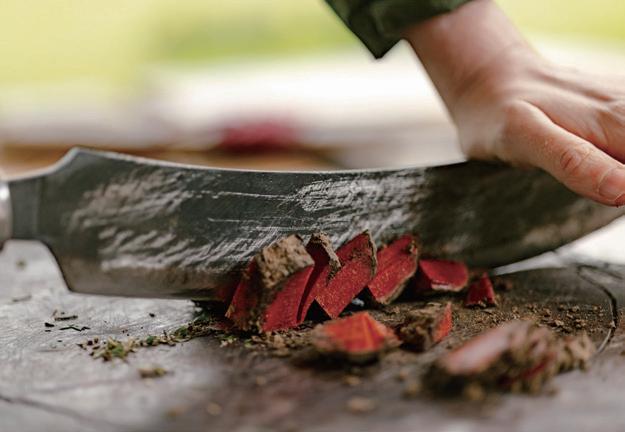
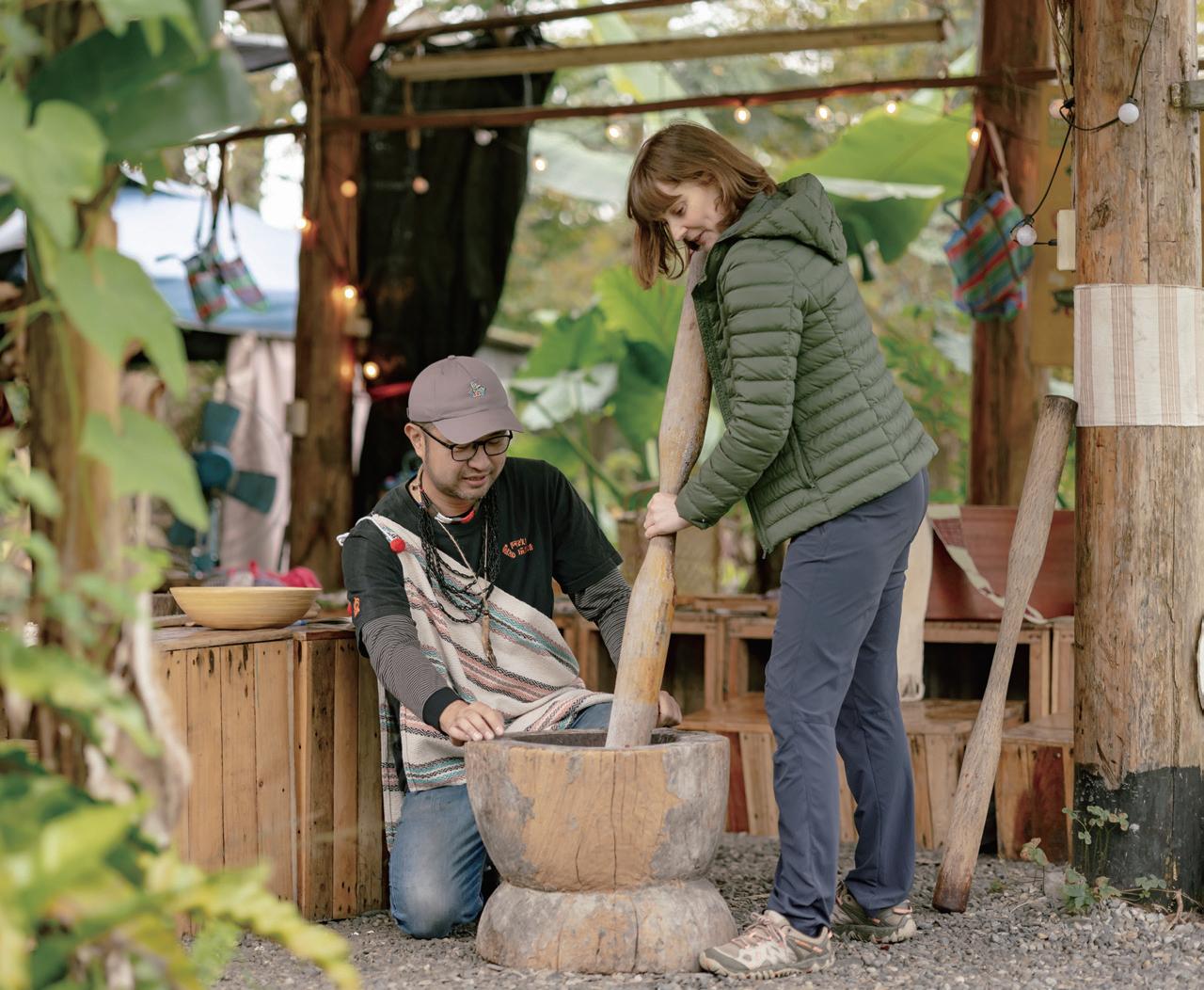
Sure enough, we soon found ourselves wielding huge machetes aloft, hacking limbs off a crepe myrtle tree, and our hands were stained red by the mashed-up tuber root of a Dioscorea cirrhosa vine (both plants are used to dye cloth). As we later stirred our cloth designs in a huge cauldron, the smoke chased me around the firepit, which Ruiy delighted in telling me meant I must have done something to anger the spirits according to Truku lore.
Throughout the experience, Ruiy casually mixed observations like this with instruction and stories from his own life. Despite growing up locally, he only really began engaging with his culture when he returned after a stint in Taipei, and he was evidently grateful to be making up for lost time. Wandering along a lane during a village plant tour, he pointed out plants first by their Truku name, repeating
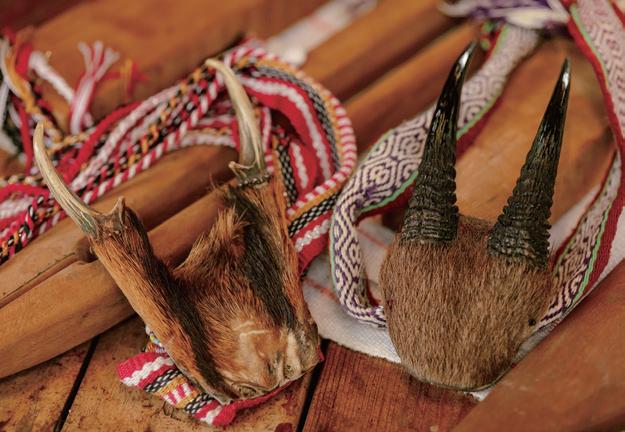
Traditional indigenous headgear featuring muntjac and serow antlers Chopping up the tuber root of a Dioscorea cirrhosa vine
the words and enjoying our attempts to echo him. For Ruiy, this passing on of knowledge is not just a job. It’s existential. Since hunting and mastery of the loom are no longer prerequisites for survival, cultural ambassadorship offers an alternative route to follow his ancestors “over the rainbow bridge” and into the afterlife. His sincerity was writ large in the goosebumps on his skin as he told us this. In the end, half a day felt like far too short a stay, but we didn’t go home empty-handed. In addition to my handdyeing project, I left with the Truku word for chicken (rudux) lodged in my brain and the sweet, comforting scent of woodsmoke clinging to my coat.
AKAY PLAY LIFE | 阿改玩生活 (03) 877-2862
No. 162-1, Neighborhood 9, Xilin Village, Wanrong Township, Hualien County ( 花蓮縣萬榮鄉西林村 9 鄰 162-1 號 ) akayplaylife.com www.facebook.com/akay.playlife
Akay Play Life guide Ruiy explaining how to mash and mix natural dyes
Akay Play Life's work and dining shed
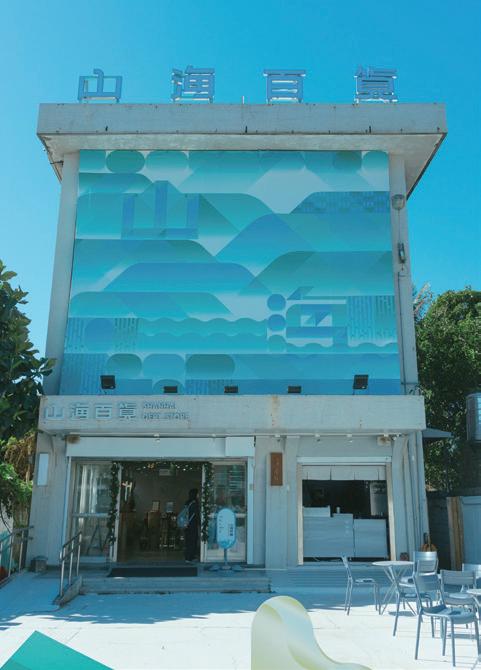
Shanhai Department Store
Xincheng Township
Let’s head out of the East Rift Valley now, beyond its north end. For years, Xincheng – a diminutive coastal settlement with an oversized train station, located north of Hualien City – was simply a springboard for onward travel into the marblewalled wonders of Taroko Gorge. So naturally, when the 2024 Hualien earthquake temporarily suspended travel into the gorge, this former gold-mining town was robbed of its main draw. Now, as visitor numbers begin to creep up again, residents are seeking new ways to put their home on the map.
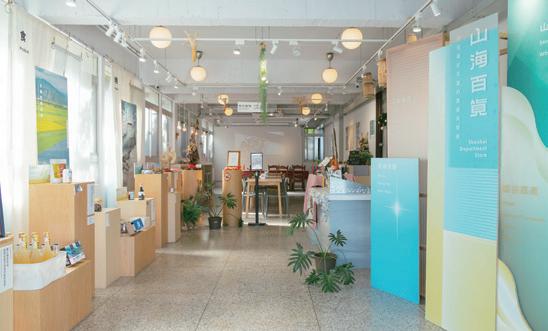
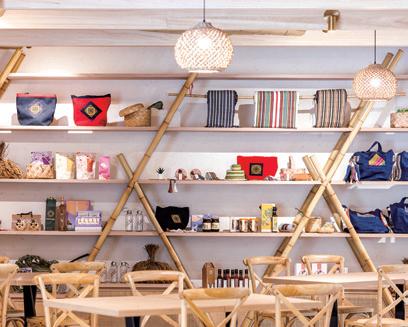
The Shanhai Department Store is among the ventures established amidst the aftershocks. (For English speakers, “department store” might bring to mind images of a large building crammed with branded concessions. Recalibrate your expectations – “Shanhai Boutique” would be more accurate.)
The store, which also features a café serving up Amis cuisine, bills itself as a lifestyle hub committed to the preservation of local stories, championing of sustainable production, and celebration of regional diversity.
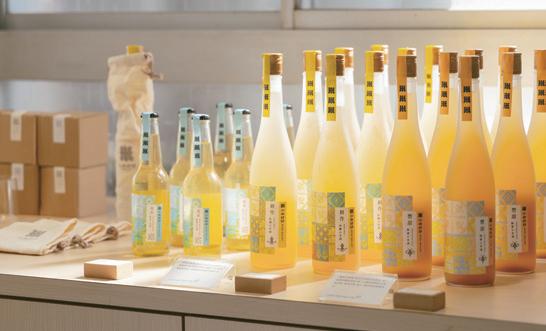
If you’re looking for deeply local souvenirs, this place is a goldmine. On its shelves are wares from all kinds of smallscale Hualien producers. There are consumables such as bonito-based snacks from the Chihsing Tan Katsuo Museum in Hualien City; smooth, honey-sweetened millet wine produced by a company named Fengtian; and intriguing nuts
(mala/numbing spicy peanut butter, anyone?) crafted by Jing Hó Peanut Cuisine. Other brands include Liwu Fragrances (perfumes infused with native botanicals), Verde (sleek serpentine household accessories), Qowgan Creative Workshop (trinkets fashioned from upcycled pallets and windfall wood), and WasangShow (indigenous motifs worked into wearables). If you see something you like, snap it up – few of these items are available in Taipei.
The store is not the only reason to visit Xincheng, either. Jiaxing Ice Store – locally famed for its thirst-quenching lemonade –is just a short walk away. The town’s Catholic church is also worth a visit. This beautiful, vine-covered structure was built to resemble Noah’s ark, and within the grounds, you can still spot elements retained from the Shinto shrine that previously stood on the same spot.
SHANHAI DEPARTMENT STORE | 山海百貨 (03) 861-0800
No. 39, Bo'ai Rd., Xincheng Township, Hualien County ( 花蓮縣新城鄉博愛路 39 號 ) etude.tw www.instagram.com/shanhai.dept.store
Hualien City
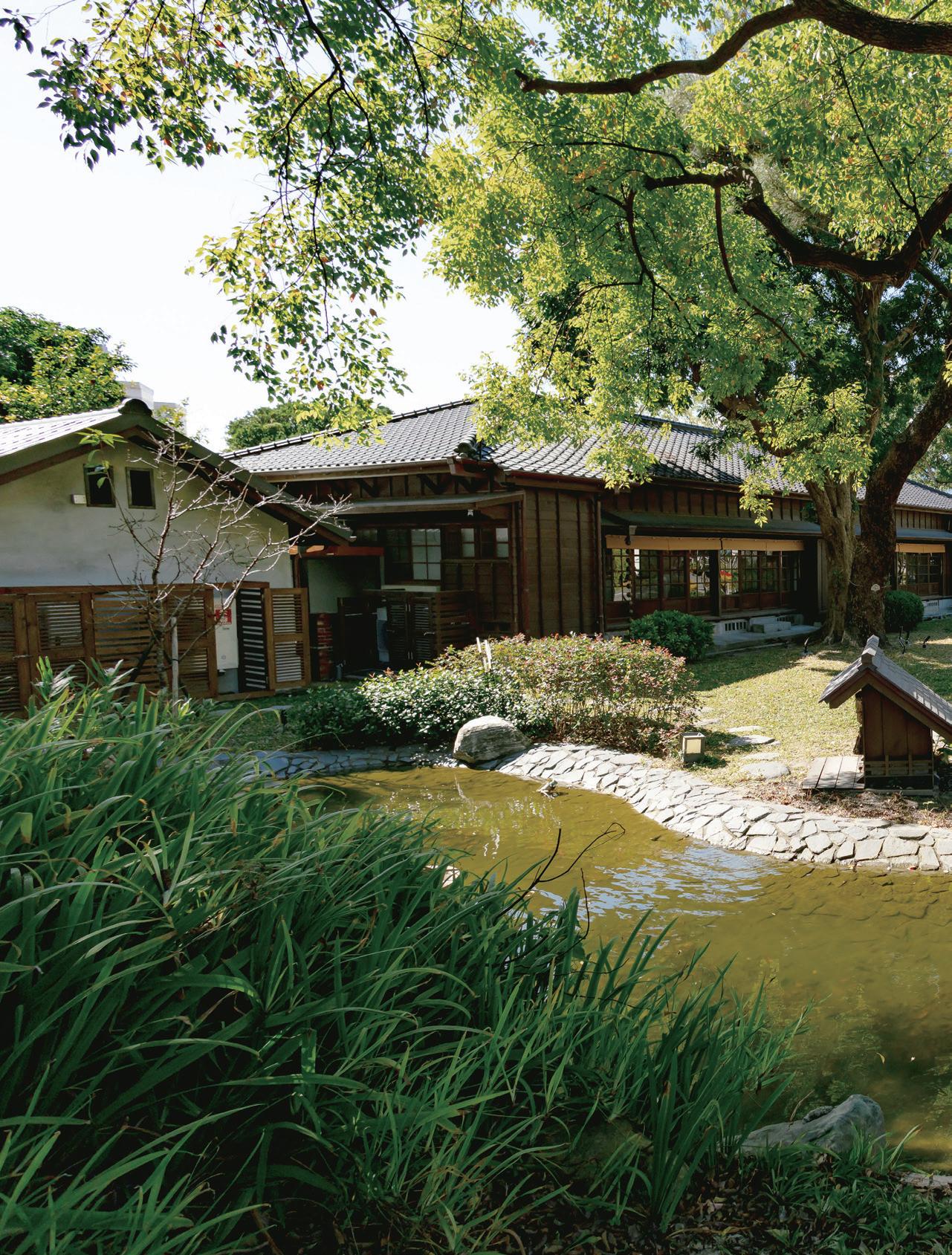
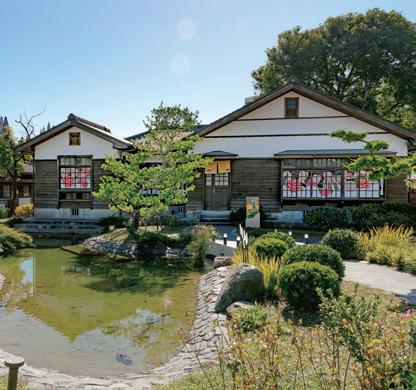
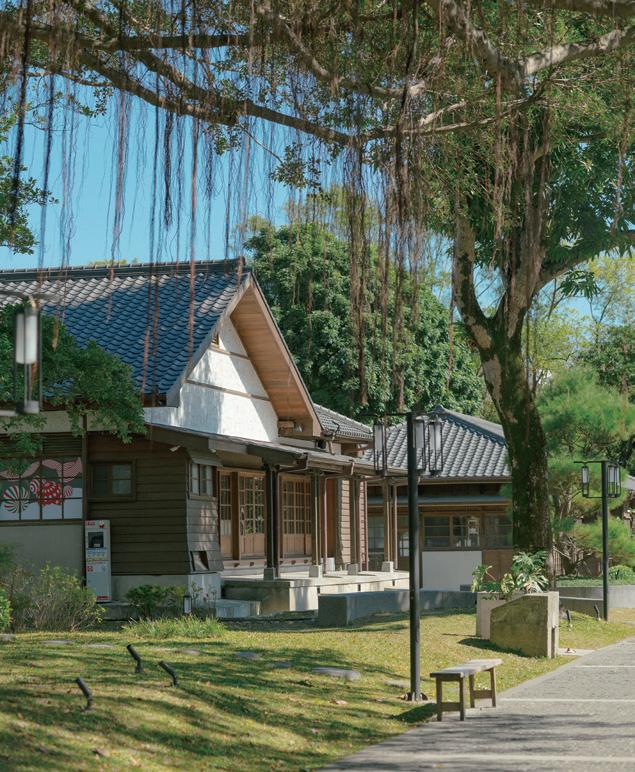
Opened in early 2024, Jiang Jun Fu 1936 is one of Hualien City’s newer attractions. It’s a leisure and cultural hub occupying a cluster of dormitories built on the banks of the Meilun River during the city’s 1895-1945 Japanese-era expansion. The facilities were later pressed into service as army barracks before finding their third and current occupation. Now, under the shade of elderly banyans, snack vendors, refined eateries, souvenir stores, and craft workshops have moved into the carefully restored buildings.
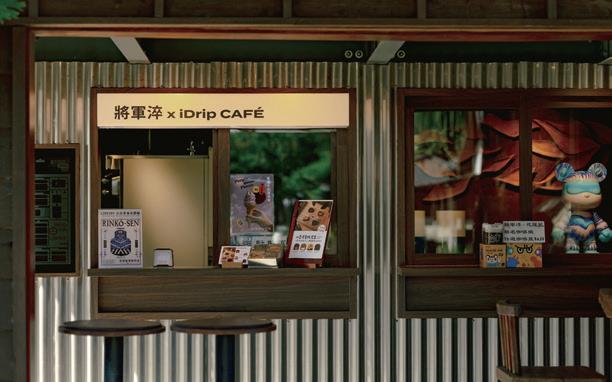
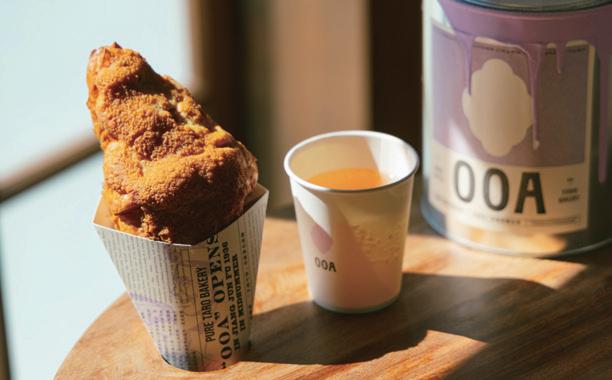
A relaxed buzz filled the air as we went in search of provisions to pep up our flagging steps, having had an unusually early start that morning. Coffee was very much in order, so we made a stop at iDrip Café to attend to our caffeine needs and then snagged a sweet pick-me-up from OOA Bakery. When a store sells only one product – as is the case here – you just know it’s going to be good, and OOA’s taro croissants do not disappoint. The crispy comestibles are stuffed full of a sweet paste made from taro grown in Ji’an Township, just to the south of the city, and baked with a crumbly crust of salted-egg biscuit. It sounds like culinary chaos, but the balance of sweet, buttery, eggy, crunchy, and creamy is a flavor mash-up that lands squarely on the right side of the line between madness and genius. Just make sure you’ve got tissues at the ready, because there’s no way you’re getting through one of these without making a mess.
Jiang Jun Fu 1936
JIANG JUN FU 1936 | 將軍府 1936 (03) 831-6272
No. 6, Ln. 622, Zhongzheng Rd., Hualien City, Hualien County ( 花蓮縣花蓮市中正路 622 巷 6 號 ) www.jjf1936.com www.instagram.com/jiangjunfu1936
OOA Bakery Jiang Jun Fu 1936
HUALIEN HIGHLIGHTS
2.
1. Visitors to Hualien can connect with East Taiwan's indigenous heritage through traditional handicraft workshops, learning skills like hand-weaving or beaded jewelry-making.
At Li Chuan Aquafarm in Shoufeng Township, you can wade through shallow pools to harvest golden corbicula clams, join shell craft workshops, and sample unique treats like clam-flavored ice cream.
At the Asia Cement Ecological Park, just east of Taroko Gorge, explore a lush sanctuary filled with diverse local insects, from vibrant butterflies to expertly camouflaged stick insects.
3. Liyu Lake Scenic Recreation Area, to the southwest of Hualien City, is a premier destination for cycling enthusiasts, offering a scenic perimeter path for leisurely rides amid tranquil waters and lush mountain views.
5.
4. Nestled within the lush greenery of Fuyuan National Forest Recreation Area, the Butterfly Valley Resort in Ruisui Township offers a serene escape where visitors can wander through vibrant butterfly habitats and soak in therapeutic natural hot springs.
ENGLISH AND CHINESE
Amis | 阿美族
Atayal | 泰雅族
Bunun | 布農族
East Rift Valley | 花東縱谷 Fudeng Creek | 芙登溪 Guangfu Bikeway | 光復自行車道 Guangfu Township | 光復鄉 mala | 麻辣
Matai'an Creek | 馬太鞍溪
Matai'an Wetland Ecological Park
馬太鞍溼地生態園區
Meilun River | 美崙溪
Taroko Gorge | 太魯閣峽谷
Truku | 太魯閣族
Wanrong Township | 萬榮鄉 Xincheng Township | 新城鄉
Slow and Sustainable
Hot Springs, Nature Hikes, and Scenic Cycling in Taitung
Framed by mountains and the Pacific, Taitung is a land of mesmerizing natural beauty. Improved transport links with the rest of the island have made the county more accessible, but this has also presented challenges to the environment. In this article, we’ll explore sustainable ways to travel in southeast Taiwan, from cycling and hiking to soaking in hot springs!
SIMON FOSTER VISION TEXT PHOTOS
Vakangan Hot Spring Park
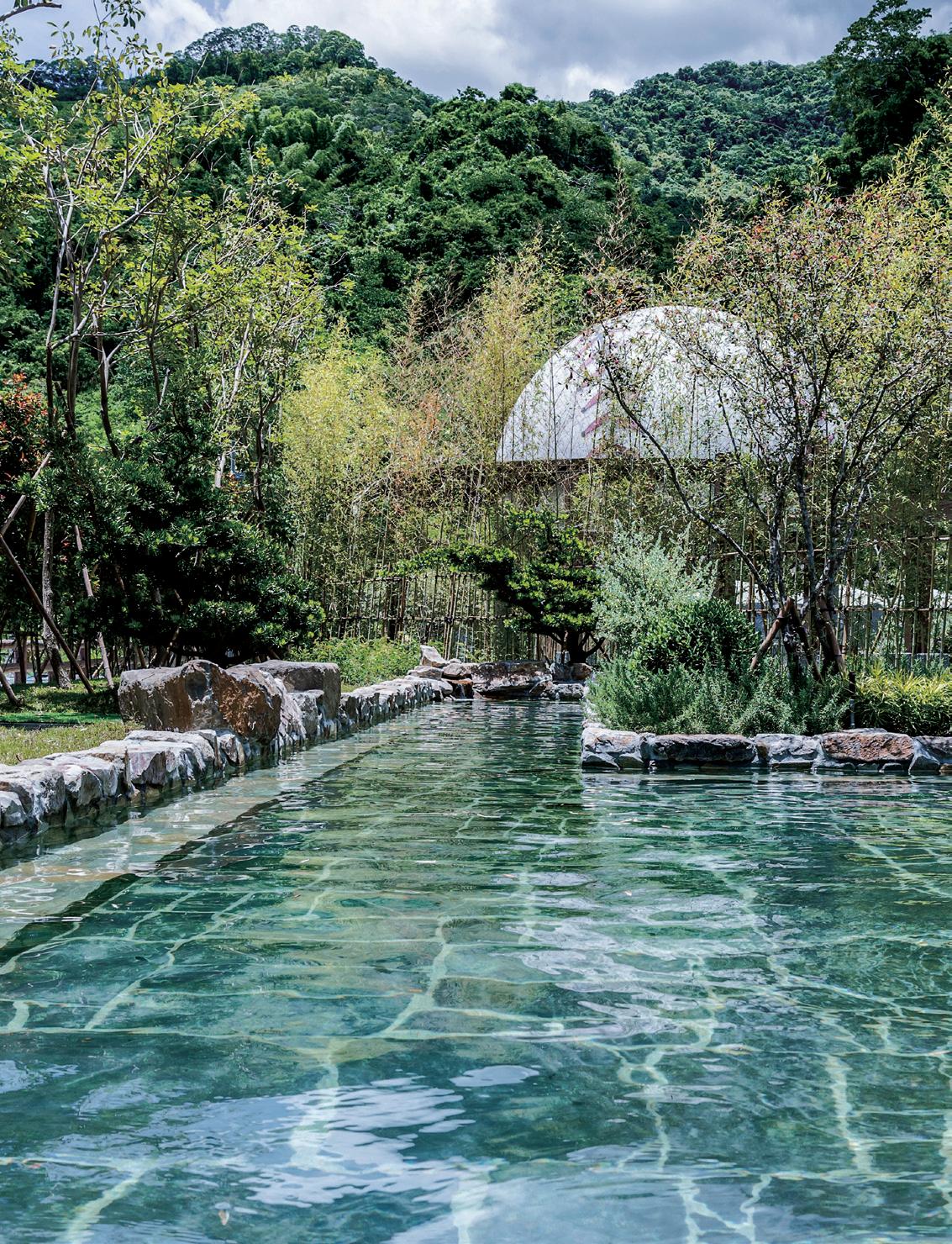
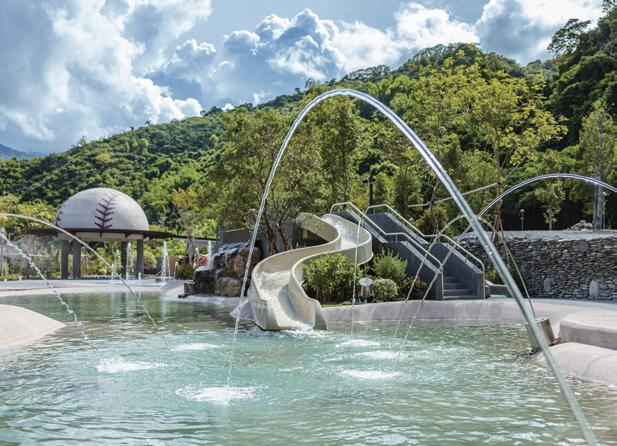
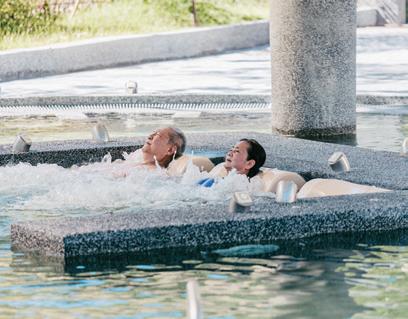
Less than an hour’s drive from Taitung City, Vakangan Hot Spring Park is an excellent example of how sustainable travel can benefit the environment, local communities, and visitors alike. Completed in 2022, the park’s management is committed to sustainable practices, from the application of geothermal energy and recycling of water resources to the use of seasonal, organic ingredients in the site’s restaurant and the professional training of local-area staff.
“Vakangan” is the Bunun people’s name for the village of Hongye, which became famous for its Little League baseball team that won, against all odds, a game against an all-star youth team from Japan in 1968. This win was a key catalyst in the nationwide love for the game of baseball in Taiwan that endures to this day. Hongye is also known for its wild sodium bicarbonate hot springs, located along the Beisijiu River.
Taitung has excellent potential for the development of geothermal power, and Vakangan showcases how this can work in practice. Drilling down to 1,700 meters, superheated water can be used for electricity generation, heating houses, drying agricultural products, and, of course, creating soothing hot springs! An information room at the park entrance explains the basics of geothermal energy, and for groups of more than 10, Vakangan can arrange guided tours of the entire facility (40 min; NT$250 per person).
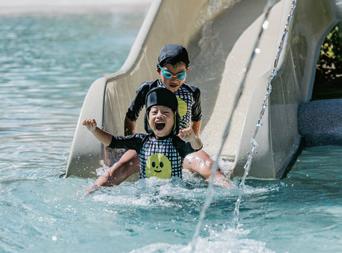
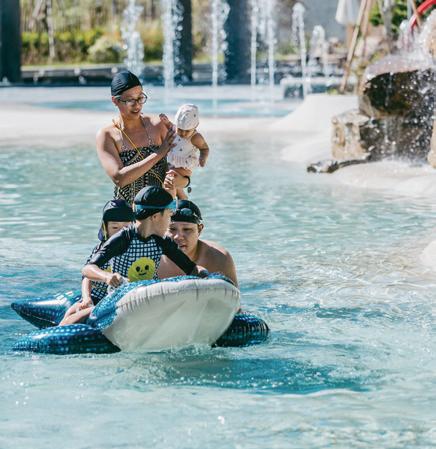
Without your own transport, the easiest way to get here is by taxi from Luye Railway Station. The spectacular drive up the river valley sets the scene for the serenity of the springs themselves. Pools of different temperatures are spread across the park, thoughtfully divided into private nooks by beautifully manicured gardens and elegant concrete screens. The biggest pools offer high temperatures (40°C+), but there is also a large cooler aquatherapy pool with powerful jets. A refreshingly cool kids’ pool can also take the edge off the heat after time in the hotter pools. Comfortable seating areas, clean and well-maintained shower facilities, and complimentary herb-infused drinking water complete the scene.
After your soak, enjoying a meal at the park restaurant is recommended. It features an alluring array of dishes spanning Bunun, Hakka, and even Thai cuisine, all prepared using locally sourced organic produce (NT$300400 per person; last orders 8pm). There’s also a shop with a well-curated selection of local products, including Hongye-theme schoolbags, Luye tea, and rice-extract exfoliating scrub!
VAKANGAN HOT SPRING PARK | 紅葉谷綠能溫泉園區 (03) 831-6272 No. 121, Honggu Rd., Hongye Village, Yanping Township, Taitung County ( 台東縣延平鄉紅葉村紅谷路 121 號 ) Wed-Mon 11am-9pm NT$399 weekdays (NT$500 weekends) www.vakangan.com
JHIHBEN NATIONAL FOREST RECREATION AREA | 知本國家森林遊樂區 (089) 510-961
No. 290, Longquan Rd., Wenquan Village, Beinan Township, Taitung County ( 台東縣卑南鄉溫泉村龍泉路 290 號 ) 7:30am-5pm (until 6pm Jul & Aug) NT$80 weekdays, NT$100 weekends recreation.forest.gov.tw
Foot-soaking area
Jhihben National Forest Recreation Area
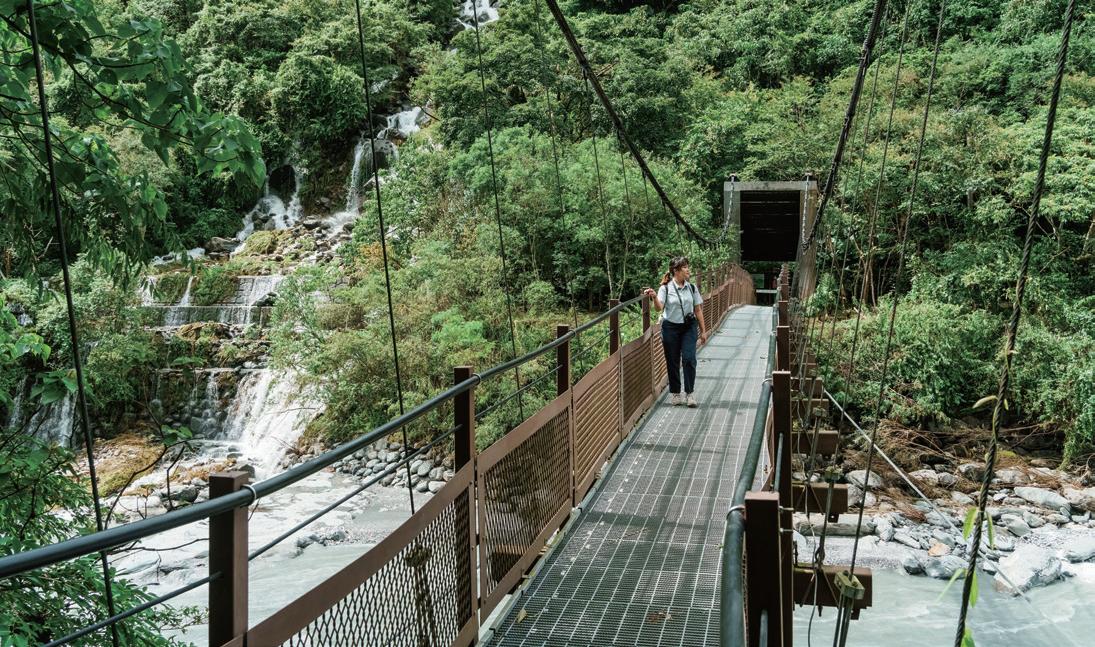
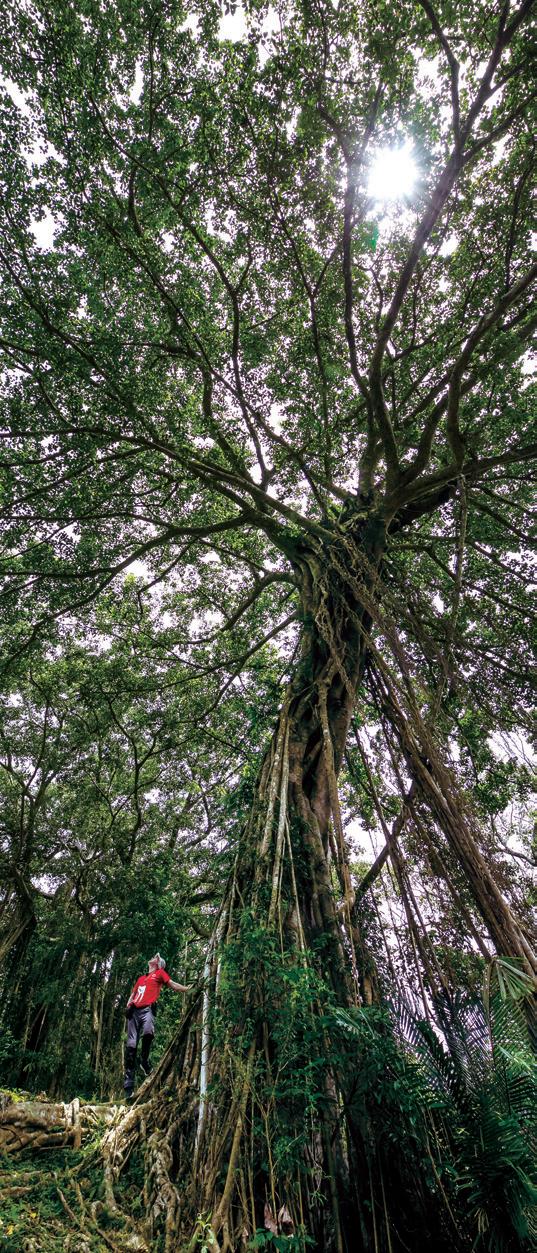
Set in a lush river valley southwest of Taitung City, the Jhihben National Forest Recreation Area offers relaxed hikes through pristine forest with giant banyans, creeks, and waterfalls, along with wildlife-spotting opportunities. The tropical rainforest was logged for cedar and cypress during the Japanese colonial era in the early 20th century, but thankfully, attention shifted to conservation in the 1960s. The forest recreation area is half an hour’s drive from the city, and can be reached by taxi or bus No. 8129 from the Taitung Bus Station (in central Taitung City) and Zhiben Railway Station.
Pick up a trail map at the ticket office and walk uphill on the main path (or walk up the stairs) to the Visitor Center, where you’ll also find Hoobi Café, which serves coffee, bagels, and light meals.
The recreation area ranges in elevation from 110 to 650 meters above sea level, and the most challenging walk involves lots of steps – 838, on the Brave Climber’s Trail. The Forest Trail can be combined with the Jasmine Orange Tree Trail and the Banyan Shaded Trail to make for an excellent couple of hours of hiking. This route involves some steep sections, but you are rewarded with the sight of huge white banyans and the possibility of spotting monkeys, barking deer, and numerous species of butterflies, and lizards.
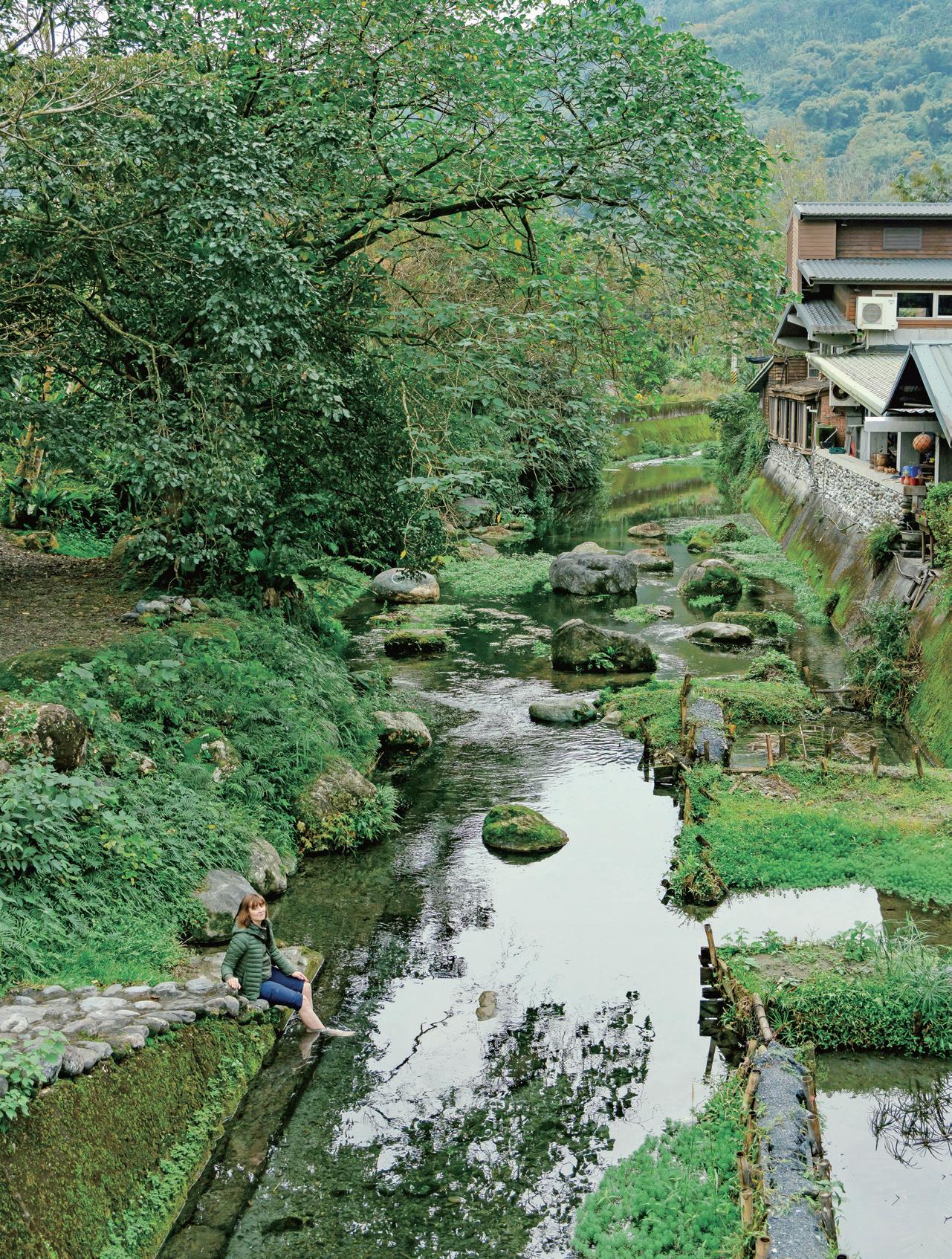
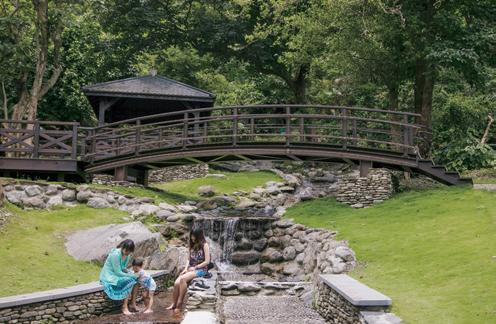
Families with younger kids, people with disabilities, and elderly visitors can opt for the accessible Scenic Trail, which leads to the Creek Massage Footpath, a great spot to relax and soak your feet. Several other short paths and attractions are also accessible from the Scenic Trail, including the Forest Fun Area, with elevated wooden walkways and a rope bridge, and the Hot Spring Rest Pavilion, where you can soak your feet in hot-spring water.
The Jhihben area is well known for its numerous hotspring hotels, so after your hike, a soothing full-body soak might feel in order. Ayawan Hot Spring Resort (www.ayawan. com.tw), Dongtair Spa Hotel (www.dongtair-spa.com.tw), and Hotel Royal Chihpen (www.hotelroyal.com.tw) are some of this writer’s favorites. Jhihben also has good restaurants, including Da Tou Mu Restaurant, which offers indigenous specialties such as deer, wild boar, and betel-nut flower salad.
Giant banyan
Taitung Mountain-Ocean Cycle Path
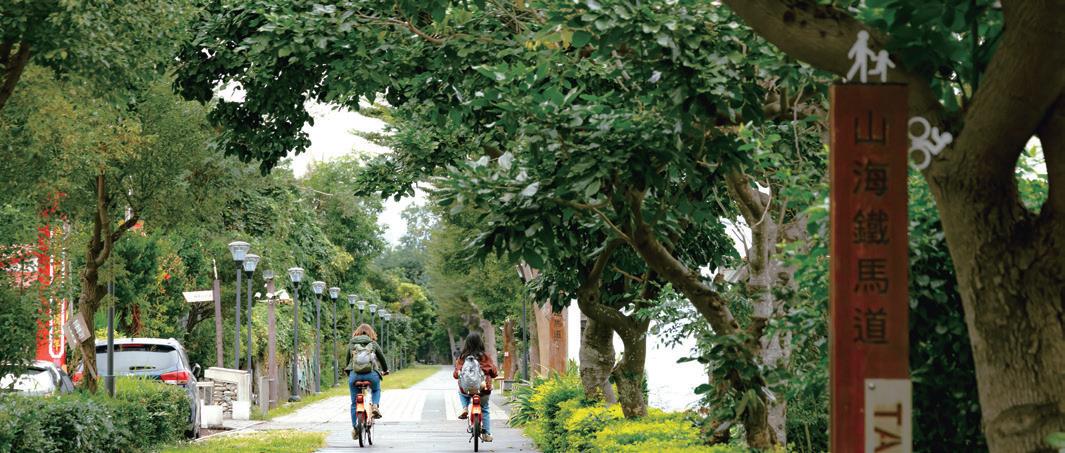
Cycling is a great low-impact way to explore, and Taitung’s 20km Mountain-Ocean Cycle Path presents a unique perspective of the city. Bring your own bike or rent one from a YouBike public-rental station, or from a bike rental shop. The mostly flat route is a mix of bikeways and sections on major or minor roads and can be completed in a couple of hours, but there are enough worthwhile stops to easily spend half a day.
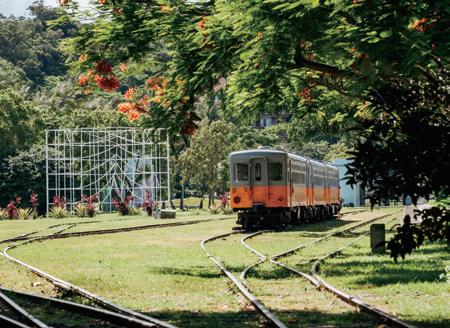
Start your ride near the old Taitung Railway Station and follow the former railway line, which was constructed by the Taiwan Sugar Corporation during the Japanese era. The railway station, which remained in service until 2001, is now part of Taitung Railway Art Village. Some of the old station buildings have been converted into trendy cafés, shops, and restaurants. Moving northwest, the cycle path skirts Liyu (Carp) Mountain Park, which has walking trails up to its 75-meter summit, from where you can enjoy excellent views over the city. From here, it’s less than 3km to Taitung Sugar Factory, another historical landmark given a new lease on life as a creative space with cafés, craft stores, galleries, and workshops.
Shortly after the factory, you will cross two busy roads, ride under another, and then turn right, leaving the railway tracks behind. After this, for a stretch, first heading east, then northeast, you will ride along the Beinan Dazun Canal. After passing the Taitung County Baseball Village, the path continues north, all the way up to Liji Bridge, which crosses the Beinan River. This is the northernmost point of the route, and from here you can see the craggy outline of the Liji Badlands. Turning right just before the bridge, you will ride along a quiet road between the levee and rice paddies. Now the path takes you south/southwest all the way to Taitung Forest Park and the Flowing Lake, a large rectangular body of water popular for watersports. The bike route continues to the southern end of this lake and then south through Taitung Seashore Park and adjoining coastal Haibin Park. Finally, head north back into central Taitung and to the start of this route
ENGLISH AND CHINESE
Ayawan Hot Spring Resort | ㄚ一丫旺溫泉度假村
Banyan Shaded Trail | 榕蔭步道
Beisijiu River | 北四九溪
Brave Climber’ s Trail | 好漢坡步道
Creek Massage Footpath | 水流腳底按摩步道
Da Tou Mu Restaurant | 大頭目野食館
Dongtair Spa Hotel | 東台溫泉飯店
Flowing Lake | 活水湖
Haibin Park | 海濱公園
Hongye | 紅葉
Hot Spring Rest Pavilion | 溫泉休憩站
Hotel Royal Chihpen | 知本老爺酒店
Jasmine Orange Tree Trail | 七里香步道
Liyu Mountain Park | 鯉魚山公園
Taitung Forest Park | 台東森林公園
Taitung Mountain-Ocean Cycle Path | 台東山海鐵馬道
Taitung Railway Art Village | 台東鐵道藝術村
Taitung Seashore Park | 台東海濱公園
Taitung Sugar Factory | 台東糖廠
Flowing Lake
Old Taitung Railway Station park
Cycling on the Taitung Mountain-Ocean Cycle Path
Putting the Culture into Agriculture
East Taiwan’s Gift to Fruity Foodies and the Culinary Culture Curious
Framed by dramatic mountain scenery and blessed with an abundance of sunshine, the counties of Hualien and Taitung are packed full of agritourism adventures that invite you to roll up your sleeves, fill your belly, and learn a thing or two along the way.
TEXT AMI BARNES PHOTOS CHEN CHENG-KUO
Liao Kuai Tobacco Building in Fenglin Township
SUSTAINABLE TRAVEL Hualien-Taitung
– Fenglin Township
Hakka-style glutinous rice cakes
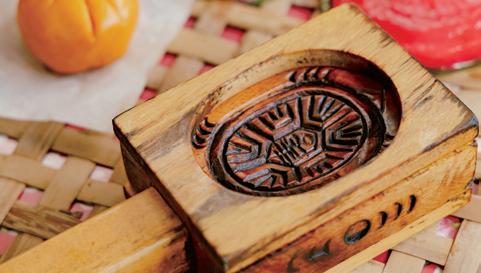
Mold for making turtle-shaped cakes
Liao Kuai Tobacco Building
Fenglin Township is an agricultural area in the sleepy East Rift Valley. There’s a train station, but few tourists disembark, and the rhythms of daily life remain simple and slow-paced. Each day, the sun rises above the Coastal Mountain Range, passes over the neat grid of roads and fields on the valley floor – a relic of Japanese-era town planning – and then sinks below the far-off peaks of the Central Mountain Range.
Xu Ming-tang, the current guardian of the Liao Kuai Tobacco Building, has lived most of his life here. He counts himself among the 60 percent of Fenglin residents of Hakka descent (an ethnic group known for their hardiness and business nous) whose families migrated here during the Japanese era (1895-1945) to cultivate sugarcane and tobacco. These crops became vital to Japan in its war efforts, and this preserved tobacco barn, with its wooden frame and tiled roof, is one of many that once dotted the landscape.
These days, few tobacco plantations are still in operation in Taiwan. Xu himself only maintains
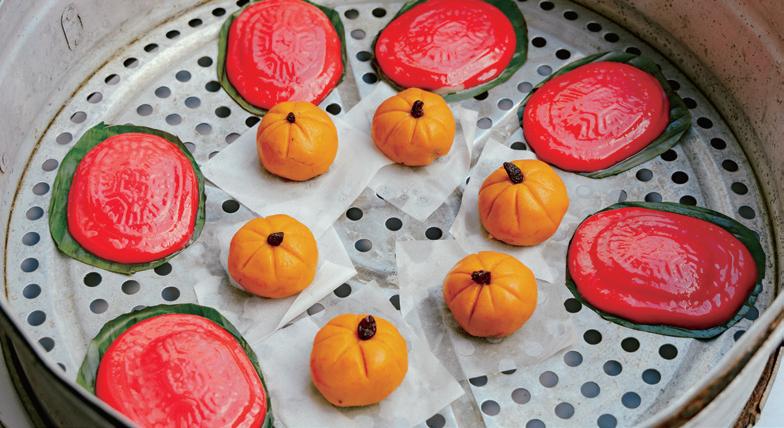
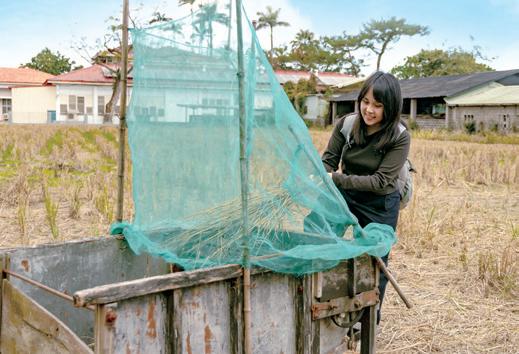
a small row of the large-leaved plants in the front yard – demonstration aids for the tours he conducts. It’s not a polished operation, but it’s an undeniably genuine peek into local history. And for those who have a little longer to spend – say 90 minutes – there are DIY workshops available (Chinese only; bookable via Facebook or LINE), in which participants can make traditional treats such as ang ku kueh (turtle-shaped cakes of glutinous rice stuffed with sweetened adzuki bean paste; Taiwanese pronunciation) and fermented tofu.
LIAO KUAI TOBACCO BUILDING | 廖快菸樓 0935-828-211
No. 79, Fuxing Rd., Fenglin Township, Hualien County ( 花蓮縣鳳林鎮復興路 79 號 ) www.facebook.com/liaokuaiyulou www.funhualien.com.tw/product/yuloufenglin (Chinese)
Hualien
Rice-husking experience outside the tobacco building
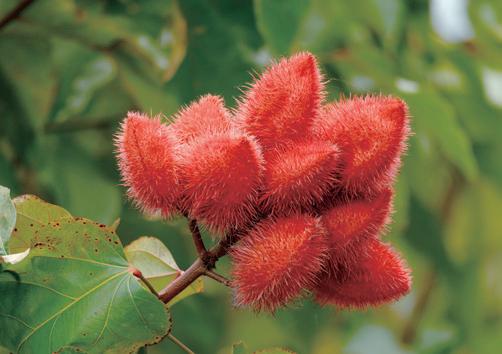
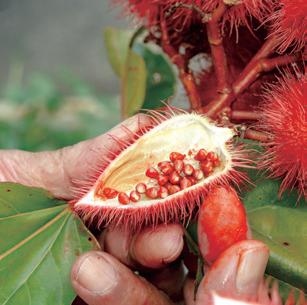
Red color of turtle-shaped rice cakes is from annatto tree seeds
Taitung – Beinan Township Good Time Fruit
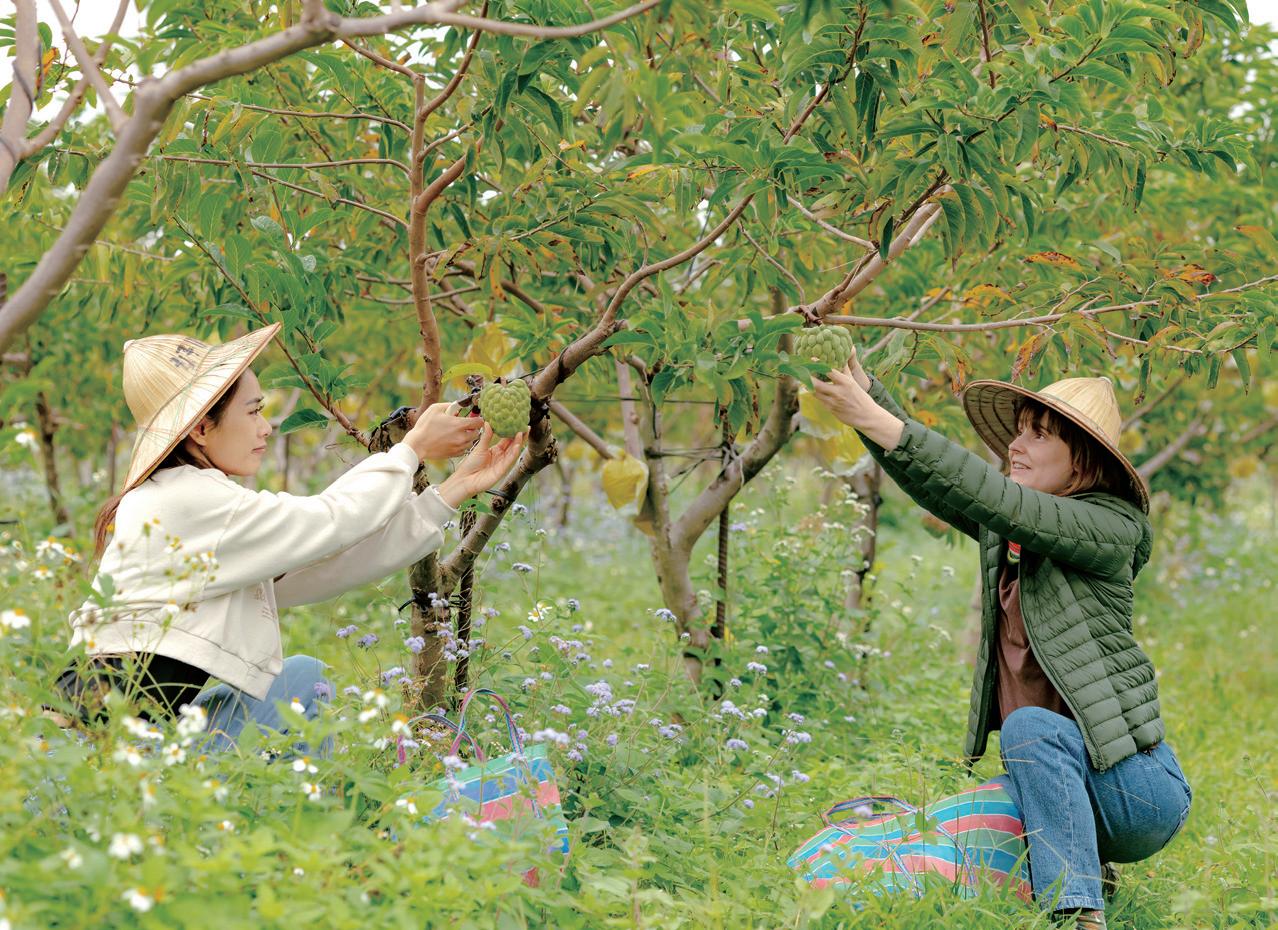
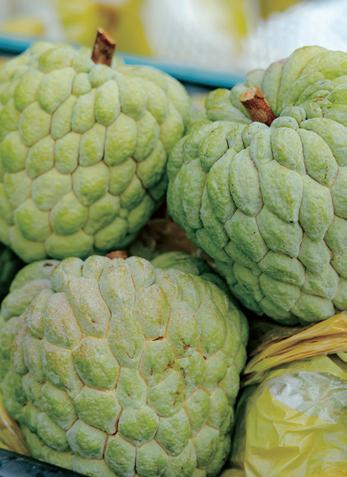
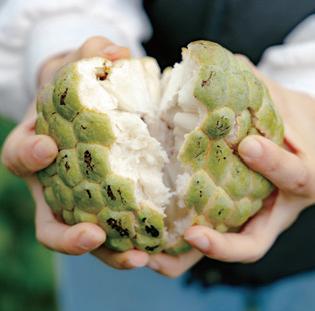
If you haven’t yet tasted a custard apple, what are you doing with your life? OK, so this is slightly hyperbolic, but I’m only half-joking. Custard apples (aka sugar apples, sweetsops, and Buddha’s head fruit) are a true gift from nature – ugly, lumpy green skin concealing a pale, creamy, heavenly sweet mess studded with large black seeds. Civilized folk may tell you that it’s best eaten by scooping out the flesh with a spoon. They’re wrong. For maximum enjoyment, it should be devoured one sticky, finger-plucked segment at a time.
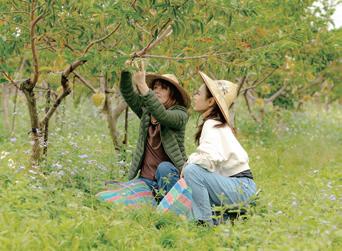
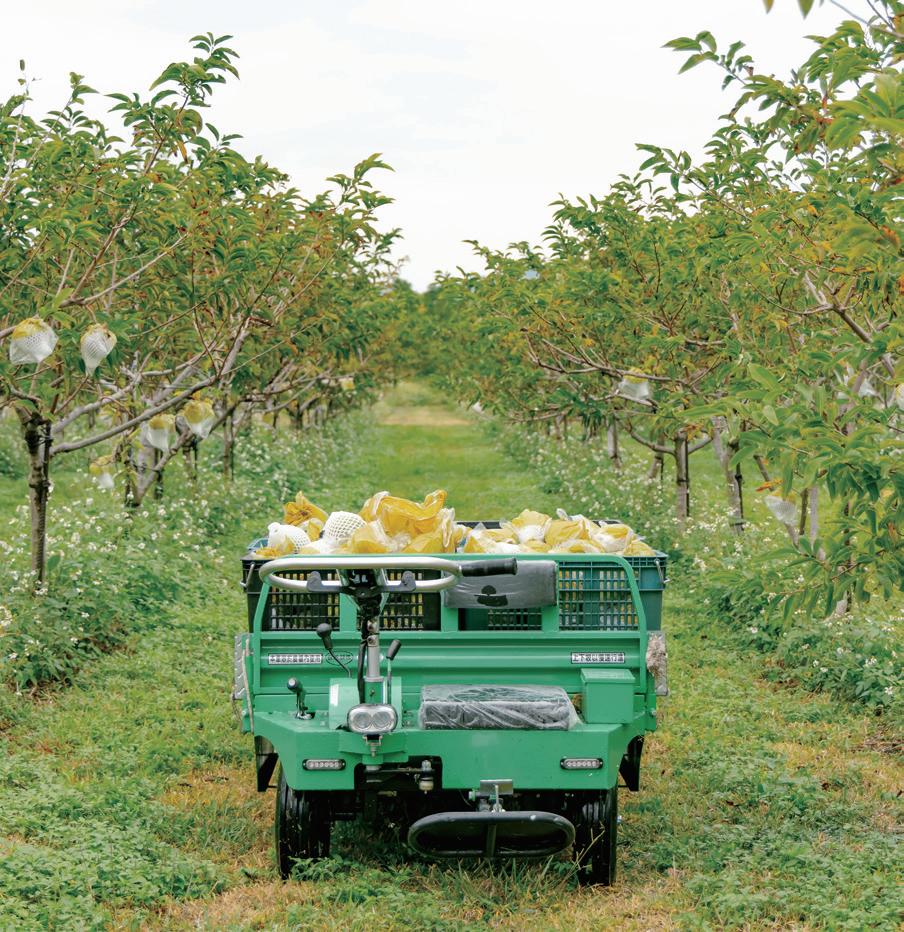
In case you can’t tell, I am big on custard apples, so while recently in Taitung – Taiwan’s custard apple heartland – I was excited to go straight to the source. Enter Good Time Fruit. Here, under the strong Taitung sun, husband and wife team Hsieh Jin-hong and Lin Pei-ying tend to orchards bursting with traditional custard apples (a direct descendant of those brought to Taiwan 400 years ago by the Dutch), and a younger variety known as the pineapple sugar apple (equally delicious but with a firmer texture and a smooth sweetness tempered by a hint of pineappley sourness). They also offer hands-on fruit-picking and DIY experiences.
Every activity at Good Time Fruit begins with a brief Pomology 101 talk. For Lin, this is an opportunity to impart valuable information that will last long after any fruit is taken home – I now know how to choose the sweetest passion fruits. It also meant that when we hit the pheasant-friendly, wildflower-bordered orchards, we knew how to go about picking the perfect produce. (Travel in Taiwan visited during the winter custard apple harvest, but you can check the farm’s Facebook to see what’s available at any given time, and to book.)
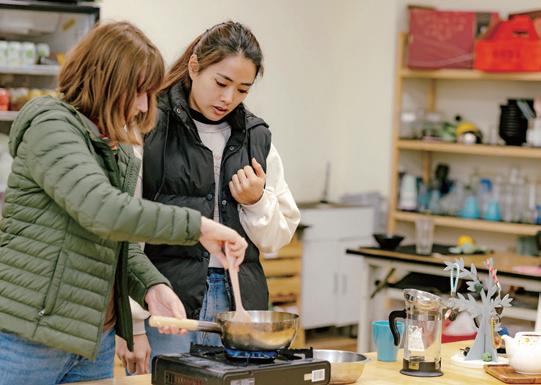
Back in the classroom, our visit concluded with a kid-friendly DIY activity – a spot of jamming. With just two ingredients and no complicated steps, we were soon clutching freshly filled jars of passion fruit jam – a potted distillation of southern sunshine to enjoy on our morning toast back in January’s overcast Taipei.
GOOD TIME FRUIT | 好時果子 (08) 957-2470
No. 5-3, Banjiu, Meinong Village, Beinan Township, Taitung County ( 台東縣卑南鄉美農村班鳩 5-3 號 ) 8am-6pm coffee, 6pm-2am cocktails www.facebook.com/good.time.fruit portaly.cc/goodtimefruit
ENGLISH AND CHINESE
East Rift Valley | 花東縱谷
Fenglin Township | 鳳林鎮
Hsieh Jin-hong | 謝謹鴻
Hsu Ming-tang | 徐明堂
Lin Pei-ying | 林沛縈
Picking custard apples
Making jam
Passion fruit jam
Culture, Food, and Scenery in Chishang Township
TEXT SIMON FOSTER PHOTOS VISION
Long famous for its rice and lunchboxes, Taitung County’s Chishang Township really came into the spotlight decades back when its mesmerizingly beautiful scenery was used in some iconic Taiwanese TV adverts. Many visitors head straight for these drawcard attractions, but exploring its charming old namesake town uncovers art galleries, and small museums, and provides tasty sustenance.
Solitary tree along Brown Avenue in Chishang Township
hishang was home to the indigenous Makatao people before it’s potential for rice and sugarcane production was recognized by the Japanese in the early 20 th century. In 1919, after catastrophic flooding in Japan’s Nagano Prefecture, 49 families from that area were resettled in Chishang, given land and houses. Their new home became known as Ikegami to the Japanese (meaning “On the Pond” – the Mandarin Chinese “Chishang” has the same meaning). The area’s pure, fresh water, rich volcanic soil, almost perfectly flat terrain, and lack of pollution lent themselves well to rice cultivation, and once an irrigation system was established and the best variety of rice selected, Chishang soon became famous as the home of Taiwan’s best rice, so good it was offered as tribute to the Japanese emperor!
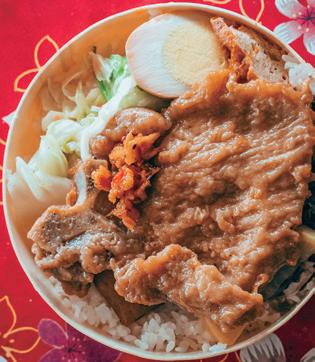
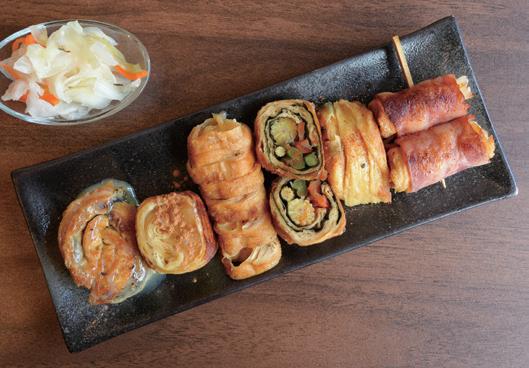
To haul the rice and sugarcane, the Japanese built a network of narrow-gauge railway lines, which were connected to the main railway line (built in the early 1900s) between the cities of Hualien in the north and Taitung in the south. Back in those days, the journey between the two cities took nearly eight hours, and the increasing number of passengers traveling by train prompted entrepreneurial locals to start selling rice rolls from the platform. Over time, these snacks developed into the Chishang lunchboxes that are now sold at eateries all over the island. They usually feature pork, fresh veggies, an egg, pickled plum, and of course, the town’s famous rice.
Wu Tao Chishang Lunch Box
Several longstanding Chishang vendors continue selling to this day, including Wu Tao Chishang Lunch Box, which has been serving traditional lunchboxes since 1939. Meals at Wu Tao can be enjoyed inside the restaurant or in an old train carriage in front, and there’s also a small museum on the second floor, with a mock-up oldfashioned kitchen and information boards sharing more on the history of this national culinary icon.
Chishang Art Center
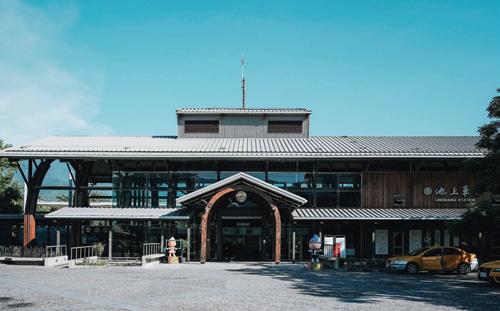
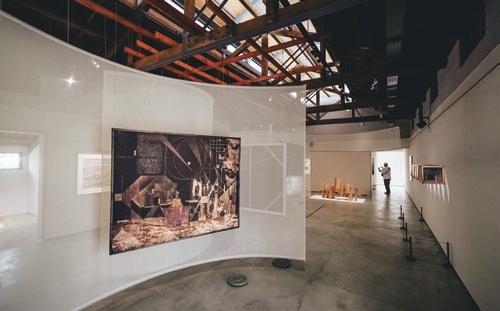
For those arriving by train, first impressions of Chishang are created by the town’s elegant, bright, and airy railway station, which features a high vaulted ceiling supported by curved wooden beams, designed to resemble a traditional rice barn. Just a short walk away, another reminder of the town’s agricultural heritage, Chishang Art Center, is housed in a genuine barn! The center was developed as part of the Lovely Taiwan Foundation’s commitment to reinvigorating small-town life on the island, financially supported by the Fubon Group. The foundation acquired several derelict properties in Chishang and renovated them as artists’ quarters, establishing the “Chishang Art Village.” The artists needed somewhere to display their work, and the notion of an art center, which could also serve as a cultural hub for the community, was born. A 60-year-old barn was donated by a local ricegrower and beautifully converted into a gallery and creative space.
Opened in 2017, the center is worth visiting for the building alone, and the gallery now features artworks by a wide diversity of Taiwanese artists creating in different mediums, ranging from painting to sculpture, with exhibitions changing every six months. As well as showcasing local art, the center has a shop and a small reading room (with an introduction by the late Eslite Bookstore founder Robert C.Y. Wu), and it hosts workshops and other events, including free lectures at 3pm every Saturday – check out its website for the latest.
WU TAO CHISHANG LUNCH BOX | 悟饕池上飯包 (089) 862-326
No. 259, Zhongxiao Rd., Chishang Township, Taitung County ( 台東縣池上鄉忠孝路 259 號 ) www.wu-tau.com
CHISHANG ART CENTER | 池上穀倉藝術館 (089) 862-089
No. 6, Zhongxi 3rd Rd., Chishang Township, Taitung County ( 台東縣池上鄉中西三路 6 號 ) 10:30am-5:30pm (closed on Mon and Tue) artchishang.lovelytaiwan.org.tw/barn/home www.facebook.com/artchishang www.instagram.com/artchishang
Chishang lunchbox
Chishang Railway Station
Chishang Art Center
Chih-Shang Soybean Space
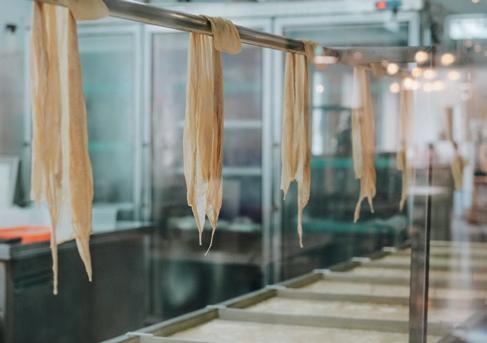
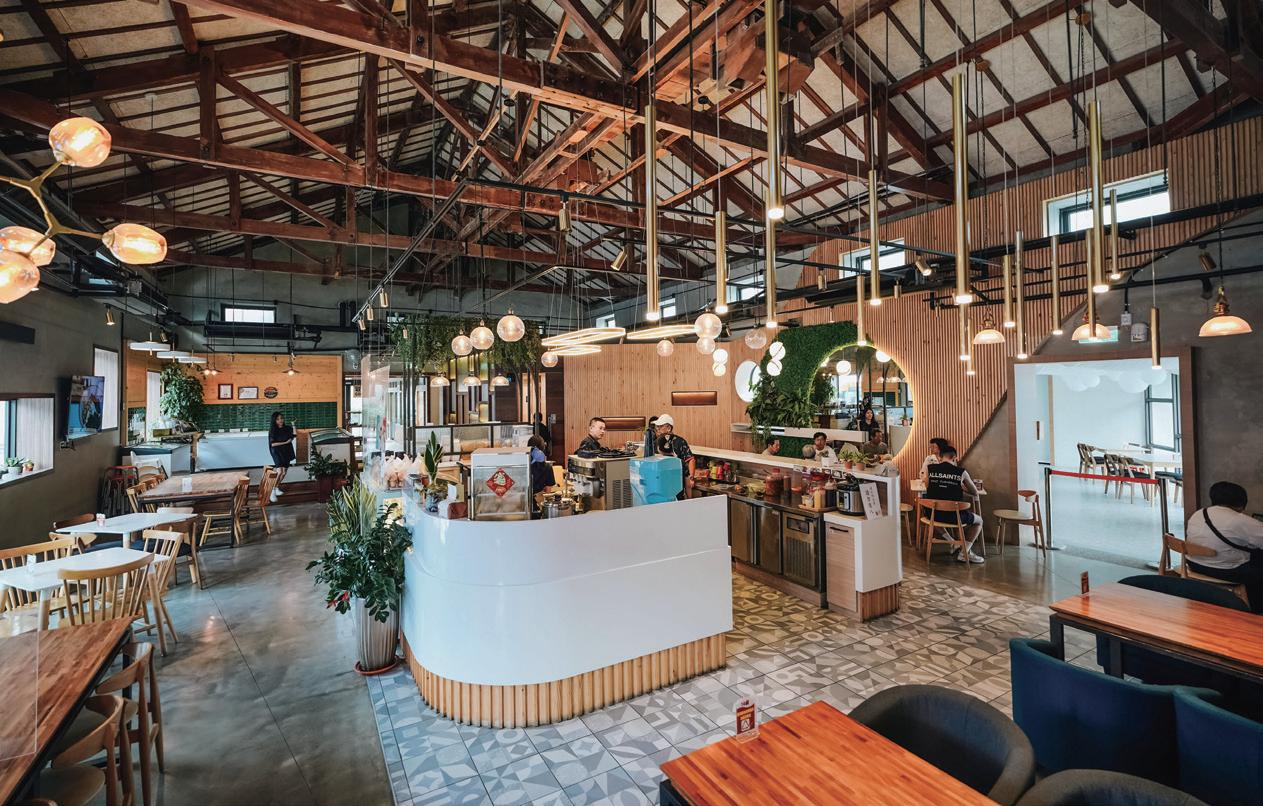
Another great example of a repurposed traditional agricultural building is the Chih-Shang Soybean Space, which is operated by the Chishang Farmers’ Association. Visitors can enjoy a wide variety of soy products in its popular café, and these are also available as packaged goods in its shop and restaurant. On the way into the main dining hall, you can even see how the (non-GMO soy bean) tofu is made. The extensive menu (in Chinese with pictures) includes everything from set meals (some with meat) to delicious desserts such as douhua (tofu pudding) and dried tofu with sesame and peanut powder, plus, of course, soy milk. You can order take-out from a machine by the entrance, but far better is to pull up a seat and soak in the ambience of this sympathetically renovated 50-year-old barn.
CHIH-SHANG SOYBEAN SPACE | 池上豆之間 (089) 862-050
No. 12, Tongshui Ln., Zhongshan Rd., Chishang Township, Taitung County
Chih-Shang Soybean Space
Chih-Shang Supermarket
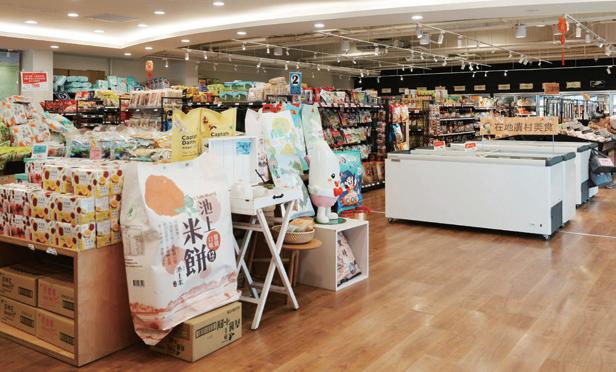
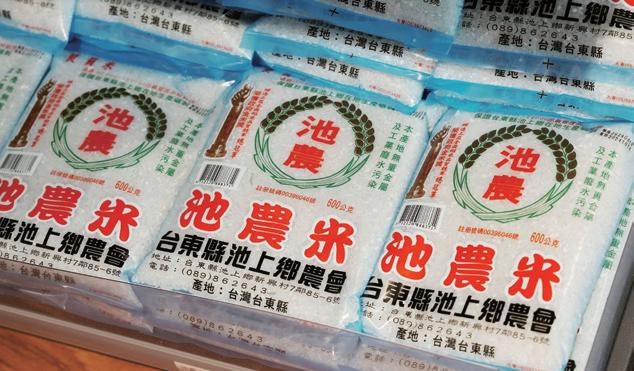
Next door, Chih-Shang Supermarket, also run by the Chishang Farmers’ Association, stocks a veritable treasure trove of goodies. As well as all of the regular things you’d expect to find in a supermarket (including fruits, veggies, meats, drinks, and an ATM), the store specializes in local produce, notably Chishang rice, mulberry tea, and soybean products, some of which are attractively packaged in gift boxes. The store manages to feel pleasantly oldfashioned yet at the same time functionally modern – you can also buy the supermarket’s products online.
CHIH-SHANG SUPERMARKET
池上鄉農會 ( 農民直銷站 ) (089) 863-787
No. 193, Xinsheng Rd., Chishang Township, Taitung County ( 台東縣池上鄉新生路 193 號 ) 7:30am-9pm www.csfafm.com.tw (Chinese)
Goodfrying
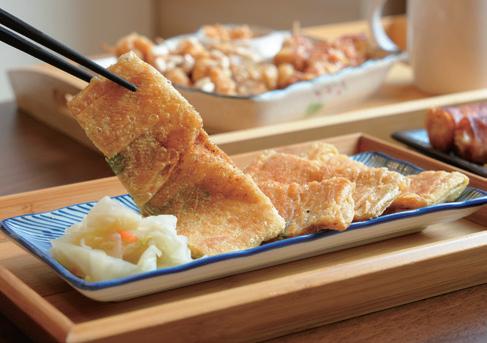
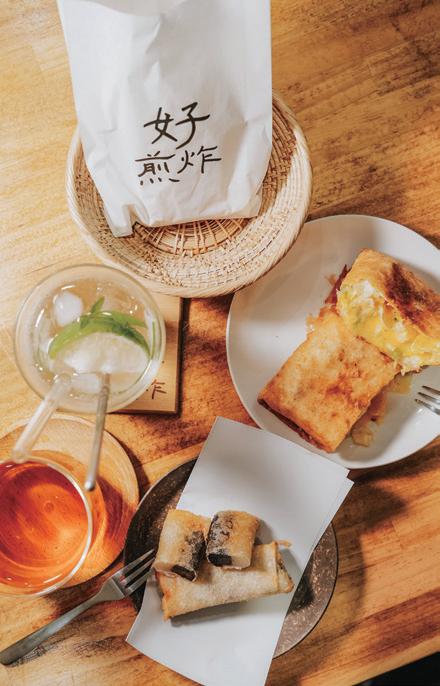
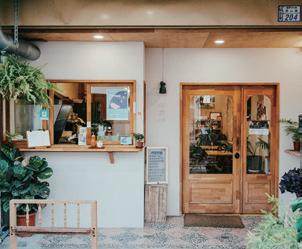
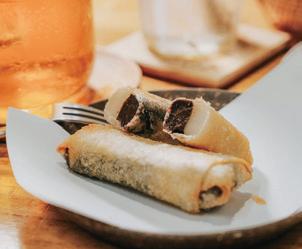
A few minutes’ walk away on Zhongshan Road, Goodfrying is a tiny café with a limited menu, but its salty spring-roll wraps pack big flavor! The basic filling is cabbage and egg, with additional choices of surf & turf or double cheese, which is deep-fried to crispy perfection. The fried rice cake is also worth trying, perhaps accompanied by a hot chocolate or milk tea. You could take your food away with you to eat as you explore, but these snacks are best enjoyed when they’re hot, so if there’s a table free, it’s recommended to dine in. The young owners are very friendly and have aesthetically decked out the café with simple wood furnishings.
GOODFRYING | 好煎炸
0975-917-300
No. 204, Zhongshan Rd., Chishang Township, Taitung County ( 台東縣池上鄉中山路 204 號 ) Mon-Thu 2pm-5:30pm
Chih-Shang Supermarket
Quality rice from Chishang
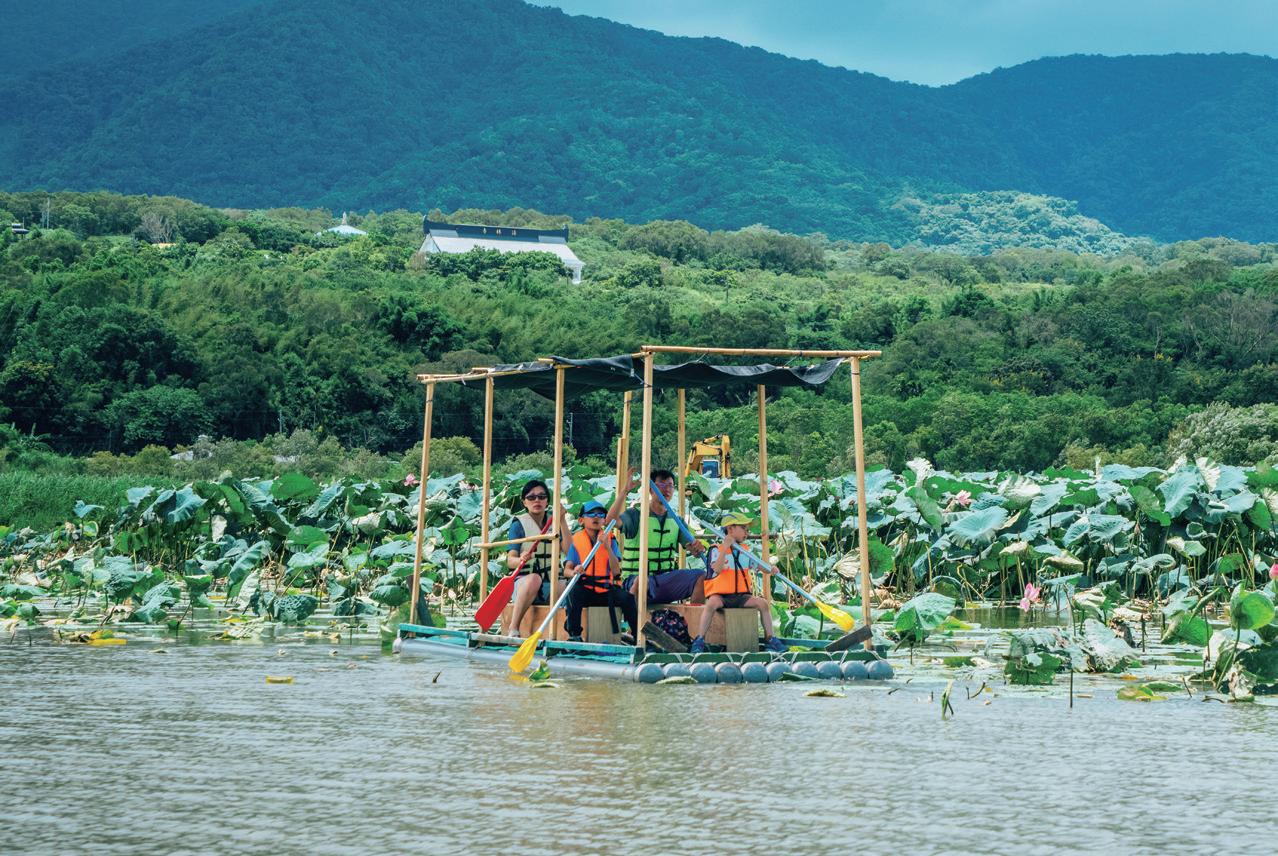
Rafting on Dapo Pond
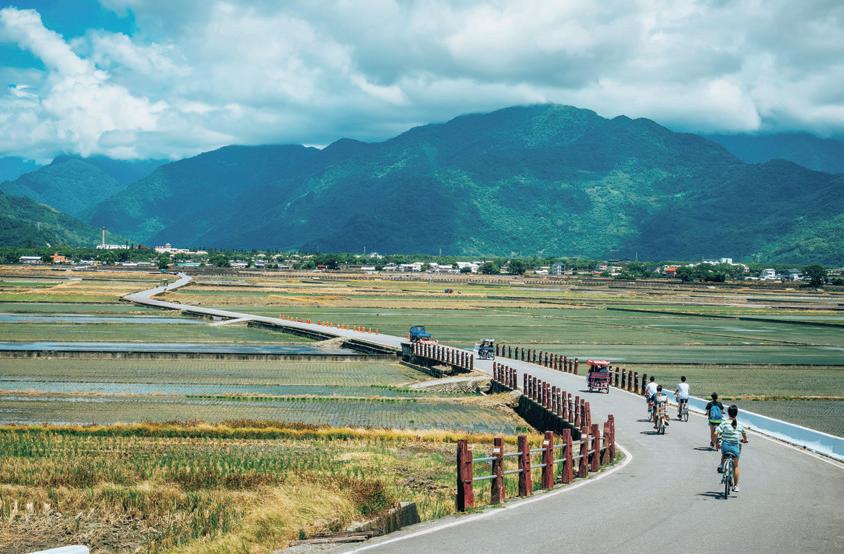
Riding through Chishang's rice paddies
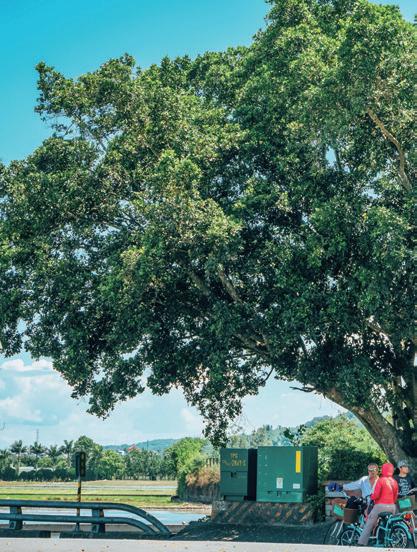
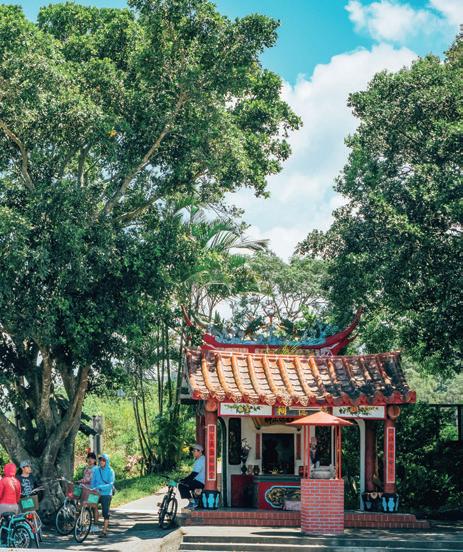
Cyclists resting at a Land God shrine
Dapo Pond
On the eastern edge of town, Dapo Pond is the body of water that inspired its “On the Pond” name. An expansive wetland area, it once provided the fish and shrimp used in the town’s famous rice rolls. With a backdrop of mountains on both sides, Dapo Pond offers stunning East Rift Valley scenery, which can be experienced on foot, by bike, or from the water. There’s parking at the entrance to the pond-surrounding park area, and you can rent kayaks, stand-up paddleboards, rafts, and even electric boats. There are also toilets, a YouBike stand, and a few stalls selling coffee, snacks, and ice cream.
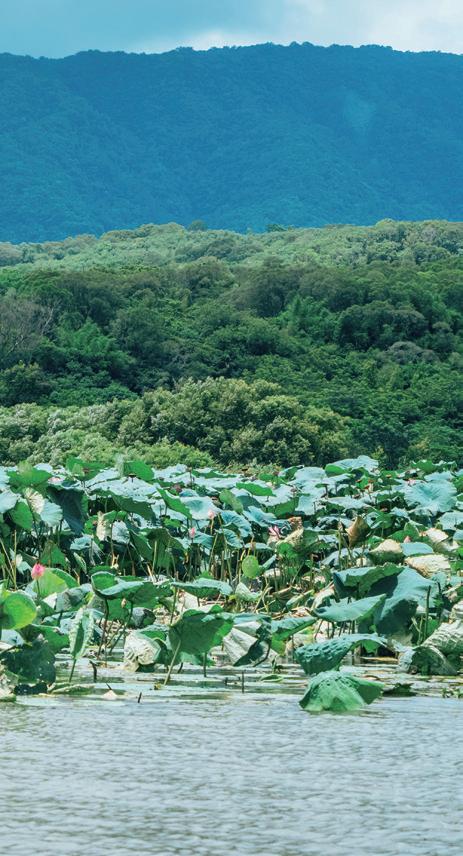
The pond is circumnavigated by a 3km trail, comprised of an inner and an outer loop, the latter of which is smoother and wider, making it suitable for cyclists and electric carts, leaving the inner loop free for walkers. Sculptures dotted around the pond complement the scenery, and there’s plenty of wildlife to look out for – in summer, the water is carpeted with vibrant pink lotus flowers, and you’ll likely spot a wide variety of birdlife whatever the time of year.
Around the Town Bicycle Path
The outer trail around Dapo Pond feeds into the Around the Town Bicycle Path, at the top of the must-do list for any visit to Chishang. Like Taitung City’s Mountain-Ocean Bikeway (see page 22), the cycle path here is more of a suggested route to Chishang’s most attractive spots, with some vehicle-free sections, than a complete circuit. Therefore, it’s recommended to take in some of the highlights, but also to leave some time for exploration. You can bring your own bike, use a YouBike, or rent from one of the hire shops clustered near the train station and the entrance to Brown Avenue, to be introduced shortly. You can also rent electric carts, which make for an easy and fun way to experience the scenery.
However you choose to get around, traveling quiet, narrow farm roads through the endless sea of rice paddies presents an ever-changing pastiche of rural life here. The scenery looks different in every season, from the spellbinding mirrored reflections of flooded paddies to the intense green of a young crop, and then the golden-yellow of heavy-headed rice before harvest. The only time it looks somewhat less appealing is in between crops, when the fields are barren, but you might have the whole place to yourself!
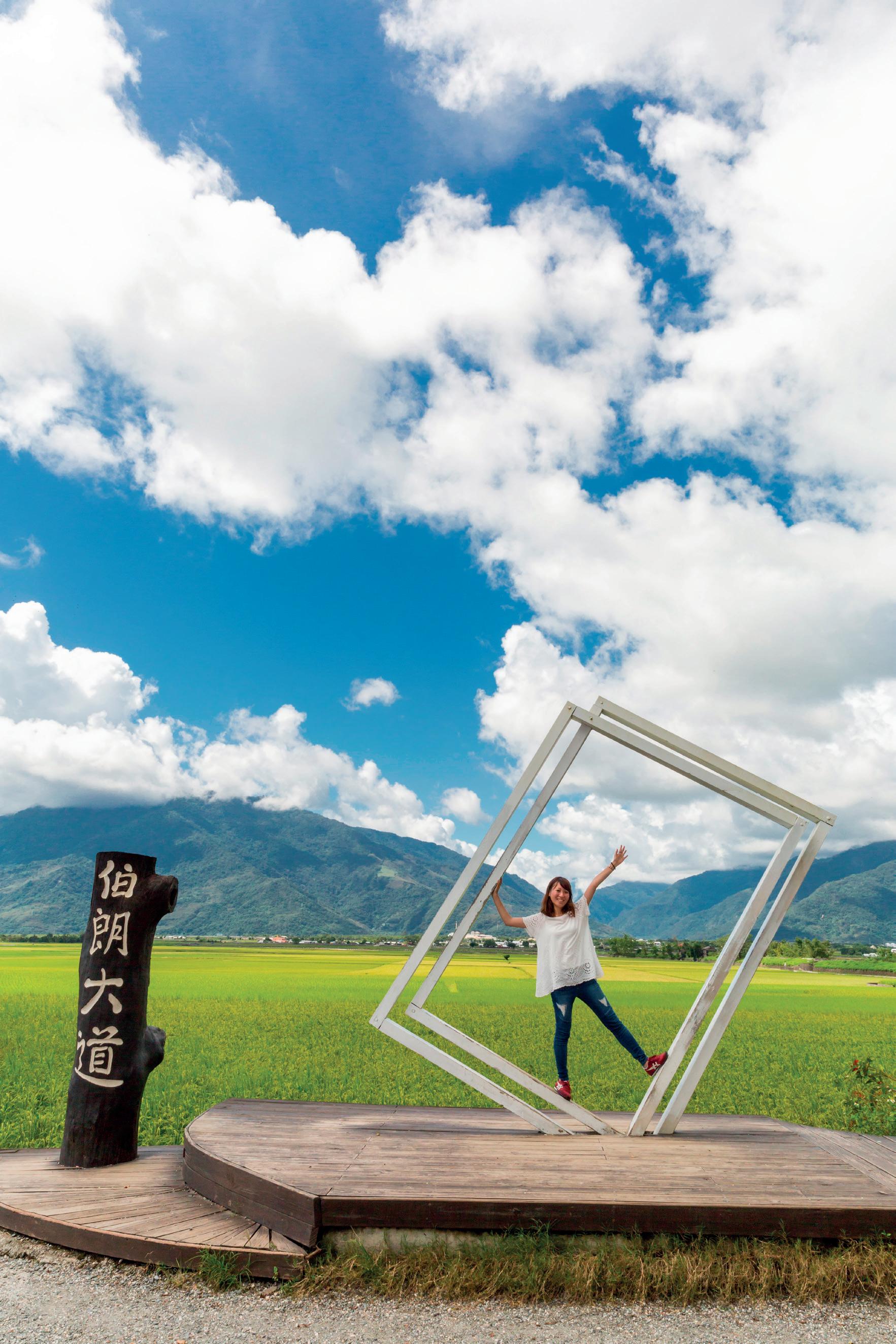
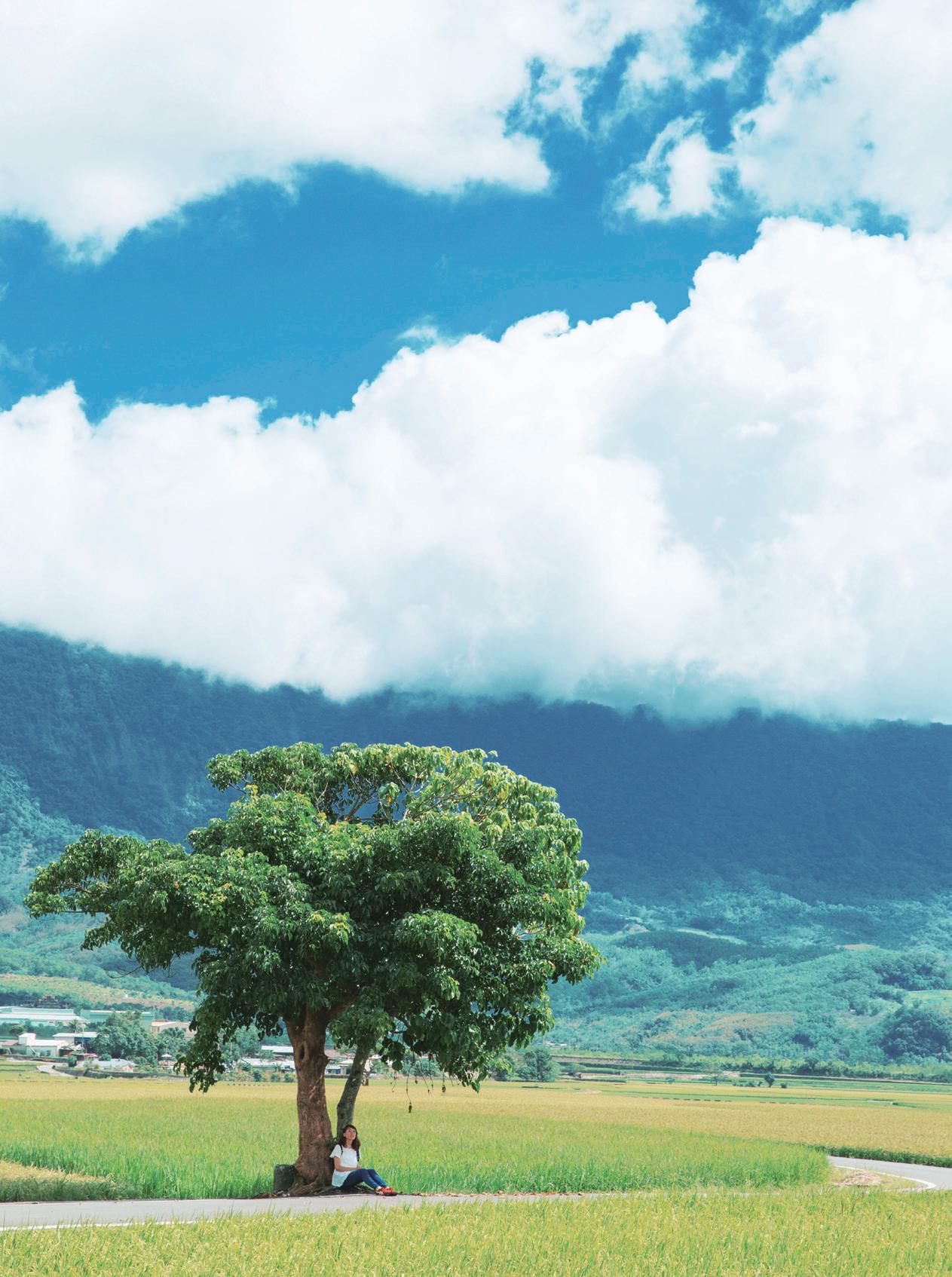
Chishang’s most famous spot, Brown Avenue, is an idyllic lane through the rice paddies featured in a Mr. Brown coffee advert and a subsequent EVA Air ad starring Taiwanese-born Japanese heartthrob Takeshi Kaneshiro. In the latter, Kaneshiro pauses from a bike ride to drink tea under a solitary tree (now named after him) in a scene that really put Brown Avenue on the map, bolstered by a 2017 visit by famous singer Jolin Tsai. Now popular with visitors almost every day of the year, the eastern end of the avenue is denoted by a giant picture frame where you can pose with the iconic road in the background. Whilst undoubtedly beautiful, riding along the avenue, you’ll need to be careful not to run into any selfie-taking tourists, and for those seeking solitude, there are plenty of other picture-perfect lanes through the paddies that you can enjoy without the crowds. Paradise Road runs southeast off Brown Avenue and is equally as magical, but slightly less popular. Other attractions to look out for include the Huge Waterwheel , the Grand View Pavilion , and the Jinyuan Laundry Pavilion . But also make sure you make time to just meander and see where the road takes you!
ENGLISH AND CHINESE
Around-the-Town Bicycle Path | 環鄉自行車道
Brown Avenue | 伯朗大道
Chishang Township | 池上鄉
Dapo Pond | 大坡池
Grand View Pavilion | 瞭望臺
Huge Waterwheel | 大水車
Jinyuan Laundry Pavilion | 錦園洗衣亭
Paradise Road | 天堂路 MAP
No Meat, No Limits
Inside Taipei’s Flourishing Plant-Forward Dining Scene
As vegan and vegan-adjacent diets increase globally, restaurateurs catering to the no-meat crowd face a conundrum: what type of eatery do they want to run? Some opt to win over the vegancurious with familiar flavors. Others strike out in the opposite direction — unabashedly putting plants front and center. Others still take the How can this be vegan? approach. Below, Travel in Taiwan presents worthy Taipei contenders from each camp.
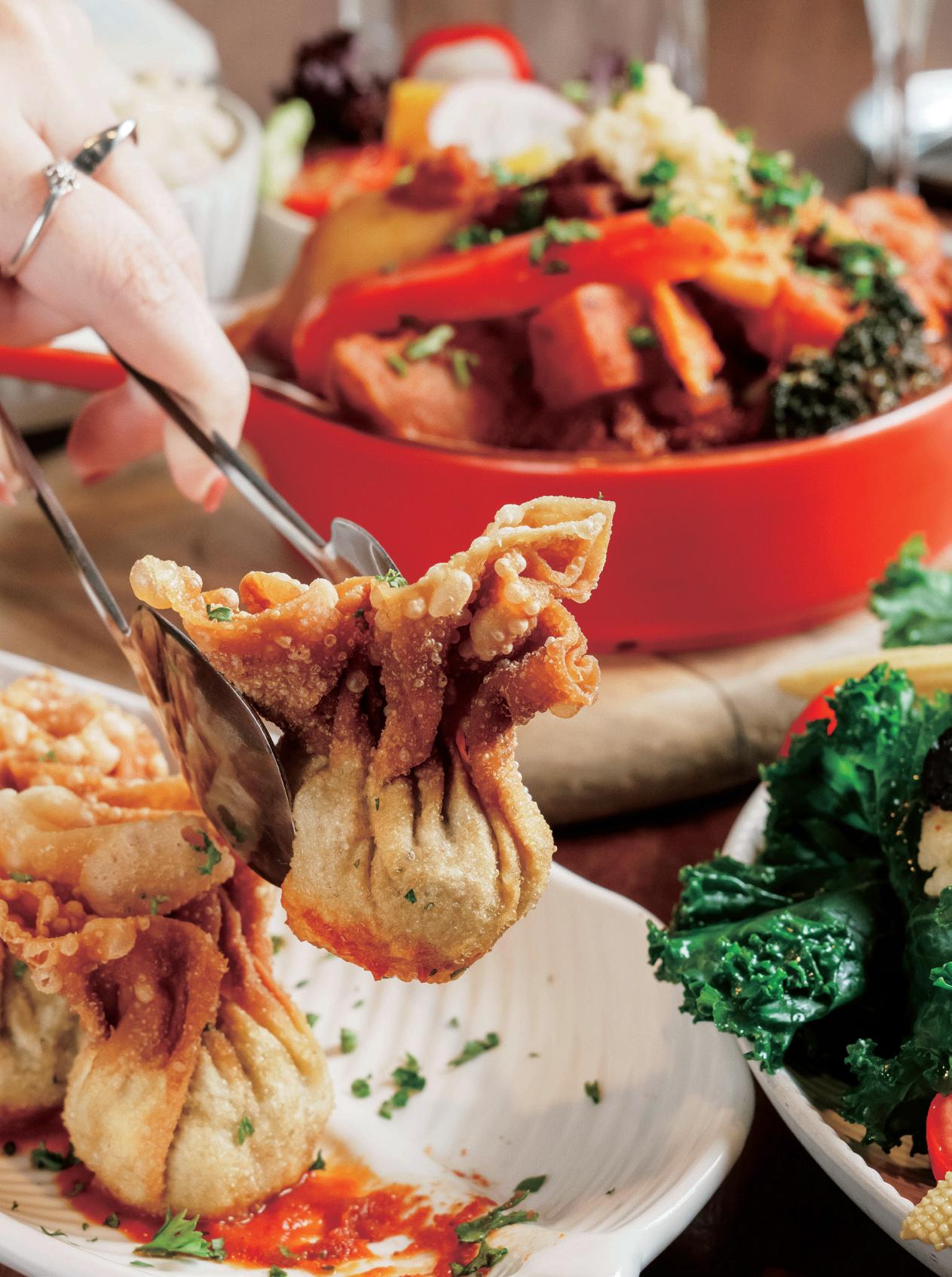
Deep-fried wontons
TEXT AMI BARNES PHOTOS RAY CHANG
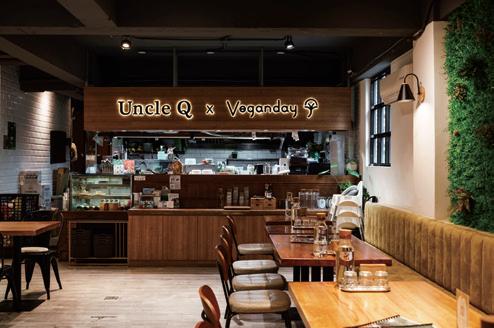
UncleQ by Veganday
With over 30 years of being the token flesh forgoer in any given group, I’m familiar with the vegan dilemma. Go along with the plans and end up eating white rice and boiled veg, or suggest somewhere and risk not getting invited to the next meetup. Well, Taipei vegans rejoice, because UncleQ by Veganday has you covered – robust flavors, generous portions, and dishes that are comforting in their familiarity, it’s precisely the kind of place that converts committed carnivores over a shared meal.
The restaurant’s bright, urban-contemporary interior lies hidden behind the plain frontage of a corner property in the back lanes of Daan District. In the open kitchen, the chefs bust out toothsome dishes with a health-kick heart and fastfood soul. The menu leans Western, the ingredients are local, and there’s no attempt at subterfuge involving the use of fake meat. Many items are gluten-free, and Buddhist vegans who eschew alliums and alcohol are also catered for, although onion and garlic can be added upon request.
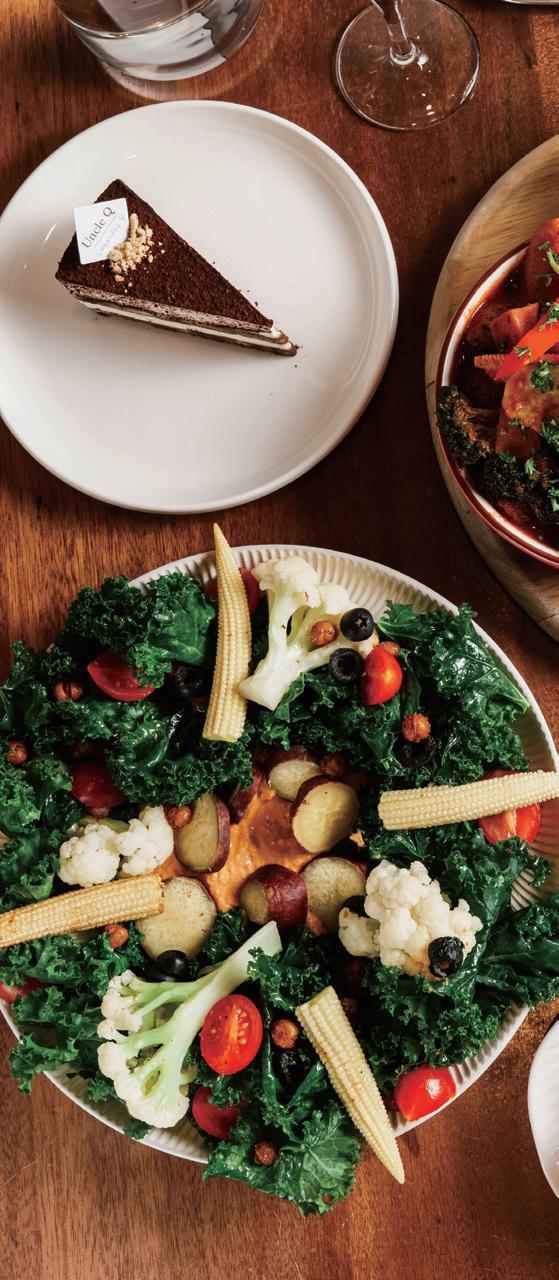
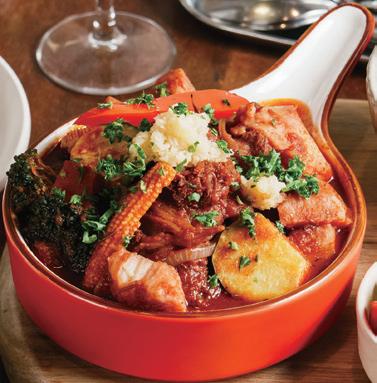
A veganified take on beef bourguignon is the store’s signature dish. The traditional beef has been swapped out for flavorful chunks of lion’s mane mushroom (a mushroom that hasn’t been told it’s not actually meat), which swim in a rich, umami red-wine gravy alongside sweet wedges of carrot, sauce-infused potato, and glistening, near-translucent slivers of onion. Other standouts include the deep-fried wontons –little parcels of herby cashew cheese, crisped to perfection, served on a slick of piquant tomato sauce – and the warm salad with organic kale and a creamy smoked-paprika hummus. It’s good, hearty stuff, and lends itself well to sharing with friends or family.
Even those for whom pudding is nonnegotiable will not be disappointed. A sweet array of desserts includes crowdpleasers like tiramisu (crunchy base, pillowy cream, and moist, glutenfree sponge), cinnamon rolls, and seasonal-fruit ice-cream sundaes. No matter your veganhood status, there’s no way you’re leaving with any space in your belly.
GOOD FOOD Vegan Restaurants
UNCLEQ BY VEGANDAY (02) 2356-8095
1F, No. 105, Chaozhou St., Da’an Dist., Taipei City ( 台北市大安區潮州街 105 號 1 樓 ) Wed-Fri 11:30am-2:30pm, 5:30pm-9pm Sat & Sun 11am-3:30pm, 5:30pm-9pm www.facebook.com/uncleqvegan www.instagram.com/uncleqveganday
Warm salad with kale and hummus
GOOD FOOD Vegan Restaurants
Darling Same Young
If UncleQ is ideal for those who require gradually easing into meat-free cuisine, Darling Same Young Vegan Bistro is the place you take your vegan friends when you want to let them know they are seen, understood, and loved. The downtown offshoot of an organic mountainside farm, it serves up vegan cuisine in which the plants are the undisputed stars, and the descriptors “wholesome” and “heartfelt” roundly apply.
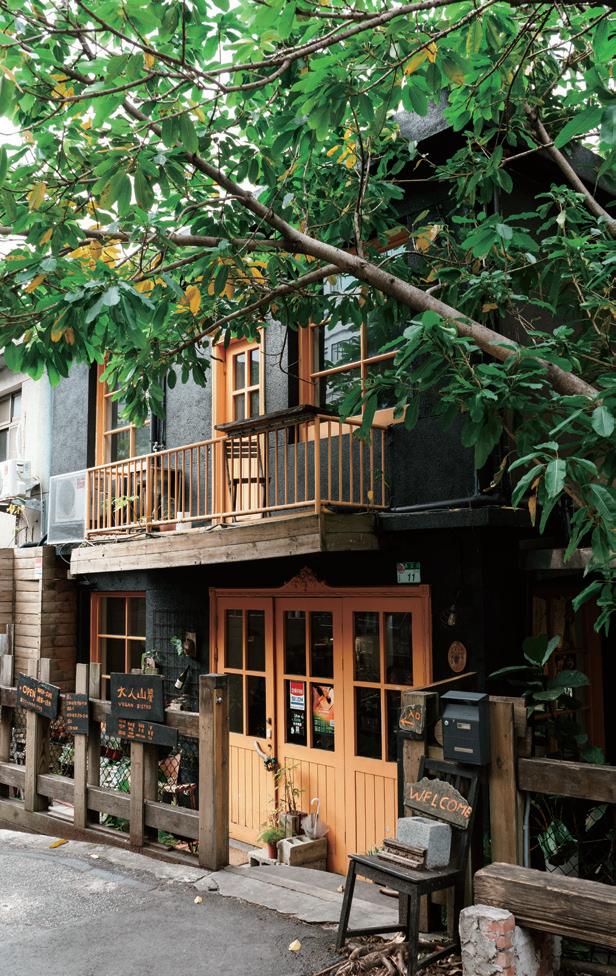
Opened in 2021, the eatery occupies a compact end-terrace property down a side lane in the quietly cosmopolitan Tianmu neighborhood, easily missable if not for the orange trim work brightening its exterior and the accumulation of curios crowding the small yard. Inside, the founder’s guiding principle of reciprocal nourishment between man and mountain shines through in every detail. The food’s local origins and the labor involved in creating it are anchored front of mind thanks to the decorative elements – preserving jars work their magic in plain sight, dried gourds form an organic curtain between dining and prep areas, and tools that have done serving their original purpose are given a second chance (like the toilet-roll holder fashioned from what looks to be an old paint roller).
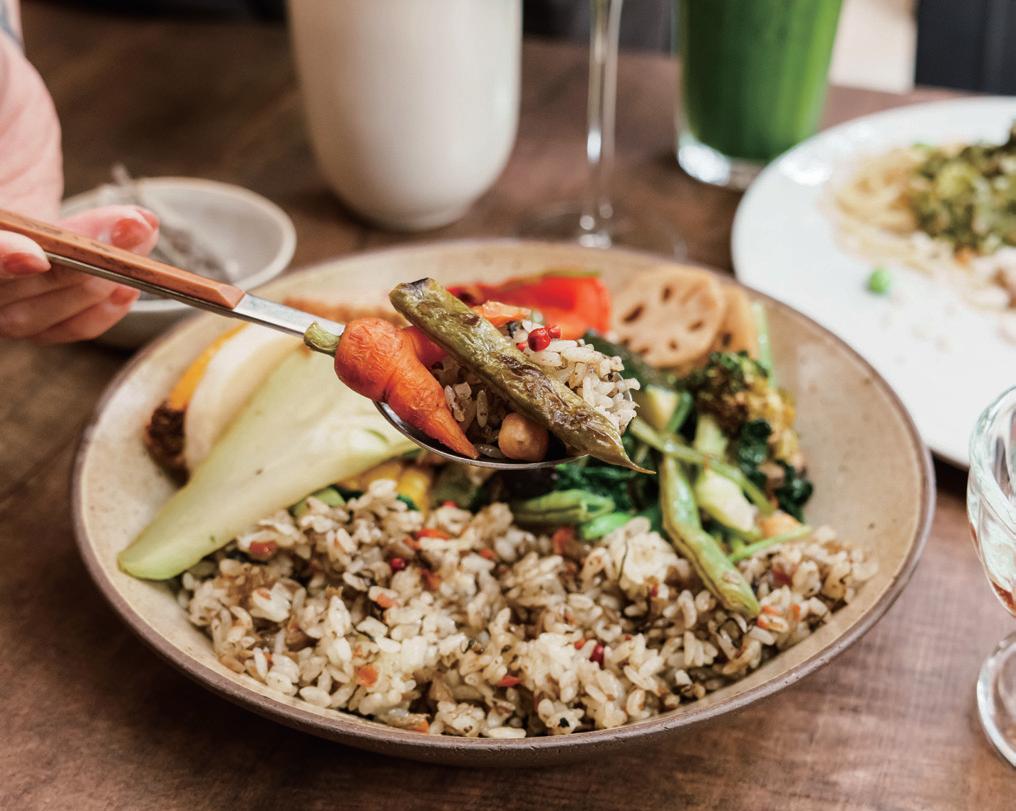
In terms of food, this translates to thoughtful dishes celebrating fresh, local, seasonal produce. The signature main is a rice bowl – a vegetable medley, which includes over a dozen plants: bright string beans, crisp slices of lotus root, crunchy and juicy chayote, rich taro, succulent radish, and a characterful carrot, all lightly roasted so as to coax out their innate sweetness and personalities. This bounty sits beside a mound of organic brown rice from Chishang Township (see page 30), flavored to perfection with a savory spice mix, with vibrant pops from fresh red peppercorn tying the plate together visually. Simple though it may be, there is something orchestral in the way the components combine to form something greater than their individual parts, and I know it sounds a little silly to say this, but I hadn’t tasted such delicious, distinctively “vegetabley” vegetables in a long, long time.
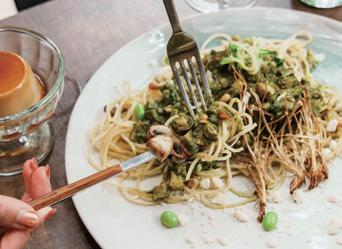
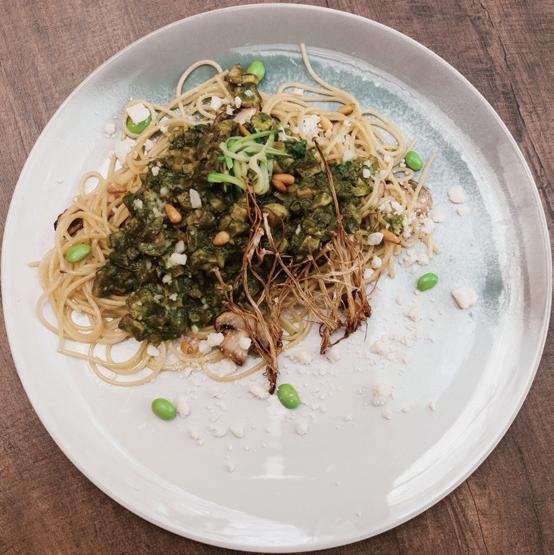
Also on the menu, you’ll find interesting oddities popping up in unexpected places. Gac fruit on pizza, winged beans in a stir-fry, olive oil in ice cream. One spaghetti dish makes particularly good use of ailanthus prickly ash – a flavor accent in some indigenous cuisines. It unmistakably gives lemony, peppery notes to the indulgent pesto sauce.
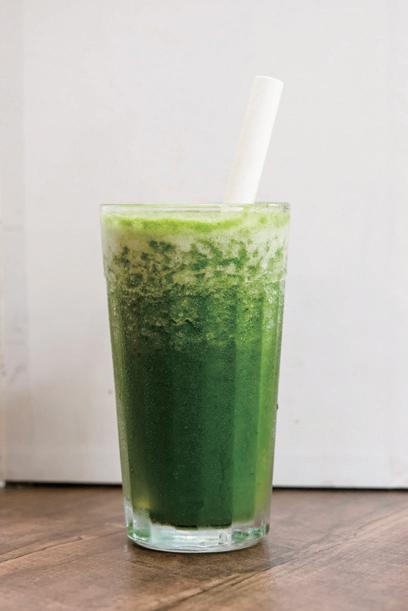
Kale and pineapple smoothie
Brown rice vinegar soda
Vegetable rice bowl
GOOD FOOD Vegan Restaurants
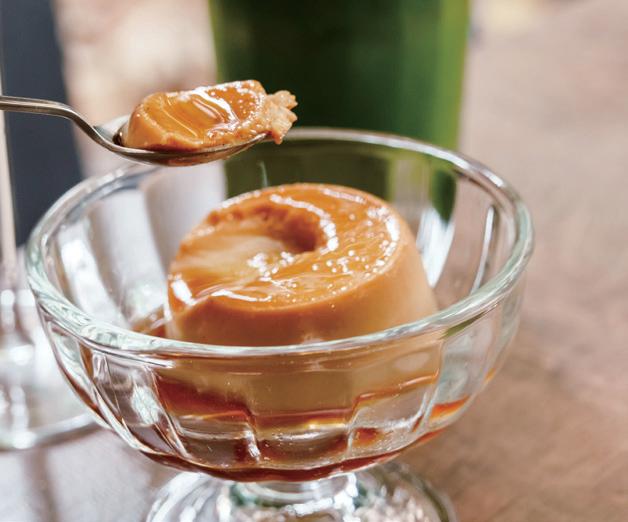
Sweet potato sneaks into the dessert menu to assume the starring role as the main ingredient in a dense, nostalgic caramel pudding. It is not the kind of food that one can shovel down without thought – the flavors are complex, intriguing, and at times surprising, but the care that has gone into each decision is evident in every perfectly balanced bite.
The drinks menu manifests a similar thoughtful approach. Of particular note is the wide range of fermented beverages available – a whole page in the menu is dedicated to homemade brown rice vinegar sodas, kombuchas, and fruit enzyme drinks. But if gut-friendly fizz is not your thing, you might want to pick from the selection of premium Taiwan teas (processed anaerobically to boost the gamma aminobutyric acid levels – a chemical that’s known to promote relaxation), coffees, or the nourishing kale and pineapple smoothie.
As someone who has been riding the plant-based wave for decades, this place excites me because it feels like an evolution – the next generation of vegan cooking. There’s absolutely no concession made for the absence of meat, because why should there be? This is what can happen when chefs stop asking how to recreate and mimic. Instead, they ask what will make this ingredient shine, and Darling Same Young has the answer.
DARLING SAME YOUNG | 大人山養 (02) 2835-1755
No. 11, Lane 50, Huangxi St., Shilin District, Taipei City ( 台北市士林區磺溪街 50 巷 11 號 ) Wed 11:30am-2:30pm, 5:30pm-7:30pm Fri & Sat 11:30am-2:30pm, 5:30pm-9pm Sun 11:30am-2:30pm www.facebook.com/darlingsameyoung www.instagram.com/darlingsameyoung
Outside Darling Same Young
Spaghetti with ailanthus prickly ash
Caramel pudding
GOOD FOOD Vegan Restaurants
Green Bakery
With plant-based diets solidifying their mainstream role, old vegan stereotypes are fading fast. But even though it’s no longer just lentils, martyrdom, and sad cheese substitutes, no one is claiming it’s all decadent desserts and perfect puddings either.
Except, perhaps, at Green Bakery. A designer in a former life, Isabella Cao still refers to herself as an amateur baker despite having spent the last decade pioneering Taiwan’s vegan baking scene. Sitting in the calming interior of her Minsheng Community bakerycum-café, Cao outlined her trajectory from vegan awakening to dessert doyen. The 2005 docu-horror, Earthlings, was her catalyst, precipitating a reassessment of her relationship to animals that led to her decision to turn vegan. However, as anyone who has ever attempted to make dietary changes well knows, choosing not to eat a thing does not diminish your desire for it – in fact, often the opposite. So, one day, when a hankering for Western-style desserts proved impossible to satisfy, Cao realized there was a gap in the market.
Given that she had no culinary background, what followed this realization was a whole lot of learning, but rather than finding the challenge daunting, Cao saw her novice starting point as a boon. “I wasn’t hemmed in by conventional ways of thinking,” she explains. Through trial and error, she learned to bend ingredients to her will – pumpkin makes a mean egg substitute in a sponge, sweet potato whips up into a shockingly creamy consistency, and when color is called for, there is a whole rainbow of plants to pick from. Each new recipe had to be built from scratch, and although vegans typically frown on animal experimentation, Cao needed a guinea pig for her new creations – a role her husband was more than happy to fulfill. All I can say is that I’m grateful for his service, because Cao is now a master of her craft and the results are so successful that
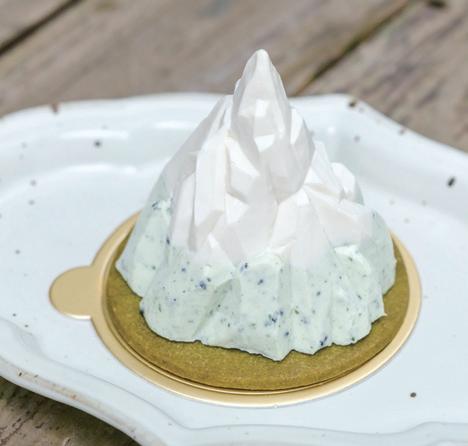
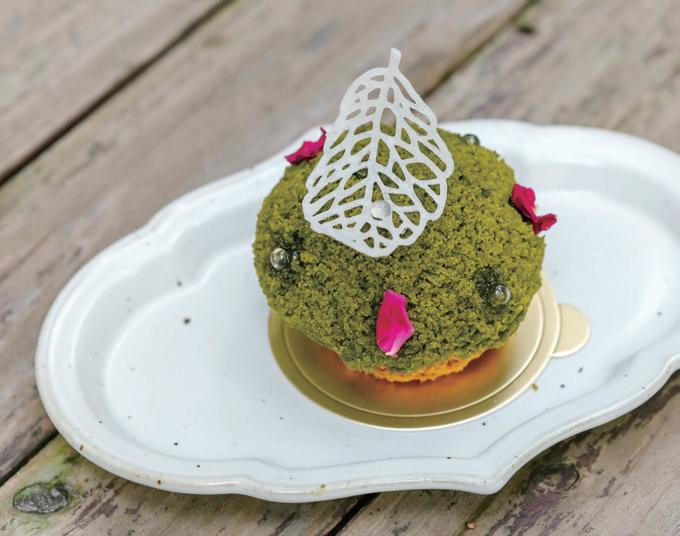
Yushan tart
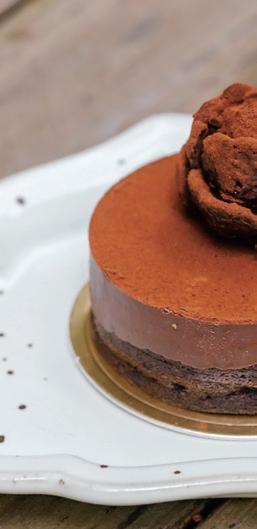
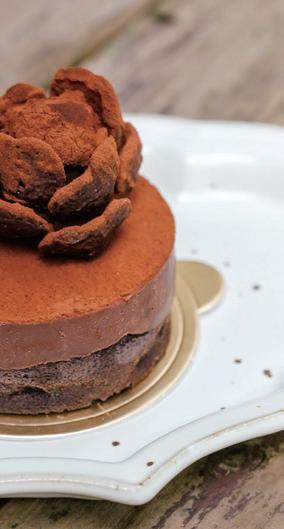
Chocolate cake
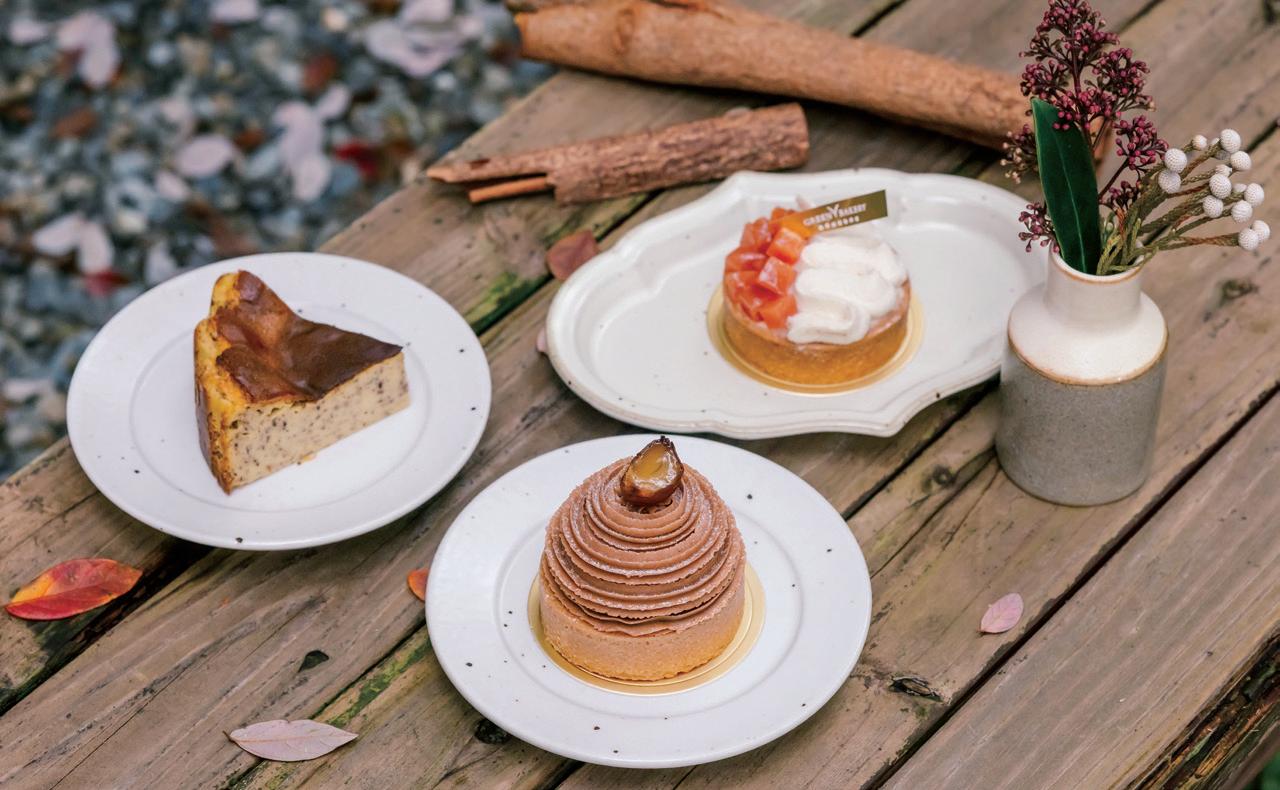
Vegan Basque cheesecake, Mont Blanc, grapefruit and peach tart
GOOD FOOD Vegan Restaurants
some patrons come in and enjoy a cake and a coffee without ever noticing (or caring) that the store is entirely plant-based.
Visit Green Bakery, and you’ll find the results of this ongoing experimentation displayed in the glassfronted cabinet of delights. Quite frankly, the best piece of advice I can give you is to take a friend or two, because it would be a nightmare trying to pick just a single sweet treat to sample. During a recent Travel in Taiwan visit, we nibbled our way through a smorgasbord of tasty morsels, and not a single one was a miss.
Personal favorites were the tiramisu and the chocolate cake – both of which make unexpected use of tofu. The former is a lightly elegant confection of creamy deliciousness that would pair wonderfully with something from the coffee menu. The latter is a dense and exceptionally moist mouthful topped with silken ganache and studded with pinenuts. The ruby grapefruit and peach tart offers a fresh fruity foil to all that richness, and would match nicely with a pot of tea. Meanwhile, for those who subscribe to the camera eats first philosophy of culinary exploration, the Yushan tart is for you. Named after Taiwan’s highest peak, this visually intriguing showstopper marries refreshing lemon with a rich seam of black sesame, and has sweet-potato leaves embedded in its green-flecked base.
GREEN BAKERY | 綠帶純植物烘焙 (02) 2747-7668
1F, No. 64, Aly. 8, Ln. 36, Sec. 5, Minsheng E. Rd., Songshan Dist., Taipei City ( 台北市松山區民生東路五段 36 巷 8 弄 64 號 1 樓 ) www.greenvbakery.com www.facebook.com/greenvbakery www.instagram.com/greenvbakery
There’s seemingly no baked good that is off-limits. Flaky croissants, creamy Basque cheese cakes, scones – if you’ve got a pet pudding, odds are, Cao can make it vegan. And if you find yourself inspired to recreate any of these at home, she has made that easier too by publishing a cookbook sharing her recipes. All the evidence points to the fact that Cao is on a onewoman mission to prove veganism does not need to equate to asceticism. At Green Bakery, you can have your vegan cake and eat it.
ENGLISH AND CHINESE
Chishang Township | 池上鄉
Isabella Cao | 曹思蓓
Tianmu | 天母
Yushan | 玉山
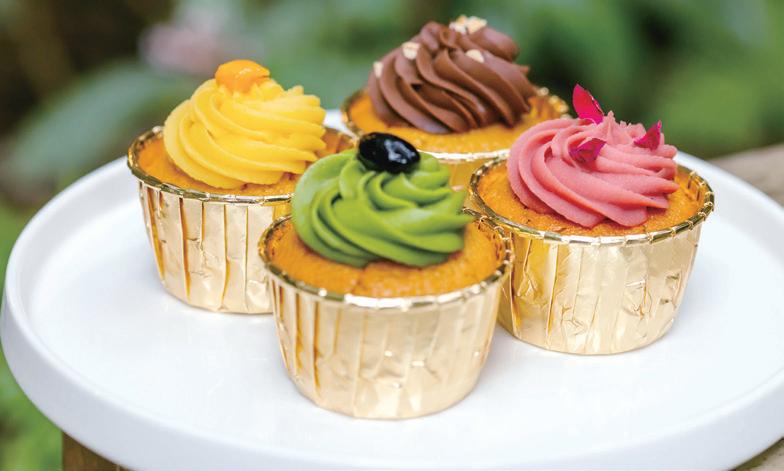
Party cupcakes
MAP
n Unique Taiwan-Brand Craft Souvenirs
Aesthetic Designer Curios
The pride-filled, hard-earned Made in Taiwan brand means the highest in quality and deep honor in workmanship. Homegrown names like TSMC and Giant, shine on the international stage. While in Taiwan, check out some of the smaller names of local renown producing award-winning craftworks, like TPCreative and Carpenter, introduced below.
TPCreative –
From Power Equipment to Practical-Use Mini Artworks
TPCreative fabricates an imaginative line of sustainable, stylish, dynamic-design household products. The studio was created in 2018 with a unique mission – to take mundane retired materials used in power generation by its parent, the Taiwan Power Company (TPC), identify their potential for rebirth, and bring them back into the lives of the public in the form of usable everyday goods that are at the same time small storytelling artifacts of history and artworks of inspired design.
TPC, a circular-economy committed company, hopes that putting its discarded equipment, retrieved components, and collected byproducts – deconstructed and recomposed – back into useful circulation will increase consumers’ ecoawareness. Materials used to date range from high-voltage insulators to utility-pole number plates and wooden arms rich with time traces, and from fly ash from coal-powered plants to sludge dredged from hydropower reservoirs.
TPCreative collaborates with renowned Taiwan design brands. One bestseller is the Hydropower Ballpoint Pen and Pen Holder, modelled by
YSTUDIO, designer of premium stationery. Crafted utilizing brass sealing strips from Sun Moon Lake-area power plants, these are essential components in pumped-storage hydropower generators. Sun Moon Lake was Taiwan’s first major hydropower project, initiated by the Japanese during the 1895-1945 colonial period.
Among other reimaginings, hydropower rotors have been transformed into spinning tops, transformer boxes into coasters, table trivets, and trays, insulators into home lighting, utility-pole wood crossarms into reading-lamp bases, and Sun Moon Lake lake-bottom sediment into “manhole cover” coasters. Many of the items retain the recycled material’s raw, aged texture and/or display TPC time traces or brand stamps.
TPCreative works can be made yours through online purchase through the official website (tpcreative.cyberbiz.co) and the Pinkoi online marketplace.
The Carpenter woodworking workshop sells a wide range of design-led lifestyle goods, including stationery, home accessories, kitchenware, and decorative items/gifts/toys. Beyond its consumer products, the manufacturer also crafts custom and corporate gifts. Playful minimalist design, natural wood textures, everyday usability, and sustainability are emphasized.
The enterprise’s Chinese name is “Carpenter Siblings,” said siblings a brother/sister duo. Unlike TPCreative, there is a bricks-and-mortar workshop/retail space you can visit, in a moderate-sized factory-style building with a commanding black-and-white façade on a quiet tree-lined roadway in the semi-rural Houli District of Taichung City.
The partners inherited nearly three decades of fine woodworking experience from their father, founding their brand seeking to save his factory and revitalize Taiwan’s traditional woodworking, which has seen significant decline due to aging artisans, labor shortages, and the rise of massproduced furniture. What’s new is contemporary design and creative lifestyle aesthetics, sustainability, and group educational tours, plus DIY hands-on experiences.
a pronounced “cutesy” character to them: examples are the Bus Bu Bu mini storage box, lucky carp-theme perpetual calendar, robot paperclip holder, reindeer mobile-phone stand, reindeer cup-hanger stand, 3D bingo set, 3D chess set with Chinese characters on pieces, and many other choices.
Buy your Carpenter handiworks on-site or through the official website. They’re also available at a long list of retail outlets across Taiwan – full list on the website; among the best-known names are Eslite Bookstore, Ever Rich Duty Free, and Hsin Tung Yang.
Among Carpenter’s stationery line are pens and pencil sharpeners. Its home accessories line includes phone stands, clocks, and coasters, and its kitchenware line features cutting boards, utensils, and tableware. Its decorative items, toys, and gift products have
ENGLISH AND CHINESE Houli District | 后里區 Sun Moon Lake | 日月潭 TPCreative | 台電文創
Cute pencil sharpener robot
Cellphone stand
Convenience Store Cocktails
A Recent Trend Among Young Folks
Taiwan has perhaps the most pronounced convenience-store culture on the planet. The big names –7-Eleven, FamilyMart, Hi-Life, and OK Mart – are everywhere, outlets so ubiquitous that urban residents see them as larders of sorts, “everything” you need just steps away. Fresh coffee to tea eggs, microwavable hot meals to pick-me-up drinks, they stock pretty much anything you might “spur-of-the-moment” desire, including all you need for self-made cocktails.
As is their wont, the inventive denizens of the younger generation (Gen Z) have taken something culturally familiar and concocted something novel. Any guess what that might be regarding your Taiwan neighborhood chain convenience stores?
Behold, we have the convenience-store cocktail craze!
The “Rules”
DIY mixed drinks are crafted by groups of friends using alcohol and nonalcoholic beverages stocked at convenience stores – nothing from outside their sliding doors permitted. No bar, no bartender, just aisle-hopping and imagination. The trend, which has taken hold in Taipei and across Taiwan, is a fun mix of convenience, creativity, and social-media culture.
Standard alcohol ingredients include beer (especially Taiwan Beer, Asahi, Kirin), canned highballs, shochu, plum wine, and wine (usually mini-bottles). Nonalcohol standards include Yakult drink, milk/black/green tea, fruit juice (unique Taiwan flavors include lychee and mango), and sports drinks. Infrequently, a soft non-liquid, such as ice cream, is utilized as well.
Why Young People Love It
The trend is affordable and accessible – it’s much cheaper than bars and clubs, and it’s late-night friendly, your “bars” open 24/7. It’s creative and playful, and everyone experiments and shares recipes. It’s a perfect social-media fit – providing unique aesthetic visuals for TikTok and IG reels inside/outside the stores, at home, in the park, etc. Young people prefer a low-pressure drinking culture; it’s not about getting tipsy/drunk, more about hanging out, chatting, and vibes, fitting Zoomers’ preference for casual, cozy, and semi-introverted socializing.
In Taipei, convenience-store cocktails are favorite conversation centerpieces in small home gatherings, rooftop hangs, late-night park or riverside meetups, and post-dinner/post-late-night-snack “exclamation-point-on-the-experience” moments. Their creation aligns with minimalist aesthetics and a “small happiness” lifestyle. Gen Z loves turning ordinary places, aka convenience stores, into social spaces; informal experiences trump polished ones. It’s about bonding, not partying.
Bonding & Sharing the Key
You might see groups of friends walking a store aisle by aisle, like perusing a cocktail menu, debating potential combinations as they move along, often making decisions based on vibe rather than taste: “I want something healthy and tasty/something refreshing/something therapeutic.” The groups love the togetherness of the decision-making ritual.
“Risky” mixes are part of the fun. There is playful acceptance that some mixes will be bad, and some will be – surprise! –amazing. Drinks are often ranked like a game, and “failing” is socially acceptable. And it’s all great material for the adventure experience to be posted on social media.
You might be surprised to find that Yakult, a sweetened, probiotic milk beverage, is a big local cocktail celeb. An iconic childhood drink, it instills a sense of nostalgia, accompanied by a “health halo” (even if questionable), and offers a sweet-and-sour balance that is both pleasant and familiar to local palates. Yakult with shochu is common, as is Yakult with vodka, but Yakult with beer is “controversial,” much debated
A Quick Cultural Note
The drinking age in Taiwan is 18. Drinking in public is generally legal and tolerated, but behavior matters. Most young people in Taiwan are mindful and low-key about it; you won’t find groups hanging outside a 7-Eleven, cocktails in hand, making a ruckus.
Short List of “Best” Cocktails Now Trending on Social Media
Guava Orange Green Tea (Guava Juice + Unsweetened Green Tea + Orange Juice + Shochu
Bloody Mary Taiwan Edition (Tomato Juice + Taiwan Beer)
Enhance Your Visit with the City’s FunPASS
Planning a trip to Kaohsiung, southwest Taiwan’s vibrant major international port city? Take advantage of the Kaohsiung FunPASS for more convenience and better value!
Pass Options and Pricing
There are two options: a 1-Day Pass and a 3-Day Pass.
The 1-Day Pass, currently available for NT$780 (regular price NT$1,620), includes unlimited rides on the Kaohsiung MRT and Light Rail systems, tickets to three popular tourist attractions of your choice, one exclusive souvenir, and vouchers for shopping discounts at selected stores.
The 3-Day Pass (special price NT$1,400; regular price NT$2,219 for E-Ticket and NT$2,319 for Physical Card) offers perks similar to those for the 1-Day Pass, plus enhanced transportation options. It includes a Kaohsiung MeNGo 48-Hour Plan, which provides unlimited rides on the Kaohsiung MRT, Kaohsiung Light Rail, and city and highway buses, as well as two passenger-ferry rides with Kaohsiung Ferries (Gushan-Qijin and Qianzhen-Zhongzhou routes), and free YouBike public rentalbike use (for the first 30 minutes of each trip).
Additionally, the 3-Day Pass includes tickets to five tourist attractions, an exclusive souvenir, and shopping vouchers similar to those for the 1-Day Pass.
How to Purchase
To buy either pass, visit kaohsiung.funpass.app. Payments can be made via LINE Pay, credit card, or Easy Wallet. After completing payment, you’ll receive a redemption code, which you then enter into the Taiwan FunPASS | Travel Buddy App (available for iOS and Android).
Important: The validity period starts from the first day of use and lasts for the number of consecutive days indicated on the pass.
TEXT & PHOTOS VISION
Riding a YouBike in Kaohsiung
Physical Card Option (3-Day Pass Only)
For the 3-Day Pass, you can choose between an E-Ticket (using a redemption code in the app, similar to the 1-Day Pass) or a Physical Card.
To obtain a Physical Card:
1. Complete payment and receive a QR code
2. Present this QR code at a service counter located at: Kaohsiung MRT stations, Kaohsiung International Airport, Kaohsiung Railway Station, and Zuoying High Speed Rail (HSR) Station
3. Receive your Physical Card, which you can tap for payment on public transport and use to gain access to tourist attractions
The Physical Card features beautiful illustrations of Kaohsiung landmarks and serves as a lovely memento from your visit.
Exclusive Souvenir
The souvenir included with both passes is a Dragon and Tiger Pagodas Cup Set (valued at NT$350). These iconic seven-story pagodas, located on the shore of Lotus Pond, are among Kaohsiung’s most famous landmarks and must-visit tourist sites. The cup set can be redeemed at the Pier-2 Art Center (en.pier2.org).
Included Attractions
On the official website, you’ll find a list of the tourist attractions included with the passes. You can choose three attractions for the 1-Day Pass and five for the 3-Day Pass. The diverse selection includes the following attractions:
Arts & Culture – National Kaohsiung Center for the Arts - Weiwuying (guided tour), National Science and Technology Museum, Kaohsiung Museum of Fine Arts, Kaohsiung Music Center (pop music interactive exhibition), British Consulate at Takao, Hamasen Museum of Taiwan Railway, The Pier-2 Art Center (WOCA PIER-2), etc.
Scenic Experiences – Love River gondola cruise and Kaohsiung Harbor Self-Driving Car experience, etc.
Family-Friendly – Shoushan Zoo, Jing Yuan Leisure Farm, Suzuka Circuit Park, etc.
Food & Drink – Vouchers redeemable at selected cafés and restaurants
Shopping Discounts – Show your Kaohsiung FunPASS at partner stores to enjoy exclusive discounts at popular locations
Practical Tips
• No reservations needed at attractions; simply scan the QR code in your app for entry
• Download the Taiwan FunPASS app before your trip
• Consider the Physical Card option for the 3-Day Pass as a collectible souvenir
The Kaohsiung FunPASS is an excellent choice for both first-time visitors and returning travelers who want to explore the city’s top attractions efficiently and affordably!
Kaohsiung Museum of Fine Arts
Gondola cruise on the Love River
National Kaohsiung Center for the Arts - Weiwuying
Kaohsiung Light Rail
Kaohsiung in a Hurry
Must-Dos on Brief Visits to the City
Not every visitor to Kaohsiung has an abundance of time to explore this fascinating city, which is wellknown for its international port and features a host of both long-established and recently added tourist attractions. Here are some suggestions for super-short visits by tourists arriving on a cruise liner.
Imagine you’re on a cruise that stops at the brand-new Kaohsiung Port Cruise Terminal, giving you the chance to disembark and explore a while. What are some mustdos and must-sees?
One thing to consider, if intending to explore the city on your own, is purchasing the Kaohsiung FunPASS (see page 46). From the cruise terminal, use your card to easily hop on a train of the Light Rail system (Cruise Terminal Station) and ride past numerous landmark highlights of the city. Riding clockwise, you will pass the Love River (consider taking a romantic gondola cruise if you have time in the evening), Kaohsiung Music Center (a great backdrop for photos), Great Harbor Bridge (a pedestrian bridge that turns around!), Pier2 Art Center (galleries, cafés, and shops), Hamasen Museum of Taiwan Railway (model railway inside, decommissioned locomotives and carriages outside), Kaohsiung Museum of Fine Arts (fine art inside, park with sculptures outside), Heart
of Love River park (great for leisure walks), Dream Mall (shopping and dining), and 85 Sky Tower (superb views of the city).
Switch to the Orange Line for the Liuhe Night Market (most popular with tourists) and the National Kaohsiung Center for the Arts – Weiwuying (the world’s largest performing-arts theater under one roof), or take the Red Line for Lotus Pond/Dragon and Tiger Pagodas, Ruifeng Night Market (the city’s largest), and Shinkuchan Shopping District (a youth-oriented shopping area). The Orange and Red lines meet at Formosa Boulevard Station, home to the Dome of Light, the world’s largest public glass-art installation.
Exploring the harbor area on foot and taking a ferry to Qijin Island are two more ways to make the most of your stay in Kaohsiung. More details on the above attractions, along with helpful information for cruise-liner passengers, can be found at the multilingual site khh.travel/en/travel/cruise-ship.
Kaohsiung for Music Lovers
In recent years, Kaohsiung has established itself as a major tour stop for international pop and rock stars (including Kylie Minogue, TWICE, and Westlife) thanks to world-class venues such as the Kaohsiung Music Center. For foreign music fans attending a concert and spending just a short time in the city, there are countless ways to enjoy yourself before and after a show. Close to the Kaohsiung Music Center, Pier-2 Art Center is ground zero for the local music and creative scene (check out the Live Warehouse). For nightlife – clubs, pubs, and bars – the Central Park/Sanduo Shopping District is recommended. Also not to be missed are Shinkuchan Shopping District and Ruifeng Night Market.
Note: March 21-22, Kaohsiung hosts the Megaport Festival, a major music event that is a must-experience (megaportfest.com) for music lovers!
Kaohsiung Music Center in the Asia New Bay Area
Dragon and Tiger Pagodas
Coldplay concert at Kaohsiung National Stadium
HOT! STAY / EAT / BUY
Hualien County STAY
Lakeshore Hotel
Hualien Taroko
煙波花蓮太魯閣
Not far from Taroko National Park and Xincheng’s Manbo Beach, Lakeshore Hotel Hualien Taroko is nestled between mountains and ocean, offering a multigenerational vacation destination with three core experiences: family getaways, relaxed lodging, and restorative wellness. The Tranquil area of the hotel features an outdoor swimming pool, a heated spa pool, a sauna, and a gym. Lento Restaurant embraces a locally minded philosophy, sourcing ingredients from small farmers in Hualien and blending Taiwanese and Cantonese cooking styles to express the region’s mountain-and-sea character, highlighted by
authentic wok hei – the distinctive smoky flavor of high-heat stir-frying. Serenity embodies Eastern healing traditions through yoga, tea ceremonies, and a dedicated library space. The Moment Hotel Hualien by Lakeshore offers family rooms, backpacker accommodations, and a communal kitchen, providing laidback yet stylish lodging options for a wide range of travelers.
AWARDS:
2026 GOOD TRAVEL SEAL SILVER
2022 GOLDEN-LEVEL GREEN MARK HOTEL
No. 10-6, Caolin, Shun’an Village, Xincheng Township, Hualien County ( 花蓮縣新城鄉順安村草林10之6號) Tel: (03) 861-2000 taroko.lakeshore.com.tw
Hualien County
Lakeshore’s Brunch Buffet Brings the World’s Finest to Your Journey’s First Meal
煙波國際觀光集團
Capturing the anticipation of travel at the morning table, breakfasts at Lakeshore hotels feature carefully selected premium ingredients, including wagyu beef, lobster, and abalone, creatively blending Taiwan’s local flavors with international cuisine. The experience is complemented by “world champion bread” and regular collaborations with renowned international restaurants for themed feasts. With an international perspective, the breakfast experience is redefined – turning your palate into the starting point for exploring Taiwan.
No. 10-6, Caolin, Shun’an Village, Xincheng Township, Hualien County ( 花蓮縣新城鄉順安村草林10之6號)
Tel: (03) 861-2000 gp.lakeshore.com.tw/QaXdL
TOUR
Taitung County
Guanshan Story ~ Cycling Through Rice Fields in the East Rift Valley
關山物語~縱谷稻浪騎跡
Guanshan, nestled in the heart of the East Rift Valley, is a low-carbon, slow-travel town that offers convenient transportation, a variety of accommodation options, and a strong commitment to environmental sustainability. It is home to Taiwan’s first dedicated town-circling bicycle path. Travelers can easily reach Guanshan by train, then hop on regular or electric bicycles to leisurely explore its rice paddies, riverbanks, and mountain settlements. By traveling at a slower pace, visitors can take in the vast scenery and unspoiled nature of the East Rift Valley and enjoy the region’s iconic low-carbon tourism landscape. Along the way, stop by the Rice County School, Waterfront Park, Takufan Wetland Area, and indigenous communities. Experience local cuisine, handmade crafts, and the art of the East Rift Valley, gaining deeper insight into local culture and community life.
No. 8, Minsheng Rd., Guanshan Township, Taitung County ( 台東縣關山鎮民生路8號)
Exit and you’re there! Caesar Park Hotel Taipei, just opposite Taipei Main Station 台北凱撒大飯店
Situated directly opposite Taipei Main Station at the intersection of five major transportation networks, Caesar Park Hotel Taipei is Taiwan’s first hotel directly connected to an MRT exit (M6). Guests can access their rooms directly from the B1 floor entrance using their room key, offering ultimate convenience. The hotel features 478 guest rooms across nine room types, including the exclusive Station Suite with views overlooking the station. The first-floor Drink Bar is a modern, greenery-filled space offering We Proudly Serve Starbucks™ coffee, red and white wines, and Taiwan Beer. It
also features casual dining options such as beef noodles and pizza. The hotel also offers Checkers Western Buffet on the second floor, Dynasty Chinese Restaurant on the third floor, and banquet facilities on the fourth floor, catering to every traveler’s culinary needs.
No. 38, Sec. 1, Zhongxiao W. Rd., Zhongzheng Dist., Taipei City (台北市中正區忠孝西路一段38號) Tel: (02) 2311-5151 taipei.caesarpark.com.tw
County
Le Méridien Hualien Resort 花蓮潔西艾美渡假酒店
From now through April 30, Le Méridien Hualien Resort presents the seasonal “Avec Amour” accommodation package. Guests staying in selected hot-spring room types can enjoy Le Méridien’s signature fresh chocolates and sparkling wine, a Happy Hour leisure time, a Latest Recipe breakfast the following morning, and exclusive access to the in-room marine carbonic chloride spring. In addition, the Sweetheart Square bakery will begin trial operations, introducing a new singleperson English afternoon tea set. From now until April 16, each afternoon tea order includes a complimentary macaron per set.
No. 599, Zhongzheng Rd., Hualien City, Hualien County ( 花蓮縣新城鄉順安村草林10之6號)
Tel: (03) 865-5999
www.lemeridien-hualien-resort.com
Taipei City OTHER
AquaHex Hexagonal Water
Structured, High-Energy, Long-Lasting
Hexagonal water forms naturally as small, highly ordered clusters, similar to the structured water present in newborns’ cells. With age, this structured water declines, impacting metabolism, circulation, detoxification, skin condition, and overall vitality.
Transform Your Water Anytime, Anywhere Whether you’re at home or exploring the outdoors, the AquaHex Portable Hexagonal Water Generator Stick brings structured hexagonal water into your daily routine. Using advanced HKE resonance technology, this compact and lightweight stick enhances ordinary drinking water—no electricity, no additives, just simple, thoughtful hydration. Drop it into your
bottle and enjoy refreshed, high-quality water wherever your journey takes you. Easy to use and eco-friendly, AquaHex fits naturally into a mindful, modern lifestyle. Discover how AquaHex can elevate your daily wellness.
Hualien
Taipei City STAY STAY
Lakeshore’s Brunch Buffet
Brings the World’s Finest to Your Journey’s First Meal
From Taiwanese beef soup to world-champion bread, savor landscapes and flavors in every bite!
Capturing the anticipation of travel at the morning table, breakfasts at Lakeshore hotels feature carefully selected premium ingredients, including wagyu beef, lobster, and abalone, creatively blending Taiwan’s local flavors with international cuisine. The experience is complemented by “world champion bread” and regular collaborations with renowned international restaurants for themed feasts. With an international perspective, the breakfast experience is redefined – turning your palate into the starting point for exploring Taiwan.