7 Empowered Wide Bay Queensland


Welcome to Empowered Wide Bay, Queensland – your magazine dedicated to exploring the pathways to physical and mental health wellbeing. In today's fast-paced world, taking care of our health is more important than ever. Our mission with this magazine is to guide you on a journey toward a balanced, fulfilling, and healthy life by providing practical advice, resources, and support for yourself and your family.
We recognise that the journey to wellbeing is as unique as the individuals embarking on it and understand that wellbeing is not a one-size-fits-all journey. That’s why this magazine is designed to be more than just a source of information – it’s a companion that offers insights tailored to diverse needs. Our content goes beyond the surface, delving into the less accessible, often-overlooked aspects of modern life that can impact your wellbeing.
Exploring these pathways to wellbeing isn’t just about addressing challenges it’s about unlocking opportunities for personal growth and transformation. By prioritising your health, you’ll not only improve your physical fitness and mental clarity but also enhance your relationships and family life, career satisfaction, and overall quality of life. Our magazine offers you the roadmap to achieve this, with actionable steps that make the journey accessible and rewarding.

At the heart of our mission is empowerment. Every article, tip, and resource is thoughtfully curated to equip you with the knowledge and confidence to take proactive steps toward your goals. We believe that wellbeing isn’t a destination but a dynamic process of growth and adaptation. Each step you take, no matter how small, is a powerful move toward a healthier, happier, and more fulfilling life.
Thank you for choosing to be part of this journey and together, we can build a vibrant community that values and prioritises wellbeing in all its forms. Let’s inspire each other, share knowledge, and create a brighter, healthier future – starting today.


Today, Homelessness Australia has released ‘Call Unanswered,’ a report inpartnershipwithImpactEconomics and Policy that paints a stark picture ofAustralia’shomelessnesscrisis.
Surveying 23 specialist homelessness services (including specialist family violence services) over two weeks in September 2024, the report highlights the significant strain these services are under, with many people unable to access critical support - including victimsurvivors of family violence.
Some key findings in the report include:
Services couldn't answer phones for 325 hours (1 in every 13 operating hours).
. Front doors were closed for 200.5 hours (1 in every 22 operating hours).
. 666 urgent emails went unanswered.
We know family violence remains the leading cause of homelessness for women and children in Australia. Without timely access to crisis and long-term housing options, many victim-survivors are forced to make an impossible choice: remain in a violent home, or escape and face homelessness.

Safe and Equal is proud to join Homelessness Australia to call for immediate government action to address the inextricably linked crises of homelessness and family violence
Key recommendations in the new report include increasing social housing and support payments; strengthening programs to intervene earlier and prevent homelessness; growing funding of homelessness and family violence services; a housing first approach prioritising immediate access to permanent housing paired with tailored support services; and data-driven service planning.
Without significant and urgent investment, the cycles of abuse, poverty, and homelessness will persist, leaving family violence victimsurvivors and all Australians facing homelessness with limited options and no clear path to recovery.
The Australian Government is committed to preventing and responding to the abuse of older people (also known as elder abuse).
Note: We provide policy support to address the abuse of older people. We cannot provide legal advice to the public or investigate any complaints of unlawful or abusive behaviour. For assistance with potential or actual cases of abuse, refer to information on the elder abuse phone line: 1800 ELDERHelp (1800 353 374).
Abuse of older people is a complex issue that is often caused by someone the older person trusts, such as a family member, friend, professional or paid caregiver. Abuse can occur in a number of settings, including the older person's home. Sometimes, both the victim and perpetrator do not recognise that what is occurring is abuse. Abuse affects both men and women and people from all walks of life.
There are a range of definitions and frameworks to describe the abuse of older people.
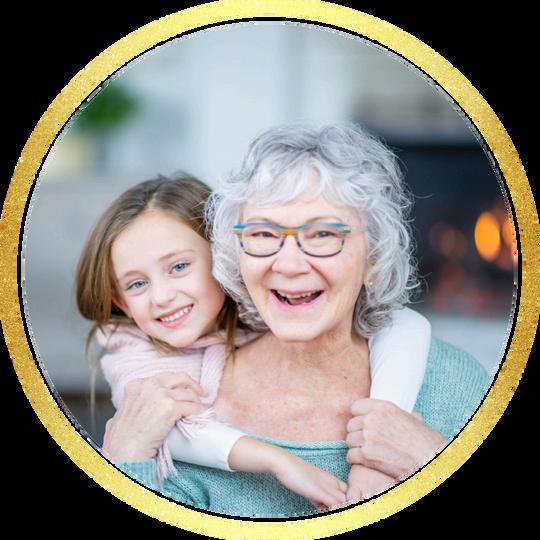
To care for those who once cared for us in the highest honour.

The world health organisation defines elder abuse as:
A single or repeated act, or lack of appropriate action, occurring within any relationship where there is an expectation of trust which causes harm or distress to an older person. It can be of various forms: physical, psychological/emotional, sexual, financial or simply reflect intentional or unintentional neglect. Elder abuse is a violation of human rights and a significant cause of injury, illness, lost productivity, isolation and despair.
READ MORE
ABOUT AUSTRALIA’S RESPONSE AND NATIONAL PLAN


From emotional support to financial implication, here’s how to make caring for an aged parent work.
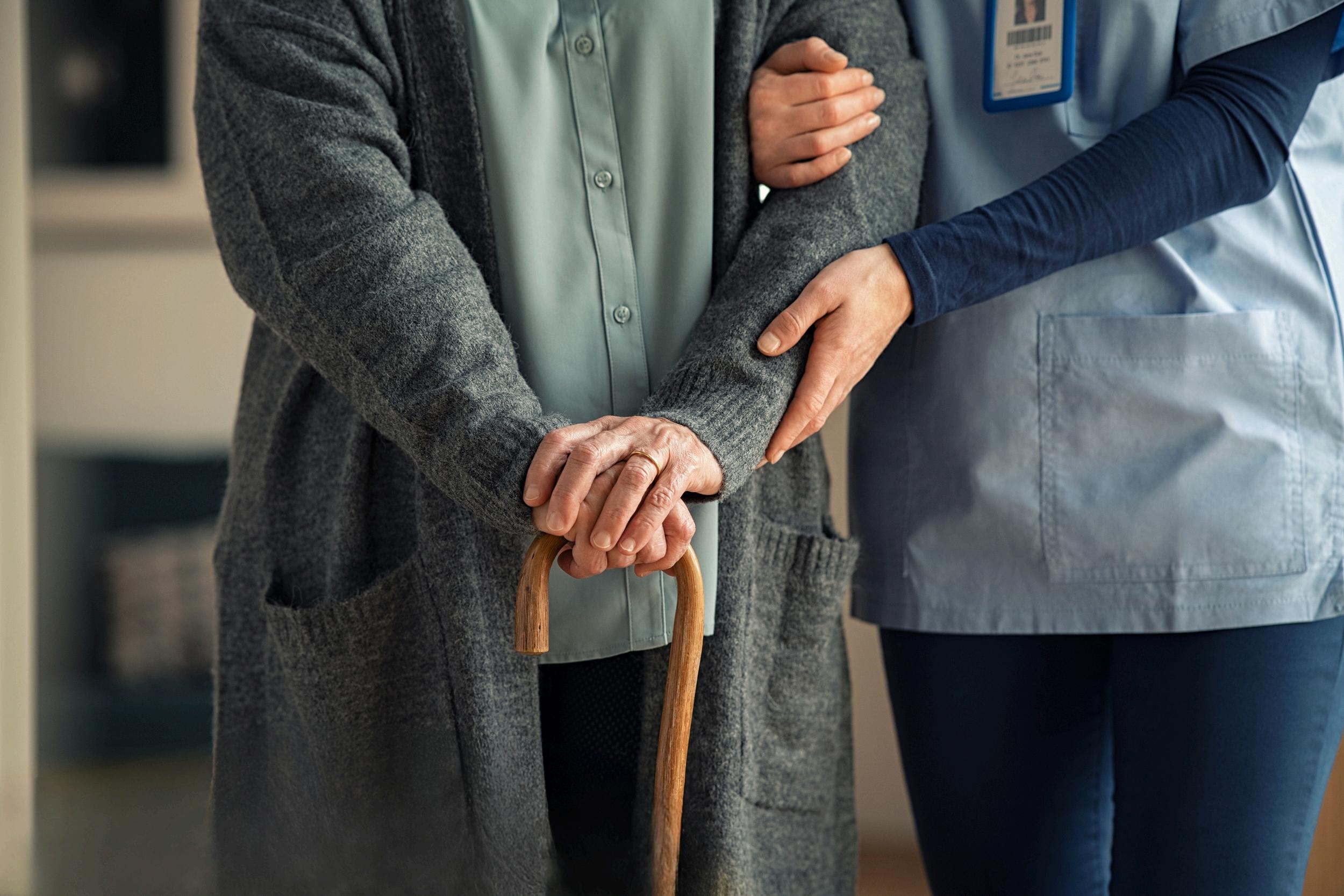
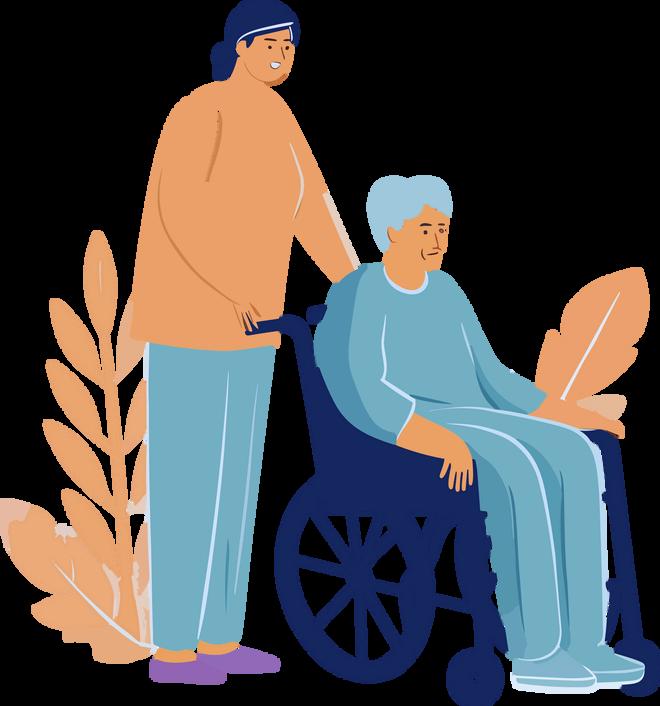
As our parents age, they may face a range of physical, emotional, and cognitive changes that can impact their independence and daily functioning. Tasks that were once simple and effortless for them may now require assistance or support. From managing medical appointments and medications to making the home safe, the responsibilities of caring for an elderly parent can be overwhelming.
As someone begins to advance towards old age, their body undergoes physical changes Their strength diminishes, mobility may become limited, and chronic health conditions may arise. Simple tasks like getting dressed, walking up the stairs, or even preparing a meal can become arduous. Such changes often require carers to step in and provide practical assistance, adapt the living environment to ensure safety and facilitate access to necessary medical care.
Despite the numerous challenges involved, caring for an ageing parent can also be a deeply enriching experience. It offers an opportunity for personal growth, deepening the bond between parent and carer, and can also create cherished memories.
Cognitive alterations are also part of the ageing process. Memory lapses, difficulty concentrating, and slower information processing become more common as individuals grow older. These changes can impact various aspects of daily life, such as managing finances, following medical instructions, or even recalling familiar faces and names.
By acknowledging the physical and cognitive changes, carers can approach their role with empathy and patience, fostering an environment that promotes dignity and independence for their loved ones. It is essential to identify appropriate resources and interventions, whether it’s arranging for in-home assistance, exploring memory enhancement exercises, or seeking professional medical advice

Eating disorders and body image issues affect people from all walks of life and do not discriminate.
No matter your size, shape, age, abilities, gender identity, sexuality, cultural or linguistic background, economic status, profession or location, anyone can experience an eating disorder.
The research into who is affected is growing. For example, we know that discrimination, trauma, and exposure to violence and abuse can increase someone’s risk of developing a body image issue or eating disorder In addition, pressure to conform to social or cultural stereotypes can also play a part.

Around 30% of young people are extremely or very concerned about their body image

Almost 1 in 10 Australians will experience an eating disorder in their lifetime, yet only 30% of those people will receive treatment.
Successful treatment and complete recovery from an eating disorder is possible. But because eating disorders are a complex mental illness, people who are experiencing an eating disorder need expert treatment and support.
More than 33% of people experiencing eating disorders identify as male
Unspecified Feeding or Eating Disorder


and anxious during Christmas?
Christmas is typically a time when families come together. In families with difficult relationship dynamics, the holiday period can be hard as these dynamics – sometimes stemming back from childhood – come to life again
. For others, the holiday season can be marred by painful memories, particularly for those who grew up in homes where neglect or abuse occurred
. Where people have experienced loss of a loved one, the holiday period can be a reminder for those left behind.
. Christmas can be a lonely time for some - people may not be able to be with family and friends for many reasons.
. The holiday period can also be stressful financially for families Buying presents, taking time away from work, and entertaining family and friends, can all be financially taxing.
. Take time for yourself (quiet time away from others).
. Balance family obligations with putting yourself first and doing things that are important and meaningful for you.
. Recognise when old family dynamics are being acted out.
. Spend a greater portion of time with people you enjoy.
. Spend within your means. The holiday period is a time of celebration, remember to balance life out and do all things in moderation.
. Consider using online technology to catch up with loved ones and avoid feelings of loneliness.
Article by Natalie Wo - Mental Health Clinician
Helplines:
. Lifeline (24 hours/seven days a week)
- Tel: 13 11 14
Beyondblue (24 hours/seven days a week) - Tel: 1300 224 636
Mensline (24 hours/seven days a week)
- Tel: 1300 789 978
GIVE A PHOTO SESSION
You don’t need to break the budget this Christmas, instead give your time, resources, and talents. They will appreciate the thoughtfulness and might also be looking to reduce the sheer amount of unnecessary stuff that comes into their homes during the holidays.
If you have the knack for your digital phone, a photo session would be a perfect idea family.
GIVE YOUR GIFT OF ORGANIZATION
Do your friends and family call you the most organized person EVER? If so, give the gift of organizing a closet (or 2), kitchen cupboards, a basement, garage, etc.
Pick a theme, such as cooking basics 101, family recipes or cake making Offer these cooking lessons and send the food home with the recipient.
BABYSITTING
Maybe you have close friends or family members who don’t have anyone living nearby who can help. Make someone’s day with the chance to enjoy a date night on a special occassion.
If you’re crafty or artistic, this is your chance to shine. Maybe you are a crafter/knitter/crocheter with a stash of supplies.
READY MADE FREEZER MEALS
This would be an awesome gift for anybody, especially any college students or seniors on your list.
Invite your friends or family over for a fun night of games and treats. We have played board games, card games, and interactive video games.
The coping strategies survivors adopt as a child or young person are often used into adulthood. They can help manage the strong feelings and changes in arousal which are common with trauma.
While coping strategies are often protective at first, they can become less helpful, over time. Some coping strategies can even pose risks to health. Coping strategies form pathways in the brain and these become the person’s ‘go to’ (default) responses during times of more stress and trauma. A person may not even be aware of using them.
It is important to acknowledge the purpose of coping strategies and respect the role they play. When people experience trauma, they cope as best they can. Coping strategies don’t only help a survivor to manage their distress but they also help them to reduce their feelings of being overwhelmed, helplessness and powerlessness


Some examples of unhealthy coping strategies are:
. Addictions and compulsive behaviours such as alcohol, drugs, over- and under-eating, gambling and extreme performance with sport or work.
Some people engage in selfharm or are suicidal.
. Others struggle with anger and aggression.
. Some people withdraw, avoid social interactions and events, or shut down and dissociate.
These coping mechanisms are all ways to try and manage the strong emotions that trauma can cause. These habits can also lead to health problems.
Regardless of a person’s coping strategy it is important to understand and respect them, while also progressively acknowledging their potential harm. If you recognise some of these coping strategies in yourself or someone you are supporting, the first step is to understand them and respect their role in survival.
The window of tolerance can help us identify and better regulate our emotions. Everyone’s window is going to be unique to the person and can change from time to time depending on circumstances.
Our nervous systems are wired uniquely as a result of our lived experiences, thus every person will manage stress differently and have different ways of regulating. This is important to keep in mind as we discuss what it is, how we can get a better understanding of where we are within our window and how to quickly respond to regulate ourselves back to a neutral stasis.
Compassion and tolerance are not a sign of weakness but a sign of strength.
When people are in a trauma response, they are outside of their ‘window of tolerance’.
The window of tolerance is the level of arousal at which people can function at their best.
You can learn to widen your ‘window of tolerance’ or support another person to do so.
When this happens, it can be easier to cope and manage strong emotions and behaviours.
It can also help to better manage triggers over time.
You or the person you are supporting can develop new coping strategies over time – coping strategies which are less challenging and risky.
Seeking professional support can help you in this process



This project aims to explore how sexual violence perpetration is recognised and understood within LGBTQ+ communities.
This project aims to generate actionable knowledge to respond to sexual violence against LGBTQ+ individuals, focusing on the social forces, risk factors and characteristics of people who use sexual violence.
The study is conducted by the Australian Research Centre in Sex, Health and Society at La Trobe University, in partnership The University of Tasmania and The University of Melbourne. This project has been funded by Australia’s National Research Organisation for Women’s Safety (ANROWS).
We aim to develop resources that enhance service providers and policy makers understanding to ensuring culturally safe support for LGBTQ+ victims and prevention efforts for those engaging in sexual harm
We are hoping to speak with:
. Service providers in the LGBTQ+, sexual violence and/or perpetrator support space in Australia.
. Who have worked with people who are: o LGBTQ+ victimsurvivors of sexual violence and/ or o Those who have used sexual violence against LGBTQ+ people. This may include both LGBTQ+ people or cisgender heterosexual people who have used violence.
As someone who works with LGBTQ+ victim-survivors of sexual violence or those who have harmed them, your insights could be invaluable to this research The interviews aim to center the knowledge and expertise of those working in the sector.

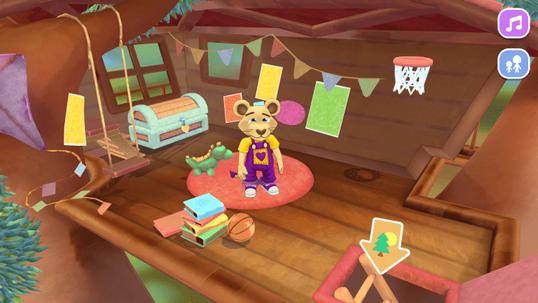
Bravehearts’ Ditto’s Keep Safe Adventure Game brings to life the latest research from child protection experts through scenarios and games, teaching children (aged 3+) important personal safety skills to help keep them safe in a non-confrontational, enjoyable way.
Each scenario is underpinned by Ditto’s 3 Keep Safe Rules:
We all have the right to feel safe with people 1
It’s ok to say no if you feel unsafe or unsure 2. Nothing is so yucky that you can’t tell someone about it 3.
The game features Bravehearts’ mascot, Ditto with his five friends who each learn how to Recognise, React, and Report to help them keep safe:
Frankie learns how to recognise safe and unsafe feelings Sam learns about eSafety and ways to keep safe online Belle learns about her body and that her private parts belong to her Georgia learns about trust and that nothing is so yucky that you can’t tell someone about it
Watson learns how to identify warning signs
The game builds on the foundation of Ditto’s Keep Safe Adventure Program which includes a live show, online learning materials and resources, offering greater accessibility for all young children and their families to personal safety strategies across Australia.
Since 2006, Bravehearts has delivered Ditto’s Keep Safe Adventure Program to over 1.4 million children and empowered them with knowledge and skills of personal safety.

Assistance dogs transcend the role of ordinary pets – they are faithful companions that have a profound influence on our lives.
Specifically, the dogs we rescue can be expertly trained to bolster the mental wellbeing of Veterans and First Responders wrestling with PostTraumatic Stress Disorder (PTSD) PTSD, a potent condition that befalls many individuals who have endured traumatic events, can severely impact lives.
It’s a well-documented fact that dogs exert a calming influence on humans, significantly mitigating symptoms of anxiety, depression, and stress.
These rescue dogs serve a dual purpose – they are not just sources of emotional support but they also instil a sense of purpose and a reason to face each day. This is not mere supposition, but a reality backed by a wealth of research and a multitude of heartwarming success stories


“BJ the wonder dog has saved my life and that of my family. With him by side or on my lap I have attended my youngest child’s first swim class, my middle child’s footy games and actually been present not in the car. My daughter and I shop together instead of her shoping for groceries alone My wife sleeps better as BJ wakes me from my nightmares and she can now go to work knowing I am never alone”
-Police Veteran
“Because Buddy helps me with all my problems I am now a lot calmer, not as angry and less reactive. I now have 2 of my girls living with me permanently and I get to see the others regularly. I have also started lawn bowls which allows me to get out and meet more people. None of this would have been possible without Buddy and the support of PTSD Dogs Australia.”
-Army Veteran

Post-traumatic stress disorder occurs when fear and anxiety don’t go away after experiencing a traumatic event.
Symptoms may include re-living the trauma, avoiding things that remind you of the trauma, negative thoughts and feeling tense.
PTSD can occur after experiencing, witnessing or even hearing about a traumatic event such as a serious accident, assault, war or natural disaster
PTSD can be treated with psychological therapies and medicines without treatment, it can lead to other mental health problems
If you have experienced a traumatic event, maintaining a healthy lifestyle and having support from family and friends can help prevent PTSD.
serious accidents // natural disasters // living in a war zone // experiencing war in the military // sexual or physical assault // torture or terrorism // seeing people hurt or killed
It’s common to have feelings of fear and anxiety after a traumatic event. In some cases, these feelings can last for a long time and affect how you cope with everyday life.
If these symptoms continue to persist more than a month after traumatic event, they may be a sign of PTSD.
About 12 in every 100 Australians will experience PTSD at some time in their lives.
If you, or someone you know, is having suicidal thoughts and is in immediate danger, call triple zero (000). To talk to someone now, call Suicide Call Back Service 1300 659 467 or Lifeline on 13 11 14.


First weeks as a single parent: feelings and challenges
When you become a single parent after separation, there’s a lot of change to cope with. For example, you might be learning how to be a single parent or working out how to co-parent with your child’s other parent. There might also be changes in your child’s behaviour to deal with.
The early days can also bring up many, mixed and strong emotions, which might change over time. For example, you might feel anger, sadness, frustration, fear, shock, guilt, regret, shame and grief.
On the other hand, you might feel relieved, hopeful or excited about your new life Some newly single parents say they feel liberated from the conflict and stress of negotiating with a partner. This can also be a time for learning about yourself and finding new directions.
. Seek support
. Take it step by step
. Take time to adjust
. Focus on what you can control
. Remember that you have choices
. Be kind to yourself
. Focus on your strengths
. Think positively about the future
Being kind to yourself, focusing on your strengths, meeting your own needs and asking for help are all part of looking after yourself. It’s easy to forget to look after yourself as a single parent. But looking after yourself is good for you and good for your children. That's because it gives you the energy and strength you need to look after your children.
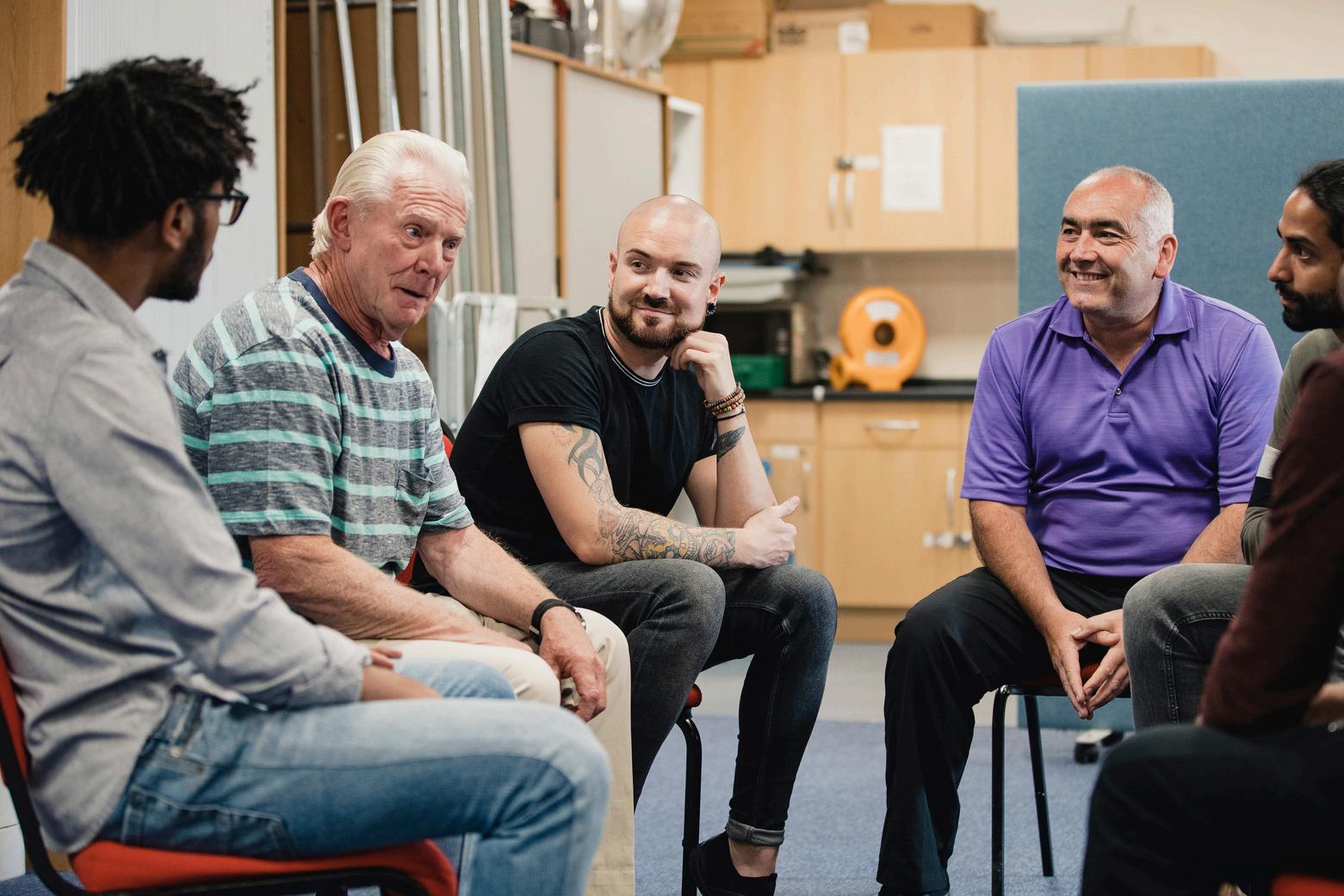
Day after day I witness the impact of traditional masculinity and gender stereotypes on men, their intimate relationships, and their capacity to be available and present fathers. Messages like: ‘Boys don’t cry’. ‘Man up’. ‘Toughen up’. ‘Perform’ and ‘Don’t be a girl’ (i.e. a double insult) still echo in our culture and around the world. Thankfully things have changed, especially in the last few decades, but there’s still a long way to go.
“At its core, traditional masculinity rests on two pillars: the rejection of vulnerability and the delusion of dominance. Instead of trying to connect through vulnerable sharing, traditional masculinity dictates that we men win approval through our performance”
-Terry Real
Telling a boy or a man who is upset to ‘toughen up’, ‘don’t show weakness’ or ‘don’t be soft’ is essentially asking him to deny being an authentic and real human being. It sets him up to be disconnected from himself and disconnected from the people closest to him.
Connecting with our emotions and sharing our vulnerabilities to those closest to use, is an act of courage. As Brene Browne says, “Vulnerability is not a weakness. And that myth is profoundly dangerous”

Imagine you’re a child who has suddenly lost your home and all your possessions because you’ve had to flee domestic or family violence. Imagine how alone this child feels, the trauma they’ve experienced. Like every other child, they not only want to feel safe, secure and loved, they also want to fit in, not stand out from their peers. This is where the Little Friends Scholarship (LFS) Program comes in.
An initiative of Friends with Dignity*, these valuable scholarships (of up to $500 per child) help fund education and extracurricular activities for five to 18-year-olds, putting children affected by domestic or family violence on an equal footing with their peers.


The LFS Program now runs annually with applications open now and closing in midFebruary 2025 to ensure that funding is made available in a timely manner to successful applicants.


*Friends with Dignity is a not-forprofit registered charity with a focus on providing practical programs for survivors of domestic and family violence. They work collaboratively with refuges and DV support service centres to provide support for DV survivors.
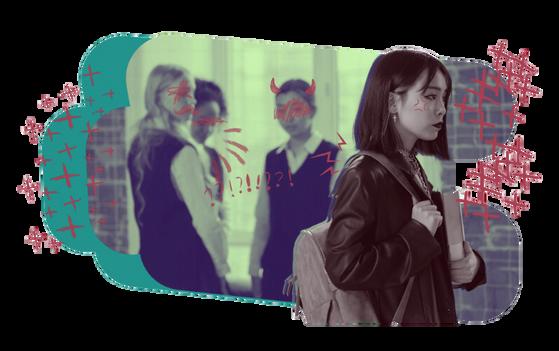
Bullying is not:
. Being rude or mean. Like saying or doing something hurtful that wasn’t planned or meant to hurt someone.
. Conflict – there's a disagreement, both sides are aggressive/mean and there's no power imbalance.
. Aggressive, unkind or mean behaviours that are one-sided
. Repeated behaviours (it must happen multiple times, in an ongoing way to be defined as bullying)
. Happen on purpose/are deliberate (i.e. aren't accidental for instance)
. Must have a power imbalance –which means that people bullying and the people being bullied aren’t seen as being ‘equal’
. Causes harm - this can be physical (e.g. bruises), psychological (e.g. distress) or social (e.g. losing friends).
. Respectful feedback on behaviours you're doing that aren’t ok.
. A friend putting in a ‘boundary’.
. Natural consequences in socialising, e.g. a friend not trusting you because you shared their secret
Serious types of behaviours, like discrimination, abuse harassment can overlap with bullying and are actually against the law.

If you're being bullied, or know someone who is, there are lots of things you can say and do to make the bullying stop and to cope. This is our guide to what bullying is, why people bully, and what you can do about it.
The Zahra Foundation is a not-for-profit that supports women impacted by domestic abuse, providing free programs, services, education and grants promoting economic well-being and empowering participants to build a life that is free from poverty and abuse
Our 9 week program for women impacted by domestic abuse allows you to connect with yourself, identify your goals and take the next steps to realise them.
We offer a free service for women impacted by domestic abuse-related debt and financial hardship. Our specialists are trauma and violenceinformed Financial Counsellors.
While recovering from domestic abuse, if you are experiencing financial hardship or facing barriers associated with the costs of gaining and sustaining education or employment, you may be eligible for additional support through the small grants program 'Opportunity Knox'.
The Zahra Foundation hosts a range of educational workshops that build skills and provide information that can support women in their journey to economic independence.
"Open House" morning tea is held once a month, providing participants with a safe and supportive space and access to information from key service providers across the range of services and programs that are available during recovery from domestic abuse that support building independence. It is also an opportunity to connect with the Zahra community.


This resource for mothers contains general information about the impact of domestic and family violence (DFV) on babies, children, and adolescents, and how this can affect their mothering.
Domestic and family violence can happen to anyone at anytime. In a relationship where one partner tries to have control over the other partner leaving them feeling fearful and isolated, it’s likely that domestic and family violence is occurring. In other words, DFV is not about conflict, it’s about power and control one person exerts over the other.
If you are experiencing domestic violence, finding and receiving the support that feels right for you is important.
For some women being a mother can be very rewarding, however this doesn’t mean that it’s easy, and for some women it can be described as the ‘hardest job in the world’. It can be especially incredibly difficult for mothers who are being abused by their current partner or ex-partner.
This can make it difficult for mothers to have the connection with their child or children in the way that they would like because of the abuse/ violence, and they may find that they have to change their mothering in order to try and keep their children and themselves safe from further abuse/violence.


At CommBank, we believe in a brighter future for all. That’s why we have CommBank Next Chapter – a bank-wide commitment to help end financial abuse and support people on their road to long-term financial independence.
Through this commitment, we have:

Partnered with a range of community services to ensure those affected by financial abuse can access the right support.
In partnership with Good Shepherd, established the Financial Independence Hub to help those impacted by financial abuse move towards long-term financial independence.
Collaborated with a range of experts to increase community and industry understanding of financial abuse.
Developed leading technology to block and enable the selfreporting of abusive transaction descriptions.
Someone might control the money in your household. Someone might make you go into debt.
Created resources to assist other workplaces in supporting employees impacted by domestic and family violence.
Someone might force you to: work in your family business without pay or give them your government benefits. Someone might: hide assets, steal your identity, refuse to pay bills, file false insurance claims, or refinance your home or car without your consent.

Created Next Chapter Innovation to support organisations to deliver innovative responses to financial abuse recovery.


The Aged Care Volunteer Visitors Scheme (ACVVS) is dedicated to providing friendship and companionship to older people who may be experiencing social isolation.
Volunteer visitors provide friendship and companionship to older people, while helping to develop social connections.
Through one-on-one visits, ACVVS volunteers help meet the diverse needs of older people, including those from linguistic, cultural, and complex vulnerability backgrounds.
Our focus is on reaching out to those who may be at a greater risk of social isolation, ensuring that they feel valued, heard, and connected within their communities.
. Receives governmentsubsidised residential aged care or Home Care Packages, including care recipients approved or on the National Priority System for residential or home care packages.
. Is socially isolated.
Become a volunteer. To learn more about ACVVS, give us a call on 4194 3000
The Aged Care Volunteer Visitors Scheme is funded by the Australian Government.



We work with you to develop strategies that strengthen family connections, support positive development, and build resilience.
The services we provide include:
. Building positive parenting skills and coping strategies.
. Developing household management techniques and financial budgeting.
. Establishing healthy routines for your family.
. Providing advocacy and emotional support to families.
. Facilitating referrals to specialist services when needed.
. Connecting families with local community groups and social networks.
. Supporting nutrition and childcare needs, including schooling issues.
Through Bay Families, we empower families to create a brighter future by building resilience, improving family well-being, and ensuring the positive development of children.
Please complete the Bay Families Referral Form or get in touch with us directly. We are committed to helping you thrive, not just survive.
This program is funded by the Department of Child Safety, Youth and Women, ensuring that families in the Fraser Coast regions have access to the support they need when they need it most.



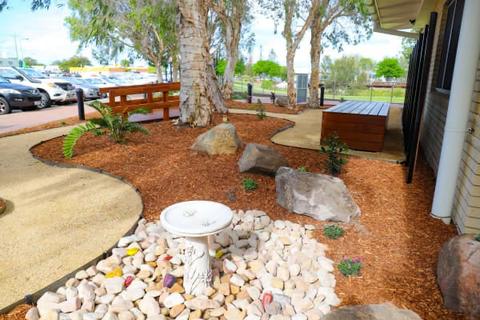
Anyone who is sleeping rough in the community is welcome to make use of the Kindness Garden for one or two nights.
The Kindness Garden has been designed to ensure those who sleep near the Community Centre are as safe as possible.
The garden area is not monitored or staffed, but we have installed additional security cameras and lighting in the area.
We have also included large benches for sleeping to ensure people are as comfortable as possible.
The Kindness Garden is designed for people to sleep for one or two nights. It is our goal to connect people sleeping in the garden with relevant support services. It is not a space to set up tents or for long-term sleeping.
The garden is also home to our Bless Box, a take-whatyou-need donation box. We also welcome donations of non-perishable food and toiletries for the Bless Box.
Please note, we do not accept donations of clothing, tents and other bulky items, or any secondhand goods. Watch video to see what we are accepting for donations.
Please take a look at our Emergency Relief Contact Sheet for information.



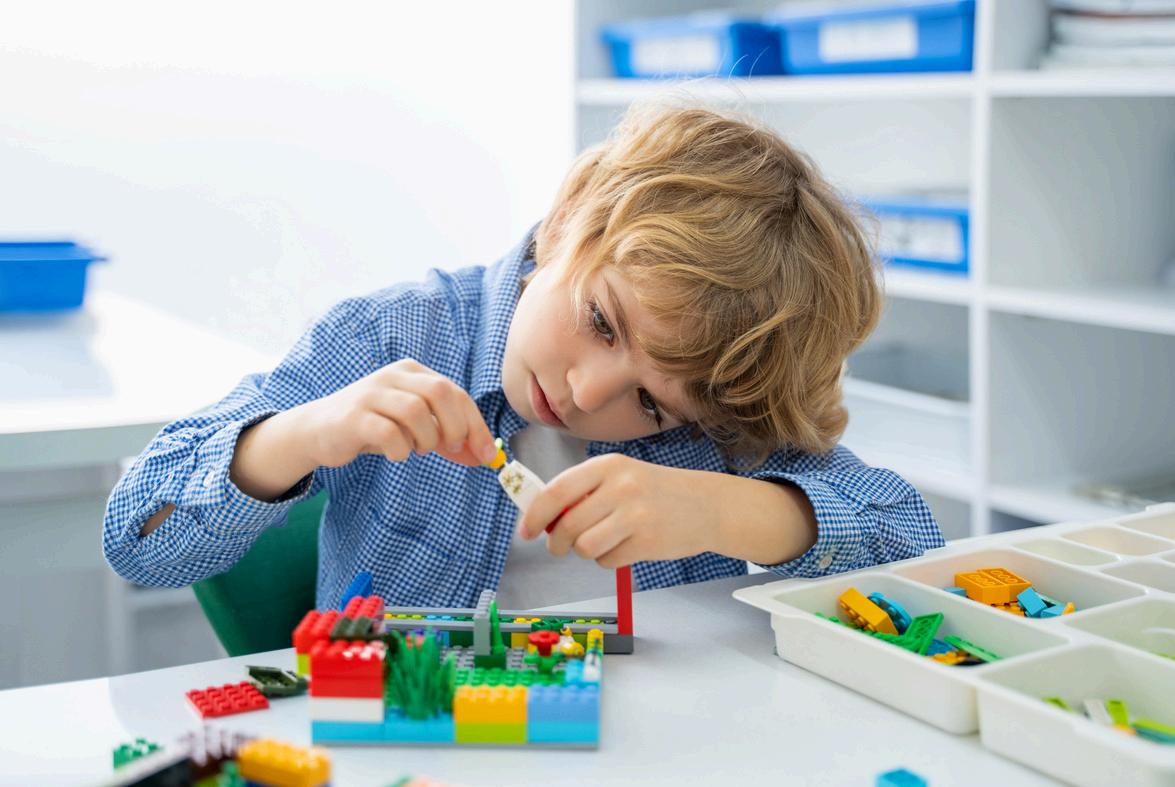
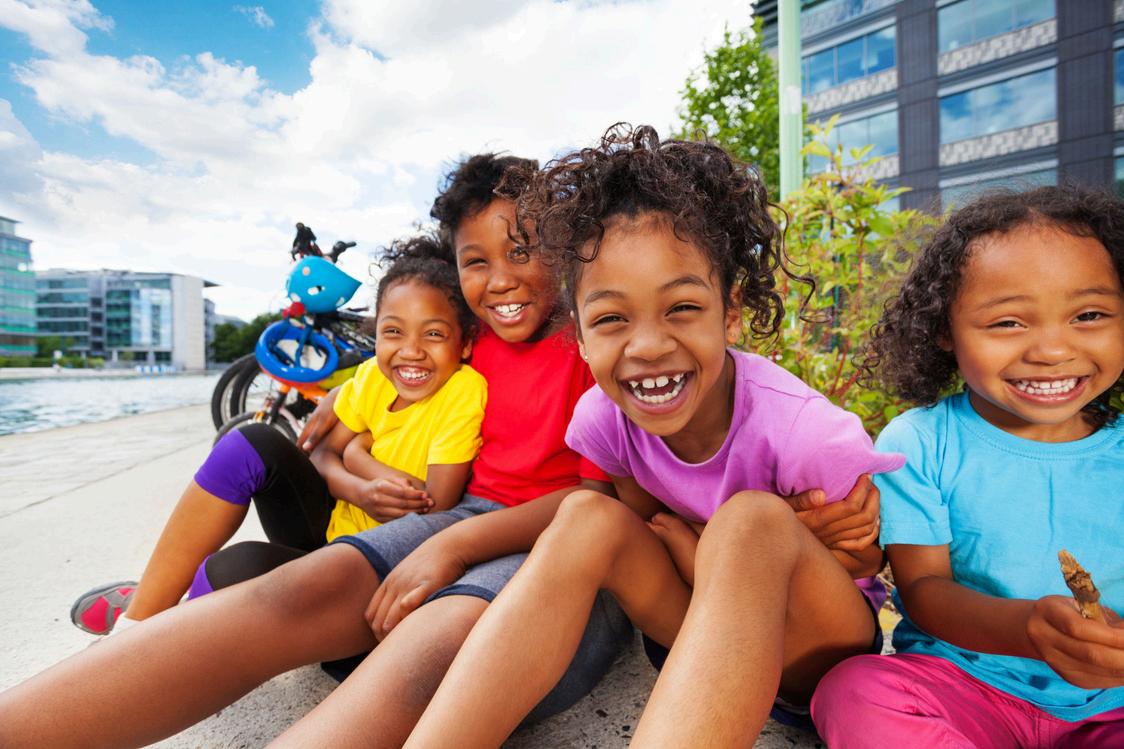
LEGO/DUPLO
Families welcome During school term only. Available for free-range building. No competition. No instructions. Just be creative! No bookings required.
SCHOOL HOLIDAY FUN
Sessions scheduled at library branches.
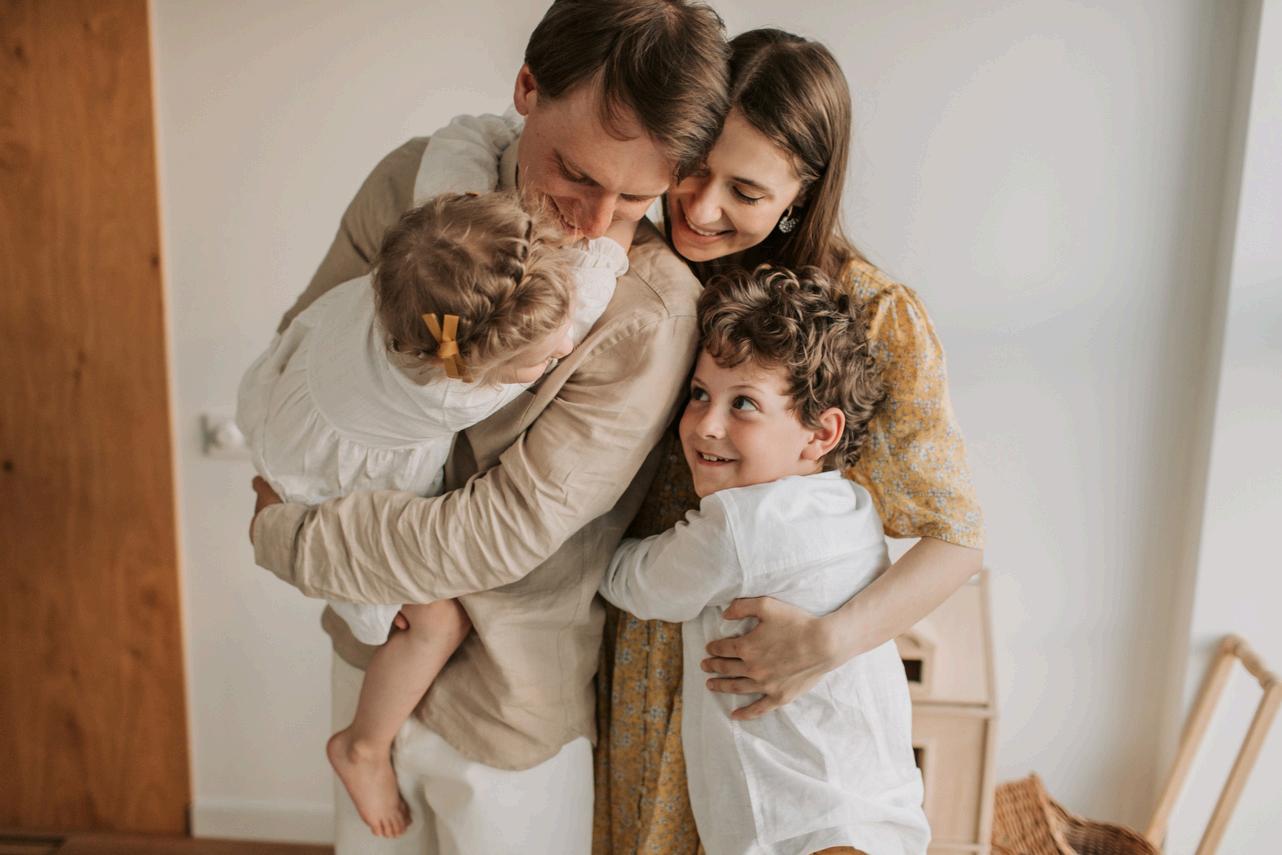
FAMILY FUN
Families welcome. During school term only. Bookings essential. Join us at the Library to explore a range of activities to do as a family. All equipment will be supplied. Sessions scheduled at all library branches.

WETSIDE WATER PARK ANNIVERSARY
Join us for an exciting family-friendly birthday bash at WetSide Water Park, filled with free activities, delicious treats, and endless entertainment. When: Saturday, December 7, 2024 / 10am - 2pm.
“KIDS WON’T REMEMBER THEIR BEST DAY OF TELEVISION



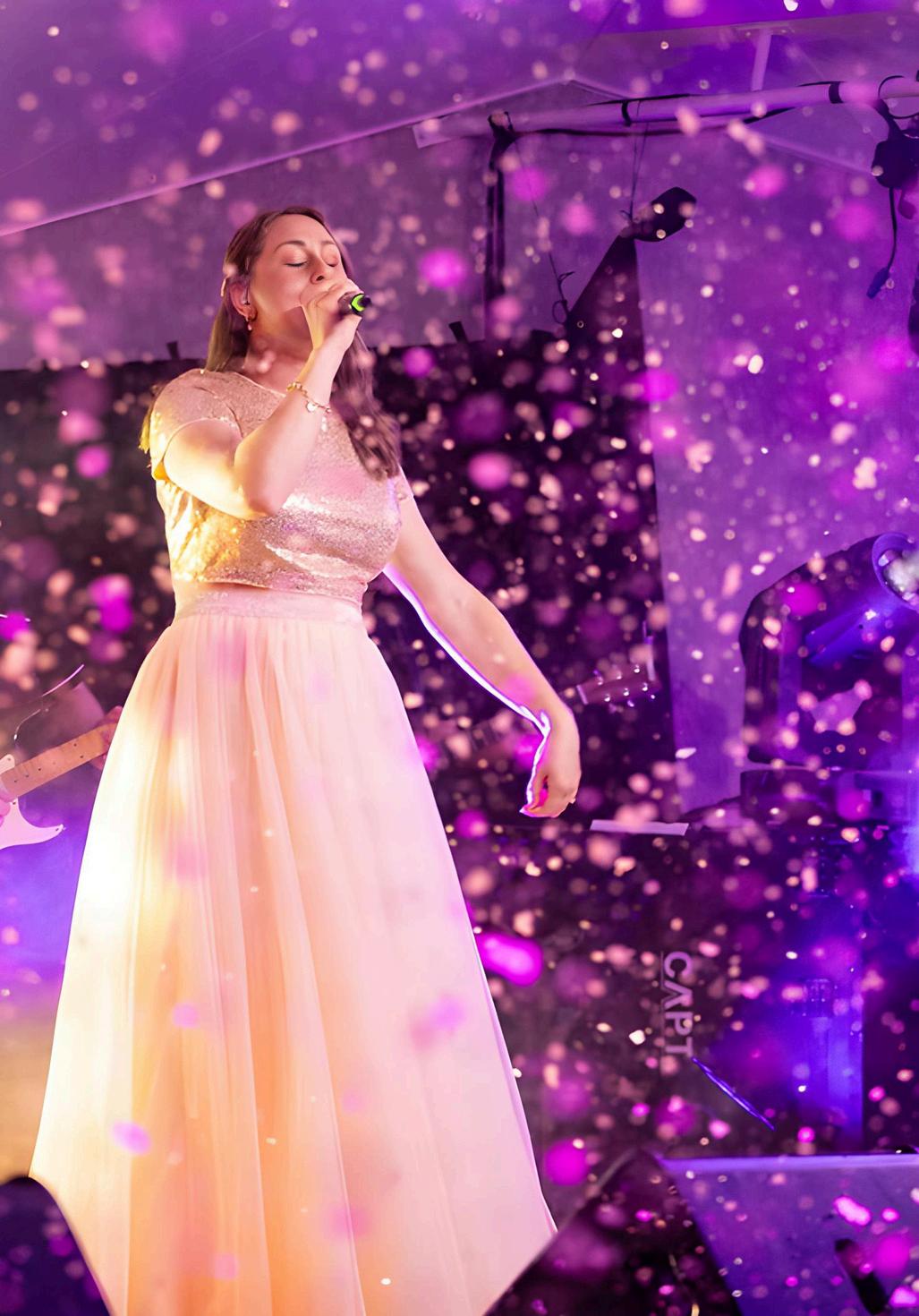

Join us for a night of fun and Christmas celebration!
The Carols program will run with some live entertainment on stage from 4:00pm before the main program runs from 6pm to 8pm.
The program will be filled to the brim with traditional carols, fun festive songs and of course, with a visit from a very special guest!! We will be finishing the night off with the spectacular Active Agents fireworks finale. There will also be performances by various guests throughout the night.
Support local food vans and community groups by purchasing dinner or bring your own picnic. Candle glow sticks will be available to purchase.
We hope to see you there! Gates open from 4:00pm on the 14th of December at Seafront Oval, Pialba
This event is presented by the Hervey Bay Christian Ministers Association, supported by various local businesses and organised by 360 Degrees Marketing.
This is a Smoke, Drug, Alcohol and Pet Free event.