Queensland




The ongoing tragedy of femicide, the killing of women because they are women, continues to confront Australia with difficult questions about family violence, gender inequality and community responsibility Behind every statistic is a daughter, mother, sister, partner or friend whose life has been cut short, leaving families and communities to bear the devastating consequences. While governments play a critical role in prevention and response, lasting change also depends on grassroots organisations that help build safer, stronger and more connected communities.
Local charities are often the first line of prevention, addressing social isolation, mental health challenges and fractured support networks that can contribute to violence. Across regional Australia, these organisations provide services, advocacy and opportunities for people to connect before issues escalate into crisis. Their value cannot always be measured in numbers alone. Sometimes their greatest impact is ensuring that someone feels heard, supported and connected when they need it most.
One example of this kind of grassroots work is found on the Fraser Coast. Fraser Coast Mates exemplifies the power of community led action. Created by local business people following the suicide of a close friend, the organisation was born from a determination to strengthen community wellbeing and connection. Concerned by rising mental health challenges and most importantly the increasing suicide rates in men, Fraser Coast Mates promotes mental wellbeing, reduces stigma, and brings together people by encouraging honest conversations, stronger social connections and reducing the barriers to support services.
Ending femicide requires a whole of community response. It demands accountability, education, early intervention and investment in the organisations that strengthen the social fabric of our communities. Fraser Coast Mates demonstrates how connection, support and respectful engagement can help address the underlying conditions that allow harm to flourish. Their work is a reminder that preventing violence often begins with a simple principle - looking out for one another

Established by the United Nations, International Youth Day is marked worldwide every 12 August, uniting governments, organisations and communities to raise awareness of the issues facing young people.
The day highlights the importance of youth participation in political, economic and social life, encouraging governments, organisations and communities to create opportunities for young people to thrive and contribute to society.
With over 1.2 billion young people aged 15–24 worldwide, around 16% of the global population, the need for inclusive opportunities in education, employment and civic life remains urgent.
Global Awareness: Shines a light on the challenges young people face across the world.
Youth Empowerment: Champions initiatives that give young people the tools and confidence to take action.
Policy Influence: Calls on decisionmakers to shape policies that support youth growth and opportunity.
International Youth Day provides a focal point for discussions on the critical issues shaping young people's lives education, employment, mental health, and climate change. By raising awareness and fostering dialogue, it aims to inspire action and create lasting, positive change for youth around the world.

Empowering youth is essential for building strong, resilient communities. When young people have access to the opportunities, resources and support they need to succeed, their potential translates into real outcomes greater civic engagement, stronger economic contribution, and the next generation of community leaders
This empowerment also strengthens social cohesion, encourages innovation, and helps young people navigate challenges like mental health and employment with greater confidence and resilience. Investing in youth is investing in Queensland's future.
There are plenty of ways for young people and the wider community to take part in International Youth Day across Queensland:
Volunteer: Many local organisations need extra hands for youth-related programs.
Start a Project: Spot a gap in your community and build something to address it.
Mentor: Share your time and experience with a young person.
Spread the Word: Use social media to raise awareness of International Youth Day and the issues facing youth.
Every action counts. This Youth Day, consider how you can help empower the next generation of Queenslanders. Small gestures a conversation, a shared opportunity, a moment of mentorship — can have a lasting impact on a young person's confidence and direction Together, we can build a Queensland where every young person has the chance to succeed, contribute, and lead.

The official record says a partner kills a woman every 11 days. Right now, it's faster, roughly every 5 days. Behind both numbers are grieving families and a growing need for more research.
1 woman killed by an intimate partner every 11 days on average (2024/25)
48 female and 49 male domestic homicide victims recorded in 2024/25
67% of female domestic homicide victims were killed by an intimate partner (vs 29% of male victims)
58% of these cases involved intended or actual separation
42% involved prior stalking
95% of male offenders were the relationship's primary abuser
In 2024, 38 Australian women were murdered by a partner or ex-partner; this fell to 32 in the most recent reporting period (to June 2025), among the lowest annual rates on record
Source: Australian Institute of Criminology, National Homicide Monitoring Program

Official intimate partner figures are trending down, but they don't capture the full picture. According to Australian Femicide Watch, which tracks all violent deaths of women and girls as they happen (not just intimate partner cases):
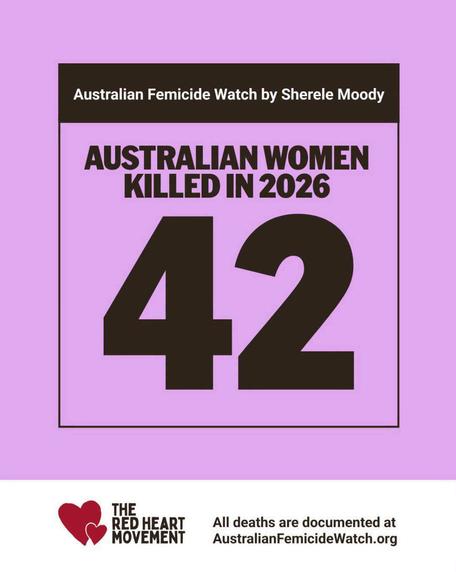
42 Australian women and girls killed so far in 2026, barely past the halfway mark.
Child victims (including boys) are tracked separately: 17 recorded in 2026 to date.
Around 40% of the deaths Femicide Watch documents involve non partner violence, family, stranger or associate violence, which official intimate partner statistics don't include.
Even with the recent improvement in the intimate partner rate, Australia remains behind the 25% year on year reduction targeted under the National Plan to End Violence Against Women and Children, running from 2022 to 2032.
The pattern behind the numbers: most intimate partner homicides don't come out of nowhere. Almost 3 in 5 cases involved separation, and 42% involved prior stalking, recognisable warning signs, even if, as new research shows, they can't reliably predict who will act on them.
Every femicide leaves behind children, parents, siblings and friends carrying grief and trauma. Frontline workers report rising burnout too. Recovery support remains patchy, with housing and trauma care flagged as key gaps.
Sherele Moody (Australian Femicide Watch) argues current measures "aren't touching the sides" and wants a Royal Commission into femicide National Commissioner Micaela Cronin favours funding existing recommendations over a new inquiry. Domestic Violence NSW and No to Violence agree regional services remain underfunded. In Queensland alone, 11 of the 37 female intimate partner homicide victims recorded nationally in 2024 occurred here, and almost half of the state's 94 homicide victims that year were domestic violence related. Progress has been too slow relative to the scale of the crisis.
A 2026 study in the Journal of Family Violence (McEwan et al ) found risk factors cannot reliably predict who will kill a partner, over 99% flagged as high risk did not kill or attempt to within 12 months. Researchers argue prevention support must reach everyone showing warning signs, not just those flagged. Moody points to a more targeted gap: funding frontline services for marginalised women, including Aboriginal women often wrongly identified as perpetrators rather than victims, facing barriers to transitional housing after custody She's also called ending male violence "not a woman's problem to solve," urging accountability from men themselves. Other researchers point to earlier identification of coercive control, integrated mental health and addiction support, consistent national data tracking, and equitable funding for regional, remote and Aboriginal led services.
$4.4 billion invested nationally since 2022 (crisis accommodation, DV leave, Leaving Violence Payment, 500 extra frontline workers) Coercive control criminalised in several states
$218.3 million First Nations family violence plan funded in 2026
QLD note: the 2026/27 budget cut $40 million from DFV prevention funding
Fraser Coast Mates was formed by a group of local community members concerned by the rise of debilitating mental health issues and rising suicide rates, especially in men, across the Fraser Coast region.
Our aim is to build awareness about men’s mental health issues, bridge the gap between support services and give mates the tools to help their friends and colleagues when they may be struggling.
We’re working toward this goal by coordinating events such as our annual golf day, publishing the Little Black Book resource and providing tools and education via our website and social media platforms.
We bring people together through meaningful events and initiatives that spark conversations about mental health. Each year, we host a range of events across Hervey Bay and Maryborough, all designed to foster community, connection, and mateship. We also proudly support local groups like Men's Walk & Talk Hervey Bay and Men's Business Maryborough, and each Queensland Mental Health Week we team up with local cafes to hand out thousands of free coffees, because sometimes the best form of counselling really is a good chat over a cup.
Beyond raising awareness, these events also help fund our vital mental health initiatives, including free counselling services for Fraser Coast locals.
Accessible Support: Free, no strings attached, and open to anyone in our community not already on a mental health plan.
Committee members never see participant names. Your privacy is protected at every step.
Through our trusted referral network, we connect you with experienced counsellors offering compassionate, confidential support to navigate life's challenges with confidence
Tailored Help: Anxiety, depression, grief or just need someone to talk to, counselling can help.

No matter what you're carrying, you don't have to carry it alone. A mate, a coffee, and a conversation are never far away, and neither is real support when you need it most.



The Rotary Hervey Bay Z Bus is a repurposed out of service bus converted into eight private sleeping pods, each with a bed and camp toilet, offering safe, judgement free overnight accommodation for anyone experiencing homelessness on the Fraser Coast.
Operating Friday and Saturday nights at Apex Park, Pialba, guests can board from 8pm, staying until morning It began in 2023 under the national Sleepbus charity. When that charity closed in early 2025, a group of local volunteers led by Kelly Thumath fought to save it, partnering with the Rotary Club of Hervey Bay City to keep it running under its new name It's entirely volunteer run, covering driving, overnight caretaking, housekeeping and guest welcome.
Among those volunteers is Jason, a retired veteran who spent decades wanting to serve, from Timor Leste to the Army and Lifeline counselling After his health took an unexpected turn, he lost the purpose that once defined his life "I really struggled to find a reason to keep going," he admits. The Z Bus changed that. "I get more out of this than what I give," he says. "If I didn't have somewhere like this to volunteer, I'd probably just be sitting at home waiting to die."

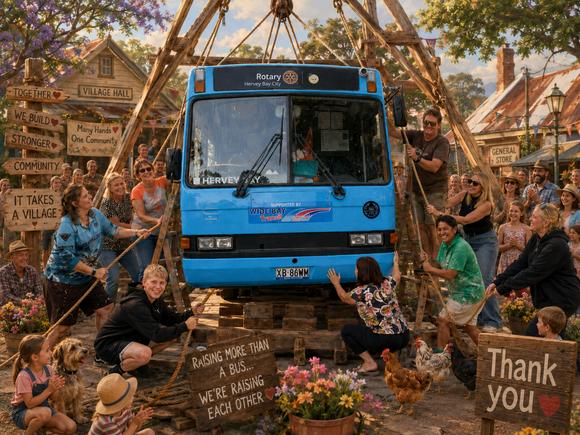



Fourteen year old Toby has volunteered since he was eight, after losing his older brother Mitch in a car accident. Once told he was too young to help the homeless, he found his own way, buying flowers for strangers and stocking food pantries.
When he discovered the local Sleepbus, he was finally welcomed Every week he joined his parents cleaning toilets and mopping floors, becoming such a familiar face the bus was eventually named after him.
When Sleepbus closed, Toby's family helped save it, becoming founding members of the Z Bus. Jason and Toby's stories are different, yet both prove the same thing that helping others changes the giver just as much as the receiver.
"The Z Bus can't fix homelessness overnight, but it can offer one safe sleep, one kind face, and one reminder that in Hervey Bay, nobody hastofacethedark alone."
More than 450,000 Australians, roughly 1 in 45 people, have a brain injury, also known as an acquired brain injury (ABI), that limits their activity and ability to participate in everyday activities.
Multiple disabilities arising from damage to the brain acquired after birth. It results in deterioration in cognitive, physical, emotional or independent functioning. It can be as a result of accidents, stroke, brain tumours, infection, poisoning, lack of oxygen, degenerative neurological disease etc.
WHAT CAUSES AN ACQUIRED BRAIN INJURY?
. A blow or bump to the head Falls are the most common cause
. The most common cause of moderate to severe TBIs is motor vehicle accidents
. Other common causes are bicycle accidents, assault and sports injuries
. Stroke / Brain tumour / Poisoning
. Infection and disease
. Near drowning / Alcohol or drug abuse
. Degenerative neurological diseases such as Parkinson’s disease Oxygen deprivation
WHAT HAPPENS TO THE BRAIN IN ACQUIRED BRAIN INJURY?
. Bruising of brain tissue (contusion). Stretching and tearing of blood vessels. Swelling due to chemical changes. Damage to major blood vessels
. Bleeding.
HOW ARE BRAIN INJURIES DIAGNOSED OR DETECTED?
Diagnosis is usually made by taking images of the brain through an MRI, CT or other scan, along with an assessment of the cause and symptoms. Depending on the type of injury, immediate treatment may involve surgery as well as monitoring and controlling pressure inside the brain
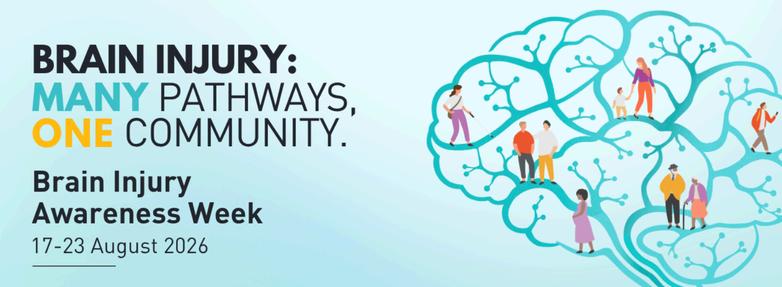
The effects of ABI on people present differently in each individual, with impacts which range from mild to profound. The more severe the injury, the more pronounced the long-term effects are likely to be.
Behaviour or personality changes
Memory problems
Dizziness or fainting
Weakness or paralysis Fatigue
Mobility impairments
Poor balance
Physical or sensory disabilities
Changes to the ability to think and learn
Difficulties with speech and communication
Depression and mood swings
Changed social behaviour

A not-for-profit organisation that provides a range of support services, information and targeted research activities. Download their free ebook on understanding and responding to ABI.
The impact of an ABI can be substantial on the person and their family. It can be incredibly distressing for everyone
Adapting to living with an ABI can mean a whole new way of life. Managing these changes takes time and patience. Many people improve over time with the support of specialists, therapists and their family. Rehabilitation and treatment can be arduous and lifelong:
A central place for information and referral gateway for Australians living with brain injury. Check out their resource library for helpful fact sheets and publications.
Physiotherapy
Occupational therapy
Speech pathology
Psychology
Support to live independently
Raises funds for research into brain diseases and disorders. Has excellent links for organisations in each state on their ABI page.
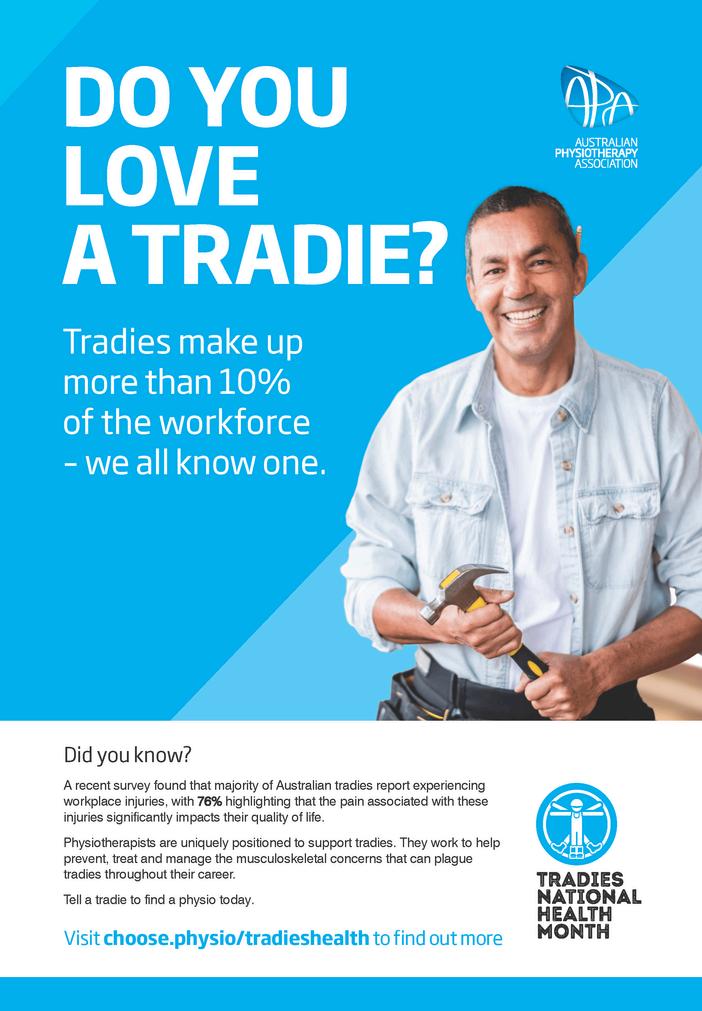
Each August, Australia turns its attention to the people who keep our homes, roads and worksites running — our tradies Tradies National Health Month, established by the Australian Physiotherapy Association in 2012, is a nationwide campaign dedicated to raising awareness of the physical and mental health challenges faced by workers across the trade industries, from construction and electrical to plumbing and manufacturing. What began as a small physiotherapy-led initiative has grown into a movement backed by major hardware retailers, insurers and community organisations, all working together to change how the industry talks about health.
WHY IT MATTERS:
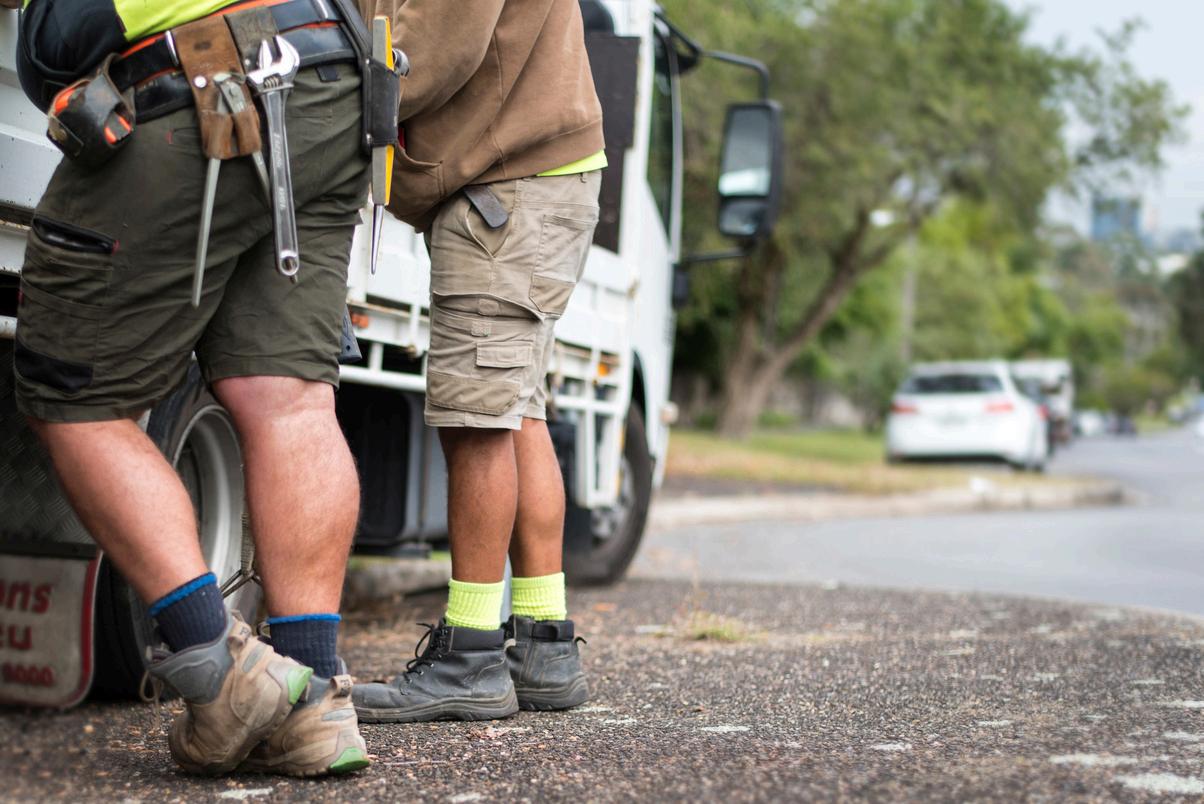
The numbers, according to APA's own research, tell a sobering story. Over 90% of tradies experienced work-related injuries or pain in the past year, with 90% of these injuries caused or worsened by work. 76% reported pain significantly impacts their quality of life, and 42% described their pain as severe, with some suffering for months or even years. Alarmingly, 87% medicate or self-medicate to manage their pain, with 30% resorting to drugs or alcohol and 24% fear they'll need to retire early because of the physical toll. There's good news too: nearly two-thirds of tradies who've seen a physiotherapist reported significant pain reduction or eradication
Mental health is just as much a part of the conversation. A separate industry survey found that many tradies are still reluctant to speak up when struggling the "tough it out" culture common on Queensland worksites means fewer open up to employers or co-workers than would like to. Changing that culture starts with small, everyday moments, a genuine question, a shared story, or simply making space to listen without judgement
Throughout August, workplaces, physiotherapy clinics and community organisations across Queensland run workshops, warm-up sessions and mental health check-ins as part of the campaign. Employers are encouraged to build simple habits into the workday, stretching before starting, rotating physically demanding tasks, and creating space for open conversations about wellbeing.
Regional QLD businesses, from the Sunshine Coast to Wide Bay, are increasingly partnering with local physiotherapists to run on-site sessions, proving that even small operators can make a meaningful difference to their crew's long-term health without a big budget or head office backing.
Tradies build Queensland. This August, let's make sure we're building them up too. It doesn't take a grand gesture, a single check-in or a shared resource can be the first step toward a healthier, safer trade industry for everyone on the tools.
Start the conversation: Check in on a mate, apprentice or colleague — not just about the job, but how they're really doing.
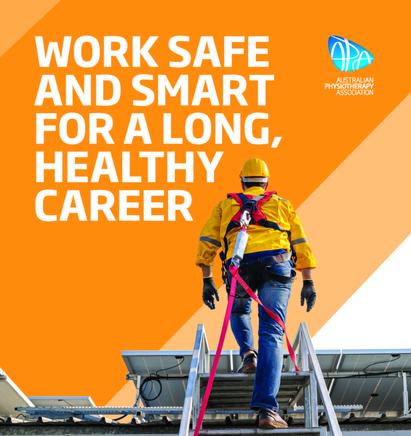
Prioritise your recovery: Encourage stretching, proper lifting technique and rest between physically demanding jobs.
Know the support available: Services like Lifeline and OzHelp's Life Skills Toolbox offer tailored support for tradies and apprentices.
Lead from the top: Employers who prioritise health and safety set the tonefor the whole crew.
Every August, Australians are invited to do something most of us avoid at all costs talk openly about death. Dying to Know Day is held this year on Saturday 8 August 2026, is a national day of action founded in 2013 by The Groundswell Project (now part of Proveda), inspired by the book Dying to Know: Bringing Death to Life.
What started as a modest gathering in Sydney has grown into a nationwide movement, with hundreds of communities, schools, and services hosting conversations throughout the month. The 2025–2027 campaign theme, "Nobody Knows," is a cheeky but pointed call-out: if nobody knows your final wishes, they never will — so share them now.
The day is about more than planning for the end it's equally devoted to the living. Each year, over 185,000 Australians die, leaving more than 1.6 million people grieving Dying to Know Day extends into conversations about grief literacy too, helping communities support one another through loss in all its forms not just death, but the end of relationships, illness, and disconnection.
"Wedon't talk about death to dwell on it — wetalk about it sowe can livethe rest ofour liveson our own terms."
Only 53% of Australians feel comfortable talking to a family member about their end-of-life wishes, meaning nearly half of us are staying silent on something 100% of us will face.
Dying to Know Day exists to change that, encouraging people to write a will, discuss preferences with family, and put plans in place before a crisis forces the conversation.
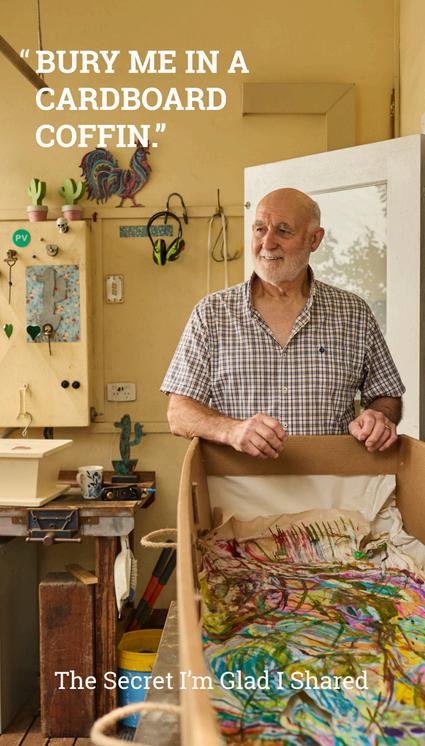
Queensland communities are getting behind Dying to Know Day with events designed to make an uncomfortable topic feel approachable, even hopeful.
In Brisbane, the Bulimba Community Centre is hosting its 2026 Dying to Know Day event on Friday 7 August, featuring information stalls, a panel discussion and expert guidance on palliative care, funeral planning, and legacy creation
As organiser Sherryl Searles puts it: talking about death won't bring it on, but avoiding the conversation can leave loved ones with more than grief.


Ways to Get Involved:
Start small: Ask a family member about their end-oflife wishes over a cup of tea — no agenda required.
Write it down: Consider drafting a will or advance care plan, even if you're young and healthy.
Attend an event: Local libraries, community centres and funeral homes across QLD run free talks, workshops and "death cafés" throughout August.
Support someone grieving: Check in on a friend or colleague who has experienced loss — a simple message can mean more than you think.
Find out more: Proveda supporting people through ageing, disability, and end-of-life care: proveda com au/communityprograms/dying-to-know Grief Australia support and resources for bereavement and loss: grief.org.au
Here's the truth nobody wants to say out loud: too many young people, especially high schoolers, still don't get it if someone's drunk, out of it, or can't speak for themselves properly, that's not consent. Not "kind of consent." Not "consent because nothing was said in the moment." None at all. It doesn't matter how the night played out or how the situation looked from the outside if a person can't clearly say yes, the law is NOT on your side, and neither is your character
Since the Criminal Law (Coercive Control and Affirmative Consent) and Other Legislation Amendment Act 2024 came into effect, Queensland runs on an affirmative consent model basically, you have to actively check the other person's into it, and they have to actually communicate that back. Silence isn't a yes. Being drunk yourself isn't an excuse either, and if someone's too messed up to understand or speak clearly, they're legally not able to consent full stop. Real consent is clear, sober, and given freely, anything less isn't consent, it's a risk you shouldn't be taking.

Old myths get passed around way faster than the facts do. Stuff like "she didn't say no" or "she came back to mine" gets treated like it settles the argument. It doesn't. If someone's slurring, stumbling, or can't get their words out properly, they can't consent even if they seemed keen earlier in the night A drunk "yes" was never a real yes, and it's about time that stopped being up for debate. These conversations need to start earlier, and happen more often at home, at school, with your mates.



Walk into any high school and you'll see it, the subtle jostling for status between boys and girls that shapes everything from who sits where at lunch to who gets to speak first in group work. It's easy to write off as "just teenage stuff," but researchers and educators are increasingly clear that these early social dynamics often plant the seeds of much bigger patterns, including who feels entitled to control, dismiss, or disrespect the other gender later in life.
Queensland's landmark Not Now, Not Ever report into domestic and family violence found that these patterns don't start in adulthood, they're learned early, often in the classroom and the playground, through everyday language, jokes, and social hierarchies that go unchallenged. As one student put it during a respectful relationships program evaluation, sexual and gendered harassment isn't really about attraction, it's about power, and a sense of entitlement to it.
Left unaddressed, these dynamics can quietly normalise boys feeling they should dominate relationships, and girls feeling they need to accommodate that to be accepted.
In response, Queensland schools now deliver the Respect program, part of the state's Respectful Relationships Education initiative. It works with students from primary through senior years to unpack gender stereotypes, build healthy communication, and challenge the idea that power in relationships should sit with one gender over the other. Evaluations of similar pilots have shown real shifts students becoming less likely to see certain roles, subjects or behaviours as "for boys" or "for girls," and teachers reporting more respectful interactions across the board.
Change doesn't stop at the school gate. Talking openly at home about fairness, respect, and equal say in friendships and relationships reinforces what's being taught in the classroom and helps kids recognise the difference between healthy give-and-take and one person quietly calling all the shots.

Every day in Australia, more than 130 people are reported missing. In 2025 alone, 49,084 missing persons reports were made to police a staggering figure released by the AFP-led National Missing Persons Coordination Centre Young people are the most affected: those aged 13–17 account for more than half of all reports. The reassuring news is that they're also the most likely to be found, making up just 7% of long-term cases. People go missing for many reasons mental ill-health, miscommunication, dementia, relationship breakdown, or escaping harm and most are not the result of foul play.
And most are located, often quickly. Yet as of 31 December 2025, 2,827 Australians remained long-term missing gone for more than three months, their families still waiting for answers. These figures help police understand who is most at risk, and how to bring more people home.
The ripple reaches far beyond the person themselves. Research shows that every missing person affects, on average, at least 12 others partners, parents, children, friends and colleagues touching whole communities emotionally, financially and physically. Behind every number is a person, and a family living in limbo — an experience experts call "ambiguous loss," grief without the closure of knowing. That's why every shared photo, every phone call, and every small piece of information matters. Public awareness genuinely helps a face remembered, a sighting reported, or a tip passed on can be the moment a long search finally ends. If you have any information about a missing person no matter how small contact Crime Stoppers on 1800 333 000, or visit www.missingpersons.gov.au.

For a young person facing homelessness, the biggest barrier often isn't just finding a bed for the night, it's finding stable ground to actually build a future on. That's exactly the gap Queensland's youth foyers are designed to close.
Youth foyers provide accommodation specifically for young people who are committed to education, training or employment, but need a safe, stable place to live while they build their future. Tenants come to youth foyers for all kinds of reasons: conflict or family violence at home, overcrowding, difficulty finding safe and affordable housing while studying or working, leaving the child safety system after turning 18, or simply needing to build independent living skills and a rental history before stepping into mainstream housing.



More Than Just a Bed
What sets youth foyers apart is the wraparound support. Every foyer is staffed by experienced youth workers 24 hours a day, giving young tenants both security and someone to turn to when they need it.
To be eligible, tenants must be in education, training or employment, and like any other rental, they pay around 25% of their income in rent under a formal tenancy agreement. They shop and cook for themselves, and are supported to manage a real budget, learning the rights, responsibilities and life skills that come with living independently
The average stay is around 18 months, tailored to each young person's circumstances and their progress toward finishing study, training or securing a job, giving them breathing room to actually get there, rather than just surviving day to day.

Rather than offering a shortterm stopgap, youth foyers are designed to help young Queenslanders make a genuine, supported transition into mainstream housing, with the education, employment and life skills already in place to make that transition stick.
I used to think loneliness meant being alone. Turns out, you can be in a room full of people, at work, at a family dinner, scrolling a group chat, and still feel like nobody sees you That's the part nobody warns you about.
Turns out I'm far from the only one. According to the Australian Bureau of Statistics, about one in six Australians often feel lonely, a number that's stayed fairly steady for years, even as the world feels more connected than ever. It's strange that many of us are quietly carrying the same feeling, walking past each other every day, none of us saying a word.
It hits people differently. Young adults, 18 to 24, are quietly the most likely to feel persistently lonely, which surprised me, since that's the age you're meant to be surrounded. Those in their mid 30s to mid 40s are more likely to be isolated. People in their late 40s and early 50s aren't far behind. Loneliness doesn't wait for any life stage.
Then there's our seniors, who I think get overlooked in these conversations. Retirement, losing a partner, kids moving away, not driving anymore, it all adds up quietly. They're not always the ones reporting feeling lonely the loudest, but they're often the ones with the fewest people actually checking in. That's isolation, not just loneliness, and it's arguably more dangerous because nobody notices until something goes wrong.
You never really know who's drowning quietly behind a closed door or a friendly wave So knock anyway, call anyway, ask anyway A five-minute check-in might be the only five minutes someone's had all week."
And this isn't just a sad feeling to shrug off It's linked to worse physical health, worse mental health, and yes, an earlier death. Ending Loneliness Together even put a number on what it costs the country: $2.7 billion a year. The World Health Organization has called it one of the biggest public health issues of our time. ~Anonymous
17% of Australians often feel lonely
18–24 year oldsface the highest risk of persistent loneliness
Mental health conditions raise persistent loneliness risk by 190%
Chronic health conditions raise persistent loneliness risk by 50%
Source: AIHW, ABS


1 in 20 kids faces a birth defect or genetic disease, like cancer, cystic fibrosis, and life-threatening metabolic disorders. That's 12 kids born every minuteworldwide.
Every year, Australians pull on their favourite jeans in support of one of the country's most enduring health campaigns, Jeans for Genes Day, run by the Children's Medical Research Institute (CMRI) Behind wearing denim is a much bigger story about children and families living with genetic disease every day.
Genetic diseases occur when a mutation in a person's DNA disrupts the normal function of their body. Some are inherited, others occur spontaneously before birth. In Australia, 1 in 20 children is born with a birth defect or genetic disease, roughly one child in every classroom.
For families, a genetic diagnosis rarely means one appointment or treatment. It often means a lifetime of hospital visits, specialist care, and ongoing medical management. Some children face liver transplants, chemotherapy, or daily medications just to get through everyday life. Despite advances in medical science, many conditions remain underresearched and without a cure

Founded in 1958, CMRI was the first Australian organisation dedicated to improving children's health through research, leading the field internationally for 65 years, spanning cancer, cystic fibrosis, neurobiology and gene therapy. Since launching Jeans for Genes in 1994, the campaign has funded groundbreaking work in these areas, helping treat conditions once considered untreatable.
Genetic disease can feel invisible to those who don't live with it, but for affected families, it shapes almost every part of daily life. Raising awareness isn't just about a day on the calendar, it's recognising that behind every statistic is a real child and family, with a real need for continued research investment. Every conversation and dollar raised brings researchers one step closer to answers that could save a child's life.

There's a special kind of Olympic sport in Australian households every weekday morning, and somehow it never makes the actual Olympics. It's called Getting the Kids to School, and if it were scored, we'd all take gold in Chaos Management.
You wake up with a good plan. Calm lunches, ironed uniforms, a wholesome breakfast at the table. Then somewhere around 7:03am, it all combusts. One kid can't find "the good socks" even though they're all the same socks, another's mid meltdown over toast cut into triangles instead of squares, and a shoe has vanished despite being on their foot five minutes ago. You're doing mental maths on acceptable lateness while signing a form found crumpled in a bag from two weeks ago, wondering how you ended up here again.
By the time you're reversing out of the driveway, you've done the vocal equivalent of a marathon, possibly worn odd shoes yourself, and questioned every parenting decision that led to this moment.

But buried in all that chaos are little pockets of gold. The five minutes in the car where your usually quiet teenager suddenly tells you something real, because eye contact isn't required The same "love you, bye!" ritual every single morning, word for word. The proud strut through the gate in a book week costume that took two nights and far too much glitter.
Ask any parent whose kids now drive themselves, and they'll tell you: they miss it The mismatched socks, the tiny hand grabbing yours, even the yelling.
So next time you're negotiating with a six year old about cereal at 7:15am, take a breath. Pause for just a second before the next round starts. It's mayhem. But somewhere in there, it's also one of the best parts of your day.
"Some mornings feel like herding cats through a hurricane, missing shoes, forgotten forms, one sock that simply refuses to exist. But underneath the noise is a house full of people who need you, trust you, and somehow still want a hug on the way out the door. That's not chaos. That's just love, running slightly late."
For years, you dreamed about this A clean kitchen bench that stays clean. A bathroom without half empty shampoo bottles. Silence in the mornings instead of the school run chaos. Then it actually happens, the last one moves out, and you realise the chaos didn't leave. It just changed uniforms
Suddenly you're standing in a hallway that used to be a minefield of shoes and bags, and it's just empty. You catch yourself cooking dinner for four out of pure muscle memory, staring at the leftovers wondering who'll eat three days of lasagne Their bedroom is suspiciously tidy, which is somehow more unsettling than the mess ever was
Then there's the phone chaos. The group chat that used to be "pick me up at 3" is now a blurry photo from a share house, or an 11pm text asking how long to cook chicken for. You've traded school lunches for long distance worrying, and somehow the second one is louder in your head than the first ever was in the kitchen.
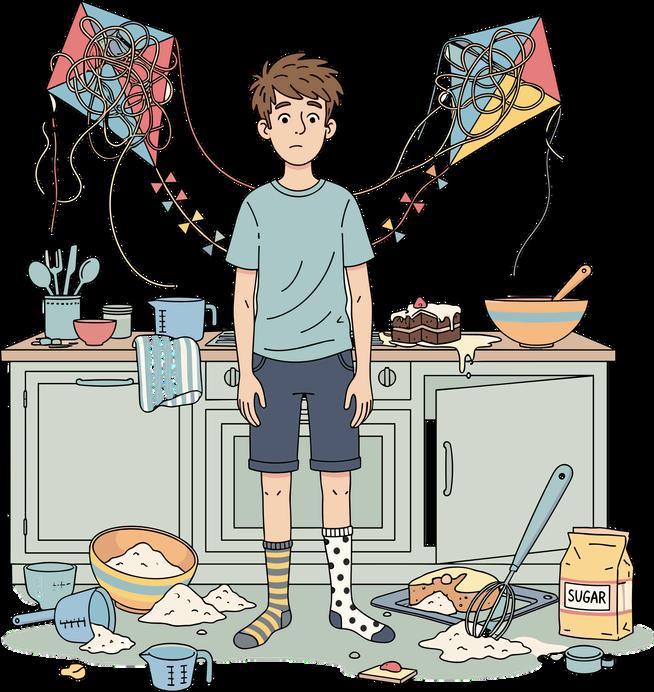
One minute you're having a small, private disco with the remote control all to yourself. The next you're in the cereal aisle at Woolworths, strangely emotional over a box of Weet Bix. That whiplash is completely normal, a genuine mix of relief, pride and grief, often within the same afternoon.
But there are quiet gifts here too. The call that comes for no reason at all, just to chat. The weekend visit where they raid the fridge like a treasure hunt and it feels like nothing's changed
But there are quiet gifts here too. The call that comes for no reason at all, just to chat. The weekend visit where they raid the fridge like a treasure hunt and it feels like nothing's changed.
Even the silence settles into its own rhythm eventually. You learn which noises you never miss, like the 6am alarm arguments, and which ones you'd give almost anything to hear again, echoing down an empty hallway just one more time.
Sleep disturbances are common among people with autism and can impact their overall well-being and daily functioning.
What is known?
Studies suggest that up to 80% of autistic children may have sleep difficulties at some time in childhood. For many children, these sleep problems can be chronic. For children on the autism spectrum, sleep problems typically begin to occur from around 30 months of age. Their most common problems are less total time asleep and increased time to settle to sleep These are similar problems reported by parents oftypically developing children.
Difficultysettling tosleep
This may be due to an unmet need to follow routines; need for special toys, objects, bedclothes or bedding; refusal to fall asleep in own bed; needing a parent present; noise or light; or fears, worries and anxiety. The presence of a TV, tablet or phone in the room is also disruptive. Ideally children should take no more than 20-30 minutes to fall asleep.
Night walking
Some night waking is usual, but young children may not know how to soothe themselves back to sleep or may seek the comfort of mum or dad. Older children may be worried or anxious and cannot re-settle Toileting, nappies and bed wetting also contribute to night waking.

. Difficulty settling to sleep is their most common and consistent sleep problem
. Children with autism sleep less than might be expected for their age.
. Children with poor sleep often have more daytime problems with behaviour and attention.
. Most sleep problems can be addressed using behaviourbased interventions.
Melatonin may be prescribed if interventionsfail
. Good sleep is important for memory and learning.
Parents can help their child sleep by following good sleep hygiene principles, which involve having regular daytime and bedtime habits. If your child has regular daytime and sleep habits to promote good sleep and you remain concerned, you should consult your child’s regular medical practitioner. It will be important to evaluate and treat any medical conditions that might affect sleep like asthma, epilepsy, and sleep apnoea.

The first line treatment for sleep problems is a behaviourally based intervention. Your family doctor can refer you to a sleep specialist (e.g., sleep psychologist or sleep paediatrician) for this.
Every child settles differently, and what works for one family might take a little longer for another. Trust your instincts, lean on your support network, and remember that consistency matters more than perfection
Every small change you make, whether it's a calmer bedtime routine or a simple chat with your GP, can genuinely improve both your child's sleep and their daytime wellbeing. Progress can feel slow, but with patience, consistency and the right support, better sleep, and brighter days, are absolutely within reach for your family.
"Every child on this journey carries their own quiet magic. Sleep may take time to find, but their light never dims while we wait."


Establish a regular sleep pattern

A consistent and relaxing bedtime routine

Make sure the bedroom is comfortable

Bed is for sleeping, not entertainment
Some foods or drinks can disturb sleep
Manage daytime naps carefully
"No one heals in isolation. Every quiet battle becomes a little lighter when someone chooses to stand beside you, and that choice is what turns struggle into strength."

Enjoyed the Read? Click here to subscribe and never miss a read!
Got a topic you ’d like us to cover? Let us know, we ’d love to hear from you!