Queensland


"Choose Hope, Honour Truth"
With International Day of Hope fast approaching on the 12 of July 2026, the day’s message calls for more than optimism. Hope must be active, shaped by honesty, respect and the willingness to confront difficult realities.
This same spirit resonates as NAIDOC Week is celebrated across Queensland also in early July. The week highlights the strength, culture and enduring contributions of First Nations peoples. Their stories are not just part of our past, they are central to our shared future. True hope means moving beyond recognition toward meaningful change, listening deeply and ensuring that justice and opportunity are not aspirations but lived realities.
Alongside this, another influence continues to shape modern life in less visible ways. The widespread presence of pornography, particularly online, is affecting how many people understand relationships, intimacy and respect. Concerns are growing about its impact on expectations and wellbeing, especially for younger audiences This is not about alarm but awareness Hopeful communities do not ignore these issues, they address them with honest conversation, education and stronger support around healthy relationships.
All these themes in this Edition 21 of Empowered Queensland, are connected by a single idea. Hope is not abstract. It is grounded in how we treat each other, how we value culture and how we respond to challenges that affect our communities.
These messages should never fade If hope is to mean anything, it must guide what comes next, shaping actions that are compassionate, informed and committed to a better future for all.
Let’s choose Hope and honour Truth.

"161 countries have agreed on something remarkable — HOPE is not weakness, it is not naivety, and it is not passive. It is the most powerful, freely available health tool you already own. So use it, share it, and hold onto it."
This month the World marks something brand new — and at a time when so many people are struggling, it could not have come at a better moment.
The first ever United Nations International Day of Hope was observed on 12 July 2025, established to promote hope as a fundamental force for individuals, communities, and nations particularly during periods of global uncertainty, conflict, and division.
But this is not just a day for world leaders and policy makers. It is a day for every single one of us.
FROM:
On 4 March 2025, the United Nations General Assembly officially designated 12 July as the International Day of Hope initiated by Kiribati, co-sponsored by 23 member states, and supported by 161 countries to promote hope, peace, and sustainable development worldwide.
Thats is not a coincidence. That is humanity collectively deciding that hope matters and that its worth protecting.
We live in a world that can feel relentlessly heavy. Rising costs. Mental health crises. Loneliness. Conflict. Climate anxiety. Uncertainty about the future. And yet here we are. Still reaching out to each other. Still asking if someone is okay Still choosing to stay informed, connected, and engaged with the world around us.
That is hope in action. And it turns out, science agrees. Hope is not just a feeling it is measurable, teachable, and scalable. Research shows it is a protective factor against violence, addiction, and suicide and that it can be cultivated as a skill, not just felt as an emotion.
In other words, hope is not something you either have or you don't. It is something you can learn, practise, and strengthen every single day. Just like a muscle. Just like resilience. Just like love.
This July 12, hold onto yours. Share it with someone who needs it. And remember — hope is not passive. It is the decision to keep going.

If someone told you there was a free, accessible, side-effect-free tool that could improve your mental health, help you recover from illness faster, and make you more likely to seek help when you need it — you would want to know about it.
That tool is hope. And it is already inside you.
What makes the International Day of Hope so powerful is its reach Hope is being activated across every sector of society mental health, education, workplace wellbeing, public policy, social justice, environmental sustainability, arts, culture, and communities of faith.
This is not a feel-good campaign. It is a coordinated, global effort to make hope accessible to everyone, everywhere.
And it is working. Around the world, hope is being taught in schools as a learnable skill, woven into workplace wellbeing programs, and expressed through sunflower gardens, murals, and art installations that turn public spaces into visual reminders that resilience is possible.
"Hope is the bridge between where you are and where you deserve to be."
Psychologists describe hope as having three key components a goal you are working toward, a pathway to get there, and the belief that you can make it happen It is not wishful thinking It is active, directed, and purposeful. And when communities are built around it, the results are profound.
Hope looks different for everyone. It might be booking that appointment you have been putting off, sending a text to check on a friend, or simply choosing to keep going on a hard day.

NAIDOC has always been mo week — it’s a platform, a p celebration, and a statem survival.
This moment is about looking back at stories, marches, languages, art and leadership. At the strength it took to get here. It’s recognising how far we’ve come, not by chance, but because generations refused to be silenced.

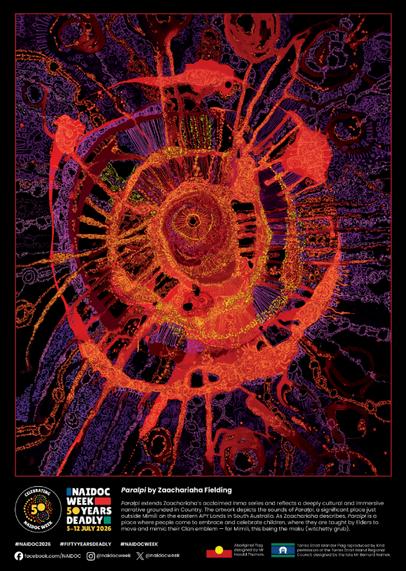
Selected from submissions across the country, Paralpi by Zaachariaha Fielding has been chosen as the official poster for National NAIDOC Week 2026.
It’s about the here and now who we are today. Grounded in culture. Strong in identity. Leading change across health, education, media, business and the arts. We’re telling our stories, our way, on our terms.
And it’s about the future. The next 50 years. Young ones growing up proud. The return of language and Country. The fight for justice continuing with new tools, new voices, and the same fire
50 Years of Deadly is a marker of time passed, and momentum building. It’s proof of what we build when culture leads and community comes first. NAIDOC belongs to mob.
We honour what came before by continuing the work.
This is our story. This is our celebration. This is our future. Still deadly. Always.
Paralpi reflects movement, energy and continuity, carrying the stories of Ancestors forward while celebrating the creativity and cultural power of the next generation. Rich in colour and symbolism, the artwork speaks to the enduring strength of Aboriginal and Torres Strait Islander peoples over the past 50 years of NAIDOC and beyond.
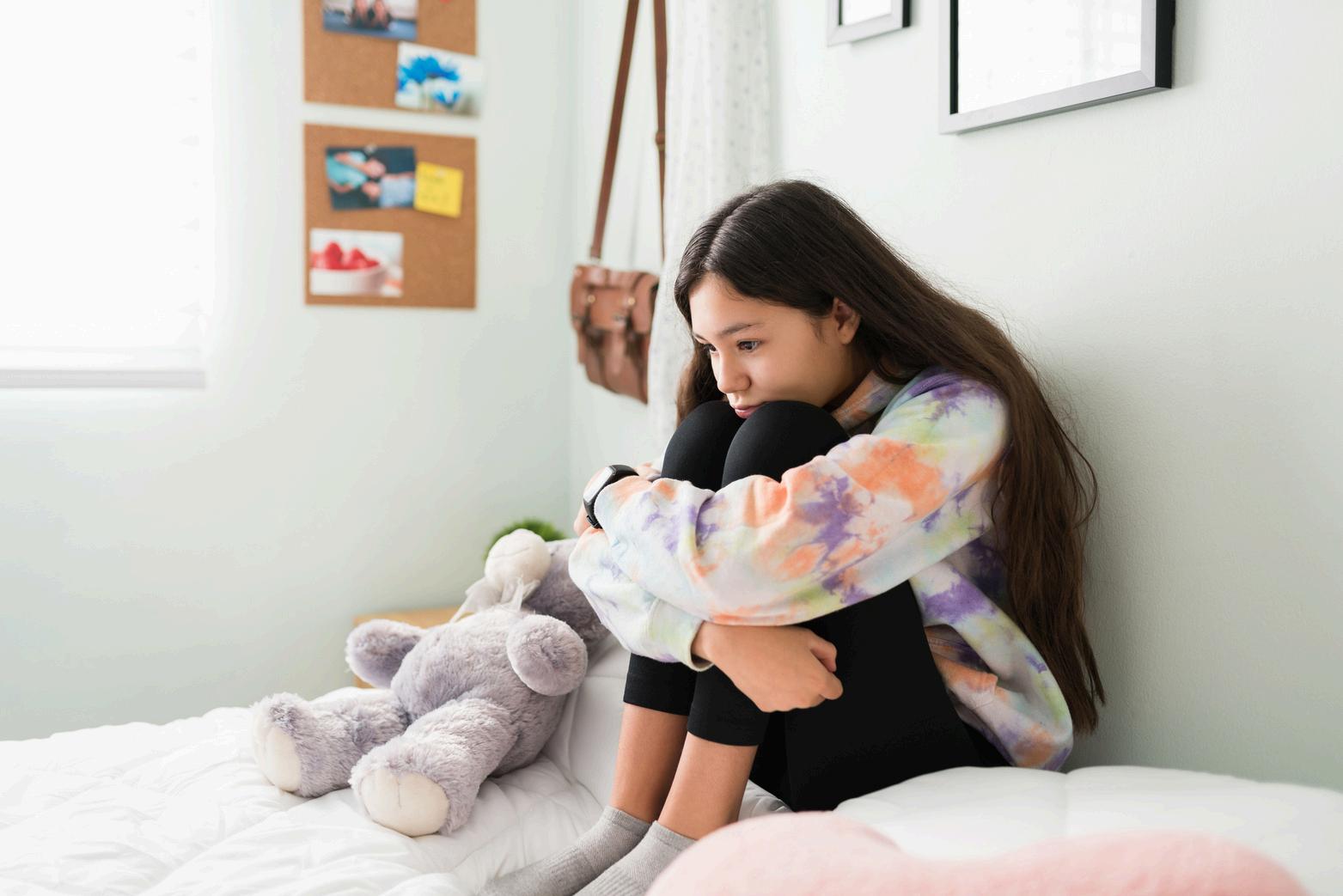
If you've stumbled across pornography online whether by accident or curiosity you're not alone. Most teenagers encounter it at some point, and that's exactly why it's worth talking about honestly. It's not real life One of the most important things to understand abo t h i th t it' f i t d staged, and heavily edited a realistic reflection of se Watching it and compari expecting everyday life to
Your feelings are valid
Regular exposure to pornography during the teenage years can shape expectations and attitudes in ways that aren't always obvious. Research shows it can distort ideas about consent, body image, gender roles, and what healthy intimacy looks like
Some young people find it affects how they feel about themselves, their bodies, or their relationships — and for some, it can become something they feel they can't control, which can lead to feelings of shame or confusion.
If pornography has left you feeling confused, uncomfortable, curious, or even distressed those reactions are completely normal.
You don't have to have it figured out. What matters is you have somewhere safe to take those questions. Consent is everything Something pornography rarely shows accurately is consent — the ongoing, enthusiastic agreement between people before and during sexual activity In real, healthy relationships, consent isn't optional. It's the foundation. If something doesn't feel right, it isn't. It's okay to talk about it

You're not navigating this on your own. Across Australia, researchers, schools, and government have been paying close attention to how young people encounter pornography online — and changing the rules to make it safer.
Findings from the eSafety Commissioner, Australia's online safety office:
In a 2025 survey of 3,454 children aged 10 to 17, 32% had seen sexual images or videos online.
In a study of 1,004 teenagers aged 16 to 18, roughly 3 in 4 (75%) had encountered online pornography.
The average age of first seeing it was 13 mostly unintentional.
Exposure starts young: around 10% stumble across pornography by age 10, rising to almost 30% by age 13.
Concerningly, an estimated 79% encounter violent pornography before age 18 (Bravehearts)
Because so many young people stumble across pornography without looking, Australia introduced the Age-Restricted Material Codes, phased in across 2025–2026.
They put the responsibility on tech companies not you requiring services to blur pornographic images in search results, limit access until an age check is passed, and stop children seeing this material "too much, too soon."
Safety should sit with the platforms that profit from your attention, not a 12-year-old who clicked the wrong link
From 10 December 2025, Australian law required major social media platforms including Facebook, Instagram, Snapchat, Threads, TikTok, Twitch, X, YouTube, Kick, and Reddit to take reasonable steps to stop under-16s holding accounts. A few things worth knowing:
Platforms that ignore the rules can be fined up to $49 5 million.
By early 2026, more than 4.7 million accounts believed to belong to under-16s had been removed or restricted.
You won't be penalised if you've found a way around it the law targets companies, not young people.
eSafety calls it "a delay, not a ban" time before facing pressures platforms have struggled to protect young users from.
If you’re feeling confused or distressed, reach out:
Kids Helpline 1800 55 1800 (free, 24/7, for ages 5–25) headspace.org.au or 1800 650 890
esafety.gov.au (to report harmful content or get advice)
A rising tide of digital harassment isn't just cruel it's quietly reshaping who gets to lead.
Ask any prominent Australian woman in public life about her inbox and you'll hear a familiar story. Julia Gillard, Penny Wong, Sarah Hanson-Young and Mehreen Faruqi have all weathered relentless online abuse, much of it laced with threats of real-world violence. Gillard endured "Ditch the Witch" placards and a fundraiser menu that crudely mocked her body part by part.
The toll is rarely just political: many describe the anxiety, sleeplessness and dread of opening their own phones, the slow erosion of confidence that comes from being attacked daily. For women who are also religious or culturally diverse, the pile-on only intensifies.
This is technology-facilitated genderbased violence, and it works exactly as intended. A recent UN Women report found doctored images, coordinated trolling and slander campaigns now touch most women surveyed, with those in public-facing roles singled out for the worst. The result is a "chilling effect” women think twice before standing for office, speaking up, or posting at all.
So what's being done — and what more can be? Australia already has tools: an eSafety Commissioner empowered to order harmful content removed, and a Women, Peace and Security National Action Plan steering the wider effort. Building on these means holding platforms genuinely accountable, demanding transparency around the algorithms that amplify misogyny, teaching digital literacy in schools and workplaces, and getting more women into technology policy Because the internet has no borders, partnering with likeminded nations matters too.
The momentum exists. What's needed now is the will to treat online abuse not as the price of public life, but as a democratic problem we choose to solve — before it quietly decides who gets to lead.
The stakes are real. While women's representation in state parliaments has climbed, Australia has slid down the global rankings for women in national parliament. Abuse threatens to stall that progress.
Male politicians cop their share of the vitriol too, but research suggests the abuse, and what it does, runs along different lines.
It would be a mistake to picture the men of public life scrolling serenely past it all. They aren't spared. When University of Melbourne researchers put the question to every one of the 128 members of the Victorian Parliament, just a single MP said they had never copped abuse or threats, and most reckoned online hostility had climbed in the two years prior. The trolls, tellingly, share a profile: of those abused on social media, 84% believed the culprit was a man, with Facebook the favoured battleground.
Where the experience parts ways is in the flavour of the attack. ANU and Monash researchers who combed through more than 100,000 tweets from the last federal election found that straight, cisgender politicians mostly drew fire over their party or their platform, pointed, but political. Women and queer MPs tended to be hit with something more personal; Lidia Thorpe, for one, was swamped with racist abuse. Overseas studies sharpen the contrast: men more often fret about their reputation, while women more often fear for their safety and their families.
None of this is abstract in Queensland. In 2026, the Australian Federal Police charged a Logan man over an alleged online death threat aimed at a federal parliamentarian — one matter among many that prompted the AFP to stand up dedicated investigation teams targeting those who threaten the country's social cohesion, parliamentarians included.
So the men are in the firing line, often in large numbers. What the research keeps surfacing is a difference not of whether, but of kind — the shape the abuse takes, and the worry it leaves behind.
Addiction is a complex condition characterized by the compulsive use of a substance or engagement in a behaviour despite harmful consequences.
It is often referred to as a disorder because it affects the brain's reward and motivation systems, leading individuals to prioritize the addictive substance or activity over other aspects of life.
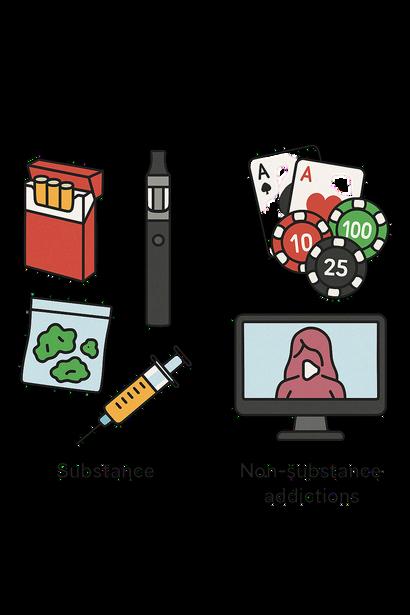
Addiction can take many forms: Substance Addiction: where a person becomes physically or psychologically dependent on substances such as alcohol, nicotine, or other drugs.
Non-substance Addiction: also called behavioural addiction, this involves compulsive behaviours — like gambling, gaming, or excessive screen use that disrupt and disrupt one's daily life, relationships, and wellbeing
"Asking for help isn't the moment you admit weakness — it's the moment you decide to take your strength back."
Gambling
Gaming
Food addiction
Internet, computer and mobile
Shopping
Work
Pornography
Social Media
Work
Addiction can present itself in numerous ways, profoundly affecting an individual's life.
ovide temporary relief from stress or depression, el better or more relaxed for a brief period.
considerable time planning your next opportunity to itizing it over other activities and losing interest in oyed.
d to neglecting responsibilities at school, work, or ght find yourself spending excessive amounts of
reduce or stop, you may find yourself engaging in equently or for longer durations than intended, of loss of control.
ON HEALTH AND RELATIONSHIPS:
rsely affect your health, finances, and relationships, yet you may still return to it despite these consequences.
You may engage in risky or dangerous activities, experience mood swings such as anger, anxiety, or depression, and notice alterations in eating, sleeping, or weight patterns
Identifying these symptoms is a vital step in seeking help and embarking on the road to recovery. Understanding that addiction is a complex and multifaceted challenge can cultivate empathy and support for those impacted.
Addiction is a multifaceted condition influenced by a combination of factors that can vary widely from one individual to another. Understanding these diverse causes of addiction is crucial for developing effective prevention and treatment strategies.
biological factors
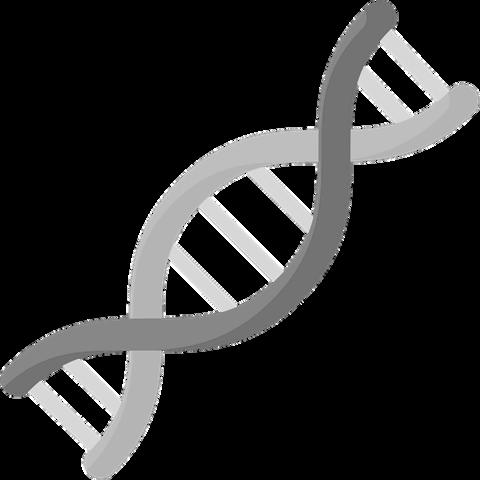
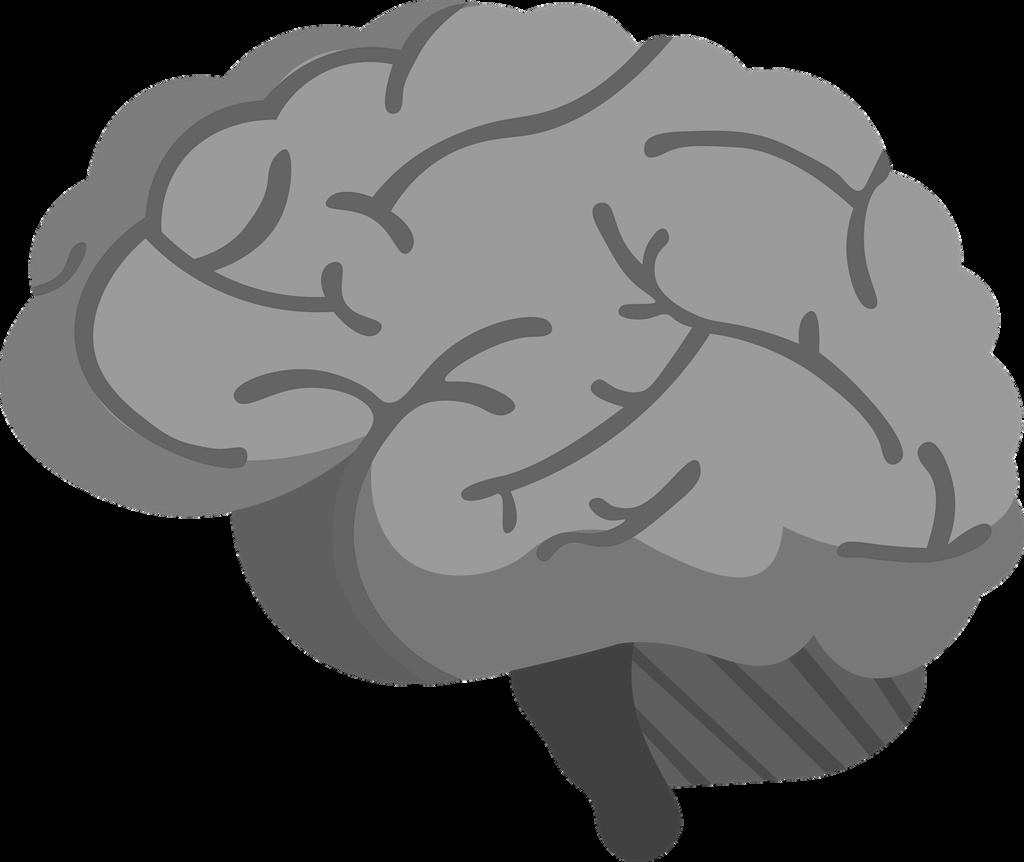
Genetic Predisposition: Some individuals inherit genes that make them more susceptible to addiction. Studies suggest that genetics can account for about 40% to 60% of a person's vulnerability to addiction.
Brain Chemistry: Addictive substances and activities alter the brain's reward system, releasing chemicals like dopamine that create feelings of pleasure. Over time, the brain adapts, necessitating more of the substance or activity to achieve the same pleasure, leading to tolerance and dependency.
Psychological Factors
Mental Health Disorders: Conditions such as anxiety, depression, ADHD, and bipolar disorder can increase the risk of addiction. People may use substances or behaviors to selfmedicate, seeking relief from their symptoms.
Personality Traits: Individuals who are naturally impulsive, sensation-seeking, or sensitive to stress may be more prone to develop addictive behaviors.
Environmental Factors
Stressful Situations
Childhood Trauma
Social Influences
Societal Factors
Cultural Norms
Economic Factors
Therapy: Counseling or psychotherapy can help individuals understand their addiction and develop coping strategies.
Medication: Certain medications can help manage withdrawal symptoms and reduce cravings.
Support Groups: Programs like Alcoholics Anonymous provide community support and accountability.
Addiction recovery is a personal journey and may involve setbacks, but with determination and support, individuals can lead fulfilling lives free from addiction.
. You’re worried about someone else’s safety or your own
. You feel like you’re losing control over a habit or behaviour
. Your addiction is affecting your health, relationships or daily life
. You’re struggling to stop, even though you want to
. You notice symptoms of withdrawal when you try to quit
. You have feelings of anxiety or depression
Your doctor can help assess the situation, discuss treatment options and guide you toward the right support.
HELP AND SUPPORT:
Alcohol and Drug Foundation call 1300 85 85 84 Family Drug Support Australia call 1300 368 186.
Alcoholics Anonymous call 1300 222 222. Counselling Online free drug and alcohol counselling
Gambling Help Online call 1800 858 858
Self Help Addiction Resource Centre call 1300 660 068.
Lifeline call 13 11 14
Most of us spend our days juggling — work, family, friends, health, study, and the endless small tasks between them. We're taught to keep every ball in the air, and to treat dropping any as failure. But there's a gentler, wiser way to think about it. Imagine everything you're juggling is a ball made of two different materials. Some are rubber. Some are glass.
Rubber balls bounce. If you drop one, it falls, hits the ground, and springs back up. These are the things that recover when you can't get to them right away — an unanswered email, a postponed errand, a project deadline that can be renegotiated, the washing that waits another day. They feel urgent in the moment, but dropping them rarely causes lasting damage.
Glass balls shatter. If you drop one, it cracks, chips, or breaks and may never be quite the same again. These are the things that don't bounce back on their own: your health, your closest relationships, your children, your sense of self. They're the parts of life that, once neglected too long, are slow and painful to repair.
The metaphor traces to Coca-Cola executive Bryan Dyson, who described it in a 1991 speech, and was echoed by author Nora Roberts. It endures because it captures something true: not everything we juggle weighs the same.
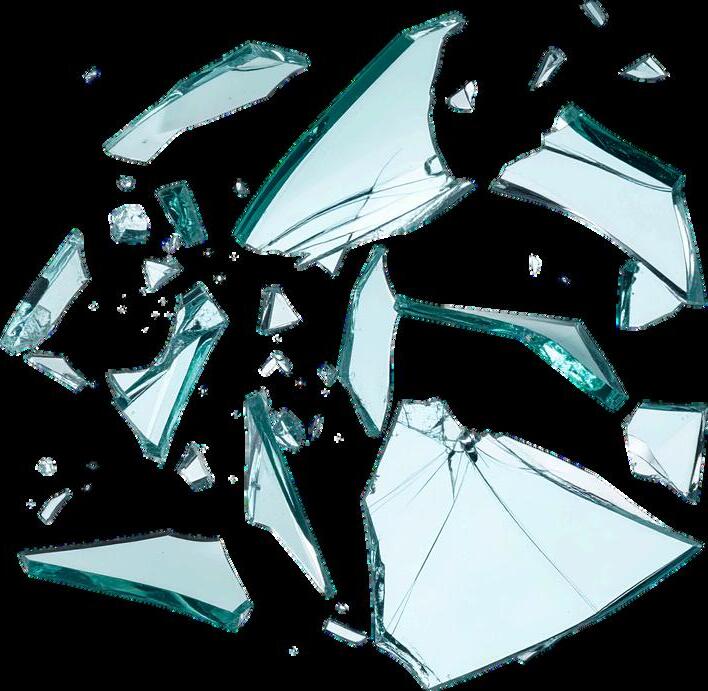
The real skill isn't keeping every ball in the air It's learning to tell the glass from the rubber and being honest about which is which. When life gets overwhelming and something has to give, the question stops being "How do I do it all?" and becomes "What can I let bounce, so I can protect what would break?"
Remember that the balls can change. A deadline that's usually rubber might become glass during one crucial week; a relationship that's normally glass might be resilient enough to bounce for a while if you've tended it well The categories aren't fixed they shift with the season of your life, and part of the wisdom is checking which is which right now.
If you're feeling stretched thin, you don't have to catch everything. Look at what you're holding, ask which pieces are glass, and set down a rubber ball or two without guilt. They'll be there when you're ready to pick them back up.
And if it's a glass ball that's slipping — your health, your peace of mind, a relationship that matters — that's the one to catch first, and worth asking for help to hold.
Sarcoma is a rare, complex cancer arising from bone, cartilage or soft tissues such as fat, muscle, connective tissue or blood vessels.
Sarcomas can form anywhere in the body and are often misdiagnosed as a benign lump, sporting injury or growing pains. There are more than 70 subtypes, many with distinct clinical characteristics, natural history and tumour biology.
The most common warning sign of a soft tissue sarcoma is a painless lump that keeps growing, often deep within an arm or leg. Any lump that is larger than a golf ball (about 5 cm), deep-seated, enlarging, or newly painful should be checked promptly.
Bone sarcomas tend to cause persistent bone pain frequently worse at night along with swelling or reduced movement. Because early symptoms can be vague, diagnosis is sometimes delayed, so it's worth seeing a GP about anything unusual that persists
Sarcoma accounts for about 20% of cancers diagnosed in childhood, making it one of the most common cancers in children.
Sarcoma makes up to 10% of cancers among adolescent and young adults (aged 15-25).
Sarcoma makes up only 1% of all adult cancers

Factors that may increase the risk of soft tissue sarcoma include:
Radiotherapy a very small risk, higher for those treated with high doses at a young age Most won't develop a sarcoma. Inherited syndromes — risk can be passed from your parents. These include hereditary retinoblastoma, Li-Fraumeni syndrome, familial adenomatous polyposis, neurofibromatosis, tuberous sclerosis and Werner syndrome.
Chemical exposure certain chemicals, including vinyl chloride, dioxins and herbicides, are linked to higher rates of soft tissue sarcomas.
The 5-year survival rates for adults and children with bone and soft tissue sarcomas are estimated at 70% and 67% respectively. This depends on the extent of disease at diagnosis, the tumour's characteristics, and response to treatment.
While overall survival has improved over the decades thanks to research, survivorship issues after treatment, limited options beyond first-line therapy, and poor outcomes for metastatic sarcoma remain challenging problems
Celebrated annually on July 30th, this day emphasises the importance of friendship as a powerful tool in addressing the root causes of conflict, promoting social harmony, and encouraging a culture of peace.
The International Day of Friendship was proclaimed by the United Nations General Assembly in 2011, recognising that friendship between peoples, countries and cultures can inspire peace efforts and build bridges between communities. The resolution emphasises young people tomorrow's leaders taking part in activities that promote understanding and respect for diversity At its heart: human connection across borders can meaningfully build peace.
Celebrations Around the World
Celebrations vary, but most bring people together. In Australia one of the world's most multicultural nations, where nearly a third of us were born overseas — the day resonates strongly:
Community Gatherings: Towns host events where people of every background share stories, food and music, building unity and belonging.
Social Media Campaigns: People and organisations spread messages of friendship, positivity and peace online, often using hashtags like #InternationalFriendshipDay.
Importance of Friendship
Friendship is vital to our wellbeing. It builds trust, eases tension and strengthens communities. By encouraging dialogue and understanding, it can help resolve conflict and foster reconciliation in places touched by hardship.
. Reach Out to Old Friends: Reconnect with someone you've lost touch with.
. Make New Friends: Attend a local event or join a group to widen your circle.
. Volunteer: to meet people from different walks of life and foster new friendships.
. Educate: Learn about other cultures and traditions
By embracing the spirit of friendship, we can build a kinder, more connected world, starting right here at home.


You've probably never heard of Fragile X syndrome, and yet it's the most common inherited cause of intellectual disability, as well as the leading genetic cause of autism. It tends to affect boys more often, and more noticeably, than girls.
What causes it? So what actually causes it? It comes down to a single gene called FMR1, which sits on the X chromosome A small section of its DNA normally repeats just a handful of times but in Fragile X, that section over-expands and the gene quietly switches off.
When that happens, it stops making a protein the brain relies on to develop, and that's where the condition begins. It also runs in families: a parent can carry a smaller "premutation" without any signs of it themselves, only for it to expand into a full mutation in their child.
Can you find out during pregnancy? Yes, you can. A simple blood test shows whether a parent is a carrier, which is often worth checking if there's a family history. If so, tests like chorionic villus sampling (around 10–13 weeks) or amniocentesis (from 15 weeks) can look at the baby directly ideally with a genetic counsellor guiding you through what it all means.
Strategies to Manage
And what does it mean for your child? Honestly, it varies enormously. A diagnosis tells you the gene change is there, but not how mild or significant it will be. Some people grow into semiindependent adults; others need ongoing support. The reassuring part is that Fragile X doesn't usually shorten life expectancy.
Is there a cure? Not yet — but early intervention, therapy and good support help many people live full, happy lives.
Fragile X affects roughly 1 in 7,000 males and 1 in 11,000 females the most common inherited cause of intellectual disability.
It's the leading single-gene cause of autism, with 25–40% of boys who have Fragile X also diagnosed on the spectrum.
Carriers are far more common about 1 in 290 females and 1 in 850 males carry the gene change without having the syndrome.
Females are usually affected more mildly around 30% with the full mutation have IQ scores in the normal range.

There's a particular kind of beauty most of us are taught to look straight past: the beauty in what's weathered, forgotten and left behind. A broken fence. A rusting tank. A lonely windmill turning above a long red road. Out in the rural heart of this country, these aren't signs of failure, they're the soul of the land.
The country is honest in a way polished things never are. It holds its contradictions without apology — isolation and exhilaration, hardship and breathtaking beauty, despair and hope, all in a single frame.
So do the people who live there. Rural communities are so often overlooked, their work unseen, their roads long, their resources thin and still they endure, and still they grow what the rest of us eat.
That's exactly why the world now pauses every 6th July for World Rural Development Day: a reminder that noone, in even the most remote and forgotten place, should be left behind.
Behind every country town are figures the nation rarely sees. They show that distance and how far you live from a city that shapes your health, and how long you live.
Suicide: the rate in very remote areas was 21.0 per 100,000 in 2023, against 10 0 in major cities more than double and the gap is widening, driven heavily by men (around 25 per 100,000 regionally).
Doctors are scarce: roughly 67 GPs per 100,000 people in rural and remote areas, against 114 in major cities.
Distance shortens lives: life expectancy is 1–2 years lower in regional areas and up to 7 years lower in remote areas than in major cities, even lower again for First Nations Queenslanders.
Firearms: firearm-related suicides make up about 10.1% of deaths in regional areas, rising to 24.7% in remote and very remote areas.

"Out of suffering have emerged the strongest souls; the most massive characters are seared with scars." ~Khalil Gibran
Lifeline13 11 14 Rural Aid (farmer counselling) 1300 327 624 13YARN 13 92 76
Queensland
Diabetes is one of Australia's most common conditions, affecting how the body manages glucose, the sugar that fuels us. Normally a hormone called insulin moves glucose from the blood into our cells for energy. In diabetes, that system breaks down and blood glucose climbs too high.
There are three main types.
Type 1 is an autoimmune condition where the immune system destroys the cells in the pancreas that make insulin. It isn't linked to lifestyle, can't be prevented, and has no cure. Representing around 10% of cases, it's a common chronic condition of childhood, often appears suddenly, and is managed with insulin for life.
Type 2 is the most common, representing 85–90% of cases. Here the body resists insulin and gradually makes too little It has strong genetic and family links, alongside modifiable factors like weight, inactivity and high blood pressure, and the risk increases with age. Healthy eating and activity can slow or even stop its progression, though many people also need tablets or insulin over time; some achieve remission.
Gestational diabetes develops during pregnancy. Blood glucose usually returns to normal after birth, but around 1 in 2 women later develop type 2.
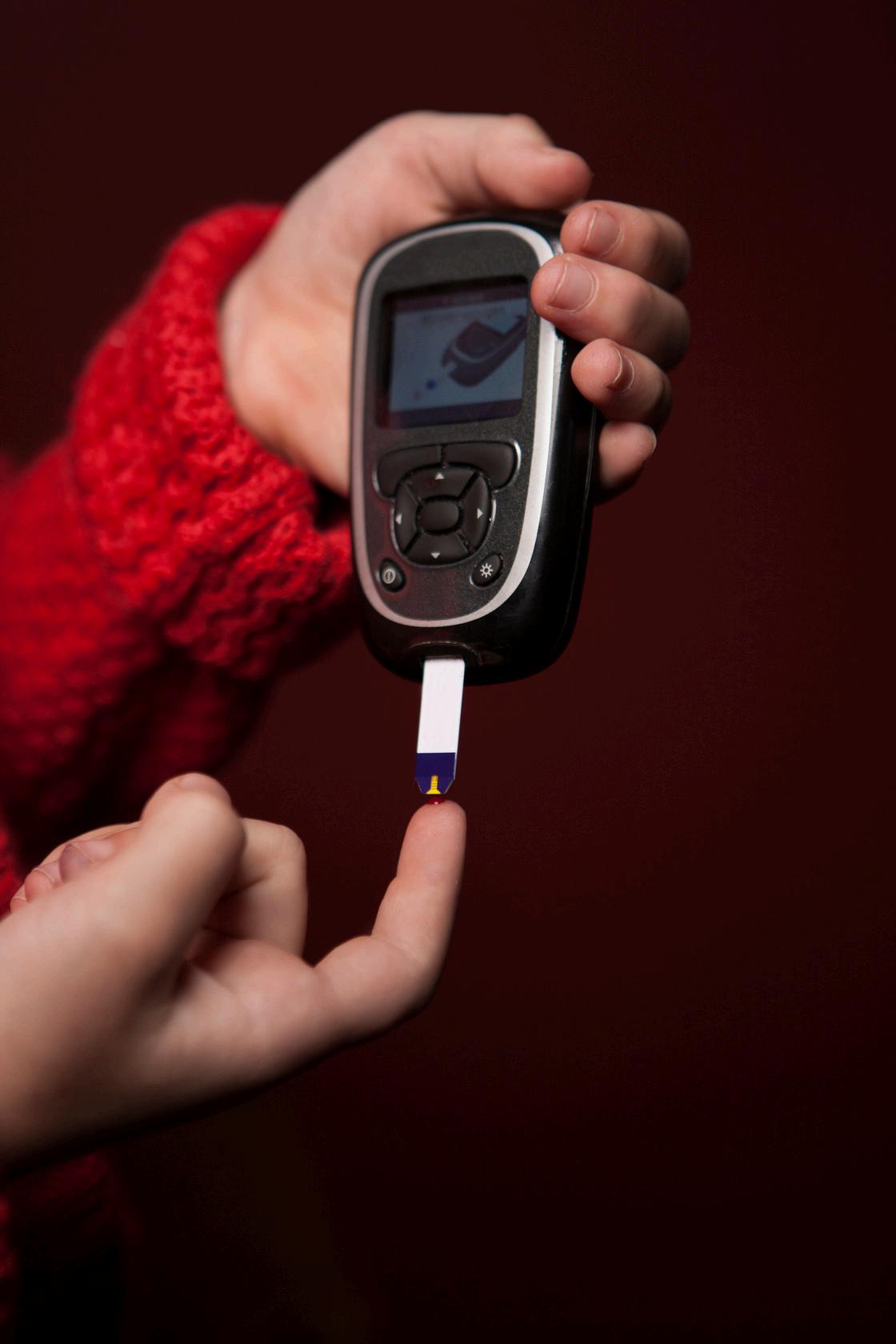
Every 5 minutes in Every 5 in Australia someone is Australia someone is diagnosed with diagnosed with diabetes diabetes
Warning signs are worth knowing: excessive thirst, frequent urination, unexplained weight loss, constant fatigue, blurred vision, increased hunger, slowhealing cuts, and frequent infections such as thrush. Type 1 often appears quickly and dramatically, while type 2 may show no symptoms at all which is why it can quietly go undetected for years. Aboriginal and Torres Strait Islander communities face higher risk
There's no cure yet, but diabetes can be managed well. For information and support, visit diabetesaustralia.com.au or call the NDSS Helpline on 1800 637 700.
A new specialist school aimed at steering high-risk teenagers away from crime will open in Cairns later this year. The Queensland Government has confirmed the site for its new Youth Justice School as the 'Ohana Academy' in the Cairns CBD.
Delivered by Ohana for Youth, it is one of two the other in Logan Central funded through a $40 million state investment. Both are designed for highrisk teenagers aged 12 to 17 on youth justice orders, including community service orders, cautions, diversions or bail.
Rather than a conventional classroom, students receive individual case management, mentoring, family support and parental coaching, plus a project-based curriculum taught by specialist teachers. Supervision is intensive up to 12 hours a day, five days a week aiming to re-engage young people with education, employment and community.
The government points to disengagement from education as a key driver of youth crime, and says its broader approach helped deliver a 7.2 per cent fall in victims of crime in 2025. It hopes the schools will cut reoffending. Founder Aaron Devine said the academy would give young people "an opportunity to belong, grow and thrive."
The model reflects a wider debate over how best to tackle youth crime. Supporters argue that re-engaging young people with education and addressing the causes of offending is more effective than detention alone. Others advocate different approaches, including raising the age of criminal responsibility.
What most experts agree on is that early, sustained support offers the best chance of breaking the cycle.
Enrolments are expected in the second half of 2026, subject to national accreditation.
When a community chooses support over judgment, it doesn't just change one young life it changes the future of the whole community."
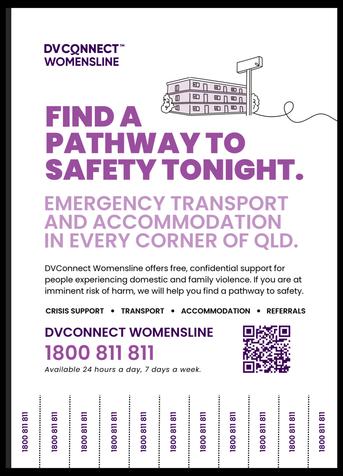
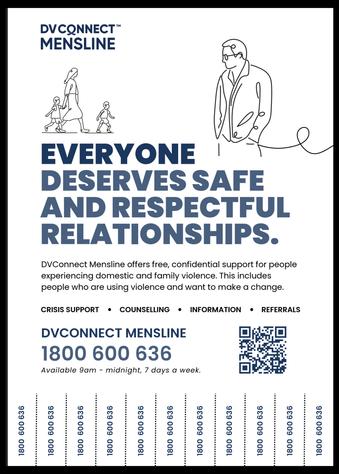
For someone living with domestic violence, even a simple online search for help can be dangerous — phones are monitored and browsing histories checked. That's why DVConnect, Queensland's domestic and family violence helpline, is asking all of us to help keep their number visible.
DVConnect supports people in every corner of the state, but can only help if people know who to call. The need is relentless: the service takes more than 100,000 calls a year, and Womensline alone receives one call for help every seven minutes. Behind each of those calls is a person who found the courage, and the number, to reach out.
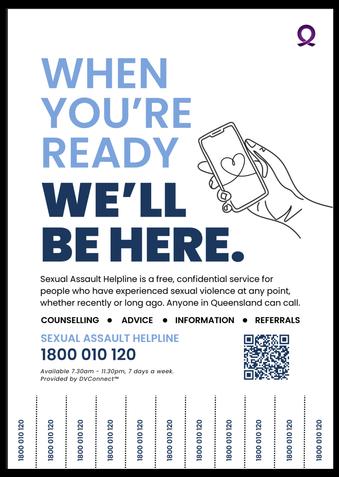
A number printed on a page, somewhere it can be quietly seen and remembered can reach someone an internet search never could. To help, DVConnect offers free downloadable posters that can go anywhere: your workplace, university, health clinic, community group, sports club, café, pub or local business. A few minutes to pin one up could change a life.

Behind every quiet battle is a courage we rarely see. Behind every act of courage is someone who reached out. Thank you for being a community that helps people feel less alone.

Enjoyed the Read? Click here to subscribe and never miss a read!
Got a topic you ’d like us to cover? Let us know, we ’d love to hear from you!