9 Empowered Wide Bay Queensland

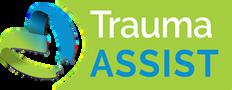

Building resilience is all about getting stronger when life throws challenges and setbacks your way. It’s not something you’re born withit’s a skill you can learn and get better at over time. Whether you’re going through something tough yourself or helping others, especially children, learning how to bounce back is all about not giving up when things get hard but learning how to lean into life
The first step to becoming more resilient is learning to stay positive, even when things don’t go as planned. It’s totally normal to feel upset when things go wrong, but it’s important to remind yourself that mistakes are just part of the process. Actually, they are one of the best ways to learn and grow. A resilient person doesn’t let failure define them - they take it as a lesson and keep moving forward.
Problem solving is another key part of resilience. When something challenges you, instead of feeling stuck, break it down into smaller steps and make a commitment to taking those steps – one at a time. The more you practice this technique, the easier it gets and you’ll feel more confident handling tough situations.
Resilience also involves managing stress. Life can get overwhelming, but staying calm and focused is the key to success. Little things to help us ground ourselves such as deep breathing, mindfulness, or even just taking a break when you’re feeling swamped, can really help. And it’s important to have people around you for support. Talking things through with someone you trust can help you sort through your emotions and find solutions.
Teaching resilience to children is such a wonderful and rewarding process but it takes patience and it tests your own resilience super power to the limit. Kids pick up a lot from the adults around them so it’s crucial to set a good example. If they see you handling stress in a calm way, staying positive after a setback, and working through problems, they’ll learn to do the same. Encourage them to look at challenges as chances to learn, not things to be afraid of. Teach them it’s okay to ask for help and remind them that everyone faces struggles and how they deal with them will help them develop their own superpower that will last a lifetime.
Let’s all lean a bit more into life this month and develop that superpower that we can all be proud of – one step at a time…





Known as the 'silent thief of sight' glaucoma develops slowly and often without any symptoms, leaving people undetected until the disease reaches an advanced stage. Left untreated, it can cause vision loss and may even lead to blindness. This is why we need your help to spread the word and raise awareness.
Glaucoma is a progressive eye disease and is a leading cause of irreversible blindness in Australia.
While vision loss can’t be restored, early diagnosis and treatment can delay or halt the progression of the disease. That is why it’s so important to detect the problem as early as possible.
It is estimated that over 300,000 Australians have glaucoma, yet 50% are unaware they have it, thinking they have healthy eyes.
Glaucoma is hereditary - you are 10x more likely to have glaucoma if you have a direct family member with glaucoma
First degree relatives of a person with glaucoma have an almost 1 in 4 chance of developing glaucoma in their lifetime, and that risk increases to 56% if their glaucoma is advanced. So telling your direct family to get tested is extremely important.

There are no obvious symptoms in the early stages of POAG. (Primary Open-Angle Glaucoma)Damage progresses slowly and destroys vision gradually, usually starting with peripheralvision.
On the other hand Acute ACG (Angle-Closure Glaucoma) can cause quite severe eye pain associated with nausea and vomiting, headache, watery eyes, sudden onset of blurred vision or seeing halos around light. This is a medical emergency and immediate treatmentisrequired.

Glaucoma Australia has developedthisquiztohelpyou assess your potential risk of developing glaucoma based on age, ethnicity, family historyofglaucomaandother healthissuessuchasdiabetes andmyopia.



The latest Productivity Commission Report on Government Services has revealed a 25% surge in persistent homelessness over the past five years, highlighting an urgent need for increased investment in longterm support services.
The data shows that 37,779 people experienced persistent homelessness in 2023-24, up from 30,306 in 2019-20.
Persistent homelessness, defined as being homeless for more than seven months over a 24-month period, now affects more than one in five (22.5%) of all homelessness service clients.
“More Australians than ever before are trapped in long-term homelessness, and even those who find housing are struggling to maintain it without adequate support,” said Kate Colvin, CEO of Homelessness Australia.
The report shows that 10.3% of clients who secured housing through homelessness services in 2023-24 later returned to homelessness – representing 14,740 individuals who lost their housing despite initial success.
However, the data also reveals some positive outcomes. Services successfully prevented homelessness in 80.9% of cases where clients sought help while at risk of becoming homeless.
“We know what works, we just have to resource it properly. With sustained investment in support services, we can prevent people cycling back into homelessness and lay down the foundations of healthy, functional lives.”
Each year, 42,615 children and young people unaccompanied by a parent or guardian seek help from homelessness services (aged 10-24)
UNNACOMPANIED HOMELESS CHILDREN AND YOUNG PEOPLE
. They don't feel safe or their parents can't provide a home for them
. They often have traumatic experiences prior to becoming homeless
. They often have no money for food, cannot access health care, and are disconnected from school
. They commonly experience violent victimisation, including physical, sexual and emotional abuse and exploitation.
. They are likely to be experiencing poor sleep, psychological distress and physical illness
Being homeless as a child significantly increases the chance of adult homelessness.



Around 65 million people in the world live with epilepsy, making it one of the most common neurological disorders.
Epilepsy is a medical condition that affects the brain and causes seizures.
Epilepsy is diagnosed by a medical specialist after a person experiences at least two unprovoked seizures.
Everyone’s brain sends electrical messages to their body, which tell the body what to do. Seizures happen because of a disruption to electrical activity in the brain, leading to a change in a person’s movement, behaviour, level of awareness and/or feelings.
Not all people who have seizures are diagnosed with epilepsy. In Australia, around 10% of the population will experience a seizure in their lifetime, but much fewer will be diagnosed with epilepsy. At the moment around 250,000 Australians, or 1% of our population, live with epilepsy.
Epilepsy occurs regardless of age, gender, cultural or socio-economic background. Epilepsy can develop at any stage of life, but it is more common in children, adolescents, and people over 60.
The cause of epilepsy for 50% of people remains unknown
800,000 Australians will develop epilepsy during their lifetime
Around the world an estimated 65 million people have epilepsy at any given time
1 in 3 people with epilepsy will not gain full seizure control with medication
It is the fourth most common brain disorder after migraine, stroke and Alzheimer’s Disease.
Who does it affect? Epilepsy is more likely to be diagnosed in childhood or senior years, but can be diagnosed at any age. It can affect anyone.
What causes epilepsy? Epilepsy can sometimes be caused by head trauma, stroke, infections in the brain, or abnormalities of the brain from birth. Genetics also play a role in some people About half of the people with epilepsy never know the cause of their epilepsy.
What is a seizure? A seizure is a temporary disruption of the electrical activity in the brain. There are many different types of seizures that present in many ways including changes to sensation, awareness, behaviour or movement
Not all seizures involve convulsions and not all seizures are diagnosed as epilepsy
How is epilepsy treated? Usually the first choice of treatment is medication. Other treatment options include surgery; Vagus Nerve Stimulation (VNS); the Ketogenic Diet or Modified Atkins Diet; and more recently Deep Brain Stimulation (not yet in Australia). Education and lifestyle changes are also important

Can certain triggers set off a seizure? Sometimes specific circumstances can increase the risk of having a seizure. These are usually called seizure triggers. Recognising these triggers can help to reduce or even avoid seizures Some common triggers people report include lack of sleep, missed medication, fatigue, physical or emotional stress, hormonal changes and illness.
What’s the best way to help someone having a tonic clonic (convulsive) seizure?
1. Stay with the person
2. Time the seizure
3. Keep them safe. Protect from injury, especially the head
4. Roll into recovery position after the seizure stops (immediately if food/fluid/vomit is in mouth)
5. Observe and monitor their breathing
6. Gently reassure until recovered
7. Call an ambulance if there is an injury; if the seizure lasts for longer than five minutes; or if after the seizure ends the person is having breathing difficulties or is non-responsive
ites are passed on ncludes vaginal, oral
hoea • Hepatitis B • us (HIV) infection • • Mpox (formerly TI, and many people s. Regular testing is I. surrounding area or . ounding area. anus ds and after sex. om for protection. silicone based). etween oral, anal or sex toys. h an STI. STIs?

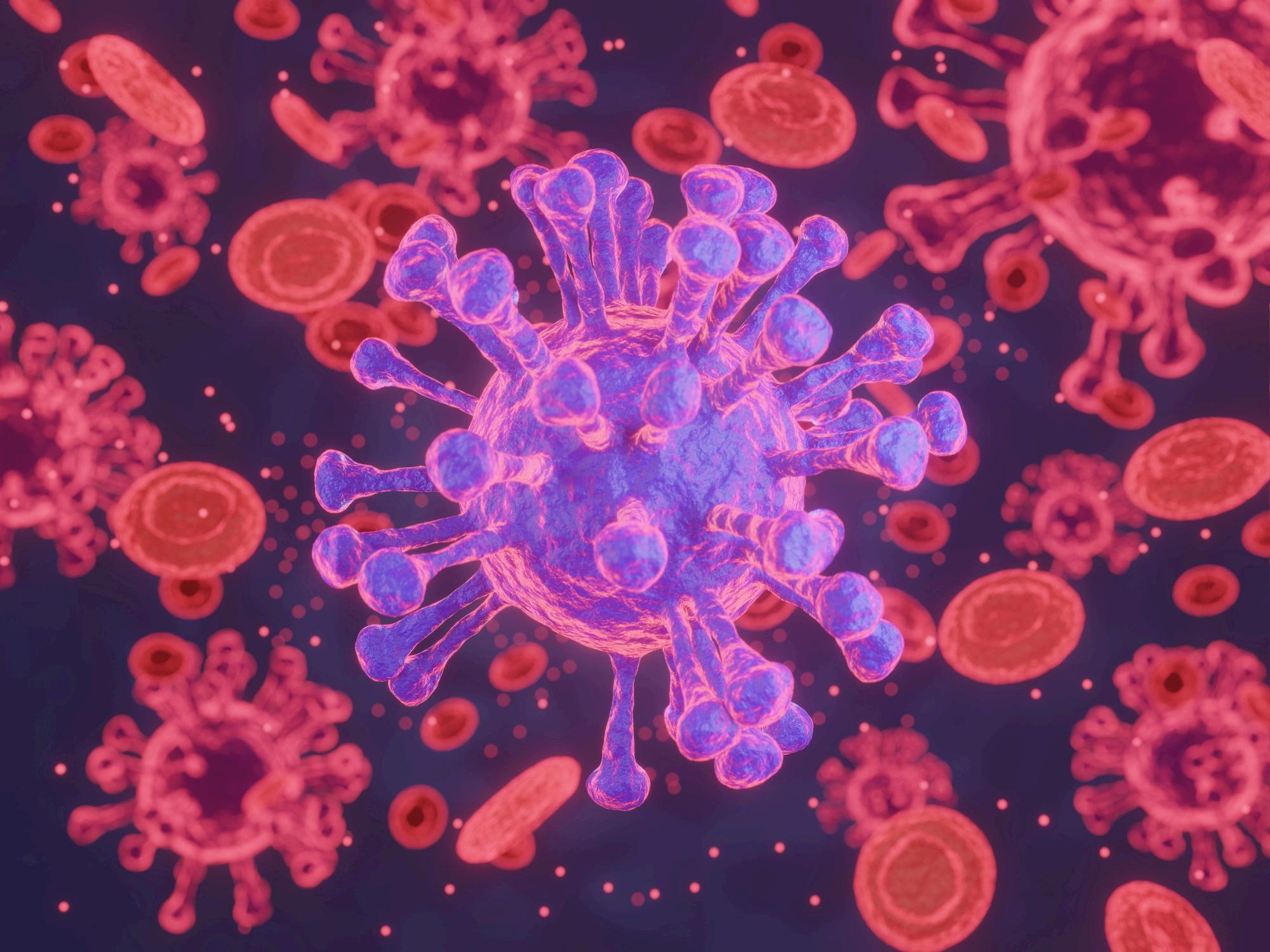
The human immunodeficiency virus (HIV) is a blood-borne virus (BBV) and sexually transmitted infection (STI) that affects the immune system.
Those taking effective antiretroviral treatment will not develop AIDS and have a normal life expectancy. This is because these medicines control the amount of virus in the blood (viral load) and protect the immune system.
Effective HIV treatment can reduce a person’s viral load to such low levels (undetectable) that they cannot transmit HIV to sexual partners (untransmittable). This is known as Undetectable equals Untransmittable (U=U). There is currently no cure for HIV, however modern treatment is considered a functional cure.
Untreated HIV gradually destroys CD4 cells – the cells that help the body stay healthy by fighting off disease. When HIV is not treated, most people will develop severe immune deficiency within 10 years. At this point, the body can no longer fight infections or stop cancers from developing. This late stage of HIV infection is called acquired immunodeficiency syndrome (AIDS) AIDS is rare in Australia with the highly effective HIV treatments now available.

30,010 PEOPLE WERE ESTIMATED TO BE LIVING WITH HIV

2,360 PEOPLE WERE UNAWARE THEY WERE HIV POSITIVE
People with HIV on treatment live normal lives and do the same things as everyone else. There is still a stigma which is a hangover from the 1980s when we didn’t know much about it and people were afraid. Over half the people with HIV in Australia are aged over 50. Many lived through the early days without treatment and often have multiple health issues to contend with as they age.
98% OF PEOPLE DIAGNOSED AND ON TREATMENT HAD AN UNDETECTABLE VIRAL LOAD
Being in tune with your health is crucial, especially when it comes to preventing cancer. That’s why, this Testicular Cancer Awareness Month, we’re encouraging men to do exactly that. Make today the day you perform a selfexamination. Testicular cancer is a disease where cells in your body grow uncontrollably. As you’d have guessed from the name, testicular cancer is when those cancerous cells grow in your testicles. Testicular cancer, like many other forms of cancer, can spread in the body if left untreated. However, if detected early, it is usually treatable
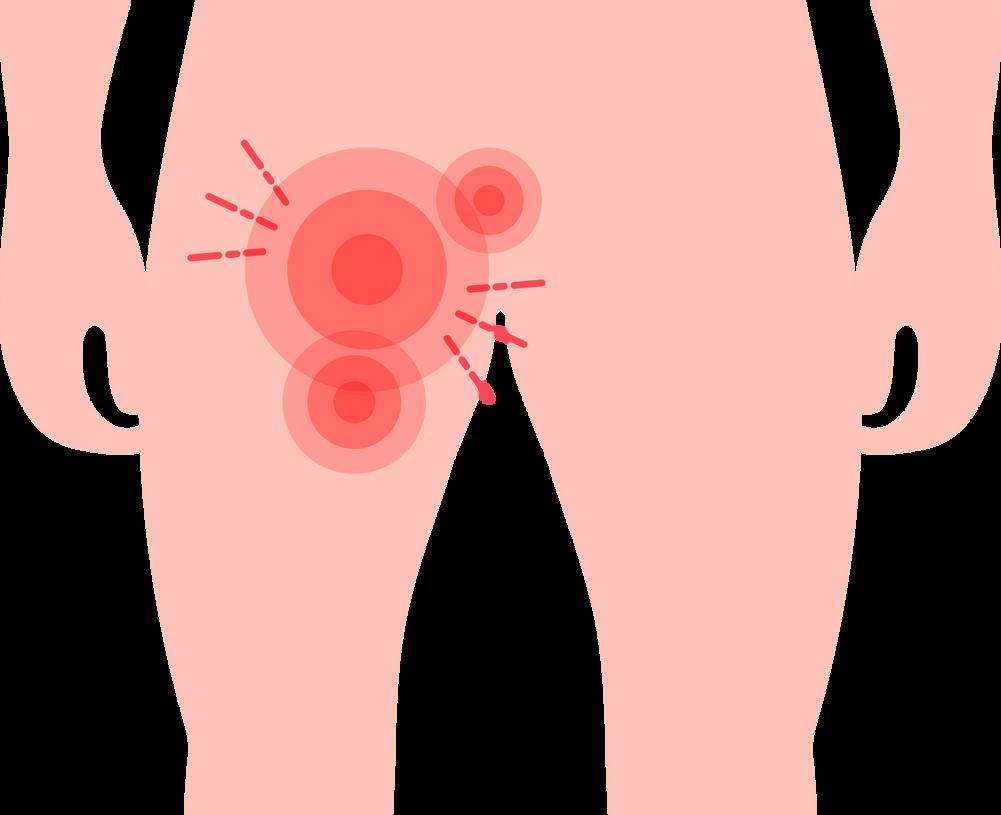
Swelling, pain or a hard lump in your testicle are the most common signs and symptoms of testicular cancer. It usually (but not always) starts in one testicle. Other symptoms include a feeling of ‘heaviness’ in your scrotum (your nut sack), as well as an uncomfortable feeling, from a dull ache to recurring pain in your testicles, groin, or lower back (even if you don’t notice a lump).
As with prostate cancer, it’s still unclear what exactly causes testicular cancer. However, we do know that there are different kinds. Over 90% of testicular cancers start in the cells in your testicles that make sperm (called germ cells). The main type of cancer in germ cells are called seminoma cancers and nonseminoma cancers. Although testicular cancer is less common than other types of cancers, it is actually the most common cancer in younger guys.

First – know what’s normal with your testes. The best way to do that is to give your testes a feel every month or so – just to make sure there’s nothing unusual going on. A warm shower (heat will help your testes relax) is the perfect place to do this in your own time. Just roll one of your testes between your thumb and forefinger, and check for pain or anything that feels out of the ordinary Then do the same for the other. And that’s it. Job done.


I was 24 when I started feeling lethargic and developed a lot of pimples on my back, which was unusual for me My left testicle was also increasing in size and felt hard. At first I thought it was some kind of hormonal change but as the testicle was becoming heavy and uncomfortable, I told my dad. He took me straight to the doctor, who did a physical examination and sent me for an ultrasound. After the ultrasound, the technician said to see my doctor right away So my dad and I went back to my GP, and he told me I had testicular cancer. I was shocked and emotional, but tried to keep calm.
My urologist suggested I store some sperm before the chemotherapy because there was a small chance the treatment would make me sterile.


In the early days of my recovery I would often get quite emotional and depressed, but counselling helped.
In June 2011 I felt a lump in my testicle, just before my 23rd birthday. I went straight to the GP who said it was just a growth, or possibly a varicose vein. Two months later, however, the lump had grown from the size of a pea to much larger than a golf ball and was causing me a lot of discomfort. I decided it was time to see another doctor. This GP examined me and without hesitation he sent me for an ultrasound the same day, and made an appointment with a urologist for the very next day. After asking some questions and examining me and my ultrasound scan, the urologist began explaining how curable testicular cancer was. It only hit me that he was actually telling me I had cancer when he started talking about having some of my sperm frozen before surgery and the risk of becoming infertile after chemotherapy.


Dedicated to raising awareness of this disease that affects 1 in 9 Australian women, and many others who are transgender or gender diverse, or remain undiagnosed or misdiagnosed.

Endometriosis remains widely misunderstood and under diagnosed. On average, it takes women between 7 to 10 years to be diagnosed. Diagnosis commonly only occurs following laparoscopic surgery
Public hospital waiting times are often long, and private costs are in the thousands of dollars making it unattainable for many women.
11 years of advocacy. 11 years of debilitating pain. 11 years of being told I was overreacting and it was just another “heavy period”.
For some women, Endometriosis is a daily reality. Endometriosis is a chronic, painful, and often debilitating disorder where tissue similar to the lining of the uterus grows outside of the uterine cavity. It impacts the lives of 10% of women worldwide and can greatly affect their fertility. Despite its prevalence, endometriosis remains widely misunderstood and under diagnosed On average, it takes women between 7 to 10 years to be diagnosed.
The first time I heard about endometriosis was in early 2023 in the Sunshine Coast where I sat in my gynaecologists office after reaching breaking point My pain had gone from sporadic outbursts to being daily. Some days I couldn’t move. I had heat packs strapped to my stomach so often, that I had burnt my skin red raw. I was constantly bloated to the point of looking pregnant. I was dizzy, I was tired, and the pill was doing nothing. I had been told so many times that I was overreacting so when someone finally listened, I dove into research mode
I had my first laparoscopy in July 2023 I was told a week prior to my surgery that there was a 1 in 1,000 chance of something going wrong. When I woke up, I knew I was that 1 in 1,000. Due to the severity of my endometriosis, it had clung to my ureter and had begun making its way up to my kidneys. Unfortunately, the surgeon had nicked my right ureter in the process of removing the endometriosis from it What was supposed to be 1 weeks worth of recovery turned into months of illness, limited answers, and a second and almost third surgery to rectify the damage to my ureter. I had to quit my job, my medical expenses burned through my savings, and my whole life was put on hold.
It is as if the system is designed to make us fail. Only now that the conversation surrounding endometriosis is getting louder, are governments beginning to pledge money towards long awaited research surrounding the disease. There is still so much to do There is not yet a real cure to the horrible disease Many women are forced to continue taking the pill, utilise other contraceptives, or have regular hormone needles that make the body replicate menopause. All of these “aides” have significant side effects and only mask the pain to a certain extent.
I personally chose to document my endometriosis journey on social media in hopes that my friends may see it and recognise their own symptoms Many women have reached out with their own questions and shared their journeys with me, and it is through sharing our stories and supporting one another that women will beat this horrible disease.
Every day, myself and millions of other women wake up wondering if their endometriosis is growing back. I wonder where it will grow back this time. Every time I feel a similar pain in my stomach, my chest tightens. My heart drops, and sometimes, I sob in fear.
@saradianafaraj


Domestic and family violence (DFV) is when someone close to you uses violence or abuse to hurt, scare or control you.
This can restrict your freedom and stop you from making decisions about the things you need or what’s important to you.
A person using DFV can be your romantic partner, your family member or your informal carer.
Not all DFV is physical. There are many types of non-physical abuse and any of these can make you scared, controlled or unsafe.
Any sexual activity without consent is sexual violence – no one has the right to make anyone do anything they don’t want to do.
Sexual violence can happen to anybody, regardless of age, gender, race, culture, socioeconomic status, ability, sexual orientation or location. Domestic, family and sexual violence is about power and control. DFSV is a serious and pervasive issue that impacts on a person’s safety, wellbeing, and sense of identity.

A healthy relationship makes you feel happy, safe and respected. It’s important to understand what a healthy relationship looks and feels like, so you can tell if your relationship is unhealthy or if you might be experiencing DFV. All healthy relationships should be a positive experience for the people in them.
ARE YOU EXPERIENCING DFV?
DFV can be a pattern of physical or non-physical abuse.
Physical violence is when the person in your relationship hurts your body.
Non-physical violence is when the person in your relationship treats you badly to hurt, scare or control you.
If you sometimes, often, or always feel scared, sad, unsafe, trapped or controlled in your relationship you might be experiencing DFV.
You can get support over the phone, online or in-person from your doctor or a disability support worker.
DFV is not always physical violence or abuse. It can also be many types or nonphysical abuse and controlling behaviour. Often DFV involves both types of abuse – physical and non-physical to hurt, scare and control you
DFV can also involve spiritual, cultural, or religious abuse, to make you feel scared, unsafe, trapped or controlled. Support is available and people are there to help you be safe.
PHYSICAL ABUSE
When someone hurts your body or tries to hurt you on purpose. They can also threaten to hurt or injure you to make you feel scared.
EMOTIONAL ABUSE
When someone makes you feel scared, unsafe, or bad about yourself by criticising, threatening or controlling you.
TECHNOLOGY-BASED ABUSE
When someone uses technology to control you, make you feel scared or unsafe or make you feel bad
SEXUAL ABUSE
When someone forces you to do something sexual, or to be part of something sexual when you don’t want to. It’s important to remember you don’t need to have sex to experience sexual abuse.
IDENTITY-BASED ABUSE
When someone uses aspect of who you are to threaten or hurt you. This can include your race, gender or sexuality.
NEGLECT
When you don’t have the support to meet your basic needs.
FINANCIAL ABUSE
When someone takes or controls your money in a way that you do not agree with and is not good for you.
SOCIAL ISOLATION
When someone stops you from seeking or contacting your friend or family, stops you from contacting or receiving the supports and services you need, and stop you from getting to important appointments
Information and support options www qld gov au/needtoknow On coercive control www.qld.gov.au/coercivecontrol
On sexual violence and consent: www.qld.gov.au/consent
Follow the Queensland Government’s Domestic, Family and Sexual Violence Prevention Facebook page @dfvpqld

We asked 1,500 young Australians what they think about Australia
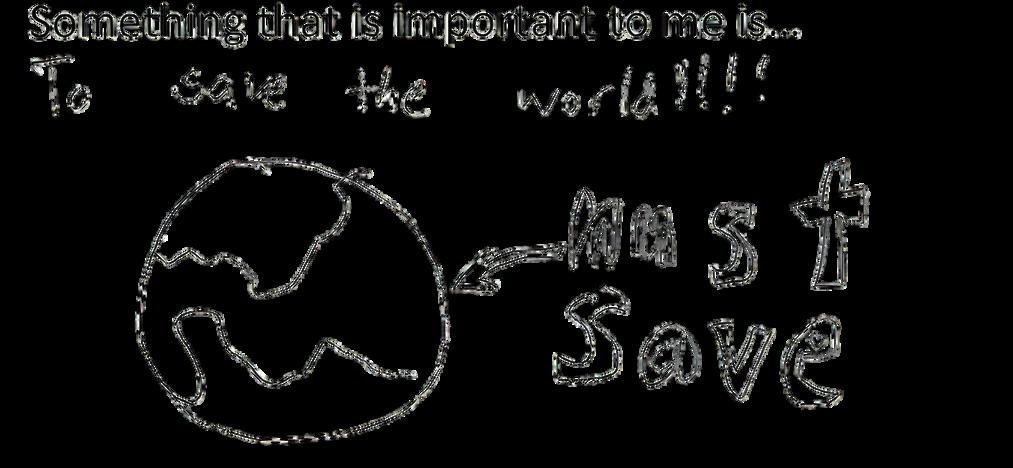
We’re not doing enough for the environment. Young people associate the environment with ‘death’ and ‘litter’ and think we are threatening our world They want action, care and decisions that work towards a cleaner future.
Jet, 9yrs
The concept of wellbeing is broad and includes healthy foods, some physical activity, emotional and mental health support. They want adults to be more comfortable to start conversations with us about mental health.
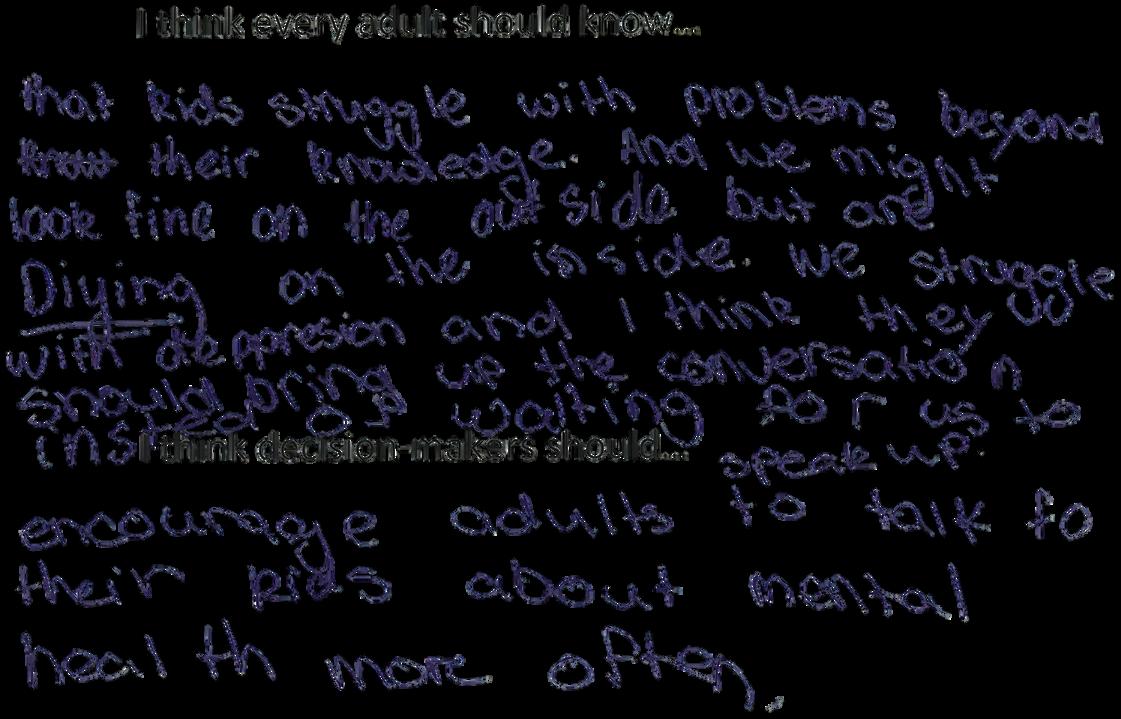
Tharushi, 12 yrs
I think every adult should know:
“Giving all people equal opportunity no matter their race, gender or past experiences It is so unfair that a person is judged on the money and the place they are born into.”
Alexandra, 16 yrs
Kaela, 10
But most of all, children want you to know that they want a voice. They want to share their opinions and have the opportunity to be heard. They are not asking to make all the decisions, but merely to be listened to as members of society.
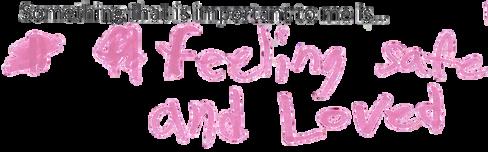
‘Mum’ and/or ‘Dad’ make them feel safe. In almost every consultation the first response to ‘who makes you feel safe’ was Mum and Dad
Harry, "9 turning 10"
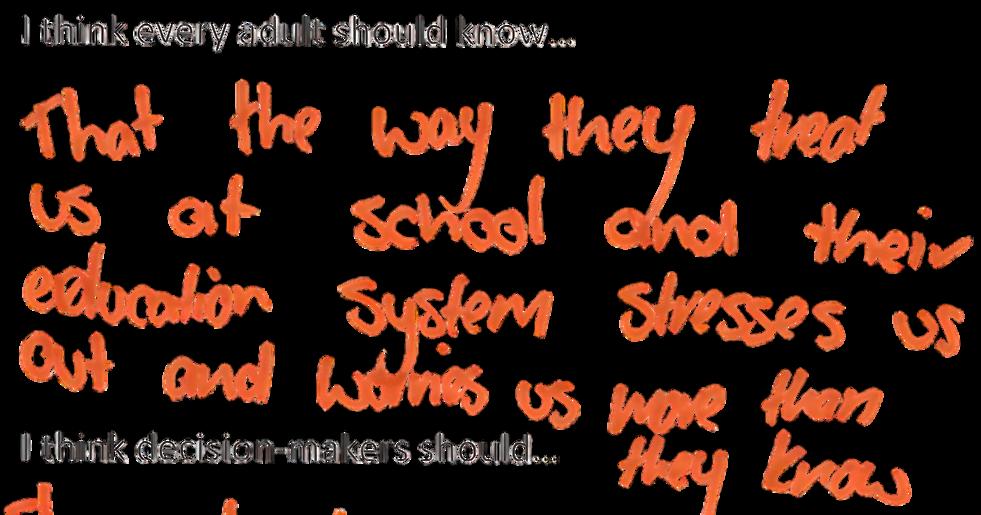
School has evolved over time to become more stressful, and young people want change. Children aged 10 were asking to change the high school curriculum to reflect their real-world needs.
"That
I think every adult should know:
children should be heard more often because in some areas, they have better ideas."
Rosie, 11 yrs

If your partner has been diagnosed with or is exhibiting signs of depression, it is strenuous on the relationship, and it can be stressful for you to figure out how to help. It is a self-isolating disorder that renders both the patient and the patient’s loved ones feeling hopeless and vulnerable.
Depression can be improved substantially with self-care, selfawareness, and appropriate treatment.
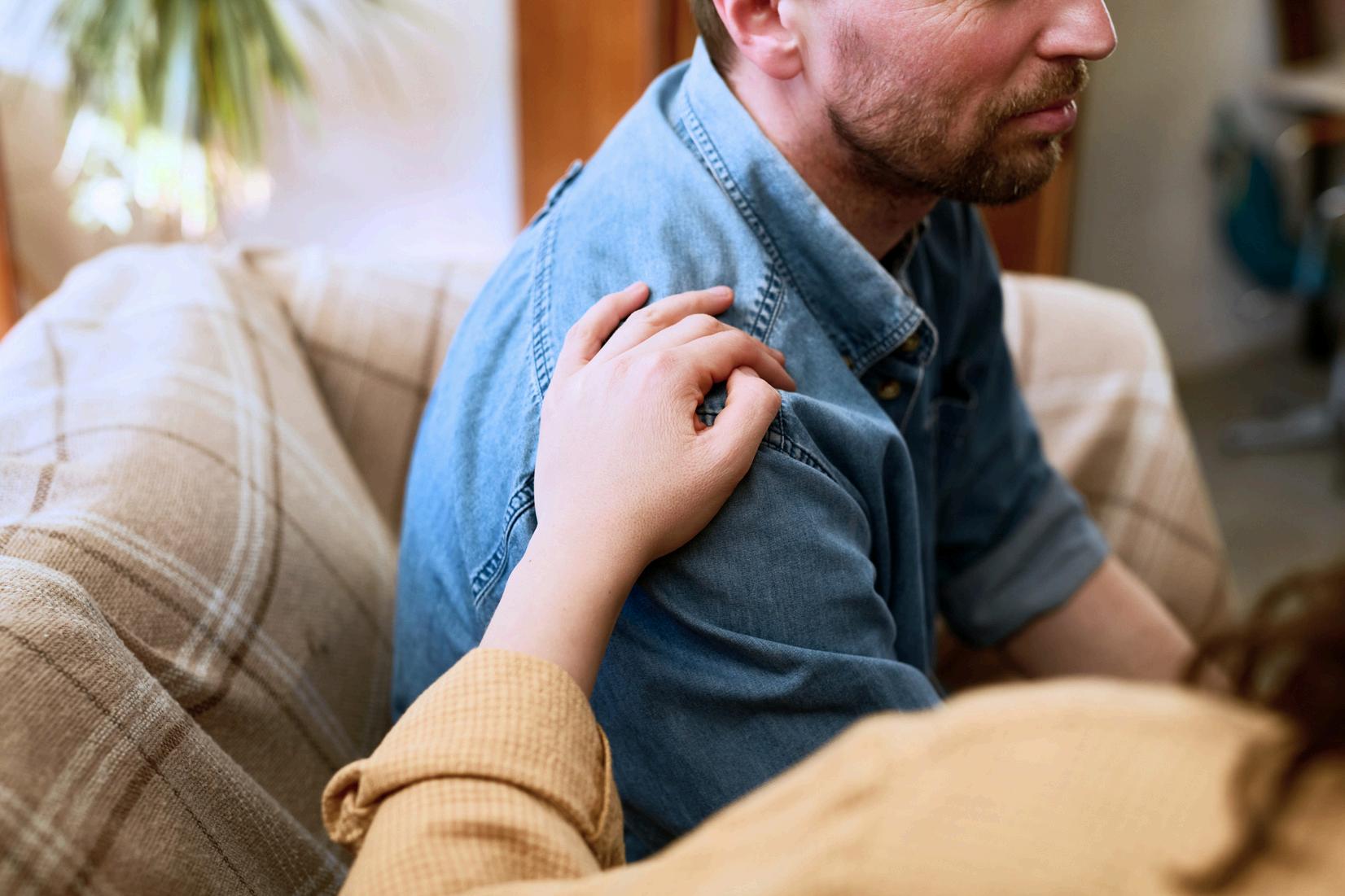
Depression is a mood disorder that tends to cause a persistent feeling of sadness, loss of interest, and can interfere with your daily life. Certain symptoms that are characteristics of depression, including: feelings of sadness or hopelessness, changes in appetite, sleep disturbance, loss of interest in normal activities, fatigue, anger, anxiety, feelings of worthlessness, and suicidal thoughts.
When your partner is going through a particularly difficult time, be more intentional about making sure your love is felt, through whatever means they are mostreceptiveto.

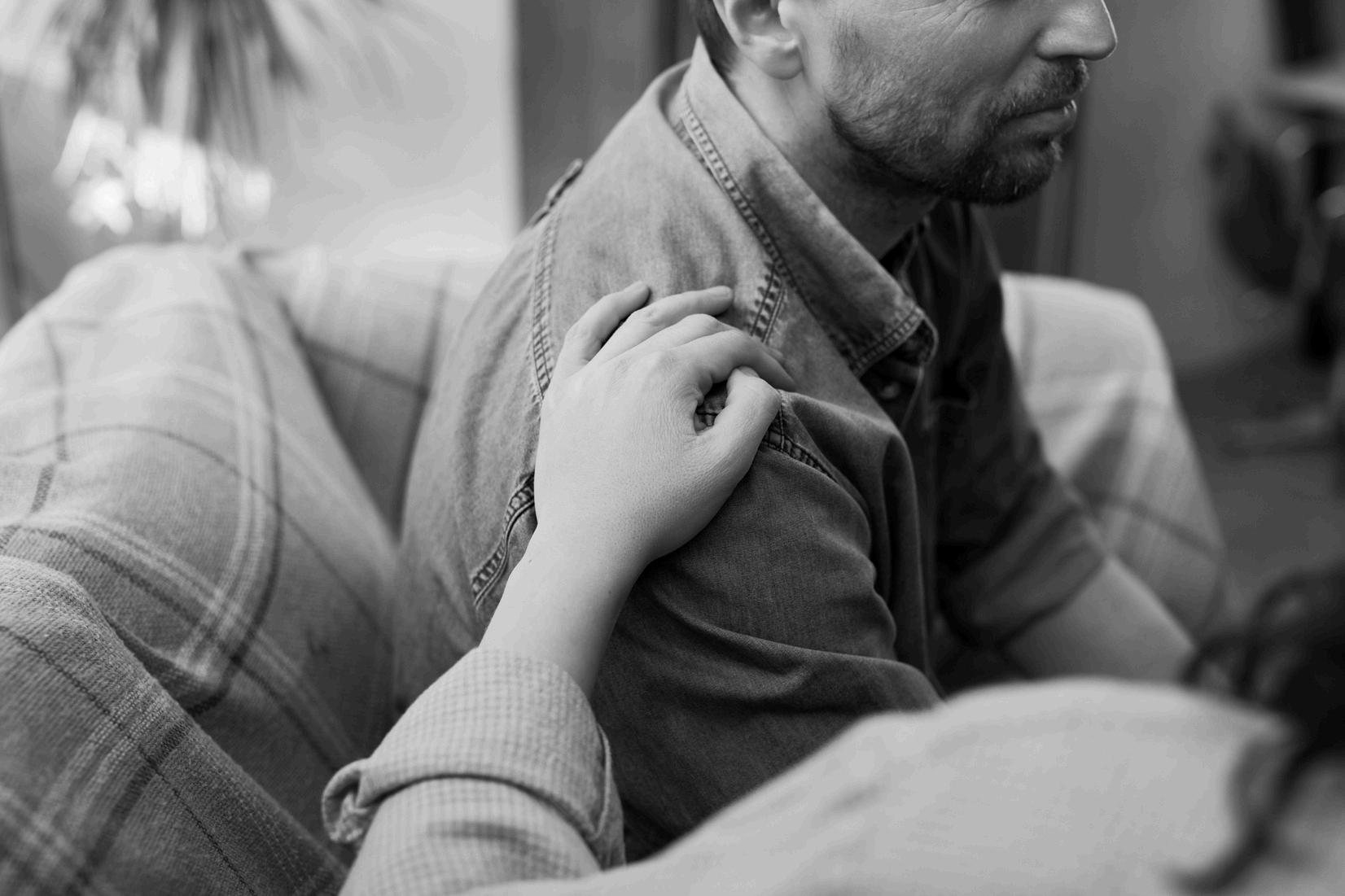
Sometimes space is what they need, but other times, they need people around them who love them, even if it is just to sit in silence When your partner tells you they need space, ask them to make sure that is really what theywant.Iftheyseemunsureor hesitant, stay close until they tell youotherwise.
DON’T TAKE IT PERSONALLY!
The signs can be abnormal sleep patterns, negative selftalk, being uninterested in doing things they previously enjoyed, or increased anxiety and stress. If you notice these tell-tale signs, let your partner know so that they can be cognizant and deliberate in trying to keep the depression episode at bay.
Even in the midst of arguments, never use things that your partner said or did during a depressive episode as a weapon against them. Talking about what happened is encouraged, but never use those incidents maliciously.
If your partner is going through a depressive episode, it is unlikely they will be able to pull their weight when it comes to things like housework, errands, and paying the bills. Be willing and ready to cover some of their responsibilities during this time.
Being the one always in the supportive role when your partner is going through a difficult time can be challenging and exhausting Your feelings are just as valid, and you need to make sure that you’re taking care of yourself and meeting your own needs before jumping into a supportive role. Seek support from someone who you trust to talk about your struggles Don’t treat your partner’s depression as something shameful and try to hide it. Most of all, it’s okay to feel overwhelmed. Give what you can and don’t overdo it.
This will not be an easy process for either one of you. But as long as you keep your love for each other growing, your relationship at the forefront of your minds and always maintain open communication, you will be able to get throughittogether.
Article by Katie Lemons
Too often we underestimate the power of a touch, a smile, a kind word, a listening ear, an honest compliment, or the smallest act of caring, all of which have the potential to turn a life around.
When it comes to raising a happy and healthy teen, confidence is key.
Being a teen can be a confusing time, compounded by physical and hormonal shifts as well as new environments and changing social dynamics.
Why building confidence is important for pre-teens
Confidence helps pre-teens and teenagers feel they can make safe, informed decisions and avoid people and situations that aren’t right for them. Pre-teens and teenagers with low confidence are less likely to join in activities, more likely to hold back in class, and more likely to give in to peer influence.
Some useful strategies that you can try:
. Talk about the difficulties they are facing. Sometimes a little conversation can go a long way.
. Speak their language – teenagers may feel less guarded chatting via email or text message than face-to-face.
. Encourage your child to focus on their strengths rather than their weaknesses.
. Remind your child that their worth is not based on their achievements or appearance.
. Value their kindness and empathy and avoid placing too much weight in results or looks.

. Praise your child for their accomplishments but also highlight their efforts.
. Encourage them to be proud of themselves and to keep trying –explain that everyone makes mistakes, and it’s OK to fail but to try again.
. Sharing is caring. Open up about times you’ve also lacked confidence and rallied to overcome it.
. Closely support your child with tough tasks. By lending a hand, you can help them reach their goal
If you notice a lack of confidence is really affecting your child, suggest they speak to their school counsellor.
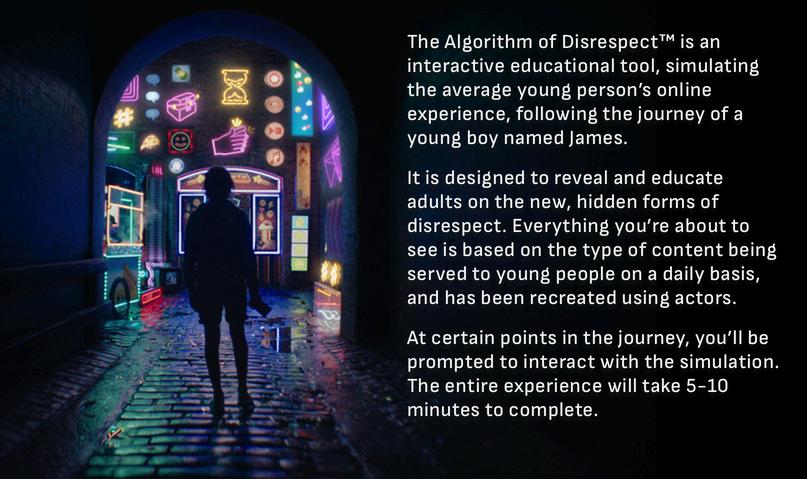
Social media allows young Australians to connect with others, create and maintain relationships and to express themselves. It can also expose them to a world of disrespect.
Social media algorithms, designed to prioritise and favour provocative and polarising content, can automatically serve disrespectful content and violence-supportive attitudes to young Australians, every day. During their teenage years this can influence their views and behaviour, ultimately shaping the type of person and partner they grow up to be
It can be difficult to censor or moderate the content young people may be exposed to online. It is our responsibility to better understand it so we can empower them, help them navigate it and reject disrespect before it leads to violence.
Explore a young Australian's social media experience now.
Please check your internet connection, as this experience includes large video and image files that may take a while to load.
Enter the interactive experience below. Watch the video version or read the text version of The Algorithm of Disrespect™







Divorce (Hervey Bay), 16 April, 2025 - Bookings essential
Wide Bay Burnett Community Legal Service is running a free workshop to provide a step-by-step guide to completing the divorce application (after separation from marriage), court hearing dates and documentation.
Wednesday 16 April 4:30PM to 6:30PM

Hervey Bay Neighbourhood Centre, 22 Charles Street, Pialba
AIFS is hosting a webinar in partnership with Emerging Minds on how to better support the mental health of autistic and ADHDer children.
Our expert panel includes Esther Fidock (Psychologist, The NeuroNurture Collective Emilia Zygocki (Occupational Therapist, Small Hands Occupational Therapy) and Jaisen Mahne (Child and Family Partner, Emerging Minds). The conversation will be facilitated by Jacquie Lee (Emerging Minds).
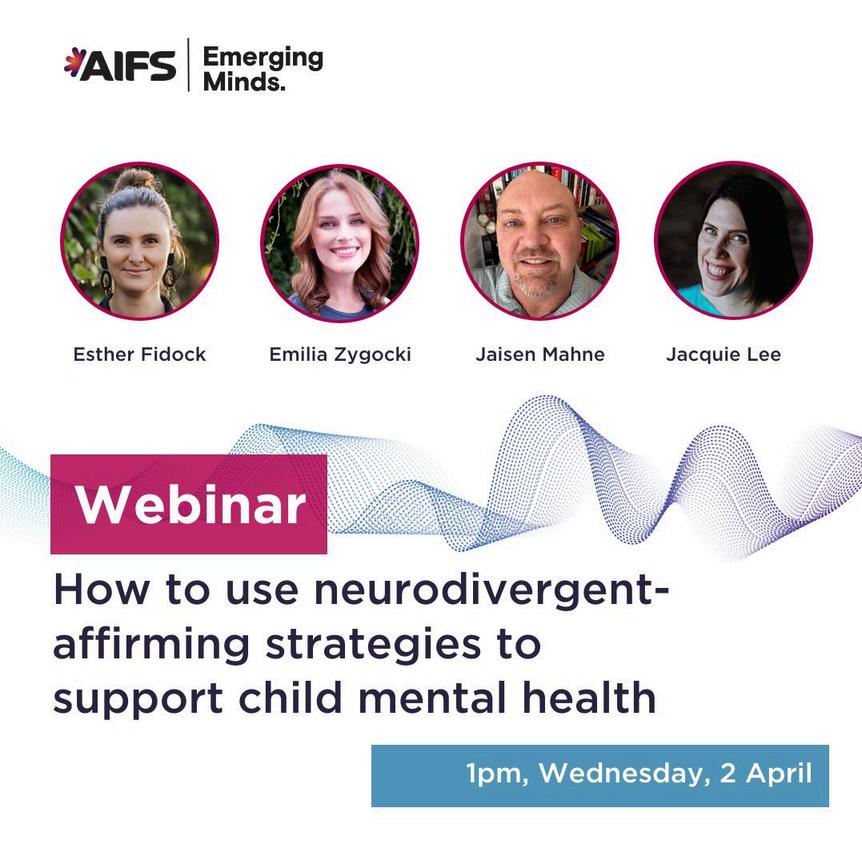
WEDNESDAY, 2 APRIL, 1PM




Going to a family court without a lawyer
Wide Bay Burnett Community Legal services is offering a free legal workshop on Family Law Act, with an emphasis on the processes involved with dividing the assets and debts after separation.
Hervey Bay Neighbourhood Centre, 22 Charles Street, Pialba - Crawford Room
Scams and Financial Abuse
The Wide Bay Burnett Community Legal Service is hosting a free information session on the importance of protecting yourself from scams and financial abuse.
LIMITED SPACES - BOOKINGS ESSENTIAL
The QSTARS Tenancy Advice Service is here to help renters navigate their tenancy journey. Whether you’re dealing with a tricky housing situation or just want to understand your rights and responsibilities, our team is here to support you every step of the way.
Our goal is to ensure that everyone understands their rights under the Residential Tenancies & Rooming Accommodation Act and has the tools to resolve tenancy issues with confidence.
Know Your Rights Resolve Tenancy Issues Build Connections
If you’re a tenant in the Fraser Coast/ Wide Bay/ Burnett region and need advice, reach out on 1300 744 263.

For students in Years 3 to 10

Create digital solutions that address one or more of the United Nations Sustainable Development Goals (SDG), including SDG 5 - achieving gender equality and empowering women and girls
To enter, students can work individually or in pairs to create an app, game, or website and submit a short video explaining their entry
Winners will share in $15,000 worth of robotics prizes, attend an awards ceremony and connect with tech experts to explore future pathways.
Submissions close on 12 September 2025 and the awards ceremony will be held on 25 November 2025 in Brisbane.



A family literacy activity designed to encourage special interactions between you and your little one, under two years of age
No bookings required *During school term* 127 Bazaar St, Maryborough QLD 4650 Tuesdays & Wednesdays during school term
Time: 9.30am - 10.00am
Ages: 0-5
All adult LEGO® learners and lovers welcome. Adult LEGO® Club, drop in and join likeminded LEGO® learners for a monthly morning of free creation at Hervey Bay Library. No bookings required.
Wednesday 9 April 2025 + 6 MORE
DATES
10:30 AM - 12:00 PM
161-179 Old Maryborough Rd, Pialba QLD
Attendees must be a member of th Fraser Coast Libraries.



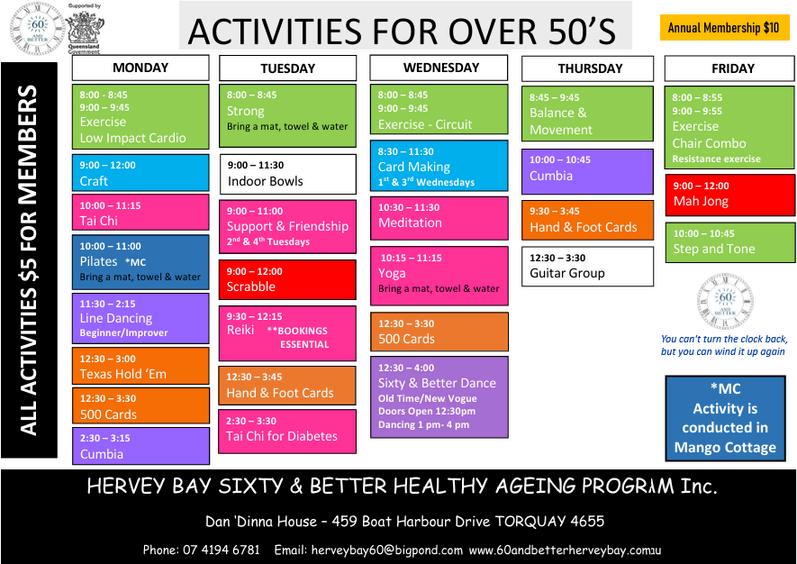
A membership-based, not-for-profit charity set up in 1994. We offer a wide variety of activities for seniors to participate in. Our aim is to provide a nondiscriminatory, safe, and supportive environment that encourages inclusiveness, reduces loneliness, increases feelings of worth, embraces learning, and creates opportunities for seniors to form friendships and participate in activities.
The organization is run BY older people FOR older people.

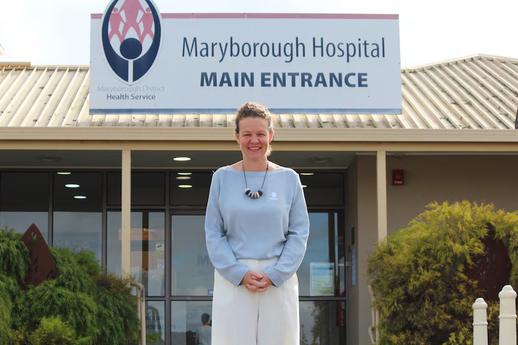
Our women's health service travels around the region offering free women's health clinics.
Our mobile clinics are a confidential service for all people with a cervix. When you visit us, you'll be coming to a safe and welcoming environment. We can help with:
. cervical screening
. sexual health screening and treatment
. breast health menopause and hormone replacement
. family planning advice
. early pregnancy termination advice
. contraception
. genital health (vulva and vagina) pelvic floor training and continence relationship concerns, including domestic violence and sexual assault
. general wellbeing
This is a visiting service with our team travelling around the Wide Bay region. Appointments are essential. You can request an appointment below or phone our team on 1300 090 760
BOOKONLINE BOOKONLINE
Hervey Bay Community and Mental Health Care for younger people experiencing mental health issues, and support for their families and caregivers.
We offer a free and confidential mental health care service for children and young people aged up to 18 Many young people can get help for mental health from schools, community groups, or their GP However, some people need more specialised care. If this applies to you, you might get a referral to talk to us. Some of the things we focus on include:
. depression and other conditions that affect your mood anxiety & self-harm thinking about, planning, or attempting suicide
. early psychosis and psychotic disorders
. eating disorders
. ways that trauma can affect mental health
. attachment and carer-child relationships development and behaviour
. personality disorders
We also work with young people who are at risk of developing these kinds of conditions Many people who use our service get a referral. You can get one from: a doctor or another health care professional, your school community groups.
Our service call 07 4128 5400
Opening hours Monday to Friday 8 am to 4:30 pm
Location
The Village 34 Torquay Rd Pialba 4655 Qld
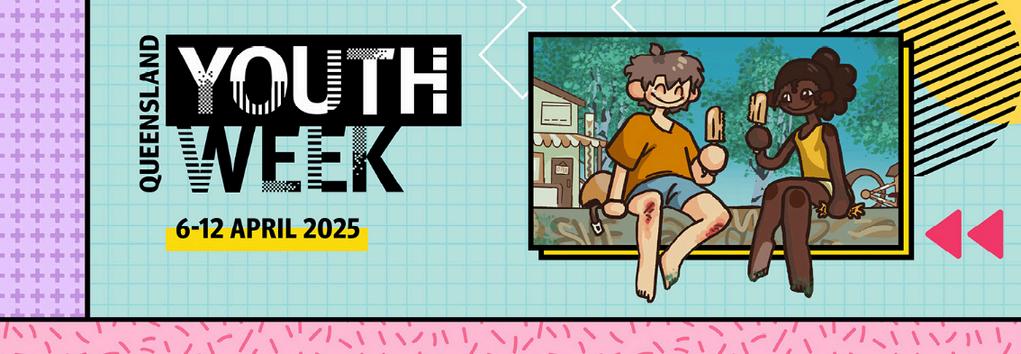
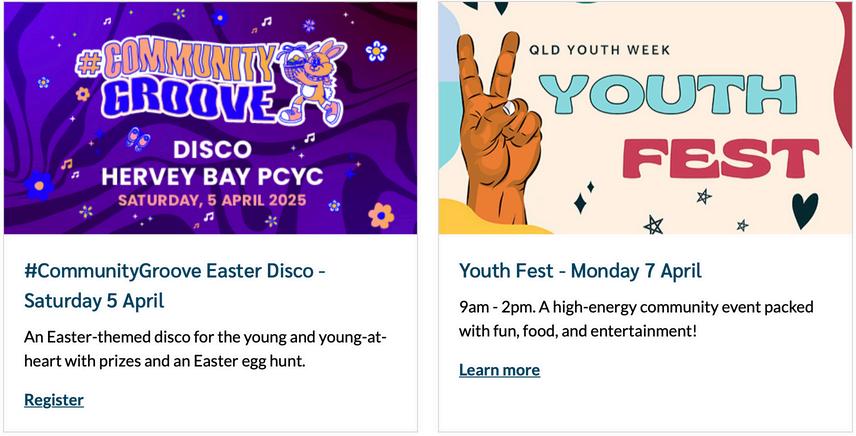
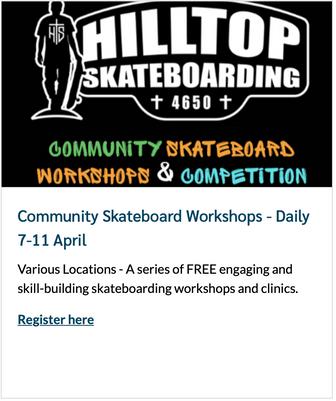
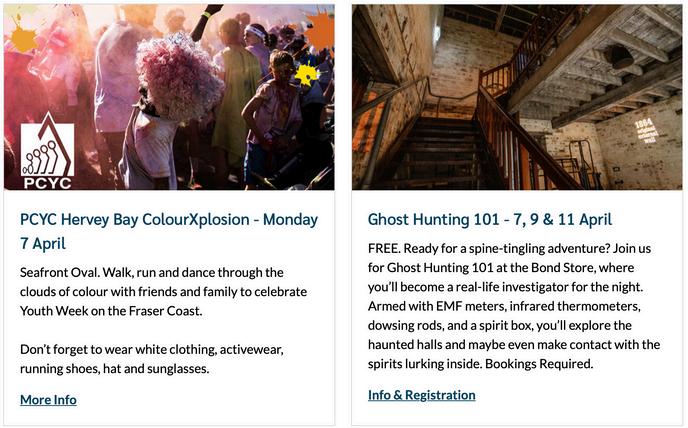
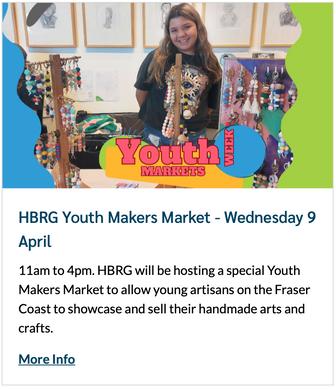
Queensland Youth Week (QYW) is an annual celebration that shines a spotlight on the talents, achievements, and contributions of young people to their communities, our state, and beyond.
Youth Week is an opportunity for us to celebrate and empower young people aged 12 to 25.