6 Empowered Wide Bay Queensland


Welcome to the November edition of Empowered, where we focus on the well-being of the Wide Bay Burnett community. This month brings a number of critical health and social awareness campaigns, reminding us all to take action on both personal and community levels to foster a healthier, safer environment.
November highlights Movember, a campaign dedicated to raising awareness of men’s health issues, including prostate cancer, testicular cancer, and the pressing concerns of male mental health and suicide prevention. With men accounting for around 75% of all suicides in Australia, particularly in rural and regional areas, Movember is a call to action for us all. It encourages men to not only grow a moustache but also to start conversations about mental health, helping to break down the stigma that keeps many from seeking support.
In our local area, the work of Fraser Coast Mates, a charity focused on men’s mental health, plays a pivotal role in this mission. Fraser Coast Mates works tirelessly to connect men with vital support networks and provide resources to combat isolation and mental health challenges. This is a reminder for all of us to check in on our mates, speak openly about mental health, and ensure that men feel connected and supported. Together, we can help reduce the devastating rates of male suicide by raising awareness and offering genuine, lasting support.
On November 25th, we observe White Ribbon Day, part of a broader movement aimed at ending violence against women. This day also marks the start of the 16 Days of Activism Against Gender-Based Violence, a global campaign running from November 25th to December 10th.
These 16 days provide an important opportunity to raise awareness, advocate for change, and take action to eliminate violence against women and girls. In our community, it’s a time to engage local businesses, schools, and social groups in creating safer, more respectful environments. This campaign calls on all of us to challenge harmful attitudes and behaviours that allow violence to persist and to work together to promote equality, respect, and safety for everyone.
As we move through these important awareness campaigns, let’s keep in mind that the health and safety of our community is a shared responsibility. Whether it’s supporting healthier lifestyles, addressing men’s mental health, or taking a stand against violence, together we can help build a safer, stronger, and healthier Wide Bay Burnett community.


Beyond Blue is reminding people in Australia that mental health support can help us through a broad range of issues – there’s no problem too big or too small.
Preliminary data from Australia’s Mental Health and Wellbeing Check, a survey of more than 5000 Australians, reveals that 49 percent of people who experience a mental health challenge wait until they are “very distressed” or “extremely” distressed before reaching out for professional support.
Of those who needed professional support but didn’t receive it, about half didn’t get support due to the cost. About one third identified waitlists as a barrier. Interestingly, the same proportion (about one third) now say they don’t get the support they need because they don’t think their problems are serious enough. This is a big jump from two years ago, when only a quarter of respondents said they didn’t think their problems were serious enough.
The data comes from a nationally representative survey undertaken by the Australian National University’s Social Research Centre and commissioned by Beyond Blue every two years. Since our last survey in 2022 more Australians are attributing distress to cost-of-living pressure, housing affordability and personal relationships. The final report will be out in coming months.
So today, let’s recognise that the sooner we experience improvements to our mental health and wellbeing, the less likely it is our issues will develop into something more complex


Zonta Clubs in District 23 Clubs supports the UN Women 16 days of activism against gender based violence campaign. This is an annual campaign beginning on 25 November until 10 December which aims to raise public awareness of gender based violence and mobilise people everywhere to bring about change.
In Australia 1 in 3 women has experienced physical or sexual assault in her lifetime.


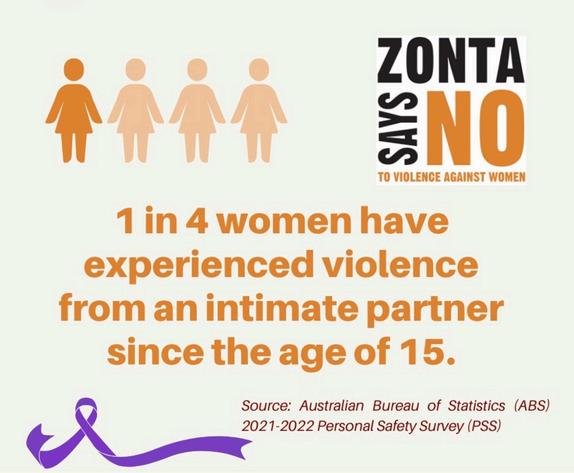


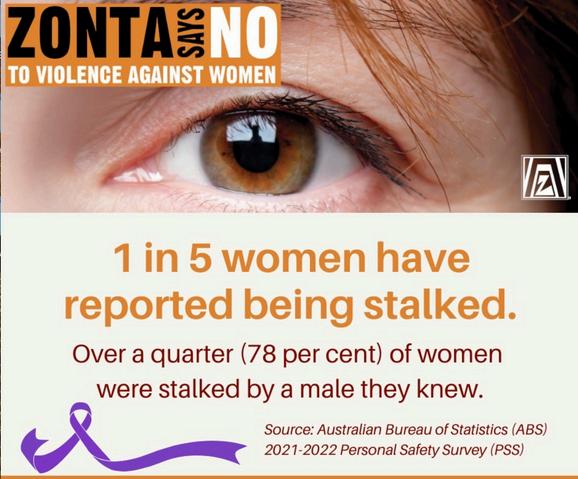
An annual international campaign against Gender-Based Violence that kicks off on 25 November, the International Day for the Elimination of Violence against Women, and runs until 10 December, Human Rights Day.
The campaign was started by activists at the inauguration of the Women’s Global Leadership Institute in 1991. It is used as an organizing strategy by individuals and organizations around the world to call for the prevention and elimination of violence against women and girls.
In support of this civil society initiative, the United Nations Secretary-General launched in 2008 the campaign UNITE by 2030 to End Violence against Women, which runs parallel to the 16 Days of Activism.
Every year, the UNITE Campaign focuses on a specific theme and this year’s is “UNITE! Invest to prevent violence against women and girls”. The campaign calls on citizens to show how much they care about ending violence against women and girls by sharing the actions they are taking to create a world free from violence towards women This year's campaign also calls on governments worldwide to share how they are investing in gender-based violence prevention.
These ranged from passing or improving laws, ratifying international conventions, launching public awareness campaigns, providing safe houses or free hotline services and free legal aid to survivors, supporting education programmes that address gender stereotypes and violence. It has also led to increases in the number of women in law enforcement, peacekeeping forces and frontline services.
Today Say NO–UNiTE has transitioned into a network for social mobilization that continues to showcase advocacy, news, and actions on ending violence against women and girls by people from all walks of life.
If violence against women is to be eliminated, it’s essential that men become part of the solution for change.
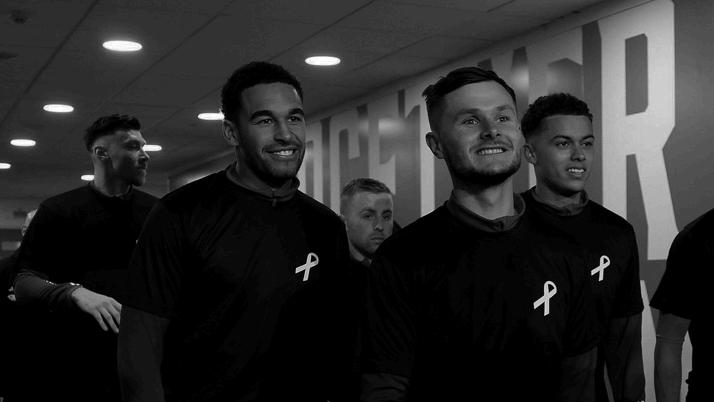
The White Ribbon movement began in 1991 to engage men in the prevention of gender-based violence. At the time, there was very little work being done to engage men in this issue; violence against women and girls was framed as a women’s issue
White Ribbon was founded to address the root cases of men’s violence against women and girls: harmful masculine traits and social norms around what it means to “be a man.”
In 2000, White Ribbon Day was designated The International Day for the Elimination of Violence Against Women by the United Nations. It continues every year to draw attention to the importance of active allyship from men to end violence against women and girls, once and for all.
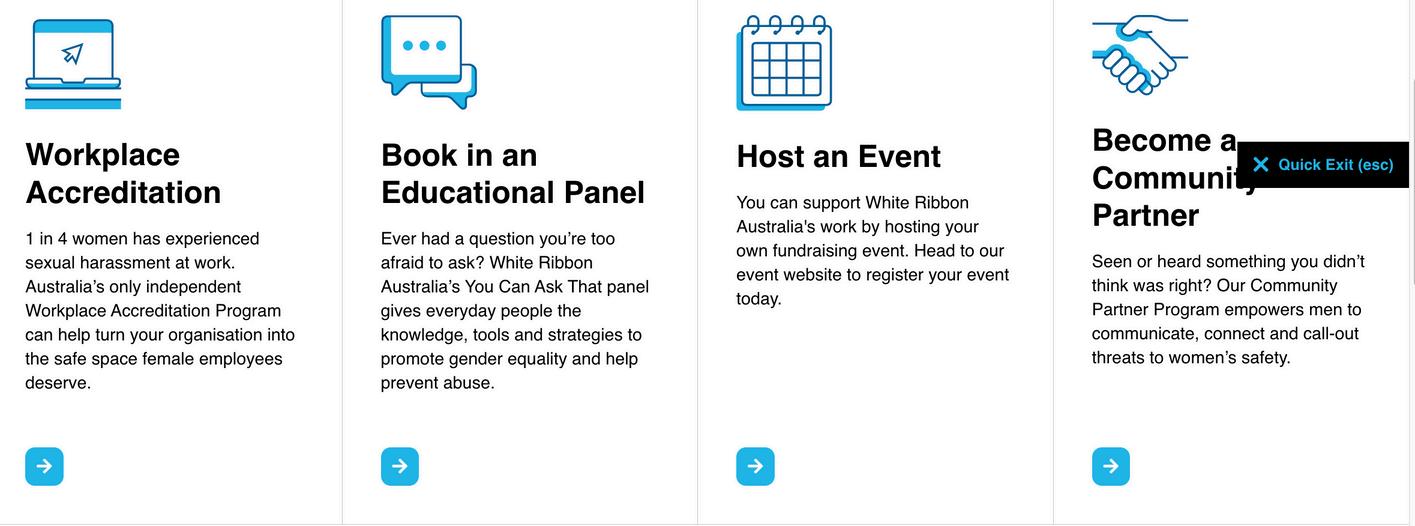
Workplace Accreditation Book in an Educational Panel
Australia’s only independent Workplace Accreditation Program can help turn your organisation into the safe space female employees deserve.
The panel gives everyday people the knowledge, tools and strategies to promote gender equality and help prevent abuse.

Host an Event
Hosting your own fundraising event. Head to our event website to register your event today
Become a Community Partner
Seen or heard something you didn’t think was right? Communicate, connect and call-out threats to women’s safety.


Is the world’s largest movement engaging men and boys to see this violence as their problem to fix, not women’s problem to tolerate.
We’re starting a conversation to reduce future incidences of violence, promote gender equality and start building positive relationships based on respect.
Our Primary Prevention approach is evidence-based and supported by national and international research. It is the framework we use to educate communities, schools and workplaces across the country.
Through our programs and campaigns, we engage with men and boys to be part of the solution, not the problem. By becoming an active part of the social change, we want them to see just how helpful they can be in putting a stop to violence against women for good.
To be transparent, responsible and trustworthy in all our activities and interactions.
Accountability Collaboration Diversity
To respect, understand and include all forms of diversity, to honor individual uniqueness and to celebrate differences
To work collaboratively to achieve our vision of ending men ´ s violence and abuse against women.
A nation where every woman is free from all forms of men's violence and abuse.
To listen, learn and treat everyone with respect.
If you have experienced, or are experiencing sexual violence, we acknowledge that this is a difficult time for you.
You may feel scared, upset, shame or unsure of what to do next. It doesn’t matter if you don’t think the sexual violence was ‘serious enough’ or how long ago it happened, it was not your fault, sexual violence is a crime and there is support available.
Victim’s Pathway Help and Information
Learn more about:
What support services are available –regardless of whether they choose to report to police
What rights victims of sexual violence have when engaging with support services and criminal justice agencies
What steps can occur in Queensland’s criminal justice system if the sexual violence is reported



Episode 1: Seeking support after experiencing sexual violence
Episode 2: Presenting at a hospital
Episode 3: Reporting sexual violence to Police
Episode 4: The criminal justice (court) process
Episode 5: Your rights after an offender has been sentence.
You can listen to the podcasts on their own, or read the information and listen – the choice is yours.
If you need support at any time, you can call the Sexual Assault Helpline on 1800 010 120, 7 days a week between 7:30am – 11:30pm.

For most people, friendship is an important part of life and brings a sense of shared interests, connectedness and trust. Sadly, some people will use friendship to exploit others for their gain.
Most recently the shocking US crime involving a mentally disabled young man who was tied up for five hours and horrifically assaulted by a group led by his school 'friend' while being broadcasted on Facebook Live is an extreme example of such abuse of friendship and trust.
It is also widely unreported and happens more often than we realise, particularly to people with an intellectual disability. Indeed some figures suggest that 80% of young people with a disability felt they had been bullied or taken advantage of by someone they considered a friend.
HERE’S 3 KEY WAYS TO HELP PREVENT MATE CRIME:

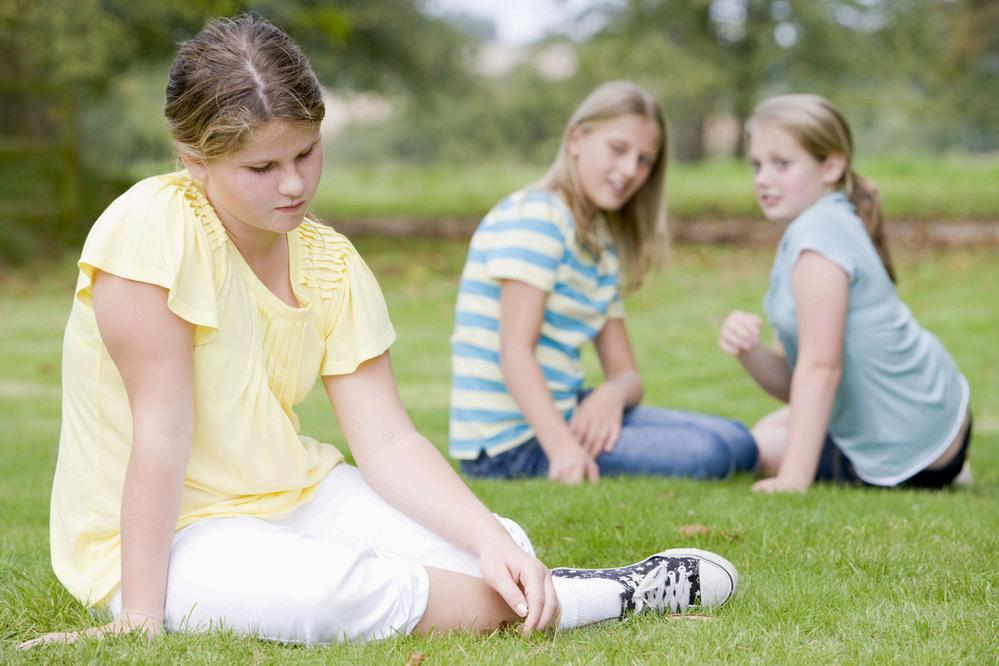
Mate crime is not just ‘mucking about’ or ‘a bit of harmless fun’. It often involves serious offences, and can take many forms, such as:
. Financial Abuse – manipulating the person with a disability to ‘shout’ for the cost of things, lend money, or sign loans and legal contracts
. Physical Abuse - exerting force to control the individual
. Emotional Abuse - manipulating or misleading a person, or making them feel worthless, in order to control them
. Sexual Abuse – coercing the person into sexual activity, prostitution or some form of sexual exploitation
. Criminal exploitation - coercing or grooming the person to commit criminal offences.

It is sometimes reported that ADHD is underdiagnosed and that symptoms are a normal part of growing up—a safe and respectful relationship.
Trivialising the symptoms as ‘normal behaviour’ fails to recognise the extent and impact the symptoms of ADHD have on people. ADHD is significantly underdiagnosed in Australia (and most other countries) which has been identified through numerous peer-reviewed research studies on the topic
ADHD is often missed when people do not display the classic symptoms of hyperactivity and impulsivity, such as when people have an inattentive presentation. In addition, ADHD is often under-treated when people do have an ADHD diagnosis. This means they often do not receive ongoing or long-term medication or nonpharmacological treatment. This can result in poor long-term outcomes with significant negative impacts on the person, their family and the community.
“ADHD is a challenge, not a curse. Find your strengths and let them shine.”
There are many myths about ADHD in the community. This misinformation can create stigma and result in people with ADHD not seeking a diagnosis and not accessing evidence-based treatments that prevent negative longterm outcomes. Here you’ll find some of the most common myths relating to ADHD, many of which can negatively impact the self-esteem and self-worth of people with ADHD. These must be addressed through accurate education and credible information from reliable and evidence-based sources. We all have a role in dispelling these myths.
My child can’t have ADHD because they can pay attention for hours when they are gaming
Bad parenting causes ADHD
Stimulant treatment for ADHD in children causes later drug addiction
Only boys can have ADHD
If you’re not hyperactive you can’t have ADHD
You can grow out of ADHD
Does having a pet help with depression? Do dogs help with anxiety? Animal companionship has been shown to have a wide range of mental health benefits.
If you live with a pet, then you probably won’t be surprised to know that almost all pet owners consider their pet to be a family member. In fact, there’s a heap of research that says the benefits of owning a pet provide countless mental health, social and even physical health benefits.
74% of pet owners reported mental health improvements as a result of pet ownership
75% of pet owners said the mental health of a friend or family member had improved as a result of a pet

An animal companion helps with mental health: loneliness, social isolation, depression, increased happy hormones
Social and physical health benefits: walking your pet, exercising, interacting with other pet owners
Pet ownership encourages self-care: meaning and purpose, feeling needed and loved, taking care of your pet
Pets can help you deal with stress: reduce stress and anxiety levels, lower blood pressure
Talking to pets is o.k: calming presence, more comfortable to share, no judgement
Taking some ‘me time’ is important. And it also helps strengthen your mental wellbeing. It doesn’t matter who you are, where you live or how you’re feeling –taking a few moments for yourself each day will help you be a happier and more resilient you.
Your mental well-being is the unique way you handle your emotions, respond to stress and your general outlook on life. Having a healthy sense of mental wellbeing has many benefits.
It lifts your mood, promotes resilience in difficult situations and helps you get the most out of life.

Being active for 30 minutes each day improves your physical health. The same goes for your mental health. By taking just a few minutes to focus on mental well-being activities each day, you’ll see big improvements
It only takes a few small actions, practised every day, to find a happier you.
There are six different areas (or building blocks) of mental well-being. Each building block helps you respond uniquely and powerfully to the range of mental tasks you face every day. You’ll need to use each building block regularly to keep your mind in top condition.


Steve and Win became fathers at 17 years old and have learnt a lot on the journey they have joined forces to create 2 DADS, an organisation aimed at raising awareness about the mental health issue of single Dads.

1
2
Never give up on yourself: you have to be in peak condition to be a good Dad, so taking care of yourself is a major priority.
Never be ashamed to ask for help: being a parent is tough, and men don’t have the networks that women do for support. Seek out networks of support, or start your own.
5
3
4
You’re responsible for these kids: own it. If you’re scared just remember, people have been doing this parenting thing for hundreds of years. The only way to fail at it is not to try.
Educate yourself: read all of the books. Get your hands on any information out there, including the internet and your peers. Never stop learning.
6
When it comes to navigating a relationship with the mother/your ex/the grandparents, keep remembering that the kids are the most important part of all of this. Sometimes you need to take the high road, bite your tongue, and get on with things
As Win shares, “Breakups are hard and messy but try to be an adult and mature about the whole situation. As a father you have to respect how difficult it is being a mother and that they are the mother to your children, so treat them with respect and love I know it’s easier said than done but try.”

Men are a population disproportionately impacted by suicide in Australia. Suicide prevention efforts are needed to support men in all of their diversity.
Identifying psychosocial risk factors can help direct attention to certain life experiences and guide effective suicide prevention interventions.
Protective factors can reduce the likelihood of suicidal behaviour for men.
A whole-of-government approach is needed to advance male suicide prevention. Suicide Prevention Australia, in consultation with male suicide prevention experts, proposed four principles to guide strategy development and government action
Sharing knowledge about current research into male mental health and suicide prevention can only help to contribute to putting male suicide prevention into the national spotlight.
"The simple act of looking out for our mates and staying connected through community events such as sporting clubs, social groups and such is important, but being prepared to reach out to someone that you may be concerned about cannot be underestimated."

Of the over 3,000 lives lost to suicide each year, approximately 75% are men
A total of 2,455 men died by suicide (18.8 deaths per 100,000 population), compared to 794 women (5.9 per 100,000).
Men aged 45-49 had the highest rates of those aged under 80 years, and accounted for the largest proportion of male suicides (10.7%).
Many teenagers seek independence and think they know best. No matter how hard parents try, some students may be reluctant or refuse to go to school Addressing this issue promptly and setting up good adolescent patterns can lead to future success.
. Talk to your teenager - What are their feelings about school? What interests them at school? Are there any difficult situations? It helps if you open these discussions in a relaxed way so that your teenager knows you are demonstrating concern, not authority.
. If your school has an assessment calendar on their website, use this to help your teenager plan their study so that they avoid working late the night before an assignment is due
. Try to be aware of your teenager’s social contacts. Peer pressure can lead to skipping school, while students without many friends can feel isolated
. Talk about the importance of showing up to school every day, make that the expectation. Regular attendance at school sets up good behaviours for regular attendance at work.

Missing one day of school each week adds up to 2 months missed over a year
Regular school attendance increases access to learning, helps maintain friendships, and results in better long-term life outcomes.
. Be sure to set a good example – how you meet your commitments impacts on how they will meet theirs
. Don’t let your teenager stay home unless genuinely sick. Complaints of headaches or stomach aches may be signs of anxiety.

It’s typically between the ages of nine and twelve that our cute, cuddly little children, once so willing to climb into our laps and share their secrets, suddenly want little or nothing to do with us.
A child in preadolescence is not the same person they were just a year or two ago. They have changed physically, cognitively, emotionally, and socially. They’re developing new independence and may even want to see how far they can push limits set by parents
What they may not know is that they need you as much as ever, because a strong parent-child relationship now can set the stage for a much less turbulentadolescence. But it won’t be easy, because you as a parent need to respect your child’s need for greater autonomy in order to forge a successful relationship with this “updated” version of your kid.
Don’t feel rejected by their newfound independence
Set aside special time with your child
Try the indirect approach
Don’t be oveerly judgmental
Watch what they watch with them.
Don’t be afraid to start conversations about sex and drugs
Don’t overreact
Encourage sports for girls
Nuture your boy’s emotional side
Speak
with your child as if they are the wisest, kindest, most beautiful humans on earth, for what they believe is what they will become.

Chronic traumatic encephalopathy (CTE) is a degenerative brain disease that is caused by repeated head injuries. For years it's been associated with athletes like NRL players. New research has discovered the first cases of CTE in victims of domestic violence.
The study examined the post-mortems of two Australian women who had endured decades of intimate partner violence, brutal assaults and head injuries before they died.

"Contact sports players choose to participate in their chosen contact sport and they know the risks. These women did not choose to be hit in the head. They were victims." Dr Michael Buckland, Head of the Department of Neuropathology at the Royal Prince Alfred Hospital in Sydney, and Director of the Australian Sports Brain Bank.
The impacts of domestic and family violence, including traumatic brain injuries, have long-term and traumatic effects on victims and their families.
Read full article:

For more information on Chronic traumatic encephalopathy (CTE) in the context of longstanding intimate partner violence:

We have supported thousands of clients for 40 years and we will continue to advocate for action against DV and provide support for victims like these. For 24hr/7 day a week domestic violence crisis and counselling and assistance contact:
DV CONNECT: 1800 811 811 1800 RESPECT: 1800 737 732 For legal assistance, please call our Helpline on 1800 957 957 between 9am-4:30pm.
Country living is often depicted in a romantic light but for some, especially women living on rural properties, it has a dark side.
The harsher environment and conservative culture in rural areas are among the factors behind the prevalence of domestic violence against women in the bush, according to one of Australia's eminent researchers of gendered violence. Adjunct Professor Kerry Carrington, from the University of the Sunshine Coast's School of Law and Society, has published several papers on domestic and family violence in rural areas.
“That kind of violence is very isolated and that's all about mainly women on rural properties not being able to escape, the family going through dreadful financial crises during drought or flood, and drinking in the home,"
.-Professor Carrington
"In regional and remote areas, perpetrators often take advantage of these issues to reinforce abuse and psychologically control victims", the research found
"This can include reminding victims that no-one will hear them scream, telling them that no-one will help or believe them, reinforcing that they have nowhere to escape to, and threatening that if they do try to leave the perpetrator will shoot them "
Figures show that country communities deserved more funding and resources. It also demonstrates the complexities, they’re just the stats in terms of women who are reporting.


What do all those letters mean, not to mention the plus sign! No Stress, We’ve got you covered. Here’s a few to get you aquainted.
. Asexual / Ace: Someone who has little or no sexual attraction to other people.
. Brotherboy and Sistergirl: Terms used by some Aboriginal and Torres Strait Islander communities to describe trans people.
Brotherboy typically refers to masculine spirit people who may be assigned female at birth, Sistergirl typically refers to feminine spirit people who may be assigned male at birth.
. Bisexual: Described as an attraction to someone of the same gender and other genders. Everyone's experience is a little different, and bi doesn't necessarily mean being attracted to only two genders
. Gay: Most commonly used to describe someone who is attracted to someone of the same identified gender.
. Cisgender: Someone who is not transgender or gender diverse, and who identifies with the sex they were assigned by doctors at birth. Sometimes written as ‘cis’ for short, the term comes from Latin meaning ‘on the same side as’ and is used in contrast with ‘trans’ meaning ‘on the other side of’
. Discrimination: Treating someone like crap, or less than equal, because of something about their identity. For instance, a school not allowing you to wear the uniform that aligns with your gender identity. Discrimination due to sexuality or gender identity is nearly always illegal in Australia.
Gender Diverse: Describes a person who feels that their gender identity does not fit into the categories associated with their assigned sex. For example, someone who is raised as a girl may feel as though the categories of female/feminine are restrictive or don’t apply to them.

A tool to support clear communication between intersex, trans and gender diverse people, and health and social care services. The passport provides important information about a person’s gender/s, body, and relationships in a single location.
It was developed based on requests and feedback from people and organisations. Individuals told us about issues they faced when important aspects of their genders and bodies were not understood and included in their care. Organisations told us that they found it difficult to know how to ask about sensitive information in ways that were respectful and inclusive
The Passport includes information about the rights of intersex, trans and gender diverse people: HOW DOES THE PASSPORT WORK?
The Passport can be used in a wide variety of settings. It can be used in reception areas, community spaces, during intake meetings or history taking. It can help create dialogue, reduce awkwardness, and ensure consistent quality of care between services.

Language Preferences
Preferences for Gendered Facilities
Health and Medication Requirements
Intimate Care and Privacy Concerns
Emergency Contact Information
Financial abuse is when someone: takes away your access to money, controls your money decisions, and uses your money without your consent.
Financial abuse is a type of domestic and family violence. It often happens alongside other types of violence, such as physical or emotional abuse. It can make you feel at risk isolated and depressed.

Who can experience financial abuse? Financial abuse can happen to anyone. Older people are more likely to experience financial abuse. This is because they often rely on other people to help them with financial tasks and decisions. You can experience financial abuse from anyone. For example, they could be: your partner or ex-partner a family member or friend your carer.
Examples of financial abuse:


Someone might control the money in your household. Someone might make you go into debt. Someone might force you to: work in your family business without pay or give them your government benefits. Someone might: hide assets, steal your identity, refuse to pay bills, file false insurance claims, or refinance your home or car without your consent

The (EVP) program can help you move forward and set up a home free of violence.
If you are looking to leave a violent partner, or have recently left and you are struggling with the finances to live your life in safety, you could be eligible for:
. Up to $1500 in financial assistance such as vouchers for essential items
. Goods and services such as removalists, bonds or basics for a new home.
.Wrap-around support including casework from the EVP provider.
That violence can be:
. Physically, verbally or sexually abusive
. Emotionally, spiritually or psychologically abusive
Economically abusive
. Threatening, coercive, or seeks to control or dominate the other person.

Australian citizen, permanent resident or holder of a protected special category visa living in Australia 18 years or over Experiencing financial stress and have not accessed EVP in the last 12 months
Planning to change or have changed your living arrangements within the last 12 weeks due to intimate partner violence
All of the requirements detailed here must be met to be eligible
To find out more on the EVP, including how to access it go to: Escaping Violence Program or phone 1800 EVP EVP (1800 387 387)
If you are in a situation of danger now, please call 000 If you are experiencing family violence and need immediate support or advice, call 1800 RESPECT.

We are an independent, non-profit community organisation which aims to address disadvantage across the Fraser Coast, Gympie, Bundaberg and North Burnett regions through the provision of free, quality legal advice.
As appointments are limited to a maximum of 30 minutes, people accessing the service are encouraged to best utilise their time by being prepared with any particular questions you have abouttheirmatter.
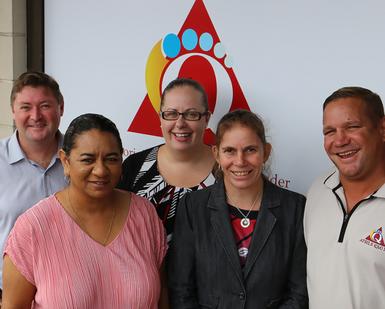

Legal assistance is intended to help vulnerable people facing disadvantage who are unable to afford private legal services to engage effectively with the justice system to address their legal problems. We provide consultations as per government recommendations, by appointment, with a Solicitor on most matters of law: Family Law; Domestic Violence; Child Safety; Crime; Traffic Law; Debt and Bankruptcy; Workplace Matters; Discrimination; Consumer Law; Elder Law.
Our team in Hervey Bay work tirelessly to advance and protect the legal rights of the Aboriginal and Torres Strait Islander communities in the Fraser Coast region. Phone: (07) 4128 2488 - Address: Unit 2, 17 Torquay Road, Pialba 4655 (PO Box 755)
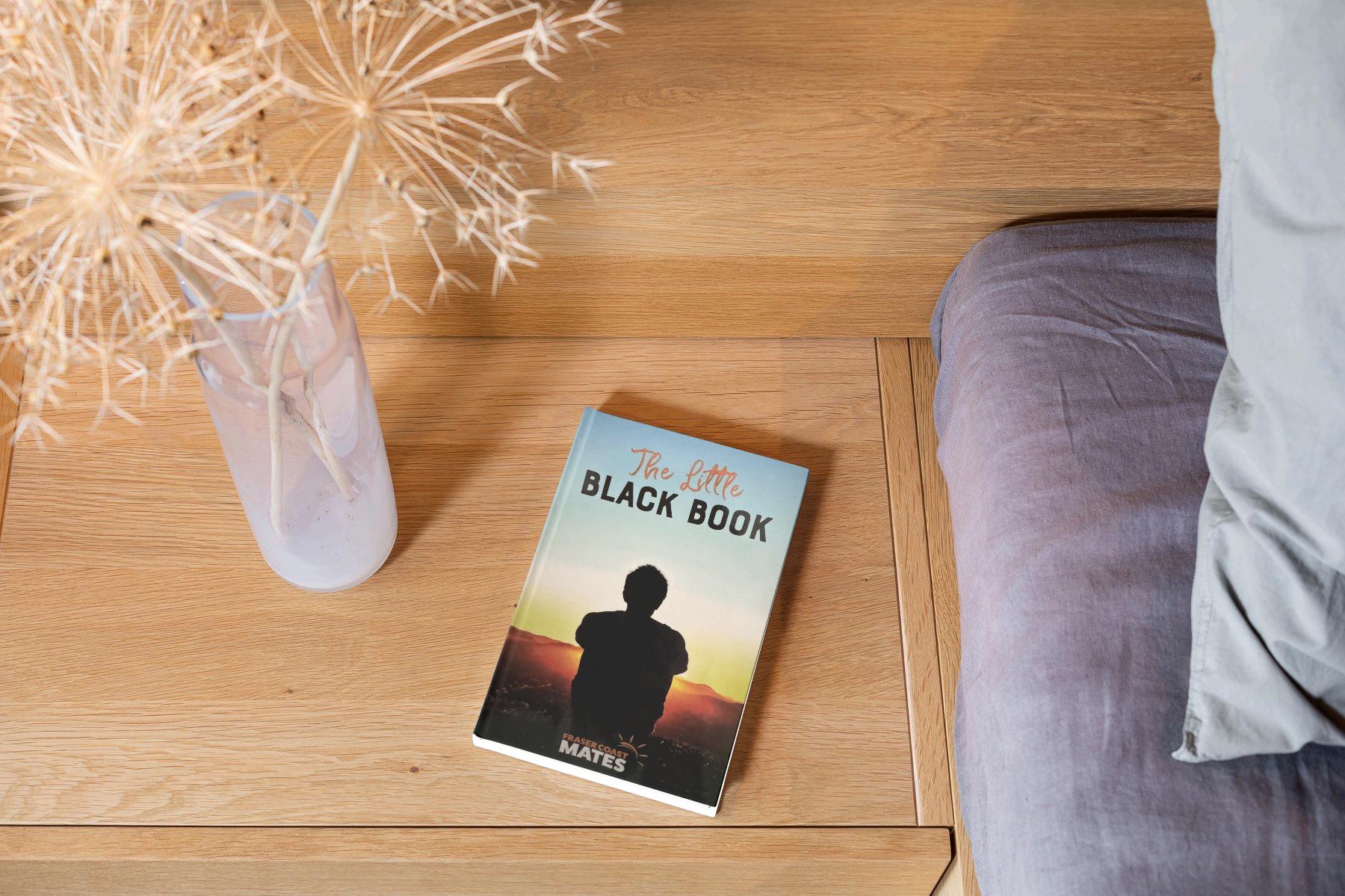
To help you on your path to good, Fraser Coast Mates has created the Little Black Book. This book is a directory of services, assistance and support groups with the aim of empowering mates to reach their potential and enjoy a long and high quality life.
A healthy person, in body and mind, means healthy relationships, healthy families and ultimately a healthy community on the Fraser Coast.






Feeling connected is essential for a happy, healthy life. The Creating Connected Communities project aims to raise awareness of all the exciting activities, social groups, clubs, and events available in Hervey Bay.





From painting and crafting to photography and performing arts, these sessions are designed to bring people of all ages and abilities together in a fun, supportive environment.
With events like family playgroups, movie nights, and weekend adventures, there’s plenty to keep everyone entertained while building bonds with other local families.
Enjoy fun, relaxed social dining experiences where you can meet new friends over breakfast, lunch, or dinner. Great food and even better company!
Whether it’s walking groups, yoga, dance, or team sports, Get Moving Together is all about combining fitness and fun while forming lasting friendships.
Looking to connect with people around you, make new friends and get more involved in the Hervey Bay community? Submit yo ideas, we want to hear about it!