5

A Welcome from the CEO of Trauma ASSIST
The Importance of Prioritising Health and Safety in Our Communities
In this rapidly changing world we live in, where global crises, environmental shifts, and societal pressures converge, the health and safety of our communities must become the foundation on which we build our future. As individuals and as a society, we have a responsibility to ensure that everyone, from the youngest to the oldest, can thrive in environments where well-being is protected and promoted.
The health of a community is more than just the absence of illness; it is a state of complete physical, mental, and social well-being. A healthy community means more productive workplaces, stronger economies, and more resilient neighbourhoods. In Australia, the recent focus on mental health awareness has underscored just how critical it is to address all aspects of well-being. Issues like mental health, chronic illness, trauma recovery, and addiction don’t just affect individuals –they ripple through families, workplaces, and entire regions.
Safety, too, goes beyond protecting people from physical harm. While we must continue to invest in infrastructure that keeps our cities and towns safe – from secure roads to safe public spaces – we also need to consider safety from violence, discrimination, and exploitation. Creating communities where everyone feels safe and supported fosters an atmosphere of trust, which is crucial for social cohesion.
But why is this so urgent today?
First, the COVID-19 pandemic has starkly reminded us of how vulnerable we are when health systems are overwhelmed and the safety nets we rely on are weak. Our ability to adapt and recover from crises depends heavily on how well-prepared our communities are. Investing in health care infrastructure, preventative health measures, and emergency preparedness should not be negotiable; it’s an imperative.
Second, the mental health crisis, particularly in regional areas, requires urgent attention. In places like the Wide Bay region of Queensland, where communities are tight-knit but resources are often stretched thin, services like trauma counseling and mental health support are lifelines. Strengthening these services can prevent long-term damage, reduce societal costs, and restore hope to individuals in distress.
Finally, ensuring the safety of all community members is key to social progress. Whether addressing family violence, supporting marginalised groups, or investing in youth development programs, our communities must provide safe spaces where people can live without fear. Safety enables people to participate fully in life – to contribute to local economies, engage in education, and build meaningful relationships.
At the heart of it, improving the health and safety of our communities is not just about responding to crises. It is about building a future where everyone has the chance to lead a fulfilling, secure, and healthy life. A future where we have not only addressed the root causes of social issues but also fostered a culture of care, respect, and protection.
Inaction is not an option. We must do everything we can to uplift and safeguard our communities. Because a healthy, safe community is the bedrock of everything else we hope to achieve.
Sandra Holebrook

OCTOBER SEXUAL VIOLENCE AWARENESS MONTH
To raise community awareness about sexual violence. Promote the support options available to people affected by sexual assault and sexual abuse. Uphold a clear message that sexual violence will not be tolerated in our communities.
The Queensland Government is committed to addressing all forms of sexual violence, harassment and abuse and eradicating these forms of violence from our communities The government has made strong progress in addressing sexual violence, along with intersecting forms of violence such as domestic and family violence. This includes the release of Prevent. Support. Believe.
Queensland’s Framework to address Sexual Violence through three priority areas: prevention; support and healing; and accountability and justice. Queenslanders have the right to live free from the fear of violence and abuse and be safe in public and at home. Large-scale reform is being delivered in response to the Women’s Safety and Justice Taskforce Hear Her Voice Report Two recommendations to improve Queensland’s criminal justice system for women and girls who are victimsurvivors of sexual violence, or who are accused persons or offenders.
Eliminating domestic and family violence requires generational change.
The prevention of domestic and family violence requires actions at all levels of society, community and across all settings.
Domestic and family violence is a gendered issue – it has an unequal impact on women, with gender inequality and gender bias identified as drivers.
Domestic and family violence unequally impacts First Nations peoples, people from culturally and linguistically diverse backgrounds, people with disability, older people, people who identify as LGBTIQA+, children and young people and people from rural, regional and remote communities.
Tuesday 01 Oct 2024 to Thursday 31 Oct 2024




SECOND ACTION PLAN 2023–24 TO 2027–28
Working to prevent and respond to sexual violence, the plan reflects the Queensland Government response to Report Two from the Women’s Safety and Justice Taskforce.
Key initiatives include:
Progressing legislative amendments
Developing, implementing and monitoring an integrated interagency response to support victim-survivors
Developing and evaluating the most appropriate statewide professional victim advocate service for Queensland
Updating and promoting the Sexual violence media guide
Expanding the promotion of the Respect program to all Queensland state schools
Reviewing legislation to ensure the sexual abuse and exploitation of children is addressed in a way that is consistent with community standards
Developing regulations to prevent sexual harassment in the workplace

DOWNLOAD THE PLAN DOWNLOAD THE
WHAT IS SEXUAL VIOLENCE?
Sexual violence occurs in every community and affects women, men, gender diverse people and children throughout their lives.
Sexual violence violates the fundamental rights of a human being, their personal integrity, security and safety. Sexual violence is also about power and control.
The effects of sexual assault can last a lifetime, extending out to family members, school and work, communities and down through generations.
Sexual violence is any sexual behaviour or sexual act that is committed against a person’s will. It occurs when a person is forced, coerced, and/or manipulated into unwanted sexual activity or acts. It can include completed or attempted assaults or incidents, and may or may not involve force and threats. It is unwanted and takes place without consent.
Sexual violence is an umbrella term that includes a wide range of sexual violence crimes and behaviours, including but not limited to:
- Sexual assault, including rape, by a person’s partner or spouse
- Any sexual act or attempt to
- Unwanted sexual comments, jokes or advances
- Unwanted physical contact: touching, rubbing, kissing
- Sexual harassment and bullying
- Threats or other kinds of intimidation of a sexual nature
- Sexual abuse using technology (i.e., non-consensual image sharing)
- Child sexual abuse and incest
- Stalking
- Voyeurism
- Forced viewing of pornography
- Having sex with someone who is affected by drugs or alcohol
- Unwanted explicit and offensive communication by word, graphic image or social media
- Sexual exploitation and trafficking

CRIMES AMENDMENT
BILL 2024
Strengthening the Criminal Justice Response to Sexual Violence Bill 2024 is proposed to amend the Crimes Act 1914 to strengthen the protections afforded to victims and survivors of child sexual abuse and vulnerable individuals in Commonwealth criminal proceedings. The Centre for Women’s Health Research (CWHR) was invited by the Senate Legal and Constitutional Affairs Legislation Committee to make a submission.
Using ALSWH findings, CWHR made a submission that focused on the experiences of vulnerable individuals engaging with the legal system, including women who have experienced sexual violence. Recommendations for the proposed changes to the Crimes Act 1914 relating to vulnerable persons were presented, along with recommendations to further improve women’s experiences navigating the legal system after experiences of violence.
OUTCOMES
The Bill referenced the CWHR submission and shared several qualitative experiences from Australian women. Qualitative comments touched upon the lived experience of sexual assault, interactions with the legal system, long-term impacts of trauma and the lack of support available for victims and their families.

Learn more about the inquiry on the Parliament of Australia website


RECORDED SEXUAL ASSAULTS REACH
31-YEAR HIGH
The number of victim-survivors of sexual assault recorded by police has risen by 11 percent this is the 12th straight annual rise, according to figures released by the ABS / Australian Bureau of Statistics.
Samantha McNally, ABS head of crime and justice statistics, said: “There were 36,318 victim-survivors of sexual assault recorded by police, with increases across almost all states and territories.”
“Accounting for population growth, the rate of recorded sexual assault victim-survivors has gone up from 126 per 100,000 people last year, to 136 victim-survivors per 100,000 people. “This is the highest rate of sexual assault victim-survivors recorded in our 31-year dataset.”
The majority of sexual assault victimsurvivors were female (84 per cent). The most common age group was between 10 and 17 years at the date of the incident (41 per cent). More than two in three (69 per cent) sexual assaults took place in a residential location. Most sexual assaults (69 per cent) were reported to police within a year.
Family and domestic violence-related sexual assaults made up almost two in five (39 per cent) of all sexual assaults reported to police (14,059 victimsurvivors).
If you or anyone you know is in need or crisis please call the National Sexual Assault, Domestic and Family Violence Counselling Service on 1800 RESPECT (1800 737 732) or Lifeline 131 114.
For this release, a specified family or domestic relationship includes partner, ex-partner, parent, other family member (e.g. child, sibling) and non-family members (e.g. carer, guardian).



WHAT IS SEXUAL CONSENT? INFORMED
Giving your consent means you knowingly and freely agree to take part in sex or sexual activity.
Consent must be voluntary, informed and you can change your mind at any time. Informed consent means you understand what you are giving consent to and nothing is preventing you from indicating if you agree, decline or change your mind to take part in sex or sexual activity.
Sexual violence is when someone has sex or does sexual things to you without your informed consent. Even if you are in a relationship with someone or married to them, they still need your consent to have sex or engage in sexual activity with you.
CONSENT CANNOT BE GIVEN IF:
. You are passed out or unconscious
. You are asleep
. Unable to say what you do or don't want
. The other person tricks you into thinking they are someone else
. You are too scared to say no

WHAT ARE HEALTHY BOUNDARIES?
Why is it important to set boundaries? To practice selfcare and self-respect. To communicate your needs in a relationship. To make time and space for positive interactions
To set limits in a relationship in a way that is healthy
Setting boundaries is essential if we want to be both physically and emotionally healthy. Creating healthy boundaries is empowering. By recognizing the need to set and enforce limits, you protect your selfesteem, maintain self-respect, and enjoy healthy relationships.
Unhealthy boundaries cause emotional pain that can lead to dependency, depression, anxiety, and even stress-induced physical illness.
SOME TIPS FOR SETTING HEALTHY BOUNDARIES
When you identify the need to set a boundary, do it clearly, calmly, firmly, respectfully, and in as few words as possible. Do not justify, get angry, or apologize for the boundary you are setting.
You are not responsible for the other person’s reaction to the boundary you are setting. Some people, especially those accustomed to controlling, abusing, or manipulating you, might test you.
At first, you will probably feel selfish, guilty, or embarrassed when you set a boundary. Do it anyway and remind yourself you have a right to self-care.
Learning to set healthy boundaries takes time. It is a process. Set them in your own time frame, not when someone else tells you.
Develop a support system of people who respect your right to set boundaries. Eliminate toxic persons from your life—those who want to manipulate, abuse, and control you.

COERCIVE CONTROL SPOT THE SIGNS
It can be hard to spot signs of coercive control. It often starts small and builds over time, and the abuses can at times be subtle and sneaky or hard to detect.
The person using coercive control can disguise their abusive behaviour or justify and explain it away. They might say something like "you're imagining it" or it’s just "carer stress" if you confront them. To other people, such as friends or other family members, they might look like the perfect partner or a wonderful carer. This can be confusing.
Coercive control is a pattern of abusive behaviours, that can include different types of abuse. It’s impossible to make a complete list, but here are some examples of different types of abuse that may be experienced in a coercively controlling relationship.
EXAMPLES OF COERCIVE CONTROL:
. ‘Love bombing’
. ‘Gaslighting’
. Cutting you off from your friends and family or services
. Controlling
. Emotional Abuse
. Psychological abuse
. Verbal abuse
. Physical abuse
. Using technology to abuse or control you
. Stalking and surveillance
. Sexual abuse
. Reproductive control
. Religious and spiritual abuse
. Identity-based abuse


COERCIVE CONTROL IS NOW A CRIME IN QUEENSLAND
On 6 March 2024, Queensland passed laws to criminalise coercive control as a stand alone offence, becoming the second jurisdiction in Australia - after NSW - to do so.
The Queensland legislation is expected to come into force in 2025 and will carry a maximum jail sentence of 14 years.
This legislation means that we are moving away from an incident-based response to domestic and family violence (DFV) and towards an approach that acknowledges and addresses the harmful patterns of controlling, coercive and other violent behaviours. This will help protect people in Queensland from this core element of DFV which, in itself, causes significant suffering and trauma.


There are several key advantaged to creating an offence of coercive control, these include:
. Increased protection for people against an underrecognised yet core element of family and domestic abuse.
. Preventing escalating forms of violence and abuse, including murder.
. Filling critical gaps in existing laws.
. Reducing misidentification and over-criminalisation of women.
. Transforming community norms for acceptable and healthy, safe relationships.
As healthcare workers we must build our understanding of domestic and family violence so that we can provide the best support to our patients and be aware of legislative changes and how they impact our work.
MEN USING VIOLENCE IN THEIR RELATIONSHIPS
Every person has the right to a safe and respectful relationship.
DVConnect’s Mensline can support men who are using abuse or experiencing abuse in their intimate partner, ex-partner, or familial relationships. Mensline is a free and confidential helpline that assists men to change their abusive behaviours or to access safety from abuse. If you identify as non-binary or gender fluid, you can call the helpline (Womensline or Mensline) you feel most comfortable calling. We are here for you.
STEPS TO BEHAVIOURAL CHANGE
1) Deciding to change. When a person decides to change their behaviours so they are safe to be around, they must be prepared to do some very hard work and reflection on the ways they have caused harm.
2) Learn strategies to cool down before becoming abusive, such as removing themselves from triggering situations, speaking to a friend, or seeking out a counsellor or psychologist.
3) Not relying on their partner to make them a better man. They must be prepared to do this work on their own or with professional support from Mensline or another service. Abuse has long-lasting impacts and men should avoid compounding trauma by involving their partner in their recovery.
4) They don’t have to do it alone. There is information, professional supports and resources to help. Men’s Behaviour Intervention Programs are also an option for men who are committed to making changes to their behaviours and having healthier relationships.

MOB SUPPORT
Our Story, Our Healing
3YARN [Thirteen YARN] is the first national crisis support line for mob who are feeling overwhelmed or having difficulty coping. We offer a confidential one-on-one yarning opportunity with a Lifeline-trained Aboriginal & Torres Strait Islander Crisis Supporter who can provide crisis support 24 hours a day, 7 days a week. 13YARN empowers our community with the opportunity to yarn without judgement and provide a culturally safe space to speak about their needs, worries or concerns.
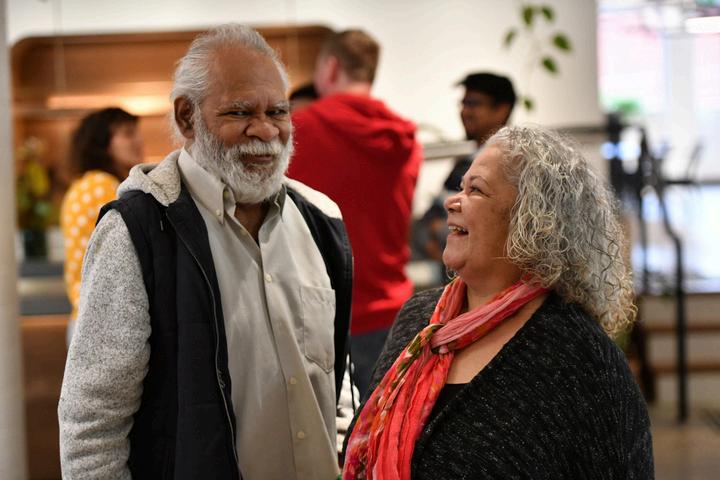
‘Mob’ is a colloquial term identifying a group of Aboriginal people associated with a particular place or country. It is used to connect and identify who an Aboriginal person is and where they are from. Mob can represent your family group, clan group or wider Aboriginal community.
. Anxiety in Mob
. Depression in Mob
. Domestic and Family Violence
If you, or someone you know, are feeling worried or no good, we encourage you to connect with 13YARN on 13 92 76 (24 hours/7 days) and talk with an Aboriginal or Torres Strait Islander Crisis Supporter.
This is your story; your journey and we will take the time to listen. No shame, no judgement, safe place to yarn. We’re here for you.
. Grief, loss and 'Sorry Business'
. Understanding substance misuse
. Worried about someone - Suicide
. Financial stress
. Psychotic Illness in Mob
Loneliness
. Understanding Trauma
MORE INFORMATION MORE INFORMATION
CHILDREN´S SAFETY
PROTECTING CHILDREN IS EVERYONE’S BUSINESS
We must do more to urgently address the number of children facing harm.
What is Child Abuse?
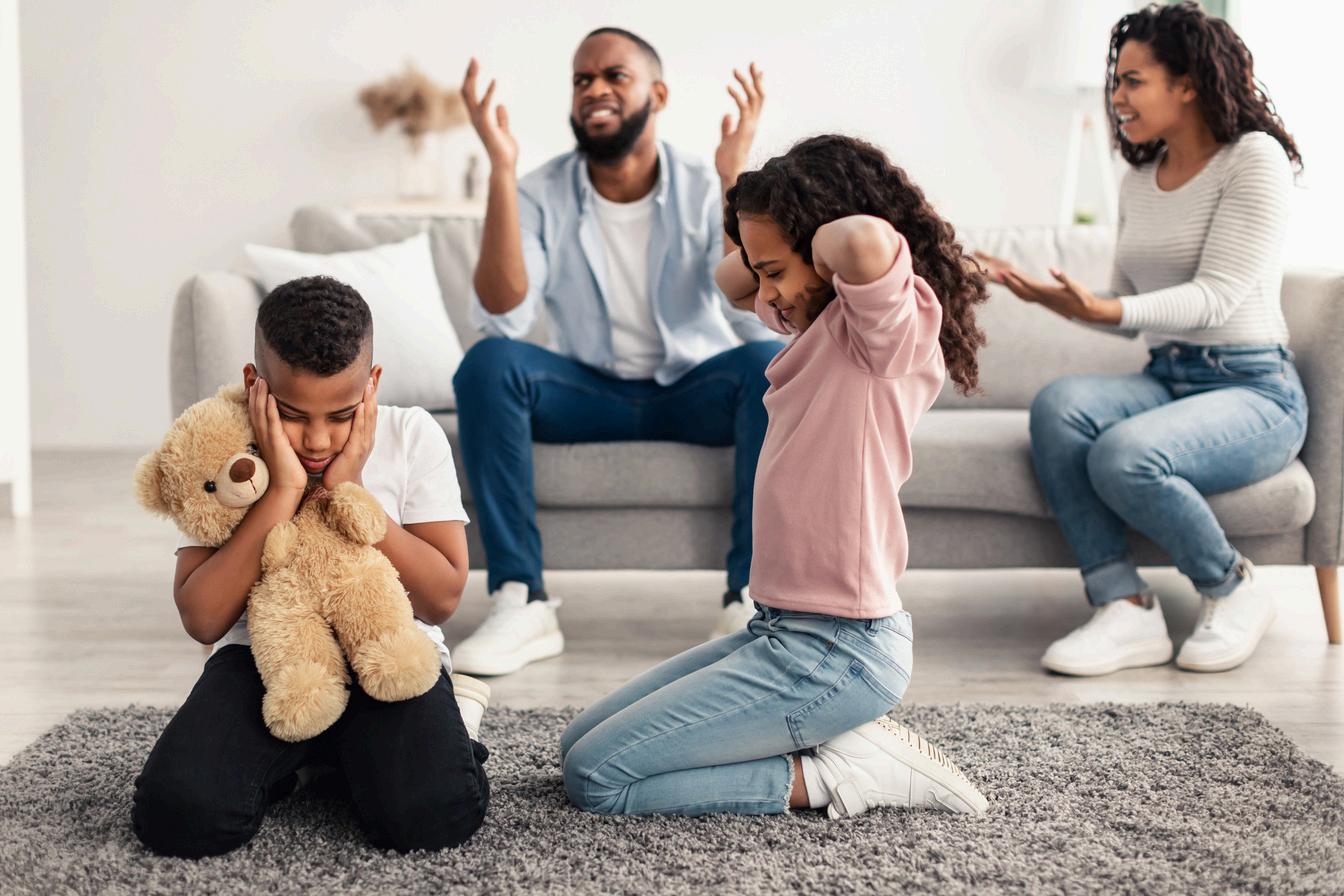
Child abuse can be constituted by a single incident, or a number of incidents that occur over time. It doesn’t matter how much a child has been harmed, but whether they have been harmed, are being harmed, or are at risk of physical, psychological, or emotional harm.
SEXUAL ABUSE / PHYSICAL ABUSE / EMOTIONAL ABUSE
What is Neglect?
Neglect is when a child’s basic needs are not met and their development and well-being are affected.
. Nutritious food
. A clean, secure home
. Access to health care and medical treatment
. Adequate clothing
. Good personal hygiene
. Adequate adult supervision
. Positive, nurturing engagement and mental stimulation
ARE YOU CONCERNED?
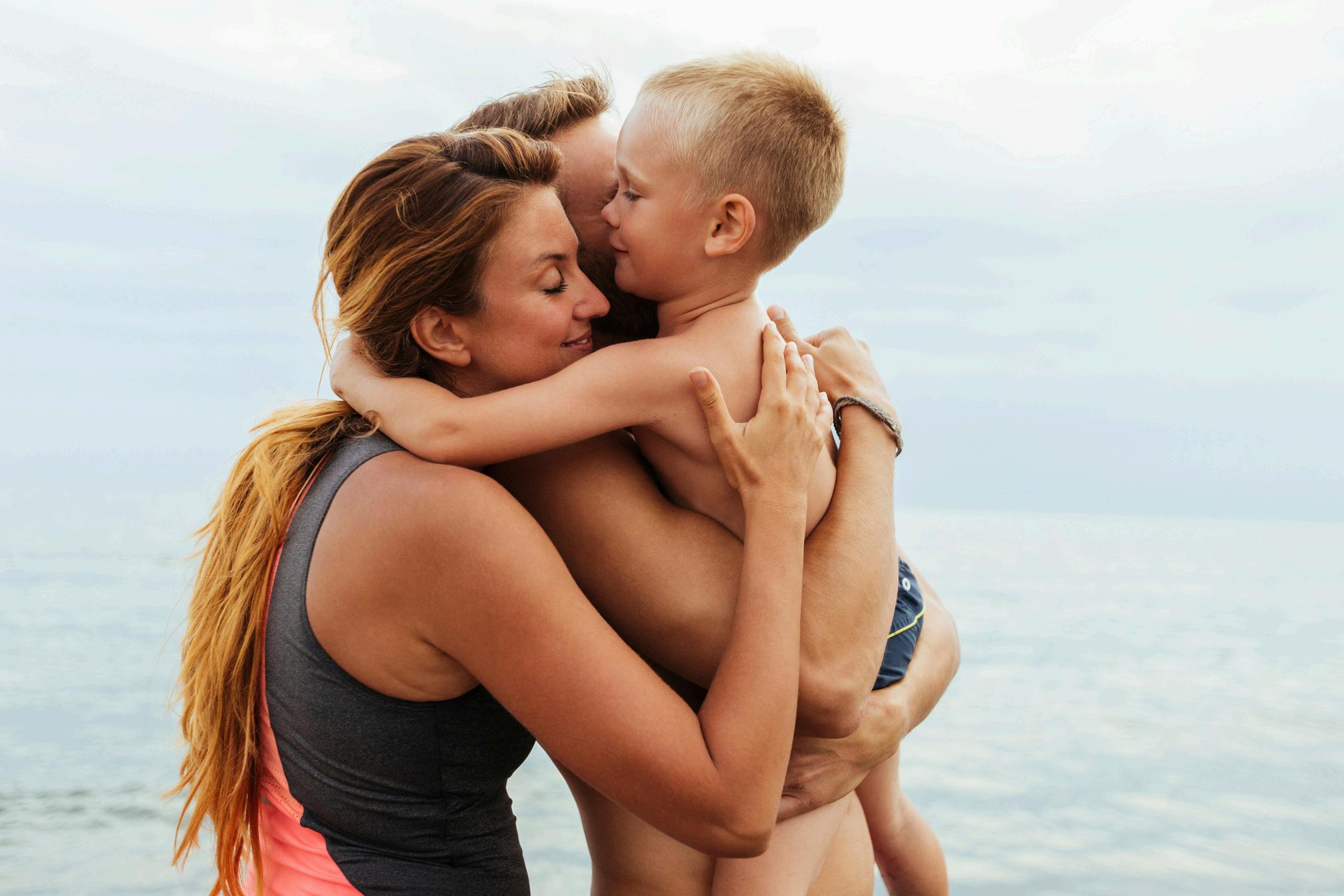
If you are concerned about a child or young person, please report your concerns to the appropriate authorities.

174,700 48,886 1 in every 32
Last year Sadly That´s Children accused child protective services Children were confirmed to have suffered abuse Aussie kids
HOW TO IDENTIFY ABUSE & NEGLECT
Sometimes it can be difficult to know if your instincts about child abuse and neglect are right. There are often behavioural or physical signs of stress when a child has been, or is experiencing abuse.
Some signs of abuse include:
. Distrust or wariness of adults
. Extreme behaviour aggressive, submissive, anxious, distressed
. Low self-esteem, being withdrawn or having difficulty relating to adults or other children
. Being overly obedient and trying hard to please
. Difficulty concentrating
. Excessive rocking, humming, sucking or biting
. Bedwetting, frequent nightmares or sleeping difficulties (seeming tired and falling asleep at unusual times)
. Seeming to be accidentprone or having unexplained bruises or injuries at different stages of healing
. Explanations for injuries that are unbelievable, vague or don’t align with the type of injury
. Alcohol or drug abuse
. Suicidal tendencies
. Not wanting to go home (or somewhere else)
. Creating stories or artwork about abuse
. Inappropriate sexual knowledge or behaviour for the age and development of the child

BILL OF RIGHTS FOR WOMEN
PHYSICAL & SEXUAL
I have a right to be free of physical and sexual violence. I have a right to decide who can touch me. I have a right to personal space. I have a right to make my own decisions about my physical appearance. I have a right to access health care of my choice. I have a right to say no to a sexual activity that makes me uncomfortable. I have a right to insist on safe sex.
EMOTIONAL
I have a right to be treated with respect. I have a right to be free of verbal abuse. I have a right to express my own opinions. I have a right to my own beliefs and spirituality. I have a right to privacy. I have a right to pursue my dreams. I have a right to prioritise my self-care. I have a right to set my standards.
SOCIAL
I have a right to see my friends and family and on my own. I have a right to make new friends. I have a right to speak to other men. I have a right to work or study. I have a right to ask for help and support. I have a right to have fun.
FINANCIAL & SPIRITUAL
I have a right to be involved in deciding how joint finances are spent. I have a right to choose and practice my own religious or spiritual beliefs.
c. Ursula Benstead (2011)
INSPIRATIONAL STORIES YOU NEED TO HEAR
Chanel’s Story
Chanel Contos is revolutionising the conversation on sexual consent in Australia and beyond. As a student and activist, she gained international attention with her Teach Us Consent initiative, urging better consent education after her Instagram poll unveiled numerous sexual assault stories from young women. With her book, “Consent Laid Bare”, published in 2023, awards such as the 2021 Australian Human Rights Awards Young People’s Medal and a spot on BBC’s 100 Women list, Contos’s journey is not just inspirational but a catalyst for change.
Grace’s Story
Grace Tame is an absolute powerhouse of courage and resilience, and her unwavering dedication to raising awareness about sexual violence has made her a role model for survivors and allies alike. As a survivor of sexual abuse herself, Tame has turned her trauma into a powerful tool for change, using her platform as 2021’s Australian of the Year to speak out against sexual violence and advocate for systemic change. Find out more about her story in her recent memoir, The Ninth Life of a Diamond Miner, in which 75 percent of profits go towards fighting sexual abuse.
Ceri’s Story
“When I left… Meeting women at the refuge – both staff and the women staying there – inspired me to want to help more women. Up until then I had felt stupid and worthless, but being at the refuge surrounded by so many clever, funny, beautiful, strong women – I realised I was one of them too. Empowering women is now my passion, my calling.” Ceri is now part of the Safe Steps survivor Advocate program.
“I do not define myself as a victim, I am a woman with a powerful story of suffering and survival. I am also a woman who is healing and learning to love wisely.”

COMING OUT IN FAMILIES
What is it like for young people to come out as LGBQ to their family?
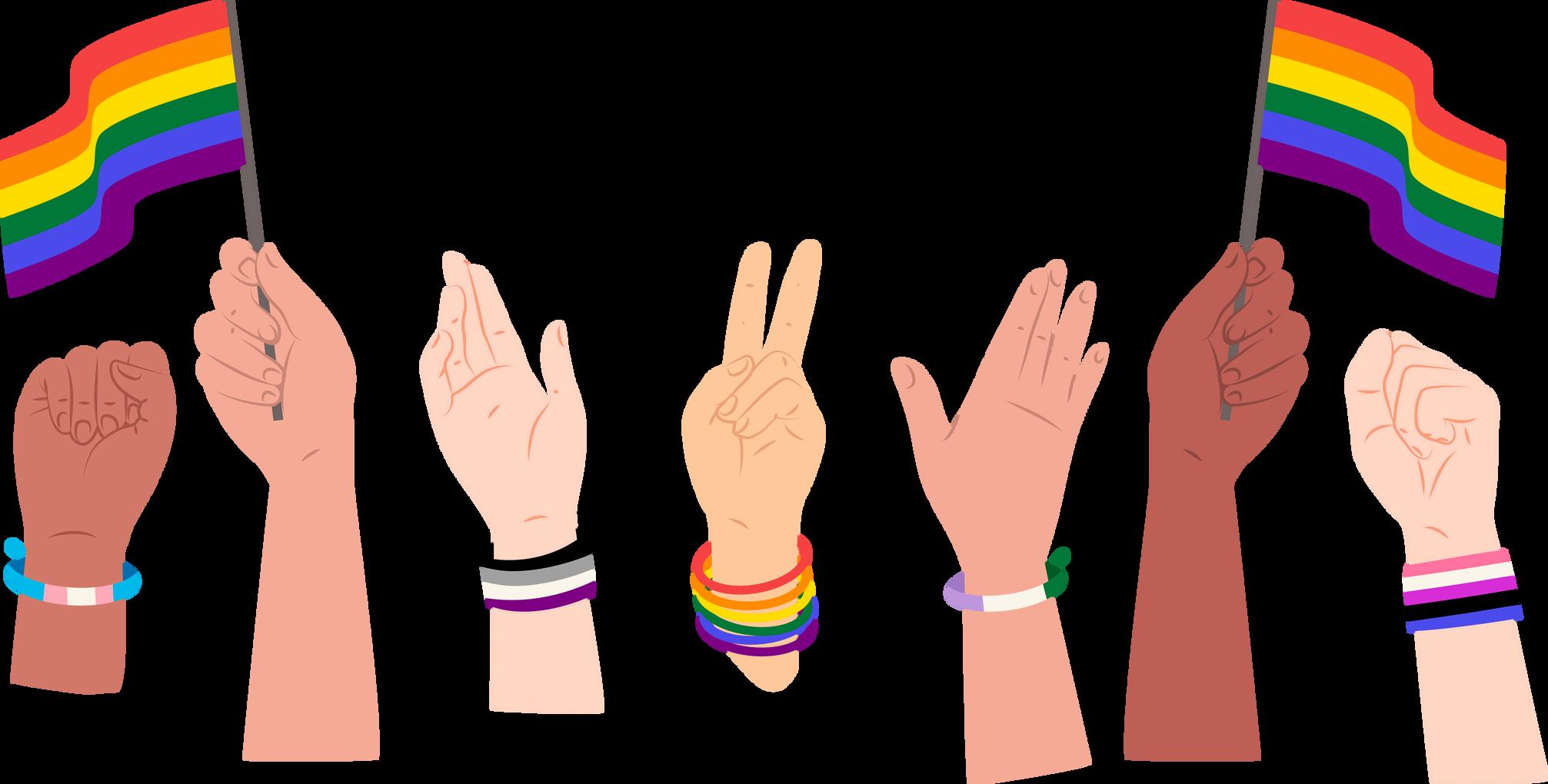
Coming out will be a different experience for different people. Some young people will have struggled with their sexuality. Others may find it exciting and liberating to realise their sexuality. Some LGBQ people might spend a long period looking for signs of inclusion among family and friends before coming out. Regardless, coming out to a parent, sibling or other family member can be extremely stressful.
Conversations about sexuality require people to reveal very personal feelings and desires with which they may still be coming to terms and that they know others may not understand. Deciding to tell a family member about being lesbian, gay, bisexual or questioning, brings with it a risk of rejection and loss of family connection – it can be an incredibly scary thing to do. Therefore, young people preparing to come out will notice when parents or other family members show inclusive and positive feelings towards samesex attracted people or practices.
I felt relieved and scared and of course it was really the beginning of my true self. –Owen, 37, NSW
I felt a sense of panic, as I expected my life would change and everyone would look at me as the ‘gay guy’, but at the same time I also felt a great sense of relief, that I could finally be myself and let my true personality come out to everyone. – Liam 27, VIC


5 DON’TS AND DO’S
THE COMING OUT CONVERSATION
When your teen has bravely shared a vulnerable part of their identity with you, it’s your responsibility to tap into your best parenting self. It’s natural to have complicated feelings about your teen’s news, and your feelings are valid. But remember to deal with your issues separately from your teen and be the most supportive, affirming, and loving parent you can be for your child.
DON’T:
. Assume you know more about your child’s sexual or gender identity than they do
. Tell your child this is probably a phase
. Project your own fears or shame onto them
. Panic
. Say “I love you no matter what”
In such a vulnerable moment, validation, love, and support will mean the world to your child. Because everyone deserves to be loved for who they are.
DO:
. Hug them
. Thank them for sharing that information with you
. Tell them how happy you are that they’ve figured this out about themselves and how brave you think they are for sharing it with you
. Ask them how you can best support them
. Tell them you love them
NEED AN APPOINTMENT
WITH A PSYCHOLOGIST?
If you are aged between 12 - 25 years old please contact us to begin the referral process!
07 4303 2100
We have Psychologists (bulk billed) who has joined our headspace Hervey Bay and Maryborough teams!
Call to book an appointment or learn more!
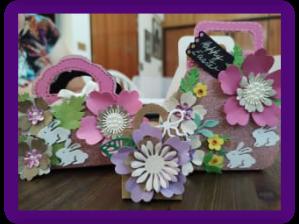
THE CRAFTY GIRL GANG
The supportive space for people of all abilities to come together, create, and connect.
The LLN Crafty Girl Gang, led by volunteer Susan Bagust, is a creative and welcoming workshop held on the 4th Thursday of every month at 22 Charles St, Hervey Bay. Materials are provided, making this a fantastic opportunity for both beginners and seasoned crafters to explore their creativity.
From 9am to 12pm, participants gather for hands-on crafting, community connection, and a delicious morning tea, all for just $10 per session.
RESOURCE
Yoorana Women’s Domestic Violence & Resource service Inc. provides a Women’s Shelter that offers immediate temporary supported accommodation with case management support to women and children experiencing domestic and family violence who are homeless or at risk of homelessness.
Yoorana prioritises safety planning and risk assessments with each client with a goal of transitioning to safe and sustainable housing and towards creating a life free from violence.
Support continues while the client is transitioned into housing beyond the refuge. While clients reside with Yoorana we will provide:
. Temporary Accommodation
. Case Management
. Follow Up Support
. Community Engagement & Collaboration
In an emergency call the Police on 000 Call us on: 07 4122 2218 - Women’s Domestic Violence & Resource Service
Inc PO Box 630, Maryborough Qld 4650
ABN: 40 806 738 400
Email: admin@yoorana.com.au
VISION
To have all woman and children afforded the right to live safe, free from domestic and family violence in their home and in our communities.
PURPOSE
To provide therapeutic support, advocacy and a safe haven for women and children experiencing or who have experienced domestic and family violence.
PRINCIPLES
Guided by the feminist-based principles of autonomy, choice and empowerment and are dedicated to fostering an inclusive environment to create change and improve safety.

Community Resources