4 Empowered Wide Bay Queensland




and
(DFV) is an overt or subtle expression of a power imbalance, resulting in one person living in fear of another, and usually involves an ongoing pattern of abuse over time.
DFV can have serious impacts on people who experience it and may take many forms ranging from physical, emotional, psychological, financial, monitoring and surveillance and other types of control.
The Queensland Government is leading a 10-year reform program to put an end to DFV in partnership with the non-government sector, business and the Queensland community. The reforms are making important investments and improvements across all sectors of DFV support, response and prevention.
This will assist our partners and the community to enable people to recognise, respond and refer effectively to prevent DFV and sexual violence, and ensure the way we work supports people who have experienced violence and holds those responsible to account.
This is done through the implementation of the following:
Queensland Government response to the Women's Safety and Justice Taskforce recommendations DFV prevention strategy 2016–2026 Broadening the focus: Queensland's strategy to strengthen responses to people who use DFV 2024–28
Queensland’s Framework for Action Reshaping our approach to Aboriginal and Torres Strait Islander DFV
Queensland’s plan to respond to DFV against people with a disability Prevent. Support. Believe.
Queensland’s Framework to address sexual violence.



Centacare Regional Domestic Violence Service
Fraser Coast is excited to offer ‘Hear Their Voices’ Symposium.
‘Hear Their Voices’ will be delivered free over 2 days to assist professionals in the region in Domestic and Family Violence capacity building. This new initiative will also enable professionals to develop their skill set and understanding around coercive control and how better to support the most vulnerable in our community.
We have four exciting guest speakers across the 2 days Wednesday 2 October (9:00am - 4:00pm) and Thursday 3 October 2024 (9:00am4:30pm). Morning tea, lunch and afternoon tea provided, dietary requirements will be accommodated if advised on the registration form.
Our Speakers Include:
Dr Brian Sullivan has recently been appointed Red Rose’s CEO. Brian has extensive knowledge and experience in the sector, with a particular focus on male offenders.
Megan Norris is a UK trained journalist and award-winning author whose portfolio includes covering some of Australia’s most notorious and heinous DFV crimes.
Jess Hill is a journalist, author and speaker who focuses primarily on social issues and gendered violence. With over 15 years’ experience, Jess’ first book SEE WHAT YOU MADE ME DO, on the phenomenon of domestic abuse and coercive control, was released in 2019 and was awarded the 2020 Stella Prize.
Sono Leone and family are from the Bay with her great-grandmother being from K’gari. Sono grew up in Hervey Bay and is a local Butchulla woman. She has been a part of both Walk the Talk events in 2021 and 2022 emceeing and holding an educational stall for her mob. Sono started Strong Women Talking in 2017 with the amazing support of Elders, Aunties and Sisters in the community who also have a passion to see the cycle of violence broken for future generations.
DATE Wednesday 2
October 2024 9:00 AM & Thursday 3 October 2024 4:30 PM
(UTC+10)
LOCATION
Hervey Bay Neighbourhood Centre -
22 Charles St, Pialba Qld 4655


It is natural to be concerned and wish for your friend or family to be safe. However, there are many reasons, family loyalty or duty, familiarity, or uncertainty about the future. Be conscious that it is never easy to make a significant decision about the future and that placing pressure on the person to leave can be unhelpful.
There may be several reasons why a victim feels they cannot leave a violent or abusive relationship. They may:
. Fear for their life, the lives of their children or family following a threat from the person using violence or abuse.
. Believe they have nowhere to go or that they will be found wherever they go.
. Believe their partner promise to end the violence or abuse and hope the relationship can continue free from violence or control.
. Believe they cannot cope by themselves or alone with their children.
. Be persuaded by others to stay in the relationship.
. Have a cultural or religious belief that marriage is forever.
. Believe that the violence or abuse is their fault.
. Hope that the violence or abuse will stop if they change their behaviour.
. Have little or no access to money.
. Fear losing their children in a custody battle.
Knowing they have your continued support is often the most valuable investment you can make in your friend.
Find out more how to support someone experiencing domestic and family violence and coercive control

MORE INFORMATION MORE INFORMATION
If you have decided to leave or have already done so, it is important that you have a safety plan to assist you and your children to be and stay safe.
It may be helpful to think about and develop a safety plan prior to leaving, so you will know what to do if you are in a situation in the future where you and or your children are at risk of abuse or violence.
For your safety plan to work it is vital you don’t let your partner see the plan, but it is a good idea to talk about it with someone you trust that is close to you.
Your partner may have a sense that something has changed, or may be about to change. It is important that you attempt to keep to your usual routines and activities.
It is important to understand that whilst you can take steps to avoid violence, you cannot stop the violence. The only person who can do that is the person who is violent.


Seeing a person commit a crime—particularly a violent crime—can be very distressing. You should not feel afraid to report the incident or to give evidence in court.
Support and advice are available to help you:
Throughout the legal process To recover from the emotional and psychological impacts of witnessing the crime If you are a victim of a violent crime you are also an important witness
Reporting the crime to the Police 1. Giving a witness statement 2. Providing evidence in court 3. Special witnesses 4. Support for witnesses going to court 5. Payment for appearing as a witness 6. Protection from threats and intimidation 7. Free counseling for witnesses of crime 8.

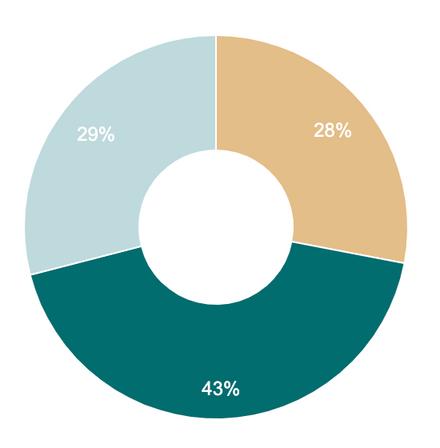
Are made to protect the aggrieved party and children or other relatives or associates.
Of all DVOs have been temporary protection orders made to protect the aggrieved until the application is finalised
14%
Of DVOs protect an Aboriginal or Torres Strait Islander person.
DVOs made by category, 2023-2024 to date 29%
Varyprotectionorder
Protectionorders
Temporaryprotectionorders
Resource - Queensland Courts’ Domestic and Family Violence (DFV) Statistics

DVOs made: Protection 22,893
Temporary Protection 15,401
Vary Protection 14,705
Total: 52,999
80%
Of DVOs protect a female aggrieved.

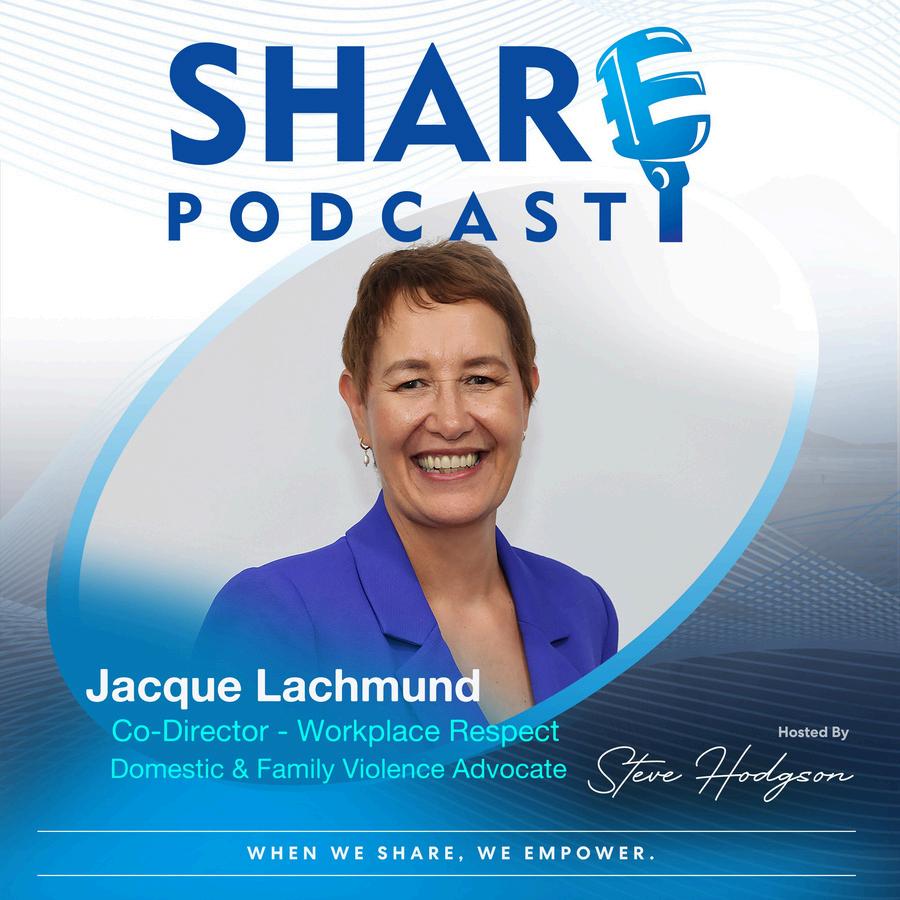
Jacque Lachmund is a Member of the QLD DFV Prevention Council, CoDirector of Workplace Respect, a Survivor and Grandmother.
Jacque Lachmund is an absolutely phenomenal woman, one whose story and experience as a DFV survivor has driven her passion as an advocate for domestic violence victims and a champion for the prevention of DFV and creating respectful workplaces and communities.
Jacque has dedicated her career to supporting those who are experiencing and those who have experienced Domestic & Family Violence. She understands the power that sharing has and within this episode, speaks honestly and openly about her our experience through DFV. It's real, it's authentic and for many experiencing DFV, she is someone who knows how it feels, the struggles and mental anguish, the tough decisions and actions that it takes to go from surviving to thriving.
Click Below to Listen to Share Podcast


“For more than 16 years I have had the privilege of seeing how far attitudes have advanced, particularly amongst the younger generations. That is not to say that we don’t still have a long way to go. Not surprisingly, there is very little focus on the positive advancements that have been made due to the horrific stories of violence that continue to dominate front pages and news feeds. Invariably the news cycle becomes consumed with negative stories about masculinity. It has now reached a stage where even hearing the word ‘masculinity’ results in most men of all ages switching off as the message they are hearing is that all masculinity represents misogyny and an abuse of power. There is very little emphasis on what positive masculinity can and should look like. As a result, at a period of time when we want most men to be standing up to be counted, they are instead not wanting to be involved. Most men I know are horrified at the statistics not just of the ever-increasing body count of dead women but also of domestic and family violence, sexual assault and sexual harassment, and want to see positive action.”
Find out more about Adair at: Instagram @donaldsonadair Website adairdonaldson.com.au
*this message has also been published in partnership with the Star News Group as part of its Road to Respect campaign.
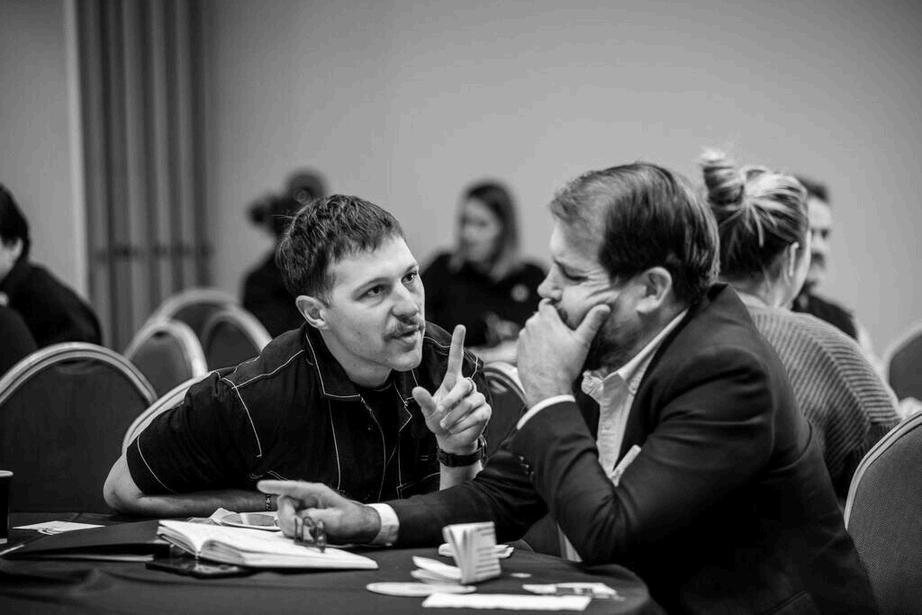
What is the impact of domestic violence on teenagers?
Even when they are not experiencing violence directly, exposure to violence puts teenagers at risk. They may engage in risk-taking or selfmedicating behaviour, this is often to block out bad memories or numb emotional pain. Trying to stay away from the home may put them in unsafe situations. Having to take on adult responsibilities for themselves or younger family members can create emotional and psychological burdens.
A teenager may respond to these impacts of violence by experiencing: anger, aggression and lashing out trouble sleeping, nightmares, bed wetting and chronic tiredness anxiety, depression and panic alcohol or drug misuse self-harming behaviour difficulties with school and disengaging from school avoidance of social situations or avoiding home.
What can I do to support a teenager who has been exposed to violence?
The best thing you can do is provide them with a positive adult-teenager relationship. Be an open and unconditional listener, allow them to participate in seeking professional support and making safety plans. Find ways to create opportunities for positive and trusting relationships.


Healthy relationships are important. They remind us that we are valued and allow us to share the joys and challenges of life with others. You have the right to feel respected and safe in your relationships, including with:
Boyfriends, girlfriends, partners, husbands or wives
Ex-boyfriends, ex-girlfriends, expartners, ex-husbands or exwives
Carers and paid support workers
Parents, guardians and other family members
Adult children
People you work with
Other people you live with or see often, whether inside or outside the place you live.
It is not healthy for any of these people to control you or cause you to live in fear.
Signs of a healthy relationship
A healthy relationship brings more happiness than sadness or stress. The other person doesn’t scare you and you can talk openly about your feelings.
Freedom to:
See family and friends
Go out without the other person
Control your own money
Make decisions about your body
Make decisions about your work, friends and where you live
Have your own hobbies and interests
Follow your own cultural practices, religion or spiritual beliefs.

Queensland Government is strengthening responses to domestic violence through the fourth action plan 2022-23 to 2025-26.
Queenslanders have the right to live free from the fear of violence and abuse and be safe in public and at home. Eliminating domestic and family violence requires generational change.
The prevention of domestic and family violence requires actions at all levels of society, community and across all settings.
Domestic and family violence is a gendered issue – it has an unequal impact on women, with gender inequality and gender bias identified as drivers. Domestic and family violence unequally impacts First Nations peoples, people from culturally and linguistically diverse backgrounds, people with disability, older people, people who identify as LGBTIQA+, children and young people and people from rural, regional and remote communities.
Increased awareness and appropriate responses to all forms of domestic and family violence. Culturally safe and trauma-informed responses that prioritise keeping people safe at all stages of their life and in key settings.
Domestic and family violence responses that are integrated, holistic, specific and effective. A reform agenda that identifies and addresses priorities in domestic and family violence responses. Initiatives that actively address perpetrating behaviours and increase perpetrator accountability.
REVIEW PLAN REVIEW PLAN
This campaign is focusing on the fact that strangulation has become a common sexual practice for young people.
New research involving over 4,700 Australians has highlighted disturbing rates at which young Australians are engaging in sexual strangulation, revealing that sexual strangulation is a significantly gendered practice:
Through the interviews with young people, it has emerged that sexual strangulation is common, it’s gendered, it often occurs with no communication or consent and that is can feel scary and unsafe for young people:
“Choking is so normalised that there isn’t really any kind of measures put in place to seek consent” Jess, 23yo

57%reportedbeing strangledbyapartner duringsex
51%saidtheyhadstrangled theirpartnerduringsex
78%oftransgenderand non-binarypeoplereported beingstrangledduringsex
61%ofwomenreported everbeingstrangledduring sex
43%ofmenreportedever beingstrangledduringsex

“There’s definitely violent practices like choking and slapping which are almost seen as vanilla now, especially choking. Choking is very mainstream” Matilda, 18yo
“I’ve been in a situation where I feel like I’m genuinely being murdered” Amy, 19yo
We know there is no safe way to strangle and the act of strangulation can have serious consequences, there is a short video with a Forensic Medical Examiner that discusses this.
Your mobile phone is an important safety device. We suggest you have your phone fully charged and with you at all times. However, your phone can also be used to track your location, to listen in on your conversations and to eavesdrop on your text messages.
Lock your smartphone and do not give the PIN to anyone. Turn off the GPS (location settings) on your phone and Facebook. Turn off Bluetooth on your phone when not in use. Avoid buying or using a “jail-broken” phone as this phone will be more vulnerable to spyware. Talk to close friends and family members; ask them to have their phone on standby in case of an emergency call. You may want to have a ‘safe’ word/phrase to let them know you’re in trouble.
Memorise useful numbers such as DV Connect (1 800 81 1 81 1), EDON Place (07 41536820) and those of your close friends and family members.
Smart phones with internet capability are the most vulnerable to being used to spy and monitor you. Spyware can be installed on a smart phone with relative ease and will enable another person to track calls, location, conversations, emails and browsing history. Spyware can also turn your phone into a microphone, allowing the perpetrator to hear everything you’re saying…even with the phone turned off.
If you are concerned that your phone has spyware installed take the phone to your service provider and ask them to investigate for you.
Adapted from Domestic Violence Prevention Centre - Online Safety
RESOUCE: EDON PLACE, BUNDABERG


Wide Bay Burnett Community Legal Service is holding a free legal workshop to provide guidance and education about Domestic and Family Violence issues for the aggrieved party.
BOOKING ESSENTIALLIMITED PLACES AVAILABLE


WHEN: THURSDAY 17TH OCTOBER 2024 FROM 9.30AM TO 11.00AM WHERE: HERVEY BAY
NEIGHBOURHOOD CENTREHALL D
TOPICS:
Relationship Styles
How to spot a snake
Embracing Change
Boundaries
Health Intimacy
Facilitated by Tanya Barich
Course will be held for 6 weeks from 24th October to 28th November at Wide Bay Women´s Health Centre 8 Truro Street Torquay.
Please call our Centre to book on 4125 5788
Outlined below are the key findings for each chapter of the 2024 Yearly Report to Parliament.
The Commission will continue to focus on governance of the National Plan’s implementation and efforts to assess and measure progress. We will draw on the available reporting mechanisms once established.
Governments have recognised the critical role of lived experience in policymaking. Lived experience engagement needs to be embedded across all aspects of policy design, implementation and evaluation, prioritising a co-design approach.
Governments have invested significant public funds to address domestic, family and sexual violence. Despite this, services and systems are overwhelmed by community need.
Men must be a part of every aspect of ending violence. Governments must support efforts to redefine masculinity and engage men effectively. More intervention options for men using or at risk of using violence are needed, which take a trauma-informed approach, improve information sharing and risk assessment and management.
Workforce capability development needs national leadership, prioritising the specialist domestic, family, and sexual violence workforce. Since addressing domestic, family and sexual violence is a key element of work across many sectors, capability development and integration with these workforces is an opportunity to improve system responses.
The Australian Government must prioritise developing the new data sources and measures needed to assess progress of the National Plan within the life of the First Action Plan.
Governments must work with service providers and the community to offer more support options for men who are concerned about their behaviour and increase the capacity of related service sectors to respond to men’s needs.
Frontline and crisis services need to be better and more sustainably resourced.
The Australian Government should build on work done by states and territories to develop a collaborative approach to national workforce development and investment, aligning with other social sector workforce planning to increase the number of qualified workers.
All agencies that engage with people with lived experience must provide adequate support to those contributing. This includes offering suitable debriefing and support services, and remuneration for their time and effort spent supporting government activities.
Governments must prioritise developing new and better data on men who use violence, their pathways in and out of violence, and what works to engage men to end violence.

When parents are in conflict Making changeover safer for children.
The primary function of our Family Contact Centres is to ensure the emotional, psychological, and physical safety of children.

CENTRE:
Harmony House Caboolture 07 5432 3720
Conversations between the nonresidential parent and carer and the children are closely monitored by staff. If a conversation is taking a direction where the children appear uncomfortable, the staff will gently redirect the conversation, or suspend the contact session, if parents or carers fail to follow staff direction. Physical interaction between nonresidential parents or carers and the children is also closely monitored.
Our Contact Centres ensure the smooth changeover of children between separated parents. Separate entrances and parking areas are provided for the residential parent or carer and non-residential parent or carer to avoid conflict during changeovers of children.
Thursday to Sunday, except Public Holidays
CENTRE:
Harmony House Hervey Bay 07 4124 1681
Friday to Sunday, except Public Holidays
OUTREACH SERVICE:
Harmony House Gympie 0493 252 027
Saturday by appointment only, except Public Holidays

Mobile Women´s Health Service PAp Smear Clinic
The Mobile Women´s Health Nurse provides a range of free and confidential preventive health services for women in the Fraser Coast - Wide Bay Area
Cervical Screening / Pap
smear HEalth information
Breast awareness and education
Any other health matters you wish to discuss
Make an appointment by calling 1300 090 760
Community Health Centre - Hervey Bay Women´s Support Service
Provides community health services including child health: counselling, education, advocacy support and referral provided by social workers and community health nurses.
Child and family health including baby clinic, child development assessment, Positive Parent Program (Triple P) and help with breastfeeding.
“Self-care is giving the world the best of you, instead of what´s left of you.”
. Katie Reed
Breast Screen Queensland is at the Madsen Medical Centre, Urraween
Make an appointment by calling 13 20 50 or 4150 2800
Women over 40yrs, are eligible
Children by Choice Counselling, Education & Information
All options with an unplanned pregnancy
Free and Confidential Call 1800 177 725
Adult community health services, including services for the frail aged and younger disabled, such as allied health assessment and follow up and home care Integrated mental health service for adults and children.
Address: The Village, 34 Torquay Road, Plalba, QLD, 4655
Phone: 07 4128 5411
Hours: Mon-Fri 8 30am - 5pm