3 Empowered Fraser Coast

Coercive Control is not Love - pg.4
Teens and Bad Decisions
Tips to Spark Their Future - pg.6
Podcast: Domestic Violence in LGBTIQ+ Communities - pg.14
“Take a Seat to Take a Stand” Campaign - pg.15


Coercive Control is not Love - pg.4
Tips to Spark Their Future - pg.6
Podcast: Domestic Violence in LGBTIQ+ Communities - pg.14
“Take a Seat to Take a Stand” Campaign - pg.15
Stalking and monitoring happens when someone repeatedly harasses you with unwanted contact or monitors your behaviour and where you are. The behaviour can be constant and can make you feel like you cannot escape.
The harassment may come in the form of:
Repeated emails or social media messages
Monitoring where you are and movements via location apps or surveillance and tracking devices
Repeated phone calls, text and voicemail messages
The person following you to or from your home, workplace, or social activities
Notes left at your home, workplace or on your car
Unwanted flowers or gifts sent to your home
Getting information about you through online searches, public records, or going through your rubbish
Hiring a private investigator to follow you, or discover information about you
The person showing up uninvited at your home, work or school
A person can use the internet, social media, mobile devices and other digital technologies to stalk, harass and monitor your whereabouts.
This can include a person:
using social media to bully, intimidate, or bother you with unwanted attention monitoring your physical location using transport tracking and surveillance devices to see where you are installing an application or spyware on your phone that allows them to get access to your information
The behaviour may start out seeming friendly but get angrier, or even violent over time. Like many other forms of violence, stalking is about control.



Source: Australian Institute of Health and Welfare Fraser Coast
It´s a pattern of behaviour by an abuser to control their partner/family member and create an uneven power dynamic in the abuser´s favour.
- Sandra
I wasn’t allowed to make any decisions without him. My texts were read, he answered my emails. He was in the background telling me what to say on any phone calls. I was not allowed to go to the doctors because he said there was nothing wrong with me. It was a living hell.
- Maggie
Article Key Points:
What is coercive control?
What do we know?
What do the data show?
What are the responses to coercive control?
What is the impact of coercive control?
Is coercive control the same for everyone?

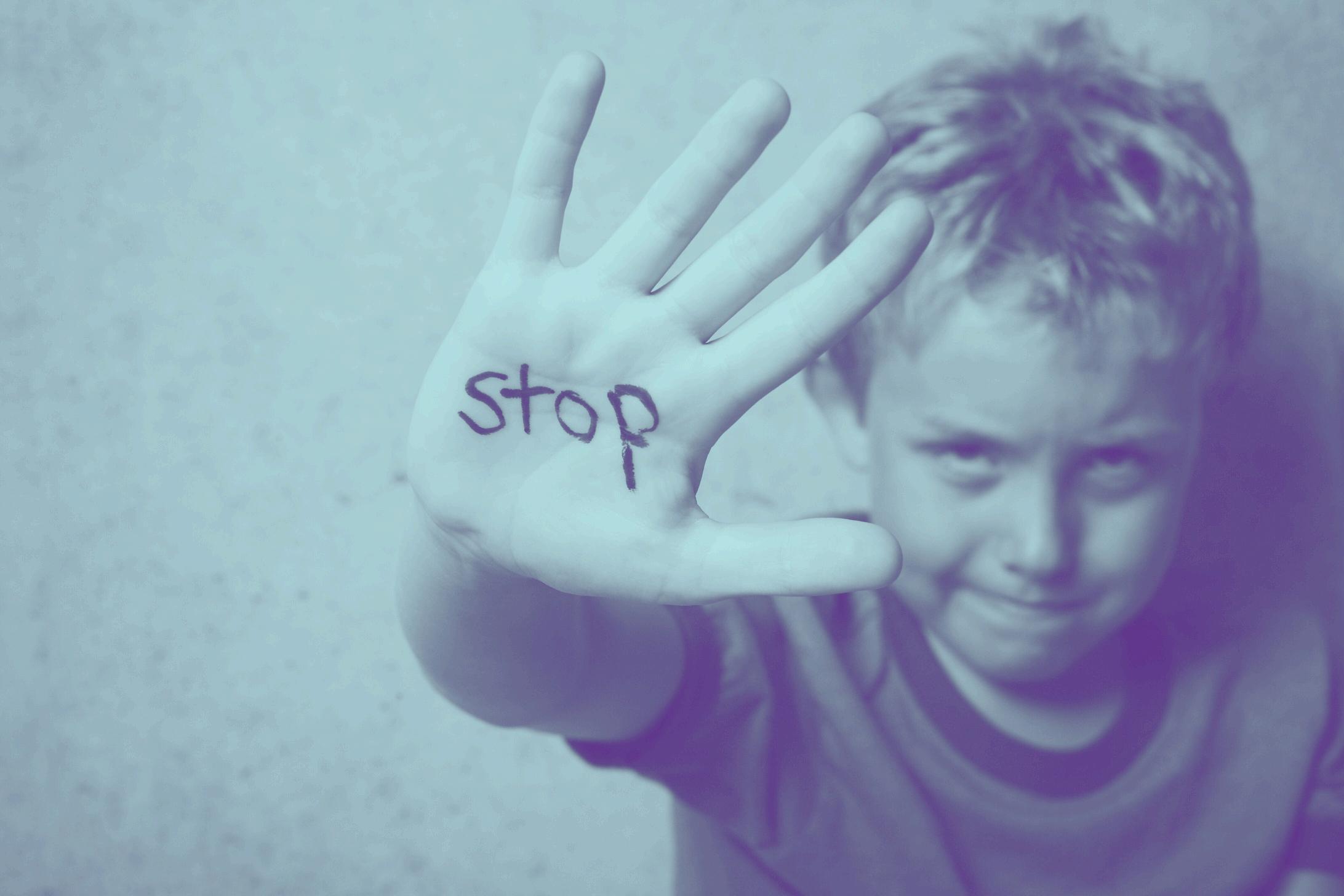
Young people have to make many choices yet the parts of the brain that control decision-making don’t fully develop until early adulthood.
Article Key Points:
Teenage brains are still developing. The part of the brain that controls how teens react to situations is the last part to develop. It’s normal for teenagers to make poor choices. Let them know you are there for them if they make a mistake.

Source: Spark Their Future Queensland Government
Research shows that having open, honest conversations with your child, early and often, is one of the most effective tools you can use to help your teen make good choices.
2. Encourage your teen to stop and think
Explain to your teen why tackling a problem when they are calm and can use their thinking skills, not just their emotion, can help them make good choices.
3. Be aware of your teen’s big events
Be aware of the important events or milestones coming up in your teen’s life and try and connect with them so you can talk together about what’s on their mind and help them make good choices.
4. Establish rules and routines
Research shows that having open, honest conversations with your child, early and often, is one of the most effective tools you can use to help your teen make good choices.
5. Encourage them
Involve your teen in working out rules. Use routines to support your teen in making positive choices. Every time you acknowledge your teen’s good choices, you are encouraging a positive mindset and giving them a taste of success which will motivate them to keep going.
While it’s normal for teens to make poor choices, if your teen is doing something that could harm themselves or others and/or is illegal, consider talking to a professional to seek help. There may be underlying issues relating to anxiety, drugs or alcohol. If you are concerned about your child’s mental health and wellbeing, please contact Beyond Blue, eheadspace, Lifeline or KidsHelpline.
Click Below to Read the Full Article



All types of domestic violence are wrong and some like physical violence, sexual assault and stalking, are criminal offenses.

For more information on how the Domestic Violence Protection Act applies to people in Queensland: www.legislation.qld.gov.au/LEGISLTN/C URRENT/D/DomeFamVPA89.pdf
Domestic violence is any type of abusive behaviour used to gain and maintain control over another. It often follows a cycle, and escalates in frequency and severity over time. Domestic violence in a relationship is when one partner or expartner consciously tries to manipulate and dominate the other. It is about the misuse of power and control.
Domestic violence can take many forms including physical violence, sexual assault, emotional abuse or social or financial control.
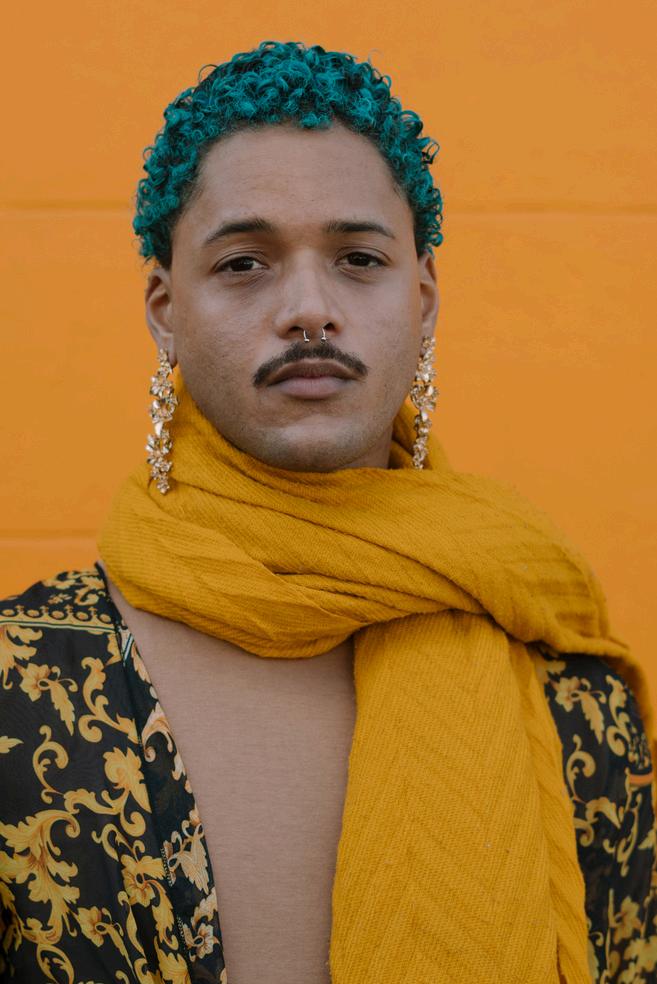

Abuse does not have to be physical or sexual to be domestic violence. It can happen in all types of relationships: gay, lesbian or heterosexual; monogamous, open or polyamorous; dating, new relationships or long-term; live-in or not.
Domestic violence happens across all communities, social classes, ages, cultural backgrounds and geographical areas.
Throughout the booklet, domestic violence is referred to as abuse from one partner, or ex-partner, towards the other in an intimate or romantic relationship. However, according to Queensland law, domestic and family violence also includes abuse within other types of relationships including; between relatives, in informal (unpaid) carer relationships or between adult children and parents.



A crucial article from 9NineNews Australia highlights this disturbing issue.
Domestic violence perpetrators are manipulating tax laws to impose debts on their victims, often without their knowledge. This exploitation can leave victims with debts averaging $90,000, leading to severe financial instability, insecure housing, and even bankruptcy.
Researchers from UNSW's Sydney Business School and the Gendered Violence Research Network have put forward recommendations to the federal government to close these loopholes. They urge the adoption of tax provisions similar to those in the United States, which provide relief to victims of intimate partner financial abuse.
A key area of the assistance WLSQ provides is financial rebuilding through our Financial Abuse Prevention Unit (FAPU).
For 24hr/7 day a week domestic violence crisis counseling and assistance contact: DV CONNECT: 1800 811 811 1800 RESPECT: 1800 737 732
For legal assistance, please call our Helpline on 1800 957 957 between 9.00am and 4.30pm.
Click to visit 9News Australia for access to the full article

New laws have been introduced to Parliament, setting in stone enhanced protections for Queensland workers from discrimination, vilification, sexual harassment victimisation and other unlawful behaviours.
The Respect at Work and Other Matters Bill will protect Queenslander workers against sex-based discrimination and harassment.
The legislation will also make a change that means assaults in the workplace will be an aggravated sentencing factor for judges to consider when sentencing an offender.
The Bill will include: new prohibitions of harassment based on sex. a prohibition on subjecting another person to a work environment that is hostile on the ground of sex; and a positive duty on all employers to take reasonable and proportionate measures to liminate discrimination, sexual harassment and other conduct that is unlawful under the AntiDiscrimination Act 1991.
For you is just a joke / just a gesture just a remark / just flirting. For the law it`s just a crime.

23% 14%
equivalent to 2.3 million women have experienced emotional abuse by a current or previous partner.
equivalent to 1.6 million women have experienced economic abuse from a current or previous partner.
equivalent to 1.3 million men have experienced emotional abuse by a current or previous partner.
16% 23% 7.3% 7.8%
1 in 4, 2.3 million women have experienced physical and/or sexual violence from an intimate partner since the age of 15.
equivalent to 745,000 men have experienced economic abuse from a current or previous partner.
1 in 14, 693,000 men have experienced physical and/or sexual violence from an intimate partner since the age of 15.

"Statistics provided by Australian Institute of Health and Welfare"

I realized that I am good at what I do regardless of anything he said, and I did not deserve what he put me through.
- Domestic Violence Survivor

If you are in immediate danger, call 000 for Police and Ambulance help
1800RESPECT
1800 737 732
This is a 24-hour national sexual assault, family and domestic violence counselling line.
MensLine Australia
1300 789 978
Supports men and boys who are dealing with family and relationship difficulties. 24/7 telephone and online support.
Kids Help Line
1800 55 1800
Australia wide free 24/7, counselling service specifically for children and young people aged 5 to 25 years.
Financial Counselling Australia
1800 007 007
Access free resources and advice from a private financial counselor.
Click on the name of the helpline to access their website for more information.
13 Yarn
13 92 76
The first national crisis support line for mob who are feeling overwhelmed or having difficulty coping.
Men's Referral Service
1300 766 491
This service offers assistance, information and counseling to help men who use family violence.
Lifeline
13 11 14
Anyone across Australia experiencing a personal crisis or thinking about suicide can call. Someone will help put you in contact with a crisis service in your state or territory.
Elder Abuse Help Line
1300 651 192
Free information and support services for people who experience or witness the abuse of an older person.
Beyond Blue
1300 224 636
Information and support to help everyone achieve their best possible mental health.
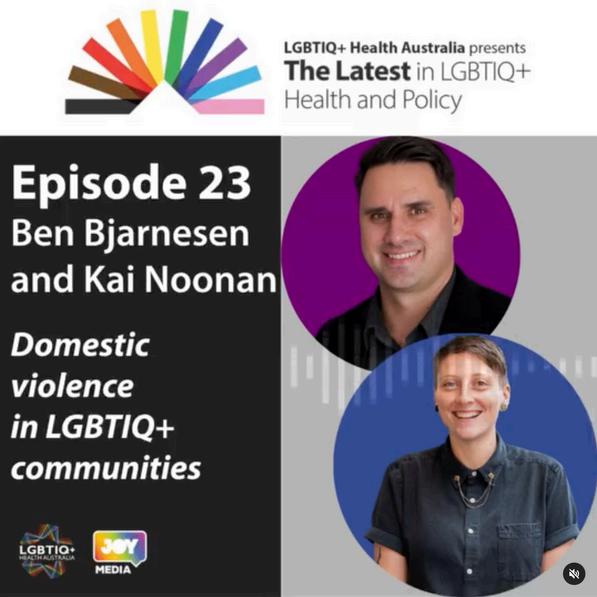
Click Below to Listen to The Latest in LGBTIQ+ Health and Policy


Prevention Council member and LGBTQ Domestic Violence Awareness Founder Ben Bjarnesen appeared in last month´s The Latest in LGBTIQ+ Health and Policy podcast episode.
It is a podcast that covers the health and well-being hot topic discussions that matter to LGBTIQ+ people.
In this episode, Ben appears alongside Kai Noonan, Director of sexual, domestic and family violence prevention at LGBTIQ`Health Australia, and together they discuss domestic violence in intimate relationships or between partners or expartners in LGBTQ communities.
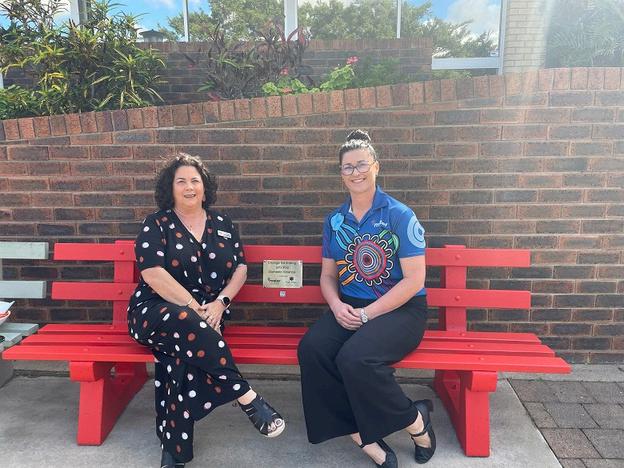
A Council bench with a prominent red paint job in front of Mater Private Hospital Bundaberg is the latest of its kind in the Wide Bay area raising awareness of domestic and family violence.
The bench acts as a sign to Wide Bay residents that Mater staff are able to support those in the community experiencing domestic or family violence and that they are never alone.
The Red Bench initiative is a sign of solidarity and support for survivors and victims.
“The red bench installed in front of Mater Private Hospital Bundaberg also features a QR code which, when scanned, provides the community with a range of resources for themselves or to support those around them.”
“Local domestic and family violence statistics are increasing, and they are increasing dramatically – we have lost 21 victims, women and children, to domestic family violence or intimate partner violence, just between January and May".
The burden of disease created by domestic and family violence in our communities and on our health services is truly immeasurable.
There are now more than 408 red benches in place across Mater Private Hospitals across Queensland are "taking a seat to take a stand"!
What might the world look like if young women learnt from an early age that they had a right to say no? No to anything that makes them uncomfortable backed by a deep belief in their right for this to be heard, respected and enforced by our social institutions?
The program is aimed at Years 8-10 and runs for 7 sessions. This program is designed to complement a range of other Respectful Relationships programs aimed at all genders.
Whilst it is imperative that boys learn about their rights, the rights of others and what affirmative consent means, this program is designed for cis and trans young women, as well as nonbinary people who are comfortable in a space that centres the experience of girls & women.


The program was successfully piloted in two schools in 2018 and now runs in multiple settings across Australia. Like the adult program the young women’s program is based on the five-steps in the Shark Cage framework and was developed by a psychologist and a teacher.
Introducing the Shark Cage metaphor 1. Renovating the Shark Cage 2. Fixing the Shark Cage alarm 3. Defending the Shark Cage 4. Recognising Shark and Dolphin behaviours 5.
FOR MORE INFORMATION
Email Ursula on: info@thesharkcage.com

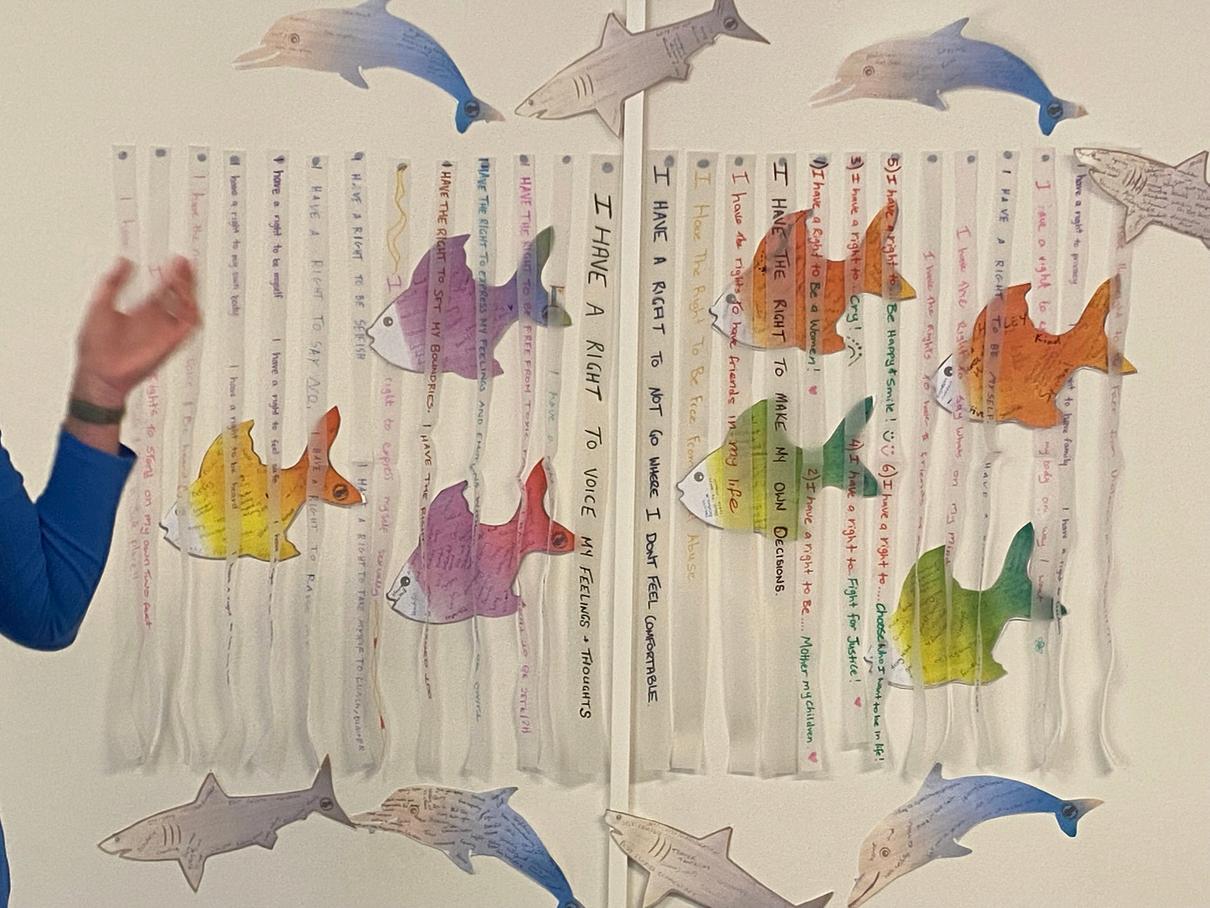
Helps women recognise their human rights and to defend them
Learn to recognise red flags at an early stage
Learn how to build strong shark bars and prevent predators
Creative program that sparks imagaination and allows safe talk
Interoception - Mind body connection which is often damaged
Identify shark like behaviours before its too late
Interested?
Trauma Assist
Wide Bay Women’s Health Centre
Both have this course available


The sharkcage metaphor is a conceptual and practical program for women to understand and reduce their re victimisation. The Framework is based in Human Rights and a feminist perspective and offers training and strategies for change in women’s lives.
SharkCage introduces a metaphorical shark cage to help women begin to think about and develop boundaries in their lives. The framework introduces boundary violations using the shark cage alarm and teaches assertiveness strategies to assist women to defend their shark cage.
The program teaches women why abuse has been prevalent in their lives from a no blame perspective. It helps them to understand that their shark cage bars were either in need of repair, or missing, and this has let predators get too close.