12 Empowered Wide Bay Queensland




In every corner of our region that we call the Wide Bay Burnett, there’s a quiet but urgent conversation to be heard - how do we ensure our young people not only stay, but thrive here? The answer lies not in a single initiative or policy, but in a collective commitment a community wide promise to give our youth the very best start to life.
This edition of Empowered is a celebration of that promise. It’s a rallying cry for educators, employers, families, and leaders to invest in the potential that walks our streets every day Retaining our young people isn’t just about economics or population it’s about identity. Those young people who stay, are able to find deep purpose rooted in community, identity, and opportunity. Those who leave us often carry that same sense of belonging with them, eventually returning with new ideas and renewed commitment, and as we continue to nurture welcoming, thriving spaces, others from elsewhere, begin to see our region as a place not just to visit, but to call home.
We all know the challenges - limited job opportunities, difficulties with access to higher education, and the allure of the big city lights - but we also know our strengths. We have landscapes that inspire creativity, a community spirit that’s second to none, and a growing base of businesses eager to develop through the lens of next generations. When we connect young people with meaningful pathways whether through apprenticeships, mentorships, or grassroots leadership we don’t just retain them - we empower them for future success
In recognition of International Youth Week, this edition celebrates the spirit, resilience, and boundless potential of young people at every stage of life from curious kindergartners and passionate students, to determined apprentices and emerging professionals. Whether they’re building skills in regional Australia, speaking up for change around the world, or simply discovering who they are, our youth are shaping the future with courage and heart
But more than anything, Empowered is a reminder that our young people are not a problem to be solved they’re a force to be embraced Their energy, ideas, and courage are the heartbeat of our future. And when we nurture that heartbeat, we build a region that doesn’t just survive it flourishes.
Let THIS issue be your invitation to act - to listen – to learn - to lead by example. To believe that the best way to shape tomorrow is to invest in those who will inherit it.
Sandra Holebrook


Established by the United Nations, International Youth Day serves as a global platform to raise awareness of the issues facing young people worldwide. It highlights the importance of youth participation in political, economic, and social life. The day encourages governments, organisations, and communities to create opportunities for young people to thrive and contribute to society.
Global Awareness: Promotes understanding of youth issues on a global scale.
Youth Empowerment: Encourages initiatives that empower young people to take action.

Policy Influence: Advocates for policies that support youth development.
International Youth Day provides a focal point for discussions on critical issues affecting young people, such as education, employment, mental health, and climate change. By raising awareness and fostering dialogue, the day aims to inspire action and create positive change for youth around the world.
Empowering youth is essential for building strong and resilient communities. By providing young people with the opportunities and resources they need to succeed, we can unlock their potential and create a brighter future for all.
When young people are empowered, they are more likely to engage in their communities, contribute to the economy, and become leaders of tomorrow. Investing in youth is an investment in our future.
As we celebrate International Youth Day in Queensland, let's reaffirm our commitment to empowering young people and creating a society where they can thrive. Let's listen to their voices, support their initiatives, and work together to build a better future for all.
There are many ways for young people in Queensland to get involved and celebrate International Youth Day:
Volunteer: Many organisations are looking for volunteers to help with youth-related programs.
Start a project: Identify a problem in your community and develop a project to address it.
Spread the word: Use social media to raise awareness about International Youth Day and the issues facing young people.

This International Youth Day, consider how you can further support the youth in your community. Whether it's volunteering time, donating to youth-focused organisations, or simply mentoring a young person, every action counts. By empowering our youth, we invest in a brighter, more sustainable future for Queensland and the world.
The digital youth hub that helps young people find government information and services.
Looking after your health and wellbeing is important. It can be overwhelming to know where to find information or support. It is important to remember you are not alone. There are resources and people ready to help you.
Explore: Mental health
Finding health services
Online safety
Healthy relationships and consent
Medicare and health insurance
Alcohol and other drugs
Vaping and smoking
The world of work is full of exciting opportunities. Get started here!
Explore :
Choosing a career
Getting the job
Apprenticeships and traineeships
Workplace rights

Studying can bring you new opportunities.
Explore: High school
University and TAFE
International students
STEM education
A healthy environment is important for all living things Everyone needs to work together to look after the environment.
Explore:
Climate change
Climate action
Good news stories
How you can make a difference
We have information to help you navigate some life admin that comes with being a young person or adult.
Explore:
Income support
Housing
Tax and superannuation
myGov
How our government works
Voting
Finances and money

Empowering the youth for a bright future. Download documents and navigate the interactive site crafted by young people for young people.
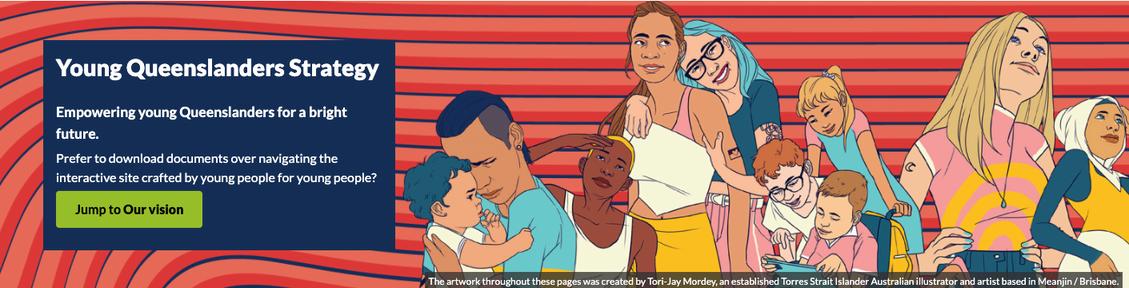
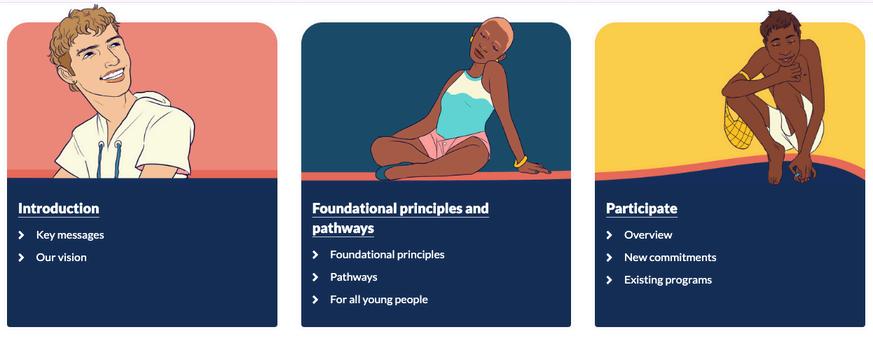
The Young Queenslanders Strategy is a Queensland Government initiative aimed at empowering young people aged 12-25 to actively participate in and shape their communities and futures. It's a collaborative effort involving young people, government, and non-government partners, with the goal of creating a Queensland where young people thrive The strategy focuses on building young Queenslanders' "identity capital" through tailored opportunities, resources, and support.
Sleep disturbances are common among people with autism and can impact their overall well-being and daily functioning.
What is known?
Studies suggest that up to 80% of autistic children may have sleep difficulties at some time in childhood. For many children, these sleep problems can be chronic For children on the autism spectrum, sleep problems typically begin to occur from around 30 months of age. Their most common problems are less total time asleep and increased time to settle to sleep. These are similar problems reported by parents oftypically developing children
Difficultysettling tosleep
This may be due to an unmet need to follow routines; need for special toys, objects, bedclothes or bedding; refusal to fall asleep in own bed; needing a parent present; noise or light; or fears, worries and anxiety. The presence of a TV, tablet or phone in the room is also disruptive. Ideally children should take no more than 20-30 minutes to fall asleep.
Night walking
Some night waking is usual, but young children may not know how to soothe themselves back to sleep or may seek the comfort of mum or dad. Older children may be worried or anxious and cannot re-settle. Toileting, nappies and bed wetting also contribute to night waking

Things you should know:
. Difficulty settling to sleep is their most common and consistent sleep problem.
. Children with autism sleep less than might be expected for their age
. Children with poor sleep often have more daytime problems with behaviour and attention.
. Most sleep problems can be addressed using behaviourbased interventions.
. Melatonin may be prescribed if interventionsfail.
. Good sleep is important for memory and learning
Parents can help their child sleep by following good sleep hygiene principles, which involve having regular daytime and bedtime habits. If your child has regular daytime and sleep habits to promote good sleep and you remain concerned, you should consult your child’s regular medical practitioner. It will be important to evaluate and treat any medical conditions that might affect sleep like asthma, epilepsy, and sleep apnoea.
Establish a regular sleep pattern

A consistent and relaxing bedtime routine
Some foods or caffeine can disturb sleep
Take care with daytime naps
The first line treatment for sleep problems is a behaviourally based intervention. Your family doctor can refer you to a sleep specialist (e.g., sleep psychologist or sleep paediatrician) for this.
Linksfor more information about austism and sleep https://www.parentingstrategies.net/ www.autismspeaks.org/sleep https://raisingchildren.net.au/autism/healthwellbeing/sleep/sleep-problems-children-with-asd
Make sure the bedroom is comfortable
Bed is for sleeping, not entertainment

Observed annually on 25 September, is a global campaign to raise awareness about lung health and the urgent need to reduce the burden of respiratory diseases.
Every day you breathe about 22,000 times. Your lungs and their health is vital to helping you live well, everyday. We can always do more to take steps towards better lung health. Incorporating simple things like staying active, focusing on good posture and keeping hydrated are great first steps towards protecting your lungs. Of course, quitting smoking, being mindful of air quality, and protecting your lungs at work also go a long way to improving or maintaining healthy lungs.
Check how healthy your lungs are by completing our 2 minute Lung Health Checklist.

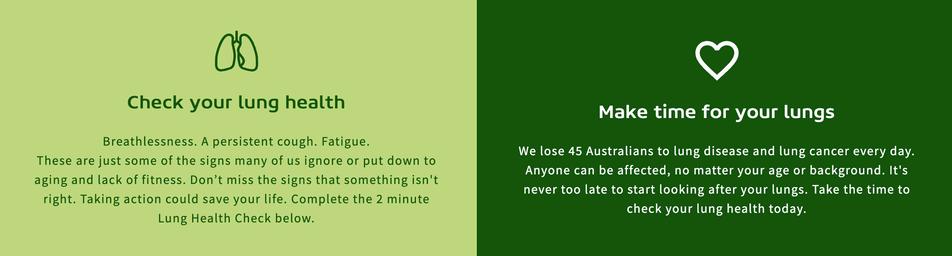
Take control of your lung health and don’t miss the signs that something isn’t right. Anyone can get lung disease or lung cancer
Breathlessness, a persistent cough, and fatigue are a few of the symptoms many of us ignore or put down to something else.
Lung Foundation Australia is highlighting the transformative power of support and advice for those living with lung conditions.

Taking timeout from instant gratification – is said to boost mental clarity and productivity.
In a world where we are constantly bombarded by an endless stream of stimuli, it can be easy to get hooked on the instant high of phone alerts, texts and notifications. Advocates of dopamine detox – a wellness trend taking TikTok by storm – suggest it’s time to “unplug” and give our overstimulated brains a break.
Dopamine is known as the “feel good” hormone because it is responsible for pleasure, satisfaction and motivation. Because it also plays a role in memory, mood, sleep, learning, concentration and movement, having the right amount is important. Too little is associated with mental health disorders such as depression and Parkinson’s disease, while too much can cause aggression and poor impulse control.
DOPAMINE DETOX?
During a dopamine detox, pleasure triggers are off-limits for a set time – anywhere from an hour to several days. The idea is to reset the brain’s reward system, making it more responsive to everyday pleasures and reducing the temptation to engage in addictive behaviours It’s really about conscious living – making sure you are consciously choosing behaviours and actions that are in alignment with how you want to live. It’s definitely not about giving up things that are pleasurable, it’s about being aware of our habits and making consciouschoices.


How spotting this distress hand signal, could save someone’s life.
The Signal for Help is a one-handed gesture designed to help individuals discreetly signal they need help, particularly in situations of domestic violence or abuse. It involves raising a hand with the palm facing outward, tucking the thumb into the palm, and then folding the fingers down to cover the thumb. This signal can be used in person or on video calls, offering a nonverbal way to communicate distress. It was created by the Canadian Women's Foundation and has been popularized on platforms like TikTok.
The foundation created it as a way for victims to discreetly ask for help after it was found that the global pandemic had led to a spike in domestic violence. With more people forced to stay indoors, there was an estimated one woman killed every week by her partner in Australia.
WHERE TO GET HELP:
If you see someone using the Signal for Help or if you need help, you can:
Call 000 If you or someone you know is in immediate danger.
Contact 1800RESPECT: Australia's national domestic violence and sexual assault helpline
Find a local shelter or support service: Use resources like ShelterSafe to locate nearby services.
Reach out to a trusted friend or family member: If you feel safe doing so, let someone know what's happening.
Discreet: The signal can be used without alerting an abuser or aggressor
Recognizable: If you know the signal, you can quickly identify when someone is in need of help. Simple: It's easy to learn and perform, even in high-stress situations.
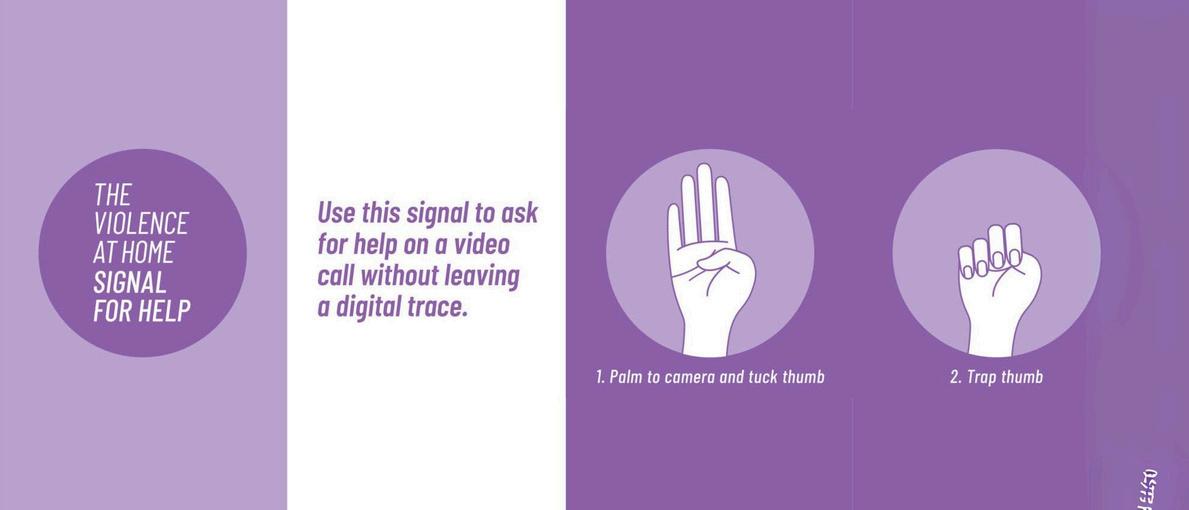
Video version:

Nightclubs and concerts are packed with energy and excitement, but even minor incidents can quickly escalate into serious conflicts.
Feeling threatened: Any crowded space with a lot of energy, loud noise and alcohol is going to test your triggers. When personal space is limited, we often feel “invaded”, increasing our propensityfor anger
Increased Sensory Overload: In crowds, the brain processes a massive amount of sensory input. Sensory overload can occur when the brain is overwhelmed, leading to confusion, disorientation, and a heightened sense of danger.
Personal space violation: Research shows that when people feel their personal space (about 18 inches around them) is invaded, the brain reacts with discomfort and sometimes aggression as a defence mechanism.
Oxytocin and trust: The brain’s release of oxytocin, the hormone associated with bonding and trust, decreases in crowded environments, which may explain why people feel less safe and more defensive around strangers.
Heightened anxiety: Studies reveal that up to 70% of people report feelings of anxiety in extremely crowded places, such as public transport or concerts, due to perceived loss of control or escape options.
Crowd density and panic: Crowd psychology research shows that when crowd density exceeds five people per square metre, the brain starts to perceive the environment as dangerous, even if no immediate threat exists.
Coping strategies: Try to position yourself in a less crowded area or against a wall where fewer people are likely to bump into you. Practise deep breathing techniques to help manage feelings of anxiety or aggression.


Psychological wellbeing refers to an individual's overall mental and emotional health, encompassing positive feelings, effective functioning, and the ability to cope with life's challenges. It's not just the absence of mental illness, but a state of thriving, including positive emotions, engagement, healthy relationships, and a sense of purpose
Experiencing happiness, contentment, joy, and other positive feelings.
Having strong, supportive, and meaningful connections with others.
Having goals and a sense of direction in life, feeling like your actions have meaning.
Having a positive attitude towards oneself, accepting both strengths and weaknesses.
Continually developing and striving to reach one's full potential. Feeling capable of managing one's environment and taking control of one's surroundings.
Being independent and selfdirected, making your own choices. Being involved and absorbed in activities, feeling a sense of flow and purpose.

In essence, psychological wellbeing is about living a meaningful and fulfilling life, characterized by positive emotions, effective functioning, and a sense of purpose and connection.
For urgent help with psychological wellbeing in Australia, Lifeline (13 11 14) or the Suicide Call Back Service (1300 659 467).
For non-emergency support, Beyond Blue (1300 22 4636) offers 24/7 online chat and phone support. Kids Helpline (1800 55 1800).
Binge-eating disorder (BED) is both a type of eating disorder and a mental health disorder. Binge eating is different from overeating Overeating is something that most people do sometimes, such as in social settings.
People with binge-eating disorder repeatedly act on an urge to eat large quantities of food in a short period of time, often in private The foods most often eaten are highly processed foods such as breads, biscuits, chips and sweets.
WHAT ARE THE SYMPTOMS OF BINGE-EATING DISORDER?
People with binge-eating disorder might feel: Out of control
The need to hoard food
They may eat:
Large amounts of food in a short period of time, often sweet and savoury carbohydrates
When they are not hungry
Until after theyfeel full
As a way to cope with emotional distress
WHATCAUSES BINGE-EATING DISORDER?

Like other mental health conditions, bingeeating disorder can arise from childhood abuse or trauma. Some people have no obvious reason for having binge-eating disorder. Some things may place you at higher risk of developing it, such as: anxiety, depression or low self-esteem. Other mental health or developmental diagnoses such as autism spectrum disorder, drug or alcohol use, dieting or food insecurity, unmet social, spiritual, emotional or physical needs, a family history of eating disorders.
They might binge eat once or more each week, over a few months. This might evolve to become more frequent, e.g. daily.
People with binge-eating disorder are distressed by their eating behaviour and may feel: ashamed and guilty. This can impact their life. They may withdraw from their usual activities and from family and friends.



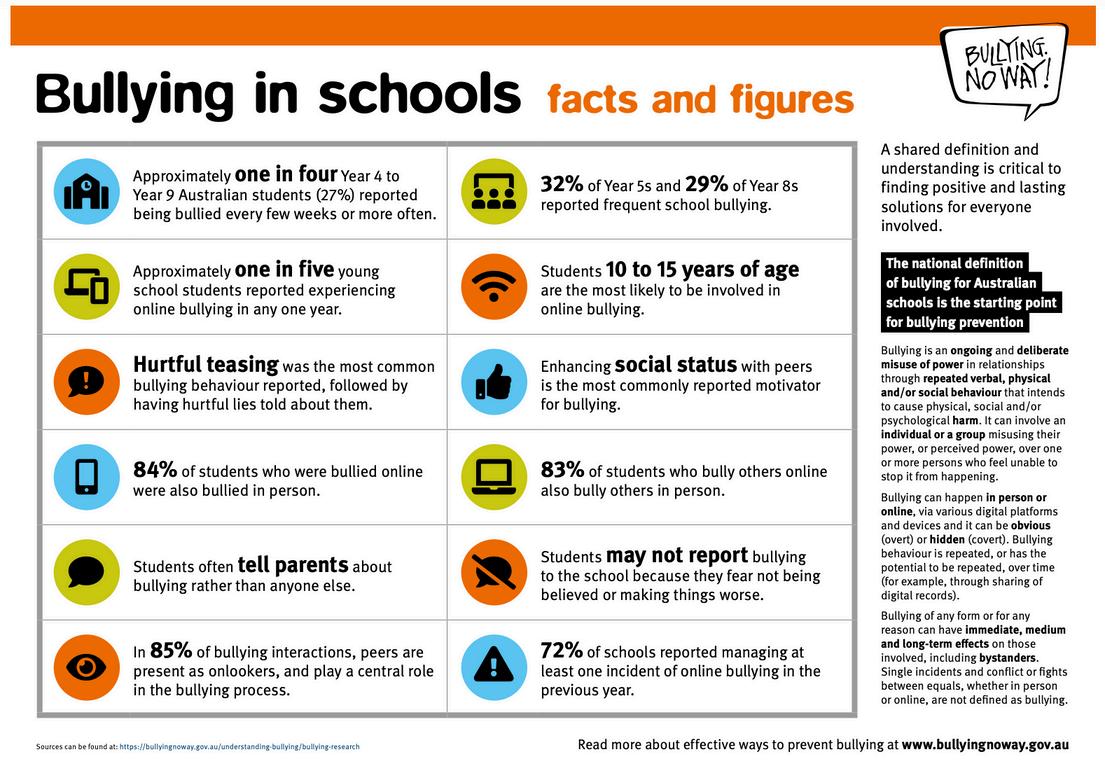
Bullying can make us feel unsafe and unhappy. It stops us from being who we want to be and can make it hard to learn and be around other people
If you are being bullied or you see bullying happening, you can do something. If you are bullying others, you can access help to stop the bullying behaviour. If bullying behaviours aren't challenged, it can create an environment where bullying is accepted and where everyonefeels powerless to stop it.
Bullying No Way and the eSafety Commissioner have collaborated to share some practical tips on how to respond

Bullying is everyone ’ s problem.

It is a time dedicated to raising awareness about this rare cancer and the need for increased research into new treatments. The amber ribbon is a symbol of support for those affected by appendix cancer.
Appendix cancer occurs when cells in the appendix become abnormal and keepgrowing and form a massor lumpcalled a tumour.
The causes of appendix cancer are not known. There are no clear risk factors and it does not appear to run in families. Increasing age, however, can increase the risk of appendix cancer
The type of cancer is defined by the particular cells that are affected and can be benign (noncancerous) or malignant (cancerous).
The most common types of appendix cancer are:
Mucinous adenocarcinoma – these start in epithelial cells that line the inside of the appendix. They can produce mucin (a jelly-like substance) and spread to other parts ofthe body.
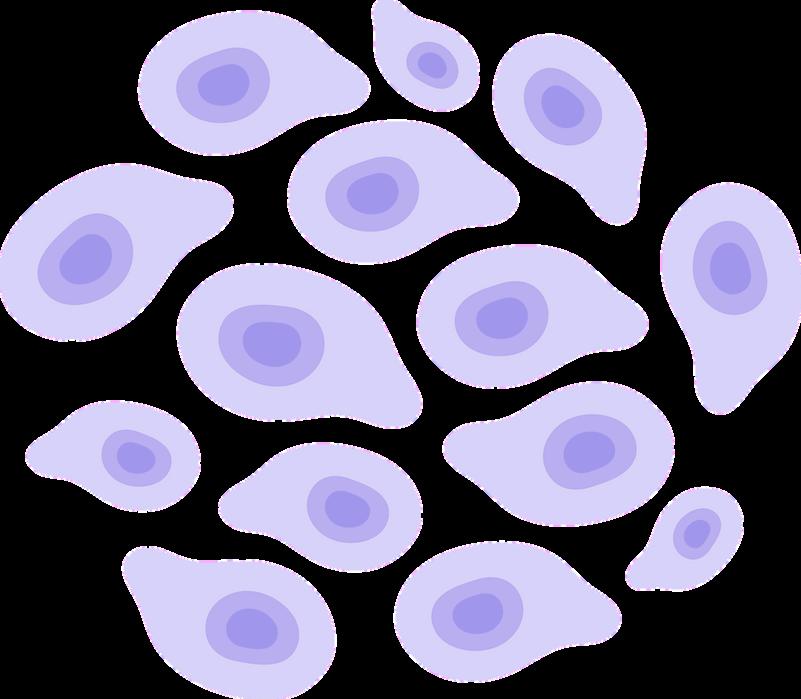
Neuroendocrine tumours (NETs) – these form in neuroendocrine cells inside the appendix. Appendiceal NETs are often found at the tip ofthe appendix.
Goblet cell carcinoma (GCC) - these have features of both a NET and adenocarcinoma but behave more like an adenocarcinoma, which can be more aggressive.
Colonic-type adenocarcinoma - these may behave like colon (large bowel) cancer and are often found at the base of the appendix.
Appendix cancer is rare and the most common types are seen in people aged between 40 and 60 years. It is estimated that 874 people were diagnosed with appendiceal cancer in 2024.
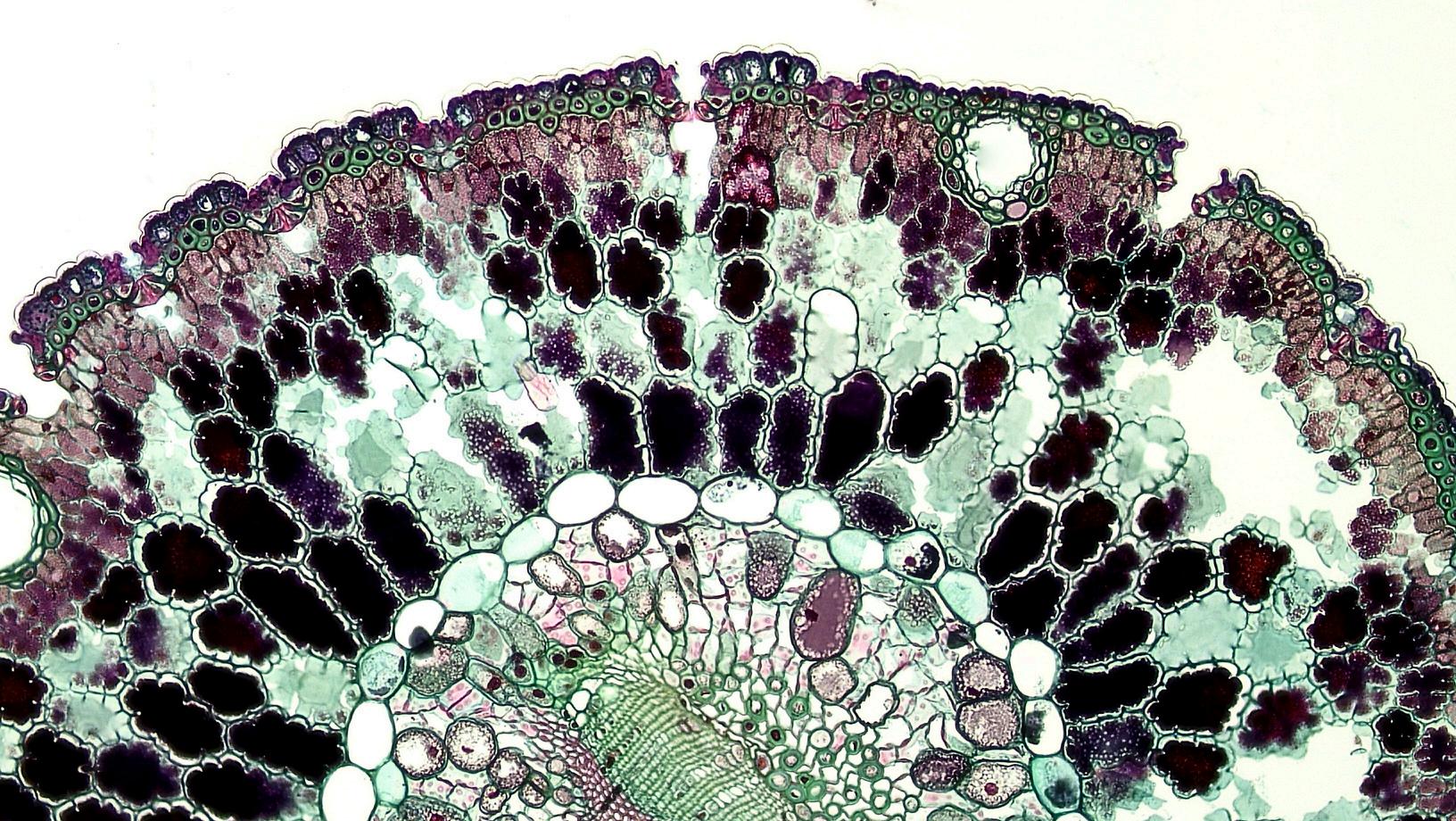
Appendix cancer may not cause symptoms in its early stages. However, some people may experience symptoms such as:
appendicitis (lower right abdominal pain)
gradual increase in waist size
build-up offluid in the abdomen
bloating changes in bowel habits
hernia
ovarian mass or lump
DIAGNOSISOFAPPENDIXCANCER
Appendix cancer is often found during abdominal surgery for a different condition or after an appendectomy (surgical removal of the appendix) for a suspected case of appendicitis.
If your doctor thinks that you may have appendix cancer, they will perform a physical examination and carry out certain tests. If the results suggest that you may have appendix cancer or PMP, your doctor will refer you to a specialist who will carry out more tests:
Blood Test - CT Scan - MRI - UltrasoundDiagnostic laparoscopy - Biopsy
TREATMENTFOR APPENDIXCANCER
The main treatments for appendix cancer are surgery and chemotherapy. These can be given alone or in combination
Surgery
Chemotherapy
Local chemotherapy
Systemic chemotherapy
Radiation therapy (radiotherapy)
Palliative care





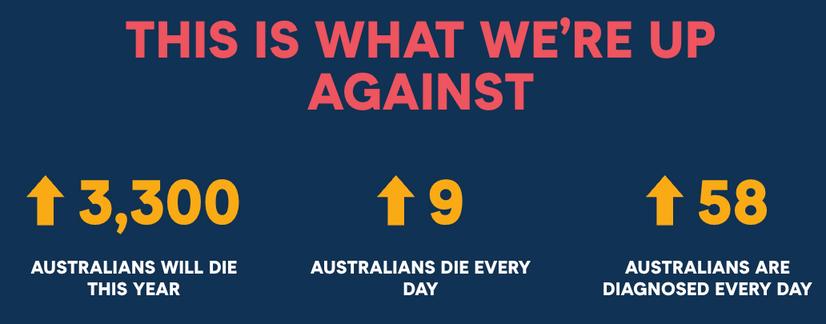
An estimated 700,000 Australians have a brain injury, also known as an acquired brain injury (ABI) that limits their activity and ability to participate in everyday activities.
Multiple disabilities arising from damage to the brain acquired after birth. It results in deterioration in cognitive, physical, emotional or independent functioning. It can be as a result of accidents, stroke, brain tumours, infection, poisoning, lack of oxygen, degenerative neurological disease etc.
WHAT CAUSES AN ACQUIRED BRAIN INJURY?
. A blow or bump to the head
. Falls are the most common cause
. The most common cause of moderate to severe TBIs is motor vehicle accidents
. Other common causes are bicycle accidents, assault and sports injuries Stroke / Brain tumour / Poisoning
. Infection and disease
. Near drowning / Alcohol or drug abuse
. Degenerative neurological diseases such as Parkinson’s disease
. Oxygen deprivation
Brain Injury Awareness Week is from August 18th to August 24th. The week is dedicated to raising awareness about brain injuries, their impact, and the support available for those affected.
WHAT HAPPENS TO THE BRAIN IN ACQUIRED BRAIN INJURY?
. Bruising of brain tissue (contusion) Stretching and tearing of blood vessels. Swelling due to chemical changes. Damage to major blood vessels
. Bleeding.
HOW ARE BRAIN INJURIES DIAGNOSED OR DETECTED?
Diagnosis is usually made by taking images of the brain through an MRI, CT or other scan, along with an assessment of the cause and symptoms Depending on the type of injury, immediate treatment may involve surgery as well as monitoring and controlling pressure inside the brain.
The effects of ABI on people present differently in each individual, with impacts which range from mild to profound The more severe the injury, the more pronounced the long-term effects are likely to be.
Behaviour or personality changes
Memory problems
Dizziness or fainting
Weakness or paralysis Fatigue
Mobility impairments
Poor balance
Physical or sensory disabilities
Changes to the ability to think and learn
Difficulties with speech and communication
Depression and mood swings
Changed social behaviour
WHERE CAN YOU GET HELP OR INFORMATION?

A not-for-profit organisation that provides a range of support services, information and targeted research activities Download their free ebook on understanding and responding to ABI.
A central place for information and referral gateway for Australians living with brain injury. Check out their resource library for helpful fact sheets and publications
WHAT ARE THE COMMON LONG-TERM TREATMENTS FOR ABI?
The impact of an ABI can be substantial on the person and their family. It can be incredibly distressing for everyone. Adapting to living with an ABI can mean a whole new way of life. Managing these changes takes time and patience. Many people improve over time with the support of specialists, therapists and their family. Rehabilitation and treatment can be arduous and lifelong:
Physiotherapy
Occupational therapy
Speech pathology
Psychology
Support to live independently
Raises funds for research into brain diseases and disorders. Has excellent links for organisations in each state on their ABI page.

Whether you are a tradie, love a tradie or work with one, August is a time to prioritise tradie health and wellbeing.
Tradies National Health Month (TNHM), established by the APA in 2012, raises awareness of the physical and mental challenges faced by those in trade professions.
From injury prevention and pain management to improving mobility and strength, physiotherapists are uniquely placed to support tradies throughout their careers.

In 2025, Australia continues to face critical trade shortages and growing infrastructure demands. Now more than ever, it’s vital to invest in the health of our tradie workforce–because when tradies thrive, ourcommunitiesdotoo.
. Over 90% of tradies experienced work-related injuries or pain in the past year, with 90% ofthese injuries caused or worsened by work.
. 76% reported pain significantly impacts their quality of life.
. 42% described their pain as severe, with some suffering for months or years.
. 87% medicate or self-medicate to manage their pain, with 30% resorting to drugs or alcohol.
. 24% fear they will need to retire early due to stress on their bodies.
Physiotherapy can be transformative for tradies, addressing common persistent issues like back, knee, and shoulder pain that can significantly impact quality of life:
Prevent injuries - Early intervention - Enhancequalityof life - Adapt with age of tradies who have seen a physiotherapist reported significant pain reduction oreradication.
Don't brush off injuries, seek professional help when needed, and embrace healthier habits. Your well-being matters.
In a groundbreaking partnership with Lifeline, the campaign is encouraging tradies to don blue attire. But it's more than just a fashion statement. The blue gear serves as a visual prompt, sparking vital conversations about mental health on worksites.
The campaign aims to break down stigmas and foster a supportive work environment by encouraging tradies to check in with their peers. Tradies are encouraged to access resources and support from organizations like Lifeline, Blackdog Institute, Australian Physiotherapy Association (APA) and TIACS.

This organization is offering a truckies, and farmers With f counselling services, TIACS is needed mental health support.
After successfully launching the workwear companyTradeMutt, fo saw a great need to remove prevente professi TIACS re to acce service d
The focus on tradies' mental health is part of a larger movement addressing men's mental health, let's stand together, wear the conversation, and make mental health a priorityforourtradies.



In August 2025, Australia will see several initiatives and events focused on breast cancer awareness, with a particular emphasis on fundraising and community engagement. The National Breast Cancer Foundation (NBCF) is promoting "Step Up to Breast Cancer, " encouraging people to walk or run 58km throughout the month to raise awareness and funds.
The Pink Lady Match, a collaborative event between the AFL and Breast Cancer Network Australia (BCNA), will take place, featuring the Melbourne Demons and Western Bulldogs.
City2Surf fun run in Sydney will have a strong NBCF presence, with participants encouraged tofundraise.
Pink Ribbon Gala Ball
The annual Pink Ribbon Ball in Perth is a prestigious event held in support of breast cancer awareness through the Momentum For Australia charity.
“Because every death is one too many, and research is critical to better understand breast cancer and ultimately save lives lost to this disease.“

Pink Sports Days are a great way for your school or sporting club, association or league to rally together to raise awareness and funds for Breast Cancer Network Australia (BCNA) and our work supporting Australians affected by breast cancer.
Being told you have breast cancer changes your life in an instant, and the lives of those around you – families, workplaces, sporting clubs, schools and local communities.
Funds raised through Pink Sports Days mean BCNA can provide vital information and support for the over 20,000 Australian women and men diagnosed each year.
You can hold a Pink Sports Day any time through out the year and we encourage you to pick a date that works best for your club calendar. Many clubs choose the Mother’s Day weekend in May or during Breast Cancer Awareness Month in October, but we’re here to support you at any timethroughout theyear.
Every dollar you raise helps BCNA support more women and men diagnosed with breast cancer; and hosting a Pink Sports Day is also a great way to acknowledge the important role women play in grassroots sport.
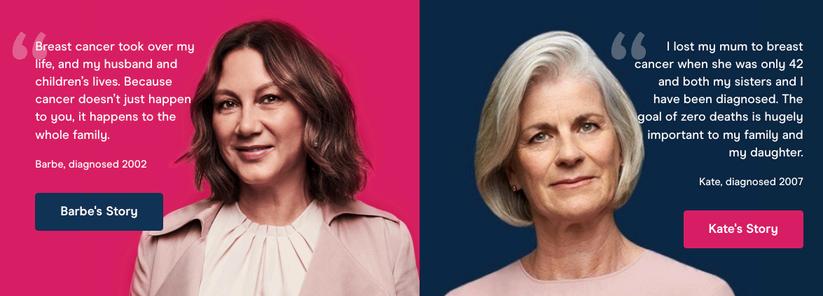
Therapy animals have a unique ability to connect with people in waysthat wordsoften can’t.
Studies show interactions with therapy dogs can reduce anxiety and stress, lower blood pressure, and improve mood.
For hospital staff, therapy dog visits also offer an important opportunity for emotional decompression and reconnection during busy shifts.
There were smiles, wagging tails, and a few happy tears as Chevie padded through the halls of Maryborough Hospital, officially launching a new pet therapy trial aimed at boosting patient and staff wellbeing.
Director of Nursing in Maryborough Jane Bartley said
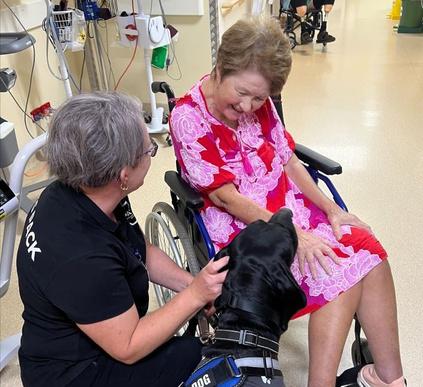
“It was incredible to see the immediate joy on our patients’ faces.”
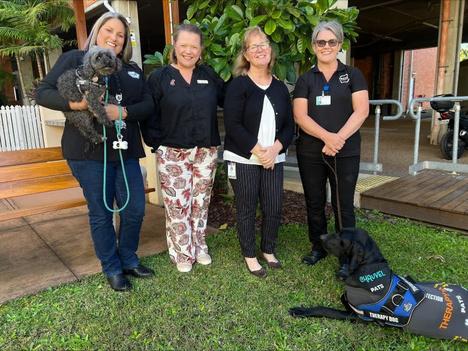
Chevie’s handler and nurse Lisa Tinney said she is thrilled to be part of the pilot program and that her work as a nurse has helped the seamless transition.
“Working as a nurse in the organisation allows me to be able to speak with patients and family members regarding their concerns while their loved one is in hospital,” she said.
“Chevie absolutely loves people, he is calm, gentle and knows just howto bring comfort.”



The upcoming year’s "One Day at a Time" Gala is all about making a difference in the lives of children in the Wide Bay region who have been exposed tofamily and domesticviolence.
With our 2025 theme, "Shining Bright for Kids," we aim to raise funds to provide access to vital therapeutic services, like play therapy which is not currently funded through any government schemesfor children to access.
Through Shine Bright Mental Health and Play & Beyond, with Children being referred through Yoorana, Centacare, ACT 4 Kids, and women seeking support for DV through Shine Bright Mental Health locally in our Wide Bay area.


�� Dates: 27th September, 2025
�� Time: 5:30pm - 11:30pm
��Location: Maryborough City Hall, 388 Kent Street, Maryborough, Queensland Australia
A Powerful Holistic Wellness Experience. We know the current pressures within the housing and homelessness sector are placing significant demands on workers, with many reporting increased stress.
�� Dates: Wednesday 3rd September
�� Location: Urangan Community Wellness Centre - The Tree House - 62-105 Elizabeth Street Urangan, QLD 4655
�� WellnessWorkshop: 10:00 - 12:00pm
�� Stress Management and Resilience Workshop: 12:30 - 2:30pm


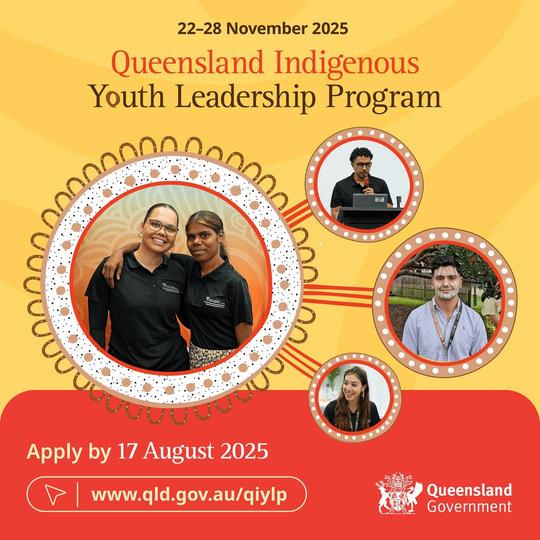
�� Dates: 22-28 November 2025
�� Location: Brisbane
⏳ Applicationsclose: 17 August
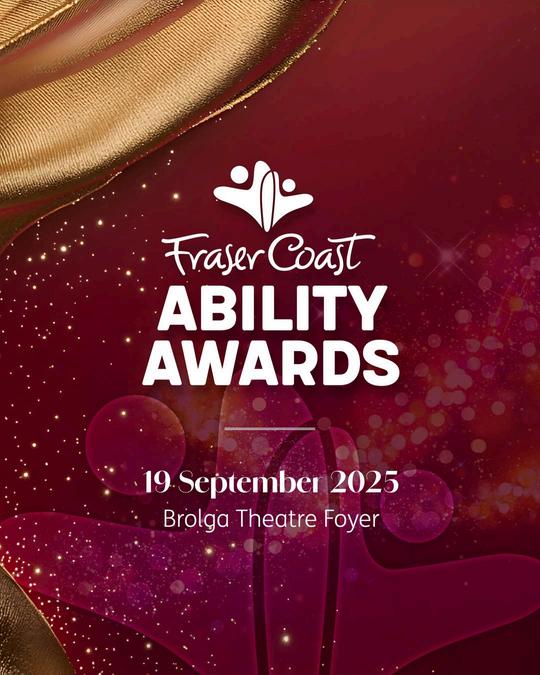
Do you know a person with disability who inspires you or is achieving great things? Or someone creating a more inclusive, supportive community? ��
Now in its 27th year, the 2025 Fraser Coast Ability Awards shine a light on excellence, leadership, innovation, and inclusion! ��
This year's awards have refreshed categories and a renewed focus to better celebratethose making a difference.
�� Nominations close 29 August!
�� Award ceremony will be held on 19 September at the Brolga Theatre.
NOMINATETODAY!
The Queensland Indigenous Youth Leadership Program (QIYLP) is your chance to grow, empower your mob, and drive change in your local community!
Each year, young Aboriginal and Torres Strait Islander people aged 18-25 come together from around the state to strengthen their leaderships skills, uplift each other, and build powerful cultural and professional connections This 7day immersive program is a transformative experience that can shapeyourfuture.
Don’t wait this is your moment! ��
Friday 8 & 15 August 2025 - 8:30am to 4pm both days, $20

Learn about the signs and symptoms of mental health literacy and the practical skills needed to support adults experiencing a mental health problem until appropiate professional help is received.
�� Dates: 8th August, 2025

��Location: The Urangan Community Wellness Centre, Elizabeth St (opposite Miller St), Urangan, 4655

Wide Bay Burnett Community Legal Service is holding a free legal workshop to provide guidance and education about Domestic and Family Violence issues for the aggrieved party
�� Dates: 16th October, 2025
�� Location: Hervey Bay Neighbourhood Centre, 22 Charles Street, Pialba, 4655