11 Empowered Wide Bay Queensland




This month, we take time to reflect on the issues that shape our society and the values that unite us Our commitment to fostering understanding and growth remains unwavering, and we recognise several important topics that call for awareness, empathy, and action within these pages.
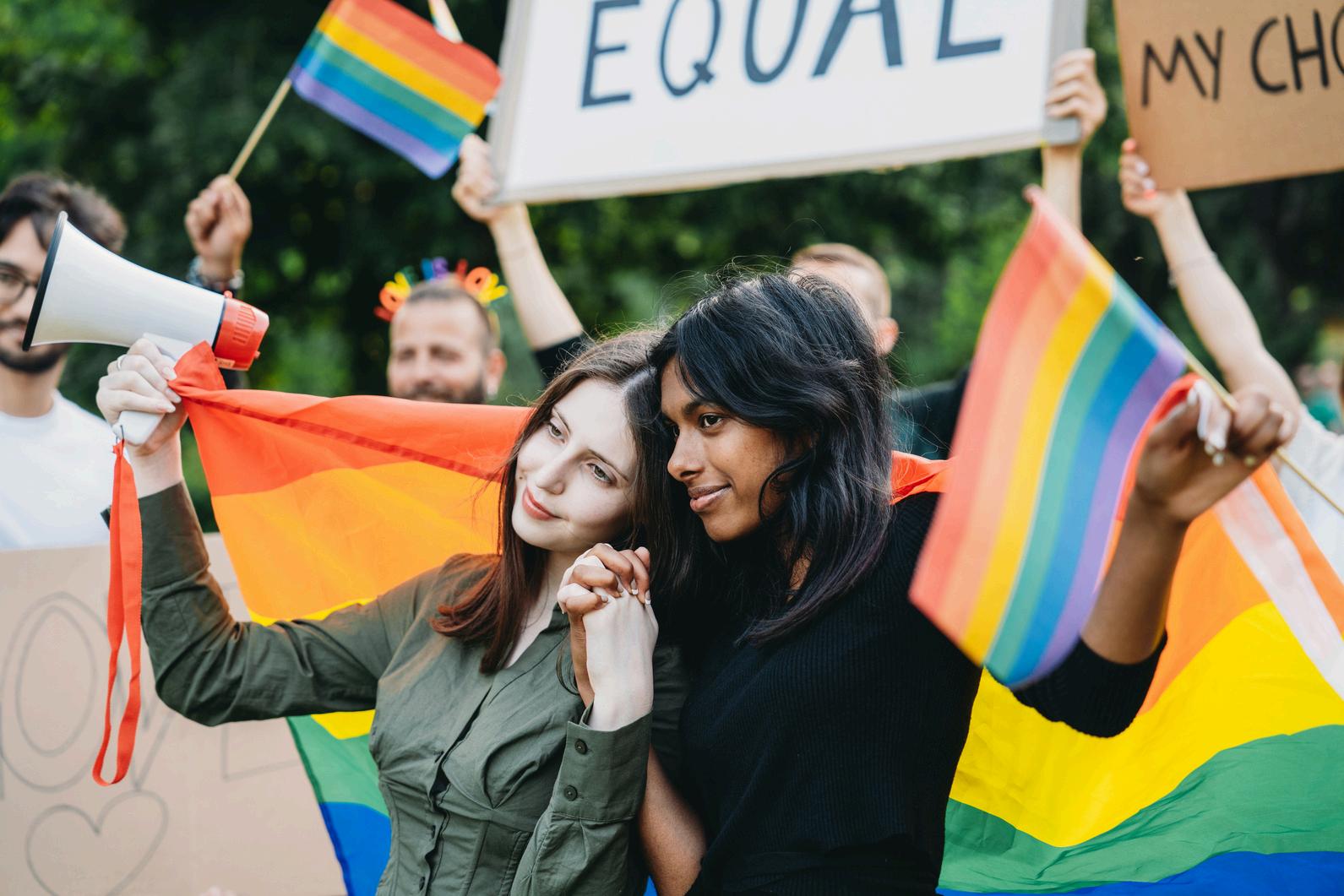
Celebrating Pride Month - This is a time to honor and celebrate the LGBTQ+ community. Pride is more than a celebration it is a powerful reminder of resilience, progress, and the ongoing fight for equality. We recognise the history and significance of Pride and encourage everyone to stand in solidarity with LGBTQ+ individuals, advocating for love, inclusivity, and the fundamental rights of all people.
The Realities of Addiction - Is a deeply complex issue that affects individuals and families worldwide. It is not a weakness it is a challenge that requires understanding and support. In this edition, we shed light on the realities of addiction, breaking the stigma and emphasising the importance of compassion, treatment, and community-based support systems. We believe that no one should face these struggles alone.
Recoginising Aboriginal and Torres Strait island Excellence - We pause to celebrate the rich culture, history, and achievements of Aboriginal and Torres Strait Islander peoples Acknowledging Indigenous voices is not just about celebration it is about ensuring recognition, respect, and equality. Supporting First Nations communities in their ongoing efforts to create lasting change requires more than acknowledgment—it demands meaningful action, respect, and advocacy
Prioritising Mental health - Is a cornerstone of overall well-being, influencing every aspect of our lives from our relationships and productivity to our ability to navigate challenges. Despite its profound impact, it is frequently overlooked or left unaddressed - preventing individuals from receiving the care and support they deserve. Recognising its significance means fostering open dialogue, breaking down stigma, and ensuring that mental wellness is treated with the same urgency and respect as physical health.
As we reflect on these essential topics, I encourage each of you to engage, learn, and support one another. By championing inclusivity, awareness, and understanding, we strengthen the bonds of our communities and ensure that no one is left behind
Sandra Holebrook

Domestic violence perpetrators in Queensland who repeatedly use violence or abuse to control others in relationships can now be charged with the new offence of coercive control.
The offence applies to an adult in a domestic relationship who engages in a course of domestic violence conduct against the other person in the relationship more than once, and intends that conduct to coerce or control the other person.

The conduct must be reasonably likely to cause the other person harm.
To address the significant impact of domestic violence on children, courts must also now consider additional aggravating factors, including whether a child was the victim or was exposed to the DV act.
In addition, limits on publication of information about sexual offence complainants will change, allowing for victim-survivors of sexual violence to identify themselves
The new criminal offence applies to acts of violence or abuse forming a course of conduct committed from Monday 26 May 2025 and carries a maximum penalty of 14 years’ imprisonment.

Check out the Queensland Government's communications toolkit for messaging and information you can share within your community to help raise awareness about coercive control.

With a commitment to elevating the voices of children and to better understand their unique lived experiences, Barnados engaged with over 74 children and young people, aged 6 to 19 years from across Ireland to develop their Kids' Coercive Control Web resources.
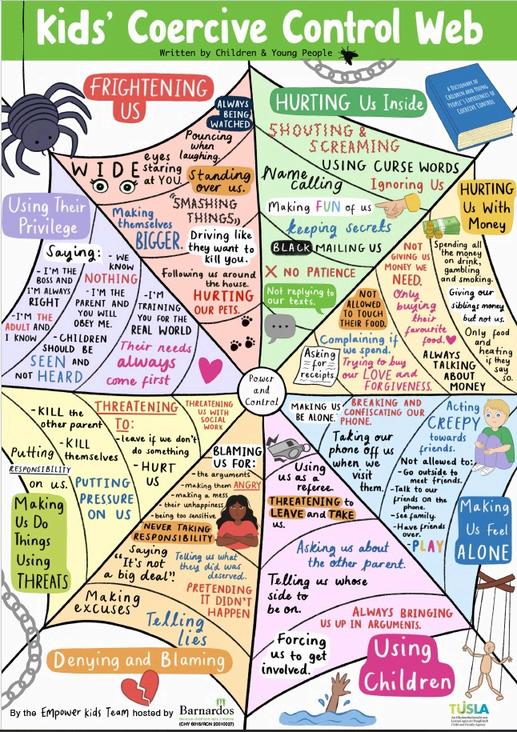

This children’s version of the Power and Control Wheel is a powerful resource which illustrates coercive control in the lives of children and young people that can be applied here in Australia.
Examples of coercive control that the children and young people shared in creating this web include instances of the perpetrator ‘making themselves bigger’; ‘forcing us to get involved’; with ‘wide eyes staring at you’; and ‘spending all their money on drink, gambling and smoking’.
There are three versions of the Kids Coercive Control Web available for downloading and printing, including one version that enables kids to write their own experiences on blank segmented web.
Addiction is a complex condition characterized by the compulsive use of a substance or engagement in a behaviour despite harmful consequences.
It is often referred to as a disorder because it affects the brain's reward and motivation systems, leading individuals to prioritize the addictive substance or activity over other aspects of life.
Addiction can take many forms:
Substance Addiction: where the person becomes dependent on these substances.
Non-substance Addiction: Involves compulsive behaviours that disrupt one's life.
Alcohol Smoking
Opioids includes painkillers, suchasheroinorfentanyl
Cannabis
Stimulants drugs such as cocaineoramphetamines
Sedatives prescription medicines, such as anxiety or sleepingpills
Solvents sniffing or inhaling fumesorchemicals,suchasglue, gasoline, butane lighter fluid and nailpolishremover
NON-SUBSTANCE ADDICTION
.Gambling
.Foodaddiction
.Internet,computerandmobile .Shopping .Work
.Pornography
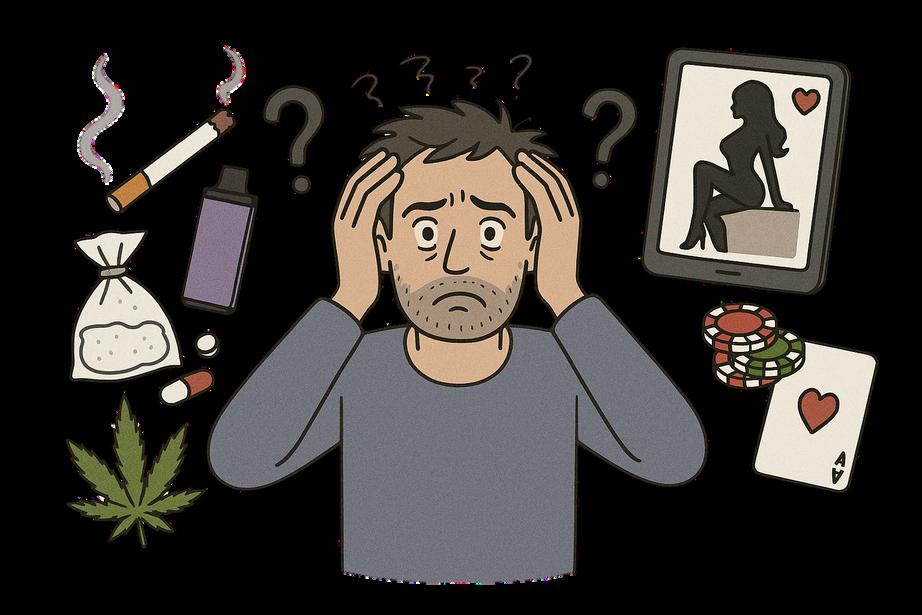
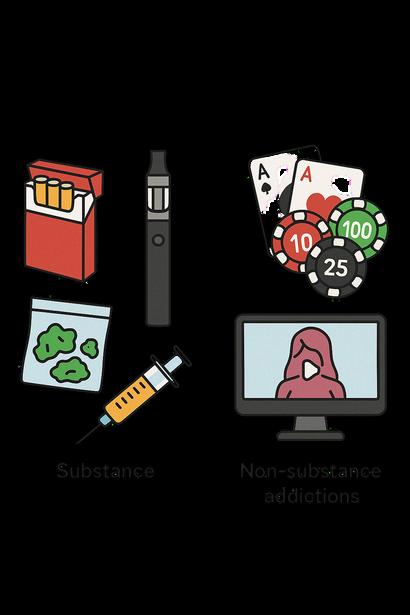
Addiction can present itself in numerous ways, profoundly affecting an individual's life.
USING THE ACTIVITY TO COPE:
provide temporary relief from stress or depression, allowing you to feel better or more relaxed for a brief period.
OBSESSING OVER THE HABIT:
considerable time planning your next opportunity to prioritizing it over other activities and losing interest in things
NTERFERENCE WITH DAILY LIFE:
to neglecting responsibilities at school, work, or home, and you might find yourself spending excessive amounts of money on it.
DIFFICULTY CONTROLLING THE BEHAVIOUR:
reduce or stop, you may find yourself engaging in the frequently or for longer durations than intended, leading to a sense of loss of control.
NEGATIVE IMPACT ON HEALTH AND RELATIONSHIPS:
adversely affect your health, finances, and relationships, yet you may still return to it despite these consequences.
CHANGES IN MOOD OR BEHAVIOUR:
You may engage in risky or dangerous activities, experience mood swings such as anger, anxiety, or depression, and notice alterations in eating, sleeping, or weight patterns.
Identifying these symptoms is a vital step in seeking help and embarking on the road to recovery. Understanding that addiction is a complex and multifaceted challenge can cultivate empathy and support for those impacted.
Addiction is a multifaceted condition influenced by a combination of factors that can vary widely from one individual to another. Understanding these diverse causes of addiction is crucial for developing effective prevention and treatment strategies.
biological factors
Genetic Predisposition: Some individuals inherit genes that make them more susceptible to addiction. Studies suggest that genetics can account for about 40% to 60% of a person's vulnerability to addiction.
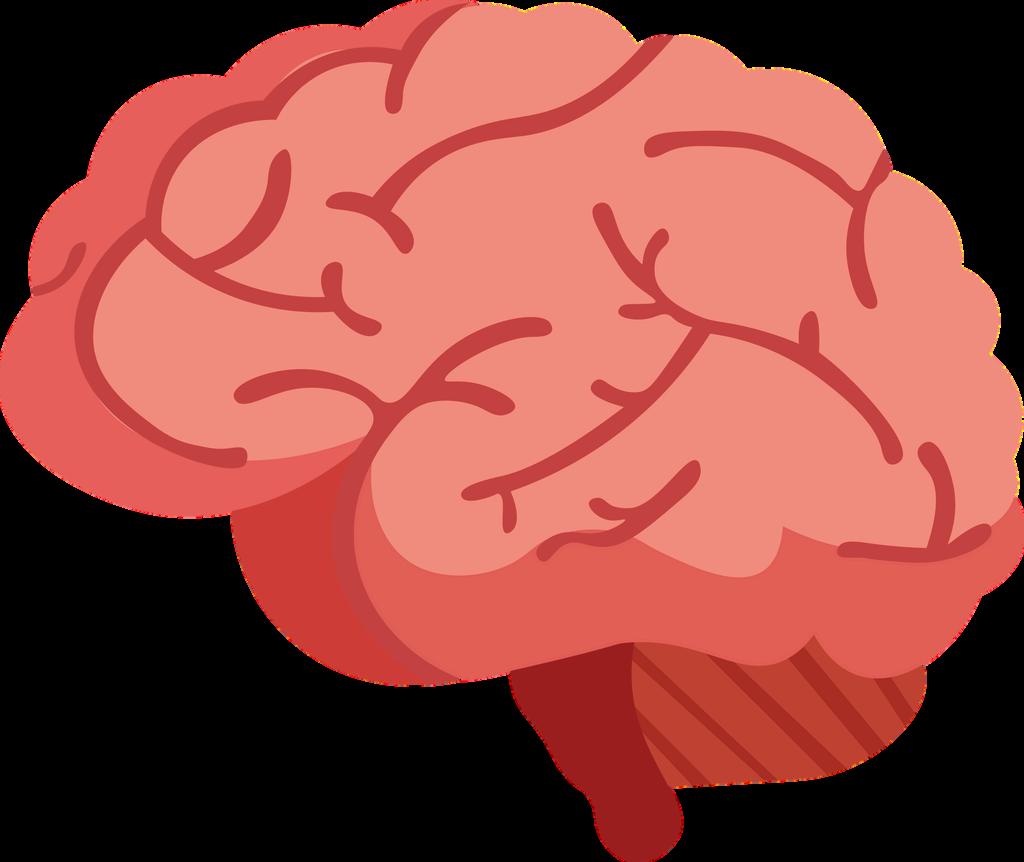
Brain Chemistry: Addictive substances and activities alter the brain's reward system, releasing chemicals like dopamine that create feelings of pleasure. Over time, the brain adapts, necessitating more of the substance or activity to achieve the same pleasure, leading to tolerance and dependency.
Psychological Factors
Mental Health Disorders: Conditions such as anxiety, depression, ADHD, and bipolar disorder can increase the risk of addiction. People may use substances or behaviors to selfmedicate, seeking relief from their symptoms.
Personality Traits: Individuals who are naturally impulsive, sensation-seeking, or sensitive to stress may be more prone to develop addictive behaviors.
Environmental Factors
Stressful Situations
Childhood Trauma
Social Influences
Societal Factors
Cultural Norms
Economic Factors
Addiction is a treatable condition, and recovery is possible with the rightsupportandinterventions.
Therapy: Counseling or psychotherapy can help individuals understand their addiction and develop coping strategies.
Medication: Certain medications can help manage withdrawal symptoms and reduce cravings.
Support Groups: Programs like Alcoholics Anonymous provide community support and accountability.
Addiction recovery is a personal journey and may involve setbacks, but with determination and support, individuals can lead fulfilling lives free from addiction.
. you’re worried about someone else’s safety or your own
. you feel like you’re losing control over a habit or behaviour
. your addiction is affecting your health, relationships or daily life
. you’re struggling to stop, even though you want to
. you notice symptoms of withdrawal when you try to quit
. you have feelings of anxiety or depression
Your doctor can help assess the situation, discuss treatment options and guide you toward the right support.
HELP AND SUPPORT:
Alcohol and Drug Foundation call 1300 85 85 84 Family Drug Support Australia call 1300 368 186. Alcoholics Anonymous call 1300 222 222. Counselling Online free drug and alcohol counselling.
Gambling Help Online call 1800 858 858.
Self Help Addiction Resource Centre call 1300 660 068
Lifeline call 13 11 14.

It's important to take a moment to reflect on the significance of this annual event. Pride Month, which is celebrated in June each year, is an opportunity to recognise and celebrate the contributions of the LGBTIQA+ community to Australian society, and to promote a culture of diversity and inclusion across the country.
The origins of Pride Month can be traced back to the Stonewall riots in New York City in June 1969, which were sparked by a police raid on the Stonewall Inn, a popular gay bar in Greenwich Village. The raid led to a series of protests and demonstrations by members of the LGBTIQA+ community, who were tired of being targeted and discriminated against by law enforcement and society at large.
The riots marked a turning point in the LGBTIQA+ rights movement, and inspired similar movements and protests around the world.
Here in Australia, Pride Month has been celebrated since the 1970s, with the first official event being the Sydney Gay and Lesbian Mardi Gras in 1978. Since then, Pride Month has grown to include a wide range of events and celebrations across the country, including parades, parties, cultural festivals, and community gatherings.
Pride Month is an opportunity to showcase the vibrant and diverse LGBTIQA+ community, and to celebrate the many contributions that LGBTIQA+ individuals have made to our country's cultural, social, and economic fabric. From the iconic Sydney Mardi Gras parade to a wide range of events and celebrations taking place across the country, there's something for everyone during Pride Month.


All people should be treated equally, regardless of who they are or who they love.
One of the most important aspects of Pride Month is education and awareness-raising.
We're excited to be running our LGBTIQA 101 training workshop to the public called "Working with the Rainbow Community" on 21st June as part of our Pride with Purpose initiative supported by Hobsons Bay City Council.
Whether you're a member of the LGBTIQA+ community yourself or simply an ally looking to show your support, we hope you'll join us in celebrating Pride Month this year. With events, activities, and educational opportunities taking place across the country, there's never been a better time to get involved and show your support for diversity, inclusivity, and the power of community.
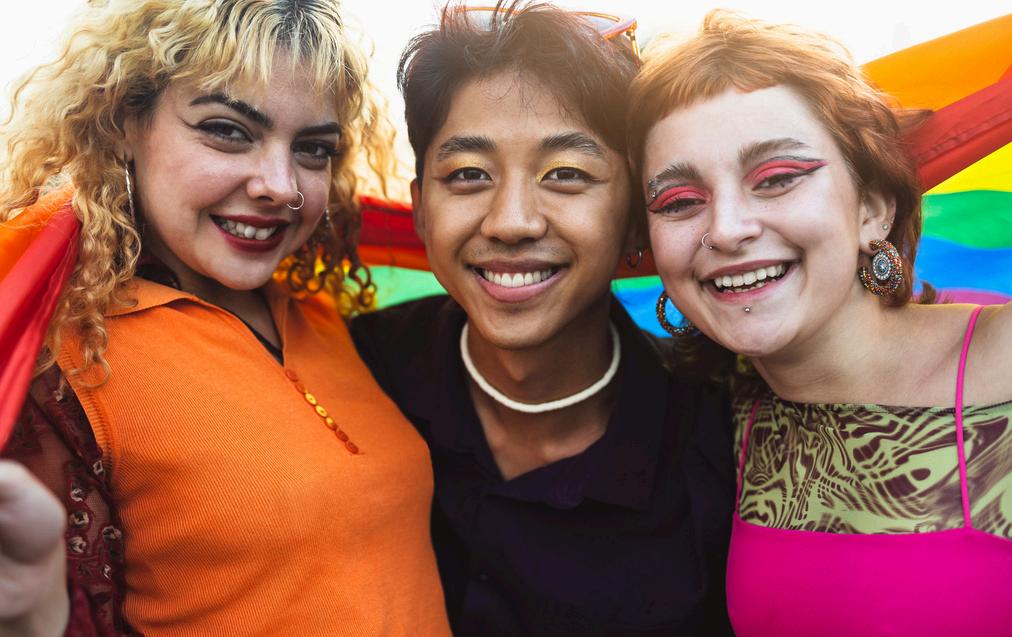
This program is designed to help organisations and individuals understand the unique needs and experiences of the LGBTIQA+ community, and to provide practical strategies for promoting diversity and inclusion in the workplace and beyond.
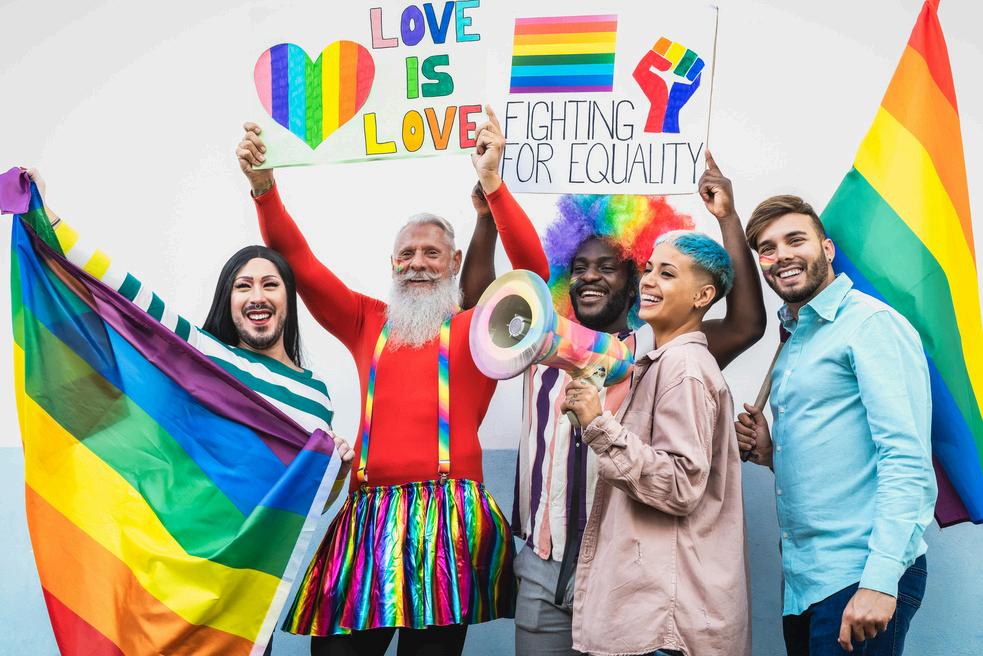
Pride Month is a time to celebrate diversity and promote inclusion, not just within the LGBTIQA+ community, but across Australian society as a whole.

In November of 2024, we began our #welisten campaign where we spoke to men and boys in a series of focus groups and interviews.
The focus groups were made up of men from all different cultures, ages, classes and experiences, yet they had a common thread: many men couldn’t tell us what a “good man” or a “good relationship” looked like.
A lot of them felt disconnected from the issue of violence against women – not because they didn’t want to be part of the solution, but because they felt like they couldn’t be. They questioned whether they could speak up if they knew they still had room to be better.
The answer to that is yes and it’s why we started Not Perfect, Better.


We all have ways we can be better. Every one of us has some way we can be better. Better with our loved ones, better with our communities and better with ourselves.
We’re calling on all men to work on being better. To be the role model that you needed growing up.
You might lose your phone five times a day or snore louder than a construction site, but you put the effort in every day to be a respectful partner and that’s the role model we need. Nobody expects perfect, but we should expect better and White Ribbon Australia is here to help you work on that.
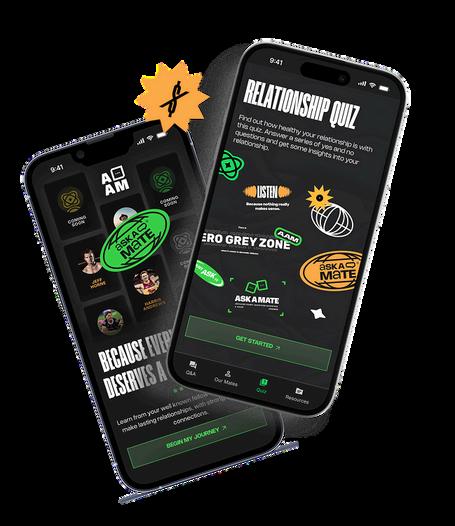
Hear advice from well-known mates, ready to answer your questions about relationships, gender identity and equality, consent, domestic and sexual violence.
Developed by Beyond DV in partnership with Mooward Apps, ASK A MATE is a free app designed to support young men (aged 13-18 years) wanting accessible and relatable answers to questions they may be afraid or uncomfortable to ask about relationships, sex, consent, gender, domestic and sexual violence.
Beyond DV's Founding Director Carolyn Robinson, a former educator of 35 plus years, engaged Professor Michael Flood (QUT) and surveyed hundreds of young male students to find out what questions they wanted to know the answers to and from whom they wanted to hear the answers.
The result is an app with questions answered by a range of male role models or 'Mates', supported by research and input from Professor Flood.
DESIGNED FOR YOU, COMPLETELY FREE, HELPFUL ADVICE FOR HEALTHY RELATIONSHIPS.
High profile men lending their support and voices to the app's 'Mates' include Brisbane Lions Co-Captain Harris Andrews, Collingwood Captain Darcy Moore, World Champion boxer Jeff Horn, The Jungle Giants Bassist Andrew Dooris, comedian and social media star Christian Hull, “No More Niki” Founder Tarang Chawla, Founder of The Betterment Project Mason Black, with more Mates signed up to be involved including comedian and television presenter Hamish Blake, WSFM radio host Brendan Jones and award-winning filmmaker and musician Macario de Souza aka Kid Mac.

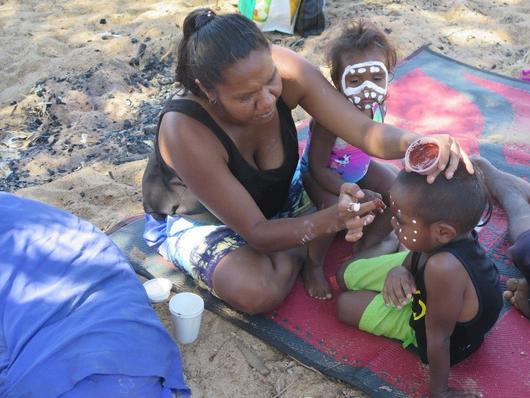
NAIDOC Week is an opportunity for all Australians to learn about First Nations cultures and histories and participate in celebrations of the oldest, continuous living cultures on earth.
National NAIDOC Week celebrations are held across Australia in the first week of July each year (Sunday to Sunday), to celebrate and recognise the history, culture and achievements of Aboriginal and Torres Strait Islander peoples.


For many years the Australian Government has supported National NAIDOC Week celebrations as well as providing funding via NAIDOC Local Grants through the regional network to assist organisations, schools and communities to hold their own NAIDOC events
Australia has a rich Indigenous history dating back tens of thousands of years and evolving over hundreds of generations. Aboriginal and Torres Strait Islander communities maintain strong connections to their culture, language and traditional lands and view the world with a spiritual lens that is unique to their community


To find out about NAIDOC Week activities in your area, contact your nearest Regional Office


Indigenous Australians are the Aboriginal and Torres Strait Islander people of Australia. The traditional owners of the land which archaeological evidence confirms is the oldest continuous civilisation on earth, extending back over 65,000 years. Aboriginal and Torres Strait Islanders are not one homogenous group – they are a diverse group of hundreds of nations (or cultural groups) and clans within those nations.
First Nations Australians often have a complex system of family ties, roles and responsibilities which are the core of their cultures. These systems define one’s place in the community and bind people together They also define the obligations and responsibilities for children and their families, and how each family member is meant to support others in the kinship system. Elders bridge the past and the present by passing on their understanding, skills, knowledge and stories to the generations who follow them.
This means that caring for children is the responsibility of broader kinship networks and not just a child's biological parents. In Australia's very recent past, families and communities were separated because of the impacts of colonisation and the imposition of European social, political, economic and cultural structures This caused long-term, traumatic problems for the passing down of cultural knowledge and the maintenance of social and cultural ties.
They experience widespread inequality, discrimination and cultural disconnection as a result of complex policies and systems in Australia that have limited their voices from being heard in decision-making processes that impact on their lives.

At World Vision we work with First Nations organisations, governments, nongovernmental organisations and private enterprises to achieve long-term development goals in collaboration with First Nations leaders and community members.


Separation or divorce usually means big changes for family life. Your child might feel upset and sad when these changes happen It’s OK for your child to feel this way. It’ll help them to know that this is a tough time for everyone.

Talk with your c
Stick with famil
Involve your chi
Get support for
Talking with chi
Your child doesn’t they do have a ri where they’ll live a they need to know
It’s best if you ca honest language example, ‘We bot take care of you. W for our family if Da make sure you’re lose anyone’.
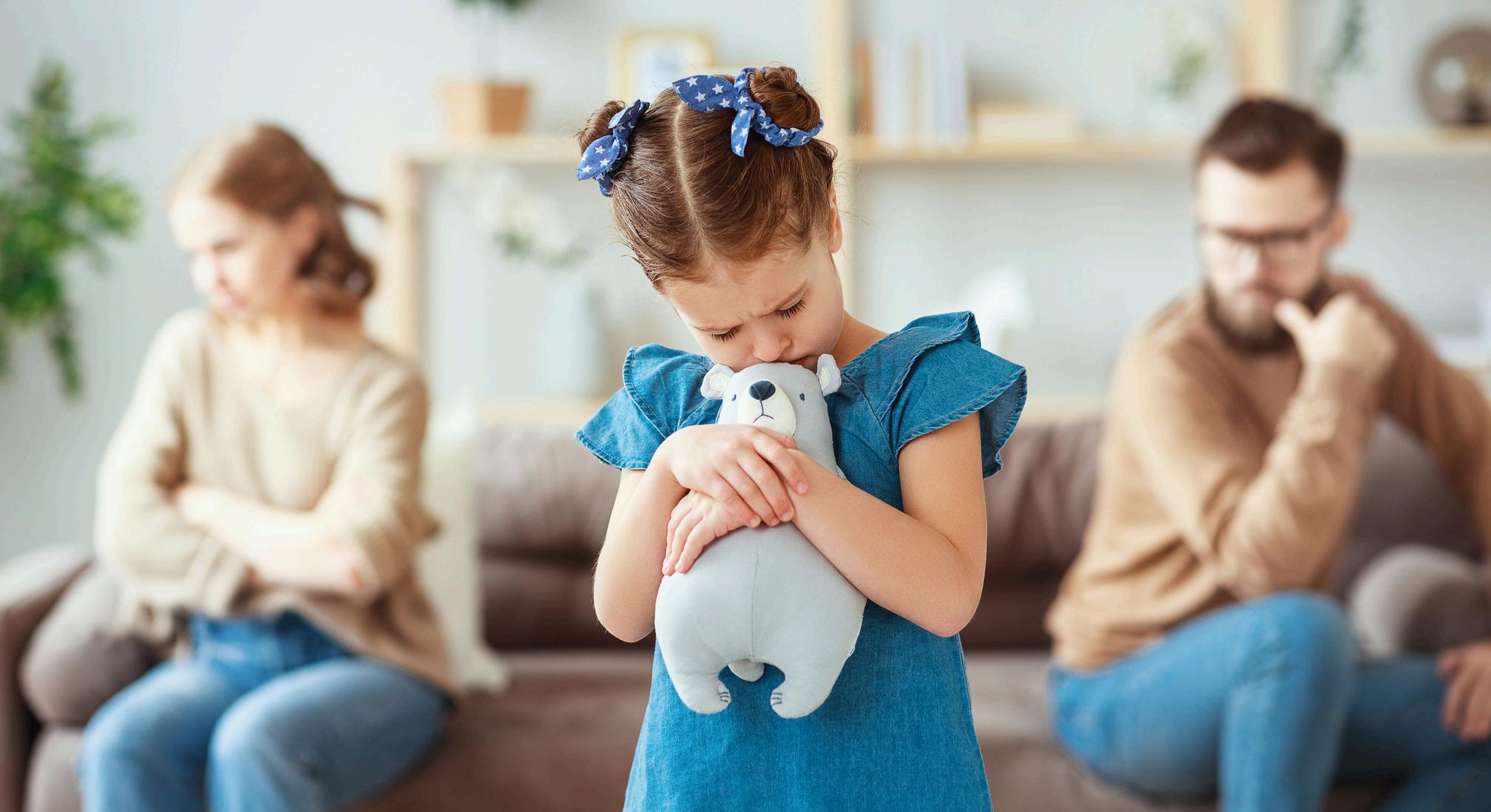
Sometimes you won’t know how to answer a hard question, so give yourself time to think and tell your child that you’ll get back to them. If your child asks you hard questions about their other parent, encourage your child to talk to their other parent directly.
Ask your child what they’re worried about, and reassure them with simple words that show you understand. Whatever question your child asks, it’s good to reassure your child that you and their other parent love them.


Sleepovers are not only pizza and sugar fueled sleepless nights. They can actually be a crucial developmental stage for children, allowing them to learn independence, exercise adaptability, and experience other family traditions. A sleepover is a great opportunity for kids to learn about how another family functions and to practise independence in a safe setting. They give your child a chance to gain flexibility and allows them to practise etiquette while exploring social norms in novel settings. This results in increasing confidence, independence and autonomy.
As a family it is important to decide at what age your child is ready for a sleepover. Most recommendations are around 7-8 years old, however every child is unique, and it’s important to find out what works best for your family.
When your child is sleeping over at another house, it is important to have a conversation with the supervising adults of that house and for there to be a level of trust between both families While it might be difficult to ask another parent or guardian on how they intend to ensure the safety of your child without appearing critical, this is an important component to establishing trust. Approaching parents or guardians with concerns or questions requires openness and vulnerability.
It is also important to consider othervariablessuchas; How long have you known thefamily?
Whatisthefamilydynamic?
Are there any older children inthehouse?
Do the parents have similar values and parenting styles asyou?
What are the household rules on using technology or screentime?
Who will be watching the kids?
How did the other parent respond to your questions? (ie defensive, argumentative, supportive etc)
Will there be any other adultsinthehouse?
Do you know the suitability and rating of any films the childrenplantowatch?



Puberty brings lots of changes for a young person – and for you as a parent too. Your young person is transitioning from child to adult, and you may feel uncertain about how best to support them through the physical, psychological and emotional changes this brings.
Never fear, there’s plenty you can do to help your child. One of the best ways is to be reassuring and help send the message to the young person that you are a safe person they can talk to if they need to
The changes of puberty are physical, sexual, social and emotional. Puberty starts when changes in your child’s brain cause sex hormones to be released in:
. Ovaries (usually around age 10 or 11, but can range from 8 to 13 years)
. Testes (usually around age 11 to 13, but can range from 9 to 14 years).
You can’t predict how long your young person will go through puberty. It may be anywhere from 18 months up to 5 years. Genetic, nutritional and social factors determine when puberty starts and for how long it runs.

WILL EXPERIENCE:
. Oily skin (acne is possible)
. Oily hair
. Increased perspiration and body odour
A growth spurt (of around 11 cm a year in girls and up to 13 cm a year in boys). Some body parts (such as head and hands) may grow faster than limbs and torso. The body eventually evens out.
Girls will experience:
. Breast development and possible tenderness
. A change in their figure, including widening of the hips growth of pubic and underarm hair
. The start of menstruation –periods may be irregular at first
. A clear or whitish vaginal discharge – this may occur before periods
Boys will experience:
. Growth of the penis and testes Growth of pubic, underarm and facial hair
. The start of testosterone production
. The start of erections and ejaculation
. Growth of the larynx or voice box – the voice ‘breaks’ and eventually deepens.


Mood changes and energy level variations are normal parts of puberty, as are swings between feeling independent and wanting parental support.
Your child will want to establish their own identity. This can mean exploration of relationships and the world that exists outside of their immediate family increases. This may include new friendships and experiences, and learning how to navigate the inevitable challenges that can occur when a young person expands their understanding of their social world. They may also start to explore their sexual and gender identity through dating and romantic relationships
These are all vital learnings for young people, as the experiences create a of understating for an adolescent about how to identify unhealthy relationships and how to engage in healthy ones that will develop throughout their adult life
foundation
Puberty and adolescence is a time for children to become more independent. They may also be looking for more responsibility, such as taking on a leadership position at school, or finding a part-time job.
A young person may also be sensitive about how they look and their new body changes. Privacy and personal space may become very important to them. They may alternate between feeling self-conscious about themselves one day, to feeling ‘bullet proof’ the next.
Mood swings may be expected at the adolescent stage as young people are still learning how to control their emotions while so many physical and hormonal changes are occurring in their body.
A young person may take more risks, push boundaries and question their parents’ rules as they start to learn how to individuate, or separate and form their own identify from their parents.
These social and emotional changes are a standard milestone in a young person’s development, along with growing their decision-making skills and learning to recognise and understand the consequences of their actions.
IT’S PERFECTLY NORMAL



Celebrated annually on July 30th, this day emphasizes the importance of friendship as a powerful tool in addressing the root causes of conflict, promoting social harmony, and encouraging a culture of peace.
Origins and Purpose
The idea for an International Day of Friendship was proposed by the United Nations General Assembly in 2011, recognizing that friendship between peoples, countries, and cultures can inspire peace efforts and build bridges between communities. The day is founded on the notion that sharing human connections across borders can contribute significantly to international peace and understanding.
Celebrations Around the World Celebrations vary across different cultures and communities. People often celebrate by organizing events and activities that bring people together, such as:
Community Gatherings: Many communities host events where people from diverse backgrounds can come together to share stories, food, and music, fostering a sense of unity and understanding.
Social Media Campaigns: Individuals and organizations use social med platforms to share messages friendship, positivity, and peac o. often using hashtags like . .. #InternationalFriendshipDay

Importance of Friendship
Friendship plays a crucial role in human development and wellbeing. It helps to build trust, reduce tensions, and foster cohesion within societies. By encouraging dialogue and understanding, friendship can help resolve conflicts and promote reconciliation in areas affected by strife.
. Reach Out to Old Friends: Use this day as an opportunity.
. Make New Friends: Attend local events or join online communities to meet new people and expand your social circle.
. Volunteer: to meet people from different walks of life and foster new friendships.
. Educate: Learn about other cultures and traditions
By embracing the spirit of friendship, we can work towards creating a more compassionate and interconnected global community.

Sibling jealousy is often associated with childhood and adolescence, but it can persist into adulthood or even emerge later in life.
Adult sibling relationships are complex and multifaceted, shaped by shared history, family dynamics, and individual circumstances. Understanding the roots and manifestations of jealousy in adult sibling relationships can help manage and mitigate its effects.

COMMON CAUSES OF ADULT SIBLING JEALOUSY
1. Life Achievements and Milestones
Differences in career success, relationship status, or financial stability can lead to jealousy among adult siblings
2. Parental Attention and Inheritance
Even in adulthood, the perception of unequal parental attention or favouritism can fuel jealousy
3. Unresolved Childhood Dynamics
Unresolved issues from childhood, such as perceived favoritism, competition, or conflicts, can linger into adulthood.
4. Changes in Family Structure
Events like marriage, divorce, or the birth of children can shift family dynamics, sometimes heightening feelings of jealousy. A sibling who feels left out or less involved in these changes may experience envy or resentment.
5. Social Comparisons
Social media and societal expectations can exacerbate sibling jealousy by highlighting perceived differences in lifestyle, achievements, or happiness Constant comparison can lead to feelings of inadequacy or competition

STRATEGIES TO MANAGE ADULT SIBLING JEALOUSY

1. Foster Open Communication
Addressing issues directly can prevent misunderstandings and help siblings work through their differences
2. Reflect on Personal Feelings
Understanding why you feel jealous can help you address underlying insecurities or unmet needs
3. Celebrate Differences
Celebrating each other's successes can foster a supportive and positive relationship.
4. Set Boundaries
Communicate your needs and limits respectfully, ensuring that interactions remain healthy and constructive.
5. Focus on Your Growth
By focusing on your own goals and achievements, you can enhance your self-esteem and reduce feelings of jealousy.
By acknowledging and addressing sibling jealousy in adulthood, individuals can work towards healthier and more fulfilling relationships. Understanding the complexities of adult sibling dynamics allows for the development of empathy, patience, and effective communication, ultimately strengthening familial bonds.
In a world that never hits pause, many of us are trapped in the vortex of a relentless "busy mindset." The cycle of constant hustle can lead to stress, burnout, and the nagging feeling that our to-do list is never complete.
However, a more serene approach can help you slow down, reduce stress, and still achieve your goals. Here’s how you can find that elusive balance.
The quest for productivity often leads to an overloaded schedule. While it might seem like you’re accomplishing more, this approach can drain your energy and lower your effectiveness. The first step to breaking free is realizing that being busy doesn’t always equate to being productive.
Identify Your Priorities: Pinpoint what truly matters by using tools like the Eisenhower Matrix to distinguish between urgent and important tasks.
Set Realistic Goals: Break large projects into smaller, manageable tasks.
Use a Planner: digital or paper, a planner organizes your tasks. Don’t forget to schedule breaks and downtime.
Practice Mindfulness Techniques: Incorporate meditation or deepbreathing exercises into your daily routine
Single-tasking Over Multitasking: Concentrate on one task at a time. Multitasking can increase errors and stress.
Learn to Say No: Declining additional responsibilities lets you concentrate on current commitments without feeling overwhelmed.
Define Work-Life Boundaries: Keep work from infringing on personal time by setting specific work hours and communicating them clearly.
End-of-Day Reflection: Spend a few minutes at the end of each day reflecting on your accomplishments.
Weekly Review: Review your goals, progress, and setbacks each week. Adjust your plans as necessary to align with your priorities.
By prioritizing tasks, setting realistic goals, practicing mindfulness, and establishing boundaries, you can transform how you approach each day.

In our hectic lives, it's easy to overlook friendships, yet nurturing these connections is crucial for mental well-being. Here are key reasons to prioritize time with friends:
Emotional Support: Friends offer a safe space for sharing thoughts and feelings, reducing isolation and enhancing mental health
Stress Relief: Time spent with friends provides laughter and relaxation, releasing endorphins that improve mood.
Personal Growth: Friends challenge our perspectives and introduce new ideas, enriching our lives through meaningful conversations and activities
Social Skills: Regular interactions strengthen essential skills like communication and empathy, benefiting personal and professional relationships.
Health Benefits: Strong social networks are linked to longer, healthier lives, boosting immunity and reducing depression and chronic disease risks.
Cherished Memories: Shared experiences create lasting memories, enriching our lives
Investing time in friendships is essential for a fulfilling life, offering emotional, mental, and health benefits. Make plans with friends to enjoy these rewards.




Personal Care – Assistance with dressing and undressing, oral hygiene, toileting, personal hygiene, showering/bathing, incontinence assistance.
Mealtime preparation and assistance
Light domestic duties – Washing dishes, washing clothes, sweeping/mopping
Administering medications
Assistance to establish a routine Support to remain independently living in your home, and more!
Participants self-select the days and times they would like to have assistance within their home and what type of personal care assistance they would like
Contact Life Choice today on (07) 4123 6288 or contact us here to find out more. This service is open to Participants of all ages, up to 65 years of age, and those with a range of needs. In-Home Support can be purchased under the NDIS and on a Fee For Service basis.


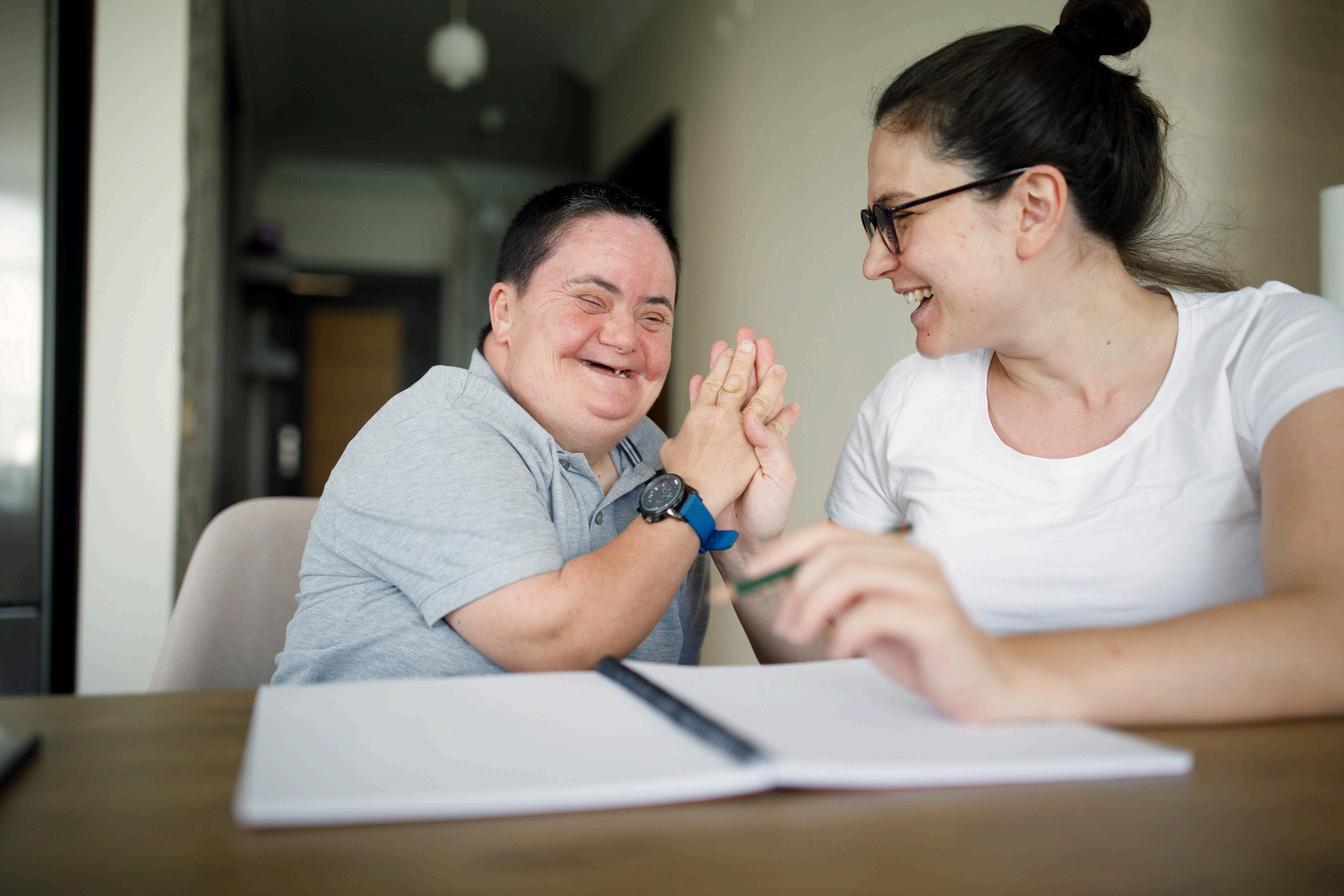
Our group activities service has been designed to help Participants build their confidence, friendships and social interactions while learning new skills in safe, supportive environments. All our groups are also a lot of FUN!
Contact Life Choice today on (07) 4123 6288 or contact us here to find out more.
Ourgroup activities are run in both Maryborough and Hervey Bay.
Hervey Bay: Fishing – Wednesday
Scrapbooking – Monday
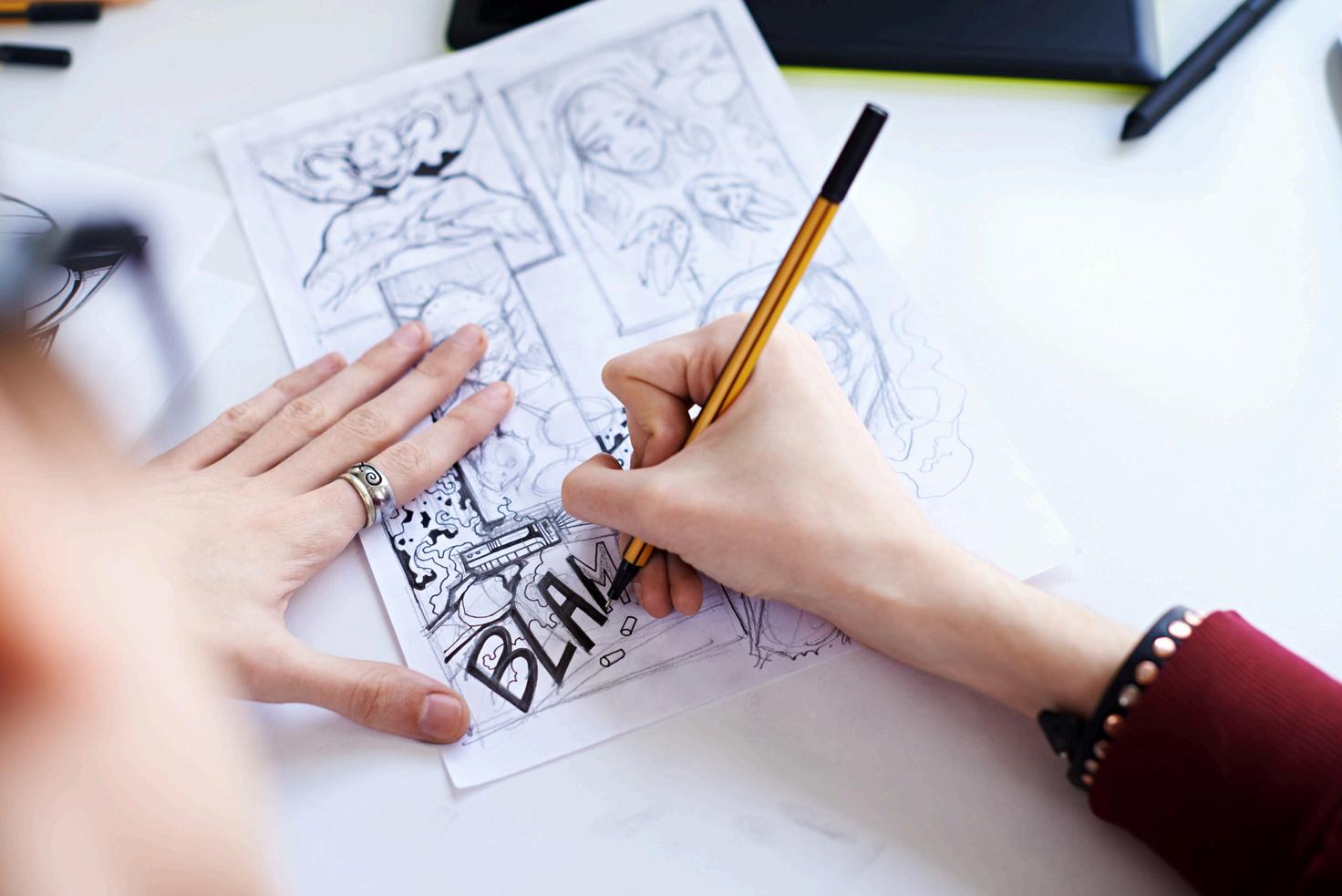
Arts &Craft – Wednesday Comic drawing – Friday
Maryborough: Cooking – Wednesday Cooking & Markets –Thursday



�� �� Vibe @ The Hive is turning up the volume and shaking the walls with something seriously fresh! ��
Sick of the same old weekend? WE GOT YOU!!!
Get ready for a night of raw talent, epic beats, and youth-powered energy ��
Featuring the hottest up-and-coming bands shaking the scene THIS 15+ live music gig is where the next-gen legends are born.
Bring your mates Bring your energy Be part of the vibe. ��
Date: Saturday 28/06/25
Time: 5-9pm
Place: The Neighbourhood Hive –184 Boat Harbour Drive Pialba
Wheelchair accessible Alcohol Free event for 15+
Fundraising BBQ and Canteen
Photo Booth and Podcasting
Station Gold Coin Donation entry - No need to book, just come along!
�� Stay informed about community services and programs
�� Build partnerships and strengthen local networks
�� Discover new opportunities for collaboration
Spaces are limited, so secure your spot today!
When
Start: 9th July, 2025 at 9:30am
End: 9th July, 2025 at 11:00am
Where
Hervey Bay Neighbourhood Centre , 22 Charles Street , Pialba, 4655

We are looking for guest presenters to share insights on new opportunities, upcoming projects, and innovative solutions that will support our community in the year ahead.
Who are Fraser Coast Mates?
A local not-for-profit organisation that aims to build local awareness and grow conversations about mental wellbeing by bridging the gap between those suffering and the local support services that are available.
The number one goal of Fraser Coast Mates is to encourage people on the Fraser Coast to be better equipped to help their mates and colleagues through times of struggle.
We accomplish this by telling local stories, sharing educational content around what services are available locally, offering a free counselling service and coordinating community events.

As always, we need to talk about it. Chances are you have a male in your life that has, or will struggle deeply with their mental health. May this month be a reminder to check in with your mates, your partner, your brother, your dad and find out if they are really 'okay'. If you're struggling ~ help is available. We're proud to offer free counselling services on the Fraser Coast for those in need.
Learn how to write cover letters and resumes.
Moving away from home? Learn to cook basic, simple and low cost meals. Learn the basics of budgeting, entering into a contract and saving goals
Know about self-confidence boosters and learn how to identify positive things about yourself.



Comencing 28th of May 2025, 3:30pm - 5pm

The Recovery Lounge is a welcoming, pop-up community space designed to help Hervey Bay residents rebuild and reconnect after the recent flooding caused by ex-Cyclone Alfred. Whether you were directly impacted or are simply feeling the ripple effects in your everyday life, you're invited to drop in, take a breather, and access friendly support in a relaxed setting
Where: Pialba Place Shopping Centre
When: Open from June to August 2025
Who: Everyone is welcome - pop in any time!
We’re backing the bold and cheeky campaign: Today’s man takes in the view.... and posts his poo and we need your help to flush out the stigma!
Bowel cancer is one of the most treatable cancers if caught early, and it's now on the rise in younger Aussies The good news? Free bowel screening is now available from age 45 �� https://postyourpoo.com.au


A giant sandpit with remotecontrolled diggers
A dedicated kids' corner
Kindness Crew
A tech-free zone
Community Recovery Workers
Guest service providers
The Recovery Lounge is more than just a shopfront – it’s a place to Recover, Reconnect, and Revive.
It’s not all sh!ts and giggles… but sometimes it is. We’re serious about saving lives, but that doesn’t mean we can’t have a laugh while we’re at it.
Ever had an augmented reality experience involving poo? Scan the QR, score some points, and spread the word.
Because today’s man checks his poo… and tells his mates to, too.