


"Stronger Men. Safer Families. More Inclusive Communities."
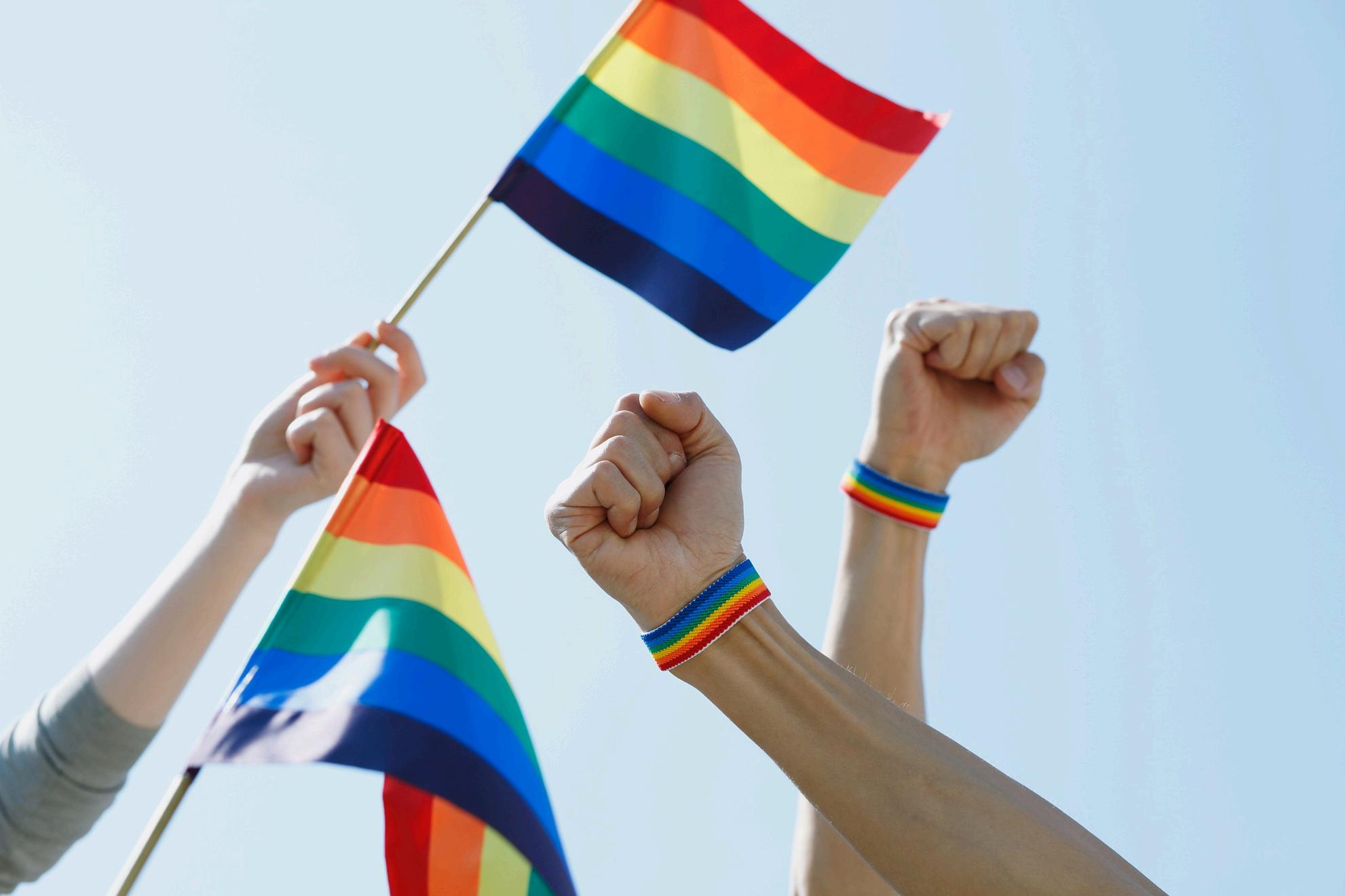
Men’s health must be understood not as a standalone issue, but as a cornerstone of family and community wellbeing June, which is marked globally by Pride Month and widely recognised in Australia as Men’s Health Month, offers an opportunity to bring these conversations together under a shared goal of building inclusive, equitable health systems that support all Australians.
Pride Month centres the voices and experiences of the LGBTQIA+ community, which is diverse in identity, gender and lived experience. Within that diversity are some men, but many who do not identify as men. Recognising this distinction ensures that advancing men’s health complements, rather than competes with the broader imperative for inclusion, equity and respectful care.
This matters because the evidence in Australia is clear - men face significant health challenges. More than half say it is normal to avoid regular checkups, and men account for around three quarters of suicide deaths These issues don’t just affect the individual alone as they have real impacts on partners, children and families, highlighting that men’s health plays an important role in the wellbeing of the whole family unit
At the same time, LGBTQIA+ Australians continue to face stigma and barriers in healthcare, contributing to poorer engagement and outcomes. Strengthening inclusion is therefore central to improving access and early support across all communities.
An integrated approach is also critical to reducing Domestic and Family Violence in communities. Strengthening men’s mental health, alongside inclusive and accessible services and clear accountability, is foundational to prevention.
Stronger systems create healthier men, safer families and more inclusive communities for everyone
Sandra Holebrook CEO - Trauma Assisst

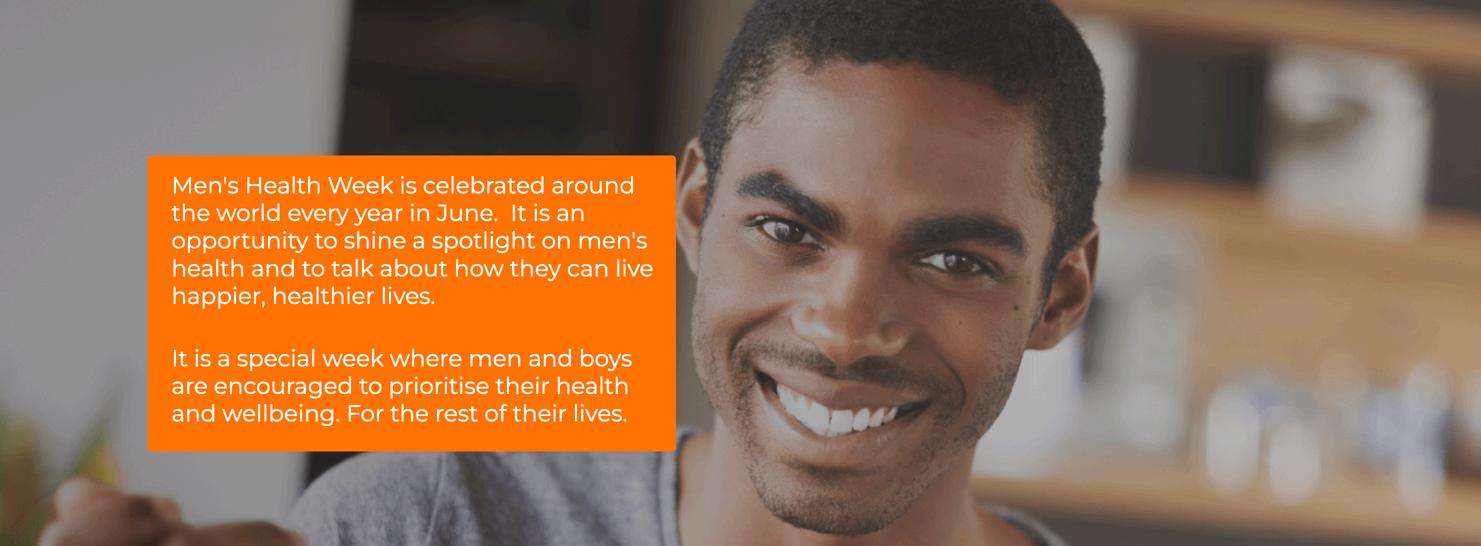
Men's Health Week focuses on not just physical health, but also men's mental health and emotional wellbeing.
During the week, we highlight the health challenges faced by men in Australia and worldwide and run events that can be replicated yearround to improve the physical, emotional and mental health of men and boys.
Through a series of promotions, events and publicity around the country, Men's Health Week is designed to provoke thought and discussion about what needs to be done to improve male health.
In 2026 Men's Health Week will be held from 15-21 June.
Why men's health matters
Research consistently shows that men are at higher risk for many serious health conditions, including heart disease, diabetes, and certain cancers.
Additionally, mental health concerns such as depression, anxiety, and suicide disproportionately affect men, yet many struggle to seek help due to stigma and societal pressures.
One of the key goals of Men’s Health Week is to break down barriers that prevent men from accessing healthcare.
Encouraging regular checkups, open conversations, and lifestyle changes can lead to earlier detection of health issues and improved overall well-being.

We live in one of the world’s healthiest societies, yet men of all backgrounds are less likely than women to live healthy lives: we die younger, experience more disease and have less access to support services.
Research shows that the best way to improve men’s health is to tackle the underlying social factors that shape our health like boys’ education, our experiences of fatherhood, our working lives, our social connections and our access to male-friendly services
263 men die in Australia every day
50 men die every day from preventable causes before age 75
28 men die from heart disease every day
10 men die from prostate cancer every day
7 men die by suicide every day
3 men die from alcohol every day
4 men die from work-related causes every day
That's around 18,000 men a year. One thing we can do to reduce the number of men dying too young is to increase the number of men getting health checks. But what health checks should they get, and when?
The Men's Health Checks toolkit is designed to help men understand their options, and to encourage them to take action.
Don’t smoke - 3 in 5 smokes are smoked by blokes.
. Don’t drink too much - 3 x more men are risky drinkers.
. Don’t eat crap - men get more sausage-related disease.
. Don’t sit around too muchchairs are a health hazard.
. Don’t be overweight - 7 in 10 men are ‘big-boned’.

Fun and relatable mantras can be a great tool for boosting men's mental health.
These mantras can be used in daily life and during moments of stress to promote positive thinking and selfcompassion.
Self-Care and Acceptance:
"I'm a cool dude, and I'm okay."
"This too shall pass."
"I'm strong and resilient."
"I'm enough, just as I am "
"I'm worthy of happiness and love."
"I'm learning to be kinder to myself."
"I'm taking care of my body and mind, because I deserve it."
"I'm allowing myself to feel and process my emotions."
Stress and Anxiety:
"I'm breathing in calm, and I'm breathing out worry."
"I'm choosing to focus on what I can control."
"I'm going to take one step at a time."
"I'm grateful for what I have."
Motivation and Goal Setting:
"I'm capable of achieving my goals."
"I'm committed to living a life of purpose."
"I'm going to embrace new challenges."
"I'm learning and growing every day."
"I'm creating the life I want to live."

Personalize your mantras and repeat them regurlarly : Choose words and phrases that resonate with you and your values.
. Emergency Services call Triple Zero (000).
. Lifeline – 24/7 suicide prevention and crisis support. Call 13 11 14.
. Suicide Call Back Service –Free 24/7 telephone counselling. Delivered by trained counsellors at Lifeline. Call 1300 659 467.
. Beyond Blue – To speak to a counsellor, call 1300 22 4636. To chat online with a counsellor, start a webchat.
Both services are private, free, and available 24/7.
1.Get Active: Whether it’s joining a sports team, going for daily walks, or setting fitness goals, movement is key to improving men’s health.
2.Schedule a Health Check-Up: Encourage the men in your life to see a doctor for routine screenings and health assessments. Early detection of conditions like high blood pressure and prostate cancer can save lives.
3.Talk About Mental Health: Open conversations about stress, anxiety, and emotional well-being can help break down stigma and encourage more men to seek support.
4.Engage in Workplace Wellness Programs: Many businesses offer health initiatives, fitness challenges, and mental health resources that support employee well-being.
5.Support Men’s Health Organisations: Groups like Men's Sheds, The Men's Table, Mr Perfect & Grab Life by the Balls provide valuable resources, advocacy, and support networks for men and boys.
Building a healthier future for men and boys
Men’s Health Week serves as a crucial reminder that men’s well-being is not just an individual responsibility, it’s a societal issue that requires collective action.
By raising awareness, promoting healthy habits, and encouraging open dialogue, we can help create a future where men and boys live longer, healthier, and happier lives.
No matter how you choose to participate, every effort contributes to the larger goal of improving men’s health one conversation, one step, and one decision at a time.


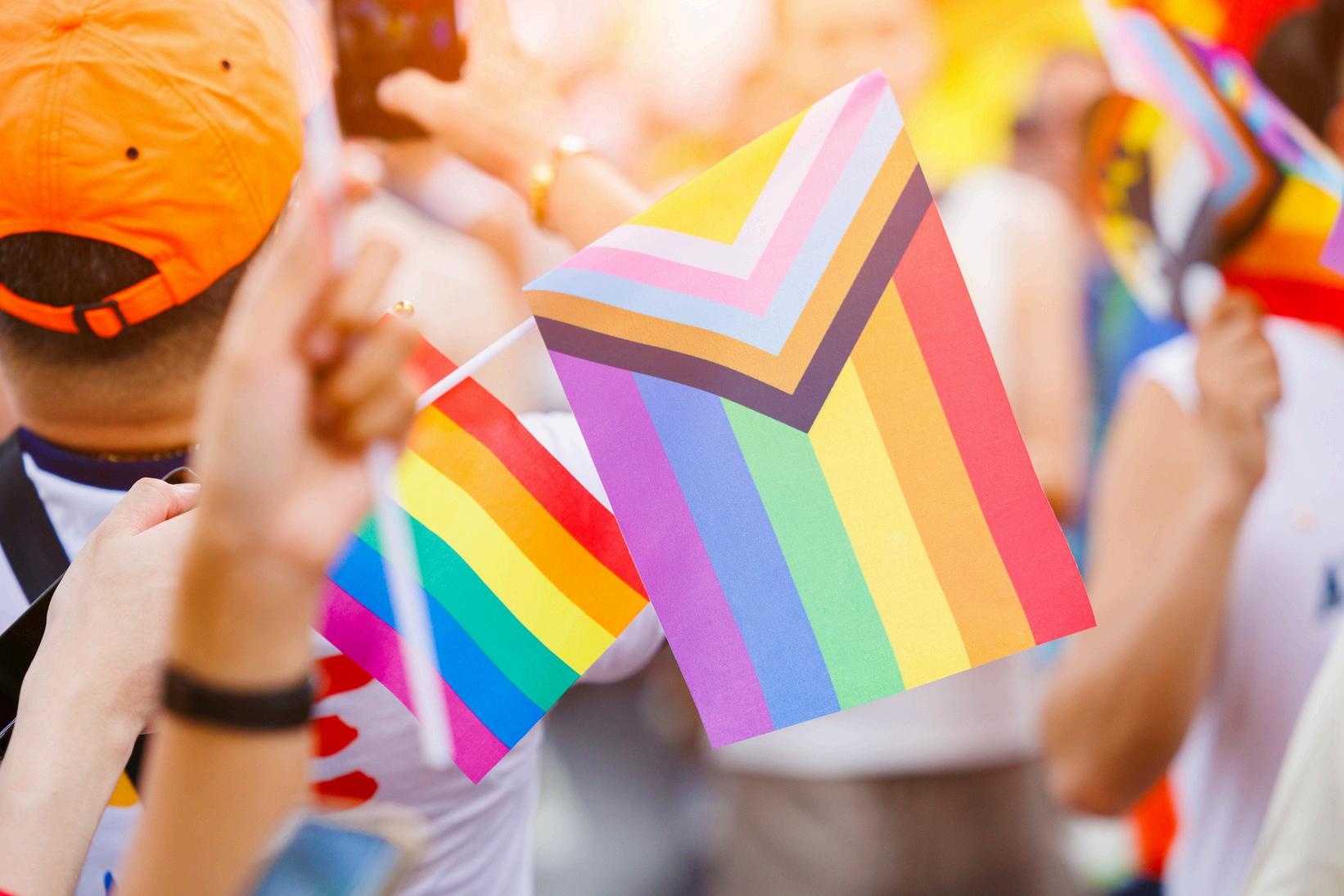
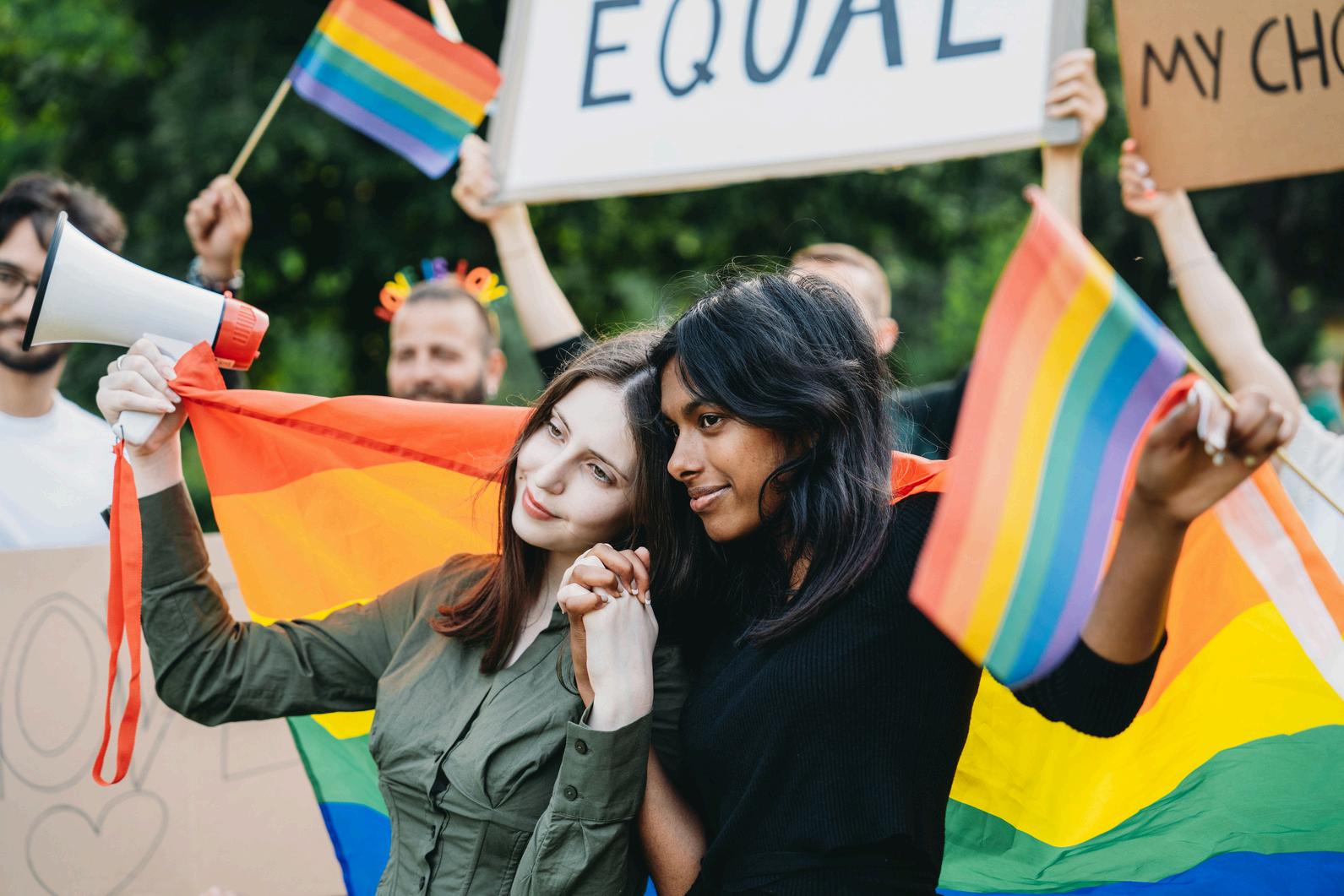
It's important to take a moment to reflect on the significance of this annual event. Pride Month, which is celebrated in June each year, is an opportunity to recognise and celebrate the contributions of the LGBTIQA+ community to Australian society, and to promote a culture of diversity and inclusion across the country.
The origins of Pride Month can be traced back to the Stonewall riots in New York City in June 1969, which were sparked by a police raid on the Stonewall Inn, a popular gay bar in Greenwich Village. The raid led to a series of protests and demonstrations by members of the LGBTIQA+ community, who were tired of being targeted and discriminated against by law enforcement and society at large.
The riots marked a turning point in the LGBTIQA+ rights movement, and inspired similar movements and protests around the world.

Here in Australia, Pride Month has been celebrated since the 1970s, with the first official event being the Sydney Gay and Lesbian Mardi Gras in 1978. Since then, Pride Month has grown to include a wide range of events and celebrations across the country, including parades, parties, cultural festivals, and community gatherings.
Pride Month is an opportunity to showcase the vibrant and diverse LGBTIQA+ community, and to celebrate the many contributions that LGBTIQA+ individuals have made to our country's cultural, social, and economic fabric. From the iconic Sydney Mardi Gras parade to a wide range of events and celebrations taking place across the country, there's something for everyone during Pride Month.


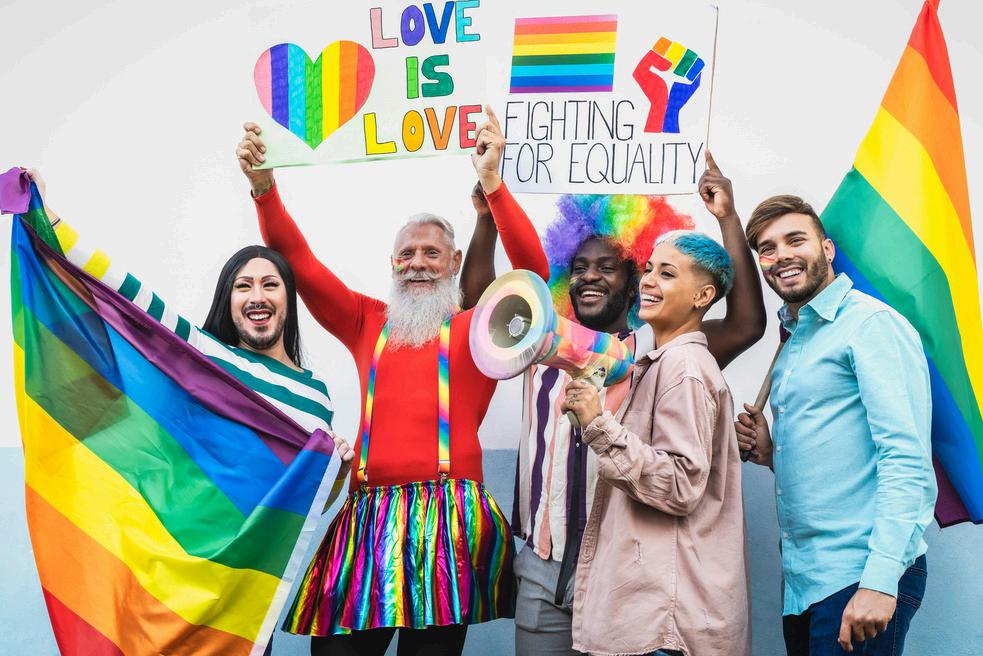
All people should be treated equally, regardless of who they are or who they love.
Pride Month is a celebration — but it is also a reminder. Because behind the colour, the music, and the joy, the LGBTIQA+ community continues to face very real challenges that deserve our attention and our action.
The Wellbeing Gap We Cannot Ignore 75% of LGBTQA+ Australians have experienced a mental disorder at some point in their life, compared with 42% of the broader population. LGBTIQA+ people also experience psychological distress at more than four times the rate of the general community.
Worth Celebrating The Australian Government launched its National Action Plan for the Health and Wellbeing of LGBTIQA+ People 2025–2035 a landmark commitment to closing the health gap. And research consistently shows that stable, positive support networks are one of the strongest protective factors for LGBTIQA+ wellbeing. Community doesn’t just celebrate, it saves lives.
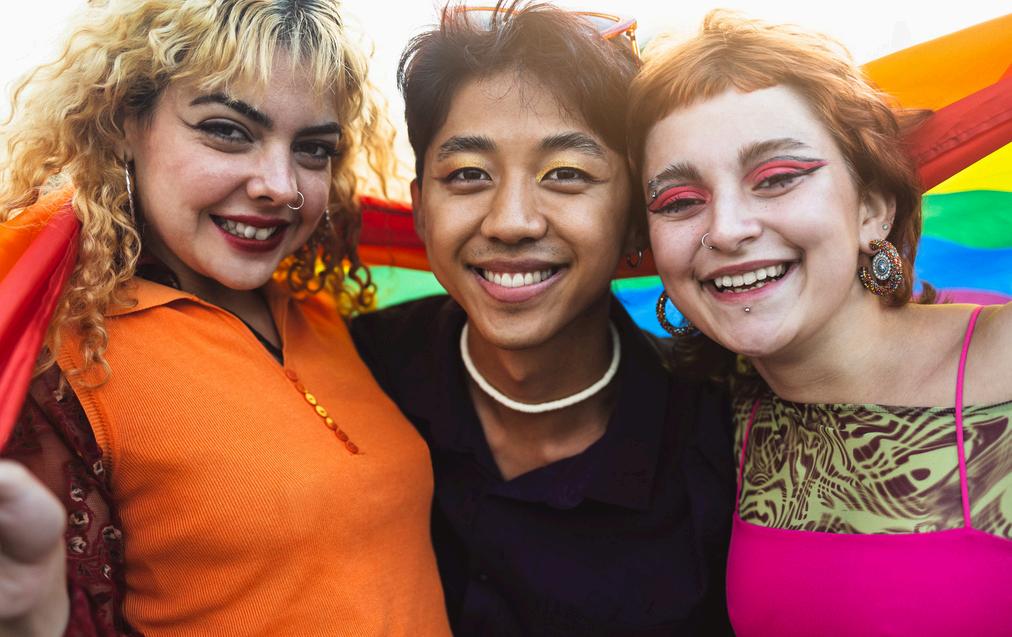
LGBTIQA+ people experience homelessness at more than twice the rate of the general Australian population. For young people, the picture is especially concerning — between 10% and 18% of those aged 16 to 24 identify with a sexuality other than straight, a generation still waiting for the world to fully catch up.
Bowel cancer claims the lives of 101 Australians every week (5,235 people a year) – but it’s one of the most treatable types of cancer when detected early.
While the risk of bowel cancer increases significantly with age, the disease doesn’t discriminate, affecting people of all ages.
299 Australians will be diagnosed with bowel cancer this week (15,542 people a year).

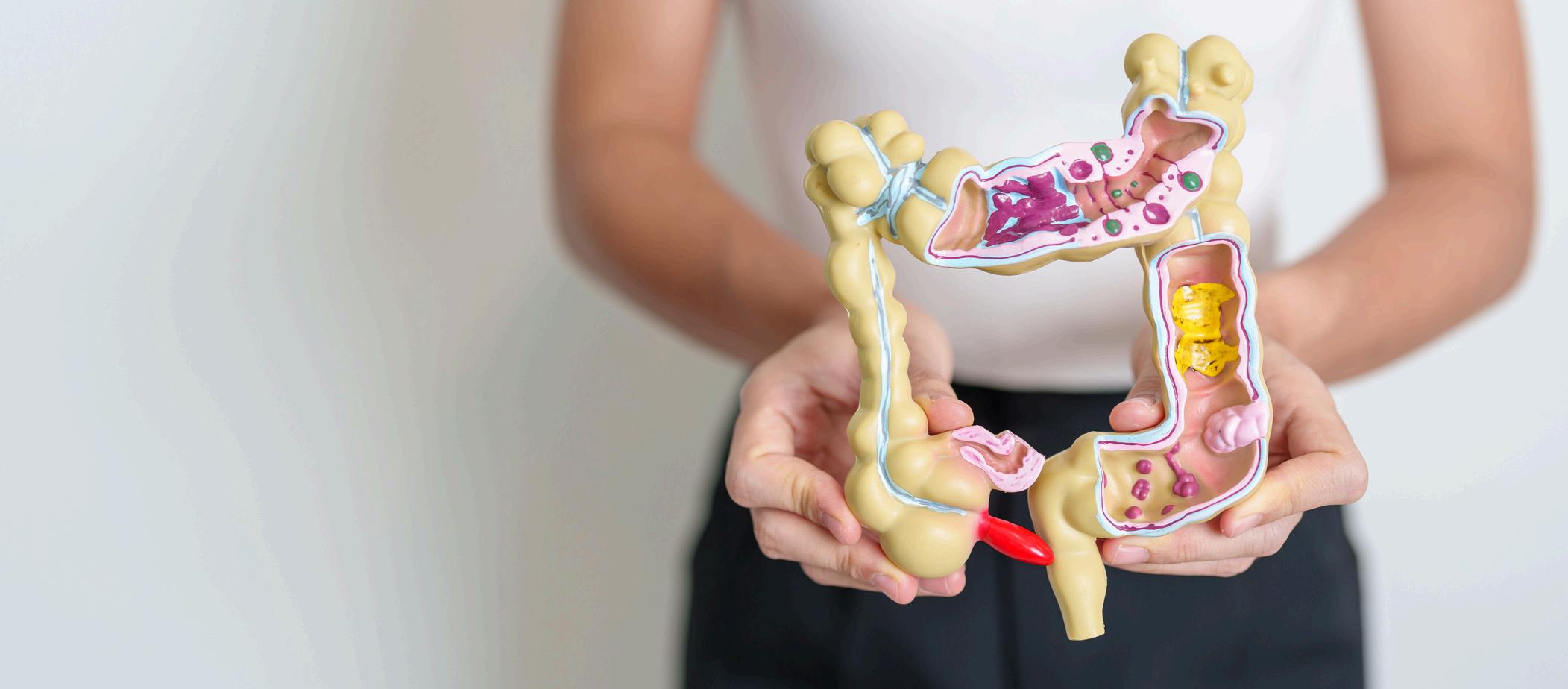
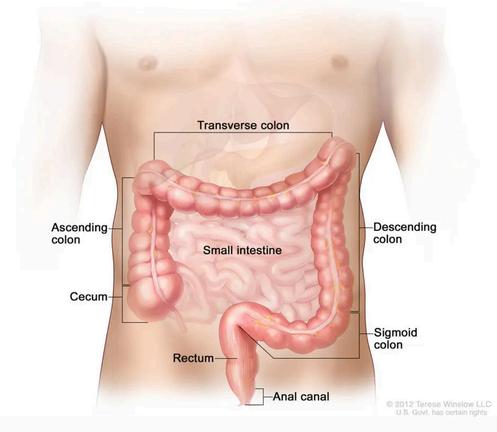
Bowel cancer, also known as colorectal cancer, can affect any part of the colon or rectum; it may also be referred to as colon cancer or rectal cancer, depending on where the cancer is located.
The colon and rectum are parts of the large intestine.
Bowel cancer rates in Australia are high, especially for young adults, due to a combination of sedentary lifestyles, high consumption of red/processed meats, and high rates of obesity.
Australia has the world's highest bowel cancer rates for those under 50, with cases increasing in adults aged 15–24.

Bowel cancer is one of Australia's most treatable cancers, but only when it is caught early. The challenge is that many people either don't notice the warning signs or feel too embarrassed to talk about them. That ends here.
Not everyone experiences symptoms in the early stages, which is why screening matters so much.
When symptoms do appear, don't wait. Talk to your GP if any of the following last two weeks or more:
Blood in your poo or rectal bleeding, bright red or very dark, never ignore it
A sudden change in bowel habits, looser, more frequent, or harder to pass than usual
A change in the shape of your poo, narrower than usual or mucus present
Frequent gas, cramping, or bloating
A feeling that your bowel hasn't fully emptied
Unexplained tiredness, weakness, or weight loss
Pain or a lump in the anus or rectum
When diagnosed early, almost 99% of bowel cancer cases can be successfully treated.
Talking about poo can feel awkward. But it could save your life. Your GP has heard it all before — nothing you say will surprise them, and a two-minute conversation could make all the difference.
And speaking of poo what does a healthy one actually look like? What should you be watching for? Turn to page 18 for our guide to what your toilet bowl is quietly trying to tell you every single day.

Named after the Marvel character famous for healing from any injury in seconds, the Wolverine Stack has exploded in popularity in fitness, biohacking and sports recovery communities. But before you reach for a needle, here is what you actually need to know.
is it?
BPC-157 derived from a stomach protein, claimed to heal tendons, joints, muscles, nerves and the gut lining
TB-500 — a synthetic version of a naturally occurring protein, claimed to mobilise repair cells throughout the body and speed up tissue recovery
What Does the Science Say?
Not much and that is the problem. A 2025 systematic reviewfound 36 published studies on BPC-157 35 were animal studies and only 1 involved humans.
The combination of BPC-157 and TB500 together has zero published studies of any kind
The single human study involved just 12 patients, had no control group and was written by practitioners selling the product
Injection site reactions, nausea, headaches and dizziness
Unknown interactions with existing medications and health conditions
Theoretical risk that compounds promoting new blood vessel growth could stimulate existing cancers
Anyone with a history of cancer should avoid entirely
Buying online means you may not be getting what the label says
The boring truth? Proper rehabilitation, good nutrition, quality sleep and advice from a GP or sports medicine specialist have far more evidence behind them.
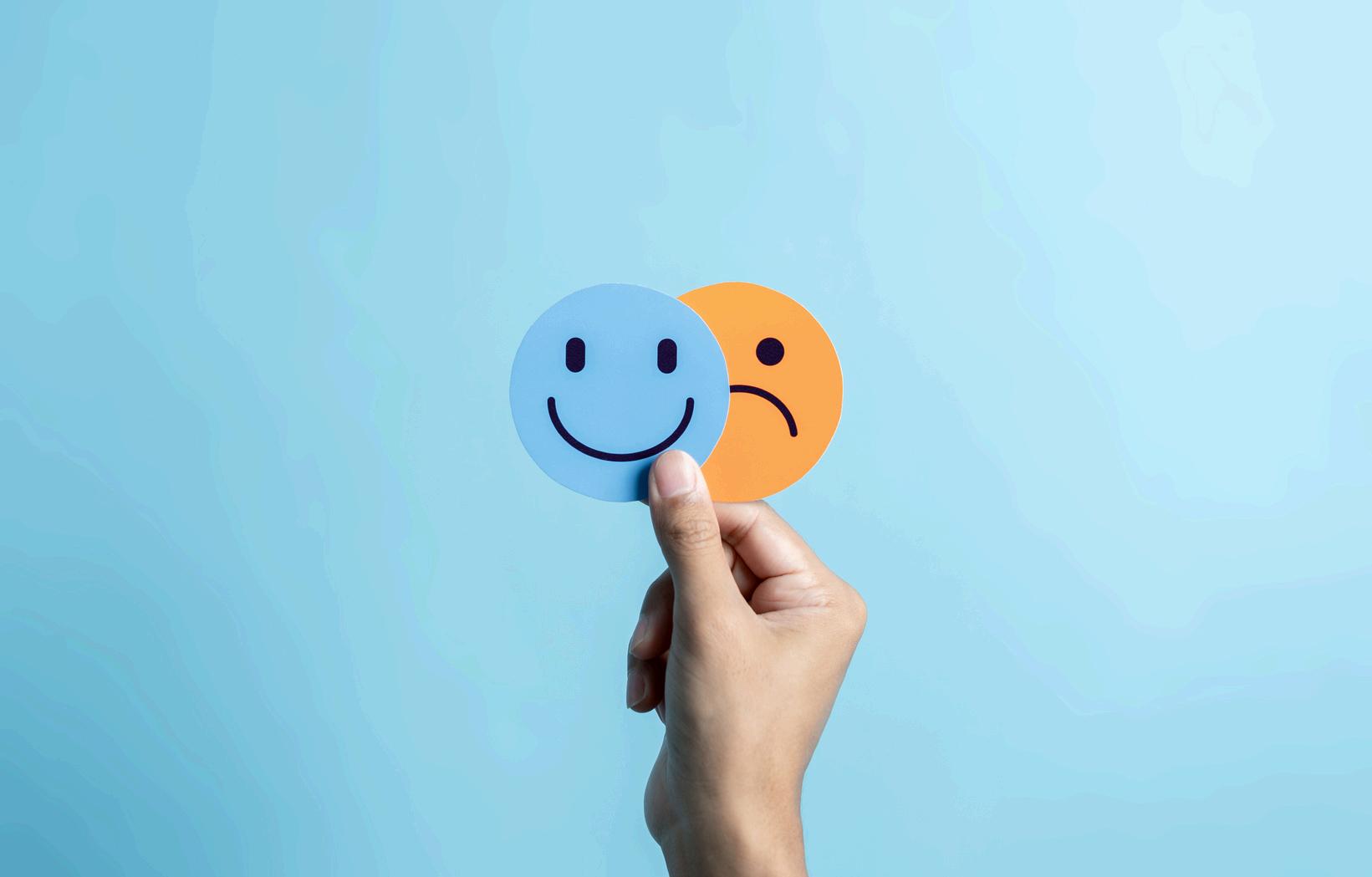
The numbers that are hard to ignore. A landmark report from Beyond Blue has painted one of the clearest pictures yet of the mental health reality facing millions of Australians, a nation under pressure, quietly struggling, and increasingly turning to each other for help.
The Scale of the Problem
A 2024 survey of 5,000 Australians found one in five adults are cutting back on work or daily activities due to mental health impacts. Anxiety and depression are rising, yet nearly half wait until highly distressed before seeking help.
The Cost of Waiting
One in eight wait more than a year for support some over ten years. Cost, waitlists, and shame are the key barriers. "Millions could be supported through early symptoms preventing them from reaching crisis point," said Beyond Blue CEO Georgie Harman.
We're Not Alone
More Australians are turning to friends and family for support. Reaching out early is not weakness — it's one of the bravest things you can do.
Beyond Blue — Free, 24/7 Call 1300 22 4636 | beyondblue.org.au/getsupport
1 in 5 Australians (4.5 million adults) are cutting back on work or daily activities due to mental health impacts
1 in 3 adults are experiencing a social or emotional issue negatively affecting their daily lives
1 in 3 Australians are experiencing mild symptoms of anxiety and depression
49% of people wait until they are highly distressed before seeking professional help
1 in 8 people wait more than a year before seeking support some wait over 10 years
23% of support-seekers are now turning to someone they know, up from 20% two years ago
1 in 6 Australians connect with Beyond Blue for mental health support
94% of Australians recognise Beyond Blue

Polycystic Ovary Syndrome (PCOS) affects roughly one in ten Australian women of reproductive age. Many are living with it without knowing it at all.
PCOS is a complex hormonal condition affecting the ovaries, starting as early as the teenage years. Despite the name, you do not need polycystic ovaries to be diagnosed.
The condition is defined by elevated androgens and disrupted ovulation
Diagnosis requires at least two of three features irregular periods, high androgen levels and polycystic ovaries on ultrasound.
PCOS is a complex hormonal condition affecting the ovaries, starting as early as the teenage years. Despite the name, you do not need polycystic ovaries to be diagnosed.
The condition is defined by elevated androgens and disrupted ovulation. Diagnosis requires at least two of three features — irregular periods, high androgen levels and polycysticovarieson ultrasound.
PCOS cannot be cured — but it can be managed. Small changes make a big managed. difference: move more, eat well and difference: move more, well speak to your GP about medications that to your GP about medications that can help. help.
What Are the Symptoms?
Common signs include:
Irregular or absent periods
Excess hair growth on the face or stomach
Acne along the jawline
Hair thinning on the scalp
Weight gain around the abdomen
Fatigue, anxiety, depression and mood changes
Difficultyfalling pregnant
Why Does It Happen?
Genetics, hormones and lifestyle all play a role. A key driver is insulin resistance — triggering the ovaries to overproduce androgens and disrupt ovulation. Untreated PCOS also increases the longterm risk of type 2 diabetes and heart disease
What Can Help?
PCOS cannot be cured but can be well managed Modest weight loss of 5 to 10% can significantly improve symptoms. Whole foods, fibre, lean protein and regular movement make a real difference. Medications may include the contraceptive pill, metformin or fertility treatments.
“I’M
Let's talk about the two most used and most untrue words in the English language. "I'm fine." We've all said it. We've all meant something completely different. And honestly? The creativity with which humans avoid admitting they're not okay is nothing short of spectacular.
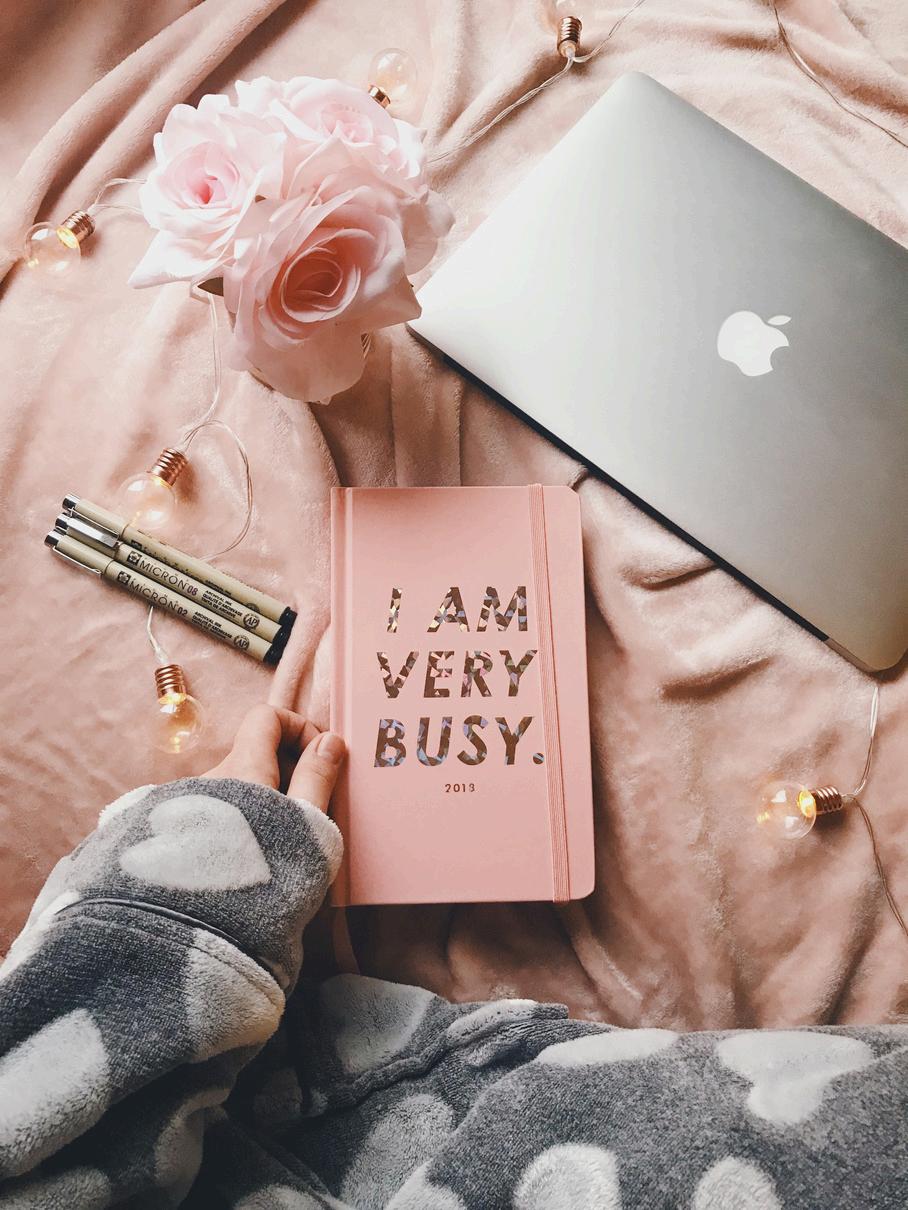
Someone asks how you're doing and within three seconds you've made it about them "Me? Great! But HOW ARE YOU?" Researchers found that people who flip questions back are rated as the most likable in the room everyone leaves thinking what a great chat, completely unaware they learned nothing about you. Masterful.
There's a sweet spot between "I'm falling apart" and "everything is fine" and it's simply being honest with people you trust. The people you're worried about burdening? They're probably also saying "I'm fine" and hoping someone sees through it too.
SO NEXT TIME SOMEONE ASKS — MAYBE JUST TELL THEM. (AND IF YOU GENUINELY ARE FINE — THE REST OF US ARE SLIGHTLY JEALOUS.)
Dedicated to raising awareness of this disease that affects 1 in 9 Australian women, and many others who are transgender or gender diverse, or remain undiagnosed or misdiagnosed.
Endometriosis remains widely misunderstood and under diagnosed. On average, it takes women between 7 to 10 years to be diagnosed. Diagnosis commonly only occurs following laparoscopic surgery
Public hospital waiting times are often long, and private costs are in the thousands of dollars making it unattainable for many women.
11 years of advocacy. 11 years of debilitating pain. 11 years of being told I was overreacting and it was just another “heavy period”.
For some women, Endometriosis is a daily reality Endometriosis is a chronic, painful, and often debilitating disorder where tissue similar to the lining of the uterus grows outside of the uterine cavity. It impacts the lives of 10% of women worldwide and can greatly affect their fertility Despite its prevalence, endometriosis remains widely misunderstood and under diagnosed. On average, it takes women between 7 to 10 years to be diagnosed.

The first time I heard about endometriosis was in early 2023 in the Sunshine Coast where I sat in my gynaecologists office after reaching breaking point. My pain had gone from sporadic outbursts to being daily. Some days I couldn’t move. I had heat packs strapped to my stomach so often, that I had burnt my skin red raw. I was constantly bloated to the point of looking pregnant. I was dizzy, I was tired, and the pill was doing nothing I had been told so many times that I was overreacting so when someone finally listened, I dove into research mode.
I had my first laparoscopy in July 2023. I was told a week prior to my surgery that there was a 1 in 1,000 chance of something going wrong. When I woke up, I knew I was that 1 in 1,000 Due to the severity of my endometriosis, it had clung to my ureter and had begun making its way up to my kidneys. Unfortunately, the surgeon had nicked my right ureter in the process of removing the endometriosis from it. What was supposed to be 1 weeks worth of recovery turned into months of illness, limited answers, and a second and almost third surgery to rectify the damage to my ureter. I had to quit my job, my medical expenses burned through my savings, and my whole life was put on hold
It is as if the system is designed to make us fail. Only now that the conversation surrounding endometriosis is getting louder, are governments beginning to pledge money towards long awaited research surrounding the disease. There is still so much to do. There is not yet a real cure to the horrible disease. Many women are forced to continue taking the pill, utilise other contraceptives, or have regular hormone needles that make the body replicate menopause. All of these “aides” have significant side effects and only mask the pain to a certain extent
I personally chose to document my endometriosis journey on social media in hopes that my friends may see it and recognise their own symptoms. Many women have reached out with their own questions and shared their journeys with me, and it is through sharing our stories and supporting one another that women will beat this horrible disease
Every day, myself and millions of other women wake up wondering if their endometriosis is growing back. I wonder where it will grow back this time. Every time I feel a similar pain in my stomach, my chest tightens. My heart drops, and sometimes, I sob in fear.
@saradianafaraj

When it comes to raising a happy and healthy teen, confidence is key.
Being a teen can be a confusing time, compounded by physical and hormonal shifts as well as new environments and changing social dynamics.
Why building confidence is important for pre-teens and teenagers:
Confidence helps pre-teens and teenagers feel they can make safe, informed decisions and avoid people and situations that aren’t right for them. Pre-teens and teenagers with low confidence are less likely to join in activities, more likely to hold back in class, and more likely to give in to peer influence.
Some useful strategies that you can try:
. Talk about the difficulties they are facing. Sometimes a little conversation can go a long way.
. Speak their language – teenagers may feel less guarded chatting via email or text message than face-to-face.
. Encourage your child to focus on their strengths rather than their weaknesses.
. Remind your child that their worth is not based on their achievements or appearance. Value their kindness and empathy and avoid placing too much weight in results or looks.

. Praise your child for their accomplishments but also highlight their efforts.
. Encourage them to be proud of themselves and to keep trying –explain that everyone makes mistakes, and it’s OK to fail but to try again
. Sharing is caring. Open up about times you’ve also lacked confidence and rallied to overcome it.
. Closely support your child with tough tasks. By lending a hand, you can help them reach their goal.
If you notice a lack of confidence is really affecting your child, suggest they speak to their school counsellor.
Social media allows young Australians to connect with others, create and maintain relationships and to express themselves. It can also expose them to a world of disrespect.
Social media algorithms, designed to prioritise and favour provocative and polarising content, can automatically serve disrespectful content and violence-supportive attitudes to young Australians, every day. During their teenage years this can influence their views and behaviour, ultimately shaping the type of person and partner they grow up to be.
It can be difficult to censor or moderate the content young people may be exposed to online. It is our responsibility to better understand it so we can empower them, help them navigate it and reject disrespect before it leads to violence.
Explore a young Australian's social media experience now.
Please check your internet connection, as this experience includes large video and image files that may take a while to load.
Enter the interactive experience below. Watch the video version or read the text version of The Algorithm of Disrespect™.







Every morning millions of us reach for our shampoo, moisturiser, and soap without a second thought. But what if the products we trust are quietly working against us?
Synthetic preservatives found in everything from shampoo and moisturiser to deodorant. Parabens mimic the effects of oestrogen in the body and have been linked to an increased risk of breast cancer.
Used to bind fragrance in soaps, body wash, and hair products. They are rarely listed openly on labels — instead appearing as short acronyms and are found in nail polish, hair spray, perfumes, creams, and deodorants. They are known endocrine disruptors, meaning they interfere with hormonal function.
These compounds hide in shampoos, conditioners, and hair straightening treatments. When heated, these compounds release formaldehyde gas into the air, which can then be inhaled, a particular concern for people who use keratin or smoothing treatments regularly.
The ingredient that makes your shampoo and soap lather so satisfyingly. Long-term use has been linked to skin irritation, eye and lung sensitivity, and can aggravate conditions like dermatitis and eczema.
Your skin is your largest organ. What you put on it matters just as much as what you put in your body. Read labels carefully and look for products that are paraben-free, sulphatefree, and fragrance-free where possible.
Ingredient Check
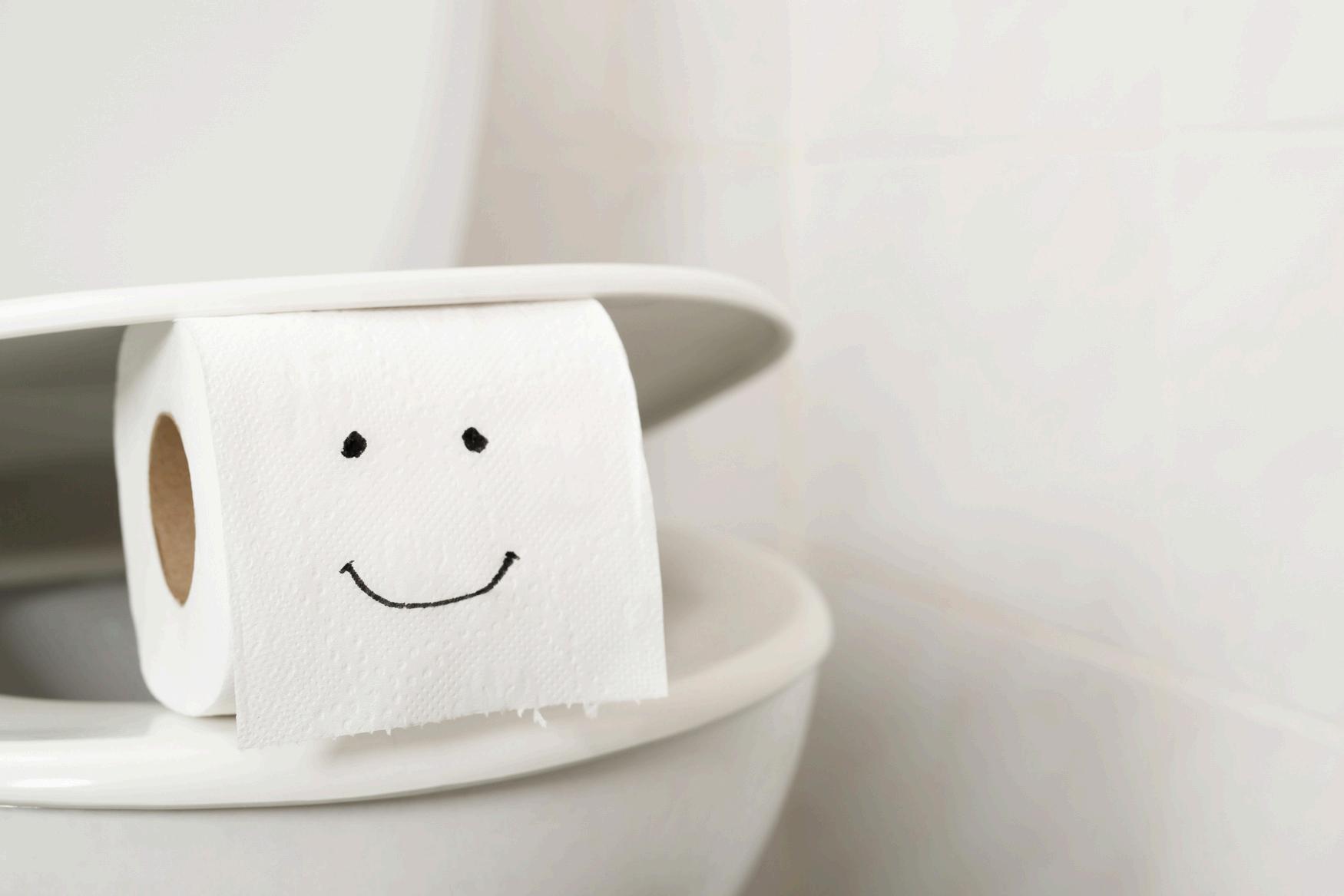
Nobody wants to talk about it. Everyone does it And your toilet bowl knows more about your health than your last GP visit. So let's get into it — because what's happening down there is actually fascinating.
Doctors have an actual chart for this the Bristol Stool Scale and before you laugh, it is genuinely one of the most useful health tools ever created. The gold standard is a Type 3 or 4 think smooth, sausage-shaped, easy to pass, medium brown, and smells bad but not catastrophically so. If yours ticks those boxes, your gut is having a great day.
Type 1 and 2 hard little pellets or a lumpy sausage signal constipation. Drink more water. Type 6 and 7 mushy or completely watery — and you're in diarrhea territory. Nobody's happy there.
Brown is boring but brilliant. Green? Probably too much spinach or things moving through too fast Red could be something you ate or rectal bleeding. Black and tarry? See a doctor. Today.
Here's the truth nobody wants to hear — poo is supposed to smell bad. It's made of waste, bacteria, and gases. That's just science. However, a truly foul, eyewatering smell could indicate an infection, inflammatory bowel disease, or a food intolerance. If something smells different for more than a few days, worth a chat with your GP.
Healthy poop sinks Floaters can mean too much gas or fat not being absorbed properly. Harmless most of the time, but worth noting if it persists. Anywhere from three times a day to once every three days is normal. Stop stressing about going every morning like clockwork. Just look before you flush your gut is talking to you It would be a shame not to listen.
It was sold to us as the safer alternative, a harmless cloud of flavoured vapour and a way to quit cigarettes. But for a generation of young Australians, vaping has become its own addiction and the numbers tell a sobering story.
Nearly 1 in 6 young Australians aged 16 to 19 vape every day, and 2 in 3 who vape daily also smoke, meaning vaping isn't replacing cigarettes. People are doing both. Research confirms non-smokers who vape are three times more likely to take up smoking For many young people, vaping isn't a way out of nicotine addiction. It's a way in.
Social media portrays vaping as trendy and healthy, messaging researchers say needs urgent regulation And the peer effect is powerful: young people with friends who vape are 15 times more likely to vape themselves.
Australia's 2024 vaping reforms, restricting sales to pharmacies and banning advertising, have shown early results with rates among 15 to 29-year-olds dropping by a third compared to 2023. Curiosity about vaping is declining and social norms are shifting, with many teens now expressing embarrassment about being labelled a "vaper." But experts warn this is no time to ease up. The illegal black market is booming and enforcement remains inconsistent.
Despite the appealing flavours and packaging, vapes contain harmful chemicals including nicotine, formaldehyde, and heavy metals. Regular use has been linked to lung damage, cardiovascular stress, impaired brain development, and higher rates of anxiety and depression. Nicotine addiction can take hold after just a handful of uses, making it far harder to stop than most young people expect.
Vaping was never the harmless alternative it was marketed as. The good news is that Australia is finally taking it seriously, and real change is happening Rates are falling, attitudes are shifting, and a generation is waking up to the truth. If you or someone you know wants support to quit, speak to a GP, call the Quitline on 13 7848, or visit quitnow.gov.au.
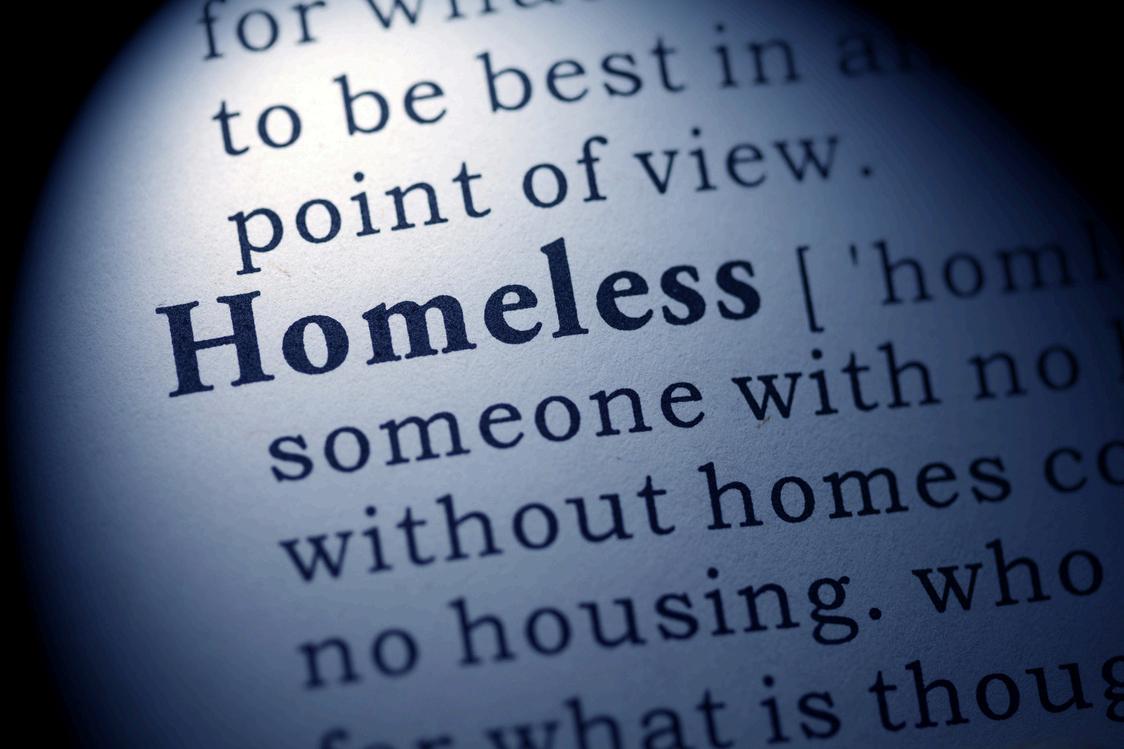
It is easy to walk past someone sleeping rough and think it could never happen to you. But homelessness in Australia is far more widespread and far closer to home than most people realise. Behind every statistic is a real person a parent, a young person, a neighbour caught in a system struggling to keep up.

Rising rents, a shortage of social housing, domestic violence, and mental health challenges are pushing more Australians to the edge than ever before. Demand for support is outpacing the system's ability to respond and too many people arefalling through the cracks.
More than 122,000 Australians were experiencing homelessness on Census night 2021, with the rate rising to 48 per10,000 people
In 2024-25, around 289,000 Australians were assisted by specialist homelessness agencies, with 1 in 3 being single parents with children
In June 2025, the top four reasons Australians sought homelessness help were family and domestic violence, eviction, financial difficulty, and housing affordability stress
Around 116,500 homelessness clients in 2024-25 had experienced family and domestic violence
Around 88,800 clients accessing homelessness services had a current mental health issue, with 9 in 10 unemployed or not in the workforce
Persistent homelessness in Australia has grown by 39% since 2018-19, with half ofthose affected living with a mental health issue
Among young Australians experiencing homelessness, 4 in 5 had experienced family violence, and 2 in 3 reported self-harm or suicidal ideation
Homelessness is not a lifestyle choice. It is the result of circumstances that can spiral faster than anyone expects. With the right investment, policies, and community support, it is a crisis that can be turned around.

When we talk about mental health, we rarely think about babies. But the truth is that mental health begins before a child can walk, talk, or even smile. Every cuddle, every conversation, and every moment of connection in those earliest days is quietly building the foundation for a lifetimeofemotional wellbeing.
Infant mental health refers to the social and emotional development of children from pregnancy through to age three. The first 2,000 days — from conception to around age five — are now recognised as the most critical window for shaping long-term mental health, brain development, and relationships. What happens in those early years doesn't stay there. It echoes across an entire lifetime.
The emotional wellbeing of babies and toddlers is the foundation of everything that follows, their ability to learn, form relationships, regulate emotions, and cope with life's challenges all trace back to these earliest experiences
But not every family finds this easy One in six mothers experience postnatal depression and one in ten experience anxiety in their child's first year conditions that, when left unsupported, can significantly impact the bond between parent and baby.
Smiling, talking, cuddling, playing, and touching are all profoundly important for a baby's development. You don't need to be a perfect parent. You just need to show up, respond, and connect.
The June 2026 Infant Mental Health Awareness Week theme, "Attunement," highlights tuning in to your baby's emotional world and responding with warmth, sensitivity, and love.
If you are a new parent struggling with your mental health or your connection with your baby, please reach out — you are not alone The earlier you ask for help, the better the outcomes for both you and your baby.


You asked. They answered honestly. And now you are standing there, heart in your mouth, wondering what on earth you are supposed to say next. Take a breath. You are already doing better than you think
Research shows that of those who have recently talked to someone about what is troubling them, 80% agreed the conversation was meaningful and helpful. You do not need to have all the answers. You just need to show up.
Nothing.
Be prepared to just listen and not say a lot in response. Often less is more. Someone reaching out for support will often have thought through their situation a lot validating their emotions may be far more powerful than providing a solution. Resist the urge to jump in with advice Just let them talk
Simple phrases go a long way
"Thank you for telling me that took courage."
"I am really glad you said something."
"I am here. Take your time."
"That sounds really hard How long have you been feeling this way?"
Acknowledge what the person is saying and avoid interrupting them.
Your role is not to be the therapist or the doctor but it is to encourage and support that person to seek help, and hopefully get them to make a commitment to do so.
Suggest a GP as a first step, mention a helpline, or offer to help them make an appointment.
Set a reminder to follow up with the person in a couple of weeks. If they are really struggling, follow up sooner. Genuine care and concern can make a real difference.
" You don't have to fix it You don't have to understand it. You just have to be there, your presence alone is the greatest gift you can give."
Supporting someone through a tough time can be emotionally draining. If you have had a difficult or confronting conversation, it is important to prioritise your own self-care too. You cannot serve from an empty cup.

Your heart is racing. You can't catch your breath. Your chest is tight, your hands are shaking, and your brain is screaming that something is terribly wrong. But nothing is. That is the cruel reality of a panic attack — and it is far more common than most people realise.
Symptoms can include:
Racing or pounding heart
Shortness of breath
Chest pain or tightness
Dizziness or lightheadedness
Trembling or shaking
Feeling of unreality or losing control
A panic attack is a brief episode of intense anxiety that causes the physical sensations of fear, triggered when the brain activates the body's fight-or-flight response. The problem is there is no actual danger. The alarm is real. The threat is not.
People with panic disorder experience sudden attacks of fear or anxiety, often with no obvious trigger sometimes so severe they believe they may collapseordie. It isterrifying, exhausting, and for many, deeply isolating.
According to the Australian Bureau of Statistics, 2.4% of Australians experience panic disorder with women significantly more affected, with 5% meeting the diagnostic criteria compared to men.
Triggers can include prolonged stress, overbreathing, excessive caffeine, intense physical exertion, illness, or sudden changes in environment. Sometimes there is no trigger at all which is what makes panic disorder so disruptive to daily life.
Panic attacks are very treatable and you do not have to face them alone Firstline treatments include Cognitive Behavioural Therapy (CBT) is available faceto-face or online as well as medication such as SSRIs for those who need additional support. Breathing techniques, mindfulness, and lifestyle changes can also make a meaningful difference day to day. Your GP is always a great first step

"IT HAPPENS IN FAMILIES. "IT HAPPENS IN FAMILIES. IT HAPPENS IN SILENCE." IT HAPPENS IN SILENCE. "
Every year on 15 June, Australia joins the world in recognising World Elder Abuse Awareness Day a day to stand together against one of our most underreported and misunderstood crises. Elder abuse is happening right now, in homes across the country, and most victims suffer in silence.
According to the National Elder Abuse Prevalence Study, one in six older Australians experience elder abuse in any given year yet only one in three victims ever seek help. The National Elder Abuse phone line recorded 9,085 calls between July 2023 and May 2024 a 36% jump from the same period the previous year. (most current statistic)
MOST COMMON FORM:
The most common forms are financial and psychological abuse and in most cases, the perpetrator is an adult child or close family member. The most frequent form of financial abuse is being pressured into giving or loaning money, possessions, or property. Psychological abuse including threats, isolation, and coercive control most frequently accompanies it, making it even harder for victims to speak out
WHO IS MOST AT RISK?
Those living with dementia, social isolation, or dependence on a carer are particularly vulnerable Two thirds of people seeking help are women.
In March 2026 the Australian Government released the National Plan to End the Abuse and Mistreatment of Older People 2026–2036, a landmark 10-year commitment to ending elder abuse in all its forms across Australia. It is a significant step forward but until every older Australian feels safe, the work continues.
Elder abuse is everyone's responsibility. This June 15 check in on the older people in your life.
�� Wear purple on 15 June for World Elder Abuse Awareness Day.
��ElderAbuse Helpline 1800 353 374
��1800RESPECT 1800 737732
The bones in our body are like the foundations of a house they provide the strength and structure that let us move, walk, dance, breathe, and talk. With more than 200 bones in our body, looking after them matters, especially as we age.
After the age of 20, when bone density peaks, bone mass can slowly start declining depending on our lifestyle and diet. Eating calcium rich foods, doing regular weight bearing exercise, and getting safe sun exposure for Vitamin D are all essential for maintaining healthy bones throughout life
Calcium and Vitamin D work together to strengthen bones. Milk, cheese, and yoghurt are rich in calcium, along with canned sardines, salmon, seeds, beans, lentils, and almonds. Most adults need 2½ servings of dairy daily, rising to 4 serves for women over 50. Yet most Australians consume only about half the recommended amount. Try adding milk to your breakfast, cheese to lunch, yoghurt as a snack, or ricotta to dinner to boost your intake. If choosing plant based alternatives, look for options with at least 100mg of added calcium per100ml.

Vitamin D is essential for calcium absorption, which drops by around 50% when Vitamin D is inadequate. Most Vitamin D comes from sunlight. Most Queenslanders can get enough by spending less than 10 minutes in the sun in summer and 20 to 30 minutes in winter. No sunbaking needed. Short, safe sun exposure is sufficient.
Weight bearing exercise is key to strong bones. Walking, climbing stairs, dancing, carrying groceries, aerobics, tennis, and Pilates all count.
Both smoking and vaping are harmful to bone health. Speak to your GP about quitting support options.
"NO BONES ABOUT IT STRONG BONES MAKE FOR A BETTER LIFE."

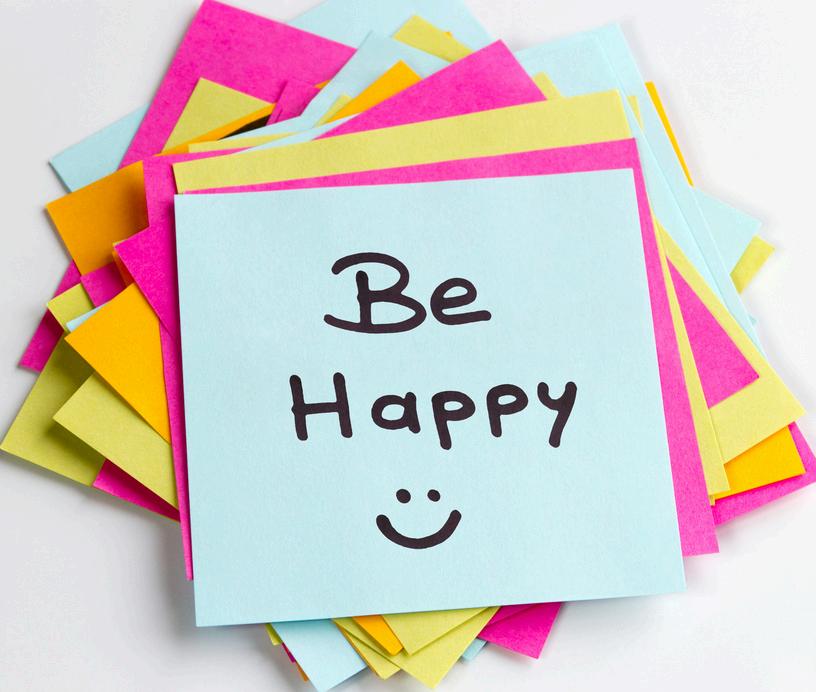
Happiness is an integral part of our emotional and mental wellbeing, and often shifts in response to life's changes. It's not unusual for events, whether big or small, to temporarily cloud the joy we once felt easily.
The good news is that finding happiness again is possible. You just need a few practical steps to help you learn what brings personal joy and contentment in your current phase of life.
WHAT IT MEANS TO FIND HAPPINESS IN YOUR OWN LIFE
Happiness is usually made up of a complex blend of emotions and experiences that bring a lasting sense of inner fulfillment and contentment, and this blend varies from person to person. While some people find joy in solitary activities like reading or gardening, others might find it in social interactions or physical activities.
As you grow and evolve, so do the things that bring you happiness. Embrace this dynamic nature as part of the journey, and remember that feeling happy doesn't mean you won't experience sadness, anger, or stress. Happiness involves learning how to balance these emotions and finding joy in the midst of life's ups and downs. This journey back to happiness isn't just about recapturing moments of laughter or pleasure it's a deeper quest for a fulfilling state of being.
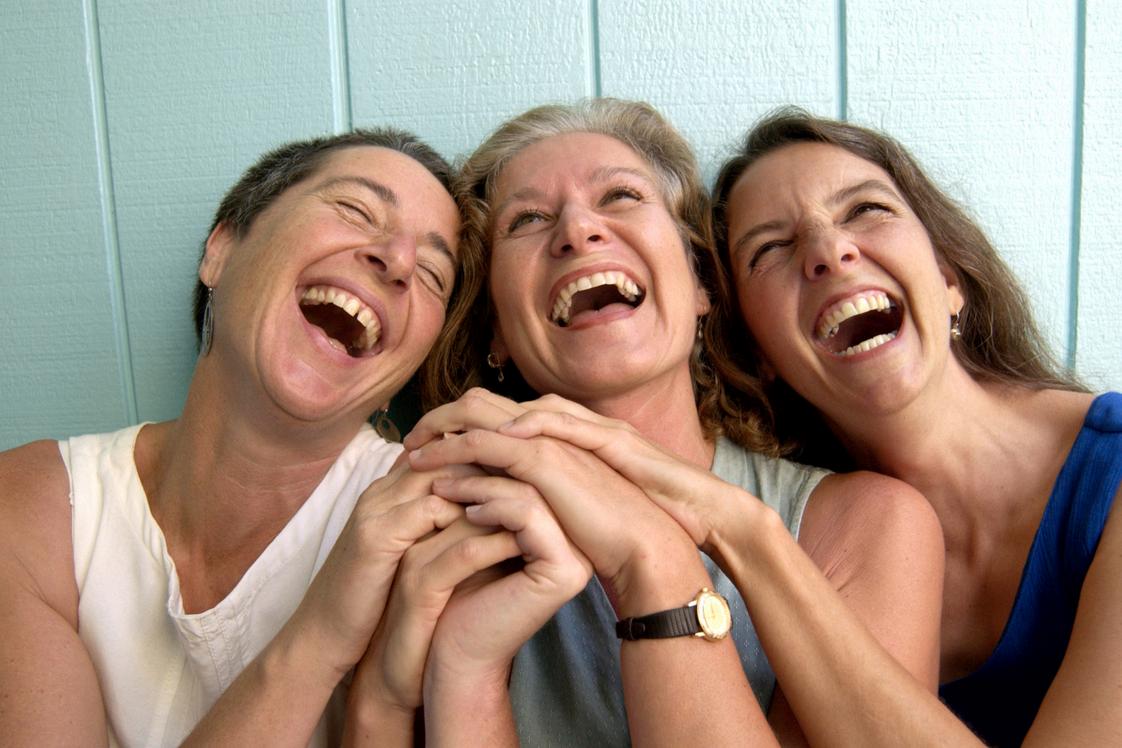
Finding happiness is a gradual process that requires patience, self-exploration, and an openness to change and growth.
Start by writing down things that bring you joy, like favorite hobbies, cherished memories, beloved people, or peaceful places. Your happiness list can evolve with you over time, so be open to discovering new sources of happiness as life unfolds.
"Behind every struggle is a story worth telling. Behind every story is a person worth supporting. Thank you for being part of a community that refuses to stay silent."