Queensland




In regional Queensland, domestic and family violence occurs at comparable rates to large urban areas, yet safety remains harder to reach. This gap is not about weaker communities, it is about fewer options, everyone knowing everyone, and systems that are not in touch with regional reality.
Change does not begin only in legislation or funding announcements. It also begins with what each of us chooses to do. Individually, we can start by believing people when they disclose harm to us without questioning, minimising, or offering advice that pressures them to stay in a dangerous relationship. We can name controlling behaviour when we see it, instead of excusing it as stress, jealousy, or “just how relationships are.”
We can refuse silence which means not repeating rumours, not protecting reputations at the expense of safety, and not looking away when violence is suspected It means speaking plainly when attitudes or jokes normalise control.
We can make assistance visible by knowing local services, sharing information safely, and checking in privately with people we are worried about. Community leaders, local Councils, businesses, and medical health professionals, as well as everyone in a victim’s circle of influence, has the power to say out loud that violence has no place in our community.
Regional communities are strong but strength should not mean carrying harm and danger alone Individual action that is multiplied across regional towns and cities, workplaces, and groups, will create cultural change.
This DFV Month, safety must become everyone’s responsibility, so that where you live no longer determines whether you can live free from violence. Safety should always be postcode free.
Sandra Holebrook CEO - Trauma Assisst
"Violencethrives in silence. "Violence thrives in silence. Communitiesthat speak upsave lives." Communities that up save lives. "

Each May, Queensland marks Domestic and Family Violence Prevention Month
an annual initiative that aims to raise awareness of domestic and family violence and coercive control, highlight the support services available, and send a clear message that violence in our communities will not be tolerated.
It is an opportunity to encourage communities and individuals to speak out against violence and abuse, and to empower people to work together towards its prevention.
Whether you are a member of a community sports club, a small business owner, part of a parent and teacher group, or just an everyday Queenslander, there are simple, small things everyone can do to prevent DFV in our communities.
Queenslanders are encouraged to attend community events, register their own events on the Women's Safety and Violence Prevention community calendar.
Key events include the Darkness to Daylight walk at Queensland Parliament House on 28–29 May, and candlelight vigils on 7 May the National Day to Remember those who have lost their lives to DFV.

Domestic and family violence affects more than the people directly involved.
Children who grow up witnessing violence carry its effects into adulthood.
Workplaces, schools and communities all feel the ripple.
Prevention is not just about stopping individual incidents it is about building a Queensland where violence is never considered normal.
1800RESPECT (24/7):
1800 737732
DVConnect Womensline (24/7): 1800 811 811
DVConnect Mensline (9am –Midnight, 7 days): 1800 600 636
MensLine Australia (24/7): 1300 789 978
Sexual Assault Helpline (7.30am to11.30pm, 7 days): 1800 010 120
Kids Helpline (24/7): 1800 551 800
Lifeline (24/7): 13 11 14
WWILD (9am to 4.30pm, Monday to Friday): (07) 3262 9877
Rainbow Sexual, Domestic and Family Violence Helpline (24/7): 1800 497 212 13YARN (24/7): 13 92 76
Queensland
While you read this, Queensland Police will respond to another DFV call. The silence has to stop - because every time we look away, someone pays the price.
17,482
2025-2026 New DVO applications lodged in Queensland. 80.4% of those are female seeking protectiion.
991
2025-2026 Non-fatal strangulation charges. Maximum penalty of 7yrs imprisonment
33,218
2025-2026 Contravention charges lodged statewide. Townsville, Brisbane and Beenleigh recorded the highest
192,000
2023-2024 Dv occurrences attended by Qld Police. That’s one every 2.5 minutes and the figures are rising.
There were 97,800 family and domestic violence (FDV) offenders recorded by police in the 2024–25 financial year
An estimated 4.2 million adults (21%) have experienced partner violence or abuse since the age of15
In the 2024–25 period, 58 women and 15 men lost their lives at the hands of a current or former partner — more than one woman every week.
In 2025, government data shows that 1 in 6 women and 1 in 16 men have experienced physical or sexual violence at the hands of a current or former partner.
Just in the past year alone, over 2.3 million Australians have reported living through someform of DFV.
Resources: Australian Bureau of Statistics (ABS) Recorded Crime Offenders 2024–25; Australian Institute of Health and Welfare (AIHW) Qld Courts Magistrate 2024-25
Domestic and family violence doesn’t always look the same—it wears many faces, and each one does real damage. It’s not just bruises or black eyes. Sometimes it’s the silent grip of control, the relentless put-downs, or the slow erosion of someone’s financial independence and self esteem.
Physical abuse : This is the most visible kind—pushing, punching, choking, hitting, excessive discipline or any act that causes physical harm. Emotional abuse : Think threats, humiliation, gaslighting, and constant criticism designed to break someone down
Sexual abuse : When someone forces or pressures someone else to take part in sexual activity.
Economic abuse : When a partner tightens the purse strings, stops someone from working, or takes full control of the finances, it’s more than unfair it’s abusive.
Coercive control : This one’s subtle but sinister a calculated pattern of domination. It can look like tracking someone’s every move, cutting them off from friends and family, or micromanaging their daily life until theyfeel completely trapped.
While domestic violence can affect anyone, some vulnerable Australians face far greater risks than others.
Vulnerable groups including children, women with disabilities, culturally and linguistically diverse women, and Aboriginal and Torres Strait Islander communities often bear the brunt of this crisis facing higher exposure and bigger barriers to getting help
Children: Around 10% of Australian children live in homes where domestic violence is a reality. The emotional scars, disrupted learning and mental health impacts can stretch well into adulthood.
Women with disability: These women are 1.8 times more likely to experience abuse often by someone they rely on for care. Many who reach out encounter inaccessible or under-equipped services.
Aboriginal andTorresStrait Islandercommunities: Indigenous women are 32 times more likely to be hospitalised due tofamily and domestic violence. Deep-rooted inequality, historical trauma and gaps in culturally safe services all contribute.
Queensland
Ending domestic and family violence is not the job of police, courts or support services alone. It is everyone's responsibility and there are simple, meaningful things each of us can do every single day.
Model respectful communication in your own relationships. Treat others with kindness, listen genuinely and show empathy. Children especially learn from what they see, so the way you behave sets the standard for those around you.
If someone makes a joke that belittles women or dismisses violence, say something. Staying silent can normalise exactly the attitudes that allow abuse to continue. You do not need to be confrontational a calm, clear response is enough.
A simple "how are you going?" or "you seem a bit off lately do you want to talk?" can open a door for someone who is struggling. You do not need to have all the answers. Sometimes just listening and believing someone is the most powerful thing you can offer.
Social isolation increases the risk of domestic violence and makes it harder for people to seek help. Being part of someone's support network whether at work, at school or in your neighbourhood matters more than you might realise.
Teaching children that "no means no,"that bodies belong to each person, and that boundaries deserve respect builds habits that last a lifetime. Do not force children to show physical affection even with family members — as this undermines their understanding of bodily autonomy from an early age.
Domestic and family violence happens across all communities, relationships, ages and backgrounds. When you hear misinformation, correct it respectfully. Reducing stigma removes barriers for people to seek help.
You do not need to be an expert. Being able to share the Queensland Government's Need to Know website qld.gov.au or a support number like DVConnect on 1800 811 811 could guide someone towards safety when they need it most.
Prevention does not require grand gestures. It requires ordinary people making consistent, conscious choices to respect, believe and support the people around them.

“BREAKING
Schizophrenia is a serious mental health condition that affects how a person thinks, feels, and behaves. It can involve hallucinations, delusions, disorganised thinking, and emotional flatness It is not the same as having a "split personality" — that's one of the most common and harmful myths.
Approximately 24 million people worldwide are impacted by schizophrenia. It often begins between the ages of 16 and 35, and can happen to anyone
Positive symptoms – hallucinations or delusions
Negative symptoms – emotional withdrawal, loss of motivation
Cognitive symptoms – difficulty with memory or concentration
IS ITTREATABLE?
Yes! Schizophrenia is treatable, and most people get better with the right care including medication, therapy, and family support. Early treatment makes a significant difference
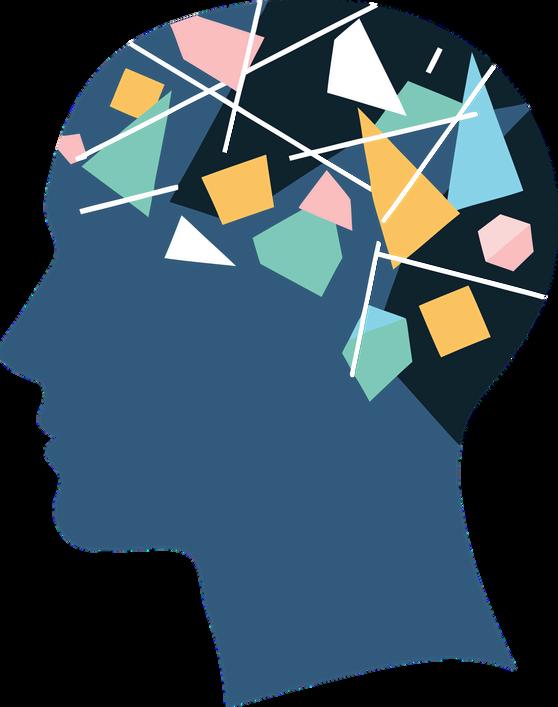
Learn replace myths with facts
Listen hear the stories of those living with the condition
Wear silver on World Schizophrenia Awareness Day, 24 May 18–24 May In Australia, thisweek is dedicated to increasing understanding of schizophrenia and promoting mental health support.
World Schizophrenia
Awareness Day isobserved annuallyon 24 Mayto raise awareness, reducestigma, and support people living with schizophrenia.

Most peoplewith schizophrenia are not violent — between 85% and 90% do not exhibit violent behaviour.
�� 1800 187 263 �� Available10am–8pm (weekdays)

Nature, Your Brain, and the Science of SimplyStepping Out
There is a prescription that costs nothing, requires no appointment and has virtually no side effects. It reduces anxiety, lifts depression, lowers blood pressure, sharpens focus and improves sleep.
It does not come in a bottle. It requires a door and the willingness to walk through it.
For most of human history, humans lived outside Our nervous systems evolved in natural environments not in offices or in front of screens. Time in nature reduces rumination the repetitive negative thinking behind anxiety and depression Something shifts when we step outside. The nervous system exhales.
A Stanford study found that walking in nature for 90 minutes reduces brain activity linked to negative thought patterns something that does not happen in urban environments. Research on Shinrin-yoku (forest bathing) shows lower cortisol, improved mood and stronger immunefunction. Even small doses matter: just two hours per week in nature significantly improves wellbeing

“Something shifts when we step outside. The nervous system exhales.”
Vitamin D supports serotonin and dopamine production key to mood and motivation. Low levels are linked to depression. Even in sunny countries, deficiency is common due to indoor lifestyles. A few minutes of sunlight daily can make a difference.
This is not about extremes. A short walk, a quiet moment outside or simply stepping into fresh air can have measurable effects. Go outside. Do it regularly. Your brain has been waiting for this.
Just 2 hours per week in nature can significantly improvewellbeing
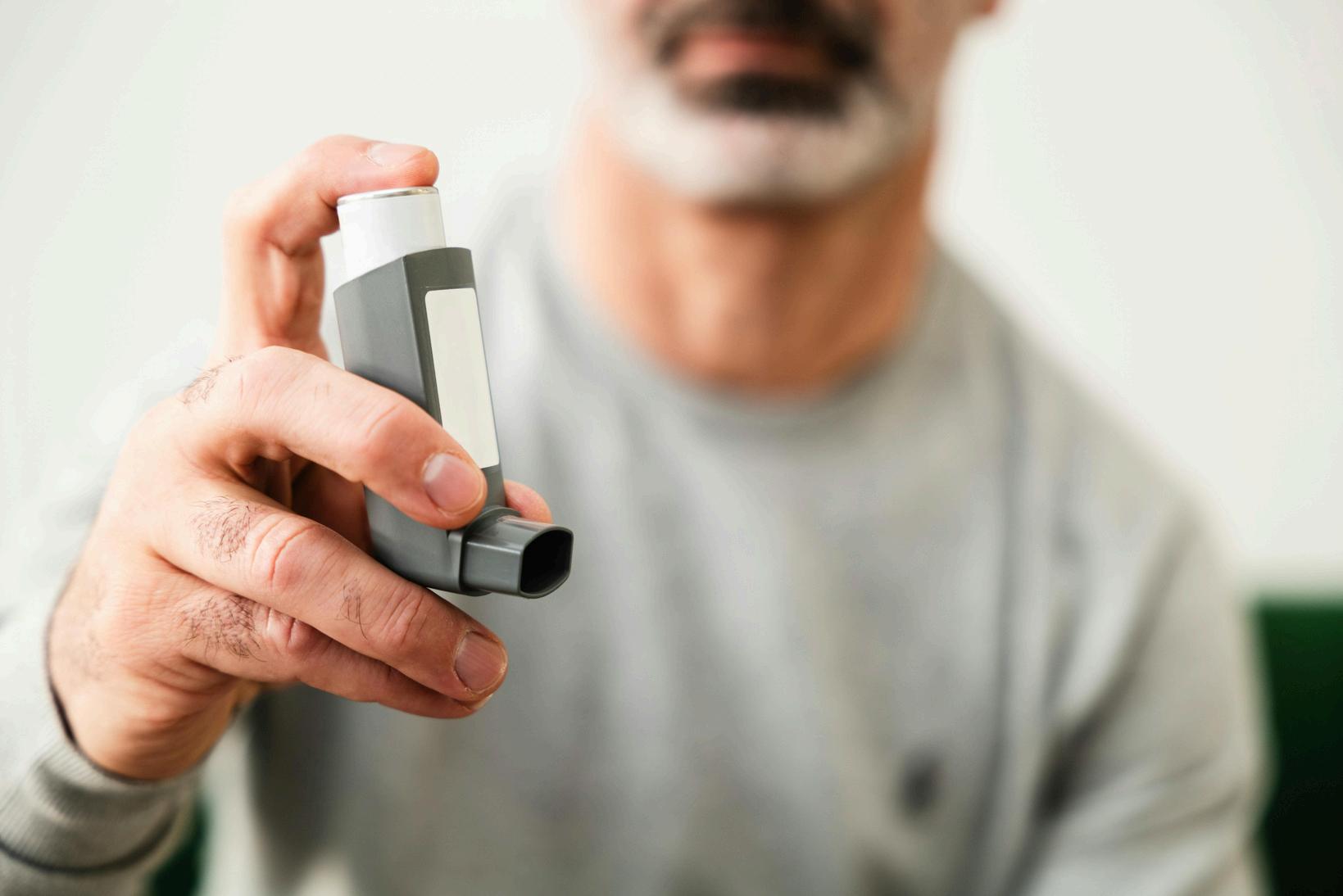
Asthma is a common condition that affects the airways in the lungs, making it harder to breathe While many people think of asthma as occasional wheezing, it is actually a chronic condition that can vary greatlyfrom person to person.
When someone with asthma is exposed to a trigger, their airways become inflamed, tighten, and produce extra mucus.

Common Symptoms
Shortness of breath
Wheezing
Chest tightness
Persistent coughing (especially at night or early morning)

Common Triggers
Dust and pollen
Cold air
Exercise
Smoke or strong smells
Respiratory infections
1 in 9 Australians live with asthma
Over 400 deaths each year
Asthma in children is usually caused by a combination of genetic predisposition and environmental triggers. Many children see symptoms improve as they grow older. However, asthma is not just a childhood condition. Adultonset asthma can develop at any age even in people with no previous history.
Asthma can be mild and wellcontrolled or more severe and unpredictable. With the right management including preventer inhalers, reliever medication, and avoiding triggers most people can live full, active lives.

“Understanding your triggers and having an asthma action plan is essential — not just treating symptoms, but preventing them”
Occupational asthma is caused or triggered by exposure to irritants in the workplace. It can develop even in people who have never had asthma before.
This condition is more common in industries where workers are exposed to airborne irritants.
Dust (wood, flour, spices)
Chemical fumes, cleaning agents, paints
Smoke or vapours
Animal dander or biological materials
For example, people working with spices, cleaning products, or industrial chemicals may inhale harmful particles over time.
TYPICAL PATTERN
Symptoms worsen during or after work
Improve on days off or holidays
Become more persistent over time
If left untreated, occupational asthma can become long-term and seriously impact quality of life.


World Asthma Day - Tue, 5 May 2026
Prevention & Management
Identify and reduce exposure
Use protective equipment (masks, ventilation)
Seek medical advice early
Adjust work environment if needed
KEYSTATISTICS
15% of adult-onset asthma is work-related
Around 25% of adults globally have work-related asthma
Breathing is something we often take for granted — until it becomes difficult.
Recognising symptoms early and taking action can make all the difference.
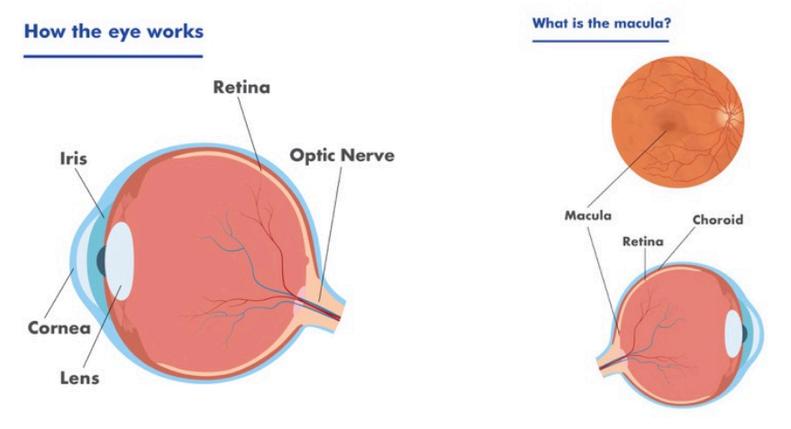
Macular disease covers a range of painless conditions affecting the central retina (the macula), which is at the back ofthe eye.
An estimated 1.9 million Australians havesomeevidenceof maculardisease.
The macula is a tiny but vital part of your eye responsible for sharp, central vision the kind you use to read, drive, and recognise faces. Macular disease is a chronic and progressive condition of the macula and the leading cause of blindness and severe vision loss in Australia. Damage is largely irreversible, making early detection critical.
The biggest risk factor is age. The condition most commonly affects Australians over 50, and the risk increases significantly with every decade. Having a first-degree family member with macular disease raises your risk by as much as 50%. Other risk factors include smoking, poor diet, and poorly managed diabetes.
Symptoms can be subtle at first — a slight blurring of central vision, difficulty reading, or straight lines appearing wavy. Many people don't notice changes until the disease has already progressed, which is why regular eye checks are so important.
Australia is recognised as a world leader in macular disease awareness and treatment, with 86% of peopleover 50 in the at-risk group having had a macula check in the past two years. While there is currently no cure, treatment can slow progression significantly and preserve sight.
Get a macula check every two yearsfrom age 50 or earlier with a family history Quit smoking it doubles your risk
Eat well leafy greens, fish, and a healthy diet support eye health
Test yourself use thefree Amsler grid at mdfoundation.com.au

If there was ever a day that deserved an unreasonable number of belly rubs — this is it. Guide Dog Day 29 April th
Guide dogs are the most hardworking, loyal professionals in the country. They don't ask for a pay rise. They simply show up every day with a wagging tail and an enthusiasm for life most of us can only dream of at 7am.
There are over 30,000 active Guide Dogs across over 30 countries. In Australia we have over 1500 active dogs.
We specially breed, socialise and train dogs to be the best guide and companion possible using a wealth of specialist skills, expertise and knowlege built up over more than 50 years.
Each day these highly-trained animals assist people who are blind or have low vision live an independent life on their own terms.
Sadly, there still remains a very real problem. One in three guide dog handlers across Australia report being illegally refused access to businesses most commonly taxis, rideshares, cafés, and retail stores. This is against the law under the federal Disability Discrimination Act 1992. Awareness and enforcement still have a long way to go�� Remember, don’t pat a guide dog They're on the clock


Beyond being impossibly adorable, guide dogs do something remarkable. They bring independence, companionship, and joy to people who are blind or have low vision empowering them to live life on their own terms. Research confirms guide dogs boost confidence, increase mobility, and lead to greater social connection.
Training a single guide dog takes up to two years and costs around $25,000, a testament to the dedication behind every successful partnership.
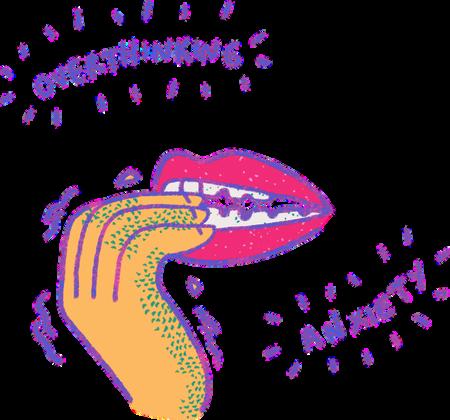
Your brain means well — it's just working a little too hard
Overthinking is your brain trying to protect you. It replays past events looking for what went wrong, and fastforwards into the future scanning for threats. It feels productive like you're solving something. You're usually not. You're just spinning.
It's most common in people who are anxious, perfectionistic, or going through periods of uncertainty. Stress, big decisions, and times of change can all send the brain into overdrive — replaying conversations, catastrophising outcomes, and asking "what if" on a loop.
Overthinking doesn't lead to better decisions — it leads to exhaustion, selfdoubt, and anxiety It keeps you stuck in your head and out of your life.
SUPPORT
Notice it
Simply naming it "I'm overthinking right now" creates distance between you and the spiral.
Set a worry window
Give yourself 10 minutes a day to think through concerns. Outside that window, deliberately redirect your thoughts.
Move your body
Exercise is one of the most effective ways to break the overthinking cycle. Even a short walk helps.
Ask better questions

Beyond Blue — 1300 22 4636
Available 24/7, free phone and online chat support for anxiety, overthinking, and low mood.
"Your mind will replay, rewind, and rehearse every worst case scenario it can find. But most of what you fear never arrives. Stop living in the what-ifs and come back to right now."
Replace "What if it goes wrong?" with "What if it goes right?
Stay in the present
Most overthinking lives in the past or future. Grounding techniques, like deep breathing, bring you back to now.
Talk it out
A conversation with a trusted friend or GP can untangle what hours of solo thinking cannot.
You do not need talent, training or a single creative bone in your body. Art therapy is not about making something beautiful it is about making something honest. And sometimes, honest is exactly what heals.
Art therapy uses creative expression — drawing, painting, collage or sculpture to process emotion, reduce stress and support mental health. Unlike traditional talk therapy, it gives emotions a form when words fail.
When words are not enough, creativity becomes a language of its own. Putting emotions onto a page creates distance turning something overwhelming into something visible and easier to process It is not about the result. It is about the release.
reduces anxiety and depression lowers cortisol levels activates the brain’s reward system 45 minutes of creative activity can reduce stress significantly effective regardless of artistic ability Especially powerful for trauma processing in a safe, non-verbal way
Used across hospitals, schools and community care, art therapy supports: children, adolescents, adults, and people experiencing trauma, burnout or isolation. It adapts to every stage of life.
You do not need a therapist to begin. Draw, doodle or create without purposefor a few minutes. Let it be imperfect. Let it be yours. When you are ready, a professional can guide you deeper into the process
“It is not about making something beautiful — it is about making something honest.”
Healing does not always look the way you expect — and sometimes it looks like a painting.
Trauma refers to sudden, shocking events that make a person feel scared or overwhelmed.
Post-traumatic stress disorder (PTSD) can develop after experiencing, witnessing, or hearing about a traumatic event sometimes immediately, or even months or years later.
SIGNS TO LOOK FOR
Your child may have PTSD if they:
Have distressing thoughts about the event
Show emotional or behavioural changes
Avoid reminders of the trauma
And if symptoms:
Last more than one month
Affect daily life, health, or relationships
Are not caused by another condition
DIAGNOSIS
A mental health professional will assess your child through:
Conversations and observations
Questionnaires or psychological tests
Input from parents or caregivers PTSD is not your child’s or your family’s fault.

TF-CBT(Trauma-Focused Cognitive BehaviourTherapy)
Relaxation techniques
Understanding emotions
Changing unhelpful thoughts
Gradual exposure to triggers
EMDR(Eye Movement
Desensitisation and Reprocessing)
Guided eye movements or tapping
Processing distressing memories
Building calmness and confidence
Recovery takes time and may include ups and downs.
Symptoms can return during stress or exposure to traumatic content.
Setbacks are normal support is key.

HOWYOUCAN HELP
Be available to listen
Show affection in their own way
Stay active together
Encourage relaxing activities
Practice breathing or mindfulness
Men are a population disproportionately impacted by suicide in Australia. Suicide prevention efforts are needed to support men in all of their diversity.
Identifying psychosocial risk factors can help direct attention to certain life experiences and guide effective suicide prevention interventions.
Protective factors can reduce the likelihood of suicidal behaviour for men.
A whole-of-government approach is needed to advance male suicide prevention. Suicide Prevention Australia, in consultation with male suicide prevention experts, proposed four principles to guide strategy development and government action
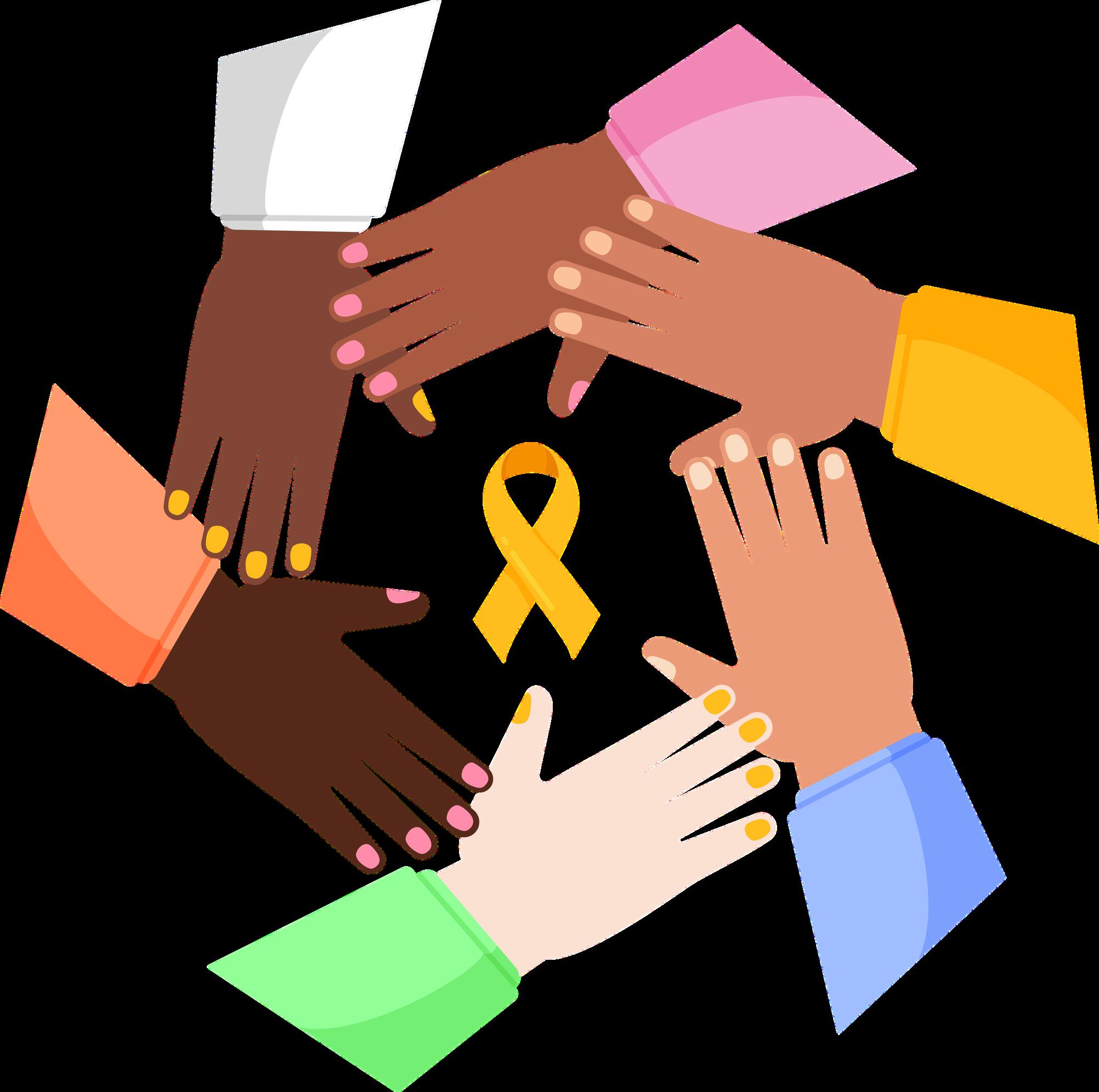
Sharing knowledge about current research into male mental health and suicide prevention can only help to contribute to putting male suicide prevention into the national spotlight.
"The simple act of looking out for our mates and staying connected through community events such as sporting clubs, social groups and such is important, but being prepared to reach out to someone that you may be concerned about cannot be underestimated."

Of the over 3,000 lives lost to suicide each year, approximately 75% are men
A total of 2,455 men died by suicide (18.8 deaths per 100,000 population), compared to 794 women (5.9 per 100,000).
Men aged 45-49 had the highest rates of those aged under 80 years, and accounted for the largest proportion of male suicides (10 7%)

not overwhelmed-how to keep up without letting it ruin your day
Bad news is constant and designed to keep your attention. Every scroll, notification, and alert competes for your focus. Somewhere between staying informed and staying sane, many of us have lost the balance.
You are not weak for feeling overwhelmed. You are human.
Being informed helps you:
Make better decisions
Have meaningful conversations
Vote thoughtfully
Support the people around you
An informed person is an empowered person.The goal is not to switch off it’s to tune in wisely
Doomscrolling endlessly consuming negative news is linked to:
Increased anxiety
Poor sleep
A sense of helplessness
If you’re checking the news first thing in the morning, refreshing feeds constantly, or feeling a persistent sense of dread, the news cycle may be taking more than it’s giving. The world’s problems are real but drowning in them doesn’t solvethem. Stepping back doesn’t mean you don’t care.
In fact, people who manage their news intake well are often more effective, because they have the energy to act where it matters

Pick one or two reliable news sources and read them once a day. You don't need seventeen apps telling you the same story
Set a time limit. Fifteen minutes a day is enough to stay across what matters. The news will still be there tomorrow. Avoid the morning scroll Give yourselfthirty minutes before letting the world in. Let your brain wake up before handing it everything that went wrong overnight.
Ask yourself: can I do anything about this? If yes act. If no move on. Carrying the weight ofthings you cannot change helps nobody.
Follow good news too It exists — it's just quieter Balance the diet

Stay curious. Stay kind. Stay informed.
Just don’t stay glued to the screen.
Meditation is a flexible tool — not a single method.
Meditation is the practice of focusing your attention to reach an altered state of consciousness — often described as a feeling of deep calm and mental clarity.
When brain cells communicate, they create brainwaves at different frequencies. Meditation helps shift these patterns, promoting a more relaxed and balanced state of mind.
Different brainwave states can: Reduce anxiety
Promote a sense of calm and peace
Support the body’s ability to heal and restore “Meditation has an impressive amount of benefits and anyone can learn how to do it.”
VISUALISATION
Using your imagination to create calming mental images like a beach or peaceful landscape to relax the mind and body.
The goal is simple: reconnect with your mind and body.
SOUND MEDITATION
Meditating through sound, either by listening or creating it. This can include chants or mantras (like “om”) and instruments such as singing bowls or drums.
Focusing on your breath to enter a state of rest
You can:
Count your breaths
Breathe slowly into your belly
�� A simple but powerful way to reduce stress instantly.
SENSORY DEPRIVATION
Reducing external input (like sound or sight) to deepen relaxation and awareness. Try this:
Sit comfortably and close your eyes
Block your ears (with fingers or earplugs)
Breathe in slowly through your nose
As you exhale, hum or buzz softly
Repeat and notice how you feel
GUIDED MEDITATION
Someone leads you through the process using voice and instructions. This can include: Visualisation
Affirmations (positive statements)
Progressive muscle relaxation
You can easily find these on apps likeSpotifyorYouTube.

A day to remember, reflect & heal
National Sorry Day is observed annually on 26 May to acknowledge the injustices faced by First Australians especially thosefrom the Stolen Generations. It honours the thousands of Aboriginal and Torres Strait Islander children who were forcibly removed from their families and cultures between 1910 and the1970s.
An estimated 50,000 children were taken from their families during this period, denied the opportunity to grow up connected to their culture and traditions These children and their descendants are known as the Stolen Generations — a name that reflects deep grief, but also extraordinary resilience. By the late 19th century, governments and missionaries had introduced systematic removal practices through assimilation and ection” policies

Y DAY BEGIN?
Sorry Day was held on 26 ear after the Bringing Them as presented in Parliament. eport exposed the truth ced removal of Indigenous their families and
Minister Kevin Rudd issued apology — a moment that ed the country

National Sorry Day is a time to: Acknowledge historical injustices
Honour the strength of survivors
Reflect on the ongoing impact of these policies
It also marks the beginning of National Reconciliation Week (27 May – 3 June).
WHERE ARE WE NOW?
While the national apology was an important step, much work remains
Only a small portion of the recommendations from the Bringing Them Home report have been fully implemented. With many Aboriginal and Torres Strait Islander people still affected by this history, the need for support, recognition, and healing continues.
A Day of Reflection and Action Across Australia, people come together through:
Community gatherings
Smoking ceremonies Flag raisings
Remembrance walks
Sorry Day is not only about looking back — it’s about moving forward together.
When trauma is triggered, your brain can react likethe past is happening all over again.
A trauma response isn’t weakness, overreacting, or “being dramatic”. It’s your brain doing what it was wired to do protect you
When a deeply emotional memory is triggered, the brain can pull you straight back into the fear, panic or distress you felt at the time That’s because the amygdala the part of the brain that scans for danger — stores emotional experiences strongly and reacts fast, often before the thinking part of your brain has time to catch up.
That’s why something small in the present can suddenly feel overwhelming Your body may be reacting to then, even though you are in now.

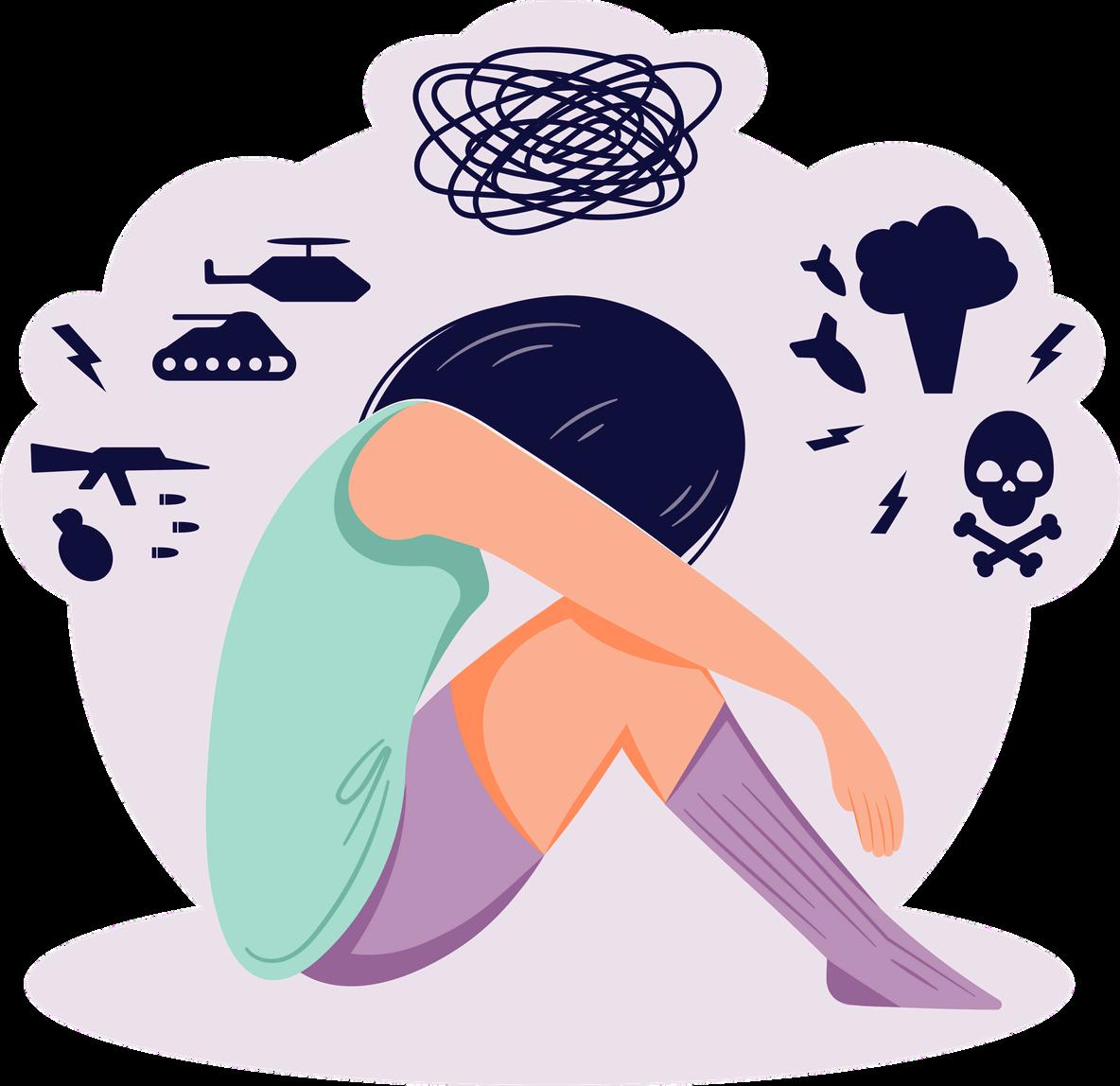
For a long time, people misunderstood these responses as being about personality, weakness or lack of control. But neuroscience shows us something different: trauma can activate old survival patterns that were formed when you first felt unsafe.
This understanding matters. It helps explain why trauma responses can feel so intense and it reminds us that healing isn’t about “just getting over it”. It’s about helping the brain feel safe enough to update what it’s carrying.
The hopeful part?The brain can heal. With the right support, it can relearn safety, reconnect with the present, and respond differently over time. What feels like being stuck in the past may actually be your brain trying to protect you. And that means healing is possible.

#TraumaHealing #MentalHealthAwareness #BrainScience #HealingJourney #NervousSystem #TraumaRecovery #YouAreNotAlone #MentalHealthMatters
Leading Causes of Femicide: In 2024, at least 23 women were reported stabbed to death.
Violence against women in Australia is regarded as a national crisis, with 15 leading causes of death identified in a 2024 review.
First Nations women remain disproportionately represented in homicide and violence statistics across Australia.
QLD recorded 10 women killed by an intimate partner in 2024-25, making it the highest in the country for female homicide rates.
Government strategies aim to strengthen consent laws, improve access to specialist support services and invest in prevention programs. Legal reforms reinforce an important principle — consent must be free, voluntary and clearly communicated. However, laws alone cannot change behaviour. Community attitudes must also shift.

Understanding Consent: What Queensland’s Laws Mean
Sexual consent is simple in principle: any sexual activity without consent is sexual violence. No one has the right to pressure, coerce or force you to do anything you do not want to do. In 2024, Queensland introduced sexual consent laws, adopting what is known as the affirmative model of consent.
What isthe affirmative model ofconsent?
Under the affirmative model, consent must be free, voluntary and clearly communicated. It is not enough to assume someone is consenting because they do not say “no ” Consent must be actively expressed through words or clear actions. Both people must say or do something that confirms agreement
If the sexual activity changes, consent must be obtained again Agreement to one act does not mean agreement to another. Past consent does not mean future consent. If you are unsure whether someone is consenting, stop and check. Silence is not consent.
Capacitytoconsent
For consent to be valid, a person must have the capacity to give it. Someone who is asleep or unconscious cannot consent. If a person is heavily affected by alcohol or drugs, this may also impair their ability to consent. Ifthere is doubt, stop.
Stealthing is nowcriminalised
Removing or tampering with a condom without the other person’s knowledge or agreement If someone consents to sex with a condom, that consent does not extend to sex without one. Removing, damaging or failing to use a condom without consent is a criminal offence. If a condom becomes ineffective during sex, the activity should stop.
WHENTHERE IS NOCONSENT
Force, threats or fear of harm
Coercion, intimidation or blackmail
Abuse of authority, trust or dependence
Unlawful confinement
Fraud or deception about the nature ofthe act
Mistaken identity
Intoxication that prevents capacity
Silence or lack of communication
Using consensual violence
If people choose to engage in sexual activity involving force, there must be clear and mutual understanding of what is agreed to However, serious injury may be used as evidence that consent was not present, unless proven otherwise.
Consent is not the absence of “no.” It is the presence of a clear and willing “yes.”

For many people, sexual assault awareness can feel like something that exists “out there” in news headlines, campaigns or courtrooms. The truth is, sexual assault awareness isn’t just about statistics or legal language. It’s about everyday respect, communication and safety in ourcommunities.
Sexual assault refers to any sexual activity without clear, voluntary consent It can happen to anyone regardless of age, gender, background or relationship status. And while not everyone will experience it directly, everyone plays a role in shaping the culture around it
Awareness is about understanding what consent truly means: a clear and willing “yes,” not silence, pressure or assumption It’s about recognising that alcohol, coercion or fear can remove a person’s ability to freely agree. It’s about speaking up when behaviour feels wrong and creating spaces where people feel safe to set boundaries.
Sexual assault awareness is about understanding that boundaries deserve honouring. It’s about creating communities where support is available and shame is not. Awareness begins with listening, learning and choosing respect in everyday interactions.
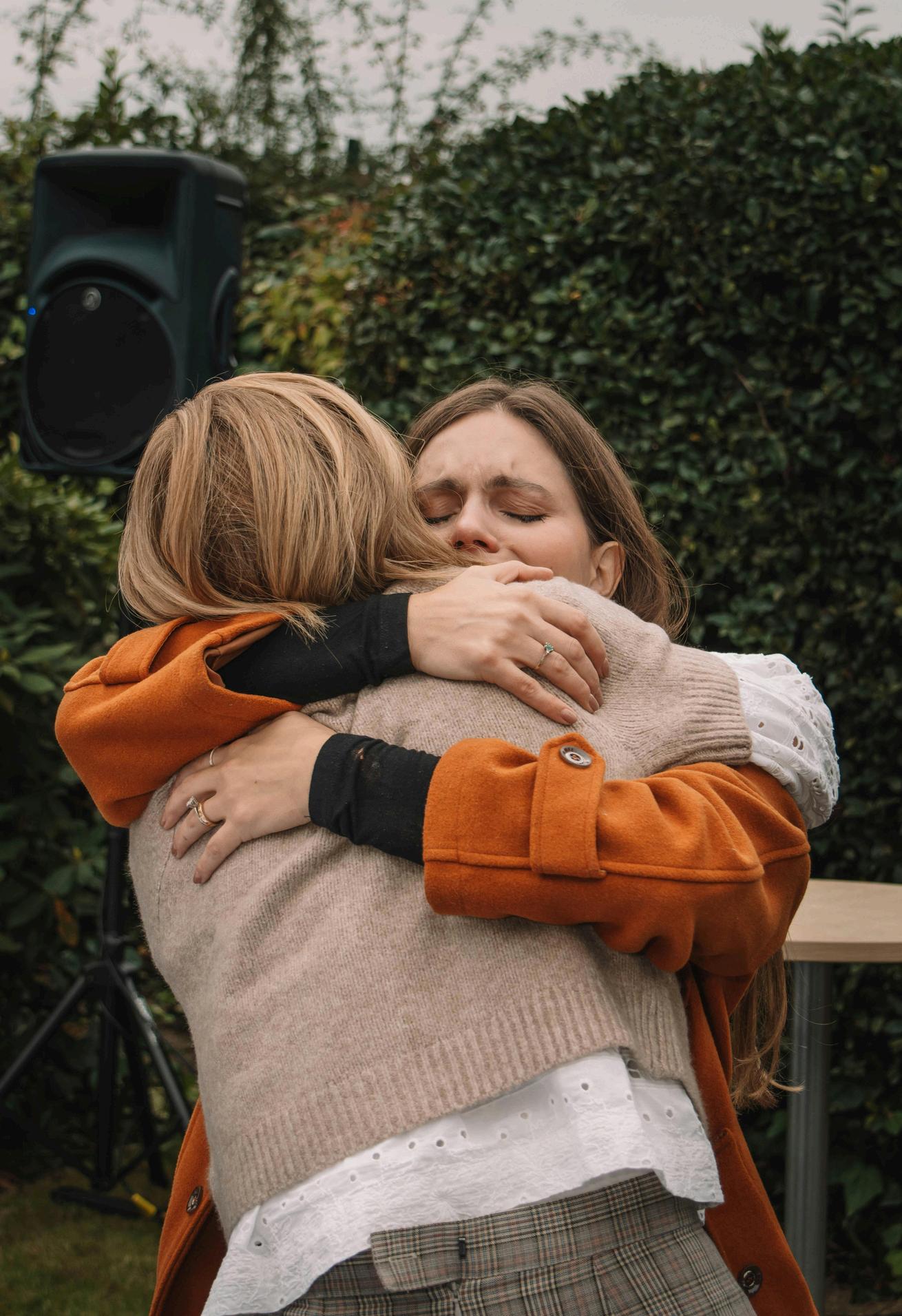
For many survivors, healing begins with being believed.
Sarah (name changed) was 27 when she experienced sexual assault by someone she trusted For months afterwards she carried a heavy sense of confusion and shame.
“I kept replaying it in my head,” she says. “I wondered if I had misunderstood things or if it was somehow myfault.”
It was only after speaking to a counsellor that she realised something powerful: the responsibility was never hers
“The first thing they said was ‘What happened to you wasn’t okay.’ I remember feeling this huge sense of relief. Someone believed me.”
With professional support, Sarah slowly rebuilt her confidence and sense of safety. Today she volunteers with a local awareness group, helping others understand the importance of consent and respect:
“Silence protects the wrong people. Talking about it helps changethings.”

“Safetygrowswhere respect lives.” 21 Queensland

Sexual assault awareness is about more than statistics or headlines. It is about understanding the reality of sexual violence, strengthening prevention and ensuring those who have experienced harm aresupported.
At its core, awareness encourages communities to have honest conversations about consent, respect and accountability. Sexual assault can affect people of all ages, genders and backgrounds. Increasing awareness helps reduce stigma, encourage reporting and remind survivors that support services exist and they are not alone.
Schools, workplaces, health services and community organisations use awareness campaigns to promote respectful relationships, clearer understanding of consent and bystander responsibility Prevention is not just about responding after incidents occur it is about changing attitudes and behaviours that allow violence to happen.
Sexual assault awareness campaigns help communities understand:
• what consent truly means
• how coercion and control can operate in relationships
• how to recognise warning signs of abuse
PREVENTIONSTRATEGIES
•strengtheningeducation aroundaffirmativeconsent andrespectfulrelationships
•supportingvictim-survivors withtrauma-informedservices
•challengingbeliefsthat excuseorminimisesexual violence
•encouragingbystandersto safelyinterveneorspeakup
Awareness is not just about information — it is about action. Through education, accountability and shared responsibility, communities can work toward reducing sexual violence and building relationships grounded in respect, safety and dignity for everyone.
• how to support survivors safely and respectfully
Sexual Assault Awareness Month (SAAM) April, 2026 25 years stronger: Looking back, Moving forward Taking action to prevent sexual violence for the next 25 years and beyond
MAY 17 MARKS THE INTERNATIONAL DAY AGAINST LGBTQIA+ DISCRIMINATION, PROMOTING SAFER AND MORE INCLUSIVE SPACES.
IDAHOBIT: WHY IT STILL MATTERS
It marks May 17, 1990, when the World Health Organisation removed homosexuality from the Classification of Diseases. While we celebrate this milestone, many changes are recent: The first Sydney Mardi Gras in 1978 was met with police violence.
Tasmania decriminalised homosexuality in 1997 within living memory for many Australians.
Marriage equality passed in 2017, though 38.4% voted against it.
First held in 2005, IDAHOBIT is now recognised globally — celebrating progress while raising awareness of ongoing discrimination.
WHY IS IDAHOBIT IMPORTANT TODAY?
Discrimination still exists in Australia:
68% of LGBTQIA+ employees are not out at work
2 in 3 LGBTQIA+ youth experience abuse
35% have faced verbal abuse in the past year
Legal and systemic issues remain, including discrimination in some religious settings, lack of representation in data, and barriers for trans and gender diverse people updating legal documents.

DOES IDAHOBIT STAND FOR?
The name has evolved:
2005: IDAHO International Day Against Homophobia
2011: IDAHOT adding Transphobia
2018: IDAHOBIT including Biphobia, Intersex discrimination
2022: Expanded to include broader LGBTQIA+ discrimination
All versions are correct, though IDAHOBIT is most current.
Each year, millions support IDAHOBIT and work toward a more inclusive future. Resources and guides are available to help people get involved and show support.


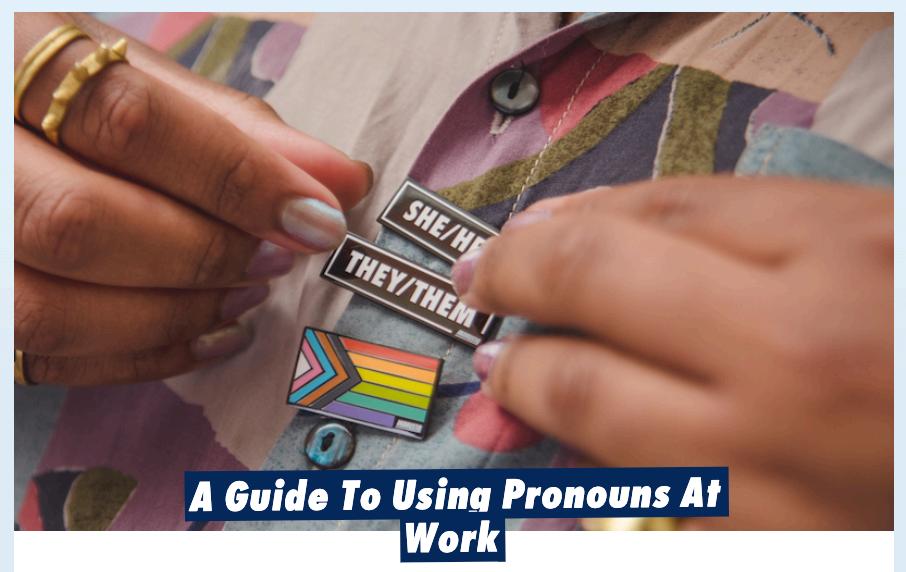
Under the Sex Discrimination Act 1984 in Australia, it is unlawful to discriminate based on gender identity, including the deliberate misuse of pronouns.
Workplaces are legally required not only to respond to discrimination, but also to take proactive steps to prevent it through education on gender diversity and respectful language.
Some people who do not identify strictly as male or female use they/them pronouns instead of he or she.
Singular “they” is already commonly used in everyday language when gender is unknown. “Someone left their umbrella behind — how can I return it to them?”
Use they/them if you have been asked to, or if you are unsure of someone’s gender. “This is Eric, they are new to the team.”
If someone uses multiple pronouns (e.g. they/she), the first listed is usually the preferred one.

Sharing pronouns helps normalise inclusion and supports trans and nonbinary people.
It signals respect and awareness of gender diversity.
Simple ways to share:
Introduce yourself with name + pronouns
Add pronouns to email signatures, badges, or profiles
Include them in meeting introductions
Using correct pronouns may take time.
If you make a mistake, correct yourself briefly and move on “Sam is leading this project he, sorry, she will be your contact ”
Use correct pronouns even when the person isn’t present to normalise respectful language
Pronoun awareness is a small but powerful step toward creating more inclusive and respectful workplaces. ��
International Nurses Day in Australia
"Our Nurses. Our Future. The economic power of care"
International Nurses Day is celebrated around the world every year on 12 May — the anniversary of Florence Nightingale's birth
Australia has more than 490,000 nurses, making nursing the largest clinical workforce in the country. Nurses are at the forefront of patient care from the moment a person seeks help until well after they are discharged.
On this day, we acknowledge the compassion, professionalism, and round-the-clock commitment of nurses caring for patients across Australia making a real difference to the care and experience of patients and their families. The Florence Nightingale Awards continue to recognise nurses in Australia who have delivered exceptional service, celebrating individuals who demonstrate leadership, innovation, and dedication to patient care
Whether you work alongside nurses or have been cared for by one today is the day to say thank you. ��
A global awareness day recognised by the United Nations and observed each year on 15 May. th
It highlights the important role families play in supporting individuals, communities and society as a whole.
The day focuses on raising awareness of issues that affect families, including: wellbeing and mental health
work–life balance
social and economic challenges connection, support and inclusion

It’s also a time to recognise that families come in many different forms, and all play a vital role in building strong, connected communities. Ccommunities celebrate through local events, activities and initiatives that bring families together.

"Whatever yesterday was — today is different. "Whatever yesterday was — today is different. Make it yours. " Make it yours."

Enjoyed the Read? Click here to subscribe and never miss a read! Got a topic you ’d like us to cover? Let us know, we ’d love to hear from you!