Your voice. Your story. Your courage.


Your voice. Your story. Your courage.

Sexual Violence is not a new problem — what is relatively new is society’s willingness to confront it openly. For most of modern history, Sexual Violence was hidden, minimised, or simply not recognised in law or public conversation. That long silence is precisely why designated awareness periods, such as Sexual Assault Awareness Month, were created - to force attention onto an issue that for generations remained unspoken
Victims have for generations faced enormous barriers when attempting to report Sexual Assault. Legal frameworks were narrow and built on outdated assumptions about gender, relationships, and consent. In many countries, offences such as marital rape were not even criminalised until late in the twentieth century.
Evidence standards were often unrealistic, requiring victims to prove resistance or produce corroboration, resulting in thresholds that made prosecutions extremely rare These legal limitations were reinforced by social attitudes Sexual matters were not discussed publicly, and those who did come forward often encountered disbelief, blame, or stigma. Reporting a Sexual Assault could jeopardise a person’s reputation, employment, or family relationships. Understandably, many survivors chose silence, leaving the true scale of the problem hidden from view.
This invisibility carried broader consequences. When an issue is rarely reported or acknowledged, it becomes easy for communities to underestimate its prevalence and avoid confronting uncomfortable truths. For much of the twentieth century, Sexual Violence remained something dealt with quietly, if at all.
Awareness campaigns emerged as a deliberate response to this history of neglect. A designated campaign period allows governments, advocacy groups, schools, and workplaces to focus public attention, promote education about consent and respectful behaviour, and highlight available support services These initiatives seek to push back against generations of silence and stigma
More recently, movements such as Me Too have accelerated this cultural shift by exposing how widespread harassment and assault are found across many parts of society. By amplifying personal experiences, they have challenged entrenched assumptions and forced communities, legal systems, and governments, to confront longstanding failures.
Awareness periods are not a complete solution, and critics rightly argue that symbolism must be matched by real and tangible reform. Yet they remain a necessary corrective action to a long history in which Sexual Violence was ignored, minimised, or left unspoken.
Sandra Holebrook CEO - Trauma Assisst


is about more es. It is about ty of sexual revention and e experienced encourages ve honest sent, respect al assault can genders and g awareness encourage survivors that d they are not h services and use awareness e respectful erstanding of ponsibility
ut re it ehavi ampa and: can signs of safely and
•strengtheningeducation aroundaffirmativeconsent andrespectfulrelationships
•supportingvictim-survivors withtrauma-informedservices
•challengingbeliefsthat excuseorminimisesexual violence
•encouragingbystandersto safelyinterveneorspeakup
Awareness is not just about information — it is about action. Through education, accountability and shared responsibility, communities can work toward reducing sexual violence and building relationships grounded in respect, safety and dignity for everyone.
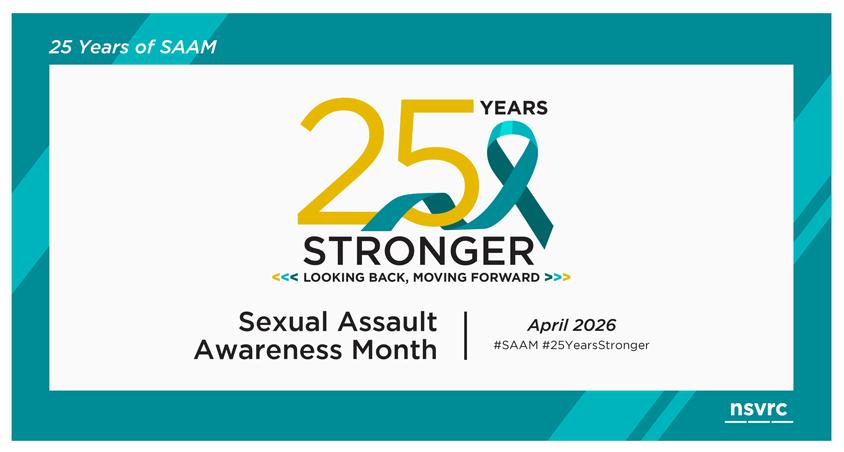
Sexual Assault Awareness Month (SAAM) April, 2026 25 years stronger: Looking back, Moving forward Taking action to prevent sexual violence for the next 25 years and beyond

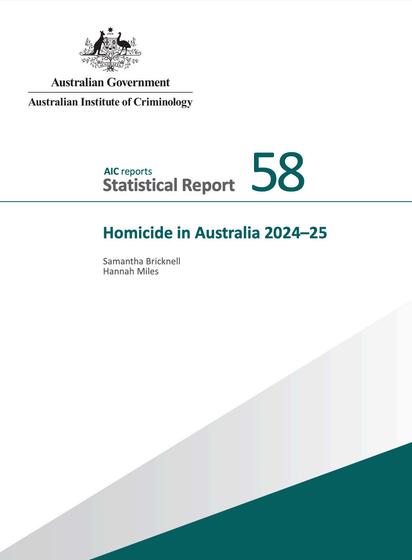
Recent Data on Female Deaths by Violence in Australia 2024-2025 Trends: Data shows that by mid-2025, 33 to over 80 women and children had died due to gendered violence.
Qld Homicides (2024-2025): 23 women were killed in Qld in the 2024-25 financial year, the highest number in over a decade.
Intimate Partner Homicide (2022-2023): 34 women were killed by a current or former intimate partner in Australia, a 28% increase in the rate compared to the previous year.
Leading Causes of Femicide: In 2024, at least 23 women were reported stabbed to death.
Violence against women in Australia is regarded as a national crisis, with 15 leading causes of death identified in a 2024 review
First Nations women remain disproportionately represented in homicide and violence statistics across Australia.
QLD recorded 10 women killed by an intimate partner in 2024-25, making it the highest in the country for female homicide rates.
Government strategies aim to strengthen consent laws, improve access to specialist support services and invest in prevention programs Legal reforms reinforce an important principle consent must be free, voluntary and clearly communicated However, laws alone cannot change behaviour Community attitudes must alsoshift.

Understanding Consent: What Queensland’s Laws Mean
Sexual consent is simple in principle: any sexual activity without consent is sexual violence. No one has the right to pressure, coerce or force you to do anything you do not want to do. In 2024, Queensland introduced sexual consent laws, adopting what is known as the affirmative model of consent.
What isthe affirmative model ofconsent?
Under the affirmative model, consent must be free, voluntary and clearly communicated. It is not enough to assume someone is consenting because they do not say “no ” Consent must be actively expressed through words or clear actions. Both people must say or do something that confirms agreement
If the sexual activity changes, consent must be obtained again Agreement to one act does not mean agreement to another. Past consent does not mean future consent. If you are unsure whether someone is consenting, stop and check. Silence is not consent.
For consent to be valid, a person must have the capacity to give it. Someone who is asleep or unconscious cannot consent. If a person is heavily affected by alcohol or drugs, this may also impair their ability to consent. Ifthere is doubt, stop.
Removing or tampering with a condom without the other person’s knowledge or agreement If someone consents to sex with a condom, that consent does not extend to sex without one. Removing, damaging or failing to use a condom without consent is a criminal offence. If a condom becomes ineffective during sex, the activity should stop.
Force, threats or fear of harm
Coercion, intimidation or blackmail
Abuse of authority, trust or dependence
Unlawful confinement
Fraud or deception about the nature ofthe act
Mistaken identity
Intoxication that prevents capacity
Silence or lack of communication
Using consensual violence
If people choose to engage in sexual activity involving force, there must be clear and mutual understanding of what is agreed to However, serious injury may be used as evidence that consent was not present, unless proven otherwise.
Consent is not the absence of “no.” It is the presence of a clear and willing “yes.”

For many people, sexual assault awareness can feel like something that exists “out there” in news headlines, campaigns or courtrooms. The truth is, sexual assault awareness isn’t just about statistics or legal language. It’s about everyday respect, communication and safety in our communities.
Sexual assault refers to any sexual activity without clear, voluntary consent. It can happen to anyone regardless of age, gender, background or relationship status And while not everyone will experience it directly, everyone plays a role in shaping theculture around it.
Awareness is about understanding what consent truly means: a clear and willing “yes,” not silence, pressure or assumption. It’s about recognising that alcohol, coercion or fear can remove a person’s ability to freely agree It’s about speaking up when behaviour feels wrong and creating spaces where people feel safe to set boundaries.
Sexual assault awareness isn’t about fear it’s about prevention and compassion. It’s about teaching the next generation that strength includes respect It’s about understanding that boundaries deserve honouring. It’s about creating communities where support is available and shame is not.
Awareness begins with listening, learning and choosing respect in everyday interactions.
“Safety grows where respect lives.”
For many survivors, healing begins with being believed. Sarah (name changed) was 27 when she experienced sexual assault by someone she trusted. For months afterwards she carried a heavy sense of confusion and shame
“I kept replaying it in my head,” she says. “I wondered if I had misunderstood things or if it was somehow myfault.”
It was only after speaking to a counsellor that she realised something powerful: the responsibility was never hers.
“The first thing they said was ‘What happened to you wasn’t okay.’ I remember feeling this huge sense of relief. Someone believed me.”
With professional support, Sarah slowly rebuilt her confidence and sense of safety. Today she volunteers with a local awareness group, helping others understand the importance of consent and respect:
“Silence protects the wrong people. Talking about it helps ch

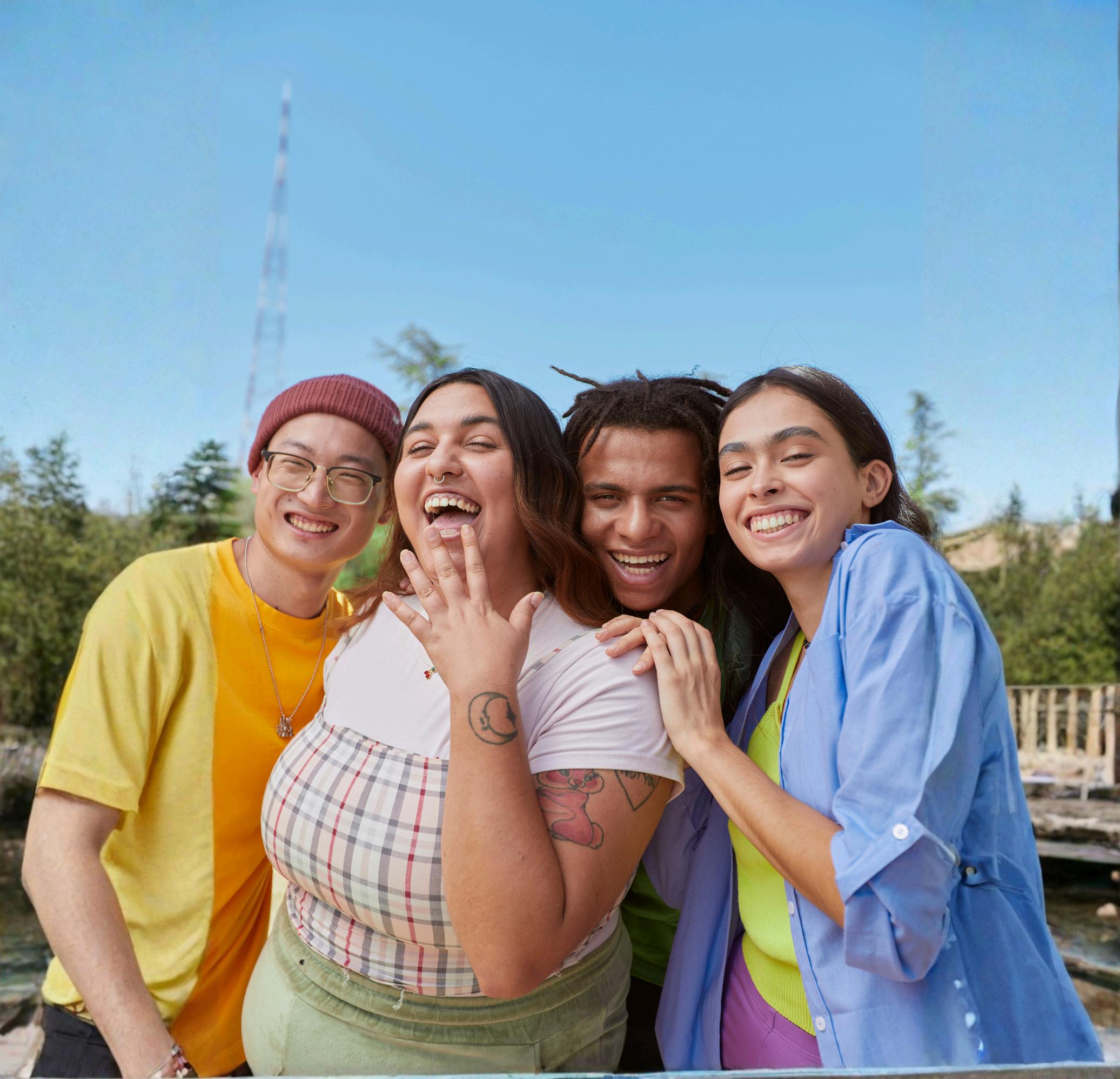
Queensland Youth Week 2026 isn’t just another date on the calendar — it’s a reminder that young people aren’t “the leaders of tomorrow.” You’re shaping things right now.
recognising that young Queenslanders have ideas, opinions and talents that matter. Whether it’s through sport, art, community projects, advocacy or business, teens across the state are already influencing change in their schools, neighbourhoods and online spaces.
Sometimes it can feel like decisions are made about young people, not with them. Youth Week flips that around. It’s about giving you the platform to organise events, speak up about issues that affect you, and celebrate what makes your generation unique
NEARLY ONE IN FIVE QUEENSLANDERS IS AGED BETWEEN 12 AND 25. THAT’S NOT A SMALL GROUP THAT’S A POWERFUL COLLECTIVE VOICE.
your friends.
It’s also about recognising that your experiences matter. The world you’re growing up in is different from previous generations. You’re navigating social media, rising living costs, global events and constant change and you’re adapting in ways that show resilience and creativity.
Change can start with:
. Organising a school event
. Starting a conversation about mental health
. Supporting a local cause
. Sharing your creative work
. Encouraging someone else
Youth Week is a reminder that your voice isn’t “too young.” It’s relevant. It’s needed.
Queensland
Queensland Youth Week returns from Saturday 11 April to Sunday 19 April 2026, bringing with it a statewide celebration of young people and the powerful contributions they make to their communities.
This annual event shines a spotlight on Queenslanders aged 12 to 25 a group that makes up nearly one in five people across the State. From creative arts and sport to community leadership and social change, Youth Week is about recognising the energy, talent and ideas shaping Queensland’sfuture.
To help young people lead the way, $275,000 in grants is available for youth-led events and initiatives. Individual grants of up to $10,000 are open to applicants aged 12–25 who want to organise meaningful activities in their local communities.
Delivered in partnership with the Queensland Mental Health Commission, the expanded 2026 grants program offers more opportunities than ever before for young peopleto bring their ideasto life.
Last year’s recipients hosted 16 events across the State — from community festivals in South Burnett and Yeppoon, to a culturally focused youth celebration in Logan and a sporting competition in Yarrabah. These projects showcased just how diverse and dynamic Queensland’s youth community truly is.

Creativity will also take centre stage, with the Queensland Youth Week Digital Art Competition opening on 30 January 2026.
Young artists will compete for a share of $1,750 in prize money, and the winning artwork will be featured in promotional material for Youth Week 2027 offering both recognition and exposure for emerging talent.
“Youth Week is our opportunity to celebrate and support our next generation of leaders and change makers,” Minister O’Connor said.
With expanded funding and new opportunities, Queensland Youth Week 2026 is set to empower young people to organise events, showcase their talents and tell their stories in their own way.
It’s not just a week of celebration — it’s an investment in Queensland’s future.

When we hear the word grief, most of us think about death. But for teenagers, grief is much bigger than that.
. Grief can be the e a friendship.
. A relationship br
. Parents separatin
. Moving schools.
. Not getting the j
. Losing a dream.
. Outgrowing who used to be.
Any time somethin or disappears, the And loss creates g changes can fe overwhelming — don’t always have what’s happening i
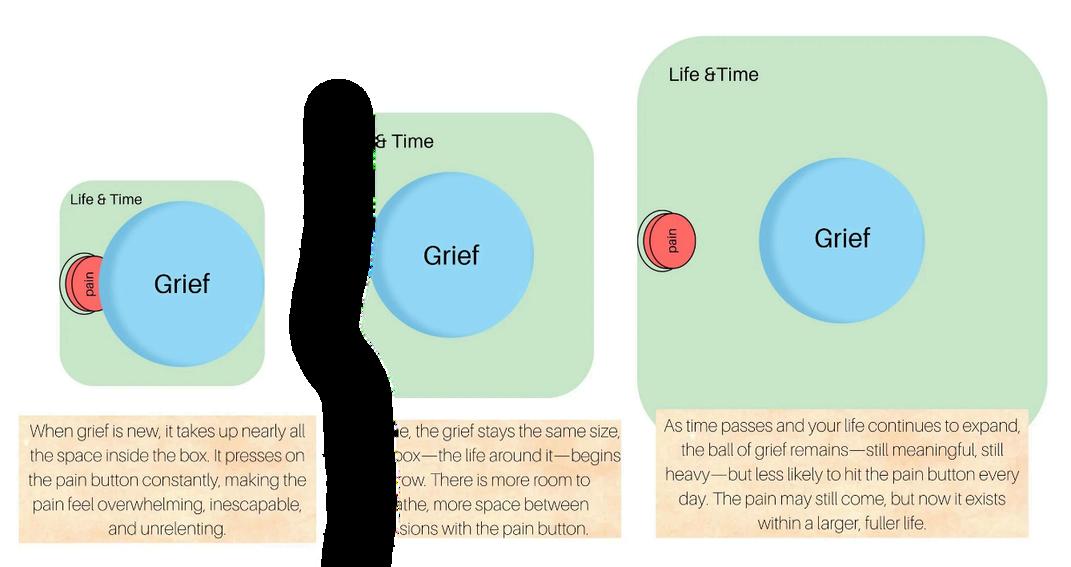
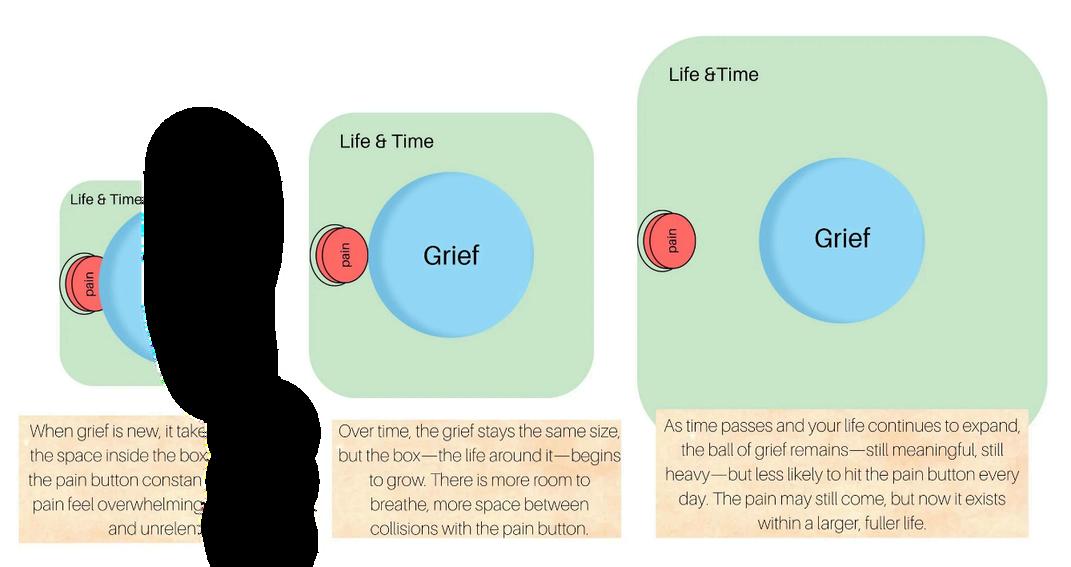
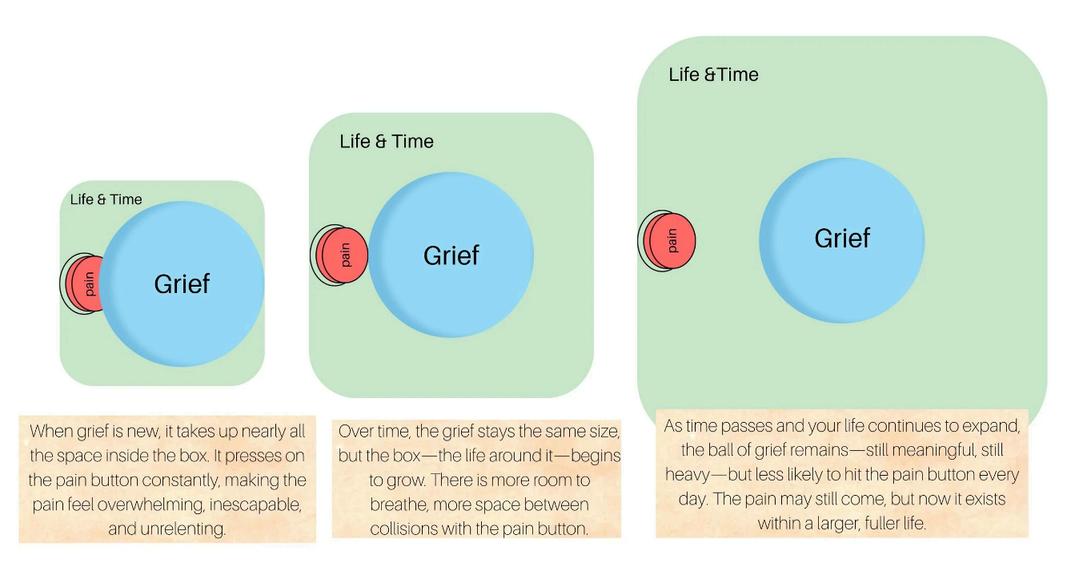
Teen years are full of shifting friendships, social groups, and family tension. Conflict at home. Feeling misunderstood. Friends drifting away. Online drama. Identity changes.These aren’t “small” problems.
Research into trauma responses in adolescence shows that teens can experience emotional numbing, mood swings, withdrawal, risk-taking behaviour, and academic changes when under stress
Sometimes adults mistake these as “attitude” — but often they are signs of emotional overload.
Teens may look angry when they’re actually hurt.
Withdrawn when they’re overwhelmed. Reckless when theyfeel lost.
Understanding this changes the conversation.
Feeling Lost Isn’t Failure

Many young people spend years shaping themselves to meet expectations fitting in, keeping the peace, being the “good kid,” the sporty one, the smart one. Then suddenly, school ends. Labels shift. The structure disappears.
That in-between space where you’re not a child but not fully an adult — can feel uncomfortable and directionless. But it’s also powerful. Feeling unsure doesn’t mean you’refailing. It means you’re becoming.
If you feel lost, hurt, confused, angry, numb or disconnected — you’re not broken. You might be grieving something important. You don’t have to rush healing.
You don’t have to pretend you’refine.
And you don’t have to do it alone
Staying curious instead of reactive can make all the difference. Connection first. Correction second.
The goal isn’t to remove all pain — it’s to be a safe place while they grow through it. Grief isn’t weakness - It’s evidence that something mattered.
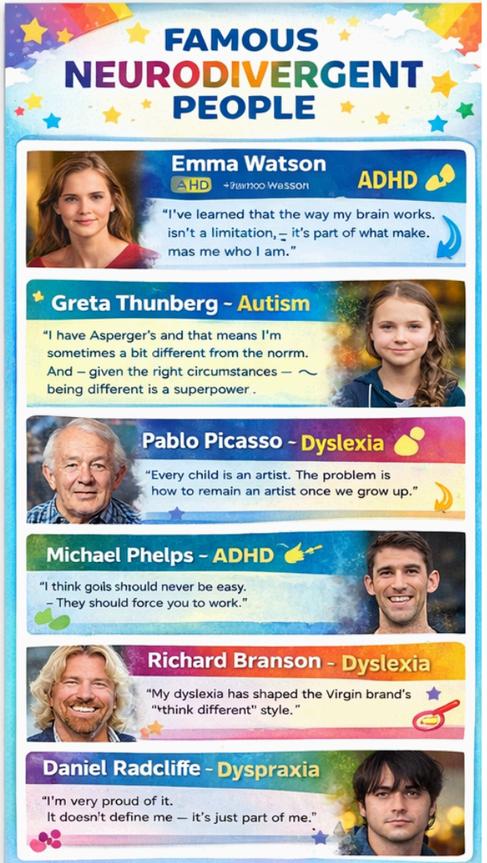
When it comes to inclusion, neurodiversity refers to a world where neurological differences are recognised and respected as all other human variations.
Neurodiversity is the idea that everyone’s brain works a little differently and those differences are normal. It includes conditions like ADHD, autism, dyslexia and other ways of thinking, learning and processing the world. Instead of seeing these differences as problems to “fix,” neurodiversity recognises that they are natural variations in how people think, feel and experience life. Some brains may struggle in certain environments but thrive in others and every way of thinking brings its own strengths.
EVERYONE’S BRAIN IS DIFFERENT

No two people think, learn or experience the world in exactly the same way. Each of us has a unique neurological profile.
NEURODIFFERENCESCAN OVERLAP
Autism, ADHD, Dyslexia and other neurodifferences can co-occur. It’s common for individuals to experience more than one at the same time.
STRENGTHSANDCHALLENGESVARY
Every neurodivergent person has their own combination of abilities, talents and areas where support may be needed.
LABELSCAN FOCUSTOO MUCH ON DIFFICULTIES
Diagnosis often highlights challenges, which can overshadow the many strengths, creativity and insight neurodivergent individuals bring.
SUPPORTSHOULD BE PERSON-CENTRED
Strategies work best when tailored to the individual, rather than expecting the individual to adapt to a rigid system.
HARNESS STRENGTHSTO HELP PEOPLETHRIVE
Recognising and building on talents increases confidence, strengthens self-esteem and creates real opportunities for individuals to flourish in daily life.
Neurodivergent individuals often thrive in environments that feel predictable, calm and respectful. Small changes at home can make a big difference.


CREATE ROUTINE
• Keep daily routines consistent
• Give notice before changes
• Break tasks into smaller steps
Predictability reduces stress and overwhelm.
ADJUSTTHE ENVIRONMENT
• Reduce noise, clutter and harsh lighting
• Provide a quiet space to recharge
• Be mindful of sensory sensitivities
Comfort supports emotional regulation
COMMUNICATE CLEARLY
• Use simple, direct language
• Allow time to process
• Avoid judgement when clarifying
Clear communication builds confidence.
SUPPORTEMOTIONS
• Validatefeelings
• Help identify triggers
• Teach simple coping tools (breathing, movement breaks)
Big emotions are signals, not bad behaviour.
THE MOST IMPORTANT SUPPORT?
• Patience, flexibility and acceptance.
Support isn’t about changing who they are — it’s about helping them thrive.
“Neurodiversity isn’t a flaw to fix — it’s a different way of thinking, feeling and experiencing the world, and that difference is strength.”
Realising you might be neurodivergent often starts with noticing patterns in how you think, learn or respond totheworld. You might find it harder to concentrate, feel overwhelmed by noise or social situations, struggle with organisation, or feel “different” in ways you can’t quite explain. For others, it may show up as intense focus on specific interests, strong creativity, difficulty with traditional classroom or workplace expectations, or challenges with communication.
Online quizzes can be a starting point for reflection, but they are not diagnostic.
The most reliable way to find out is through a formal assessment with a qualified professional such as a psychologist, psychiatrist or paediatrician. They will take a detailed history, explore current experiences and may use standardised assessment tools to determine whether you meet criteria for conditions such as ADHD, autism, dyslexia or other neurodevelopmental differences.



A diagnosis isn’t about labelling it’s about understanding your brain, accessing the right supports, and learning strategies that helpyou thrive.
Understanding how your brain works best is key. Notice what helps you focus and what increases stress. Tools like task lists, calendar reminders, noise-cancelling headphones or structured time blocks can reduce overwhelm Small adjustments to your environment often improve productivity and confidence.
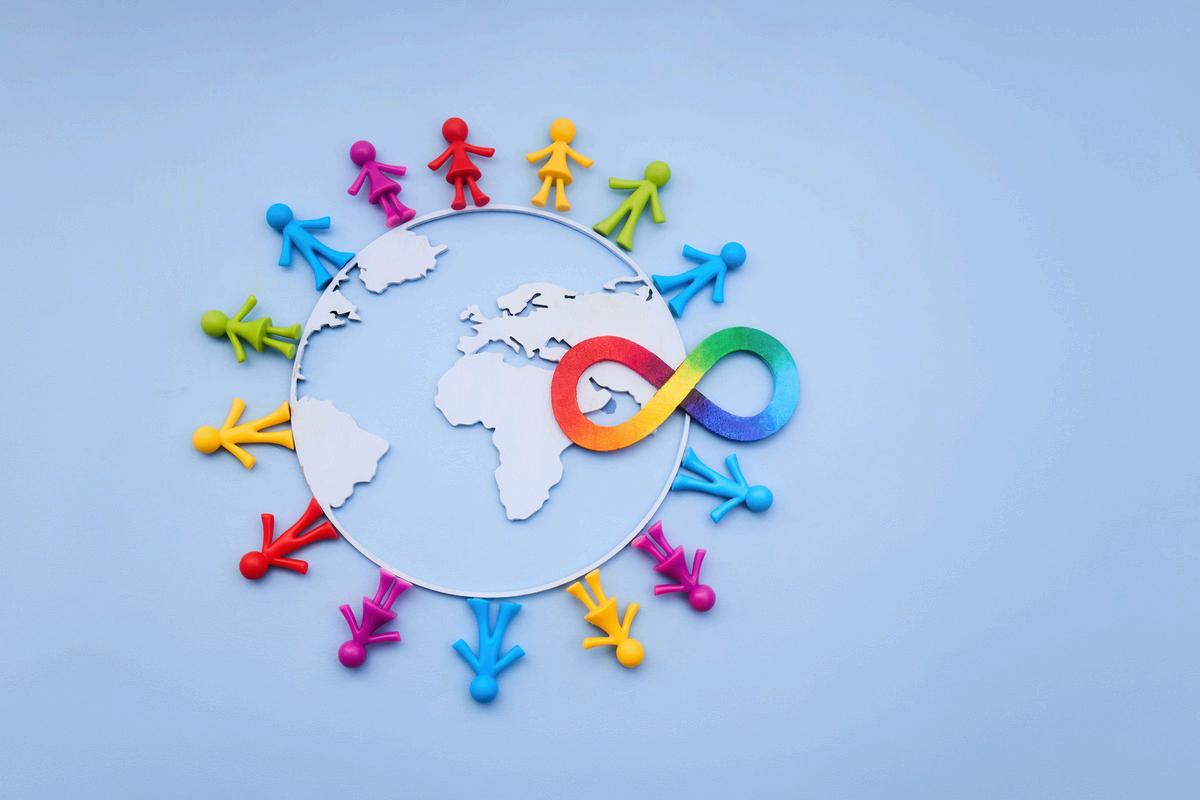
Advocating for clear instructions, written follow-ups or short reset breaks can also help. If you feel comfortable, discuss reasonable adjustments with your manager. Most importantly, lean into your strengths whether that’s creativity, detail focus or bigpicture thinking and build your work around what you do well.
School can feel overwhelming if it doesn’t match how you learn best. Break homework into smaller steps, use timers, and create simple checklists. Short movement or brain breaks can improvefocus and reduce stress. Talk to a trusted teacher, counsellor or parent about strategies that help you. Supports like extra time, clearer instructions or seating adjustments can make a big difference. Needing support doesn’t mean you’re less capable it means you’re learning how to work with your brain, not against it.
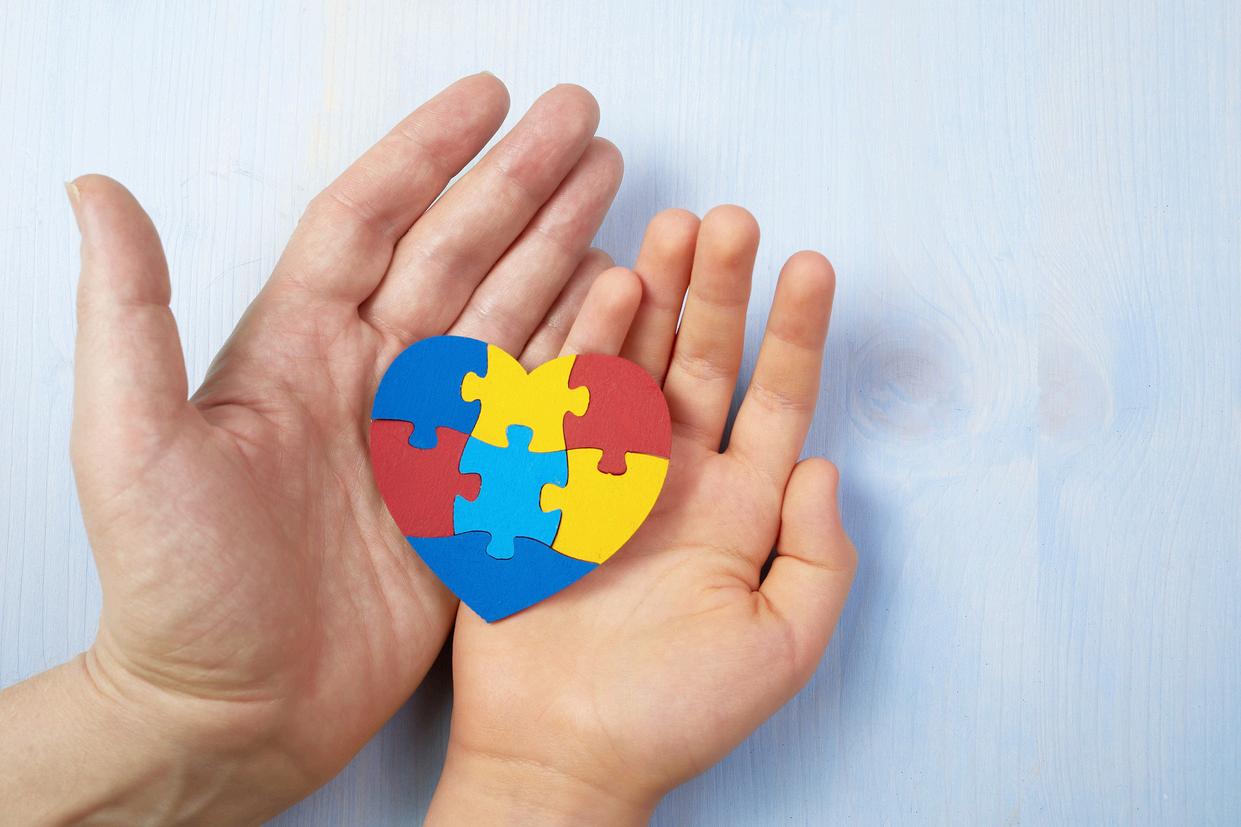
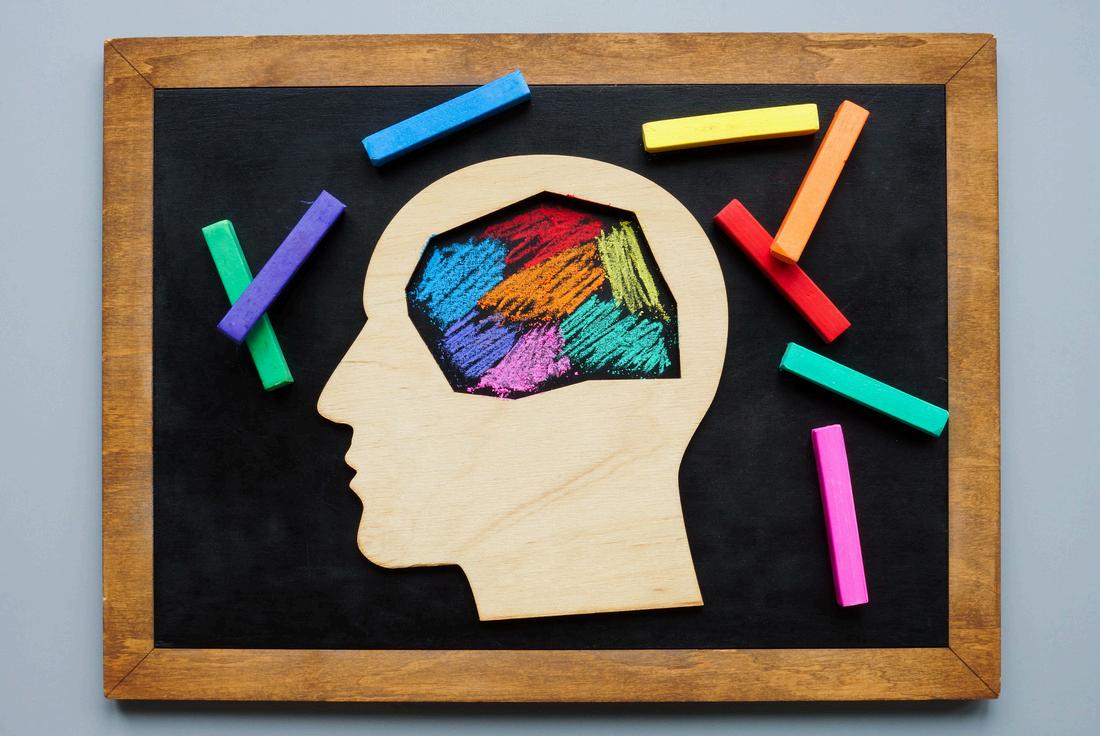
For younger children, consistency and calm environments are especially important. Clear routines, visual schedules and simple, step-by-step instructions can reduce anxiety and frustration. Pay attention to sensory sensitivities lighting, noise or textures can strongly affect behaviour. Most importantly, focus on strengths and celebrate small wins. When children feel understood and supported rather than corrected, their confidence grows and so does their ability to thrive.
Keeping a childlike sense of playfulness isn’t about being immature it’s about staying curious, open and willing to find joy in small moments. When we allow ourselves to be silly, creative or spontaneous, we reduce stress and reconnect with a lighter part of ourselves that often gets buried under responsibility. Playfulness helps us laugh more easily, recover from setbacks faster and approach life with imagination rather than pressure. Growing older doesn’t mean growing rigid it means choosing to keepwonder alive.
In everyday life, this might look like trying something new just for fun, dancing in the kitchen, building something without worrying about perfection, or asking “what if?” instead of “what’s the point?” Giving yourself permission to play strengthens creativity, improves problem-solving and reminds you that not everything needs to be serious to be meaningful.
Playfulness also deepens connection. When we laugh with others, share lighthearted moments or allow ourselves to be a little less guarded, relationships feel warmer and more authentic. Holding onto that spark of curiosity and joy doesn’t make us less responsible it makes life richer, more resilient and far more enjoyable.


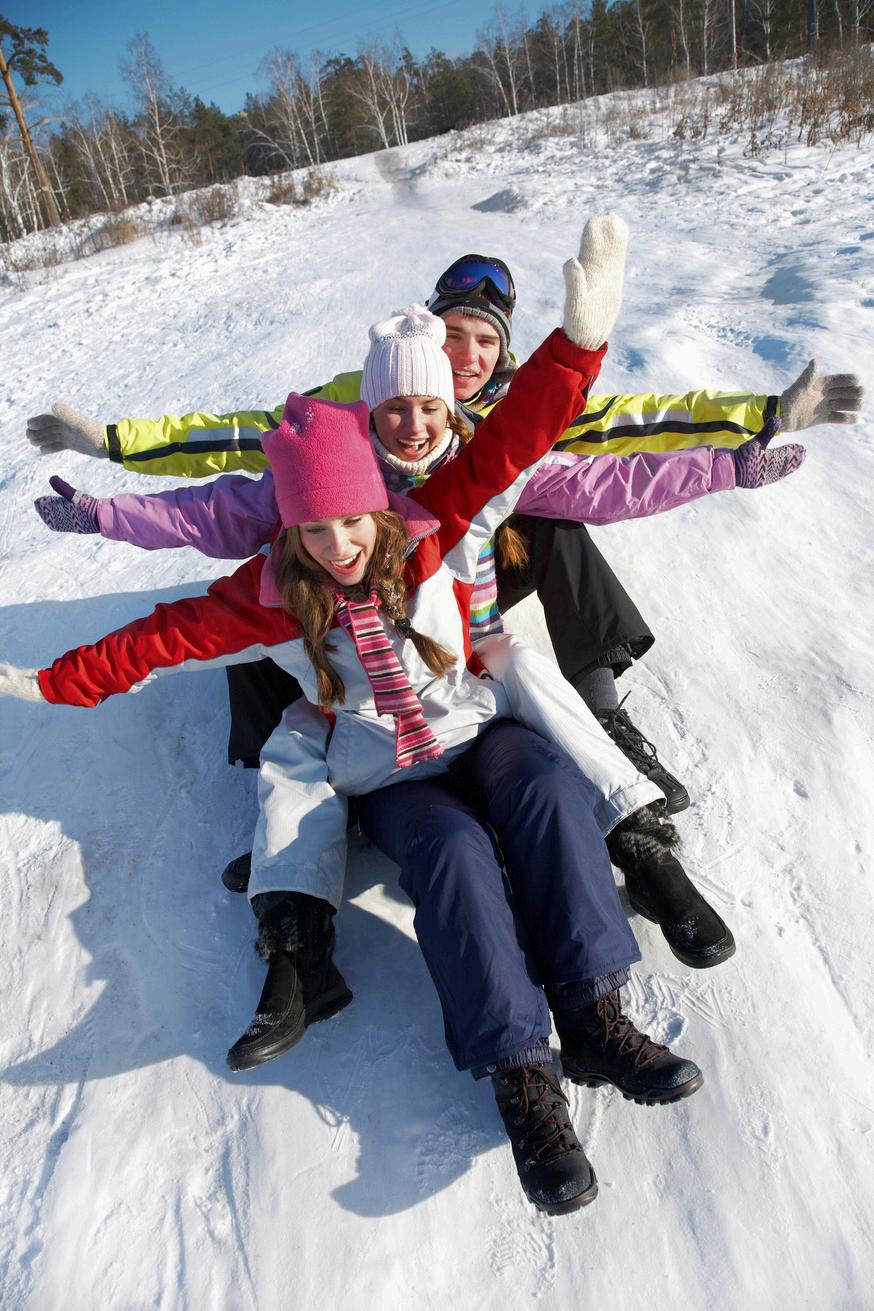
Exercise doesn’t have to mean intense gym sessions or strict routines. The best workouts are often the ones that make you laugh. When movement feels fun instead of forced, it’s easier to stick with — and it boostsyour mood.
Physical activity increases endorphins and reduces stress, and laughter adds even more benefits by relaxing muscles and easing tension.
Put on your most embarrassing playlist 90s hits, disco classics, or songs you’d never admit to loving and dance like nobody’s watching. Exaggerate the moves. Get the kids or partner involved. Ten minutes of silly dancing can lift your mood faster than scrolling your phone ever will.
Watching TV? Every time an ad comes on, do something unexpected: crab-walk across the room, attempt your best “dad dancing” squats, or hold a plank while pretending you’re a superhero. It doesn’t have to be perfect it just has to get you moving.
Hula hooping, skipping, backyard obstacle courses, trampoline bouncing, scooter races these are not just for children. Play-based movement reduces stress and helps reconnect you with a lighter, less self-conscious version of yourself.
Take a “gratitude walk” where you name five things you appreciate as you go. Walking meetings with a friend can also turn serious conversations into something energising and refreshing.
It might sound unusual, but laughter yoga involves intentional laughter combined with breathing exercises. Even fake laughter often turns real and the body still receives the same physiological benefits
Join a beginner dance class, try social sports, or attend a community fun run dressed in costume.
Exercise doesn’t have to be punishing to be powerful. The goal isn’t perfection it’s participation. Moving your body in ways that make you smile reduces stress, builds resilience and reminds you that health can be joyful

Young people have to make many choices yet the parts of the brain that control decision-making don’t fully develop until early adulthood.
It’s important to remember that mistakes are part of learning. Teen years are a time of rapid brain development, identity building and testing boundaries. Rather than focusing only on the behaviour, try to understand what might be underneath it stress, peer pressure, fear of missing out, or difficulty managing emotions. When young people feel safe to talk openly without immediate judgement, they are far more likely to reflect, take responsibility and grow from their choices
Teenage brains are still developing. The part of the brain that controls how teens react to situations is the last part to develop. It’s normal for teenagers to make poor choices. Let them know you are there for them if they make a mistake.
Source: Spark Their Future Queensland Government
1.Connect and Listen
Research shows that having open, honest conversations with your child, early and often, is one of the most effective tools you can use to help your teen make good choices.
2. Encourage your teen to stop and think
Explain to your teen why tackling a problem when they are calm and can use their thinking skills, not just their emotion, can help them make good choices.
3. Be aware of your teen’s big events
Be aware of the important events or milestones coming up in your teen’s life and try and connect with them so you can talk together about what’s on their mind and help them make good choices.
4. Establish rules and routines
Involve your teen in working out rules. Use routines to support your teen in making positive choices.
5. Encourage them
Every time you acknowledge your teen’s good choices, you are encouraging a positive mindset and giving them a taste of success which will motivate them to keep going.
6. Use mistakes as learning opportunities
Research shows that having open, honest conversations with your child, early and often, is one of the most effective tools you can use to help your teen make good choices.
While it’s normal for teens to make poor choices, if your teen is doing something that could harm themselves or others and/or is illegal, consider talking to a professional to seek help. There may be underlying issues relating to anxiety, drugs or alcohol. If you are concerned about your child’s mental health and wellbeing, please contact Lifeline, Kidshelpline, Beyond Blue or eheadspace
Life rarely moves in a straight line. Rising living costs, relationship breakdowns, job loss and housing pressures mean many adult children return home sometimes temporarily, sometimes longer than expected.
When grandchildren are involved, the situation becomes even more complex. As parents and grandparents, the instinct to help is strong. But support must be balanced with sustainability, respect and clear communication
A relationship breakdown can shake the entire family system. Your adult child may be grieving, overwhelmed or financially strained. If children are involved, routines change overnight Suddenly, the family home may feel busier, louder and more emotionally charged. In these moments, your role is not to fix everything it is to be a steady presence.
Listening without judgement is one of the most powerful forms of support. Avoid criticising the former partner or escalating conflict Instead, create space for your adult child to process what has happened. Statements like, “I’m here for you,” or “This must be really difficult,” offer stability without adding pressure.
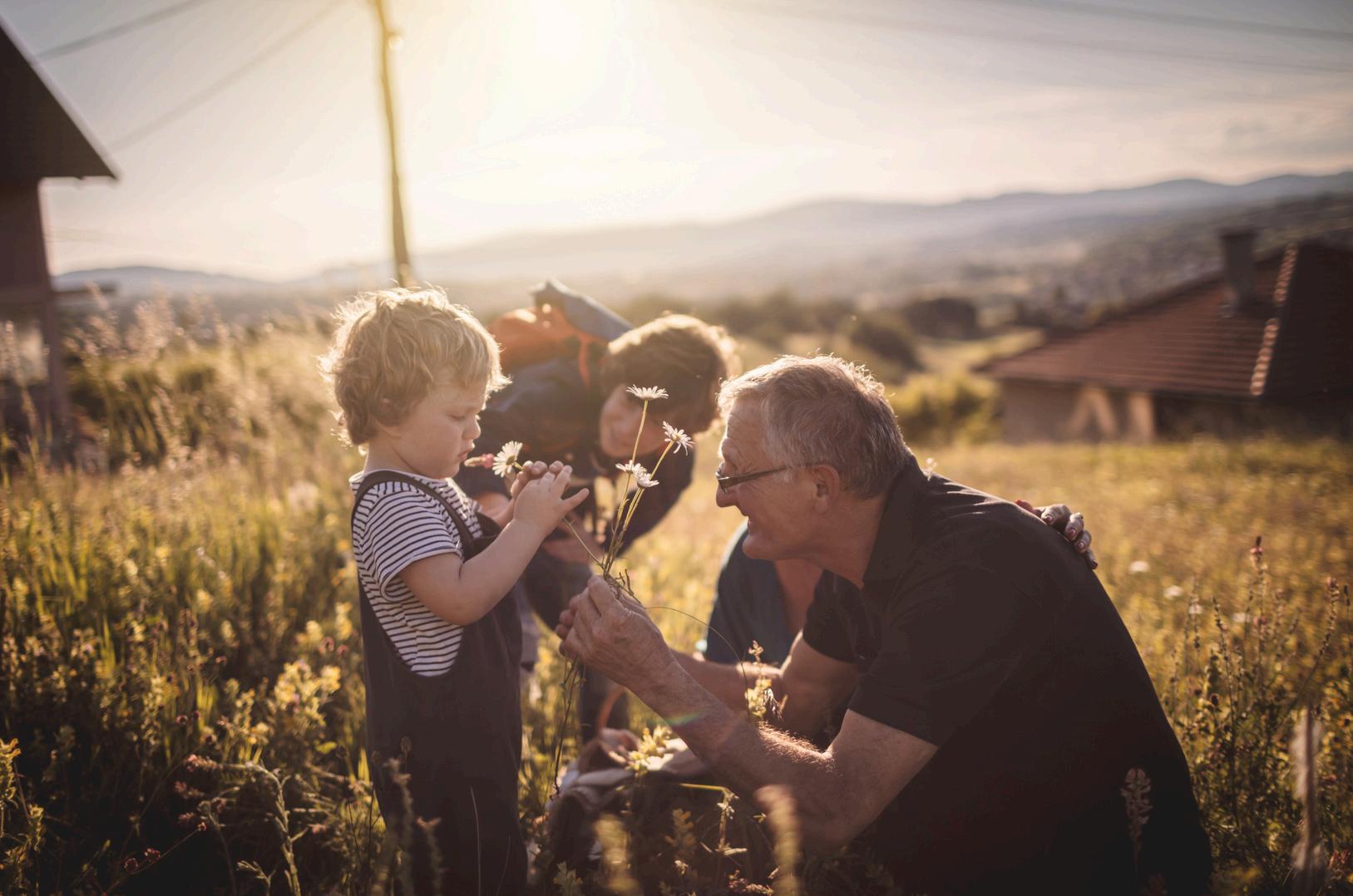
While offering a place to land during crisis is an act of love, it can also come with real impact.
Many parents at this stage of life are managing reduced income, preparing for retirement or living on fixed savings. Extra adults in the household increase electricity, water and food costs. Beyond finances, there can be emotional strain postponed plans, reduced privacy and increased responsibility.
Parents who have worked hard for decades may hesitate to raise these concerns, especially during a breakup. But unspoken pressurecan build resentment overtime. Support is healthiest when it is mutual, not one-sided.
If your adult child cannot contribute rent immediately, there are still meaningful ways to share responsibility. Cooking meals, covering groceries when possible, managing school runs, or helping with household tasks all demonstrate respect and awareness.
The key is conversation. - Discuss expectations early: How long is the arrangement likely to last?
What financial or practical contributions are realistic? What boundaries need to remain in place?
Clear communication protects relationships. Silence can erode them.
Parents often feel torn wanting to rescue their child while also protecting their own wellbeing. Remember, you are allowed to set boundaries. Providing short-term support does not mean sacrificing your financial security or personal peace indefinitely.
Encourage forward planning. Help your adult child map out next steps — housing goals, budgeting, employment or coparenting arrangements. Stability grows from shared responsibility. At the same time, take care of yourself. Stay connected to your own support networks and maintain your routines.
Breakups are painful, but they are transitions not permanent identities Families can emerge stronger when support is grounded in respect, gratitude and honesty.
Support is a gift — not an obligation. Gratitude and boundaries keep it healthy. When compassion is paired with clarity, families can navigate separation without losing connection — preserving dignity for every generation involved.
The teenage years can feel confusing, intense and fast-moving — especially as young people begin navigating friendships, attraction, identity and independence.
While peers become increasingly influential during adolescence, one relationship still carries enormous weight: the relationship between a father and his child.
Dads play a powerful role in shaping how teenagers understand respect, communication and emotional strength. It’s not about lectures or control — it’s about presence, consistency and example.
DADS AND TEEN BOYS: MODELING RESPECTAND EMOTIONALSTRENGTH
Teen boys learn more from what they observe than what they’re told. The way a father speaks to women, handles conflict, manages frustration and expresses care becomes a blueprint for how a boy treats others
If a dad demonstrates calm communication, accountability and kindness, his son internalises those behaviours If disagreements are handled respectfully, teen boys are more likely to mirror that in their friendships and dating relationships.
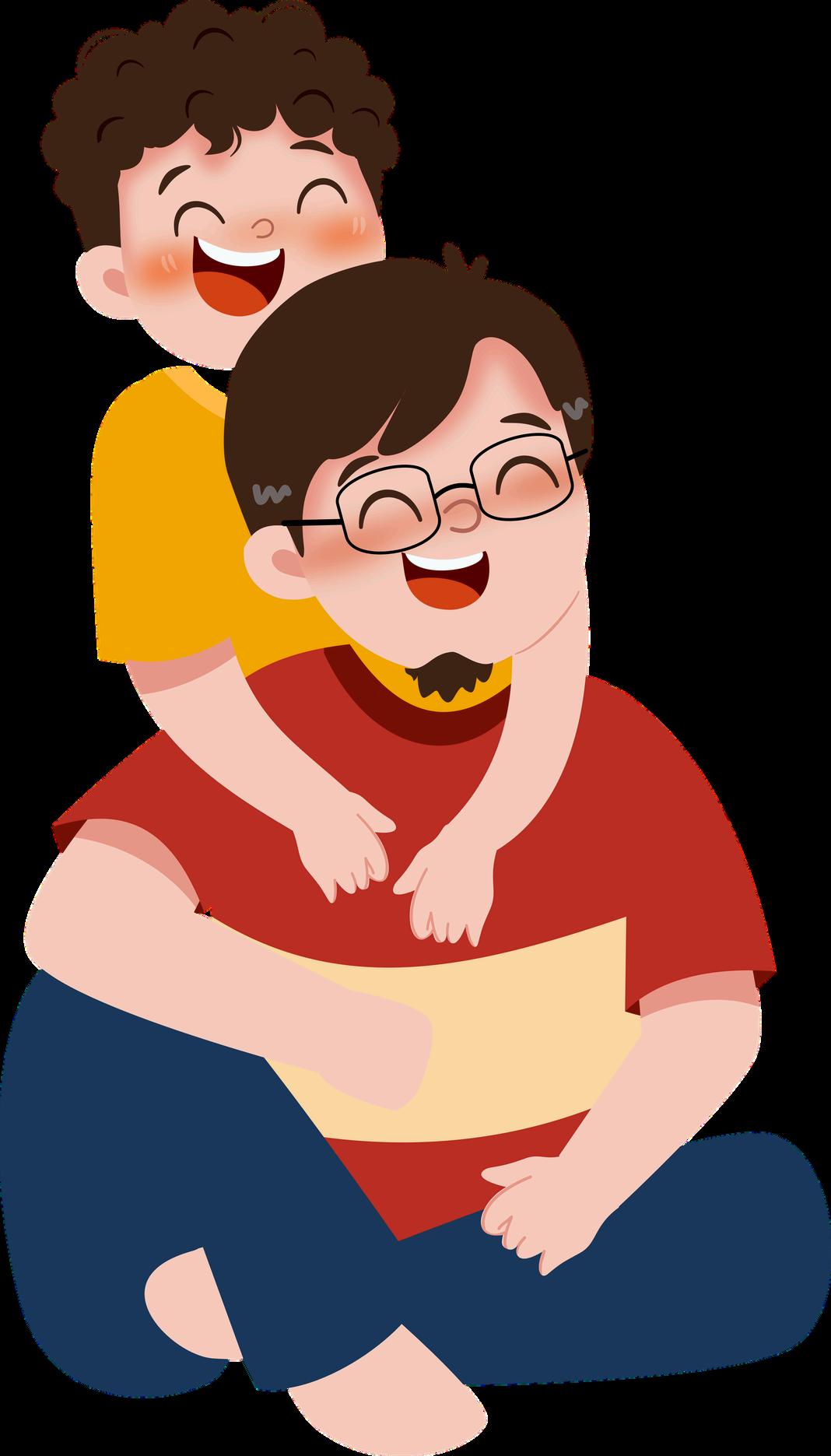
Open conversations about consent, boundaries, emotional safety and rejection are essential. Avoiding the topic leaves boys to learn from social media, peers or unrealistic online influences Dads can help their sons understand that confidence does not mean control — and that strength includes empathy.
Peer pressure can be intense. A strong father-son connection provides a safe space to unpack those pressures. Asking simple questions like, “How did that make you feel?” or “What do you think the right move is?” builds critical thinking and emotional awareness
Teen boys who feel seen and supported at home are more likely to form healthy friendships and handle dating with maturity.
The father-daughter relationship is equally powerful. Research consistently shows that girls who experience consistent, respectful support from their fathers often develop stronger self-esteem and clearer boundaries in relationships.
A dad’s words matter deeply. When fathers affirm their daughter’s intelligence, resilience and capability — not just her appearance they reinforce the message that her value is not based on external validation. Teen girls are navigating social media pressures, comparison culture and evolving relationship dynamics A father who listens without overreacting creates emotional safety. Instead of immediately problem-solving or criticising peers, asking “What do you think?” encourages independence and trust.
Fathers also model how girls should expect to be treated. Respectful behaviour at home sets a baseline for future relationships.
When daughters see calm conflict resolution and emotional accountability, they are more likely to seek partners who reflect those qualities.
Dads don’t need perfect answers they need consistent engagement. Shared activities, car conversations, walks, sport or even quiet time together build connection. Adolescents may not always show it, but they notice who shows up.
“Teens may seek independence, but they still need anchors”
Whether raising sons or daughters, the role of a father remains influential. Through everyday moments, honest conversations and respectful modeling, dads help lay the foundation for healthy relationships that last well beyond the teenage years.
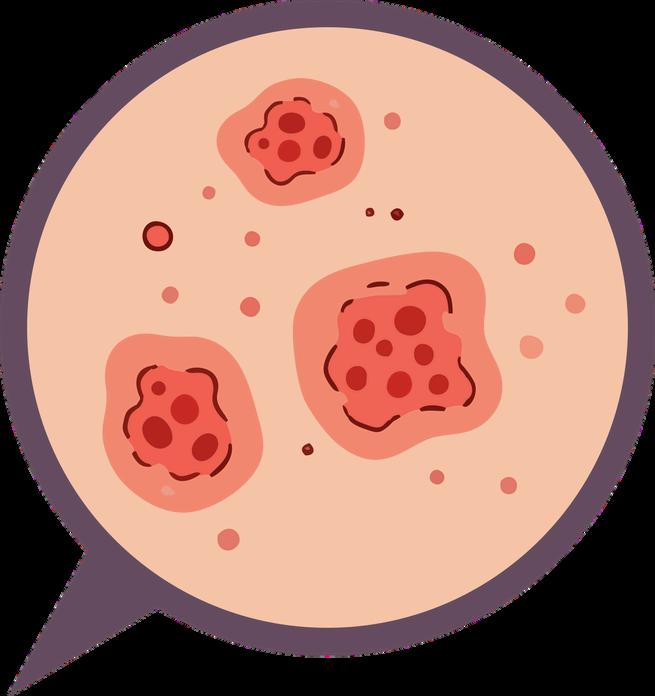
When you hear the word 'shingles' and picture a roof instead of a rash, this article is for you. ��
When we talk about shingles, we’re not talking about roof tiles. We’re talking about a viral infection caused by the same virus as chickenpox that can cause severe pain. If you’ve had chickenpox before, the virus can reactivate later in life as shingles.
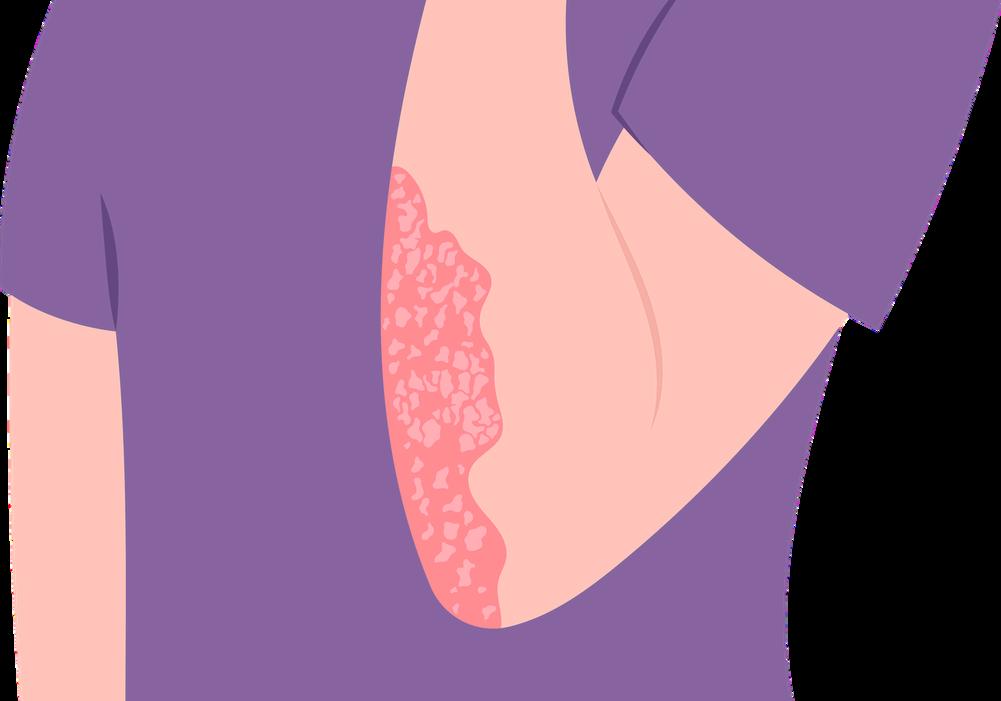
Early symptoms can include:
�� burning, tingling or itching on the skin
�� sensitivity to light
�� headache
�� a rash or blisters usually on one side of the body or face
The rash or blisters usually last from 1 to 14 days but may be longer Pain and tingling associated with the rash may persist for months or years and is called post herpetic neuralgia. Other complications can include bacterial infection ofthe skin, pneumonia, vision or hearing loss.
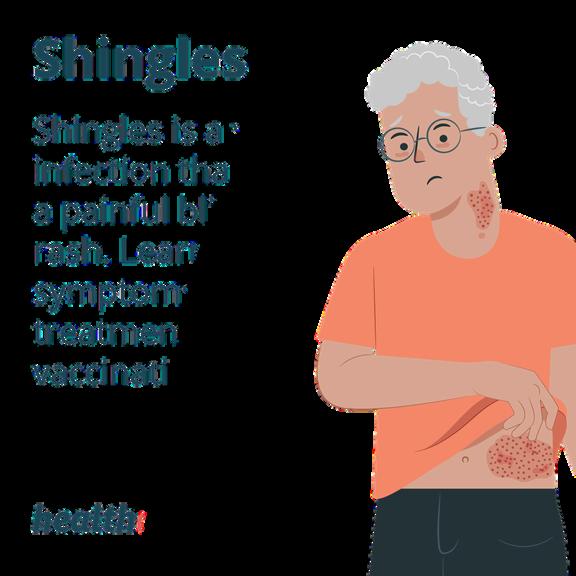
Shingles can spread through contact with fluid from the blisters, by touching contaminated items like bedding, clothes, or towels, or through the air when coughing or sneezing ��
People with shingles who have blisters should not have contact with people who have not had chickenpox or who are unsure ifthey have had chickenpox. Shingles is a serious illness in older adults and people with a weak immunesystem.
Vaccination is a the best protection from serious disease. The shingles vaccine is free under the National Immunisation Program (2 doses) for:
�� people aged 65 years and over
�� First Nations people aged 50 years and over, and immunocompromised people aged 18 years and over with eligible medical conditions.
Seeyour healthcare provider ifyou thinkyou may haveshinglesespecially ifyou’re pregnant.
Poor sleep quickly affects how we feel and function. Irritability, low mood, anxiety and difficulty concentrating often follow restless nights. Over time, chronic sleep deprivation can increase the risk of depression and anxiety.
Around 40% of Australians regularly experience poor sleep, making it one of the most common health concerns nationwide
Sleep and mental health are closely connected Stress and anxiety can make it harder to fall or stay asleep. In turn, lack of sleep can heighten emotional reactivity and reduce resilience, creating a cycle that can feel difficult to break.
Improving sleep habits can positively influence overall wellbeing.
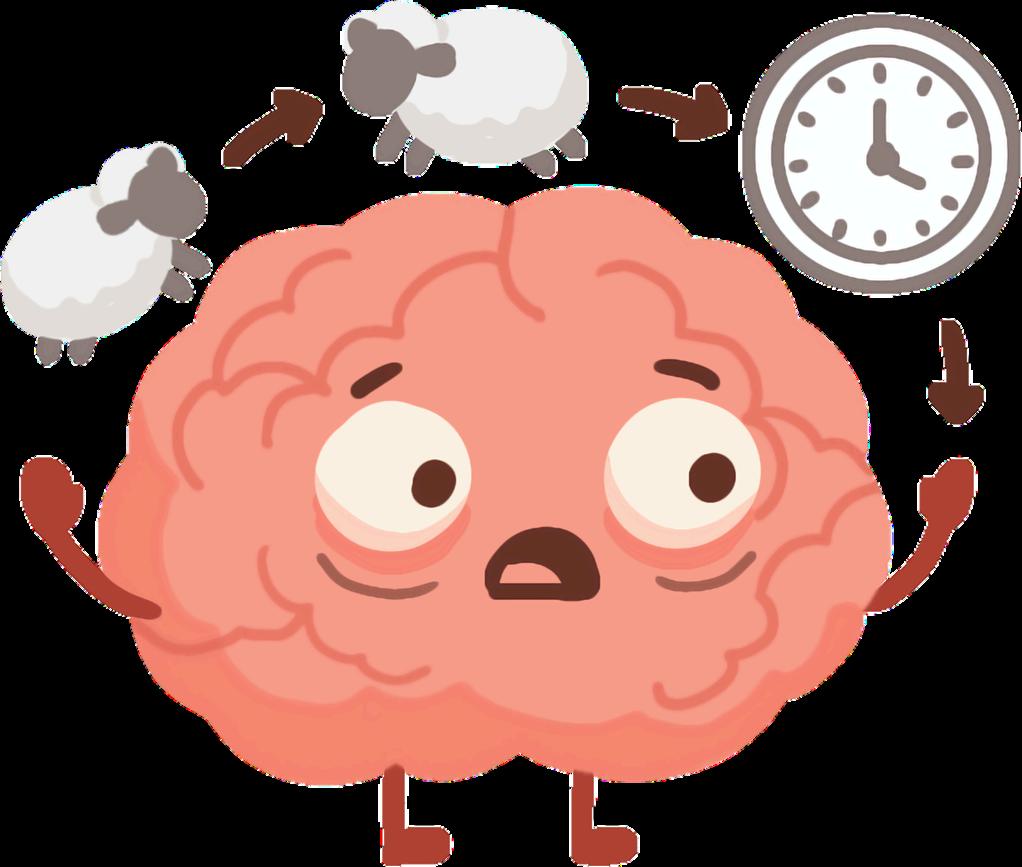
“Sleep
isthequiet repairworkthat keeps your mind steady.”
People with insomnia are up to 10 times more likely to develop depression than those who get regular, quality sleep.
Keep a consistent routine go to bed and wake at the same time each day.
Create a wind-down ritual reduce screen time before bed.
Limit caffeine and alcohol in the evening
Make your bedroom cool, dark and quiet.
Write down worries before bed.
If sleep difficulties persist or affect daily life, speak to a GP or mental health professional for support.
In a culture that celebrates productivity, rest can feel indulgent. But sleep is restoration. It supports emotional balance, clearer thinking and stronger coping skills.

About 90% of people with depression report sleep problems, such as difficulty falling or staying asleep, showing how closely sleep disruption and depression often go together.


It starts innocently. You’re not particularly hungry… but suddenly you need chocolate. Or chips. Or something salty and crunchy. Food cravings can feel urgent and persuasive — like your brain has launched a campaign for one specific snack.
1. Blood Sugar Dips
Skipping meals or eating mostly refined carbs can cause blood sugar to drop. Your brain then asks for quick energy usually sugary or highcarb foods.
2. Emotional Triggers
Stress, boredom and fatigue can spark cravings. Certain foods become linked to comfort or reward.
3. Hormones
Hormonal shifts — particularly around menstruation can increase cravings for sweet or salty foods. That’s biology, not weakness.
4. Habit Loops
If you always eat dessert at 8pm, your brain learns the pattern The craving arrives, hungry or not.
CRAVINGS AREN’T JUST ABOUT WILLPOWER THEY’RE LINKED TO BIOLOGY, PSYCHOLOGY AND HABIT.
Research also shows that lack of sleep increases cravings for high-fat and highsugar foods. When tired, the brain seeks quickfuel.
The good news? Cravings are normal. The better news? They usually have a reason.
Sometimes but often not. Craving red meat may relate to low iron. Salty foods can signal dehydration Chocolate cravings are often emotional rather than nutrient-based.
Most cravings are behavioural or emotional rather than true deficiencies.
Try working with your body instead offighting it: Eat balanced meals with protein and fibre. Hydratefirst. Get enough sleep. Pausefor10 minutes. Swapfor a slightly healthier option.
“Am I hungry or stressed?”
Restriction can actually intensify cravings, so occasional treats are part of balance. Cravings aren’t the enemy they’re information.
Listening with curiosity helps you respond more wisely.
Crystals have fascinated humans for thousands of years. From ancient civilisations to modern wellness trends, these natural minerals have been treasured for their beauty, symbolism and supposed healing properties. But where did these beliefs begin and do crystals really benefit health?
Ancient Egyptians wore lapis lazuli and turquoise as protective amulets. The Greeks believed amethyst could prevent intoxication. In Chinese traditions, jade symbolised purity, while in India crystals were linked to balancing energy centres, or chakras.


Across cultures, crystals represented protection, power and spiritual connection. Royalty often wore gemstones not just for decoration, but for symb strength.
Today, crystals are popular in medita and self-care routines.
Rosequartz – love and compassion
Amethyst – calm and clarity
Clearquartz – often called the “master healer”
Citrine – positivity and abundance

DO CRYSTALS REALLY BENEFIT HEALTH?
There is no strong scientific evidence that crystals directly heal medical conditions Reported benefits are often linked to the placebo effect the power of belief influencing how wefeel.
However, if using crystals encourages mindfulness, calm or positive thinking, they may indirectly support wellbeing. They should never replace medical treatment, but can complement self-care practices.
Perhaps their true value lies in symbolism intention, hope and connection to nature.
“WHETHER YOU BELIEVE IN THEIR ENERGY OR NOT, CRYSTALS REMIND US THAT NATURE ITSELF CAN FEEL HEALING.”

Born before1946
• Grew up during/after the Great Depression & WWII Built modern suburbs and institutions
• Known for resilience and strong community values
The modern concept of naming and defining generations was most famously developed by William Strauss and Neil Howe, two American historians and authors.
1946–1964
• Post-war population boom
Generation X
1965–1979
• Independent and entrepreneurial

• Benefited from economic growth
• Adapted to rapid workplace change
Generation Z
1995–2009
• Digital natives
• Value education, purpose & diversity

Generation Beta
2025–2039 (Projected)
• Expected to be highly tech-integrated
• Likely shaped by innovation & diversity

• Shaped major social change & equality movements
• Built economic strength and home ownership culture ��

1980–1994
• Grew up during tech expansion
• Faced rising housing costs
• Now balancing careers, families & financial pressure

Generation Alpha
12010–2024
• First fully 21st-century generation
• Born into smartphones & social media. Growing up in a globally connected world
What do all those letters mean, not to mention the plus sign! No Stress, We’ve got you covered. Here’s a few to get you aquainted.
. Asexual / Ace: Someone who has little or no sexual attraction to other people
. Brotherboy and Sistergirl: Terms used by some Aboriginal and Torres Strait Islander communities to describe trans people.
Brotherboy typically refers to masculine spirit people who may be assigned female at birth, Sistergirl typically refers to feminine spirit people who may be assigned male at birth.
. Bisexual: Described as an attraction to someone of the same gender and other genders. Everyone's experience is a little different, and bi doesn't necessarily mean being attracted to only two genders.
. Gay: Most commonly used to describe someone who is attracted to someone of the same identified gender.
. Cisgender: Someone who is not transgender or gender diverse, and who identifies with the sex they were assigned by doctors at birth. Sometimes written as ‘cis’ for short, the term comes from Latin meaning ‘on the same side as’ and is used in contrast with ‘trans’ meaning ‘on the other side of’.
. Discrimination: Treating someone like crap, or less than equal, because of something about their identity For instance, a school not allowing you to wear the uniform that aligns with your gender identity. Discrimination due to sexuality or gender identity is nearly always illegal in Australia
Gender Diverse: Describes a person who feels that their gender identity does not fit into the categories associated with their assigned sex. For example, someone who is raised as a girl may feel as though the categories of female/feminine are restrictive or don’t apply to them.


Making friends used to feel simple. You met at school, work, church, sport or in the neighbourhood. You talked, laughed and connections grew naturally. Yet today, across all age groups, many people quietly admit the same thing, It’s harder than ever to build real friendship
Loneliness is not limited to one generation. Adults, teenagers and even young children are navigating a world that looks socially connected but often feels emotionally distant.
ADULTS ARE BUSY, BURNT OUT AND SOCIALLY FRAGMENTED
For adults, friendship is often squeezed between responsibilities. Careers, parenting, financial pressures and caring for ageing parents leave little time or energy to nurture connection. Many people relocate for work, leaving established social circles behind.
Around one in six Australians (about 17%) report often feeling lonely, based on national surveys of adults 15 years & over.
Other reports suggest that nearly one in three Australians feel lonely or disconnected, with broader measures of loneliness showing even higher rates.
For young Australians aged 15–25, loneliness is especially prevalent with nearly 43% of young people reporting feelings of loneliness at certain times.
Technology has also shifted how adults interact Messaging replaces meeting. Social media creates the illusion of connection without depth. It’s easy to scroll past people’s lives but harder to sit across from someone and share vulnerability.
There is also an unspoken fear of rejection. As adults, initiating friendship can feel awkward “What if they’re not interested?” — and so many people wait, hoping someone else makes the first move.
TEENS AND SOCIAL PRESSURE IN A DIGITALSPOTLIGHT
Social media intensifies comparison. Friendship groups are visible, ranked and sometimes judged online. Being excluded is no longer a private experience it can feel public and permanent.
Adolescence is also a time of identity formation. Teens are figuring out who they are while simultaneously trying to belong.
Cyberbullying, social anxiety and fear of “saying the wrong thing” further complicate connection.
Even young children can struggle socially. Developing emotional regulation, sharing skills and empathy takes time. Some children may feel different due to personality, interests or developmental differences and may find it harder to integrate into groups.
Friendship grows through repeated contact. Community groups, sport, volunteering, hobby classes and faith-based gatherings create natural touchpoints. For children, encouraging playdates and team activities builds social confidence For teens and adults, shared interest groups reduce pressure and increase common ground.
Waiting for others to make the first move prolongs loneliness. Sending a message, suggesting coffee, inviting someone for a walk small risks can open doors. Rejection, when it happens, is rarely personal; often others are simply busy or unsure too.
Real friendship requires emotional safety. Sharing something honest — even something small — invites deeper connection. Listening without judgement strengthens bonds at any age.
For children and teens, adults play a key role in modelling empathy, kindness and conflict resolution. Teaching that disagreements don’t equal rejection builds resilience.
Online spaces can support connection, but they cannot replace physical presence. Encouraging in-person interaction, even in simpleforms, increases emotional fulfilment.

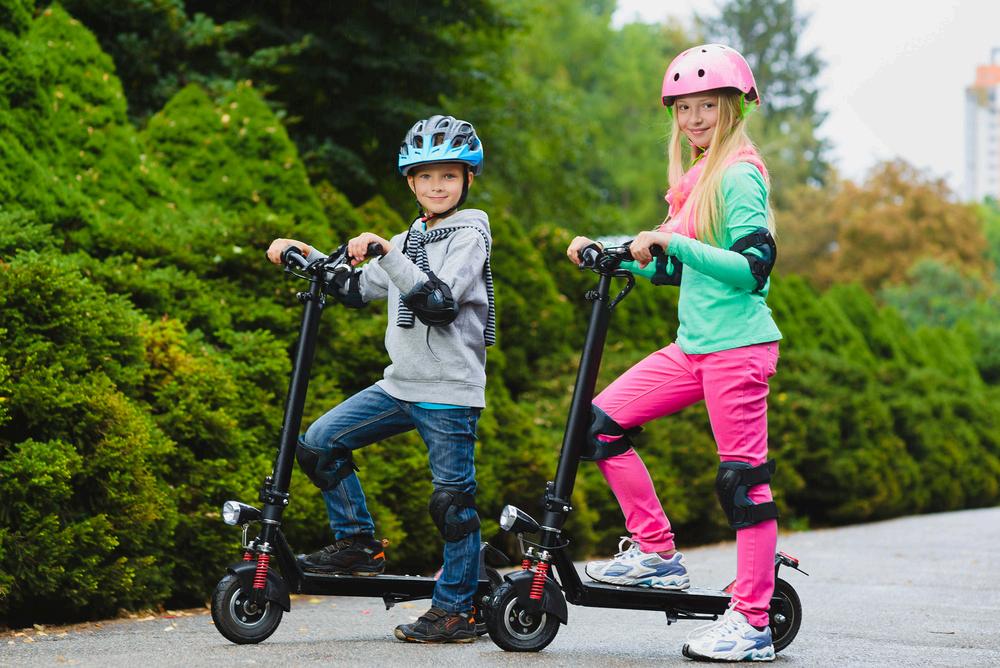
E-scooters have quickly become a popular way for young people to travel short distances, offering convenience and independence. However, new research from Queensland Children’s Hospital (QCH) reveals serious risks associated with their use
A recent study found that one in four children admitted with e-scooter injuries required intensive care, while two-thirds needed surgery. These are not minor injuries — they are severe and potentially life-changing
The study also reported that 38% of children who sustained a head injury experienced ongoing impairments, affecting cognition, learning, communication and mood. For some, the impact continues well beyond the initial accident.
Alarmingly, 64% of injured riders were not wearing a helmet, and more than one in five were under the legal riding age in Queensland. These findings highlight the importance of safety awareness and compliance with the law. Professor Roy Kimble, Director of Paediatric Surgery, Burns and Trauma at QCH, said the findings show the growing seriousness of e-scooter accidents
“The incidence of e-scooter accidents is increasing, and they are causing serious, sometimes fatal, injuries in children,” Professor Kimble said.
“A helmet should be nonnegotiable, even for short trips. A helmet can mean the difference between an acute head injury and long-term neuro-cognitive consequences.”
As e-scooter use increases, families and communities must prioritise safety. Wearing a properly fitted helmet and understanding legal age requirements are simple steps that can prevent devastating outcomes.
E-scooters may offer freedom and fun, but safety must always comefirst.



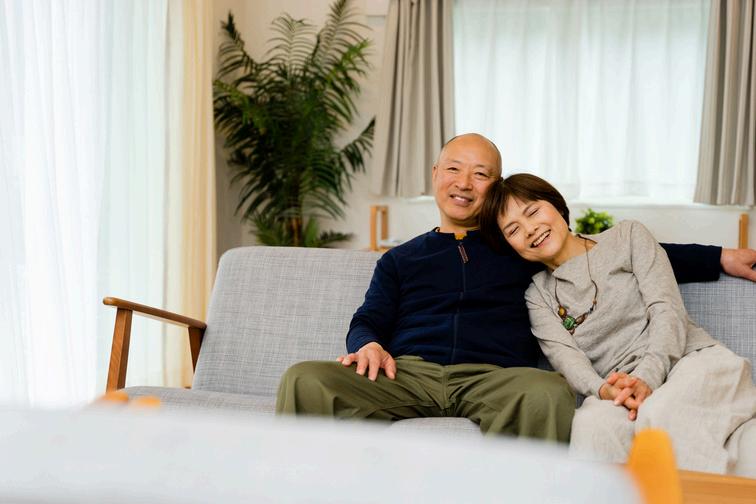
For many older Australians, grocery shopping has long been more than a chore
— it’s been routine, independence and even social connection. But as mobility changes, driving becomes harder or energy levels drop, navigating busy supermarkets can feel overwhelming.
Rather than seeing this as a loss, many seniors are discovering practical new ways to stay in control of their food choices including online grocery shopping and prepared meal services.
Modern supermarkets can be physically demanding. Crowded aisles, heavy trolleys and long queues can increase fatigue and risk of falls. Carrying bags or lifting items into the car can strain joints and muscles.
Online shopping allows groceries to be ordered calmly from home and delivered directly to the door. For those managing arthritis, chronic illness or reduced mobility, this can significantly reduce stress
Prepared meal services are also growing in popularity. Many offer nutritionally balanced meals designed for older adults ideal when daily cooking becomes tiring.

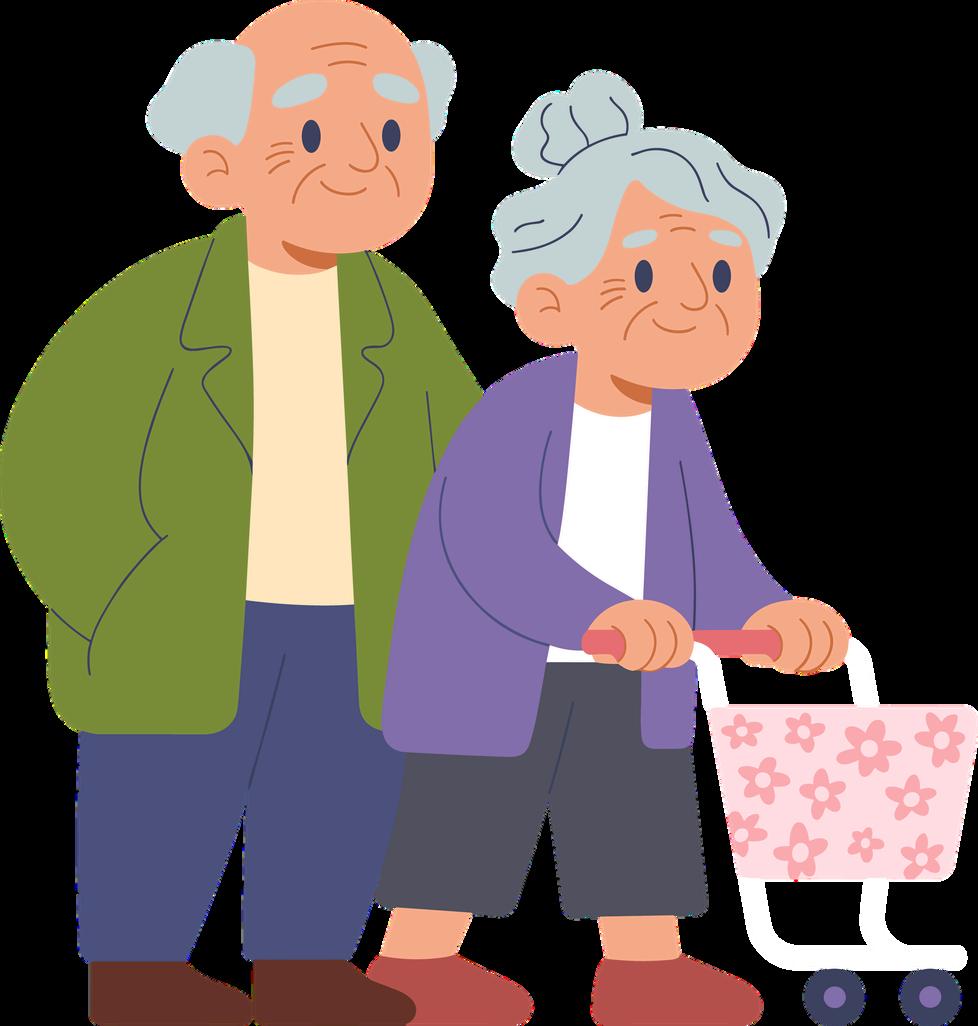

Using delivery services isn’t “giving up.” It’s adapting wisely. Conserving energy for hobbies, family time and social connection can enhance overall wellbeing.
If shopping once provided social interaction, that connection can still be nurtured through community groups, café meet-ups or phone calls while ordering online.
Access to food is about more than nutrition it’s about autonomy Whether choosing fresh produce online or supplementing with prepared meals, seniors deserve options that respect their changing needs
“Independence isn’t about doing everything the old way — it’s about finding new ways that work.”


Many services are accessible through government programs like My Aged Care, Support at Home or CHSP funding, which can help cover part of the cost of meal preparation and delivery. Speak with a GP, My Aged Care assessor or loved one about eligibility.
“What happened to you does not define you —
“What happened to you does not define you — your strength, your healing, and your voice do.” your strength, your healing, and your voice do.”

Enjoyed the Read? Click here to subscribe and never miss a read! Got a topic you ’d like us to cover? Let us know, we ’d love to hear from you!