Queensland






Gender balance is not just a moral imperative - it is a strategic advantage. Organisations and societies that embrace gender equality consistently outperform those that do not Research shows that when women participate fully in the workforce, economies grow, innovation increases, and decision making improves. Diverse teams bring broader perspectives, challenge groupthink, and strengthen organisational resilience. At a societal level, gender equality correlates with higher educational attainment, healthier communities, and more inclusive political systems
Despite these clear benefits, progress remains uneven and far too slow. Structural barriers continue to impede women’s full participation. Gender segregated fields of study and work, funnel women into lower paid sectors, reinforcing wage gaps and limiting leadership opportunities. Unpaid care work, still disproportionately carried by women, restricts economic participation and career progression Gender based violence, both overt and subtle, undermines safety, confidence, and long term wellbeing. These barriers are interconnected, often reinforced by policy silos that fail to address the systemic nature of inequality.
Global assessments paint a sobering picture According to the World Economic Forum, at the current rate of change, the world is 134 years away from achieving full gender parity which pushes equality out to the year 2158. This slow trajectory is not inevitable but it reflects stalled investment, systemic neglect, and persistent social norms that undervalue women’s contributions.
The United Nations 2025 Gender Snapshot warns that without accelerated action, millions of women and girls will remain in extreme poverty by 2030, and the world will fall short of the Sustainable Development Goals. Yet it also emphasises that a different future is possible. This future possibility is shaped by deliberate policy choices, targeted investment, and a collective commitment to dismantling bias.
Achieving gender balance is within reach, But only if organisations, governments, and communities act with urgency and purpose - NOW
Sandra Holebrook CEO - Trauma Assisst

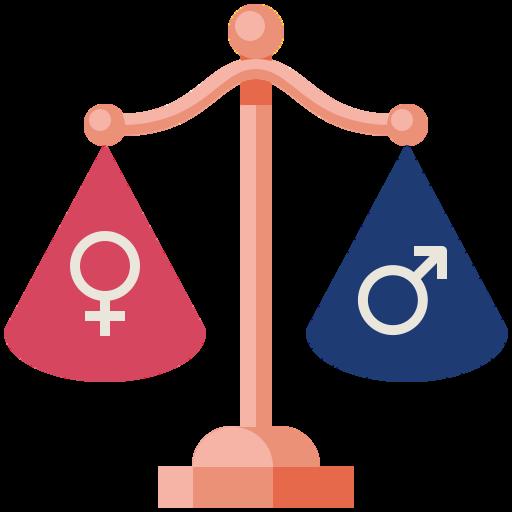
Gender inequality comes at a significant cost — socially, economically and morally.
Australian women retire with around 25–30% less superannuation than men, increasing the risk of poverty in later life.
Women over 55 are one of the fastest-growing groups experiencing homelessness in Australia, often linked to lifelong income inequality and unpaid caring roles.
From an organisational perspective, inequality limits innovation and performance. Research consistently shows that diverse and inclusive workplaces perform better, attract stronger talent and are more resilient. Australian businesses with greater gender balance in leadership report improved decision-making, staff engagement and reputation. There is also growing reputational and legal risk for organisations that fail to address gender-based harassment or discrimination
Public tolerance for inequality is declining, and social accountability amplified by digital media — means inaction can cause lasting harm.
Perhaps most importantly, gender equality is a human rights issue. Inequality restricts autonomy, safety and opportunity for half the population. It limits potential — not just for women, but for society as a whole.
Progress will not happen by waiting. It requires commitment from governments, organisations, communities and individuals. Gender equality is not a women’s issue it is a collective responsibility.
By choosing inclusion, challenging bias and supporting equitable systems, Australia can move closer to a future where opportunity is determined by ability, not gender.
Gender equality is not just about statistics — it is lived every day in homes, workplaces and communities.
For many Australians, equality means equal opportunity without penalty. Women should not be disadvantaged for having children, caring for family members or working flexibly. Men should not be excluded from caregiving roles or emotional expression. Inclusion must work foreveryone.
Personal stories reveal how inequality shows up subtly and persistently through limited career progression, “boys’ club” cultures, unequal access to leadership, and financial strain on families where caregiving limits earning potential. These experiences are not isolated; they reflect systems designed around outdated, oneincome, nine-to-five work models.
Australia’s workplaces were largely built for a male breadwinner model that no longer reflects modern family life. While many organisations are trying to adapt, progress remains uneven Women are still less likely to be promoted into senior roles and more likely to experience career stagnation after parental leave.
Importantly, gender inclusion also means including men supporting shared parental leave, flexible work for fathers, and cultural change that values care, balance and wellbeing. Equality is not about taking opportunities away from one group; it is about ensuring fairnessfor all.
Encouragingly, open conversations around gender equality are increasing in Australia. While progress may feel slow, dialogue is a critical step toward lasting change


No country can truly develop if half its population is left behind.” — Justine Greening
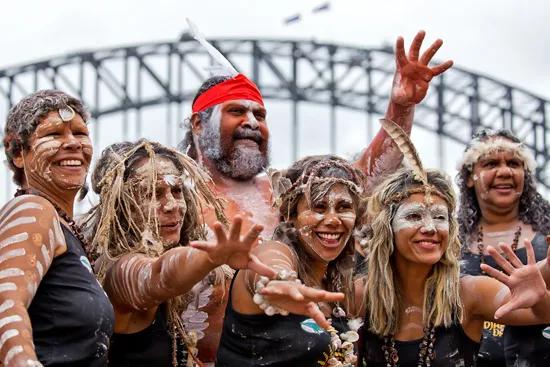
In Australia, the word “mob” has a powerful and positive meaning within Aboriginal and Torres Strait Islander communities.
When Aboriginal and Torres Strait Islander people refer to their “mob” they are often speaking about their family, kinship group, community or Nation. It reflects relationships that extend beyond immediate family and are deeply connected to culture, land, ancestry and shared responsibility.
Mob is not just a label it represents thousands of years of culture, survival and resilience. For First Nations peoples, identity is both collective and individual. Using the word “mob” respectfully means recognising its cultural significance and avoiding casual or inappropriate use.
WE ACKNOWLEDGE THE OLDEST CONTINUING CULTURES IN THE WORLD AND CONTRIBUTE TO A MORE JUST, INFORMED AND RESPECTFUL AUSTRALIA.
Respecting First Nations culture begins with listening to Aboriginal and Torres Strait Islander voices and acknowledging lived experience There is no single Indigenous culture — Australia is home to hundreds of Nations, languages and traditions.
For First Nations people, Country is more than land it is living, spiritual and deeply relational It holds stories, law, identity and belonging.
Respect is not about perfection it’s about intention, humility and willingness to learn. Mistakes may happen, but listening, taking responsibility and growing from them matters

Before cities, before fences, before maps had names, there were stories carried on the wind and written into the land. For Aboriginal and Torres Strait Islander peoples, thesestorieswere not just told theywere lived.
They lived in the rhythm of the seasons, in the careful reading of tides, stars and soil. Knowledge passed from Elders to children through song, dance, art and story not as history lessons, but as ways to survive, belong and care for Country. Land was never owned. It was honoured, protected and known as a living presence — one that holds memory, law and spirit.
Across the mainland and islands of the Torres Strait, hundreds of Nations flourished, each with their own language, customs and identity. Diversity was strength. Connection was everything to family, to ancestors, to Country, and to future generations yet to come.
Then came disruption. Colonisation brought violence, displacement and loss. Families were separated, languages silenced, and culture was attacked yet it was never erased. Despite generations of injustice, Aboriginal and Torres Strait Islander peoples endured with resilience that continues to shape Australia today
Culture survived because it was carried in people in Elders who remembered when remembering was dangerous, and in young people who now reclaim language, ceremony and identity with pride. Survival itself became an act of resistance.
Today, Aboriginal and Torres Strait Islander peoples continue to lead, create, teach and advocate while also carrying the weight of histories that are still felt in health, housing, education and justice systems. Strength and struggle often exist side by side.
To truly respect this story is to listen not to speak over it, simplify it, or look away when it becomes uncomfortable. Respect is acknowledging that this is not a past story, but a living one.
Because these stories are not just Aboriginal and Torres Strait Islander stories they are the foundation of this land, and they deserve to be heard, respected and protected. 4
Author: unknown



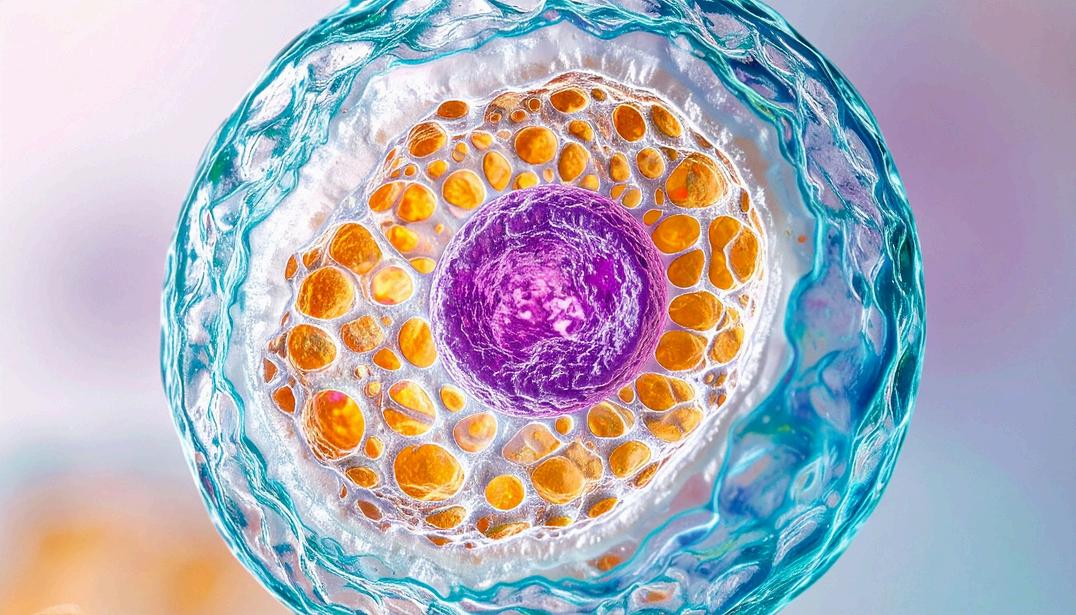
Last year in Australia around 1,929 women were diagnosed with ovarian cancer. In Australia, Ovarian Cancer Awareness Day exists to raise awareness of ovarian cancer, improve early detection, and support those affected by the disease.
In most cases the cancer will be diagnosed at an advanced stage, where it is very difficult to treat.
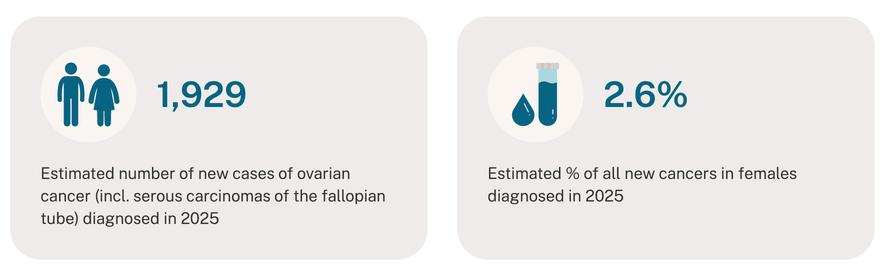
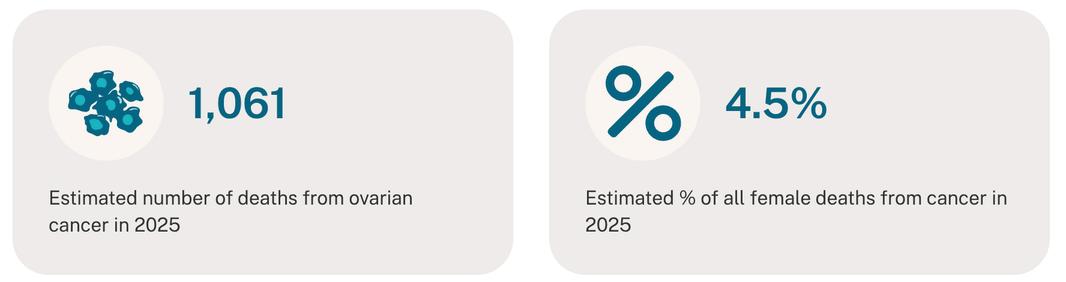
Ovarian cancer is the 10th most commonly diagnosed cancer in Australian women
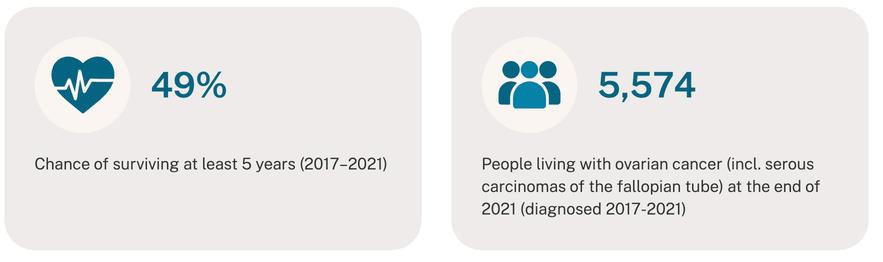
Ovarian cancer is a malignant tumour in one or both ovaries. While there are many types of ovarian cancer the three most common types of ovarian cancer are: the common epithelial type (90% of cases) that arises from the cells on the outside of the ovary; the germ cell type (around 4% of cases) that arises from the cells which produce eggs; and the rare stromal type arising from supporting tissues within the ovary.
There are often no obvious signs of ovarian cancer, however you may have one or more of the following symptoms: abdominal bloating difficulty eating or feeling full quickly frequent or urgent urination back, abdominal or pelvic pain constipation or diarrhoea menstrual irregularities tiredness indigestion pain during intercourse unexplained weight loss or weight gain
If you notice symptoms that are new, persistent or worsening such as ongoing bloating, abdominal or pelvic pain, feeling full quickly, or changes in urinary habits it’s important to trust your body and seek medical advice.
Make an appointment with your GP and clearly explain how long the symptoms have been present and how they are affecting your daily life. Keeping a simple symptom diary can help guide the conversation.
While these symptoms are often caused by less serious conditions, ovarian cancer is best ruled out early If symptoms persist despite initial treatment, return to your doctor or ask for further investigation or referral. Early action can make a significant difference.



Observed each year on 14 February, National Condom Day highlights an important message often missed on a day focused on romance: sexual health is an act of self-respect, care and responsibility. While conversations about condoms can feel awkward, they remain vital in preventing sexually transmitted infections (STIs) and unplanned pregnancies particularly in Australia, where STI rates continue to rise.
Condoms are one of the most accessible and effective forms of protection, reducing the risk of HIV and other STIs while also preventing pregnancy.
National Condom Day encourages stigma-free conversations about protection and consent, reminding us that using condoms is a sign of mutual respect, not distrust. With free condoms widely available across Australia, protecting sexual health is about confidence, choice and shared responsibility.
By keeping condoms part of the conversation, we help create safer, healthier and more informed communities.
Condoms are over 3,000 years old
Early versions were used in ancient Egypt and are believed to have been made from linen or animal materials.
The Romans may have used animal intestines. Not glamorous but effective for the time. These early condoms were often tied on with string or ribbon. Latex condoms arrived in the 1920s. This made condoms thinner, cheaper and disposable a huge step forward for public health. Condoms have been used in space.
NASA includes condoms in astronaut medical kits for hygiene, equipment protection and… creativity. They’re still evolving. Today’s condoms come in ultra-thin, vegan, latexfree, textured, glow-in-thedark and even sustainable options.
In a world where sharing feels instant and harmless, it’s easy to forget that the internet never really forgets. Whether it’s a photo, a comment or a video, what you post online can travel further and last longer than you ever intended
Even if you delete a post, screenshot it, or send it to “just one person,” it can still be saved, shared or forwarded without your consent. Private messages can become public. Jokes can be taken seriously. Images can end up in places you never imagined. What feels funny or harmless now could affect your future friendships, education, work opportunities or mental health.
The internet isn’t always a safe place. Some people use kindness, compliments or pressure to manipulate others into sharing personal photos, videos or information. Others may pretend to be someone they’re not. Oversharing can make you vulnerable to bullying, blackmail, scams or exploitation — and none of that is your fault.
If someone pushes you to share something you’re uncomfortable with — especially images or videos that’s a red flag You never owe anyone access to your body, your life or your privacy. Real friends respect boundaries.
Would I be okay if a teacher, parent or future employer saw this?
Could this embarrass or hurt me later?
Am I sharing this because I want to — or because I feel pressured?
Does this reveal too much about my location, body or private life?
If you’re unsure, that’s usually your sign tostop.
Using privacy settings, saying no, blocking people, or asking for help doesn’t make you weak — it makes you smart. Talking to a trusted adult, teacher or support service can stop problems from escalating and help you feel less alone
“If you wouldn’t want it on a billboard, it probably doesn’t belong online.”
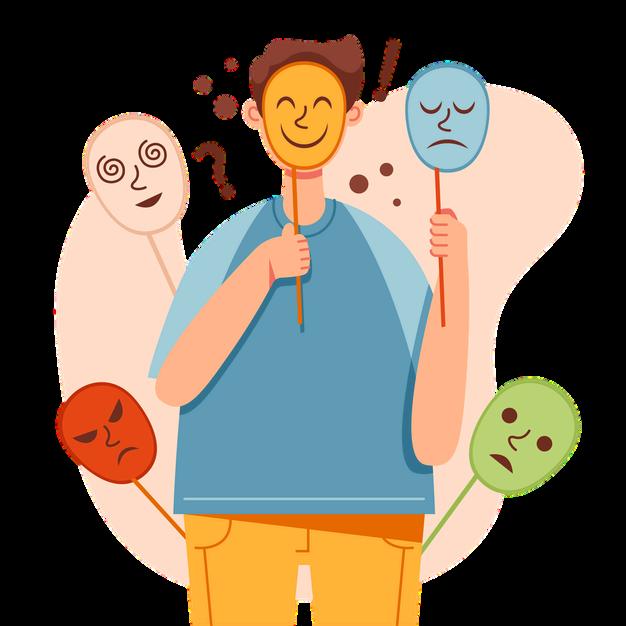
Every year on March 30, World Bipolar Day is observed to raise awareness about Bipolar Disorder and to eliminate stigma surrounding this complex mental health condition. It's a day to educate, support, and advocate for those living with Bipolar Disorder, as well as their loved ones This blog post delves into a general overview of what Bipolar Disorder is, how to differentiate between its subtypes, signs to watch for, common misconceptions, treatment options, and resourcesfor support and management.
1. Bipolar I Disorder:
This subtype involves a manic episode that lasts at least seven days, or is severe enough to require immediate medical attention. Episodes of depression may also occur, typically lasting at least two weeks.
2. Bipolar II Disorder:
In this subtype, individuals have experienced at least one hypomanic episode and at least one episode of major depression, but they have never experienced a full-blown manic episode as seen in Bipolar I Disorder.
3. Cyclothymic Disorder:
Cyclothymia involves chronic fluctuations in mood, but the symptoms are mild compared to those seen in Bipolar II Disorder.
Individuals experience periods of hypomanic symptoms (mildly elevated mood, increased energy) and periods of depressive symptoms (mildly depressed mood, decreased energy), but the symptoms are not severe enough to meet the criteria for a hypomanic episode or a major depressive episode. For diagnosis, these fluctuations must occur for at least two years in adults, and only one year in children and adolescents.
i. Psychiatric Management
This typically involves medication, including:
Mood stabilisers (such as lithium, valproate or lamotrigine) to regulate mood and reduce manic and depressive episodes
Antipsychotics (such as quetiapine or olanzapine) to manage acute manic symptoms and ongoing mood instability
Antidepressants, used cautiously alongside other medications to treat depressive symptoms.
ii. Psychological Therapy
Cognitive Behaviour Therapy (CBT) helps identify early warning signs, manage triggers, address unhelpful thinking patterns and support healthy routines
Interpersonal and Social Rhythm Therapy (IPSRT) focuses on stabilising daily rhythms and relationships to prevent mood episodes
Family-Focused Therapy (FFT) supports communication, reduces conflict and strengthens family understanding
Mindfulness-based therapies promote awareness, stress reduction and emotional regulation.
MOST PSYCHOLOGICAL THERAPIES ARE MOST EFFECTIVE WHEN INDIVIDUALS ARE NOT EXPERIENCING ACTIVE MANIC OR HYPOMANIC SYMPTOMS, AS THESE EPISODES CAN IMPAIR CONCENTRATION AND ATTENTION. ENGAGING IN THERAPY DURING STABLE PERIODS HELPS MAXIMISE LONG-TERM BENEFITS
Manic Episodes (Bipolar I Disorder):
Elevated or euphoric mood
Increased energy and activity
Reduced need for sleep without feeling tired
Racing thoughts or rapid speech
Impulsive or reckless behaviour
Unrealistic or implausible beliefs
Hypomanic Episodes (Bipolar II Disorder):
Noticeably elevated or positive mood
Increased energy and activity
Reduced need for sleep
Irritability
Racing thoughts or rapid speech
Depressive Episodes:
Ongoing sadness or hopelessness
Loss of interest in usual activities
Fatigue or low energy
Changes in appetite or weight
Feelings of worthlessness or guilt
Difficulty concentrating or making decisions
Early morning waking
Thoughts of death or suicide
SANE Australia �� 1800 187 263 | �� sane.org
Free phone and online support for adults with complex mental health conditions.
Lifeline �� 13 11 14 (24/7)
Crisis support for emotional distress or when immediate help is needed.
United for Prevention, Awareness and Hope World Cancer Day, observed each year on 4 February, is a global moment of reflection, action and unity and in Australia, it carries particular weight. With cancer touching nearly every family in some way, the day serves as a powerful reminder that prevention, early detection, support and research save lives.
Cancer remains one of Australia’s leading causes of illness and death. Each year, hundreds of thousands of Australians are diagnosed, and while survival rates have improved significantly over recent decades, the emotional, physical and financial impact on individuals and families remains profound. Importantly, many cancers are now considered preventable or highly treatable when detected early.

Is not just about statistics — it’s about people. It’s about survivors, those currently in treatment, familieswho support them and lives remembered.
World Cancer Day highlights the importance of everyday choices that reduce cancer risk. In Australia, prevention efforts focus on sun safety to reduce skin cancer, smoking cessation, healthy eating and physical activity, limiting alcohol consumption, and vaccinations such as HPV to prevent cervical and other cancers Small, informed choices can make a significant difference over time.
One of the most important messages of World Cancer Day is “don’t delay checks.” Australia’s national screening programs for breast, cervical and bowel cancer have saved thousands of lives by detecting cancer early, when treatment is most effective. Encouraging conversations with GPs, attending regular screenings and listening to your body are key steps in protecting longterm health.
“Cancer affects us all — but together, we can reduce its impact.”

Let’s make this February count – for you, and for those who need Lifeline the most.
Ready tofeel your best and make a real difference?
Sign up for Febfast, take on the challenge of going booze-free for 28 days, and raise funds for Lifeline. It’s a simple step with a huge impact more energy, better sleep, and lives changed.
Birthday, wedding or special occasion booked in Feb? You can treat yourself to an official night offthe challenge by purchasing a One-OFF Pass
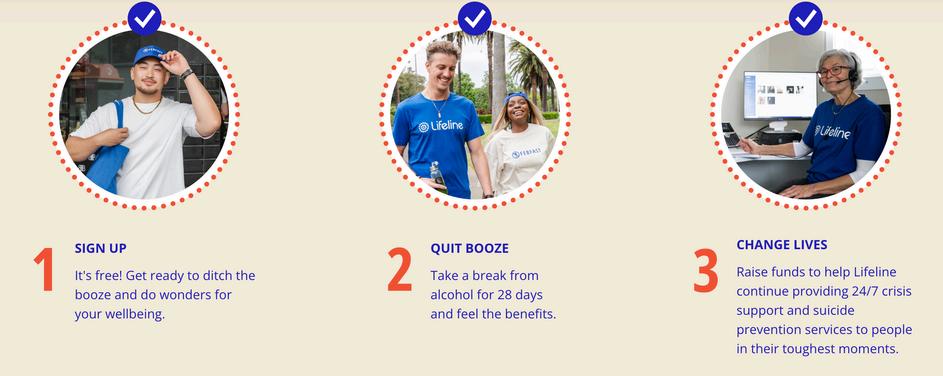
By reducing or pausing alcohol intake, many Australians experience better sleep, improved mood, increased energy and clearer thinking. Importantly, FebFast also raises vital funds to support programs aimed at preventing suicide and supporting
people affected by mental health and substance use challenges. By taking part, Australians not only support their own wellbeing, but also contribute to life-saving initiatives that help reduce the devastating impact of suicide across communities
Mate crime occurs when a person with disability is exploited, manipulated or abused by someone they consider a frie
It is particularly prevalent among peop with intellectual disabilities, who may place trust in others seeking companionship or acceptance.
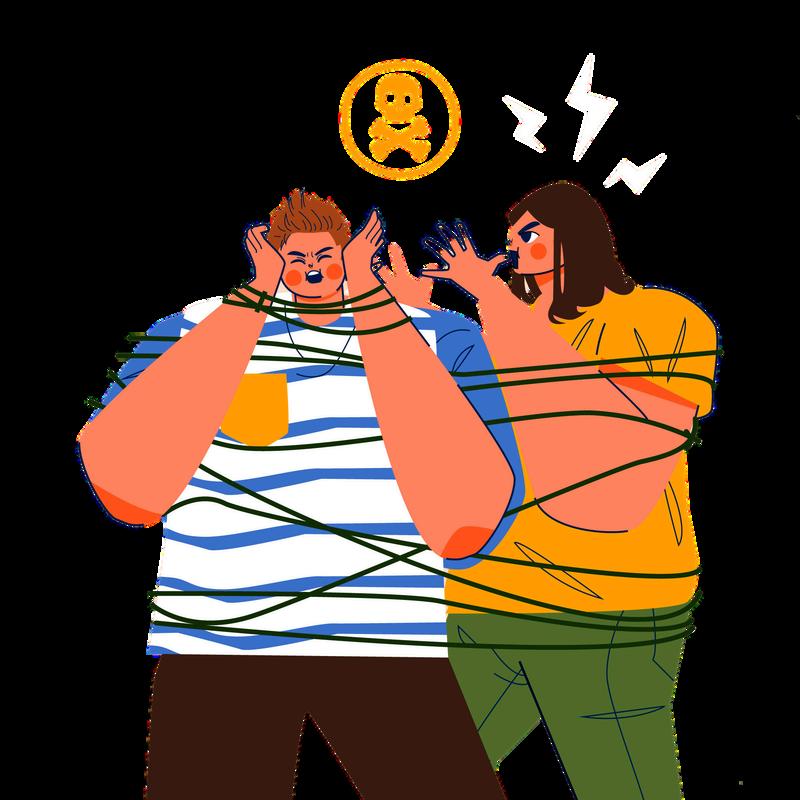
Findings from the Disability R Commission and crime surveys s people with disability face higher leve harm, often by someone known to them These figures reflect the broader environment in which mate crime can occur.
Mate crime is not harmless or accidental it involves damaging and exploitative behaviour, including:
Financial abuse pressuring someone to pay for others, lend money, sign contracts or take on debt
Physical abuse using force, threats or coercion
Emotional abuse manipulation, humiliation or making someone feel worthless
Sexual abuse coercion or exploitation
Criminal exploitation grooming or forcing someone to commit offences
People with disability are 2–3 times more likely to experience violence, abuse or exploitation than people without disability.
(Australian Institute of Family Studies)
Up to two-thirds of Australians with disability report experiencing abuse, neglect or exploitation at some point in their lives often by someone they know or trust.
(Disability Royal Commission)
Many incidents go unreported, with fear of losing relationships, retaliation or not being believed identified as major barriers to speaking up FRIENDSHIP SHOULD NEVER COME AT
�� NATIONAL DISABILITYABUSE AND NEGLECT HOTLINE
1800 880 052 (Mon–Fri, 9 am–7 pm AEST) Anyone can call the person affected, family, friends or support workers.

If it feels like everyone else has life figured out while you’re quietly stressing about the future, fitting in or getting things “right,” you’re not alone. For many high school students today, the biggest worry isn’t just one thing it’s the pressure of everything at once.
One of the most common concerns teens face is the fear of not measuring up Grades, exams, expectations from family, comparisons on social media, body image and popularity can all pile up. Many teens worry they’re falling behind, even when they’re doing their best
Questions about careers, success and failure can feel overwhelming when it seems like decisions made now will define everything later. The reality is most adults change paths many times there is no single “right” timeline.
Friendships and fitting in matter deeply at this age. Online life can intensify pressure, making it feel like everyone else is happier, more confident or more successful. Wanting to belong is normal pretending to be someone you’re not is exhausting.
KIDS HELPLINE
�� 1800 55 1800 (24/7)
Phone, webchat or email support for ages 5–25
��Headspace.org.au
Free mental health support for young people aged 12–25.
LIFELINE
�� 13 11 14 (24/7)
Crisis support if you’re feeling overwhelmed or unsafe
Stress, anxiety and feeling overwhelmed are increasingly common among teens. School pressure, family issues, world events and constant online connection can leave little space to rest. Feeling this way doesn’t mean something is wrong with you it often means you’re human.
You don’t need all the answers right now. Talking to someone you trust, taking breaks, learning from mistakes and being kind to yourself all help more than trying to “push through” alone.

Receiving love isn’t always easy — especially for those whose past experiences taught their body that closeness could come with harm, unpredictability or loss. Trauma isn’t only something we remember with our thoughts; it’s something the body holds onto. Long after an experience has passed, the nervous system may still respond as if it needs to protect you.
The body remembers before the mind has time to explain. Gentle affection, consistency or emotional availability can trigger tension, shutdown, discomfort or the urge to pull away. These responses are not failures they are adaptive survival responses developed to keep you safe when safety was uncertain. Your body did what it needed to do.
Trauma-informed healing recognizes that safety comes before connection. The nervous system needs repeated experiences of predictability, choice and respect before it can soften. Receiving love is not something that can be rushed, demanded or forced it unfolds when the body feels enough safety to stay present. That safety is built through consent, boundaries being honored, and relationships where “no” is respected as much as “yes.”
Receiving love is not a test of worthiness. It is a process of regulation, safety and trust — and with time, gentleness and support, the body can learn that care no longer requiresdefence.
Learning to receive love takes time because the nervous system learns slowly and carefully. Each moment of being met with patience, each calm repair after misunderstanding, and each experience of care without conditions helps the body relearn that connection does not equal danger. This process is often subtle felt more as a quiet easing than a dramatic shift
You are allowed to go slow
Trauma-informed care also honours choice and move toward connection at your own pace. Some days you may feel open, other days guarded Neither is wrong. Healing is not linear, and fluctuation is part of regulation, not a setback. Patience especially self-patience is essential. The body needs time to update old information and learn what is true now. When met with compassion, consistency and understanding, the nervous system gradually releases its grip on past protection and makes space for rest, trust and connection.


As you move through these changes, remember that healing happens in small, meaningful moments. Growth often appears quietly — in subtle shifts rather than big breakthroughs.
You can support your nervous system by slowing your breath, noticing when your body feels even slightly safe, and allowing yourself to receive care in manageable doses. These small acts of attunement help build a sense of internal safety over time.
Grounding practices can further support this process Placing your feet firmly on the floor, naming what you can see around you, or checking in with your body before responding can help create steadiness and presence
“Oneday, your bodywill recognise love not assomething tosurvive, but assomething to rest in.”

Celebrate each moment of openness, no matter how brief they are signs of growth. Even fleeting experiences of safety matter.
With patience, selfcompassion and support, your body can learn that love is not something to brace against, but something to rest into.
Melioidosis: Hidden Risks After Heavy Rain
Flooding and cyclones bring relief — and sometimes danger
Heavy rain, flooding and cyclones bring relief to dry landscapes but they can also bring hidden health risks. One such risk is melioidosis, a rare but serious bacterial infection that becomes more common after periods of intense rainfall.
Melioidosis is caused by the bacterium Burkholderia pseudomallei, which naturally lives in soil and surface water. During heavy rain and flooding, the bacteria are washed to the surface, increasing the chance of human exposure through contaminated water, mud or airborne droplets.
People can become infected when the bacteria enter the body through:

Cuts or broken skin while walking or working in muddy conditions.
Inhaling contaminated dust or water droplets.
Less commonly, drinking contaminated water.
Melioidosis requires prompt treatment with specific antibiotics, often beginning with intravenous medication followed by several months of oral antibiotics Early diagnosis greatly improves outcomes, while delayed treatment can be life-threatening.
While melioidosis can affect anyone, the risk is significantly higher for people with underlying health conditions such as diabetes, kidney disease, chronic lung disease, weakened immune systems or heavy alcohol use. These individuals are advised to take extra precautions during wet weather and flooding events.
Floods, storms, heatwaves and cyclones can leave a lasting impact long after the skies clear While physical safety is critical, extreme weather also places heavy strain on mental and emotional wellbeing. Uncertainty, disruption and fear can challenge even the most resilient people, making mental health just as important as practical preparedness.
WHYWEATHER EVENTS AFFECTMENTAL HEALTH
Disrupts daily routines, safety and a sense of control
Power outages, evacuations and isolation increase stress on the body
Property damage and constant updates can heighten anxiety
Past experiences of disaster or trauma may resurface
Can lead to anxiety, sleep disturbances and emotional exhaustion
The emotional impact doesn’t always end when conditions improve. Fatigue, low mood or difficulty concentrating can appear later. Allow yourself time to recover there is no right or wrong way tofeel.

Common responses include:
These are normal responses to abnormal situations
Feeling overwhelmed or irritable
Emotional numbness
Being constantly on edge
It’s a familiar scene: Your kid is stuck on a problem or upset about a situation. Before they’ve even finished explaining, you swoop in with solutions. That’s what good parents do, right? But when rescuing becomes routine, it undermines the skills kids need to build confidence and resilience. Overparenting blends overinvolvement with overprotection, repeatedly signaling to kids that the world is unsafe and that they can’t handle challenges without adult support. This can chip away at confidence, deepening dependence and amplifying anxiety.
Helping kids is natural, but stepping in too often can prevent them from building confidence, independence, and resilience. Here are 5 common signs of overparenting and practical tips to guide them instead.
You solve problems before your child has a chance
Parents often step in instinctively: negotiating schedules, talking to friends’ parents, or reducing challenges.
Problem: Kids miss out on learning to try, stumble, and succeed on their own.
Tip: Pause before offering solutions. Ask, “What do you think you could try?” This encourages independent thinking and shows their ideas matter.
you shield your child from negative feelings
Constant reassurance or distraction: “Don’t be sad, let’s do something fun!”
Problem: Anxiety, frustration, or sadness are natural; coping with them is essential.
Tip: Name the emotion and express confidence: “It makes sense that you feel frustrated, and I know you can handle it.”
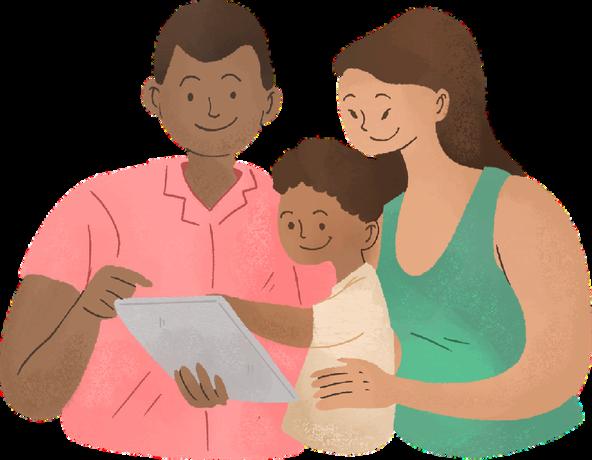
Your own anxiety drives your actions, not their growth
Many overparenting behaviours stem from adult discomfort or fears about judgment, failure, or longterm consequences.
Examples: calling a friend’s parents after a minor disagreement or hovering over homework due to your own anxiety.
Problem: Kids may interpret this as a lack of parental confidence in them, planting seeds of doubt.
Tip: Pause and reflect: “Is this about their safety, or my discomfort with seeing them struggle?” Model tolerating discomfort without immediate solutions.
Balance is key: guide without controlling, support without rescuing, coach while trusting. Resilience develops when kids feel secure enough to try and free enough to learn on their own.
Resource: Dr. Meredith ElkinsClinical Psychologist
You expect your child to be fragile, rather than capable
Parents sometimes lower expectations to prevent discomfort: excusing kids from lessons or buffering all feedback.
Problem: Kids may start to see themselves as fragile, rather than capable of learning to manage challenges.
Tip: Ask if your expectations match their age and abilities. Offer support that helps them grow, not shield them from every difficulty.
You place all the importance on the result, rather than the learning process
Overparenting prioritizes success and comfort preventing mistakes, smoothing feelings and guaranteeing outcomes. Examples: negotiating with teachers, arguing with coaches, micromanaging tasks. Why it matters: Growth happens through setbacks and adaptation.
Tip: Let mistakes happen. Avoid rescuing or overrewarding. Support problem-solving and learning from the process.
Financial health and mental health are linked. Financial challenges can cause significant stress, which can impact our mental health and wellbeing. Similarly, the state of our mental health can make it harder to get on top of our finances
Understanding Financial Wellbeing and Mental Health
Financial wellbeing means having control and confidence over your money to support your life and mental health.
Money stress can increase anxiety, depression, and social withdrawal
Mental health challenges can make managing finances harder.
Signs of poor financial wellbeing include ignoring bills, overspending, and withdrawing socially.
Practical steps include setting time for money matters, making a plan, and seeking help early.
Free support is available through the National Debt Helpline and Beyond Blue.

What are the signs of poor financial wellbeing?
Delays recognising or acknowledging a problem, such as ignoring emails from banksor not reading bills
Delaysseeking help
Prolonging unhelpful behaviours likeoverspending
Withholding information from others, including our closest family and friends, and health professionals.
Self-medication and unhelpful behaviours like alcohol and substance misuse.
Withdrawing socially from family, friends and work colleagues
Research shows that around 1 in 6 older Australians (about 15%) experienced some form of elder abuse in the past year, including financial abuse and in about half of these cases, the perpetrator was a family member. (Australian Institute of Family Studies)
Financial support within families can be normal and generous but it becomes elder abuse when an older person is pressured or manipulated. It often occurs quietly and is frequently carried out by someone the senior trusts, such as an adult child.
Unexplained financial activity on bank or credit card statements
Pressure or intimidation to sign documents or hand over money
Missing money or possessions
Isolation from friends or family
Unpaid bills despite having enough funds
Adding an adult child as an authorised user can leave seniors legally responsible for all spending, resulting in unexpected debt, damaged credit and loss of financial control.
Help Is Available
Confidential support is available �� National Elder Abuse Phone Line (Australia): 1800 353 374

What You Can Say
“I’ve thought carefully about this, and I’m not able to help financially.”
“I need to make decisions that protect my future and wellbeing.”
“I’m happy to help in other ways, but I’m not comfortable giving money.”
Recognising the signs early and seeking support can help protect dignity, independence and peace of mind.

“Love should never come with pressure, fear or a price tag.”
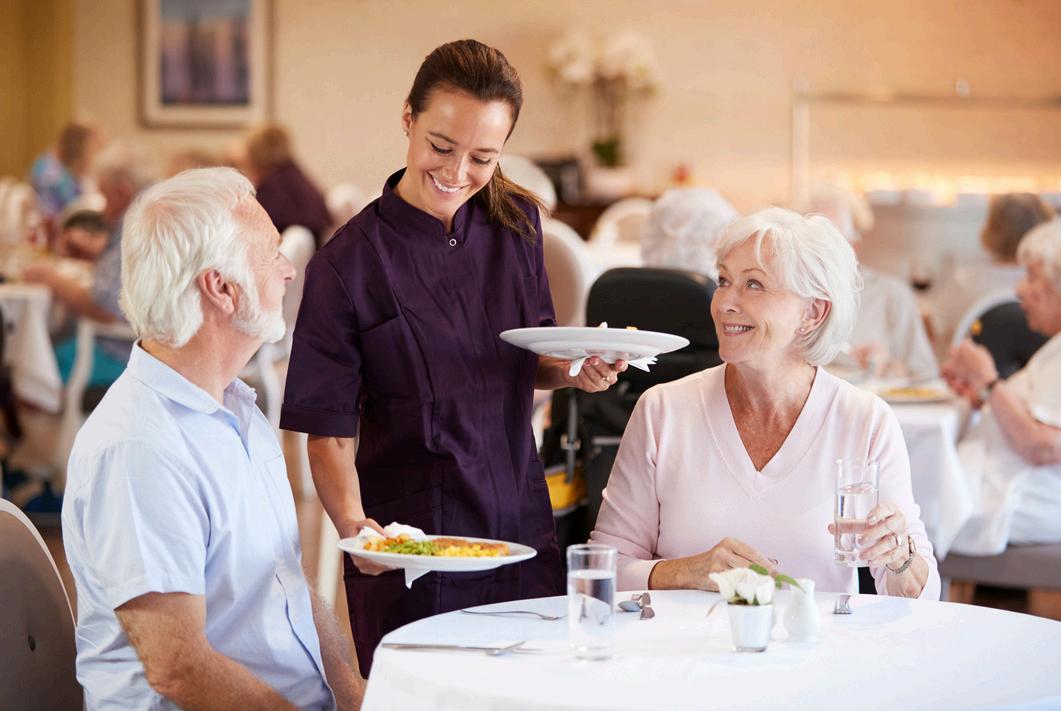
As people age, changes in hearing are common and for many seniors, gradual hearing loss becomes part of daily life. In Australia, age-related hearing loss affects many older adults, yet it is often misunderstood. What may seem like forgetfulness or disengagement is frequently a person struggling to hear clearly in a noisy, fast-moving world.
Hearing loss can be subtle at first. Conversations become harder to follow, especially in busy places like shops, cafés or on the street. Background noise, quick speech and people talking while turning away can all make communication difficult. Over time, this can lead to frustration or withdrawal not because seniors don’t want to engage, but because it becomes tiring to keep asking for repetition
Hearing is closely linked to dignity, independence and social connection
When hearing loss isn’t acknowledged or accommodated, seniors may feel rushed or dismissed, increasing feelings of isolation. Small acts of understanding can make a meaningful difference.
"Respect is not just heard — it's felt."
Respect doesn’t require special skills just awareness and patience.
In shops or service settings:
Speak clearly and at a steady pace
Face the person so they can seefacial cues
Be patient if they ask you to repeat something
In the street or public spaces:
Get their attention gently before speaking
Reduce background noise where possible
Repeat information calmly if needed
In everyday interactions:
Don’t assume someone is confused or ignoring you
Ask politely if they’d like you to repeat or rephrase
Treat hearing loss as a physical change, not a personal failing
Many seniors are aware of their hearing changes and may feel selfconscious. Responding with kindness instead of irritation preserves dignity and encourages connection
An age-friendly society is built through everyday interactions. When younger people slow down, listen with empathy and communicate with respect, they help create public spaces where seniorsfeel valued.
Visibility matters because representation shapes belief. For many + people particularly young people the simple act of seeing someone like themselves living openly and successfully can be lifechanging. Role models provide proof that identity does not limit potential. They show that while barriers may exist, they are not permanent, and that closed doors are often followed by unexpected opportunities.
Visibility is also about normalisation. When people are seen regularly—in workplaces, media, leadership, and everyday life they stop being viewed as “other” and instead become part of the cultural fabric. Today, increased representation in media and professional spaces has begun to change that landscape, offering reassurance that identity and success are not mutually exclusive
Importantly, role models do not need to be senior executives or public figures. Sometimes, they are simply people living authentically in public spaces, existing without apology. These everyday moments can quietly model acceptance and selfconfidence, helping othersr feel more comfortable in their own skin. At the same time, visible leadership within organisations sends a powerful message: being open about who you are does not have to come at the cost of career progression.
For many who grew up without representation, visibility now is a conscious choice driven by purpose. Being seen is not about attention; it is about offering a mirror to someone who might otherwise feel invisible. Even helping one person feel less alone can make visibility worthwhile. It fills a gap that once existed for those who searched, unsuccessfully, for someone to point to and say,
“THATCOULD BE ME.”
In today’s workplaces, the need for visible role models remains critical. Research continues to show that many people still feel unsafe being open about their identity at work. Belonging comes from recognition, and confidence grows when people can see themselves reflected in leadership and culture Visibility creates connection, role models create possibility—and together, they help people believe they truly belong.
From 1 January 2026, Queensland police will be able to issue Police Protection
Directions (PPDs) as a new way to help protect people experiencing domestic and familyviolence.
Information Sheets on PPDs have been developed by the Queensland Government. These provide a lot of detail and have information for anyone including victim-survivors, persons using violence and the community.
Police Protection Directions (PPDs) are 12-month directions issued by police to provide immediate protection from domestic and familyviolence.
A PPD involves three types of people:
The aggrieved – the person being hurt or threatened (the victimsurvivor)
Named persons – other people who may also be at risk, such as children, family members, or others
The respondent – the person who is using violence

If police reasonably believe:
Two or more people have a relationship covered by the law (for example, partners, family members, or a carer)
A person has used domestic violence
A PPD is needed to help keep you safe
It is not better to apply for a court-ordered Domestic Violence Order (DVO) instead
Standard rules are :
Treating the other person respectfully (of good behaviour)
Not hurting or harming the other person
Not asking others to threaten or scare or hurt the other person
Police may also include extra rules, such as:
No contact
Staying away from a location like a home or workplace
Returning to collect belongings only with police present
Temporary “cool-down” periods where they have to stay away
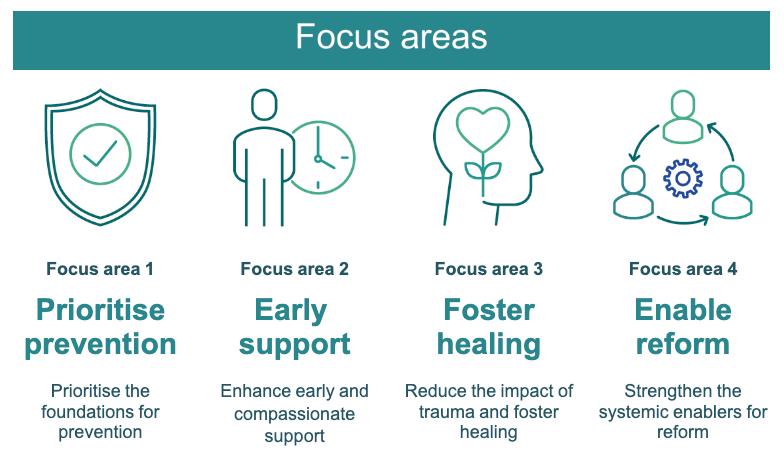
The strategy establishes a whole-ofgovernment, whole-of-community approach for integrating traumainformed practice across Queensland. It is a five-year strategy that seeks to ensure we create the best possible conditions for individuals, families and carers, and communities to receive the right support asearly as possible.
All touchpoints a person has across the systems should include a focus on preventing trauma, providing accessible support early, enabling people and communities who have experienced trauma to explore what healing means to them, and enabling reform to strengthen the systemic enablersfor change.
Implementation of the strategy will prioritise the needs, preferences and experiences of individuals, families and communities in regional, rural and remote areas of Queensland.
Guiding principles:
Human rights and dignity
Culture matters
Lived-living experience led Person-led, family and friends inclusive
Address stigma and discrimination
Social justice and equity
Hope and healing Accountability
Gender safe and affirming
Download the plan:
Enjoyed the Read? Click here to subscribe and never miss a read!
Got a topic you ’d like us to cover? Let us know, we ’d love to hear from you!

“True wellbeing isn’t about doing everything perfectly — it’s about listening to your body, protecting your peace, and allowing yourself to experience joy without guilt. When health and happiness are treated as priorities, life becomes not just fuller, but lighter.”