Queensland


November in Queensland is more than just the gateway to summer it’s a month of empowerment, and this year, we’re putting women’s health front and centre
Cervical Cancer Awareness Week, running from November 17–23, is a timely reminder that cervical cancer is one of the most preventable cancers. Yet, in Queensland, where cancer rates are higher than the national average, too many women are still missing out on life-saving screening and vaccination.
The theme this year, “The Power of Choice”, speaks directly to our mission at Empowered Queensland to give women the tools, knowledge, and confidence to take control of their lives and with that, their health. With the introduction of selfcollection for cervical screening, and the availability of the HPV vaccine for those under 25, we’re seeing a shift one that makes screening more accessible, less invasive, and more inclusive.
This November, I urge every woman in our community to book a screen, talk to their GP, and encourage their daughters, sisters, and friends to do the same. Because when we prioritise prevention, we protect futures.
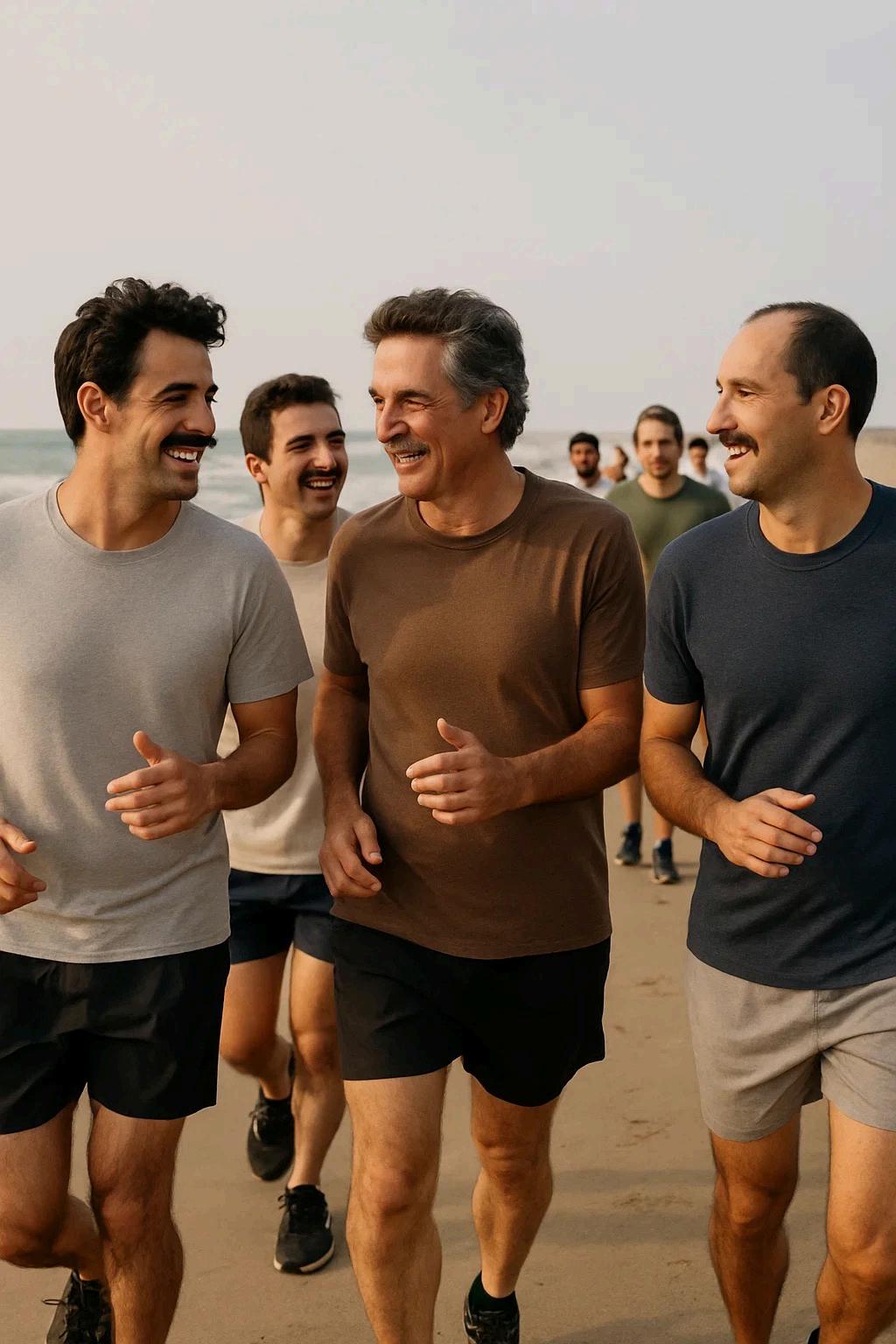
And while we’re advocating for our women, let’s not forget our men. Movember, born in Melbourne, Australia and now a global movement, continues to shine a light on men’s health, particularly prostate cancer, testicular cancer, and mental health. In Queensland, where suicide rates in regional areas are alarmingly high, the message is clear: we must support our men to speak up, seek help, and stay connected.
Whether it’s growing a moustache, “move” 60km for the 60 men lost to suicide EACH HOUR globally, or hosting a “Mo-ment” to raise awareness, Movember is about more than facial hair, it’s about fostering community and conversation.
This dual focus on cervical cancer and Movember reflects the heart of our digital magazine–inclusive, proactive, and community-driven health advocacy. It’s not about choosing one over the other it’s about recognising that every Queenslander deserves access to information, support, and care wherever they may live whether its regional, rural or city based
So let’s make November a month of action. Book your screen. Grow your Mo. Share your story. Host a fundraiser. Start a conversation. Because when we empower each other across genders, generations, and geographies we build a healthier, stronger Queensland.
Together, we can change the narrative. One cervical screen. One moustache. One empowered choice at a time.
Sandra Holebrook CEO - Trauma Assisst


How one idea from a Melbourne pub grew into a worldwide movement for men’s health.
It all began in November 2003 in Melbourne, Australia, when two mates Travis Garone and Luke Slattery were sitting in a bar tossing around a funny idea. They wondered why the humble moustache had disappeared from fashion, and decided to bring it back for a laugh. What started as a casual conversation soon became a challenge: could they get their friends to grow a moustachefor an entire month?
Thirty men took up the idea, shaving clean on the first of November and pledging to grow their “mo” proudly for the next thirty days. But it wasn’t just about the facial hair it became about what it represented. The group decided to turn their moustache challenge into something meaningful: raising awareness for men’s health, particularly prostate cancer, by partnering with the Prostate Cancer Foundation of Australia.
That simple idea — a visible moustache as a conversation starter began to snowball. People noticed. Strangers asked questions. Conversations started. This is how Movember was born.
At its core, Movember is about much more than growing a moustache. It’s a global movement dedicated to changing the face of men’s health. Every November, men (known as Mo Bros) grow their moustaches while women (Mo Sistas) support the cause, raising funds and awareness for three key men’shealth areas:
. Prostate cancer – encouraging early detection, research, and better treatments.
. Testicular cancer – promoting awareness and support for younger men most affected.
. Men’s mental health and suicide prevention – tackling one of the toughest issues men face by funding community programs and opening conversations.
The moustache is a symbol — a visible reminder that men’s health matters, and that talking about it doesn’t make you weak. It makes you strong. For one month, a moustache becomes a walking billboard for awareness.
Men’s health has long been under-discussed. Culturally, many men grow up believing they should “tough it out” or “keep it to themselves.” Unfortunately, that silence can bedeadly.
Statistics show men are less likely to seek medical help, less likely to discuss their emotions, and more likely to die by suicide.
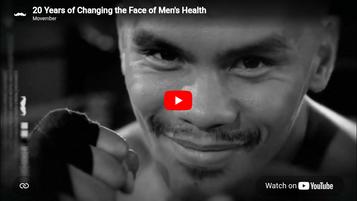
Movember aims to change that culture — to make it normal to talk, to check in, and to takecareofyourself and your mates.
The beauty of the campaign lies in its simplicity. The moustache becomes a conversation starter “Why are you growing that thing?” and suddenly, a dialogue begins about mental health, cancer checks, and self-care. It’s cheeky, visible, and disarming — exactly what’s needed to cut through stigma.
Every November, social feeds fill with moustache selfies, workplaces run “Mo competitions,” and communities hold charity events, runs, and barbecues to fundraise. It’s fun, but the message underneath is serious: men’s lives depend on awareness and early action.
Joining Movember is simple, and anyone can take part — no matter your age, background, or facial-hair-growing ability.
Shave down on November 1. Start with a clean slate.
Grow your mo proudly for the rest of the month — handlebar, chevron, pencil, or full bushy classic.
Start conversations. Use your new look to raise awareness about men’s health and share facts, stories, or personal experiences.
Fundraise. Join a team, sponsor a friend, or host a Movember event at your workplace or club.
Move for Movember. If growing isn’t your style, you can take on a physical challenge run or walk 60 km in the month to represent the 60 men lost to suicide every hour worldwide.
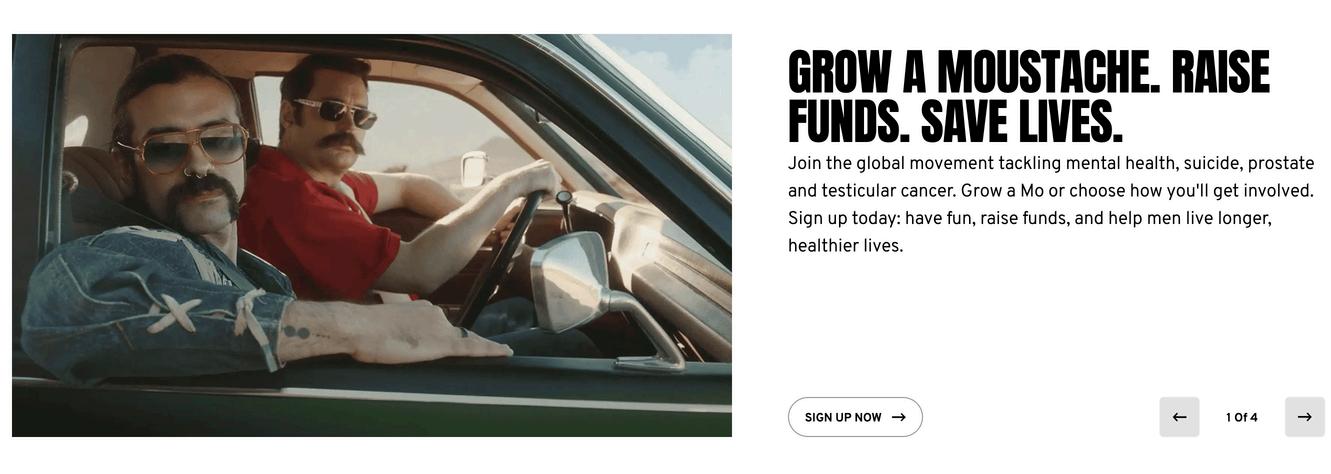

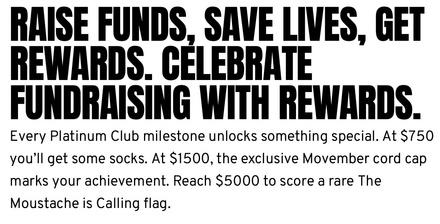
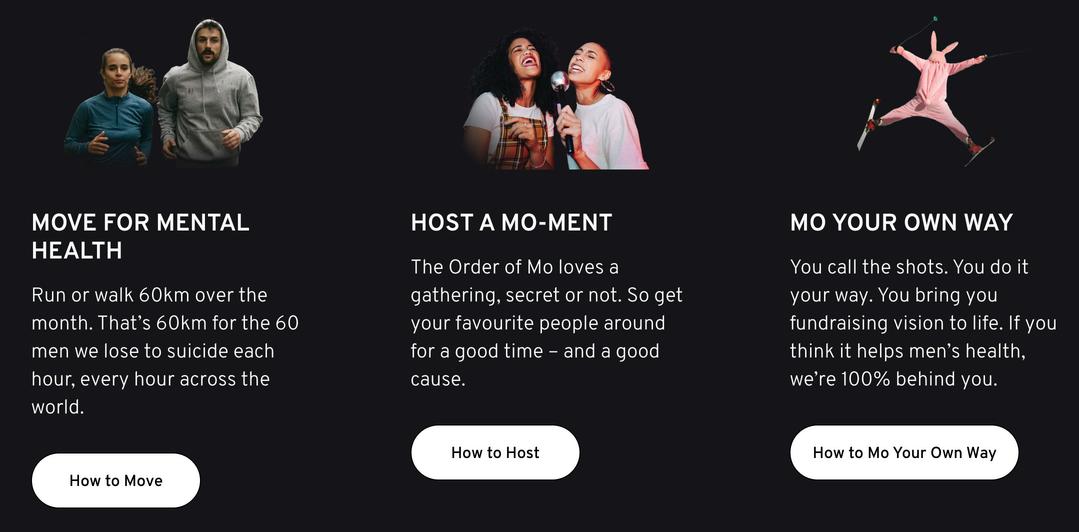
To be a Mo Sista and support the Movember cause, you can get involved by participating in one of Movember's challenges, like "Move" (walking or running 60 km), hosting a fundraising event, or creating your own challenge.
Alternatively, you can support the Mo Bros in your life by offering encouragement, helping to raise funds, or spreading awareness about men's health through social media or by hanging up posters
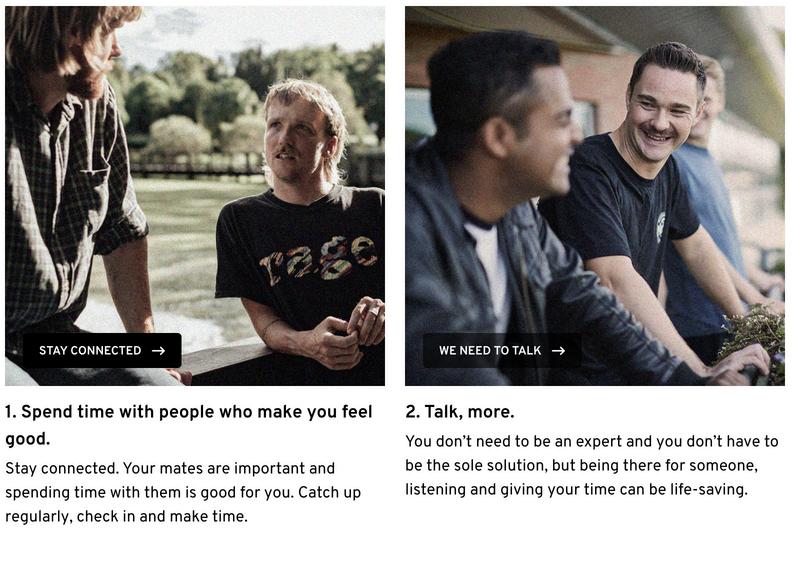
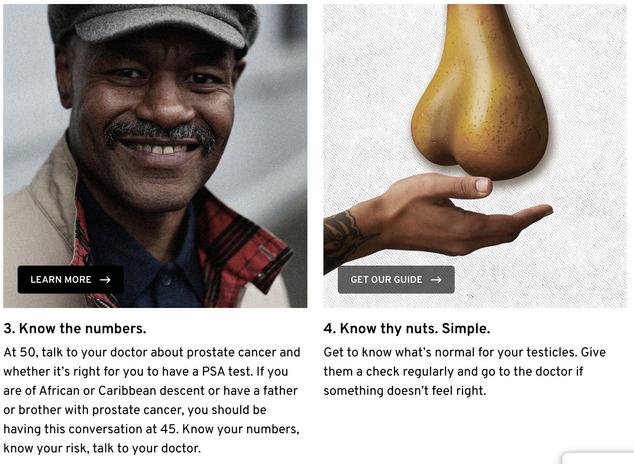
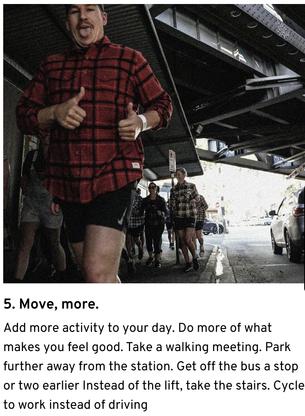
Fivethings men should know and dowhen it comestotheir health:

Every November in Australia, Cervical Cancer Awareness Week becomes a spotlight on a cancer that is both serious and—critically—largely preventable.
Hosted annually by the Australian Cervical Cancer Foundation (ACCF)on November 17–23, and the theme is "The Power of Choice". The campaign's goals include increasing public knowledge, promoting prevention, and providing support for those affected by cervical cancer.
Cervical cancer used to be far more common; thanks to Australia’s national screening program and school-based human papillomavirus (HPV) vaccination, outcomes have improved dramatically. But serious work remains: in Australia, many who develop cervical cancer have never been screened or are overdue. Indigenous women are significantly more likely to develop cervical cancer and also more likely to die from it compared to non-Indigenous women.
HPV vaccination: Free for boys and girls and catch-up available for up to age 25 It protects against the HPV types that most often cause cervical cancer.
Cervical Screening Test (CST): In Australia, people with a cervix aged 25–74 are recommended to screen every 5 years.
Because cervical cancer has a long pre-cancer phase (persistent HPV infection leading to abnormal cell changes, which can be detected), regular screening and the HPV vaccine mean that many cancers are prevented or caught veryearly.
Check whether you or someone you know is due for screening. If eligible and unvaccinated, ask your doctor about the HPV vaccine catch-up.
Share the message. Participate in awareness activities.
Cervical cancer can no longer be accepted.
AWARENESS MATTERS. SCREENING MATTERS. VACCINATION MATTERS.
This November, during Cervical Cancer Awareness Week, take the simple but powerful step to know your options and choose prevention.
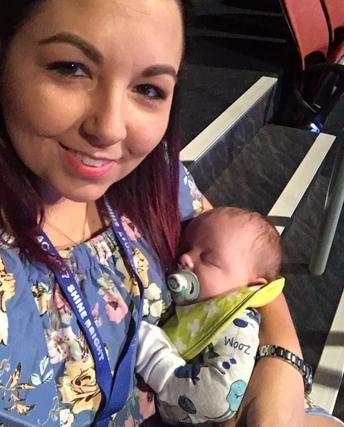
“Knowing your cervix” is also about empowering women and people with a cervix to understand the risks associated with cervical cancer, symptoms of cervical cancer, the importance of HPV vaccination and regular cervical screening.
Rachel (35yrs) Brisbane

Worldwide, cervical cancer is the fourth most common cancer affecting women and over 800 Australian women are diagnosed with it every year. Thousands of Australian women are also affected by cervical abnormalities Receiving a diagnosis can be a very scary and isolating time but we want you to know that you are not alone.
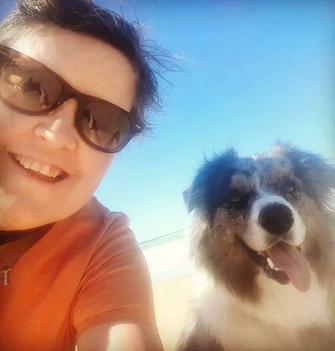
Nicole (32yrs) Lismore Tracey (47yrs) Brisbane
As the year winds down, most Aussie teensfeel the pressure rise. Exams, assignments, and final grades can make it seem like everything depends on these last few weeks. Add the summer heat, end-of-year fatigue, and the craving for holidays, and it’s no wonder so many students feel overwhelmed.
But here’s the truth: exams matter they just don’t defineyou. They’re one piece of a much bigger picture. The real key to getting through them isn’t pulling all-nighters or surviving on caffeine it’s learning how to manage your mind, your time, and yourenergy.
Stress isn’t a sign of weakness it’s your body’s way of saying “I care about this.” The goal isn’t to eliminate it, but to keep it from taking over.
Here’s what usuallyfuels exam anxiety:

High expectations: Pressure from parents, teachers, and even yourself.
Fear offailure: Worrying that one bad result could ruin your future.
Information overload: So much to study, so little time.
Peer comparison: Feeling “behind” when everyone else seems to have it together.
You’re allowed to care about your results without letting them consume you.
Exams test your memory and focus — not your worth, creativity, or future potential.
So take a breath, make a plan, and remember: You’ve got more power than the paper in front of you. ✨
Exams test memory not your worth or potential.
Stay calm, study smart, and remember: you’ve got more power than the paper in front of you.
It’s not about studying longer it’s about studying smarter.
Here’s how to stay productive and keep your sanity intact during exam season:
Plan your time Prioritise the tough stuff
Make a weekly calendar and block short, realistic study bursts (30–40 minutes) with 10minute breaks
Start with the subjects that need the most attention
Keeping Your Mind Steady
Avoid the scroll hole
Silence your phone and block distractions while studying.
It’s easy to fall into “What if I fail?” thinking — try reframing it to:
“I’m preparing the best I can ”
When anxiety spikes:
�� Takefive slow breaths in and out.
�� Remind yourself that no single test defines your worth.
�� Go for a walk, stretch, or listen to calming music. If anxiety feels constant headaches, racing heart, trouble sleeping reach out for support.
Teachers, school counsellors, Headspace, or a trusted friend can help. You don’t have to go through it alone.
Use active techniques
Summarise notes in your own words, quiz yourself, or explain a topic to a friend
Sleep > Cramming
A rested brain recalls information better than an exhausted one
A good study–life balance doesn’t mean studying every spare minute — it means balancing focus with rest
�� Exercise: A short jog or dance break clears your head and boosts energy.
�� Food: Eat real meals skipping food for energy drinks will crash you fast.
�� Social time: Catch up with friends; laughter resets your mood.
�� Celebrate progress: Finished a topic? Reward yourself your brain thrives on small wins.
Support matters. Teens perform better when they feel understood, not pressured. Encourage rest, listen without judgment, and remind them that success is about effort, not perfection
Sometimes, the best way to help is simply to say
“I’m proud of how hard you’re trying.”

You did it! Exams are over, school’s done, and it’sfinally timefor Schoolies Week! It’s one of the most exciting milestones in your life — celebrating hard work, freedom, and friendships But with all that fun comes a bit of responsibility. Whether you’re heading to the Gold Coast, Byron Bay, or a beach closer to home, here’s how to make your Schoolies experience unforgettable for all the right reasons. ��
Schoolies is full of new experiences — meeting people from everywhere, beach days, music, and late-night parties. It’s your first real taste of independence! But with freedom can come pressure to drink, to fit in, or to follow the crowd. The truth? You don’t have to do anything you’re not comfortable with. The best memories come from being yourself and knowing your limits.
Stick together: Stay with your friends and choose a meeting spot in case you get separated. Charge up: Keep your phone charged and share your accommodation address with someone you trust. Watch your drinks: Never leave your drink unattended, and don’t accept one you didn’t see poured. Respect boundaries: Yours and everyone else’s consent and respect are non-negotiable. Know your limits: It’s always okay to say no to anything that doesn’t feel right.
Pack sunscreen, water, and comfy shoes your future selfwill thankyou.
Eat properly and rest — you can’t party if you’re running on fumes.
Don’t post everything online — keep some memories just foryou.
Be kind — to locals, staff, and other Schoolies. Good vibes go a long way.
Plan your ride home — Uber, a designated driver, or walking in a group.
If things get stressful or something doesn’t feel right, reach out:
�� Red Frogs: 1300 557 123 friendly volunteers at most Schoolies events �� Kids Helpline: 1800 55 1800 free, confidential support 24/7 �� headspace.org.au — online chat and local centres
When your teen wants to host a party, it can be both exciting and a little nervewracking. Between the noise, guests, and supervision, it’s normal tofeel unsure but with clear communication and solid planning, it can be a positive experiencefor everyone
Hosting a party gives your teen a chance to learn valuable skills planning, responsibility, and decision-making — and gives you the opportunity to get to know their friends, too.
Check your state’s laws on alcohol and noise limits.
Consider registering the party with local police so support is easy to reach if needed
Make sure you understand your obligations around underage drinking and public safety.
Start by having an open chat with your teen about what kind of party they want then agree on some clear, nonnegotiable rules:
✅ Invitations: Keep the event private to avoid gatecrashers
�� Music: Set a realistic volume limit and a firm finish time.
�� Supervision: Have at least one or two other trusted adults to help.
�� Alcohol: Decide if it’s allowed and exactly how it will be managed
�� Safety: Keep bedrooms, garages, and pools off-limits.
�� Neighbours: Let them know when the party’s happening and when the music will stop.
Have adults greet guests and monitor arrivals.
Keep food and water flowing it’s an easy way to check in naturally
Before the party ends, turn lights up or music down to help wind things down.
Make sure everyone has a safe way home taxi, lift, or a planned stay-over
If someone becomes unwell or too intoxicated, call an ambulance immediately and contact their parents never let them “sleep it off.”
There’s no safe level of alcohol for under-18s.
If you decide to serve alcohol: Offer small, measured serves. Provide plenty offood and water
Get parental consent for any underage guests
The goal is simple: a safe, fun night your teen will remember for all the right reasons. With teamwork, trust, and clear boundaries, you can make it a celebration that builds confidence, strengthens relationships, and keeps everyone safe. ��
It’s official online dating is no longer taboo. From Tinder and Bumble to Hinge and eHarmony, Australians are swiping, matching, and messaging more than ever. In fact, nearly one in three relationships now start online, according to recent social research. While dating apps open doors to romance across age groups, they also bring new challenges from emotional burnout to online scams. Like any powerful tool, success depends on how it’s used.
“Takeyourtime, trust your instincts, and remember — a swipe doesn’t defineyour worth.”
Online dating can be empowering, especially for people with busy schedules, limited social circles, orthosewhofind face-to-faceflirting nerve-racking.
�� Connection beyond your circle – Meet people you’d never cross paths with in daily life.
�� Control and choice – Decide when, how, and with whom to engage.
�� Confidence boost – Positive matches and conversations can lift self-esteem.
�� Inclusivity – Apps create space for all identities and preferences, helping peoplefind genuine compatibility.
For many, dating online removes social pressure giving time to express personality, share interests, and build comfort before meeting in person.
Thesame anonymitythat makesdating apps appealing can also invite risk:
⚠ Catfishing – Some users misrepresent themselves with fake photos or profiles.
⚠ Scams – Romance scams cost Australians millions each year, often preying on trust and loneliness
⚠ Emotional burnout – Endless swiping, ghosting, or rejection can damage self-worth.
⚠ Safety concerns – Not everyone has honest intentions; meeting strangers carries potential danger.
⚠ Privacy – Sharing personal information too soon can be misused.
The key isn’t avoiding online dating — it’s approaching it with awareness and clear boundaries
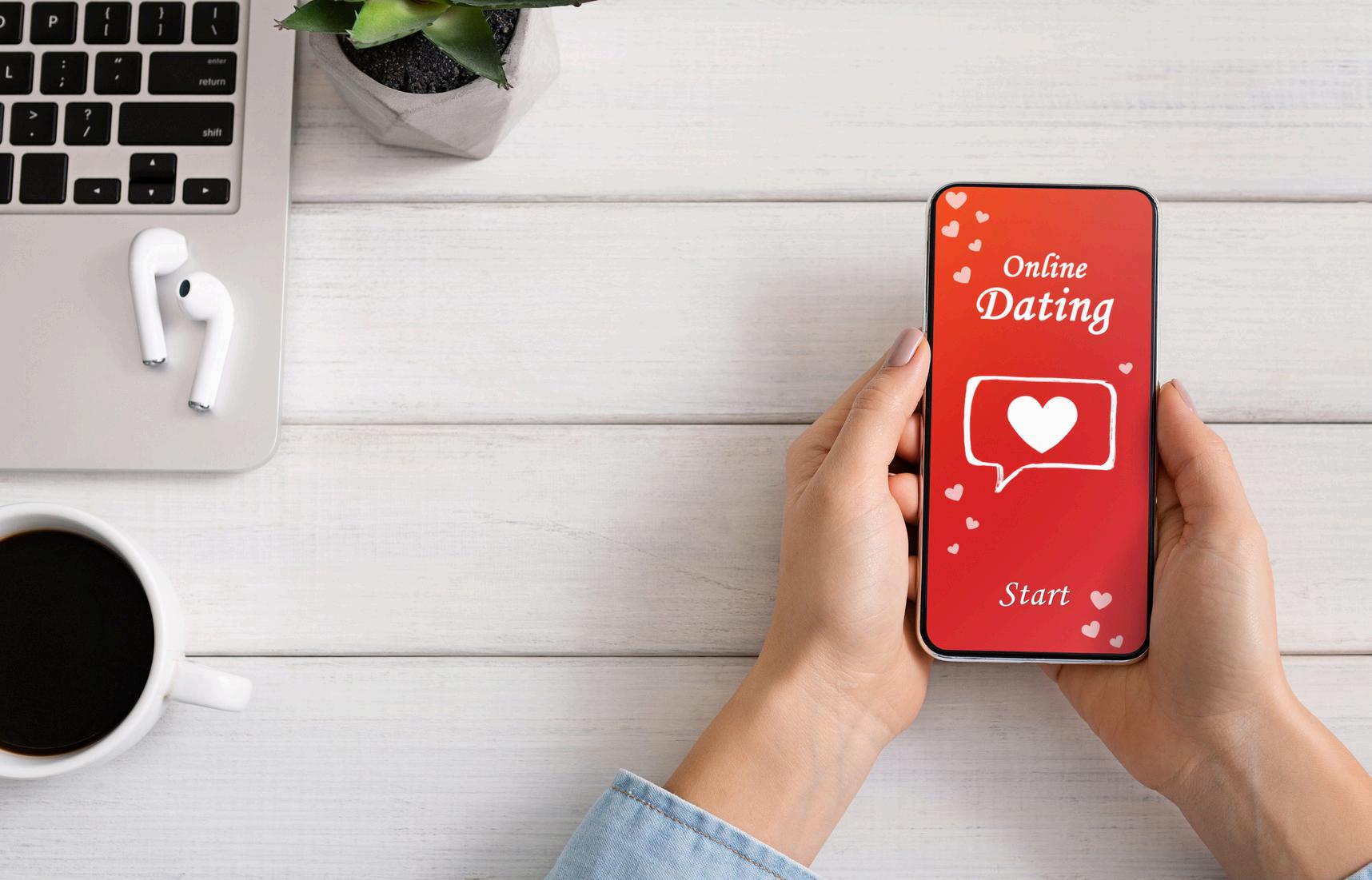
Online dating has become one of the most common ways to meet new people and while it can open doors to love and friendship, it also comes with risks. The key is staying smart, safe, and self-aware while you explore the digital dating world.

Protect personal info: Don’t share your full name, workplace, or address until you’ve built trust

Use trusted platforms: Stick with reputable apps that include safety tools like identity verification or video chat.
Meet in public: First dates should always happen in well-lit, public spaces. Let a friend or family member know where you’re going.
Trust your instincts: If something feels off, it probably is You never owe anyone an explanation for leaving or saying no
Avoid financial talk: Never send money or share banking details real love never comes with a price tag.
Not the right time, if you ´ re:
Recovering from a breakup �� Struggling with anxiety �� Seeking validation only through likes or matches …it might be best to take a pause. Dating apps can sometimes amplify insecurities when your sense of self-worth feels fragile. Focus first on rebuilding confidence offline friendships, hobbies, and self-care are solid foundations for genuine connection later.
The Bottom Line
Online dating can be both a window of opportunity and a minefield of emotion. It’s not about luck it’s about mindset. When used with safety, honesty, and self-awareness, it can lead to deep, authentic connections Because the goal isn’t just to find someone who swipes right — it’s to find someone who shows up right.
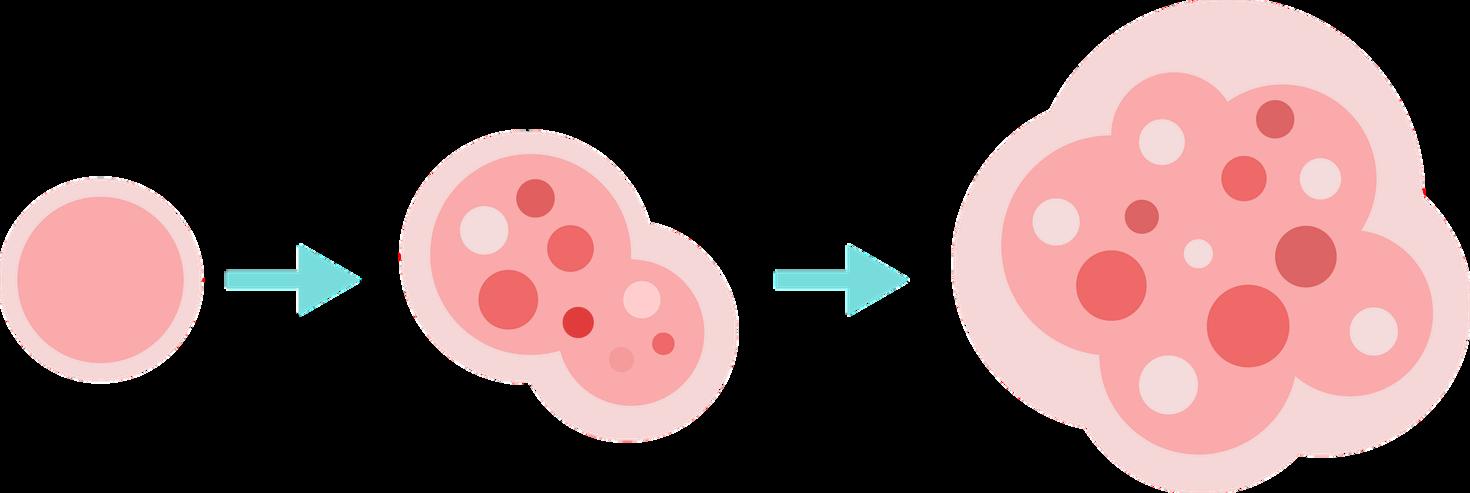
We all love the Aussie sun it calls us outdoors, onto beaches, to BBQs, sports, and evening walks. But here’s the reality check: Australia has some of the highest skin cancer rates in theworld.
According to the Cancer Council Australia, two in three Australians will be diagnosed with skin cancer at some stage in life.
That’s why every year, from November 16 to 22, we celebrate National Skin Cancer Action Week a reminder to take extra care of your skin, have some fun with it, and make sun-safe habits part of everyday life.
It’s all about prevention, detection, and action — simple habits that save lives.
Slip. Slop. Slap. Seek. Slide.
A modern twist on the classic message:
Slip on sunprotective clothing

Slap on a wide-brim hat Slop on broadspectrum SPF 30+ (or higher)
Seek shade whenever possible
Slide on Australianstandard sunglasses
Get a skin check Early detection leads to one of the highest success rates in treating skin cancers so make it part of your yearly routine.
Raise awareness & have fun. From community events and free skin-check vans to socialmedia campaigns, everyone’s invited to join in, share a sunsafe selfie, and proudly say: “Yep, I’m sun-smart today.”
Why It’s a Big Deal?
Australia is often called the melanoma capital of the world and for good reason: Up to 95% of melanomas are caused by over-exposure to UV radiation.
Every year, more than 2,000 Australians die from skin cancer.
Most skin cancers are preventable and treatable when caught early
Sun safety doesn’t have to be boring — in fact, it can be creative, social, and even stylish.
Here’s your step-by-step guide to keeping it fun while staying protected:
Check the UV index before heading out. If it’s 3 or higher, that’s your cue to bring out the full gear.
Make the five S-words your daily mantra: Slip, Slop, Slap, Seek, Slide.
Turn protection into a style moment. Choose a cool hat, fun sunglasses, or a bright SPF bottle — make sun-safety part of your personal look
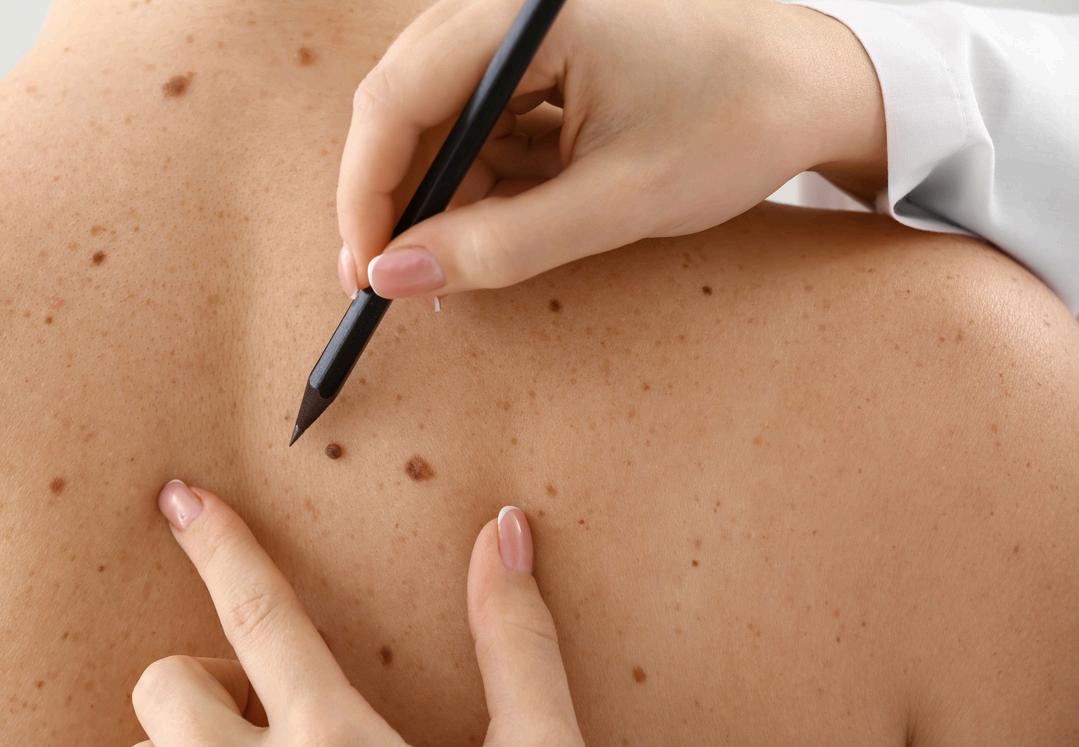
Skin-Check Selfie Sundays. Once a week, take a moment to look over your skin in good lighting. If you spot a new or changing mole or spot — book a check-up.
Challenge your crew. Who can rock the funniest hat? Who re-applies SPFthe most? Make sun-smart living a friendly competition.
Share your story. Use hashtags, join local events, or post community updates. The more we talk about sun safety, the more normal and cool it becomes.
Host a sun-smart picnic or BBQ.
Bring sunscreen, shade, and share the message hand out SPF bottles as mini gifts. Set up a “Slip & Slop” station at your local pool, beach, or sports club with hats and sunscreen for everyone. Get schools involved.
Organise a Sun-Hat Parade, create a skin-check banner, or launch a sun-safety challenge Support local check-upevents. Many organisations bring mobile skin-check vans during National Skin Cancer Action Week help spread the word or volunteer!

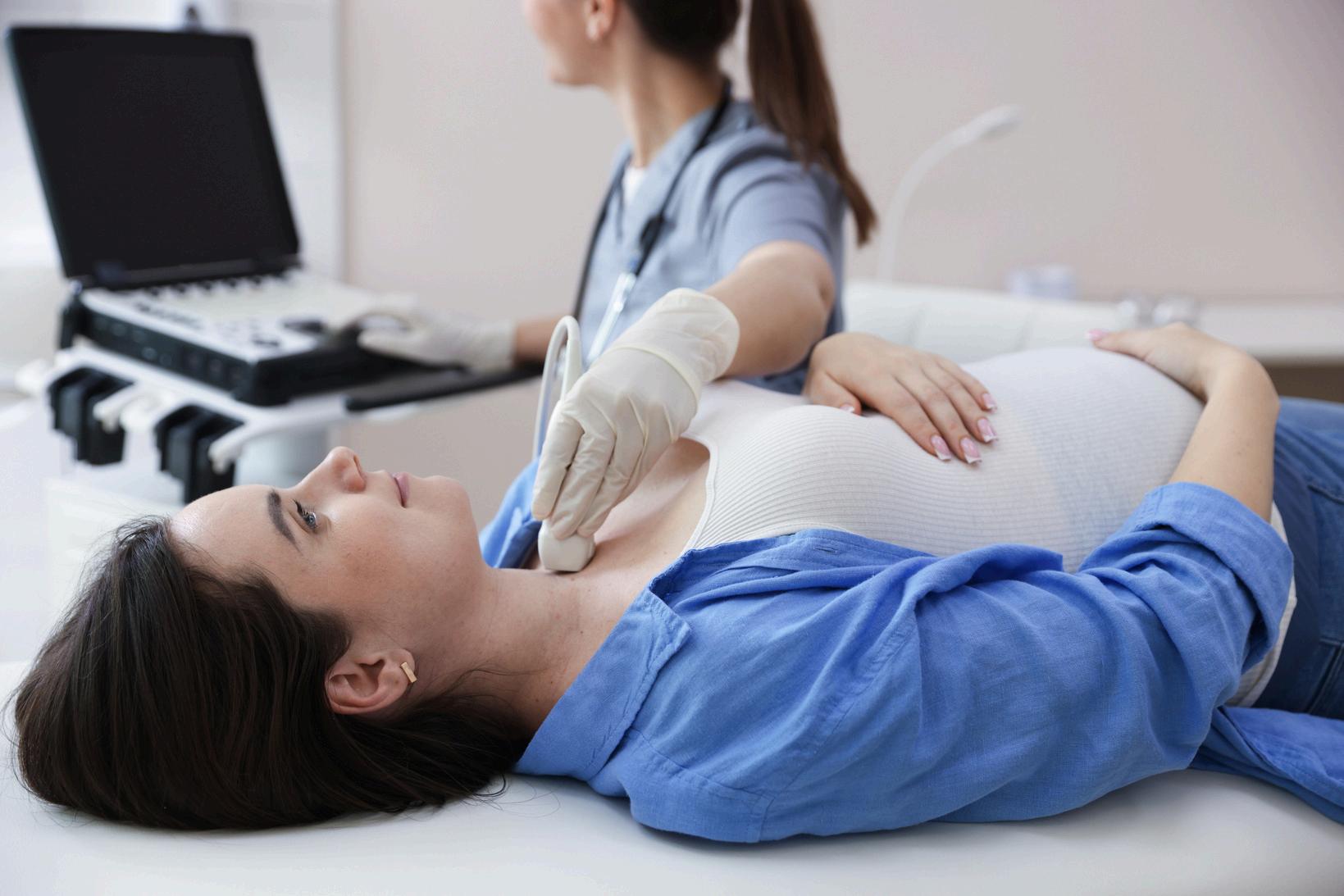
Your thyroid plays a vital role in your body’s overall health it regulates metabolism, energy, mood, and temperature. Thyroid disorders can affect anyone and are often overlooked because their symptoms mimic other conditions.
If you are experiencing hypothyroid or hyperthyroid symptoms, or notice physical changes in your thyroid gland, visit your GP.
Ask for Thyroid Blood Tests and/or a Thyroid Ultrasound to confirm or rule out any disorder.
Thyroid disorders can be difficult to diagnose because their symptoms resemble those of other conditions Stress, aging, or a busy lifestyle can mask thyroid-related issues.
Emotional &MetabolicSymptoms
Depression / Low Mood
Brain Fog / Poor Concentration
Menstrual Changes
Sleep Disturbances
Low Libido / Fertility Issues
Breathlessness / Muscle Pain
Statistics show that well over 1 millon Australians are living with an undiagnosed thyroid disorder.
Woman are 10 times more likely to be diagnosed with a thyroid disorder.
60.000 new cases are diafnosed each year.

Lethargy / Fatigue
Unexplained Weight Gain
Constipation
Slow Heart Rate
Sensitive to Cold Hair Thinning / Dry Skin
For pregnant women, untreated thyroid disorders increase the risk of miscarriage and obstetric complications. Always discuss thyroid testing with your doctor during pregnancy or preconception.

Unexplained weight loss/ Increased appetite
Loose bowel motions/ Diarrhoea
Heat intolerance / Excessive sweating
Heart palpitations / Rapid heartbeat
Hand tremor or shakiness
Restlessness, nervousness, or anxiety
Irritability or mood swings
Difficulty sleeping (insomnia)
Menstrual changes – heavy or irregular
Fertility problems / Low libido
Muscle weakness
Shortness of breath
Protruding or staring eyes –
Thyroid Eye Disease (associated with Graves’ Disease)
Enlarged thyroid gland (Goitre)
Sometimes, thyroid disorders present with visible or physical changes around the neck area. See your doctor if you notice: Persistent cough or constant throat clearing Swelling or visible lump in the neck (Goitre)
Difficulty breathing or swallowing
Pain, tightness, or discomfort around the thyroid area
Thyroid disorders can affect your metabolism, energy, mood, heart, and reproductive health.
Left untreated, they can impact your overall wellbeing — but with early detection and treatment, most people recover fully. Don’t ignoresymptoms. If you notice any of these signs or have concerns about your thyroid, speak to your GP.
Simple blood tests or a thyroid ultrasound can confirm whether your thyroid is underactive, overactive, or healthy.

Trauma and domestic violence can leave invisible wounds — the kind that live in the heart and mind long after the bruises fade. Healing is rarely quick or linear, but every small step forward matters.
As one survivor said,
UNDERSTANDINGTHE WEIGHT
Mental health struggles after trauma can feel isolating anxiety, depression, flashbacks, or emotional numbness are common. Yet these are not signs of weakness; they are your brain’s way of surviving something unbearable.
Domestic violence is not just physical. It includes emotional control, financial abuse, and coercion all forms that chip away at a person’s self-worth. Recognising this truth is the first step toward safety and freedom. Healing begins when silence breaks. Whether it’s confiding in a friend, seeking counselling, or calling a support line, connection brings hope.
THE POWER OFSUPPORT
Support networks, trauma-informed counsellors, and community organisations across Australia are making it easier for survivors to find compassion, resources, and recovery pathways.
“You survived what tried to destroy you — that makes you powerful.”
There is no timeline for healing, and there is no shame in asking for help. Progress may look like getting out of bed, setting boundaries, or simply believing that peace is possible again.

FINDING HOPE AGAIN A FINALTHOUGHT
24/7 National Domestic, Family & Sexual Violence Counselling Service: 1800 737732

Lifeline – 13 11 14 (24-hour crisis support)
Beyond Blue – 1300 22 4636 (for mental health support)
Healing is not about forgetting it’s about reclaiming your story. Even on the hardest days, remember:
��
“You are not what happened to you. You are what you choose to become.”
Brain fog is a term people use to describe how they feel when they have problems with thinking and memory. Doctors and other health professionals might call it 'cognitive dysfunction' or 'cognitive impairment'.

Forgetting things such as names or dates or why you walked into a particular room.
Difficulty focusing and thinking clearly
Difficulty concentrating for as long as you could in the past
Not being able to find the exact word you wanted to say
Having trouble with multitasking (doing more than one thing at a time)
Difficulty understanding new information, such as following directions or learning something new
Finding it hard to plan activities and solve problems
Talk to your doctor if you are experiencing frequent symptomsof brain fog, or if your symptoms are interfering with your work or daily activities.
Sometimes, people with brain fog become worried that they may be developing dementia If this is making you anxious, talk to your doctor about it. Brain fog is not the same as dementia or delirium, and your doctor can help you understand the reasons for your symptoms.
Brain fog can be caused by:
not getting enough sleep or exercise
eating a diet that does not include all the vitamins and minerals you need stress
menopause taking certain medicines, such as for arthritis or cancer
It can also be caused by other health conditions, such as:
chronic pain muscle and joint problems
depression and anxiety
diabetes anaemia
multiple sclerosis (MS) cancer
HERE ARE SOME TECHNIQUESYOU CAN USE TO MAKE THINKING EASIER:
Put together a daily routine, so you know what you need to do when. Do onething at a time don't try to multitask.
When you need tofocus, try to avoid distractions byfinding a quiet place and turning off your phone.
Divide big tasks intoseveral smallertasks, and work on them one at a time.
Pick a time early in the day, when you have more energy, to do tasks that require a lot ofthinking.
If you arefinding it hard to concentrate, take a break and try again later.
If you can't think ofthe exact word you want to say, choose a different word that gets your meaning across.
Use a diary, make lists or set phone reminders to help you remember what you need to do and which appointments or activities you have on.
Put your medicines in a dosing box, or ask your pharmacist to help you find the right dosing aid for you.
Choose a place to always put important objects, such as your keys.
“BRAIN FOG DOESN’T MEAN YOU’RE FAILING IT MEANS YOUR MIND IS ASKING FOR REST, PATIENCE, AND KINDNESS YOU’RE NOT BROKEN, AND YOU’RE NEVER ALONE IN THE HAZE.”
While there’s no large national Australian survey reporting “brain fog” by name, the high proportions of chronic conditions, mental health disorders, and long-term health burdens suggest many Aussies may experience symptoms consistent with brain fog (especially when combined with factors like chronic illness, poor sleep, stress or post-infection states).
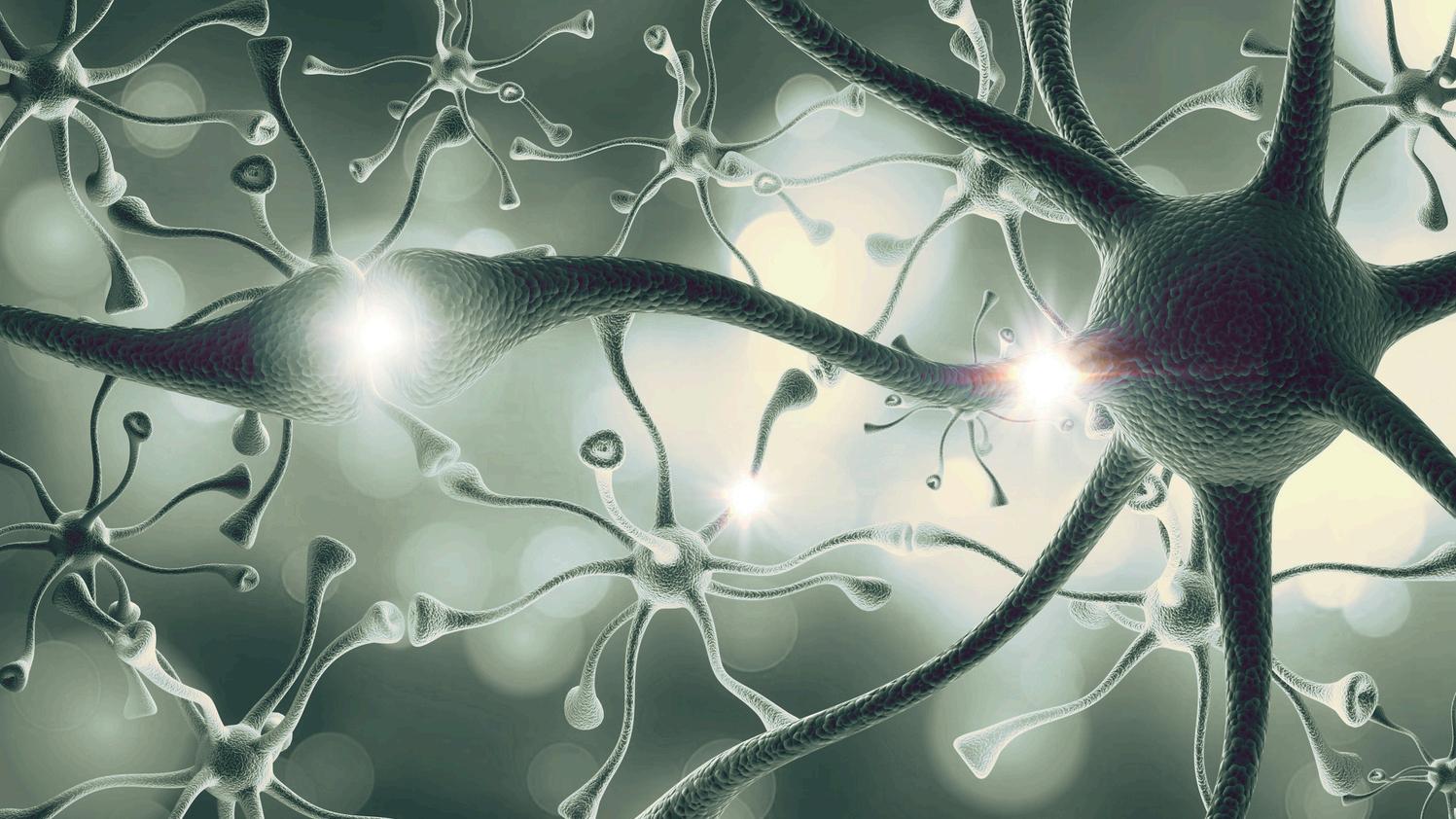
The sympathetic nervous system is responsible for the body’s “fight or flight” response and takes over in dangerous situations The parasympathetic nervous system (PNS) is an autonomic nervous component responsible for the “rest and digest” response. Balance of these crucial systems is required to experience good health.
The Autonomic Nervous System (ANS) is a complex network of nerves responsible for regulating the function of our organs and muscles. It is crucial for essential functions such as our heartbeat, digestion and breathing – all taking place without conscious thought.
The ANS is divided into two branches:
The Sympathetic Nervous System (SNS)
The Parasympathetic Nervous System (PNS)
The sympathetic nervous system (SNS) helps the body respond to stress, danger, or stimulation. Known as the “fight or flight” system, it prepares the body for action by increasing heart rate, dilating pupils, tensing muscles, and redirecting blood from digestion to the limbs — all to react quickly to threats In daily life, the SNS can also be triggered by non-dangerous stressors like public speaking, work deadlines, or tense conversations When this happens too often, it can cause chronic stress and overactivation of the system, leading to negative effects on both physical and mental health.
The parasympathetic nervous system (PNS) works in opposition to the sympathetic nervous system. Its main function is the “rest and digest” response, which slows down body activity to conserve energy and promote relaxation. It does this by releasing acetylcholine, a neurotransmitter that: Slows the heartbeat, Stimulates digestion (increases digestive secretions), Relaxes muscles in the bronchi and intestines. Overall, the PNS helps maintain homeostasis (balance) in the body. However, during periods of stress, the sympathetic system can dominate, leading to an imbalance if overactivated.
Deep Diaphragmatic Breathing:
Slow, deep breathing like the 4-7-8 method (inhale 4s, hold 7s, exhale 8s)
— tells your brain you’re safe and helps reset your body’s stress response
Grounding Through Your Senses:
Use the 5-4-3-2-1 technique: notice 5 things you see, 4 you touch, 3 you hear, 2 you smell, and 1 you taste. It brings your focus to the present and interrupts anxious thoughts.
Cold Water Reset:
Splashing cold water on your face or holding an ice cube stimulates the vagus nerve, which slows your heart rate and promotes calm breathing.
Progressive Muscle Relaxation:
Tense and release each muscle group for a few seconds. This helps you identify and release areas where your body holds tension.
Gentle Movement:
Light exercise walking, stretching, yoga, or dancing burns off excess adrenaline and helps your body return to balance.
Sympathetic overload isn’t weakness it’s your body trying to protect you. The goal isn’t to “turn it off,” but to rebalance it with rest, breath, and compassion.
Safe Touch or Weighted Blanket:
Use a weighted blanket or gentle touch to release oxytocin and promote calm.
Hum or Sing:
Vibrations from your voice stimulate the vagus nerve and steady your heartbeat.
Nature Exposure: Spend at least 10 minutes outdoors to lower stress hormones and blood pressure.
Soothing Sounds: Listen to slow, calming music to help your body relax.
Nourish & Hydrate: Eat regularly and stay hydrated to stabilize your nervous system.
Mindful Breaks: Pause every few hours to breathe and stretch for quick stress resets
Social Connection: Talk, hug, or interact with a pet to signal safety and reduce stress.
Stigma is a negative label or judgment placed on someone because of a characteristic, condition, or experience — such as mental illness, disability, or even needing support.
Workplaces can reduce stigma by:
. Talking openly about mental health and normalising support.
. Leaders setting the tone showing empathy and leading by example.
. Providing training to help staff recognise and challenge stigma
. Encouraging help-seeking through EAPs, counselling, or flexible work options.
Public Stigma
Self-stigma
Structural stigma : society’s negative attitudes or discrimination.
: when someone internalises those beliefs and feels “less than.”
: policies or systems that disadvantage certain groups.
In the workplace, stigma — especially around mental health or personal struggles — can have a deep impact.
Emotional Impact
Employees may hide their stress, anxiety, or health conditions out of fear of judgment. This secrecy can increase burnout, isolation, and low morale.
Social Impact
Colleagues might avoid discussing mental health, leading to cliques, gossip, or misunderstanding. When stigma exists, people feel like they don’t belong which harms teamwork and trust.
Professional Impact
Stigma can stop people from seeking help or accommodations. Someone might avoid taking mental health leave or using support programs, fearing it could hurt their career or reputation.
“Stigma thrives in silence - but when we speak up, we remind others that needing help is human.”
Stigma among friends happens when someone is quietly judged, misunderstood, or excluded because of something personal like a mental health issue, addiction, financial hardship, or even lifestyle choices. It’s not always loud or cruel; sometimes it shows up as silence, awkwardness, or subtle distance.
Adults often expect their friend groups to be accepting, but stigma can still creep in through unspoken assumptions or fear of discomfort. For example, a friend who’s dealing with anxiety might be labelled as “too sensitive,” or someone recovering from trauma might be told to “just move on.” These comments, even when unintentional, can make people feel ashamed, isolated, or hesitant to open up again.
. Misunderstanding – People often don’t know how to respond to topics like depression, grief, or trauma.
. Fear – Friends might worry about saying the wrong thing or feel uncomfortable with emotional conversations.
. Comparison – In adulthood, social pressure to “have it all together” can make vulnerabilityfeel risky.
Stigma among friends can cause withdrawal, anxiety, and loss of trust. It discourages openness and reinforces the false belief that asking for help is weakness. Over time, it can lead to loneliness even when surrounded by people.
��
. Lead with empathy: Listen before you judge or advise.
. Validate feelings: Saying “That sounds really hard” can mean more than trying tofix it.
. Model openness: When you share your own struggles, you help normalise honesty.
. Choose supportive friends: Real friendship accepts the messy parts of life too.
“Truefriends don’t flinch at your truth they makespacefor it.”
Enjoyed the Read? Click the here to subscribe and never miss a read! Got a topic you ’d like us to cover? Let us know, we ’d love to hear from you!