Queensland




Mental Health Week in Australia is more than a calendar event it’s a national moment of reflection, connection, and action. This year’s theme, “Empowering Communities, Thriving Workforces” invites us to explore how collective wellbeing begins with individual empowerment and community care.
Our team at Trauma Assist believe that mental health is everyone’s business. Whether you’re a clinician, carer, educator, or advocate, your voice and experience matter and we celebrate those stories of resilience, recovery, and reform that are shaping a more compassionate and trauma-informed Australia.
Mental health challenges don’t exist in isolation. They’re shaped by our environments, relationships, workplaces, and systems. That’s why empowering our communities is so vital - when people feel safe, supported, and seen, healing becomes possible. We shout out and applaud grassroots initiatives, peer-led programs, and culturally safe practices that are making a difference across Queensland.
Workplaces, too, play a critical role. A thriving workforce is one that prioritises psychological safety, values lived experience, and fosters open dialogue where we can see how trauma-informed leadership, flexible policies, and mental health literacy are transforming professional spaces from frontline services to the corporate boardrooms across our State.
Mental Health Week is a time to challenge stigma, elevate stories, and renew our commitment to wellbeing. It’s a reminder that progress is possible and happening when we work together.
As you read through Edition 14, we hope you feel inspired, informed, and empowered - because when communities are strong and workforces are supported, we all thrive. We encourage you to join in on the many Mental Health Week events across the State from the 4 to 12 of October 2025, and become a part of the story. th th
Sandra Holebrook CEO - Trauma Assisst

Every October, Australians unite to shine a spotlight on breast cancer the most commonly diagnosed cancer among women in our country. It’s a time to raise awareness, encourage life-saving early detection, honour those who have been affected, and support the ongoing journey of recovery.
TheStatisticsWeCan’t Ignore
Everyday 58 people in Australia will be diagnosed with breast cancer. That equates to over 21,000 people in Australia being diagnosed with breast cancer each year.
1 in 7 women and 1 in 550 men are diagnosed with breast cancer in their lifetime
Around 1,000 young women aged under 40 are diagnosed with breast
Every year over 3,300 people in Australian (including 33 men) will die from breast cancer That’s 9 Australians a day dying from the disease.
Approximately one woman under the age of 40 is expected to die each week from breast cancer.
In the last 10 years, breast cancer diagnosis have increased by 24%
These numbers remind us that while progress is being made, the fight isfar from over.

The Importanceof RegularChecks
Early detection saves lives. Many women diagnosed in the early stages go on to live long, healthy lives. That’s why making breast checks a regular habit is essential.
Self-checks
GP visits
Mammograms
A few minutes of awareness can mean the difference between an early, treatable diagnosis and a much harder battle.
Supporting the RecoveryJourney
A breast cancer diagnosis doesn’t end with treatment. Survivors often face long recovery journeys that can include fatigue, mental health struggles, financial stress, and ongoing medical needs. As a community, there are many ways we can support:
. Offer practical help – cooking meals, helping with transport, or assisting with childcare.
Be a listening ear – sometimes, the best support is simply sitting down with a cup of tea and listening without judgement.
. Encourage self-care – gentle exercise, mindfulness, and good nutrition all play a role in healing.
. Support organisations – charities like the National Breast Cancer Foundation, Cancer Council Australia, and Breast Cancer Network Australia (BCNA) provide invaluable resources and rely on donations to continue their work.
Physical and psychological impactsof breast cancer
Physical side effects from cancer treatments are extensive and vary depending on the treatment approach. Side-effects may include pain, nausea, fatigue (tiredness), mouth ulcers, lymphoedema (swelling in the arm or breast after surgery), hair loss, infertility, red/dry skin, and insomnia.
Psychologically, patients may experience anxiety, shock and depression following a breast cancer diagnosis, and during the course of its treatment. Other issues include body image and intimacy concerns, career-related concerns and fear of cancer recurrence. For young women, they may also have survival concerns for those with young children or concerns about pregnancy or fertility.



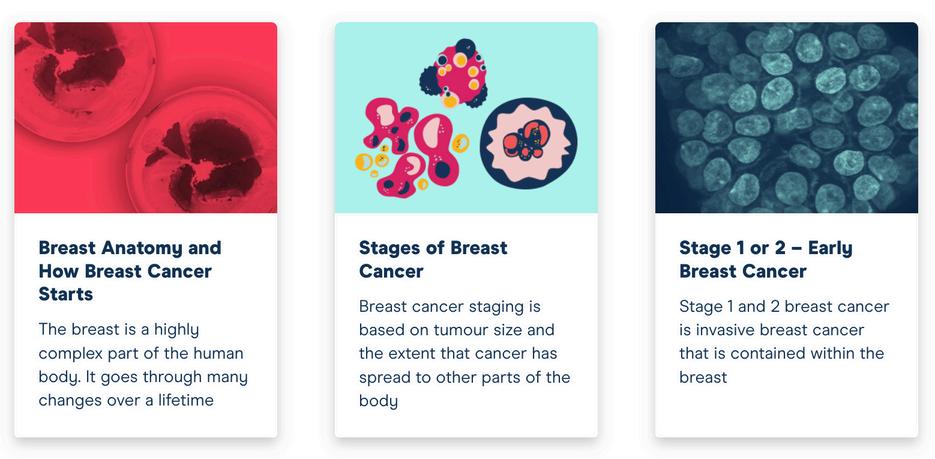
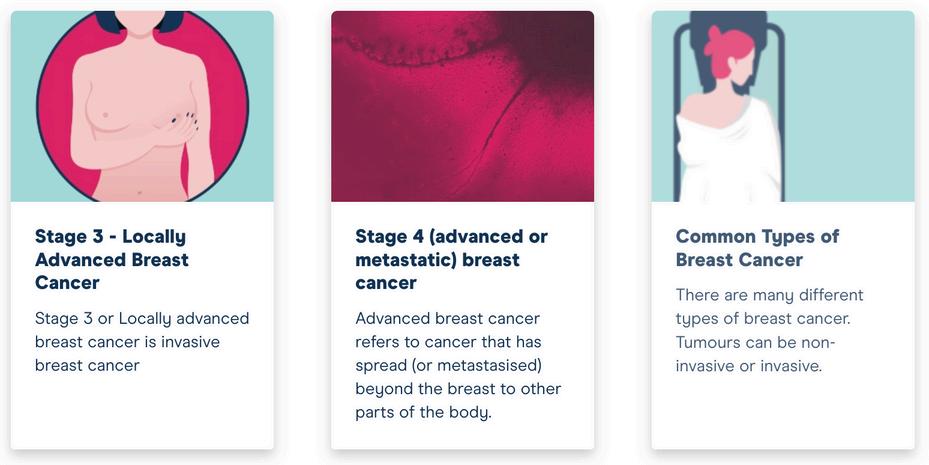
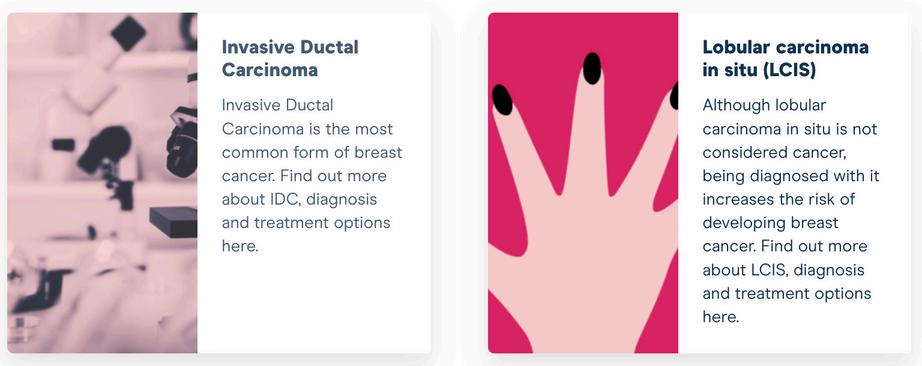
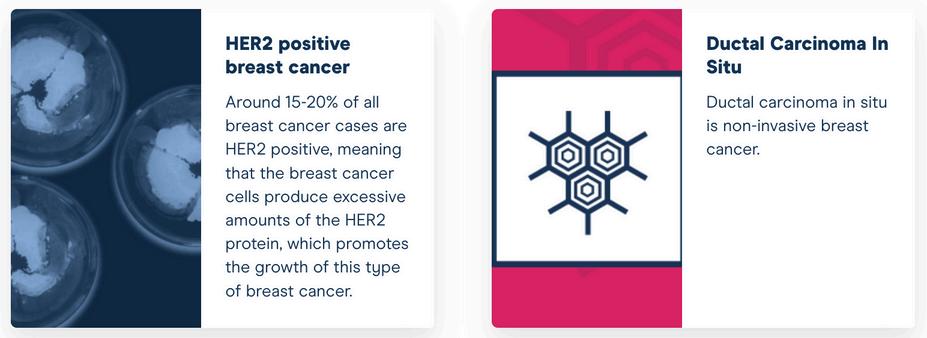
Breast cancer is a complex disease, made up of many different subtypes. Learn more about the stages and typesof breast cancer.

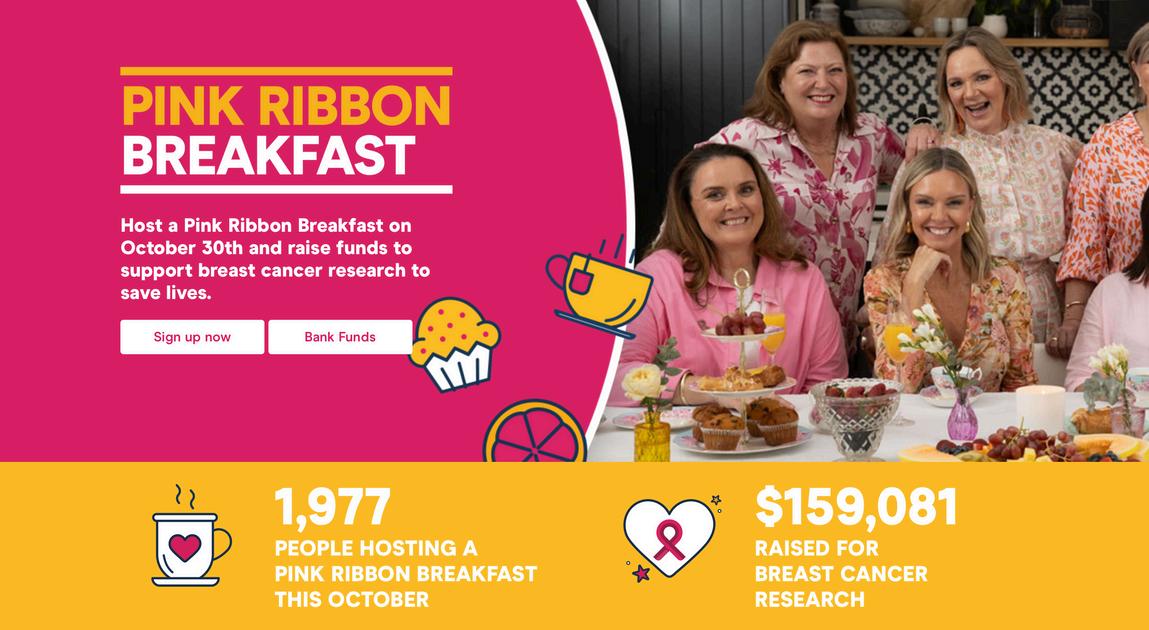
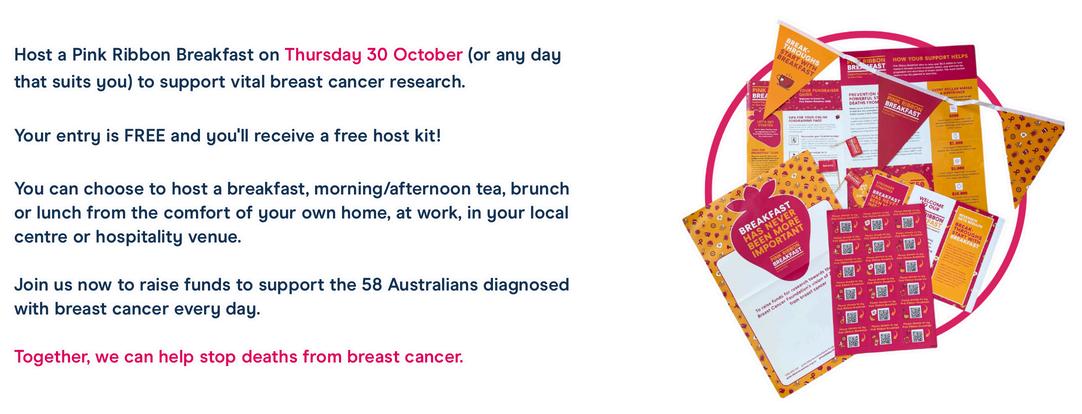


Fundraise through morning teas, charity walks, or workplace initiatives. Share information on social media to encourage your friends and family to get screened Donate to research and support services that directly impact lives.
Even small actions add up. Each conversation, each shared story, and each donation moves us closer to a futurewhere breast cancertakesfewer lives.
A time dedicated to raising understanding of Attention Deficit Hyperactivity Disorder (ADHD). This neurodevelopmental disorder affects 1 in 20 Australians.
Despite the growing awareness, the ADHD Foundation fields many calls from the ADHD Australian community in regard to the myths, misinformation, and stigma that still adversely affects the lives of individuals, families and loved ones with ADHD. These obstacles can hinder access to accurate information, prompt diagnosis, treatment, support, and accommodations
Therefore, this October should be about more than just raising awareness. It’s a time to recognise the years achievements that our community has achieved, and we look foward to big changes in coming years as we continue to work to dispel stigma, enhance community comprehension, and foster acceptance of ADHD.
LIVING WITH ADHD
Attention Deficit Hyperactivity Disorder (ADHD) is a common neurodevelopmental condition that affects both children and adults. It’s not about laziness or a lack of intelligence it’s a difference in how the brain regulates attention, impulses, and activity levels. People with ADHD often experience symptoms such as difficulty focusing, forgetfulness, restlessness, and acting without thinking. ADHD looks different for everyone

It can feel like having a “busy brain” that’s always switched on. This can make concentrating on tasks, staying organised, and managing time much harder. Everyday things like finishing homework, paying bills, or remembering appointments—can feel overwhelming. At the same time, people with ADHD often show great creativity, quick problem-solving, and high levels of energy
Families may feel stress when routines are disrupted, instructions are forgotten, or impulsive behaviours create conflict. However, families can also grow stronger by learning together. With understanding, structure, and the right supports, families often discover new levels of patience, resilience, and appreciation for the unique strengths of their loved one with ADHD.

ADHD is not a weakness it’s simply a different way of thinking and being. With proper strategies, medical support if needed, and strong family and community understanding, people with ADHD can live fulfilling and successful lives When families learn to embrace both the challenges and the strengths that come with ADHD, they movefrom frustration to empowerment.
KeyStatistics &Findings
High Prevalence: Over 1 million Australians are estimated to have ADHD
Children & Adolescents: Prevalence is between 6-10% in this group.
Adults: Estimates vary from 2% to 6% of the adult population.
Gender Differences: Prevalence is higher in males than females.
Underdiagnosis: A large percentage of individuals with ADHD, especially adults and females, may be undiagnosed.
Are you seeking an assessment or diagnosisfor ADHD?
Do you require assistance in finding available psychiatrists or paediatricians? Are you in need of support to navigate your personal journey with ADHD, or that of a family member or child?
Do you need guidance to address an issue related to ADHD or a related condition?
Is there anything else you need help with?
Daydreaming often – your imagination is powerful.
Forgetfulness – your brain is busy juggling a million thoughts.
Fidgeting – movement helps your body and mind focus
Troublesitting still – your energy is part of your spark.
Blurting thingsout – honesty and excitement shine through.
Struggling tofinish tasks – you start with passion (and that’s amazing)
Easilydistracted – your brain notices details others might miss.
Hyperfocus – when it clicks, you can do incredible things
Impulsiveness – you live in the moment and take bold chances.
�� Difficultywaiting – patience isn’t your strength, but drive is.
Strong emotions – you feel deeply, and that’s human
Restlessness – your energy brings life wherever you go.
�� ADHD doesn’t erase your worth it adds to your uniqueness. These traits don’t make you “less than.”They make you normal forYOU. #ADHD #TeenLife #NeurodiverseAndProud #YouAreEnough #DifferentNotLess

While we’ve made progress against racism and sexism, discrimination based on age remains widespread—and its impacts are felt across workplaces, healthcare, and everyday life.
Ageism is the stereotyping, prejudice, or discrimination directed at people because of their age. It often targets older Australians, framing them as less capable, less adaptable, or “past their prime.” But this couldn’t be further from the truth experience and resilience are valuable assets in families, workplaces, and communities.
The Australian Human Rights Commission has labelled ageism the most accepted form of prejudice in our country.
63% of Australians have experienced ageism in the past fiveyears.
Economic Cost: When older Australians are pushed out of the workforce, we lose valuable skills and experience costing the economy billions each year.
Health Cost: Ageist attitudes are linked to poorer health outcomes, higher rates of depression, and even reduced life expectancy.
Social Cost: Negative stereotypes feed social isolation, cutting older Australians off from community life.

�� “AGE IS NOT A BARRIER TO CONTRIBUTION UNLESS WE MAKE IT ONE.”
Ending ageism requires cultural, social, and political action. Campaigns such as EveryAGE Counts are building a movement to challenge stereotypes and champion positive images of ageing. At the same time, legal protections like the Age Discrimination Act 2004 provide important safeguards.
But change also starts with us. Ageism may be common, but it doesn’t have to be acceptable. The future of Australia depends on valuing all people, at every age.
Queensland
Seniors are the backbone of our communities. Far from “slowing down,” older Australians continue to make enormous contributions to family life, the economy, and the cultural fabric of our nation. Their roles are diverse, often unseen, but deeply felt in every corner of society.
Family & Caregiving – M giving working parents p carers for partners, fr disability.
Community & Volunteer volunteers. From local sp cultural organisations, ol Workforce & Economy provide invaluable contin are significant consume leisure, while their lifetim and infrastructure Austra Culture, Wisdom & Advo custodians of knowledg Strait Islander commu Country, ensuring these Across Australia, older p for better healthcare, ag
“Seniors are not defined by their age, but by the wisdom, generosity, and resilience they bring to us all.”
From 1-31 October we’re celebrating older Queenslanders and their ongoing contributions whether as volunteers or in the workforce, community leaders or carers, grandparents, or advocates.
Seniors Month is all about increasing the social connectedness of older people and their communities because we all want to be: Connected to our communities and the important people in our lives.
Cared for and supported if care and support are needed Celebrated as valued community members.

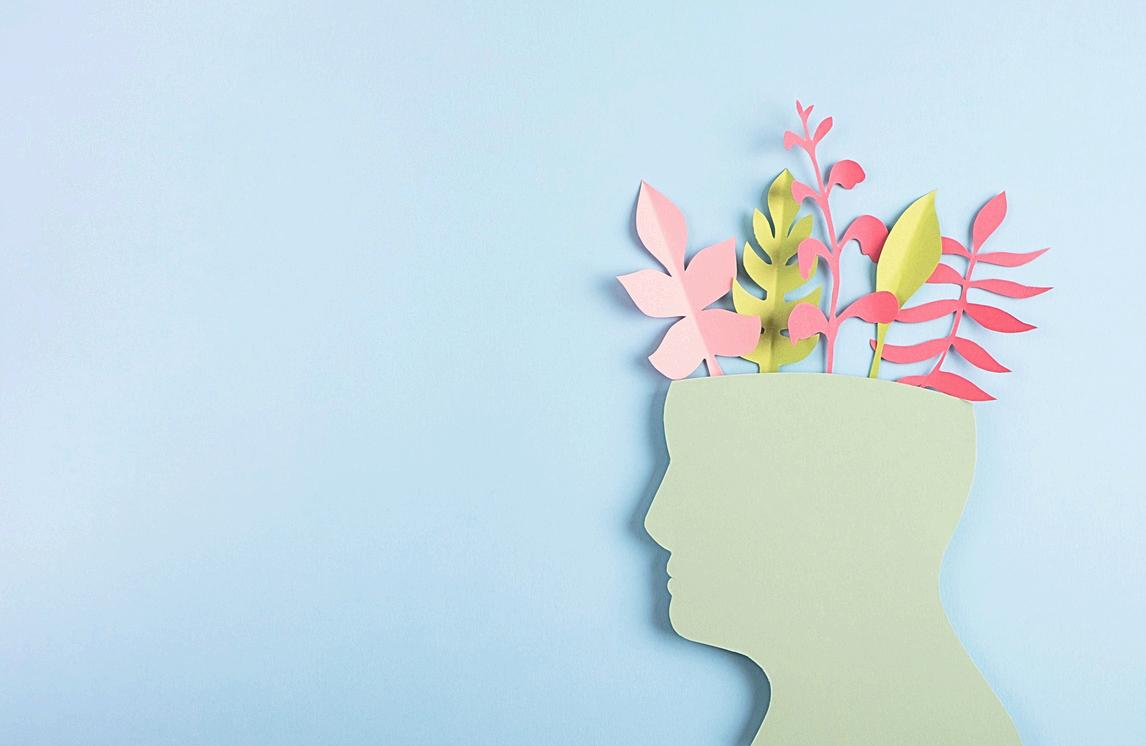
October, is a time to shine a light on mental wellbeing, reduce stigma, and encourage open conversations. In 2025, Mental Health Week runs from Saturday 4 October to Sunday 12 October, aligning with World Mental Health Day on 10 October.
The week is designed to remind us that mental health is everyone’s business. Whether at home, in schools, workplaces, or community spaces, good mental health underpins connection, productivity, and quality of life. Sadly, one in five Australians will experience a mental health condition each year, and in regional Queensland, access to services can still be a challenge
This year’s theme focuses on awareness, belonging, and connection. Local councils, community groups, and health organisations across Australia will be hosting events everything from community walks and wellness workshops to art exhibitions and workplace seminars
1.TalktoSomeoneYouTrust
Reach out to a family member, friend, or colleague. Sharing what you’re going through can help lighten the load.
2. Check In With YourGP
Your doctor is a good first step they can talk with you about what’s happening and connect you with mental health professionals.
3. LookAfterthe Basics
. Keep a regular sleep routine
. Eat balanced meals
. Get somefresh air and exercise
. Limit alcohol and drugs
. Small habits can have a big impact on your mood and energy.
4. StayConnected
Isolation can make things harder. Try joining a local group, calling a mate, or even volunteering—connection is a protective factor for mental health.
5. UseSupport Services
If things feel overwhelming, professional help is available.




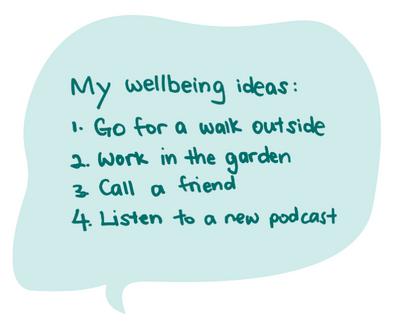
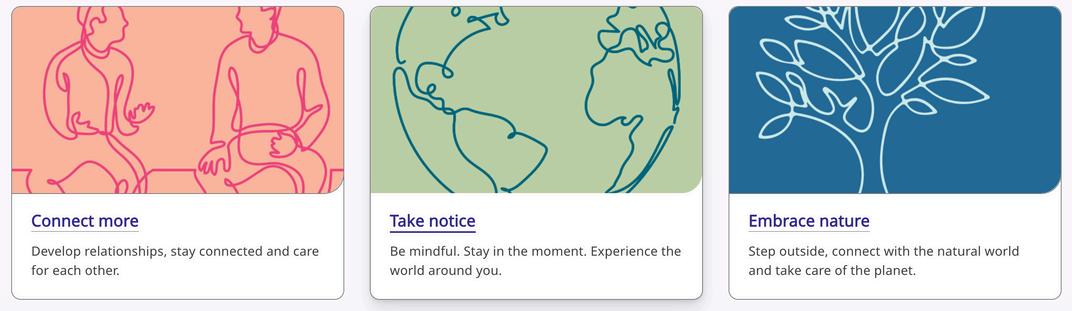
Taking some ‘me time’ is important. And it also helps strengthen your mental wellbeing. Your mental wellbeing is the unique way that you handle your emotions, respond to stress and also your general outlook on life. Having a healthy sense of mental wellbeing has many benefits. It lifts your mood, promotes resilience in difficult situations and helps you get the most out of life. It doesn’t matter who you are, where you live or how you’re feeling – taking a few moments for yourself each day will help you be a happier and more resilient you.
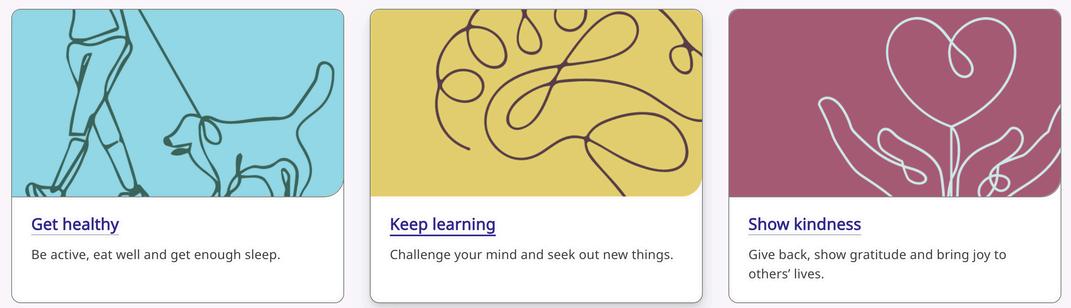
Being active for 30 minutes each day improves your physical health. The same goes for your mental health By taking just a few minutes to focus on mental wellbeing activities each day, you’ll see big improvements.
DISCOVERTHE BUILDING BLOCKS BELOW
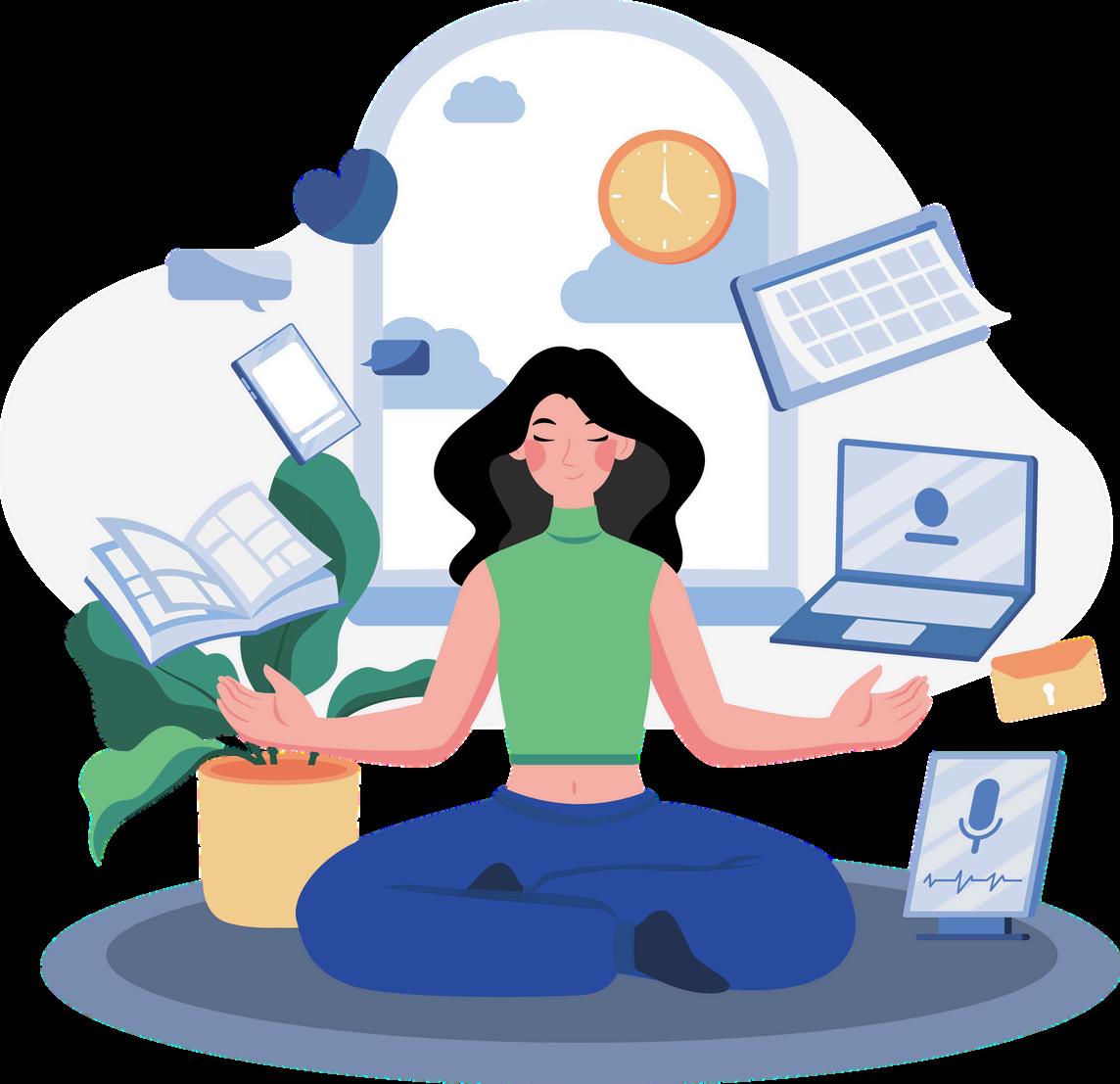
From emergency responders and healthcare professionals to corporate leaders and hospitality workers, many jobs demand long hours, high stakes, and constant availability.
High stress jobs will always exist and for many, they bring pride and purpose But without balance, the mental and physical toll can be severe. The key lies in recognising the signs of stress early, setting clear boundaries, and investing in recovery.
Stress in small doses can help us focus and perform But prolonged exposure to workplace stressors unrealistic deadlines, excessive workloads, lack of control, or toxic environments puts the brain and body into “fight orflight” modefor too long This can lead to:
Burnout: Emotional exhaustion, loss of motivation, and reduced performance.
Anxiety and Depression: Constant worry or sadness tied to work pressures.
Sleep Problems: Difficulty winding down or staying rested, which worsens stress.
RelationshipStrain: Carrying workfrustrations into home life
A healthy work–life balance is not about dividing time evenly but about finding a rhythm that leaves space for work, rest, relationships, and personal growth. A good balance often includes:
Reasonable Hours – Avoiding the trap of constant overtime or “always on” culture
Boundaries – Switching off emails and calls after hours.
Breaks – Taking regular breaks during the day to reset mentally and physically
Exercise and Sleep – Prioritising habits that recharge your energy.
Social Support – Spending time with friends and family, not just colleagues.
Personal Fulfillment – Making time for hobbies, learning, or creativity outside work.
Motherhood is often portrayed as a joyful, fulfilling role yet for many women, the reality includes overwhelming pressure, exhaustion, and silent battles with mental health. Conditions like postnatal depression, anxiety, and chronic stress affect of Australian mothers every year. Tragically, many go undiagnosed because symptoms are dismissed as “normal motherhood” or women are reluctant to seek help due to stigma.
thousands
Normalisation of Struggle – Exhaustion, mood swings, or feelings of being overwhelmed are often brushed off as “part of parenting.”
Stigma and Shame – Many mothers fear being judged as “bad mums” if they admit they’re struggling.
Lack of Time – With the demands of childcare, work, and household responsibilities, mothers may not prioritise their own wellbeing.
Limited Screening – Health checks often focus on the baby’s development, with the mother’s mental health overlooked.
Cultural Expectations – Societal ideals of the “selfless, coping mother” discourage women from admitting vulnerability.
Open Conversations – Normalising discussions about maternal mental health can help break down stigma
Better Screening – Routine mental health checks for mothers at GP visits, child health clinics, and even schools.
Support Networks – Encouraging mothers to build and lean on communities of care, from family and friends to peer support groups.
Accessible Services – Affordable, timely access to psychologists, counsellors, and helplines such as Perinatal Anxiety & Depression Australia: 1300 726 306).


ves to grow up in a safe, loving, and nment. For many children, however, this uetocircumstances beyond theircontrol. carer not only changes the life of a child, it n countless ways.
ewarding as it is challenging. Carers often nse of purpose, knowing they are making ence in a young person’s life. It’s an back to the community, build meaningful model stability and kindness for children ve experienced it before. Many carers also th through fostering developing patience, y, and an appreciation for life’s small me families, it strengthens bonds as they support a child. For individuals, it opens on and a strong sense of belonging in the nity.
es children with safety, stability, and the from difficult circumstances. Living with a chance to experience routines, education, may have been missing in their lives. A lso restore a child’s sense of self-worth they are valued, cared for, and capable of ationships. Over time, this security can lay stronger mental health, better educational efor a brighter future.
Foster care is more than temporary accommodation; it’s a chance to create lasting change, one child at a time.
Every smile, every step forward, and every moment of trust gained is proof of the difference a foster carer makes. By opening your heart and your home, you’re not only giving children a safe place today you’re helping shape the adults they’ll become tomorrow.
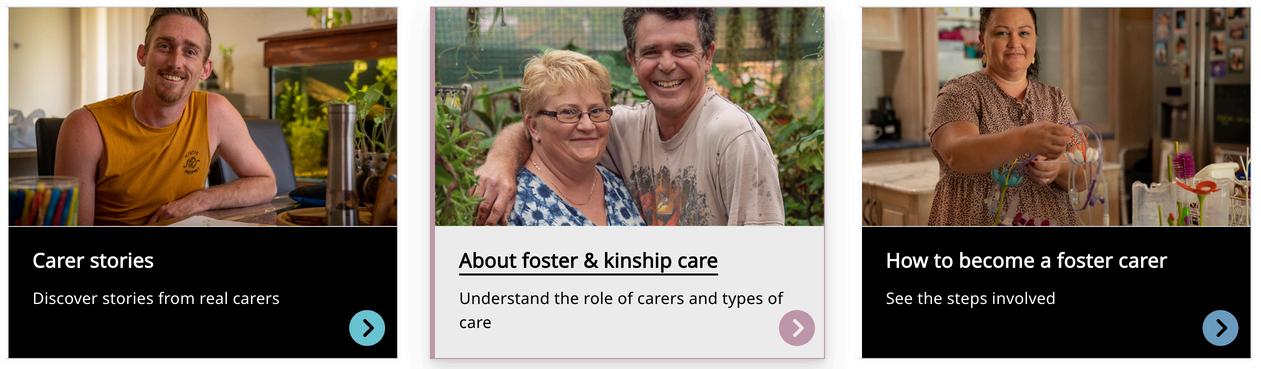
Foster carers come from all walks of life. But no matter who they are, carers all have one thing in common. Foster carers have a place in their hearts for a child who needs support and understanding.
Fostering starts with care. It's not always easy, but training and support is available. Fostering needs people with extraordinary hearts. People just likeyou.
Foster carers provide care in their own homes for children and young people who they are not related to biologically, for short or long periods oftime.
Kinship carers are related to the child or may be members of a child's community and considered family or close friends. They may be grandparents, aunts, uncles, other relatives or friends. For Aboriginal and Torres Strait Islander children, relative care may include another Aboriginal person or Torres Strait Islander who is a member of, or compatible with the child's community or language group.


Elder abuse happens when trust is broken—when an older person is harmed, mistreated, or taken advantage of, often by someone close tothem.
Elder abuse can take many forms, including:
Financial abuse – Misusing an older person’s money, property, or assets.
Emotional or psychological abuse –Threats, humiliation, or controlling behaviour.
Physical abuse – Causing pain, injury, or restricting movement.
Neglect – Failing to provide basic care such as food, housing, or medical treatment.
Social abuse – Isolating someone from friends, family, or community.
These behaviours are often carried out by family members, carers, or others in positionsoftrust.
Research shows that 1 in 6 older Australians have experienced some form of elder abuse, though many cases go unreported. Financial abuse is the most common, followed by psychological harm. With an ageing population, the risk is expected to grow unless greater awareness and safeguards are put in place.
The impacts of elder abuse are profound. Victims may experience fear, depression, loss of independence, or financial insecurity. For many, the betrayal of trust is just as painful as the abuse itself.
Tackling elder abuse requires awareness, action, and compassion.
. Know the signs: sudden changes in finances, withdrawal from social life, or unexplained injuries may indicate abuse
. Speak up: if you suspect abuse, starting a conversation can make a difference.
. Seek support: services such as the Elder Abuse Helpline (1300 651 192 in QLD) and 1800 ELDERHelp (1800 353 374 nationwide) provide confidential advice and assistance.
Ultimately, preventing elder abuse is about valuing older people. Respecting their rights, listening to their voices, and ensuring they remain connected to their communities are vital steps.
�� “The measure of a society is how it treats its most vulnerable. Protecting our elders protects us all.”
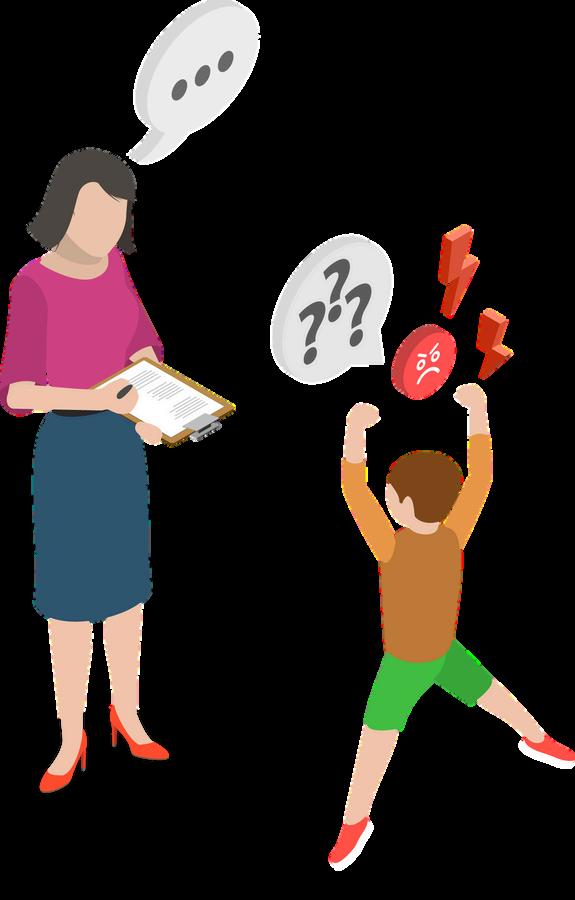
Schools are workplaces and, just like any workplace, abuse or aggression of any kind is unacceptable. While most interactions are positive, there's no excuse for aggressive or harassing behavioureither in person oronline.
Our campaign addresses this issue by shedding light on these behaviours and making it clear that mistreatment of school staff is never acceptable, it can be a crime and may lead to prosecution.
Australia has long prided itself on having strong education systems and dedicated teachers. Yet behind the classroom doors, a troubling issue is growing— teacher abuse Increasingly, teachers are facing verbal threats, physical assaults, and online harassment from students and, in some cases, from parents. This not only impacts the wellbeing of educators but also undermines the entire learning environment.
The effects of abuse on teachers are profound. Many report high stress, anxiety, and burnout, contributing to one of the highest teacher attrition rates among OECD countries. Some leave the profession altogether, taking with them years of knowledge and experience But it isn’t just teachers who suffer.

Recent surveys reveal that more than half of Australian teachers report experiencing some form of abuse in their career. For many, this includes verbal abuse such as shouting, swearing, or personal insults. Worryingly, physical assaults from being shoved or hit to having objects thrown are also on the rise.
When abuse disrupts classrooms, students’ learning and wellbeing are also negatively affected, creating a cycle of instability and mistrust.
Post-Traumatic Stress Disorder (PTSD) is a serious mental health condition that can develop after someone has lived through or witnessed a traumatic event.
These events may include military combat, natural disasters, serious accidents, physical or sexual assault, or ongoing exposure to violence and abuse. While many people experience distress after trauma, PTSD occurs when symptoms don’t fade and instead persist, interfere with daily life, and trigger intense emotional and physical responses.
PTSD is more than just “bad memories.” People often relive their trauma through flashbacks or nightmares, feel constantly on edge (hyper-arousal), or avoid places and situations that remind them of what happened. It may also involve emotional numbness, difficulty sleeping, anger, or trouble concentrating. For some, everyday experiences such as a loud noise or crowded space can trigger overwhelming anxiety.
The good news is that PTSD is treatable. Evidence-based therapies such as traumafocused cognitive behavioural therapy (CBT) and eye movement desensitisation and reprocessing (EMDR) have proven highly effective. Medication may also be used to reduce symptoms, but therapy and support are central to long-term healing. Just as importantly, early intervention and ongoing community and family support can make a huge difference.
Breaking down stigma is vital. Talking openly about PTSD encourages those struggling to reach out for help without fear of judgement. Workplaces, schools, and communities can play a role by creating supportive environments, raising awareness, and knowing how to connect people with services:
Seeking help is a sign of strength, and recovery is possible PTSD can affect anyone children, adults, first responders, defence personnel, survivors of accidents, or people who have lived through abuse. In Australia, it’s estimated that about 5–10% of the population will experience PTSD at some point in their lives, making it one of the more common mental health conditions.
Living with Post-Traumatic Stress Disorder (PTSD) can feel overwhelming. Flashbacks, anxiety, and sleepless nights can make everyday life a constant challenge.
While therapy essential, many Au that pets whethe smaller animals b and hope.
Unconditional safe, non-judgemental presence.
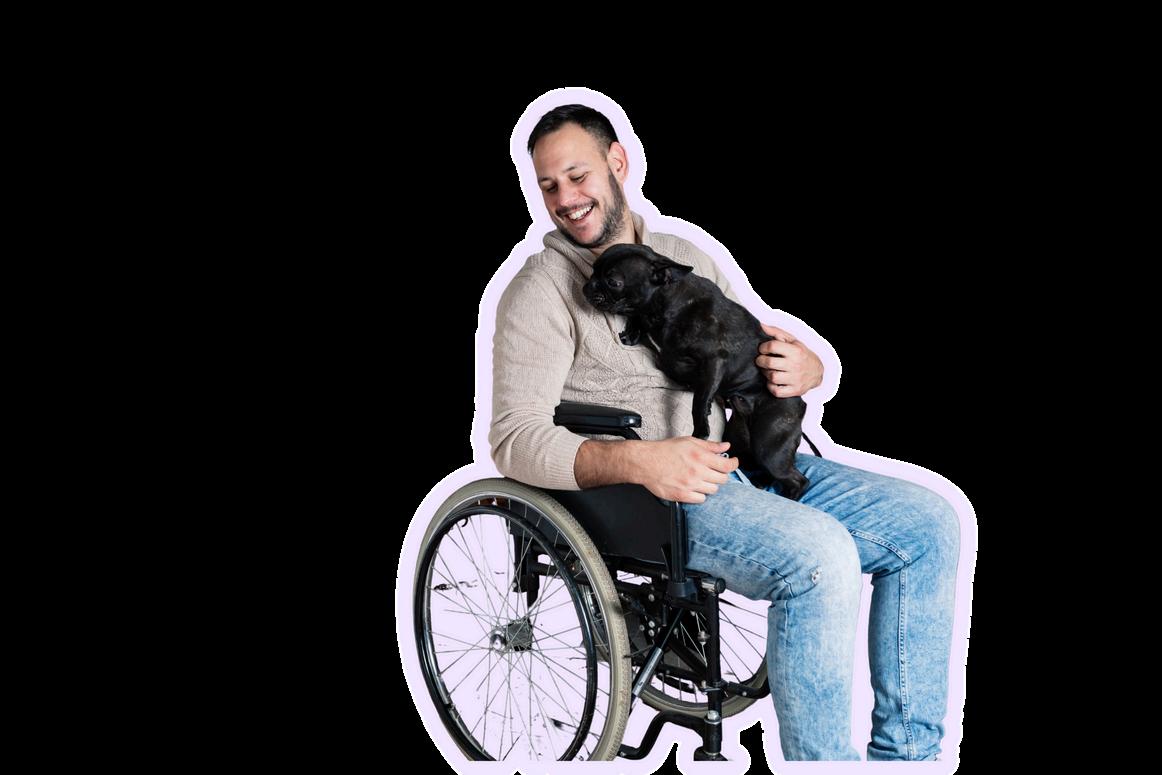
Daily Routine – Feeding, walking, and caring for an animal creates structure.
Physical Benefits – Interacting with animals lowers stress hormones and improves mood.
Connection – Pets encourage social contact and reducefeelings of isolation.
In Australia, service dogs are trained to: Wake ownersfrom nightmares Provide grounding during panic attacks. Create personal space in crowded places.
Remind owners to take medication.
“A pet can’t erase trauma, but it can ease loneliness and give people living with a reason to smile each day”
From veterans who leave the house for the first time in years, to survivors of violence who find peace through their pets, the stories are powerful
Pets aren’t a replacement for professional treatment, but they can complement recovery. If you’re considering one, be mindful of the responsibility and seek guidance from a health professional or PTSD support service.
✨ With the right support, both people and pets can thrive and for many living with PTSD, a wagging tail or gentle purr marks the beginning of hope.

In today’s fast-paced world, our social lives can be just as demanding as our work. Catch-ups, meetings, family time, and constant notifications can leave many people feeling drained. Just like your phone needs charging, your social batterydoestoo.
It starts with awareness. Pay attention to when your energy dips whether it’s during long meetings, big gatherings, or even a string of text messages. When you feel yourself fading, it’s okay to step back, leave early, or say no to extra plans. Protecting your boundaries is not selfish—it’sessential.
Think of alone time as plugging into the charger. Whether you read, walk, journal, or simply enjoy some quiet, these small moments of solitude help restore your energy. Balance is key: you don’t need to isolateyourself, but you do need to pace yourself.
It’s not about how many people you spend time with, but who you spend it with. Choose the friends, colleagues, and family who lift you up. Often, smaller, meaningful interactions bring more joy and energy than large social marathons
Sometimes a five-minute walk, a cup of tea in silence, or listening to music between commitments is enough to reset. These microrecharges add up and make a big difference
Good sleep, nutritious food, and staying hydrated give you more resilience in social situations. Exercise, even gentle movement, helps clear stress and keeps your energyflowing.
At the end of the day, your social battery doesn’t have to match anyone else’s. Honour your own rhythm, and don’t feel pressured to keep up with everyone else.
When people talk about happiness, we often think of relationships, achievements, or experiences. But did you know that what’s on your plate can have just as much impact on your mood as your mindset?

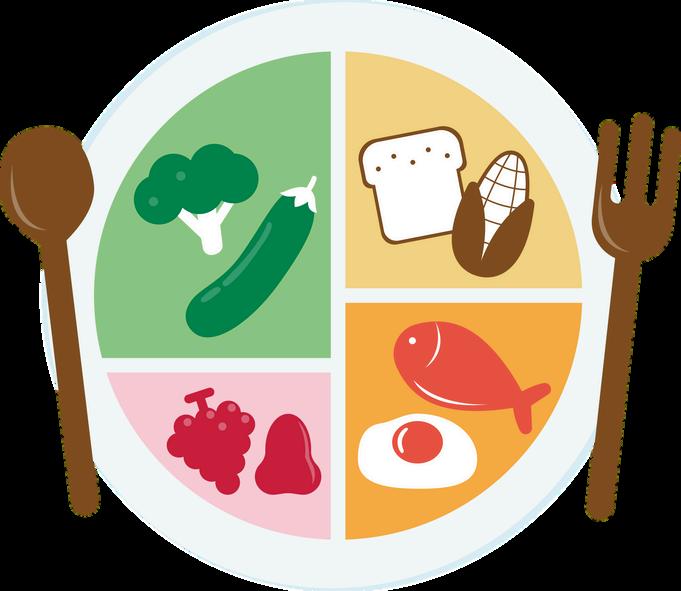
Your gut and brain are in constant communication. Around 90% of your body’s serotonin—a “feel good” chemical is produced in the gut. When you eat nourishing foods, you support healthy gut bacteria, which in turn helps balance your mood. On the other hand, diets heavy in processed or sugary foods can disrupt this balance, leading to irritability, fatigue, and even low moods.
Omega-3s (found in salmon, walnuts, and flaxseeds) support brain health and help reduce anxiety.
Complex Carbohydrates (like whole grains, oats, and legumes) provide steady energy and stabilise mood.
B Vitamins (from leafy greens, eggs, and beans) are essential for energy and brain function. Magnesium (in nuts, seeds, and dark chocolate) has been linked to lower stress levels. Protein (chicken, tofu, lentils) contains amino acids that help produce dopamine and serotonin.
It’s not about strict diets or cutting out everything you love. Balance is key. A colourful plate filled with fruits, vegetables, lean proteins, and whole grains gives your body the tools it needs to keep your mood steady. Even small swaps like replacing soft drinks with water or chips with nuts can make a noticeable difference to how you feel.
Food isn’t just fuel; it’s an experience. Sharing a meal with friends, cooking at home, or trying a new recipe all add to feelings of connection and joy. Eating well is about more than nutrients it’s about creating positive habits that feed both body and soul. So next time you sit down for a meal, remember: the right foods don’t just keep you healthy they can keep you happy too.
We all know the feeling heat rising in your chest, fists clenching, the thought racing through your mind: “I feel like I’m gonna explode!”

Anger is a powerful emotion, and for many teenagers, it can feel overwhelming. But here’s the truth: feeling angry doesn’t make you a bad person Anger is simply your body and mind’s way of signalling that you’re overloaded, stressed, or hurt. What really matters is how you respond to it.
During the teen years, emotions can run higher than ever. Hormonal changes, school pressure, friendship struggles, or family tension can all act as triggers Anger is the body’s natural “fight or flight” reaction it gets your heart racing and prepares you to act.
Bottling up anger can leave you feeling worse, while exploding at others can damage relationships. The key is to find safe outlets that cool the fire without causing harm. Here are five effective strategies:
Move it out – Physical activity is one of the fastest ways to let anger burn off Blast your favourite playlist and dance it out, go for a run, or even punch a pillow to release the tension.
Write it down – Grab a notebook and pour all your thoughts onto the page. Don’t worry about spelling or neatness just let your feelings spill out
Breathe and pause – Before reacting, count slowly to 10 or take five deep breaths. This simple pause gives your brain time to cool down and helps prevent words you might regret later.
Channel it creatively – Anger is energy, and it can fuel art. Try drawing, painting, or even scribbling wildly. Creativity can transform negative energy into something meaningful
Talk it out – Text a friend, chat with someone you trust, or share your feelings with a parent or mentor Sometimes, simply being heard makes the intensityfade.
Choosing to handle it in healthy ways is what makes the difference. Everyone feels angry it’s part of being human—but finding your own safe coping strategies can help you stay in chargeofyouremotions.
More Than Just “Shyness”. Social anxiety is one of the most common mental health conditions, but it is also one of the most misunderstood. For many people, it’s dismissed as being “just shy” or “overly nervous.” In reality, social anxiety is an intense and overwhelming fear of being judged, embarrassed, or rejected in social situations. This response is not a choice it’s the brain’s way of sounding the alarm, even when no real danger is present.
Avoid social events or leave early.
Rehearse conversations in their head.
Worryfor days before a simple gathering. Experience physical symptoms like a racing heart, sweating, or shaking.
The important thing to remember is that these reactions are not overreactions they are very real responses, it´s the body and brain process stress.
Be patient, not pushy – Encouragement is helpful, but forcing them into situations before they’re ready can increase distress.
Normalise their feelings – Say things like, “I know this feels tough, and that’s okay,” instead of dismissing their worry.
Respect boundaries – If they need to leave a party early or sit out of a big event, don’t make them feel guilty.
Offer gentle support – Ask if they’d like you to stay with them at an event, or help with small interactions
Celebrate progress – Acknowledge even the smallest steps, like making a phone call or attending a short meetup.

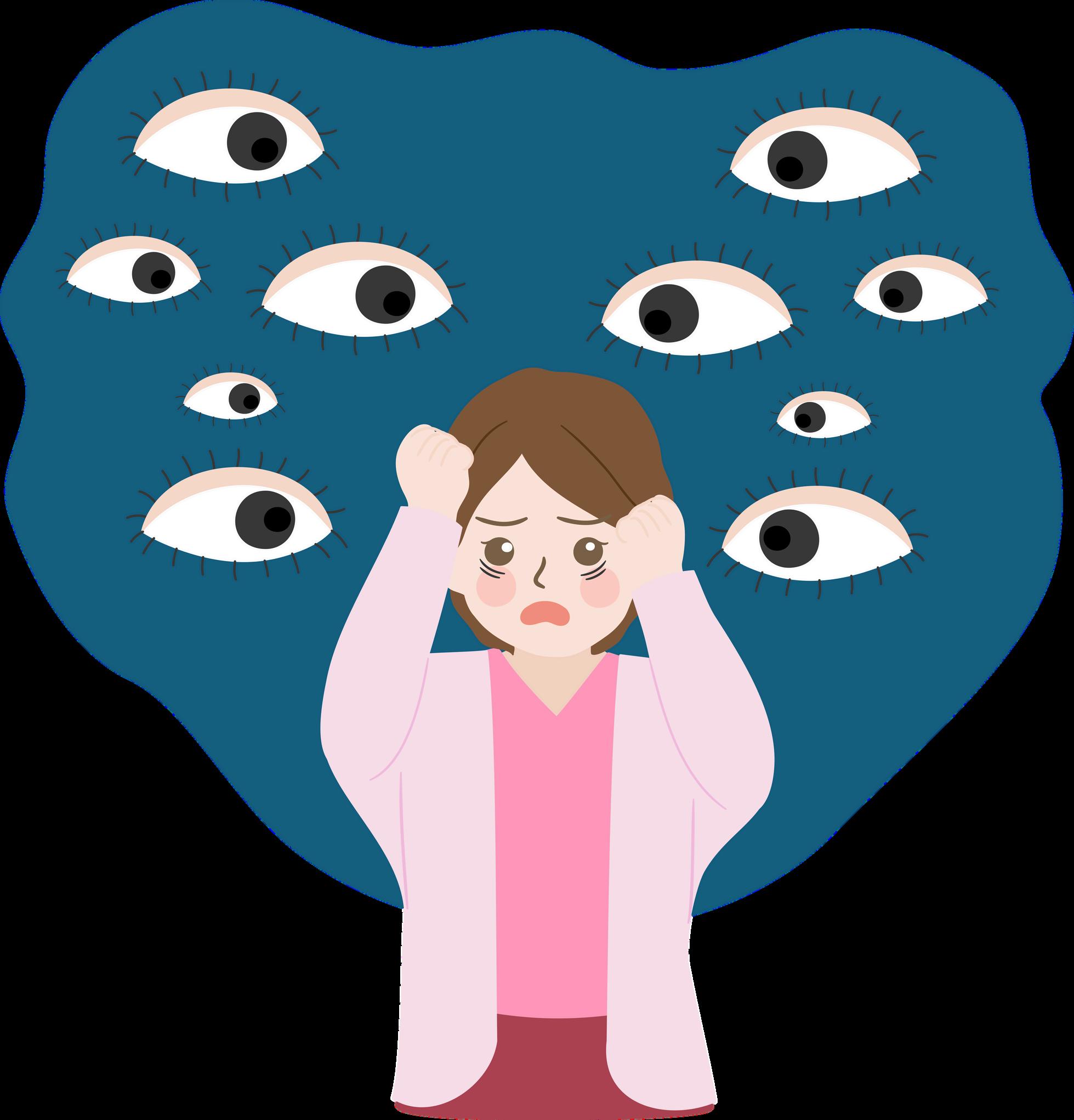
When people understand that social anxiety is a genuine condition, it reduces stigma and makes it easier for those struggling to reach out for help.
Acceptance doesn’t mean lowering expectations forever it means recognising that progress may look different, and that support can make all the difference.
Enjoyed the Read? Click the here to subscribe and never miss a read!

Got a topic you ’d like us to cover? Let us know, we ’d love to hear from you!