Queensland



From Sunday 7 to Saturday 13 September, Australians will once again unite for National Child Protection Week (NCPW) a powerful reminder that keeping children safe isn’t just a national priority, it’s a local responsibility.
In 2025, the message is clear: real change begins in our own backyards
Child protection isn’t just the work of professionals it’s the work of neighbours, sports coaches, school volunteers, shop owners, and community leaders It’s the quiet vigilance of a bus driver who notices a child withdrawn and silent. It’s the kindness of a local café offering a safe space. It’s the courage of a parent who speaks up when something doesn’t feel right.
This year’s theme, “Every child, in every community, needs a fair go,” urges us to look closer at the environments we create for children. Are they inclusive? Are they safe? Are they nurturing? And most importantly are we showing up?
Throughout the week, communities across Australia will host events, workshops, and conversations that empower everyday people to take action Whether it’s joining a local child safety committee, attending a school forum, or simply checking in with families around you, every single gesture counts.
This magazine issue is dedicated to amplifying grassroots efforts because protecting children isn’t about grand gestures it’s about consistent care. It’s about building a culture where children are heard, respected, and supported. And it’s about recognising that we all have a role to play
So this September, let’s not just raise awareness
Let’s raise our hands.
Let’s be the village every child deserves.
Let’s make our communities the safest places they can be.
Sandra Holebrook CEO - Trauma Assisst


Every year, more than 3,000 Australians die by suicide. It remains the leading cause of death for Australians aged 15–24, and for Aboriginal and Torres Strait Islander peoples, the rate is twice that of non-Indigenous Australians.
Amid these confronting numbers, the Sock It to Suicide campaign offers something strikingly simple yet powerful: wear bright, quirky socks to spark conversations, reduce stigma, and support prevention work across Australia.
Because they’re bold. They’re colourful. And they make people ask: “What’s with the socks?”
That question opens the door to conversations about mental health— reminding us it’s okay to talk, ask, and care.
Through something as ordinary as socks, awareness becomes action.
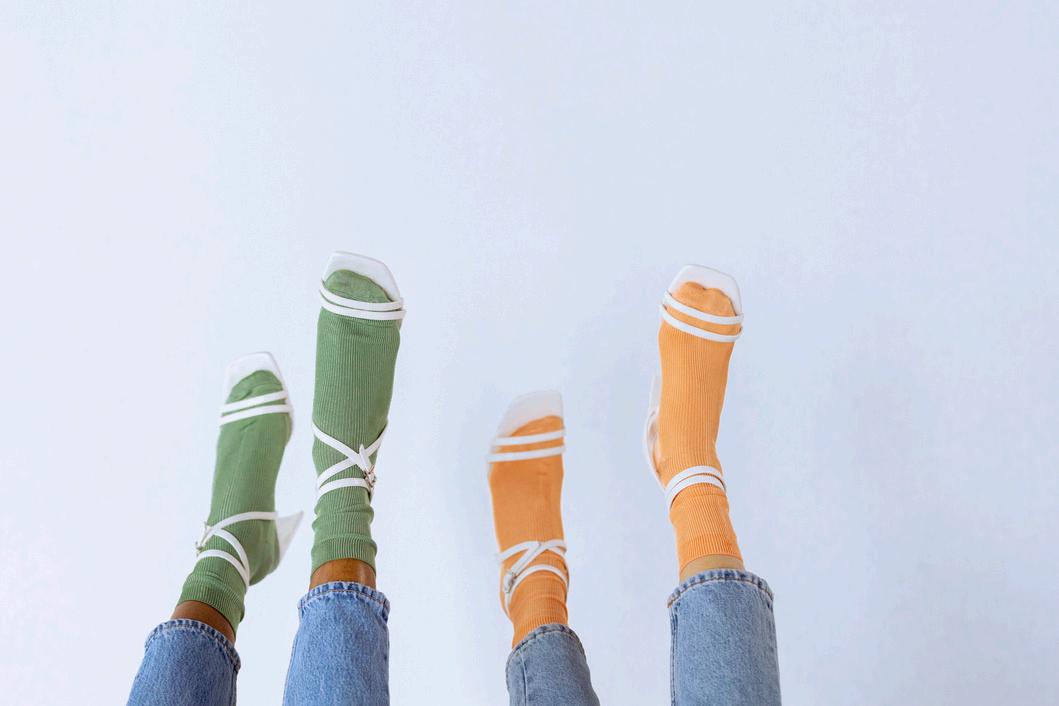
“Something as small as socks can start a conversation big enough to save a life”
World Suicide Prevention Day – 10
September
On this day, groups like Wellways invite Aussies to wear their most vibrant socks whether stripes, polka dots, or knee-high rainbow to start conversations and fundraise for suicide prevention training.
Sock It to Suicide Week – Third week of October.
Led by the White Wreath Association, this week-long campaign invites schools, workplaces, and communities to join in, with funds directed toward building Safehaven Centres safe spacesfor people in crisis.
By stepping out in patterned socks, Australians across the country do more than show style they step into a movement of empathy, awareness, and lifesaving impact.
Bright socks are a conversation starter. They invite curiosity “Why the socks?” and create an opening to discuss mental health, break stigma, and remind everyone that it’s okay to talk, ask, and care. Through this simple symbol, people step into connection turning awareness into action.
Wellways’ “Sock It to Suicide” campaign turns World Suicide Prevention Day (10 September) into a vibrant, life-saving effort Participants don eye-catching socks to spark conversation and raise funds for suicide prevention training—programs like QPR (Question, Persuade, Refer), ASIST, and culturally tailored workshops such as Deadly Thinking that equip community members across urban, regional, and rural areas with the skills to support someone in crisis.
On a complementary note, the White Wreath Association delivers sustained impact throughout the year with its awareness programs—including National White Wreath Day and Wear White at Work and directs proceeds toward establishing Safehaven Centres. These facilities are envisioned as safe, clinically staffed environments offering comprehensive assessment and ongoing support for individuals in suicidal crisis, along with dedicated programs for their families and carers.
Suicide/Mental illness is like our modern-day cancer; everybody knows someone directly or indirectly affected by suicide.
Suicide/Mental illness affects all walks of life, all cultures and all ages regardless of whether we are rich, famous or poor.
Think about this. Do you know someone?
Together, each pairof socks, each conversation, and each dollar raised translates intosupport, education, and hope.

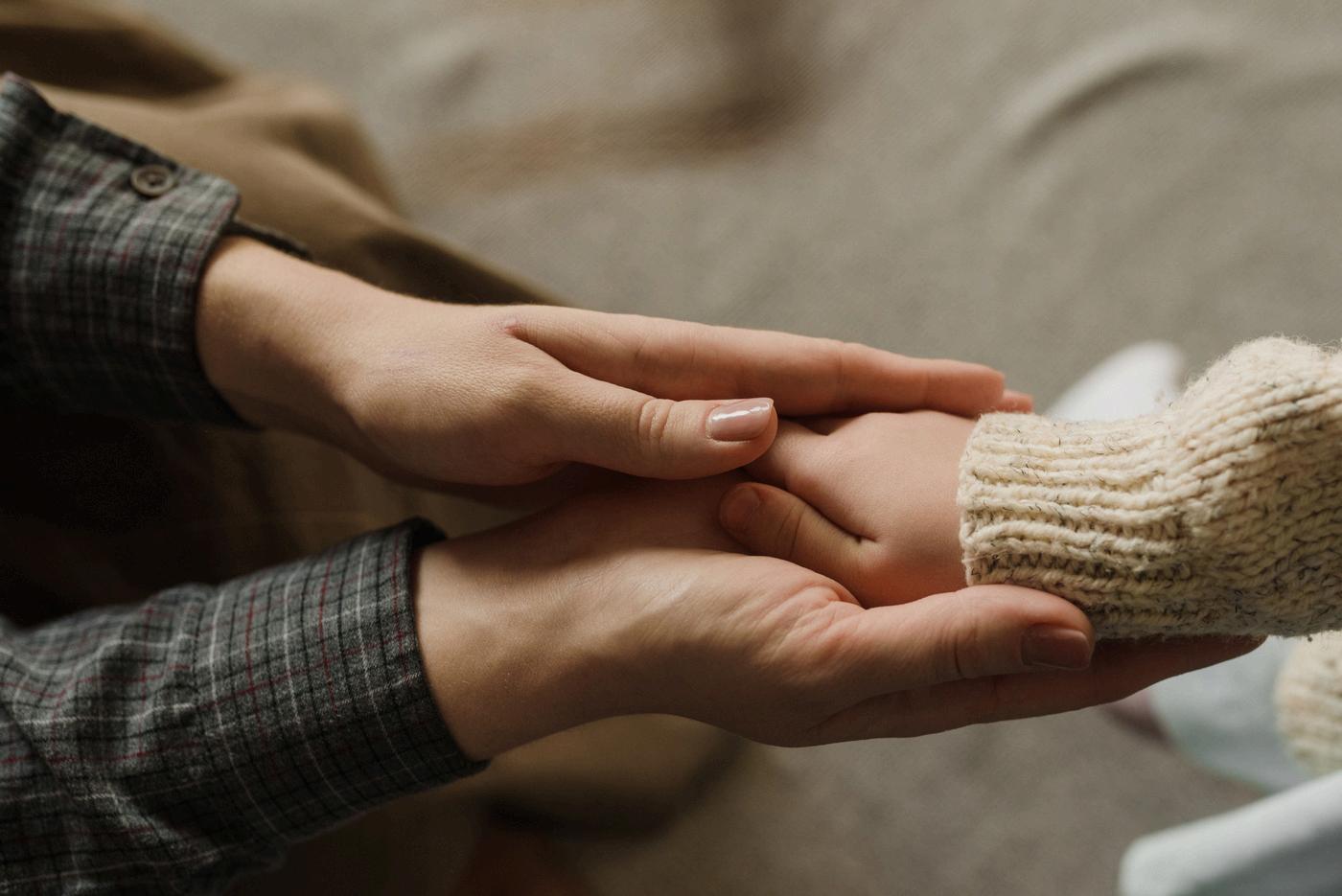
Every September, Australians unite for National Child Protection Week (NCPW), a campaign dedicated to raising awareness about child abuse and neglect and empowering communities to play their part in keeping kids safe.
In 2025, the week runs from Sunday 7 to Saturday 13 September, led nationally by NAPCAN (National Association for Prevention of Child Abuse and Neglect) and supported by state-based organisations such as ACT for Kids in Queensland.
Child Protection Week isn’t just an awareness campaign it’s a call to action. Its purpose is to shine a light on the hidden issue of child abuse, start open conversations, and equip families, schools, and communities with the knowledge and tools to protect children.
GoalsofChild Protection Week:
Raise awareness about the scale and impact of child abuse in Australia.
Educate adults on how to recognise, respond to, and prevent abuse.
Empower children and young people by creating safe spaces where theyfeel heard.
Strengthen communities to work together in supporting families Advocate for policy reform so that children’s rights and safety are central to decision-making.
“Protecting children isn’t just about stopping harm— it’s about creating environments where every child can thrive.”
The enduring message, “Every child, in every community, needs a fair go,” reminds us that child protection is everyone’s responsibility. Queensland
Child Protection Week isn’t just about raising awareness it’s about taking meaningful action. This year’s theme highlights that talk is powerful, but real change happens when we act through policy, parenting, education, and community connection.
Official Launch Webinar
Hear from national experts about how communities can take practical steps to turn awareness into meaningful change.
Queensland Community Events
Local schools, neighbourhoods, and workplaces will host: awareness days, morning teas, workshops promoting child protection and wellbeing
Educational Resources
Free materials to support conversations with children: Activity booklets, posters, infographics. All tailored to be age-appropriate and accessible to parents, educators, and children. Local Councils &Libraries
Many councils will participate by hosting: Storytime sessions, Guest speaker talks, and Art displays
These eventsfocus on promoting children’s rights, safety, and voices.
The Australian government has taken several decisive steps to enhance child protection across the country. These new policies not only bolster accountability in childcare but also push for stronger oversight and sustainable caregiving alternatives.
Launching a National Educator Register by 2026 for better accountability. Mandatorychild safetytraining forearly learning staff.
ACCTV pilot in 300 childcarecentresstarting late 2025.
A nationwide phone ban in childcarecentresfrom September 2025.
A lifetime ban on thosewhofail Working-With-Children Checks.
Queensland trialling professional foster care as an alternative to residential care.
Wear Child Protection Week colours, start conversations, host events, share free resources, and support child safety initiatives by volunteering or donating.
Kids Helpline (1800 551 800) or Lifeline (13 11 14)
Explore at eSafety Kids
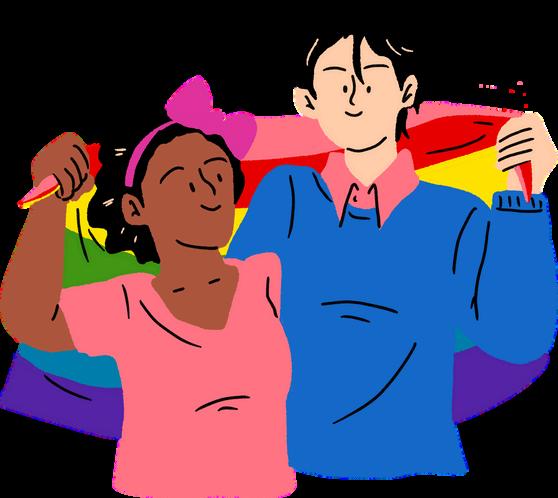
In modern Australia, diversity is celebrated—and understanding the spectrum of sexuality helps build a more inclusive society. Here's a brief overview of common sexual identities:
HETEROSEXUAL
Attraction to the opposite sex.
BISEXUAL
Attraction to more than one gender.
ASEXUAL
Little or no sexual attraction; may still have romantic bonds.
QUEER
A broad term for nonheterosexual or non-cisgender identities.
POLYSEXUAL
Attraction to many genders (not necessarily all)
HOMOSEXUAL (GAY-LESBIAN)
Attraction to the same sex.
Attraction regardless of gender - focused on connection.
DEMISEXUAL
Sexual attraction only after emotional connection.
QUESTIONING
Exploring or unsure about one ´ s sexuality.
HETEROFLEXIBLE/ HOMOFLEXIBLE
Mostly attracted to one gender, but occasionally others.
Australia’s culture is shaped by mateship, respect, and inclusion. Understanding these identities helps break stigma, support mental health, and remind us that everyone whether straight, gay, bi, or anything in between deserves acceptance.
Everyonedeservesthe right to identify, love, and bethemselves without judgement.
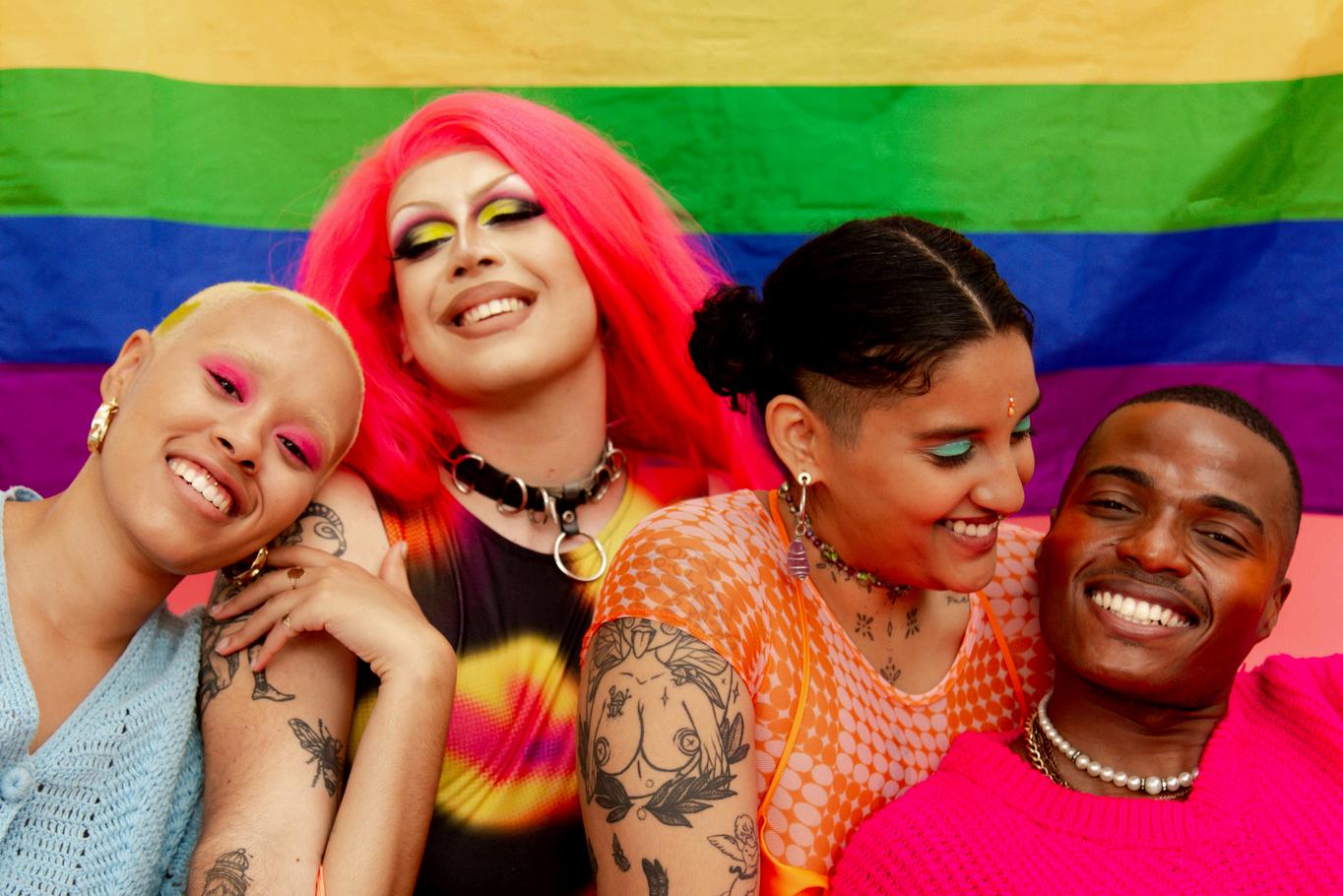
Across the nation, LGBTIQ+ Health Australia (LHA) stands as the peak body uniting organisations and individuals dedicated to the health and wellbeing of LGBTIQ+ communities Since its establishment in 2007 (originally as the National LGBTI Health Alliance), it has grown into a trusted and authoritative advocate in Australia’s healthcare landscape.
LHA is driven by a vision of healthy, safe, and inclusive communities, free from stigma and discrimination. Its strategic plan for 2024–2029 lays out a cohesive national framework built upon four pillars:
Policy and influence
Member engagement and support
Partnerships and collaboration
Capacity building programs
LHA plays a central role in addressing critical and often overlooked health issues affecting LGBTIQ+ people, including:
Mental health and suicide prevention
Intersex health Transgender health
Ageing and older LGBTIQ+ populations
Data collection and research
With a steadfast commitment to human rights, social justice, and community leadership, LHA continues to amplify the voices of LGBTIQ+ Australians. Its efforts ensure that every person no matter their sexuality, gender, or identity has access to respectful, accessible, and affirming health services.
By supporting organisations like LGBTIQ+ Health Australia, we take a step closer to a future where inclusion is the standard, not the exception and where every person, no matter who they are, can live with dignity, safety, and pride
In today’s more inclusive conversations around sexuality, asexuality often called “ace” is gaining visibility, but still remains widely misunderstood. Let’s break it down.
Asexuality is a sexual orientation where a person experiences little or no sexual attraction to others. This doesn’t mean they avoid relationships —many asexual people seek: Romantic partnerships Deep friendships Or prefer to be single
Asexuality is a spectrum, meaning: Some people never feel sexual attraction
Others may feel it rarely, or only in specific situations
Many still experience romantic attraction—toward any gender, or none at all
❌ “It’s just a low sex drive.”
�� Asexuality is about attraction, not desire or physical ability.
❌ “You just haven’t met the right person.”
�� Asexuality is a valid identity not something to be “fixed.”
❌ “Asexual people can’t fall in love.”
�� Many asexual people experience deep romantic and emotional connections.
Lack of awareness – Ace identities are often overlooked or erased.
Pressure in relationships –Misunderstandings may lead to conflictor unrealistic expectations.
Social isolation – Society often links love with sex, making ace people feel left out.
Medical misdiagnosis –Asexuality is sometimes mistaken for a health issue.
Stereotypes and stigma –Asexual people may be wrongly seen as “cold” or “broken.”
The flag emerged from a communityled process hosted by AVEN, involving multiple design proposals and a democratic voting system across global asexual communities. The final design, created by a user named “standup,” was chosen for its clarity, inclusivity, and resonance with AVEN's branding
Since its adoption, the flag has become a powerful tool for:
Visibility allowing asexual individuals to publicly affirm their identities.
Education sparking conversations and dispelling myths about asexuality.
Community—uniting diverse identities like demisexual, greyasexual, and allied supporters under one shared symbol.
The asexual pride flag, created and adopted by the Asexual Visibility and Education Network (AVEN) in 2010, is a bold visual statement of identity, community, and solidarity within the asexual spectrum. It features four horizontal stripes—from top to bottom: black, grey, white, and purple each with a distinct meaning.
Black: Represents asexuality itself the absence of sexual attraction
Grey: Honors the grey-asexual and demisexual identities—those who experience attraction infrequently or only under specific emotional conditions.
White: Signifies allosexual individuals (those who do experience sexual attraction) and allies of the asexual community
Purple: Stands for community, unity, and pride bringing together all identities under the asexual umbrella.
These colors were thoughtfully chosen to reflect the asexual spectrum rooted in AVEN’s earlier triangle logo and to foster inclusion and visibility.
In a world where asexual identities are often misunderstood or invisible, this flag provides recognition and validation. It encourages broader acceptance and highlights that asexuality is a meaningful and varied part of human identity. Its symbolism extends beyond stripes it’s a beacon of inclusivity, resistance against erasure, and celebration of diversity.
Dementia is one of the most pressing health challenges facing Australian families today. As our population ages, more households are impacted—often in deeply personal and emotional ways.
Dementia is not a single disease, but a group of symptoms caused by brain disorders The most common type is Alzheimer’s disease, but others include vascular dementia and Lewy body dementia.
Common symptoms include:
Memory loss
Confusion about time or place
Difficulty with language or problem-solving
Mood or personality changes
Trouble completing daily tasks
Dementia is progressive, meaning symptoms worsen over time.
Seek Professional Support: Talk to a GP, specialist, or memory clinic.
Establish Routines: Predictability helps reduce anxiety.
Use Memory Aids: Calendars, notes, and labels support daily living.
Stay Connected: Music, touch, and shared activities help maintain emotional bonds.
Care for the Carer: Taking breaks is essential to avoid burnout.
Emotional Strain: Watching a loved one change can be heartbreaking.
Communication Difficulties: Simple conversations may becomefrustrating.
Practical Caregiving: Managing hygiene, meals, medications, and appointments becomes a daily task.
Safety Concerns: Risks like wandering or forgetting medications are common.
Carer Burnout: Many family members feel overwhelmed or guiltyfor needing rest.
Dementia Australia –1800 100 500
Carer Gateway –1800 422 737
Local Support Groups –Talking with others facing similar experiences can ease loneliness.
September is Dementia Awareness Month. It's a time when organizations like Dementia Australia raise awareness about dementia, challenge the stigma surrounding it, and promote support for those affected. The month also highlights the importance of research and support services for people living with dementia and theirfamilies.
an estimated 433,300 Australians living with dementia and 1.7 million people involved in their care, chances are you know someone who is impacted by dementia.
Even as words and memories fade, emotions stay strong. A person with dementia may forget what was said— but not how it made them feel. Kindness, tone of voice, and body language speak louder than ever
�� Good DaysStill Happen
When we think of dementia, we often focus on memory loss or confusion. But behind the symptoms, there’s a person who still feels, remembers moments, and senses connection even as their world shifts.
In the early stages, many people know something is changing. They may forget names, lose their train of thought, or feel like their mind is in a fog. These moments often bring frustration, fear, or embarrassment, as they become aware of the gaps in memory.
Dementia isn’t constant decline. There are still moments of clarity a song, a smell, or a photo can unlock vivid memories Families call these moments “windows” when a loved one feelsfully present.
�� Living BetweenTwoWorlds
Many describe the feeling of moving between moments of clarity and confusion two worlds that can be exhausting. Yet, love and respect still reach them, even when words do not.
❤ The Human Side Remains
Dementia affects memory, but not the heart. People still feel love, joy, sadness, and connection. They laugh. They enjoy music. They respond to touch. They are still themselves, just experiencing the world differently
�� A Reminderfor Families
Dementia changes what someone can do, but not who they are. Meet them with patience, empathy, and presence and you’ll still find moments of real, human connection.

The International Day of the Girl Child, recognised by the United Nations, is observed every year on 11 October. It’s more than a celebration it’s a global movement to spotlight the challenges girls face and to promote their rights, empowerment, and leadership.
Purpose of the Day
Raise awareness about gender inequality worldwide.
Advocate for education, health, and protection for girls
Promote girls’ rights to lead, learn, and thrive.
Challenge harmful practices like child marriage, discrimination, and limited access to schooling.
Recognised across the country by schools, councils, NGOs, and community groups.
Organisations like Plan International Australia and UN Women Australia host events, campaigns, and discussions. Landmarks are often lit in pink and purple in major cities to raise awareness.
Schools use the day to inspire conversations about equality, leadership, and opportunity for girls of all backgrounds.
Why it matters here
Australia is among the global leaders in gender equality, but: Girls still face stereotypes, body image pressure, and underrepresentation in leadership roles.
Aboriginal and Torres Strait Islander girls may encounter greater challenges in health, education, and safety. The day serves as a reminder that empowering girls strengthens entire communities and future generations.
EMPOWERING GIRLS ISN’T JUST THE RIGHT THING TO DO IT’S THE SMART THING TO DO. WHEN GIRLS RISE, EVERYONE BENEFITS.
of strenght & impact
Celebrating Girls Who Are Shaping Australia’s Future
On International Day of the Girl (11 October), we honour girls who are not just dreaming of a better world but building it. Meet three inspiring young Australian women using their voices and talents to create real, lasting change.
Mariam Nabizada – Championing Refugee Rights & Education
At just 16, Afghan-Australian student Mariam Nabizada is turning her refugee experience into purpose. She co-founded the Maryam Foundation to support Afghan women and displaced families and volunteers with organisations like the Daniel Morcombe Foundation Selected for the Queensland Youth Parliament, Mariam reminds us that education and empathy can transform communities.
Tiahni Jade Adamson – Elevating First Nations Voices in STEM & Climate Action
Named South Australia’s Young Australian of the Year (2024), Tiahni Adamson, a proud Kaurareg woman, is a conservation biologist and fierce climate justice advocate. She blends First Nations knowledge with science and leads within Seed, the only First Nations–led youth climate group in Australia. Her work promotes selfdetermination, sustainability, and truth-telling.
Why it matters here
Chanel Contos – Revolutionising Consent Education
After asking a simple question on Instagram, Chanel Contos launched a national conversation on sexual consent. Her campaign, Teach Us Consent, gathered over 5,000 survivor stories and 44,000 petition signatures, pressuring leaders to introduce consent education in schools. Chanel’s advocacy proves that a single voice can spark a national movement.
Mariam, Tiahni, and Chanel represent diverse causes and cultures, but they share one powerful trait: courageous leadership. Their impact shows that when girls are heard, entire communities rise.
On International Day of the Girl, let’s celebrate and amplify these voices and continue working toward a future where every girl can lead, learn, and thrive.
Prostate cancer occurs when abnormal cells grow in the prostate gland a small male organ located below the bladder responsible for producing seminal fluid It ranks among the most common cancers affecting men in Australia, second only to non melanoma skin cancers.
Most common cancer in men: In 2024, an estimated 26,368 new cases will be diagnosed, accounting for approximately 28% of all malecancercases.
Lifetime risk: About 1 in 6 (18%) men will be diagnosed with prostate cancer by age 85. Survival rate: The 5-year survival rate stands at 96%, thanks to early detection and improved treatments.
Deaths: Prostate cancer is the second-leading cause of cancerrelated death among Australian men, with roughly 3,900 deaths expected in 2024 (≈11 perday)
Early-stage prostate cancer may not present symptoms. When symptoms do appear, they can include: Difficulty urinating or weak urine flow
Frequent urination, especially at night
Blood in urine or semen
Lower back, hip, or pelvic pain (if the cancer spreads)
No national screening program exists. Instead, PSA blood tests and digital rectal exams (DRE) are used on a case-by-case basis
The RACGP guidelines recommend a shared decision-making approach: For average-risk men aged 50–69, PSA testing every 2 years may be offered after informed consent.
Higher-risk individuals (e.g., family history) may start testing earlier, from age 40–45. A PSA test alone isn't definitive it may lead to further tests like MRIs or biopsies. Ordering tests relies on individual consultation, not routine population-based screening
Cancer Council (131120)
Prostate Cancer Foundation of Australia (PCFA): Offers support groups, information, and awareness campaigns.
Queensland
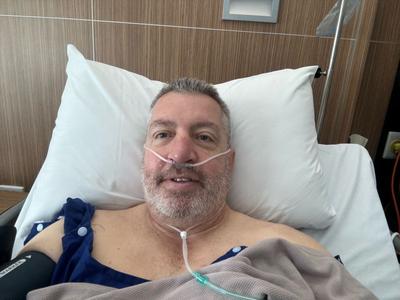
Exactly one year ago, I sat at a gala breakfast when the phone rang I had been wearing a brave face all week, but I’d been dreading this moment. My biopsy result was clear: cancer in seven of eight sampled lobes. I returned to the conference room, composed yet shaken.
The tears came later at home, when I embraced my wife of 30 years—my rock, my counselor I share this now as we approach Prostate Cancer Awareness Month in September, to remind us of the importance of early diagnosis and the strength found in support
So what? So, make sure you or the men in your life are having regular Prostate Specific Antigen (PSA) blood tests, especially from age 50 onwards and earlier if you have a family history. I had none of the “classic” symptoms and would have been none the wiser had my GP not spotted and responded to the changes to my PSA I am eternally grateful to my GP Dr Craig Heath who noticed the changes and promptly referred me onto Stuart Collins who was my excellent consultant and subsequent surgeon
I am eternally grateful to Dr Craig Heath and Dr Stuart Collins for their timely and effective diagnosis and the gift they have granted me of a cancer freefuture.
Be aware of the symptoms, get your blood tested annually and don’t be
be afraid if or one of your loved ones get diagnosed with Prostate Cancerdetected early it has one of the highest survival rates with great long term outcomes
What You Can Do
Get tested early especially if over 50 or with family history.
Talk to your GP about PSA testing not all prostate cancers show symptoms.
Support awareness campaigns during Prostate Cancer Awareness Month every conversation counts Remember: Early diagnosis gives you more choices, better treatment paths, and a stronger chance of survival.
The Takeaway: Hope, Detection, and a Bright Future
Not all prostate cancers are the same. Many are slow-growing and manageable with medication and monitoring, avoiding surgery altogether. The key is regular PSA screening and evaluation by a urology specialist.One year on, I’m grateful for the expertise of DrHeath and DrCollins, and for the love and resilience of myfamily.


Financial stress is a major trigger for conflict in Australian homes. Tight budgets, job cuts, and mounting debt can lead to heightened tension. For some, this stress becomes a tool of control manifesting in emotional, financial, or physical abuse. While stress cannot justify violence, it can amplify pre-existing unhealthy dynamics.
Research clearly demonstrates that rising financial stress often precedes intimate partner violence (IPV), especially among those without prior abuse history. One study during the COVID-19 pandemic revealed:
High financial stress tripled the odds of experiencing:
Physical violence
Sexual violence
Emotional or controlling behaviours
Moreover, women facing economic hardship were:
2.6 times more likely to face physical violence
2.5 times more likely to endure sexual violence
2.3 times more likely to suffer emotional abuse
Similarly, individuals living in households unable to quickly access emergency funds or those experiencing cash flow problems had significantly higher rates of partner violence, emotional abuse, and economic exploitation
A survivor reflects on ongoing financial abuse years after escaping a violent ex-partner:
“A decade after leaving… he refused to contribute… leading to financial hardship… lost my job and secure housing… a cycle of instability and homelessness.”
Another mother shared how financial control left her homeless and in debt during separation, escalating the need for charity and crisis services:
“Massive debt and no home… 40% rise in requests for specialist financial counselling…” SUPPORT
1800RESPECT (1800737732): 24/7 support for domestic and family violence
Lifeline (131114): Crisis and suicide prevention
When StressTurns Into Harm: Breaking theCycle
Financial pressure like mounting bills, job loss, or overwhelming debt can affect anyone. But it never justifies harming the people you love. When stress pushes someone toward anger, shouting, or even violence, it not only damages relationships and families it also damages your own wellbeing. Recognising this harmful path is thefirst step toward real change.
1.Acknowledgethe problem
Admitting that stress triggers harmful behaviour is a sign of strength—not weakness.
2.Learn HealthyCoping Strategies
Try methods like exercise, journaling, or therapy to manage emotions constructively.
3.Communicate, Don’t Control
Open, honest conversations about money reduce tension and build trust.
True strength is choosing respect over aggression. Asking for help, learning new ways to cope, and taking responsibility are courageous steps toward healing—not just for yourself, but for your relationships, family, and future. Changing behaviour restores trust and creates lasting, positive change.
4. Pause Before Reacting
If anger flares, step away call a friend, take a walk, or cool off to prevent harm.
5 Seek Professional Help
Programs and counselling are available to support change and healing.
Men’s Referral Service Confidential support and referrals to Behaviour Change Programs Call: 1300766491
Men’s Behaviour Change Programs Programs across states like MDVEIP, Room4Change, and more, offering group and individual counselling.
Men’s Line (Varied services) 24/7 counselling for emotional, behavioural, and relationship challenges: 1300789978
The Salvation Army – Men's Services
Additional Local Programs

Maintaining independence, connection, and confidencewithout driving
For many older Australians, driving isn’t just about transport—it’s about freedom So, when seniors lose their driver’s license, whether due to age, medical concerns, or safety regulations, it can feel like losing a vital part of their independence. But with the right support and resources, this transition doesn’t have to lead to isolation.
Why DoSeniors LoseTheir License?
In Australia, medical reviews are often required to ensure safe driving in older age. These assessments may consider:
Vision or hearing loss
Slower reflexes
Cognitive or mobility issues
While these checks are in place to protect everyone on the road, the emotional impact can be profound.
Coping With theChange
Acknowledging the Loss
It's natural for seniors to grieve this shift. Feelings of frustration, embarrassment, or sadness are common. Family and friends should listen and validate these emotions.
Open Communication
Encouraging honest conversations about alternative transport options can help seniors feel supported and in control ofthe transition.
Staying SociallyConnected
Regular visits, phone calls, or outings can prevent loneliness and keep seniors engaged in their communities.
�� Alternative Transport Options in Australia
Public Transport: Seniors are eligible for discounted fares across most systems with a concession card.
Community Transport Services:
Many local councils and charities offer door-to-door services for shopping, medical visits, and social activities.
Ride-Sharing & Taxis: Apps like Uber or local taxi subsidy schemes (often discounted for pensioners) offer flexible travel.
Family & Friends: A shared "lift roster" among loved ones ensures reliable helpfor essential trips
Mobility Scooters & Walking Groups: Great for local errands, exercise, and social engagement.
The Roleof Emotional Support
Highlight the positives:
Less stress about traffic and parking. Savings on fuel, insurance, and car maintenance. Safer travel with less physical and cognitive strain.
For many older Australians, health issues or limited mobility make it hard or impossible to leave home. While staying indoors can be safer and more comfortable, it can also lead to feelings of isolation. The good news? There are plenty of ways to stay socially engaged, mentally active, and emotionally supported without ever leaving the house
Understanding Loneliness
Loneliness isn’t just about being alone —it’s the feeling of being disconnected from people or purpose. Seniors who are homebound may feel forgotten or invisible, but it’s important to remember: you are still part of a community, and help is always within reach
�� SimpleWaystoStayConnected
Phone & Video Calls: Regular chats with family and friends make a big difference.
Community Check-Ins: Local councils and charities often arrange calls or visits.
Letters & Pen Pals: Old-fashioned, heartfelt communication especially with grandkids.
��
Creative hobbies like knitting, puzzles, or painting keep hands and minds busy.
Memory journals let you share life stories and reflect on your journey.
Gentle movement like chair yoga or breathing exercises can boost your mood.
Ifsadnessor isolation becomestoo much, you’re not alone. Support is available:
Lifeline:131114
Beyond Blue:1300 22 4636
Virtual Clubs: Join online book clubs, music groups, or religious services.
Radio & Podcasts: A great way to feel connected to the world around you.
Pets: A small pet or therapy animal visit can offer comfort and joy.
Being homebound doesn’t mean being cut off from life. With a little support, creativity, and connection, seniors can continue to live meaningful, joyful lives—surrounded by care, even at a distance.
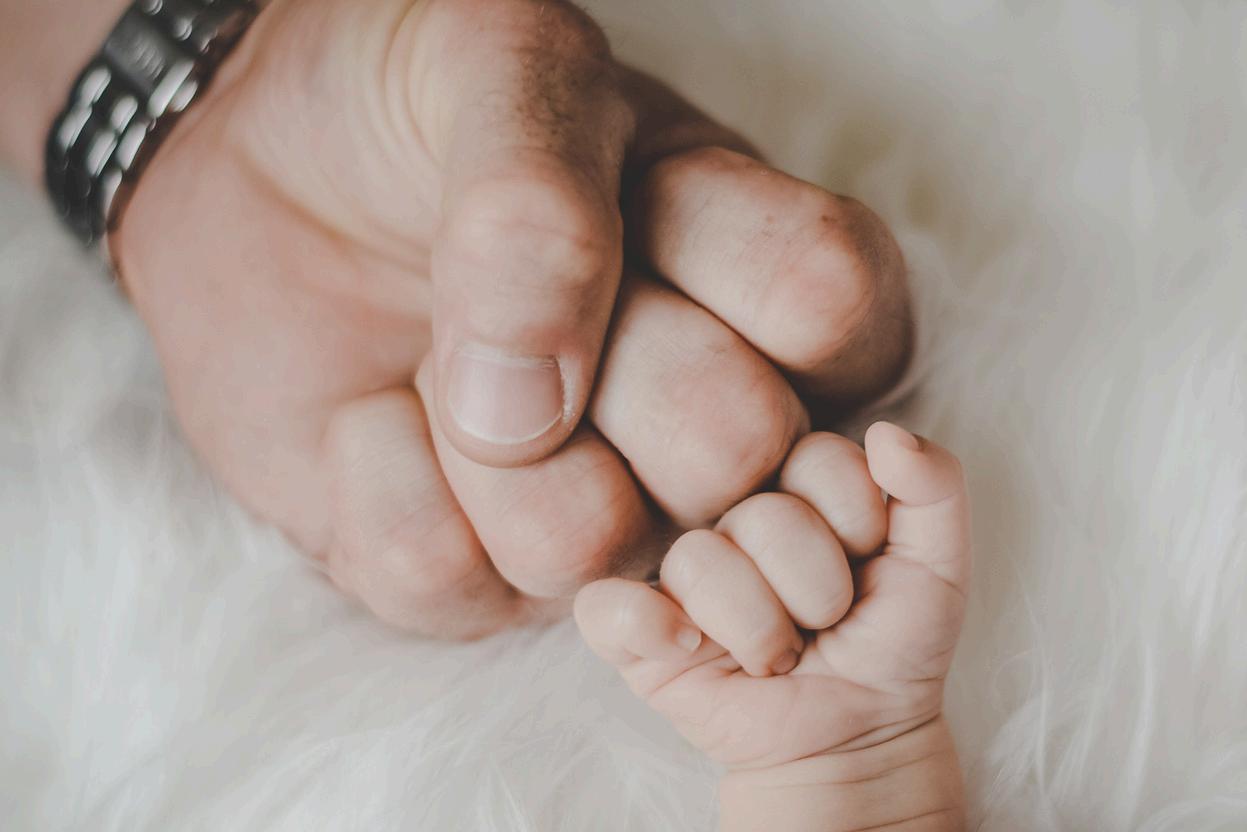
Father’s Day is more than just a date on the calendar—it’s a heartfelt reminder to honour the men who guide, protect, and inspire us. Whether they’re fathers, stepdads, grandfathers, or father-figures, this day shines a light on their immeasurable role in shaping our families and communities.
�� The Powerof Everyday Influence
At its core, Father’s Day is about gratitude Fathers often lead by example teaching resilience, integrity, and kindness through their actions. From tying shoelaces to offering wisdom during life’s biggest moments, their influence goes far beyond words. The lessons passed down from a father often become the tools we carryfor life.
�� AChanceto Pause and Connect
This day reminds us to slow down. Life moves quickly, but Father’s Day offers a chance to reflect and reconnect. Whether it’s a shared meal, a thoughtful gift, or simply sitting together, these small gestures carry big meaning. They’re a way of saying, “I see you. I appreciate you.”
�� A Foundation of Community
Fatherhood is more than a role it’s a cornerstone of a healthy, supportive society. Present, loving fathers help raise confident children and contribute to stronger communities. When we celebrate dads, we also celebrate the values of love.
�� A Bond Worth Celebrating
In the end, Father’s Day is special because it celebrates something timeless: The bond between a father and child is unique, irreplaceable, and worth honouring—everysingleday.
“A father is someone you look up to no matter how tall you grow.” — Unknown
“Any man can be a father, but it takes someone special to be a dad.” — Anne Geddes
The power of a dad in a child’s life is unmatched.” —
Justin Ricklefs
�� Make him a handmade card or drawing.
�� Perform a song, dance, or poem just for him.
�� Give him “coupons” for chores like washing the car or tidying up
�� Cook him breakfast (with a little helpfrom Mum or siblings).
�� Plan a family walk or bike ride together.
�� Build a LEGO project or puzzle as a surprise.
�� Create a “Top 10 Things I Love About Dad” list.
�� Organize a family movie night with hisfavouritefilm.
�� Wash and vacuum his car.
�� Teach him a TikTok dance (or let him teach you a “dad move” ��).
�� Make a personalised playlist of songs that remind you of him.
�� Write a heartfelt letter sharing your favourite memories.
�� Give him a tech lesson (phone, social media, or computer tips).
�� Cook dinner for the family his choice of meal.
�� Record a fun video message from the wholefamily.
�� Offer to mow the lawn or handle yard work for the week.
�� Host a backyard BBQ or picnic with what’s already at home.
�� Take him on a scenic hike or walk in the park.
�� Organise old family photos into a slideshow.
�� Share stories about your childhood that he may have forgotten.
�� Give him a day “off duty” you handle chores, errands, and tasks.
☕ Sit down for a one-on-one chat over coffee or tea.
�� Cook his favourite comfort meal with pantry staples.
�� Spend the day helping him with a project or hobby.
�� Simply tell him, face-to-face, how much he means to you.
Father’s Day isn’t about how much you spend it’s about how much love and thought you put into showing appreciation. The best gifts often cost nothing at all, and they create memories that last longer than anything money can buy.
Father’s Day isn’t about price tags— it’s about presence.
The most meaningful gifts come from the heart: your time, your attention, and your love. This year, skip the store and give Dad the greatest gift of all— you.
Going through separation whether from a marriage or de facto relationship can feel overwhelming, especially when it comes to dividing assets. This guide breaks down the essentials to help you navigate the process with confidence.
Your property may include:
Homes, land, and real estate
Bank accounts and savings
Superannuation funds
Vehicles, furniture, jewellery
Shares and investments
Assets owned individually, jointly, or through a trust or company
All assets and debts are considered, regardless of who holds the title or name.
A property settlement is the legal process for dividing properties and debts after separation. Importantly, you may be entitled to a fair share even if you didn’t contribute financially or work outside the home
DoYou Need toGotoCourt?
Not necessarily! Many separations can be settled through mutual agreement
If needed, you can apply to the court within specific time limits:
Married couples: within 12 months of divorce
De facto couples: within 2 years of separation
The PropertySettlement Process
1.Determine what's fair and equitable
2.Identify and value all assets and debts
3.Assess financial and non-financial contributions (e.g., homemaking, parenting)
4.Consider future needs, such as health, age, and care of children
5.Agree on a fair outcome or seek a court decision if needed
This process helps ensure both parties are treated fairly and future needs are considered.
Reach out to a qualified lawyer, especially if: You’re unsure of your rights
You're being asked to sign an agreement
You and your ex cannot reach an agreement
You suspect assets may be hidden or sold deliberately
Women’s Legal Service
Queensland (WLSQ) 1800 957 957 (Mon–Fri, 9AM–4:30PM)
Separation doesn’t have to be legally complex. Understanding your rights and knowing when to seek help can make the process fairer, less stressful, and more manageable for everyone involved.
21 Queensland
We often think of addiction in terms of substances like alcohol or drugs, but emotions themselves can also become addictive. This lesser-known struggle is called emotional addiction and it can quietly shape our behaviours, relationships, and daily lives.
Emotional addiction happens when the brain becomes wired to crave certain emotional states whether positive or negative. Just like a chemical substance, emotions trigger the release of powerful neurochemicals such as dopamine, cortisol, or adrenaline. Over time, the brain learns to “seek out” situations that recreate those feelings, even if they’re harmful
Common Patterns
Anger Addiction – constantly seeking arguments or outrage. Stress Addiction – thriving on chaos, deadlines, or constant busyness. Sadness Addiction – unconsciously drawn to memories or situations that trigger grief
Drama & Conflict Cycles – repeating patterns in relationships that bring both highs and lows.
Our brains love familiarity, even if it’s unhealthy. If we grew up in environments filled with conflict, neglect, or unpredictability, we may unknowingly recreate those emotional states in adulthood because they feel “normal.” This doesn’t mean people want to suffer, but their nervous system has learned to find comfort in the familiar chemical patterns emotions create.
Overcoming emotional addiction isn’t about suppressing feelings it’s about learning healthier ways to regulate them Key steps include: awareness, mindfulness & grounding: Practices like meditation, journaling, or breathwork can retrain your nervous system. Healthy Alternatives, therapy & support
When we understand how our emotions shape our choices, we can break free from unhealthy cycles and create new patterns that serve growth, connection, and wellbeing.
✨ Healing comes when we stop being controlled by our feelings and start learning from them instead.