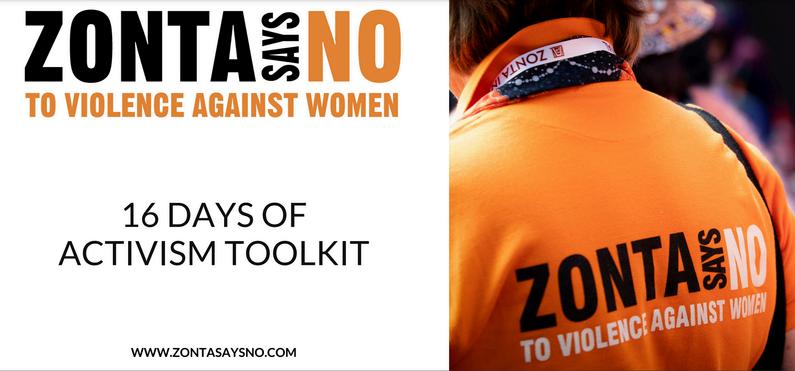
Every year, from 25 November to 10 December, the world unites for the 16 Days of Activism Against Gender-Based Violence. This is a campaign that has become one of the most enduring and impactful movements for human rights. The 16 day campaign formally expanded in 1991 when activists at the first Women’s Global Leadership Institute launched a global initiative seeking to link two powerful dates, being International Day for the Elimination of Violence Against Women – 25 November, and Human Rights Day - 10 December. This symbolic connection reminds us that violence against women and girls is not a private matter but a fundamental violation of human rights.
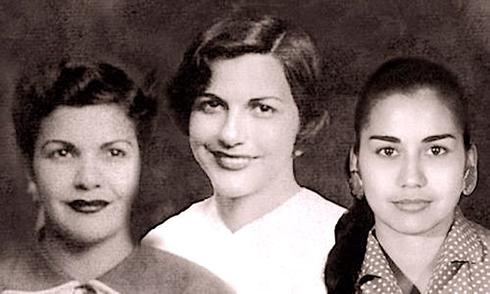
The roots of this campaign reach even deeper, to the memory of the Mirabal sisters, political activists brutally assassinated in 1960 for resisting dictatorship in the Dominican Republic. Their courage inspired the declaration of the day they were assassinated, 25 November 1960, as a day of global action with the establishment of the day as the International Day for the Elimination of Violence Against Women In 2025 their legacy fuels a movement that now spans more than 187 countries and thousands of organisations worldwide.
So, what is the purpose of these 16 days? It is more than awareness - it is a call to action, accountability, and solidarity The campaign challenges discriminatory attitudes, demands stronger laws and services, and amplifies the voices of survivors. It creates space for communities to learn, advocate, and innovate toward a world free from gender based violence.
As technology reshapes our lives, it has also opened new frontiers for harm cyberstalking, image-based abuse, deep fake pornography, and online harassment are rising at alarming rates. Digital violence doesn’t stay online, it spills into real life, threatening safety, dignity, and mental health This year, the theme is both urgent and timely “Unite to End Digital Violence Against All Women and Girls.”
This year’s campaign calls on governments, tech companies, and individuals, to make digital spaces safe, inclusive, and empowering Why does this matter? Because one in three women worldwide experiences physical or sexual violence in her lifetime, and now, digital abuse adds another layer of vulnerability The benefits of this global campaign are profound:
· Awareness and Education: It shines a spotlight on issues often hidden behind closed doors or screens.
· Policy and Legal Reform: It pressures governments to strengthen laws and enforcement
· Community Mobilisation: It connects grassroots movements with global advocacy, creating a united front.
· Support for Survivors: It fosters networks of care and resources that help survivors rebuild their lives.
As we mark the 16 Days of Activism in 2025, let us remember this is not just a campaign for a short period - it is a commitment for every day.
A commitment to speak out, to stand with survivors, and to dismantle the systems that allow violence, whether that be physical or digital, to persist.
Change begins when we act together so let these 16 days ignite a year round movement for justice, equality, and safety for all.
Sandra Holebrook
CEO - Trauma Assisst
The Mirabal sisters also known as “Las Mariposas” ✨ “The Butterflies.”
16 DAYS OF ACTIVISM
Women and girls should be able to walk down a street without fear, study without intimidation, work without harassment, and use the internet without enduring abuse. Yet, an estimated 736 million women globally – almost one in three – have been subjected to physical and or sexual violence at least once in their lifetime.
In Australia, women face a 1 in 3 chance of being assaulted, and 1 in 2 will experience sexual harassment.
These are not just statistics; it’s a national disgrace. And when one woman is being violently killed every four days in Australia, we can’t afford to stay silent.
What is “16 Days of Activism” 16 Days of Activism against Genderbased Violence runs from 25 November to 10 December annually.
“16 DAYS CAN SPARK A CONVERSATION BUT REAL CHANGE HAPPENS WHEN WE CARRY THAT AWARENESS INTO ALL 365.”
Taking the challenge and fundraising will raise awareness and vital funds to support UN Women Australia and programs around the world that are on the front lines, working to put an end to the violence.
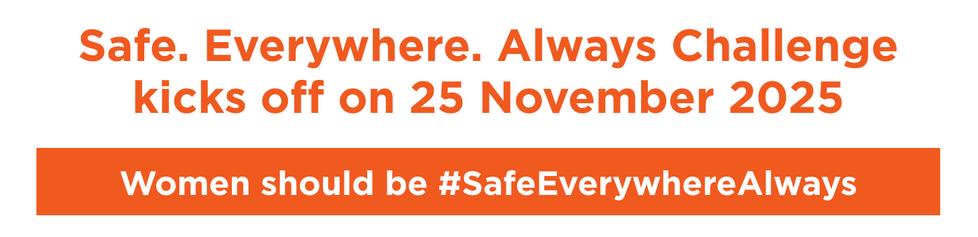
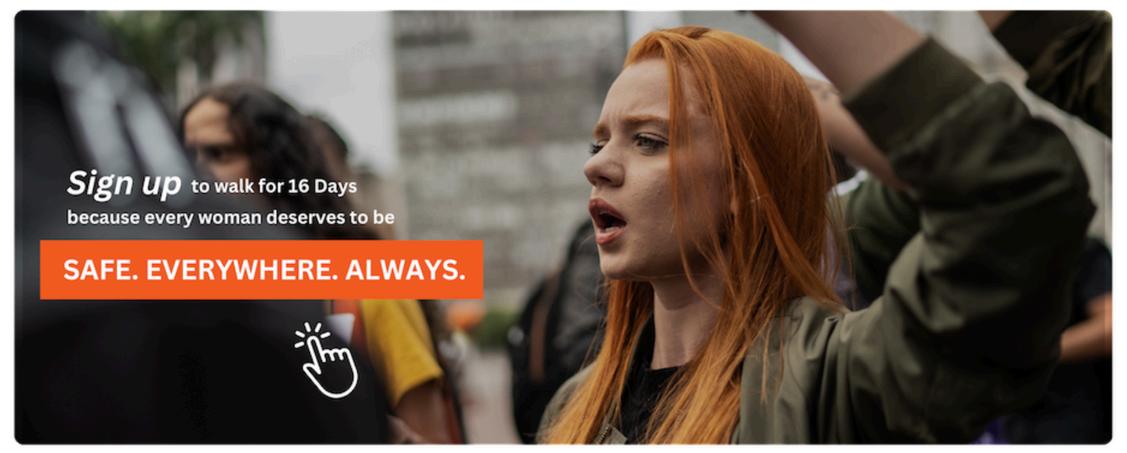
Walk with us because women and girls should be Safe. Everywhere. Always.
Come one, come all! Registrations to join the challenge as an individual, team, workplace, community group or school are now open!
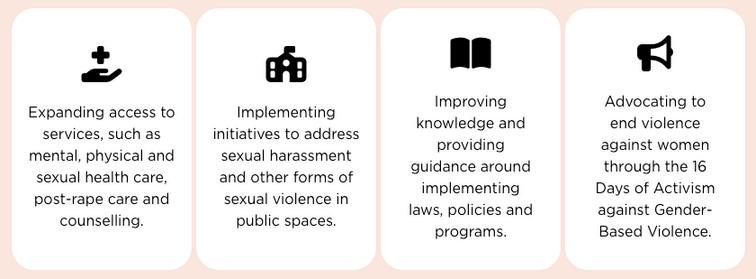
UN Women worksto prevent and respond toviolence against women acrosstheglobe by:
Zonta International plays a powerful global role in supporting the16 Days of Activism Against GenderBased Violence by turning awareness into action at both local and international levels.
For women to be safe, they must be equal. In an unequal society violence against women can be dismissed and normalised. In a society based on equality, both men and women can thrive and violence against women is less likely.
We all need to work together to prevent violence against women. By changing how we think and act we can create a society of equality and respect where violence against women is unthinkable.
People don’t always react how we hope.
Maybe they don’t agree, don’t care, or get angry But resistance and backlash are expected parts of any change process.
When talking to a person who is defensive or resistant, consider these tips:
. Focus on values, if facts aren’t working, find common values people can get behind, like family, fairness or safety, ‘Don’t you want your sister to feel safe when she’s walking alone?'
. Don’t take it personally, how someone reacts to being challenged is not a reflection on you.
. Know when to stop, some people may never accept responsibility for their part in the change process. It’s OK to walk away and save your time and energy.
Promoting equality and ending violence against women starts with each of us.
You can make a difference by recognising moments of gender inequality in your everyday life.
Then you can: speak out when you hear disrespectful or sexist comments challenge rigid gender stereotypes call out controlling behaviour from your mates advocate for equal rights and opportunities for women role model healthy, equal relationships in your own life recognise that violence is never justified or okay
"When a man decides to break the cycle, he becomes the kind of man future generations can be proud of."
"When a man decides to break the cycle, he becomes the kind of man future generations can be proud of."
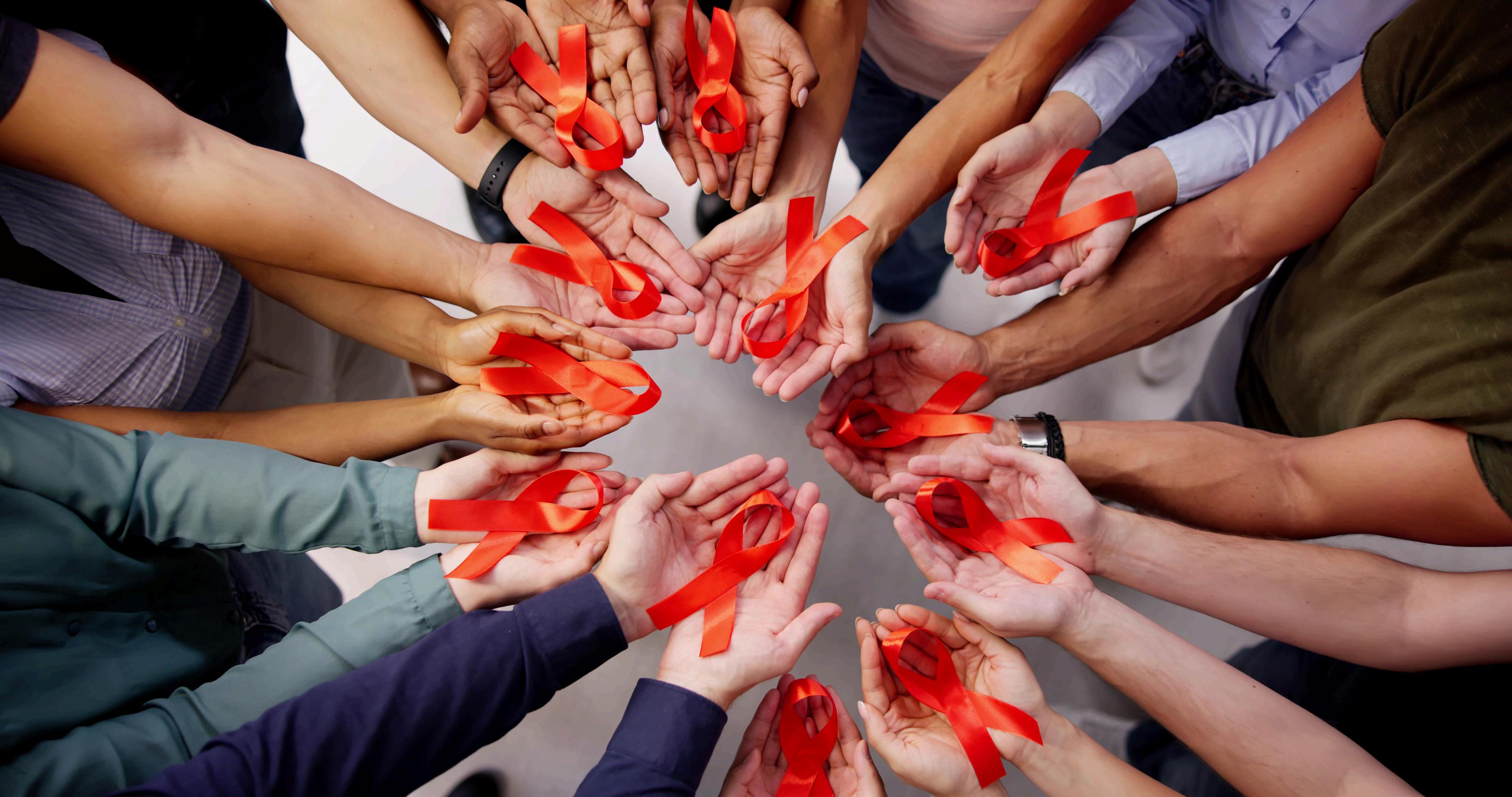
it is a day for the community to: show their support for people living with HIV, raise awareness about prevention, treatment and care, combat stigma and discrimination around HIV & remember people who have died of AIDS-related illnesses.
World AIDS Day raises awareness of HIV and AIDS in our community and across the world. It reminds us that HIV is still a global epidemic
In Australia there are an estimated 30,890 people living with HIV (2024). Worldwide, there are 40.8 million people living with this virus (2024). More than 44.1 million people have died of AIDS-related illnesses around the world since the start ofthe epidemic.
Today in Australia:
People living with HIV can get medication that allows them to live a healthy, long life.
People living with HIV who take antiretroviral treatment can supress their viral load and have no risk of transmitting HIV to a sexual partner. People can take preventive medication that removes the risk of getting HIV through sexual activity.
People can quickly access medications that prevents HIV infection if exposed to the virus.
We have safer-sex initiatives and programs to reduce the risk of harm from injecting drugs
“The fight against HIV is not just a matter of medicine it’s a matter of dignity, equality and community.”
Christmas is a beautiful mix of excitement, tradition and togetherness — but it can also bring pressure, emotions and unexpected stress. This special edition brings you practical tools to keep the season balanced: from managing alcohol, to staying on budget, cooking affordably, navigating family dynamics, entertaining kids, and enjoying Queensland without overspending.
This issue is your guide to creating a Christmas that feels peaceful, intentional and grounded no matter what the season brings.
Choose Calm
Over Chaos
It can feel like a whirlwind, full of noise, to do lists, last minute plans and expectations from every direction In the middle of the chaos, give yourself permission to slow down and breathe. Not everything needs your urgency, but everything benefits from your calm Be gentle with yourself, patient with others, and remember that kindness softens even the busiest days. The season isn’t about perfection, it’s about presence.
Whether you ’ re hosting, parenting, celebrating or simply surviving the holiday rush, these pages are here to support you with practical ideas and thoughtful reminders. Let this Christmas be less about pressure, and more about presence less about perfection, and more about patience.
CALM KIT FOR KIDS
Kids feel Christmas intensely — excitement, sugar highs, noise, late nights. It’s no surprise emotions boil over. Plan downtime between big events and keep routines where possible and try out our Calm Kit suggestions:
⭐ 1. Noise-Cancelling Headphones
Headphones help reduce sensory overload instantly.
⭐ 2. Fidget Toys or Sensory Tools
Pop-its, Stress Balls, Squishy toys or a tangle toy to help redirect restless energy and give their hands something soothing to do.
⭐ 3. Comfort Item
A favourite soft toy, small blanket, or stuffed animal that helps them feel safe and grounded
⭐ 4. Snacks & Drinks
Kids often melt down because they’re hungry or thirsty. Keep a pack ready with a water bottle, fresh fruit or Simple snacks (crackers and cheese) This keeps their blood sugar steady and prevents hangry moments.
⭐ 5. Visual Calm Cards
Simple cue cards with pictures or words like: “Breathe”, “Quiet time” or “I Need Space”. This helps kids communicate when they’re overwhelmed.
⭐ 6. Small Book or Colouring Pad
Something low-stimulus to focus on. Colouring reduces stress and brings attention back to the present moment.
⭐ 7. Cooling Wipe or Mini Fan
Overheating increases irritability. A quick cool-down can reset their mood fast.
⭐ 8. A “Calm Space” Pass
A special card that says “Its okay to take a break” This helps kids feel empowered rather than punished for needing space.
Christmas Eve movie tradition
Pyjama night with hot chocolates
Gingerbread decorating
MANAGING ALCOHOL OVER THE FESTIVE SEASON
The festive season isn’t just one night of bubbly — it’s weeks of gatherings, long lunches, BBQs, work functions, family meals and spontaneous catch‑ups.
With celebration all around, it’s easy for drinking to become more frequent without you even realising. Managing alcohol over the whole season means protecting your wellbeing, energy, and emotional balance so you can enjoy Christmas fully and safely.
WHY WE DRINK MORE IN DECEMBER
More social events than usual
Emotional triggers loneliness, family tension, or grief.
Holiday exhaustion after a long year. The pressure to be “fun” or keep up with others
Hot weather increasing thirst and leading to quicker drinking.
STRATEGIES:
Set weekly limits, not just event limits.
Have alcohol free days between celebrations.
Hydrate consistently dehydration mimics hunger and stress.
Stock your home with non alcoholic options to remove temptation.
Make rituals that don’t revolve around alcohol: morning swims, coffee catch ups, sunset walks.
SOCIAL TIPS:
Hold your drink people offer top ups less.
Order mocktails when out; they look festive without the fog.
Choose low‑alcohol wines or spritzers.
Have an exit plan for long functions.
If You’re Hosting
Offer a “hydration station” with fruit infused water.
Make a big festive mocktail jug.
Label drinks clearly and don’t pre‑top glasses.
Serve plenty of food across the day.
“A calmer Christmas starts with mindful choices one drink, one decision, one moment at a time.”
WITH ALCOHOL COMES RISKS
Sadly, domestic voilence increases over the Christmas season. According to National data reports show a typical increase of 24-30% during the DecemberJanuary period.
WHY DOES IT HAPPEN?
Several overlapping factors contribute: Increased alcohol use and parties: Festivities bring more drinking, which can reduce impulse control and escalate violence.
Financial and emotional stress: The pressure of gifts, travel, family logistics and the rising cost of living all add tension.
Time at home & fewer safe spaces: With schools closed, workplaces quiet, people are spending more time at home, which means less escape from abusive situations and fewer external observers.
Increased family contact with complex dynamics: Ex-partners, custody arrangements, family conflict often increase contact and thus risk.
Reduced service access & isolation: During holiday periods, some support services operate limited hours and social isolation is greater, making intervention harder.
WHAT CAN YOU DO?
Understand that risk increases it’s not inevitable, but more likely. Keep an eye on loved ones, especially those who might be vulnerable.
Know the signs of coercive control, emotional abuse and physical violence. Consider creating a “safe phrase” with someone you trust or know where you can go if you feel unsafe.
Resouce: SBS Australia
24/7 National Domestic, Family & Sexual Violence Counselling Service: 1800 737732
For emergencies, call 000.
PRESENTS ON A BUDGET
Gift-giving is joyful but the budget strain isn’t. Setting boundaries helps protect your financial wellbeing.
Agree on price caps.
Switch to Secret Santa.
Give experience gifts or homemade items.
Start early to avoid impulse buys.
Track your spending.
Skip unnecessary extras
Affordable Gift Ideas
Homemade spice blends.
Baked treats or hot chocolate jars. Potted herbs or succulents.
Photo framed memories.
Shopping Tips
Start early to avoid impulse buys. Track your spending carefully.
Skip unnecessary extras
Thoughtful Giving Mindset
“The best gifts have meaning, not price tags.”
Gift-giving doesn’t need to be extravagant to be meaningful. Slow down and think about what truly lights someone up a shared experience, a handmade treat, a personalised note, or simply time together. When presents come from intention rather than pressure, they feel richer, more genuine, and far more memorable.
FREE ADVENTURES OVER THE HOLIDAYS
HOLIDAY FUN WITHOUT THE PRICETAG
The school holidays can feel overwhelming especially when every outing seems to come with a price tag. The good news? Australia is overflowing with low-cost and free experiences that create lasting memories without draining your wallet From coastlines to community events, family time doesn’t need to be expensive to be special.
EMBRACETHE OUTDOORS
Australia’s natural beauty is one of the greatest gifts to families and it costs nothing to enjoy.
Beaches, rivers and rock pools offer endless entertainment: swimming, sandcastle competitions, snorkelling or even a simple picnic by the shore. National parks and walking trails provide opportunities for nature scavenger hunts, birdwatching or family photo walks Even local parks can become adventure zones with kite flying, barefoot games or outdoor story time.
COMMUNITY & COUNCIL ACTIVITIES
Local councils often host free holiday programs, including:
. Outdoor movie nights
. Children’s workshops Library craft mornings
. Pop-up splash parks
. Communityfestivals and twilight markets
MUSEUMS & CULTURAL EXPERIENCES
Many museums, galleries and cultural centres across Australia offer free or gold-coin admission days
Local heritage centres, Indigenous cultural walks and historical sites also provide meaningful experiences that connect families to place and story.
DIYADVENTURE DAYS
Turn everyday activities into special holiday memories:
.Bike rides along rivers or coastal pathways
.Backyard camping nights with torchlight games
Family sports tournaments in local parks
.Movie marathons with homemade popcorn
.Picnic treasure hunts with clues and prizes
�� THE REALVALUE
What children remember isn’t the cost — it’s the laughter, attention and connection
Shared moments, eye contact, play and presence matter far more than tickets and treats.
DPwD is a United Nations day observed worldwide to promote awareness, understanding and acceptance of people with disability.
Each year, the UN announces a theme that highlights how society can improve inclusivity by removing physical, technological and attitudinal barriers.
In Australia, IDPwD is supported by government, schools, organisations, community groups, businesses and individuals.
It’s an opportunity to help build an inclusive community for the 5.5 million Australians with disability.
The Australian Government, through the Department of Health, Disability and Ageing, funds a national program to promote and raise awareness for this day.
The international movement recognises disability as broad and diverse and include:
Physical Disabilities
These affect mobility, physical functioning or body movement.
Intellectual Disabilities
These affect reasoning, learning, problem-solving or adaptive behaviours
Neurological Disabilities
Conditions affecting the brain, nerves or nervous system.
Psychosocial / Mental Health Disabilities
People experiencing long-term mental health conditions that significantly impact daily life.
Sensory Disabilities
These affect the senses — hearing, sight, smell, taste or touch.
Cognitive Disabilities
Social, Communication and Interaction:
Conditionsthat affect verbal and nonverbal communication orsocial functioning.
Conditions that impact daily functioning but may not be visible.
BREAKING BARRIERS: WORKPLACE CHALLENGES FOR PEOPLE WITH DISABILITIES
Despite progress in inclusion, many Australians with disabilities still face significant barriers in the workplace. While employment offers independence and dignity, physical, social and attitudinal obstacles often limit full participation and career progression.
While issues like inaccessible buildings and lack of adaptive equipment persist, the most damaging barriers are often cultural. Assumptions about capability, productivity or reliability can lead to exclusion from opportunities, limited career growth and denial of reasonable adjustments.
For people with invisible disabilities including chronic illness, mental health conditions and neurodivergence the pressure to repeatedly justify their needs can be exhausting. Fear of stigma causes many to avoid disclosure, impacting both wellbeing and performance.
Constant self-advocacy, discrimination and misunderstanding can erode confidence and affect mental health, leaving individuals feeling undervalued and unsupported.
WHERE TO GET HELP
Disability Employment Services (DES): Job support and workplace advocacy
JobAccessAustralia: Advice on workplace rights and adjustments
FairWorkOmbudsman: Support for discrimination complaints
Australian Human Rights Commission: Disability discrimination resolution
Many employees with disabilities experience isolation due to poor communication, inaccessible formats and lack of awareness from colleagues. When flexible work arrangements, assistive technologies and inclusive leadership are absent, workplaces become environments of stress rather than support.
True inclusion requires empathy, awareness and meaningful action. When workplaces remove barriers and listen to lived experience, employees with disabilities can thrive.
Cost of living
The cost-of-living crisis has become the defining issue of daily life. From groceries to rent, electricity to petrol, families everywhere are feeling the squeeze.
For many, it’s not just about tightening budgets — it’s about rethinking how we live, work and plan for the future.
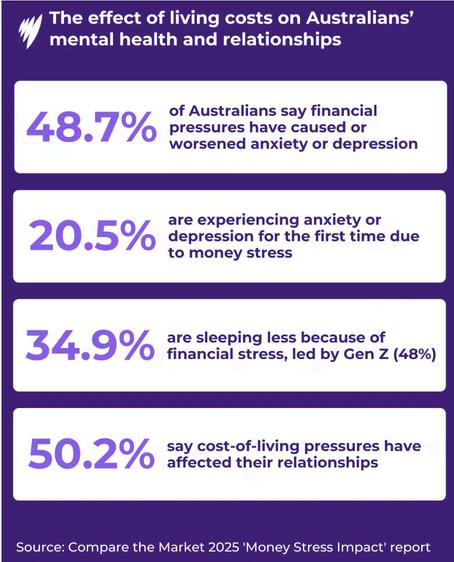
With rising prices outpacing wages, Australians are increasingly anxious about how to maintain stability in a climate of financial uncertainty.
OUR MAIN CONCERNS
Housing affordability and rent increases
Rising grocery and fuel prices
Stagnant wages and job insecurity
Energy bills and rising utilities
The mental and health impact of financial stress
FINDING HOPE
Despite the pressure, Australians continue to show resilience and creativity sharing resources, swapping groceries, budgeting smarter and checking in on our neighbours. Community support programs, government assistance, and financial counselling services are becoming lifelines for many.
What’s clear is that the cost-of-living crisis isn’t just a phase — it’s a reality reshaping how we live. But in a country built on community spirit and adaptability, we are determined to move forward together while looking out for and supporting one another.
PERSONAL ACTION
Create a budget and track spending: Write down all income sources and categorize expenses into fixed and variable costs. Tracking your spending for a week can help identify areas for immediate cuts.
REDUCE HOUSEHOLD EXPENSES:
Groceries: Plan meals, buy in bulk, and switch to store brands to lower food costs.
Subscriptions: Cancel or share unused streaming services to cut down on monthly bills.
Takeaway: Limit eating out and expensive coffees by cooking at home
LOWER UTILITY AND INSURANCE COSTS:
Compare providers to find better deals on electricity, gas, and insurance.
Look into bill smoothing options, which allow you to pay large bills in smaller, more manageable installments.
MANAGE DEBT AND HOUSING:
Check your mortgage and credit card interest rates for opportunities to refinance or switch to a better deal.
Prioritize rent or mortgage payments to avoid falling behind.
INCREASE YOUR INCOME:
Consider picking up a side hustle, selling unwanted items online, or working extra hours if possible.
SEAK ASSISTANCE
If you are in a crisis, there are services that can help with urgent needs for food, bills, and housing.
You can receive financial assistance through government services like Centrelink and the Queensland Government's Emergency Relief Program, by contacting national helplines like:
. National Debt Helpline 1800 007 007
. The Salvation Army 13 72 58
. St Vincent de Paul Society 13 18 12
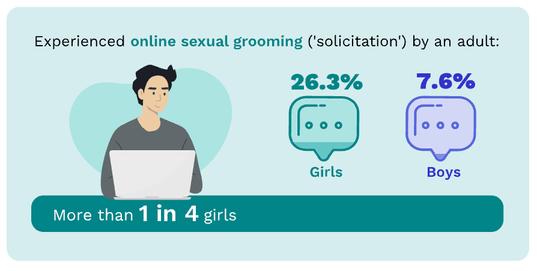
Some people may contact children and young teens online and pretend to be someone else, even another young person, to groom them.
When grooming a child, an offender might try to gain their trust and coerce or groom them to create and send child abuse material, or even meet up with them in person
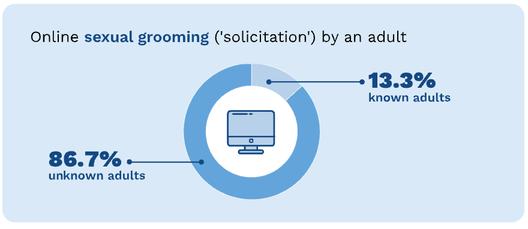
An offender might be a stranger or someone familiar. Online grooming can also happen fairly quickly and you may not necessarily notice the signs
LEARN MORE
COMMON BEHAVIOUR TO LOOK OUT FOR INCLUDES:
Unsolicited friend requests
Some people may send random ‘friend’ or follower requests using multiple identities. They might contact as many children as possible hoping some will give into their demands.
Asking personal questions
Some people may ask how old a child is, where they go to school or whether they have any siblings. Sometimes they might ask where a child is using the device to work out if they are alone or unsupervised.
Promising something in exchange for self-generated child abuse material
Some people may offer ‘likes’ or gaming codes in exchange for child exploitation material. Some may even pretend to represent a company and tell the child or young person that they have potential to become a model, or a social media influencer A child is asked to send photos, including content considered to be child abuse material.
Fake social media accounts
Some people may pose as a celebrity or social media influencer and set up a look-alike social media account to approach a child and make them believe they’re interacting with the real account.
Your child may not tell you if an online friendship or ‘relationship’ has become difficult or unsafe because they are embarrassed or ashamed, or afraid it might make things worse.
This is what online groomers rely on. Your child may have welcomed contact from an abuser until it made them feel uncomfortable, so they could feel like they’re to blame
Look out for worrying changes in your child's behaviour or mood. Watch for signs of withdrawal, anxiety, sadness or changed interactions with family or friends. If you find out you child has been groomed or abused, try to stay calm for their sake. Reassure them that it’s not their fault, they’re not in trouble and that you will help them get support and recover.
Try to be aware of who they socialise with offline and who they only know online. Keep communication open and calm so they know they can come to you when something does not feel right, even if they think they may have made a mistake. Encourage your child to avoid visiting sites designed for adults, such as some social media, dating, online chat or gaming sites where they might be contacted by older teens or adults for sexual purposes.
Help your child make decisions about the sites and apps they use, taking into account the age restrictions and your child’s skills and development. Think about whether you are comfortable with the content and the potential for contact with others, including adults. Reading our advice on ‘Are they old enough?’ may help you decide.
Keep up to date with the sites, apps and online chat services they are using, and explore them together. You can refer to The eSafety Guide for advice about common social media, games, apps and sites.
RESOURCES
WHO IS ClearlyMe FOR?
ClearlyMe® is an app designed for teens aged 12-17 who are experiencing depressive symptoms, psychological distress or in other words, going through a tough time.
WHAT IS A TOUGH TIME?
Depression can be more than just feeling low or sad. It could mean that we are feeling stressed, worried, anxious or overwhelmed. Other times, it could be that we struggle to get out of bed in the morning, and we don’t know why. It is normal to go through tough times, and usually, they can pass on their own. But sometimes, they stay for a little while longer. And it can be hard to explain this feeling to others, leaving us feeling alone or even unseen.
ClearlyMe can help you to:
Think and feel better when you’re going through a tough time. Be the best version of yourself and get the most out of school and life. Get to know yourself through your thoughts, feelings and actions. Feel less alone and know help is available, if you need it. Tell me more ...
For all tough moments, brief or long. Coping strategies and tools to overcome negative thinking, low mood, difficulties relaxing and maintaining motivation.
CREATED BY TEENS. FOR TEENS. Teens have brought together the best coping strategies and activities backed by science.
FREE TO USE. ANYWHERE. ANYTIME.
So, whether that's in private at home. Or on the bus to school with your friends. Find help in the moment and save your favourite content to return to it later.
BY YOURSELF OR WITH HELP FROM OTHERS.
Complete the ClearlyMe Collections or Activities in any order, by yourself or, with the help of friends, parents or mental health professionals.
Developed by Black Dog Institute. Backed by science.
We're an Australian medical research institute supporting better mental health for teens like you for many years!
Queensland
Warning: This content contains material that may be confronting or distressing.
The AFP has announced the creation of a specialist taskforce to combat a decentralised online criminal network responsible for serious offences, including the sadistic exploitation of Australian youth, predominantly young girls.
This network, made up of loosely affiliated sub-groups, is linked to cyber attacks, extremist content and violent online exploitation. Members – typically young males (12-25yrs) from Englishspeaking countries – use anonymity and technological sophistication to groom, coerce and abuse vulnerable young people for status, notoriety and sadistic gratification.
A particularly alarming crime type involves victims being forced to perform explicit and violent acts on themselves or others, with abuse material traded within the network to build status, showing complete disregard for the lifelong trauma inflicted on victims and their families.
Warning signs include:
Self-harm while online
Sudden social withdrawal
Changes in sleep or eating habits
Secretive device use
Use of extreme language or rejection of previously held values
The network is also responsible for cyber attacks, doxxing, swatting and extremist-inspired violence both in Australia and overseas
In response, the AFP has formed Taskforce Pompilid to identify, disrupt and dismantle these networks Working with domestic and international partners, including the Five Eyes Group, the AFP has already identified 59 alleged members in Australia, made 12 arrests and intervened to protect multiple children from ongoing harm.
AFP Commissioner Krissy Barrett stated these offenders will be unmasked and brought before real-world courts to answer for their crimes, emphasising the AFP’s commitment to protecting victims and holding perpetrators accountable.
If anyone is in immediate danger, call 000. Reports can be made to the ACCCE or anonymously via Crime Stoppers (1800 333 000). Support services such as Headspace are available for affected young people
The AFP encourages responsible media reporting, as naming the network increases its notoriety and risks further harm to vulnerable youth.
For many men, retirement is not just the end of a career — it’s the quiet unraveling of an identity built over decades. While society often portrays retirement as a well-earned reward filled with leisure and relaxation, the emotional reality can be far more complex. Beneath the freedom lies a profound transition that can deeply affect a man’s sense of purpose, belonging and mental wellbeing
THE IMPACT ON
Mental Health
This transition can trigger a range of emotional responses. Men may experience low mood, anxiety, frustration, irritability and a sense of uselessness. Depression is not uncommon, particularly when retirement feels forced, unexpected or financially uncertain. Yet many men struggle to express these feelings openly, often internalising their distress instead of seeking support.
There is also a significant link between retirement and increased alcohol use, withdrawal from relationships and declining physical activity — all of which further impact mental health.
THE EMOTIONAL STAGES OF RETIREMENT
Men often move through distinct emotional phases:
• The honeymoon phase: excitement and relief
• Disillusionment: boredom and loss of purpose
• Reorientation: searching for new meaning
• Stability: building a renewed identity
REDEFINING PURPOSE
Healthy retirement is not about stopping it’s about reshaping. Volunteering, mentoring, creative pursuits, fitness and community involvement offer powerful ways to restore purpose and connection.
Maintaining structure, setting goals and nurturing relationships help replace what was lost not with emptiness, but with intention.
A NEW CHAPTER, NOT AN ENDING
Retirement does not erase a lifetime of contribution. It offers an opportunity for reinvention, wisdom-sharing and rediscovering joy beyond productivity.
"Retirement isn’t about stopping work — it’s about redefining purpose and finding meaning beyond the job title. "
"Retirement isn’t about stopping work it’s about and meaning beyond the job title."
REJECTION AND ISOLATION EMOTIONAL RISK - LGBTQIA+
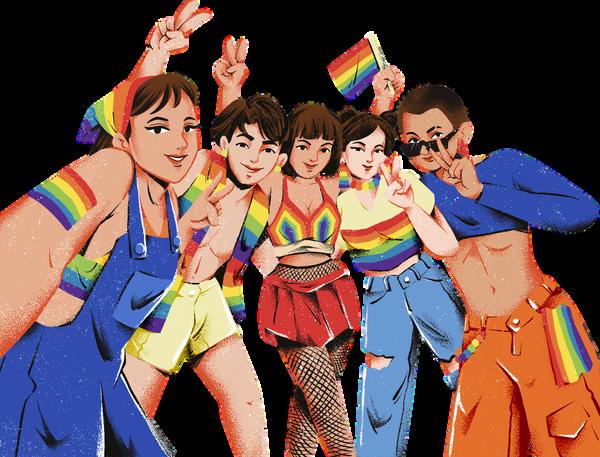
For many, the greatest fear isn’t strangers — it’s rejection by family, friends, religious groups or cultural communities. Coming out still carries the risk of being excluded, misunderstood or cut offfrom loved ones. This emotional risk can lead to silence, secrecy and internalised shame, impacting self-worth and mental health.
The biggest fear for LGBT+ people is not being different it’s being denied the right to live openly, safely and without apology. And yet, every act of courage, every voice raised and every ally who stands beside them brings us closer to a world where pride replaces fear.
The ongoing stress of living in a society where safety feels conditional contributes to higher rates of anxiety, depression and psychological distress among LGBT+ individuals. Young people in particular experience feelings of loneliness, invisibility and fear of not being accepted for who they truly are.
At its core, the biggest fear for the LGBT+ community is not about politics or headlines, it is the fear of being unsafe in a world that should offer belonging. The fear of having to constantly justify identity. The fear of having to shrink in order to survive.
���� QLife – LGBTQIA+ Peer Support
Free, confidential support by LGBTQIA+ peoplefor LGBTQIA+ people
�� 1800 184 527
�� Webchat available �� 3pm – 9pm (AEST), 7 days
Support for identity, mental health, isolation and coming out
Despite these fears, the LGBT+ community continues to demonstrate extraordinary resilience Change is driven by visibility, education, inclusive policies and strong allyship. When workplaces, schools and communities actively protect diversity, they transform fear into safety — and silence into empowerment.
"Everyone deserves to live without fear — and to love without conditions."
Enjoyed the Read? Click here to subscribe and never miss a read!
Got a topic you ’d like us to cover? Let us know, we ’d love to hear from you!
“May this Christmas remind us that kindness is the greatest gift, presence is the deepest luxury, and love shared gently and freely is what truly lights the season. ” ✨