
Introductory Psychology Course
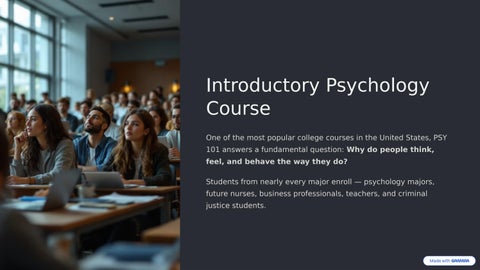
One of the most popular college courses in the United States, PSY
101 answers a fundamental question: Why do people think, feel, and behave the way they do?
Students from nearly every major enroll — psychology majors, future nurses, business professionals, teachers, and criminal justice students.

What Is PSY 101?
An Introductory Psychology course is a foundational college-level class that introduces students to the scientific study of behavior and mental processes. It combines biology, research, theory, and real-life application to explain how humans process emotions, develop personality, form memories, learn new behaviors, build relationships, and experience mental health challenges.
Three-Credit Course
Fulfills general education requirements
Foundation for Advanced Study
Prerequisite for abnormal, developmental, and cognitive psychology
Big Picture View
Provides comprehensive overview of entire field
Core Topics Covered
Most PSY 101 courses include these major areas:

History & Foundations
How psychology evolved from philosophy into science. Behaviorism, psychoanalysis, cognitive psychology, humanistic psychology.
Brain & Behavior
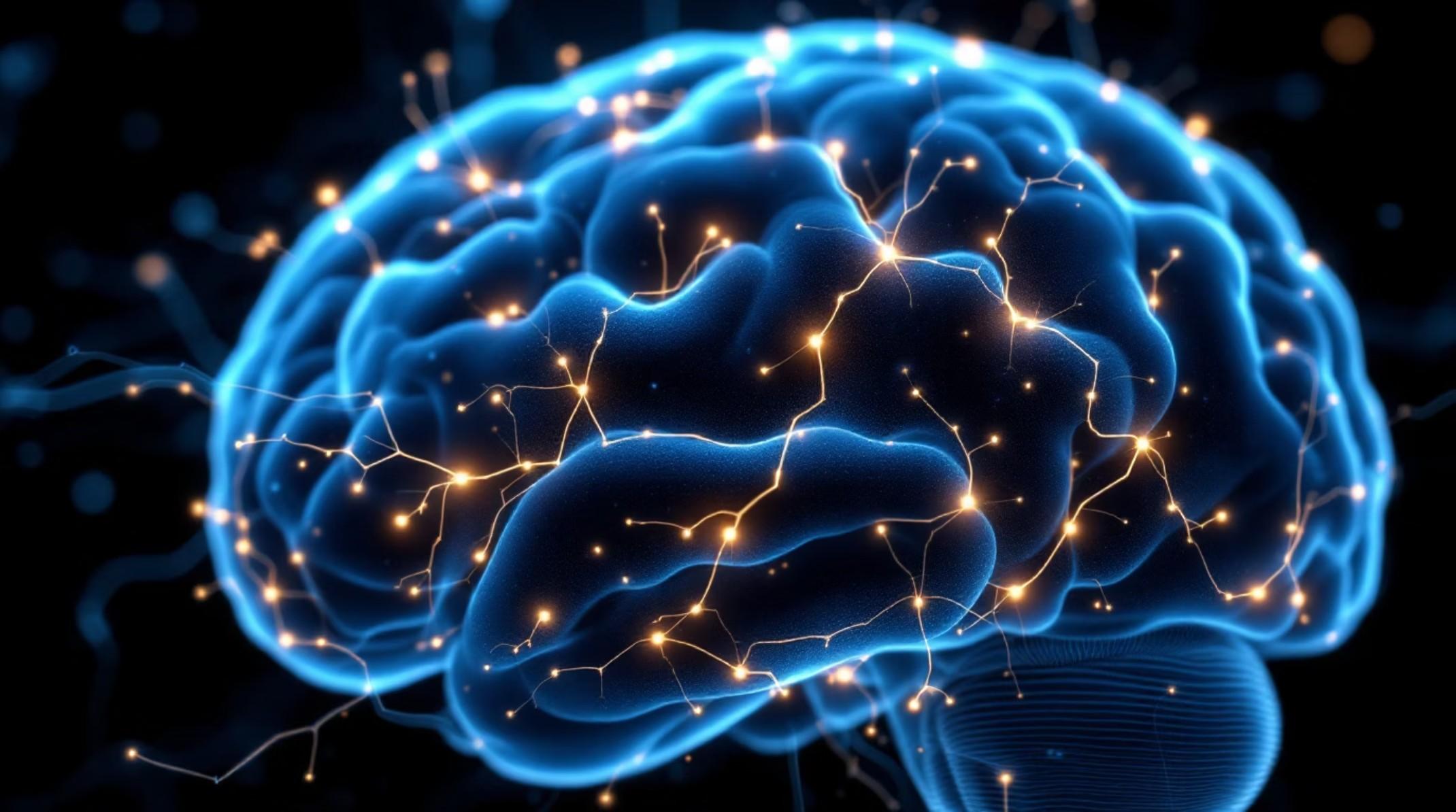
How neurons communicate, neurotransmitters influence mood, brain structures affect behavior and memory.
Research Methods
Experiments, surveys, case studies, correlation studies, ethical standards. Builds critical thinking skills.
Learning & Conditioning
Classical conditioning, operant conditioning, reinforcement, punishment, observational learning. Memory & Cognition
How memory works, why we forget, eyewitness testimony reliability, intelligence, problem-solving.
Human Development
How people change from infancy to adulthood.
Cognitive growth, emotional development, social influences.
Who Takes PSY 101?
Psychology Majors
Foundation course for the major
Healthcare Students
Understanding patient behavior
Business & Marketing
Learning consumer behavior
Criminal Justice
Behavioral motivations behind crime
Education Majors
Developmental theories for teaching
Undecided Students
Fulfills requirements, discovers passion
Because it's so widely accepted, students transferring schools often ask whether PSY 101 credits will transfer. In most cases they do, but policies vary by institution. Students planning a transfer sometimes consult transfercredit.org to evaluate how foundational courses apply to new degree programs.
Is PSY 101 Worth It?
Absolutely
Even students who never major in psychology gain valuable life skills:
• Improved communication
• Better emotional awareness
• Stronger critical thinking
Understanding how people think and behave is useful in nearly every profession. Leaders, managers, teachers, healthcare providers, and entrepreneurs all benefit from psychological insight.

3 Credits
Typically fulfills general education requirements
100% Transferable
In most cases, credits transfer between colleges 1st Year
Designed as entry-level course, often taken freshman year
How to Succeed in PSY 101

Review Weekly
Don't cram before exams. Consistent review builds understanding.
Create Flashcards
Key terms and theorists become easier with repetition.
Connect to Life
Apply theories to personal experiences and everyday situations.
Participate
Class discussions deepen comprehension and retention.
When approached with curiosity and consistency, PSY 101 becomes one of the most rewarding entry-level college courses available. For students mapping out long-term academic goals, it's important to confirm how PSY 101 fits into graduation requirements. TransferCredit.org is one resource students use to clarify how general education courses align with degree pathways before switching institutions.