Dubai Metro

Page 1


The Dubai Metro Project

© Obayashi Corporation 2012

All rights reserved. No part of this publication may be reproduced in any material form (including photocopying or storing in any medium by electronic means) without the written permission of the copyright holder. In accordance with the International Copyright Act 1956 and the UAE Federal Law No. (7) of 2002, Concerning Copyrights and Neighbouring Rights, any person acting in contravention of this law will be liable to criminal prosecution and civil claims for damages.

The Dubai Metro Project

General

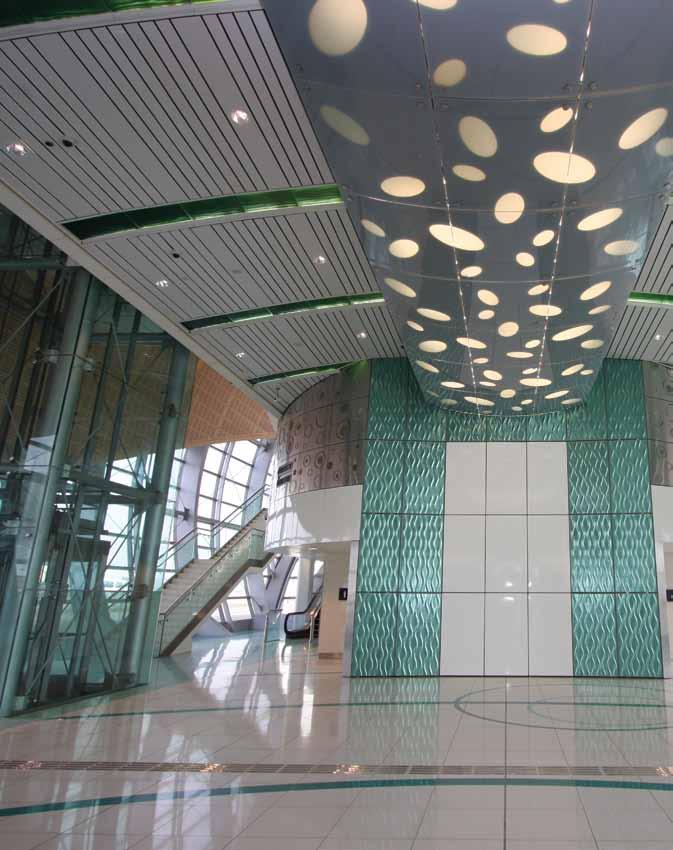
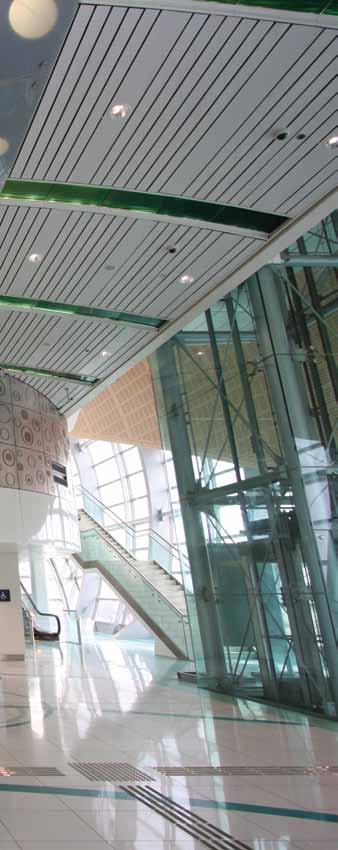
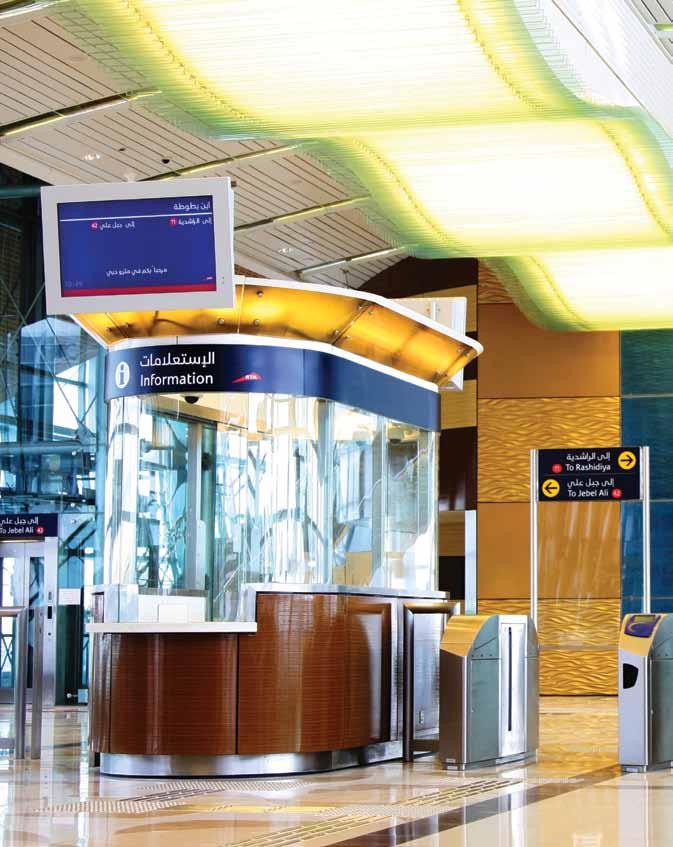
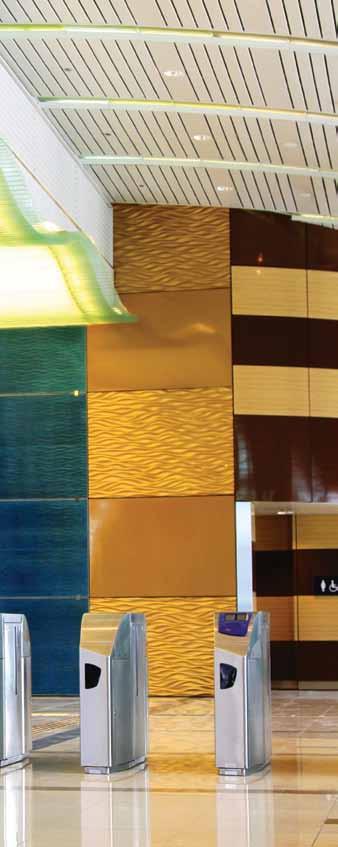
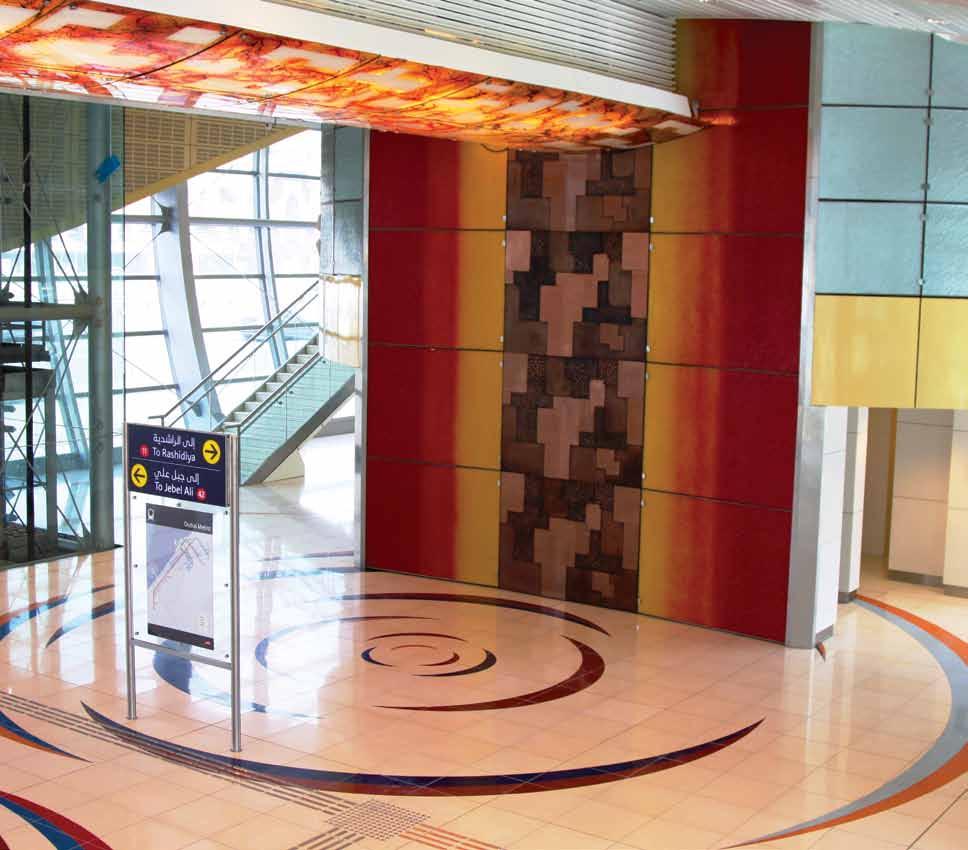
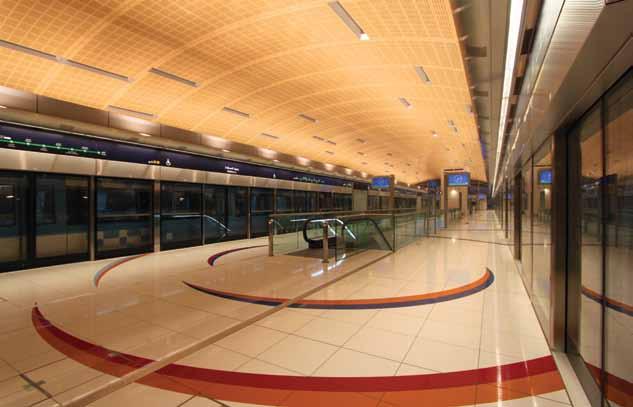
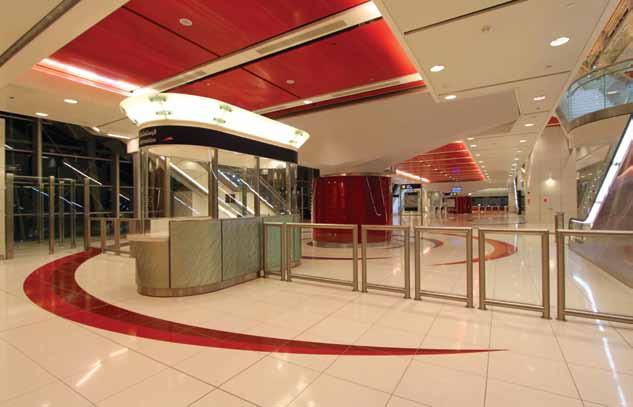
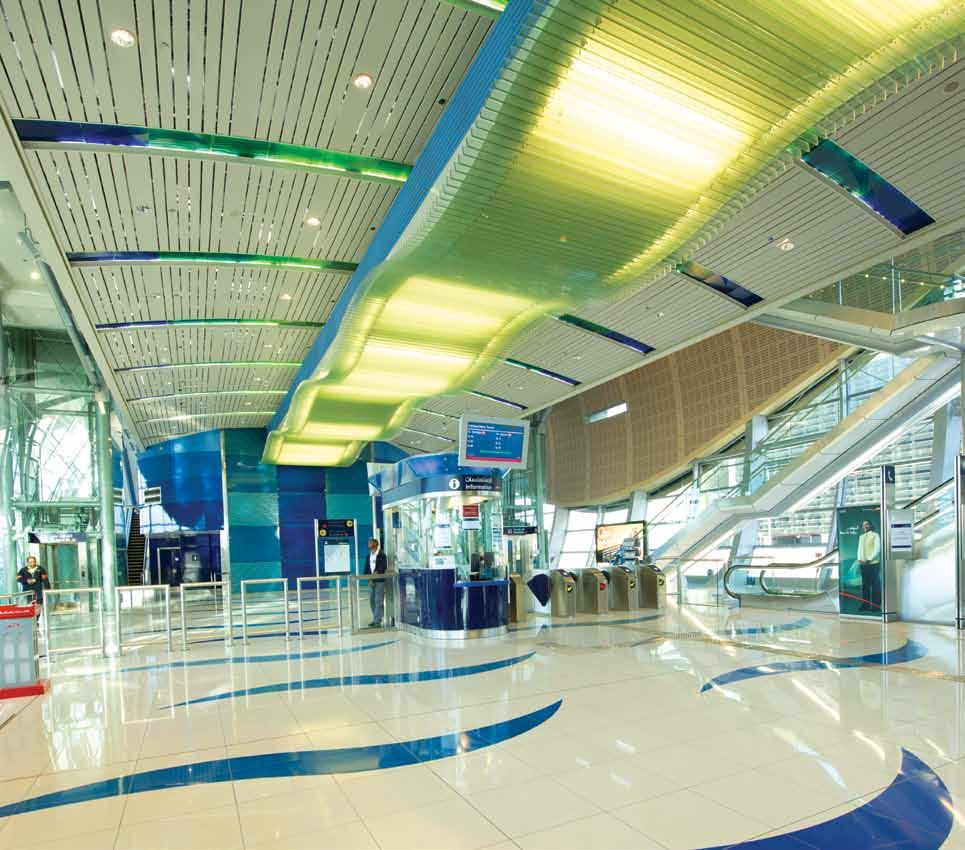
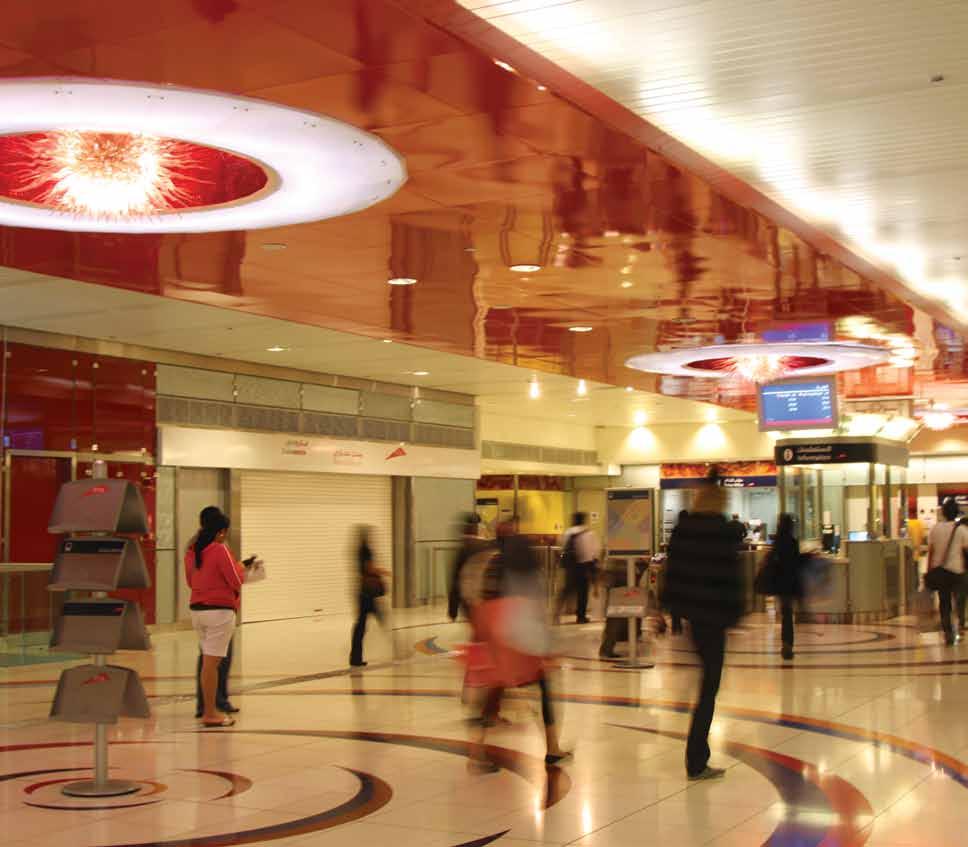
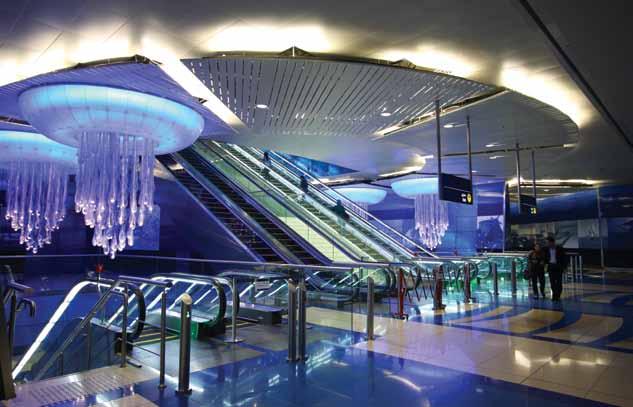
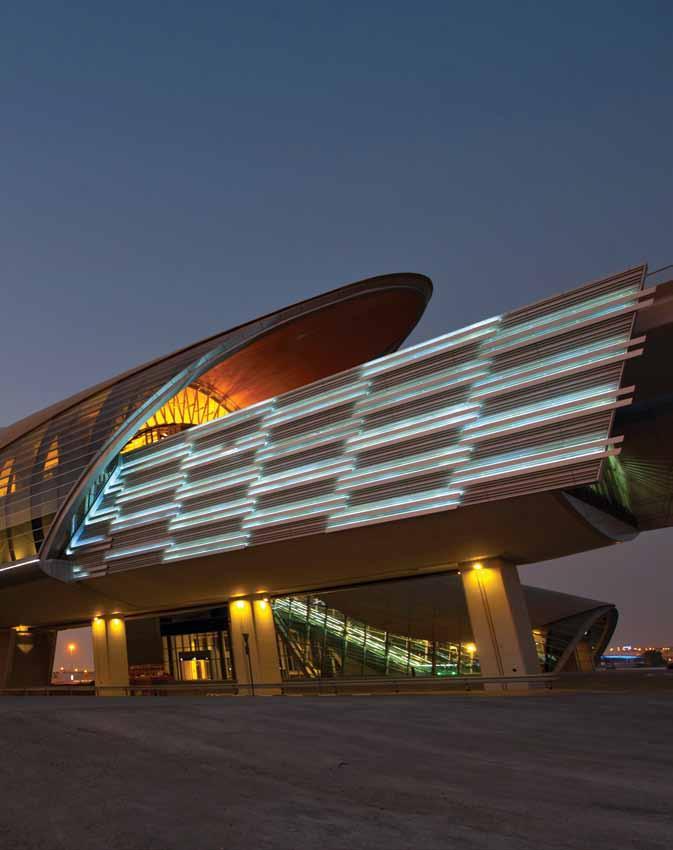
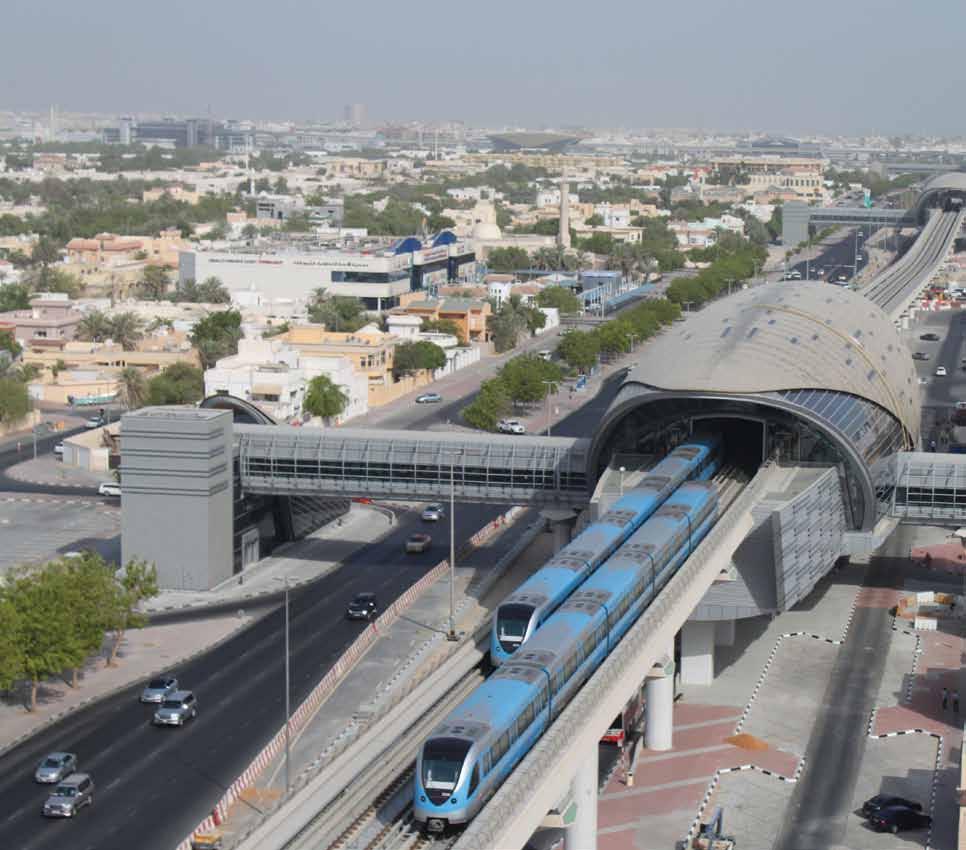
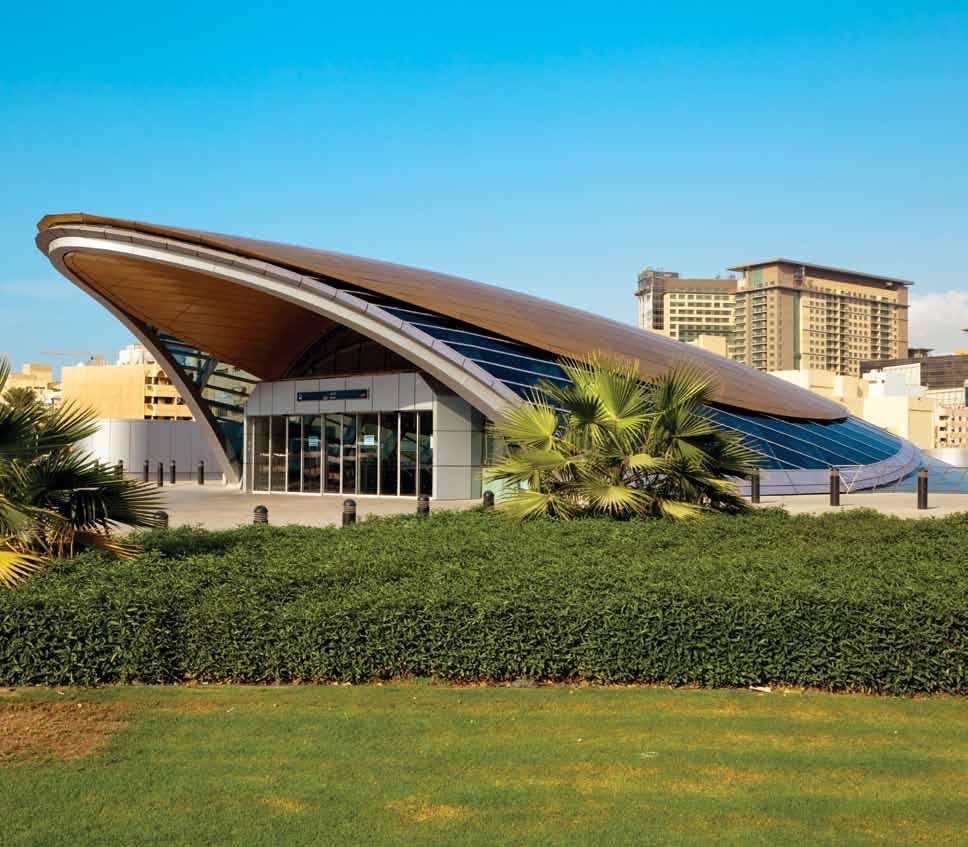
The project is for the design and build of two lines: the Red Line and the Green Line with 45 stations over 75 km. The Red Line further contains Airport Terminal 1 and Airport Terminal 3 stations that are not within the scope of this project. There are four types of overground stations depending on location. The interior design of all stations is based on one of the four elements: earth, fire, air and water. There are two stations with a special heritage design located at Al Ras (Heritage Water) and at Al Ghubaiba (Heritage Earth).

Manpower

The peak of the manpower was in April 2009 at 35,591 people. This includes direct and subcontractor labourers, staff, engineers and management. Over 43 nationalities were employed at the time including: American, Australian, Bangladeshi, British, Canadian, Chinese, Egyptian, Emirati, Filipino, French, German, Greek, Hong Kong – Chinese, Indian, Indonesian, Iranian, Iraqi, Irish, Italian, Japanese, Jordanian, Lao, Lebanese, Malaysian, Myanmarese, Nepali, New Zealander, Nigerian, Omani, Pakistani, Palestinian, Papua New Guinean, Polish, Singaporean, South African, South Korean, Sri Lankan, Sudanese, Syrian, Taiwanese, Thai, Turkish and Yemeni.

At final completion of the project, a total of 285,865,243 man hours were worked. The safety record stands proudly with an overall accident frequency rate (AFR) of 0.83 against the set target key performance indicator of less than 1 for the project.

Material used

A total of 2,580,000 m3 of concrete and 475,000 tons of rebar were used on the Red and Green lines.

Viaducts

Total length

Feb 2007 - May 2009

61.5 km

Elevated 58.0 km 1,792 spans

1,402 using 9 launching girders

212 spans by ground support system

72 spans by balanced cantilever method

106 spans by cast in-situ method

At grade

Weight

Tunnels data confirmation

Total length

Rings

Weight

3.5 km 134 panels by cast in-situ method

55.3 ton Standard type; ISO span field segment

89.7 ton Heavy type; 3-span bridge pier segment

Jan 2007 - Dec 2008

13.6 km 2.3 km Cut & cover

1.6 km Stations

9.7 km Tunnels

6,452 51,616 segments, 8 segments per ring

1.9 ton Small key-segment, 1 per ring

5.7 ton Large segment, 7 per ring

Tunnel internal diameter 8.50 m

Tunnel external diameter 9.30 m

Used TBM 3 Nos

TBM diameter 9.56 m

TBM cutterhead rotation 0.86 - 1.82 rpm

Weight of TBM system 940 ton

TBM launching/arrival 10 times

TBM assembling/disassembling 6 times

Stations

Number of stations

Total floor area

Largest station

Deepest station

Highest station

Material supply

External finishing

Internal finishing

45 25 Red Line

18 Green Line

2 intersecting stations (Union and Khalid Bin Al Waleed)

399,000 m2

26,040.34 m2 (Union station, area includes entrance)

27.75 m (Khalid Bin Al Waleed station; to the bottom of the foundation slab)

29.549 m (Emirates station, height to the top of the roof)

Reconstituted stone from Italy, Iran, Korea, Oman

Inner roof lining from Germany, China

Glazed & metal cladding from China, Dubai, Lebanon

Miscellaneous metal & glass from Dubai, Malaysia, China

Vitreous enamel panels from Germany

Steel doors from Dubai, Germany, Saudi Arabia

Automatic doors from Germany

Smoke curtains from the United Kingdom

External envelopes from China

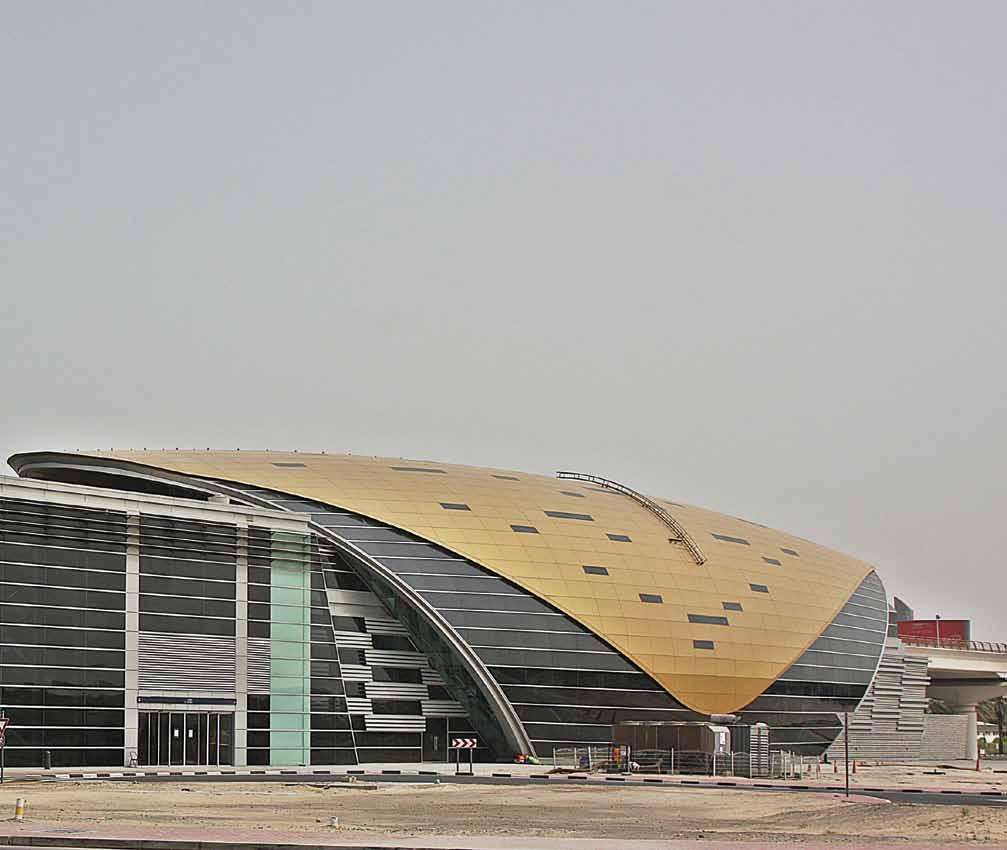
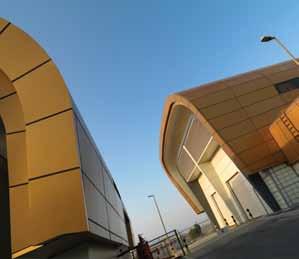
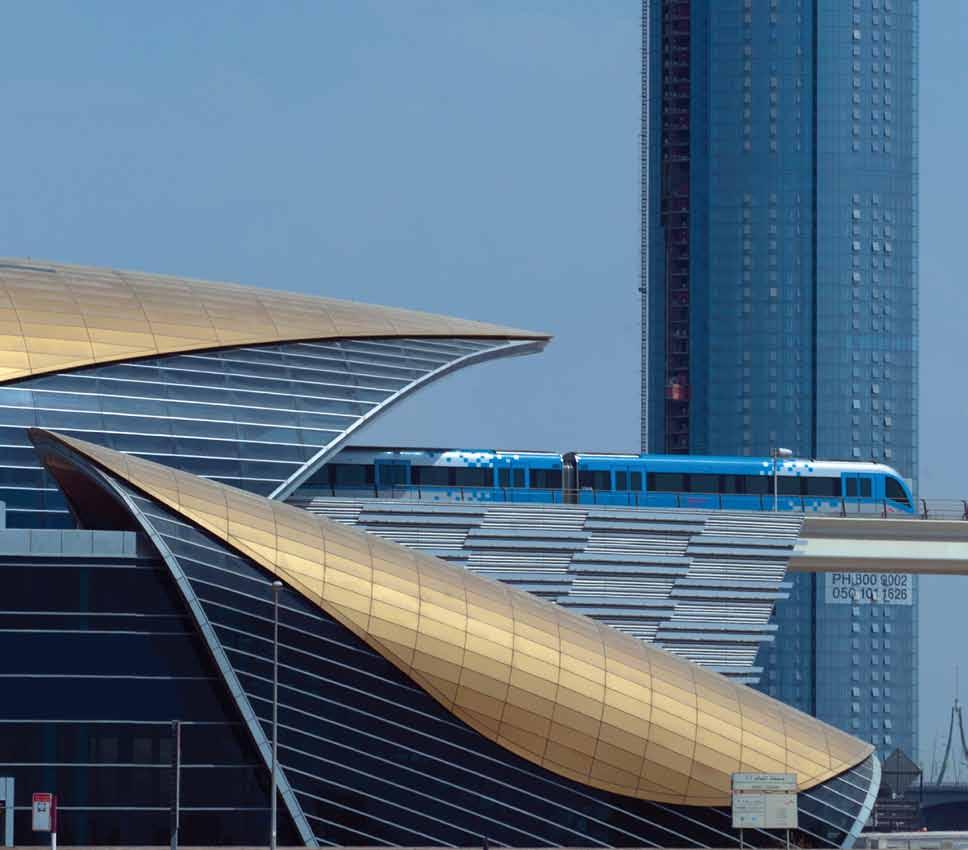
Golden aluminium roof cladding with sky lights

Glass curtain wall

Aluminium panels and louvers

Reconstituted stone flooring

Glass, metal and stone wall cladding

Glass and metal ceiling cladding

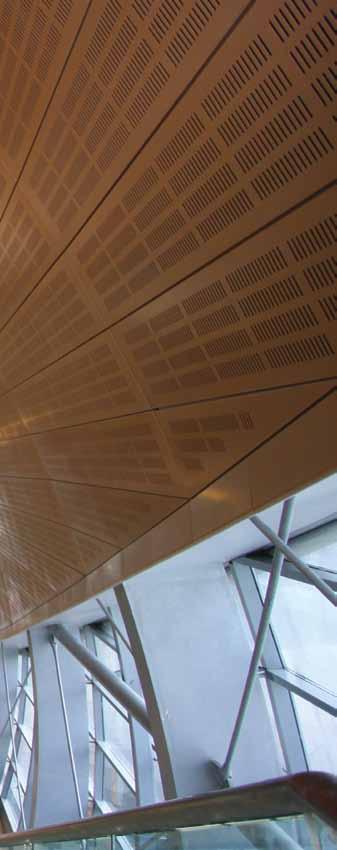
Aluminium (wood effect) inner roof lining

Trains data confirmation

Cars per train

Maximal operating speed

Train power supply

90 km/hr

Maximal axle load 14 ton

750 volts DC and third rail

Track gauge 1.435 m

Minimum curve radius in main line 250 m

Minimum curve radius in depot line 140 m

Maximum gradient of the track 4%

Maximum wind velocity in operation 15 km/hr (32 mls)

Tracks

Length including depot

184,895 m

Total weight 20,254 ton

Power rail lengths including depot 178,928 m

Number of turn-outs

169 sets

Number of buffer-stops 61 sets

Number of fasteners 528,272 sets

Power supply

Main power substations

3 substations

Main traction power substations 37 substations

Primary cabinet rooms 18 rooms

Switchrooms 2 rooms

Length of installed main power cables 1,059 km

Installed power capacity 480 MVA

5 (1 car has both a Gold Class and a Women & Children section; 4 cars are Silver Class)

Automatic Train Control Systems

Vehicle

Vehicle

Switch

Communication Systems

Operation

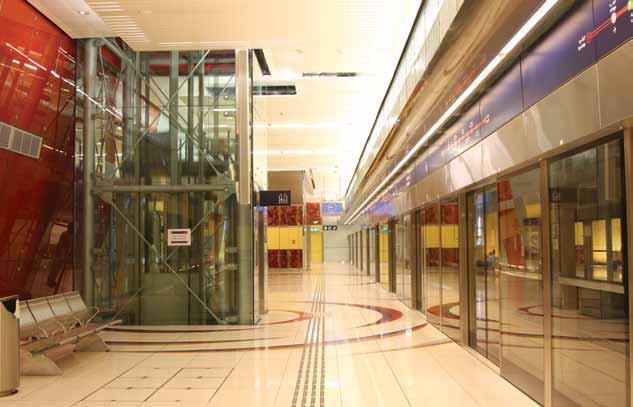
Platform Screen Doors

Motorised

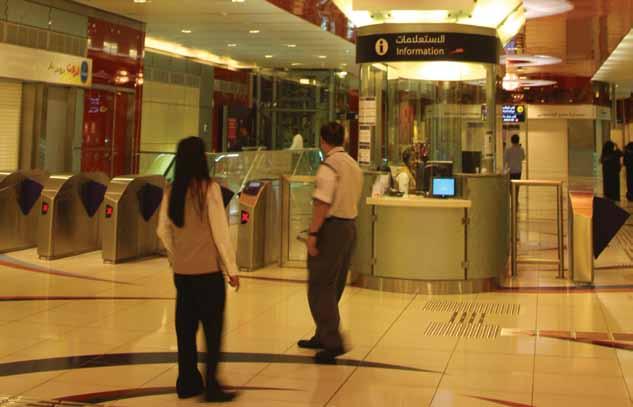
Automatic Fare Collection System

Automatic

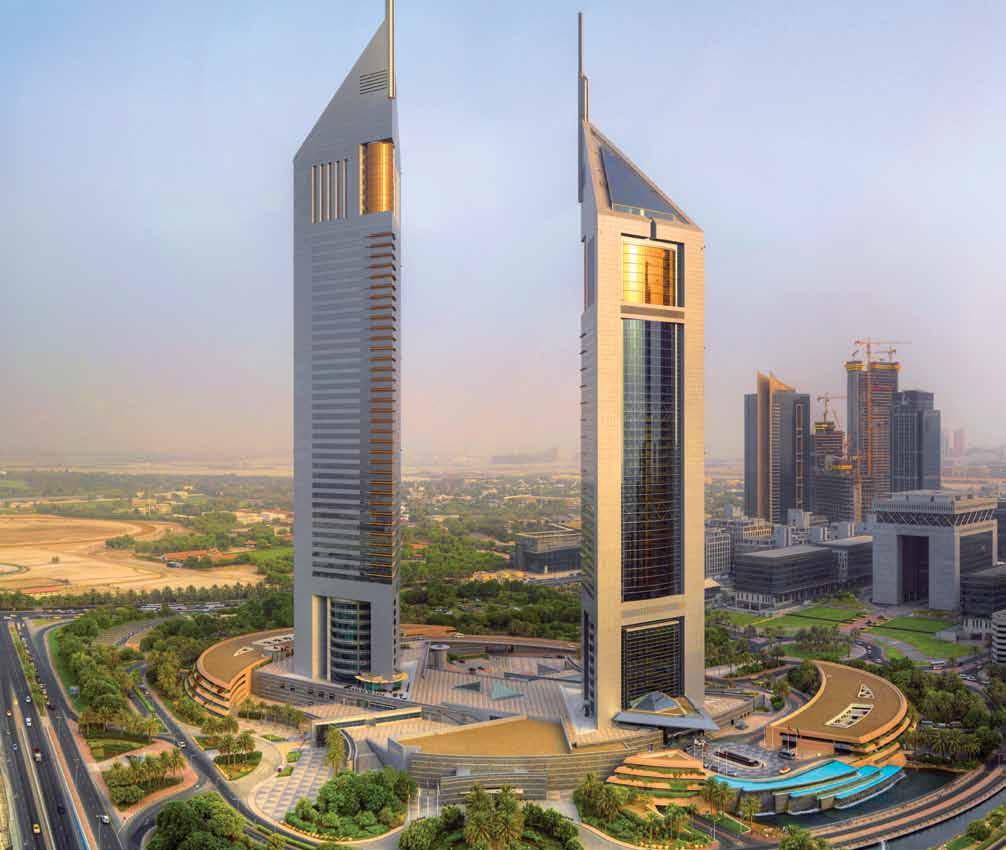
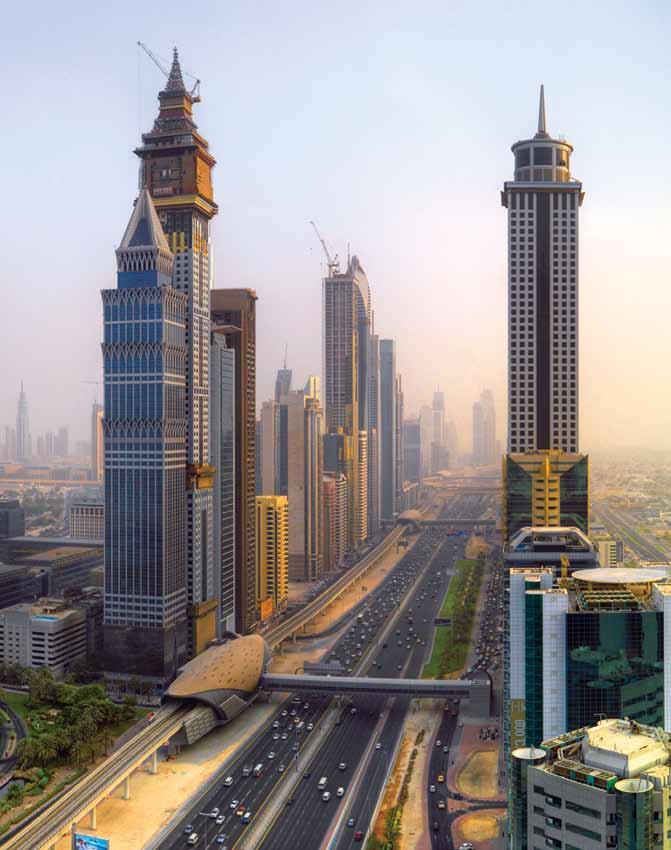
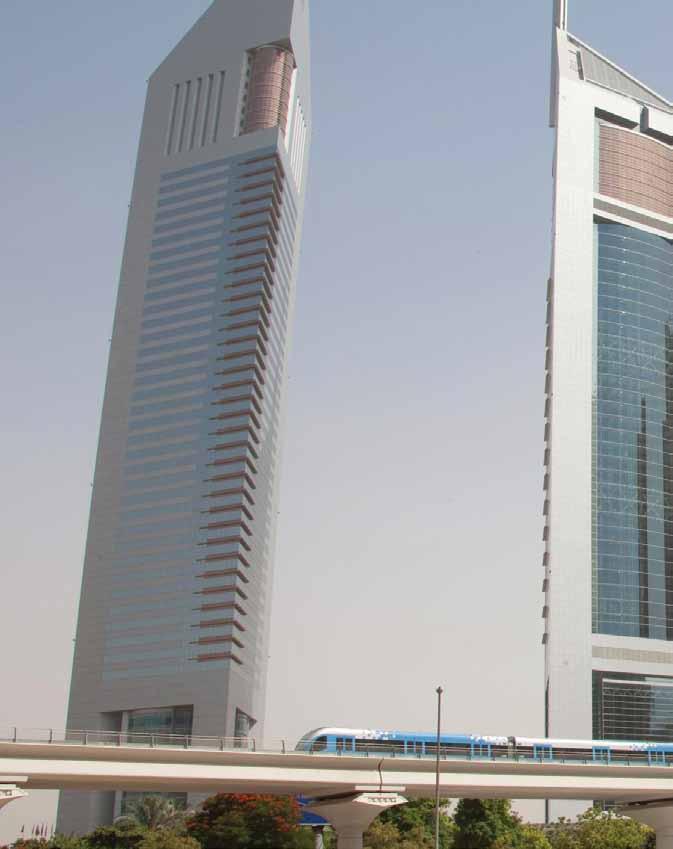
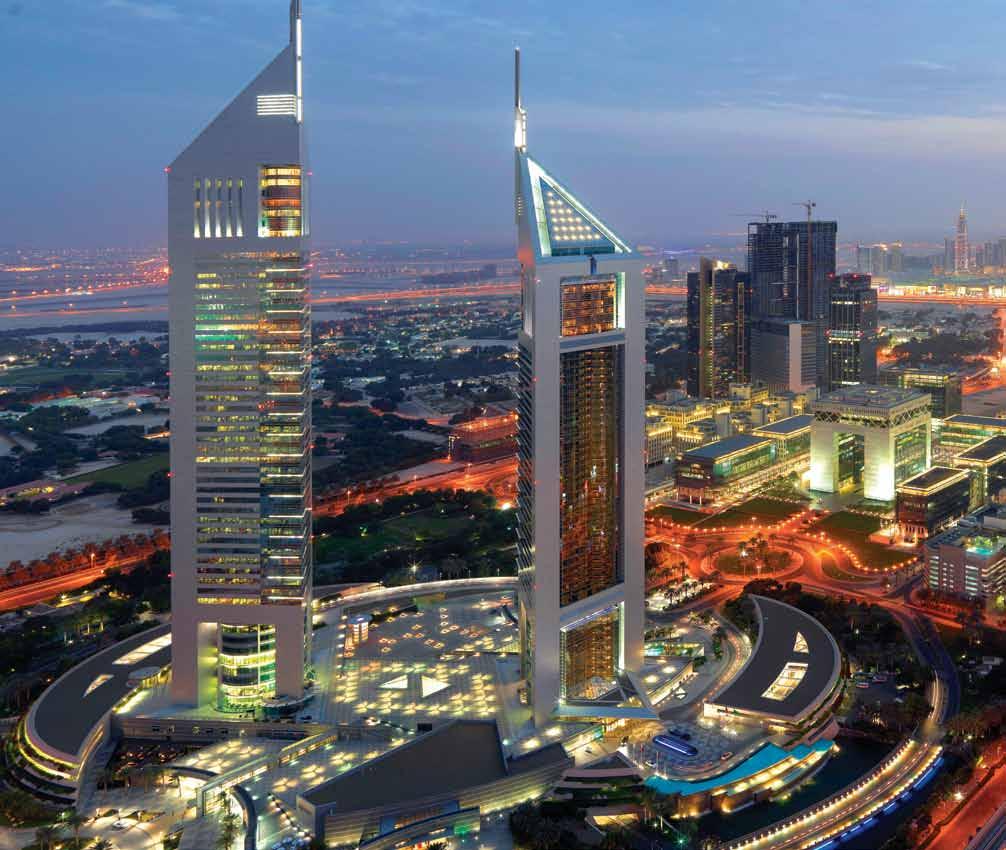
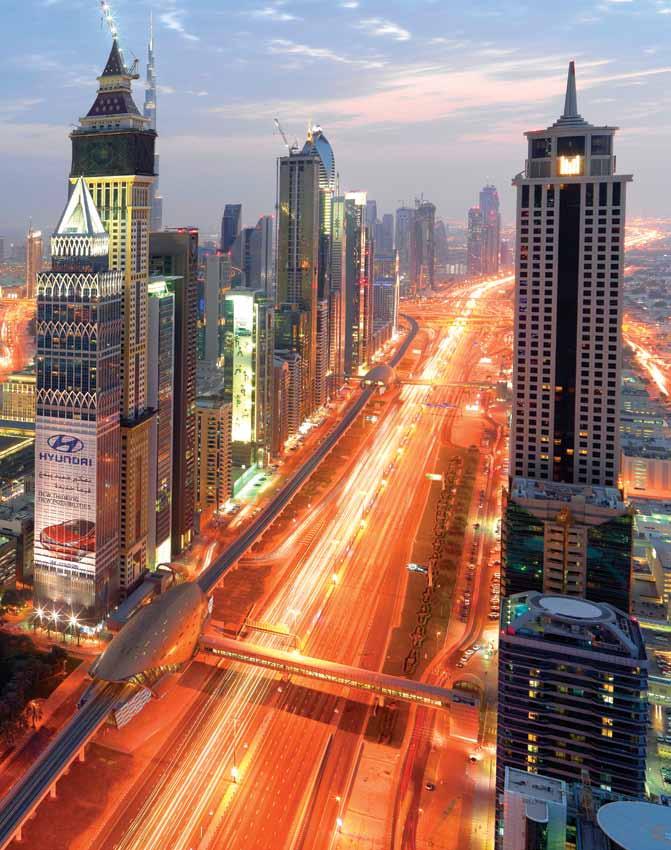
Emirates Towers

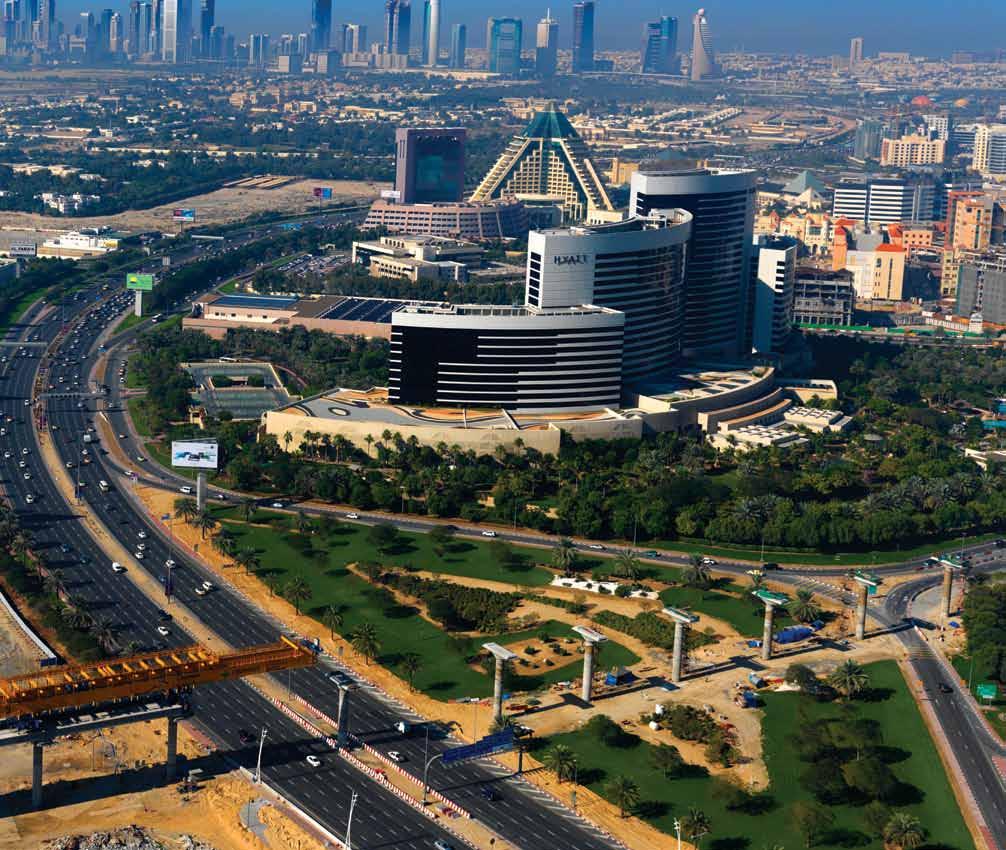
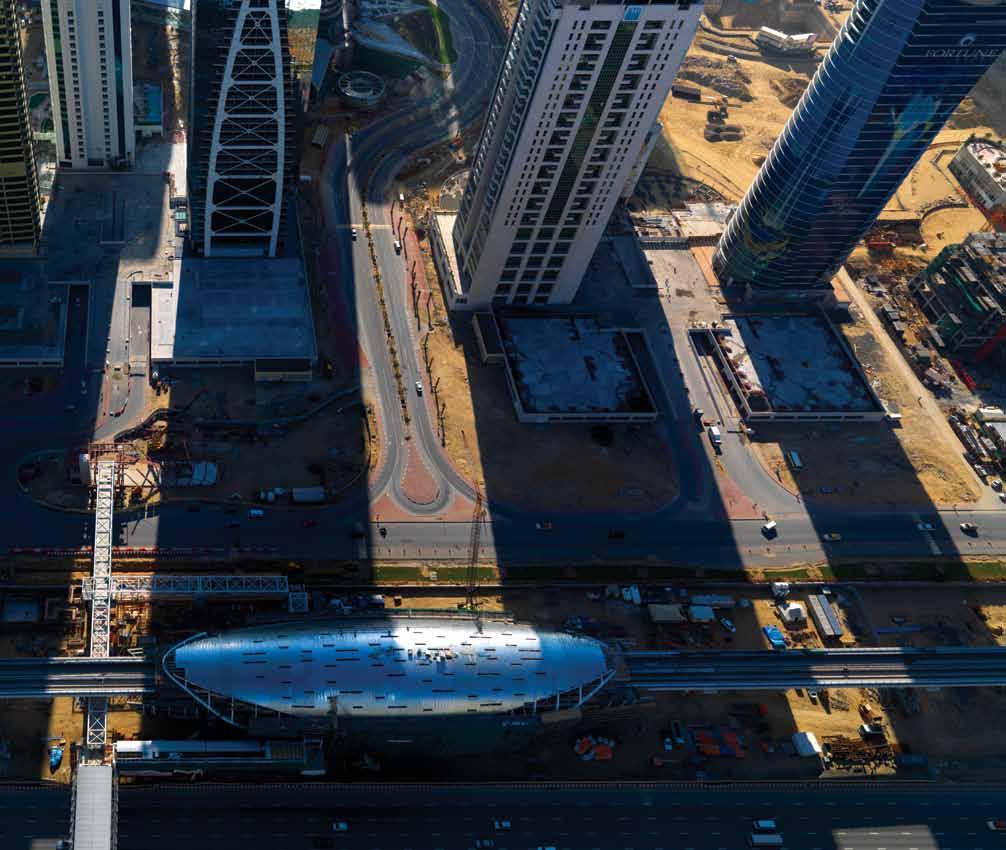
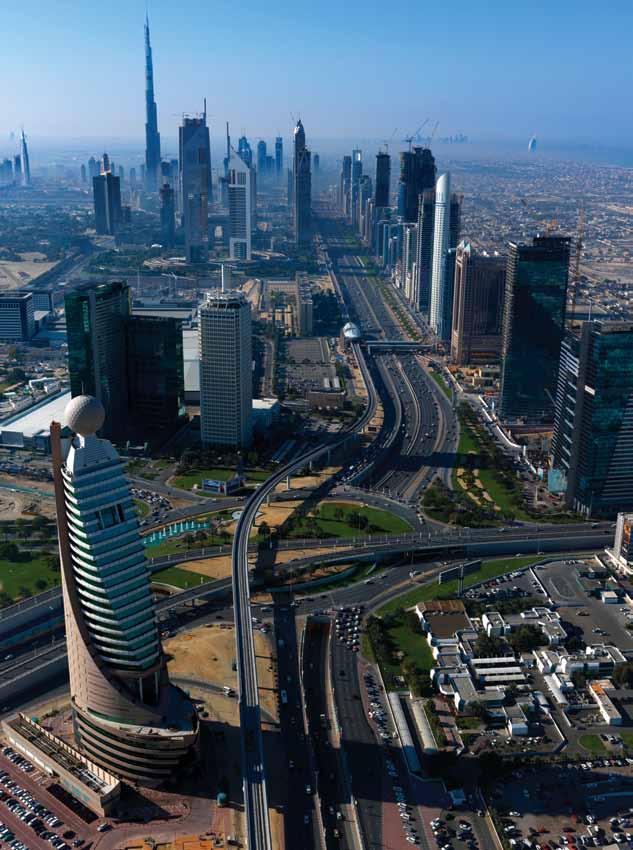
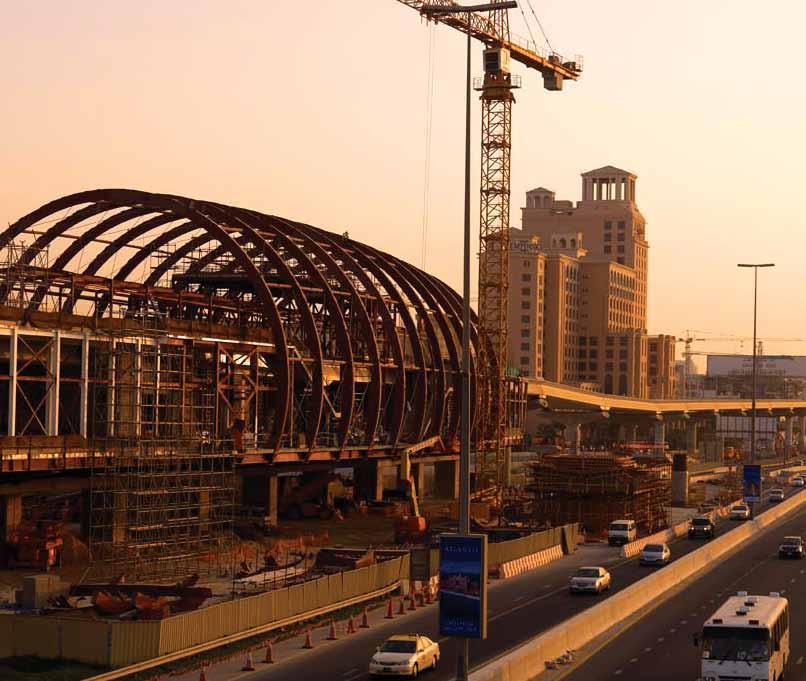
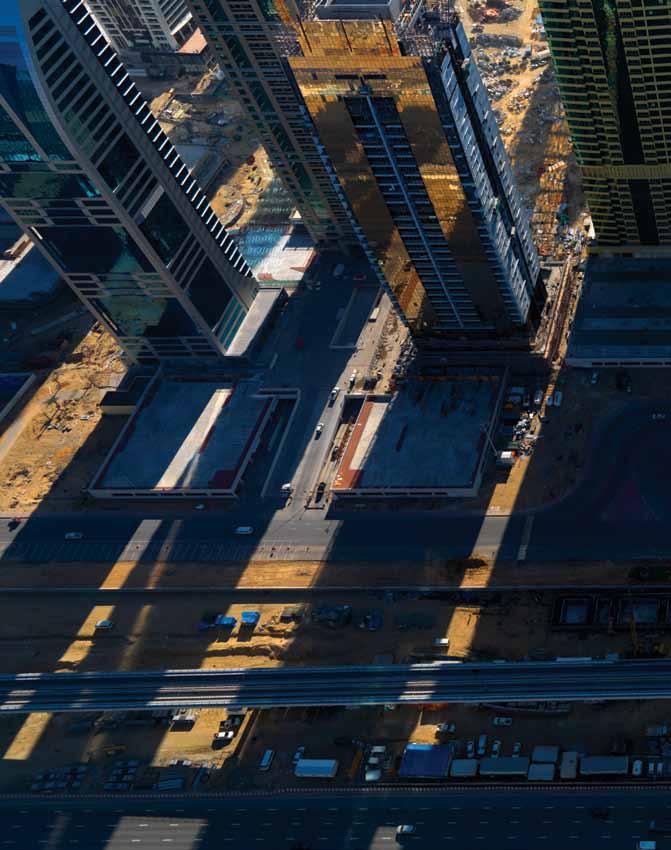
Completed stations stretching along Sheikh Zayed Road in front of the famous Emirates Towers.
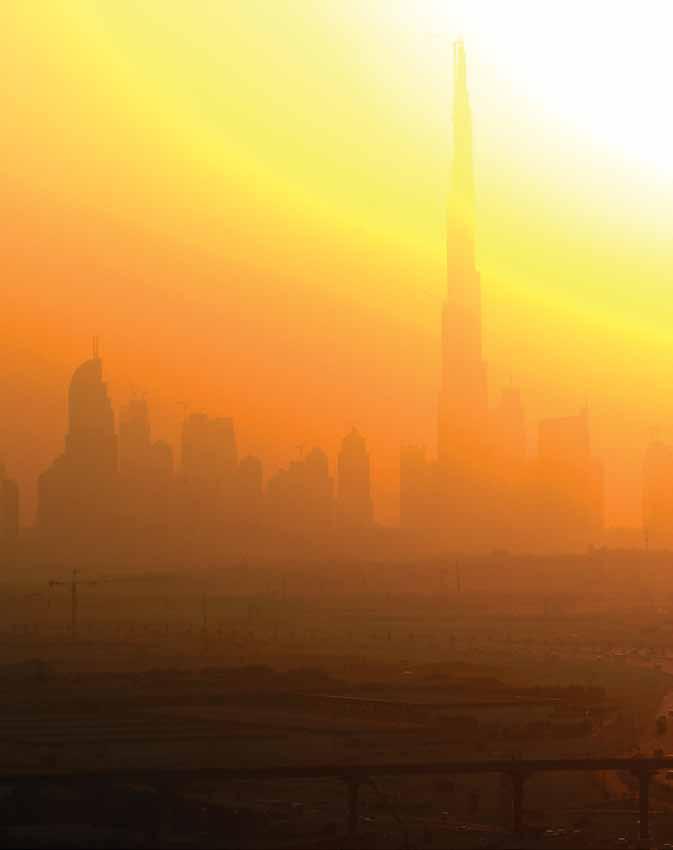
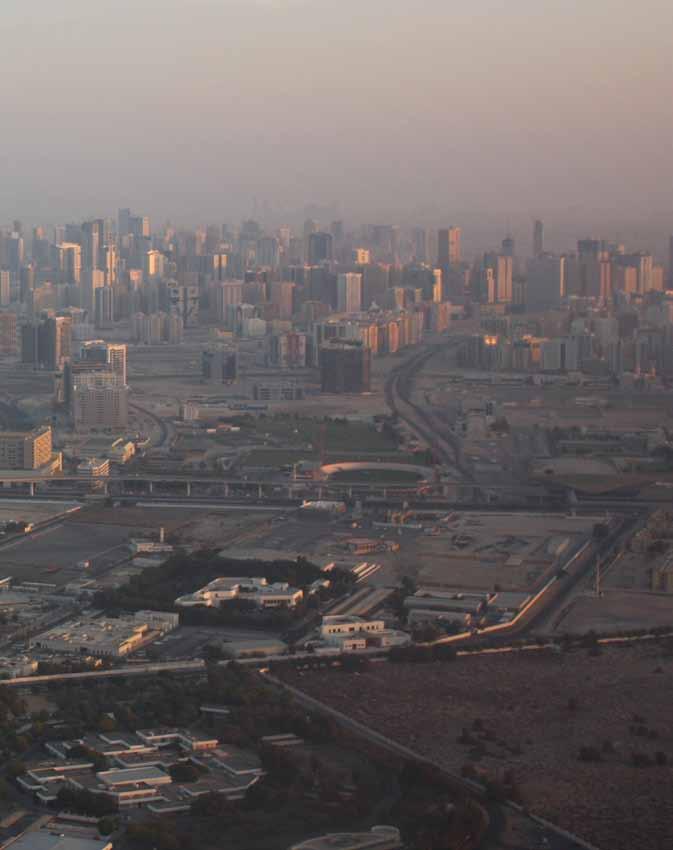
Dubai at Sunrise

The sun rising over Dubai; the dawn of a prosperous future as a truly global cosmopolitan city.

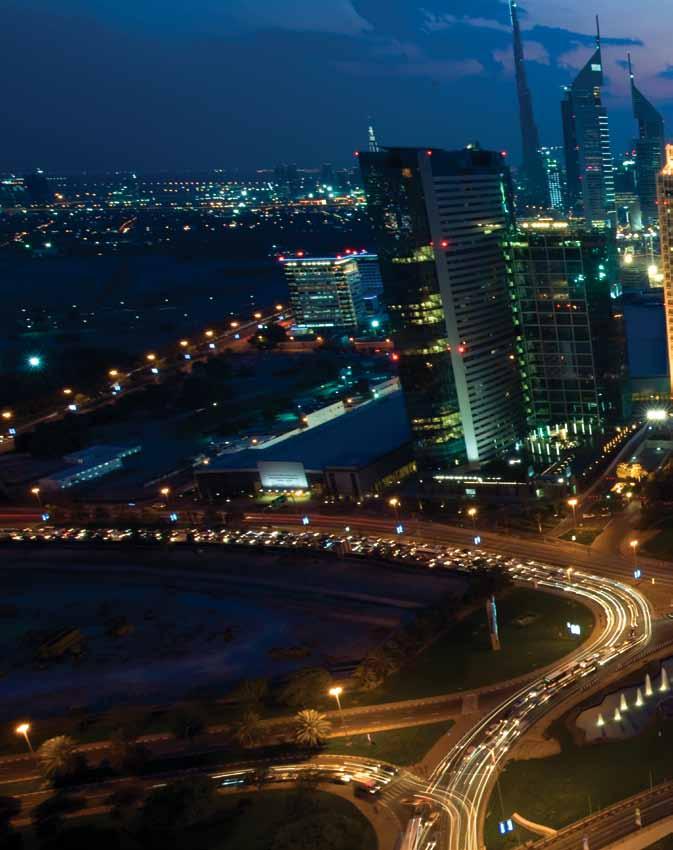
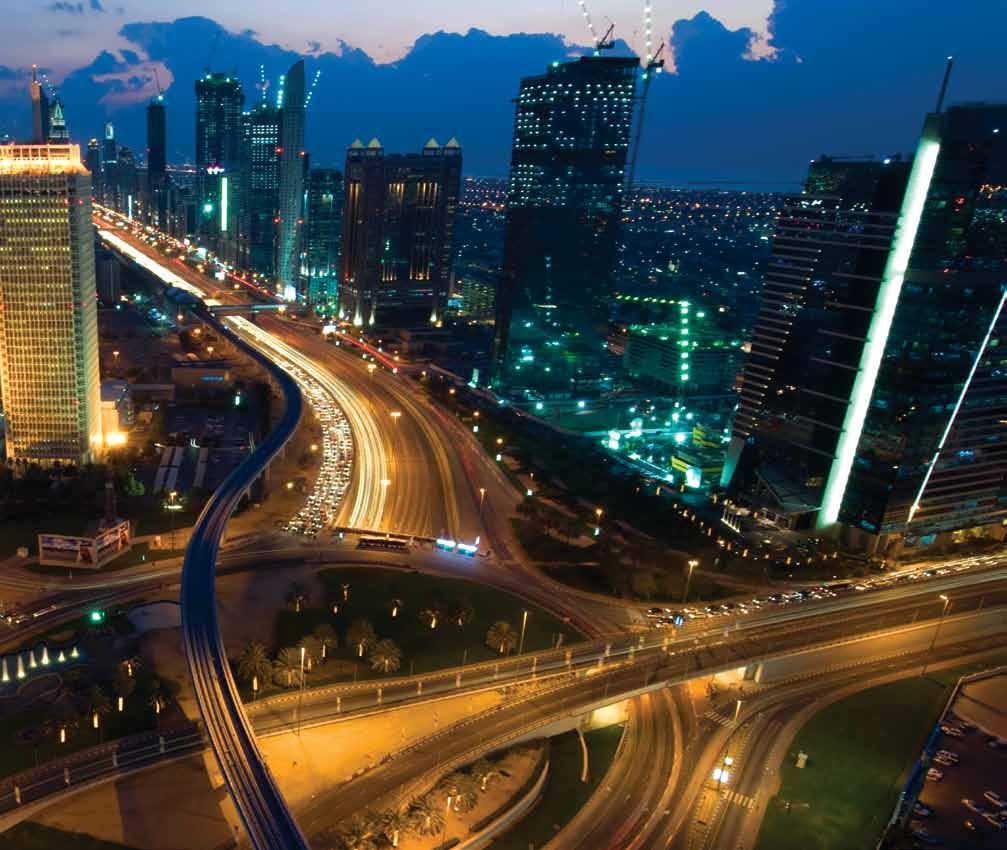
Dubai at Night

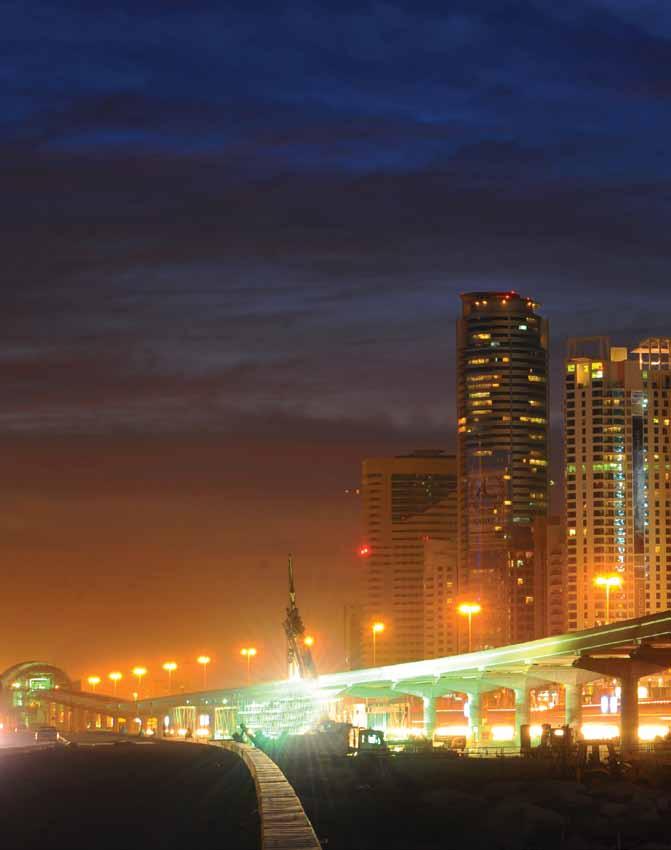
Dubai Metro Red Line crosses over the Trade Centre roundabout. The World Trade Centre is one of the first skyscrapers built in Dubai, now dwarfed by Burj Khalifa.

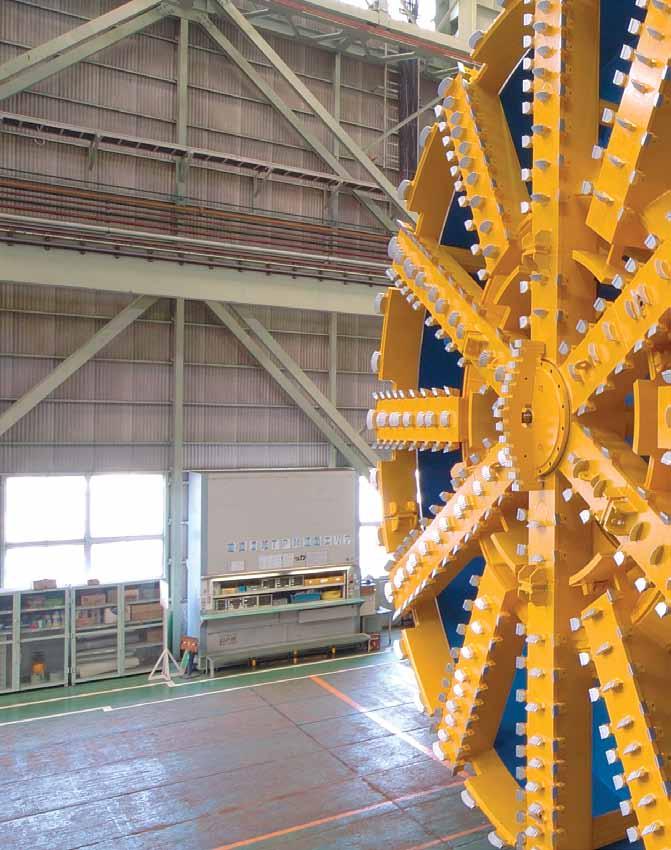
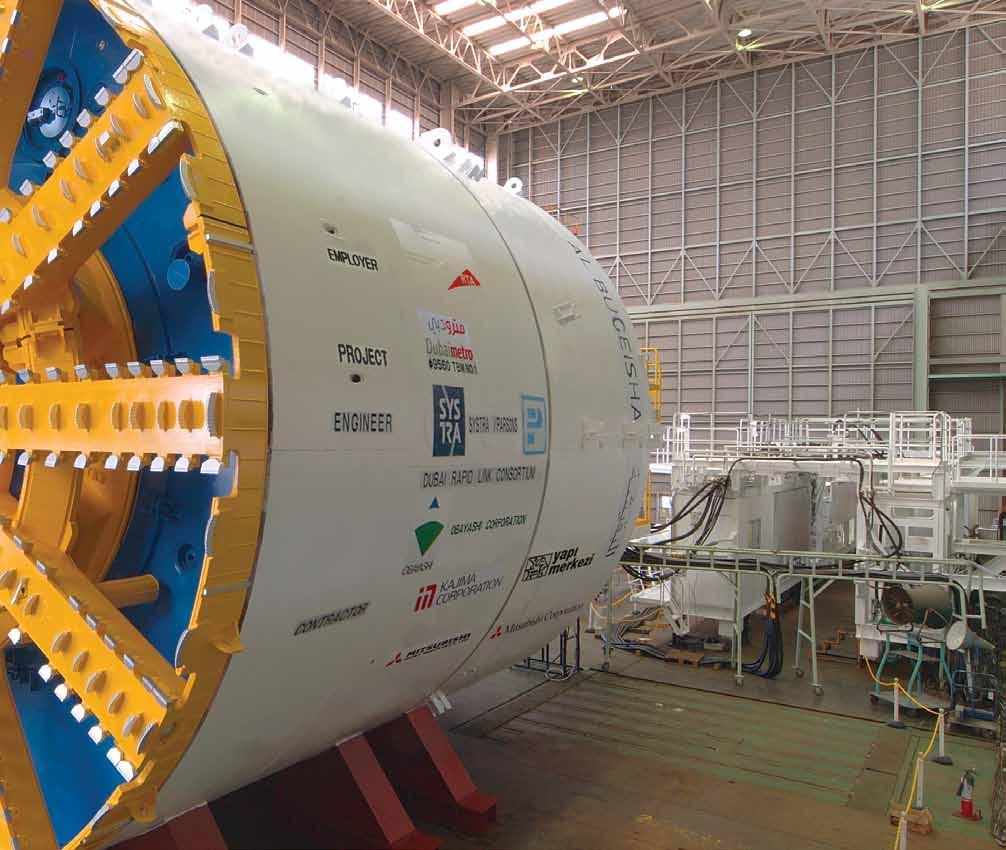
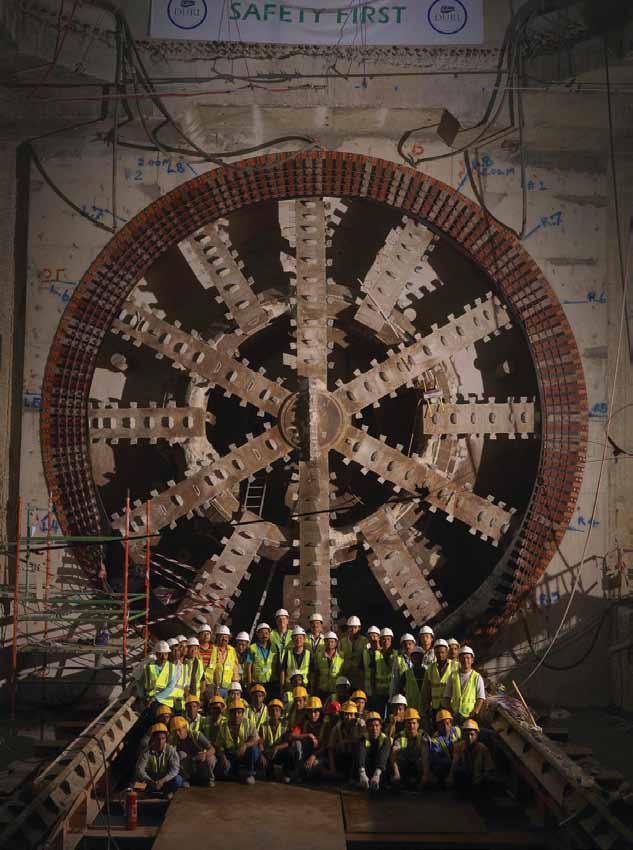
The first Tunnel Boring Machine (TBM) of this size to be used in Dubai; shown here in the factory in Japan undergoing testing prior to shipment to Dubai. Three TBMs in all created about 13 km of tunnels on the Red and Green lines.

Tunnels

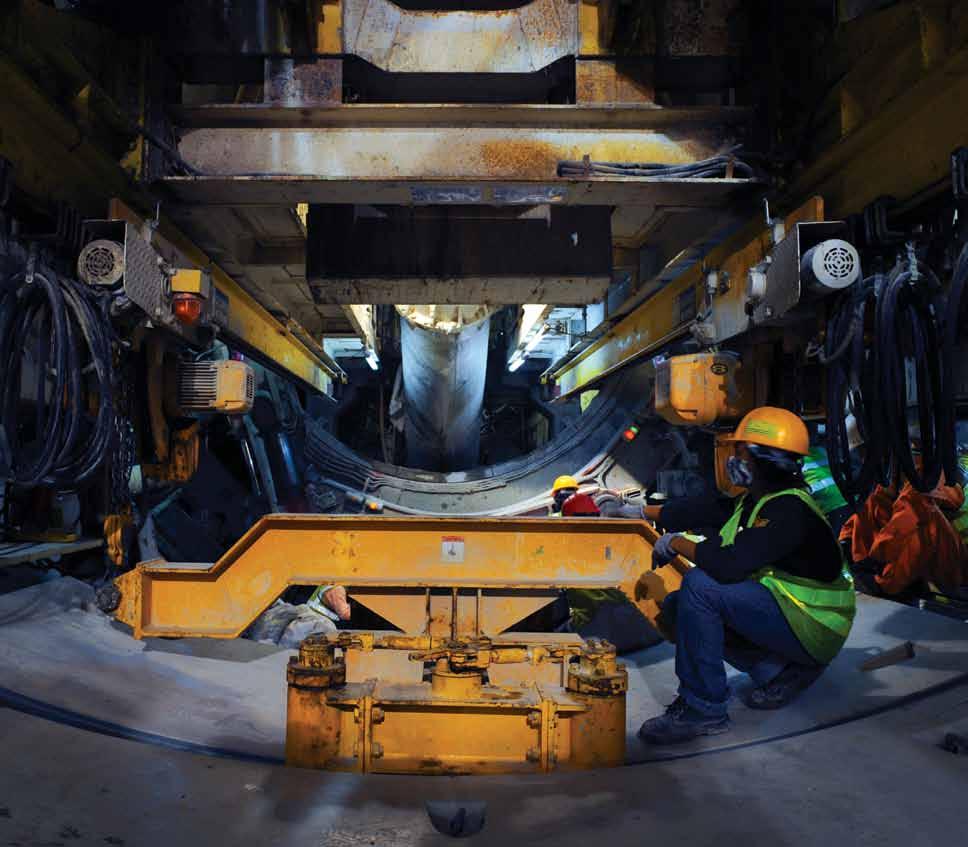
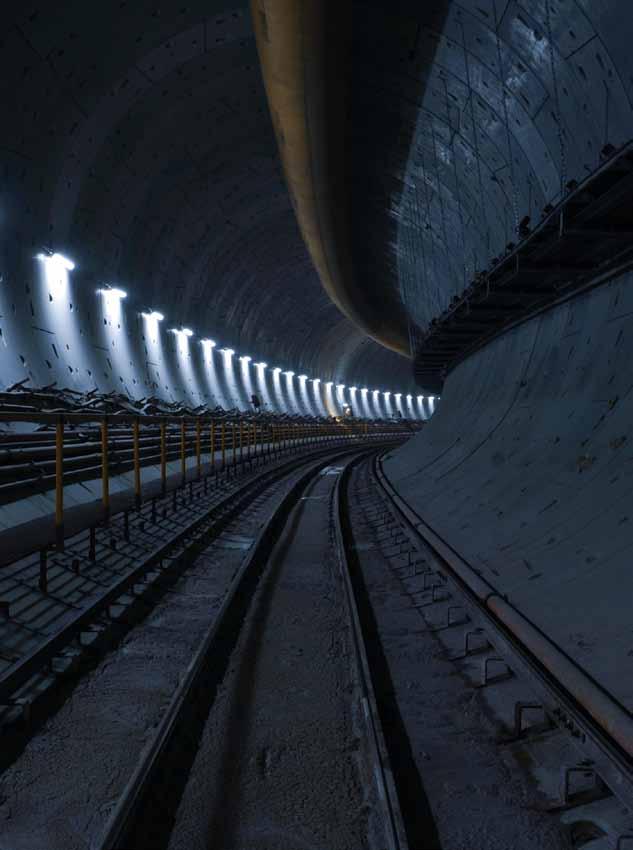
Segment loader inside the TBM (far left) which ultimately created the tunnel walls (left).

Breakthrough at Al Ras Station

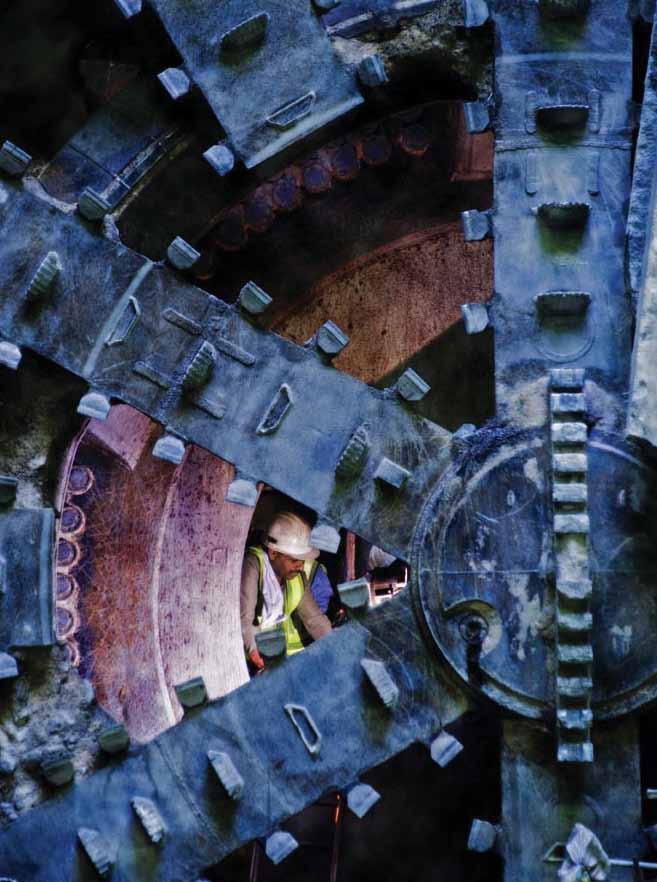
This access port was only opened for emergency work on the TBM teeth and here after the breakthrough.

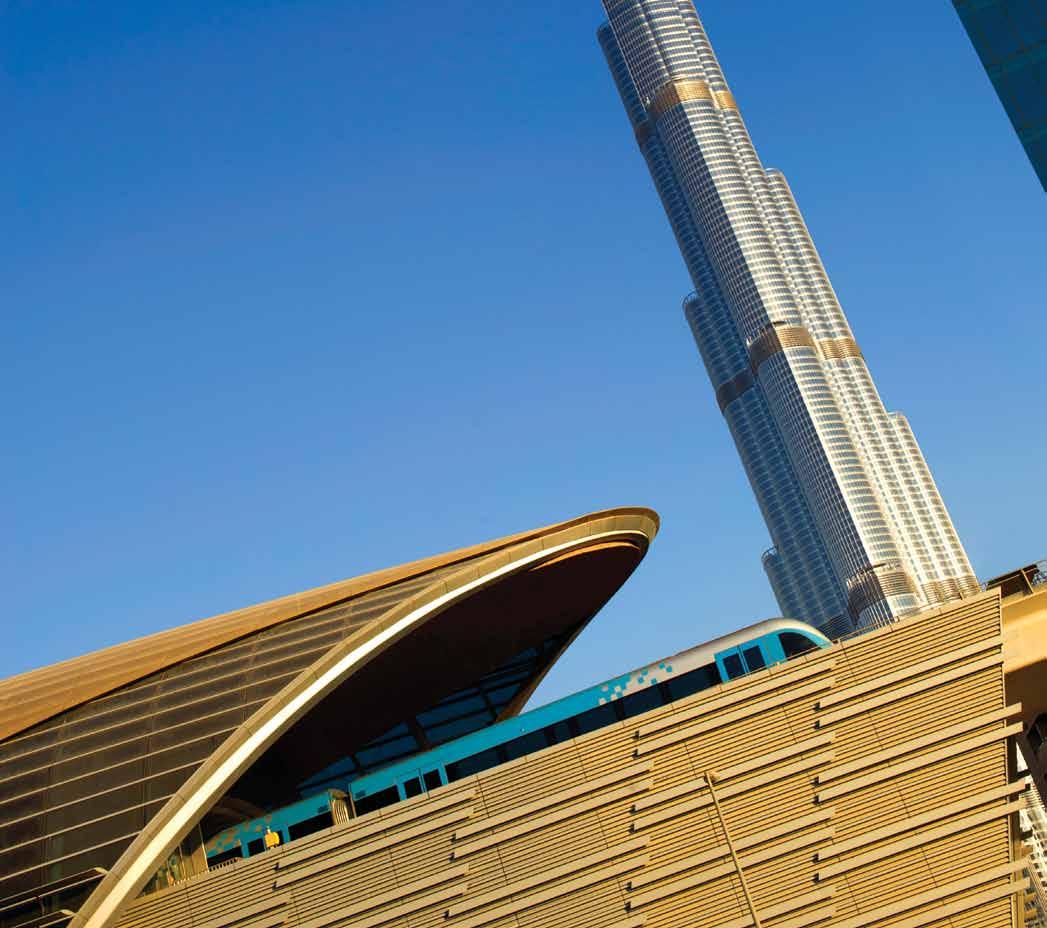
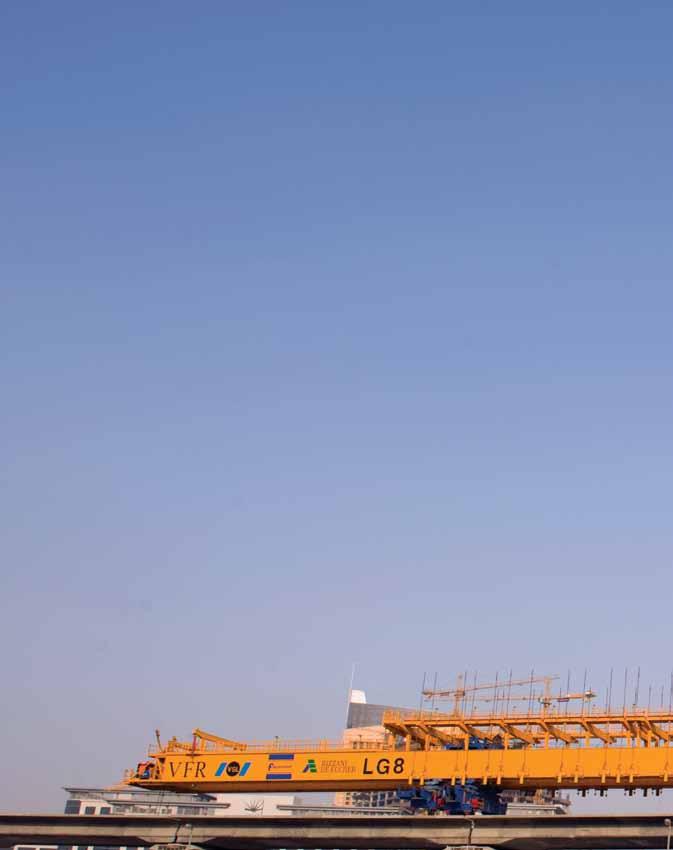
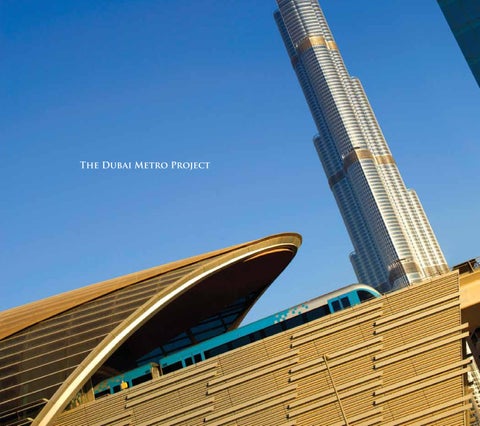
Launching Gantry 8 at Burj Khalifa

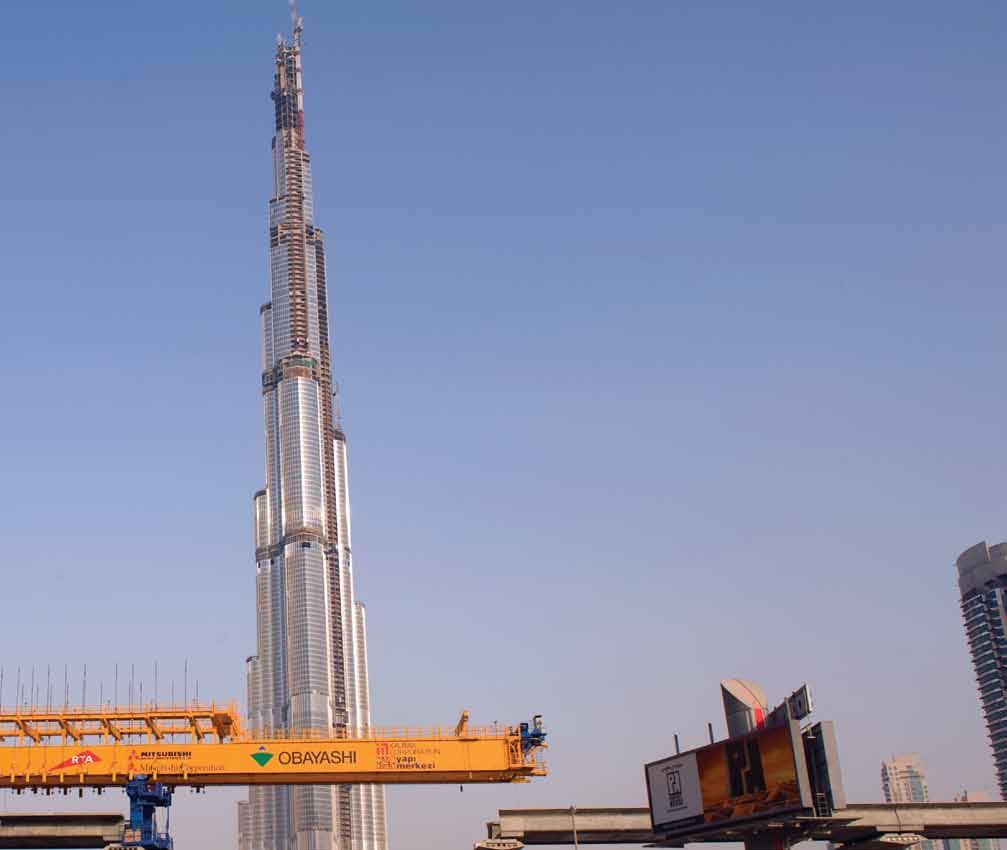
Burj Khalifa, the world’s tallest tower with a height of 829.84 m forms the backdrop of this image of the launching gantry which lifted and assembled the viaduct segments to form the spans between piers.
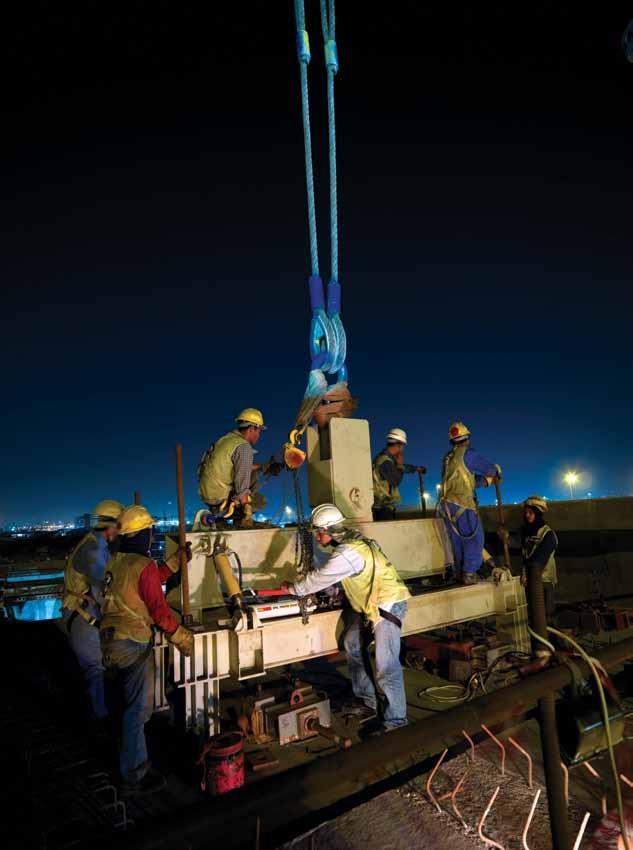
Work continued 24 hours a day to achieve the tight deadlines.

Viaduct Installation

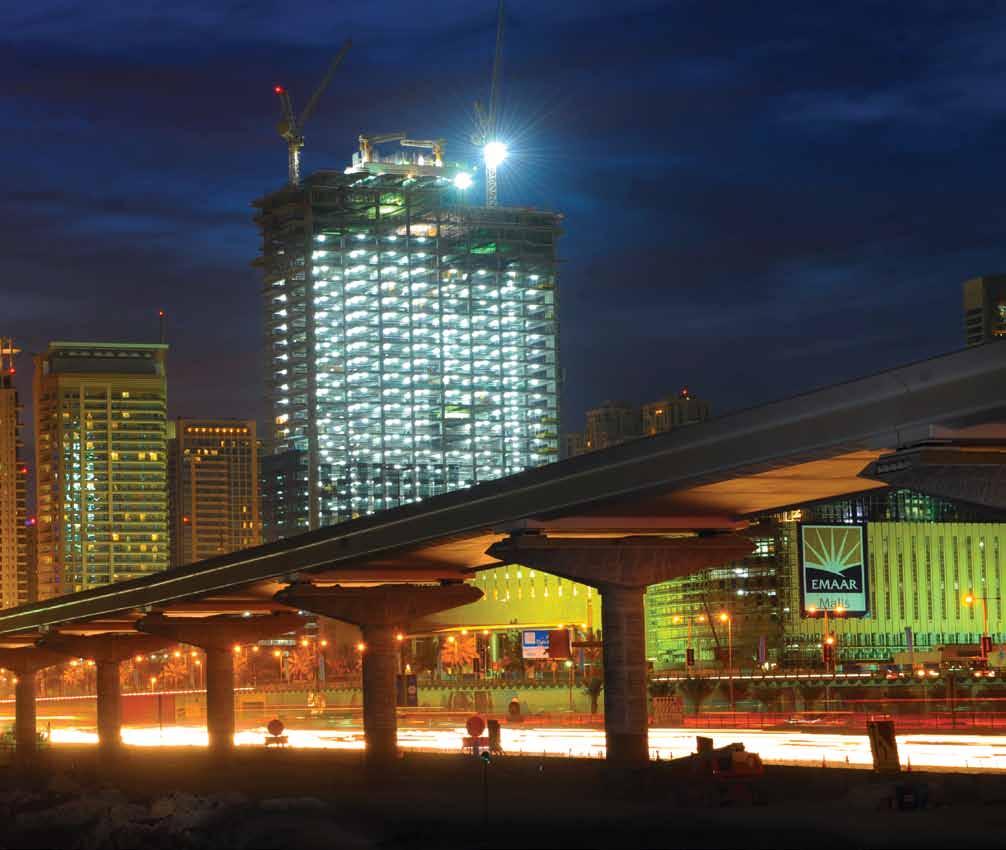
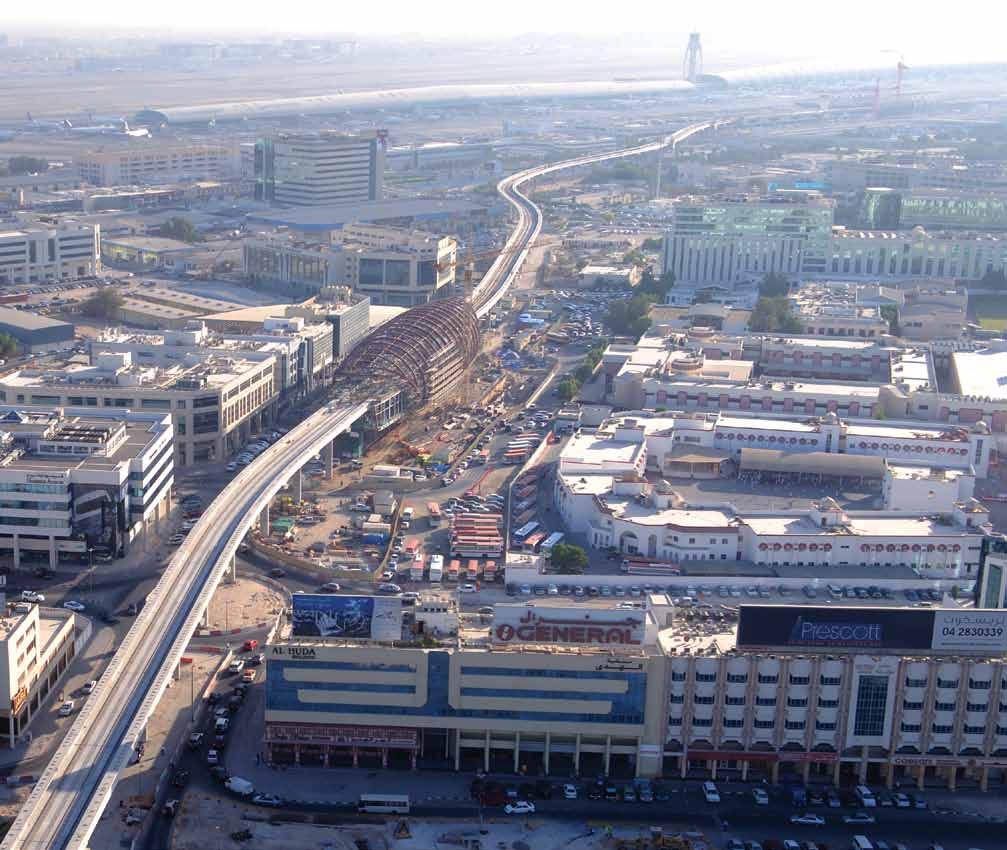
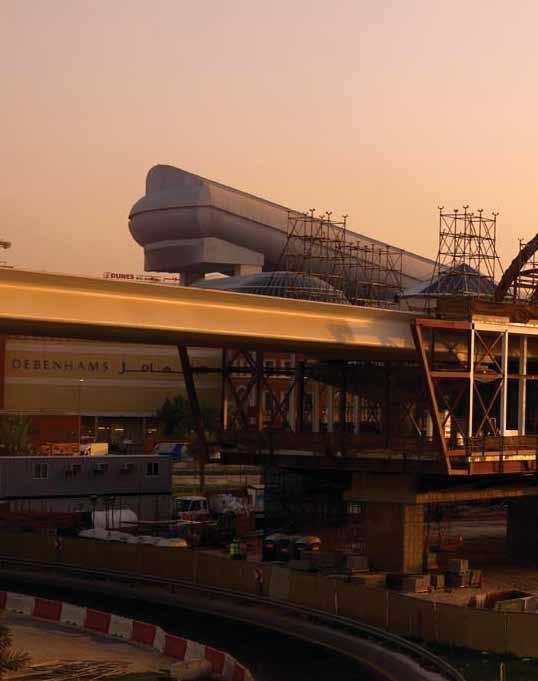
Viaduct construction over main roads and bridges required a substantial amount of planning and coordination. This image shows the viaduct being constructed over Sheikh Rashid Road approaching Al Garhoud Bridge.

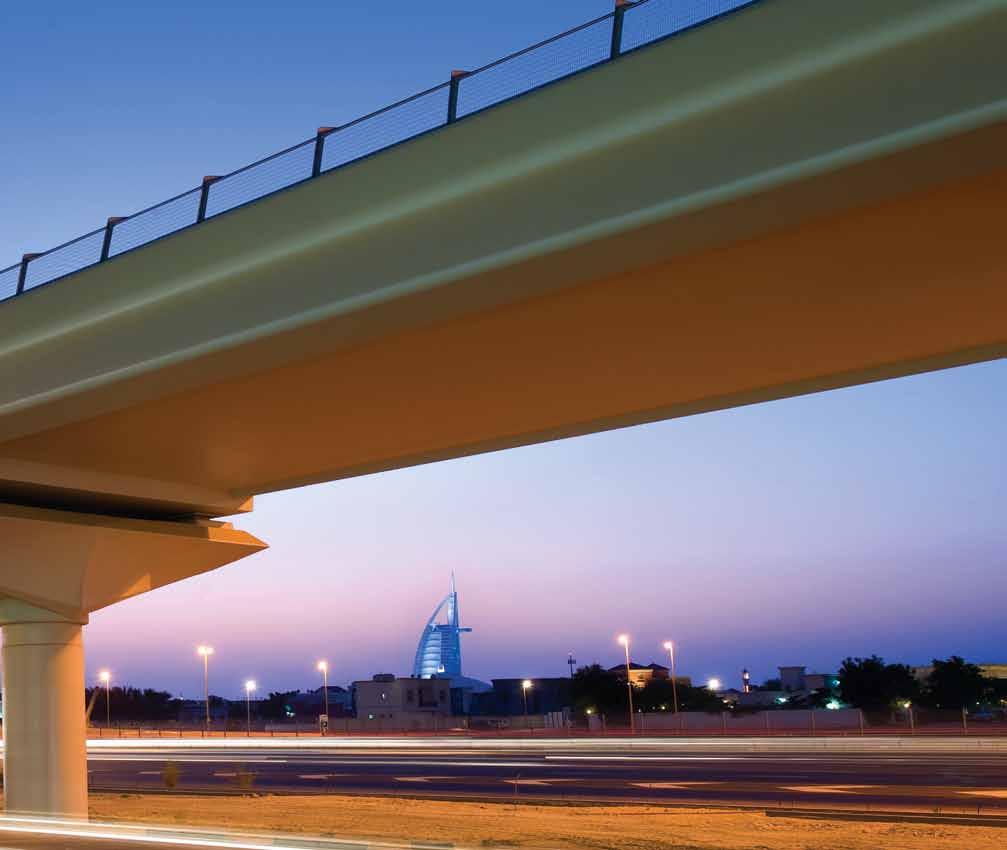
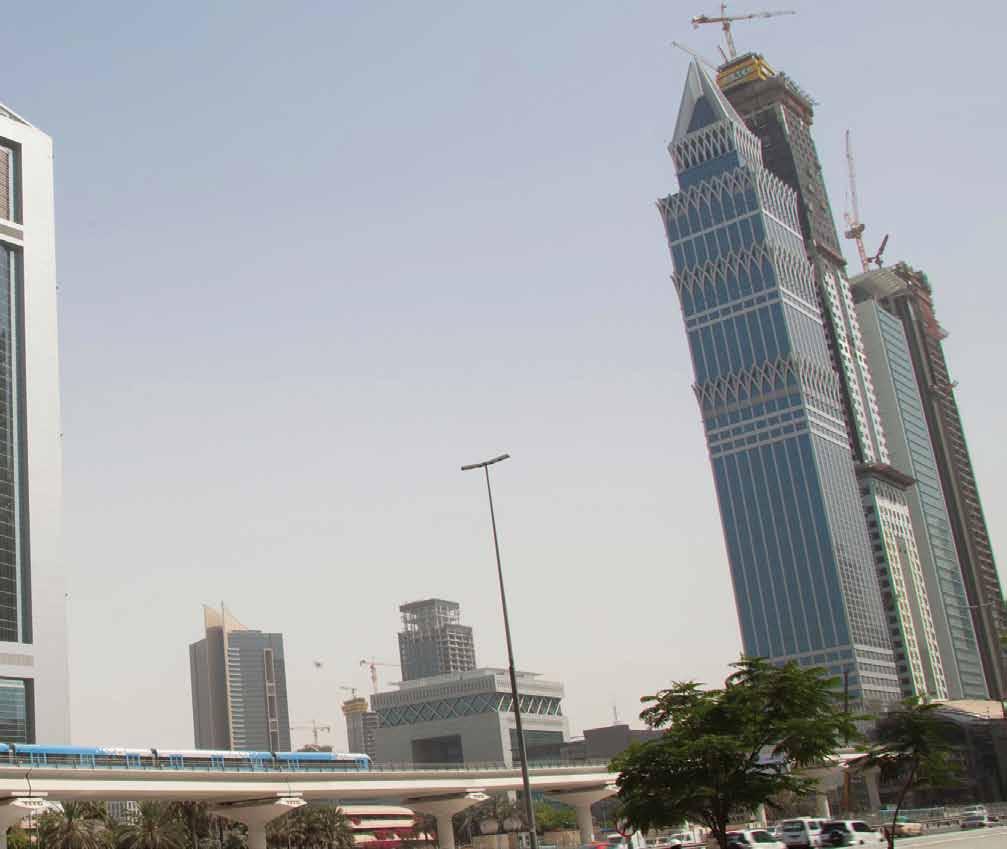
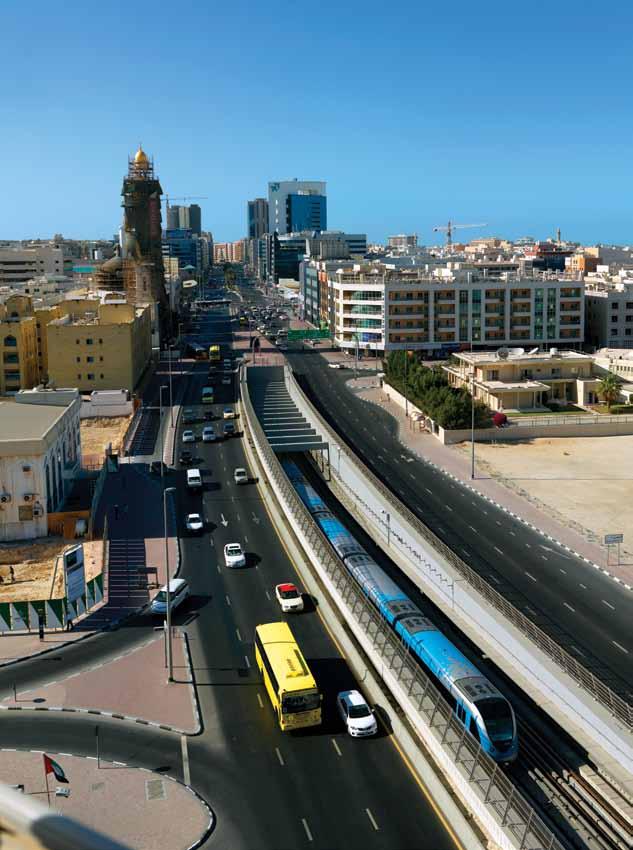
The Dubai Metro has become just as much of an icon for Dubai’s impressive skyline as the Burj Al Arab and the Burj Khalifa.

Viaduct near Burj

Al Arab

The iconic image of Burj Al Arab forms the backdrop of this image of the viaduct.

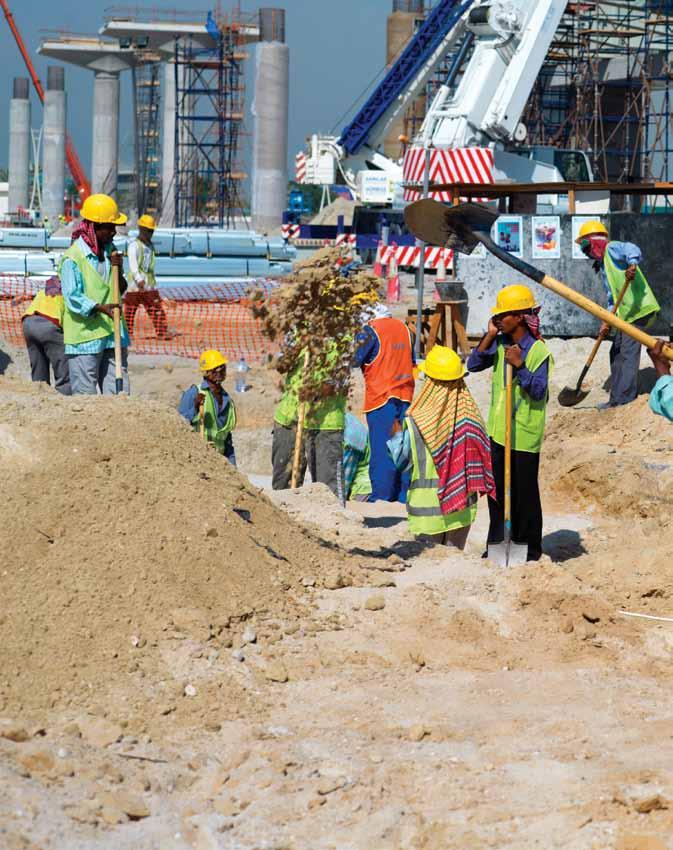
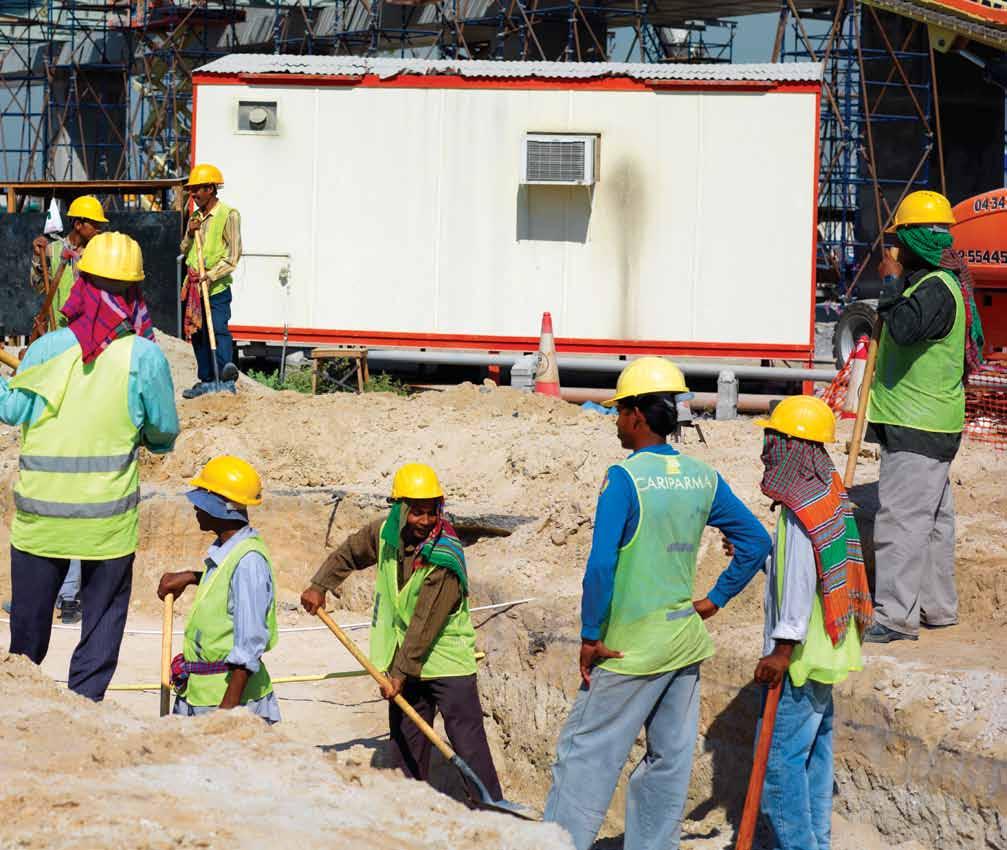
Men at Work

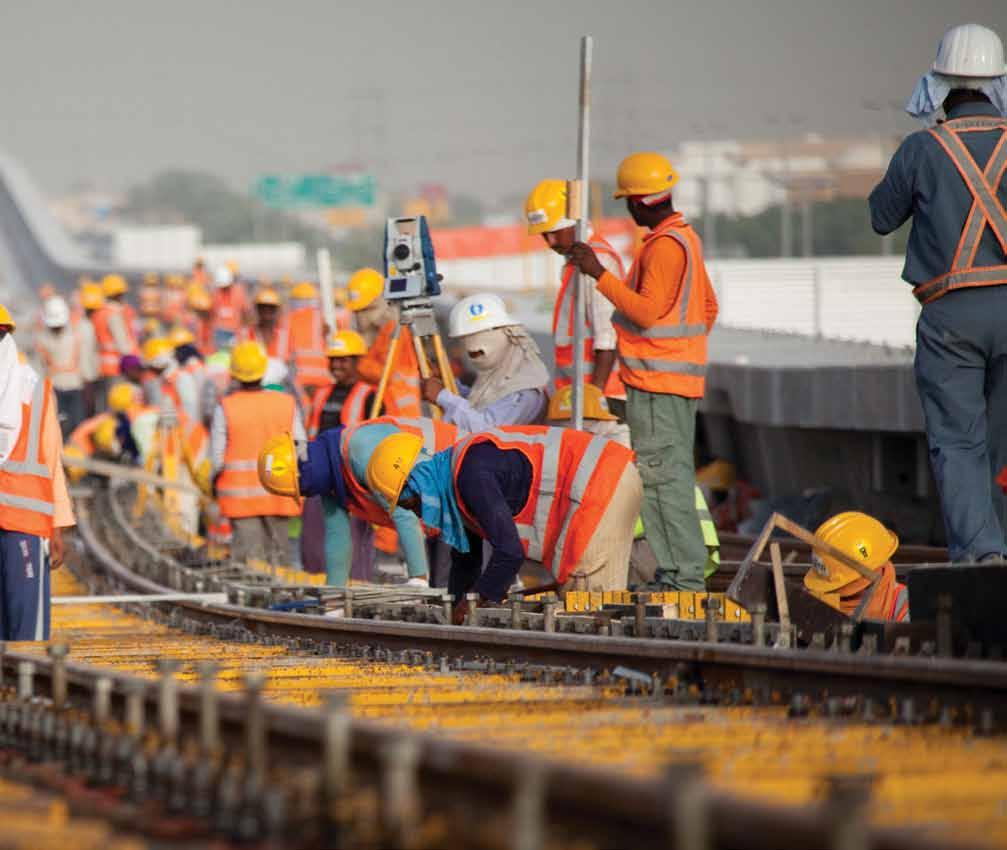
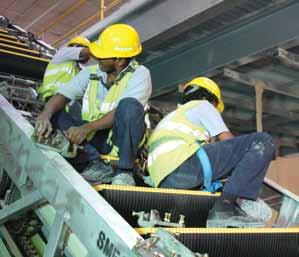
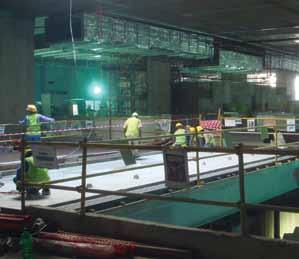
Some 36,000 people were involved with the construction of the project. The bulk of the labour came from Thailand, Nepal, Bangladesh and China.

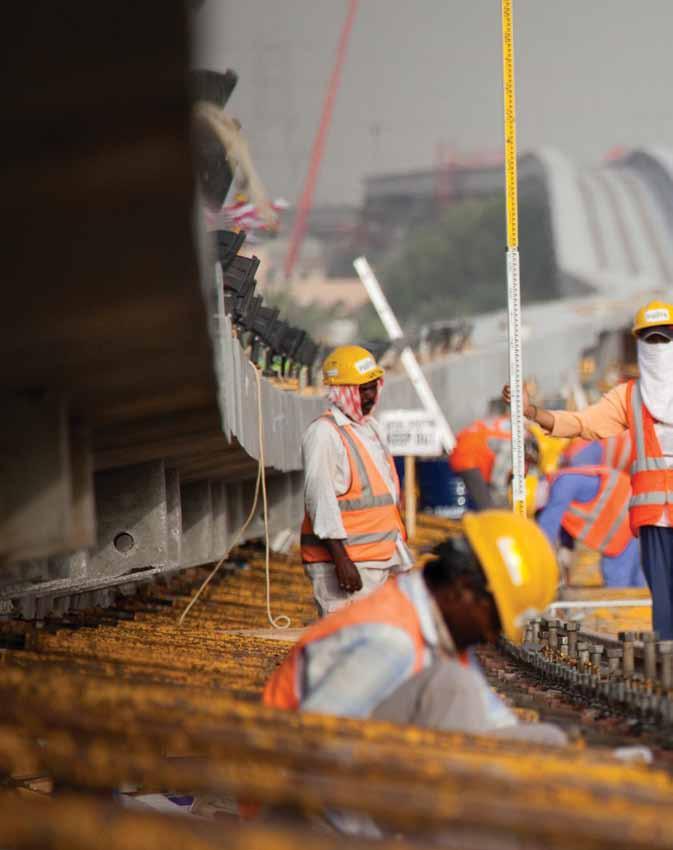
Men at Work

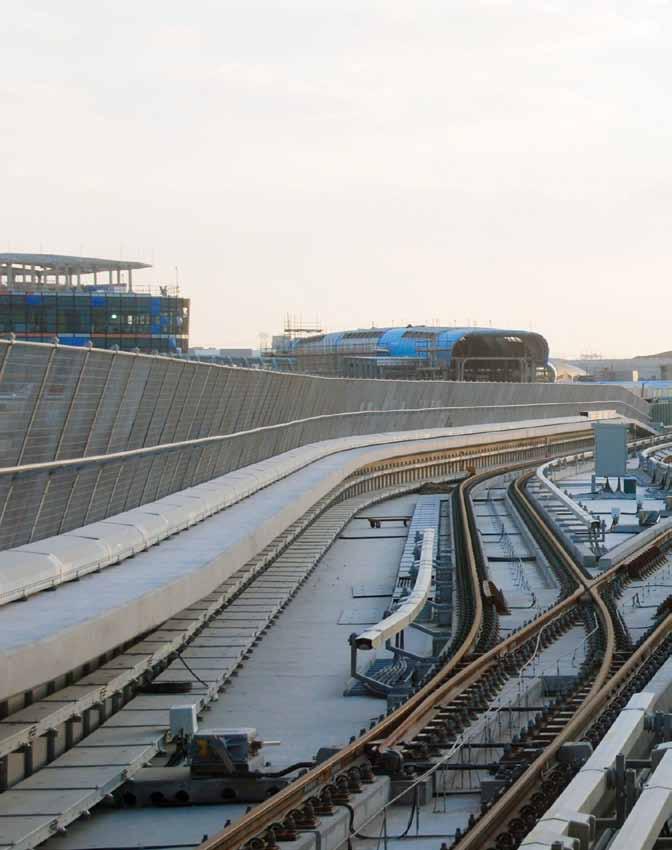
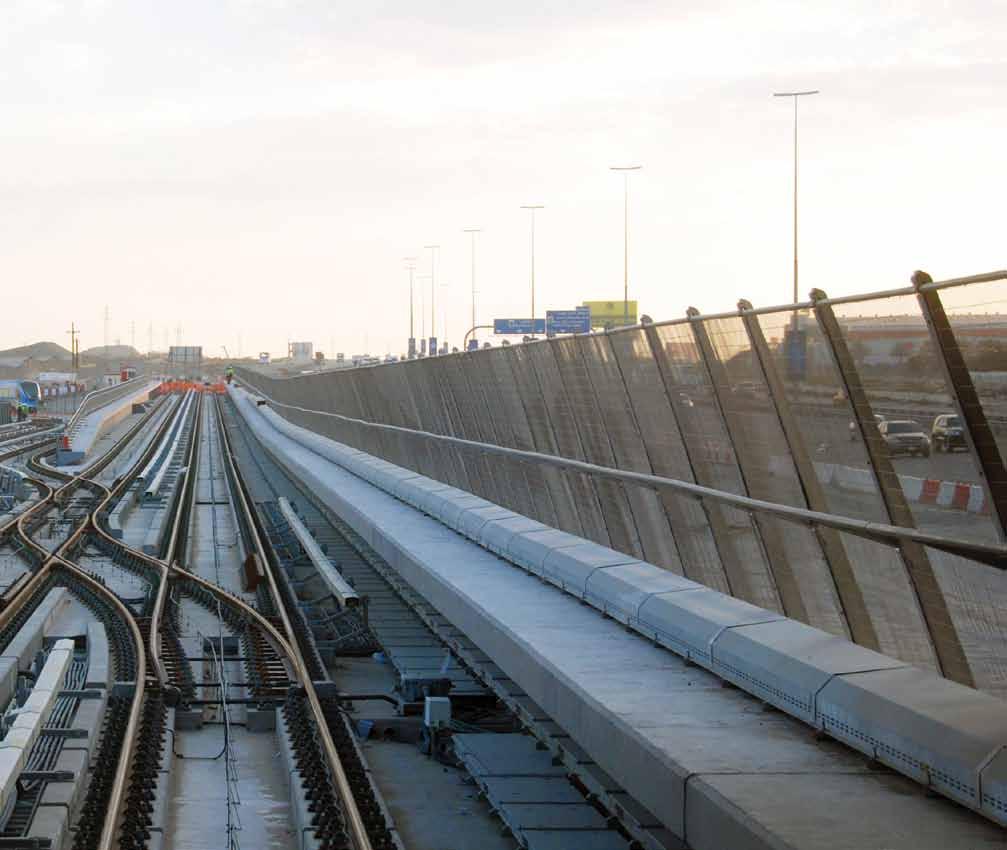
Hundreds of workers laid the tracks for the 75.9 km rail system.

Men at Work

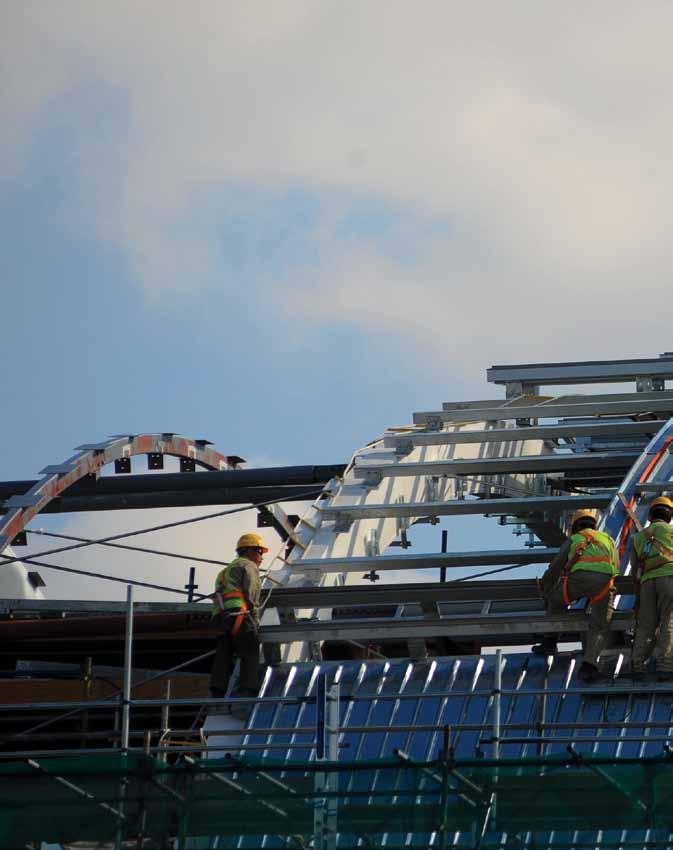
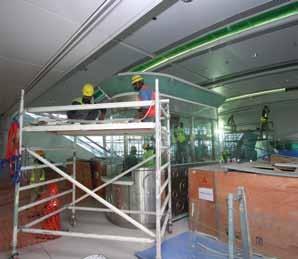
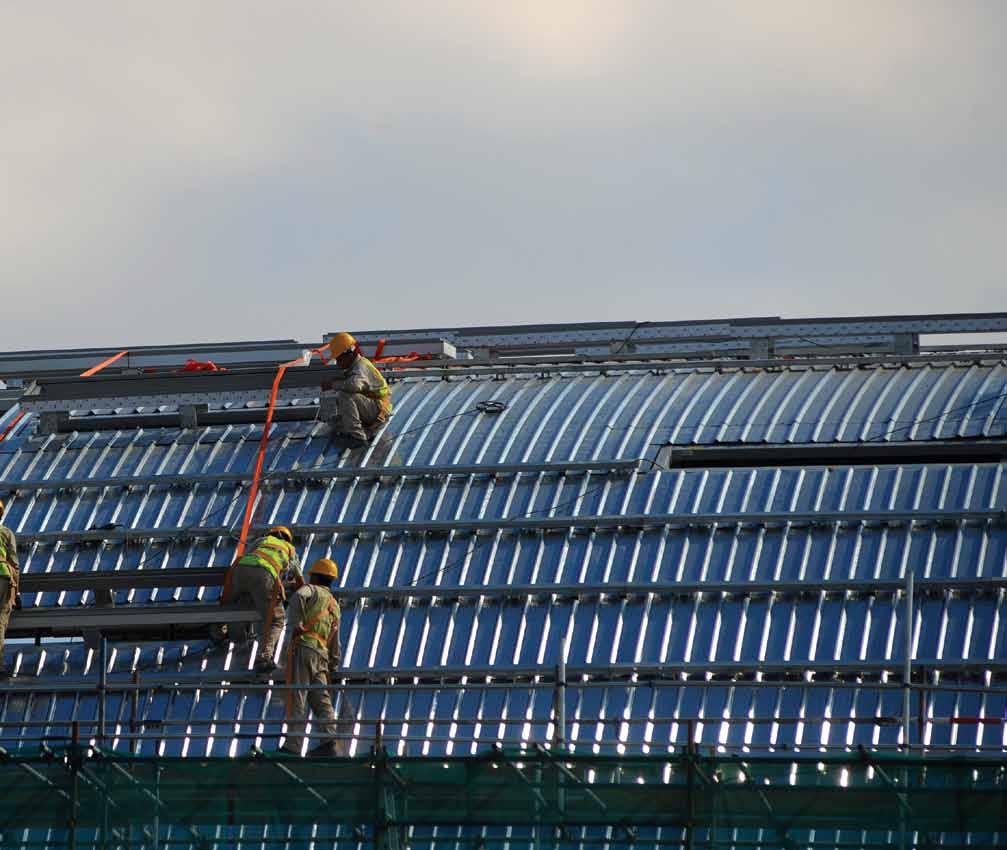
Workers installing the inner roof lining of the stations, part of a complex roof structure.

Mall of the Emirates Station

The Mall of the Emirates station was used as the venue for the opening of the metro on 09/09/2009 at 09:09:09 p.m. The opening was inaugurated with a clock on display in the station concourse which froze at the instant Sheikh Mohammed Bin Rashid Al Maktoum swiped his Nol card to enter the station.

Jumeirah Lakes Towers Station

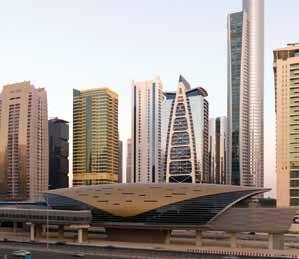
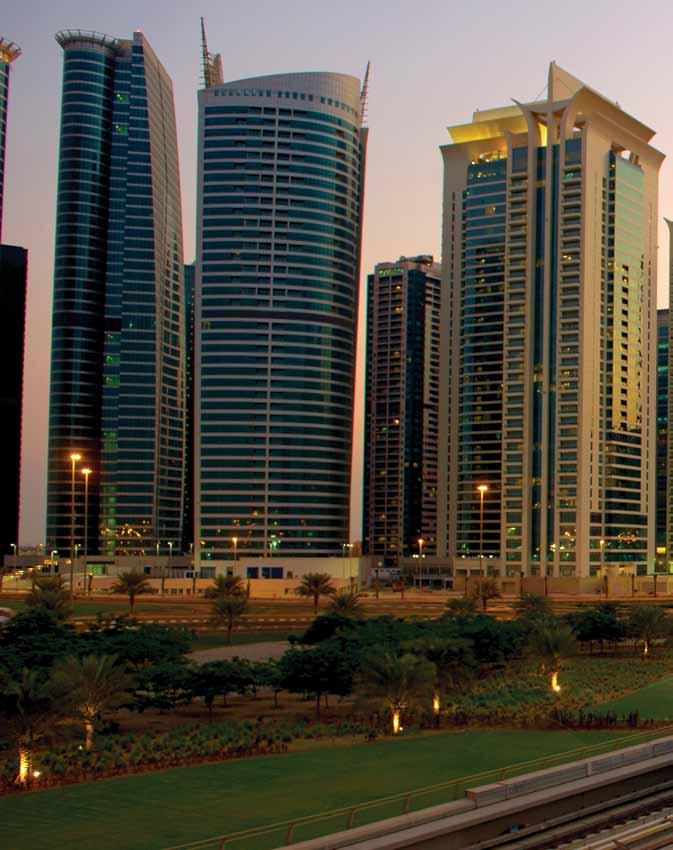
One station was constructed in front of each major development in Dubai to ensure the practicality of the metro.

The interior design of the Dubai Metro would become a reflection of the city’s rich history and its promising future.

Jebel Ali Depot

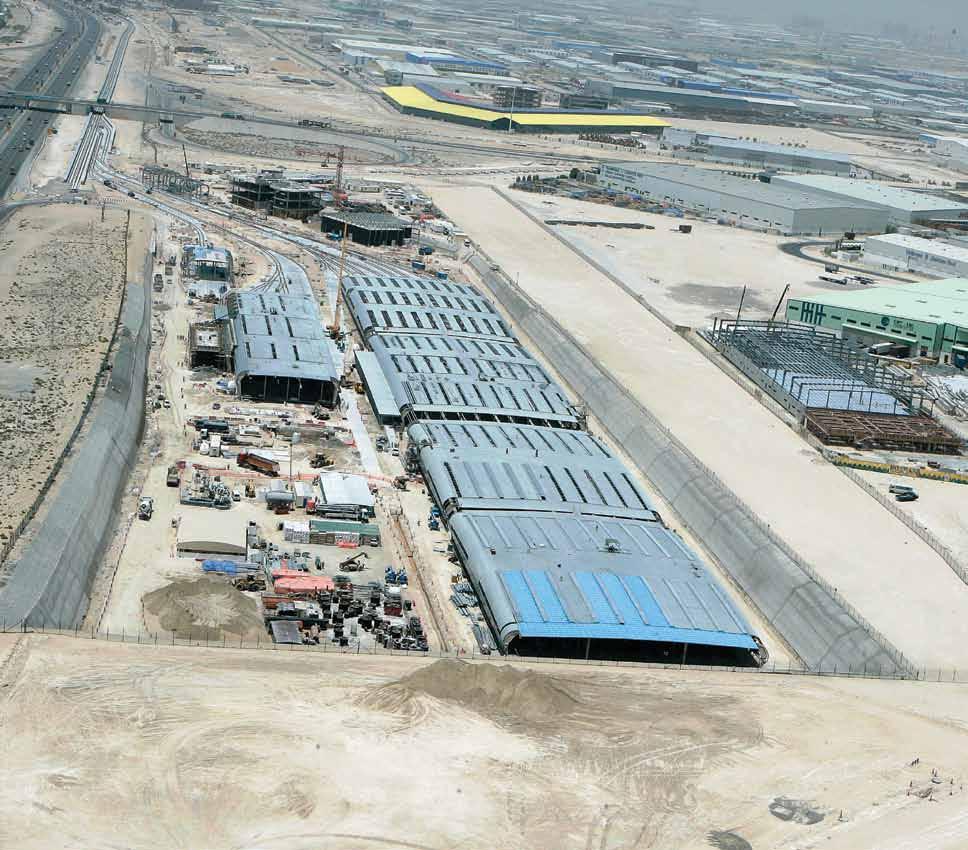
The early stages of the construction of Jebel Ali depot and the backup operations control centre.

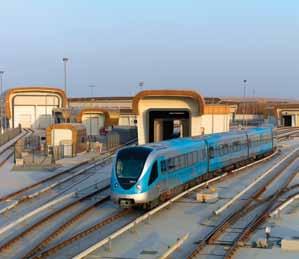
Test operation between Jebel Ali Depot and Rashidiya Depot started in April 2009.

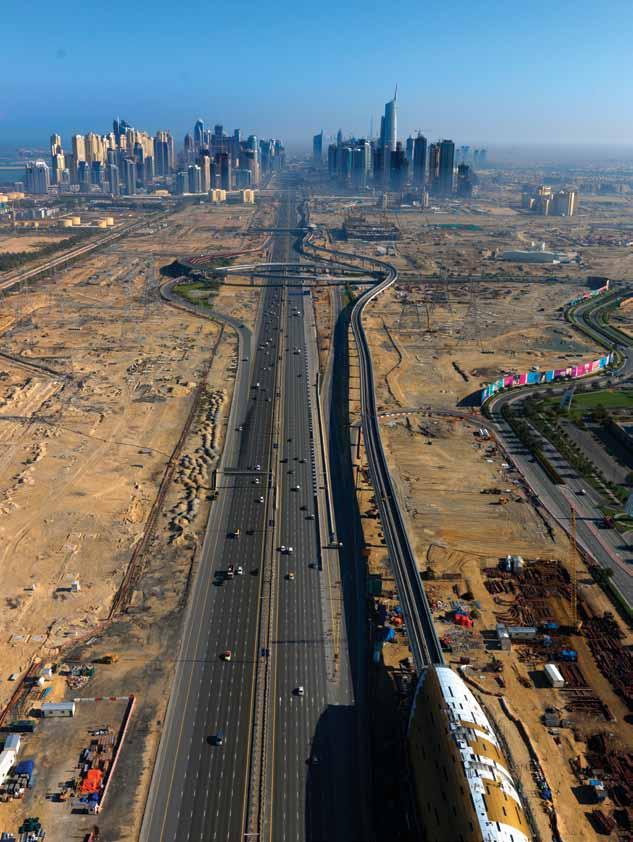
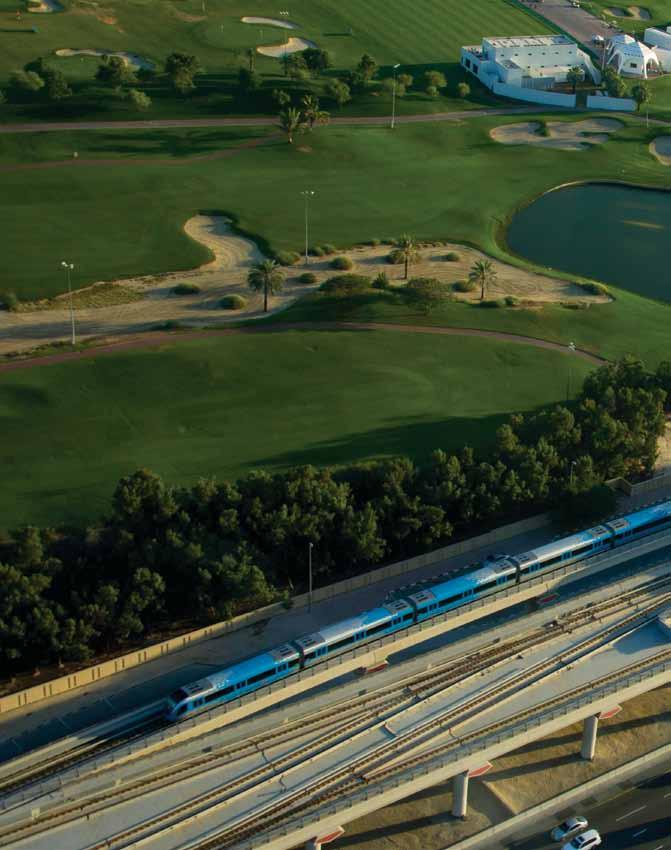
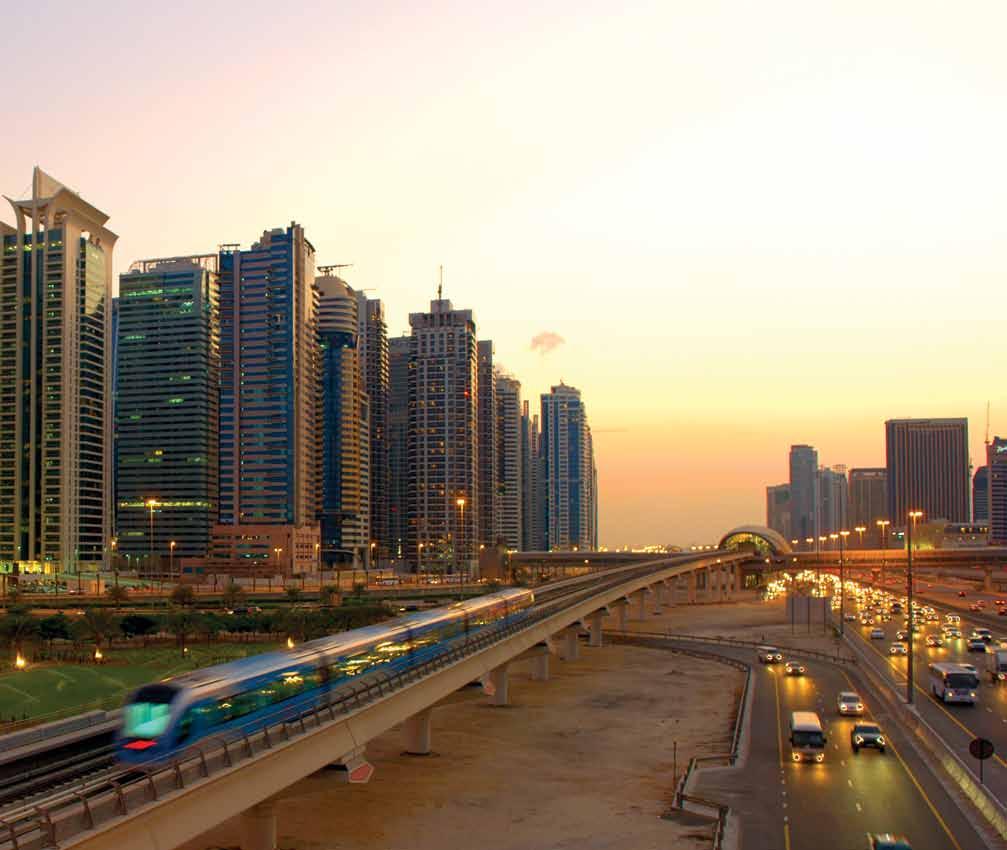
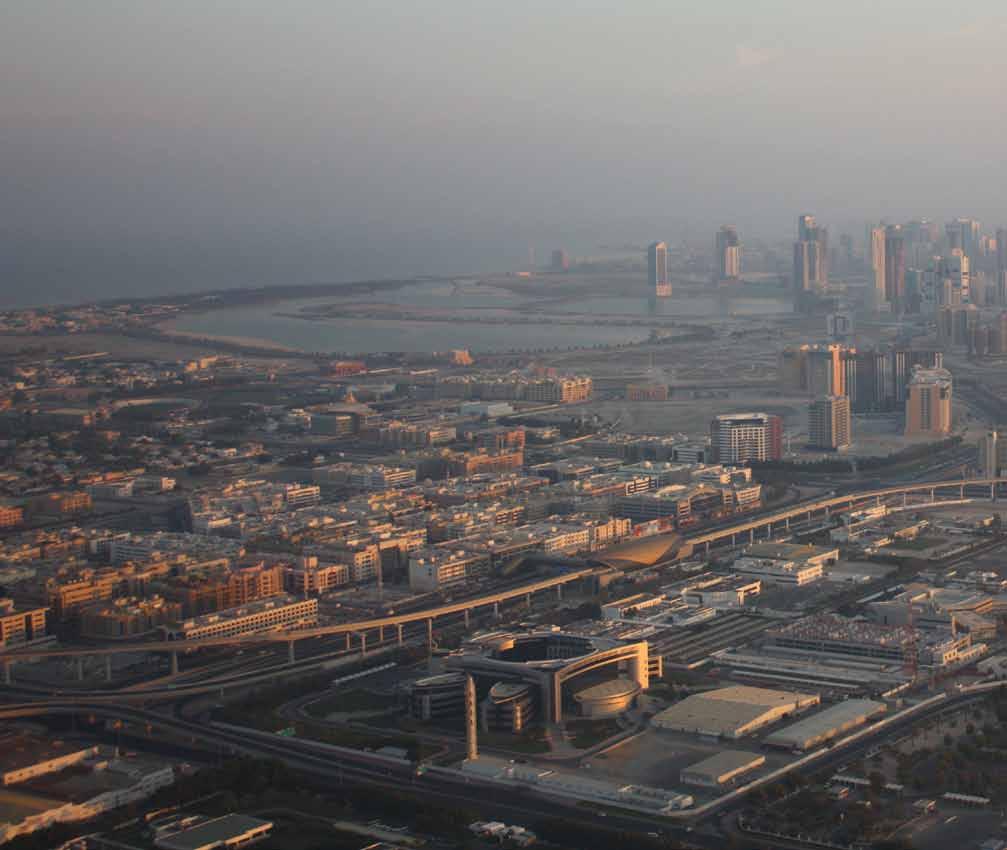
The Dubai Metro Red Line forms the spine of the railway system in Dubai stretching all the way from Rashidiya to Jebel Ali.

The Red Line stretches along Sheikh Zayed Road covering the highly populated areas as well as strategically located stations near major businesses in the less dense areas.

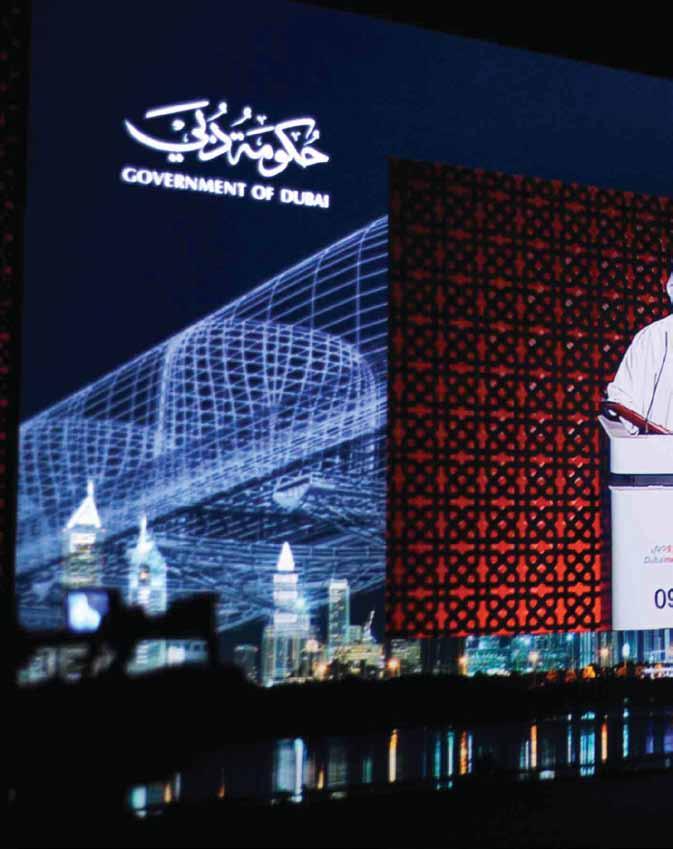
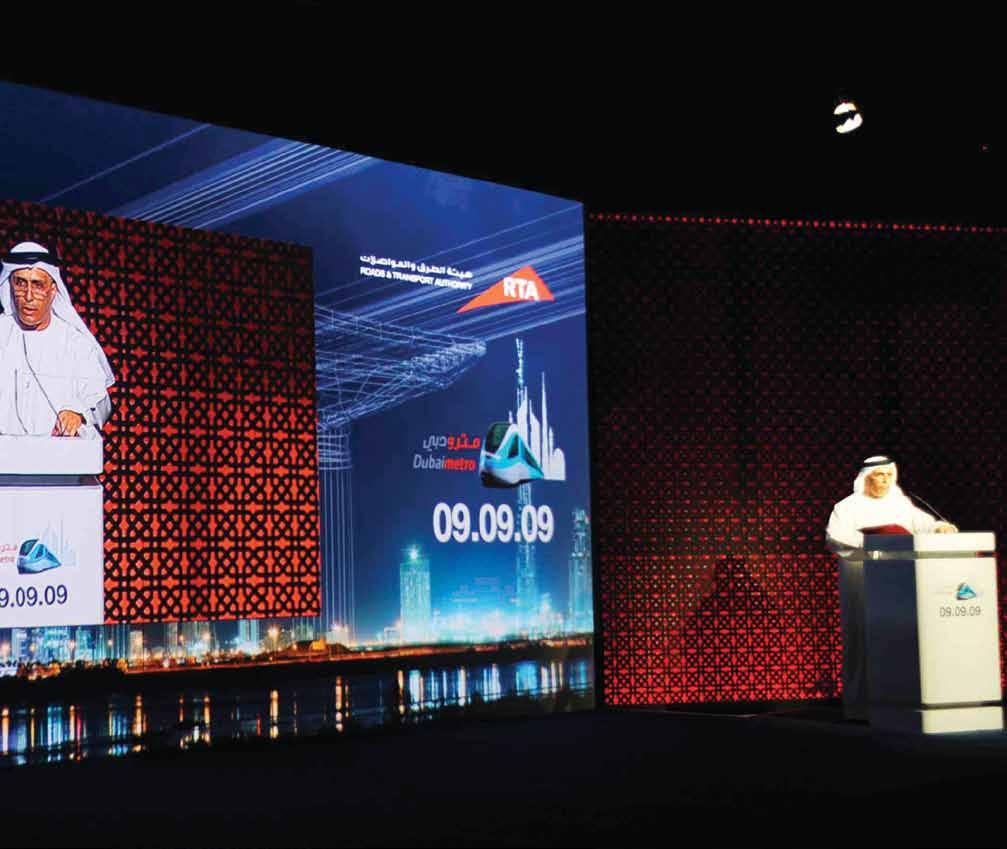
Red Line Opening Ceremony on 09/09/2009

His Excellency Mattar Al Tayer in the opening presentation of the inauguration ceremony. The ceremony was attended by His Highness Sheikh Mohammed Bin Rashid Al Maktoum and many senior government officials and VIP guests.

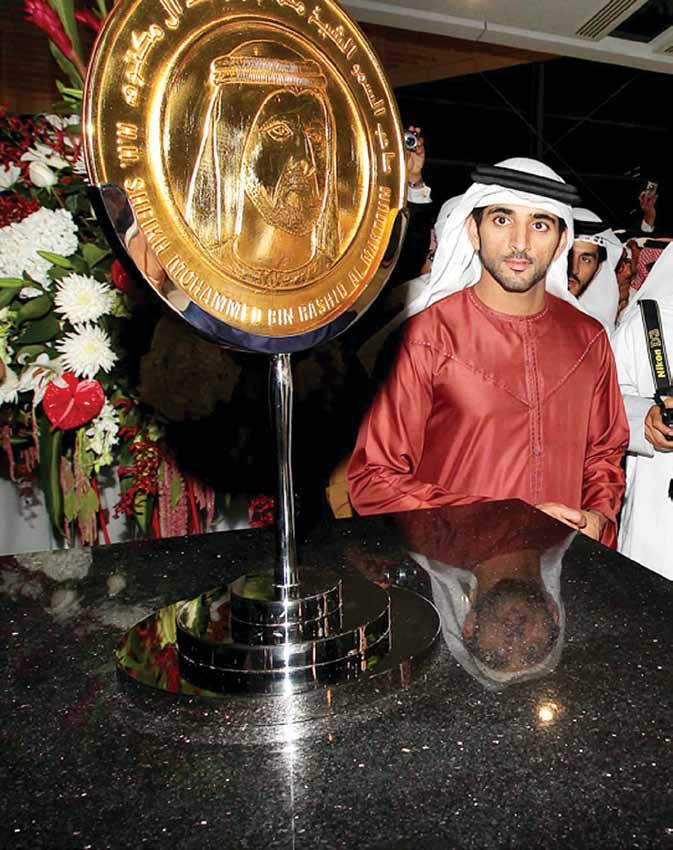
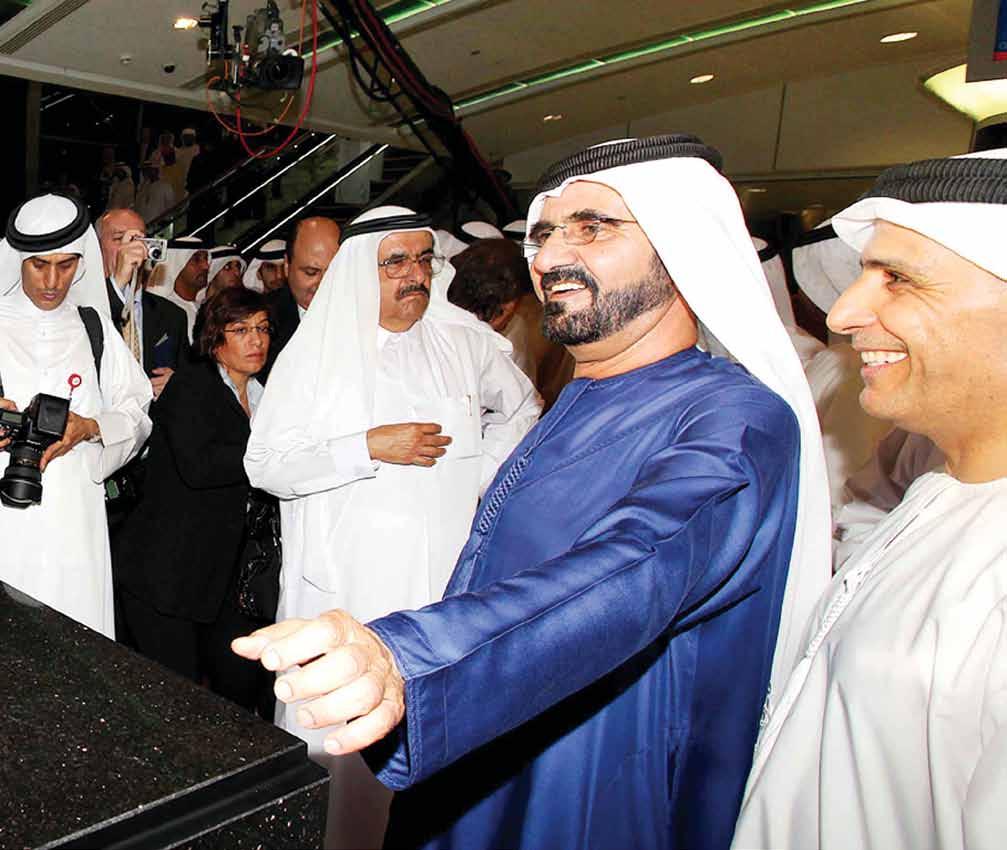
Ceremony on 09/09/2009

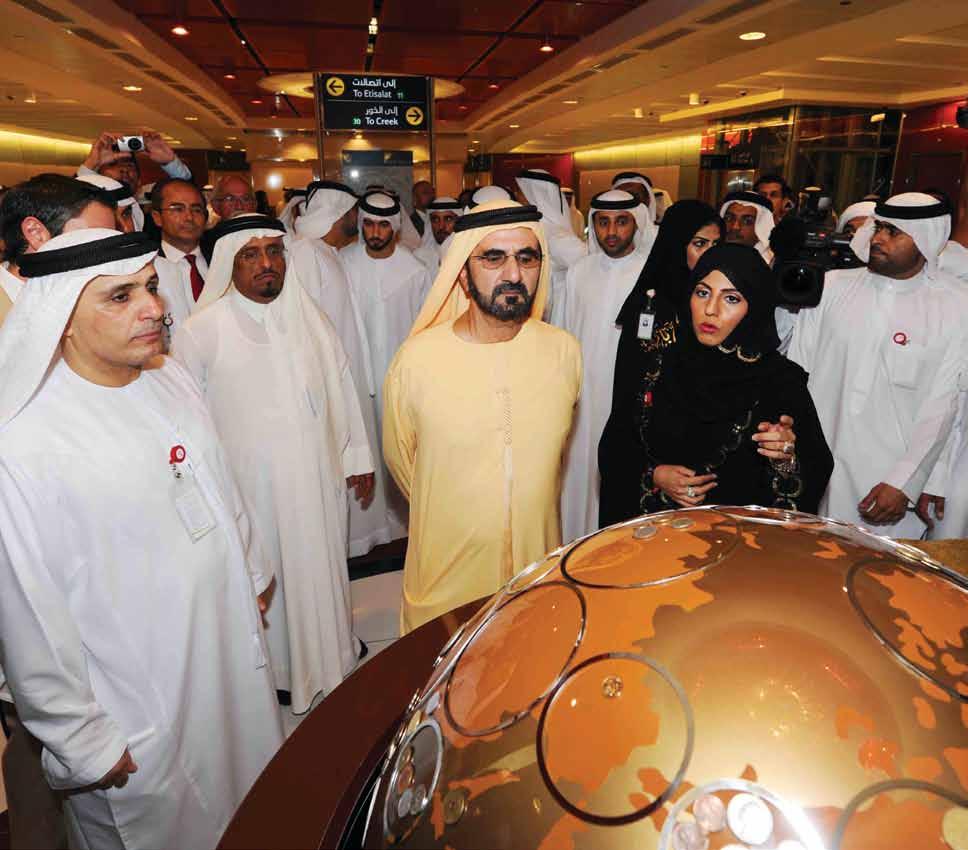
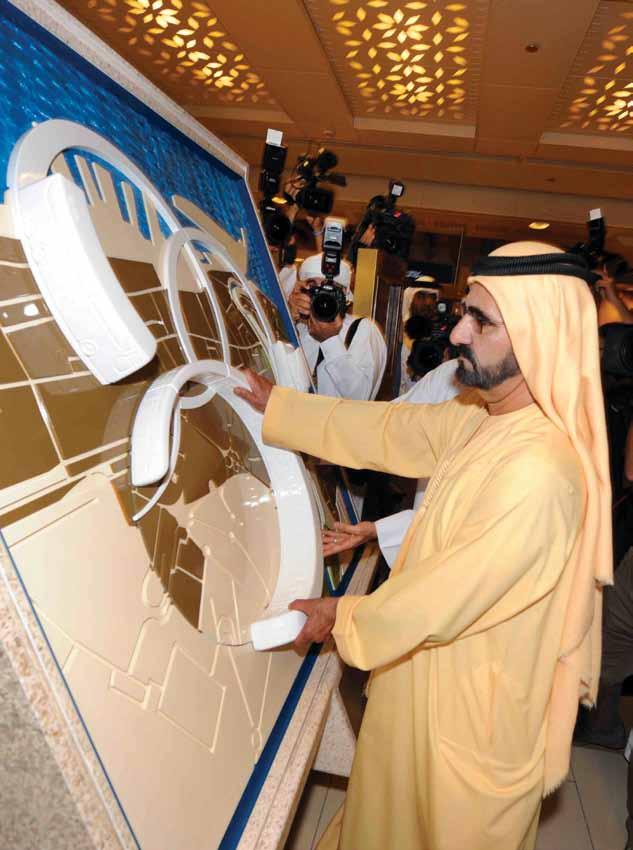
Sheikh Mohammed Bin Rashid Al Maktoum places a gold coin at Financial Centre station in commemoration of the commercial opening of the Red Line. Sheikh Mohammed revealed a legacy piece at each of the stations he attended during the opening ceremony.

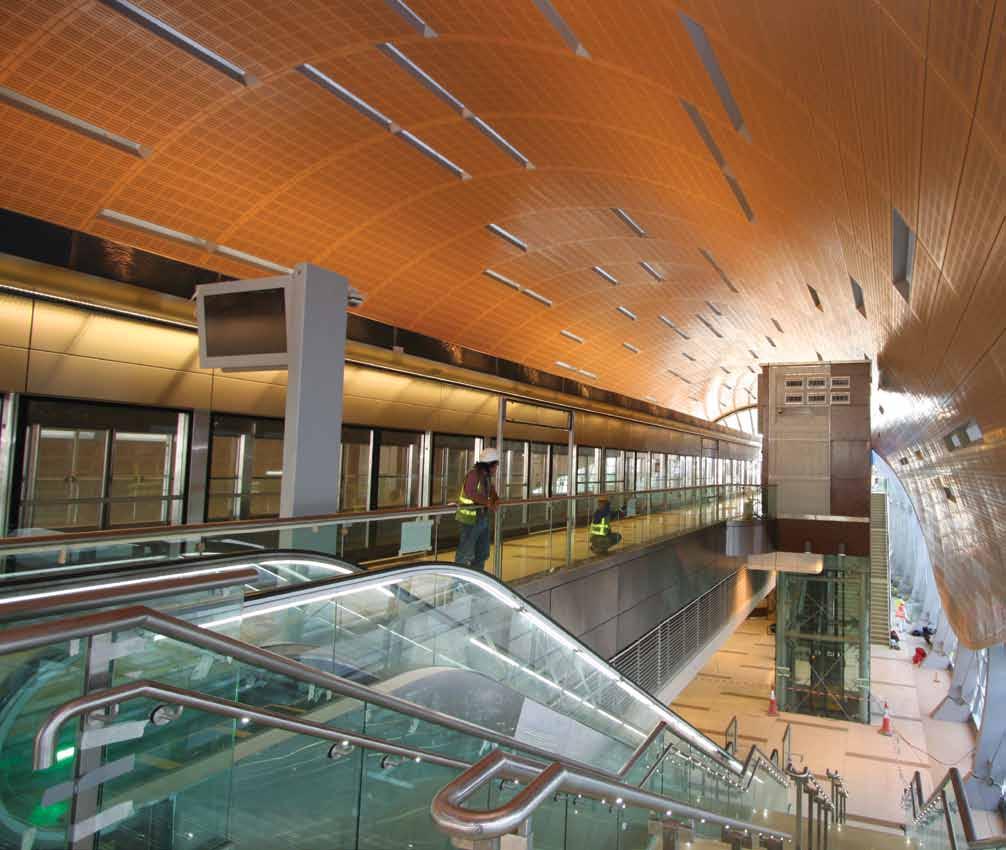
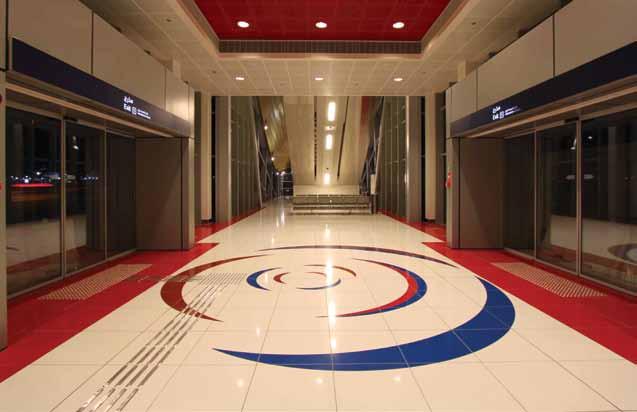
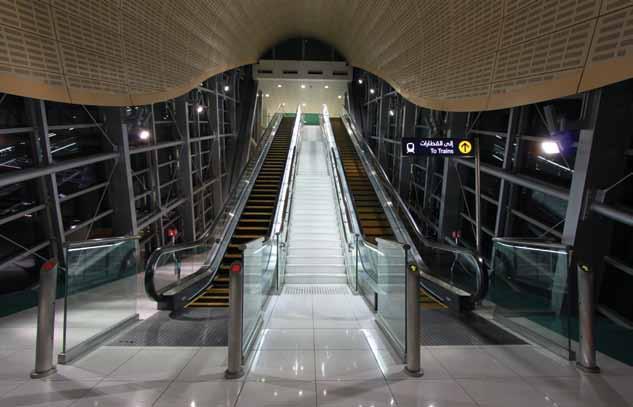
Overground Station Interiors, Air

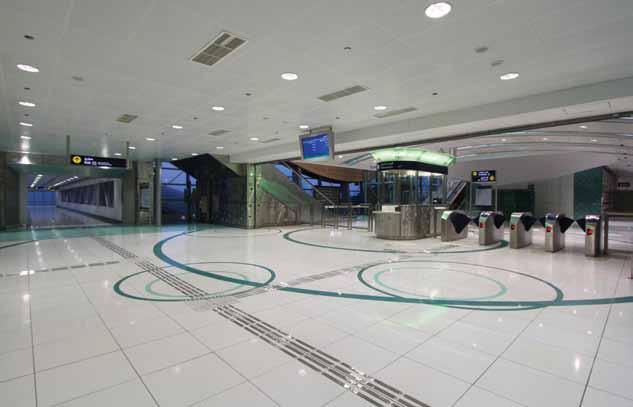
The images show the concourse of a type 1 station (right) and a type 2 station (top far right).

Overground Station Interiors, Earth

The earth theme is an emulation of the natural tan–brown colour effects found in soil, moss, trees and rocks.

Overground Station Interiors, Fire

Circulation is direct and visible without reliance on excessive signage. Spaces are therefore uncluttered and free from structure wherever possible ensuring visual connections between floors.
Overground Station Interiors, Water

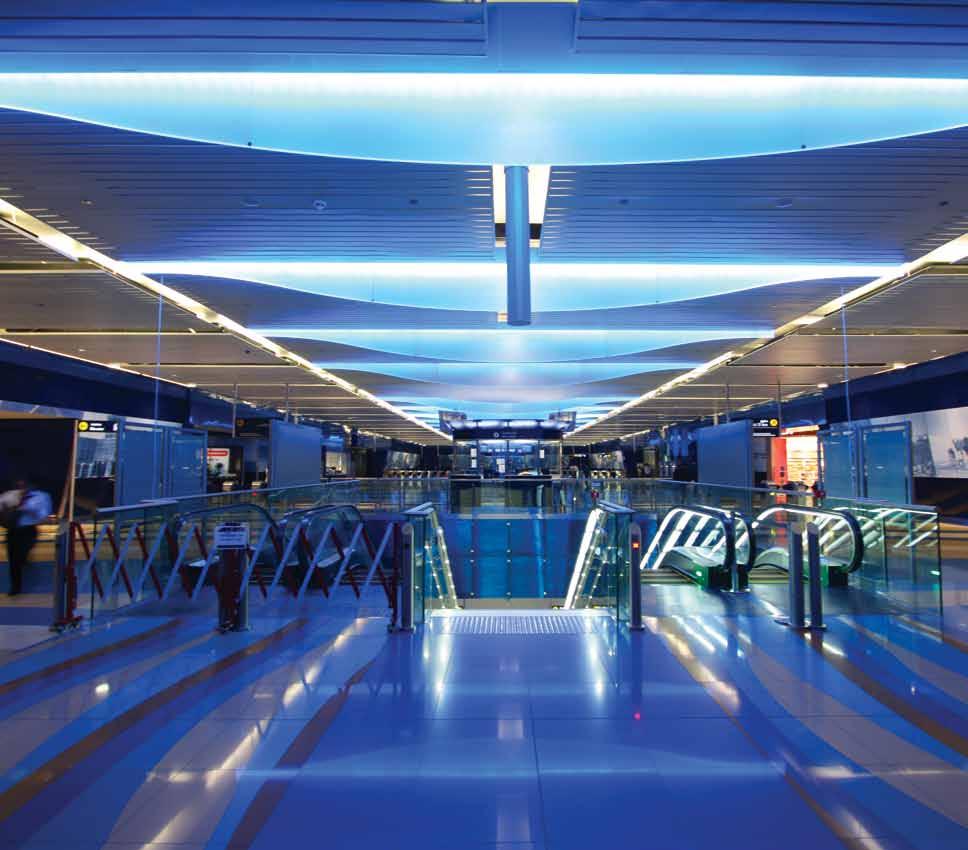
Wherever possible, an effort has been made to maintain visual connections with the outside whether with slots in the roof or creating an external perspective as passengers move through the station.

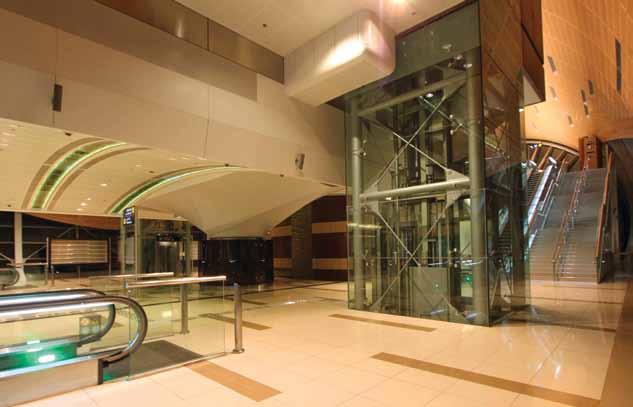
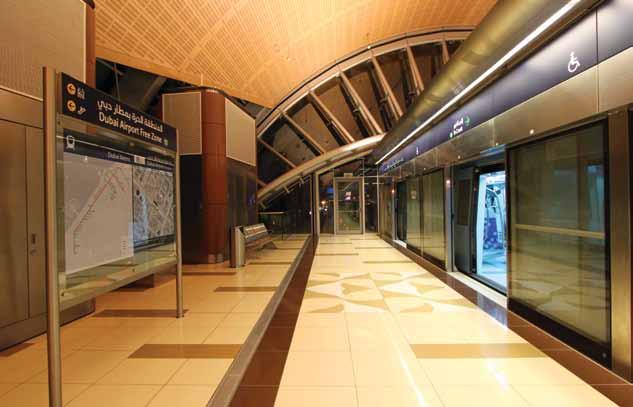
Underground

Station Interiors, Air

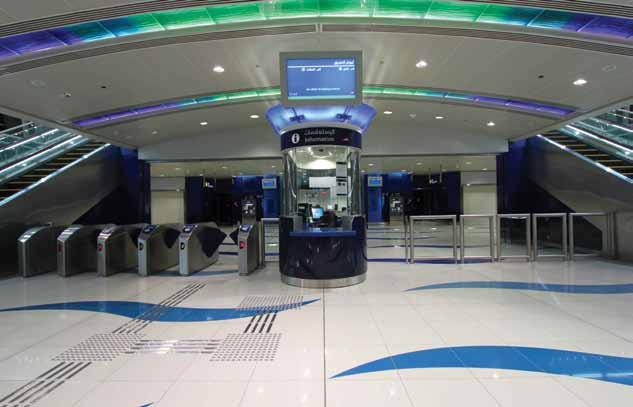
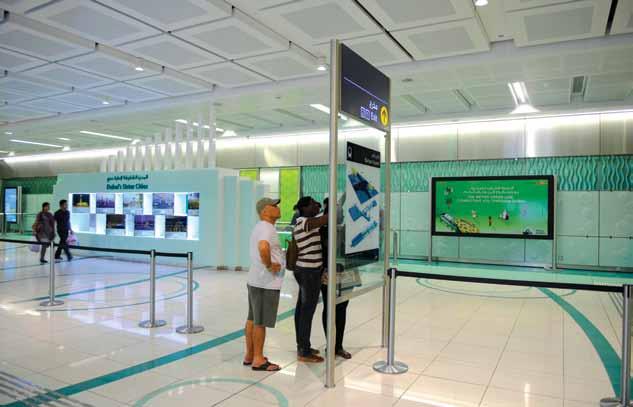
Deira City Centre Station is conveniently located near and named after the busy shopping mall in Deira, with entrances providing easy access from and to the mall and the golf course by the creek.

Underground Station Interiors, Earth

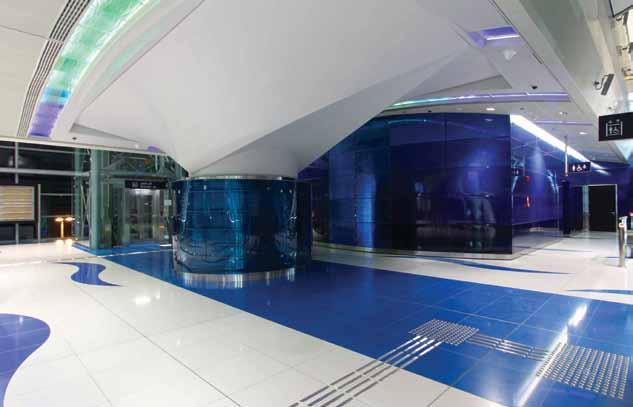
Union Station is one of two intersecting stations. The Red and Green Lines run parallel to each other at the same level.
Underground Station Interiors, Fire

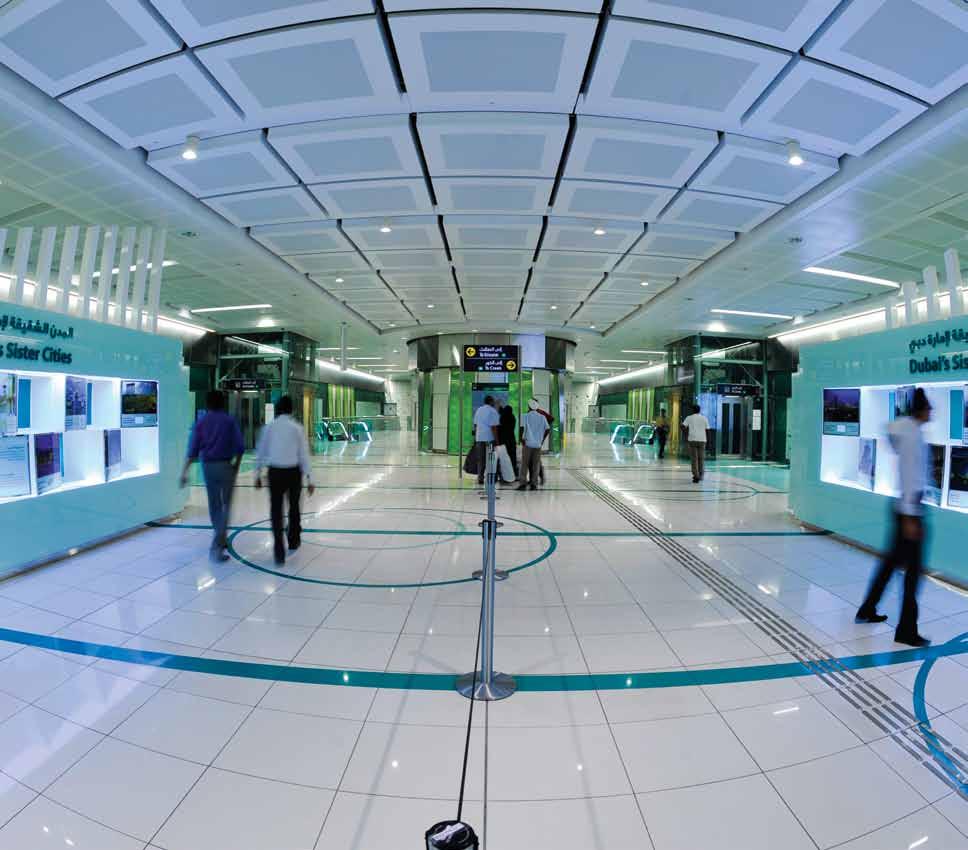
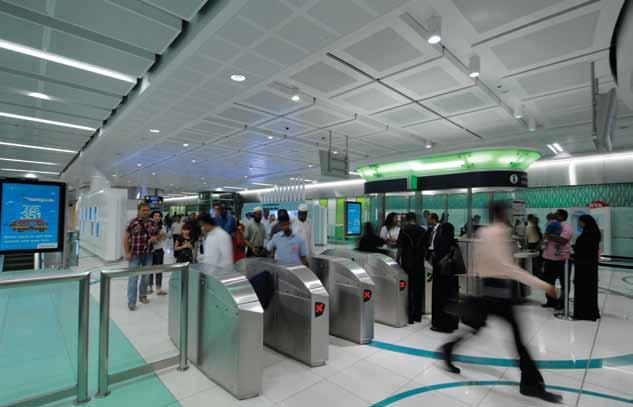
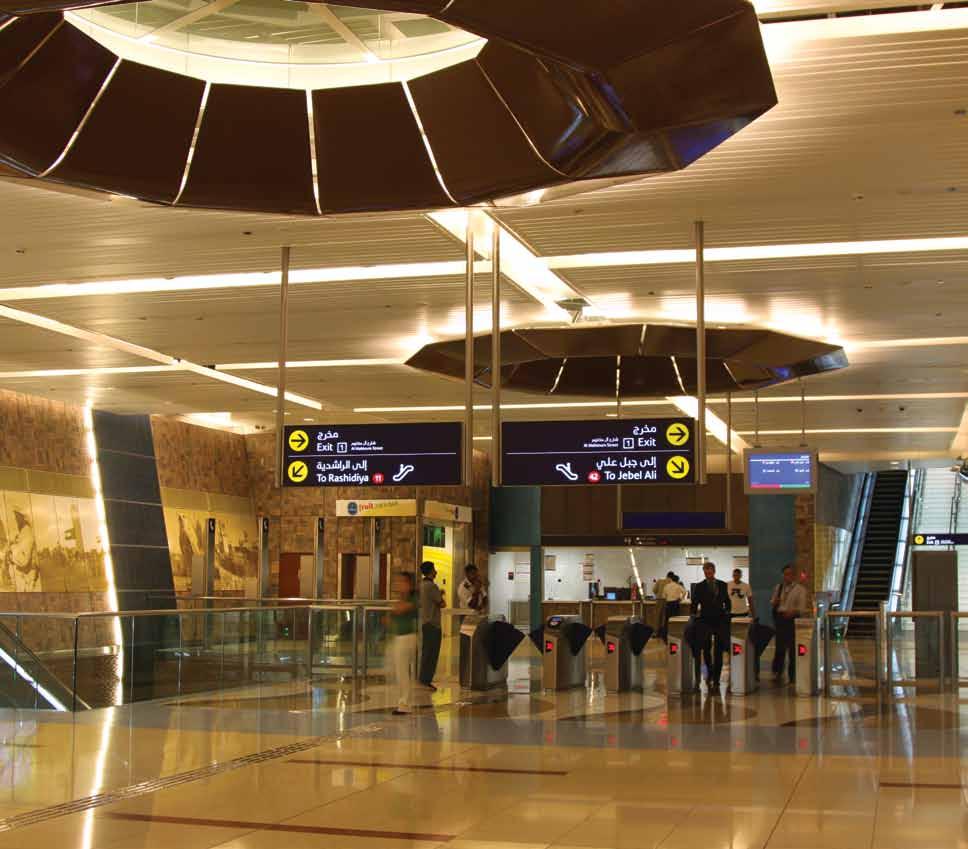
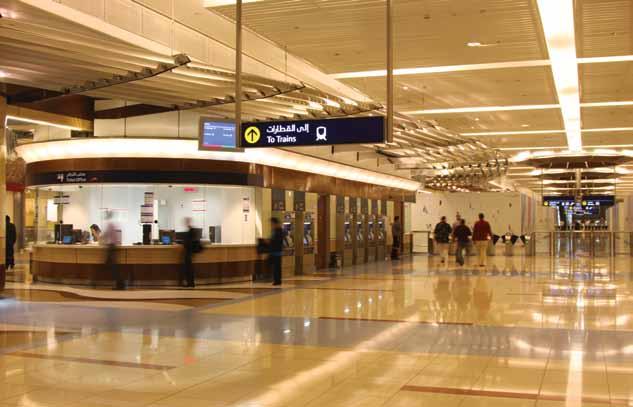
Al Rigga station is located under a highly residential area. Work was completed with extreme delicacy to ensure minimum disturbance to the residence who now enjoy the benefit of one of the most attractive stations.

Underground Station Interiors, Water

Khalid Bin Al Waleed Station is the second of two intersecting stations. It is the deepest station on the project since the Red and Green lines intersect perpendicular to each other at different levels.

Underground Station Interiors, Heritage

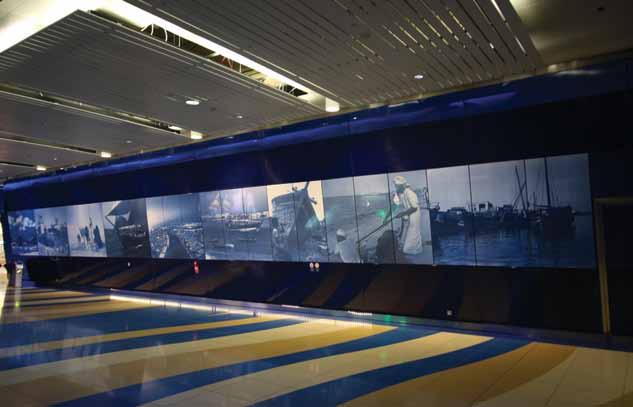
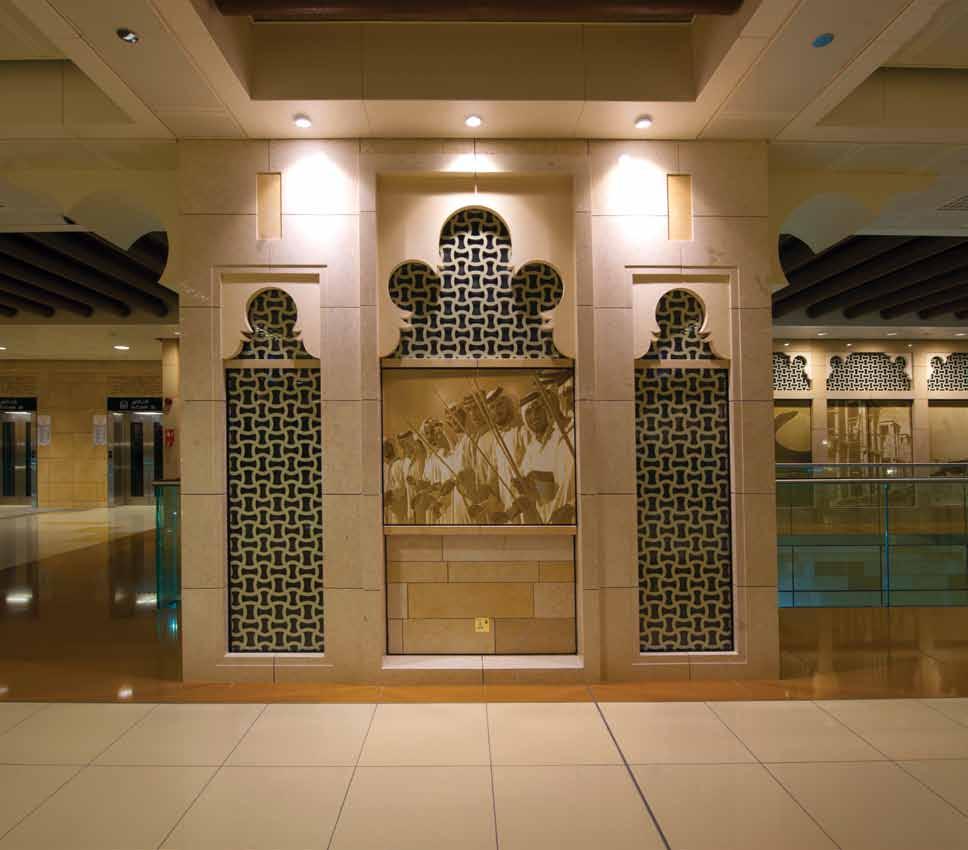
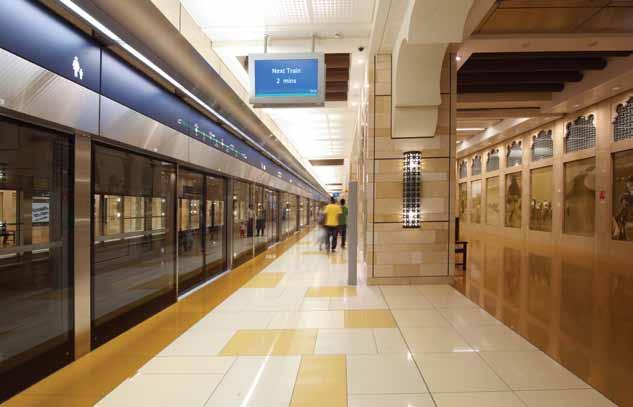
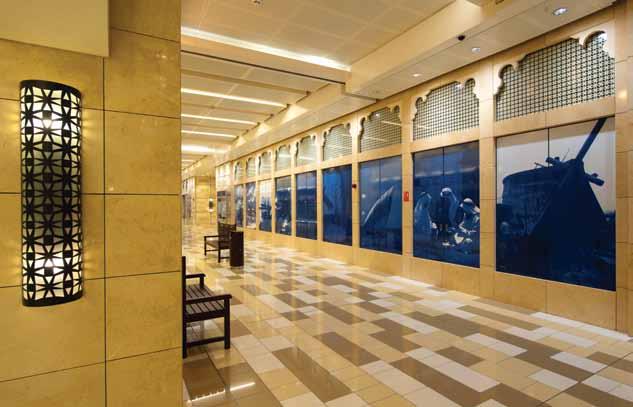
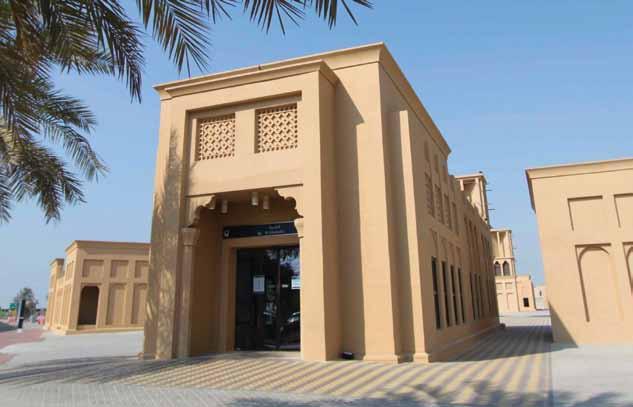
The stations are uniquely designed in respect of their historical background and current surroundings. Al Ras and Al Ghubaiba stations have a unique heritage theme that takes inspiration from the rich history of Dubai’s souks and pearl diving heritage.

Type 1 Stations

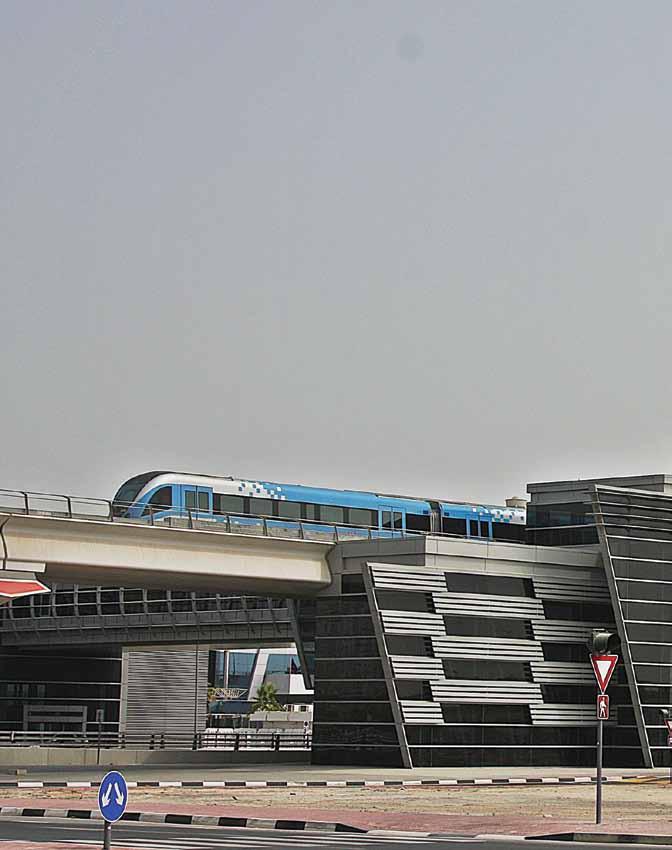
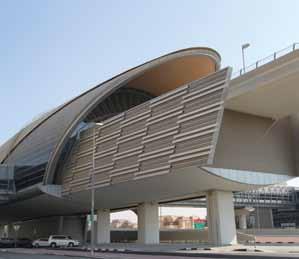
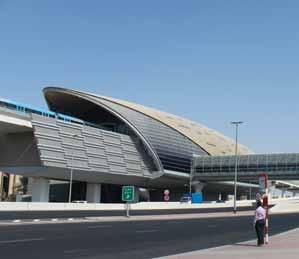
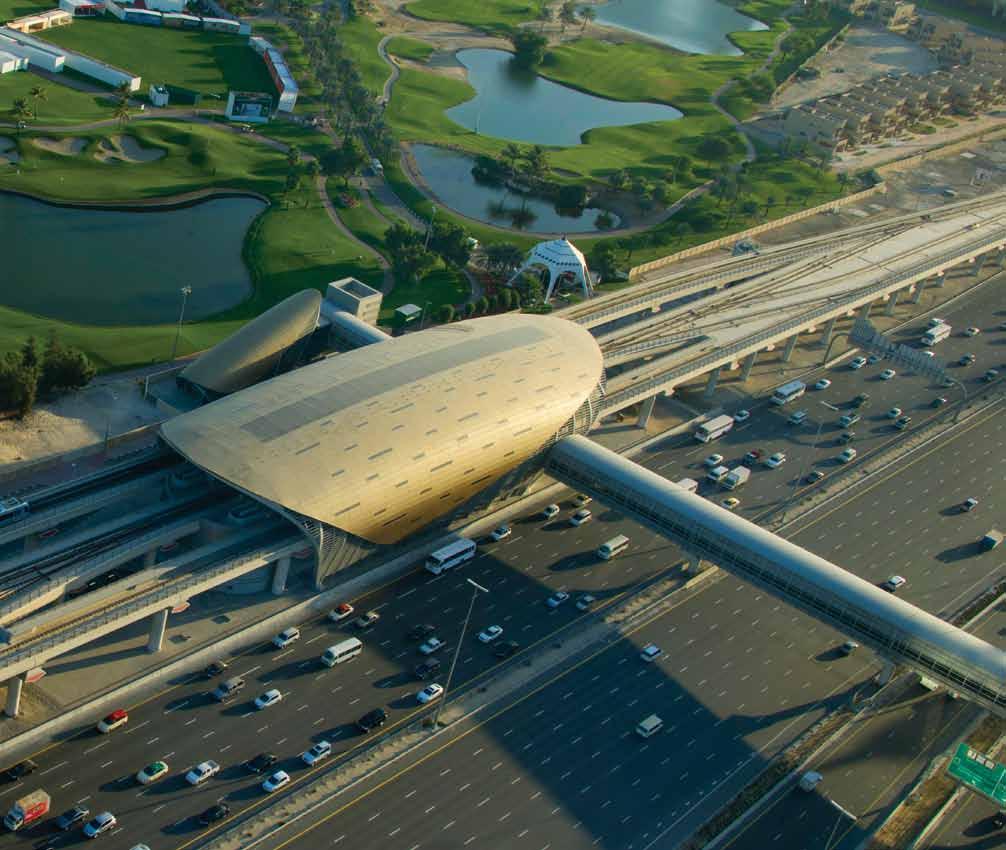
Type 1 stations have the concourse at ground level and an elevated platform. There are 10 type 1 stations and they are all on the Red Line.

Type 2 Stations

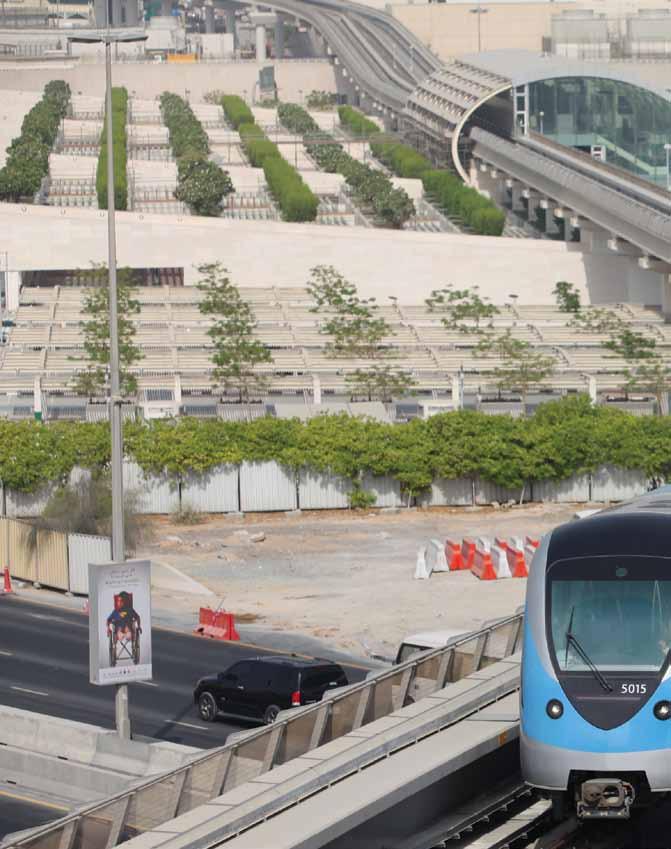
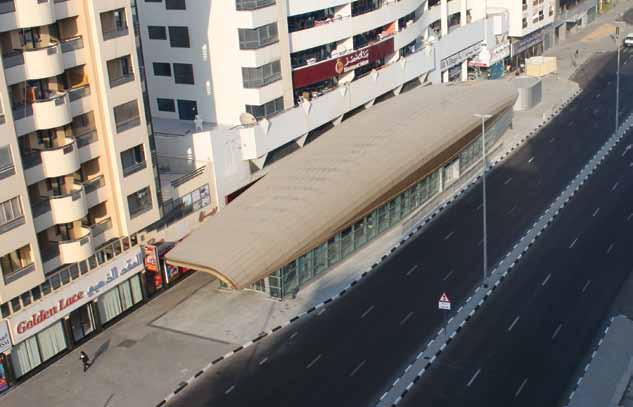
Type 2 stations have an elevated concourse and platform. They are located in busy and residential areas and were designed to be completely elevated to minimise the space used.

Type 3 Stations

Type 3 stations have an additional track for operational flexibility. Type 3 stations are Nakheel Station (right), Rashidiya Station and Etisalat Station.

Tunnels

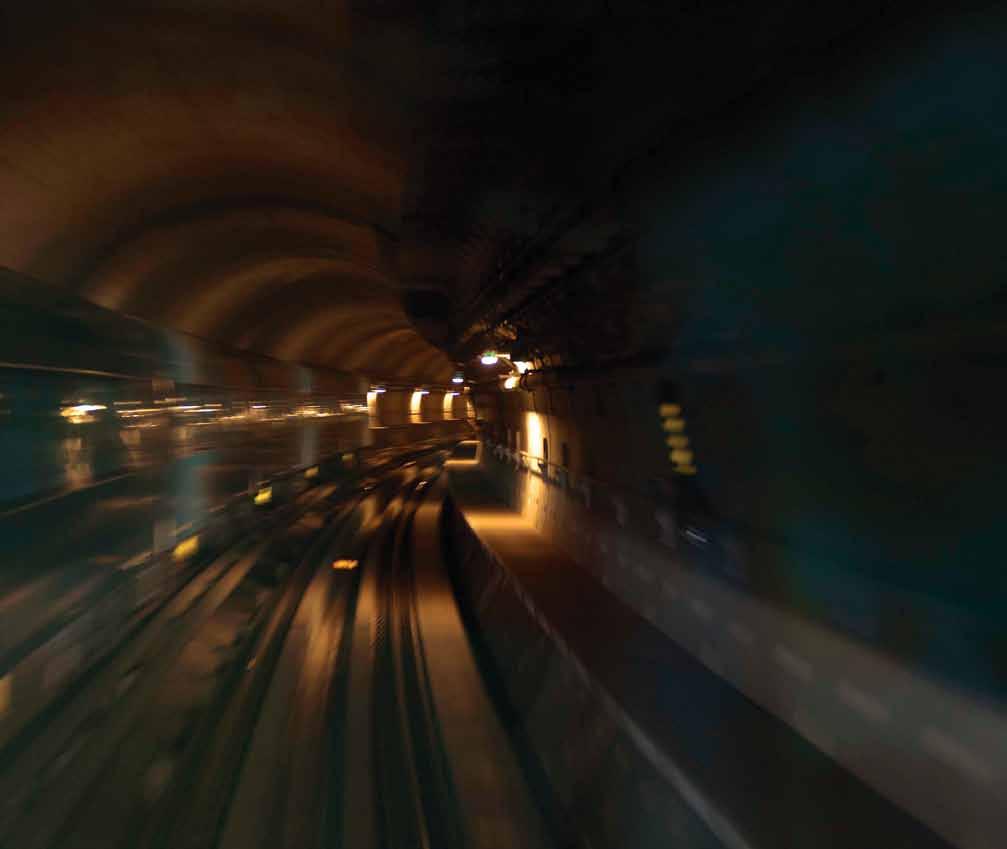
13 km of the Red and Green lines had tunnelling. The tunnels pass beneath Dubai’s highly populated areas and the Dubai Creek.

The latest and most advanced tunnelling techniques and management systems were used throughout the project.

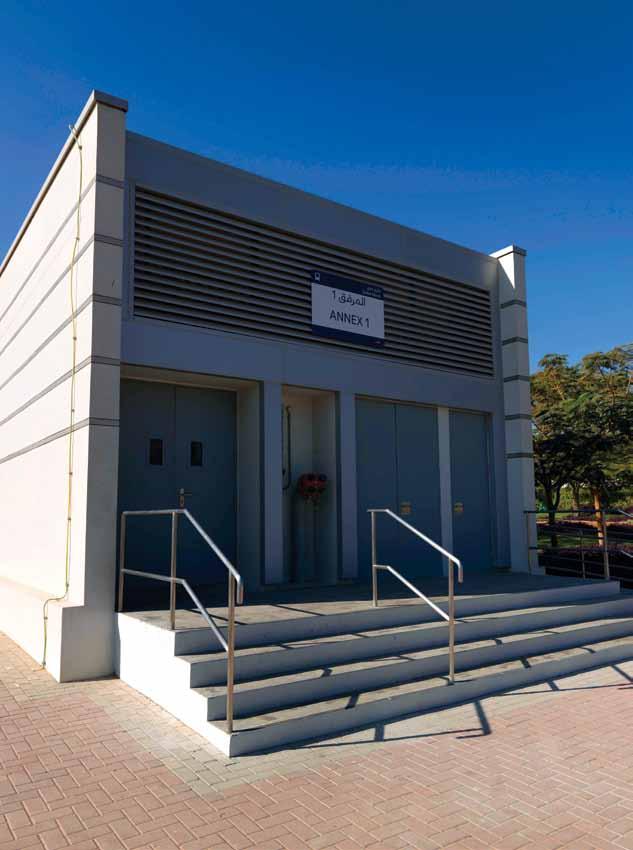
Annex Structures

There are six annex structures, each of which has at least one adit connected to the bored tunnel to provide ventilation (ventilation adits) and an emergency escape from the bored tunnel into the shaft (escape way adit).

Emergency Egress Points

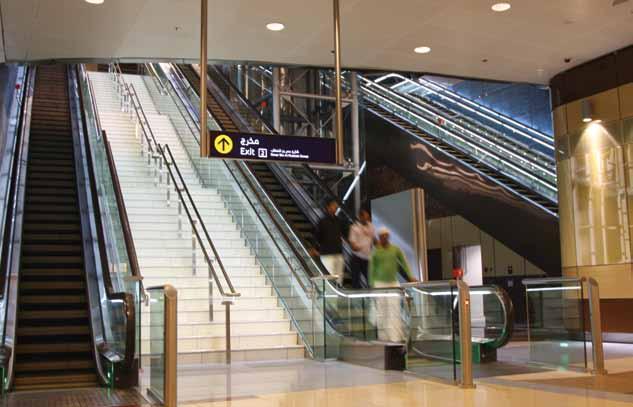
The Dubai Metro has evacuation points approximately every 700 m according to international standards. Passengers would evacuate from an elevated track by using the stairs.
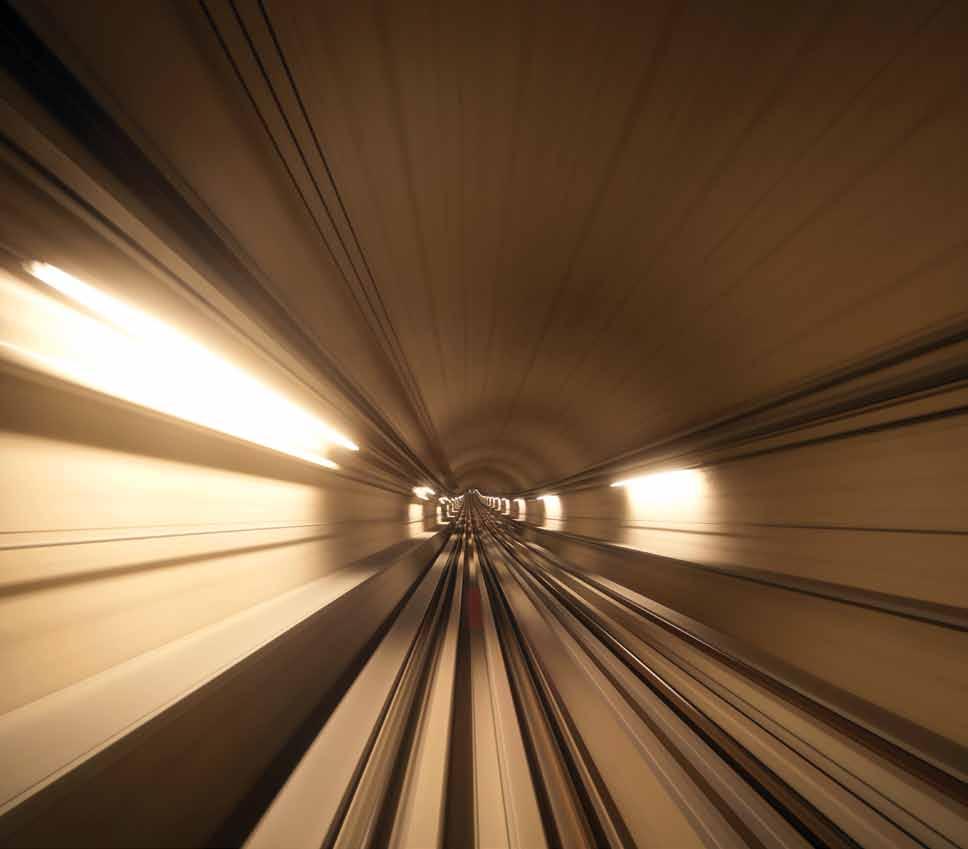
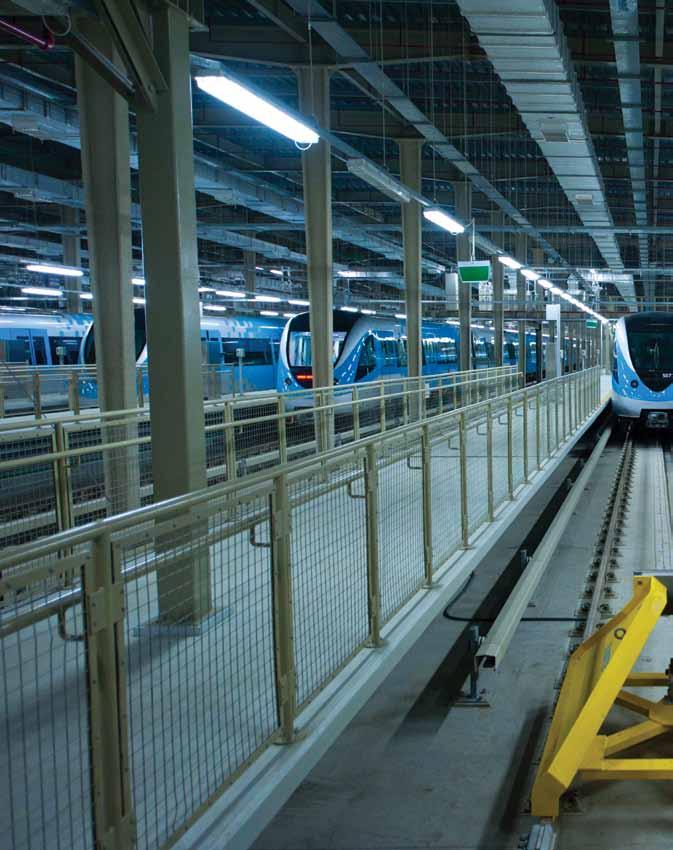
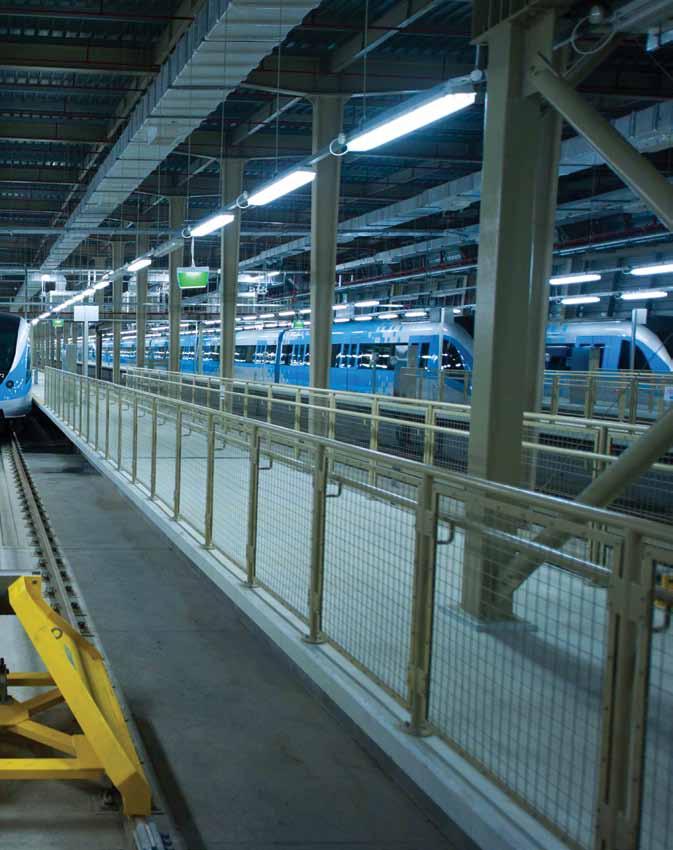
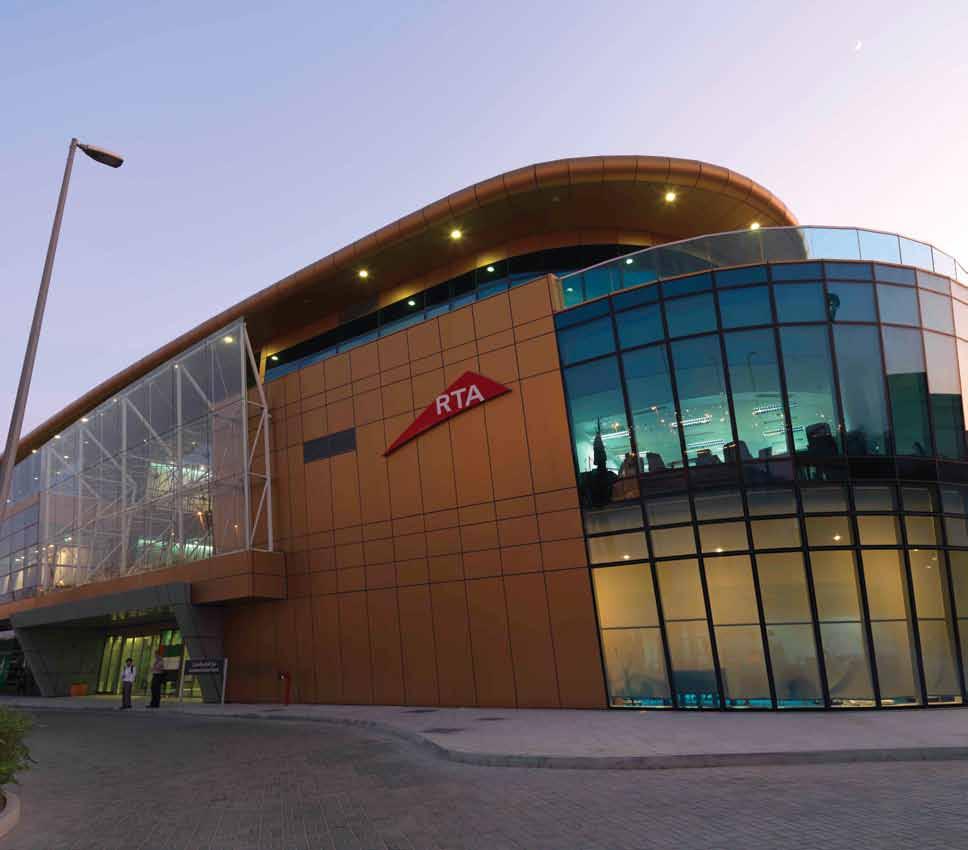
The Dubai Metro has three depots, one at Rashidiya, the second at Al Qusais and the third at Jebel Ali. They can accommodate a maximum of 125 trains.
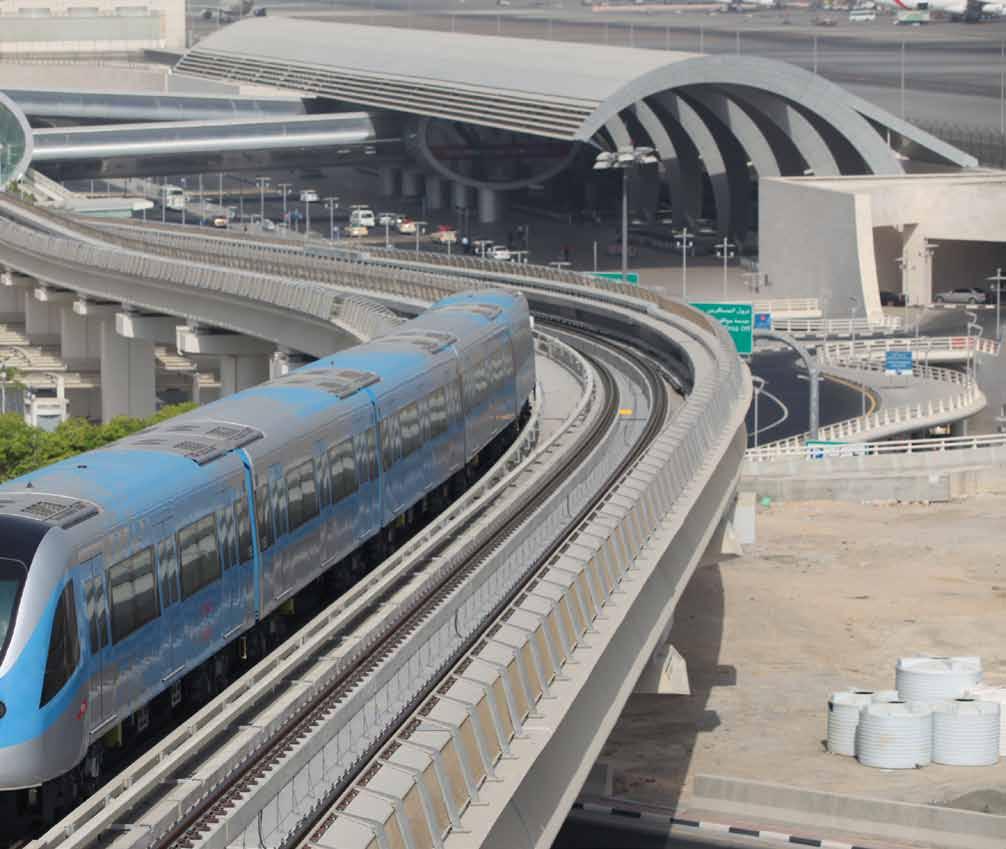
Connection to Airport

The Dubai Metro connects the entire city making a trip from Jebel Ali to Airport Terminal 3 possible in just over one hour.
Operations Control Centre

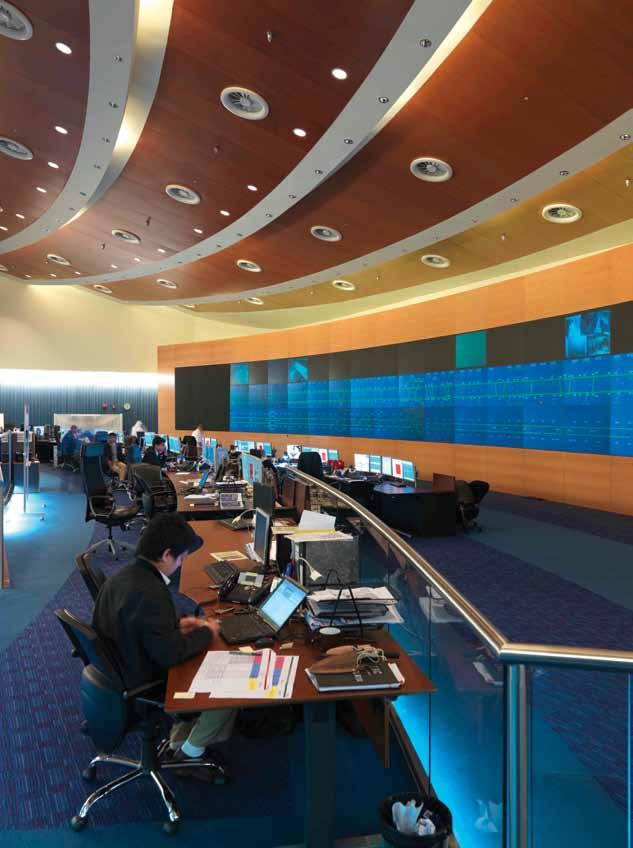
The main operation control centre is at Rashidiya Depot. It is used to operate train and station systems and to check individual on board train systems. Also monitored is the safety of the stations systems such as air-conditioning, security, safety, sound system, and the sophisticated electronic subsystems.

Car Parks

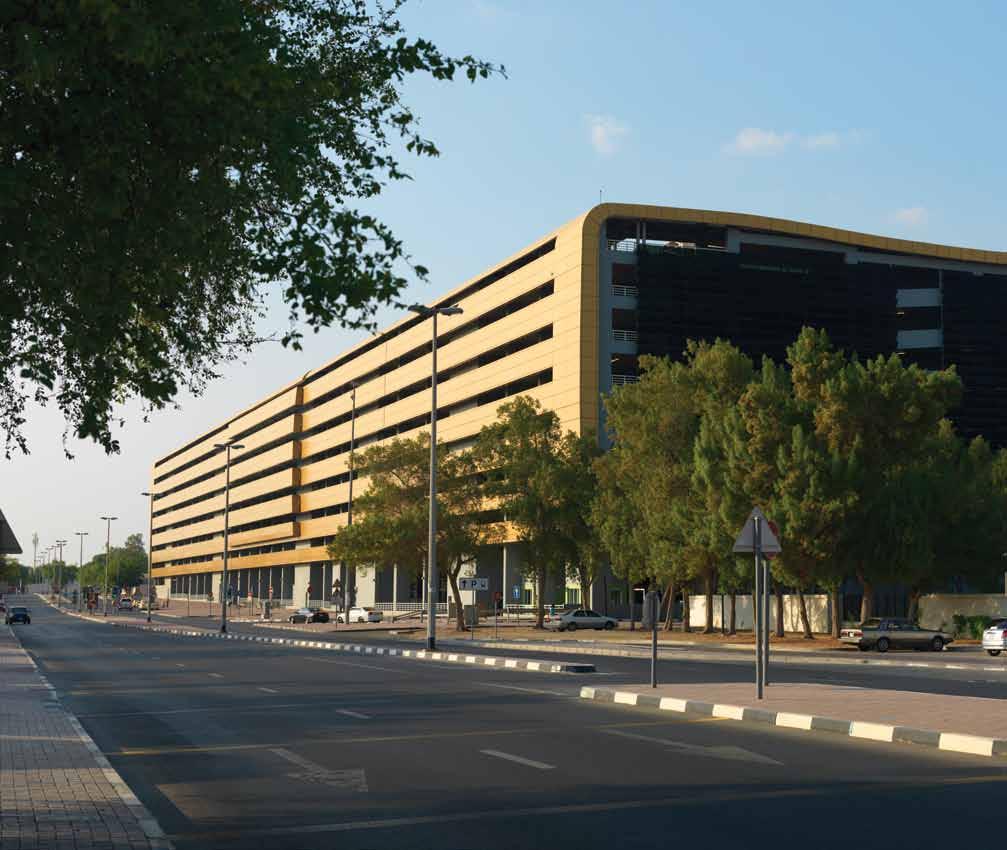
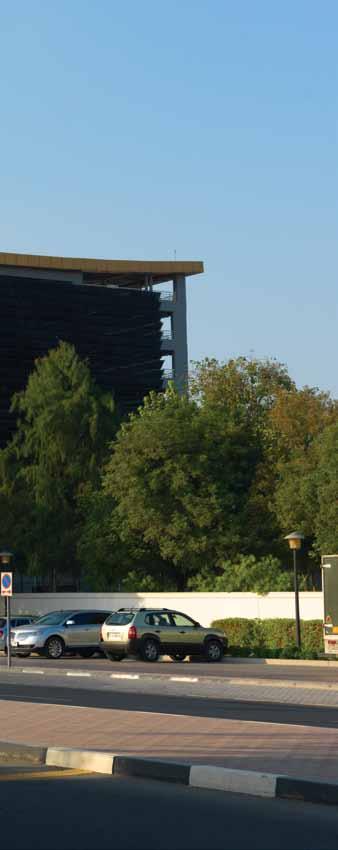
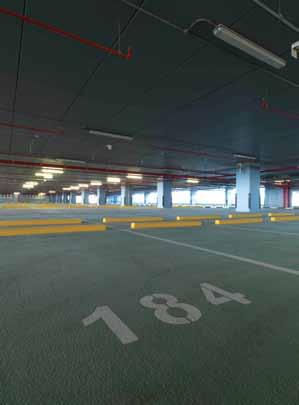
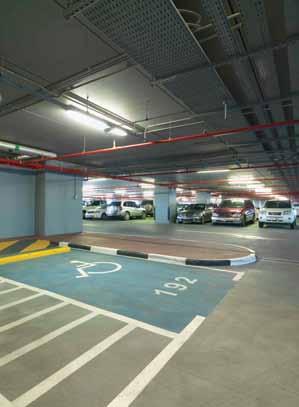
Rashidya and Nakheel Harbour & Tower are the only stations with car parks. All other stations have easy access to feeder buses and other public transportation means. Rashidya station boasts a car park with 2,693 spaces (2,652 standard and 41 slots for people with special needs). Nakheel Harbour & Tower has 3,034 spaces (2,979 standard and 55 slots for people with special needs).

Viaducts

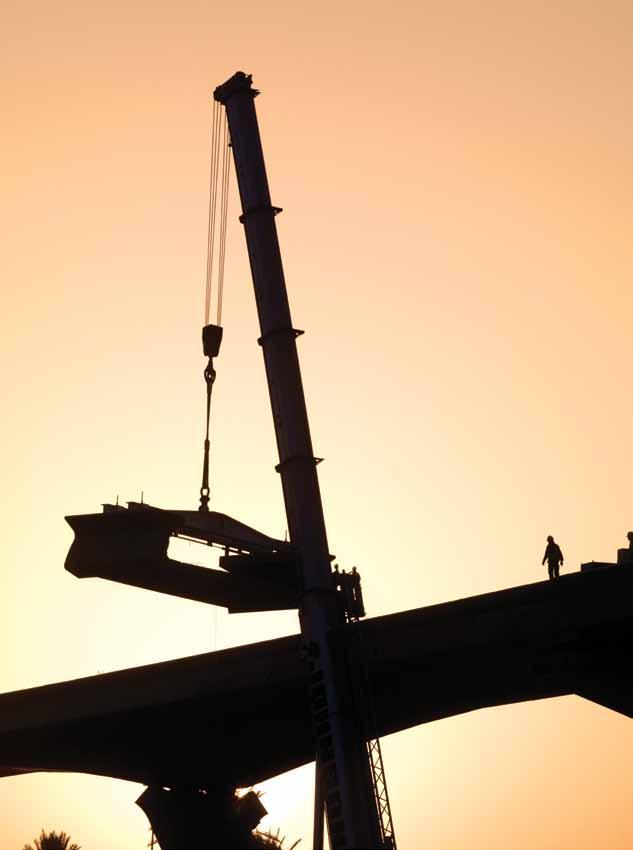
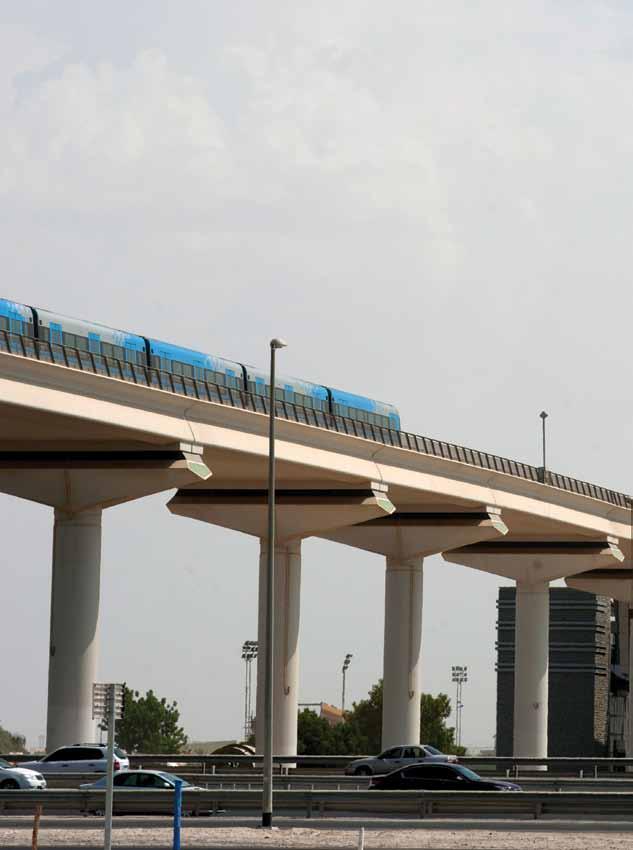
The erection of the first span of the Dubai Metro viaduct deck, measuring about 36 m, was constructed near to Dubai Marina along Sheikh Zayed Road. Each of the viaduct spans are made up from a minimum of eight pre-cast viaduct deck segments measuring 10 m wide and 4 m long. Each viaduct weighs about 50 tons.

Viaducts

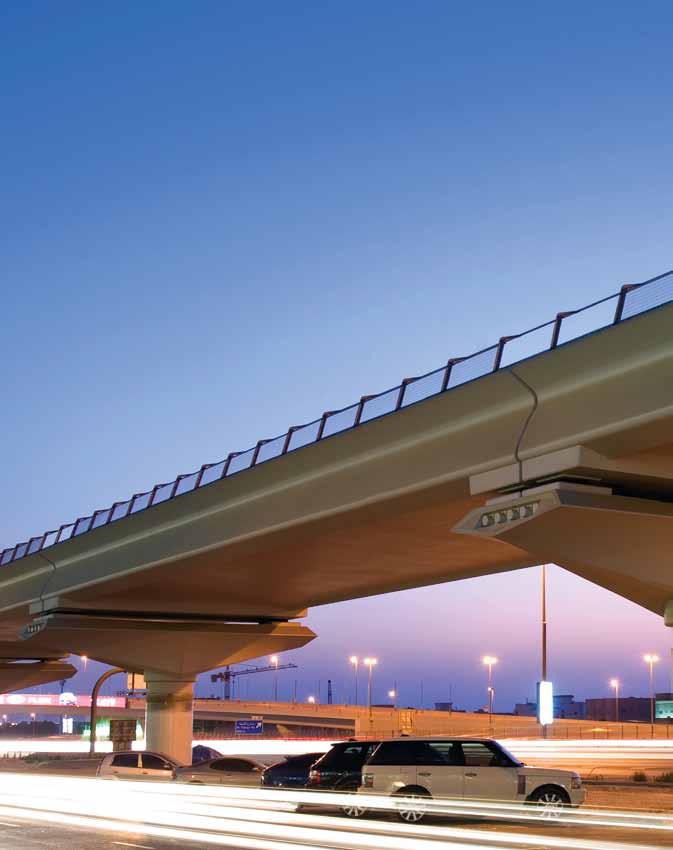
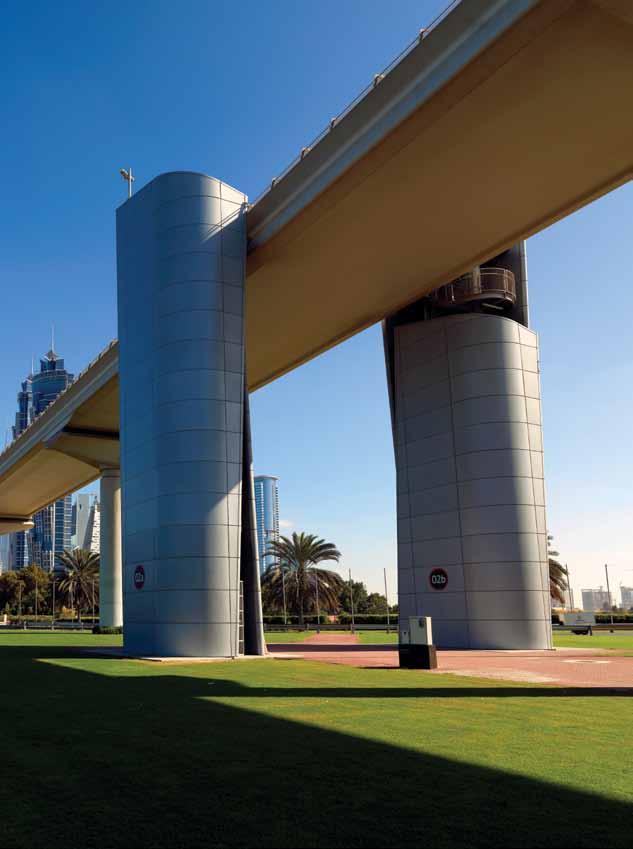
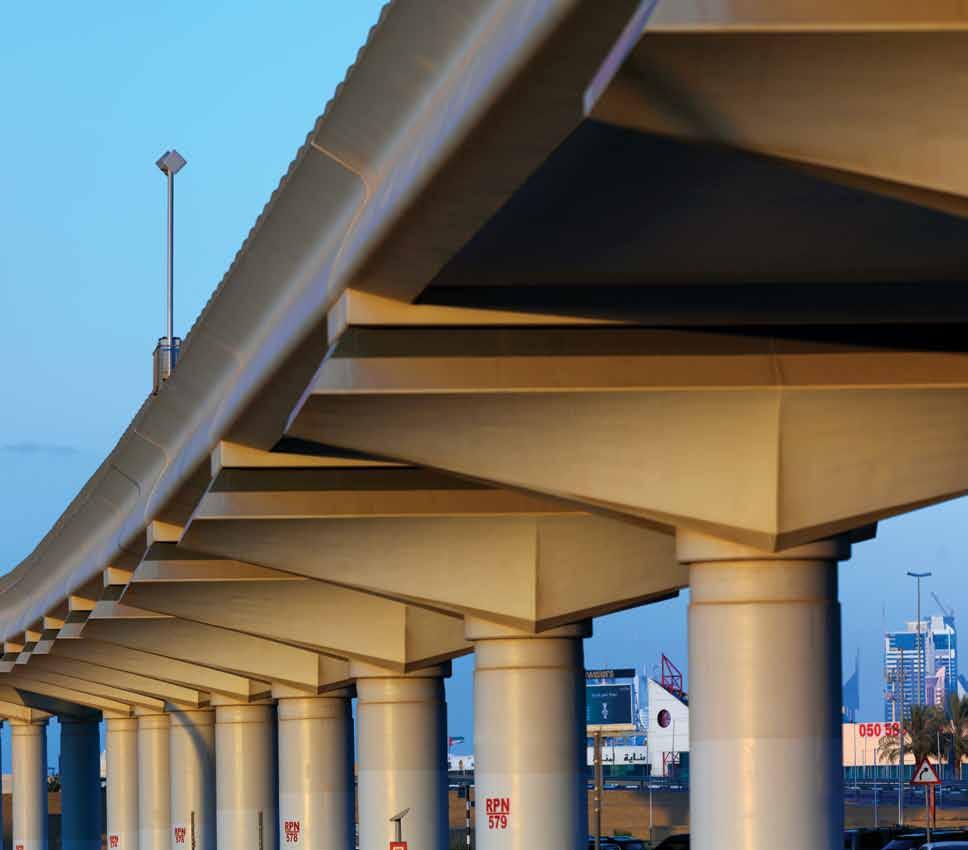
The viaduct substructures generally comprised reinforced concrete piers, with flared pier heads to support the deck, and reinforced concrete abutments. Pier heads for the single spans, twin spans and station spans were constructed using thin precast reinforced concrete shells which were infilled with in situ concrete and prestressed in stages once erected on site.

Train Tracks

20,254 tons of steel were used to lay the tracks for the project.

Trains

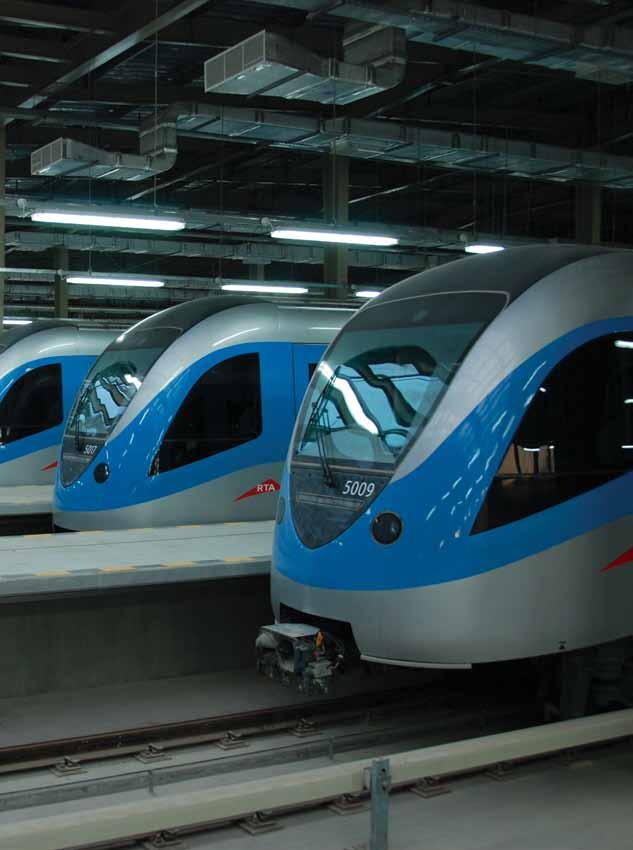
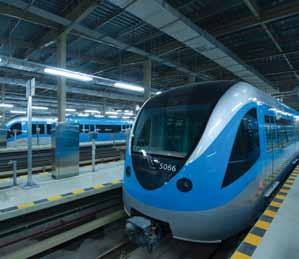
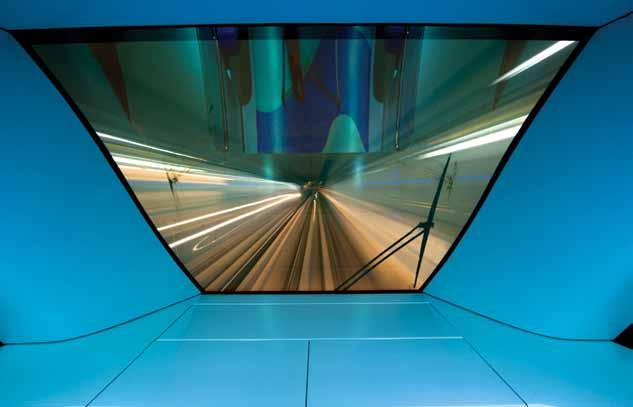
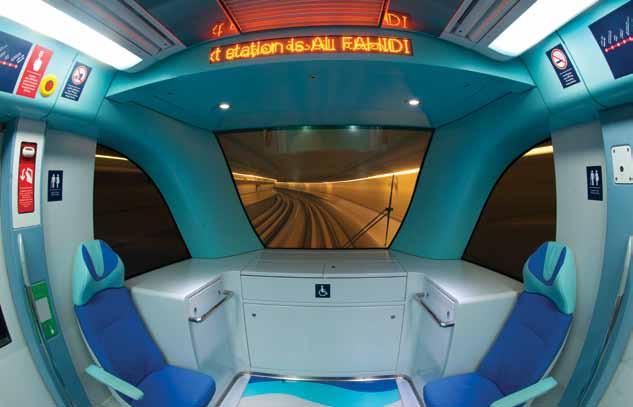
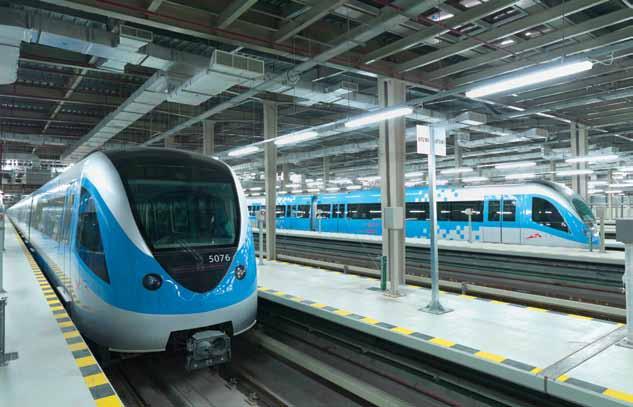
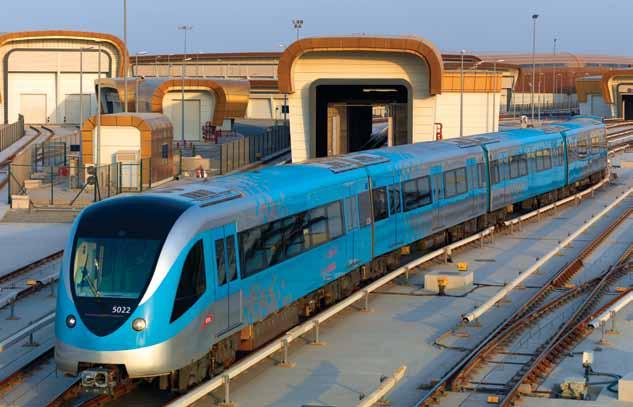
The first train was delivered to Dubai in March 2008. The metro has driverless operation and uses third rail current collection. Trained wardens accompany passengers to help with emergencies.

Trains

Maximum operational speed of the trains is 90 km/h, giving a round-trip time of 2 h 23 min for the Red Line and 1 h 23 min for the Green Line.

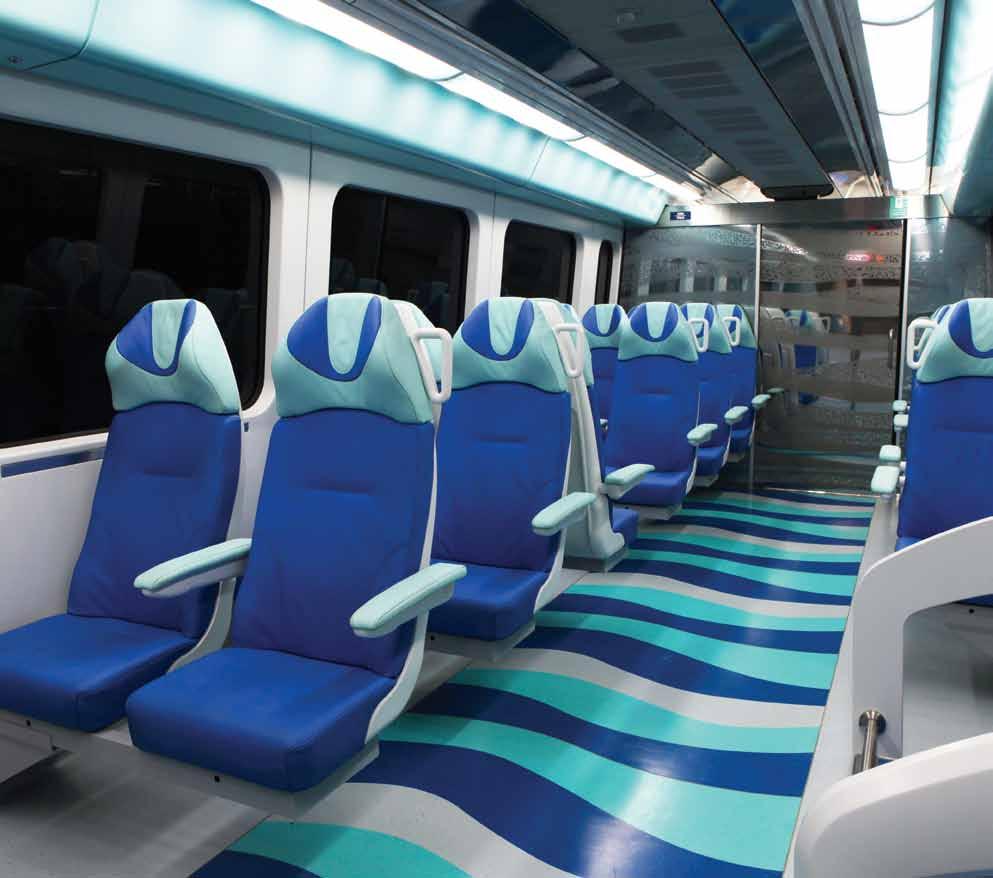
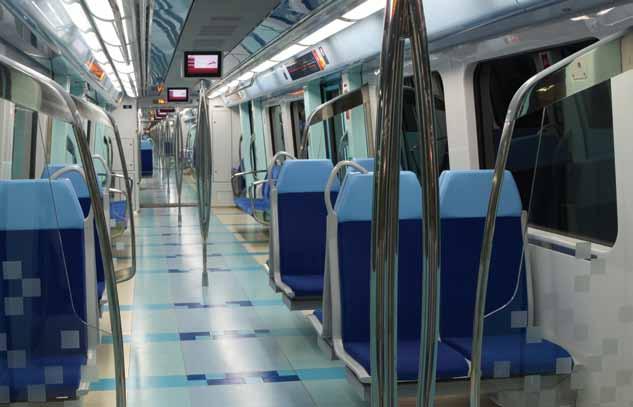
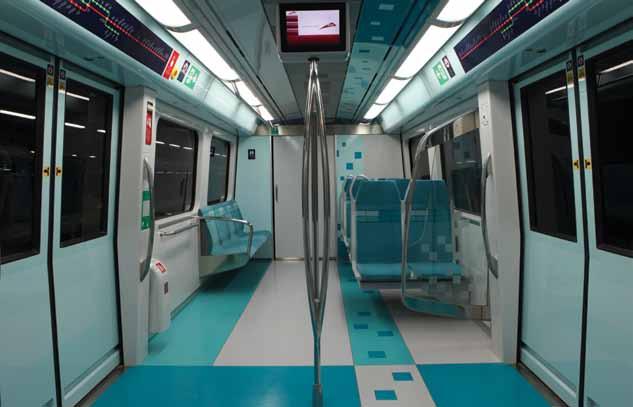
The trains have three classes of accommodation: Gold Class (left), Silver Class (top) and a Women & Children Class (bottom)

Entrance Pods

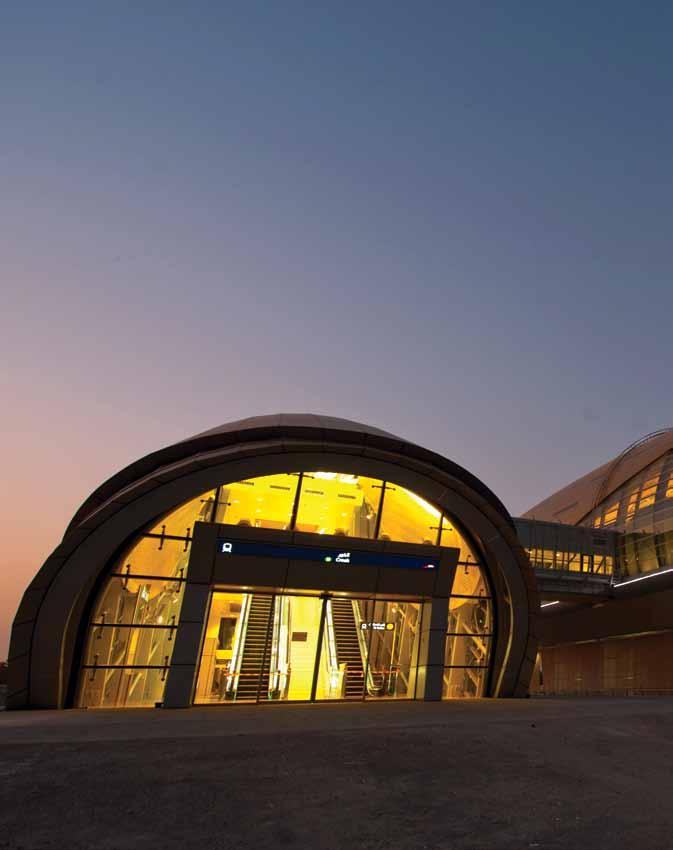
Each underground station has a minimum of two and a maximum of four entrance pods strategically placed to provide easy access into the stations.

Entrance Pods

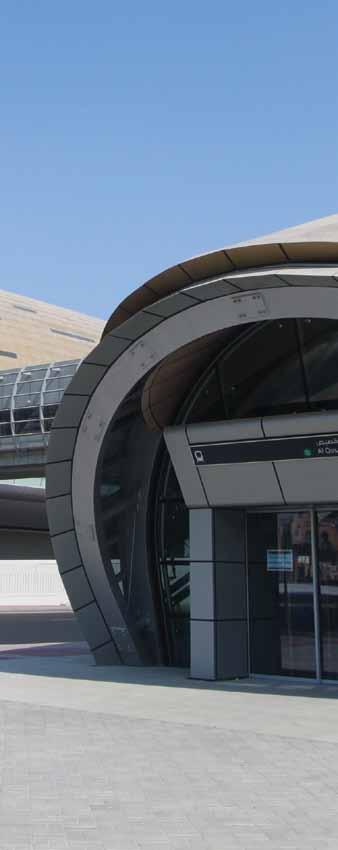
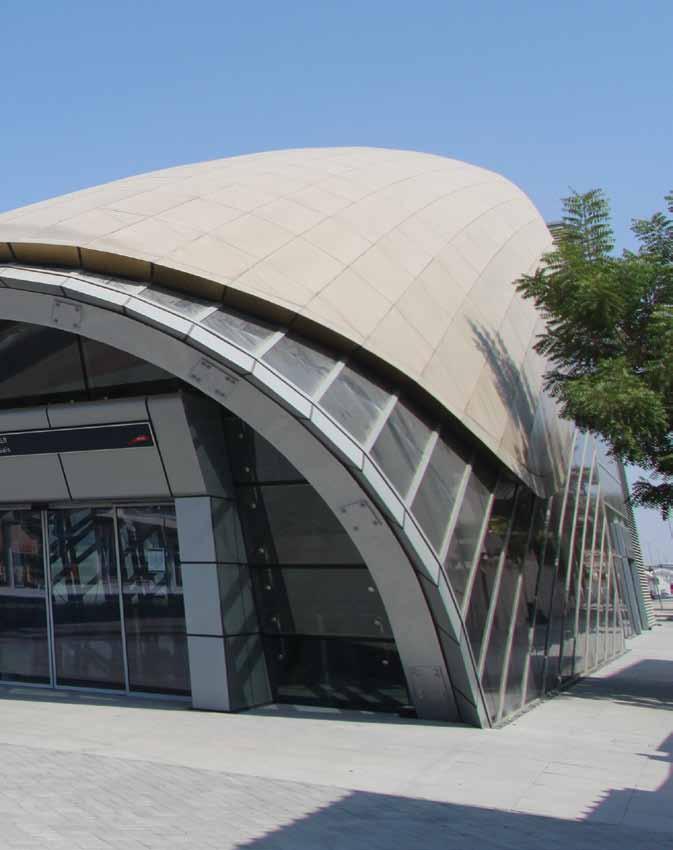
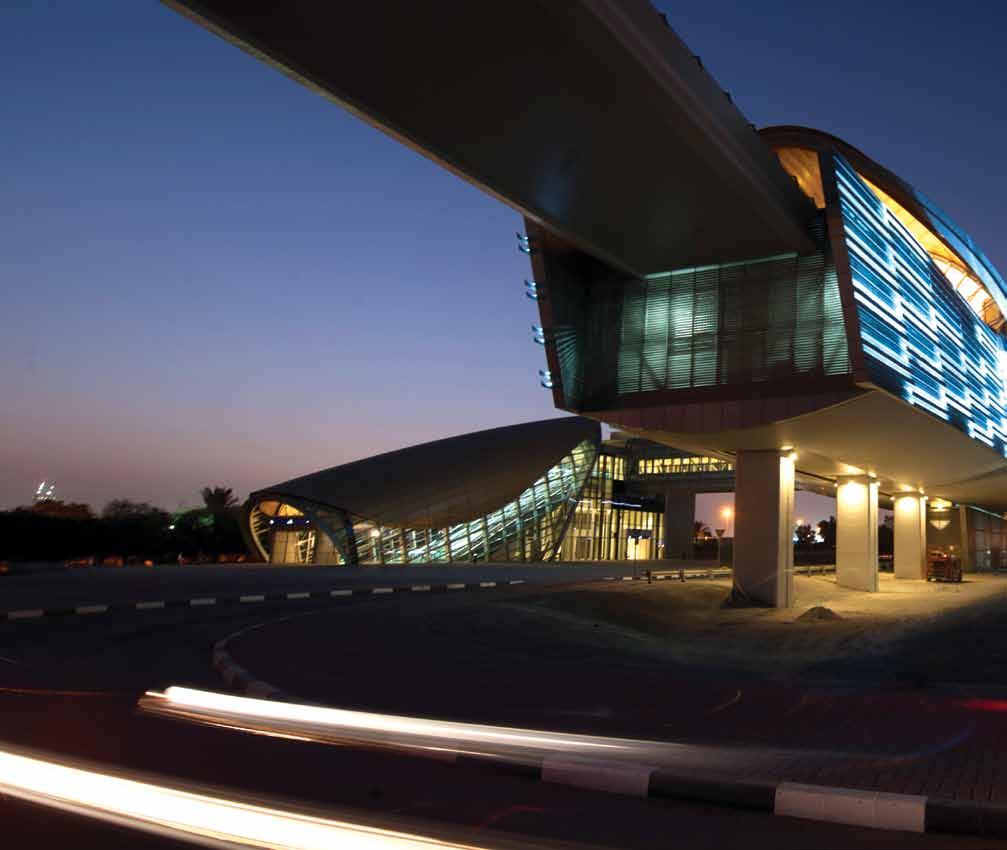
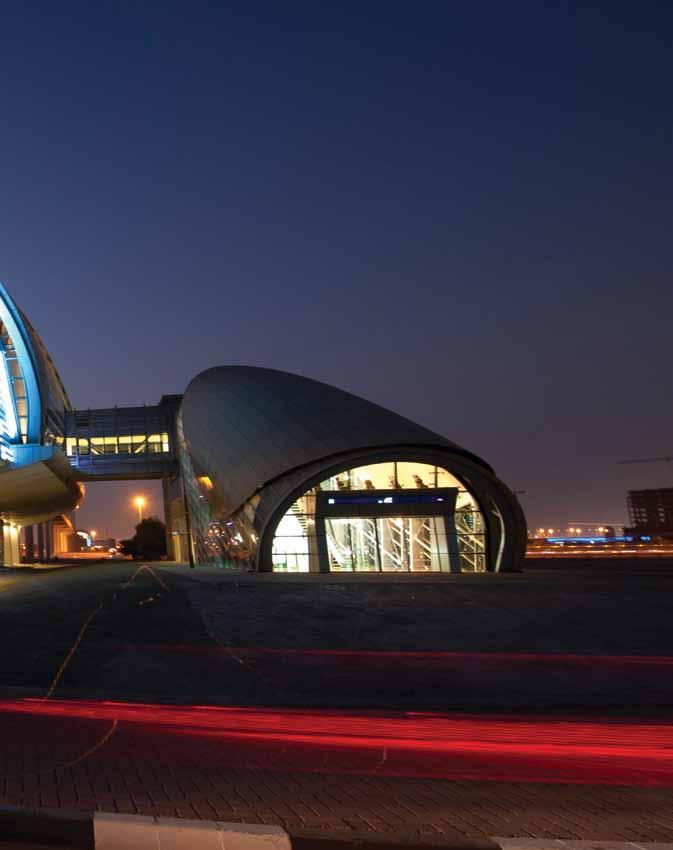
Overground stations have entrance pods to facilitate access over heavily congested roads, or directly from shopping malls and residential complexes. Some contain bus waiting area in the rear of the pod as well as a retail area and real-time passenger information display board.

Footbridges

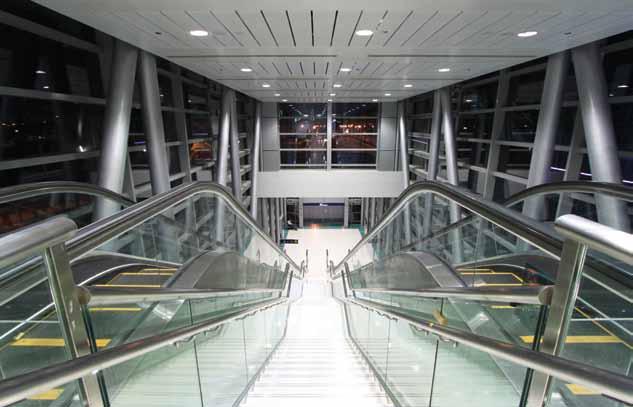
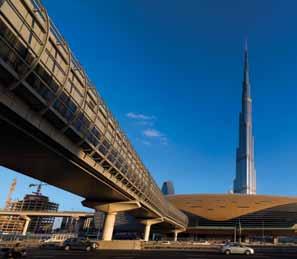
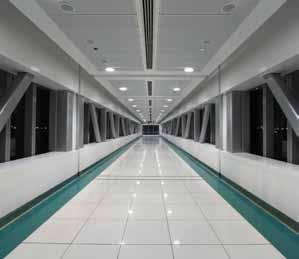
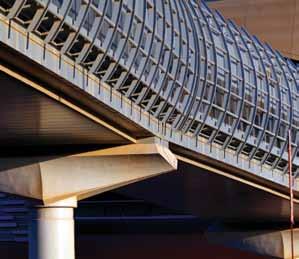
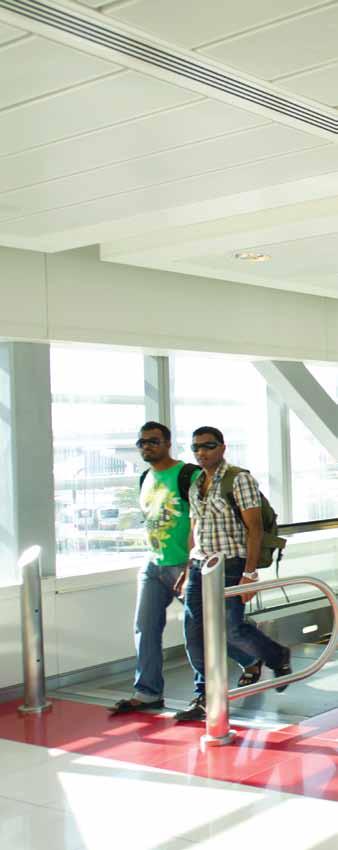
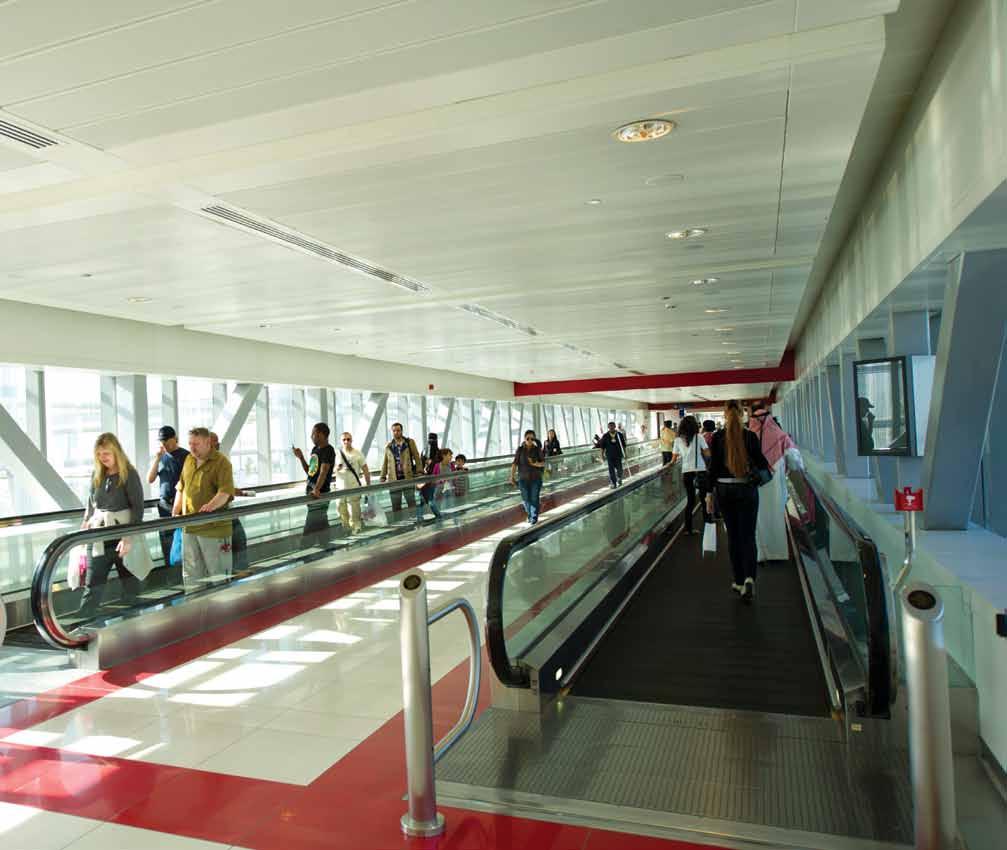
The footbridges provide comfortable, secure and safe crossing of busy roads connecting the sea-side and land-side of Dubai’s backbone Sheikh Zayed Road.

All design and construction on Dubai Metro has been done with the utmost care and attention to detail to create a beautiful rail system that goes far beyond basic functionality.

The official opening ceremony was held exactly two years after the launch of Dubai Metro’s Red Line. Sheikh Mohammed Bin Rashid Al Maktoum, opened Dubai Metro’s Green Line whereafter he boarded a train at the Dubai Healthcare City Station near Wafi Mall on a journey to Etisalat Station, making several stops in-between to unveil various legacy pieces.

Dubai at its Best

45 stations, 87 trains, 75 km in total. The Dubai Metro provides increased accessibility and mobility for the city’s residents and visitors. The system is fully integrated with Dubai’s growing multimodal transportation network.

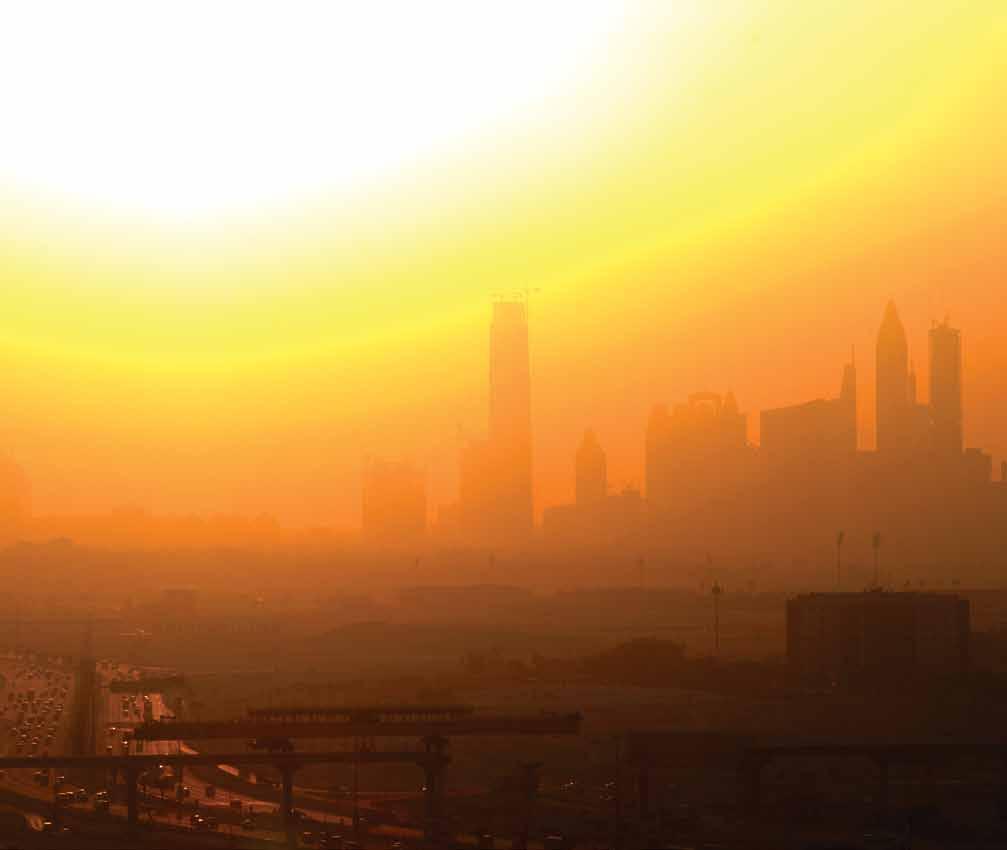
Sun sets on a successful project.

Turn static files into dynamic content formats.

Create a flipbook
Dubai Metro by tpg media - Issuu