This publication is an effort to keep the community informed with what is actually happening in your area. For future editions, I welcome your thoughts on topics that affect the community I'd be happy to publish your opinions on any relevant topics.
Do you have an event that you'd like to publicize? Let me know , and I'll do my best to incorporate your event into the newsletter.
This is your community. This is your home. Use this publication to share your thoughts and ideas with your neighbors. Are you ready to get involved in your community?
TOWNSHIP DIRECTORY
TOWNSHIP ADMINISTRATION
BUILDING
75 East Lancaster Avenue Ardmore, PA 19003-2323
www.lowermerion.org
610-649-4000
Mon - Fri 8:15 am to 4:30 pm
Township Manager...........610-645-6102
Township Secretary...........610-645-6145
Building & Planning ........610-645-6200
Finance Department.........610-645-6160
Human Resources.............610-645-6120
Information Technology...610-645-6180
Parking Services...............610-645-6230
Parks and Recreation.......610-645-6220
Public Information ...........610-645-6199
Public Works.....................610-645-6150
FIRE DEPARTMENTS
Emergency Phone: 9-1-1
Main : 610-645-6190
21 - Penn Wynne 1440 Manoa Road Wynnewood, PA 19096 610-642-9688
22 - Belmont Hills 4 S. Washington Avenue Belmont Hills, PA 19004 610-664-9185
23 - Bryn Mawr 107 West Chester Pike Havertown, PA 19083 610-446-9870
24 - Gladwyne 1044 Black Rock Road Gladwyne, PA 19035 610-642-9586
26 - Narberth 100 Conway Avenue Narberth, PA 19072 610-664-9278
28 - Union (Bala Cynwyd) 149 Montgomery Avenue Bala Cynwyd, PA 19004 610-664-9112
301 East Montgomery Ave Ardmore, PA 19003
610.645.1800 lmsd.org
746 Panmure Road Havertford, PA 19041 610-525-0272
www.mainlineart.org
LOWER MERION SCHOOL DISTRICT MAIN LINE ART CENTER HOLIDAY CLOSURES
New Year's Day
Martin Luther King, Jr's Birthday
Presidents' Day
Good Friday Memorial Day
Juneteenth
Independence Day
Labor Day
Thanksgiving Day Christmas Day
COMMUNITY CONNECTION
Two Mothers Create Legacies for Children Lost to Addiction and Suicide
Two courageous mothers are using MLTV21 as a community platform to tell the stories of the tragic loss of their young children: 22-year old Nick Schivito lost his life to street drugs unknowingly laced with fentanyl, and 16-year old Hallie Jackson who inexplicably took her own life after leaving home one morning. Both mothers, Brenda Schivito and Christine Jackson, are using their grief as an energy source to raise awareness about two of the country's most pressing problems, substance use disorder and suicide.
open discussion about causes of the disease and available treatment options. “It's not something you feel you can talk openly about because of the stigma, unlike cancer or other diseases. That's what I'm trying to change.”
Her comments were echoed by Christine Jackson who recounted how her teenage daughter's outgoing personality and medalwinning athletic ability earned the reputation as the All American Girl. Yet, like an increasing number of adolescents today,
Nick was an outstanding tennis player and achieved a black belt in karate at age 12. He was fun loving and liked doing things for other people. A nice kid. His troubles began when he was able to easily purchase synthetic marijuana commonly known as “Spice” at a local convenience store. Spice is known to cause seizures and psychosis. It caused psychosis in Nick, which resulted in stays in numerous behavioral health and rehabilitation facilities, a cycle that he and his family endured for the last eight years of his life. He died January 20, 2018 after saying good night to his mother
Six months after the death of her son, Brenda founded Angels Against Addiction, in the hope that Nick's message will be passed on with the power to help save others. In her interview with Rick Anthony, an MLTV21 producer/host, Brenda lamented how the stigma of mental illness remains a barrier to
she struggled in silence thinking she was alone despite having a loving family Christine believes that Hallie's story challenges the assumption that emotional pain must be manifested in a certain way to be real. In her words: “Struggle doesn't require a diagnosis to be real or serious. Outward strength can coexist with deep distress.”
by Rick Anthony, MLTV21 Producer/Host
Hallie's family still cannot fathom what drove her to the ultimate despair on October 28, 2019. Everyone who knew her was shocked and distraught by the news that Hallie - the life of the party, the high school cheerleader, the track star - had taken her life on the tracks of a SEPTA train.
Grief, anger, despair and a call to do something to prevent the next tragedy compelled Christine to found Hope for Hallie, whose mission is to change the narrative around mental health and instill hope in adolescents desperately in need of help.
Brenda and Christine have the same goal: To prevent another family from the tragic loss of a loved one. Both are warriors in the fight against ignorance, prejudice and misinformation about mental illness and its tragic consequences.
Angels Against Addiction and Hope for Hallie both operate on the same basic model: to collaborate with other organizations and agencies to create greater awareness among children and adults about the multiple facades of mental illness and the resources available to help.
Angels Against Addiction also provides funds for housing for men and women seeking recovery from substance abuse disorder. Hope for Hallie connects people seeking help with participating therapists.
For information about each organization: angelsagainstaddition.org hopeforhallie.org
MLTV21 is one of the leading public access cable television stations in the Tri-State area, serving Comcast and Verizon subscribers along the Main Line.
HEALTH & WELLNESS
Common Winter Orthopaedic Injuries
Winter can be a beautiful season, but it also brings conditions that increase the risk of orthopaedic injuries. By understanding the most common winter injuries and how to prevent them, you can stay active and safe all season long.
Shoulder injuries from slips, falls and winter sports
Snow and ice significantly increase the risk of falls, which can lead to shoulder injuries such as dislocations or rotator cuff tears.
“You have to be cautious at this time of the year,” says David L. Rubenstein, MD, an orthopaedic surgeon specializing in shoulder surgery. “I've seen an uptake in shoulder injuries during the winter season over the years.”
Icy sidewalks, steps and parking lots can be especially dangerous. Wearing footwear with good traction and moving carefully — especially when carrying heavy items — can reduce the chance of slipping.
Shoveling snow is also a major cause of winter shoulder pain. Cold temperatures tighten muscles, making the rotator cuff more vulnerable. When you shovel with tense muscles, you're placing substantial stress on the shoulder
“Sometimes, people are unaware of the signs of injury until after they're done shoveling,” Dr. Rubenstein notes. “The numbness and cold can hide initial rotator cuff symptoms. Always be cautious when shoveling, as well as when scraping ice and snow off your car.”
Seek medical evaluation if you experience ongoing shoulder pain after a fall, winter sport or shoveling.
Hand and wrist injuries during coldweather activities
Ice skating, snow shoveling and other winter activities commonly lead to hand and wrist injuries. Falls can cause fractures or sprains, while gripping toolslike shovels or ice scraperscan strain the wrists.
Protecting the hands and wrists begins with using proper equipment. Wrist supports can add stability during winter sports, and ergonomic snow shovels or shovels with adjustable handles help maintain better posture while reducing wrist strain. Wrist guards are especially helpful for activities where falls are common, such as skating.
Pay attention to early signs of discomfort. Overuse injuries are more likely in cold weather, when muscles and tendons tighten.
“If you feel any pain or discomfort, don't ignore it,” says Philip M. Petrucelli, MD, an orthopaedic surgeon at Main Line Health.
“Take a break and evaluate how you're feeling.”
Listening to your body and pacing yourself can prevent serious issues.
Back injuries from shoveling snow and slips Shoveling snow is a frequent causeof winter back injuries. Seniors are at higher risk for back and spinal strains. Using proper technique—lifting with your legs, pushing instead of lifting heavy snow and taking regular breaks—can significantly reduce risk. Staying well-hydrated also helps keep muscles functioning optimally in cold weather.
Slips on icy surfaces are another common cause of back injuries. Wearing shoes with strong tread, walking slowly and carefully and using traction cleats can prevent dangerous falls. Applying ice melt around high-traffic areas of your home can also make pathways safer.
“Whenever you go out to shovel, you might want to take a few moments for gentle stretches, which can help prepare your back muscles,” says Scott A. Rushton, MD, a spine surgeon at Main Line Health.
If back pain develops while shoveling or after a fall, stop the activity. Persistent pain should be evaluated by a medical professional.
Knee and hip injuries from winter sports Winter sports like skiing and snowboarding are excellent ways to stay active, but they place increased stress on the knees and hips. Injuries may include sprains, ligament tears or fractures.
“To avoid injuries like sprains and tears, make sure to properly fit your equipment before hitting the slopes,” says Blair S. Ashley, MD, an orthopaedic surgeon at Main Line Health.
Slippery conditions can also lead to falls that may cause hip fractures. Individuals with hip or knee replacements should be particularly cautious—falls can result in periprosthetic fractures or dislocations.
“Periprosthetic fractures occur when a fracture happens around the joint replacement implant,” explains Dr. Ashley. “A periprosthetic dislocation occurs when the joint is displaced from its normal position.”
Symptoms to watch for include:
• Pain
• Inability to bear weight
• Swelling or bruising
• Instability
• Numbness or tingling
If symptoms appear, treat minor injuries with rest, ice, compression and elevation (R.I.C.E.). Persistent or worsening pain should be assessed by a specialist.
Taking proper precautions—using well-fitted gear, warming up before activity and being mindful of icy conditions—can help you enjoy winter sports safely while protecting your joints.
Learn more about Main Line Health's orthopaedic services and schedule an appointment with a specialist at mainlinehealth.org/ortho
PET HEALTH & WELL-BEING
How cold is too cold for your dog?
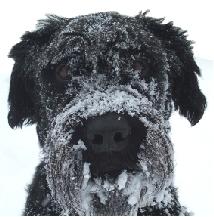
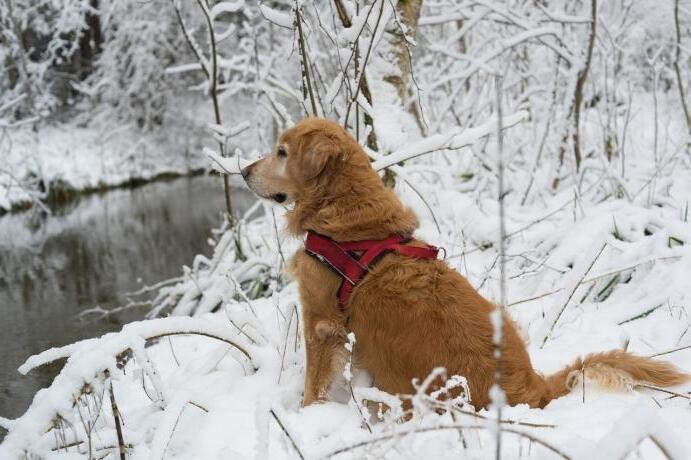
As winter approaches, temperature safety for dogs is important whether they are going for a short walk or playing in the snow. Dogs get cold at 45°F and below, and by 20°F, dogs can develop frostbite and hypothermia.
Dogs can get frostbite, which initially effects extremities such as ear tips, feet, tail tip, nose, and the scrotum. If left untreated they will develop hypothermia.
Size and Weight
Small dogs lose body heat faster than large dogs. Also, small dogs like chihuahuas have less fat padding around extremities making them more susceptible to ice and snow damage.
Body condition is important. A thin dog will get cold fast because they have less insulating body fat. However, obese dogs may move slower, increasing their exposure time to the cold.
Breed and Coat Type
Thick hair insulates the body. Dogs with thicker fur such as Huskies can withstand cold temperatures for longer periods of time. Short haired dogs have less fur insulation and will get cold quickly. Hair can also be shortened from grooming or medical procedures.
Snow and ice can stick to long hair around toes. This can be painful, and cause prolonged ice contact on skin and toe pads. Snow pellets stick to longer fur, decreasing a dog's body temperature.
Age and Health Condition
Older dogs generally have more health issues that decrease their tolerance to cold
Acclimation
Dogs that live in colder areas regularly can tolerate more cold. Sled dogs get so used to the cold, they will sleep in the snow. However, if an owner moves from a warm to a cold climate and there is not sufficient time to acclimate to the cold, a dog gets cold fast.
What Can Owners Do?
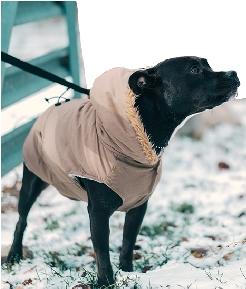
Measures can be taken to keep dogs safe in the cold weather. Shoveling a small area for a dog to eliminate quickly in the cold without having to step through snow is helpful. Dogs can wear sweaters or jackets that extend along a dog's back and along the chest that is thick enough to block out wind while keeping out moisture. Booties that are warm and water resistant are great if the dog will tolerate them. Getting a dog used to these items can take a while, but persistence is key
As outdoor temperature drops, it's important to monitor dogs for signs of being uncomfortably cold. Hypothermia can set in rapidly and is life threatening. Symptoms which should prompt an owner to take a dog to a warmer location include shivering, reluctance to walk, turning to return home, whining, trouble walking, lifting paws frequently, and even falling over. Once an owner has a dog inside, it's important to keep monitoring them to make sure they are okay. If an owner is unsure, it's always best to call the veterinarian.
Dr. Jennifer McGough Emergency Services Metropolitan Veterinary Associates
NEW MIYAWAKI FOREST AT THE WILLOWS
Our New Miyawaki Forest: A Living Legacy
This past spring and late summer, The Willows Park welcomed an extraordinary addition to its landscape in the form of a new Miyawaki forest; a dense, fast-growing “mini forest” planted entirely with native trees and shrubs. An exciting step forward in sustainability, this unique and powerful approach to reforestation creates longlasting resilience against climate challenges and makes the most of even small or underutilized plots of land. The new Miyawaki forest was implemented in collaboration with the Radnor Township Shade Tree Commission, the Township's Arborist, John Rockwell Hosbach of Rockwell Associates, and a robust source of volunteers that will serve Radnor Township for generations to come.
What is a Miyawaki Forest?
Named after Japanese ecologist and botanist Dr. Akira Miyawaki (1928-2021), this reforestation method is designed to restore native ecosystems quickly and effectively. By planting a layered and dense mix of carefully selected native trees and shrubs, Miyawaki forests:
• grow up to ten times faster
• become up to thirty times denser
• harbor far greater biodiversity than conventional plantings
• become self-sustaining/self-managing requiring less maintenance
The Miyawaki method was applied with careful planning and community collaboration. Native species suited to Southeastern Pennsylvania's ecology were
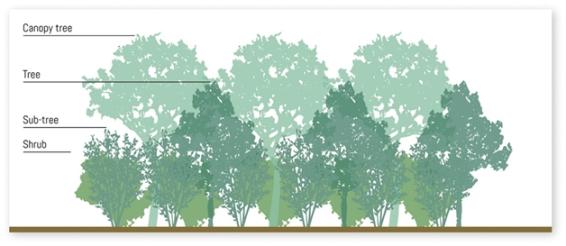
Miyawaki Design for the Willows Park
planted closely together in a layered design, mimicking natural forest layers:
• canopy trees for shade and long-term stability
• understory trees to support diversity and provide seasonal color
• shrubs and groundcover to enrich soil health, protect roots, and attract pollinators
Why It Matters for the Community
The Miyawaki forest at The Willows is more than just a grove of trees; it is a model of sustainable ecological stewardship offering benefits including:
• improved air quality and carbon sequestration
• biodiverse habitats for birds, insects, and small mammals
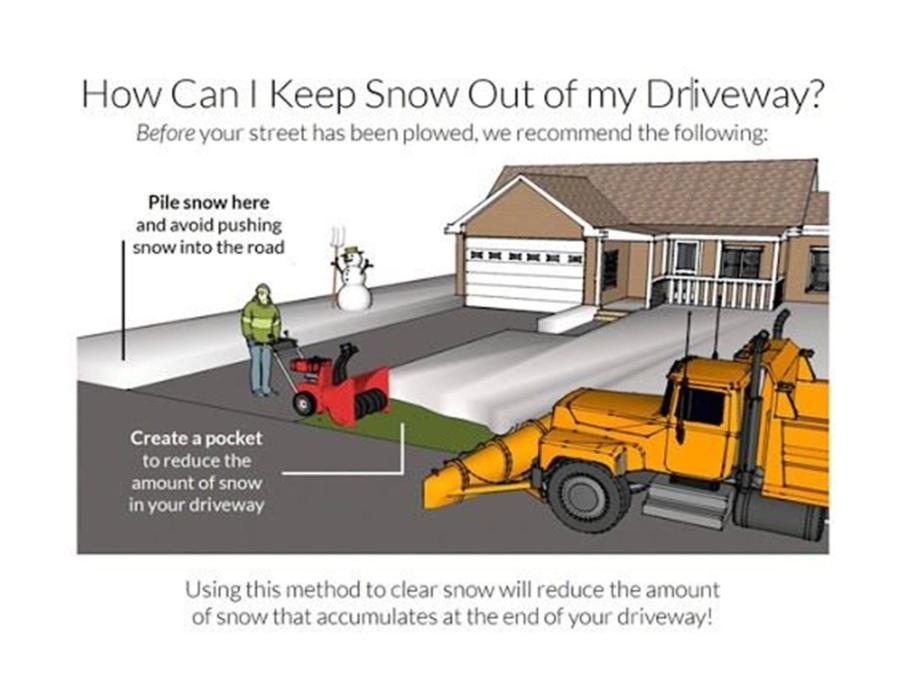
How Can I Keep Snow Out of my Driveway?
Before your street has been plowed, we recommend the following: Pile snow here and avoid pushing snow into the road
• enriched soil and improved stormwater absorption
Over time, this small forest will mature into a thriving ecosystem, demonstrating how thoughtful restoration can strengthen both community and environment, and providing a “living classroom” to learn about native ecology.
Looking Ahead
Create a pocket to reduce the amount of snow in your driveway
Using this method to clear snow will reduce the amount of snow that accumulates at the end of your driveway!
Many of us realize that we are in a climate emergency. We see sea levels rise before our eyes. We experience more severe storms and temperature changes. Our health is impacted by emerging diseases. Even the plants and animals in our neighborhood appear to be changing. With national and state measures to curb this crisis seemingly evaporating, what can you?
The League of Women Voters (LWV) of Delaware County has just what you need. As you may know, the League of Women Voters is not only committed to voting, but also to making known our positions on important public issues. We further believe that education empowers individuals to make informed choices at the ballot box and participate in ways that make a difference. We act on our positions that are based on study and consensus. Since 1958, we have maintained a national position on natural resources that has been modified over time to read: …natural resources should be managed as interrelated parts of lifesupporting ecosystems. Resources should be conserved and protected to assure their future availability. Pollution of these resources should be controlled in order to preserve the physical, chemical and biological integrity of ecosystems and to protect public health
To act on these core beliefs, League members created envirodelco.org—a onestop spot for environmental matters in Delaware County. First and foremost is that it's a source for the current happenings with Featured Stories, Latest News, Take Action and Events. Its home page not only distills what you need to know but also provides a link through which you can automatically subscribe to this informative, up-to-date electronic newsletter each month!
Beyond the news, envirodelco.org is a clearinghouse, designed to be an intermediary between you and sources of information about the environment. You can follow the magnifying glass on the home page and link to the following sections: Sustainability, Local Events, Library, Organizations, Government, Features, and Take Action. Each section contains a wealth of resources.
The Sustainability section links to the acclaimed Delaware County plan and graphically illustrates the connection between social, environmental and economic variables.
The Library is a treasure trove, consisting of dedicated files with accompanying links to key areas like those below:
Health & Wellness
• Clean Air
• Clean Water
• Environmental Health
• Environmental Justice
Natural Resources
• Biodiversity
• Open Space and Land Conservation
Background
• Climate Change
• Electric Power Grid
• Geoengineering
• Greenhouse Gases
Waste Management
• Hazardous Materials & Chemicals
• Hazardous Waste Transport
• Plastics
• Recycling
• Solid Waste
Transportation & Fuels
• Clean Energy
• Electric Vehicles
• Fossil Fuels
• Pipelines
Current Issues
• Hydrogen Hub
• LNG Terminal
• Chester Incinerator (ReWorld)
• Delco Woods (formerly Don Guanella site)
• Legislation
Resources include laws, articles, websites, and reports. There is even a glossary of key terms!
To guide environmental action, the site contains a curated list of Organizations and groups that you may wish to join or monitor Each group listed includes a link to its site, a contact number, and primary focus. If you are familiar with other groups, you can go to the contact section and add it to the list!
Government is the place to go to locate federal, state, and municipal agencies that play an important environmental role. At the federal level, you can link to agencies from the U.S. Fish and Wildlife Services that oversee the John Heinz Refuge in Tinicum to the Federal Energy Regulatory Commission that has a role in interstate pipeline siting. The Commonwealth of Pennsylvania is responsible for groups impacting the environment that range from the Department of Agriculture to the Public Utility Commission. The Conservation District and the Solid Waste Authority are among the agencies that operate at the Delaware County level while local municipalities can have jurisdiction over environmental advisory committees and recycling operations.
To harness your interest and elevate your involvement, check out the Events section, a calendar of activities that range from hearings to tree plantings.
As this website continues to evolve, the League welcomes you to send announcements of your events and takeaction items to the Contact link. By acting locally, we can make a difference globally.
Under the Commonwealth's Constitution (Article 1, Section 27) The people have a right to clean air, pure water, and to the preservation of the natural, scenic, historic and esthetic values of the environment. Pennsylvania's public natural resources are the common property of all the people, including generations yet to come. As trustee of these resources, the Commonwealth shall conserve and maintain them for the benefit of all the people
There is no time like the present climate emergency to explore envirodelco.org Learn more about how to protect and advocate for your environmental rights as well as those of future generations. The League of Women Voters is one of the many groups making a difference!