This publication is an effort to keep the community informed with what is actually happening in your area. For future editions, I welcome your thoughts on topics that affect the community. I'd be happy to publish your opinions on any relevant topics.
Do you have an event that you'd like to publicize? Let me know, and I'll do my best to incorporate your event into the newsletter.
This is your community. This is your home. Use this publication to share your thoughts and ideas with your neighbors. Are you ready to get involved in your community?
TOWNSHIP DIRECTORY
Township Administration Building
175 W. Valley Forge Road
King of Prussia, PA 19406
Phone: 610-265-2600
Fax: 610-265-0482 www.umtownship.org
Mon - Fri 8:15 am to 5 pm
Township Police
175 W. Valley Forge Road King of Prussia, PA 19406
Emergency and Call for Service: 9-1-1
Phone: 610-265-3232
Anonymous Tip Line: 484-636-3888
Animal Control ...610-265-3232 Courthouse .........610-278-3000
Fire and Ambulance
Emergency Phone: 9-1-1
King of Prussia Volunteer Fire Company 170 Allendale Road
431 W. VALLEY FORGE ROAD (in the Community Center Bldg.) Phone: 610-265-4715 www.umssc.org
& Rec.........610-265-1071
& Codes....610-265-2608
LOCAL HISTORY
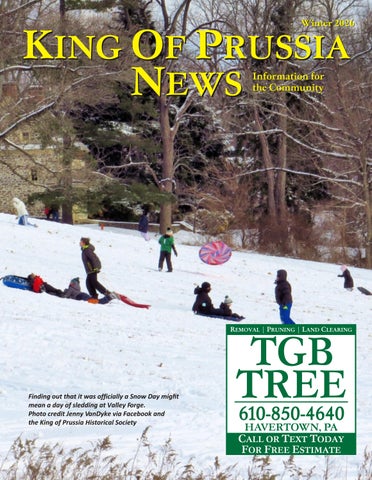
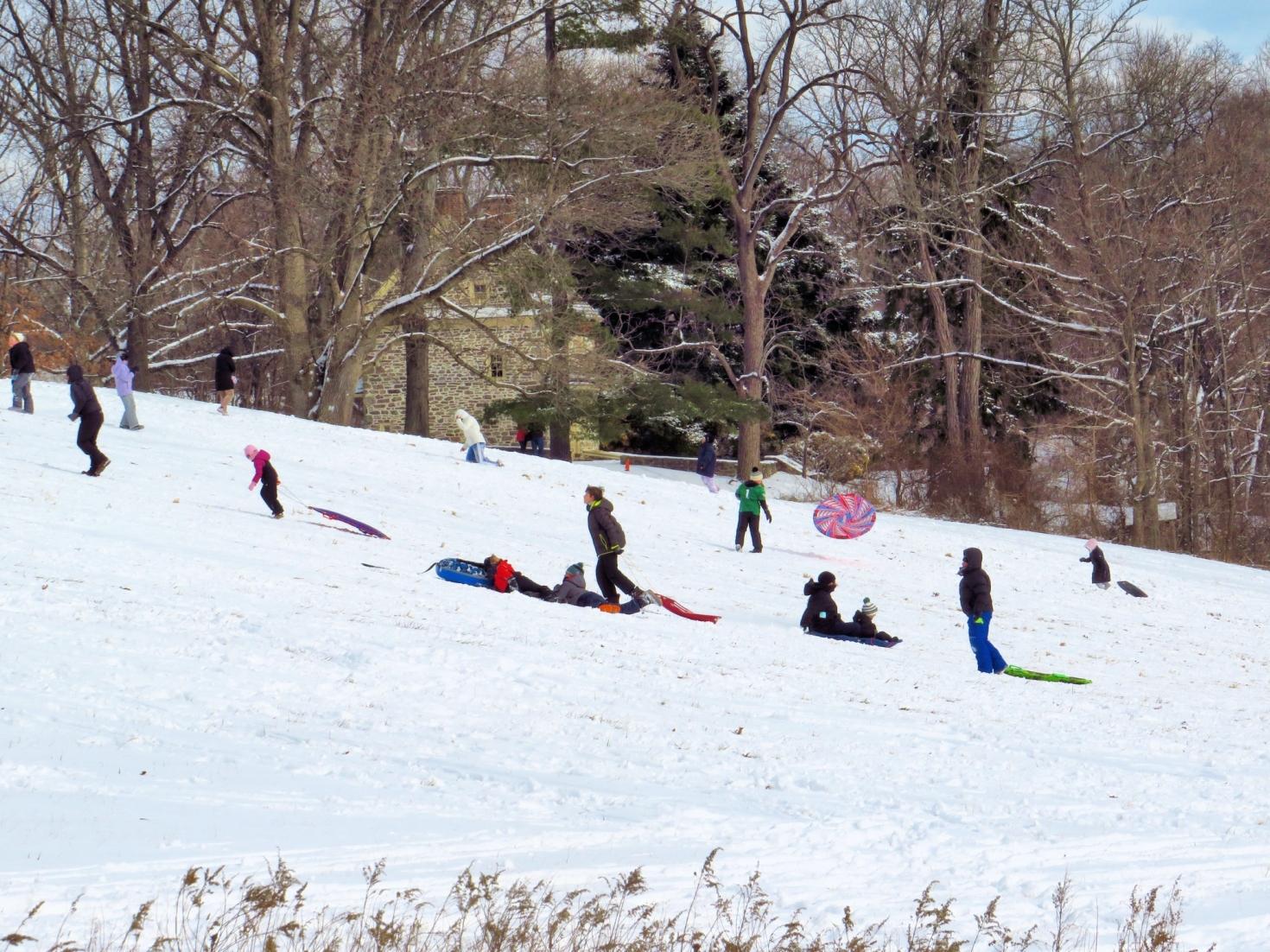
Memories of Winters Past
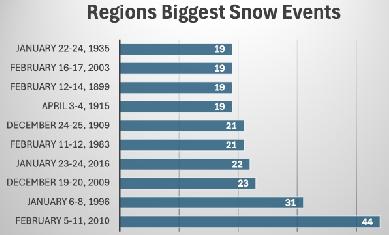
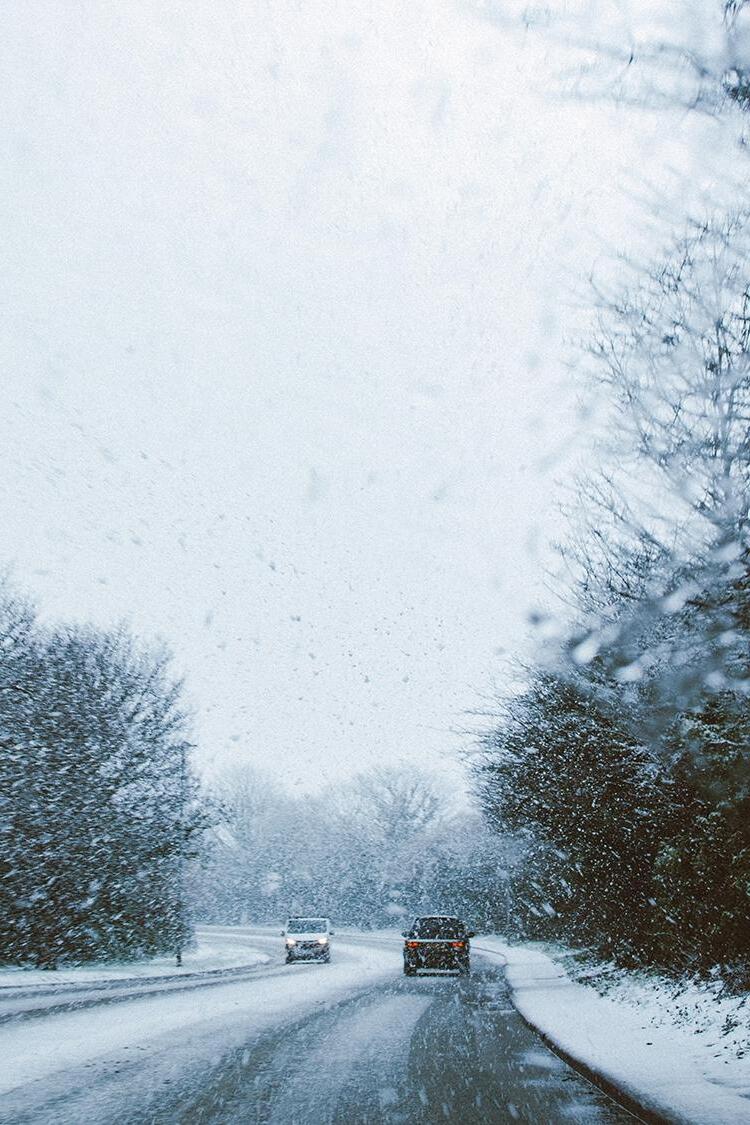
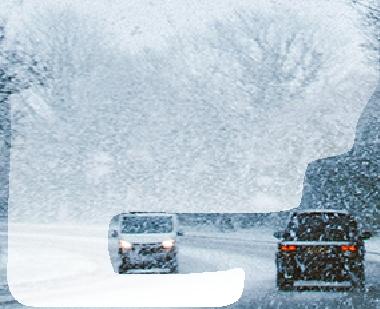
Certain exceptionally cold and snowy days are etched into each of our memories. By far, the biggest total snow event in our region happened in February 5-11, 2010. Over the course of a five-day period, two back-to-back blizzards dropped a total of 44 inches of snow in the area prompting people to dub the combined event “Snowmageddon.”
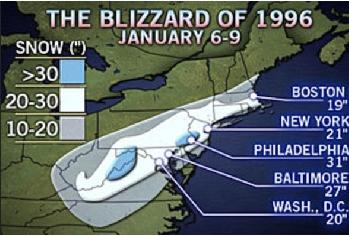
The largest single snowfall is the record 31 inches that fell on one storm January 6-8, 1996. The “Blizzard of '96” was a “nor'easter.” Strong winds blowing in from the northeast pulled moisture from over the ocean in a cyclone pattern supercharging the precipitation. Other memorable blizzard level storms that did not make the top 10 occurred in February of 1978 and March of 1993. These storms dumped 16 inches and
12 inches respectively and were accompanied by bitter cold. These giant storms brought the region to a grinding halt including power outages, traffic issues, a run on the grocery stores, and schools being closed for multiple days.
While snowstorms cause worry and anxiety in adults, they stir the hope in the minds of all school age children (and perhaps the teachers and staff) that school will be canceled. Upper Merion Area School District would announce closures or delays due to inclement weather by 6 AM.
In the 1960s, Philadelphia City Hall took on the job of being the regional clearinghouse for school closings in the Delaware Valley. City officials would then share the information with local radio and television stations. In 1989, KYW took over as the snow closing information hub. To prevent misinformation, only two individuals at each school knew the authorized password needed to cancel school when making that key phone call.
In the 1960s, radio and TV stations would announce the full names of the schools. As the number of schools, daycares and colleges who needed their closing notices broadcast grew, the longer it took to make those announcements. Around 1970, schools were assigned unique numbers, and for nearly five decades, children would watch the ticker on TV or listen to the radio to hear, “From the KYW Newsradio Storm Center...” followed by the anchor quickly rattling off the sequential list of school numbers (301, 302, 305, 306, …) stating whether they had the day off, a delayed start, or (in the case of some parochial schools) open with no transportation. Upper Merion School District's school closing number was 307; Bishop Kenrick's number was 322; and each individual parochial school also had their own number Announcing the long list of numbers on a snowy morning could take up to 14 minutes of airtime each hour. In 2017, the decision was made to stop the on-air announcements. By then, the schools announced their closing via their websites, texts, and social media making the radio listing obsolete.
Source: Accuweather.com
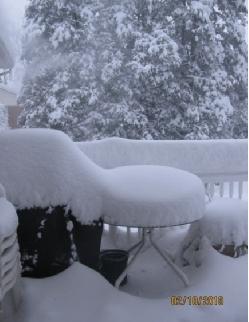
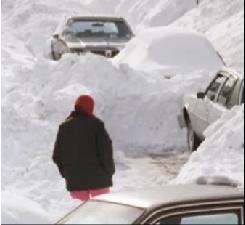
Snow piled up during Snowmageddon 2010
Source: National Weather Service
You can listen to a recording of the old KYW radio announcements on YouTube courtesy of Ian Bush.
Source: Lehigh Valley Weather Authority
PET HEALTH & WELL-BEING
How cold is too cold for your dog?
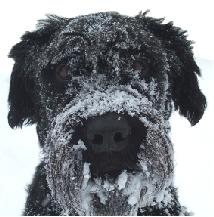
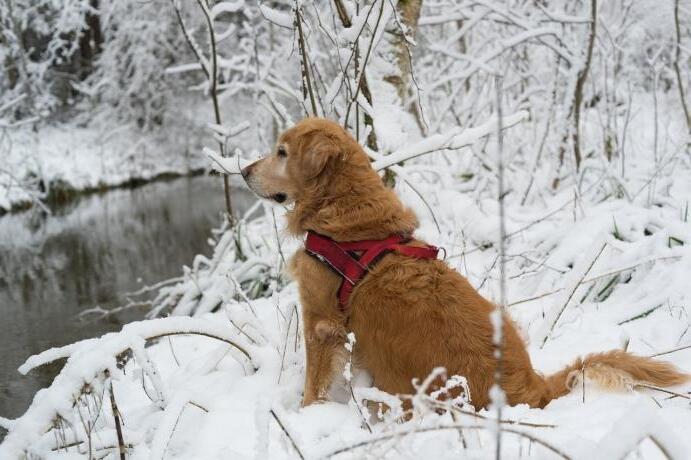
As winter approaches, temperature safety for dogs is important whether they are going for a short walk or playing in the snow. Dogs get cold at 45°F and below, and by 20°F, dogs can develop frostbite and hypothermia.
Dogs can get frostbite, which initially effects extremities such as ear tips, feet, tail tip, nose, and the scrotum. If left untreated they will develop hypothermia.
Size and Weight
Small dogs lose body heat faster than large dogs. Also, small dogs like chihuahuas have less fat padding around extremities making them more susceptible to ice and snow damage.
Body condition is important. A thin dog will get cold fast because they have less insulating body fat. However, obese dogs may move slower, increasing their exposure time to the cold.
Breed and Coat Type
Thick hair insulates the body. Dogs with thicker fur such as Huskies can withstand cold temperatures for longer periods of time. Short haired dogs have less fur insulation and will get cold quickly. Hair can also be shortened from grooming or medical procedures.
Snow and ice can stick to long hair around toes. This can be painful, and cause prolonged ice contact on skin and toe pads. Snow pellets stick to longer fur, decreasing a dog's body temperature.
Age and Health Condition
Older dogs generally have more health issues that decrease their tolerance to cold
Acclimation
Dogs that live in colder areas regularly can tolerate more cold. Sled dogs get so used to the cold, they will sleep in the snow. However, if an owner moves from a warm to a cold climate and there is not sufficient time to acclimate to the cold, a dog gets cold fast.
What Can Owners Do?
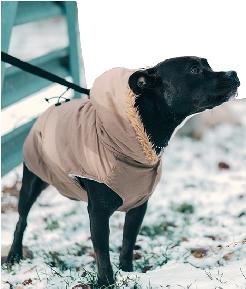
Measures can be taken to keep dogs safe in the cold weather. Shoveling a small area for a dog to eliminate quickly in the cold without having to step through snow is helpful. Dogs can wear sweaters or jackets that extend along a dog's back and along the chest that is thick enough to block out wind while keeping out moisture. Booties that are warm and water resistant are great if the dog will tolerate them. Getting a dog used to these items can take a while, but persistence is key
As outdoor temperature drops, it's important to monitor dogs for signs of being uncomfortably cold. Hypothermia can set in rapidly and is life threatening. Symptoms which should prompt an owner to take a dog to a warmer location include shivering, reluctance to walk, turning to return home, whining, trouble walking, lifting paws frequently, and even falling over. Once an owner has a dog inside, it's important to keep monitoring them to make sure they are okay. If an owner is unsure, it's always best to call the veterinarian.
Dr. Jennifer McGough Emergency Services Metropolitan Veterinary Associates
HEALTH & WELLNESS
Common Winter Orthopaedic Injuries
Winter can be a beautiful season, but it also brings conditions that increase the risk of orthopaedic injuries. By understanding the most common winter injuries and how to prevent them, you can stay active and safe all season long.
Shoulder injuries from slips, falls and winter sports
Snow and ice significantly increase the risk of falls, which can lead to shoulder injuries such as dislocations or rotator cuff tears.
“You have to be cautious at this time of the year,” says David L. Rubenstein, MD, an orthopaedic surgeon specializing in shoulder surgery. “I've seen an uptake in shoulder injuries during the winter season over the years.”
Icy sidewalks, steps and parking lots can be especially dangerous. Wearing footwear with good traction and moving carefully — especially when carrying heavy items — can reduce the chance of slipping.
Shoveling snow is also a major cause of winter shoulder pain. Cold temperatures tighten muscles, making the rotator cuff more vulnerable. When you shovel with tense muscles, you're placing substantial stress on the shoulder
“Sometimes, people are unaware of the signs of injury until after they're done shoveling,” Dr. Rubenstein notes. “The numbness and cold can hide initial rotator cuff symptoms. Always be cautious when shoveling, as well as when scraping ice and snow off your car.”
Seek medical evaluation if you experience ongoing shoulder pain after a fall, winter sport or shoveling.
Hand and wrist injuries during coldweather activities
Ice skating, snow shoveling and other winter activities commonly lead to hand and wrist injuries. Falls can cause fractures or sprains, while gripping toolslike shovels or ice scraperscan strain the wrists.
Protecting the hands and wrists begins with using proper equipment. Wrist supports can add stability during winter sports, and ergonomic snow shovels or shovels with adjustable handles help maintain better posture while reducing wrist strain. Wrist guards are especially helpful for activities where falls are common, such as skating.
Pay attention to early signs of discomfort. Overuse injuries are more likely in cold weather, when muscles and tendons tighten.
“If you feel any pain or discomfort, don't ignore it,” says Philip M. Petrucelli, MD, an orthopaedic surgeon at Main Line Health.
“Take a break and evaluate how you're feeling.”
Listening to your body and pacing yourself can prevent serious issues.
Back injuries from shoveling snow and slips Shoveling snow is a frequent causeof winter back injuries. Seniors are at higher risk for back and spinal strains. Using proper technique—lifting with your legs, pushing instead of lifting heavy snow and taking regular breaks—can significantly reduce risk. Staying well-hydrated also helps keep muscles functioning optimally in cold weather.
Slips on icy surfaces are another common cause of back injuries. Wearing shoes with strong tread, walking slowly and carefully and using traction cleats can prevent dangerous falls. Applying ice melt around high-traffic areas of your home can also make pathways safer.
“Whenever you go out to shovel, you might want to take a few moments for gentle stretches, which can help prepare your back muscles,” says Scott A. Rushton, MD, a spine surgeon at Main Line Health.
If back pain develops while shoveling or after a fall, stop the activity. Persistent pain should be evaluated by a medical professional.
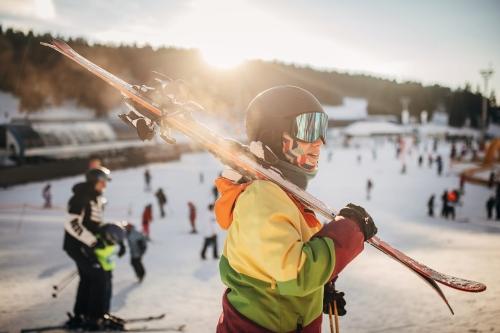
Knee and hip injuries from winter sports Winter sports like skiing and snowboarding are excellent ways to stay active, but they place increased stress on the knees and hips. Injuries may include sprains, ligament tears or fractures.
“To avoid injuries like sprains and tears, make sure to properly fit your equipment before hitting the slopes,” says Blair S. Ashley, MD, an orthopaedic surgeon at Main Line Health.
Slippery conditions can also lead to falls that may cause hip fractures. Individuals with hip or knee replacements should be particularly cautious—falls can result in periprosthetic fractures or dislocations.
“Periprosthetic fractures occur when a fracture happens around the joint replacement implant,” explains Dr. Ashley. “A periprosthetic dislocation occurs when the joint is displaced from its normal position.”
Symptoms to watch for include:
• Pain
• Inability to bear weight
• Swelling or bruising
• Instability
• Numbness or tingling
If symptoms appear, treat minor injuries with rest, ice, compression and elevation (R.I.C.E.). Persistent or worsening pain should be assessed by a specialist.
Taking proper precautions—using well-fitted gear, warming up before activity and being mindful of icy conditions—can help you enjoy winter sports safely while protecting your joints.
Learn more about Main Line Health's orthopaedic services and schedule an appointment with a specialist at mainlinehealth.org/ortho
SNOW REMOVAL & PLOWING
SNOW EMERGENCY ROUTES
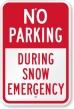
NO PARKING IS PERMITTED ON PRIMARY "SNOW EMERGENCY ROUTES" OR IN CUL-DE-SACS
The following list includes all streets designated as primary streets and emergency routes. All other streets are either considered secondary (collector and through) streets or tertiary streets (if they are dead-ends or cul-de-sacs). Remember that (listed below) during declared snow emergencies.
Abrams Road*
Allendale Road
Anderson Road
Arden Road
Balligomingo Road**
Beidler Road*
Brookwood Road
Brower Road
Brownlie Road
Caley Road
Chelsea Drive
Croton Road*
Deep Hollow Road
Dekalb Pike (Rt.202)**
First Avenue
Fletcher Road
Flint Hill Road*
Jones Road/Shoemaker La. Keebler Road
King of Prussia Road*
Kirk Avenue
Mall Boulevard
Matsonford Road**
Shoemaker Road
South County Line Road
South Gulph Road*
Springhouse Road
Stewart Street
Swedeland Road*
Brooks Road* West*
Geerdes Boulevard
General Knox Road
Goddard Boulevard
Guthrie Road
Gypsy Road
Hansen Access Road
Church Road: & East
Conrad Drive
Country Lane
Covered Bridge Road
Crooked Lane*
Crossfield Road
Hansen Road
Henderson Road*
Holstein Road (Rt.320)*
Horizon Drive
Hughes Road
Jefferson Street*
Moore Road
New Gulph Road* North Gulph Road*
Prince Frederick Street
Old Gulph Road*
Pugh Road
Pulaski Drive
Radnor Road*
Renaissance Boulevard
River Road*
Ross Road Saulin Road
Town Center Road
Trinity Lane*
Upper Gulph Road*
Valley Brooke Road
Valley Forge Road*
Warner Road
Weadley Road
Wills Boulevard
Yerkes Road
*State roadways plowed by the Township. **Plowed by PennDOT, NOT Upper
Snow Management Plan: Upper Merion Township recognizes the importance of snow removal, not only to residents, but to everyone who needs to travel to or through our community. The township utilizes a snow management plan to safely clear all public roads within the township quickly and efficiently. Based on traffic flow, roads are divided into primary (main), secondary (collector and through), and tertiary (dead-end and cul-de-sac) roads. During snow storms, the Public Works Department plows 376 streets, consisting of 83 miles of township roads, and 37 miles of state roads.
Plowing: Plowing will begin when it is determined that at least two inches of snow can be measured on the road. During a declared snow emergency, parking is prohibited on all roads designated as Snow Emergency Routes. The first priority is to clear all primary roads, including bus routes. This work generallytakes six to eight hours after snow stops falling. Crews begin plowing secondary roads after clearing and opening all primary roads. These collector and through roads are usually cleared within 12-16 hours after snow stops falling. Crews then move on to side roads, dead-ends, and cul-de-sacs. Please be patient with snow removal.
Shoveling Guidelines: A 2-foot wide path of sidewalk must be cleared by the abutting property owner within 24 hours after the end of the snow emergency. (See Ordinance Code: Chapter 137.2 and Chapter 137.5) If more than 12 inches of snow falls, the time limit is extended to 48 hours. Do not clear sidewalks until plowing equipment has passed, or your hard work may be for nothing. Remember to shovel to the right of your driveway facing the road, as plows clear from the left. This helps to reduce the amount of snow pushed back into your driveway during plowing.
Throwing, shoveling or plowing snow from sidewalks or driveways into the street is strictly prohibited by the Township's Ordinance Code: Chapter 137.1.
Adopt
a Hydrant - Save a Life: The Fire & Rescue Services
Division reminds all residents to clear snow from around fire hydrants. Doing so can save precious time when firefighters need additional water fight a fire. Citizens should clear a 3-foot wide path from the street to the fire hydrant, and a 3-foot circle around the fire hydrant to provide easy access by firefighters.
Snow Emergencies
When a snow emergency has been declared, the township activates its Snow Operations Center at the Public Works yard. The center is staffed by employees who are in contact with all snow removal crews.
The township now provides snow removal progress information in the form of an interactive map. The updates of the plowing progress will only begin after the snow stops falling and the crews are in final clean-up mode. The status will be updated every 15 minutes and will continue until the cleanup is completed.
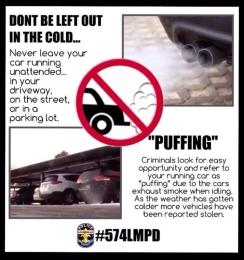
Merion Township. (this includes: I76, Route 422, and the PA Turnpike) Criminals
COMMUNITY CONNECTION
Two Mothers Create Legacies for Children Lost to Addiction and Suicide
Two courageous mothers are using MLTV21 as a community platform to tell the stories of the tragic loss of their young children: 22-year old Nick Schivito lost his life to street drugs unknowingly laced with fentanyl, and 16-year old Hallie Jackson who inexplicably took her own life after leaving home one morning. Both mothers, Brenda Schivito and Christine Jackson, are using their grief as an energy source to raise awareness about two of the country's most pressing problems, substance use disorder and suicide.
open discussion about causes of the disease and available treatment options. “It's not something you feel you can talk openly about because of the stigma, unlike cancer or other diseases. That's what I'm trying to change.”
Her comments were echoed by Christine Jackson who recounted how her teenage daughter's outgoing personality and medalwinning athletic ability earned the reputation as the All American Girl. Yet, like an increasing number of adolescents today,
Nick was an outstanding tennis player and achieved a black belt in karate at age 12. He was fun loving and liked doing things for other people. A nice kid. His troubles began when he was able to easily purchase synthetic marijuana commonly known as “Spice” at a local convenience store. Spice is known to cause seizures and psychosis. It caused psychosis in Nick, which resulted in stays in numerous behavioral health and rehabilitation facilities, a cycle that he and his family endured for the last eight years of his life. He died January 20, 2018 after saying good night to his mother.
Six months after the death of her son, Brenda founded Angels Against Addiction, in the hope that Nick's message will be passed on with the power to help save others. In her interview with Rick Anthony, an MLTV21 producer/host, Brenda lamented how the stigma of mental illness remains a barrier to
she struggled in silence thinking she was alone despite having a loving family Christine believes that Hallie's story challenges the assumption that emotional pain must be manifested in a certain way to be real. In her words: “Struggle doesn't require a diagnosis to be real or serious. Outward strength can coexist with deep distress.”
by Rick Anthony, MLTV21 Producer/Host
Hallie's family still cannot fathom what drove her to the ultimate despair on October 28, 2019. Everyone who knew her was shocked and distraught by the news that Hallie - the life of the party, the high school cheerleader, the track star - had taken her life on the tracks of a SEPTA train.
Grief, anger, despair and a call to do something to prevent the next tragedy compelled Christine to found Hope for Hallie, whose mission is to change the narrative around mental health and instill hope in adolescents desperately in need of help.
Brenda and Christine have the same goal: To prevent another family from the tragic loss of a loved one. Both are warriors in the fight against ignorance, prejudice and misinformation about mental illness and its tragic consequences.
Angels Against Addiction and Hope for Hallie both operate on the same basic model: to collaborate with other organizations and agencies to create greater awareness among children and adults about the multiple facades of mental illness and the resources available to help.
Angels Against Addiction also provides funds for housing for men and women seeking recovery from substance abuse disorder. Hope for Hallie connects people seeking help with participating therapists.
For information about each organization: angelsagainstaddition.org hopeforhallie.org
MLTV21 is one of the leading public access cable television stations in the Tri-State area, serving Comcast and Verizon subscribers along the Main Line.