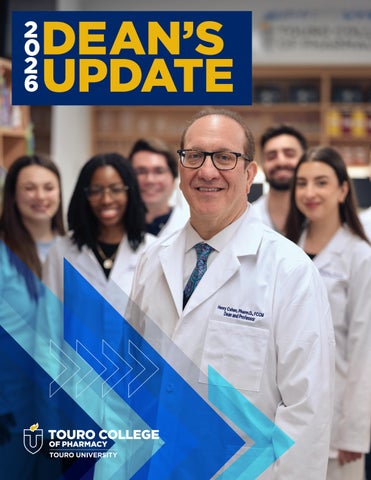
DEAN’S UPDATE
TOURO COLLEGE OF PHARMACY (TCOP) DEAN’S UPDATE 2026
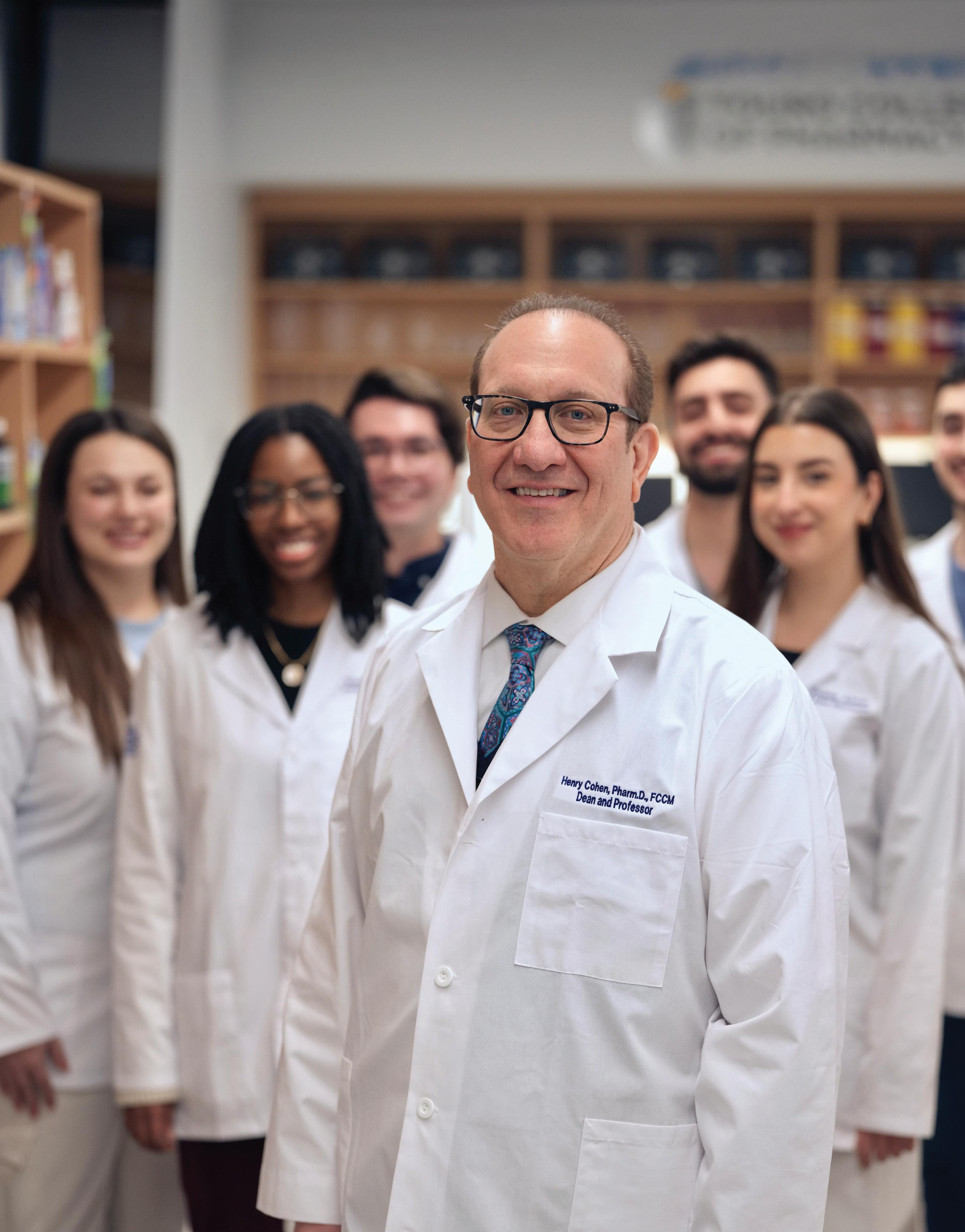
MESSAGE FROM THE DEAN
The American playwright and novelist Jeffrey Lindsay once observed that, “The key to a happy life is to have accomplishments to be proud of and purpose to look forward to.”
I am pleased to say that there is much to be happy about and look forward to at Touro College of Pharmacy (TCOP), and that our achievements motivate us to continue our mission of training caring professionals focused on patient-centered care and community service. That’s why I am proud to share with you this update on our accomplishments at the College of Pharmacy.
LICENSING SCORES AND EMPLOYMENT RATES AT RECORD LEVELS
Our students’ licensing exam scores continue to place TCOP in the top rank of pharmacy schools, both locally and nationally. On the most recent North American Pharmacist Licensure Examination (NAPLEX), the standardized national pharmacy licensing exam, our graduates’ first-time pass rate was 93%. This score set a new record in the school’s history and also ranked TCOP first among pharmacy schools in New York City; second in New York State; and placed us above state and national averages and in the top quartile nationally. Additionally, employment statistics remain at record levels, with our graduates landing prestigious fellowships, residencies and coveted positions in
community pharmacy, healthcare and research. Experienced alumni are earning distinctions in clinical practice, hospital management, industry, and in research and academia.
FULL REACCREDITATION FOR THE MAXIMUM TERM
“OUR ACHIEVEMENTS MOTIVATE US TO CONTINUE OUR MISSION OF TRAINING CARING PROFESSIONALS FOCUSED ON PATIENT-CENTERED CARE AND COMMUNITY SERVICE.”
In January 2026, the Accreditation Council for Pharmacy Education (ACPE), the national agency for the accreditation of professional degree programs in pharmacy, approved full reaccreditation of our Doctor of Pharmacy program through June 2034, the maximum eight-year cycle for accreditation. This action is the culmination of a year-long process involving an exhaustive self-study, a three-day site visit in October 2025 by a team of pharmacy education and professional leaders, and a rigorous top-to-bottom review of all aspects of TCOP’s program. Included in the review were TCOP’s organization, didactic and experiential curriculum, faculty and staff, students and student services, assessment, and resources.
STUDENTS IN THE NATIONAL SPOTLIGHT
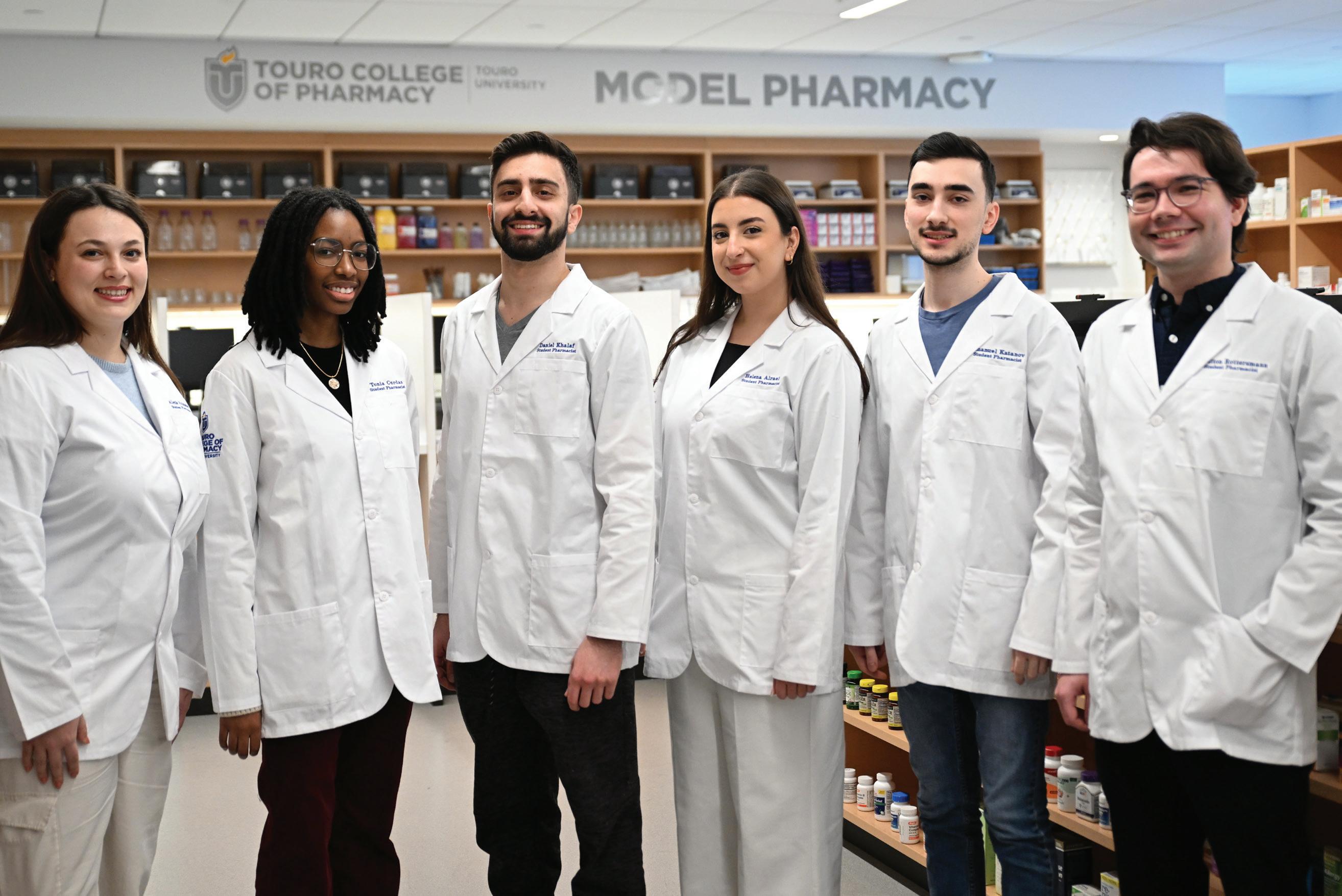
Our students are starring on the world stage in competitions and at regional, national and international conferences. In December 2025, 30 TCOP students presented posters at the American Society
of Health-System Pharmacists (ASHP) Midyear Clinical Meeting. This meeting is the largest gathering of pharmacists in the world, attended by more than 20,000 professionals from across the globe. Our students’ involvement is a testament to their professionalism and to the dedication of the more than 20 faculty advisors who mentored them.
BUILDING A DISTINGUISHED FACULTY
We have attracted an outstanding faculty of dedicated educators who are making their mark in scholarship, research, professional service and in practice, often on the leading edge of the profession, in areas such as pharmacogenomics and Collaborative Drug Therapy Management (CDTM).
We are very proud of what TCOP has become and excited about what the future holds for the school,
its students and graduates. I invite you to learn more about our accomplishments and purpose in this update.
Sincerely,
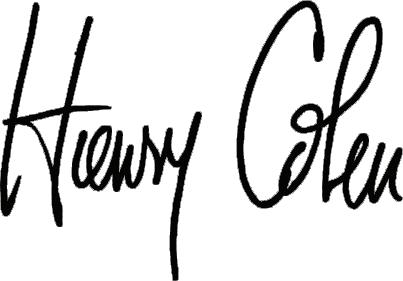
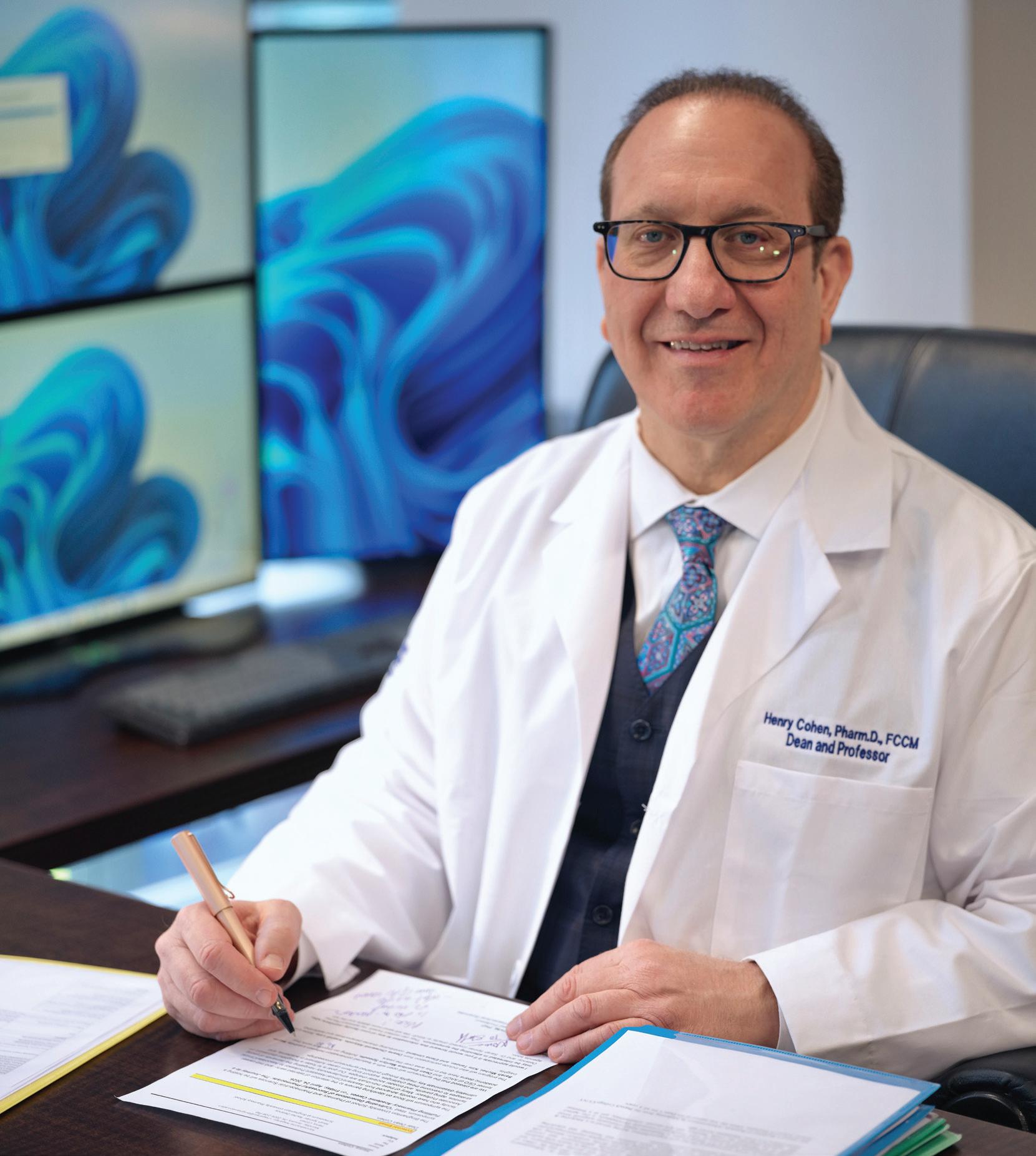
Henry Cohen, PharmD, MSc, FCCM Dean and Professor Touro College of Pharmacy
Class of 2025 Spotlight:
ADVANCING PHARMACY THROUGH FELLOWSHIP, RESIDENCY AND REPRESENTATION
The Touro College of Pharmacy (TCOP) Class of 2025 is already making its mark. As new graduates stepping into competitive fellowships and residencies, alumni Rhonda Moton, PharmD, MS; Gretel Morales Mendoza, PharmD; and Roberto Maldonado, PharmD/MPH exemplify the diverse pathways, commitments and leadership cultivated at TCOP. Though their journeys into pharmacy differ, they share a dedication to patient-centered care, health equity and representation within the profession.
FINDING THEIR PATH TO PHARMACY
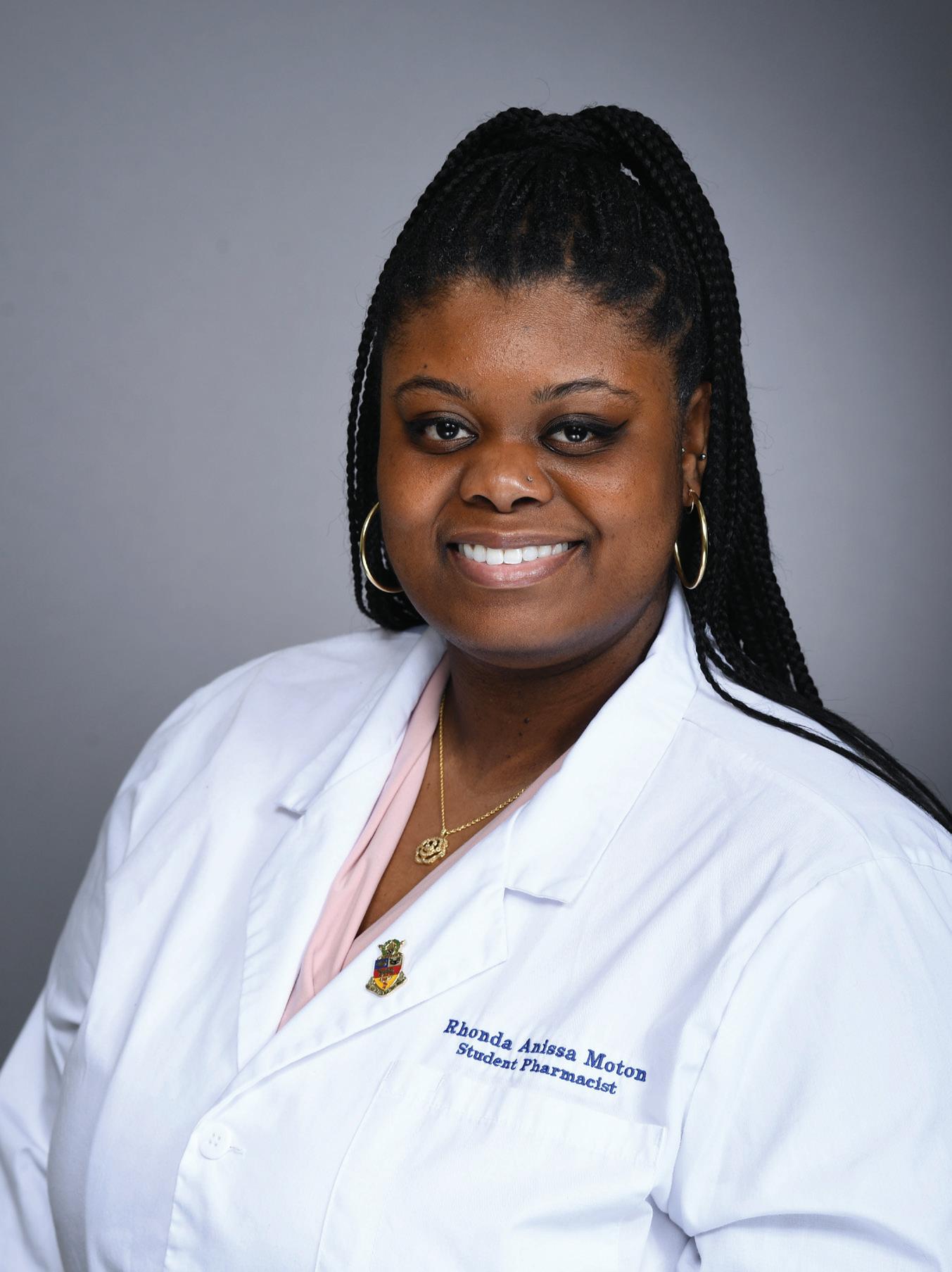
For Rhonda Moton, a managed care pharmacy resident with Kaiser Permanente MidAtlantic States Region, pharmacy was not her original plan. After teaching biology and science in public schools in the South and earning dual bachelor’s degrees in biology and psychology from Virginia Commonwealth University, she was already admitted to medical school when a conversation with TCOP Admissions Assistant Dean Heidi Fuchs changed her trajectory. As she explored pharmacy, Moton recognized its unique ability to blend clinical impact with sustained patient interaction. “I realized I could touch more lives,” she explains, drawn to the opportunity to engage with patients more frequently and in a hands-on way. She went on to earn a Master of Science in Interdisciplinary Studies in Biological and Physical Sciences from Touro College of Osteopathic Medicine in Middletown before completing her PharmD at TCOP. Moton now plans to build a career in formulary management and eventually transition into market access.
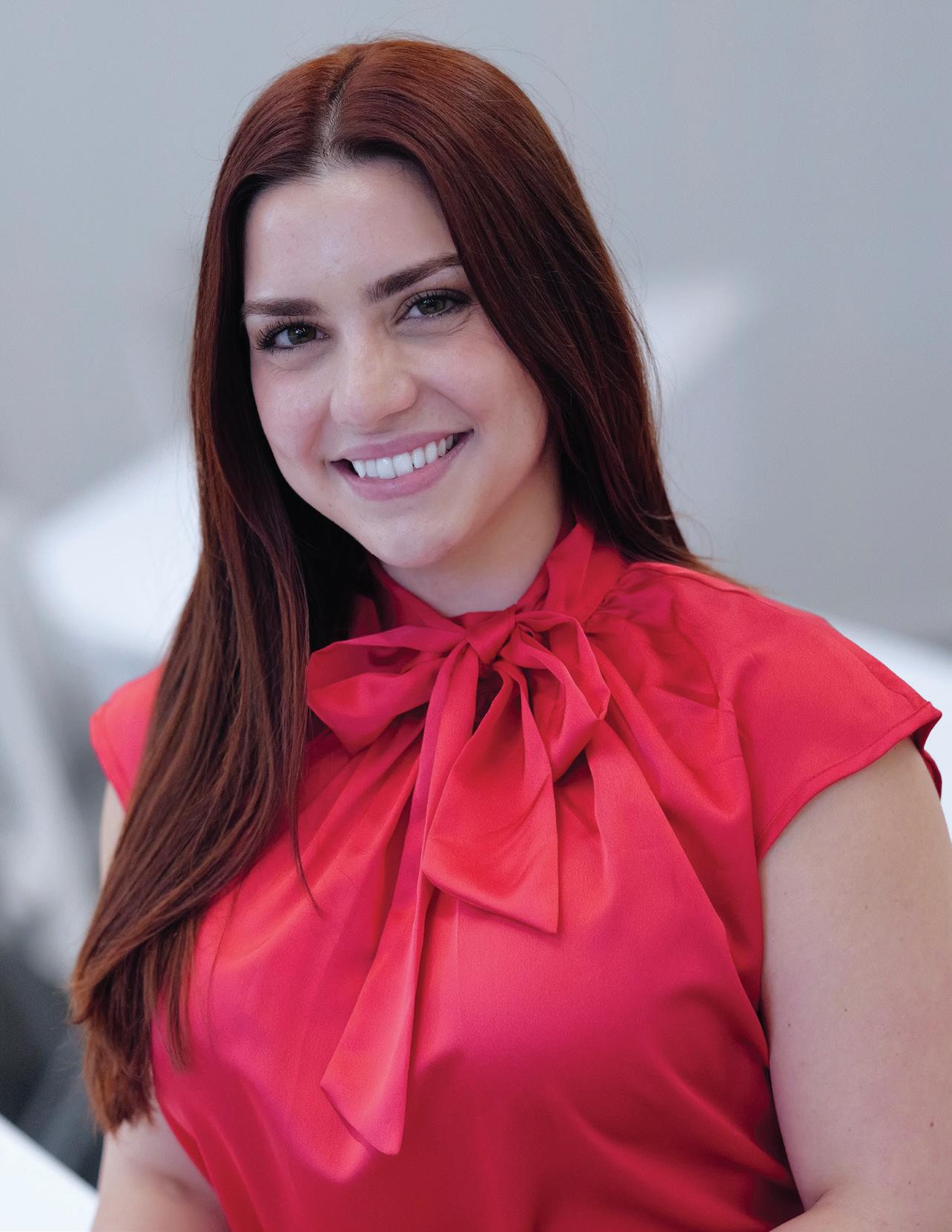
Gretel Morales Mendoza, currently a Medical Science Liaison Fellow with Howard University/ Genentech, discovered pharmacy through firsthand experience. A native of Cuba who immigrated to the United States at age 11, Mendoza initially planned to become a veterinarian. That plan changed during her first semester of college, when she began working as a pharmacy technician at CVS. “I didn’t even know pharmacy careers existed,” she says. The exposure sparked an immediate connection to the field: one that would shape her academic and professional future. After moving to New York City to attend TCOP, Mendoza became deeply involved in campus leadership and advocacy. A recipient of the Walgreens Multilingual Scholarship, she also founded a TCOP chapter of the National Hispanic Pharmacists Association to address medication education needs among Spanish-speaking communities, particularly in Harlem.
Greta Morales Mendoza PharmD
Rhonda Moton PharmD, MS
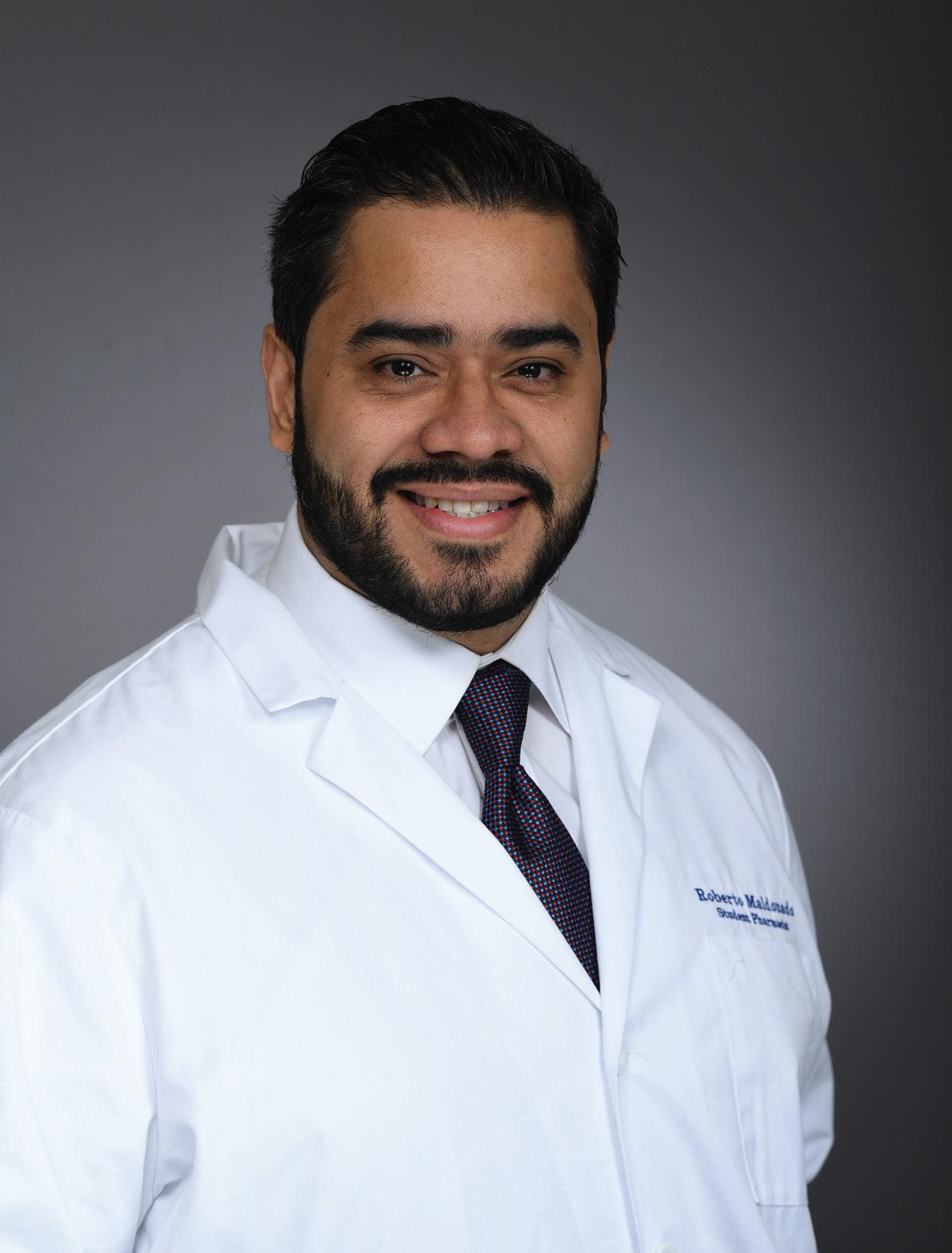
Roberto Maldonado PharmD/MPH
THE IMPACT OF THE CENTER OF EXCELLENCE
All three alumni credit TCOP’s Center of Excellence (COE) as a pivotal part of their professional development. Moton emphasizes the value of guest speakers who illuminated the breadth of pharmacy career paths and reinforced the importance of networking. “Being able to hear their personal journeys and make those connections was huge,” she says.
Mendoza echoes that sentiment, highlighting the power of representation. Seeing speakers with similar backgrounds who had overcome significant hurdles was both validating and motivating. “If they can do it, I can too,” she reflects. The networking mixers and community-focused events hosted by the COE helped her envision ways to serve minority populations and solidified her commitment to advocacy. “I’m forever grateful: not just for the scholarship but for the connections and the fuel to be where I am today.”
For Maldonado, mentorship and hands-on community engagement stood out most. Through the COE, he helped design and implement projects focused on medication safety and underserved populations.
For Roberto Maldonado, the Health Disparities & Community-Based Outcomes Research Fellow at Touro University College of Pharmacy’s Center of Excellence for Pharmacy Education and Pharmacist Services, the road to pharmacy was anything but linear. Growing up in Hell’s Kitchen and now residing in Spanish Harlem, Maldonado initially pursued nursing and majored in biology, with a strong interest in genetics. A personal loss in his family, coupled with witnessing loved ones navigate complex cancer treatments, reshaped his perspective. “They were on so many medications, and I didn’t understand what they were or how they worked,” he recalls. Encouraged by an advisor to explore pharmacy, Maldonado found a profession that aligned with both his scientific interests and his desire to serve. While working full time as a lab technician, he earned his PharmD and MPH through a collaborative program between TCOP and New York Medical College, focusing on health behavior and community health. He now hopes to pursue a career with the FDA or CDC.
“Being able to take what we learned and apply it directly to the community was invaluable,” he says, adding that guest speakers also played a key role in shaping his professional growth.
BUILDING
TRUST IN PHARMACY
Each alum underscores diversity as essential to building trust and improving patient outcomes.
Maldonado notes that many patients hesitate to engage with a healthcare system. Through bilingual outreach and community-based initiatives, he works to bridge that gap and foster trust.
Mendoza emphasizes that representation and cultural competency go hand in hand. “Patients are more willing to open up when they feel understood,” she explains. Now based in Puerto Rico for her fellowship while collaborating with teams across the mainland U.S., she often serves as a cultural liaison: bringing local patient perspectives to broader discussions and helping tailor solutions to diverse communities.
Moton speaks about the historical mistrust many Black patients feel toward healthcare institutions. Representation, she says, plays a crucial role in re-
building that trust. Whether working with wellresourced individuals or patients from underserved backgrounds, Moton finds that empathy and authenticity are key to meaningful care.
ADDRESSING CHALLENGES AND BUILDING THE PIPELINE
In their current fellowships, all three alumni are tackling challenges facing underserved communities head on. Maldonado is engaged in policy-related work, designing interventions to improve medication safety and developing continuing education on gestational diabetes, a condition increasingly affecting postpartum patients. He is also researching barriers that limit minority participation in pharmacy, from financial constraints to gaps in early science education.
Mendoza highlights the importance of early exposure to the profession. During her final year at TCOP, she participated in outreach programs that brought high school students to campus, many of whom were unaware that pharmacy was a career option. “It needs to be a pipeline that starts early,” she says, pointing to initiatives like the COE as models for inspiring future generations.
Together, Moton, Mendoza and Maldonado represent the promise of the TCOP Class of 2025: graduates who are not only advancing in their careers through residencies and fellowships but also reshaping the future of pharmacy through leadership, advocacy and a steadfast commitment to patient care.

Center of Excellence (COE)
Center of Excellence for Pharmacy Education and Pharmacist Care Services*
PROGRAMS & OPPORTUNITIES
• Scholar Awards: Financial support for students committed to person-centered care
• Postdoctoral Fellowship: Health disparities and community intervention training
• Research Support: Advancing research on social determinants of health and health outcomes
• Speaker Series: Faculty and alumni sessions on leadership and careers
STUDENT PIPELINE PROGRAMS
• RxPLORE Summer Academy: For college students exploring pharmacy careers
• RxPLORE Pharmacy Day: For high school students interested in pharmacy**
CONTINUING EDUCATION PROGRAMS
• Advanced training for licensed pharmacists in critical health and health outcomes topics
* The Center of Excellence for Pharmacy Education and Pharmacist Care Services was created in 2022 with the support of a five-year $3 million grant from the federal Health Resources and Services Administration.
** Co-sponsored with the Area Health Education Centers of Manhattan-Staten Island, Bronx-Westchester, and Brooklyn-Queens-Long Island
ON THE FRONT LINES OF CLINICAL QUESTIONS
The Transformative Work of Touro’s Drug Information Center
When Agi Reci, PharmD, BS, first walked into the Drug Information Center (DIC) at Touro College of Pharmacy (TCOP) as a drug information fellow, she had no idea how deeply the experience would influence her career. Her assignment seemed straightforward enough: research fentanyl and explain how it differed from other opioids. But as she dug into the literature, learned to evaluate studies and distinguished reliable evidence from weak data, she discovered an entire world behind clinical questions.
“The research meant knowing biostatistics, how to use search engines, and being able to distinguish which studies were accurate and relevant,” she would later recall. Today, Reci is a medical information scientist and manager at Pfizer, Inc., a path that began with that assignment and others like it.
QUESTIONS
COME ALIVE
faculty, affiliate preceptors and local hospitals. Every question, from whether Paxlovid can be crushed for J tube administration, to the safety of probiotics in neonates, becomes a teaching moment.
Anastasiya Shor, PharmD, director of the DIC and assistant professor, pharmacy practice, explains the mission clearly:
“ WE PROVIDE HIGH-QUALITY, EVIDENCE-BASED INFORMATION TO SUPPORT CLINICAL DECISION-MAKING, SO HEALTHCARE PROFESSIONALS FEEL CONFIDENT THEIR DECISIONS ARE BASED ON FACTS.”
The DIC at TCOP is a place where questions come alive. Inquiries from faculty, healthcare professionals, hospitals, industry partners, and even health information sites are fielded. In 2025 alone, the Center handled over 100 queries, mostly coming from TCOP
“We provide high-quality, evidence-based information to support clinical decisionmaking, so healthcare professionals feel confident their decisions are based on facts.”
All pharmacy students receive an introduction to drug information concepts, led by Dr. Shor, in spring of their first year. They learn about databases, best practice search strategies, review applied biostatistics concepts, and are introduced to evidence-based medicine and literature evaluation techniques.
For third- and fourth-year student pharmacists, the Center is both a classroom and a proving ground. They may complete an Advanced Pharmacy Practice Experience (APPE) elective rotation there, learning to analyze studies and interpret data, and communicate
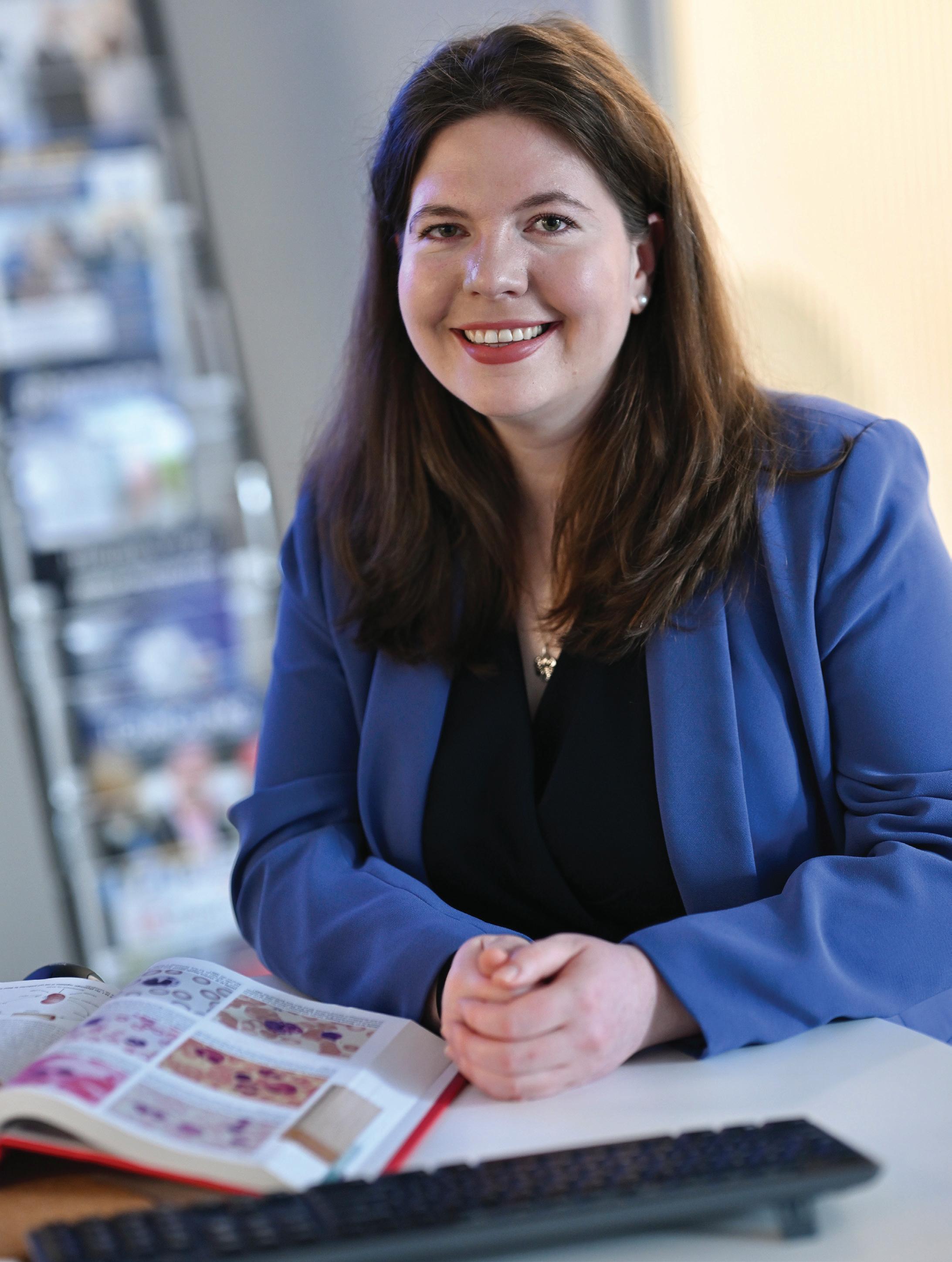
Dr. Anastasiya Shor, director of the Drug Information Center and assistant professor, pharmacy practice
findings without overpromising certainty. They quickly learn that evidence doesn’t always give clear answers. Sometimes, the truth is: we don’t know yet
“That’s a major point of anxiety,” says Dr. Shor. “You have to be confident you’ve searched everywhere, and that sometimes the answer simply isn’t available.”
Daily activity at the Center is varied. One moment, a student may be researching alternative products for a medication on shortage. The next, they’re discussing systematic reviews, antibiotic comparisons, database structures, or even how AI may change the landscape of drug information.
Students produce a pharmacy newsletter with articles about current events in pharmacy and participate in a summer research fellowship with Dr. Shor. They also take on projects, such as a survey of marathon runners about their use of anti-inflammatory medications and a systematic review of cannabis in dental medicine, sparked by faculty at Touro College of Dental Medicine. Through these projects, students learn how to turn curiosity into clinically meaningful research.
After the COVID-19 pandemic, questions about drug shortages became common. Students learned to explore alternative therapies, evaluate dosing adjustments and communicate recommendations clearly. They drafted responses, defended their reasoning, and refined their analytical skills with mentorship from the DI Center specialists.
for shaping his ability to handle clinical questions. He once researched psilocybin’s medical use and legal status nationwide. “Responses cannot be devised in mere minutes,” he says. “They’re testaments to the Center’s work ethic.”
For Dr. Reci, the former fellow now working at Pfizer, the Center provided the methodological foundation to answer escalated medical inquiries, ensure scientific accuracy and guide cross-functional decision-making. The fellowship also ignited an unexpected love for teaching. “Seeing students grow was one of the most rewarding aspects,” she says.
As medicine evolves, the Center continues to adapt. Artificial intelligence has become a new frontier. Students increasingly turn to AI before databases, a habit the DIC works to recalibrate.
“These models aren’t fact repositories,” Dr. Shor explains. “We want students to recognize limitations, verify references and never sacrifice accuracy for convenience.”
“THESE MODELS AREN’T FACT REPOSITORIES, WE WANT STUDENTS TO RECOGNIZE LIMITATIONS, VERIFY REFERENCES AND NEVER SACRIFICE ACCURACY FOR CONVENIENCE.”
Despite technological advancement, one principle seems unchanged: every pharmacist is, in some way, a portable drug information center. Whether working in a hospital, industry, community pharmacy, academia or communications, pharmacists as medication experts are asked questions. The DIC prepares students to answer them: confidently, ethically and with a deep respect for evidence.
THE DRUG INFORMATION FELLOWSHIP
The Center doesn’t only teach Touro PharmD students; it also trains PharmD graduates through its Drug Information Fellowship, a 12-month program designed to prepare graduates interested in a career in drug or medical information. Fellows gain experience preparing scientific slide decks, answering complex inquiries, researching for publications and teaching. They mentor the students who follow behind them.
Amrit Singh, PharmD, a former fellow and now a PGY-1 resident at Northwell Health, credits the Center
“LEARNING NEVER CEASES”
The Center itself occupies a modest space on the eighth floor of Touro’s new Times Square campus: computers, reference materials, a table for discussion. Yet what happens there echoes far beyond. Students learn to think critically, communicate clearly and keep pace with the ever-changing world of healthcare.
“Learning never ceases,” Dr. Shor reminds them. And for each student, whether researching fentanyl or writing about Monkeypox, or questioning caregiver impact on pediatric study results, the journeys start with curiosity and end with learning.
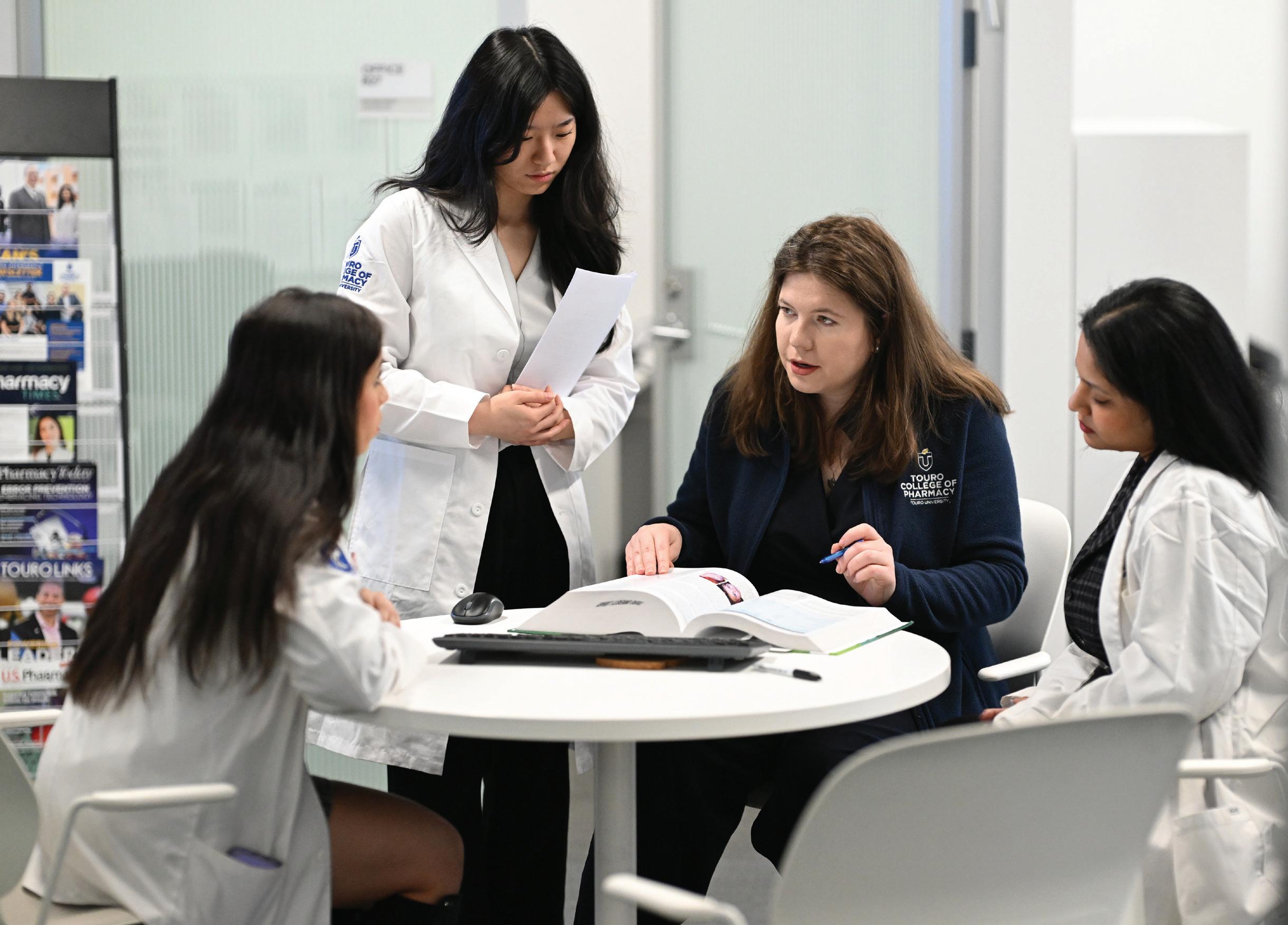
Dr. Reci is proof of that. What began as a simple opioid assignment helped build a foundation for a career built on scientific rigor, communication and leadership.
At its heart, the Drug Information Center at Touro College of Pharmacy is more than a resource hub: it’s a place where future pharmacists become equipped with the tools and experience necessary to excel as leaders; improve their writing and research skills; strengthen their abilities to analyze scientific literature; and serve as mentors while advocating for the profession.
TOURO COLLEGE OF PHARMACY’S 2.5/1.5 CURRICULUM GIVES STUDENTS MORE REAL-WORLD EXPERIENCE
Unique Curriculum Lets Students Gain Expanded Experiential Training, Opportunities to Explore Varied Career Paths
At Touro College of Pharmacy (TCOP), the PharmD curriculum is designed around the idea that the best way to prepare future pharmacists is to give them meaningful experiences within real-world healthcare settings.
Most pharmacy schools follow a traditional model: three years of classroom instruction, followed by one year of experiential training. TCOP’s distinctive 2.5/1.5 curriculum shifts that balance. Students spend two and a half years in the classroom and a full year and a half completing rotations in the field, gaining hands-on experience across a wide range of pharmacy settings.
EXPERIENCE IS KEY
Dr. Batoul Senhaji-Tomza, associate dean of curriculum and an associate professor in the Department of Social, Behavioral and Administrative Sciences, says the structure reflects TCOP’s strong emphasis on experiential learning: “Our program really values hands-on experience, and that’s why we are not a traditional pharmacy program.”
The rotations, known as Advanced Pharmacy Practice Experiences (APPEs), place students in healthcare settings under the supervision of practicing pharmacists. At TCOP, each APPE lasts six weeks, longer than the four-week rotations common at many programs.
Students complete core rotations required of all pharmacy schools, but TCOP’s structure also allows for three additional elective APPE rotations. “That really allows our students to get a taste of the various branches of pharmacy practice,” Dr. Senhaji-Tomza says. “They can experience clinical settings, community pharmacies, industry roles or public health environments.”
OH, THE POSSIBILITIES
For Alec Chunilall, a current TCOP student, the program has helped him see just how many directions a career in pharmacy can take. “There are so many more possibilities that we don’t know about at first,” he says. “Touro makes it their mission to expose us to different areas so you can make a wise decision once you graduate.”
Chunilall adds the program’s first two and a half years are academically demanding, but he appreciates completing most of the classroom work early so students can focus more on practical learning later in the program: “It’s a practical field. You need the background knowledge, but you also need that hands-on training to really understand what the job is like.”
FINDING THE RIGHT PATH
For TCOP graduate James Lundgren, who earned
his PharmD in 2024, the extended rotations helped reshape his career.
When he enrolled, Lundgren expected he would remain in retail pharmacy, where he had worked as a pharmacy technician. But through his APPE rotations, he discovered new interests, and ultimately, one in ambulatory care at the STAR Health Center at SUNY Downstate Medical School in Brooklyn that changed his trajectory.
“This is the perfect mix of pharmacy that I love,” he shares. “There’s the clinical side, plus you get to actually deal with patients on a regular basis. So, I figured this is exactly where I wanted to go.”
Looking back, he says the combination of classroom instruction and extensive experiential learning helped
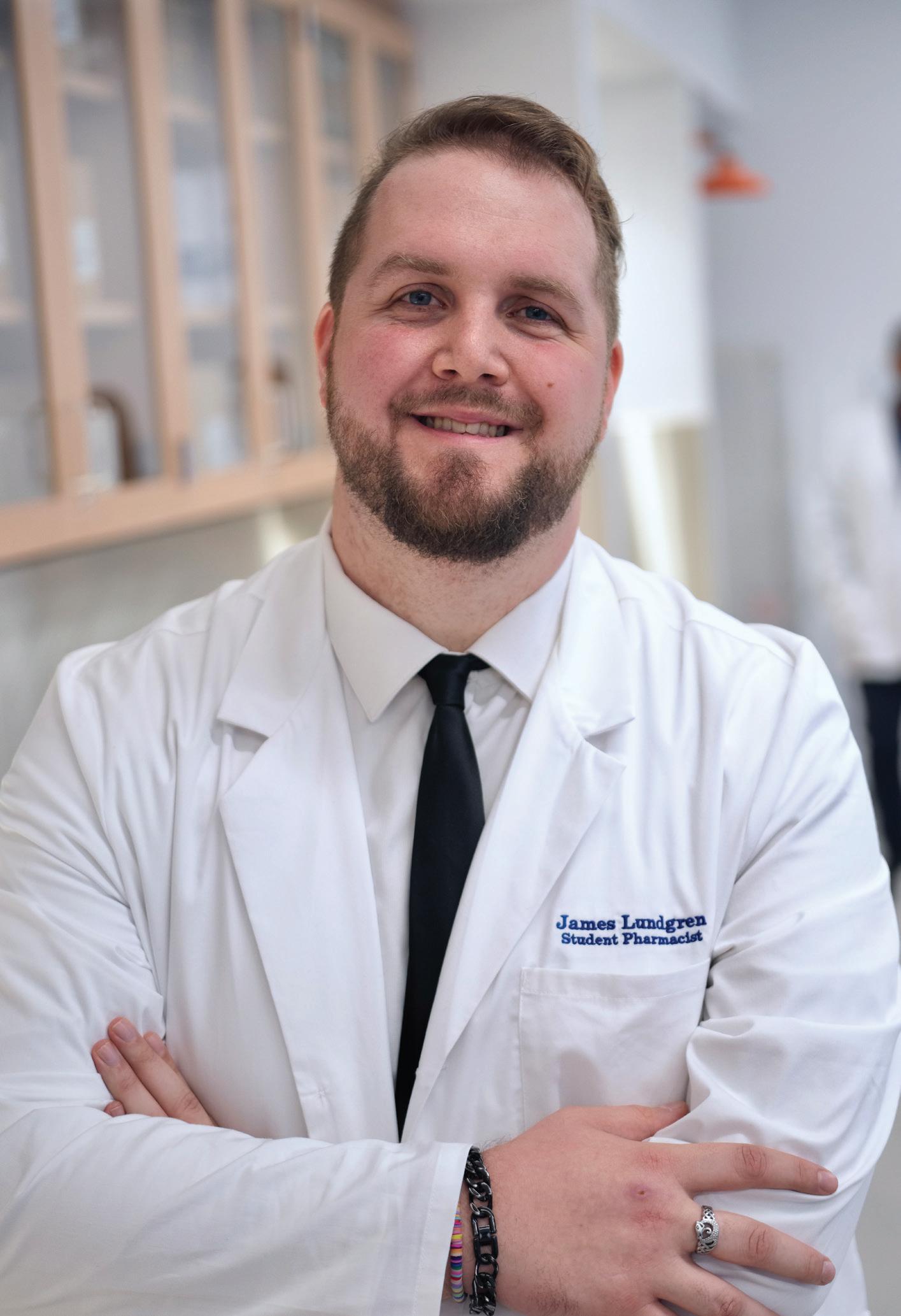
LEFT: James Lundgren, TCOP graduate, PharmD, 2024
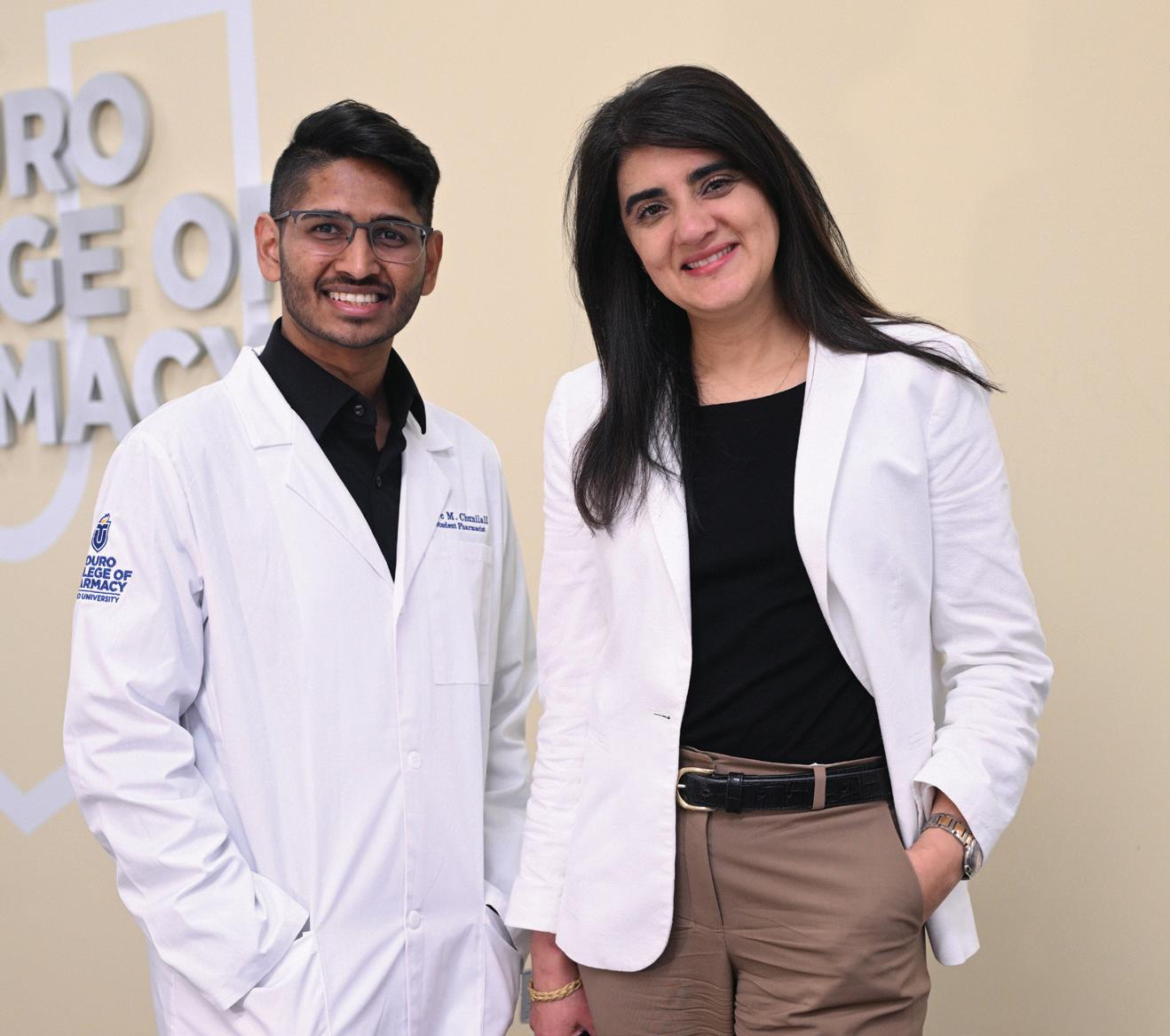
BELOW: (R-L) Dr. Batoul Senhaji-Tomza, associate dean of curriculum and associate professor, with student Alec Chunilall
him enter the profession ready to hit the ground running. “The classes prepare you clinically, and the rotations help you develop the professionalism you need,” he explains.
After graduating, Lundgren completed a residency at SUNY Downstate, and in July, he moved with his wife and daughter to Orlando where he is in his second year of residency training in ambulatory care. “We uprooted our life for the pursuit of furthering my education and landing a better career,” he says. “It’s probably the best move I ever made.”
Assistant Professor Dr. Tamara Oz, Pediatric Clinical Pharmacist
WHEN EVIDENCE MATTERS MOST
Challenging Vaccine Myths, Supporting Families and Mentoring Students: One Pharmacist’s Multifaceted Mission
On the morning of February 25, 2026, light snow was still falling in the aftermath of a major blizzard in New York City. When Tamara Oz, PharmD, MBA, MA, assistant professor of pharmacy practice at Touro College of Pharmacy (TCOP), arrived for her shift at the Brooklyn Hospital Center that morning, she walked into a pediatric cardiac arrest.
“We don’t have too many here, but it’s one of the worst things any person who works with children to see, a child dying in real time,” says Dr. Oz, pediatric pharmacotherapy specialist at the hospital.
She took full charge of all the medications and preparations from other staff. She knew she had to keep her emotions in check and focus on the situation. “When it’s over, it’s very sad. Everybody’s crying. It’s the hardest part of every pediatric code I’ve ever attended. It stays with me. I remember every single one of them,” she shares.
SERVING THE COMMUNITY
A native of Northern Kazakhstan, Dr. Oz came to the United States after earning an MA in European Studies and English Language in Omsk, Russia. After a time, she decided to pursue pharmacy, attracted by
the variety of career options and the accessibility of pharmacists to their communities. Nothing appealed to her more than working with children, despite the emotional trauma of losing young patients.
Serving the community has translated into employing her research skills with students and professional organizations to directly benefit the public. Recently, she was selected president-elect of the New York City Society of Health-System Pharmacists (NYCSHP) and has been recognized with their leadership and clinical pharmacy research awards.
Much of her research relates to vaccine hesitancy and addressing public misperceptions, such as that vaccines might cause autism or, as with Hepatitis B, are unnecessary for newborns. She co-authored a white paper published in the Journal of Pediatric Pharmacology and Therapeutics, explaining the role pharmacists have in expanding vaccine access and improving public health outcomes for children.
“We are providing scientific data to educate the public based on true, evidence-based medicine, so they can make decisions based on that rather than listening to politicians, who are not experts,” she says.
She also aims to help pharmacists, who must interpret, explain and recommend evidence-based immunization information to parents and other healthcare professionals. “The goal is to address the background of immunization approvals, why placebo-controlled trials usually are not optimal, how and why immunization recommendations vary between countries, why it’s essential to continue to obtain high rates of immunizations among children, and the safety of immunizations containing aluminum and yeast,” she explains.
POPULAR AMONG STUDENTS
TCOP students rave about working with her. Azhar Hussain, Class of 2024, elicited Dr. Oz’s participation in a literature review of the manifestation and mutation of the respiratory syncytial virus (RSV) in different age populations. The work was published in Cureus in 2024 and cited by numerous pharmaceutical companies and the World Health Organization.
“She’s a fantastic mentor. She guided our entire project,” says Hussain, who reached out again for her help with a follow-up project, also published in Cureus, in 2026, and presented at the December 2025 mid-year clinical meeting of the American Society of Health-System Pharmacists. The research examines current therapies available for RSV. “She guided us on
what’s working in the hospital and not working and how vaccines are helping patients,” says Hussain.
Rhonda Moton worked with Dr. Oz along with alumna Dr. Keara Caughman, Class of 2024, on a chapter published in the peer-reviewed journal, SEDA (“Side Effects of Drugs Annual”) titled “Contaminants Associated with Medications and Drug Withdrawals.”
While recalls are usually accessible on the websites of the U.S. Food and Drug Administration or the manufacturers, they hadn’t ever been compiled into the SEDA before, a renowned international series that provides critical reviews of new adverse reactions and drug interactions reported in scientific literature and is a key reference for clinical pharmacologists and pharmacists.
“The findings showed that most drugs could be grouped into three main categories: contaminants associated with medications and drug withdrawal,
medications associated with nitrosamine contamination, and adulterated products,” says Moton. “The findings indicate that additional studies, modifications to manufacturing practices and ongoing monitoring by the FDA are necessary to reduce risks to public safety.”
Dr. Oz made the co-authors aware of the value of their research. “Sometimes knowing the ‘why’ behind something makes it more meaningful. It was important to bring awareness to, and compile, the adulterated and misbranded drugs into one chapter for others to view,” says Moton.
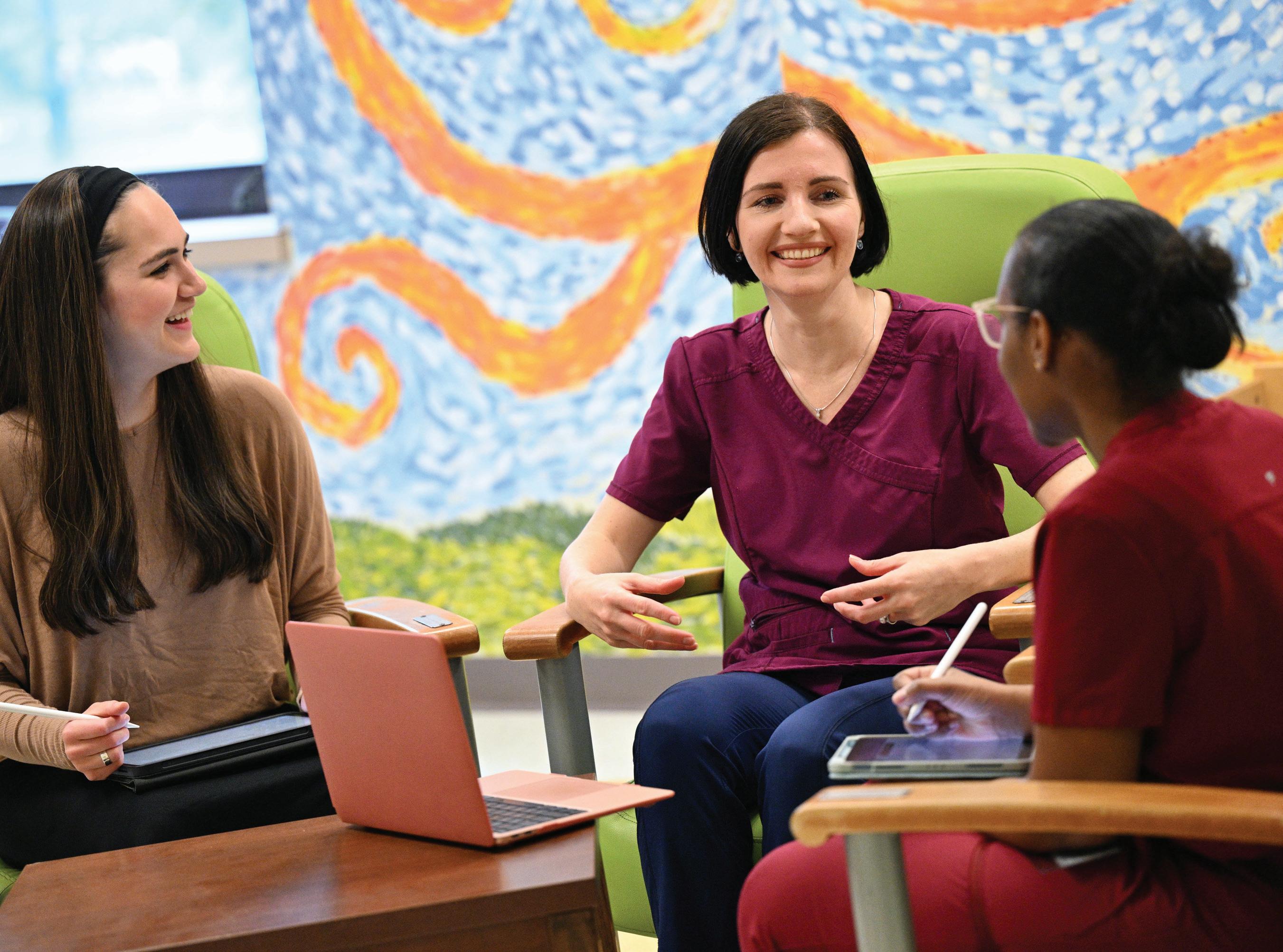
Dr. Tamara Oz (center), in the hospital family room, with two TCOP students she supervises: Tzivia Elias (left) and Chadah Hutchinson (right)
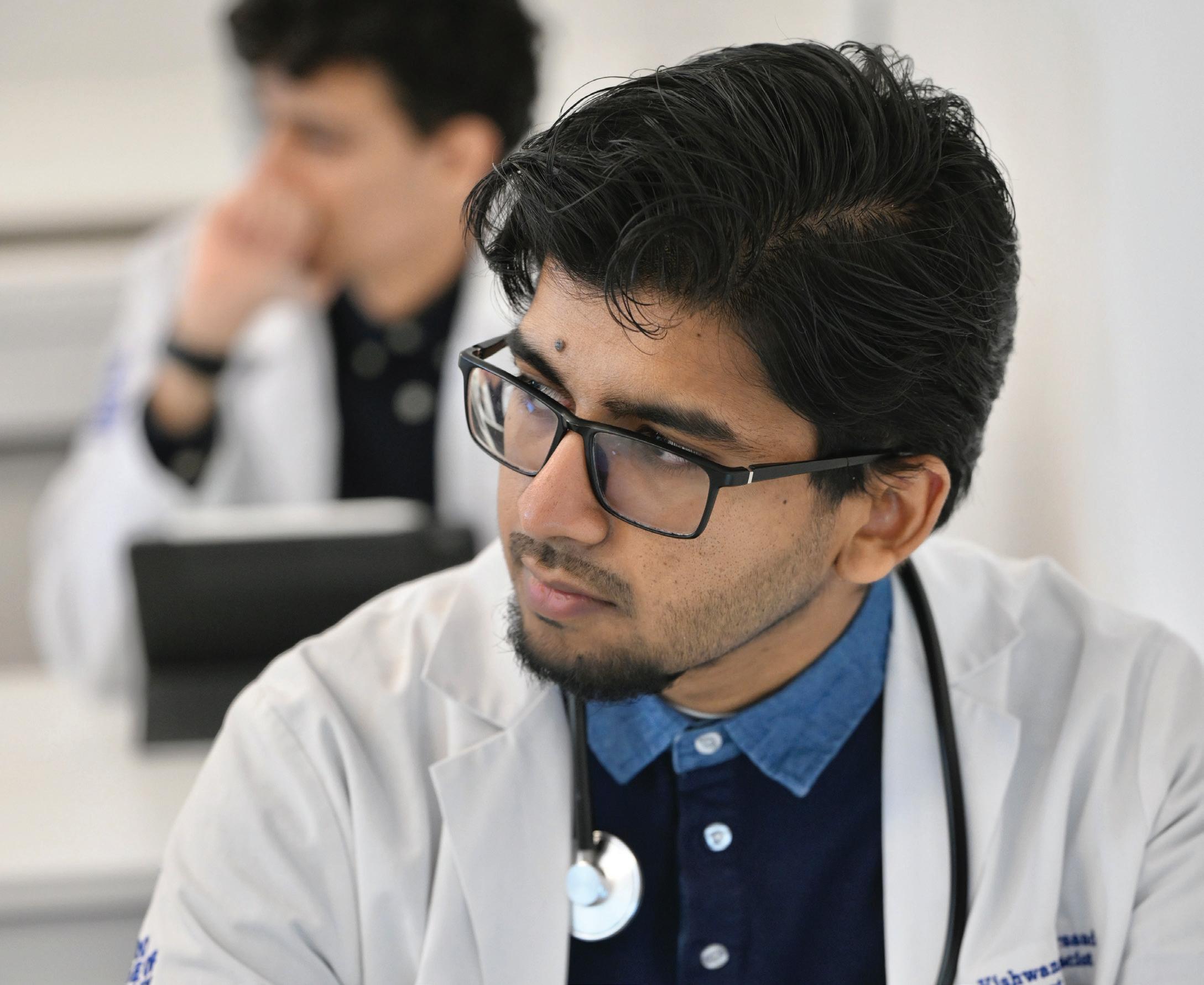
Vishwanauth Persaud, MPH, Class of 2027
BUILDING A CAREER IN HEALTH ECONOMICS
Pharmacy Student Researches Connection Between Market
Access and Drug Pricing
Born in Guyana, Vishwanauth Persaud moved to the United States at 17 and earned an AS in Liberal Arts and Sciences from Bronx Community College, City University of New York (CUNY); a BS in Biomedical Science, and a BBA in Finance and Marketing with a minor in accounting from Lehman College, CUNY; and an MPH in Health Policy and Management with honors at State University of New York (SUNY) Downstate Health Sciences University.
WHAT TOPICS ARE YOU INVESTIGATING AT TOURO COLLEGE OF PHARMACY (TCOP)?
My PharmD program has a specialized managed care track. Training is focused on how clinical evidence, pricing strategy and payer decision-making come together to determine access and value. My research is focused on pharmaceutical health economics, market access and pricing strategy, particularly how payer structures and formulary design influence real-world drug utilization. I’m interested in how clinical information is translated into value narratives that payers, PBMs and health plans use to decide coverage and reimbursement. Much of my work looks at the tension between formularies, prices, rebates and patient affordability, and how misalignment in these areas can limit access, even for clinically effective therapies.
DID YOU HAVE RESEARCH EXPERIENCE BEFORE TOURO?
I entered TCOP with a strong research background that was already industry- and policy-oriented. At SUNY Downstate, my thesis examined pharmaceutical spending and innovation. I analyzed policies and drug costs to understand how drug spending is allocated across therapeutic areas and how it affects long-term medical innovation and healthcare advancement. In a second project, I evaluated how chain community pharmacies in the Bronx could be used to identify
trends in cardiovascular and diabetes diagnoses. The project focused on health and financial disparities, which helped me understand how payer design and medication costs directly influence diagnosis patterns, treatment access and adherence, highly relevant issues for manufacturers and payers.
HOW DID YOU FIND YOUR TOPICS? WHO HELPS YOU WITH IDEAS, AND HOW?
My interests grew from working in community pharmacy, where I saw how formulary placement and prior authorizations often mattered more than clinical efficacy alone. That sparked my interest in how pharmaceutical products succeed or fail based largely on access and pricing strategy, which occur long before the medication meets the pharmacy counter. Faculty and deans listened and supported me with challenges and guidance.
CAN YOU DESCRIBE YOUR STUDIES? WHAT DID YOU DISCOVER, AND WHO MIGHT IT IMPACT?
One study assessed the cost effectiveness of biosimilars compared to reference biologics from a managed care perspective. While biosimilars showed equal or superior clinical outcomes at dramatically lower costs, they often were placed on non-preferred or equivalent formulary tiers due to rebate structures and contracting incentives. Another study examined Medicare formulary tier systems and showed how higher-tier placement (even for generics) creates a disproportionate financial burden for elderly patients, negatively affecting adherence. Together, the projects illustrated how market access decisions often determine real-world value, a critical insight for manufacturers planning pricing and access strategies.
HAVE YOU PRESENTED AT CONFERENCES OR PUBLISHED?
I’ve published multiple peer-reviewed manuscripts and papers and presented at the American Society of Health-System Pharmacists (ASHP), Academy of Managed Care Pharmacy (AMCP) and The International Society for Pharmacoeconomics and Outcomes Research (ISPOR), both nationally and internationally, including at ISPOR in Montreal, Quebec, Canada. I presented at the American Association Colleges of Pharmacy (AACP) Second Annual PharmD Research Showcase Webinar, where I discussed payment models and manufacturer agreements for high-cost therapies. These experiences helped me learn how to communicate research findings to clinicians, payers and industry stakeholders.
WHAT IS YOUR ULTIMATE CAREER GOAL? HOW HAS TCOP HELPED PREPARE YOU?
My goal is to build a career in the pharmaceutical industry within health economics, market access and pricing, contributing at a level where decisions around pricing, reimbursement, and value shape how therapies are positioned and sustained across healthcare systems. I’m especially interested in aligning clinical evidence with commercial realities and guiding long-term access planning. TCOP has prepared me exceptionally well by fostering a research-driven, policy-aware environment; providing access to faculty mentors engaged in my field of interest; and surrounding me with classmates and alumni who have navigated the industry fellowship pathway. That exposure has helped me think beyond individual drugs or studies and towards how organizations make high-impact, system-level decisions over time.
WHAT IF BANANA BAGS CAME READY TO USE?
Research Between Touro College of Pharmacy and New York Medical College Aims to Test Shelf Stability and Sterile Compounding of Banana Bags to Reimagine Hospital Staple
Picture this: a patient suffering from severe alcohol withdrawal is rushed into the emergency room. Before he can be treated, a nurse grabs an IV bag and begins a familiar process: mixing nutrients and vitamins like thiamine, folic acid and magnesium sulfate into what is known as a “banana bag.”
In the ER, even a few seconds matter. These IV bags can prevent Wernicke’s encephalopathy, a serious neurological condition that can lead to confusion, coma or permanent brain damage. They are also used for patients experiencing severe dehydration, malnutrition or prolonged vomiting.
In Dr. Zvi Loewy’s lab at Touro College of Pharmacy (TCOP), researchers, including Assistant Professor Dr. David Braverman, Associate Professor Dr. Keith Veltri and Research Associate Ruginn Catarata, are working on a simple question that can give overworked medical practitioners those vital few extra seconds: can banana bags be prepared ahead of time, safely and reliably, so nurses don’t have to mix them at the bedside?
Under Loewy’s guidance, second-year TCOP student Joseymi Goris Rosaria is working alongside New York Medical College (NYMC) students Lydia Jackson and Natalie Tran to examine whether the contents of banana bags remain sterile and chemically stable when mixed in advance.
SAVING VALUABLE TIME
Right now, banana bags typically are prepared immediately in the emergency room, often by nurses under time pressure. The team’s goal is to determine whether pharmacists could instead prepare them in weekly
batches, returning valuable time to clinicians and reducing the risk of compounding errors.
“If the compounds prove both sterile and shelfstable,” says Goris, “pharmacists can mix instead of nurses.”
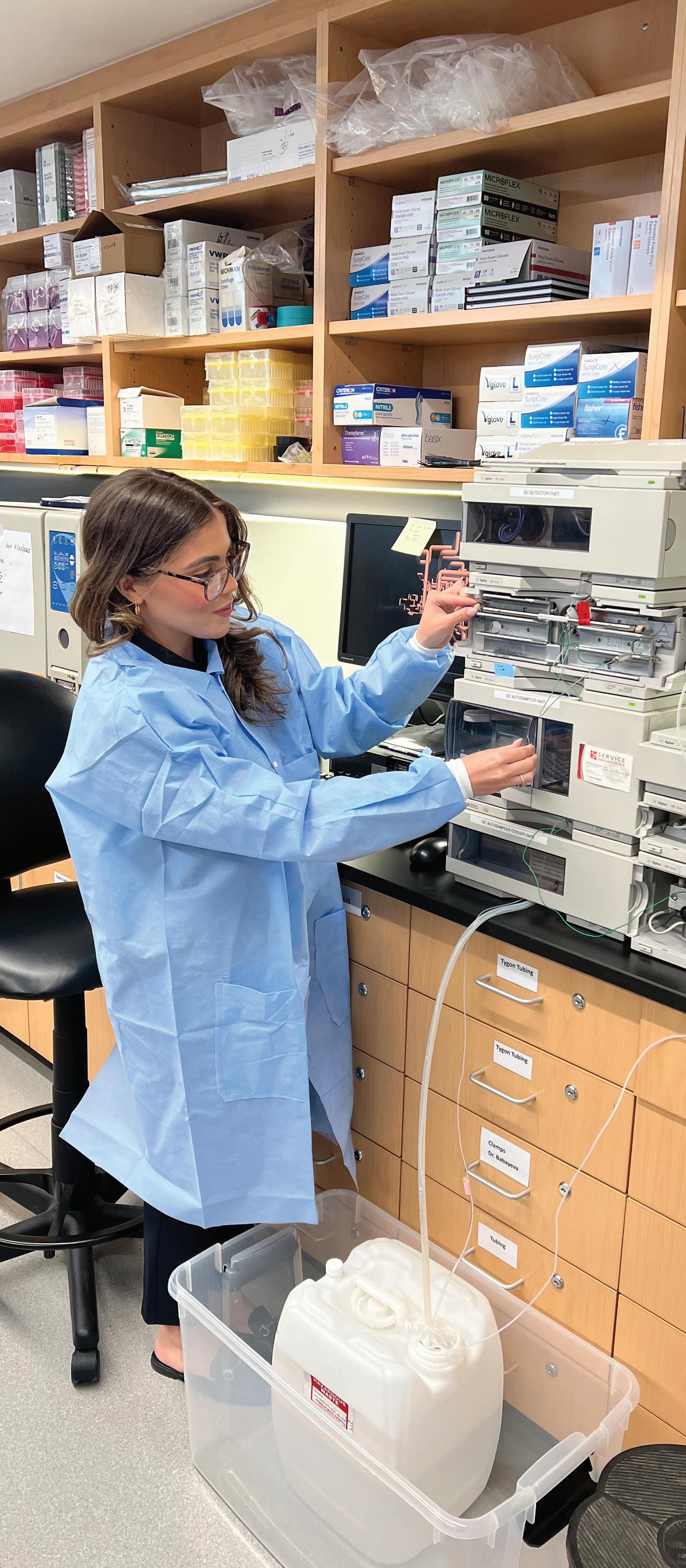
To measure whether the vitamins break down over time, the students are using high performance liquid chromatography, a technique that allows researchers to separate compounds and track their stability. “It’s able to separate multiple compounds, and then you can use different wavelengths of light to see what compounds are there,” Jackson explains.
Different vitamins absorb light differently, allowing researchers to detect both concentration and degradation. “Vitamin B6 might absorb at around 400 nanometers, while B12 is at 550,” Jackson says. “If it has degraded or broken down, the wavelength will change.”
Goris’ work focuses on tracking those changes through peaks on a graph: signals that indicate whether a compound is behaving normally. “We look at the peaks, the areas under the curves, just to see if it would stay chemically stable,” she says.
For Goris, the project is her first research experience, and it connects closely to the path that brought her into pharmacy.
Originally interested in dentistry, she began working remotely at a call center for a dental office. Many of the calls involved patients struggling to understand their prescriptions or schedule refills. “The calls I was getting were from patients requiring help with
translations for their medications,” she says. “I’m from the Dominican Republic, and it made me feel closer to my community.”
That experience showed her how easily medication misunderstandings and errors can occur and how serious the consequences can be. “Medication safety is such a big problem,” she explains. “I realized I could have an impact.”
PRECISE DOSING MATTERS
Banana bags are often administered to patients in intensive care, where precise dosing matters. “If we give them the wrong concentration of one vitamin,” Goris says, “it can lead to brain damage.”
Preparing IV mixtures in advance, under sterile pharmacy conditions, could also reduce contamination risk compared with hurried bedside preparation. Jackson, a second-year medical student at NYMC, was drawn to the project because of her background in chemistry and her interest in pharmacology. “I was a chemistry major,” she says. “When Dr. Loewy sent a group email about a project using high performance chromatography, it sounded right up my alley.”
Before medical school, Jackson spent years as a dancer and choreographer, experiences that shaped her interest in medicine. “As a dancer, you often get injured from overuse,” she says. “I had a lot of firsthand experience with the medical community.”
She noted that research is increasingly important for medical students, especially those preparing for residency, and that the project’s focus aligns with her long-term clinical interests. “Pharmacology is a part of anesthesia,” Jackson says. “So this work fits really naturally with what I want to do.”
EMILY MESSING
PharmD ’17
AFTER UNCERTAINTY, TOURO COLLEGE OF PHARMACY ALUMNA MAKES IMMEASURABLE IMPACT
TCOP Graduate Emily Messing Advances Medication Safety, Protecting Patients Behind the Scenes
When Emily Messing, PharmD ’17, began considering a career in pharmacy, she imagined herself working behind the counter of a neighborhood drugstore, much like the independent pharmacy where she first interned as a teenager.
Today, she helps safeguard cancer patients on a much larger scale as a medication safety officer at Dana-Farber Cancer Institute in Boston. Her journey, she says, was shaped by exploration, mentorship and an unexpected discovery at the Touro College of Pharmacy (TCOP).
DISCOVERING POSSIBILITIES
Messing arrived at TCOP still unsure exactly where a pharmacy degree might lead. Drawn by the school’s public health focus and hands-on curriculum, she expected to follow a traditional path. A couple of months later, the possibilities seemed endless.
Her perspective changed during a patient safety elective taught by Dr. Batoul Senhaji-Tomza, associate dean of curriculum and a mentor Dr. Messing credits with helping shape her career. Early in the course, Messing learned about Emily Jerry, a young cancer patient whose death in 2006 following a medication error became a powerful lesson about the importance of safety systems in healthcare.
“Her story just really stuck with me,” Messing says. “I realized this was an opportunity to impact patients on a higher level by preventing harm before it happens.”
LEARNING THROUGH EXPERIENCE
With encouragement from Dr. Senhaji-Tomza, Messing pursued specialized rotations focused on patient safety, gaining real-world experience that confirmed her interests. After graduating from TCOP, she completed residencies at Montefiore Medical Center and Memorial Sloan Kettering Cancer Center, ultimately specializing in medication safety and policy.
Those experiences showed Dr. Messing how pharmacists can influence care beyond direct patient interaction. “It’s a lot of problem solving and thinking through systems,” she says. “How can you prevent harm before it even reaches patients?”
In her current role at Dana-Farber, Messing works to improve systems that help healthcare teams catch potential issues before treatments are administered. While patients may never know her name, she sees the impact every time a safety measure prevents an error. “When we see that a change stopped something and helped make sure a patient received the right treatment, it’s just a really good feeling,” she says.
GIVING BACK THROUGH MENTORSHIP
Messing, who had served as student government association president back when she was a student, remains closely connected to TCOP. She has returned several times to speak with students and mentor future pharmacists. She views that commitment as a way to repay the guidance she herself received.
Her advice to students mirrors her own experience: Stay curious and explore widely. “There are so many different career options within pharmacy,” she says. “The best way to find your path is to talk to people and learn what’s possible.”
For Dr. Messing, that openness transformed uncertainty into a career dedicated to helping patients, often in ways they may never see, but deeply benefit from. “I truly would not be where I am if it wasn’t for Dean Senhaji-Tomza and the mentors who helped me along the way,” she says. “If I inspire even one student to pursue medication safety, that’s a huge win.”
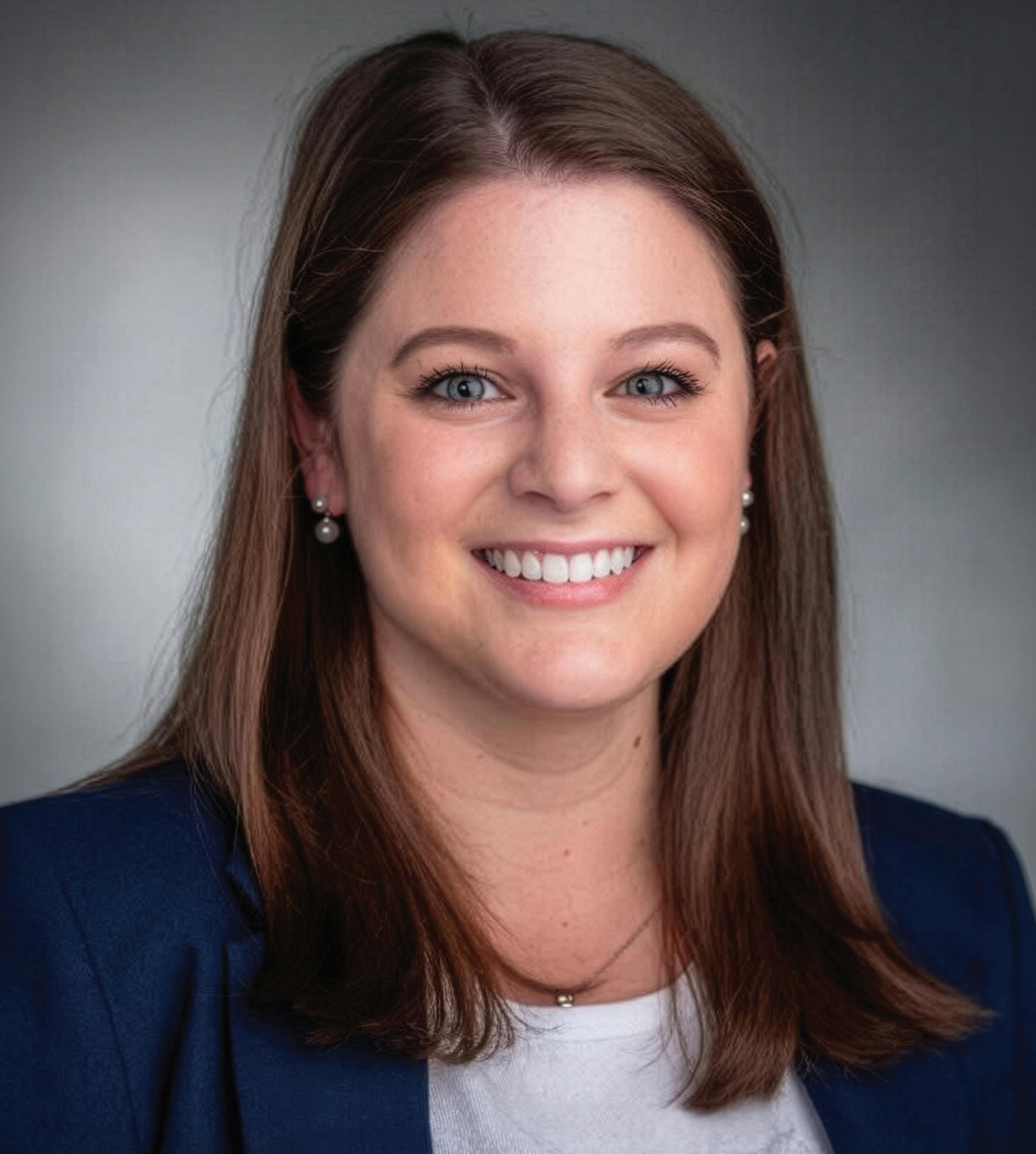
Emily Messing
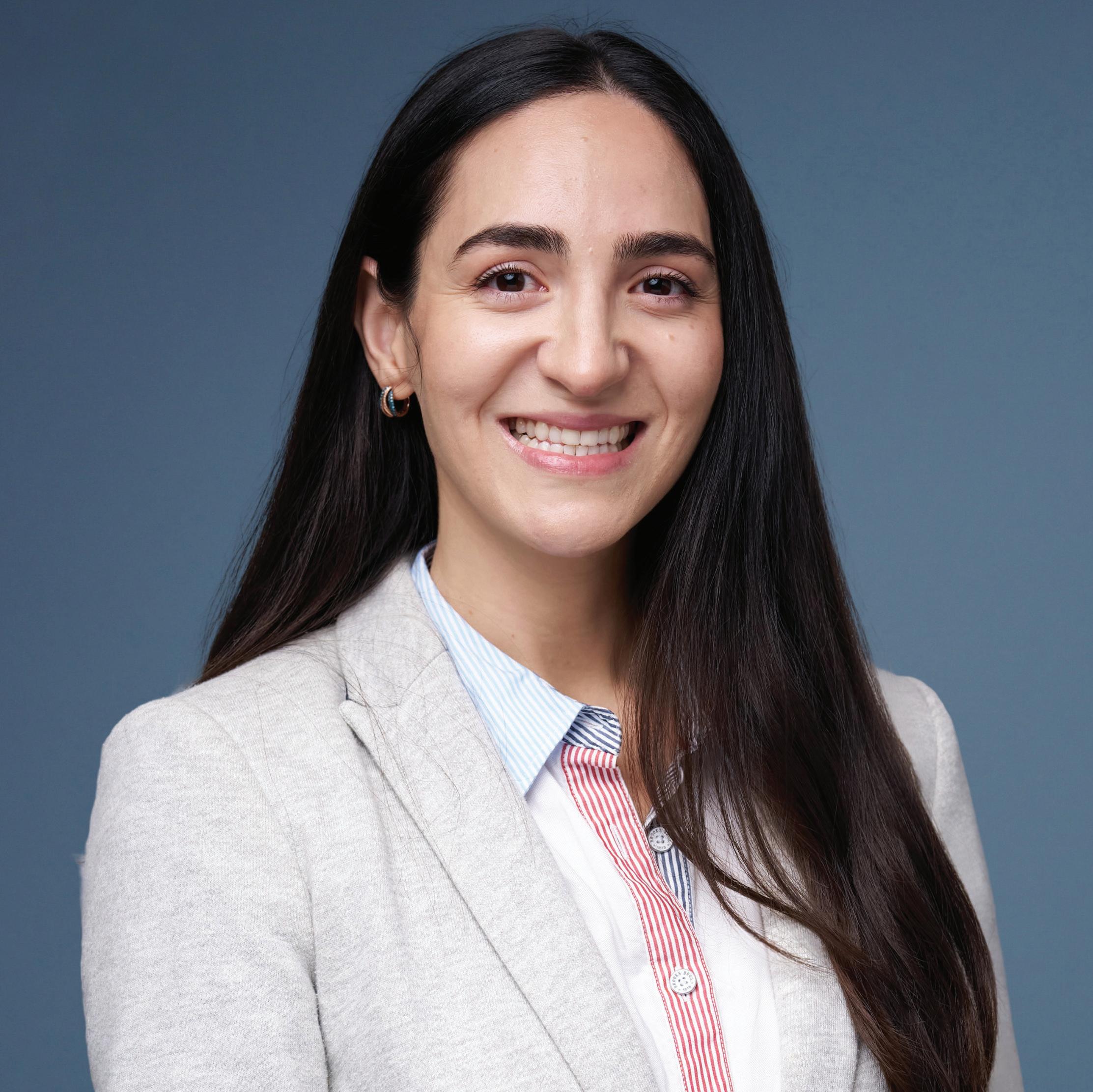
IZABELLA BEREZIN PharmD ’17
A PHARMACIST IS A CONDUIT BETWEEN DOCTORS AND PATIENTS
What Touro College of Pharmacy offered Izabella Berezin above all else was choice.
“Unlike many pharmacy programs that offer only one year of clinical rotations, Touro required one and a half,” says Berezin, who graduated summa cum laude, was inducted into the National Rho Chi Pharmacy Honor Society, and holds licensure in multiple states along with certifications in pharmacist-based immunization delivery and basic life support. “We trained in pharmacies, hospitals, clinics, community health centers and labs. That breadth of real-world experience exposed me to the full range of what a pharmacy career can be.”
That foundation shaped her desire for breadth, depth and impact in her future career.
Berezin began her professional journey at The Mount Sinai Hospital in New York, where she supported oncology, sterile compounding, pediatrics and inpatient services. She later joined Greater Baltimore Medical Center, contributing to the launch of its specialty pharmacy while providing anticoagulation management and inpatient clinical support.
Each role reinforced her growing interest in oncology, and in the critical role pharmaceuticals play in improving outcomes for patients with cancer.
Most recently, Berezin supported AstraZeneca Oncology in lung cancer as a senior scientific communications specialist, where she partnered cross-functionally on multiple product launches, developed strategic medical content, and served as a communications lead for National Comprehensive Cancer Network guideline updates. The work
deepened her commitment to ensuring that clinicians have timely access to accurate, evidence-based information.
“I’m deeply passionate about oncology and about helping patients receive the most appropriate treatments,” says Berezin, a married mother of two young children. “I’ve built that passion into my career by working across the spectrum of care: from hospital-based clinical practice to pharmaceutical medical information, and now as a medical science liaison. Each step has allowed me to support better decision-making and ultimately improve patient outcomes.”
Berezin then began what she calls her dream job. She is a field medical director (medical science liaison) at Pfizer.
In this role, Berezin meets with clinical oncologists, researchers, healthcare providers and key opinion leaders across multiple states. Her team focuses on solid tumors, including colorectal, gynecologic and melanoma cancers. She regularly attends national and regional medical conferences and serves as a trusted scientific partner to clinicians.
“It’s important to understand that this role is not about sales,” Berezin emphasizes. “My responsibility is to be a scientific expert: to share unbiased, evidence-based information, engage in meaningful scientific exchange, and bring real-world clinical insights back to the company to help inform research and strategy.”
Her work is especially critical in today’s rapidly evolving oncology landscape, where many therapies
are now targeted treatments that require biomarker testing to determine patient eligibility.
“Educating clinicians about testing and having those scientific discussions can make a real difference,” she explains. “Those conversations can help ensure patients receive the most appropriate therapy for their specific disease.”
For Berezin, the urgency of oncology is what makes the work so meaningful.
“Oncology is an incredibly fast-paced and timesensitive field,” she says. “Patients are facing serious, often life-threatening illnesses, and timely access to the right therapy can directly impact outcomes. In my role, I’m able to support clinicians with high-quality scientific information at scale, helping ensure more patients receive the right treatment at the right time. That’s how I know I’m contributing to better outcomes and, ultimately, saving lives.”
Izabella Berezin
APPOINTMENTS AND PROMOTIONS
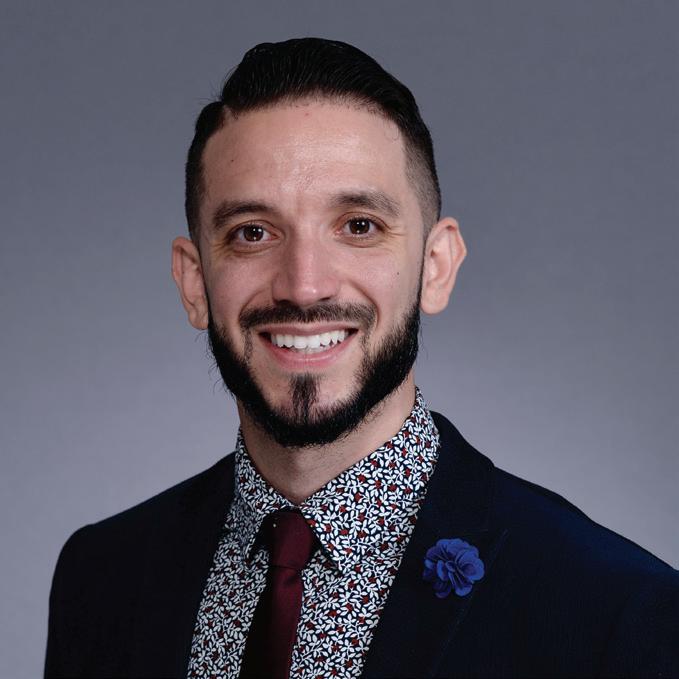
DR. DAVID BRAVERMAN has been promoted to director of sterile and non-sterile compounding. His responsibilities now extend to developing strategic goals for the compounding program, identifying opportunities for innovation, and contributing to facility upgrades, technology investments and program expansion; responding to safety incidents and implementing corrective actions; and ensuring compliance with institutional and regulatory standards for drug handling, storage and disposal procedures. He remains in charge of the compounding laboratory’s functions and activities, including education related to compounding and pharmacy calculations and supervision of lab technicians. Before joining TCOP in 2021, Dr. Braverman was a sterile compounding compliance manager at a home medical equipment and supplies manufacturer, and a sterile compounding pharmacist/director of quality assurance at a compounding pharmacy. He also has extensive experience in compounding sterile and non-sterile drugs and in hospital pharmacy, research, industry, drug information, drug safety and retail settings. He is a boardcertified sterile compounding pharmacist and a registered pharmacist in 11 states. Dr. Braverman earned his PharmD, summa cum laude, from the Arnold and Marie Schwartz College of Pharmacy and Health Sciences at Long Island University (LIU).
DR. ANDREW FUCHS is Touro’s new director of practice experience and assistant professor of pharmacy practice. He serves as supervising pharmacist of TCOP’s model pharmacy and as director of TCOP’s experiential education program. His duties include coordinating and evaluating student rotations and practice sites; recruiting, training and overseeing preceptors; developing curriculum for experiential learning; and ensuring the quality of students’ practical pharmacy experience. Dr. Fuchs brings a rare combination of business, practice and academic experience to Touro. After earning his PharmD from the Arnold and Marie Schwartz College of Pharmacy and Health Sciences at LIU and working as a community pharmacy manager, he served as pharmacy directorcontrolled substances at PharMerica in Uniondale, New York, a national leader in contract pharmacy services for long-term care, senior living, behavioral health and hospital management programs. There, he managed all aspects of preparing and dispensing controlled substances for 24,000 patients in New York and New Jersey. His extensive academic experience includes serving as a consultant to TCOP’s Office of Professional Experience, evaluating Introductory Pharmacy Practice Experience (IPPE) and Advanced Pharmacy Practice Experience (APPE) rotation sites, and developing relationships with preceptors and students. He also held faculty positions at LIU Pharmacy, St. John Fisher College of Pharmacy, Creighton University College of Pharmacy and St. John’s University College of Pharmacy.
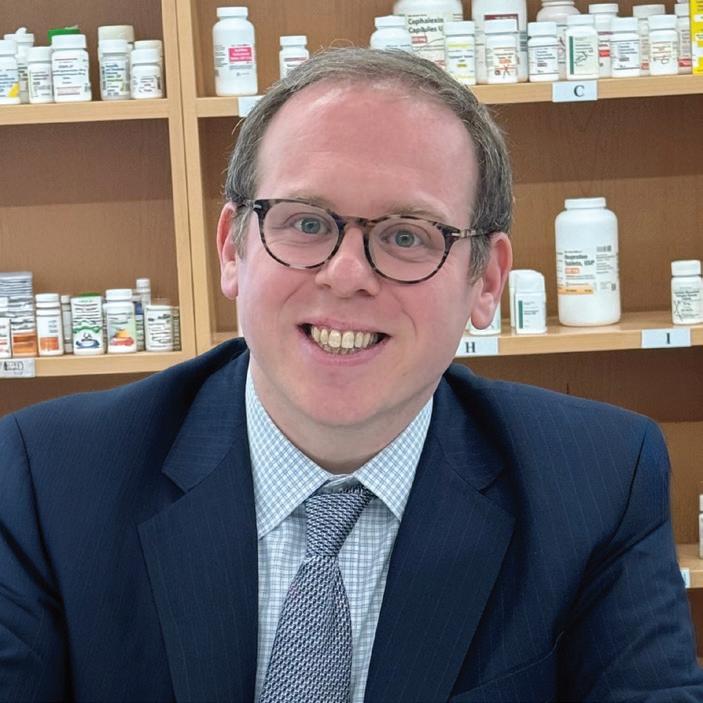
ANDREW FUCHS
PHARMD, RPHI, BCGP
DAVID BRAVERMAN
PHARMD, RPH, BCSCP
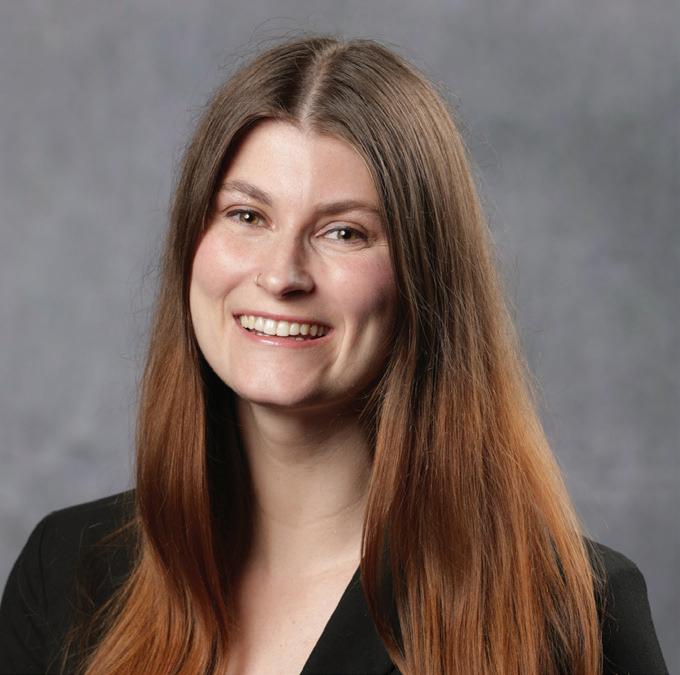
KIRSTEN HOLZ has been promoted to assistant director of assessment. She joined TCOP in 2022 as assessment coordinator, managing assessment technologies; collecting, analyzing and reporting assessment data; communicating with faculty on assessment procedures, analysis and reports; and assisting faculty with literature review, data collection and data analysis. She also represented TCOP on the national stage, making poster and podium presentations at annual meetings of the American Association of Colleges of Pharmacy (AACP). In her new role, she supports the associate dean of assessment and works with faculty, administrators, staff and committee chairs on assessment strategy and implementation; data analysis and reporting; accreditation and compliance; assessment tools and technology; and serves on academic committees. Ms. Holz earned a BS in Psychology, magna cum laude, from the Honors College of Arizona State University (ASU) and her MS in Psychology, also from ASU. Her background includes teaching, student counseling, community service and academic assessment.
DR. PAULETTA LAZAREVSKIY has joined TCOP as assistant professor of pharmacy practice. A 2023 graduate of the Arnold and Marie Schwartz College of Pharmacy and Health Sciences at LIU, she completed a PGY-1 residency in pharmacy practice and a PGY-2 residency in ambulatory care, both at The Brooklyn Hospital Center (TBHC), the latter with an academic component through LIU. She has an impressive record of presentations, including a co-authored poster presented at the American Society of Health-System Pharmacists Midyear Clinical Meeting in 2024, and presentations on the effectiveness of glucose control with the use of glucose monitors at the New York State Council of Health-System Pharmacists Annual Assembly Regional Conference, and on Warfarin education at the Royal Counties Society of Health-System Pharmacists Regional Conference. In addition to her faculty responsibilities, she will be continuing her ambulatory care practice at TBHC.
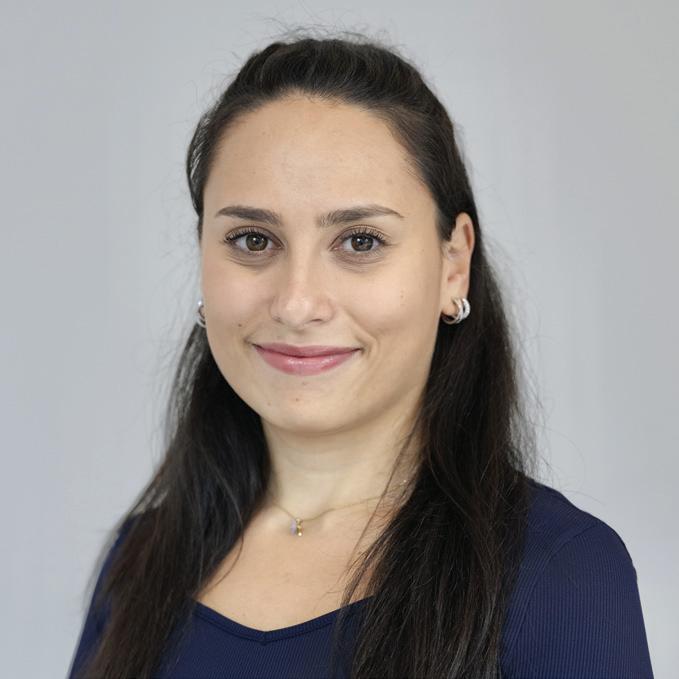
KIRSTEN HOLZ
MS
PAULETTA LAZAREVSKIY PHARMD
APPOINTMENTS AND PROMOTIONS
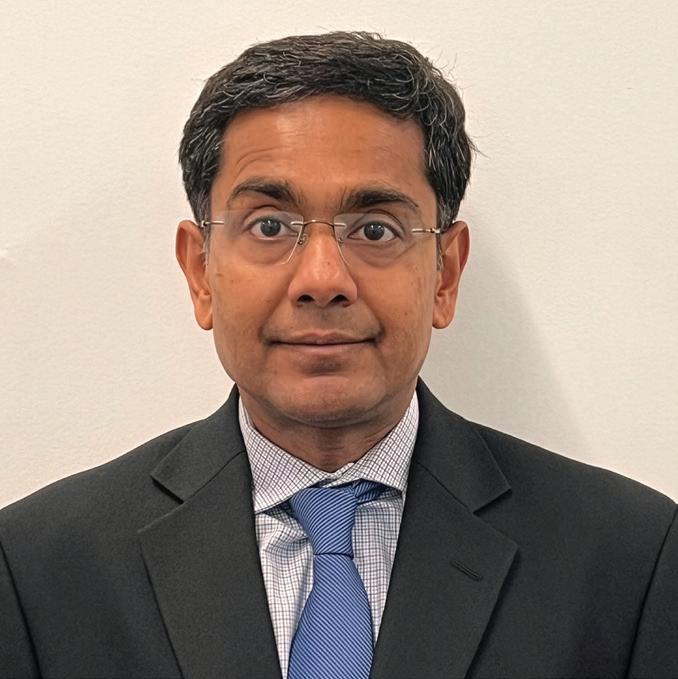
KUMAR MUKHERJEE PHD, MS, BPHARM
DR. KUMAR MUKHERJEE has joined TCOP as associate professor in the Department of Social, Behavioral and Administrative Sciences. He brings academic, industry and research experience to Touro. He was associate director of oncology outcomes research at AstraZeneca, after serving as associate professor of pharmacy practice at the Philadelphia College of Osteopathic Medicine and as assistant professor of pharmacy practice at Chicago State University, where he was named Teacher of the Year. Dr. Mukherjee has presented at national and international meetings, including the 2025 Annual International Society for Pharmacoeconomics and Outcomes Research (ISPOR) International Meeting; the American Pharmacists Association; and the American Association of Colleges of Pharmacy. His work has been published in PharmacoEconomics and the Journal of the American College of Radiology. He earned a BPharm from Jadavpur University in Kolkata, India; an MS in Pharmacy Administration from the University of Toledo in Toledo, Ohio; and a PhD in Pharmaceutical Outcomes and Policy from the University of Florida in Gainesville, Florida.
DR. ELIZABETH J. UNNI has been promoted to full professor in the Department of Social, Behavioral and Administrative Sciences. She joined TCOP in 2019 as associate professor after a decade at the Roseman University College of Pharmacy and was appointed chair of the Department of Social, Behavioral and Administrative Sciences. An exemplary leader, Dr. Unni has mentored new faculty and reorganized the department. She has spearheaded innovative initiatives and has served as an effective teacher and an indispensable member of the senior management team. Dr. Unni is a dedicated researcher and scholar, publishing extensively and presenting regularly at scientific conferences. She received the 2024 Touro Presidential Award for Faculty Excellence in Scholarship/Research, one of the most prestigious honors conferred by the University. She is involved in leadership roles in professional organizations, including the International Society for Quality of Life Research (ISOQOL), the American Pharmacists Association (APhA) and the AACP; and is co-editor-in-chief for the Journal of Patient Reported Outcomes, the flagship journal of ISOQOL. Her work has advanced pharmaceutical knowledge and brought great credit to Touro.
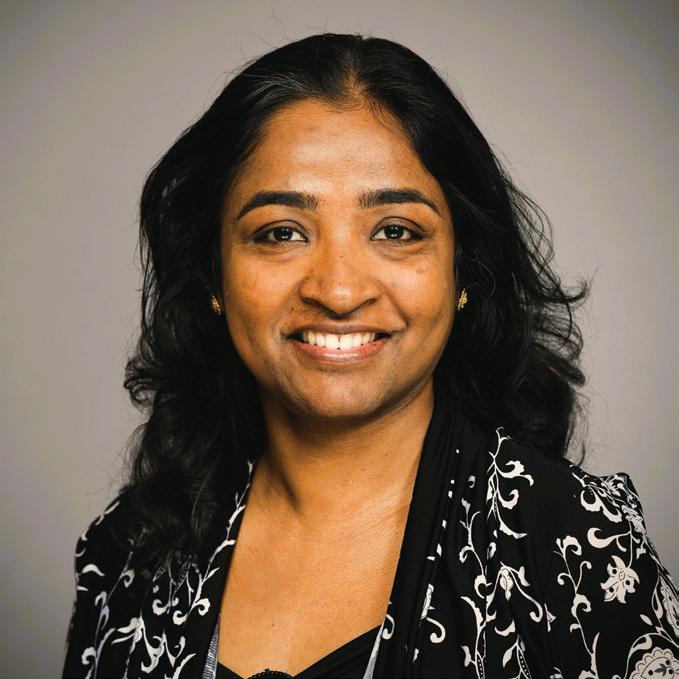
ELIZABETH J. UNNI PHD, MBA
TCOP WELCOMES THREE NEW FELLOWS FOR THE 2025-26 ACADEMIC YEAR
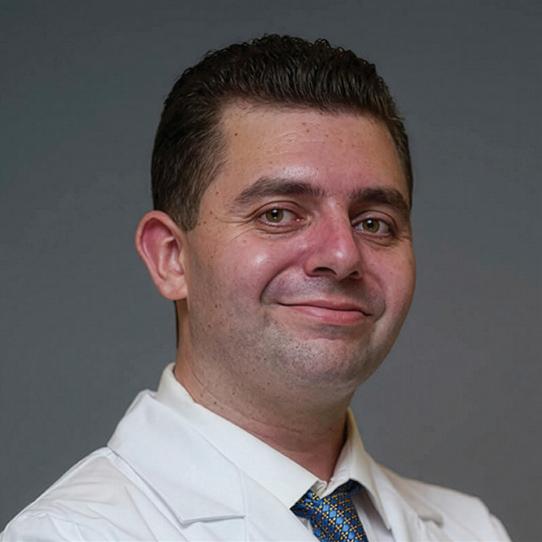
ANDREW KOBREN
PHARMD
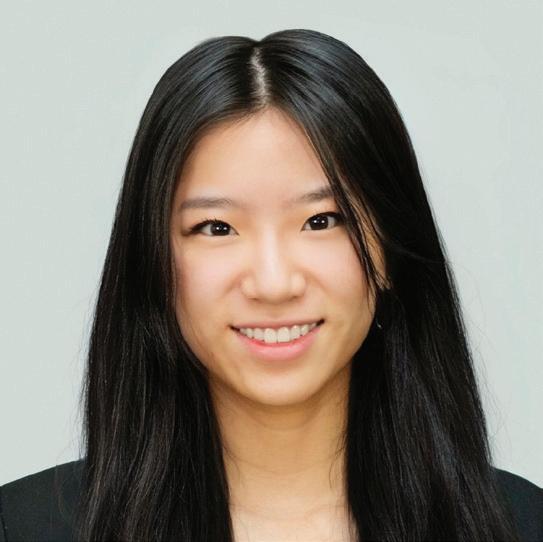
IRENE COKRO
PHARMD
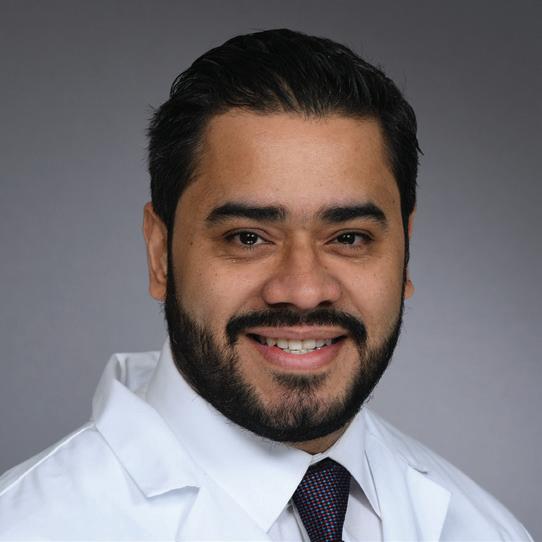
ROBERTO MALDONADO
PHARMD, MPH
Academic Fellow Andrew Kobren earned a BS in Biology, cum laude, from the State University of New York at Old Westbury, Long Island, New York, and his PharmD from Touro College of Pharmacy (TCOP) in 2024, where he was a class representative and president of the TCOP chapter of the New Jersey Pharmacists Association (NJPA). He delivered numerous poster presentations at meetings of the American Society of Health-System Pharmacists (ASHP) and the American Pharmacists Association (APhA). At graduation, he received the Jennifer Newman Pharmacogenomics Award for research and the NJPA award for service and leadership. The 12-month fellowship prepares pharmacy professionals for careers in academic pharmacy as they work with administrators and faculty and gain experience in teaching, precepting, curriculum design and assessment.
Drug Information Fellow Irene Cokro earned her PharmD, magna cum laude, in 2025, from the Ernest Mario School of Pharmacy at Rutgers University in New Brunswick, New Jersey. While a student there, she also worked in a community pharmacy where she learned the real-world impact of clear, accessible drug information. Her interest was crystallized during an Advanced Pharmacy Practice Experience (APPE) with the Medical Information team at Sanofi and a Drug Information APPE at the Medication-Use Safety and Information Center at the Robert Wood Johnson Barnabas Health System in New Brunswick. There, she responded to pharmacovigilance and medical information inquiries from healthcare professionals and the public. The 12-month fellowship is for pharmacy professionals interested in drug and medical information careers. Fellows develop advanced skills in medical/drug information practice and experience in pharmacy education/academia through teaching and precepting.
Health Disparities and Community-Based Intervention Outcomes Fellow Roberto Maldonado earned a BS in Biology from Lehman College. Initially he pursued nursing, but after the loss of a close relative to cancer, he pursued pharmacy and public health “to understand not just the science of drug therapy but how real people experience treatment, side effects and barriers in their lives,” he explains. He graduated with a PharmD/MPH from TCOP/New York Medical College in 2025, and has authored three book chapters, presented at ASHP Midyear, and received a 2025 U.S. Public Health Service Award for Excellence in Public Health Pharmacy. An initiative of TCOP’s Center of Excellence (COE), the fellowship prepares pharmacy professionals to reduce health disparities. Fellows research health disparities and community-based pharmacist interventions; study pharmacist-provided services and their impact on patient outcomes; engage with community organizations to help design interventions to reduce health disparities; and work with student organizations to create and evaluate community-based interventions.
RESIDENCIES AND FELLOWSHIPS
PGY-1 RESIDENCIES
One Brooklyn Health Brooklyn, NY
BronxCare Health System Bronx, NY
Jefferson Einstein Philadelphia Hospital Philadelphia, PA
Kaiser PermanenteSacramento Valley Area Sacramento Valley, CA
Mather Hospital Port Jefferson, NY
NYU Langone HospitalLong Island Mineola, NY
SBH Health System Bronx, NY
The University of Vermont Medical Center Ambulatory Care Burlington, VT
Wyckoff Heights Medical Center (3) Brooklyn, NY
VA-West Haven, CT
VA Connecticut Healthcare System West Haven, CT
PGY-2 RESIDENCIES
BronxCare Health System Oncology
Bronx, NY
The Brooklyn Hospital Center Ambulatory Care Brooklyn, NY
Cohen Children’s Medical Center-Northwell Health Pediatrics
New Hyde Park, NY
Mount Sinai Hospital/ Touro College of Pharmacy Infectious Diseases
New York, NY
NYU Langone Health Pediatrics New York, NY
Northwell Health System/ Northwell Health Corporate Pharm Administration and Leadership New Hyde Park, NY
The University of Texas MD Anderson Cancer Center Oncology Houston, TX
VA-San Diego, CA
VA San Diego Healthcare Sys Infectious Diseases San Diego, CA
Yale New Haven Hospital Oncology
New Haven, CT
FELLOWSHIPS
AESARA/West Virginia University Health Outcomes & Market Access Fellowship
APhA Education Fellowship
CVS Pharmacy Clinical Quality Evolution Fellowship
Global Medical Affair PostDoctoral Fellowship at Abbott
Howard University College of Pharmacy Pharmaceutical Industry Fellowship Program as the Regulatory Affairs Fellow, in partnership with Bayer
Medical Affairs Post-Doctoral Fellowship at Kenvue through the Rutgers Pharmaceutical Industry Fellowship (RPIF) Program
MJH Life Sciences, Medical Communications through the Rutgers Pharmaceutical Industry Fellowship (RPIF) Program
U.S. and Global Medical Affairs-Oncology at Pfizer through the Rutgers Pharmaceutical Industry Fellowship (RPIF) Program
U.S. Field Medical Post-Doctoral Fellowship at Novartis
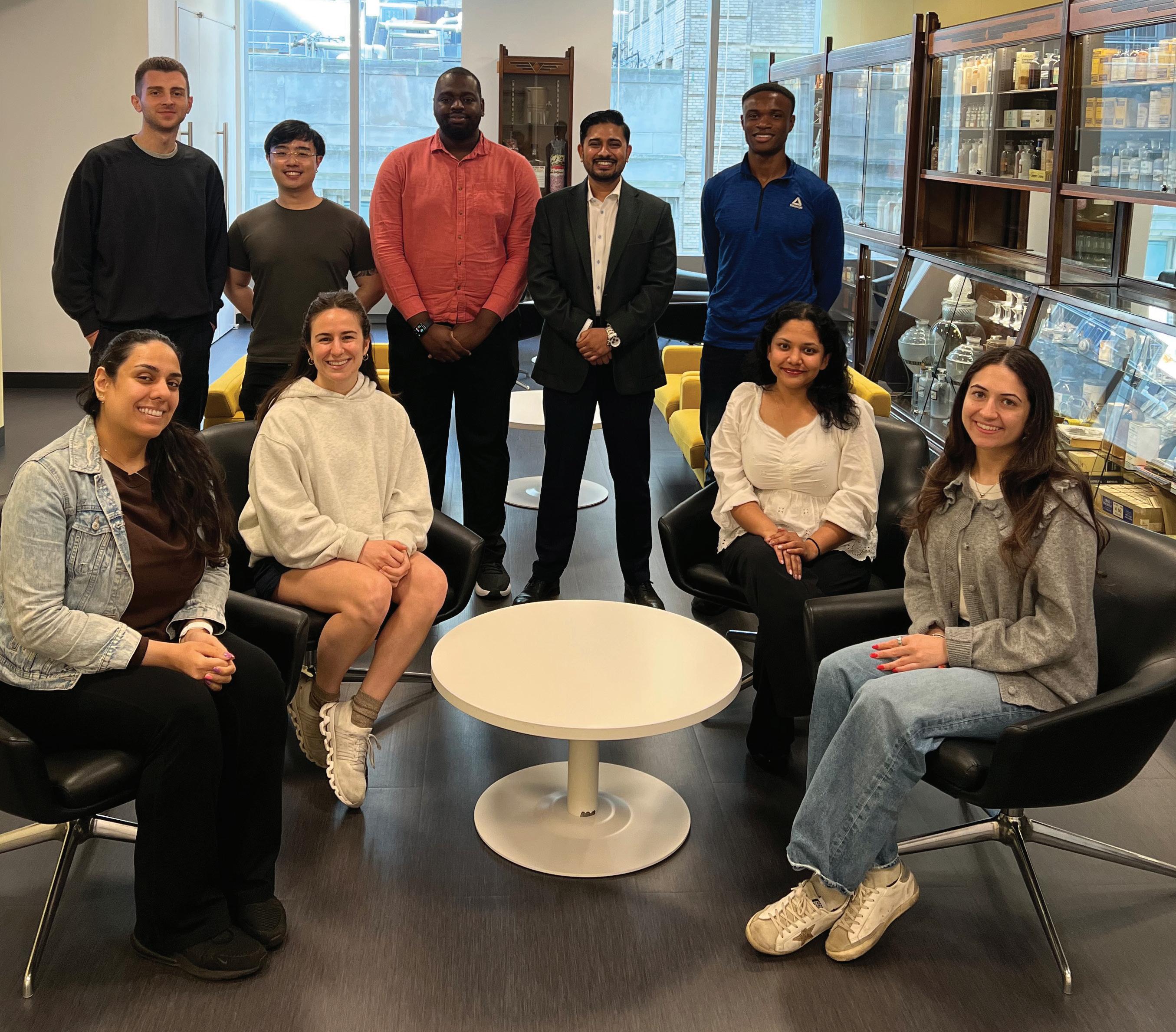

TCOP Students who accepted Fellowships
TOP ROW
FROM LEFT: Michael Krmic, Lekovic Teoh, Joel Ayeni, Azhar Hussain, Zumar Smith
BOTTOM ROW FROM LEFT: Nadia Malik, Victoria Kostanakis, Aniqa Niha, Ava Jalshgari
SPOTLIGHT ON TCOP
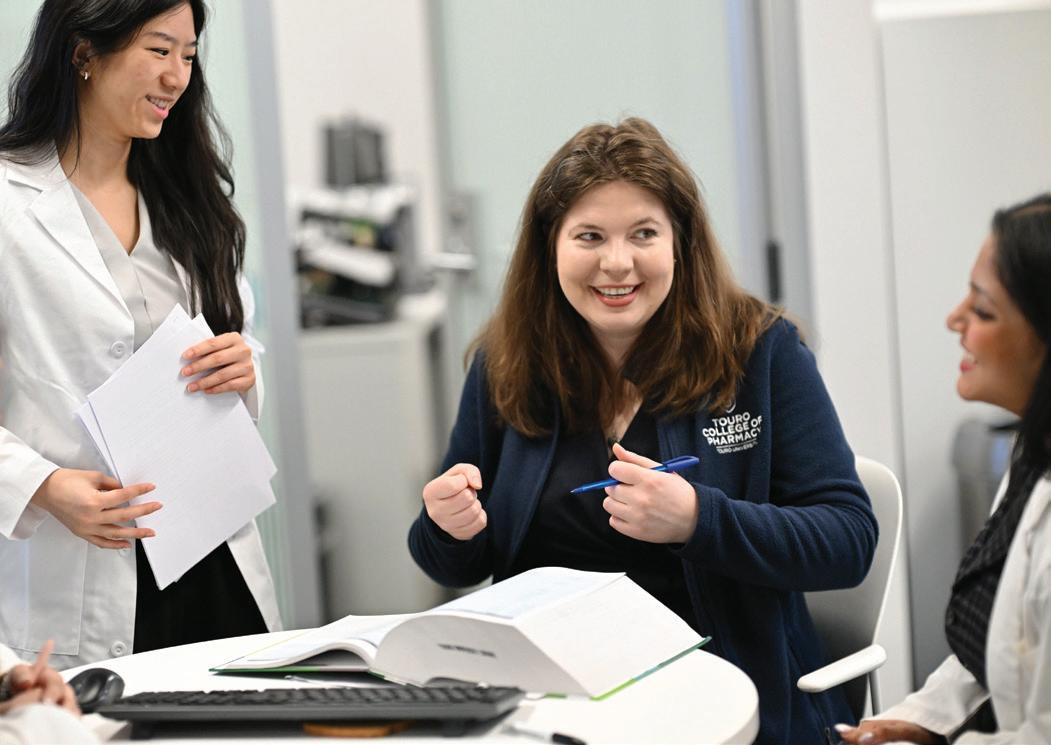
During our elective APPE at our Drug Information Center, students dive into evidence-based research, sharpen clinical judgment, and build the skills that power informed patient care.
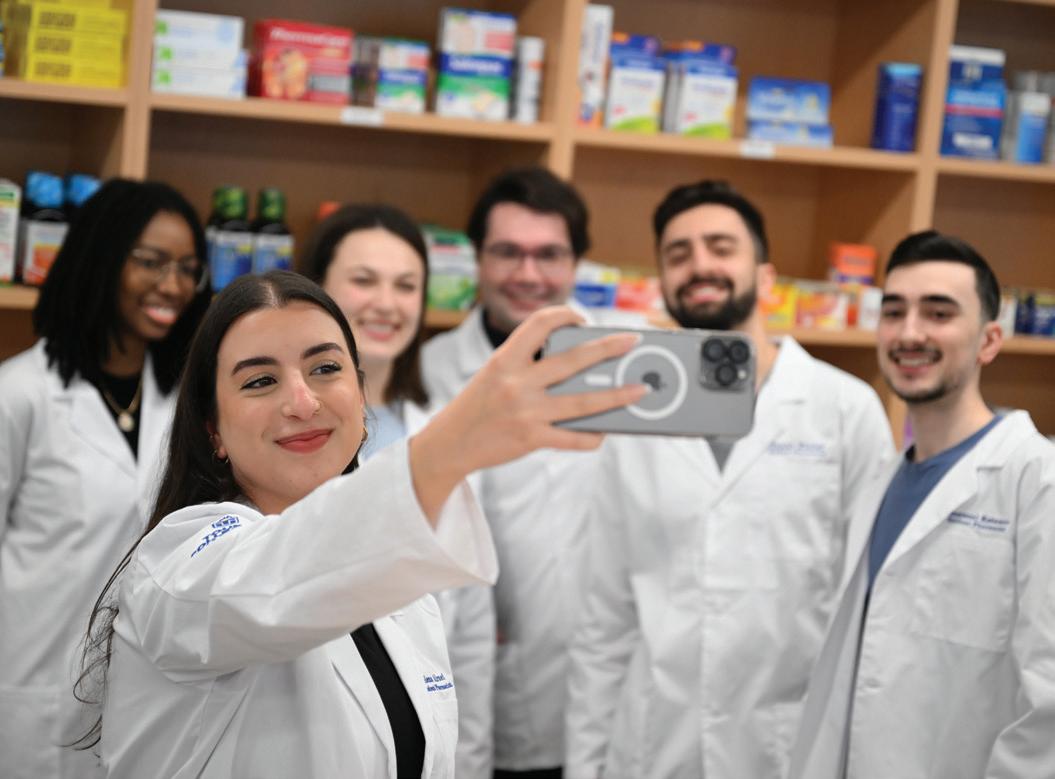
Smiles, snapshots. Pharmacists-in-the-making, as they capture the excitement of hands-on learning in our state-of-the-art model pharmacy. It’s where classroom knowledge meets real-world experience.
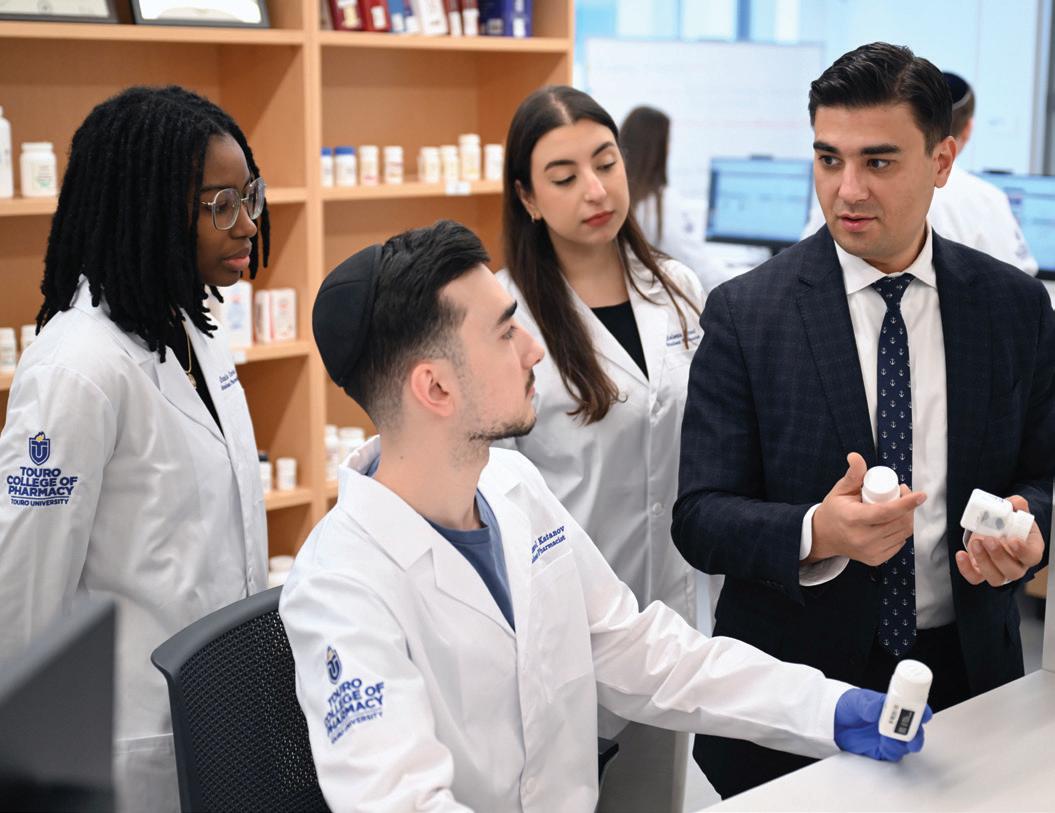
Faculty bring pharmacy to life in our model pharmacy, guiding students through real-world scenarios and the art of patient-centered care.
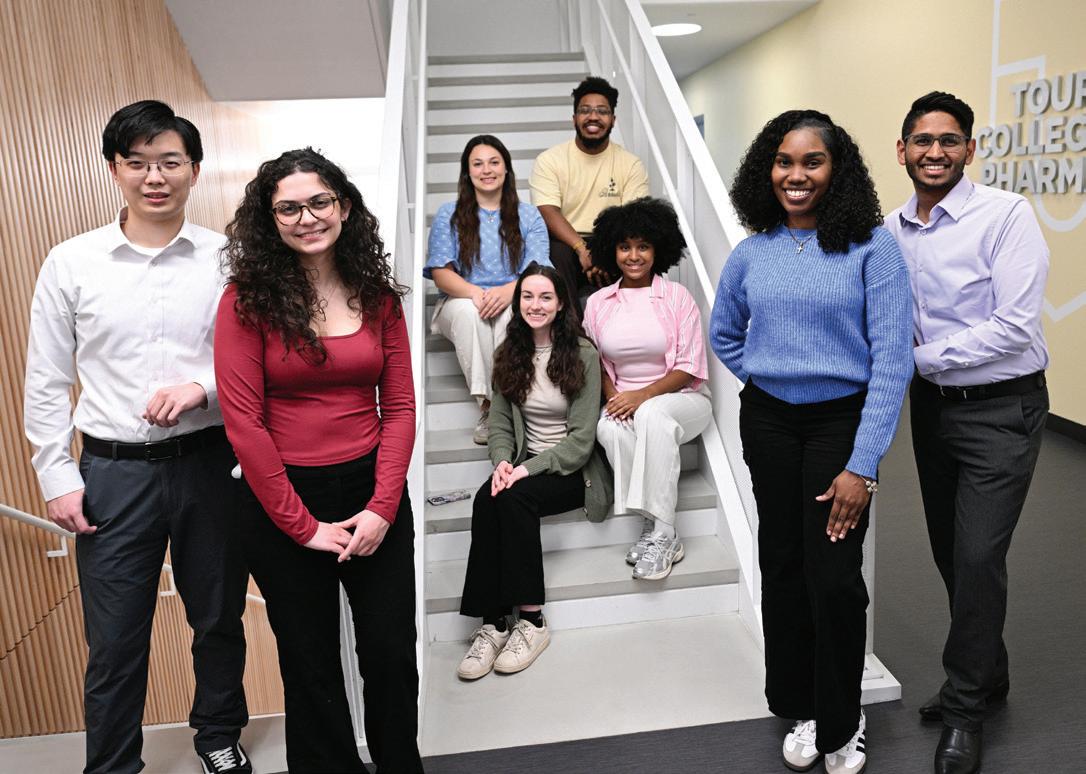
New faces, future pharmacists, at the start of their journeys. Ready to learn, lead and make an impact in healthcare.
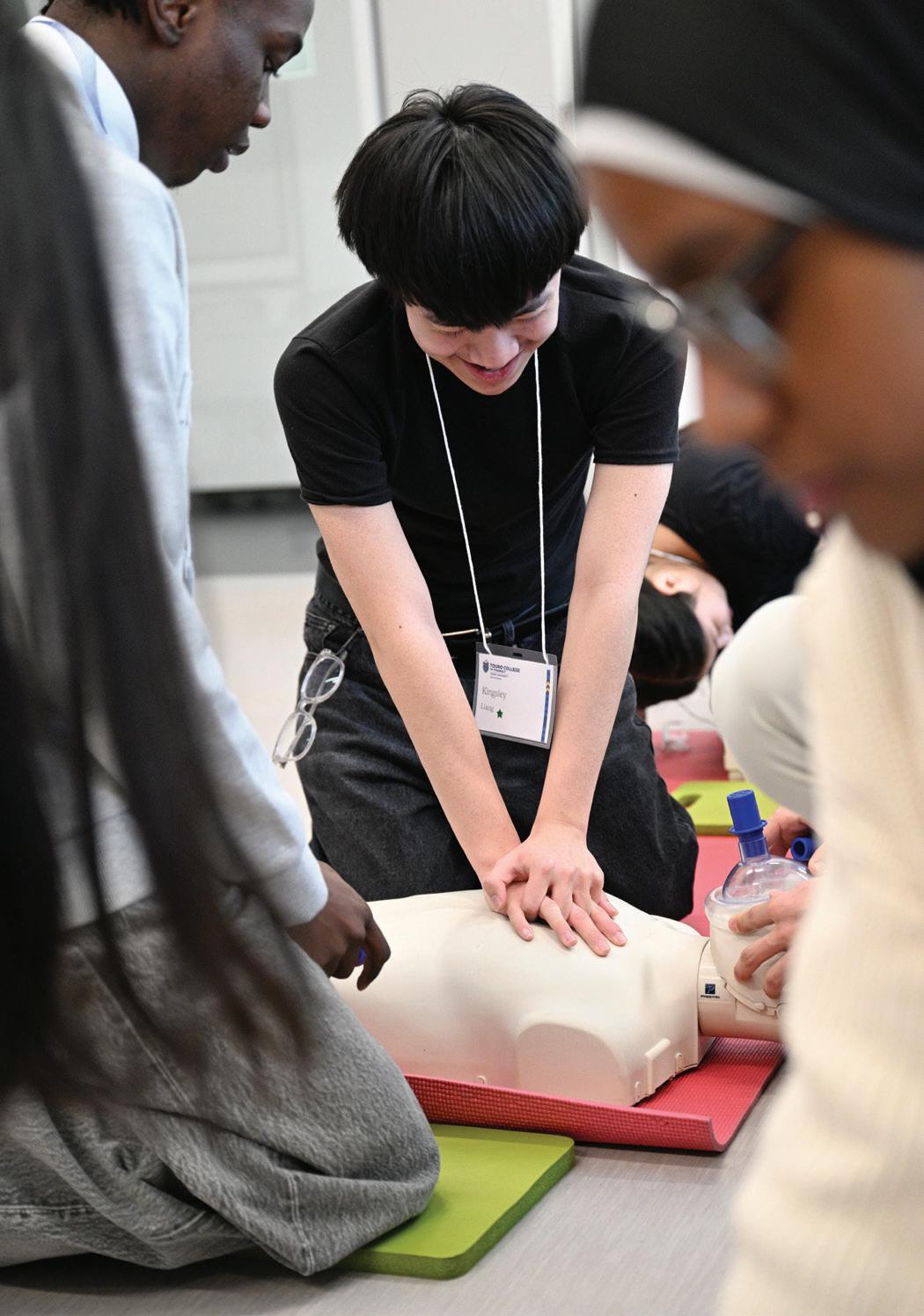
Thirty-three high school students from the AHEC (Area Health Education Centers) program learn CPR, how to make a solution that helps with mouth and throat sores, and about careers in pharmacy.
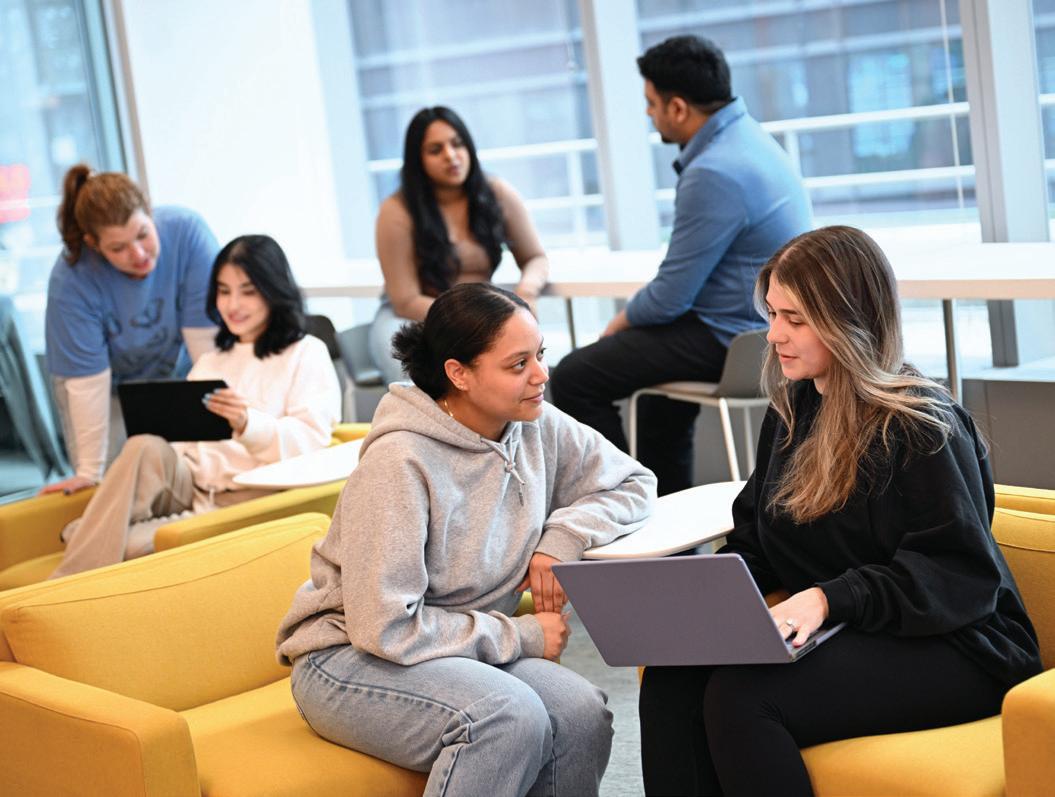
Students collaborate and take well-earned breaks, with the energy of Times Square right outside the window reminding them they’re learning in the heart of it all.
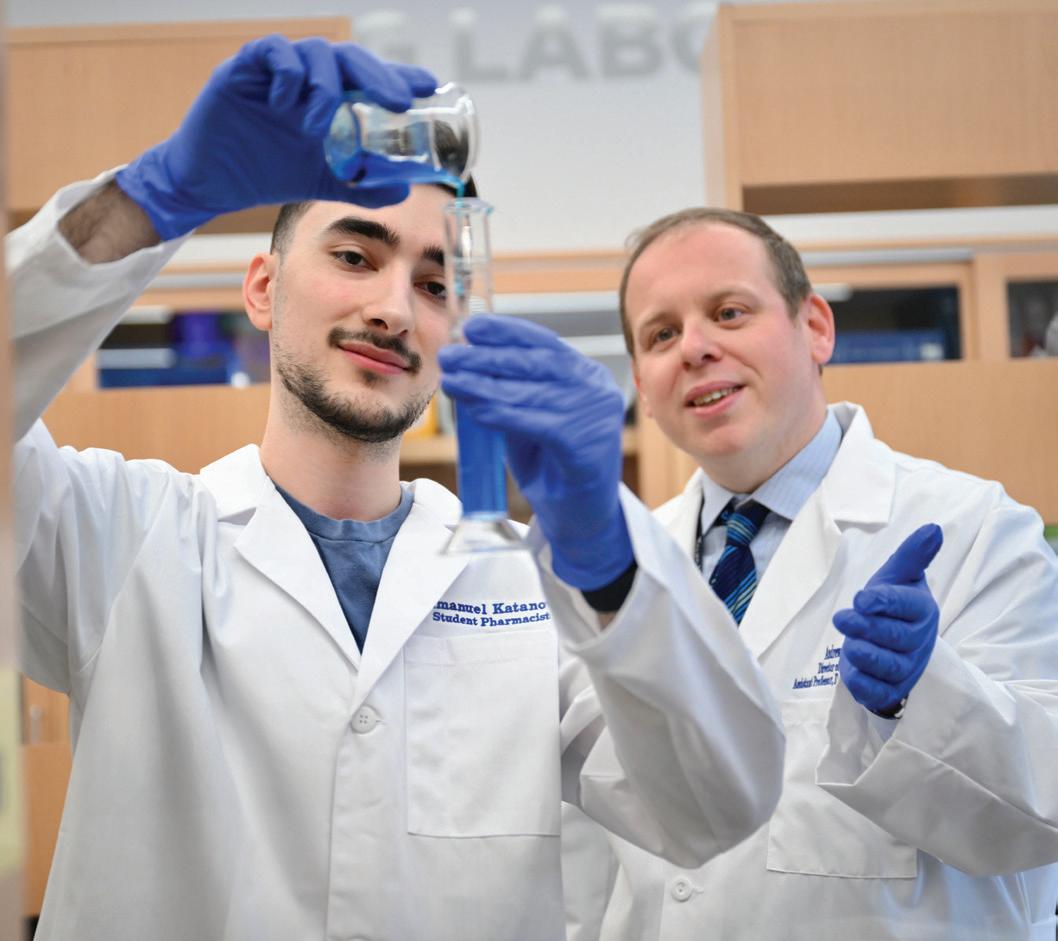
Measuring, mixing and mastering, future pharmacists hone their craft in the compounding lab, transforming knowledge into customized therapies for patients. They bring formulation to life, as science becomes hands-on patient care.
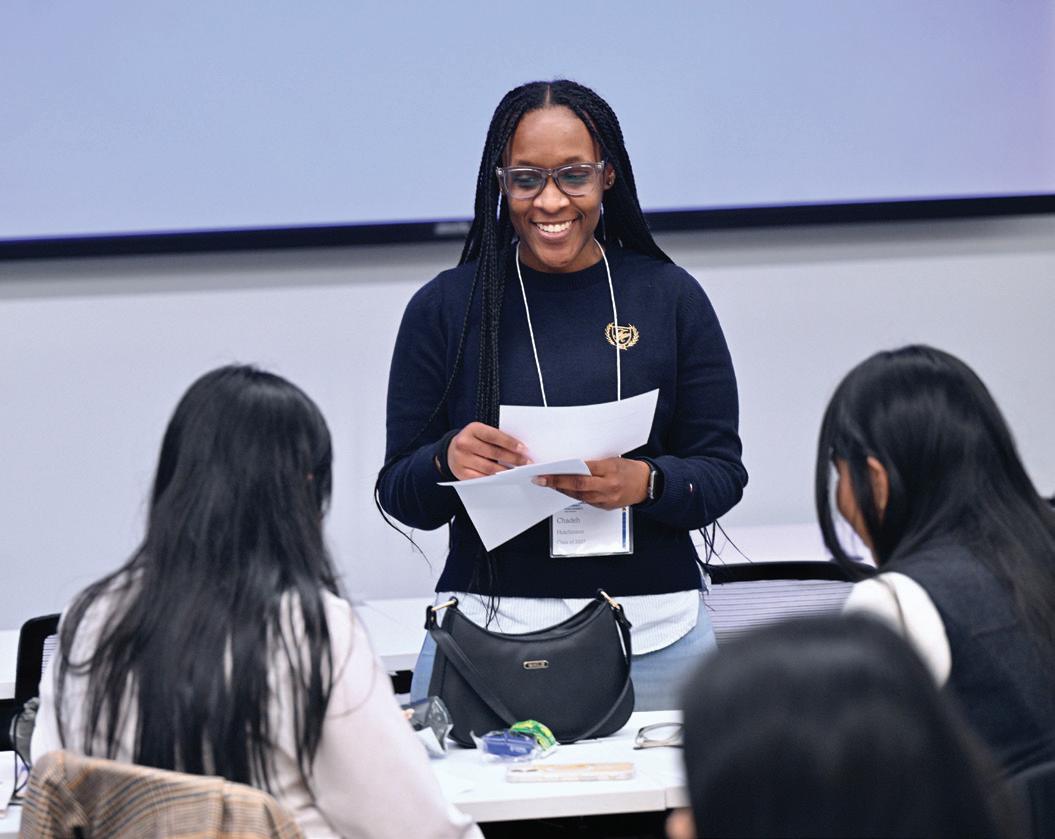
Leadership, mentorship, and service in action. Our COE Student Scholar volunteered at our RxPLORE High School Experience Day, helping inspire the next generation of future healthcare professionals through hands-on learning and meaningful connection.
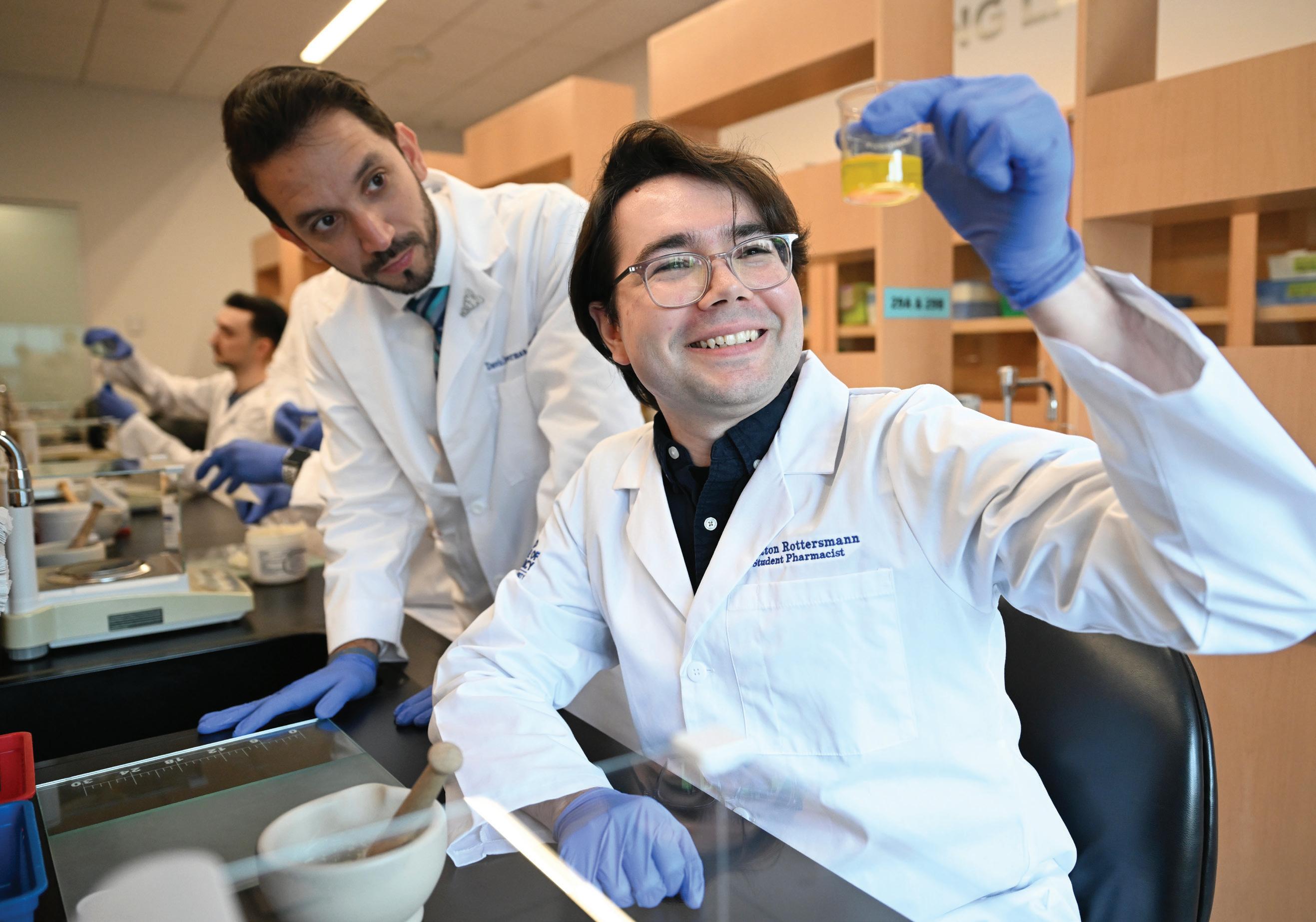
Cross River Campus at 3 Times Square
202 West 43rd Street | New York, NY 10036
tcop.touro.edu
@WeAreTouro
TOURO UNIVERSITY
DR. ALAN KADISH, President
RABBI MOSHE D. KRUPKA, Executive Vice President
DR. PATRICIA E. SALKIN, Senior Vice President, Academic Affairs Provost, Graduate and Professional Divisions
HENRY COHEN, PharmD, MSc, FCCM, Dean and Professor
HEIDI FUCHS, Assistant Dean for Admissions and Enrollment Management
ELLIE SCHLAM, Executive Director Communications & Marketing
ESTHER GREENFIELD, Director of Publications
LAURIE KOHANCHI, Assistant Director of Publications
TCOP DEAN’S UPDATE
BARBARA FRANKLIN, Managing Editor/Writer
CHRISTINA CHEAKALOS, Writer
Touro is an equal opportunity institution. For Touro’s complete Non-Discrimination Statement, please visit www.touro.edu. Any references to location, college experience and/or in-person opportunities herein are subject to change based on governmental or administrative directives.