ECOTOURISM IN AFRICA

EVOLUTION OF SUSTAINABLE PRACTICE IN HOTELS
SUSTAINABLE & ETHICAL TRAVEL


ECOTOURISM IN AFRICA
EVOLUTION OF SUSTAINABLE PRACTICE IN HOTELS
SUSTAINABLE & ETHICAL TRAVEL
08 11 12 15 16 17 06

South Africa’s Wine Industry
Leading the Way In Sustainability
Ecotourism in Africa
Travel Meets Responsibility
Community Driven Tourism
Empowering Local Voices
The Evolution of Sustainable Practices In Hotels
Finding The Balance Between Profitability, Conservation & Ethics In Tourism
Mining Indaba 2026
Events

Welcome to the February 2026 edition of Tourism News Africa, where we focus on what is rapidly becoming the new benchmark for travel across the continent: sustainable and ethical tourism.
Tourism in Africa is no longer measured solely by arrivals or revenue. Today’s travellers are asking deeper questions about impact, accountability, and who truly benefits. This shift is pushing the industry beyond surface-level “eco” claims toward models that prioritise conservation, community ownership, cultural respect, and shared economic value.
In this issue, we explore how ecotourism has evolved into a framework for measurable accountability, with operators embedding conservation funding and community partnership at their core. We also highlight the growing influence of community-driven tourism, where local voices shape authentic experiences that create jobs and protect heritage.
Across hospitality, sustainability is becoming an operational necessity—from renewable energy and biodiversity partnerships to ethical wildlife encounters and transparent revenue sharing. While balancing profitability with preservation remains complex, long-term success increasingly depends on integrity rather than extraction.
Sustainability also extends beyond wildlife tourism. South Africa’s wine industry sets a global example, with the majority of producers meeting stringent environmental and ethical standards that protect ecosystems while empowering workers and communities.
As tourism leaders gather at major forums across the continent, the message is clear: collaboration is essential. Governments, investors, operators, and communities must work together to ensure tourism supports inclusive growth and long-term resilience.
This issue celebrates those leading the shift toward a more responsible future—where impact is visible, value is shared, and Africa’s natural and cultural wealth is preserved for generations to come. We invite our readers to travel consciously, ask better questions, and choose experiences that truly give back.
Here’s to a future where tourism doesn’t just visit Africa—it helps sustain it.
Derek Martin
Editor

South Africa’s wine industry is one of the world’s oldest outside Europe, and has long captivated global palates with its diverse offerings and innovative blends.
From the ancient soils of Stellenbosch to the cool coastal vines of Hemel-enAarde, the Cape Winelands produce wines that are arguably some of the best in the world. In recent years, “sustainability” has become more than a buzzword that’s thrown around after a few glasses, but rather a necessity shaping the sector’s future.
The South African wine industry’s commitment to sustainability is impressive, and as a global leader in sustainable wine production, the journey getting here, and the journey to maintain this position is far from a straightforward one. Since 1998, the Integrated Production of Wine (IPW) scheme has provided guidelines for environmentally responsible farming, covering everything from soil management to pesticide use. Today, over 95% of South African wine producers adhere to these standards, earning the country the distinction of having the largest area of certified sustainable wine production worldwide. Bottles bearing the Integrity & Sustainability Seal assure consumers that the wine meets rigorous environmental criteria.

Biodiversity conservation is another standout achievement. The Biodiversity & Wine Initiative (BWI), a partnership between the wine industry and WWF South Africa, has helped preserve thousands of hectares of fynbos and renosterveld - critical habitats in the Cape Floral Kingdom, which is a UNESCO World Heritage site. Many of South Africa’s wine estates have become conservation champions, removing invasive alien species, restoring natural vegetation, and protecting
endangered species. Technological innovations like solar power, rainwater harvesting, and regenerative farming are becoming increasingly common, with some wineries achieving full off-grid status.
Social responsibility forms a vital pillar. The Wine and Agricultural Ethical Trade Association (WIETA) promotes fair labour practices. WIETA audits ensure decent wages, safe working conditions, and worker empowerment. Fairtrade certification covers a growing portion of production, supporting community development.
In October 2025, South Africa Wine released an ESG (Environmental, Social, Governance) Position Paper, outlining a roadmap for holistic sustainability that includes worker welfare and inclusive growth.
These efforts enhance the appeal of wine tourism, a major economic driver. Visitors to the Winelands increasingly seek eco-conscious experiences like tastings at organic farms, hikes through conserved vineyards, or stays at these estates. Sustainable practices not only protect the landscape but can attract premium-paying international buyers.
Yet balance requires acknowledging the challenges. Climate change poses an existential threat. Rising temperatures, erratic rainfall, and prolonged droughts, strain water resources and alter grape ripening patterns.

While many producers are adapting with droughtresistant rootstocks, precision irrigation, and earlier harvests, yields can suffer, and quality is far more difficult to maintain in extreme years.
Economic pressures can also compound these issues. Rising input costs, electricity shortages, and an ageing vineyard profile have led to shrinking planted areas. Tight domestic margins, and fierce global competition

can be difficult for smaller producers to combat. Foreign ownership of some iconic estates raises questions about economic benefits staying local.
Critics argue that while certifications like IPW and WIETA drive positive change, they can sometimes burden smaller farms with compliance costs, potentially widening gaps. Sustainability initiatives are not without debate. Some question whether voluntary schemes go far enough in addressing systemic issues, or if “greenwashing” risks diluting genuine efforts. High certification standards can elevate export appeal but may exclude emerging wineries lacking resources to comply fully.
South Africa’s wine industry demonstrates that sustainability can be a competitive advantage, preserving both heritage and environment while supporting livelihoods. But success depends on inclusive growth, continued innovation, and honest confrontation of challenges. As global consumers demand more responsible products, the Cape’s winemakers are pouring effort into a greener, fairer future - one glass at a time.

Since the ESG Position Paper’s release, the industry has moved quickly to turn vision into action. Early 2026 harvest projections are encouraging: moderate 2025 temperatures and low disease pressure point to a potentially larger, high-quality crop that could ease financial strain. Yet new hurdles have emerged, including a increased U.S. tariffs and persistently high input costs, which continue to squeeze profitability and accelerate vineyard reduction.
Producers are responding by doubling down on premium, sustainably certified wines that command better margins in Europe and Asia. Younger winemakers
are accelerating trials of drought-tolerant cultivars and regenerative practices, while broader adoption of carbon-footprint tools supports measurable progress toward net-zero goals. These adaptations reinforce South Africa’s position as a resilient leader in responsible winemaking, proving that necessity remains the mother of innovation in the Cape Winelands.
“Visitors to the Winelands increasingly seek eco-conscious experiences like tastings at organic farms, hikes through conserved vineyards, or stays at these estates”


Chris Midgley News Correspondent

How ethical travel is becoming the new standard and why it matters.
The old safari story used to be simple: arrive, admire, leave. Today, that model feels dated, not because Africa has lost any of its wonder, but because the stakes have changed. Climate pressure, land use conflict, biodiversity loss and uneven tourism benefits have forced a hard question into the centre of the travel conversation: what does it mean to visit responsibly?
That question is exactly where ecotourism steps in… Not as a buzzword, but as a practical approach to travel that protects ecosystems, respects local cultures and returns value to the people who live closest to the experience. Done properly, it is the difference between “a beautiful holiday” and “a beautiful holiday that leaves a place better off”.
FROM “ECO” AS AESTHETIC TO “ECO” AS ACCOUNTABILITY
For years, “eco” was treated like a marketing garnish, a bamboo toothbrush here, a reused towel there. The new standard is far more concrete: reduced environmental impact, measurable conservation contributions, fair employment, local ownership and cultural integrity.
This is why global frameworks matter.
The Global Sustainable Tourism Council (GSTC) manages internationally recognised standards for sustainable travel and tourism and serves as an accreditation body for certification organisations that assess destinations, hotels and tour operators. In other words: sustainability is no longer a vibe, it’s increasingly a benchmark.
Africa’s own tourism bodies are reinforcing this shift.
The African Travel & Tourism Association (ATTA) developed a Sustainability Charter that recognises the Global Sustainable Tourism Criteria as an agreed international standard and aligns its guidance with broader ethical principles in tourism. Continental organisations such as the African Sustainable Tourism Organization (ASTO) likewise position sustainable tourism as a catalyst for economic growth, cultural preservation, environmental conservation and community empowerment.
The most compelling ecotourism stories are not found in glossy slogans as they’re found in how land is protected, how communities participate and how money moves.
Take the concept of community partnerships. Wilderness, a conservation-focused tourism operator active across several African countries, highlights long-term partnerships with community trusts as central to both protecting land and empowering local people. A significant portion of the land it operates on is community owned, placing communities not on the edge of the tourism economy, but at its foundation — as rights holders, partners and beneficiaries.
Then there’s the crucial issue of funding conservation in practical, repeatable ways. Asilia Africa, operating in East Africa, has publicly detailed how tourism revenue supports nature protection through park fees, conservation levies and taxes. Its independent impact platform, Asilia Giving, supports initiatives ranging from education and women’s empowerment to anti-poaching, land rehabilitation and ecosystem protection.
These are not side projects, they are integrated into how the business functions.
Beyond operators, nonprofit conservation arms play a critical role. The Wilderness Trust, for example, supports projects that focus on education, community upliftment and human wildlife coexistence across multiple African regions. These initiatives recognise that conservation cannot succeed without addressing human wellbeing alongside environmental protection.
“Ethical tourism is increasingly the difference between destinations that thrive and destinations that burn out.”
WHAT ETHICAL ECOTOURISM LOOKS LIKE IN 2026
A stronger ethical tourism model is emerging across Africa, built on a few consistent pillars:
• Community benefit that’s built in, not bolted on — real partnerships, local procurement, skills development, and transparent benefit sharing.
• Conservation as a financial commitment — park fees, levies, habitat restoration, and anti-poaching support that can be measured and explained.
• Cultural respect over cultural packaging — heritage treated as a living identity, not a performance.
• Lower-impact operations — careful water and energy use, waste reduction and visitor management in fragile ecosystems.
• Accountability through recognised standards — aligning with credible global frameworks rather than self-awarded eco labels.
WHY THIS MATTERS NOW Ecotourism is not about guilt tripping travel,it’s about protecting what makes travel worth doing in the first place.
Africa’s “gems” are not only landscapes and wildlife; they are communities, languages, craft traditions, coastlines, forests, and the everyday dignity of people whose lives intersect with the visitor economy.
Ethical tourism is increasingly the difference between destinations that thrive and destinations that burn out. It is also the difference between travel that extracts and travel that invests in biodiversity, livelihoods and long term resilience.
The new standard of African tourism is not perfection. It is effort, structure and honesty: a growing number of operators and organisations choosing to measure impact, share value and protect the places that inspire awe.
That’s not a trend. That’s the future and it’s one worth travelling for.
“Ecotourism steps in not as a buzzword, but as a practical approach to travel that protects ecosystems, respects local cultures and returns value to the people who live closest to the experience.”




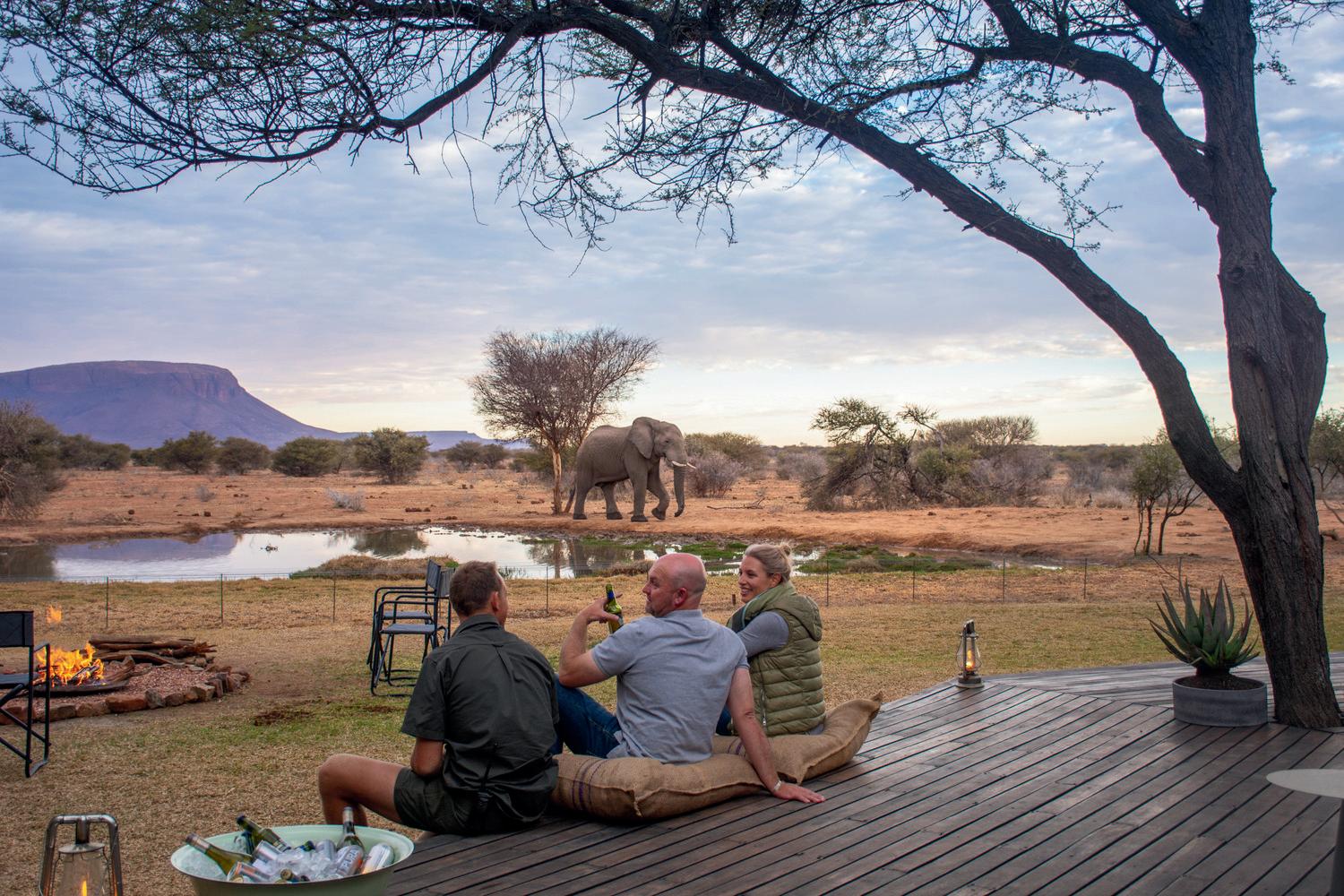
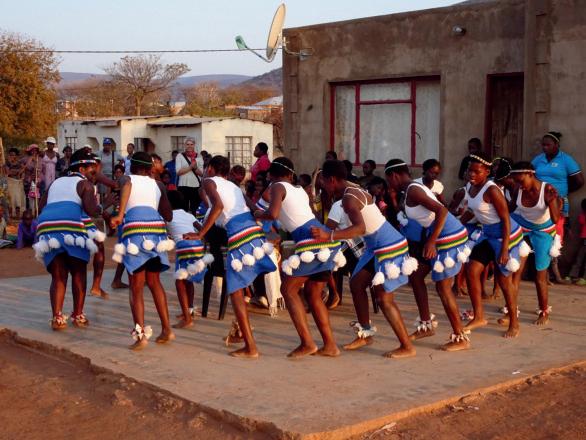
Join us for an unforgettable adventure. Experience Africa's true beauty, culture, and conservation like never before.
Embark on a Journey through South Africa | Namibia | Botswana | Indian Ocean Africa | East Africa
Our Africa is the Africa of endless horizons, stunning landscapes, and Earth's richest wildlife. It is also the Africa of wildly different people, people who will share their lifestyle with you. It's about exclusive, bespoke experiences that go beyond a luxury lodge. It's where culture meets conservation, and you're welcomed as an honored guest, not a money machine.
We're a Travelife Partner and champions of Carbon Neutral Travel. We're committed to preserving our environment and empowering communities. No greenwashing but the real deal.
Connect with the real Africa. Contact us today.

Tourism has long been one of South Africa’s most valuable economic sectors. For many years, the benefits of tourism were unevenly distributed, with local communities often playing a limited role. Community-driven tourism offers a different and far more inclusive approach. It places communities at the centre of tourism development, ensuring that local people are active participants, decision-makers, and beneficiaries.
Community-driven tourism is built on the principle that communities should have ownership and control over tourism activities in their areas. Rather than being passive hosts, community members design experiences, manage enterprises, and share their culture and heritage in ways that feel authentic and respectful. This approach allows tourism to reflect local identity while creating real economic opportunities.
In South Africa, where many rural and township communities face high levels of unemployment, community-driven tourism has the potential to create jobs, support small businesses, and encourage skills development. Income generated through tourism can be reinvested into community priorities such as education, healthcare, and infrastructure.
One of the greatest strengths of community-driven tourism is the authenticity it offers travellers. Visitors are increasingly seeking experiences that feel genuine and allow them to connect with local people. Community-led initiatives provide exactly this. From guided heritage tours and storytelling experiences to homestays, craft markets, and cultural performances, travellers gain insight into everyday life while communities share their stories with pride.
Across South Africa, many communities are successfully showcasing their unique histories and traditions. Rural villages, coastal communities, and urban townships are all developing tourism experiences that go beyond traditional attractions. These initiatives encourage cultural exchange and foster mutual respect between visitors and hosts.
SUPPORTING SUSTAINABILITY AND CONSERVATION
Community-driven tourism also plays an important role in promoting sustainability. When communities benefit directly from tourism, they have a strong incentive to protect the natural and cultural resources that attract visitors in the first place. Conservation, responsible land use, and cultural preservation become part of everyday decision making.
This is particularly important in environmentally sensitive areas. Locally managed nature-based tourism can support conservation efforts while providing income that reduces pressure on natural resources. In this way, tourism becomes a tool for long-term sustainability rather than short-term gain.
While the benefits are clear, community-driven tourism does not succeed in isolation. Many communities face challenges such as limited access to funding, training, infrastructure, and marketing platforms. Support from government, the private sector, and non-profit organisations are essential.
Strong partnerships can help communities build business skills, meet quality standards, and access wider markets. When these partnerships are based on trust, respect, and transparency, they empower communities rather than replacing local leadership.
Travellers also have an important role to play. By choosing community-owned or community-led experiences, visitors can contribute directly to local development. Responsible travel choices send a clear message that tourism should benefit people as much as it benefits destinations.

Jonty Bruggen News Correspondent
Sustainability in hospitality has evolved from a peripheral concern into a central operational standard. As tourism expanded globally, hotels faced increasing pressure to manage their environmental and social impact, particularly in destinations where natural resources are limited and climate pressures are intensifying. Having worked as a sustainability officer within a hotel group operating across several major Indian Ocean islands, I’ve seen how the evolution of sustainable practice is shaped as much by necessity as by intention. In this article, we explore how hotels are turning sustainability from policy into practice — and what it means for tourism in Africa and the Indian Ocean.
GLOBAL EVOLUTION: FROM AWARENESS TO ACCOUNTABILITY
Globally, sustainability in hotels began with relatively modest interventions. Energy-efficient lighting, toweland linen-reuse programmes, and basic recycling systems were among the first visible signs of environmental awareness. These measures were often guest-facing and voluntary, designed to reduce operating costs while signalling environmental responsibility.
Over time, the scope of sustainability expanded significantly. International hotel groups began tracking energy consumption, water usage, and waste output, embedding sustainable practices into governance and long-term operational planning. Certification programmes such as LEED, EarthCheck and Green Key introduced accountability and benchmarking, shifting sustainability from symbolic gestures to measurable performance. From an operational standpoint, these frameworks influenced how hotels prioritised investments, trained staff, and assessed climate-related risks.
AFRICA’S CONTEXT: SUSTAINABILITY GROUNDED IN CONSERVATION
Across Africa, sustainable tourism practices have developed within a unique set of environmental and social realities. While international sustainability frameworks influenced early adoption, local realities such as water scarcity, energy limitations and wildlife protection have fundamentally shaped how sustainability is understood and implemented.
One of the clearest examples is wildlife conservation, particularly in regions affected by rhino poaching. Across Southern and East Africa, the protection of endangered species has reshaped tourism behaviour, conservation policy and hotel operations alike.
Ethical travel now extends beyond infrastructure and resource management to include responsible guest education. Visitors are actively discouraged — and in many reserves explicitly prohibited — from posting the locations of rhino sightings on social media, as such information can be exploited by poachers. This shift reflects a broader understanding of sustainability as the protection of life, not just landscapes.
Hotels and lodges operating near conservation areas have adapted accordingly. Many work closely with park authorities, fund anti-poaching units, invest in surveillance technology and support ranger training. From a sustainability management perspective, conservation is no longer viewed as an external responsibility but as an operational priority, as the loss of wildlife directly undermines the tourism economy itself.
Beyond wildlife protection, African hotels have embedded sustainability through local employment, community sourcing and renewable energy adoption. In various countries, solar power and water-saving systems are often essential rather than optional. These practices demonstrate how African sustainability is rooted in ethical responsibility, community resilience and environmental stewardship, rather than branding alone.
ISLAND DESTINATIONS: ACCELERATED ADAPTATION IN THE INDIAN OCEAN
Island destinations in the Indian Ocean such as Mauritius, Seychelles, and the Maldives highlight sustainability under urgent climate pressures. Vulnerable to rising sea levels, coral degradation, and increasingly severe cyclones, these locations demand rapid adaptation. During my work as a sustainability officer in Mauritius, I observed how hotels wove sustainability into every aspect of their operations. Water conservation, through desalination, rainwater harvesting, and greywater reuse, is a priority, while energy strategies focus on solar power and efficient systems to reduce dependence on imported fuels.
Limited landfill space drives innovation in waste management, from recycling and composting to responsible sourcing, and biodiversity protection is embedded into daily practices. Guests are increasingly invited to participate in conservation activities, from coral replanting with marine biologists to mangrove restoration and beach clean-ups, deepening their connection to fragile island ecosystems. Community engagement is equally central: employing local staff,

sourcing locally, and supporting cultural preservation projects ensures that sustainability addresses environmental, social, and economic dimensions simultaneously. These hotels demonstrate that responsible operations and guest satisfaction can coexist without compromise. Beyond individual properties, island destinations are forging regional partnerships to share knowledge and pool resources, enhancing the scale and impact of sustainability initiatives. Research and innovation hubs linked to resorts are testing climate-resilient crops, coral restoration techniques, and renewable energy solutions. In this way, these islands are emerging as living laboratories for sustainable tourism, showing the world that adaptation and luxury hospitality can advance hand in hand.
Sustainability is no longer a luxury — it sits at the heart of modern hospitality. Hotels across Africa and its islands are showing that ethical practices can enhance, rather than compromise, comfort and luxury. In regions most exposed to climate change, responsible operations are essential, protecting wildlife, ecosystems, and the communities that depend on them. With so many creative approaches taking shape, I’m excited to see how sustainable tourism in Africa continues to evolve and inspire the next generation of travellers.
As sustainability has matured within the hospitality sector, technology and data have become critical enablers of meaningful change. What was once driven largely by intent and policy is now increasingly guided by real-time monitoring, analytics, and reporting tools that allow hotels to understand and manage their footprint with far greater precision. Modern hotel operations rely on energy management systems, smart meters, and digital dashboards that track water usage, electricity consumption, and waste production across departments and properties.
These tools enable sustainability teams to identify inefficiencies quickly, assess the impact of operational changes, and justify investments in greener infrastructure. From occupancy-linked lighting systems to AI-driven climate control, technology now plays a central role in reducing resource consumption without compromising guest comfort. In Africa and the Indian Ocean, this shift toward data-driven sustainability has added particular value. In regions where water shortages, energy instability, and rising operational costs are persistent challenges, access to accurate performance data supports more resilient business decisions. Hotels are better equipped to plan for seasonal fluctuations, extreme weather events, and
infrastructure limitations, turning sustainability into a risk-management tool rather than a cost centre. Beyond operational efficiency, data insights are shaping guest experiences, helping hotels tailor eco-friendly options while educating visitors on sustainable practices.
Predictive analytics now guide long-term investment, from renewable energy projects to water recycling infrastructure, ensuring initiatives are both impactful and financially viable. As a result, technology is transforming sustainability from a compliance exercise into a strategic advantage, demonstrating that measurable impact and exceptional hospitality can go hand in hand.
“Local realities such as water scarcity, energy limitations and wildlife protection have fundamentally shaped how sustainability is understood and implemented.”


Roux-Ché Shidute
News Correspondent


In an industry worth trillions globally, tourism is a powerful economic engine, yet it walks a precarious tightrope. Destinations chase revenue and jobs while grappling with environmental degradation, cultural erosion, and ethical dilemmas. The core question is simple but profound: where do we draw the line between profitability, conservation, and ethics?
Tourism supports millions of livelihoods, especially in developing nations contributes significantly to GDP of many countries throughout Africa. Game lodges, coastal resorts, and cultural experiences create employment and help to fund infrastructure. Yet the pursuit of profit often collides with the need to protect fragile ecosystems and respect local communities.
Profitability is the lifeblood of any business, and tourism is no different. Operators invest heavily in facilities, marketing, and staff, expecting returns. Mass tourism models – think package holidays, cruise ships, and budget airlines – maximise visitor numbers to spread fixed costs and boost revenue.
The pros are clear: high volumes generate substantial income, supporting local economies and government taxes that can, in theory, fund conservation. In South Africa’s Kruger National Park, entrance fees and concession revenues help finance anti-poaching efforts.
However, unchecked growth brings serious cons. Overtourism strains infrastructure, increases waste and pollution, and disrupts wildlife. In Kenya, the Maasai Mara experiences vehicle congestion during migration season, which disturbs animal behaviour and erodes the very experiences tourists pay for.
CONSERVATION IMPERATIVES
For conservation to be successful, it demands limits. Ecosystems have capacities – the maximum number of visitors they can sustain without permanent damage. Exceeding this leads to soil compaction, coral reef destruction, habitat fragmentation, and wildlife stress to name but a few. Wildlife tourism illustrates this issue. Close-up gorilla trekking in Rwanda and Uganda offers life-changing encounters, but habituation risks disease transmission and behavioural changes.
Limiting numbers is a common solution. Rwanda caps gorilla permits at eight people per group per day, with only a few groups per gorilla family. These restrictions protect environments, but they directly impact pricing and accessibility.
Ethics adds another layer. Beyond environmental impact, tourism must respect cultures and human rights. Cultural villages that feel staged, souvenir hawkers under pressure to perform “authenticity,” and low-wage seasonal jobs raise red flags.
Animal welfare remains contentious. While outright abusive practices have declined due to consumer pressure and certification schemes like the Tourism Grading Council), “ethical” wildlife interactions still spark debate. Is any habituation truly ethical? Do sanctuaries genuinely rehabilitate, or do they incentivise poaching for supply?
Community involvement is key to ethical balance. Models like Namibia’s conservancy system share tourism revenue directly with local landholders, incentivising wildlife protection. Fair wages, profitsharing, and genuine consultation counter exploitation.
FINDING THE BALANCE
Simply put, there is no single model that fits all destinations and is perfect. Mass tourism works for resilient urban sites, while fragile ecosystems demand stricter controls.

Chris Midgley News Correspondent
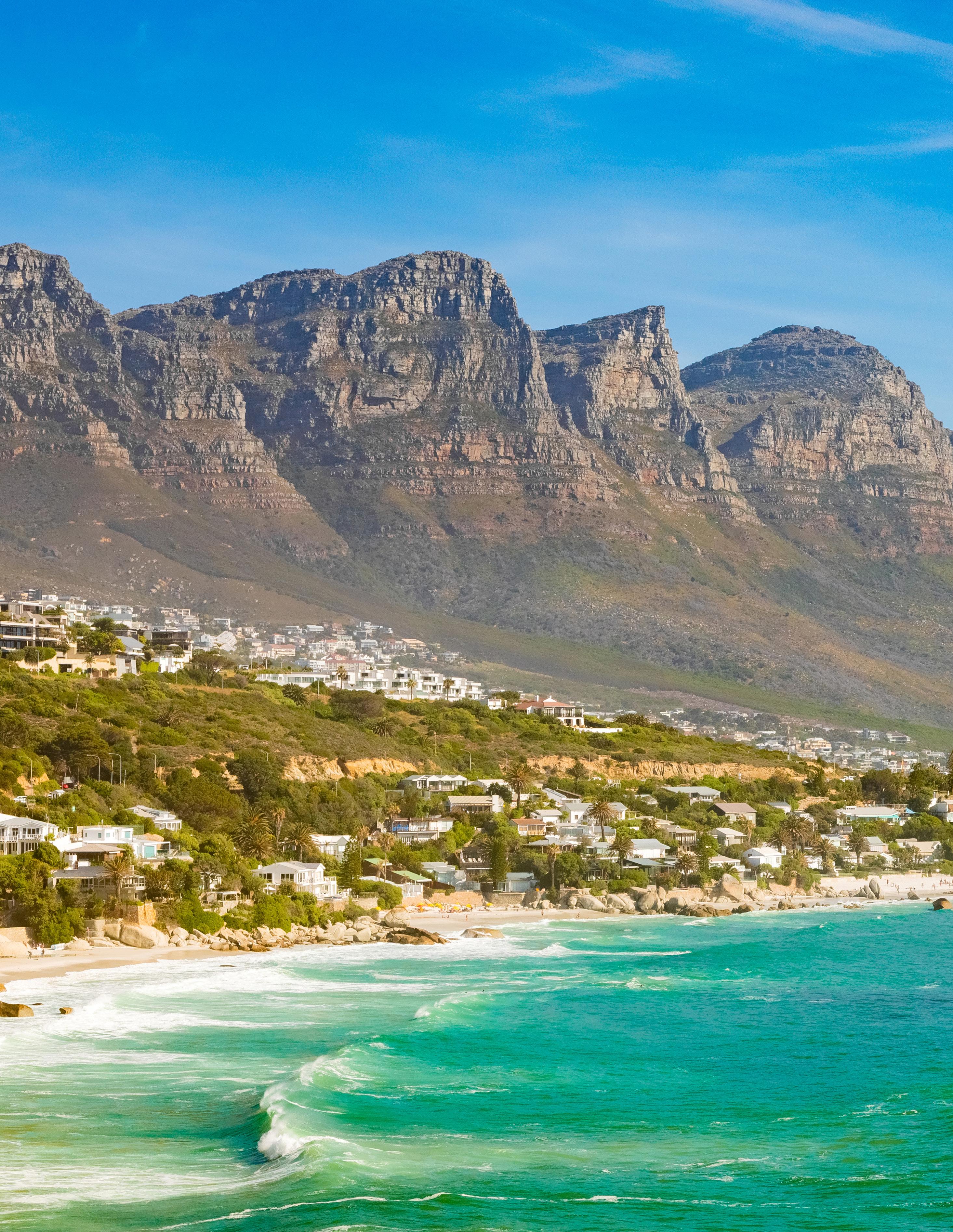
Africa’s mining sector currently stands at a crossroads – How do we balance surging global demand for critical minerals, with environmental and social issues of sustainability, inclusive growth, and innovation?
The Investing in African Mining Indaba remains the continent’s unrivalled platform for shaping the industry’s future. Scheduled for the 9th to the 12th of February 2026 at the Cape Town International Convention Centre (CTICC), this will be the 32nd year that this event will take place and is said to once again set to draw over 10 000 delegates from around the world.
Known globally as simply “Mining Indaba,” the conference has long been the go-to gathering for mining company executives, global investors, government ministers, policymakers, community representatives, technology innovators, and service providers. It serves as the epicentre where conversations spark partnerships, investment commitments are forged, and strategies emerge to unlock Africa’s vast mineral potential.
This 2026 edition has the theme “Stronger Together: Progress through Partnerships”. This rallying call emphasises collaborative efforts across governments, industry, communities, and civil society to advance mining in ways that deliver shared prosperity. As one insight from the event’s vision notes, the theme resonates with the South African philosophy of Ubuntu, the Xhosa word for “I am because we are”, highlighting how unity is strength, and reinforcing how collective action can drive inclusive development, environmental stewardship, and economic diversification. In an era where Africa’s minerals are central to the global energy transition, the theme urges moving beyond transactional relationships toward genuine, empowering partnerships that benefit all stakeholders.
Attendees can anticipate a dynamic, high-impact program built around 10 content pillars, which include: communities and indigenous people, critical minerals, disruptive technologies, governance and regulation, downstream buyers, and so much more. The agenda features keynote addresses, panel discussions, and technical sessions tackling pressing topics. Highlights include debates such as “Is the term ‘Critical Minerals’ right for Africa?” and explorations of regional alliances to amplify community impact. There will also be specialised showcases that spotlight country investment opportunities, early-stage explorers, and high-potential junior mining projects.
A major draw remains the high-level ministerial participation. Ministers from across the continent including: South Africa’s Hon. Gwede Mantashe, Senegal’s H.E. Birame Soulèye Diop, Sierra Leone’s Hon. Julius Daniel Mattai, and representatives from Angola, Botswana, DRC, Ghana and Kenya will share policy insights and signal investment priorities.
Key numbers from the event include:
• More than 625 speakers,
• 1 450+ mining executives,
• 1,300+ global investors,
• and 1,400+ government officials,
The event facilitates unparalleled networking opportunities and features like the Business Matchmaking Programme, the Mining Indaba app for personalised scheduling, dealmaking forums, and an expansive exhibition floor, all of which will be showcasing major players, tech innovators, and solution providers with the goal of turning ideas into tangible opportunities.
Mining Indaba’s significance extends beyond its sheer scale. For over three decades, it has driven sustainable investment in African mining, helping transform policy landscapes, attract capital, and promote responsible practices. As global demand for metals essential to green technologies intensifies, the event positions Africa not merely as a resource supplier but as a leader in value addition, innovation, and equitable growth.
With registration open and early-bird savings available until early February, stakeholders are encouraged to secure their place soon. Cape Town in February will once again host mining’s biggest week, a convergence of visionaries ready to build a resilient, collaborative, and prosperous future for the sector.
For additional information and what to expect, visit the official website at https://miningindaba.com/home