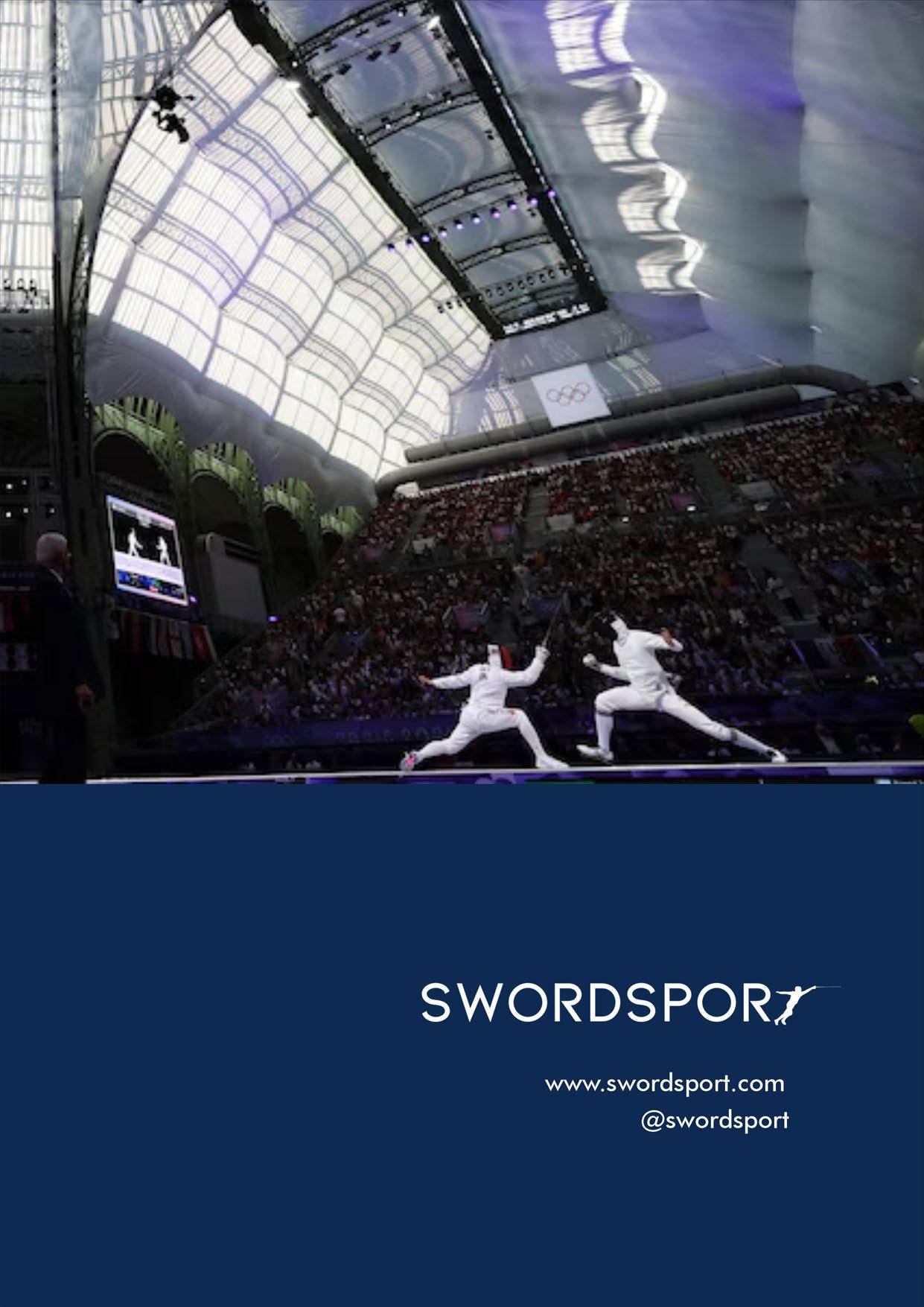
NCAA
Olympic breeding ground of the world
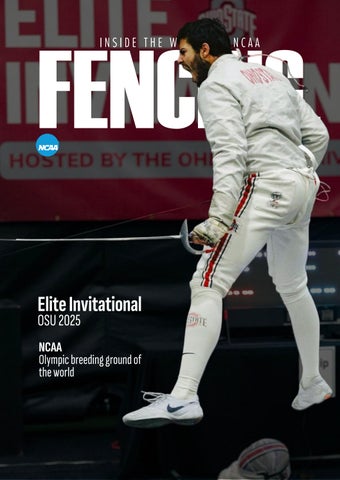
NCAA
Olympic breeding ground of the world
December always arrives with a particular mix: an ending and a beginning. While the calendar dims for a few days, the NCAA 2025–26 season stays lit from within—growing quietly, stacking bouts, sharpening weapon squads, and leaving signals you can only read when you look at the full map.
This edition is born from that spirit: pausing to see clearly. We open with a chronicle that doesn’t just recount what happened on the strip, but captures what the NCAA is at its peak: real pressure, a roaring bench, the pace of a multiple meet, and that compressed truth where it’s not enough to shine once—you have to sustain it.
Then we widen the lens. We bring together the universities shaping this early stretch and present them as they deserve: identity, highlights, and a radar view of what’s ahead. In parallel, we put names on the table—athletes already pushing the story forward, and newcomers arriving without hesitation, because November doesn’t crown champions… but it does introduce them.
But December is also for understanding what happens “behind the scenes.” That’s why we dedicate space to leadership—to the head coaches who hold the project steady when the score tightens and the season demands more than what a result shows. And for those who dream of being here, we include a concrete, honest guide on how to enter an NCAA program: academics, visibility, and strategy—without fantasies.
We close with two perspectives already defining the present: the impact of international recruiting in the NCAA, and the idea that excites us year after year—college as an Olympic pipeline, where talent becomes habit, and habit becomes elite.
May this edition accompany you the way a good magazine should: with context, with pulse… and with future.
Calú Pargas CEO & Founder TouchéWorld Editorial
December doesn’t stop the season—it sharpens it. And what comes next is decided through consistency.
Directorio TouchéWorld
EDITOR JEFE: Calú Pargas
EDITOR: Matias Puzio JEFE DE PRENSA: Luis Morales PERIODISTA: Alberto Díaz Peluso COORDINADOR GENERAL Y TRADUCCIÓN: María Trinidad Colmenares CORRESPONSAL
ARGENTINA: Gisela Di Lello CORRESPONSAL EE.UU: Rafael Western MARKETING: Claudia Gutierrez MARKETING DIGITAL & RRSS: Bianna Indelicato Pardo, Sebastián Pargas PUBLICIDAD Y SUSCRIPCIONES: Mariana Cardona
DISEÑO GRÁFICO: Alejandra Gayón DATOS E INVESTIGACIÓN: Pedro Godoy PRODUCCIÓN AUDIOVISUAL: Claudia Gutierrez, Javier Inojosa WEBMASTER Y PROGRAMACIÓN: Hawrison Avendaño COLABORADORES: Donald K Anthony, Giorgio Scarso FOTOS: NCAA, FIE, OSU, Columbus University, Penn State, Brandeis, Kiana Bates, Nova Fencing Club, Sportpix
Correos de contacto:
Correos de contacto: contact@toucheworld.com
Prensa: press@toucheworld com
Publicidad y suscripciones: contact@toucheworld.com
NCAA: The World’s Olympic Pipeline 6
Ohio State as Host and the Pulse of the Elite Invitational OSU 2025
Participating Universities
The 13 universities that shaped Elite OSU 2025
ATHLETES TO WATCH 2025/26
The NCAA radar after the Elite Invitational and the first month of matchups
The Head Coaches of the Elite Invitational OSU 2025
How to Join an NCAA Fencing Program
NCAA Fencing 2025–26 Thermometer
The Impact of International Recruiting in the NCAA
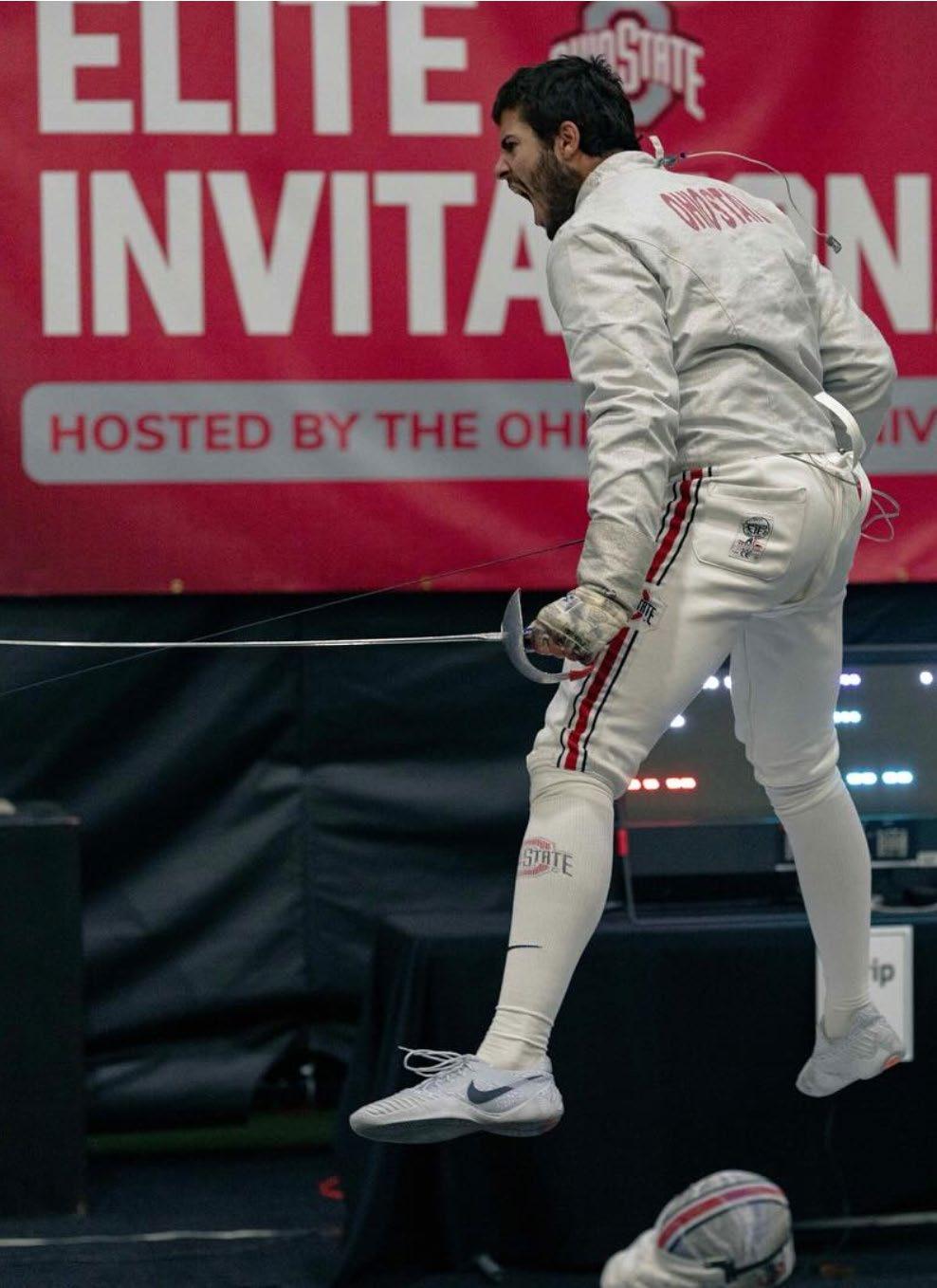
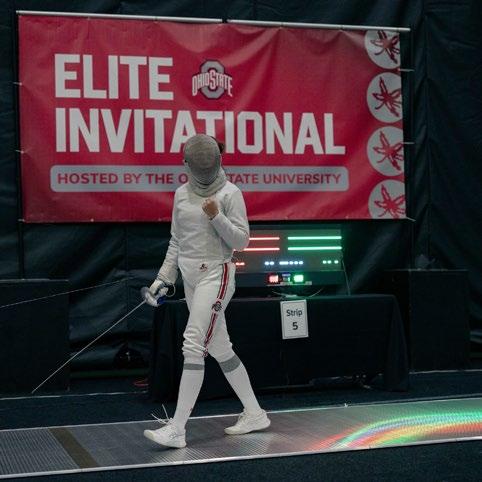
The 2025 Elite Invitational marked the true kickoff of the NCAA season with an intensity that, year after year, Ohio State knows how to turn into its signature. From early on, the French Field House became a meeting point where tradition, talent, and discipline aligned to open a new collegiate cycle. But this edition felt different: more electric, more demanding, and charged with purpose.
As host, The Ohio State University didn’t just open its doors—it held the heart of the event. The organization was impeccable, and the atmosphere had the precision of a team that understands what it means to compete and, at the same time, to welcome. Logistics, daily pace, staff and volunteer coordination—everything moved with a clarity that allowed every delegation to focus on what mattered most: stepping on the strip and answering.
And they did.
The Elite Invitational brought together powerhouses and hungry challengers: Notre Dame, Princeton, Harvard, Northwestern, Penn, Penn State, North Carolina, Duke, Air Force, Denison, Wayne State, Cleveland State, and the Buckeyes. In a multiple meet, that mix becomes a compressed truth: every bout reveals which weapons arrive sharp, where true depth lives, and—above all—what culture holds when the score tightens. Here, it’s not enough to shine once; you have to sustain it.
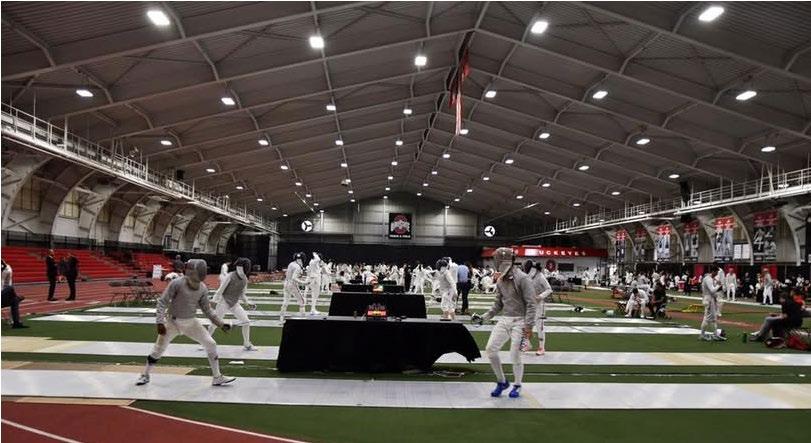

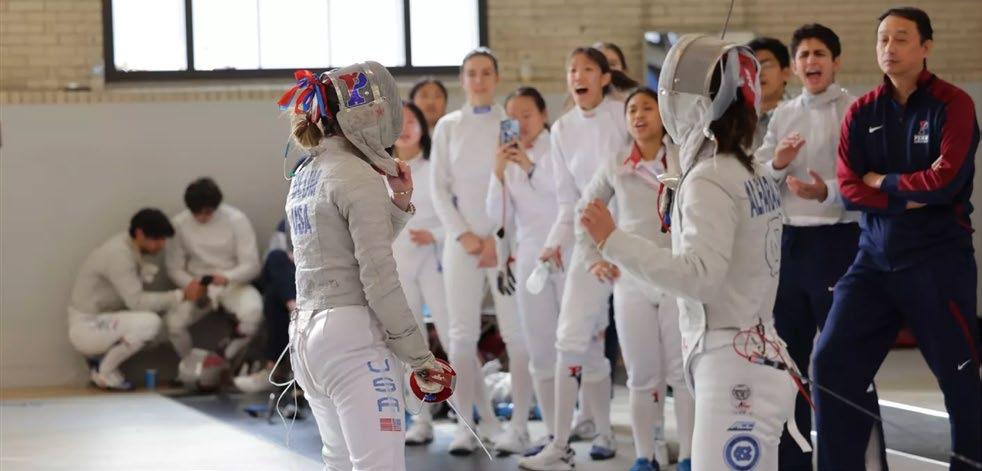
Saturday opened with that uniquely November blend of nerves and electricity: new names rotating into lineups, leaders returning with responsibility, and coaches reading the board from the warm-up onward. The tempo was intense from the first exchange. North Carolina sent early signals of strength, delivering emphatic stretches that set the day’s tone. And Ohio State lived the full challenge of being an NCAA host: competing, organizing, and keeping home energy high without losing focus.
Amid tight duels and others more controlled, one rule kept repeating—the rule that defines this format: when one weapon takes control, the whole meet changes direction. The Elite forces teams to understand that quickly. What isn’t adjusted on day one often comes due on day two.
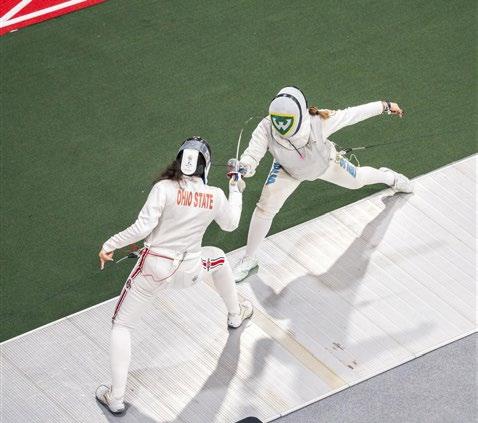
Sunday arrived with an unspoken promise: now come the heavy bouts. And it delivered. Ohio State closed the event with a punishing sequence against top-tier programs. The weekend’s balance left a clear snapshot of its caliber—and also a detail that explains why the Elite works as a thermometer: OSU’s men’s épée finished perfect (4–0) on Sunday, a technical beacon amid tight matchups and elite-level opposition.
In parallel, messages emerged that the rest of the season can’t ignore. Duke landed an early, high-impact statement against the host—one that doesn’t write the ending, but absolutely changes the conversation. Notre Dame confirmed its power with a commanding start: when a giant opens firmly, the season understands there will be no margin for improvisation. Northwestern combined something valuable as early as November: winning—and doing it against strong opposition—building a start that carries weight in both results and confidence.
And then there are the surprises that ignite the sport. Air Force delivered one of the early postcards with statement wins, and North Carolina also left its mark with a result that lifted the room—victories that don’t define November, but they do push narratives and force everyone to adjust.
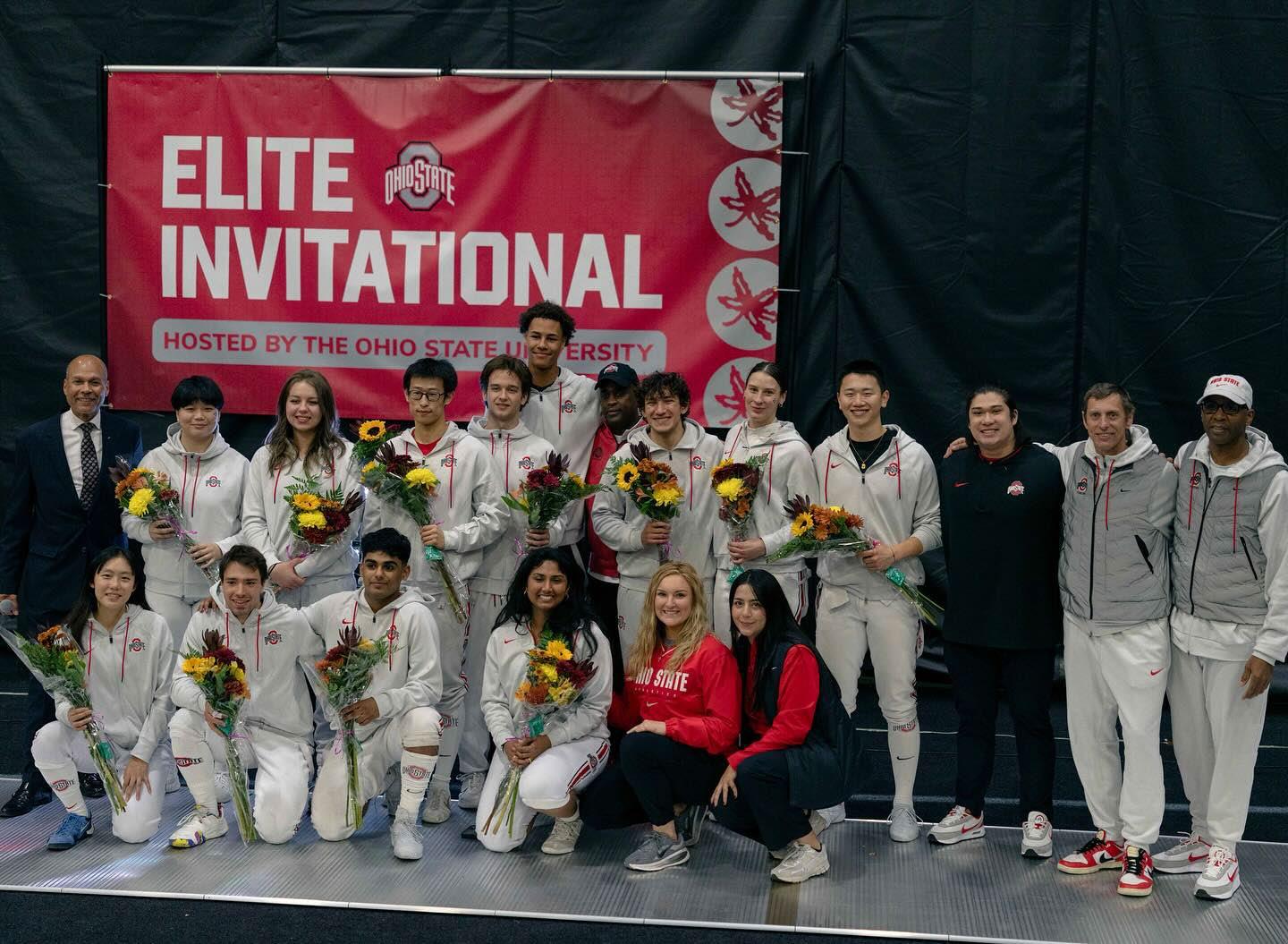
If the Elite Invitational OSU 2025 had to be summarized in a single image, it wouldn’t be a podium. It would be an entire team standing, tracking every touch as if it were the last; coaches calculating substitutions and momentum swings; and that energy that only exists when universities look each other in the eye and understand the season has truly begun.
At the French Field House, the sound doesn’t come only from blades—it comes from the benches. Because in NCAA, unlike individual fencing, every bout is a vote. And the Elite is a ballot box of 27 votes per meet.
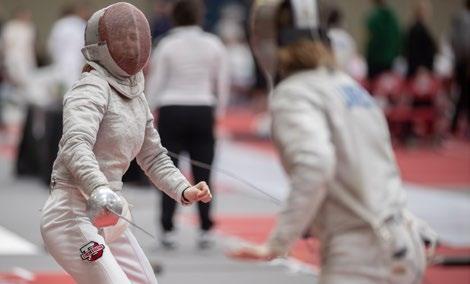
Moments that defined the weekend
Early statement: Air Force opens with high-caliber victories.
Sunday’s big tests: OSU faces demanding matchups, and its men’s épée closes 4–0.
Duke’s signal: a high-impact result against the host that sparks the conversation.
Who has real weapon-by-weapon depth.
Which programs already arrive with team chemistry.
Who can win tight meets without losing structure.
Which weapons are “anchors” and which are still under construction.
Which names—veterans or newcomers—begin pushing the story toward 2026.
The Elite Invitational OSU 2025 wasn’t just another date on the calendar—it was an early mirror. Ohio State, as host, shaped it with excellence and respect for the sport; the teams, through their level, turned it into a collective statement. That’s why this chronicle works both as a recap of what was lived and as a starting point for the season: it doesn’t only revive what happened… it illuminates what’s coming.
Welcome to a new season. The Elite lit the spark; the story is just beginning, and it will be written in the months ahead.
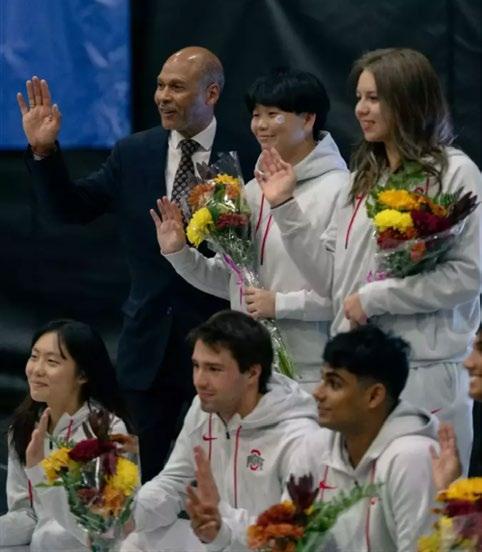
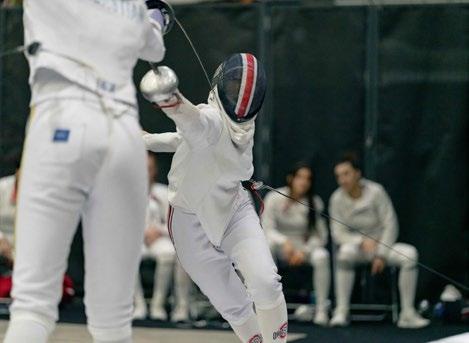
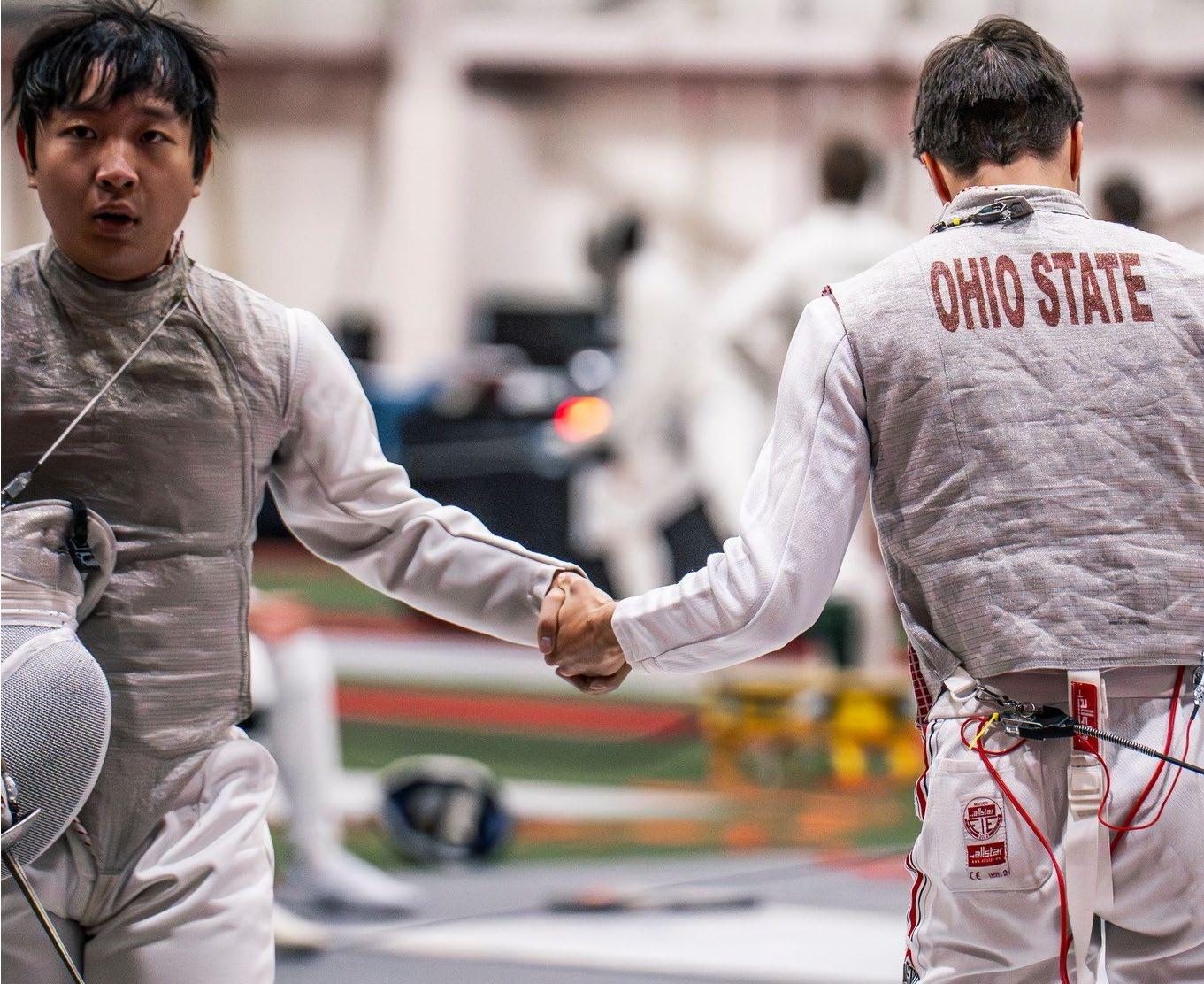
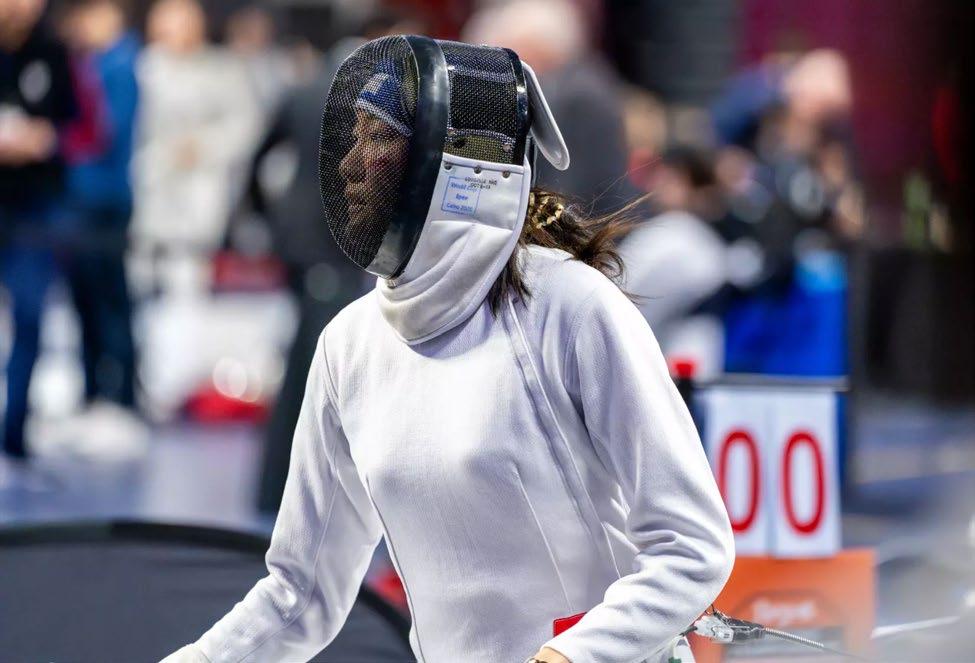

Thirteen programs, one shared stage, and one common message: in the NCAA, nobody “ends up here” by accident.
Penn arrived in Columbus with competitive rhythm from day one, collecting five combined wins on the opening day. In a multiple meet, that signals order and a fast read of the event.
Elite OSU 2025 Highlights: Day 1 with five wins (men and women).
Identity: winning “in blocks,” weapon by weapon.
2026 Radar: depth and 14–13-type finishes.
Notre Dame opened with authority and delivered a key duel against Ohio State, with perfect-name performances by weapon in the matchup story. The message was clear: power from November.
Elite OSU 2025 Highlights: men’s 16–11 win vs Ohio State.
Identity: high pressure + execution without chaos.
2026 Radar: total consistency and mental toughness.
Duke produced one of the clearest signals of the weekend: a 15–12 men’s win over the host, driven by strong splits in foil and sabre.
Elite OSU 2025 Highlights: 15–12 vs Ohio State (men).
Identity: momentum in key weapons (foil/sabre).
2026 Radar: repeating “big-match wins” without dropping the pulse.

Cleveland State found value in the details: one-touch wins and the ability to compete even when the weekend demands volume.
Elite OSU 2025 Highlights: women’s épée with key 5–4 wins; women’s sabre with a 5–4 finish.
Identity: “closing” DNA—winning when the margin is razor-thin.
2026 Radar: turning tight finishes into streaks.

UNC closed Day 1 standing out through team success and weapon-group performances, with individual sweeps that point to structure and early confidence.
Elite OSU 2025 Highlights: Day 1: men 3–1, women 3–2.
Identity: weapons that catch fire and sustain tempo.
Radar 2026: maintaining energy and order over the long stretch.
Air Force was synonymous with an “early warning”: the men’s team posted high-impact wins against strong opponents and stood out with high production in foil.
Elite OSU 2025 Highlights: men’s wins over Princeton and Ohio State.
Identity: competing without hesitation; foil as the engine.
2026 Radar: sustaining the punch once everyone is studying you.
Wayne State showed both faces of the Elite: hard lessons from the volume of matchups, and wins that confirm character—especially in head-to-head duels.
Elite OSU 2025 Highlights: women’s wins over Air Force and Cleveland State; men’s wide win over Cleveland State.
Identity: competing even through long days.
2026 Radar: adding weapon-by-weapon depth to raise the ceiling.
Harvard was one of the teams with the most complete storyline: decisive results, close duels, and first-years already appearing in the official narrative.
Elite OSU 2025 Highlights: a reported big win plus wins over Ohio State and Penn State.
Identity: a blend of depth + in-duel adjustments.
2026 Radar: integrating new faces without losing consistency.

Penn State left Columbus with a valuable read: early contact against strong opposition and weapon splits that show where the foundations are.
Elite OSU 2025 Highlights: demanding matchups and weapon-by-weapon splits that create learning.
Identity: competing from pressure, not in spite of it.
2026 Radar: turning strong splits into winning totals.

Princeton raised the level of matchups in Columbus: its presence functions as a reference point and measuring stick. In November, that matters twice.
Elite OSU 2025 Highlights: cited as a “heavy” opponent in other teams’ recaps.
Identity: a high standard from the start.
2026 Radar: sustaining the “team to beat” label.
Northwestern turned the Elite into a collection of statement results: a winning start and victories over top-tier opponents.
Elite OSU 2025 Highlights: finished 6–2 and reported “ranked wins” in its recap.
Identity: early consistency.
2026 Radar: holding pace when the decisive phase arrives.
Ohio State was the weekend’s center of gravity: host and measuring stick. Its recap makes the volume of opposition clear—and who carried the team individually.
Elite OSU 2025 Highlights: women 5–5, men 3–6.
Identity: strong individual base; collective challenge in closing moments.
2026 Radar: turning individual production into meet victories.

Denison (DIII) once again proved why the Elite has no “filler”: it competed and won matchups against solid-caliber programs, sustaining character through long days.
Elite OSU 2025 Highlights: Day 2 reported 2–1; competitive weekend overall.
Identity: competing without hesitation.
2026 Radar: turning “surprise” into consistency.
Early-season signals and protagonists.
There are tournaments that open the calendar… and others that open the conversation. The Elite Invitational OSU 2025, at the French Field House, was that first major “thermometer” where the powerhouses arrive with no excuses and hungry programs find the perfect strip to announce themselves. Ohio State set the stage; everyone else delivered the message: weapon-by-weapon depth, real chemistry, and cold-blooded execution in one-touch finishes.
And as the circuit started moving to other stops on the calendar, another layer proved just as revealing: bout volume, wear and tear, fast adjustments, and names that—with long records—earn their place on the season’s radar.
The names already pushing the story forward
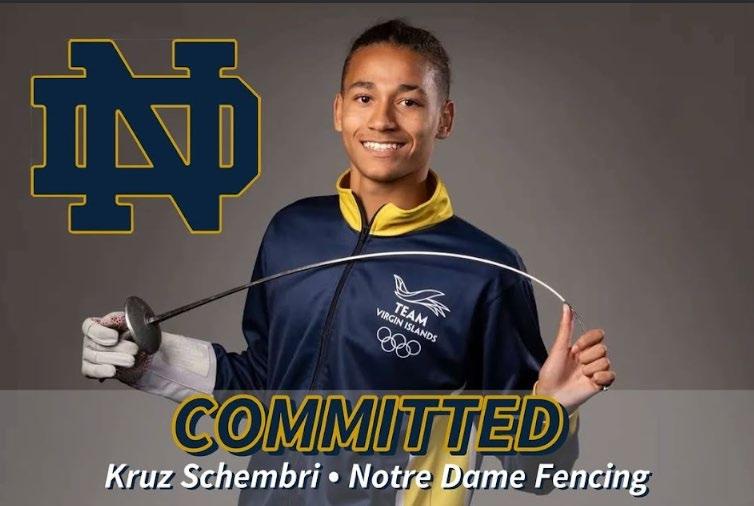
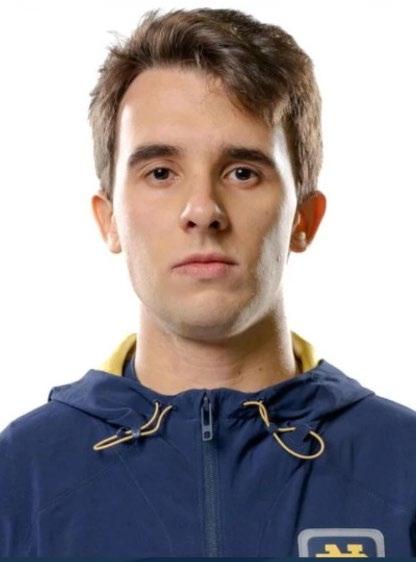
If anyone arrived “ready,” it was Notre Dame: women 5–0 and men 3–1 out of the gate. In women’s foil, Stavroula Garyfallou and Emma Griffin set the tempo; in épée, national champion Eszter Muhari opened strong; and in sabre, Magda Skarbonkiewicz was decisive. On the men’s side, the matchup against OSU had its own signature, with perfect performances in the bout narrative: Kruz Schembri, Paulo Morais, and Grant Dodrill.
What to watch: weapon-by-weapon dominance, not just big names
Key: sustaining it when the calendar gets heavy
Thermometer: 14–13 finishes without losing structure
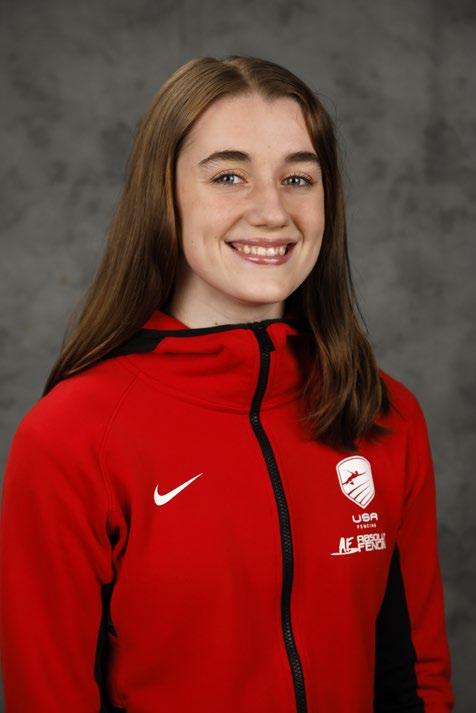




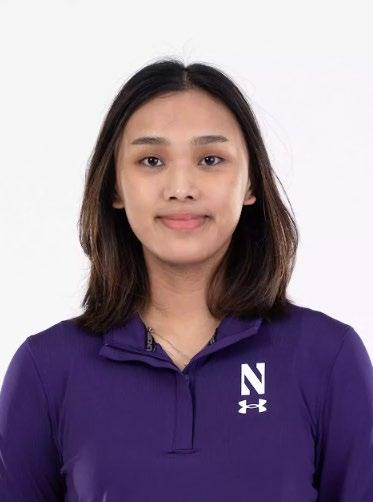
NORTHWESTERN | Winning “heavy matches” early
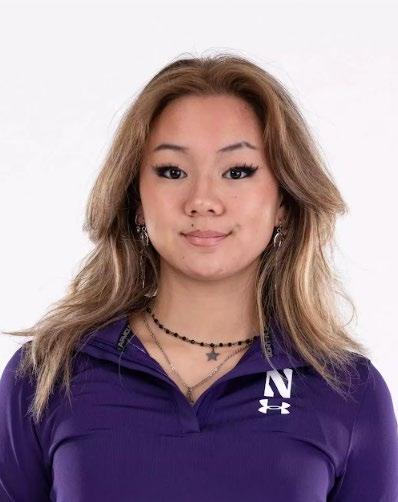
Northwestern turned its start into a collection of high-value results, including wins over ranked opponents. In high-volume settings, it also sent a clear signal: knowing how to win when the day runs long. Early in the conversation are names who hold weapon splits steady, such as Daphne Chan Nok Sze, Karina Vasile, Christina Liu, and Megumi Oishi.
What to watch: second-day response (Sunday)
Strength: true depth in rotation
Key: not relying on a single weapon
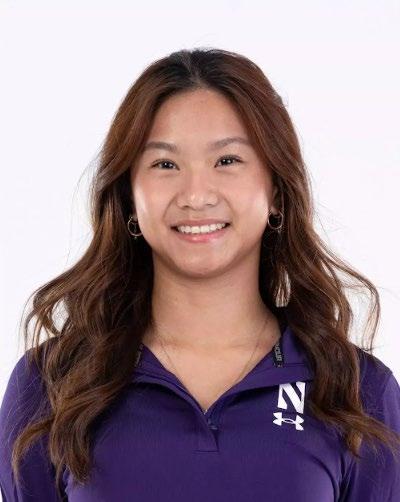
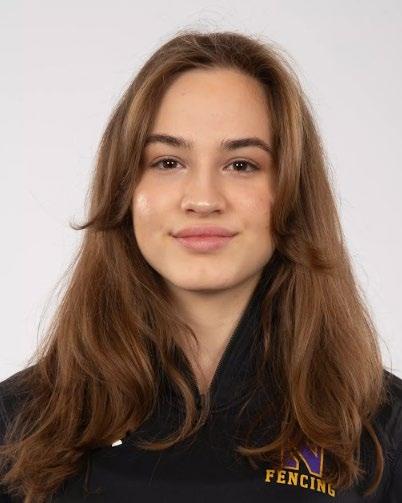
When a team opens with a perfect weekend, it isn’t luck—it’s structure. Columbia started fast, led by athletes who posted long records across multiple matchups. On the radar: Tamar Gordon (sabre), Rachael Kim (foil), Nicole Xuan (épée), and Zander Rhodes (foil), as part of a group capable of holding the total without weapon-by-weapon gaps.
What to watch: sustaining volume against elite opposition
Strength: complete weapons, no gaps
Key: turning a perfect start into a habit



DUKE | The hit that changes the conversation
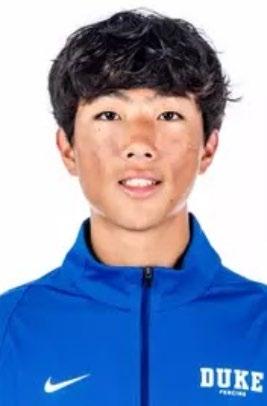
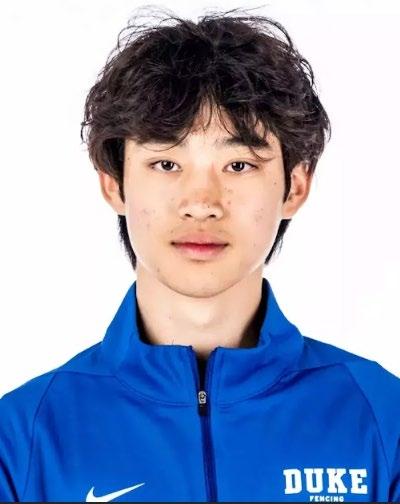
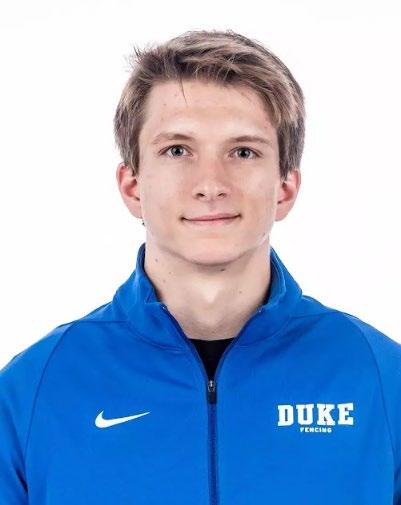
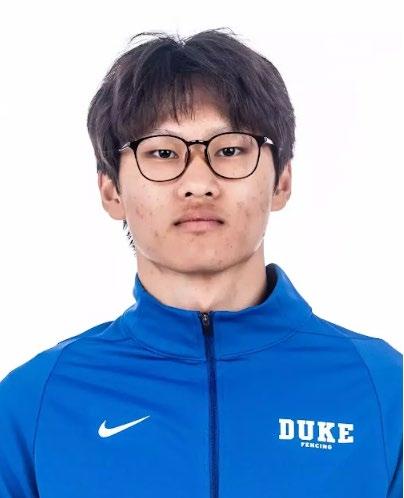
Duke delivered one of the loudest results of the Elite: a 15–12 win over Ohio State. That kind of victory doesn’t write the ending, but it does plant a name firmly in the conversation. Among the athletes who began repeating across recaps and weapon splits: Lev Ermakov, Ethan Huang, Aidan Lee, and Owen Li.
What to watch: repeating the performance vs top opponents
Strength: execution in decisive bouts
Key: making “big-match wins” the rule, not the exception
OHIO STATE | Anchors that hold, finishes to convert
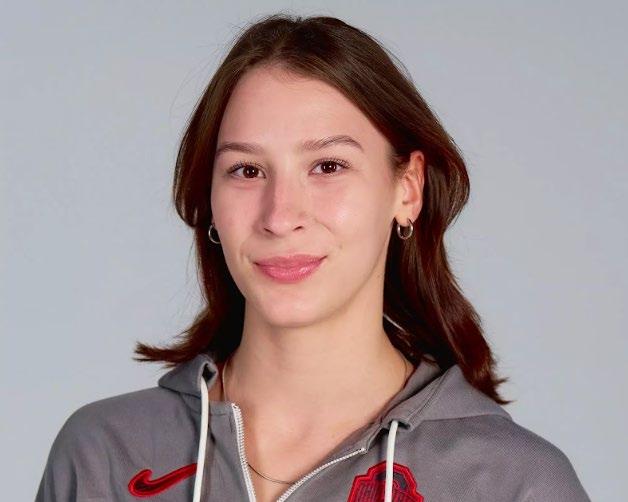
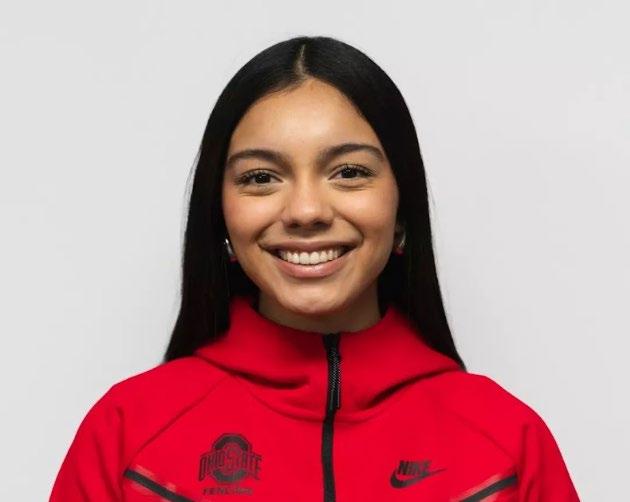
Being the host isn’t only about competing—it’s about sustaining logistics, energy, and pressure. Even so, OSU showed clear signs of individual stability at the Elite, with leaders providing weapon-by-weapon volume. On the women’s side, names like Gloria Klughardt and Natalia Botello stand out for consistency; on the men’s side, the base is built around fencers who hold weapon splits in demanding matchups.
What to watch: 14–13 meets and the final bout
Strength: weapon “units,” not just individual stars
Key: turning strong splits into meet wins
CAROLINA | The upset that ignites a season
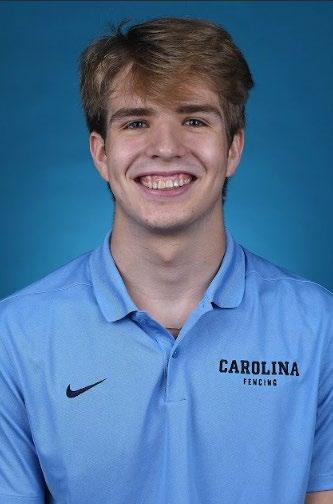
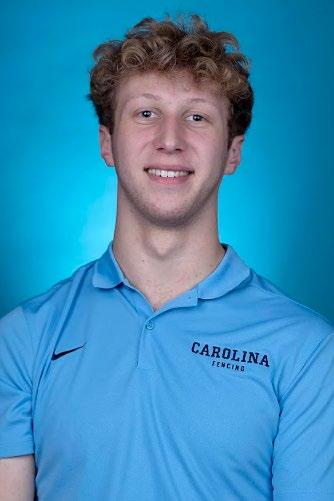
UNC was one of the teams that raised the weekend’s temperature the most: an early statement result changes November’s narrative. In focus are Peter Bruk (foil) and Elden Wood (sabre), alongside a young wave already asking for minutes.
What to watch: sustaining intensity over the long stretch
Strength: weapons pushing together
Key: not dropping off after the first big hit
PENN | Meet-winning power when all three weapons push
Penn profiles as a team that can win through volume, balance, and also through closes. Early in the conversation, names are already emerging that bring both present impact and future projection: Nicholas Jin, freshman Kimberley Jang, and Grace Hu, among others.
What to watch: even splits (all three weapons scoring)
Strength: winning tight—and winning big
Key: sustaining pace without wearing down

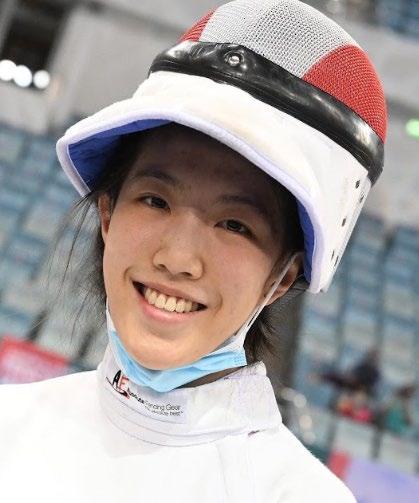
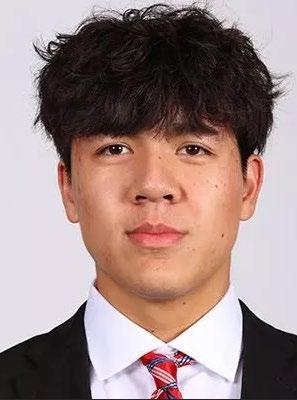
Harvard opened 2025–26 with a deep roster and options to rotate without losing order. Early on the radar are names like Lucia Zhang, Yasmine Khamis, Kaitlyn Pak, Zara Pehlivani, Chloe Williams, and Eileen Ye, within a group prioritizing structure and continuity from November onward.
What to watch: effective rotation without a drop in level
Strength: roster depth
Key: week-to-week consistency
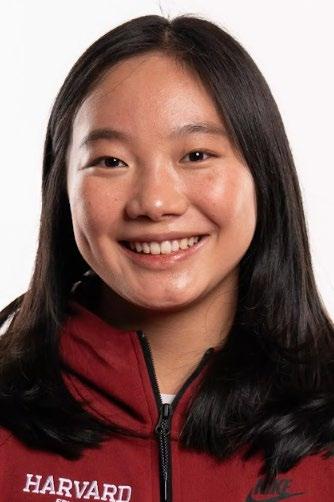
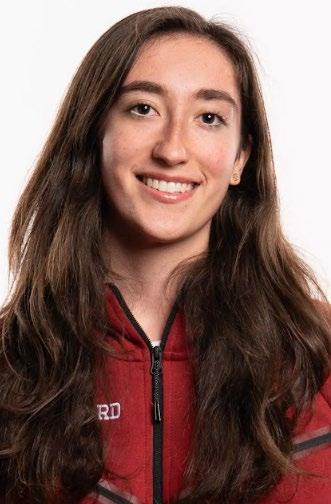

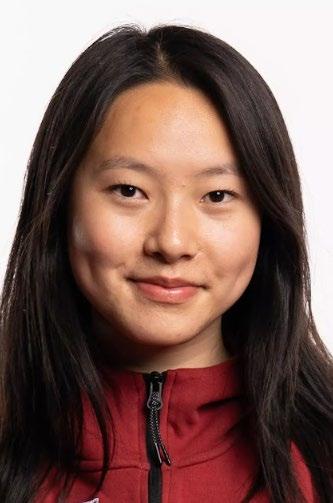
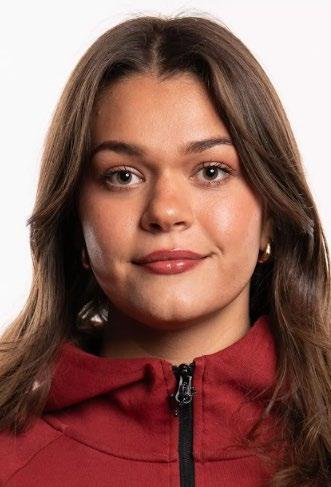
quickly to the NCAA rhythm: showing up in tight meets, holding across multiple rounds, and contributing without the team losing structure.
-Contributes in 14–13 / 15–12 situations
-Holds level across multiple rounds in the same day
-Produces under pressure, not only in comfortable matchups
In the NCAA, seasons are won with names… but sustained with weapon units. The Elite lit the spark; what comes next will show who turns this start into real consistency when the stretch arrives where everything is decided.

Who holds the project together when the season truly begins
The Elite Invitational (November 8–9, 2025) doesn’t only bring together top-level programs—it also reveals, at fast-forward speed, the quiet work that sustains an NCAA team. In a multiple meet, a coach isn’t managing “one match”: they’re managing fatigue, rotations, emotional momentum swings, and weapon-by-weapon adjustments. Here are the leaders at the helm of every program that competed in Ohio.
Host and competitive thermometer. At OSU, the coach’s role doubles: competing under pressure while also maintaining the structure that allows the event to run with precision. Ohio State imprints order, identity, and home-culture.
“Being a host is competing… and also serving the sport.”
Denison represents the “no permission needed” mindset: competing without hesitation, sustaining character, and capitalizing on every close finish. In a field of powerhouses, that mentality becomes identity.
“We don’t ask for space: we earn it on the strip.”
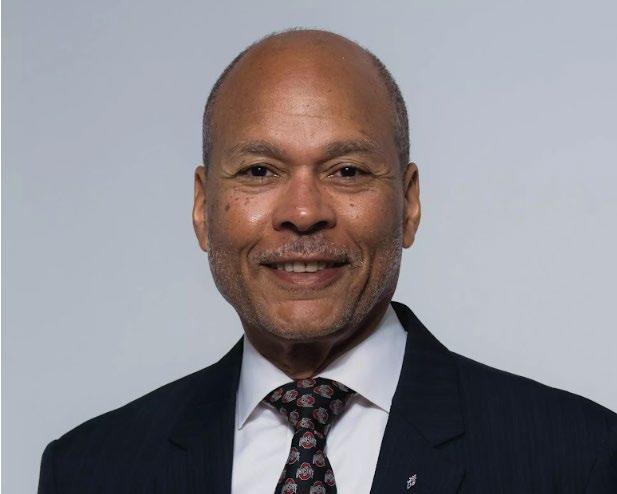
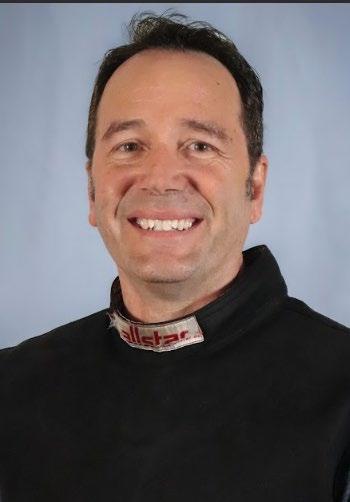
Notre Dame arrives in November with championship habits: depth, tactical discipline, and a clearly defined identity by weapon. The coach’s hand shows up in the hardest part: winning without losing the plan when the meet tightens.
“What we do in November gets paid back—or celebrated—in March.”
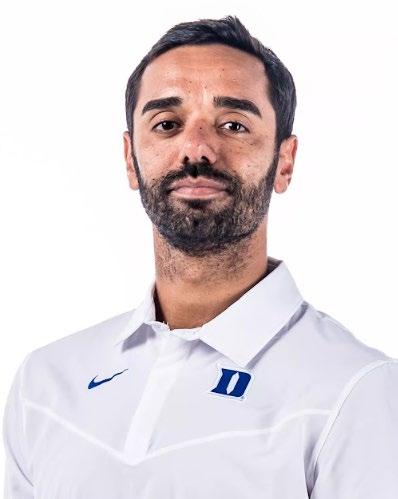
Duke projects intensity and execution in key moments. At the Elite, that signature is measured in finishes: when to press, when to hold, and how to manage a one-touch margin.
“Big meets aren’t improvised: they’re trained.”
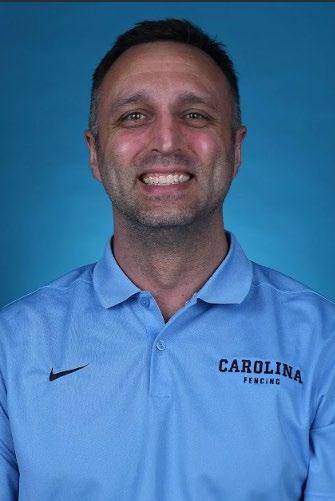
UNC arrives with the mindset of an “uncomfortable team”: it competes deep, responds in runs, and knows how to spark the narrative early. The Elite reveals a virtue not always visible in stats: the team’s emotional order.
“Energy spreads… but order is trained.”
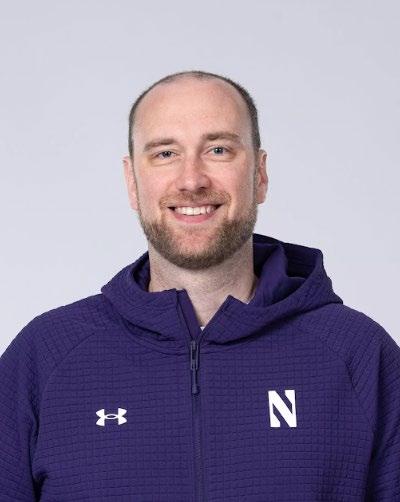
Northwestern is built through demand: a tough schedule, early tests, and a focus on sustaining performance across long days. Its strength shows when the meet turns into a marathon.
“This schedule tests us against the best, and that’s how we grow.”

— Daria Schneider
Harvard blends tradition with structure: deep rotations, consistency, and a high standard by weapon. In events like the Elite, its strength is playing the long game—sustaining performance beyond a single peak.
“A great team doesn’t rely on a perfect day, but on repeatable habits.”
Princeton is often read through tactical clarity: teams that enter the season with a plan, not improvisation. At the Elite, the coach measures what matters most: who holds steady when details decide the meet.
“Details win meets; consistency wins seasons.”
Penn State grows stronger through friction: elite opponents, dense matchups, and accelerated learning. In November, the coach’s focus is spotting “anchors” and building answers for the long stretch.
“Every tough matchup is information. And information becomes an advantage.”
Penn is synonymous with balance: when all three weapons push, the team becomes dangerous. Technical direction shows in tempo management and in reading weapon splits.
“In the NCAA, winning is sustaining 27 bouts—not one.”


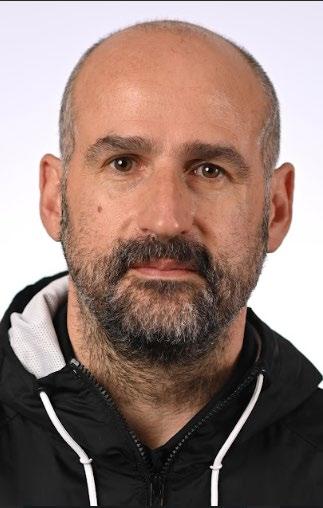
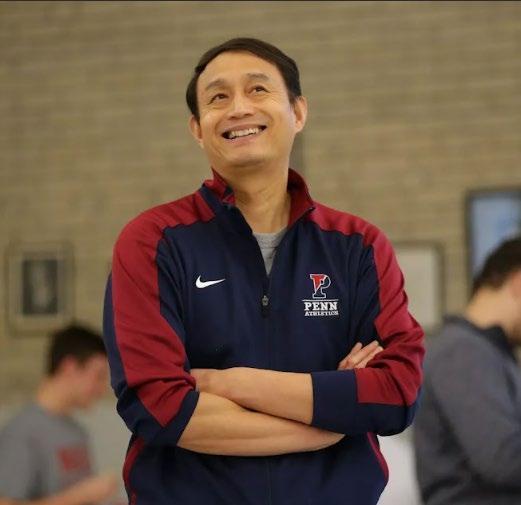
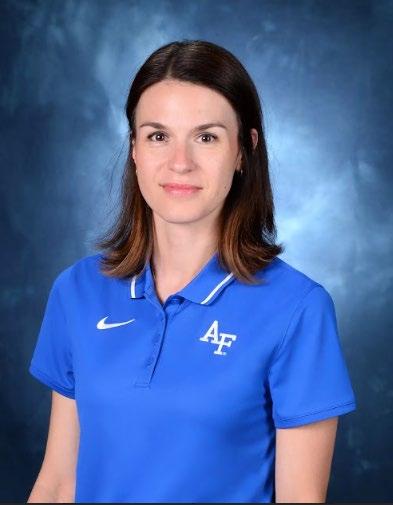
Air Force competes with tactical discipline and mental toughness. In stages like the Elite, its identity shows in the finishes: emotional control, order, and clean execution without noise.
“When the meet tightens, discipline is your best weapon.”
Wayne State brings a resilient profile: a team capable of producing when the day runs long. In a tough meet, that trait is gold—staying sharp and calm under pressure.
“Resilience isn’t an emotion: it’s a routine.”
Cleveland State is defined by margins: meets won by one touch, through execution in short bouts. There, the coach decides a lot—who closes, how pressure is managed, how chaos is avoided.
“One touch isn’t luck: it’s preparation under pressure.”


The Elite Invitational spotlights athletes… but it reveals coaches. Because in the NCAA, leadership isn’t measured only in wins—it’s measured in culture, order, and the ability to sustain when the calendar demands more than the scoreboard can show.
Getting into an NCAA fencing program isn’t a matter of “sending an email and waiting.” It’s a process with rules, timelines, and a very clear logic: the university is looking for athletes who can perform on the strip and sustain the academic pace. When both pieces fit, recruiting moves fast. When one fails, the dream slows down.
1) The entry point: choose the right path
First, understand the landscape. In the United States, Varsity teams (NCAA) and Club programs coexist. Both compete, but they don’t work the same way. If your goal is the NCAA, your search must focus on universities with an official program, your weapon, and a level that matches where you are right now as an athlete.
2) Without an academic foundation, there is no recruiting
Fencing opens conversations, but academic eligibility sustains them. A coach may be excited about your talent, but if your school profile isn’t in order, the university won’t sign you. That’s why, before talking about medals, you have to talk about grades, coursework, and consistency.
3) Your “recruiting packet” is decided in minutes
Coaches review hundreds of profiles. Yours must be easy to scan:
One-page athletic résumé (weapon, handedness, height, graduation year, club/coach, key results, academic GPA/average).
Short video (2–4 minutes) with real actions: distance, decisions, variety of situations.
Competition calendar and recent results.
If what you send is clear, the coach quickly understands whether you fit. If it’s messy, you get lost in the line.

4) How to email a coach without sounding generic
An effective email isn’t long—it’s specific. One line on why that university, two or three strong results, a link to your video, and your competition schedule. Then follow up every few weeks with real updates. Sometimes silence isn’t lack of interest—it’s timing, rules, and a packed schedule. Your professional consistency is part of your recruiting.
Many athletes obsess over one big result. In the NCAA, regularity often weighs more: how you perform across multiple rounds, how you respond when you’re behind, whether you can hold your level through long days. That’s where a program identifies true “team material.”


6) The reality of scholarships: financial strategy, not fantasies
In fencing, many awards are partial and are combined with academic scholarships or other forms of institutional support. That’s why the smartest plan is a double one: compete well and build a strong academic profile that expands your options.
Joining NCAA fencing is more like building a candidacy than winning a tournament: solid academics, consistent results, well-presented materials, and strategic contact with coaches. The good news is—you don’t need to be perfect; you need to be clear, eligible, and visible.
Achievements to date, key protagonists, and a projection toward the decisive stretch
Some seasons feel “locked in” from the first month; others open like a brand-new board—more head-to-head clashes among powerhouses, more tight scorelines, and more programs capable of causing trouble on the road. The NCAA 2025–26 season is starting to look like the latter.
The destination is already clear: the NCAA National Championships will take place March 19–22, 2026 at Notre Dame. But before that date, what matters is building consistency: weapon-by-weapon units that hold, rotations that don’t break under wear and tear, and leadership that shows up when a meet is decided by a single touch.
The map right now: favorites and signals with real numbers
The 2025–26 Preseason Coaches Poll sketched an early picture with familiar names on both the men’s and women’s sides: Columbia, Notre Dame, Harvard, Princeton, Ohio State, Penn, Penn State, Duke, North Carolina, and Northwestern among the most mentioned.
That picture has already been reinforced by hard data from the first stretch:
Harvard is producing a very strong start: women 11–0 and men 10–1.
Yale (women) has established itself as a true measuring stick at 15–1.
Northwestern (women) is showing a strong foundation at 12–3.
Penn reflects the classic long-season contrast: the men with a solid balance, the women in an adjustment phase—useful insight into depth and weapon-by-weapon consistency.
Outside the usual circle, Temple (women) shows a positive record in December, reminding everyone that competitive noise doesn’t come only from the same names every year.
These numbers don’t crown anyone—but they do reveal something important: teams are already stacking bout volume and sustaining performance, the true currency of NCAA fencing when February arrives.
1)
“units,” not by a single star.
December tends to punish teams that depend on one standout and reward those with three per weapon who can produce without collapsing in the second or third round of the day.
2) Travel and wear are already shaping results.
Multiple-meet weekends expose what highlights can’t: rotation management, tactical reading, and emotional recovery after a 14–13.
3) The women’s top tier is particularly tight.
Strong records plus the historical weight of elite programs make the January–February stretch feel decisive for seeding—and for confidence heading into March.
In a national thermometer, the “how” matters as much as the “how many.” A clear example is Ohio State, living the double demand of competing while maintaining a high standard against heavy opponents.
In its 2025 calendar close, OSU highlights high-volume performances such as Gloria Klughardt in épée and Natalia Botello in sabre, producing consistently across big days. Those early numbers matter because they reflect what’s most valuable in the NCAA: repeatable points, not isolated flashes.
On the other side, Columbia has posted markers that carry weight in any season narrative: decisive wins, weapon-by-weapon control, and the ability to win at maximum pressure—the kind of 14–13 that builds character for the months ahead.
Projection: what remains, and what will decide the decisive stretch
Starting in January, the script changes: less “introduction,” more candidacy-building. The calendar becomes a sequence of unavoidable stations—conference championships, regionals, and the final funnel toward March.
With that in mind, here are the three questions that will truly measure the season:
1. Who sustains weapon depth when the schedule gets heavy?
Perfect or near-perfect records impress, but the key is whether they hold through dense weeks and opponents adjusting their scouting.
2. Which programs turn 14–13 finishes into a habit, not an anecdote?
That’s where contenders separate from good teams: winning under pressure without losing structure.
3. Who arrives “most intact” in March—with a real bench, no gaps, and tactical calm?
Because in the NCAA, you don’t win on peaks alone—you win with consistent weeks.
At this point, the NCAA 2025–26 season already has one thing defined: there’s power at the top—and real pressure rising from below. What remains to be written is who turns this strong start into a sustained identity when the sport stops being promise and becomes verdict… in March, on the strips at Notre Dame.

How it reshaped the competitive map, what it brings to the spectacle, and the new challenges
The NCAA stopped being a “domestic-only” circuit a long time ago. Today, international student-athletes are a structural part of collegiate sports in the United States, and that reality has shaped program identities, competitive styles, and the way rosters are built. In a sport like fencing—small in number of programs, but enormous in tradition and technique—international recruiting has become a real lever for performance and prestige: raising the level, expanding reach, and accelerating tactical evolution within each team.
1) Higher level and greater weapon-by-weapon depth
The first impact is competitive. When athletes arrive from different systems—clubs, national leagues, European, Latin American, or Asian circuits—the NCAA gains variety in tempo, distance reading, and tactical schools. That forces many teams to build something sturdier than a single star: three fencers who can sustain an entire weapon. Put simply, international recruiting pushes programs to look more like national teams: real rotation, a plan, and a bench that produces.
2) The NCAA becomes a global showcase
The second impact is cultural and media-driven. International presence expands audiences, draws families and communities beyond the U.S., and creates richer narratives: the athlete entering the university system for the first time, the clash of styles, adaptation, personal growth, and the academic “before and after.” For fencing in particular, it’s also a natural way to connect with the sport’s global tradition: the NCAA becomes a bridge where schools, countries, and generations intersect.
3) Recruiting abroad isn’t just “bringing talent”—it’s navigating eligibility
Here comes the less romantic but most decisive part: international athletes must meet academic requirements and eligibility rules that often demand school equivalencies, clear documentation, and alignment with amateur status. In fencing, this matters a lot, because some sports systems include support, prizes, or stipends that can be interpreted differently under the university framework. Serious recruiting today includes compliance from day one.
Another real (and sometimes uncomfortable) effect is that international talent raises the standard for everyone. In Olympic sports—where roster spots and aid are limited—pressure increases for results, consistency, and the ability to sustain long days. The fairest reading isn’t “displacement,” but a higher threshold: if your program wants to compete for championships, one good weekend is no longer enough; you need volume and stability.
The collegiate sports conversation shifted with the growth of the NIL ecosystem, but for international athletes it often comes with legal and tax obstacles tied to immigration status. That creates an uneven reality: some can leverage opportunities more easily than others, depending on their status and the institution’s support. In fencing—where NIL is rarely massive—the impact shows up as a differentiator: clinics, content, ambassador roles, equipment brands—always with careful legal guidance.
Looking at the rest of the season and the next cycles, international recruiting will keep pushing three trends:
-More intentionally international programs: global scouting and networks with clubs and coaches outside the U.S.
-Greater emphasis on academic and cultural fit: because performance doesn’t matter if the athlete can’t adapt to the university system.
-An edge for those who master the “double game”: performance + eligibility + support (language, adaptation, documentation).
International recruiting hasn’t only raised the NCAA’s level—it has changed its identity. Collegiate athletics increasingly resembles a global ecosystem where talent travels, adapts, and competes under academic and athletic pressure at the same time. For fencing, that is a huge opportunity: more technique, more stories, more future… as long as the system keeps up with clear rules, real support, and a culture that understands that excellence today has no borders.
When college becomes a pathway to the elite
Some leagues are defined by tradition, others by the future. The NCAA is both: a collegiate stage with its own identity that—without making much noise—has become one of the most effective platforms for developing and projecting athletes toward high performance. In fencing, that reality is felt every season: between classrooms, strips, and travel, a very particular kind of athlete is forged. Not only the one who wins, but the one who sustains.
perfect laboratory for real competition
In the NCAA, competition doesn’t look like an isolated tournament—it’s a marathon. Back-to-back meets, team dynamics, and the weight of every bout turn each weekend into a real test of competitive maturity. Talent isn’t enough; you have to manage energy, adapt quickly, and respond under pressure. That format—equal parts collegiate and professional—works as an accelerated school for what comes next: national teams, World Cups, and Olympic cycles.
Perhaps the NCAA’s greatest differentiator isn’t on the scoreboard, but in the routine: classes, grades, strict schedules, strength work, physical therapy, video analysis, recovery. Learning to perform under that daily demand creates athletes whose discipline shows beyond college. In a world where high performance requires a cool head as much as fast legs, the NCAA produces complete competitors: technical, resilient, and mentally steady.
Another key to its impact is the mix. The NCAA brings together local talent and international recruits, turning every roster into a mini global community. In fencing—where every country carries a distinct tradition—the clash of styles raises everyone’s level. College becomes a meeting point: where you learn to win, yes… but also to understand the sport through multiple lenses.
Does the NCAA “guarantee” the Olympics? No. But it does offer something invaluable: an ecosystem that makes progression easier. Athletes compete frequently, receive technical and physical support, and face real pressure early. For many, college is the perfect bridge—the place where talent becomes habit, and habit becomes international-level performance.
The most beautiful part is that the NCAA doesn’t only produce Olympians—it produces leaders. People who learn teamwork, how to handle defeat, how to sustain long processes, and how to build identity. And when an athlete reaches the Olympic Games, they often carry something of that DNA: the collegiate strip where every touch matters, where every weekend teaches, and where the story is written out loud among teammates.
The NCAA is a collegiate stage, yes. But in sports like fencing, it is also a quiet route to the world elite—an academy that doesn’t advertise itself as an Olympic factory… yet, season after season, keeps producing Olympians.
Your brand deserves to compete in the big leagues and shine online.
Strategy, creativity, and measurable results.

Digital precision for brands that refuse to settle.
Positioning · Content · Advertising
Web Design · Branding