


A UTHORIZED DEALERS OF FINE WATCHES

Bergen New Bridge Health



Publishers
Sharon & Steven Goldstein
Associate Publisher
Brandon Goldstein
Editorial Director
Jessica Humphrey-Cintineo
Art Director
BMG Marketing
Contributing Writers
Sheila M. ClanCy MS, CheS
StaCey FeintuCh
StaCie RoSe
audRey Zona
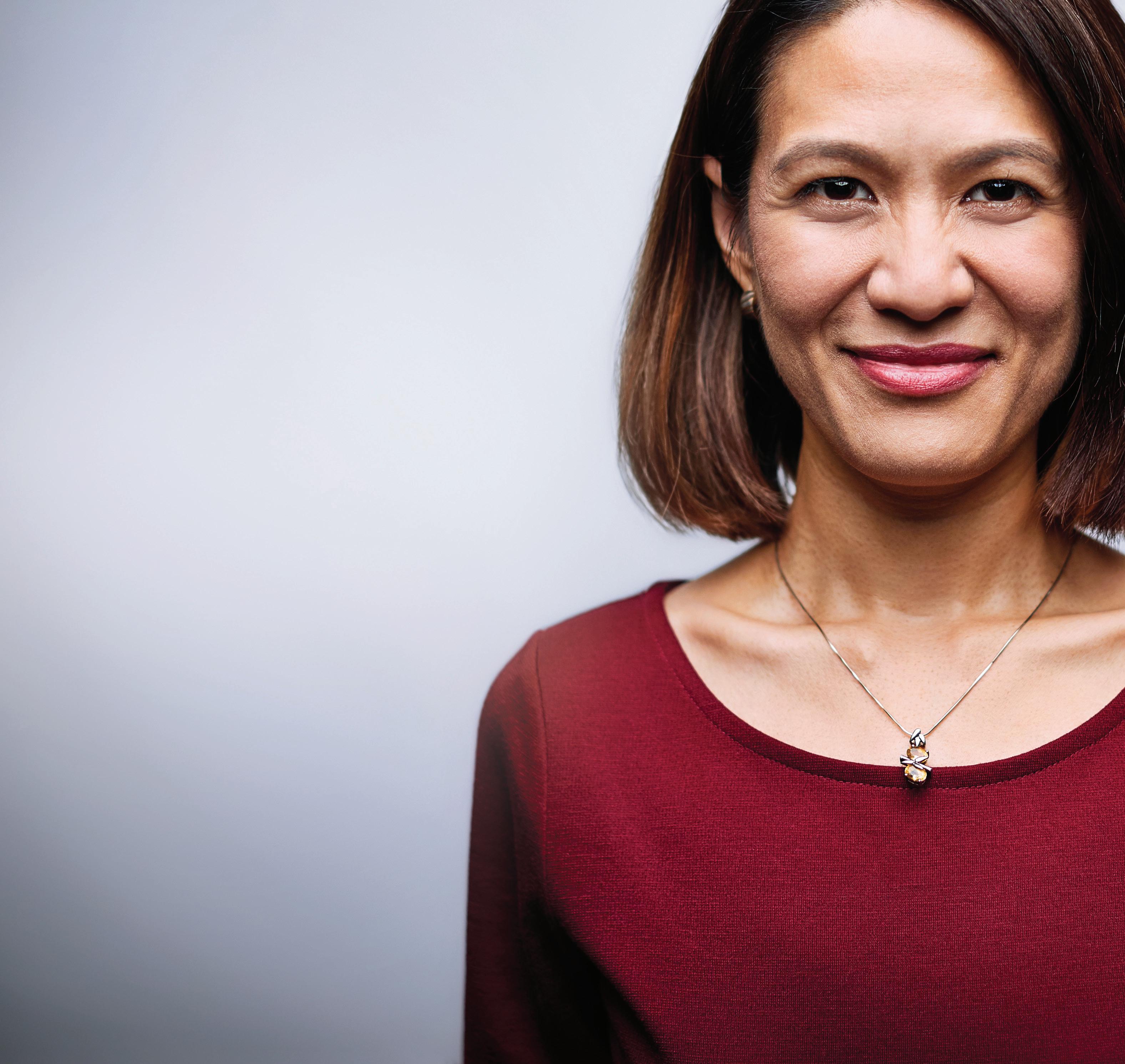
Spring has a way of shining a light on what we’re capable of, and what we don’t have to carry alone.
A few weeks ago, my husband packed a suitcase and headed out on a last-minute business trip. On paper, nothing about our routine changed dramatically. The school drop-offs still happened, practices were still attended, dinners still landed on the table and laundry somehow still multiplied overnight even though we were down one family member. As a mom of two boys, I’ve learned that life keeps moving whether you’re ready or not – and most days, I rise to meet it.
Trips like this are always a good reminder that yes, I can do it all on my own. I can manage the schedules, the workouts squeezed in between responsibilities, the bedtime routines, the emails, the never-ending mental checklist. There’s a quiet confidence that comes from knowing you’re capable, resilient and steady – even when you’re tired.
But here’s the part spring seems to whisper a little louder: just because you can do it all doesn’t mean you have to.
What I missed most while he was gone wasn’t just the extra set of hands (though those are invaluable). It was the partnership. The shared load. The way responsibility feels lighter when it’s carried together. My husband shows up for our family in countless ways. And his absence reminded me how rewarding it is to allow support, to lean into teamwork and to acknowledge that strength doesn’t come from doing everything solo.
Spring is a season of renewal, but it’s also a season of rebalancing. As the days get longer and our calendars fill up again, it’s an opportunity to check in with ourselves. Are we honoring our health? Making space for movement that energizes us? Nourishing ourselves with good food, good books (the reader in me needs all the good books) and good connections? Are we asking for help when we need it – or giving ourselves permission to accept it when it’s offered?
So, as you step into this new season, here’s my invitation to you: embrace your strength and celebrate your independence, but don’t forget the power of support. Let this spring be the one where you release the pressure to do it all alone and make room for balance, connection and care. You deserve it.
Independently me, Jessica
HumpHrey-cintineo






By Stacey Feintuch

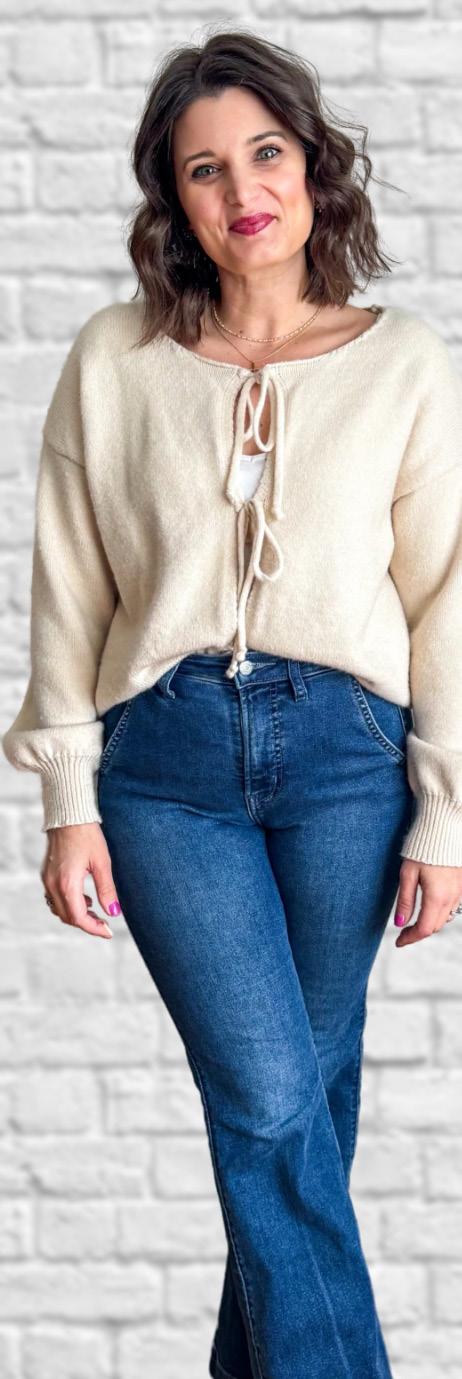
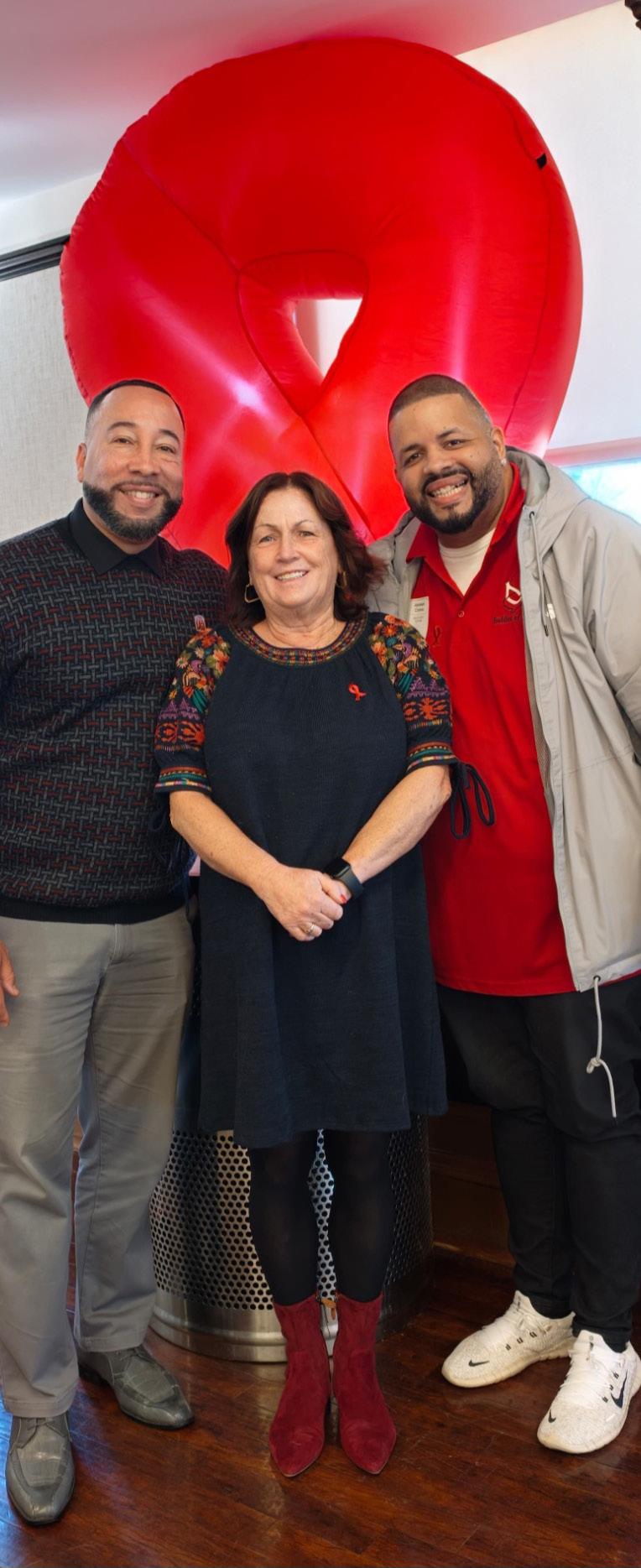
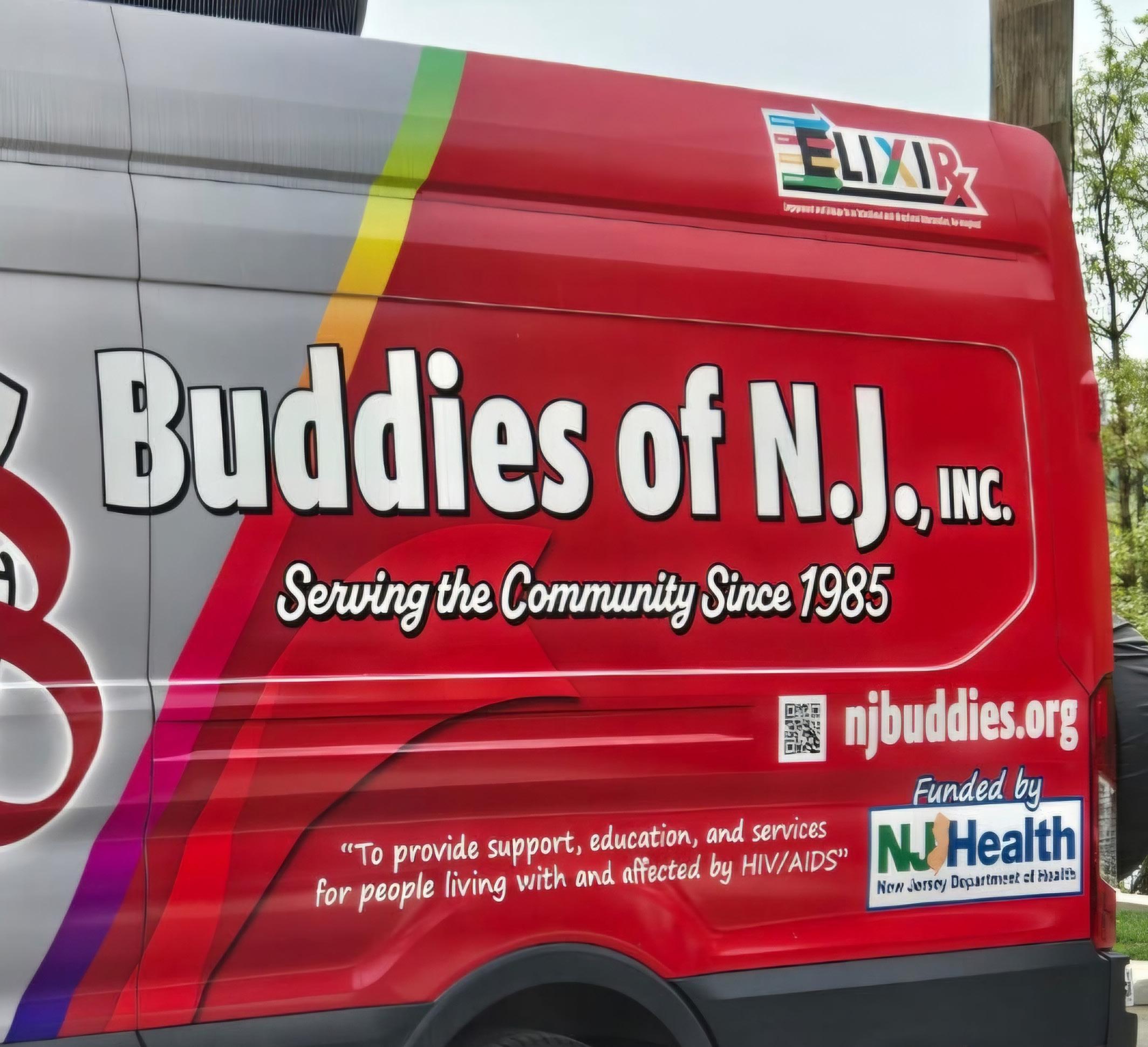
Knowing is the key to staying healthy. Buddies of New Jersey (BNJ), a nonprofit, community-based organization based in Hackensack, has served people living with and affected by HIV/AIDS since 1985. The resource center provides support, education and services for those in Bergen and Passaic County.
BNJ offers substance-use support services, free rapid HIV/STI testing and counseling, medical case management, housing and housing assistance, peer support groups, transportation, a food pantry and more.
“If managed properly, AIDS isn’t a death sentence anymore,” says Richard Miles, MLER, executive director. “We’re providing social services to take care of our clients so they can live the exact same life they would without HIV.”
They’re supported with federal grants from the Ryan White Care Act, HOPWA (Housing Opportunities for People With AIDS) and the New Jersey Department of Health. Additional funding is provided through private foundations, fundraising and community contributions.
“Every dollar provided to us gets kicked back to the clients.”
They also oversee Robert A. Harrison House. Founded in 1992, it’s an assisted living facility that houses six full-time HIV-impacted residents and a house manager located on the grounds of Bergen New Bridge Medical Center in Paramus.
“We house people who have dire needs for housing and ensure that they get resources to live a viable life.”
BNJ is a founder and member organization of the New Jersey AIDS Walk, which is held the first Sunday in May. They hold other events including World Aids Day (Dec. 1) activities, an annual December brunch and fundraiser, a Halloween party and more. In 2026, they want to host a delayed gala celebrating their 40th anniversary.
History
Things are quite different at BNJ than they were in 1985. Back then, they supported clients who couldn’t get into hospitals that were overrun with patients.
They’d help them at home with cooking, laundry, bathing and end-of-life situations.
“Hospitals couldn’t handle the number of patients with AIDs and were overloaded, so we became a buddy and were there for people, supporting them.” Today, a staff of 14 supports the organization. They see about 500 clients a month at their facility and more at their food pantry and mobile units.
“Fourteen people really touch a lot of lives,” says Miles.
Previously, Miles worked for Walgreens as a store manager for 15 years. He had family members affected with HIV, but it wasn’t spoken about. He volunteered with BNJ for a few years, driving participation at fundraisers. He was asked to become a
board member and eventually took over as executive director in 2019.
Part of his job is ensuring that BNJ always has funding. He visits legislators at local, state and national levels to make sure they’re not forgotten. Recently, he went to Washington, D.C. to speak with legislators about ending the HIV epidemic.
“People think HIV is over and not as big of an issue,” says Miles. “That’s not the case.”
Buddies of New Jersey is located at 149 Hudson St. in Hackensack. Learn more at njbuddies.org or call (201) 489-2900.



By Sheila M. Clancy MS, CHES
Remember how a good night’s sleep came naturally to us when we were kids? When it was bedtime, we could climb in and drift right into a deep, restful sleep that prepared us for a new energy filled day.
Today, only 65 percent of adults get the recommended 7-9 hours of sleep, and 50 percent of adults report experiencing insomnia (National Health Interview Survey). Poor sleep can affect your health in many ways, including raising your blood sugar and blood pressure, and increasing your risk of depression, heart attack and stroke. On top of all that, you are tired, achy and sluggish. How can you get a better sleep?
There are a variety of ways you can set yourself up for better sleep, and one you can start with tonight is stretching. Your body goes through a lot each day. A job that requires a lot of walking, doing repetitive motions throughout the day, lifting heavy objects and even sitting all day can be taxing to your body. Having a finicky baby that you hold in one arm all day can be exhausting! Sometimes we are locked into doing specific movements or being in certain positions for a long period of time (think desk worker, crossing guard, plumber, etc).
Our bodies were made to move on a regular basis but not locked into a certain motion. On top of the physical stress that we experience, we are rushing around, juggling a lot of tasks and we have a lot on our minds. All these things can lead our bodies to feel stressed, tight and uncomfortable. When we finally hit the hay, it may feel like we are a ball of stress lying on a lumpy and hard haystack. A better
way to settle into your nice warm and comfortable bed is to go through an easy stretch routine first. Here are some wonderful stretches to release your tension and tightness.
Once you get inside your bedroom, dim the lights and if possible, put on some calm relaxing music or background noise such as birds chirping or gentle rain or water running (lots of apps can help with this). Begin to breathe slowly and deeply in your nose, hold for 2-3 seconds and slowly exhale, releasing the tightness and tension you feel in your chest, neck and shoulders. Continue your slow breathing through all the following stretches:
Neck and Shoulders: While standing or sitting at the edge of the bed, lower your head to the left side, imagining trying to touch your left ear to your left shoulder. Hold it there for 2 or 3 breaths and then repeat it on the right side. Lastly lower your chin down as if you are trying to touch your chin to your chest. Leave your head hanging down for 2-3 breaths. Pick your head back up and gently roll your shoulders up, back and down a few times to release the tension in your upper back and shoulders.
Cat Cow Stretch: Get into a tabletop position which is on your hands and knees; you can do this on the bed or on the floor. Hunch the middle of your back up towards the ceiling while you lower your head and pull in your stomach. Hold this position for 3-5 seconds and then push your belly button towards the floor, arch your back and pick your head up to look straight ahead; also hold this position for 3-5 seconds. Alternate back and forth between these two
Continued on page 16
positions for about 1 minute. You will be stretching your back, neck, stomach, hips and shoulders.
Butterfly Stretch: Sit on the floor or on the bed. Touch the soles of your feet together and place your hands on your ankles or around your feet. Let your knees gently fall out to the sides. Lean forward slightly keeping your back straight and take some deep breaths. This stretch helps to relieve the tension that can build up in the hips, low back and thighs.
Knee Pull: Lie on your back on the bed. Bend both knees and pull them towards your chest by putting your hands on your shins or on the back of your legs and pulling them gently towards your chest. While in this position you can also gently rock side to side to help release tension in the hips and low back. Focus on breathing in your nose and out your mouth and continue this stretch for 30-60 seconds.
Open Book: Lie on your right side on the bed with your knees bent and your right arm straight out resting next to you on the bed(right shoulder under you).
Rest your left arm straight out on top of your right arm. Now begin to lean back, opening your arms so your straight left arm points up to the ceiling, and roll onto your back with your left arm continuing towards the bed behind you. (imagine opening and closing a book). Try to keep your lower body in place as you slowly open and close your upper body. This stretch can help to relieve tension in your back and shoulders.
Once you have completed your stretches take a few more deep breaths, breathing in your nose. Each time you exhale imagine feeling heavier and sinking into the bed. Once you get into a regular routine of doing your stretches before you go to sleep your body will begin to recognize that it is time for sleep and relaxation will come easier. Use this strategy along with getting into bed early and you are sure to wake up refreshed and ready for a new day.



By Audrey Zona
It’s spring (finally!) and all around us we’re starting to see what happens when small seeds are planted, nurtured and encouraged. Just like the flowers that are starting to bloom and the trees that are growing their leaves, the little seeds we plant in our own lives can become something beautiful and lasting through our commitment and cultivation. Here are a few of the little things for longevity that will help you live well into your old age.
The biggest buzz in the wellness world right now is around microdosing GLP-1s. Doctors are prescribing small amounts of weight loss drugs and are seeing incredible results – not just in their patients’ ability to lose and keep off excess weight, but also in inflammation and cholesterol reduction and staving off dementia. These drugs were originally intended to assist with balancing blood sugar and insulin levels in diabetic patients, but doctors are seeing real benefits in menopausal and post-menopausal women who are dealing with estrogen and other hormone loss.
The best part of microdosing is that many of the side effects patients experienced when taking full doses don’t seem to occur when patients microdose. One last little bit of good news, a new GLP1, Retatrutide, could be a game changer as it works slightly differently than traditional GLP-1s and users are reporting fewer side effects. The benefits include preservation of lean muscle mass, a critical component in healthy aging, pain reduction for osteoarthritis and improved metabolic function.
As life-changing as GLP-1s have been for so many people, there are other little changes we can make to our lifestyles and diets that can do just as much to improve our overall health and wellness.
Continued on page 20

We’ve known about the benefits of HIIT training for a while now, but new science is showing that even small bursts of moderate exercise have a big impact on our physical (and mental) health. Maybe you’ve been discouraged from beginning a workout program because you don’t have the kind of schedule where you can spend an hour or more at the gym. Or maybe you’re intimidated to start working out because, well, it’s been a long time since you worked out. So, don’t call it working out. Call it “taking a walk around the block with a friend” or “doing a few minutes of stretches” or “taking the stairs during my lunch break.” Then, aim to do a few of these little exercise “snacks” at least three or four times a day. If you “snack” for 10 minutes each time, you’ve just done 30-40 minutes of exercise without really changing anything else in your life.
Even if you work full time in the office, you must take breaks and lunch, but you can also take the long way around to the copier or walk up the stairs to use a restroom on a different floor. Plus, research now says that even 4,000 steps can help with body and brain health, so every little bit really does count. Here’s my other little tip – if you don’t manage to fit in all your snacks one day, don’t get discouraged and quit. Just tell yourself you’ll reset and do it tomorrow. Because no matter how many exercise snacks you fit in, it’s better than none.
Need more ideas for your exercise snacks? Resistance bands, a rebounder, a power plate or a doorway hanging bar can help with strength, stamina, balance and grip strength, all crucially important as we age and need to preserve our bone density and flexibility. Balancing on one foot, hula hooping, stretches and planks are also great.
Your bedtime and wake-up routines are another place where little changes or adjustments to your schedule will make a huge difference. You set an alarm to wake up every morning, but do you set an alarm for sleep? Maybe try it! Set your alarm for an hour before bedtime, put your electronics away and start your nighttime routine. Getting just a few more minutes of sleep each night adds up in meaningful ways, and putting away your electronics helps to ensure your sleep is just a little deeper.
When you wake in the morning, make sure it’s at the same time each day, and maybe start your day with you at the center. Do a little something like meditating, gentle stretching or even stepping outside and breathing for a minute or two, before you turn to work and family. I always give myself some time to savor my morning coffee, but I’ve recently added journaling to my ritual. This practice, called “habit stacking,” is a way of building a new habit on top of one you already have. It helps you remember what you wanted to do and provides an existing structure on which to build your new habit. The best part is that we can build a new little habit on top of a habit we already enjoy.
A few small changes to your nutrition and eating habits can also make a big difference. Spending an hour on the weekends washing, chopping, roasting and steaming vegetables will give you easily accessible, quick, healthy food choices all week. Adding 5 grams of creatine to your beverage of choice each morning will help with brain health and building muscle, but it has also been shown to aid in lessening anxiety and depression. Just 5 little grams can do all that!
Finally, give yourself a little gift of friendship. Take ten minutes at least once a week to call a friend and catch up. Yes, you heard me call. No texting allowed. Human connection feeds your soul and makes all your other little changes that much sweeter. The good news is, the more often you talk, the less you must catch up – which makes it an even shorter commitment with an even bigger reward.
Good luck planting the seeds of some great new habits this spring. I hope you have a wonderful season full of little things that mean a lot.



















You Don’t Need a New Diet – Just These Easy Tweaks
By Sheila M. Clancy MS, CHES
Each day we are bombarded with information about food: ads, pictures, signs, posts, videos and discussions. Everywhere you look there are “experts” touting their ideas about what you should be eating. Keto, paleo, vegan, fasting, Atkins, mediterranean and juice cleanses are just some of the diets that we see in today’s media. But for those times we want to make a conscious effort to eat better, it’s hard to know what information out there will help you. Here are some easy tweaks you can implement to make your diet healthier.
1) Skim down your coffee. You love having a hot cup of coffee in the morning; that is great! The best thing you can do with your coffee habit is to cut out the lattes, Frappuccinos and all those extra flavors that add loads of sugar and calories to your morning. Also try to keep your coffee drinking as part of your morning routine. If you drink it after 2 p.m. it could impact your sleep. It takes hours to flush caffeine out of your system and evening coffee can interrupt your sleep.
2) Try to have protein at every meal. Our bodies need protein; it’s important for growth and for repairing your muscles, hair and skin. Protein is an ingredient in hormones and enzymes which control all sorts of functions in your body. The best thing about protein is it helps you to feel full and satiated, which can help prevent overeating.
3) Drink water. We don’t want to ingest all the chemicals that are in sodas or energy drinks. Instead of drinking orange juice, eat an orange; you will get more fiber and nutrients without any additives or artificial colors or flavors. If you need a little bit of flavor, put a few pieces of fruit into your water. Lemons and cucumbers with mint or basil can create a nice flavor to jazz up your water.
4) Add beans to your diet. Beans are affordable and versatile. They can be an ingredient, a side dish or a meal. They are a rich source of fiber and they promote fullness. There are many varieties of beans,
including chickpeas, black beans, lentils, pinto beans and cannellini beans. Beans are eaten in all the blue zones around the world, which are communities with an unusually high number of people who live to be 100 years old.
5) Don’t eat anything after dinner. Bonus: try to have 2-3 hours in between dinner and bedtime. If you have just eaten dinner, you are no longer hungry, so you really don’t need more food. You are probably eating for pleasure, stress, boredom or habit. You don’t need those extra calories and if your body is actively digesting a big meal, you will not be able to get a sound and deep sleep.
6) Pack your own lunch and snacks. When you pack your lunch, you have control over the portion sizes as well as all the ingredients. You can put in a variety of things, such as a container of grapes or peeled and cut carrots (or your favorite fruit or veggie), yogurt, hardboiled eggs, cheese cubes, pasta salad, nuts, etc.
7) Make eating your meal its own event. Sit down in a quiet environment and pay attention to the flavors of the food. Don’t scroll through your phone or watch TV. You want to recognize when you start to feel satisfied and then stop when you are about 80 percent full.
The food in your diet is the fuel for your body. Potato chips and hot dogs are not good sources of fuel. You want to choose foods with vitamins, minerals and nutrients that help your body to function optimally. Explore different foods and cuisines while always trying to keep a variety in your diet. If you eat the same foods every day, there’s a good chance you are missing some vitamins and minerals. Eating your meals should be a calm and satisfying event each day. Try new recipes or ask some friends for suggestions. It can be exciting to try a new recipe that uses your favorite foods or try going to a restaurant that offers meals that you have never tried. Put time into planning and preparing your foods so mealtime is enjoyable and healthy.
The BNBMC Foundation held an event at bergenPAC with comedian Jay Leno. For more information, visit www.newbridgehealth.org.

Lou and Terry Weiss

Michelle and Joe Conte

Doug Lanzo, Rob Brown, Nick Laganella

Debbie Visconi, Donnalee Corrieri

Richard and Lina Colloca
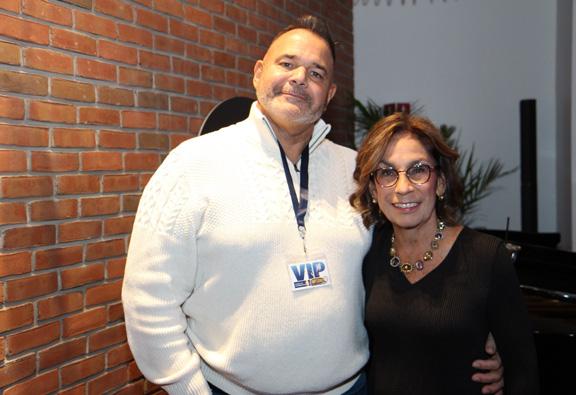
Rob Brown, Debbie Visconi
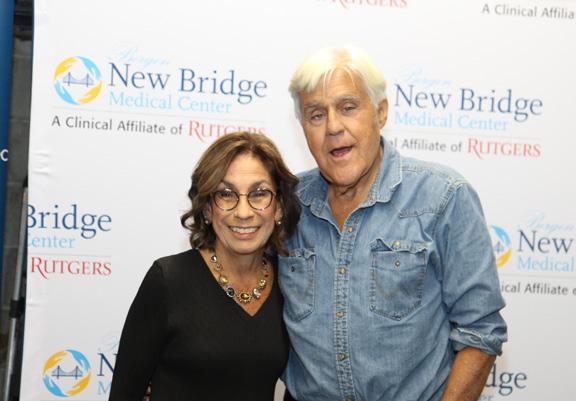
Debbie Visconi, Jay Leno

Lorraine Swinarton, Nick Laganella
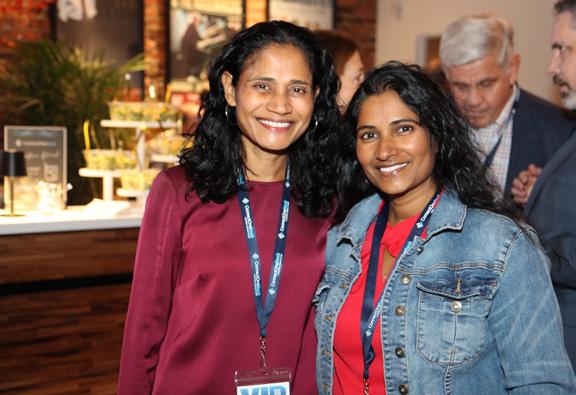
Hima and Suma Ghanta
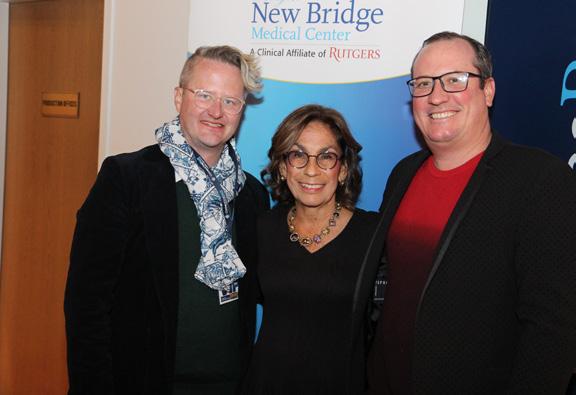
McCluskey, Debbie Visconi, Chris Hillmann


Martha and George Tabib
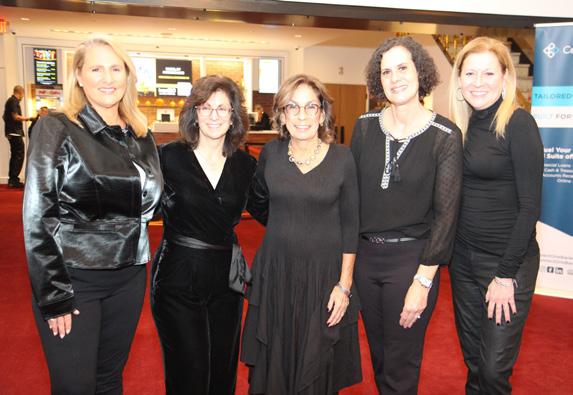
Julia Orlando, Donnalee Corrieri, Debbie Visconi, Shari Gold, Sandy Weiss


Paul Leale, Debbie Viscous, Pat Georgiou, Joe Visconi, Arthur Georgiou, Sandy Weiss

Valerie Huttle, Debbie Visconi, Julia Orlando

Emanuel and Laura Lazopoulos, Christopher and Marion Rusk, Shari and Andrew Gold

Joe and Pat Georgiou, Jay Leno, Debbie and Joe Visconi


By Stacie Rose

Do you criticize yourself, nitpick or fret about superficial things? Many of us are too hard on ourselves, but to what end? A critical mindset is disempowering. If you constantly tell yourself, you are unworthy, you may never feel worthy of caring for your body and mind. Say, “I’ll never get into shape,” and you might start to believe it. So why engage in fitness? Why bother walking, biking or eating healthy foods?
Continued on page 30
If negativity is a kind of poison, positive self-talk is the antidote. If you flip the script and tell yourself you can do great things, speaking powerfully with purpose and intention, things can change. Try telling yourself how capable you are of making a small change. Speak words that express how you believe in your ability to succeed. Root for yourself when the going gets tough and always bet on yourself. Treat yourself to reminders of times you felt proud. Visualize the outcome you deserve, speak those words to yourself, and start moving toward your desired destination. If talking to yourself feels funny, say it in your mind, write it on a Post-it. Affirmations are powerful, and positive selftalk can turn the tide.
Positive self-talk can bring us back to ourselves when we feel disconnected or stressed.
It can walk us through life’s greatest challenges. It can provide strength when we need it the most. We can be our own caregivers by engaging in this simple but highly effective ritual. Negativity breeds more negativity and can lead to catastrophizing and spiraling.
Anxious feelings can quickly become overwhelming. Speaking slowly, kindly, and gently, using loving, encouraging words while breathing deeply, helps calm the nervous system. Positive self-talk promotes relaxation and helps restore connection and ease.
Ever spend time with someone who is perpetually negative? It can be draining. We want to be kind and empathetic, but it can feel like a heavy weight. When people are kind to one another and to themselves, it can create a lovely foundation for a friendship. Saying nice things to yourself and others can be a special gift that builds trust, connection and affection. It is often said that you can’t pour from an empty cup. We can fill our own cups with love, warmth, and self-care. We can stop draining our own precious resources by speaking words of encouragement. The softer we are with ourselves and the more intentional we are with our words, the better we become at showering loved ones with affection. Feeling self-assured can help us to create positive reciprocity with others and to build enduring relationships.
Ever notice how successful people seem inherently secure, confident and speak kindly of themselves? It’s not about being boastful or arrogant. It’s about knowing your worth, and understanding the benefits of your contributions, knowledge, leadership and ability to collaborate and communicate with others. Positive self-talk builds resilience and is a key ingredient in problem-solving. People like to engage with others who think highly of themselves and see the merit in others. Positive selftalk is more than a strategy; it helps cultivate a joyful sense of work and life. An offshoot of a positive mindset, it can boost focus and performance. Positive talk is infectious and inspiring, for the way we talk to ourselves can frame the way we see ourselves and the way others see us.
According to Mayo Clinic, researchers continue to study the effects of positive thinking and its relationship to health. The possible benefits of positive self-thinking are incredible. Ranging from better coping skills, reduced levels of distress or pain, lower levels of depression, a better overall sense of wellbeing, better cardiovascular health, reduced risk of many diseases and infections, a great resistance to illness and even an increased life span. One way to up your game and reap the rewards of positive self-talk is to practice it daily.
When you make a commitment to lift yourself up with your words, your actions tend to follow, and manifesting becomes possible. Science says that positive self-talk helps rewire your brain over time by strengthening neural pathways associated with optimism and resilience. A good place to start is to talk to yourself as kindly and compassionately as you would to a baby or a best friend. Remember that words matter. The ones you choose when you speak to yourself can either drag you down or lift you up. And when life feels overwhelming, gratitude for all that you are and how far you have come is a beautiful way to give yourself a little more love. And self-love, plus the power of positive self-talk, will take you far.


Written by the Team at Oradell Family Dental
In today’s fast-paced world, health often becomes something we address only when a problem demands our attention. A persistent cough leads to a doctor’s appointment. A pulled muscle prompts a visit to a specialist. And when it comes to dentistry, many people follow a similar pattern: they wait until something hurts.
But in dentistry, pain is not an early warning system — it is often a late one.
Many patients believe that if their teeth feel fine, there is no immediate need to see the dentist. Unfortunately, the absence of pain does not necessarily mean the absence of disease. In fact, many of the most common dental conditions develop quietly and progressively, often without noticeable symptoms until they have reached a more advanced stage.
Understanding this fundamental truth is essential to protect not only your smile, but your overall health and well-being.

One of the most unique aspects of oral health is how frequently problems develop without discomfort.
Tooth decay, for example, often begins as a microscopic process within the enamel — the outer layer of the tooth. In its earliest stages, it causes no pain whatsoever. By the time a cavity becomes sensitive or painful, the decay may already have penetrated deeper layers of the tooth.
Similarly, gum disease — one of the leading causes of tooth loss in adults — typically progresses quietly. Early signs such as mild inflammation or bleeding during brushing can easily go unnoticed or dismissed. Yet over time, untreated gum disease can damage the supporting structures of the teeth and contribute to broader health concerns.
Dental infections follow a similar pattern. The early stages may present little to no symptoms. By the time pain appears, the infection may have already spread to the nerve of the tooth or surrounding tissues, often requiring more complex treatment.
For this reason, waiting for pain before visiting the dentist is comparable to waiting for a warning light long after the engine has already begun to fail.
Modern medical research continues to strengthen the connection between oral health and overall systemic health.
The mouth is not an isolated part of the body. It is home to a complex ecosystem of bacteria, and the health of this environment has direct implications for the rest of the body.
Studies have linked poor oral health to a variety of broader medical conditions, including cardiovascular disease, diabetes complications, respiratory infections, and inflammatory conditions. Gum disease in particular has been associated with chronic inflammation that can influence overall health.
This is why dental professionals increasingly emphasize preventive care as a vital component of wholebody wellness.
Routine dental examinations allow clinicians to monitor changes not only in the teeth and gums, but also in the soft tissues of the mouth, the jaw joints, and surrounding structures. These visits often serve as an early detection point for conditions that might otherwise go unnoticed.
In many ways, a dental examination can provide early insight into broader health concerns.
The traditional six-month dental visit is not arbitrary. It reflects decades of clinical understanding about how oral diseases develop and how best to prevent them.
These visits serve as a first line of defense for maintaining optimal oral health.
During a routine checkup, several important evaluations occur:
• Professional dental cleaning removes plaque and tartar that cannot be eliminated with brushing and flossing alone. Even the most diligent home care cannot fully prevent buildup over time.
•Comprehensive examination allows the dentist to detect early signs of cavities, enamel wear, gum disease, and other concerns before they become more serious.
• Gum health evaluation measures the condition of the supporting tissues around the teeth, identifying early stages of periodontal disease.
• Oral cancer screening evaluates the soft tissues of the mouth and throat for any abnormal changes.
• Preventive guidance provides patients with personalized recommendations for maintaining optimal oral hygiene at home.
These appointments are not simply routine maintenance — they are preventive medicine.
Early detection allows many dental issues to be treated conservatively, often avoiding more invasive procedures in the future. A small cavity addressed
early may require only a simple filling, while untreated decay could eventually lead to root canal therapy or tooth loss.
Prevention is not only healthier — it is also more efficient, more comfortable, and more cost-effective.
Making Time for Health in a Busy World
Modern life moves quickly. Between professional commitments, family responsibilities, and social obligations, personal healthcare can easily slip down the priority list.
Dental care is particularly vulnerable to this oversight because it rarely demands immediate attention until something goes wrong.
However, preventive care requires a shift in perspective. Rather than reacting to problems, it asks us to invest small amounts of time consistently to avoid larger problems later.
Two dental visits per year represent only a few hours annually — yet they play an essential role in protecting both oral and systemic health.
Self-care has become an important part of modern wellness culture. People prioritize fitness, nutrition, mindfulness, and skincare as part of maintaining a balanced and healthy lifestyle. Oral health deserves the same level of attention.
Your smile is not only an aesthetic feature; it is a functional and biological system deeply connected to your overall health.
Prevention as a Philosophy of Care
Modern dentistry increasingly focuses on prevention, education, and partnership with patients. “One of the most important roles of your dental team is to identify problems long before pain ever begins. Your mouth tells a story — your dental professionals know how to read it,” said Karina Figueroa RDH
Dental care is most effective when patients are empowered with knowledge about their health. Preventive care allows dentists and patients to work collaboratively to protect oral health for the long term.
The goal is not simply to treat dental problems as they arise, but to prevent them from developing whenever possible.
Regular checkups allow dental professionals to monitor subtle changes, guide patients in their home care routines, and address issues at the earliest and most manageable stage.
This proactive approach reflects a broader commitment to supporting the overall well-being of patients.
Pain may be the body’s signal that something is wrong – but in dentistry, it is rarely the first signal. “Unfortunately, toothaches are nonexistent until decay, infection or a fracture has reached the nerve of the tooth. To be proactive routine appointments are very important to monitor any symptoms,” said Gisselle Tarvares RDA.
By the time discomfort appears, dental disease has often progressed further than necessary.
Routine dental visits offer an opportunity to stay ahead of potential problems, protect your smile, and support your overall health. In a world where time is precious and schedules are full, dedicating a few hours each year to preventive dental care is one of the most valuable investments you can make in yourself.
Your smile — and your health — deserve thoughtful attention, proactive care, and a commitment to prevention.
To learn more about Oradell Family Dental, or to book an appointment, visit their website at oradellfamilydental.com.



If you’re among those looking for ways to clean your home while also going green, it may be easier than you think.
Consider these easy and affordable solutions to help you live more environmentally friendly. You may be surprised to find you already have many of these household products on hand.
Baking soda: A natural, safe, effective and gentle solution, baking soda can serve multiple home cleaning needs. Make a paste of three parts baking soda to one part water. Rub onto silver with a clean cloth or sponge. Rinse thoroughly and dry for shining serving or decor pieces. Additionally, you can sprinkle baking soda on upholstery and carpet to get rid of odors.
Vinegar: With the acidity to help get rid of dirt and grime around the home, vinegar can be used to clean cloudy glassware. Simply soak paper towels or a cloth in full-strength white distilled vinegar and wrap around both the inside and outside of the glass. Let sit before rinsing clean. To remove lime deposits on your tea kettle, add 1/2 cup distilled white vinegar to the water and let it sit overnight. In the morning, boil the vinegar for a few minutes then rinse with water.
Lemons: With a fresh, natural smell, lemons have the acidity to remove soap scum, clean and shine brass and remove hard water deposits. Just spray some lemon juice on tile surfaces to remove soap scum or hard water deposits. Squeeze lemon juice on a cloth and use to polish brass around the home.
Houseplants: Plants serve as natural air purifiers. African violets and ferns are beautiful ways to help clear the air.
Other easy, green ideas for keeping your home clean include opening windows and doors while you clean to improve air quality and taking off your shoes when you come inside, which can help avoid tracking dust, dirt, pollen and more throughout the house.
The St. Joseph’s Health Foundation held their gala at The Legacy Castle. For more information, visit www.givetostjosephs.org.

Terry Capone, Mary Fierro, Valerie Arrabito
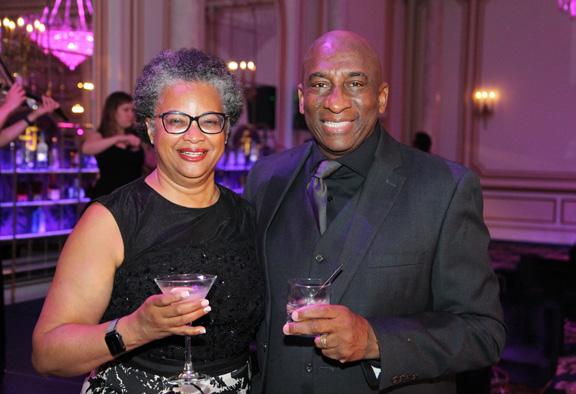
Donna Boles, Sylvester Robinson

John and Liz Cioletti
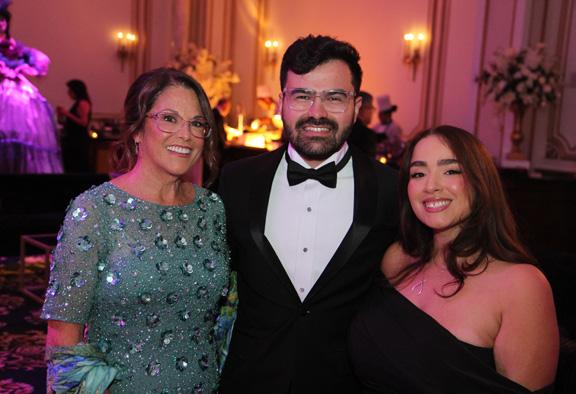
Danni and Eric Fernandez, Crystal Colavito

Kaci Wright, Kimberly Scillia

Jason and Linda Kreitner
Stephanie and Robert Budelman

Bianca and Dean Emmolo
Chris and Kim Birdsall

Drs. Julie and Dustin Riccio

David Potack, Mike and Sophia Murphy, Greg and Jerry Iannone
Lauren and Seth Krauss, Lisa Anastos

Robert Budelman, Sister Mary Spano, Stephanie Budelman, Robert and Consuelo Budelman

The Hackensack University Medical Center Family


John and Liz Cioletti Ted and Eva Hajek

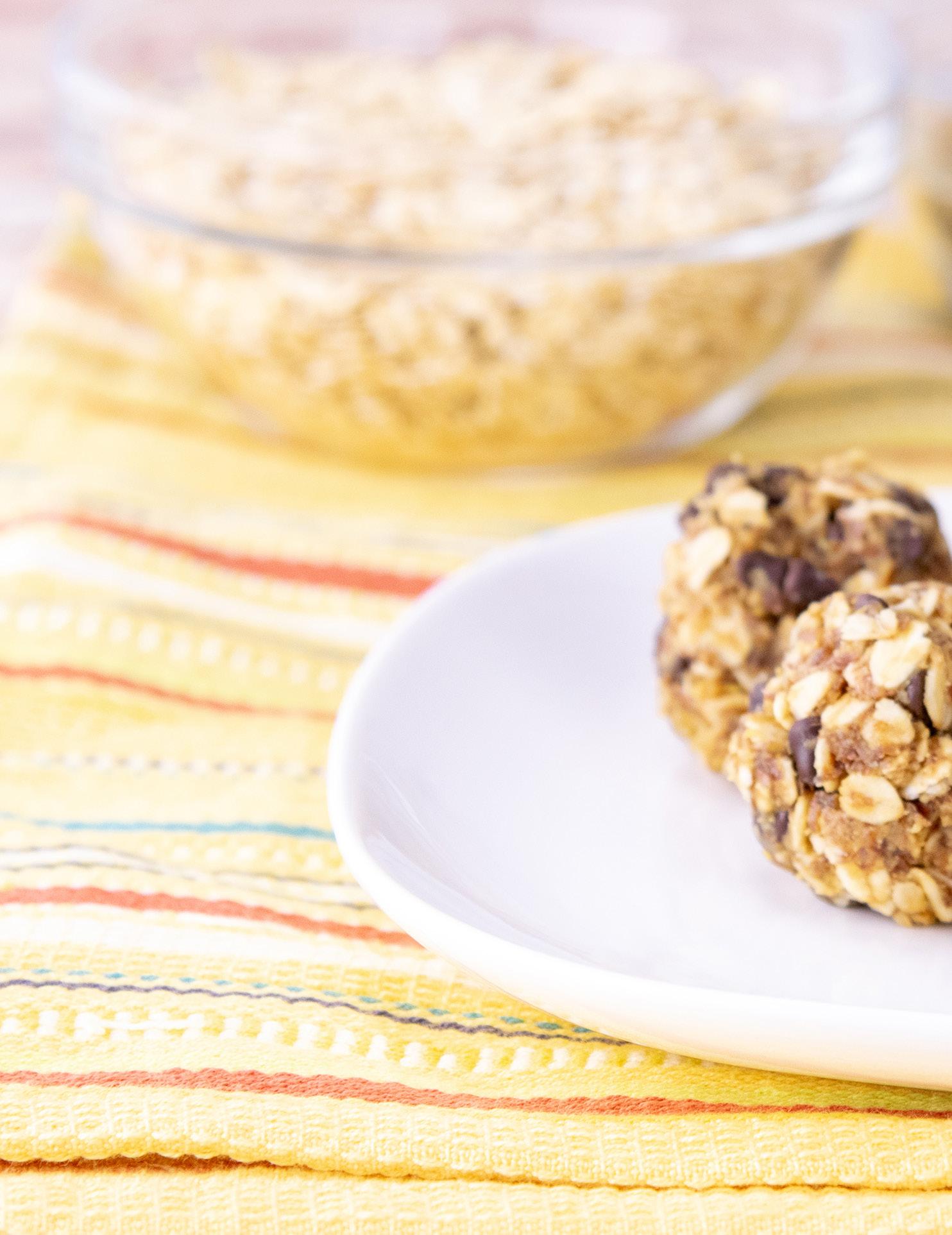
When you need a quick pick-me-up during the workday to fight off the post-lunch slump, a protein-powered burst of energy may just do the trick. A perfect on-the-go snack solution with no baking required, these Peanut Butter Chocolate Energy Bites only take 15 minutes to prepare a batch that can last the whole week.
Packed with protein and easily made from ingredients you may already have on hand, these quick and easy bites are perfect for storing in the fridge for when you need a delicious, healthy snack. You can also easily substitute ingredients based on what you have in the pantry or to fit your dietary preferences.
Prep time: 5 minutes
Servings: 8 (3 bites each)
1 cup rolled oats
1/2 cup ground flaxseed
1/2 cup nut butter of choice
1/3 cup maple syrup
1/2 cup mini chocolate chips or raw cacao nibs
In large mixing bowl, combine rolled oats, flaxseed, nut butter, syrup and chocolate chips; mix well using spoon or mixer.
Using hands, roll mixture into balls, approximately 1-inch each. Place balls on cookie sheet and chill in refrigerator until firm.
Note: Balls can be stored in airtight container in refrigerator up to 1 week.
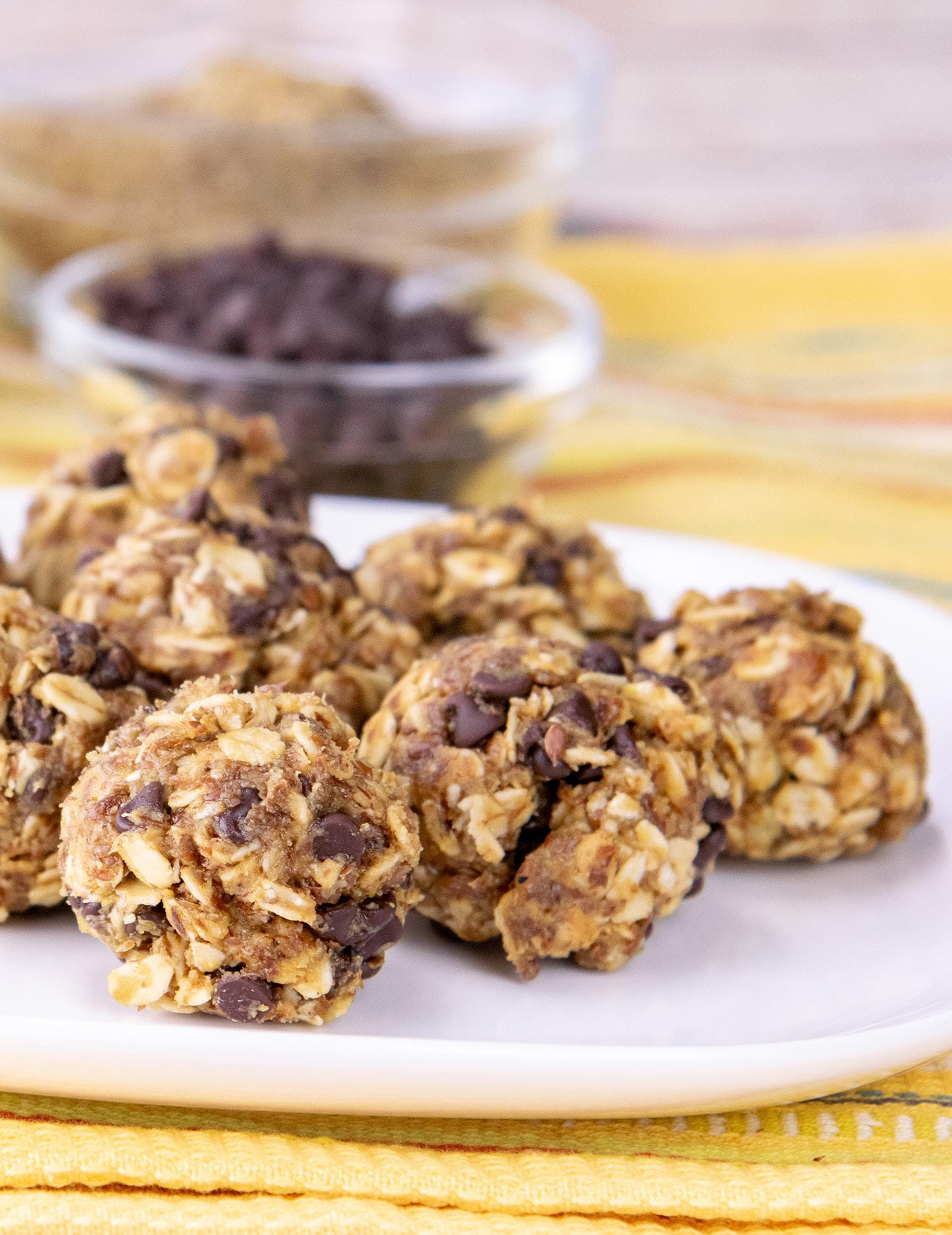
Table to Table Food Rescue Organization held their annual Chefs Gala at Edgewood Country Club. For more information, visit www.tabletotable.org.
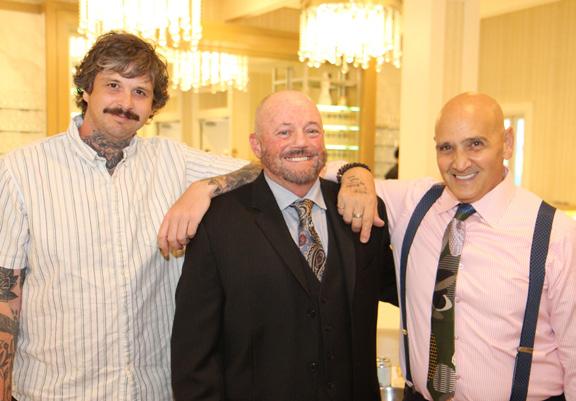
Jeffrey Elkashab , John Muir and Joe Mazza

John and Joan Boutross

Jennifer and Charles Matar
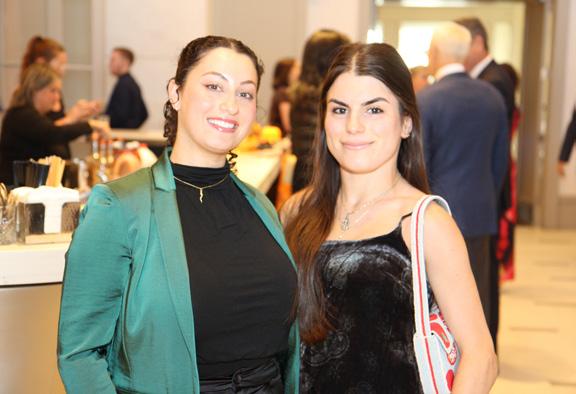
Nina Alessi, Giulia Nicolai

Chuck Russo, Colleen Deery, David Lindenmann

Stephanie and Dionisio Cucuta
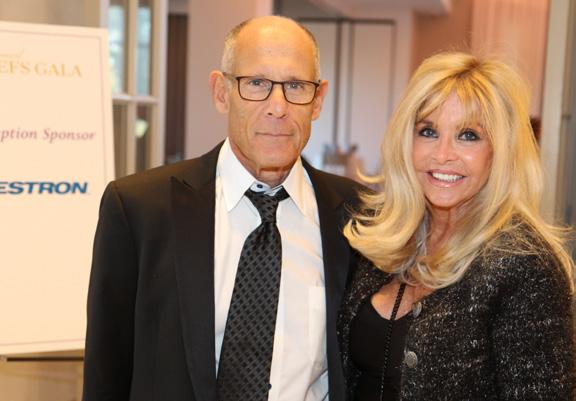
Jamie Milkman, Kyle Cooper

Darren Magarro, Patti and Ralph Lauretta
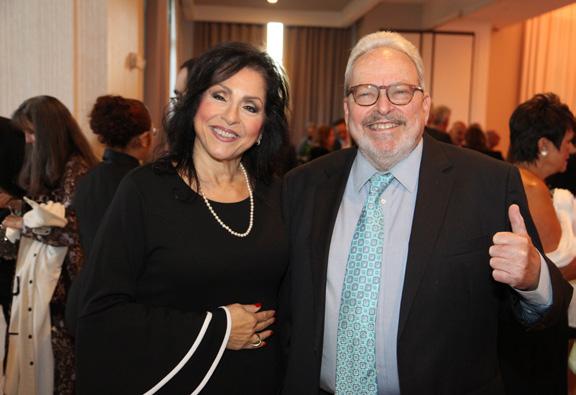
Kathy Morisani, Tracy Nieporent
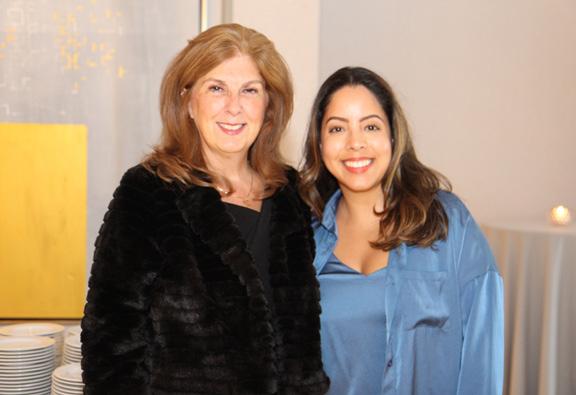
Ellen Stacey, Valeria Medina
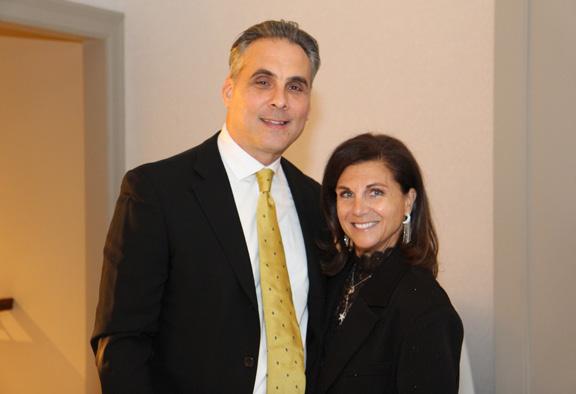
Emil and Gina Curko

William, Jim, Nancy, Jack and Michael Bush
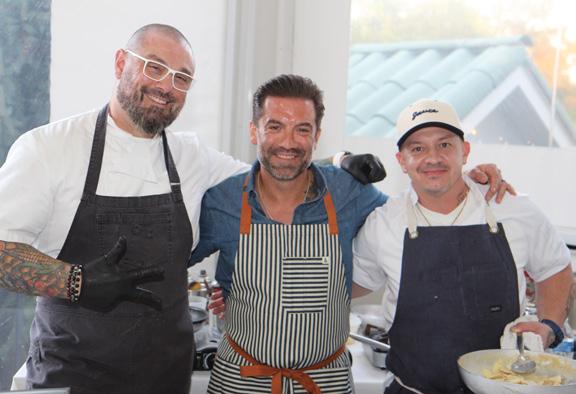
Mike Carrino, Ryan DePersio, Mike Cosenza

Samantha Konner, Debbie Taurozzi, Cathy Konner
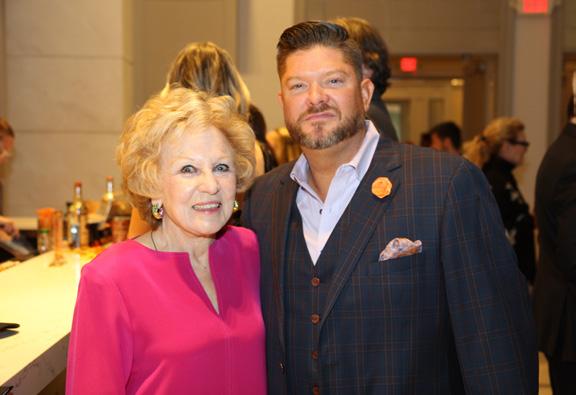
Claire Insalata Poulos, Jamie Knott
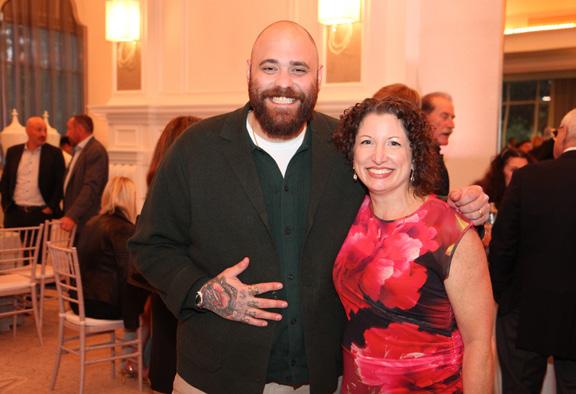
Christian Petroni, Heather Thompson

The Valley Hospital Auxiliary held their annual Valley Ball at Seasons. For more information, visit www.valleyhealth.com.

Sandy Carapezza, Elaine Heimberger, Rob Brenner, Carol Gillespie, Joe Lorino
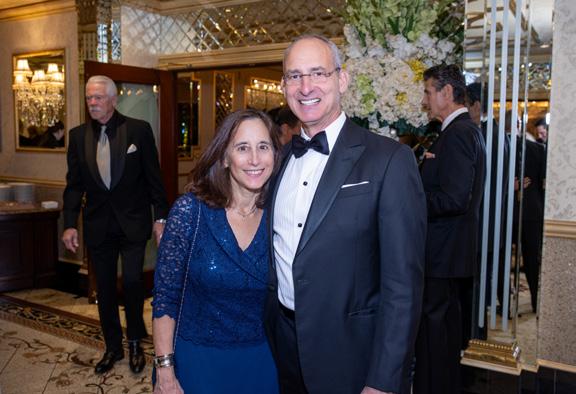
Stephanie Edelson, Robert Brenner

Ryan Murphy, Karteek Bhavsar
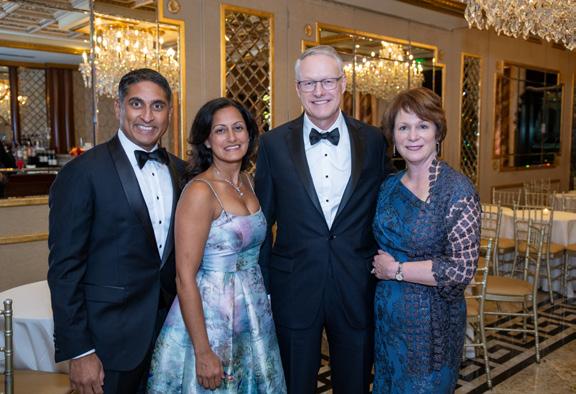
Karteek Bhavsar, Meera Bhavsar, Dave and Mary-Katherine Bohan

I.D. Aruede, Dr. Chad DeYoung, Carol and Dr. Thomas Rakowski M.D.

Joe Lorino, Carol Gillespie

Joe Lorino, Joseph Torcivia Jr.

Rob Brenner, David Reich, Karteek Bhavsar

Dr. Viral Juthani, Dr. Rupa Juthani

Cassandra Homeyer, Raina Arnos, Carolina Toro
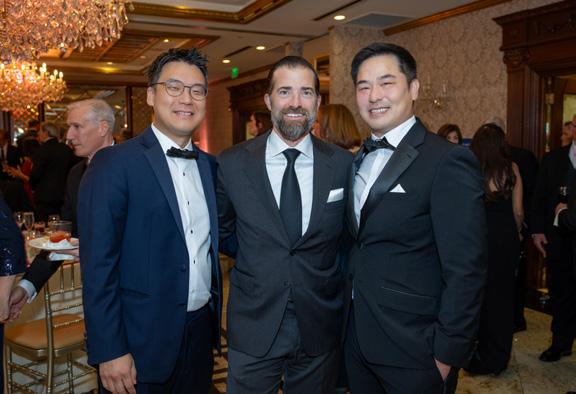
Dr. Joon Kim , Dr. Anthony D’Ambrosio, Dr. Johnathan Yun

Dr. Jean Weng Holden, Dr. Mariliza Lacap-Tong, Nancy Cacciola

Dr. Ivannette Juarbe-Ramos, Dr. Suneet Mittal, Dr. Tia Welsh

Karen Hoy, Sandy Carapezza, Lisa Beslity, Gerry Pehush, Elaine Heimberger

Antranik Sarkes, Dr. Hasmig Jinivizian, Dr. Ryan and Mary Murphy, Megan and Joe Torchia, Kereshmeh and, Dr. John Hammock

Dr. Derek and Katelyn Berberian, Chirag and Melissa Shah

Reno’s Appliance held their annual Pre-Holiday Networking Party benefitting St. Joseph’s Children’s Hospital at their beautiful showroom. For more information, visit www.renosappliance.com.
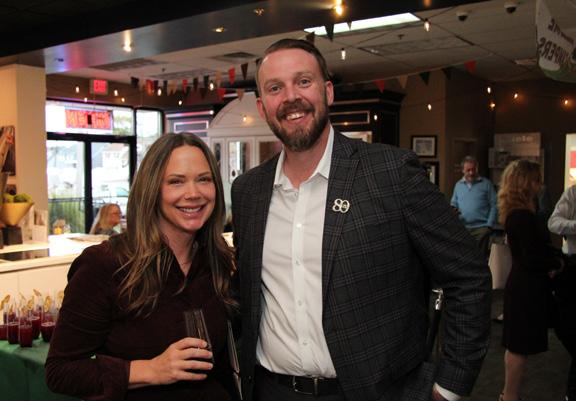
Kelly Pappano, Mike Marvin
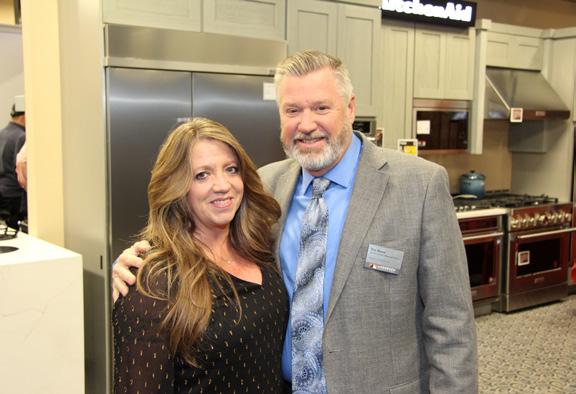
Dianna and Tim Stone
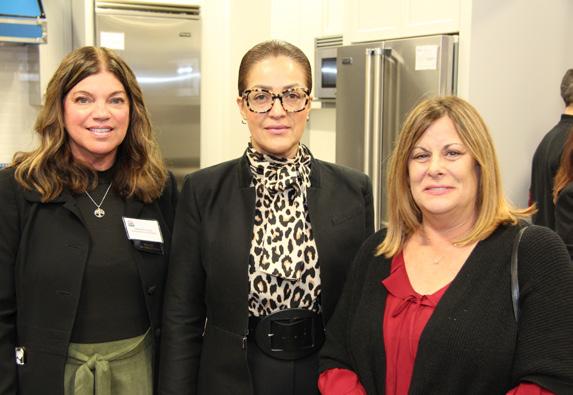
Kathleen Kurpiel, Jenni Beltra, Donna Rana
Robert Nussbaum, Warren King
Rebecca Witte, Chris and Sue Madden
Ryan Vitale, Agata Carlisle
Eric Gangi, Todd MacGregor, Jayden Colon

Olivia Margolin, John Roff Jr., Jonni Clause

Fred Frank, John Cioletti, Rebecca Witte
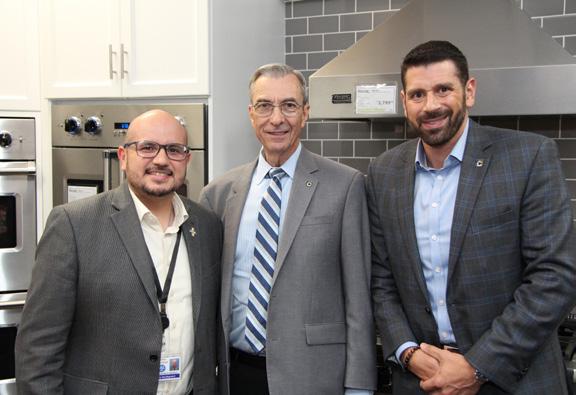
Ivan Arocho, Rich and Matthew Abbate

John Cioletti, Inga and Karl Nelson, Lou Weiss

John Cioletti, Craig Veri
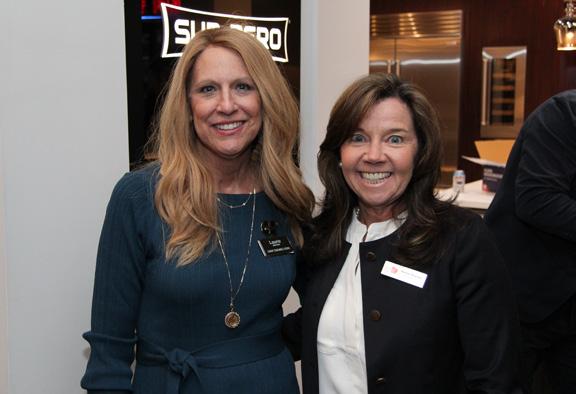
Laurie Antosy, Rachel Nowikas

Olivia Margolin, John Roff Jr., Jessica Cioletti
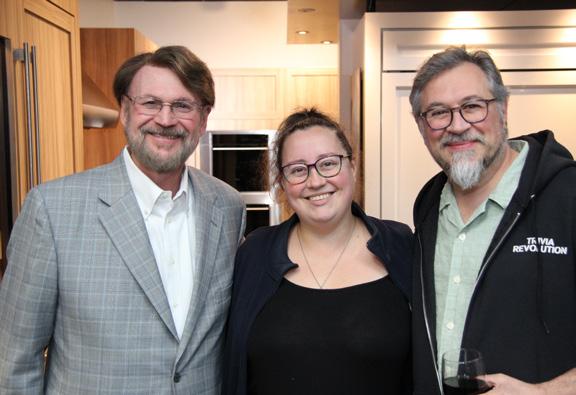
John Cioletti, Jenny and Joe DeCelles
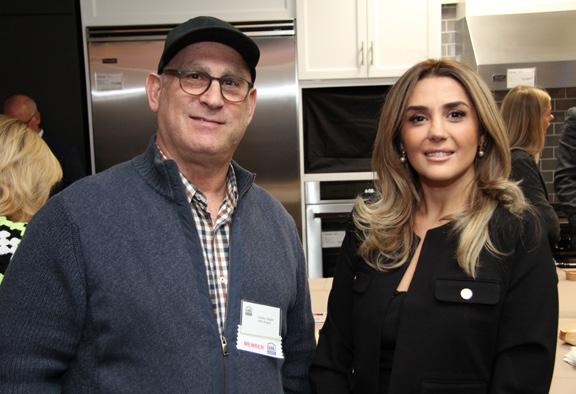
Andrew Ziegler, Femen Ogdun


Here, you’ll see a mix of in-person as well as virtual events hosted by Bergen County’s area hospitals. Make sure to register for in-person and/or virtual events.
• Join Valley Health to learn all about your hands: how they function; common injuries and conditions, such as arthritis, carpal tunnel and fracture; along with practical tips for taking care of them. Orthopedic Surgeon Alejandro Morales-Restrepo, MD will host the virtual presentation on March 12 from 7-8 p.m. Register online at ValleyHealth.com/Events.
• Expecting a baby is an exciting and transformative experience. Expectant parents and those planning to start a family are invited to attend Bloom & Blossom: A Baby Expo at Pascack Valley. Join to learn about creating a birth plan, explore available classes at the hospital, understand what to expect, and take a tour of the birthing center. Our team members will be available to answer questions, and you’ll have the opportunity to connect with local organizations offering baby and family-friendly services. Refreshments, prizes and giveaways will also be provided. The event is scheduled for March 19 from 5:30-7:30 p.m. at Community Center at Pascack Valley Medical Center, 250 Old Hook Road, Westwood. Register here: https://tinyurl.com/4npzwprh.
• Every menstrual cycle is unique, and learning your body and cycle can take time. Join Thrive! to empower yourself with knowledge on what’s normal, what’s not and how to manage during early menstruation. This program is intended for moms and their daughters in early menstruation. Pediatric Gynecologist Kellie Woodfield, MD will lead this discussion on March 19 from 7-9 p.m. virtually. Register online at ValleyHealth.com/Events.
• Join Valley Health to explore the role of spinal health in promoting mobility, vitality and overall well-being as we age. Learn how an integrative approach can prevent or reduce back pain, improve posture and support healthy aging. Hosted by Chiropractor Christina Markar Khawam, DC, the program will be held on March 24 from 1-2 p.m. at The Ridgewood YMCA, 112 Oak St., Ridgewood. Register by calling (800) 825-5391.
• Learn how the immune system can affect your health – from common allergies to more complex immune disorders. Discover causes, symptoms and practical strategies to manage these conditions and improve your quality of life. The program will take place on March 25 from 7-8 p.m. virtually. Allergist and Immunologist Veronica Azmy, MD will host. Register online at ValleyHealth.com/Events.
• Physical therapy offers many benefits, and one key advantage is reduction in back pain and general discomfort. Find out how this intervention may help you and improve your ability to function on March 26 from 2-3 p.m. at The Valley Center for Health and Wellness, 1400 MacArthur Boulevard, Mahwah. Register by calling (800) 825-5391.
• Colon cancer is one of the most common cancers, but knowing the facts can help with prevention and early detection. Learn the top 10 things you should know, from risk factors to prevention and treatment, from Medical Oncologist and Hematologist Kevin Wood, MD on March 26 from 7-8 p.m. This is a virtual event. Register online at ValleyHealth.com/Events.

• Discover how platelet-rich plasma (PRP) therapy uses your own blood to help the body heal naturally. Learn how it is being used for joint pain, sports injuries and more from Medical Director Jack Annunziato, ambulatory physical medicine and rehabilitation services, on April 1 from 7-8 p.m. This is a virtual event. Register online at ValleyHealth.com/Events.
• Healthy Steps is a 10-week walking program designed to encourage fitness and friendship among people of all ages in a fun and motivating atmosphere. The program will start on April 7 at 9 a.m. at Veteran’s Field, behind the Ridgewood Public Library, 125 North Maple Ave., Ridgewood.
• Hosted by Pascack Valley Medical Center’s Women’s Services Team, a welcoming support group for new moms to connect, share experiences and build lasting friendships. Bring your little one and enjoy a relaxed environment filled with conversation, support and DIY activities. Let’s embrace motherhood together – one moment at a time. Lunch is provided. The event is scheduled for April 10 from 10:30 a.m. to 1 p.m. at the Pascack Valley Medical CenterLabor and Delivery Lounge, 250 Old Hook Road, Westwood. Register here: https://tinyurl.com/6cmprtyh.
• Learn how to maintain proper nutrition before, during, and after cancer treatment, including: the importance of integrating an anti-inflammatory diet to improve cancer treatment outcomes and longterm health; how good nutrition can help with your symptoms; nutritional guidelines and practical tools to make better food choices; and ways to kick sugar cravings and become more mindful with eating habits. This four-week series will take place on April 14, 21 and 28 as well as May 5 from 6:30-7:30 p.m.
virtually. Register here: https://tinyurl.com/4n6srpah.
• Join Valley Health to learn ways of better understanding, preventing and managing common sports injuries. Learn signs and symptoms to watch for, along with practical prevention strategies, so you can be the best you can be. Led by Orthopedic Surgeon James Giordano, MD, the discussion will be held on April 16 from 7-8 p.m. virtually. Register online at ValleyHealth. com/Events.
• Join Thrive! for a fun, seasonal-inspired Toddler Time on April 17 from 10-11 a.m. at Stew Leonard’s, 700 Paramus Park, Paramus. Celebrate spring with sensory play, crafts and snacks.
• Menopause is a natural life stage that every woman will experience. Let’s explore what’s happening in the body, symptoms you may experience, treatments like hormone replacement therapy that can help and how you can make informed choices for your body and health. This discussion will take place on May 5 from 7-8 p.m. at The Ridgewood YMCA, 112 Oak St., Ridgewood. Register online at ValleyHealth.com/ ThriveEvents.
• Learn how personalized rehabilitation and fitness strategies can improve strength, mobility and overall wellness – whether you’re recovering from injury, managing a condition or looking to stay healthy. This event will take place at the Montvale Public Library, 12 DePiero Drive, Suite 100, Montvale, on May 7 from 7-8 p.m.
March is National Colorectal Cancer Awareness Month. Colorectal cancer is a type of cancer that starts in the colon (large intestine) or the rectum. Most colorectal cancers start as polyps (small, precancerous growths) in the lining of the colon or rectum. Over time, these polyps can turn into cancer. Colorectal cancer can be prevented with the help of screening. We recently talked to Antoneta Lamo, PA-C, physician assistant navigator for the Fast-Track Screening Colonoscopy program at The Valley Hospital, about colorectal prevention.
What are the symptoms of colorectal cancer I should look out for?
Precancerous polyps and early stages of colorectal cancer may have no symptoms, which is why early screening is important. Some alarm symptoms to look out for are changes in bowel habits like diarrhea or constipation that last more than a few weeks, blood in the stool, pencil-thin stools, feeling like your bowel is not completely emptying or unexplained or new anemia. Remember to always trust your gut. If you are experiencing new or worrying symptoms, do not ignore them. Reach out to your healthcare providers if you have any symptoms, regardless of age.
How can I reduce my risk of developing colon cancer?
To reduce your risk of developing colon cancer a healthy lifestyle consisting of a nutritional diet and regular exercise is recommended. If you suspect symptoms of colorectal cancer, it is important to get a screening colonoscopy, which will determine the presence of polyps. Eating a Mediterranean diet, limiting processed foods, maintaining a healthy weight, getting at least 30 minutes of exercise daily, quitting smoking and limiting alcohol intake are also great ways to reduce your risk of developing colorectal cancer.
Why is a colonoscopy the recommended prevention technique?
A colonoscopy is the only screening test that may detect and prevent cancer. The purpose of a colonoscopy is to identify and remove the polyps before they can turn into cancer. The U.S. Preventive Services Task Force recommends that adults between the ages of 45 and 75 be screened for colorectal cancer. You should be screened earlier if you have a family history of colorectal cancer or polyps, inflammatory bowel disease or genetic syndromes that may predispose you to colorectal cancer. Most, if not all, insurance companies will cover a screening colonoscopy at no cost to the patient, as it is considered a preventive test.
What advice do you have for someone who is nervous about getting a colonoscopy?
A colonoscopy is a painless procedure that you will be asleep for. The prep is the hardest part of the colonoscopy procedure because it involves frequent trips to the bathroom to clean you out. One day of inconvenience is worth it so you learn your risk. People rarely regret getting a colonoscopy, but many regret waiting too long. For those who are not interested in a screening colonoscopy, Valley’s team can help facilitate a prescription for Cologuard.
What is the Fast-Track Screening Colonoscopy program at Valley?
The Fast-Track Screening Colonoscopy Program at The Valley Hospital was created to streamline the process of getting a colonoscopy. Patients are screened on the phone, and if they are deemed eligible for the program, they can bypass the initial pre-procedure visit with a gastroenterologist or colorectal surgeon and be scheduled for a colonoscopy. Patients must be healthy and at low risk for colorectal cancer.
To learn more about the Fast-Track Screening Colonoscopy program at Valley, including eligibility requirements, please visit ValleyHealth.com/FastTrack.


Everything medicine can do. A few things medicine can’t.
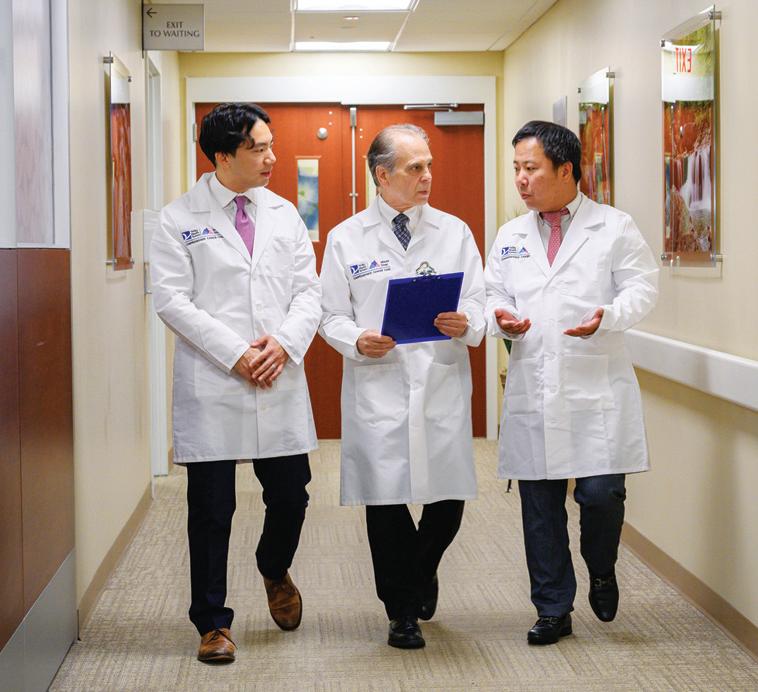
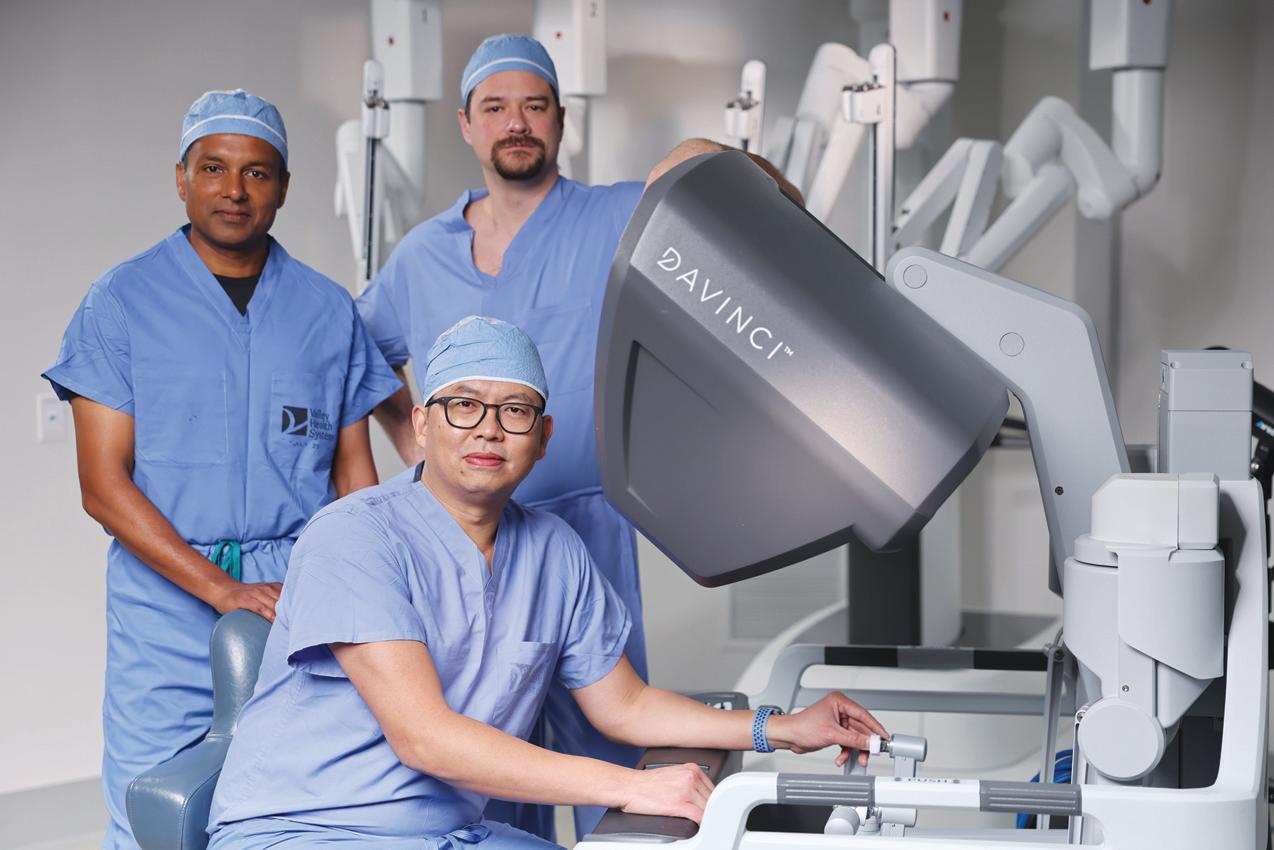
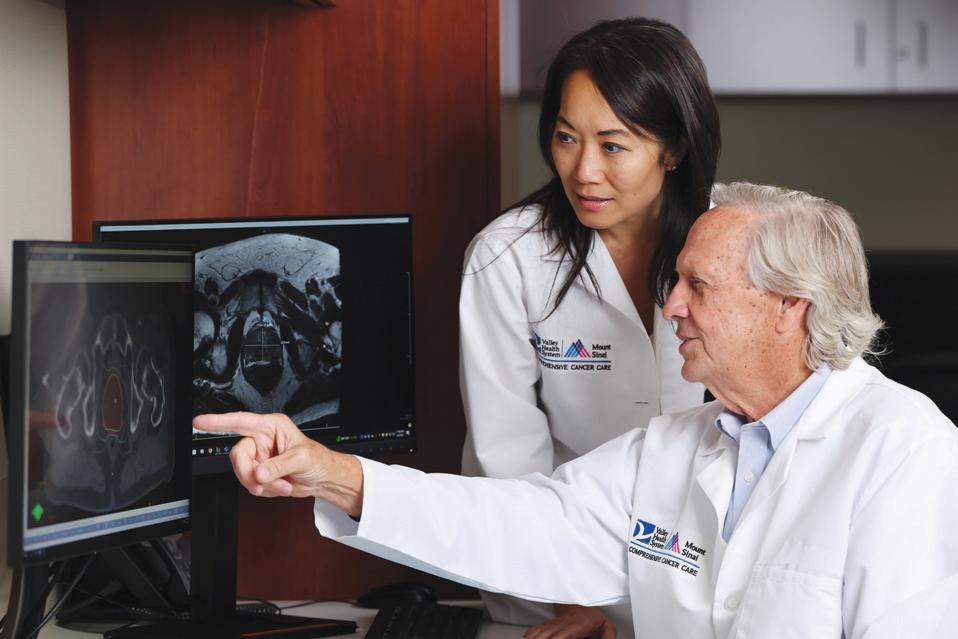
At Valley-Mount Sinai Comprehensive Cancer Care, our team of doctors bring the experience and commitment required to address all aspects of prostate, bladder, kidney, and testicular cancer. Surgical tools including da Vinci Xi® and NanoKnife® are minimally invasive approaches to help you heal quicker and maintain quality of life. Our Think Five program can reduce radiation treatments for prostate cancer to only five. Our specialists will design a treatment plan around you, and our nurse navigator will guide you every step of the way.
To find the approach that’s best for you, call 201- 634- 5567 or visit ValleyHealth.com/UrologicOncology.
seeing a urogyn faster means getting relief faster.
One month is the average wait time to see a urogynecologist, but average isn’t really our speed. We provide appointments as soon as you need them. That’s how healthy happens.