




The team at Active Orthopedics and Sports Medicine is proud to announce OrthoASAP, an Orthopedic Urgent Care that lets you skip the wait time and costs of an Emergency Room or general urgent care At OrthoASAP, our team of Orthopedic Specialists treat bone, joint and muscle injuries - with no appointment needed! So whether it ’ s an injury on the field or that nagging pain you have had for a few weeks, we have the right solution for you. Our goal is to make sure you are seen by the right specialist right away so that you can get back to living your life ASAP.


PUBLISHERS
Sharon & Steven Goldstein
ASSOCIATE PUBLISHER
Brandon Goldstein
EDITORIAL DIRECTOR
Jessica Humphrey-Cintineo
CREATIVE DIRECTOR
Suzanne Giovanna Barr
CONTRIBUTING WRITERS
Dr. John Cintineo
Sheila M. Clancy MS, CHES
Tara DeLorenzo
Jess Ford
Stefan Harvalias
Jacqueline Hope
Philip Mania
Laurie Roberts
Stacie Rose
Dr. Harmony Leighton-Seiffer
Audrey Zona
BC Health, Beauty & Fitness is published by BC The Mag. Find us at www.BCTheMag.com.
For advertising and information, please call (201) 694-5197 or (201) 265-2286.
Copyright 2020. All materials are the property of Bergen County The Magazine, LLC. and may not be copied or reproduced without written consent from the publishers.















At Holy Name, our Joint Replacement Program is at the forefront of advances in joint replacement surgery. We’re proud to have highly regarded Joint Replacement Specialists Dr. Ari D. Seidenstein, Dr Gregg R. Klein, and Dr. Harlan B. Levine. Every year, they perform more joint replacements than any other private practice in the area. And every time, our team works tirelessly to design a joint replacement plan that fits your unique needs. From your first visit through your recovery, our team is your team. One more reason why This Place Is Di erent.
Schedule an appointment today at HolyName.org/BoneJoint

Jessica Humphrey-Cintineo

The fire pager goes off again. Somewhere in some part of our town, my husband, a captain on the volunteer fire department, is needed more than he is needed at home.
When you have a family member who volunteers with a fire department, you inherit a new tag-along in your family – a pager. It’s so easy to despise that little device as it is constantly interrupting conversations, meals and family moments. Just moments ago, I started to head down to our basement to hop on the spin bike (kid-free!) when it blared its interrupting tones.
The tones that my two young sons have become accustomed to. It’s probably the only time our house grows quiet. Even at only 4 years and 21 months old, our boys know that Mommy wants to know what Daddy is going to do – what fire, literally or figuratively, Daddy is going to put out. My 21-month-old even points and says, “fire call,” when he notices the pager fixed on my husband’s belt, may I add.
Firefighters are special because they step up to the plate when no one else will and expect nothing in return. The dedication that these men and women put forth to protect someone they’ve never met is of the utmost honor in my opinion, and I am tickled that my sons have their father as such a positive influence.
Despite the worry and fear, there is joy in those mundane pager tones. There is so much joy to be found in the quiet and in the noise.
As I’m writing this, the holiday season is in full swing. As the holidays surround us, are you more prone to blurting out a “Ho, ho, ho” or a “Bah, humbug?” Those pager tones earlier could have easily turned me into the despicable Ebenezer Scrooge. It wasn’t his choice to rush out of the house, but it is my choice on how I react. I choose to find the joy in the inopportune situation. I invite you to do the same where and when it is applicable in your life.
Let’s use this holiday season as a time to remember to be grateful and thankful for all of our good fortunes. Let’s use this time to reflect as well as rejoice. Then, let’s keep this good attitude heading into 2021 and beyond.
Sending you love, health and virtual hugs,

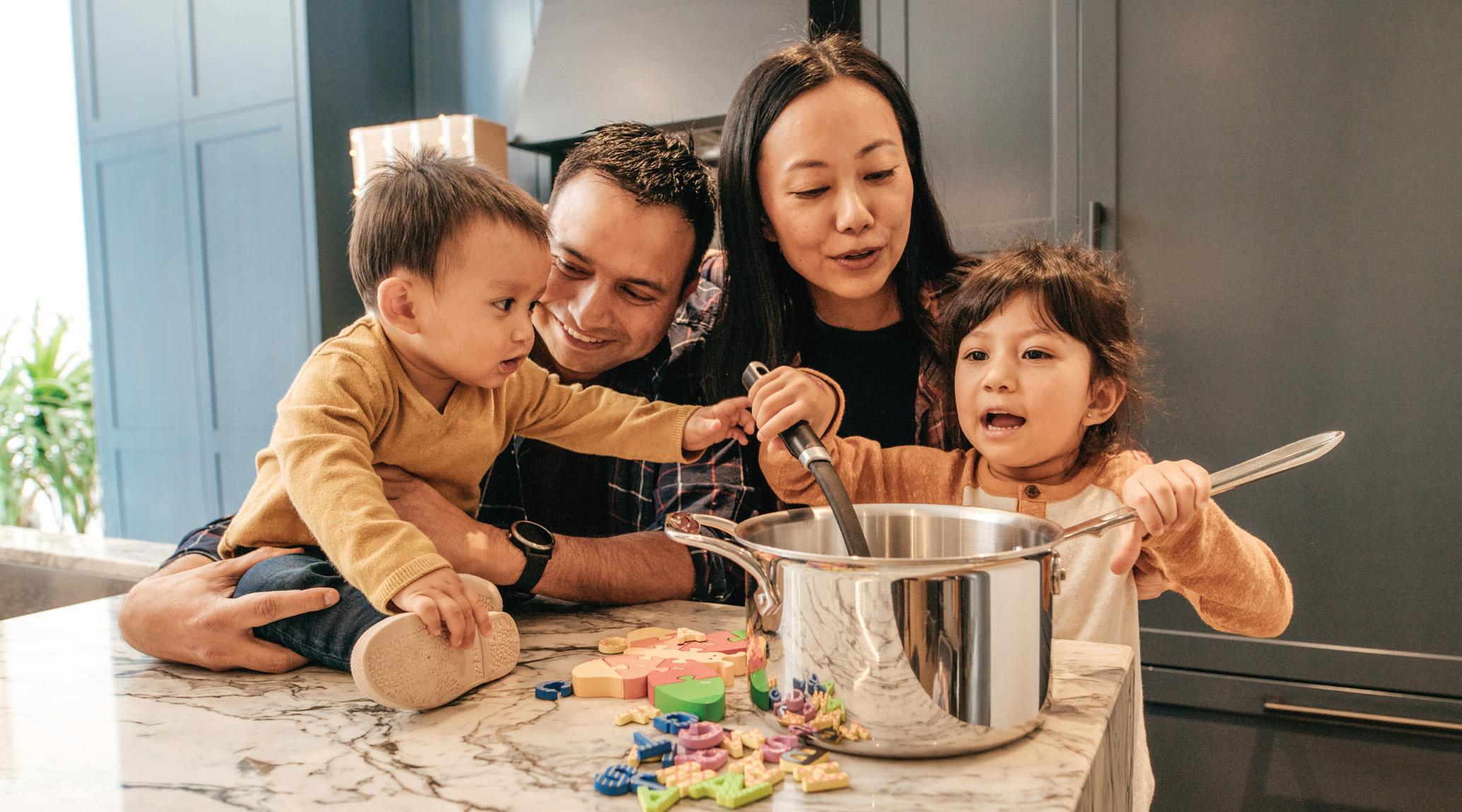
As the weather gets colder and we spend more time indoors, it is important to not let your guard down. In addition to following safety measures to prevent the spread of COVID-19 such as wearing a mask, remember to follow up with your doctor to help stay healthy.
Englewood Health reminds you to:
� Select a primary care physician for yourself and your family members
� Schedule your annual physical
� Make sure you are up to date on any necessary vaccinations and get your flu shot
� Speak with your physician about important screenings and preventive care services, including:
• Colorectal cancer screening
• Lung cancer screening
• Mammogram
• Pap smear and HPV screening
• Screening for other cancers based on your risk factors, including stomach and pancreatic cancers
• Hepatitis screening
• Bone density testing
• Cardiology exam
• Vascular screening for stroke and neurological conditions
• Joint and spine check-up and care
• Pulmonary function testing
• Smoking cessation
• Diabetes screening
• Vein screening
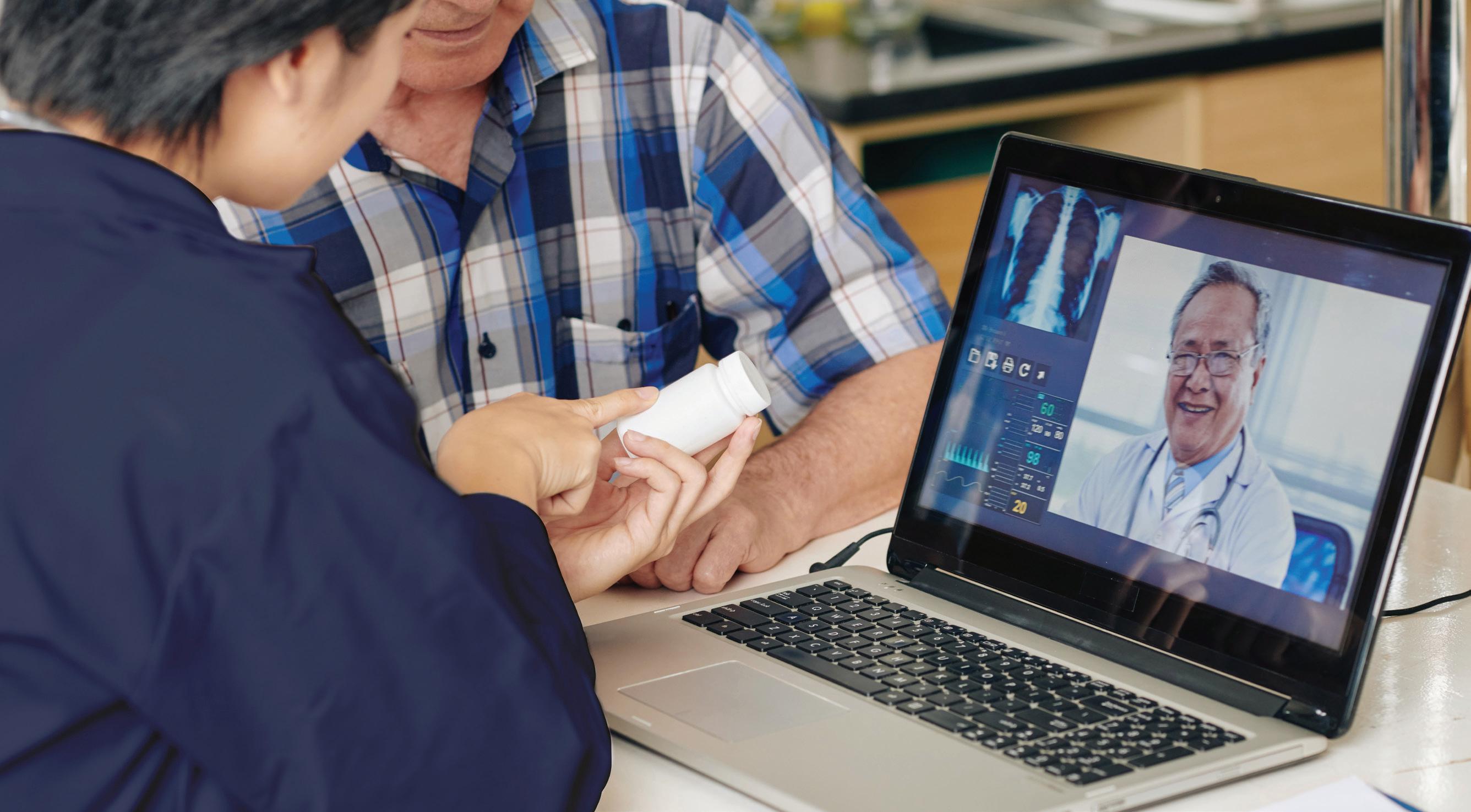
Can’t get to a health care provider right now? Holy Name has you covered with North Jersey Telemedicine. You get the care you need, right from home—or wherever you may be. Not sure if it’s allergies or a cold? Worried that scrape or burn might be infected? Need a medication refill? Our primary care and specialty physicians and nurse practitioners are ready to see you, safely and conveniently. Visit NorthJerseyTelemedicine.com to learn more and link to a Holy Name telemedicine provider.
Holy Name Medical Center
718 Teaneck Road, Teaneck, NJ 07666 - Tel: (201) 833-3000



by STACIE ROSE
Once the leaves have fallen and darkness descends upon us by 4:30 p.m., it’s tempting to hang up the apron, call for take-out, put away the scale, the skinny jeans, the running shoes, aspirations of wellness and a sun-kissed glow and pack up your plans for the season. Hibernation can be tempting. But before you do that, reconsider how simple and satisfying it would be to stay strong, active, flexible and positive all winter long. With a few immune-boosting strategies, home- and body-care and some mindful rituals you could put yourself in a healthier position as the pandemic continues and cold and flu viruses threaten our wellbeing.
There will be a vaccine; the pandemic will end; and spring and summer will return with that warm, healing sun that makes us feel so good and radiant. But for now, the choices we make can have a significant impact on our experiences during the most frigid months.

Nutrition is a great place to begin. Colder weather calls for warm, comforting foods. If you’ve been consuming your vegetables raw, you might try cooking them. Steaming, sautéing or roasting are great ways to enjoy seasonal vegetables, especially those of the root variety. Golden beets, squashes, carrots, sweet potatoes and turnips are all wholesome choices. Packed with vitamins, minerals and fiber, they are low in calories and high antioxidants. The best part is that they make you feel warm and rooted, which is something we could all use right about now. A good reason for choosing seasonal fruits and vegetables is that the less time food travels, the less chance of contamination. Foods also taste better when they are fresh, local and seasonal. Opt for organic when you can. Pesticides are not fit for consumption and should be avoided when possible. Wash your foods thoroughly, prepare them with care and trust in the wise words of Hippocrates, “Let food be thy medicine and medicine be thy food.”
Soups, stews and porridges are particularly warming and calming to the body and mind. They don’t call it “chili weather” for nothing. If your body is craving warm, soulful foods, listen to your body. Break out the crockpot, the pressure cooker, the Vitamix and start souping your way healthy. Soups are incredibly medicinal, especially when made with onion, carrot, celery, garlic, ginger, oregano and cumin. Onion, ginger and garlic are widely considered the holy trinity of medicinal foods.
Superfoods are flavor enhancers and strategic way of getting extra immune-boosting nutrients into your diet. Toss some goji berries, cacao, cinnamon, chia seeds, ground flax seeds or maca into a smoothie. Add turmeric, ginger or garlic to a stir fry or roasted veggies. Some of these are also adaptogens, which is a bonus! Apoptogenic herbs like ginseng, maca, holy basil and turmeric can help the immune system fight off toxic intruders.
Fitness is a concept that often goes out the window once the cooler weather sets in. Since many of us are not working out in gyms or attending yoga studios at the
moment, it’s important to rethink your movement goals. Walking can be a great way to get fresh air, perspective and to pull you out of your home. So many people feel confined in the colder months and the pandemic adds an extra layer leaving many with acute cases of cabin fever.
Walking is a very effective, low impact way of getting the movement you need to sleep well, stay agile, sharp and calm. If you enjoy yoga, you don’t need much space to get a full-on flow going or some restorative time on the mat. There are so many yoga apps, virtual lessons and ways to pull off yoga at home. A few worth trying are Alo Yoga, Gaia, 5 Minute Yoga and GLO. There are also so many smaller independent yoga sites popping up that offer lovely yoga practices and mediation. With so much yoga in the world, you can find the teaching style and personality that works best for you. If you can only carve out a little time for fitness, you can search for a 10-, 15 or 20-minute workouts on the Internet. Keeping a positive outlook makes a big difference. Come from a place of abundance. Instead of saying I “only” have 30 minutes to work out today, try relishing those 30 minutes and embracing the movement and the time.
Resistance training is another way to keep your muscles active at home. From resistance bands to sculpting circles and the Bowflexes and Gorilla Bows, the world
Walking is a very effective, low impact way of getting the movement you need to sleep well, stay agile, sharp and calm.
of fitness is at your fingertips and Amazon is a click away. Your movement of choice should be the one that brings you joy and a sense of empowerment. The motivation should be authentic to you. Whether you are looking to shed some extra weight, increase stamina, flexibility, balance, muscle definition or sweat out the negative gunk, do what feels good in your body and elevates your mood. A little movement will do wonders for your sleep and help your immune system function better. When It comes to movement, the power of positivity cannot be overstated.
Mindfulness can do way more than you might imagine. Mediation, self-care, soulful reading, conscious breathing, healthy cooking and embracing rituals, such as diffusing essential oils, lighting candles, taking warm baths and creating quiet moments for tea and reflection, are not luxuries, they are essential. You cannot pour from an empty cup. Self-care is something you ought to make time for daily, if only for a few moments. Binge-watching a
good show can help you recharge and so can playing music or taking a long shower. Phoning, FaceTiming or Zooming with a friend can make the world brighter on a tough day. We need to nurture our support systems and friendships. Give love; get love; repeat. Winter can be an isolating time and so many of us are already feeling alone. Connecting with loved ones is an instant uplifter! It’s these little moments we take for ourselves that keep us from acting edgy, feeling frenzied and overwhelmed.
Meditation apps are also plentiful. Some popular ones are Calm and Headspace. Don’t be afraid to delve into mediation. You don’t have to be a pro or dive headfirst. Just take your time, give yourself space, grant yourself grace and be patient. Five minutes of mediation and deep, conscious, intentional breathing can change everything.
While you’re practicing mindfulness, don’t forget about the things you put on your skin and into your home. There is an array of ecofriendly, non-toxic beauty products out there now. Consider swapping out your current soaps, moisturizers and makeup brands for products that are kinder to your skin and the environment. Stay hydrated and think about the products you are using in your home. Many house cleaners are filled with chemicals that can disrupt your hormones, dry your skin, irritate your respira-
tory system and make you feel lousy. The Environmental Working Group (EWG) is one resource that’s useful in seeking out healthier options for skincare and homecare. When in doubt, buy a plant. House plants clean the air of toxins and give off oxygen. They beautify and purify. It’s a double win!
Curling up with the good book at night is a great way to keep the blue light paradigm in check. We are all so tethered to our devices that it can be especially hard to wind down at bedtime. Less sleep can mean poor digestion, skin problems, headaches, allergy issues, lack of focus and depressed immune systems which no one can afford
to have right now. It may seem a little harder to stay healthy in the winter, and a pandemic sure doesn’t make things any easier, but if we value our health holistically speaking and set small, attainable, sustainable goals we can keep our health and wellness on track. First, we must set intentions and approach each day with positivity, joy and gratitude. Every step in the right direction is meaningful and should be celebrated. Now is not the time to be unkind to yourself or others. Tough times call for more levity and warmth. In the words of E.E. Cummings, “The most wasted of days is one without laughter.” So, take time for merriment, but wear
a mask in public until things get better. Wash your hands like your life depends on it and practice humankindness and self-love. Search for balance and trust in the universe. We can only control a small percent of things. Make those things count!
Chart your path and take the wheel. Winter is a beautiful time of year with many magical surprises. Remember during the bleakest days of the season, that it’s always darkest before the dawn.
Stacie Rose is a singer/songwriter, mother, producer, lover, blogger, integrative nutrition health coach, holistic lifestyle influencer and free spirit. She’s super passionate about making music, writing and helping others create sustainable wellness. Learn more at TrueBodyandMind.com ■

Looking to lend a hand to those in the community, Jewish Family & Children’s Services of Northern New Jersey has made it their mission to be there to help and be a resource.
While Jewish Family & Children’s Services of Northern New Jersey, with offices in Teaneck, Wayne and Fair Lawn, has been around for three years, the three legacy branches have been serving the community for more than 60 years. Their main goals are focused on mental health, senior and social services.
“We do therapy for every population and age group,” said Susan Greenbaum, chief executive officer of Jewish Family & Children’s Services of Northern New Jersey. “We have two food pantries.

by Tara DeLorenzo


We help people with entitlements, and we help people try to find help from government agencies that they’re entitled to that they’re not accessing. We deliver Meals on Wheels. We provide case management to families and seniors to try to get a sense of what it is they need in order to affect trauma they’ve been through and help them through transitions and adjustments that may be difficult for the family. So, our base is mental health and social services – human services. We try to help people in those ways in the extent that we can. I’d say we try to be a mental health and social services safety net to the Jewish community by serving the entire community. That’s who we are, and we work very hard to be that.”
For the mental health portion, as a social work-based agency, each member of the professional staff is either a social worker or counselor. Services are available for all age ranges.
“We try very hard to be nimble in being responsive to the community, so when trends change, when needs shift, we try to be there to figure out how to help people most,” Greenbaum said.
In their senior division, volunteers go to the home of the senior and assess with a case manager. They figure out how they best can help – what they need, what services can be provided to them and how they can best assist the senior in need. Jewish Family & Children’s Services of Northern New Jersey offers a range of services to help too, including home care and Meals on Wheels, where kosher meals are delivered by volunteers.
The third main focus of Jewish Family & Children’s Services of Northern New Jersey is advocacy and aid to help aid with emergency assistance and critical needs. Under this portion of the non-profit, there are two food pantries – one located in Teaneck and the other in Fair Lawn. The aid in this sector of the non-profit is to help people back onto their feet and moving forward to be successful in their lives.
“Everything is needs based,” Greenbaum said. “We will only help people if we also can put them on a track towards sustainability. Just helping someone is not
“With their two food pantries too, they also accept food donations of perishable and non-perishable kosher and nonkosher food items and personal care items.”


enough, we also need to help them figure out how to get better and take care of themselves. So, that’s a part of what we do.”
To fund and support their ability to help as much of the community as possible, Jewish Family & Children’s Services of Northern New Jersey holds annual fundraisers, including Wheels for Meals, an annual bike ride. Jewish Family & Children’s Services of Northern New Jersey also typically holds an annual gala every November, and other fundraising events occur throughout the year.
As their funding grows too, so does Jewish Family & Children’s Services of Northern New Jersey.
“Our biggest asset is our professional staff,” Greenbaum said. “That’s what has the biggest value, and we’re always trying to attract new staff and additional social workers, but the way we grow is to find more funding to meet the specific needs we’ve identified in the community. Some of it is government funding, some of it is foundation funding, and a large part of it is private philanthropy.”
The non-profit also is happy to get continued support from volunteers as well. Right now, the organization has hundreds of volunteers. They help deliver meals with the Meals on Wheels and also act as friendly visitors to those who need company. The volunteers also act as homework helpers to elementary school students and aid in the food pantry. With their two food pantries too, they also accept food donations of perishable and non-perishable kosher and nonkosher food items and personal care items. And, in order to help with therapy sessions, Jewish Family & Children’s Services of Northern New Jersey accepts toy and game donations
in order to help connect and communicate with children.
“I just hope we continue to grow and to serve the community in a meaningful way,” Greenbaum said. “The community needs to support our efforts if we’re to be successful. It’s really a shared responsibility. I hope and anticipate that that’s what will happen.”
Jewish Family & Children’s Services of Northern New Jersey is dedicated to aiding as much of the community as possible in terms of mental health, senior services help and social services. With their experienced staff and hard work, they are constantly changing their tactics and work to change with the needs of the community and address those needs as efficiently as they can.
“People really need us,” Greenbaum said. “People who are suffering all kinds of trauma or hardships really need us, and we are thrilled to be there to get the call and to respond to that call, whatever that looks like and whatever that means and it’s always different. Each family is different, each story is different, and nobody escapes from experiencing hardship or trauma at some point in their lives. The fundamental difference is some people have very robust support systems, they have financial means to deal with the dilemmas that face them, and many people don’t have those things. Some people don’t have those robust support systems though, and they don’t have the financial means to take care of themselves, so we are happy to be there to help those people when they are in need.”
More information about Jewish Family & Children’s Services of Northern New Jersey, as well as the volunteer application, can be found at https://www.jfcsnnj.org. ■

The
Emergency
The
Bobbi
The
by Dr. John Cintineo
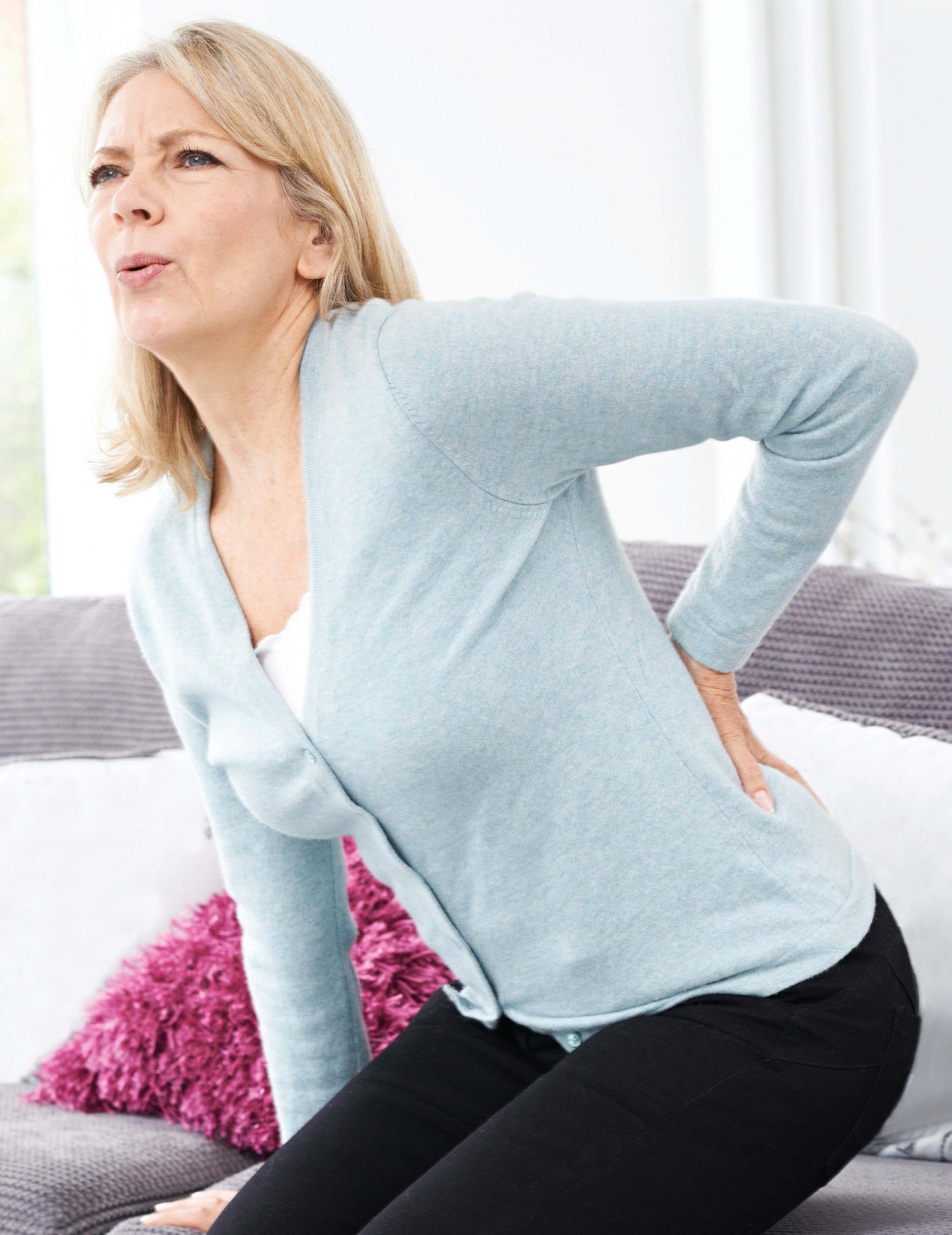
If you are a chronic back pain sufferer, you probably experience the worst pain in the wintertime. Most sufferers of chronic back pain report feeling horrible bouts of pain when the winter weather comes rolling around, and this is not at all a coincidence. There is a legitimate medical explanation for why back pain gets worse in the winter.
Let’s discuss not only why back pain gets worse in the winter, but what you can do to fight off winter back pain this season. Are you ready to understand more about your back pain? Let’s go!
There is no one reason for why back pain gets worse in the winter. Everything from environmental reasons, to atmospheric reasons, to physical reasons are at play, and can make a big difference. It’s important to be cognizant of all these factors so that you can minimize their effect on you.
One of the reasons that back pain increases in the winter is that cold weather causes the muscles to contract. When muscles contract, the blood vessels restrict blood flow. When muscles do not receive proper blood flow, they experience aching and pain due to stiffness and tightness.
In addition, when muscles are
contracted, they become exceedingly vulnerable to strains and tears. Exercising in cold climates leaves you extraordinarily susceptible to injury; not only injury to your back, but injury to every other muscle in your body as well.
Barometric pressure simply refers to the pressure that exists in Earth’s atmosphere. When the weather gets colder, barometric pressure gets lower. Various stimuli in the Earth’s atmosphere respond to this low pressure in several different ways. The joints respond to low barometric pressure by sending out signals of pain to the brain.
In essence, when it’s cold outside, the pressure change in the Earth’s atmosphere causes pain in the body by affecting the synovial fluid (the lubricant) in your joints. It’s a strange, but real phenomenon that is, for all intents and purposes, uncontrollable. This is why many people who suffer with arthritis can “predict” the weather. Their joints are more sensitive to changes in barometric pressure.
Exercise is a vital part of maintaining good back health. To stave off back pain, you must practice

good posture. To practice good posture, you require adequate core strength – and to gain adequate core strength, you must exercise regularly.
In most cases, when winter rolls around, we tend to exercise less. This is because we spend less time outdoors and have a harder time making it to the gym. Especially during these difficult times with the coronavirus, it’s even more challenging to exercise regularly because you are stuck at home and may be hesitant to return to the gym, even if it is open. So, because we’re not able to work our muscles out, our skeletal system doesn’t receive quite the same support that it normally would.
The cold that winter brings forces us to live our lives with compromise. In order to face the winter chill, we must do things that we otherwise wouldn’t do. Not only does it force us to sit inside much more than we normally would, it forces us to
contort into strange positions just to stay a bit warmer. Forcing ourselves into unorthodox positions, such as the fetal position, puts strain on our backs. This strain, when maintained over a prolonged period, eventually starts to cause pain. This is just another reason why winter results in worse back pain than any other time of the year.
It’s certainly important to understand why back pain gets worse in the winter, but what’s even more important to understand is how to fight off this winter back pain. Several measures can be taken to do so, many of which follow.
pain can help to loosen up the affected muscles allowing for greater expansion and improved blood flow.
Moist heat in particular is good to apply to the back. Applying a hot water bottle to the affected area for 15 minutes at a time can work wonders. Doing so two or three times a day will keep your body loose and help to stave off serious pain. If you don’t have a hot water bottle, you can fill a zip-loc bag with hot water instead. There are a variety of moist heat packs available online or even at your local pharmacy.

to reduce any pain, which is already present.
As previously discussed, one of the reasons that back pain increases in the wintertime is because people don’t exercise as much as they do during the rest of the year. Because their muscles are not at optimal strength, they don’t provide adequate support to the body. This results in slouching and poor posture.
It’s key that you maintain a regular exercise regimen. Performing core exercises can provide a great deal of support for your back. Don’t let the sleet, snow and wind stop you.
If you can’t get to the gym, there are a variety of exercise videos ranging from simple stretching to yoga to resistance training available for free on You Tube. This is an excellent resource for those who prefer to exercise in the comfort of their own home.
A stiff muscle is a vulnerable muscle. When muscles are stiff, they are more susceptible to injury. The key to keeping your muscles from stiffening up is to keep them as warm as possible.
Make sure that whenever you go outside, you’re wearing clothing that’s appropriate for the weather. If it’s 30 degrees outside, make sure that you’re wearing a thick winter coat. If it’s 0 degrees outside, make sure you’re wearing plenty of layers. The warmer you can keep your muscles, the less pain you’ll experience in your back.
If you are having trouble getting to the gym and squeezing in exercise sessions, your muscles likely aren’t quite as supportive as they normally are. What this means is that your posture could very well be suffering.
A good way to compensate for this reduction in posture

STEPHANIE COHEN, MD
quality is by wearing a posture corrector. Posture correctors are essentially pieces of clothing that you wear around your shoulders, waist, or midsection. They apply pressure to specific portions of the torso, lending it support and allowing it to maintain good posture.
By helping you maintain good posture throughout the winter, posture correctors can help to prevent the additional back pain that winter normally brings. Like knee or arm braces do for the limbs, posture correctors provide support for the back. A word of caution though: posture correctors should only be used on a temporary basis as long-term reliance on them can cause greater weakness in the muscles supporting your spine. They are not a substitute for exercise and core strengthening.
Winter is a grueling time of year for many reasons especially now during the pandemic. Not only does it bring snow, ice, less daylight and cold, but rather serious pain as well. While sufferers of chronic back pain are likely to experience more intense and more frequent bouts during
the winter months, there is something they can do about it.
By understanding why winter increases back pain, and following the above tips, chronic back pain sufferers stand a good chance of beating the winter weather. Don’t let winter increase your pain and stress. Armed with the above knowledge, you can fight back and take control.
Dr. John Cintineo is a chiropractic physician and has been practicing in Fair Lawn since 1987. He is the owner and clinical director of Academy Spine & Physical Therapy as well as the director of the New Jersey Accident & Injury Group. He is credentialed as a primary spine care provider through the Academy of Chiropractic and is a member of their prestigious Trauma Team. He has also been named one of Bergen County’s Top Chiropractors for 2017-2020 by 201 Magazine. He is currently enrolled in a Fellowship program in Spinal Biomechanics and Trauma through the University of Buffalo Jacobs School of Medicine and Cleveland Chiropractic University. He can be contacted at jcintineodc@academy-health.com. ■

Schedule an appointment with Dr. Mark Hartzband by calling (201) 291-4040
Hartzband Center for Hip & Knee Replacement
10 Forest Avenue, Paramus, NJ 07652
Phone: (201) 291-4040 HartzbandCenter.com

Holy Name Medical Center
718 Teaneck Road, Teaneck, NJ 07666
HolyName.org
Hartzband Center is the most trusted and experienced provider of high quality total hip and knee replacements, with over 30,000 successful joint surgeries—that's more than any other private practice in the tri-state area.
Dr. Mark Hartzband has developed many of the innovative, minimally invasive techniques that get patients back on track faster. He has contributed to the design of many of today’s most successful hip and knee replacement implants.
In practice for over 30 years, Dr. Hartzband is Director of the Bone & Joint Center at Holy Name Medical Center, where he performs same-day discharge hip and knee replacements on eligible patients—an approach he pioneered almost two decades ago. Joint replacement surgeons trust their complex patients and those with post-surgical complications to Dr. Hartzband; you can trust him, too.
by Stefan Harvalias
Stress and anxiety are all too familiar to many Americans, this year especially, and the added pressure of the holiday season may provide a new set of challenges. Practicing self-care and nurturing your mental health can help you navigate these potentially isolating times, especially if you’re tackling this season single.
With so many other demands in life, taking care of yourself, including your emotional and mental well-being, may not always be at the top of your list. However, putting more emphasis on yourself and your needs can be achieved in small, measurable ways and may not only help boost your spirits but can affect your approach to dating, too.
Listen to music. Numerous studies have demonstrated the benefits of music in managing mental health. Slow, mellow music can help the mind shift into a lower gear and has even been shown to influence the body’s physical state such as reducing blood pressure, pulse and heart rates. For someone with anxiety, music can be a welcome distraction from the troublesome thoughts occupying the mind. For others, music is simply a way to escape from reality and focus on something enjoyable.
taLk with friends and famiLy. Although COVID-19 may be creating physical distance, there’s one way it can bring people together: by acknowledging your shared stress to one another. While the impacts of the pandemic vary greatly, everyone has been navigating uncertainty and change that comes
with such a widespread event. A weekly check-in call or video chat with friends and family members can help you feel less alone with your feelings and experiences. Topics like mental health and mindfulness have risen to the surface of everyday discussions, removing a lot of the stigma they once had.
seek out tooLs to heLp you unwind. If you’ve never given much thought to managing your mental health, you may not know where to begin practicing better self-care, and that’s OK. That’s where you can benefit from resources like those available through Plenty of Fish. Knowing the toll the pandemic is taking on singles, the dating app partnered with Shine, a leading self-care app, to create two free dating-related meditations developed to help singles better manage anxiety and improve mental health and wellness. Navigating dating, work and your personal life can feel like an intense juggling act. To help find balance and feel less pressure, consider listening to the “Balance Dating While Busy” guided meditation and reflect on your energy and priorities so you can make space for dating in your life. Although dating may look and feel different right now, it’s still doable. Shift your mindset and reflect on ways to adapt with an option like the “Navigate Dating During COVID” guided meditation.
recognize the roLe of physicaL weLLness. The mind and body are intrinsically connected, and how you take care of your body can have an impact on your mental state. This includes eating well to
ensure you’re getting proper nutrition, which can positively impact your mood. Additionally, exercise releases feel-good hormones, so a quick walk around the block or a 10-minute exercise video can benefit you both physically and mentally.
Give yourself permission to disconnect. When life feels uncertain, being closely tied to an information source like your smartphone can give you a sense of security, but it can also add to your
everyday stress. If you’re working from home, you may find you never fully shift out of work mode. However, it’s easy to become addicted to refreshing your newsfeed, allowing your devices to cut into time you could spend more productively. Limit your screen time to force yourself to focus on the present and activities that bring you pleasure while allowing your brain to rest, like spending time with loved ones or enjoying a good book or movie.
Keep covid from crushinG your datinG Game
As if single life and dating didn’t bring enough uncertainty on their own, a global health crisis has only heightened the anxiety many singles feel. Dating pressures and anxiety tied to COVID-19 were the subjects of a study by Plenty of Fish, which showed just how challenging dating has been for singles this year.
According to the survey of singles:
• 60% have experienced feelings of anxiety before going on a date
• 29% have canceled a date due to anxiety
• 44% are anxious about their date not wearing a mask

When it comes to the benefits of self-care, a majority of surveyed singles reported:
• 66% practice self-care regularly
• 87% said self-care activities reduce stress
• 78% said they feel less stressed after a self-care routine
• 50% meditate
• Alone time, exercise and pampering were listed as the top self-care activities
“Prioritizing your mental health matters more than ever,” Harvalias said. “Self-care and wellness mean something different to everyone – all that matters is that you find an outlet to disconnect and do what makes you happy.”


It can be challenging to communicate through masks, 6-feet of social distance, physical barriers and other factors due to COVID-19 that have changed daily life.
For people with hearing loss, this is an especially challenging time. In a telling sign of increased hearing difficulty, usage of online hearing tests increased 500 percent since the pandemic began.
“With COVID-19 and masks, everyday tasks are a source of frustration, such as asking a question at the grocery store deli or talking to someone from behind a customer service desk,” said Bill Schiffmiller, a lifelong hearing aid user and founder and CEO of Akoio, a hearing wellness company. “It’s a triple threat because masks reduce the loudness of the voice, muffle pronunciation and eliminate visuals like facial expressions and lip reading.”
Data shows people who can’t hear others begin to stay away from other people, and social isolation can lead to anxiety and depression. People who have trouble hearing also tend to have higher hospitalization rates and longer hospital stays, according to research published in “JAMA Otolaryngology.”
Among those 55 and older who have hearing loss, 58 percent don’t use hearing aids. In the past, statistics have shown people waiting up to seven years before getting a hearing aid from the time of diagnosis. However, the communication challenges posed during COVID-19 are driving some to address their hearing sooner than they may have otherwise.
by Laurie Roberts
• Consider the mask you’re wearing. Clear masks provide a visual difference, helping with lip reading and facial expressions. The plastic in clear masks, however, can muffle sound too much for some. According to audiologist Dr. Shivani Patel, high-frequency hearing loss is common, making female voices difficult to hear. In this situation, research has found standard medical masks tend to transfer sound best. Try different masks to see what works for you.
• Minimize background noise. Music, construction, other conversations, heaters and fans can make it challenging to communicate when wearing a mask.
• Avoid “cavernous” room. An environment with mostly hard surfaces, such as a large meeting room or gymnasium, offers minimal sound dampening and can make hearing comprehension more difficult.
• Maintain eye contact. Look directly at the person you’re speaking to and speak clearly, helping him or her read some of your facial expressions. When using video conference services, look directly into the camera in a well-lit room and ensure you have clear picture quality to help with lip reading.
• Be patient. Remember the increased challenges people with hearing loss are facing now. If communication becomes too challenging through a mask, have a backup plan such as pen and paper or a smartphone note-taking app.
• Talk to your friends and family. Tell them what you’re experiencing and be clear and direct in expressing your thoughts and feelings. Ask whether they have noticed your hearing troubles and listen to their feedback.


“Data shows people who can’t hear others begin to stay away from other people, and social isolation can lead to anxiety and depression.”
• Describe specific instances and circumstances when your hearing is affected most. Armed with this knowledge, friends and family can help you manage various situations.
• Determine a plan of action. Set an appointment to have your hearing checked by an audiologist. If you wear a hearing aid, be sure to carry extra batteries. Notice ways to adjust your environment to reduce background noise.
• Make hearing wellness a priority. Data shows hearing is important to a person’s mental and physical wellness, and untreated hearing loss can have multiple health consequences. ■





These days, many of us are finding ourselves stiff and sore by the end of the day. While most of our aches and pains may not require medical attention, we are feeling lethargic, uncomfortable and tight. With our cushy couch, bed and chairs allowing us to “comfortably sit” all day through work, screen time, games and Netflix, how can this be happening?
Let’s back ourselves up for a minute to the Industrial Revolution. Life was hard and physical labor was a part of almost every job, and even every household. In a quest to make our lives easier, companies and inventors came up with gadgets and machines to give us a helping hand. Originally most people worked close to home and walked to work, with many people walking several miles each way; cars now allow workers to commute further for employment (sitting). In the 1930s and 1940s an effort was made to design office chairs to be more comfortable, and more jobs were designed for the worker to sit instead of stand. Intercoms were invented so people could communicate without getting up.
by Sheila M. Clancy MS, CHES
At home, we have had the pleasure to experience modern machines and technology that was designed to make our family life easier. The washing machine took the hard work out of cleaning clothes, the microwave sped up our preparation of meals, there are coffee makers that can grind your beans and turn on at a set time, and of course, we have the ultimate gadget: the TV remote. There are even bicycles with motors in case you want to “ride” your bike somewhere but don’t want to put too much effort into it. Without moving a muscle we can ask Alexa to turn up the heat, turn off the lights, play some music and turn on the alarm system.
As a result of our strides in technology, the average American adult sits between 9 and 13 hours a day. We sit at work, in the car and on the couch. Sitting puts twice as much stress and pressure on your back as standing. Excessive sitting is contributing to people experiencing swollen ankles, back pain, wrist pain and neck pain. While you may recognize these symptoms when you have them, you may not realize that your blood sugar may be elevated. Long bouts of sitting has recently been linked to issues with diabetes and blood sugar management.
The World Health Organization has stated that physical inactivity is the fourth leading cause of death
Some of the many benefits of movement include improved immune function; increased muscular strength and endurance; better joint health; improved quality of sleep; lower blood pressure; and better regulation of blood sugar. “ “
around the world; it causes 3.2 million deaths globally. It has also been attributed to a variety of diseases including cardiovascular disease, diabetes, cancer and depression. Physical inactivity causes stiff joints, loss of bone density, weakening of the heart, lungs, and muscles and a degeneration of cellular energy systems.
The human body is born to move, with 600 muscles that can help us to do just that. Have you ever peeked at a baby in his crib, constantly moving his arms and legs, grabbing his toes and rocking back and forth? We are born craving movement and it makes the body feel good when we do it. We have constant movement in every cell and every system in our bodies. Some of the many benefits of movement include improved immune function; increased muscular strength and endurance; better joint health; improved quality of sleep; lower blood pressure; and better regulation of blood sugar.
On top of all of the scientific reasons to keep moving, the obvi-
ous one for most of us is that it feels good. In order to get more movement into your day, plan for it by breaking your day into chunks. If you have a desk job, plan to stand up every 30 minutes to stretch or walk around. Plan a 10-minute walk in the morning before you start working and then another 10 after you eat your lunch. A walk after dinner can be a great way to put some of your day’s stress behind you. Besides just standing up you can do some squats, arm circles and stretches for one minute breaks throughout the day. Park further away from the store when you go food shopping and use the stairs instead of the elevator whenever possible. Walk your dog on a regular basis or take your kids for a walk every evening; kids need movement more than ever these days as remote learning has them sitting in front of their computers for hours.
While modern inventions have made our world more convenient, we can’t lose sight of the fact that our bodies were meant to move. Keep your circulation going strong by not staying in any one position too long, and find a few activities you like to do and ass them to your day. Regular activity can provide you physical and mental benefits to help keep your quality of life as high as possible. Start today and see how regular movement can positively affect your life. ■
BY DR. HARMONY LEIGHTON-SEIFFER

It’s the most wonderful time of the year. The holiday season tends to bring us all together, filling homes with family and food. It has also been shown to be the time of year during which there is an increase is heartrelated hospitalizations.
Observational data has revealed an almost 5 percent increase in heartrelated deaths during the holiday season. Though no direct causal link has been shown, many factors have been postulated as potential contributors to the increase. For example, cold weather can lead to constriction of the blood vessels, causing a rise in blood pressure and can also increase the propensity for the blood to clot. Frigid temperatures can increase strain on the heart and when coupled with heavy exertion – like snow shoveling, for example – a heart attack can ensue. Additionally, people tend to indulge in fatty, salty food and alcohol, all of which can increase your risk of heart disease including heart attack, heart failure and arrhythmias. Some also experience a high level of emotional stress during the holidays, which may increase risk as well.
So, how do you navigate the holiday season while staying heart healthy? Here’s a few tips:
1. Don’t over-indulge. Eating a piece of cake or having a glass of wine won’t tip most over the edge. However, if you have heart failure, it may only take one salty meal to throw you into an acute exacerbation requiring hospitalization. I suggest making your own food when possible as typically restaurants add salt for flavor. If you’re not cooking, let whoever is know of your dietary restrictions. Also, moderate your alcohol consumption as this increases the risk of arrhythmias, also known as “holiday heart.”
2. Maintain heart healthy habits. Don’t hibernate for the winter, get a head start on those New Year’s resolutions –exercise, quit smoking and all other noxious habits and start a heart healthy diet. The American Heart Association recommends 150 minutes of moderate-intensity aerobic exercise per week. If you can’t do that, do whatever you can. Any activity is better than no activity. They also recommend a plant-based diet, which may bring a new healthy and fun twist to your holiday meals.
3. Stay safe. Get your flu shot and especially this year follow all recommended guidelines for protection against COVID-19. Remember, those with heart disease are amongst the highest risk for poor outcomes, including death, from both Influenza and COVID-19.
4. Always listen to your body. If you have chest pain or any other concerning symptoms contact your physician or call 911 and go to the nearest hospital.
Don’t let heart disease define you or your holidays. Maintain a heart healthy lifestyle and enjoy many more holidays to come.
Dr. Harmony Leighton-Seiffer is a non-invasive Cardiologist with the Hackensack Pascack Valley Medical Group. She completed her training in both Internal Medicine and Cardiology at New York Presbyterian Queens. Board certified in Internal Medicine, Cardiology, Echocardiography and Nuclear Cardiology, she focuses on all areas of Cardiology, with a special interest in Preventive-Cardiology and Women’s Health. Follow her on Instagram @heartmyhearthealth for heart-healthy content.
{Editor’s Note: The above content, including Dr. Leighton-Seiffer’s Instagram account, does not represent the opinion of her employer.}




by audrey zona
’Tis the
Youknow this to be true: our minds during the winter months turn to the immediate comforts of food and warmth as well as those brought on by nostalgia. Snowflakes translate to cookies and cocoa and curling up around the fireplace calls for sweet and savory snacks long after dinner is done.
Truth be told, we are biologically wired to put on extra padding during the colder months, because our ancestors needed to survive when food was scarce. But time passed, and we now have the ability to store what we need in the pantry instead of around our middles, and more importantly, now we have options and tools to help us.
This year, on top of the annual temptations that come from a season of cold weather, we are facing a confluence of other factors that can lead to using food as a coping mechanism. Financial stresses, fear, anxiety about the pandemic, general uncertainty, family logistics, etc. may very likely cause you to stray from your goals and stress eat.
Stress eating is emotional, and it is connected directly to feelings or thoughts you want to avoid. When confronted with these feelings, we seek to sublimate them with food.
It’s important to remind us all: food often feels like the cure. When we eat, we get a satisfying dopamine response, and it is satisfying. It is also temporary. Let me say that again: eating to stave off stress provides only a temporary sense of satisfaction. So, you block out what is bothering you emotionally with food and when the good feeling wears off (usually in minutes), you’re left with a double whammy: added calories with a side of shame.
I understand; believe me. I have these discussions with my clients, and I am here to help you shift your usual behaviors and incorporate new ones.
Wishing won’t get you there. I wish that was true, but you need a plan. When you create a weight loss or weight maintenance plan, you set goals and you should be clear about these goals. Take pen to paper and write them down. What are they? Why are these your goals? What results would you like to see in your body, your life and your health? Be authentic and clear.
What thoughts are stressing you? What fears come up during moments of inactivity or when your mind wanders? Again, write them down. What are the fears that you cannot bear to face? These are the ones that create emotions that you want to block with food. Awareness of your stresses and the emotions that come with them

Zo Healthy Carrot Parsnip Soup
IngredIents:
1 Tbsp olive oil
1 onion chopped
1 shallot, finely chopped
1 lb. carrots, peeled and chopped
1 tsp minced garlic
1/2 lb. parsnips, peeled and chopped
5 cups vegetable stock or water
1/3 chip uncooked quinoa
1 tsp fresh thyme
3 fresh sage leaves, chopped
1 tsp cumin
1/4 tsp turmeric
Sprinkle of cayenne pepper
Salt and pepper to taste
1 Tbsp miso paste, dissolved in warm water
dIrectIons:
1. In a large stock pot, heat oil on medium heat. Place onion, shallot and garlic into the pot and sauté until onions are translucent.
2. Then add the herbs and spices to the pot and stir.
3. Add chopped carrots, parsnip and quinoa to the pot, pour in vegetable stock or water and bring to a boil. Reduce to simmer and cook for about 20-40 minutes until veggies are tender.
4. Remove from heat, let stand 5 minutes until cooled slightly. Using an immersion blender or high-speed blender, blend contents until smooth.
5. Dissolve miso in warm water and stir into the soup.
6. Serve with garnished scallions and some cheese, if desired. Enjoy!
is just as important as awareness of your goals.
Because it does. We go from feeling an unwanted emotion to acting on it, and as humans it does not always serve us well. Impulses often create chaos and regret. Learn to love to pause. Pause to meditate on what you are feeling. Pause to sit with it. Close your eyes and examine it or better yet, close your eyes and just breathe. When you pause for a few minutes, you can move beyond the impulse/emotional state. Meditation calms the nervous system and allows your brain to re-circuit. Will power is not enough. Breathe deeply, slow your pulse by sitting still, and do nothing.
I am not just talking about food substitutions. Plan your week with ready-to-go meals and grab-and-go snacks that won’t sabotage your goals. When you open the pantry or fridge, you should see items that are going to help you rather than make you feel regret. You’ll see your intentions, self-care and planning right in front of you. Don’t keep trigger foods or no-nos in your house at all if possible. Eliminate temptations and reward yourself with smart subs. And, replace impulse
eating with activities. Substitute a snack with a phone call to a friend who adores you. Go for a walk. Take a warm bath. Clean out a closet you’ve been meaning to organize. These are all win-wins. The feeling of productivity will distract you from rewarding destructive cravings with food.
Goals need to be reasonable to be achievable, especially in the weight-loss realm. You shouldn’t try to start running four days a week, cut out all sugar and gluten and drink 64 oz. of water every day. Start with one goal for the week and make it the priority. When you’ve accomplished your goal (let’s say) of drinking 64 oz. of water every day for a week, then journal about your success and add the next goal. Don’t beat yourself up for what did not happen, just do your best every single day. You can get there!
Audrey Zona is an integrative health and wellness coach and the founder of Zo Healthy, www.livezohealthy.com. She is a mother, wife and personal coach who loves seeing her clients break old diet patterns and enjoy more satisfying, healthier lives. Follow Audrew on Instagram (@zo_healthy) for recipes, tips and tricks for leading a healthy lifestyle. ■


Throughout the year, we’ve received an outpouring of support from community members and organizations – recognizing the healthcare workers of St. Joseph’s Health. Thank you for thinking of our dedicated team members. We are in extraordinary times, but we have an exceptional team, and we are committed to the communities we serve.
Throughout the year, we’ve received an outpouring of support from community members and organizations – recognizing the healthcare workers of St. Joseph’s Health. you for thinking of dedicated team We are in extraordinary times, but we have an exceptional team, and we are committed to the communities we serve.
If you’d like to join your neighbors in making a monetary donation to support the St. Joseph’s Health employees on the frontlines fighting the pandemic, please visit us at www.givetostjosephs.org.
you’d like to join your neighbors in making a monetary donation to support the St. Joseph’s Health employees on the frontlines fighting the pandemic, please visit us at www.givetostjosephs.org.
In recognition of our healthcare heroes, we invite you to watch a powerful video chronicling the Year of the Pandemic at St. Joseph’s Health. of healthcare watch powerful video of the Pandemic at Joseph’s
Scan to watch: Scan to watch:



he Diabetes Foundation, New Jersey’s leading not-for-profit organization helping those living with diabetes, through the gracious support of the Russell Berrie Foundation, has launched a county specific support center, via the Foundation’s website for Bergen County residents as the COVID-19 public health emergency continues.
The Bergen County Support Center offers residents personalized services and programs, such as a phone hotline, virtual education opportunities, Medication Assistance, Supply Assistance, A1c Testing and a Transportation Assistance program to help people get to medical appointments, all with the goal of managing diabetes and living healthier lives. You can learn more about the support center at https://diabetesfoundationinc.org/bergen-county-support/.
The Bergen County Support Center is made possible by a grant received earlier this year from the Russell Berrie Foundation, which has been earmarked to fund medication, supplies and support for Bergen County residents living with diabetes during the COVID-19 crisis.
“As a Bergen County-based organization, this Support Center is our way of directly helping our neighbors during this pandemic,” said Ginine Cilenti, executive director of the Diabetes Foundation. “Following the success and overwhelming response to our Emergency Kit program, the importance of helping those living with diabetes to navigate this difficult time cannot be overstated. We hope this onestop-shop providing care and support for Bergen County residents will make a difference as they navigate these unpredictable times.”
The support center also includes a Bergen County-focused Diabetes Resource Solutions Specialist Cassidy Starr, who is able to provide participants with answers to local and affordable options for diabetes management. Starr can be reached at bca@diabetesfoundationinc.org or by calling (201) 444-0337, ext. 101.
Diabetes Resource Solutions Specialists are a part of the Foundation’s Diabetes Resource Solutions Program, which is designed to help participants understand their diabetes and help them create a plan that allows them to best follow their doctor-directed healthcare program. Specialists listen, empower and connect participants to the care they need, ensuring they are living their best life and have positive health outcomes while living with diabetes.
Bergen County has had the highest incidence of COVID-19 cases and deaths than any other county in New Jersey. People living with underlying medical conditions, such as diabetes, may be at higher risk for more serious complications from COVID-19, as fluctuations in blood sugar may compromise one’s immune system. In addition, viral infections like COVID-19 can increase inflammation in people with diabetes. Such complications are caused by chronic high blood sugar and could lead to even more severe complications. In fact, 33% of Bergen County COVID-19 deaths have been linked to complications due to underlying conditions. People with diabetes need to be diligent with their care, including maintaining the proper inventory of supplies and insulins, maintaining their blood sugar levels, exercising, eating well and managing stress.









by PHILIP MANIA
Winter can be the most grueling time of the year – your strands take a beating. The combination of frigid temperatures outside and high heat inside are the root of your hair woes. Here are some tips to help you through the season.
Treat your hair to a deep treatment once a week. Make sure it is a product that is rich in moisture. Too much protein will cause breakage and more damage, so read your ingredients. I like Bumble and Bumble’s Hairdresser’s Invisible Oil Mask. It reduces frizz and nourishes hair to leave it moisturized for up to 72 hours. Actually, the entire Hairdresser’s Invisible Oil family is a great pick. It is a bestseller for good reason.
Be careful of the heat. Though a steamy shower might be just what you’re looking for when the temperature dips, hot water can make it brittle and more vulnerable to breaking. Wash your hair with lukewarm water and follow with a cool rinse instead. Try to minimize your use of hot tools. If you must use hot tools, use a heat protectant. I prefer a cream for blow-drying and a spray for irons. Apply on damp hair before you blow-dry and the spray on each section of dry hair before using a flat/curling iron or hot brush. Be aware of temperature settings. Try starting out as cool as possible with your tools. Only increase the heat if your style is not holding.
You do not need to lather up every day. Over-washing your hair will strip it of natural oils that help to keep hair moisturized and protected. Shampooing less often allows these much-needed oils to distribute throughout your hair. To help that along, there’s nothing like a good boar bristle brush. Your hair will shine. If you typically wash your hair
be responsible about the time because then you realize if we don’t do that, we’ll miss these moments as a family,” he said.
Costabile described his daughter as his “best audience.”
said. “That’s the whole reason I do this.”
every day then switch to every other day. If you find your hair is still very dry, try every three days. Opt for a sprinkle of dry shampoo at the root if you need a little refresh.
“I love doing impressions for her and making her laugh. The moments with my daughter are the best,” he said.
As for the rest of his audience, Costabile hopes he can show them the good in people.
Great moments can be anything from walking into a small shop, speaking with a 100-year-old veteran and learning invaluable life advice, or interviewing a celebrity who lets their guard down and starts acting “like a normal, regular, everyday person,”
Costabile said.
Hair is fragile. A cute beanie is always a great option to shield it from the elements. Don’t worry about hat hair. If you find that you have static issues, that’s telling you to add more moisture to your routine.
One of the most rewarding parts of work is being able to “bring out the best moments in people using TV and video,” he
“I believe in making life playful and my philosophy is to have fun,” he said. “I like bringing people out of places and into fun.”
Never go out with wet hair. It is more vulnerable to damage than dry hair. Walking outside in winter with a wet head can cause hair to freeze and break. Think icy branches — beautiful, but extremely fragile.
Philip Mania is the owner and premier artist stylist of Mania Hair Studio, located at 62 Park Ave. in Park Ridge. Phil has taken his vision of Mania Hair Studio and made it a reality.
A master with the scissors, he shares the same disciplined approach to cutting as many of the industry legends. At any time, you will find him coaching a newbie, demonstrating just how to perfect that hairline or chatting with a client about what’s new and now in our world. Words he lives by: “The most important thing in your life is your reputation; take good care of it.”
To learn more about Mania Hair Studio or to make an appointment, visit maniahair.com. ■



by Sheila M. Clancy MS, CHES
Essential oils are aromatic essences extracted from plants, or the smelly part of a plant. These oils can be taken out of various sections of the plant, such as the leaves, roots, bark, fruit, flower or seeds. Essential oils have been used for centuries for a variety of therapeutic purposes from medicine to mummification practices in ancient Egypt. Today, they are popular in the holistic world of wellness, and a favorite usage is through aromatherapy.
Aromatherapy is the practice of breathing in the smell of an essential oil in order to enjoy a therapeutic effect. There are over 1000 essential oils and there are various ways they are extracted from plants. True and pure essential oils are very potent and usually a few drops is all that is needed to experience the desired effect.
There are a few common applications that are practiced in the world of aromatherapy. A popular way to enjoy essential oils is to mix them with a carrier oil (such as olive oil) and apply them to the skin. They can also be breathed in by opening a bottle and smelling it or putting a few drops in a tissue or on your pillow to enjoy the aroma. Another practice is steam inhalation. You boil 2-3 cups of water, pour it into a bowl and add 2-5 drops of oil into the water. Slowly inhale the steam. Similarly you can put a few drops into a hot bath and enjoy the smell while you relax in the tub. Massage therapists can add an essential oil into their massage lotion to allow you to inhale the aroma during a relaxing massage. Finally, you can buy a diffuser which is a little plastic machine (looks like a tiny humidifier) that you fill with water and a few drops of oil. Plug it in, turn it on and the smell slowly disperses throughout the room.
While more research is still needed, essential oils have a variety of proven health benefits. You can use them to promote sleep or relaxation, boost your energy or mood and clear your sinuses. Here are some benefits and uses for specific essential oils:
Chamomile, lavender, bergamot, geranium, rosewood
Eucalyptus, lemon, orange, peppermint, grapefruit, cinnamon
Peppermint, lavender, eucalyptus, frankincense

Lavender, chamomile, rosemary, sage, bergamot, mandarin
Jasmine, lavender, lemon, vanilla, bergamot
Rosemary, grapefruit, peppermint, bergamot
Essential oils may seem harmless, but you must take some precautions when using them. They are not recommended for use by children under 12 years of age, women who are pregnant or breastfeeding or elderly adults. Also, some oils can be dangerous for pets. If you are not sure which oils to use or how to use them, consult a certified aromatherapist. You can find one by searching the National Association for Holistic Aromatherapy’s online database.
If you do want to purchase an essential oil it is best to buy them in small amber-colored glass containers. Never use them undiluted; just use a few drops in water to breathe or a carrier oil to apply to the skin. Keep the oil away from the eyes, nose, ears and mouth. Avoid excess inhalation-be safe and ease into aromatherapy to enjoy its various benefits. 3










It’s no secret that a balanced diet with plenty of fruits and veggies can deliver important vitamins and nutrients for better health, but many of your favorite foods can actually help support your immune system, too.
In addition to precautions like avoiding people who are sick and washing your hands often, you can influence your immune system through what you eat and drink.
Stay hydrated. Keeping well hydrated can be difficult during the winter months, especially if you spend most of your time indoors. A warm drink like this flavorful Orange Spiced Tea provides a strong dose of Vitamin C along with a delicious dose of hydration.
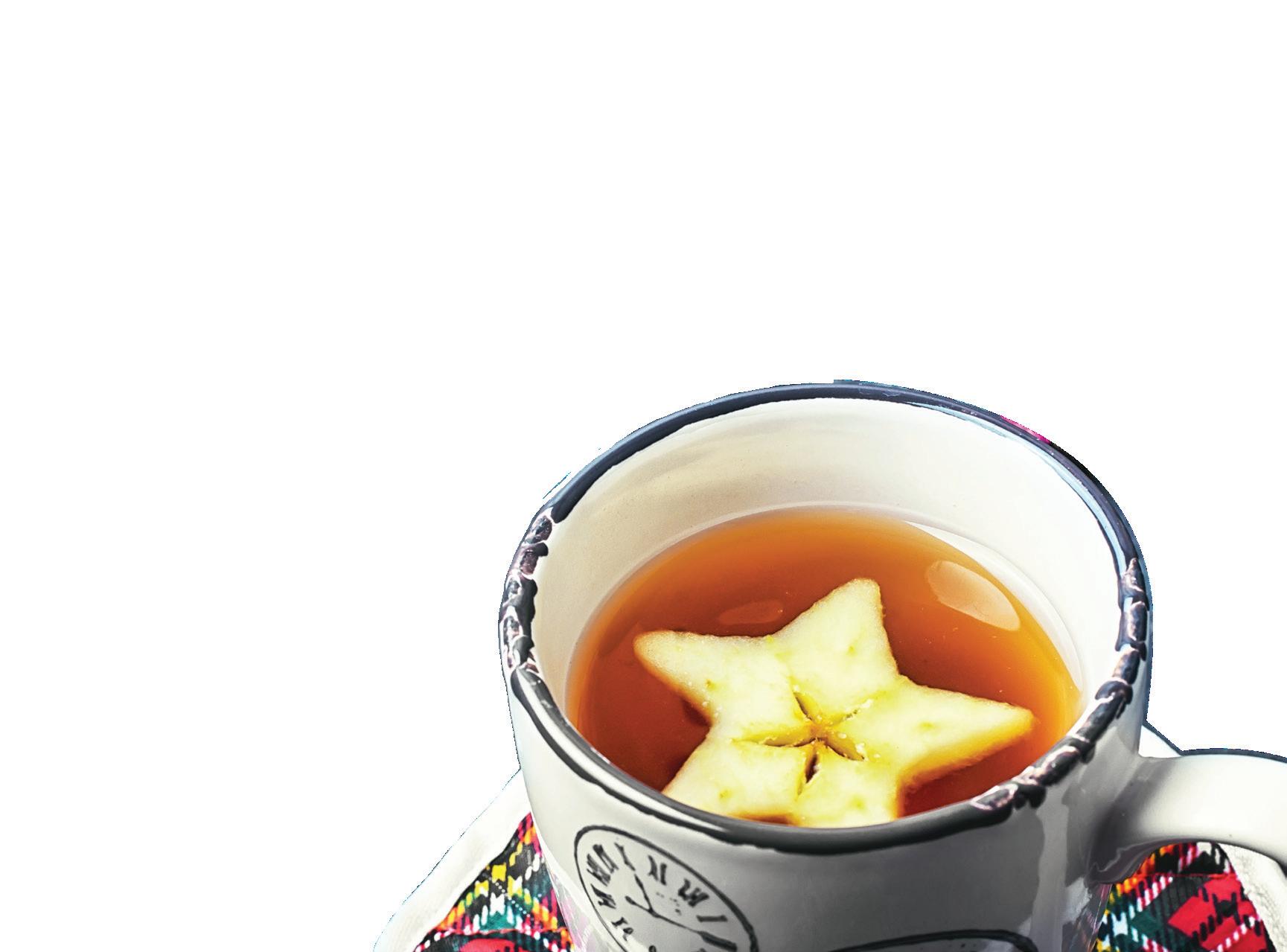
Keep the produce going Strong. Fresh, seasonal fruits and veggies often come to mind during warmer months, but produce like citrus, leafy greens and root vegetables are plentiful during cold and flu season, too.
“Consuming the whole fruit is the best way to ensure you gain the maximum nutritional benefit,” Dr. Poonam Desai said. “When speaking with patients, I recommend seeking nutrients like Vitamin C from whole food sources, rather than supplements, especially with a Vitamin C-rich fruit like California oranges.”
get a natural booSt of vitaminS. Vitamins A and C, found in fresh citrus, are two key nutrients that support your body’s natural line of defense, your immune system. Just one orange offers 90 percent of the daily recommended value of Vitamin C, and California Navel oranges are in their peak season – just in time for the height of cold and flu season.
• Pick heavy fruit. When shopping for citrus, choose fruit that smells fresh and feels heavy for its size. The heavier the orange, the juicer it’s likely to be.
• Explore versatility. Fresh citrus like California Navel oranges make a nutritious addition to sweet and savory dishes, beverages, cocktails, sauces and more.
• Use the whole fruit. Reduce food waste by consuming the flesh, juice, zest and peel. Try squeezing juice and grating zest into a smoothie, using orange segments for a vibrant salad or combining diced Navels with red onion, cilantro and jalapenos for a zesty salsa.
• Retain Vitamin C content. Vitamin C is water soluble, so to retain as much as possible, eat citrus fresh, avoid overcooking and use minimal amounts of water.
• Refrigerate for longer shelf life. Keep your citrus fresh longer by storing it in the refrigerator at a temperature below 42 degrees Fahrenheit. To get the most juice out of the orange, bring it to room temperature before cooking.















































































by Jess Ford
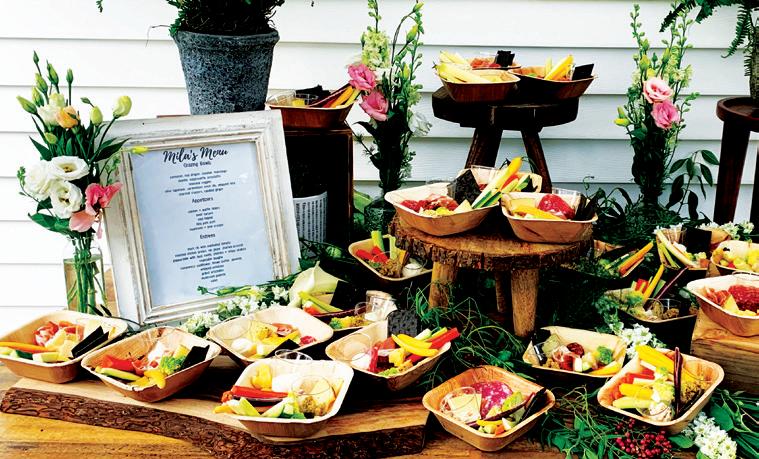

reativity has been key the last few months. When it comes to hosting, there is no exception. Whether you are planning a family dinner, birthday party or micro-wedding, we have a few tips and tricks to ensure everyone feels safe and comfortable.
INDIVIDUAL SNACK BOWLS (see image 1)
Everyone enjoys snacking, so make everyone an individual bowl or box to enjoy. We like to include a variety of meats, cheese, vegetables and dips. Dress them up with a colorful selection and fun garnishes like edible flowers and fresh herbs. When selecting the vessel, we like to opt for eco-friendly bamboo bowls and then use shot glasses or portion cups to hold dips and sauces. These bowls allow guests to walk around instead of congregating around a table, and you can also customize the bowls to each guests’ preferences, such as vegan, gluten-free, etc. This also works well with desserts, like assorted fruits and cookies or even a fun s’mores bowl with a variety of chocolates, graham crackers and marshmallows.
CANNED DRINKS (see image 2)
No need for a bartender or making a pitcher of cocktails to share. There are so many fantastic canned cocktails to enjoy, and they are great for social distancing, since you won’t even need to bring your own glass. Besides beer and canned spiked seltzers, there are some truly amazing canned wines and wine spritzers on the market these days. One of our favorites is Drink Ramona, because it is made with grapes and real fruit juices; it is low in alcohol and so tasty. We love the ruby grapefruit and an added bonus is that this drink is organic, gluten-free and vegan.
SHARED MEAL ON ZOOM
Looking to celebrate from afar? It seems many events have been moved online. Move your meal online too and share it with family and friends.You can send everyone the same drink to enjoy, share recipes for everyone to recreate at home or even drop off a picnic box for all of your “guests.” If you go the picnic box route, be sure to include items like mini bottles of prosecco, assorted appetizers or even cupcakes. i
Jess Ford is the chef/owner of Peppercorn Events, a catering company based in Bergen County. Peppercorn Events specializes in local, seasonal, custom catering. Jess is a graduate of the Culinary Institute of America and a level 2 Sommelier. Prior to opening Peppercorn Events, Jess worked in restaurants in NYC and Brooklyn, studied farm-totable cuisine in California, worked on an organic farm in England and traveled to China, Israel and throughout Europe studying food and wine.




The weather outside may be frightful but try these winter recipes that are sure to be delightful. Winter is the season of comfort food. Comfort food doesn’t have to be heavy on the calories, however. Cozy up on a cold day with these satisfying dishes.
4 large eggs
ice water
2 cups fresh water
1 quart vegetable broth
Total time: 30 minutes, Servings: 4
5 ounces (3 cups) broccoli florets, cut into bite-size pieces
10 ounces (4 cups) spiralized zucchini
5 ounces (5 packed cups) baby spiach
1 Tablespoon, plus 2 teaspoons, white miso paste
1/4teaspoon kosher salt, plus additional, to taste, divided
1 Tablespoon toasted sesame oil, plus additional for garnish, to taste
2 cups mung bean sprouts, for garnish
chili garlic sauce, for garnish
1cup shredded raw carrot, for garnish
4 Tablespoons crushed peanuts, for garnish

In large saucepan of gently boiling water, cook eggs 7 minutes then transfer to bowl of ice water. Drain cooking water from saucepan then add broth and fresh water. Bring to simmer over medium-high heat. Add broccoli and cook 3 minutes then add zucchini and spinach.
Continue cooking until spinach is wilted and zucchini is crisp-tender, 2-3 minutes. Remove from heat.
Ladle about 1/2 cup broth from saucepan into small bowl. Add miso paste and 1/4 teaspoon salt; whisk to combine. Return mixture to soup, add sesame oil and stir to combine. Add additional salt, to taste. Cover to keep warm.
Remove eggs from ice bath; peel then cut in half lengthwise. Ladle 2 cups soup into four serving bowls. Top each portion with one egg and 1/2 cup sprouts. Drizzle with chili garlic sauce and additional sesame oil, to taste. Top each serving with 1/4 cup shredded carrot and 1 tablespoon crushed peanuts.
Nutritional information per serving:10 grams net carbs; 17 grams total carbs; 7 grams fiber; 16 grams protein; 13 grams fat; 263 calories.
Total time: 50 minutes, Yield: 24 cookies

1 cup sugar-free smooth or creamy peanut butter
2 teaspoons stevia extract powder
1/2 teaspoon baking soda
1/4 teaspoon kosher salt
1 large egg
1.teaspoon vanilla extract
1/2 cup sugar-free semisweet chocolate chips
1 teaspoon flaky sea salt
Set oven racks in upper- and lower-third positions. Preheat oven to 350 degrees Fahrenheit. Line two cookie sheets with parchment paper.
In medium bowl, use handheld electric mixer on medium speed to beat peanut butter, stevia, baking soda and salt, scraping down sides if needed, until well combined, about 1 minute. Reduce speed to low, add egg and vanilla extract; beat until combined.
Shape dough into 24 balls (about 1 tablespoon each) and place 2 inches apart on prepared cookie sheets. Using tines of fork, carefully flatten each ball, creating crisscross pattern.
Bake, rotating cookie sheets from top to bottom and back to front halfway through, until edges begin to brown and cookies are set, 7-9 minutes. Cookies should not be browned. Let cool 10 minutes on cookie sheets then carefully transfer to cooling rack to cool completely.
In small microwave-safe bowl, add chocolate chips and microwave on high in 20-second increments, stirring after each, until melted, about 1 minute.
Dip dry fork into chocolate then drizzle over cookies. Sprinkle with sea salt.
Nutritional information per serving: (1 cookie): 1.5 grams net carbs; 3 grams total carbs; 1.5 grams fiber; 3 grams protein; 6.5 grams fat; 79 calories.
Recipe courtesy of “The Atkins 100 Eating Solution”
Total time: 45 minutes, Servings: 4
Nonstick cooking spray
5 slices (4 ounces)
no-sugar- added bacon
5 large eggs
3 ounces cream cheese
2 Tablespoons feta cheese
1 Tablespoon hot sauce
1/2 teaspoon kosher salt, plus additional, to taste, divided
4 1/2 ounces broccolini
(5-7 stalks), thinly sliced
1 Tablespoon water
1 1/2 cups baby arugula
1 Tablespoon lemon juice
1 Tablespoon extra-virgin olive oil
freshly ground black pepper, to taste
1.cup fresh blueberries
4 Tablespoons crushed peanuts, for garnish

Preheat oven to 350 degrees Fahrenheit. Lightly coat eight silicone egg-bite mold cups or eight cups of standard nonstick muffin tin with nonstick cooking spray and set in large baking pan.
In large nonstick skillet, cook bacon over medium heat until golden, about 5 minutes per side. Transfer to paper towel-lined plate to drain. Chop bacon into small pieces.
In blender, puree eggs, cream cheese, feta cheese, hot sauce and 1/4 teaspoon salt until smooth. Pour off all but 1 tablespoon fat from skillet. Add broccolini, water and 1/4 teaspoon salt. Cook over medium-high heat, stirring frequently, until broccolini is tender, 3-5 minutes. Remove from heat.
Fill each egg cup with 1 teaspoon bacon and 1 tablespoon broccolini. Top with egg mixture, filling cups to about 1/8 inch from top. Add just enough boiled water to baking pan to come halfway up sides of molds.
Bake egg bites until set, 20-25 minutes. Take pan from oven then take molds from water bath. Let egg bites cool then remove from molds.
In medium bowl, toss arugula, lemon juice, oil and salt and pepper, to taste. Place 3/4 cup salad, two egg bites and 1/4 cup blueberries on four plates and serve.
Nutritional information per serving: 9 grams net carbs; 11 grams total carbs; 2 grams fiber; 14 grams protein; 34 grams fat; 400 calories.
Yield: 2 cups

Dressing:
1/2 cup Zevia Orange Soda
1/4 cup lime juice
1/2 cup olive oil
1 cup fresh cilantro
1/2 avocado
1 teaspoon garlic
Quinoa Salad:
1 cup quinoa
leafy greens (optional)
1 orange, cut into pieces (optional)
1 grapefruit, cut into pieces (optional)
1 lime, juice only
1/2 avocado, diced (optional)
1/4 cup feta cheese (optional)
1/4 cup diced red onion (optional)
To make dressing: In food processor, pulse orange soda, lime juice, olive oil, cilantro, avocado and garlic until consistency is smooth.
To make quinoa salad: Cook quinoa according to package directions and let cool. Once quinoa is cool, add to bowl with orange pieces, if desired; grapefruit pieces, if desired; lime juice; avocado, if desired; feta cheese, if desired; and diced onion, if desired. Top with orange cilantro salad dressing.
Yield: 1 mocktail
Concentrate:
1 cup fresh-squeezed orange juice
1/2 cup fresh-squeezed lime juice
1orange peel
1lime peel
1/2 teaspoon black peppercorns, lightly crushed
5 cardamom pods, lightly crushed
2 cinnamon sticks, lightly crushed
Mocktail:
1/3 cup concentrate
1 can Zevia Ginger Ale ice
lime wedge, for garnish (optional) orange wedge, for garnish (optional)

To make concentrate: In small saucepan, combine orange juice, lime juice, orange peel, lime peel, black peppercorns, cardamom pods and cinnamon sticks. Bring to boil over high heat then turn to low; simmer until liquid has reduced by half, 3-4 minutes. Let cool and strain out solids. Transfer to glass jar and store until ready to use.
To make mocktail: Combine concentrate with ginger ale over ice.
Garnish with lime wedge or orange wedge, if desired.

2 Tablespoons pine nuts
2 Tablespoons lemon juice
2 Tablespoons minced shallots
3 Tablespoons extra-virgin olive oil
1 pinch red pepper flakes
¼ teaspoon ground sumac
Freshly ground black pepper
1 package (5-6 oz) fresh baby spinach, washed and dried
1 ½ cups shredded, cooked chicken (about 8 oz)
1 cup red California grapes, sliced
¼ cup crumbled feta cheese
4 whole-wheat pita breads (6 ½ inches each), warmed and halved
In small skillet over medium-high heat, toast pine nuts, stirring constantly until toasted, about 5 minutes. Transfer to bowl and let cool. In large bowl, whisk lemon juice, shallot, olive oil, red pepper flakes, sumac, salt and pepper. Add spinach, chicken, grapes, feta and pine nuts; toss to mix. Stuff into pita breads and serve.
Nutritional information per serving: 445 calories; 24 g protein; 46 g carbohydrates; 20 g fat (39% calories from fat); 5 g saturated fat (10% calories from saturated fat); 57 mg cholesterol; 658 mg sodium; 6 g fiber.
Recipe courtesy of California Citrus Growers
6 cups water
1 clove cinnamon or 1/2 teaspoon ground cinnamon
6 tea bags
1 cup California Navel orange juice
1/2 cup white sugar
2 Tablespoons lemon juice
1 slice California Navel orange

Bring water and cinnamon to boil; let cinnamon dissolve. Remove from heat and add tea bags; soak at least 5 minutes. Remove tea bags.
In separate pan, bring orange juice, sugar and lemon juice to boil. Stir until sugar dissolves.
Pour juice mixture into spiced tea. Garnish with orange slice and serve hot.

t

room for your longest toe to push off

The main portion of the shoe that surrounds your foot is called uppers M odern s hoes have s ynthetic uppers rather





lighter, washable, breathe better and are more flexible, re-
best suited to your expected usage.

The midsole is located between the outsole and the upper Many believe it is the most important part of any running shoe It controls excessive foot motion and provides cush-





Polyurethane is also commonly used; although durable, it

Cook barley according to package directions. Drain and cool.

Tenderize kale by blanching in boiling water 2-3 seconds or microwaving 1 minute.

Rinse pieces in cold water to stop cooking; squeeze dry. Fluff and uncrimp dry kale pieces with fingers. In medium bowl, mix barley, kale, grapes, salmon and walnuts.
: In small bowl, whisk lemon juice, garlic, salt, pepper and cayenne. Gradually mix in olive oil. Pour onto salad and fold gently to combine.
are all attempts to increase cushioning and durability at the same time
The outsole is the treaded layer on the bottom of the shoe g

Nutritional information per serving: 413 calories; 15 g protein; 30 g carbohydrates; 16 g fat (47% calories from fat); 3 g saturated fat (8% calories from saturated fat); 22 mg cholesterol; 232 mg sodium; 500 mg potassium;
traction and absorbs shock The outsole is usually made of b l o w
combination of the three Blown rubber is the lightest, but least dur able. Solid rubber materials are considered the best material for training shoes Stud or waffle outsoles are good
ridged sole, which is more flexible and best for running on asphalt or cement
The heel counter is the rigid material that surrounds the heel Its function is to stabilize and support the heel An additional external counter is usually added between the midsole and the base of the heel for extra support Sometimes a wedge is used to add height to the heel. This enhances the ability of the shoe to absorb shock and reduce injury




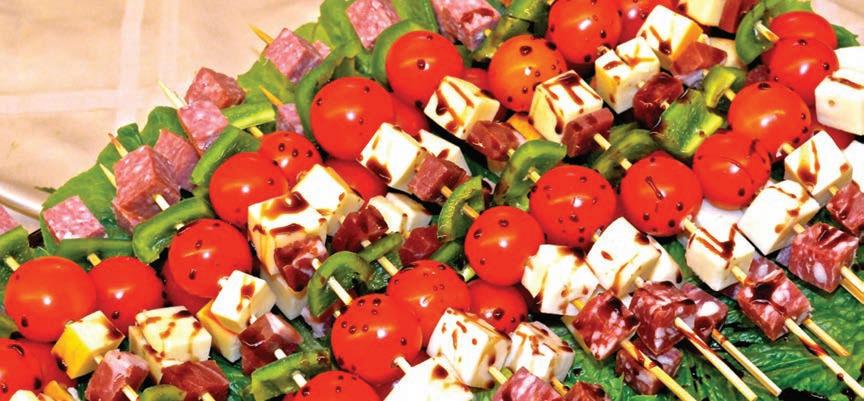












This year join forces with other like-minded individuals and organizations, such as the ones that follow, to continue Bergen County’s long-standing spirit of caring commitment to improving our communities and all of those who call it home.
Center For Food Action of New Jersey 192 West Demarest Ave., Englewood, NJ 07631
Contact: Executive Director Patricia Espy
Phone: (201) 569-1804, ext. 24
Email: pespy@cfanj.org
Web: www.cfanj.org
Mission: The organization’s goal is to prevent hunger and homelessness and to improve the lives of individuals and families. It provides emergency food, utility and housing assistance, advocacy, counseling services and access to other community resources. CFA helps clients find solutions to problems, achieve financial stability and create a brighter future.
Habitat For Humanity of Bergen County 121 Carver Ave., Westwood, NJ 07675
Contact: Executive Director Maureen Cameron
Phone: (201) 457-1020
Email: info@habitatbergen.org
Web: www.habitatbergen.org
Mission: Habitat For Humanity of Bergen County was established in 1994 as an affiliate of Habitat for Humanity International. Its mission is to provide decent, affordable homes for hardworking Bergen County families.
New Concepts For Living
68A West Passaic St., Rochelle Park, NJ 07662
Contact: Associate Executive Director
Adam Fishman
Phone: (201) 843-3427
Email: info@ncfl.net
Web: www.ncfl.net
Mission: New Concepts For Living is a community non-profit organization committed to people with disabilities and their families. Inspired by the vision of families and consumers, New Concepts enables people to realize their dreams and achieve their individual potential through quality community program supports and services.
Court Appointed Special Advocates (CASA)
1 Bergen County Plaza, Suite 440, Hackensack, NJ 07601
Contact: Executive Director Lucy Rosen
Phone: (201) 336-7520
Email: Lucy@bergencasa.org
Web: www.bergencasa.org
Mission: Court Appointed Special Advocates (CASA) For Children of Bergen County is an independent, non-profit organization of professionals and trained volunteers who have been appointed by the NJ Family Court to advocate for children removed from their homes due to abuse and/or neglect. CASA works to ensure that needed services and assistance are made available to these children while helping to move them toward safe and permanent homes.
Multiple Sclerosis Care Center
Holy Name Hospital
718 Teaneck Road, Teaneck, NJ 07666
Contact: Development Officer Lisa Futterman
Phone: (201) 833-3000, ext. 3899
Email: futterman@holyname.org
Web: www.holyname.org/mscenter

Mission: The Multiple Sclerosis Care Center is New Jersey’s only non-profit licensed facility providing healthcare and related services to patients with MS regardless of their ability to pay.
Hope For Children Research Foundation
700D Lake St., Ramsey, NJ 07446
Contact: Executive Director Meg Minassian
Phone: (201) 962-8686
Email: cgf01@aol.com
Web: www.hopeforchildrenresearch.org
Mission: The hope of the foundation is finding new treatments and cures for children with neurological diseases. The foundation hopes a doctor will never again have to say to a mother or father, “Take your child home; there’s nothing we can do.”
Pet ResQ, Inc.
24 West Railroad Ave., Suite 172, Tenafly, NJ 07670
Contact: Founder Robyn Urman
Phone: (201) 450-5992
Email: petresqinc123@gmail.com
Web: www.petresqinc.org
Mission: Pet ResQ, Inc. is a small group of volunteers who believe that all living creatures deserve a change. They exist solely on donations and the efforts of volunteers and foster homes. They tend to rescue the elderly and handicapped pets that otherwise would not stand a chance at life.
Children’s Cardiomyopathy Foundation
P.O. Box 547, Tenafly, NJ 07670
Contact: Founding President & Executive Director Lisa Yue
Phone: (866) 808-2873, ext. 901
Email: lyue@childrenscardiomyopathy.org
Web: www.childrenscardiomyopathy.org
Mission: The Children’s Cardiomyopathy Foundation is dedicated to finding the cause and cure for pediatric cardiomyopathy, a chronic and potentially life-threatening disease of the heart muscle, through the support of research, education and increased awareness and advocacy.
Sharsheret
1086 Teaneck Road, Suite 2G, Teaneck, NJ 07666
Contact: Executive Director Elana Silber
Phone: (201) 833-2341
Email: esilber@sharsheret.org
Web: www.sharsheret.org
Mission: Sharsheret is a national not-for-profit organization supporting young Jewish women and their families facing breast cancer. Their mission is to offer a community of support to woman of all Jewish backgrounds diagnosed with breast cancer or at an increased genetic risk by fostering culturally relevant individualized connections with networks of peers, health professionals and related resources.
Pony Power Therapies
1170 Ramapo Valley Road, Mahwah, NJ 07430
Contact: Founder & Executive Director
Donna Spett
Phone: (201) 934-1001
Email: dana@ponypowernj.org
Web: www.ponypowernj.org
Mission: Pony Power Therapies is a non-profit organization giving special needs and at-risk children and adults a unique opportunity to ride, care for and interact with horses. The riding and non-riding activities enhance individuals’ physical, social and emotional wellbeing in a safe, nurturing farm environment.
200 Club of Bergen County
560 Hudson St., Hackensack, NJ 07601
Contact: President Jack Terhune
Phone: (201) 229-0600
Email: info@200club.org
Web: www.200club.org
Mission: To benefit law enforcement, fire or emergency personnel who die or are seriously injured in the line of duty. Their motto is “serving our servants.”
Heightened Independence & Progress (hip) 131 Main St., Suite 120, Hackensack, NJ 07601
Contact: President/CEO Brian Fitzgibbons
Phone: (201) 996-9011, ext. 14
Email: bfitzgibbons@hipcil.org
Web: www.hipcil.org
Mission: Heightened Independence & Progress is a non-profit agency run by and for people with disabilities. With Centers For Independent Living in Bergen and Hudson counties, hip’s mission is to empower people with disabilities to achieve independent living through outreach, advocacy and education. hip offers wide-ranging programs and services to people with disabilities of all ages.
Juvenile Diabetes Research Fund’s New Jersey Metro and Rockland County Chapter 1480 U.S. Highway 9 North, Suite 306, Woodbridge, NJ 07095
Contact: Executive Director Taran Connelly
Phone: (732) 379-8903
Email: tconnelly@jdrf.org
Web: www.jdrf.org/newjerseymetro
Mission: To find a cure for diabetes and its complications through the support of research while providing support for those living with Type 1 Diabetes and their families in the community.
Julia’s Butterfly Foundation
637 Wyckoff Ave., Suite 285, Wyckoff, NJ 07481
Contact: President Christine Callahan
Phone: (201) 675-9961
Email: Christine@juliasbutterflyfoundation.org
Web: www.juliasbutterflyfoundation.org
Mission: Julia’s Butterfly Foundation is a volunteer, non-profit 501 (c)(3) charitable organization dedicated to improving the lives of terminally and chronically ill children and their families. The foundation honors the memory of 6-year-old Julia Marie Bommer, who passed away in 2005 following her brave battle against a rare kidney disorder. It is the foundation’s goal to pay tribute to Julia’s life by helping other children and their families struggling with the demands of their unique circumstances. The foundation is humbled by the courage and dedication of the children and caregivers they support, and consider it a privilege to provide financial aid, physical assistance and services to those who need it most.
Tomorrows Children’s Fund (TCF)
30 Prospect Ave., Hackensack, NJ 07601
Contact: Executive Director Nan Norbitz Kelly
Phone: (551) 996-5504
Email: nkelly@tcfkid.org
Web: www.tcfkid.org
Mission: The Tomorrows Children’s Fund was founded by a group of committed parents to help their children and others like them with cancer and serious blood disorders. With the help of friends and supporters, today, TCF provides a warm, healthy and loving environment for children in treatment, a full scope of services to relieve families’ emotional and financial stress and the very best possible medical care – all of which confirms TCF’s belief that through hope, hard work and heartfelt generosity, extraordinary things are possible.
bergenPAC (Performing Arts Center)
30 North Van Brunt St., Englewood, NJ 07631
Contact: President & CEO Dominic Roncace
Phone: (201) 816-8160
Email: droncace@bergenpac.org
Web: www.bergenpac.org
Mission: To make the live performing arts accessible, and to speak to the lives of its diverse community. bergenPAC builds a creative home for artists of excellence and relevance, who entertain and enlighten, inspire and inform audiences.
West Bergen Mental Health
120 Chestnut St., Ridgewood, NJ 07450
Contact: Chief Development Officer
Barbara Hand
Phone: (201) 444-3550
Email: bhand@westbergen.org
Web: www.westbergen.org
Mission: The agency’s mission is to treat severe mental illness in children and adults and promote psychological health and personal growth. It provides comprehensive treatment and supportive services for clients and the surrounding community.
The Volunteer Center of Bergen County 64 Passaic St., Hackensack, NJ 07601
Contact: CEO Nina Bachrach
Phone: (201) 489-9454, ext. 201
Email: nbachrach@bergenvolunteers.org
Web: www.bergenvolunteers.org
Mission: The Volunteer Center of Bergen County strengthens the community by connecting people with opportunities to serve, operating model volunteer programs, building capacity for effective volunteering and participating in strategic partnerships that meet community needs.
➯
The Community Chest
122 S. Van Brunt St., Englewood, NJ 07631
Contact: Executive Director Dr. Shelly Wimpfheimer
Phone: (201) 568-7474
Email: shelly@communitychestofenglewood.org
Web: www.communitychestofenglewood.org
Mission: The Community Chest raises funds and allocates them to agencies demonstrating the capacity to provide services to residents and provides coordinating and planning services in Englewood, Englewood Cliffs and Tenafly to support a range of needs, including hunger, afterschool programming, elderly care, career counseling for women, mental health services, environmental education and medical care to low-income pregnant women.
The Comedy Cures Foundation
122 East Clinton Ave., Tenafly, NJ 07670
Contact: Founder Saranne Rothberg
Phone: (201) 227-8410
Email: info@comedycures.org
Web: www.comedycures.org
Mission: The Comedy Cures Foundation is a national non-profit organization bringing joy, laughter and therapeutic humor programs to kids and grown-ups living with illness, depression, trauma and disabilities.
Ramapo-Bergen Animal Refuge, Inc. (RBARI)
2 Shelter Lane, Oakland, NJ 07436
Contact: Executive Director Megan Boyle
Phone: (201) 337-5180
Email: adoptlove@rbari.org
Web: www.rbari.org
Mission: RBARI believes that all animals have a natural right to humane treatment, including proper care, respect and safe shelter. Their primary mission is to provide sanctuary while finding permanent, loving homes for the many animals
that arrive in their shelter, including feral, elderly, handicapped and formerly abused animals. Animals in their care receive lots of love, shelter, food and medical care. RBARI adheres to a “no-kill” policy, giving animals an open-ended stay at a warm, safe place until loving homes can be found.
Youth Consultation Services (YCS) Foundation
235 Main St., Third Floor, Hackensack, NJ 07601
Contact: President/CEO Tara Augustine
Phone: (201) 678-1312
Email: taugustine@ycs.org
Web: www.ycs.org
Mission: AT YCS, the mission is to advocate, educate, shelter and care for children in need and their families so that each can further develop the skills, self-worth and hope necessary for success within their communities.
Family Promise of Bergen County
100 Dayton St., Ridgewood, NJ 07450
Contact: Executive Director Kate Duggan
Phone: (201) 833-8009
Email: kduggan@bergenfamilypromise.org
Web: www.bergenfamilypromise.org
Mission: To provide hospitality to the homeless and to keep families together in times of crisis, guiding them through temporary periods of homelessness by helping them create an achievable vision and develop a strong foundation for self-sufficiency.
North Jersey Friendship Home
125 Atlantic St., Hackensack, NJ 07601
Contact: Chief Executive Officer
Leonard J. Nicolosi, MBA
Phone: (201) 488-2121
Email: lnicolosi@njfriendshiphouse.org
Web: www.njfriendshiphouse.org
Mission: To maximize the independence and community living skills of persons experiencing severe and persistent mental illness, in order to reduce unnecessary hospitalization, secure other health and welfare services, as required by each individual referred to Friendship House for treatment, and to render assistance voluntarily in a safe, comfortable environment. Friendship House is a nonprofit rehabilitation center offering comprehensive behavioral health services, vocational training and employment support for adults with all types of disabilities. Services are designed to address the unique needs and goals of every individual.
New Jersey Association of Verismo Opera
P.O. Box 3024, Fort Lee, NJ 07024
Contact: President Dr. James Garvin
Phone: (201) 886-0561
Email: info@verismoopera.org
Web: www.verismoopera.org
Mission: New Jersey Association of Verismo Opera’s mission is: 1) to enhance the cultural life of the community by providing a complete range of fine musical programming; 2) to educate the community about the uplifting benefits of music and, in particular, grand opera; 3) to educate and introduce youth to the joy of fine music; and 4) to provide performance opportunities to musicians and offer study grants to young performing artists.
The Daniel Jordan Fiddle Foundation 1701 Tower Drive, Edgewater, NJ 07020
Contact: Founder and Executive Director
Linda J. Walder, Esq.
Phone: (877) 444-1149
Email: info@djfiddlefoundation.org
Web: www.djfiddlefoundation.org
Mission: The Daniel Jordan Fiddle Foundation, the first not-for-profit and only all-volunteer-run
organization in the United States to focus on adult autism has been blazing trails since 2002. It creates paths leading to fulfilling and potential driven lives. The endowed programs at America’s leading universities, resources, and public policy/awareness initiatives are person-centered and derive from the needs and hopes of the diverse population of adults diagnosed with Autism Spectrum Disorder (ASD) and their families.
The Jewish Family Home Foundation of North Jersey, Inc.
10 Link Drive, Rockleigh, NJ 07647
Contact: President and CEO Carol Silver Elliott
Phone: (201) 750-4230
Email: celliott@jewishhomefamily.org
Web: www.jewishhomefamily.org
Mission: The mission of the Jewish Home Foundation of North Jersey, Inc. is to provide aid and support to the not-for-profit organizations of the Jewish Home Family, Jewish Home at Rockleigh, Jewish Home Assisted Living, Jewish Home at Home and Jewish Home and Rehabilitation Center. The purpose is to make healthcare, education, life enrichment, scientific and other charitable efforts available to the seniors, the elderly and infirm in the community, without regard to the individuals’ ability to pay.
Alzheimer’s New Jersey - Northern Regional Office
690 Kinderkamack Road, Suite 300, Oradell, NJ 07649
Contact: President and CEO
Kenneth C. Zaentz, CFRE
Phone: (201) 261-6009
Email: kzaentz@alznj.org
Web: www.alznj.org
Mission: Alzheimer’s New Jersey, formerly known as Alzheimer’s Association, Greater New Jersey
Chapter, provides programs and services to individuals with Alzheimer’s disease, their families and caregivers who live in Bergen County and the 13 other New Jersey counties. Association programs and services include education and training, support groups, respite assistance and a toll-free telephone, HelpLine.
Adler Aphasia Center
60 West Hunter Ave., Maywood, NJ 07607
Contact: President & CEO Naomi Gerwirtz, MSW
Phone: (201) 368-8585
Email: ngewirtz@adleraphasiacenter.org
Web: www.adleraphasiacenter.org
Mission: The Adler Aphasia Center’s mission is to be a vital resource to anyone whose life or profession is touched by aphasia. Aphasia is a language disorder that impairs the expression and understanding of spoken language, reading and writing. It occurs most often form a stroke or brain injury. This condition affects a person’s ability to communicate, but does not affect their intellect. Adler Aphasia Center provides people with aphasia the assistance they need in regaining basic communication skills, as well as their self-esteem and selfconfidence, often lost as a result of their disability.
Center For Hope and Safety
12 Overlook Ave., Suite A, Rochelle Park, NJ 07662
Contact: Executive Director Julie Myner, PhD
Phone: (201) 498-9247, ext. 301
Email: julye@hopeandsafetynj.org
Web: www.hopeandsafetynj.org
Mission: Center For Hope and Safety’s mission is to assist women and children who are victims of domestic violence, including emotional, economic, sexual and physical abuse. The agency provides emergency and transitional housing, emotional support, as well as a diversified contin-
uum of services focused on safety, empowerment and self-sufficiency.
The Office of Concern Food Pantry
55 West Demarest Ave., Englewood, NJ 07631
Contact: Director Donald Wuertz
Phone: (201) 568-1465
Email: officeofconcern@verizon.net
Web: www.officeofconcern.com
Mission: The Office of Concern Food Pantry serves “the poorest of the poor” in northern New Jersey by supplementing their food and other basic needs with bags of food each week. Food packages contain canned goods and other non-perishables, as well as fresh poultry, fruit and vegetables and dairy products. St. Cecilia’s Church in Englewood sponsors The Office of Concern Food Pantry, but the pantry is independent functionally and financially. It serves all regardless of religion, race or culture. They are open Monday through Thursday from 9 a.m. to 1 p.m. Each week, they move 4.5 tons of food from their warehouse to their front office for distribution to 750 needy families. The 501 (c)(3) organization is staffed by dedicated, unpaid volunteers, who operate through the generosity of foundations, businesses, churches, schools, community organizations and individuals.
The Friends of the Hermitage, Inc.
335 North Franklin Turnpike, Ho-Ho-Kus, NJ 07423
Contact: President Michael Orbe
Phone: (201) 445-8311
Email: info@thehermitage.org
Web: www.thehermitage.org
Mission: The Friends of the Hermitage, Inc. was established to restore, maintain and interpret The Hermitage, along with its grounds and outbuildings. Their mission is not only to provide these
services, but also to communicate to a diverse audience of students, scholars and the general public, the site, its archives and its collections as they relate to local, regional and national history beginning in 1740.
Girl Scouts Council of Northern New Jersey
300 Forest Ave., Paramus, NJ 07652
Contact: Chief Executive Officer Betty Garger
Phone: (973) 248-8200
Email: bgarger@gsnnj.org
Web: www.gsnnj.org
Mission: Girl Scouting helps girls develop their full individual potential; relate to others with increasing understanding, skill and respect; develop values to guide their actions and provide the foundation for sound decision-making; and contribute to the improvement of society through their abilities, leadership skills and cooperation with others. The Girl Scouts Council serves one in every four girls in 61 Bergen County towns, over 13,000 girls. Girls, ages 5-17, meet in age-level groups on a regular basis or they may participate in short term activities, special interest groups, neighborhood activity centers or camping.
Northern New Jersey Community Foundation (NNJCF)
1 Grand Ave. Suite 3, Englewood, NJ 07631
Contact: Executive Director Mary K. Blanusa
Phone: (201) 568-5608
Email: nnjcf@nnjcf.org
Web: www.nnjcf.org
Mission: NNJCF focuses on civic engagement, education, public health and the arts by working with local governments, school districts, businesses, non-profits and citizen groups to improve community life. Foundation partners identify and resolve regional problems and opportunities by sharing ideas, services and resources. The ArtsBer-
gen initiative supports and encourages creative place making, the integration of arts and culture into an area to build community and boost the local economy.
Advance Housing, Inc.
100 Hollister Road, Teterboro, NJ 07608
Contact: President & CEO Carolyn Jaime
Phone: (201) 498-9140
Email: cjaime@advancehousing.org
Web: www.advancehousing.org
Mission: The mission of Advance Housing, Inc. is to expand the range and scope of supportive housing opportunities available to persons with psychiatric disabilities. In addition, Advance Housing, Inc. seeks to make similar options and services available to other individuals who are in need of supportive housing. The array of outreach services, designed to help people live independently and productively in the community, will exceed the highest standards of professional practice.
Beautiful Self, Inc.
P.O. Box 241, Allendale, NJ 07401
Contact: Founder Michele Bonacorte
Phone: (201) 818-8753
Email: info@beautifulself.org
Web: www.beautifulself.org
Mission: Feeling beautiful and being able to love yourself is considered a luxury by most. Beautiful Self, Inc. is a unique therapeutic, transformational experience that peels back the layers of insecurities to expose self-love and acceptance by changing perception of inner beauty and power. Beautiful Self, Inc. believes a woman’s self-worth is essential to how she navigates and contributes to the community around her.■


NJ Sharing Network held their annual golf outing at Ridgewood Country Club in Paramus. For more information, visit www.njsharingnetwork.org
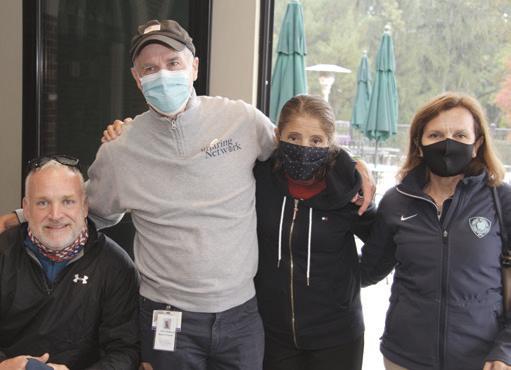
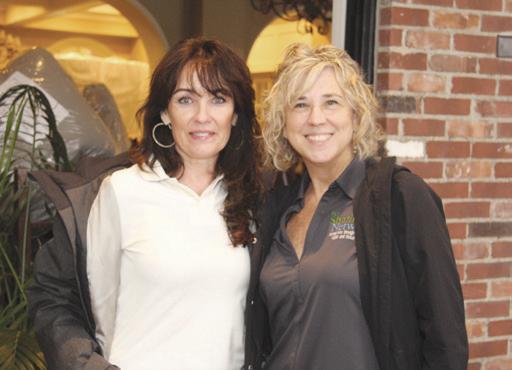



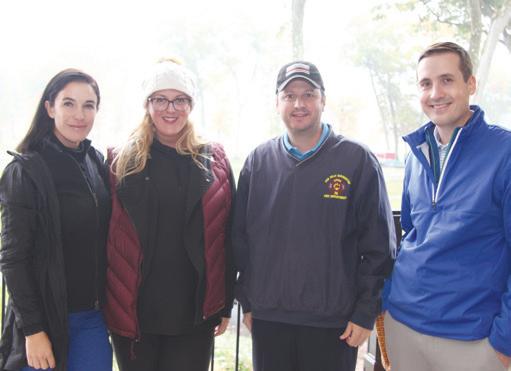






Town Title held their annual golf outing at Ridgewood Country Club in Paramus. For more information, visit www.towntitle.us.






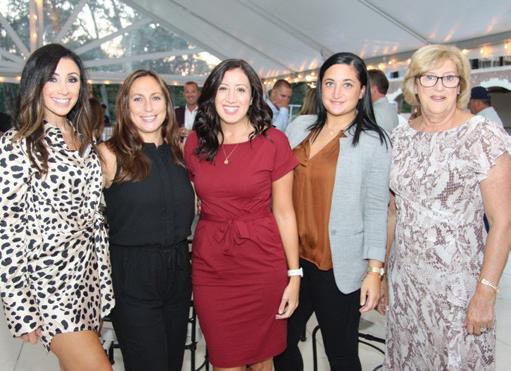

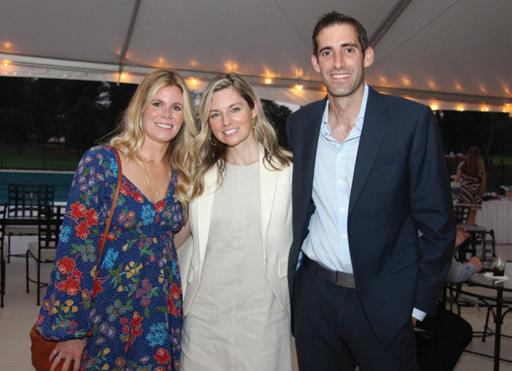


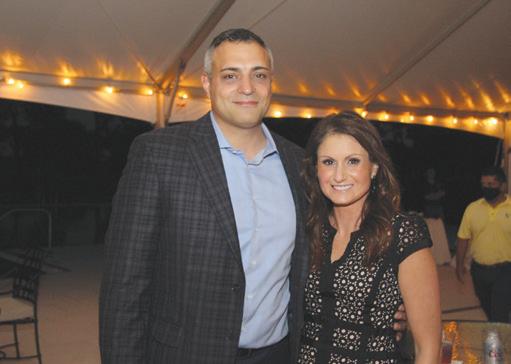



Family Promise held their 21st Annual Golf Outing at Edgewood Country Club in River Vale. For more information, visit www.familypromise.org



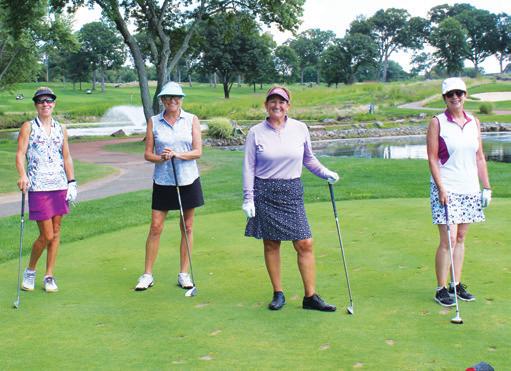










Homes Fit For Heroes held their annual golf outing at Arcola Country Club in Paramus. For more information, visit www.homesfitforheroes.net












BC The Mag recently had a conversation with Jack Annunziato, DO, Physical Medicine and Rehabilitation, Valley Medical Group, about the field of Osteopathic Neuromusculoskeletal Medicine and the important role it plays in helping patients to address a variety of ailments and improve their overall quality of life.
Q. What is a DO?
A. Doctors of Osteopathic Medicine (DOs) are fully-licensed physicians who practice in all areas of medicine, from family medicine and pediatrics to orthopedic surgery and obstetrics and gynecology. After four years of osteopathic medical school, DOs complete internships, residencies, and fellowships. DOs receive additional training in the musculoskeletal system and focus on injury prevention and whole health. In addition to utilizing all state-of-the-art medical diagnostic and therapeutic tools, DOs also employ Osteopathic Manipulative Treatment to help improve a patient’s function.
Q. What is Osteopathic Neuromusculoskeletal Medicine (ONMM)?
A. Osteopathic Neuromusculoskeletal Medicine (ONMM), which is sometimes referred to as Neuromusculoskeletal Medicine-Osteopathic Manipulative Medicine (NMM-OMM), is the specialty of medicine that focuses on the inter-related coordination of care of neurologic and musculoskeletal injuries. ONMM includes aspects of preventative medicine, including nutrition, exercises, and proper biomechanics. ONMM appreciates the psychosocial aspects of aging, interpersonal and family relationships, living situations, employment, lifestyle, and mental health. Furthermore, in addition to promoting function with therapies, medications, and injections, ONMM specialists are experts in Osteopathic Manipulative Treatment.
Q. What is Osteopathic Manipulative Treatment?
A. Osteopathic Manipulative Treatment, or OMT, is a set of therapeutic techniques used by DOs to diagnose, treat, and prevent illness and injury. Using OMT, a DO moves a patient’s muscles and joints using stretches, gentle pressure, and variable resistance to promote better function. OMT can help patients of all ages and backgrounds and complements a whole-body approach to a patient’s care. In many cases, OMT can replace medications or delay surgery.
Q. Who can benefit from OMT?
A. OMT can be utilized for ailments head to toe. Patients seek OMT most frequently for headaches and migraines; temporomandibular joint (TMJ) pain and narrow palate; post-concussion syndrome; neck pain; back pain; sciatica; pelvic floor and SI joint pain; menstrual pain; tennis elbow; golfer’s elbow; IT Band Syndrome and patellofemoral pain syndrome; frozen shoulder and rotator cuff tears; carpal tunnel syndrome; pain during pregnancy; irritable bowel syndrome and constipation; foot pain and plantar fasciitis; fibromyalgia, poor sleep, and pain associated with anxiety or depression; asthma and COPD; birth trauma; and post-surgical pain.
Q. What can a patient expect during OMT?
A. Before your visit for OMT, be sure to wear comfortable, loose fitting clothing. After a full history and physical examination, the doctor will explain the treatment to you. Because we compensate for acute and chronic injuries, typically OMT is guided toward the whole body, and not just the area of pain or dysfunction. The doctor palpates the tissues to assess for things like spasms, freedom of motion, and laxity. At times, the doctor may ask you to push against resistance, take slow breaths, or ask for feedback on the amount of pressure applied by his/her hands. The doctor will always ask before touching sensitive areas and a chaperone is always available. Treatments vary in length depending upon the injury, but generally appointments are 30 to 60 minutes. After the treatment, it’s not uncommon to feel soreness or fatigue, as your muscles have been exercised in a way you’re not used to. Some patients with a history of trauma may also experience a brief “somato-emotional” release. These sensations are temporary and generally last up to 24 hours. Patients are encouraged to drink lots of water after their treatment and to resume normal exercise the following day.
Q. How would you describe your approach to care?
A. I have a whole-body approach; I look at a patient holistically, evaluating their body and their lifestyle to understand why they might be experiencing pain. From there, I can tailor a treatment plan to help get them back to feeling their best. My number one priority is to listen to my patients to fully understand why they’ve come to see me. Once I’ve heard the whole story, I can provide recommendations and fill in the blanks with treatment options that fit their preferences. Many patients come to see me once traditional modalities have failed. It is important that I understand where a patient comes from to help steer them where they need to go. I also have a whole family approach. Often times I will see patients who are related and that’s a treat for me. ■

Dr. Annunziato’s offices are located at 1200 East Ridgewood Ave., East Wing, Suite 108, Ridgewood, and 70 Park Ave., Park Ridge.
To make an appointment with Dr. Annunziato, please call 201-612-4857
This year, our lives have changed in dramatic, unprecedented ways – from how we live and work to how we learn and play