CO-PUBLISHER
Francesca Ash francesca@totallicensing.com
CO-PUBLISHER
Jerry Wooldridge jerry@totallicensing.com
EDITORIAL DIRECTOR
Rebecca Ash Ffrench becky@totallicensing.com
OFFICE MANAGER
Helen Bowerman helen@totallicensing.com
EAST ASIA AGENT
Roger Berman, ZenWorks rmb@zenworks.jp
With thanks to all those who have contributed to this issue.
HEAD OFFICE
Total Licensing Ltd 43 Vinehall Business Centre, Vinehall Road, Mountfield, Robertsbridge, TN32 5JW Tel: +44 (0) 1892 782220 www.totallicensing.com
As the calendar turns, there is always a sense of momentum in licensing. New budgets. New retail strategies. New partnerships. Yet while conversations often centre on innovation, the most resilient global brands are proving that growth in the year ahead will be driven as much by heritage as by novelty.
Across fashion and lifestyle, archival storytelling continues to fuel commercial success. Brands such as Levi’s demonstrate how decades of design history can be reimagined for contemporary consumers. Vintage silhouettes, heritage logos and authentic narratives offer something increasingly valuable in a crowded marketplace: credibility. For younger audiences especially, authenticity is currency.
Automotive brands are equally adept at leveraging legacy. The badge has become a lifestyle marker in its own right. Ferrari, for example, has successfully extended beyond the road into fashion and premium experiential retail. Crucially, these extensions are not opportunistic. They reinforce core values — performance, craftsmanship and exclusivity. Every licensed product supports the broader brand narrative.
This disciplined approach feels particularly relevant in 2026. After several years of high-velocity collaborations, the market is recalibrating. Retailers are more selective. Consumers are more discerning. Partnerships are being evaluated not simply for reach, but for alignment. Global growth patterns are also shifting. Opportunity is increasingly diversified across regions, from Southeast Asia to the Middle East and Latin America, while established markets demand constant reinvention. In this environment, brands with clear DNA travel best. A strong identity provides consistency across territories while allowing for local nuance in execution.
Automotive again provides insight. Toyota continues to evolve its narrative around hybrid innovation and responsible mobility. That positioning opens licensing pathways in technology, sustainability-led products and experiential concepts. The vehicle remains the core, but the brand story extends far beyond it.
Meanwhile, sportswear leaders such as Nike illustrate the power of timing and cultural relevance. Performance credibility, combined with carefully curated collaborations, keeps the brand at the centre of global conversations. For licensing professionals, the lesson is clear: cadence and context matter as much as creativity.
Alongside opportunity comes responsibility. Consumers now expect transparency, sustainability and inclusivity as standard. Licensing programmes must reflect those priorities or risk undermining brand equity. For heritage brands in particular, longevity can be a powerful sustainability story — products built to last, craftsmanship that endures and narratives rooted in authenticity rather than fast-turn trends.
As the year unfolds, the most compelling licensing strategies will share three characteristics: clarity of brand purpose, carefully chosen partnerships and the agility to scale globally without diluting identity.
The energy of a new year is invaluable. Trade shows fill the diary, pipelines build and ambition rises. But sustainable growth in licensing rarely comes from chasing every opportunity. It comes from understanding what a brand truly stands for — and ensuring every extension strengthens that foundation.
In 2026, success will not be defined solely by what is new. It will be defined by how intelligently brands build on what they already own.
Becky Ash-Ffrench Editorial Director
Total Licensing
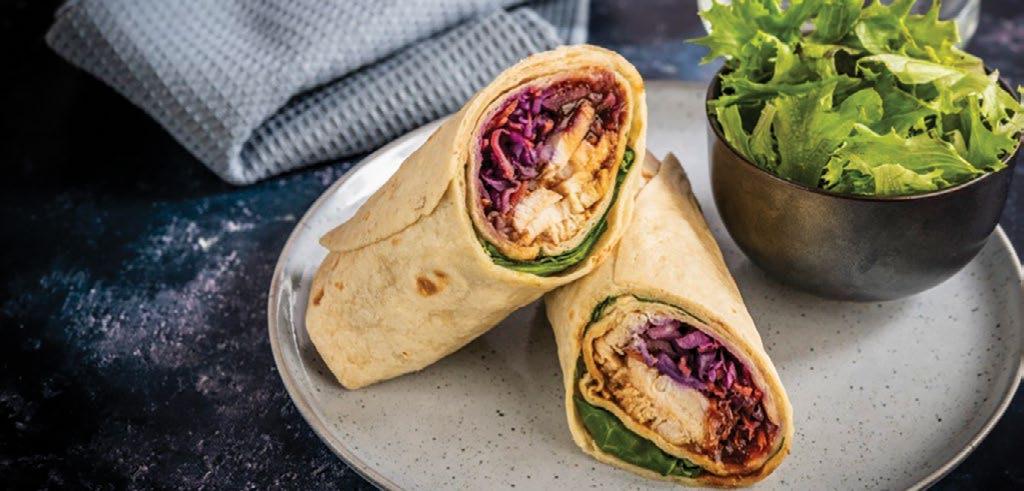
Myprotein, the world’s leading online sports nutrition brand, recently announced a strategic partnership with Greencore, a leading producer of convenience foods. The collaboration will introduce a new range of Myprotein branded food on-the-go items, significantly expanding the brand’s presence in offline retail channels and continuing its successful 6 aisle strategy of launching new licensing agreements with best-in-class partners. The range will include protein-enriched salads and wraps, with scope to expand into other profiles and formats, helping consumers access convenient, nutritious meals that align with their fitness and healthy lifestyle goals. These products will be available in Sainsbury’s supermarkets and convenience stores.
The Greencore partnership forms part of Myprotein’s wider strategic ambition to grow its offline and licensing footprint to 100,000 doors, allowing for deeper penetration with existing retail partners and accelerated expansion within the convenience channel. Foodto-go represents a high-frequency, high-visibility consumption occasion that complements Myprotein’s existing protein portfolio, covering powders, dairy and desserts, bars and
snacks and ready-to-drink, broadening consumer touchpoints beyond the gym and home. Licensing agreements with category leaders including Müller, Iceland and Jimmy’s Coffee, led to sales of over 43 million Myprotein units into retail during 2025. This strategy leverages its global brand recognition alongside specialised manufacturing and distribution expertise.
Neil Mistry, CEO of THG Nutrition, commented, “This collaboration is another step in Myprotein’s global leadership across sports nutrition, adding Greencore’s expertise in creating and distributing fresh, on-the-go food
to our growing list of partners. The range builds on the demand of GLP-1 consumers, along with trends towards cleaner nutrition combined with protein-rich foods and snacks. This partnership not only widens the reach of the Myprotein brand offering, it brings significant penetration into offline channels.
“Following a strong start to the year across our licensed ranges, we expect to significantly build on last year’s performance, with the brand on target to sell-in over 60 million licensed products in 2026, up from 43 million in 2025.”
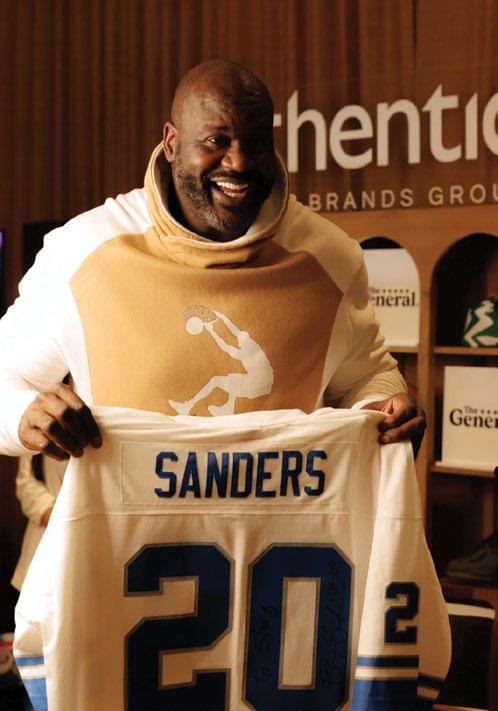
As business titans, world leaders, celebrities and sports professionals descended on San Francisco for Super Bowl weekend, Authentic showed up in a big way - anchored by Authentic House, which took over three-Michelin-star restaurant Quince. Bringing together athletes, executives, creators, partners and media under one roof, Authentic House became one of the most influential hubs of Big Game Weekend.
From private events to large-scale fan experiences, Authentic produced 11 events and collectively hosted and entertained 30,000 attendees across the weekend. As their central home base, Authentic House offered a concentrated place for dealmaking, athlete partnerships, brand activations and relationship-building to unfold simultaneously. Product moments were woven throughout the space, offering guests an immersive way to experience the portfolio in context, while reinforcing Authentic’s ability to bring brands to life through experiential environments.
On Thursday evening, Authentic House hosted its first event: the SI Swimsuit Digital Cover Party, honoring Claire Kittle, Brittany Mahomes, Haley Cavinder and Christen Goff, alongside additional SI Swim talent. SI Swimsuit stars Ilona Maher, Katie Austin, Ellie Thumann and Camille Kostek were also in attendance, joining fellow guests for a cocktail party and special gifting featuring a Champion crewneck and beauty products from Attain Beauty. Staff outfitted in Brooks Brothers, Ted Baker and Vince added a polished touch
to the evening’s aesthetic.
On the eve of the Big Game itself, Founder, Chairman and CEO Jamie Salter hosted the Authentic Dinner Club, uniting influential executives, athletes and cultural leaders, including Kevin Hart, Salesforce CEO Marc Benioff, Russell Wilson and Ciara, Ilona Maher, Karol G, 50 Cent, Machine Gun Kelly, Logan Paul and Nina Agdal, Odell Beckham Jr., Sam Hartman, will.i.am, Damar Hamlin, The Chainsmokers, Livvy Dunne, Zac Efron and Drew Brees.
Sponsors of the evening included Atlas, the invite-only credit card and personal concierge service spanning travel, dining, entertainment
Brand Central has announced that Molly Jacobson has joined the agency as Senior Vice President of Licensing and Strategy in their Manufacturing Representation division, bringing more than 20 years of experience in brand partnerships, licensing, and omnichannel business development.
For the past 17+ years, Jacobson served as Director of Business Development at Frankford Candy, where she oversaw the company’s licensing portfolio and negotiated strategic partnerships with major brand owners including Disney, Dunkin’, Mondelez, Nintendo, Paramount, Mars, and Smucker’s. In this role, she helped guide corporate growth strategy, scale multimillion-dollar licensed product programs, and build cross-functional teams spanning licensing, marketing, and ecommerce. Jacobson brings expertise in licensing and retail strategy, contract negotiation, product development, and digital commerce, with a track record of creating consumer-focused, trend-driven partnerships that deliver longterm brand and retail value. She will partner with Liza Abrams in driving licensing and strategic growth initiatives, with a focus on expanding the agency’s manufacturer representation and strengthening partner success.
and bespoke experiences. Tequila brand Gran Coramino provided welcome drinks and a custom cocktail menu, while lifestyle product company Ninja supplied frozen slushies. Authentic House hosted a private live recording of The Big Podcast with Shaq, Shaquille O’Neal and Adam Lefkoe’s weekly sports and entertainment show. Joined by legendary guests Bo Jackson and Barry Sanders, the special episode captured a candid conversation on leadership, legacy and how elite athletes are shaping their influence beyond the field. Produced for the Playmaker Podcast Network, the live taping brought culturally relevant, digital-first content to life during Big Game Weekend.
Following the recording, Authentic House transitioned into An Evening at Authentic House, an invite-only gathering reinforcing the house’s role as a space for connection and dealmaking, with premium gifting including Shaq-A-Licious gummies and Shaquille O’Neal engraved fragrance bottles.
Authentic’s festivities reached their peak with SI The Party—the biggest nightlife event of the weekend, presented by DraftKings and hosted at Cow Palace. The high-energy celebration featured live performances by The Chainsmokers, Ludacris and Xandra, alongside immersive brand activations from across the Authentic portfolio. Key integrations included a Shaq-A-Licious truck and activation, The Shaq Shop, a Reebok x Karol G brand moment, a Thomasville lounge and a Nine West shoe bar.
“Working with Molly for over 20 years, I have personally witnessed her leadership and strategic vision in action and I am confident she will be an exceptional addition to our executive team,” said Ross Misher, CEO of Brand Central. “As our manufacturing representation has grown significantly over the past several years, adding Molly to the team positions us to take that momentum to the next level. Her ability to build high-impact partnerships and scale licensed programs across categories and channels aligns perfectly with our mission to deliver long-term value for both brand owners and manufacturing partners.”
Mark & Graham, a portfolio brand of Williams Sonoma, Inc, the world’s largest digital-first, design-led and sustainable home retailer, announced the next chapter of its collaboration with iconic English design house, Sanderson. Following the debut of Sanderson for Mark & Graham last February, the popular collaboration now includes bath products available for personalization that reimagine Sanderson’s timeless English patterns as elevated essentials for daily rituals.
The new Sanderson for Mark & Graham collection features five distinct patterns curated from Sanderson’s renowned archive, dating back to the 19th century. Each design draws on botanical themes, inclusive of Fencott, a leaf motif influenced by a historic hand-block print with a soft watercolor effect, and Foraging, a woodland-inspired pattern featuring wild berries and blossoms. The collection also includes Flower Scallop, a print exclusive to Mark & Graham, that layer’s florals over delicate pinstripes, offering a modern take of
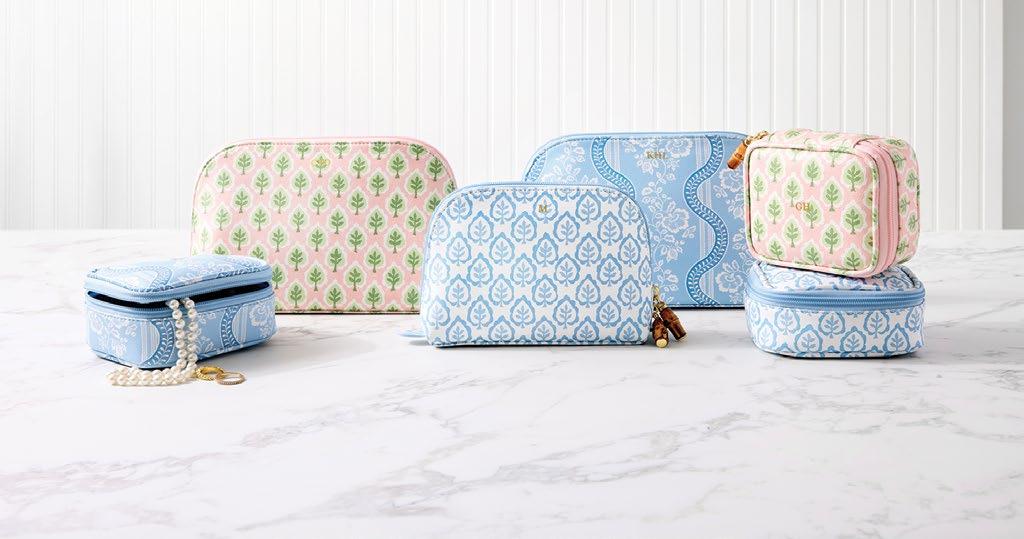
Sanderson’s timeless patterns. Products in the collection are brought to life with Mark & Graham’s signature personalization services which allow customers to make each piece distinctly their own. From decorative monograms, names, and initials across bath textiles, pyjamas, ceramic home decor, travel and other accessories, the new
In a deal facilitated by ACI Licensing, Li & Fung Limited has announced a licensing agreement with C&C California, a division of Established.Lifestyle, featuring category exclusivity for women’s swim, sleepwear/loungewear, and outerwear. The agreement also includes wholesale distribution rights across all channels, including full-price retailers, offprice retailers, and the club retail channels. The new collection will first be shown at the Holiday 2026 market. Li & Fung brings deep expertise to the C&C California brand, with the swim, sleep, and
outerwear categories representing some of Li & Fung’s richest specialties. New product offerings in the swim category will include a full collection of women’s swimwear separates, one-piece swimsuits, and beach wear. Sleepwear will expand to a full collection of separates, sets, and robes. Rounding out the line, the new outerwear collection will cover seasonal outerwear from lighter windbreakers to slope-ready puffers and parkas. The new line will honor the C&C California legacy of effortless, understated, and approachable pieces that embody the spirit of the California experience. Li & Fung has refreshed this style heritage with a seasonless “endless summer” aesthetic. Customers will want to live in these feel-good styles, crafted from soft, tactile fabrics across all categories.
“At ACI Licensing, we excel at maximizing the impact of our brand partners within the marketplace, and identifying the right licensing partner is critical to driving that success,” said Andy Cohan, Co-Founder and Co-CEO, ACI Licensing. “Given Li & Fung’s expertise across key categories, the company was a nat-
Sanderson for Mark & Graham collection is designed for meaningful customization opportunities on each product in the assortment. Customers can choose from a curated library of more than twenty fonts and a dozen colorways, applied through embroidery, foil debossing, decal, and digital printing techniques.
ural match for further unlocking and expanding the power of the C&C California brand.” The C&C California deal adds another compelling license to Li & Fung’s ever-expanding portfolio of national brand licenses. From heritage brands to modern American fashion brands, in the last year new licenses were announced across multiple categories including apparel and home. Li & Fung’s licensing division offers brand partners accelerated speed to market, deep customer and retailer relationships, and broad, multi-national sourcing and logistics services.
“We are honored to partner with C&C California, a brand known and loved by many generations, to bring three new categories to market that center on their signature quality, laid-back aesthetic, and approachable West Coast lifestyle vibes,” said Mel Limoncelli, Senior Vice President, Head of Licensed Brands, Li & Fung. “The category expansions remain true to a brand heritage rooted in 70s West Coast culture, while also speaking to an endless summer moment through comfort, ease of wear, and easy-care fabrics.”
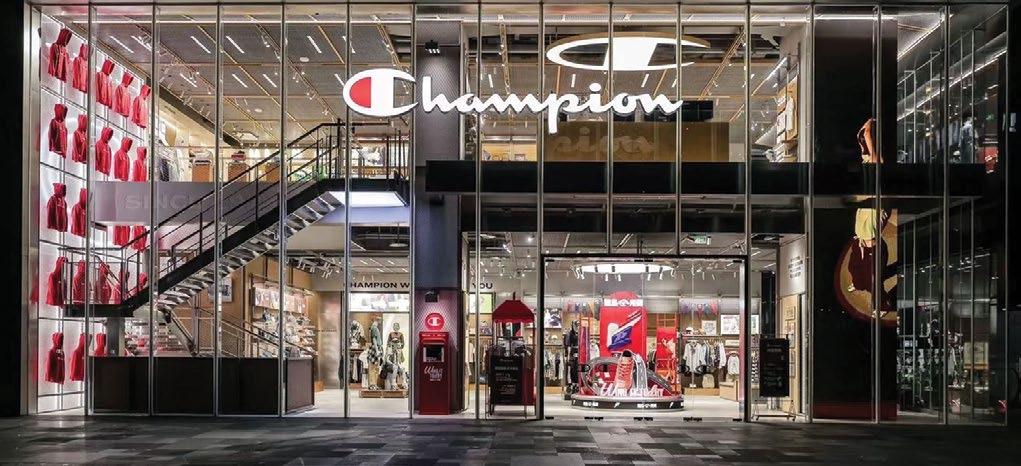
Champion, the American athletic and lifestyle brand owned by Authentic Brands Group, today unveiled the SS26 talent cast for the next chapter of its Champions for Champion campaign, centering voices that define modern greatness through influence, purpose, and presence.
This iteration of Champions for Champion centers on personal perspective and cultural relevance, spotlighting individuals who lead with authenticity and intention in their everyday lives. The new SS26 cast includes Kyle Kuzma, Winnie Harlow, Jaxson Dart, Caroline Marks, and Bella Campos, alongside returning talent The Kid LAROI and Romeo Beckham. Together, they reflect the communities, mindsets, and cultural moments shaping what it means to be a champion today.
“This next chapter of Champions for Champion reflects a very intentional approach to how we think about talent,” said Stefani Fleurant, EVP, Marketing, Sport & Lifestyle at Authentic. “We’re not simply looking for visibility, we’re focused on identifying individuals with genuine cultural connection, whose influence is rooted in community, credibility, and lived
experience. These are people who naturally align with the Champion ethos and represent the diverse ways confidence, creativity, and self-belief show up in the world today.”
Brought to life through authentic, grounded imagery and content, the SS26 campaign allows each cast member’s individuality to take center stage. Shot in environments that reflect their real lives and perspectives, the visuals reinforce the belief that greatness is not a singular path, but something defined by mindset and impact.
Throughout the campaign, product remains at
UFC, the world’s premier mixed martial arts organization, recently announced a strategic partnership with FoodStory Brands, an award-winning incubator and disruptive innovator in the consumer-packaged goods food and beverage space, to develop and launch a high-performance, nutritionist-backed protein bar for the fast-growing performance nutrition category. The partnership was brokered by UFC’s licensing agent, IMG Licensing. This collaboration merges the UFC Performance Institute (UFC PI), the world’s leading combat sports performance training, research, rehabilitation, and nutrition center, with FoodStory Brands’ expertise in scaling disrup tive, high-quality food brands. The result will be a new brand, to be announced later this year, and a line of elevated and innovative high-protein bars with targeted functional in gredients, leveraging research-driven nutrition to meet the demands of UFC athletes as well as performance-minded consumers.
“By bringing together the UFC Performance Institute’s experience working daily with the world’s best combat sport athletes and FoodStory’s ability to turn bold ideas into high-quality consumer products, we have a powerful combination,” said Dr. Duncan French, Senior Vice President, UFC Performance Institute. “Through close collaboration, we have developed a protein bar that reflects how athletes train, fuel, and recover, and we are making this available to general consumers. We believe this partnership has produced
the core. Champion’s iconic, versatile designs serve as the foundation for each story, reinforcing the brand’s commitment to quality, integrity, and timeless style. Whether on the court, on stage, or in everyday life, Champion apparel is designed to empower confidence and make people feel like champions in their own right.
The SS26 campaign places increased emphasis on storytelling and cultural moments, rolling out globally beginning February 10, 2026. The collection will be available at Target and select retailers worldwide.
something truly unique that will stand out as a leader in the market and raise the standards for performance nutrition.”
“At FoodStory Brands, we pride ourselves on creating meaningful brand stories and amazing products backed by powerful consumer insight and innovation,” said Jordan Jedeikin, EVP Business Development at FoodStory Brands. “Collaborating with UFC—a global powerhouse in performance, endurance, and innovation—gives us a unique opportunity to bring a nutritionist-backed, high-performance protein bar to market that’s designed for both elite athletes and everyday achievers.”

UFC is a globally popular sports brand with more than 700 million fans and over 330 million social media followers. UFC produces 43 live events annually in some of the most prestigious arenas around the world while distributing programming to more than 950 million broadcast and digital households across more than 210 countries and territories.
The RSPB is the UK’s largest nature conservation charity. For nearly 140 years, its purpose has been to advance the conservation of birds, other wildlife, and the natural world by protecting and restoring habitats and landscapes, saving species and connecting people to nature, for public benefit
The organisation understands that the health and resilience of individuals, our society and the economy is dependent on the health and sustainability of the planet’s ecosystems. Recognising that birds, other wildlife and the habitats on which we all depend are interconnected, the RSPB’s work ranges from world-leading species and habitat recovery programmes and lobbying governments (in the UK and internationally) for nature-friendly policy changes to running Europe’s largest ongoing citizen science project, with over half a million people annually taking part in the RSPB’s Big Garden Birdwatch.
Supported by its almost 1.2 million members, 2,000 RSPB employees and around 12,000 RSPB volunteers spend over one million hours acting for nature every year, with over 130 local groups connecting people and progressing conservation projects. The charity’s more than 200 nature reserves cover the equivalent of 300,000 football fields and provide a home and protection for over 18,000 species to flourish.
The RSPB’s mission is to connect people who love birds and other wildlife, and who want to take action to restore the health and diversity of the natural world. This connection is driven through exceptional communication including well over one million followers across its social media channels, the RSPB magazine that lands on the doorstep of over 900,000 readers quarterly, the nature lovers’ email ‘Notes on Nature’ that is read by 1.2 million subscribers every two weeks, and the RSPB.org.uk website with over 7.5 million visits annually.
The RSPB’s brand licensing and consumer products programme is seen as vital for supporting and driving this audience connection and allows the organisation to tell its stories through physical products that build a con-
nection to nature. It covers everything from premium bird food, bird feeders and wildlife care products (developed with specialist suppliers and tested by the RSPB’s product development and science teams), as well as its own optics range through to more traditional licensed categories such calendars, greeting cards, stationery and gift.
A number of RSPB partners experienced success in 2025, including Viking Optics with the RSPB Skylark 8x42 Binoculars, which won the Which? accreditation for both Best Buy and Great Value in its summer 2025 binocular review. Another successful alliance has been with Bloomsbury Publishing and its Bird of the Week title based on the iconic thread that is part of the RSPB’s award-winning Tik Tok channel. The book hit the number two spot in the Amazon children’s book chart.
2025 also marked an increase in focus on the RSPB’s licensing programme with the appointment of experienced industry executive Rupert Waters for the role of Licensing Manager. The RSPB is now taking a strategic, category-led approach to its licensing expansion moving forward and has also established dedicated creative and product development resources across all product areas to drive deeper RSPB storytelling into its ranges and strengthen the connection to nature and its stories with its audiences. Indeed, 2026 is already looking like an exciting year, with the RSPB’s trade team launching its new accessibly priced RSPB Hungry Birds Wild Bird Food range, developed in partnership with Harvest, in 79 Robert Dyas Stores and B&M. Further announcements are also due for collaborations in both
the bird feeder and bird feeding categories. And, as visitors to Toy Fair will be aware, The Puppet Company’s Hide-Away Puppet plush Bug Hotel, designed in collaboration with the RSPB, is proving a successful, and importantly appropriate, move into the toy category for the RSPB brand. Home to four delightful, smiley finger puppets – a female ladybird spider, a red mason bee, a seven-spot ladybird and a common woodlouse – the Bug Hotel is a charming hideaway for little creatures. Each puppet fits into its own snug hole, promoting tidy storage and easy, on-the-go play. Indeed, creative play, as well as learning about our insect friends, is key to the appeal of this soft, safe and delightful product.
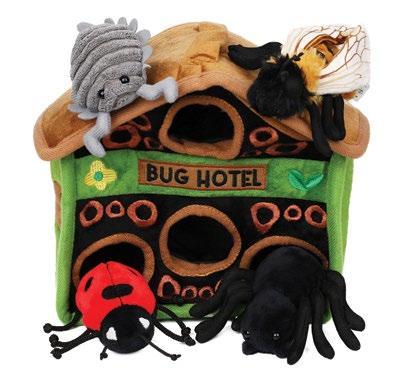
Importantly too, there is a strong sustainability element to the Bug Hotel. It’s made from over 90% recycled materials, an eco-conscious choice with sustainably sourced fabrics, stuffing, and minimal, recyclable packaging that makes it perfect for retailers and buyers prioritising responsible products. The partnership is appropriate for both partners, not least as part of a growing licensed range from The Puppet Company that champions education and sustainability, two important aims of the RSPB. And £1.00 of every purchase is donated to the RSPB to help support its vital conservation work. This sort of supportive licensing partnership is representative of what the RSPB is looking for from an expanded licensing programme. As Rupert Waters puts it: “We couldn’t be prouder of the partnership with The Puppet Company for the Bug Hotel. The product development teams at both ends worked incredibly hard to make it the best it can be, especially in terms of wildlife accuracy and sustainability. The resulting product is fantastic, already selling extremely well in our channels and has had great reception across the trade fair season this year.”
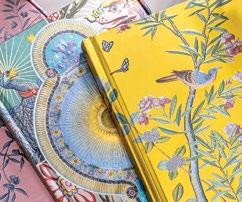
The V&A has been a destination for creative exploration for over 170 years. Its exhibitions are regularly credited with shaping design trends - reframing design history in ways that ripple into contemporary practice. Marie Antoinette Style currently showing at V&A South Kensington until the 22nd March 2026, promises to keep this tradition of trailblazing trend influence alive as it explores the legacy of France’s most fashionable, and ill-fated, queen.
To coincide with the exhibition, the museum has collaborated with French patisserie brand, Ladurée, to create a limited-edition box of macarons.
Drawn from the rich archives of the V&A, the box design was inspired by 18th century French fabric samples. An exquisite striped silk, embroidered with flowers, adorns the lid of the box, while the base is wrapped in a pattern of flowering tree motifs that feels surprisingly modern. At the centre, a vignette of millinery dates to 1791 and was sourced from
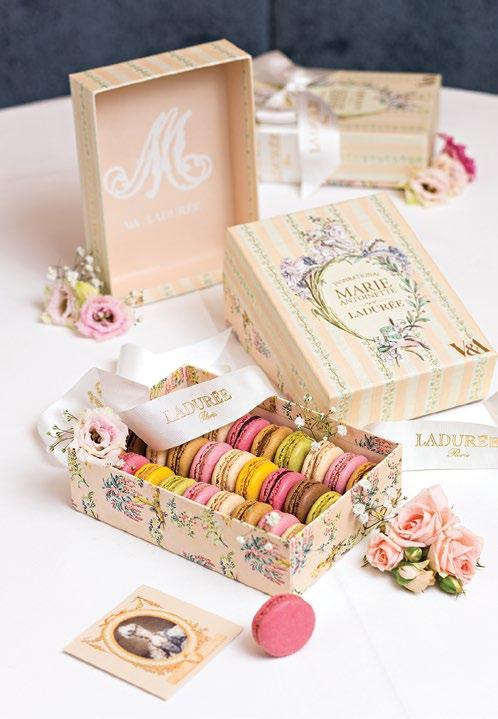
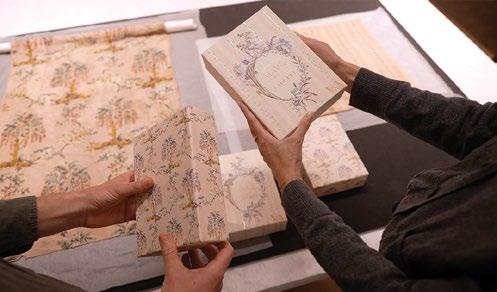
the Journal des Luxus und der Moden, one of the earliest fashion magazines and a favourite publication of Marie Antoinette.
The launch was supported by a film shoot at the V&A’s new East Storehouse venue – an
immersive self-guided archive experience –and inside the Prints & Drawings room at the Victoria and Albert Museum in South Kensington. Window displays were installed at Ladurée flagship stores in Paris and London’s Covent Garden.
Ladurée also featured within the Marie Antoinette Style exhibition itself through a spec-
tacular full-scale reconstruction of the iconic pièce montée from Sofia Coppola’s 2006 film about the queen.
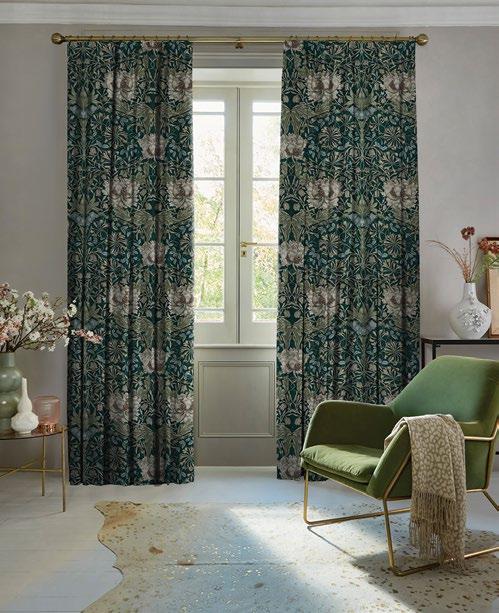
Meanwhile the V&A has further strengthened its home interiors category by collaborating with Hillarys. Offering made-to-measure Roman blinds, curtains and cushions, Hillarys have celebrated the endearing legacy of William Morris with a selection of five of his most popular prints. Eight fresh colourways ensure the fabrics have a contemporary twist making them suitable for modern spaces and Victorian terraces alike.
The V&A’s Senior Creative Manager for Brand Licensing, Jon Morse, says, ‘We were thrilled to collaborate with Hillarys and to help them share the authentic connection that the museum has to William Morris and the Arts & Crafts movement. It’s a joy to see Morris’ work continue to inspire modern homes today’. Also taking inspiration from British assets from the archives, B Corp clothing brand,
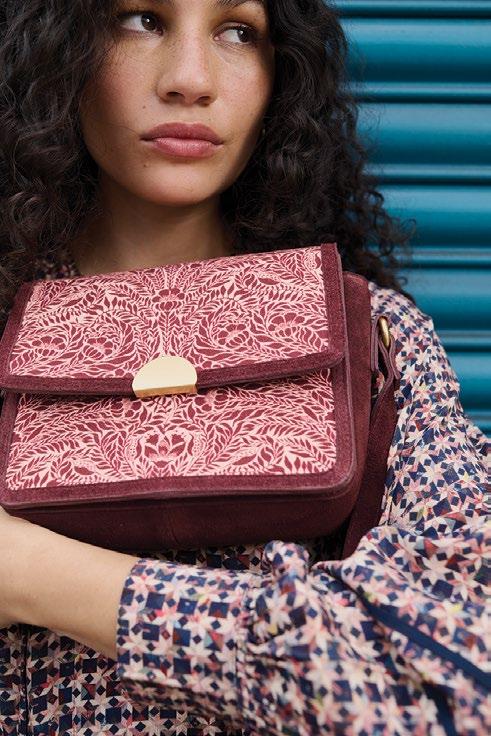
FatFace, launched their first collection with the museum in September 2025. As part of the brand’s Art of Autumn campaign, they reimagined historical British textiles from the V&A’s archives across 34 skus that included midi dresses, laser-printed jeans, maxi skirts, fleeces and accessories. The range is a celebration of British creativity – the FatFace design team reworked and recoloured a diverse selection of British textiles spanning the mid 19th to early 20th centuries.
One highlight from the collaboration is the Stirling Midi Dress derived from a quilt made by actress Fanny Stirling (1815-1895) using fabrics from the costumes she had worn throughout her career. This pairs beautifully with the burgundy leather cross body bag that showcases a Lewis Foreman Day design of floral stems created in the 1890s.
The Global Appeal of the V&A Archives
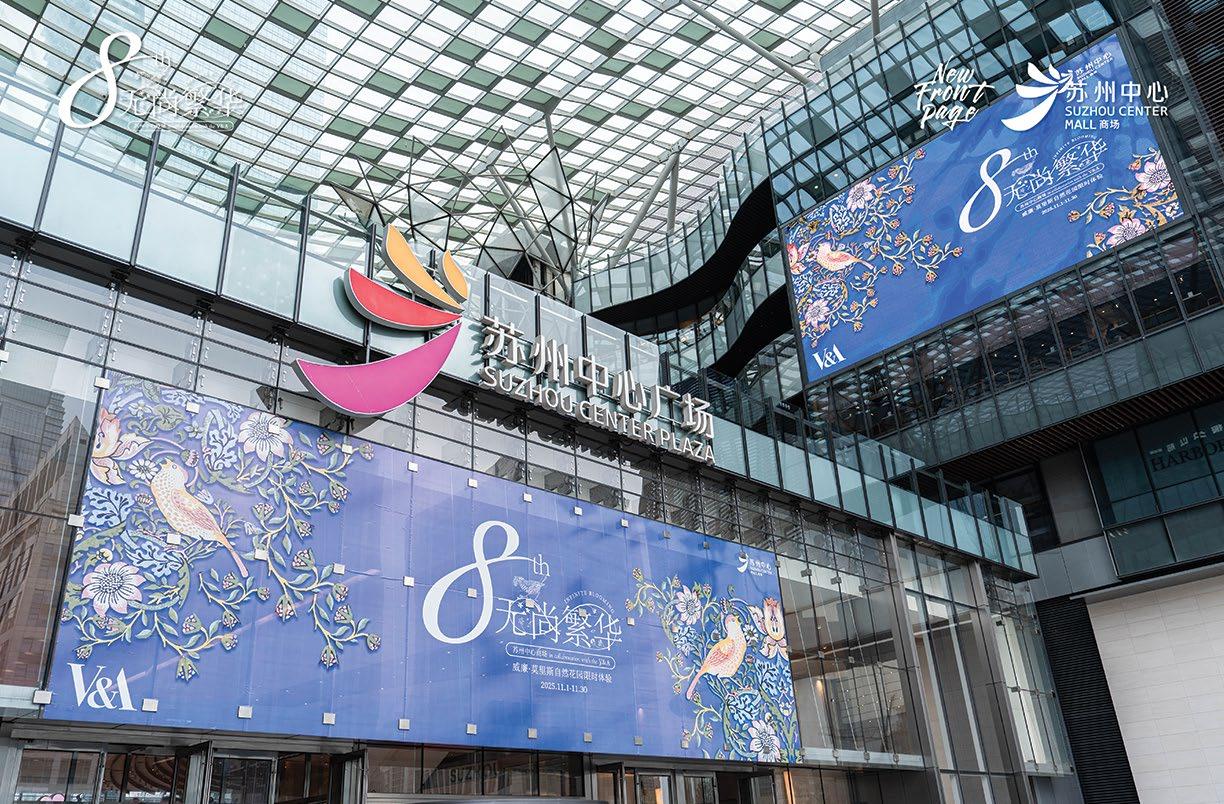
In China, the V&A alongside agent Alfilo Brands brought an immersive shopping experience to visitors at Suzhou Center Mall as part of the venue’s 8th anniversary celebrations. Nestled on the banks of the Jinji lake, the 150m² pop-up store was situated on the 3rd floor’s Phoenix Garden, a unique open atrium space.
Visitors were treated to a William Mor-
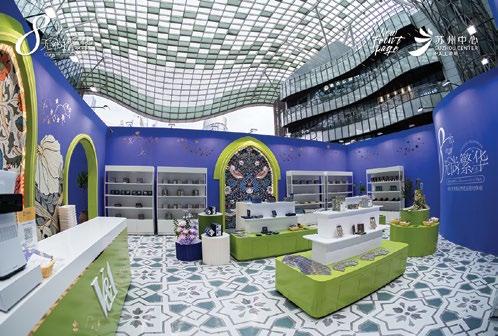
ris-themed café display, photo opportunities and a large retail store that featured a wide range of the museum’s Arts & Crafts-inspired merchandise. The V&A boasts one of the largest archives of William Morris’ work, whose distinctive designs celebrate the idea that beauty and creativity should be accessible to all. Morris famously said, ‘I do not want art for a few; any more than education for a few; or freedom for a few’. Widely regarded as being at the heart of the Arts and Crafts Movement in Britain, the V&A holds wallpaper, textiles, furniture, tiles and stained glass in its collection created by Morris and his firm. The V&A are delighted to have launched a range of tech accessories with CASETiFY, based in Hong Kong. The global launch included a selection of 12 prints from the museum’s vast holdings which were organised into three design edits: Arts & Crafts, French
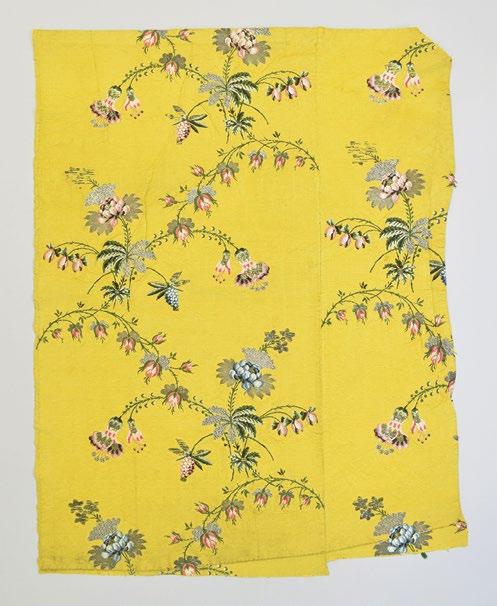
Above: Dress fabric, Spitalfields, 1750-60
Below: V&A Casetify range of tech accessories
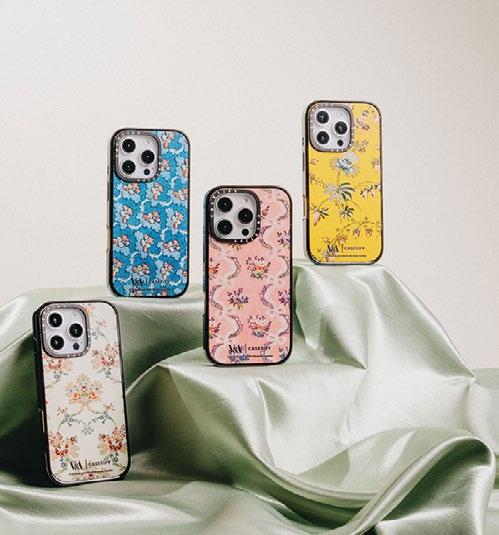
Rococo silks and 1960s geometric patterns. Instantly recognisable designs by William Morris and J.H. Dearle featured alongside rich 18th century brocaded silks and bold, colourful patterns by Nigel Quiney.
The mobile phone cases can be customised on the CASETiFY website and boast an impressive 11.5 ft drop resistance. Also included in the range are matching AirPods cases, iPad cases, SnappyMagSafe wallets and wireless chargers.
Following the V&A’s Licensing International Excellence Awards success earlier in the year for their Samsonite collaboration, the museum launched a 3rd collection of travel luggage with the brand in September.
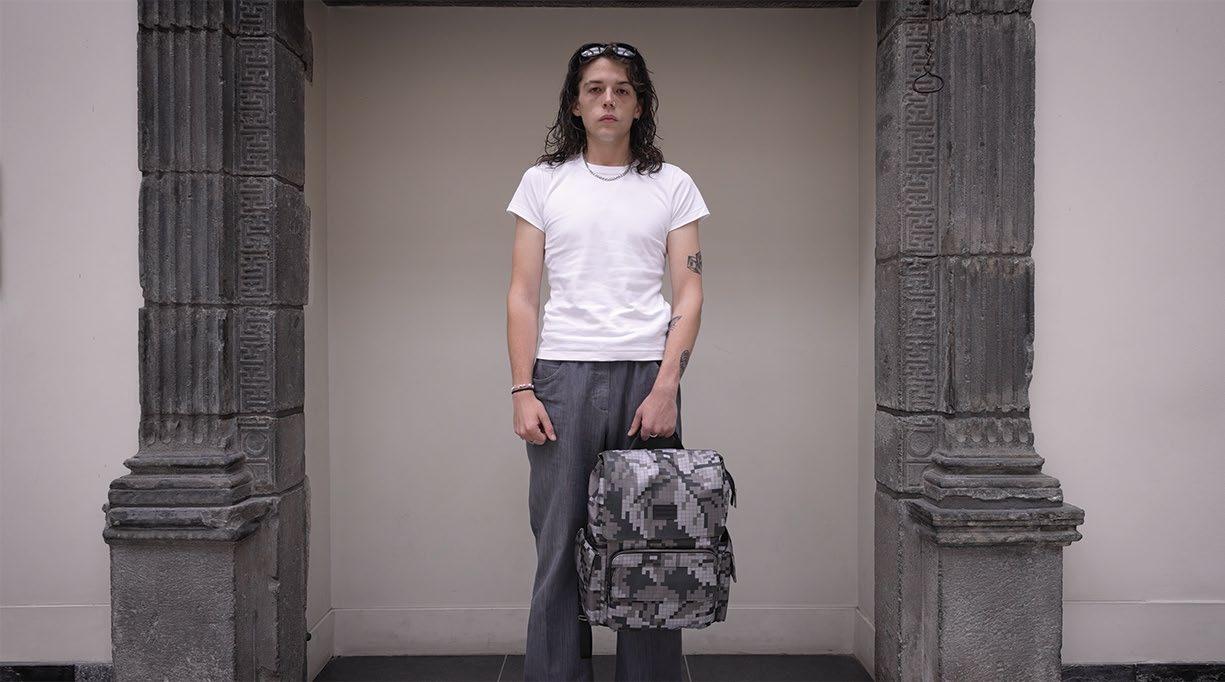
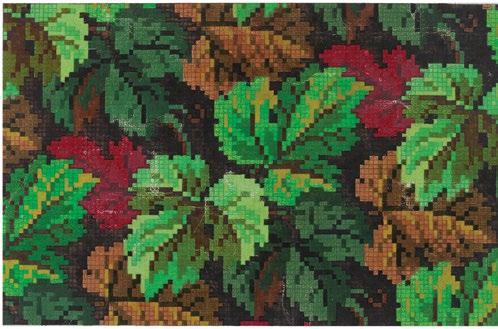
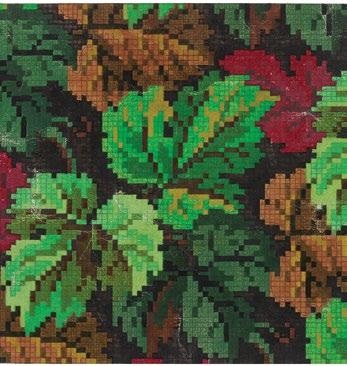
The latest bags take inspiration from an embroidery design for Berlin wool work (a style of canvas embroidery popular in Europe in the 19th century) from around 1860. The colour-coded grids that were used to arrange the original foliage pattern have been increased in scale and recoloured with a contemporary and sophisticated pallet of green and grey hues. The final design is a ‘pixel art’ effect seamlessly blending a compelling story of craftsmanship with modern fashion trends.
Autumn 2025 saw the V&A launch an innovative licensed collaboration with Petit Pli. Founded by aeronautical engineer Ryan Mario Yasin, Petit Pli began with a simple frustration shared by parents: how quickly children outgrow clothes. Their patented structure expands bi-directionally to fit seven sizes in one
which reduces waste and considerably extends the garments life many times over. What started as an experiment in material technology has become a movement in responsible design. Not only are the garments themselves innova-
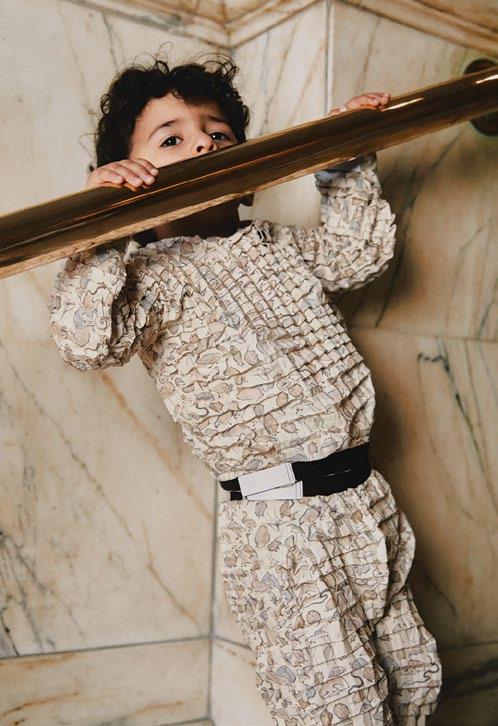
dren to find – allowing them to experience timeless design and technology through play. The patterns selected for the collaboration are diverse in their origin and technique, featuring Katsushika Hokusai (1760-1849), Mary Yonge (1908-2010), and Kathleen Kersey (b. 1889), they encompass Japanese book illustrations, bold patterns from the 1960s and 70s and intricate Arts and Crafts textiles.
Hidden inside the garments is an introduction to the artist alongside motifs that have been
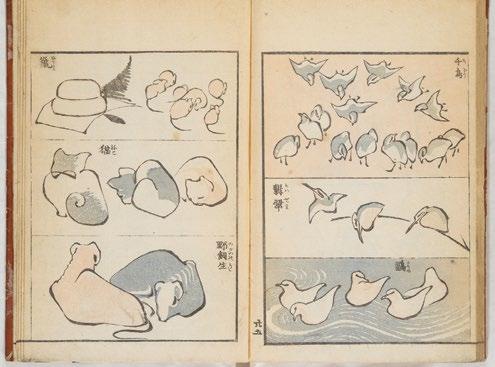
lifted from the pattern which the child is encouraged to find. This creates an invitation to look a little closer - turning the simple act of getting dressed into a tactile moment of learning and fun.
Jen Maude-Roxby, Head of Licensing at the V&A comments, “Petit Pli’s innovative approach to garment technology resonates well with the V&A’s creative values of high-quality design and craftmanship. Clothes that grow with the child is such a unique idea. The use of V&A patterns injects a playful element which we hope sparks Tiny, Mini and Little imaginations everywhere.”
The V&A’s archives have been a source for inspiration for designers and creatives for over 170 years and the archive now holds 6 Petit Pli designs. Perhaps their innovative garments will ignite the imagination of the next generation of creators!
tive but Petit Pli’s design team also introduced a play element to each item. Three patterns have been sensitively reworked to incorporate hidden animals, shapes and colours for chil-
To find out more about the V&A Brand Licensing programme, email the team at licensing@vam.ac.uk
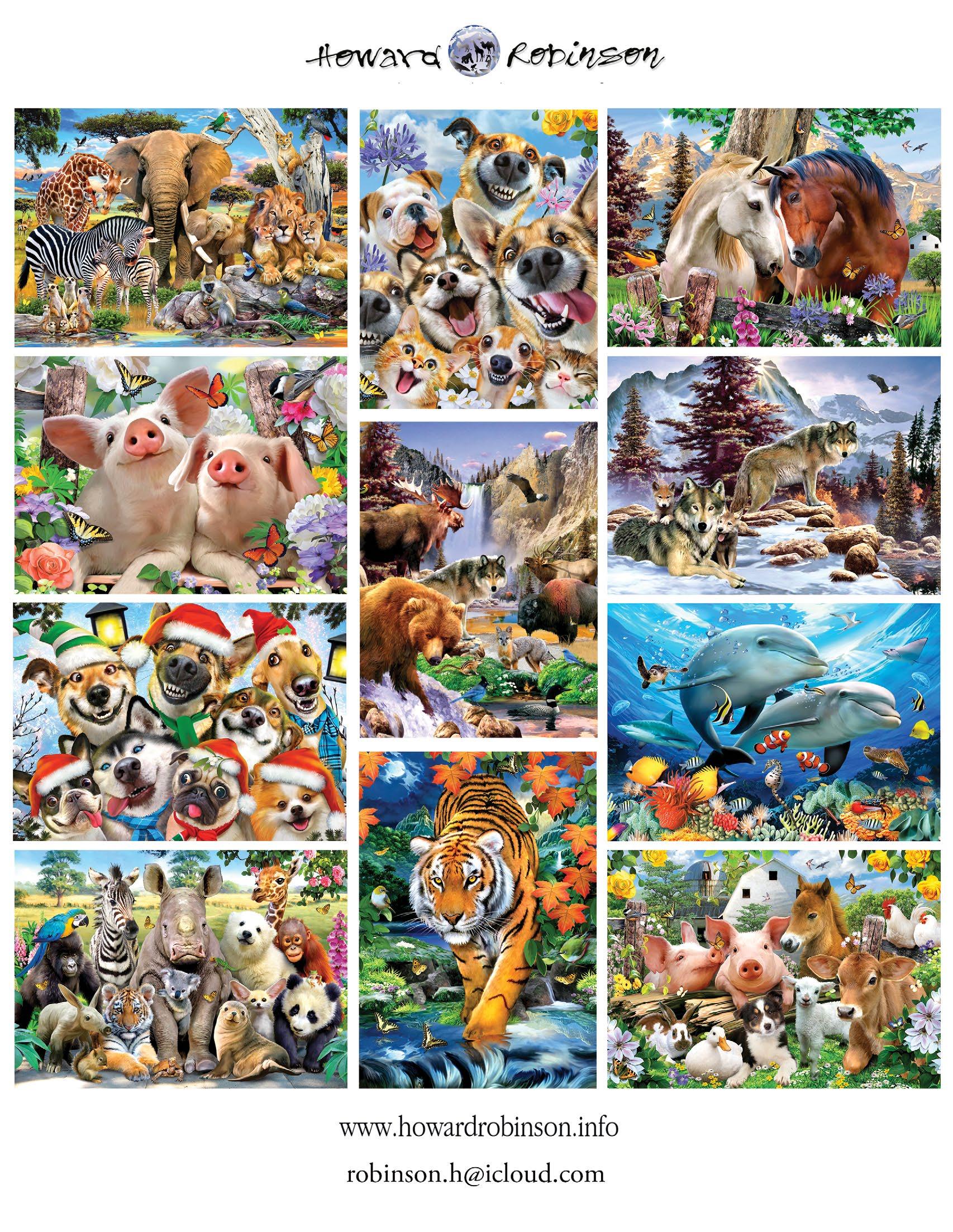
Howard Robinson has been licensing his artwork for more than 45 years, building relationships with around 180 licensees worldwide and seeing his designs applied to everything from bouncy castles in Guam and surfboards in Florida to tobacco tins in Germany.
Here, he talks about his art, working through the COVID experience, battling counterfeit and the opportunities and challenges that exist in today’s marketplace.
“Over the decades, it’s been remarkable to watch my art travel into so many corners of the consumer landscape.
But the period also brought serious challenges. Counterfeit products - particularly paintby-number kits, diamond-dot paintings, and jigsaw puzzles flooded the market. I discovered
dozens of websites selling my images without authorization, sometimes featuring 60 or more designs on a single site. With so many legitimate licensees producing an array of products worldwide, it wasn’t always easy to distinguish genuine goods from fakes.
I came to the conclusion that it wasn’t fair to issue new licenses in categories plagued by counterfeit competition. Instead, I paused new agreements in the most affected areas, allowing existing licenses to wind down. This made it far easier to identify and target unauthorized products.
With the support of new legal partners, we developed a comprehensive enforcement strategy. The results were swift and significant, and we regained control of key markets
Now, after a four-year break, I’m ready to begin a new chapter. I am actively seeking new licensing partners - starting in the United States - for a wide range of product categories including paint-by-numbers, craft kits, sta-
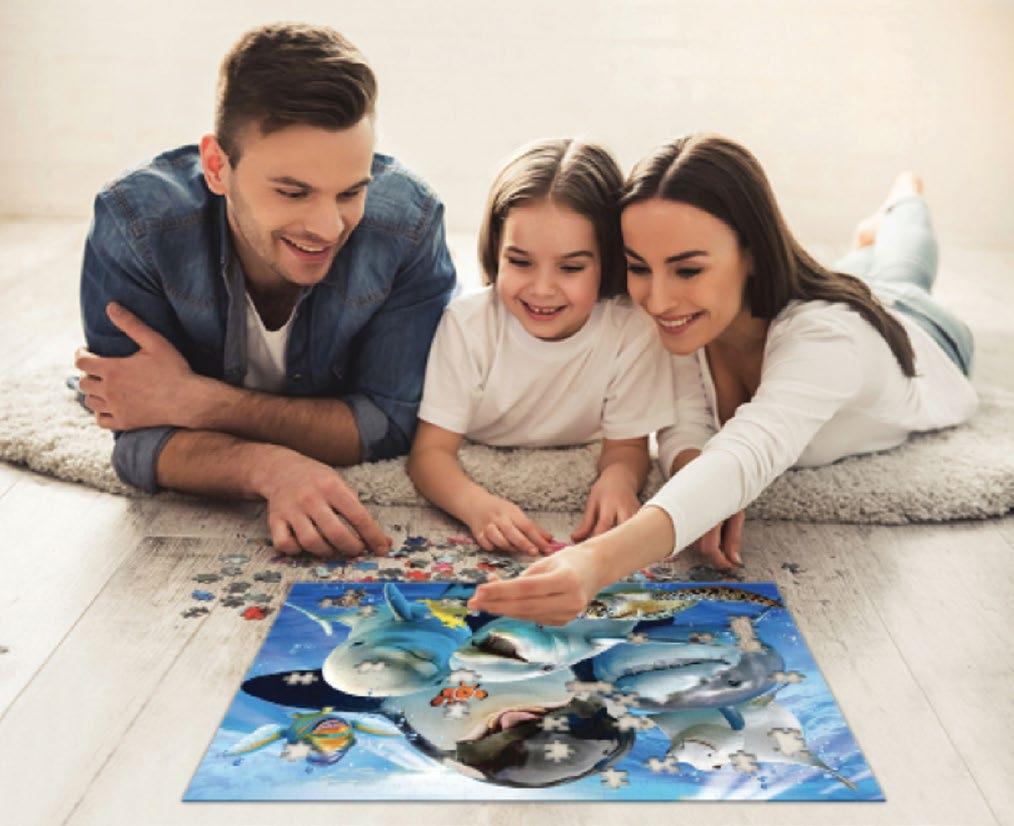
tionery, back-to-school, gift bags, beach bags, bath mats, and shower curtains. With the counterfeit products removed and the market cleared, there is a unique opportunity to establish strong, exclusive partnerships in proven high-demand categories.
This time, my approach is more focused. Rather than working with many different clients each taking just a handful of images, I am looking for partners who are ready to commit to a broader range. In return, I can offer exclusivity - whether in mass market, gift, online retail, or a combination.
I am excited to have signed the first of these new agreements for diamond art painting which is among the hottest crazes in the crafting/hobby space today. Diamond Art Club, the industry leader in manufacturing/selling diamond art painting kits manufacture their own kits, with each image charted by hand by one of their in-house graphic designers. It takes 8 to 12 hours of manual labour to chart a diamond art painting kit properly and positions them as the highest quality manufacturer in the marketplace.
Diamond Art Club will be a great addition to my long-term class leading clients such as Ravensburger Germany/USA/ UK for puzzles, Ceaco for mass market puzzles, Leanin Tree for greetings cards, Graphicsandmore for giftware, MBS veterinarian stationary and Prime 3D for Lenticular products.
I have continued adding more designs for The Coloured House CV in the Netherlands who are building up a large range of T Shirts, Blankets, Tumblers and Mugs for sales throughout Europe
After decades in licensing, I know the challenges will always evolve - but so will the opportunities.
With a clean slate and a stronger foundation, I believe the best chapters of this journey are still ahead.”
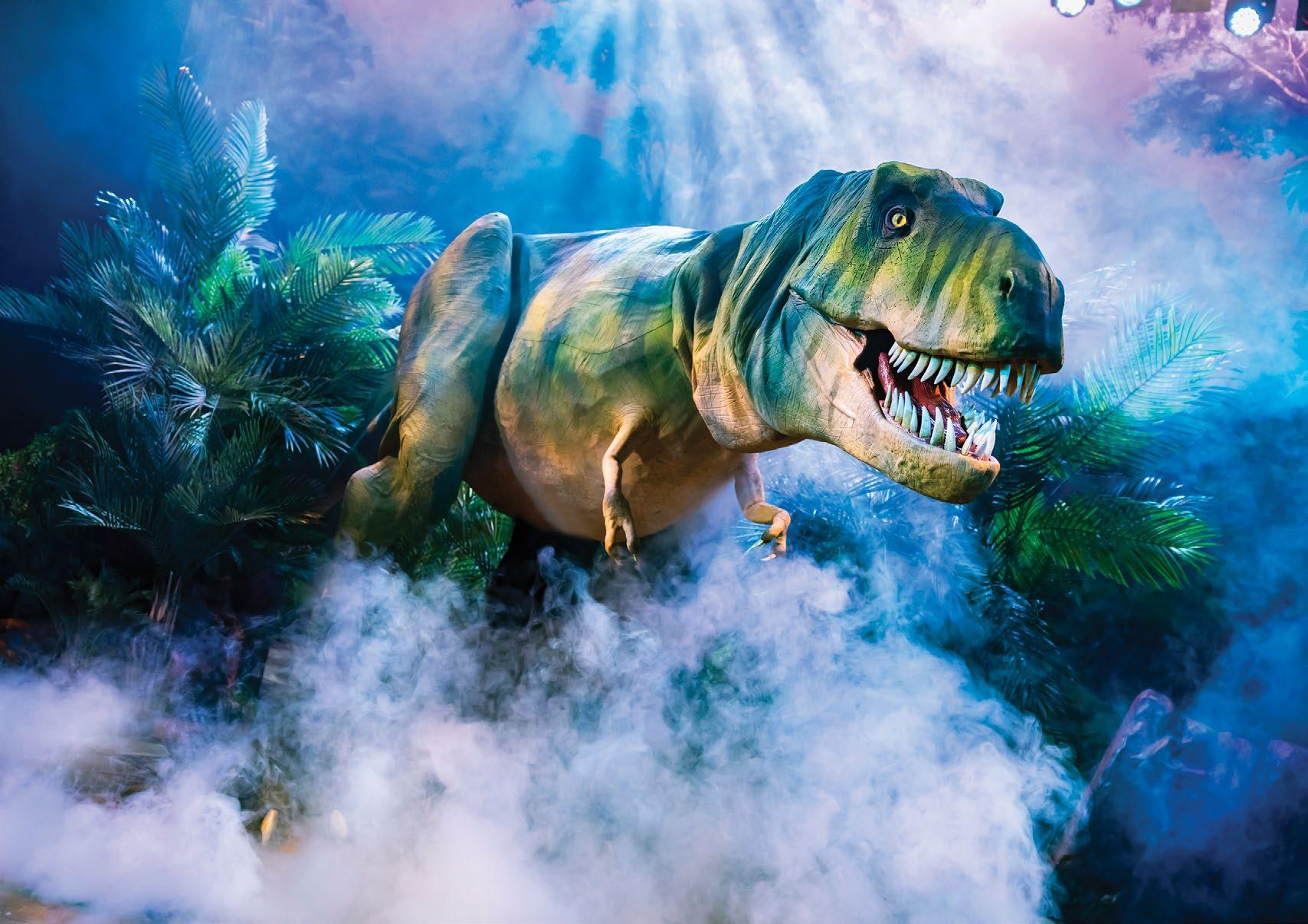
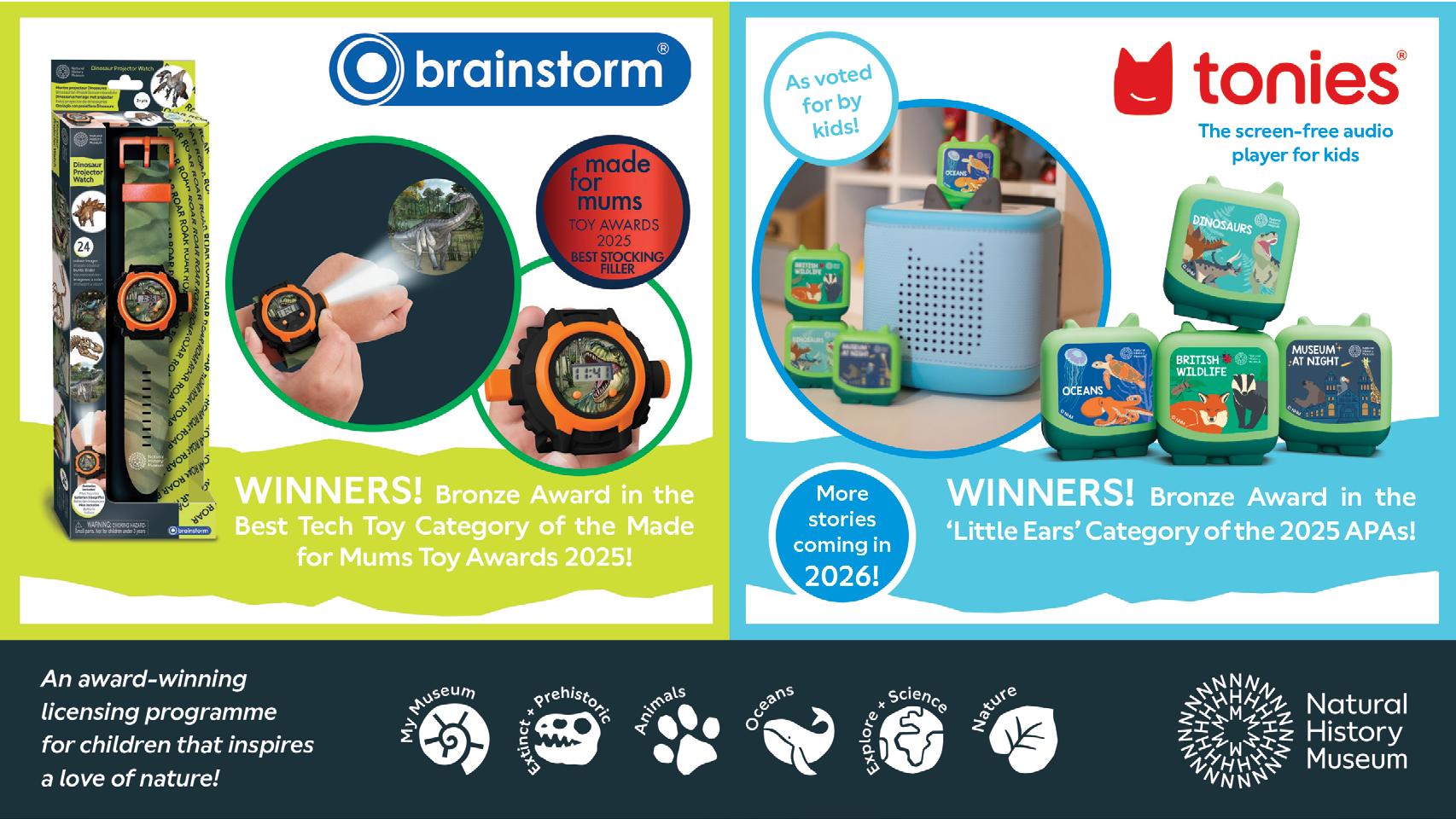
The breadth of the Natural History Museum’s collections and archives enables it to be endlessly creative with the brands it collaborates with and the products they bring to life together. And its 2026 ranges are no different.
The Museum’s licensing programme is starting the new year with a strengthened offering for kids.
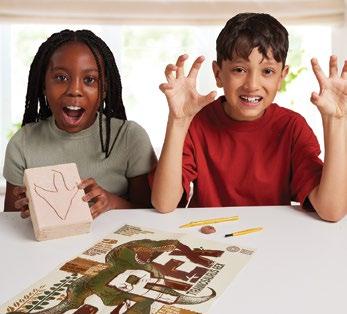
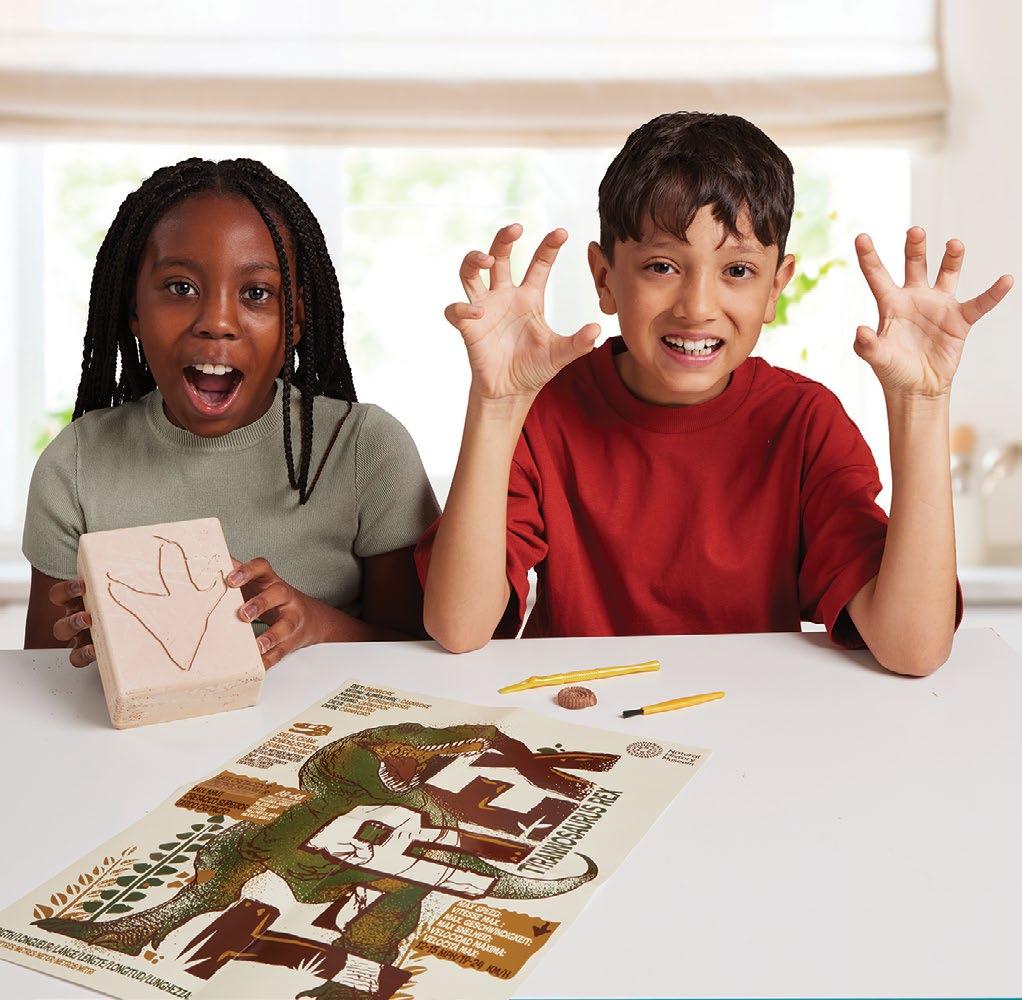
Longstanding educational toy licensee Brainstorm is launching a T. rex Excavation Kit for 2026. Perfect for young palaeontologists, the kit will allow children to get hands-on excavating their own T. rex skeleton and assembling the bones of their own model dinosaur.
Plush licensee The Puppet Company is also expanding their offering for 2026, introducing a new, smaller size to the Natural History Museum Dinosaurs range that first launched in October.
In the children’s apparel category, organic clothing brand Little Green Radicals is launching their first range in collaboration with the Museum for SS26, inspired by the idea that when it comes to the natural world, we can find the extraordinary in the most ordinary of places.
Elsewhere, following a bronze award in the Little Ears category of Audio UK’s 2025 Audio Production Awards (APAs) in November for their Natural History Museum: Discovery Crew Clever Pocket Tonie, tonies® are working on an exciting new project with the Museum, set to launch later this year.
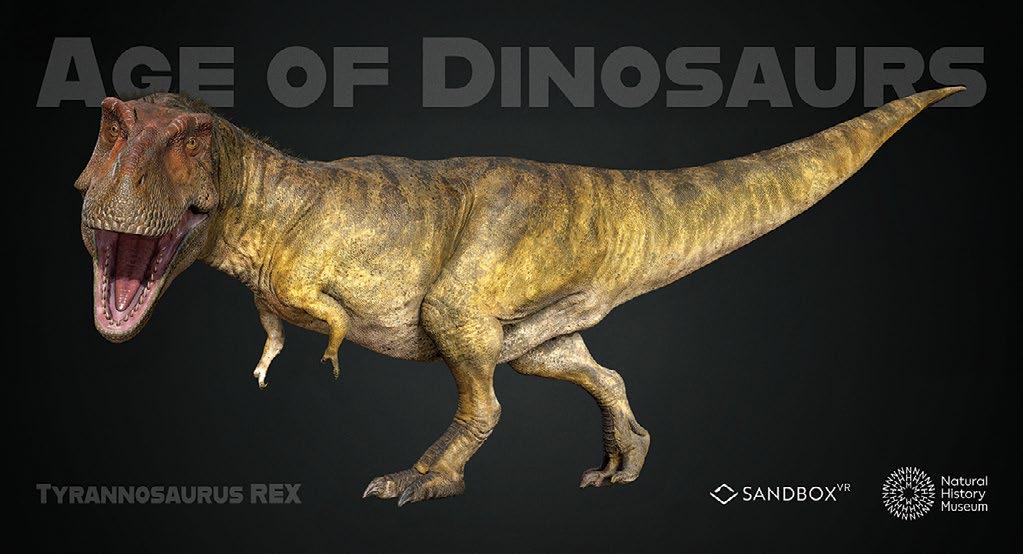
Additionally, a new series of children’s books is launching with CCPPG in China via the Museum’s agent in this territory, PPW Sports & Entertainment (China) Ltd.
Alongside these fantastic product ranges, the popular Dinosaurs Live! theatre show from Mark Thompson Productions will be continuing to entertain children up and down the country, having secured a further 60-venue run for 2026. Also in the experiential space, a new Age of Dinosaurs VR experience will be launching internationally from Sandbox VR in spring, appealing to dinosaur fans from age 5 upwards.
The Museum’s adult programme is also seeing strong developments going into 2026. This January, an eleven-piece clothing and accessories collection is launching in collaboration with renown clothing brand Lucy & Yak. Dinosaur and mineral-themed designs are in-
corporated across some of Lucy & Yak’s signature shapes, including their iconic dungarees, jumpsuits and a fleece, all made using organic or recycled materials.
Internationally, the Museum’s apparel presence in seeing growth as well, following a new signing with Philcos Enterpriser Ltd for daywear and accessories via North American agent Jewel Licensing & Branding.
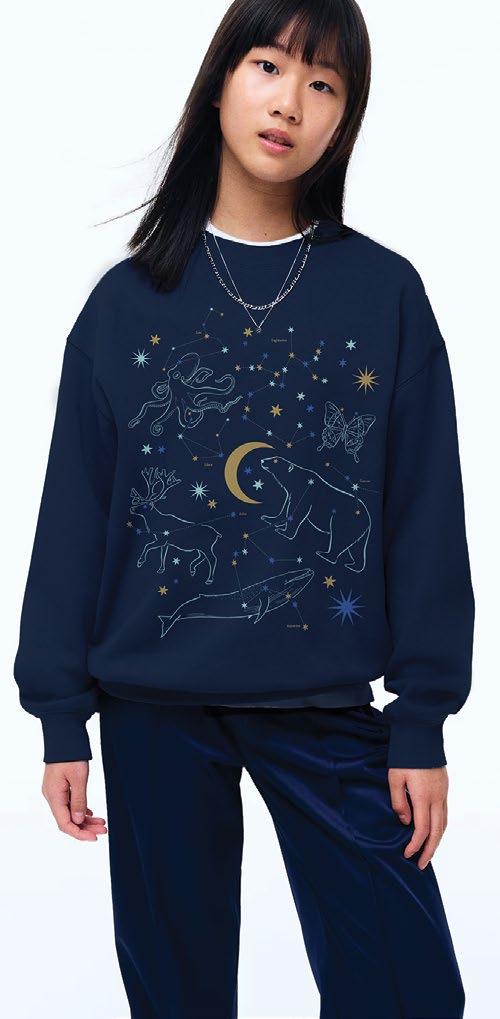
The Museum’s growth in the apparel category, including through master apparel licensee Bioworld International, is supported by a second drop of trend-focused assets for AW26. The Museum’s latest offering interprets its natural history collections and buildings to reflect two key themes.
Firstly, the Varsity trend takes elements of the Museum’s architectural design, applied alongside bold text, to create a collegiate leisurewear look for the brand. Secondly, wintry icons and
night sky constellations are brought together in the Celestial trend for both women and children.
New homewares launches are again planned with longstanding DTR partner Dunelm, whose upcoming ranges take inspiration from Werner’s 1814 book of colour charts Nomenclature of Colours, which forms part of the Natural History Museum’s rare books collection. Werner’s text was a pioneering work that visualised colour through nature references found in animals, plants and minerals, and Dunelm are now bringing these colours to life for the home.
At a time of exciting growth, the Museum’s licensing team still has an ambitious pipeline and target list for the coming year. Attending the early 2026 trade shows, the team will be seeking discussions in the health and beauty, homewares and food gifting categories, among others.
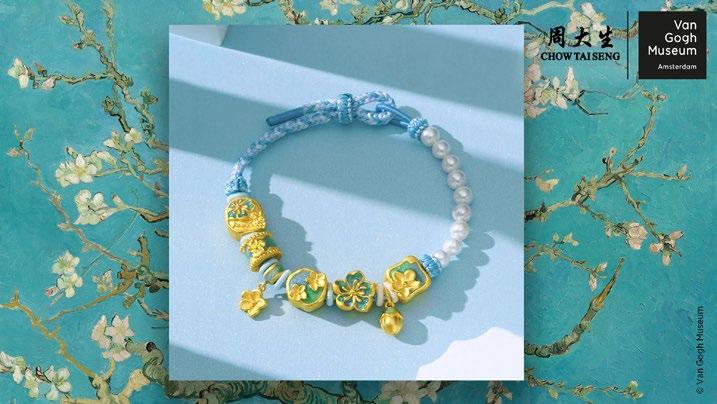
In a market increasingly driven by purpose and provenance, museum and heritage brands are carving out a distinctive space in licensing. From the artistic legacy of the Van Gogh Museum and the conservation authority of the National Trust to the living collections of the New York Botanical Garden and the contemporary credibility of the Design Museum, cultural institutions are transforming archives, estates and exhibitions into commercially compelling lifestyle products. Blending authenticity, storytelling and global recognition, museum and heritage licensing proves that culture and commerce can not only coexist, but thrive together.
With a sharpened strategy and a renewed international focus, the Van Gogh Museum is entering an exciting new phase for its licensing programme. Building on years of successful collaborations, the Museum is refining its approach to support global growth while remaining deeply connected to Vincent van Gogh’s story and artistic legacy. At the heart of this next chapter is a strong emphasis on authenticity and storytelling. Rather than simply extending the brand, the Museum continues to seek partnerships that meaningfully translate Van Gogh’s art and life into products and experiences that resonate with audiences worldwide. “We want every collaboration to add something to Vincent’s story,” says Eva Derksen, Head of Licensing at the Van Gogh Museum. “Licensing allows us to connect with people far beyond the museum walls, but it only works when the storytelling feels genuine and relevant.”
Recent collaborations with the LEGO group and A Bathing Ape highlight this approach. From creative crossovers that appeal to younger audiences to long term partnerships in retail, publishing and digital platforms, the Museum’s licensing programme spans a wide range of categories and territories. These partnerships are carefully curated to ensure they reflect the Museum’s values, whether through design, content or educational depth.
Looking ahead to 2026, the Van Gogh Museum will further sharpen its international presence through a new global licensing structure, supported by its new global licensing agent, WildBrain CPLG, enabling long term growth and deeper collaboration with partners worldwide. Responsible brand extension and sustainability remain key pillars, alongside the ambition to position the Museum as a leading cultural brand within the international licensing landscape.
The National Trust, Europe’s largest conservation charity, recently announced partnerships with NEXT, Little Greene and Symphonu Group.
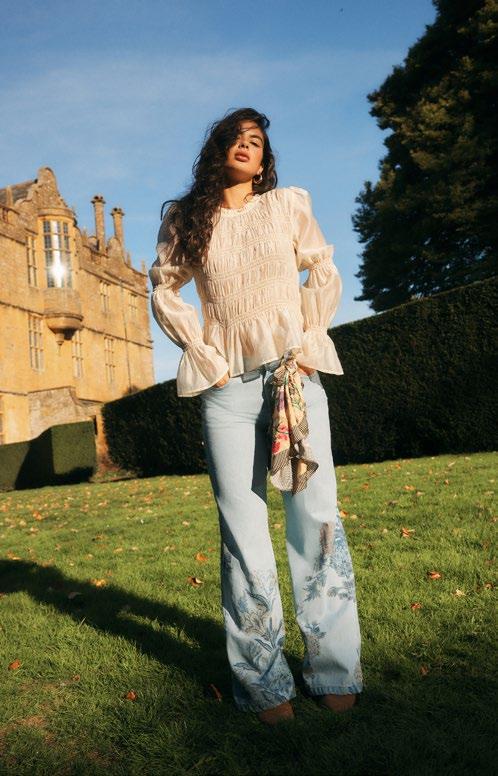
NEXT has collaborated with the National Trust to create a limited-edition womenswear collection that reimagines the elegance of British heritage through a contemporary lens and brings the work of the National Trust to the high street.
Drawing inspiration from the collections, architecture and fascinating stories of landmark properties looked after by the Trust, this womenswear collection explores the rich archive of historic design. Drawing from the National Trust’s archive of tapestries and timeworn motifs, each exclusive piece has been thoughtfully designed inhouse and blends British charm and modern-day wanderlust.
Inspiration from this collection was taken from various sources across the Trust; from tapestries at Belton House, a needlepoint screen at Felbrigg
Hall, Gardens & Estate, through to intricate linen embroidery samplers at Montacute House dating back to the 17th century. Set against the backdrop of storied National Trust historic sites, the campaign captures the beauty of each setting while reflecting NEXT’s evolving take on modern trends. The campaign visuals bring this to life with NEXT having photographed the first collection at Montacute House, Somerset, which in part inspired the product designs.
This launch marks the first in a series of themed edits, each capturing a different facet of the National Trust’s extraordinary legacy. Rooted in history, designed for now. Every purchase from the NEXT x National Trust collection will give back to the charity. Becky Stanford, Head of Brand Licensing at National Trust, says “We are excited to see our first collection with NEXT launching this February. With countless historical objects within our care, it’s been fascinating seeing how Next’s designs have drawn inspiration from pieces across our properties and turned this into beautiful, trend-led designs. We also value working with a retailer like NEXT to
help us to share our charitable purpose and bring stories from our collections to customers on the high street.”
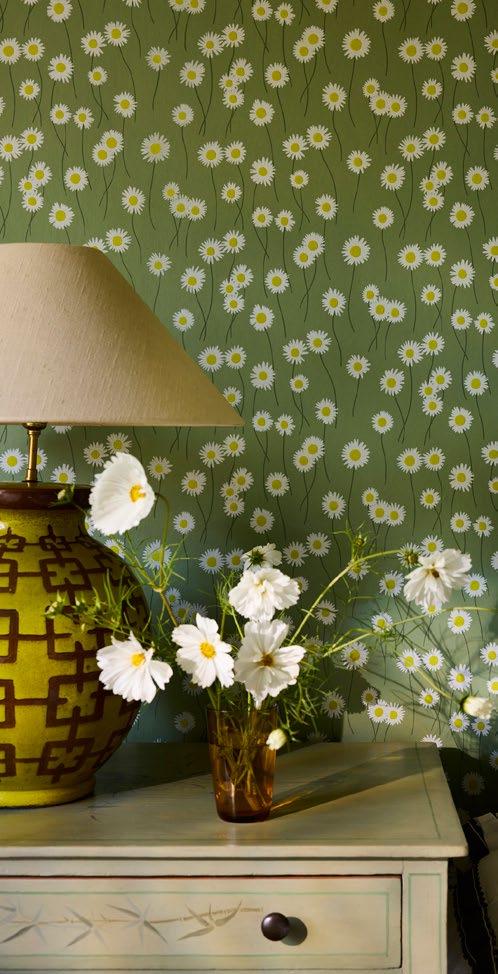
Little Greene’s ‘In the Garden’ comprises eight eclectic designs and colourfully draws on the intriguing relationship between interior design and the outdoor space which can so often define the character of a locale, building or even a specific room.
The designs have been inspired by formal gardens, grand grounds, humble horticultural collections, individual plants and historical floral artefacts that have all been loved, cherished and cared for, by the National Trust. There is historic provenance in each design, including ‘May’s Tulip’, an Arts & Crafts scrolling floral by William Morris’s daughter May; the vibrant and expansive ‘Castle Garden’ mural, which depicts the treasured ‘garden rooms’ at Sissinghurst in Kent; and ‘Mr Straw’s
Greenhouse’, inspired by a modest collection of cacti belonging to a beloved 1930s grocer in Nottinghamshire.
A contribution from the sale of every roll of Little Greene wallpaper is made in support of the National Trust’s important work caring for 500 places, including 890 miles of coastline.
The largest privately owned fitted furniture manufacturer in the UK, Symphony Group,
has collaborated with the National Trust, to create a collection of kitchens that celebrate heritage, quality and timeless style. National Trust Kitchens by Symphony marks the first-ever fitted kitchen collaboration by the National Trust - a collaboration that unites two iconic British companies in a shared vision of enduring beauty and sustainable craftsmanship.
With the emergence of heritage licensing as one of the fastest-growing segments of the licensing industry in 2025, Jewel is seeing that momentum play out across its expanding portfolio of museum and non-profit brands around the globe.
Jewel’s heritage portfolio offers a wide breadth of opportunities from art, architecture, and design to botany, wildlife, and natural history.
The New York Botanical Garden embodies botanical beauty and conservation; the Frank Lloyd Wright Foundation is synonymous with iconic organic architecture; MFA Boston provides one of the world’s richest fine-art collections; and the Georgia O’Keeffe Museum celebrates an iconic American artist known for modernism and bold expression. Rounding out the portfolio, the Natural History Museum offers global authority in science and history, while the National Wildlife Federation champions wildlife conservation. Jewel’s expertise lies in translating each institution’s core identity into design-led, commercially successful programs.
“Heritage and non-profit licensing is the fastest growing segment in licensing, and Jewel
offers a full spectrum of these brands under one roof,” said Ilana Wilensky, President at Jewel. “Across Jewel’s heritage portfolio, there has been exceptional momentum, marked by global expansion, high-profile collaborations, and category innovation.”
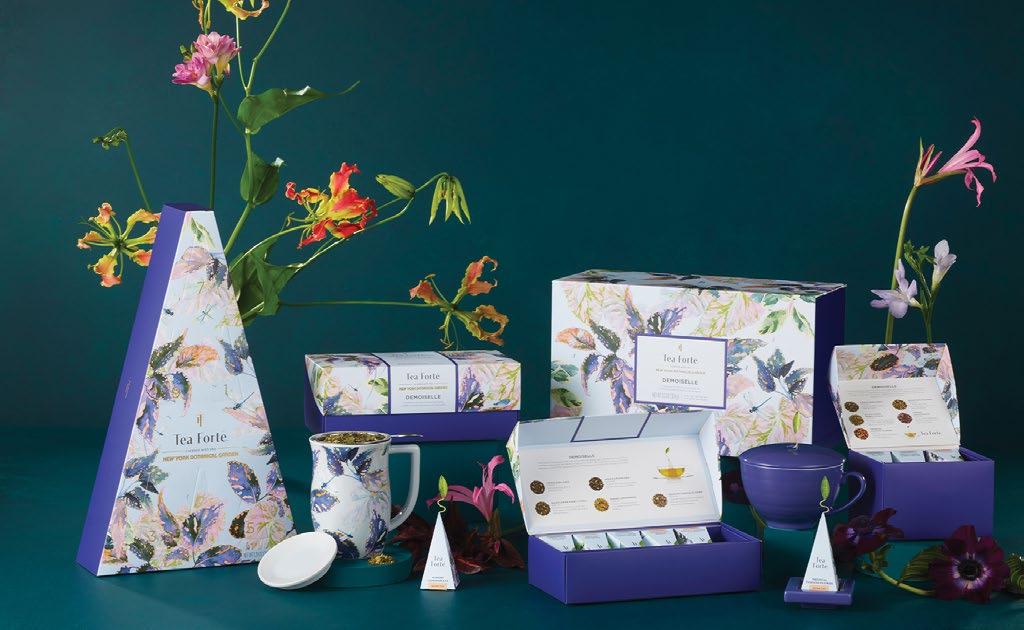
The New York Botanical Garden (NYBG) continues to scale its international presence, appointing new agents in Germany and the MENA region and securing a major DTR in stationery and gift for early 2026. NYBG also deepened its fashion footprint with global launches from Reiss, Cotton On, Bioworld, TopTen10 in Korea, MuseArta, Lost Pattern, and Alex + Ani. Longtime partners delivered strong new collections as well, including Tea Forté’s seventh NYBG line and BloomsyBox’s expanded live plant offerings. Stay tuned for many new global launches in 2026!
The Museum of Fine Arts, Boston (MFA) built its momentum in fashion and accessories with a Summer 2025 Uniqlo launch and a notable fine-jewelry collaboration with Monica Rich Kosann inspired by Japanese tsuba. Additionally, MFA further broadened its global reach by appointing BBM as its agent in the MENA region. In a major digital milestone, the Samsung Art Store premiered a curated MFA collection timed to the exhibition Of Light and Air: Winslow Homer in Watercolor, marking the first simultaneous physical and in-home exhibition experience for the platform. MFA is gearing up for a vibrant year ahead, with new launches spanning home textiles, apparel, décor, fur-
nishings, educational games, and craft—plus several notable DTRs in development. More announcements will follow as these programs near release.
As a newer addition to Jewel’s portfolio, the Natural History Museum London (NHM) has quickly generated remarkable interest well beyond the UK. The brand continued its global expansion with new representation in Japan and a recently signed new U.S. apparel partnership with Philcos, with additional U.S. deals to be announced soon. NHM also recently unveiled Age of Dinosaurs, an immersive VR experience with Sandbox VR launching in 2026—an innovative extension of its mission to inspire planetary advocates by bringing natural history to audiences worldwide.
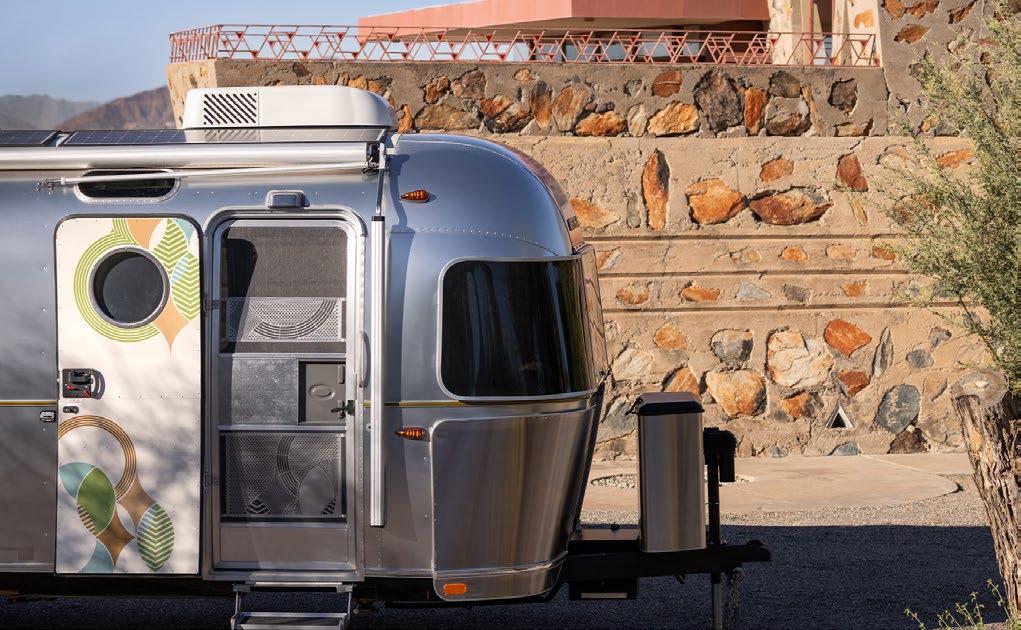
Honoring one of the most influential architects of all time, the Frank Lloyd Wright Foundation (FLWF) continues to expand its licensing program. Highlights included Brizo’s introduction of the Frank Lloyd Wright® Kitchen Collection, which channels the architect’s design philosophy, and the limited-edition Airstream Frank Lloyd Wright Usonian Travel Trailer—a striking tribute to Wright’s vision and Airstream’s spirit of innovation. Looking ahead, 2026 is poised to be a banner year, with new launches across apparel, fashion accessories, and home furnishings, as well as significant momentum behind experiential programs to be announced later this year.
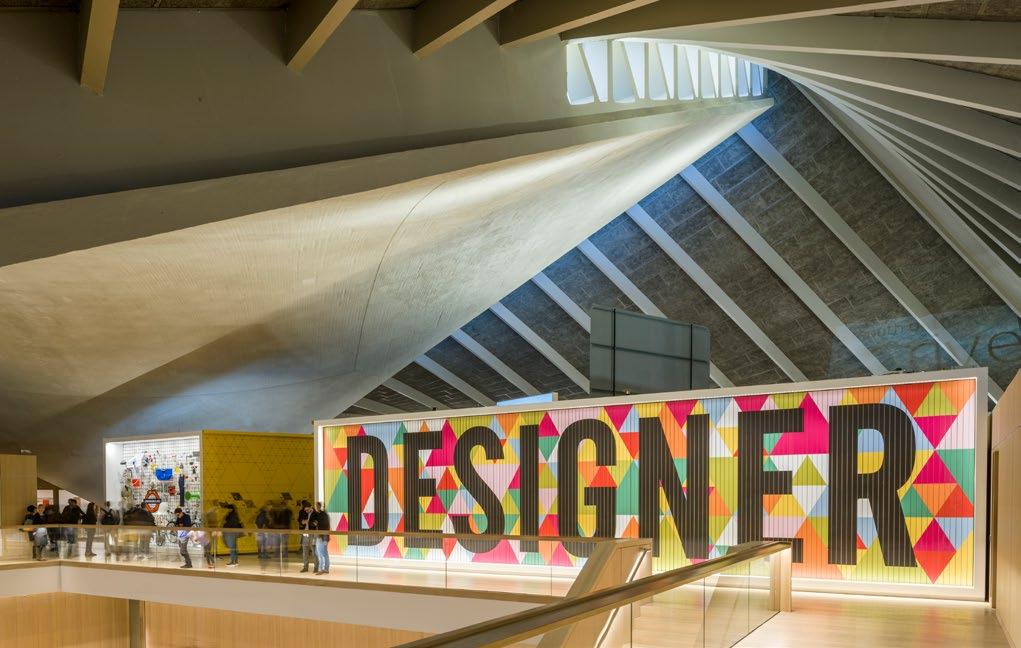
Global Merchandising Services has been
appointed the exclusive worldwide licensing agency for the Design Museum, a world-leading museum devoted to contemporary design in every form. In an unprecedented move for the museum, this partnership will launch a full-scale global licensing programme designed to engage consumers through curated, design-led collaborations. As part of the agreement, Global Merchandising will develop a robust licensing strategy across a broad spectrum of categories including home, fashion, stationery, textiles, interactive, experiential, and beyond. The programme will also showcase the museum’s acclaimed exhibition calendar by translating them into compelling consumer product lines Founded in 1989, the Design Museum is a
UK registered charity and a global hub for transformative design thinking. Welcoming over 600,000 visitors annually and reaching millions online, the museum’s influence spans education, culture, innovation, and sustainability, as showcased in successful partnerships with brands such as Barbie®, Bombay Sapphire, and Harvey Nichols.
“We are honored to be collaborating with one of the world’s most dynamic and future-facing cultural institutions,” said Oli Stanton, New Business Director at Global Merchandising Services. “The Design Museum’s innovative programming and influential exhibitions offer extraordinary storytelling and creative licensing potential that will resonate with consumers and design enthusiasts globally.”
“This is an exciting and strategic new chapter for the Design Museum,” added Lycia Lobo, Chief Operating Officer at the Design Museum. “With Global Merchandising’s expertise in brand building and international retail, we look forward to extending the museum’s reach into new territories and formats — sharing the value of design with broader audiences through imaginative, high-quality products.”
The programme will highlight key themes from the museum’s collections and exhibitions, including sustainable innovation, contemporary design history, and emerging creative voices — amplifying the museum’s unique narrative through impactful, commercially successful consumer experiences.
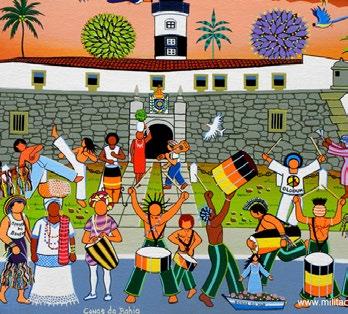
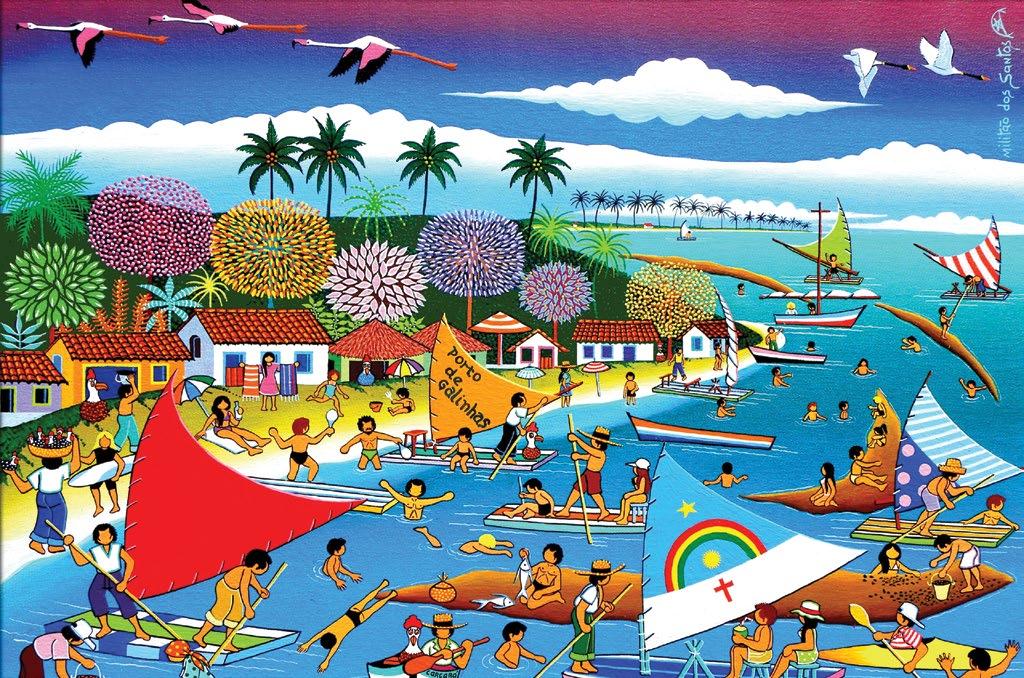
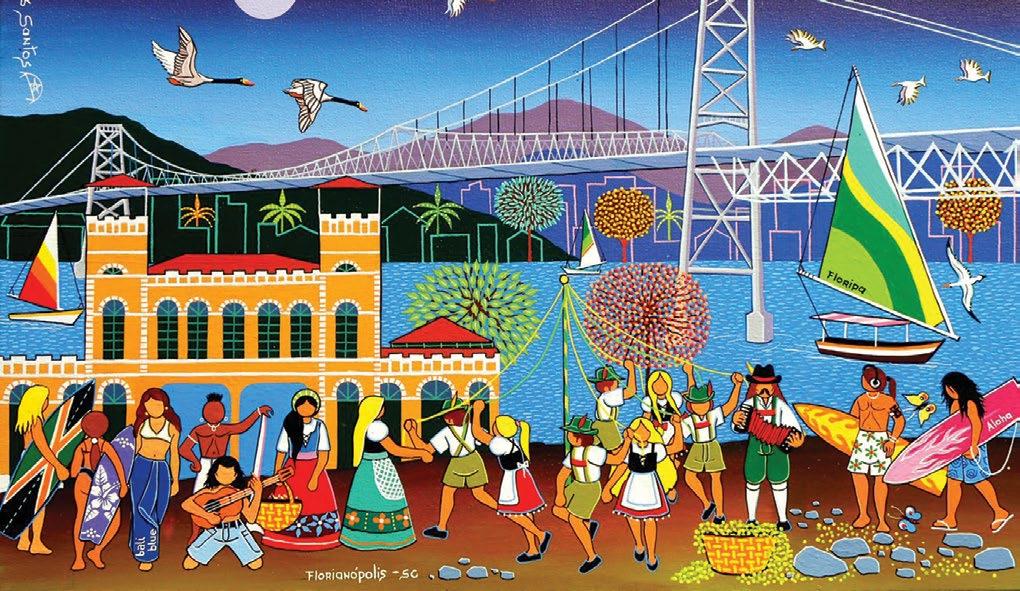
Brazilian Naïf Art, by Militão dos Santos, consolidates as a powerhouse for
According to a survey conducted by the Brazilian Contemporary Art Association (ABACT), in collaboration with the Brazilian Export and Investment Promotion Agency (ApexBrasil), the art market in Brazil moved R$2.9 billion throughout 2023, representing a progressive growth in interest in Brazilian art, not only in the national market but also abroad.
This scenario is corroborated by recent data indicating that Brazil has consolidated itself as a powerhouse among new art collectors, with an expressive increase in the presence of Brazilian works in international collections and prestigious institutions; according to the Survey of Global Collecting 2025, conducted by Art Basel in partnership with UBS, Brazil holds a prominent position in the international art market, accounting for 23% of the world’s new collectors. Within this movement, there are some representative exponents. A native of Pernambuco, in Brazil, Militão dos Santos is a Brazilian artist whose trajectory is marked by overcoming challenges. After losing his hearing at the age of seven, he refined his other senses and found, in painting, his perfect form of expression. His first exhibitions were at art fairs in squares within Rio de Janeiro. The artist has won several awards, honors, and
recognition for his unique work over the years and his work is known internationally. He is one of the main exponents of Naïf art, considered to have huge potential for expansion in the licensing market.
Brazil-based Tesaki Licensing is the agency responsible for the licensing the artist’s works. With the objective of transforming the artist’s vast visual heritage into products with high added-value, the agency acts in the curation and brand management, connecting the au-
thenticity of Militão’s canvases to commercial partners who seek to differentiate themselves through a solid cultural narrative. This collaboration ensures that the essence of the Pernambuco master’s work — which celebrates fauna, flora, and popular festivals, aspects that have been valued in the consumer and art market worldwide — reaches new formats and audiences with professionalism and market vision. Through curation, the “naive and innocent” style characteristic of Naïf art is translated into versatile business opportunities, with strong visual appeal for various sectors. The portfolio already includes successful partnerships with major publishers such as Moderna, FTD, and Ática, in addition to licensing in consumer sectors such as Indústria Bandeirante and Bali Blue. The most recent launches include bottles, pots, and cups with exclusive prints.
“The partnership focuses on a comprehensive target audience, from the children’s and youth sector to adults who value cultural sophistication. As an example of the application of these works, the ‘Bandeira do Brasil Naïf’ contextualizes national biodiversity with vibrant colors, allowing lines to be explored that range from kitchen utensils and interior decoration to beachwear and stationery. The result unites the Brazilian soul with commercial excellence,” commented Sedamar Esaki, CEO of Tesaki.
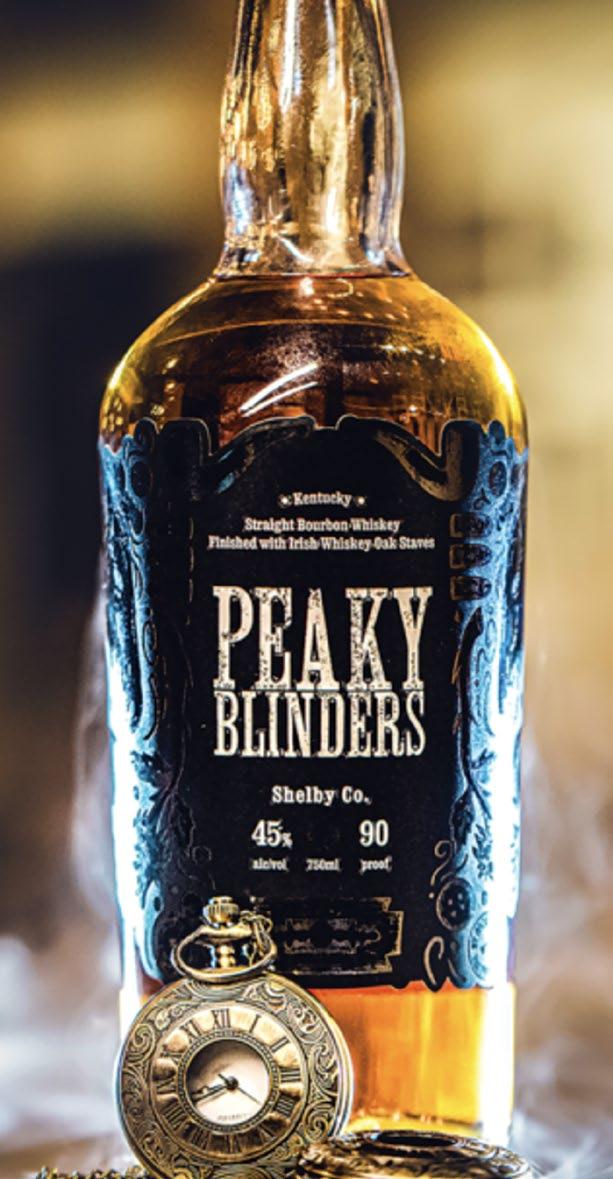
Barrel Global has announced it has partnered with the global entertainment brand behind Peaky Blinders to create a limited-edition whiskey. The new whiskey is the result of a collaboration between US-based barrel ownership platform Barrel Global and Banijay Rights, the global distribution arm of content powerhouse Banijay Entertainment. It’s the first in a new line of Peaky Blinders-branded spirits, which will be delivered by Barrel Global as a spirits partner of the show in select territories. Barrel Global partners with craft distillers around the globe, sourcing and blending select spirits that match innovative packaging with rich storytelling.
Leila Loumi, SVP Licensing and Merchandising, Banijay Rights added: “We were drawn to partner with Barrel Global because of their ability to act as a one-stop shop for creating the bottle from start to finish, while retaining the creativity and craftsmanship that we needed to bring the story to life. We can’t wait to see how the fans respond to this beautiful bottle.”
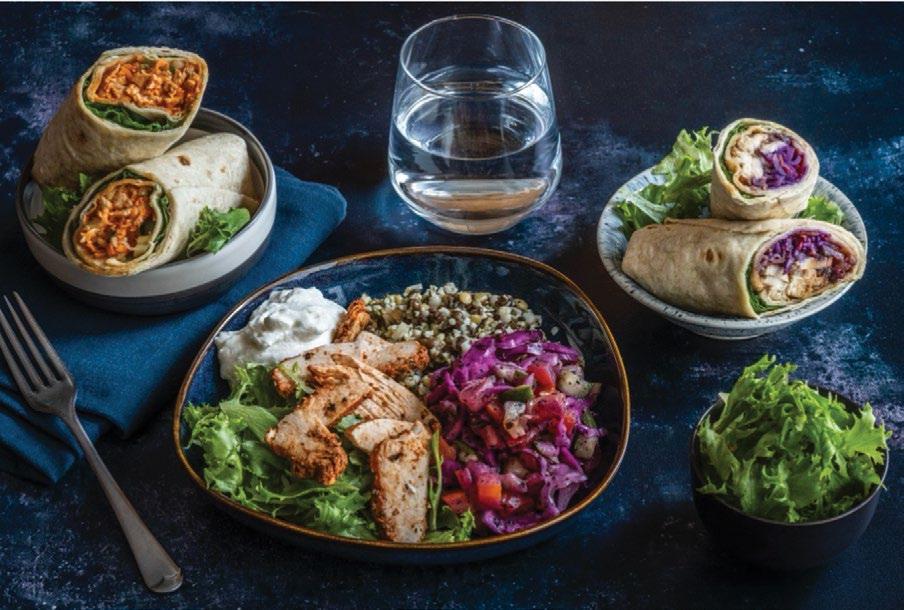
Myprotein has entered into a strategic partnership with Greencore, a leading producer of convenience foods. The collaboration will introduce a new range of Myprotein branded food on-the-go items, significantly expanding the brand’s presence in offline retail channels and continuing its successful strategy of launching new licensing agreements with best-in-class partners. Licensing agreements with category leaders including Müller, Iceland and Jimmy’s Coffee, led to sales of over 43 million Myprotein units intoretail during 2025. This strategy leverages its global brand recognition alongside specialised manufacturing and distribution expertise.

Jason Momoa has officially launched the next phase of Meili Vodka’s UK expansion, marking a significant milestone for the premium spirits brand he co-created with longtime creative partner Blaine Halvorson.
The UK rollout is being led by independent spirits brand Spirits of Anarchy, with activations across key regional cities celebrating craft, creativity and independent hospitality. Momoa has been personally involved throughout the launch programme, engaging directly with bartenders, chefs, venue owners and consumers as Meili strengthens its national footprint.
Positioned as more than a traditional spirits launch, the expansion centres on collaboration with leading independent venues, bespoke cocktail serves and experiential events designed to bring Meili’s ethos to life behind the bar.
“Meili is about balance, authenticity and the people behind the bar,” said Momoa. “The UK hospitality scene is full of artists, and it’s an honour to celebrate that creativity.”
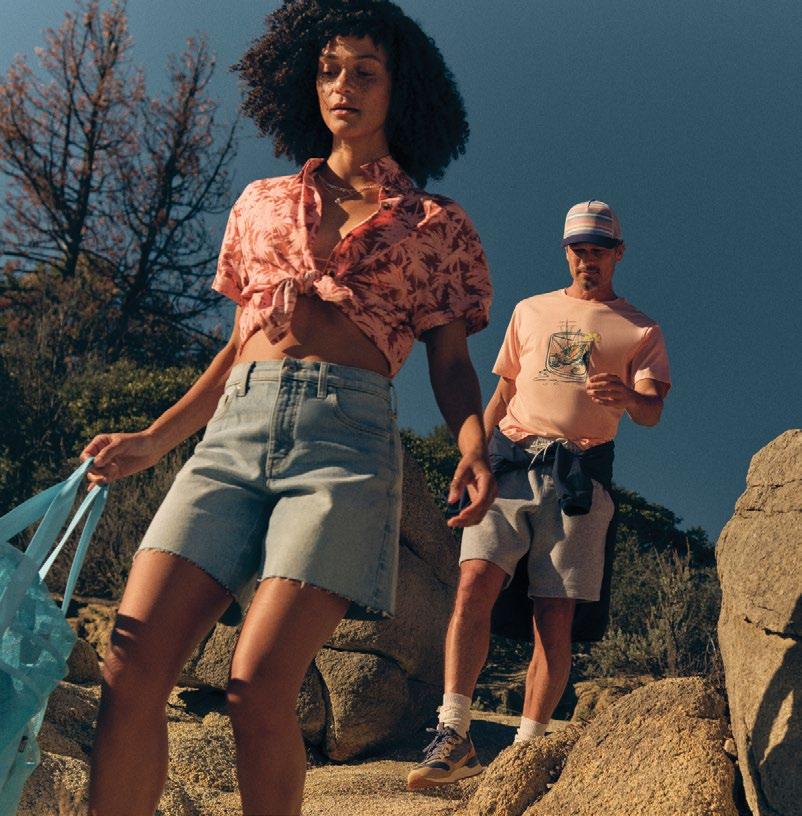
St. Moritz and Pure Brands Announce Strategic Licensing Partnership with Zara
Pure Brands has announced an exclusive partnership between St. Moritz and Zara, Inditex’s flagship brand.
Debuted in January as part of Zara’s Winter Launch, the limited eight-piece capsule collection spans women’s readyto-wear and accessories. The collection translates the distinctive identity and alpine heritage of St. Moritz into a contemporary, winter-focused offering, combining refined cold-weather silhouettes, premium textures, and subtle alpine references designed to move effortlessly between urban and resort settings. Brokered by Pure Brands and developed under the licensing partnership between St. Moritz and Inditex, the collaboration reflects a broader strategy to extend the St. Moritz brand into carefully selected product categories and global retail channels through curated, design-led partnerships. Zara’s international platform provides an ideal stage to introduce the St. Moritz aesthetic to a worldwide audience.
Eddie Bauer, the American outdoor brand, has announced a strategy centered on technical product innovation and digi tal expansion, anchored by the return of First Ascent, its elite performance line.
Supported by its new Spring 2026 campaign, which brings the technical assortment to life through authentic outdoor settings, the strategy signals a clear return to the performance roots that first established Eddie Bauer as a leader in the category.
Last month, Eddie Bauer announced the expansion of its partnership with Outdoor 5, a long-standing licensing partner with deep expertise in outdoor and performance apparel. Outdoor 5 now leads the brand’s e-commerce, wholesale, design and product development operations across the U.S. and Canada.
“In partnership with Outdoor 5, we are excited to put a spotlight on the brand pillars that have always defined Eddie Bauer: quality, functionality, and outdoor innovation,” said David Brooks, EVP, Action and Outdoor Sports, Lifestyle at Authentic Brands Group, owner of the Eddie Bauer brand. “We are also proud to announce the return of First Ascent, one of Eddie Bauer’s elite, performance-tested lines. Our focus is on Eddie Bauer’s roots in the outdoors while expanding its digital and wholesale reach to meet adventure-seeking consumers wherever they choose to shop.”
Terry de Havilland has announced it has appointed brand‑building agency Golden Goose to develop and manage its global licensing programme.
The partnership marks a significant step in expanding the Terry de Havilland universe beyond footwear, opening new opportunities across fashion, lifestyle, and design categories. Golden Goose will oversee strategy, partner selection, and long-term commercial development, ensuring all licensed products reflect the brand’s distinctive aesthetic and legacy.
“We are entering a new chapter for Terry de Havilland,” said Darren Spurling the brand’s Managing Director. “Golden Goose brings deep expertise in licensing and a proven track record of elevating heritage brands. Their strategic approach and commercial insight make them the ideal partner as we expand into new categories.” Golden Goose will focus on building a curated portfolio of licensees aligned with the brand’s creative DNA, targeting premium partners who can translate Terry de Havilland’s bold, glamorous spirit into new product categories. “We’re thrilled to be working with such an influential British brand,” said Emma Coote, Account Director. “Terry de Havilland has an exciting, vibrant and sexy design aesthetic, impeccable history and a loyal global following. Our goal is to amplify these qualities through thoughtful, high-quality partnerships that honour the brand’s legacy and unlock new commercial potential.”
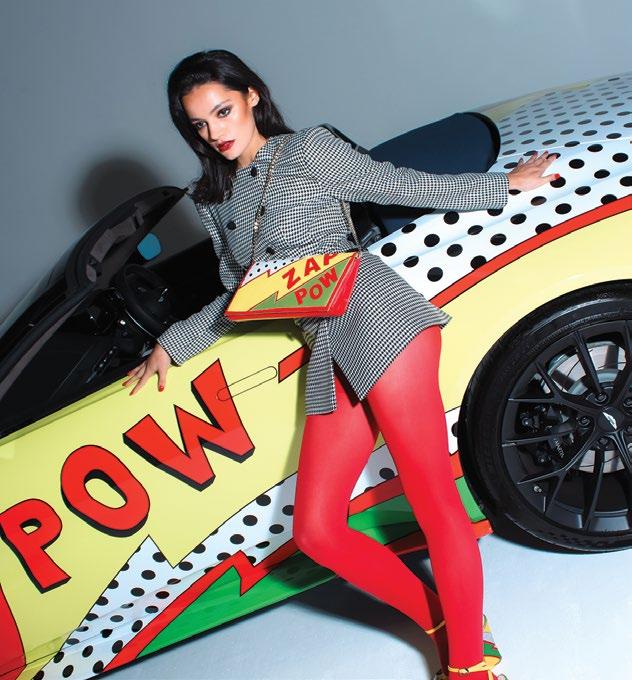

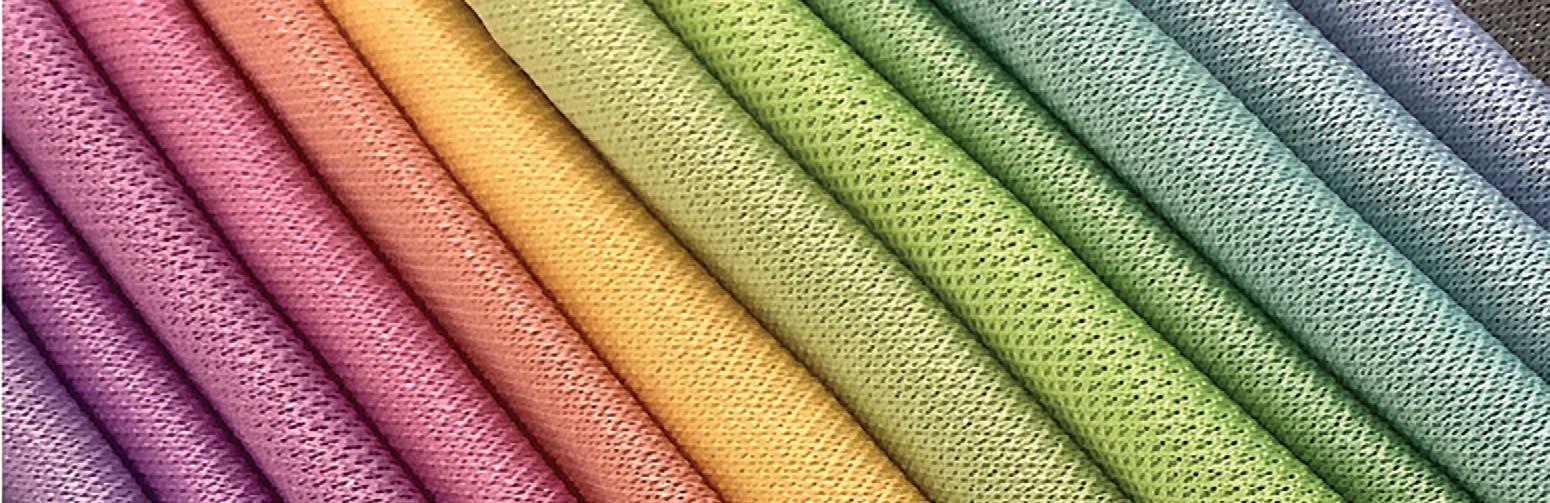
Sustainability in fashion can feel messy, complicated and slow – but the building blocks for real change are now firmly in place. With digital product passports improving transparency, circular models extending product life, and innovators re-shaping materials and manufacturing, collaboration across the value chain is turning ambition into action
The apparel and textile industry is one of the biggest categories in licensing, but also one of the most impactful. But change is afoot, and brands, innovators and legislators alike are making strides – some even leaps – forward to change the outlook.
Products of Change (POC), the brand and licensing industry’s sustainability body, is driving this momentum forward, by spearheading working groups, industry webinars and research, alongside those innovating the solutions, the retailers, and manufactur-ers, to explore collective solutions and future strategies for embedding sustainability throughout the fashion supply chain. The scale of the challenge is sobering. Fashion is the second most polluting industry after oil and gas, sending 92 million tonnes of waste to landfill each year, responsible for 10% of carbon emissions and 20% of industrial water pollution. But knowledge is power, and identifying the problem is the first step towards fixing it.
Stitching a path forward
While legislative bodies are working heads-down to introduce regulation that encour-ages better practice, future-focused businesses have already been implementing change, affording themselves both a head start and a powerful market differentiator.
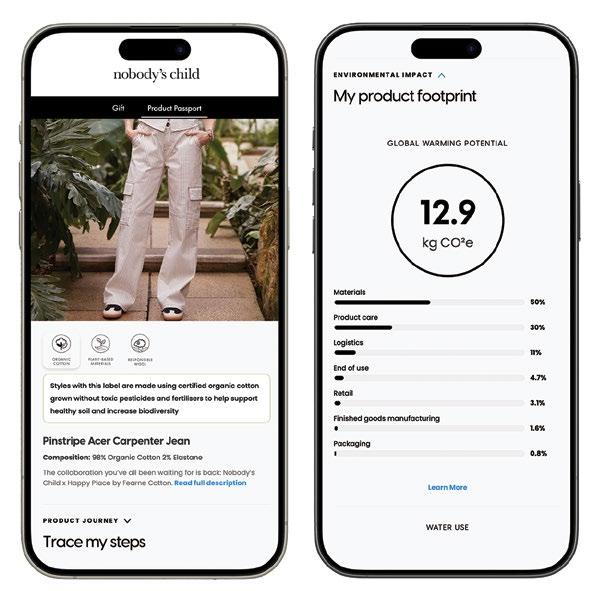
Nobody’s Child is a prime example.
Founded in 2015 by Andrew Xeni, the brand set out to create ethical clothing at an affordable price point. Hand-in-hand with his technology company Fabacus, Andrew has helped pioneer the rollout of Digital Product Passports (DPPs), a requirement under the EU Eco-design for
Sustainable Products Regulation, which will be introduced category by category, beginning with textiles.
“Without doubt the implementation of digital product passports has given the brand a lovely halo effect,” said Andrew. “The authenticity and honesty the digital product pass-ports demonstrate have delivered a return on investment through customer loyalty and engagement.”
Apparel and lifestyle products licensee, Difuzed has been rolling out the DPP across its product ranges, opening up transparency in its supply chain. Eelco Olivier Boelstra, di-rector of sourcing, buying and logistics at Difuzed, explained that there is no detailed regulation yet on what the DPP will actually require, however Difuzed is looking to in-clude product materials and composition, where it was produced, and the impact of the product.
As Julia Redman outlined in her webinar,
“traceability and transparency can feel compli-cated and messy, filled with acronyms and evolving frameworks.” But the ultimate goal is clear: full traceability back to raw material source, supported by realistic timelines, ac-tionable plans and robust data. DPPs are expected to include fabric composition, fibre origin, certifications, water usage and end-of-life strategy, while Extended Producer Responsibility (EPR) will make brands accountable for what happens to products after use. Crucially, these considerations must be built in at the beginning of the design and sourcing process.
Transforming transparency through circularity
Giving consumers visibility of your supply chain brings accountability. If brands are not playing their part, it will be visible –and customers may simply shop elsewhere. Trans-parency naturally drives better practice, often through circularity: designing products to use recycled or recyclable materials and ensuring clear end-of-life solutions.
Primark has been embedding this thinking for several years. Currently, 74% of its cloth-ing contains recycled or more sustainably sourced materials, with a target of 100% by 2030, and all clothes recyclable by design by 2027. The business has developed a Durability Framework to assess garment lifespan and is investing in recycling partnerships and pre-loved retail through WornWell.
Nobody’s Child has also embedded circularity into its business model, increasing mono-material design and expanding repair, rental and resale partnerships. Its rental programme has already seen gar-
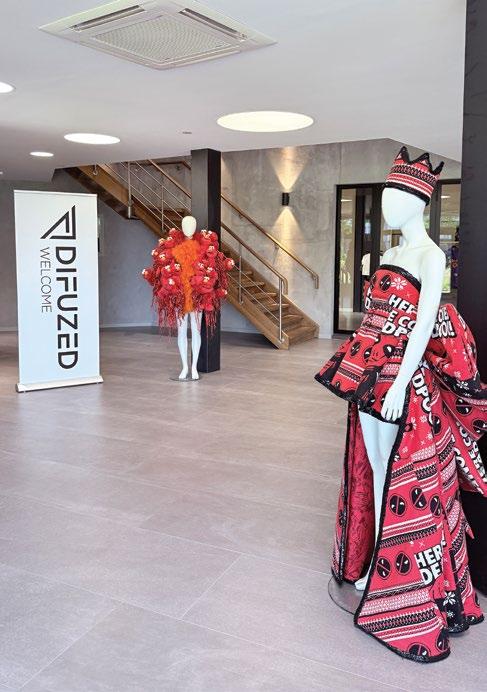
ments spend thousands of days in circulation, extending product life far beyond a single ownership cycle.
The consumer contradiction
Yet despite growing sustainability awareness, consumer behaviour remains conflicted.
Tamara Sender Ceron from Mintel unpacked this dichotomy at the POC Conference at the end of last year, highlighting a persistent “saydo gap” between what consumers say they care about and how they actually shop.
Almost half of women aged 16–34 have bought from ultra-fast fashion retailer Shein in the last year – a statistic that concerns sus-
tainability professionals but also underlines the importance of understanding why. Mintel identifies three key shifts shaping fashion behaviour: a growing focus on value, increasing mistrust of sustainability claims, and rising expectations around convenience. Consumers are buying less, thinking more about lifetime value, and increasingly engag-ing with second-hand markets. At the same time, greenwashing has eroded trust, with many shoppers struggling to assess whether brands’ claims are credible. Convenience and frictionless shopping remain paramount.
To close the say-do gap, Tamara argues that brands must elevate value through durability, integrate resale into the retail model, rebuild trust through transparent storytelling and metrics, and make circular services accessible, visible and rewarding. Digital product passports, repair services, resale platforms and personalisation all play a role in strengthening emotional connection and extending garment life.
Innovation accelerating change
Innovation remains one of the most powerful levers for systemic change. The Mills Fabrica, a global innovation platform and investor in sustainable technologies, plays a critical role in accelerating start-ups across textiles and food, offering funding, collaborative workspace and public education.
Products of Change is proud to be continu-
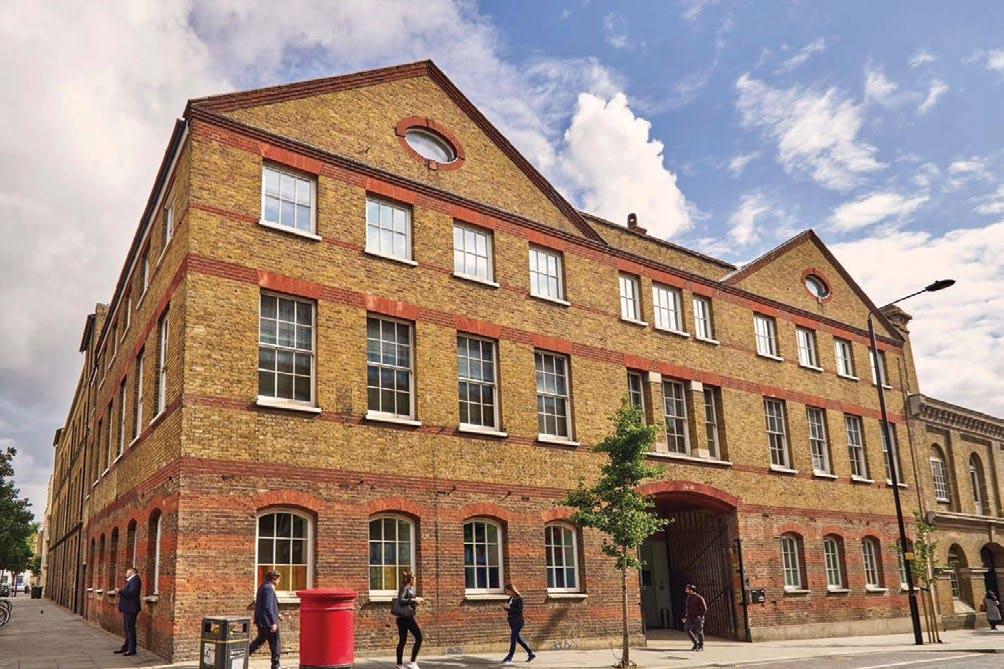
ing its partnership with The Mills Fabrica in 2026, bringing its latest innovators solving the challenges the industry is facing to the POC Community and hosting industry events and exhibitions within its inspiring London space.
The Mills Fabrica brought another inspiring session to the POC Conference, showcasing three of their innovators. Colorifix, uses microorganisms to engineer natural pigments, dramatically reducing water use and toxic chemicals in dyeing; Nanoloom, is in-troducing graphene as a non-toxic, chemically recyclable alternative to synthetic fibres such as elastane; Sparxell is also pushing material boundaries with biodegradable pigments
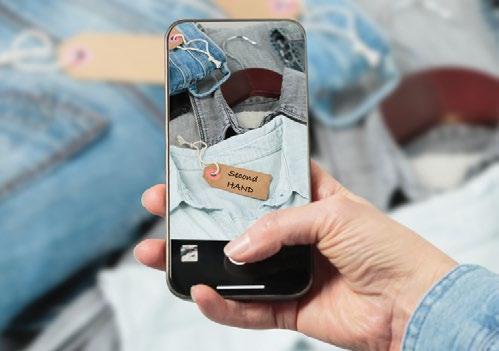
inspired by structural colour in nature. Each innovation represents a tangible step toward reducing environmental impact while unlocking new creative possibilities for designers and manufacturers.
The future is collaborative
The fashion industry remains one of the most pressing environmental burdens globally, impacting ecosystems and communities at scale. But the solutions are emerging – from legislation and traceability frameworks to circular business models and breakthrough material science.
“It’s like we have all the ingredients, but we need everyone in the supply chain to come together and figure out how to collaborate,” said Amy Tsang, head of Europe at The Mills Fabrica.
Collaboration is the drum Products of Change continues to bang – but it is the answer and the purpose of the organisation: to bring whole value chains together, putting aside competition, and working towards a planet that we can safeguard for many more generations to come.
The world of luxury clothing is defined by heritage, craftsmanship, exclusivity, and global cultural influence. At the top of this world sit a handful of iconic fashion houses whose names have become synonymous with status, artistry, and enduring value. These brands are not simply clothing labels; they are institutions that shape trends, influence culture, and command immense economic power.
Many of them also operate under carefully structured licensing agreements that allow their names to extend into categories such as eyewear, fragrances, cosmetics, and accesso-
What unites these top licensed luxury clothing brands is not simply their price or visibility, but their heritage and commitment to craftsmanship.
ries while maintaining strict quality control. Among the most influential luxury fashion houses are the great French maisons. Louis Vuitton stands as one of the most valuable
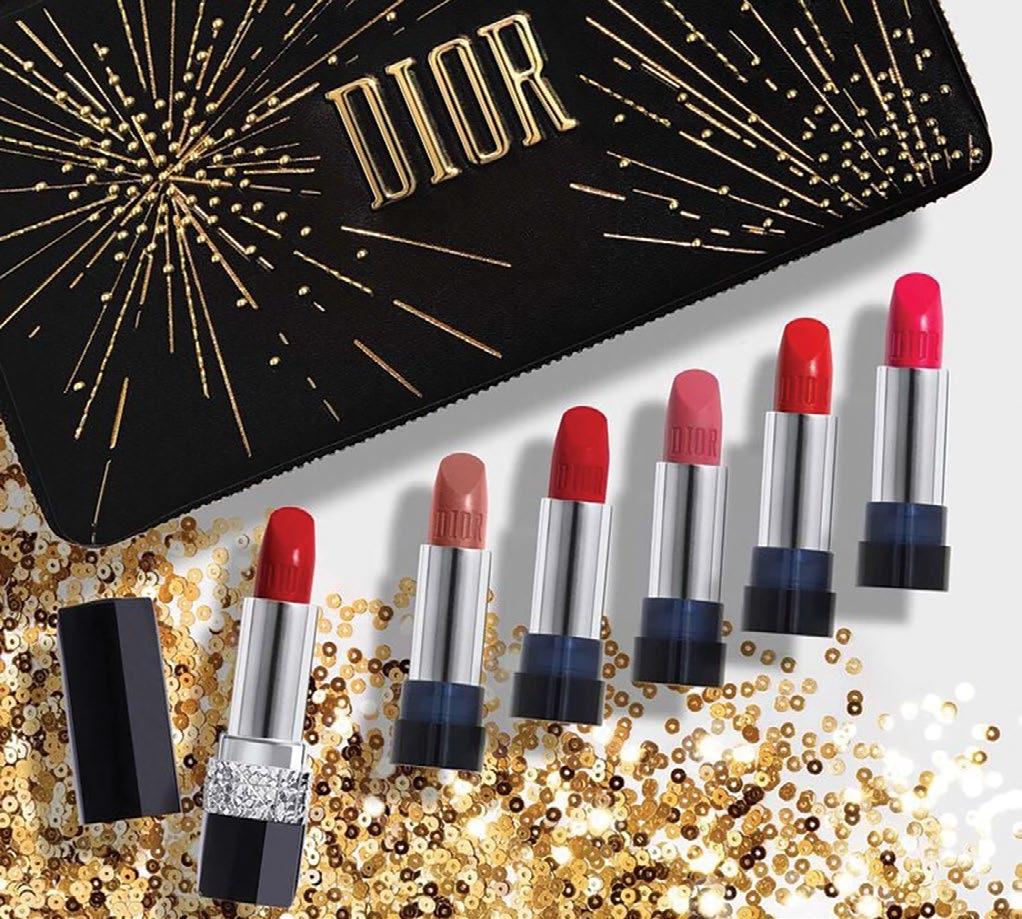
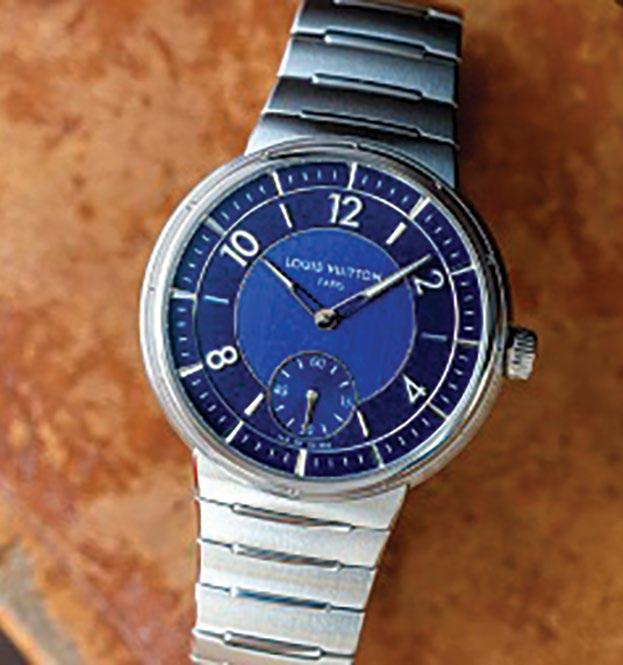
luxury brands in the world, renowned for its monogrammed leather goods and high-end ready-to-wear collections that blend heritage with modern innovation.
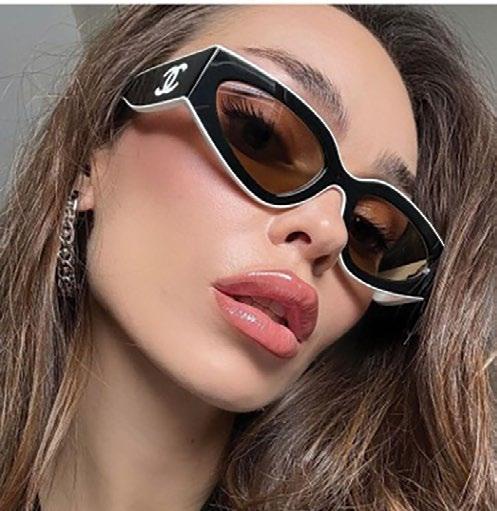
Chanel represents timeless elegance, famous for its tweed jackets, quilted handbags, and the enduring appeal of the little black dress. Dior revolutionized post-war fashion with its “New Look” silhouette and continues to dominate couture and luxury ready-to-wear. Houses such as Balmain and Celine further demonstrate France’s command of refined tailoring and minimalist sophistication.
Italy has likewise produced some of the most prestigious and enduring names in luxury fashion.
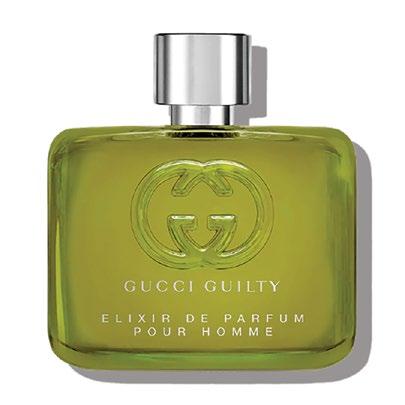
Gucci is globally recognized for its bold designs and iconic double-G insignia, constantly reinventing itself while preserving its heritage.
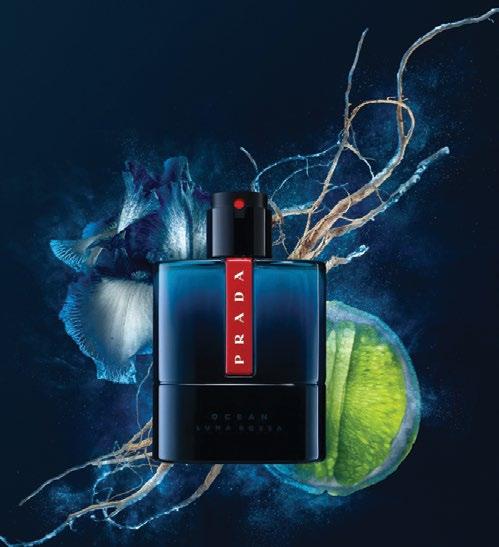
Prada is celebrated for its intellectual approach to style, combining sleek tailoring with unexpected materials such as nylon. Hermès,
although French by origin, shares Italy’s devotion to artisanal leather craftsmanship and is synonymous with meticulous hand-finishing and exclusivity.
Armani built its reputation on clean lines and understated elegance, extending its influence through licensed categories such as eyewear and fragrance. Valentino remains celebrated for couture-level eveningwear and its distinctive use of signature red.
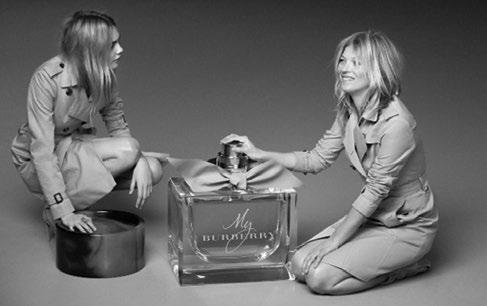
In the United Kingdom, Burberry has long represented British heritage, combining its iconic trench coats and signature check pattern with contemporary runway innovation.
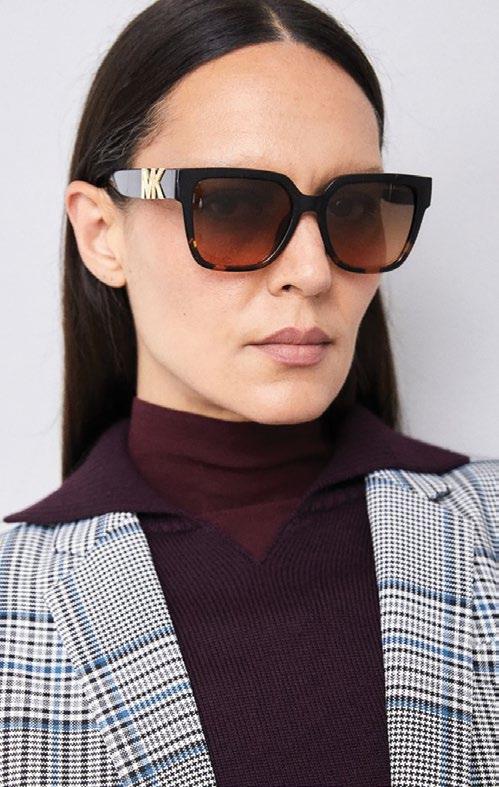
Across the Atlantic, American luxury brands have carved out their own identity. Ralph Lauren embodies a vision of aspirational lifestyle dressing rooted in classic Americana. Coach and Michael Kors have become leaders in accessible luxury, offering premium craftsmanship at comparatively approachable price points.
Meanwhile, Balenciaga has achieved global cultural dominance through bold, avant-garde designs that challenge traditional notions of luxury.
What unites these top licensed luxury clothing brands is not simply their price or visibility, but their heritage and commitment to craftsmanship. Many were founded decades, even centuries, ago and have preserved artisanal techniques across generations. Their ateliers and workshops uphold meticulous standards
in tailoring, fabric selection, and design execution. This dedication to excellence forms the foundation of their prestige.
Licensing plays a critical role in the expansion and profitability of these fashion houses. Rather than producing every product category in-
house, luxury brands often partner with specialized manufacturers to produce items such as eyewear, fragrances, watches, and cosmetics under strict licensing agreements. This strategy allows them to maintain quality while expanding into global lifestyle markets. Through licensing, a fashion house’s identity can extend far beyond clothing into a complete luxury ecosystem.
Exclusivity remains central to their appeal. Limited production runs, premium pricing, and carefully controlled distribution contribute to their aura of desirability. Owning a piece from one of these houses is often viewed not just as a fashion choice, but as a statement of identity and social distinction.
Today, the top licensed luxury clothing brands continue to dominate both the runway and the marketplace. Their cultural influence
reaches from fashion weeks in Paris, Milan, London, and New York to celebrity red carpets and digital platforms worldwide. By balancing heritage with innovation and craftsmanship with strategic licensing, these brands sustain their positions at the pinnacle of global luxury fashion.
Luxury car brands are more than manufacturers of high-performance vehicles; they are global symbols of prestige, innovation, craftsmanship, and refined taste. Over time, many of these brands have expanded beyond the automotive world through carefully managed licensing programs. By extending their names into fashion, accessories, technology, and lifestyle products, luxury automakers allow admirers to experience their identity beyond the driver’s seat. These licensed ventures transform automotive excellence into a broader expression of lifestyle and aspiration.
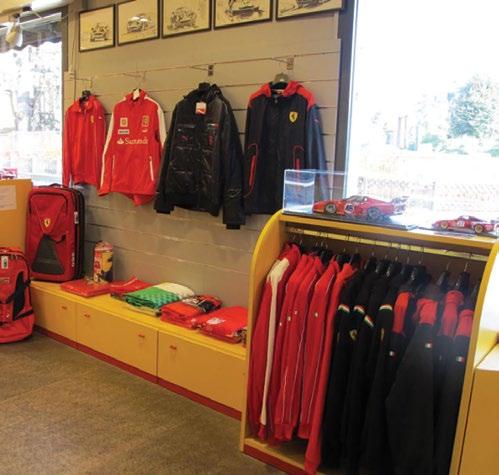
Ferrari, the legendary Italian marque founded in 1939, is synonymous with racing heritage and elite performance. Its association with Formula 1 and its iconic prancing horse emblem have cemented its position as one of the most recognizable luxury brands in the world. Beyond its supercars, Ferrari has built a substantial licensing portfolio that includes luxury apparel, Swiss watches, fragrances, scale model cars, and even themed entertainment destinations. The brand exercises strict control over its licensing agreements to ensure that every product aligns with its high-performance DNA and aura of exclusivity.
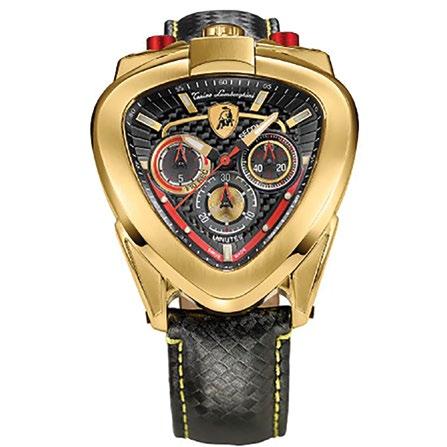
Similarly, Lamborghini has cultivated a powerful lifestyle presence. Established in 1963, the Italian supercar manufacturer is renowned for its bold design language and aggressive performance. Its sharp angles and dramatic styling influence not only its vehicles but also its licensed merchandise. Lamborghini-branded designer clothing, luxury furniture, limited-edition smartphones, toys, and premium luggage reflect the brand’s youthful and audacious character. The licensing strategy targets consumers who are drawn to statement pieces that project power and individuality.
At the pinnacle of automotive luxury stands Rolls-Royce Motor Cars. Founded in 1906 in the United Kingdom, Rolls-Royce represents the ultimate standard of handcrafted refinement and bespoke excellence. Unlike brands that pursue broad licensing strategies, RollsRoyce maintains an exceptionally selective approach.
Its branded offerings, which may include custom leather goods, home décor items, and lifestyle collections, are produced in limited quantities and uphold the company’s philosophy of uncompromising luxury. The exclusivity of these products reinforces the brand’s reputation for rarity and prestige.
Bentley Motors, another distinguished British automaker founded in 1919, combines performance with elegance. Bentley’s licensing strategy reflects its dedication to craftsmanship and refined aesthetics.
The brand has extended its influence into high-end furniture collections, fragrances, luxury watches, and leather accessories. Collaborations in premium audio and interior design further express Bentley’s emphasis on comfort and sophistication. Through these ventures, Bentley translates automotive craftsmanship into curated lifestyle experiences.
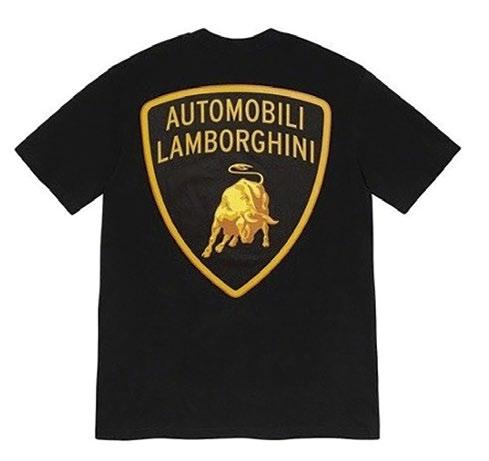
Porsche, the German manufacturer established in 1931, exemplifies precision engineering and sporty luxury. Through its subsidiary Porsche Design, the brand has successfully bridged the automotive and lifestyle sectors. Porsche Design produces premium sunglasses, chronograph watches, travel bags, electronics, and office accessories that embody minimalist design and technical excellence. The clean lines and functional elegance associated with Porsche vehicles are mirrored in these licensed products, reinforcing a cohesive brand identity.
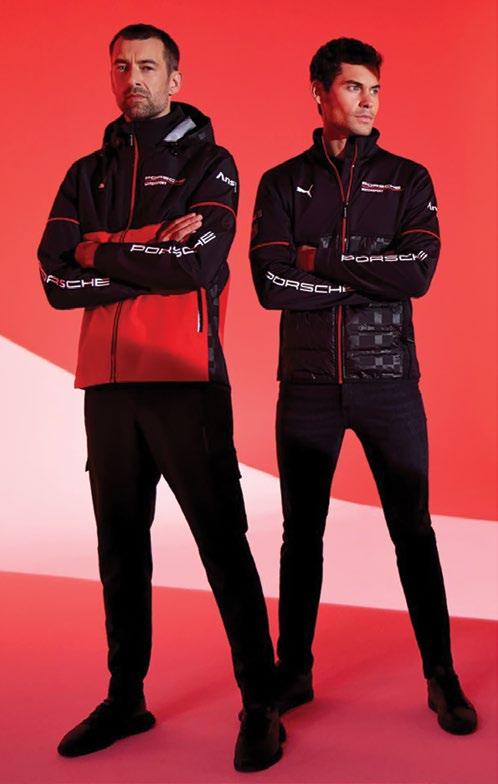
Lamborghini runs an extensive licensing program focused on lifestyle products, streetwear collaborations, gaming partnerships, and collectibles. The brand’s bold design language translates well into fashion and youth-oriented licensed categories.
BMW operates a large global licensing and merchandising program through BMW Lifestyle and BMW Motorsport. Products range from apparel and luggage to bicycles, model cars, and electronics accessories.
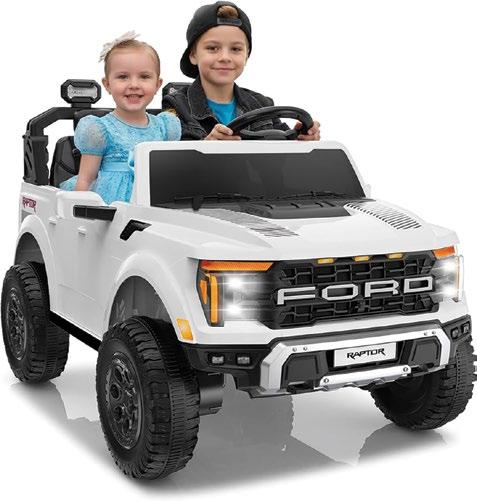
Mercedes-Benz maintains one of the most diverse automotive licensing portfolios. Beyond apparel and collectibles, Mercedes collaborates with fashion designers, esports teams, and luxury accessory manufacturers. Its Formula 1 partnerships significantly amplify global merchandise sales.
While luxury and performance brands dominate high-margin licensing, mass-market manufacturers such as Ford and General Motors operate extremely large licensing programs in terms of volume. Iconic sub-brands like Mustang and Chevrolet generate massive toy, apparel, and gaming merchandise sales worldwide.
The decision to license a luxury automotive brand serves several strategic objectives. First, it allows for brand extension, enabling companies to project their identity into new markets and industries.
Second, licensing diversifies revenue streams without requiring the significant capital investment associated with automobile production.
Third, it strengthens brand loyalty by offering enthusiasts products at varying price points, making the brand accessible to a broader audience while preserving its aspirational appeal. Finally, licensing enhances global visibility, ensuring that the brand remains present in everyday life far beyond the roads.
However, luxury brands must carefully balance expansion with exclusivity. Over-licensing can erode prestige and diminish the aura that distinguishes high-end marques from mass-mar-
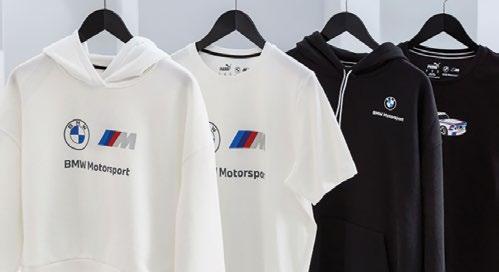
ket competitors. For this reason, brands such as Rolls-Royce maintain tight control over product availability, while others like Ferrari and Lamborghini manage distribution channels strategically to protect their image.
In essence, licensed luxury car brands represent a fusion of automotive excellence and lifestyle branding.
From precision-crafted watches to designer furniture and fashion collections, these extensions allow consumers to engage with the spirit of their favorite marques in diverse aspects of life.
Luxury, in this context, is no longer confined to the vehicle itself; it becomes a comprehensive ecosystem of design, performance, heritage, and identity that transcends the garage and permeates everyday living.
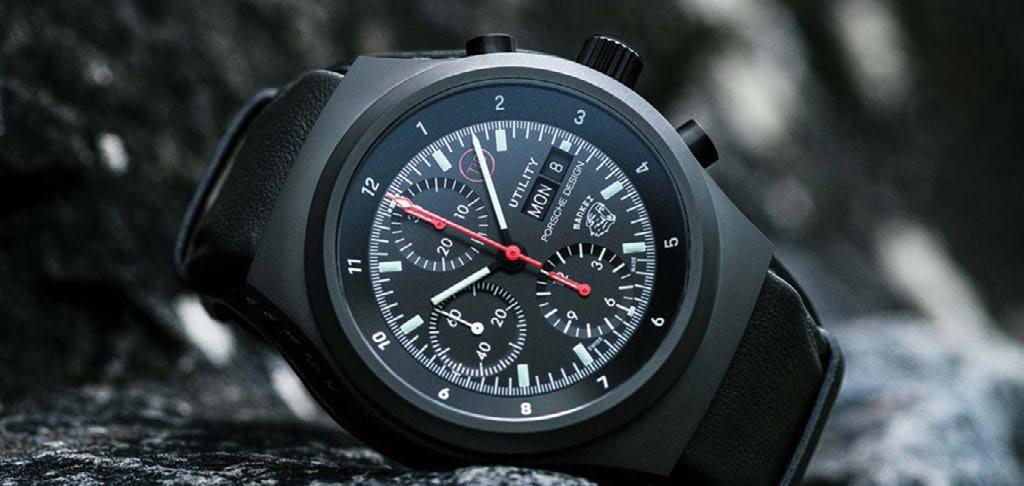

Copyright Licensing Agency (CLA) Returns to MENA with Renewed Strength, Strategic Focus, and Global Licensing Ambition
Following a powerful period of international expansion and strategic development in London, Copyright Licensing Agency is re-engaging the Middle East & North Africa licensing market with renewed focus, strengthened capability, and a portfolio of strong brands set to drive meaningful commercial growth across the region.
Founded in 2005 as the first independent licensing agency in MENA, CLA played a pioneering role in shaping the regional licensing landscape, delivering hundreds of successful deals, building retail and licensee ecosystems, and working alongside leading global IP owners. Today, CLA returns to MENA with greater experience, stronger international alignment, and a clear strategy to deliver value-driven licensing programs across consumer products, retail engagement, and experiential entertainment.
to Randy the Shark with their dynamic and colourful look and characters to match.
Commenting on the signing, Julien Barbier, Licensing Director at Brand Zone said, “We are thrilled to welcome Copyright Licensing Agency as our exclusive partner across the MENA region. Their regional expertise, market understanding, and proven licensing capability make them the perfect strategic partner to drive growth for Tattoo Zoo. We are confident their proactive approach and strong network will elevate the brand and unlock its full commercial potential in these exciting markets.”
“CLA has always believed in the strength, potential, and ambition of the MENA market,” says Hussein Ftouni, CLA’s founder and managing director. “Our return is driven by strategy, not sentiment. We are coming back stronger, better resourced, globally connected, and firmly committed to delivering structured, commercially successful licensing programs for our partners.”
Two key initial projects are Tattoo Zoo from Brand Zone and Winx Club from Rainbow SpA.
Tattoo Zoo is a new global Toy IP aimed at all ages. The master toy license will launch this year through Eolo Toys. Tattoo Zoo includes digital content assets and a core character launch line of 18 unique inked animals from Buddy the Monkey, Benny the Bulldog
Rainbow S.p.A., creator of the world-renowned franchise Winx Club, has appointed CLA as its exclusive licensing representative for the Middle East and North Africa. This strategic partnership will strengthen Winx Club’s presence across the region, expanding its reach through new consumer product categories, brand partnerships, retail activations, and immersive fan experiences.
Winx Club remains one of the most successful entertainment properties globally, celebrated
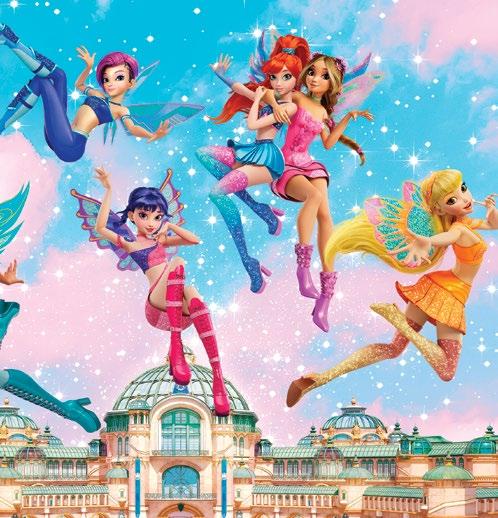
Hussein Ftouni
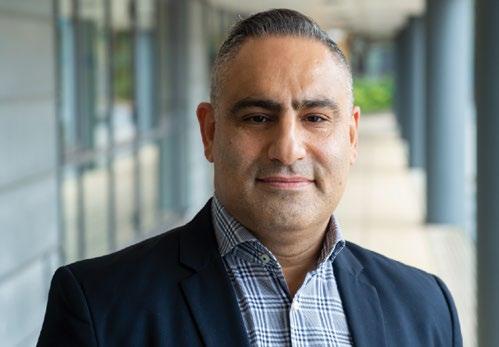
for its empowering storytelling, strong female characters, inspirational themes, fashion-forward design, friendship values, and emotional connection with audiences across generations. With a vibrant fanbase across kids, teens, young adults, and nostalgic millennial audiences, Winx Club continues to evolve through content, digital engagement, lifestyle initiatives, and consumer products.
The collaboration with CLA marks an important milestone in expanding Winx Club’s footprint in one of the world’s fastest-growing and most dynamic entertainment and licensing markets. CLA will work closely with Rainbow S.p.A. to build a comprehensive regional licensing strategy, forging impactful partnerships across apparel, accessories, lifestyle, publishing, stationery, back-to-school, collectibles, F&B, experiential activations, and more.
Hussein Ftouni, Founder & Managing Director of CLA said, “Winx Club is an iconic brand with powerful emotional resonance and a truly unique creative universe. The franchise has outstanding potential across the MENA region, where audiences value storytelling, character identity, fashion, fantasy, and aspirational brand worlds. CLA is extremely proud to partner with Rainbow S.p.A. to build a strong, sustainable, and commercially impactful licensing program. Our focus will be on delivering meaningful collaborations, innovative product development, and engaging consumer experiences that celebrate everything WINX Club stands for - empowerment, imagination, style, and friendship.”

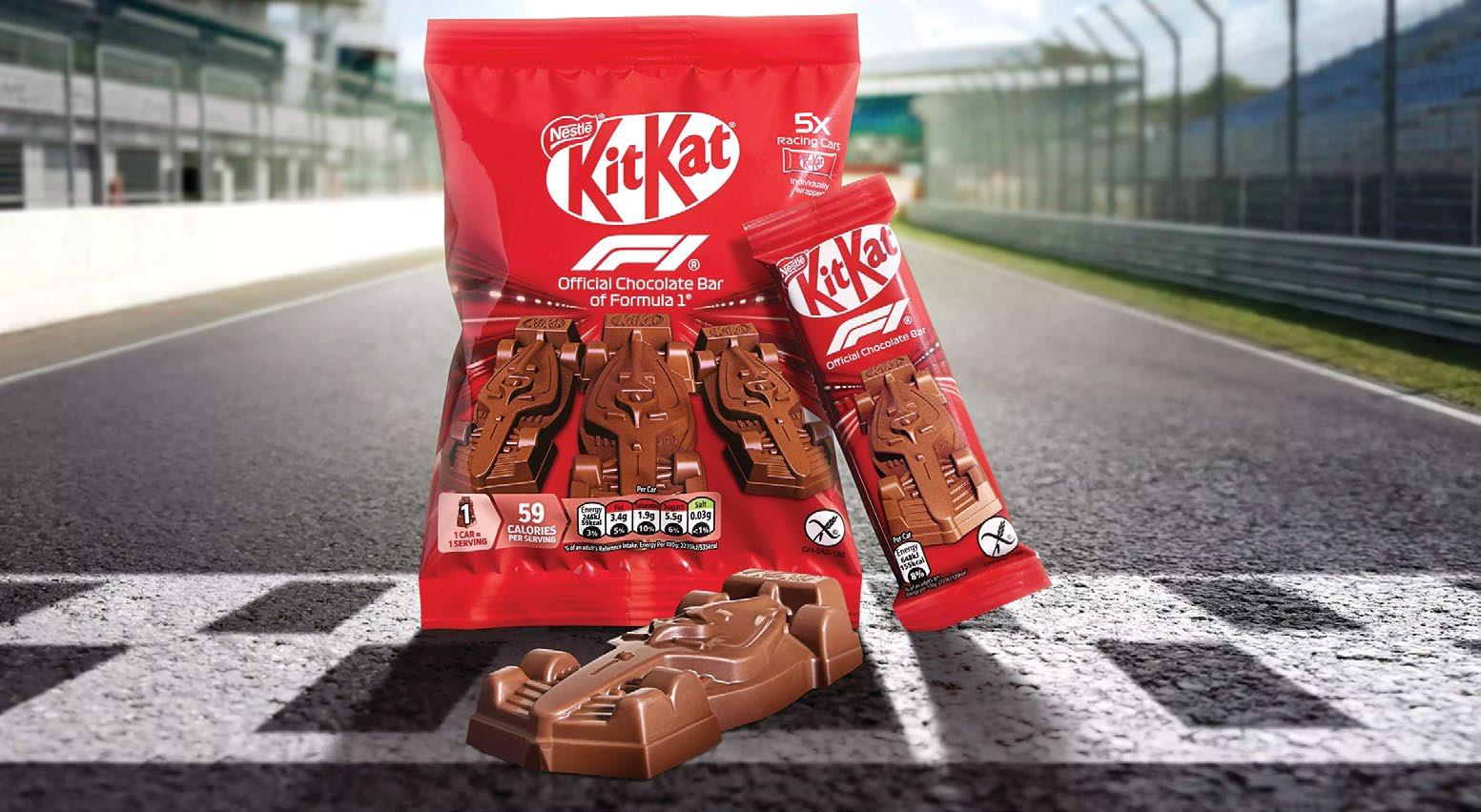
Brand Jam tracks and analyses over 300 innovative licensing collaborations and brand extension initiatives each quarter through its Collaborations Observatory. This issue highlights three emerging trends, each based on recent case studies that reflect how brands are reshaping consumer engagement through creativity, culture and storytelling.
For Season 12 of Fortnite Festival, Epic Games has chosen Lisa of Blackpink as the next featured artist - a move that aligns perfectly with the surging global influence of K-pop and its highly engaged fan communities.
Following previous integrations with Bruno Mars and Gorillaz, Lisa becomes the “main act” of Fortnite’s Starlux Music Pass, bringing her signature aesthetic and tracks from her debut solo album Alter Ego into the game. Her virtual performance is accompanied by Melodie Mars, the in-game character created as her supporting act, while players can unlock new Lisa-themed items, including an outfit inspired by her “Rockstar” video and exclusive Jam Tracks such as Rockstar, FUTW (Vixi Solo Version) and New Woman. From a brand perspective, the activation shows once again how Fortnite is positioning itself not simply as a game, but as a hybrid platform where mu-
sic, fashion, and digital identity converge. For K-Pop as a genre, the collaboration offers a direct touchpoint with international fandoms that increasingly use gaming environments as social and cultural spaces.
The result is a cross-industry model where music acts launch new personas, outfits, and tracks inside a digital ecosystem, turning virtual items into new forms of fan engagement. What began as concerts in a game is now evolving into full cultural collaborations — where artists extend their storytelling, fans expand their identity, and gaming becomes a fully-fledged stage for pop culture.
Last year, just two weeks after announcing the LEGO 1:1 models parading with their pilots at the Miami Grand Prix, F1 unveiled a strategic partnership with Mickey and Friends, set to launch in 2026.
You can read about the most interesting collaborations, merchandising, licensing and brand extension insights on BrandJam.it every week, and send any queries or comments to paolo.lucci@brandjam.it
According to the press release, the partnership “is turbocharged by the two brands’ shared affinity for creativity, entertainment, and innovation, bringing fans together around the globe through unforgettable, one-of-a-kind experiences”.
The same efforts to boost the audience through the mass-market licensed entertainment playbook’s rules are behind the other global partnership with Nestlé’s Kit Kat, named Official Chocolate Bar of F1 in what became Nestlé’s largest worldwide brand collaboration to date. Launched during the 2025 season - coinciding with KitKat’s 90th anniversary and Formula 1’s 75th - the agreement includes not only
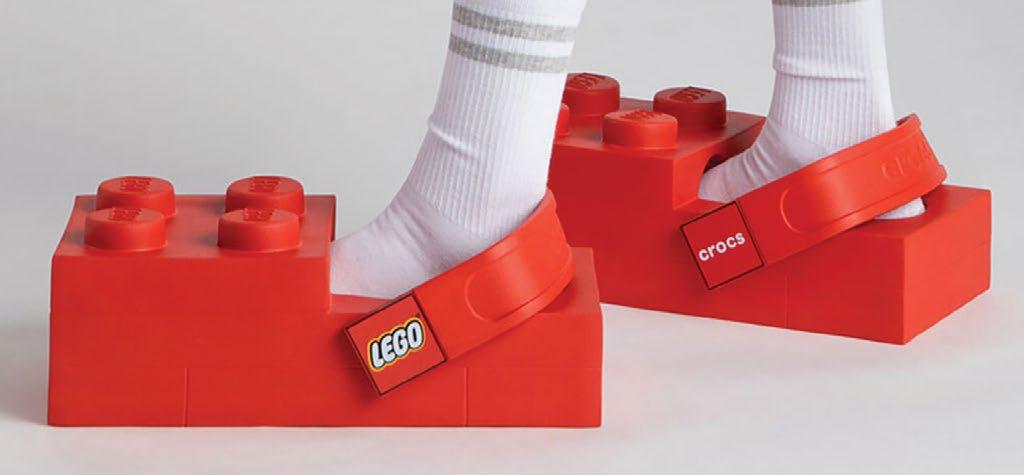
sponsorship-driven experiences on the race tracks, but also branded integrations tied to Netflix’s Drive to Survive, and new licensed product launches.
KitKat F1 Car - a chocolate snack molded like a Formula 1 single-seater, has just been announced some weeks ago. Developed with Nestlé’s R&D teams and produced in Italy, the product will roll out across more than 30 markets, in line with the F1 calendar.
In line with the pervasive “Pop Culture Economy,” F1 appears to be drifting towards theme
park entertainment, with adrenaline and competition being sugar-coated and gamified in a contemporary pop circus setting.
If execution is one of the key success factors in collaboration, scaling up a collaborative product can either help achieve the objectives or lead to failure just the same — depending, of course, on what those objectives are.
Recently, the LEGO Group has announced a multi-year global partnership with Crocs, a playful partnership designed to “create some-
thing that’s anything but ordinary” as the press release put it.
So much so that to launch the partnership, the two brands have introduced one “anything but ordinary” item – oversized brick-shaped clogs.
The pair, retailed at $149.99, features four studs stamped with the LEGO brand logo and an innovative brick-like outsole, and accompanying it is a LEGO Minifigure with four pairs of its own miniature Crocs shoes.
On an opposite front, French luxury bags brand Moynat launched unveiled last September a collaboration with artist Kasing Lung, creator of The Monsters characters, among which Labubu provided him his current stellar fame.
The collection, a far cry from the lean signature Moynat monogram, features bold Labubu and other The Monsters prints on bags and charms, and the brand doubles down at retail, with special installations like the pop-up in Honk Kong’s Belowground, a cultural and retail space that connects luxury brands with contemporary culture.
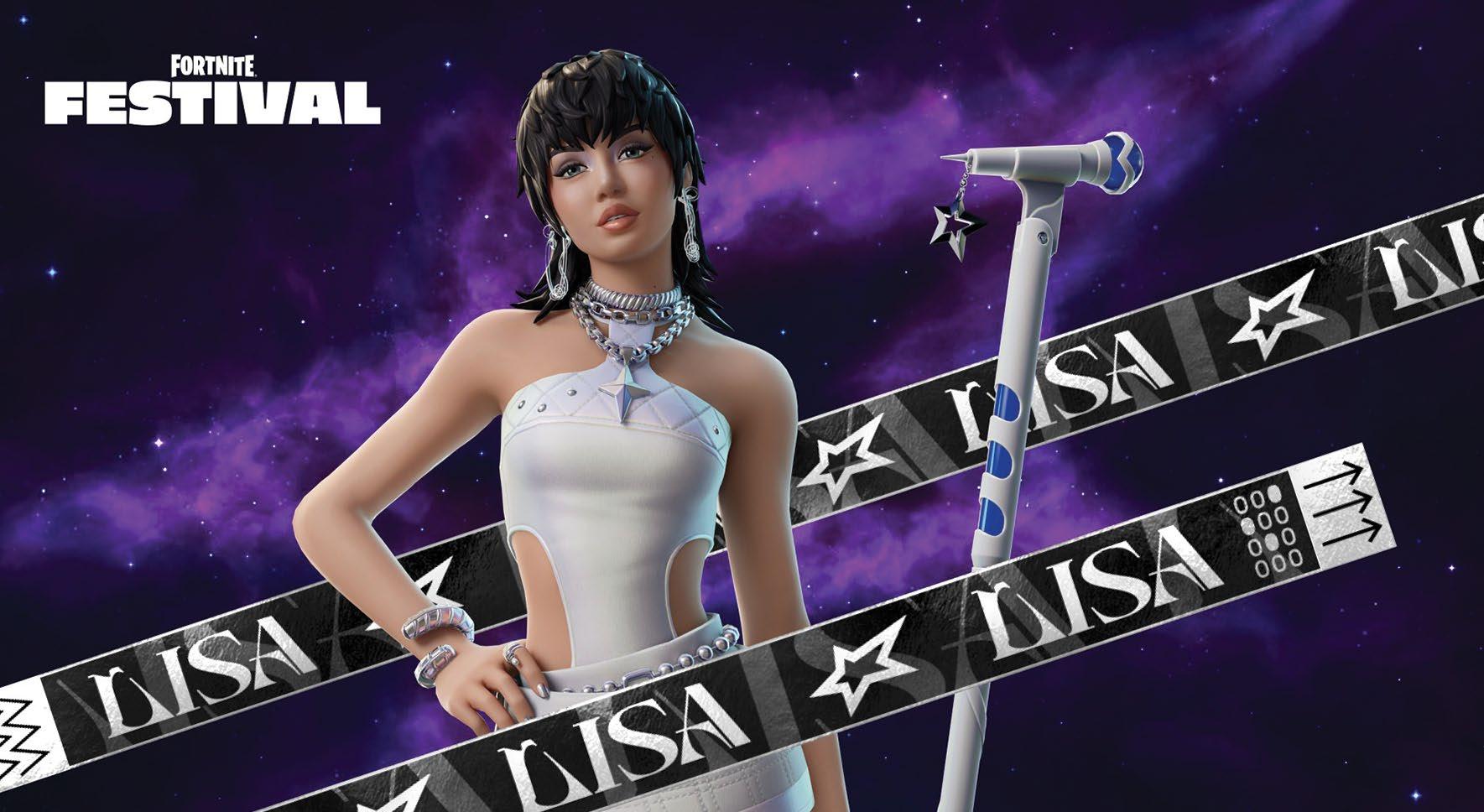

Artificial intelligence is not rewriting trademark law, but it is testing its limits in ways that courts, regulators, and businesses are only beginning to confront. As generative AI tools increasingly participate in branding, content creation, advertising, and automated commerce, trademark disputes are evolving in complexity. The underlying legal doctrines remain stable, yet the factual scenarios that give rise to infringement claims have become more technologically intricate and more scalable.
Under U.S. law, the Lanham Act continues to provide the core framework governing trademark rights and enforcement. Administrative oversight remains with the United States Patent and Trademark Office, while in Europe similar responsibilities fall to the European Union Intellectual Property Office.
Across jurisdictions, trademark protection is centered on preventing consumer confusion, safeguarding brand goodwill, and, in the case of famous marks, preventing dilution. These principles do not change simply because AI systems are involved. What changes instead are the actors, the mechanisms of creation, and the speed at which potential conflicts arise.
One of the most immediate areas of concern is AI-generated branding. Generative tools can produce logos, brand names, slogans, and product packaging concepts in seconds.
If an AI system generates a logo or name that is confusingly similar to an existing registered
mark, the legal analysis remains rooted in the traditional likelihood-of-confusion framework. Courts will ask whether consumers are likely to believe that the goods or services originate from, or are affiliated with, the trademark owner.
The fact that a machine generated the content does not eliminate liability. AI is treated as a tool, not a legal actor. Responsibility typically falls on the business that adopted and used the mark in commerce. In some circumstances, contributory trademark infringement theories - derived from cases such as Inwood Laboratories v. Ives - may extend liability to AI platform providers if they knowingly facilitate infringing conduct and have sufficient control over the instrumentality of infringement.
Another emerging issue involves the training of AI systems on datasets that include trademarked logos, brand imagery, and trade dress. Unlike copyright law, trademark law focuses less on copying per se and more on use in commerce and consumer perception. The mere ingestion of trademarks into a training dataset

may not constitute actionable trademark use.
However, risk arises if the system generates outputs that reproduce or closely mimic protected marks in a commercial context. For globally recognized brands such as Adidas or McDonald’s, dilution doctrines become especially relevant.
If AI-generated content blurs the distinctiveness of a famous mark or tarnishes its reputation, brand owners may pursue claims even in the absence of direct competition or traditional confusion. Courts will likely focus on whether the AI output functions as a source identifier or implies sponsorship or endorsement.
Deepfakes and synthetic advertising present an even more direct confrontation with established trademark protections. AI-generated advertisements that appear to be official campaigns can give rise to claims for infringement, false designation of origin, and false endorsement under Section 43(a) of the Lanham Act.
For example, if a synthetic video falsely suggests sponsorship by a company such as Nike, the key inquiry becomes whether consumers are misled into believing the brand authorized or endorsed the content.
Because trademark law is designed to protect consumers as well as brand owners, courts tend to view commercial deepfakes with particular skepticism. Monetization, reputational harm, and the degree of realism are likely to factor heavily into judicial analysis.
The rise of virtual goods and digital environments further complicates the landscape. Courts have already grappled with disputes
involving non-fungible tokens and virtual representations of branded goods. A central question is whether a trademark registration covering physical goods extends to purely digital equivalents.
Many brand owners have responded by filing new applications covering downloadable virtual goods, digital wearables, and online retail services related to virtual environments. Absent such filings, enforcement in digital contexts may be more uncertain, though existing confusion-based doctrines still apply where consumers perceive affiliation.
An additional and developing concern involves autonomous branding decisions made by AI-driven systems in e-commerce environments.
If an AI agent automatically generates product names, descriptions, or advertising copy that infringes a third-party mark, courts are unlikely to accept “the algorithm did it” as a defense. Automated decision-making systems are deployed and controlled by human actors or corporate entities.
As long as a mark is used in commerce in connection with goods or services, the deploying entity will typically bear responsibility. The automation of the decision does not sever the legal nexus between the business and the infringing act.
Across jurisdictions, regulatory approaches remain largely consistent with traditional doctrine. In the US, courts continue to apply multi-factor tests for likelihood of confusion and robust false endorsement principles.
The European Union emphasizes distinctiveness, reputation, and protection against unfair advantage, particularly for marks with a strong public profile.
The United Kingdom, though no longer institutionally tied to the EU, follows similar confusion-based principles while developing

its own post-Brexit jurisprudence. Notably, no jurisdiction recognizes AI systems themselves as rights-holders or independent legal persons capable of owning trademarks or bearing liability.
Looking ahead, several litigation themes are likely to gain prominence. Plaintiffs may increasingly pursue contributory liability claims against AI developers and platform providers, particularly where systems are designed to generate branded outputs or where safeguards are minimal.
Dilution claims may expand in response to mass-produced synthetic parodies or brand-adjacent imagery generated at scale. Trade dress disputes could arise where generative systems replicate distinctive packaging designs. Additionally, contractual litigation between businesses and AI vendors may intensify, as companies seek indemnification for trademark-related harms stemming from AI tools.
Despite these complexities, the central principle endures: trademark law protects source
identification in commerce and seeks to prevent consumer confusion and reputational harm.
Artificial intelligence magnifies both the opportunities for innovation and the risks of infringement, but it does not displace the doctrinal foundation of trademark protection. Courts are unlikely to carve out AI-specific exceptions that weaken enforcement. Instead, they will adapt established standards to novel technological fact patterns.
In practical terms, the integration of AI into branding and marketing demands heightened diligence rather than relaxed oversight. Human review, robust clearance procedures, and carefully structured vendor agreements will remain essential.
As AI continues to scale the production of names, logos, and advertising content, the legal system’s response will likely focus not on who - or what - generated the mark, but on whether its use in commerce deceives consumers or erodes the distinctiveness of protected brands.

By Jeff Lotman, CEO, Global Icons
By any measure, 2025 was a landmark year for brand licensing. With global retail sales of licensed merchandise and services reaching nearly $370 billion annually, licensing has evolved from a tactical extension strategy into one of the most capital-efficient drivers of enterprise value and brand expansion.
Yet the royalties themselves are only a small fraction of that total. The true impact of licensing lies not in the income statement, but in the expansion of brand reach, relevance, and long-term enterprise value.
More than ever, licensing has become the bridge between intellectual property, technology, retail, and storytelling. The smartest deals weren’t simply transactional - they expanded ecosystems, unlocked new audiences, and redefined how brands live in culture.
Licensing doesn’t build income. It builds enterprise value.
Here are five of the smartest brand licensing deals of 2025 - and what they reveal about the future of brand building.
Why it was smart:
Disney recognized that generative AI represents the next frontier for intellectual property.
For decades, Disney carefully controlled how its characters appeared and interacted with audiences.
Licensing those characters into AI platforms— where consumers can dynamically engage with and even co-create alongside them—ensures Disney’s relevance in a new era of computing.
Strategic impact:
Disney extended its IP into interactive infra-

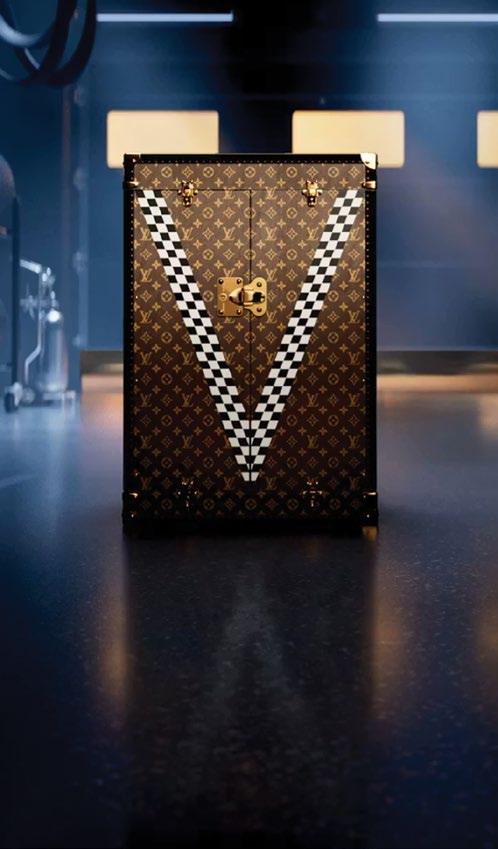
structure, positioning its characters to remain culturally dominant as technology evolves.
Strategic signal:
IP is no longer static. It is becoming participatory.
Why it was smart:
Formula 1 successfully repositioned itself from a sport into a global luxury lifestyle platform. Through partnerships with LVMH brands such as Louis Vuitton, TAG Heuer, and Moët Hennessy, Formula 1 expanded far beyond racing - entering fashion, hospitality, and premium consumer products.
Strategic impact:
• Elevated Formula 1 into a luxury licensing platform
• Expanded its reach into entirely new consumer categories
• Permanently increased its cultural and commercial relevance
Formula 1 demonstrated how licensing can redefine brand perception—not just extend it.
Why it was smart:
Apple used licensing not to generate revenue, but to deepen brand meaning.
Its partnerships with Hermès and Nike transformed Apple Watch from a technology product into both a luxury accessory and a performance brand.
These collaborations strengthened Apple’s emotional connection with consumers while preserving its premium positioning.
Strategic impact:
• Expanded Apple into luxury and performance categories
• Increased brand desirability and cultural relevance
• Strengthened Apple’s ecosystem without operational complexity
Apple licensed selectively—and strategically.
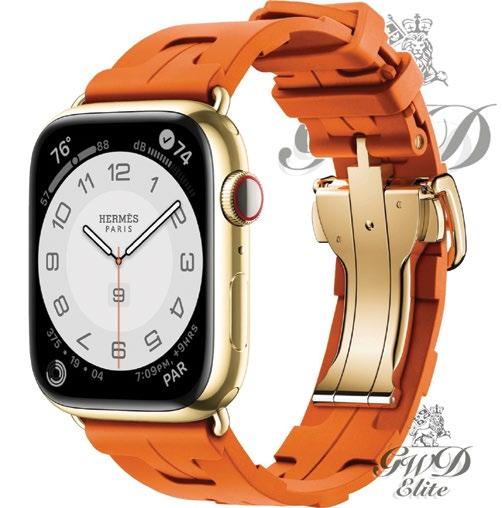
Why it was smart:
Roblox didn’t just participate in licensing - it became licensing infrastructure.
By enabling brands to integrate their intellectual property across millions of user-created experiences, Roblox created a scalable ecosystem where licensing could operate at unprecedented scale.
Strategic impact:
• Millions of creators effectively became licensees
• Created entirely new licensing revenue streams
• Positioned Roblox as foundational infrastructure for the future of brand extension
This represents a fundamental shift—from licensing as individual transactions to licensing as scalable platforms.

Why it was smart:
This collaboration, coordinated by Global Icons, unlocked the licensing potential of one of the most trusted and culturally significant brands in America.
The United States Postal Service holds a unique place in American life, with unmatched reach, recognition, and heritage. Partnering with Ralph Lauren - one of the world’s most iconic lifestyle brands - created a collaboration grounded in authenticity and shared national identity.
The partnership resonated because it was cul-
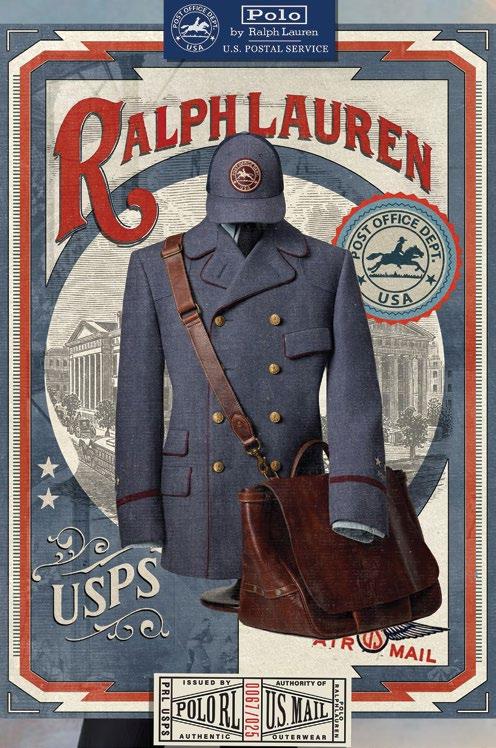
turally inevitable. Both brands represent enduring American values—service, reliability, craftsmanship, and timeless design.
Strategic impact:
The collaboration introduced USPS to new audiences while reinforcing Ralph Lauren’s position as a curator of American heritage.
This is licensing at its best—when the partnership strengthens both brands.
The Strategic Insight
The smartest licensing deals share a common principle: they allow brands to enter new categories, reach new audiences, and increase relevance—without adding operational complexity, deploying capital, or assuming manufacturing risk.
The most valuable brands in the world understand this.
Licensing is no longer a side business.
Licensing doesn’t build income. It builds enterprise value.
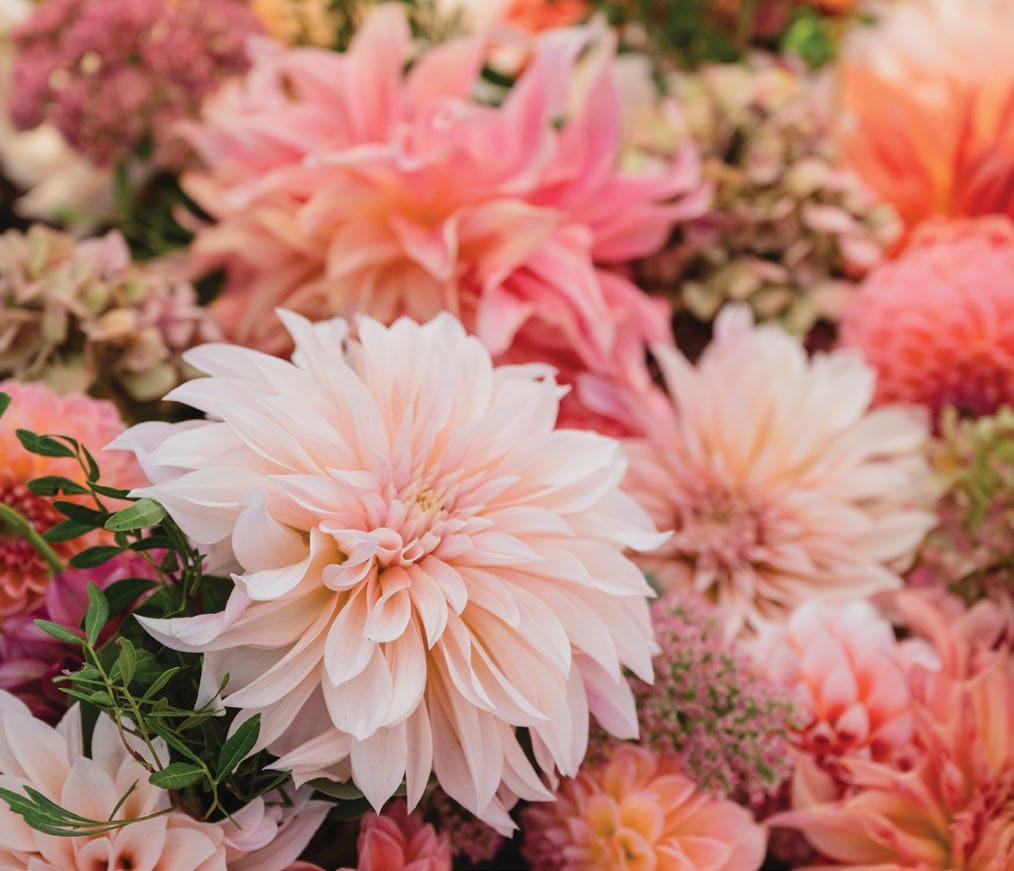
Many heritage brands have access to extraordinary resources that are integral parts of their history or associations. The Royal Horticultural Society (RHS) gardens and flower shows are perfect examples. Both are major attractions – for the public and RHS licensees
Heritage brands have more than just history to support their licensing efforts on behalf of some of the UK’s most famous institutions. There are artefacts, in the case of museums, and art, in the case of galleries, or even buildings and grounds in the case of stately homes and palaces.
But the Royal Horticultural Society can offer both art and locations. The RHS Lindley Collections includes books, photographs and important archives, as well as around 30,000 of the finest botanical artworks in existence –to help inspire style guides and design ideas.
The RHS Iris online photography and film database is a useful source of inspiration for the RHS Gardens for many licensees. Danilo’s wonderful calendars and diaries annually showcase stunning photography from RHS gardens and the iconic RHS Chelsea Flower Show, alongside exquisite illustrations from the RHS Lindley Collections.
The five RHS Gardens – RHS Garden Wis-
ley, RHS Garden Hyde Hall, RHS Garden Rosemoor, RHS Garden Harlow Carr, and RHS Garden Bridgewater – can also support licensees in other ways. Radley (handbags and accessories), Gibson’s Games (jigsaws and a card game) and Burgon & Ball (gardening tools) are among the many licensees that have used the RHS Gardens for a photoshoot, with more licensees planning to do the same this year.
Stunning photoshoots are not all these RHS Gardens can offer. When Crane Garden Buildings teamed up with the RHS to create the innovative and contemporary-styled RHS Cube Garden Studio, it drew inspiration from buildings in the RHS gardens, such as RHS Hilltop - The Home of Gardening Science at RHS Garden Wisley, which helped to influence the clean, crisp lines of the RHS Cube.
Premium garden furniture brand Bramblecrest designed and launched a collection of
garden furniture in collaboration with the RHS to mark its 25th anniversary last year.
‘The RHS by Bramblecrest Collection’ was inspired by RHS Garden Wisley in Surrey, RHS Garden Bridgewater near Manchester and RHS Garden Rosemoor in Devon.
The RHS by Bramblecrest Collection balances modern, innovative materials with classic country style to create an outdoor space made for relaxation, using responsibly sourced and recyclable materials.
Significantly, Bramblecrest was able to maximise exposure directly to audiences at the RHS Flower Shows. Tim Pennell, Bramblecrest head of sales, explains: “Showcasing our collection at the renowned RHS Chelsea Flower Show in London is a highlight in our calendar. Representing the pinnacle of horticultural excellence, this high-profile event shapes the future of gardening and brings the best of outdoor living into focus each year.”
He adds: “The RHS Chelsea Flower Show gives our brand the chance to truly connect with consumers on a scale like no other.”
As a heritage property licensee showcase the most prestigious flower show in the world is hard to beat. Rainer Schubert, Managing Director, Burgon & Ball explains: “The RHS Chelsea Flower Show reinforces the premium positioning of the Burgon & Ball brand, coupled with the unique RHS endorsement of the Burgon & Ball Garden tool range.”
He adds: “It gives us the opportunity to talk directly to our core loyal consumers, which is invaluable as we learn about their gardening experiences and how we can help. Each year
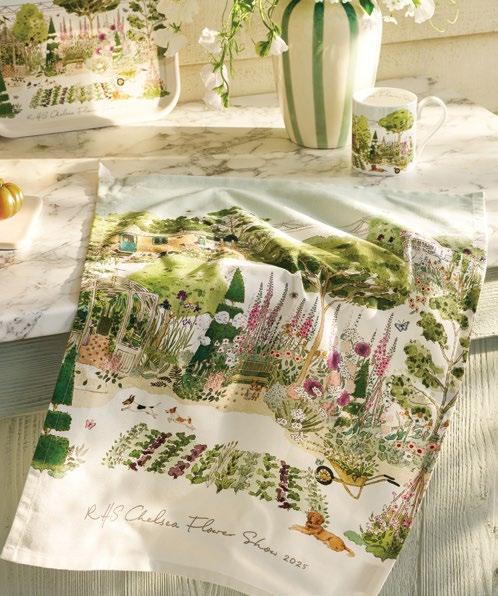
we learn something new!”
Lucy Macnamara, founder of this year’s firsttime exhibitor Aspiga, a sustainable fashion brand, is planning a late April launch for its special capsule collection with the RHS. She calls it “an opportunity to celebrate thoughtful design and connect with like-minded brands and visitors.” It certainly helps that “it showcases Aspiga’s commitment to sustainable style in such an iconic setting.”
The licensee connection with the RHS Chelsea Flower Show can be expanded further. In 2025 The Royal Horticultural Society announced a tie-up with homeware, kitchenware and accessories brand Sophie Allport to produce a 2025 RHS Chelsea Flower Show collection, creating a range of limited-edition memorabilia.
The range included a mug, a small tray, a cotton tea towel, a signed print and a cotton tote bag. The designs drew inspiration from company founder Sophie Allport’s love of English cottage gardens, while Sophie’s illustrations of a Jack Russell, a Golden Retriever and a Yorkshire Terrier were a nod to 2025’s much-anticipated RHS and BBC Radio 2 Dog Garden at the RHS Chelsea Flower Show. This association will continue into 2026 and beyond, a bonus for the company’s reach and for awareness of its work. As company founder Sophie Allport explains:
“The RHS Chelsea Flower Show gives us the opportunity to connect with customers who truly appreciate British design and quality, while reinforcing our roots in nature-led inspiration. It strengthens our relationships
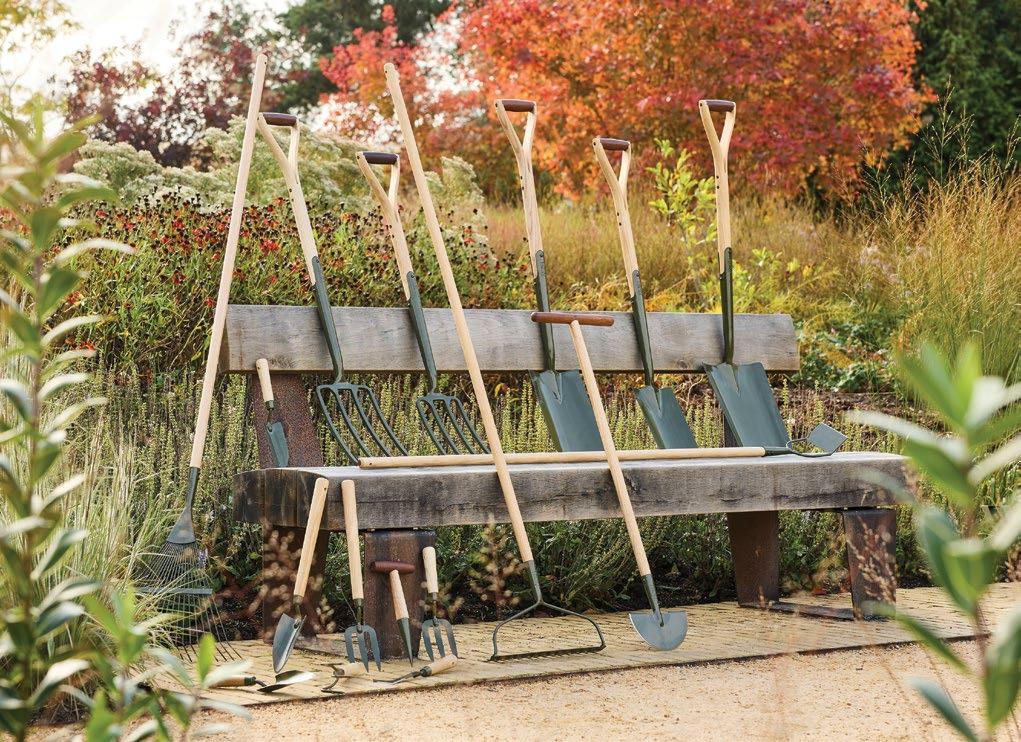
within the industry and consistently elevates the perception of our brand.”
While the RHS Chelsea Flower Show premise is to represent the pinnacle of horticultural excellence, rather than act as a licensee showcase, space is reserved to highlight RHS licensees and endorsements – including many beyond the world of gardening.
For example, visitors were able to see Willsow’s delightful range of RHS Plantable Seed Paper Calendars and Plantable Christmas Crackers as well as The Original Muck Boot Company’s gardening boots at the show.
Hartley Botanic’s aluminium glasshouses and greenhouses and Mr Fothergills Seeds also
have a strong gardening component. However, other categories, from long-term, new or returning licensees, are well-represented. Atlantic Mats’s recycled, washable doormats, Freckleface’s nature-inspired home fragrances, and Aspiga’s fashion offering have been or will be part of the event, not to mention winemaker Babylonstoren, which has supplied the official rosé of the RHS Chelsea Flower Show for several years.
Together these and other licensees underline the appeal of the brand both within and beyond gardens and gardening – and the importance of the RHS Flower Shows and RHS Gardens as showcases for their products.
Of course it’s not just about showcases, as Cathy Snow, Licensing Manager at the RHS explains: “The RHS Gardens and their scientific resources can support research and product development for both the licensing team and licensees.” She adds: “Access to five stunning and unique RHS Gardens, along with the RHS Lindley Collections — including its renowned botanical artwork — provides exceptional opportunities for photoshoots and imagery, making this an especially attractive benefit for many of our licensees. In addition, some licensees enjoy a presence at the world’s most famous flower show. Together, these assets are integral to the RHS identity, reinforcing its position as a distinctive and prestigious heritage brand.”
The debut of the Licensing Lab at Spring Fair provided a new and focused space for retailers, brands and designers to explore art and design-led licensing. It provided the perfect platform for Emma Lawrence Designs to showcase the breadth of her illustration portfolio alongside products created by her licensing partners. In addition she announced a number of new launches across home, gift and specialist retail categories. With nine of her existing licensees also exhibiting at the show, visitors were able to see how Emma’s story-led illustrations are interpreted across a wide variety of product types and retail environments.
As part of the new Licensing Lab feature, Emma was invited to speak about how licensing art and design can offer retailers a flexible way to develop distinctive, stand-out, exclusive product ranges. The talk was well received and generated strong discussion around the increasing demand for bespoke and location-based designs, as well as the value of illustration that tells a story and creates a deeper connection with customers.
Taking a stand at Spring Fair represented a different approach for Emma Lawrence Designs, allowing her to bring together existing licensees and opening conversations with potential new partners. Emma commented: “The reaction at the show was better than I could ever have imagined, with interest from both retailers and licensees. Being able to showcase my vast portfolio of illustrations and demonstrate their commercial appeal, all together, made a real difference. As many of my licensees are able to create bespoke ranges, there was a huge interest in how these all fit together to create something special. I am excited to see what the conversations I had at the show could lead to.”
One of the new launches at Spring Fair was with Samuel Lamont, who introduced a range of kitchen textiles featuring Emma’s detailed illustrations of UK locations, alongside her much-loved drawings of tractors and farm vehicles. Eddie Hunter, Sales Manager, remarked:
“We are delighted to debut our collaboration with British artist Emma Lawrence at Spring Fair 2026. Emma’s beautifully crafted illustrations bring a distinctive creative character to our new collection, and this partnership reflects our ongoing commitment to thoughtful, design-led product development. We’re proud to showcase this exciting range to retailers at the show.”
Following a meeting at Brand Licensing Europe, ethical gift brand Fair to Trade launched a festive range featuring Emma’s Christmas designs inspired by woodland wildlife, alongside her popular illustrations of cats, dogs, Highland cows, sheep and farm vehicles. Launching at the show, the distinctive and fresh illustrations appear across a range of cards and gift bags, alongside hand-painted baubles. All products are handcrafted by artisans in Nepal from recycled cotton rags and textile waste, aligning closely with the nature-loving ethos behind Emma Lawrence Designs.
Another new licensing partner announced at Spring Fair was jigsaw manufacturer House of Puzzles.
Location-based themes were also seen across a wide variety of confectionery gifts produced by Farrah’s of Harrogate, who Emma met at last year’s Spring Fair. Due to the popularity of the first range, which launched last summer, Farrah’s showcased new Christmas and Everyday collections, as well as a novel Thank You range. In addition, non-food gifts including bags, mugs and coasters featuring Emma’s gardening, farm and nostalgic designs were introduced, creating ranges particularly well suited to garden centres, tourist attractions and farm shops.
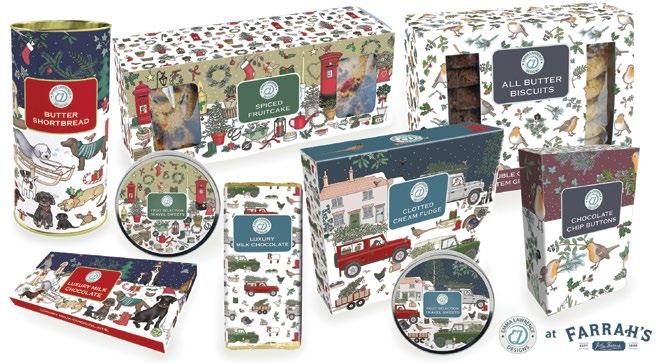
The Wheat Bag Company launched a collection of exclusive new designs created
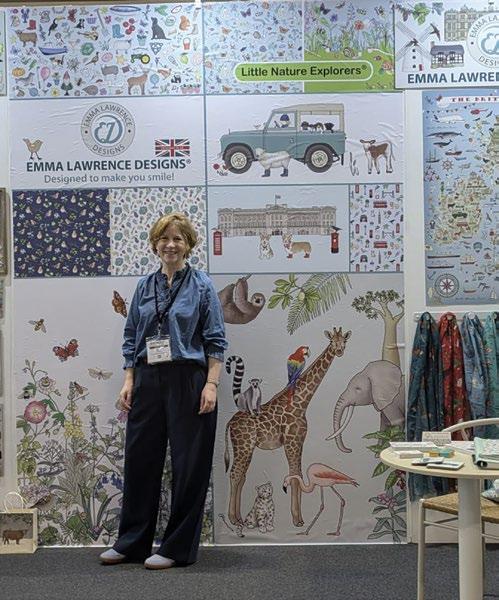
by Emma for their popular wheat bags. The range features dogs, cats, gardening, animals, sports, nautical and floral illustrations, offering broad appeal across customer groups. Sally Moore, Managing Director, stated: “I am really excited about the new collection, with many stunning designs created just for us. It has been great to work with Emma on the designs and to develop new ranges after the popularity of the first.”
For younger audiences, Gardening for Kids, first-time exhibitors at Spring Fair, demonstrated how Emma’s Little Nature Explorers® brand has developed beyond individual products into a cohesive, story-led range. Already producing Emma’s educational children’s books and popular growing kits, the brand extended the collection at the show with new gardening tool kits and watering cans. The range highlights how Emma’s illustrations and storytelling translate seamlessly across educational, practical and gift-led products, reinforcing the strength of the brand across multiple retail touchpoints.
The introduction of the Licensing Lab at Spring Fair highlighted the growing appetite among retailers for illustration-led licensing that combines storytelling, flexibility and commercial appeal. For Emma Lawrence Designs, the show marked an important milestone, reinforcing the strength of her licensing portfolio and the versatility of her illustrations across a wide range of retail categories.
www.emmalawrence.com