SHARON JACKSON AND THE VISION FOR A UNIFIED HEALTHCARE ECOSYSTEM
PG 24
“People are ready for a new approach to wellness—one that prioritizes prevention, vitality, and long-term health rather than waiting for illness to strike. Our health is our wealth, and without it, we have little to offer. By embracing solutions that support the body’s natural ability to thrive, we can reignite the energy and resilience of individuals, families, and our nation.”
Advisory Board: Dr. Arthur Katona, Dr. Francisco Cabal, Dr. Edmond Ng, Dr. Kianor Shah
CONTRIBUTORS MAGAZINE
A LETTER FROM THE EDITOR
Our mission and purpose at TopDoctor Magazine is to foster connections within the health and wellness community and empower our readers to make wellinformed healthcare and lifestyle decisions. We pride ourselves on being the ultimate resource for interviews with health and wellness leaders, trending medical news, and healthy living topics.
We understand that choosing a healthcare provider is a crucial decision. Our in-depth interviews with esteemed doctors and medical professionals aim to bridge the gap between them and their clients. By providing our readers with personal insights, philosophies, and areas of expertise, we facilitate a deeper understanding of the individuals responsible for your health and well- being. We also strive to highlight our outstanding practitioners, showcasing their dedication to their patients and contributions to the medical community.
The field of medicine is constantly evolving, with new practices, therapies, and technologies emerging at a rapid pace. At TopDoctor Magazine, we strive to keep you updated on the latest advancements in the medical world. Our comprehensive coverage of trending medical news equips both doctors and patients with the knowledge they need to make informed choices about healthcare options.
Building strong connections within the medical community is essential for enhancing patient care and driving medical progress. Our magazine serves as a bridge, connecting medical companies with doctors and vice versa. By facilitating these connections, we aim to catalyze collaborations that can lead to innovative solutions and improved healthcare outcomes for everyone.
It is our firm belief that well-informed individuals make better decisions about their health. By providing you with insights into established and emerging medical trends and technologies, we empower you to take an active role in your healthcare choices. Whether you are a healthcare professional seeking to stay updated on the latest advancements or a patient eager to make informed decisions about your well-being, TopDoctor Magazine is here to support you.
In every issue, we strive to uphold the highest standards of journalistic integrity, accuracy, and relevance. Our dedicated team of writers, editors, and medical experts work tirelessly to bring you well-researched and compelling content that is both educational and engaging. Moreover, our graphic design team is committed to delivering an aesthetically pleasing reading experience where captivating design seamlessly merges with informative content, ensuring each issue becomes an engaging journey of discovery.
As we embark on this mission to serve as your trusted source of medical information and insights, we encourage you to join us on this exciting journey. Your feedback and suggestions are invaluable to us, and we look forward to hearing from you.
Thank you for being a part of the TopDoctor Magazine community. Together, let us embrace knowledge, forge connections, and make informed decisions to lead healthier lives.
With warmest regards, Hannah
H.
TABLE OF CONTENTS
10
THE SURPRISING BENEFITS OF GROUNDING
16 24 34 42
THE IMPORTANCE OF RESISTANCE TRAINING WHILE TAKING PEPTIDES
BRIDGING THE DIVIDE: SHARON JACKSON AND THE VISION FOR A UNIFIED HEALTHCARE ECOSYSTEM
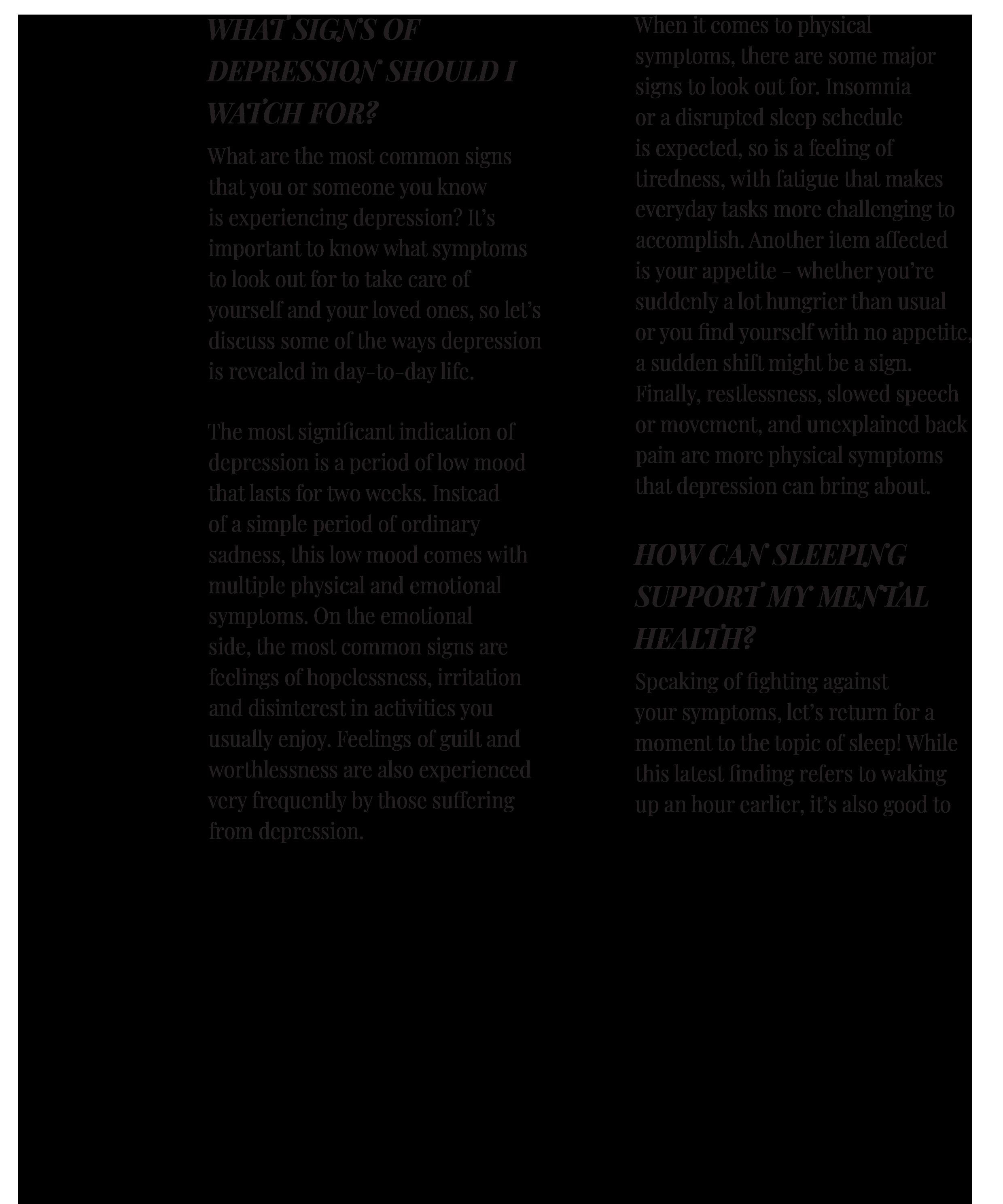
BRIGHT AND EARLY: HOW YOUR SLEEP SCHEDULE CAN HELP YOU FIGHT DEPRESSION
THE HERBAL MEDICINE CABINET
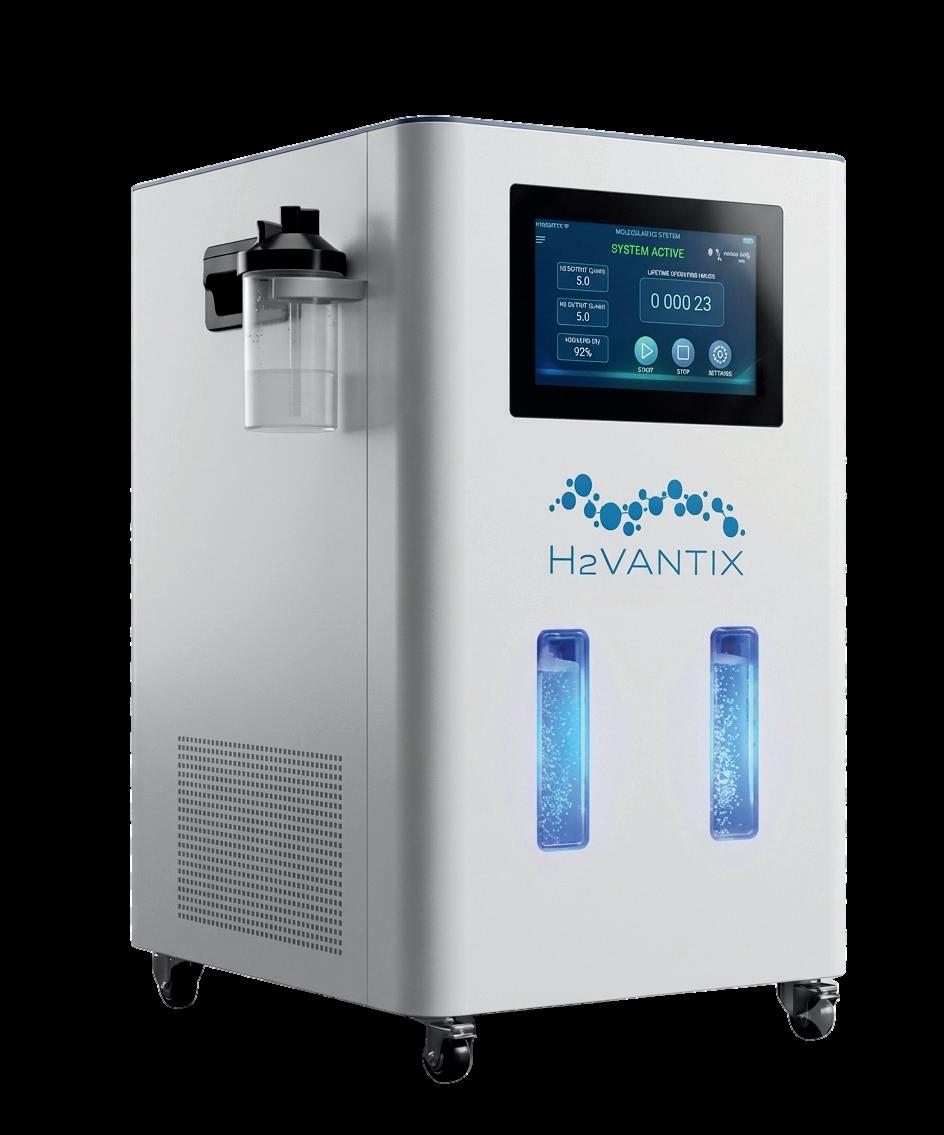
The H2Vantix Hydrogen Wellness System makes it easy to introduce molecular hydrogen inhalation into your practice.
Simple 30-minute wellness sessions
Easy implementation
Encourages
Opportunity
Additional
Training,
The SurprisingBenefits GROUNDING
Benefits of GROUNDING
In our fast-paced, modern world, where technology and urbanization dominate, it’s easy to lose touch with the natural world. A growing body of research suggests that reconnecting with the earth through a practice known as grounding, or earthing, can offer an array of health benefits!
Grounding involves direct physical contact with the earth, such as walking barefoot on grass, soil or sand, and has been associated with improved well-being across various aspects of physical and mental health.
Grounding is based on the principle that the earth carries a subtle electric charge, and direct contact with its surface can help balance the body’s electrical charge. This concept is rooted in the understanding that the earth’s surface is abundant in free electrons, which are negatively charged particles. When a person is in direct contact with the earth, these electrons can be transferred to the body, neutralizing positively charged free radicals and reducing inflammation.
Several studies have suggested that grounding may have antiinflammatory effects on the body. In a 2015 study published in the Journal of Inflammation Research, participants who grounded themselves showed a significant reduction in inflammatory markers, indicating that contact with the Earth may help modulate the body’s inflammatory response.¹
Grounding has been linked to better sleep quality and duration. A 2004 study published in the Journal of Alternative and Complementary Medicine found that participants who slept grounded experienced improvements in sleep efficiency, total sleep time, and decreased nighttime awakenings.² The balancing effect on cortisol, the stress hormone, may contribute to these positive sleep outcomes.³
Reduction
Grounding appears to have a calming effect on the nervous system, potentially reducing stress and anxiety. A small pilot study published in 2015 found that participants who practiced grounding techniques reported lower levels of stress and improved overall emotional wellbeing.⁴
Improved Blood Flow and Cardiovascular Health Pain Management
Is There Science Behind Grounding? Reduction in Inflammation Improved Sleep Stress
Preliminary research suggests that grounding may positively impact cardiovascular health. A study published in the Journal of Environmental and Public Health in 2012 found that grounding resulted in improved blood viscosity and flow, potentially contributing to better overall cardiovascular function.⁵
Grounding has shown promise as a complementary approach to pain management. A 2017 study found that grounding reduced the intensity of chronic musculoskeletal pain and improved participants’ overall quality of life.⁶ While more research is needed, these findings suggest that grounding could be a valuable addition to pain management strategies.
Practical Ways to Incorporate Grounding into Your Life: 1.
Barefoot Walking
Spend time walking barefoot on natural surfaces like grass, soil, or sand. This direct contact allows the transfer of electrons from the earth to your body.
2. Gardening
Engage in gardening activities where you come into direct contact with the soil. Planting, weeding, or simply sitting on the ground can provide grounding benefits.
3. Beach Time
Take advantage of the beach environment, where the combination of sand and water provides an excellent grounding experience. Walk barefoot along the shore or sit in the sand to enhance the connection.
4. Grounding Mats and Sheets
Grounding mats and sheets with conductive properties are designed to connect to the earth’s electric charge. Using these products while sleeping or sitting can offer the benefits of grounding indoors.
As we navigate the challenges of modern living, the simple act of connecting with the earth may hold profound health benefits. Grounding has the potential to reduce inflammation, improve sleep, alleviate stress, enhance cardiovascular health, and aid in pain management. While more research is needed to understand the mechanisms behind these effects fully, the existing evidence suggests that incorporating grounding practices into our daily lives could be a valuable component of a holistic approach to well-being. So, kick off your shoes, step onto the grass, and let the earth’s natural energy contribute to your overall health and vitality!
HOPE LIVES HERE.
science-based
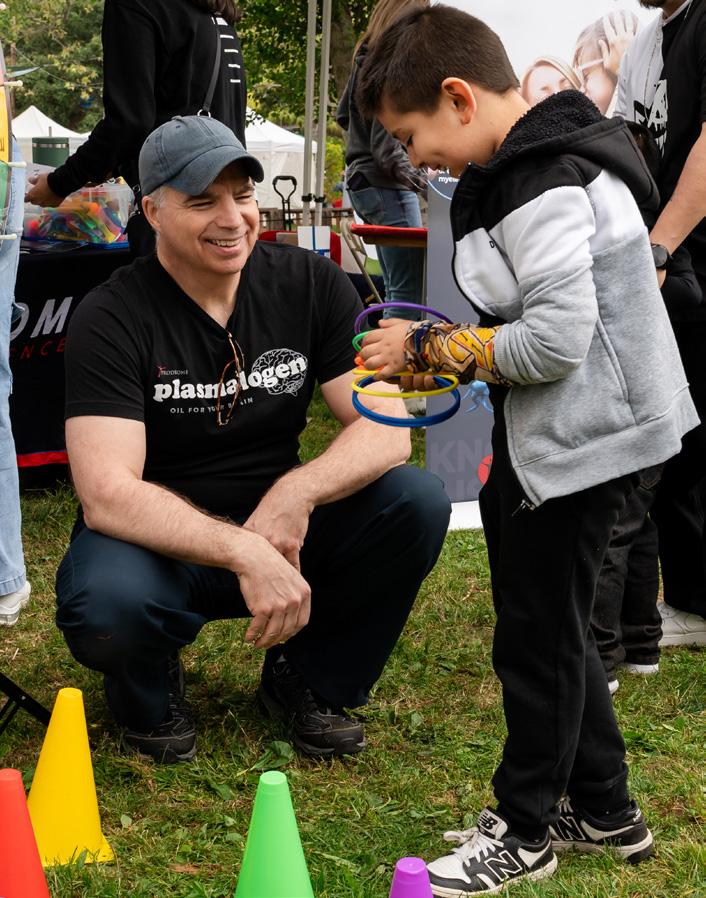
The Dr. Goodenowe NeuroSupport Program empowers families through education, community, structured health tracking, and nutritional plasmalogen support. Our goal is to provide the tools, knowledge, and encouragement families need to stay engaged throughout their child’s journey—because meaningful progress begins with understanding, and no family should walk that journey alone.
NeuroSupport is an education and support program and is not a substitute for medical care. Our goal is to build a community centered on education, connection, and hope.
“We truly believe they’re helping his brain and body function at a higher level. Seeing these changes, especially in such a short time, has brought us a renewed sense of hope and excitement for what’s ahead.”
-Karine H.
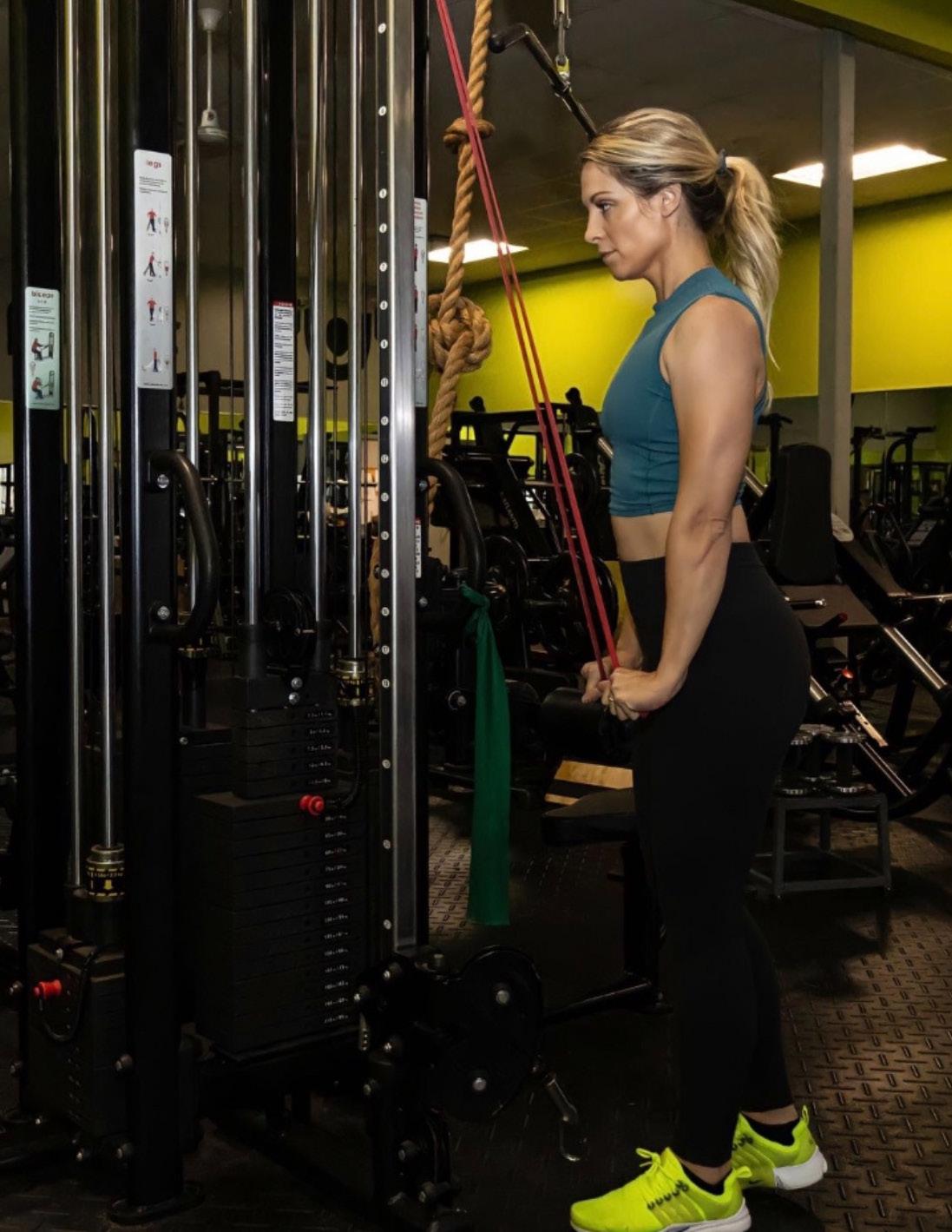
THE IMPORTANCE OF RESISTANCE TRAINING WHEN TAKING PEPTIDES
MAXIMIZING EFFECTIVENESS THROUGH STRENGTH TRAINING
Written By Ashleigh Quint, MIM, PICP-SCC
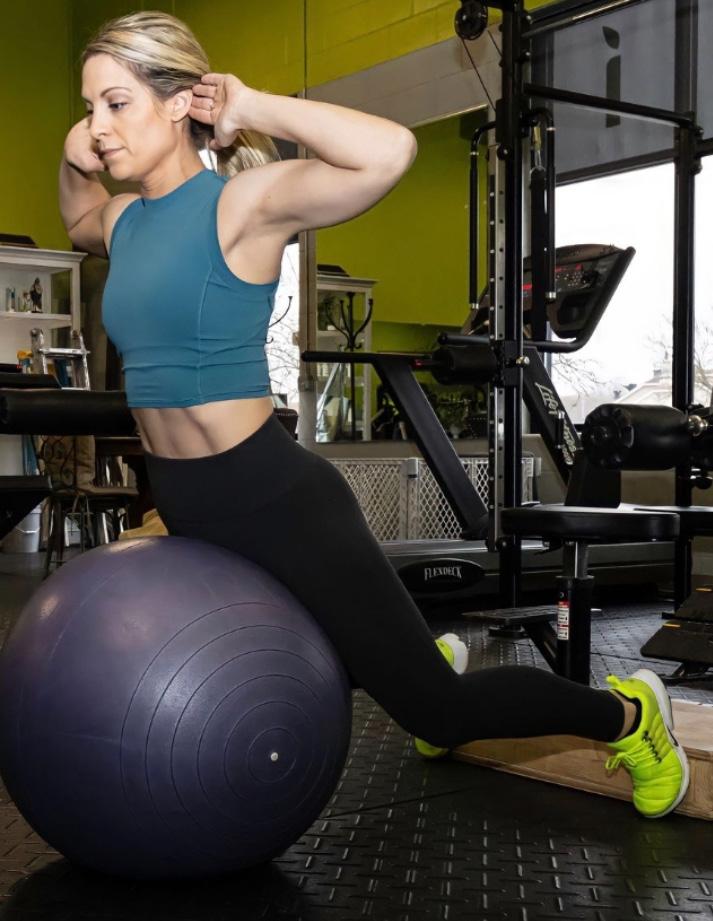
Peptides have gained significant popularity in recent years for their role in muscle growth, fat loss, and recovery. These short chains of amino acids act as signaling molecules in the body, often stimulating the production of growth factors, collagen, and other essential proteins. However, peptides alone are not a magic solution for muscle development or athletic performance. Without resistance training, their benefits are significantly diminished.
To fully harness the power of peptides, incorporating a structured weightlifting regimen is essential. This article explores the relationship between peptides and resistance training, the science behind their effectiveness, and why strength training is a non-negotiable factor when using peptides for body composition and performance improvements.
THE SCIENCE BEHIND PEPTIDES AND MUSCLE GROWTH
Peptides like Growth Hormone Releasing Peptides (GHRPs), CJC-1295, BPC-157, and IGF-1 are widely used because of their ability to enhance muscle recovery, promote fat loss, and improve overall physical performance. Many of these peptides work by increasing the release of growth hormone (GH) or stimulating protein synthesis, leading to potential muscle hypertrophy and improved tissue repair.
However, peptides do not create muscle mass or strength in isolation. They function as catalysts, enhancing the body’s natural ability to build and repair tissues—but only when a stimulus is present, such as resistance training.
JOURNAL EVIDENCE ON PEPTIDES AND TRAINING SYNERGY
A study published in the Journal of Clinical Endocrinology & Metabolism highlights the necessity of mechanical stress, such as weightlifting, for peptides like IGF-1 (Insulin-like Growth Factor 1) to exert their muscle-building effects.
Smith notes, “The anabolic effects of IGF-1 are significantly enhanced in individuals engaging in progressive resistance training. Without mechanical overload, IGF-1 expression remains insufficient to promote significant hypertrophic adaptation.” ¹
This study reinforces the idea that peptides act as enhancers, not replacements, for the physical stress required to stimulate muscle growth.
WHY PEPTIDES ARE INEFFECTIVE WITHOUT RESISTANCE TRAINING
1. Lack of Muscle Stimulation = No Growth
Peptides such as IGF-1 and CJC-1295 are most effective when an external stimulus, like weightlifting, signals muscle repair and growth. Without this stimulus:
• Muscle protein synthesis does not increase significantly.
• There is no mechanical breakdown of muscle fibers to initiate repair and hypertrophy.
• Peptides may primarily enhance recovery rather than actual muscle gain.
For example, BPC-157, a peptide known for its healing properties, is widely used for injury recovery. However, the peptide cannot properly maximize tissue repair or reinforce connective tissues if an athlete does not engage in rehabilitation exercises or strength training.
2. Fat Loss Effects Are Reduced Without Strength Training
Many peptides, particularly GH-releasing peptides (GHRPs) and CJC-1295, promote fat metabolism by increasing growth hormone levels. However, without resistance training:
• Fat oxidation is not as effective because muscle tissue is not actively demanding more energy.
• The metabolic benefits of peptides are not fully realized.
• Body composition changes remain minimal, as lean muscle mass is not being developed.
Strength training increases resting metabolic rate (RMR) and lean muscle mass, making fat-burning peptides more effective by promoting a calorie-burning environment.
3. Recovery Benefits Are Limited Without Physical Stress
One of the most touted benefits of peptides is enhanced recovery, particularly with compounds like TB500 and BPC-157. However, without training-induced muscle stress, these peptides may simply maintain existing tissue integrity rather than improve performance.
• Muscle repair and regeneration require initial tissue breakdown.
• Collagen-stimulating peptides are most beneficial when muscles and connective tissues undergo consistent loading and adaptation.
• Without training, these peptides might contribute to minor tissue healing but not structural enhancement.
THE ROLE OF RESISTANCE TRAINING IN MAXIMIZING PEPTIDE BENEFITS
1. Stimulating Growth Hormone (GH) Naturally
While peptides such as CJC-1295 and Ipamorelin stimulate growth hormone release, resistance training is a natural GH booster on its own. Heavy strength training—especially compound movements like squats, deadlifts, and bench presses—can elevate endogenous growth hormone and testosterone levels, complementing peptide supplementation.
• The combination of strength training and GH-boosting peptides creates a synergistic effect, leading to more pronounced muscle growth and fat loss.
2. Enhancing Muscle Protein Synthesis
When peptides such as IGF-1 and CJC-1295 are introduced into the body, they increase the rate of muscle protein synthesis (MPS). However, without the mechanical tension from weightlifting, MPS remains suboptimal, leading to little to no gains in muscle mass.
• Lifting weights activates the mTOR pathway, a key signaling mechanism for muscle growth.
• Peptides like IGF-1 enhance mTOR activation but require training-induced muscle damage for optimal adaptation.
3. Improving Strength and Performance Outcomes
Athletes using peptides for injury recovery, strength, or endurance gains must incorporate resistance training to see measurable improvements. Peptides like TB-500 and BPC-157 help heal soft tissue injuries, but physical therapy and progressive resistance training are essential for regaining strength and function.
• Adaptive strength increases occur when muscles are consistently challenged.
• Peptides facilitate the repair of microtears, but new muscle fibers are not being built without training.
PEPTIDES ARE ONLY AS EFFECTIVE AS THE TRAINING STIMULUS
Peptides offer tremendous potential in improving muscle recovery, growth, and performance—but only when combined with resistance training. Without strength training, the body lacks the necessary stimulus for peptides to exert their full anabolic and recovery benefits.
For anyone considering peptide supplementation, the focus should remain on progressive overload, structured strength training, and consistent physical activity. Peptides can amplify results but cannot replace the fundamental requirement of mechanical stress and muscle adaptation through resistance training.
BRIDGING THE DIVIDE
Sharon Jackson and the Vision for a Unified Healthcare Ecosystem
By Riley George
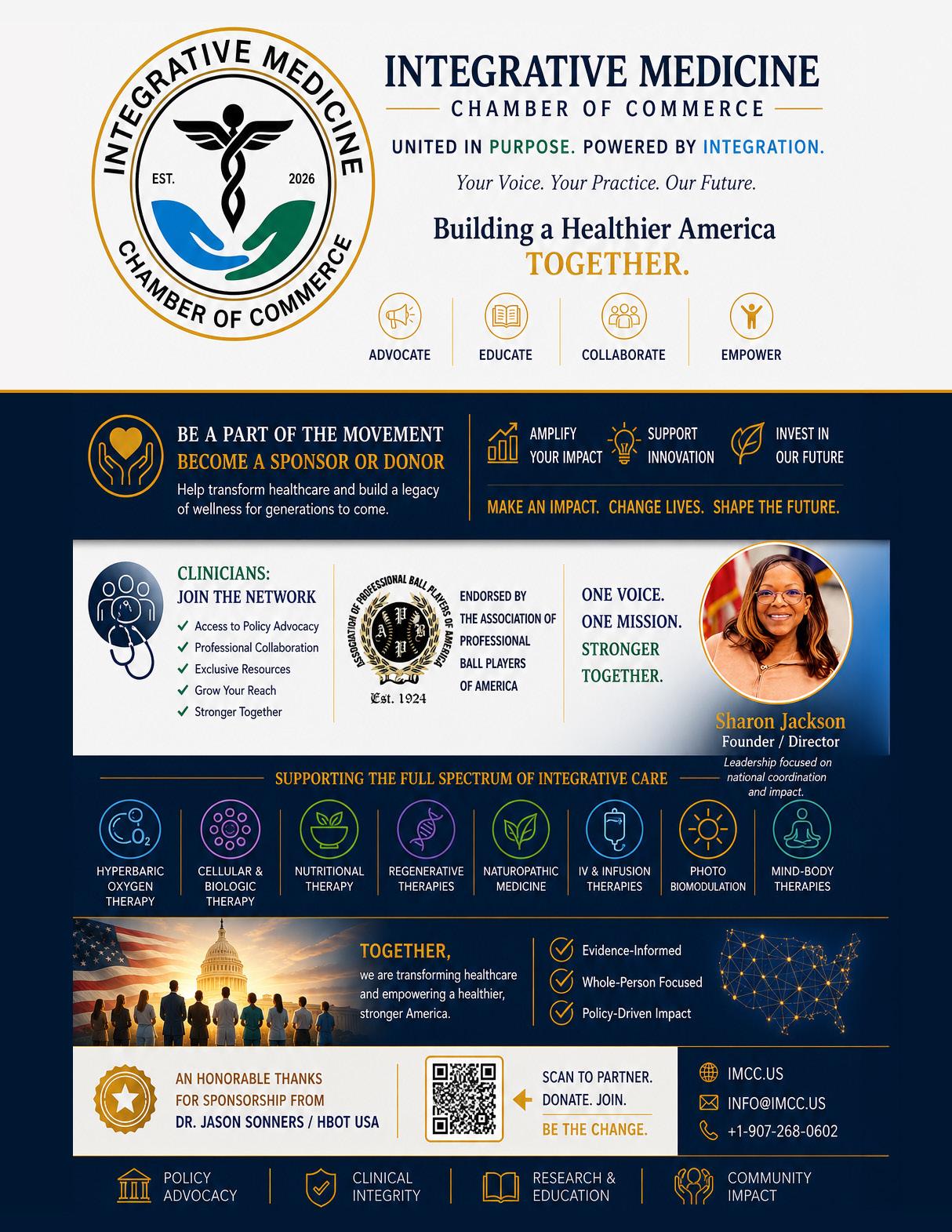
The current landscape of American healthcare often feels like a dichotomy between two worlds: the high-tech, intervention-heavy realm of conventional medicine and the personalized, root-cause-focused world of integrative care. For Sharon Jackson, an Army veteran and former Alaska State Representative, this divide is more than a professional challenge—it was the catalyst for a personal miracle. As the driving force behind the Integrative Medicine Chamber of Commerce (IMCC), Jackson is leveraging her extensive background in small-business lobbying and public policy to advocate for a future in which regenerative and conventional modalities coexist within a single, collaborative ecosystem.
A Journey Rooted in Service and Recovery
Jackson’s journey to this pivotal role was anything but linear. After 15 years in office equipment repair following her military service, she found her true calling in advocacy through her work with the National Federation of Independent Business and later as a constituent liaison for U.S. Senator Dan Sullivan. Approximately six months into her role with the senator’s office, a massive stroke in 2016 abruptly changed the course of her life. The stroke left her paralyzed on her left side and unable to speak clearly, a moment that could have ended her public service career. Instead, it began her immersion into regenerative medicine and ultimately inspired a renewed sense of purpose. Two years later, she ran for lieutenant governor of Alaska and subsequently served three years in the Alaska State House, bringing her experiences in recovery and resilience into public service.
“I witnessed a miracle with my recovery,” Jackson said, reflecting on the arduous journey back to health. “Hyperbaric oxygen therapy put me on a path to healing my body from the effects of my stroke. It changed my life and sparked that vision of helping more people with integrated medical modalities.”
Jackson recalled recognizing the severity of the stroke almost immediately. Unable to speak clearly, she attempted to write the word “stroke” on a piece of paper to communicate to her husband what was happening. During a later speech reflecting on the experience, she described the quiet determination that carried her through recovery: “This will not take me out.” That mindset of resilience would become a defining theme in both her personal recovery and her future advocacy work.
Having experienced the profound impact of non-conventional therapies firsthand, Jackson realized that her recovery was not just a personal victory, but a call to action. She saw a glaring lack of accessibility and awareness regarding the very treatments that restored her independence, prompting her to found the IMCC as a 501(c)(6) non-profit designed to give these modalities a unified national voice.
The IMCC: A Platform for Advocacy and Policy Reform
The IMCC functions as a bridge, connecting practitioners of alternative, regenerative, and integrative medicine with the resources and advocacy needed to achieve mainstream legitimacy. Jackson noted that many practitioners currently operate in a state of isolation or even fear, often staying “low” due to the lack of federal recognition and the potential risk to their licenses. By providing a platform for education, collaboration, and policy reform, the IMCC aims to remove these barriers. The goal is to move these treatments from the fringes of healthcare to a position where they are not only recognized by the federal government, but crucially covered by insurance.
“This isn’t about disrupting healthcare; it’s about rebuilding it with prevention and innovation before the system fails the very people it was created to save,” Jackson explained. “America deserves a healthcare system built for healing, not just surviving.”
The IMCC focuses on bridging the gap through evidence-based advocacy, utilizing “white papers, studies, and numbers” to speak the language of legislators and federal agencies. Jackson’s experience in the Senate and the State House has given her a unique perspective on the psychology of government, allowing her to present integrative medicine not as a radical departure, but as a necessary evolution of the current system.
Addressing the Root Cause of a Growing Health Crisis
The growing demand for integrative services is evidenced by the rapid proliferation of modalities such as IV hydration lounges and longevity centers appearing in communities across the country. Jackson believes this cultural shift is driven by a weary public that has grown tired of the traditional medical model, which often focuses on merely managing symptoms rather than resolving the underlying issues.
She argued that while conventional medicine excels at trauma management and acute care, both essential services in emergencies, it often falls short in addressing the complex, multi-faceted root causes of chronic illness and long-term degeneration.
Jackson pointed to a shifting tide in patient expectations, noting that the modern healthcare consumer is increasingly well-informed and looking for alternatives that support the body’s innate ability to heal.
“People are just ready for wellness,” she said. “It shouldn’t take a health crisis in order to have the best health and performance that we can possibly have. Our current health system is good at prescribing drugs, but it is becoming more apparent that many of those drugs only mask the problem and can cause other unintended health issues. It becomes a domino effect.”
This “domino effect” refers to the cycle of secondary side effects often triggered by long-term pharmaceutical use, which can lead to a secondary set of symptoms and further prescriptions, eventually obscuring the original health concern.
Furthermore, Jackson observed that the need for a root-cause approach has never been more urgent, particularly as the nation grapples with the long-term effects of recent global health challenges. She noted that many people, including a younger generation that appears “sicker than we’ve ever seen,” are suffering from a lack of vitality that conventional settings struggle to quantify.
By identifying and treating the source of dysfunction through more natural, restorative methods, Jackson believes the IMCC can help patients avoid the trap of chronic symptom management and instead move toward a state of genuine, sustainable health.
Prioritizing Brain Health and Proactive Wellness
Central to Jackson’s vision for the IMCC is the concept of brain health as the foundational cornerstone of overall human wellness. Drawing on her extensive work and deep friendship with the late neurologist Dr. Carol Henricks, Jackson emphasized that the brain, like any other vital organ, can experience disease and trauma. More importantly, it possesses a remarkable capacity to repair and reorganize itself when provided with the right biological tools. This focus on neuro-regeneration was a key element of Jackson’s own recovery, where she witnessed how oxygen-rich environments and cellular support could facilitate healing that traditional protocols deemed unlikely.
By championing treatments such as hyperbaric oxygen therapy, nutrition, and light frequency therapies, the IMCC advocates for a “pro-active” rather than just a “preventive” approach to healthcare. In Jackson’s view, prevention is about avoiding a negative state, whereas being proactive is about optimizing a positive one.
This philosophy encourages individuals to view their biological health as their primary source of wealth, an asset that requires consistent investment and high-quality maintenance.
“If you can work with the brain, allowing it to repair itself, then the whole body benefits,” she noted, highlighting the intrinsic link between mental clarity, physical performance, and emotional resilience.
This focus on the brain also addresses the silent epidemic of mental health and cognitive
decline. Jackson argued that when the brain is struggling with “disease” or inadequate oxygenation, it affects every internal system, leading to a loss of productivity and happiness. By prioritizing brain health through integrative modalities, the IMCC aims to reinvigorate the energy of the nation. For Jackson, when individuals feel better, they “do better,” creating a ripple effect in which healthy people contribute to more vibrant education systems, more effective government, and a more joyful society at large. This holistic perspective shifts the focus from managing illness to empowering the individual to reach their highest potential.
A Divine Assignment for a Healthier America
Looking forward, Jackson sees no shortage of opportunities to expand the IMCC’s reach and solidify its place as a cornerstone of the medical community. With high-profile endorsements from organizations such as the Association of Pro Ball Players of America and a rapidly growing network of scientists, researchers, and frontline doctors, momentum is building toward a tipping point.
Jackson remains a “boots on the ground” leader, a self-described “army girl” who finds her greatest joy in traveling the country, attending conferences, and meeting face-to-face with practitioners who have long sought a unified platform to share their successes and challenges. She views the current era as a time of “putting the pieces together,” where the knowledge gained over decades of research is finally meeting the political and social will necessary for systemic change.
Jackson often describes resilience as a form of defiance—not rebellion, but the decision to continue moving forward despite adversity. “Strength is deciding that pain will not have the final say,” she said during a recent address, a philosophy that continues to shape both her leadership and the mission of the IMCC.
For Jackson, the IMCC is more than a professional organization; it is the missing key in a fractured healthcare landscape–a divine assignment aimed at creating a more sustaining, inclusive, and effective medical environment for all Americans. She believes that by providing the government with the necessary white papers and clinical evidence, the path toward federal recognition and insurance coverage is not just possible, but inevitable. This mission is driven by the conviction that healthcare should empower the individual, providing them with the vitality needed to pursue their own purpose.
“Our health is our wealth,” Jackson said, emphasizing the profound connection between physical well-being and national prosperity. “Without good health, we really have nothing to offer. This modality is invigorating; I see it reigniting the energy of the people of our nation.”
As the IMCC continues to bridge the gap between traditional and integrative care, Jackson’s vision remains clear: to ensure that every American has access to a system that prioritizes healing and performance, allowing the “joy that we can now reconnect with” to spread through every facet of society, from education to government. In her view, when the people are healthy, the nation itself can finally evolve.
To learn more about Sharon Jackson and her missions, visit www.imcc.us.
DELIVER MORE
YOUR CELLS FOR YOUR BODY
OTHER MODALITIES
Whether the focus is on:
• Wellness
• Performance
• Healthy aging
• Recovery
NanoVi® provides a unique way to improve your results.
DELIVER MORE FOR YOUR CELLS
IMPROVE PROTEIN ACTIVITIES
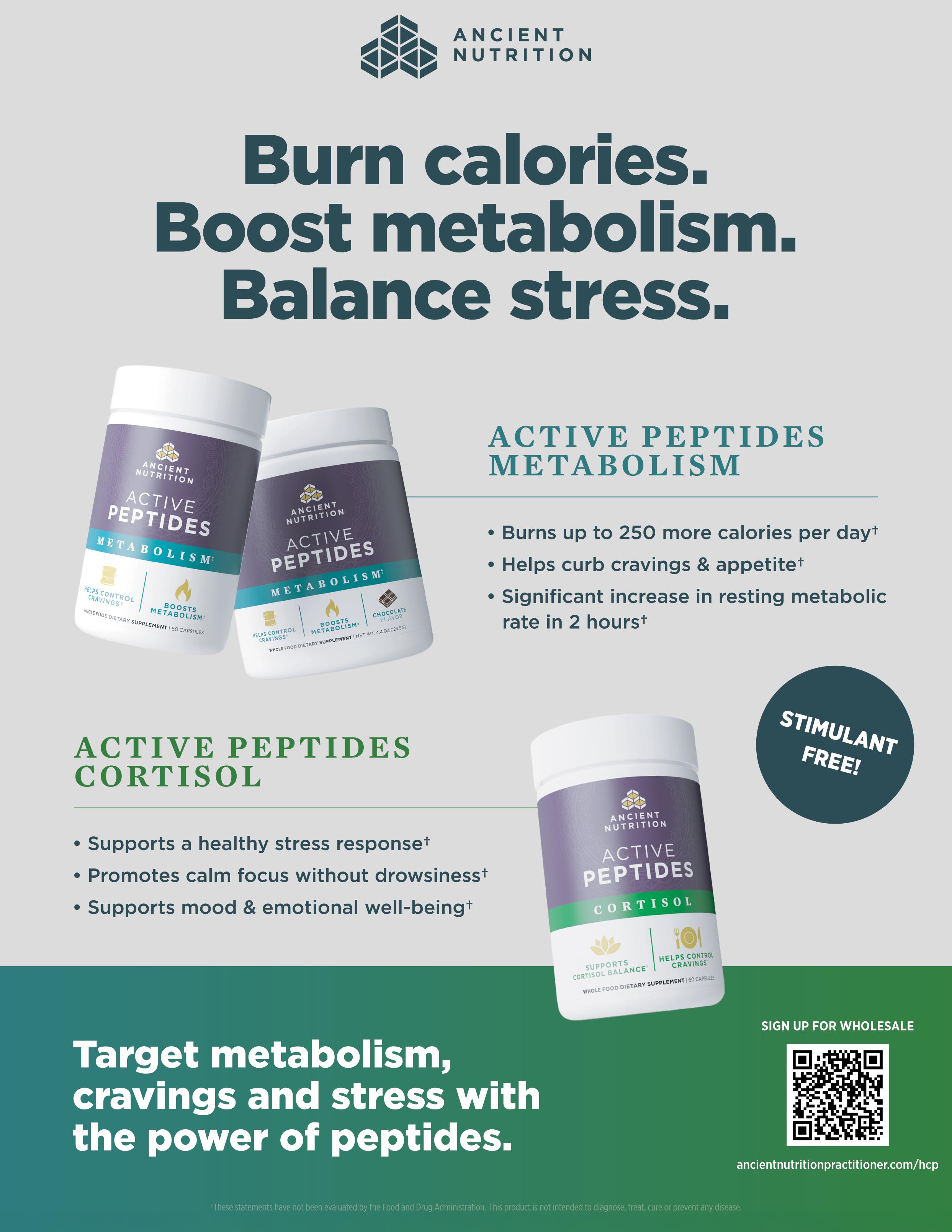
NanoVi® supports protein function to promote energy production, cellular repair, recovery, resilience, and overall performance.
Since proteins are fundamental to nearly every biological process, supporting their activity helps optimize across every system.
DELIVER MORE FROM OTHER MODALITIES
BETTER CELLULAR FUNCTION CAN IMPROVE ANYTHING ELSE YOU DO
DELIVER MORE FOR YOUR BODY
PERFORMANCE • WELLNESS • RECOVERY
The impact of NanoVi is noticeable and measurable. More energy, faster recovery and less stress are some of the more apparent results.
Independent studies confirm the benefits of NanoVi and include placebo-controlled research and published results.
NanoVi® isn’t another competing modality, it’s the layer that helps support the biology beneath them all.
THE
Herbal Medicine Cabinet
NATURAL DEFENSES FOR FLU SEASON
WRITTEN BY: JILLIAN FAST
As flu season approaches, it is not unexpected that people are eagerly getting ready to prevent sickness and boost their immunity. However it's crucial to understand exactly what we're employing to "protect" our bodies. Over-the-counter cold and flu medications, many of which are neon syrups and pills packed with artificial dyes, chemical fillers, and sweeteners, cost billions of dollars each flu season. Red 40, Blue 1, artificial flavorings, synthetic sweeteners, and other chemicals are frequently used purely for taste and appearance rather than for medicinal reasons. Yet, when their immune systems are weakest, individuals turn to and trust in these products.
These common dyes and chemicals have been connected to sensitivity or inflammation in some people, which can put additional strain on the body while it is already attempting to heal. Instead of strengthening or fortifying your immune system, these products might worsen the situation by slowing the healing process and trapping you in a vicious loop of treating symptoms rather than promoting real healing.
HERBAL ALTERNATIVES
A holistic approach provides a radically different worldview in this situation. Holistic wellness seeks to boost the immune system, lower systemic inflammation, and provide the body with the resources it needs to effectively and fully recover from illness rather than concentrating on muting symptoms.
ELDERBERRY
Elderberry is an herb that should always be included in flu-season toolkits. Rich in antioxidants and flavonoids, elderberry has been widely studied for its ability to support immune response and help the body fight viral infections.
Unlike most drugstore syrups, quality elderberry syrups or capsules are designed to support the immune system’s actual fight against the virus. Many people take elderberry at the first sign of symptoms, and some use it preventatively during high-exposure periods like travel or peak winter months.
OIL OF OREGANO
Oil of oregano is often referred to in herbal and integrative medicine as a “natural antibiotic”, not because it behaves exactly like pharmaceutical antibiotics, but because it contains powerful antimicrobial compounds, especially carvacrol and thymol. These compounds have been studied for their ability to inhibit certain bacteria, viruses, and fungi.
Unlike antibiotics that indiscriminately wipe out both good and bad gut bacteria, oil of oregano is typically used short-term to help the body control microbial overgrowth while the immune system does the deeper work of clearing the infection. It is commonly used at the first sign of a cold or flu, during sinus or throat infections, and during travel or high-exposure periods.
Due to its extreme concentration, oil of oregano should be used carefully and for short durations, preferably in enteric-coated capsules or properly diluted formulas.
ECHINACEA
Where many conventional medicines attempt to shut symptoms down, echinacea is traditionally used to activate immune response, especially in the early stages of illness. It is most effective when taken at the first hint of a sore throat, fatigue, or sniffles.
Rather than overriding the body’s signals, echinacea helps the immune system respond faster and more decisively, which may reduce both the severity and duration of illness.
It can be taken via tinctures, teas, or capsules (usually short-term at symptom onset).
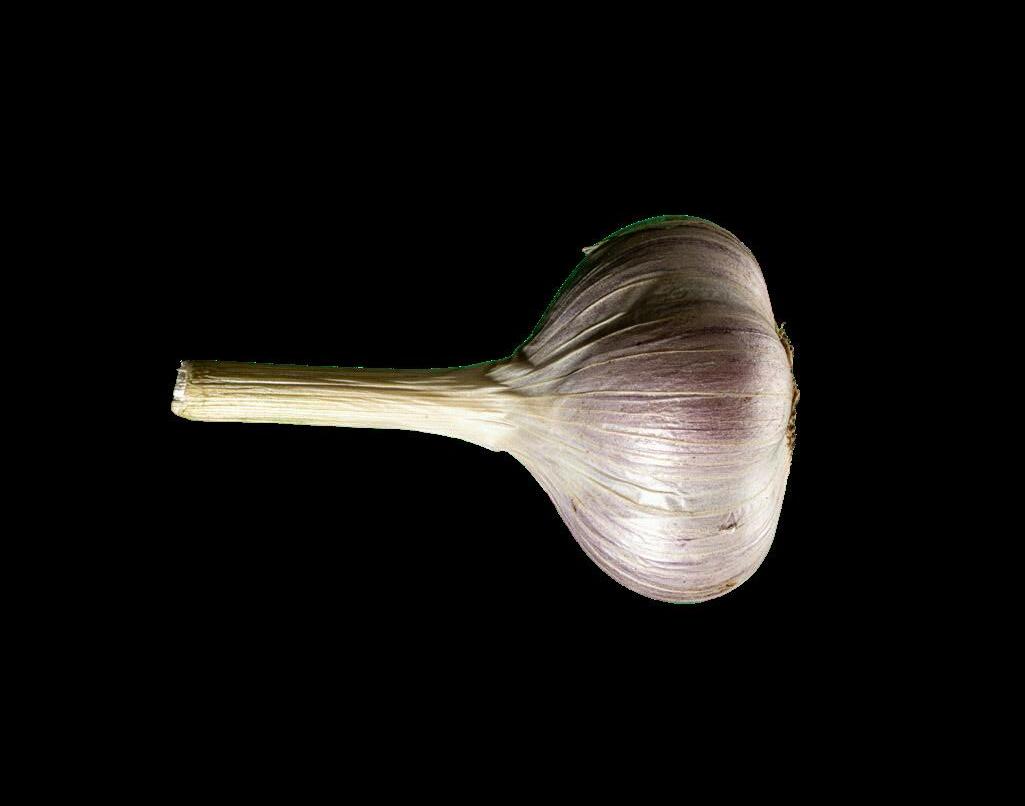
GARLIC IN HONEY
One of the most time-tested ways to use garlic medicinally is garlic infused in raw honey. This simple remedy combines two powerful natural medicines:
Garlic provides antimicrobial and immune-stimulating compounds (especially allicin). Raw honey has natural antibacterial properties and acts as a soothing carrier for the throat while also helping preserve the garlic.
Together, they create a potent, but gentle, remedy that is often used at the first sign of a sore throat or cold, during flu season for daily immune support, and to calm coughs and throat irritation while still supporting immune activity
Unlike many commercial cough syrups, this combination contains no artificial dyes, flavors, or chemical suppressants and it doesn’t simply silence symptoms. It supports the body’s immune response while also soothing irritated tissues. A teaspoon of the infused honey (with or without a small piece of garlic) once or several times per day during illness or daily during high-risk periods is most effective.
ONION IN HONEY
Onion syrup is similar classic, folk remedy. It has been used for generations to calm coughs and support respiratory health, as onions are known to contain sulfur compounds and quercetin, both known for their antimicrobial and anti-inflammatory properties.
When in combination with honey, this syrup becomes a gentle and effective alternative to commercial cough syrups. Take a spoonful as needed to aid with coughing, chest congestion, or throat irritation.
THYME
Thyme has long been used in herbal medicine for coughs, bronchitis, and upper respiratory infections. It contains thymol, a compound known for antimicrobial and antispasmodic effects on the respiratory tract.
Thyme is especially useful when coughs are tight, spasmodic, or lingering. Incorporate it into a tea, tincture, or infuse it into honey for a soothing cough remedy.
LICORICE ROOT
Licorice root is one of the most effective herbs for soothing irritated mucous membranes in the throat and lungs. It is demulcent, a coating and soothing substance, and also has antiviral and anti-inflammatory properties.
It is particularly helpful for dry, painful coughs or sore throats. It can be consumed as tea or in herbal blends (note: not for long-term daily use or for people with certain conditions like high blood pressure).
GINGER AND TURMERIC
Ginger and turmeric are not just effective as kitchen spices, they are also potent antiinflammatory medicinal plants.
Ginger aids in circulation support, helps soothe sore throats, eases nausea, and helps break up congestion.
Turmeric, through its active compound curcumin, helps calm systemic inflammation and supports overall immune balance.
Instead of relying on synthetic pain relievers that stress the liver and digestive system, these herbs offer whole-body, gentle support during illness. Teas, capsules, broths, or generously seasoned food are all effective methods of use.
THE BIGGER PICTURE: SUPPORTING REAL RECOVERY
Fever, mucus, fatigue, and inflammation are not design flaws of the body, but part of the immune system’s strategy. Where many drugstore products aim to dry up, shut down, or override these processes, herbal remedies aim to support and optimize them.
Herbal medicine does not promise you will never get sick, but rather aims to reduce severity, shorten duration, and support deeper recovery, without burdening the body with unnecessary chemicals, dyes, and fillers.
In a culture fixated on quick fixes, herbal medicine offers something more sustainable: a way to build resilience, respect the body’s intelligence, and support healing from the inside out.
REFERENCES AND RESOURCES
THE SURPRISING BENEFITS OF GROUNDING
1. Chevalier, G., et al. (2015). Earthing: Health Implications of Reconnecting the Human Body to the Earth’s Surface Electrons. Journal of Inflammation Research, 8, 83–96.
2. Ghaly, M., & Teplitz, D. (2004). The Biologic Effects of Grounding the Human Body During Sleep, as Measured by Cortisol Levels and Subjective Reporting of Sleep, Pain, and Stress. The Journal of Alternative and Complementary Medicine, 10(5), 767–776.
3. Ibid.
4. Oschman, J. L., Chevalier, G., & Brown, R. (2015). The Effects of Grounding (Earthing) on Bodyworkers’ Pain and Overall Quality of Life: A Randomized Controlled Trial. Explore, 11(4), 263–272.
5. Sokal, K., & Sokal, P. (2012). Earthing the Human Body Influences Physiologic Processes. Journal of Environmental and Public Health, 2012, 1–8.
6. Sinatra, S. T., et al. (2017). Integrative and Lifestyle Medicine Strategies Should Include Earthing (Grounding): Review of Research Evidence and Clinical Observations. The Journal of Alternative and Complementary Medicine, 23(5), 347–354.
THE IMPORTANCE OF RESISTANCE TRAINING WHILE TAKING PEPTIDES
For inquiries regarding speaking engagements, health, wellness, and strength, please contact Ashleigh Quint at IG @up_lift_gym or via email at Ashleigh@uplift-gym.com.
1. Smith, J. (2021). “The Role of IGF-1 in Skeletal Muscle Adaptation to Resistance Training.” Journal
2. Brown, L. (2020). “Growth Hormone and Exercise: Mechanisms of Muscle Hypertrophy and Fat Metabolism.” Sports Medicine Journal, 54(3), 198-214.
3. Miller, K. (2019). “Peptides in Sports Recovery and Injury Rehabilitation.” Journal of Sports Medicine and Physiology, 43(2), 65-78.
BRIDGING THE DIVIDE: SHARON JACKSON AND THE VISION FOR A UNIFIED HEALTHCARE ECOSYSTEM
1. To learn more about Sharon Jackson and her missions, visit www.imcc.us.
BRIGHT AND EARLY: HOW YOUR SLEEP SCHEDULE CAN HELP YOU FIGHT DEPRESSION
1. WebMD Editorial Contributors. “Understanding Depression -- the Basics.” WebMD. WebMD, November 2002. https://www.webmd.com/depression/understanding-depression-basics.
3. Intermountain Health. “7 Ways to Overcome Depression without Medication.” intermountainhealthcare.org, May 15, 2017. https://intermountainhealthcare.org/blogs/7-ways-to-overcome-depression-without-medication.
4. Alberts, Nuna. “Coping with Depression: A Guide to Good Treatment | Everyday Health.” EverydayHealth.com, June 13, 2018. https://www.everydayhealth.com/depression/guide/.
6. Sawchuk, Craig. “Depression (Major Depressive Disorder).” Mayo Clinic. Mayo Foundation for Medical Education and Research, October 14, 2022. https://www.mayoclinic.org/diseases-conditions/depression/symptoms-causes/syc-20356007.
7. Nall, Rachel. “Fatigue and Depression: Are They Connected?” Healthline. Healthline Media, March 29, 2012. https://www.healthline.com/health/depression/fatigue.
9. CDC. “About Sleep.” CDC, April 2, 2024. https://www.cdc.gov/sleep/about/?CDC_AAref_ Val=https://www.cdc.gov/sleep/about_sleep/sleep_hygiene.html.
10. Ibid.
11. https://medlifestyle.news/waking-up-one-hour-earlier-can-lower-a-persons-chance-of-majordepression-by-23-new-research-finds/ of Clinical Endocrinology & Metabolism, 106(5), 1285-1297.
THE HERBAL MEDICINE CABINET
1. Ansary, Johura, Tamara Yuliett Forbes-Hernández, Emilio Gil, Danila Cianciosi, Jiaojiao Zhang, Maria Elexpuru-Zabaleta, Jesus Simal-Gandara, Francesca Giampieri, and Maurizio Battino. “Potential Health Benefit of Garlic Based on Human Intervention Studies: A Brief Overview.” Antioxidants 9,
2. Iftikhar, Noreen, MD. “What Are the Uses, Benefits, and Side Effects of Garlic and Honey?” Healthline, January 7, 2026. https://www.healthline.com/health/garlic-and-honey.
3. Key, Alyson Powell. “Health Benefits of Thyme.” WebMD, October 28, 2024. https://www.webmd. com/diet/health-benefits-thyme.
4. Masaudi, Saad & Albureikan, Mona. (2012). Antimicrobial Activity of Onion Juice (Allium cepa), Honey, And Onion-Honey Mixture on Some Sensitive and Multi-Resistant Microorganisms. Life Science Journal. 9.
5.
6. Morgan, Kendall K. “Oregano Oil: Is It Good for You?” WebMD, February 16, 2026. https://www. webmd.com/diet/oregano-oil-good-for-you.
7. Rd, Rachael Ajmera Ms. “Can Echinacea Help You Fight the Common Cold?” Healthline, December 6, 2019. https://www.healthline.com/nutrition/echinacea-for-colds#effectiveness.
8. ———. “Can Ginger and Turmeric Help Fight Pain and Sickness?” Healthline, February 26, 2026. https://www.healthline.com/nutrition/turmeric-and-ginger.
9. Ren, Yulin, Gunnar Meyer, Andrew T. Anderson, Kaitlyn M. Lauber, Judith C. Gallucci, Gary Gao, and Alan Douglas Kinghorn. “Development of Potential Therapeutic Agents From Black Elderberries (the Fruits of Sambucus Nigra L.).” Molecules 29, no. 13 (June 22, 2024): 2971. https://doi. org/10.3390/molecules29132971.
10. WebMD Editorial Contributor. “Health Benefits of Licorice Root.” WebMD, November 29, 2022. https://www.webmd.com/diet/health-benefits-licorice-root.
REMEMBER TO SUBSCRIBE TO OUR WEBSITE TO STAY UP-TO-DATE ON ANY CURRENT ISSUES AND ARTICLES